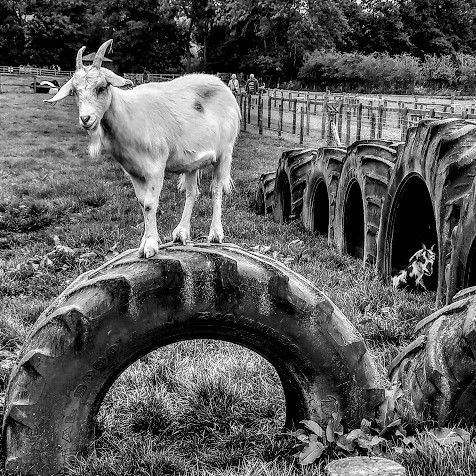
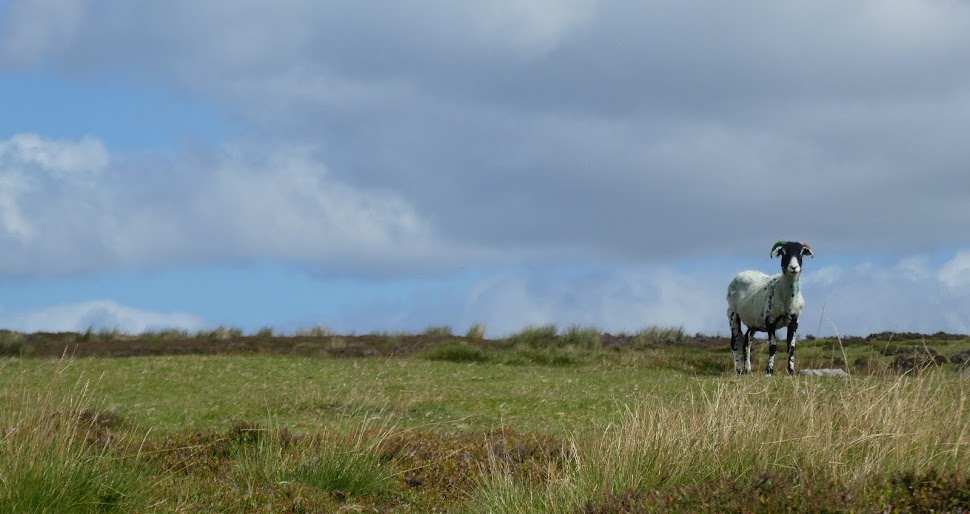
Today’s so chilly: it feels like the first day of winter. Let’s have a goat cheer us up. She can also serve to introduce next week’s Monochrome Madness, whose theme will be Bridges. And of course to feature in Seven for September. How many tyres can you see?
Category: farming
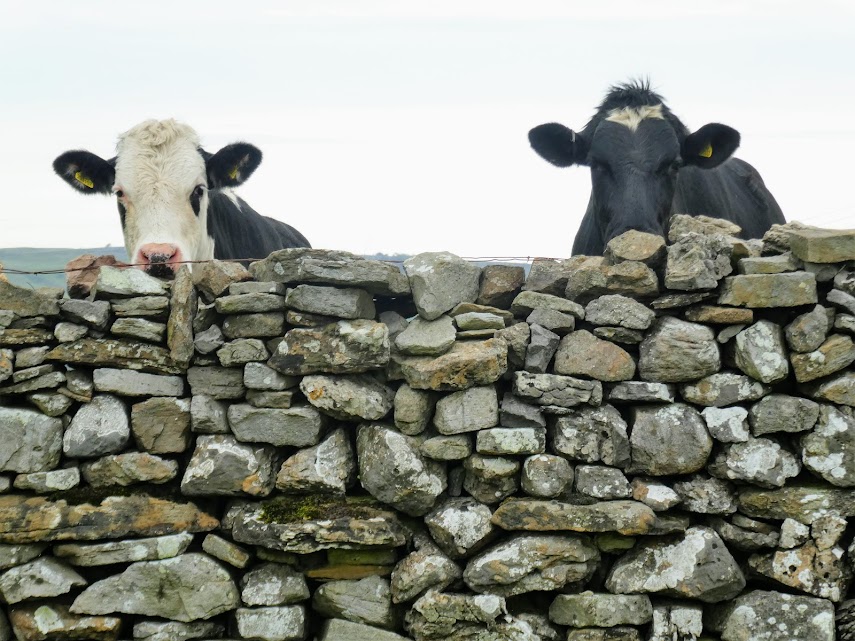
Seven for September starts with Seven Cows
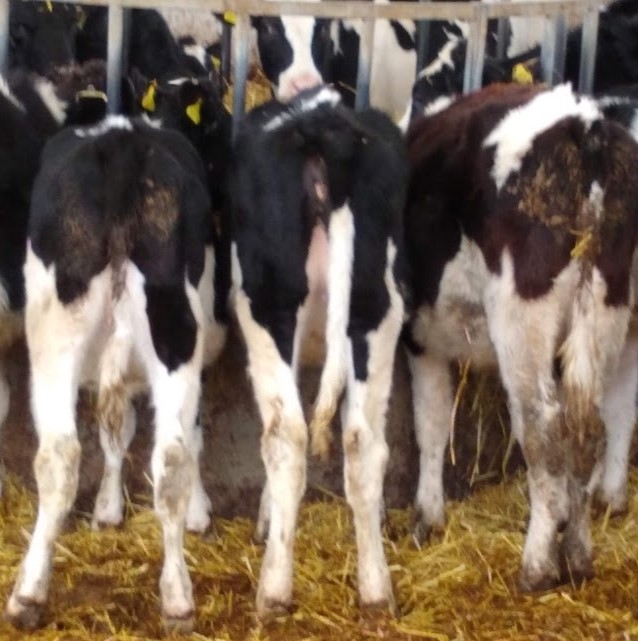
Seven? Did Becky say that this month’s Squares Challenge was all about the number seven? Well, I’ve only got only three here in my featured photo.
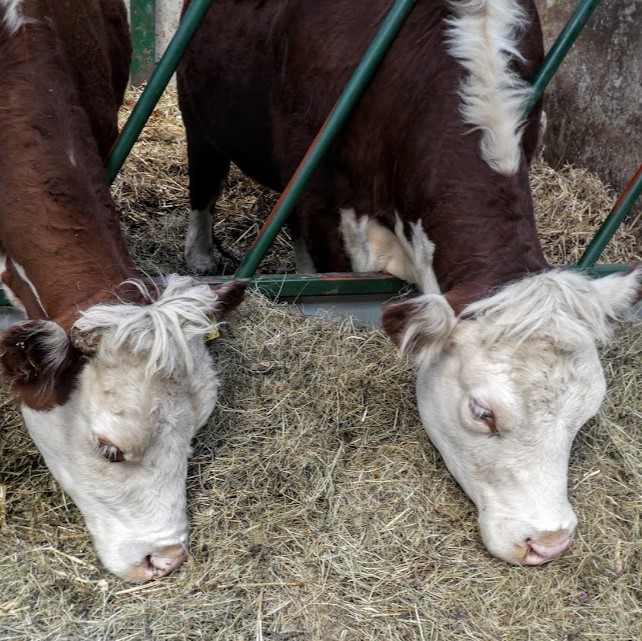
Erm. That’s still only five. Try again …

Not good enough yet … What else can I find?
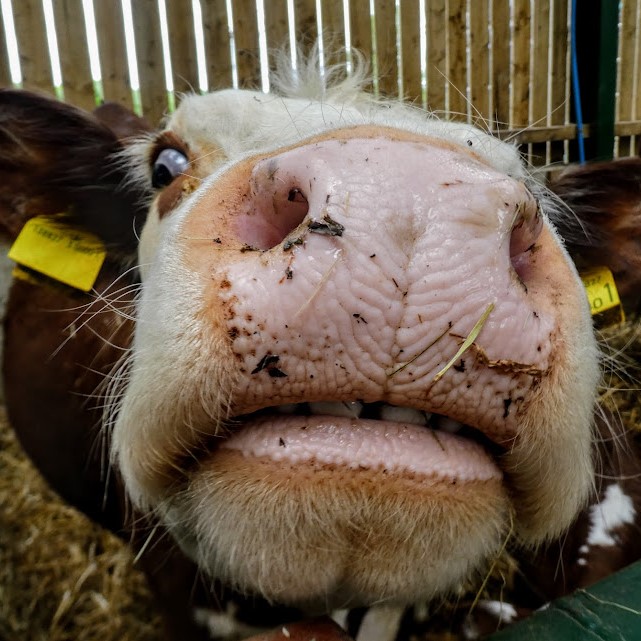
Seven! Done it! Welcome to SevenforSeptember. I aim to post Seven Times.
It’s a Goat’s Life
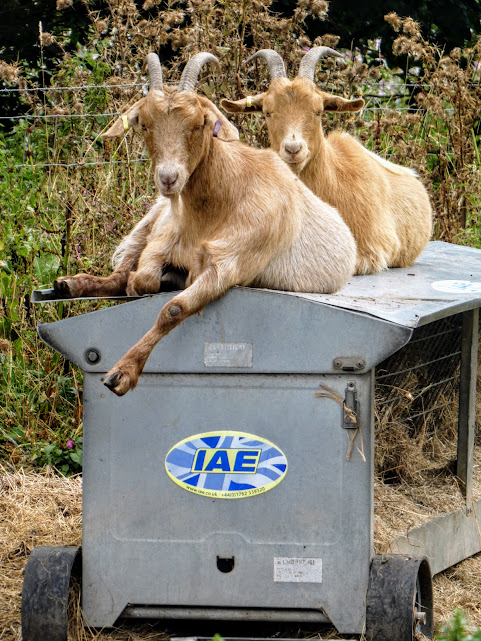
Spotted on a farm near where we’re based. One of them was enjoying a mighty good scratch …
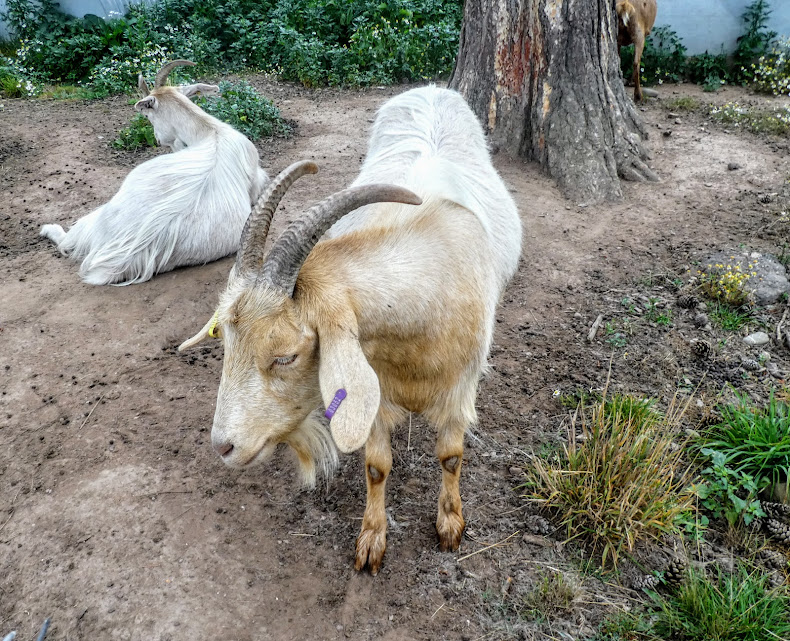
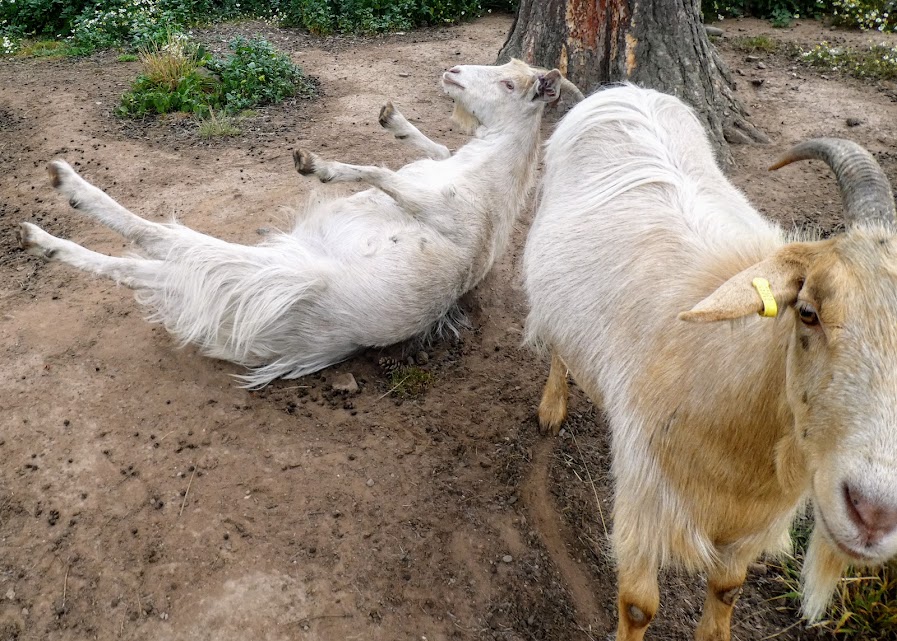
This Shropshire Postcard (2) is for Monday Portraits.
Looking at Them Looking at Us
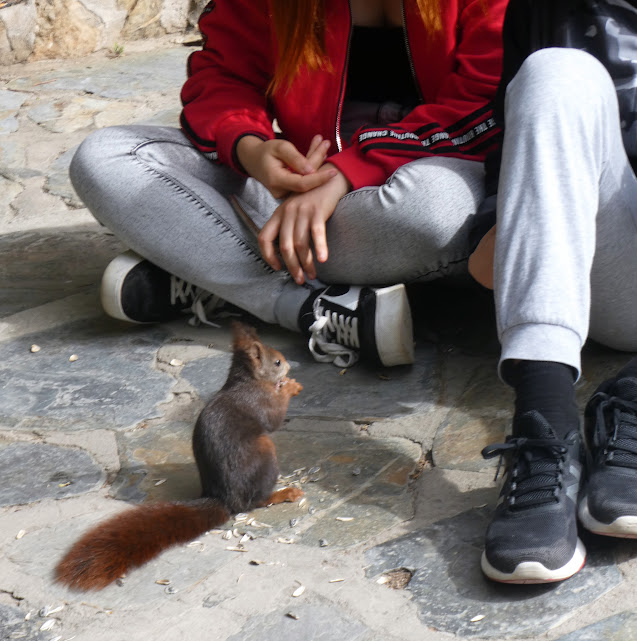
This week, for the Lens-Artists Challenge, Donna asks us to look for the connections we make in our lives. I’m going short and fairly light-hearted by looking at some of our connections with animal life. That feature photo, for instance, shows two children delighted by their squirrel companion in Málaga, while he is equally pleased about the free sunflower seeds.
Less pleased are these birds: an Arctic tern and a greylag goose. Both are warning me – or any other pesky human in the area – to leave well alone as far as their young chicks or goslings are concerned.


All my other images come from Down at the Farm.
Here are three curious creatures – two pigs and a cow – wanting to know if those human have anything to offer …


… while this small boy is pleased that the cow is willing to accept a mouthful of hay from him.

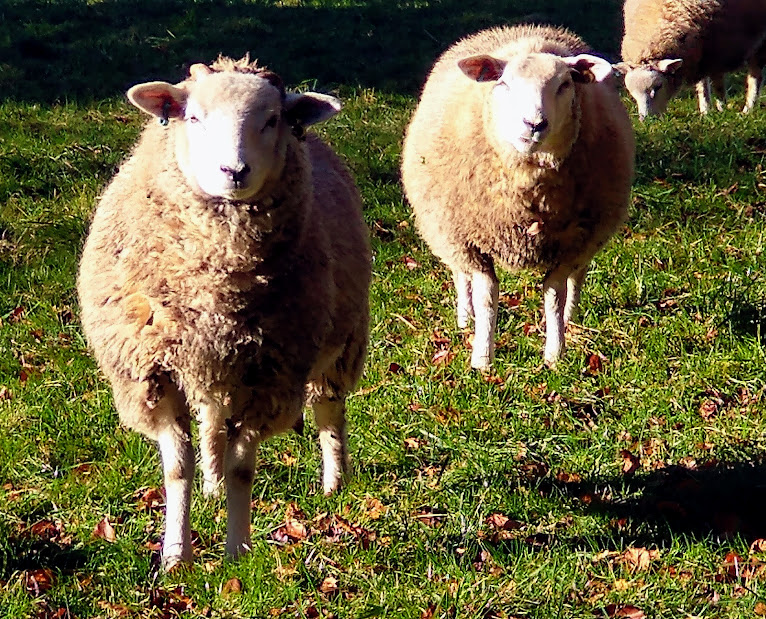
We have sheep living next door. Unusually, they’re rather fond of human company, and canter across to the fence hopefully whenever they see me pass. It’s all Cupboard Love of course, but I’m daft enough to fall for it and try to have a few cabbage stalks or something about my person to give to them.

And here’s a young girl desperately trying to make a friend of a hen. Who isn’t quite so sure.

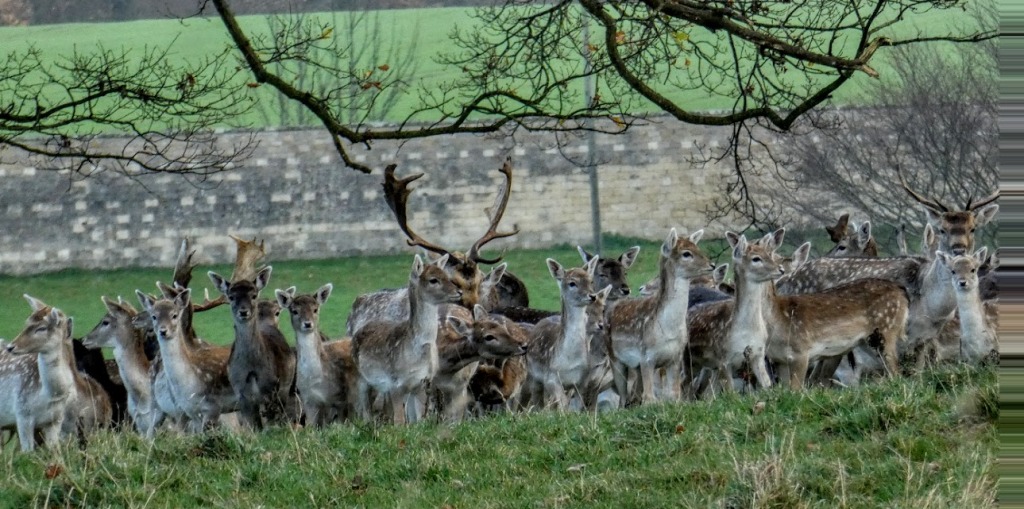
For my last image, we’ll leave the farmyard in favour of the deer park at Studley Royal. The deer are as likely to be watching us as we are them. You can never quite trust humans, they think.
Monday Portraits … Because it’s That Time of Year

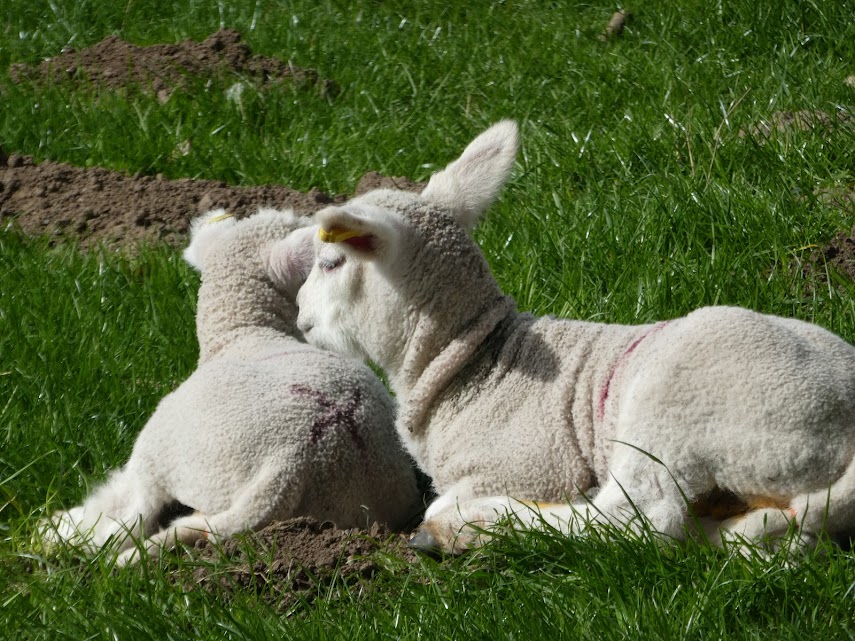
A Townie’s Jaunt to the Countryside
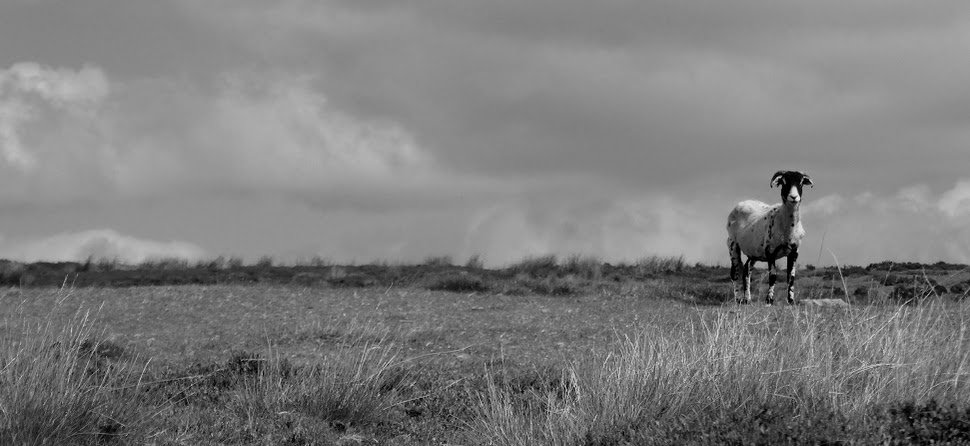
You live in a town – maybe even a big city. And on a nice Sunday afternoon, you fancy a ride out to the country to see what you can see. What do you want to find?
Maybe a barn, or even better barns, dotted round the pastureland.
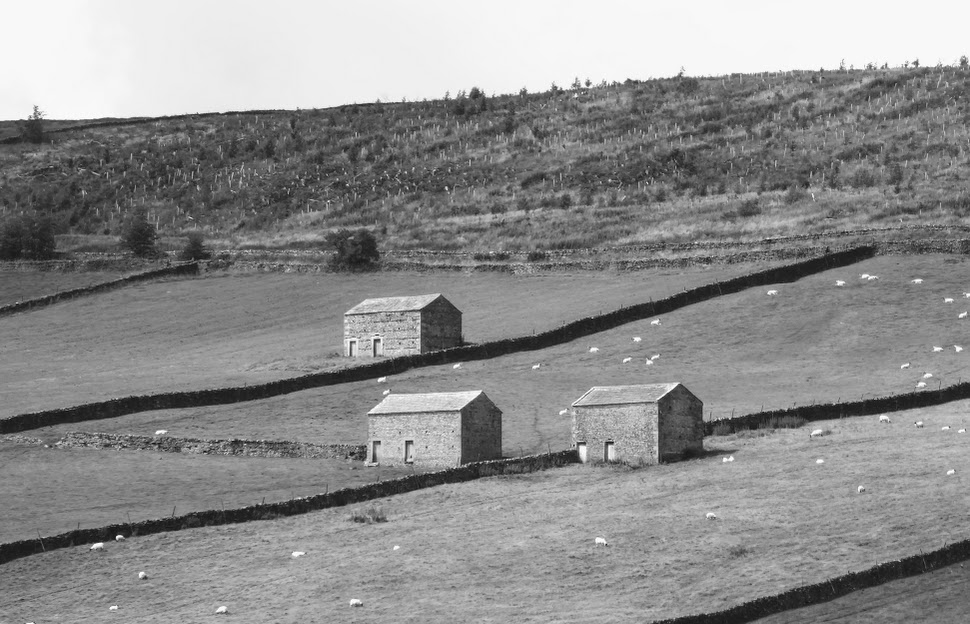
In Yorkshire, or ‘up north’ at any rate, a drystone wall wouldn’t go amiss.

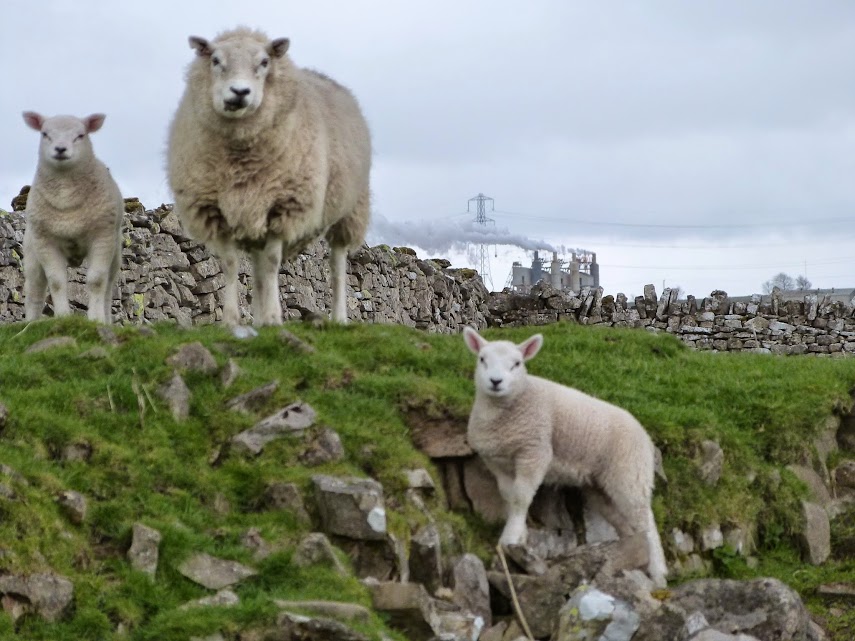
You have to see a flock of sheep, a few cows. A gaggle of geese too maybe?
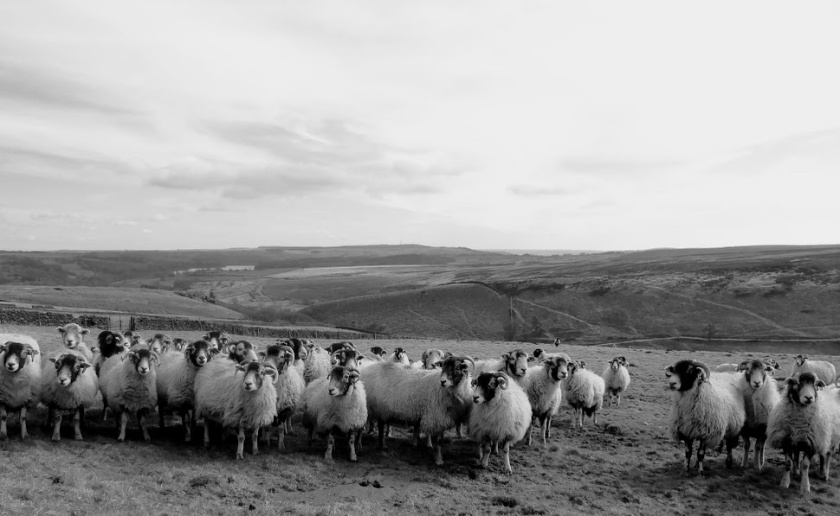

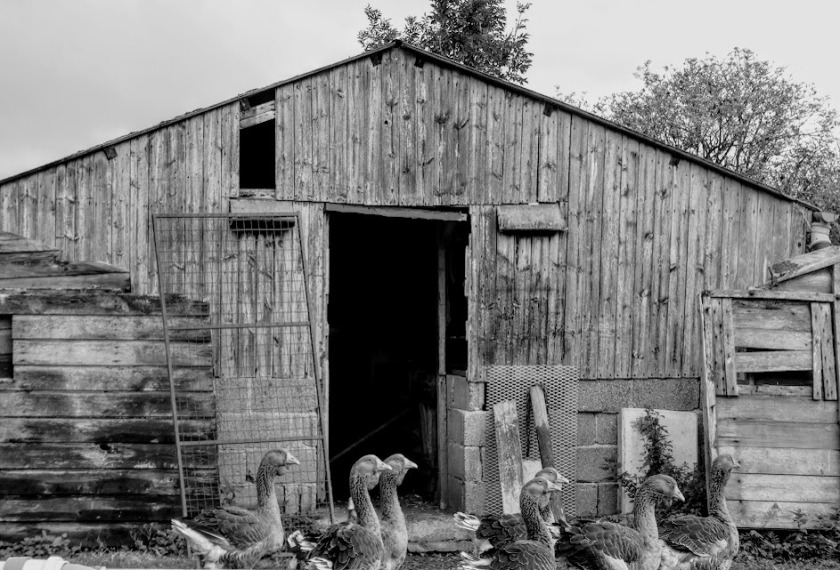
And a farmer at work – yes, even on a Sunday …

And a rusting old tractor in a tumbledown barn?

And you need to drive along ‘the rolling English road‘, made, according to GK Chesterton, by ‘the rolling English drunkard‘.

And to make your day complete, just before you head back to town and all mod cons, you’d quite like to have to grind to a halt on the road because…
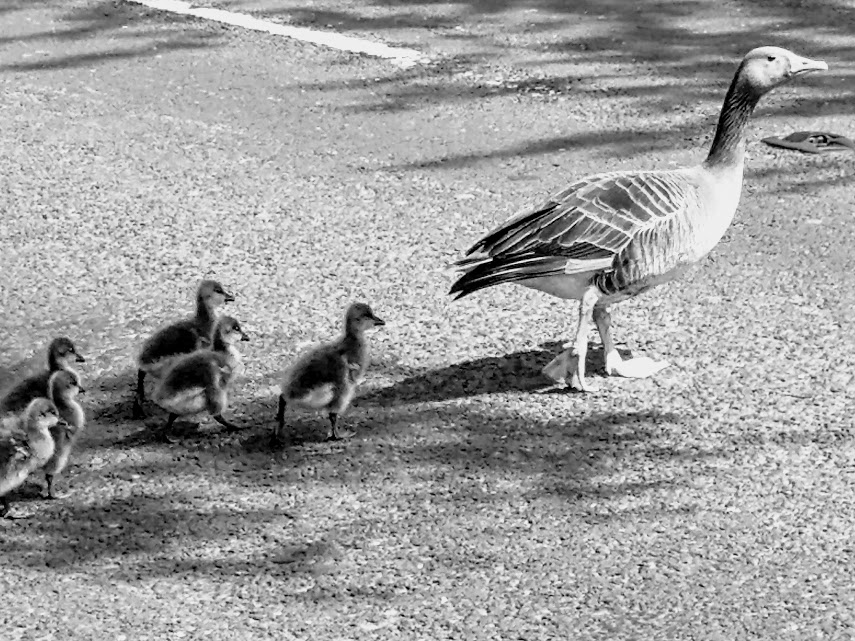
For Leanne’s Monochrome Madness: Outside the city and into the country.
Monday Portraits from a Sunday Walk
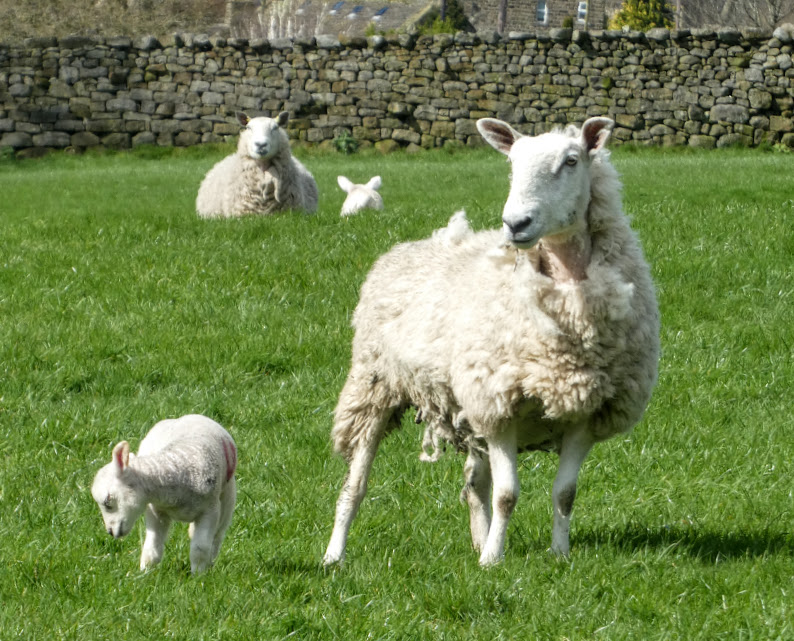
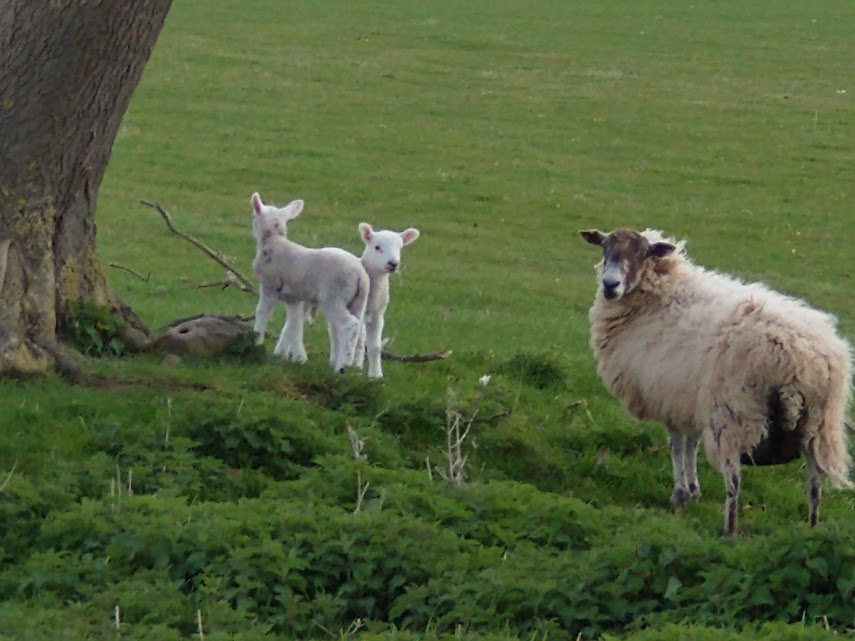
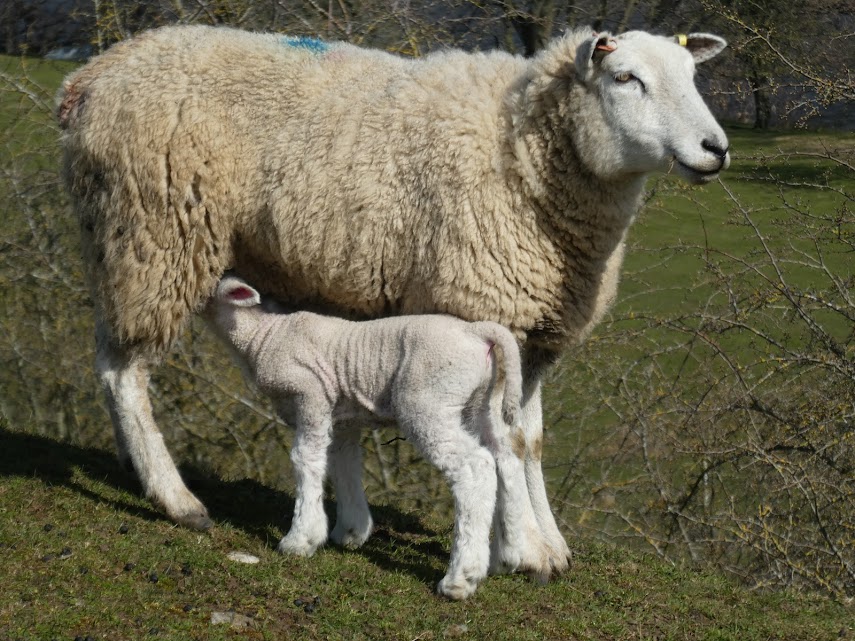
Nidderdale: the first day totally without rain in I can’t remember how long. Our walk was punctuated with encounters with animals, from Highland cattle who seemed to have strayed south, to llamas whose forebears were definitely immigrants, via horses and – of course, since it’s now officially spring -newborn lambs.
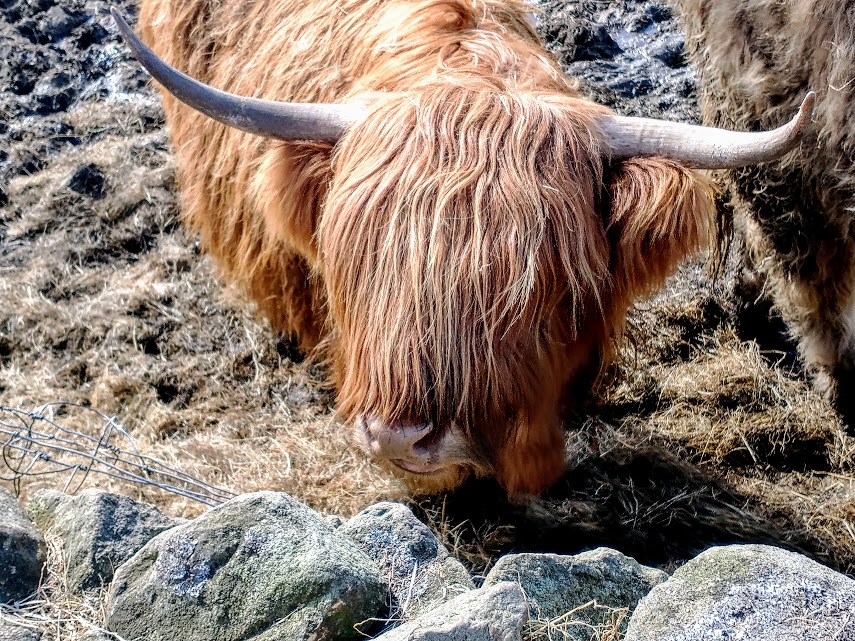
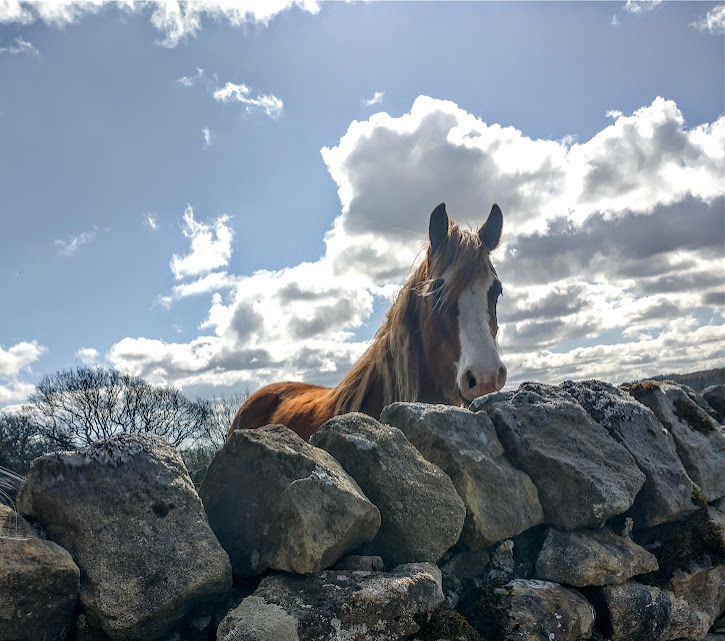
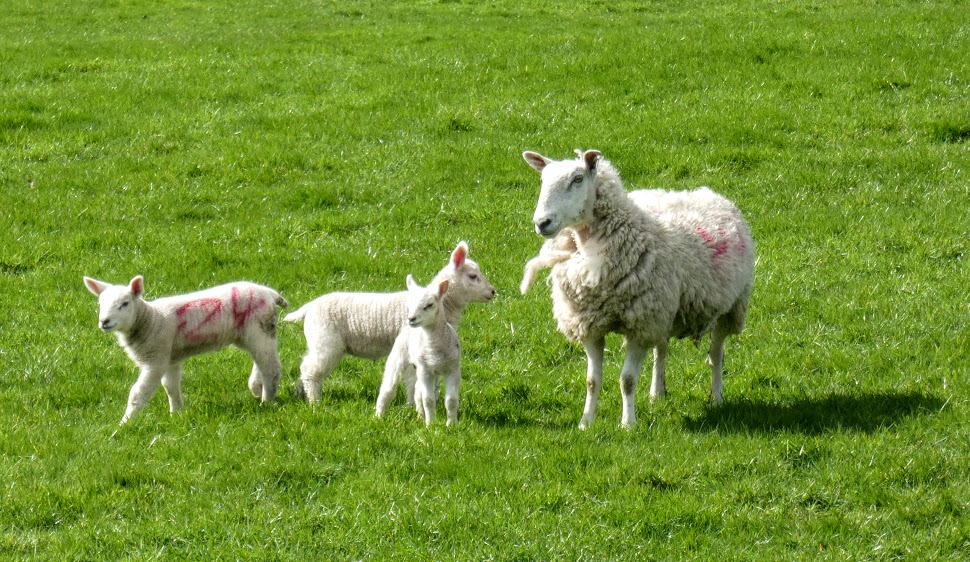
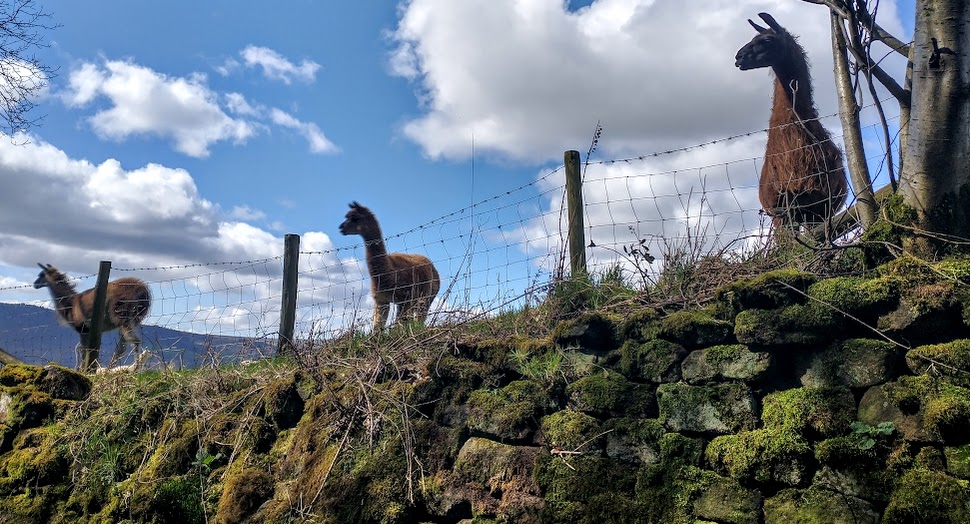
Monday Portrait.
A Window on a Vet’s World

This is a window designed in honour of a vet – James Herriott. He (under his real name of James Alfred Wight) made his name by writing a whole series of books about being a young vet in Darrowby (actually Thirsk) visiting farms and their animals hither and yon in the Yorkshire Dales from the 1930s onwards. If you don’t know his books, you may know one of the TV series going out under the name of All Creatures Great and Small: 1978 & 2020, as apparently they’re doing the rounds the world over.
Well, there’s a museum in Thirsk as well – World of James Herriott – occupying the house he and his family lived and worked in all those years ago. And it has a window celebrating the landscape that formed the backdrop to his work. Here it is as the featured photo. And here is a bit of a collage of the backdrop to the working week of any Yorkshire vet, then and now. Except I haven’t got a picture of the White Horse at Kilburn featured in the window. About 170 years ago, it was cut into the landscape to emulate the chalk hill figures of southern England, and Herriott, like all the rest of us, would see it often as he drove round and about the area.

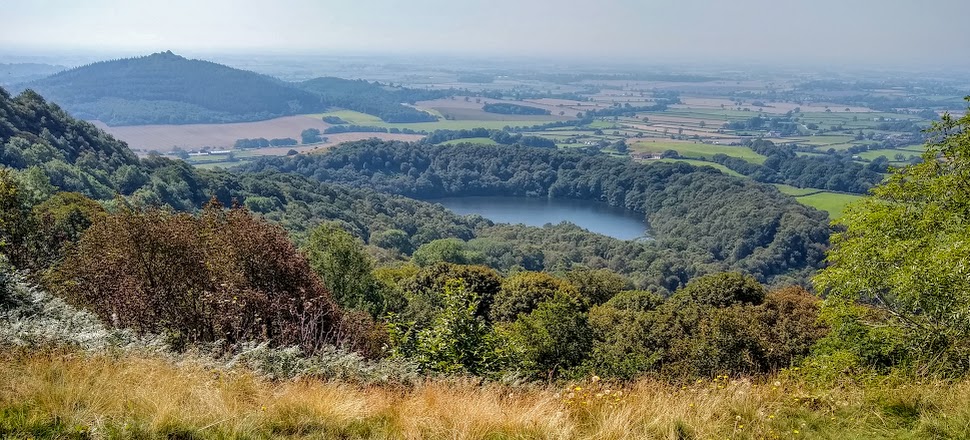


If you’re in the area and want a good family-friendly destination, the museum is highly recommended. You’ll come away with all the older family members saying ‘I remember those’, as they peer at tea-cosies, mangles and a thoroughly ancient car (Gumdrop, anyone?), bemused by the vetinary equipment, and entertained by the quizzes and activities in the children’s gallery. You too can insert your arm into a cow’s rear end to deliver a reluctant calf.
And for a bit of context, here’s a view from a window in the museum.

Monday Portrait: Reindeer

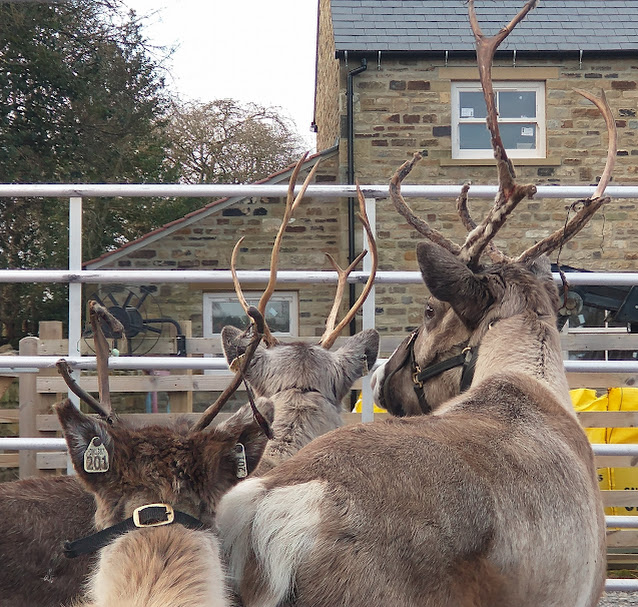
We haven’t been to Lapland for the weekend. Just a few miles up the road from here live a herd of reindeer. This is their busy season, and instead of grazing peacefully, their diet of grasses augmented by occasional goody-bags of lichen imported at enormous expense, they are toted hither and yon for the delectation of local children – and their parents. We met them at a local farm yesterday. These caribou are surprisingly small and delicate looking, with antlers far less hefty than those of their red deer cousins.
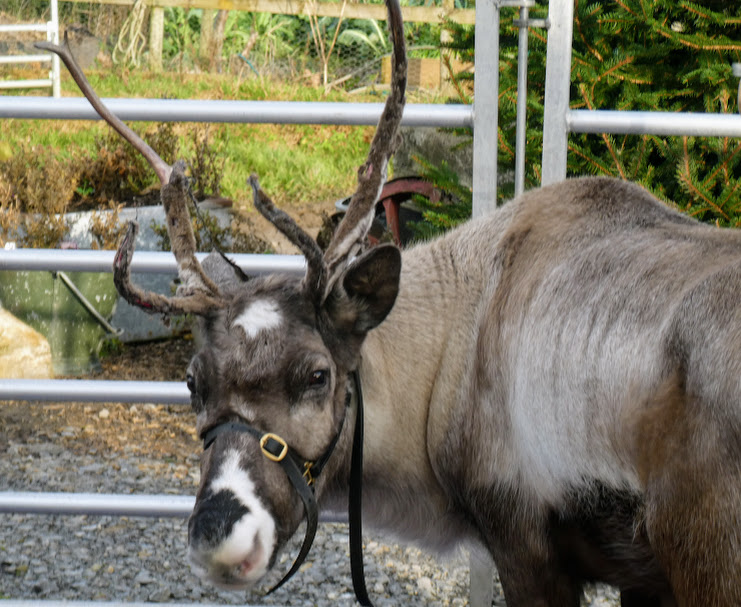
Their feet are soft and spreading, giving them their version of a snow shoe. They make a clicking sound as they walk, enabling them to keep track of each other as they wander in search of food. We didn’t hear them, but apparently they utter a low barking sound from time to time.
Here are a few extra shots.


Goodbye!
Monday Portrait: There are Sheep at the Bottom of the Garden ….
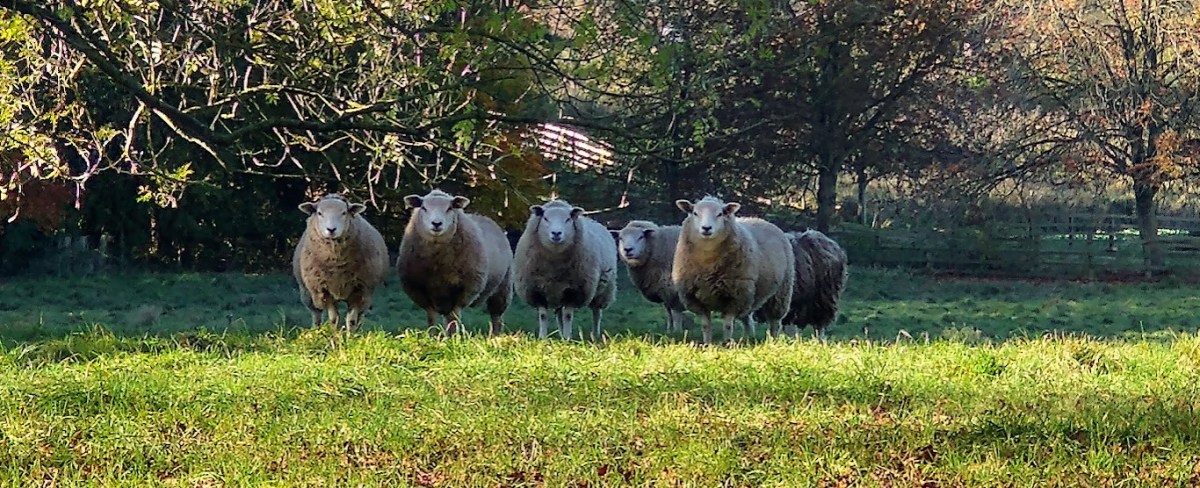
… back in England.


You must be logged in to post a comment.