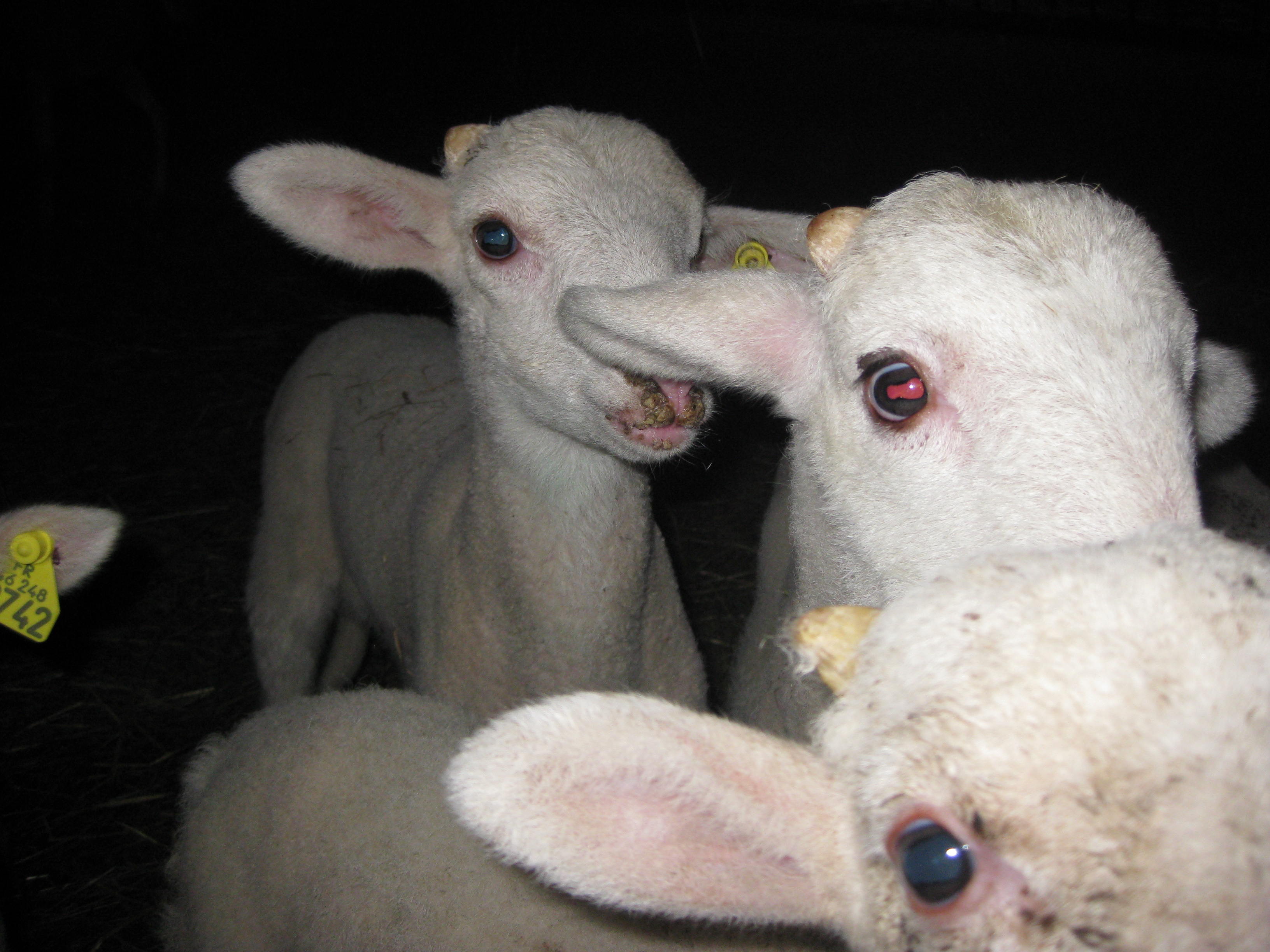
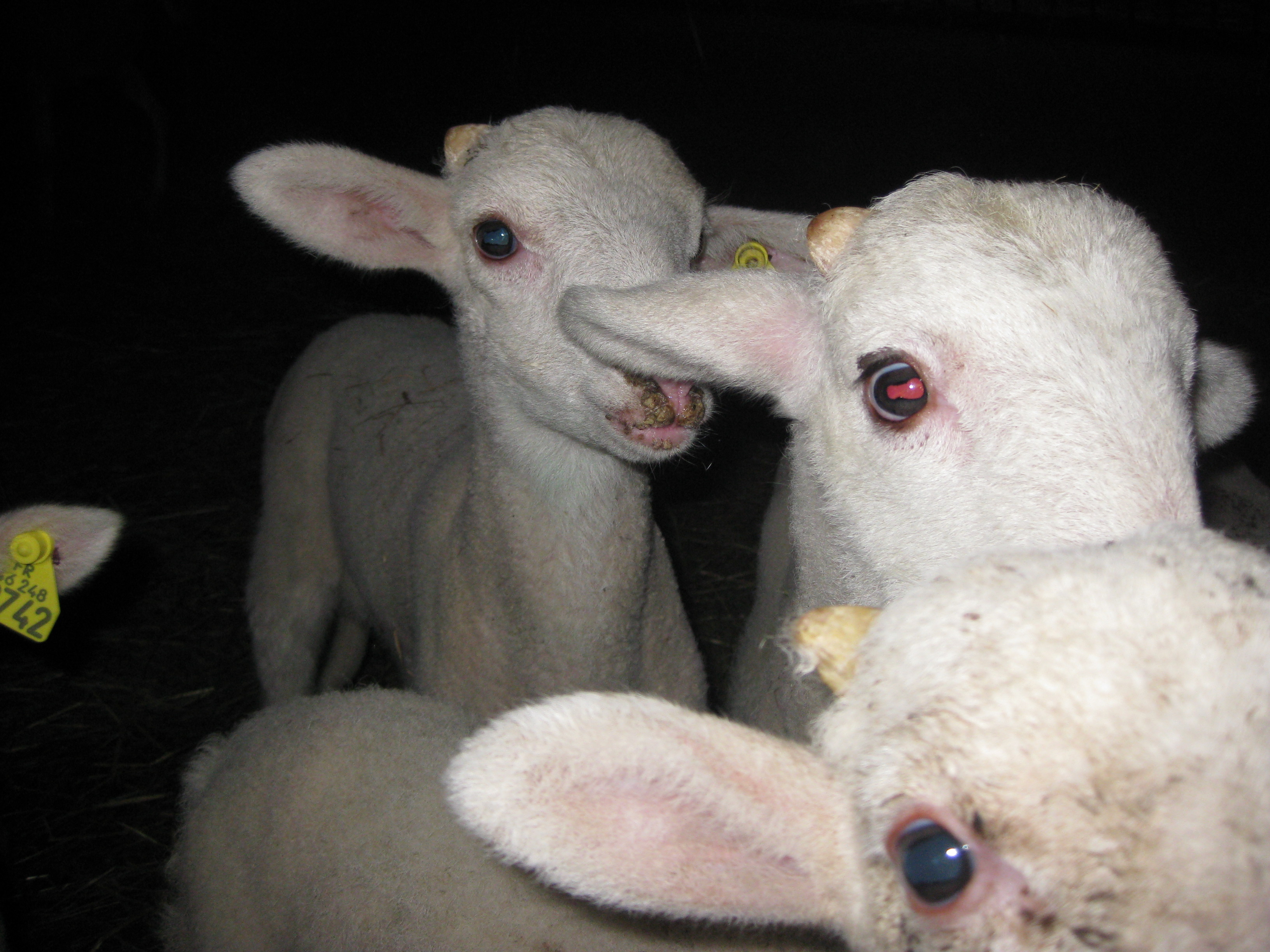
Indian Friday: Kracadawna

I rather enjoyed re-visiting India via my blog the other week. So I went and dug out the diary I faithfully kept. The events it describes have never yet seen the light of day. For the first ten days I was with the group of people my ex-brother-in-law had put together, to explore aspects of rural Indian life, focussing on small producers working in traditional and organic ways. We had no internet access during that period.

I’ve decided to share my diary with you. This will take several Fridays. I’m pleased that I kept such a detailed record of a piece of personal history, and of a country I’d never visited. I wonder how dated this account would seem to the current traveller?

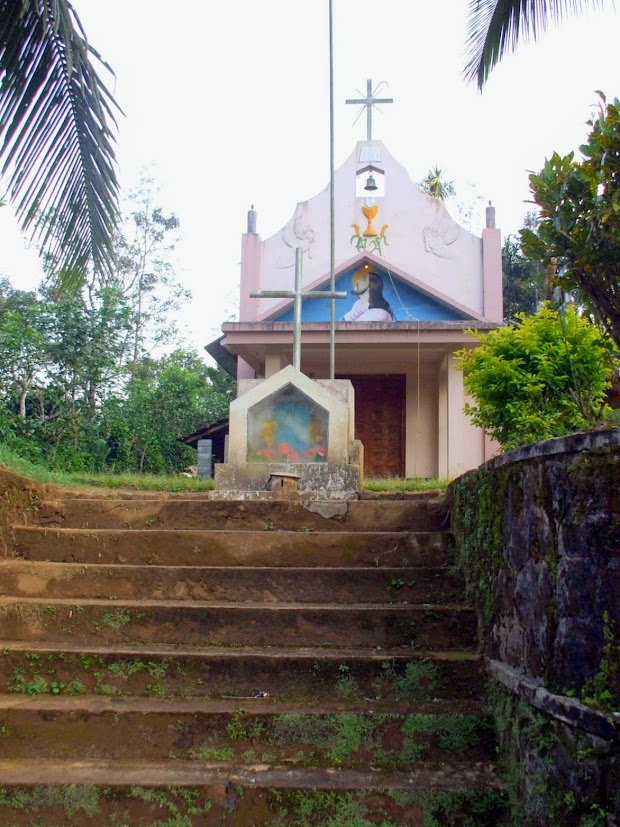
Kracadawna

Sunday 18th February

But at 5.00 a.m. there was a great hammering at the door anyway. I lay in bed for 20 minutes, then thought I’d get up for a walk.I wandered down to reception, and found the jungle lot still waiting.  So I joined them.

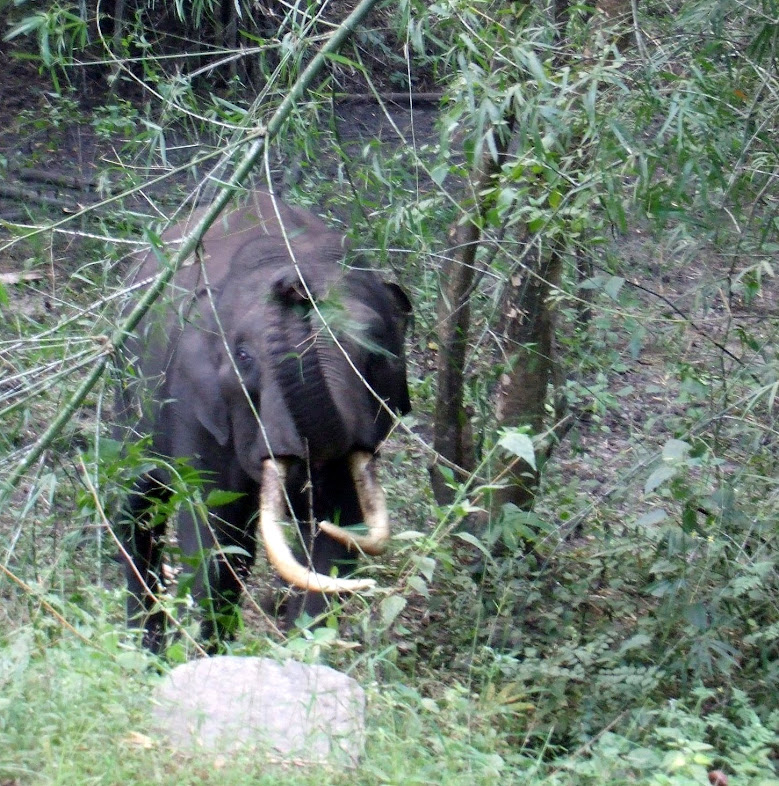
Much bounding around in the jeep off-road, but we saw a young elephant delicately feeding from young leaves, two mongooses haring across the road, a herd of bison, warthogs, and so many spotted deer we became quite blasé.

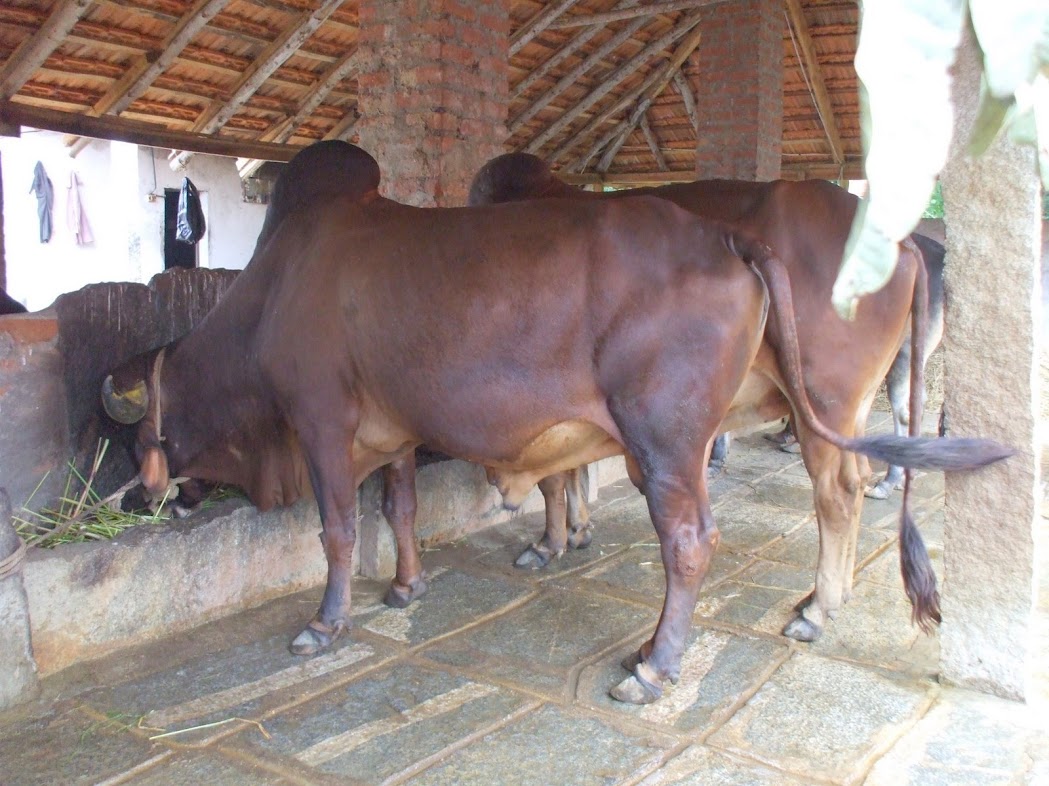
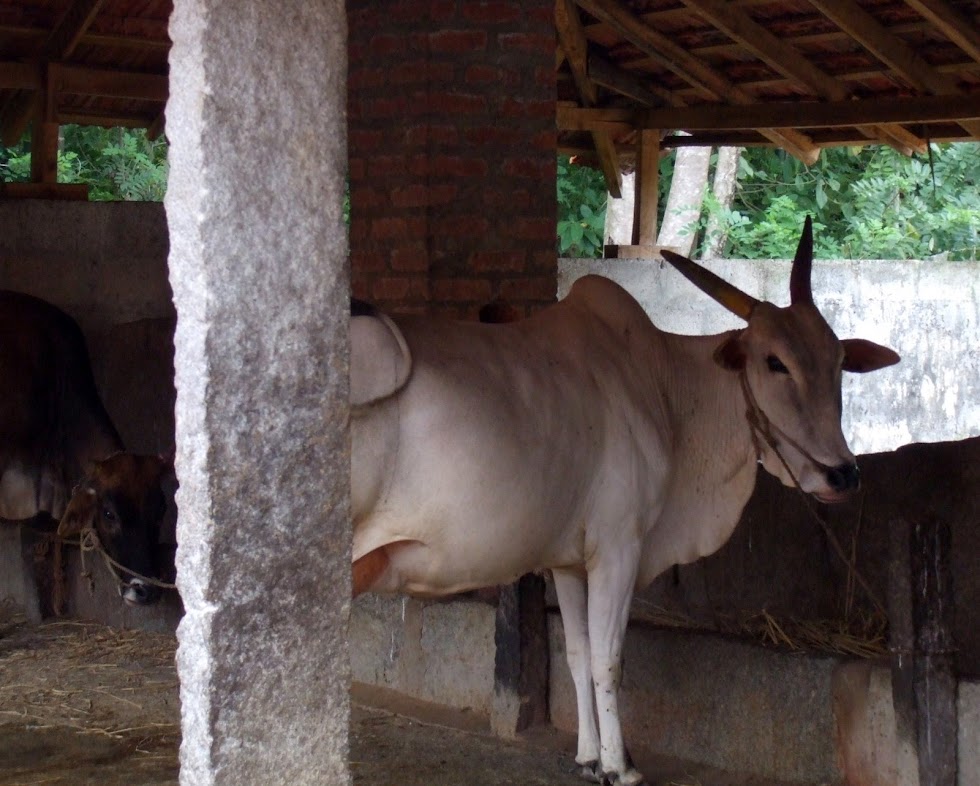
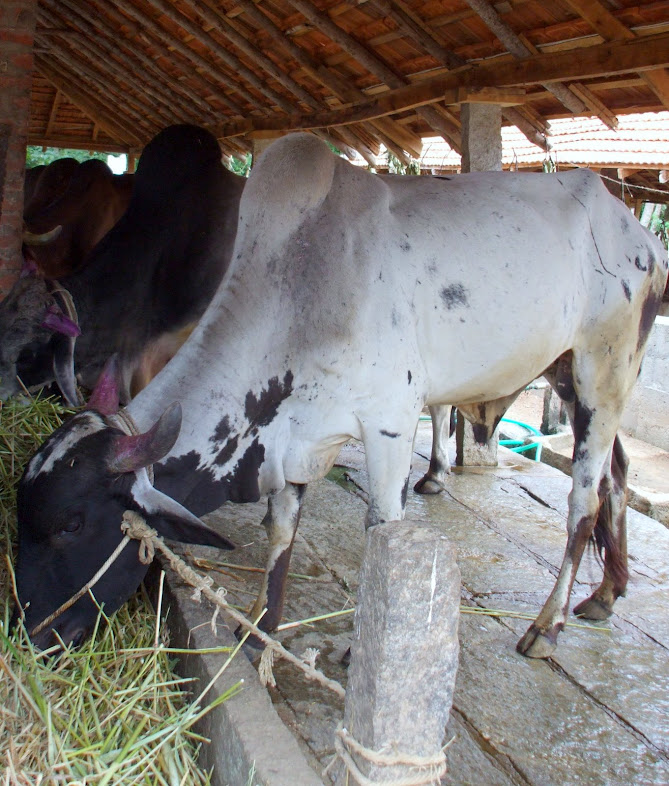
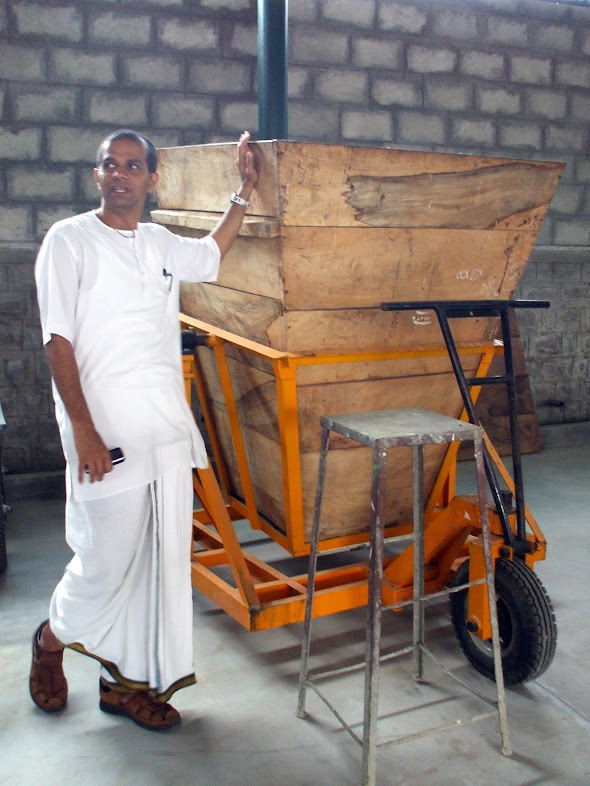
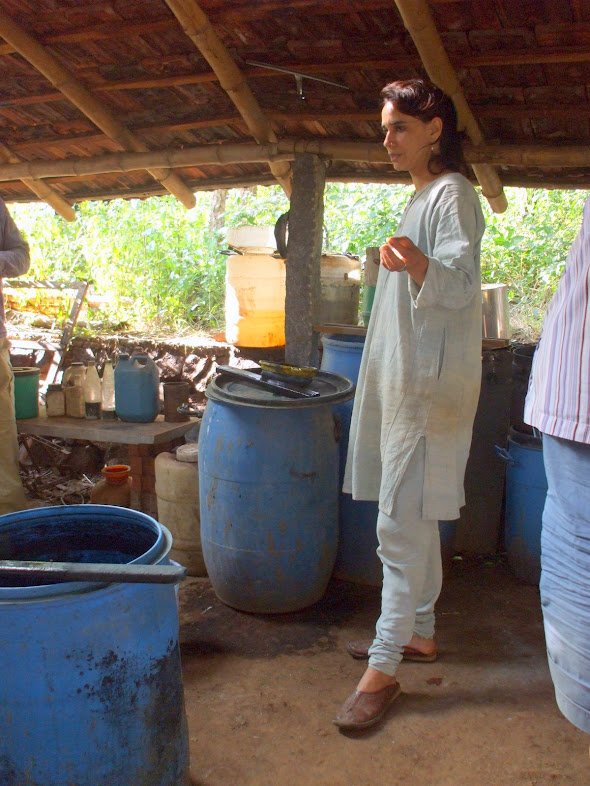
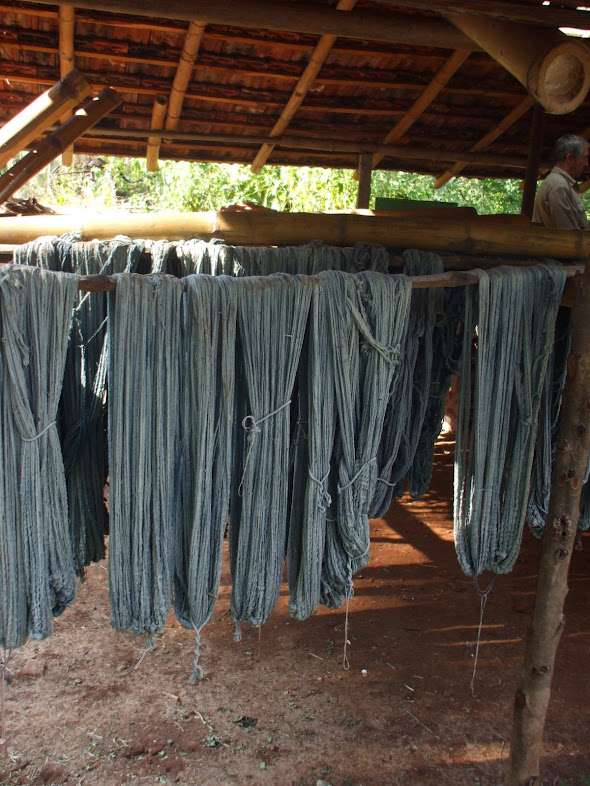
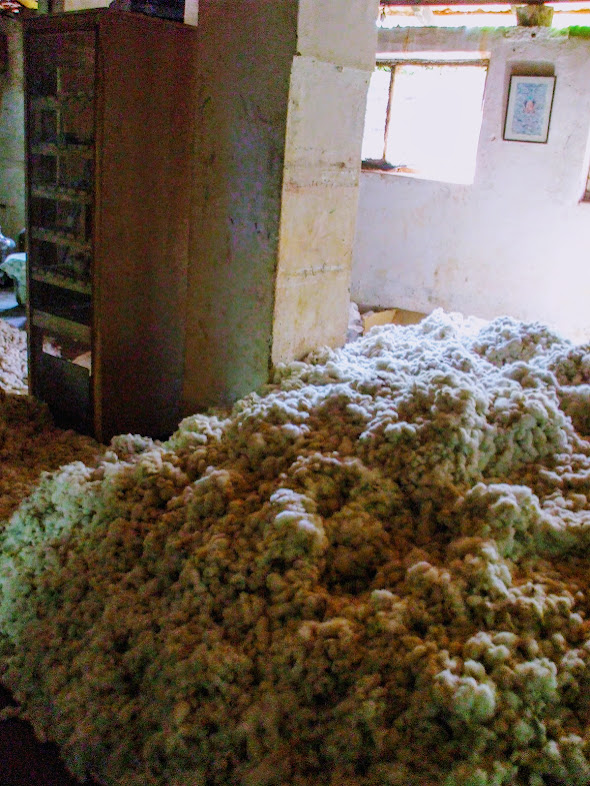
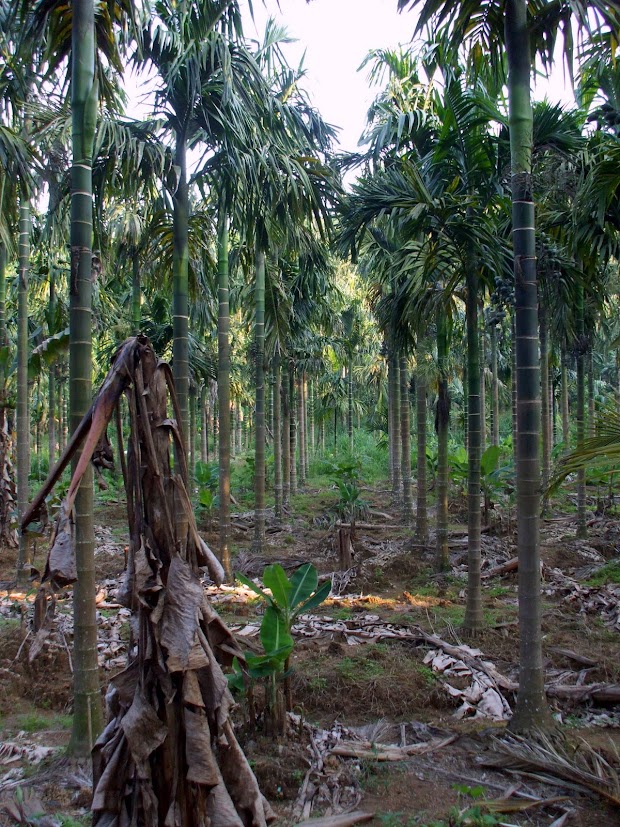
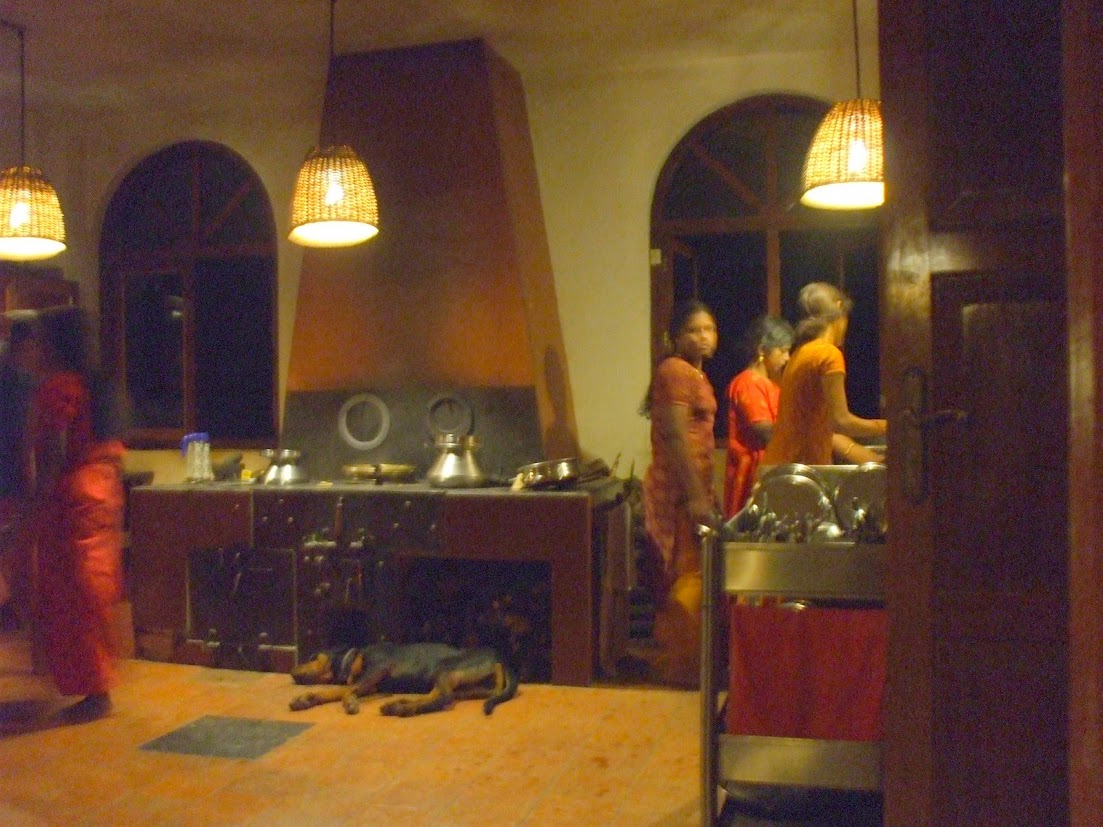
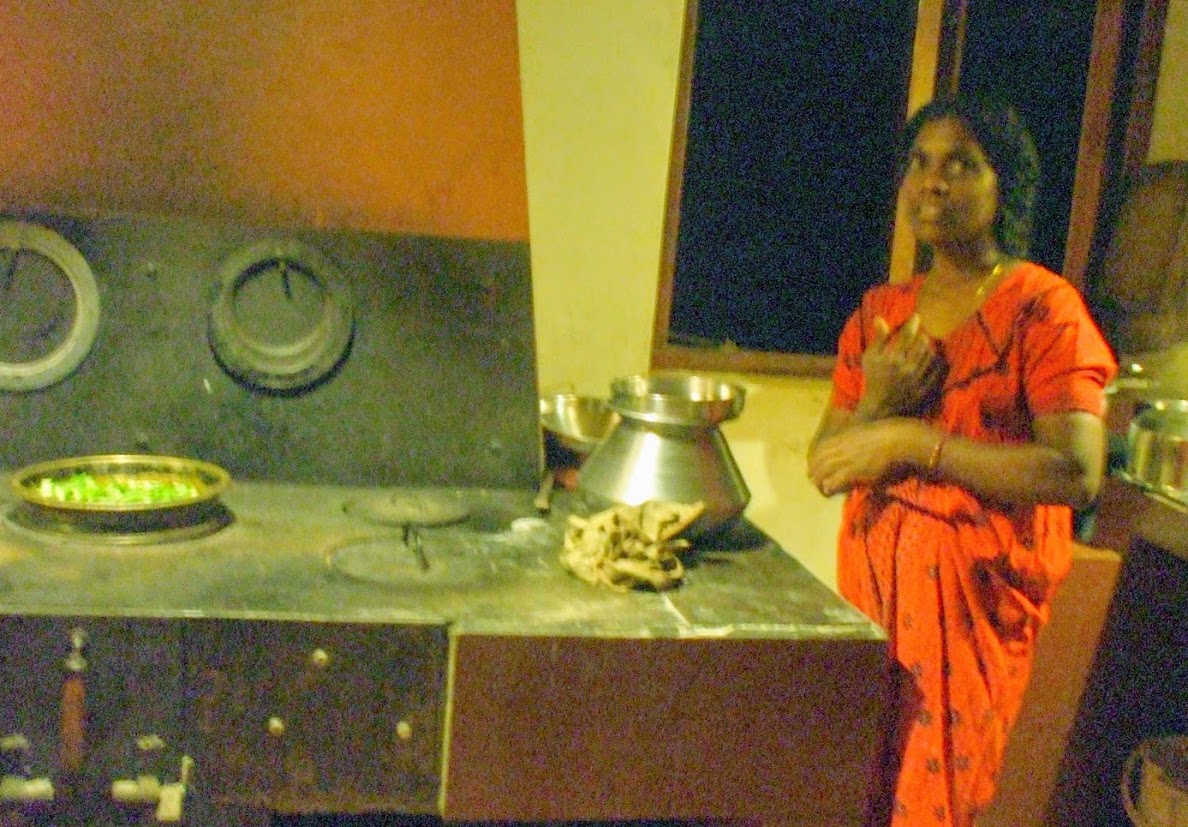
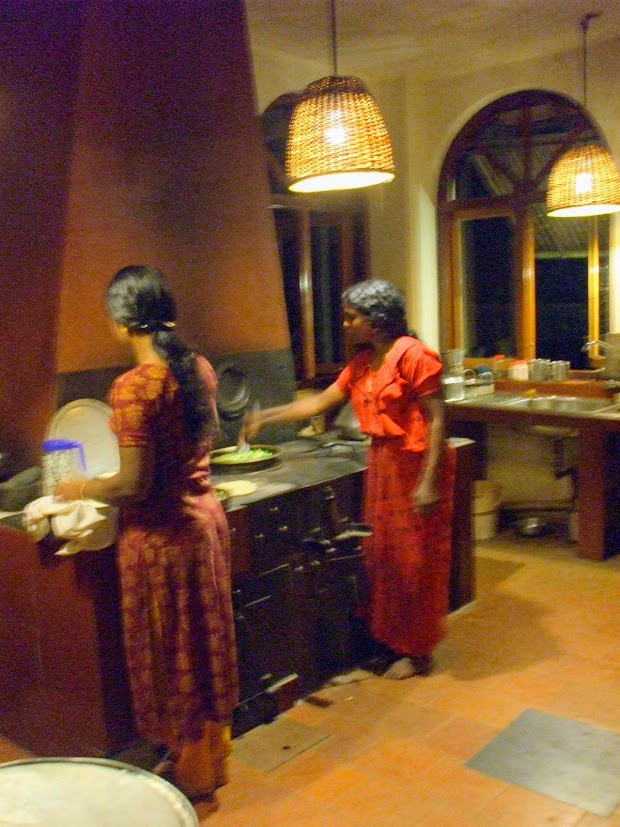
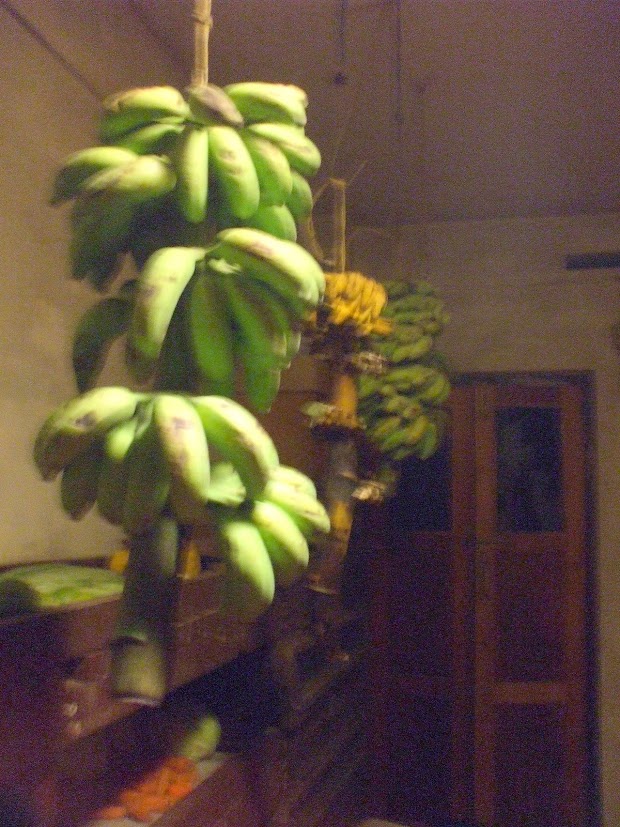
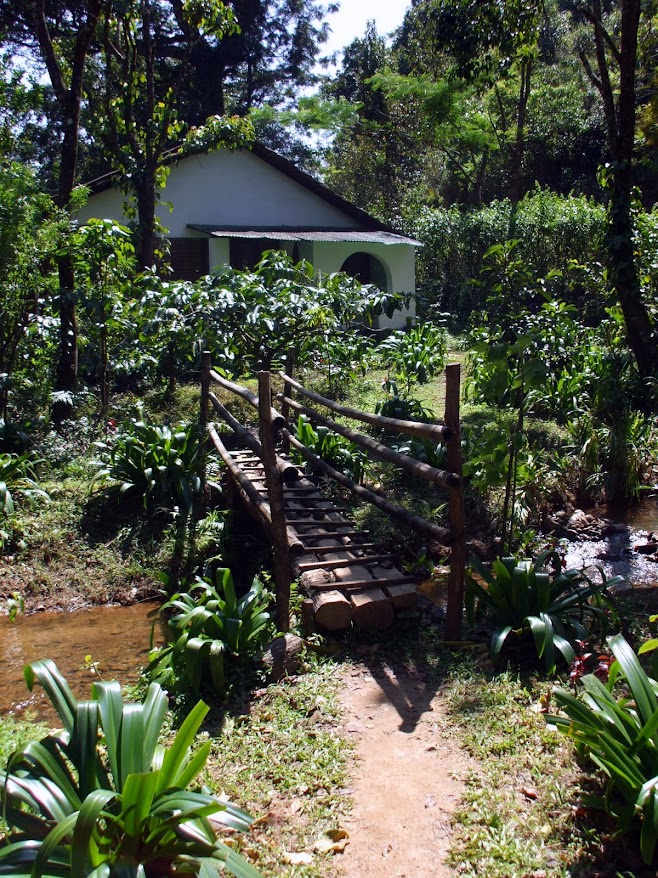
The main point of the day was to visit Kracadawna organic farm. What a place! The couple, Julie (Indo-American) and Vivek met at university, and decided, against parental opposition, to realise their dream and to farm.  They’ve built it up with their two sons and daughter  (home educated), and now farm a rich variety of crops, from fruit and veg. to spices and cotton.  They are virtually self-supporting: what they sell is not fresh produce, but manufactured in some way.  Julie makes wonderful jams, chutneys and preserves.  She’s researched traditional plant dyes.  They produce their own cotton, hand-dye it and with a small team of local women, produce quality organic garments. Sadly, I couldn’t find anything I wanted – they have little left so late in the season.

They farm biodynamically, and after all their scepticism are thoroughly convinced of the results.

A completely stunning lunch – bright crisp salads, greenish hummus, a great red rice dish, lots of chutneys and veg. dishes and a milky red-tail millet pudding.

Then a hairy – and I mean hairy – drive into Mysore and the Green Hotel, and a room each.  Quiet evening, and to bed …

My featured photo shows the family cat we saw that day. Unusual, eh?


Indian Friday: The Wildlife Day

I rather enjoyed re-visiting India via my blog the other week. So I went and dug out the diary I faithfully kept. The events it describes have never yet seen the light of day. For the first ten days I was with the group of people my ex-brother-in-law had put together, to explore aspects of rural Indian life, focussing on small producers working in traditional and organic ways. We had no internet access during that period.

I’ve decided to share my diary with you. This will take several Fridays. I’m pleased that I kept such a detailed record of a piece of personal history, and of a country I’d never visited. I wonder how dated this account would seem to the current traveller?

The Wildlife Day

Friday 16th November

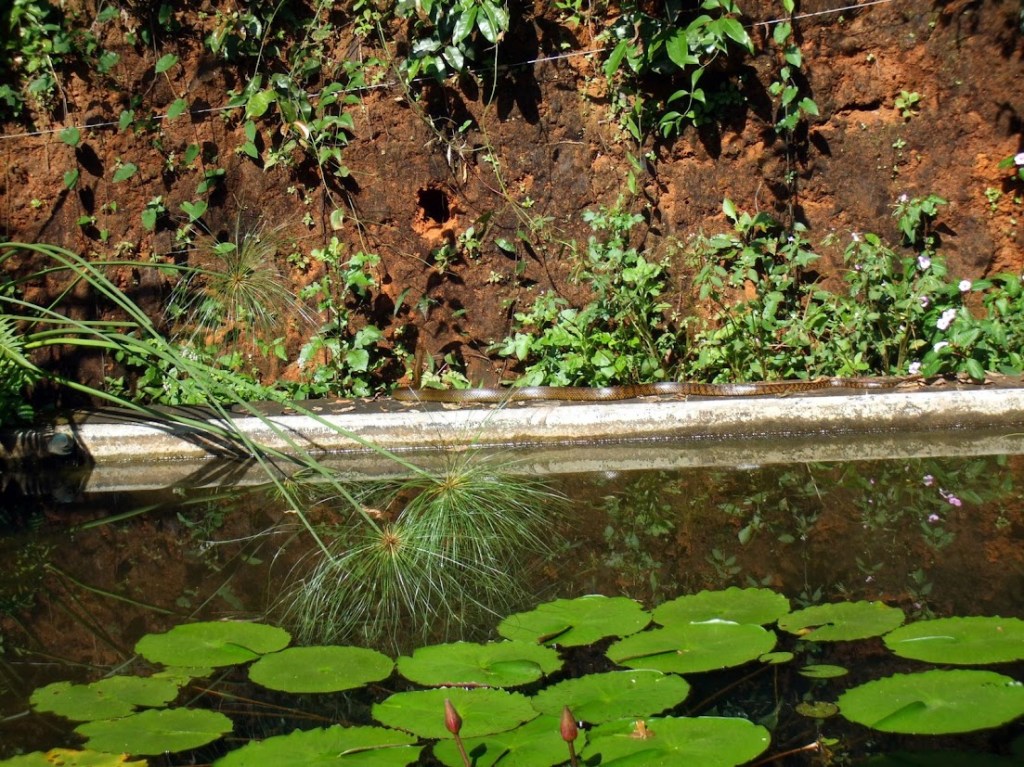
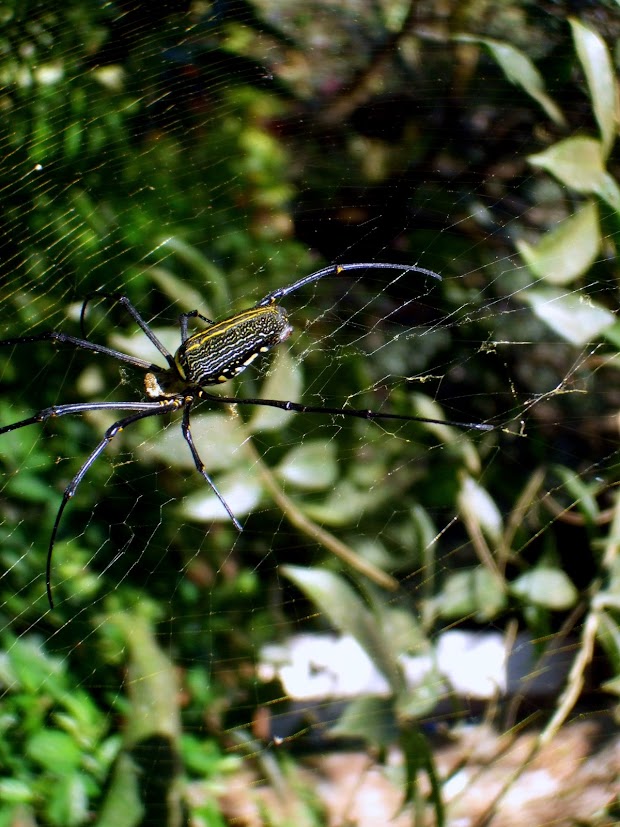
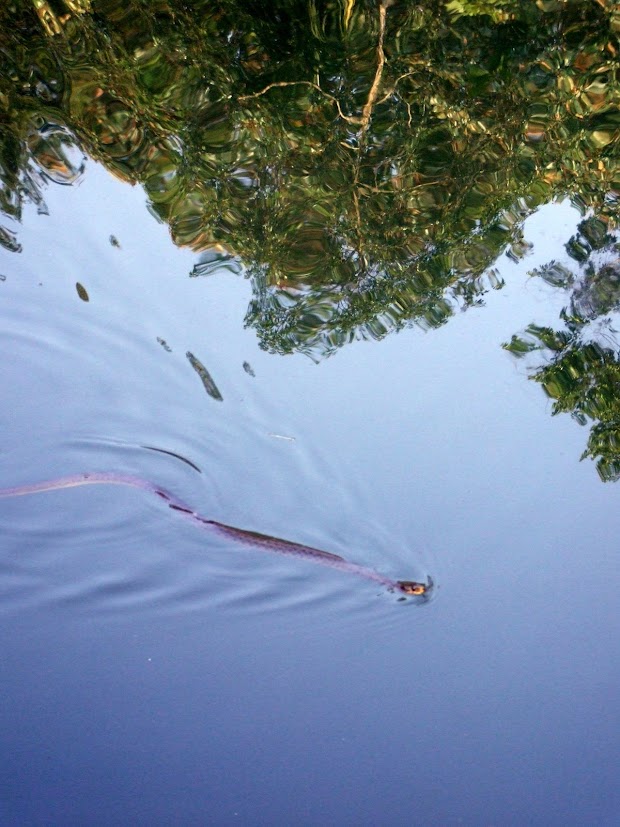
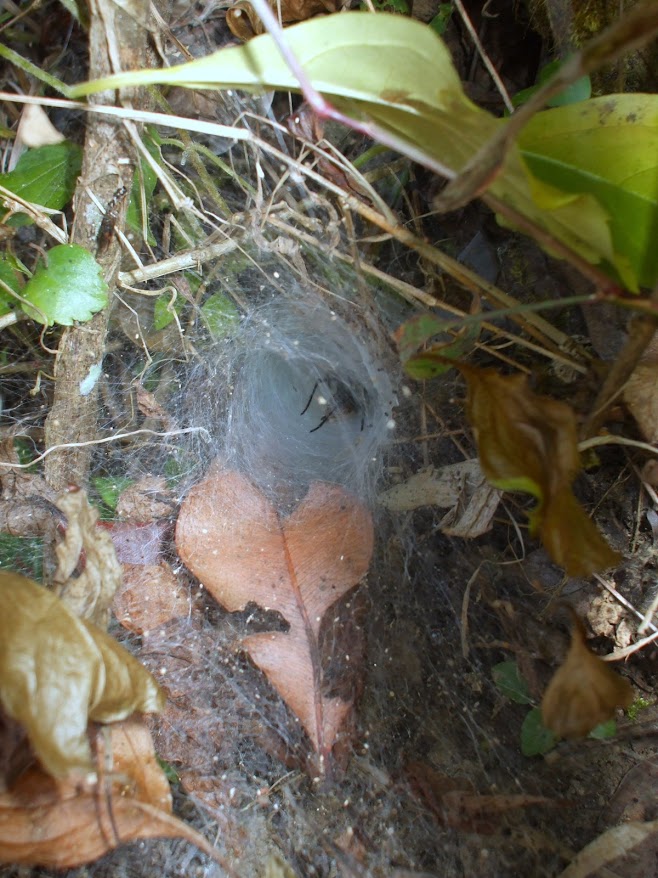
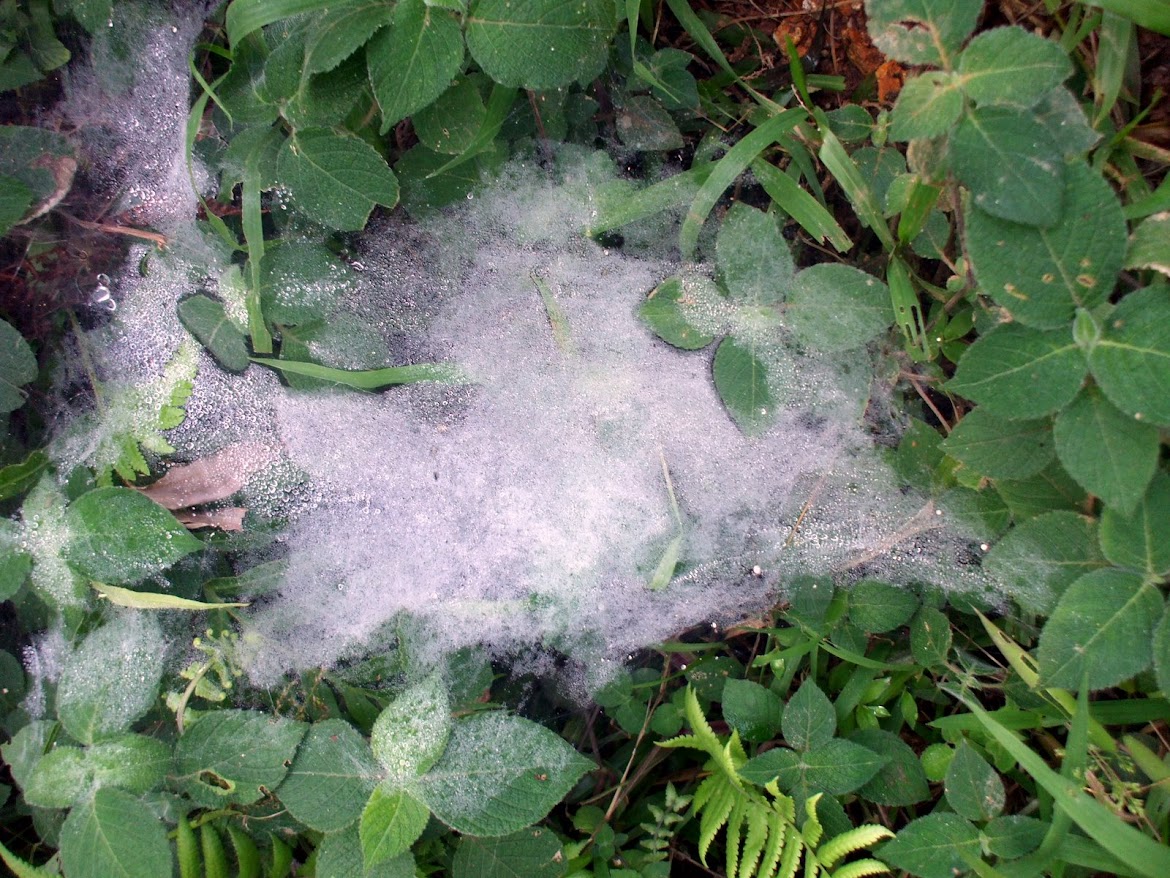
What a wildlife day so far! Rat snake at breakfast, pond heron in the trees in the rainforest, and a rufous-bellied eagle (rare).  Lots and lots of different frogs – not bright coloured but fun to see anyway.  L  and I had had fun shining our torches to see those on lily pads very late yesterday.  Immense spiders safely attached to their webs.

Sandy took us on a rainforest walk this morning.  He began by the river, virtually a guided meditation, to help us tune in with the natural sounds, particularly by the water. It was wonderful throughout to hear the forest sounds – the water, the trees, the monkeys (macaques and …..) whom we couldn’t see. 

Crossing the river

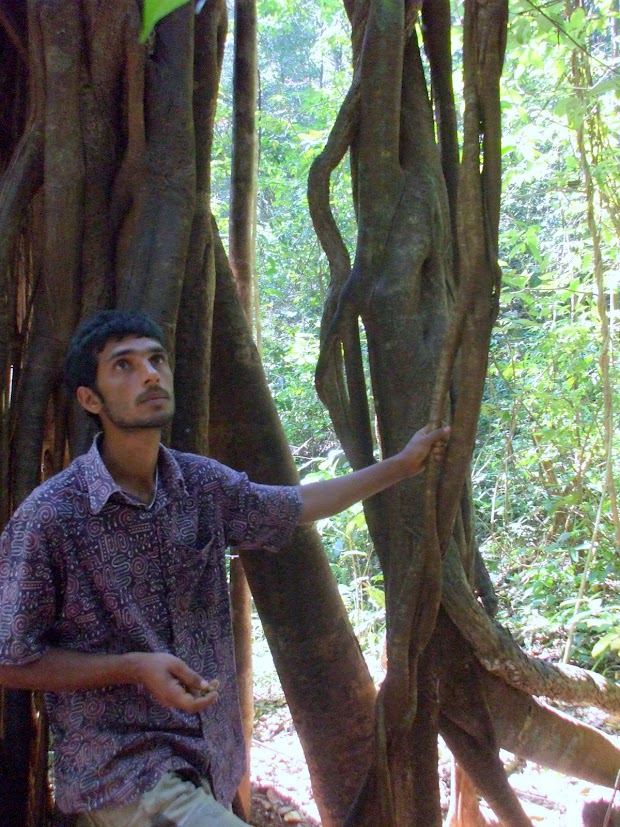
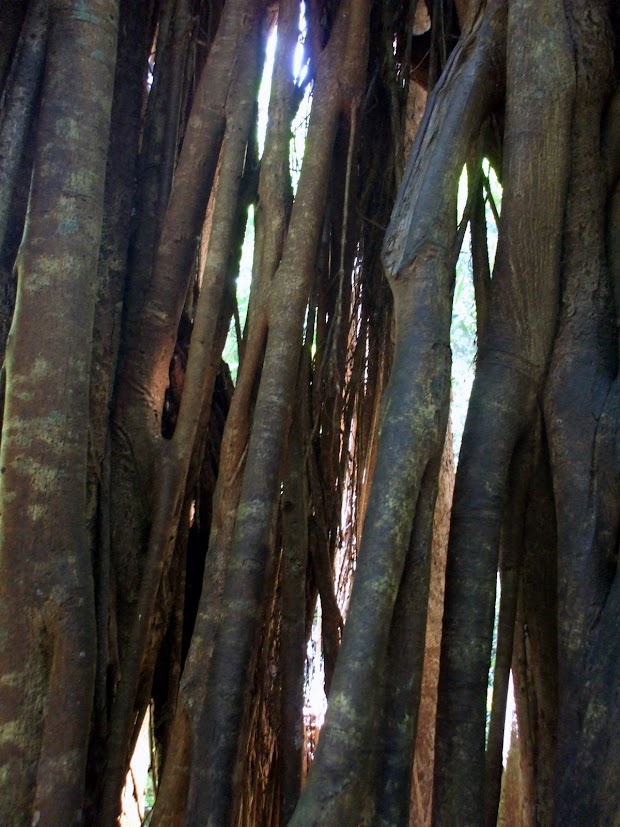
Some strange plants – the strangler fig lands half-way up its host as a seed, and grows down and up, enveloping and feeding from the host trunk. Eventually the host dies, leaving a tracery of woven branches – which is the fig.  Several of us tried to climb up with Sandy’s help: I was one who failed.

Leeches hugely enjoyed our being there.  They seemed to feast on those who hated them most, while pretty much ignoring those like me, who didn’t care.  The poor bitten victims were pretty bloodied by the end.  Still, I copped for the biting ants instead.

I’m currently on the water tower  enjoying the hordes of dragonfly overhead.

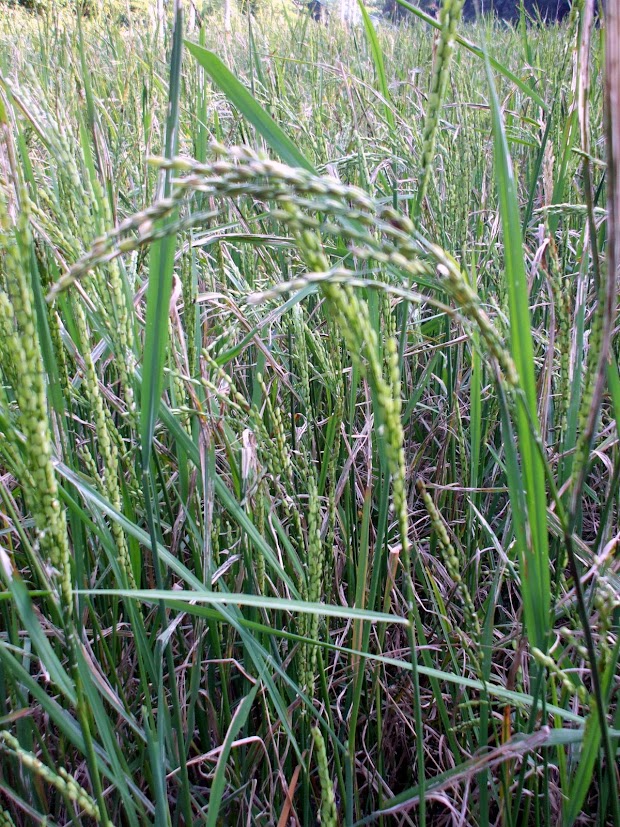
Later.  But then I came down.  Supi had organised another walk.  Down to the water tanks (where we saw two water snakes) and the red rice fields.  They grow old varieties which are slow growing but more nutritious.

Then it was on to the village: no village green around a church (though there was a church) but houses, on the whole well strung out from each other, with crops and land between. During the late 1940s(?) the Keralan Government freed all landowners to sell their land cheaply and all citizens were entitled to 7.5 acres per person (or 15 acres per family).  At first everyone worked the land in a diverse way, growing varied crops for their own use, then selling the surplus.  Now there is more of a monoculture, with families taking whatever subsidy is on offer to plant the latest crop – till it all goes pear-shaped.  A few years back, tea was getting Rs 20+ on the open market: now it’s only Rs 3. And so on.  So we saw tea, coffee, rubber, bitter gourd, banana – various things – all grown as monocultures, and the consequence is that families, without the rich variety of crops, are less well-nourished. 90% literacy means people are fleeing the land too. Young people choose to work in, for example, call centres rather than continue in the family farm. 

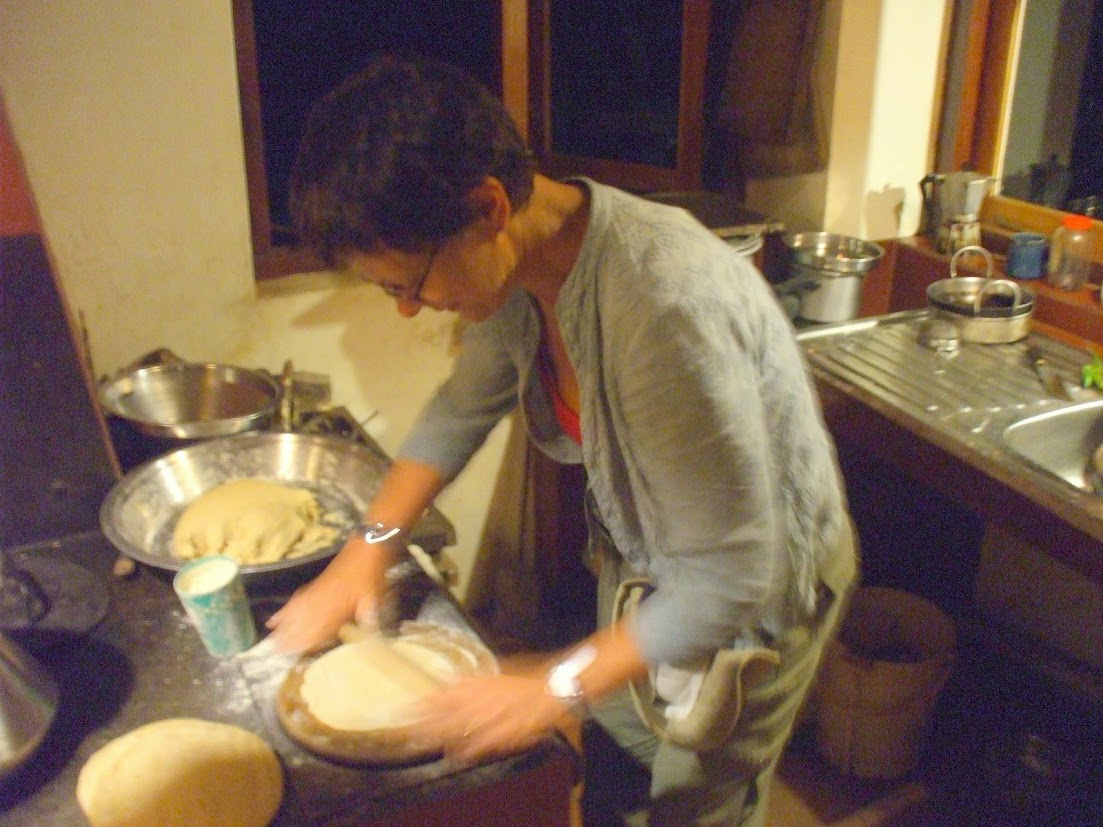
Later, M and I offered to help cook.  We chopped onions, tomatoes, okra, and rolled out chapattis, but other than that didn’t feel too useful or learn massive amounts.  But it was fun. 

Later still, M, C and I were taken for a moonlight walk by Lorenzo: rather fast for C’s and my taste, but listening to all our frogs, and stargazing was fun.  Late bed and …. (to be continued in my next….)

Indian Friday: Bangalore to The Rainforest Retreat

I rather enjoyed re-visiting India via my blog last week. So I went and dug out the diary I faithfully kept. The events it describes have never yet seen the light of day. For the first ten days I was with the group of people my ex-brother-in-law had put together, to explore aspects of rural Indian life, focussing on small producers working in traditional and organic ways. We had no internet access during that period.

I’ve decided to share my diary with you. This may take a few Fridays. Bear with me. I suppose I’m pleased that I kept such a detailed record of a piece of personal history, and of a country I’d never visited. I wonder how dated this account would seem to the current traveller?

Bangalore to The Rainforest Retreat

Saturday 10th November 2007

Here I am, sitting outside our bungalow at The Rainforest Retreat.  It’s 6.40 p.m., pitch dark: and about half an hour ago, the chorus began. I just lay down outside and listened. All those forest sounds – I don’t know what they are, but it’s like some complex symphony.  Suddenly, one group of creatures will become silent, and others will chip in with their own song.  Many multiple groups of course, who suddenly go diminuendo, only to be succeeded by a group of quite different creatures, or an individual bird, or whatever …

It’s been quite a day.  For my part, I hiked all the way to Simon’s hotel, and it WAS a hike, where we shared breakfast.  His hotel was so not-me.  Lots of flamboyantly dressed flunkeys and a big help-yourself buffet, but no nice people making piles of idli, just for me.

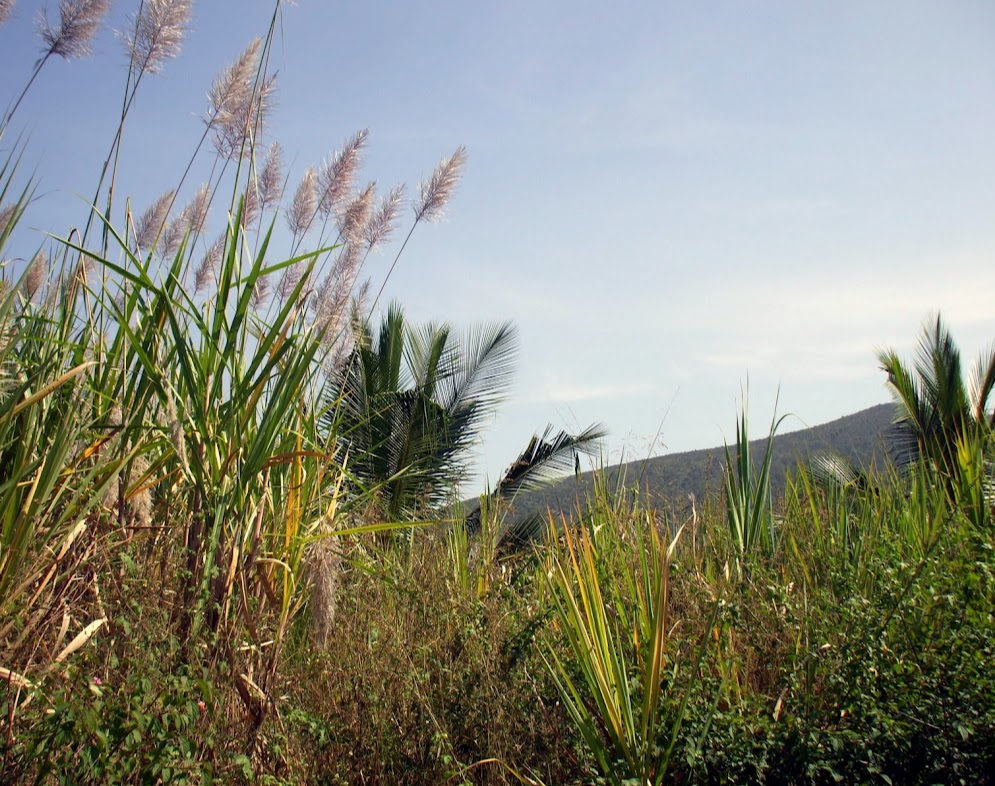
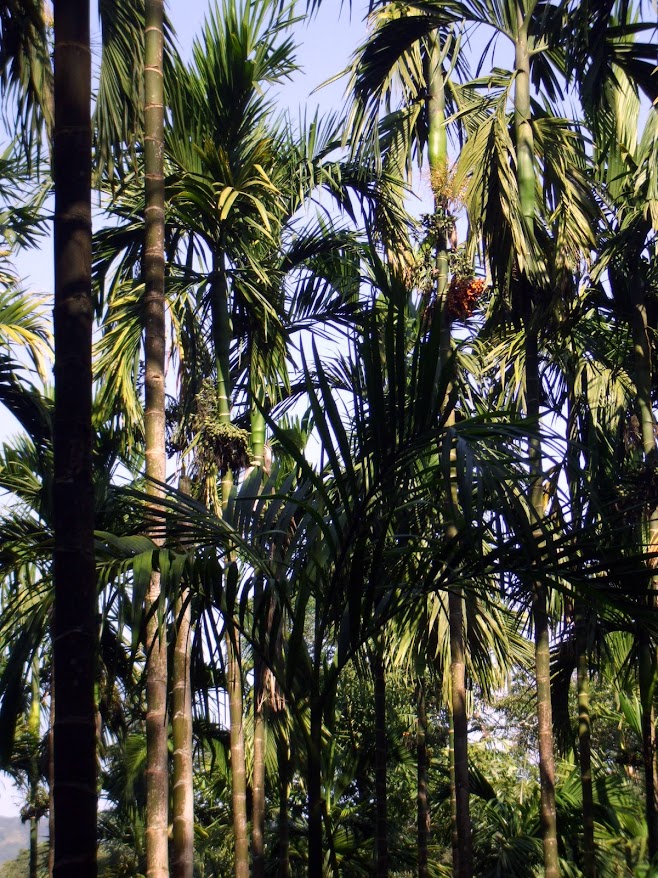
Then into the mini-bus.  Bangalore seemed to go on for ages, and even when I had definitively stopped, roadside settlements and shops went on and on. Village shops are a mystery to me.  Even very small settlements have coffee shops, ‘bakery’ shops and a whole raft of others too.  The landscape became more rural though.  Palms; sugar cane;  more and more working bullocks, yoked often; goats; sheep; cows …

Lunch outside Mysore, rather early – a large vegetable thali and a glorious salt lassi.

After lunch, the climb began and the roads deteriorated, and Indian driving came into its own – overtake on a bend?  Why not? Honk and honk till the car in front gives way?  Certainly.  It won’t give way actually, so you will pass it on the other side instead. Oddly, we came to think of this as fairly safe.  For all their bluster, the drivers are careful.

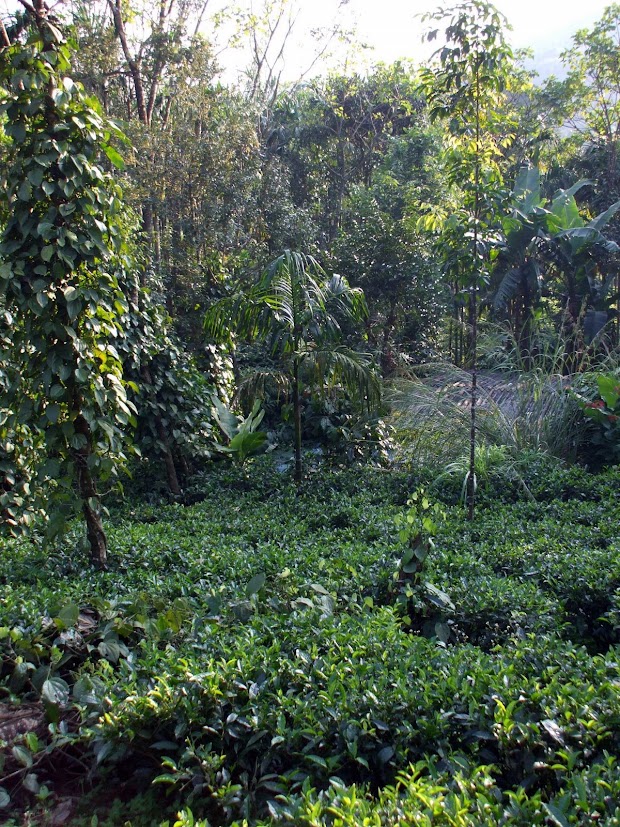
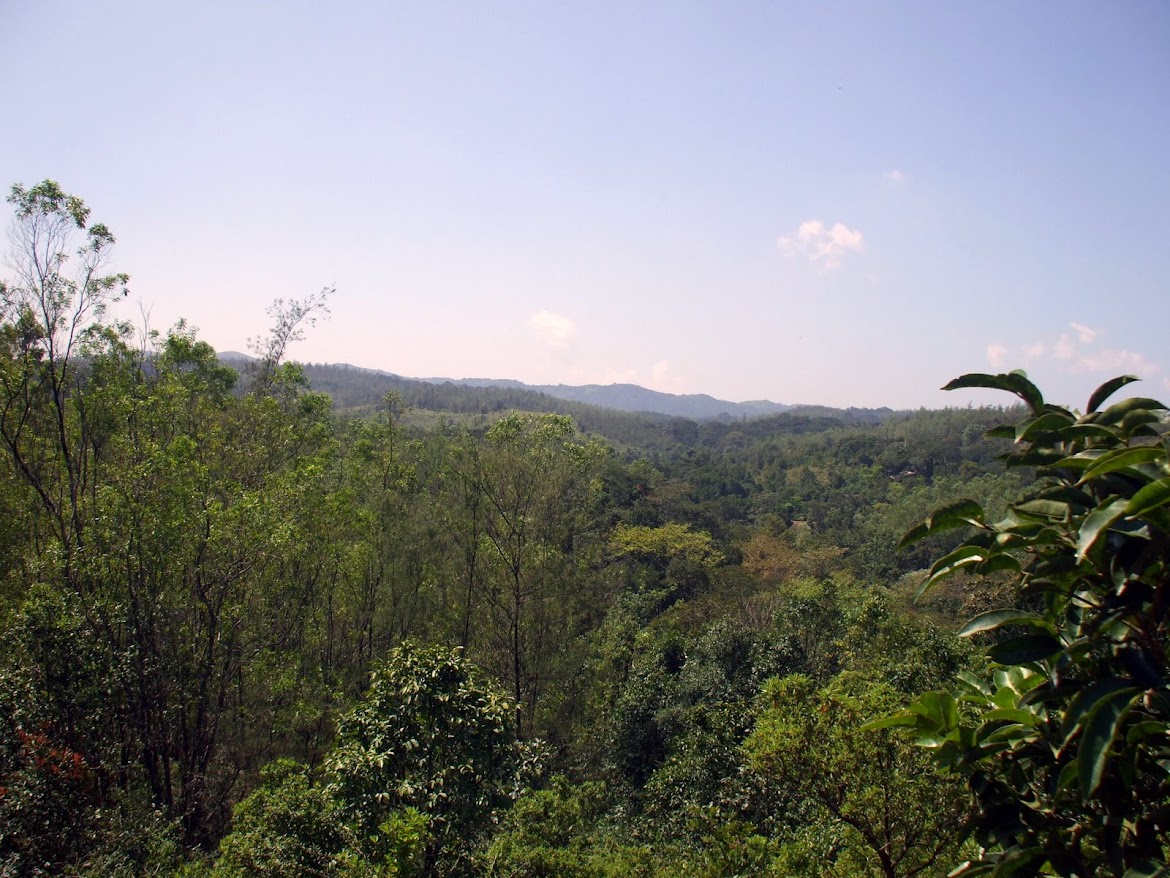
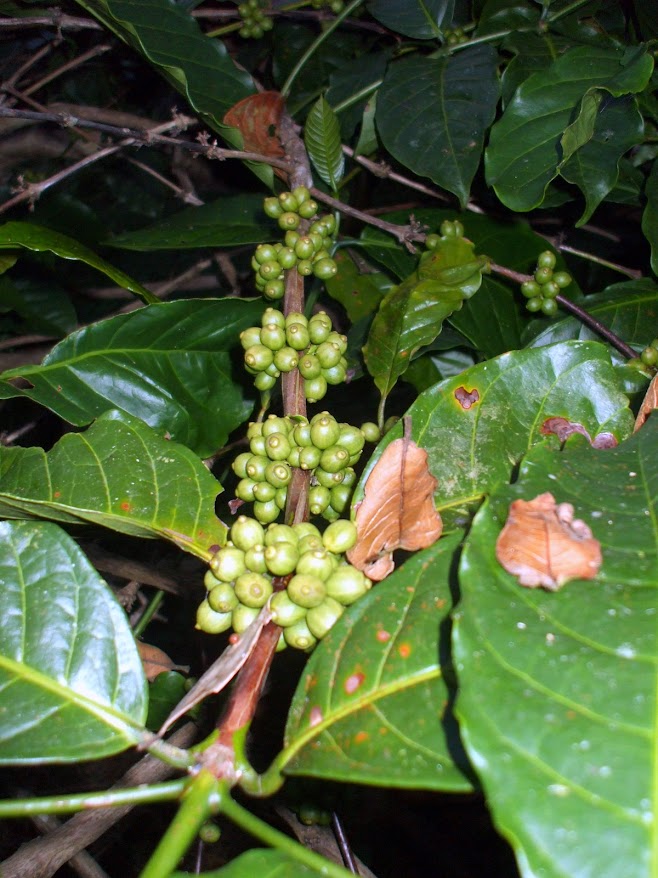
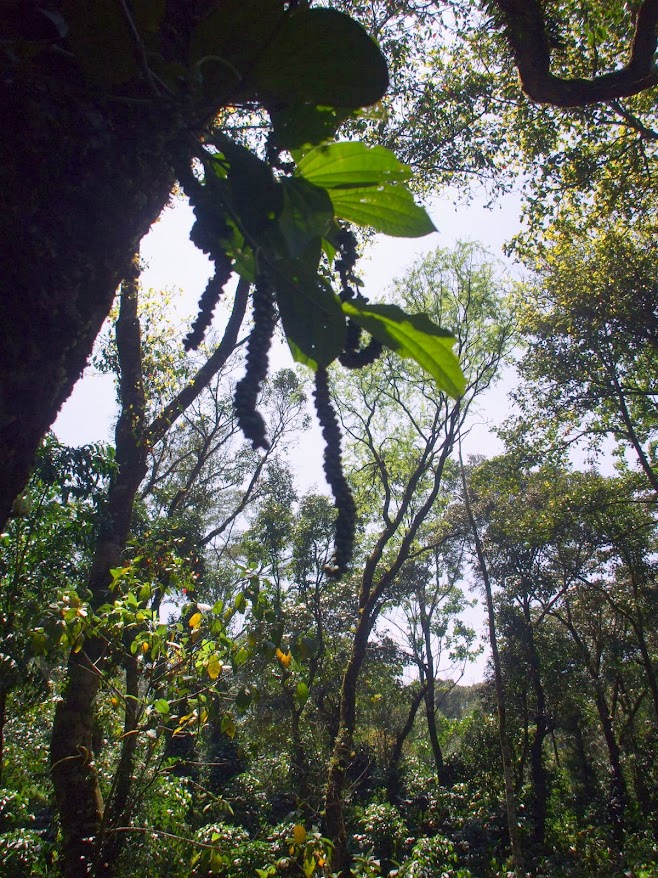
Pepper plantations, coffee plantations, rice in the early stages of growth.  And still the villages came, some with very large markets which only prolonged hiking got us through.  Tropical rainforest scenery … and finally we arrived.

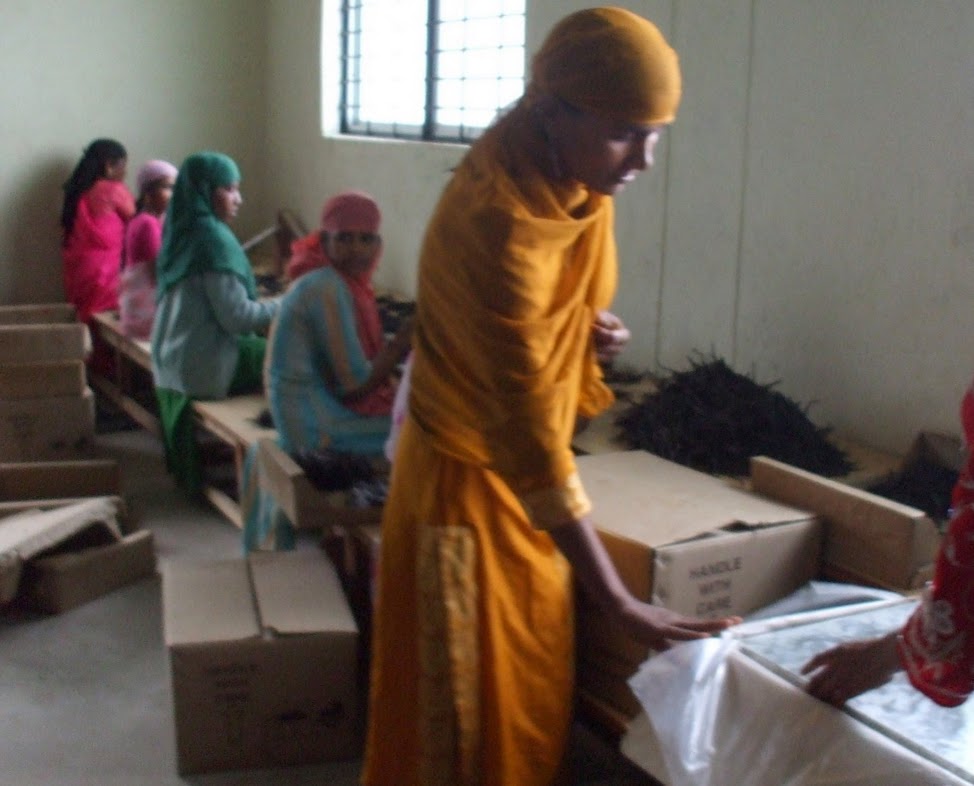
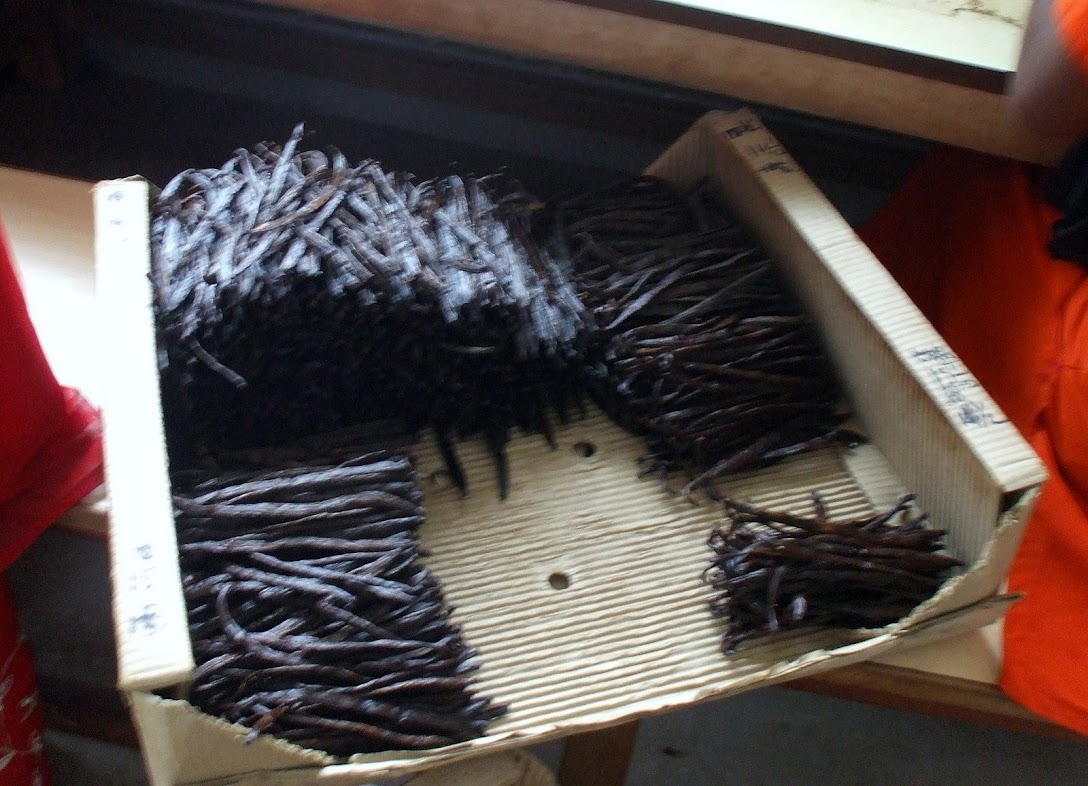
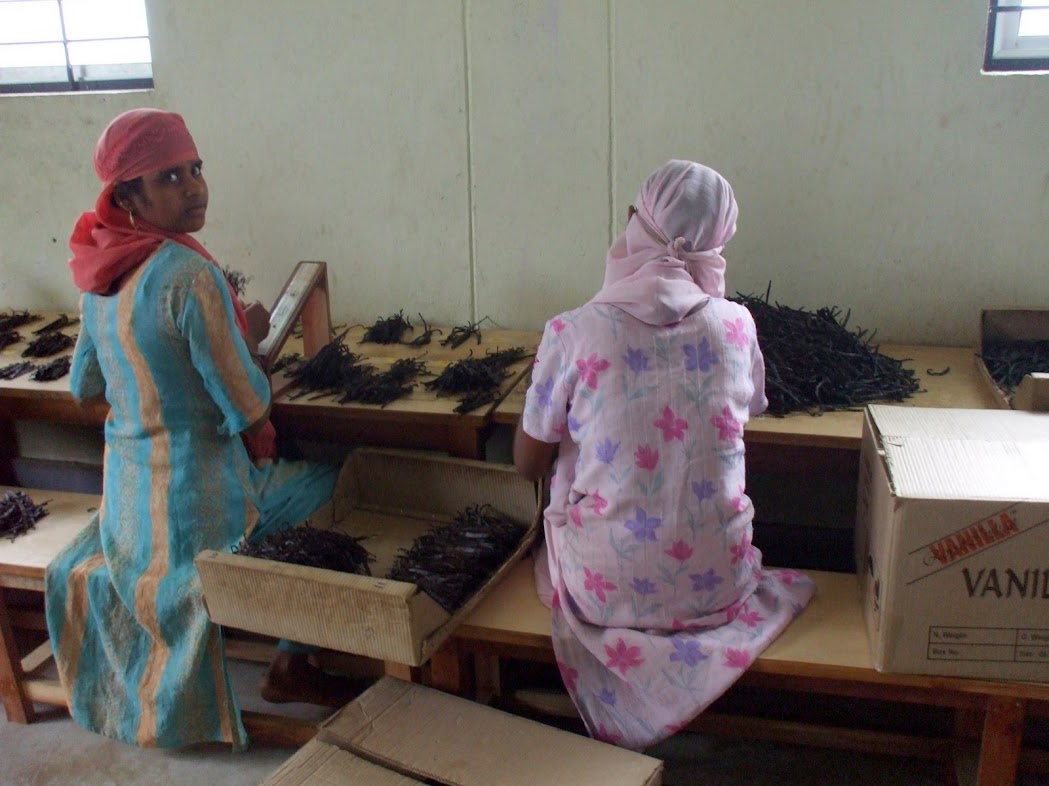
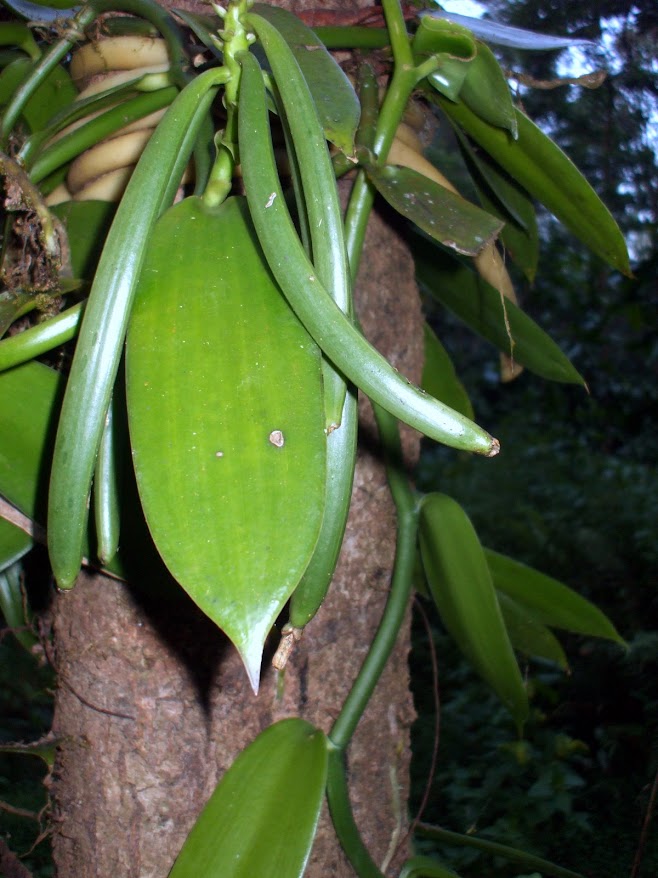
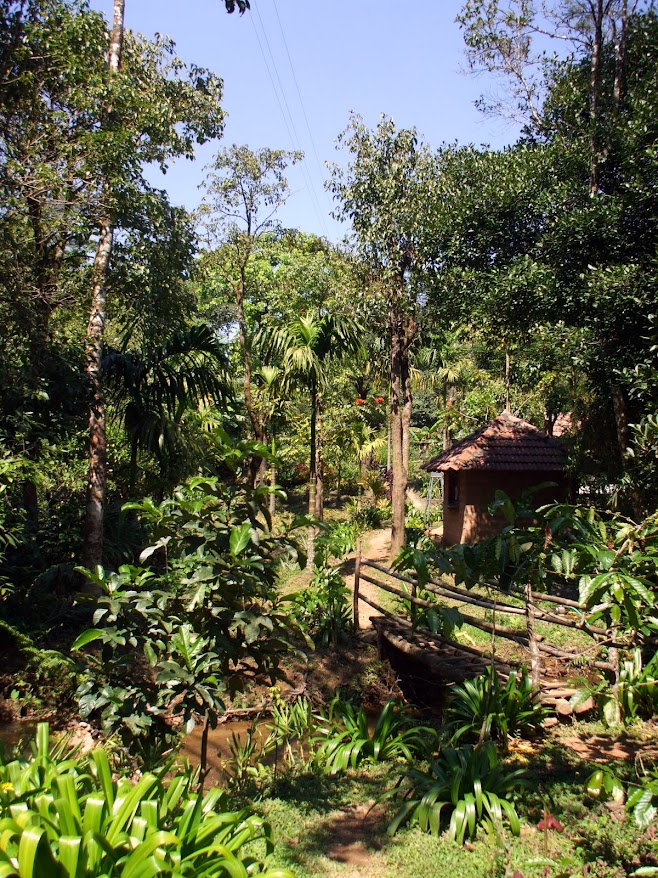
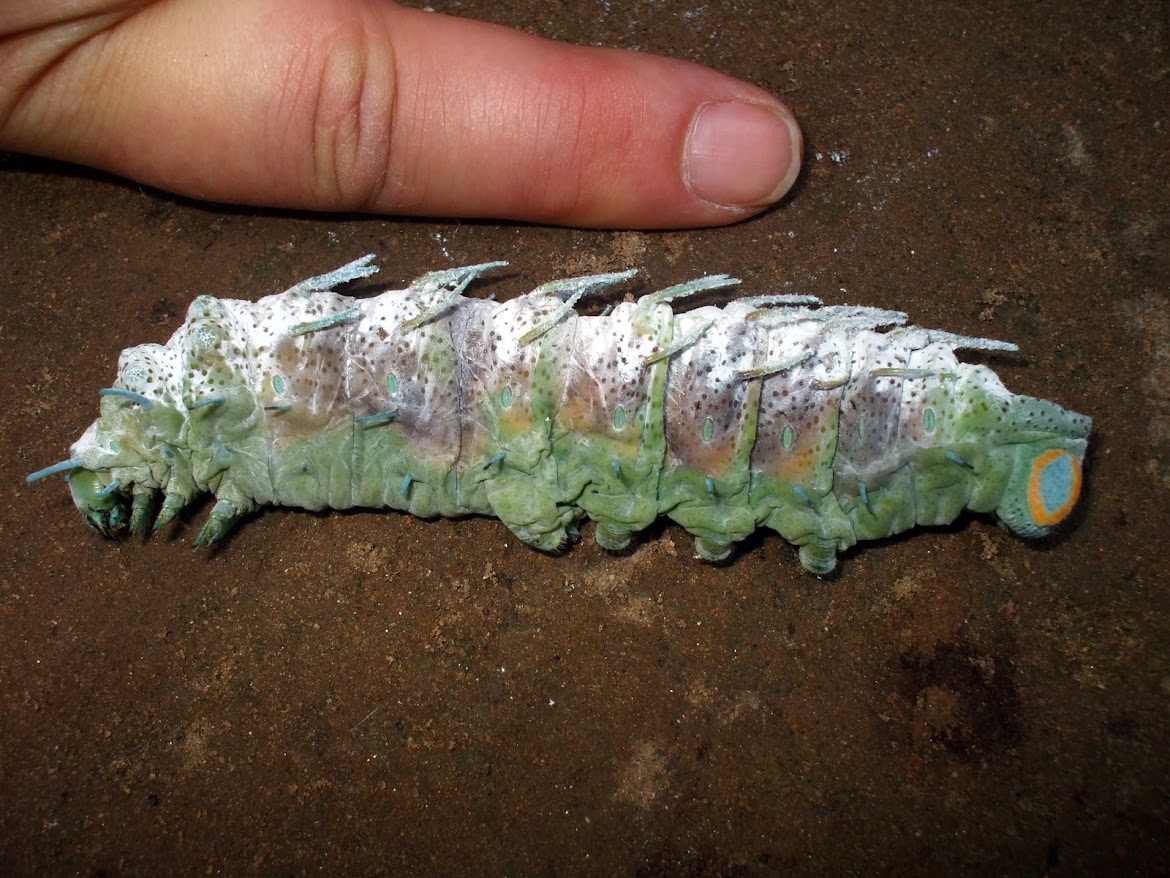
Here we are in the middle of the forest.  Our bungalows – I have one with C and M – are set amongst it all, as are their crops: small crops of beans etc. and others such as vanilla set among the forest trees.  I went for a wander by myself, listening to the exotic forest sounds.  Communal supper outside – all meals are taken in a shelter outside our bungalow.  And so to bed. By the way, I forgot,  Unpacking, I moved my rucksack, and a noisy clockwork toy sprang out.  Only it wasn’t. It was an angry and upset hawkmoth, and it chattered angrily all the time we were evicting it.

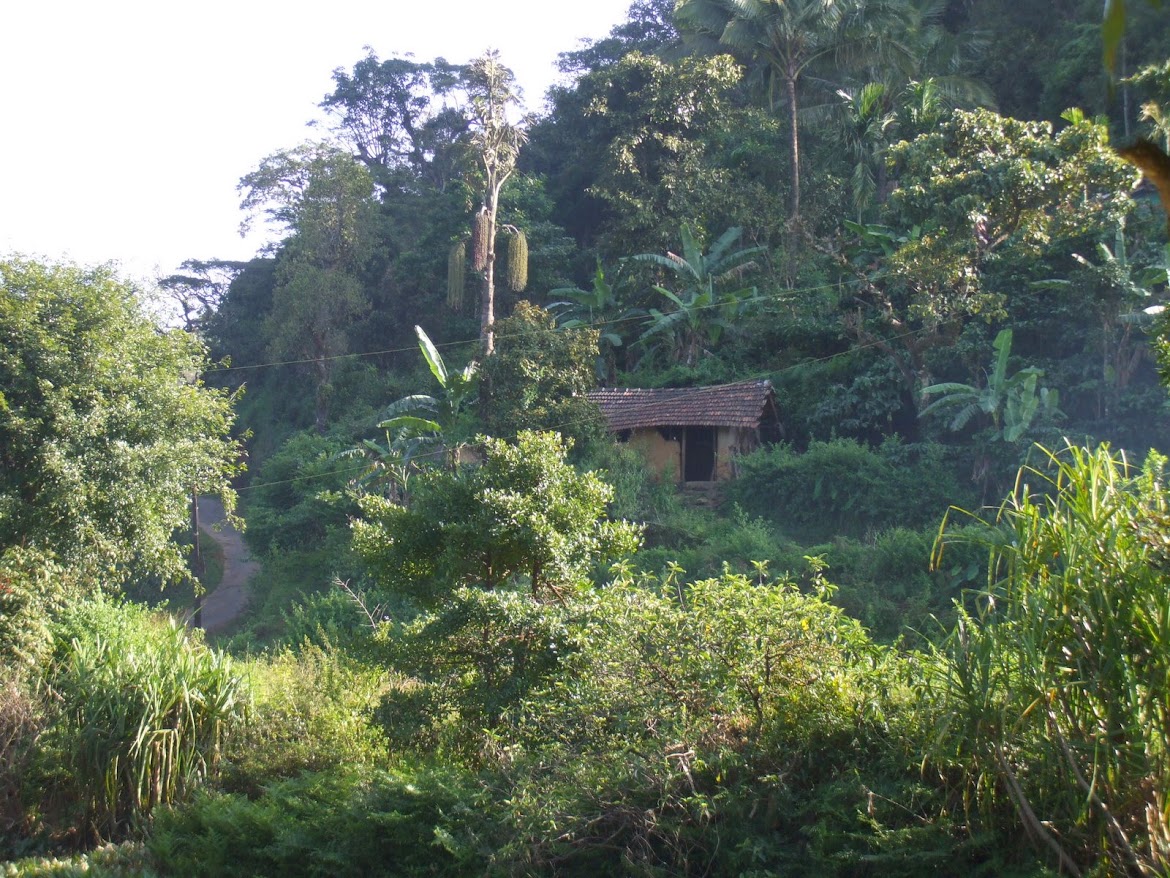
My next days’s account is of exploring the estate and surrounding neighbourhood, so I’ll let my photos do the talking.

Just two extracts from my diary for that day

We enjoyed munching fresh cardamoms, the ‘cherry’ round the coffee beans (sweet and refreshing – civet cats like them too), clove leaves, as well as looking at pepper(spice kind) plants, vanilla, pineapple plants, and all the organic produce they’re responsible for.

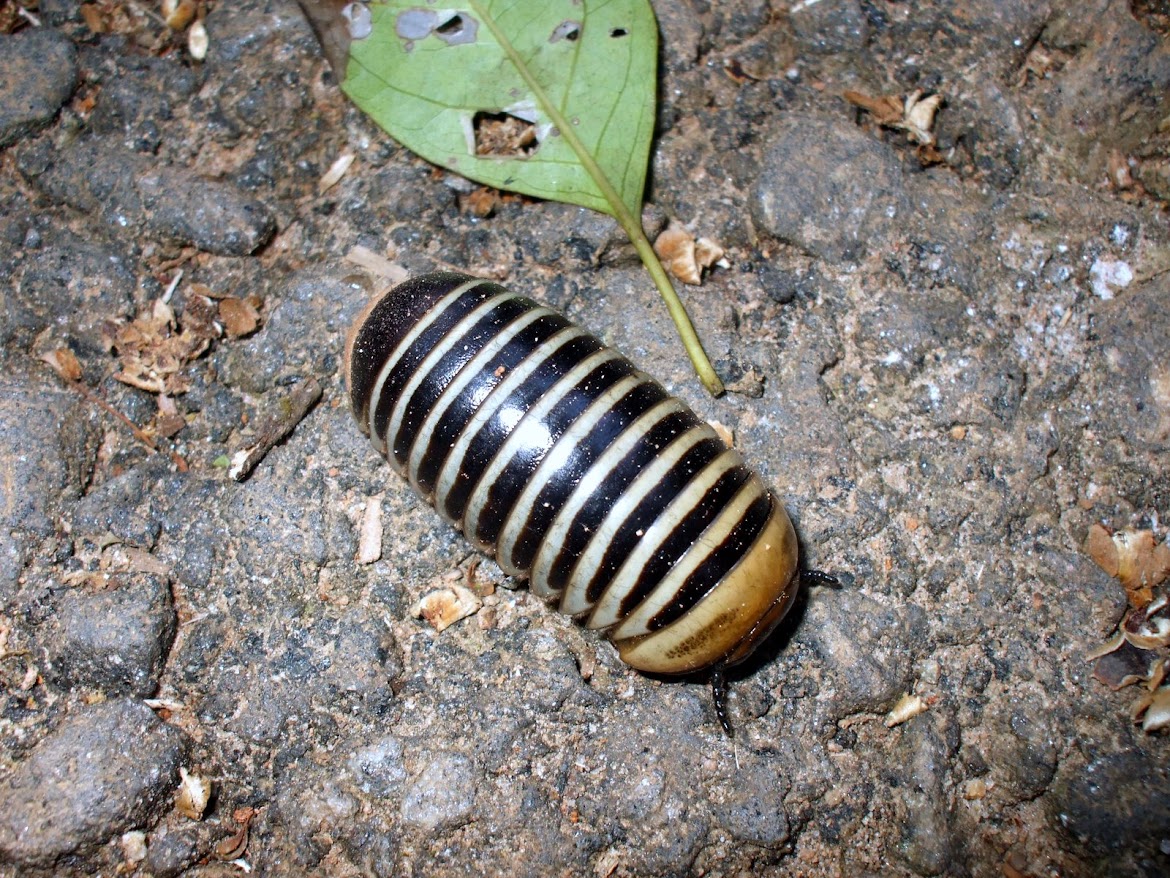
Sights on our afternoon walk: a massive millipede; a land crab; an aeriel ant’s nest; a palm whose juice in the morning is given to young children. By noon it’s like beer, and by evening it’ll do your head in it’s so potent.

Here is a link to the Rainforest Retreat. It’s clearly under different ownership now, and much more developed than in the early days when we visited. Though from this year they no longer cater for short term visitors. But it retains its interest in sustainability, biodiversity and organic practices.
My Sheepish Fan Club

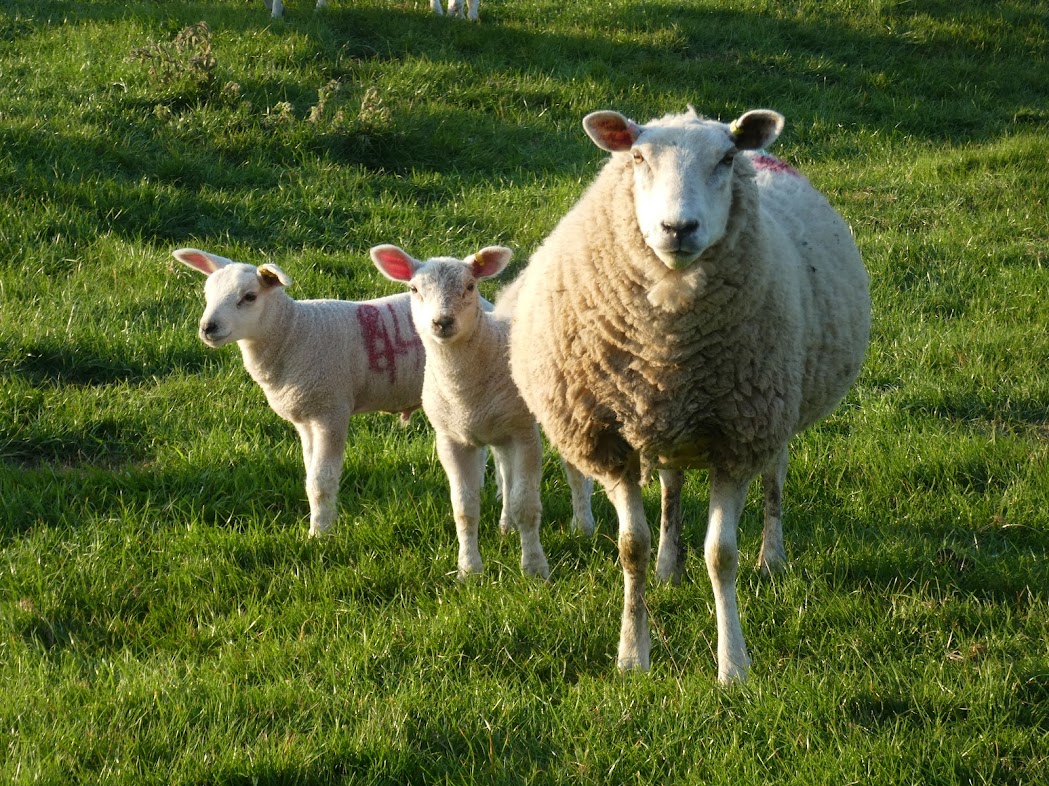
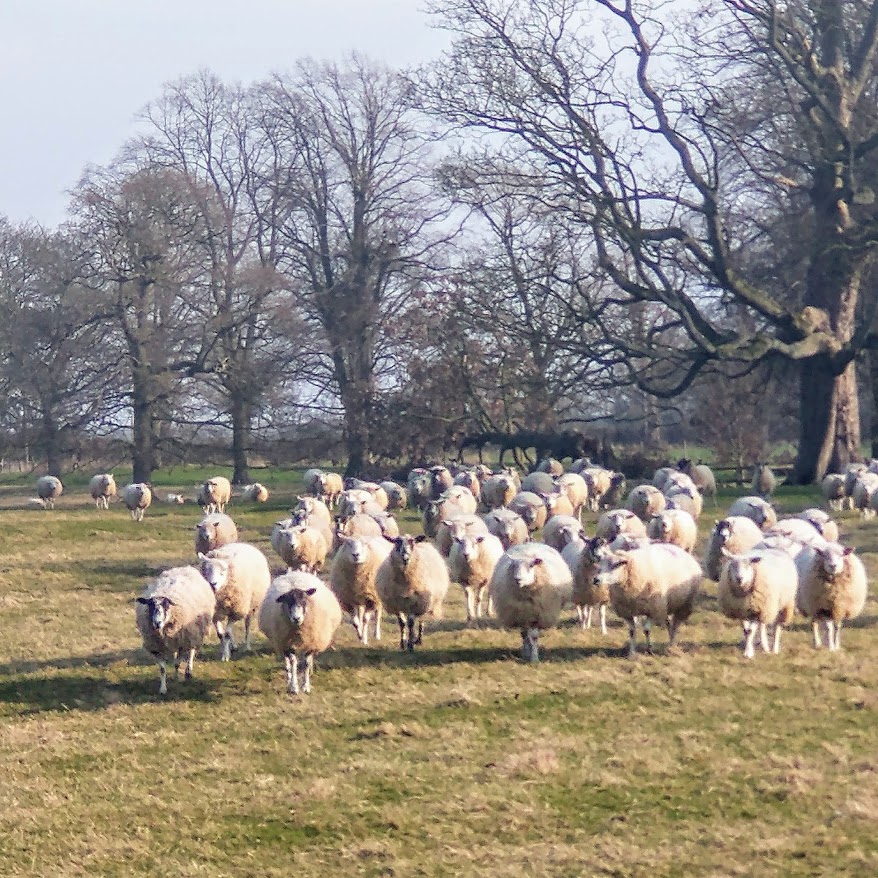
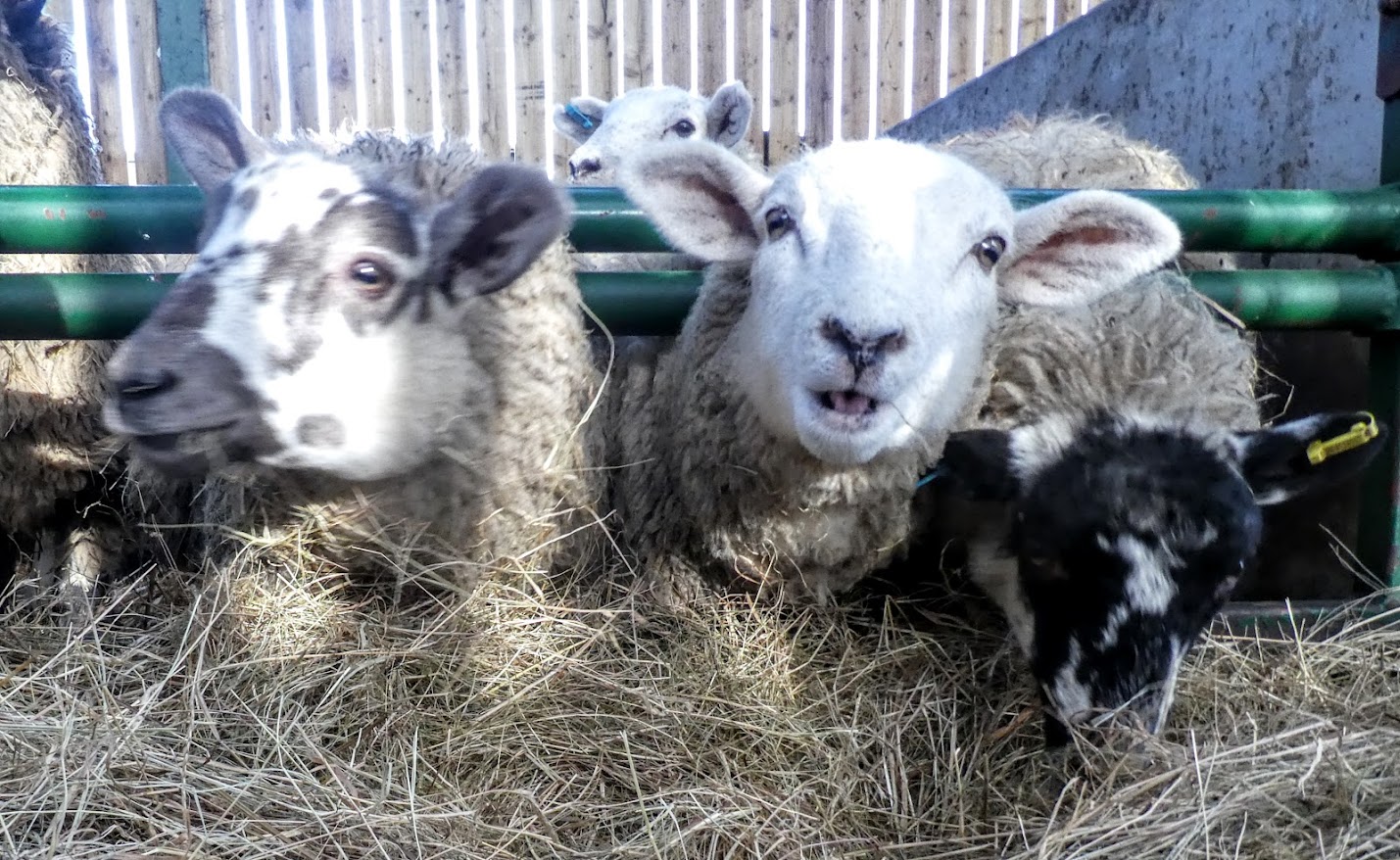
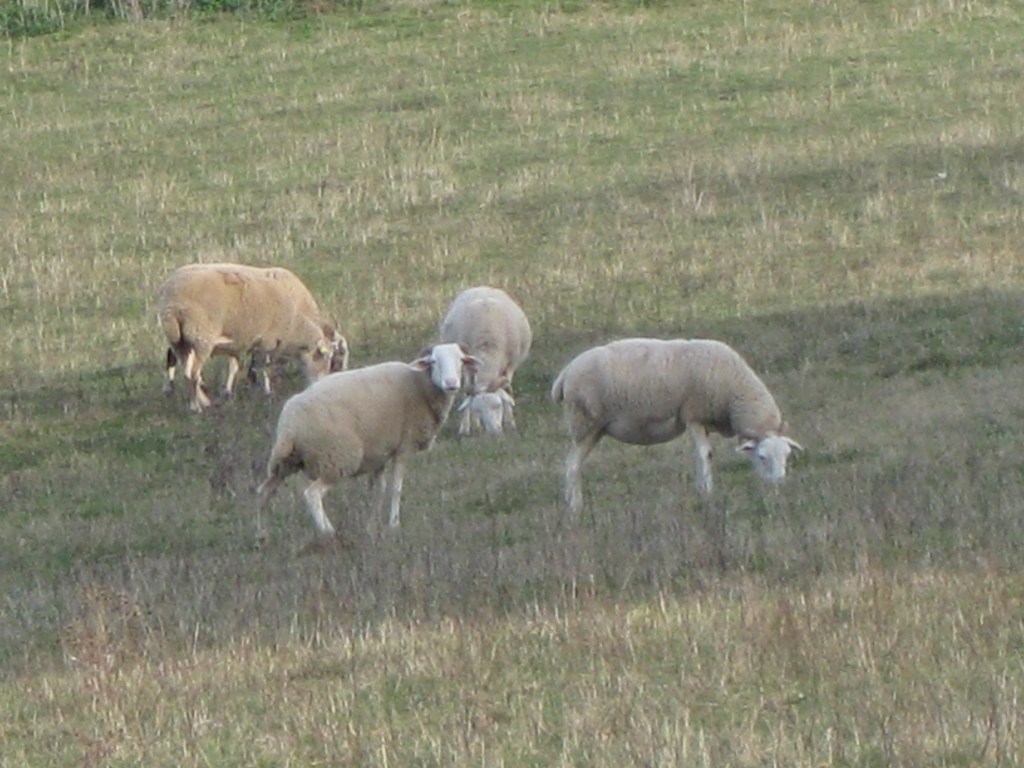
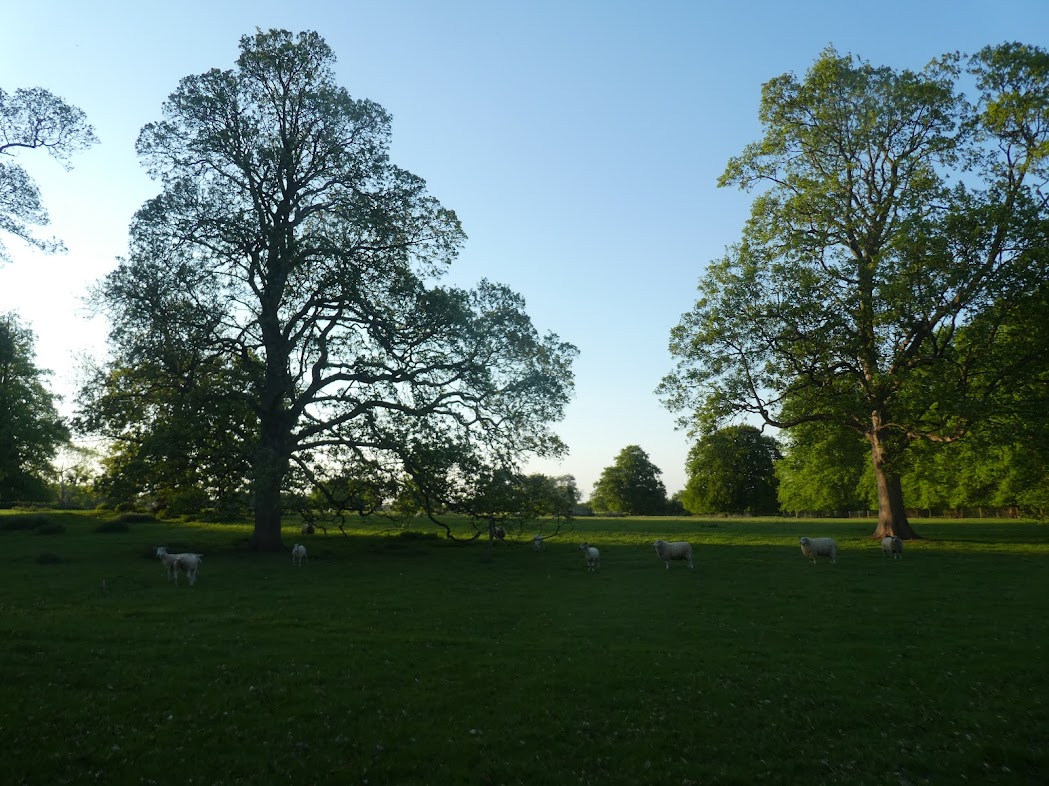
Next door to us is a field with six sheep. They’re not part of a farm. They’re siblings, and each one belongs to somebody different in the village – don’t ask, haven’t a clue. They’ve taken to galloping up to me every time I pass, hoping for a snack. A couple of times a week they get lucky. A cabbage leaf or two. Some chunks of celeriac or carrot. Broad bean pods (yum!). They never fail to live in hope, sometimes as often as four times day. I call them my Fan Club.

Yesterday, out for a local walk, I passed another nearby field, with perhaps a hundred sheep. A few of them noticed me, and just like their sheepy cousins next door to us, they set up a baa-ing announcement. ‘Possible food alert! Come on guys!’ And every one of them turned towards me and galloped to see what I had. Which was nothing.

The baas turned to complaints, but still they followed me. Noisily.

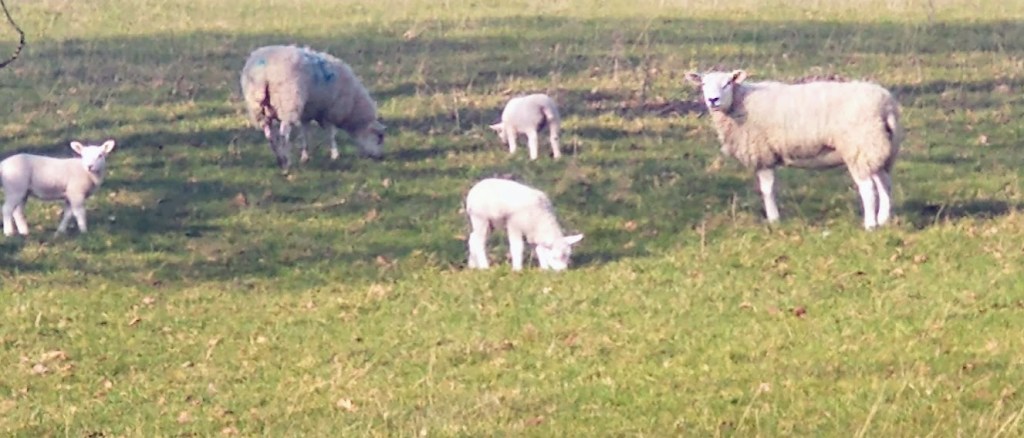
On I walked. Oh look! Lambs! The first I’ve seen this year.

And my walk took me slap through the centre of their field. Lambs and mothers normally skitter away. But no. They followed me. They chased me.

I tried to video this thrilling event, but dropped my phone. So that tiny clip is all you’re getting.

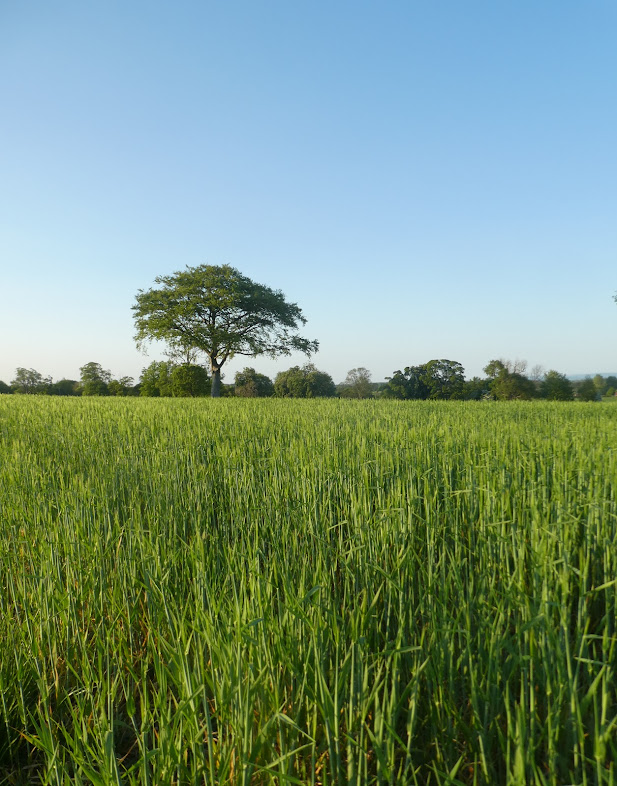
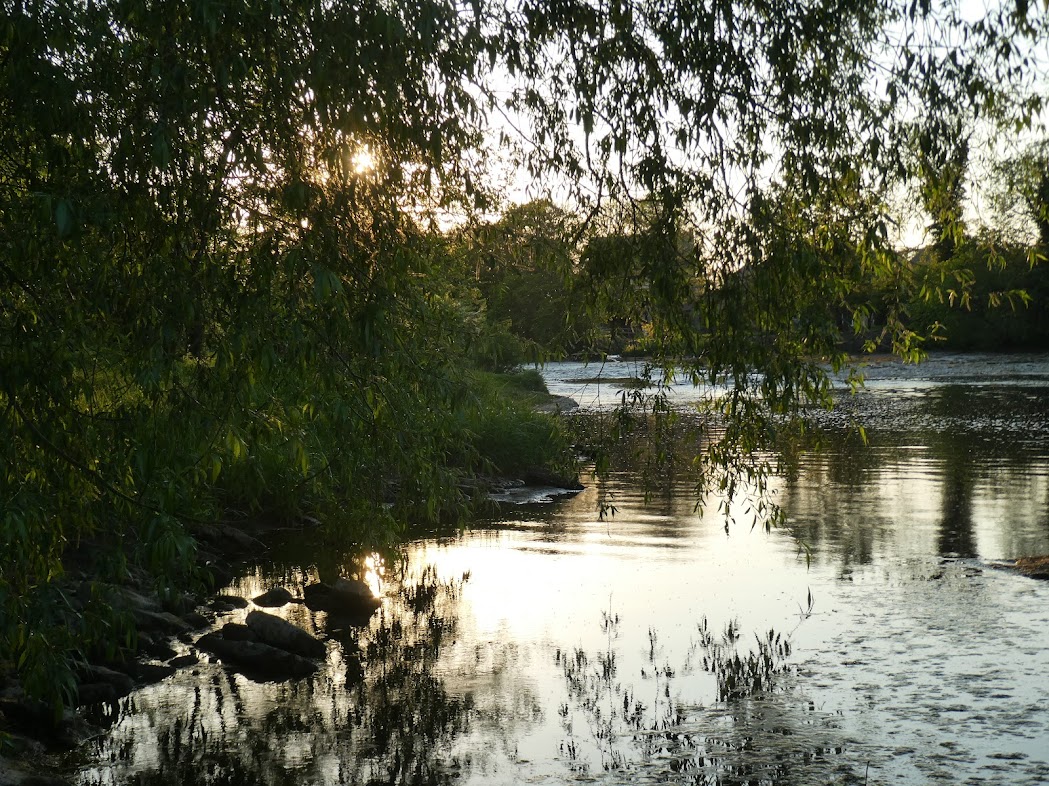
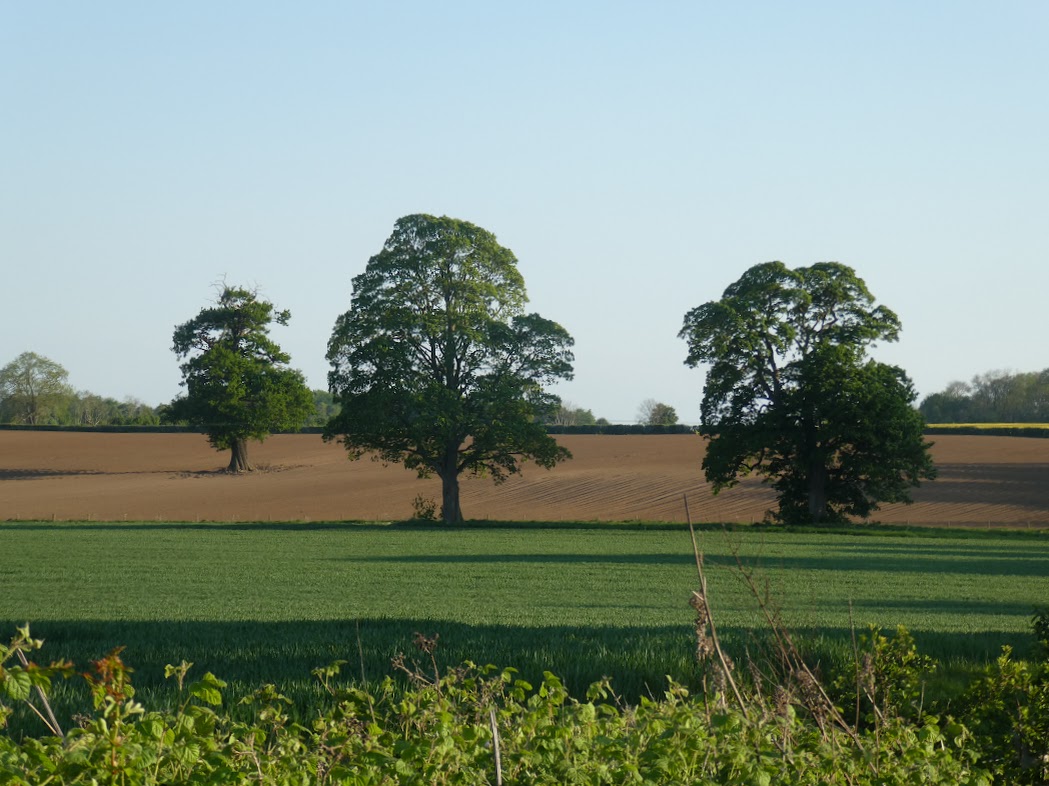
I went on. I was quite relieved that the next field was filled with a young crop of winter wheat, silently doing its thing and taking no notice of me. And that’s how it went on. Another field of sheep. They ignored me. A riverside walk along the Ure which took no notice either, but prattled and chattered its way along to the next village. A quiet woodland path where snowdrops are slowly being succeeded by wild garlic and bluebell shoots pushing their way through the soil, preparing for a fine show next month. Then home, choosing the path that wouldn’t take me past our demanding sheepy neighbours.

For Jo’s Monday Walk.

PS. WordPress’s oh-so-helpful AI has suggested tags for this post. It recommends …. ‘Jesus’.

Little Donkey

Today, instead of a Monday Portrait, I offer you a Monday Anecdote, first told on November 26th, 2011. It dates back to the days when we lived in Laroque d’Olmes in the French Pyrenees.
Little Donkey: An Everyday Story of Country Folk

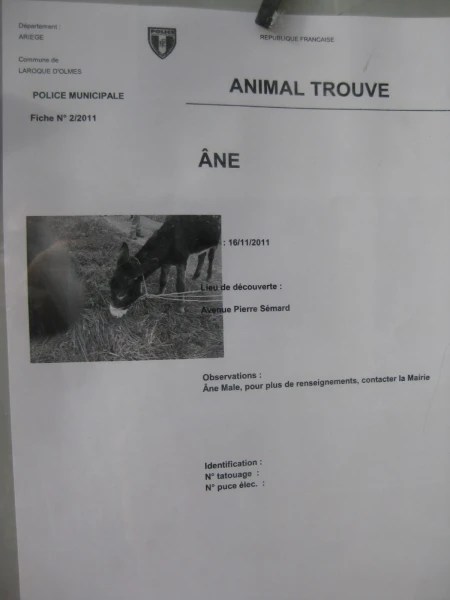
Every now and then, in among all the banns of marriage and planning notices on the information board at the town hall here in Laroque, there’s a poster about a stray dog that’s been found.  Not cats or hamsters. Just dogs.
Last week, though, my eye was caught by this:

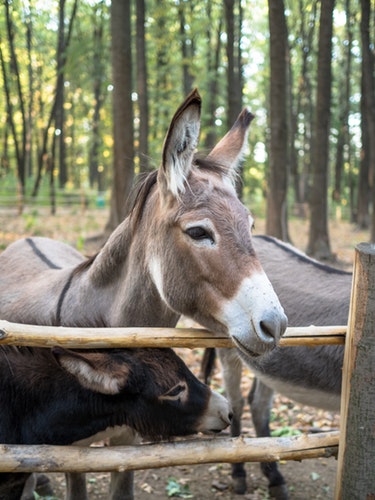
How does anyone lose a donkey?  And what do you do with it whilst you put out an appeal for the owner?  ‘Oh he’s fine’, said Thierry, our Community Copper, ‘We’ve put him to work in the office at the Mairie’.  I decided against saying the obvious, that he would be bound to be doing a far better job than the current Mayor.

It took a week for his owner to show up.  He – the donkey that is – had an exciting time.  First of all he was rounded up by the three blokes who first spotted him in the road just outside town, but who had no idea how to set about the job.  Then he was frisked for tattoos or identity chips.  None.  Next he was sent to stay with our friend Henri’s donkeys (Thierry was fibbing about the office work).  That had to stop when Henri’s female donkey got all excited at the new arrival and came on heat.  Then he went to stay with the vet’s partner.  He escaped.  Amateur detectives all over Laroque and Lavelanet tried to find out where he came from.  Eventually, after a week, his owner showed up, really rather cross.  ‘Why didn’t anyone think to get in touch with me?’

There we are.  That’s our excitement for November over.

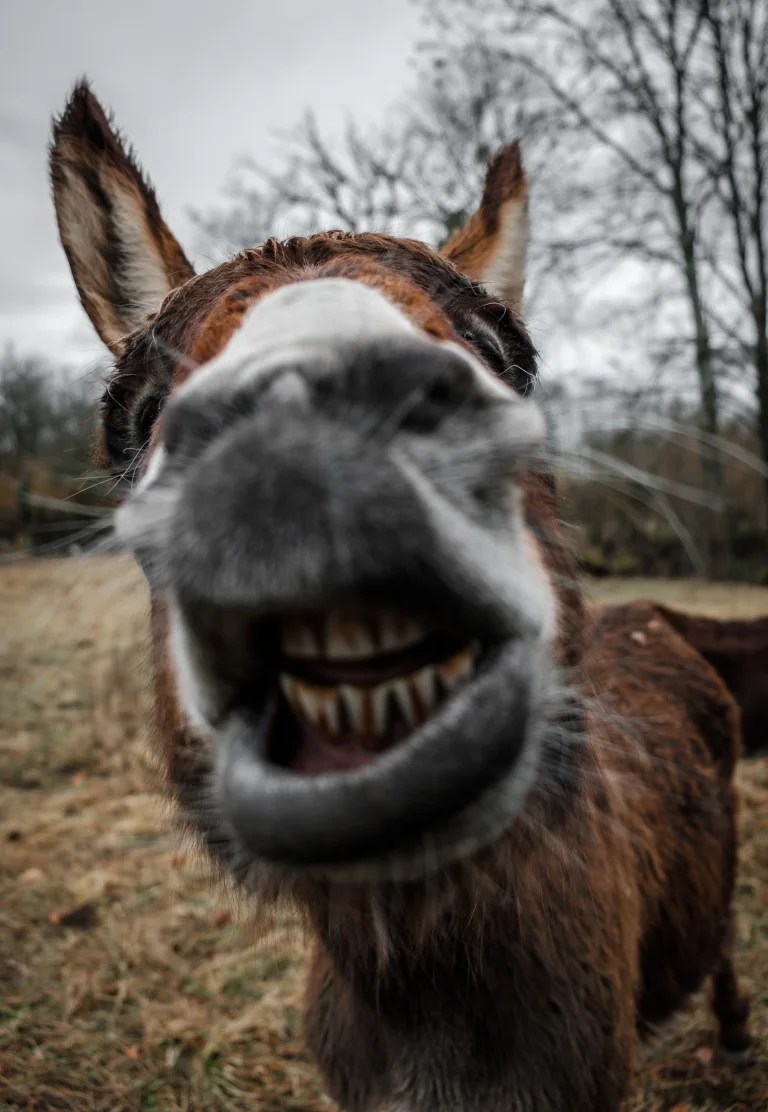
Unaccountably, I have no donkey photos. These are from Unsplash.

Down on the Farm: Revisited

It’s not been a great week, has it? The American election has come and gone, and anxious nail-biting has been replaced by the new reality. I’m going to distract myself by looking through an old blog post, first posted in November 2009 – gosh – 15 years ago, when I was a fairly new blogger, recording our day-to-day life in the French Pyrenees.

Down on the Farm

Well, I mentioned Patrimoine in my last post. Yesterday we had Our Farming Heritage, an event organised by Pays d’art et d’histoire des Pyrénées Cathares. 20 or so of us turned up at a nearby village, Troye d’Ariège, to have a look round a traditionally run sheep farm.
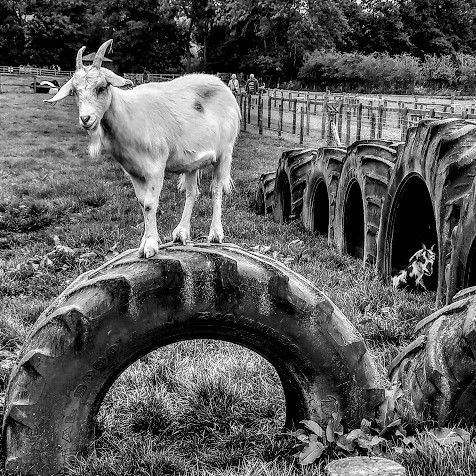
The event was immediately hi-jacked by an unscheduled event – the birth of a lamb. Out in a field, a mother sheep heaved herself up, plonked herself down, then up again, baahing loudly, until suddenly, quite suddenly, there was the front half of a lamb hanging out of her. A bit more wriggling and fussing, and there was the lamb, out on the grass, while the mother flopped beside it. A few minutes later, both were standing again. No shelter, no farmer in attendance – no need to worry apparently. These sheep are Tarasconnais, ‘The 2 CV of the sheep world’ said the farmer: rough and ready sheep who can turn their hooves to anything – wool production, milk and meat production, surviving on their own: molly-coddling is not required. They even get on with delivering their lambs regularly all the year round, somehow producing between them a steady crop of young, without human intervention.

Very pregnant sheep out in the fields.

Over to the lambing sheds then, where the mothers, having delivered, come inside for a while with their lambs. The noise! Dozens of lambs constantly baahing in their high-pitched tones, while the mothers hit more melodious lower notes. Hopeless to try to follow all that the farmer, Marcel, was telling us.

Supper time.

Marcel runs his farm of 800 sheep by himself, helped only by an apprentice (who has to go to College in among, of course) and occasional visits from a retired farm hand. He grows their feed – hay, beets & maize, keeps the animals fed and watered, dips them against insects monthly, de-parasites them every 3 months, regularly cuts 800 sets of hooves (he’s devised various metal narrow bus-shelter-style contraptions to make it easier to queue the animals up take their turns for these various procedures). He’s not organic, but many of his practices are, and he certainly usually chooses, for example, organic treatments if his beasts fall ill, believing them to be better.

View from the ‘treatment shed’.

Every summer, about 400 of his sheep go off to the mountains with a shepherd, following the ancient tradition of transhumance. The old, the young and the weak remain behind.

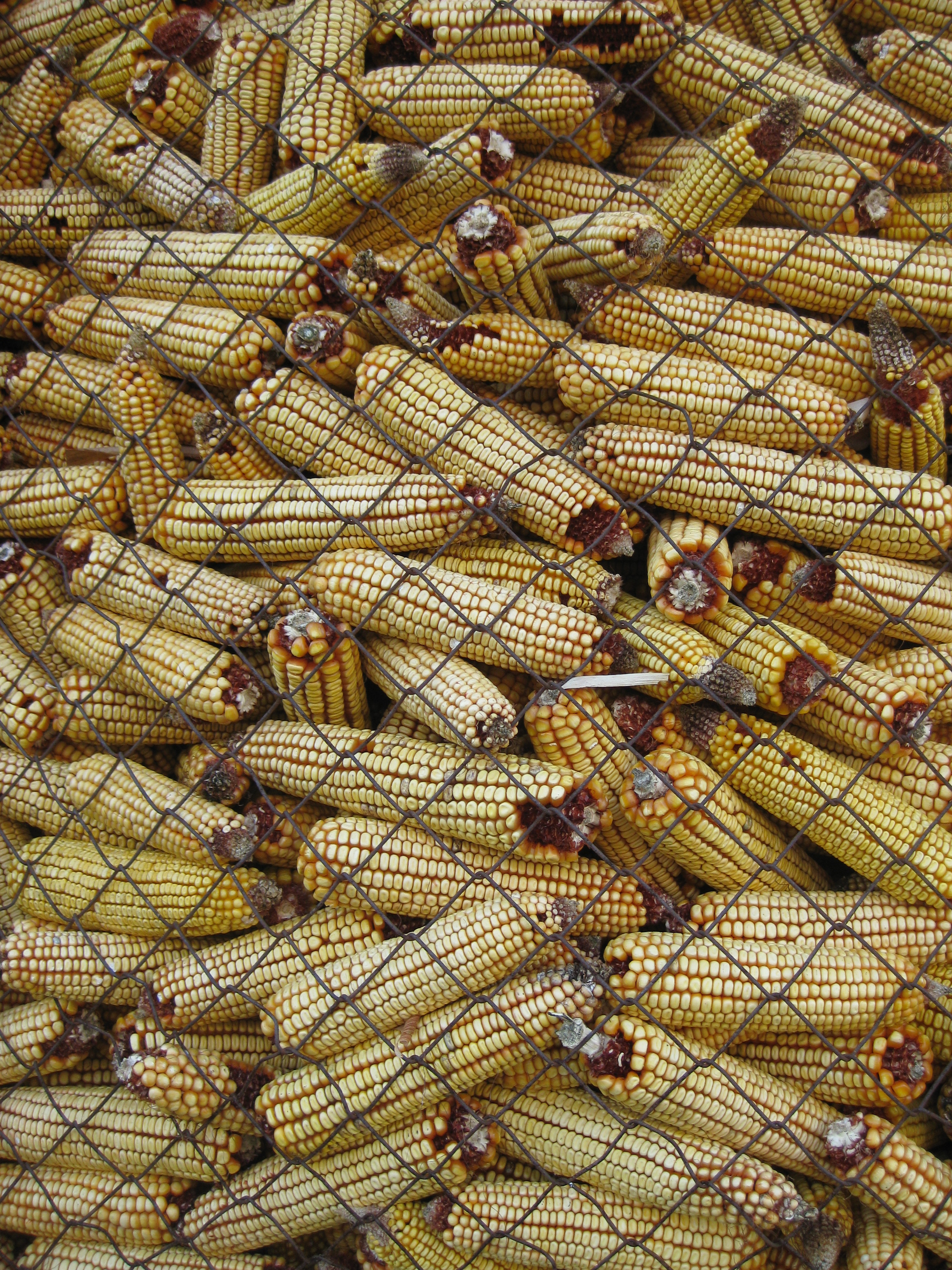
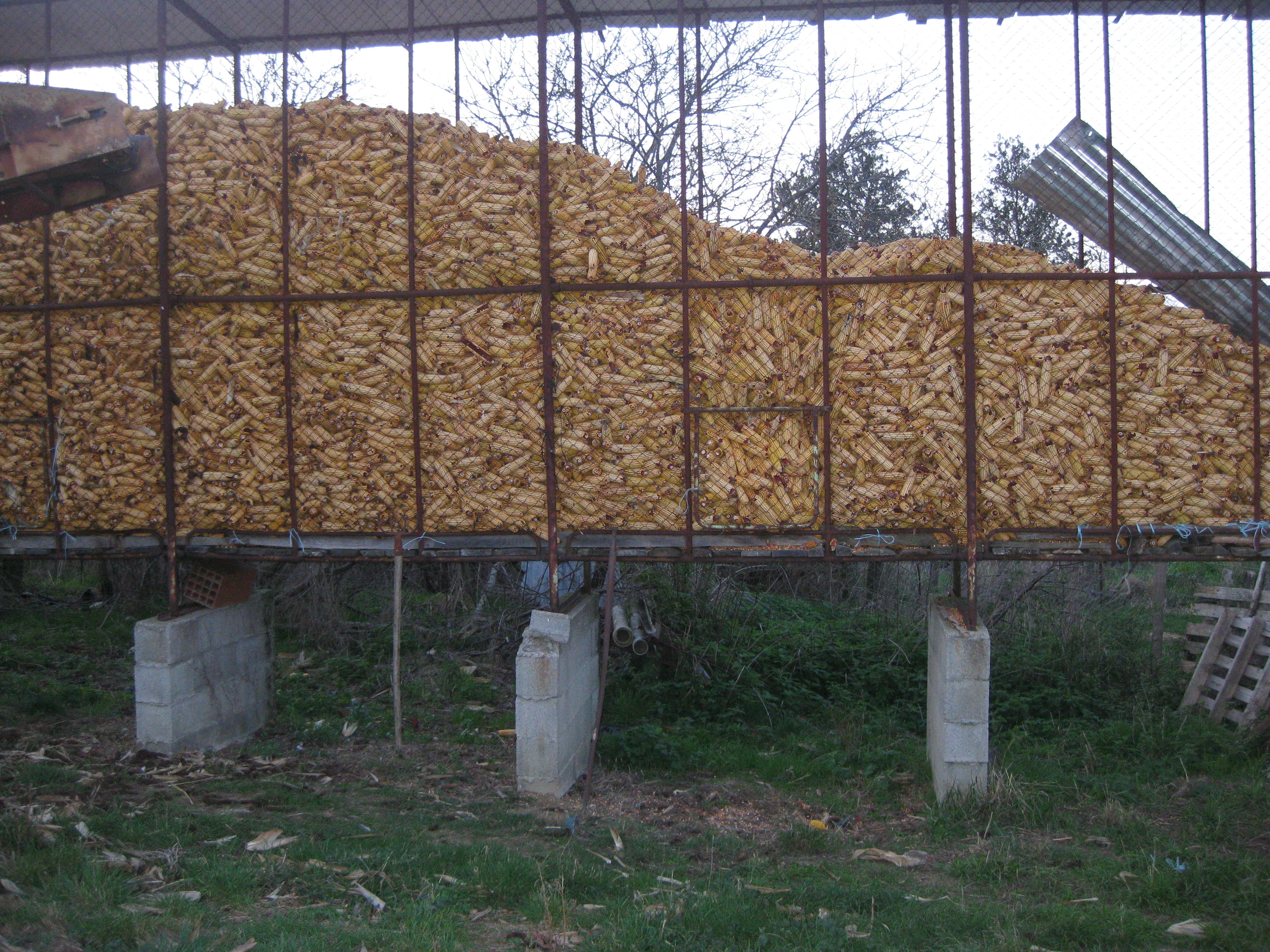
This maize is a winter treat. And here’s the cage where it is dried and stored.

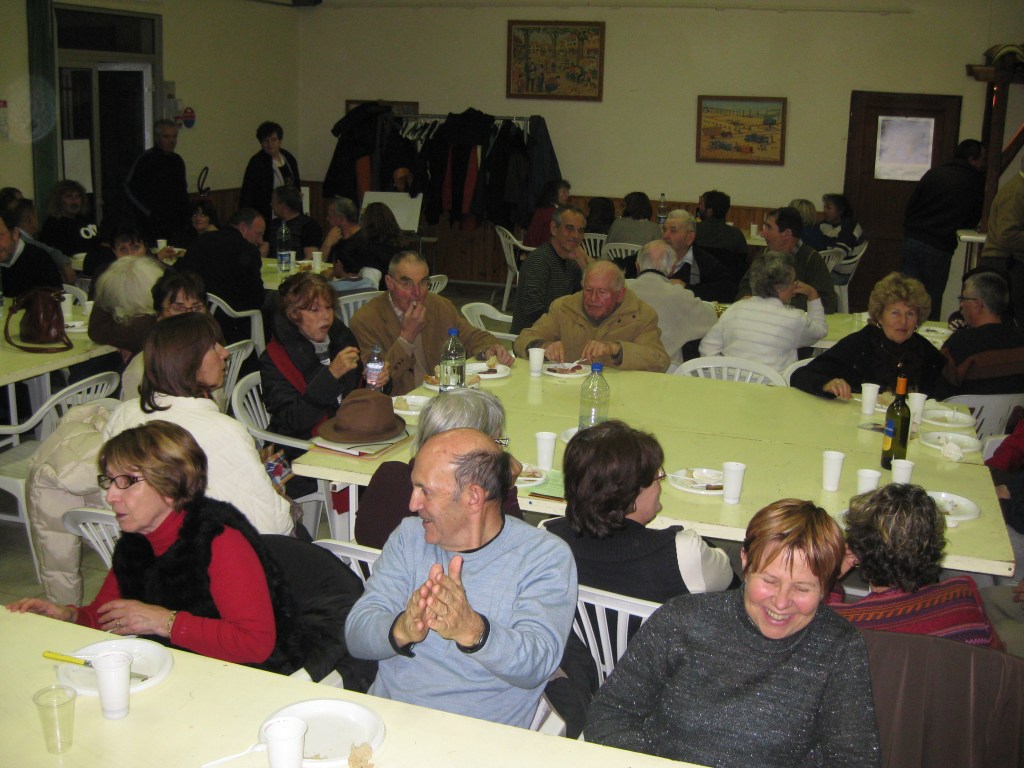
As the sun went down, it got colder and colder. Time for the next part of the evening, an Apéritif dinatoire. What this meant was that everyone from the farm walk and most of the village inhabitants got together to choose and share plates of local sausage, hams, pâtés, cheeses, bread, wine, apple croustades and fruit, mainly sourced from no more than 10 miles away.

Apéritif dinatoire over, time to clear the tables.

The atmosphere got merrier and merrier, and yet, come half past eight, the tables were cleared, and we all sat down for a lecture (this is Saturday evening we’re talking about…..). Eric Fabre, a university lecturer specialising in the farming history of our area painted a picture of 19th century life in which most people farmed tiny patches of land: only the Church and a very few landowners had substantial holdings. People grew what they and their few animals needed, and the sheep they had were valued for the manure they produced, and secondly for their wool. The meat got eaten, of course, but it only became a marketable product following urbanisation, when town based workers no longer had land of their own. The farmers listening to all this were even more interested then we were, and question time was lively. But it was late and we were tired, and in the end, we were glad to go. 11 o’clock seems well past bedtime when you’ve had a day down on the farm.

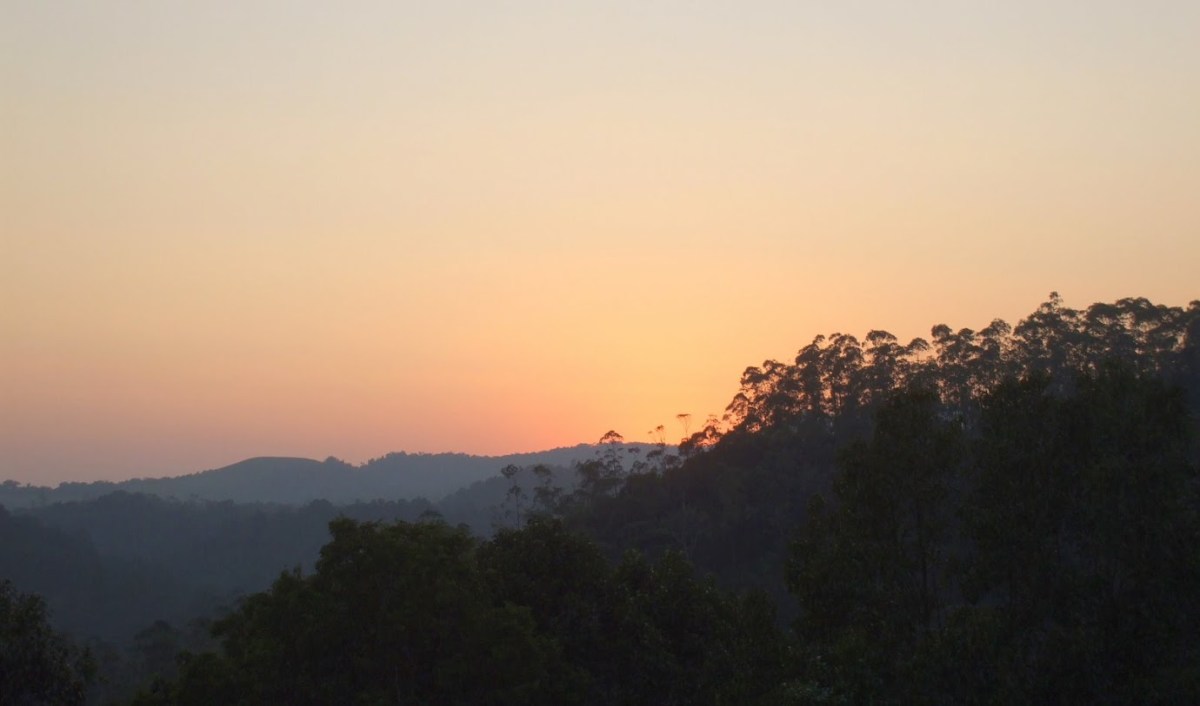
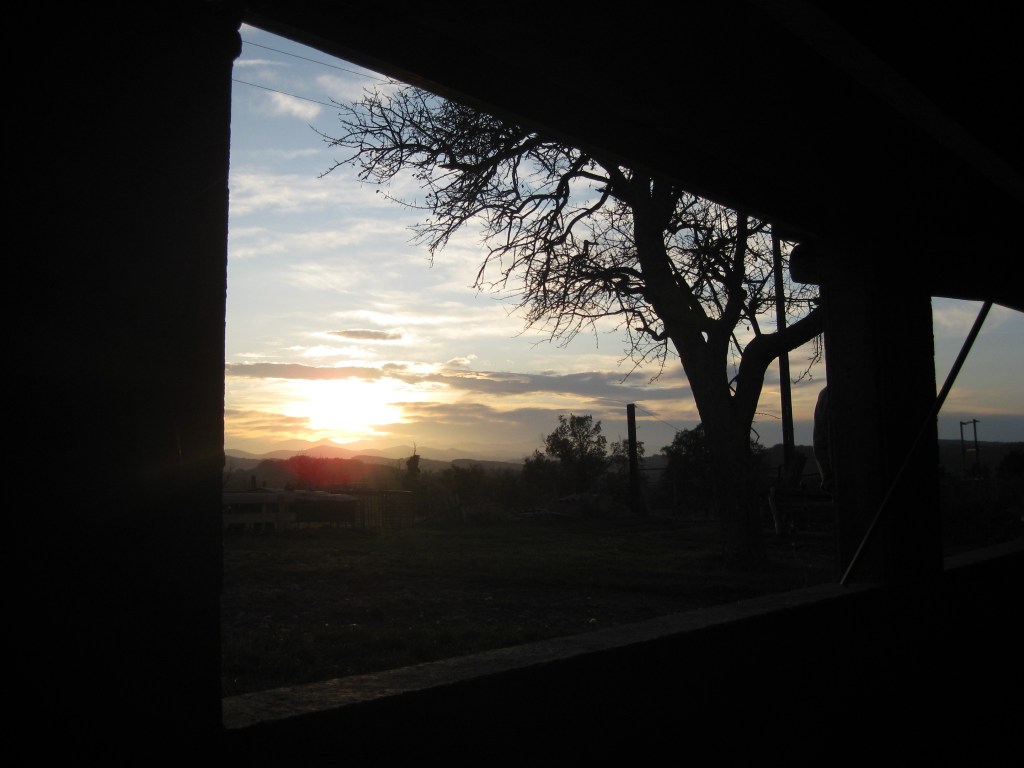
Sunset over Marcel’s farm,

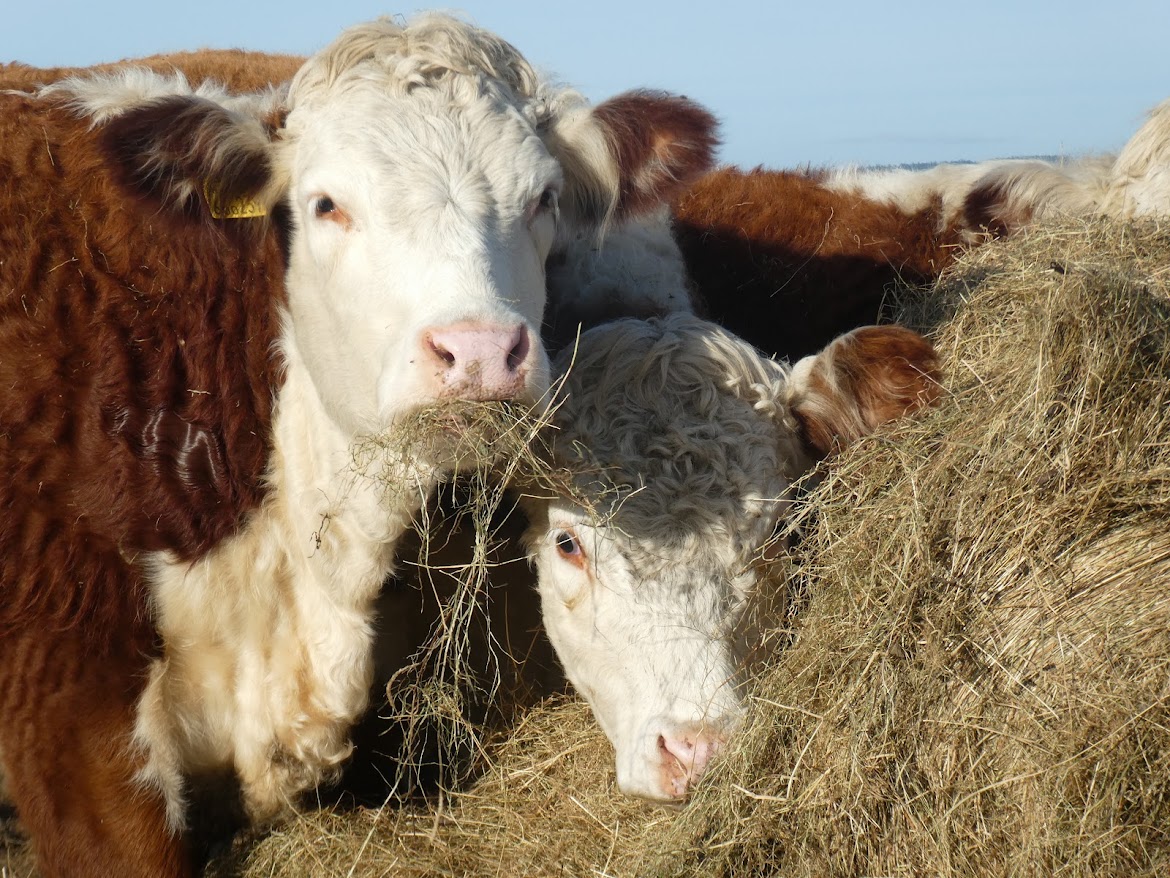
Seven for September starts with Seven Cows

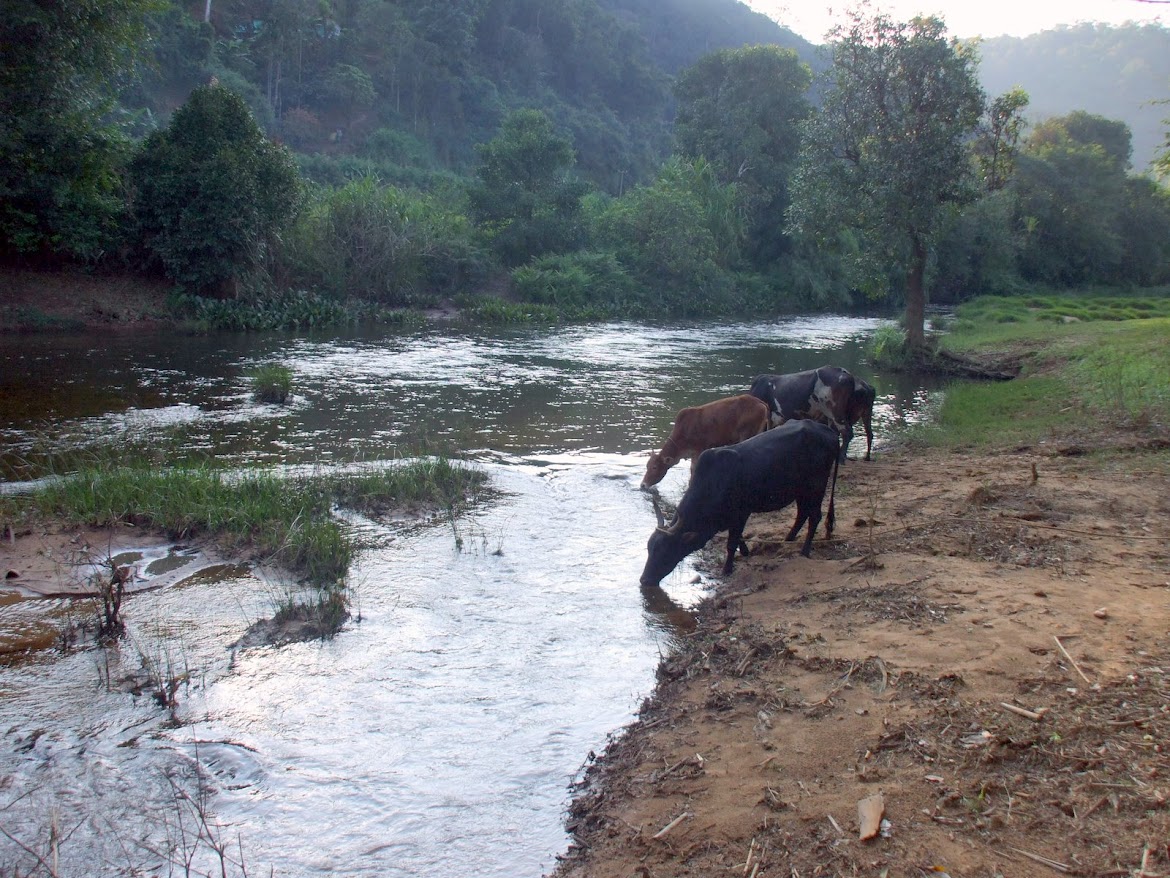
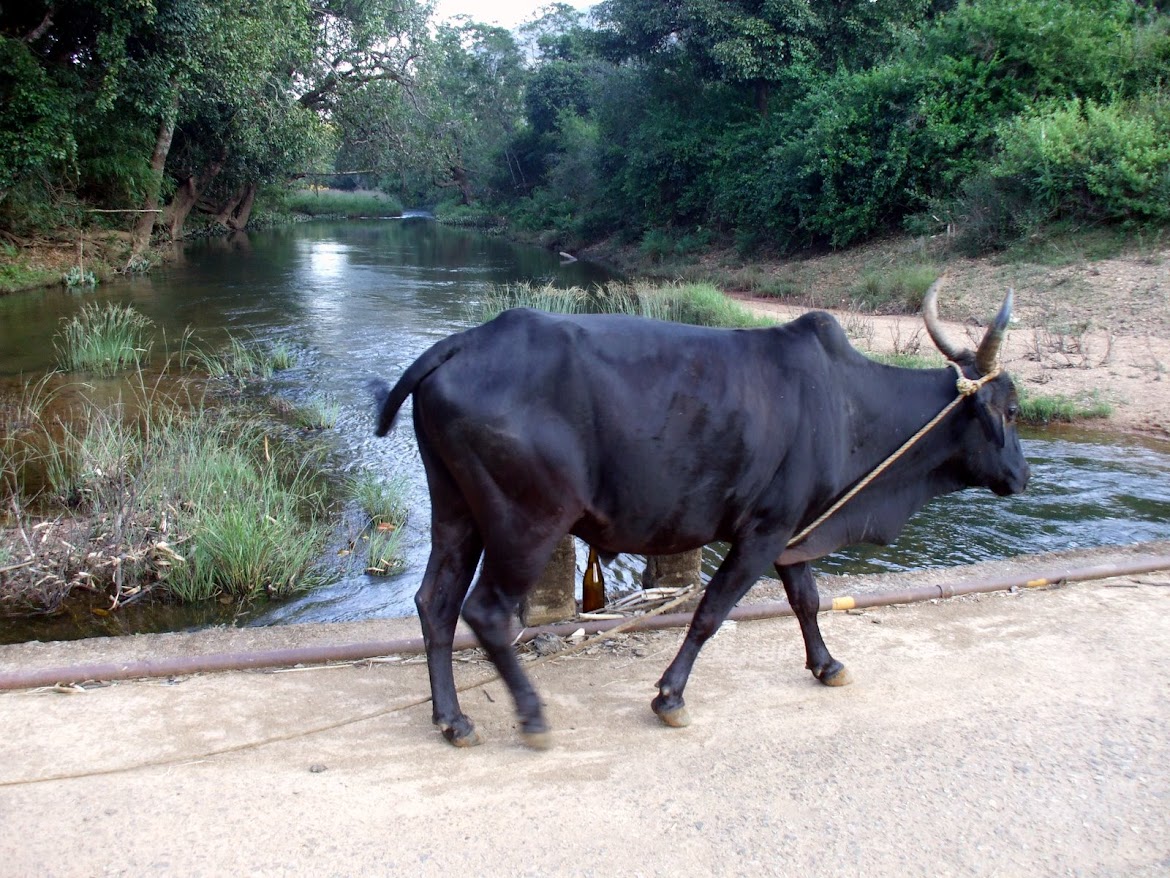
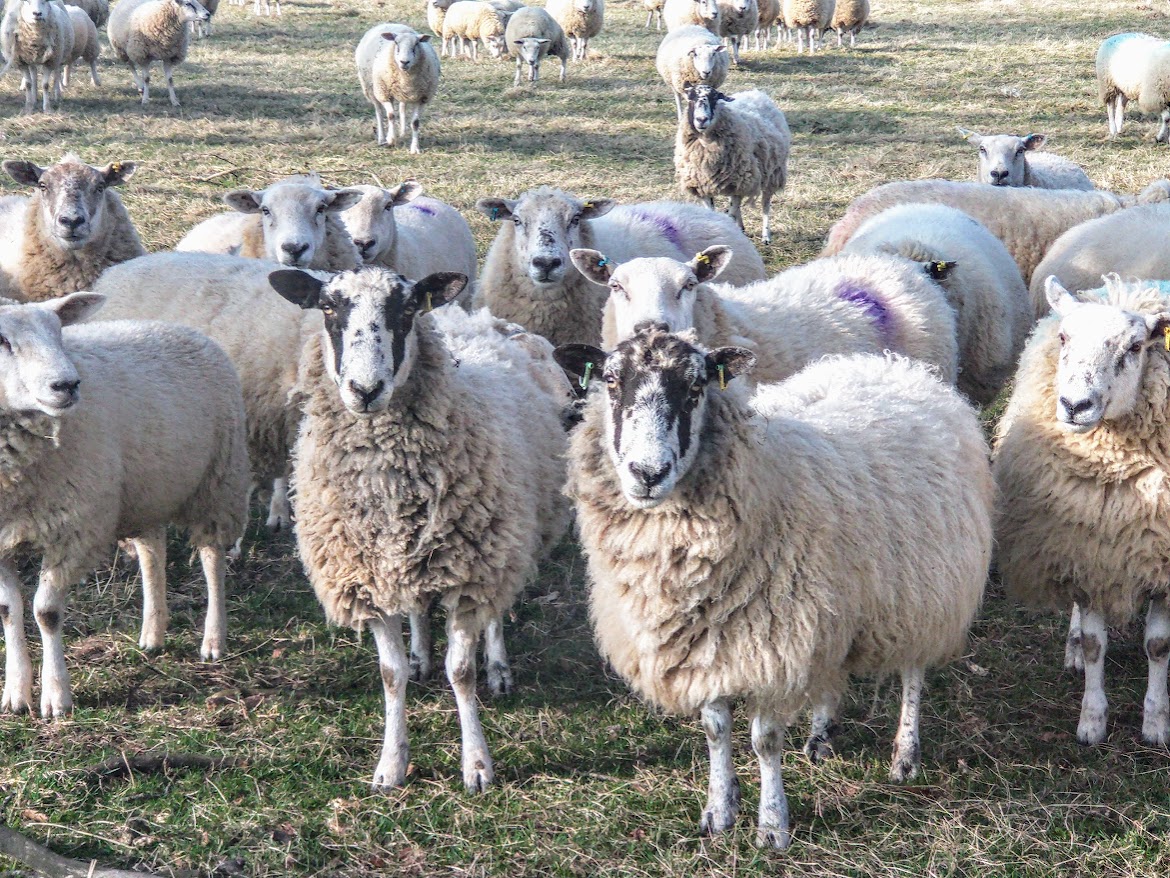
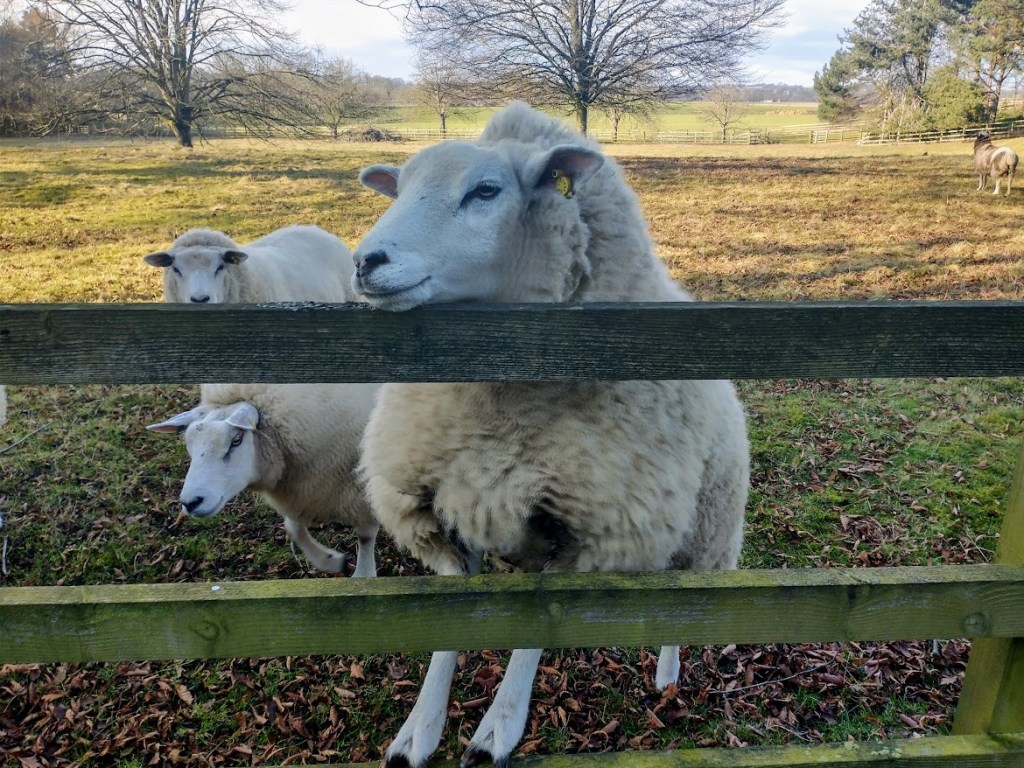
Seven? Did Becky say that this month’s Squares Challenge was all about the number seven? Well, I’ve only got only three here in my featured photo.

Erm. That’s still only five. Try again …

Not good enough yet … What else can I find?

Seven! Done it! Welcome to SevenforSeptember. I aim to post Seven Times.