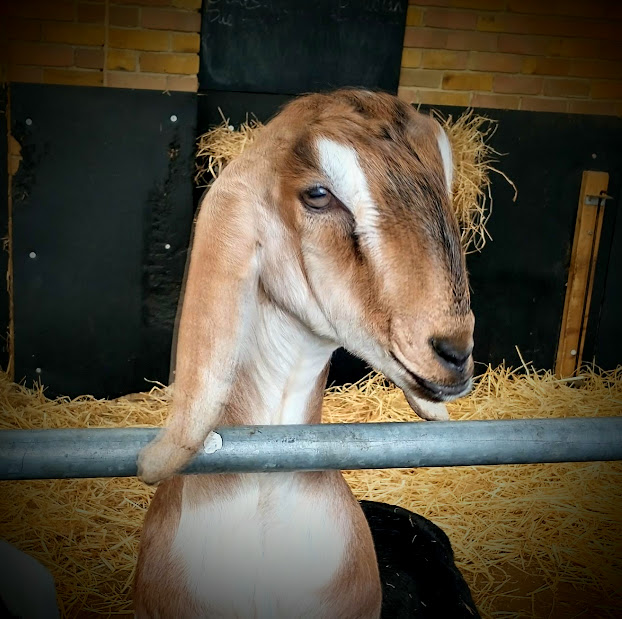
The other day I showed you the thieving squirrels of Mudchute Farm in London’s Isle of Dogs. Today it’s the turn of the thieving goats. Mind your scarves! The goats find them delicious.
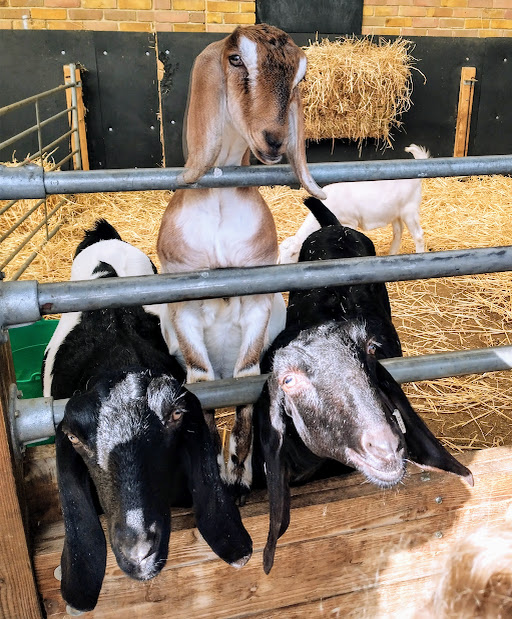
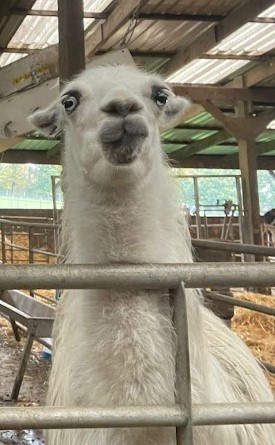
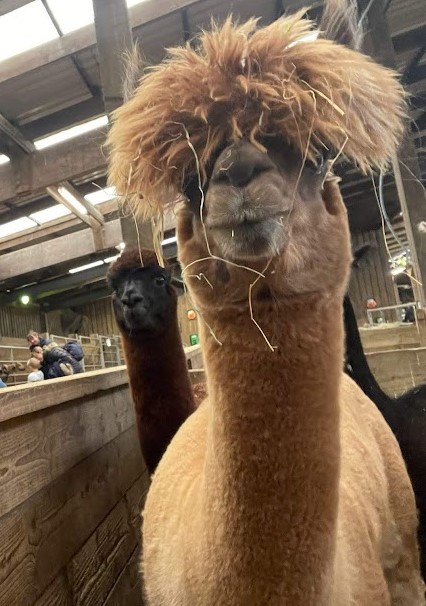
My daughter sent me these photos from a day out at Smithills Open Farm, Bolton. I’ll let these alpacas speak for themselves.

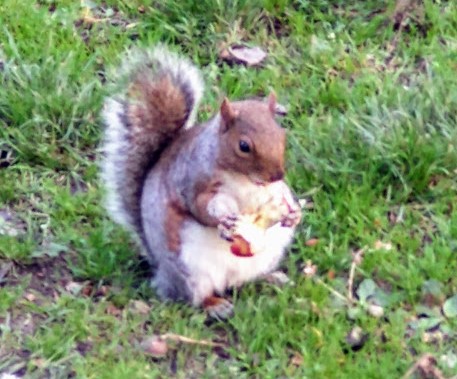
Last week – half term in London – I was on Granny Duty. And my daughter and granddaughter were over from Spain too. So one day, we went to Mudchute Farm. This is a community-based city farm that’s home to sheep and cows and ducks and geese and hens and all the usual suspects. But towards the end of the day, squirrels came centre-stage. They’re not part of the farm. But they’ve learnt that it’s a great place to hang out. All that free food. And some of it from visitors. William at one point dropped his apple core – accidentally of course: we’re not litter-louts. Before he could do anything about it, a cheeky squirrel had scuttled out and grabbed it: and retreated to a goat pen so she could eat it in peace.
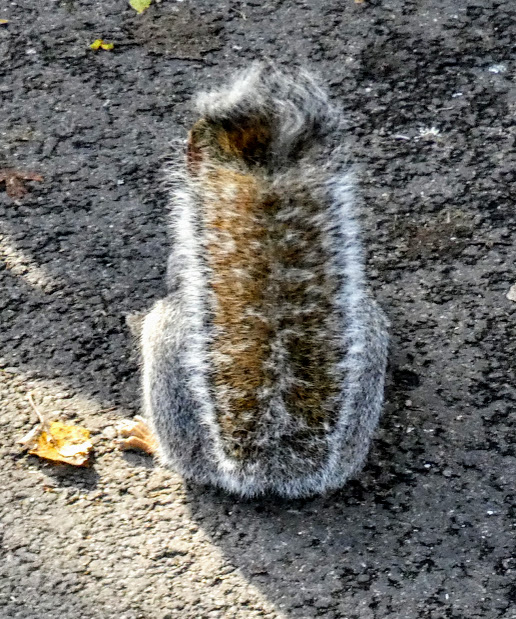
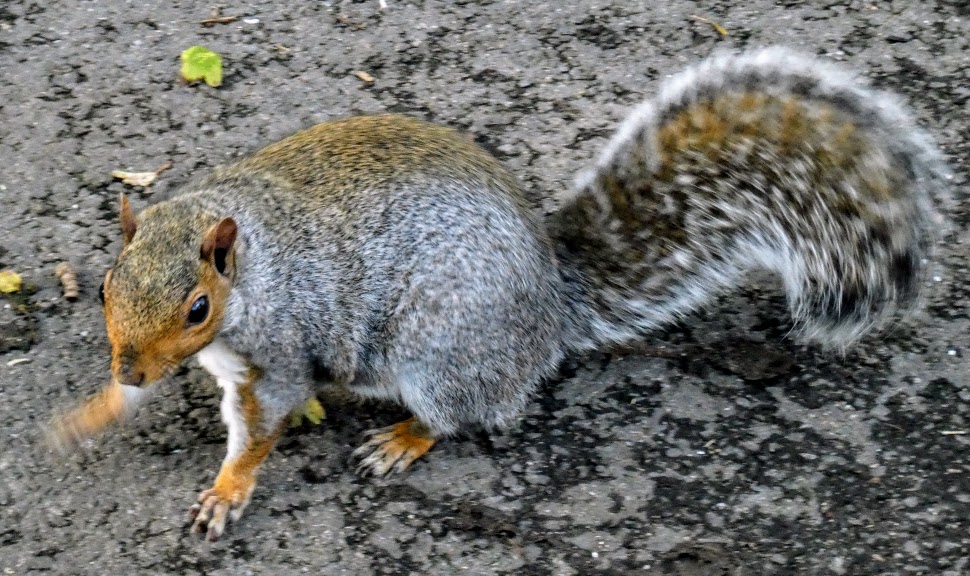
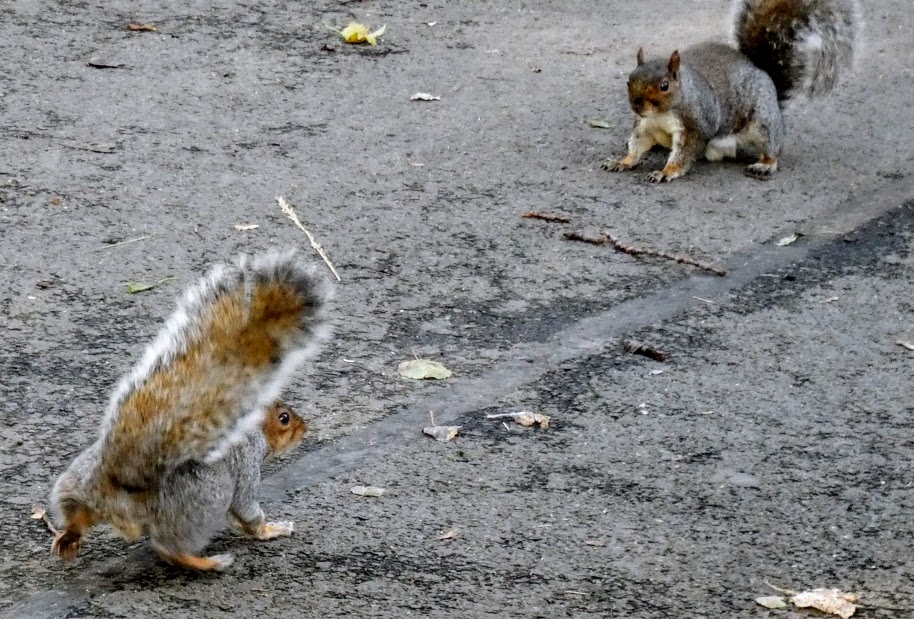
For Monday Portrait.
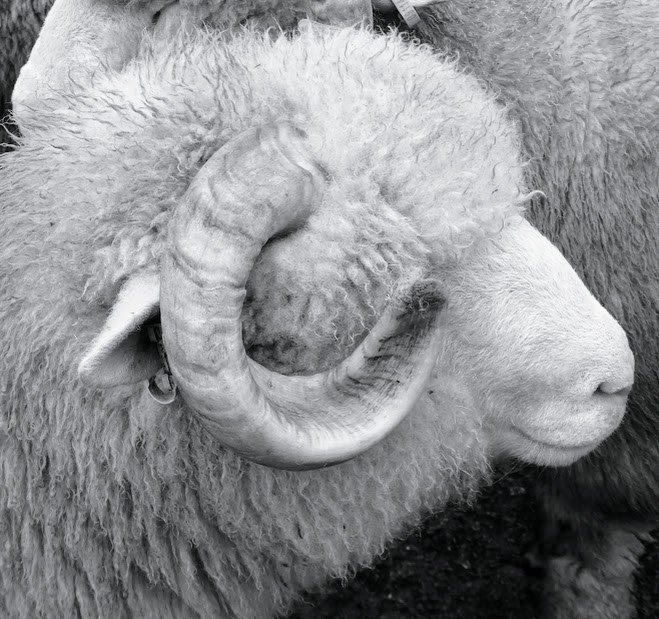
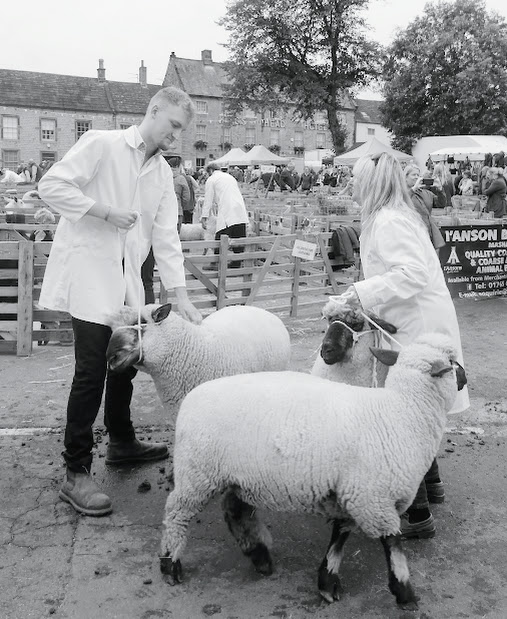
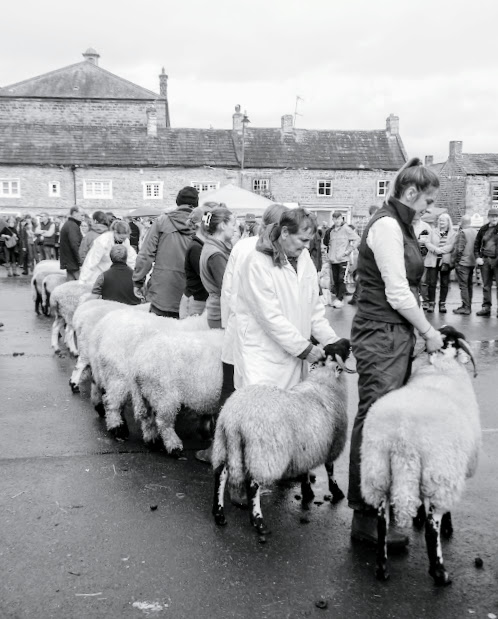
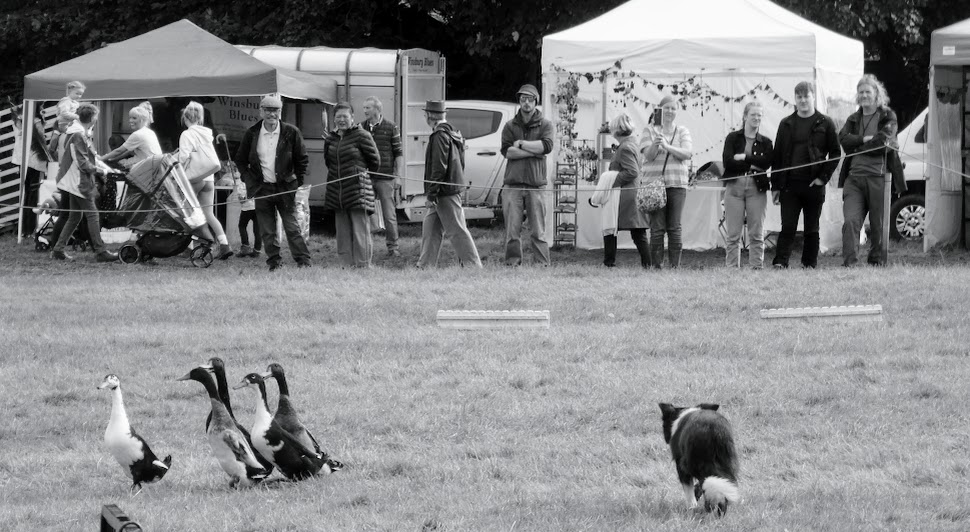
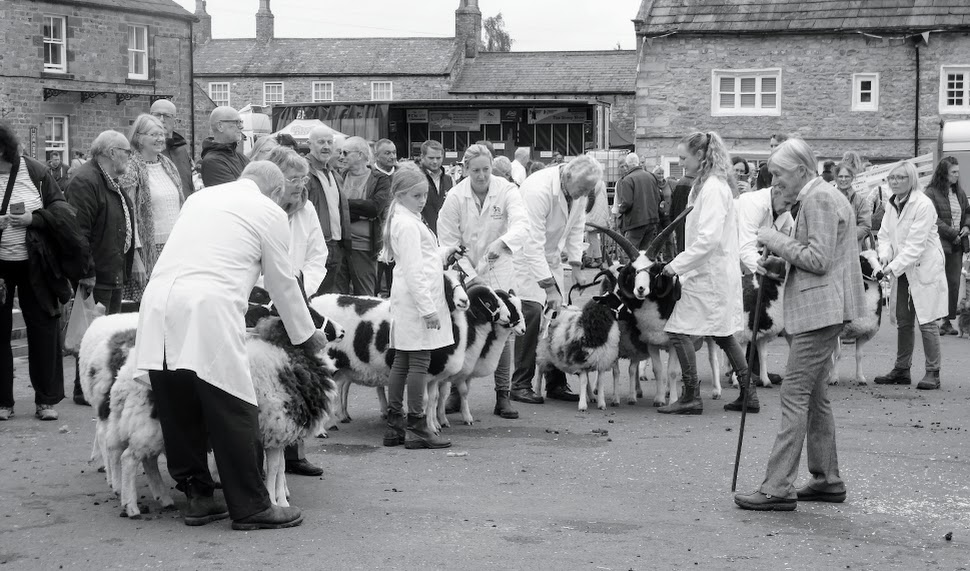
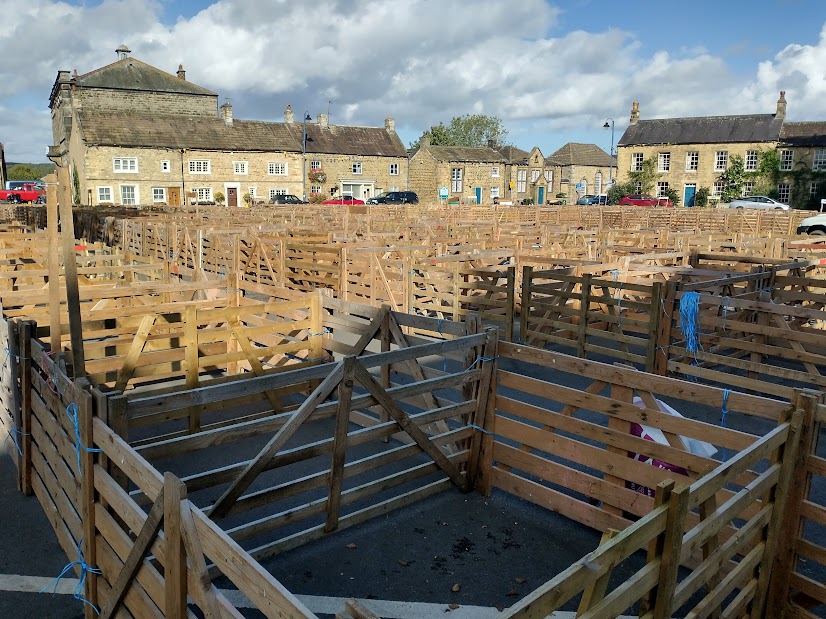
Just over a week ago, I showed you an image of Masham gearing up for its annual Sheep Fair. It’s a weekend when the town itself is on display, and sheep in their hundreds turn up to be examined by judges who come from all over the kingdom and beyond to this special event. We go without fail. Our first visit had us astounded at the sheer variety of types of sheep on display. At other times we’ve focused on watching sheep dogs doing what they do best … herding … ducks.
So I have photos by the score. This year, then, I thought I’d limit myself to black and white. I’d look for sheep on display, the humans who handle them, some as young as five years old. I’d look at dancing displays, at those sheep dogs, and at humans also worth a second glance. And show them to Ann-Christine, and to you, for this week’s Lens-Artists Challenge: On Display.
Sheep first then, of course…

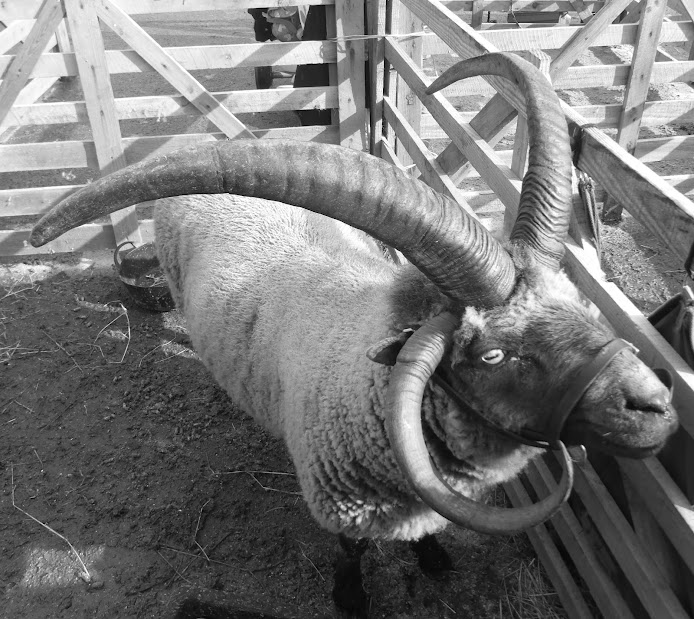
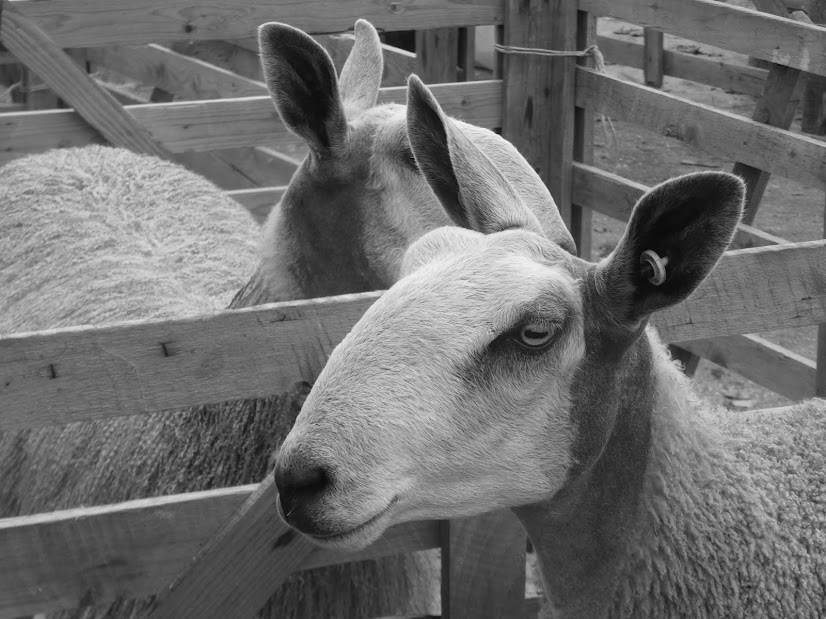
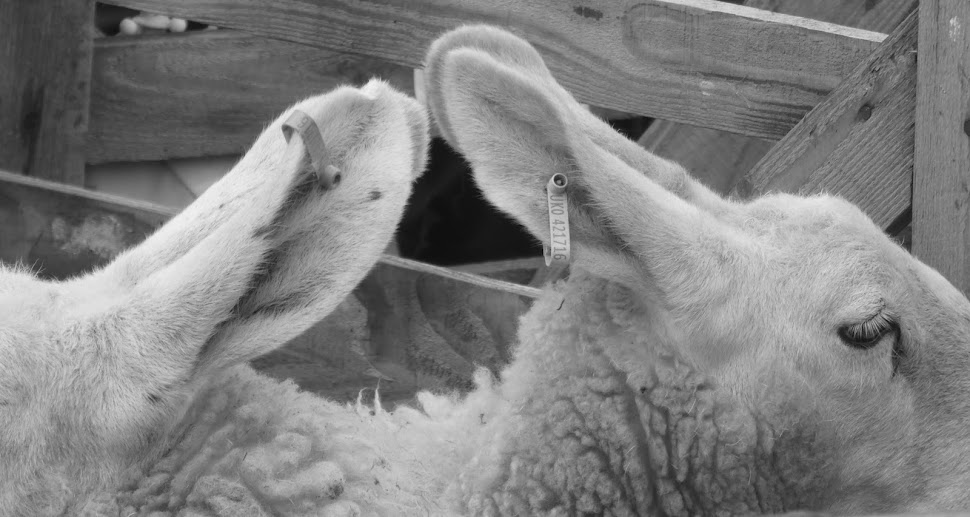
… then their handlers…

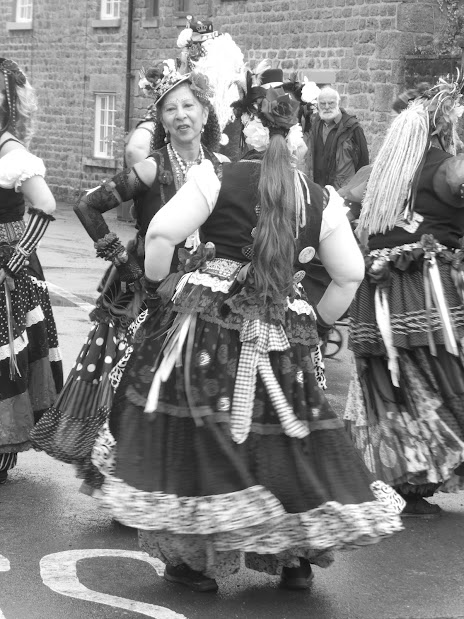
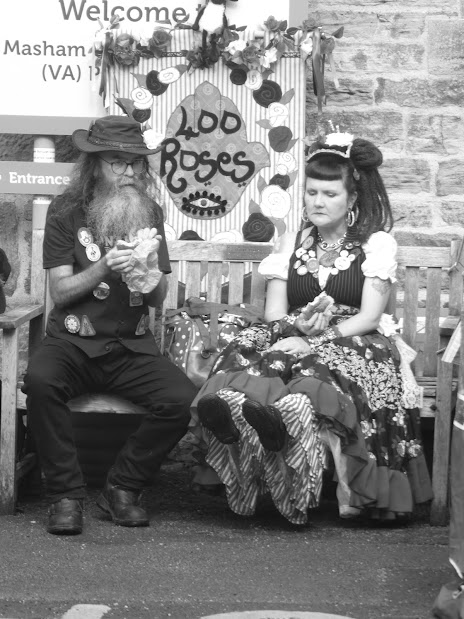
… then there were dancers. You can see they’re not happy putting up with black and white photos. We’ll revisit them another day in glorious technicolor.
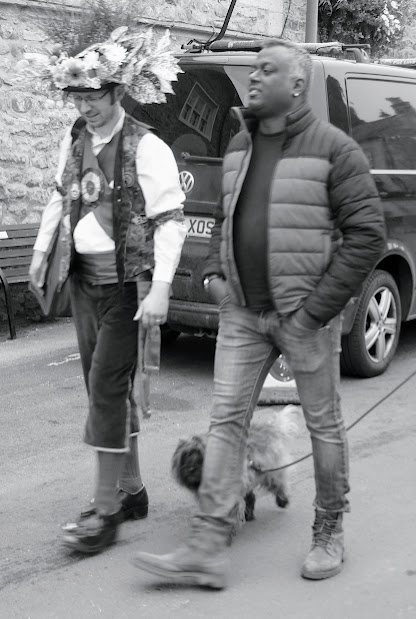
There were the passers by…

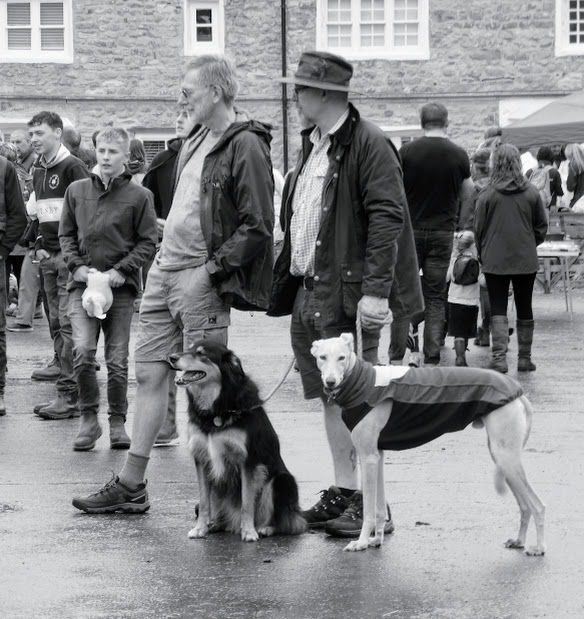
… and not forgetting the duck-dog.
And after that the walk back through the town, through fields of sheep who’d somehow dodged presenting themselves in town to the car, parked in the Nature Reserve car park.

I’m offering this to Jo as a Monday Walk too. Of course the WI had tasty soup and home-baked cakes on offer. We scoffed everything down without thinking even once of the photo-opportunity they represented.
Britain is one of the most nature-depleted countries on earth, according to the fourth State of Nature (SON) Report, the product of a collaboration of environmental NGOs, academic institutions and government agencies, including Natural England. Depressingly, England, Wales, Scotland and Northern Ireland are on the edge, as far as much of the natural world is concerned.
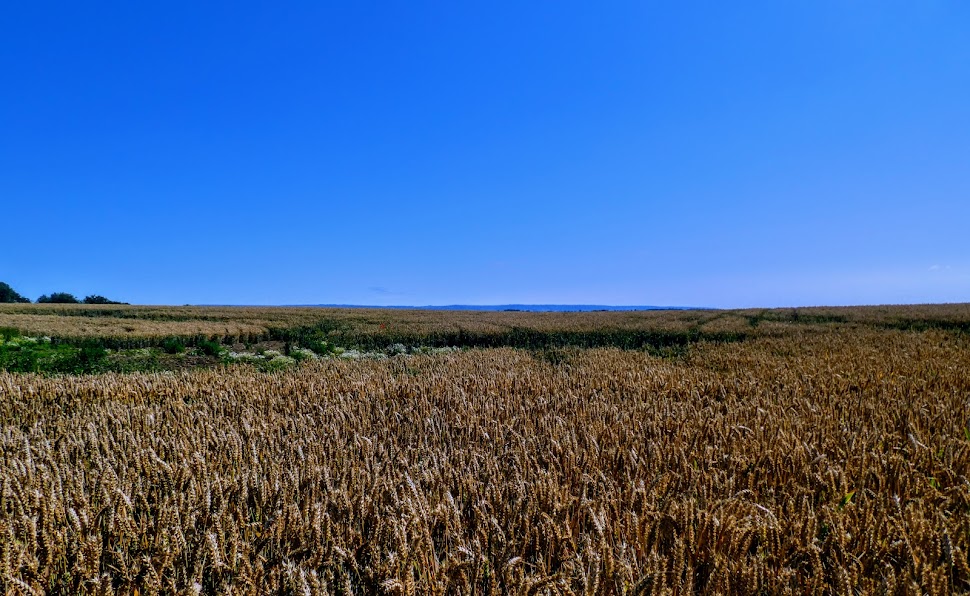
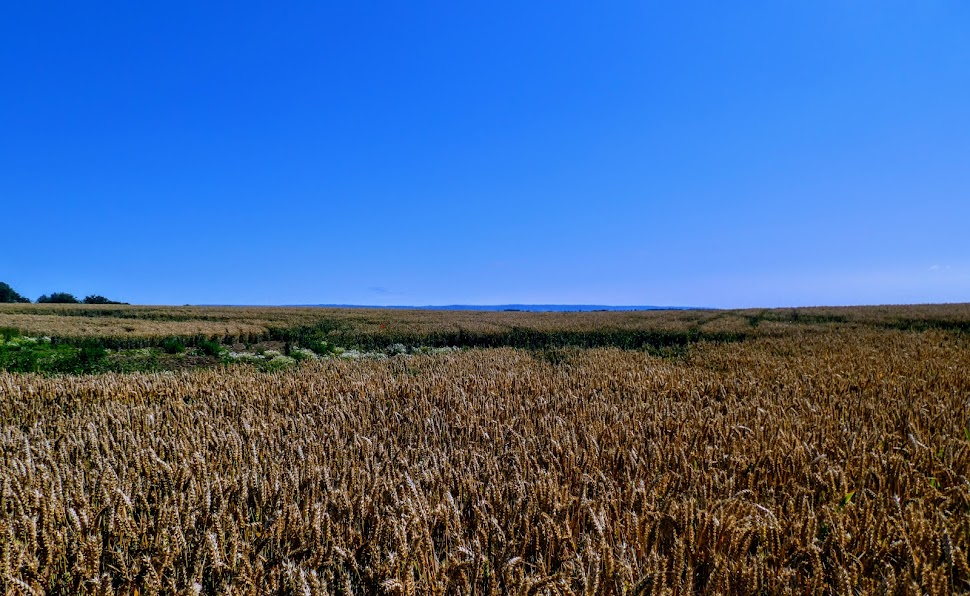
Look at the featured photo for instance, taken on one of those in-glorious-technicolor days of high summer, with an impossibly blue sky, and fields of golden wheat just waiting for harvest. It really shouldn’t be like that. There should be poppies, cornflowers, wild flowers in general poking their heads above the crop. There should be generous field margins and hedges, offering home, food and shelter to whole varieties of insects, small mammals and birds. Where can all this wildlife call home these days? Many of them are on the very edge of sustainability. Here’s another field, even nearer to home, equally mono-cultured.
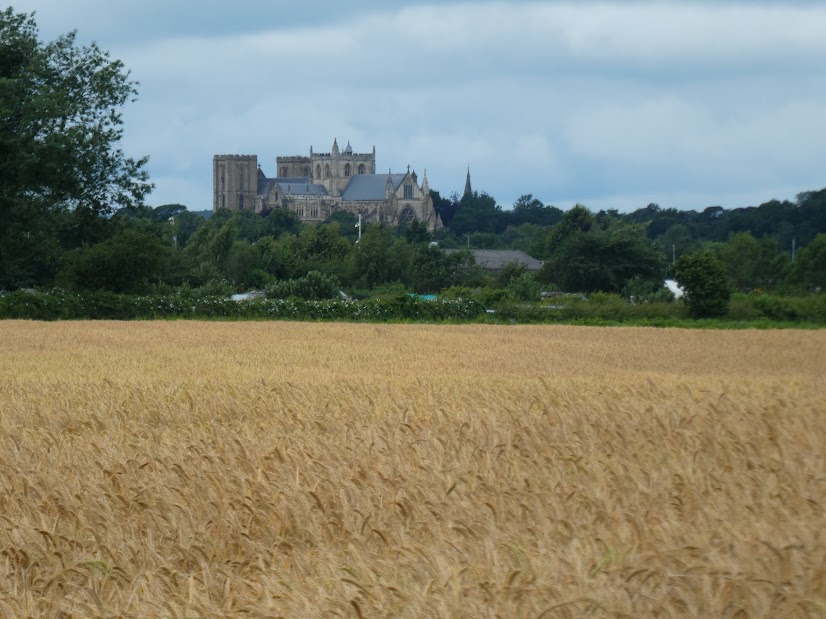
These days grass grown for hay-making as winter feed is just that. Grass. Meadowland used to be so different, crammed with wildflowers that made much richer, more interesting fare for the cattle that rely on it as winter feed. And a mecca for insects : all-important bees among others – during its growing season. These days, it’s so rare that it’s not just meadowland, but a Site of Special Scientific Interest.
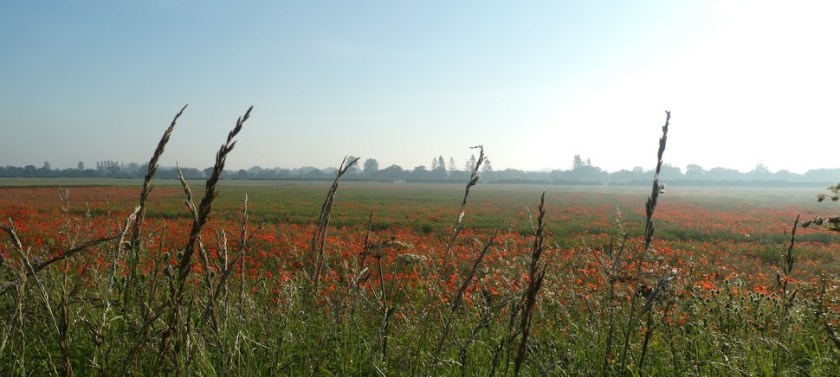
The farms nearer to our house have chosen to make do with narrow jumbles of poppies squeezed into narrow field margins, or at the edge of paths.

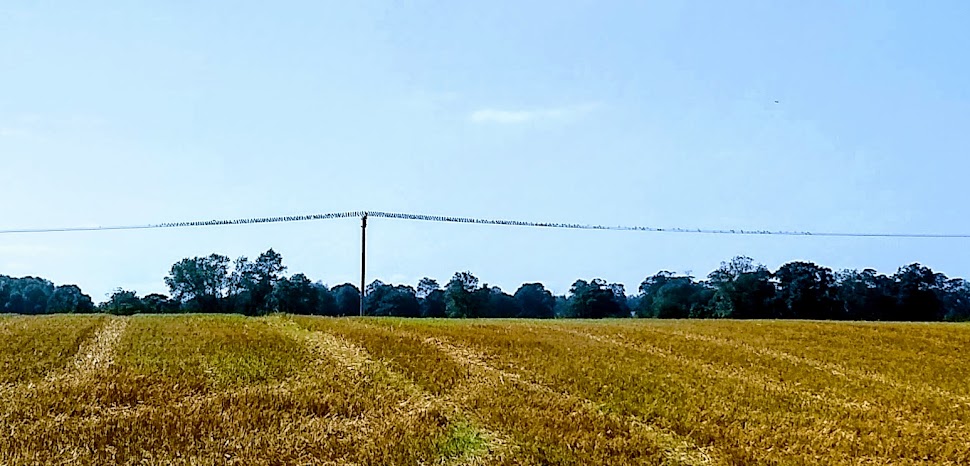
See these? These are swallows on a telegraph wire in mid-September one year recently, assembling prior to their big autumn migration. It didn’t happen this year. Swifts and swallows are on the edge of viability here, from habitat loss.
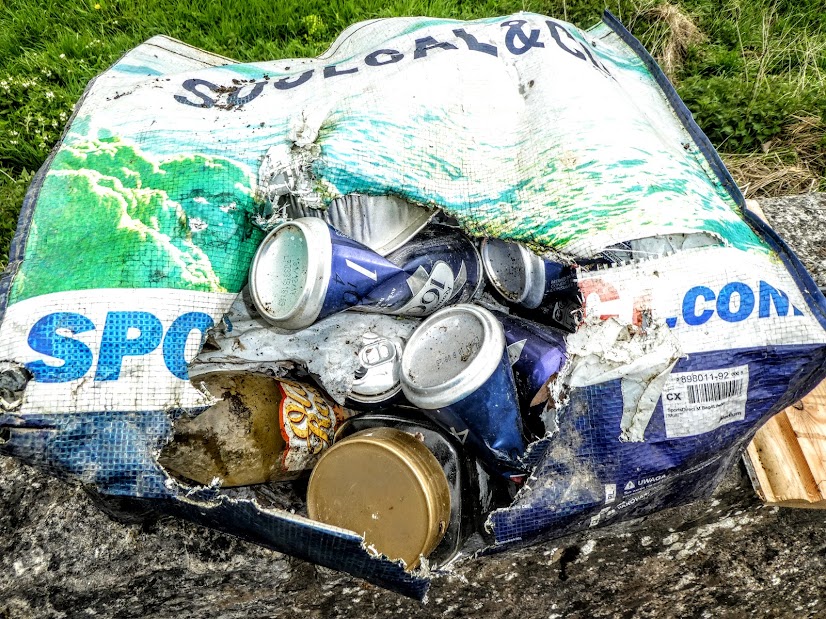
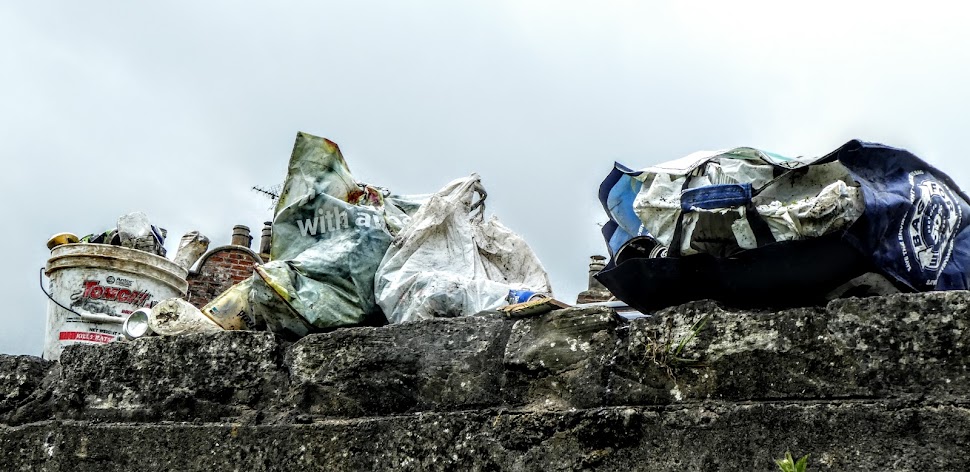
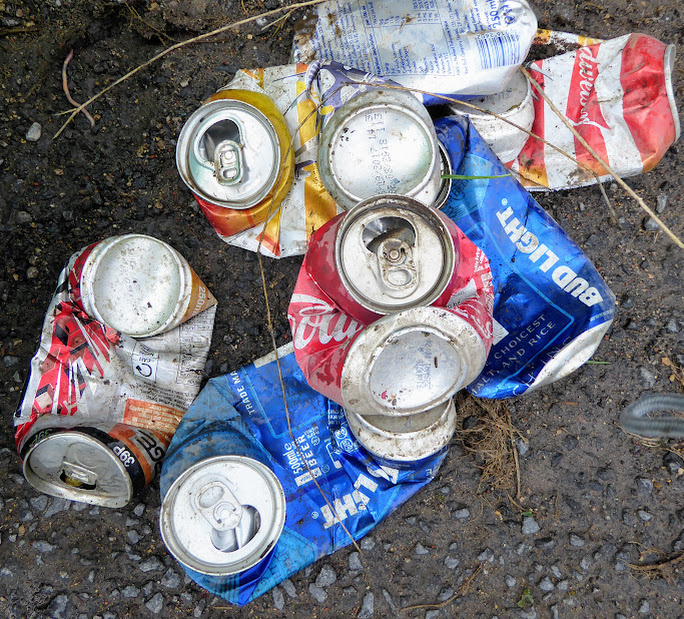
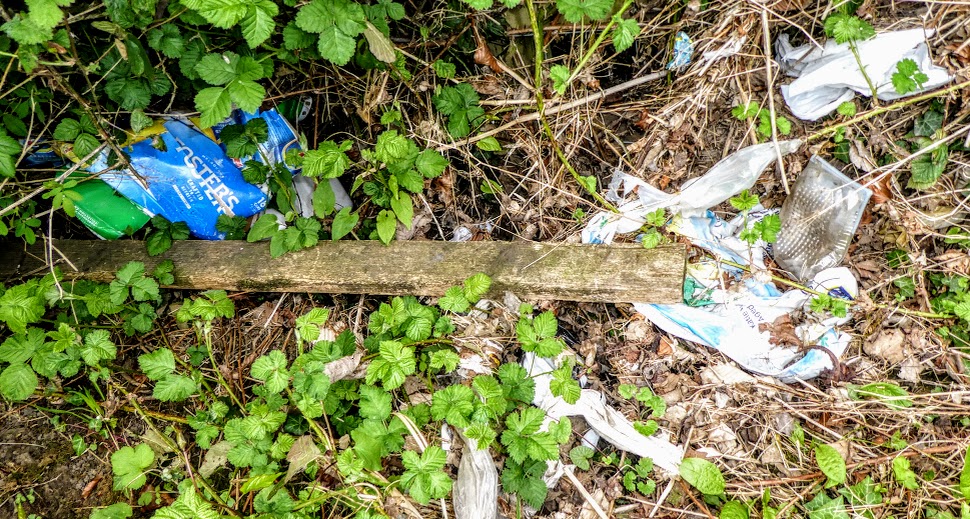
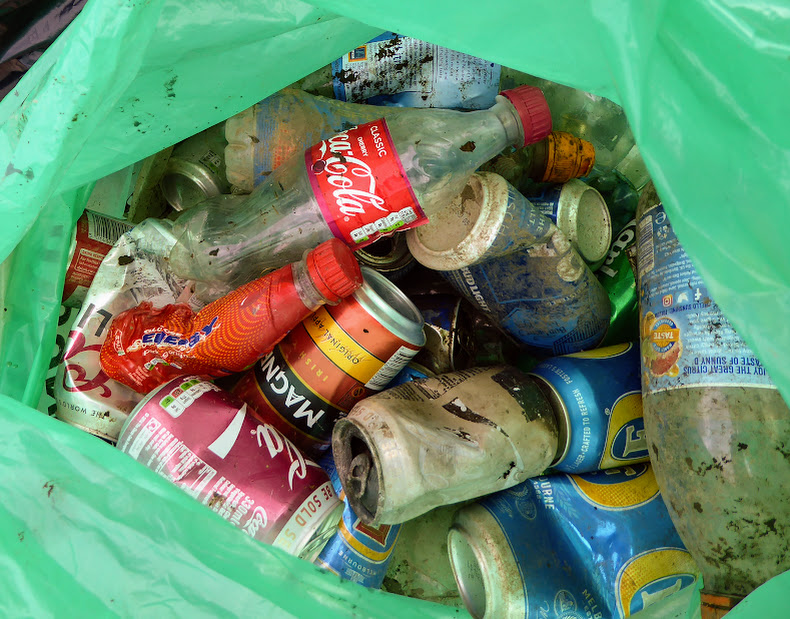
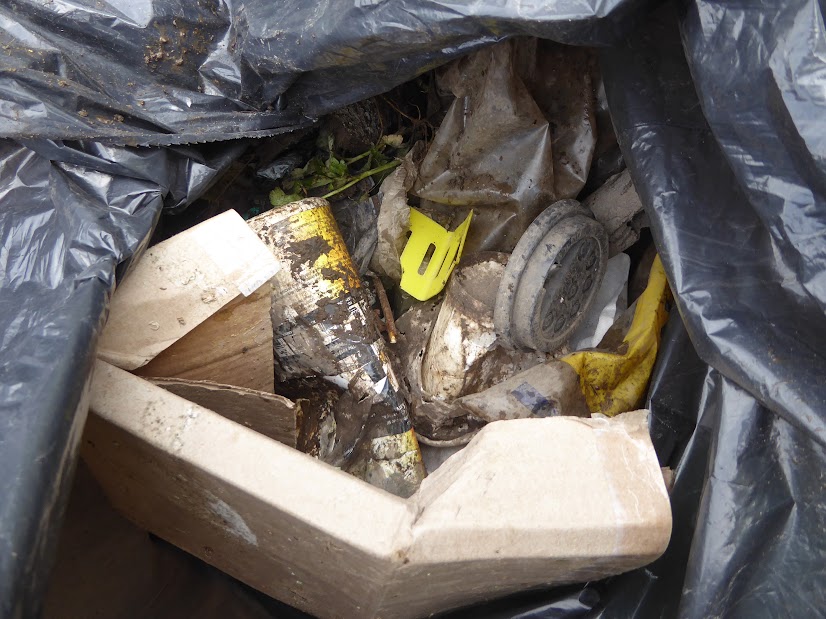
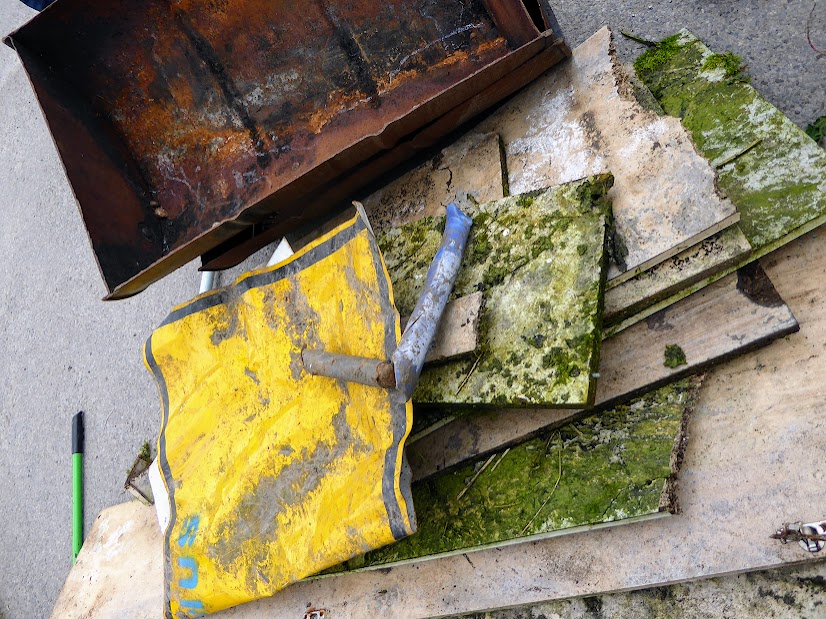
Let me show you something all-too common though, both in town and country. Litter. These images are hauls from litter-picks we’ve done not just in town centres, but down country lanes. Everything from a carelessly-tossed can to rather toxic rubble and waste illegally dumped in a hedge margin. Not just an eyesore, but habitat-damaging and a danger to the many small species that call such areas home.
This is meant to be a photo challenge, not a diatribe, so I’ll leave it there. There’s a lot more I could say, but I don’t have the images to support the argument. It’s for Patti’s Lens-Artists Challenge #269: On the edge. And it was inspired by Susan Rushton’s post for the same challenge. If you pop over and read it, you’ll see why.
I popped into Masham on Friday afternoon, and found they were already pretty much prepared for this weekend’s annual Sheep Fair. More of this soon, when I’ve downloaded yesterday’s camera photos from this Must-Visit event. Friday’s phone photo offers a preview.
For Brian’s Last on the Card

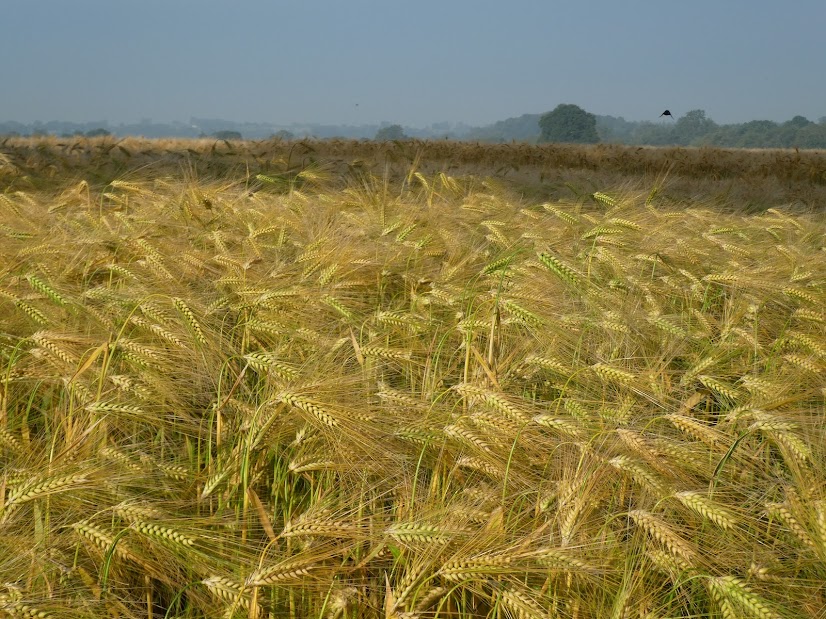
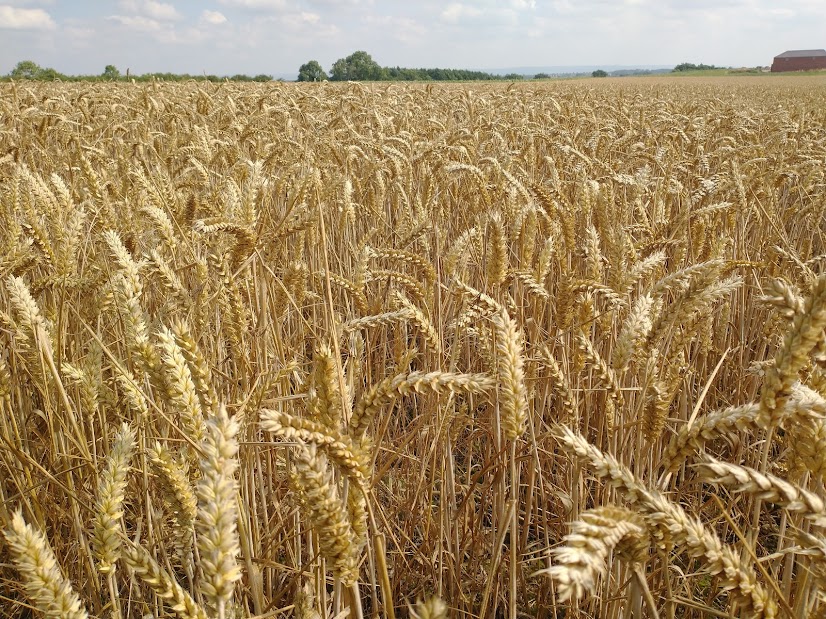
In this week’s Nature Photo Challenge, Denzil has asked us to focus on seedheads. You won’t get any more ripened seeds in one place than in a field of cereal crops awaiting harvest. Here’s a local example in my header photo.
And here are some close-ups of barley and wheat.
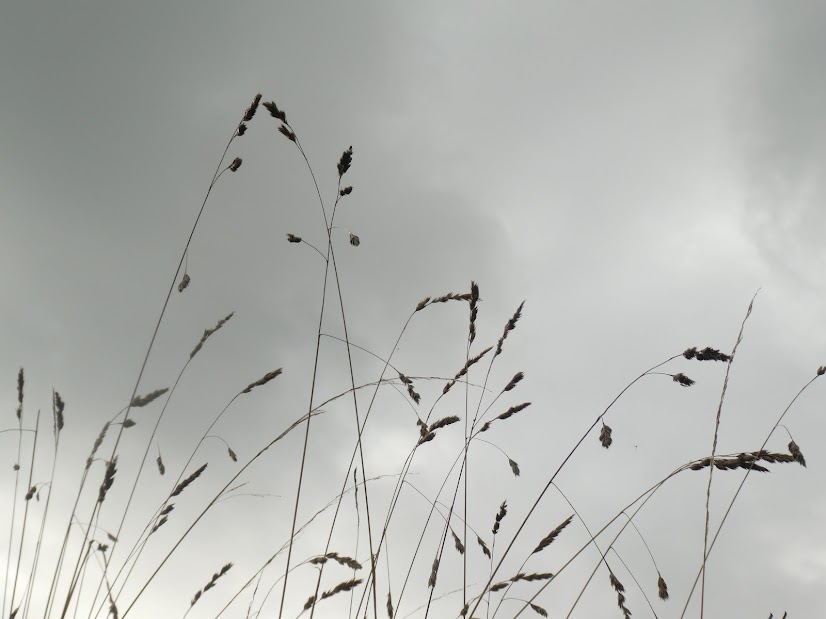
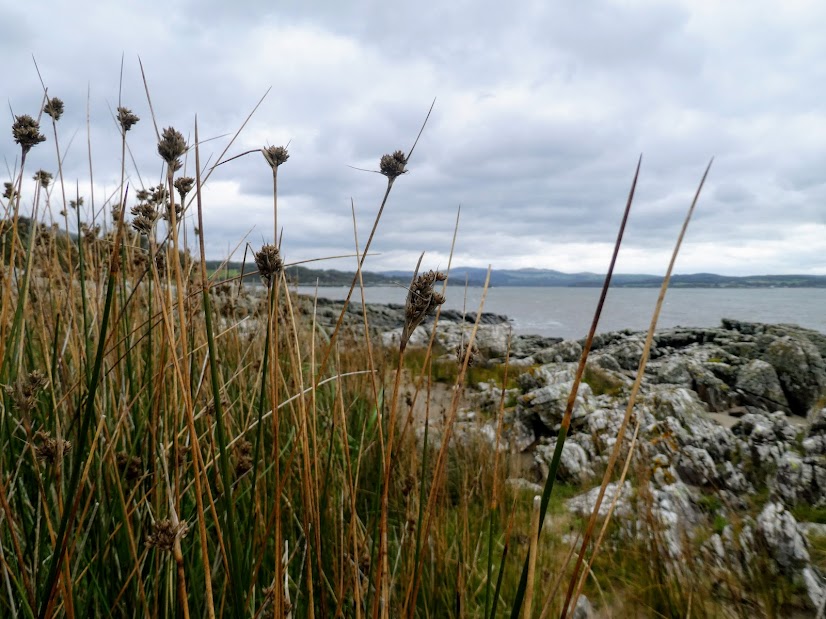
And here’s a gallery of their wild cousins – grasses. Not one of which I can more accurately identify. Any offers?
Then there’s cow parsley -or a close relation. It can be yielding its seed, perhaps in the midst of a field of crops round about now, or picturesquely hosting a spider’s web in misty November.
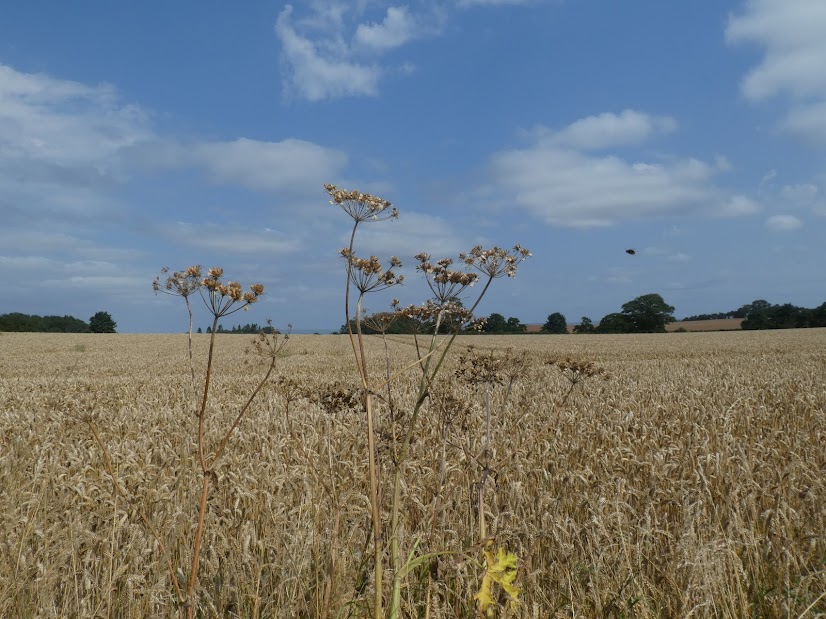
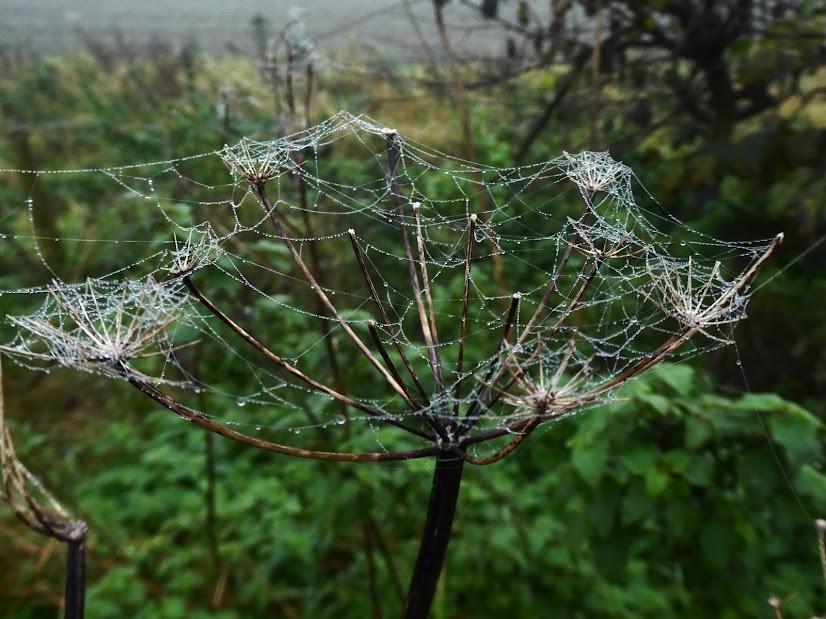
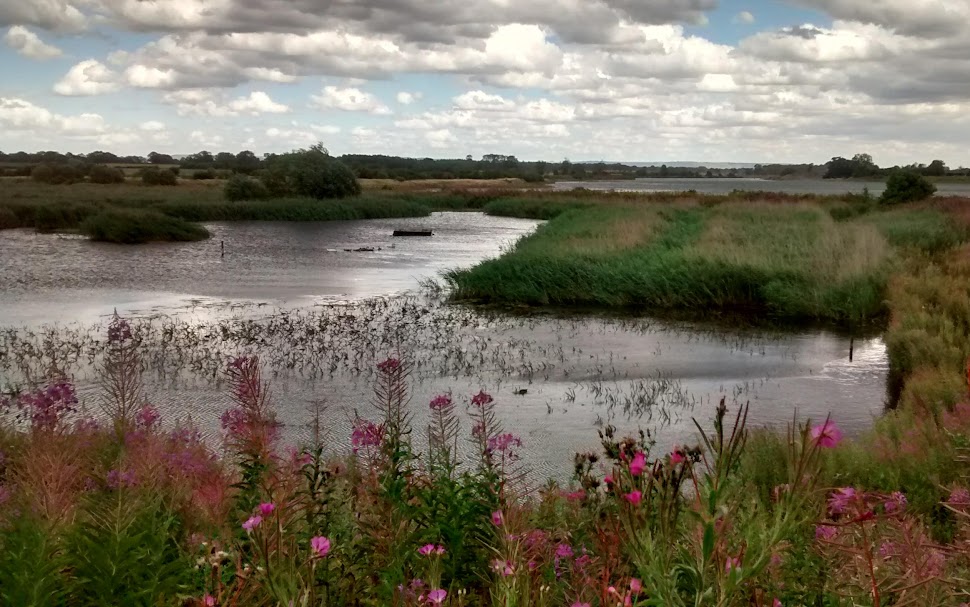
At this time of year too there’s rosebay willow herb: it seems to develop seed pods earlier every year. Here are some at a local reservoir, Grimwith.
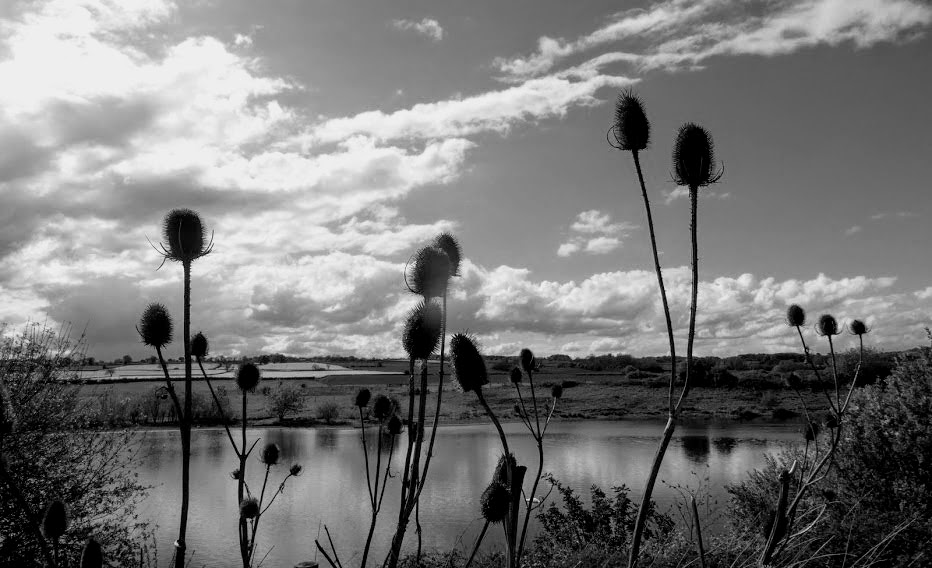
And finally and almost inevitably, teasel.
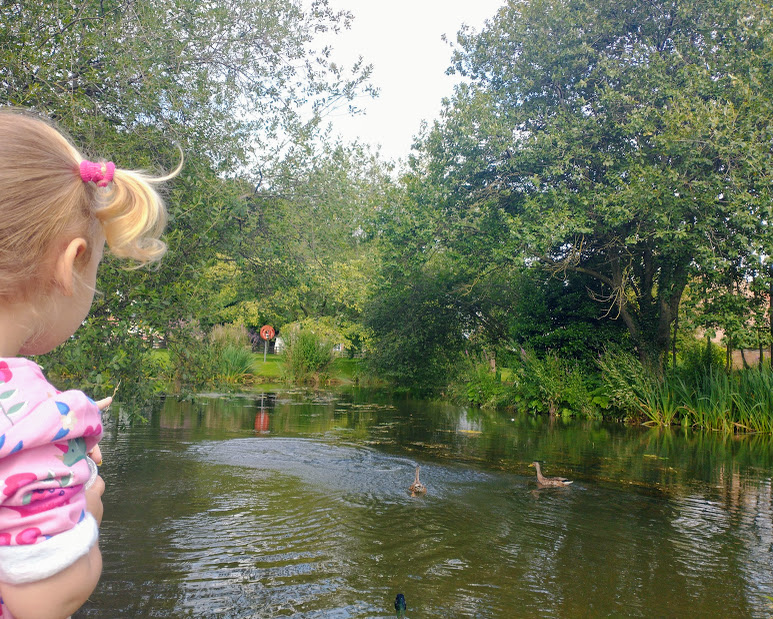
Townie Toddler has gone back to Spain. The house suddenly seems unwontedly calm and quiet. Rather dull really. This is probably because the two old fogies who live here have no remaining energy – for a day or two at least.
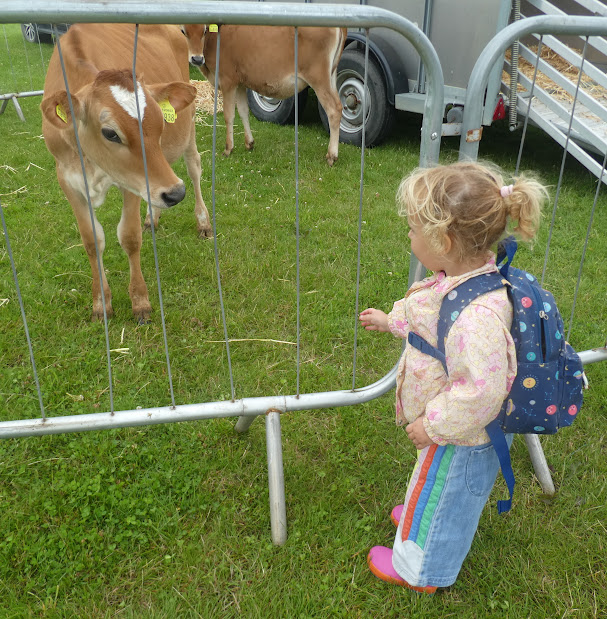
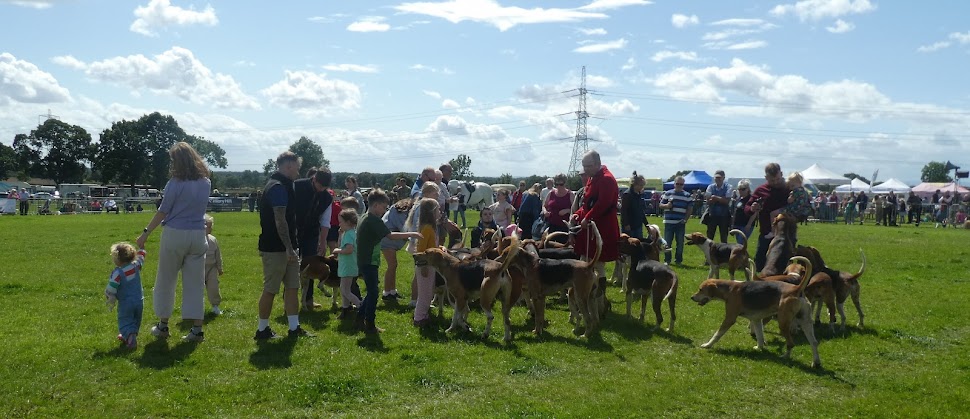
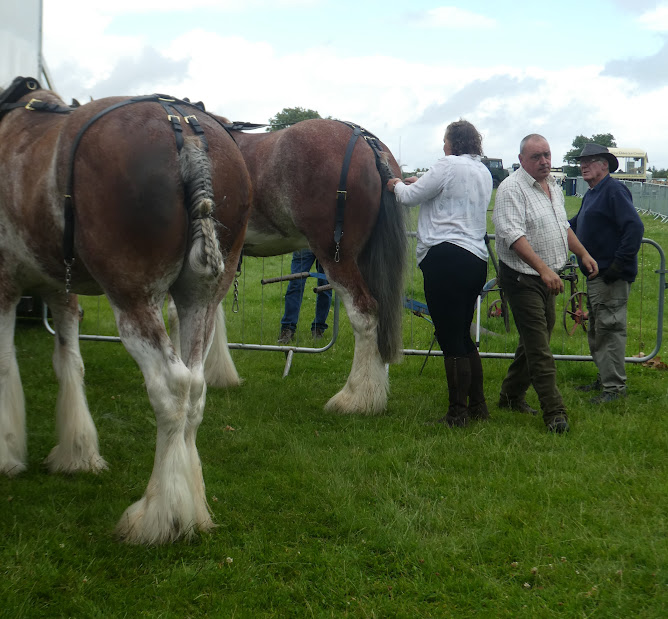
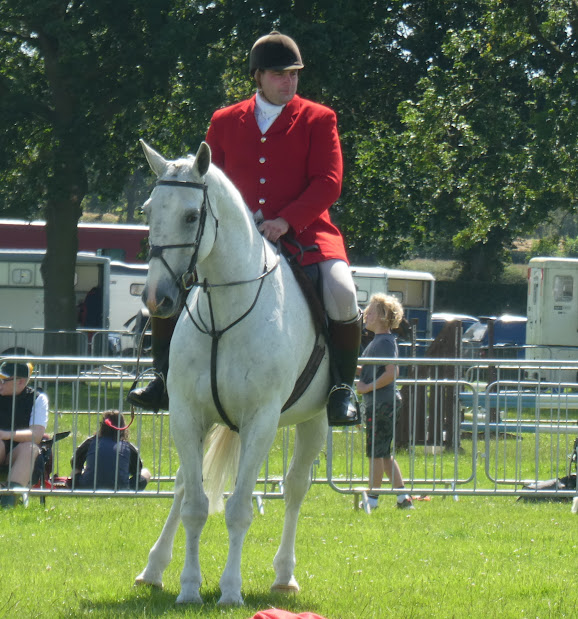
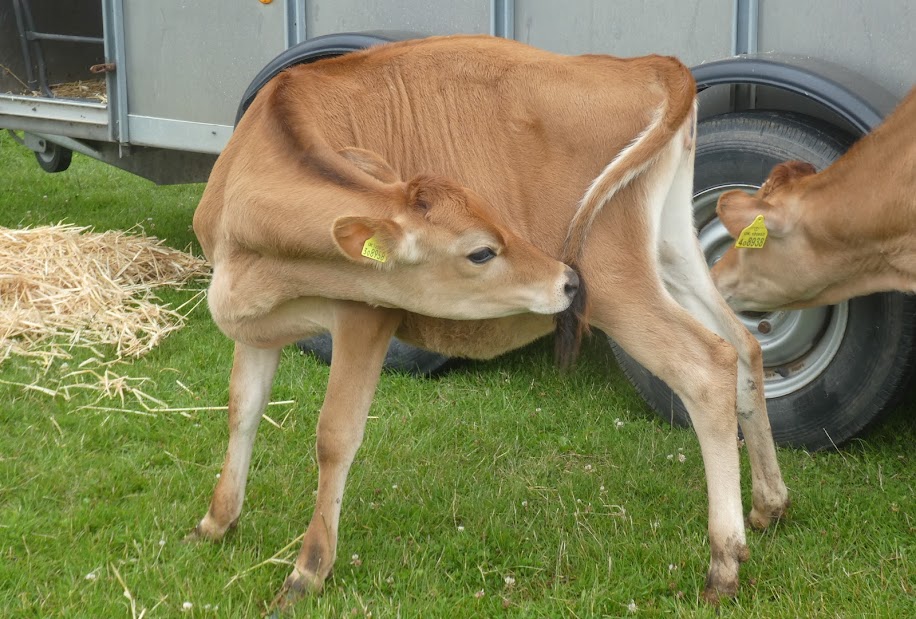
Townie Toddler’s mum wanted her daughter to spend time being a child of the countryside – spending time with its animals, plants and wide open spaces. So off we went on Saturday to Borrowby Show. Horses from shire horses to the tiniest of ponies, sheep, dogs and small animals were all Being displayed to best advantage. Oddly, the only cattle were two charming Jersey calves. One of the set pieces in the afternoon was of The Hunt. Definitely NOT our thing. But Anaïs enjoyed the chance to meet the docile and well-behaved beagles who later tore round the show ring in pursuit of – luckily – a less than realistic hare, who doubtless smelt right.
Here’s our day:

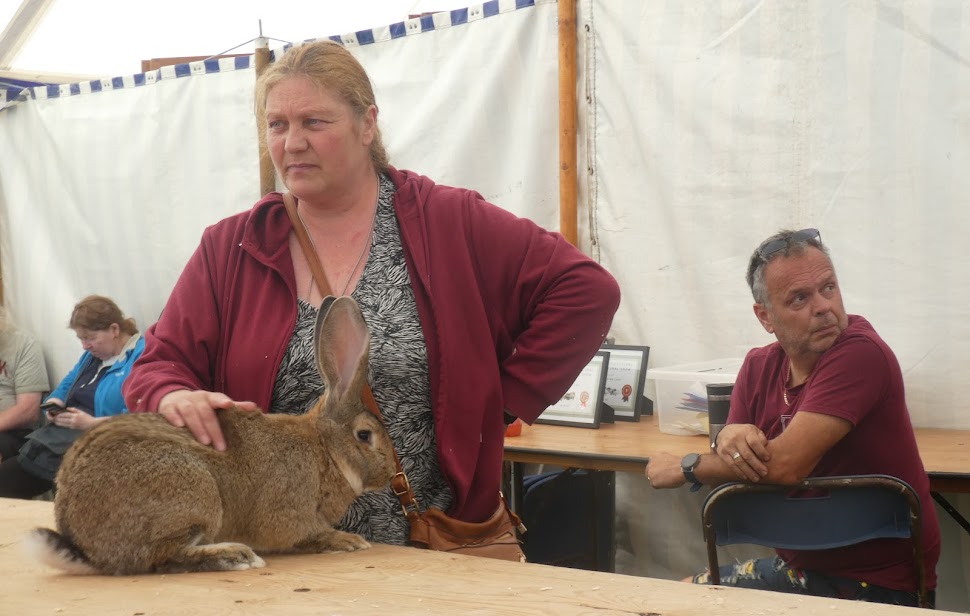
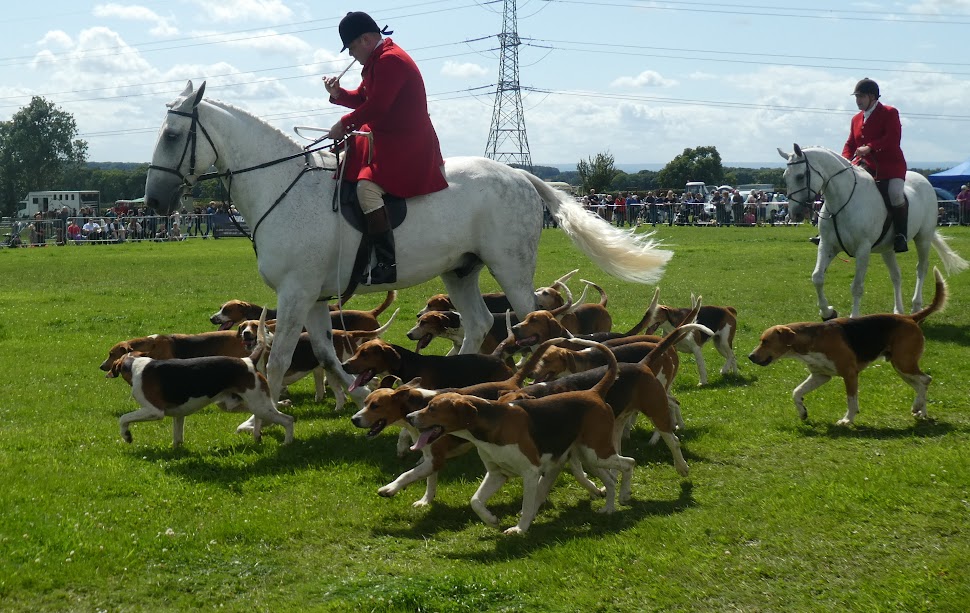
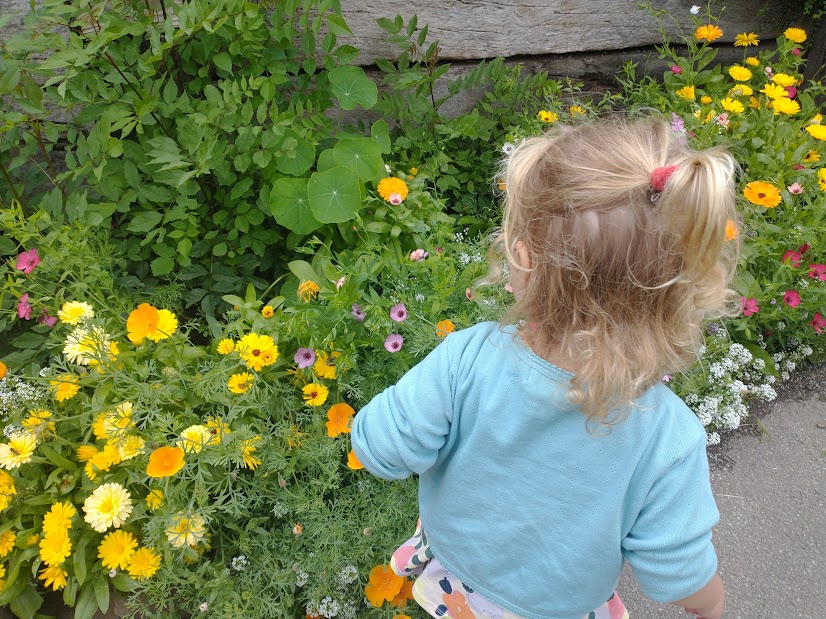
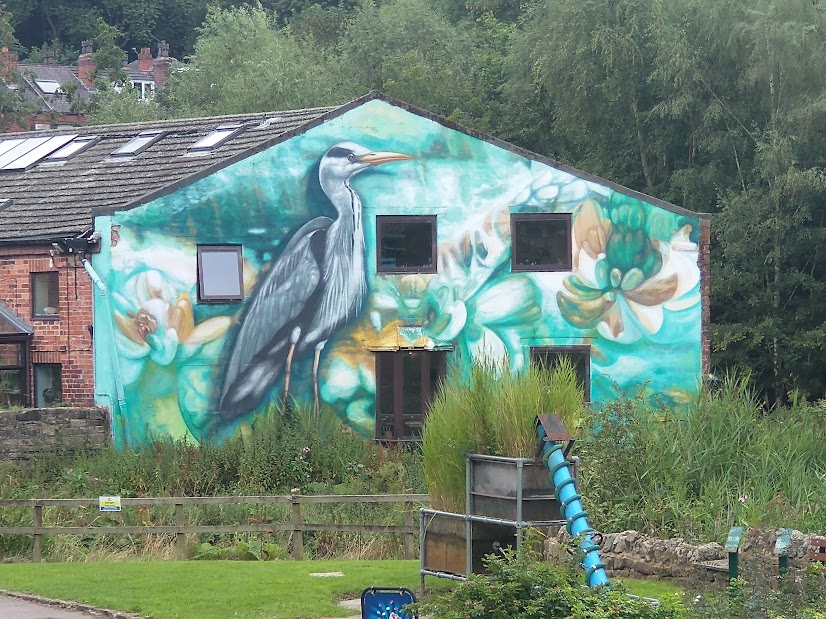
Then the next day, on our way to the airport, it was Meanwood Valley Urban Farm. It was somewhere we often went when we lived in Leeds, and the children were smaller. We loved it then. Now it’s re-invented itself. It’s larger. It has peaceful walks where you can lose yourself in dense copses and apparently distant views. It has all the farmyard animals you’d expect. Yet it’s within walking distance of Leeds City Centre. It has a vegi-box scheme. A bike workshop. It works with volunteers, those with learning disabilities, disengaged young people, and is a welcoming and environmentally focussed part of its local community. It also has a really great café. We spoke to staff and volunteers who talked with pride and enthusiasm about this special place. Almost worth moving back to Leeds for. It was a wonderful finish to Anaïs’ and Emily’s English break.
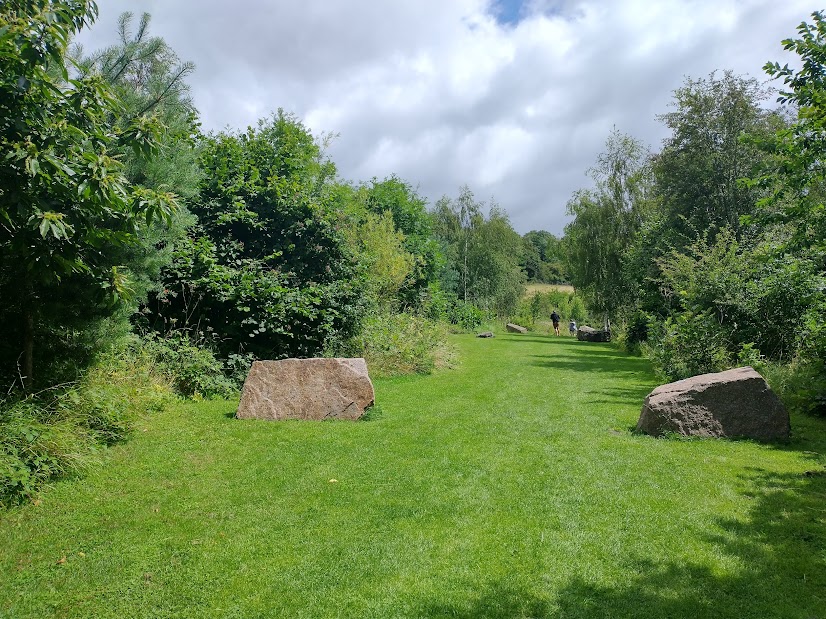
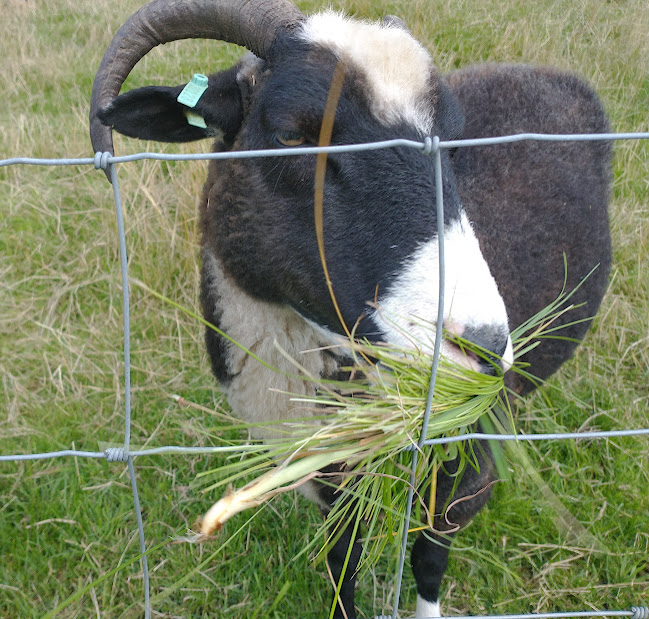
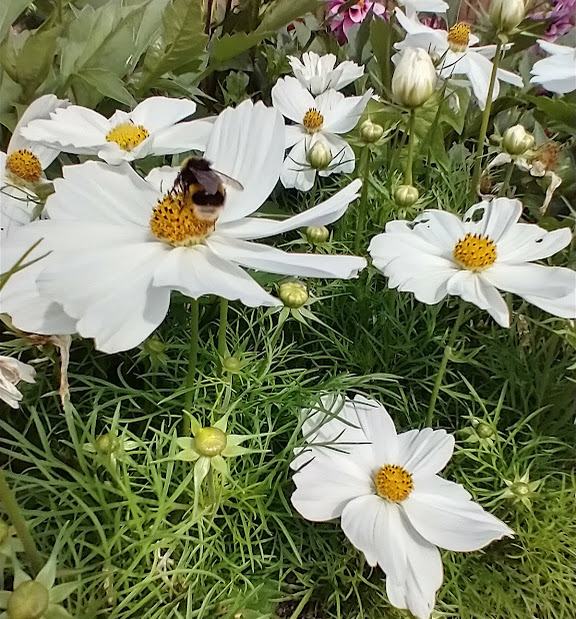
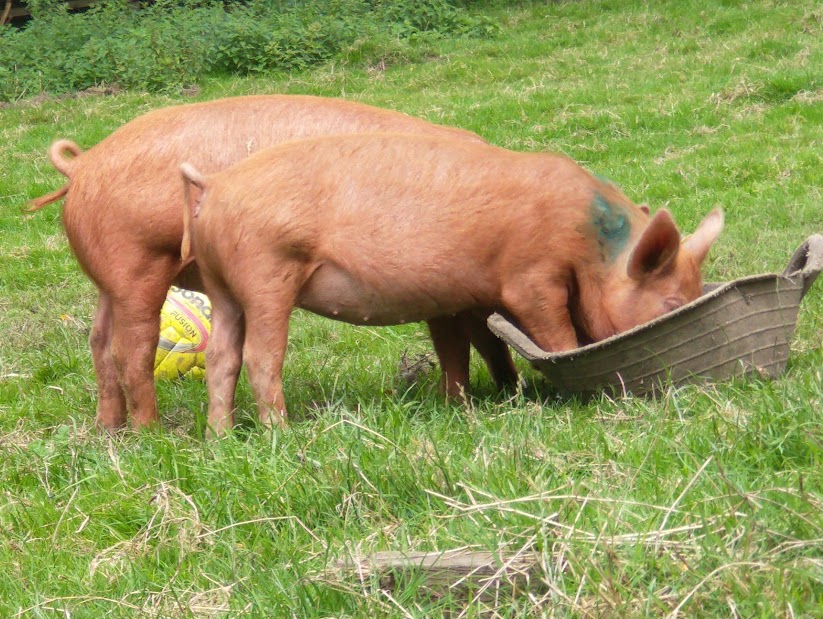
Brian? Do you see those pigs? That shot’s my Last on The Card in July.
… and meets sheep and ducks and fish. Among other forms of animal, bird and insect life.
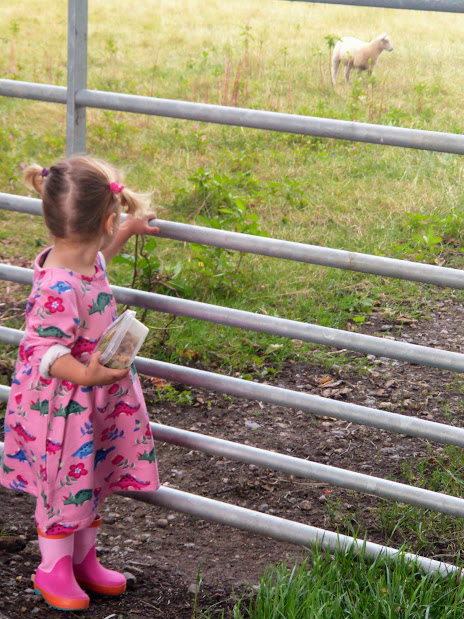
For Debbie’s Six Word Saturday.
A request came into our photo club. Did anyone fancy coming along to a local farm open day to make a record of the day in pictures? Three of us did. And we had the best Sunday out.
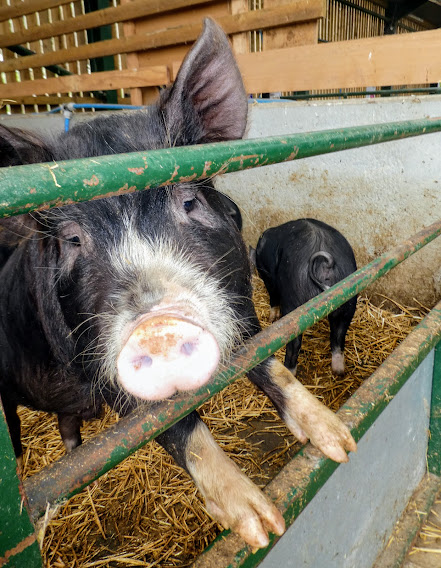
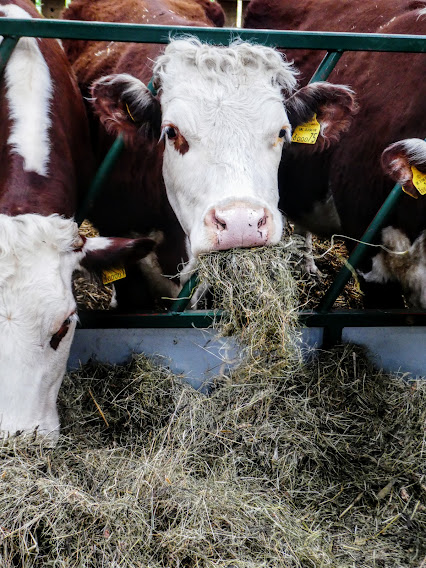
Rock House Farm is near Bedale: a member of LEAF, an organisation promoting sustainable farming. As modern farms go, it’s small. Just some cows, sheep and pigs, hens (for eggs) and turkeys (for Christmas). And an allotment, which supplies the family as well as providing fruit for the (fresh and delicious) jams and chutneys they sell.
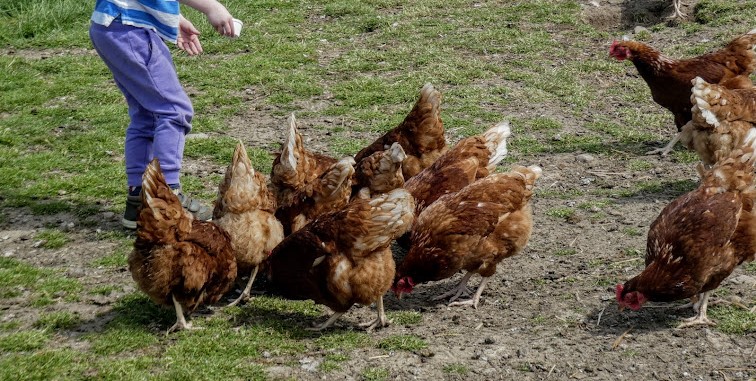
Our morning was spent with the animals – and visitors . We got photos of children’s delight at enjoying getting so close to them, at feeding the hens, and chatting to piglets . Although parents had given permission for them to be photographed, it doesn’t seem fair to display them on the internet, so I won’t show you this special part of the day.
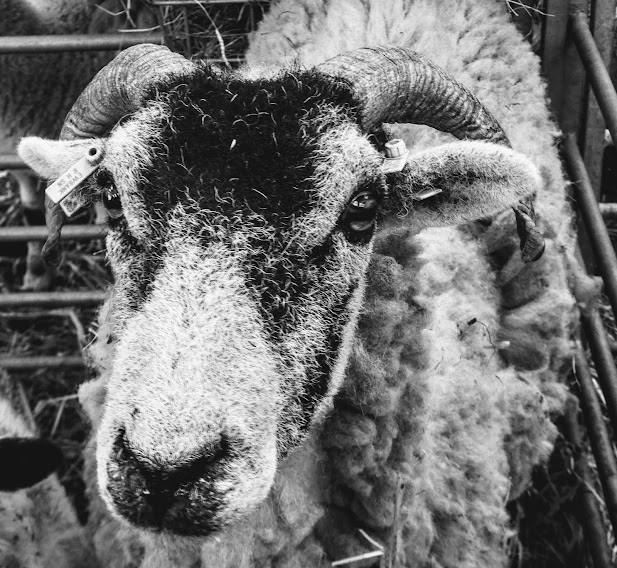
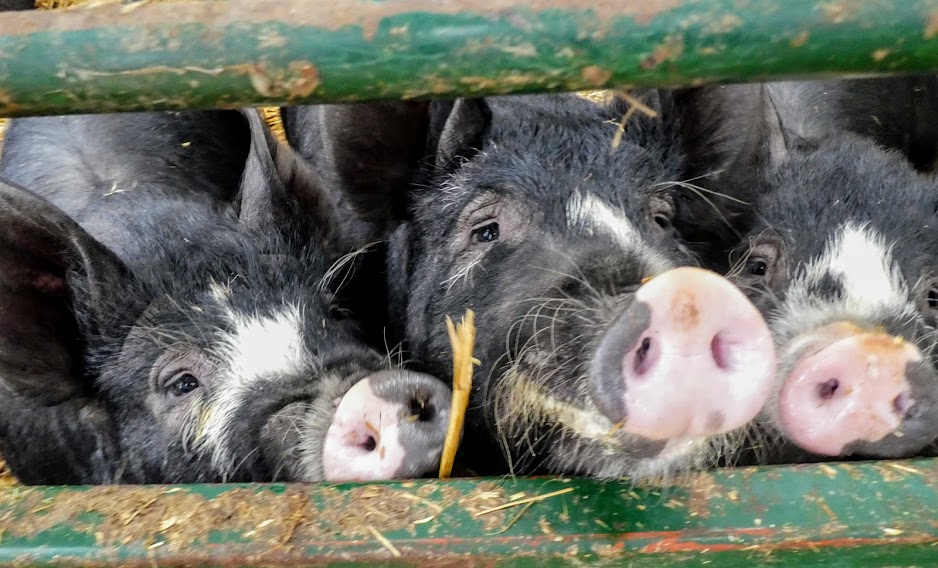
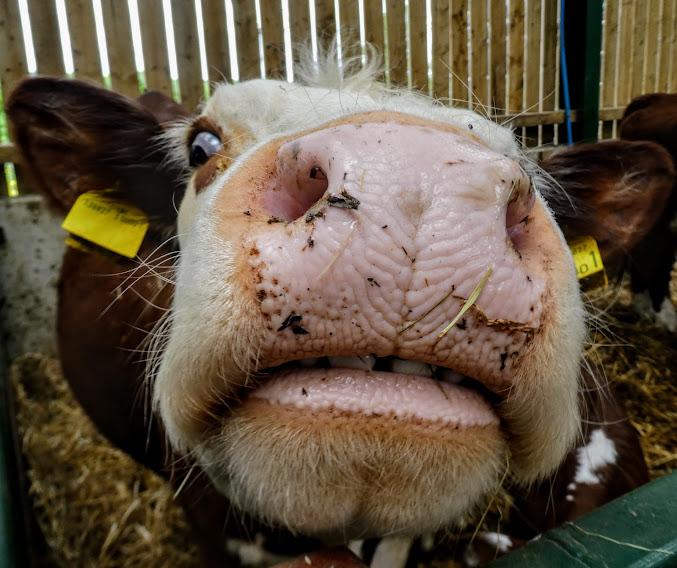
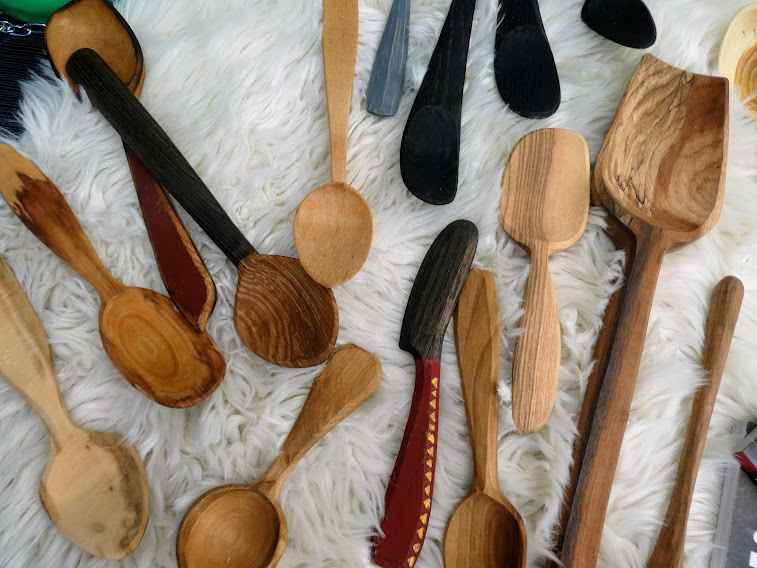
There was a woman fashioning wooden spoons, a wood turner, local heather honey on sale.

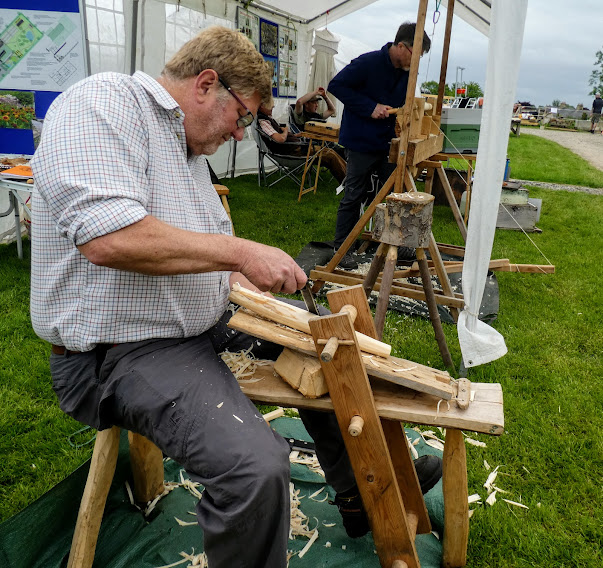
There was lunch, made using their own-produced meats and sausages, served with salads then home-made cakes, eaten with views of flower-meadows and long-ranging views of the Yorkshire countryside. I was too busy enjoying it all to remember about taking photos.
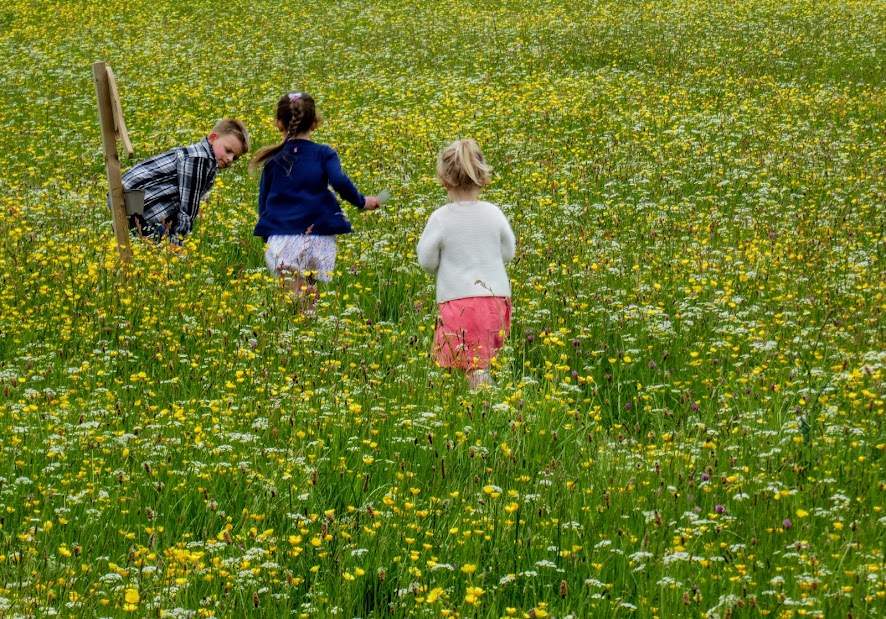
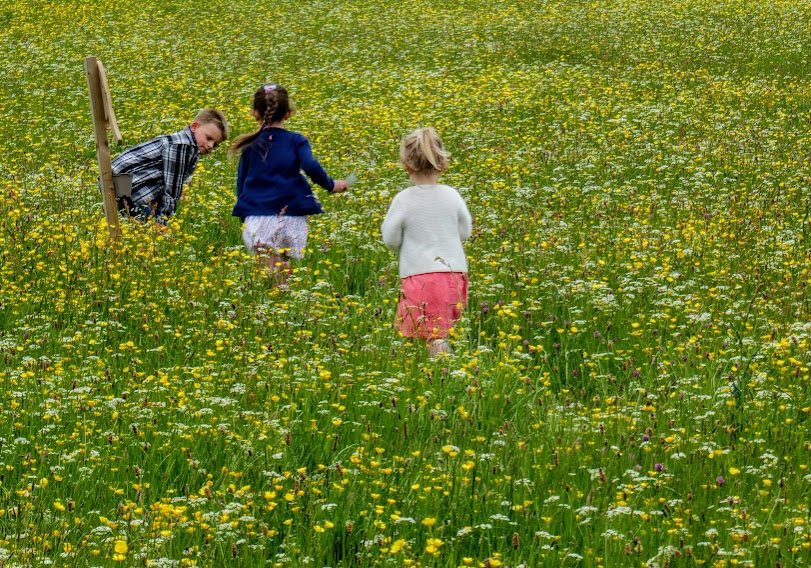
What I can share with you is what for us was the highlight of the day. We’re old enough to remember when meadows full of wild flowers were quite normal in the countryside. Now the ones on this farm are sufficiently unusual that they’re Sites of Special Scientific Interest, rich in colour and buzzing with insect life. We spend a happy hour following the meandering mown path which wandered through these riches.
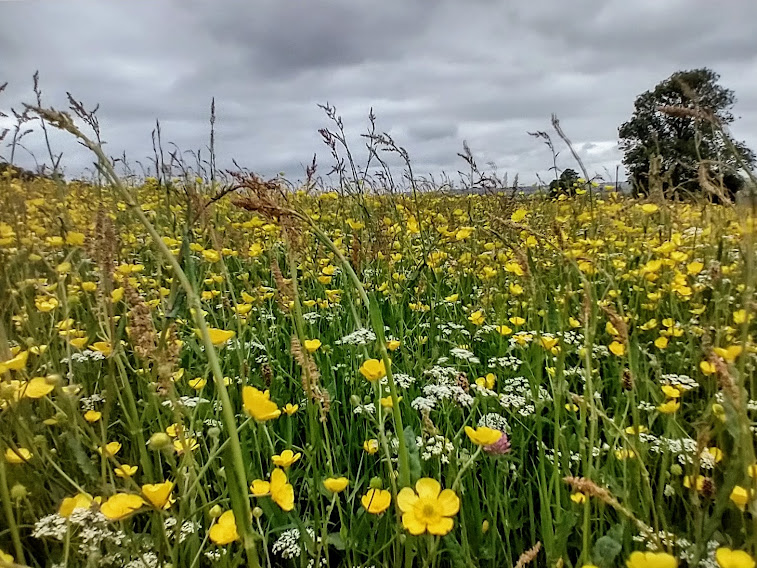
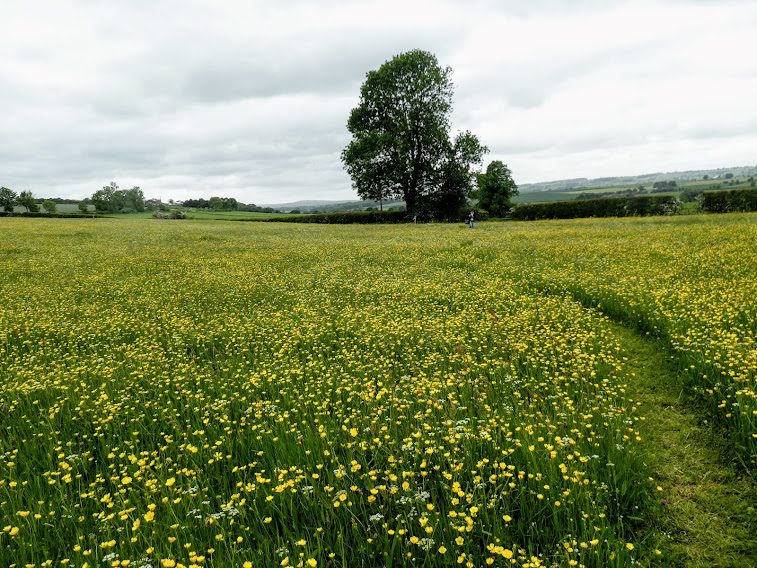
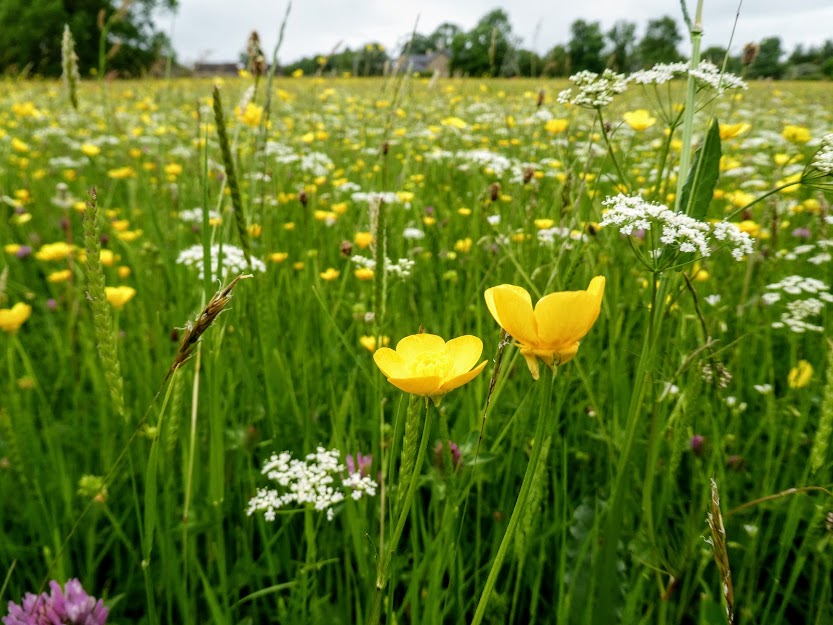
We’ll be back for sure. We eat little meat, but the animals raised here have good lives, mainly in the open, and we’d have confidence in buying here. As well as their fresh eggs, and tasty produce.
This farm had been obliged to hold their open day on the Wrong Day for family reasons. The real LEAF Open Farm Day event this year is this Sunday, 11th June, so if you live in the UK, you can find out if there’s a farm open near you, here. Highly recommended.
For Jo’s Monday Walk

 From Pyrenees to Pennines
You must be logged in to post a comment.