Hospital de Sant Pau: a Healing Site.

We’ll visit the Hospital de Sant Pau every time we go to Barcelona. Well, we will while it remains the city’s secret treasure: uncrowded, simply beautiful and offering balm to the soul just as it did to the patients who were – and are – cared for there. I wrote a little about its history last year.

I won’t repeat myself. Instead, I’ll try to convey something of the peace of this city site: something of its space, its lush greenness which was such an important part of its design. Doctors heal the body: gardens heal the mind.

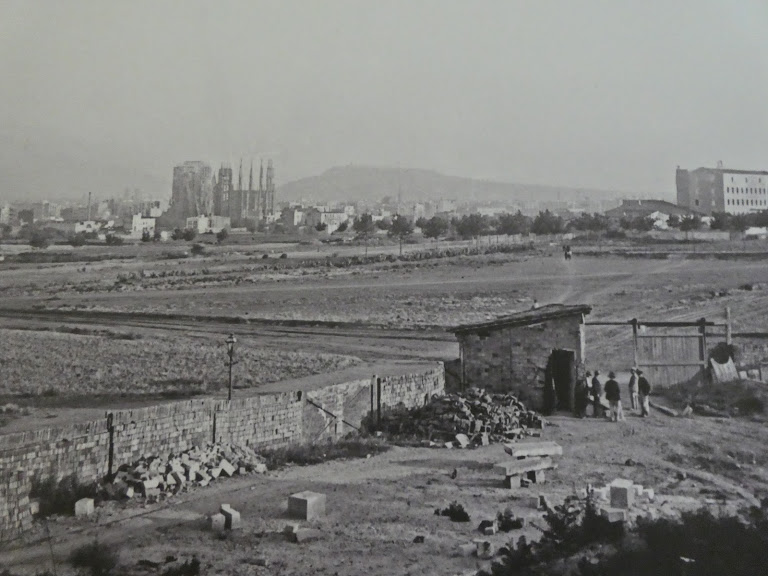
I call it a city site, and these days, so it is, situated on busy main roads surrounded by buses, taxis, cars, shops, city workers, tourists. When it was built, it was outside Barcelona and rather hard to reach, along rutted tracks and surrounded by fields. The area looked like this:
We made another discovery on our visit this time. Nobody seems to mention the church on the site. We stumbled across it by accident, and I’ve had real difficulty finding out anything about it. But the modernista Esglesia de l’hospital de la Santa Creu i Sant Pau is definitely worth a detour. Pillars soar heavenwards. Austerely plain walls are broken up by horizontal bands of blue tiles. Stained glass is in earth-and-sky colours. Most astonishing of all are the two – yes two – pulpits. One is borne aloft by the bull who is the symbol of Saint Luke; and the other by the lion who symbolises Saint Mark. Do visit it. You’ll have the place to yourself.
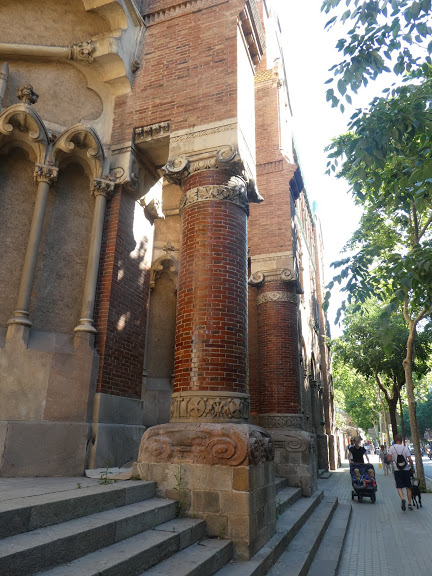
Most people pass the doors of this church without thinking to pop inside.

Click on any image to view it full size.

This is an entry for today’s RDP Challenge: verdant.
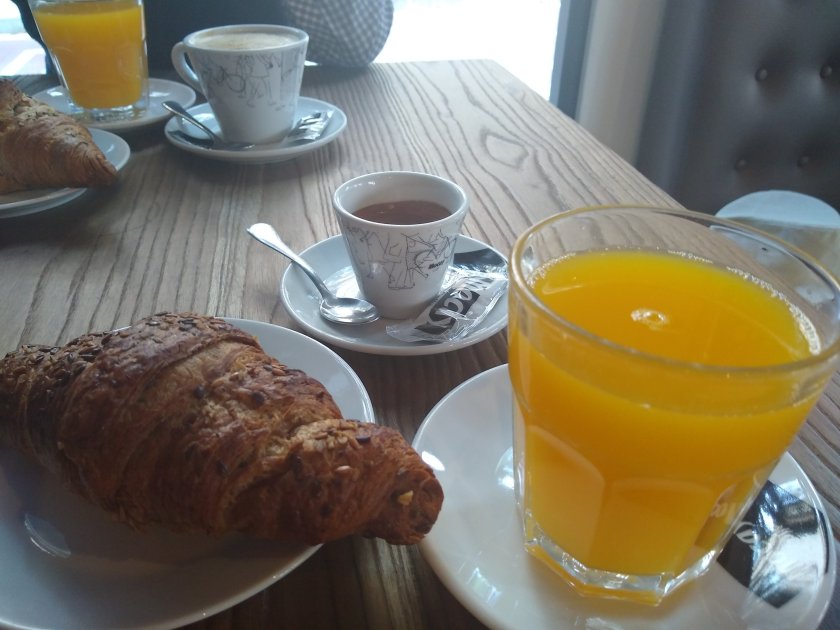
Breakfast like a king…..

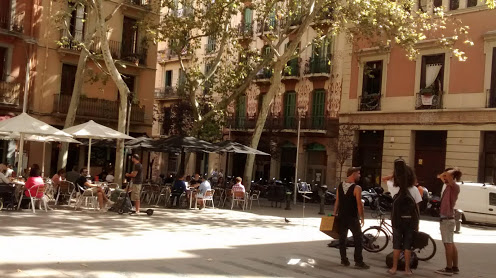
When in Spain, do as the Spaniards do….

Every time we come to Spain, we know we could easily buy a carton of orange juice, a pack of coffee, a box of cereal and some milk and make our own breakfast. But where’s the fun in that?

No, when in Spain we do as Miquel does. We do as so many Spanish do. On our way out to begin the day, we call in at a local bar or bakery-with-café attached.

We sit down, maybe glance at one of the newspapers lying around, and order a coffee and a pastry and enjoy a few quiet moments before launching into action.

Our breakfast of choice includes a large glass of freshly squeezed orange juice – such a treat. We may choose a wholemeal croissant: I promise you, they’re delicious. Or even better, pan tostada con tomate. Chased down with a café solo, and a few minutes of people-watching, there’s no better start to the day.

Museu Marès: A Collector’s Collection

Were you a collector as a child? I was. Stamps; seashells; those evocative sheets of fine tissue that they used to wrap individual citrus fruits. Another month, another collection. By the time I was ten, I’d abandoned the lot.

Not Frederic Marès though. You may not know him, but he’s Catalonia’s foremost 20th century sculptor, and you’ll find his work on public buildings and in churches here.

How he made time for his work is a mystery. He was an obsessive collector. He collected sculpture to inform his own studies, and …. stuff, because it was interesting.

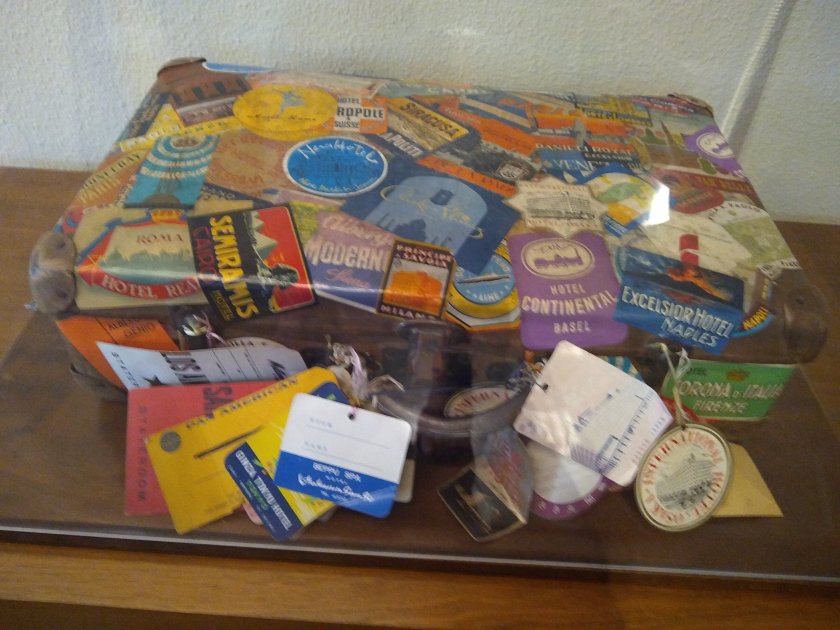
This is Marès suitcase. He seems pretty well-travelled.

By 1947, his collection was so large that he made it public. On his death in 1991, he bequeathed it to the City of Barcelona. It fills an entire museum.

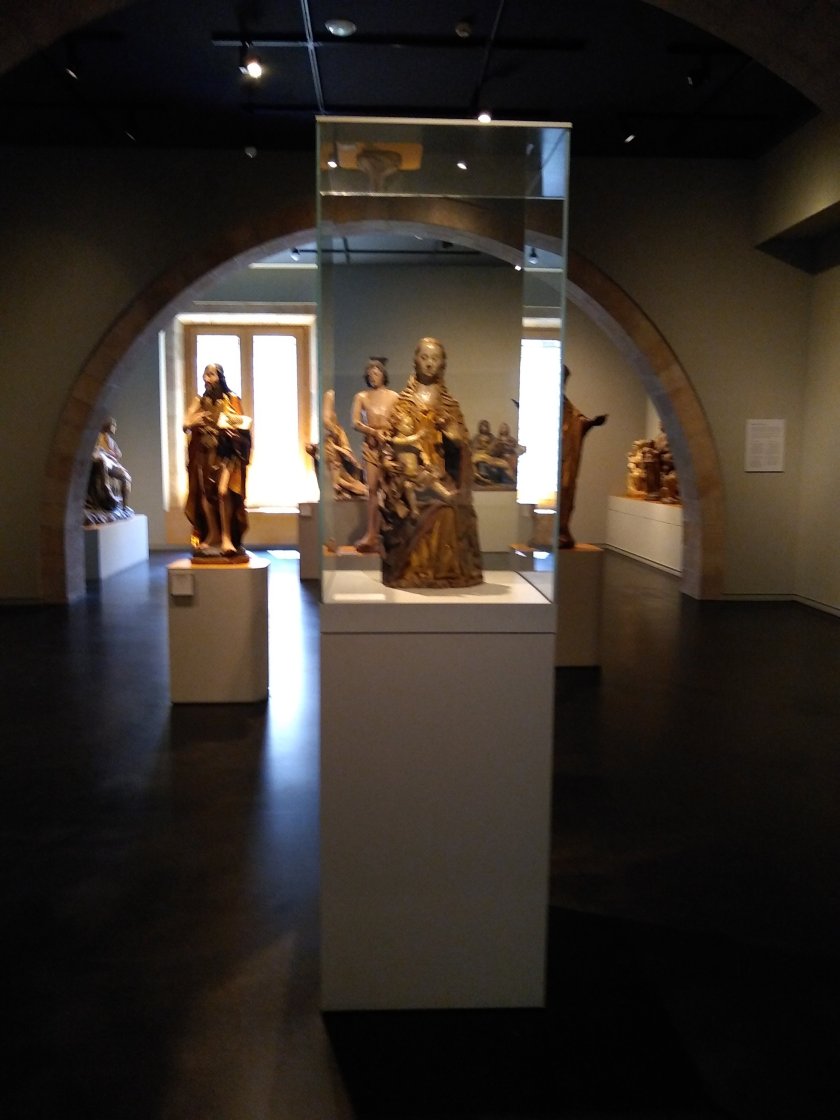
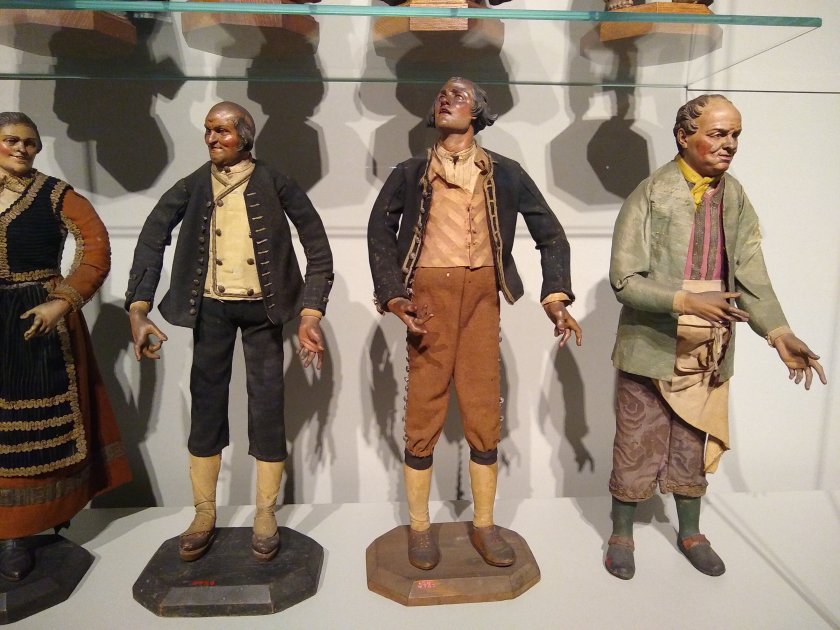
Here’s the place to come to find an eclectic mix of religious sculpture: crucifixions and Pietàs by the score, as well as Christmas crib figures from the 19th century. It sounds dour, but it’s not. His personal choices make for fascinating viewing…. but if it all gets a bit intense, pop upstairs.

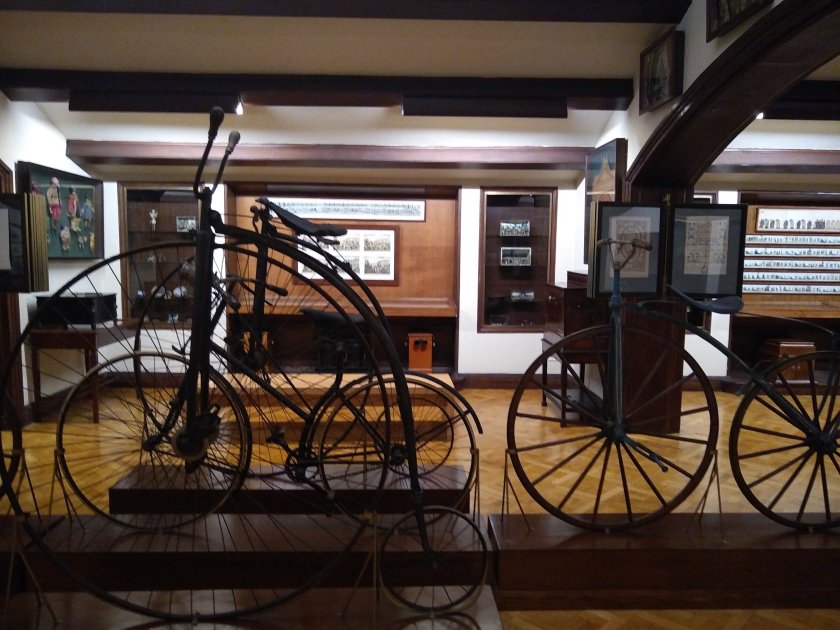
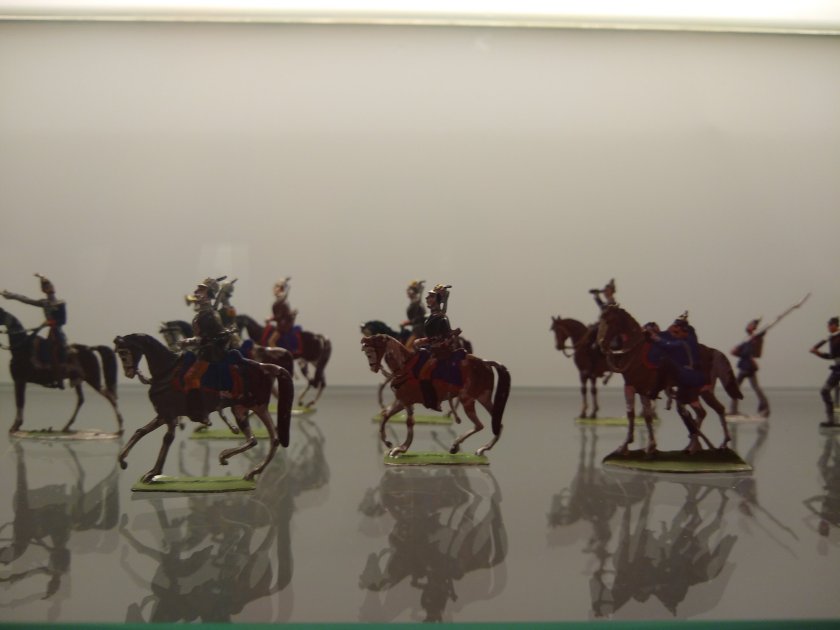
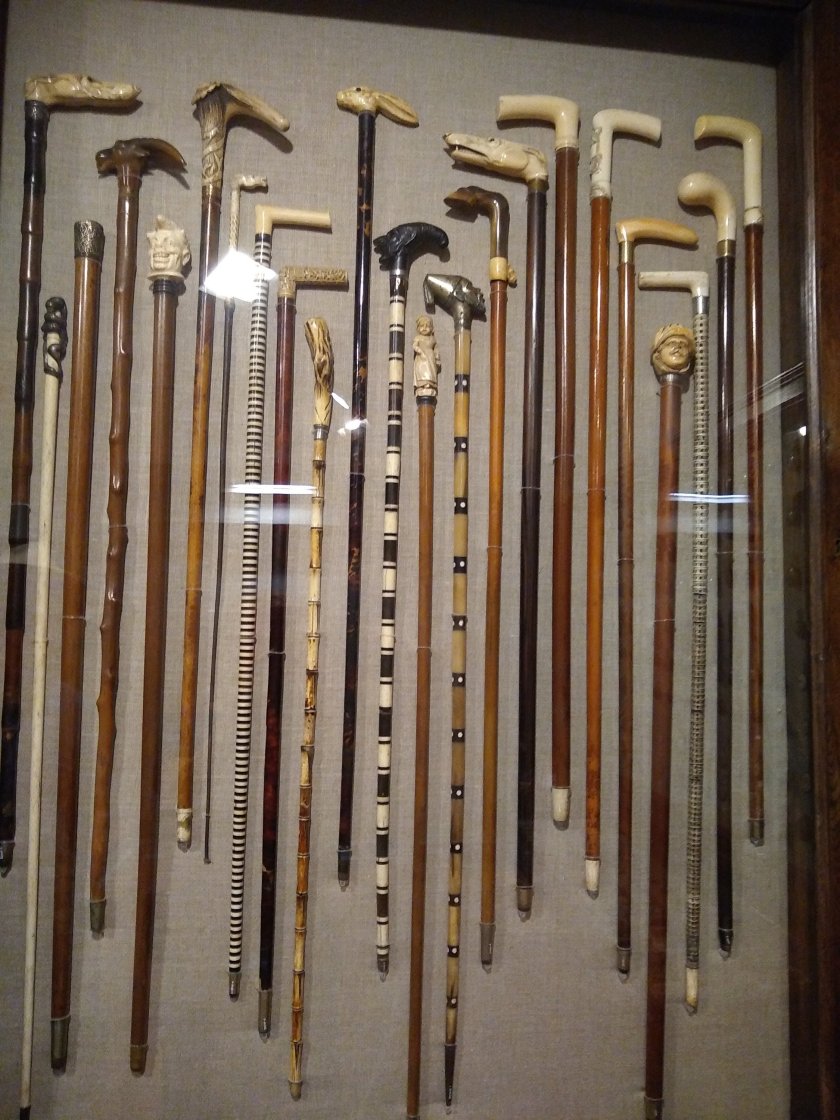
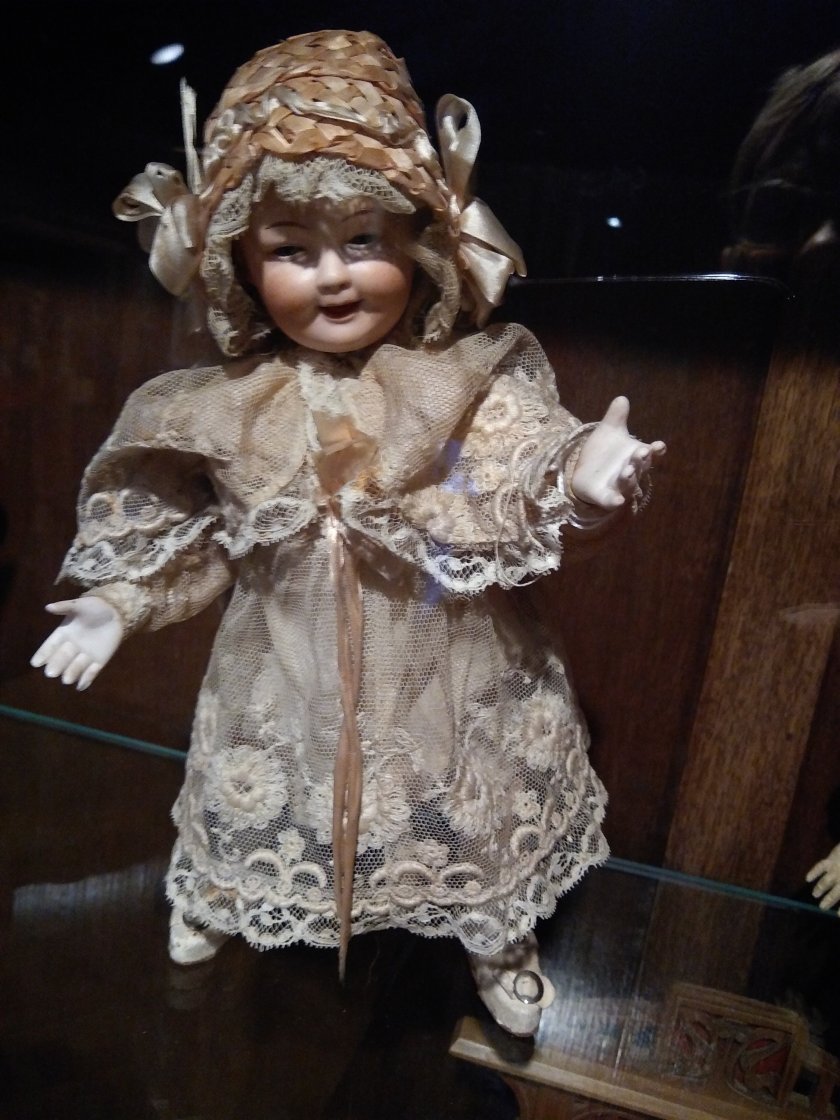
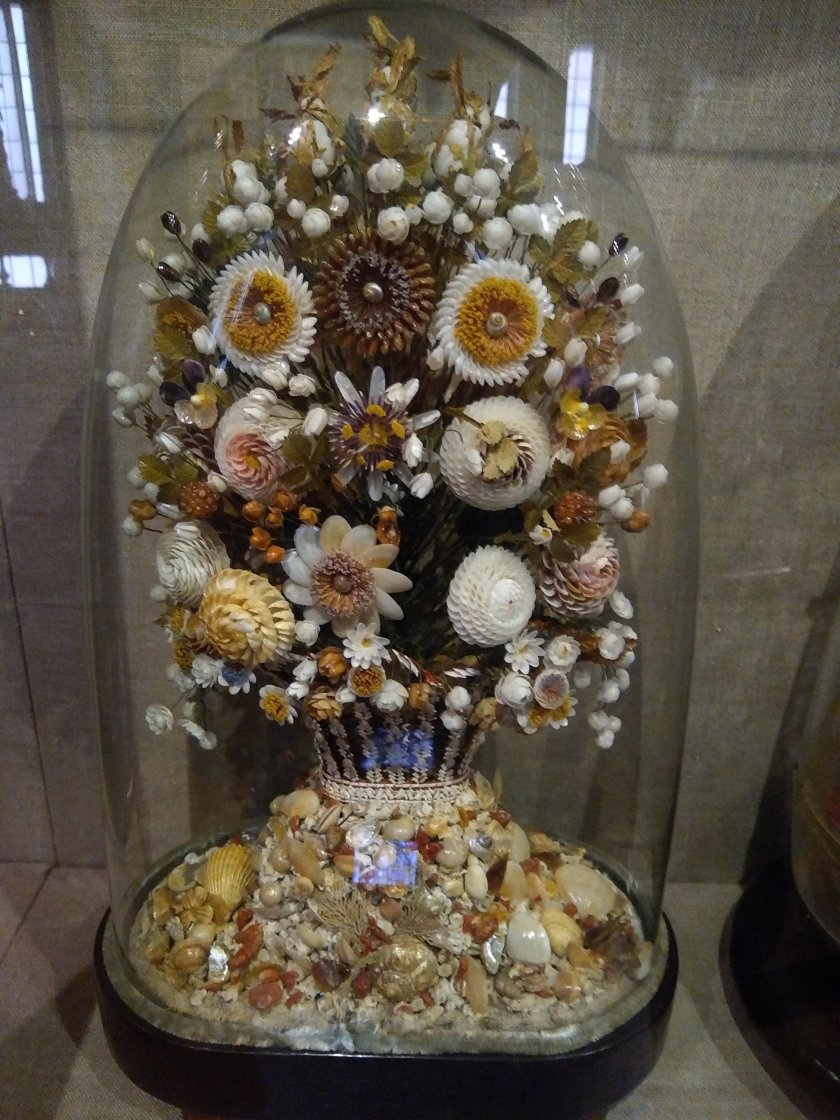
Here are tin soldiers; toy theatres; pairs of spectacles; early bicycles; pipes; dolls; door keys; clocks: walking sticks; extraordinary glass domes that seem to be full of dried flowers – look again. Each flower is made from dozens of shells – this was 19th century seaside art.

This museum, in the heart of Tourist Barcelona, is not crowded. Which was fine by us. But those tourists who amble past, never noticing it’s there, are missing out.

A Weekend of Simple Pleasures

Three days. Three days to build memories and new connections. Ellie’s partner Ed has three children, and the two youngest made an instant Gang of Three with William, sharing a bedroom and every waking moment together. Adults and older children mucked in and just had fun.

There was a snag, and it was a big one. Poor Ben woke up on Friday with tonsillitis, had to see s doctor for drugs and advice, and vanished to his room to feel rotten for two whole days. Day three had him making up for lost time.

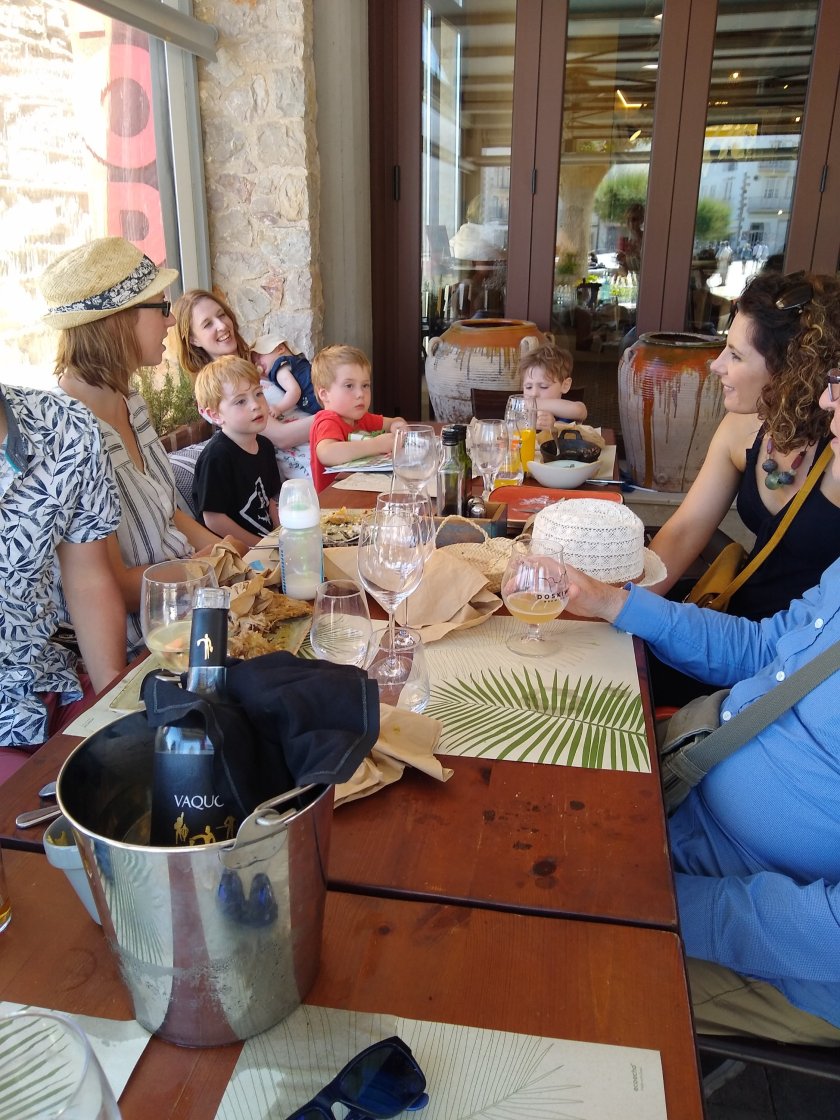
We spent lots of time sharing meals.

Aside from that there were praying mantises to admire…

View this post on Instagram

Praying mantis

A post shared by Tom Hamilton (@tomhhamilton) on

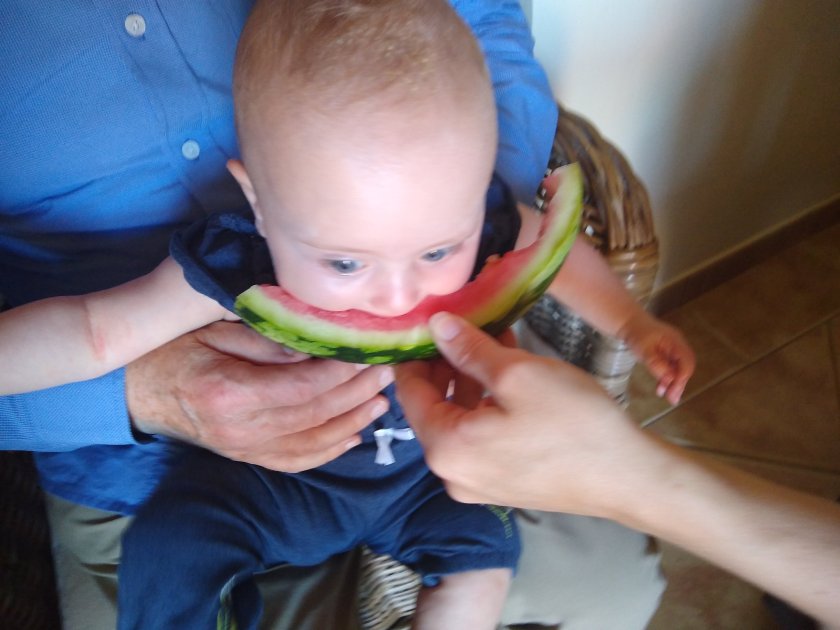
….. new foods to discover…

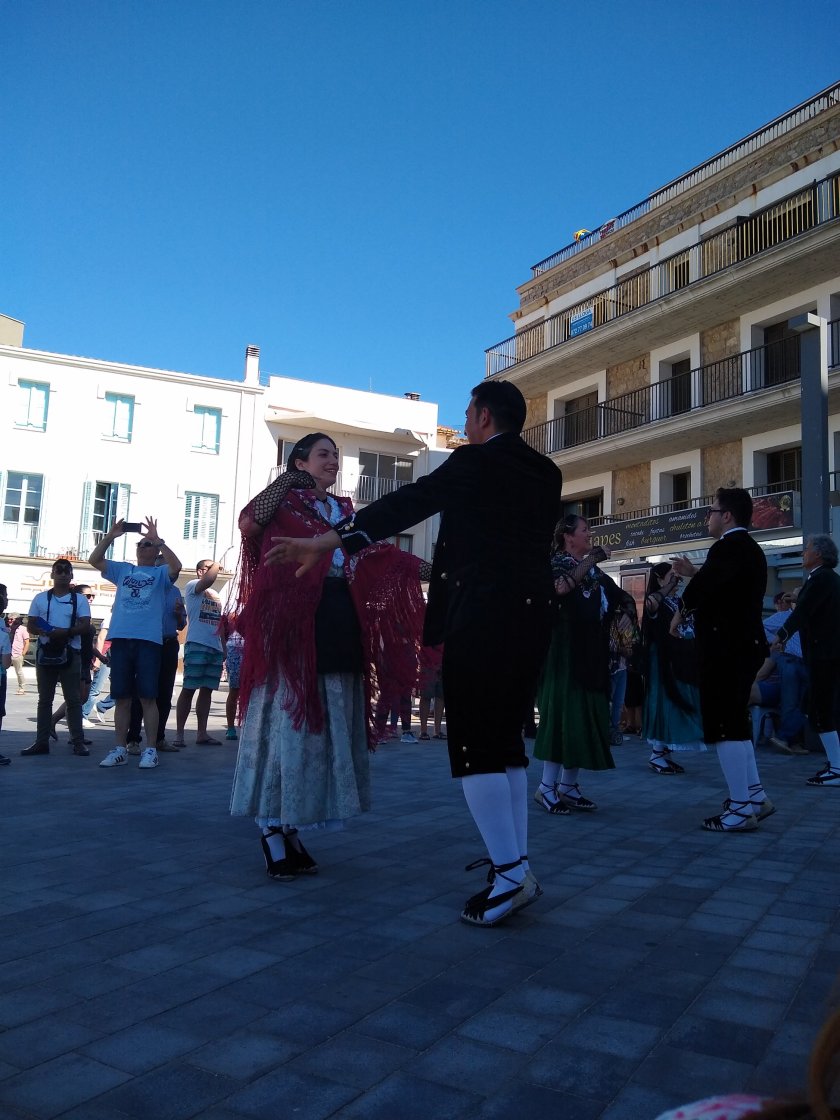
…. traditional Catalan dancing to enjoy…..

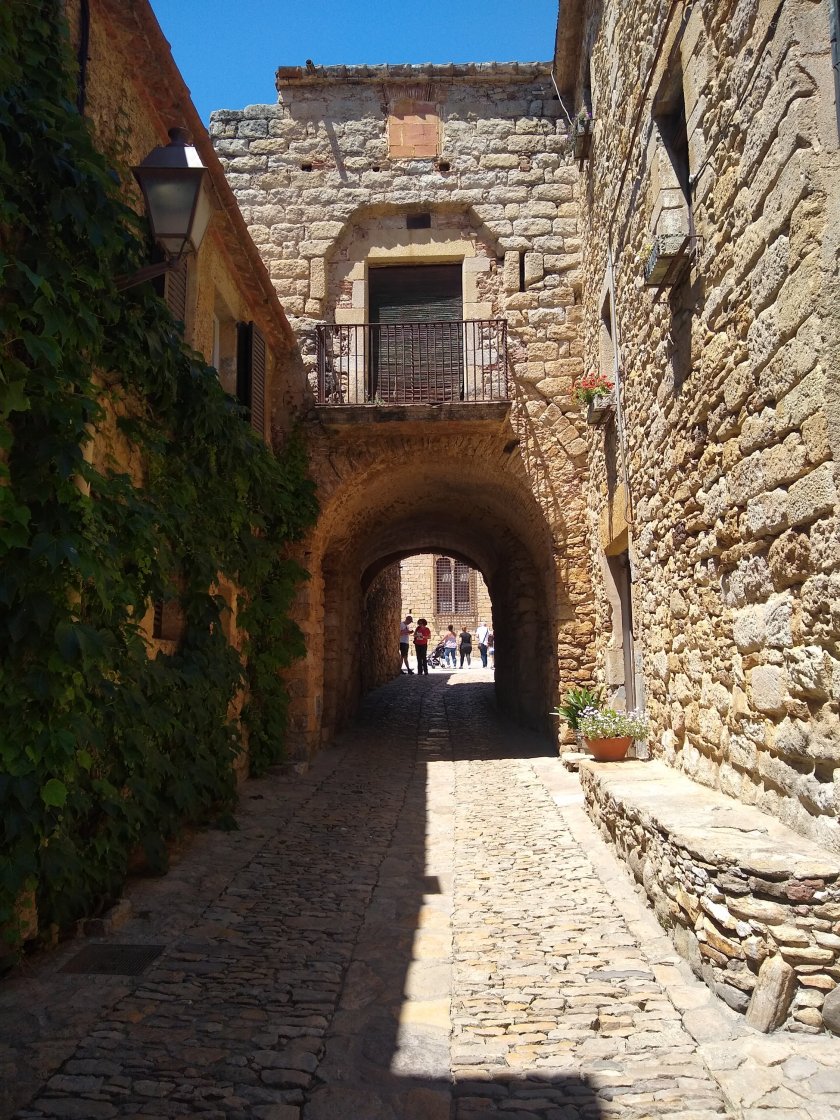
….. and charming mediaeval townships to mooch through….


It was a fine weekend.

Freedom for Catalonia!

Driving away from Berga.

We stopped off in Berga on our way to Barcelona.  It’s a mediaeval city with a strong history of republicanism.  In May 2012 for instance, the town council declared King Juan Carlos to be ‘persona non grata‘.  Nobody’s likely though, to be keen on a king who goes elephant hunting in Africa as his country plunges ever deeper into recession.

Now its cause of choice is Catalan independence.  I’m not going into the arguments here. Though sauntering along various Ramblas on a September evening as friends and families pop into a bar for a drink, or to a restaurant for dinner, it’s hard to accept their definition of themselves as an oppressed people; or to take entirely seriously their view that they and, for instance, the Kurds, are all in it together.

Mooch up and down the narrow alleys of Berga with us and look at the posters, the slogans, the street art which are such a feature of this town.  A young man stopped me as I was snapping away.  ‘We don’t all think that way here’ he said.  But he admitted that he was in a minority .

Click on any image to see it full size.

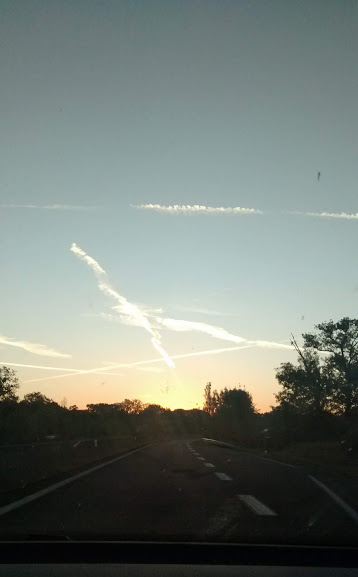
The road north……

We left Barcelona.

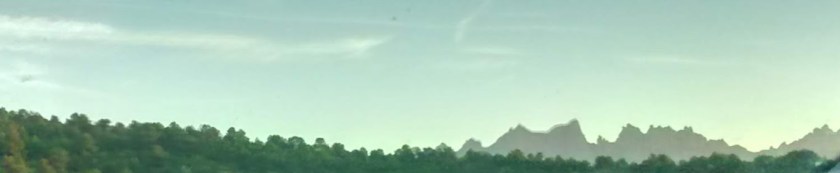
Past Monserrat….

We drove north through the Pyrenees, both in Spain and in France…..

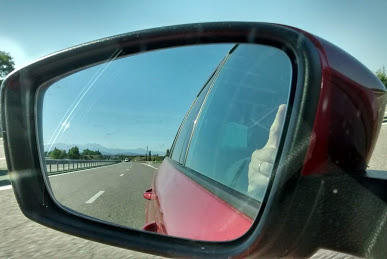
Used the mirrors to glance back and back till we could no longer see the mountains……

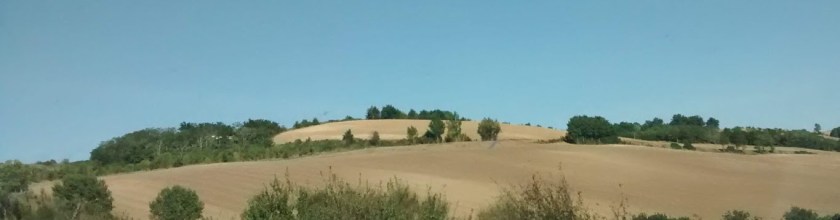
Through the edge of the Lauragais, south of Toulouse…..

….reaching Cahors by the evening.

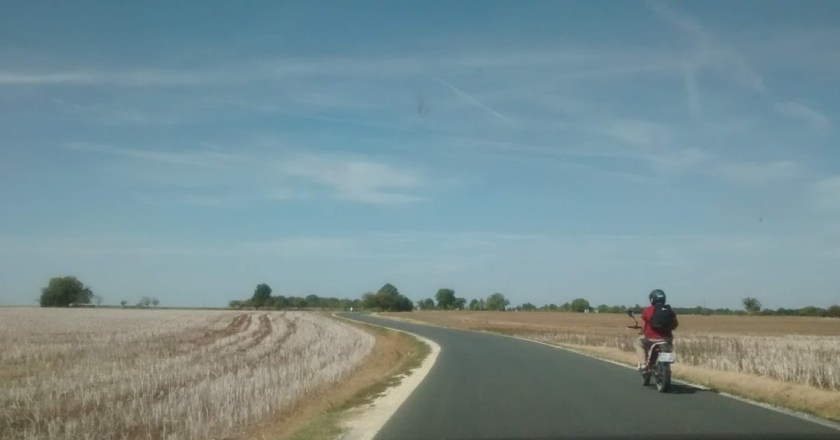
Much of the next day was spent in the flatlands of central France, in the Touraine…..

And now we’re with friends in Normandy, on the border of both Mayenne and Manche.

Which landscape would you choose?

In which I graduate from the Universitat Pompeu Fabra, Barcelona

I’m lying of course.  Even I can’t do a degree in three weeks.  But ….. I have been a distance learner at this seat of learning, and I’ve loved it.  I’ve exchanged my 1970s student life, putting the world to rights in the refectory or the students’ union bar for on-line discussions with Anglophones with the hugest variety of life experience.  I’ve exchanged echoing lecture theatres for my own study, where the lecturer delivers his or her piece at exactly the hour that suits me, and repeats it on demand.  I’ve exchanged official reading lists for comments and suggestions from fellow students, based on newly discovered shared interests.

All this is thanks to FutureLearn.  They publicise courses on every subject you can think of, and lots that you can’t.  Some are paid-for courses right through to professional qualification or degree level.  But many of them are not. Universities in every continent run short free courses and they want us to be their students.  If only I’d seen Hanyang University’s Introduction to Korean before we went two years ago!

No matter.  What I saw a few weeks ago was this – Getting to know Catalonia: An introduction to the Catalan language , culture and society.  What timing!  Emily and Miquel are buying their first home together and Emily’s had promotion in her job in Barcelona.  Catalonia’s going to be part of our lives.

It didn’t begin well, and I whinged to Emily that I’d signed up to a piece of propaganda from the Catalan Independence movement (‘What did you expect’?).  In fact however, we’ve had an overview of economics, history, literature and the arts and popular culture and it’s a solid grounding for further study.

What’s made it has been the fellow-students.  I’m sure some people do what’s set in front of them and are happy to leave it at that. It’s probably all they have the time or inclination for.  For a hard core of us though, it’s our colleagues that have made the difference.  The civil servant in the Welsh office at the time when their bilingual policies were being developed; the Catalan who observed that there is no ‘standard’ Catalan, so in the media, do you use the language of the Balearics, the North West or the Central provinces, or even (who knew?) the Catalan spoken in Alghero, Sardinia ?  The Irish chipped in, and Swiss Germans, and other linguistic minority groups.  All this provoked lively discussions about language, and languages that have been suppressed (as Catalan was, unsuccessfully, and as Occitan was in France, largely successfully).  Every topic has had us helping each other out.  Most of us are woefully badly read in Catalan history and literature, so we share ideas about more accessible material.  Away from the lectures, the tutors barely show their faces, and that’s fine.  It is a free course after all, and we have proved that self-help works.  In just three weeks we’ve established a learning community where we have given something, and taken a lot, and are the richer for it.

I’ll be on the look out for my next free course from FutureLearn soon.

Every time I open the coursework, this is the image I see. An ariel view of a human tower in the making: Catalan cooperation at its finest.

Snapshot Saturday: Sitges – perfect holiday resort, plastic litter depot, or public housing for parakeets

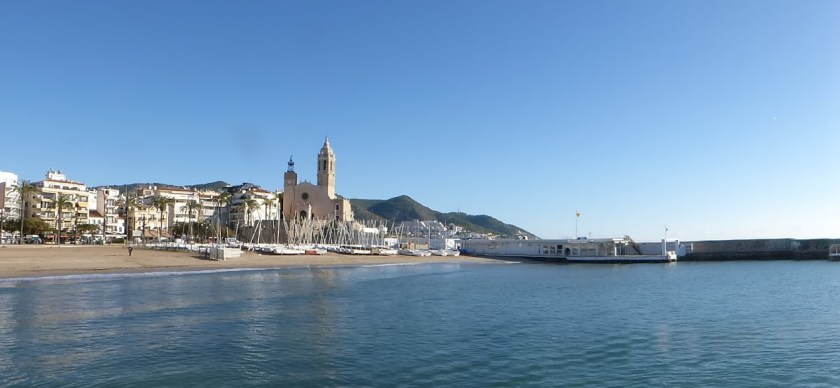
Last month, as faithful readers know, we had a day in Sitges.  It was perfect.  The sun shone, the sea sparkled, and we sauntered along its clean wide sandy beaches.

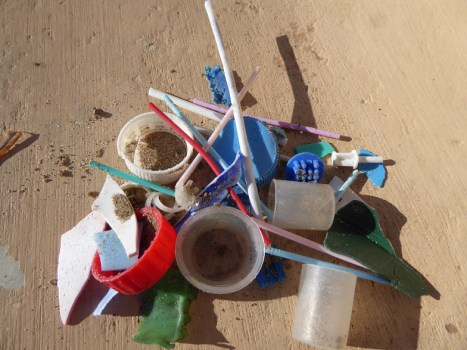
All was not as it seemed though.  In just five minutes, from the apparently uncontaminated sands, we recovered these:  mainly plastic straws and bottle tops, many disintegrating into the shards and  fragments now wreaking such havoc in our oceans.  And this is a ‘clean’ beach.  

On a happier note, here’s a parakeet in a palm tree.  The high prices of housing in this fashionable holiday destination don’t worry him.  He has all he needs to build a home simply by fossicking around among the palm trees’ tall fronds.

In response (sort of) to this week’s WordPress challenge, Variations on a theme.

Undiscovered Barcelona: the textile town of Sants

Plot the story of my life through the places I’ve lived, and you can see a  theme.  Textile towns.

I went to university in Manchester, sometimes known as Cottonopolis because of the cotton industry that thrived there throughout the 19th century.

One of the  cities at the forefront of the cloth-making industrial revolution – wool and flax in this case – was Leeds.  I’ve lived there too.

Then in France, we lived in Laroque d’Olmes, a town whose prosperity depended on the woollen textile trade, snatched from it in the twentieth century as wool lost out to more modern fibres which were in any case increasingly manufactured in Asia.

And last week, in Barcelona, we stayed in Sants.  In the 19th century this area, like so many others in Catalonia, turned out the cotton-printed calicoes so popular in Paris at the time.  It was a busy industrial town that only became part of Barcelona towards the end of the 19th century.  Now much of its industrial past has been re-purposed or flattened.  Here’s the Parc de l’España Industrial – once an enormous textile mill.

We loved being here.  Though so near one of Barcelona’s main stations it’s assertively non-touristy.  People live, work, shop and enjoy themselves without having to tussle for space with a whole lot of trippers rubbernecking their way along the crowded thoroughfares.

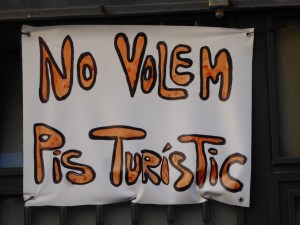
We don’t want tourist apartments here!

Our street had everything from a fish restaurant (choose your own fish from the marble slab), an alternative book shop, a handy mini-mart, a design studio to – inevitably – several bars.

Every morning we did as the Catalans do before they set off for office, market or shop and had breakfast in one of them.  I developed a passion for wholewheat croissants, which are light, flaky and utterly delicious.

Breakfast in our bakery of choice, appropriately called CroisSants.

Neighbourhood restaurants made few concessions to Spaniards, let alone foreigners, displaying their menus in Catalan: this is a separatist area.

We shopped in the independent shops (the only surrender to globalisation that we could find in the entire area was a solitary Burger King: it was refreshingly under-populated) and sauntered round its two thriving markets.  We’ll be back.


Click on any image to see it full size.

The sea, the sea … in Barcelona

Another bright sunny day, so the seashore beckoned again – in Barcelona this time.

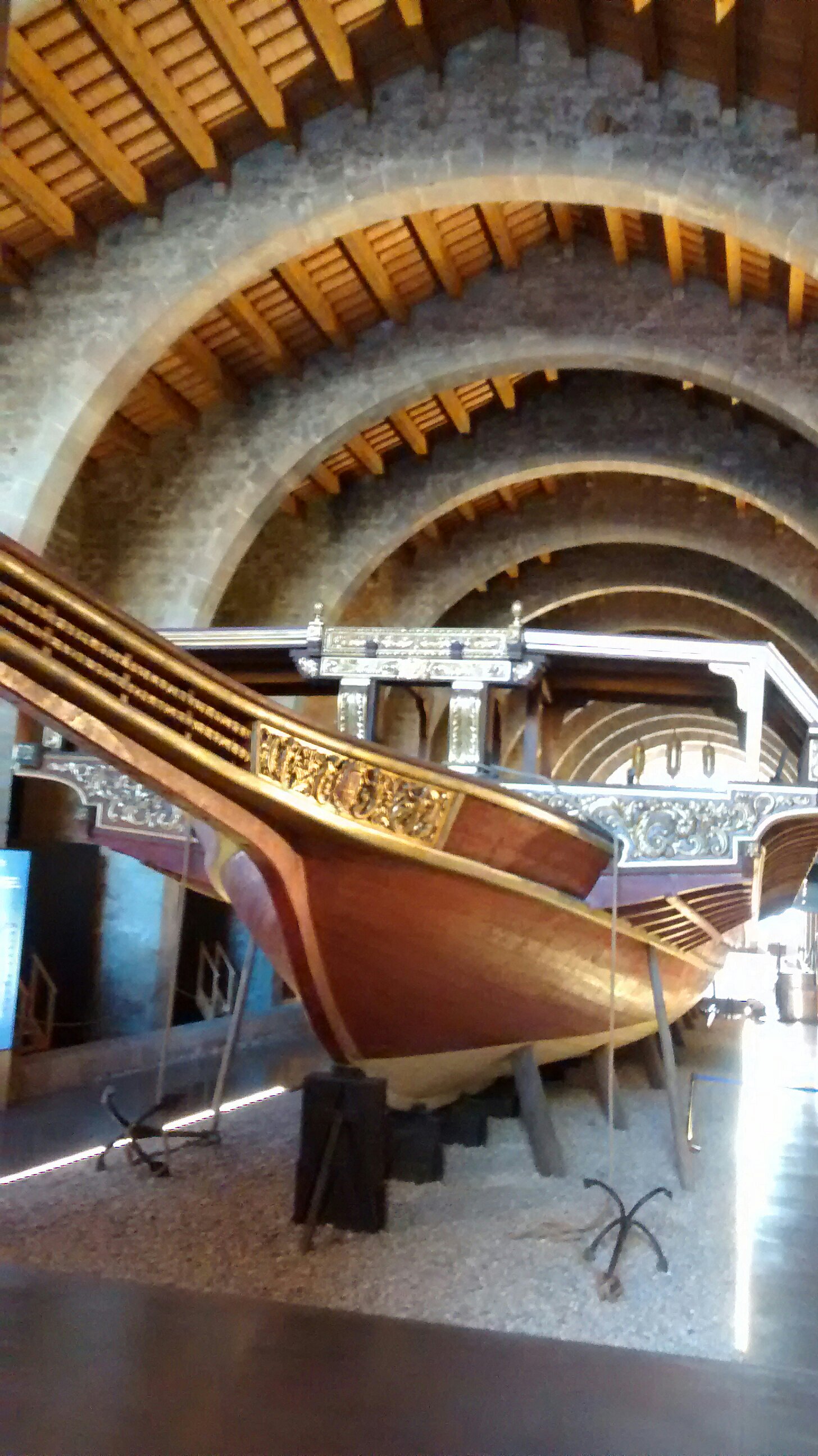
First though, we visited the Museu Marítim, located in the impressive Drassanes Reials, the mediaeval shipyard dating originally from the 13th century.  It was remodelled time and again till the 18th century, when it fell out of use.

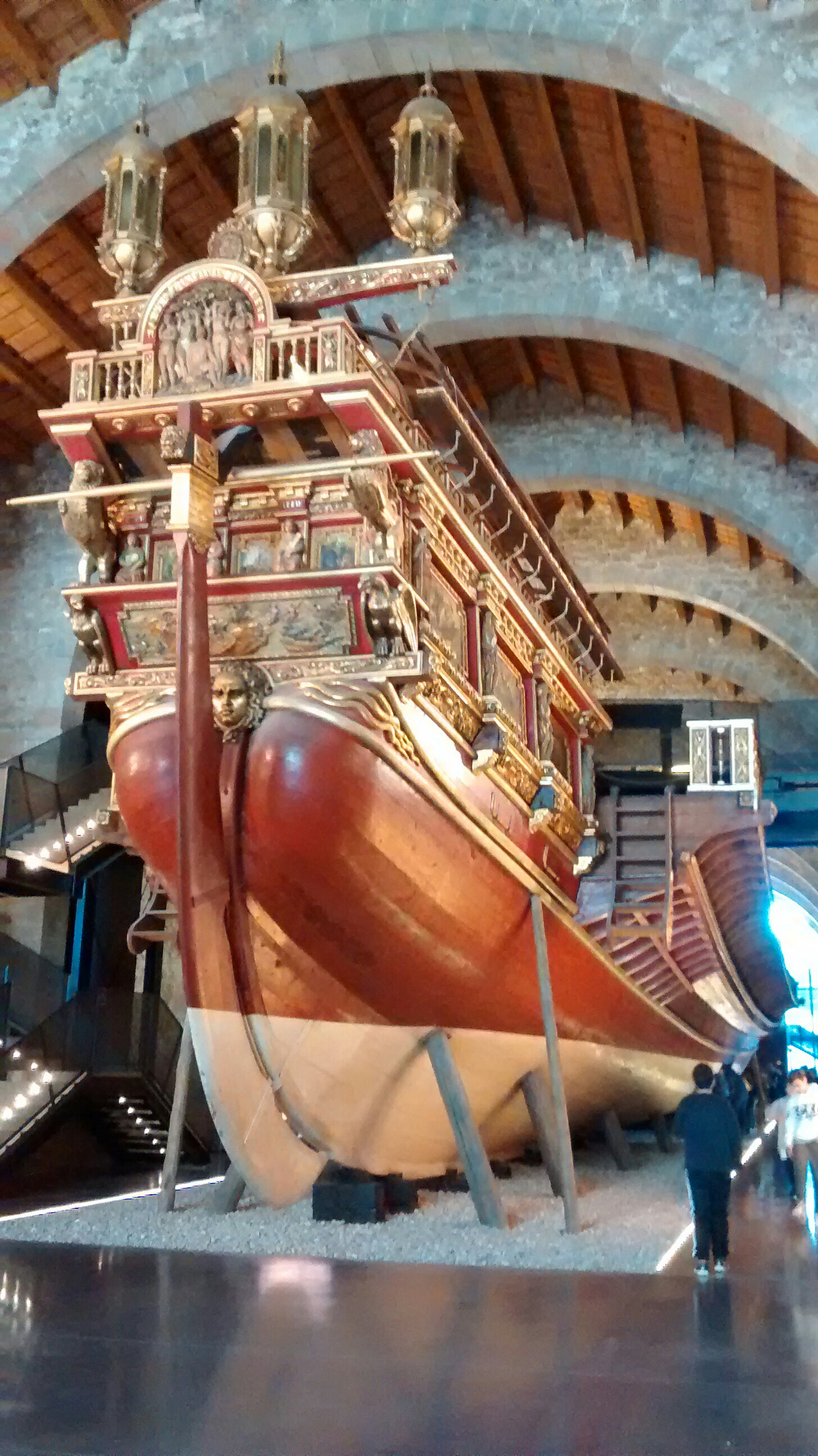
Our main memory of this engaging and beautifully curated museum is of the impressively reconstructed galley ship the Galera Reyal of 1568, and all the instruments, arms, ordnance and documents associated with such a warship. 

What about this? Thirty oars each side, each manned by four slaves. These men toiled for hours and hours each day, shackled to the same spot for the entire voyage. They worked, ate and slept here, puddled in their own excrement. A ship such as theirs could never surprise the enemy. The smell preceded it by several knots. The exquisite ornamentation of this vessel, rich in symbolism, loses some of its allure against this background.
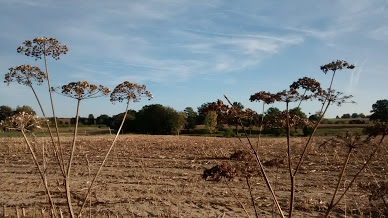

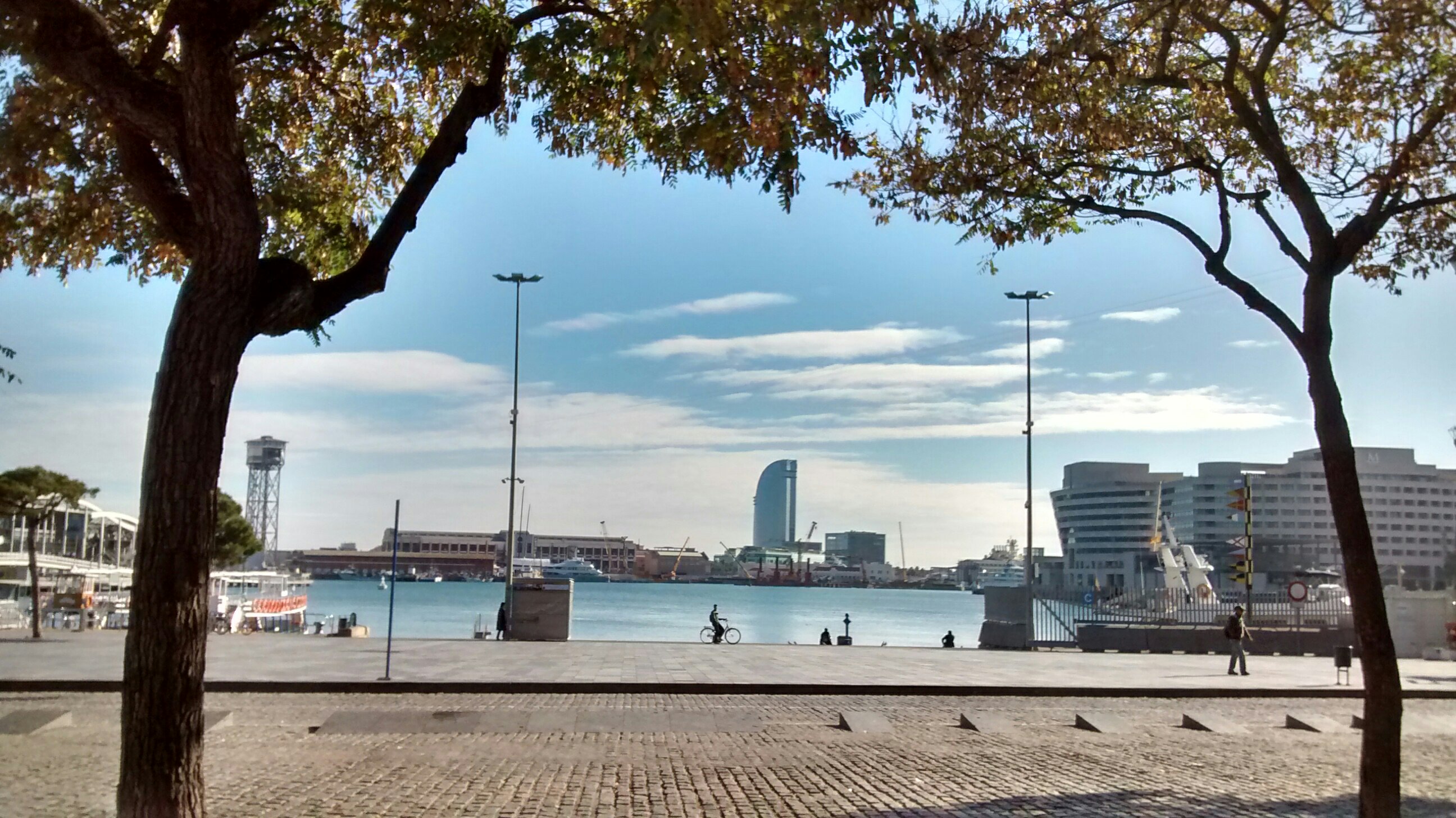
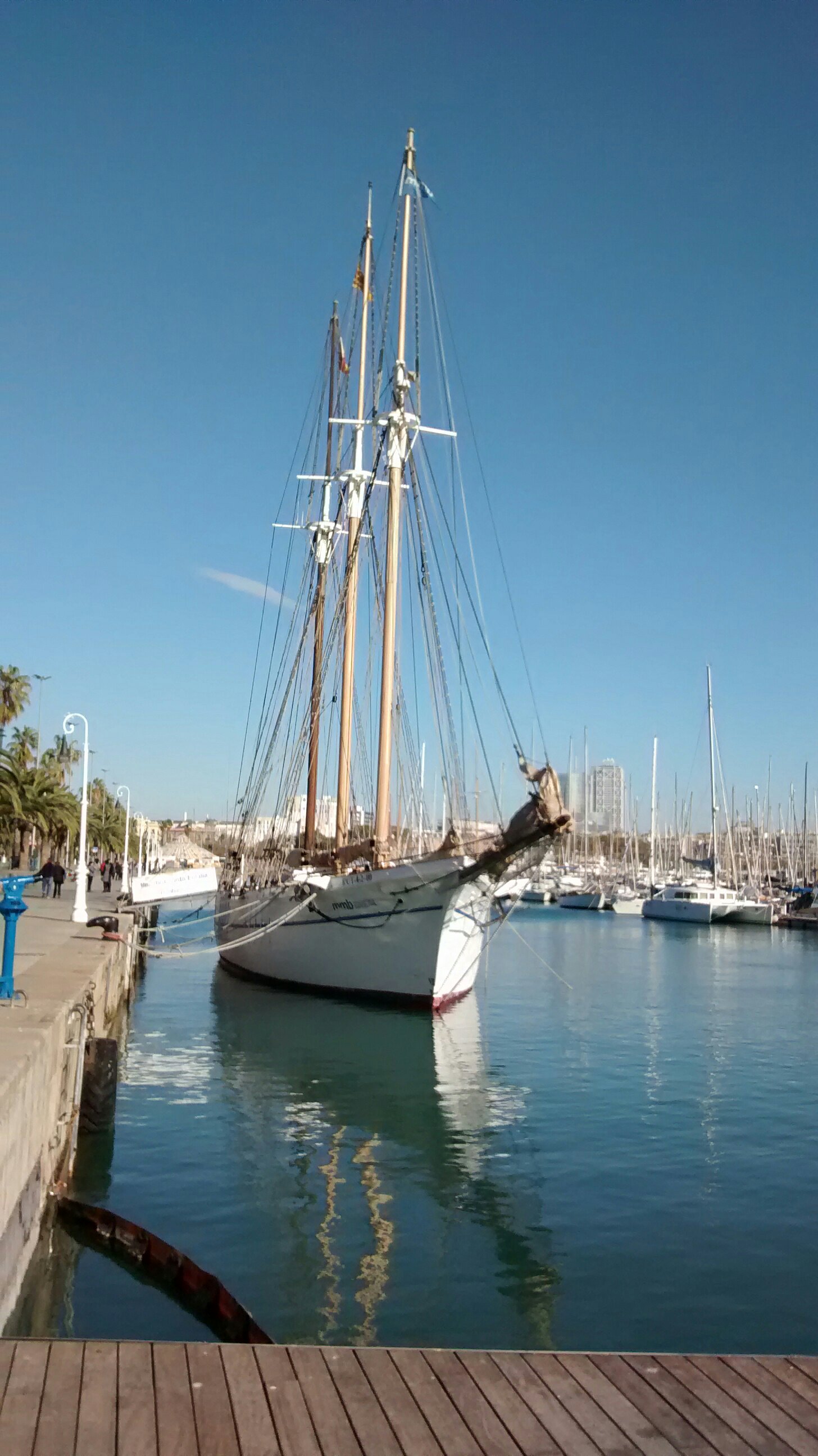
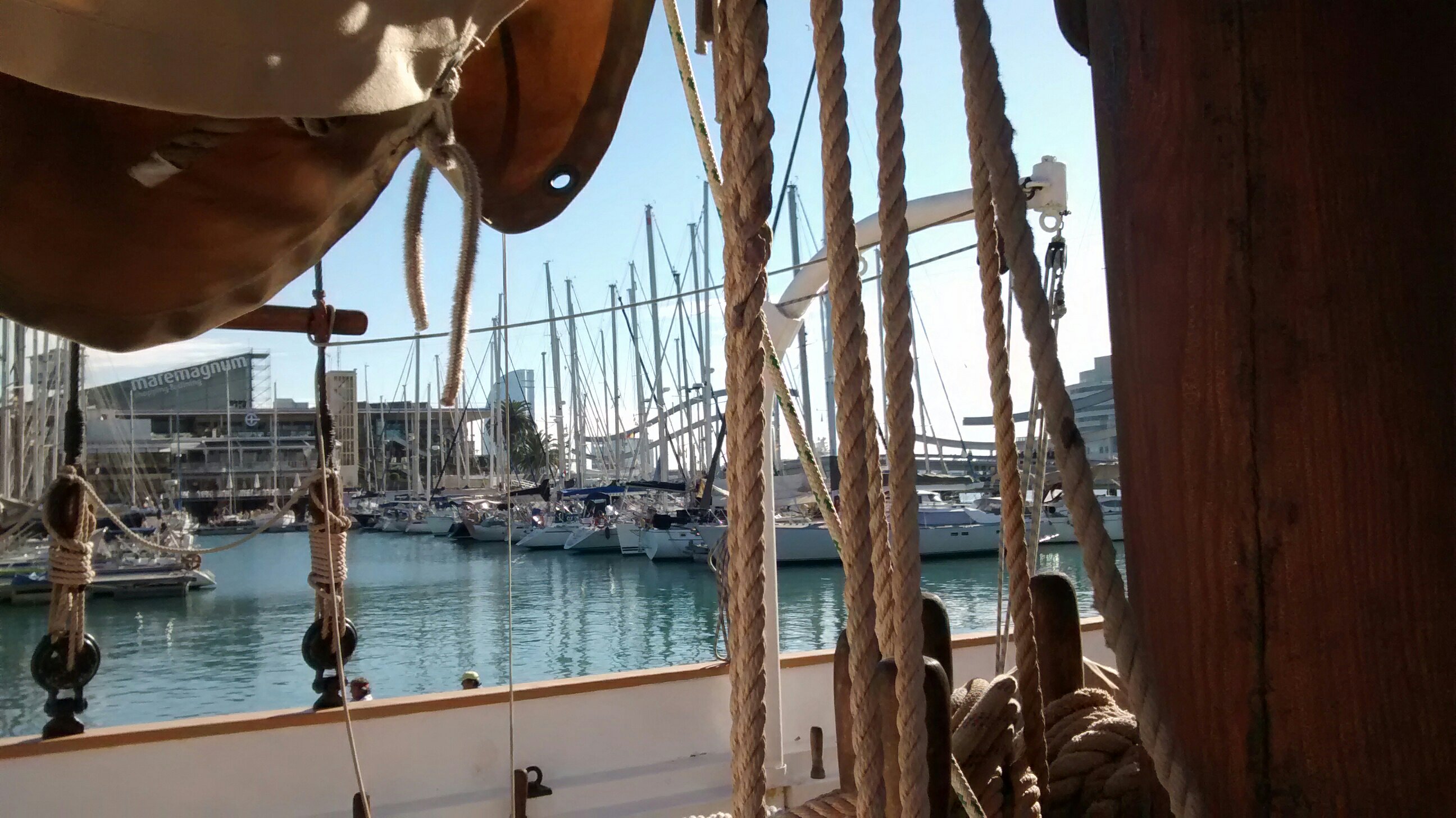
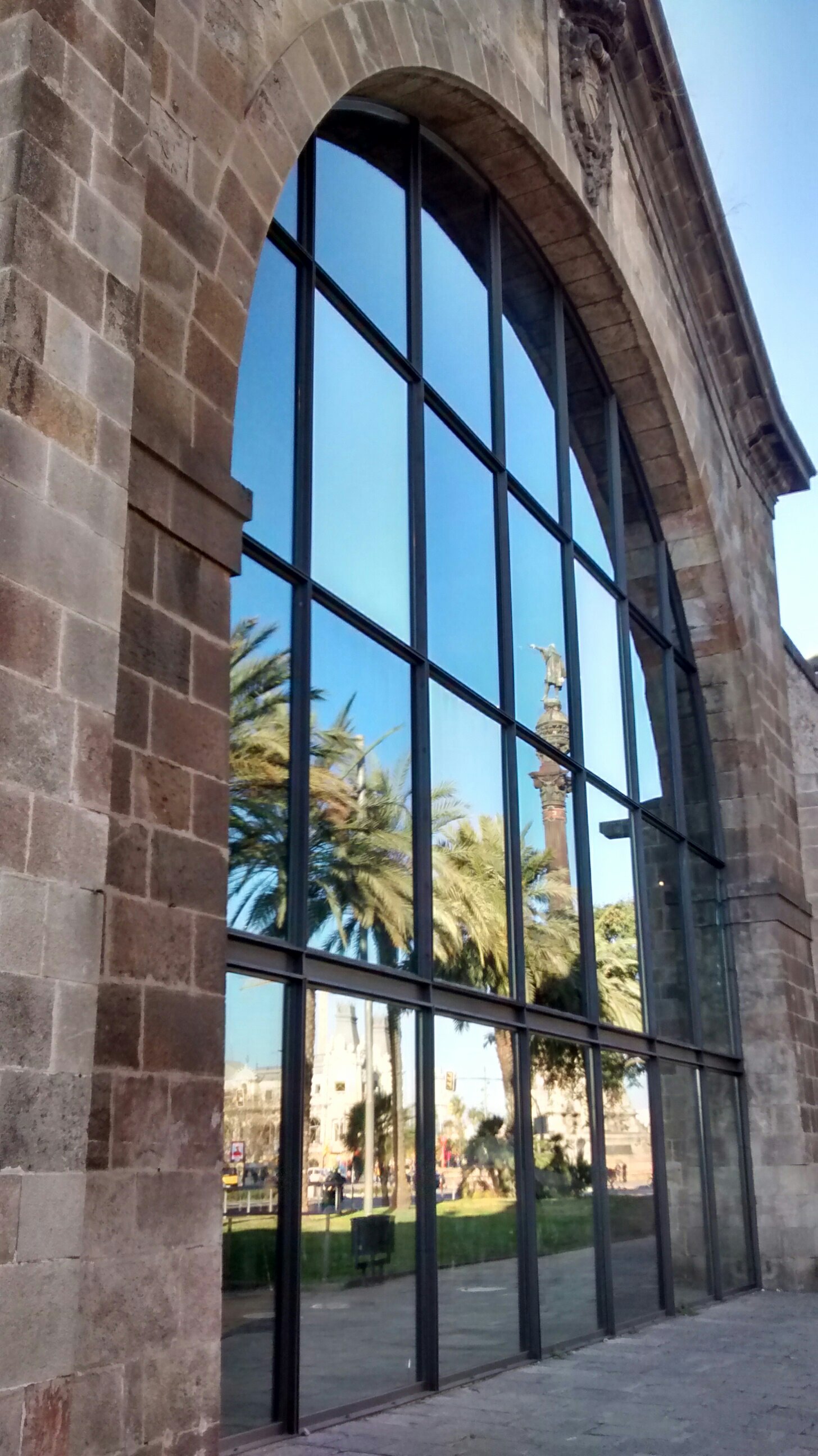
The whole of the dockyard area is rich in history. Here are just a few pictures, and from the more recently developed Port Vell.