Pilgrims for a day

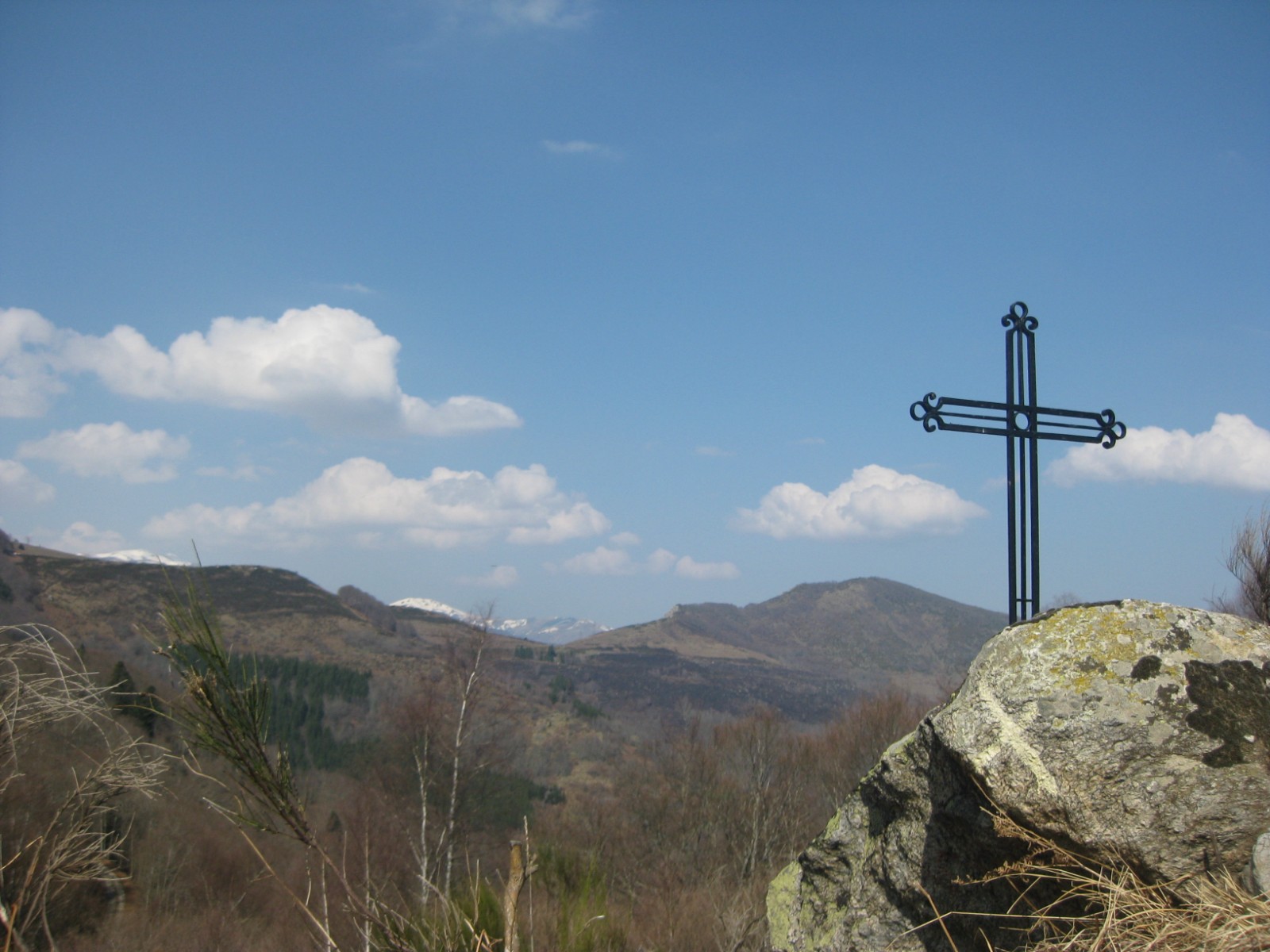
Such crosses - nearly all different - marked our route

Our walk today was to the Chapelle de Saint Barthélemy, high in the Vallée d’Ax, beyond Tarascon.  We quickly realised we were on a pilgrimage route – our path was marked by decorative iron crosses.  But none of us knew why.  Now I know, and it’s a grisly story.

Back in 1854, cholera hit the area.  It’s hard to see how it spread in such a thinly populated region, where every settlement is surrounded by forest, fields and pasture.  Our drive up to the little village of Larnat, where we parked to begin our walk, was up and up a long single track road characterised by an unending series of hairpin bends – and no villages or farms on the way once we’d left the lower slopes.  The road to Larcat is up a similarly tortuous route. But despite this, cholera did arrive in the area, and when it struck, the people of Larcat didn’t hesitate to massacre the poor family responsible.  In time, the few survivors built a tiny chapel at the summit, dedicated to Saint Barthélemy, and promised an annual pilgrimage.  This chapel is a very simple windowless structure.  Some garden sheds are bigger.  It enjoys splendid views in every direction, and provided the perfect lunch-spot.
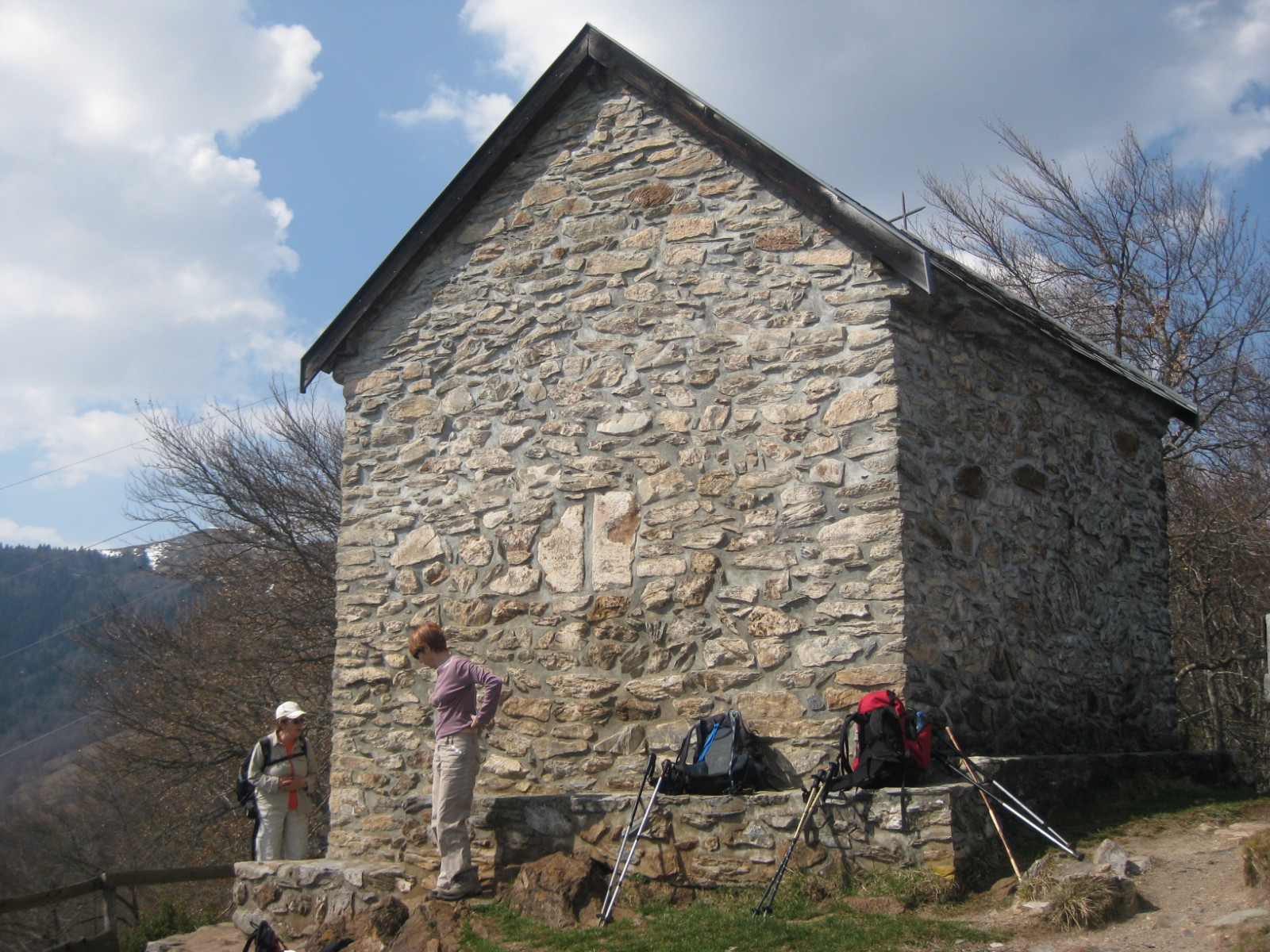
We arrive at the Chapelle de Saint Barthélemy
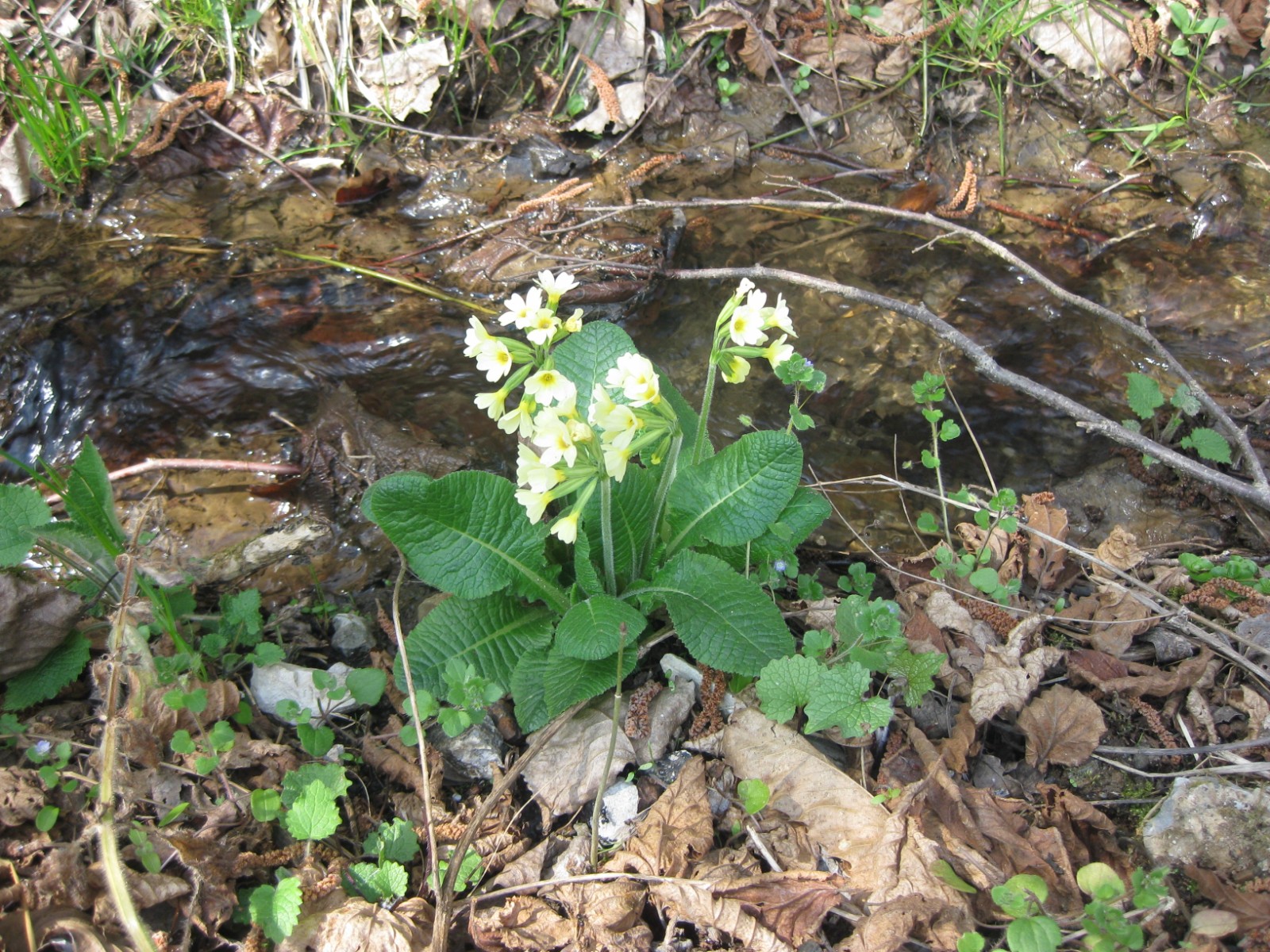
Cowslips en route

Ignorant of the bloody events that had caused the chapel to be built, we had a pretty easy feel-good walk.  The slope upwards was a gradual one, through forest tracks, emerging eventually onto an airy path commanding view of the mountains which surrounded us.  We had time to enjoy the emerging spring flowers –chiefly wood anemones and cowslips – and spotted several clumps of frogspawn.
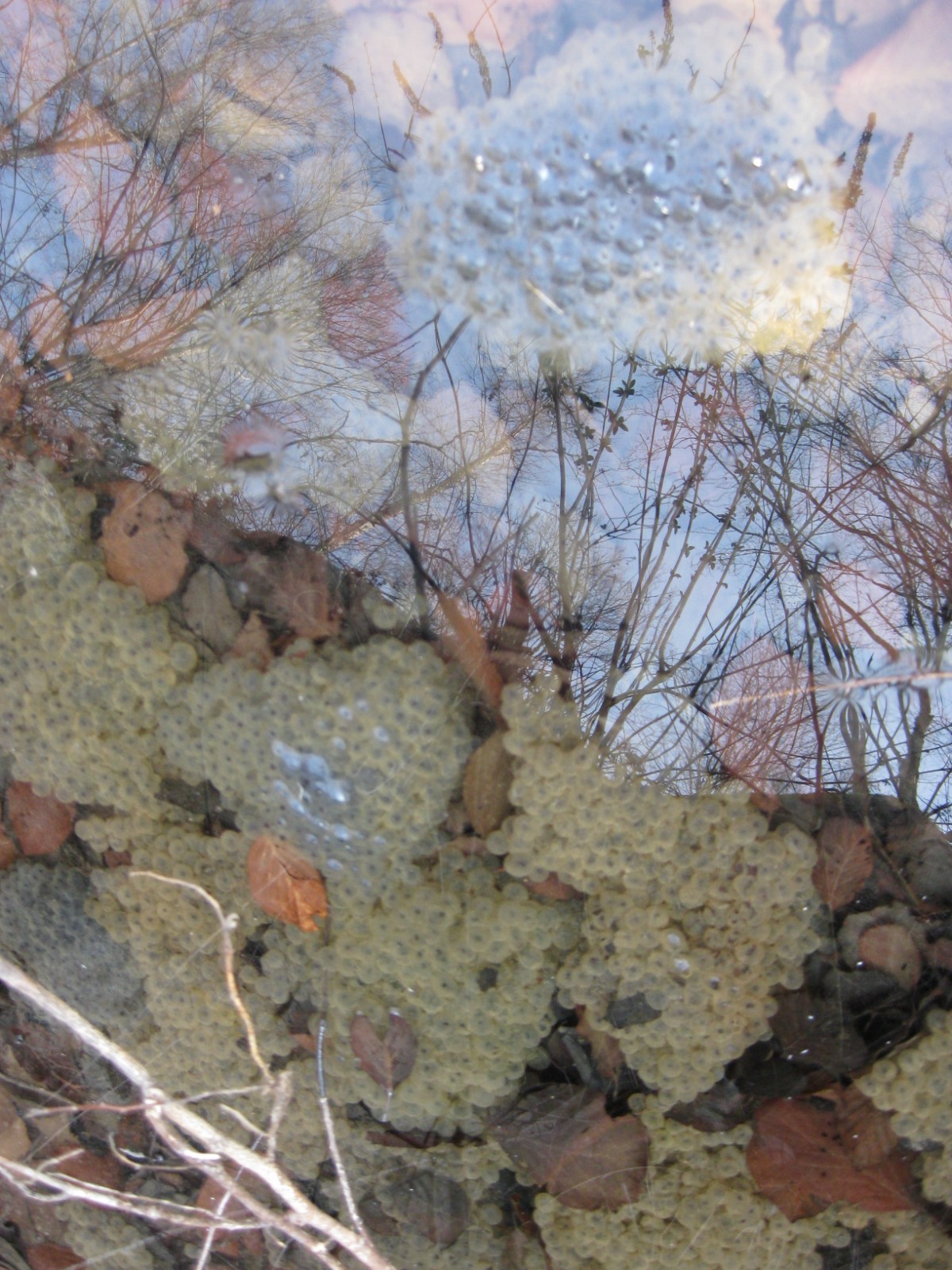
Frogspawn en route

Did I know, Jean-Claude wondered, that when he was younger, it was quite common to see men staggering back from a country walk with hessian sacks stuffed not with the potatoes for which they were originally intended, but frogs destined for the market and then the dinner table?  I didn’t, and was glad to hear frogs are now protected and it’s illegal.  Apparently, though I’ve never seen them on the menu, frogs are still eaten.  Now however, they’re imported from China.

They certainly weren’t on offer today.  As usual, the day finished with tea and cake: much more welcome.
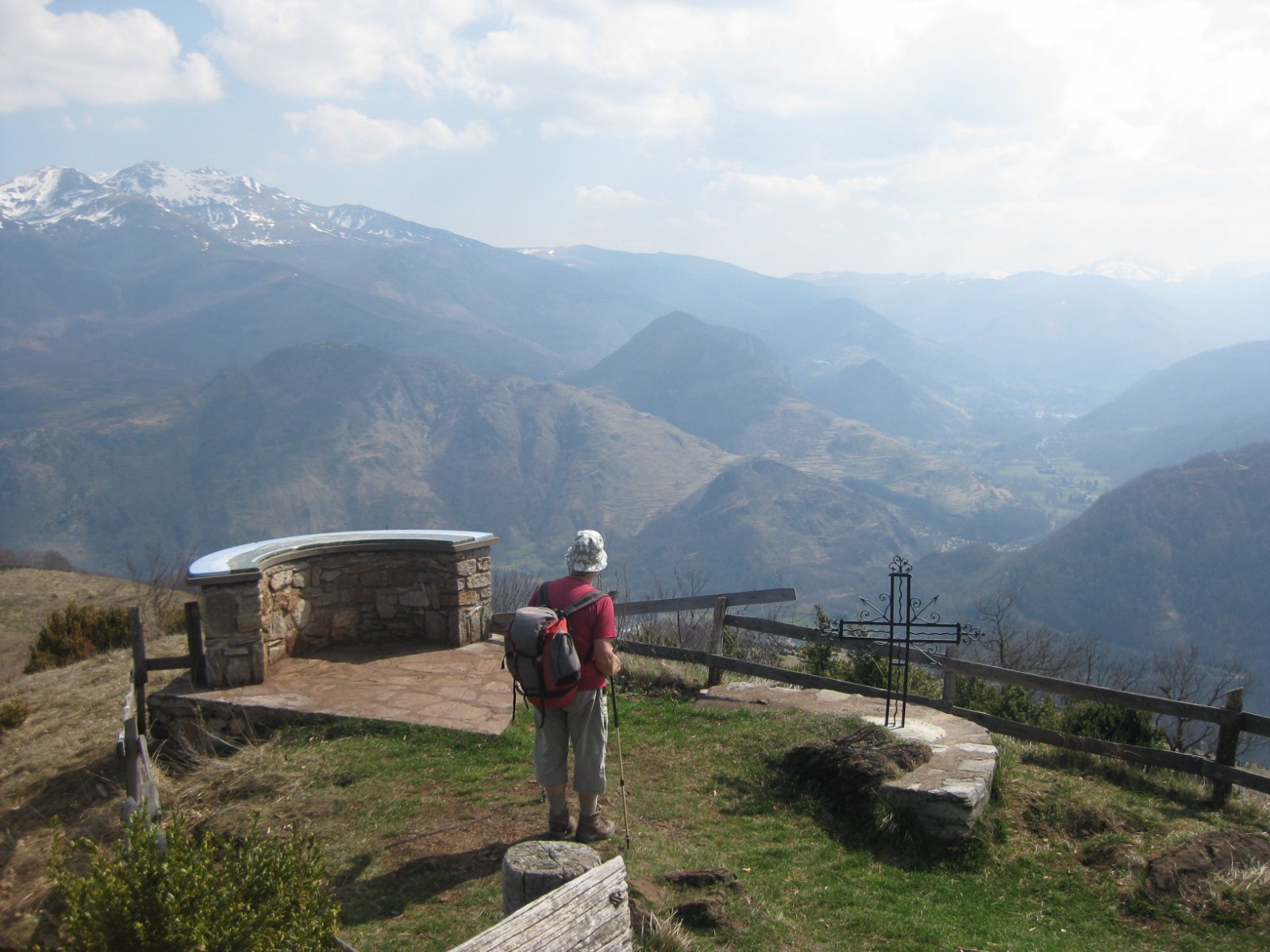
One of the views from the chapel

Plateau de Sault calling

Down here in the foothills of the Pyrénées, nobody’s interested in how far you walk as you stride up the mountainside.  It’s all about the DNV (dénivelé, or number of metres you’ve climbed – and remember a hillside can go down as well as up: coming up again after a descent starts the DNV counter all over again).  On Thursday, we did 791 metres.  That’s 2959 feet in real money.  Our mileage was less impressive:  19 km. or 11.8 miles – in the circumstances pretty damn’ good.

But we didn’t know the statistics till we’d finished.  We were far too busy having a very special walk.

To reach our departure point, you leave Belésta via a switchback forested road, over the Col de la Croix des Morts, and emerge onto a high and slightly bleak plateau.  This is the Plateau de Sault, home of the region’s potato growers.  We stopped at an insignificant track signposted Langrail and parked the cars.  As we got our boots on, we met another walker on a brief holiday from his home in Durban for a good long solitary hike (‘Durban?  Where do you suppose he meant?  Durban-sur-Arize in the Ariège?  The one in the Aude? South Africa even?’).  He was the last person we met all day.

It was the 14th March.  There were large patches of snow all along our route.  Yet we wore tee shirts all day and became lightly bronzed in the hot sun as we crunched through that still hard-crusted snow.  Through the forests we could see the peaks of our more local mountains: Maguy, born and bred round here taught us how to recognise each one.

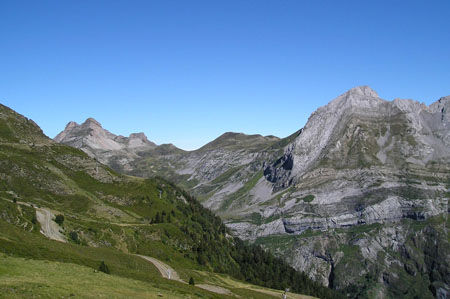
Then, quite unexpectedly, we emerged into a splendid expanse of pasture interspersed with areas of snow.  In every direction, there was a distant fringe of mountains: our day-to day familiar slopes, the more distant and higher peaks of the Hautes Pyrénées,and behind us, bereft of snow, those of the Aude and Pyrénées Orientales. It was a really special pleasure to tramp across this apparently unending pasture, enjoying views of our constant neighbour Montségur, as well as the towns and villages where we all live, and much further away, the Montagne Noir, with the sky clear and blue above us.

It kept us happy till lunchtime.  We’d arrived at a refuge by then, thoughtfully provided with a table and benches in the sunshine.  After the picnic, we left our rucksacks with Gilbert, the honorary man in the group and went off to investigate the Belvédère, the local viewpoint.  Craggily folded rocks plunged down deep towards the Gorges de la Frau and still we had our views of Montségur.  We were impressed.

Our route for the day was a simple there-and-back.  But the views were quite different, looking towards more eastern slopes so we didn’t feel at all short changed that we were repeating our route.  And most of the return was downwards too.  Which was helpful.  When you’ve climbed 2000 feet or more, it can get quite tiring as the day nears its end.  Lucky that there was cake and tea to look forward to.

This slideshow requires JavaScript.

“Vaut mieux le vin d’ici que l’eau de là”

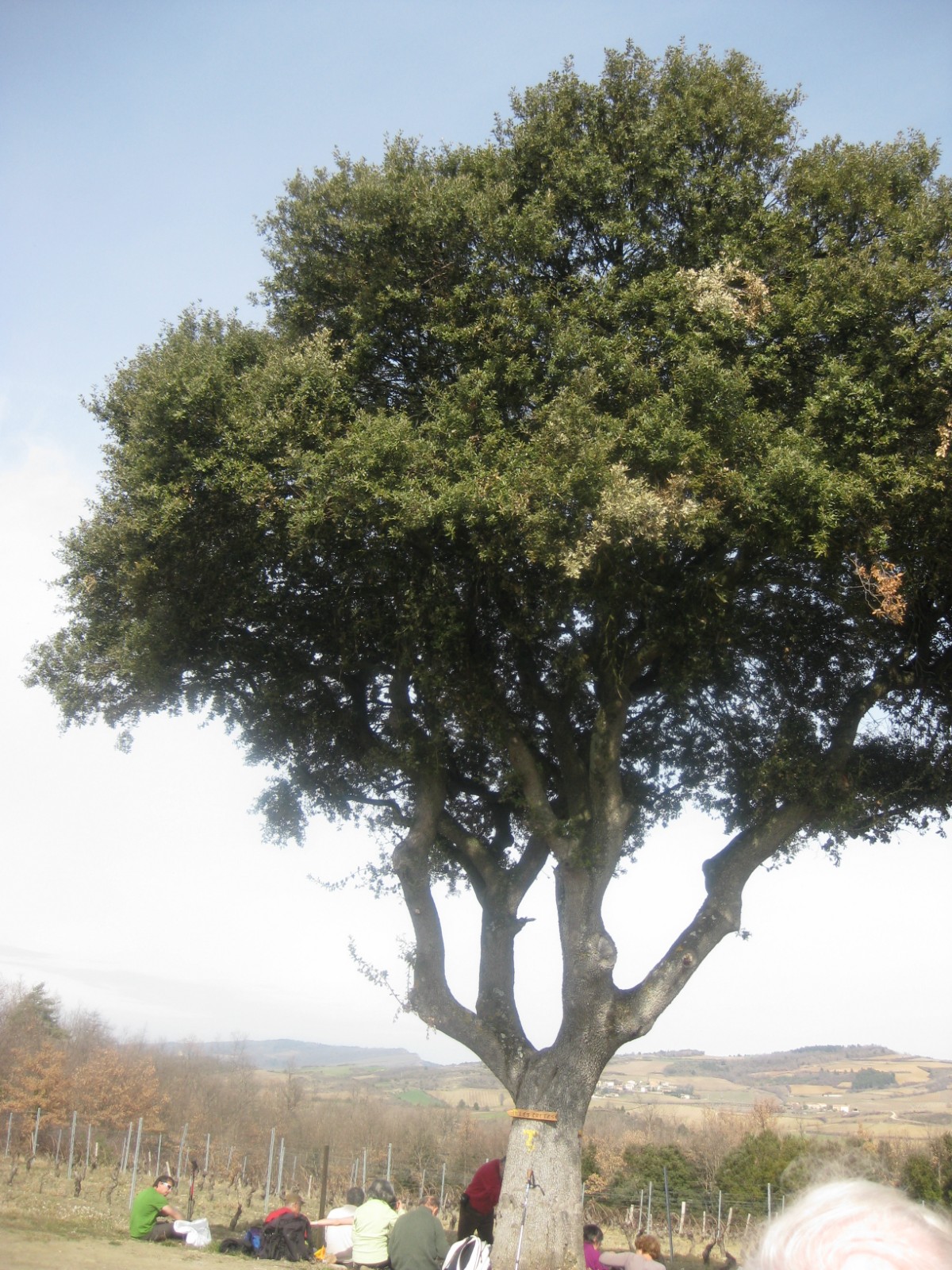
It was a walking day again yesterday – Malcolm too this time – this time with the new hiking group at Laroque.  The walk, again amongst vines, but in the more Spanish style garrigue around Esperaza, was relaxing and fun, but the highlight of the day was lunch.  We sat by a vineyard, either in the sun, or shaded by a shapely and statuesque holm oak tree, and unpacked our rucksacks.

Under the spreading holm oak tree we laid our picnics out.

For a picnic on a walk, most people put together a chunk or two of cheese and sausage, a bit of fruit, and stop at the boulangerie on the way to pick up some bread.  We all did that….but…. there was food to share too.

Phillippe, Sylvie and Jean-Charles opened wine.

Jean-Charles offered peanuts.

Michel produced home made charcuterie (dry cured sausage).

So did Phillippe and Sylvie (boudin blanc) – theirs was home made too.

They brought some of their daughter’s home made goats’ and sheeps’ milk cheese.

I made a drenched lemon cake.

Yvette made crisp chocolate biscuits.

Jean Charles brought an ‘artisanale’ fruit cake.

Then he came round with coffee.

And finally, Yvette offered plum eau de vie made by her grandfather in 1985. A little dripped onto a sugar lump and scrunched is the perfect end to a perfect picnic.

Then we all lay around in the sun for half an hour while we digested that little lot.

That’s the way to do it, eh?  And as everyone said, as we finally decided we ought to have a go at walking off all those calories, “Vaut mieux le vin d’ici que l’eau de là” : it’s better to have a drink among friends than to be no more for this world.

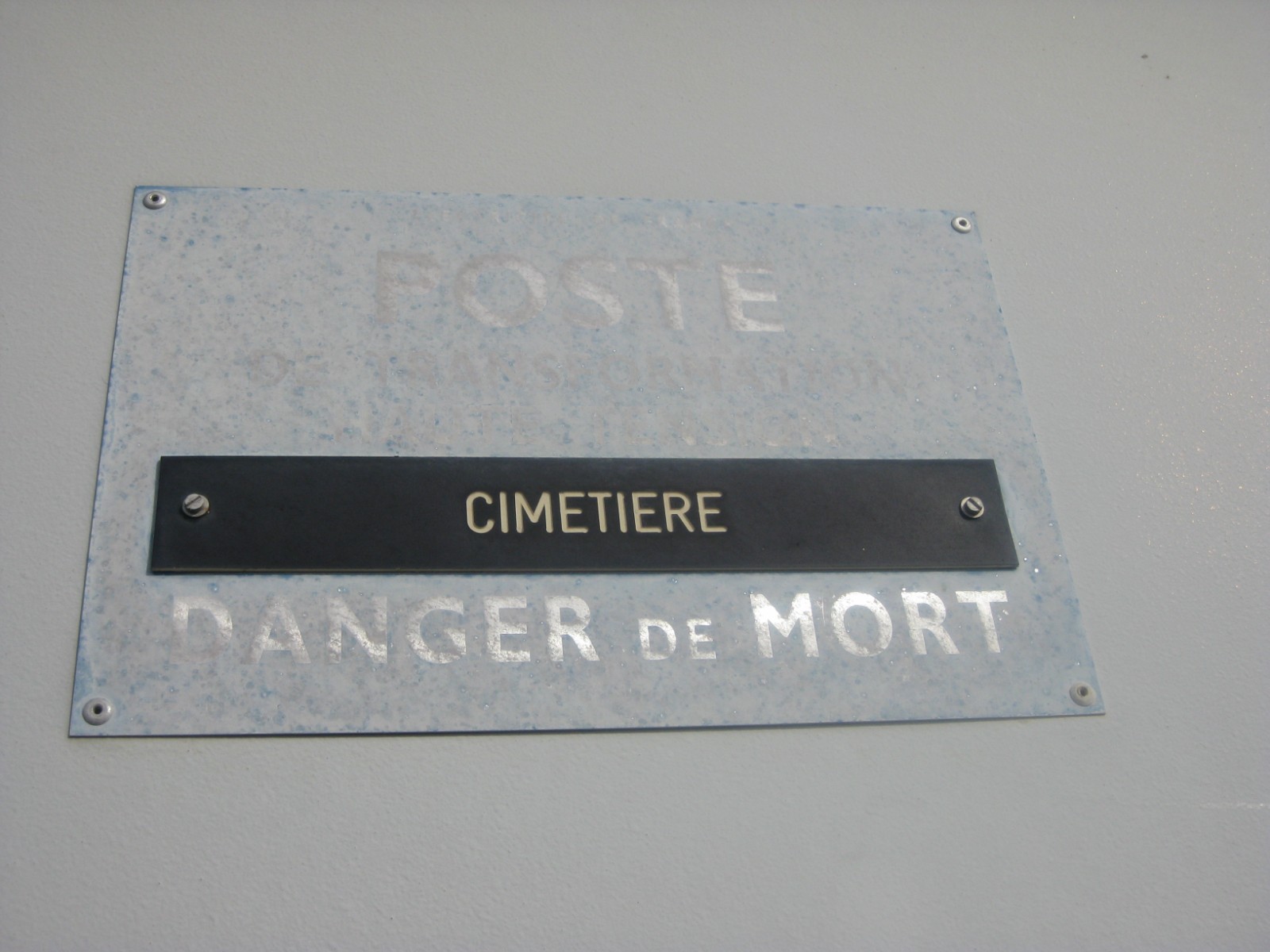
As we ended our walk, we found an electricity substation, handy for the graveyard, that reminded us that death is an ever-present threat.  Definitely a good thing to have shared that food and wine at lunchtime.

A walk from Cépie

Thursdays, I walk.  I do these days anyway.  A few weeks ago I was invited to join a small informal group from round these parts, went once, and had a great time.  Then The Great Snows came, and that was that for a while.

Yesterday, though, we went to Cépie, near Limoux.  Cépie is a village that Malcolm and I happened to be driving through several years ago in high summer, and where we spotted a fruit producer, selling peaches and nectarines.  Those peaches we saw that day have become the standard against which all others are measured.  Dripping with perfumed sweet juices, the tray we bought scented the car with its decadent fragrance, and all but intoxicated us as we drove home. So I was keen to go again, lack of peaches notwithstanding.

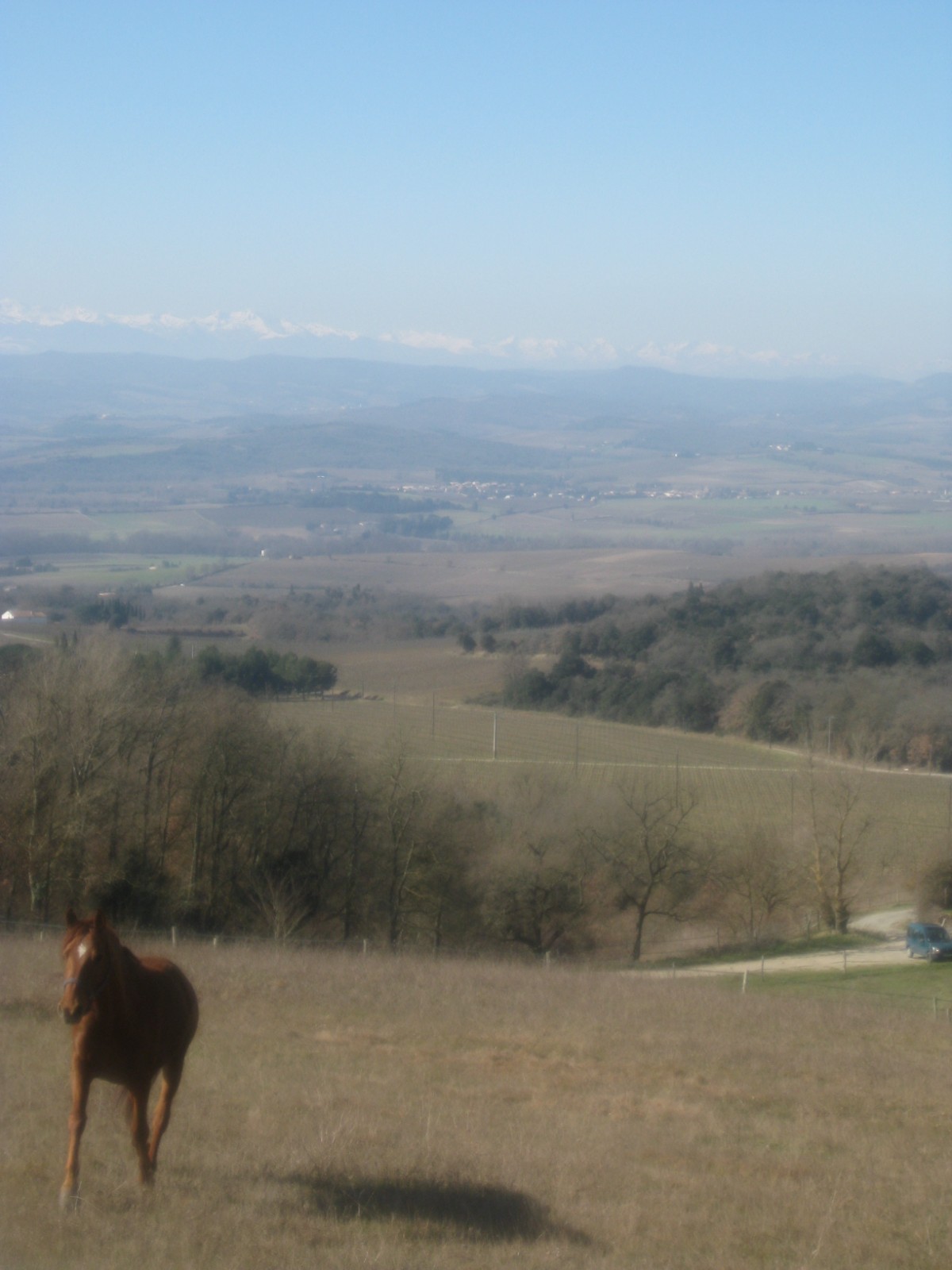
You'll struggle to see the snowy Pyrenees as the backdrop to this picture. They are there. Keep looking

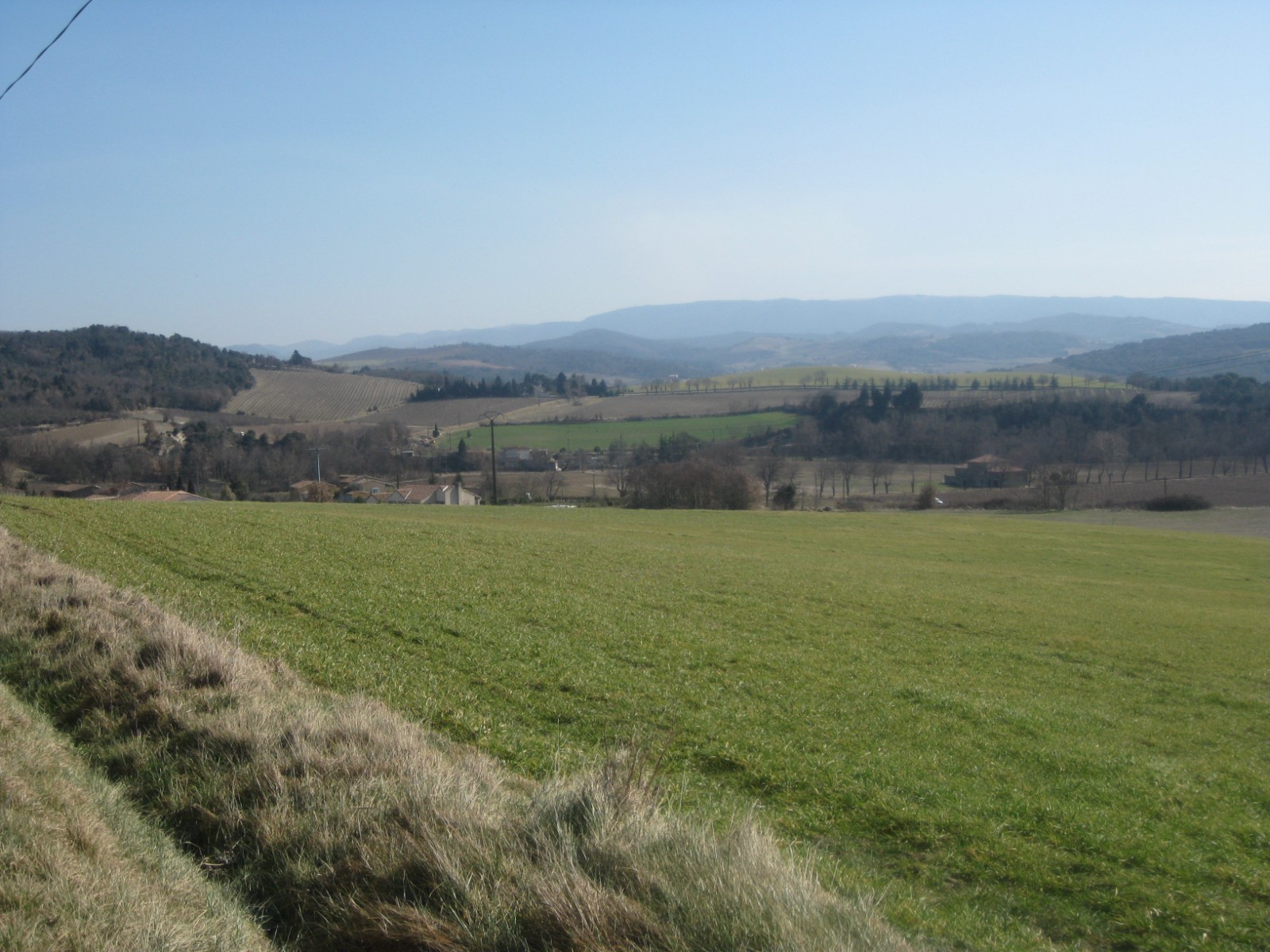
Instead of peaches, there were views.  The Pyrenees are more distant here, but that means we got horizon-filling views of the gleaming snowy mountains as they rise and sink in a line of angular peaks, marching right across the skyline from east to west.  Because of the haziness of the day, the photos give no idea of the panoramas which we quite simply had to stop and gaze at, time after time.

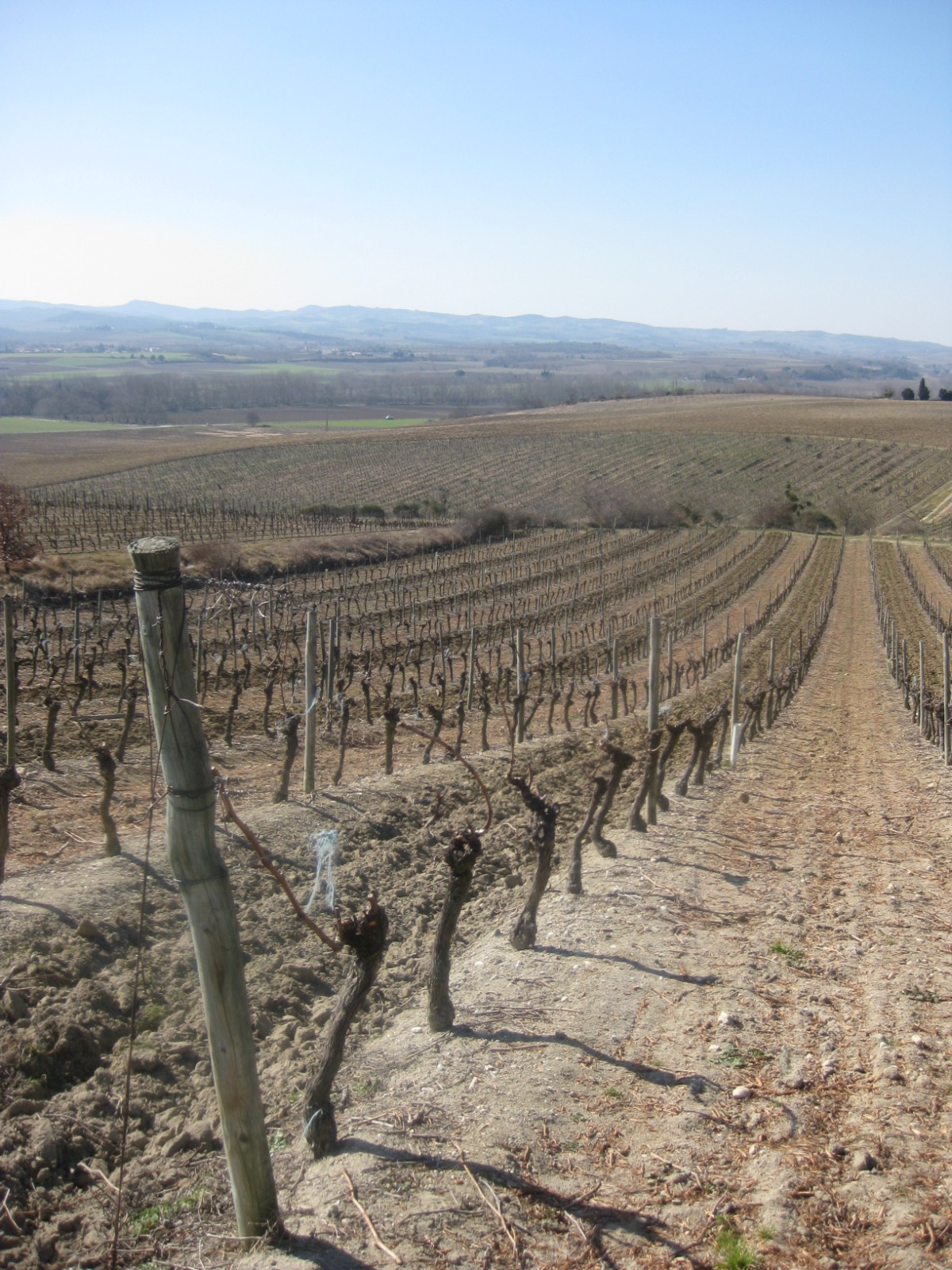
This area is Tuscan style Aude – rolling hills with distant domains and lines of cypresses, covered for acre after acre with mathematically precise lines of vines.  I used to find these vineyards rather dull in winter.

Notre Dame du Razès, protégez nous et protégez nos récoltes

Now, as the workers get busy in the fields, pruning away all the growth from the previous year to leave little more than a two or three foot high trunk, I enjoy the way these organised lines echo and follow the contours of the landscape.

Vineyards march across the landscape

Our walk took us in a figure of eight through sandy, stony wooded paths, passing near domaines and hamlets whose reason for being is those vineyards.  Towards the end, we paused in the tiny village of Saint Martin de Villereglan and enjoyed looking at the school-cum-town hall, the views down to the church, and generally pausing for breath before the final yomp up, then down the hill that divided us from Cépie.

A nice touch with these walks is that every week, one member of the group makes a special cake to share at the end of the day.  A lovely moment of sharing (in this case with a couple of passing villagers who got chatting), it gives a much needed calorie rush.  We’d only done about 16 km, but the local temperatures rose to more than 23 degrees, and we felt we deserved our gâteau aux noix.

The homeward stretch

A hearty walk, English style

Back in France, we go out with our walking group most Sundays.  ‘Most’, not ‘all’.  Some are just too damn’ tough, but more often, it’s because the walk’s been cancelled.  Rain stopped play.  Unlike their English counterparts, no French hiker wants to hole up behind some convenient rock at midday to fuel up on a damp spam sandwich.  No, lunchtime on a French walk is the opportunity for an extended picnic in some scenic spot, when someone will produce a pastis, someone else a home-made cake or chunks of chocolate, and the whole thing will be rounded off with sugar lumps soaked in some potent home made hooch.  And you can’t do that when the weather’s poor.

We English are made of sterner stuff.  As we discovered just after Christmas.  Our Friends Hatti and Paul arrange a post-festivity walk for about 20 of their friends each year.  It blows away the cobwebs and gets rid of some of those unwanted calories we all seem to absorb throughout December.

On the day, it was intermittently raining.  The wind was gusting and the sky was solidly grey.  Did anyone cancel?  Certainly not!  Instead we were all welcomed at our rendez-vous point with hot coffee or a warming nip of home made sloe gin, and route -maps to send us on our way.

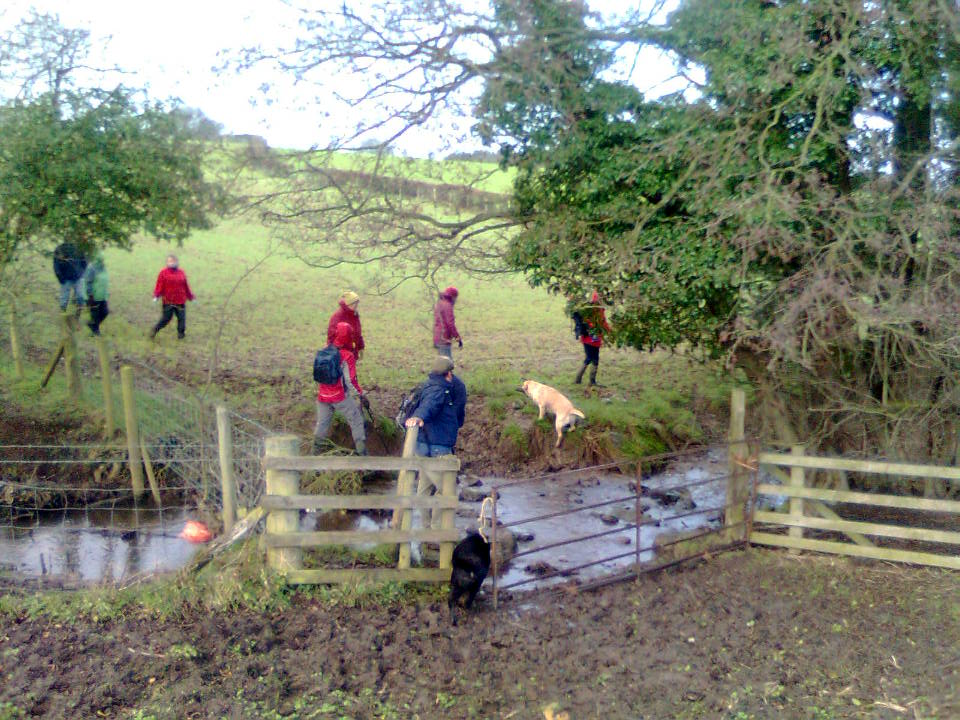
Fording our first stream

The walk itself was under 5 miles long.  But we got our work-out alright.  Leg muscles strained to heave limbs out of gloopy mud, or to leap from stepping stone to stepping stone across overrflowing streams.  Vocal chords often gave up the unequal struggle as wind whipped away shouted attempts at conversation.  Our feet became heavier and heavier with the weight of solid clay sticking to our boots .

But it was fine, dear French reader.  We had fun.  Along the route, we spotted a rainbow which accompanied our path for much of the journey. Welcome pauses in the wind and rain gave us the chance to appreciate the scenery: the skeletal trees set against the grey-green hillsides: the stone farm cottages and the folly at Azerley and the rushing tumbling streams which punctuated our journey.

Arriving at Kirkby Malzeard

No soggy spam sandwiches for us. At journey’s end, we were snug and warm in the Queen’s Head at Kirby Malzeard.  Paul and Hatti had organised sandwiches and chips to be be ready and waiting as we arrived.  And that, surely, is the perfect walk.  A good work-out in good company in lovely countryside, followed by the chance to relax and laugh with friends and food, knowing that nothing more taxing than a hot bath and cosy evening indoors remains to conclude a well-spent day.

Le Chemin de la Liberté

Good to look at. Less easy to cross

My last post wasn’t entirely serious.  That walk in the Pyrennean mists was fun despite the weather.  We were well nourished (energy bars, abundant picnic food, and a delicious walnut cake that Michel shared).  Thanks to the miracle of Gore-Tex and microfibres, we were warm and dry, and after it was over, we knew we’d be driving back to our cosy homes and family life.

But if you’d asked most of us whether we’d want to submit ourselves to a walk even more gruelling, every day for 4 days, in constant fear for our lives, maybe in the depths of winter, we’d have been certain to answer ‘no’.

Not so the men and women who during the Second World War risked their lives across the Pyrenees along paths such as le Chemin de la Liberté.  On Monday, as part of its Remembrance season, the BBC broadcast its own tribute to those who trekked for 4 days up 4,750 metres of difficult, rocky terrain, in conditions that could change from mist to snow, to dazzling sun, to sleet several times in the course of a single day.  These people – more than a 1000 of them over the whole period – were Allied soldiers and airmen who’d found themselves in enemy territory, escaped POWs and Jewish refugees: and the French and Spanish who helped them across the mountains to Spain.

Escapees had little choice.  They were brave and resourceful from sheer necessity.  But those who sheltered them as they travelled south through occupied Europe, prepared for their journeys, who shared the little they had, who interpreted, forged documents, sourced warm clothing so servicemen could ditch their tell-tale uniforms, those ‘passeurs’ who guided them to the comparative safety of Spain took unimaginable risks.

Would I have been brave enough to put my life on the line for strangers?  Especially if in doing so, I risked the lives of my own family?  I’m glad I don’t have to ask myself this question.  More than a 100 ‘passeurs’ were caught and either executed or deported. 450 Ariègeois who assisted the escapees were deported – that’s one in 330 inhabitants of the region at the time.  And they’re only the ones who were caught.  Many others, somehow, weren’t.

A couple of years ago, a friend in the choir told me a story, a part of her family history.  It didn’t happen in the Ariège, and it’s nothing to do with the passeurs, but it has stayed with me as a telling example of the desperation and bravery often shown in this period.  Her family then lived in an isolated village in the Creuse, and they’d given shelter to a young Jewish girl for the duration.  If  searches were conducted – and they were – this child was inserted into one of those long bolsters the French used to favour, and arranged on the made-up bed.  She simply had to lie there, still as a corpse, till the search was over.  She survived.  They survived.

At least she didn’t have to flee with a miscellaneous band of other inexperienced escapees: soldiers, mothers, underfed and frightened people, led by a series of local guides over often treacherous mountain passes – no waymarks and well-trodden paths here.  At least her mother wasn’t asked to suffocate her because her pathetic cries might alert a German patrol.  These things happened. Those times are over: but the memories live on.

Present day travellers take le Chemin de la Liberté

Sunday Rando

7.00 a.m. Sunday.  22 Ariègeois radios were switched on for the day’s weather forecast.  ‘It’ll be an exceptionally sunny and hot day for the time of year, throughout France.  Temperatures in the south will reach 23 degrees in some places.’  22 satisfied listeners, members of the Rando del’Aubo, switched off their radios…. without bothering to listen to the end of the forecast.  Instead they turned to the more important business of packing their rucksacks for a rather heavy-duty walk an hour and a half’s drive from Mirepoix, la Forêt d’en Malo.

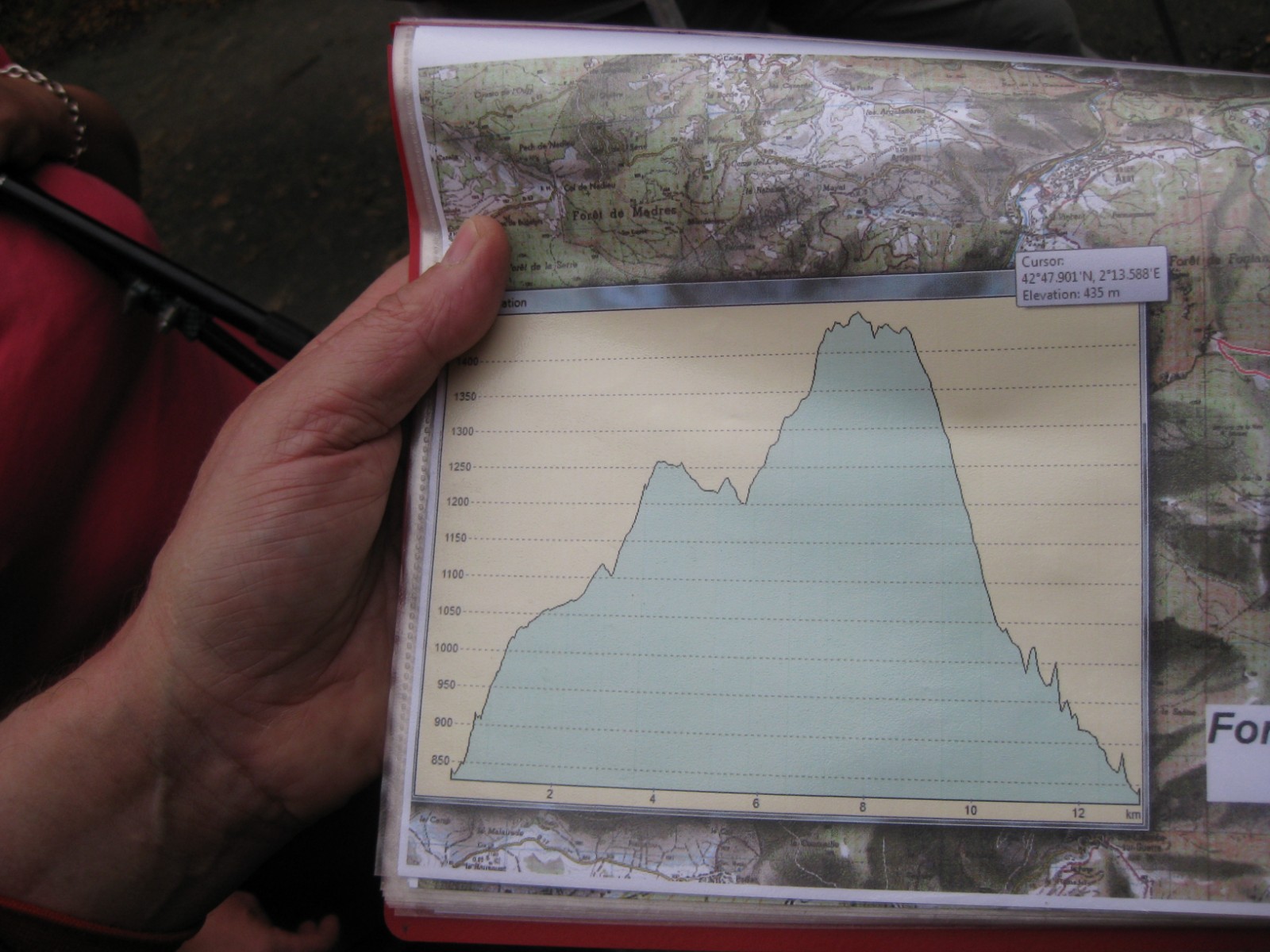
François talks us through the walk. This is it, in cross-section

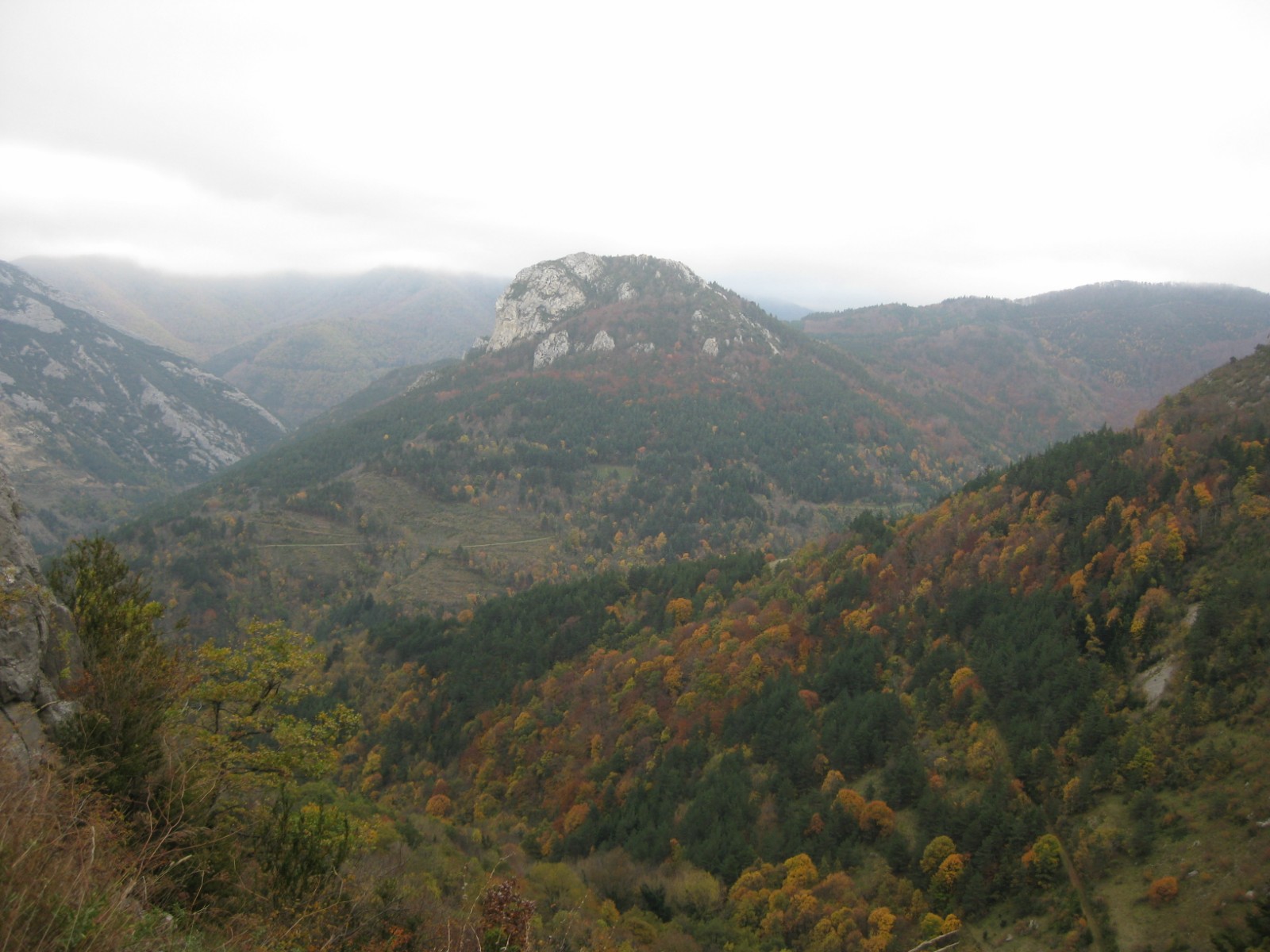
With a stiff climb of 700 metres in prospect, a 14 km. walk isn’t a stroll in the park.  But the payoff as you emerge from the forest is an extraordinary panorama of the Pyrénées, jagged teeth of rock emerging from the thickly forested mountainsides: especially lovely in autumn as the trees turn from yellow, through ochre, to magenta and crimson.

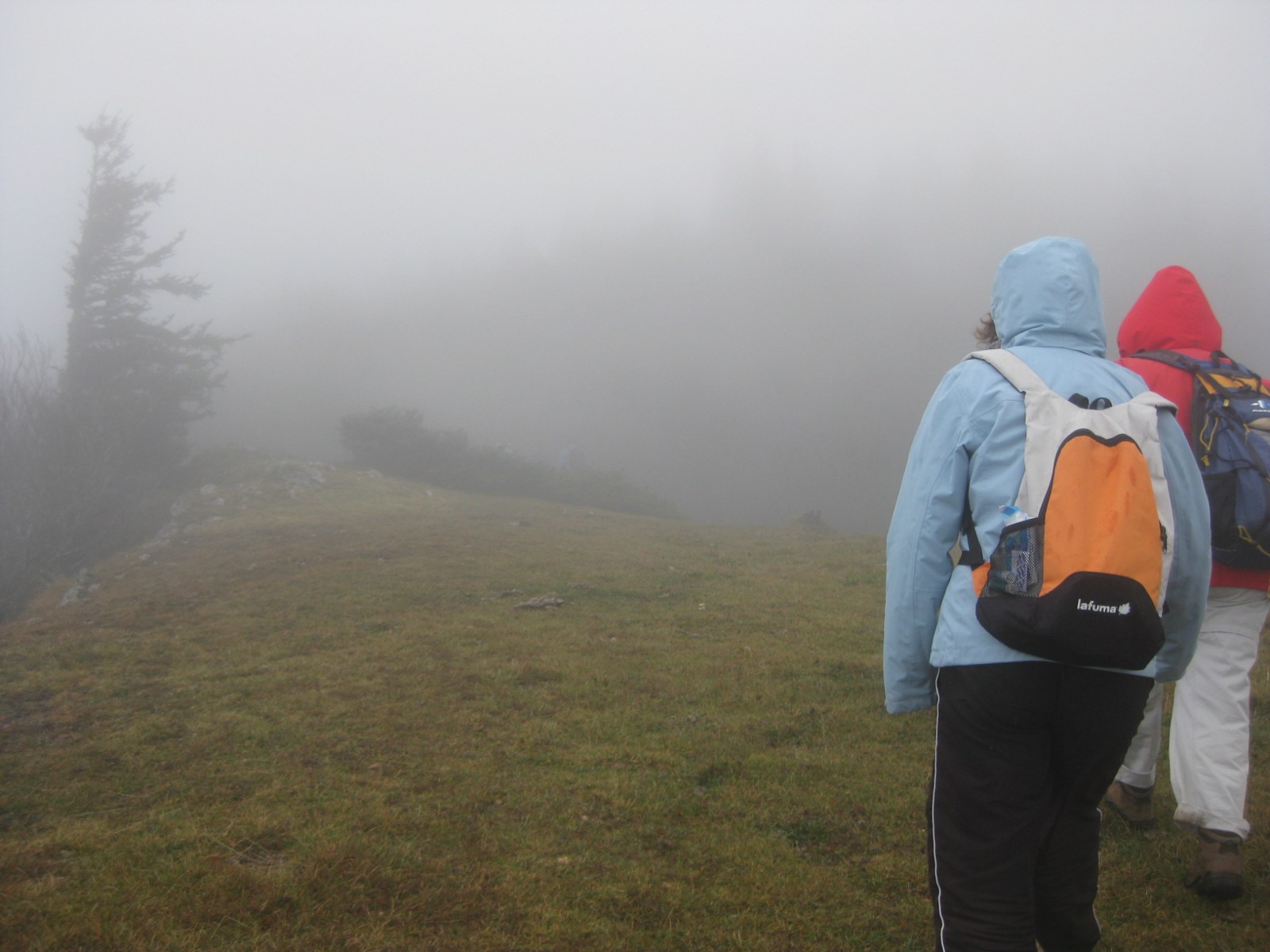
As we drove eastwards, the cloud and mist descended. We parked, we walked, we climbed, we scrambled and we struggled for three hours as the mists became ever damper and more clinging, and an unexpected cold wind whipped across the mountain side.  And at the top, this was our view.

We hadn’t listened to the end of the forecast you see.  What we should have known that our little patch of south eastern France was a little bad-weather cold spot.  There we were bang in the middle of it.

As we finished our walk, the weather lifted a bit, and gave us a small taste of what we should have enjoyed

Later, back at home, our smug families recounted how they’d spent the day in shorts and tee shirts.  Maybe they’d had a little bike ride, a gentle stroll in the sunshine, a drink on the terrace in the hot sun……

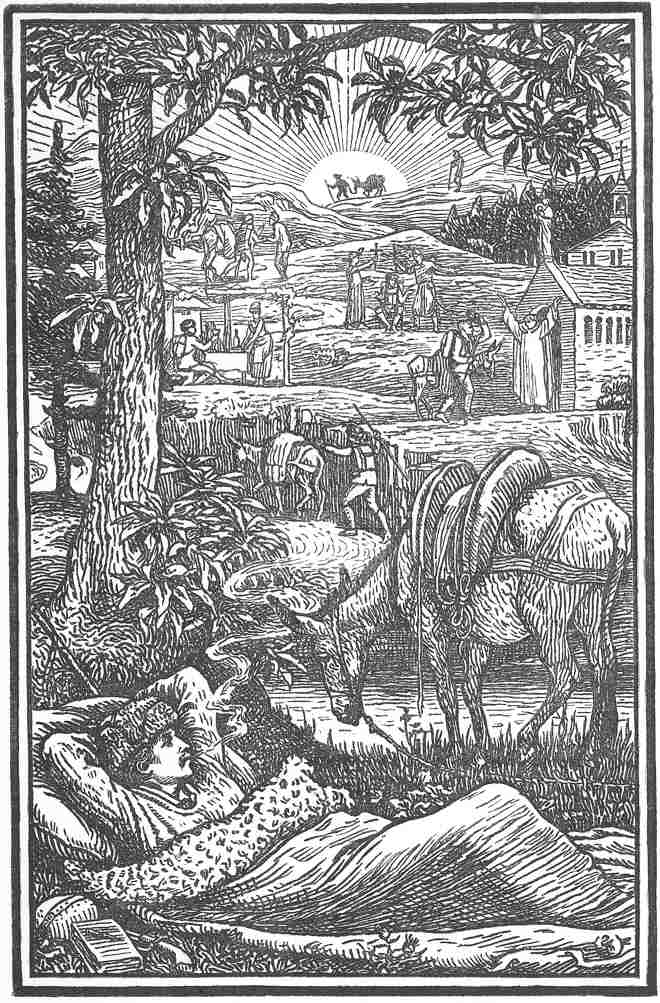
To travel – slowly – is a better thing than to arrive – quickly…..

RL Stevenson: Travels with a donkey

Robert Louis Stevenson knew a thing or two about travelling slowly – and hopefully – what with hiking round the Cevennes with only a donkey for company.

But yesterday, arriving back in Laroque rather quickly having left Bolton only a few hours before, I felt he’d got it right. Our usual way of travelling between England and France is by car.  We can’t claim it’s particularly slow, not with maximum speeds of 130 k.p.h on motorways.  But it does take the best part of 3 days to do the pretty-much-exactly 1000 miles between Laroque and Ripon, and that’s fine.

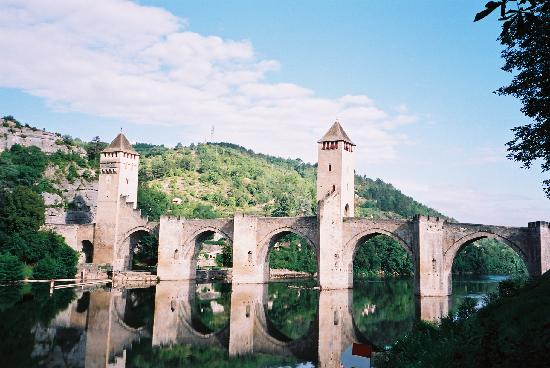
Cahors

We detour to take in delightful towns like Cahors or Vendôme, and make sure we have time to explore a little.  Early morning starts may find us startling deer in the still misty fields, while at lunchtime we’ll be on the look out for a ‘menu ouvrier’, or a rural picnic spot to have a lengthy break.  We’ll enjoy a night at a chambre d’hôtes, and usually have an interesting time chatting to the owners or a fellow guest.  Breakfast with home made jams and maybe breads and cakes comes as standard. A trip on a channel ferry. A night in London with son-and daughter-in-law.  And finally, back up north.

And all this time, we’ll be adjusting between a life in France and a life in England: watching the scenery gradually flatten as we drive north, then begin to undulate again as it passes through Normandy and the Pas de Calais, linking with the similarly gently rolling hills of Kent.

This trip to England though was by plane each way.  It’s quicker and it’s cheaper too.

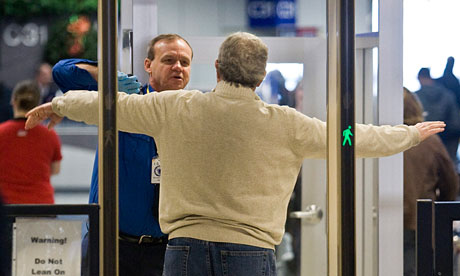
But the whole business of packing luggage into the required dimensions, checking the weight, hunting for a clear plastic bag for those creams and liquids: then at the airport emptying pockets, removing shoes, belts, is just a bit stressful.

Airport security: an image from the Guardian

And somehow it addles my brain. Three hours ago I was in a traffic jam on the outskirts of industrial Liverpool, and now we’re driving through vineyards in the Aude? The clothes which worked in the morning don’t do in the afternoon, and I’m having trouble adjusting the language coming out of my mouth.  I’m all discombobulated.

We’re lucky we have the time to be more leisurely.  I’m not against taking it even more slowly and walking some of the way down, maybe along one of the pilgrimage routes towards St. Jaques de Compostelle.  Anyone want to come too?  Barbara?  Sue K?

Six weeks: a souvenir

Dear reader, perhaps you are feeling quite short-changed.  You subscribe to a blog called ‘Life in Laroque’, and for the last 6 weeks or so, have had nothing but news from England: Yorkshire, to be exact.

Well, we’re back in Laroque, where in our absence they’ve had bitter cold, driving rain lasting for days, and astonishing heatwaves in which the thermometer has topped 40 degrees.

But just before we abandon postings about England, here is a souvenir slideshow of our time there.  It’s a reminder for me really, so if dear reader, you decide to skip it on this occasion, I quite understand.

Normal service will be resumed in my next post.

This slideshow requires JavaScript.

Les Gorges de la Carança

I’d half written this post in my head before we even set off for our weekend away.  It was going to be all about how, despite my pretty high-maintenance vertigo, I managed to defeat my terrors and have a day’s climbing up vertical ladders and swaying bridges, inching along narrow paths high above the vertical drop to the bottom of les Gorges de la Carança.

We went there, I did all of the above, and astonishingly, I was never once gripped up by that all-too-familiar fear which prevents me from peeking over the edge of any castle battlements or church towers I’m foolish enough to ascend.

It was the Rando del’Aubo who proposed this overnight trip, high up into the Cerdagne region of the Pyrénées Orientales.  It’s a gorgeous area of high steeply sloped and densely forested mountains and wide deep valleys, green and fertile.  This is Catalan France, with a strongly Spanish feel, where Catalan is written and spoken almost as much as French, and the cuisine is very different from our homely Ariègeois farmyard and hunter’s fare.

We were tourists on our first day – that’s for a later blog.  Sunday was the day of the gorges.  A spectacular drive from our overnight accommodation, a few decisions to take about how much clothing to wear (early in the day, it was already hot), and we were off.

I wish my pictures told a better story.  It’s hard to convey the grandeur of the scenery, to show how very vertical and high the gorge sides are, and therefore how nerve-wracking parts of the walk were.  We enjoyed our six hour day, but it’s possible to spend two days exploring the area.  We were merely amateurs.

We spent much of the morning scrambling up craggy paths alongside a tumultuously noisy stream: and then there were scary catwalks clinging to vertical rock faces; ladders and suspension bridges, high above the water, often almost enveloped in the trees.  It wasn’t till the afternoon that we walked the Cornice, the narrow walkway hacked into the (vertical, of course) rock face – with a 400 metre drop to the bottom of the gorge.  The rewards, if you don’t frighten yourself to death by looking down, are the views of the peaks; craggy, splintered rocks of grey, white and ochre; of stunted and deformed trees clinging and growing with unexpected vigour to tiny fissures in the rock; the plant life, similarly finding footholds in this very challenging environment, and the butterflies, fluttering in huge numbers everywhere we looked.

It was a wonderful experience:  for the views, for the physical challenge of the roughy-toughy climbs and descents, for the feeling of risks overcome.  Yesterday too, we felt very lucky to have spent the day there.  It was hot, but pleasantly so in this forested place at an altitude of not too far from 2000 metres.  As we drove homewards and the temperatures increased, we realised just how unbearably hot and sweaty we’d have felt if we’d just stayed at home and loafed around the garden.

This slideshow requires JavaScript.