The So-Bad-It’s-Good Experience

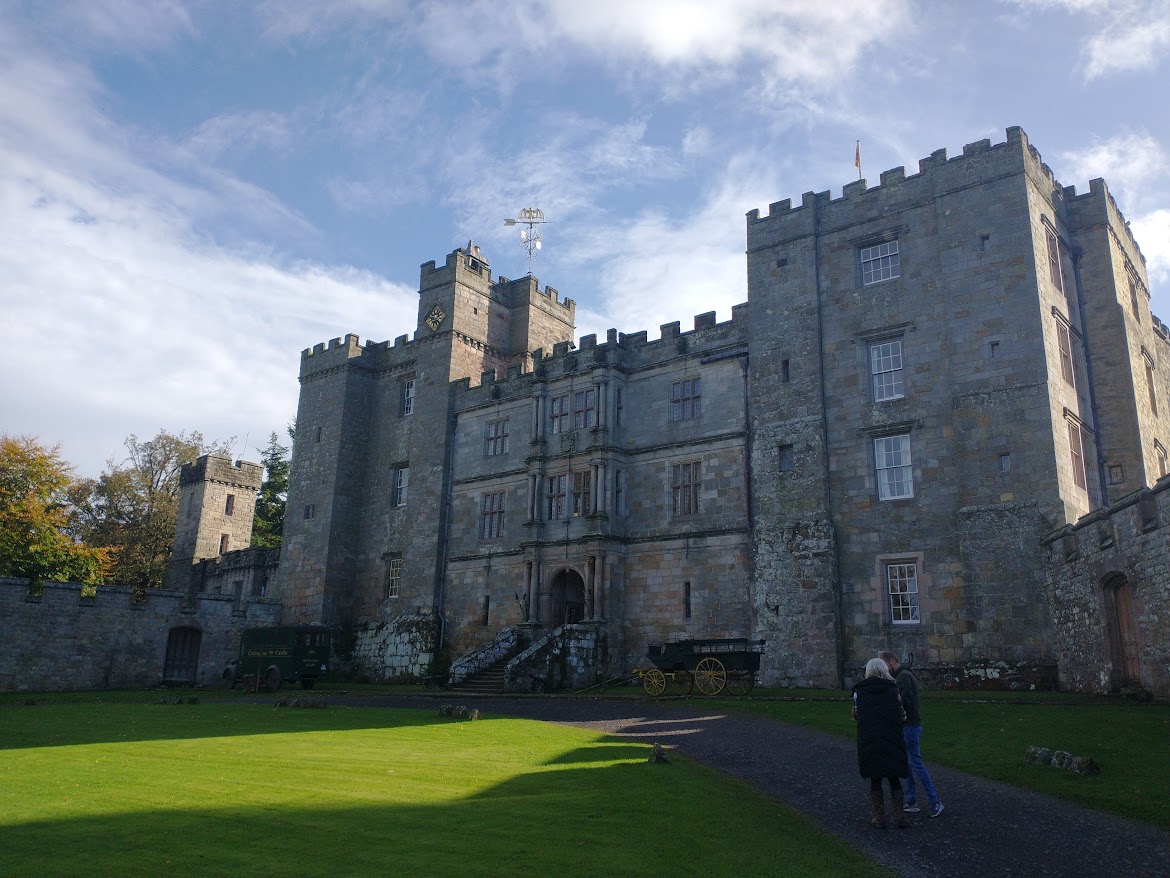
Well, we ‘did’ the Chillingham Cattle. So now, maybe some culture, some history at the nearby Chillingham Castle, parts of which date from the 12th century?

Perhaps we should have guessed. We drove through the gates, then bumped along the drive, deeply pitted with pot holes. The parking area was filled with random notices relating to a golf course that was nowhere in evidence. We found the entrance, where a slightly surly individual examined our pre-booked tickets and gestured us through a door. ‘Ramshackle’, rather than ‘weathered’ was the term that occurred to us as we passed through the courtyard. Still the cafe offered home made soup and cakes, so that was alright.

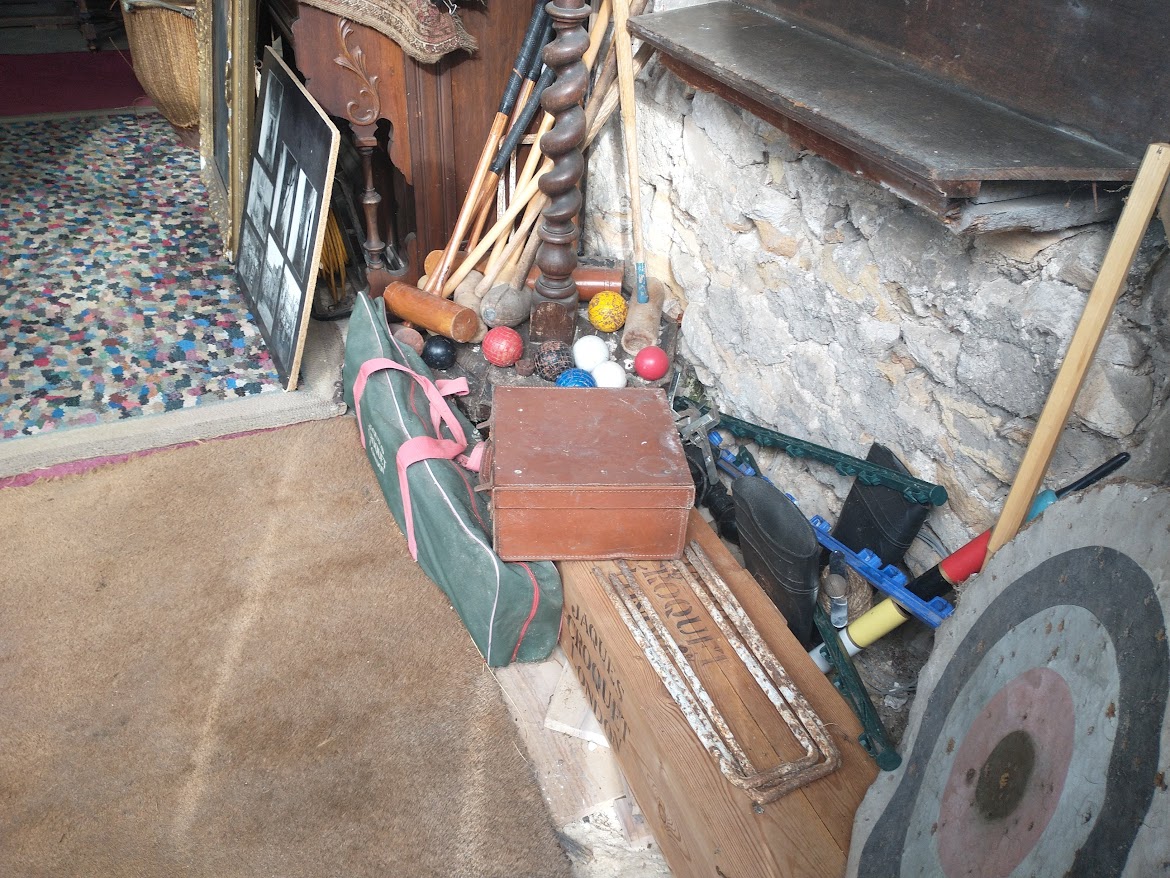
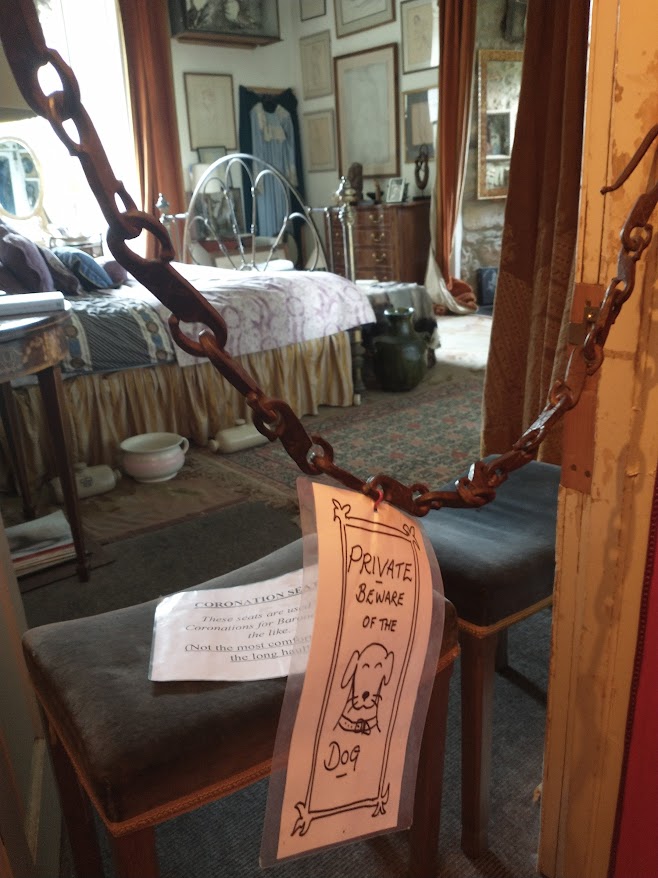
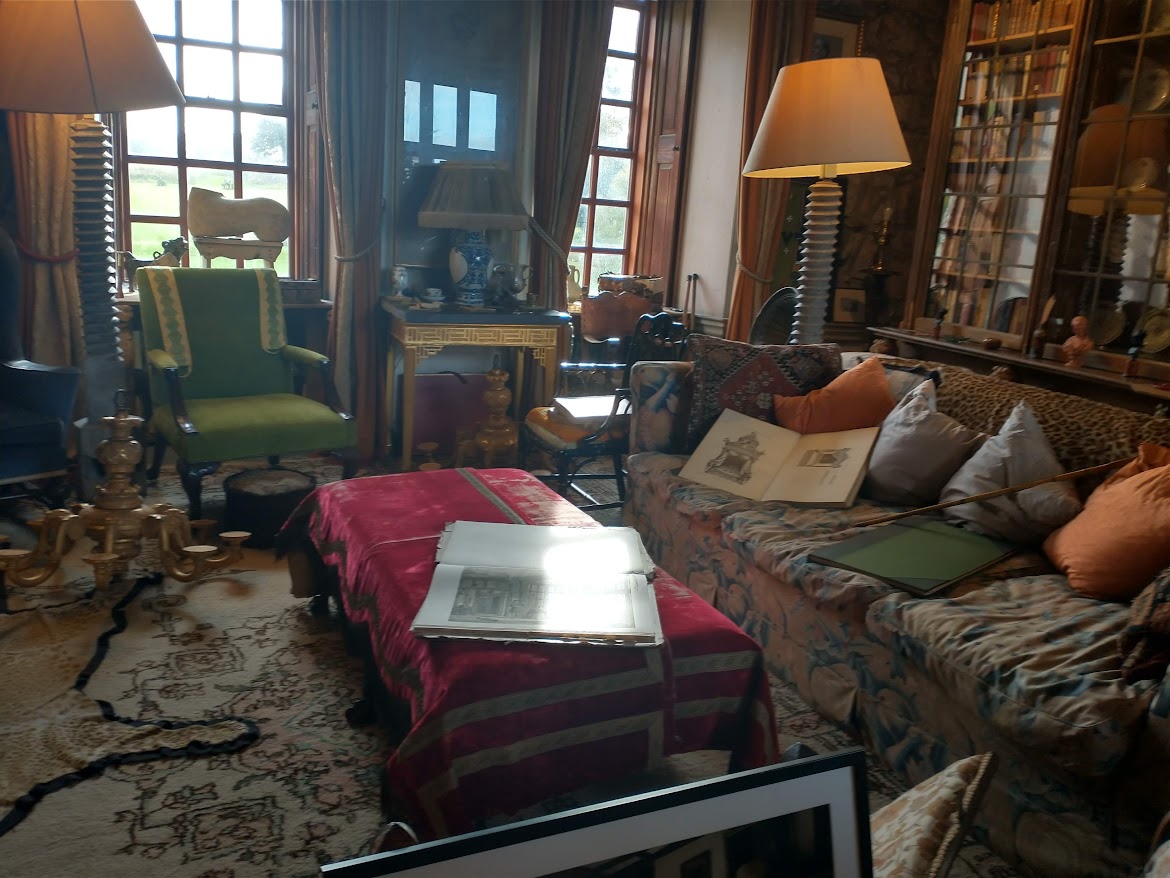
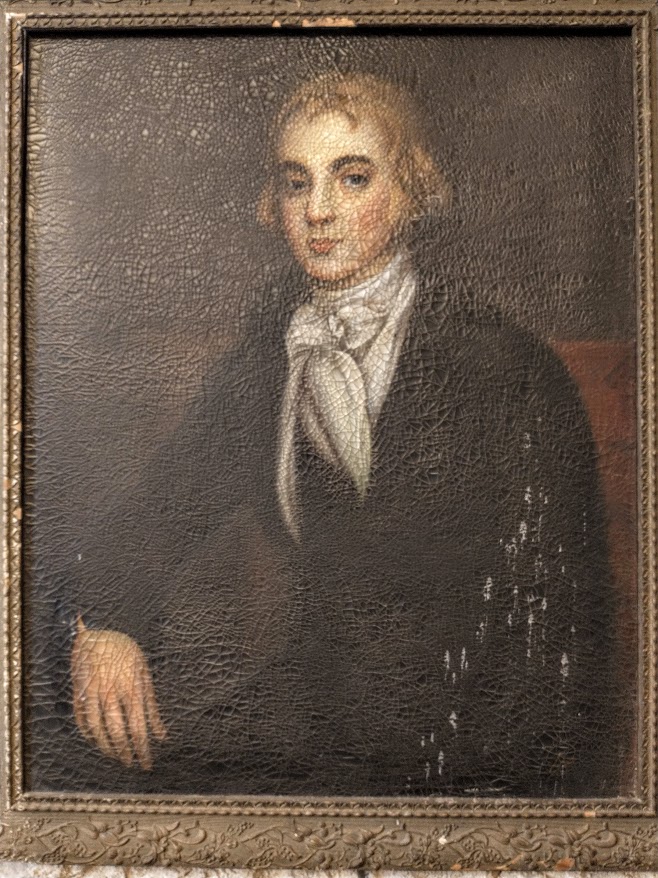
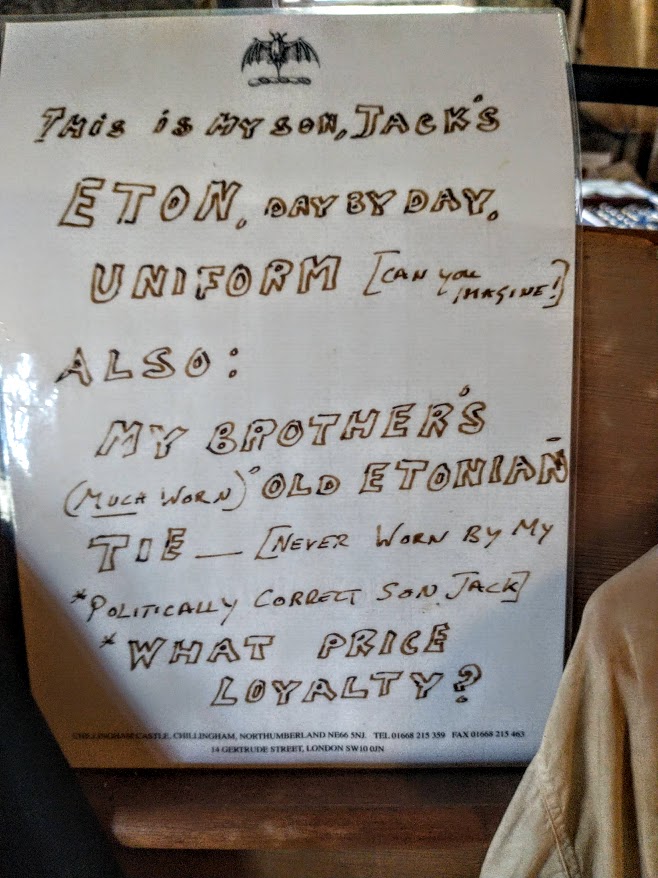
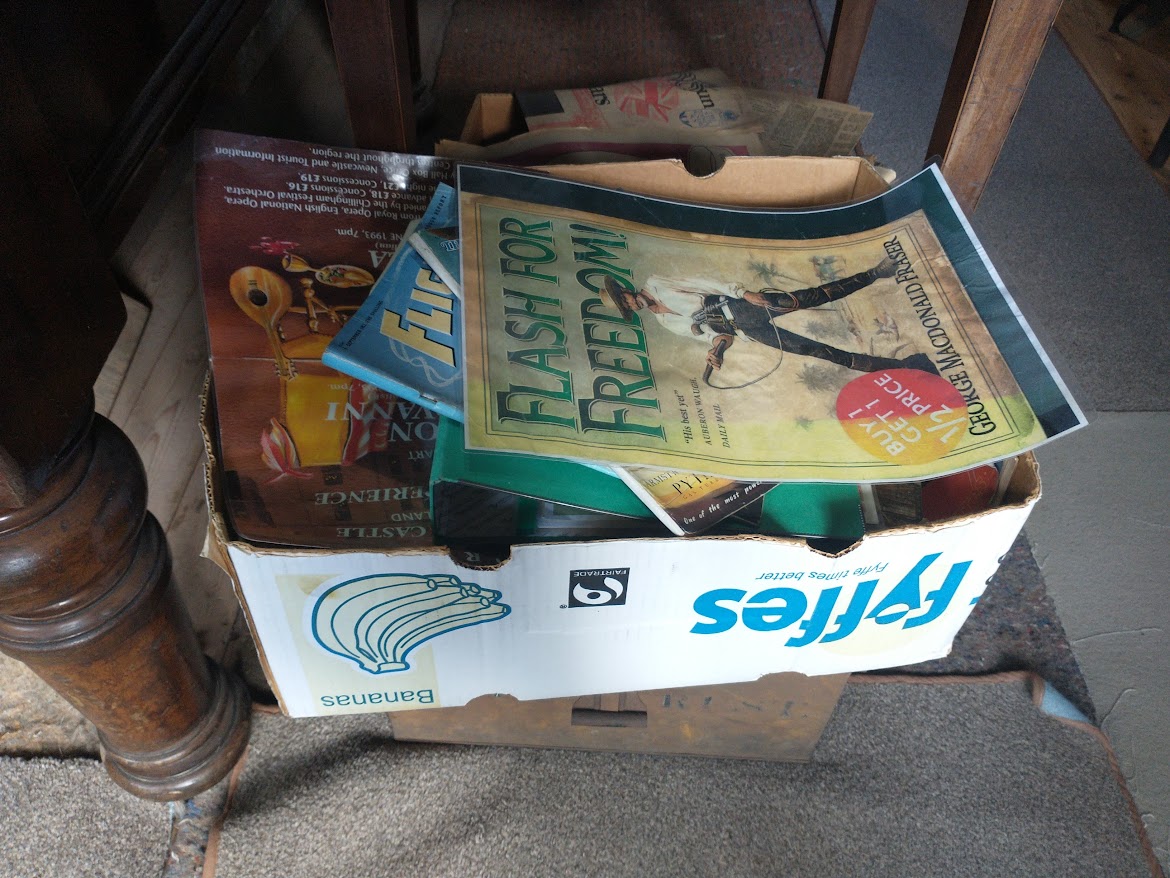
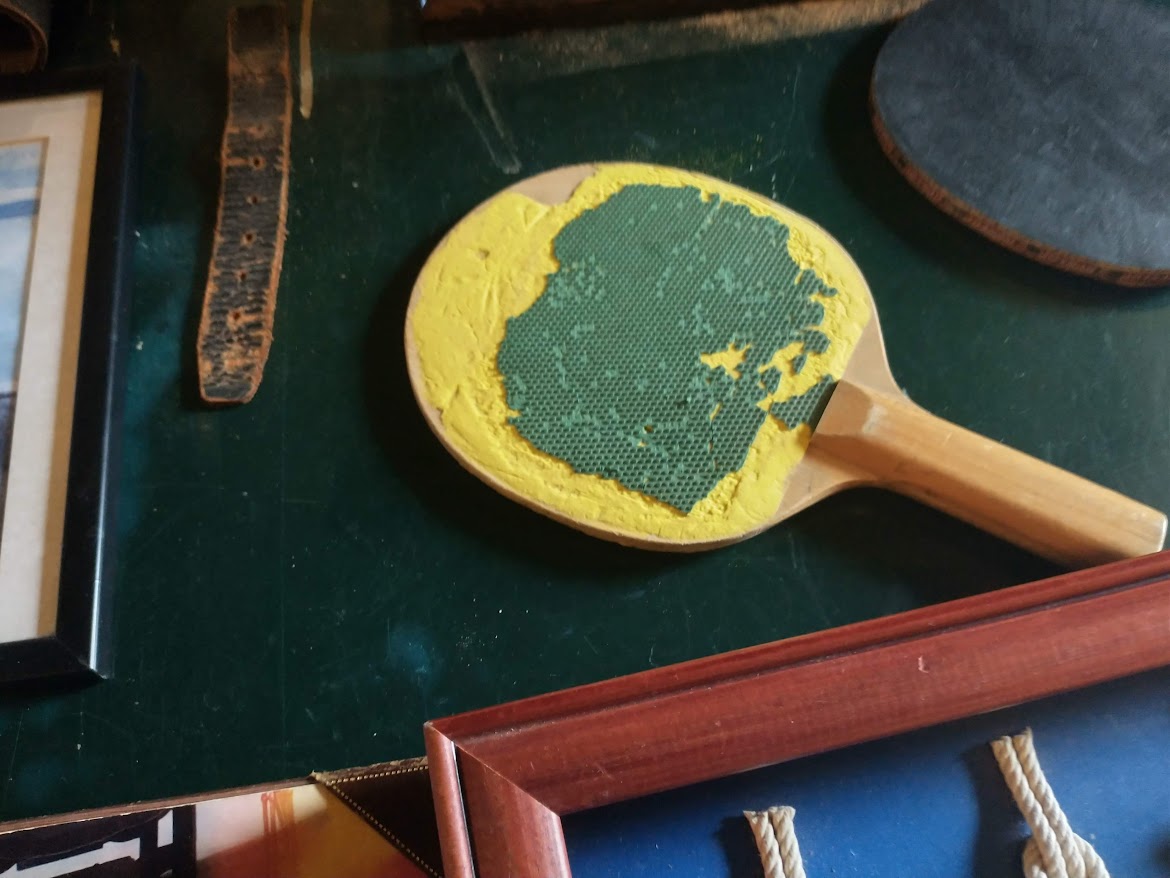
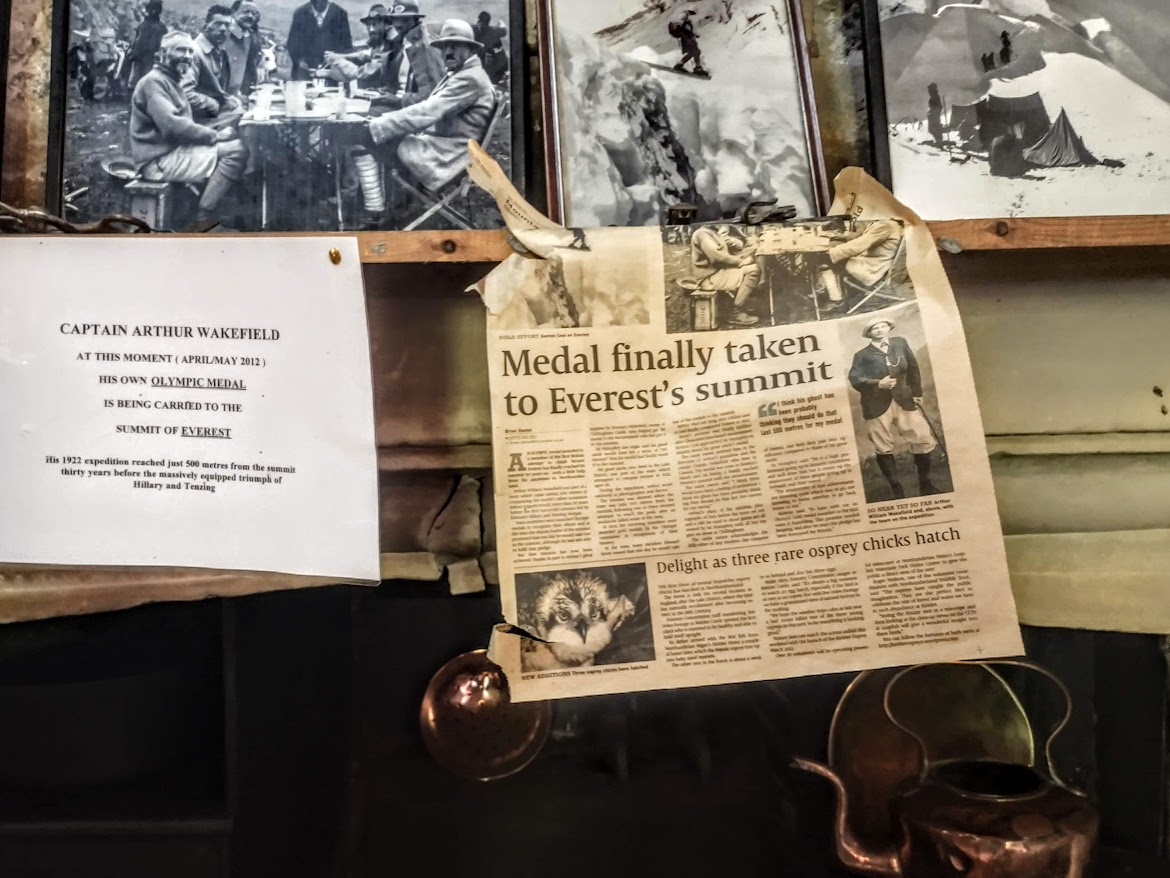
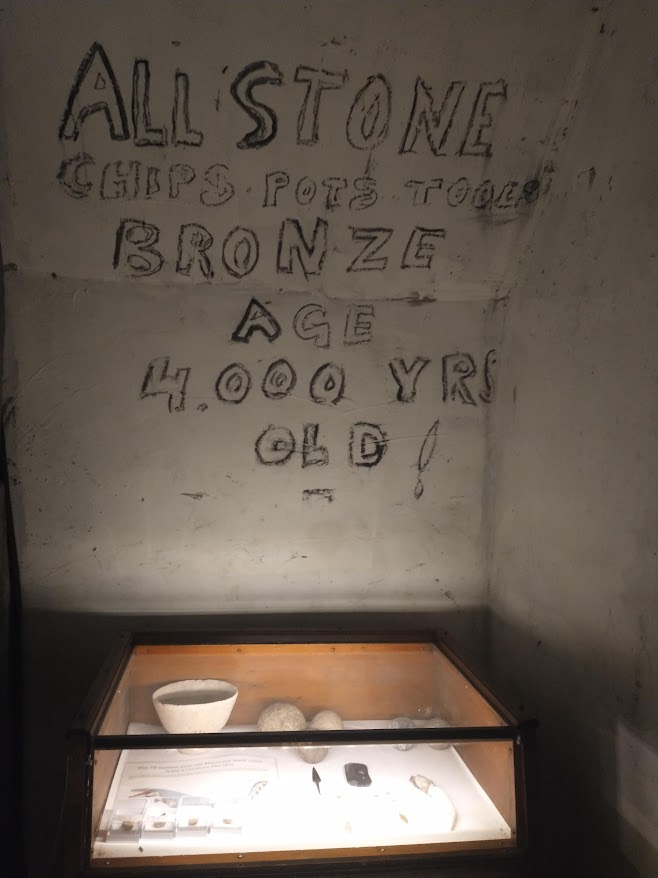
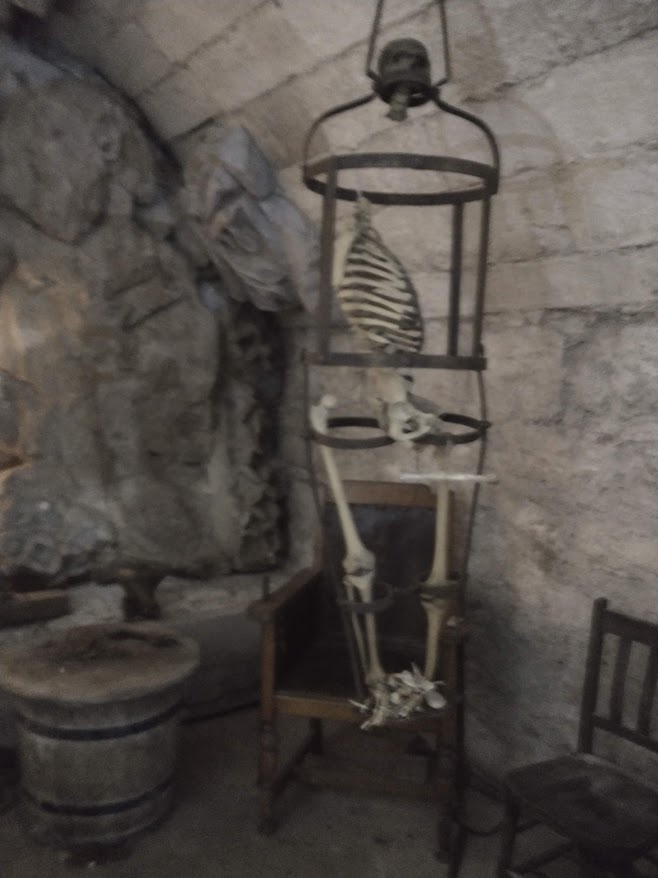
But our visit! An ill-lit room offered instruments of torture, in no way explained or contextualised, but which included a broken down skeleton in a broken down wheelchair. Progressing further, we found halls scattered with elderly croquet mallets, rooms featuring peeling table tennis bats, torn and yellowed newspaper cuttings roughly pinned to a mantelpiece – one drawing pin having fallen out. A box of magazines from a bygone age tossed into a Fyffes banana box. Windows dressed with rotting and ripped curtains. Somewhere in among all this, it was just about possible to pick out a family story, and witness at first hand a high-born family descending into genteel poverty.
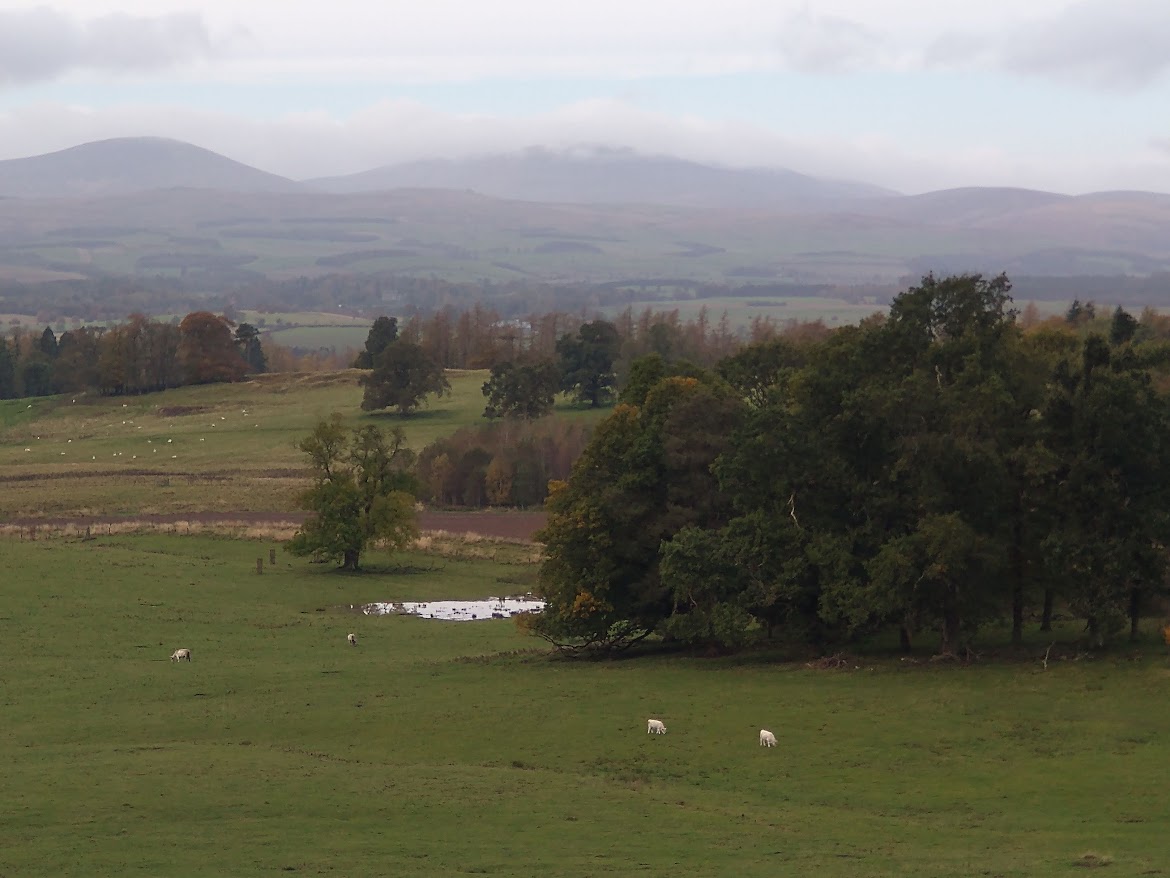
Actually, the formal gardens weren’t too bad. Here’s a view from the roof.

But perhaps we’re miserable old curmudgeons, unable to recognise a National Treasure when we see one. Here are some reviews from Trip Advisor. There are those who loved their visit. Is it now on your ‘must visit’ list?
The Wild Cattle of Chillingham

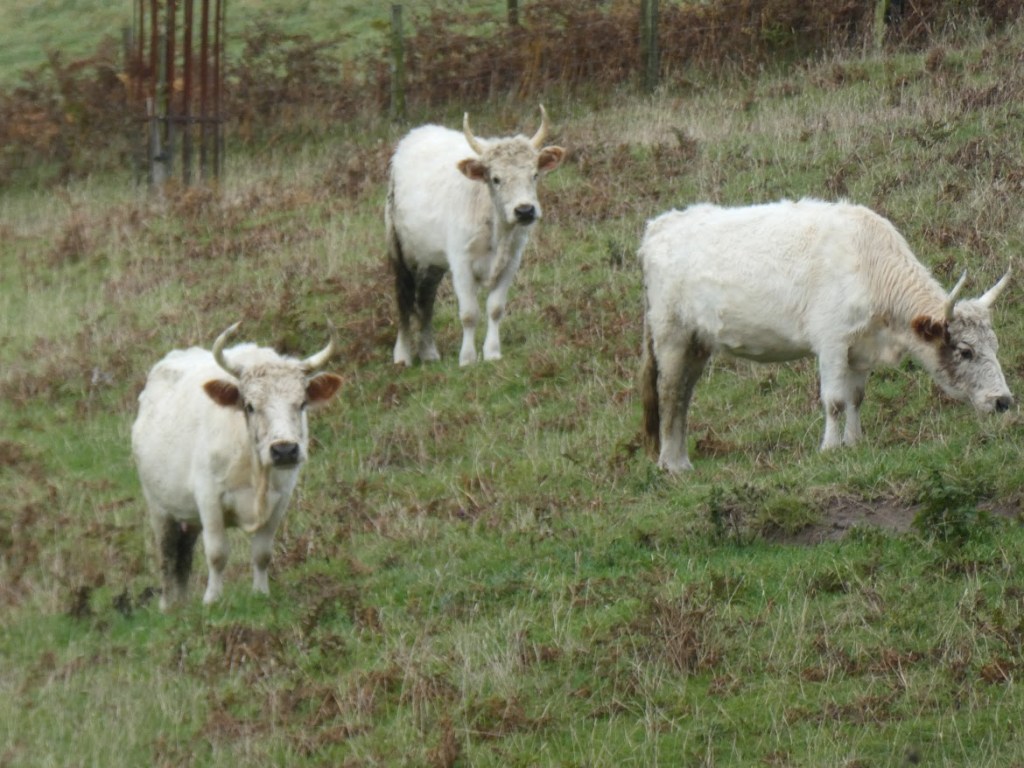
Venture to north Northumberland near the Cheviot Hills and the Scottish border, and you may find yourself near Chillingham. If you do, be sure to visit its wild cattle. Yes, for maybe 700 years, a herd of cattle has lived and prospered here, always untouched by man – no farmers, no vets, no medical treatment, no cowsheds, no milking.

Though their territory is large, there is inevitably a fence round their domain. But there are no other cattle like them anywhere (except cousins in Scotland who are kept there just in case anything happens to this lot). so genetically, they are in-bred. Normally, this leads to all kinds of problems. Remarkably, not with these creatures.

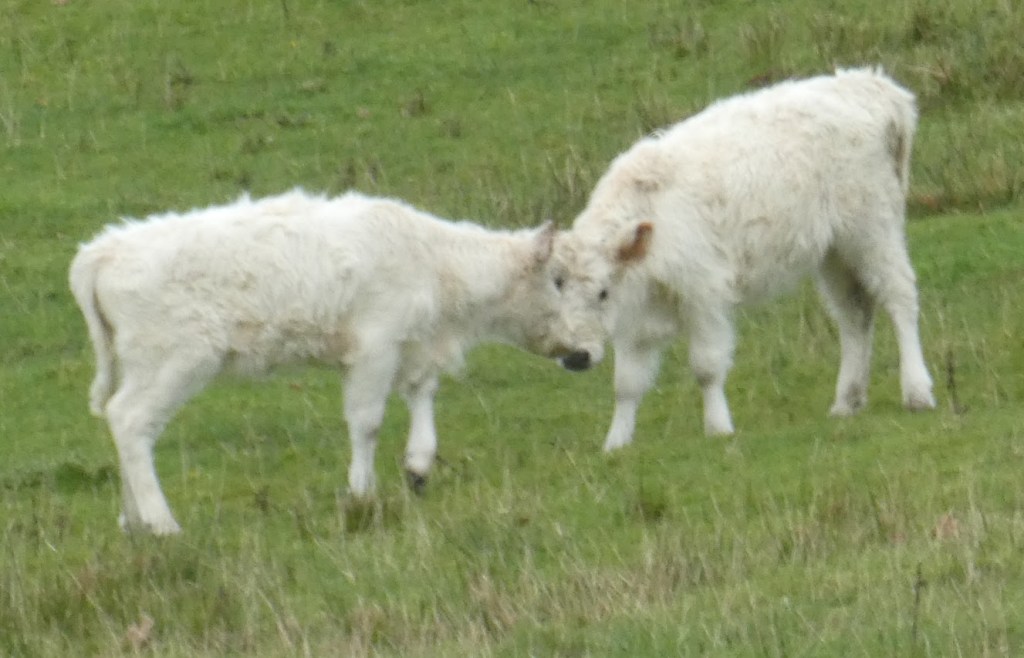
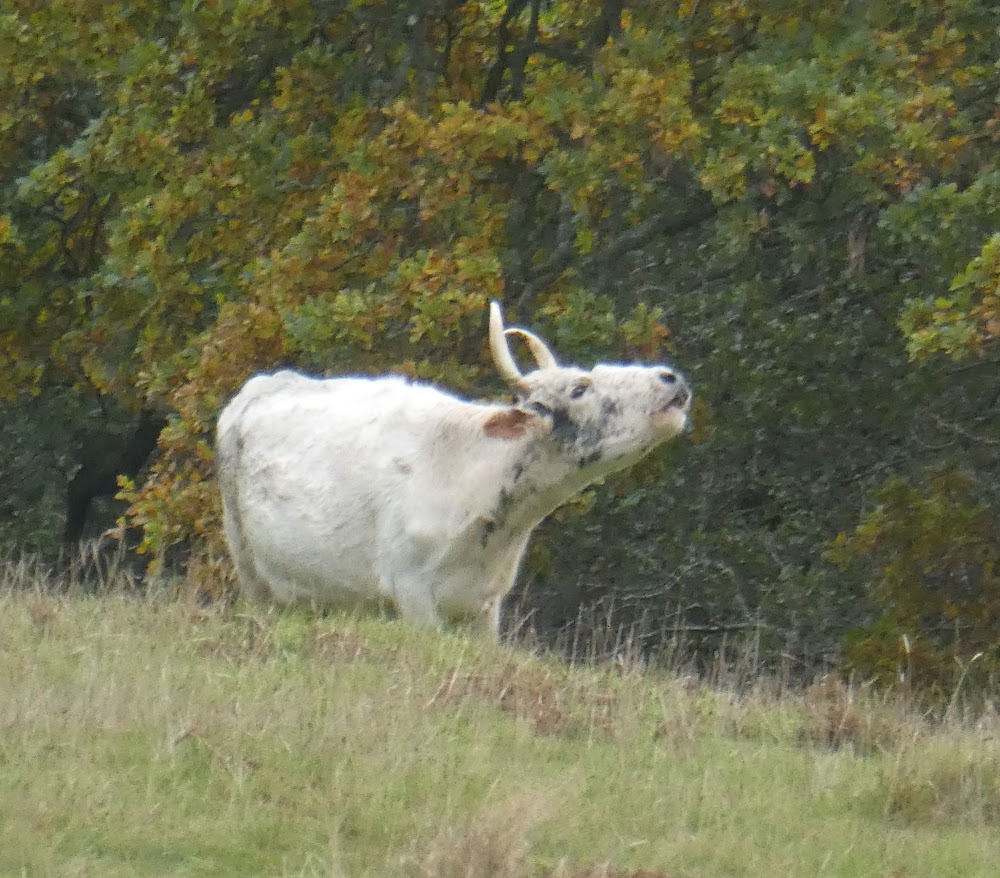
These feisty cattle – the females anyway -can bear a single calf at absolutely any time of year: snow, hot summer – they don’t care. Males will fight – sometimes bitterly – for the privilege of breeding with females. They’re herd animals, and their society is matriarchal, so an older female will call the shots in deciding where they’ll move off to next for safe and worthwhile grazing. Here’s a matriarch summoning her companions with her slightly underwhelming ‘moo’.

It was Charles Darwin who encouraged records to be kept on the breeding behaviour and numbers of the Chillingham cattle. They’re still being studied today. And visited too, by interested onlookers like us, who definitely keep a very respectful distance.

A Snapshot of Photographers

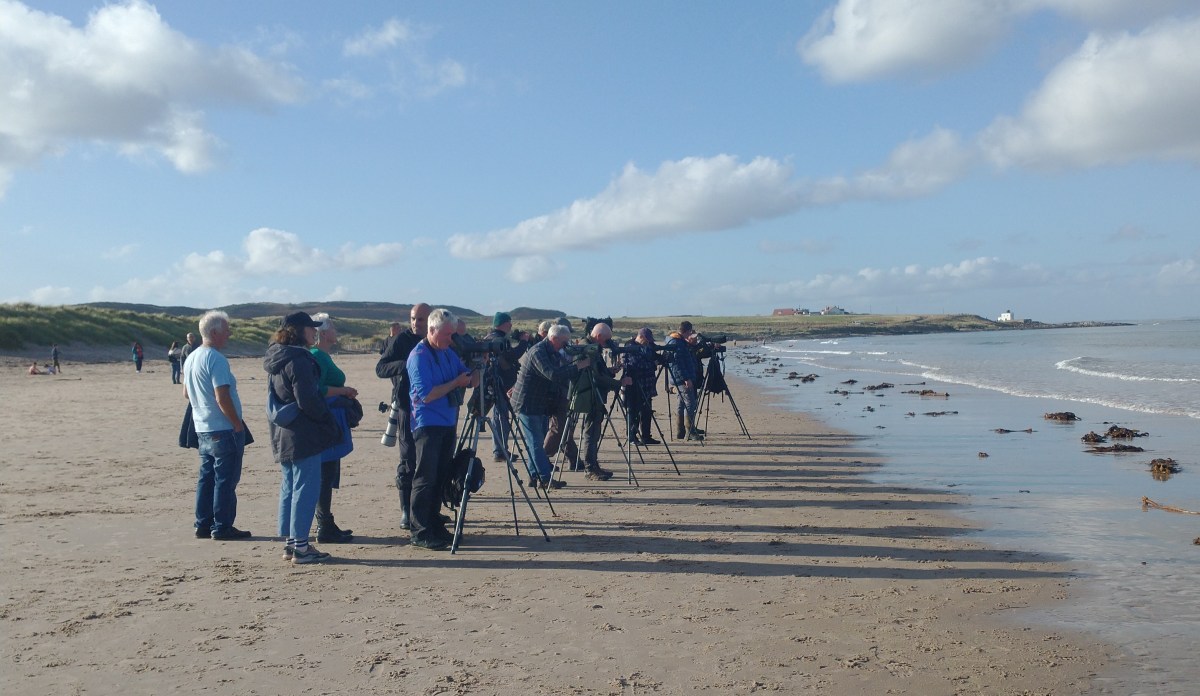
We popped to Bamburgh yesterday afternoon to enjoy views of the castle and a healthy stride along the beach. What greeted us was the group of photographers in the featured photo, all pointing their lenses out to sea. It turns out they were all twitchers, alerted by some bird-enthusiast-bush-telegraph to the presence of a bird whose home is normally North America and Canada: the White Winged Scoter. We couldn’t see it. It was too far out to sea.

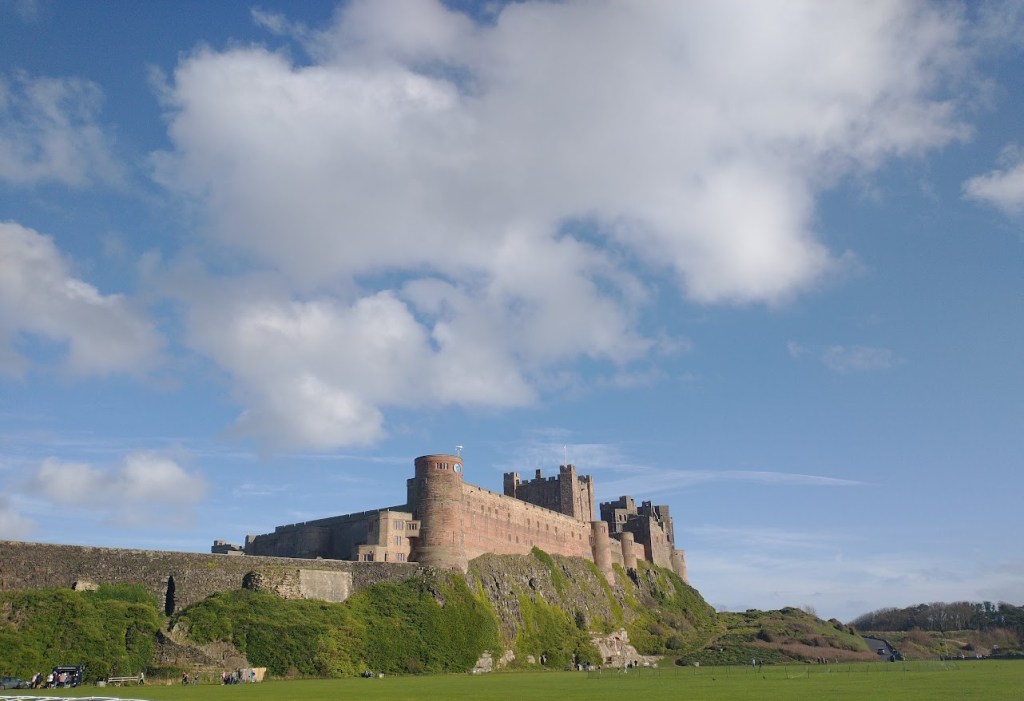
Here’s a view of the Castle. Other castles are available in Northumberland. I’ll be reporting back later.

Bamburgh Castle

I thik I’ll be cheeky and make this a late entry to Debbie’s One Word Sunday challenge: Shadows.

A day in Alnwick

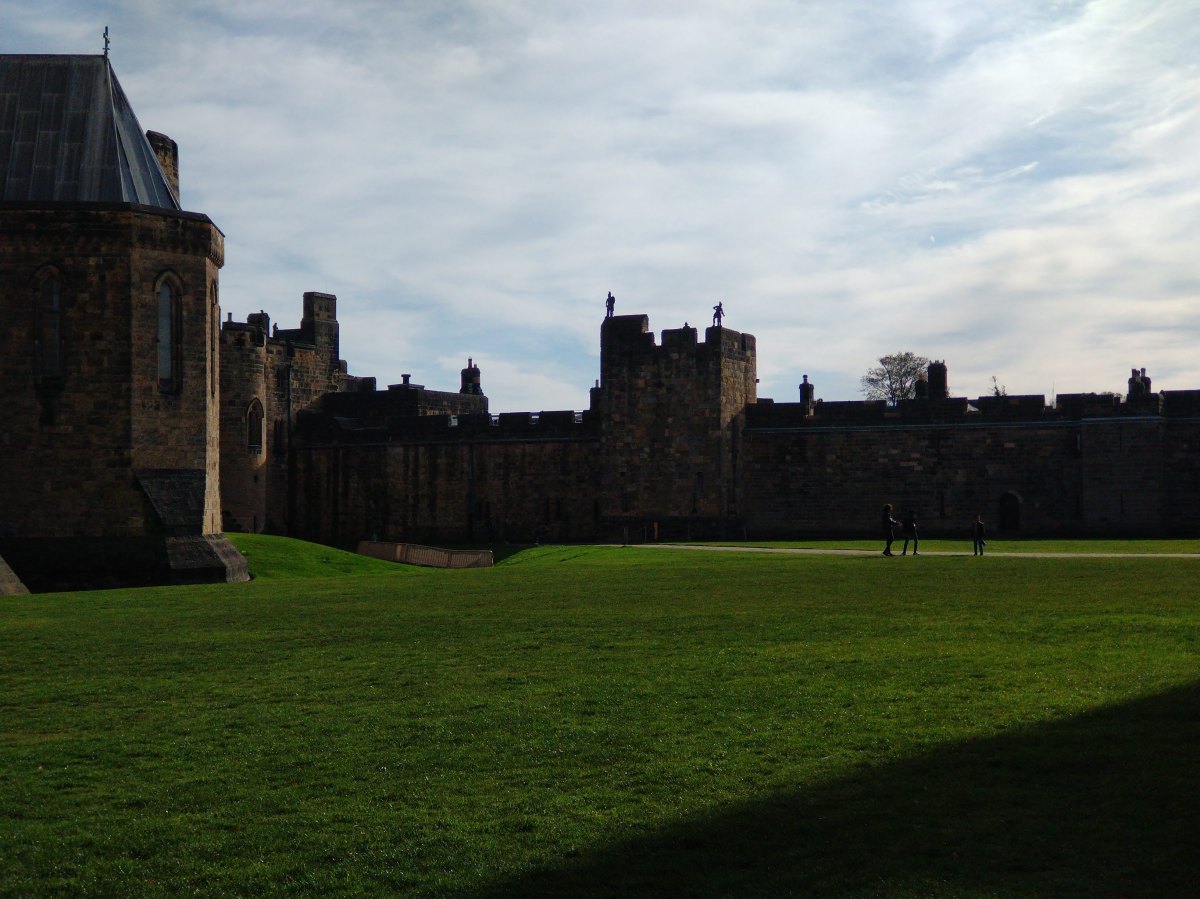
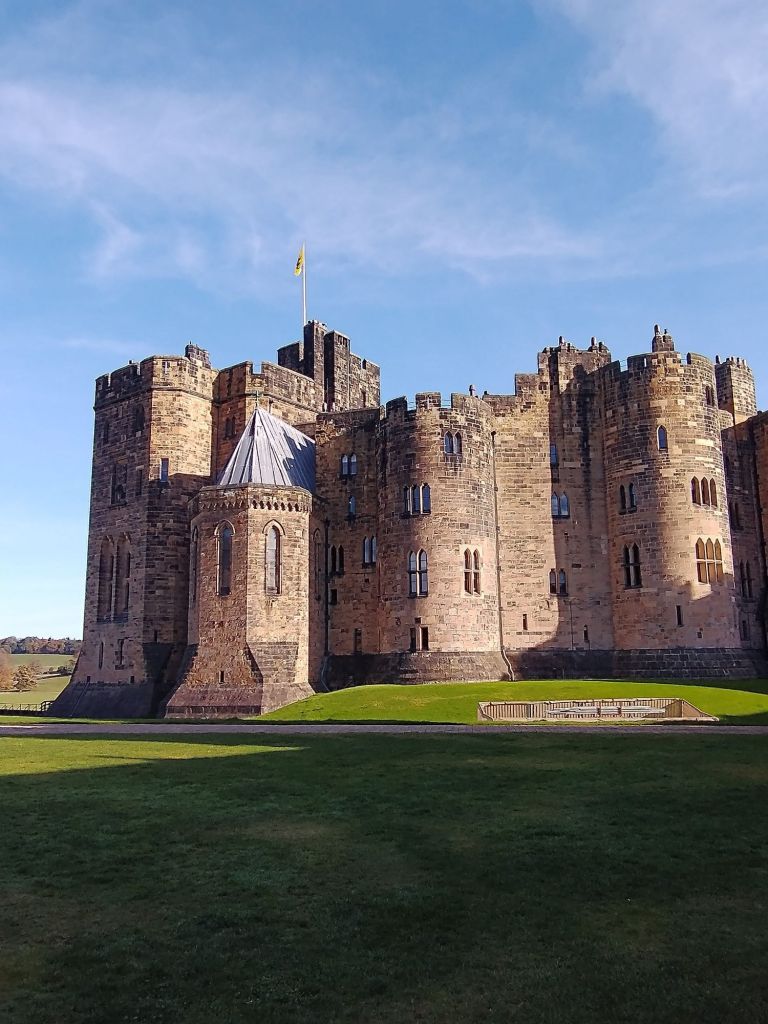
Why does anyone visit Alnwick, Northumberland? The castle, with its long history going back to the 1300s is one. Though if you’re a child, you may be more interested in the fact that scenes from Harry Potter films were shot there. In fact there was a Quidditch lesson taking place when we got there. We found the real history, and the political intrigues and bloody battles of the Wars of the Roses and after more interesting.
Alnwick Castle

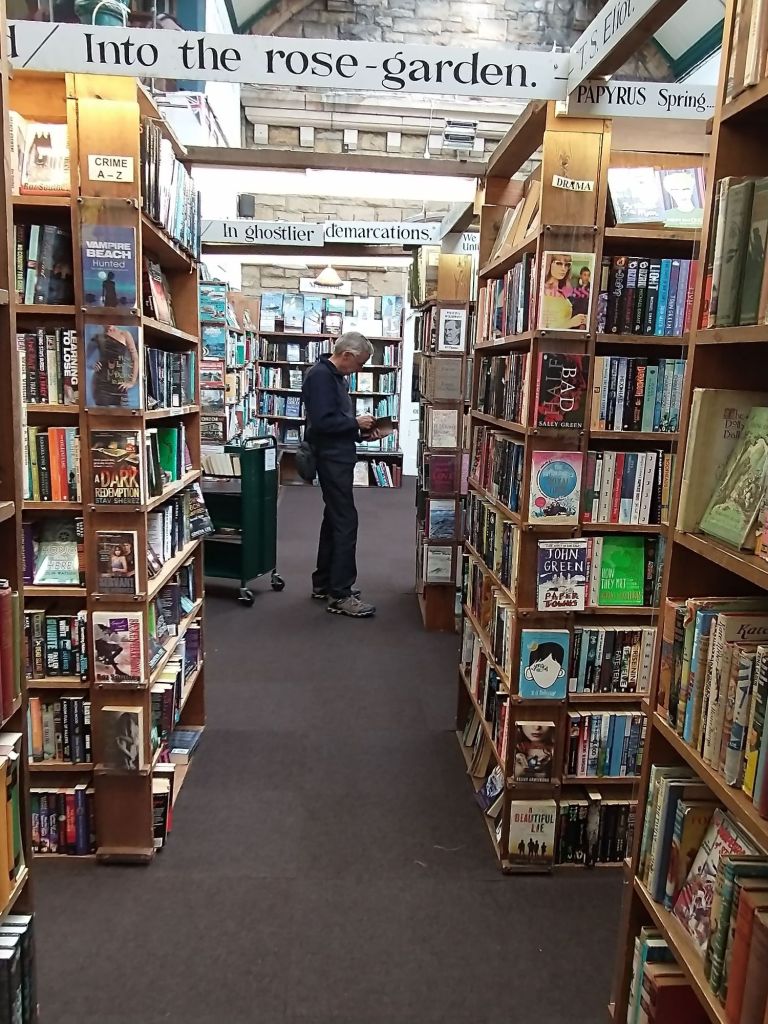
And another reason is to visit Barter Books. This emporium of second hand volumes is housed in a whole railway station. You’ll need to make use the refreshments in the waiting rooms.

Barter Books

Moors and hills and rugged coast: walking Northumberland

Several of you commented on my coastal pictures from Northumberland, remarking on how relaxing the whole thing must have been. Well …. it recharged the batteries alright … but not by lying down on the beach with a good book. Certainly not.

Only birds sunbathe here……

We were at Nether Grange, an HF hotel, with our walking group. And we were there with other walkers – some in groups, others not. At Nether Grange, walking is what you come for. That and good food eaten in good company. We’d opted for guided walks. Three levels of difficulty are offered each day so there’s no excuse not to get involved. I chose one of each, so finished the week with 15.3 km, 12 km and 17 km. walks under my belt.

Moorland near Etal.

This is hill country. The Pennines, the backbone range that bisects northern England becomes the Cheviots as it marches towards Scotland. In the car you’ll swoop thrillingly up and audaciously down those hillsides. They provide a backdrop to the area which is at once dramatic and bucolic.

On foot, you’ll get to know about those slopes….. actually, we weren’t often faced with gradients that had us gasping, panting and begging for mercy. But we rarely had a long level stretch either. And our leaders were there to encourage, chivvy along, provide good humour and background notes on all kinds of topics … as well as read the maps, so we didn’t have to.

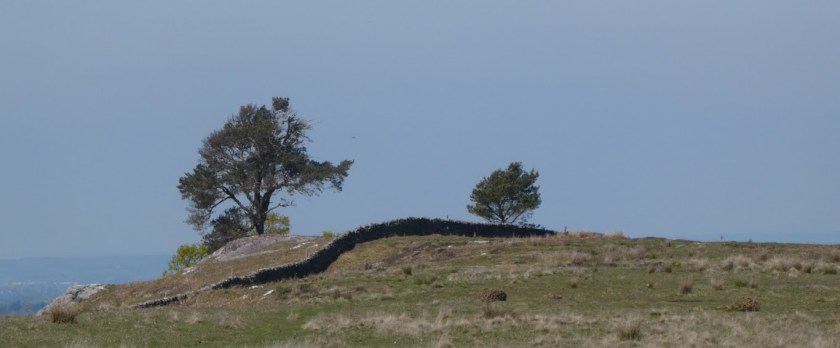
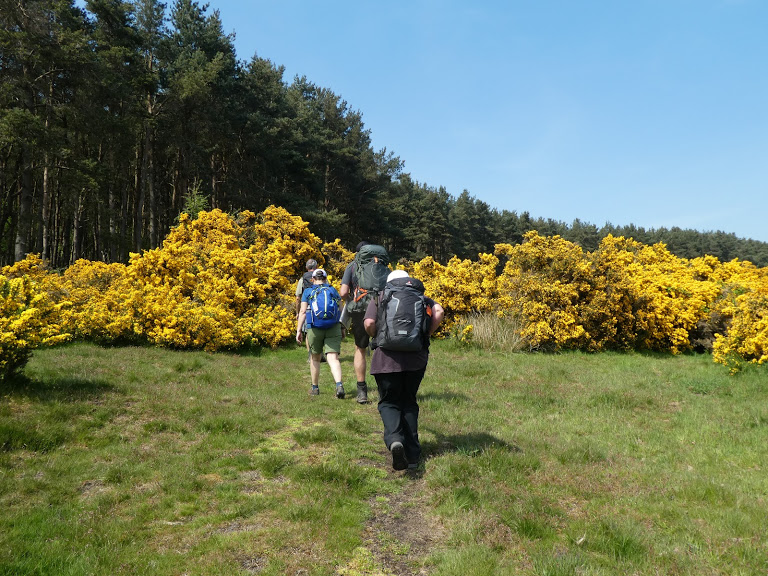
We walked moorland tracks, bouncy with springy turf nibbled short by sheep. We crossed hillsides bright with golden gorse. We tracked through woodland carpeted with bluebells.

A woodland glade … no bluebells this time.

We passed Ford Moss, an extremely ancient raised peat bog where we excited the residents: Exmoor ponies charged with grazing the vegetation and keeping it in trim.

Exmoor ponies going for a gallop.

We passed farms with shire horses and hissy geese.

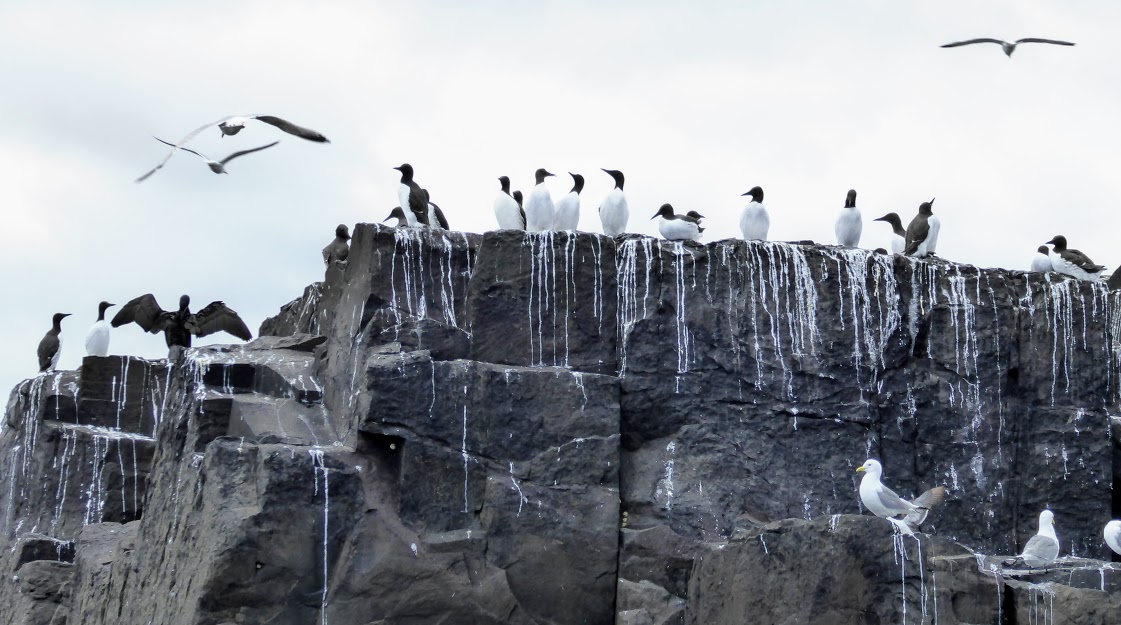
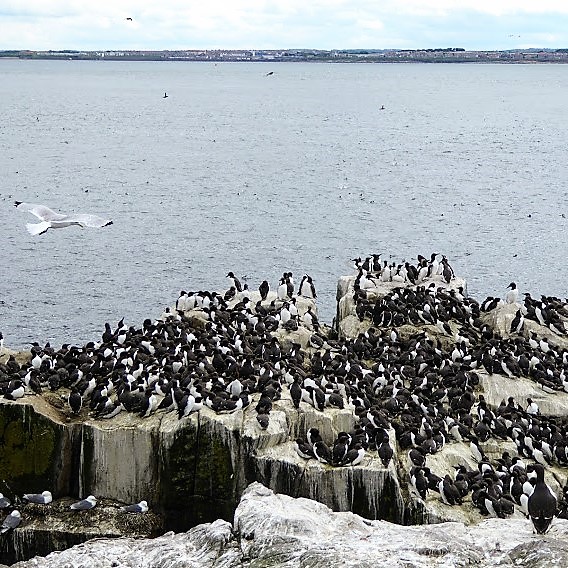
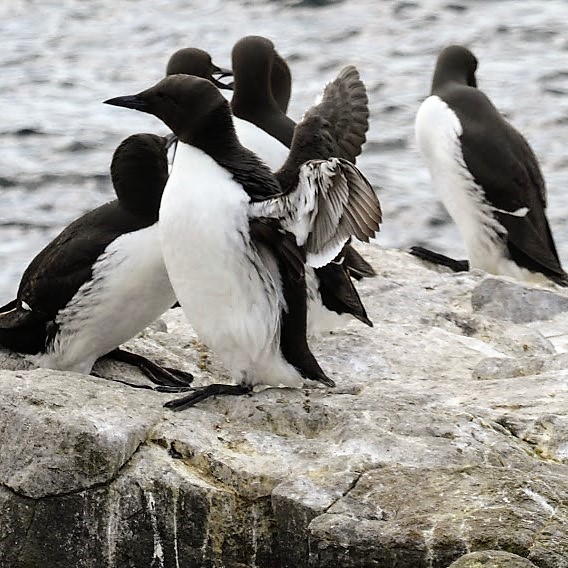
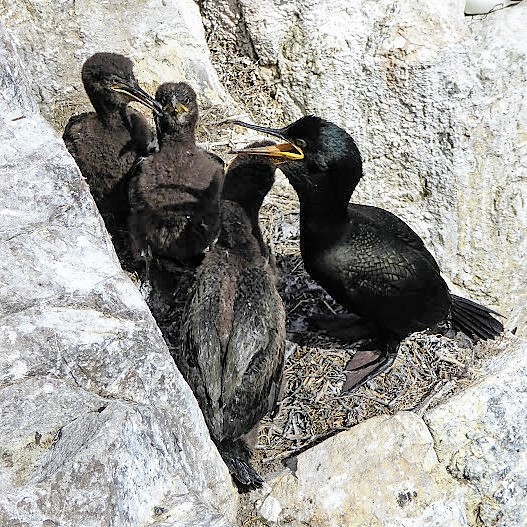
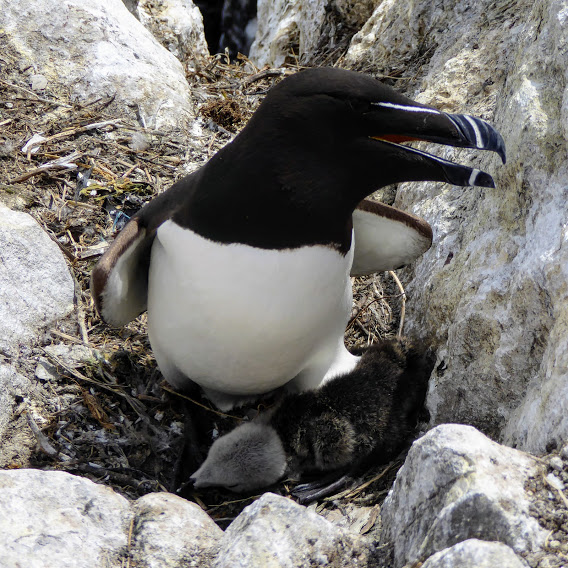
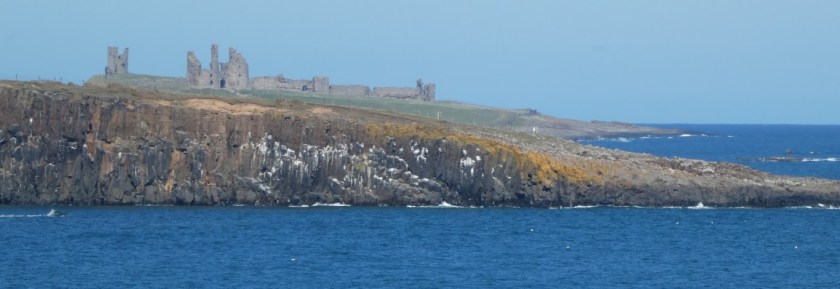
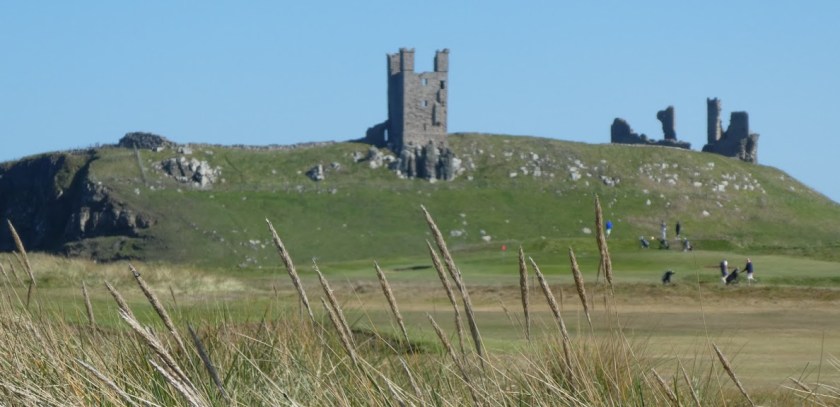
And on the last day, we walked the local coastal path: St. Oswald’s Way. The section between Alnmouth and Craster-where-the-kippers-come-from is characterised by craggy cliffs, and are home, like the nearby Farne Islands, to many thousands of seabirds such as kittiwakes and fulmars. Here’s what the zoom lens on my new camera can do.

Cliffs and Dunstanburgh Castle seen from afar. The next three shots zoom in ….

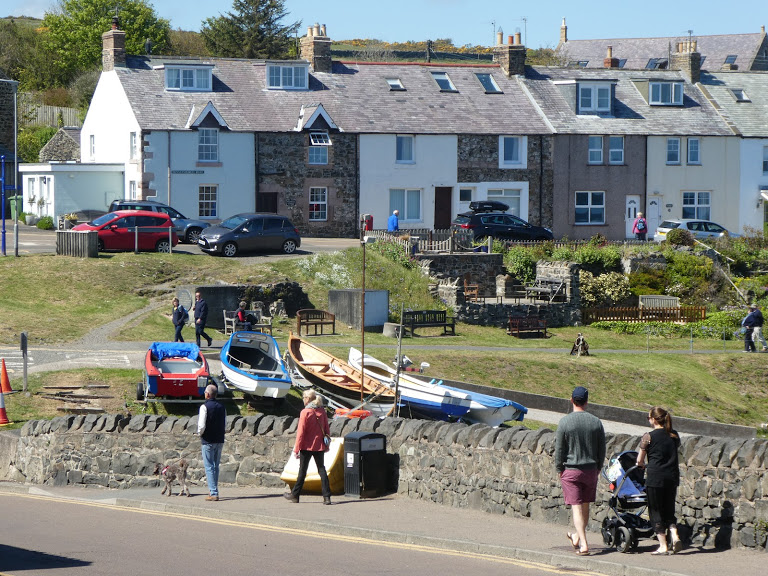
Craster: cottages, a safe harbour, and a few tourists.

Our group, the 17 km one (10 1/2 miles to the non-metric) finished just beyond Dunstanburgh Castle. It was built in the 14th Century by the Earl of Lancaster, who was openly hostile to King Edward II – never a good idea, because the king had him executed in 1322. This fortification was built to make a bellicose statement, in an area crowded with castles. Now it’s a ruin, and an impressive one. We slogged to the top of the keep for the views, marvelling at the extra-thick walls as we climbed.

Leaving the castle behind us.

We finished the day, and our three days of walks, with a paddle. Gotta have a paddle. Or ‘plodge’ as the locals call it.

Plodging towards home….

With thanks to our walk leaders Chris, Helen, Paul, Richard: to Reuben and Team Nether Grange, and to our own Mike and Angela for organising the holiday.

And this is also an entry for Jo’s Monday Walk.

Beach patterns

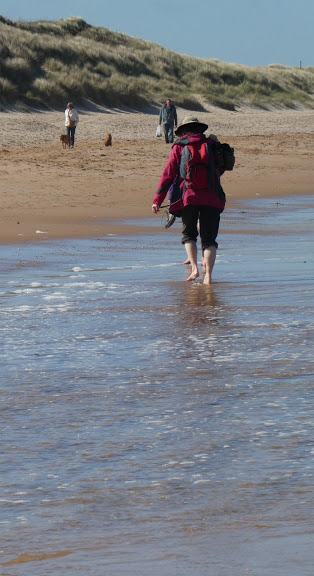
I could take a walk on the beach every morning of my life.

We’ve just come back from four days in Northumberland, staying in the coastal town of Alnmouth.  Each morning before breakfast, I’d walk down to the sands to be both stimulated and calmed by the dragging, pulsing action of the sea.

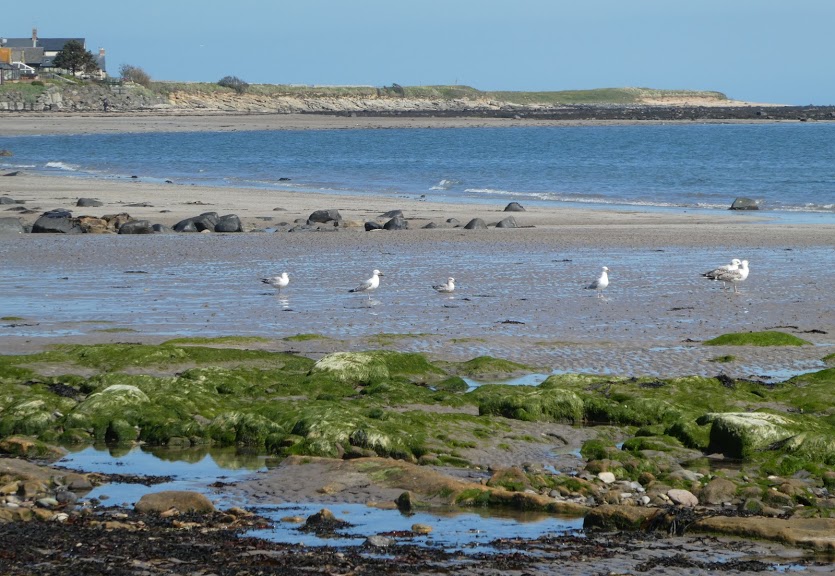
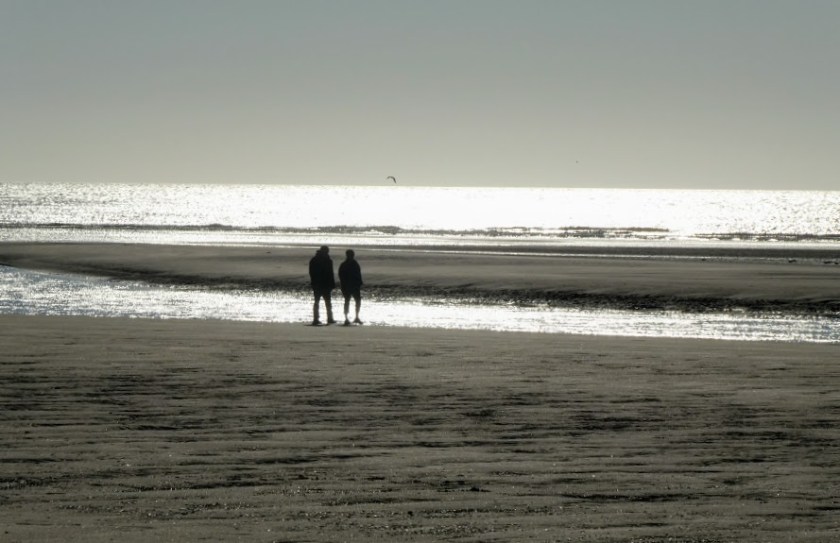
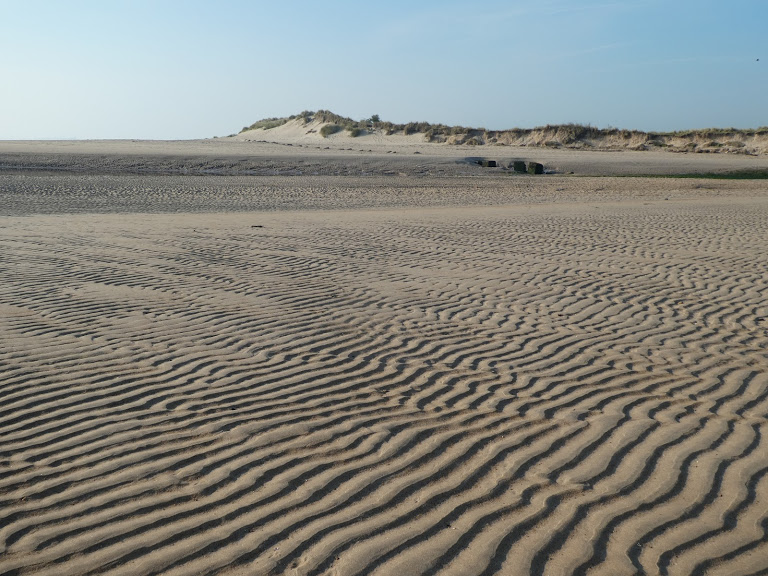
There was the patterning of the sands to enjoy.  Those banks of undulations extending as far as I could see.  The designs etched in different coloured sands upon the newly-flattened beach.  Shadows and reflections in shallow pools.  The changing colours of the sea and sky towards the horizon.

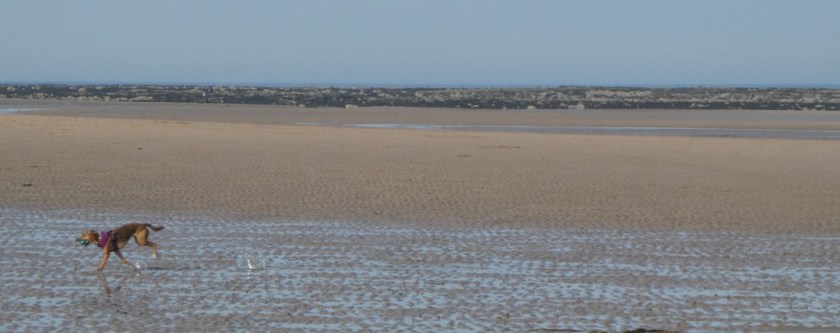
Other beach lovers walked in contemplative silence too.  Their dogs preferred to celebrate the long, wide space, and simply ran and ran.

Todays Ragtag Challenge is ‘Patterns’.

Click on any image to view full-size.