Six Degrees of Separation: from Ghost Cities to My Father’s House

On the first Saturday of every month, a book is chosen as a starting point and linked to six other books to form a chain. Readers and bloggers are invited to join in by creating their own ‘chain’ leading from the selected book.

Kate:  Books are my Favourite and Best
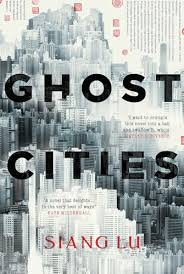
I haven’t read Siang Lu’s Ghost Cities.  But I’ve read several reviews, and it seems that this novel is inspired by the vacant, uninhabited megacities of China, and follows multiple narratives many years apart. In the present day, Xiang is fired from his job as a translator at Sydney’s Chinese Consulate after it’s discovered he’s been using Google Translate. This alternates with stories from the past of a dictatorial Imperial Emperor and his escapades.
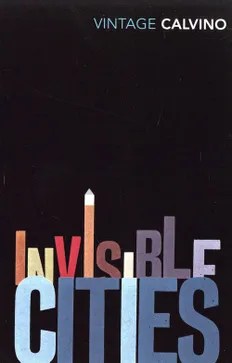

I immediately thought of Italo Calvino’s Invisible Cities, which I read far too long ago to comment on seriously now.  But it begins: ’Kublai Khan does not necessarily believe everything Marco Polo says when he describes the cities visited on his expeditions, but the emperor of the Tartars does continue listening to the young Venetian with greater attention and curiosity than he shows any other messenger or explorer of his.’  And here begins Italo Calvino’s compilation of fragmentary urban images.
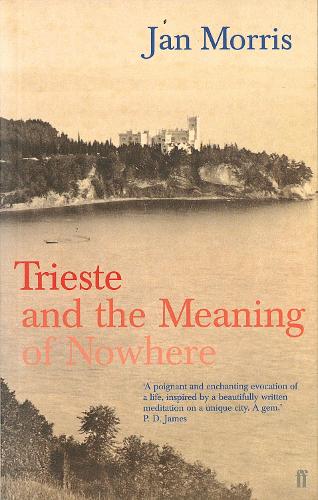
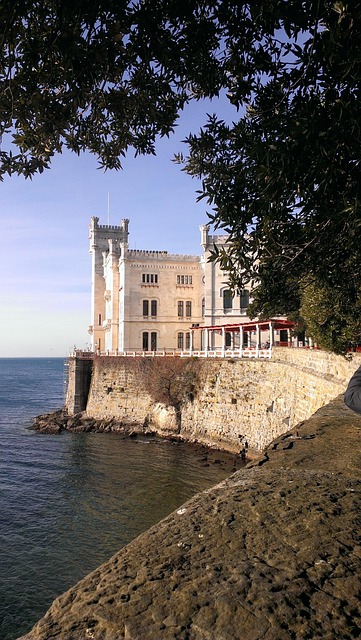
This Italian author made me think of one travel writer’s account of one part of Italy.  Jan MorrisTrieste and The Meaning of Nowhere. I felt a little ambivalent about this book. I wanted to like it more than I actually did. It’s a meditation on, and an exploration of Trieste, a city history has left behind, whose glory days are over, which is top of nobody’s tourist agenda, and which Jan Morris entertains strong feelings for. She discusses its history, its streets, its day-to-day life in a loving, melancholic way, and relates it to her own experience of being outside the mainstream. It’s a book which I’m glad to have read about a part of Italy I don’t know, but which I was happy enough to finish and set aside.
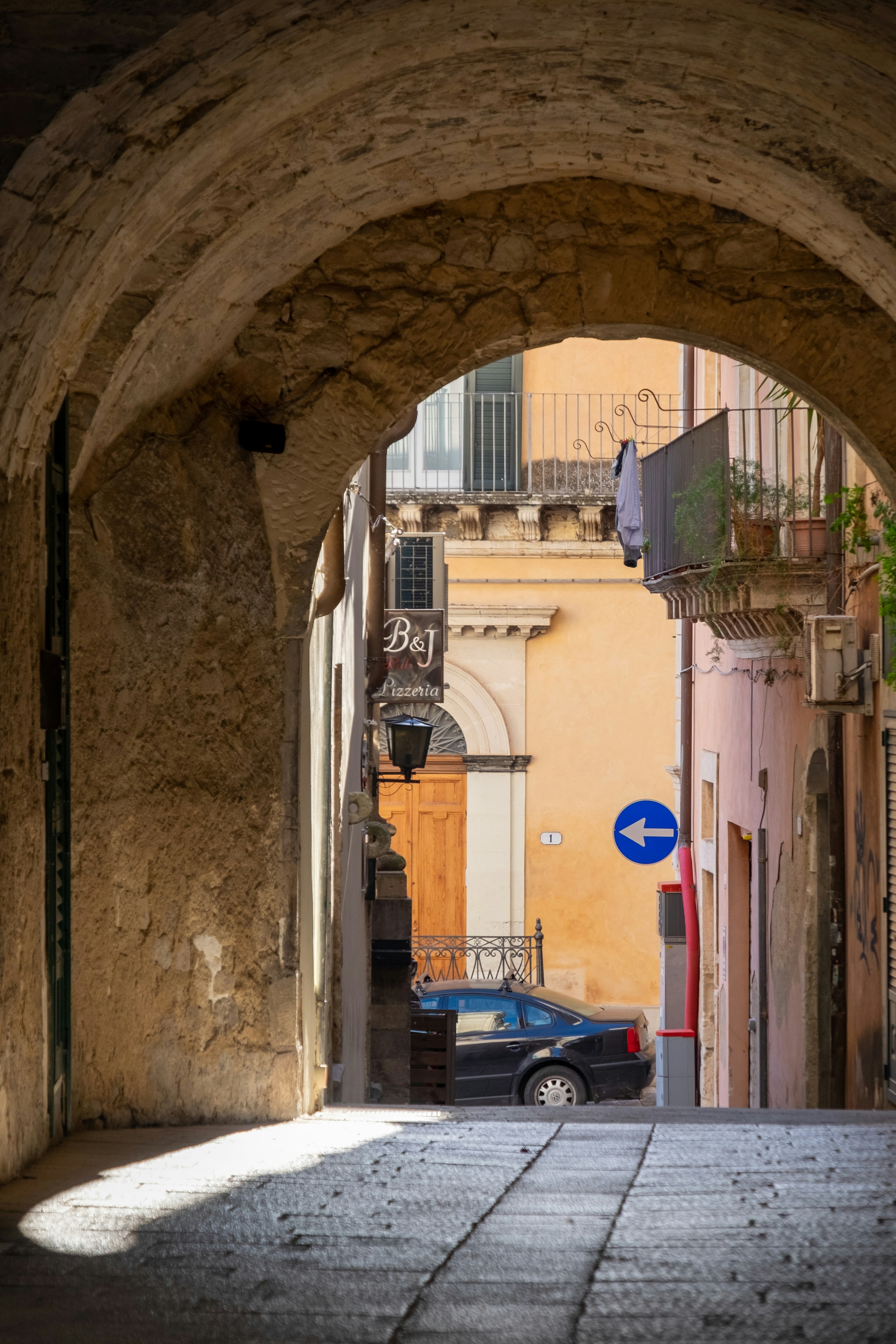
Vigàta in Sicily is another town which time has perhaps forgotten.  It’s also imaginary, and the setting for a series of murder mysteries by Andrea Camilleri. Despite the fact that as a detective series, which therefore concerns murder and other crimes, the Inspector Montalbano books are ones I turn to when I need a bit of relief from weightier tomes. I love to meet the people Camilleri describes. I like to accompany Montalbano as he seeks out delicious meals at home or at neighbourhood restaurants. And I like to observe his relationships with his colleagues. The Voice of the Violin doesn’t disappoint. It’s about a murder which might have taken a very long time to have come to light if the police car in which Montalbano was a passenger hadn’t careered into a car parked outside a villa…. And in due course, Montalbano’s curiosity is piqued … He finds a body, of course. And up to five people might be responsible for the gruesome murder. But who? And you’ll need to read this book to find out why the title it’s been given is so apposite.
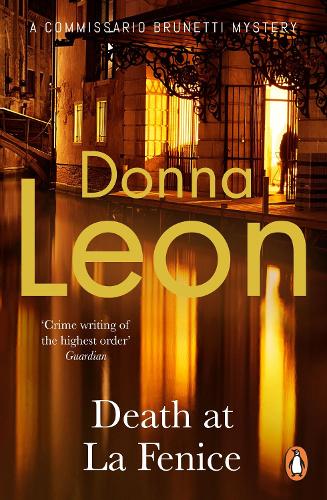
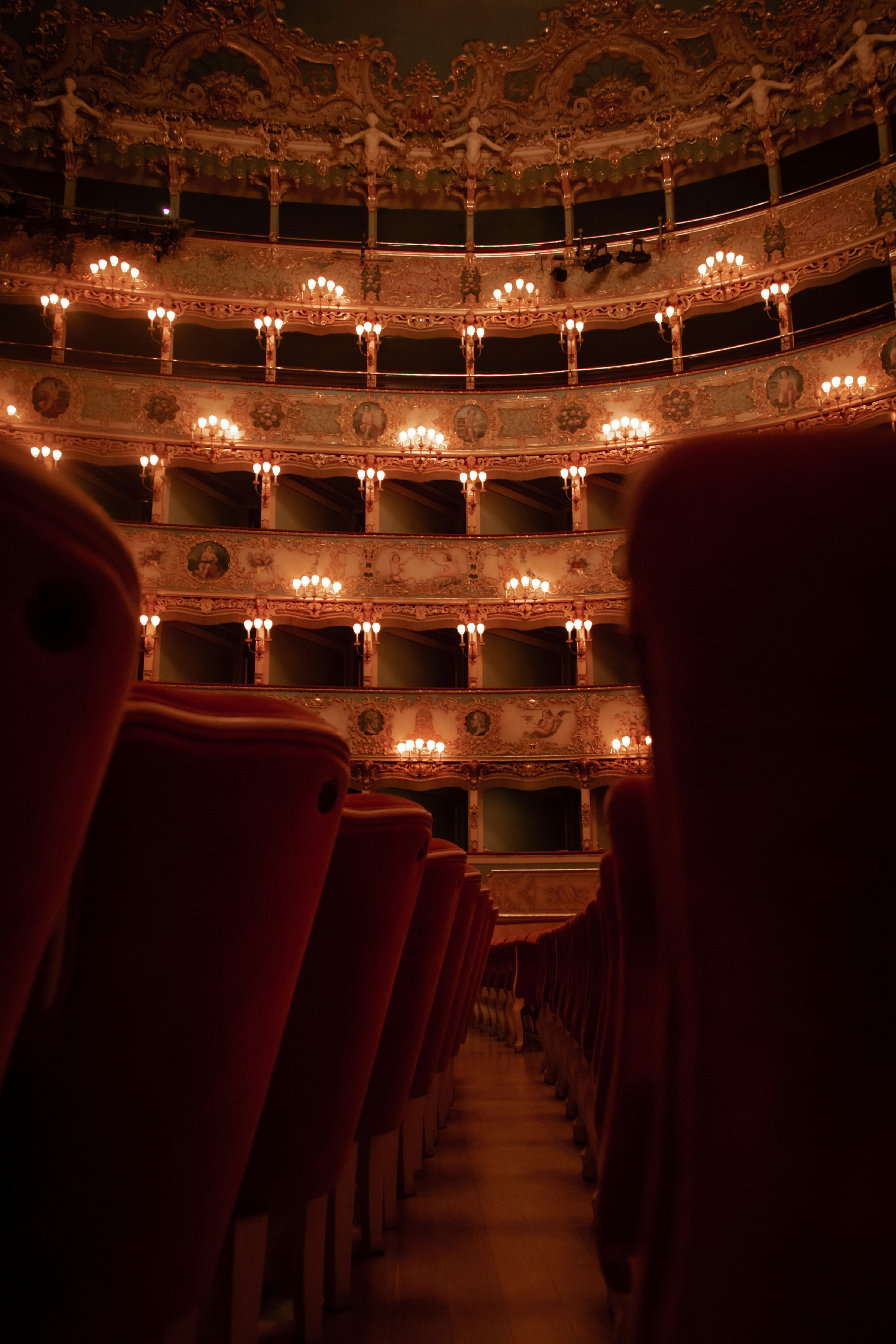
From one Italian detective to another. I love Commissario Brunetti, and I love the picture of Venice that Donna Leon, his creator, always conjures up. The alleys between ancient buildings, those palazzi themselves, the little bars Brunetti frequents…. and so on and so on. So even before I get involved in the plot, I’m absorbed by the ambience she creates. Death at la Fenice is, like all Leon’s tales, a good story. This one features the conductor who’s murdered during the interval at a performance at la Fenice. Whodunnit? His wife? That soprano? Her lover? As ever, the result of Brunetti’s investigation is an unexpected one, and convincing. Read it.
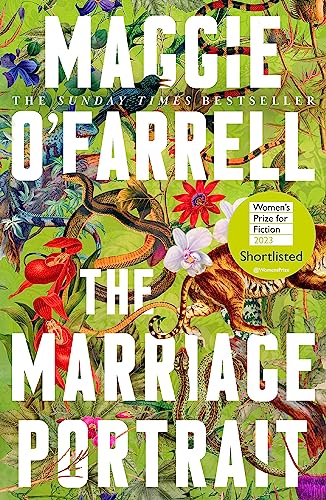
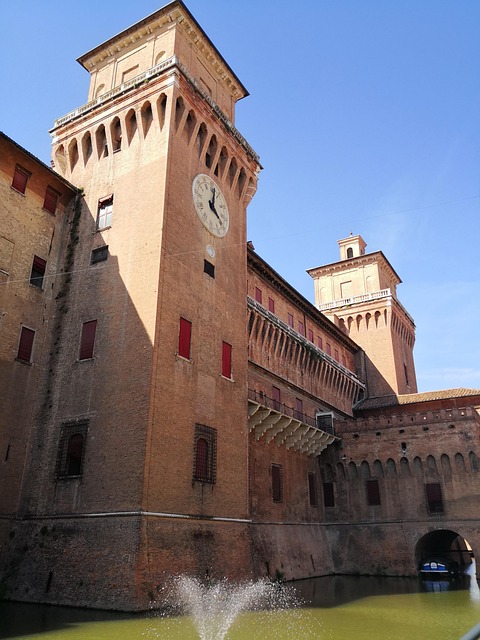
We’re staying in Italy for the rest of this chain.  But we’ll leap back several centuries in Maggie O’Farrell’s The Marriage Portrait.. Lucrezia, third daughter Cosimo de’ Medici, finds herself betrothed, then married to Alfonso, heir to the Duke of Ferrara when her older sister, his original choice, dies. The story flits between her early life in Florence and her early married life. Underneath, throughout her marriage, her conviction that she will be killed by her apparently loving husband bubbles away. She’s a Duchess now, her father-in-law having died. She’s only 15, more than 10 years younger than her husband. Although she’s been brought up privileged, her new status brings with it loneliness and challenges. Virtually her only constant friend is her maid.

This book links with the two previous ones by being rich in quotidian detail. O’Farrell paints the pictures of her privileged life in such a way that we can hear, see and smell the scenes that surround her: her father’s exotic menagerie; her husband’s castrati singers; the sumptuous clothing; the simple bowls of fruit which she examines with her painterly eye – she is a talented artist.  This rich attention to detail brings an already absorbing story fully to life.
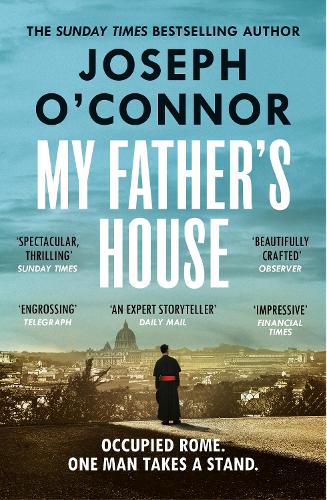
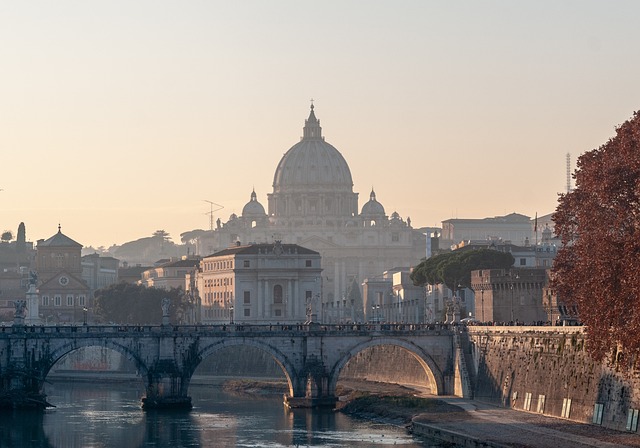
Still Italy, still history, but much more recent in the first volume of Joseph O’Connor‘s Escape Line TrilogyMy Father’s House is an immersive story, taking as its starting point the fact that while Rome was under German occupation in 1942, there was an Irish priest, Hugh O’Flaherty, based at the Vatican who was involved in running an escape line for Jews, escaped POWs and resistance fighters during WWII.

The plan is to evacuate scores of refugees and resistance fighters, all separately hidden, out of Rome on Christmas Eve, when perhaps guard is lowered. Plans take place at the rehearsals of a specially convened Chamber Choir: singing drowns out the mutter of whispered instructions to each singer in turn. Each player in the plot has a role, No one knows what any other individual is required to do. Gestapo leader Paul Hauptmann has his suspicions that a plan is afoot, and O’Flaherty is in his sights.

This is a work of fiction, even though heavily indebted to known facts. It’s told in a series of distinct voices, all characters in the book.  Each voice is distinctive, authentic, even funny: Irish, English, Italian, aristocrats and shopkeepers. An often thrilling, always thought-provoking and absorbing story.

My chain seems to owe everything to Italy, and little to the starter book. I won’t do any better next month. I’m unliklely to participate, as we’ll be away, and I don’t like the idea of not responding promptly to comments. But the starter book will be  Dominic Amerena’s novel about authors and publishing, I Want Everything. I think I’ll try to read it anyway.

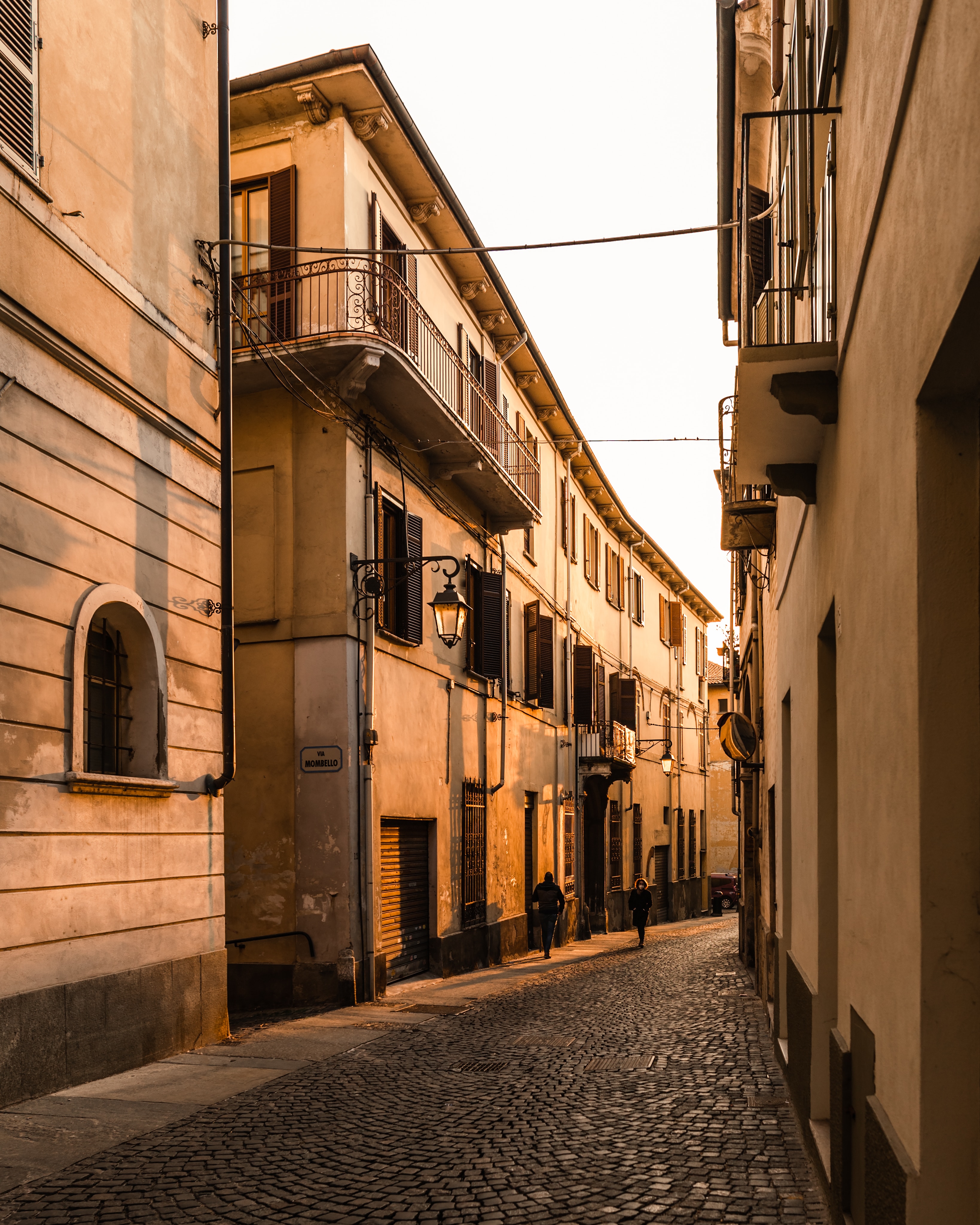
With thanks to the photographers from Pixabay whose photos I have used: LeoLeo (cities); VBosica (Miremare, Trieste); Gianni Cio 10 (Sicily); Filip Filopovic (Ferrara); Davide Cattini (Rome).  And from Unsplash, Giusi Borrasi (La Fenice, Venice)
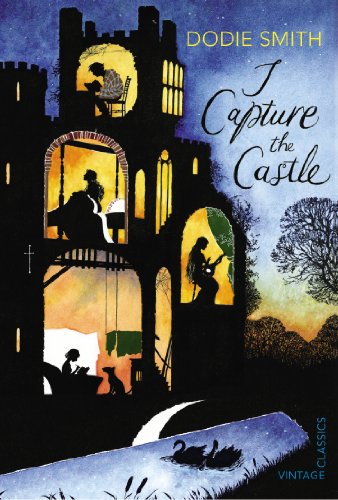
Six Degrees of Separation: from I Capture the Castle to Morality Play

On the first Saturday of every month, a book is chosen as a starting point and linked to six other books to form a chain. Readers and bloggers are invited to join in by creating their own ‘chain’ leading from the selected book.

Kate W. – Six Degrees of Separation

Somehow, I didn’t read I Capture the Castle by Dodie Smith when I was younger.  And I’ve only just managed to source a copy, so I haven’t read it in time for Six Degrees.  This is how it’s introduced in Goodreads. ‘Through six turbulent months of 1934, 17-year-old Cassandra Mortmain keeps a journal, filling three notebooks with sharply funny yet poignant entries about her home, a ruined Suffolk castle, and her eccentric and penniless family. By the time the last diary shuts, there have been great changes in the Mortmain household, not the least of which is that Cassandra is deeply, hopelessly, in love’.

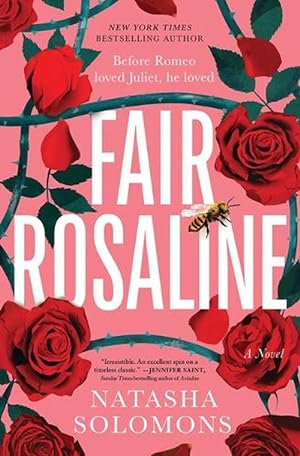
That seemed to chime with a book I’ve just finished, Natasha Solomon’s Fair Rosaline.  This is a re-interpretation of the Romeo and Juliet story from the stand-point of bit- character Rosaline. To be fair, the story of bereavement, infatuation, love and bereavement again zipped along, but even as a page-turner, the narrative quickly became increasingly unbelievable. The characters were something of a caricature and the language veered unconvincingly between the Shakespearean and more modern idiom. If you want a reasonably page-turning beach read, this could be for you. I made the link to our starter book because Rosaline could well have lived in a castle (though she didn’t). And she falls hopelessly in love.

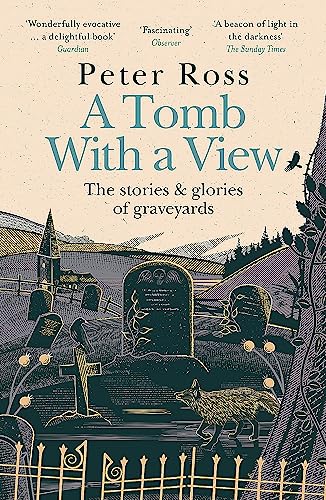
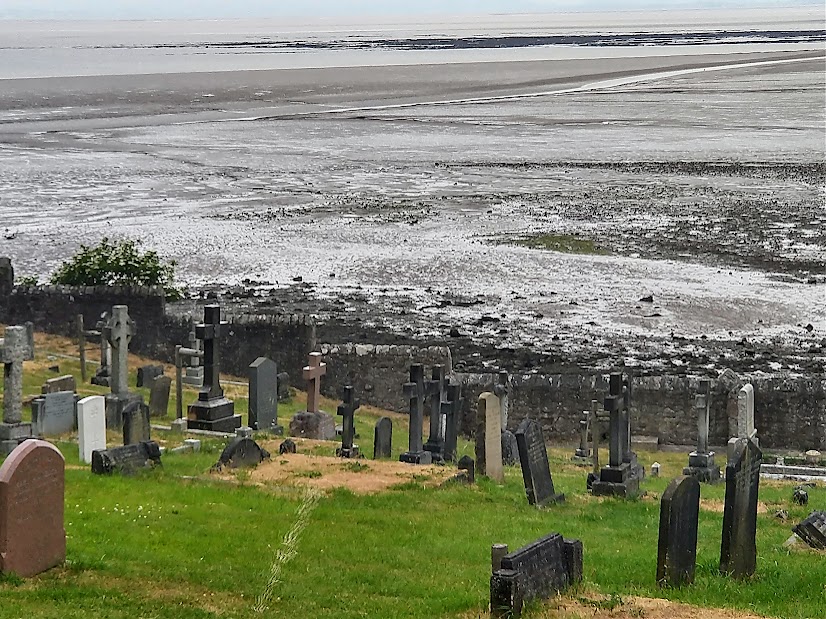
One thing you’ll notice if you read Fair Rosaline is that a fair few characters die.  So my next book is A Tomb with a View, by Peter Ross. This is an evocative, delightful and thought-provoking book. Yes, it’s about death and burial. But the variety of cemeteries, ways of remembering the dead and rituals Ross explores is astonishing. He’s clearly a sympathetic man to have around, and historians of ancient cemeteries, gravediggers, Muslim celebrants, natural burial enthusiasts, proponents of The Queerly Departed all willingly open up to him and bring their own special Final Resting Place to life. He visits graveyards, charnel chapels, cemeteries and so much more, animating them in a delightful tribute to these sites and those who work there and care for them. A book to read with – yes – enjoyment.

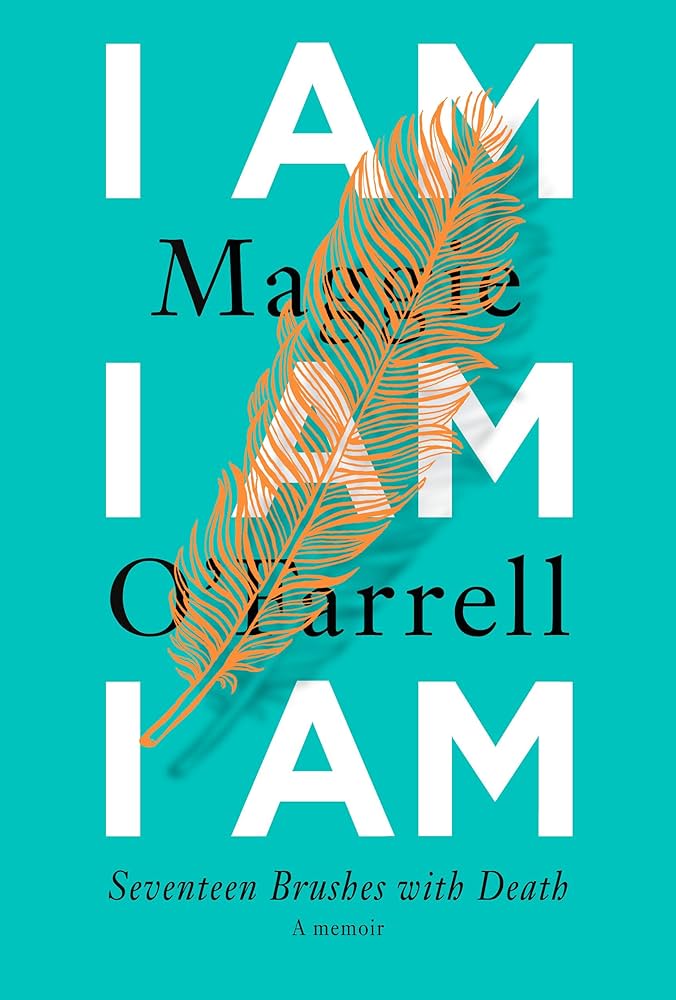
From death, to near death, in Maggie O’Farrell‘s I Am, I Am, I Am.  This is not an autobiography, but a non-chronological exploration of the author’s 17 (seventeen!) brushes with death, each episode named for a different part of the body. Attacks at machete-point, nearly-road-accidents, a dreadful experience of childbirth: all these and more are graphically and tenderly brought to life. Most affecting is the last quarter of the book, where she describes her own debilitating and long-running experience of the after-effects of a virus: and then her daughter’s even worse experiences. It’s compelling, sometimes angry, often visceral. She’s graphic at describing pain, fear, despair. Impossible not to experience at least some empathy for O’Farrell and her experiences. And yet she’s still here, bringing her experience to bear on her other work, in which she brings fictional characters and their dramas to life, informed no doubt by her own experiences.

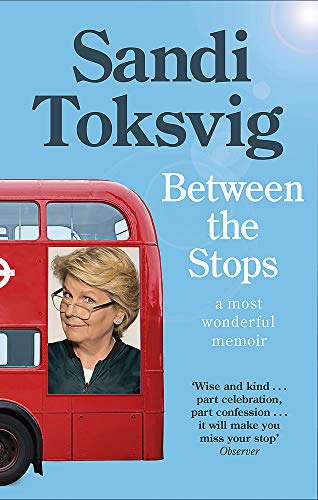
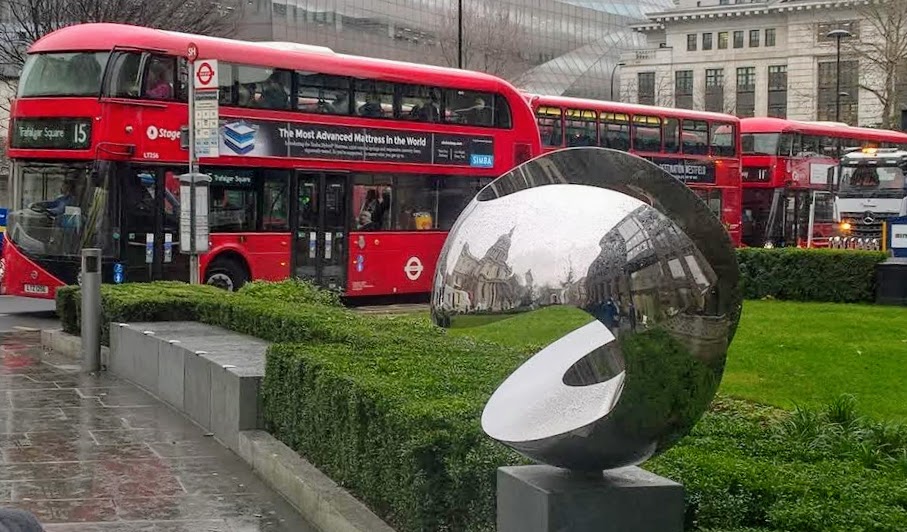
And now from one non-chronological memoir to another: Sandi Toksvig’s Between the Stops. Marvellous. I was suspicious of a book written by something of a National Treasure. It would play to the gallery, surely? I was wrong. This is part memoir, part political polemic from someone whose views I’m happy to share, part social commentary and part Interesting Facts About London and the many places she’s called home. She uses the device of a journey on her most familiar bus route, the Number 12 from Dulwich to central London to gaze out of the window and use the memory triggers she finds as she observes the scene there, or among her fellow passengers to introduce the story of her life in America, Denmark and England. She’s witty, compassionate, angry and introspective by turn, and always amusing, often laugh-out-loud funny. I loved this book.

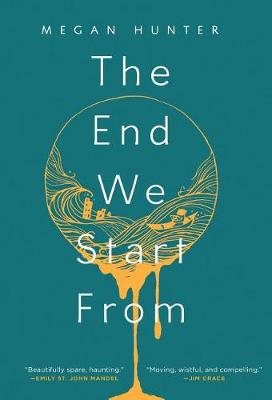
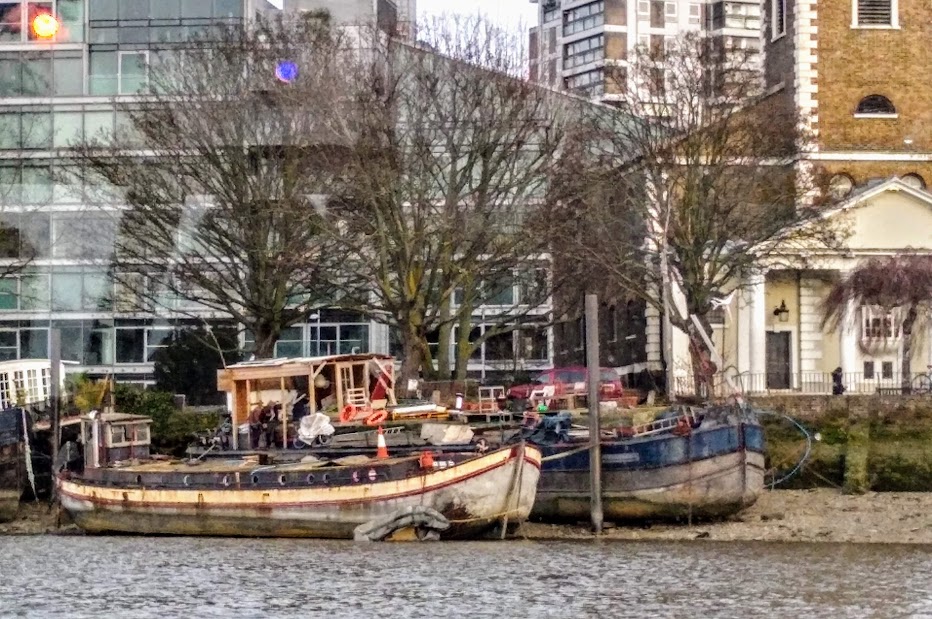
My next choice also uses London as a starting point.  The End We Start From by Megan Hunter is a powerfully unsettling novella. Here is a world descending into chaos and uncertainty just after the ‘author’ has given birth, in London. This is the story of a fleeing into the unknown from a city that’s no longer functioning following an unspecified apocalyptic disaster. Sparingly and beautifully written this is a short, eloquent and potent account of one woman’s fall-out from a not too unlikely future catastrophe. But one which does not finish on a note of despair, but of love.

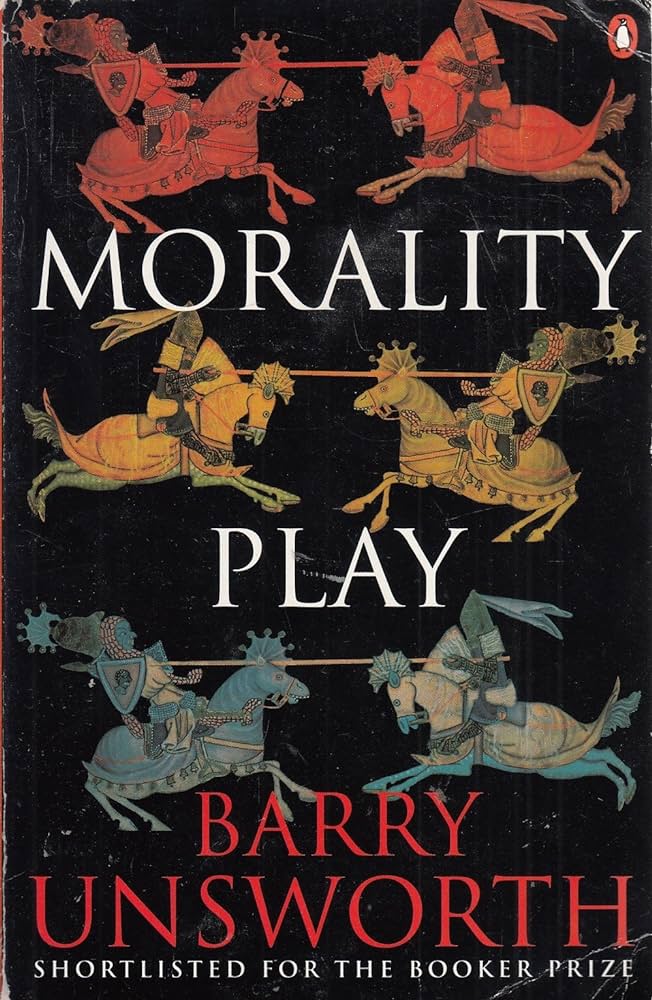
Lastly, let’s go back to the 14th century: a time when England, like much of Europe, was turned upside-down socially by the predations of the Black Death, as well as by war, and it must have felt like the end of the world. Barry Unsworth’s Morality Play. Nicholas Barber, a young cleric who has abandoned his post and fallen in with a band of itinerant players tells his story. What brings this story its power is its power to immerse the reader in the life he’s – at least for the time being – chosen. This band of players live from hand to mouth, often cold, always dirty, always on the move and wondering where the next meal and billet is coming from. But they devise the idea of re-enacting a shocking murder that has just taken place in the community in which they find themselves, and discover that all is not as it seems. And add fear of the more powerful to their list of worries. An immersive tale, bringing the sights, smells, sounds, and mores of the 14th century to life. 

Well. We have wandered about a bit. Each book links, if tenuously, with the next: but there is no common thread running through these choices.

And next month, Kate invites us to read as our starter book Western Lane by Chetna Maroo. Are you going to join in the fun?

Six Degrees of Separation in January

On the first Saturday of every month, a book is chosen as a starting point and linked to six other books to form a chain. Readers and bloggers are invited to join in by creating their own ‘chain’ leading from the selected book.’

Six Degrees of Separation meme

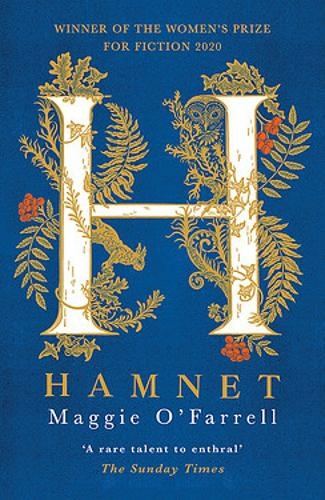
I included the starting point in this month’s chain, Hamnet by Maggie O’Farrell in my own, the very first time I participated in Six Degrees, back in August last year.

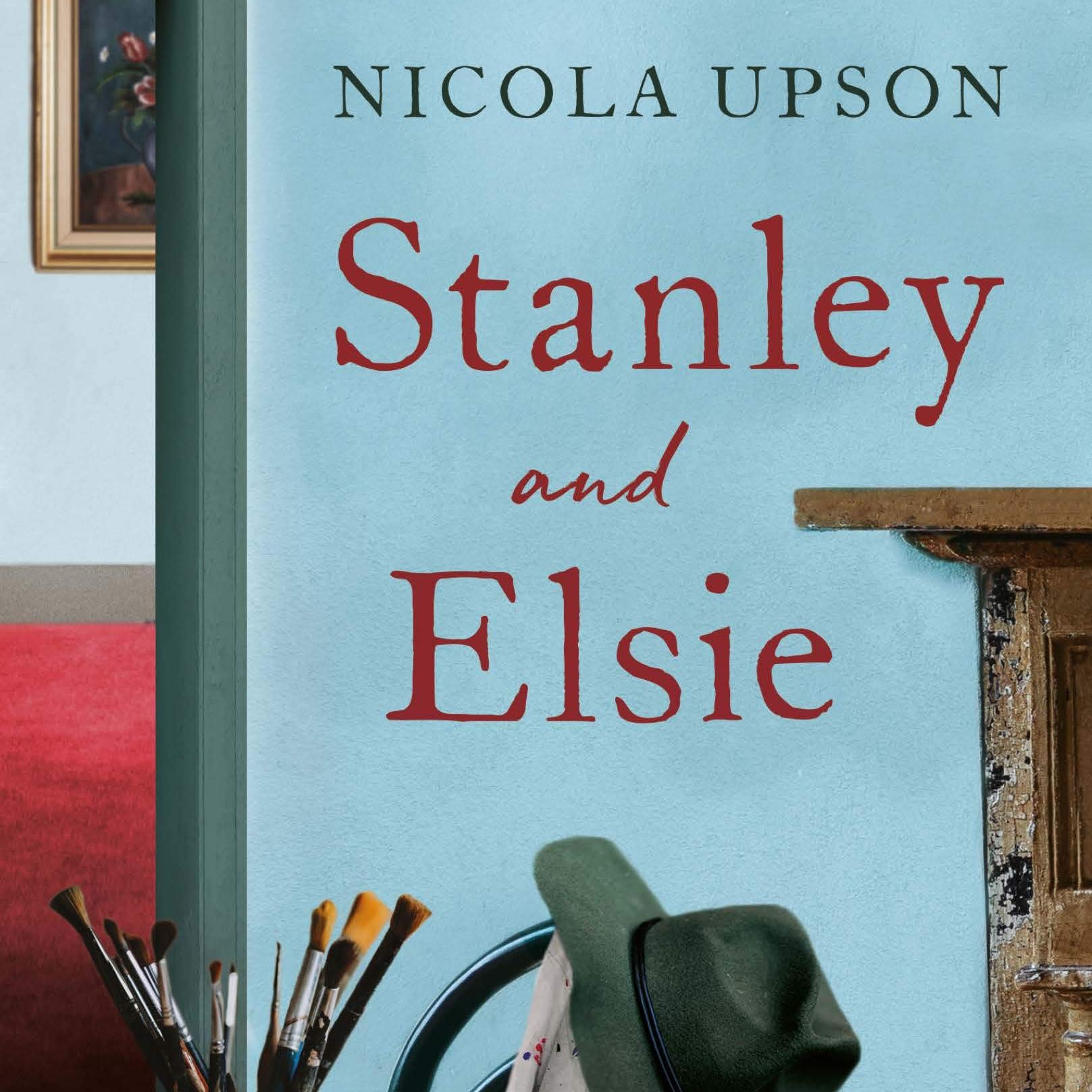
This time I’ll link it with Nicola Upson’s Stanley and Elsie.  Like O’Farrell, Upson re-imagines lives:  those of the celebrated English painter Stanley Spencer and his family, and their live-in maid Elsie.  Though this is a work of fiction, she sticks more closely to the known facts than O’Farrell. This story of love, obsession, the thought processes of a painter, the English countryside is written in a way that demands to be read, compulsively.

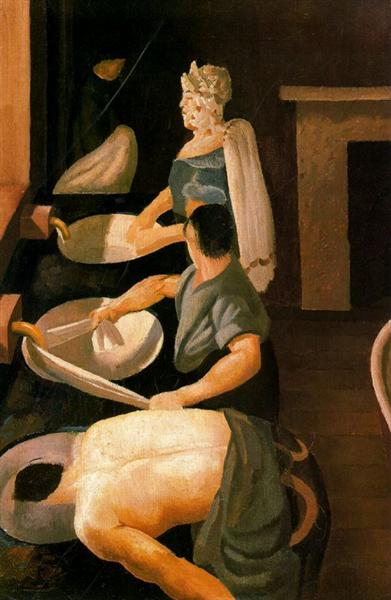
Stanley Spencer: Soldiers washing. http://www.wikiart.org

Another life – this time entirely fictional, entirely believable. Andrew Miller’s The Crossing has Maud at its heart. This unusual woman, very likely with Asperger’s syndrome, nevertheless has an ordinary enough life till tragedy strikes.  Then it takes a different path, when Maud goes to sea … This exquisitely written book, and Maud herself,  may haunt you, as they did me.

The North Sea – a view Maud might have seen.

A big leap now to two fictional lives. Soldiers from Senegal often provided the French front line throughout the First World War. Alfa and Mademba are two of them.  When Alfa watches his lifelong friend Madeba die in agony, unable and unwilling to kill him to end his suffering, his slow descent into madness begins.  David Diop’s At Night All Blood is Black is both hypnotic and heartbreaking.

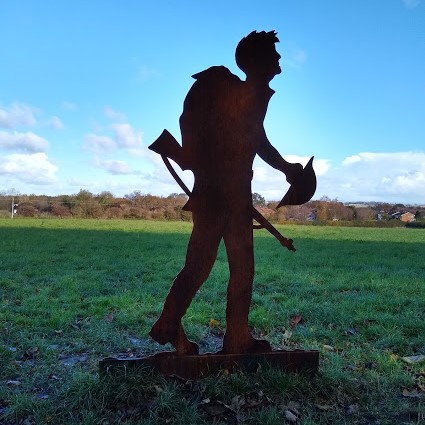
Not a Senegalese tirailleur, but a British Tommy in WWI, plodding through the outskirts of Ripon.

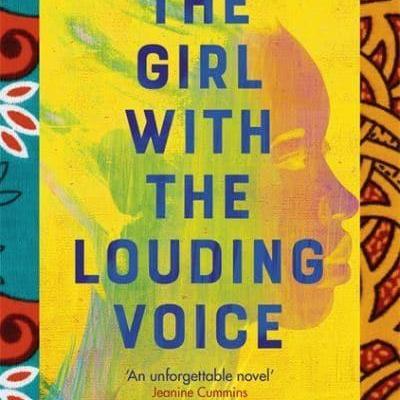
I can’t face anything else that’s dark at the moment, but I’ll remain with a West African subject, this time a Nigerian.  The Girl with the Louding Voice, by Abi Daré is written in the voice of fourteen year old Adunni who is married against her will to a much older man. Written in pidgin this lively, involving and often humorous story highlights the difficulties and limitations imposed on many women in Nigeria, particularly those of limited means: forced marriage, domestic slavery. This story, however, has a positive and happy ending.

Possibly acting the part of Big Madam, Adunni’s ’employer’? (Pexels)

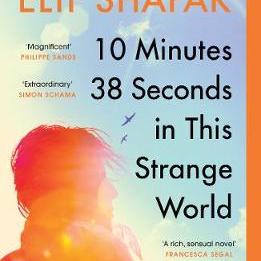
Which leads me to another book where the prospect of a forced marriage changes the main protagonist’s life: 10 Minutes 38 Seconds in This Strange World, by Elif Shafak. This is the life of Tequila Leila, sex-worker, and her five very special friends, recalled in flashback just as Leila dies, and told in a vibrant, moving and engaging way.  The second half puts her friends centre stage as they attempt a decent burial for their friend, and for me was less satisfactory.  Read it and decide for yourself.

The streets of Istanbul ( Unsplash-Randy Tarampi)

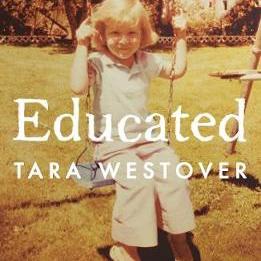
Let’s end with another woman’s life, an autobiography this time: Tara Westover’s Educated. I approached this book with a distinct lack of enthusiasm. But once started, I couldn’t put it down. Tara Westover comes from a large dysfunctional Mormon family. Home educated, her upbringing was tough, Her journey from a rough country childhood to the world of academia  is well-told, as well as giving me some insight into the Mormons. A thought-provoking read.

House in a rural Mormon community ( Jaron Nix, Unsplash)

With the pandemic still raging, I’m in need of uplifting reads: and with the exception of the David Diop, my choices provide positivity in varying degrees.  I haven’t read next month’s starting-point-book, Ann Tyler’s Redhead by the Side of the Road.  It’s very short: that’s the upside when my TBR list is so very long.

Always up for reading, and recommending good reads to others, this post is also my offering for Square Up today. But please visit the Six Degrees link to see what other readers have chosen.

Six Degrees of Separation