Half as Old as Time

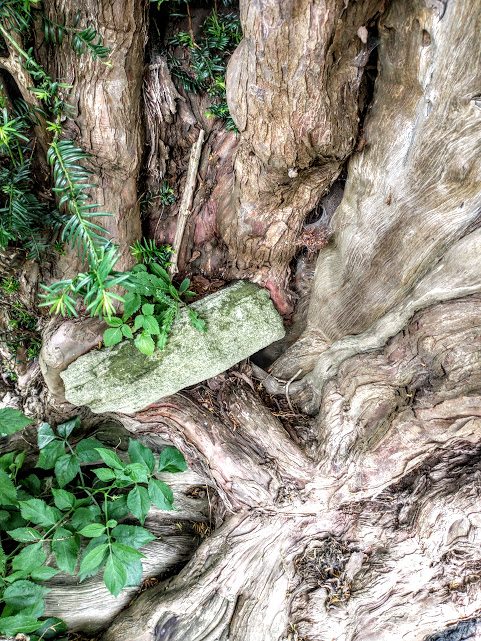
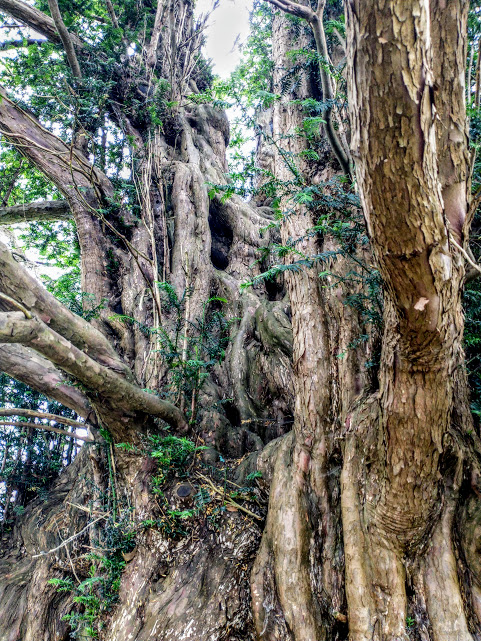
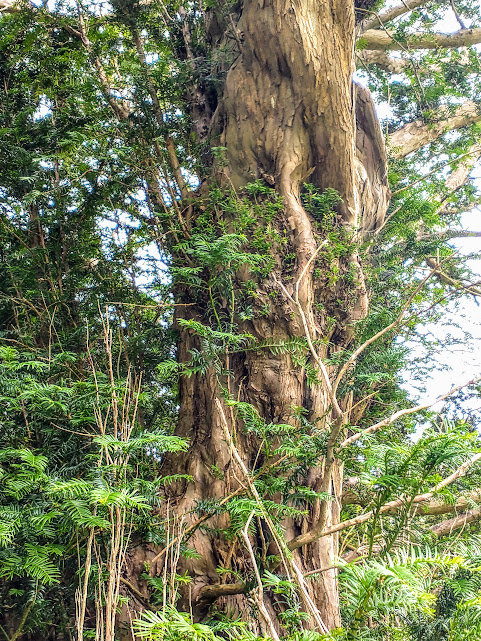
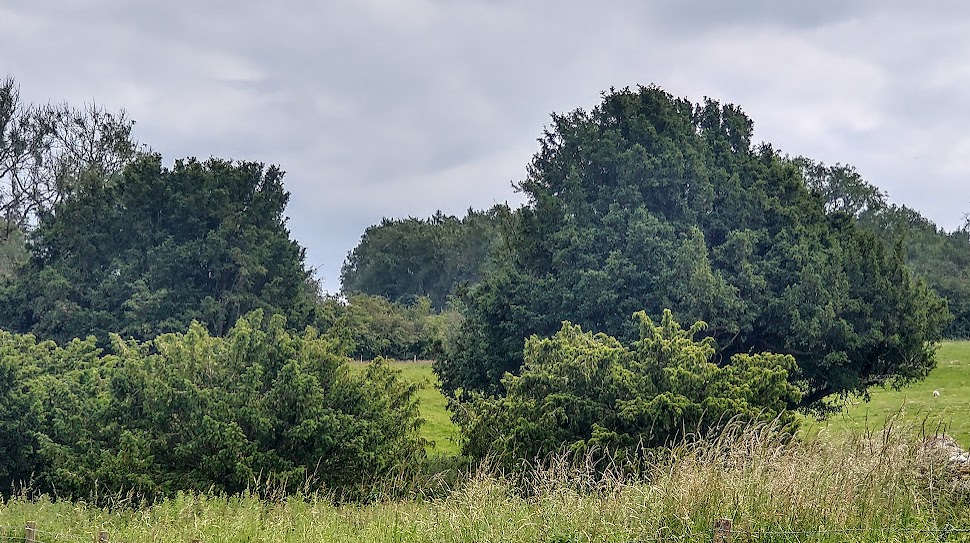
Just beyond the walls surrounding Fountains Abbey estate is a farm rented by a tenant farmer. It includes a small patch of land, untended and fenced off, because several trees got here first. They’re yew trees, and they’re thought to be about 1400 years old.

Think how long ago that was. It was only a couple of hundred years after the Romans had finally left these isles. It was several hundred years before the Norman invasion of 1066. By the time a group of monks from York had come to the site to build a Cistercian community here in 1132, those trees were already some 500 years old. This area would have been wooded, wild and interspersed with occasional farms. There would have been wolves, wild boar, lynx, otters, red and roe deer. But no rabbits. There’s no archaeological evidence for rabbit stew in any of the nation’s cooking pots from those days. They probably came with the Normans.

Those trees – once seven, now only two – would have been witness to the monastic community maturing: to the abbey and all its supporting buildings and industries developing. They would have seen the community grow, then all but collapse during the Black Death in 1248: and slowly prosper again. Until Henry VIII dissolved all the monastries, and Fountains Abbey’s roof was hauled down in 1539, leaving it pretty much the ruin it is today. By then, the trees were working towards being 1000 years old.
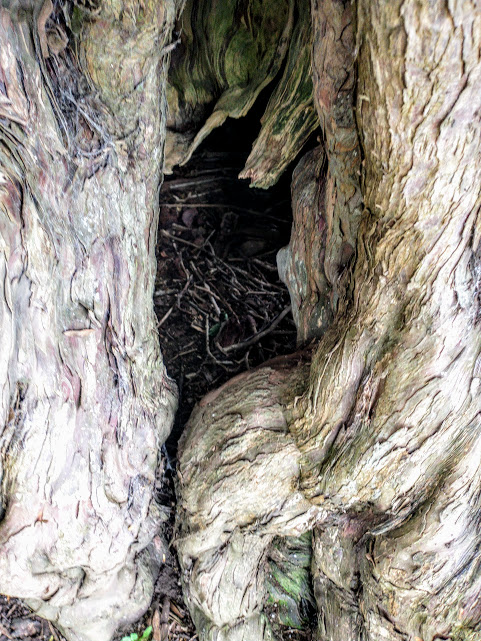
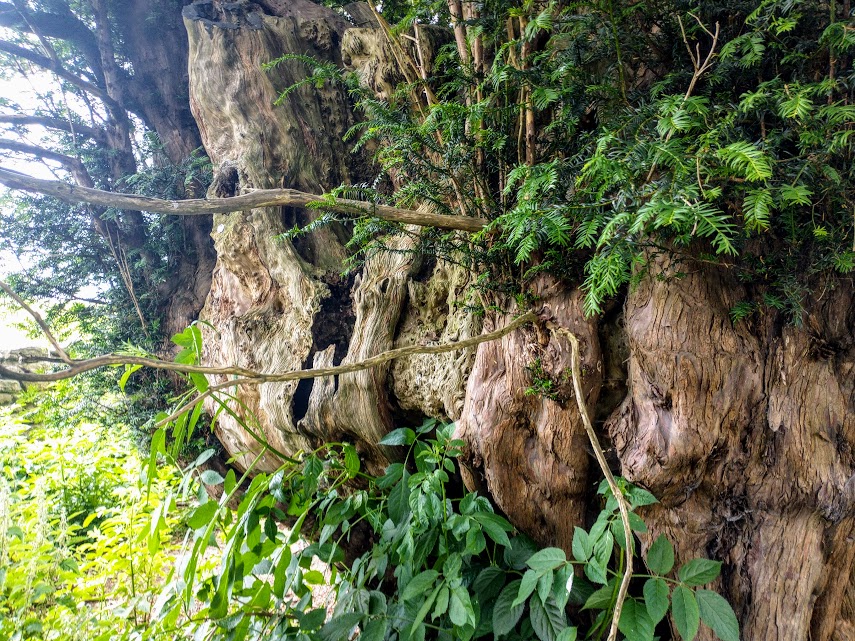
They’ve always been a bit out on a limb, these trees, and that’s what has made them such a rich habitat. They offer protection and nest sites for small birds, who can also eat their berries . Caterpillars feast on the leaves. These days, they’re home to eight species of bat, and a wide variety of owls. Yew trees are famously toxic to most animals – that’s why they’re fenced off – but badgers are able to eat the seeds, and deer the leaves.
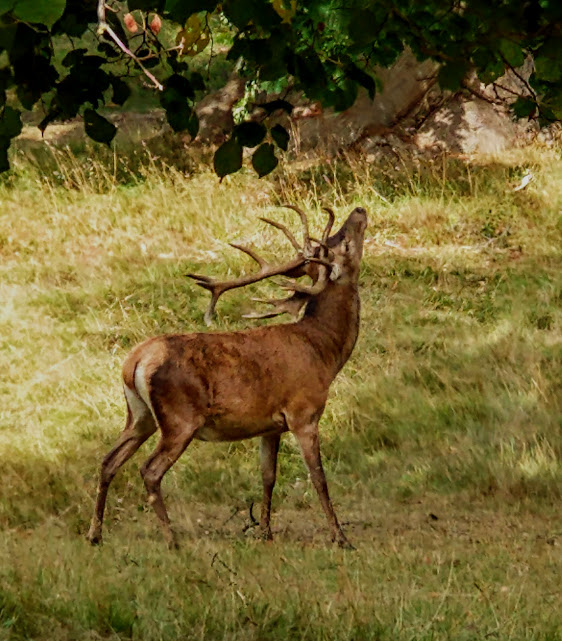
A red deer stag grazing on leaves: not yew leaves this time.

I can’t show you any of the creatures for whom these trees are their neighbourhood – apart from a grazing deer at nearby Studley Royal. Just the ancient trees themselves, the nearby Fountains Hall, built in late Elizabethan times when they were already 1000 years old, and a slightly more distant view of Fountains Abbey itself. My featured photo, the last image I took in June, is of those yew trees, looking as though they’re ready for the next 1000 years.

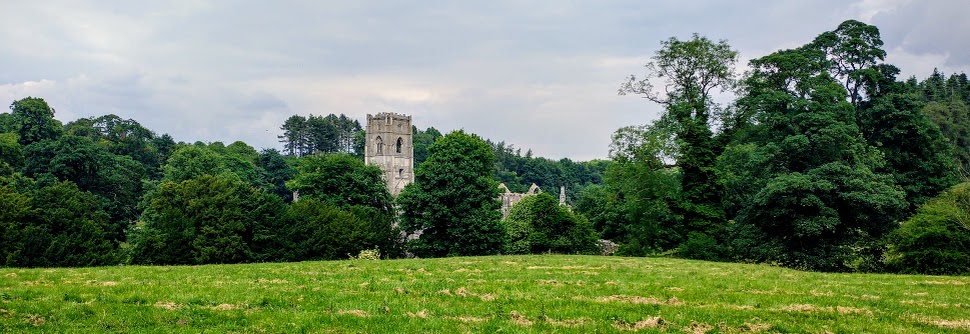
Fountains Hall, as seen from the yew trees.
Fountains Abbey, as seen from the yew trees.

This is for Brian’s Last on the Card, and – somewhat tenuously – for this week’s Lens-Artist Challenge from Tina: Habitat.

The phrase ‘Half as old as time’ was actually coined by John William Burgon in 1845, in his poem ‘Petra’.
New Life

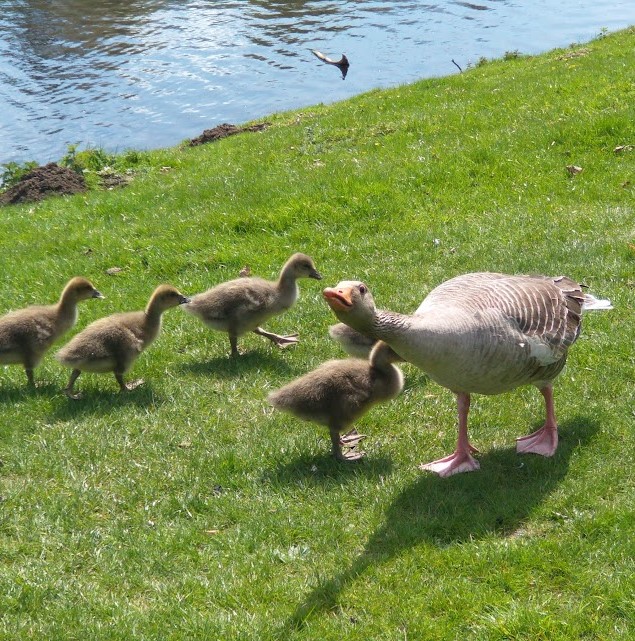
Spotted yesterday at Studley Royal: new life – burgeoning; the devoted parents moving forward – often – to protect their young by hissing threateningly at passers by who paused to admire the new babies; renewing and reconstructing the bloodline.

Yes, Becky’s Squares photo challenge has returned – hooray! The only rule is that the image chosen has to be square. This month’s theme is Renew. Or Burgeoning. Or Moving Forward. Or Reconstructing. You get the idea. So here is my first offering.

The photos is also my Last on the Card for Brian. It has of course been doctored to form a perfect square. This is against the rules. But Brian knows I invariably break the rules.

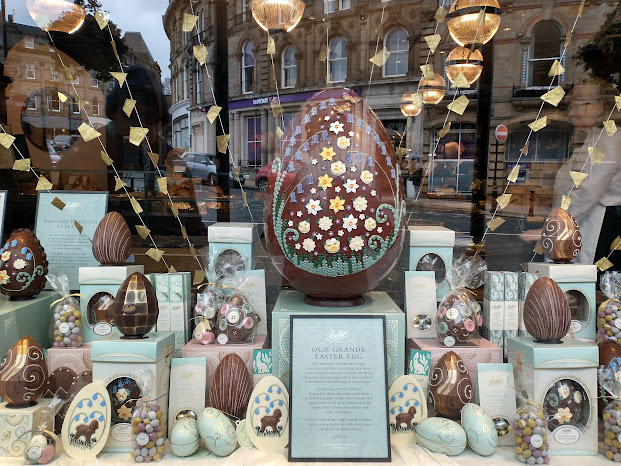
The Biggest Easter Egg You’ll See This Year?

Almost anyone who visits Harrogate considers that taking morning coffee or afternoon tea at Betty’s is part of the deal. This iconic part of the town has been here since 1919, and has the reputation of being thoroughly civilised, with the highest standards. Whatever you choose to eat or drink will be delicious, and elegantly served. But it’ll cost you.

Something else that could cost you is the egg that forms a traditional part of its display every Easter. It weighs in at over 5 kg. but could be yours for £375. You can read all about it here.

For Brian’s Last on the Card

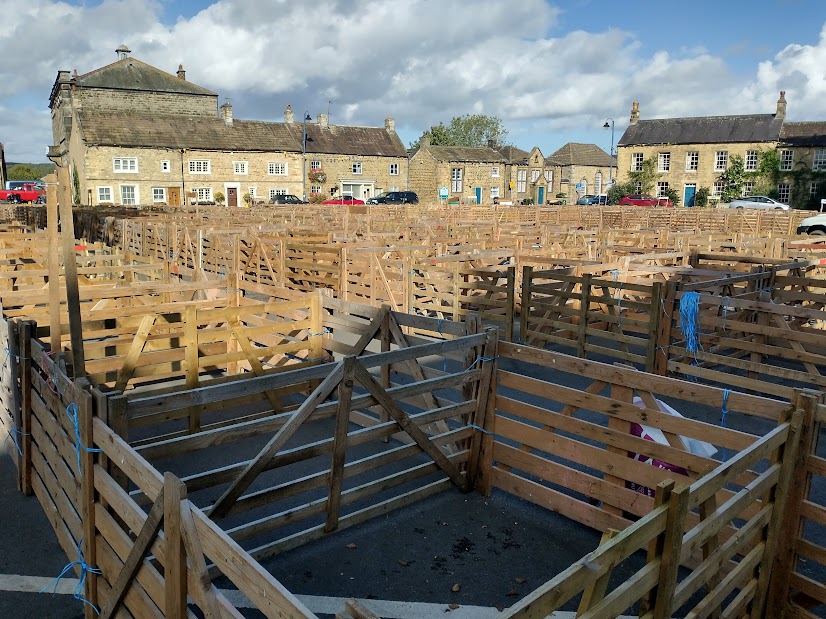
Last on the card: My Phone visits Masham

I popped into Masham on Friday afternoon, and found they were already pretty much prepared for this weekend’s annual Sheep Fair. More of this soon, when I’ve downloaded yesterday’s camera photos from this Must-Visit event. Friday’s phone photo offers a preview.

For Brian’s Last on the Card

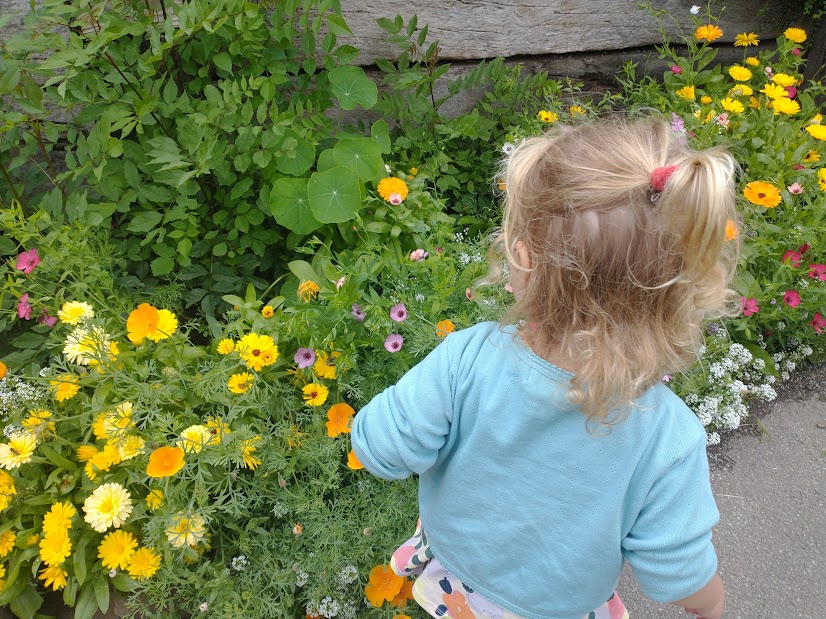
Townie Toddler in the Countryside

Townie Toddler has gone back to Spain. The house suddenly seems unwontedly calm and quiet. Rather dull really. This is probably because the two old fogies who live here have no remaining energy – for a day or two at least.

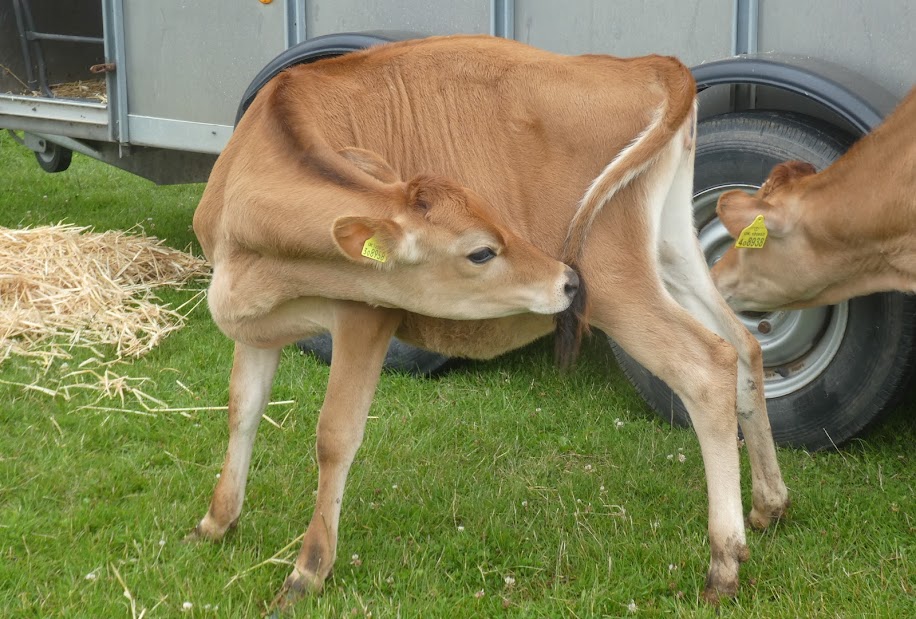
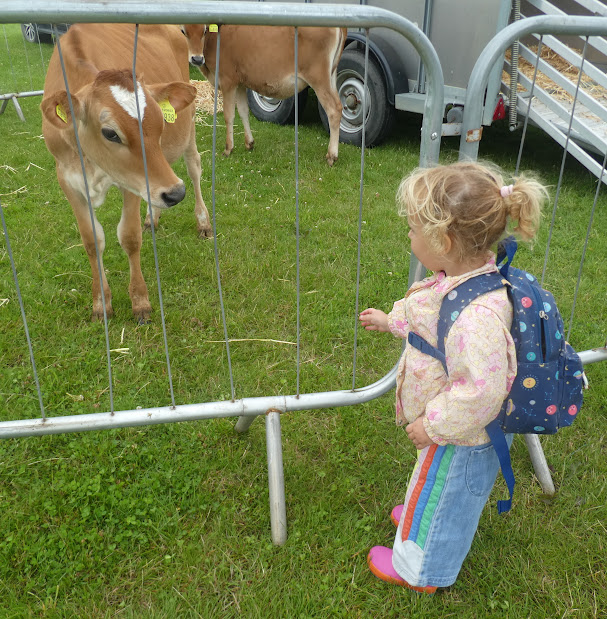
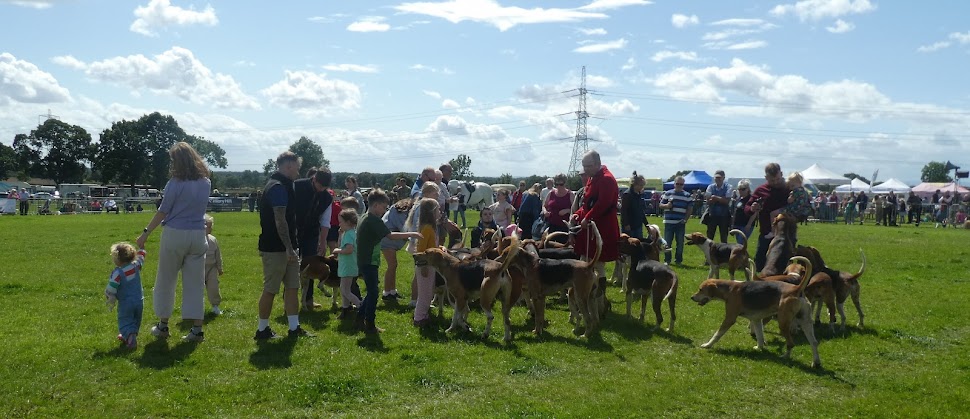
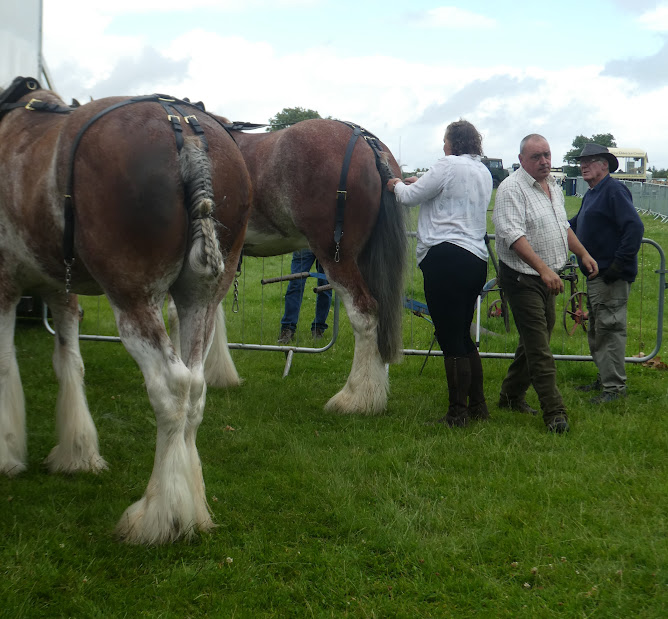
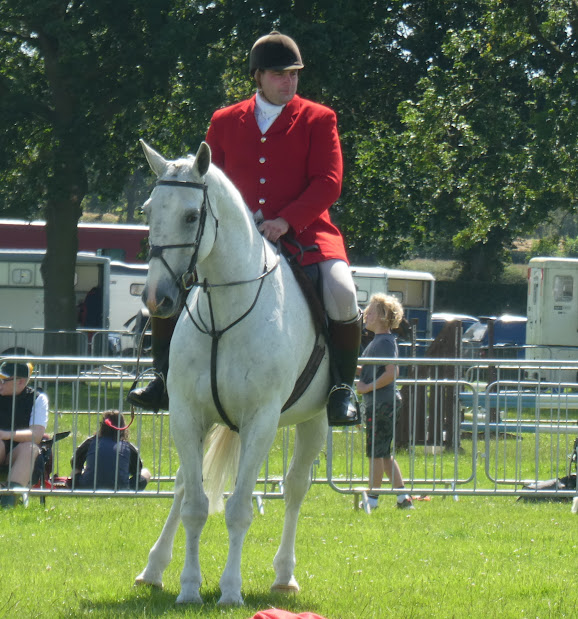
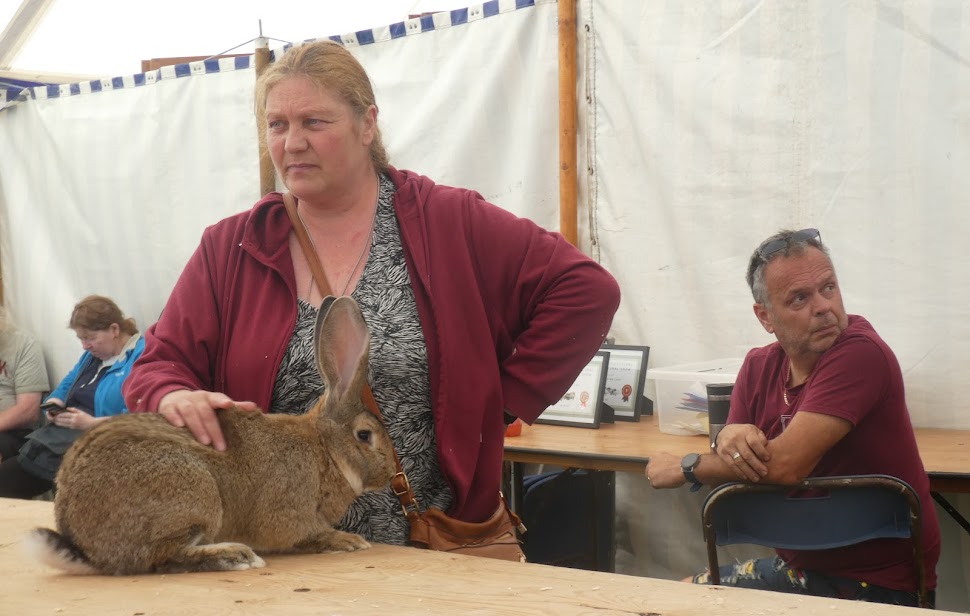
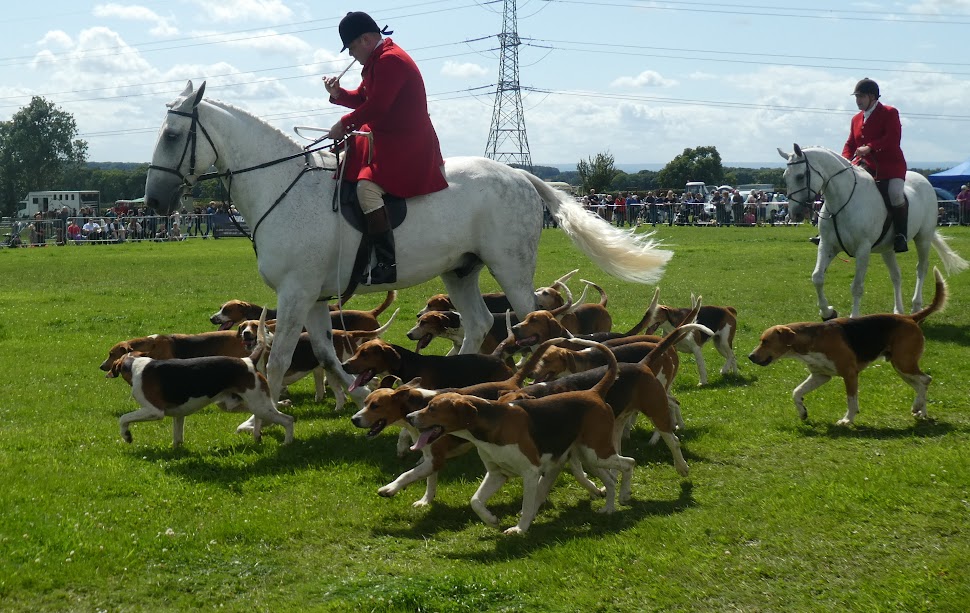
Townie Toddler’s mum wanted her daughter to spend time being a child of the countryside – spending time with its animals, plants and wide open spaces. So off we went on Saturday to Borrowby Show. Horses from shire horses to the tiniest of ponies, sheep, dogs and small animals were all Being displayed to best advantage. Oddly, the only cattle were two charming Jersey calves. One of the set pieces in the afternoon was of The Hunt. Definitely NOT our thing. But Anaïs enjoyed the chance to meet the docile and well-behaved beagles who later tore round the show ring in pursuit of – luckily – a less than realistic hare, who doubtless smelt right.

Here’s our day:

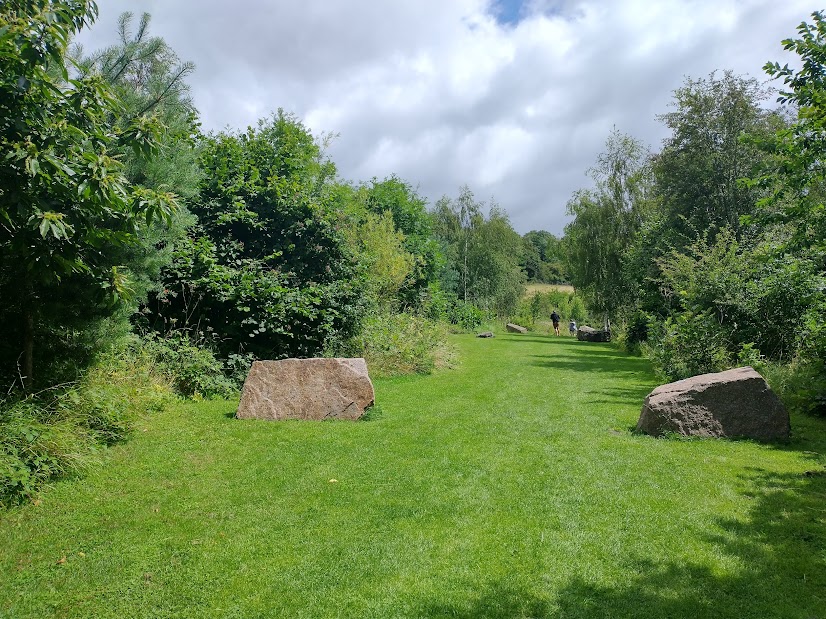
Then the next day, on our way to the airport, it was Meanwood Valley Urban Farm. It was somewhere we often went when we lived in Leeds, and the children were smaller. We loved it then. Now it’s re-invented itself. It’s larger. It has peaceful walks where you can lose yourself in dense copses and apparently distant views. It has all the farmyard animals you’d expect. Yet it’s within walking distance of Leeds City Centre. It has a vegi-box scheme. A bike workshop. It works with volunteers, those with learning disabilities, disengaged young people, and is a welcoming and environmentally focussed part of its local community. It also has a really great café. We spoke to staff and volunteers who talked with pride and enthusiasm about this special place. Almost worth moving back to Leeds for. It was a wonderful finish to Anaïs’ and Emily’s English break.

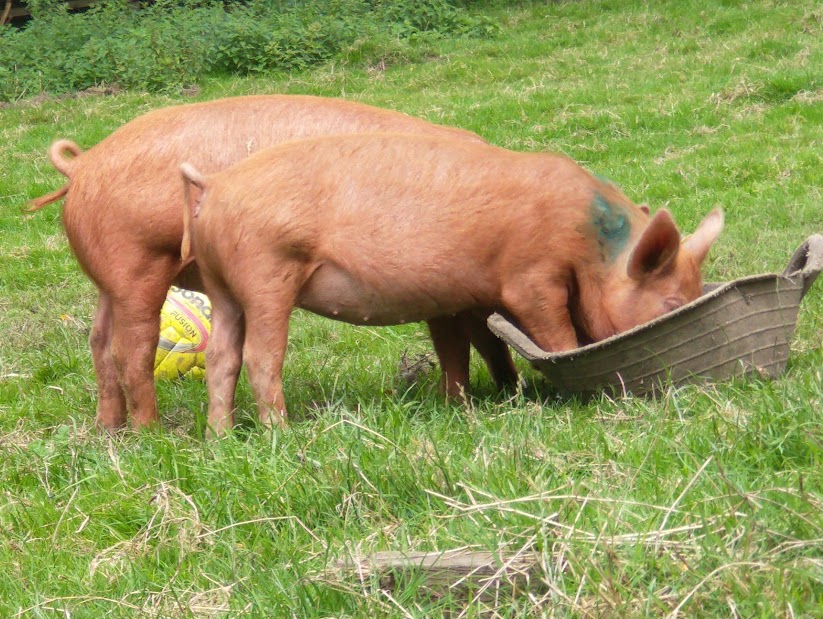
Brian? Do you see those pigs? That shot’s my Last on The Card in July.

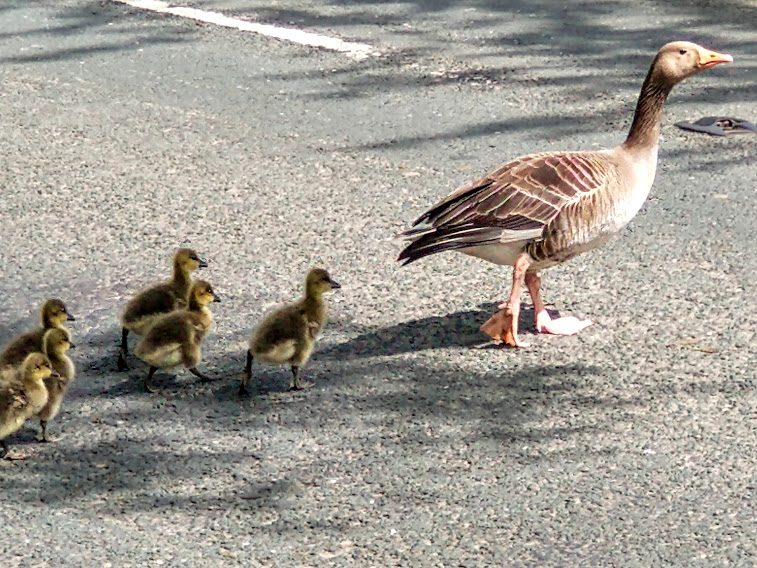
Why did the Greylags cross the road?

We don’t know. In the village, we have ponds on either side of the road, so why bother? I suspect they enjoy having every car, motorbike and lorry grind to a halt, allowing a small and patient queue of traffic to form in both directions. Sadly, I’ve always been just a little too far away to get a photo that properly represents the tailback.

Practising road-crossing skills on a footpath.

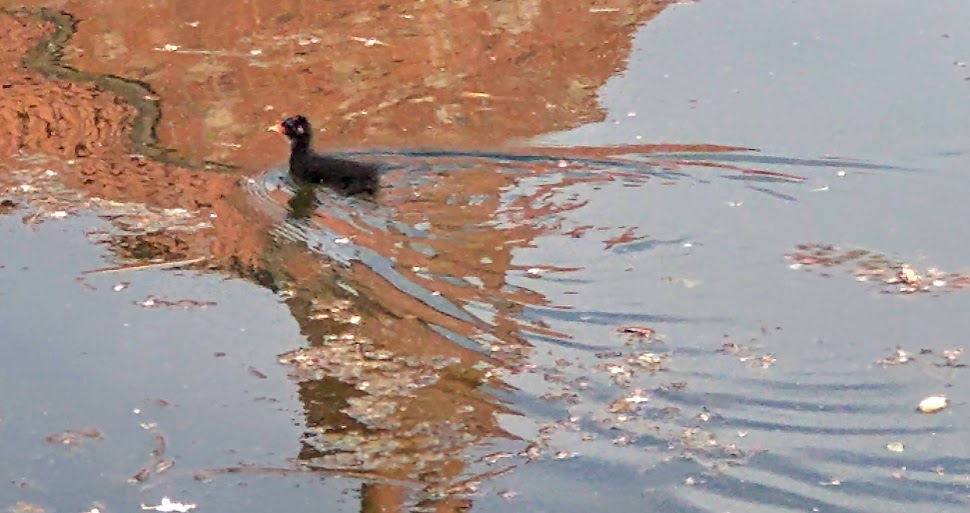
Our geese are less than popular here. Because of them, our mallard population’s efforts to breed come to nothing. So far this year, no duckling has survived longer than two days. I’m more hopeful for the moorhens.

A solitary baby moorhen.

The pavements are thick with goose droppings and hard to dodge, especially if you’re a toddler. The geese have spread from their traditional home down the road at Lightwater Valley, where there’s still room for them. On our smaller village ponds, they’ve chased away any of the quite large variety of ducks who used at least to call in for a while.

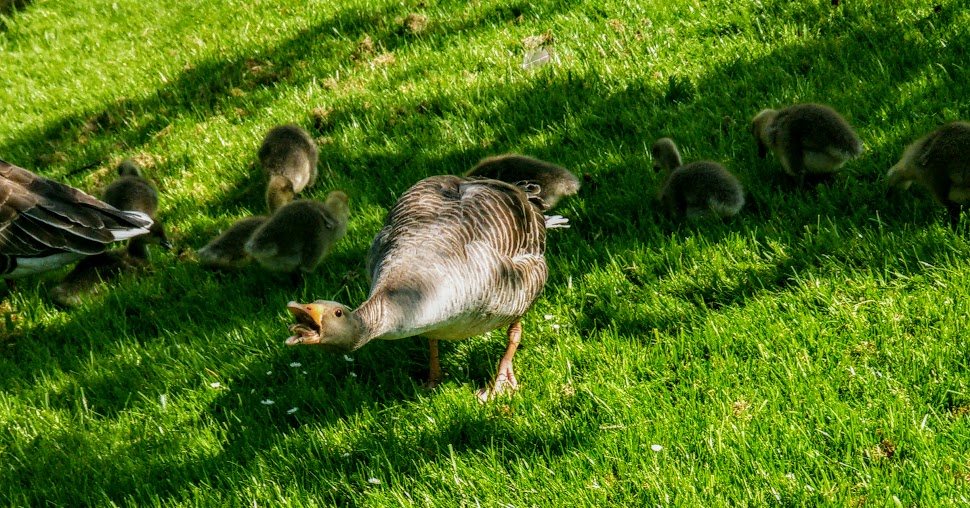
They’re hissy, protective parents.

Looking around the area – generally, it seems that geese – generally – are out for World Domination. They’re tough enough not to be predated, and are fierce unfriendly neighbours. Does it look that way where you are ?

I’m getting in early for Brian’s Last on the Card. Just to make sure I don’t cheat and take any more photos this month, I’ll leave my phone behind, and not take my camera with me when I go out.

Last on the Card: May 2023

And also I J Khanewala’s Bird of the Week. This is a relatively new challenge- quite a few of you have great shots of birds – why not join in?

Welcome Wild Garlic

It’s spring. It must be. Wild garlic has – almost overnight – started rampaging through the woodlands near our house. A light tang of garlic pervades the air. And I go foraging. This is the season for:

Wild garlic and potato soup

Wild garlic pesto

Shredded fine and tossed at the last moment into scrambled egg.

Shredded and tossed into risotto at the last moment

Have you any favourite recipes?

And have you got a secret piece of ancient woodland where ransoms – the other name for wild garlic – flourish? If so, you’re probably as lucky as me, because wild garlic is often quickly followed by bluebells.

I took my feature photo yesterday, so it qualifies for Brian’s Last on the Card. Accompanying text is rather frowned upon. Tough. This is my post, and I’ll write if I want to.