Markets in Toulouse

We went to Toulouse yesterday, to visit the markets.  This wasn’t a trip to stock up the larder though.  This was a history lesson, as offered by Elyse Rivin, long term resident of Toulouse and great enthusiast for the city.  She is a full fledged official guide and art historian, and runs Toulouse Guided Walks.  We’d booked.

Minutes after we met, we found ourselves in front of Victor Hugo market.  You’ll go here for meat or fish, but also for all the other foodstuffs that markets do so well – fruit, vegetables, bread and patisseries, drinks.  At lunchtime you might pop up to the first floor to have a convivial meal at one of the several restaurants up there, all using fresh produce bought only an hour or two before from the stalls below.  This market, like every other in Toulouse bar one, is a concrete horror story.  Back in the late 1950’s and early 1960’s, they demolished the elegant iron and glass Victorian structures: they needed car parking space of course, and somehow contrived to squeeze car-parks-with-added-market onto those old sites.

Toulouse has had markets since way before the 12th century, and most had a speciality.  Victor Hugo’s (I’m guessing it wasn’t called that then) was wood.

We wandered along to the Capitole, the splendid central square of Toulouse.  Usually it’s an an elegant place, airy and inviting.  On Wednesdays it’s inviting for a different reason:  There’s a market: a big one.  Teeming with second-hand books, brocante of every kind, traders from every corner of the world……  And on other days, there’ll be organic food stalls instead.

I remember learning in history lessons how the streets of London were often taken over by particular trades – leather sellers, poulterers, bakers and so on.  So it was in Toulouse.  Many of these trade names have been lost, but there are still streets with the old Occitan names: the cauldron makers for instance.  And some trades hang on, in an unbroken line from the 12th century.  Rue Sainte Ursule for example, then as now, housed textile merchants.  These days that means clothes shops, textile wholesalers, even small scale manufacture.  This area is still named Quartier Bourse after the Bourse des Marchands (a trade association, an antecedent of the Chamber of Commerce).  In the 19th century a fine new neo-Classical building was built, and this is the Tribunal de Commerce, where trading disputes are resolved.

On to Esquirol.  Flour was measured here in a stone basin, by volume not weight, to prevent honest shoppers being short changed.  A beady eye was kept on those who attempted to ‘cut’ their flour with chaff, dustings of rye flour and so on.  Back in the middle ages, as now, white bread was prized.  No market here now, because back in the 19th century, several long straight roads – in this case Rue de Metz – were sliced through the city, laying waste anything in their tracks.  The market hall that was here has been rebuilt piece by piece at Lourdes, so you could go and see it if you liked, unlike all those other lost structures.

Next stop: a walk down down Rue des Filatiers.  I love this narrow street with its tall, elegant houses, many dating from the 16th century.  Take a look at the pictures.  And then we were at Carmes, originally home of the Carmelites.  The order eventually won a long battle with the city to be allowed to have a monastery in Toulouse.  What clinched it was when they assured the pope that their long ministry in the area of Mount Carmel gave them a unique possibility of converting the area’s small Jewish population.  The city fathers had to give in.

Carmes, like the other markets, is now a concrete box, instead of a complement to the smart 19th century character of this historic area.  But we were here to sample cheeses, guided by a local affineur, at a shop called Sena.  What this means is that the shop buys cheeses direct from the maker, and matures and ripens them to what it considers perfection.  Our guide for the occasion wanted to share three fairly local cheeses with us.  We had a young soft goat’s cheese ‘Cathare’, fresh and light, dusted with ash: this was 10 days old.  Our cow’s cheese, yielding, tasty and with a volcanic looking grey crust was 5 weeks old.  Best known was the Ossau-Iraty cheese, made from sheep’s milk from the Basque country and the Béarn, which had the most pronounced taste of all.  He paired these with fruits: raisins, candied kiwi, and almonds.  For tasting purposes, he explained, these are better than bread. We had a glass of the most local wine to Toulouse as well, Fronton.  This was a Négrette, low in tannin and acidity.

I talked to him about English cheeses.  He sells Blue Stilton, but I was alarmed to see, among all his hand-picked artisanal cheeses, a block of shrink-wrapped orange cheddar.  He told me that people bought it for barbecues, to put on cheeseburgers.  He had, he said, little incentive to stock English cheeses, which he knew could be very good, because the French would not buy.  Presented with shrink-wrapped cheddar, are you surprised?

Still, by now it was long past midday.  Back to Carmes to hunt for a lunch-stop, where we could discuss the morning over a leisurely plat du jour.
This slideshow requires JavaScript.

An Everyday History of Country Folk

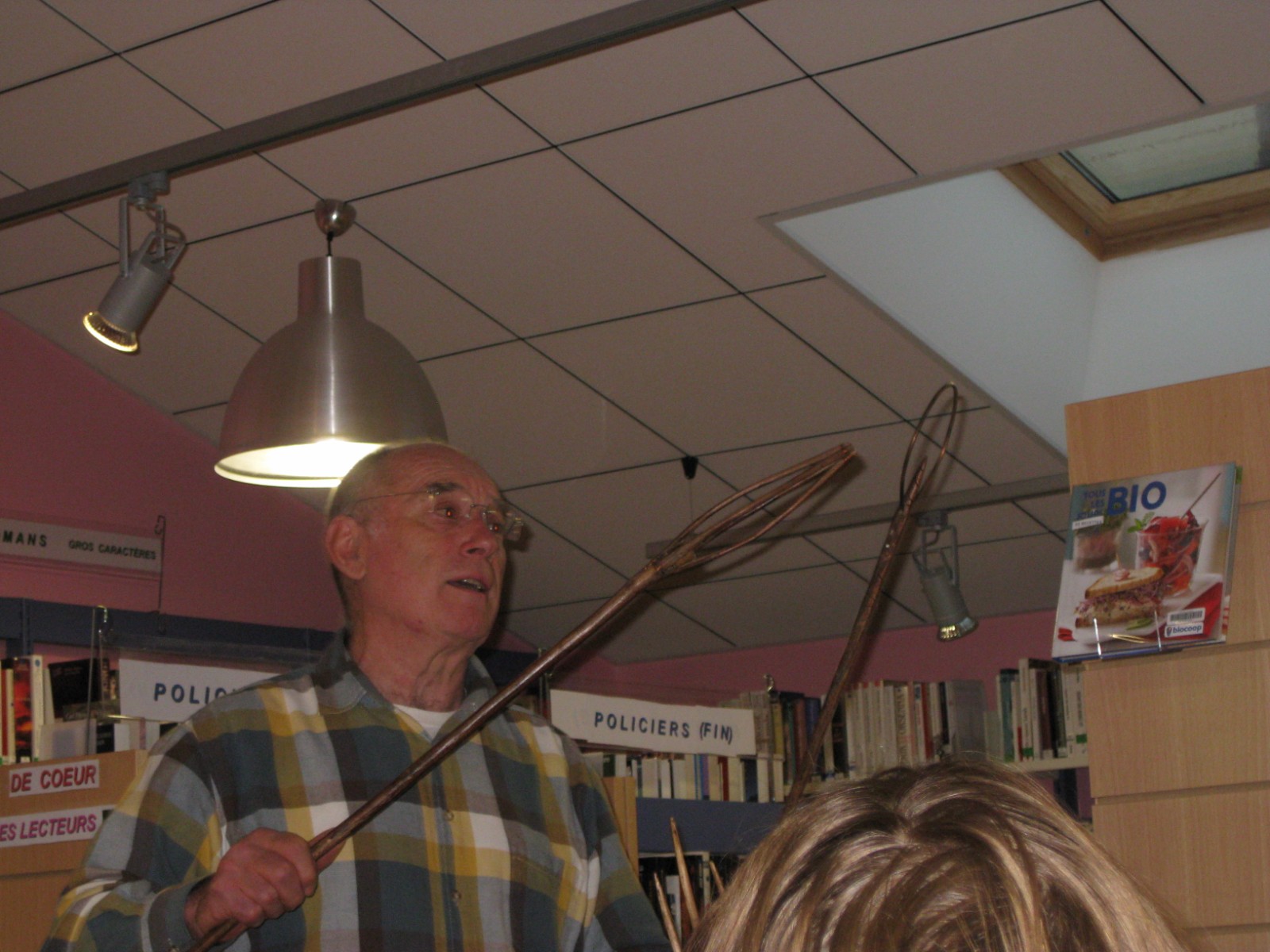
Yesterday afternoon was fascinating.  We went to Belesta library for a talk by Paul Garrigues, a local historian who collects old wooden artifacts. He’s such a good speaker, and gave us an insight into a way of life which only finally drew to a close about 30 years ago.  He’s pretty much my age, but his childhood was spent around ox-drawn farm machinery, distaffs and a host of things that formed no part of my rural infancy.  Now that most Ariègeois farms look pretty much like anywhere else’s, with tractors, silos and irrigation systems, it’s rather hard to believe.

Paul’s childhood was spent in the next village to here, Aigues Vives.  Later, he met and married a young woman from a tiny community in the Couserans, a part of the Département to the west of here.  He was surprised to find how different the tools in his wife’s village often were.  There too, the villagers spoke Gascon, rather than the Occitan traditional in our part of the area.

And so his interest began.  He started to collect mainly wooden artifacts: agricultural items, kitchen tools, playthings.  To him these things tell a story of rural life here as it was lived over many centuries.  Yesterday he came to Belesta Library to talk and show part of his collection.

First of all, a simple wooden torch, looking something like a charred rounders bat.  This interests him because items just like this were in use – almost daily – since man first populated the area in Stone Are times, right up until the First World War, and in a few cases, beyond.

Next, a distaff.  This item too remained unchanged almost from those early days until the early years of last century. Any female over the age of about 8 living over the last 1000 years and more, whether rich or poor, would have recognised it. Spinning would have been a constant part of her daily routine, whether she was managing a fine estate, or supervising a few sheep on the mountainside.  And do you know what?  Constantly licking your finger and thumb as you handled the wool made your mouth dry, so beside you, you might have a little wooden box, filled with snuff, to help your saliva to flow: he showed us samples.

A couple of millas stirrers

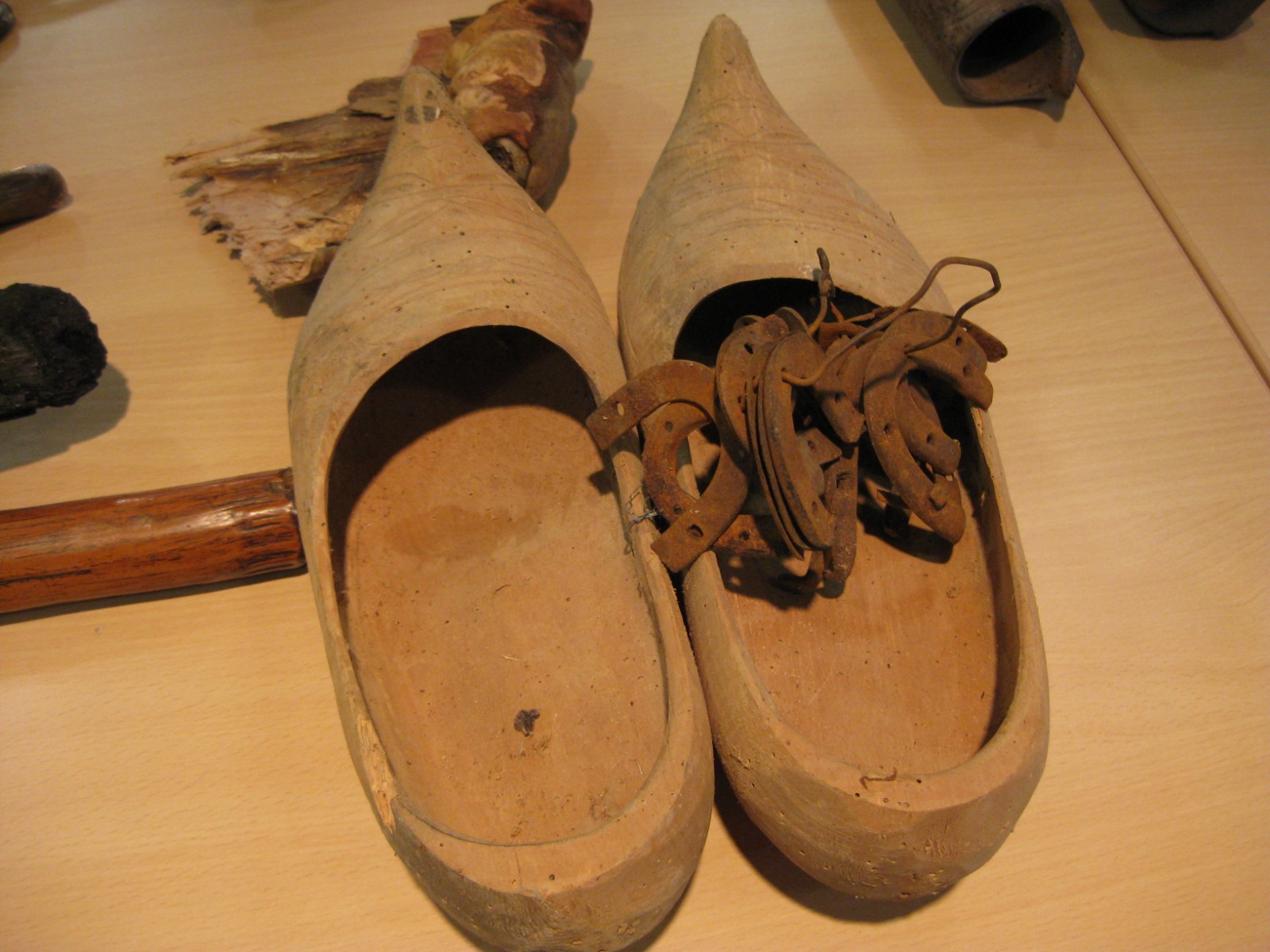
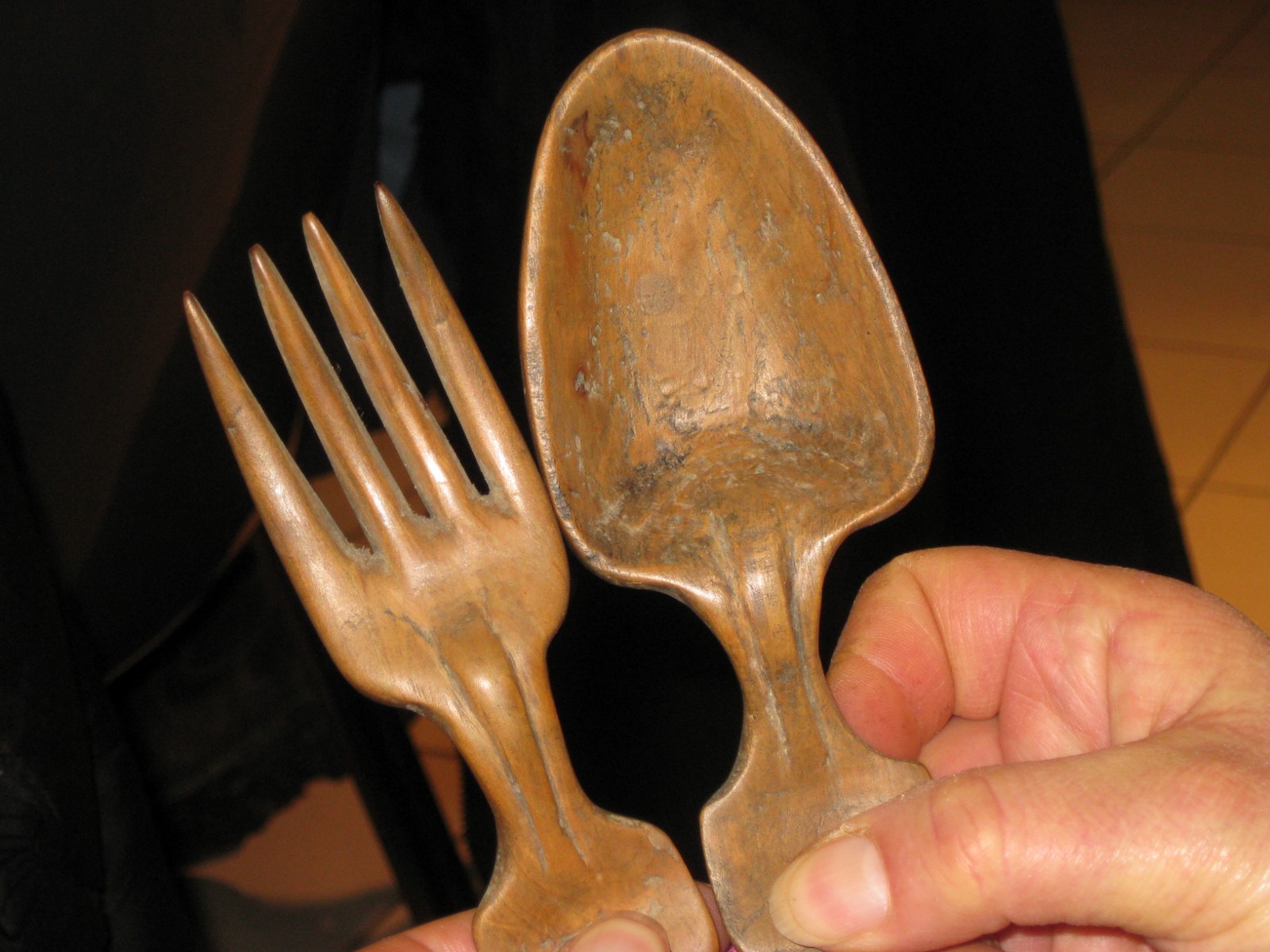
We saw long wooden balloon whisks and three-pronged forks used to stir the great vats of millas (a sort of porridge made from cornmeal) beloved of the Ariègeois, wooden spoons and forks, large wooden bowls.  He showed us wooden clogs.

Wooden clogs with metal horseshoe-style heel strengtheners

We saw wooden roof tiles.  All these things are made from unplaned wood, so the implements can follow the natural grain of the wood and be strong and sturdy.

From the Couserans he had savage long thick knives, looking like swords in their wooden or leather scabbards.  Their design was directly descended from the instruments of war the Gascons often saw in their battle-rich past, but in fact they were used to cut rough grass, crops, and the long straw required for thatching.

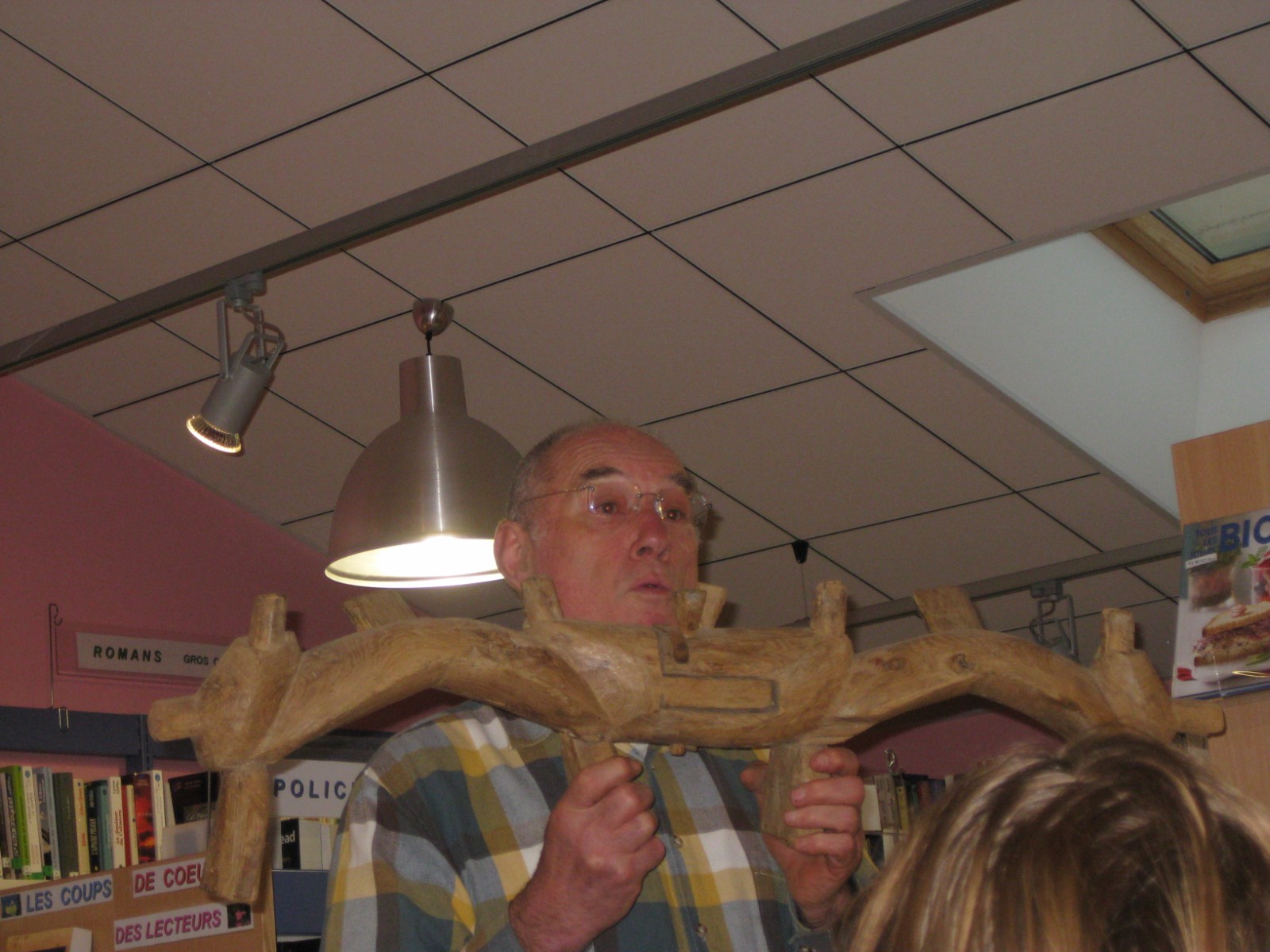
A yoke. For safety reasons, it can quickly be divided in two

There were other differences between that part of the area and ours.  Here, terracing was a feature of upland farms, and it was male beasts who worked the land.  There, the farmers worked directly on the steep slopes: the cows who ploughed the land (it was female animals who did the work here) had to have specially designed wooden yokes so that they weren’t strangled as one worked at a higher level than her work-mate.

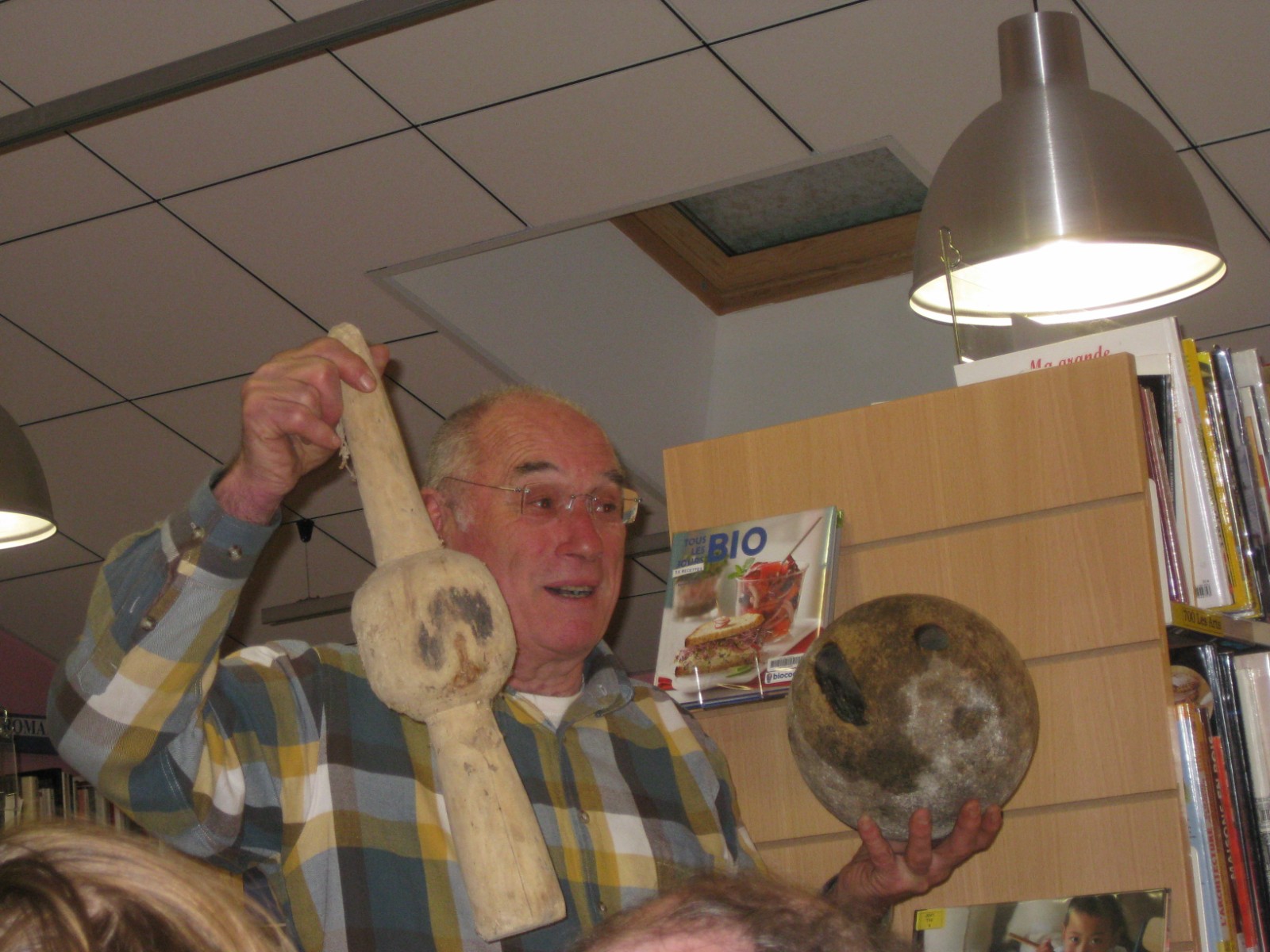
But it wasn’t all hard labour.  Anyone who’s ever been to a bowling alley would recognize the bowls and skittles he showed us (made from wood, naturally).  They were a big feature of life round Biert in the Couserans, but inter-village tournaments were rare.  They all played to different rules, which tended to make contests rather difficult.  But it was over here, in nearby Le Sautel, that a game was bought to a sudden end at the end of the 19thcentury.
Wooden skittle and bowl. Confiscated from the church at le Sautel?

One Sunday, the women went obediently to Mass, and as usual, the men played with their bowls outside, getting argumentative and noisy as the morning wore on.  Eventually, the priest in church could take no more.  He stormed out through the church porch, confiscated the bowls, and hid them in the sacristy.  Evidently completely unchastened, the men simply produced other bowls when it came to their next match.

Paul’s keen that we should regard these tools and artifacts as living objects, part of a traditional way of life extending back hundreds, sometimes thousands of years.  He doesn’t want them consigned to the cemetery of history.  If you live round here in some old-style village or town house, you’re almost certain to find quite of few of the things he talked about in your outhouse or attic.  Perhaps I should have another look.

Wooden fork and spoon. A good strong shape. The short handles ensure a long and useful life.

Tourist information: Bath and beyond

We’re back in France, to rather strange mid-January scenes.  Our local skiers’ playground at Mont d’Olmes appears to have only a dusting of snow, though it claims to have 5 pistes open.  Our garden’s full of marigolds flowering alongside the snowdrops, and on a walk yesterday afternoon, dressed in light pullovers, we heard birds singing ceaselessly, apparently to welcome the spring as they busily seemed to be putting winter behind them.

And so it was in England too.  We rarely wrapped up warmly, and enjoyed being out and about in the balmy conditions.

Best of all was our trip to the part of the country that includes parts of South Gloucestershire and Witshire and Somerset, to stay with my daughter-in-law’s family.  They took a dim view of our lack of knowledge of their end of the country, and set about putting things right.

Everyone knows Bath as a Roman stronghold and as a wonderfully intact 18th century city much visited by Jane Austen.  No wonder it’s an UNESCO World Heritage site.  We had to be content with a taster session. And we began with a stroll across Pulteney Bridge, which has shops on it, like Florence’s Ponte Vecchio, and along the Avon to enjoy the views of the Abbey and Parade Gardens.

Bath Abbey’s an ancient church, but what we see today- a light graceful building soaring upwards to spectacular stone fan vaulting – is largely the work of the Victorian Gilbert Scott.  Every wall is covered with memorials: so many people came to Bath to ‘take the waters’ and then upped and died.  Plumbers, admirals, sugar plantation owners, soldiers – they’re all here.

Time for a coffee break.  Where else but the 18th century Pump Room, where we decided a Bath Bun was a good idea, a sulphurous glass of spa water a very bad one?

We can’t recommend the Roman Baths Museum highly enough.  After spending several hours there, we feel as if we’ve had a real taste of the life of a Roman citizen living, working, playing and praying in Bath during that period.  The baths themselves have been very sensitively and imaginatively interpreted.  If near Bath, just go!

After that, a quick stroll round the 18th century.  The graceful symmetry of streets like the Royal Crescent is so impressive: just don’t look round the back, you’re not meant to.

Next day, we were tourists too. England at its most picturesque.  Cotswold villages with solid stone-walled, stone tiled cottages.

Back in the medieval period and beyond, Castle Combe used to be a centre for the local woollen industry.  Now, more often than not, it’s a film set, the scene of many a period drama on TV or at the cinema.  And Lacock is so picture-postcard perfect that almost the whole village is owned by the National Trust. Great for a relaxing visit.  I wonder what it’s like to live there.

We’d mooched happily round these two villages for some while.  But after all that we needed to step out and stretch our legs.  Kennet and Avon Canal anybody?  Brian and Sue chose for our walk the Caen Hill Locks, a flight of 16 locks packed tight together, one after the other, with ponds at the side to store the water needed to operate the locks.  We thought our walk up the canal banks used quite enough calories.  What if we’d been taking a canal boat up the entire flight and beyond, through lock-gate after lock-gate? This 100 mile canal has more than 100 of them in total…..

A wonderful couple of days then, steeped in history and splendid views and countryside.  We’ll be back – if Brian and Sue’ll have us.

This slideshow requires JavaScript.

From the Pyrénées to the Pennines: Chapter 1

Today, three friends from Lavelanet are coming to stay in Ripon (with friends of ours: we can’t cram them into our tiny flat).  They’re members of Découverte Terres Lointaines coming to Discover Yorkshire in Six Days.  Over the next few months, you’ll find out why.

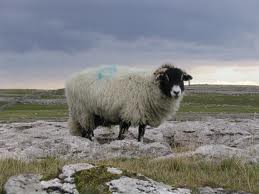
But Yorkshire in 6 days?  That’s quite a challenge isn’t it?  Especially as it would be good to show something of what the Ariège and Yorkshire have in common: dairy and sheep farming, a textile industry long past its glory days, mining and quarrying ditto, a religious past coloured by conflict…. If you were Tour Guide, what would YOU choose?

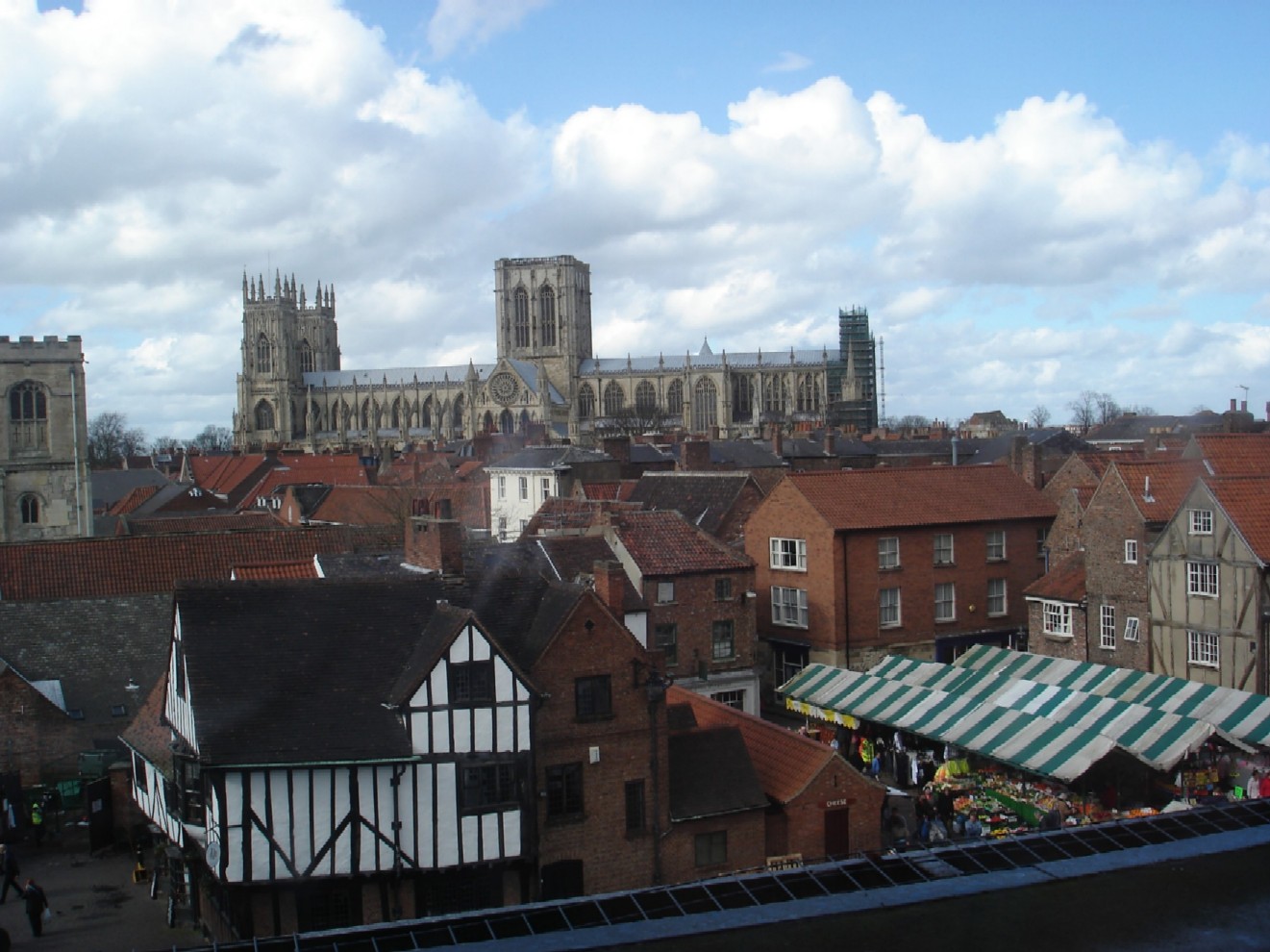
York: The Romans, the Vikings have all been here: a day won’t be long enough

The Dales?  Swaledale, Wharfedale, Nidderdale….etc.  Which is your favourite?

Swaledale

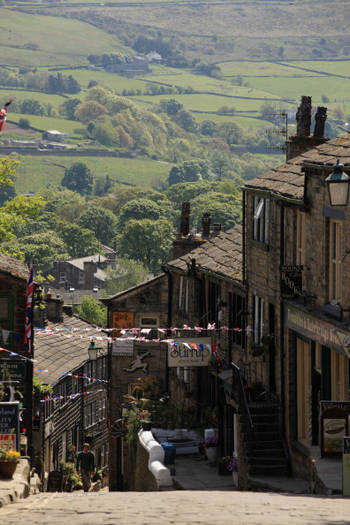
Hawarth: A chance to see a bit of the wonderfully bleak landscape, and visit the home of the Brontë family.

Hawarth

Bradford: its textile industry brought the workers from Pakistan and India who are now such a significant part of the town’s population

Textile Machinery at Bradford Industrial Museum

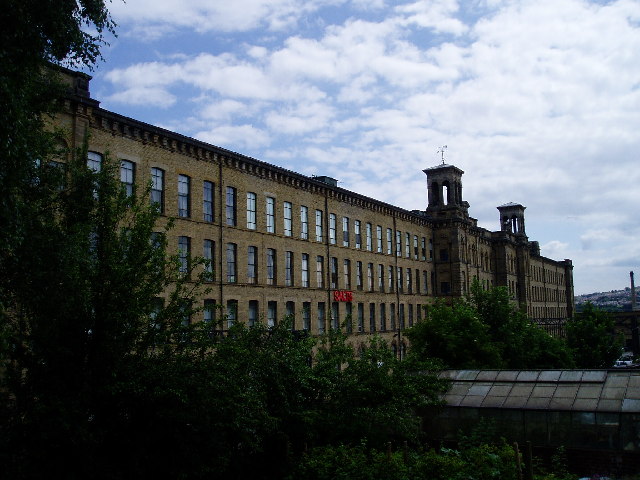
Saltaire: a model village built by philanthropist Titus Salt in the 19thcentury as a decent place for workers to live.  Philanthropists like Salt built others in the UK – such as Port Sunlight on the Wirral and New Earswick  inYork.

Salt’s Mill, Saltaire

North York Moors:

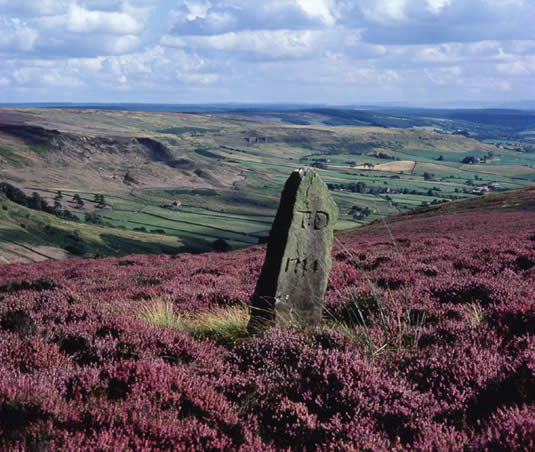
Rosedale, North York Moors

we’ll see the views on our way to……………

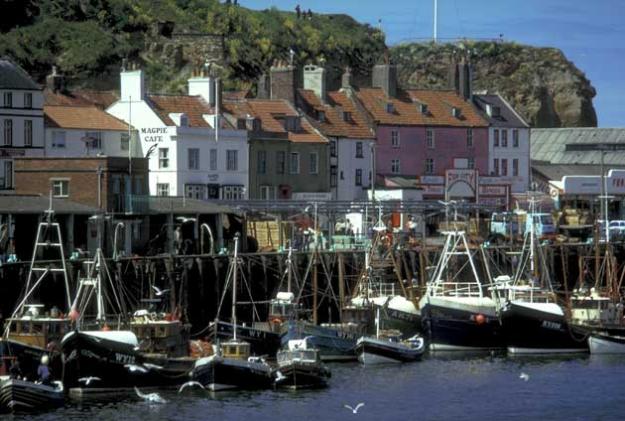
Whitby: fishing port and holiday resort

Whitby

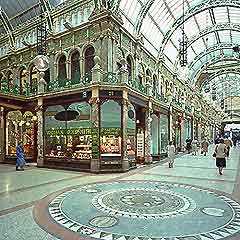
Leeds: the city centre – a mix of Victorian civic pride and modern business district.

Many of the Victorian Arcades are now an up-market shopping destination

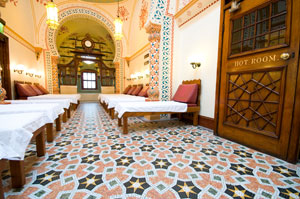
Harrogate Turkish Baths: time for us to relax and re-charge our batteries.

The Turkish Baths at Harrogate

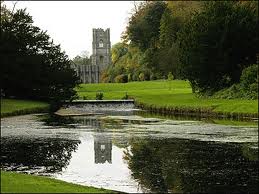
Fountains Abbey: this Cistercian monastery is, like Saltaire, a World Heritage site.  And a beautiful and peaceful place.

Fountains Abbey

We’ll need to include a pub, fish and chips, preferably eaten on the seafront out of soggy paper.  Curry too.  But why is the totally inauthentic chicken tikka masala apparently now our national dish?
I’m so looking forward to being a tourist in my own birth county.  I hope our friends enjoy it too.

The concentration camp at le Vernet

Yesterday, we visited one of the Ariège’s best kept – and most shameful – secrets, the museum commemorating the concentration camp at Le Vernet.

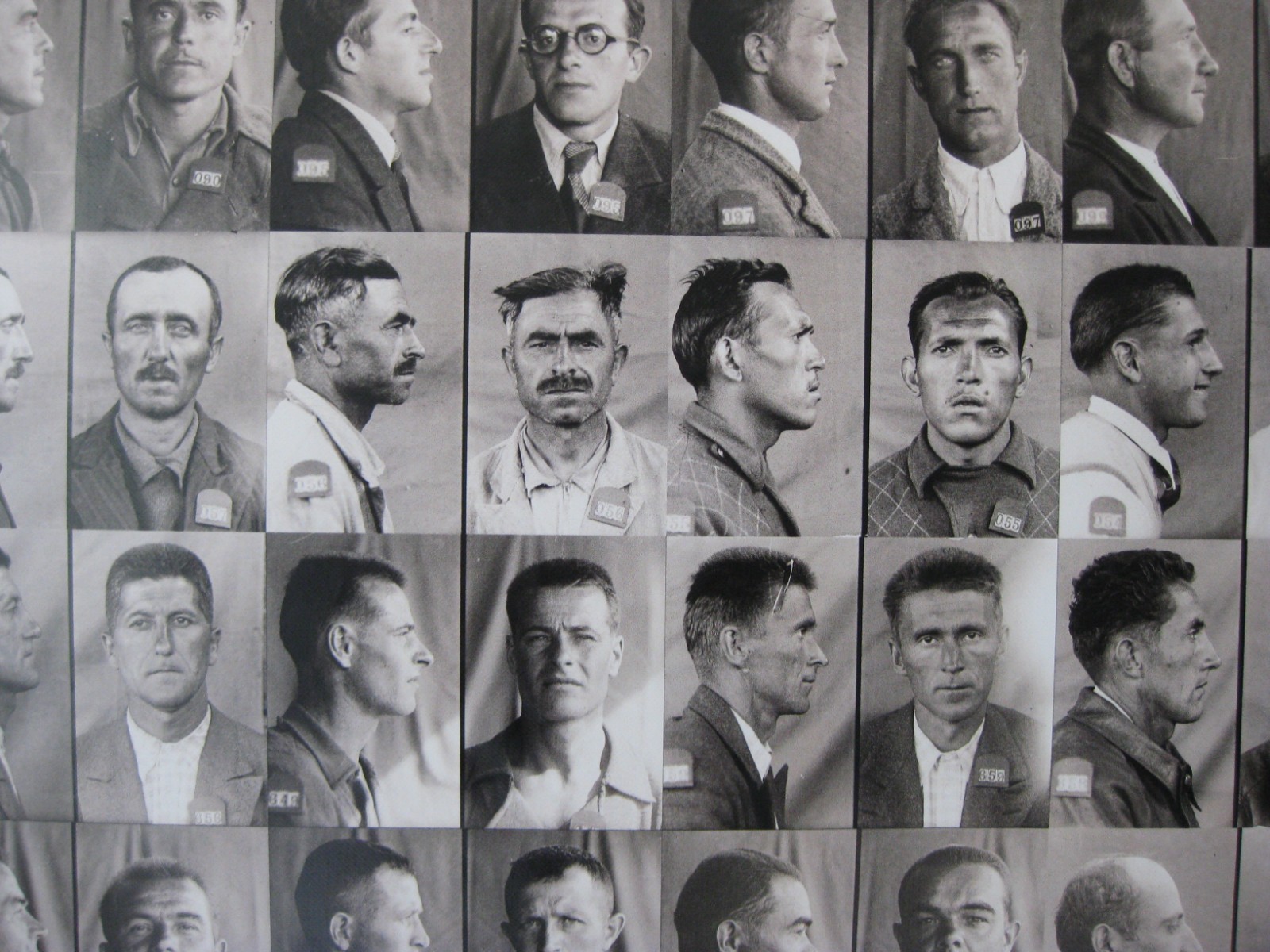
ID shots of some internees

Starting in 1939, after the defeat of the Spanish Republic, the concentration camp at Le Vernet, near Pamiers, was used to detain the 12,000 Spanish combatants from the Durruti Division. At the declaration of war, ‘undesirable’ foreigners, anti-fascist intellectuals and members of the International Brigades were interned at Le Vernet under terrible conditions, described by the writer Arthur Koestler (himself interned there) in ‘Scum of the Earth’. In 1940 it became a repressive camp for interning all foreigners considered suspect or dangerous to the public order.  At the time, it was known as ‘The French Dachau’.

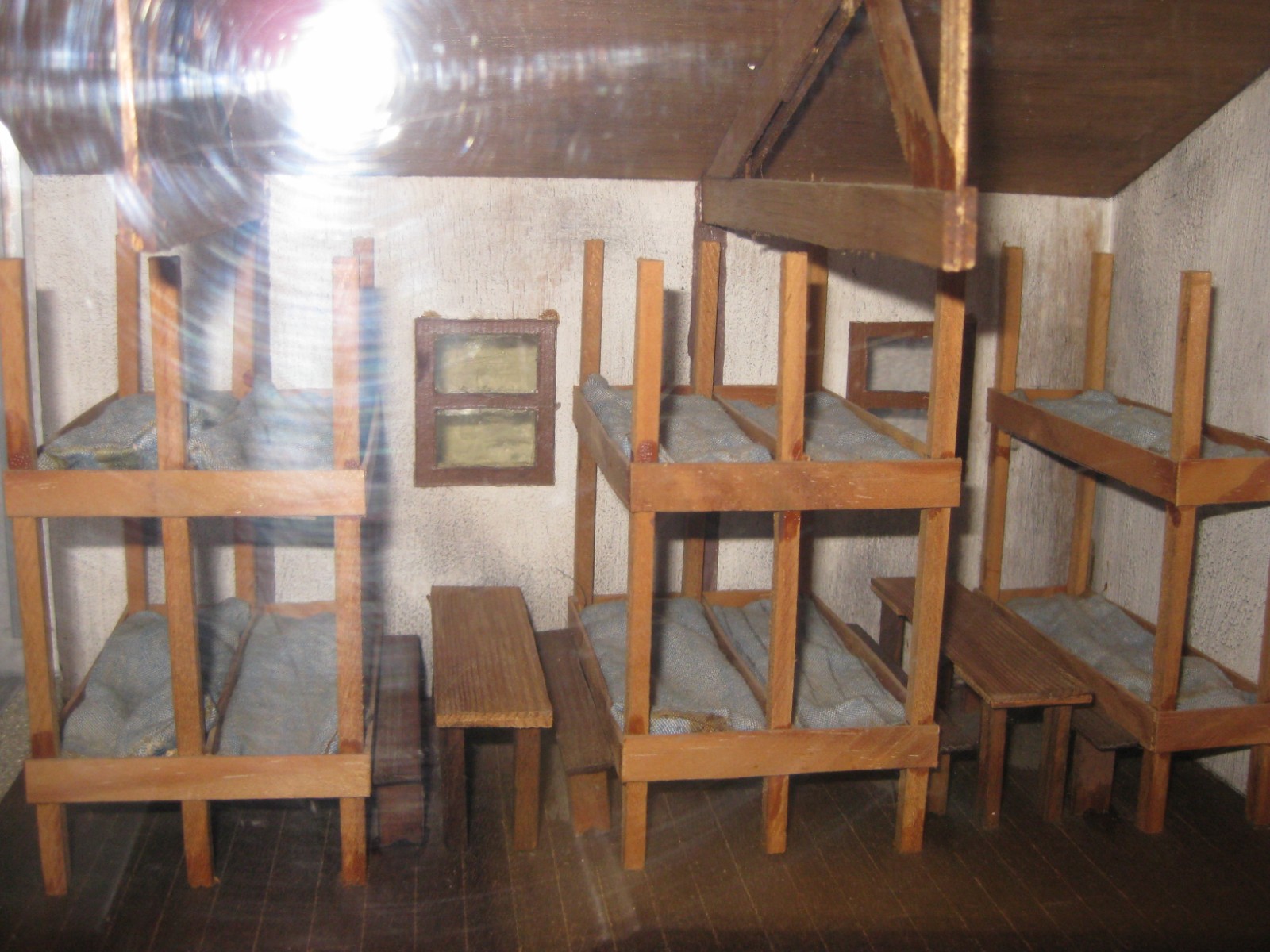
Model showing part of the camp

From 1942 it served also as a transit camp for Jews arrested in the region. In June 1944, the last internees were evacuated and deported to Dachau in the ‘Ghost Train.’ In total about 40,000 people of 58 nationalities were interned in the camp.

We were shown round by the Mayor of  le Vernet.  He has a passion for sharing this dreadful part of French history which only someone whose family has suffered its consequences could have.  He showed us the models of a vast camp, now totally obliterated, and the cramped dormitories.

Model of a camp dormitory

He described the harsh conditions, when inadequately clothed and severely underfed men would have to stand outside, immobile, 4 times a day, during the extremely hard winters, for roll-call.

As a tiny baby, he was interned with his mother, a Spanish refugee, at a women’s and children’s camp, flimsily built and harshly managed, on the coast (Le Vernet was for men only).  The women begged for clothing – their own was so flea-ridden it had to be burnt – and more food.  The response was that they could return to Spain if they wanted.  Some did, but many stayed.

As an adult, with a French wife and children, he wanted to take French nationality himself.  ‘How did you arrive in France?’  ‘Via the concentration camp in Argelès.’  ‘There were no concentration camps in France, only accommodation centres.’  Such denial existed till quite recently – hence the total destruction of the site of this camp, the most repressive in France.  Now however, largely because of people such as this mayor, the history of these camps, run and organized not by the Nazis, but by the French themselves, is at last being told.

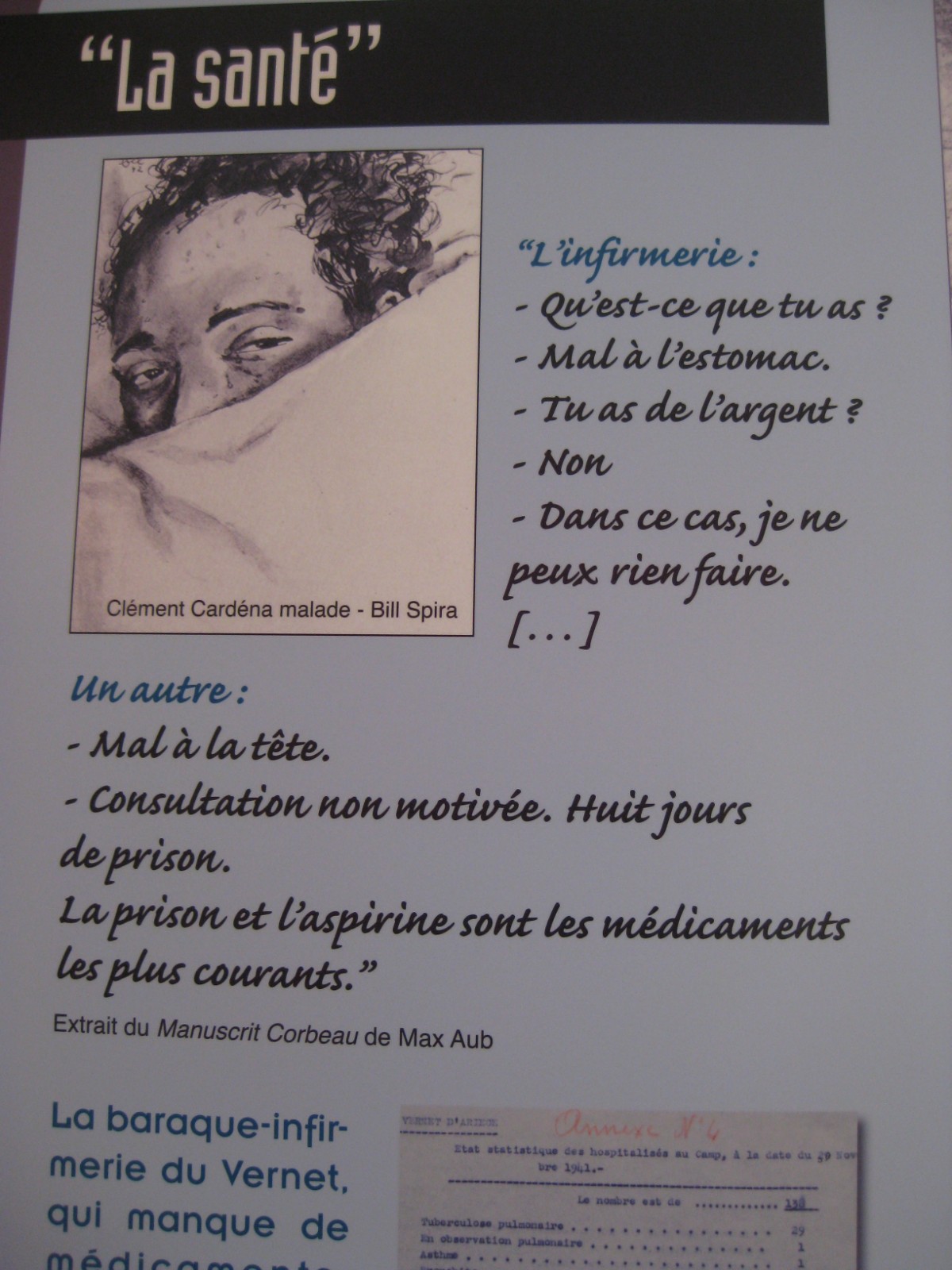
From the display about health

Six weeks: a souvenir

Dear reader, perhaps you are feeling quite short-changed.  You subscribe to a blog called ‘Life in Laroque’, and for the last 6 weeks or so, have had nothing but news from England: Yorkshire, to be exact.

Well, we’re back in Laroque, where in our absence they’ve had bitter cold, driving rain lasting for days, and astonishing heatwaves in which the thermometer has topped 40 degrees.

But just before we abandon postings about England, here is a souvenir slideshow of our time there.  It’s a reminder for me really, so if dear reader, you decide to skip it on this occasion, I quite understand.

Normal service will be resumed in my next post.

This slideshow requires JavaScript.

‘Except ye Lord keep ye cittie ye wakeman waketh in vain’

Ripon Town Hall

That’s the  verse from the Psalms, inscribed above the town hall in Ripon, where we’re spending the next few weeks to avoid the cold and rain of the south of France (no, really, they’ve got the heating on over there).  It reminds us that every evening – EVERY evening – for well over a thousand years, the Ripon Wakeman has sounded his horn to the 4 corners of the city to announce that all is well.

I had to go and check it out yesterday evening.

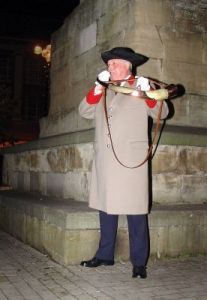
George Pickles, Wakeman, on duty

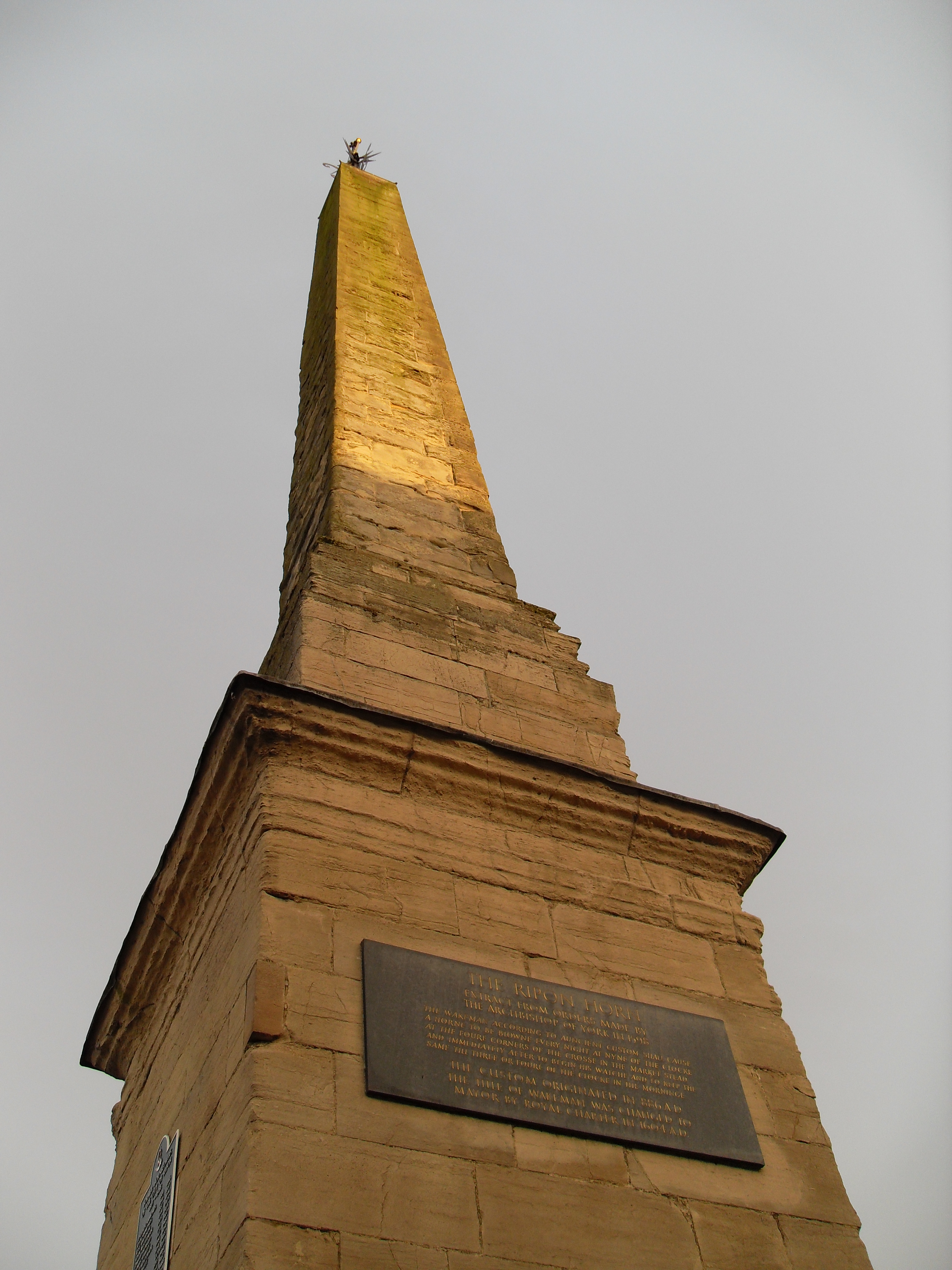
Promptly at 9, a smartly dressed individual in buff coloured hunting coat, tricorn hat and white gloves took his place before the obelisk on the Market Square and sounded his horn 4 times, once at each corner of the obelisk – one long mournful note each time.

Then he grinned at us, a small crowd of 20.  ”Want to hear a bit of history?’  Well, of course we did.  He made us introduce ourselves, and we found we too came from, well, about 3 corners of the world: Catalonia, Italy, Australia, even South Shields and Merton.  And here’s some of what he told us:

In 886, Alfred the Great, 37 year-old warrior king, was travelling his kingdom to defeat the Vikings, and to drum up support .  Arriving at the small settlement of Ripon, he liked what he saw and granted a Royal Charter.  He lacked the wherewithal to produce an appropriate document, and so gave a horn which is still safely locked in the town hall.

‘You need to be more vigilant, there are Vikings about’. Alfred warned.  So the people appointed a wakeman to guard the settlement through hours of darkness, and he put that horn to use by sounding it at the 4 corners of the Market Cross to announce that all was well as he began his watch.  The town’s now on its 4th horn.

If you want to know more, our current Wakeman, George Pickles,  has written the whole tale for the BBC website.  It’s a good yarn.  Read it when you have a moment

This is the obelisk the Wakeman visits each evening. It was erected by the then MP, William Aislabie in the 19th century, to commemorate his ….60 years as an MP

A day of solar energy and soldiers

We intrepid randonneurs from the Rando del’Aubo had our physical workout last Sunday- read all about it in my last post. But travelling to the Cerdagne last Saturday we were tourists, and slightly lazy ones at that.

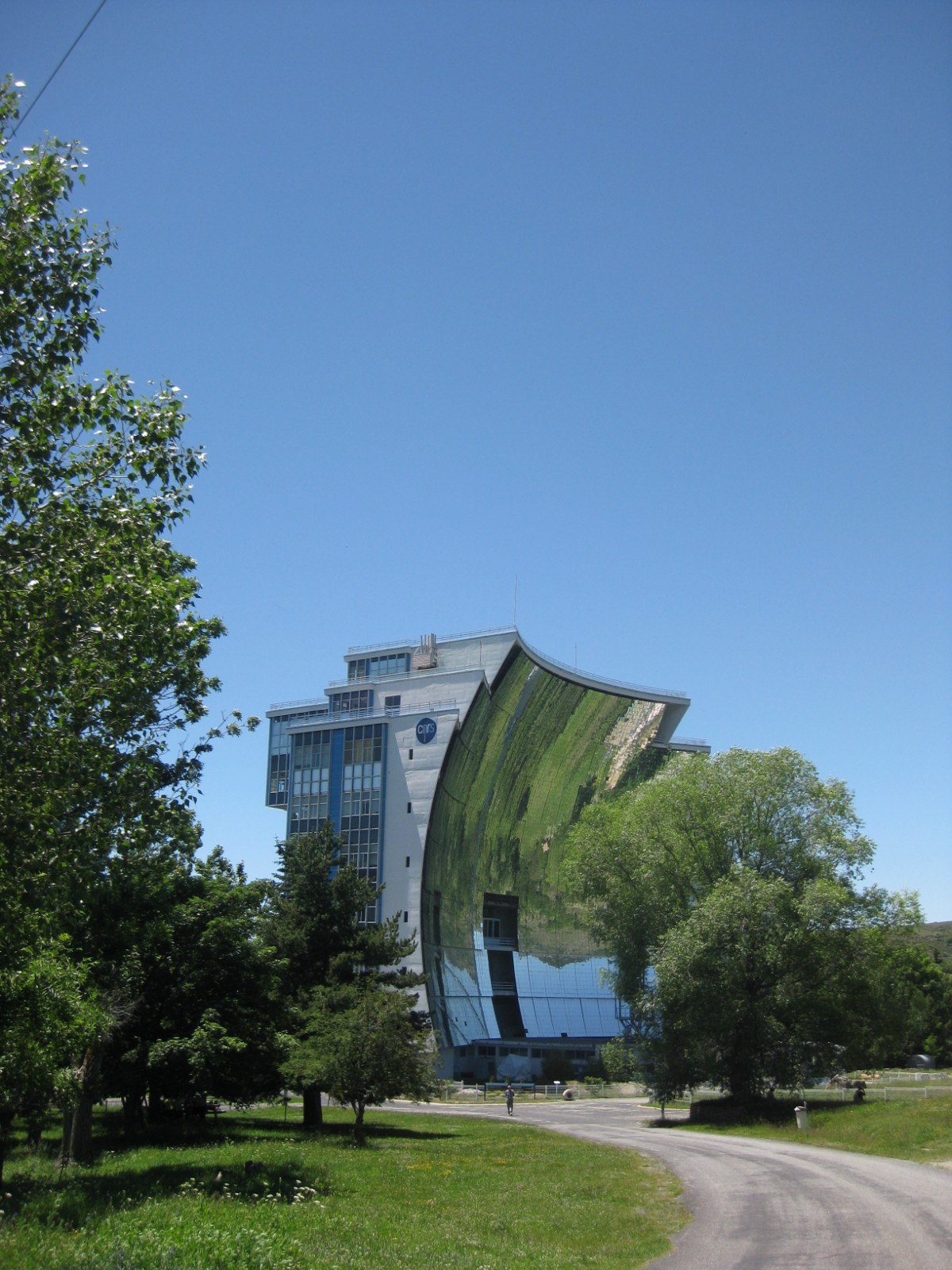
Building? Solar panel? Research centre?…
….or just an interesting view

I’m so used to Patrimoine (Heritage) and the-great-outdoors being the reason to get out of bed on holiday here that I was quite unprepared for Héliodyssée. Built in 1968, it’s a series of gigantic solar panels whose purpose is to enable study of the possible applications of solar power, generating temperatures of up to…..3, 500 degrees. At this stage, it’s the space industry rather than you and me who are likely to benefit from the research, but one day, who knows? We admired the upside-down landscape views reflected in the solar panels, but decided against a scholarly visit.

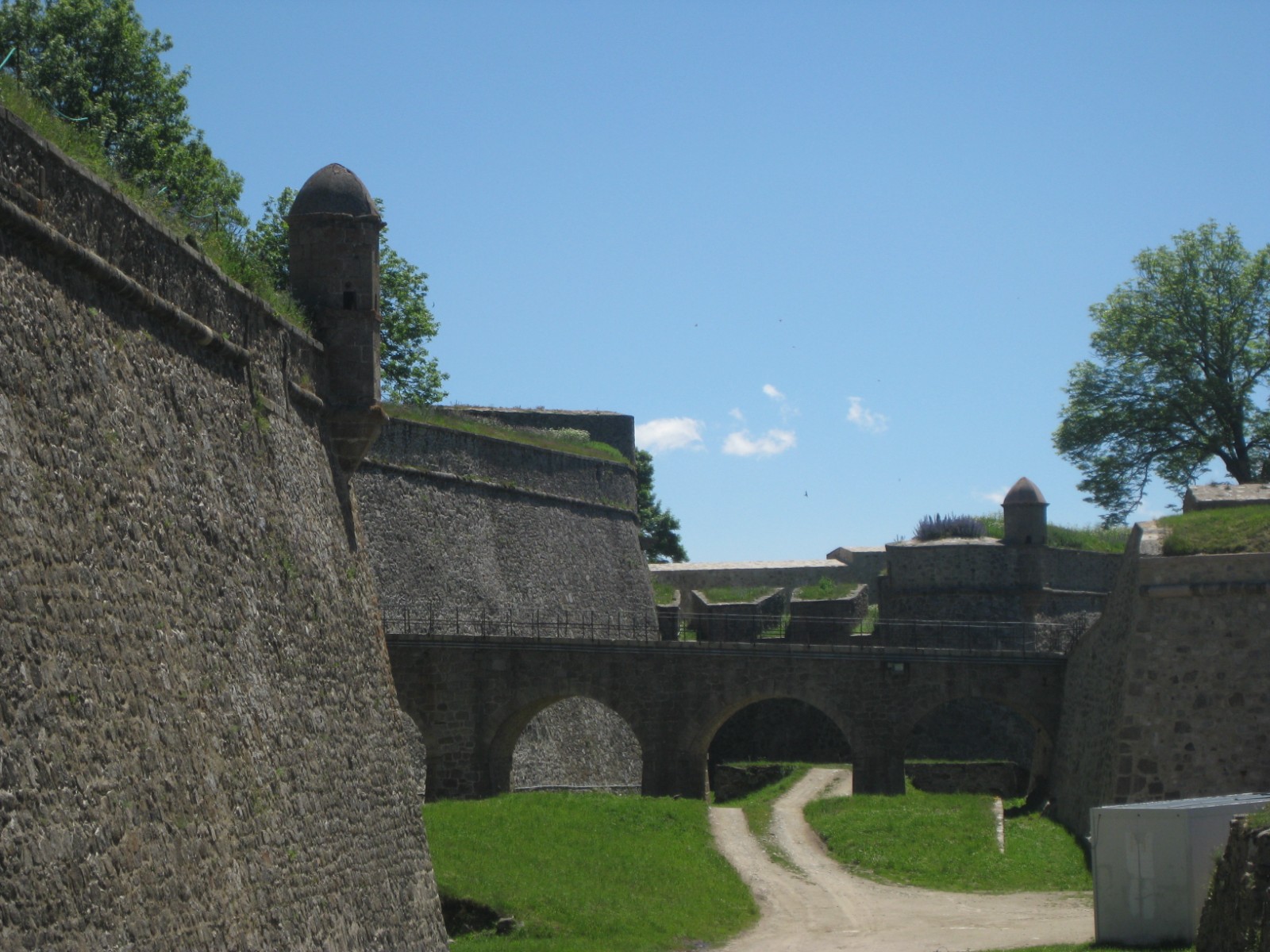
The ramparts at Mont Louis

Off to Mont Louis then, and back to a real dose of Patrimoine. This town was built from scratch for Louis XIV as a military settlement in 1679. Vauban was the man in charge: marquis, engineer, town planner, philosopher, man of letters…and also military architect. 12 of his fortifications, Mont Louis included, were listed as World Heritage sites by UNESCO in 1998, so his significance and importance is in no doubt. This fortress, the highest in France, was needed as a result of the Treaty of the Pyrénées of 1659, establishing the border between France and Spain, although the walls which surround it seem rather low to protect against possible invasion.

It seems as if these ramparts still have their uses

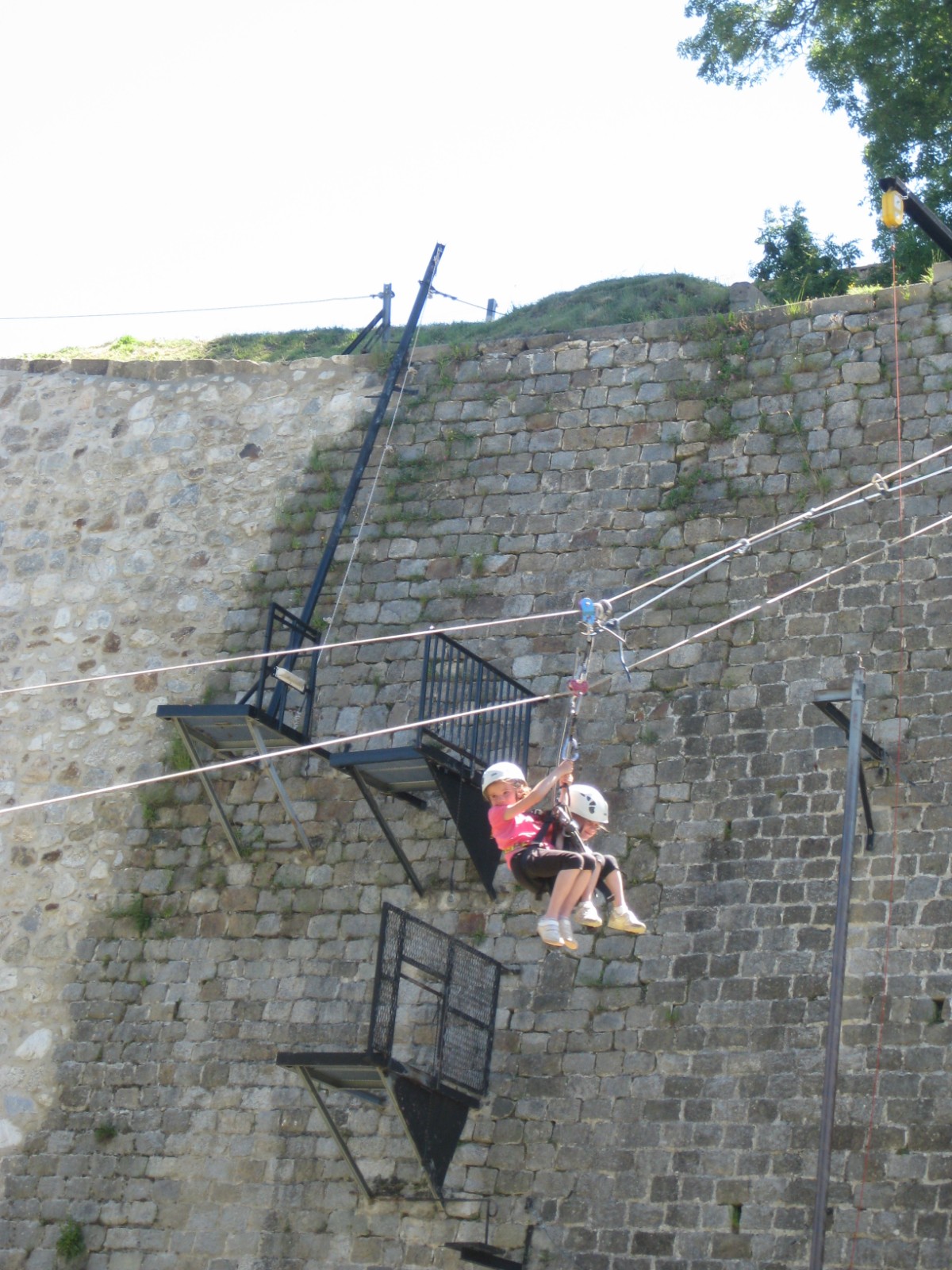
But it was these walls we circuited, enabling us to see from afar the world’s first Solar Oven (this area seems to be Solar Power Central). We watched children abseiling down from the ramparts, instructed by the soldiers who are still a real presence in the town, and enjoyed the contrast between the somewhat severe presence of the barracks, and the lush and mountainous countryside beyond. Many of the town and garrison’s historic buildings can only be visited by pre-booked visits, so we made do with a look in at the simple, rather dour little church which Vauban built for the townsfolk – there were other chapels up at the garrison. Then we retired to a bar for a drink.

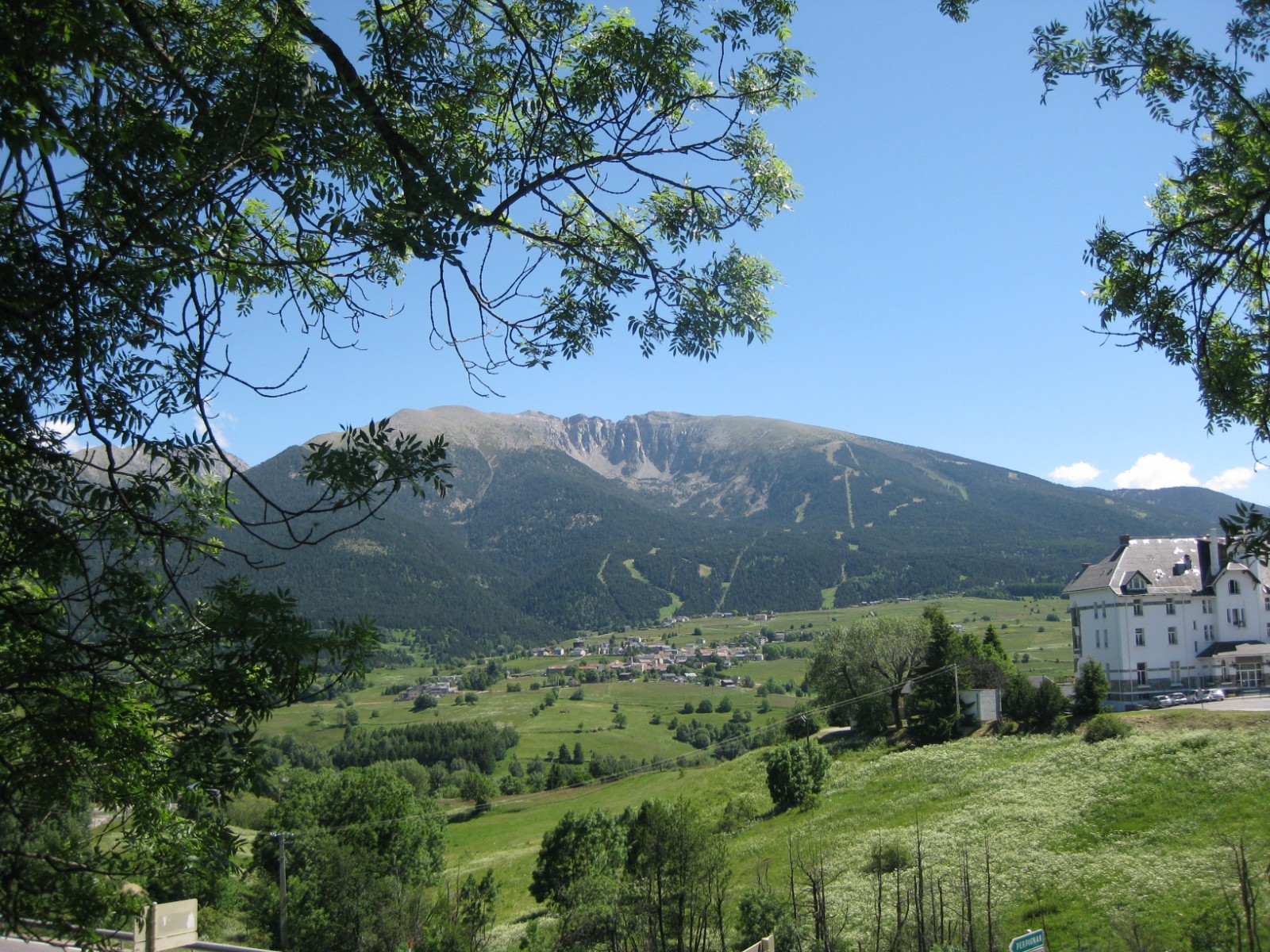
The view from Mont Louis
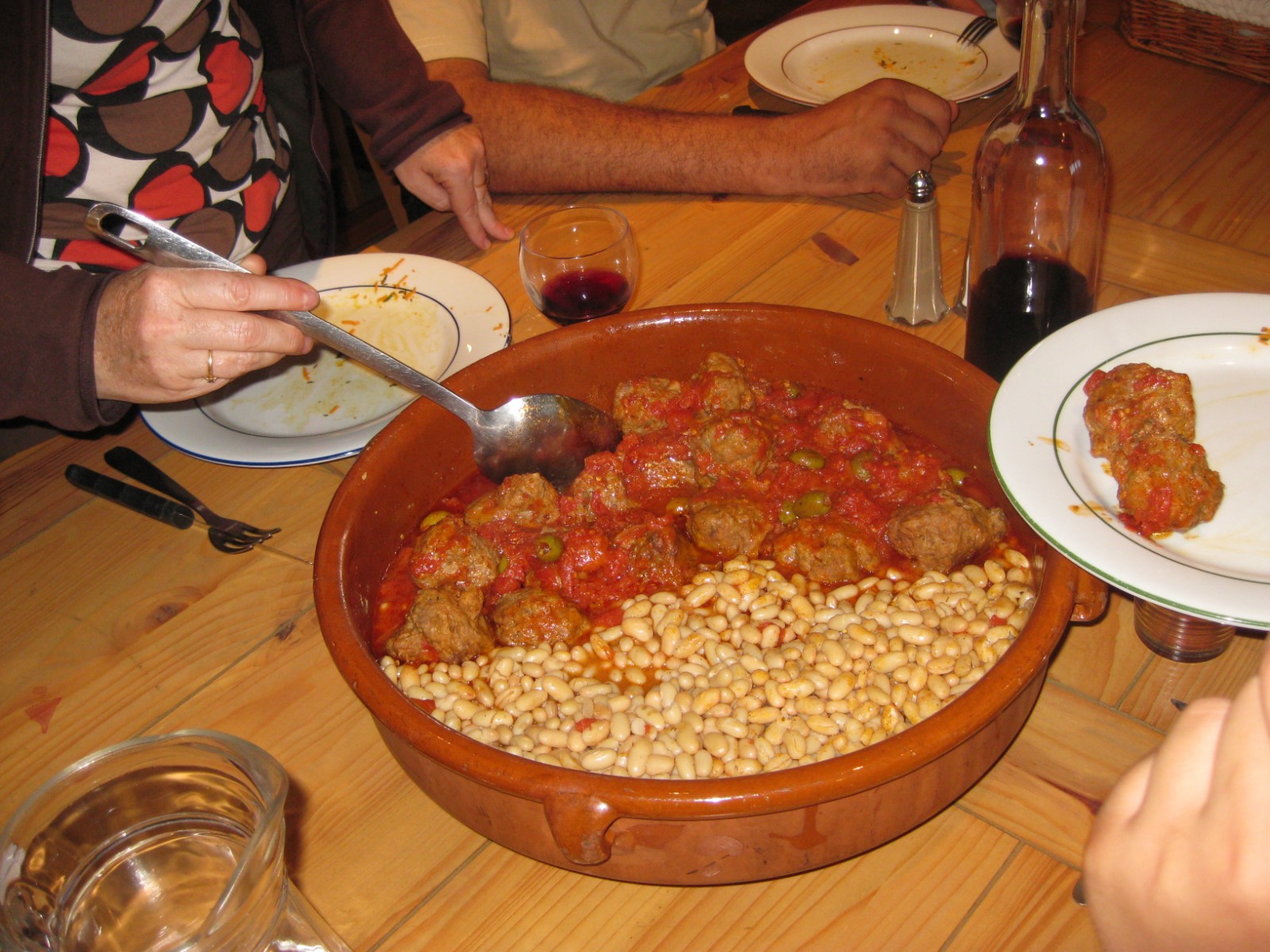
A Catalan take on meatballs, with tomatoes, olives and haricot beans

So then it was off to our lodgings for the night, les Ramiers in Bolquère. This area is popular all the year round – walkers in summer, skiers in winter. Les Ramiers supplies simple but comfortable accommodation to both. Our rooms were often quaint: Mal and I went direct into an en-suite shower room-come-study, and then climbed what amounted to a ladder to our attic bedroom. The welcome was cheerful, the views wonderful, and the food copious and tasty. We relaxed by taking a woodland walk most of the way to Font Romeu, enjoying that meal, and having a very early night. We knew we’d need all our energy at the Gorges next day.

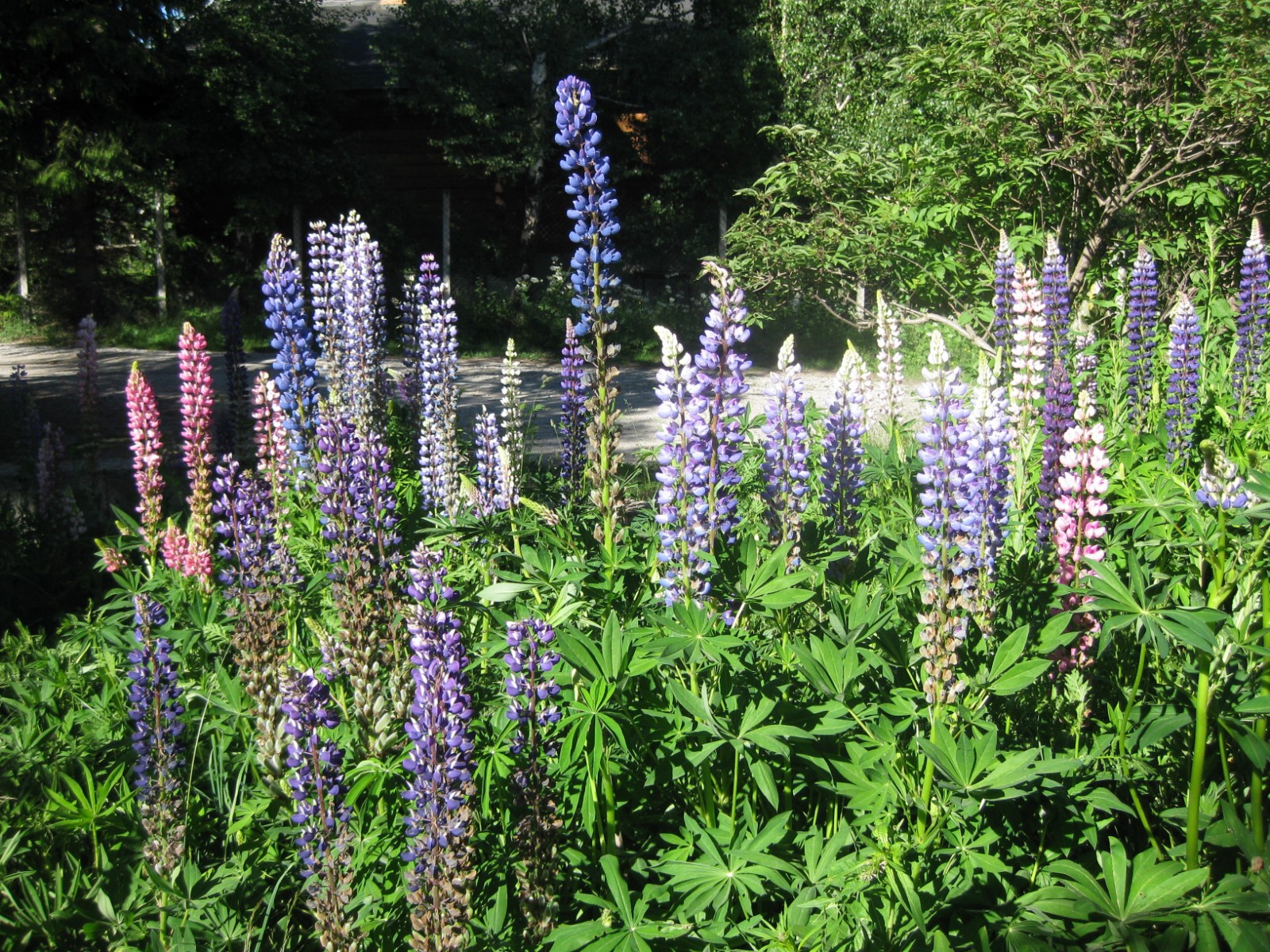
Lupins: these were growing wild everywhere

“No sky in all France is more blue than that of Collioure”: Henri Matisse. Not this week……

Because of our 6 weeks’ hard labour, because the weather here is so unseasonably gorgeous, and most of all, because it was Mal’s birthday yesterday, we decided on a Mid-Week Break.  A friend had just posted some photos of the sea at Collioure, radiant in the early spring sunshine, and we thought we’d like an off-season visit too.  The Pyrénées Orientales are nearly always sunny, with high temperatures and blue skies, even if we’re shivering over here, so we never bothered to check the forecast.  Big mistake.

Half way through our journey to the coast, the mist descended.  The sky turned pale, then grey.  The temperature fell.  Sea mist, we thought.  It’ll burn off.  It didn’t.

So our afternoon consisted in making the best of a bad job.  Which worked.  Rather than stop for lunch first at Collioure, which we feared might be closed for business, winter, mid-week, we went on to Port-Vendre.  This is still a busy fishing port, with tuna and sardine canning factories, so we had the idea that we’d be lunching with fishermen in oilskins.  Well, not at all actually, but fishy menus are centre stage, and we ate well – very well.

Then we came back to Collioure.  As we’d thought, nearly everything was closed, and without the sun to add sparkle and joie de vivre, we contented ourselves with an invigorating walk along the front before moving on: this is a region with plenty to offer.

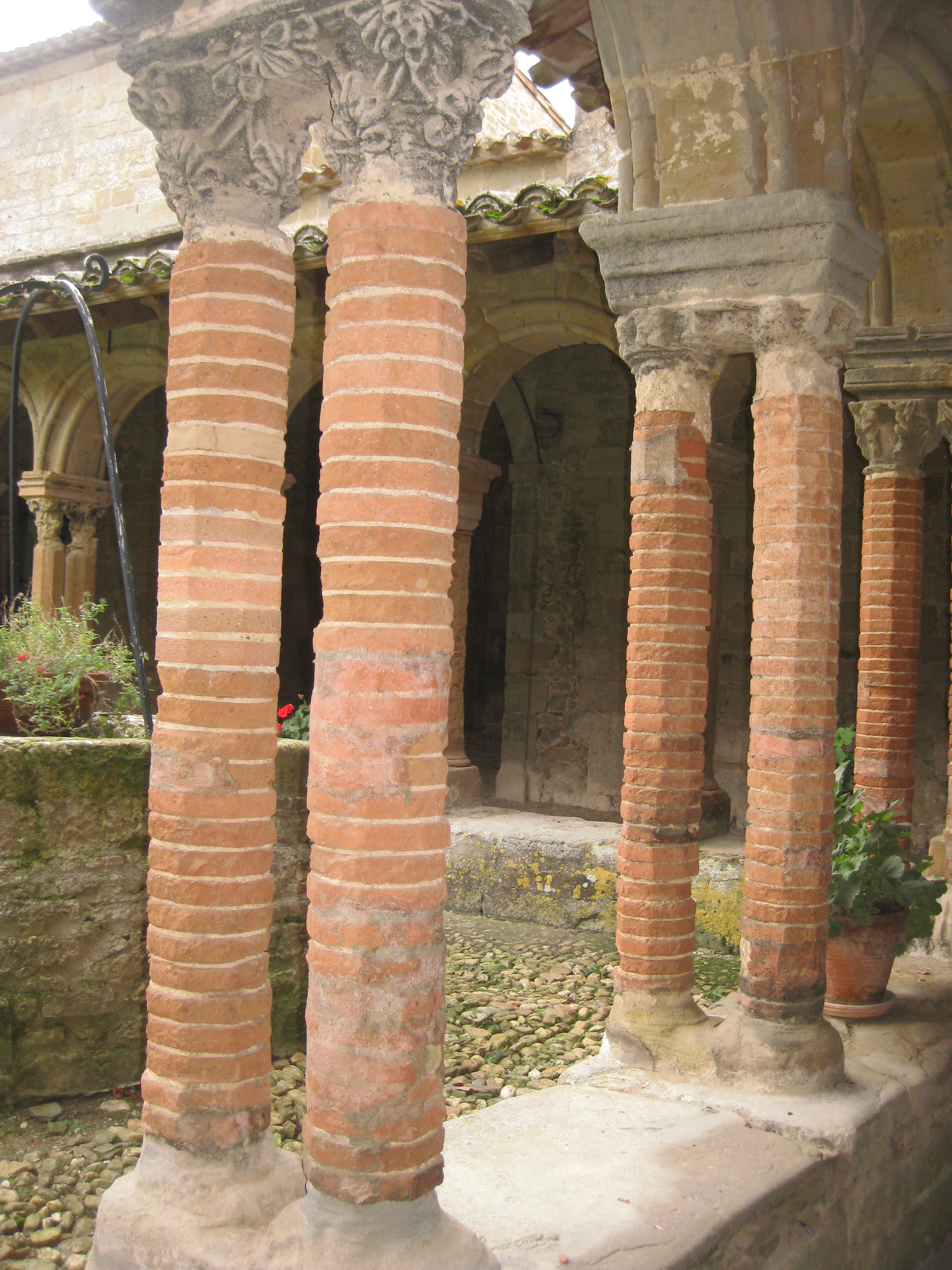
This is Catalan France. It’s been ruled by Spain, by France, back and forth over the centuries, and many of its current inhabitants fled from Spain during the Franco regime, so it does have a very Spanish feel.  The frequent change of rule means that many bloody battles have taken place here too, and back in the 13th century, the fortified town of Elne suffered cruelly.  Under Catalan rule at the time, the troops of French king Philip the Hardy laid waste the town.  The townspeople fled to the traditional sanctuary of the church.  There the soldiers killed the menfolk, raped the women before the altar, and flung small children against the walls before burning the church, which still bears scorch marks on the main doorway.  It was this church, Sainte-Eulalie and its cloister we’d come to see. The church itself is a strikingly simple Romanesque building, beautifully lit and inviting quiet contemplation. It’s a little reminiscent of Durham Cathedral, but on a more domestic scale.  The cloisters are really special.  Partly Romanesque, partly Gothic, the capitals and pillars have been immaculately carved with foliage, animals and biblical scenes still in crisp and fresh condition.  It’s a lovely, quiet place.

We stayed the night at a traditional Catalan 19th century farmhouse, Mas Bazan.  After a night in our elegantly simple room, we enjoyed a ‘bio’ breakfast of home made cake and jams, newly baked bread, and the company of our stimulating and cheery hostess.  It was she who planned our day for us, suggesting things we might enjoy.

The misty weather limited our choices to some degree, but we had two highlights.  As we left the coast, we climbed upwards into the scrubby, shrubby Mediterranean hillside which we now know is called ‘maquis’, rather than ‘garrigue’, because the soils are different in each.  And we spotted in the distance our first destination, Castelnou,  not destined to be twinned with Newcastle.  A mediaeval castle and village appeared through the mist, with beyond, tantalizing glimpses of the massif of the Canigou.  As we wandered round the village, a few minutes later, we wondered who would choose to live in such a picturesque museum, overrun with tourists in summer, its several restaurants and craft showrooms overflowing, while in winter nothing, apparently, happens.

We had lunch in Ille-sur-Têt, which also has medieval streets, but ordinary small town life goes on there: it’s no tourist showpiece.  We’d come to see Les Orgues, north of the town.  These take the form of an amphitheatre of cliffs which the elements have eroded, and continue to erode, into extraordinary columns and pillars.  It’s arid, quite desert like, and quite ephemeral in that it’s constantly changing as the sand from which these structures are formed wears away and is re-deposited.  The photos I took record them as they are at the moment.  In a few years they’ll be different again.

And then we wound our way home, on a series of snaking backroads through the maquis.  The nearer to the Ariège we got, the hotter the sun became, the bluer the sky.  It’s not supposed to work like that.

This slideshow requires JavaScript.

No snow yesterday: mountain views and a Benedictine abbey

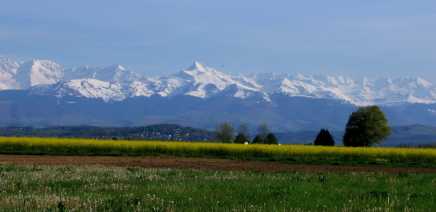
Distant Pyrénées. Not my photo, not the view we saw. But you get the idea

I gather that the last thing anyone in England needs right now is someone chirruping about how beautiful the snow is.  Well, here in the foothills of the Pyrénées, we’ve been almost alone in France in being a snow-free zone.  But please note: ‘the foothills’. The mountain tops have been covered for some weeks, and over the last week, the snow levels have crept down..and down…and ever nearer. And it’s quite simply beautiful.

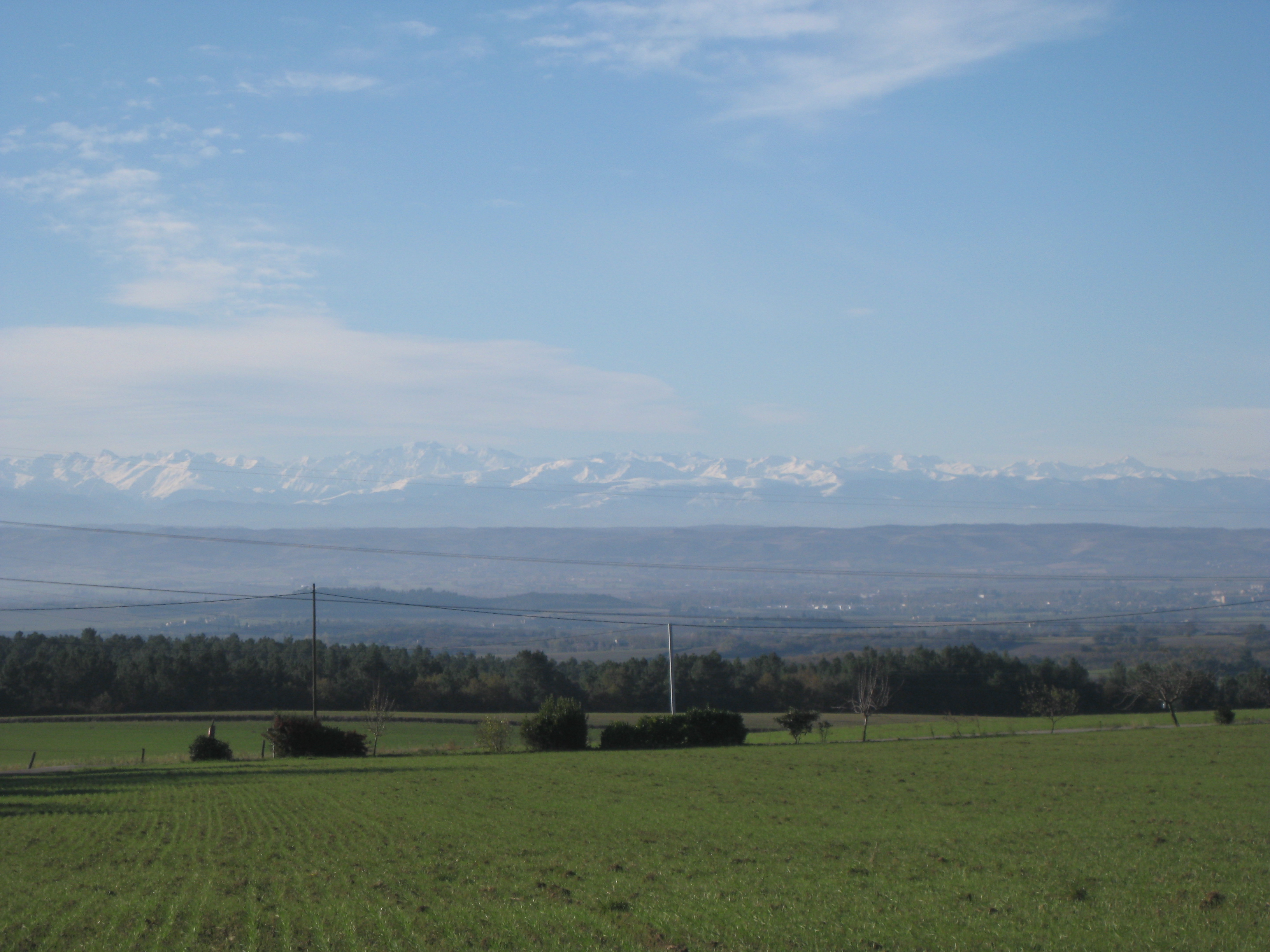
Distant Pyrénées

Yesterday we went walking in the Lauragais.  That’s a gentle, verdant region north of here on the edge of la Montagne Noir.  Perhaps the most wonderful thing about the walk we had here, through sandy woodland paths, crunchy with fallen leaves, were the views across to the Pyrénées: mile after mile of distant peaks blanketed in blue-white snow beneath a bluer sky.  If only my camera began to do justice to this impressive sight.

A misericord to support a monkish bottom
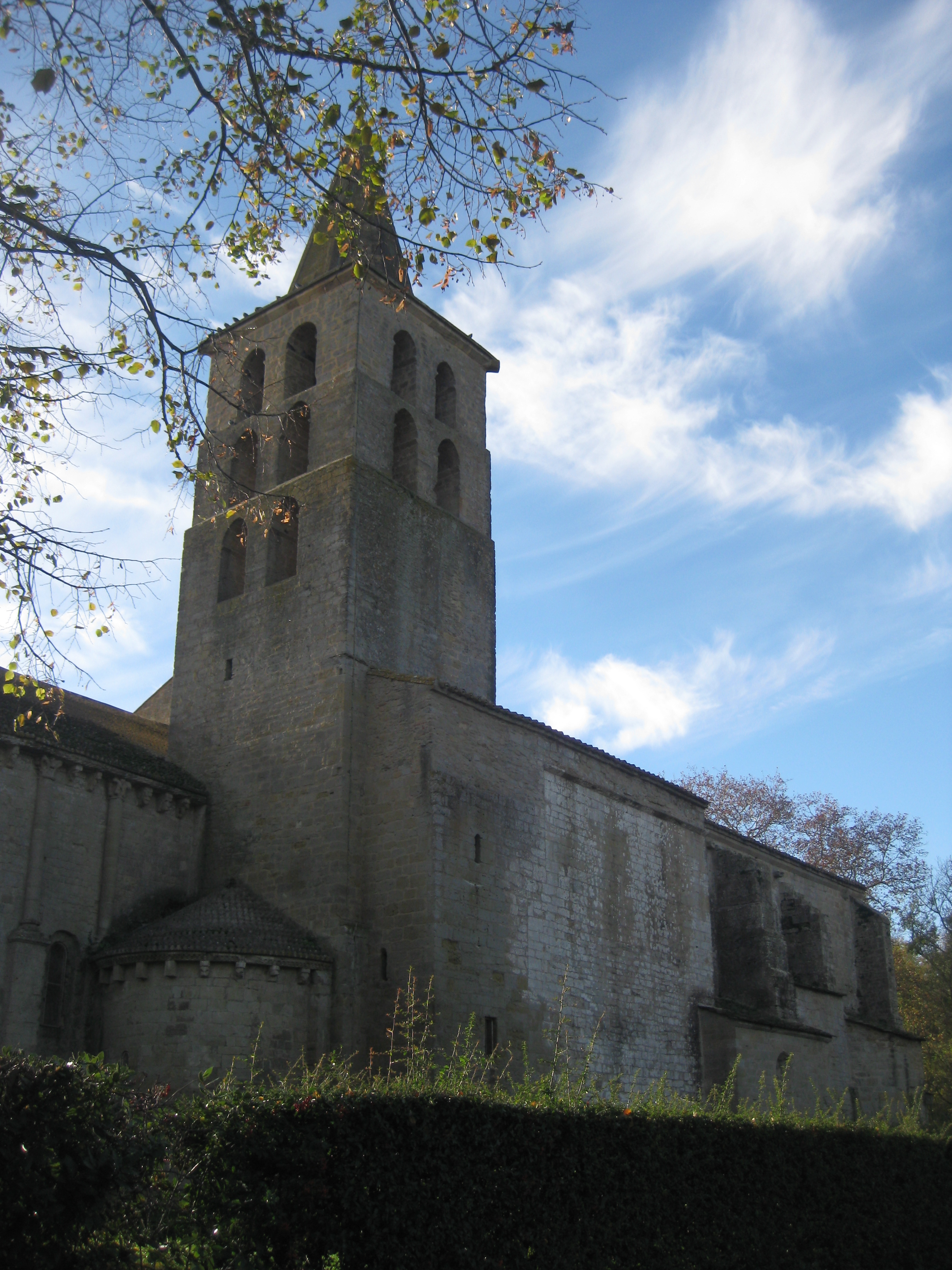
Abbaye de Saint Papoul

Healthily exercised, we came down to the village of Saint Papoul, and looked round the Benedictine Abbey of the same name.  I found myself lingering in the 14th century cloisters and in the abbey itself, inspecting the misericords, the small decorated wooden shelves hidden under the seats to provide a bit of support for the poor monks as they stood for long hours during their religious devotions.

The Flight into Egypt

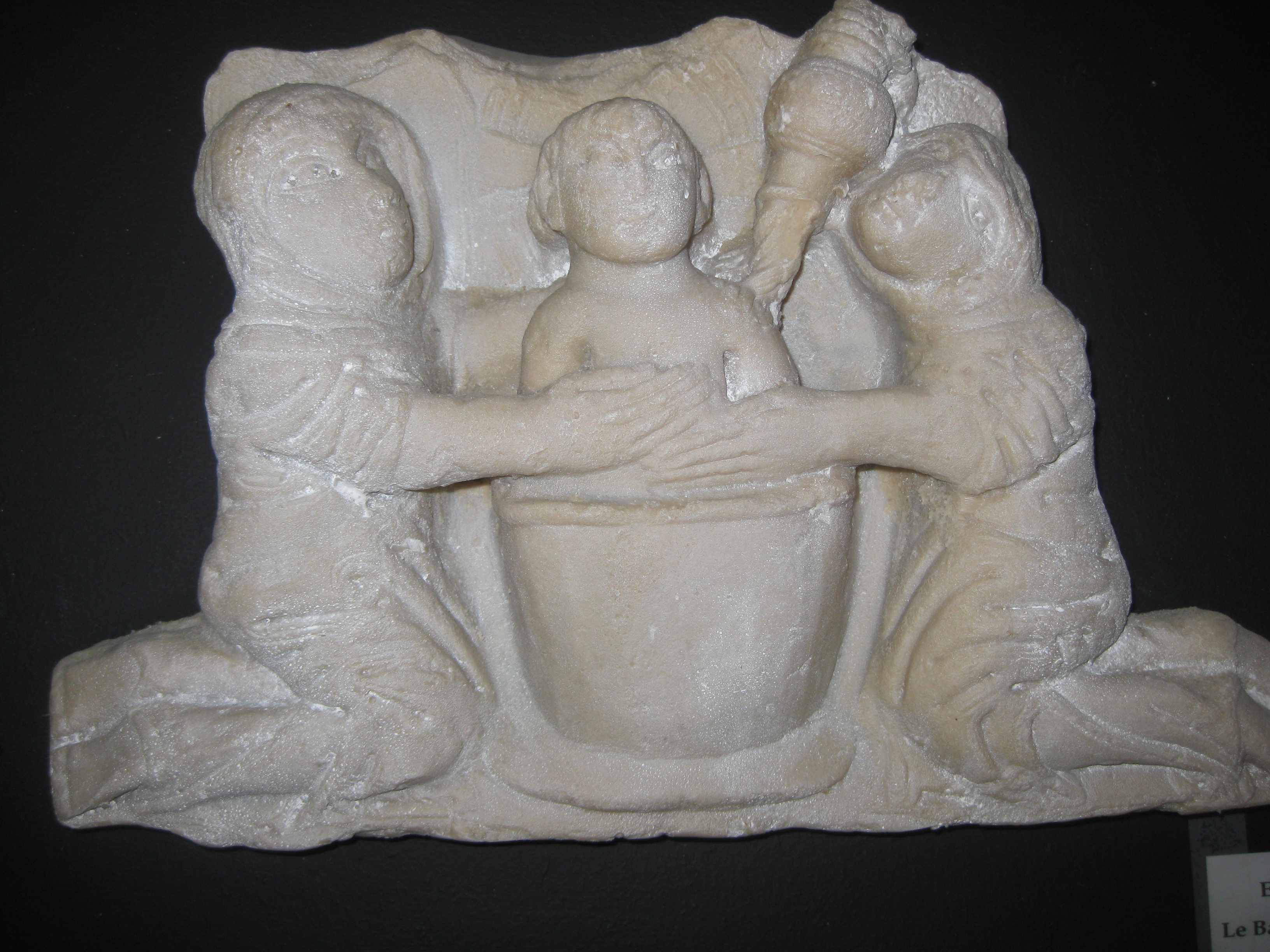
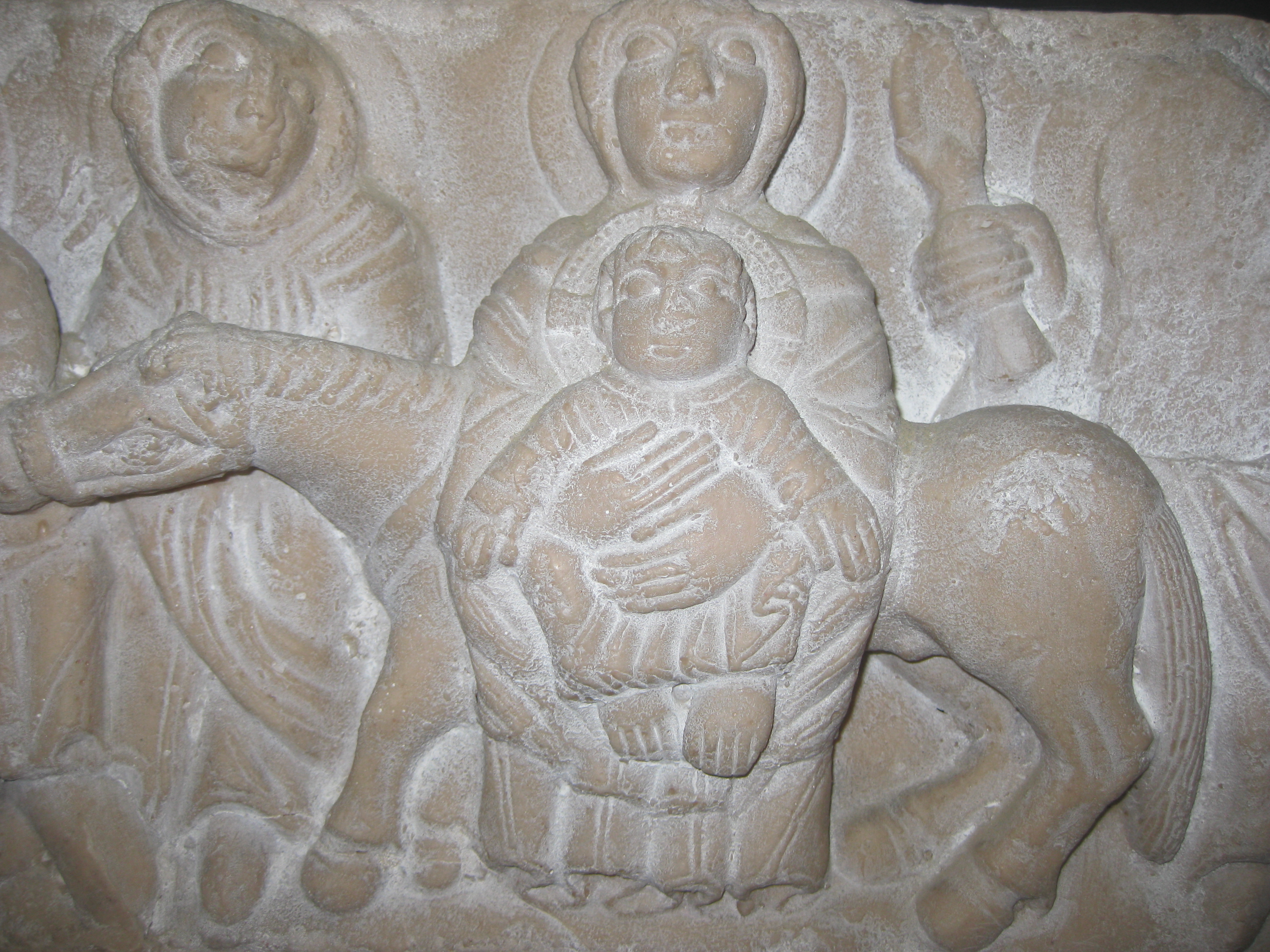
Perhaps the most enjoyable bit of our visit was a chance to look at the special exhibition devoted to le Maître de Cabestany, a Romanesque sculptor who seems to have left his mark on many of the pilgrimage churches on the route from Rome to Compostella.

The infant Jesus takes a bath

His figures, despite their realism, their chunky hands and elongated eyes, seem to have a slightly supernatural feel to them and they were fun to explore and enjoy.

It was cold though.  Snow threatened, but didn’t fall in the end.  We decided against a mooch round the village: probably something to do in the future, and scurried back home to toast our toes and fingers

The weathered pillars of the cloisters, and their equally weathered capitals