At the moment, we all need the glow, the zing that a good splash of yellow can provide. Luckily, Jude has provided the perfect opportunity for us to hunt down all our yellow-rich images, in her challenge Life in Colour. Let’s have an injection of gutsy, vibrant lemon, amber and gold alongside our long awaited Covid vaccines.
I’d thought of showing those springtime flowers we all love – aconites, daffodils, primrose, tulips and kingcups. But maybe I’ll save those for another day. Here’s a complete hotch-potch of yellows to cheer up a day which, here at least is thoroughly and dismally grey.
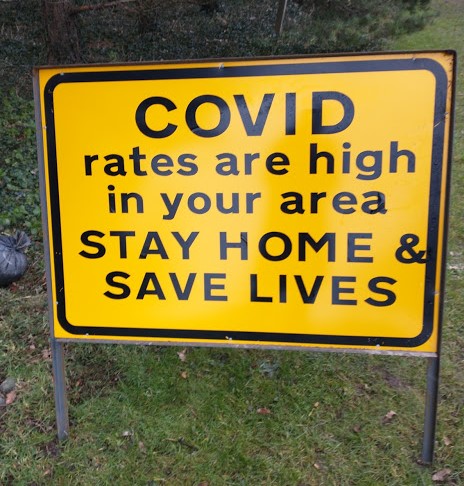
The sign that greets me whenever I leave the house
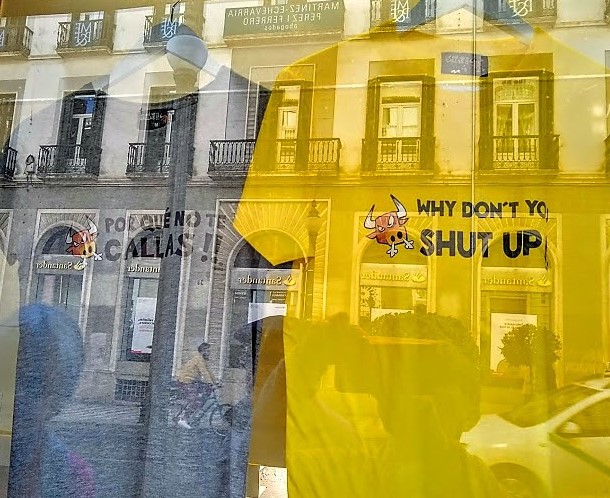
A shop and its reflections in Granada
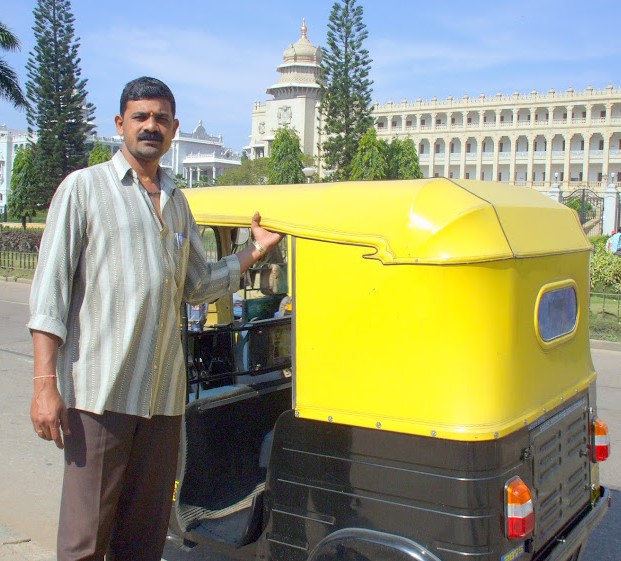
My first friend in Bangalore: the rickshaw driver who took me on a tour of the city
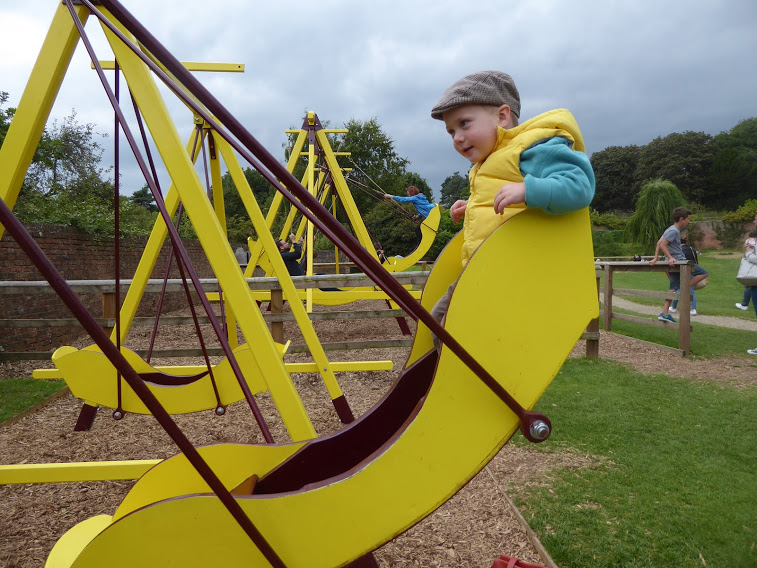
William, obligingly wearing yellow, at Newby Hall.
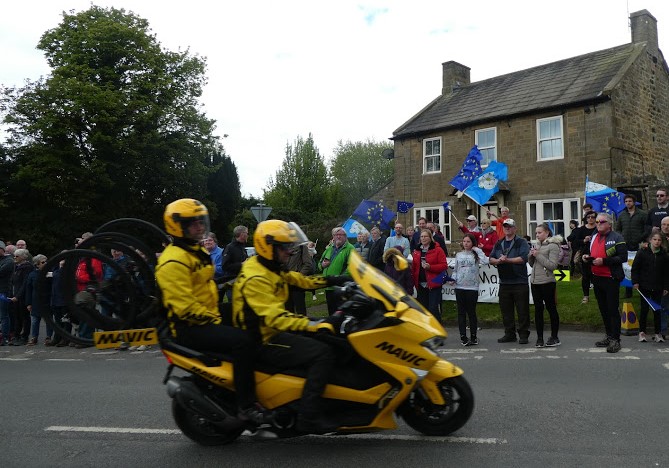
Advance guard at Le Tour de Yorkshire
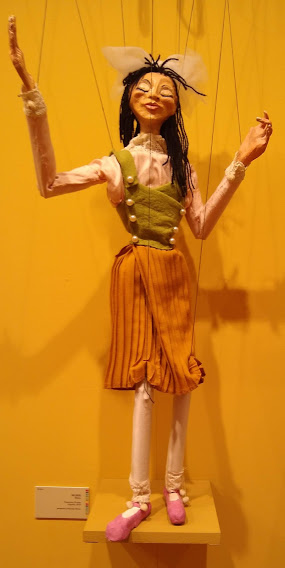
A puppet at the Museo del Titere, Cádiz
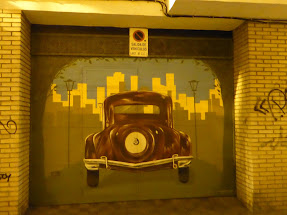
A pinted door in Valencia.
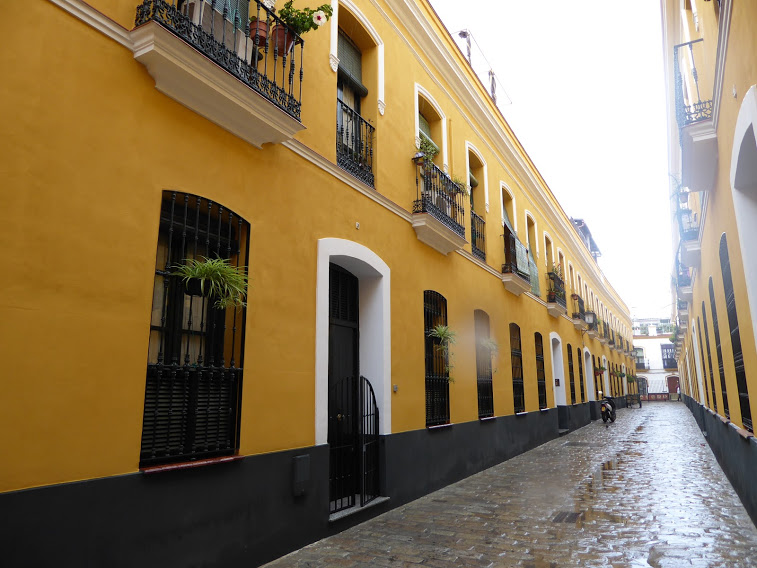
A back street in Seville.
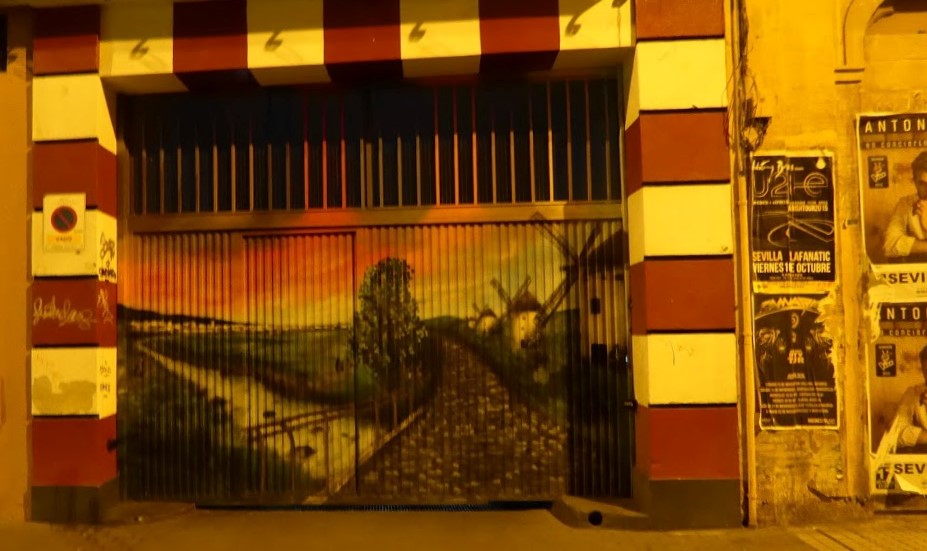
Garage door in Seville.
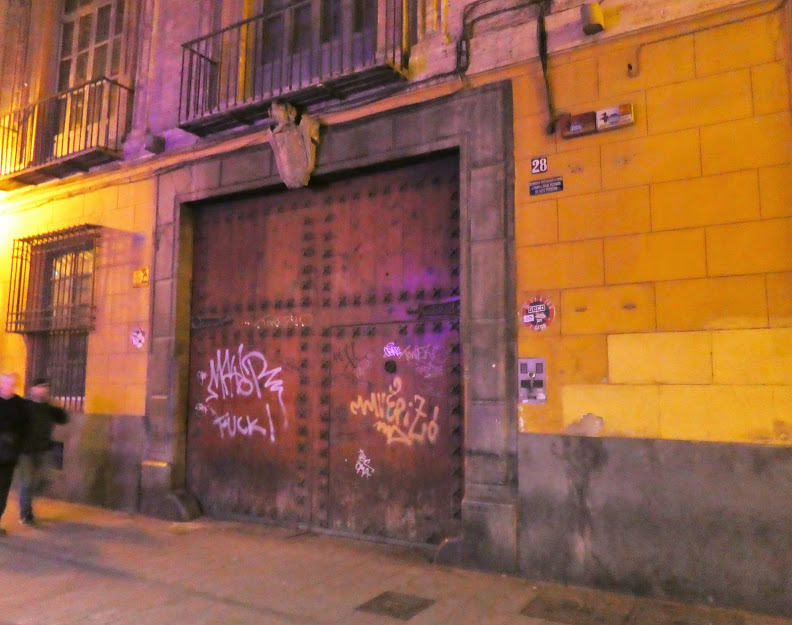
Another Seville door
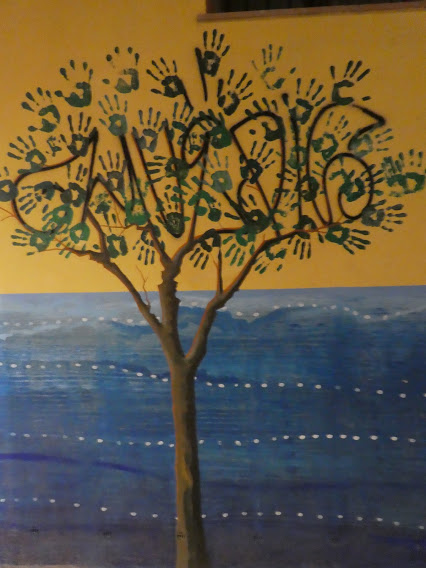
Valencia
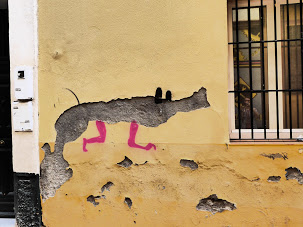
A Seville building in need of a make-over gets one …
To view any image full size. just click on it. The quotation of the post title is by Vincent Van Gogh. No wonder he liked sunflowers. And the header photo shows one word from another quotation. Wander round the St. Paul’s area of London and you’ll eventually uncover the whole sentence, from Virginia Woolf’s novel, Jacob’s Room: ‘What are you going to meet if you turn this corner?‘ What indeed? In this area of London, enough to fill an entire guide book.
This time two years ago, we were in Barcelona. One of our ports of call was the first house Antoni Gaudí ever designed, Casa Vicens. Once a spacious site beyond the city limits, it’s now squashed into narrow city streets, some of its garden space sold off. But it’s definitely worth a visit, and you can have a virtual look round here.
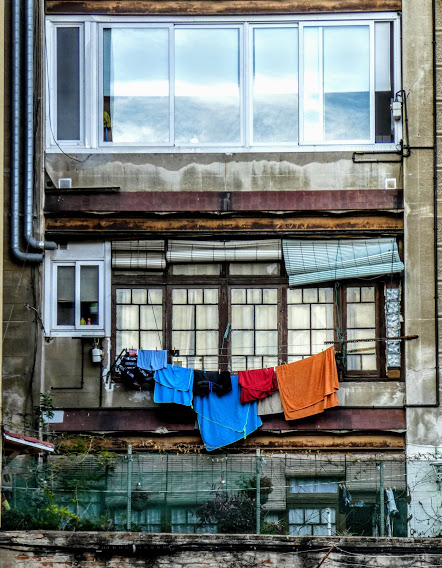
What the official site won’t show you is the views from the windows, and one thing I enjoyed, as I always do, was the sight of the Monday washing drying on the balconies of nearby flats.
It’s Six Degrees of Separation time again, and this time I’ve struggled to put my list together. Put it down to Lockdown Lassitude. But I got there in the end.
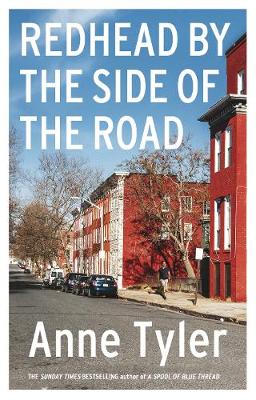
I like Ann Tyler. I really should read the first book in this month’s chain, Redhead by the Side of the Roadwhich features Micah, a creature of habit, whose routines are blasted uncomfortably away when someone who claims to be his son …
Clare Morrall’s The Last of the Greenwoods features two elderly brothers, long in the habit of loathing and ignoring each other, despite living in adjacent converted railway carriages: and a letter from a sister, supposedly murdered fifty years before. There’s also a young women postal worker who hasn’t lived up to her early promise and a railway restoration project to add spice to the mix. Morrall is a good writer, who tells a good tale. . It should have absorbed me, had me eagerly turning the page. But it didn’t. It hung heavy, and it took me well over a week to finish it.
One of the brother’s railway carriages? (Unsplash: Marjan Blan)
Unrelated, often lonely lives intermesh in Five Rivers Met on a Wooded Plain by Barney Norris. This book, set around Salisbury, is written in five voices, each one involved to a greater or lesser degree with a thoroughly nasty car crash in the town. There’s the self-deluded and foul-mouthed flower seller; the soon to be bereaved schoolboy who’s an odd mixture of articulate beyond his years and immature; the widower, mourning both the death of his wife, and the end a long and happy marriage; the lonely army wife, desperately seeking some purpose in this, the latest of her husband’s postings (he’s now been sent on to Afghanistan); and the highly over-qualified young security guard. This is a satisfying, humane, perceptive read about ordinary people, ordinary lives, often poetic in the way it examines the reality of our everyday existence.
Salisbury: (Wilimedia Commons)
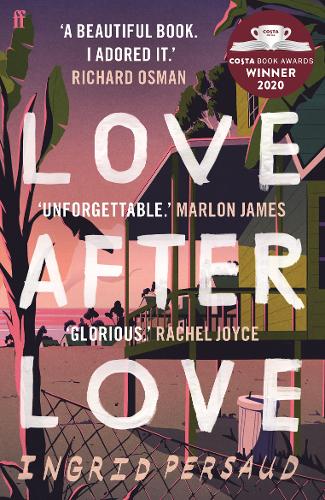
Love after Love, by Ingrid Persaud is set among the Indian community of Trinidad. There’s Betty, lone parent to Solo after the death of her violent husband. There’s lodger Mr. Chetan: friend to everyone but with secrets that are hard to live with. And there’s Solo himself, who discovers how his father died, and draws painful conclusions. The narrative swings between these three characters over the years in which the story plays out. Extraordinary, ordinary lives, often steeped in loneliness. Here are three characters looking for love, for understanding, for acceptance. Written in lilting, poetic Trinidadian patois, this is a powerful, absorbing and compelling story.
Trinidad street scene (Unsplash, Falco Negenman)
Sam Selvon’s The Lonely Londoners, written in a form of Caribbean English details the journey from isolation and loneliness to acceptance for the young men who came alone from the Caribbean to 1950s London. It paints a picture of a city which, for all the difficulties of dead-end jobs, unsatisfactory housing and dismal food and shows how the immigrants’ new lives could be exhilarating and exciting: offering relationships with young European girls also finding their feet in England, the freedom of the dance floor and an escape from the not always welcome traditions of the homeland.
21st century high-rise London wasn’t the city the Windrush generation would have recognised on their arrival.
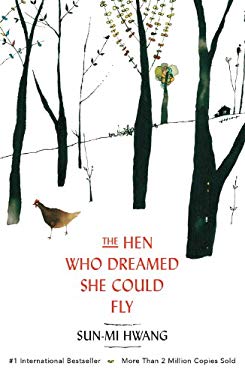
And now for something completely different, though this is a tale of resilience too. Sun-mi Hwang’s The Hen who Dreamed she could Fly is a disarming fairy tale for our times, featuring Sprout, the hen who dreams of rearing her very own chick from her very own egg. That never happens, but this indomitable bird has a way of making her dream come partly true in a satisfying, charmingly written clarion call for independence, motherhood and resilience.
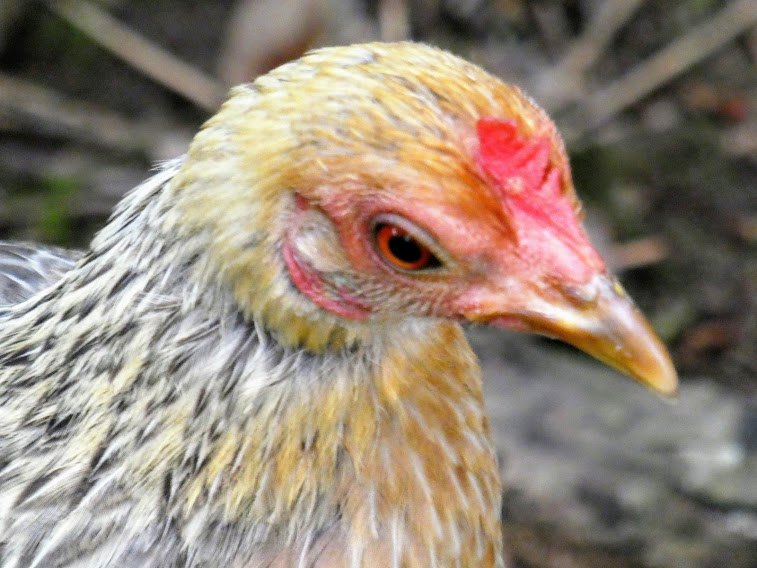
One of our neighbour’s five hens, and not at all alone
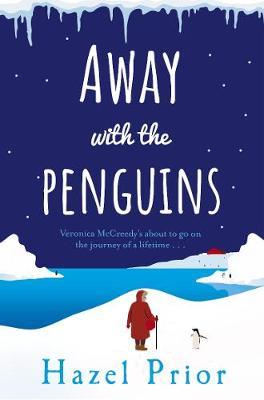
And finally, another loner, more birds. Away with the Penguins by Hazel Prior. At first, I was quite prepared to abandon this book. I thought it was going to irritate me beyond measure, in the way that Leonard and Hungry Paul did. I expected it to be Heartwarming and all that, which I can’t stand. In the end, there was enough grit in this tale to salvage it, and this impossible tale of a little old lady who visits a research station in the Antarctic to visit the penguins had me turning the pages in the end. But it won’t make my Top Ten of the Year.
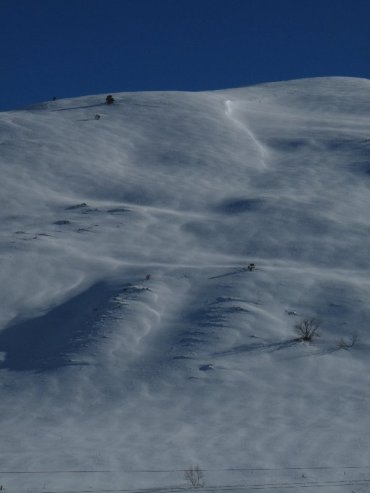
Snow in Andorra, not Antarctica
It turns out that this chain encircles the world – Baltimore USA to England, to Trinidad and back to England: over to Korea and finally Antarctica. That’s the beauty of a book. It can take you anywhere.
Virtual Dog has been coming along with me on my Actual Walks for over a month now. She’s been complaining that we have yet to go on a Virtual Walk. She has a point. Let’s go on one today. It’s raining, and there’s mud everywhere. We could do Jude’s challenge while we’re about it, Life in Colour: Brown, and look for brown in anything but mud.
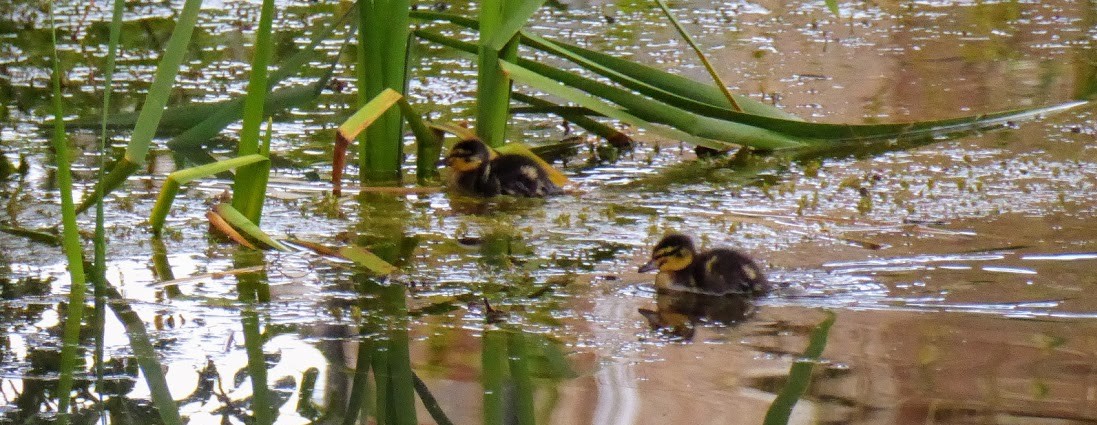
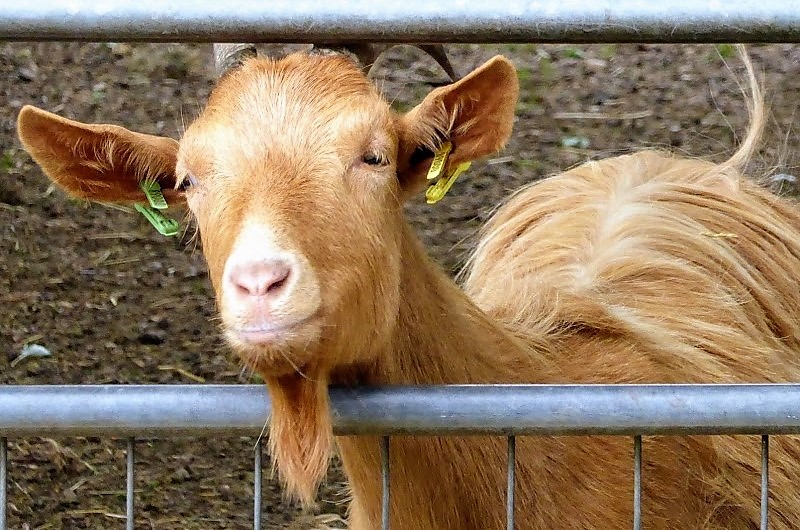
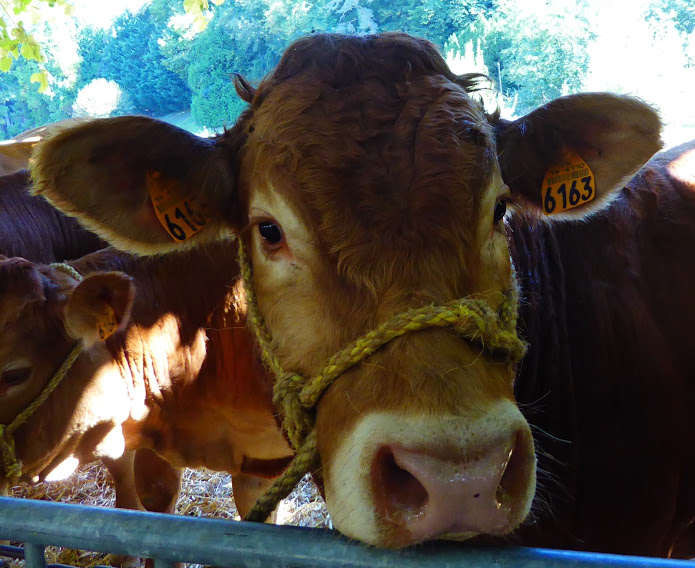
We’ll start off by the village pond. There aren’t usually ducklings at this time of year, but on a Virtual Walk, anything goes. Down the lane towards Sleningford Hall we’ll pass a friendly goat. And a herd of cows. Now I know that this hike is a virtual one. We have no cows at all north of our village, and I’ve never seen a goat either.
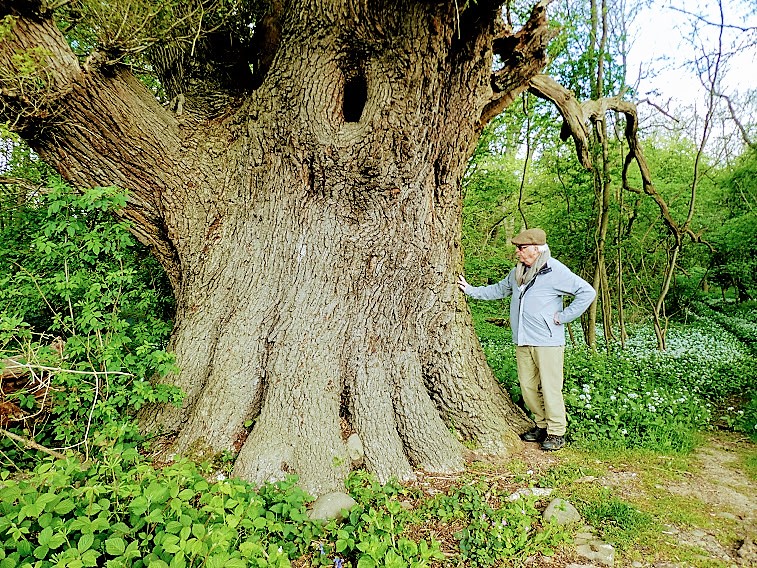
We’ll head towards Musterfield, and this involves a walk through the woods, and my favourite ancient oak. Look at the size of it. How many kings and queens, wars and eras of social change has it lived through?
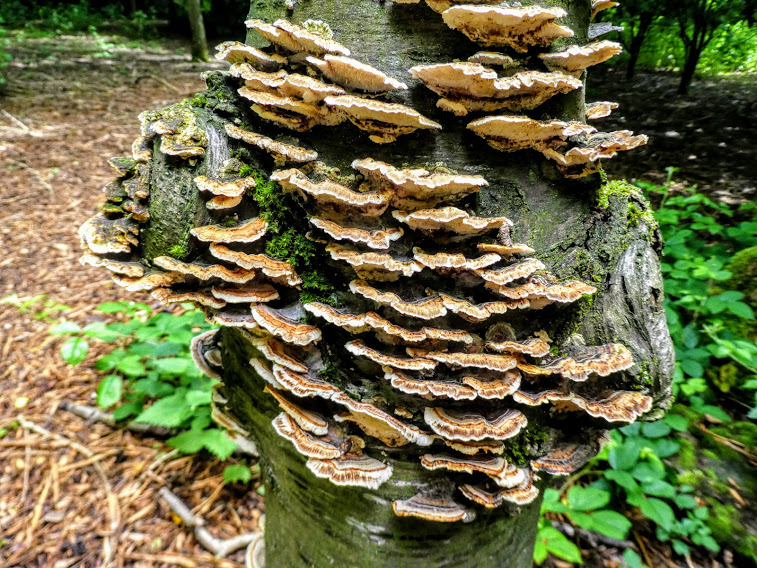
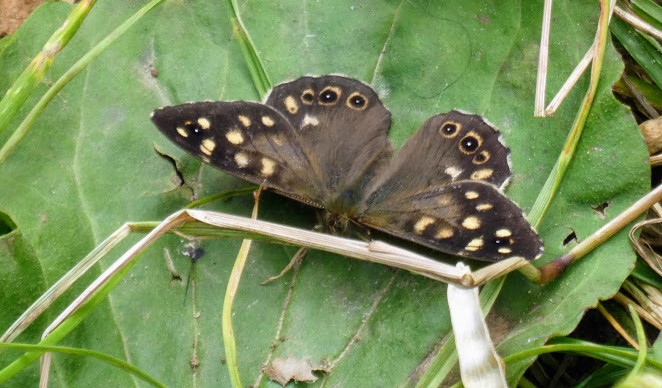
And we’re sure to find some interesting tree fungus too. And butterflies. I’m not good at butterflies. Some kind of skipper? Can anybody help?
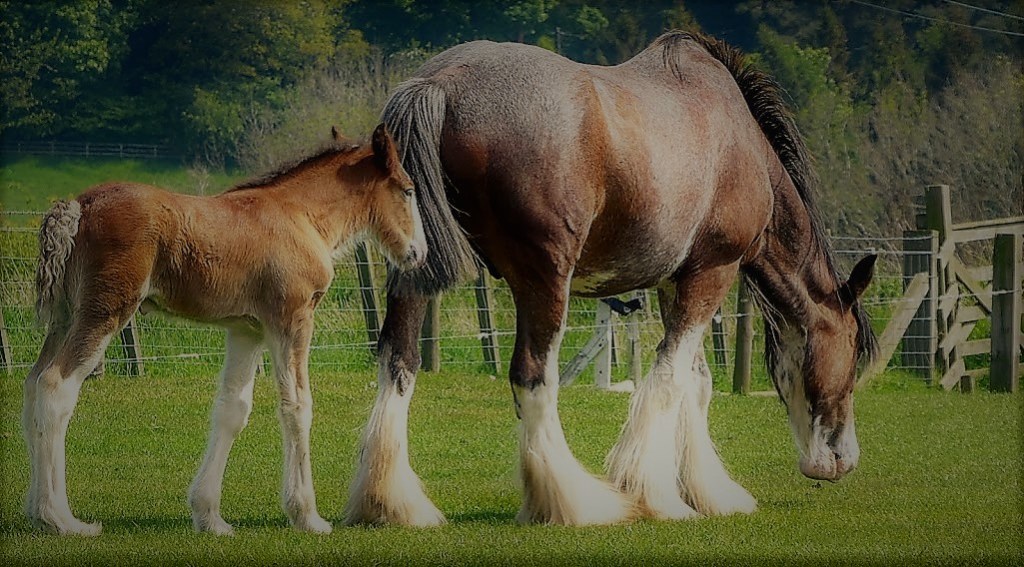
There are always a few friendly horses glad enough to wander over and chat. This one has a foal though (Virtual Walk, remember?) and takes no notice of us.
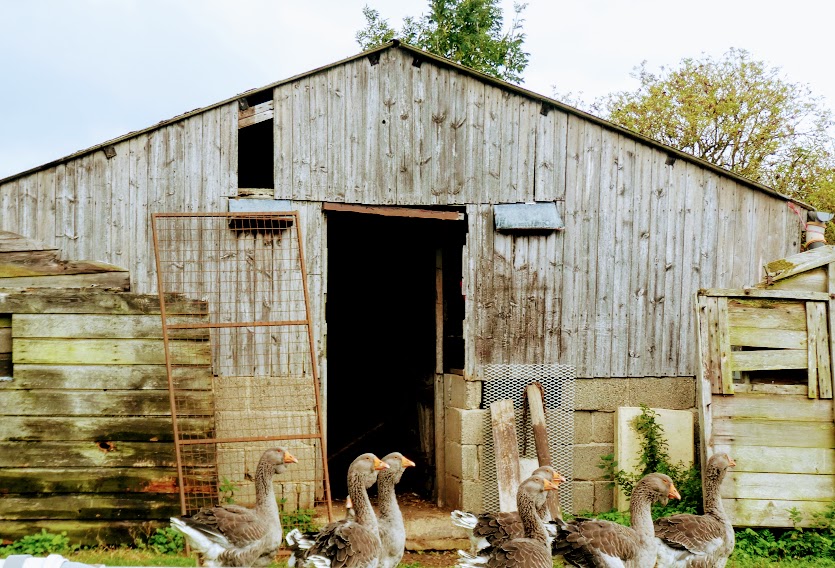
If we’re passing through farmland, we’re near barns. And if there are some (brownish) geese, so much the better.
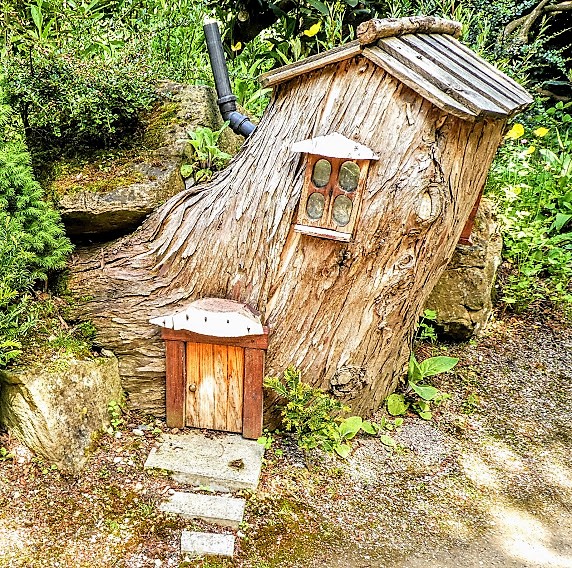
And finally, because this is a Virtual Walk, just before we turn for home, we’ll visit this tiny dwelling, a home surely to fairies or elves. It’s actually at Nidd Hall, 15 miles from here. But on a Virtual Walk, we can achieve anything.
PS. It IS a rainy day today. A Virtual Walk would be very welcome. But needs must. I will go out with Virtual Dog for an Actual Walk too. And Jo, do Virtual Walks count on Jo’s Monday Walk?
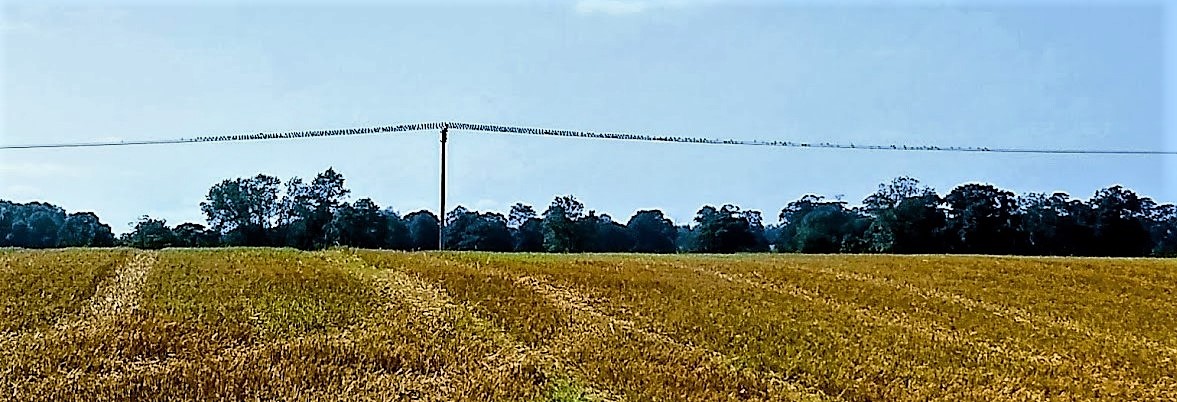
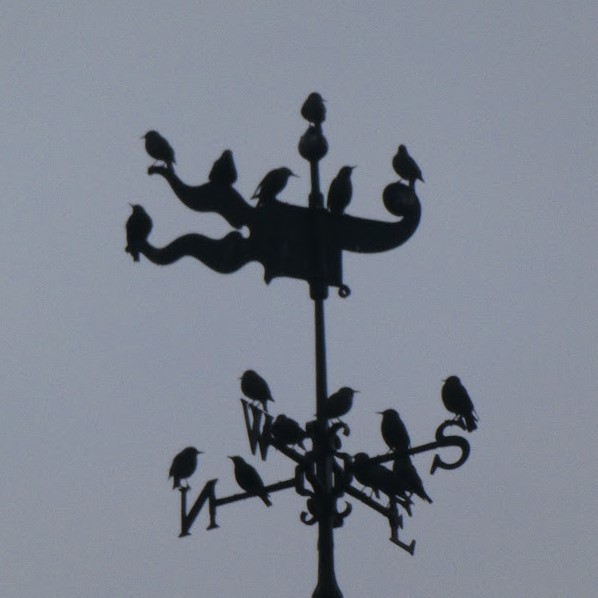
It’s not quite the right time of year for birds en masse to gather on a wire. That was last September, when birds of various kinds gathered on the telegraph wires near our house to plan their trip, perhaps to Africa, in complete defiance of current travel restrictions Here they are, in my featured photo.
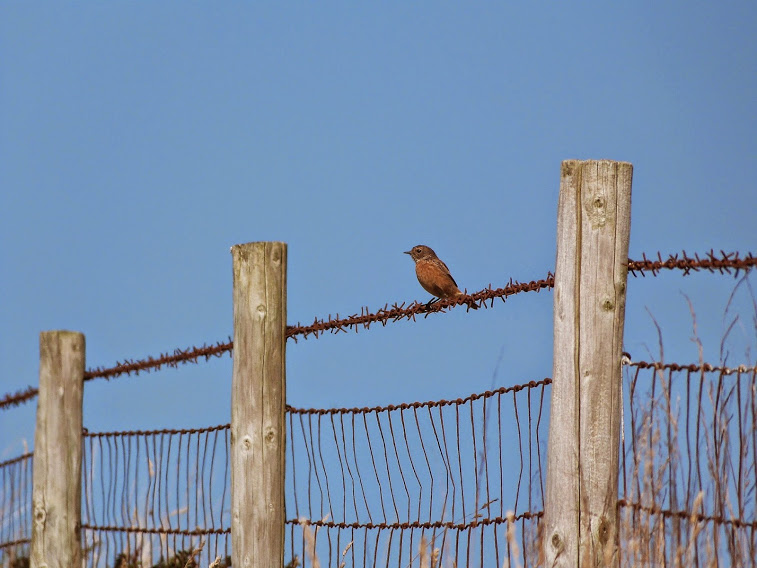
And here are a few more. They’re not emigrating. I showed the stonechat quite recently, but I like him, so here he is again, looking splendid in his best spring-time feathers.
The blackbird turns his back …
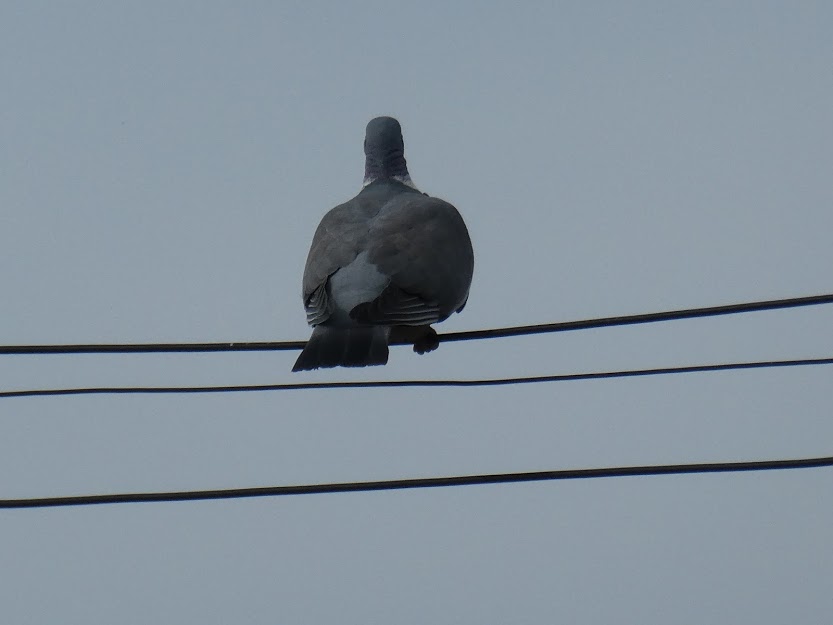
… as does the wood pigeon
Here’s the stonechat
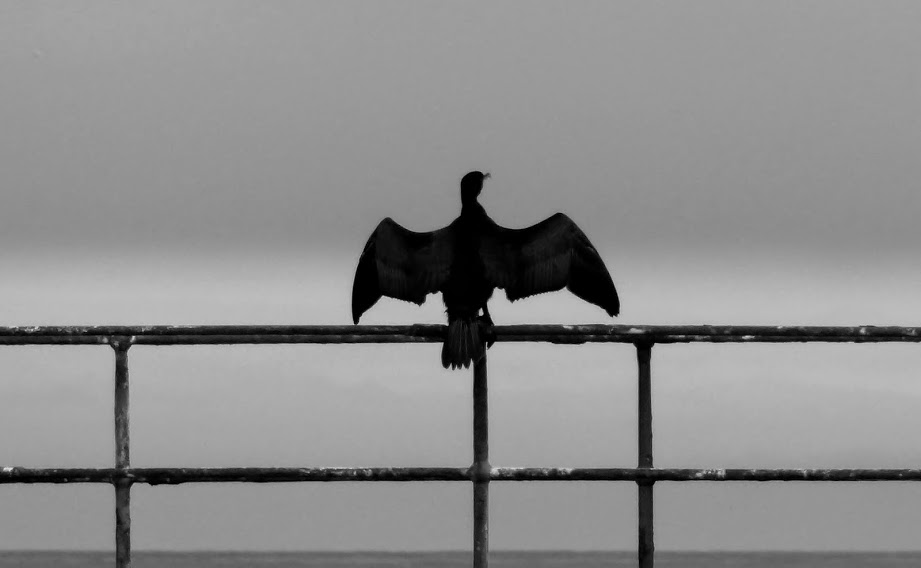
And finally, a cormorant on the pier in Whitby, North Yorkshire.
Click on any image to view it full size.
The cormorant reminds me of a poem I learnt as a child, and which I will still recite at the least provocation:
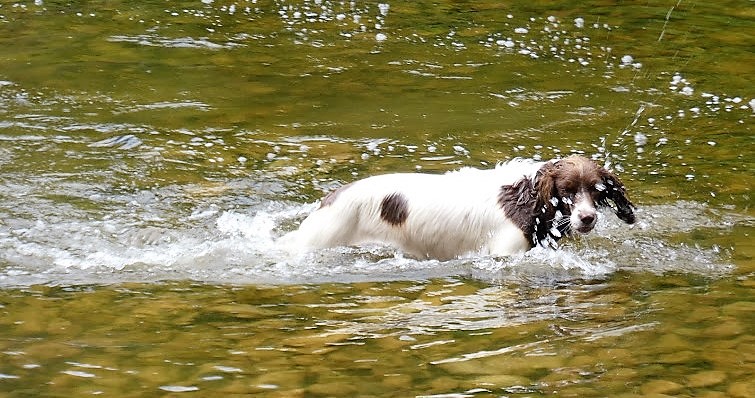
Some of you may remember my first post this month, when I announced my plan to acquire a Virtual Dog to make sure I went walking every single day, come rain, come ice, come mud. My chosen companion was Dilys, shown in today’s feature photo, but she already walks miles every day with her own family. Much as I love her, I think I really do need a Virtual Dog.
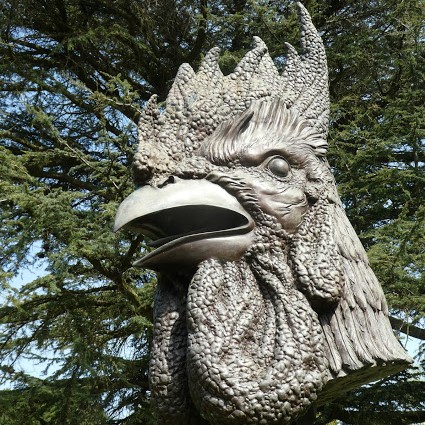
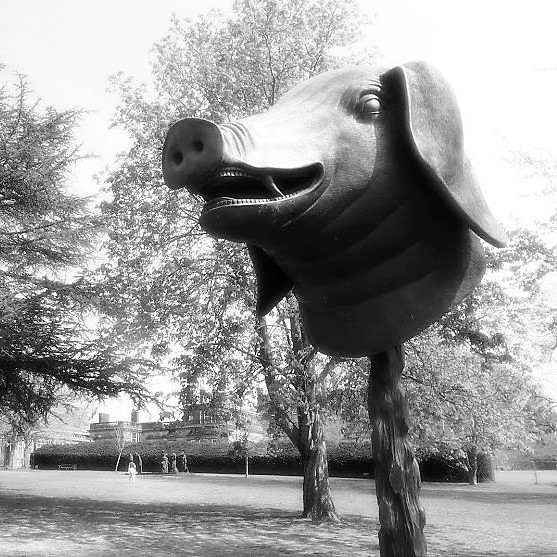
Then I remembered Ai Wei-We’s Circle of Animal Heads at Yorkshire Sculpture Park. Surely that featured a dog’s head? Up a pole? It did. Here is my Virtual Dog. Sadly, it’s my least satisfactory photo from there, so I’ll include a small gallery of some of the others to give you a better idea of this circle of mainly Zodiac figures up above your head.
My Virtual Dog
I’ve completed 116 miles this month. I felt this was a decent number – nothing to upbraid myself with here. But then I discovered that Jo of Restless Jo and Jo’s Monday Walk fame has upstaged me. She does eight miles a day. Almost every day. I’ll have to up my game.
Thank you, Becky, for cheering up a particularly long and dismal January: for giving us the opportunity for uplifting friendships in the blogosphere, and for making us crank our brains up a gear as we tried to measure up to the skills, humour and ingenuity of our fellow participants.
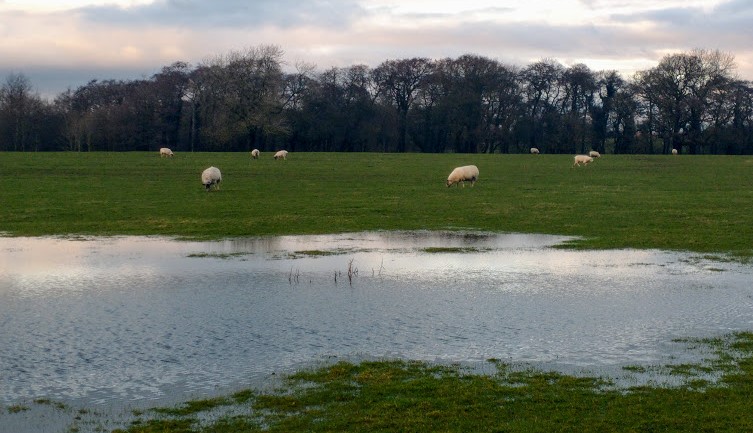
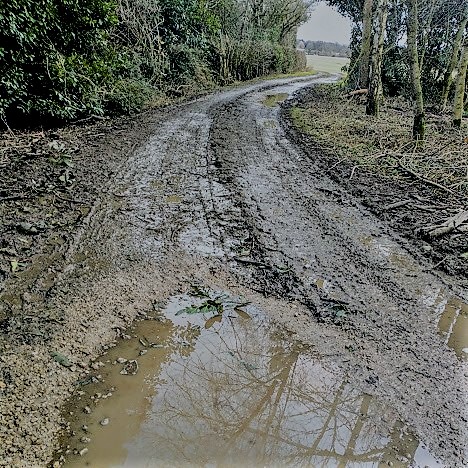
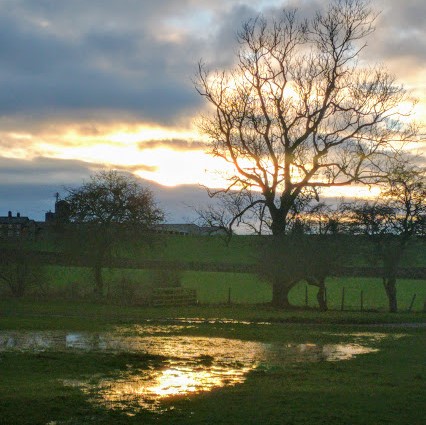
Yesterday I showed you soggy France, a few winters ago. Today I’ll show you soggy North Yorkshire, yesterday. Despite often being up to my ankles in mud and water, I found my end-of-day walk had its own particular delights.
I bet you’ve been thinking, in these gloomy rainy days, that a bit of a break somewhere like the south of France might cheer you up. But not necessarily. In honour of Flashback Friday, I’ve found my post from 29th January 2013, written in the corner of Southern France that we used to call home.
RAIN RAIN …
The banner headline on this morning’s regional paper, La Dépêche du Midi, told us what we already knew. There’s been twice as much rain this month as is usual. Of snow, we’ve seen hardly a flake.
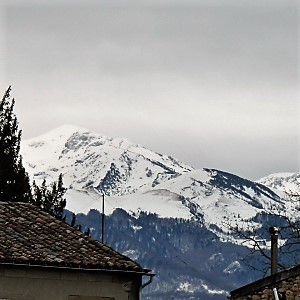
Driving back from Foix yesterday, we saw meadows that have become mini- lakes. Even more fields glistened with water as the water table has risen to the very surface of the soil. It’s made the month a somewhat gloomy one, even though the days have been pretty mild. The mountain peaks are snow-capped, as expected, but the white stuff barely creeps down the mountainside and with all the low cloud and zilch visibility, it’s sometimes hard to know where the Pyrenees have disappeared off to.
The Pyrenees seen from up on our roof terrace
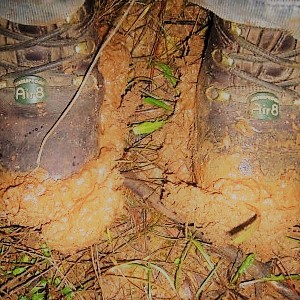
Our regular yomps into the countryside have been a bit curtailed. Walk after walk has been rained off, and when we do go, we choose our routes with care. If we don’t, we’ll be lugging kilos and kilos of glutinous heavy clay with us as it clings to our boots and the bottom of our trousers.
Muddy boots … up to our ankles in mud.
Roll on the 2nd of February, Chandeleur (Candlemas), the day when Winter decides whether to stick around or push off. Last year, it was icily cold, and Winter stayed and made his presence felt with several weeks of constant snow, ice and bitter cold. This year, he‘s looking much more half-hearted about it all. We blame ourselves. We invested in snow-tyres and snow chains for the car. We clothed our olive tree and a few other plants in white dresses of horticultural fleece.
Olive tree in a winter coat.
So Winter laughed in our faces. We daren’t change the tyres or undress the tree though. We all know what will happen if we do.















 From Pyrenees to Pennines
You must be logged in to post a comment.