London last week was a time for me to enjoy the grandchildren’s company in museums and in parks during fine autumn weather, and in making a Christmas cake. On Friday though, the weather forecast was foul. We planned to go to Greenwich briefly to buy things we couldn’t get locally, then hole up at home. We bought pumpkins which, closely supervised by the children, Tom later translated into faces (‘Happy face’, said Zoe: ‘Scary face’ said William. Tom seems to have wanted a face with a head full of gnashers.)
Happy …
Scary …
Toothy
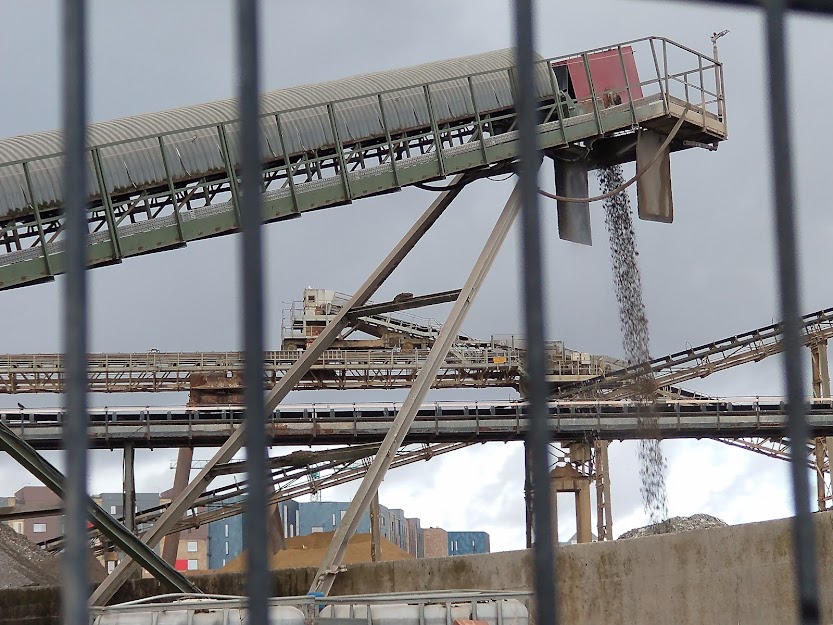
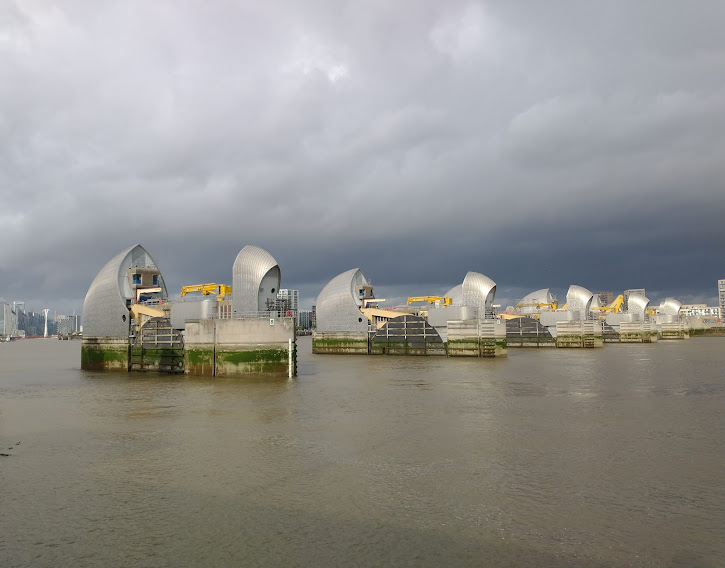
As we finished our list of jobs, the rain unexpectedly stopped, and we decided on a jaunt to the Thames Barrier, which I’d never seen. A walk though an industrial estate offered us gravel raining down from a conveyor belt …
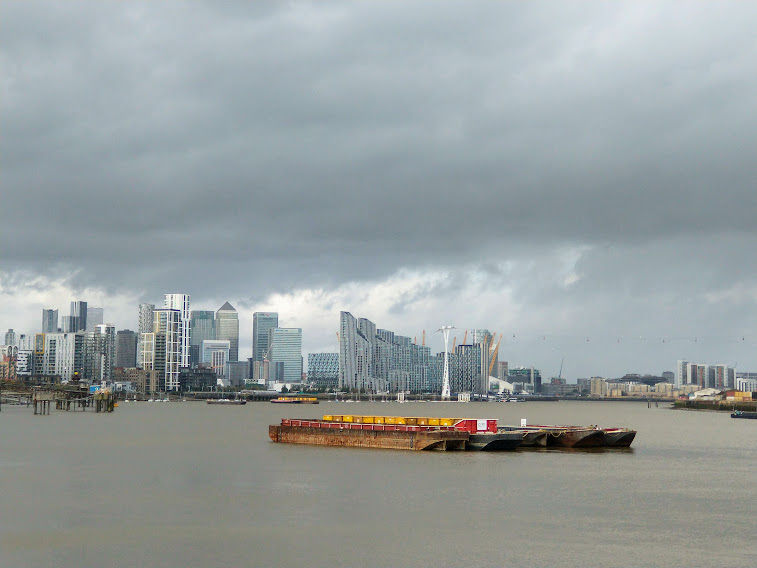
… and soon we were on The Thames Path. I’m always thrilled by the river in the city. I love the juxtaposition of new and old – the airy skyscrapers filled with office workers, and city types wheeling and dealing: on the water below them, rusting rusting barges plodding up and down like Dirty British Coasters, as they’ve done for centuries.
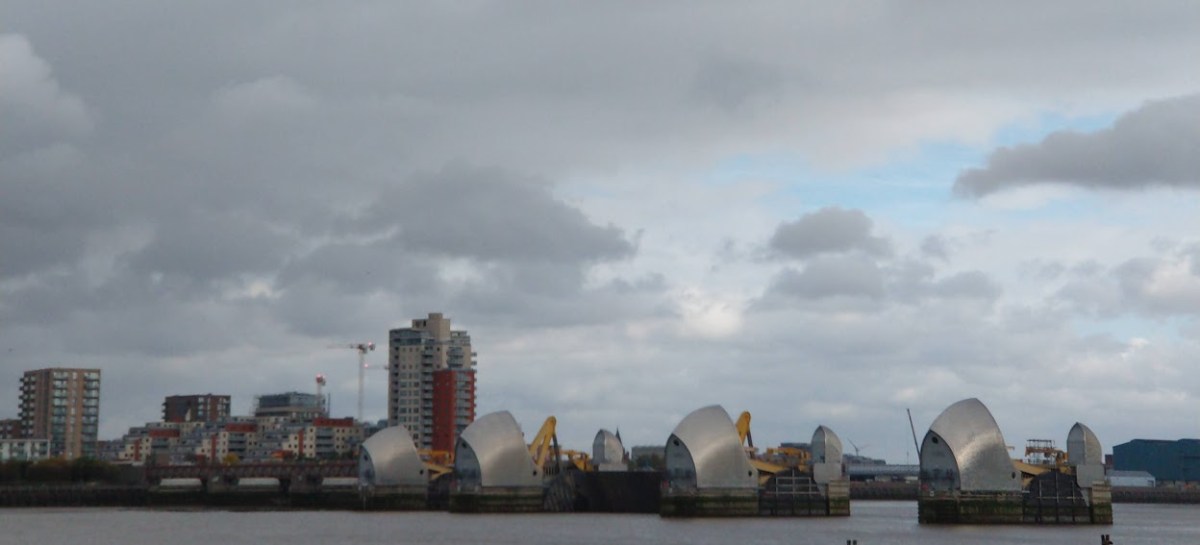
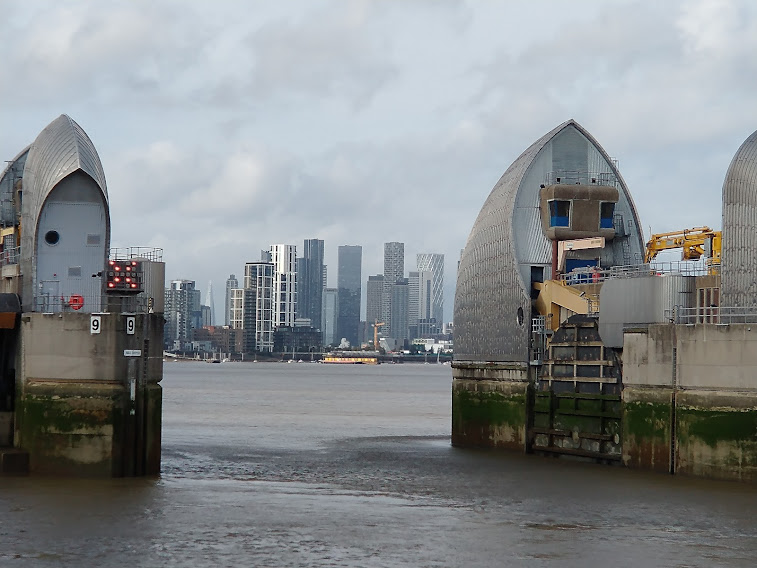
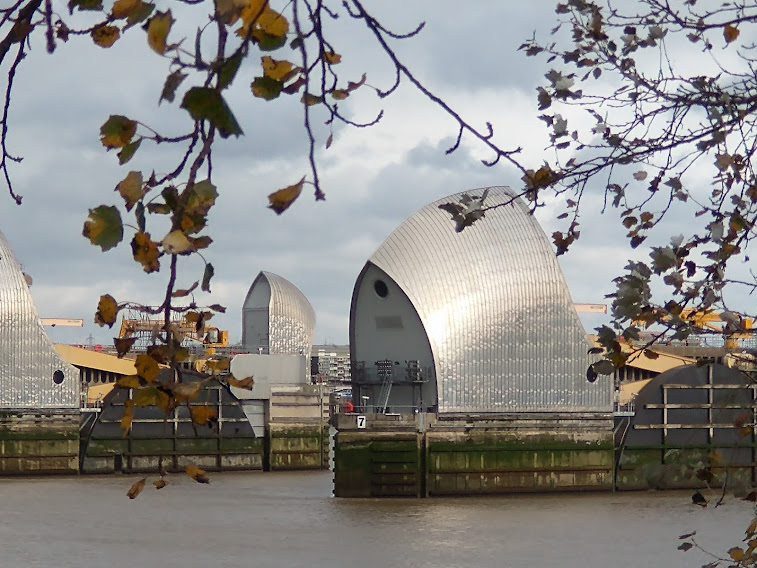
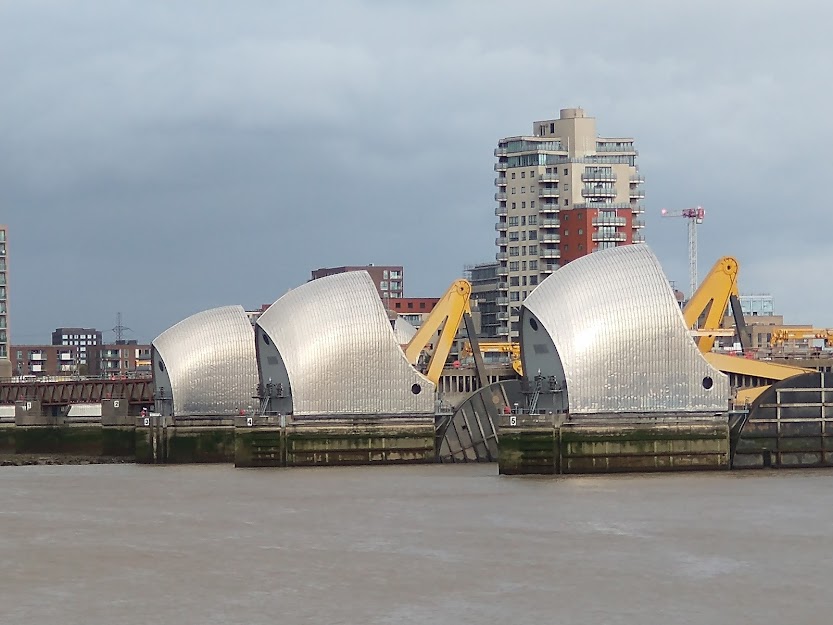
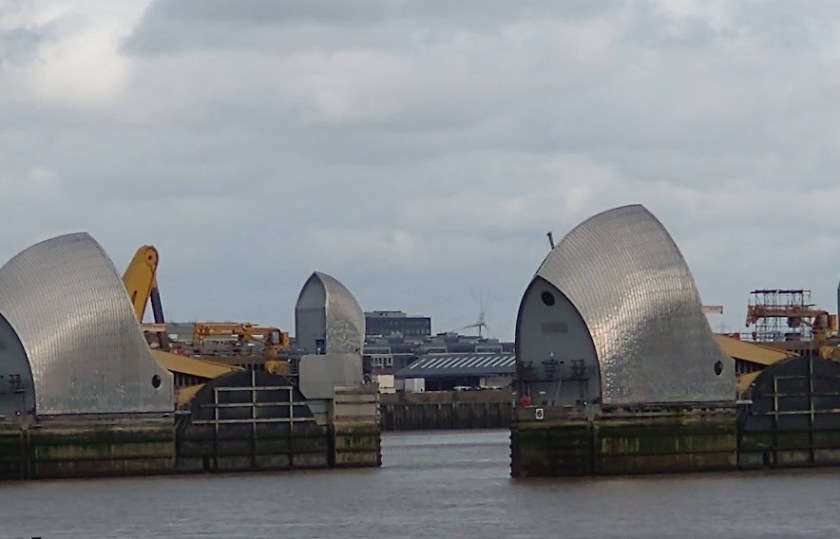
Ahead was The Thames Barrier, a buffer against the threat of flooding in London and which I think of as being rather new. It’s not. Its fortieth birthday is next year. The header photograph was our first sighting. And here’s a gallery of views as we approached, passed it, and came back the other way.
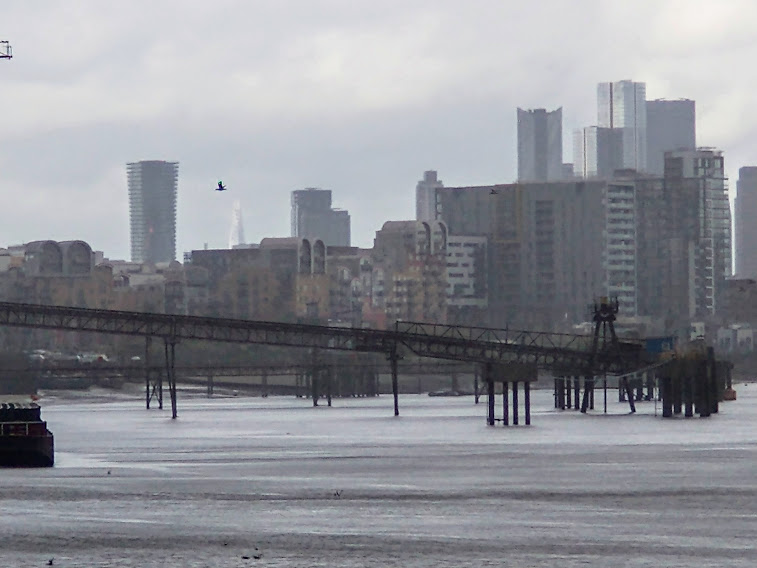
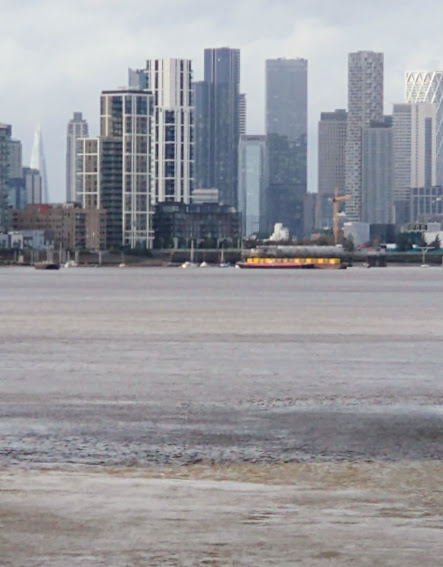
Then we were on our way back, as clouds turned dirtier, greyer, and the rain started once more to fall. Here were the buildings of Canary Wharf and Central London, viewed across ancient wooden jetties.
The promised rain had returned as a deluge. We scurried home, had lunch, and turned our attention to making Horrid Hallowe’en Biscuits and Perturbing Pumpkins.
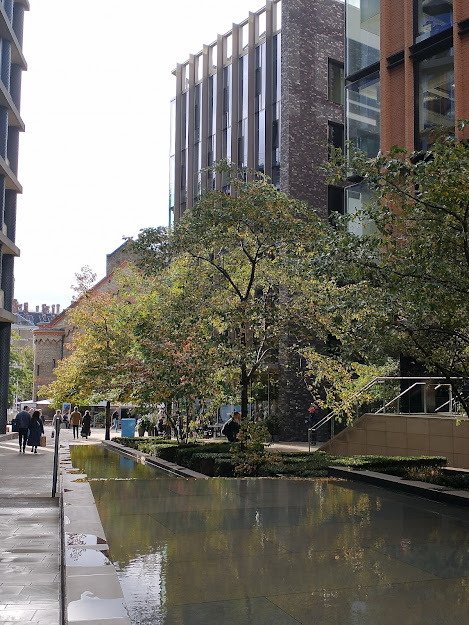
With just a few minutes to spare before leaving London on a train to Yorkshire which I feared would be over-crowded and a mask-free zone (I was right on both counts, unfortunately), there was just time to have a brisk walk in the rain in the area between Kings Cross Station and Coal Drops Yard.
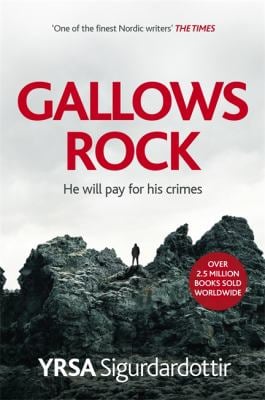
Bookish Beck is encouraging us to share why we Love our Libraries, and perhaps share some stories to show why. I’m a volunteer at our local library, though I dropped off for a while during the pandemic. This means that I have a constant supply of books which I end up bringing home to read rather than putting them back on the right shelf. And why not? I probably can’t plough through the number of books that I bring back – there aren’t enough hours in the day – but I can sample things I might not usually have considered. Some I win, some I lose, but it keeps the borrowing figures up, and that’s important when libraries battle with every council service for a share of the limited money-pot.
My post is just squeezed in for the October deadline.
Currently Reading
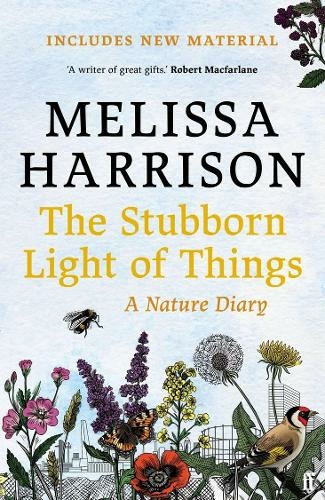
Melissa Harrison: The Stubborn Light of Things. I really have only just started this, but it’s promising. This is a selection of Harrison’s Nature Diaries for The Times from the last few years . She’s living in London in the section of the book I’m reading now, and discovering that Nature can thrive in the most unpromising of circumstances.
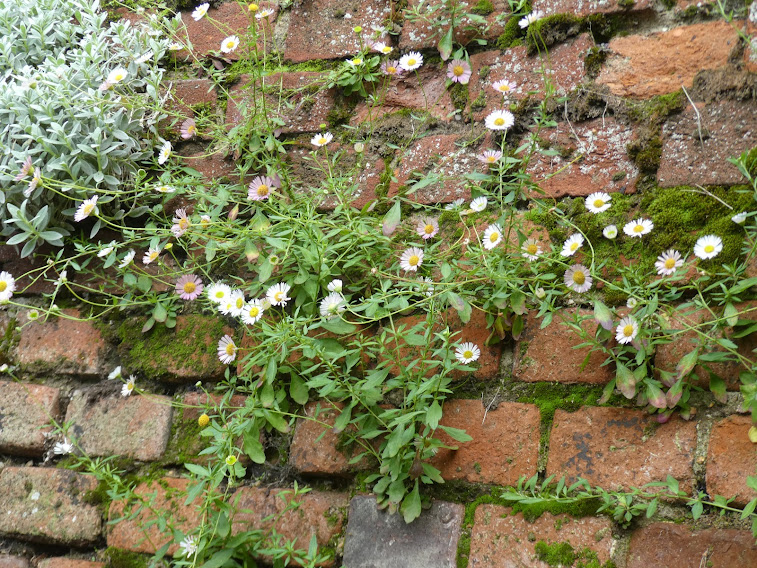
Flowers don’t need much to find a toe-hold.
Read
What did I bring home this last month?
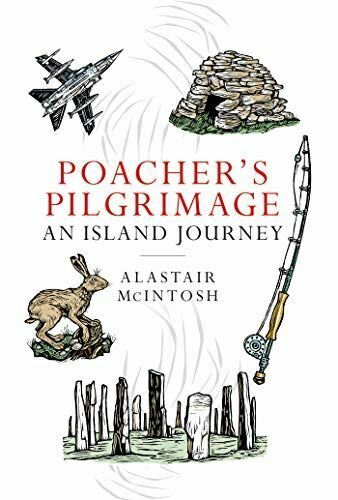
Alistair McIntosh: Poacher’s Pilgrimage – An Island Journey.⭐⭐⭐⭐ A powerful exploration of a sense of place. McIntosh returns to the Outer Hebrides of his youth, and undertakes a 12 day walk – a pilgrimage – from Harris to the Butt of Lewis. Not a place I know, but which I’d now like to explore, for its harshness, its Celtic roots, its community deeply rooted in its landscape and traditions. The book is part travelogue, part exploration of the island’s religious past, part exploration of ideas round war and pacifism. It’s a bit of a slow burn, but ultimately rewarding as an exploration both of a place, and one man’s mind.
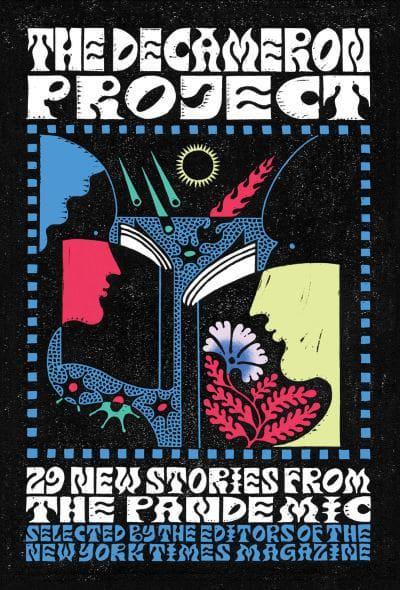
The Decameron Project: 29 New Stories from the Pandemic.⭐⭐⭐⭐In a world overwhelmed by a global pandemic, The New York Times approached authors to contribute a short story encompassing their take on this discomfiting period. It brings Lockdown galloping back into my mind, even though few stories tackle this directly. The strangeness of the world at that time is brought into focus by a visit to a Barcelona dog owner with John Wray, or Colm Toibin bicycling in Los Angeles. Not every story is a success. I wasn’t a fan of Margaret Atwood’s Impatient Griselda. But as a memorial to a moment in history, with fine writing as standard, this collection is unbeatable.
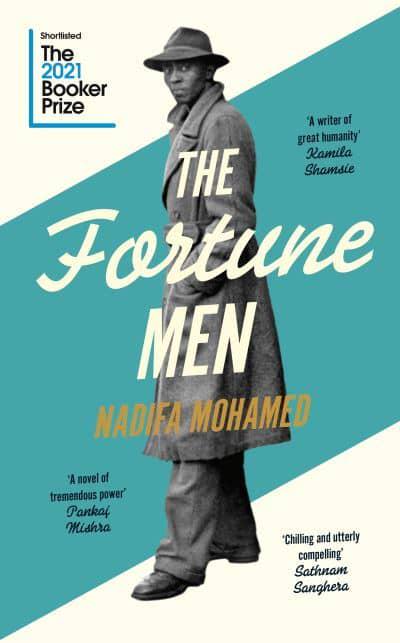
Nadifa Mohamed: The Fortune Men. ⭐⭐⭐⭐⭐ Mini review forthcoming in November’s Six Degrees of Separation
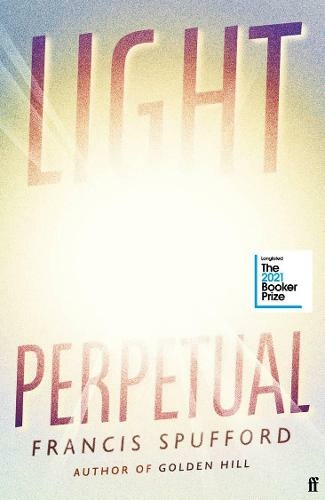
Francis Spufford: Light Perpetual.⭐⭐⭐⭐ Mini review forthcoming.
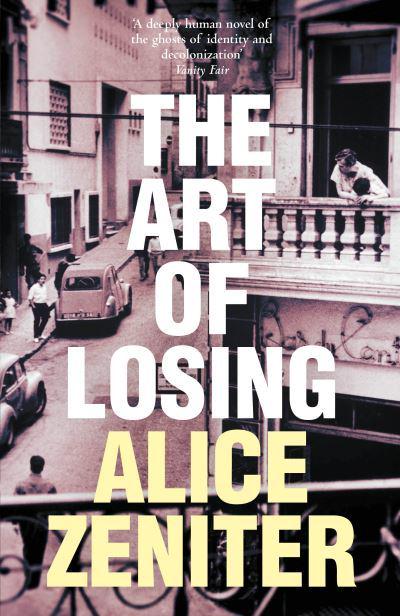
Alice Zeniter: The Art of Losing: ⭐⭐⭐⭐⭐Mini review forthcoming.
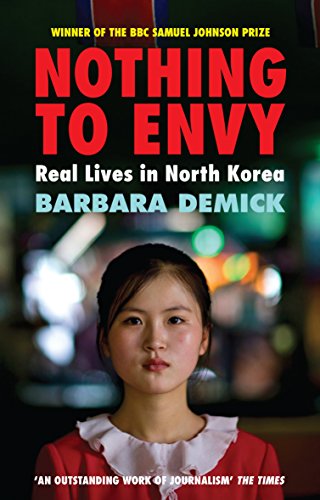
Barbara Demick: Nothing to Envy. ⭐⭐⭐⭐⭐A readable and illuminating account of the famine years of the early 20th century in North Korea, as seen through the eyes of six escapees. Not all of these people had long been critical of the repressive, totalitarian regime under which they had been brought up. They accepted unquestioningly that there was nothing to envy beyond the country’s borders, despite the fact that education, career ambitions, love and home life were under constant surveillance and minor ‘offences’ could result in lifelong unpalatable consequences for themselves and their families. An eye opening look at a largely unknown world.
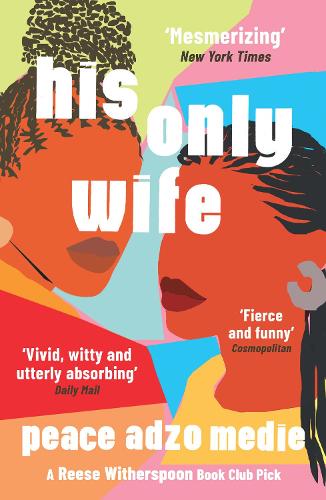
Peace Adzo Medie: His Only Wife. ⭐⭐⭐ Afi is a young seamstress from a not-at-all-well-off family. The chance of marriage to a wealthy man from Accra whose family disapprove of the woman who is the mother of his child changes all that. Her marriage takes place without the groom being present , and though he installs her in a luxury flat in Accra and makes sure she wants for nothing, it’s a while till she even meets him. When she does, she falls in love. But will that be enough to win him back from his other life with that other woman? I was only partly engaged in this tale. As someone who doesn’t know Africa at all, it seems to paint a believable picture of both bustling big city and small town life. But Afi seemed to me to achieve career success unbelievably easily, and I didn’t quite believe in her apparently deep love for Eli. I enjoyed the family relationships described, but on the whole, this was a book I was never fully committed to though I read it willingly enough.
Returned Unfinished
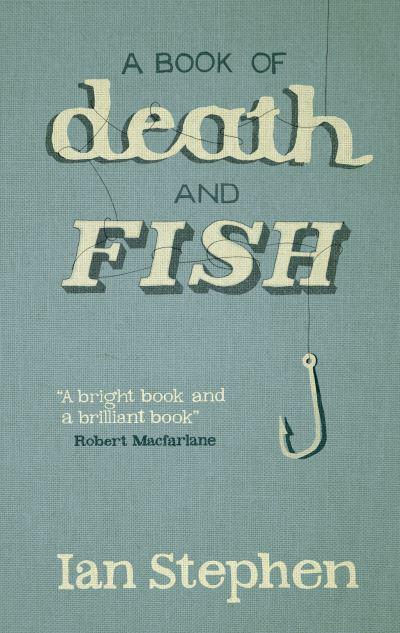
Ian Stephen: A Book of Death and Fish: I haven’t anything like finished this book. But I can tell that it celebrates language, and the telling of a good tale. I’m not in the market for a long immersive read at the moment, but I know I will come back to this book.
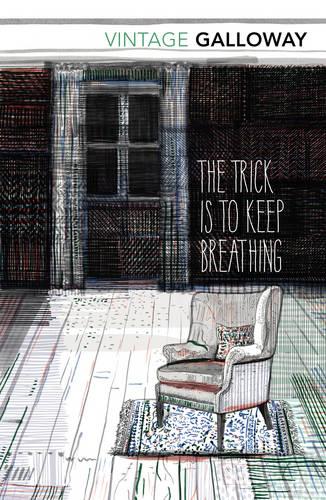
Janice Galloway: The Trick Is To Keep Breathing. Goodness knows, I’ve tried to finish this book. I can’t. It’s just too painful. Claustrophobic, disturbing, this is a story about a woman’s inner collapse on the death of her lover. As the ‘other woman’, she can neither be acknowledged nor supported. I’ve only once had depression, of the post-natal variety, and I was well supported, unlike isolated Joy. But the contact with this unwelcome world where everything is just too damn’ difficult and exhausting was more than I could bear. I don’t even know if there is any kind of happy ending to this suffocating tale.
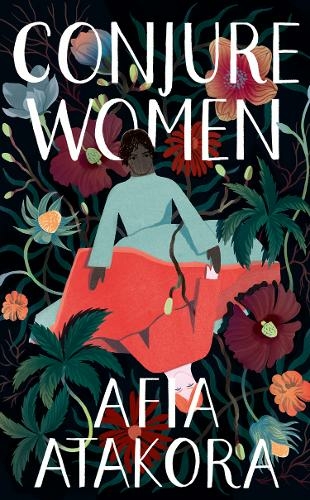
Afia Atakora: Conjure Women. I didn’t finished this book, but abandoned it at about page 50. I found the narrative hard to follow, and wasn’t invested in it sufficiently to try. Reading the reviews, I’ve missed out. Note to self. Try again later.
Borrowed, and waiting their turn
Ann Morgan: Reading the World.
Lana del Rey: Violet Bent Backwards over the Grass.
Enjoying grandchildren and blogging simply don’t mix, so I haven’t been part of Becky’s Past Squares lately. But old and new meet beautifully in London, so let’s finish the month by strolling along London’s South Bank.
I took this picture of my grandchildren because it reminded me of an iconic advert for Start-rite shoes which I can’t show because it’s under copyright. Instead I’ll show you a blast from the past: their dad’s first pair of shoes – yes, I still have them.
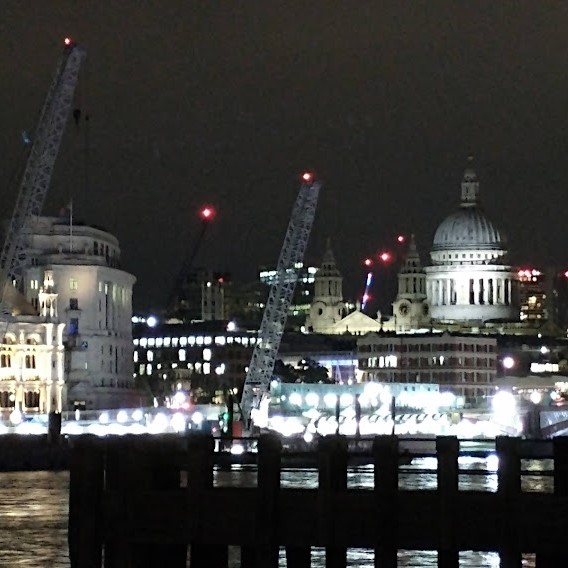
And later, as day became evening, here’s the London skyline: St Paul’s Cathedral, built after the Great Fire of London by Sir Christopher Wren, with a forest of cranes showing the continued growth of this city.
Thanks Becky, for yet another month of fun and squaring. Looking forward to hearing about your adventures in Portugal.
Half term looms. Which means bloggers too need a little down time, and I shan’t be around next week. So here’s a simple post, with just a few twists and loops for Cee’s Fun Photo Challenge, which is this week – Twisted or Wiggly.
The header photo comes from just above Reeth, North Yorkshire. The one below shows a just-harvested field, complete with twisted and wiggly tyre marks, with just-about-to-migrate swallows assembled on the power lines.
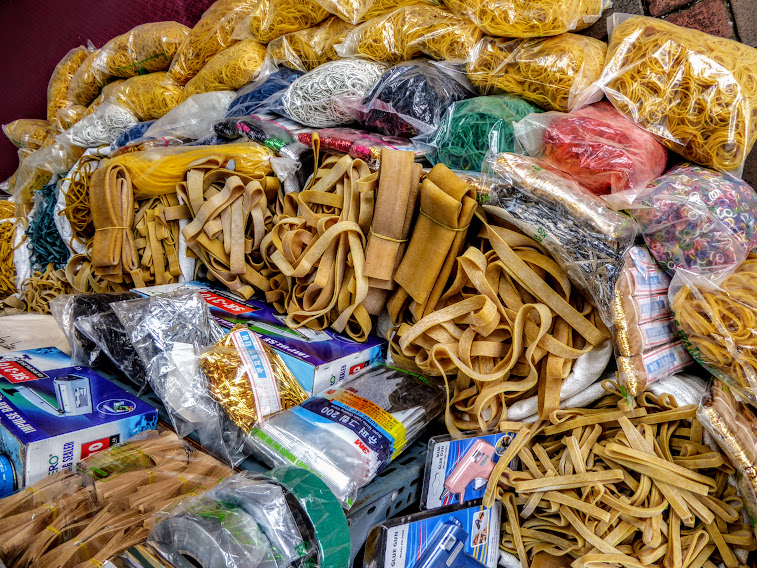
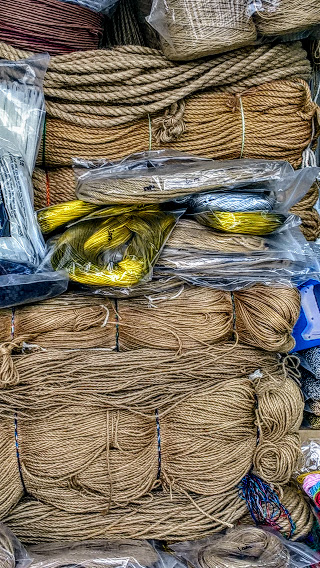
Now three shots from Seoul, South Korea: scenes from a rubber band shop (yes, really) a string shop (yes, really) and street electric cables (yes, really).
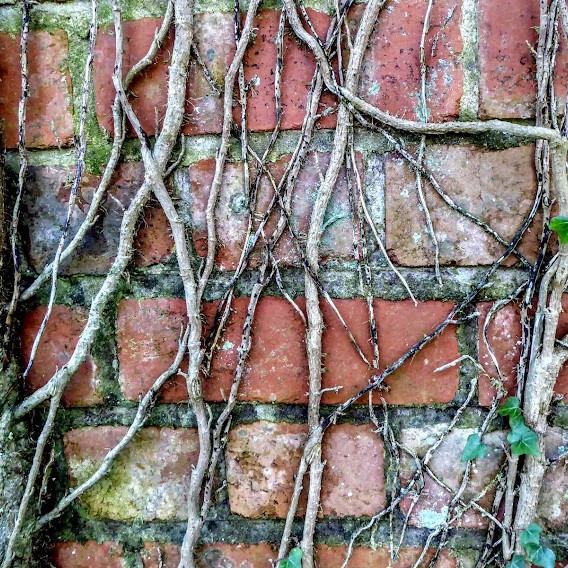
Finally, a scene from the garden this past winter .. a Past Square for Becky
Autumn has only just begun to kick in properly this week: surely that’s quite late? So I’m celebrating the season today for Past Squares, by choosing shots from this week – last year.
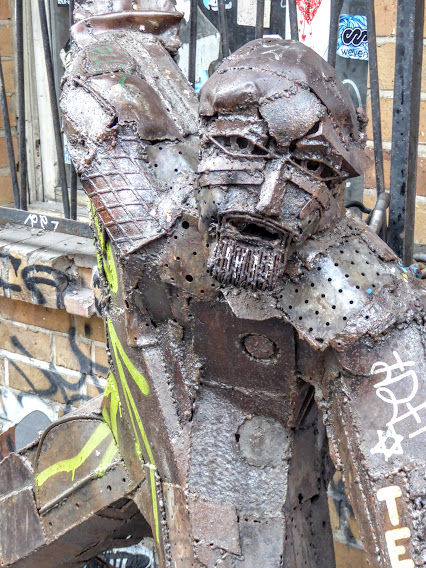
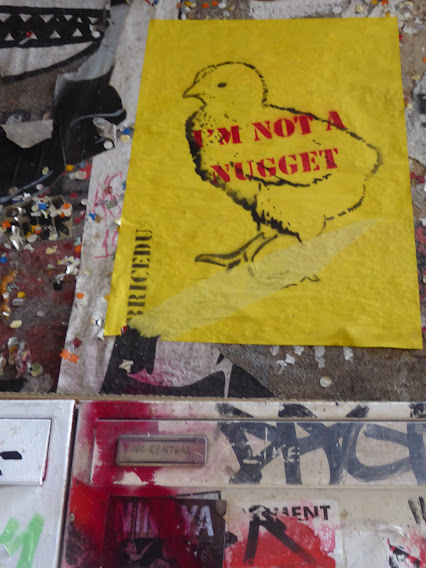
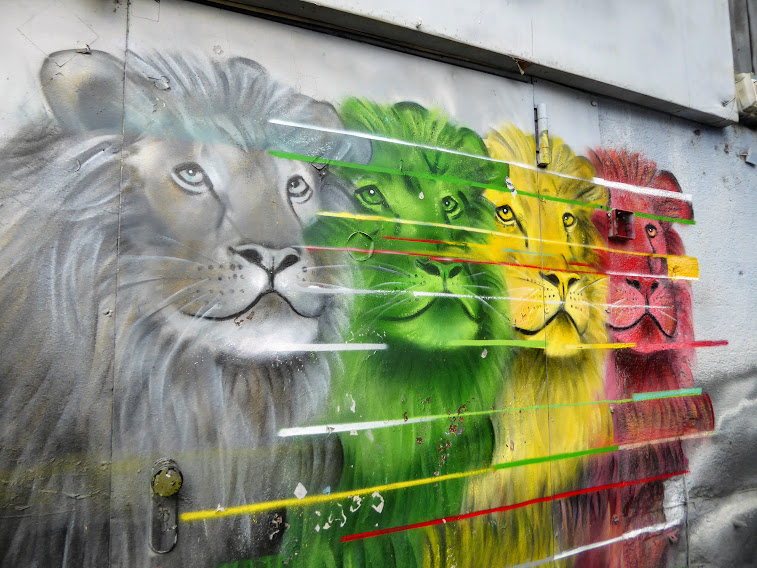
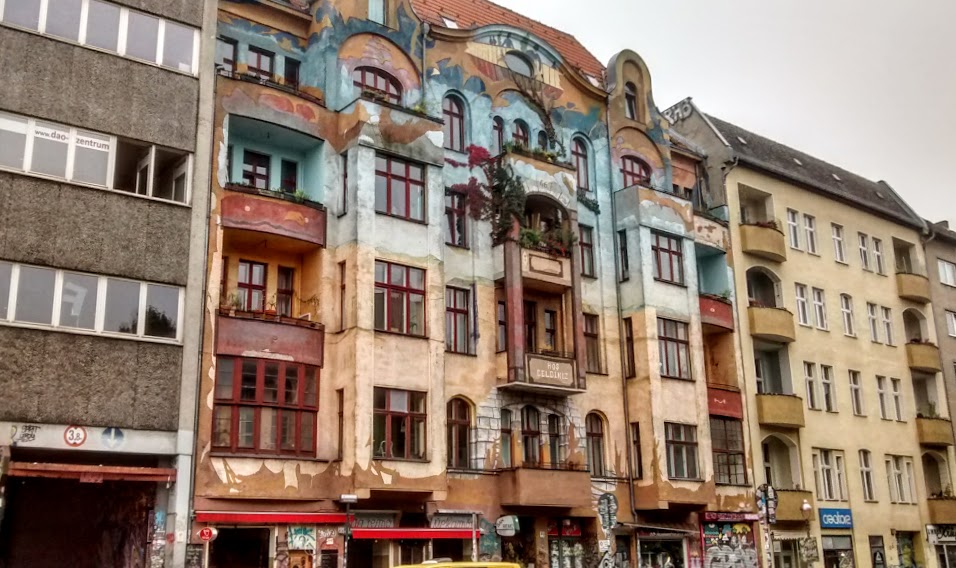
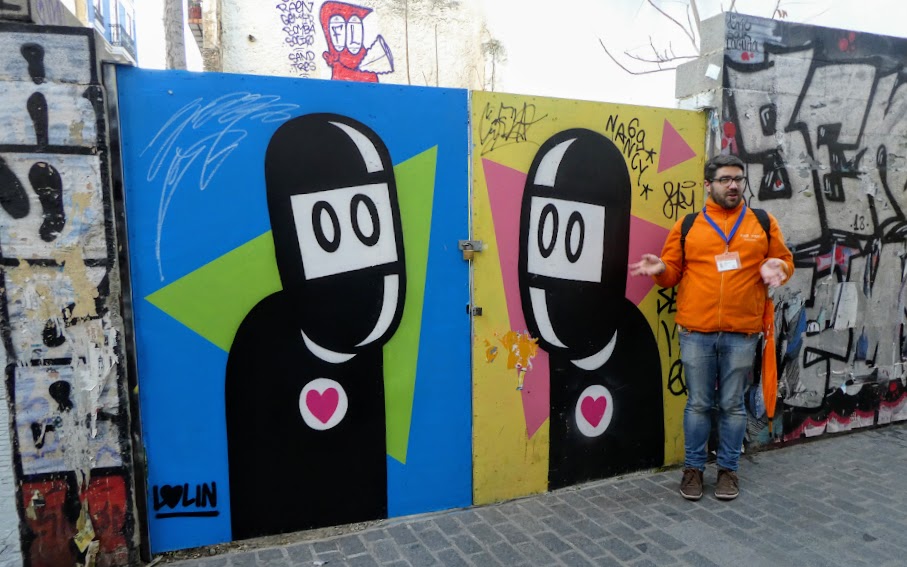
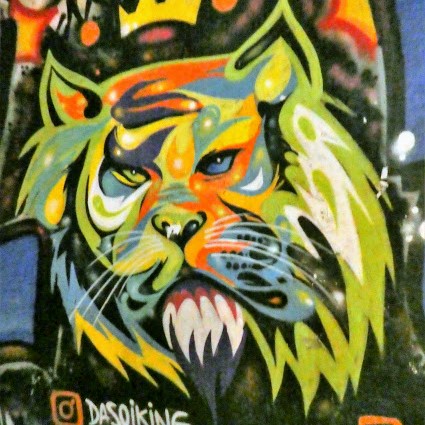
It was in Berlin that I first really discovered a love of Street Art. Maybe it’s because I got some background understanding by going out for the afternoon with Dave, of Alternative Berlin Tours. I learnt the difference between graffiti, street art, stickers and transfers, and something of the political anger and activism that can inform so much of it: particularly near the former Berlin Wall. This has now been re-invented as The East Side Gallery and I don’t show anything of that here because many of its images are so well known. Here are some examples we saw in Dave’s company, or exploring later on our own.
Having done Street Art Module One in Berlin, I was ready a year or so later to do Module Two in Valencia, It was here that I met an irrepressible type who peoples doorways and random bits of street furniture, painted by David de Limón.
Our tutor introduces us to David de Limón
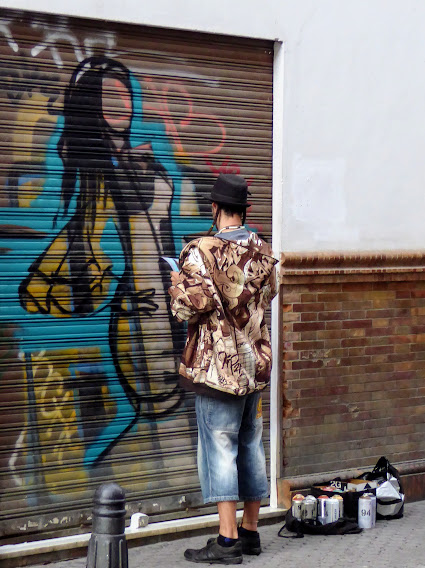
And it was here too, as we once had in Seville, that we encountered street artists doing their day – or occasionally night – job.
Here are a few more:
I like the way that the windows become part of the fantasy here.
And here’s one just for Past Squares …
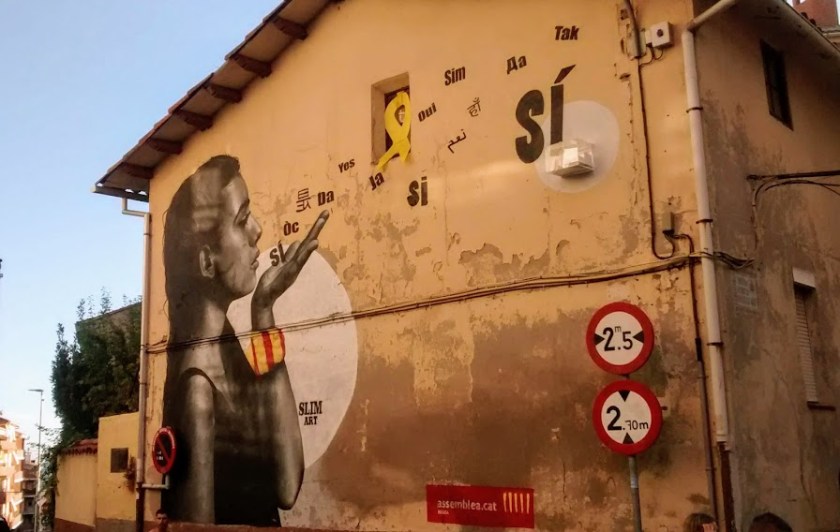
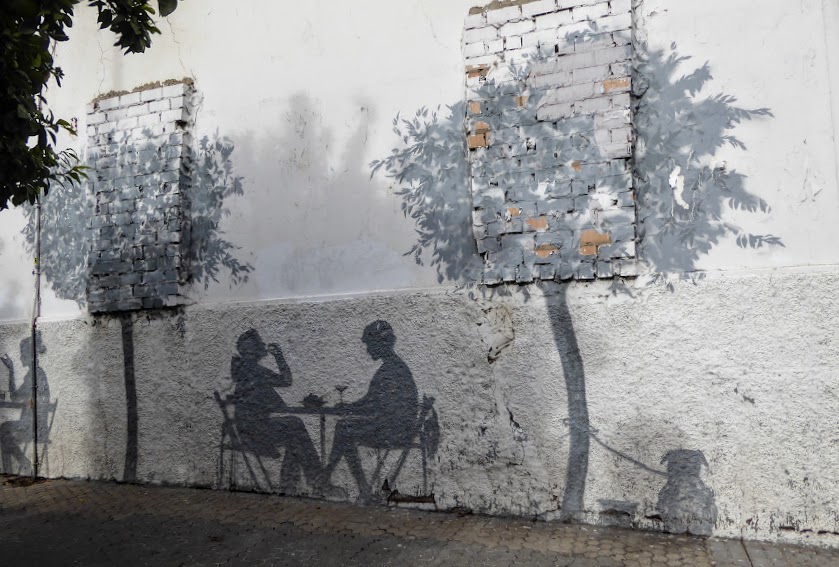
And we’ll have a whistle-stop tour of Spain and view a few more:
Catalan independence is always the story in Berga …
… whereas relaxing over a drink with a friend is more Seville’s style
Granada’s a place to relax too.
An ancient city with Arabic, Jewish and Christian roots, Tudela has embraced street art too
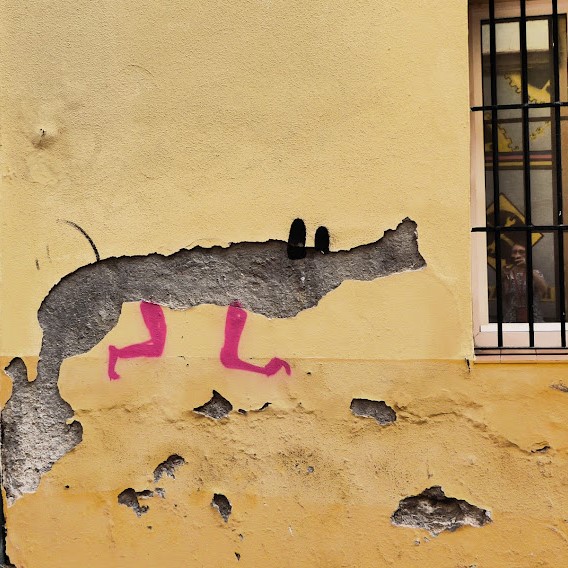
Maybe this is my favourite image of all, a bit of fun created from damaged plasterwork in Seville:
Another Past Square for Becky, and worth another outing, I think.
Although – hang on – no. My real favourite has got to be in Manor House Gardens, Hither Green, because the artist appears to have designed this image with my granddaughter in mind.
With thanks to Patti for providing us with a chance to wander city streets this week in quest of images that amuse, provoke and stimulate us. It’s the perfect moment to join the Photographing Public Art Challenge too. As well as Monday Mural. All this and Past Squares and Monday Window too … This is taking multi-tasking to a new level.
The header image comes from the top floor of an apartment block in Málaga.
We seem to have been to Castle Bolton quite often recently. It reminded me that shortly after we came back from France, one of our early walks was here. Maybe it’s time to revisit my blog post about it, to remind myself, if nobody else, about its history.
A CASTLE FIT FOR A CAPTIVE QUEEN
October 2014
We travelled the road in thick white mist, fearing a dank and gloomy day. But the higher we climbed, the more the mist fell away, and the brighter the sun shone.
Looking down over Wensleydale from Castle Bolton
As we began walking, Daphne shared some of the castle’s history with us. It has belonged to the Scrope family since the time it was built in the 14th century, and has always been admired for its high walls. It’s a proper castle, looking exactly like the ones you will have drawn when you were eight years old.
Bolton Castle
Tudor history is largely about the constant religious and temporal battles between the Catholic and the Protestant church, which Henry VIII had made the Established Church, with the king as its head: the Fidei Defensor – Defender of the Faith (unbelievably, Henry hung onto this title, awarded him in his pre-Protestant days by Pope Leo X, in recognition of his book Assertio Septem Sactramentorum which defends the supremacy of the pope). His son Edward briefly succeeded him, and then his daughter Elizabeth, and both were Protestants.
But Elizabeth’s rule was threatened by the Catholic Mary Queen of Scots, and she was held captive first at Carlisle Castle, then at Bolton. Here she was attended by 51 knights, servants and ladies-in-waiting, not all of whom could be accommodated in the castle itself. She also had cooks, grooms, a hairdresser, an embroiderer, an apothecary, a physician and a surgeon, while furnishings fit for a queen were borrowed from nearby Barnard Castle. She went hunting, learnt English – for she spoke only French, Scots and Latin – and spent time with local Catholics. She made an unsuccessful bid to escape from captivity. It’s said she climbed from an upstairs window in the castle, and fled on horseback past the nearby market town of Leyburn. It’s here she dropped her shawl and so was discovered and recaptured. And that is why, so they say, the long escarpment above the town, nowadays a playground for walkers and sightseers, is still called ‘The Shawl’.
As we enjoyed our history lesson, we passed a field of Wensleydale sheep. We very much admired their sultry fringes.
Wensleydale Sheep
And onwards. Autumn colours.
A completely pointless stile in the middle of a meadow.
Then Aysgarth Falls. What a wonderful lunch spot. The crashing waters made conversation quite impossible, but we sat enjoying the surging waters, the coppery leaves above our heads, and the all-encompassing percussion of the tumbling River Ure.
And then it was time to turn round and head back by a different route. Another great day’s walking, with an added history lesson.
But wait! This post was all for Fandango’s Flashback Friday, when we’re invited to dig up a Post From the Past. But Becky’s Past Squares demands a look at the past too: here’s Bolton Castle, square style:
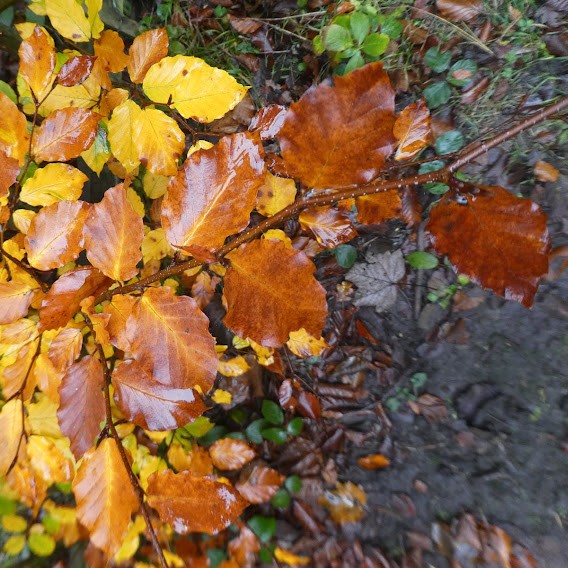
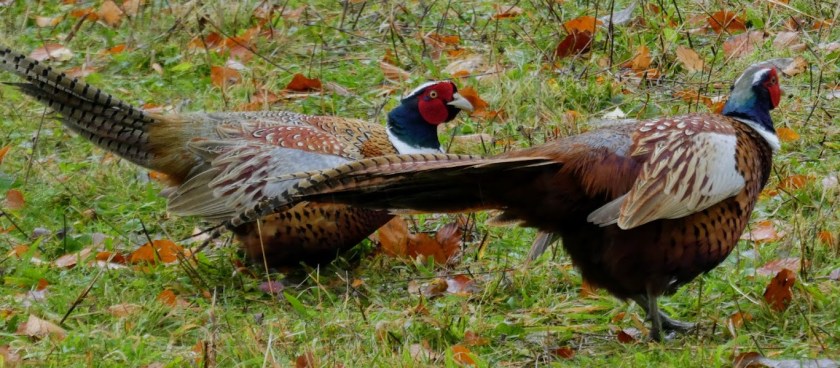
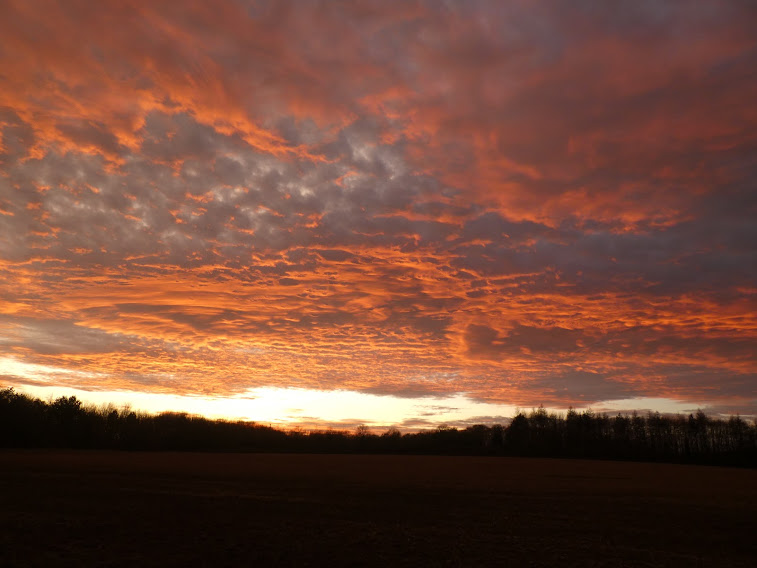
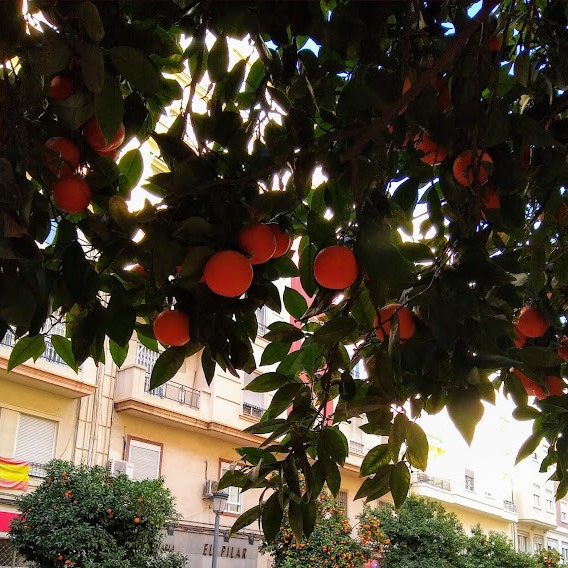
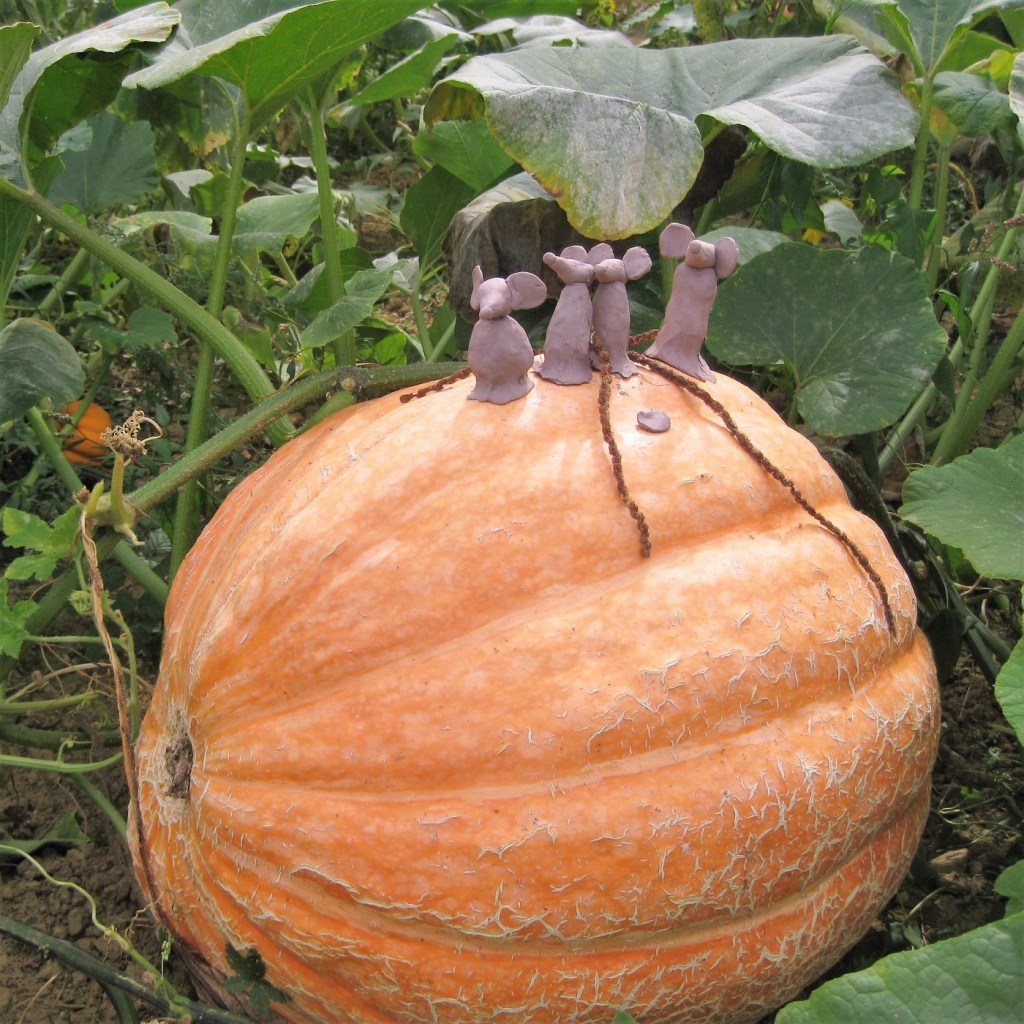
This month’s Life in Colour invites us to look at orange. Happy to help. I’ll grab your attention in the feature photo, with a rather orange sky.
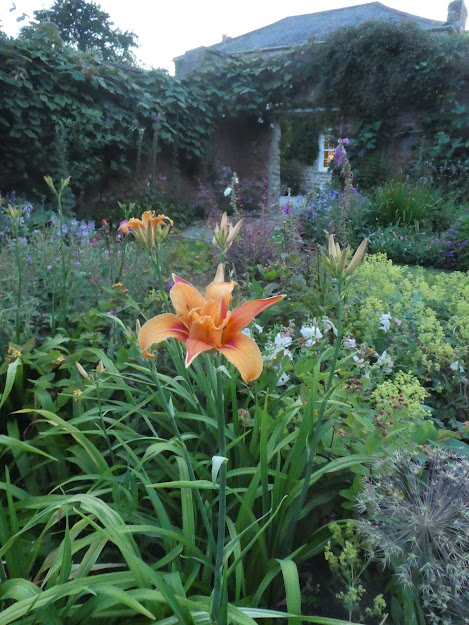
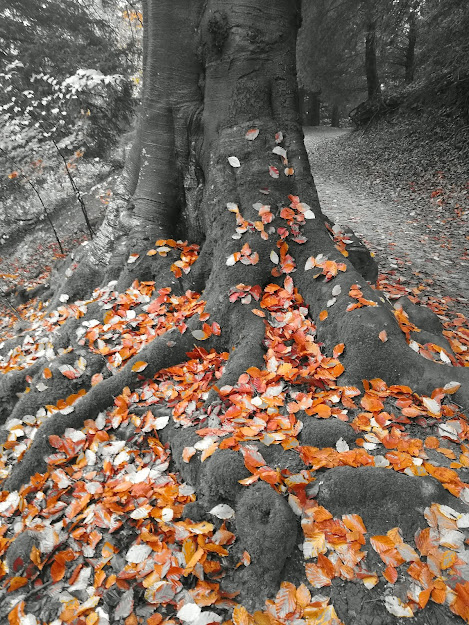
When I got my new phone, my not-at-all top-of-the range, bargain-basement smartphone, I discovered that it had a feature called ‘spot colour’. I tried it out in the garden, and in the woods, making orange my spot colour of choice. Here are some results:
Now let’s abandon the gimmicks, and simply go for a walk along Ripon Canal on this early autumn day:
And just to be really cheeky, as there’s not a pane of glass in sight, I’m including it in Monday Window, as it really is a different window on that lunch time pit-stop.




























 From Pyrenees to Pennines
You must be logged in to post a comment.