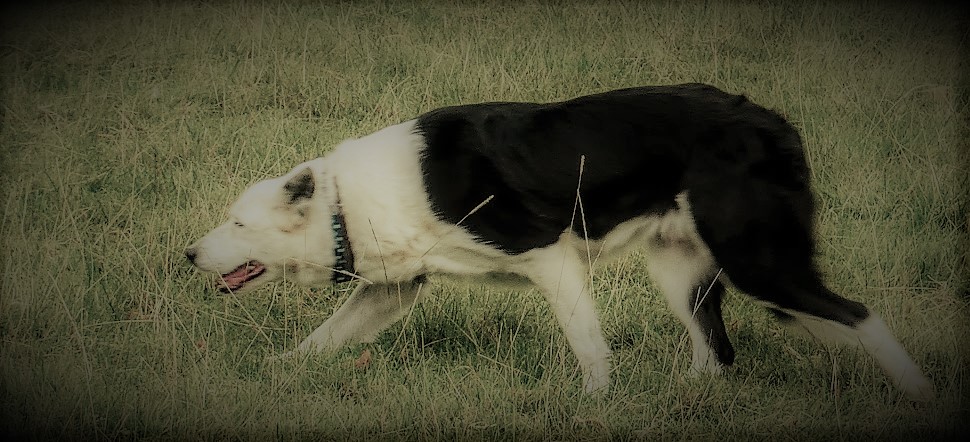
I promised you an account of a Sheep Dog Demonstration after our visit to Masham Sheep Fair. Maybe you’ve amused yourselves wondering which sheep would get hustled and herded into pens as each dog did her work. Big and super-woolly? Lean and super-curly? Well, neither …
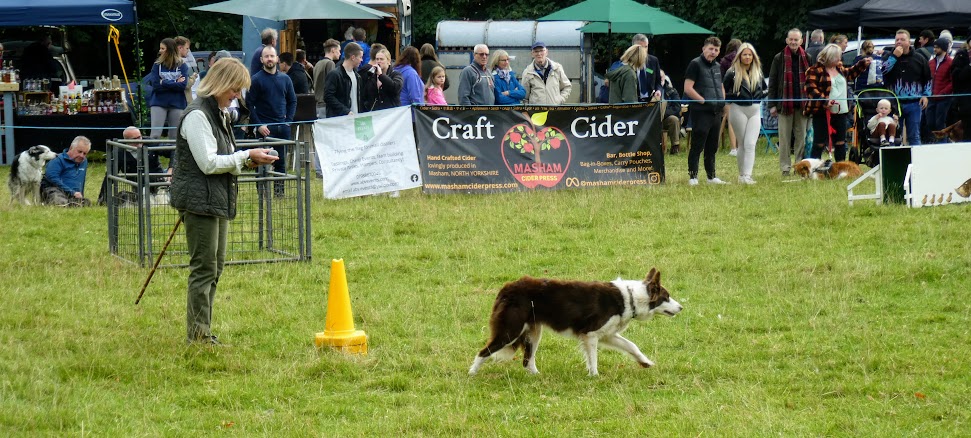
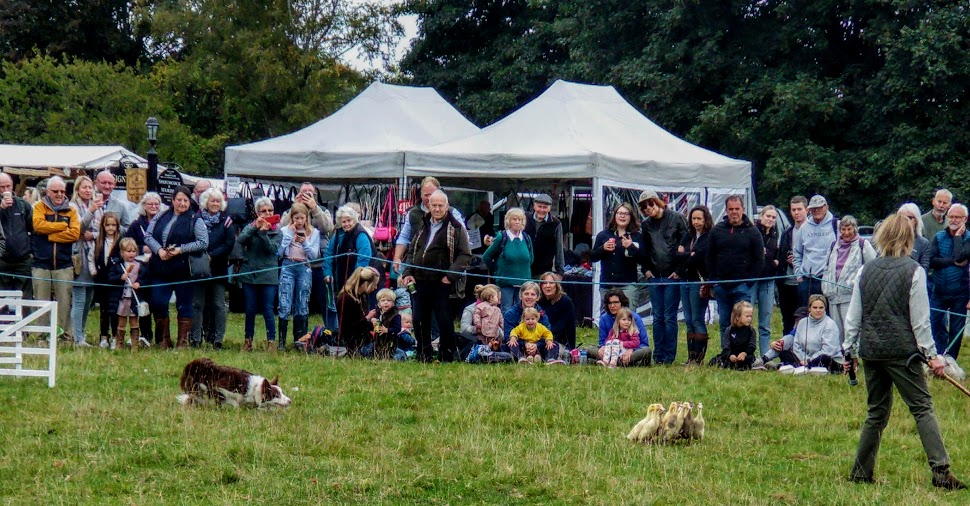
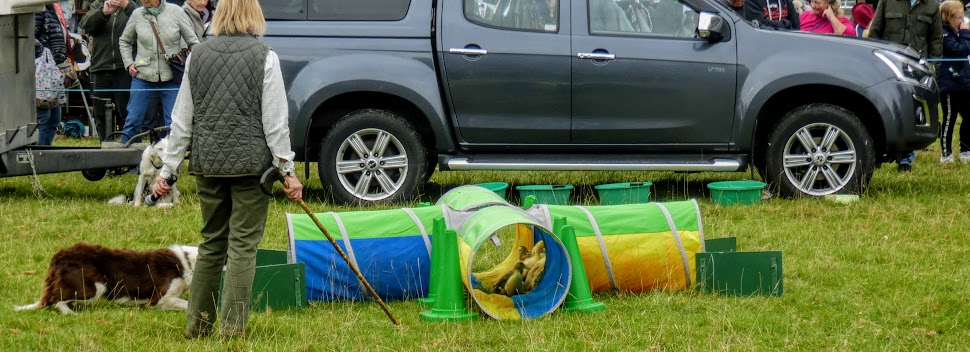
The field behind the church was roped in such a way that we spectators gathered round the edges, so we could look at the arena, scattered with wooden gates and obstacles, traffic cones, a play-tunnel, and in the far corner, a sheep pen. We spotted two sheep dogs, panting eagerly beside their trailer.
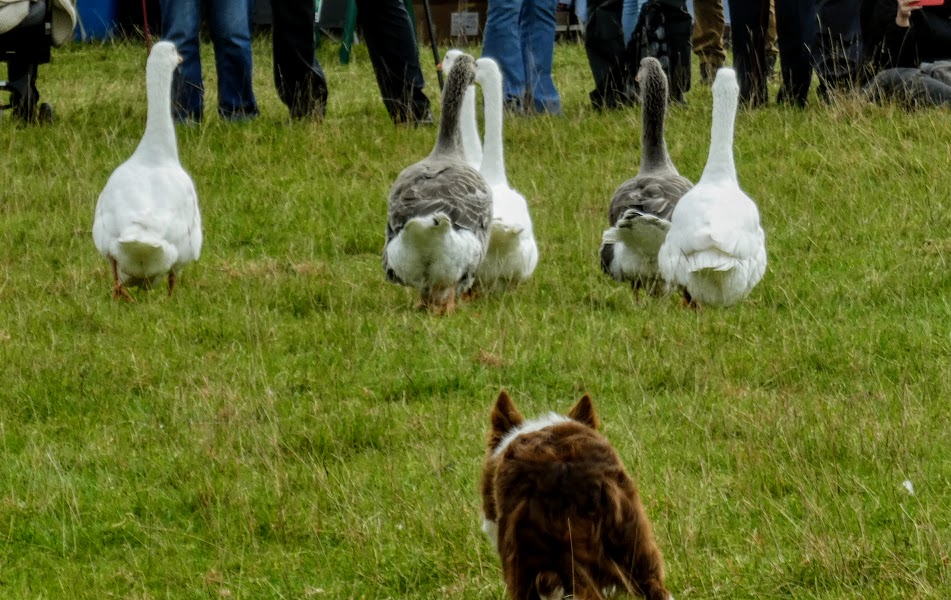
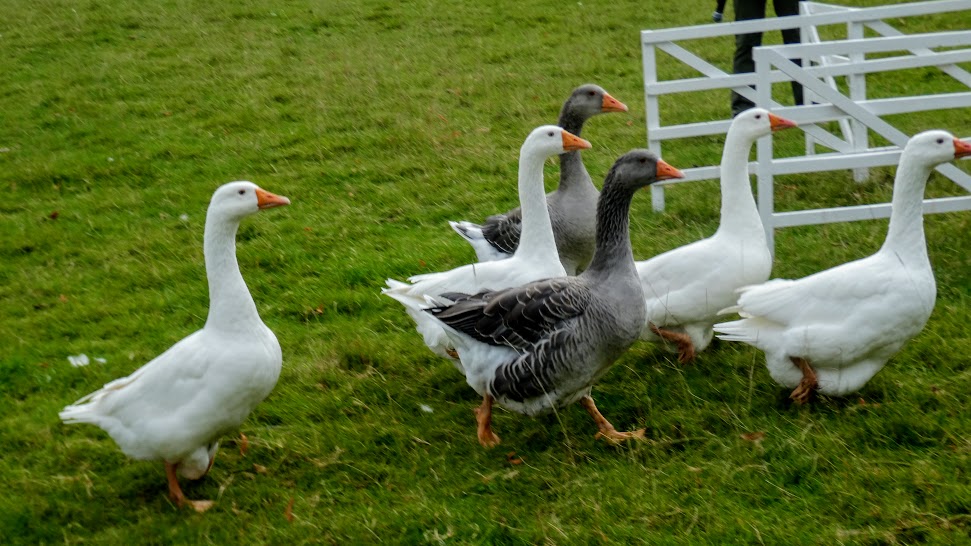
Their trainer, a farmer from Cumbria, took centre stage and introduced her dogs, each of whom would perform in turn. But where were the sheep? Not here at all it turned out. The dogs would be herding … first geese …
… who went between gates, round obstacles, round again…and into the pen …
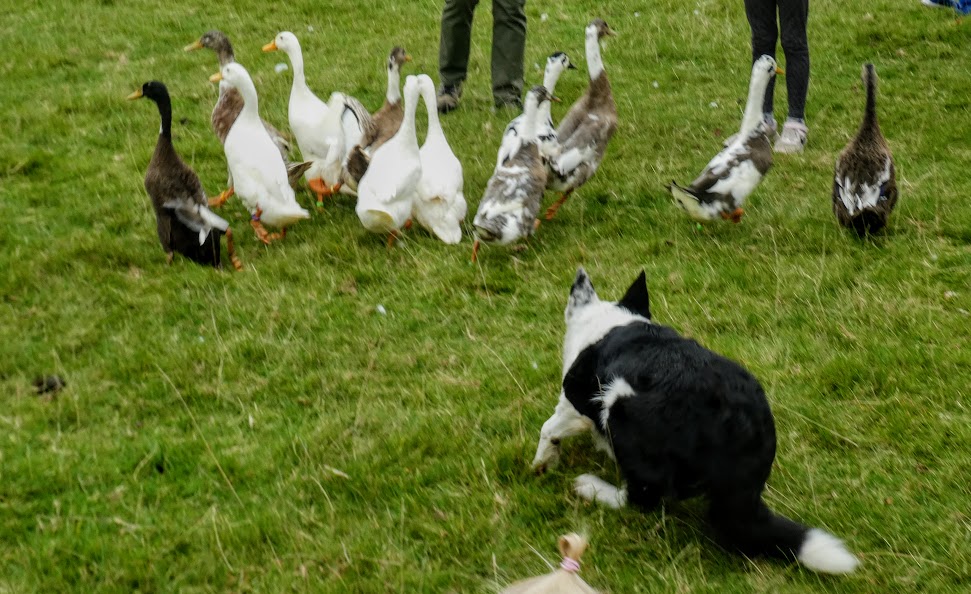
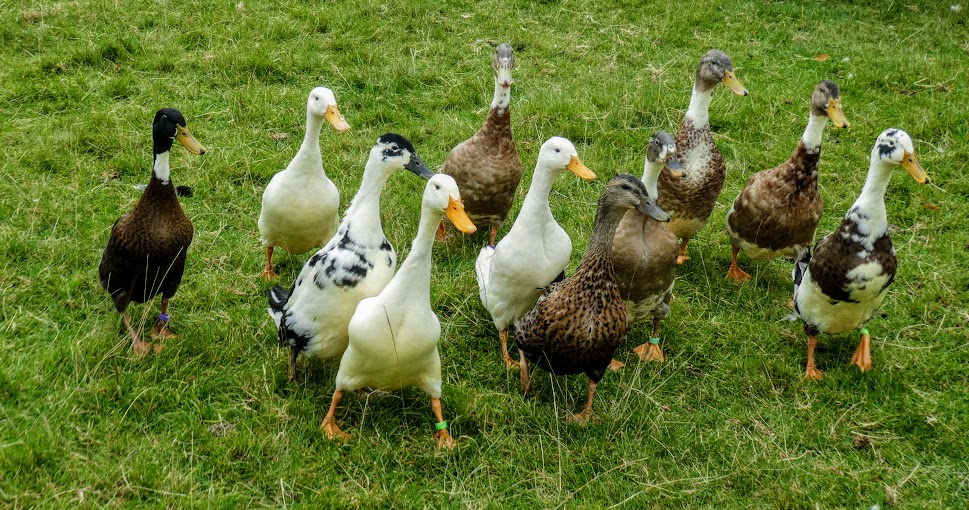
… then ducks ..
… round obstacles, over the bridge and wheee! Down the chute and into a paddling pool (I missed the photo opportunity there), in and out the traffic cones and into the pen …
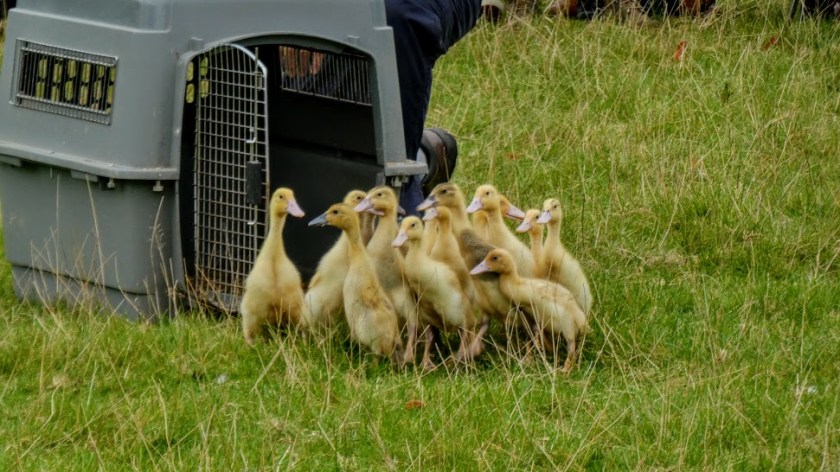
.. and finally, ducklings …
The ducklings await their moment on stage.
Through the gates, round the field. Then … can you see the ducklings scuttling down the play tunnel? The sheepdog’s about to follow them. Then, no pen for them. Just back into that big grey hutch.
I love to watch sheep dogs at work. They are so eager to get the job done, and done well. And on the whole, the creatures they chivvy seem happy enough. They put up with it anyway. A happy half hour.
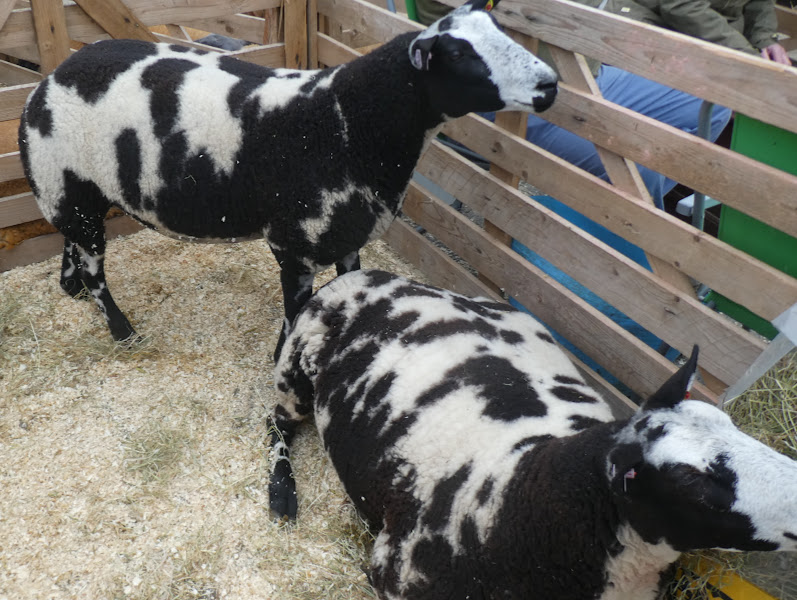
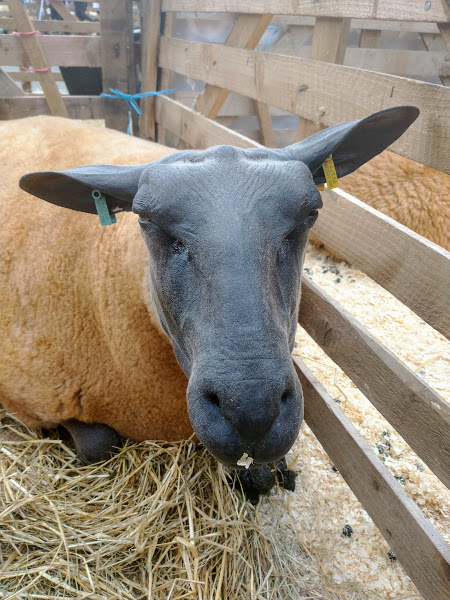
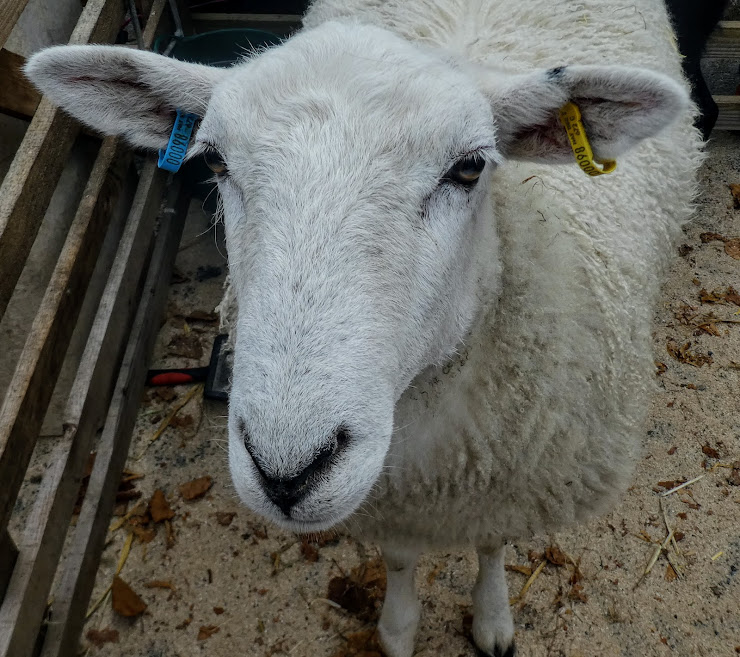
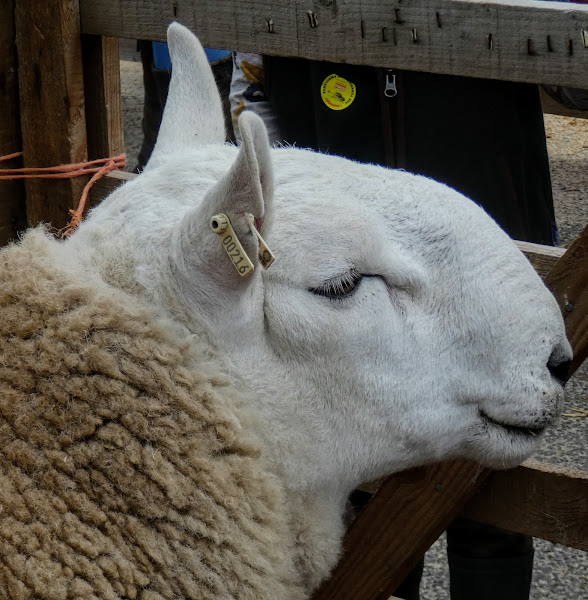
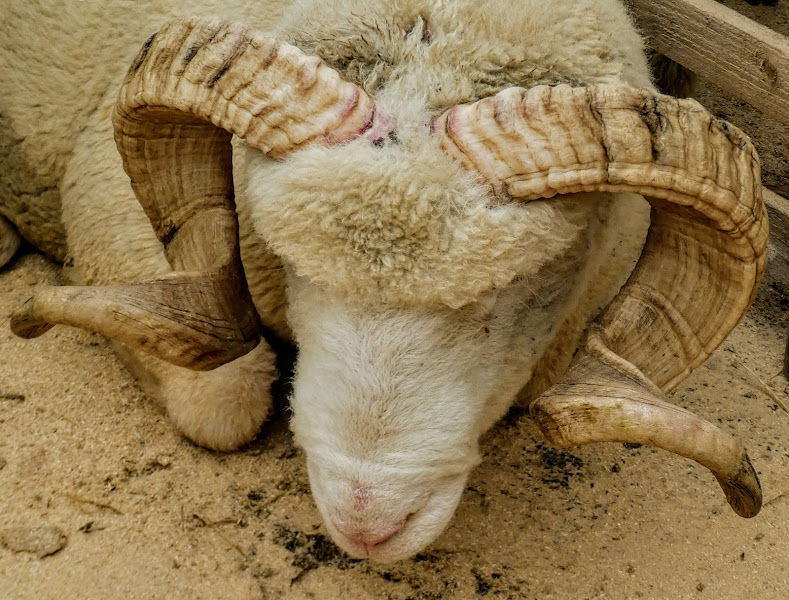
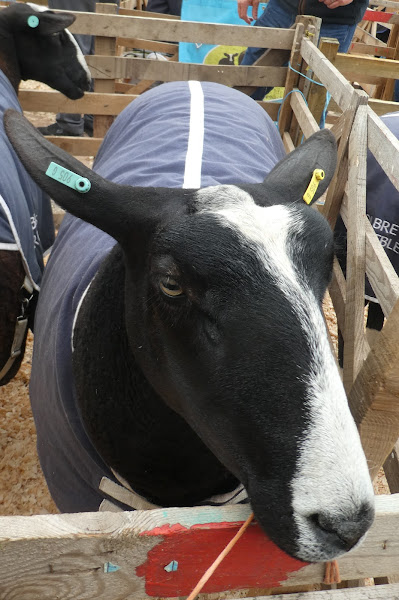
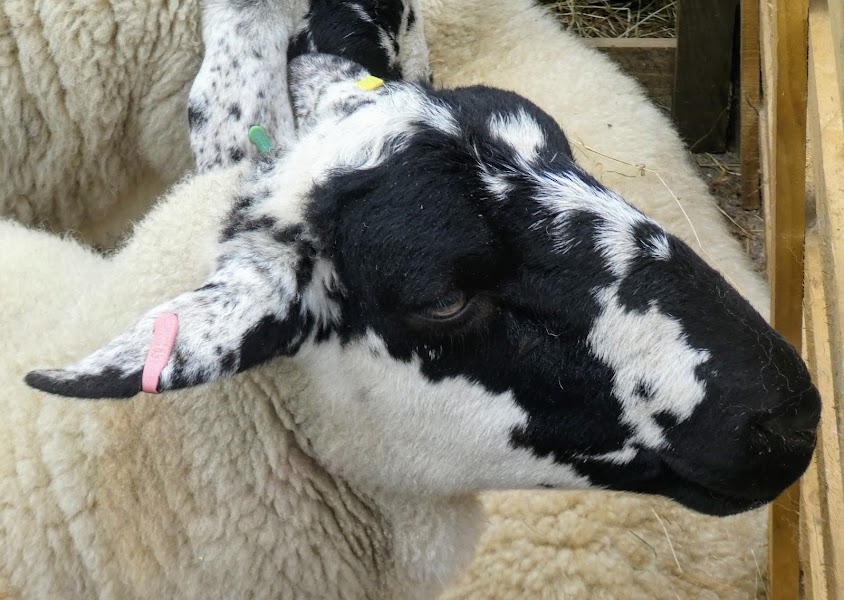
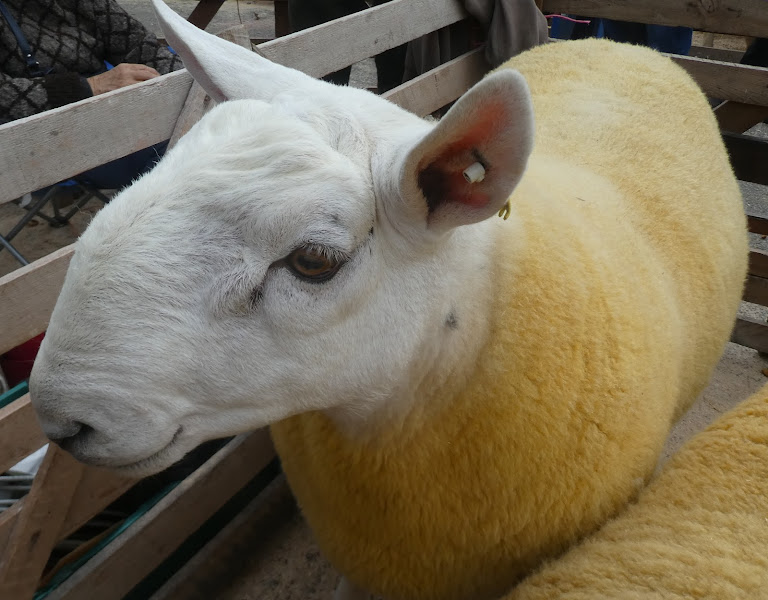
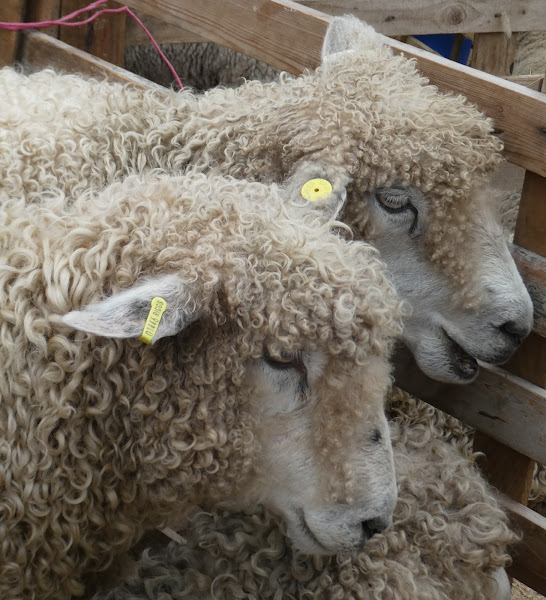
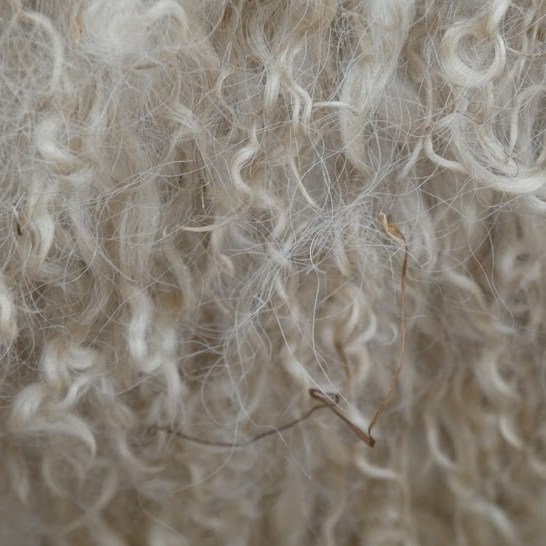
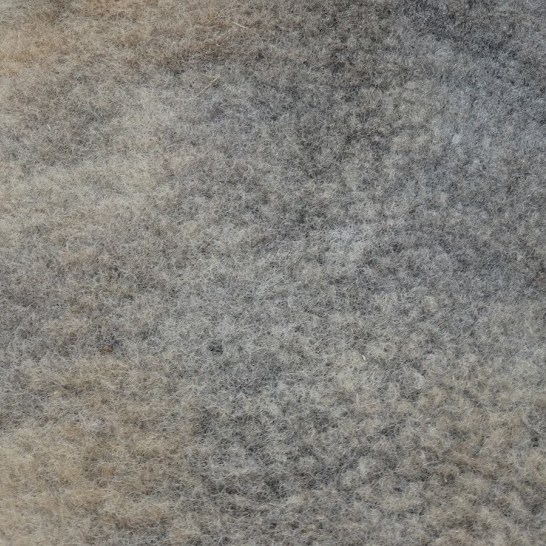
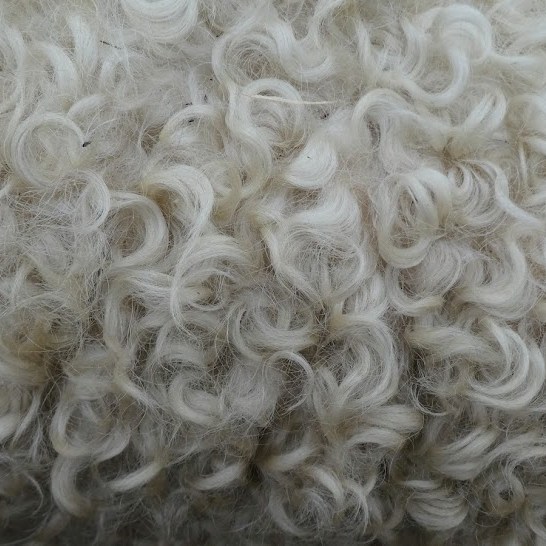
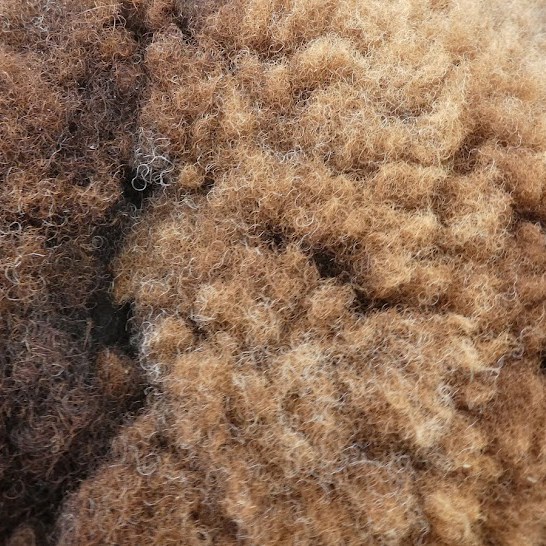
Yesterday, we went to Masham. Here were gathered sheep: dozens of sheep; hundreds of sheep, from every corner of North Yorkshire and beyond. They were all to be put through their paces and judged on whatever esoteric characteristics sheep are judged on, hoping to be awarded rosettes – even cups – as evidence of their good breeding and upbringing. We went early, and talked to owners, many of whom were keen to save rarer breeds from dying out: dying out because their meat is too slow-growing, maybe too flavourful for the mass market. And, as we discover round here every year at shearing time, the wool they provide is no longer a passport to wealth, or at any rate a steady income, but quite simply a drain on the farmer’s budget as there are shearers to be paid. With some exceptions, only traditional spinners, weavers and knitters seek out traditional wool.
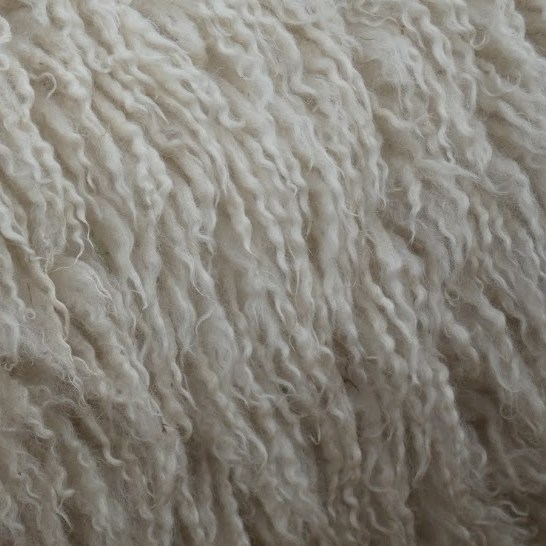
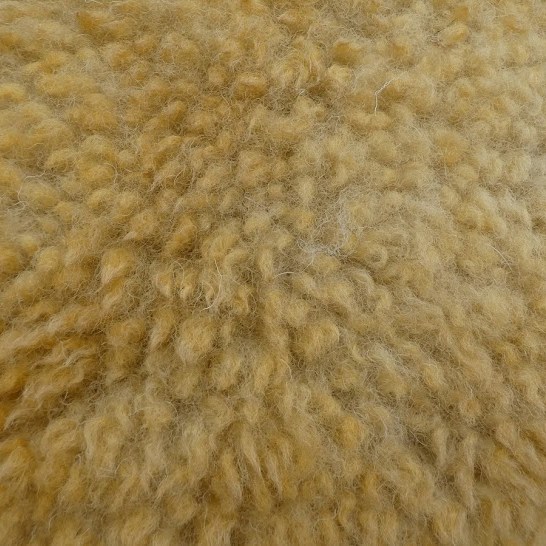
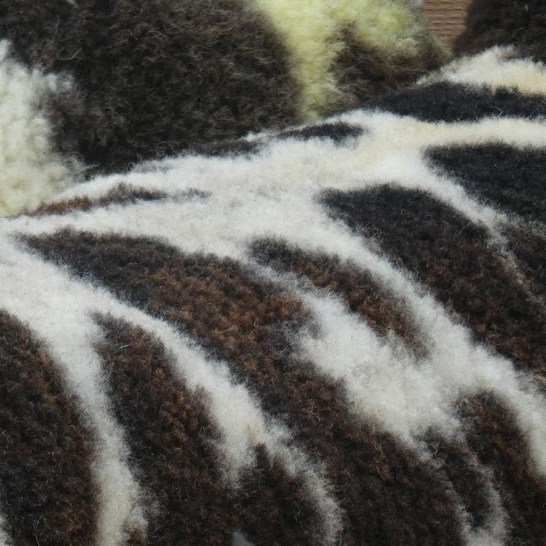
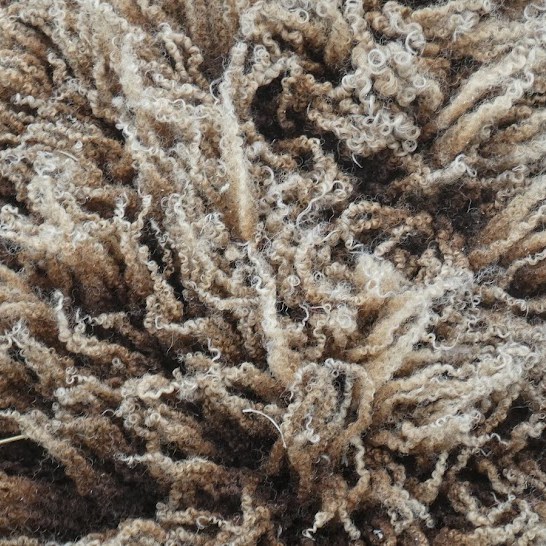
Now then, hands up if you thought a sheep was just a sheep.
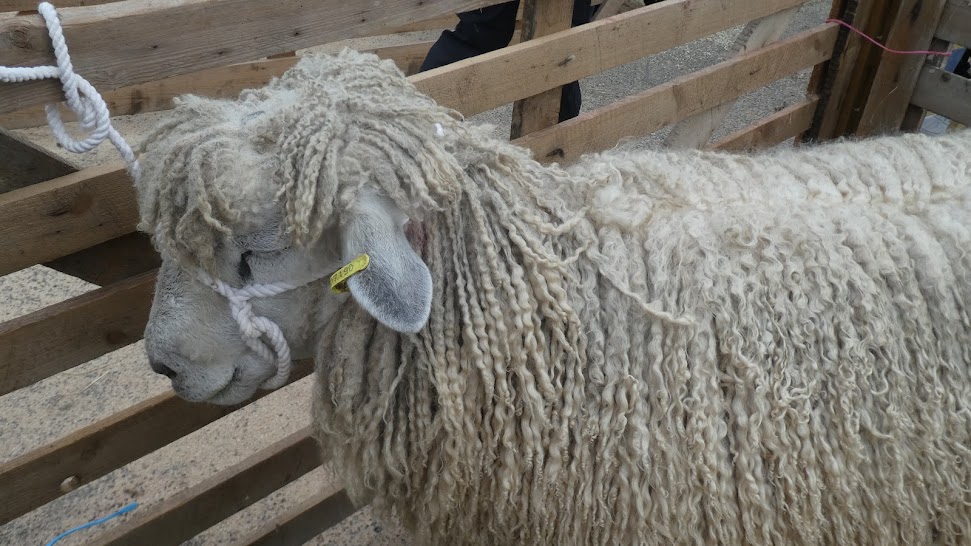
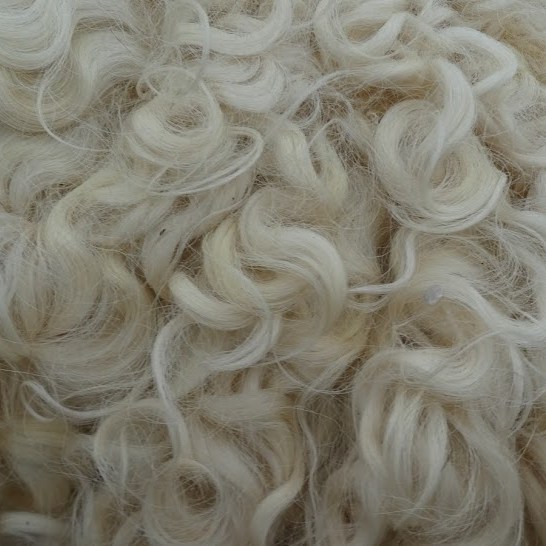
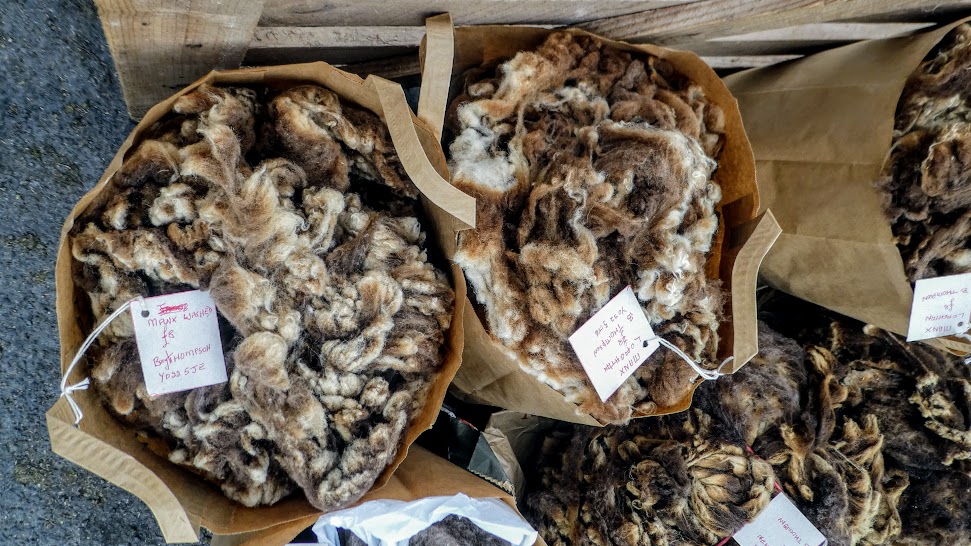
Or that wool was – quite simply – wool.
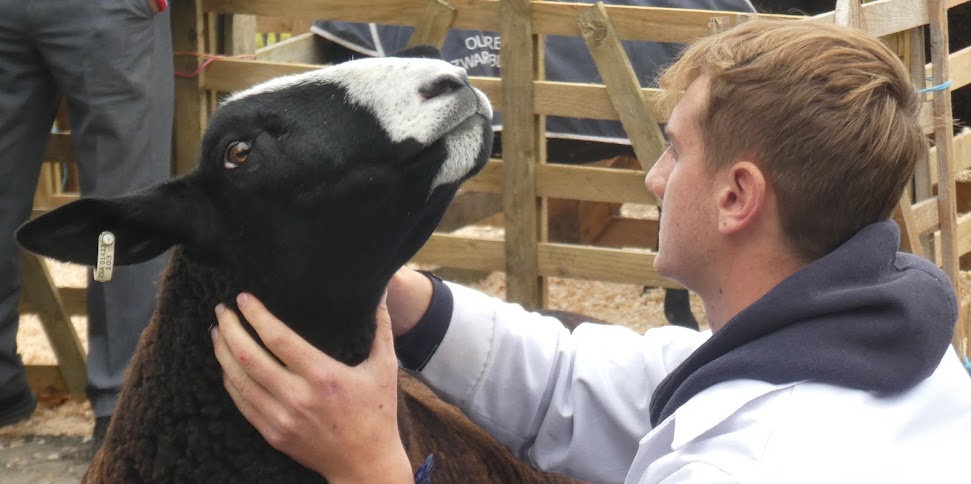
Here’s judging taking place ..
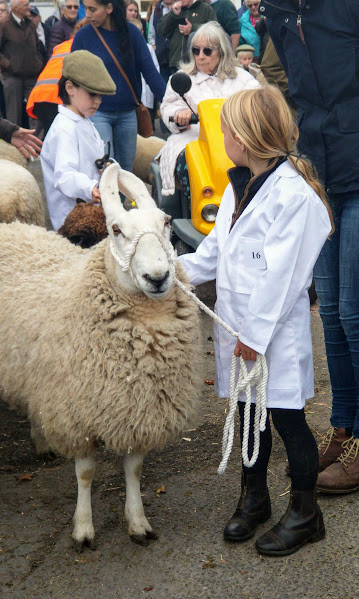
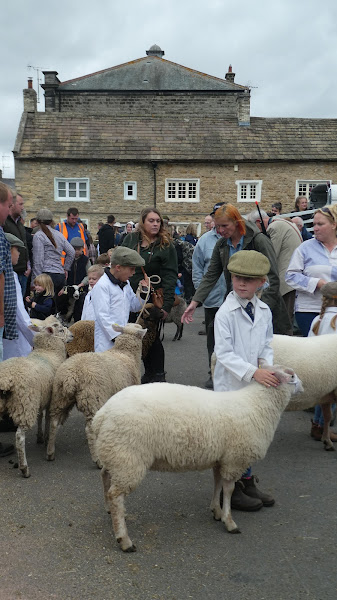
And they start ’em young here. There were classes for Young Handlers, and even an Under Fives category …
Wool, anybody?
We had to go to the Sheep Dog Demonstration, of course. But that’s worth a post all on its own. To be continued …
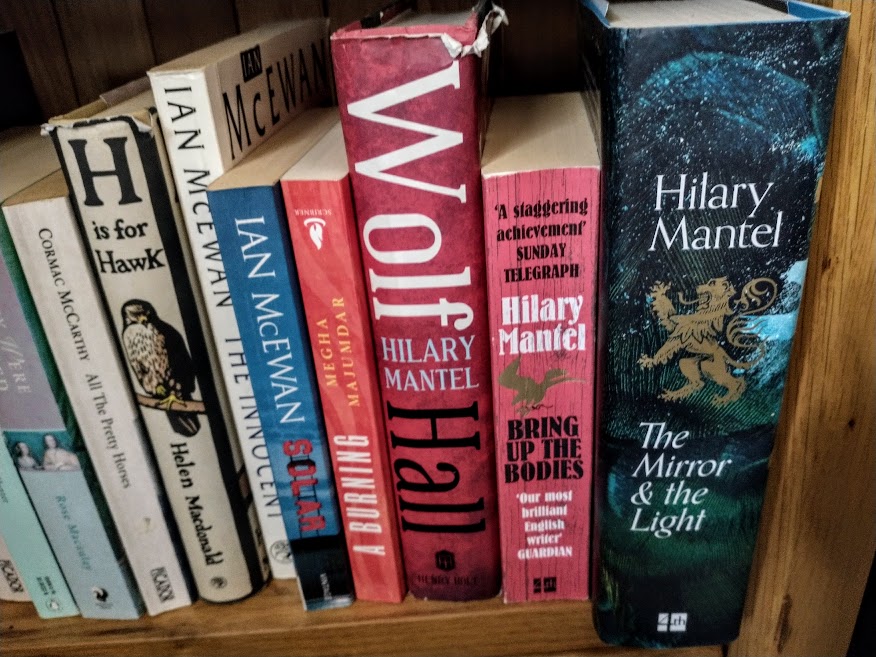
In 2020, my lockdown treat to myself was Hilary Mantel’s The Mirror and the Light, the final instalment in her trilogy charting the rise and fall of Thomas Cromwell. Yesterday, Mantel’s death was announced. This post by Brian D Butler of Travel Between the Pages seems to me a fine tribute to her writing, and an introduction to it for anyone who hasn’t yet read any of her work.
I was sad to read of the passing of the great English author Hilary Mantel. Here in the colonies we became acquainted with her powerful prose through the Wolf Hall trilogy. I thought that I would share this piece from Hilary Mantel’s essay “Blot, Erase, Delete,” published in Index on Censorship, Vol. 45, Issue 3, 2016.
It has always been axiomatic that when the dying speak, they cannot lie. I knew a man whose mother told him, as she lay dying, who his real father was: like a woman in a Victorian melodrama. She might as well have climbed out of bed and kicked his feet from under him. The truth was far too late to do him any good, and just in time to plunge him into misery and confusion and the complex grief of a double loss. Some truths have a sell-by date. Some should not be uttered…
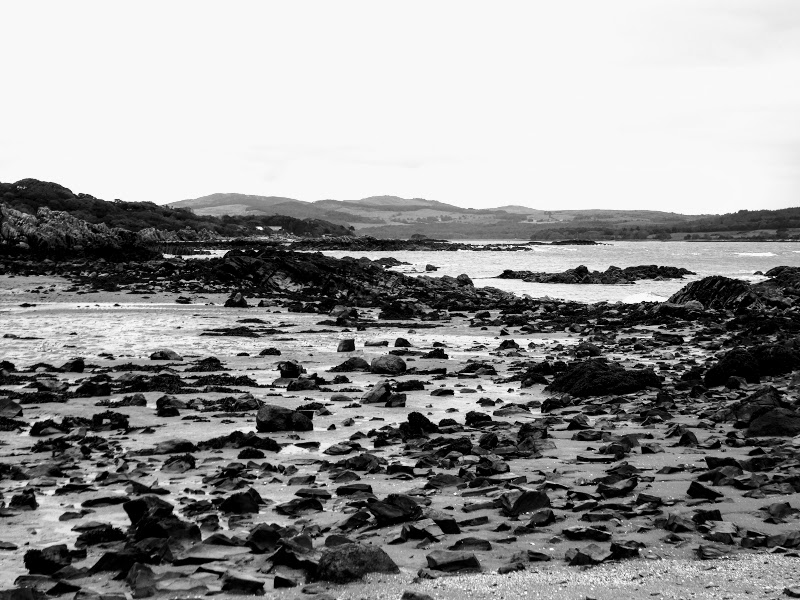
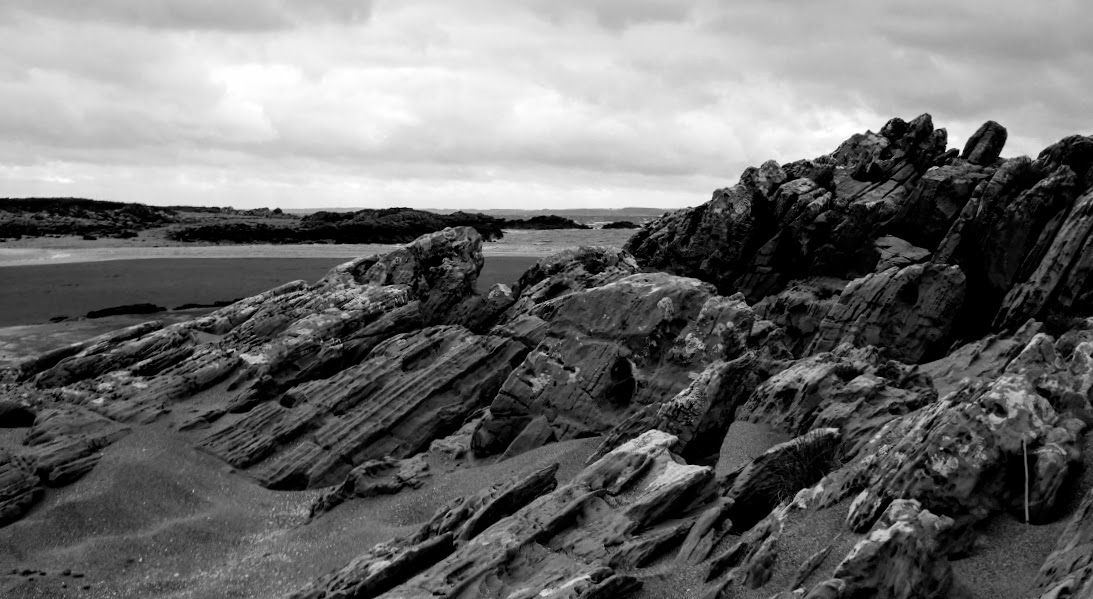
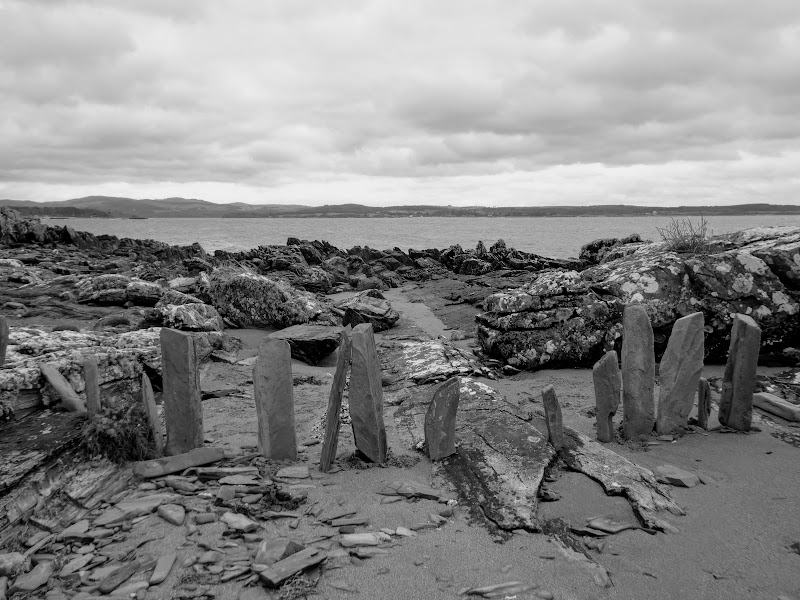
Google photos has a happy habit of reminding me of what I was up to this day one year, two years, three years (and so on) ago. Today it pointed out that in 2020, just after the worst of Lockdown was over, we escaped briefly to Dumfries and Galloway in Scotland. And there we discovered Mossyard Bay.
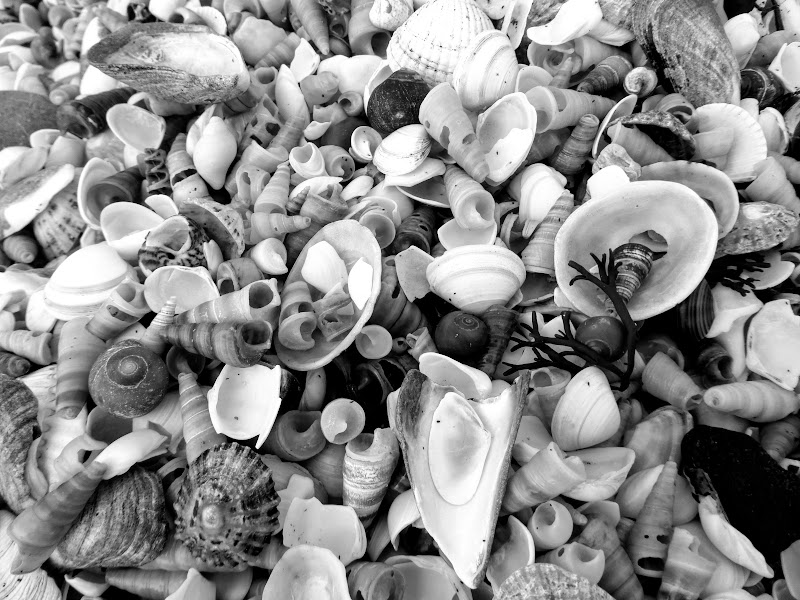
Let’s take a virtual trip: there’s not a fairground ride, amusement arcade or kiss-me-quick hat in sight. There’s not even a chippie. Just us, the rocky shore, and the sea, advancing or retreating with the tide. Happy memories, translated into monochrome.
For Bren’s Mid-Week Monochrome #106, and as suggested by Sarah, of Travel with Me fame. Bren herself takes us to the Nidd Gorge, my back yard when I lived in Harrogate: while Sarah, for her post, is in her favourite city, Paris.
Some of you know that I – theoretically – have another blog besides this one, called Notes on a Family. I say ‘theoretically’, because I haven’t posted for ages, and I should. It details parts of my family’s history, as well as vignettes about growing up as one of the immediate post-war generation, This post, from December 2016 seems particularly apposite at a time when it’s rarely been more necessary to avoid rampant consumerism.
Notes on a Family
‘Make do and mend’
The excesses of Christmas have got me thinking about my childhood, as part of the post war ‘make do and mend’ generation.
Even without rationing being a day-to-day part of my early years, we’d have been a thrifty family. My mother was a clergyman’s daughter, and priests were notoriously underpaid until quite recently. They also tended to live in large vicarages which were fine buildings, but hard to maintain and harder to heat. ‘Making do and mending’ was a core part of her life from her earliest days.
My father was a notoriously poor provider and I can’t remember a time when my parents got on well. My mother did the housekeeping and bill-paying on her income alone. She was a teacher, but until 1961, female teachers were paid less than their male counterparts. Admittedly, there was almost no job available to her that would have paid her on the same scale as a male colleague, but the assumption was that it was men who brought home the bacon. (As a little aside, my mother once failed to get a teaching post, because she referred to it during her interview as ‘a job’. Her interviewer regarded her frostily. ‘Miss Barton, teaching is not a job. It is a profession, a calling’.)
I was brought up with the following skills:
Darning:. I’m still not good at sewing, but I’m a dab hand at darning gaping holes in socks. Though actually I don’t do it any more. Even stockings got darned in those days (tights still didn’t exist).
Here are some of the contents of my sewing box. I rarely use any of these things (stocking darning thread, anyone?) but I couldn’t get rid of any of it.
Turning sheets ‘sides to middle’: when sheets wear thin in the middle, they’re split in half and rejoined with the edges towards the centre. I used to help with the cutting and tacking.
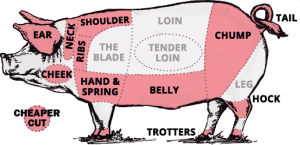
Preparing cheap cuts of meat: the meats we bought during my childhood were tougher, often bony cuts requiring long slow cooking – breast of lamb; oxtail; pigs’ heads to be transformed into brawn; skirt of beef – all helped to go further by the addition of lots of root vegetables to the pot.
Cheap cuts of pork (image from Farms not Factories)
Hand-making clothes: my mother made most of my clothes, though she wasn’t a natural. I used to help her, but I was even less gifted, and preferred choosing the cloth, and Butterick or Simplicity patterns, and pinning the pattern pieces to the cloth. I lost interest after that.
Some of the instructions from a Butterick’s pattern. I remember the occasional despair in interpreting these.
Taking shoes to be mended: shoes had to last. As there was a tiny cobbler’s shop near our house, I was usually the one that would take our shoes to be soled and heeled. With growing feet, I was the only one to get new footwear fairly regularly. And it was taken for granted that shoes would be polished every single day. I still do clean and shine my shoes – fairly often.
Baking: it was inconceivable that we would ever buy biscuits or cakes, though that was more to do with our preference for good food. Shop cakes and biscuits were pretty dire in those days. Some of my earliest memories involve cake mixing – always by hand, never with a fork or spoon – with the delicious pay-back at the end of ‘licking the bowl out’. Why do we ever cook cakes? That raw mixture clinging to the sides of the bowl is so much more appetising.
Saving anything that might have a future use:
That includes string – to be carefully unknotted, wound tightly and stored.
Gift wrapping paper: presents had to be carefully unwrapped, and the paper it came in smoothed out and ironed later. I still do this. It drives my daughter mad. (Update: September 2022: I read the other day that the late Queen also did this. If it was good enough for her …)
Saving tiny portions of food left over from a meal. I still do this too. My son-in-law used to say that it was so I could have a clear out a few days later and throw the stuff out then. He might sometimes have had a point.
The soup pot: usually those left overs formed the basis of a soup. Now, as then, there’s usually soup on the go in this house. Usually it’s based on those vegetables lurking in the crisper that really need to be used up, or something else that’s too small to make a meal in its own right. Normally known as ‘old boot soup’.
Soap: this was bought a few months ahead of its being needed, so that it could be stored in the airing cupboard, where it would dry out, and therefore last longer. I still do this.
Though I’m no longer as thrifty as my upbringing demanded, ‘make do and mend’ is a core part of me still. As I think it should be.
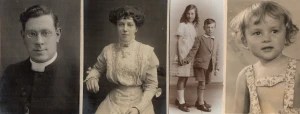
The feature photo shows my grandfather; my grandmother; my mother and her younger brother; and me, and is the banner image for Notes from a Family.
When I was five, and shortly after Queen Elizabeth’s coronation, my family moved from the rural North Riding of Yorkshire to London, where my Polish father had found work. What a grubby, shabby place it was. The war was long over, but still streets had jagged gaps in them, with piles of rubble on which hardy buddleia plants gamely tried to put on a floral show. It was a grimy and often unlovely experience.
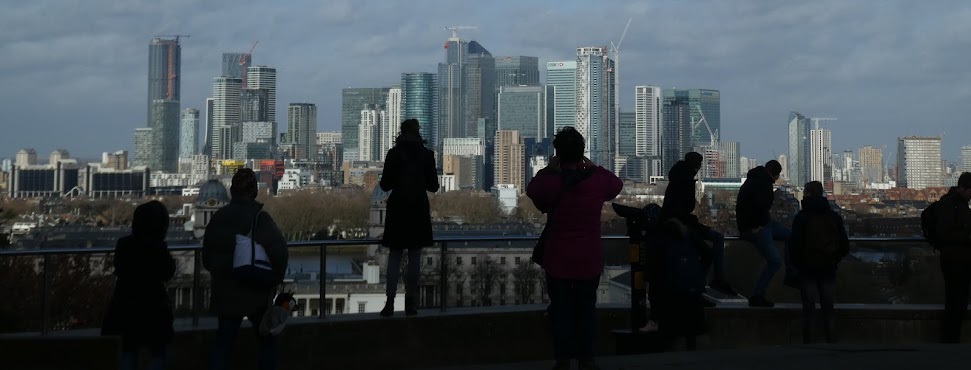
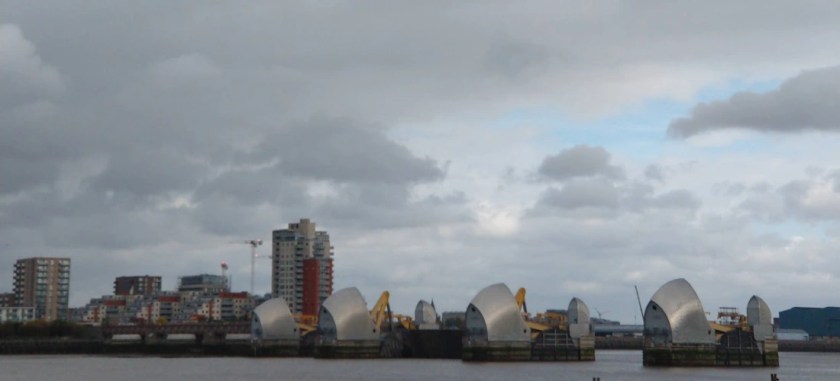
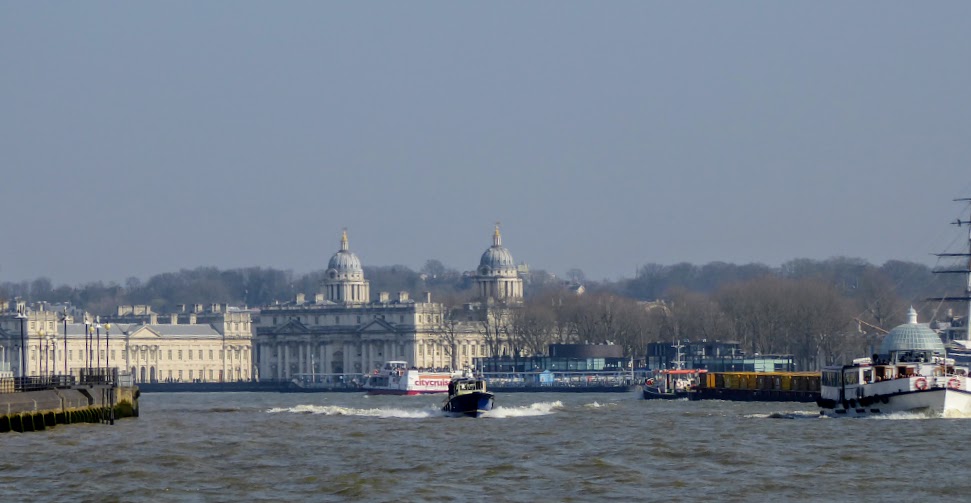
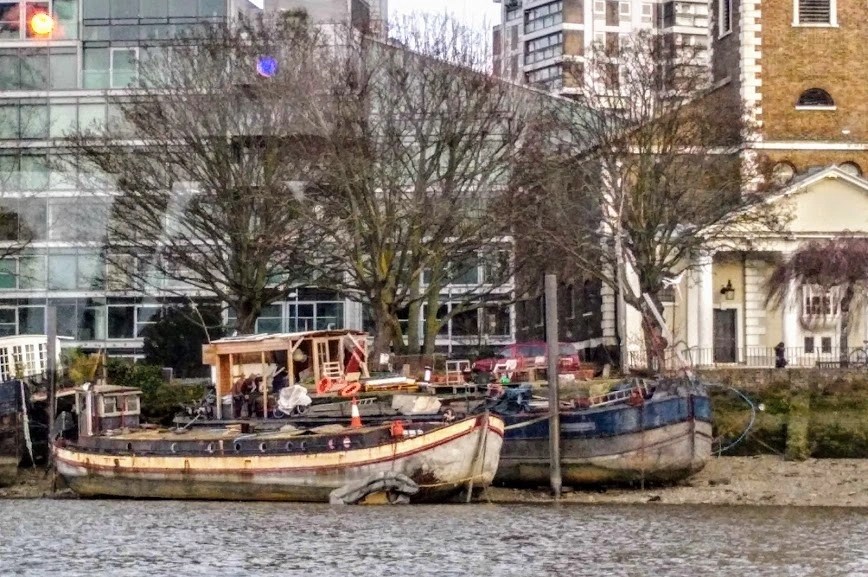
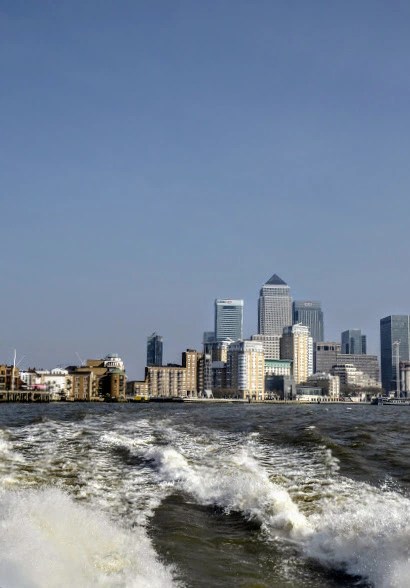
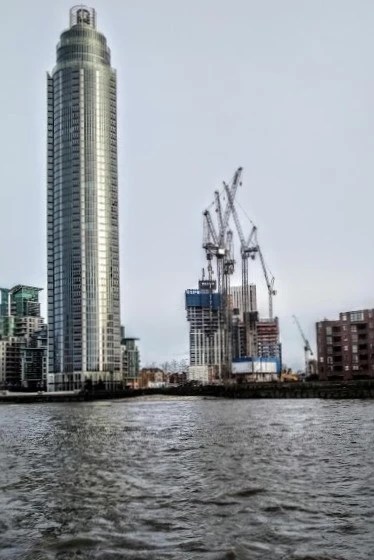
Many years later, long since moved away from London, my visits there revealed a city that had thoroughly re-invented itself, while leaving plenty of traces of its history behind. And there’s no better place to inspect it than from a boat on the Thames, or by walking one of the many paths alongside the river. Come and visit twenty first century London with me for Sofia’s Lens-Artists Challenge – Urban Environments. I’ve shown quite a few of these photos in the past, but for me, they bring memories with them.
Thames Barrier, Woolwich.
‘Redoubt’ tugs cargo-laden barges down the Thames. The Thames is as much a busy highway as it ever was.
The Tower of London, with the now almost equally famous Gherkin behind.
The header photo is taken – not from the banks of the Thames – but from next to the Royal Greenwich Observatory and the Prime Meridian Line.
Have you noticed? For all we’ve been focussed on day-to-day weather recently, it’s the temperature we’ve talked about, here in Europe at any rate (‘Phew it’s too hot!’), and the lack of rain (‘Oooh, my poor garden!). I realised, only the other day, that wind has been in short supply. No summer breezes, no brisk gusts, no sudden squalls.
Then Rebecca’s Monthly Poetry Challenge dropped into my in-box. She wants us to write about wind, employing the literary device of anaphora. No, I didn’t know what that was either. You can read about it here.
I could have snuck in and offered the rhyme that my children were brought up on.
When the wind is in the east, ’tis neither good for man nor beast; When the wind is in the north, the skillful fisher goes not forth; When the wind is in the south, it blows the bait in the fishes’ mouth; When the wind is in the west, then ’tis at the very best.
But that would be cheating.
So here we are …
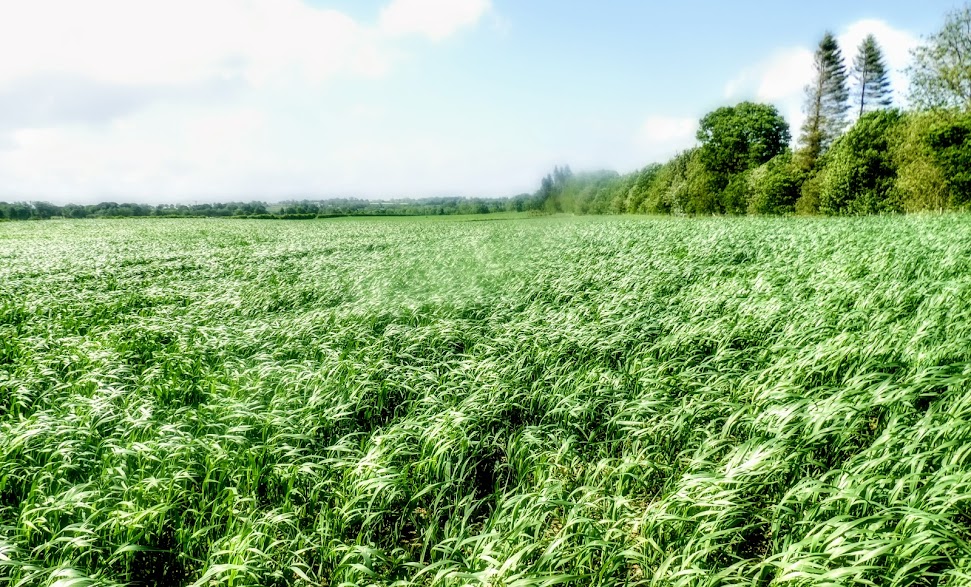
This is wind: softly susurrating.
This is wind: sweetly sighing.
This is wind: breezily billowing.
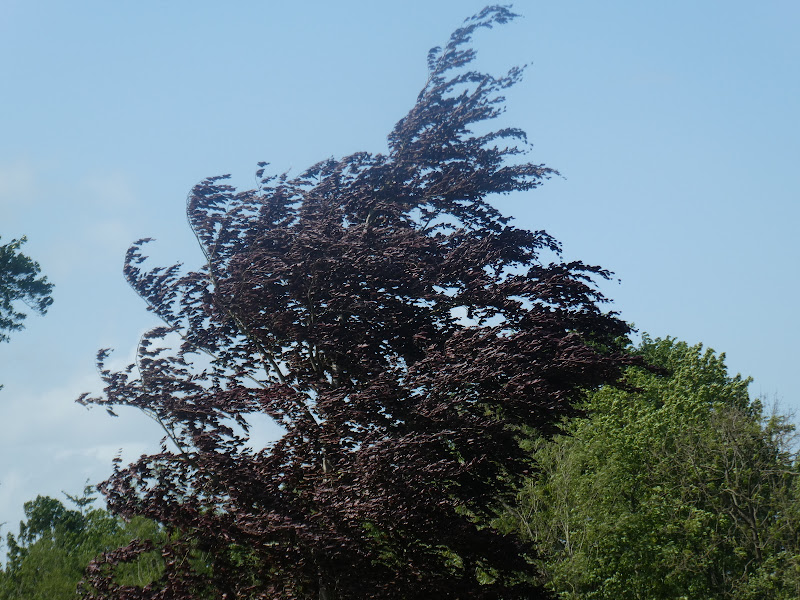
This also is wind: galloping gustily;
roaring and raging; shrieking and storming -
destructive; disastrous.
Here today.  Gone tomorrow.
This is wind.

And it turns out that wind is not after all an endangered species.  Yesterday was properly windy, for the first time in weeks.
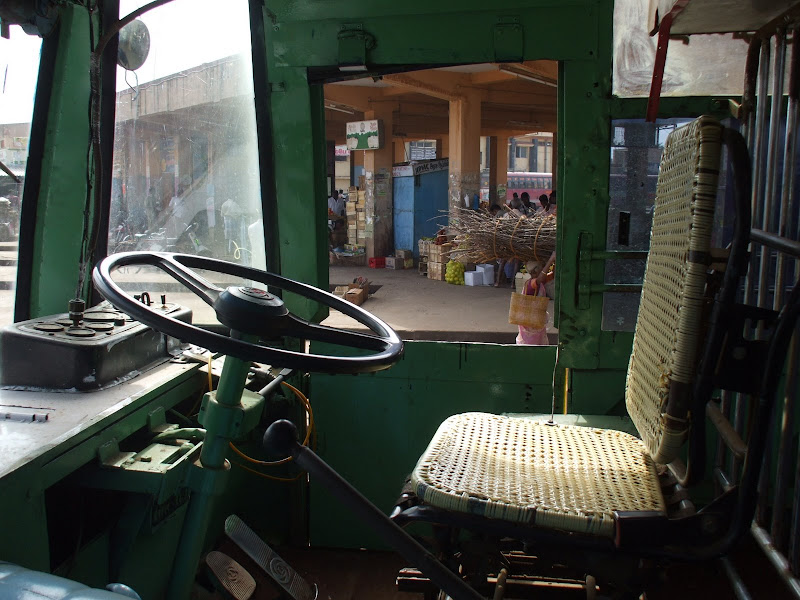
A bus can be fun, but that’s strictly for local exploring. Unless you can get yourself to India and hitch a lift in God’s Own Palace … Though you’re much more likely to be catching the long-distance bus whose driving seat I feature here …
Air travel has lost its sheen, since Airport Security and Queuing became a A Thing, not to mention those CO2 emissions of which we’re now so horribly aware. Even so, there is something thrilling about watching the changing landscapes of the earth far below, and cloud formations too.
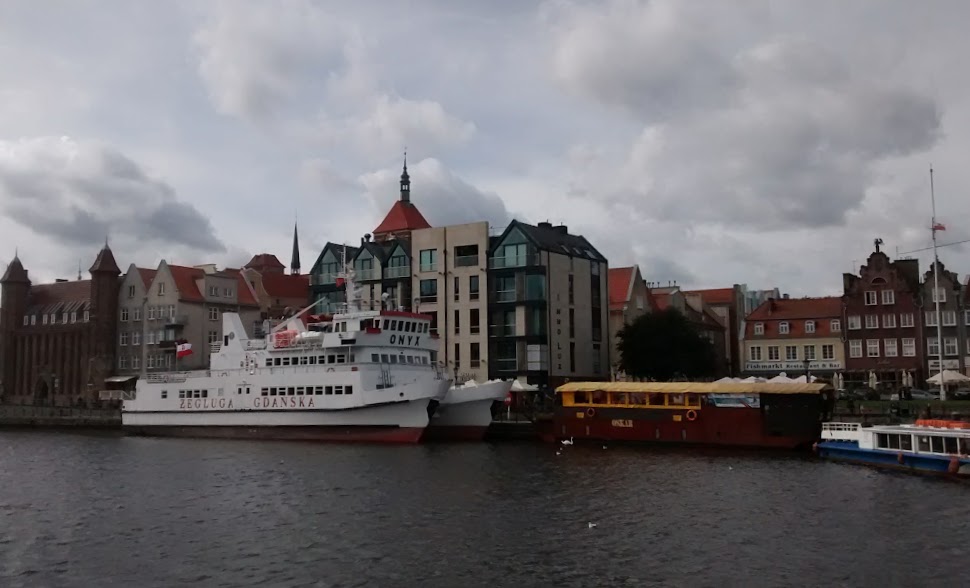
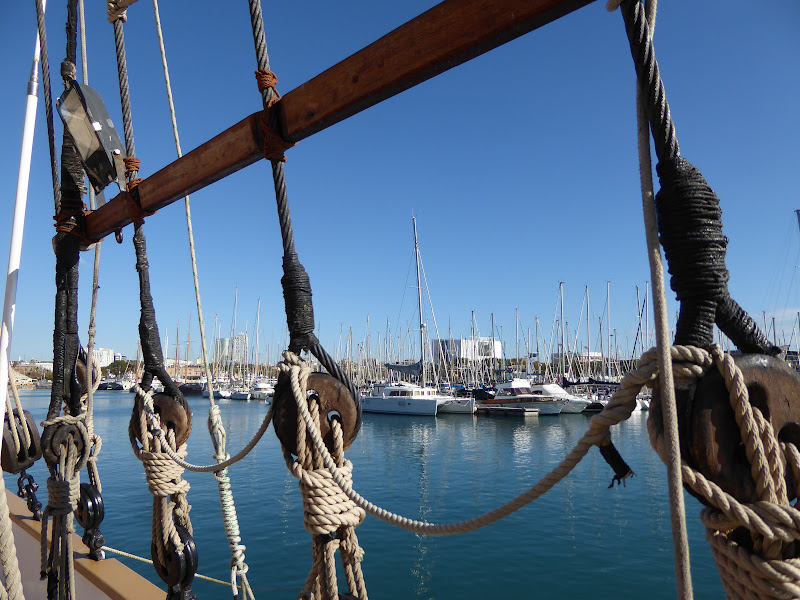
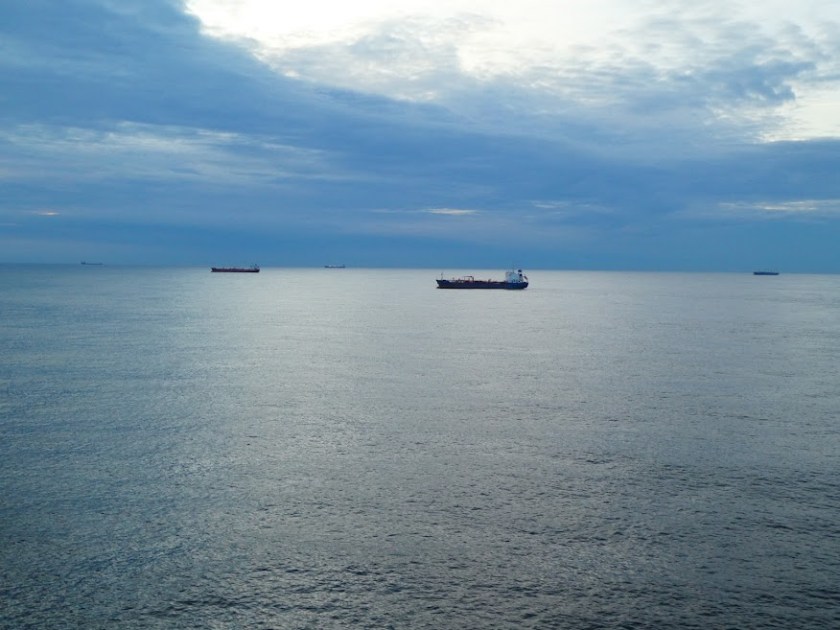
You could take to the water, and sail to your destination near or far…
On the way to Rotterdam
Car travel gives you the opportunity to please yourselves and follow your noses, and even to get off the beaten track, but again … all those emissions.
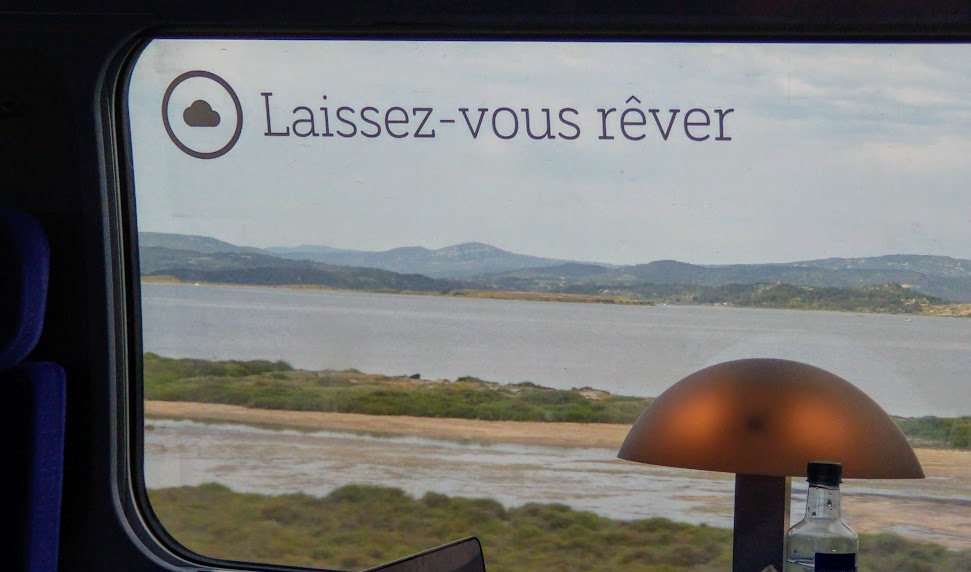
My own favourite way to get from A to a distant B is by train. I sit, I watch the world go by. I read. If I’m lucky, there may be coffee on offer. And the journey eases the transition from home to away by gradually introducing fresh landscapes, fresh outlooks. There’s something discombobulating about leaving – say – foggy England by plane and arriving two hours later – say – in sunny Spain. Here’s the TGV from Barcelona to Paris. It says it all …
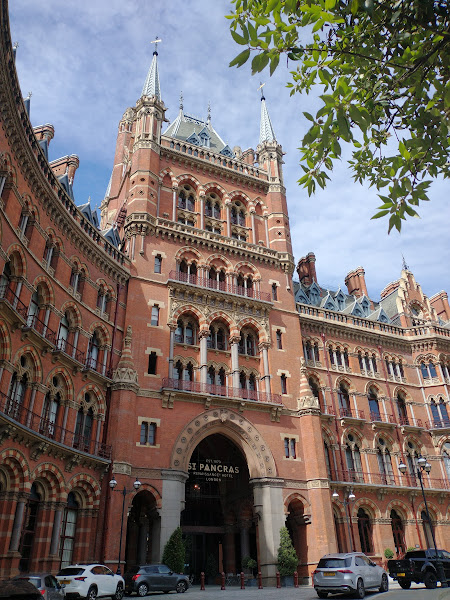
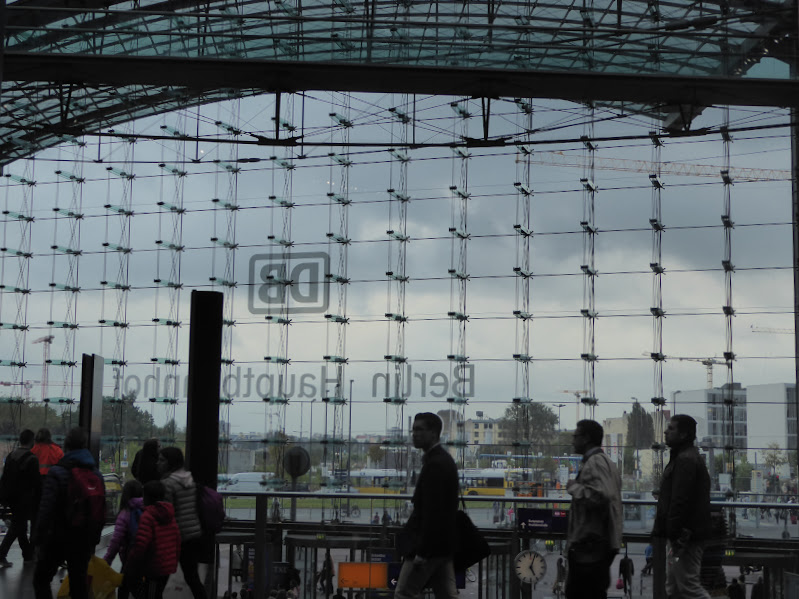
Station architecture may be inspired, whether from the Golden Age of Steam, or assertively twenty first century.
All things considered, I can’t agree with the disconsolate boredom of this particular passenger. By the way, you, get your feet off the seat!
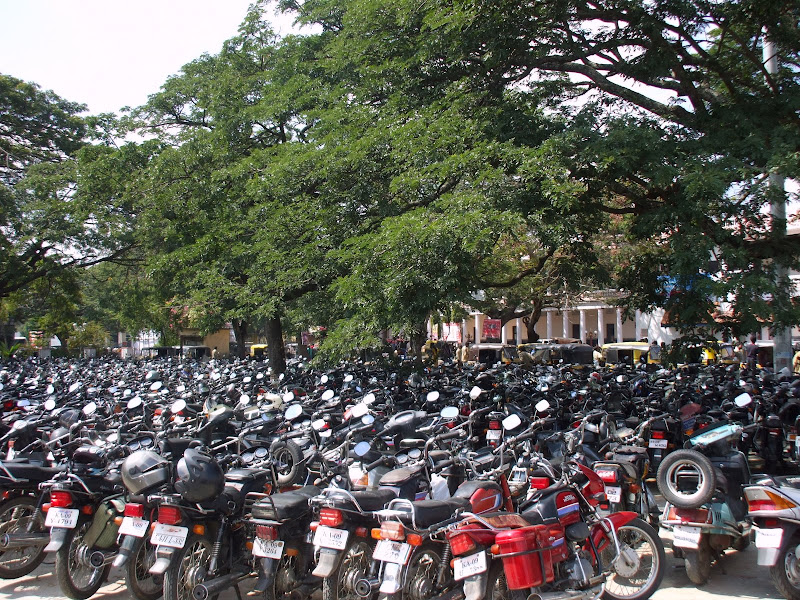
Or … there’s always the motorbike … as spotted in their dozens and dozens outside Mysore Station.
Bike park outside the Station
All the same, modern travel with all its advantages can seem busy, stressful. Sometimes, we might just want to exchange the traffic jam for something rather simpler.
John has provided this week’s LENS-ARTISTS CHALLENGE #215 – Planes, Trains, and Automobiles, and the places they take you.
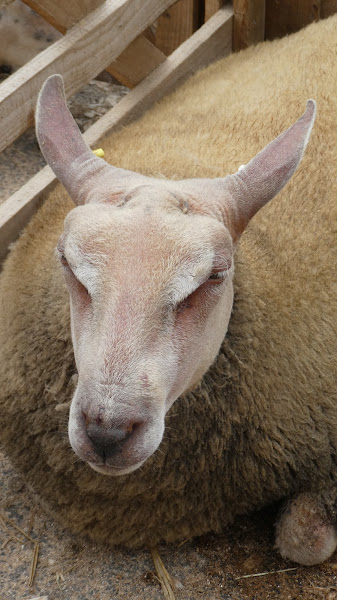
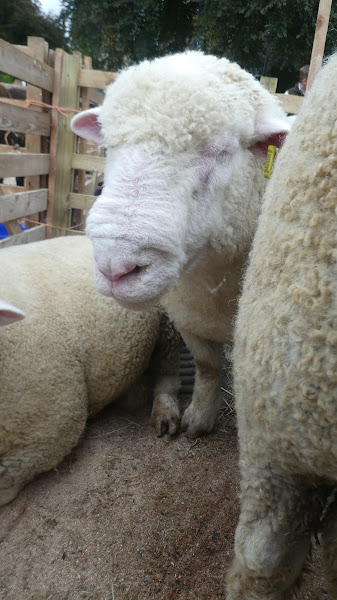
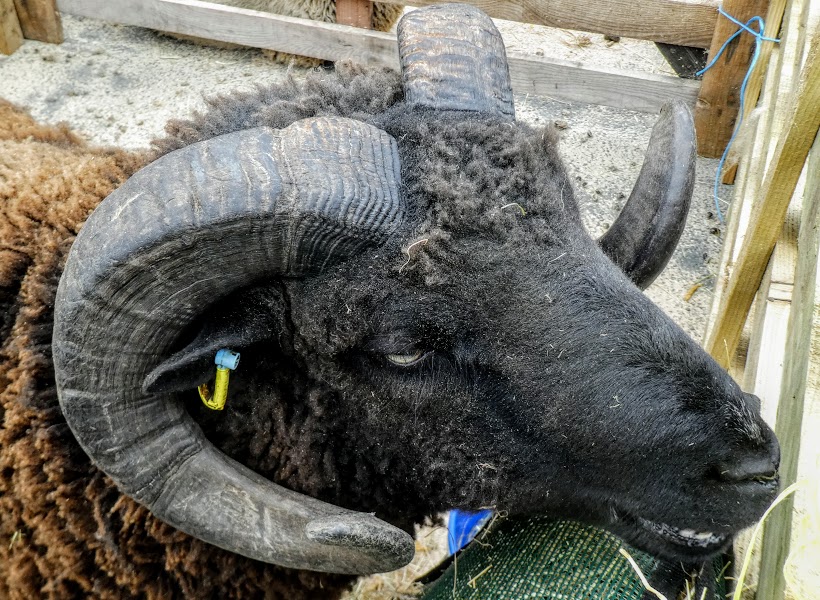
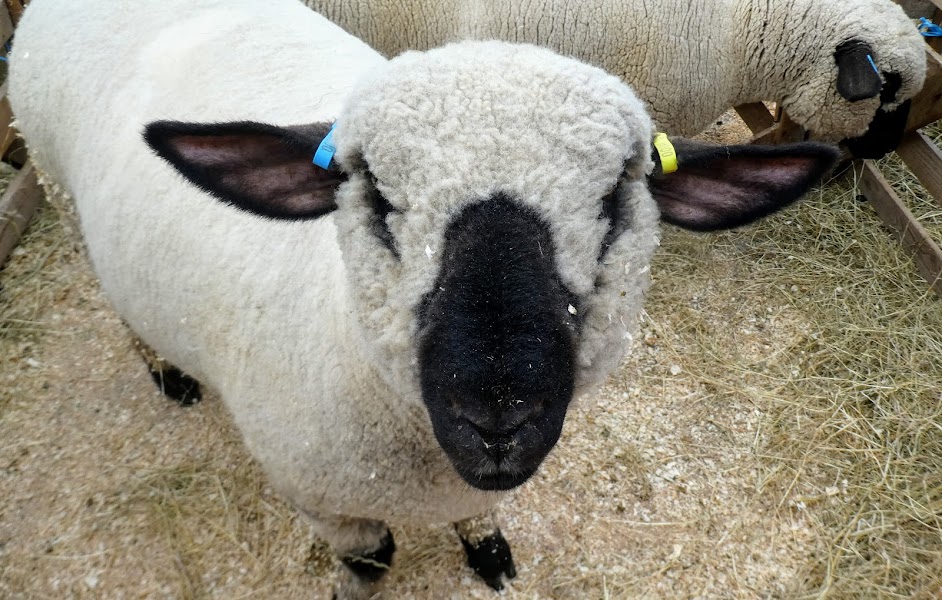













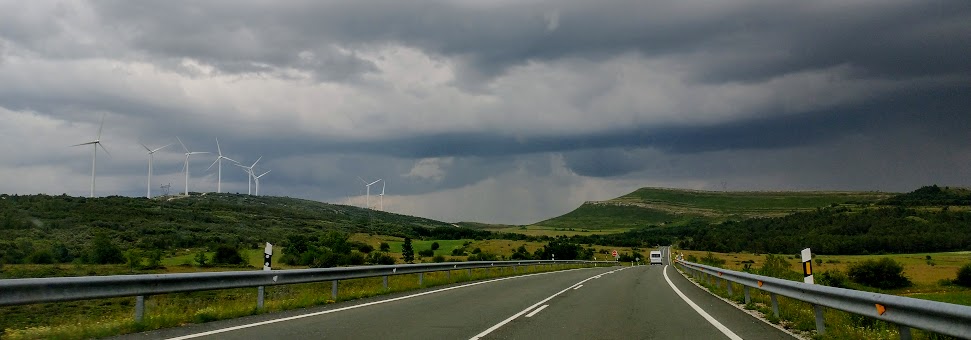
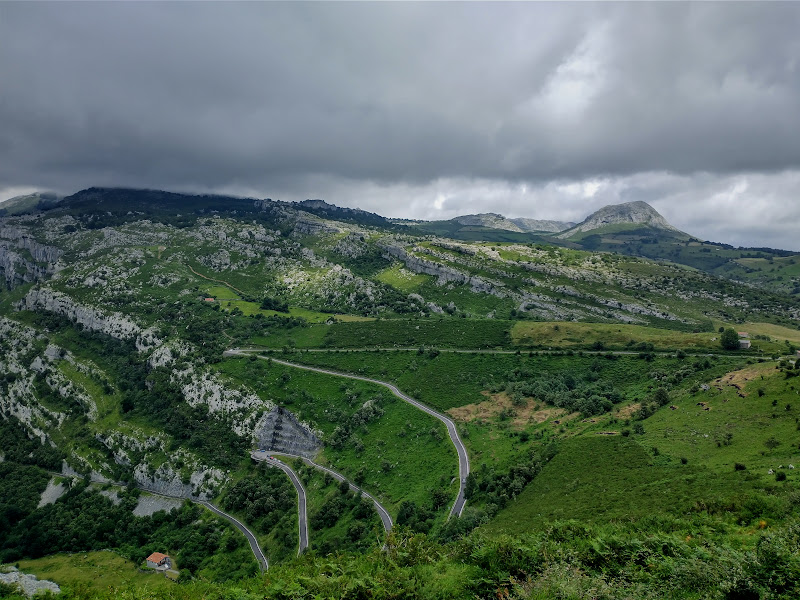
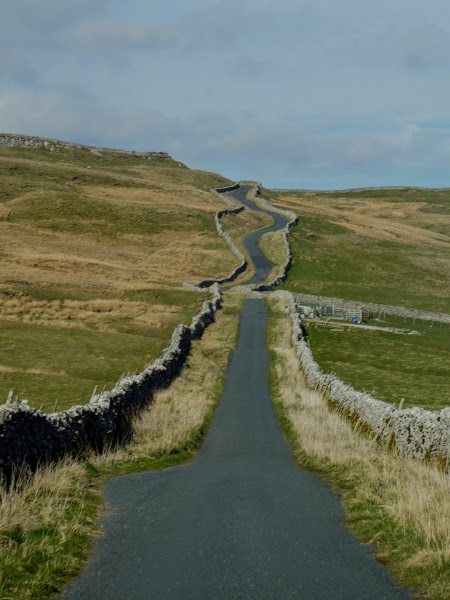
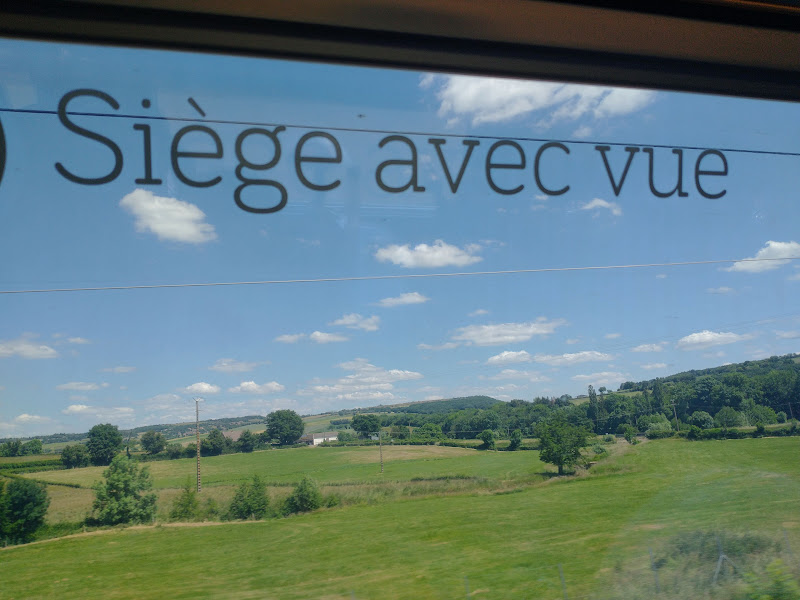


 From Pyrenees to Pennines
You must be logged in to post a comment.