On the first Saturday of every month, a book is chosen as a starting point and linked to six other books to form a chain. Readers and bloggers are invited to join in by creating their own ‘chain’ leading from the selected book.
Kate: Books are my Favourite and Best
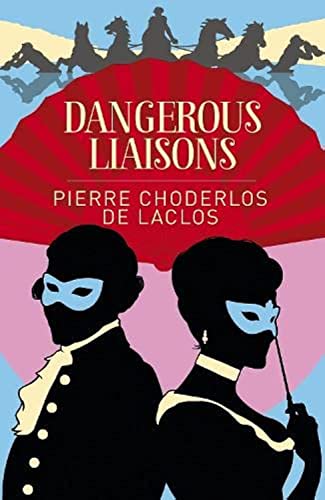
I haven’t yet read this month’s choice: Pierre Choderlos de Laclos’ Dangerous Liaisons. I ordered it from the library and have only just collected it.
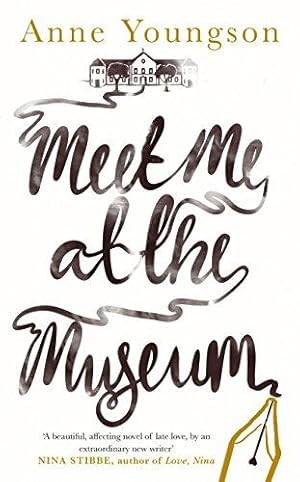
So … I’ll go with the fact that it’s a novel written in epistolary form, and choose another written in this way: Ann Youngson’s Meet Me at the Museum. A book of considerable charm. An English 60 year old farmer’s wife writes a letter to a museum curator & professor in Denmark about Tollund Man, a perfectly preserved man from about 300 BCE who is exhibited there. A correspondence begins. Initially formal, the letters become more intimate. This busy outdoorsy farmer’s wife with her chintzy house couldn’t be more different from austere Scandinavian Anders. But both are lonely and have gaping holes in their lives. With every letter they disclose more of their joys, disappointments and difficulties and draw inexorably closer. At the end is a revelation. What effect will this have on them, on their burgeoning relationship? We can only speculate. A touching and intimate book.
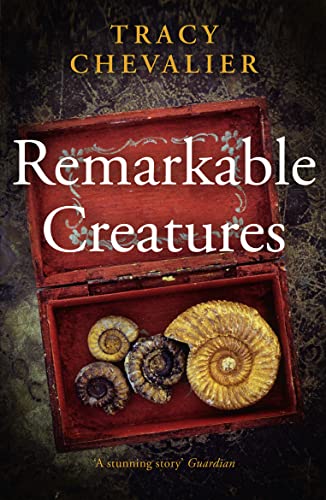
Archaeology and paleontology are not the same, but perhaps it’s not too big a leap to go to southern England in the early 19th century for Tracy Chevalier’s Remarkable Creatures.This book is a fictional account, almost certainly not too far from the truth, about the geological work of middle-class-but-in-reduced-circumstances Elizabeth Philpott, and definitely working class Mary Anning. Both live in one of the fossil capitals of England, Lyme Regis. Both spend hours on the beach fossil hunting – Elizabeth for her own interest and as a pastime, Mary for an income, selling them. It’s inevitable that they should meet, less inevitable that Elizabeth should become Mary’s friend and champion, encouraging her to learn to read and write.This is their story. And it takes a very long time for it to end well for Mary. An enjoyable, and – yes – an informative read, if not Tracy Chevalier at her best.
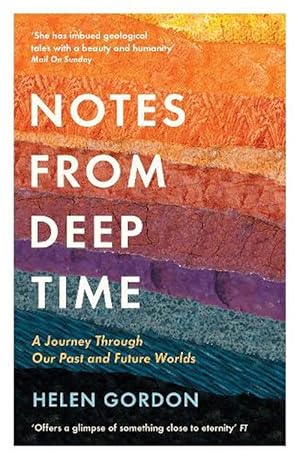
Reading this may whet your appetite for a spot of non-fiction: Helen Gordon’s Notes from Deep Time: an engaging and thought-provoking account of geological time. As a non-scientist, I often find such accounts dry or inaccessible, but this is a highly readable book attempting with some success to engage our brains in comprehending the vastness of time, and the difference between the various eons that constitute the time that the earth has been in being. Who knew for instance that triceratops and tyrannosaurus rex not only didn’t appear on earth at the same time, but in fact were separated from each other by an infinitely longer time span than humankind from tyrannosaurus? From discussions about the physical appearance of the earth in previous periods, to ongoing research about dinosaurs (what colour were they?) to urban geology, and laying up problems for the future, this is a wide ranging book to which I shall return.
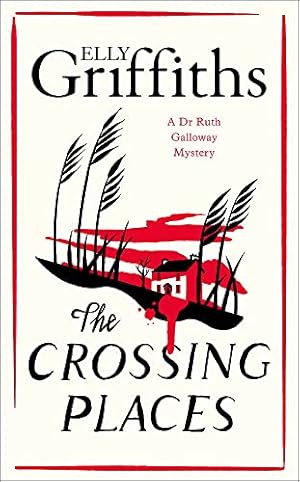
I’m making a great job of mixing archaeology and paleontology, because my next book, The Crossing Places involves a professional archaeologist, Dr. Ruth Galloway, in the first of the popular series about her by Ellie Griffiths. An involving story, with well-developed, believable characters and a sense of place: the flat Norfolk landscape is well described. I bought into the plot, with Ruth Galloway, young academic archeologist brought into a police investigation to uncover a mystery about a disappeared child whose bones might, just might, be buried on her ‘patch’. The series is some 15 books long and I’ve by no means read them all. But they’re good for those moments when you haven’t got much bandwidth for anything too demanding.
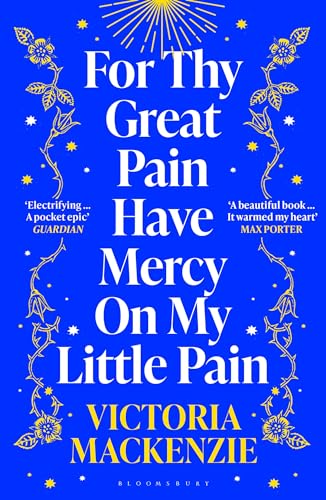
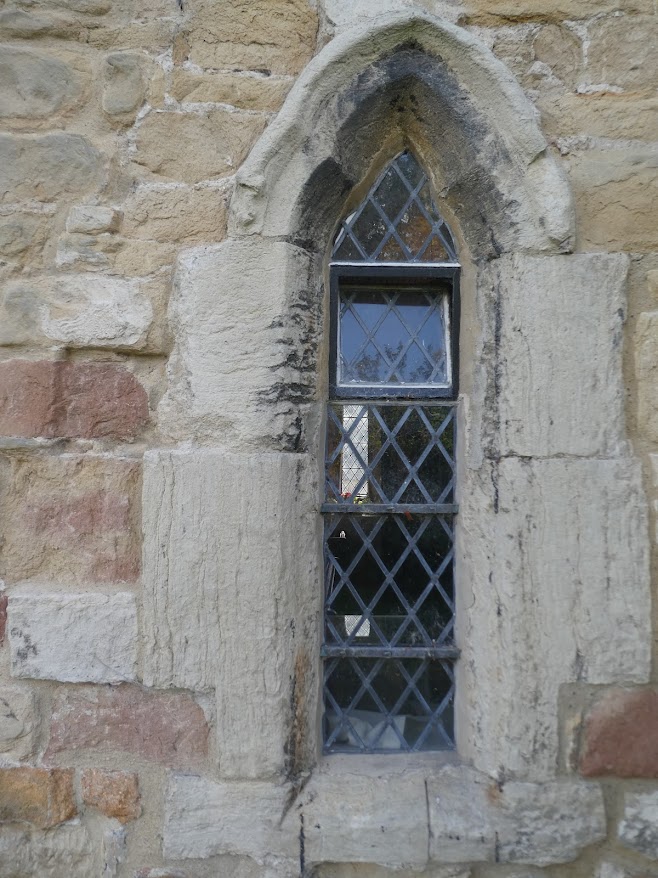
Let’s stay in Norfolk, but delve once more into the past. Victoria Mackenzie’s For Thy Great Pain Have Mercy on My Little Pain. Two female medieval mystics, Julian of Norwich and Margery Kempe tell their stories in alternating short chapters. Julian is the better known figure, for her ‘Revelations of Divine Love‘, written when she was an anchoress, enclosed in a tiny windowed cell abutting a Norwich church. Both she and the other figure in the book, Marjorie Kent, had visions. Whereas Julian chooses to see little, but see it intensely, Marjorie is very different. Illiterate and rambunctious, with little time for her husband and children, she loudly proclaims her visions of Christ to anyone who will listen, and indeed these who do not wish to listen. Both took risks. To go against current Christian orthodoxy, especially as a woman, risked excommunication and a painful death. In the book, and we cannot know if this happened, the two meet, and this unlikely pair make a genuine connection. Beautifully written, and quickly read, this is a book that will stay with me for a long time.
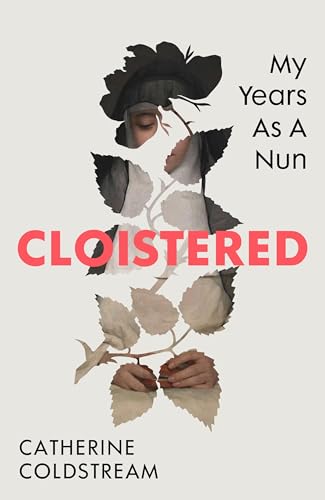
Finally, a book I haven’t read, but intend to because I heard snatches of it being read as BBC’s Book of the Week. Catherine Coldstream’s Cloistered tells the story of her years as a nun in the 1990s, and her eventual flight from the convent – I didn’t hear that bit. And how did I get from a story about two amoral lovers-turned-rivals to the story of women who’ve taken vows of chastity? Ah well. That’s Six Degrees for you!
Next month’s starter is Paul Lynch‘s Prophet Song: a book I very much ejoyed reading last year.


































 From Pyrenees to Pennines
You must be logged in to post a comment.