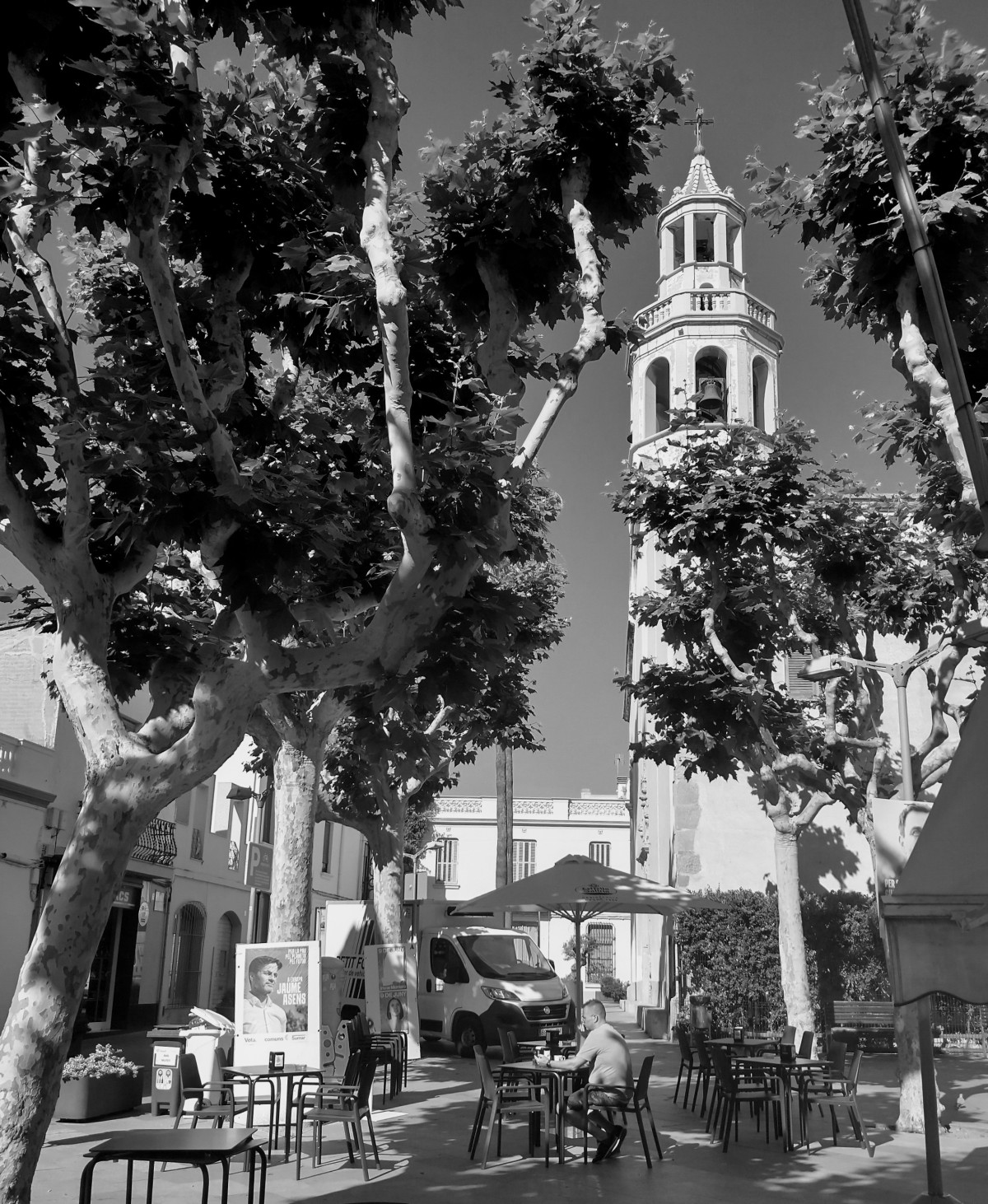
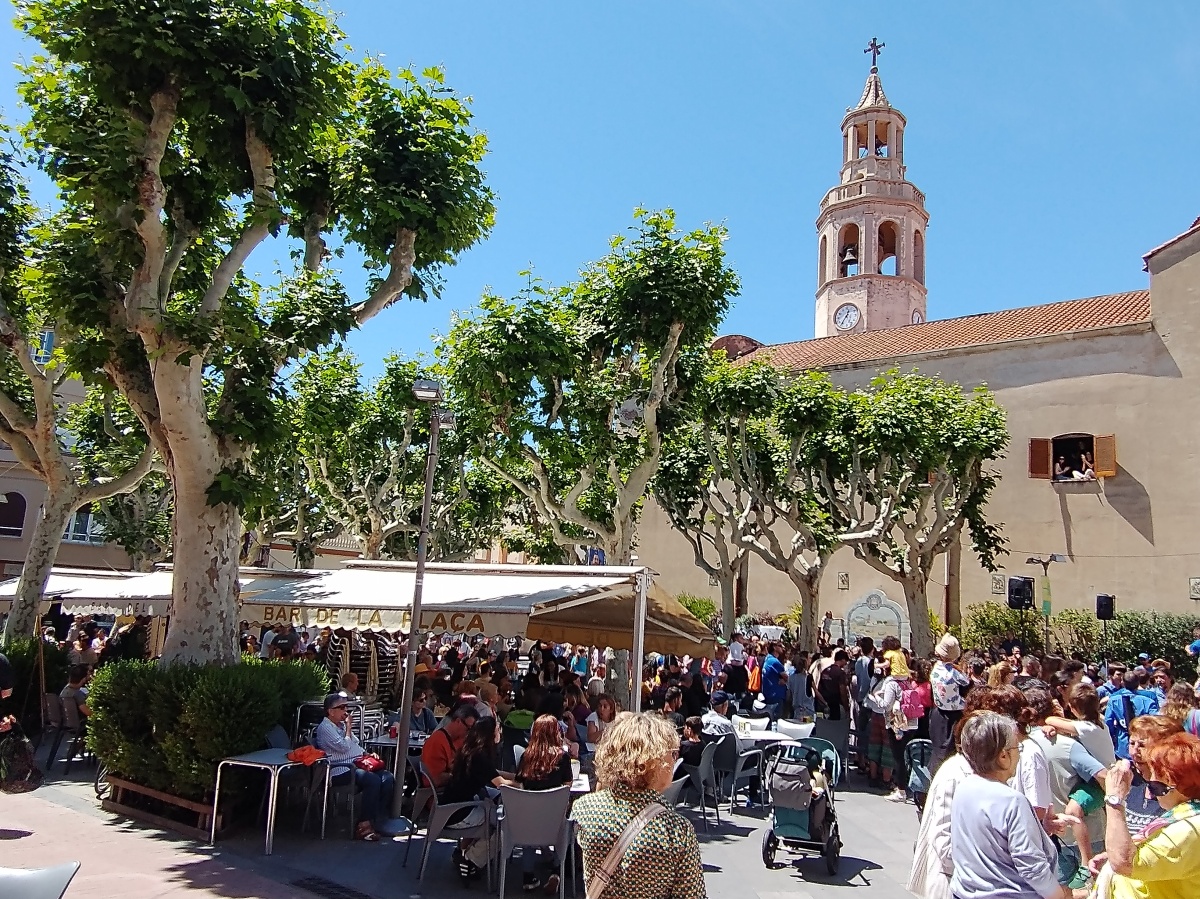
My last day in Premià for the time being, so of course I need a quick walk through my favourite square in town. The oldest church is here: though all is not as it seems. As you’ve probably guessed, it dates from the 18th century. As you probably haven’t guessed, this building is a copy of the original, which was completely destroyed by Franco’s forces during the Spanish Civil War. It’s been rebuilt: an exact copy. So here’s a single church with a double history.
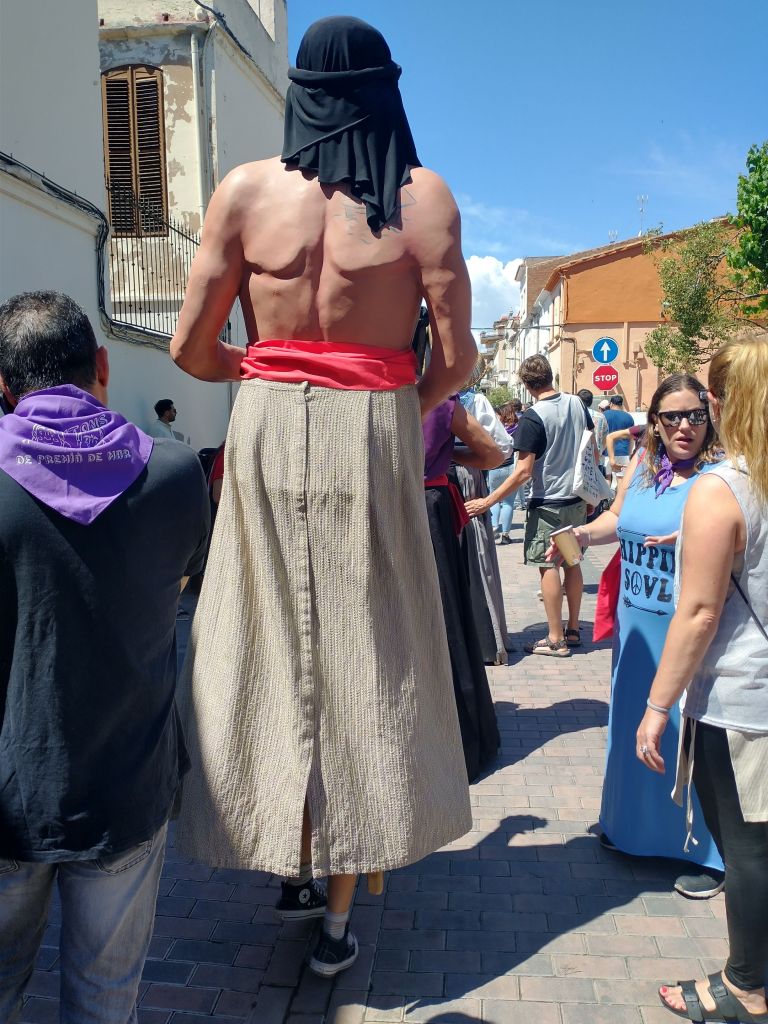
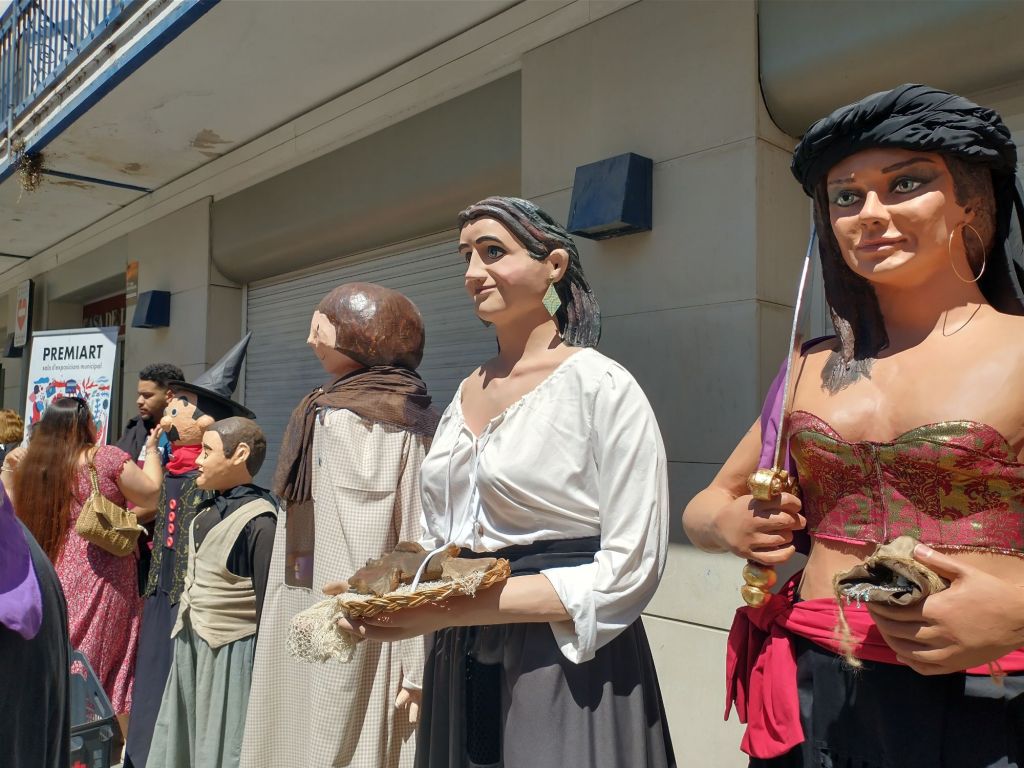
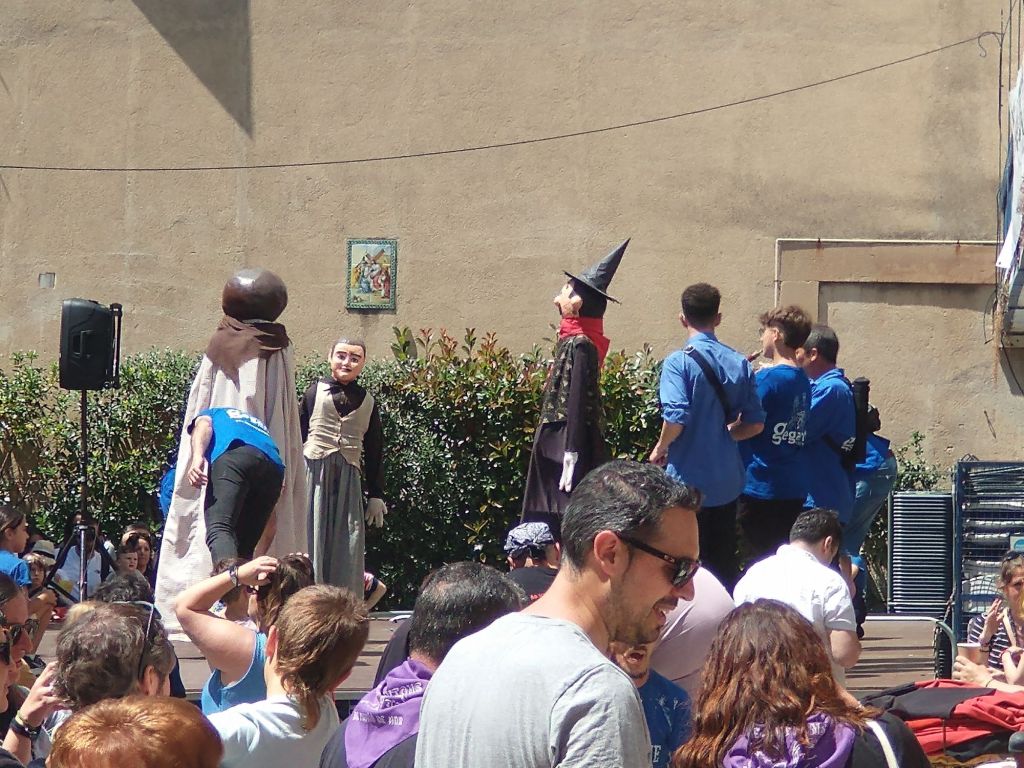
Gegants – huge human-type figures propelled by actual humans hidden within them – have been a feature of Catalan festive life since the 15th century. Then, they were part of a religious tradition. From the 19th century, they became more and more a celebration of the lives of the community they sprang from. So here in Premià de Mar – Premià-on-Sea – they represent piratical derring-do.
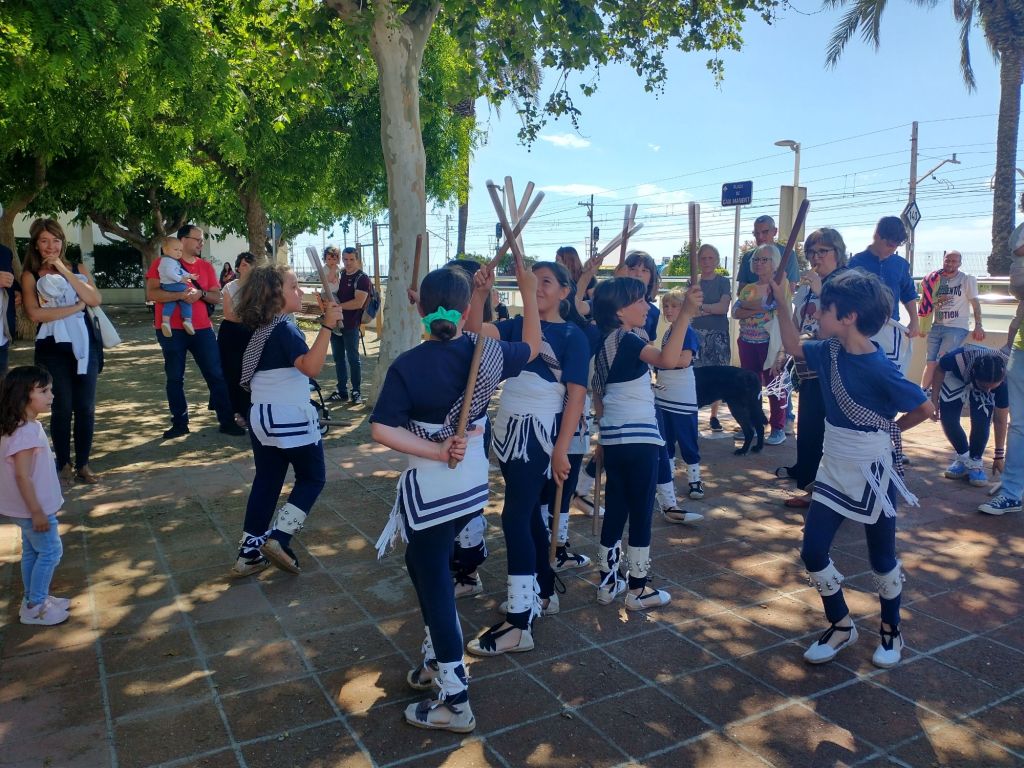
And the Gegants came out to play today as part of a low-key local folk festival, Rebombori. They took over the streets of the town, as did cohorts of child drummers, child dancers, child comperes and slightly disconcerting child Gegants. And we the townsfolk followed wherever they led, coming across more and more friends as the morning turned into afternoon: an excellent time was had by all.
These were all taken on my phone, and better shots are – I hope – to be found on my camera. But phone-posting is my lot at the moment, so … make do with these please, for now.
The Gegants come out of hiding.The slightly creepy child gegantsYoung dancersOsman towers above the crowd.Waiting their turn to danceI never worked out who these medium-sized Gegants were.
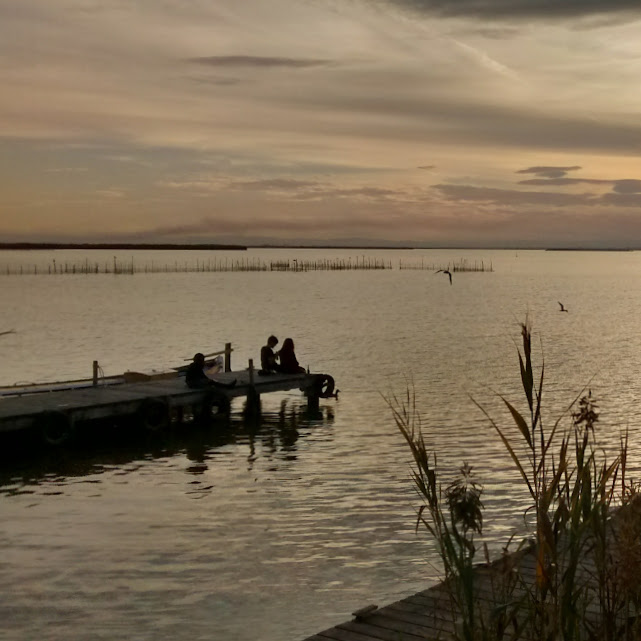
I have chosen to end this month’s Squares series with another visit to l’Albufera. It was there that I went on my last afternoon in Valencia some years ago. I’d gone to learn Spanish, for two weeks only, staying in the home of a Spanish woman who spoke no English – which was challenging, since I’d started my stay on Page One of the Spanish book provided by my language school. I’d had an exciting time exploring the city in my free time, but the experience was pretty full-on. A bus journey to nearby L’Albufera, a natural park set amongst lagoons seemed to offer a perfect last afternoon. And so it proved. I’ll never forget the sunset I enjoyed there, as one of a very few passengers on a lazily wandering boat, puttering gently through the reedbeds. It was renewing, transformative, and throughly reconstructed my somewhat battered mind.
Thank you Becky, thank you everyone who has contributed to this #SquaresRenewal. I’ve seen so many interesting, beautiful, thought-provoking posts: and all thanks to Becky, who after a long and understandable break has once more launched and managed this month of photos, fellowship and fun. Looking forward already to the next month of Squares
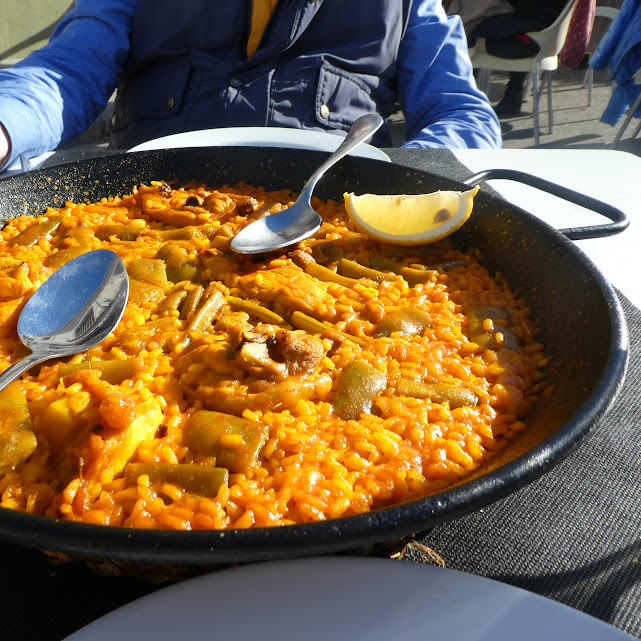
If you’re anything like me when you’re on holiday, buzzing with new sights, sounds, experiences – perhaps wrestling with the language – you need the break that a leisurely meal provides. It gives the chance to renew energy and to re-charge with the get-up-and-go needed for the rest of the day.
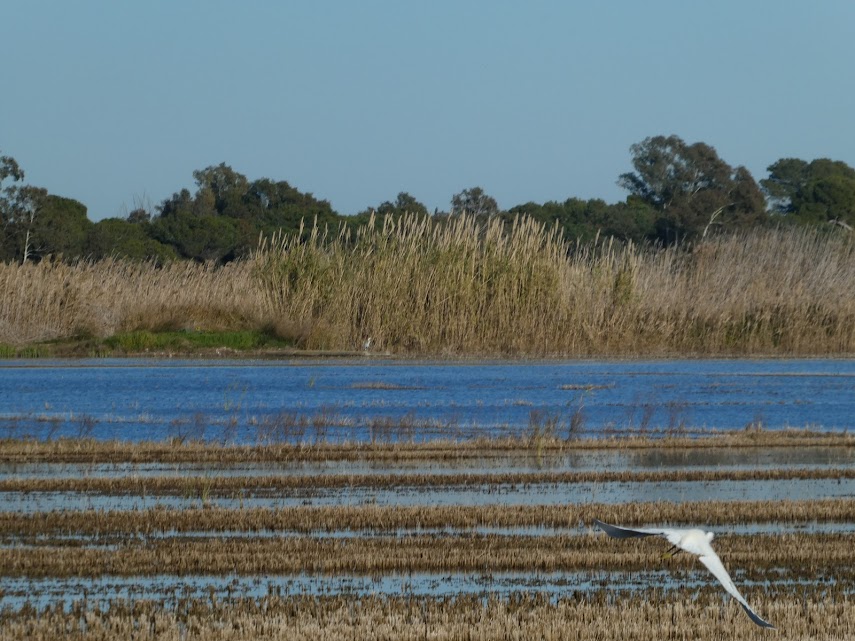
So let me take you to l’Albufera, near Valencia, home to the right kind of rice for paella. That’s a rice growing field – a little fallow in mid-winter – in the image above, and lunch in my all-important Square photo.
L’Albufera holds a special place in my heart, so tomorrow, for the last square of the month, I’ll take you there.
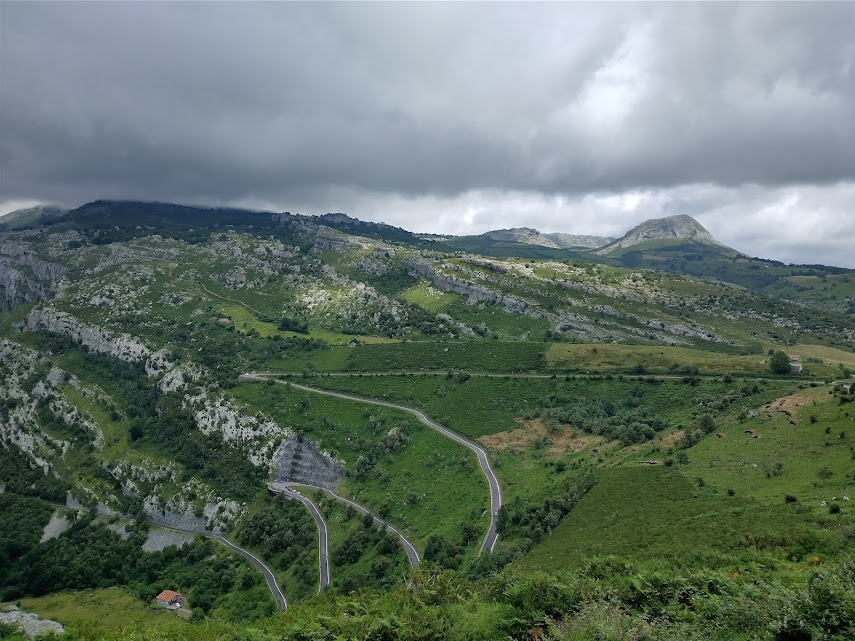
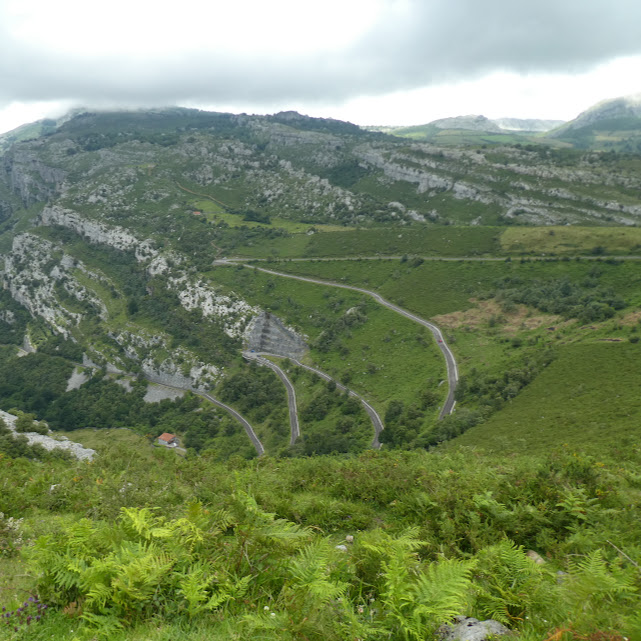
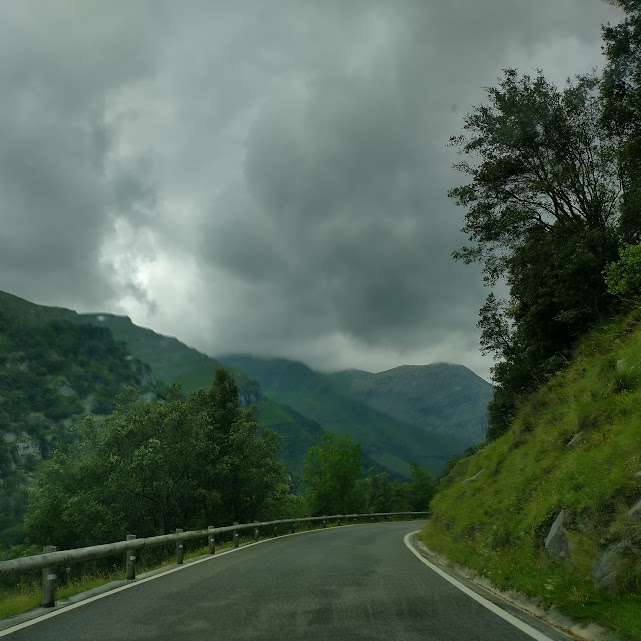
To travel in the Cordillera Cantábrica in Spain – or in any other mountain range, anywhere -is to know that in order to move forwards, you may not be – exactly – moving forwards. You’ll be going ‘this way, that way, forwards and backwards’, to quote a pirate song beloved of British pre-school children.
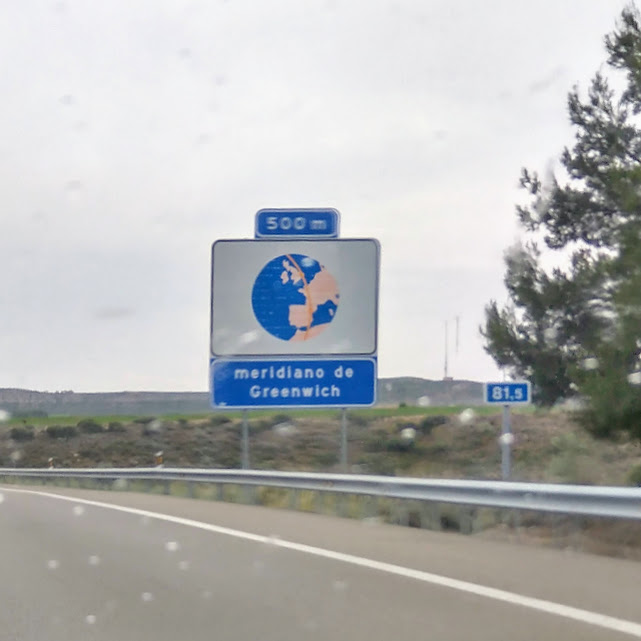
Greenwich is the historic home of the Prime Meridian Line – Longitude 0º. It has served as the reference line for Greenwich Mean Time (GMT) since 1884. GMT became the worldwide time-standard a century later.
So it was quite a surprise to find this on a road in Northern Spain:
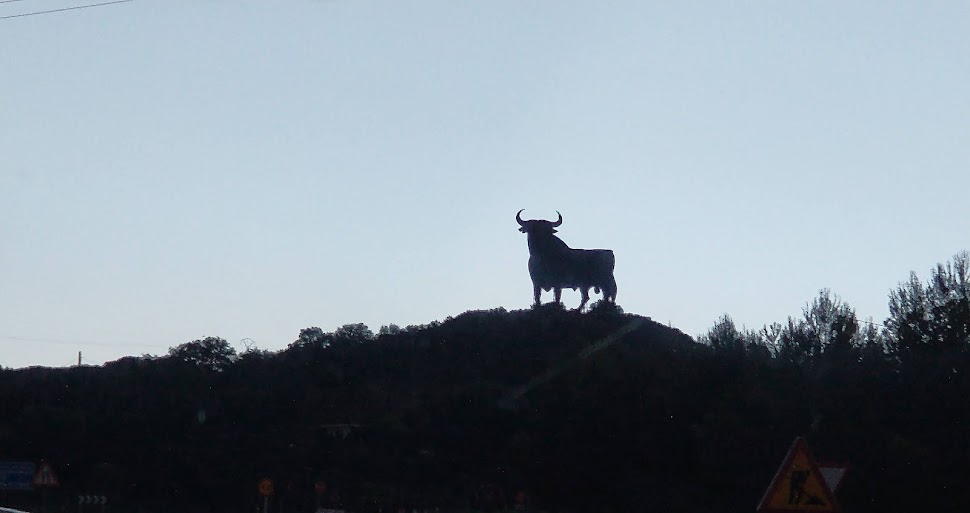
There we were on the Greenwich Meridian line, whilst incontrovertibly some 1000 miles south of London. And the bull shown in my featured photo, which is a common roadside sight in those parts, proved us to be incontrovertibly in Spain. We must have been moving forward.
For Becky’s #SquaresRenew Challenge, she’s inviting us to post square – only square – photos on the themes of Burgeoning; Moving Forward; Reconstruction; or Renewal
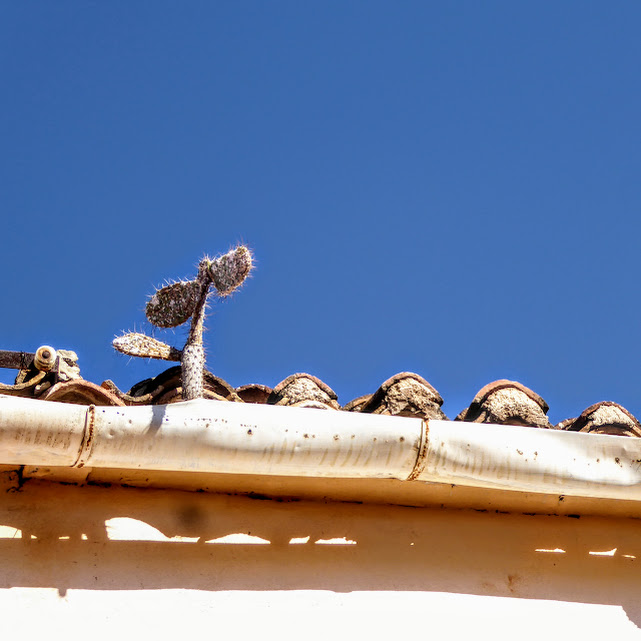
Don’t you just love this doughty cactus, intent on moving forward, keeping the family gene pool alive, putting roots down in an exposed gutter in Downtown Valencia?
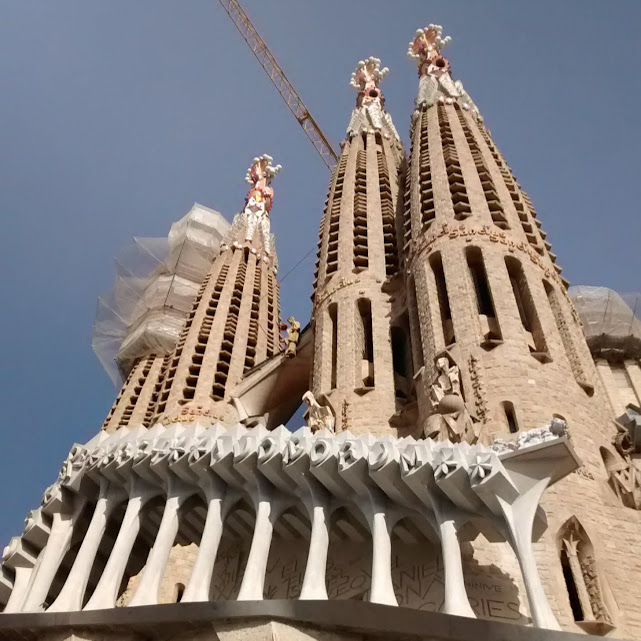
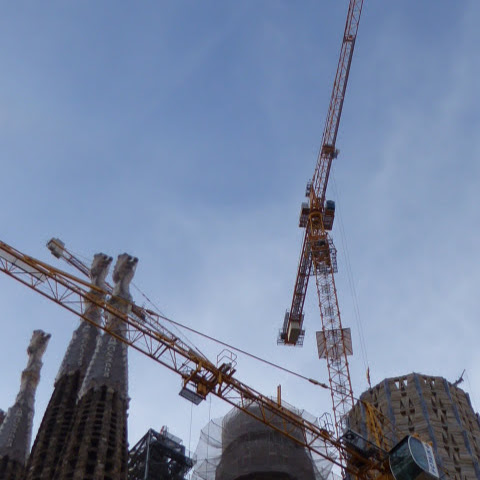
Everybody knows that Antoni Gaudí’s La Sagrada Familia is the oldest new church in (probably) the world. Begun in 1882, it may finally be finished in 2026. Promises, promises. It’s certainly been burgeoning for years.
The header photo, taken from the flat where Emily’s partner Miquel once lived shows how this monumental edifice dominates the skyline in a city where so many modern buildings scrape the sky.
The sea is greedily consuming the beaches of the Maresme coast, Catalonia. So here in Premià de Mar, the council is building a series of groynes going out into the sea to prevent the sand being swept away and to encourage it to creep back to the shore.









 From Pyrenees to Pennines
You must be logged in to post a comment.