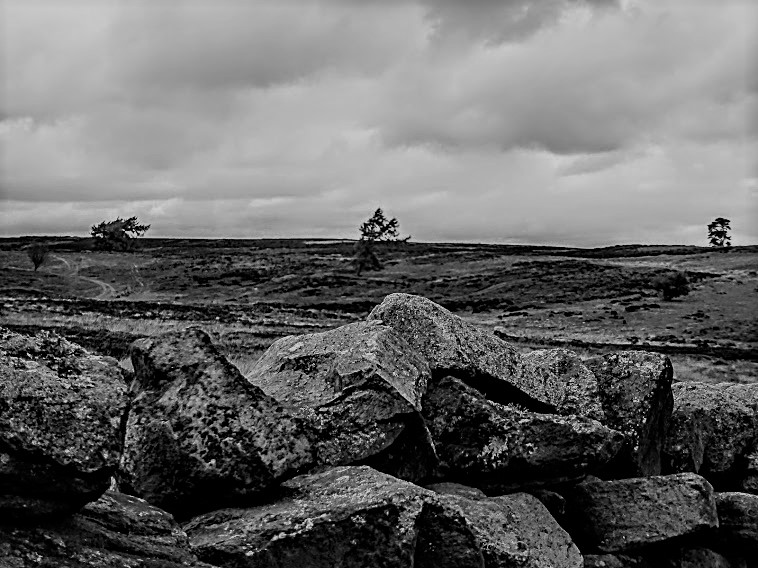
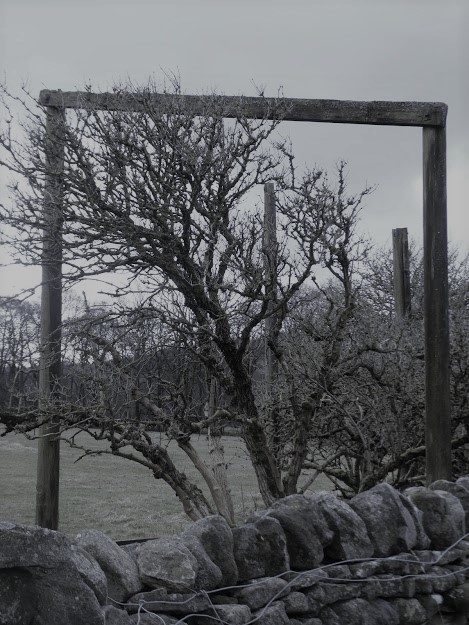
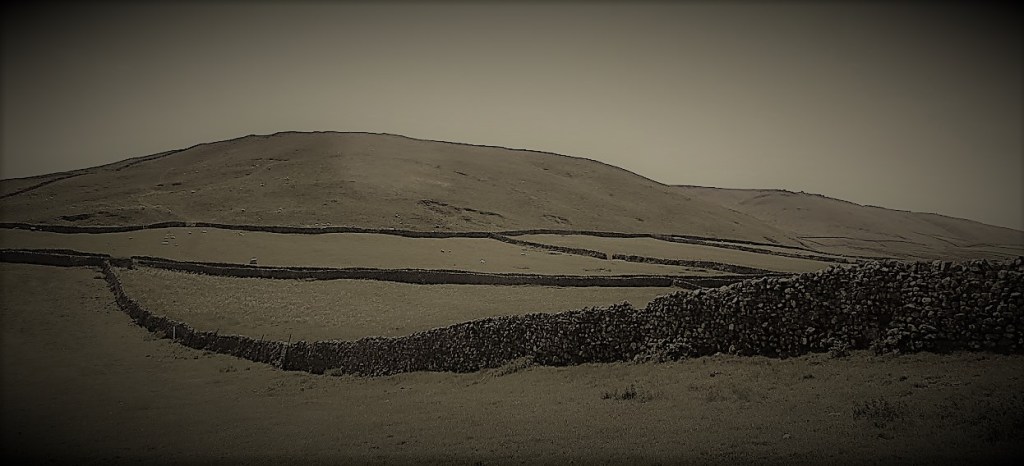
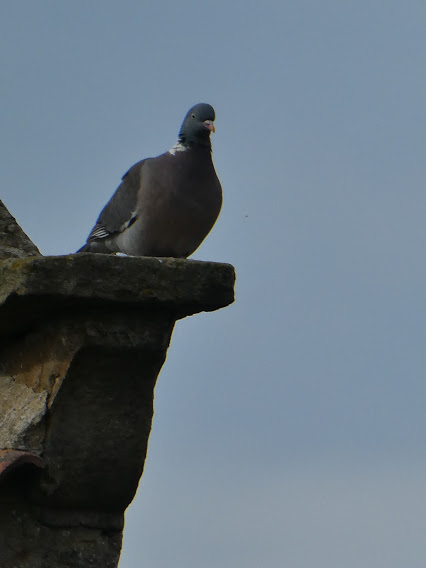
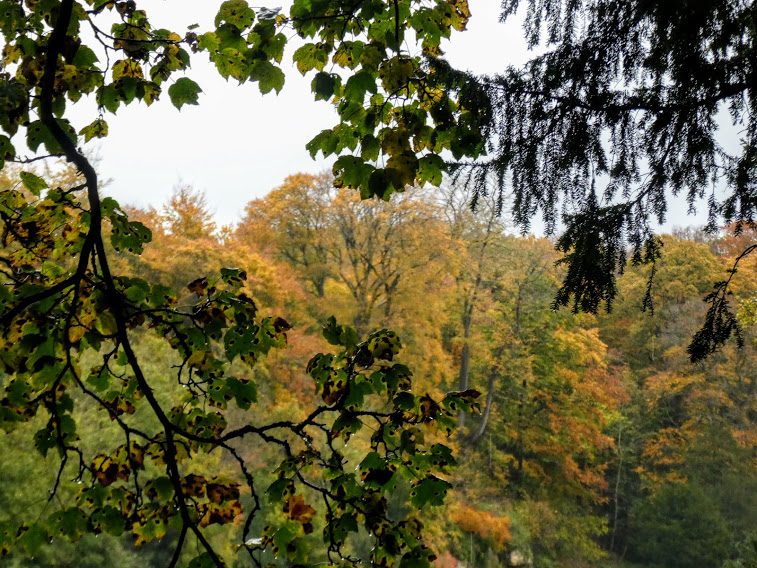
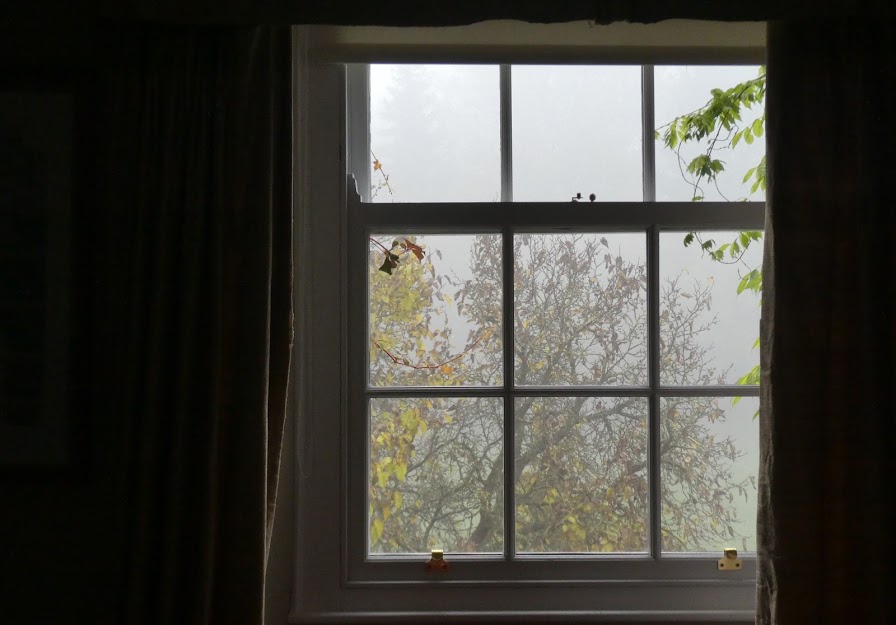
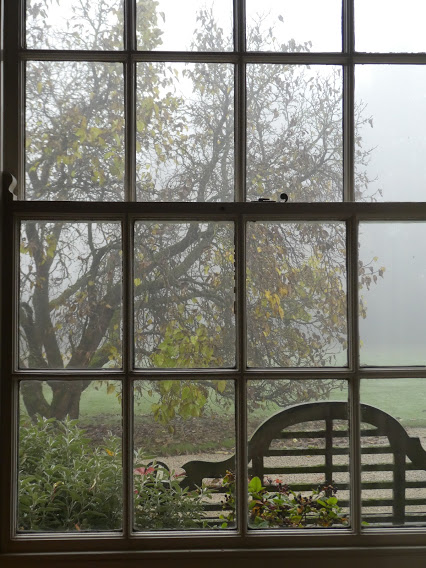
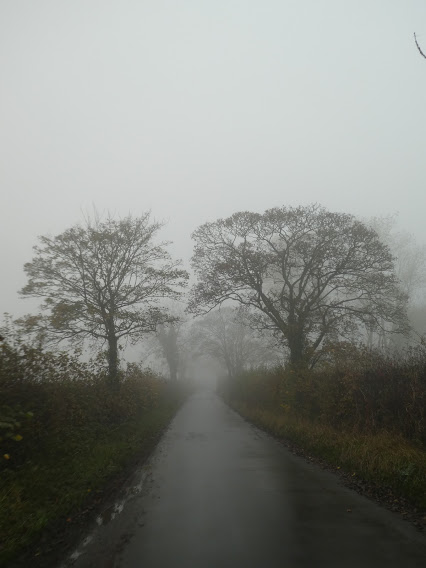
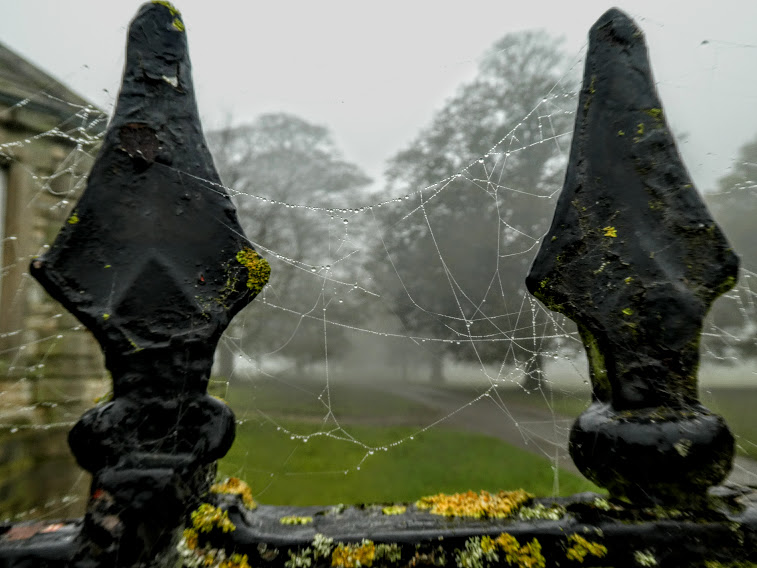
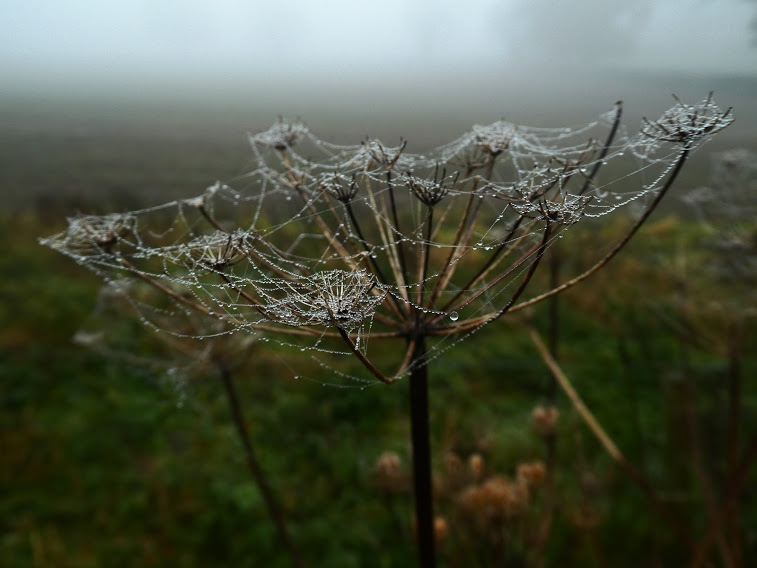
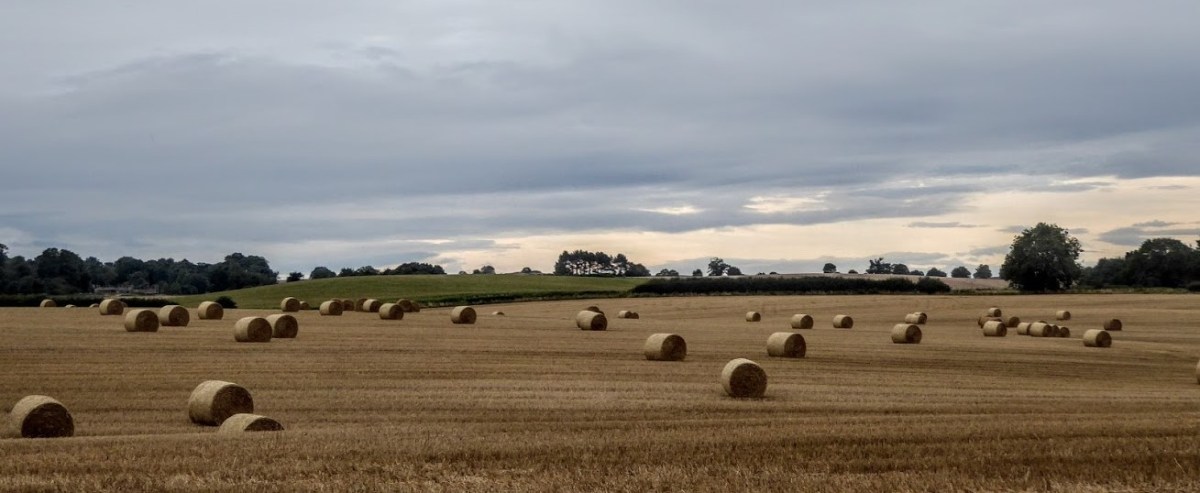
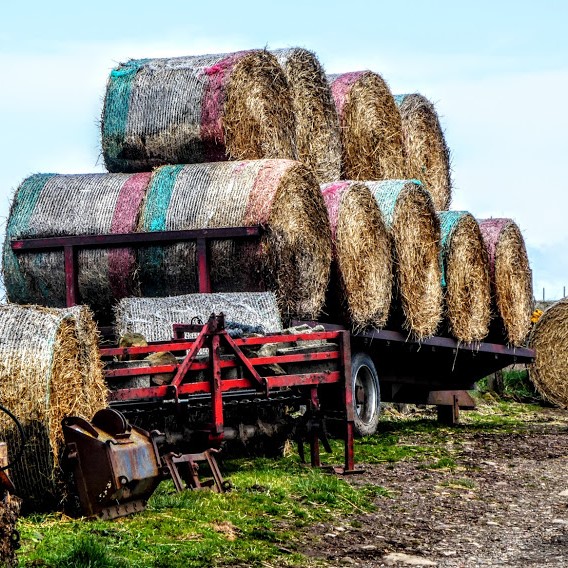
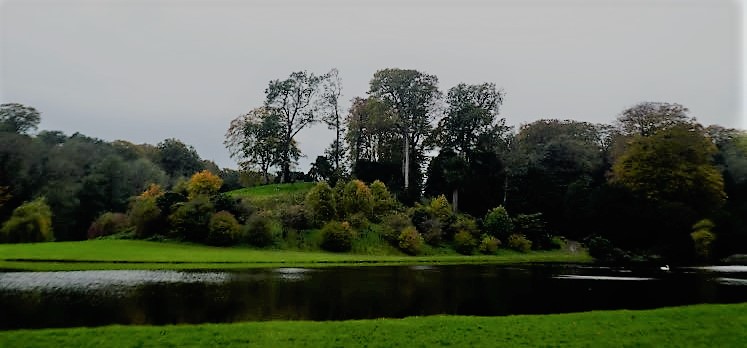
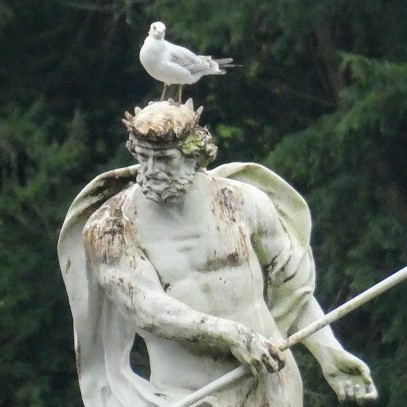
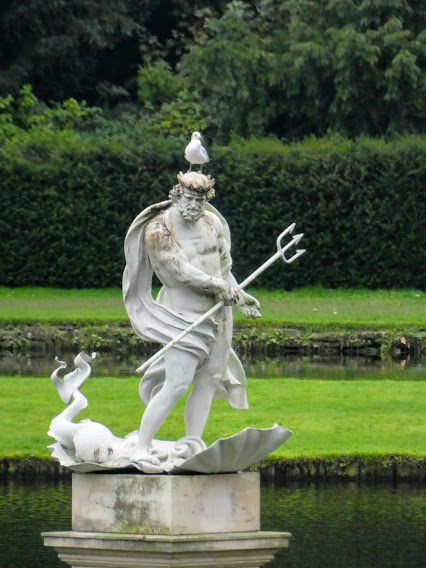
I’m kind to myself – at least once a week – when I go to my yoga class. This is what I see from the window of the characterful late Victorian town hall in Masham as I stand, balanced and purposeful, in mountain pose.


I’m kind to myself – at least once a week – when I go to my yoga class. This is what I see from the window of the characterful late Victorian town hall in Masham as I stand, balanced and purposeful, in mountain pose.


Last spotted in Redmire, North Yorkshire.
One kind resident made us laugh.
Not a UK resident? Read this.
Out of the loop? Read this.


In her Photo Challenge this week, Jude asks us to look upwards, and shoot our subject from below.
Somehow this instruction reminded me of the first period of lockdown, when staying isolated and close to home was fresh and new: when we country-dwellers had the small pleasures of watching the spring unfold. Each day’s main event was watching the subtle changes in the nearby verges and fields, and in the trees and clouds.
With no job-plus-childcare to juggle, no worries about actually losing an income, this simple period, when the spring weather was almost unfailingly sunny and warm, was a time of some happiness.
Since then, things have fallen apart somewhat. Compliance, and confidence in the government’s competence and probity plummets, and nobody regards the prospect of a long hard winter ahead with anything better than disaffected resignation if they’re lucky, real fear if they’re not.
For one day only then, let’s look upwards – and backwards – to the spring 0f 2020.
The red tops blazed next week’s news: ‘A September Scorcher! 30º!’
Anyone living north of Watford Gap, or west of Slough knew better than to believe it, because only south-east England counts if you’re a London-based hack. We Yorkshire types needed to read the small print to discover that northerners could merely expect pleasant warmth, a gentle breeze and no rain whatsoever. Which was fine for a Sunday walk in Wensleydale.
On the way over there, it rained. Getting ready for the walk, it rained. The wind snatched urgently at our waterproofs and blew our hair in our eyes. Mist rose from the valley bottom. Grey cloud descended and thickened.
We didn’t mind. The rain soon stopped: it was warm, and those grey skies made for moody, atmospheric scenery. But our friend Gillian, who’d planned the walk, doesn’t know the meaning of the word ‘stroll’ and had us battling boggy paths, and huffing up rough pastureland on semi-vertical hillsides. We took it in good part.
But what rewards. We had the constant backdrop of the Wensleydale hills. Semerwater glittered at us from a distance: but close up, insistent waves rushed constantly towards our toes.
We had a march along a Roman road. And at the end, blue skies, sunshine, and a relaxing cup of tea on the village green at Bainbridge.
This week’s photo challenge is to make use of empty, unoccupied space in our pictures : to make it part of the story. As I walked yesterday, I tried to use negative space: in this case, mainly the sky.
Lens-Artists Photo Challenge #114 – Negative Space
And another walk for Jo …
Way back in what we no longer call the Dark Ages, this part of the world – north east England – was overrun by Vikings. They came, they saw, they settled. They left their mark on the language: villages such as Thirn, Thrintoft, Skeldale, Kirkby, Slingsby, Ainsty all betray their Norse ancestry. Vikings have a reputation for ravaging and plundering, but in fact many of them and their families made their lives here.

And settlers need some down-time in among the hard work of clearing and working the land and looking after stock: pursuits like this forerunner of the board game, which was played throughout what is now Scandinavia. We found one while walking the Howardian Hills last weekend. It looks like a maze, and it’s called City of Troy.

It’s one of only eight still left in England, and this one is the smallest- barely bigger than a large picnic blanket. There used to be one near Ripon apparently, but it was ploughed up in 1827. Nobody any longer knows how to play this game. Why City of Troy? Well, it’s thought that it refers to the walls of that city, which were apparently built in such a way as to prevent unwanted intruders finding their way out. I’m astonished by the idea that the average Norseman (or woman) was up to speed with Ancient Greek history and myth, but what do I know?
It’s related though to labyrinths found all over Europe. Every ancient culture: Greek, Roman, Egyptian, Indian, Native American – had their own take on this one-way-in and one-way-out puzzle. The labyrinth made its way into mediaeval churches. There was even one in the cathedral local to us in France, in Mirepoix.

To Christians of those days, it may have been a symbol of wholeness, and an aid to reflection and prayer. That spiral path within a circle may represent a meandering path, leading us to our very centre, then back out into the world.
The maze game probably doesn’t run so deep. But what its rules were, and when and how it was played, out on a hillside some distance from any known settlement is a mystery that will almost certainly never be solved.

We’ve just come back from a weekend in the Howardian Hills – that slice of Yorkshire that includes Castle Howard, where that iconic TV series Brideshead Revisited was filmed in the 1980s.
For farmers, it’s a wealthy little corner of the county, with fertile fields offering a steady income in return for careful husbandry. Well-constructed farm gates at the end of tidy tracks are handsomely buttressed by smart stone gate posts. Crops stand to attention and weeds show their faces only at field margins. Agricultural labourers are no longer tenants in those postcard-perfect villages.

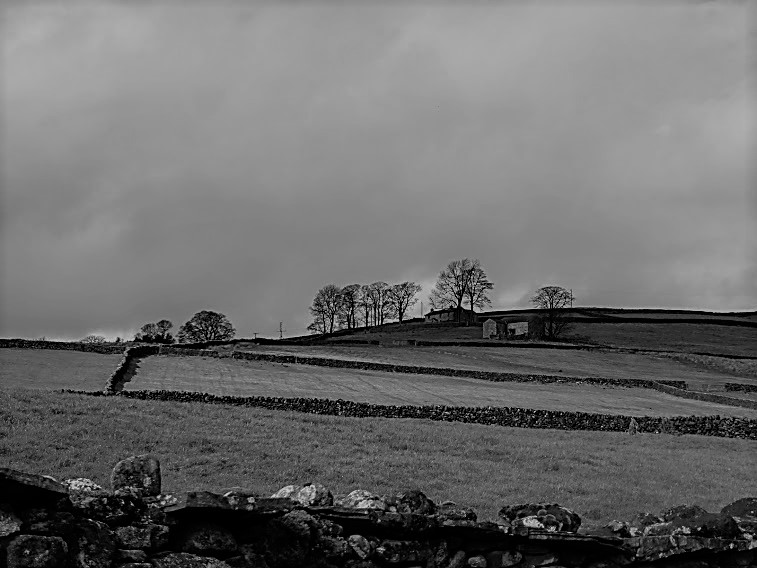
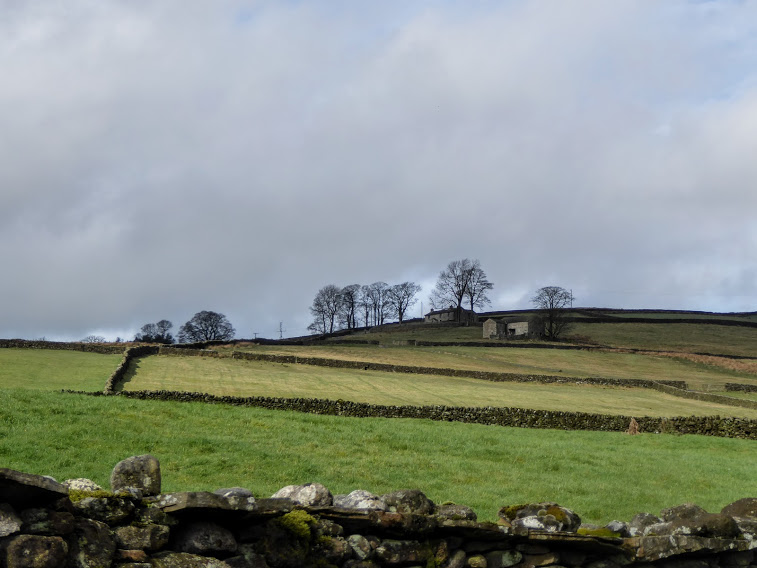
Our late August break was not accompanied by late summer weather. Although it didn’t rain, skies remained sulky and black. Wind bustled and gusted fiercely against our faces. The temperature hovered at 11 degrees all weekend. Perfect for this week’s Photo Challenge, for which brightly luminous blue skies contrasting with the golden hues of harvest simply Would Not Do.
This month's final assignment - Experiment with using two or three Complementary colours. Try to make one or two colours the focus of the image, and use the other colour to enhance the overall image.
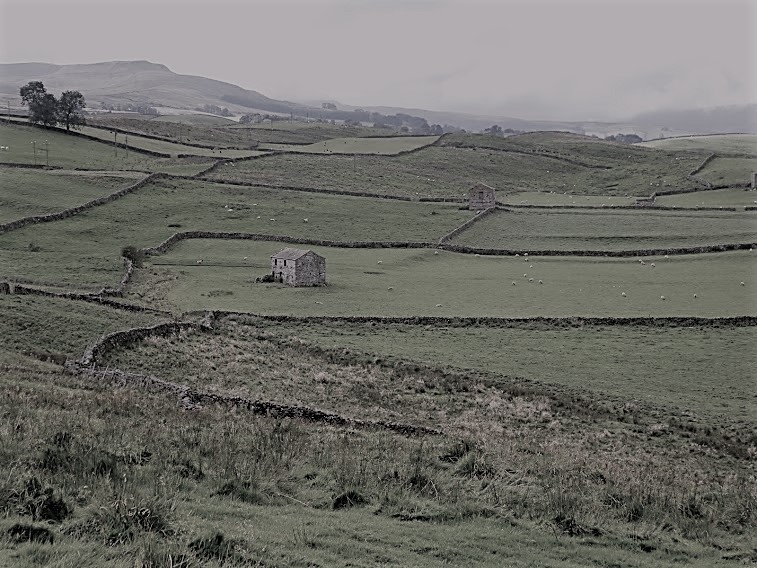
I’ve taken images from fields, from distant vistas, and from the one abandoned ruined grange we came across, where farm animals still grazed in the grassy yard. I’ve played around with colour contrast: aiming to make my results what my eyes thought they saw, rather than what my camera knew it saw.

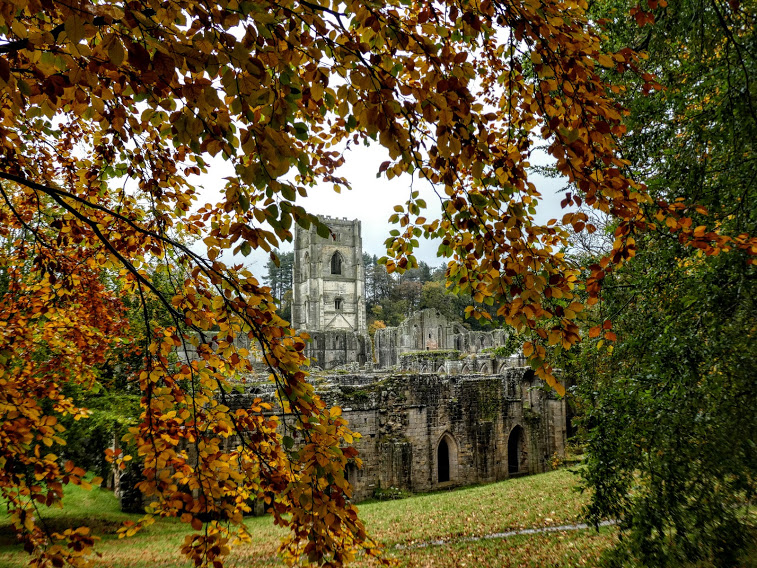
I’m back volunteering at Fountains Abbey, and every time I’m there, I’ll spend time in the ruined Abbey itself. I’ll gaze up at the voids which were once windows. Any stone tracery has long disappeared, revealing views of the sky and trees beyond. And I wonder what the monks saw, during their long hours of worship – eight sessions a day, the first at 2.00 a.m., when the night was charcoal-black and only smoky tallow candles lit the space? The ascetic Cistercians had no statuary in their churches, little stained glass, so the monks probably glimpsed a barely-to-be-discerned landscape beyond, through water-greenish, slightly uneven glass.
In her challenge this week, Jude has invited us to compare the same scene in colour, and in black and white. I thought it would be interesting to do this in a building in which colour plays little part. Surely there would be little difference? Well, apparently there is. I find the black and white version a little too austere for my tastes. What do you think?
And here’s a view of the Abbey with Huby’s Tower, which was completed a mere 13 years before Henry VIII brought the Fountains Abbey community to an end in 1539 during the Dissolution of the Monasteries. I’ve tried to show it more as it might have looked then, set in a wilder landscape than the manicured parkland we see today. And when it came to the monochrome version – well, there’s black and white, and black and white. Again, there are choices here ….
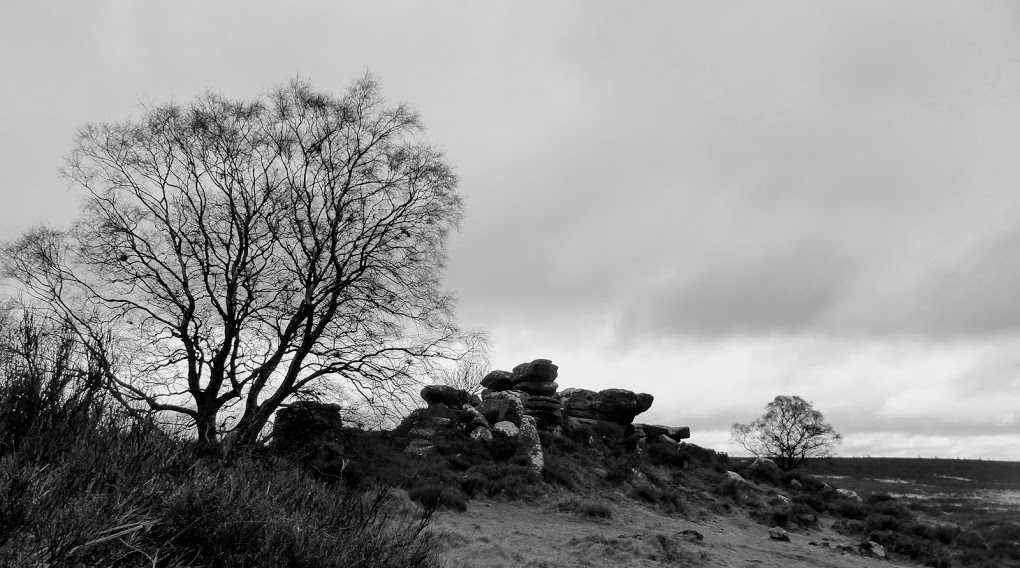
I love bleak. Typically rolling English countryside is lovely. And you can’t beat a verdant Daleside vista, criss-crossed with dry stone walls dividing its pastureland, its river along the valley floor edged with trees. But here in Yorkshire, every now and then, I have to have my fix of bleak.
And one way to do this is to go over to Angram and Scar House reservoirs, both constructed in Nidderdale during the inter-war years last century, to provide water for the citizens of Bradford. Here are slopes, sculpted by long-gone streams and the often savage weather. These hillsides are covered in thin, tussocky grass – and not much else. Few trees. Few buildings – the odd hunting lodge or barn. But there are sheep, and birdlife too. One of our memories of walking here was once seeing a small meadow pipit struggling to feed ‘her’ baby, a cuckoo fledgling three times her size.
My friend Sandra and I went there this week. The day was perfect. Not too hot and not too cold. Briskly breezy. And as we arrived , the reservoir was as blue as we’ve ever seen it, almost cobalt in its intensity. We planned to walk our way round both reservoirs.
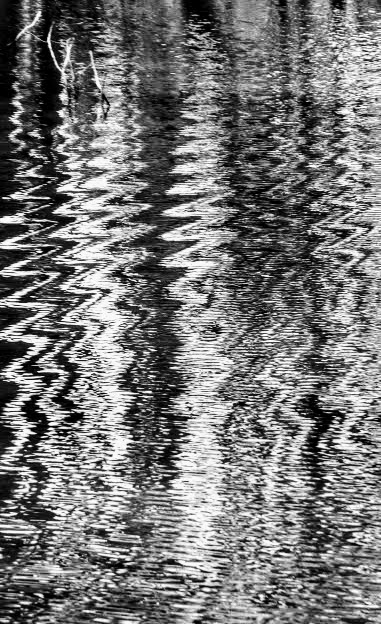
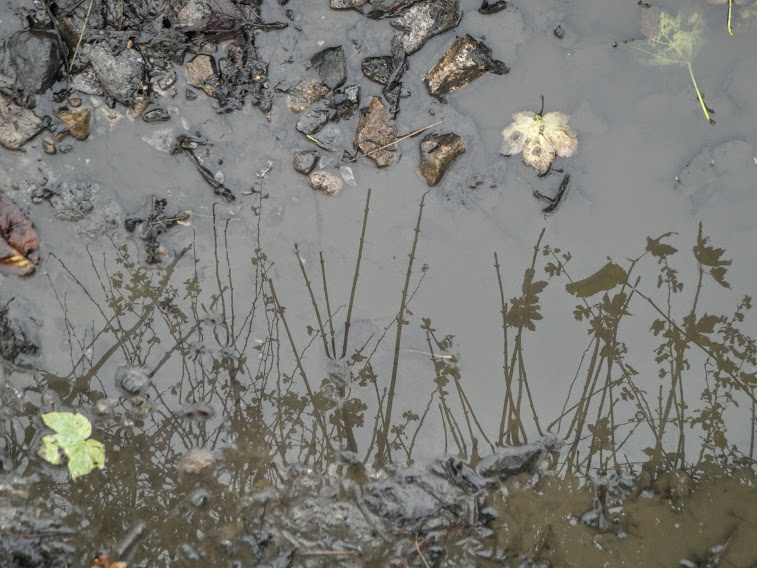
Which way though? Clockwise? Anti-clockwise? Sandra counselled clockwise, and Sandra won. That way, we’d get a slightly boring bit of track over and done with. We’d get the wind-in-our-faces over and done with. And most importantly, we’d get the squishier, less managed paths of Angram Reservoir over and done with.
It’s rained a lot lately, so walking round Angram involves some wet pathways. Not muddy, just paddleable. Juncus grass lining the route offered the odd springboard to drier grassy ground. But with water to right of us, bald barren hillside to left of us , the route is easy to see. And each reservoir terminates in a stout dam, each worthy of walk in its own right, and in Angram’s case, with water tumbling to its sister reservoir below.
Finally we left our wet pathways behind, and joined the springier drier turf pathways of Scar House Reservoir where sheep kept us company.
But even though we knew from the car park that we weren’t alone, we felt that this particular expanse of hillside, sky and water was ours and only ours for the six and a half mile walk in the middle of nowhere.
You must be logged in to post a comment.