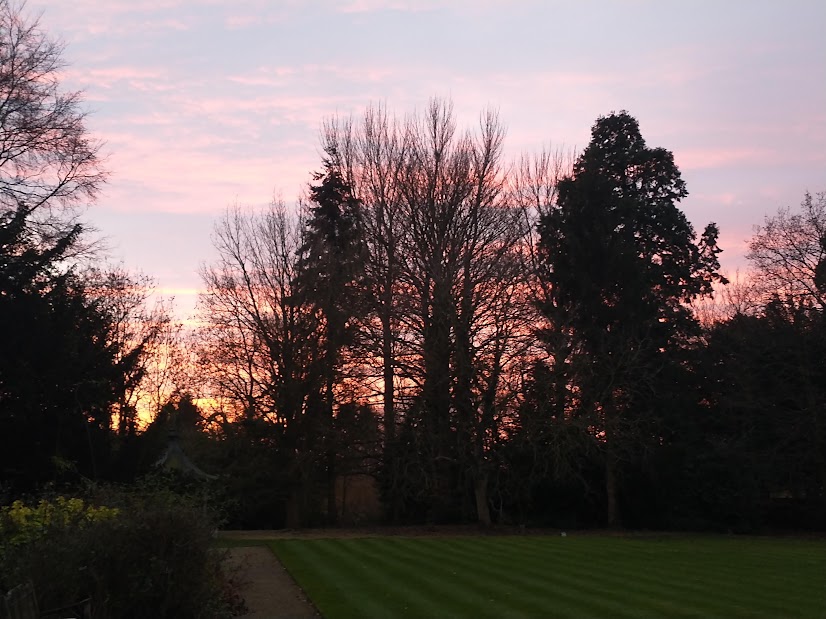
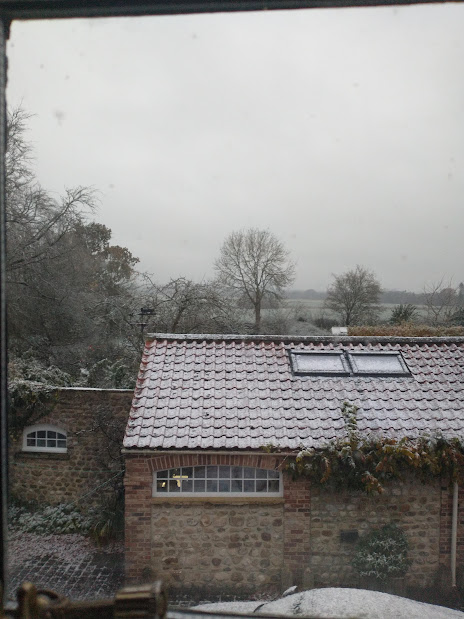
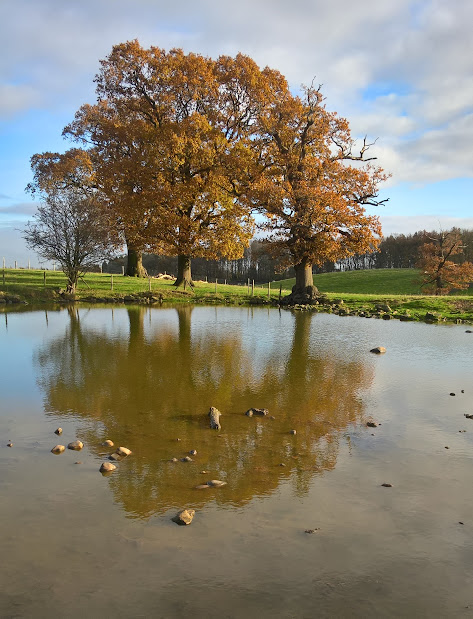
I glanced up from checking my emails twenty minutes ago, and this is what I saw.
You have to seize the moment. In half an hour it’ll be raining- a proper deluge with fat splashy drops tumbling relentlessly down for the rest of the day (just like yesterday). So I went for a mini-walk.
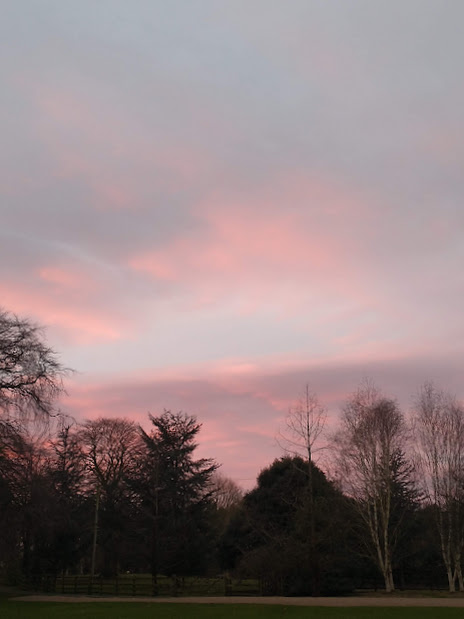
Just in time. Now it’s like this – and becoming more sombre by the minute.
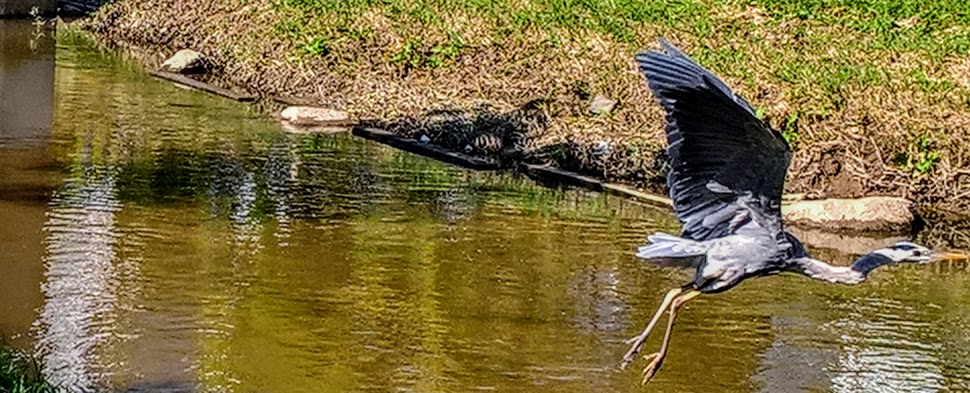
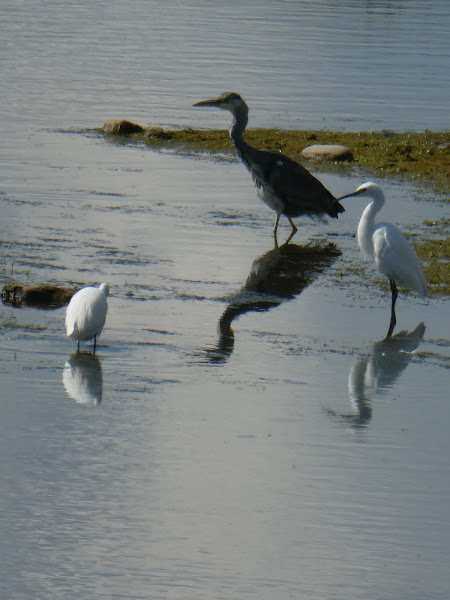
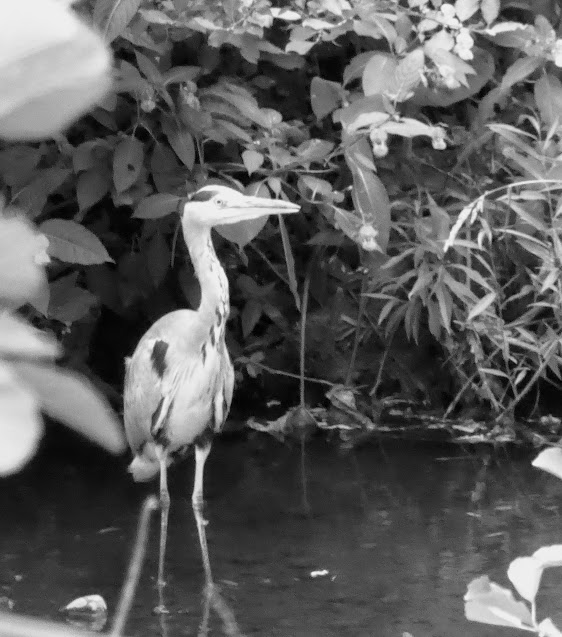
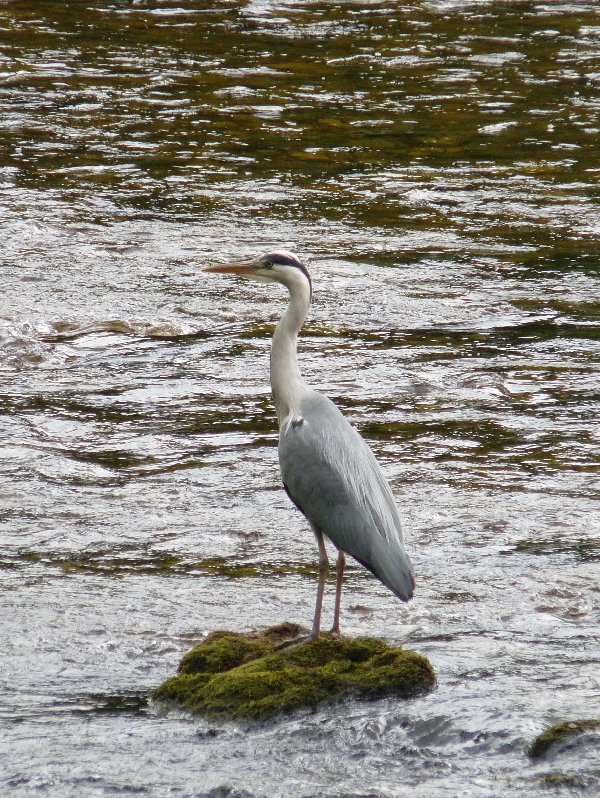
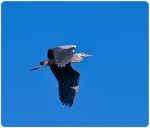
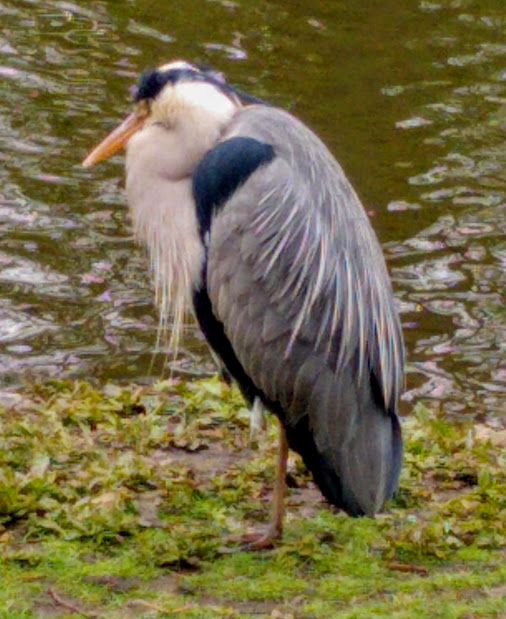
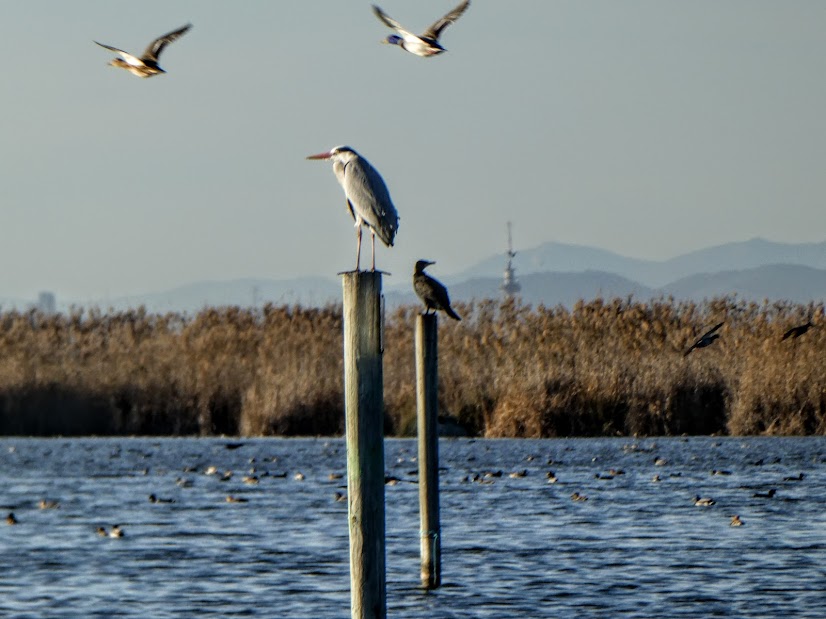
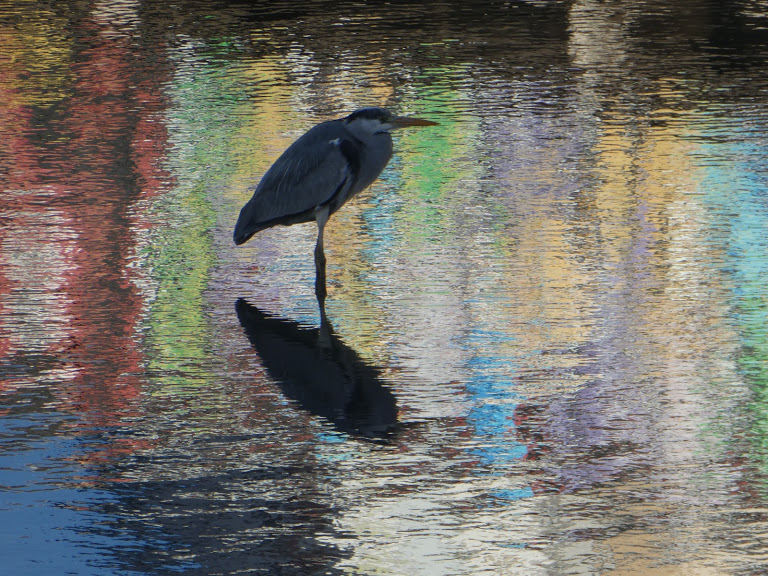
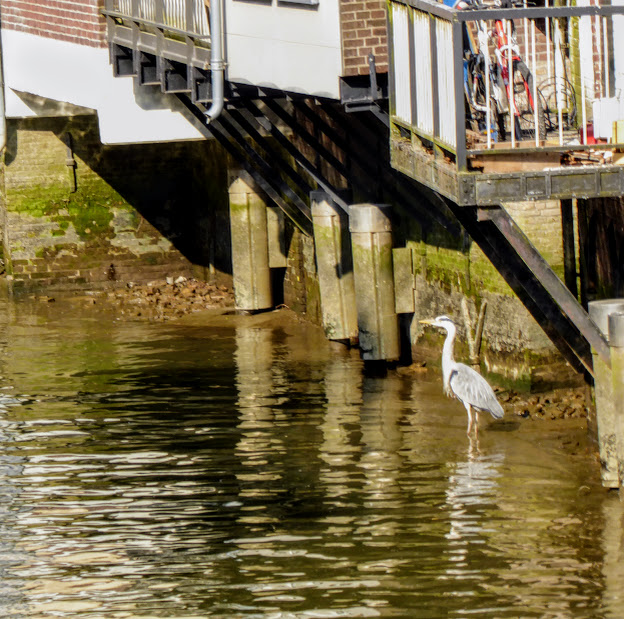
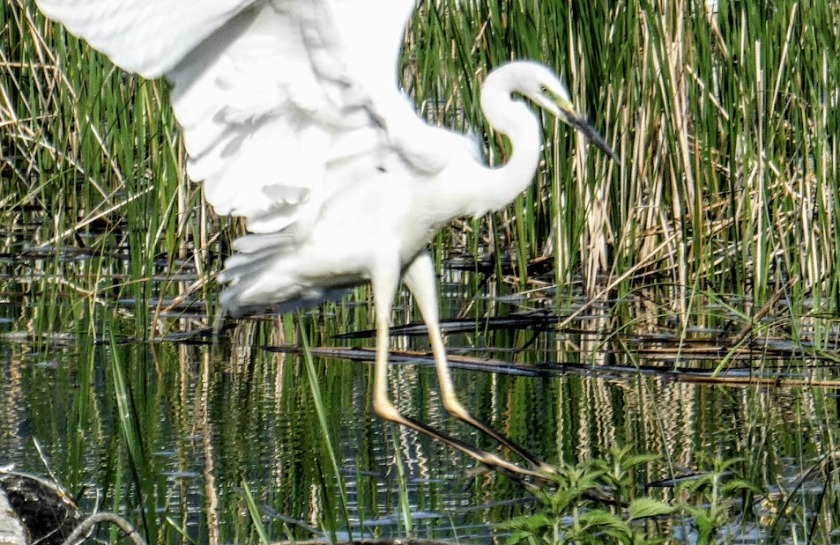
Over at Don’t hold your Breath, IJ Khanewala features an Indian Pond Heron as his Bird of the Week. I remarked to him that herons get everywhere. And here’s the proof. I can’t claim to show examples from anything like every continent, much less every country where you’ll find herons, but here are just a few.
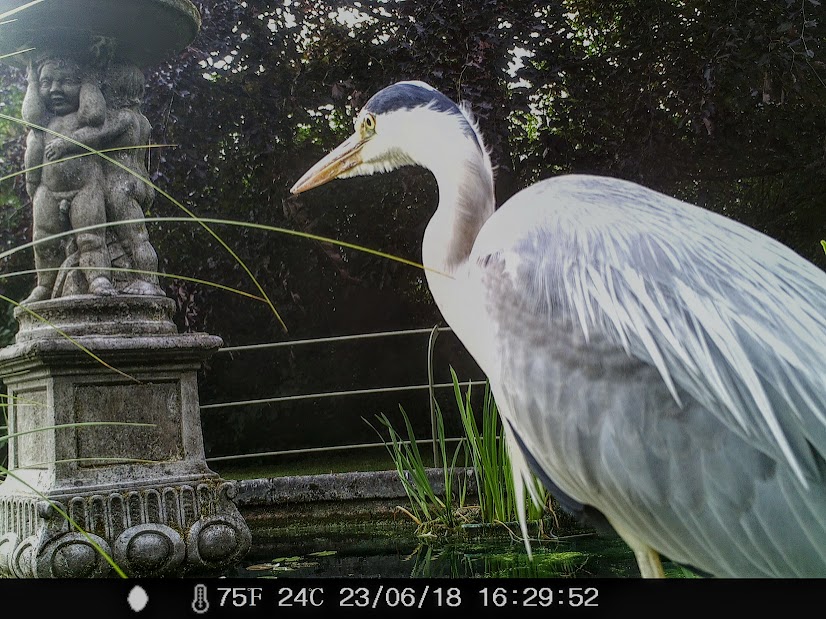
This one was after an easy catch in our landlord’s garden and noticed by our trail camera.
These are all from England: click on an image to find out where.
These two come from Spain, from l’Albufera near Valencia, and from Córdoba.
Dordrecht in the NetherlandsLake Prespa in Greece (but it’s an egret?)
And the featured image comes from Busan in South Korea.
Not exactly a world-wide survey. But I go a small way towards proving my point.
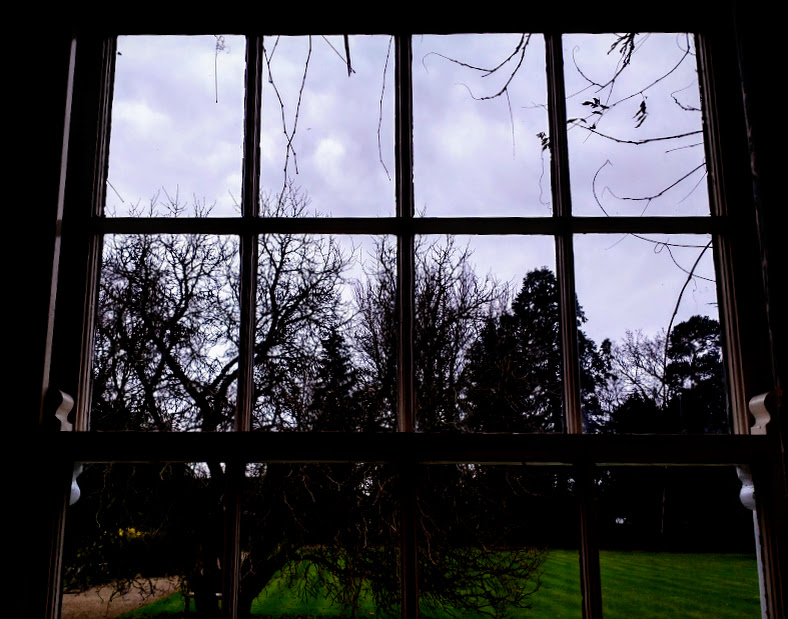
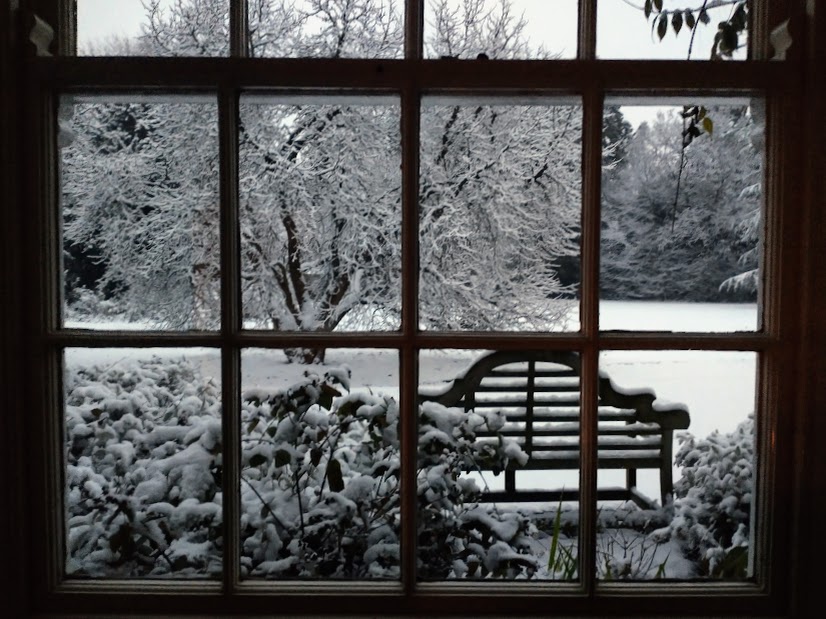
November was for the most part mild (and rainy. And windy. And unpleasant). Until the very last week. This shot from the bedroom window yesterday pointed out fairly forcibly that winter has arrived.
Last week, I invited you to join me in Spain, and hunt for the symmetrical. This week, we’ll stay closer to home, and have a countryside wander looking for the asymmetrical for Dawn’s Lens-Artist Challenge.
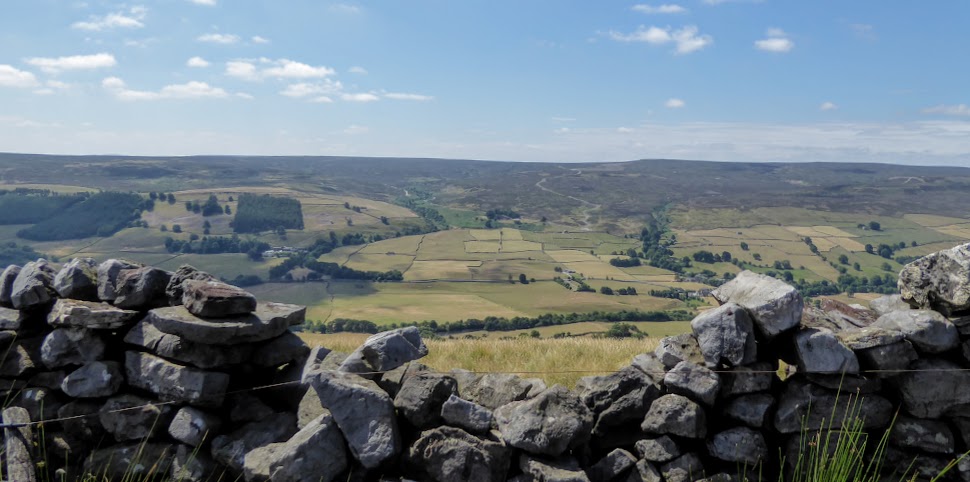
What we’ll do is start off in the Yorkshire Dales. Let’s peek over a drystone wall and look at the patchwork of small fields that has evolved over the centuries, way before agri-business and the space-gobbling demands of giant machinery.
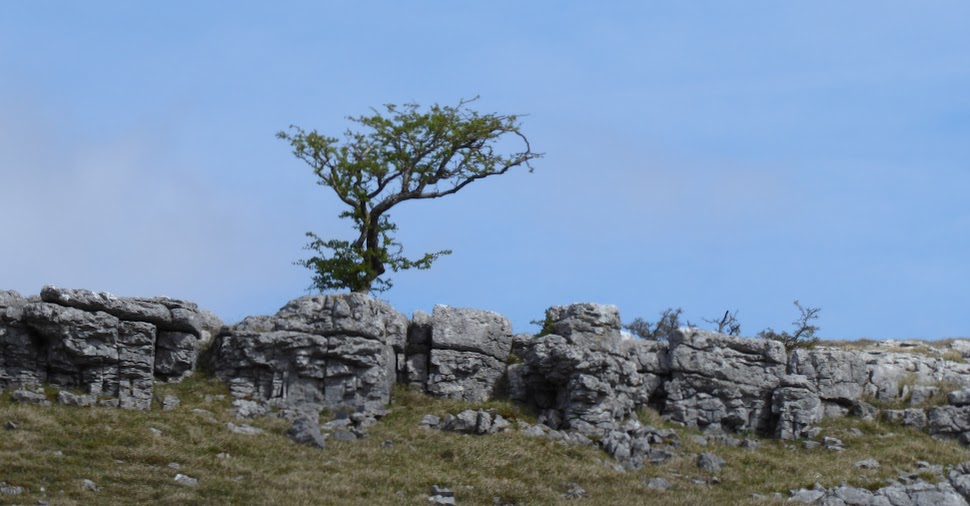
Conditions are harsh: not too many trees then. But those there are battle to reach maturity and stay upright against prevailing winds. Symmetry is the last thing on their minds.
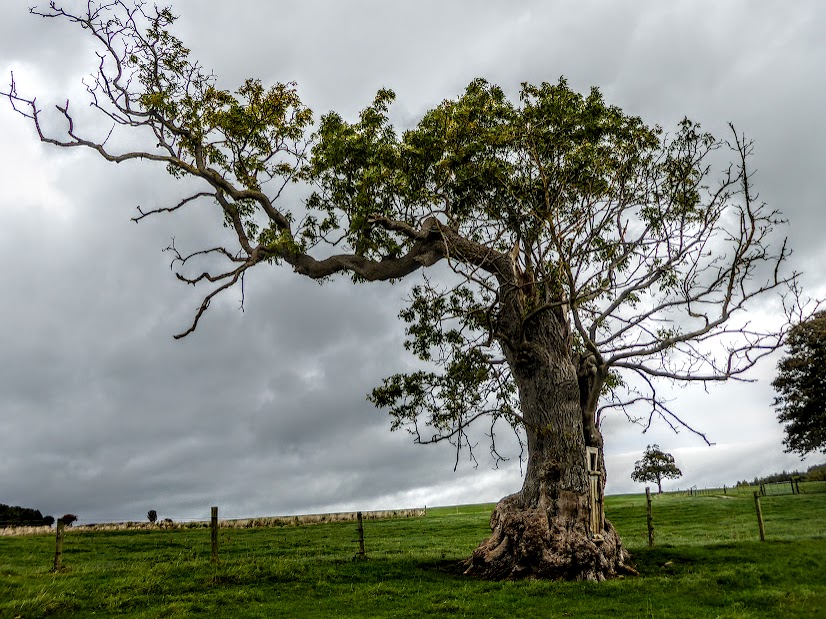
Look carefully. At the right hand side of the hollow trunk, some fond grandfather (I’m guessing) has fashioned a door to the hollow trunk, to make a very special tree-house.
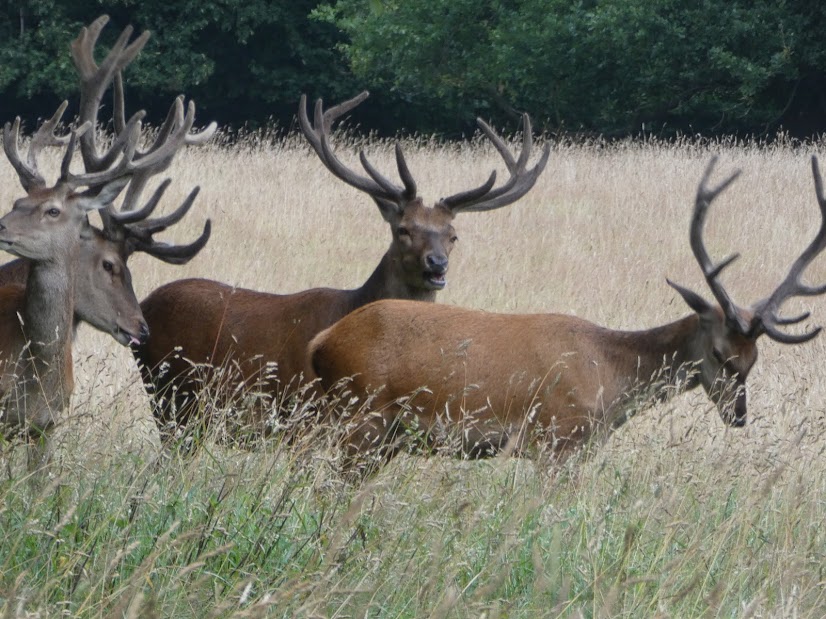
Let’s hurry back to civilisation, before darkness falls. Here in Studley Royal is a blasted tree that always reminds me of the antlers of the red deer stags who call this area home.
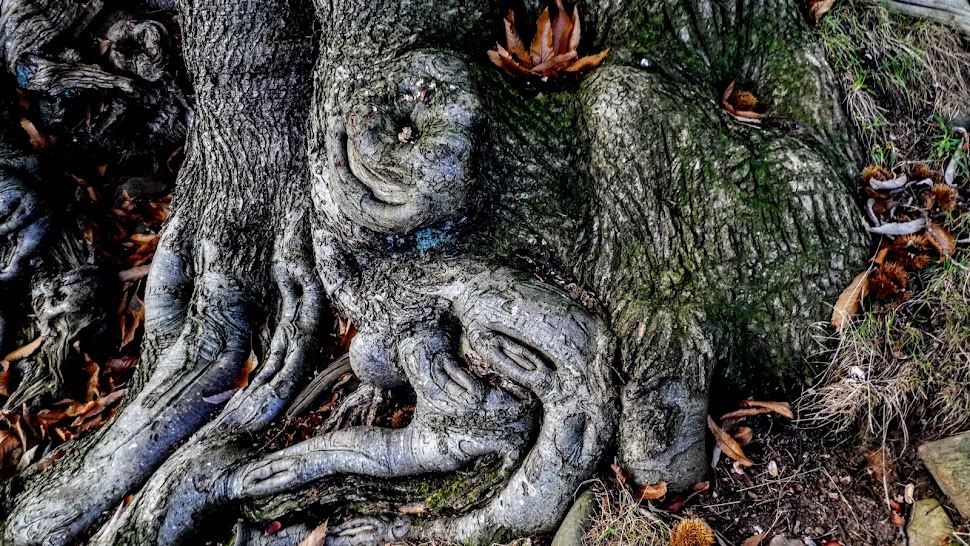
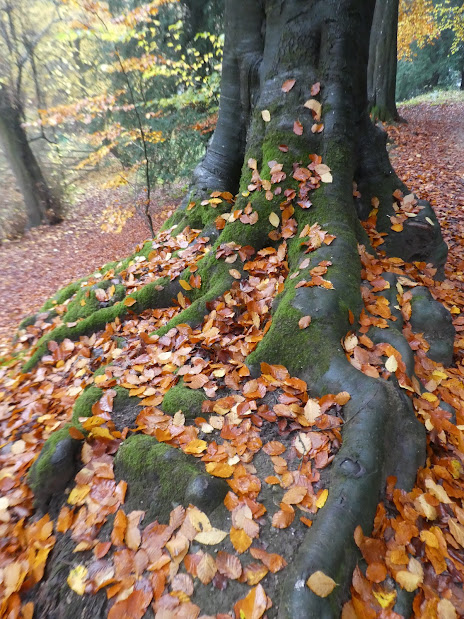
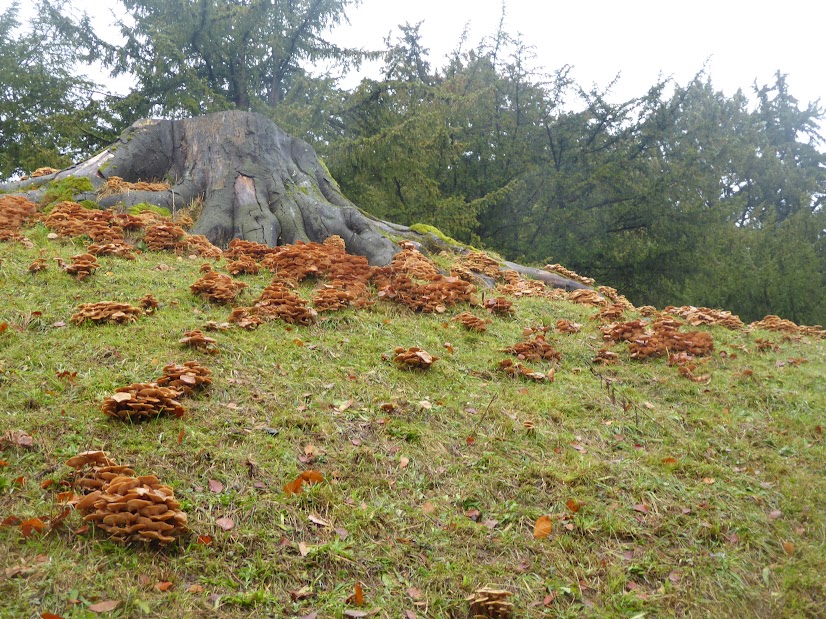
And here too are ancient tree roots, complete strangers to symmetry: some of the older stumps house fungi.
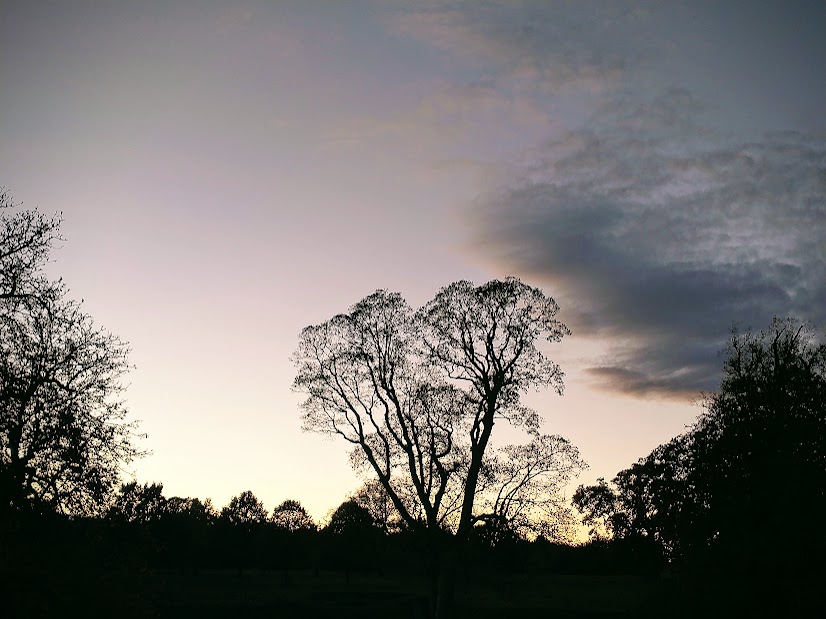
Oh look. Darkness is falling.
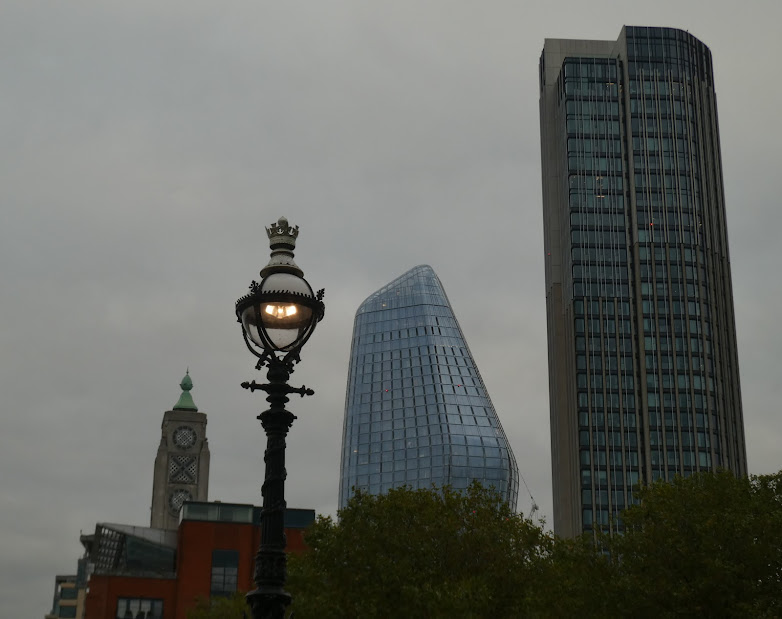
Let’s hurry into town. Bright lights, big city. Perhaps we could grab a warming mug of hot chocolate to thaw out our chilly fingers. And that’s where I’ll leave you for now. See you soon, I hope.
It’s a bit of a stretch to get from Studley Royal to London in time for the final photo-op of the day (250 miles). Photographer’s licence.
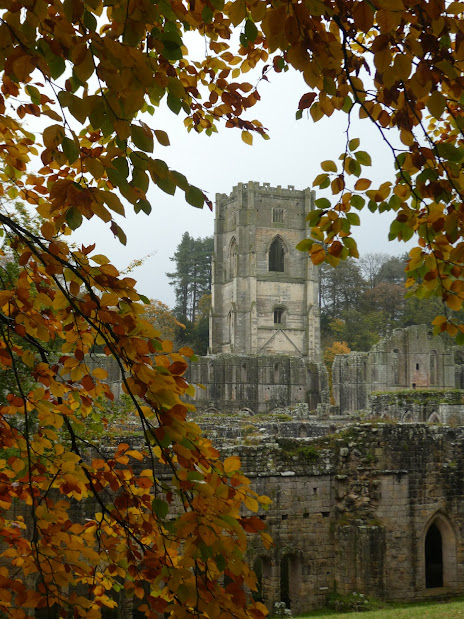
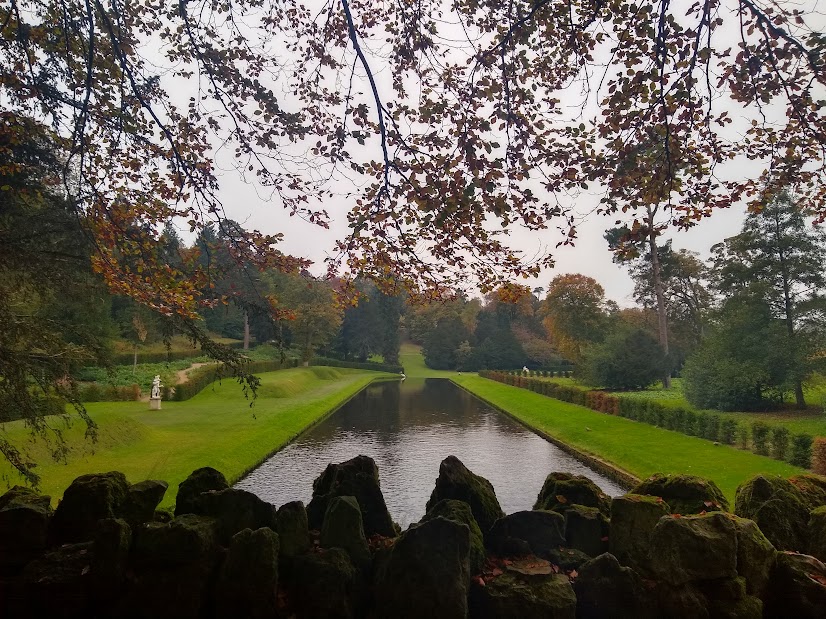
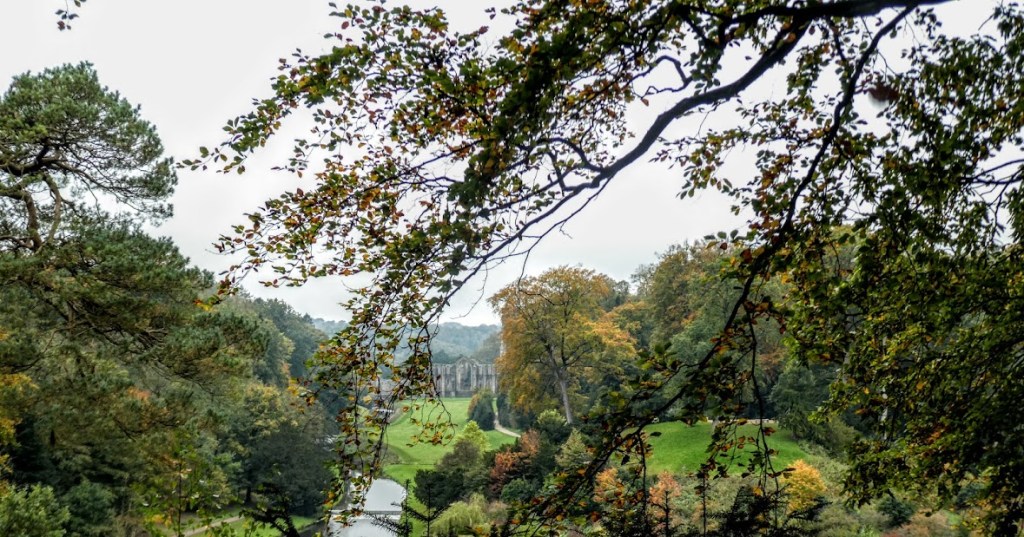
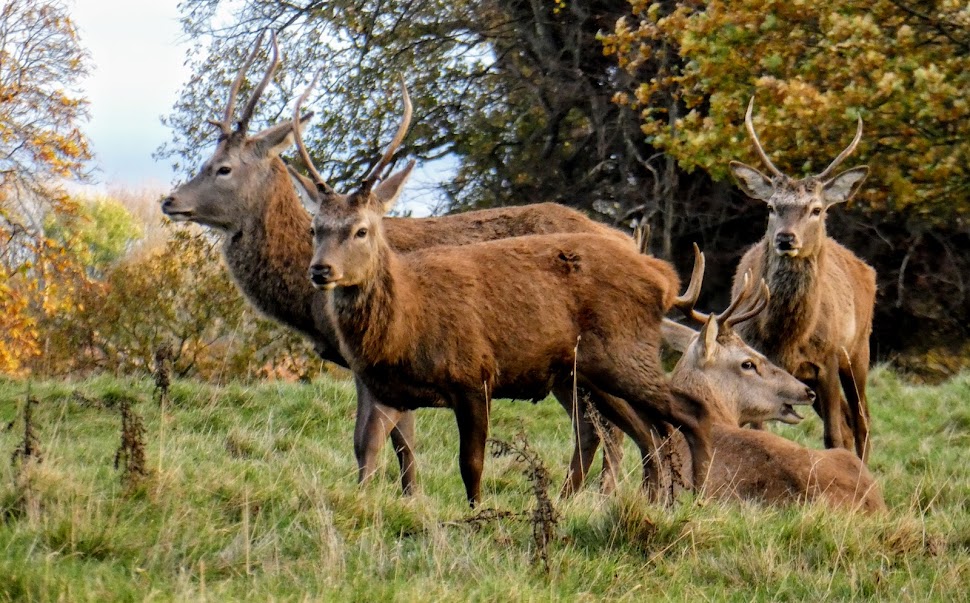
It’s mid October. Autumn should be well-advanced. But it isn’t. It’s hardly started. To give us a taste of what we should be enjoying just now, I’ve dipped into the archives, and have planned a walk round Fountains Abbey and Studley Royal, so you can enjoy with me the autumn colours of leaves still clinging on to the trees, leaves that have fallen, equally tawny fungi, and stags poised to battle it out to be King of a Harem, and father of the next generation of red deer .
Huby’s Tower glimpsed through the treesThe Water Gardens from Rustic Bridge.Surprise ViewGazing back towards the Abbey from Surprise ViewThe High Ride, Studley RoyalFungi in Studley RoyalA flooded area in Studley RoyalRed deer.
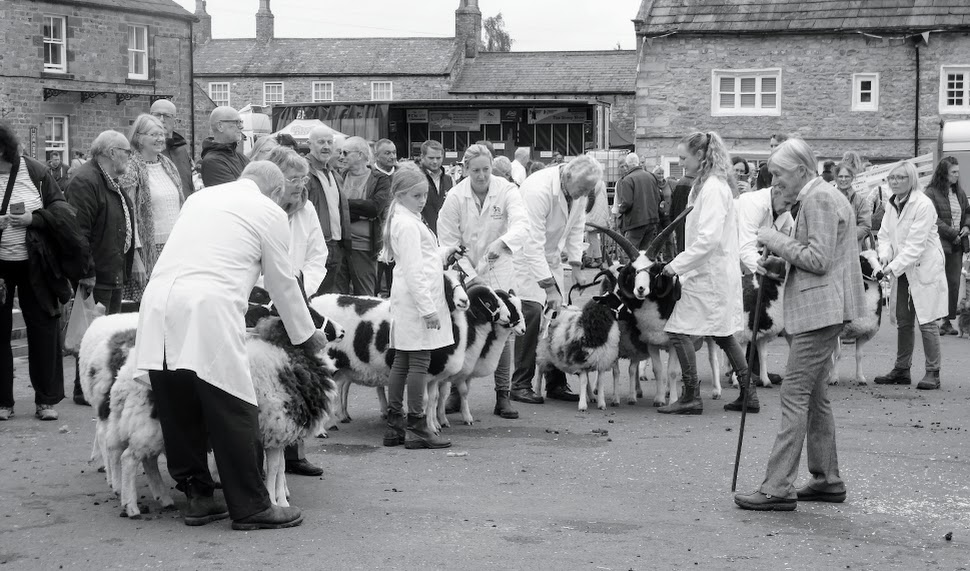
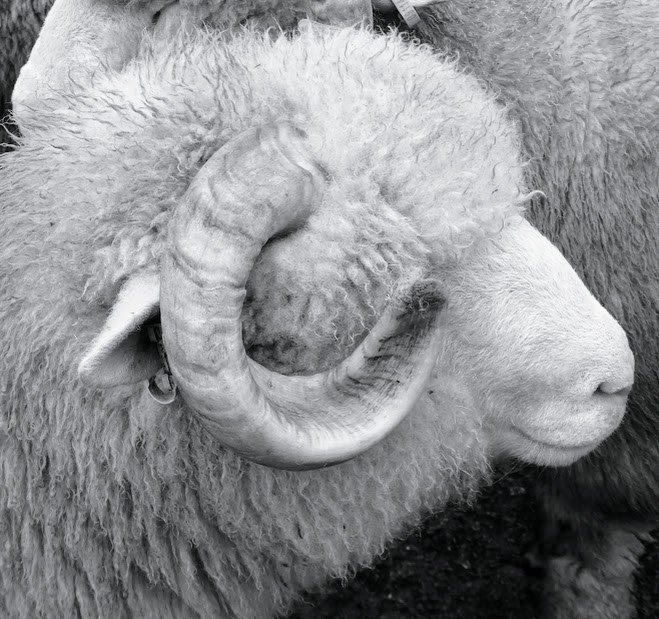
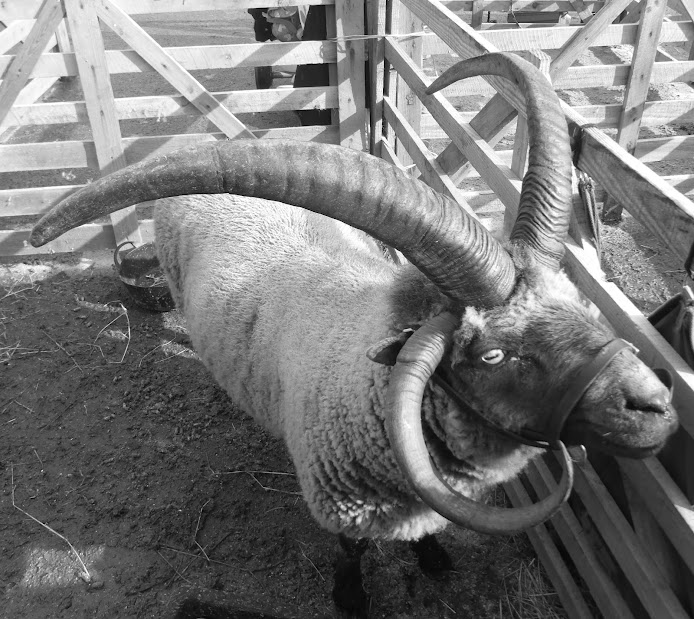
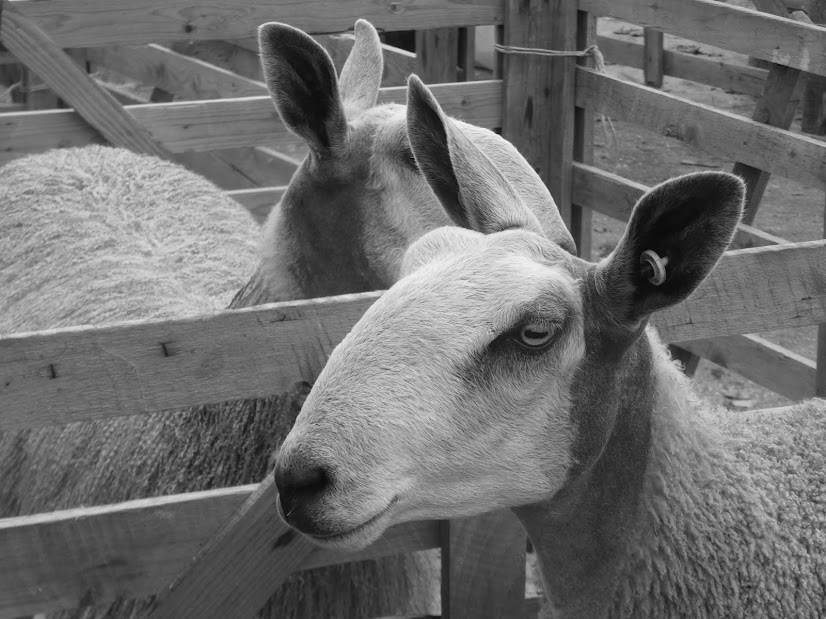
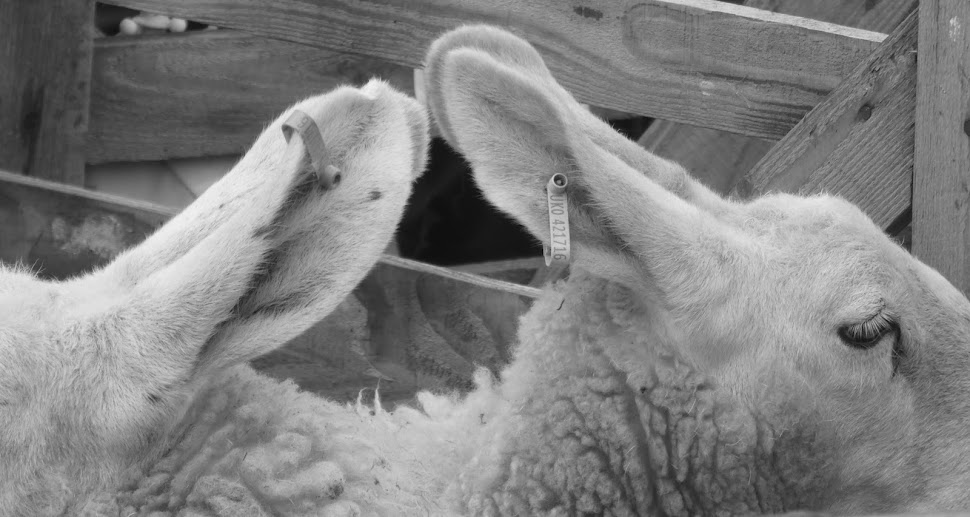
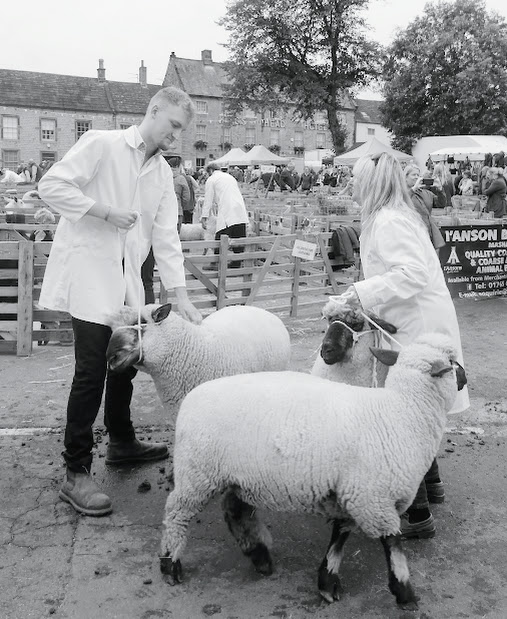
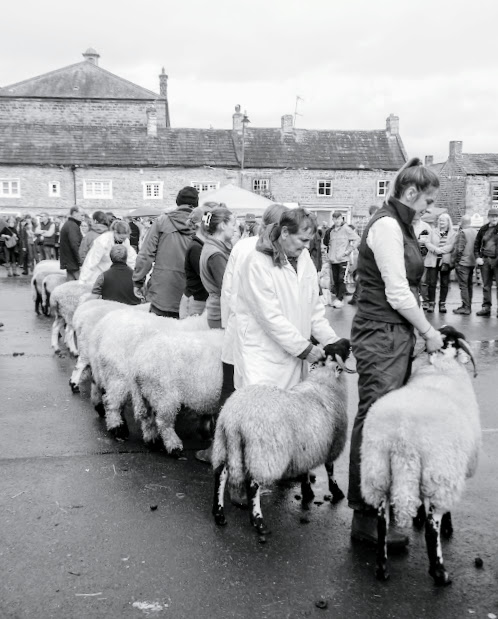
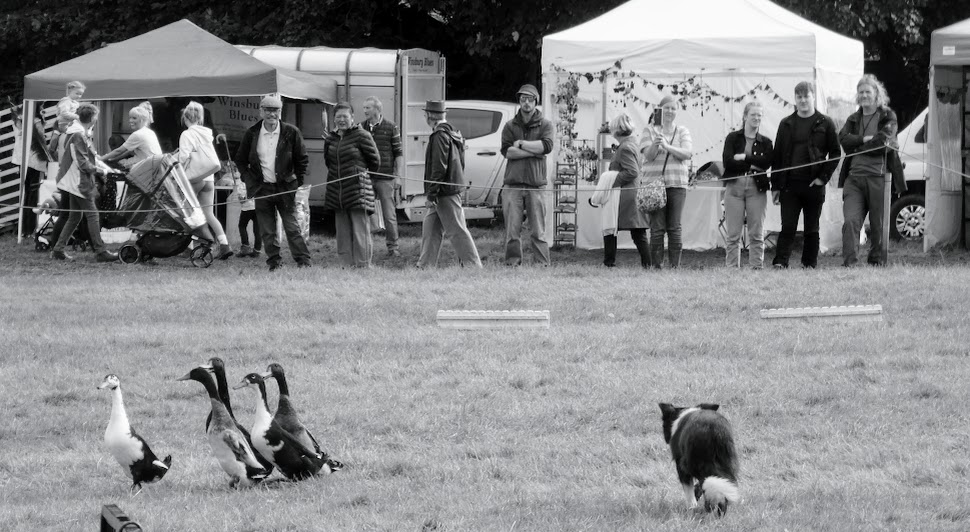
Just over a week ago, I showed you an image of Masham gearing up for its annual Sheep Fair. It’s a weekend when the town itself is on display, and sheep in their hundreds turn up to be examined by judges who come from all over the kingdom and beyond to this special event. We go without fail. Our first visit had us astounded at the sheer variety of types of sheep on display. At other times we’ve focused on watching sheep dogs doing what they do best … herding … ducks.
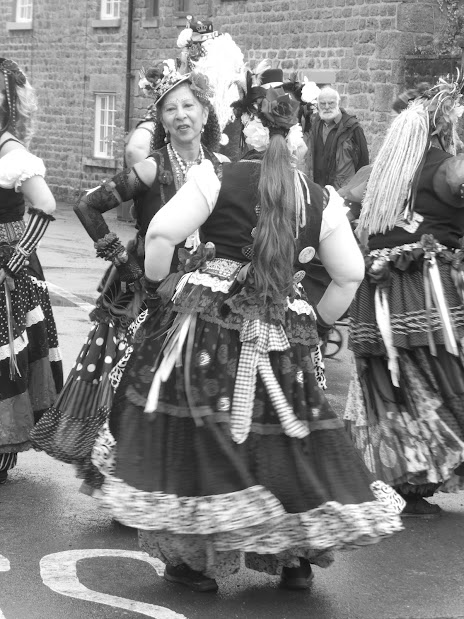
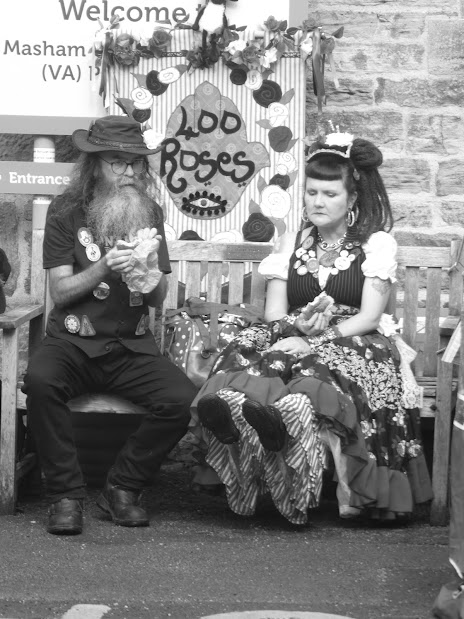
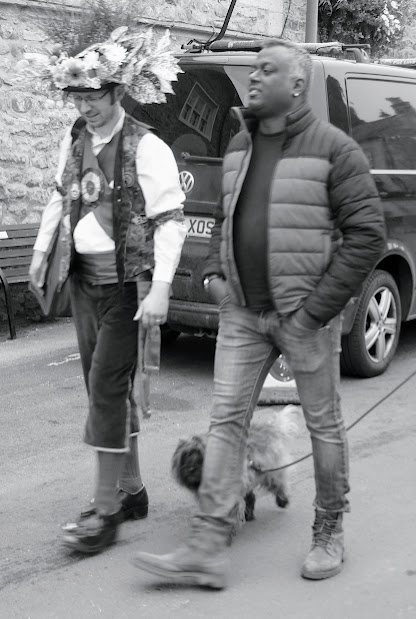
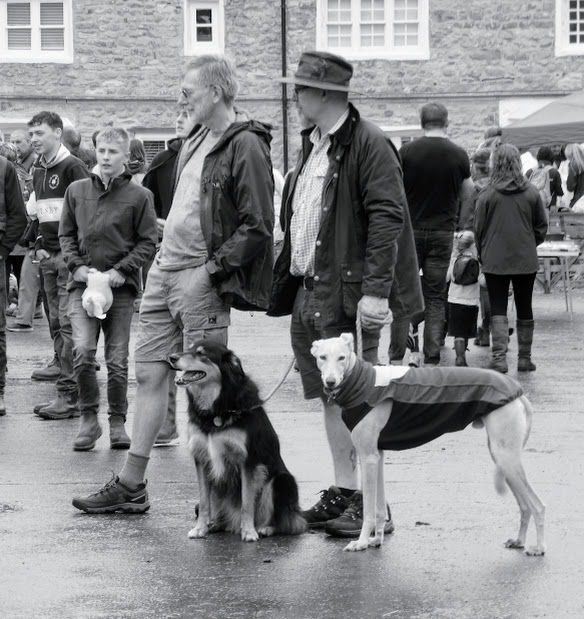
So I have photos by the score. This year, then, I thought I’d limit myself to black and white. I’d look for sheep on display, the humans who handle them, some as young as five years old. I’d look at dancing displays, at those sheep dogs, and at humans also worth a second glance. And show them to Ann-Christine, and to you, for this week’s Lens-Artists Challenge: On Display.
Sheep first then, of course…
… then their handlers…
… then there were dancers. You can see they’re not happy putting up with black and white photos. We’ll revisit them another day in glorious technicolor.
There were the passers by…
… and not forgetting the duck-dog.
And after that the walk back through the town, through fields of sheep who’d somehow dodged presenting themselves in town to the car, parked in the Nature Reserve car park.
I’m offering this to Jo as a Monday Walk too. Of course the WI had tasty soup and home-baked cakes on offer. We scoffed everything down without thinking even once of the photo-opportunity they represented.
Britain is one of the most nature-depleted countries on earth, according to the fourth State of Nature (SON) Report, the product of a collaboration of environmental NGOs, academic institutions and government agencies, including Natural England. Depressingly, England, Wales, Scotland and Northern Ireland are on the edge, as far as much of the natural world is concerned.
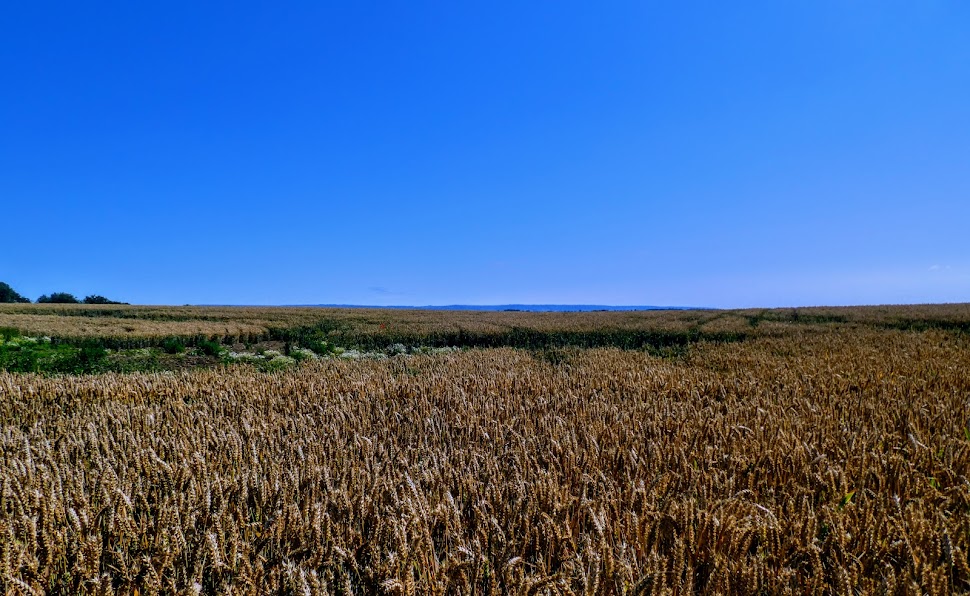
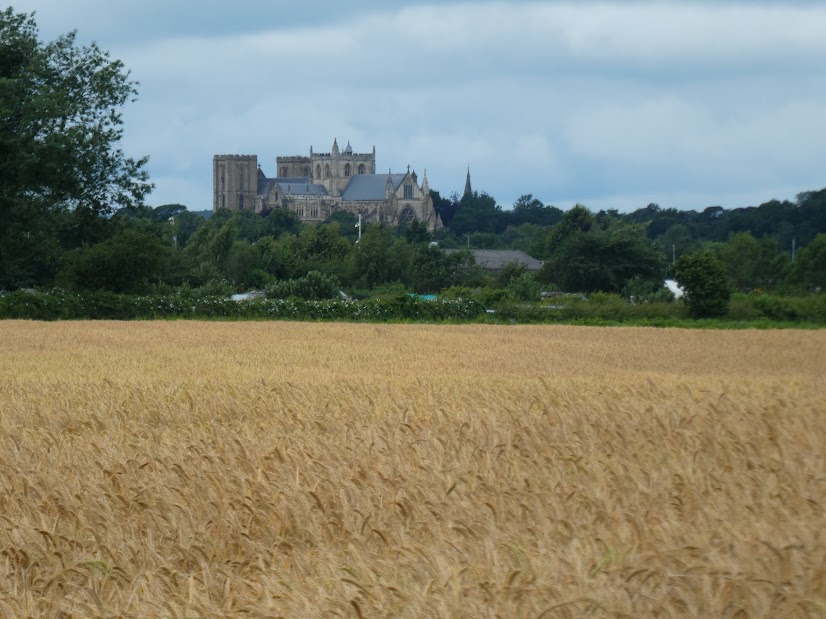
Look at the featured photo for instance, taken on one of those in-glorious-technicolor days of high summer, with an impossibly blue sky, and fields of golden wheat just waiting for harvest. It really shouldn’t be like that. There should be poppies, cornflowers, wild flowers in general poking their heads above the crop. There should be generous field margins and hedges, offering home, food and shelter to whole varieties of insects, small mammals and birds. Where can all this wildlife call home these days? Many of them are on the very edge of sustainability. Here’s another field, even nearer to home, equally mono-cultured.
Part of the Sanctuary Way path skirting the edges of Ripon.
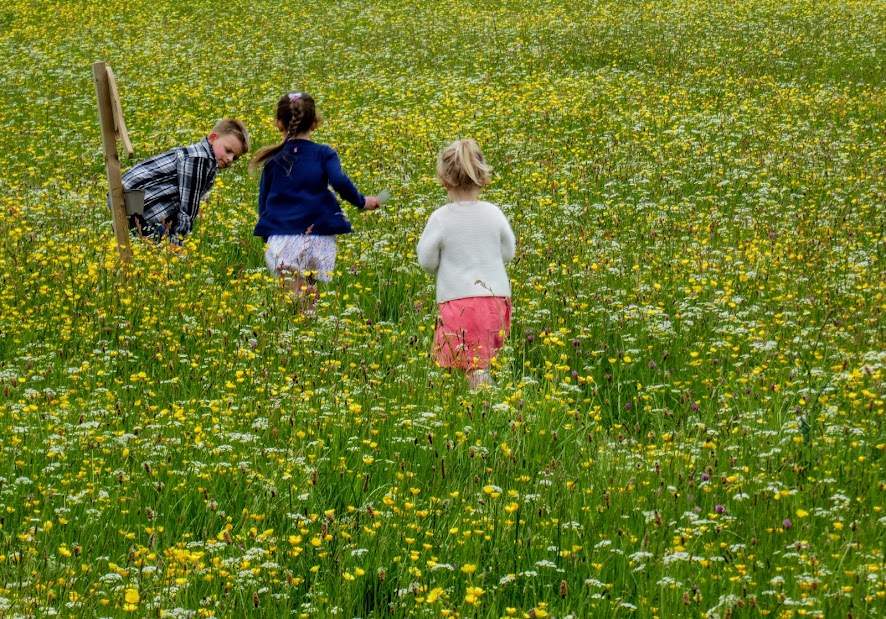
These days grass grown for hay-making as winter feed is just that. Grass. Meadowland used to be so different, crammed with wildflowers that made much richer, more interesting fare for the cattle that rely on it as winter feed. And a mecca for insects : all-important bees among others – during its growing season. These days, it’s so rare that it’s not just meadowland, but a Site of Special Scientific Interest.
Rock House Farm, Lower Wensleydale, and one of its SSSI meadows.
The farms nearer to our house have chosen to make do with narrow jumbles of poppies squeezed into narrow field margins, or at the edge of paths.
Poppies find a quiet corner along a field in West Tanfield.
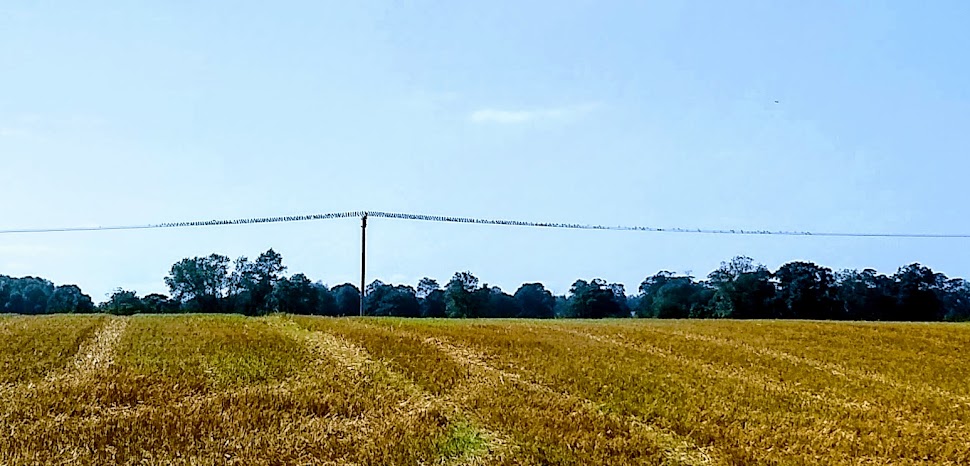
See these? These are swallows on a telegraph wire in mid-September one year recently, assembling prior to their big autumn migration. It didn’t happen this year. Swifts and swallows are on the edge of viability here, from habitat loss.
Waiting to depart on that journey to Africa
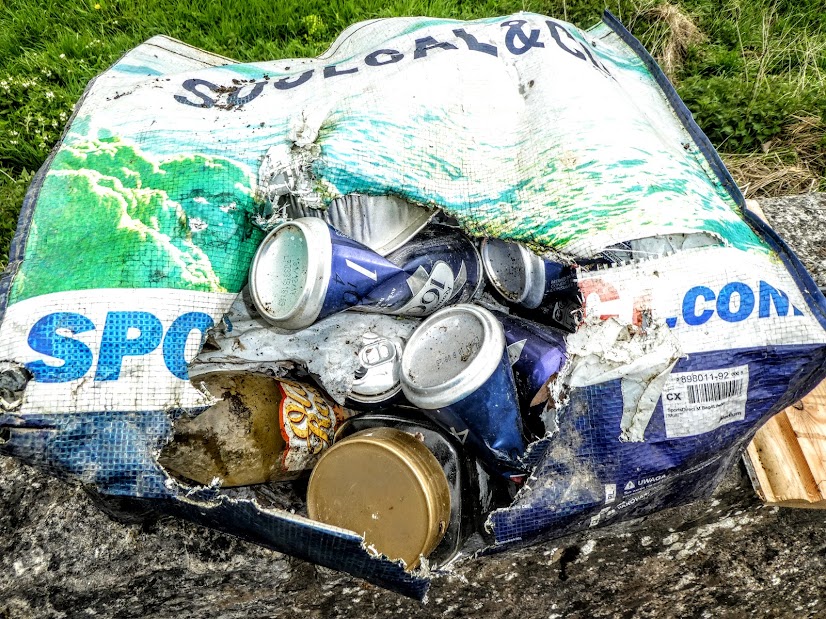
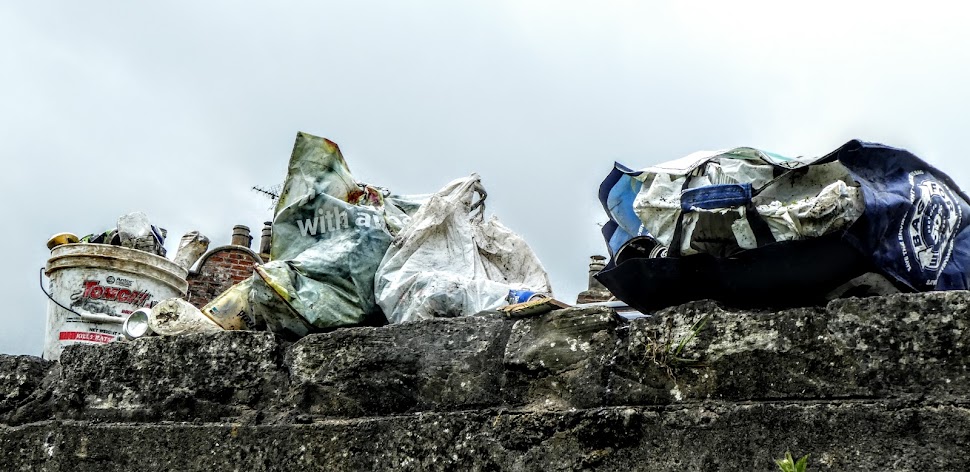
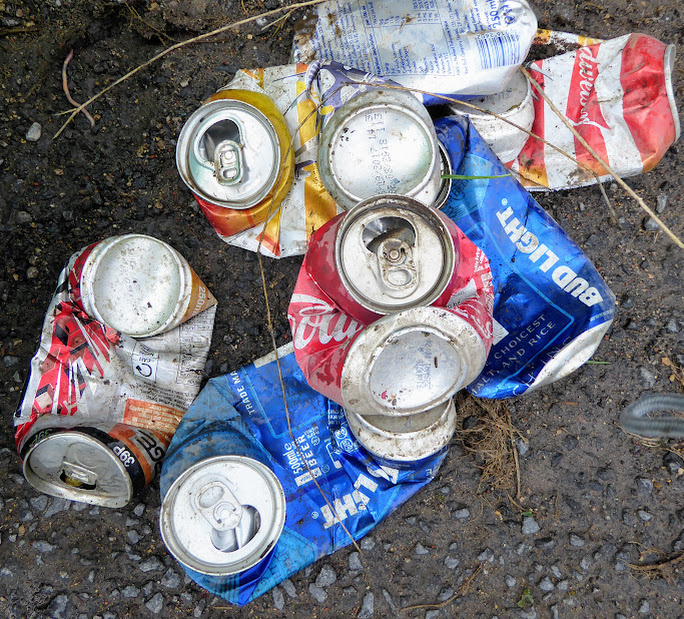
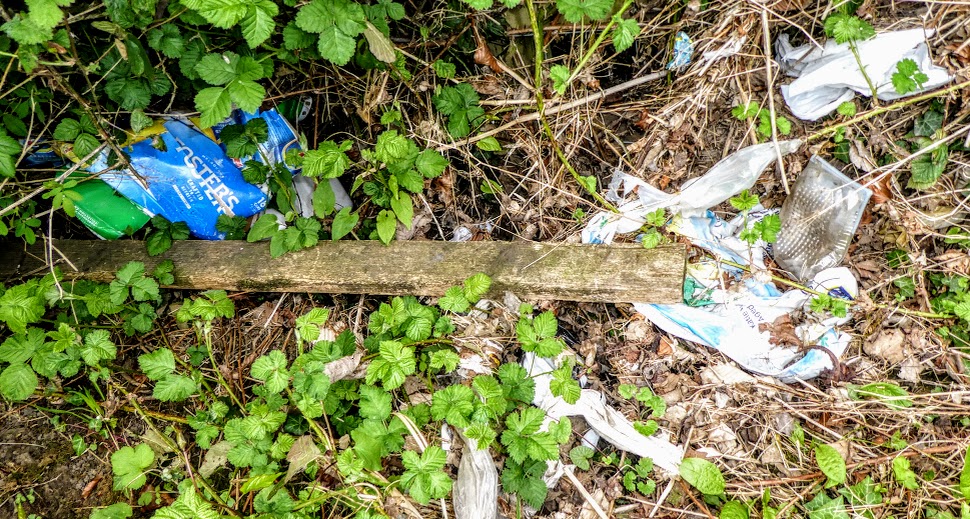
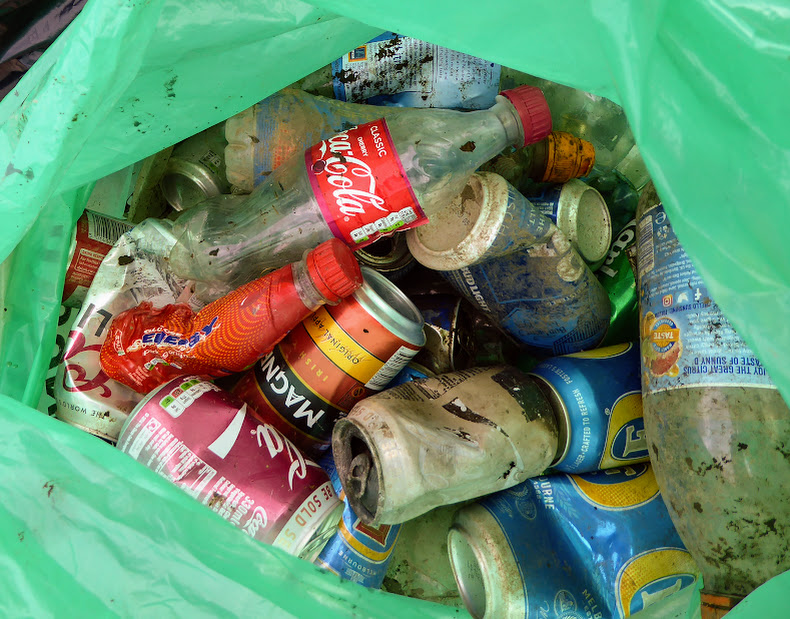
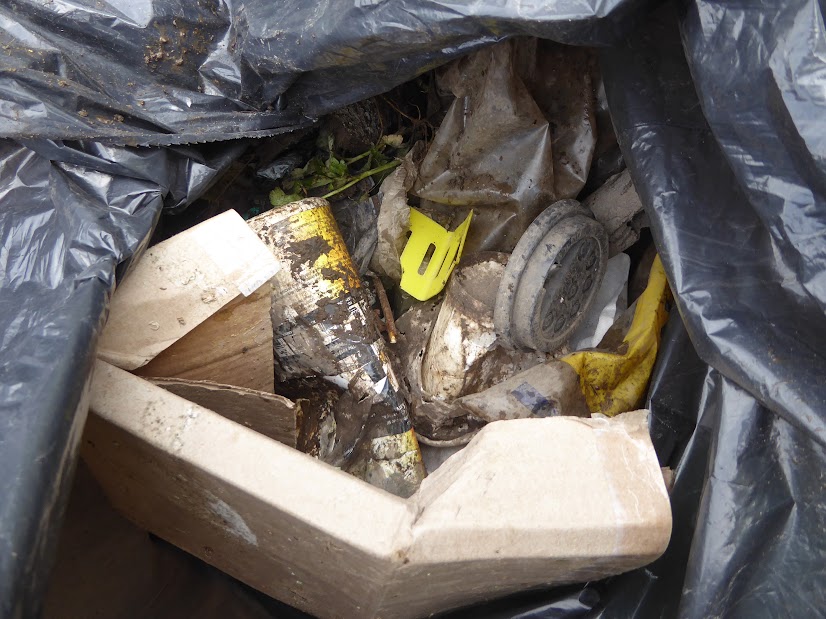
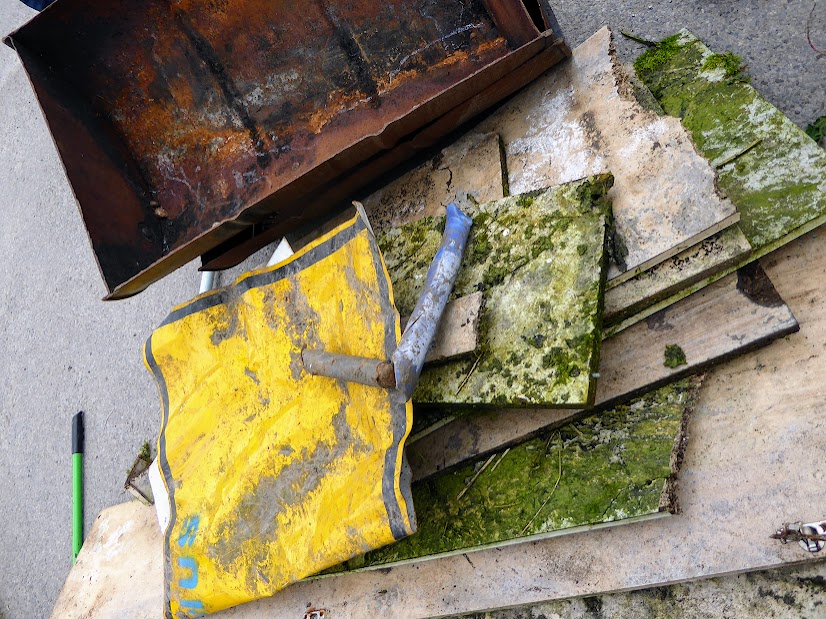
Let me show you something all-too common though, both in town and country. Litter. These images are hauls from litter-picks we’ve done not just in town centres, but down country lanes. Everything from a carelessly-tossed can to rather toxic rubble and waste illegally dumped in a hedge margin. Not just an eyesore, but habitat-damaging and a danger to the many small species that call such areas home.
This is meant to be a photo challenge, not a diatribe, so I’ll leave it there. There’s a lot more I could say, but I don’t have the images to support the argument. It’s for Patti’s Lens-Artists Challenge #269: On the edge. And it was inspired by Susan Rushton’s post for the same challenge. If you pop over and read it, you’ll see why.
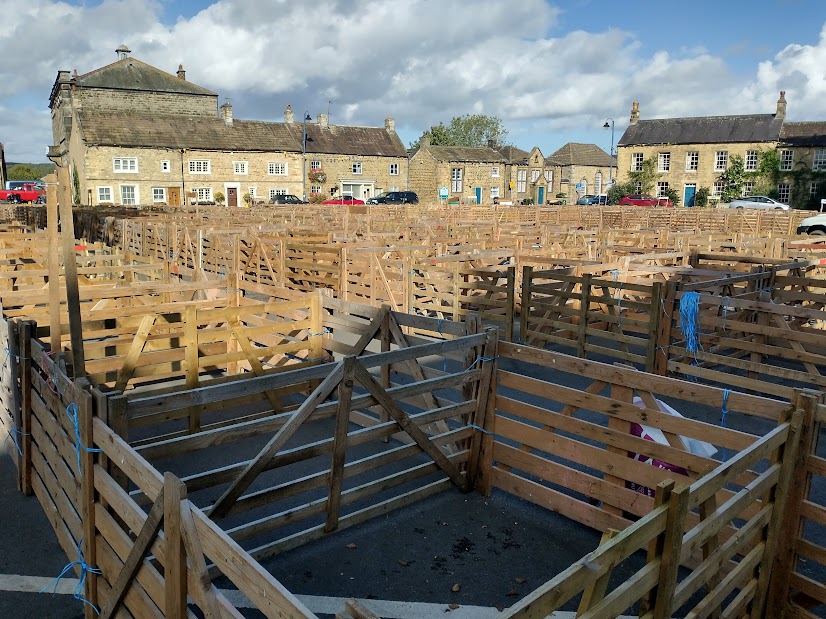
I popped into Masham on Friday afternoon, and found they were already pretty much prepared for this weekend’s annual Sheep Fair. More of this soon, when I’ve downloaded yesterday’s camera photos from this Must-Visit event. Friday’s phone photo offers a preview.














You must be logged in to post a comment.