Brimham Rocks: a Wild Place, Once the Haunt of Druids

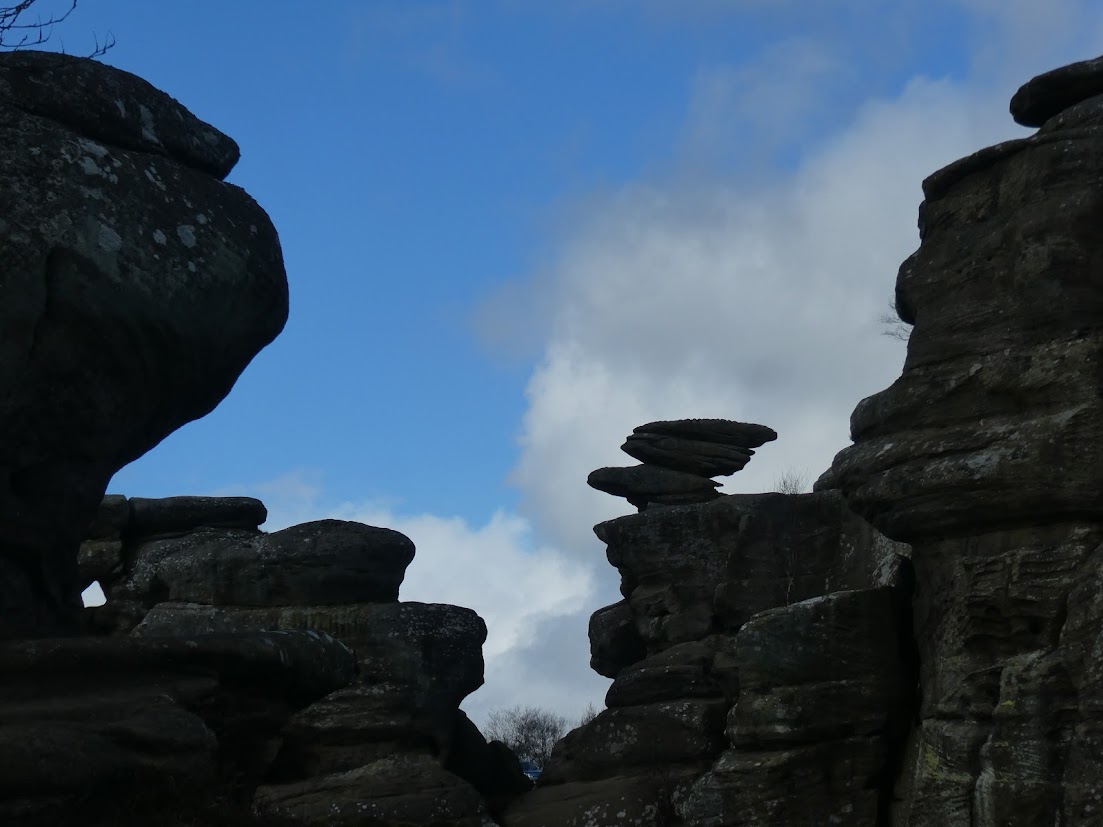
I have posted several times about Brimham Rocks – mainly about its function as a challenging and wonderful playground for the grandchildren. The other day, however, I went on my own, to explore its history.

In Victorian times, it was believed that the Druids were reponsible for carving many of the fantastical shapes dominating the landscape.

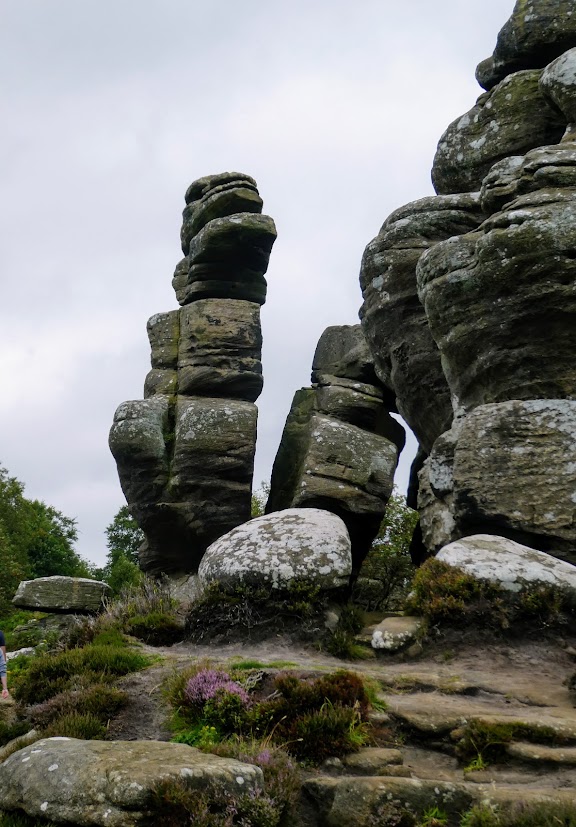
They weren’t. Blame geology instead. About 320 million years ago, this corner of the planet was dominated by an immense river, splitting into many deltas spilling over the land here, often changing course. As it travelled, it deposited layers and layers of sand and grit which over the millenia formed layers of rock we now call millstone grit. The area was eroded by water, by wind sand-blasting the rocks, by earth movements: and by the Ice Age, when – more than 10, 000 years ago – slow-moving glaciers sculpted and moved the rocks.
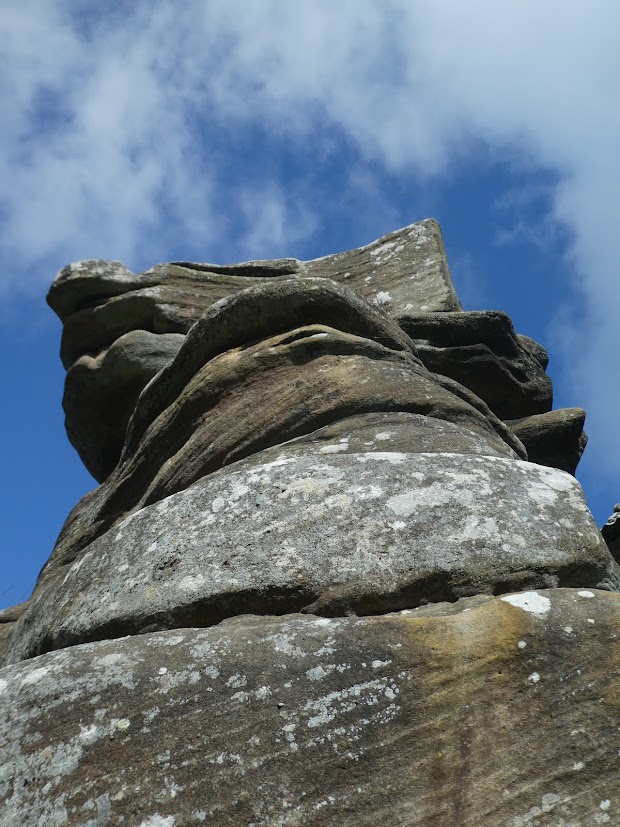
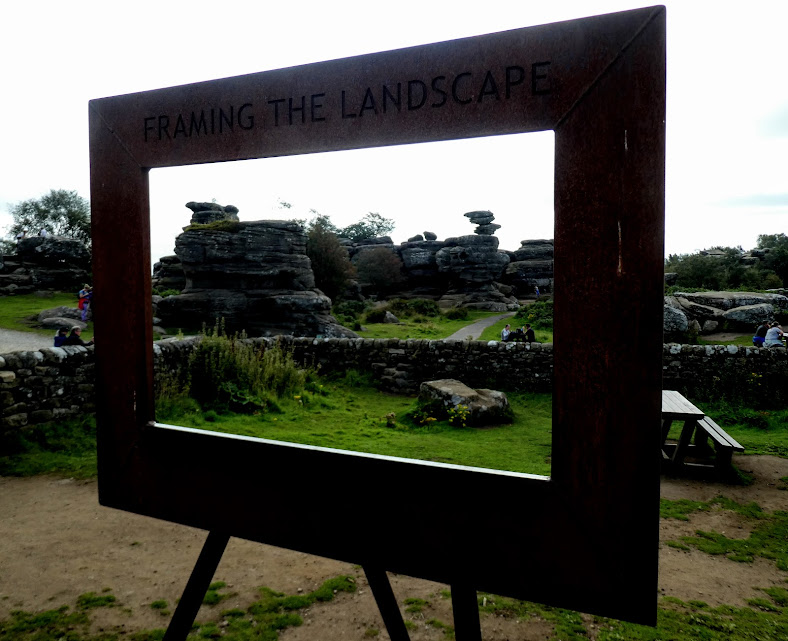
It’s easy to see the layers of sediment here which formed the millstone grit.

Earthquakes, millenia ago liquefied the rock, forcing boiling water upwards through the layers that had been laid down. You can see that phenomenon here.
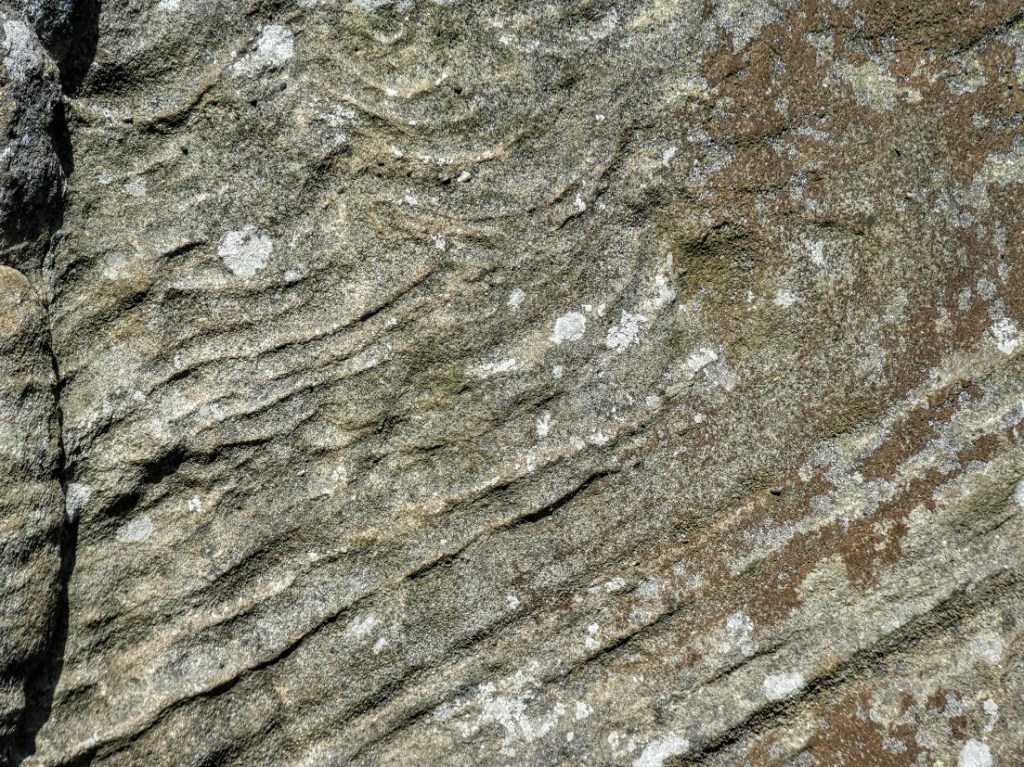
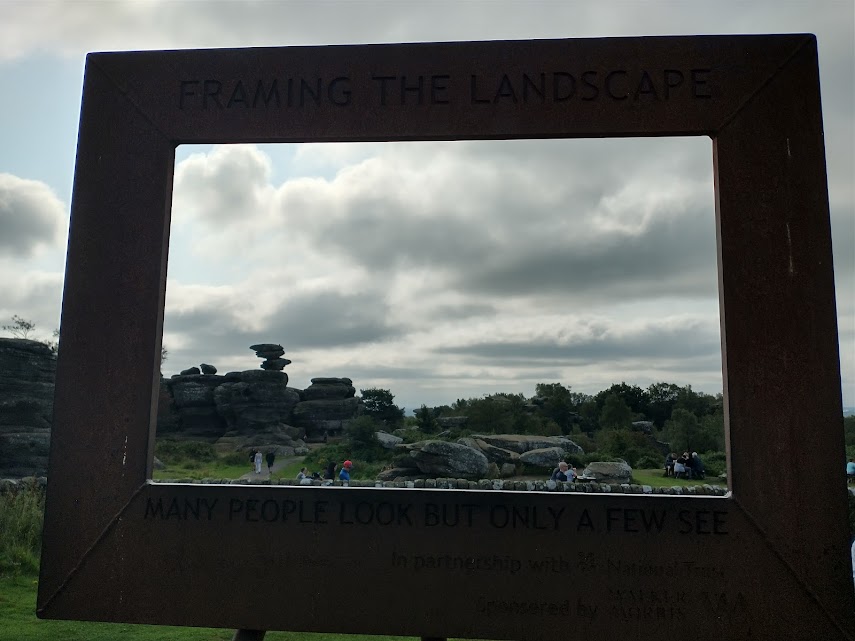
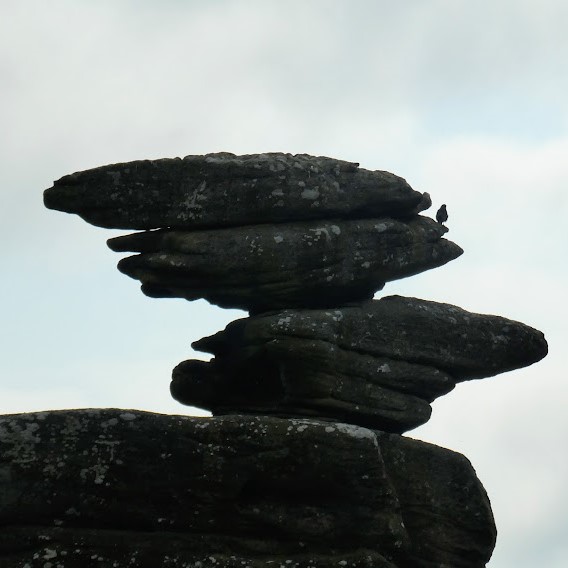
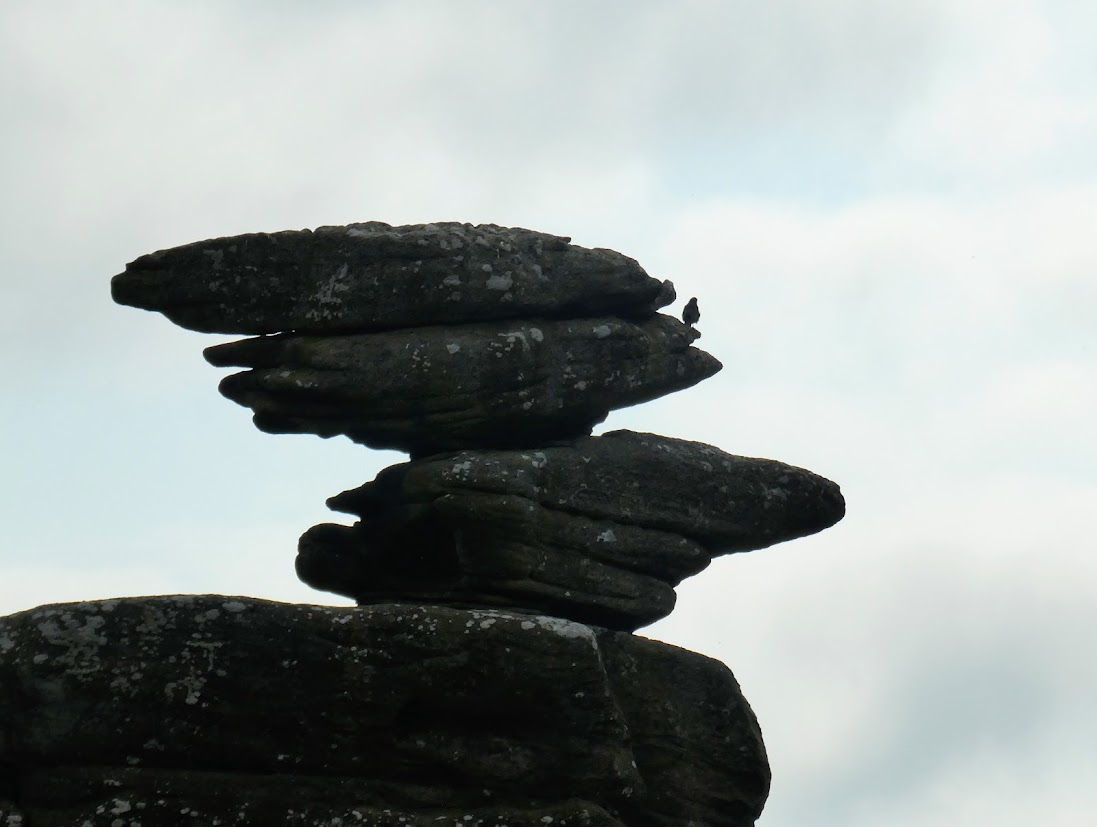
There’s one particular rock, known as The Idol (because the Druids must have carved it!) Just look:
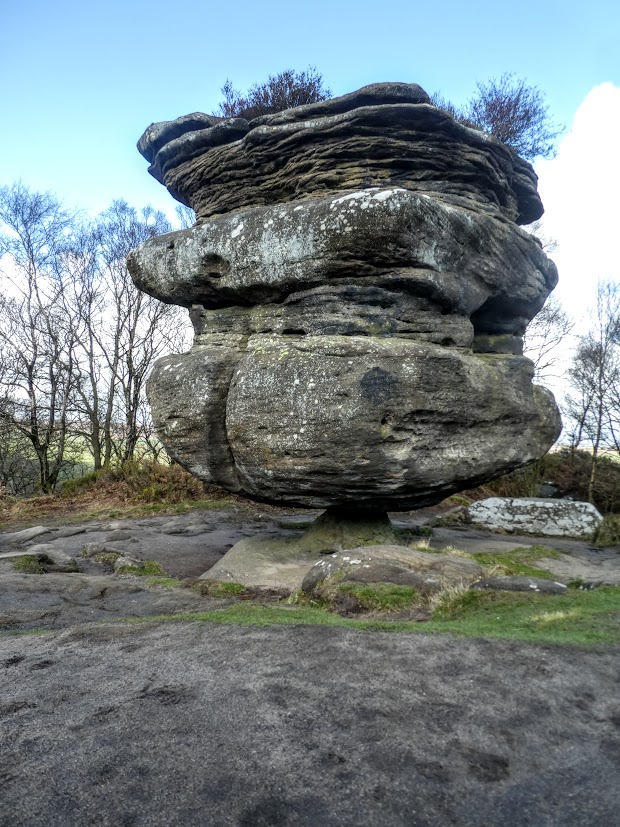
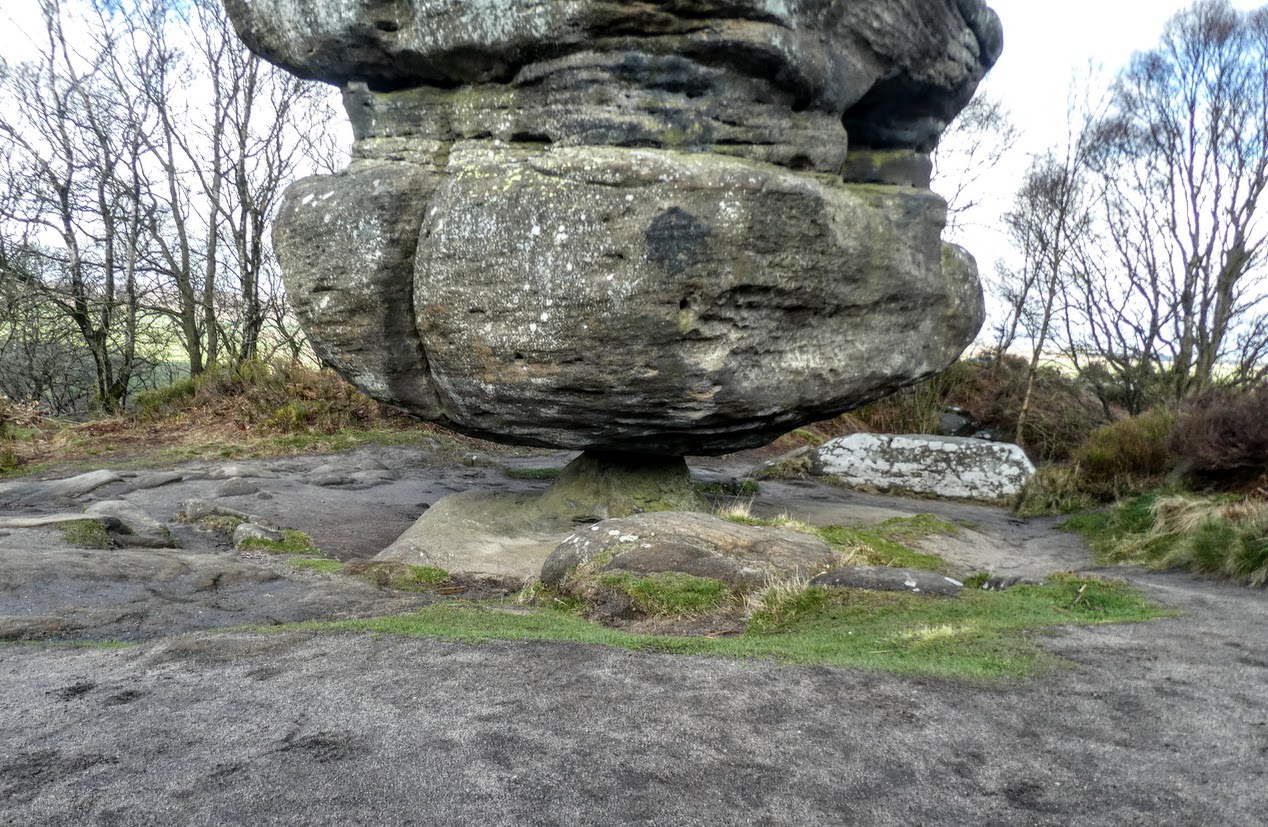
Can you see how this inmmense rock , all 200 tons of it, is supported on the tiniest of pillars? It’s quite safe – for now.

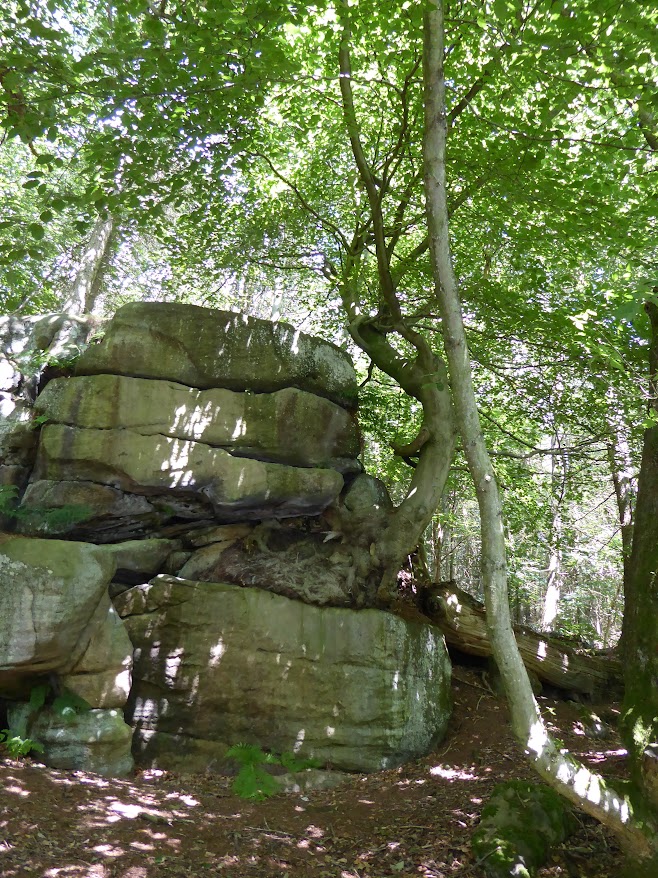
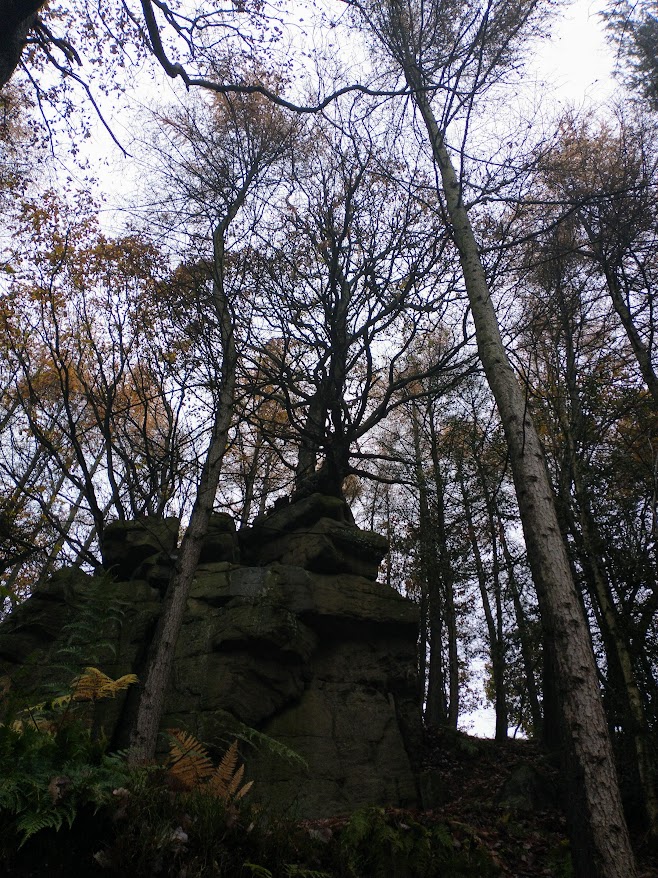
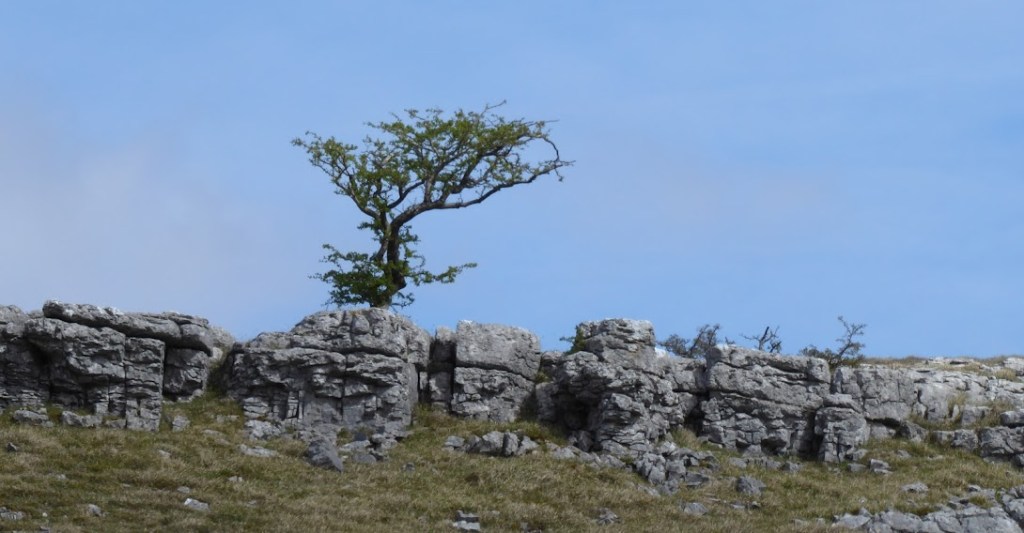
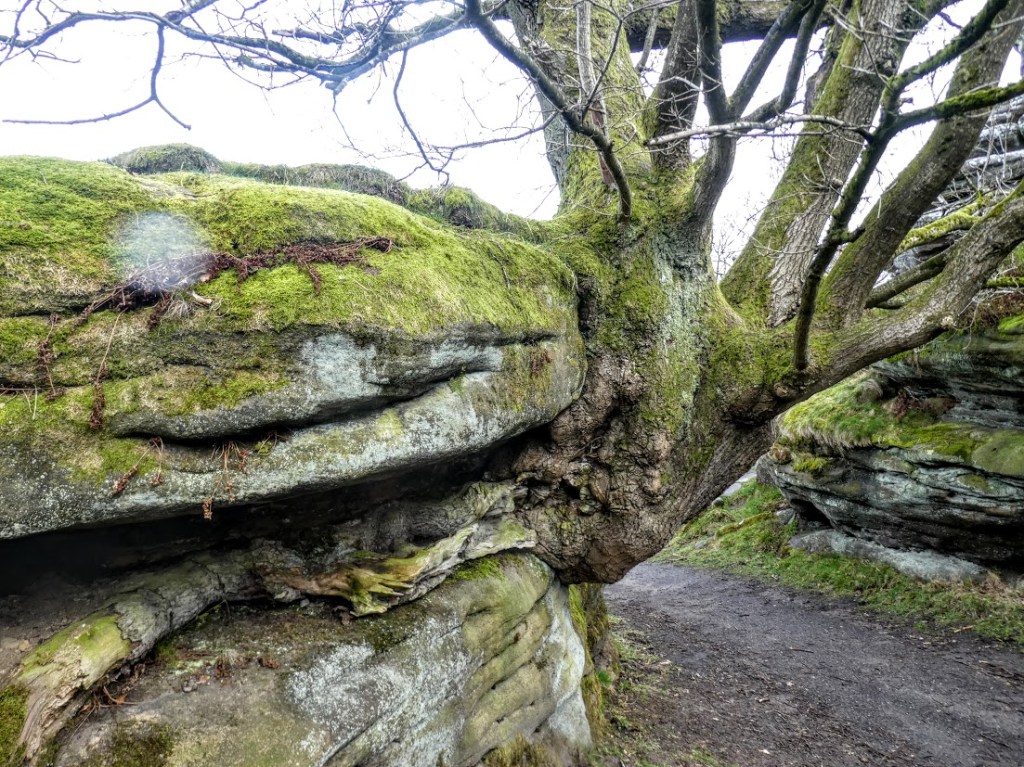
And here’s an oak tree in direct competition with another rock. It continues to grow and thrive, somehow, with a rock that declines to split any further and give it extra growing room.
All this is a rather long-winded way of saying that Brimham Rocks is the wildest place I know, and therefore a suitable candidate for Egidio’s Wild Lens-Artists Challenge
By Request … a Visit to Eavestone Lake

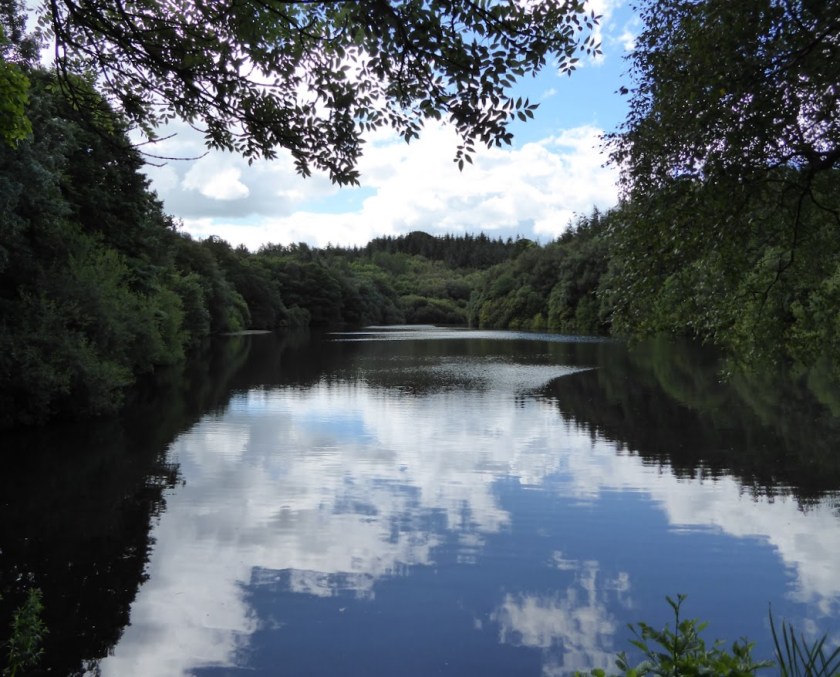
After I showed the photo that won me a popular vote a couple of years ago, some of you were kind enough to ask to see the one that came second. I’m pretty sure I may have shown it before, but here we are. It’s of a lake not too far from here: a wooded location that’s quite well known and appreciated hereabouts, despite not being tremendously accessible. Here’s Eavestone Lake in summer …

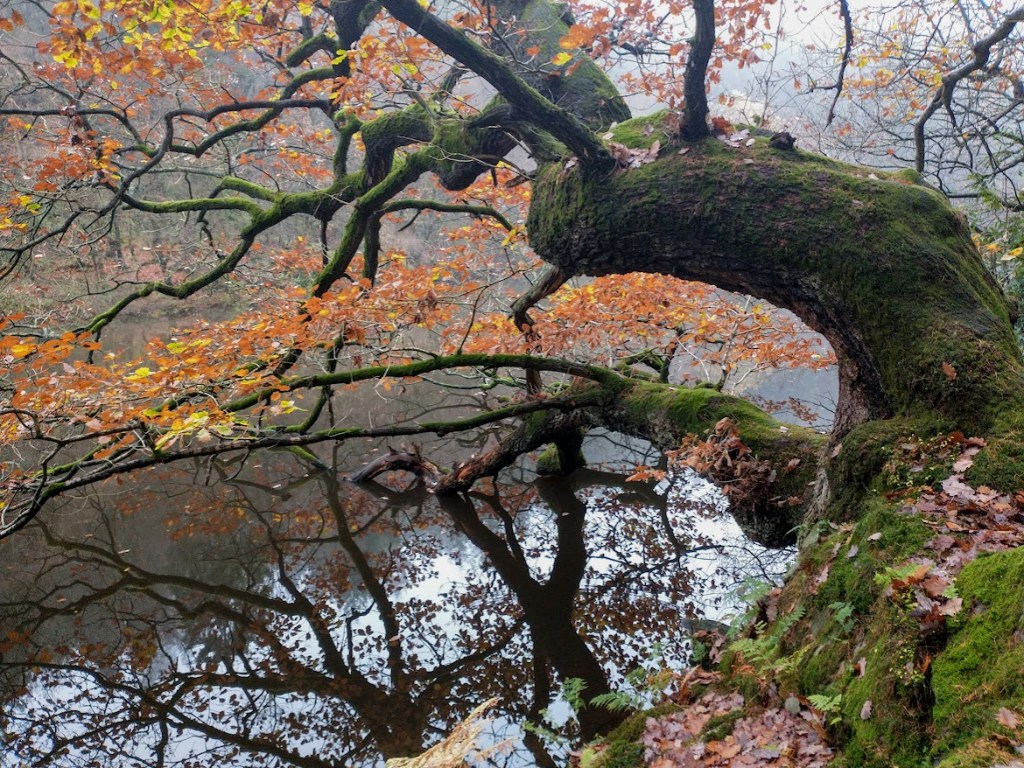
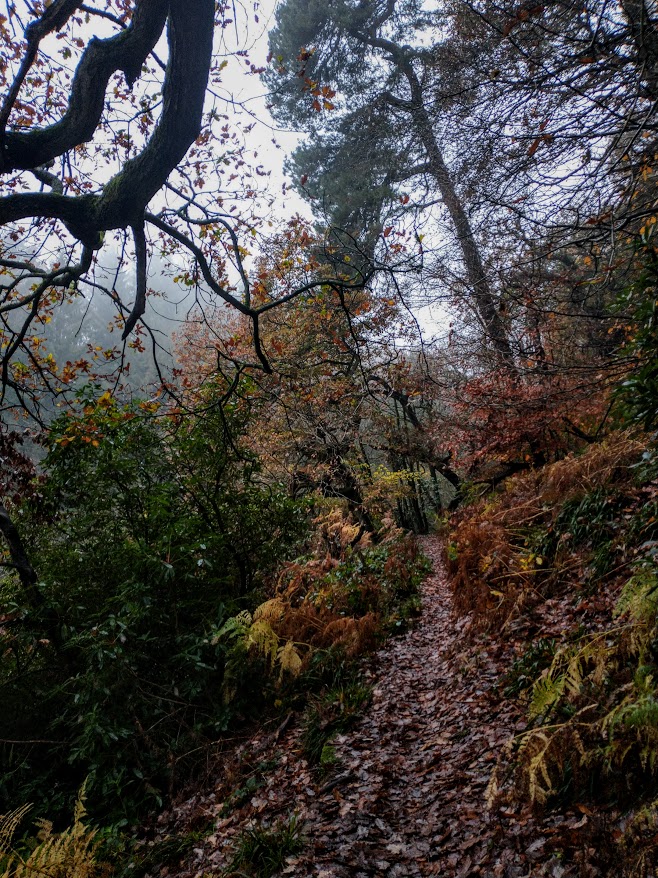
…. and in autumn, when the successful shot was taken…

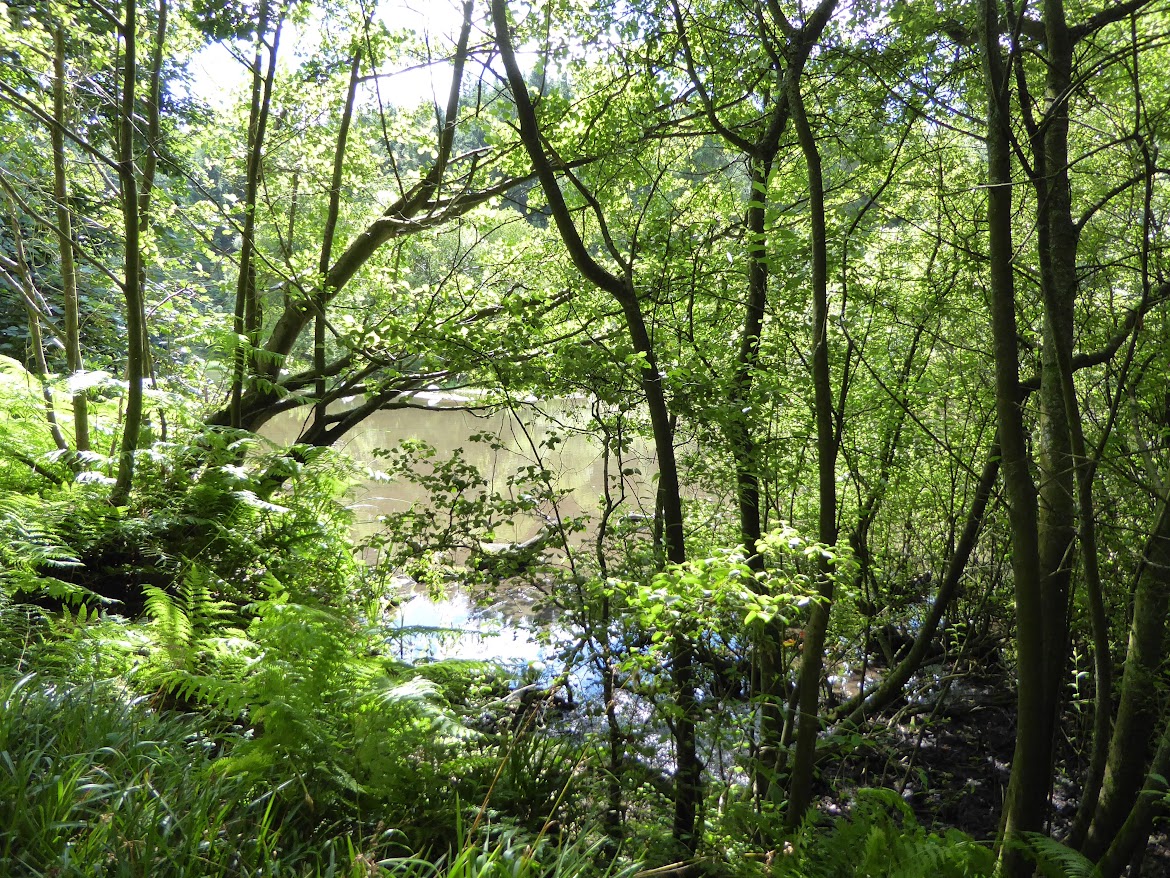
It’s set among rocks, to which trees sometimes cling tenaciously, and it’s hard to navigate your way through. Eavestone Lake may once have been a mediaeval fishpond for nearby Fountains Abbey. There’s even evidence that later, it may have formed part of a designed landscape: the lake has been dammed, and there are signs of careful planting if you know where to look (I don’t).

We once met an Oldest Inhabitant there, and he told us that the whole area had been almost entirely hacked back to the bone in the 1930s, for logging purposes. Abandoned, the trees took matters into their own hands to regenerate. They’ve done a pretty good job, I’d say. And they are part of a special area. Nidderdale Area of Outstanding Natural Beauty.

Monday Portraits from a Sunday Walk

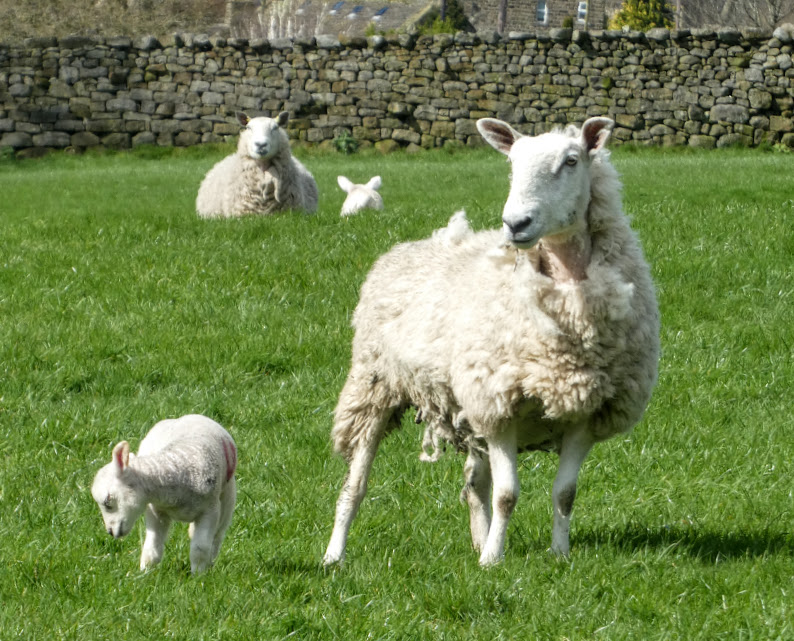
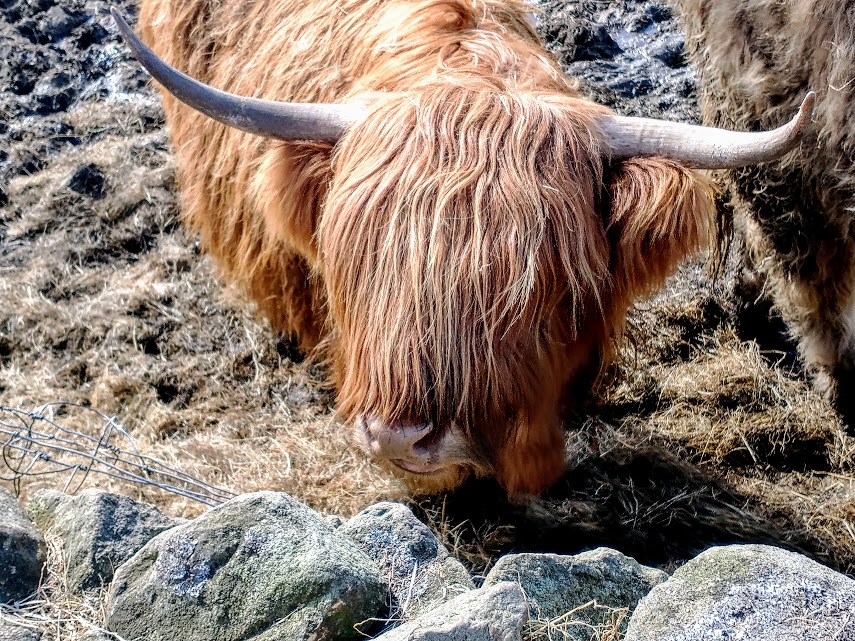
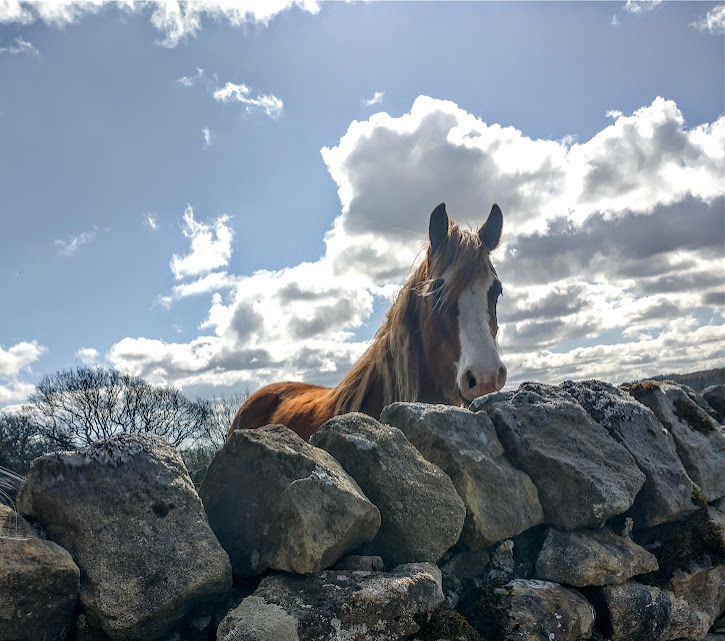
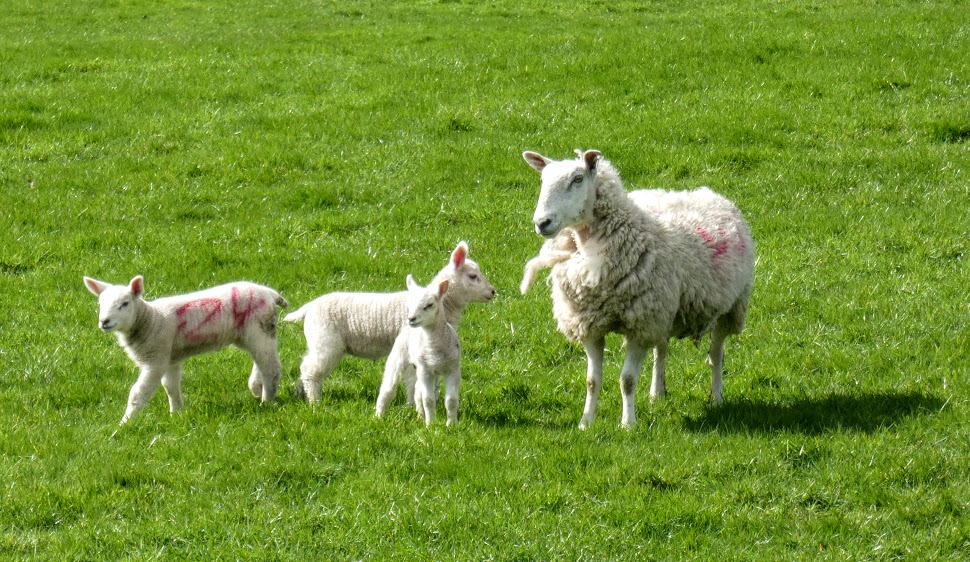
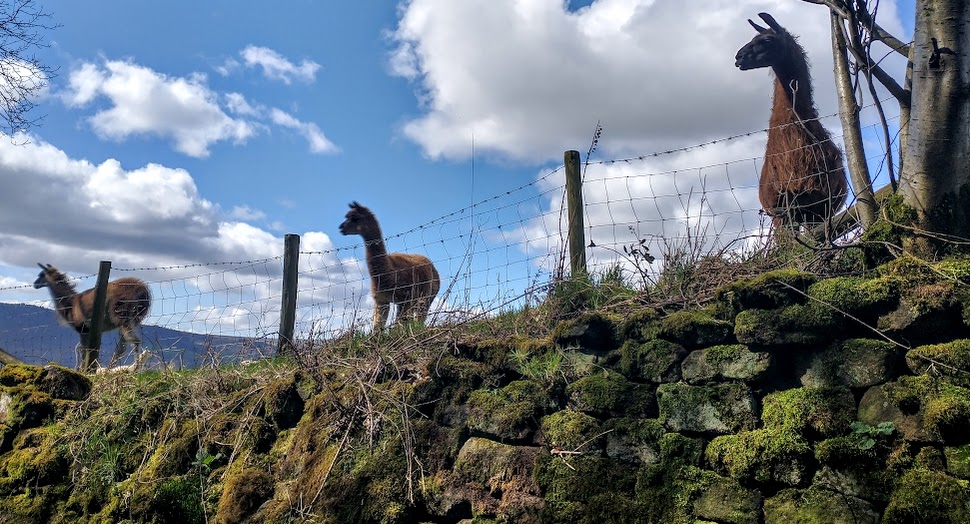
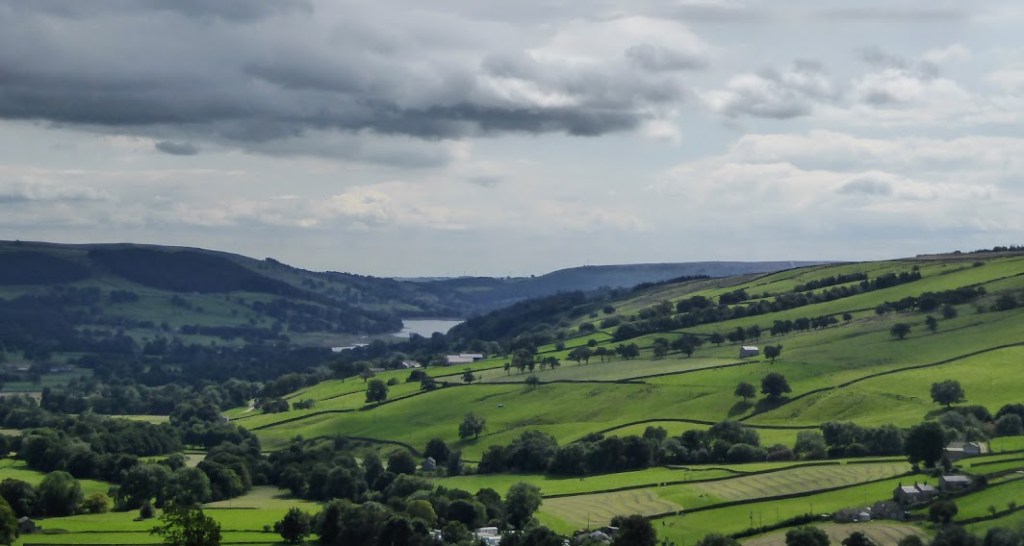
Nidderdale: the first day totally without rain in I can’t remember how long. Our walk was punctuated with encounters with animals, from Highland cattle who seemed to have strayed south, to llamas whose forebears were definitely immigrants, via horses and – of course, since it’s now officially spring -newborn lambs.

Monday Portrait.

Whatever the Weather

Whether the weather be cold,
Or whether the weather be hot,
We'll weather the weather
Whatever the weather,
Whether we like it or not!

Traditional

I thought I’d put together Anne’s Lens-Artist Challenge #286 – Weather – with the aid of children’s rhymes.
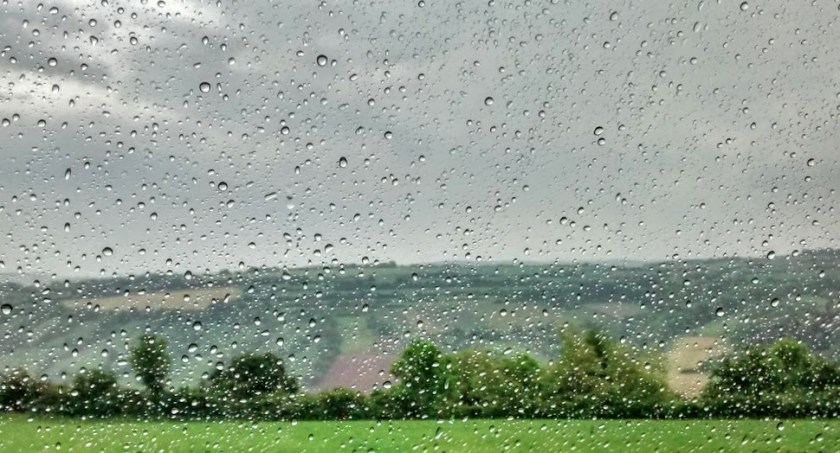
Rain, rain, go away,
Come again another day.
Rain, rain, go to Spain,
Never show your face again!
Traditional
A shot taken not in England, but in Bavaria, Germany

It’s not just children who’d willingly sing this these days. In the UK it’s rained pretty much constantly all this year. But in Spain, they’d cheerfully take some of our surplus. In Catalonia, in mid-winter, the reservoirs are a mere 16% full, and water-use restrictions are in place.

When the wind is in the east
'tis neither good for man nor beast.
When the wind is in the north,
the skilful fisher goes not forth.
When the wind is in the south,
it blows the bait in the fishes' mouth.
When the wind is in the west,
then 'tis at the very best.
Traditional
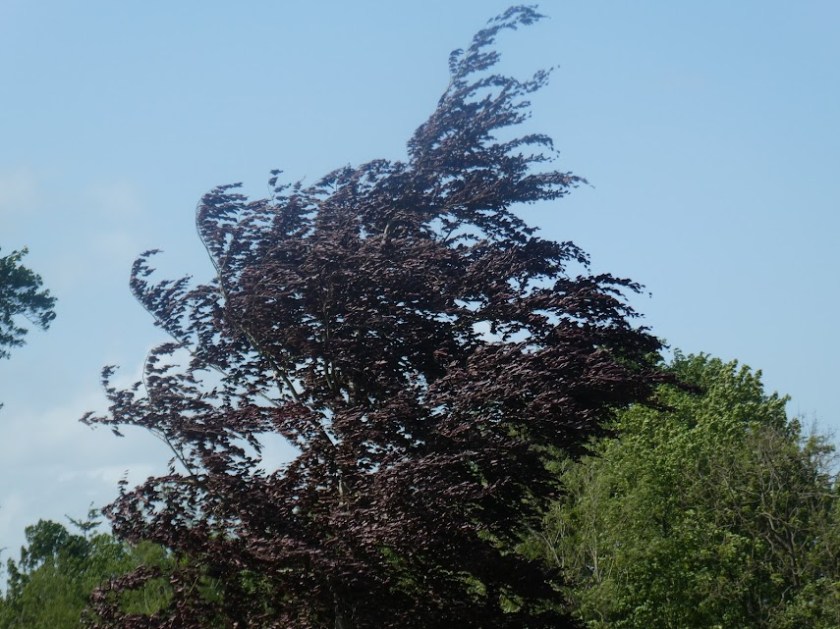
A particularly windy May morning near home.
The fog comes
on little cat feet.

It sits looking
over harbour and city
on silent haunches
and then moves on.
Carl Sandburg

I can’t claim that Carl Sandburg’s is a children’s rhyme. I couldn’t think of one. Can you?

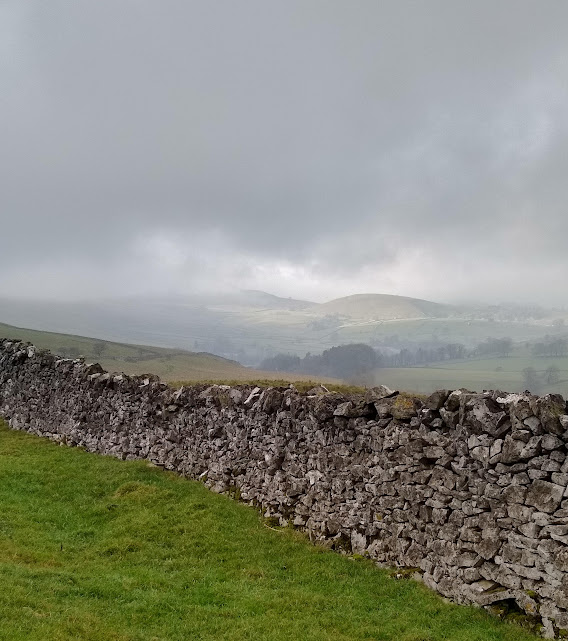
Fog slowly lifting near Burnsall, Wharfedale
The north wind doth blow,
and we shall have snow,
and what will the robin do then, poor thing?
He'll sit in a barn,
and keep himself warm,
and hide his head under his wing, poor thing!
Traditional.
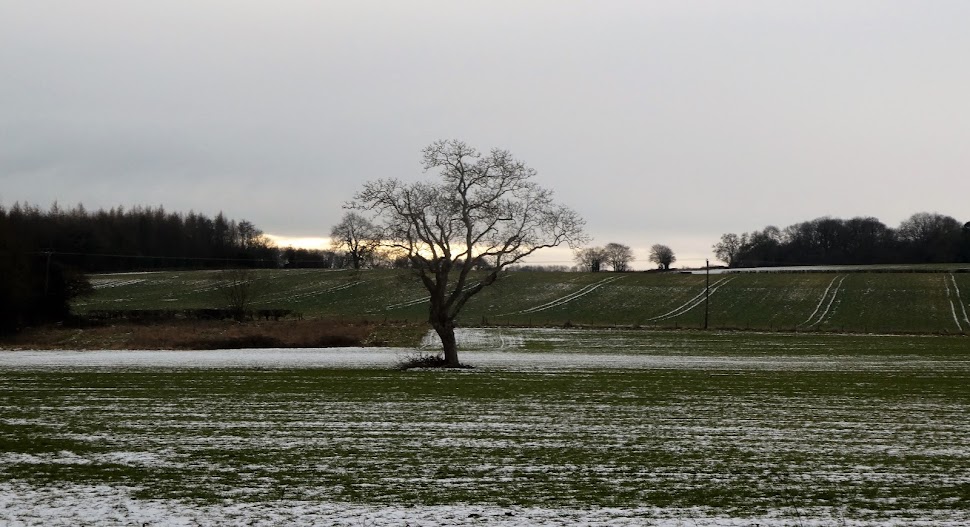
The field-just-down-the-road one January.

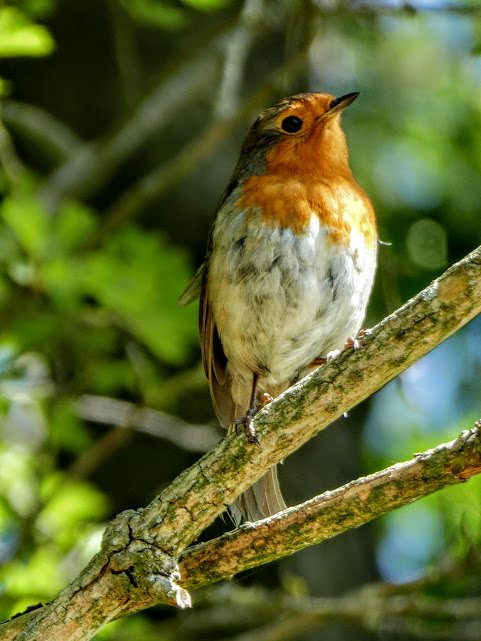
This hardly-there snow is pretty typical of wintry conditions in England. And I know that a robin lives pretty close by: this field almost qualifies as my back yard.

The robin -just-down-the-road, not in January
Red and yellow and pink and green,
purple and orange and blue:
I can sing a rainbow,
sing a rainbow,
sing a rainbow too.
Arthur Hamilton

All three of my children used to sing this one – often – at assembly in primary school. I wonder if it’s still going strong?

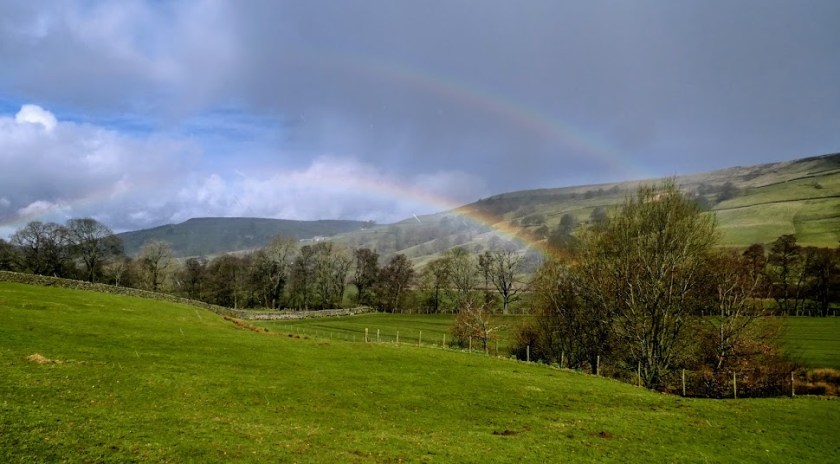
Lofthouse in Nidderdale, North Yorkshire.

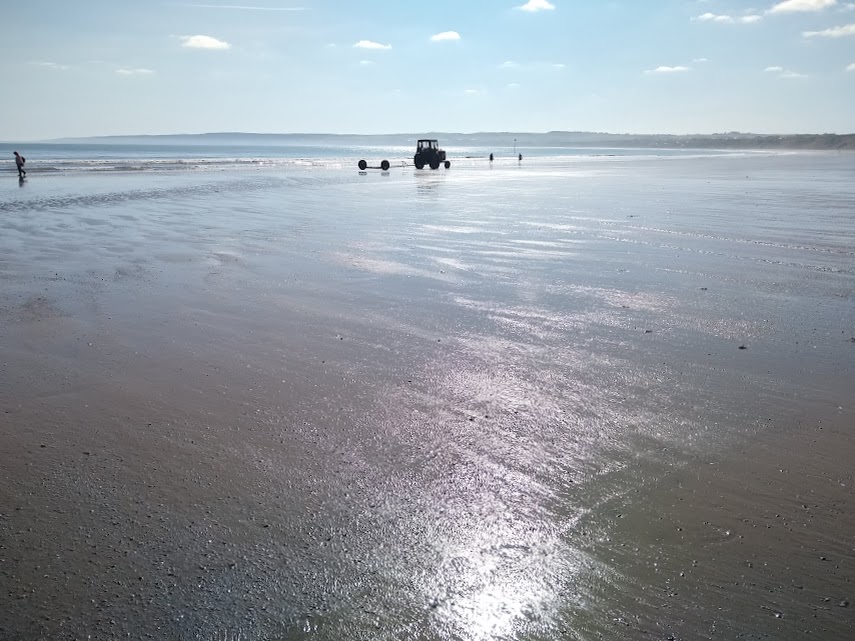
So that’s it. Oh, hang on, I’ve forgotten something. Sunshine. Well, I would, wouldn’t I? It’s February in England, and famously sunless. Let’s show British sunlight, rather than the full-on sun of the holiday of our dreams.

It’s September. The schools have gone back, so here is a sunny beach, gloriously (almost) empty in Filey, North Yorkshire

And most children can sing the less-than-traditional The Sun Has Got His Hat On by Noel Gay. So let’s leave you with this cheery version.

The Way through the Woods

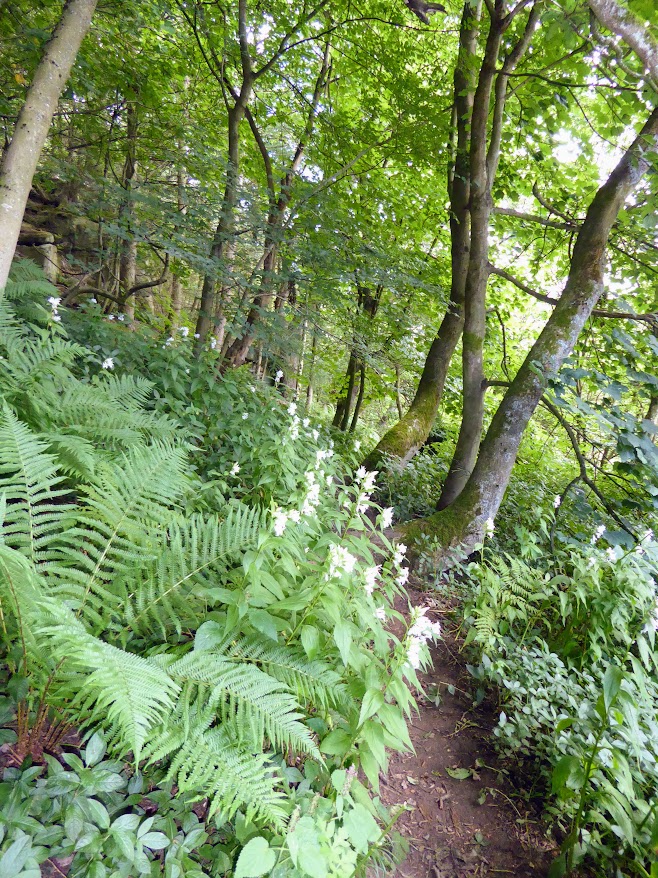
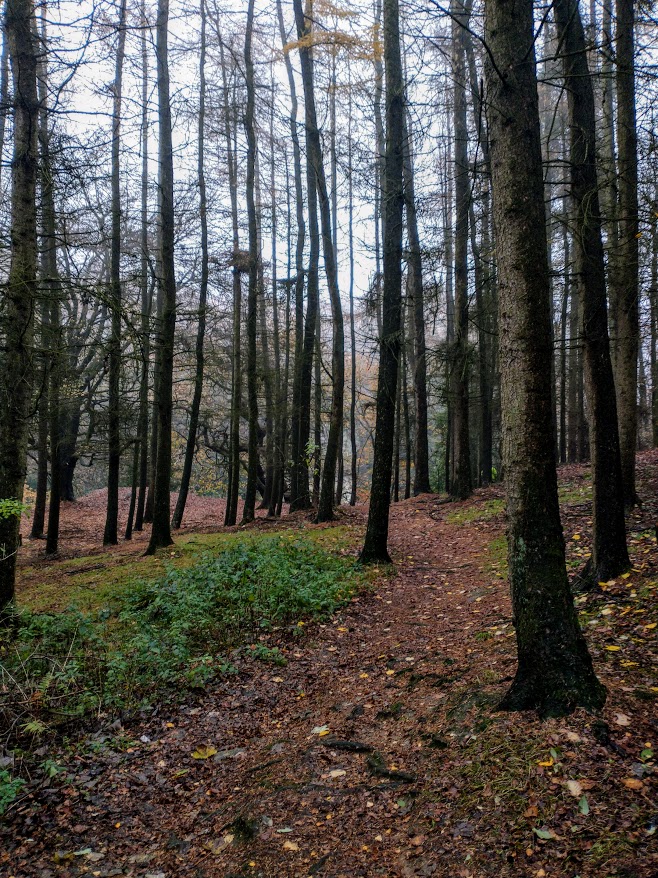
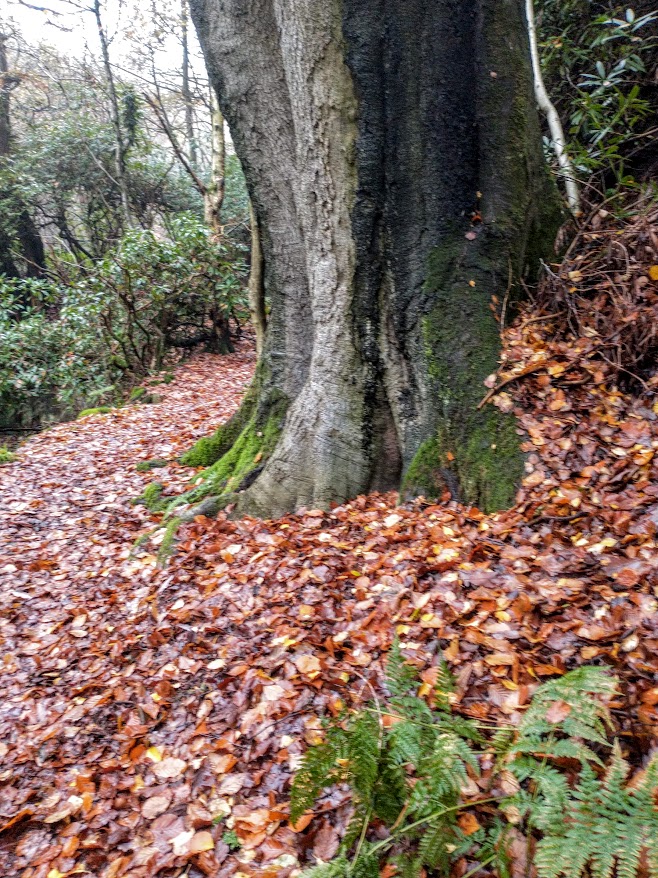
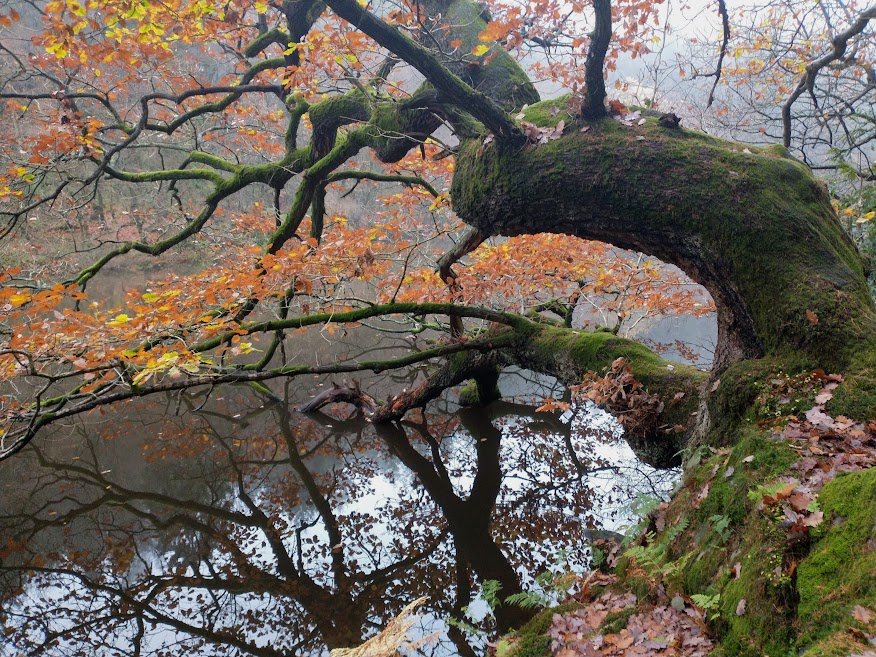
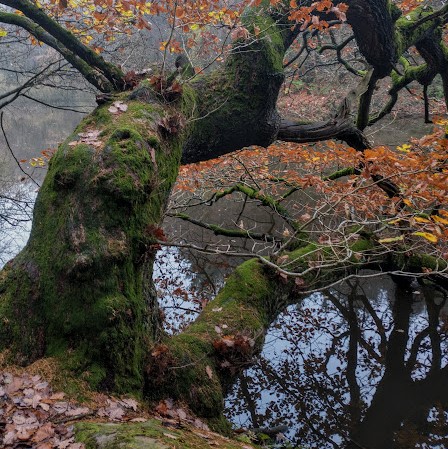
Not far from here is a wood. And in this wood, there is a lake, Eavestone Lake. It’s always quiet here, because there is no road nearby. Simply quiet, leaf-mould paths. The trees look ancient, but in the main, they’re not. We met an old forester recently, who told us he remembered when these woods were cut down for timber when he was a boy. The trees have simply regenerated.

Some of the older trees were left. And they tend to twist characterfully and lean over into the lake. Like this one, of which I show two images, one for Becky’s Walking Squares, while the header photo is for Jez’s Water, Water Everywhere.

This place always puts me in mind of Rudyard Kipling’s The Way through the Woods, which, if you’re so minded, you can read here.

A portrait of a reservoir

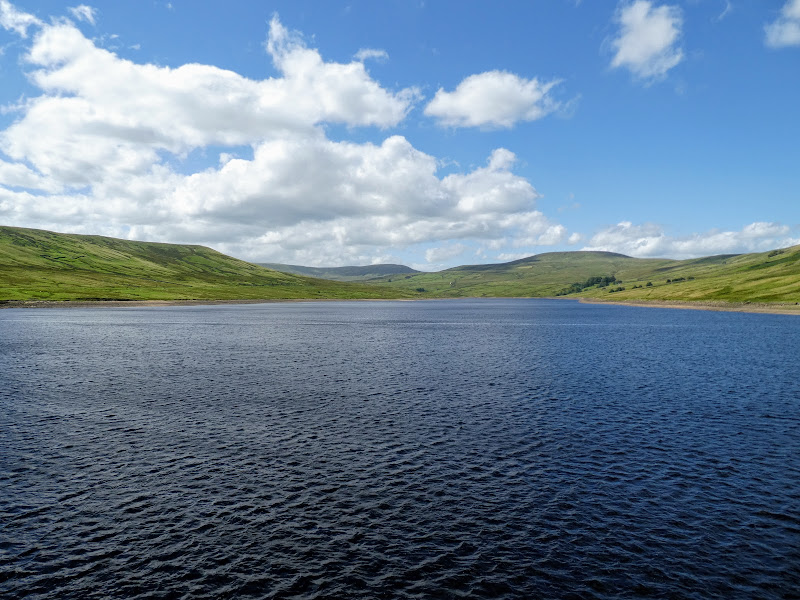
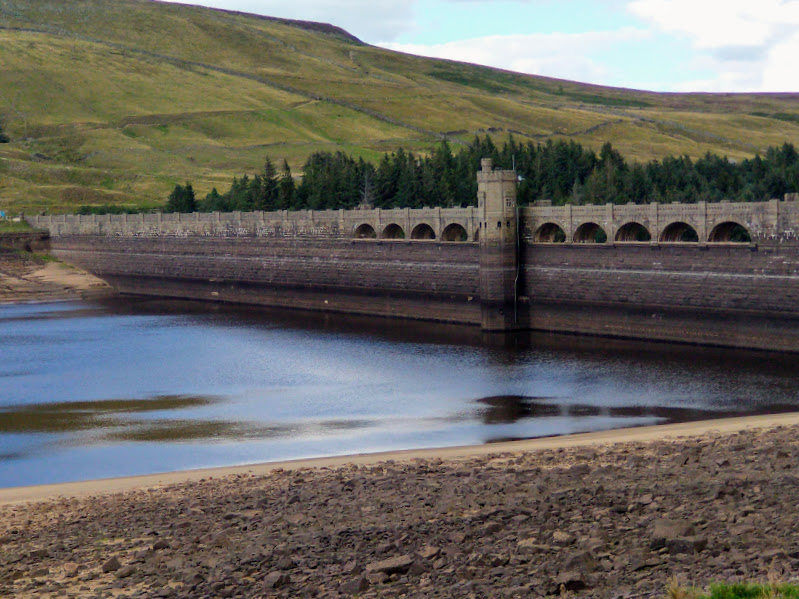
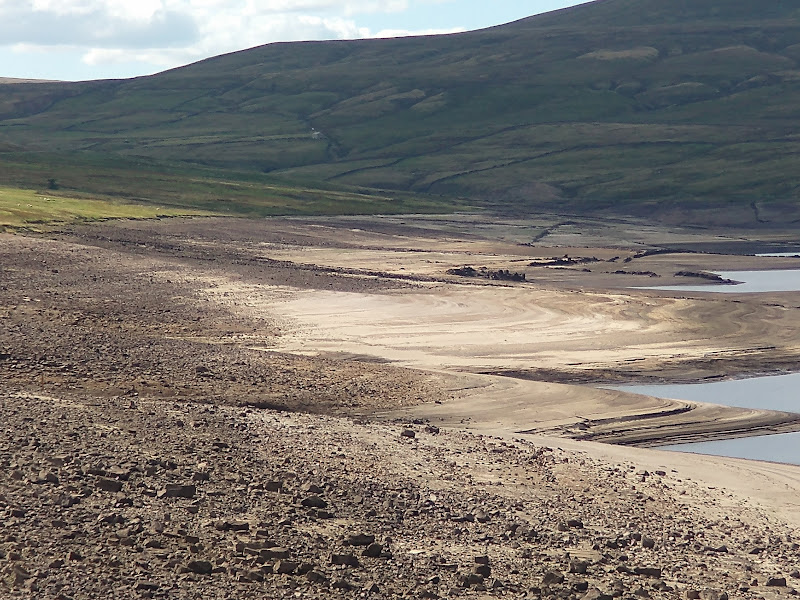
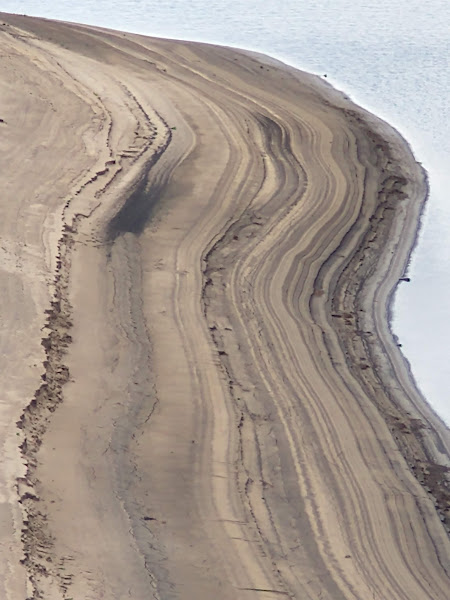
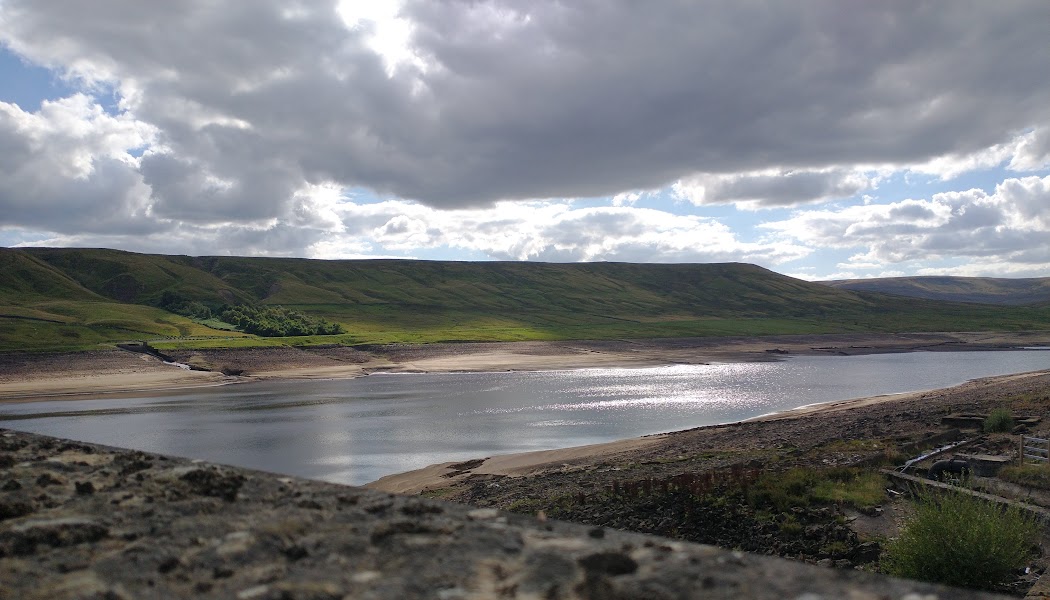
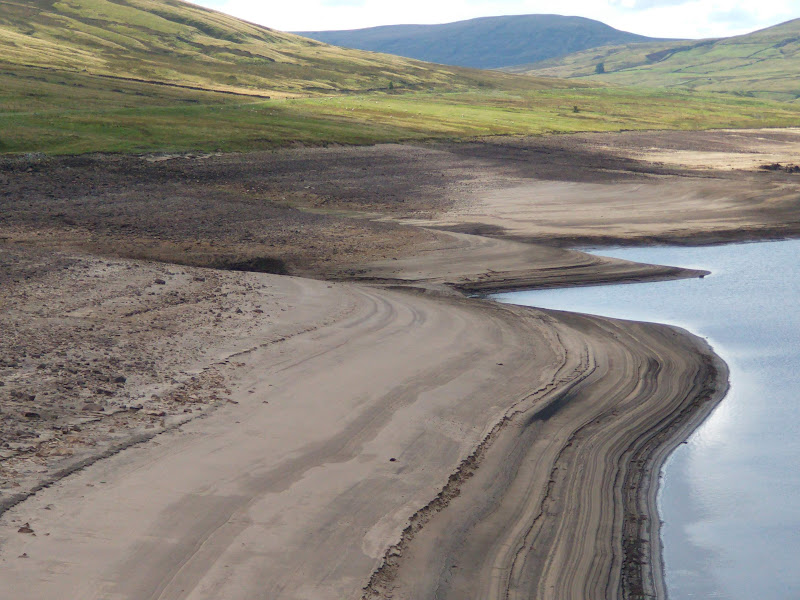
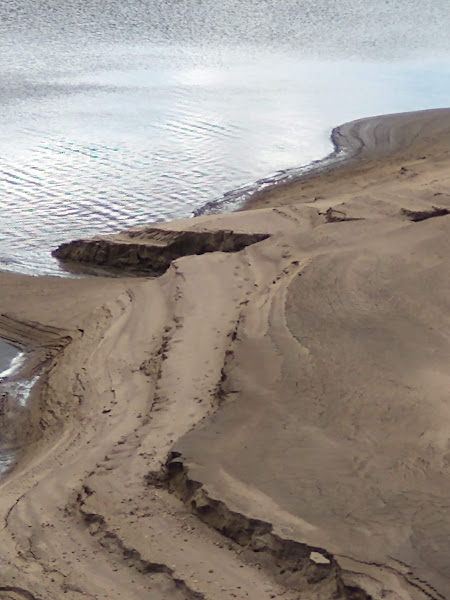
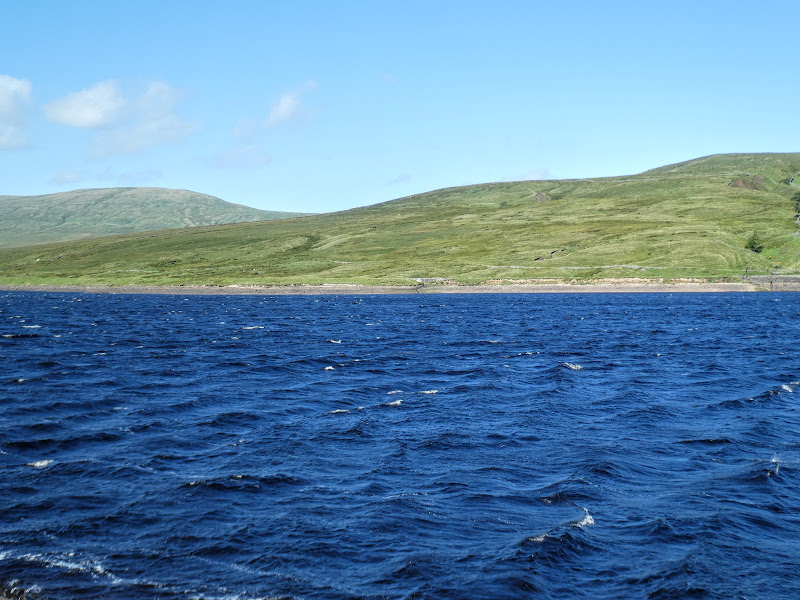
This year has offered proof after proof that the times they are a changin’. Here, harvesting was started in mid-July, and was all done and dusted for early August. Yet schools and churches will probably continue to hold their traditional Harvest Festivals in late September, early October. Blackberries have withered a whole month early, so the Devil must have been along and spat on them. Autumn-ripening apples are already at their best. And, most worryingly of all, the reservoirs are drying up. Here are some shots of Scar House Reservoir in North Yorkshire. The header photo, and the last one of all were taken two years ago. The rest, only last week.

Scar House Reservoir two years ago.

Start Walking – Keep Walking!

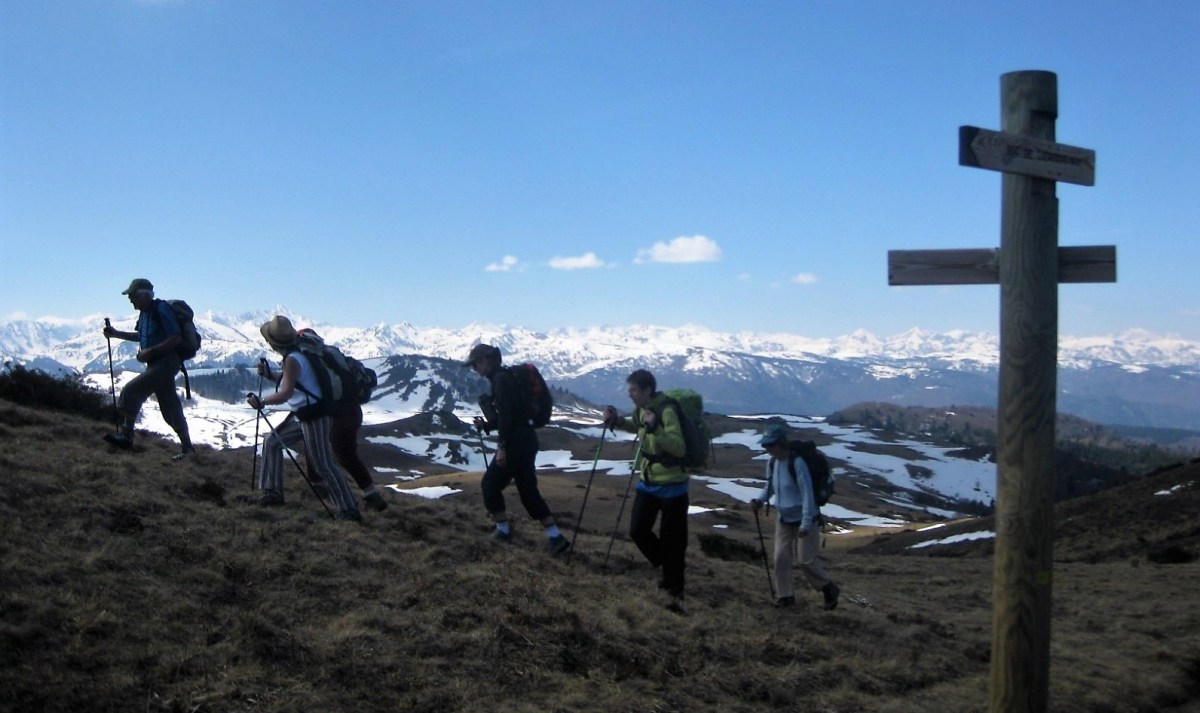
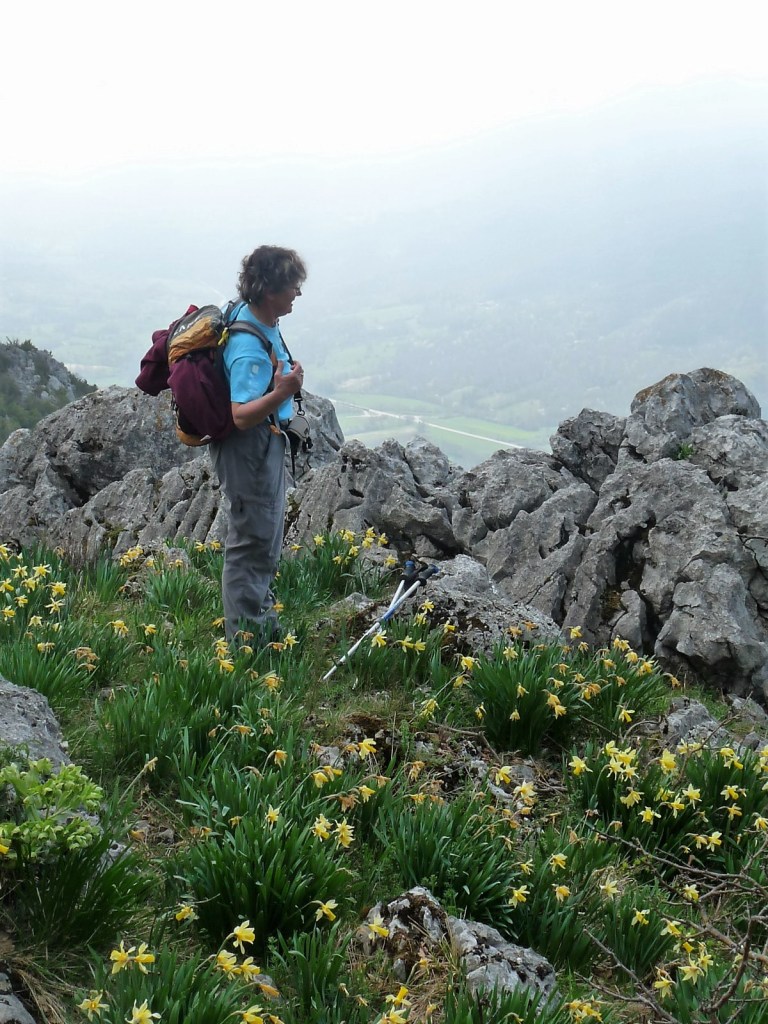
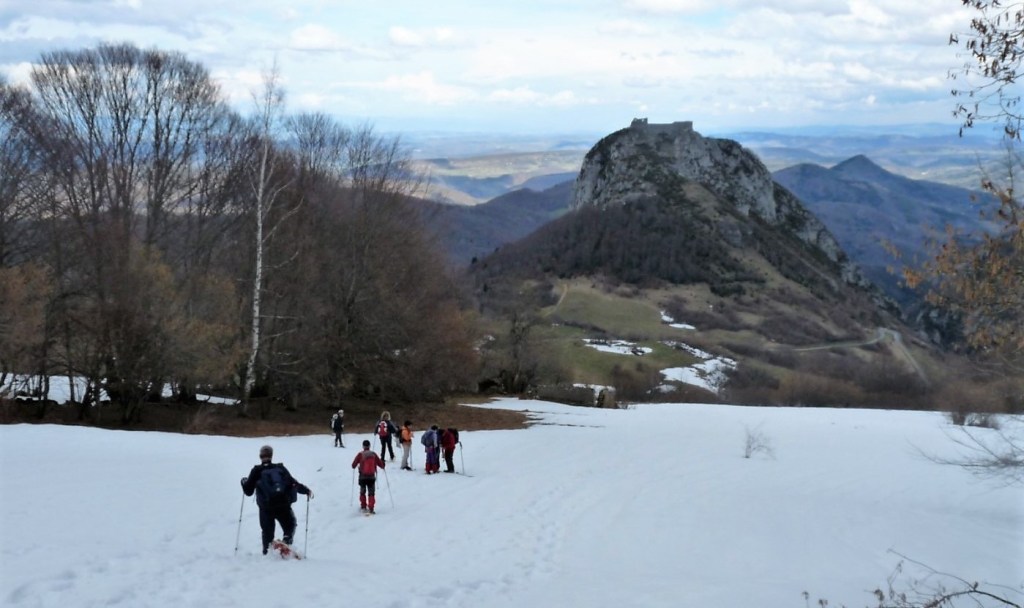
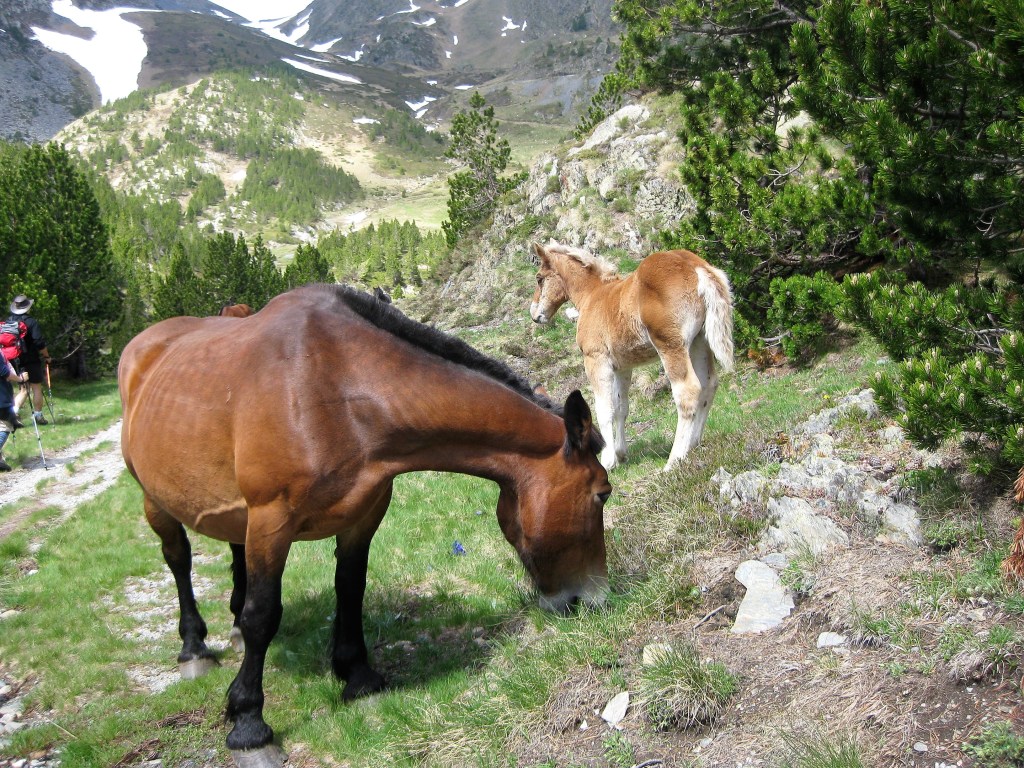
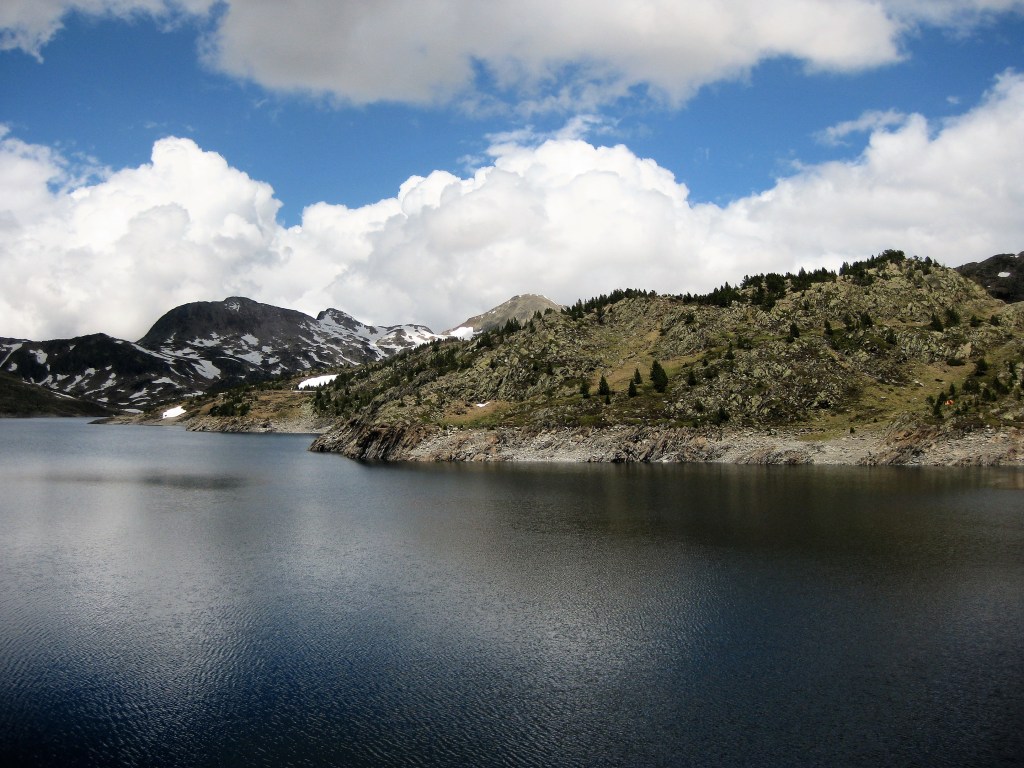
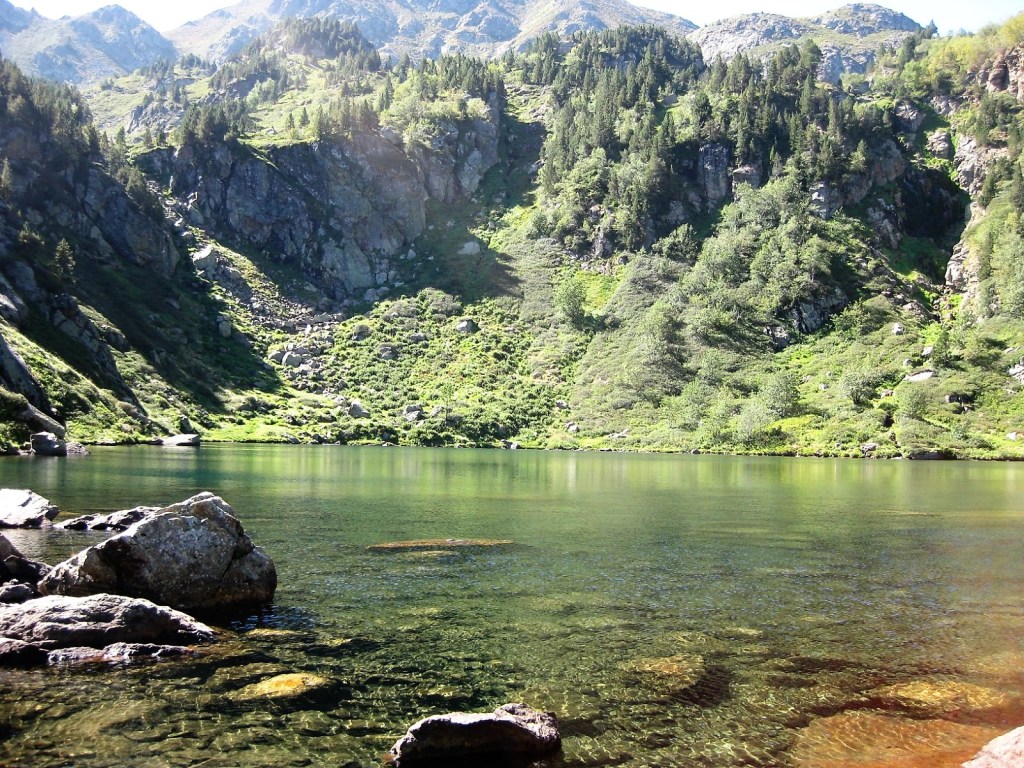
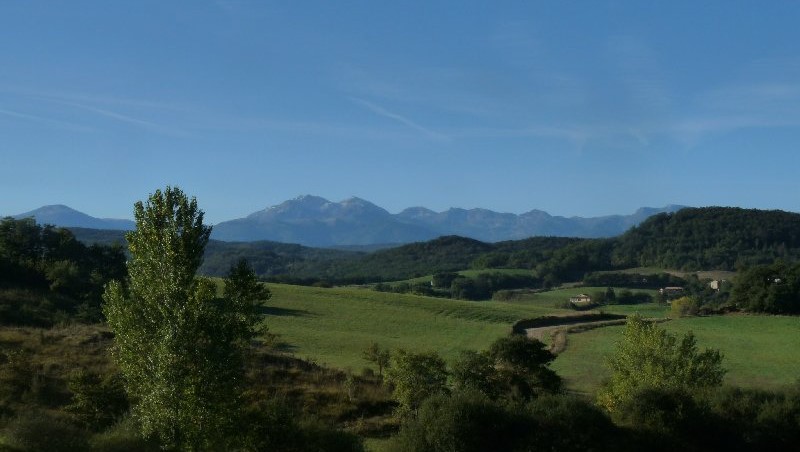
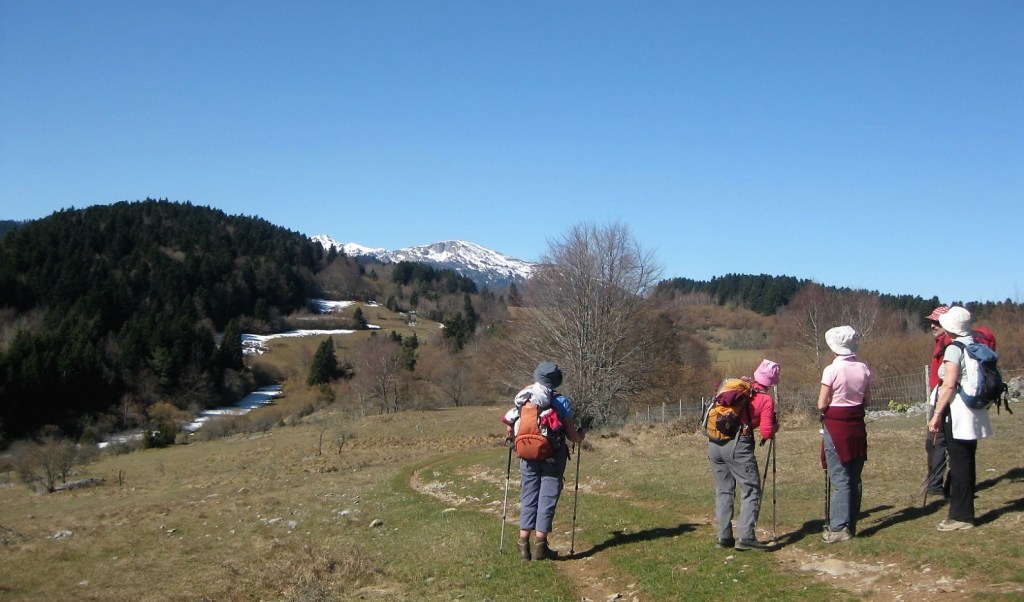
I’ve only been a walker – a proper walker, yomping over moor and mountain, hill and dale – for the last fifteen years or so. It happened when we went to live in France. What better way to discover the secret paths of the Pyrenees, and get to know our French neighbours, and improve our French too, than join the local walking group?

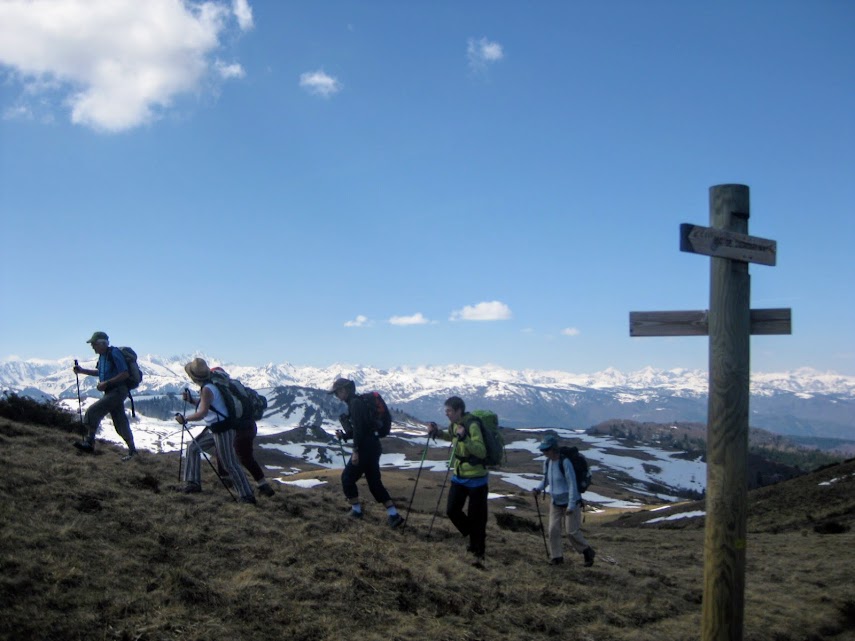
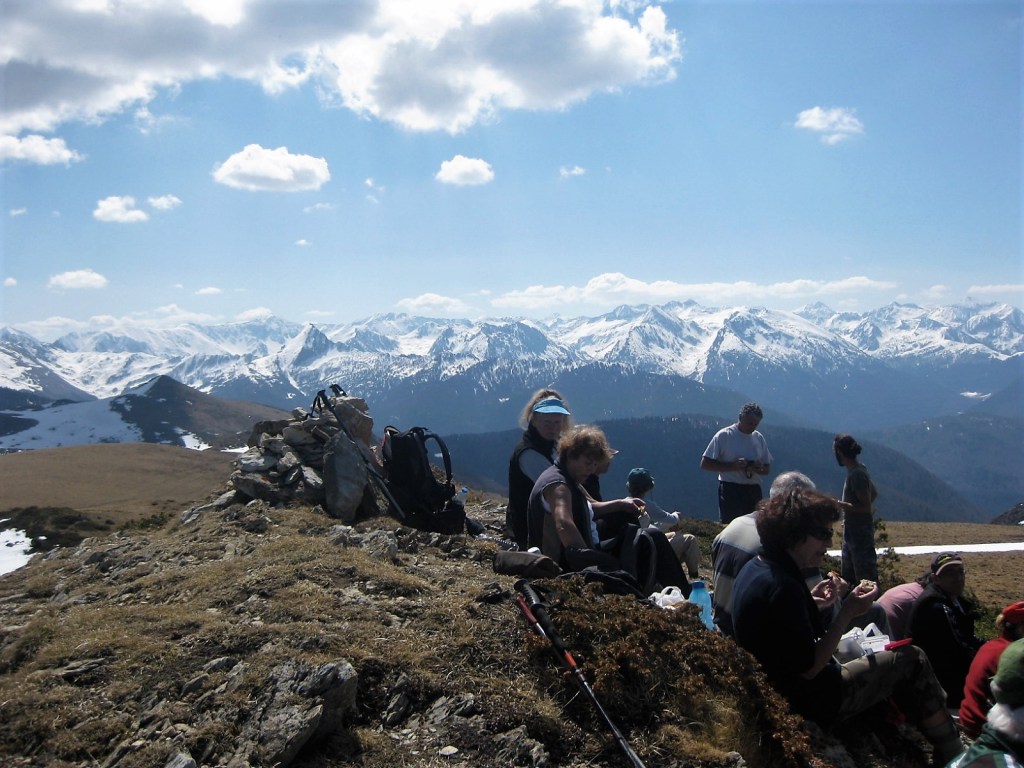
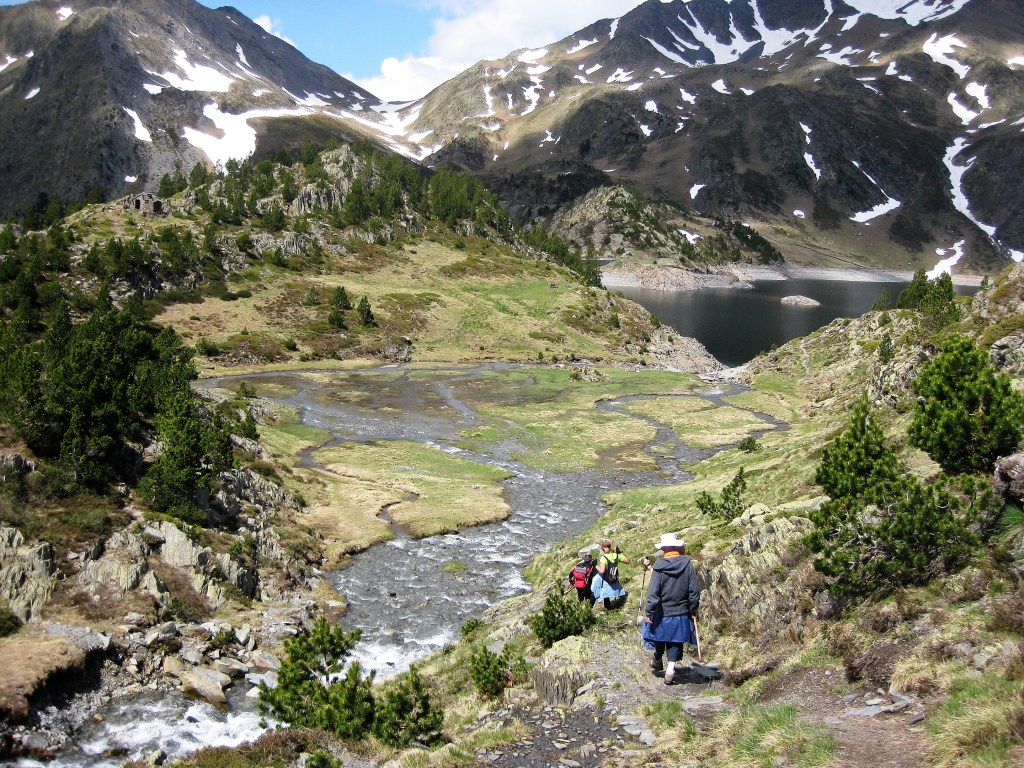
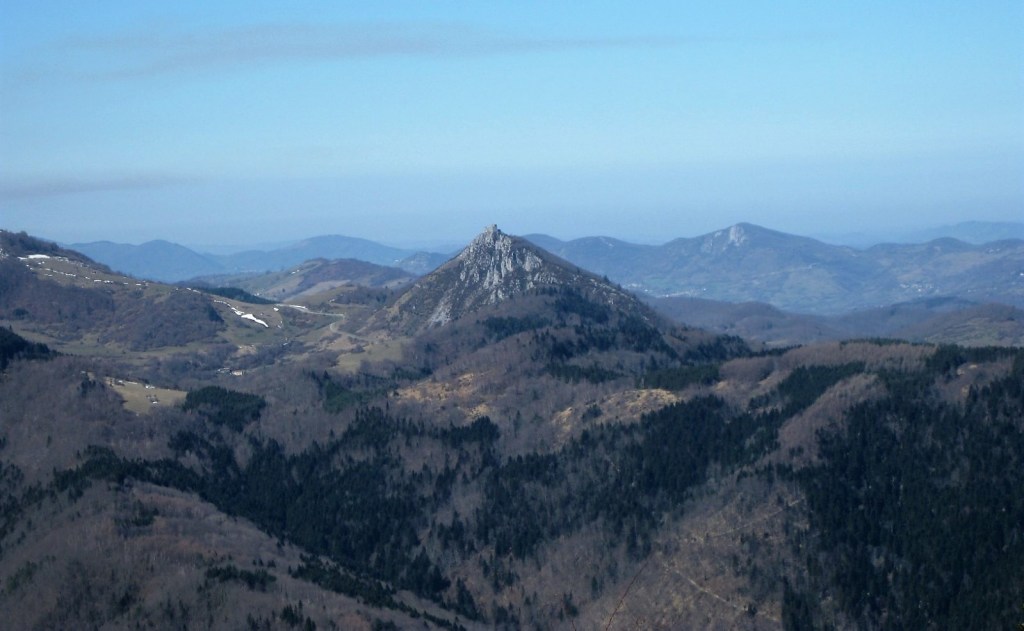
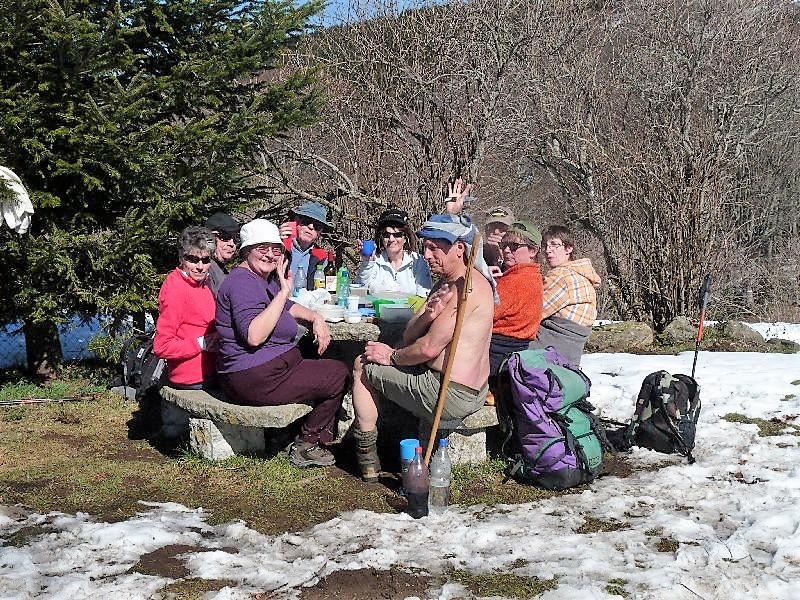
So we did. At first it was les Randos de’Aubo in nearby Mirepoix. We explored the foothills and higher slopes of the Pyrenees, we investigated the nearby Aude, and enjoyed the fellowship of scouting new paths together. What I remember most was the achievement of climbing, climbing, often through seven or eight hundred metres before lunch, while constantly rewarded by mountain views, colourful plant life and changing vistas. Because of these calorie-busting achievements, we might walk as few at five or six miles. But it was harder – much harder – than walking ten to twelve miles round here, and I know I couldn’t do it now. But after the effort, there was a shared picnic lunch with a splendid view thrown in, a downhill walk back to base, and a convivial drink, in whatever bar was to hand near the end of our walk.

On Thursdays I went walking with a smaller group – mainly women – who’d got to know each other either through walking or singing together – I ticked both boxes.

Then we were among the founders of the walking group that developed in our own community, Laroque d’Olmes. We had the confidence by then to offer to reconnoitre and lead walks ourselves. And this group had even better picnic ideas than the last one. Marcel, our local butcher brought sausage to share, as did a local amateur charcuterie enthusiast Michel. Sylvie’s daughter was a sheep farmer, so she’d bring along sheep’s cheese. Someone brought a few baguettes, Yvette and I always had homemade cake. Jean-Charles had a bottomless bottle of wine in his rucksack. And everyone brought sugar lumps. Sugar lumps? Well, yes. Someone or other would bring a bottle of grandfather’s home-made digestif, heavy on alcohol and locally harvested fruit, and would dribble just a few drops of it onto your sugar lump for you to finish off your feast in style. And we would sit for an hour or more, chatting and relaxing before continuing our hike. I miss those moments as much as I miss the countryside and mountain views we shared together.

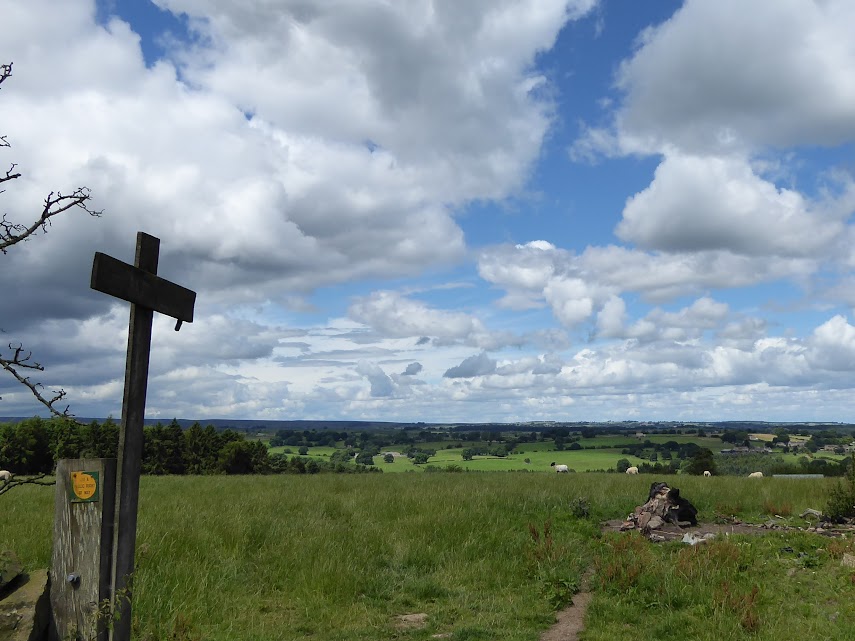
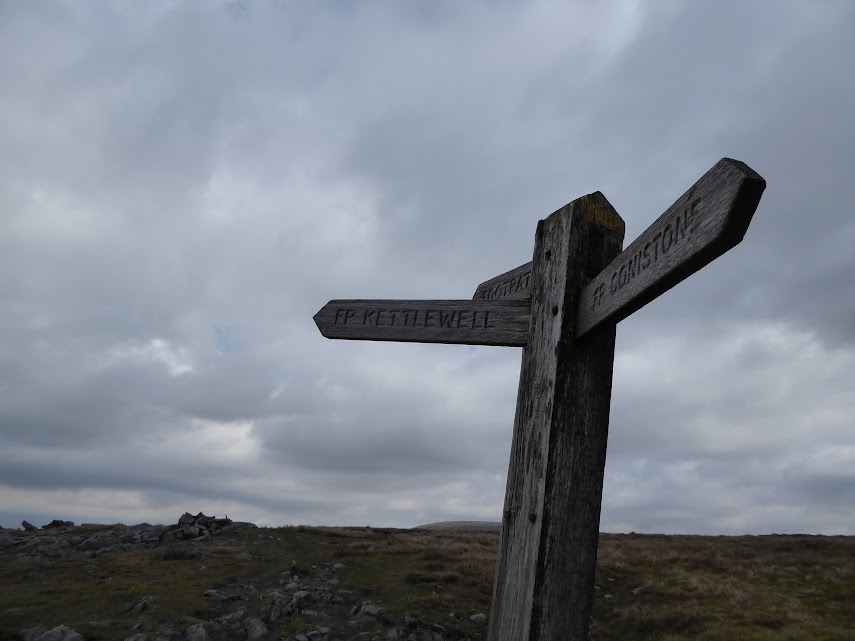
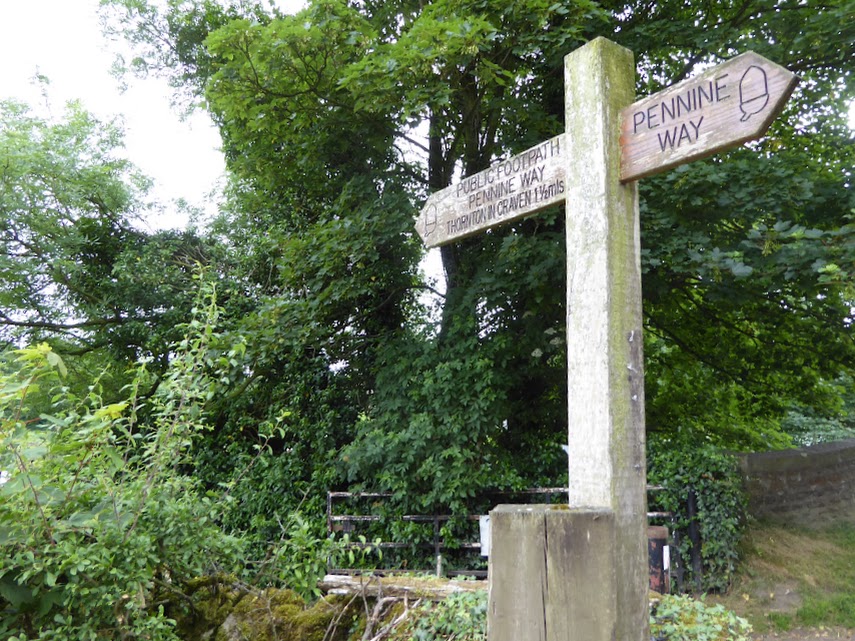
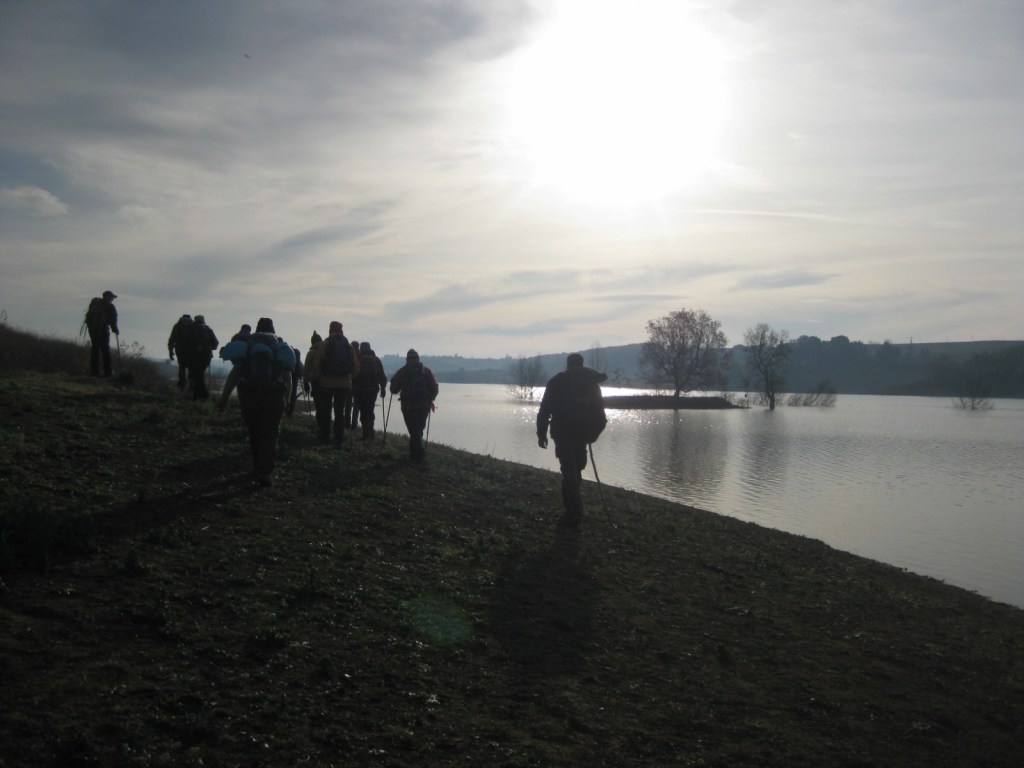
Now we’re in our local walking group here in Yorkshire. Again, we wanted to discover Yorkshire better by walking its footpaths. At midday, we eat our own pack of sandwiches and that’s that. But the comradeship is as good as it was in France.

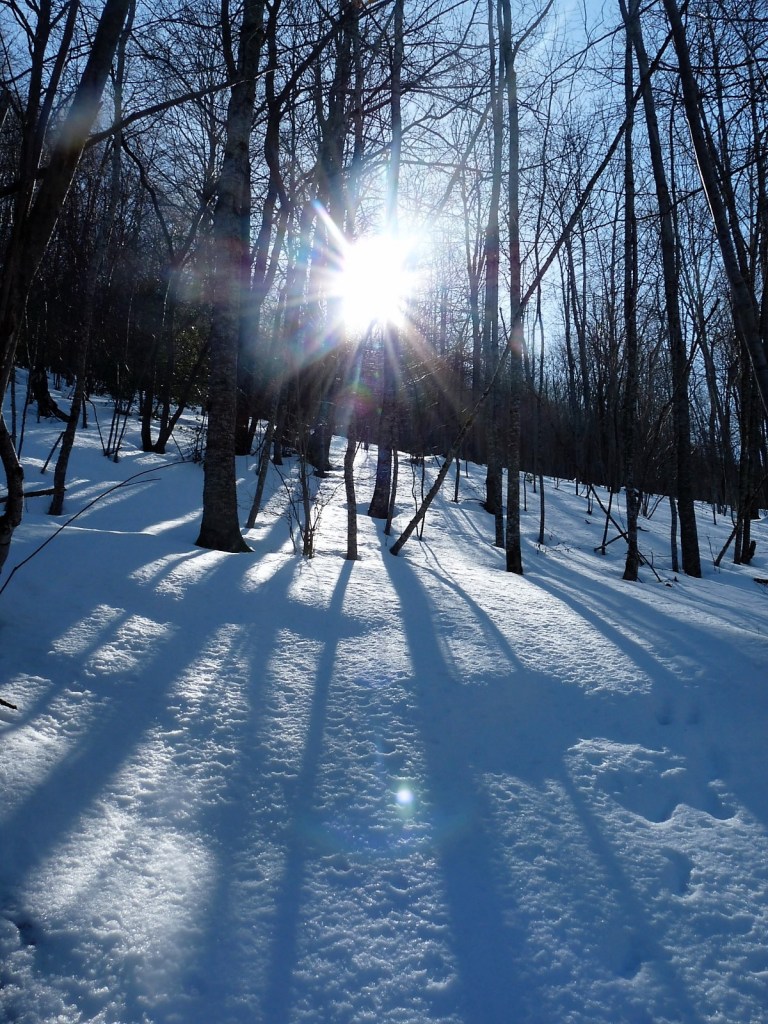
Since lockdown, I’ve appreciated the pleasures of walking alone. Undistracted by companions, I notice the sounds around me – the calling birds, the running water, the sighing wind, and observe more closely the changing seasons. While I’ll always enjoy a walk with a friend, I suspect that my love of solitary walking will continue.

It was Amy who invited us to Keep Walking! for this week’s Lens-Artists’ Photo Challenge #143. Thanks for this opportunity to indulge in a spot of nostalgia, Amy.