Yet more ancient trees

But after this I’ll stop. I promise.

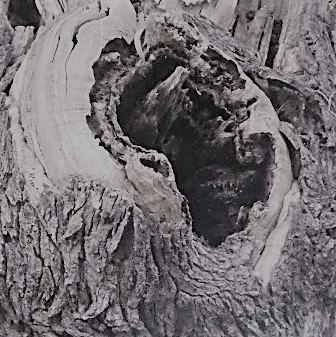
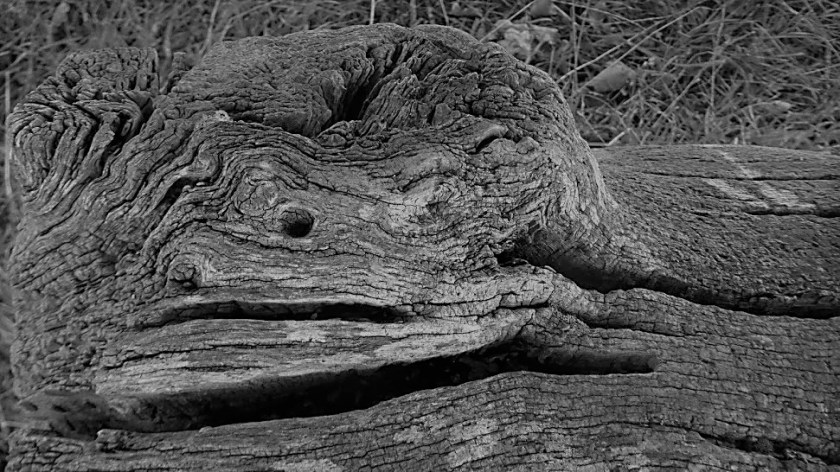
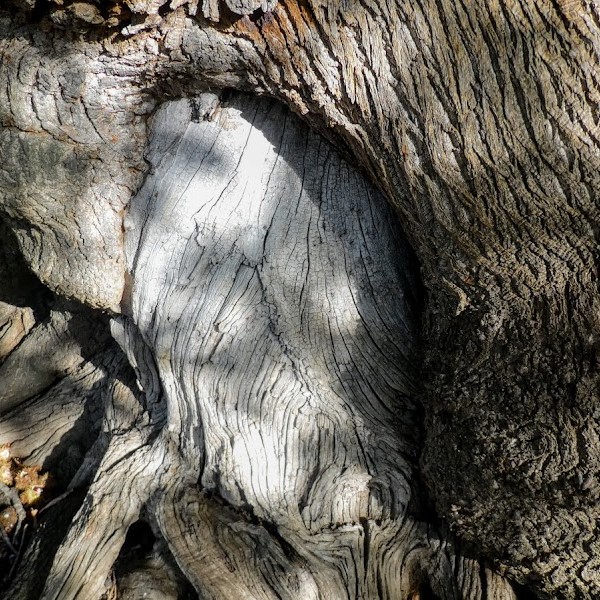
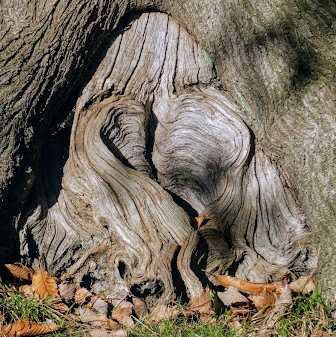
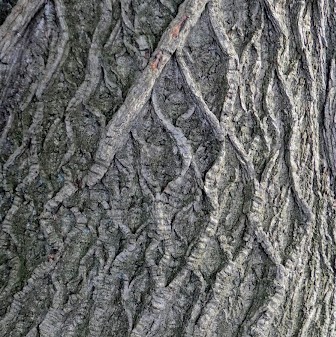
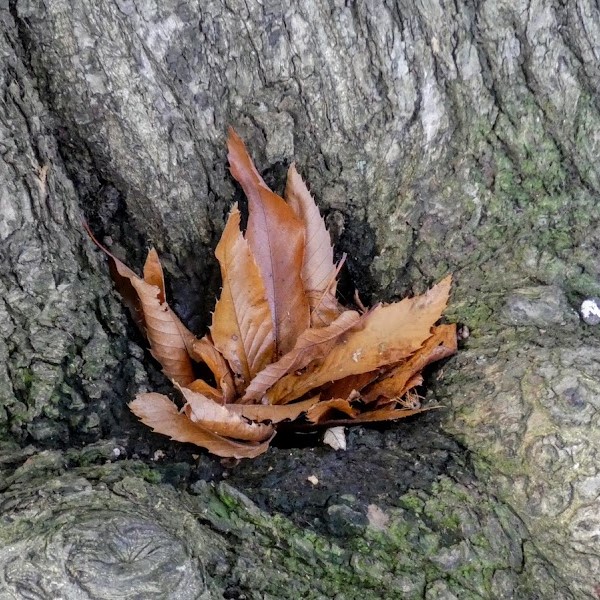
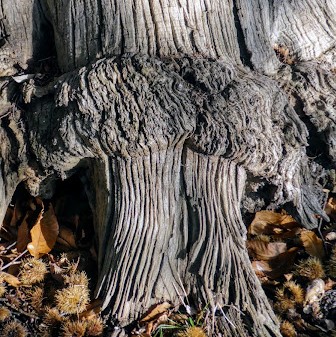
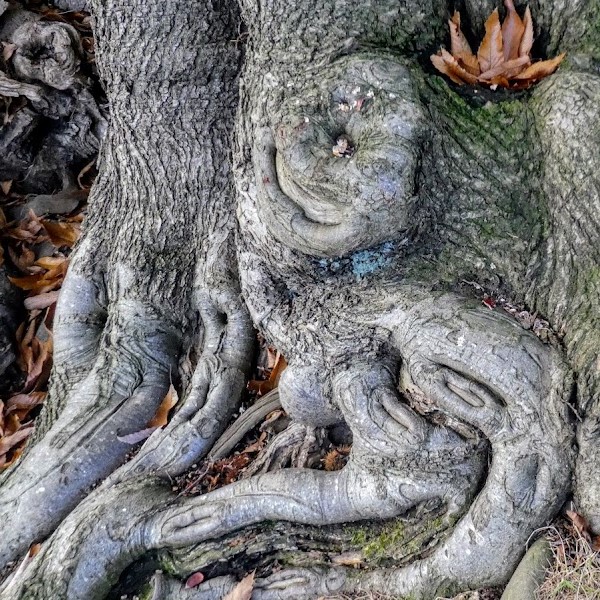
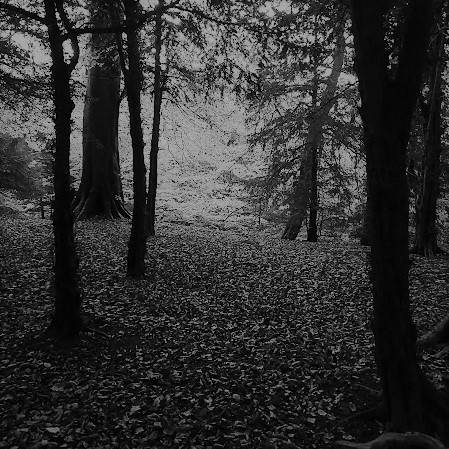
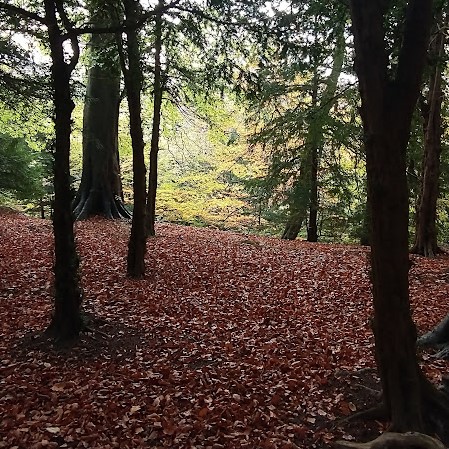
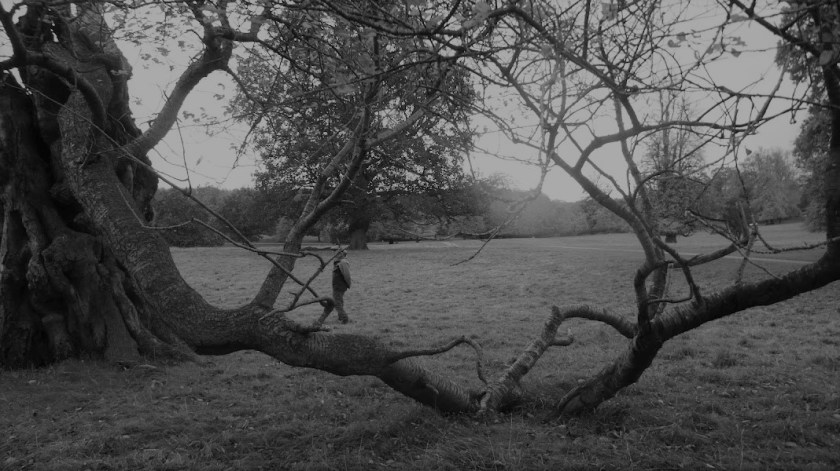
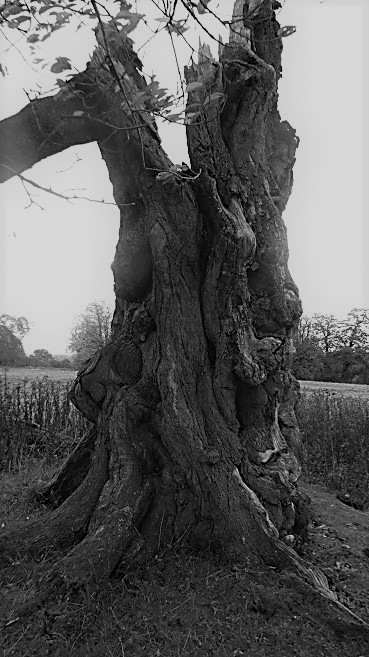
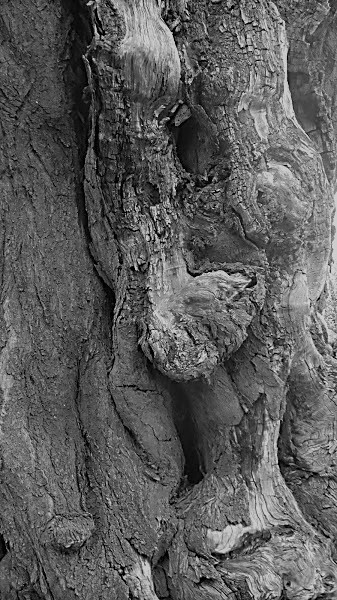
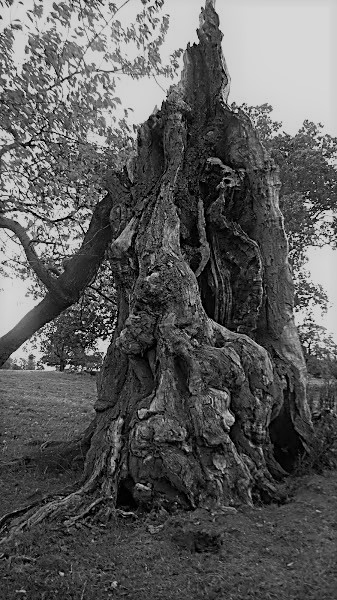
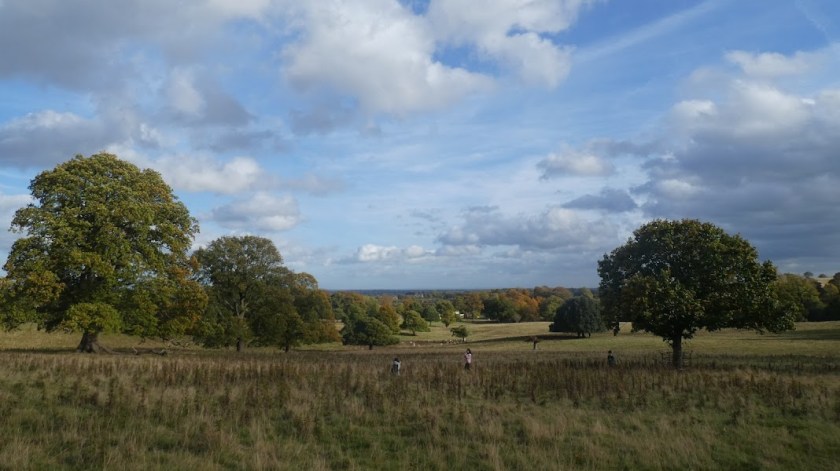
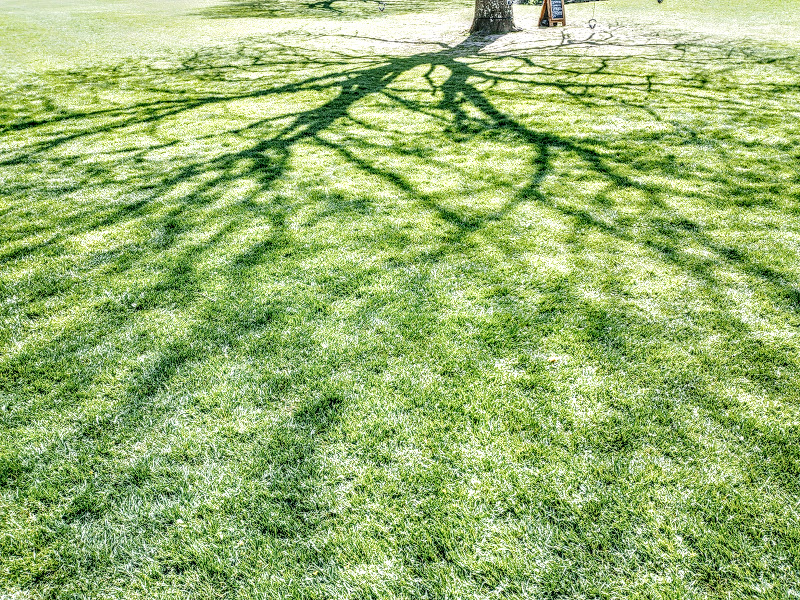
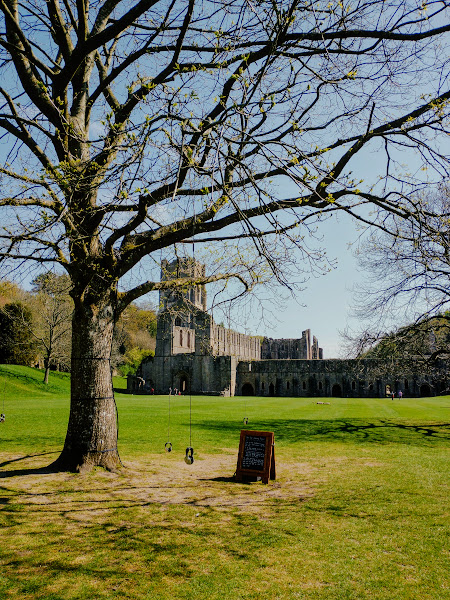
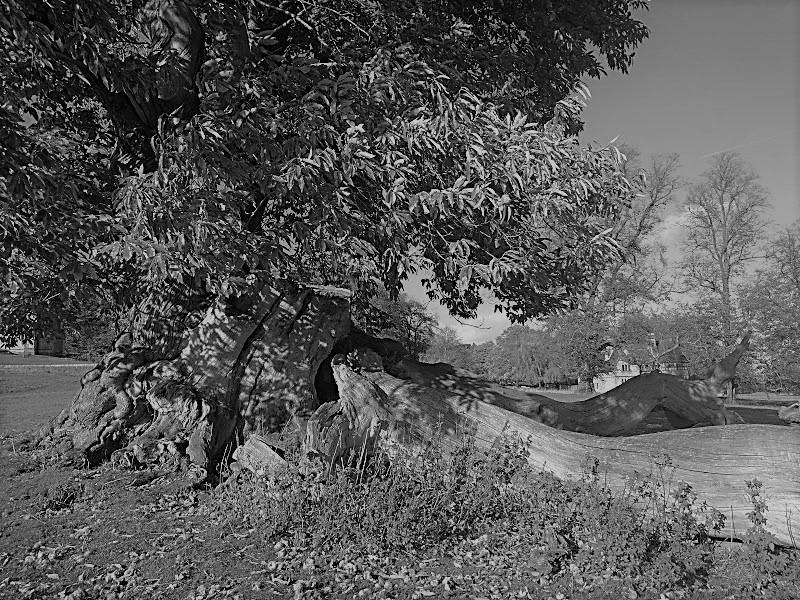
Ancient trees aren’t simply defined. That cherry tree I showed you last week, was impossibly, possibly uniquely old at four hundred years. A yew can soldier on for several thousand years. Oaks can march on for a thousand years, though six to eight hundred is more usual. Sweet chestnut? Seven hundred. Lime trees? Three to four hundred. Beech trees? Maybe three hundred – longer if coppiced. Here’s the life-cycle of a tree condensed into two images.
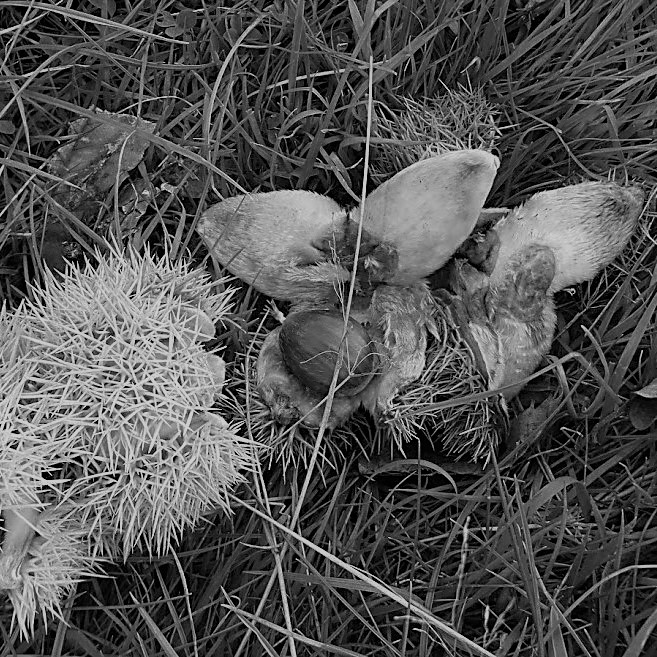
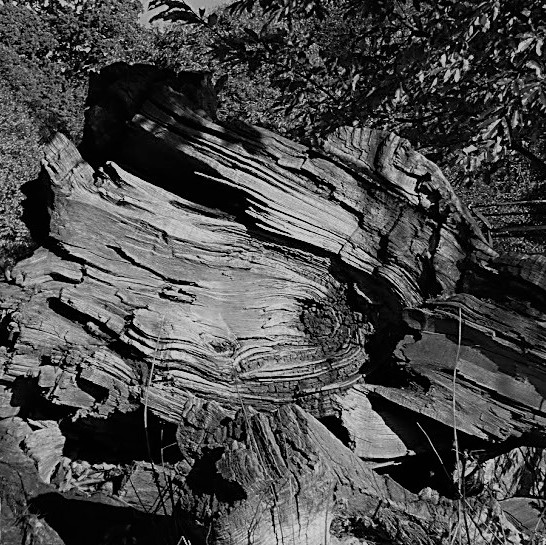
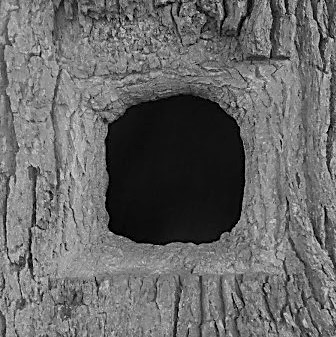
The parkland at Studley Royal is rich in ancient examples of all of them. It’s been a protected space and a deer park for centuries. and as such, it has its own historical curiosities. You can find trees with small square holes in the trunk. It used to be believed that as the trunks of trees gradually become hollowed out, it made sense to fish out the resultant debris, and suitable holes were cut. The practice has long been discredited, and now the holes are scarring over and gradually closing up.
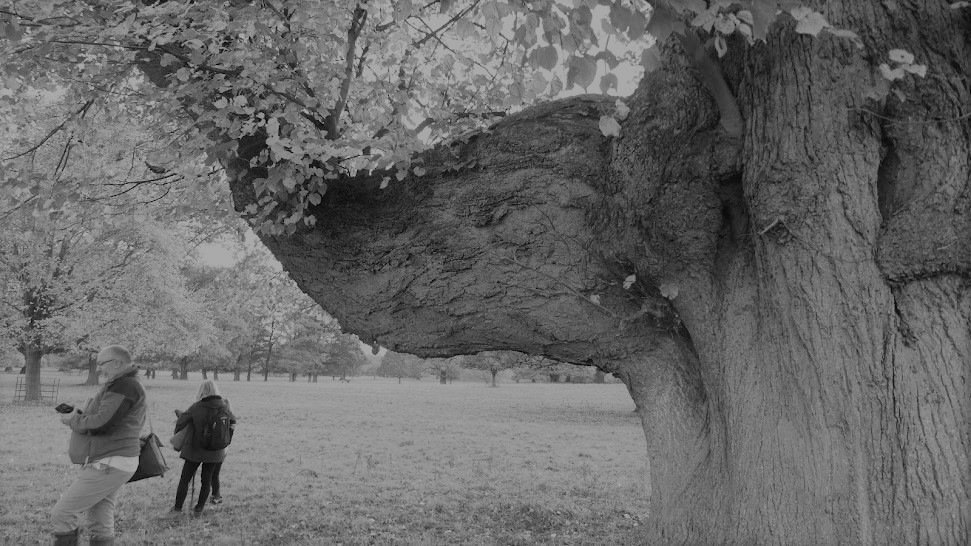
Further proof that trees know what’s what, and we don’t necessarily. See this lime tree and its massive bough? If you could walk round it, you’d see that this branch is cuboid in shape. Any builder will tell you that this shape is far better at load bearing than a cylindrical one. Did the earliest builders learn this important lesson from lime trees?
And some trees can actually ‘walk’ albeit slowly, as part of the root may die off, and stronger root systems further away may haul the whole trunk a small distance. It does take rather a long time though.

Here’s a small gallery of the trees we met on our walk last week:
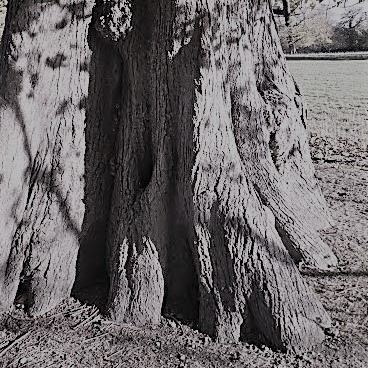
A mighty oak tree’s last gasp.

Let’s finish off with a haiku celebrating these elderly, magnificent trees.

Venerable trees -
trunk and bark wrangled by time
tell ancient stories.

A multi-tasking post, with elements for Bren’s Mid-Week Monochrome #113, Becky’s Walking Squares, and Rebecca’s November Poetry Challenge
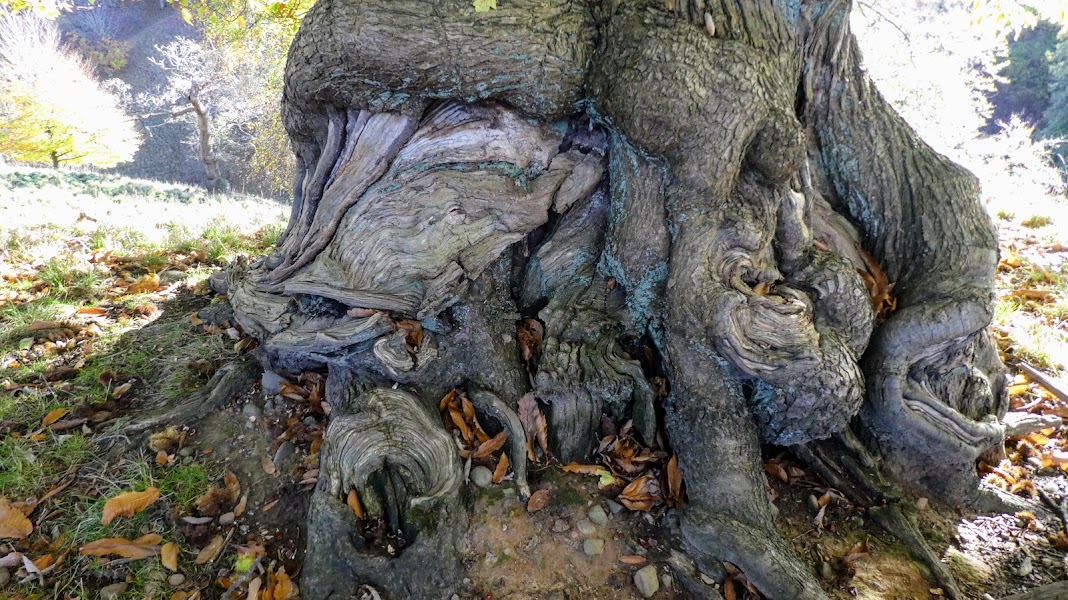
Ancient chestnut trees: some portraits

A walk high above Seven Bridges in Studley Royal. A walk I’ve never done before – a hidden one and not easy to spot. But see what treasures there are here.

Now that’s a characterful face!

For Monday Portraits …

… and Jo’s Monday Walk

… and Becky’s Walking Squares

Younger trees, old tree

Today I’m taking you (again) to Fountains Abbey and Studley Royal. We’ll walk up the High Ride, through glades of trees, in relatively young maturity …

… before descending to saunter through the parkland of Studley Royal. I’ve got a lot of ancient trees to show you next week, but today I’ll show you just one. A cherry tree, or what’s left of it. It’s about 400 years old, which is unfathomably old for a fruit tree. I must say it looks its age. But isn’t it remarkable?

A newer branch has somehow grown from that ancient trunk.

For Becky’s Walking Squares, and Bren’s Midweek Monochrome.

Music for Monks?

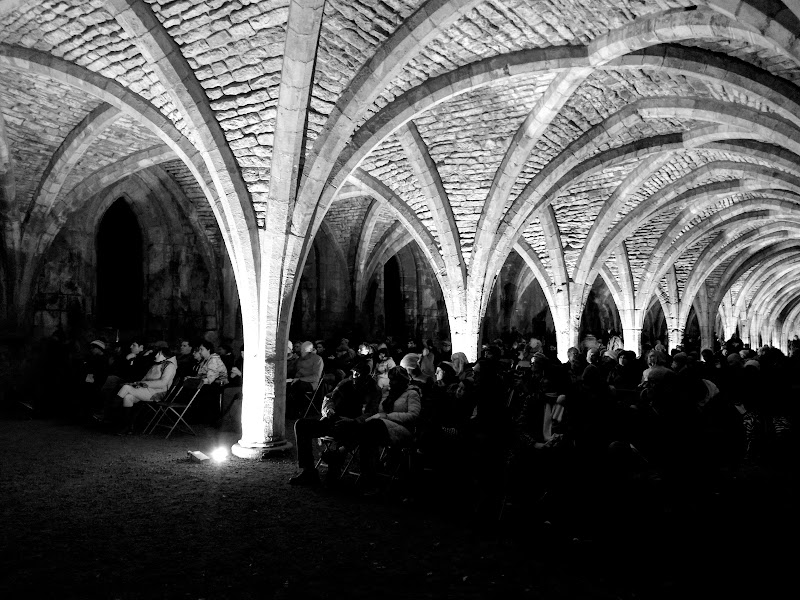
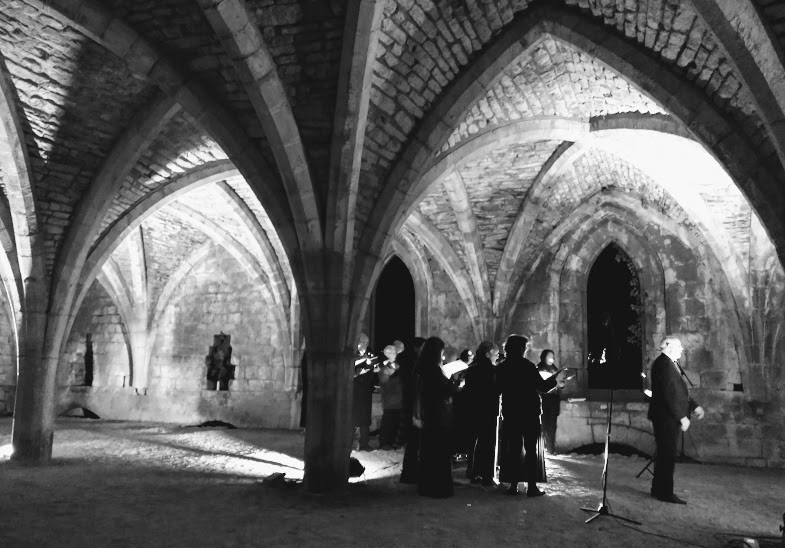
A concert in the cellarium of Fountains Abbey last Saturday.

Pitch black, cold.

The singers gather,

muffled up.

Sing loudly, like long-gone monks -

conquering the dark.

And to lower the tone, that’s the scene once the audience had departed.

For Bren’s Mid-Week Monochrome.


We’re going on a Deer Walk …

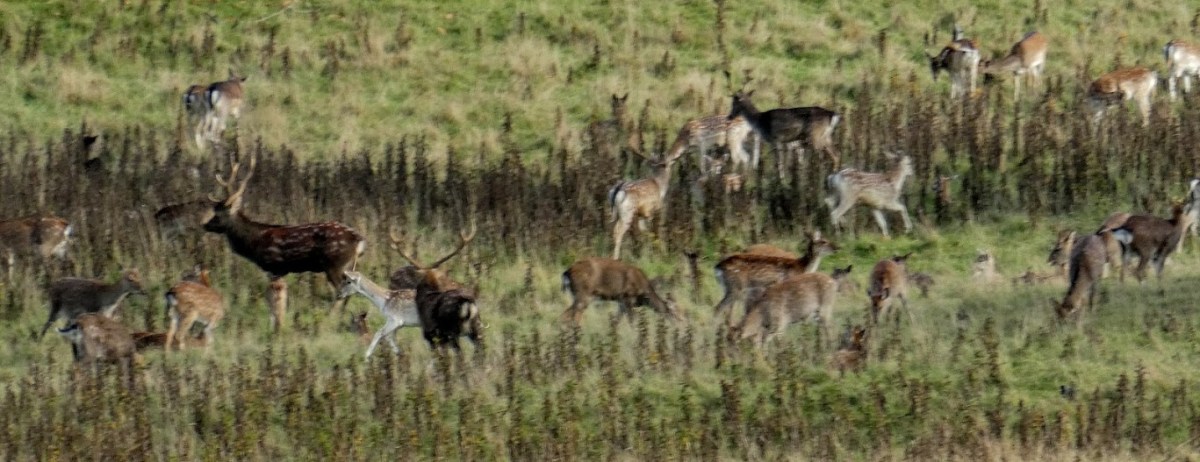
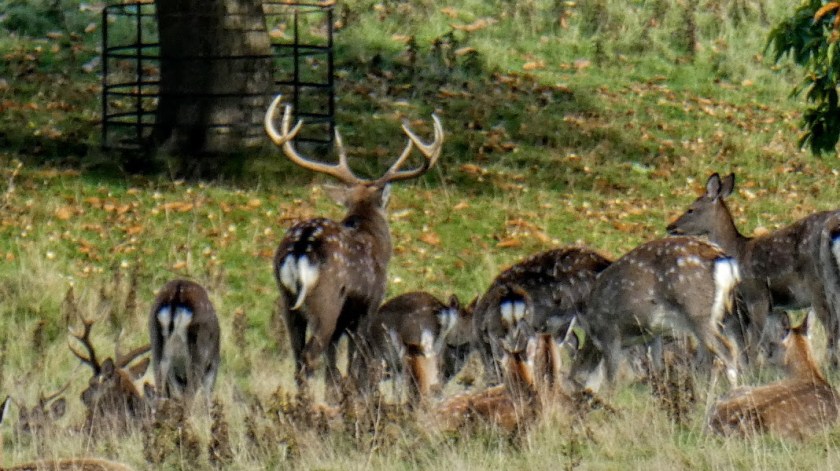
I went on a bit of a safari yesterday. Only down the road to Studley Royal’s deer park. Here are some snippets from the afternoon.

Autumn is the time of the rut, when stags compete to get the biggest and best harem of does, to secure their own blood like survives to the next generation. They wallow in the mud to leave their sexy scent behind, score trees and trash vegetation- they may even aim to toss leaves and grasses to their antlers to make them look even more imposing. We saw none of these behaviours. But we did hear them roaring and making that strange loud roaring belching noise that can be heard from quite a distance, and which warns other males that They Mean Business.
It doesn’t pay to get too near to deer at this – or indeed at any other – time of year, so all of my photos use zoom at its highest setting, which doesn’t make for the crispest of images. But you’ll know you’re in the deer park when you see trees looking like this. That horizontal finish you can see is the browse line – the highest that a red deer on its hind legs can reach to get a mouthful of leaves.

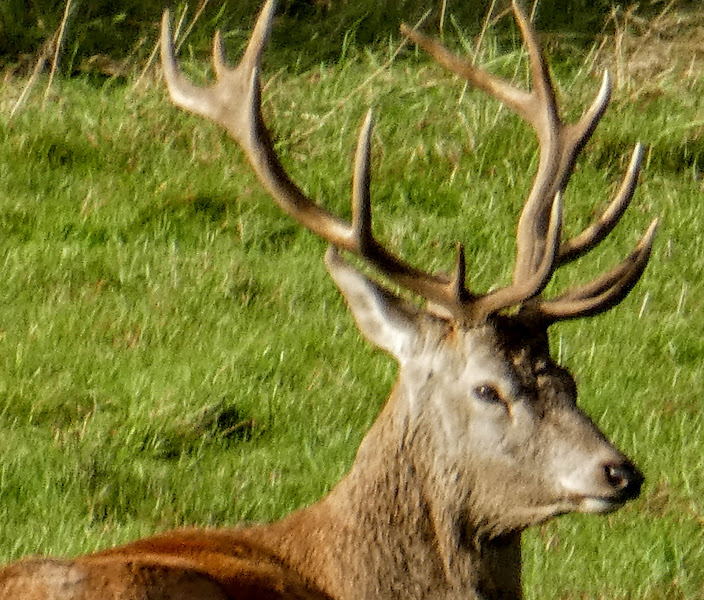
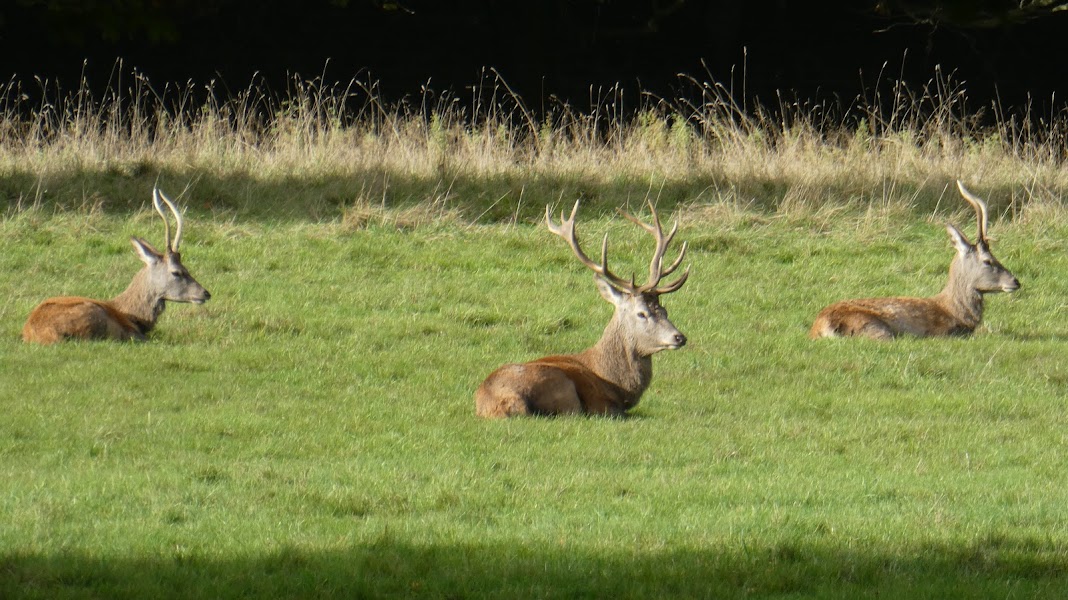
We saw these fellahs next. They’re young stags. They know they haven’t got a hope this year of attracting the females, so they just sit it out. Maybe a bit of play-fighting to get a bit of practice in, but really … it’s just not their party. That first one posed for Monday Portrait.

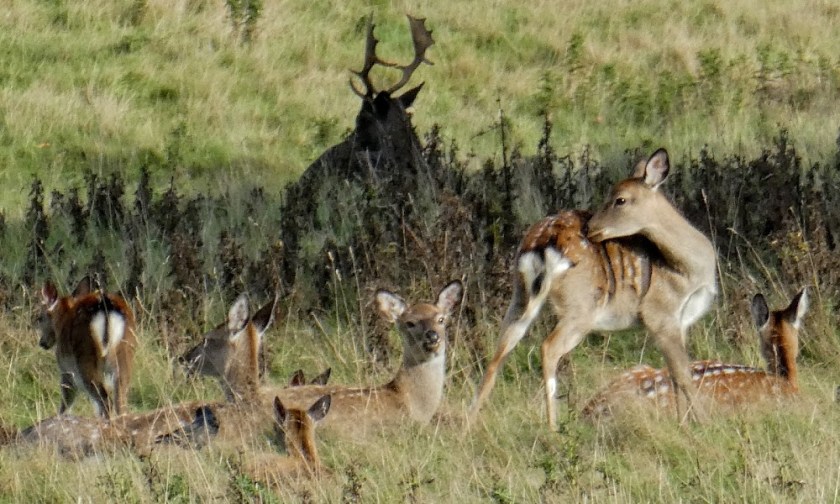
On we walked. Over the old bridge where females often give birth and shelter their young, to the crest of a hill where we have far-reaching views over to Ripon and the North York Moors beyond, And below, deer: fallow deer and sika deer, browsing and grazing together, with their stags keeping a proprietorial eye on them. We kept our distance and just enjoyed watching them.
Younger, older, does and stags …

Then onward, past the sweet chestnut trees they love so much at this time of year, for their tasty chestnuts, past a popular wallowing place (oops, forgot to take a photo).

So let’s finish our walk with a few shots of those views I mentioned.

In the shot above, that’s Ripon down below. The eagle-eyed will just be able to spot the cathedral in the centre of the shot, in the distance.

For Monday Portrait and Jo’s Monday Walk.

Three favourite photos?

Choose my three favourite photos? What kind of a task is that? Hopeless, I’d say, because so many favourites rely on the memories that surround them, that only matter to those who shared the moments.

But Sarah, of Travel with Me fame, has asked us to do just that for this week’s Lens-Artists Photo Challenge.

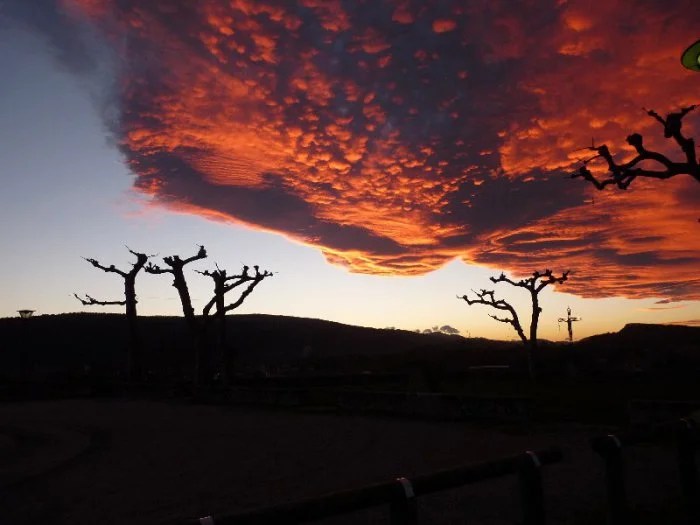
Anyway. Let’s go. This photo dates from years ago, when we lived in France, and once, just once, there was an astonishing and dramatic sunset which we’ve never forgotten, even ten years after the event.

You can perhaps guess from the cross on the right that we’re looking up at the churchyard on the hill above the town, edged with the heavily pollarded plane trees you can see silhouetted against the sky.

Living as now we do near Ripon, we have two ‘back yards’. One is Fountains Abbey and Studley Royal, where I volunteer. And the other encompasses the paths, fields and woodland near our home.

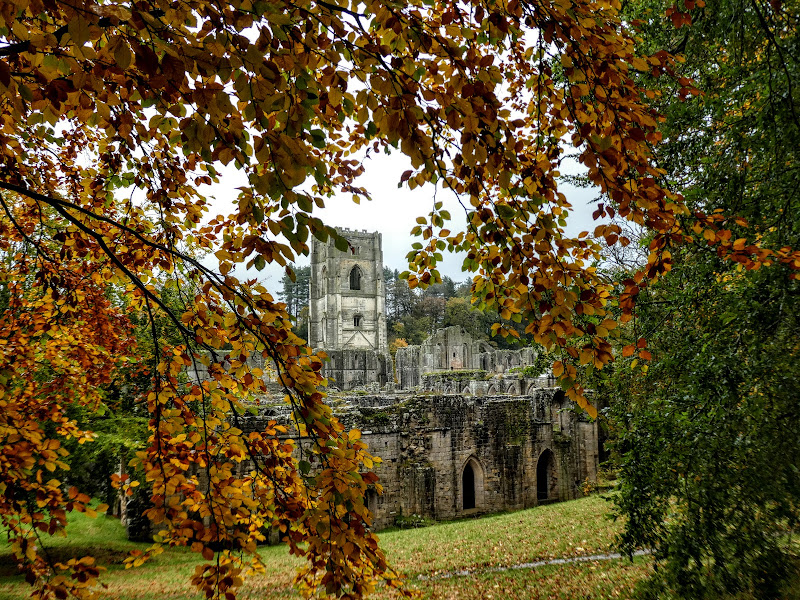
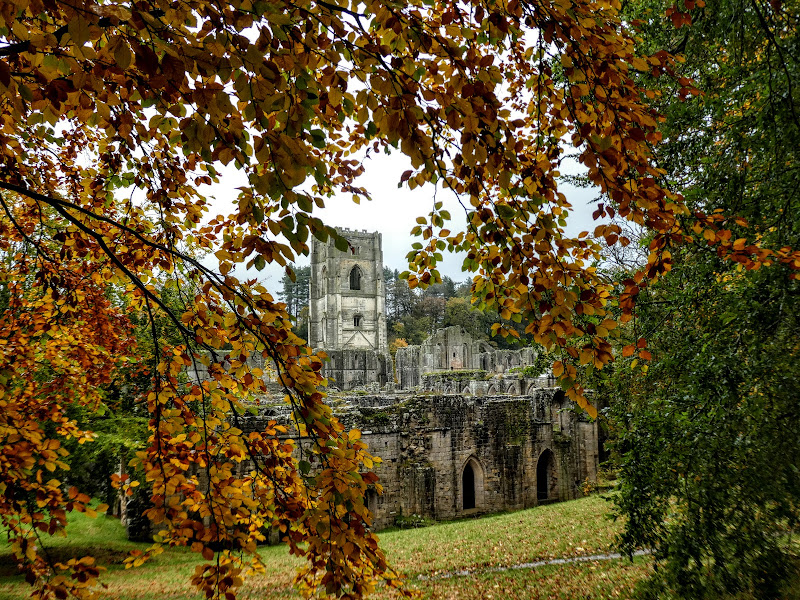
Because I’m so often in both these places, I’ve been able to photograph them in every season, and at every time of day. Here’s an autumn favourite of Fountains Abbey.

I like how the beech leaves frame Huby’s Tower, while their warm russet tints contrast with the austere grey of the abbey’s stonework.

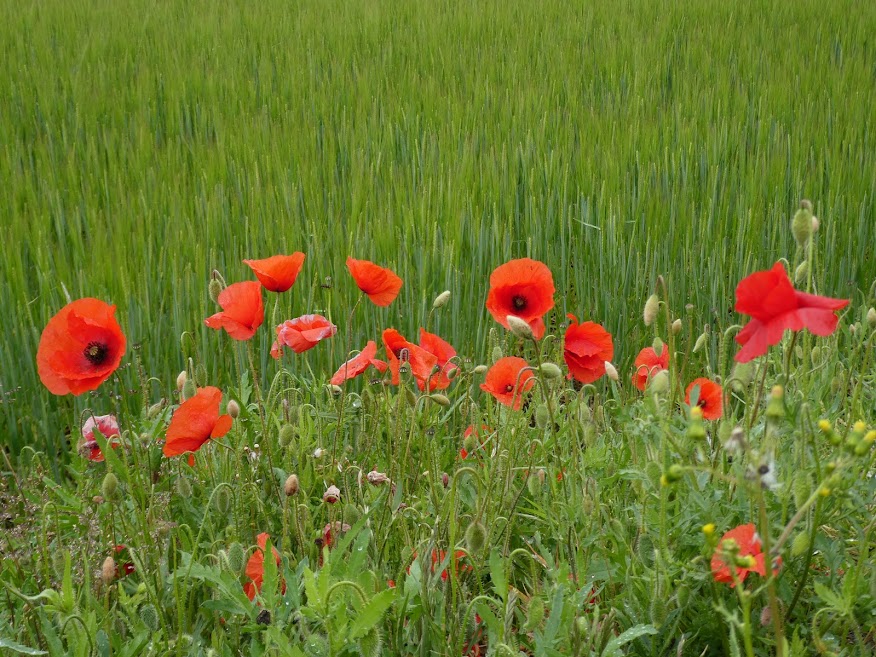
Meanwhile, during the summer months I like to photograph the drifts of poppies in the fields of crops near our house. It was hard to choose just one, but in the end I settled for this one. I like the poppies tumbling about in the foreground, set against the much more organised stems of wheat in their vertical serried ranks.

Ask me to choose three favourites tomorrow though, and you can bet they’d be entirely different shots.

Just listen to that tree!

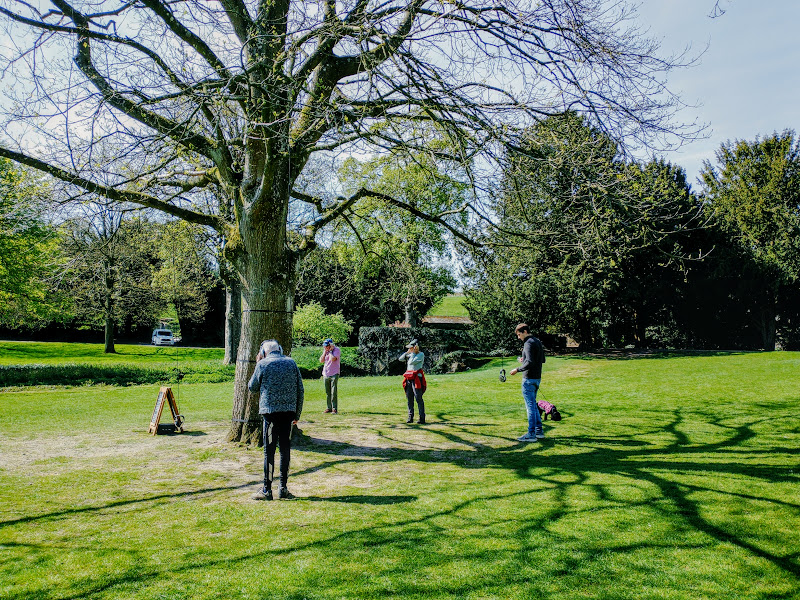
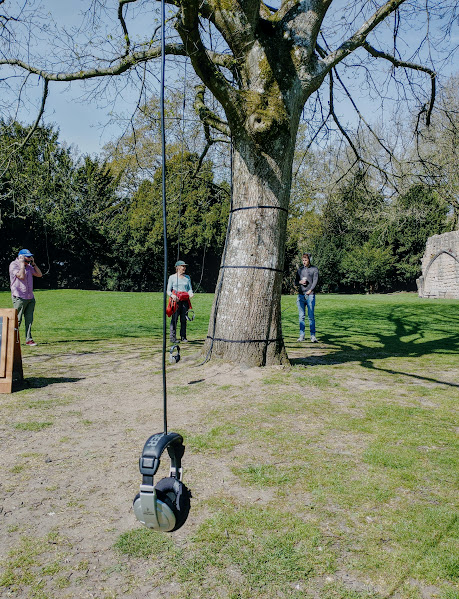
As you wander down the hill to Fountains Abbey, and arrive at West Green, you’ll spot a tree, a sweet chestnut tree with – how odd! – a girdle of headphones hanging from its branches.

This information board explains all: these headphones enable you to listen in, via highly sensitive microphones, to the hidden sounds of the tree.

Truly – it’s astonishing, mesmerising. Just as our blood courses round our body, day in, day out, so water and air courses constantly through the tree. Through headphones, it sounds something like the tinkling of a mountain stream as it tumbles over pebbles. And behind it, as your ears adjust, there’s a low, more intermittent soft rumbling sound. This is the tree moving. Saturday was a still day, but we could hear that rumbling as we listened closely. On a windy day, I wonder what we’d have heard?

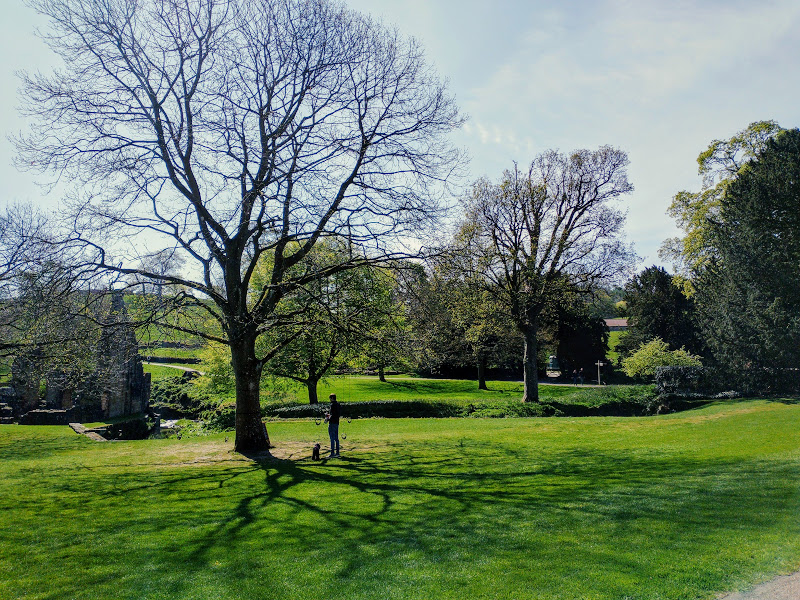
This next photo is the last I took, and the last one of all for April, so one for Brian Bushboy’s Last on the Card

During May, I’m taking a break. I probably won’t even have a chance to read the posts of those of you I follow. When I get the chance though, I’ll try to send a virtual postcard or two.

Framing the view

For this week’s Lens-Artists Challenge, Ann-Christine asks us to think about curves. What a big subject! Flicking through my photos, almost every one has a curve in it somewhere or another. How to limit it? In the end, I decided to go with curves-as-frames.

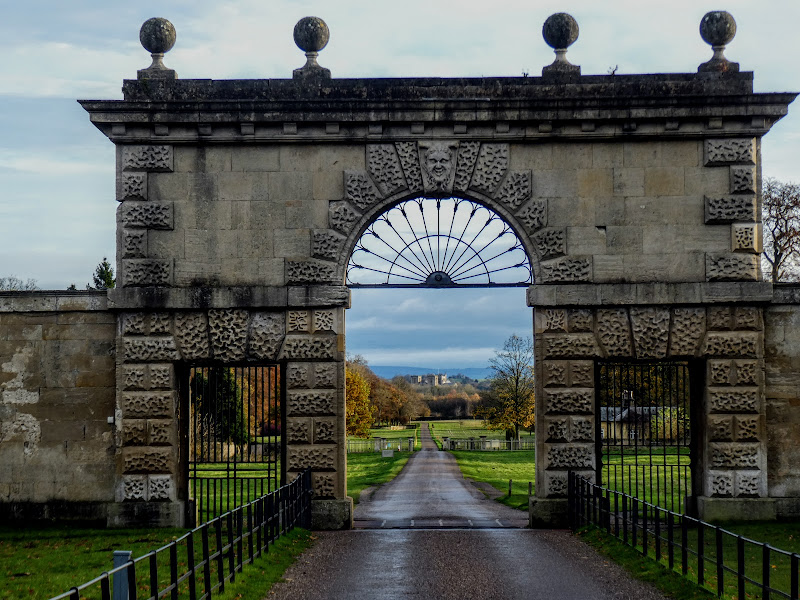
There are deliberate curves as framing devices, as here in Studley Royal, where the estate gates are placed to emphasise the view straight down towards Ripon Cathedral.

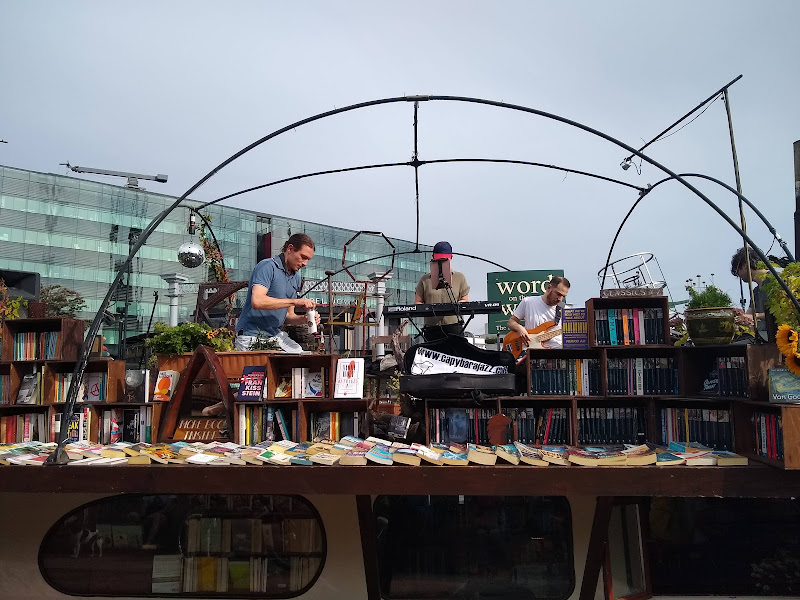
Or here where the band on a bookshop barge on the Regent’s Canal in London has organised an arch above the musicians.

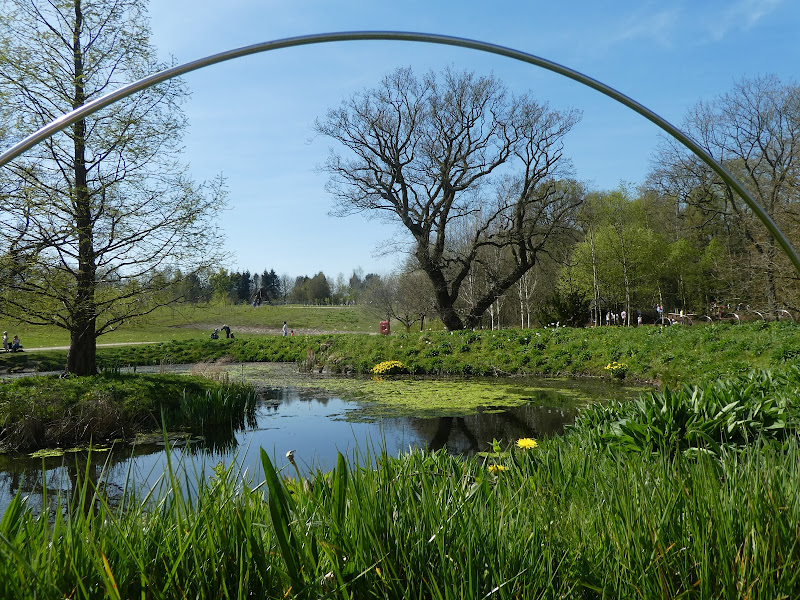
Or here, where a metal arch has provided an impromptu frame, so long as you choose your point-of-view. This is Harlow Carr Gardens, Harrogate ….

… or here, where a handy metal arch can be encouraged to frame the Maritime Museum in Barcelona.

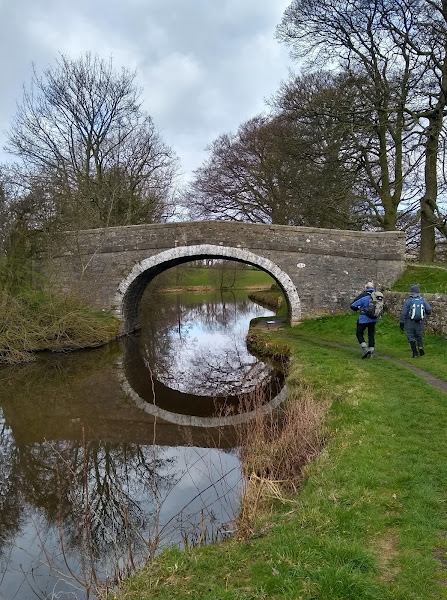
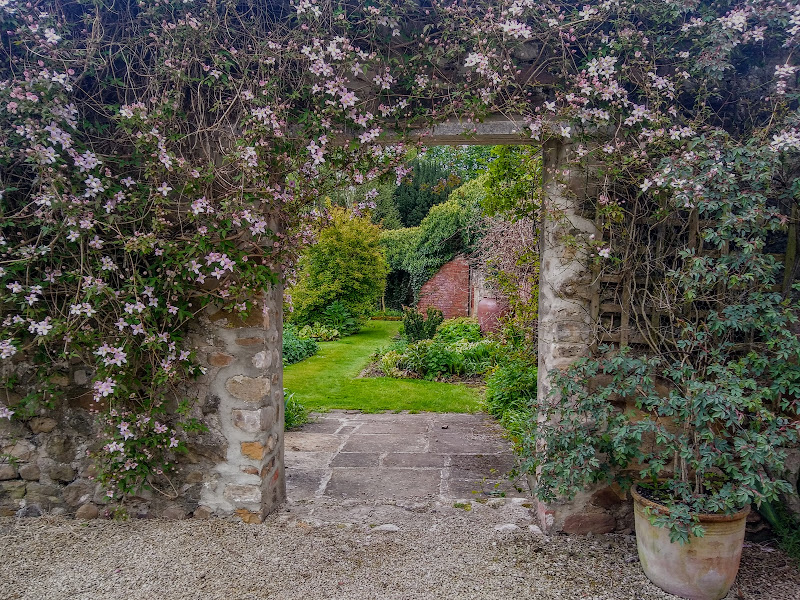
Bridges may be arched, and garden entrances, even if not curved themselves, are often softened by climbing plants.

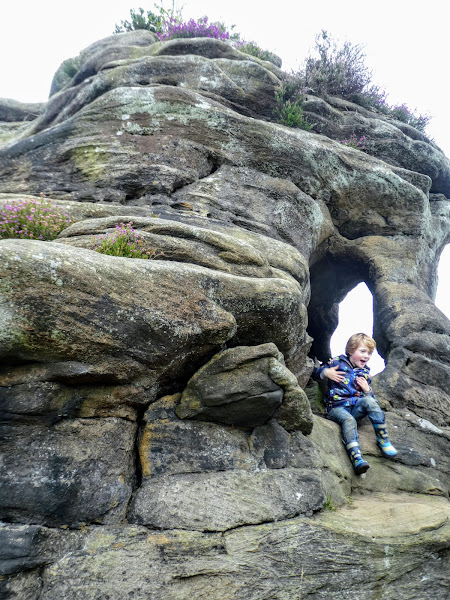
Let’s go to more serendipitous framing in the natural world. Here’s my grandson at Brimham Rocks.

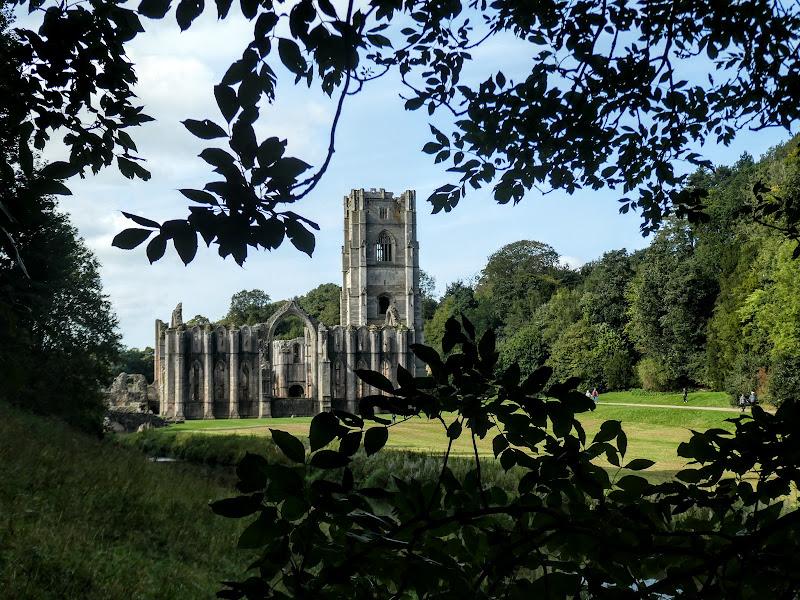
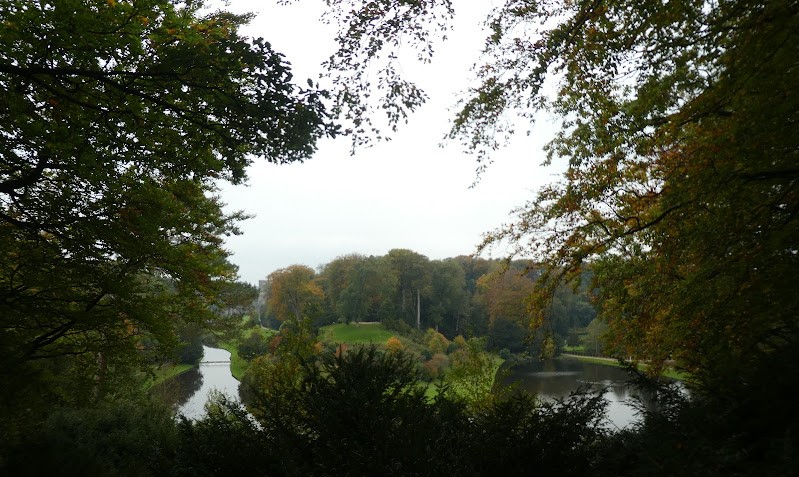
And finally, we’ll go to Fountains Abbey, where I spend so much time. I’ve chosen two different views of the Abbey, one taken in high summer, then the other, shown as the featured image, in autumn. In each case, Huby Tower has been framed by leaves cascading in gentle curves.

As well as the Lens-Artists Challenge, this post fits the bill for Sarah’s Friendly Friday Challenge: Framing your subject.

Monday Portrait

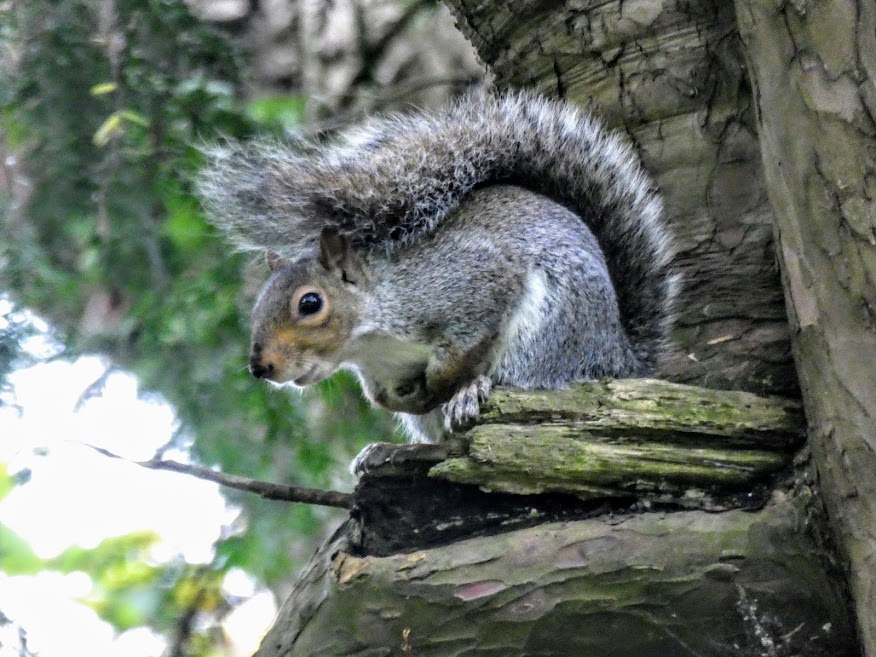
It wasn’t much more than a year ago. I was walking in the grounds of Fountains Abbey when I heard a vicious one-sided conversation going on above me. It was a squirrel, a very heated and angry squirrel, who evidently had a great deal to complain about. Maybe it was me he was angry with. I never found out. The complaining went on long after I’d gone out of his sight.