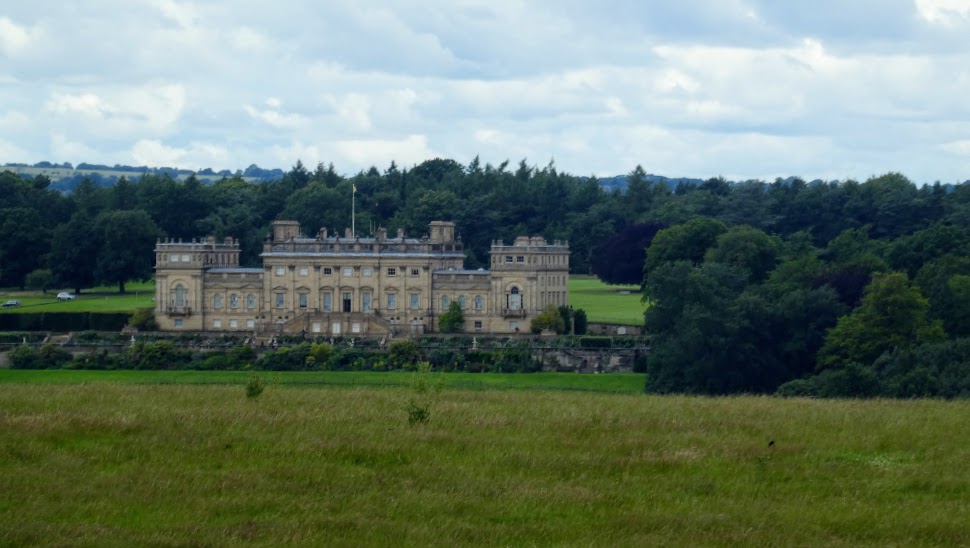
We all trotted off to Harewood House yesterday. This must-visit stately home between Leeds and Harrogate is a little notorious these days because the enormous wealth and privilege it represents was built as a direct result of the slave trade. Designed by architects John Carr and Robert Adam, it was built, between 1759 and 1771, for Edwin Lascelles, 1st Baron Harewood, a wealthy West Indian plantation and slave-owner.
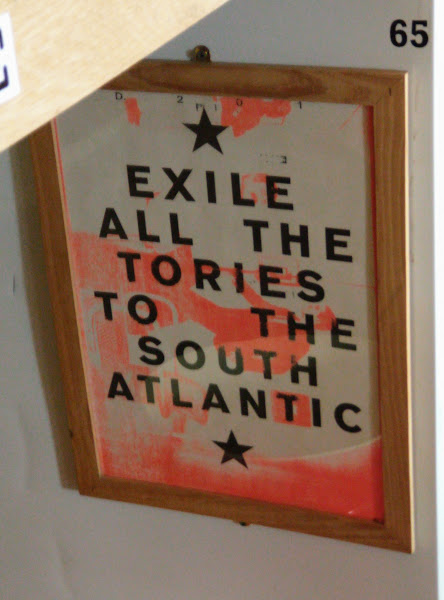
These days, the family does what it can to move on from these distasteful roots. I’ll probably write more later about a current exhibition there – Radical Acts: Why Craft Matters, which looks at a wide range of social justice and environmental issues. But I found my last photo of the month, taken there, irresistible. It’s perhaps not the sort of poster you’d normally find gracing a stately home?
For Brian (Bushboy)’s Last on the Card: July 2022. A chance to show our last photo of the month, however good, bad or indifferent.
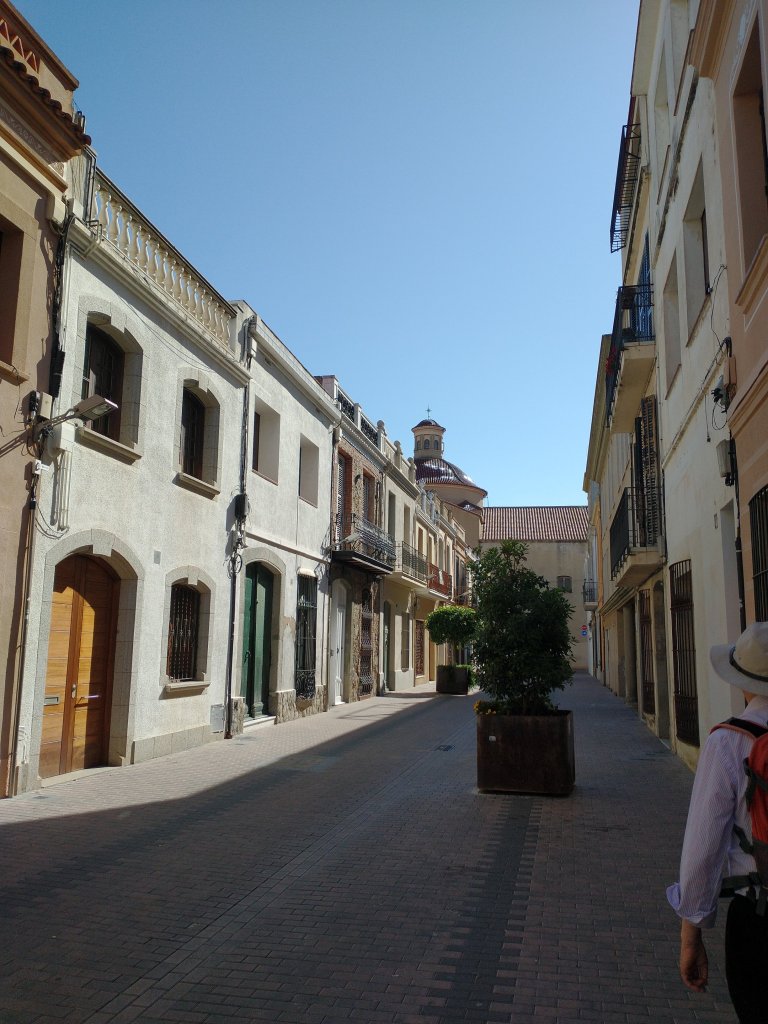
We’re having a quiet day. We’re exploring Premià’s change from fishing village to dormitory town via its skirmish with industrialisation in the 19th century. Few signs are left of its days as a textile town, like many in Catalonia.
Fishermen’s cottages built round about 1839, just before industry arrived and expanded the town.
But here’s something we can’t get our heads round. The textile and gas industries depended on coal. And the coal was transported from Barcelona by rail, on the very first trainline in Spain, opened in 1848.
But where did the coal come from? Asturias, some of it. But most of it came by sea from England. Just think: England, all the way down the coast of France to the Iberian peninsula which had to be skirted virtually in its entirety. It seems economic madness, but it can’t have been.
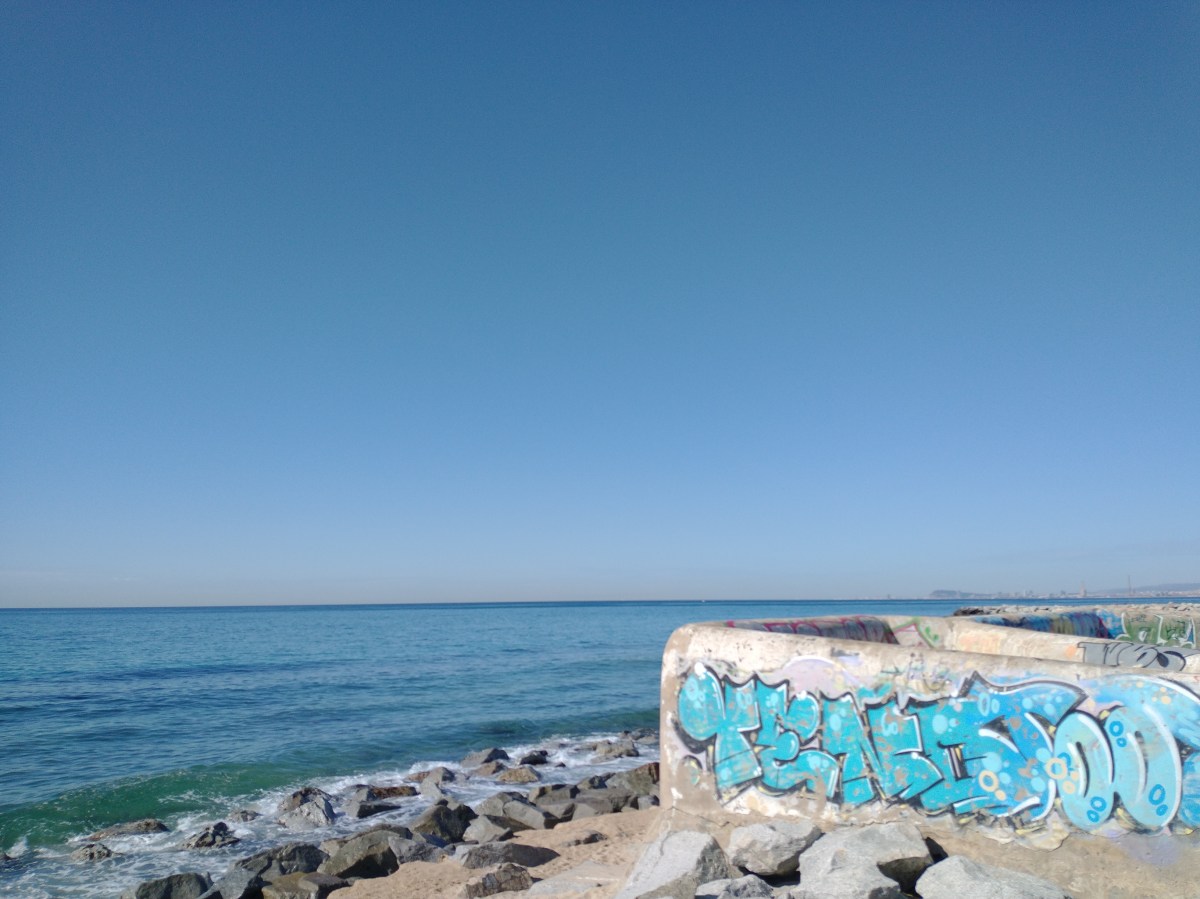
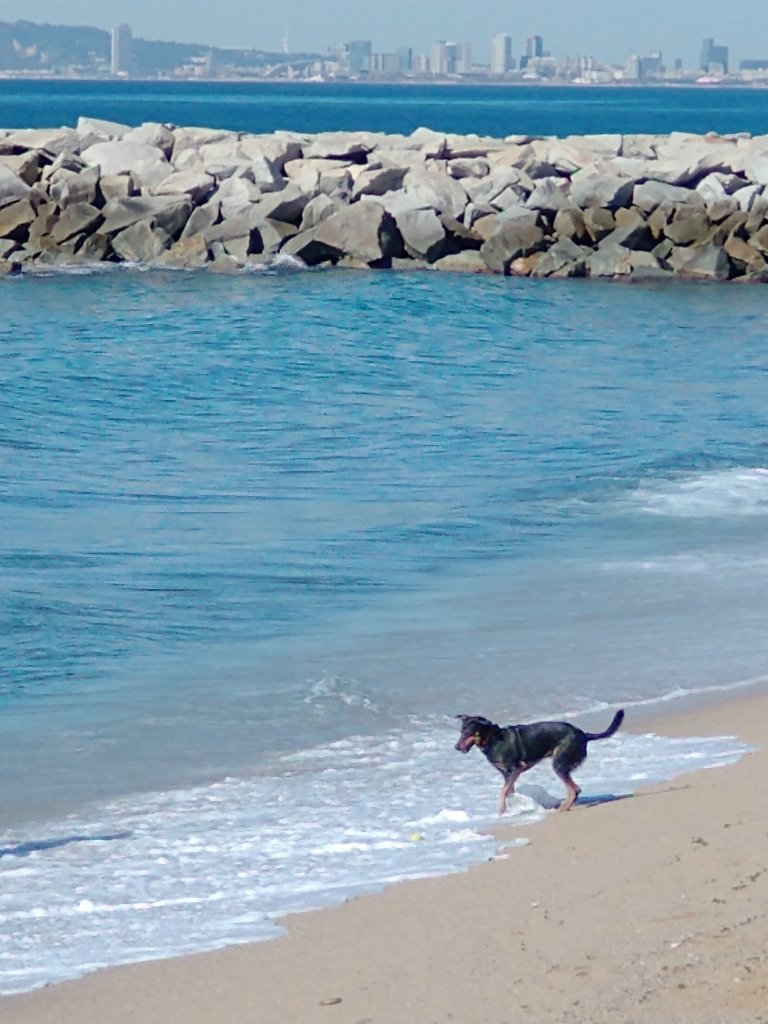
The station still exists. The nearby docks hardly at all. One man and his dog play in the shallows of la Descàrrega. I’m sure they don’t give a thought either of this area’s industrial past, nor of its more recent role in the Spanish Civil War. Bunkers were erected here to protect the railway signals from attack by Francoist troops, and you can see their remains in the featured photo..
One happy dog. His master’s having a swim. That’s Barcelona in the distance.
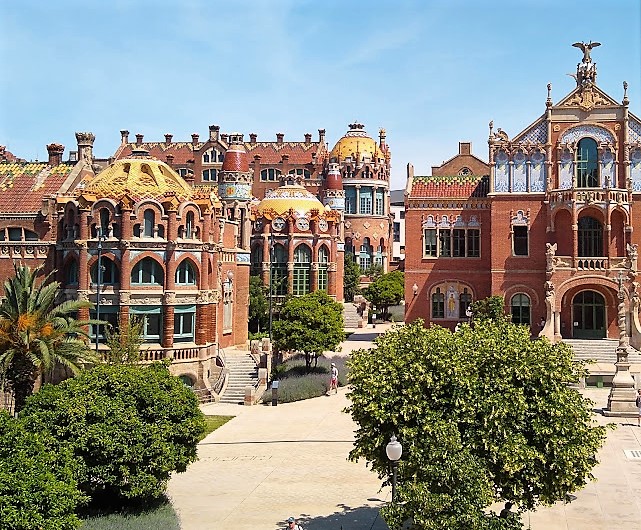
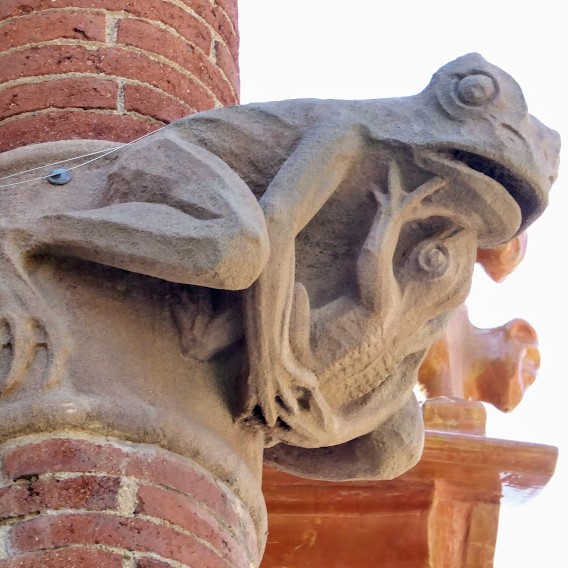
One of my favourite places in Barcelona is the Hospital de la Santa Creu i Sant Pau, which I’ve written about, here and here. It’s a hospital ahead of its time, begun in the late 19th century, set in gardens for the patients to enjoy. Gardens containing odd little delights to spot such as this frog, crouched above a window.
It’s 7.45. Here’s the sunrise on our way to Studley Royal.
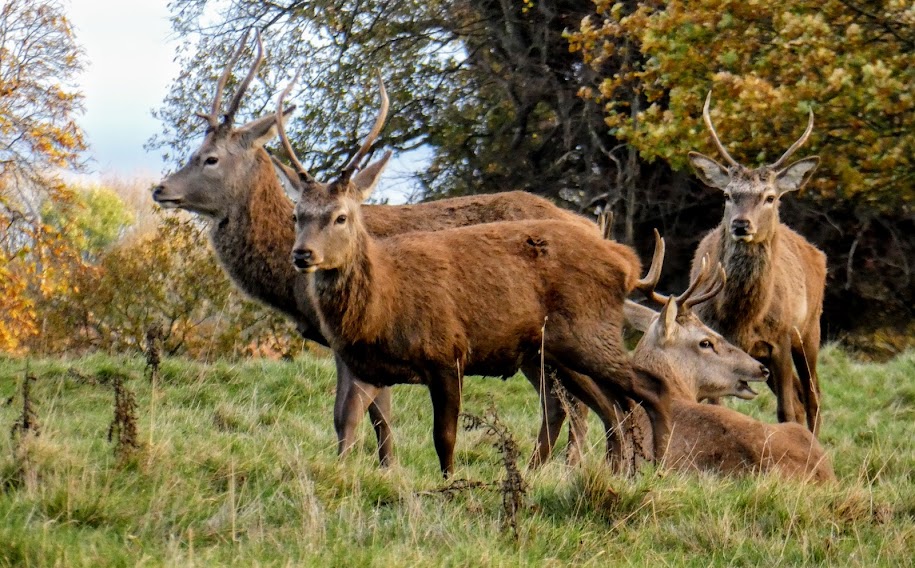
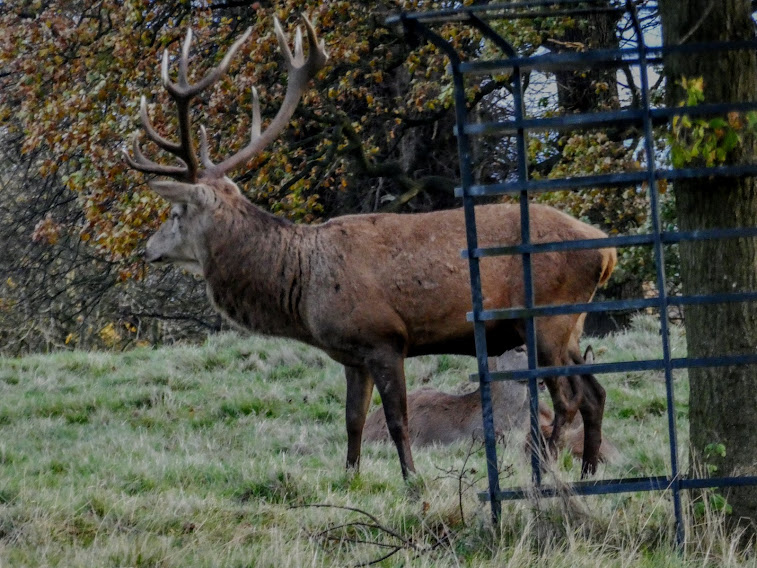
And having met the rangers and our fellow walkers – volunteers on the site, here’s who we’d come to see.
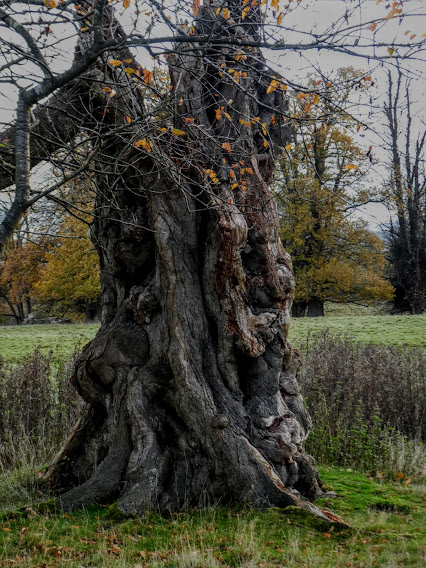
Red deer, but ancient trees too. Cherry trees aren’t meant to last 400 years, but somehow this one is clinging on. Whereas the oak nearby is thought to be more than 800 years old, and dating from the days when the monastic community was at its height in nearby Fountains Abbey.
The ancient cherry …… and its trunk.An oak dating from the time when nearby Fountains Abbey was a busy monastic community.
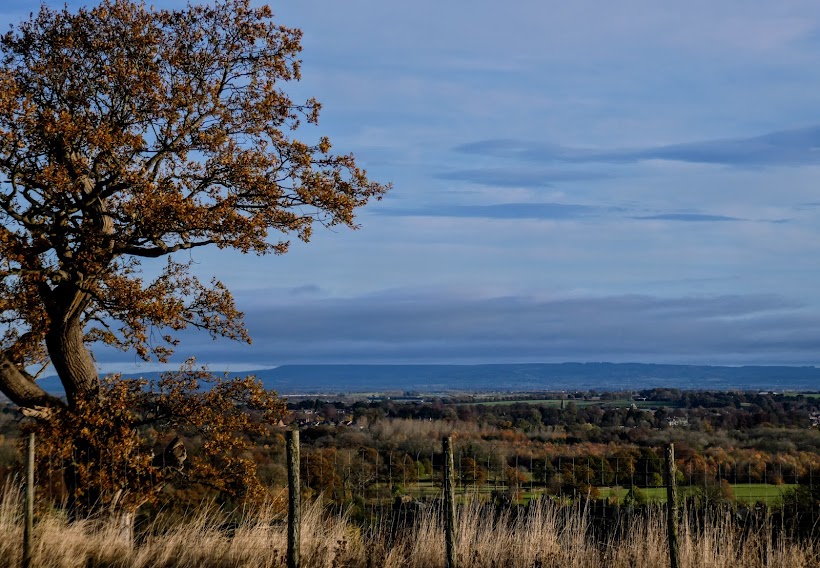
Come with us as we walk past the entrance to the park, framing the view down towards Ripon Cathedral, before we climb uphill to less frequented parts of the parkland, where deer usually roam free and we could enjoy open views across to Ripon and the North York Moors beyond.
Somehow, we forgot all about Masham Sheep Fair last weekend. We forgot about the dozens of different breeds of sheep on show; the sheep-shearing demonstrations; the sheep dog competitions; the children, some really quite young, demonstrating their knowledge and prowess as sheep-handlers. There’s no help for it. We’ll have to revisit this post from October 2014 instead. And by the way. Please don’t show yourself up. Pronounce Masham correctly. Mas-ham. Anyone who lets the side down and calls it Mash’em is immediately recognised as an outsider.
And let’s include this blast-from-the-past in Becky’s Past Squares, as well as including it in Fandango’s Flashback Friday, a celebration of past posts which deserve another outing.
A SHEEP IS A SHEEP IS A SHEEP …
… or not.
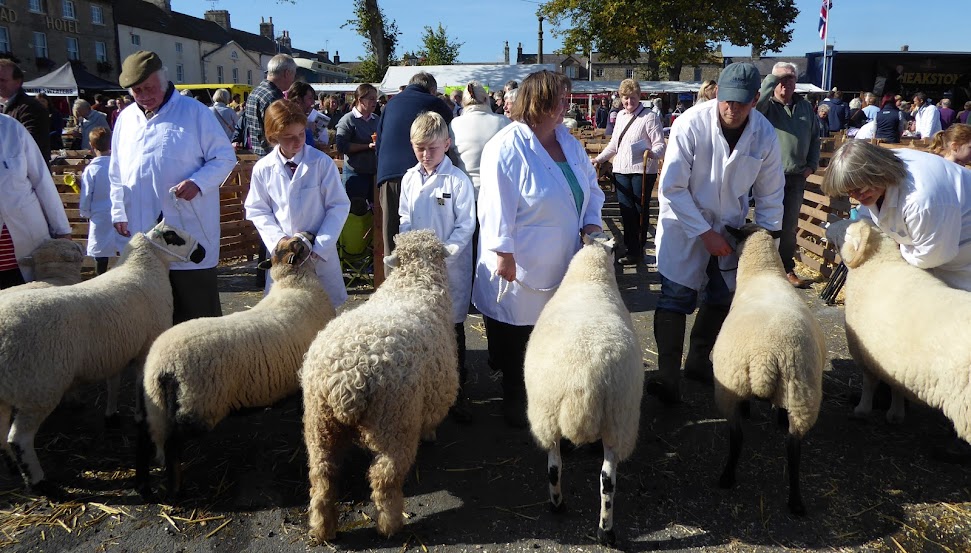
On Saturday we called in, far too briefly, at the annual Masham Sheep Fair. This is the place to go if you believe a sheep looks just like this.
Saturday was the day a whole lot of sheep judging was going on in the market square. Here are a few of the not-at-all identical candidates. And yet they are only a few of the many breeds in England, and in the world. There are 32 distinct breeds commonly seen in different parts of the UK, and many more half-breeds. I was going to identify the ones I’m showing you, but have decided that with one or two exceptions (I know a Swaledale, a Blue-faced Leicester or a Jacobs when I see one), I’d get them wrong. So this is simply a Beauty Pageant for Masham and District sheep.
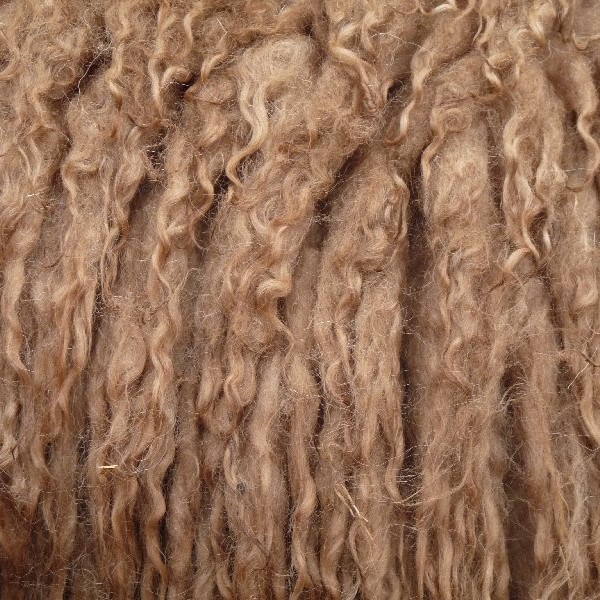
And if you thought wool was just wool, these pictures may be even more surprising. Who knew that sheep are not simply…. just sheep?
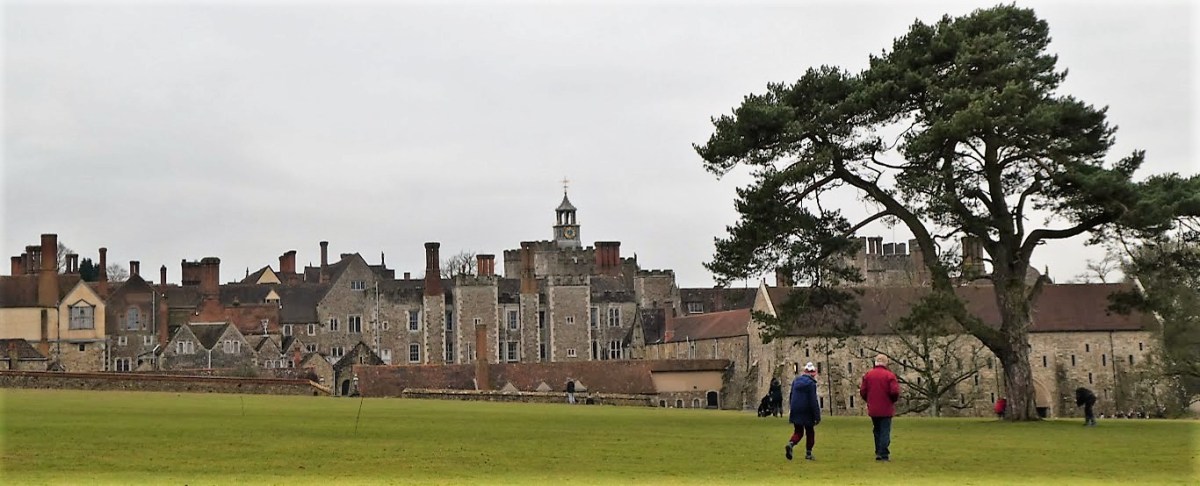
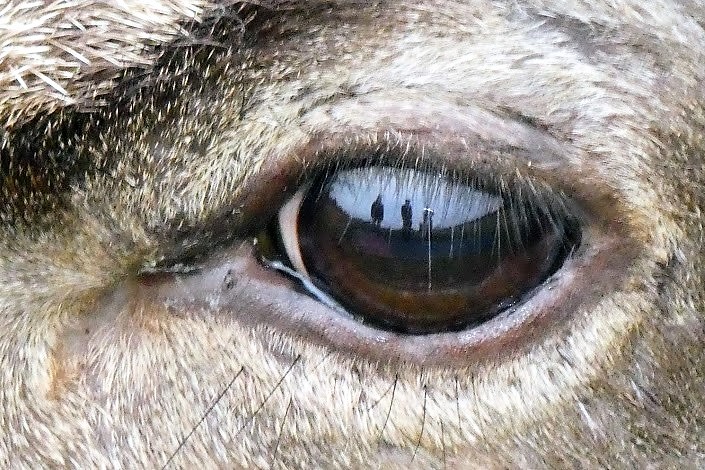
It’s been a strange Not-Quite-Christmas – in our case quite an enjoyable one, and today I’m going to offer a Not-Quite-Monday-Window. Why not? Eyes, it’s said, are the windows to your soul, and we saw plenty of eyes when we visited Knole Park the other Christmas with Team London. Those eyes belonged to some rather over-friendly sika deer. I’m not clear about whether deer have souls, but they they certainly provided a different sort of window through which we could remember our visit. Here’s a picture of me with my son and his son, as seen through the eyes of a passing deer.
Way back in what we no longer call the Dark Ages, this part of the world – north east England – was overrun by Vikings. They came, they saw, they settled. They left their mark on the language: villages such as Thirn, Thrintoft, Skeldale, Kirkby, Slingsby, Ainsty all betray their Norse ancestry. Vikings have a reputation for ravaging and plundering, but in fact many of them and their families made their lives here.
The scenery won’t have been so tidily organised back then.
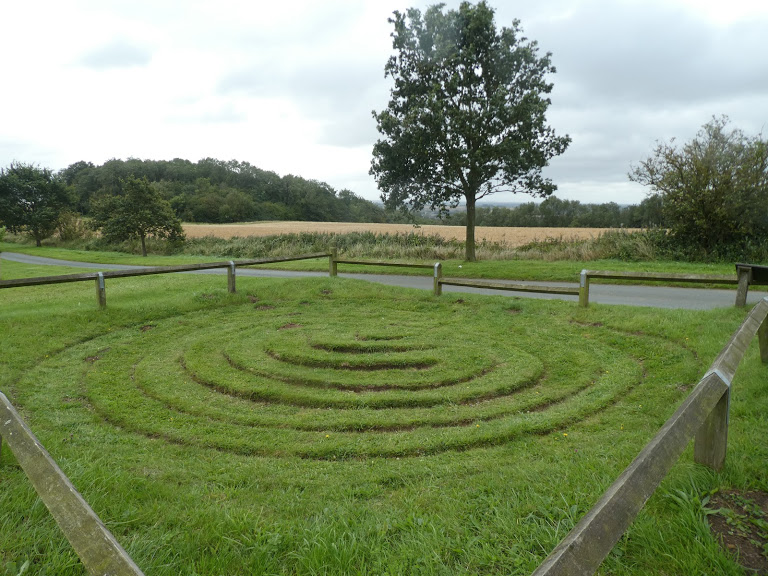
And settlers need some down-time in among the hard work of clearing and working the land and looking after stock: pursuits like this forerunner of the board game, which was played throughout what is now Scandinavia. We found one while walking the Howardian Hills last weekend. It looks like a maze, and it’s called City of Troy.
City of Troy, near Dalby, Sheriff Hutton.
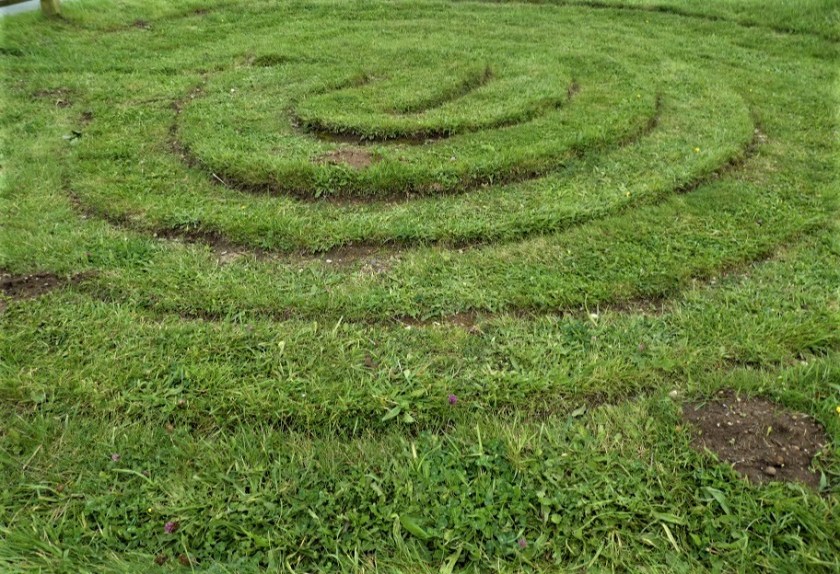
It’s one of only eight still left in England, and this one is the smallest- barely bigger than a large picnic blanket. There used to be one near Ripon apparently, but it was ploughed up in 1827. Nobody any longer knows how to play this game. Why City of Troy? Well, it’s thought that it refers to the walls of that city, which were apparently built in such a way as to prevent unwanted intruders finding their way out. I’m astonished by the idea that the average Norseman (or woman) was up to speed with Ancient Greek history and myth, but what do I know?
A close up view.
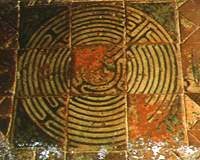
It’s related though to labyrinths found all over Europe. Every ancient culture: Greek, Roman, Egyptian, Indian, Native American – had their own take on this one-way-in and one-way-out puzzle. The labyrinth made its way into mediaeval churches. There was even one in the cathedral local to us in France, in Mirepoix.
The labyrinth in Mirepoix Cathedral.
To Christians of those days, it may have been a symbol of wholeness, and an aid to reflection and prayer. That spiral path within a circle may represent a meandering path, leading us to our very centre, then back out into the world.
The maze game probably doesn’t run so deep. But what its rules were, and when and how it was played, out on a hillside some distance from any known settlement is a mystery that will almost certainly never be solved.
Ah, how idyllic … Bolton Castle in Wensleydale. Perfect for a summer’s day out.
Not if you were Mary Queen of Scots though. She spent six months imprisoned here in 1568. Although even that incarceration was relative. She was attended by 30 of her household, which included knights, servants, ladies-in-waiting, cooks, grooms, a hairdresser, an embroiderer, an apothecary, a physician and a surgeon. The remaining 20 or so lodged in the nearby village of Castle Bolton. She went hunting. She had her hair done. She learnt English, since up to this point she could speak only Scots, French and Latin.
It’s that time of the month when I re-visit a blog post written during our years in France. I’ve chosen this one because of the perspective it offers on rural life there, a hundred or more years ago. Because France – certainly where we were in the foothills of the Pyrenees – had no Industrial Revolution, country life continued more or less unchanged for many until villages devastatingly lost their menfolk during the First World War.
Country life is country life, and some of these occupations would seem familiar to our own grandparents. Others less so. Have a look and see.
Le Cami des Encantats
July 26th 2012
Today we visited Benac, one of those small and almost picture-postcard-pretty villages outside Foix. I think it’s unlikely that too many horny-handed sons and daughters of toil live there these days. Too many freshly painted facades and cheery boxes of geraniums at the windows. Too many sleek and highly-polished cars.
But once upon a time it was a busy working community. For the last few years, every summer the villagers here and in nearby hamlets arrange carefully constructed and dressed figures into appropriate corners of both village and countryside. These figures celebrate the way of life that persisted here – and throughout France – for centuries, and only died out some time after the First World War. They call the route you follow to hunt out all these scenes Le Cami des Encantats: Occitan for something like ‘the Enchanted Path’. Come with me and take a look. Click on any image for a closer look and a caption.
The priest arrives at church.
Un poilu – a WW1 soldier, the French answer to a Tommy.
Then as now, it’s good to sit and watch the world go by.
Here’s the Garde Champêtre, paid by local farmers to keep local crops and stock safely in one place.
Pudding basin haircuts weren’t just for English children.
A colporteur: a hawker, purveyor of books and other good things.
The beekeeper.
The mobile distillery or alambic came round every autumn to distill some of the fruit crops into potent alcohol. It still happens.
An important craftsman: the nailmaker.
This man’s work is indoors. He’s at the forge.
The miller.
Log sawing: always important in this wooded region, for building, fuel, joinery ….
Haymaking.
A woman at the village lavoir, or clothes washing place. Sinks are fed from a natural water source and sheltered by a roof. One of the centres of village life.
The French love to hunt. Then it was a necessity rather than a hobby.
The postman.
Le pelharot: the rag and bone man.
As in England, the pig played an important part in keeping the household nourished through the winter months.
L’estamarron: the tinker dips worn cutlery to bring it back to life
The church bellringer.
If you work in the fields all day you need water. This young woman brings it to you.
This shepherd will spend the whole summer at high mountain pasture with his sheep.

















 From Pyrenees to Pennines
You must be logged in to post a comment.