
This week’s Lens-Artists Challenge from Ann-Christine asks us to focus on gardens. We’re out and about travelling, so new posts are beyond me. But at this time of year, I always remember the annual garden extravaganza that took place a few miles away from where we lived in France: Le Jardin Extraordinaire. Here’s why …
Category: France
What Use is a Balcony?

This week, for the Lens-Artists Challenge, PR invites us to present balconies we’ve met. I love leaning over a balcony, with the chance to relish a bit of sunshine whilst enjoying some people -watching. But it turns out that I haven’t got a single shot of residents enjoying their bit of outdoor urban space.
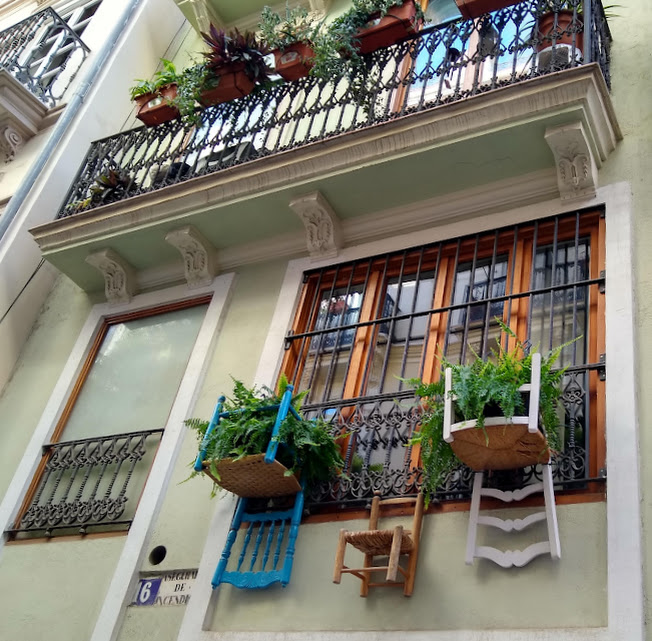
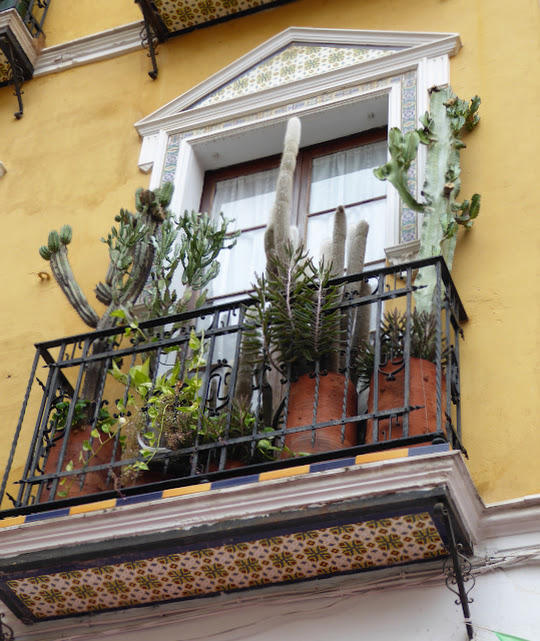
Lots of apartment-owners turn their balconies into gardens. Although the resident in my first shot hasn’t allowed a lack of an existing one to thwart plans. How about repurposing a few chairs? And the second one earns a place to show how so many Spanish and Portuguese balconies are tiled on the underside. Such a good idea!
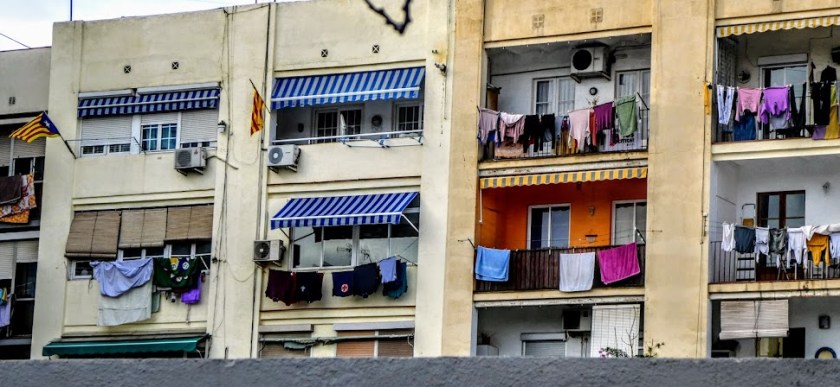
Then – obviously – there’s Balcony as Washing Line. Here are two from Spain.

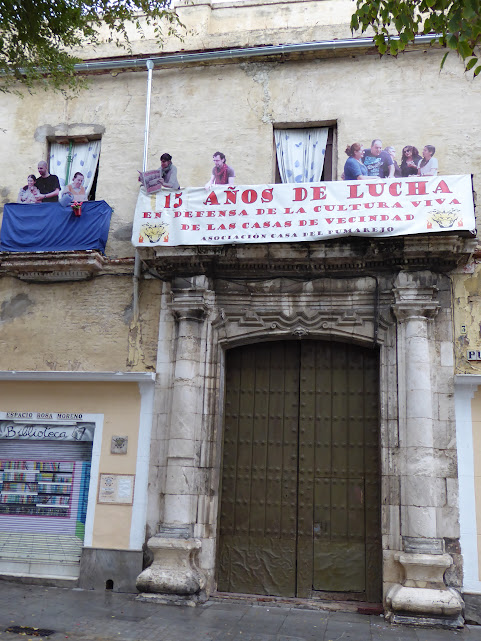
Sometimes a balcony is ideal for posting a protest. Here the citizens of Berga demanded Independence from Spain for Catalonia. Five years on, the cries don’t seem to be quite so strident. And in the adjacent images, citizens in a run-down neighbourhood in Seville sought a touch of cultural revival, accompanied by lively illustrations.

Sometimes it’s just about cheering up the neighbourhood. Here we are, first in Berlin, then in Málaga.


And sometimes, balaconies just wish to speak for themselves. Here are two fine examples.
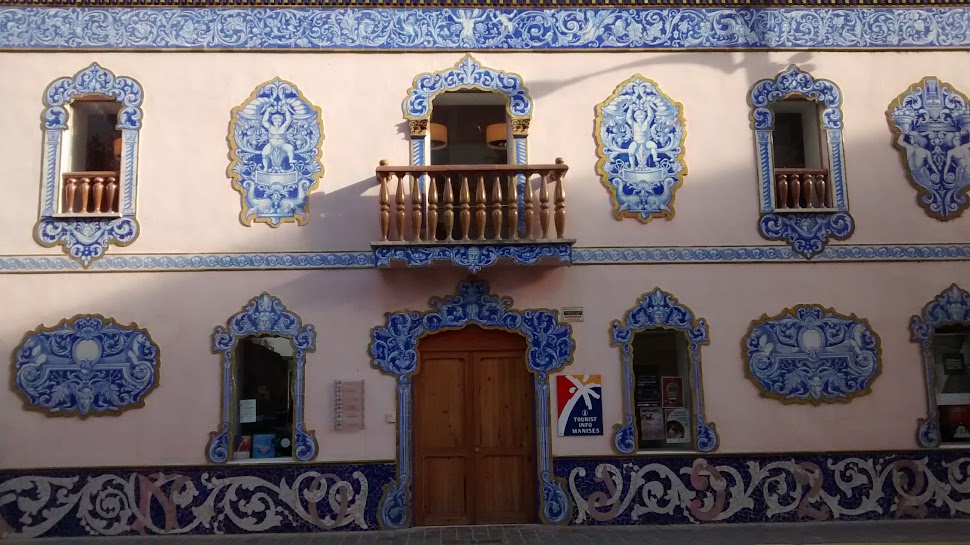
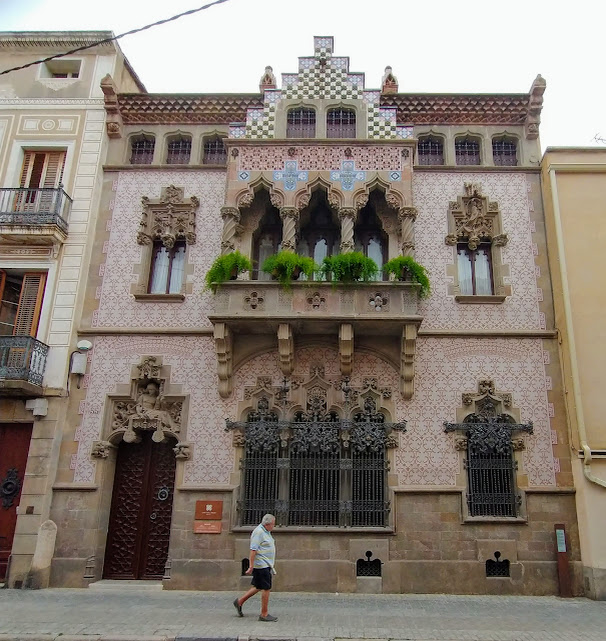
And some people just don’t have a balcony. So they have to paint one instead.

My feature photo is of an ordinary street in Argentona, Catalonia – where every house is sporting a balcony.
Thanks, PR – this was an inspired post to set us in the mood for summer travels, and mooching around to find balconies to admire.
Statuary for Small People to Enjoy
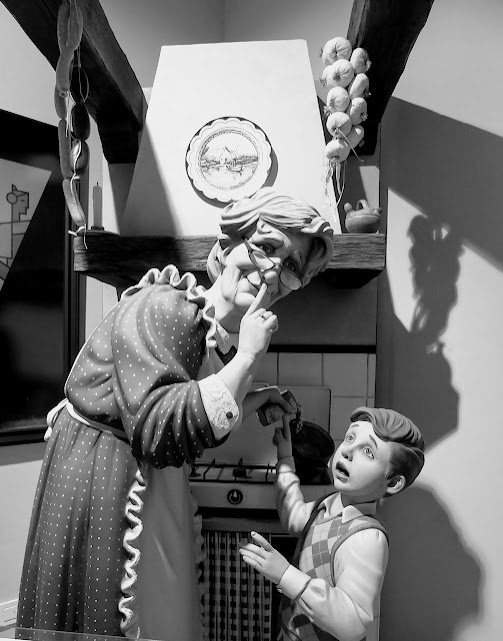
Monochrome Madness this week asks us to feature statues. I could show you Michelangelo’s David. I could feature statues of The Great and The Good, as featured in all big cities everywhere. Or Nymphs and Greek Gods from set-piece fountains everywhere. But I’ve decided to go low-brow and show you pieces destined to appeal to children, or adults in search of their inner child.
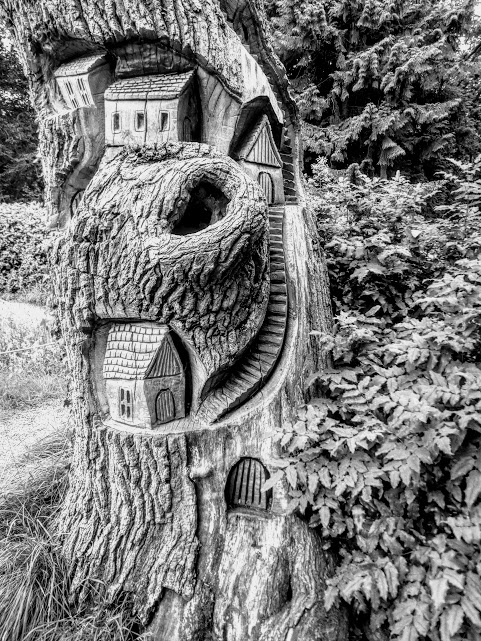
Let’s begin at the Arboretum at Thorp Perrow.
Then we’ll stay local and inspect the Alice in Wonderland characters you’ll find in Ripon Spa Gardens. Lewis Carroll spent part of his childhood in Ripon, because his father was a canon at the cathedral here.
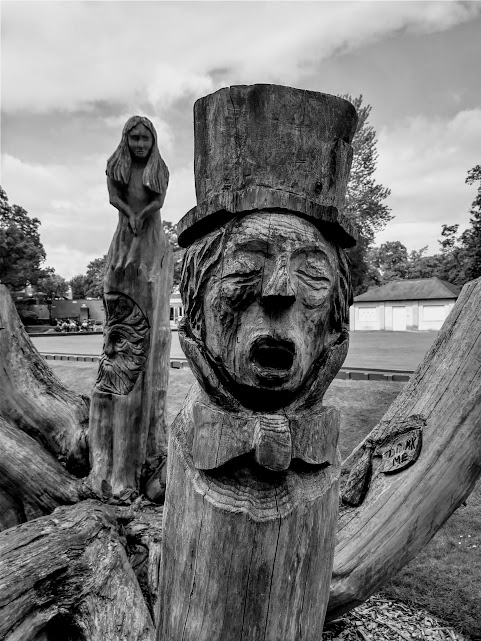
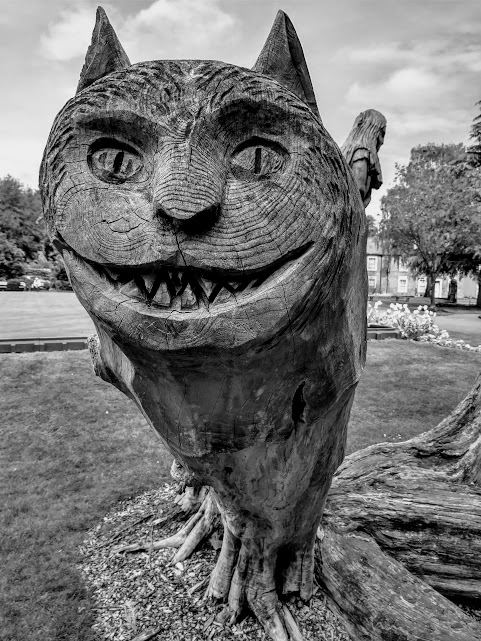
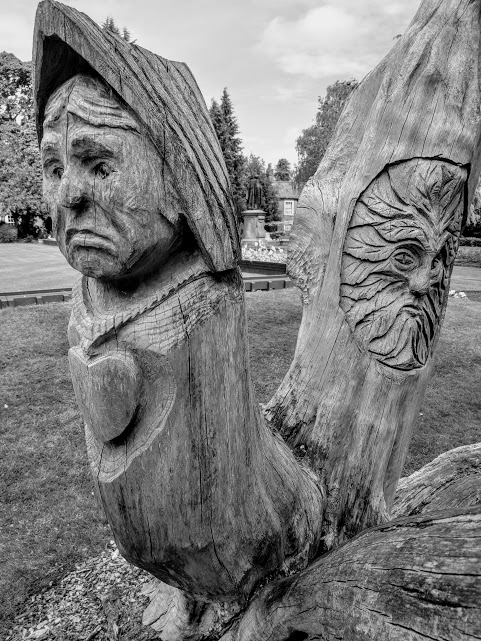
I hope you recognise the Mad Hatter, the Cheshire Cat and the Queen of Hearts.
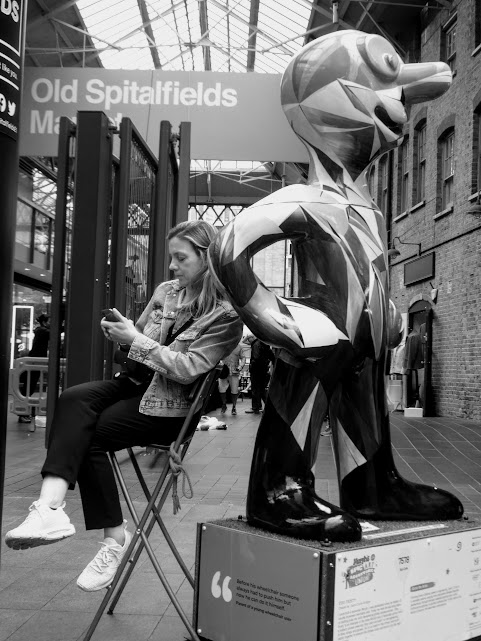
Then there’s this fellow, part of a sculpture trail promoted recently in London by the children’s charity Whizz Kidz.
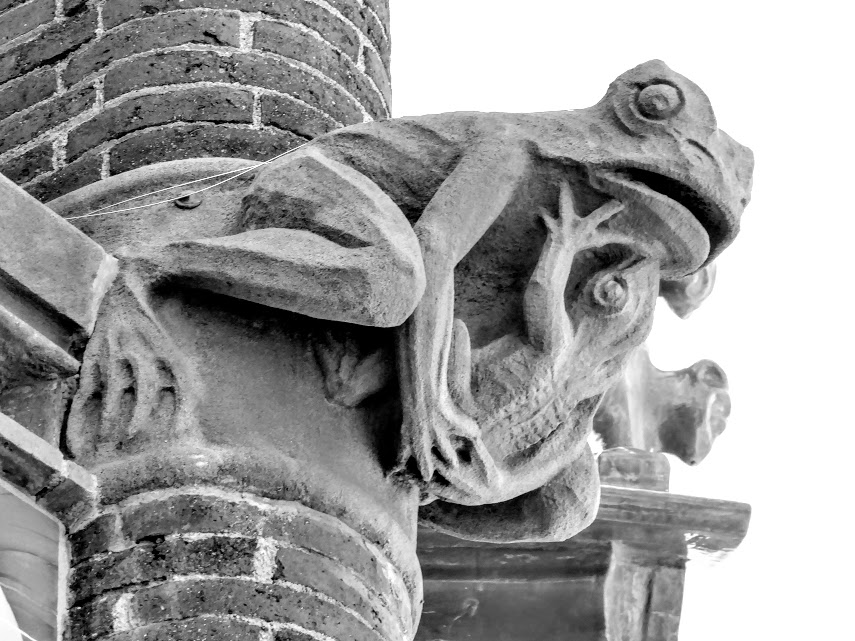
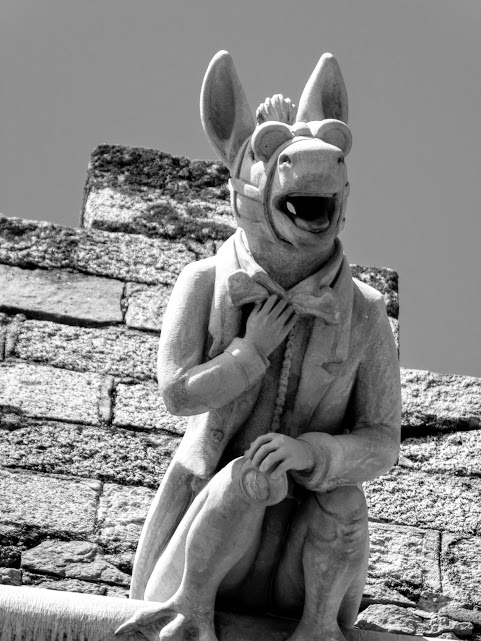
Here are some gargoyles, not necessarily designed for children, but certainly appealing to them: from the Hospital de Sant Pau, Barcelona, and the Església de Sant Julià in Argentona.
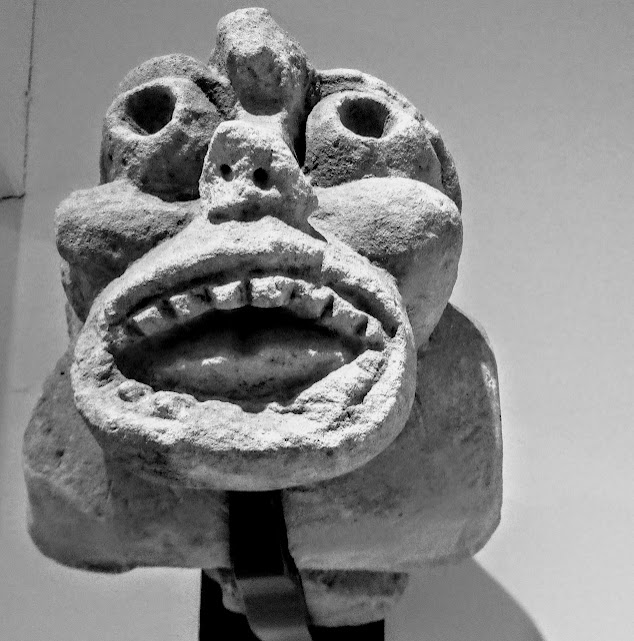
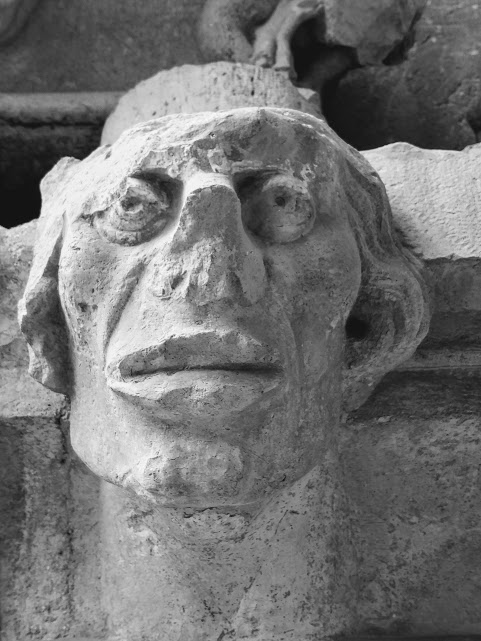
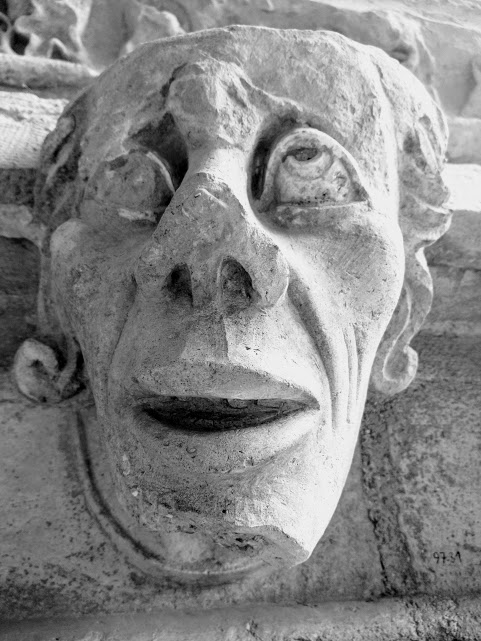
Monks and the Christian faithful – or certainly the masons working for them – generally weren’t above fashioning satisfyingly scary pieces. Here are two battered relics: one from Rievaulx Abbey, and the other from Rheims Cathedral.
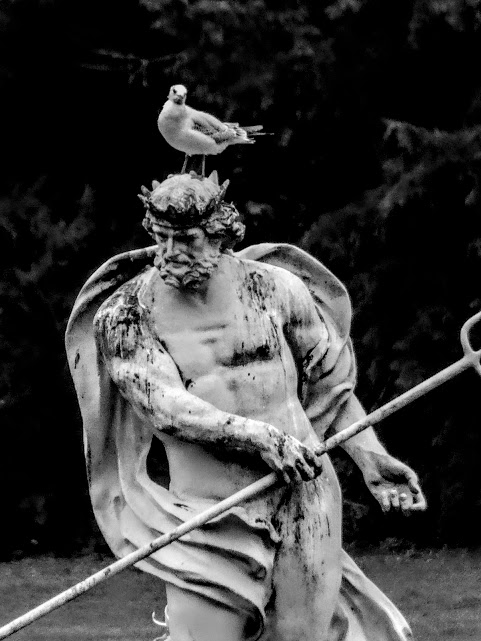
My last image isn’t of a statue designed to be amusing. But Neptune at Studley Royal always makes me and any children I happen to be with laugh when the poor fellow is sporting a seagull headpiece.
And my feature photo? Are they even statues? Well, I don’t know what else to call these two. They’re from Valencia’s annual Fallas Festival, where humorous figures, originally made of wood, are toted round town in March each year to celebrate the arrival of spring.
For Leanne’s Monochrome Madness, hosted this week by PR, of Flights of the Soul.
And Debbie’s Six Word Saturday.
And Natalie’s Photographing Public Art Challenge (PPAC).
Saint Valery sur Somme Revisited
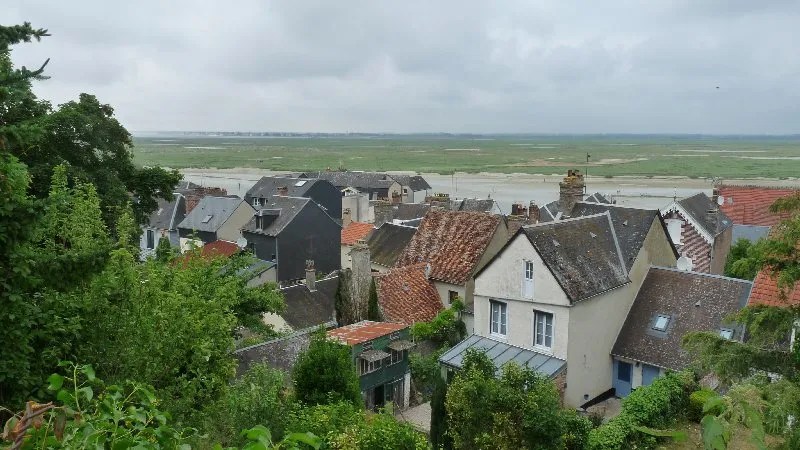
Exactly nine years ago today I wrote a post about a trip we’d only recently returned from. I thought I’d give it another outing.
Saint Valery sur Somme
24th June 2015
Here’s a town we Brits should know. It’s where 1066 And All That really began. William of Normandy and his troops set sail from here, landed on the English south coast and won the Battle of Hastings. William became King of England, introduced a whole new French vocabulary into the English language (‘Pork or beef, madam?’), and his brother Odo commissioned the first strip cartoon, the Bayeux tapestry, to record and commemorate the event. Later though, in 1431, the English held Joan of Arc captive here, before conveying her to Rouen to be burnt at the stake.

Even without those compelling reasons to make a pilgrimage, Saint Valery is worth a detour. It was and is a harbour and a fishing town with a picturesque mediaeval centre. Like many pretty towns on the coast, it’s popular with writers and artists: Victor Hugo, Jules Verne, Alfred Sisley and Edgar Degas all had homes here, and we spent a pleasant day exploring, poking round the (rather touristy) Sunday market, choosing a restaurant-stop, and generally enjoying the pleasures of a seaside town.



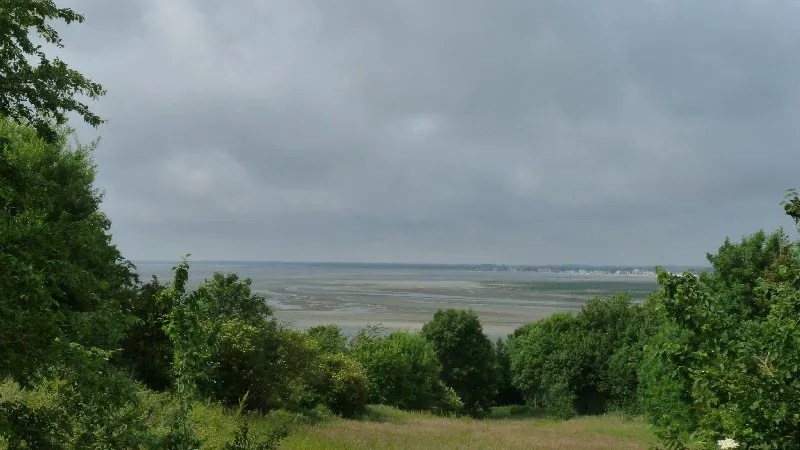
While we were there, something special happened. After lunch (moules, what else?) we wandered down to the beach. There, on the other side of the estuary, were sheep, paddling. Dozens of sheep, scores of sheep, hundreds of sheep. They’re unique. They’re bred from English Suffolk and Hampshire sheep, and they spend their lives grazing the salt marshes., which gives them a highly regarded flavour, rich in mineral salts, and the name ‘Estran salt meadow lamb’. The life of those sheep, and their shepherds, and sheep dogs, is an energetic one. They have to keep moving each and every day to avoid getting stuck in the damp and boggy sand. Their shepherds keep an eye on them, oiling their feet to prevent foot rot, and every night the flock returns to pens with fresh straw via a special tunnel under the road.

Before we left, we wandered through the harbour, and up to the Chapelle des Marins, a neo-Gothic building, built on the site where the hermit-saint Gualaric, who gave his name to the town, once lived. It’s a good place from which to say ‘Goodbye’ to the town and get some final views of the bay.


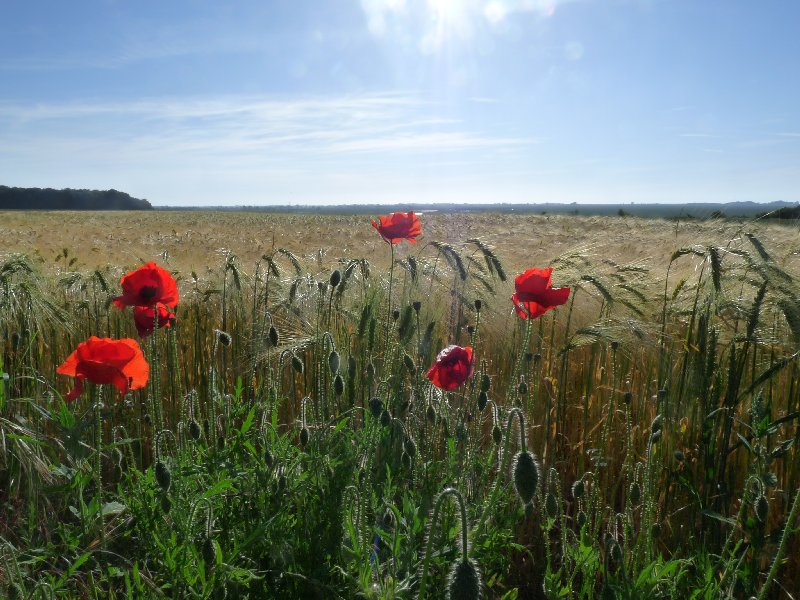
Rocks of Ages
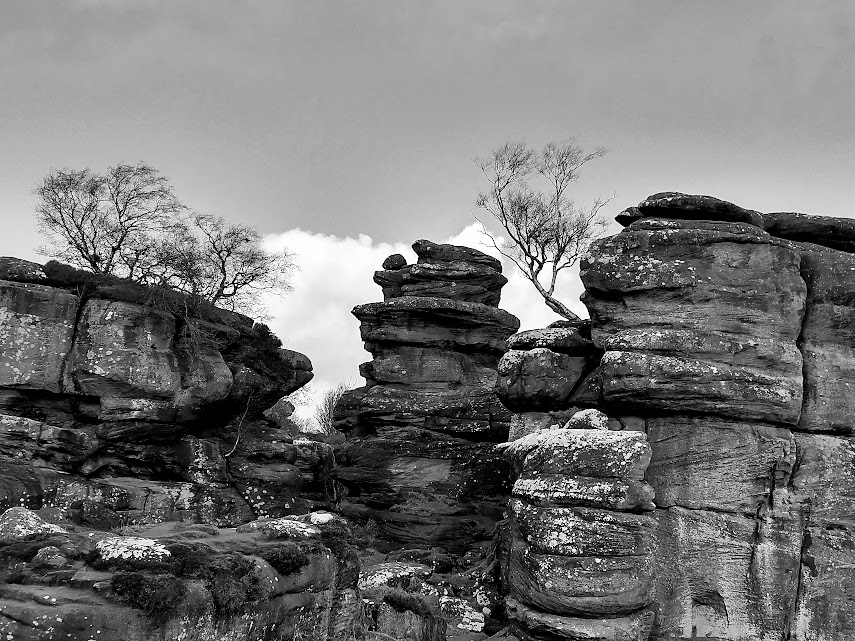
This week, Donna’s Lens Artist Challenge invites us to celebrate rocks, their geology, and what they have meant to humankind. Bloggers have responded with hosts of natural wonders: extravagant, bizarre, subtly beautiful and all extraordinary. I had planned to respond in kind, by showcasing – as I have in my feature photo – our nearby geological extravaganza which is Brimham Rocks. But I already have several times – here – here and here – to name but a few.
Instead, I’ve chosen to show rocks in the service of mankind. Brimham Rocks even fit in here. These days they’re our very best local playground.

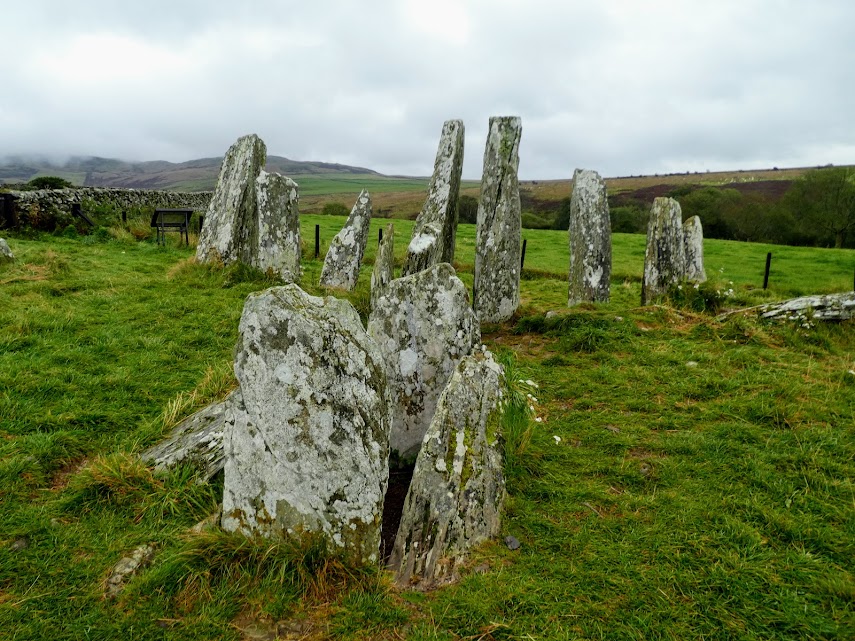
But rocks have been pressed into service since prehistoric times. Here is Cairn Holy in Dumfries and Galloway. It’s a Neolithic burial site – perhaps that of Galdus, a Scottish king. But perhaps not: he’s thought to be mythical.
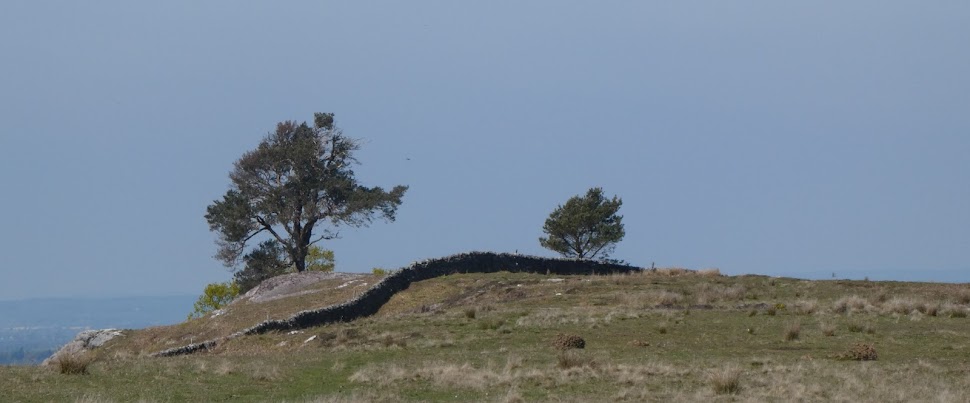
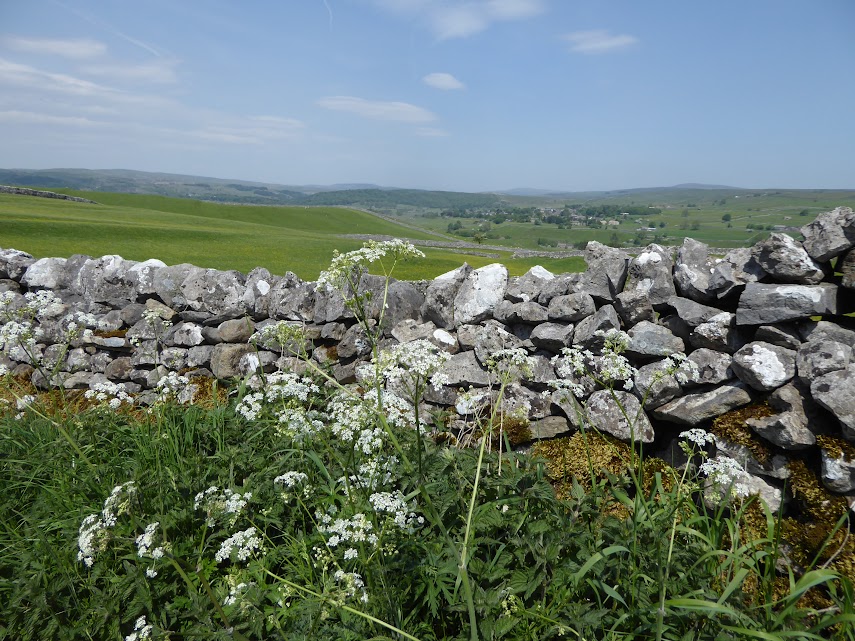
Farmers have divided their land up into fields for almost as long. Drystone walls march across the rural landscape here, particularly in the north of England.

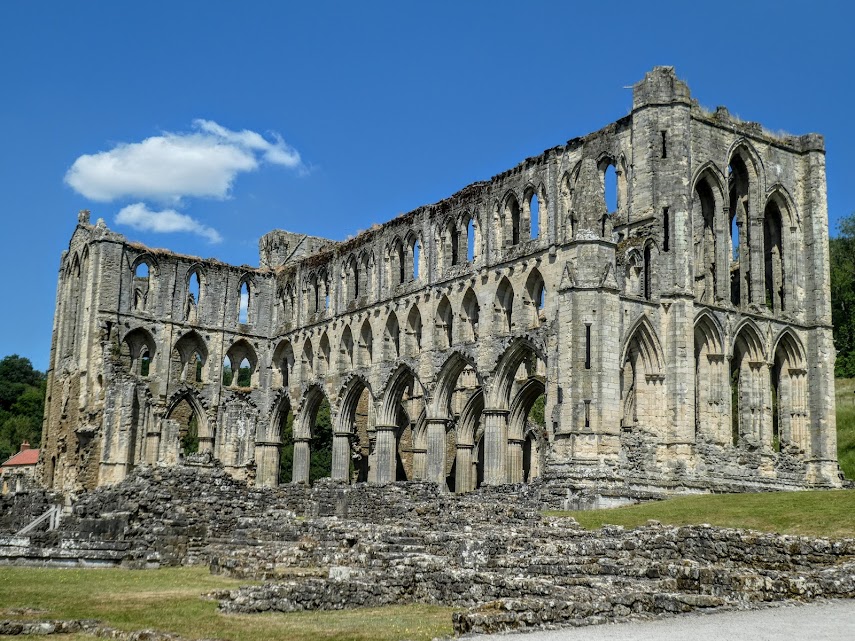
And where would our churches, our cathedrals be without a ready supply of local rock and stone?
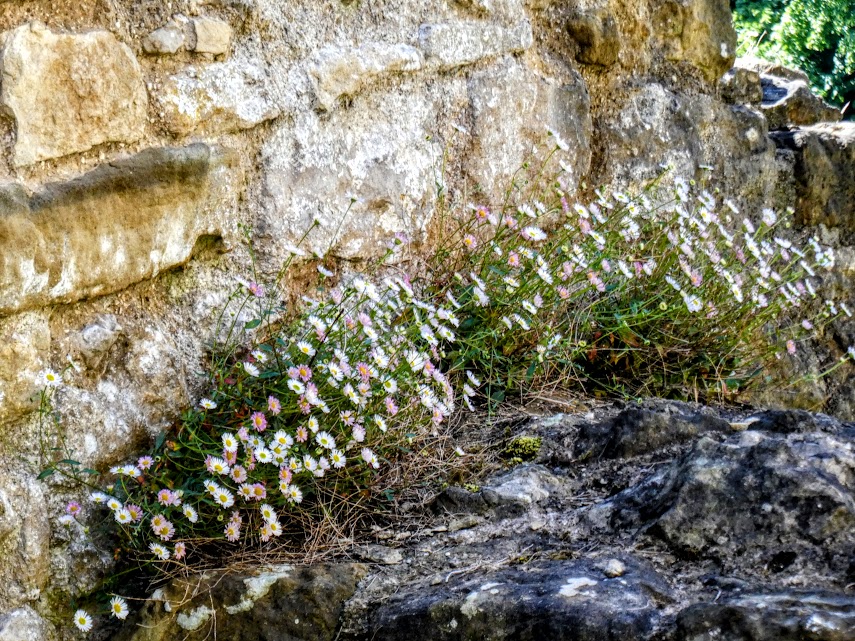
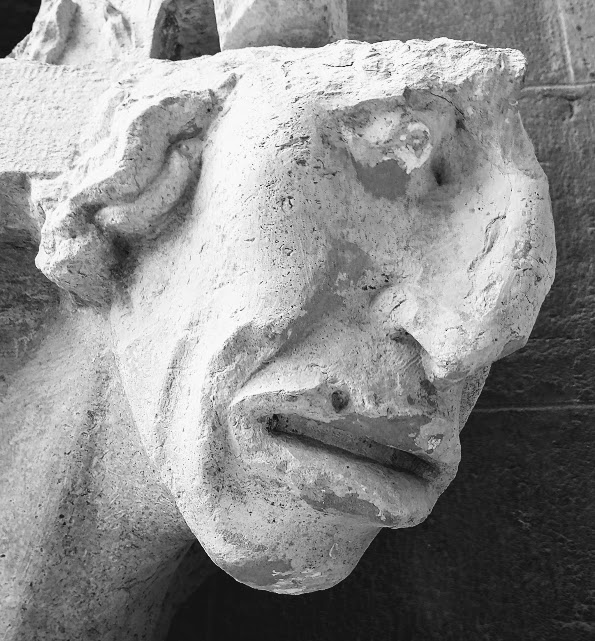
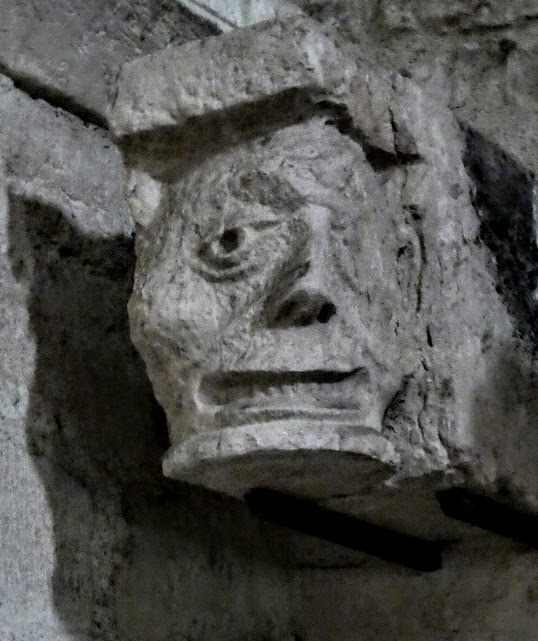
Scuplture too. I’ve chosen a few pieces that have weathered over the centuries, to reveal the underlying rock that the original sculptor had chiselled to the form that he, not nature had decided on.

Nature too can be a sculptor. This rock, hauled from the sea on the Spanish coast, has been transformed by – what? Underwater snail trails?

Nature doesn’t need any help from man when it comes to artistic expression. I’ll conclude with an image of rock at its most painterly, in the Gorges du Tarn in France.

A Window on a Small French Village
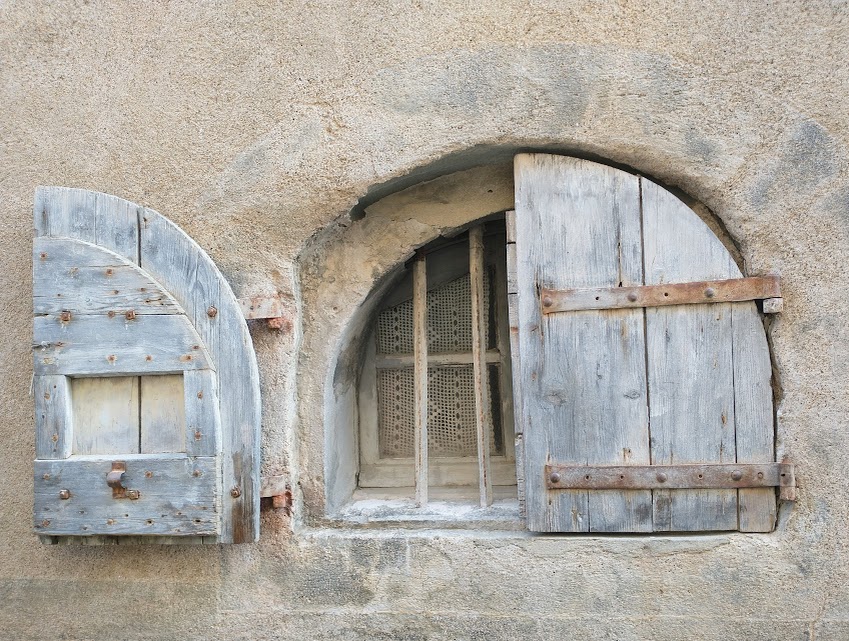
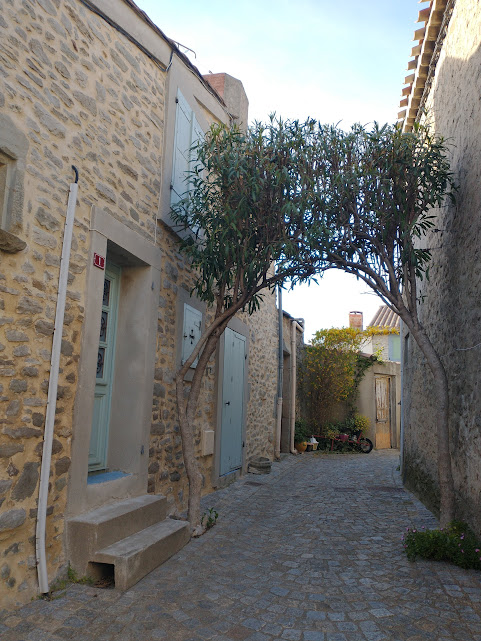
Last week, I showed you a rather characterful shuttered window I’d spotted in a French village. Many of you really liked it, so I’m showing it again in my featured photo, but in colour this time, Which version do you prefer?
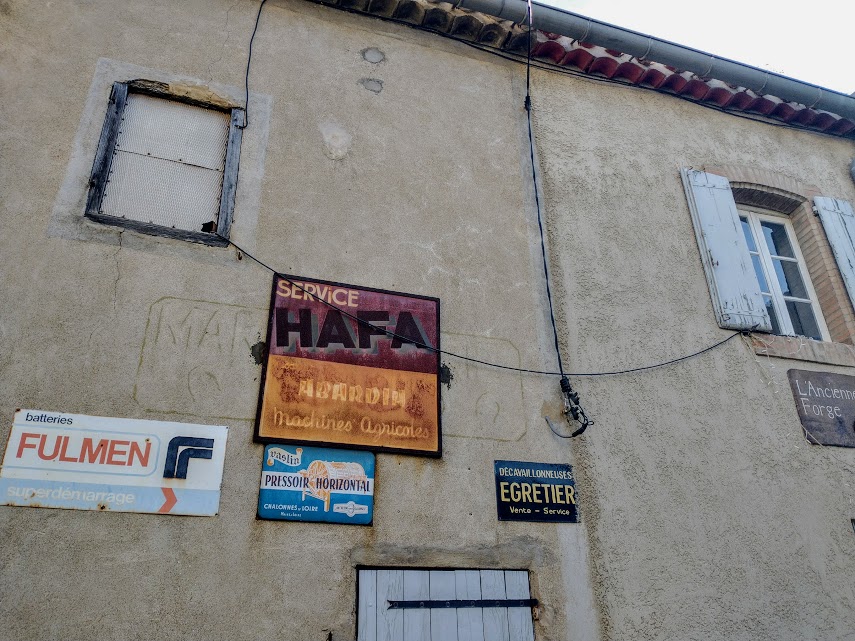
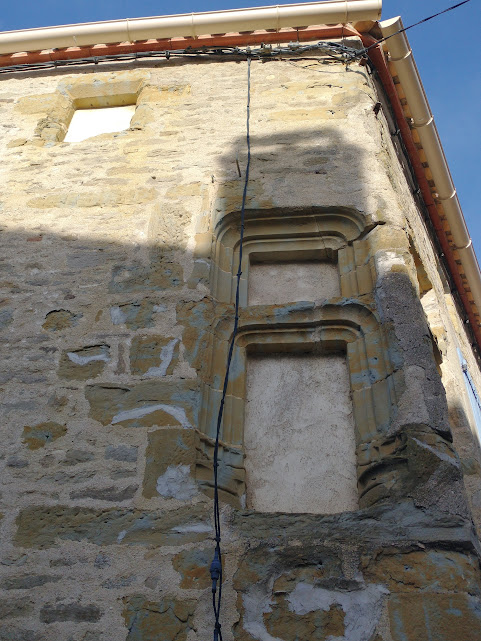
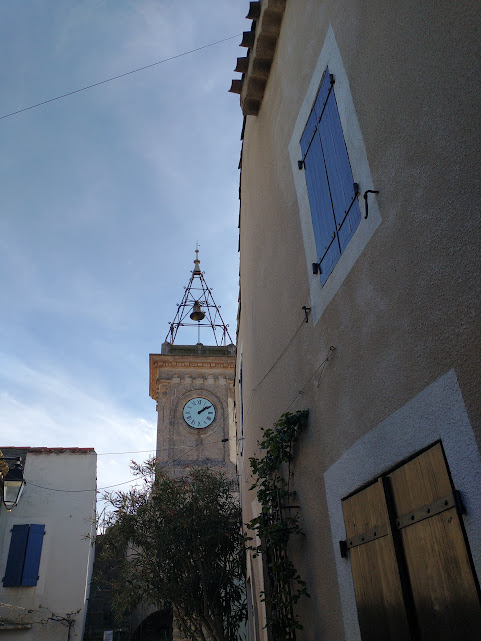
While we’re about it, here are a few more shots from Siran, most of which include the odd window, or has-been window.

Textured Monochrome
This week for the Lens-Artist Challenge, John invites us to focus on the tools we consider when taking photographs: Shape, Form, Texture, and Light.
Sarah of Travel with Me fame (You don’t follow her? Why not?) decided to focus on texture alone in her role as Guest Presenter for Leanne’s Monochrome Madness . I’ve decided to follow her excellent example.
I often like to use monochrome to ‘describe’ texture. It seems to highlight shape, form and – er- yes, texture to advantage, with no colour to distract the eye.
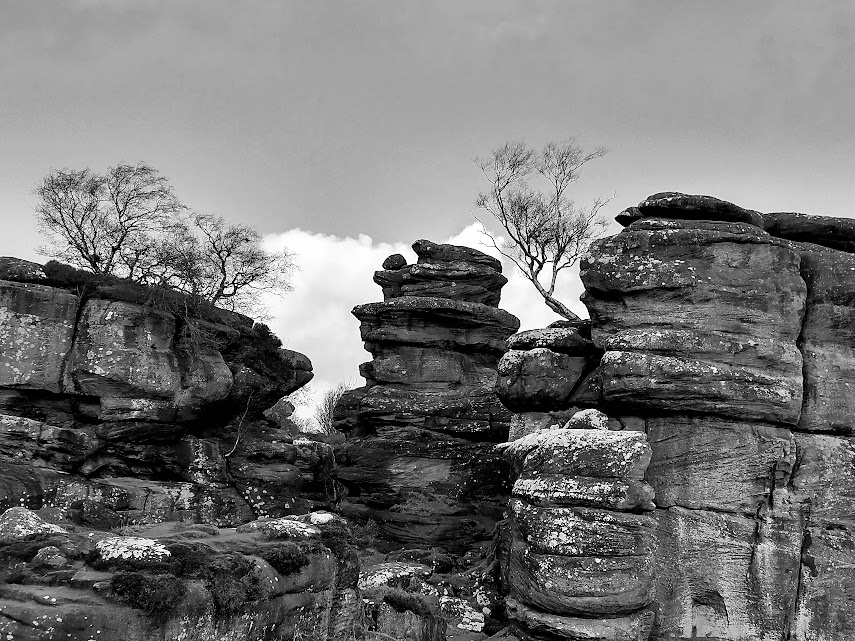
In fact my featured photo of nearby Brimham Rocks is changed very little by the use of monochrome. The sky was a bright azure blue that day, with whiteish clouds. Realistically, grey is so much more authentic this year.
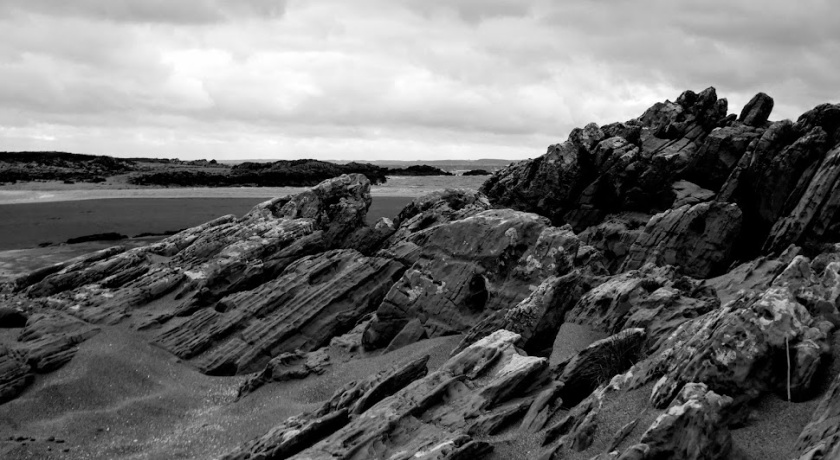
Let’s stay with the natural world, and go to Mossyard Bay in Dumfries and Galloway, to inspect the rocks there, and a sheltered pool as the tide goes out.

We’ll stay by the sea, but in Arenys de Mar in Spain this time. A rusting chain, a decaying lump of concrete in the fishing port.

More man-made creations, battered by wind and weather. A has-been saint awaits repair in the stone mason’s yard at Rheims Cathedral.
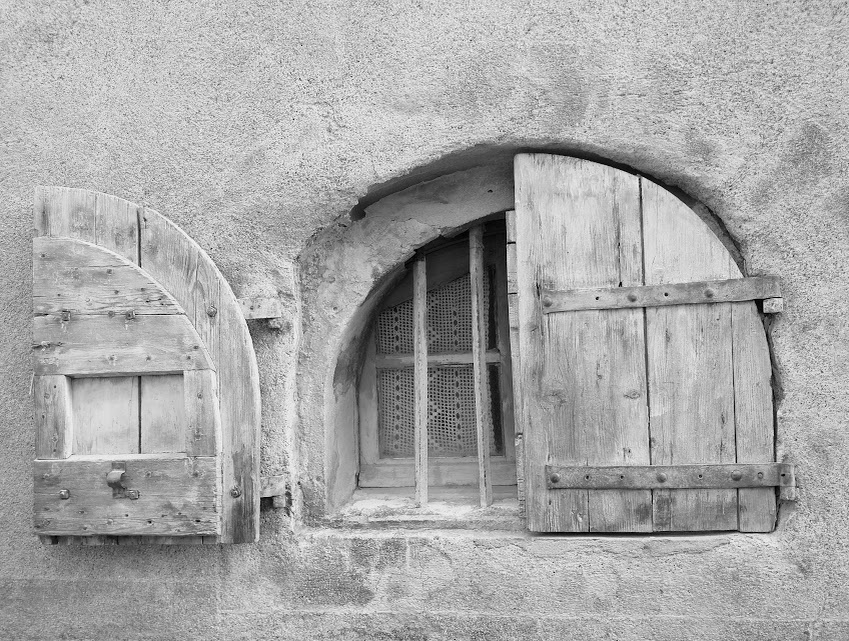
And here’s a characterful shuttered window that’s lived a long life in a village in the Hérault, France.
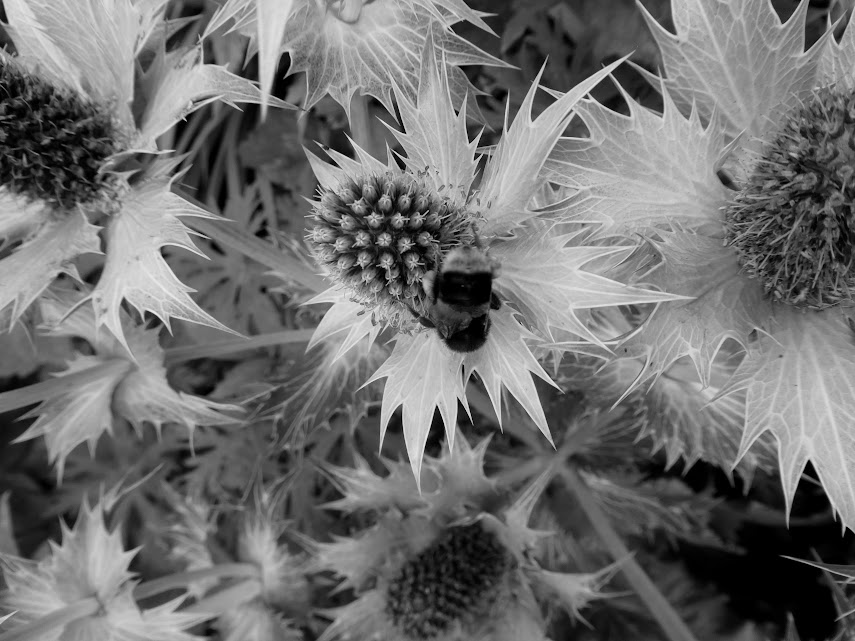
An English country garden, complete with bee.
… an icy puddle …

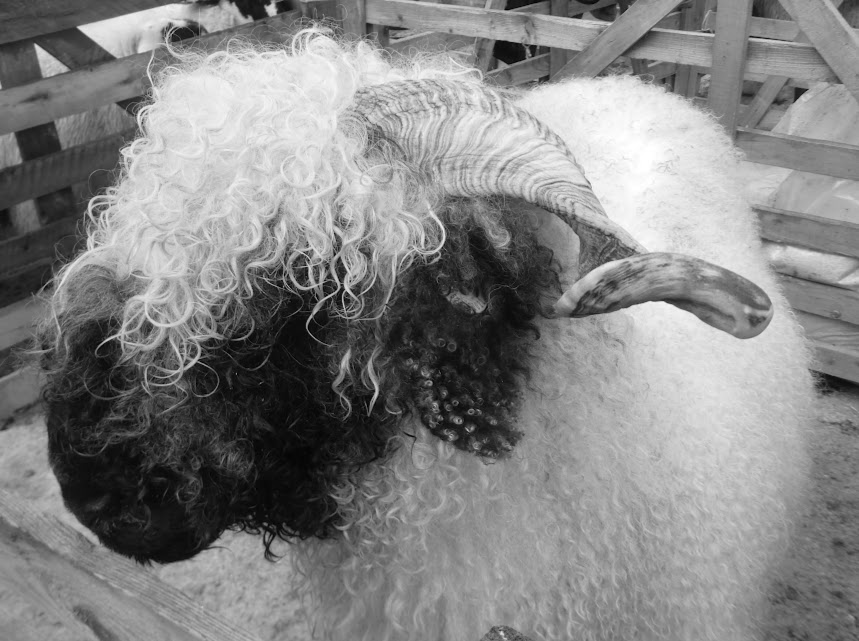
And let’s leave you with that most Yorkshire of animals, a sheep: happy to show off a magnificent fleece, magnificent horns.
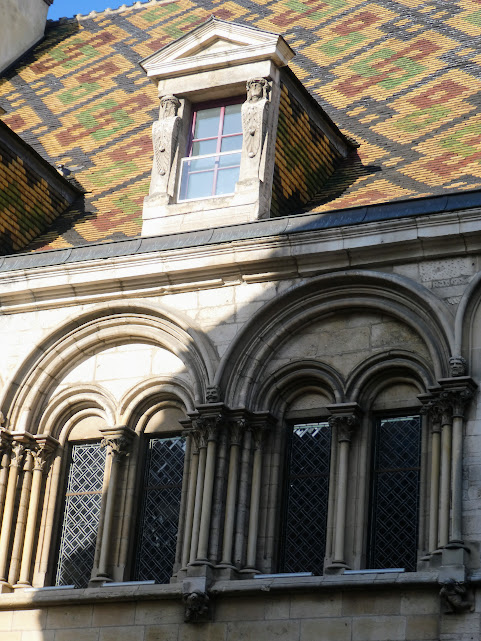
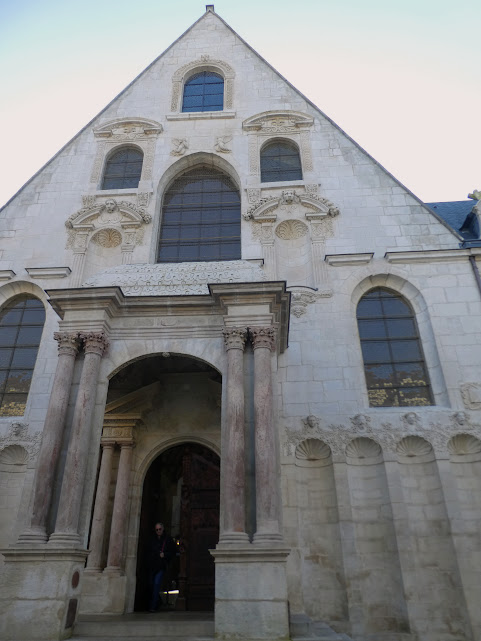
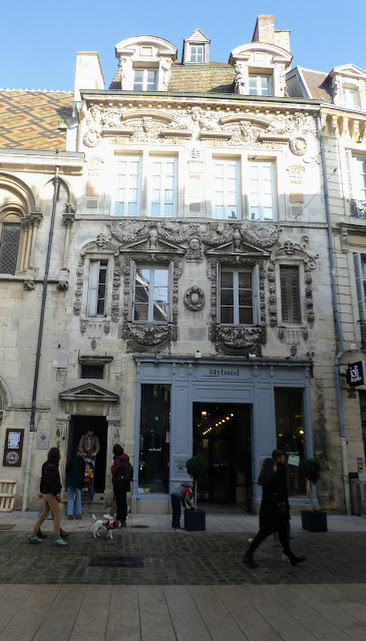
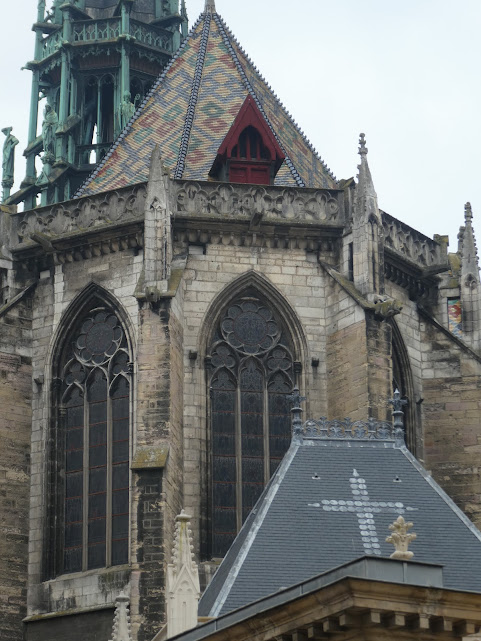
Windows of Dijon
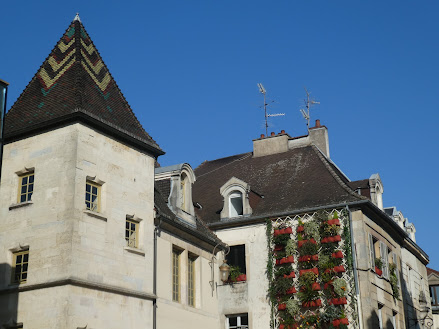
A day in Dijon provided a visual feast of windows – on the houses of the once-rich and powerful, churches, palaces , the Palais de Justice….
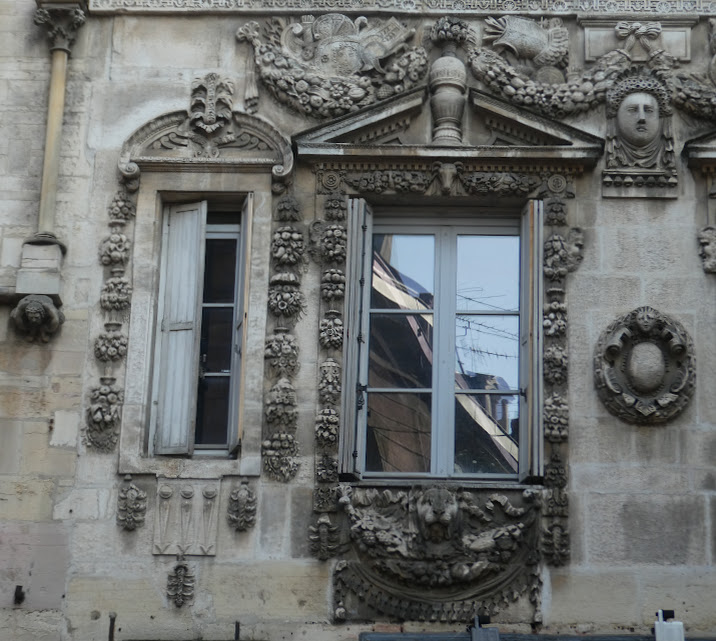
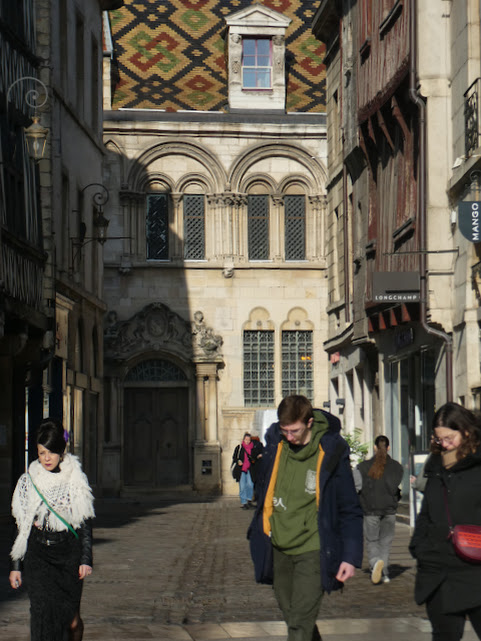
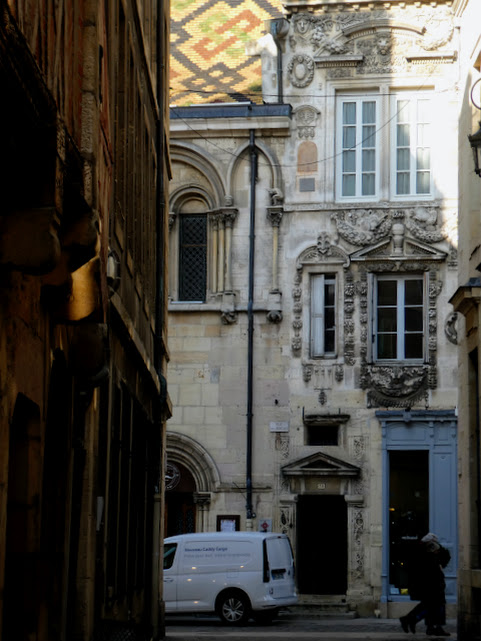
For Ludwig’s Monday Window.
A Very Old Door Indeed

This is a church dedicated to Saint Valerien and built under the auspices of the Abbot of Tournus between 1008 and 1028. It’s still standing, but unused as it waits for a bit of TLC.
Tournus is a charming old town in Southern Burgundy, which we wouldn’t have discovered if not for the farmers’ blockades of roads and motorways throughout France, which it’s fair to say have made travelling here … interesting and boring in equal measure.
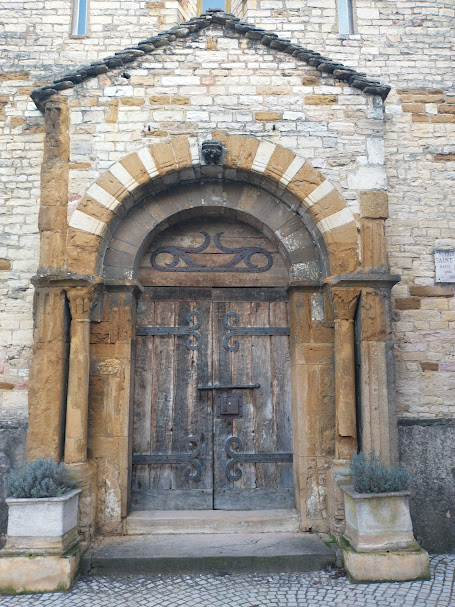
For Dan’s Thursday Doors.
Recharging and Renewal
What do you need to do to recharge your batteries? That’s the question posed by Egidio, in this week’s Lens-Artists Challenge. And my answer is the same as his: I need to get out, to surround myself with the natural world.
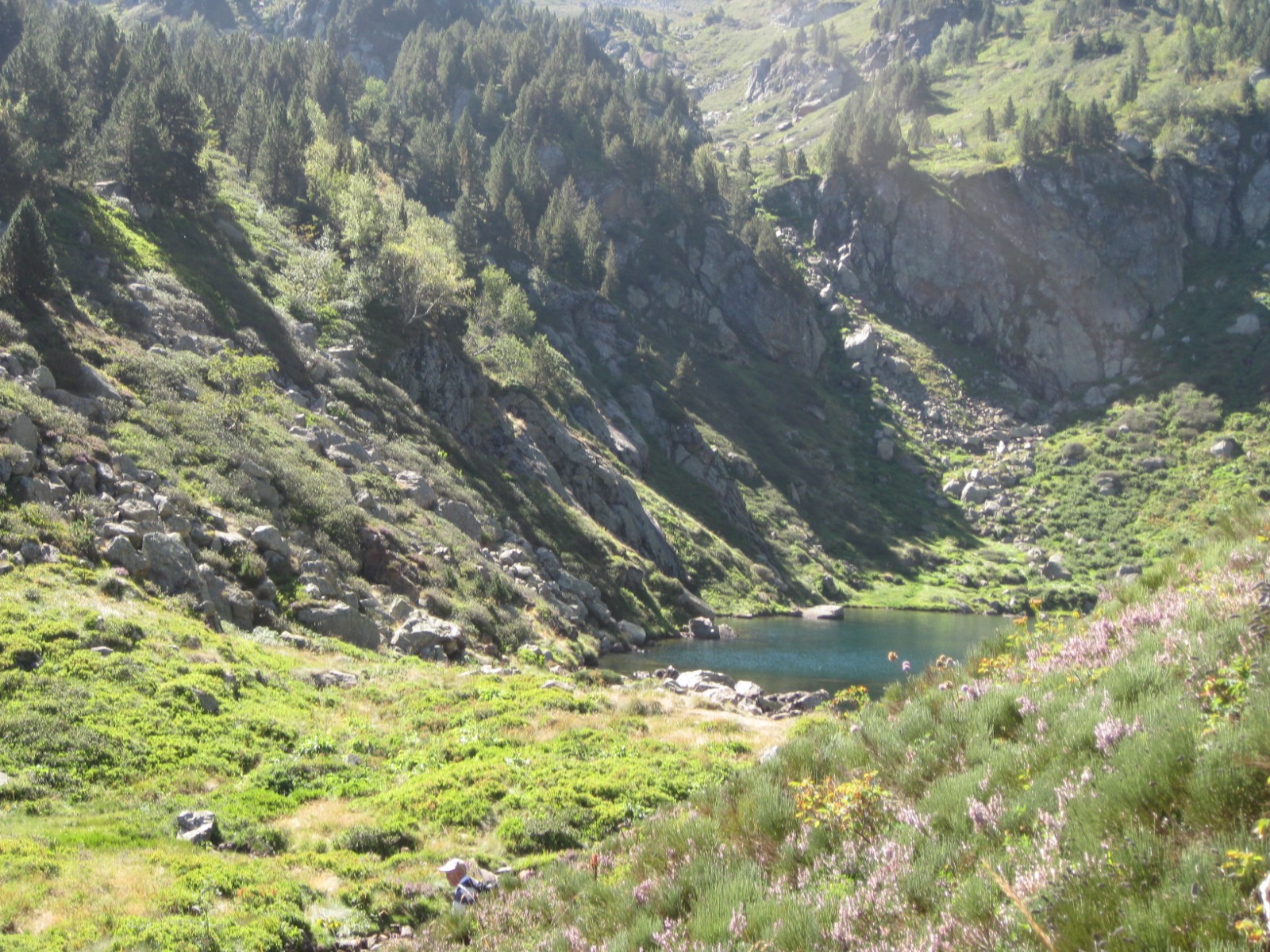
Living in France, in the foothills of the Pyrenees, the mountains grounded me in many ways. The sheer scale of them put me in my place – in a good way: reminding me how little my own concerns counted in the great scheme of things. Here’s a quiet scene from a lakeside high up the slopes not too far from our house.
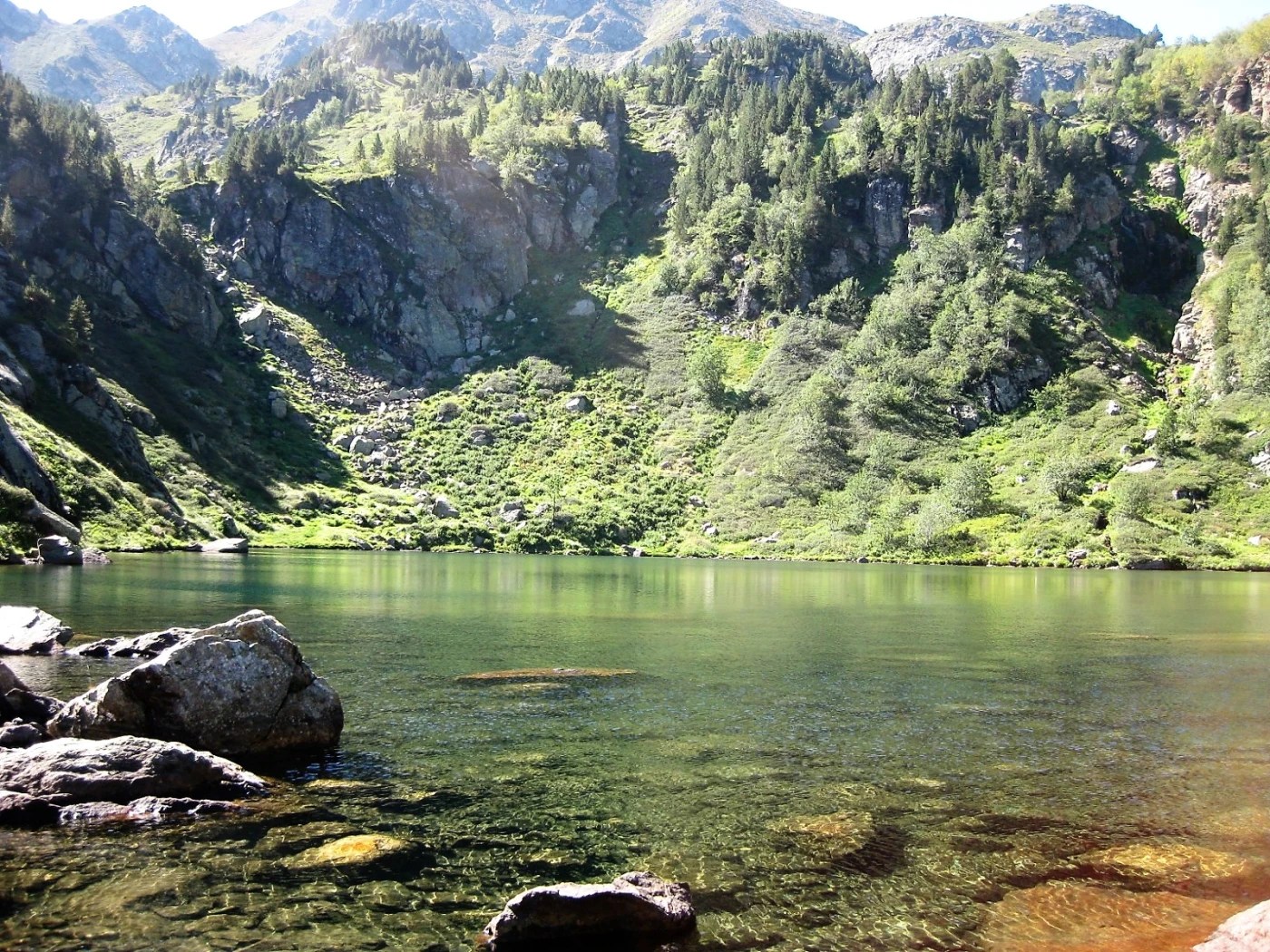
Or these, from le Cap du Carmil …
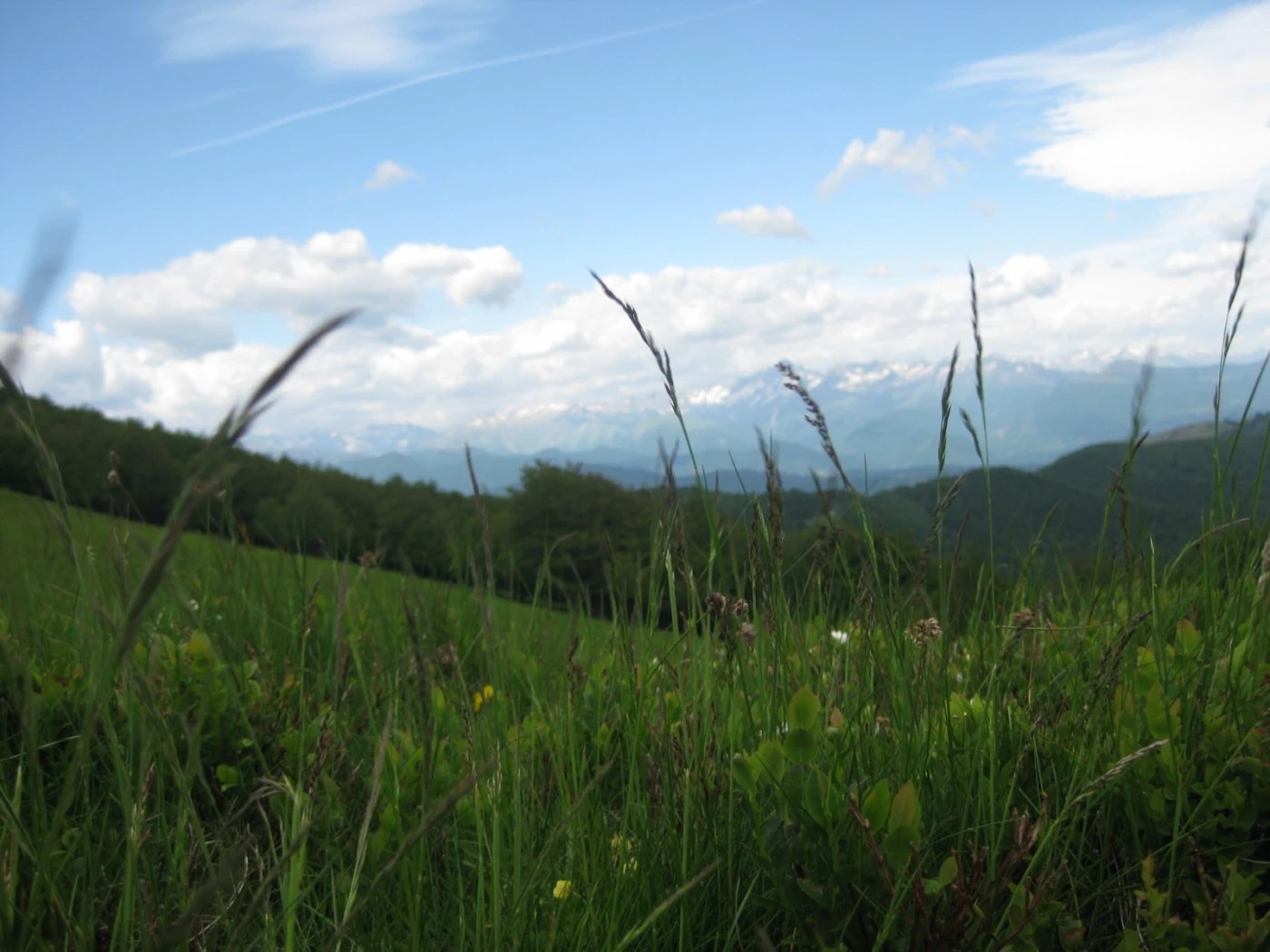
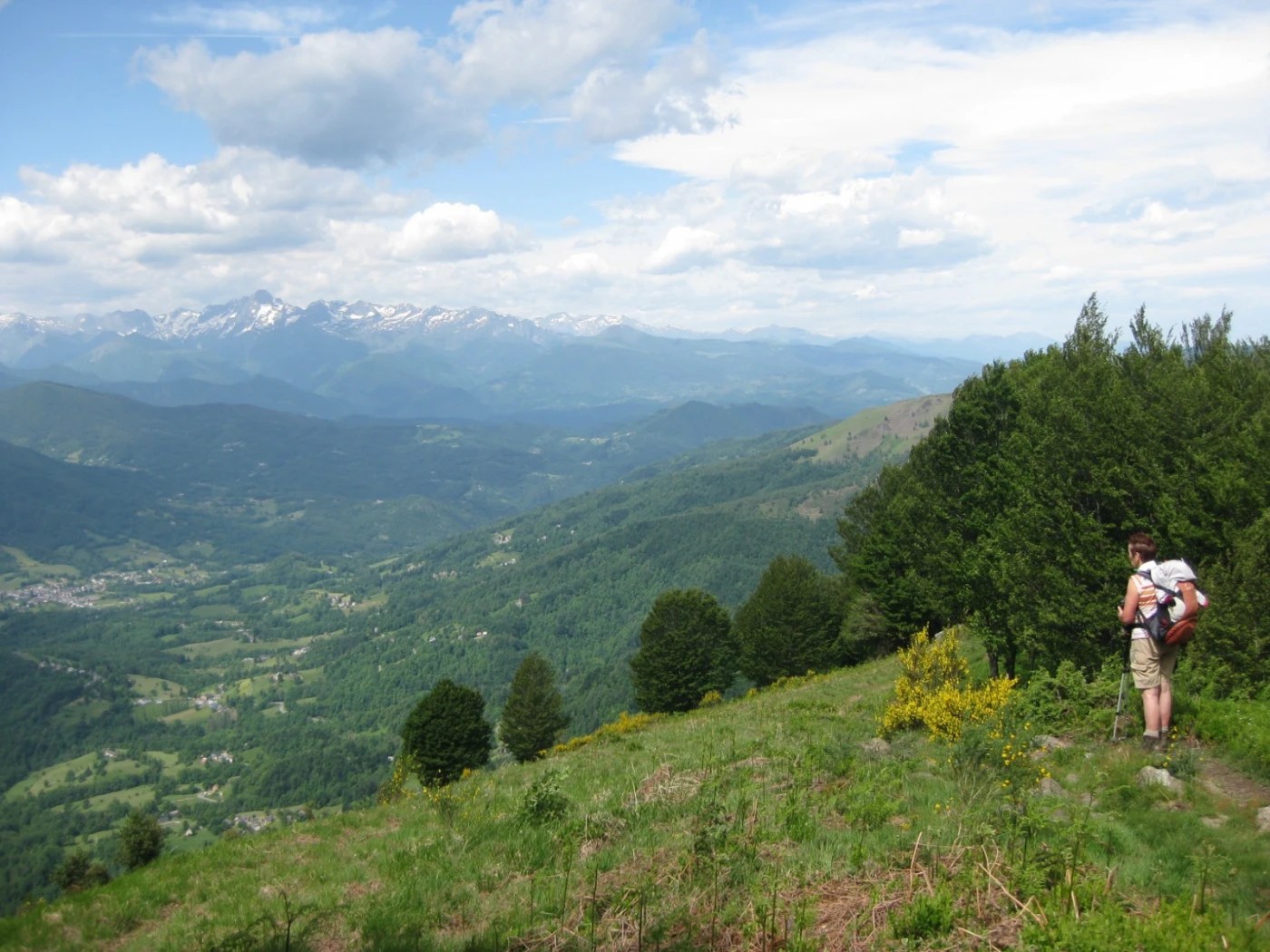

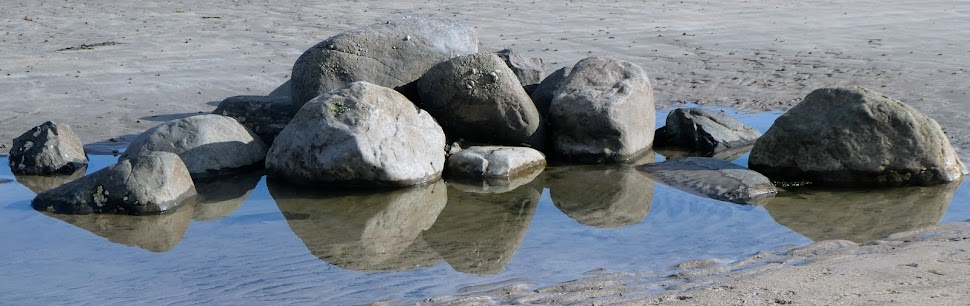
There, lakes provided the solace that being near water often provides. Back in the UK, it’s the sea.
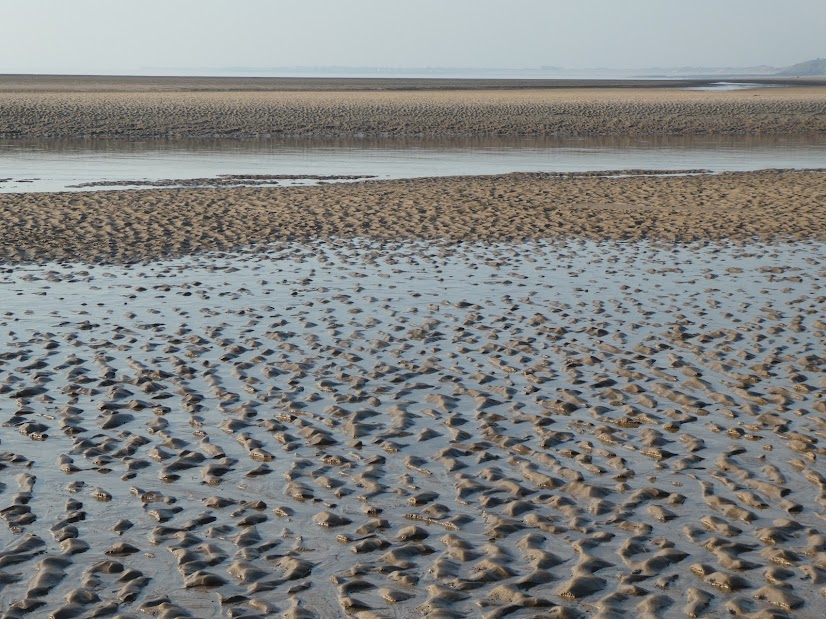
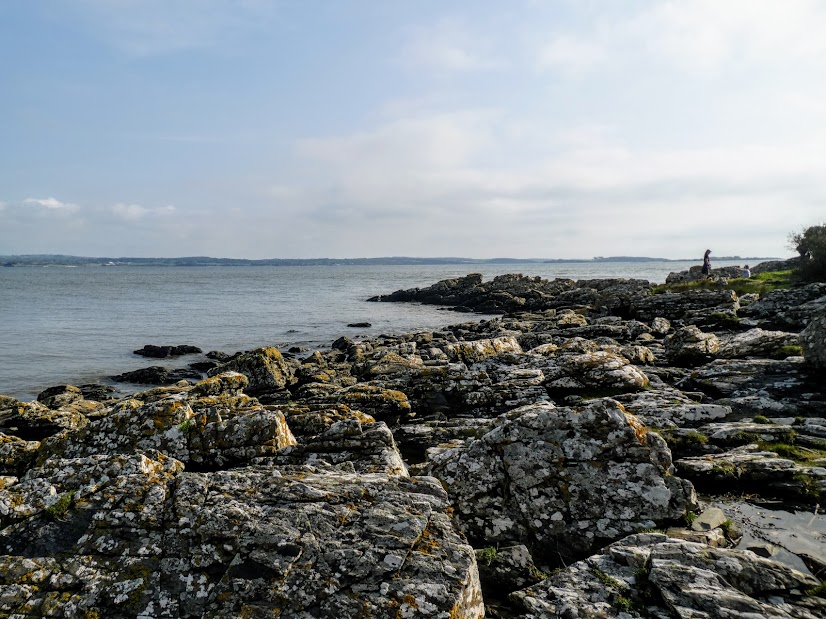
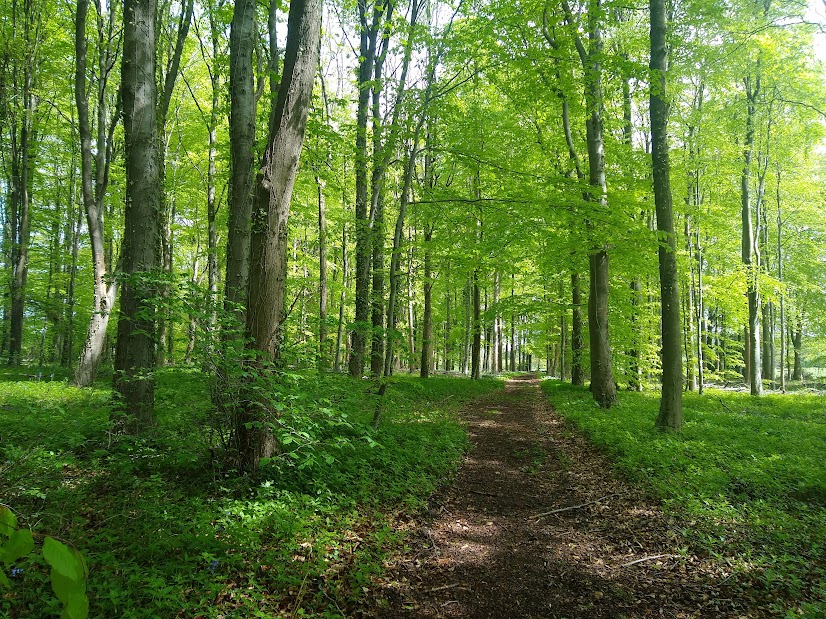
For the everyday recharge, it’s greenery, plain and simple. Local woodlands.
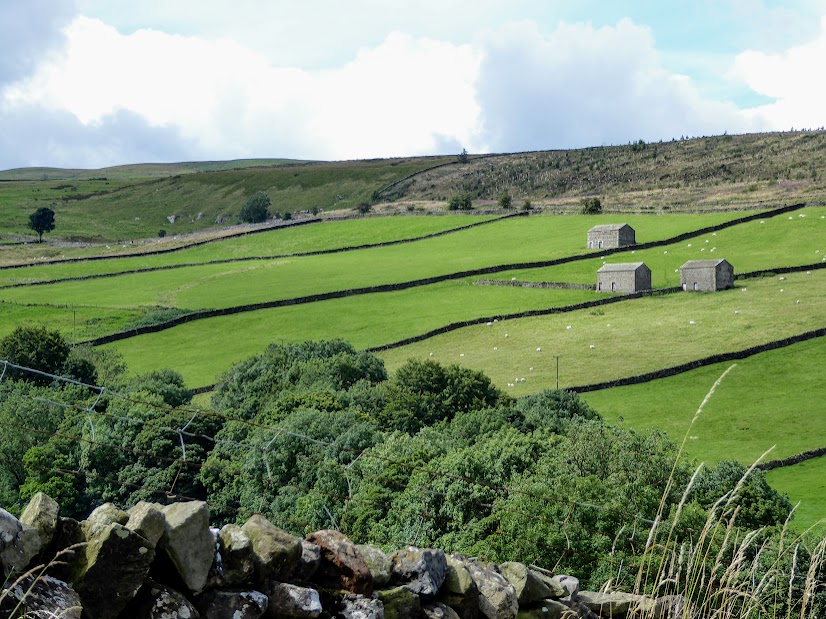
…or just a little bit more distant – Coverdale.
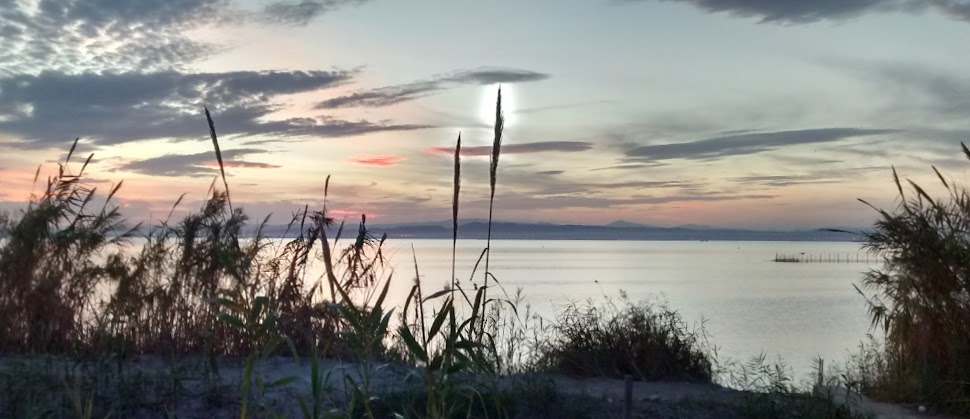
There’s just one place I need to mention though: one I’ve talked about before, more than once. A special afternoon and evening in l’Albufera, just beyond Valencia, where there is nothing but the lagoon, the sky, and wildlife … and peace. That’s my featured photo, and my best recharge ever.
 From Pyrenees to Pennines

You must be logged in to post a comment.