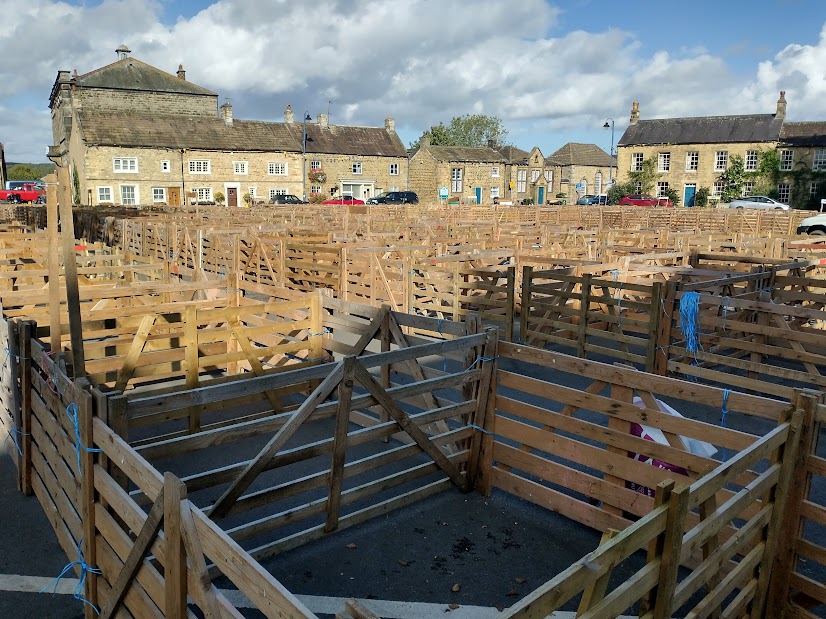
I popped into Masham on Friday afternoon, and found they were already pretty much prepared for this weekend’s annual Sheep Fair. More of this soon, when I’ve downloaded yesterday’s camera photos from this Must-Visit event. Friday’s phone photo offers a preview.
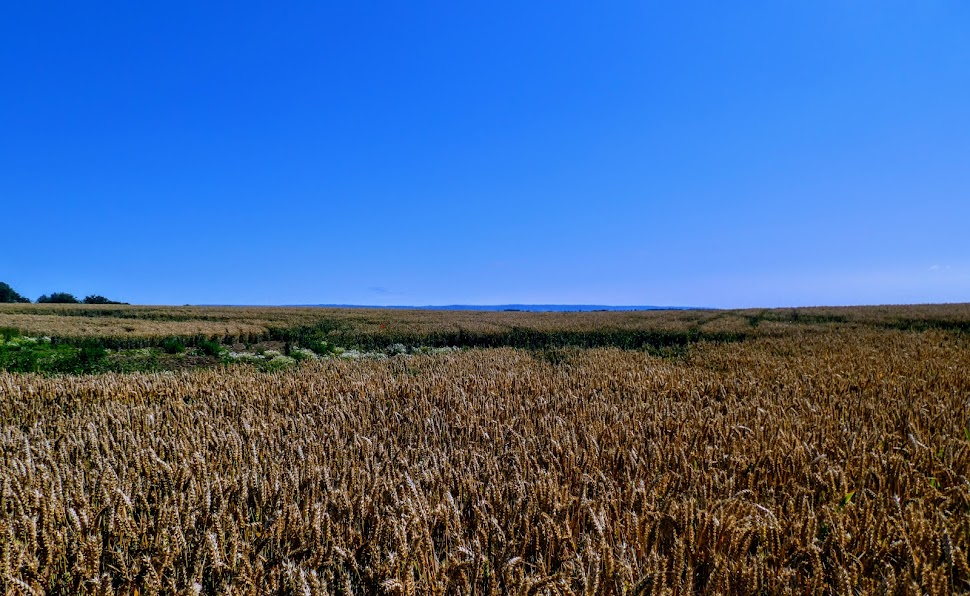
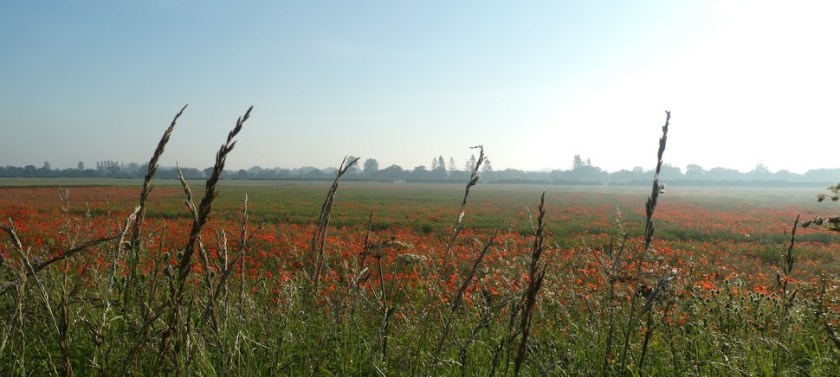
In this week’s Nature Photo Challenge, Denzil has asked us to focus on seedheads. You won’t get any more ripened seeds in one place than in a field of cereal crops awaiting harvest. Here’s a local example in my header photo.
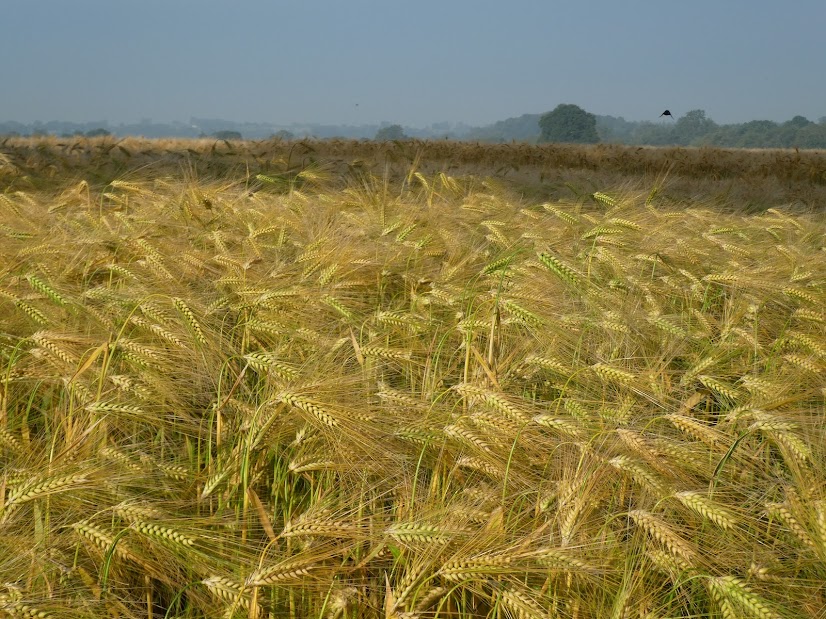
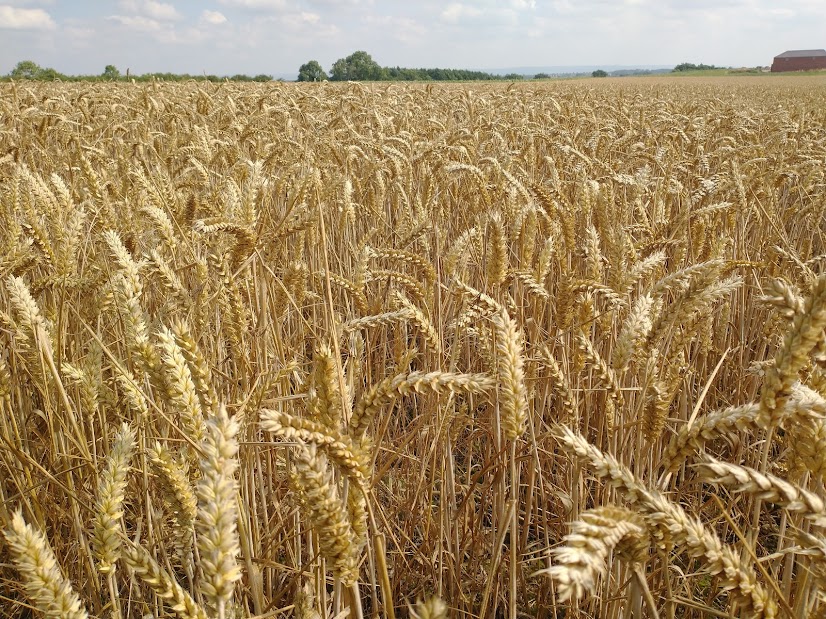
And here are some close-ups of barley and wheat.
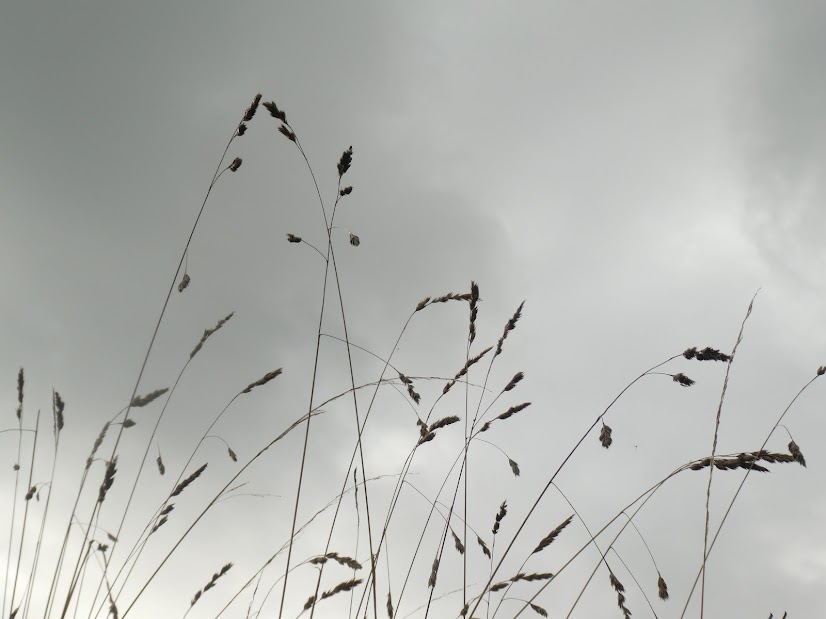
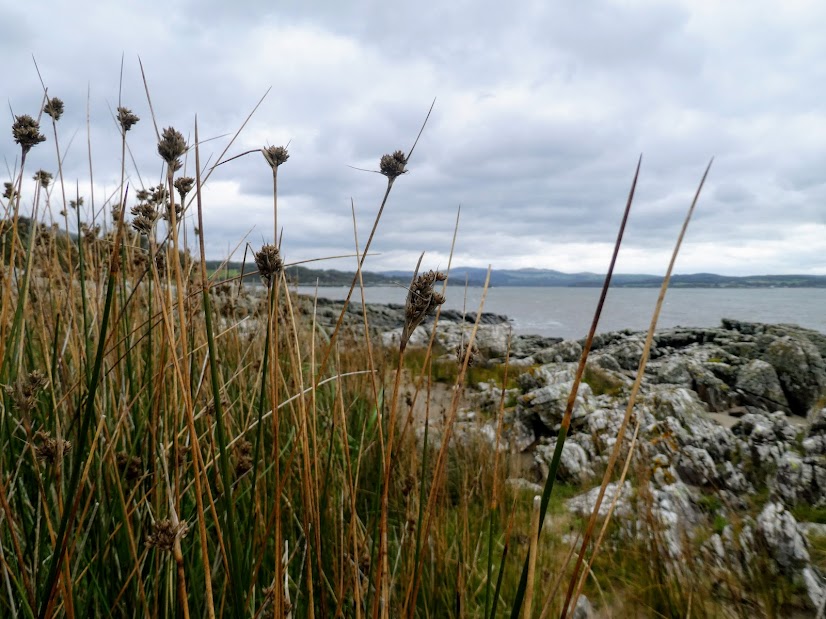
And here’s a gallery of their wild cousins – grasses. Not one of which I can more accurately identify. Any offers?
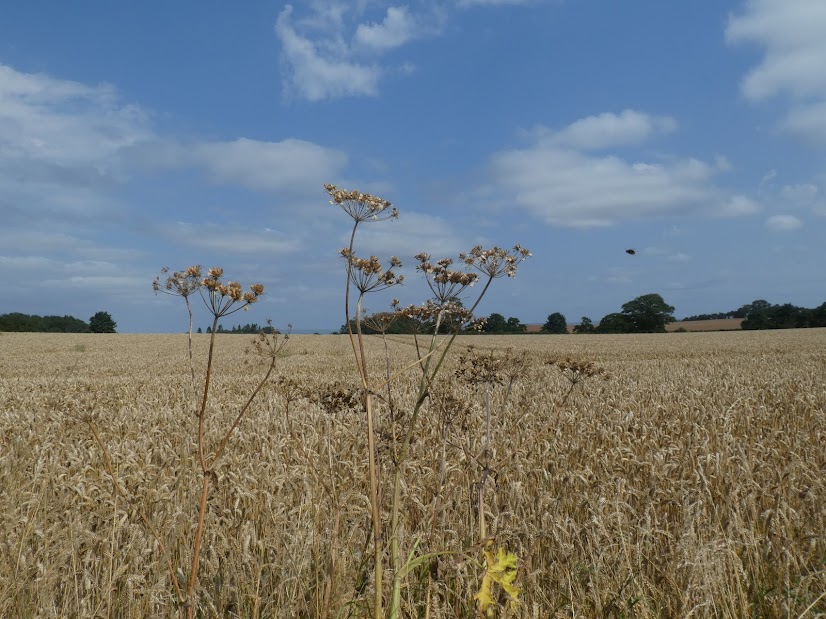
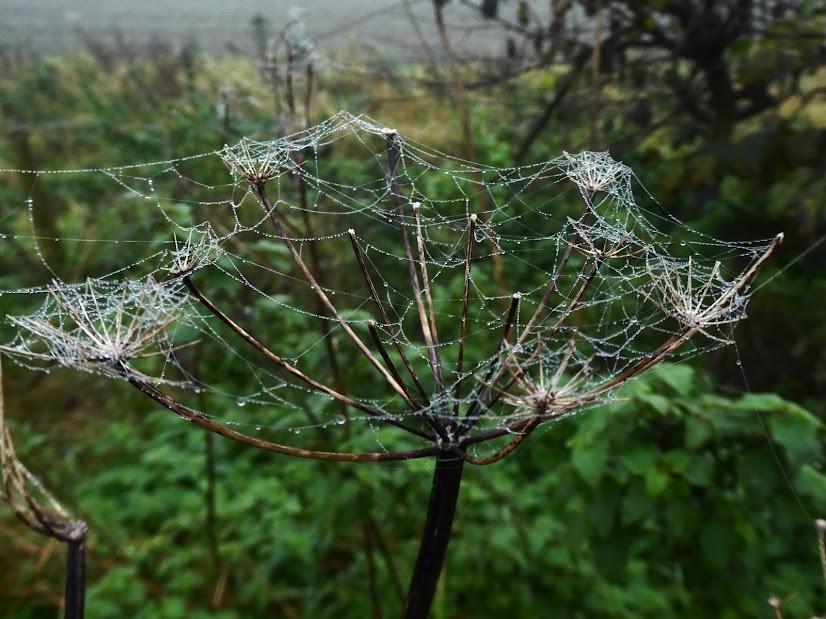
Then there’s cow parsley -or a close relation. It can be yielding its seed, perhaps in the midst of a field of crops round about now, or picturesquely hosting a spider’s web in misty November.
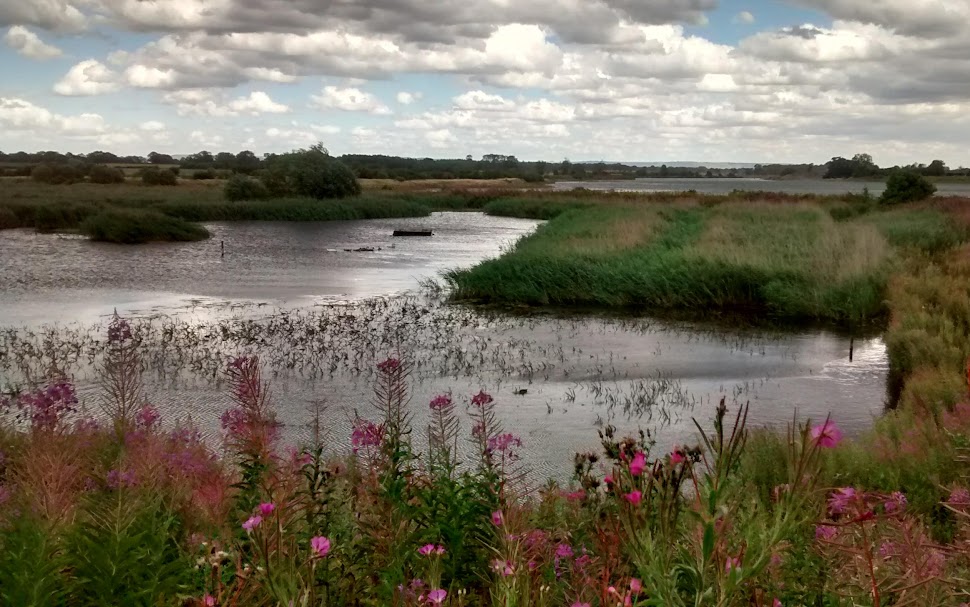
At this time of year too there’s rosebay willow herb: it seems to develop seed pods earlier every year. Here are some at a local reservoir, Grimwith.
Townie Toddler has gone back to Spain. The house suddenly seems unwontedly calm and quiet. Rather dull really. This is probably because the two old fogies who live here have no remaining energy – for a day or two at least.
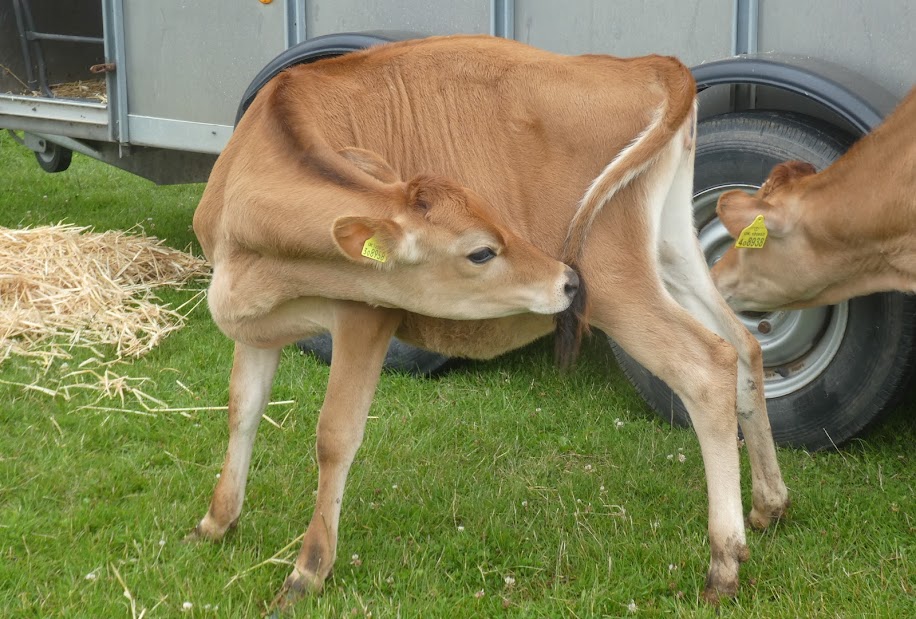
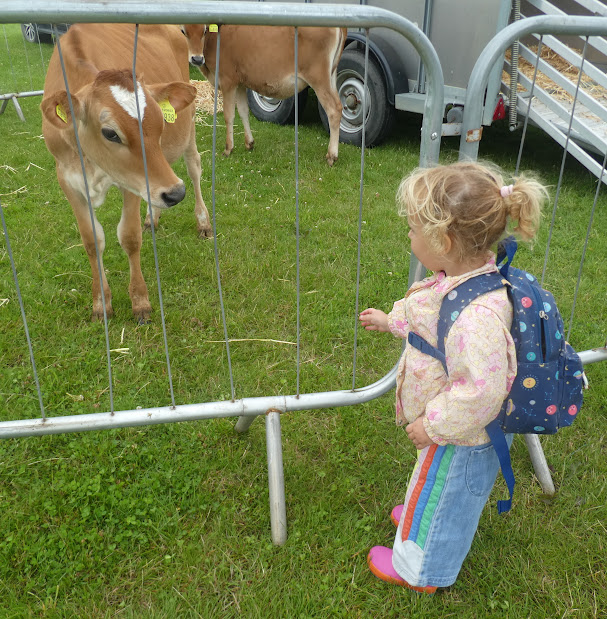
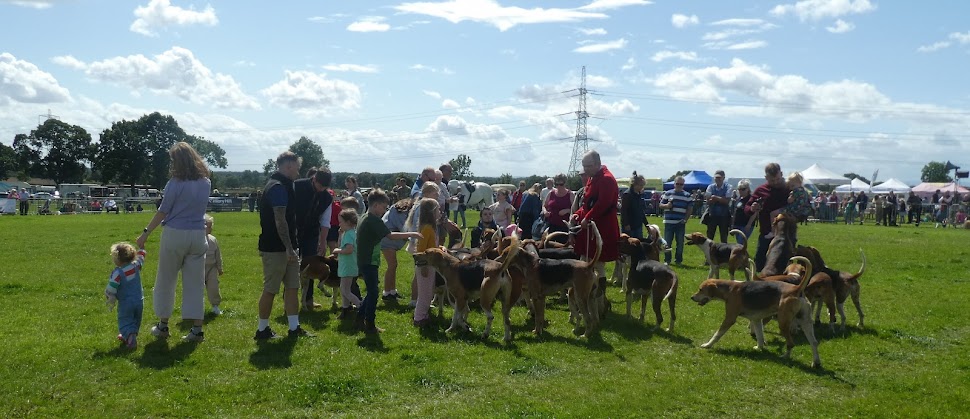
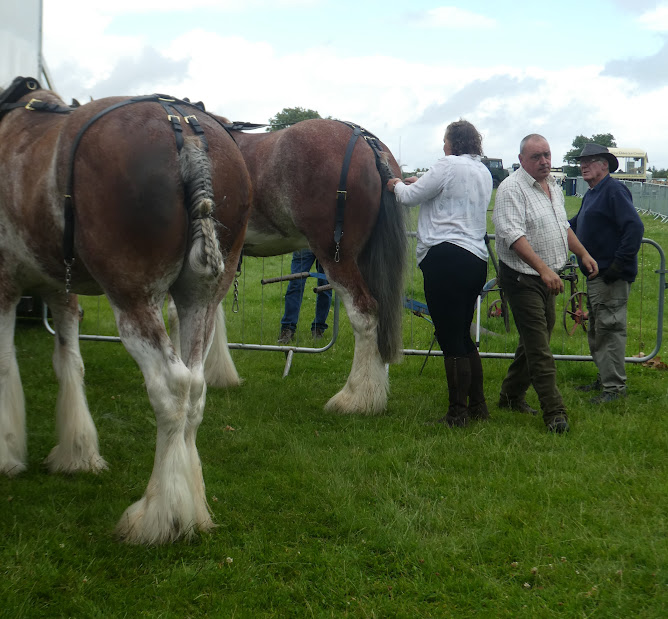
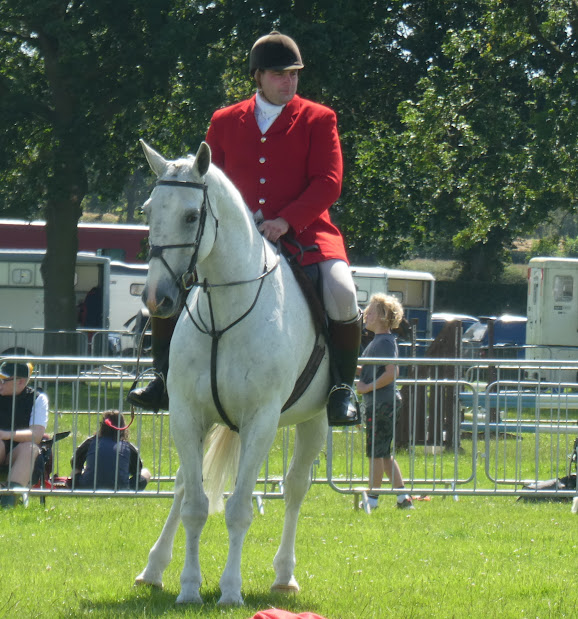
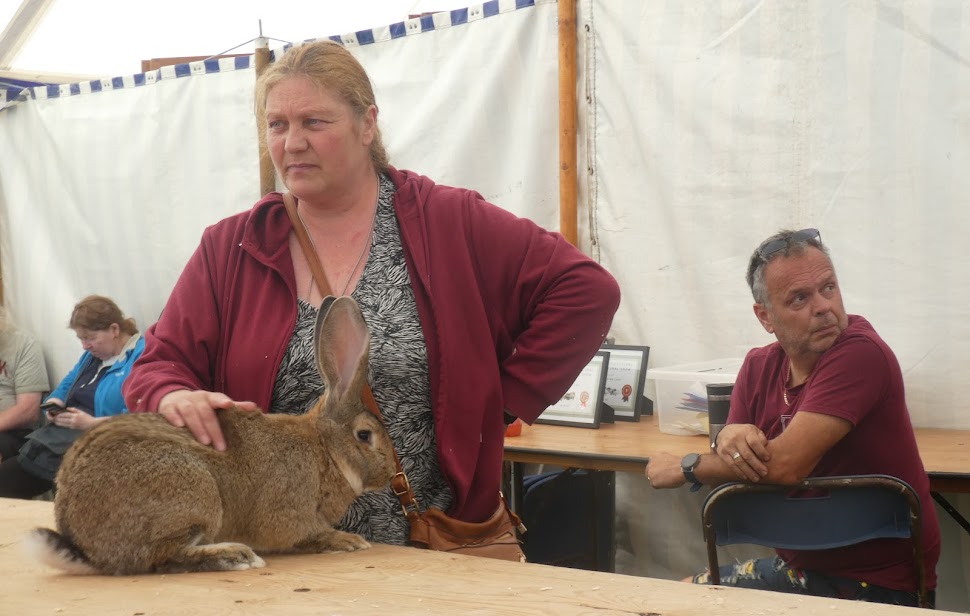
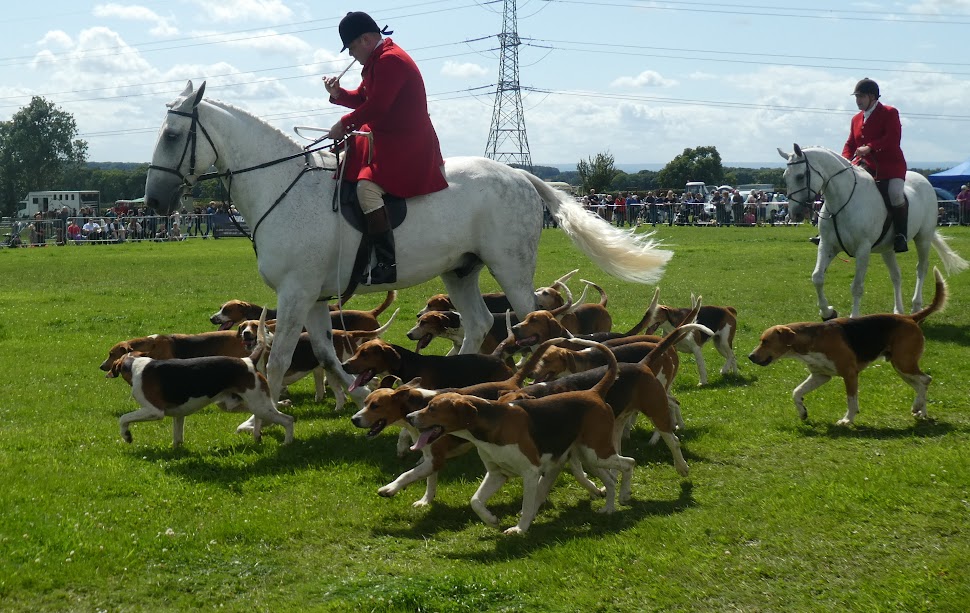
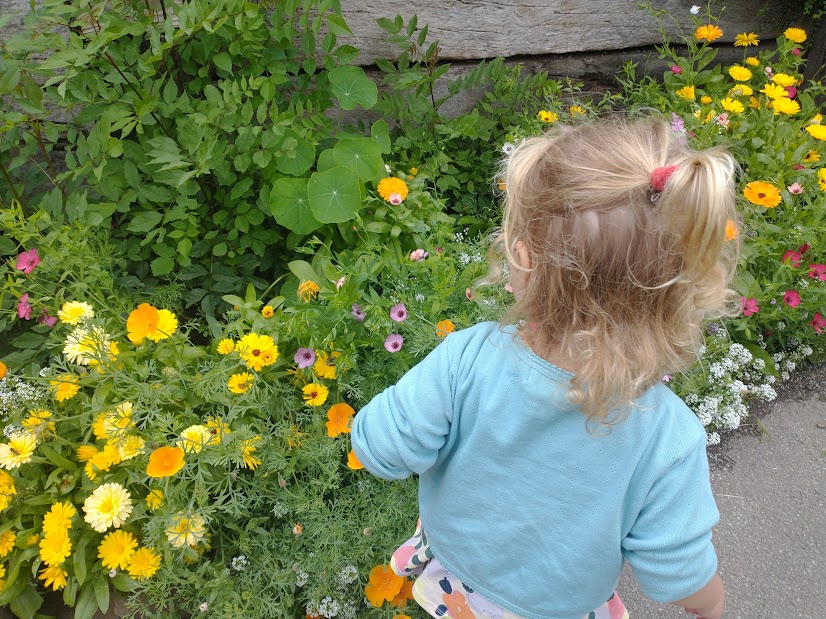
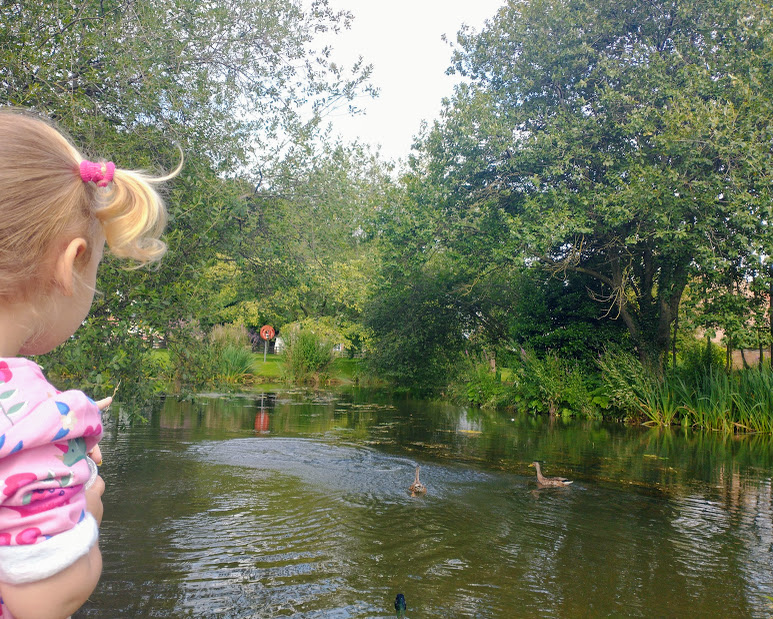
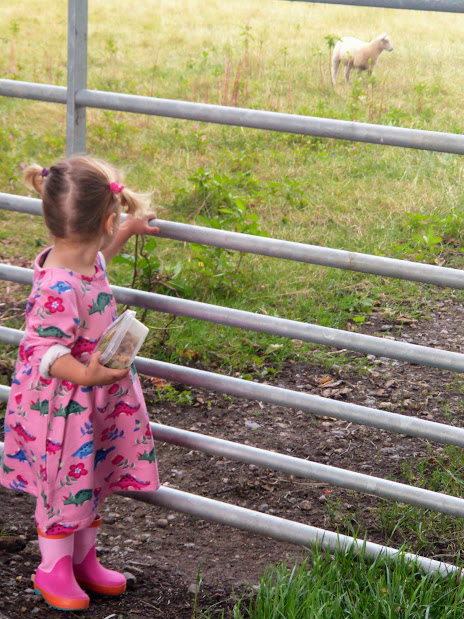
Townie Toddler’s mum wanted her daughter to spend time being a child of the countryside – spending time with its animals, plants and wide open spaces. So off we went on Saturday to Borrowby Show. Horses from shire horses to the tiniest of ponies, sheep, dogs and small animals were all Being displayed to best advantage. Oddly, the only cattle were two charming Jersey calves. One of the set pieces in the afternoon was of The Hunt. Definitely NOT our thing. But Anaïs enjoyed the chance to meet the docile and well-behaved beagles who later tore round the show ring in pursuit of – luckily – a less than realistic hare, who doubtless smelt right.
Here’s our day:
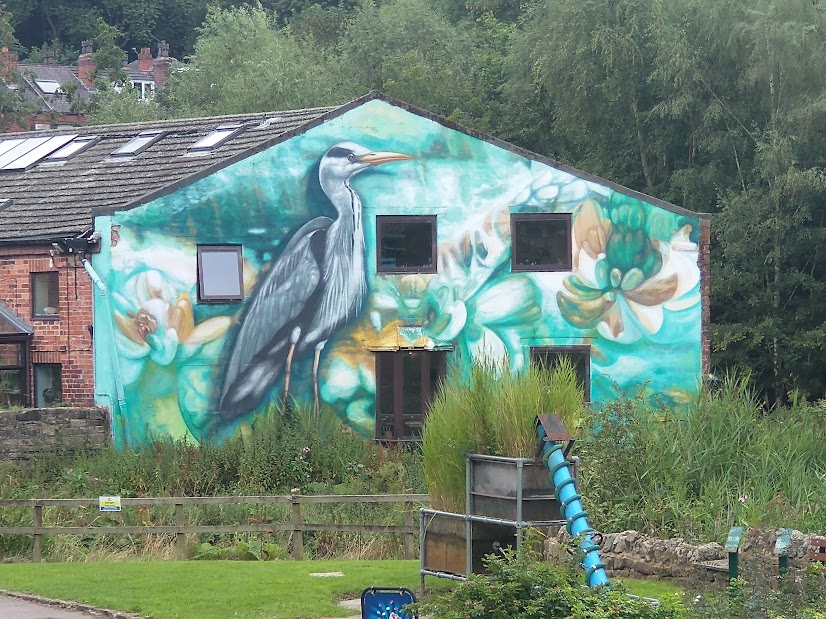
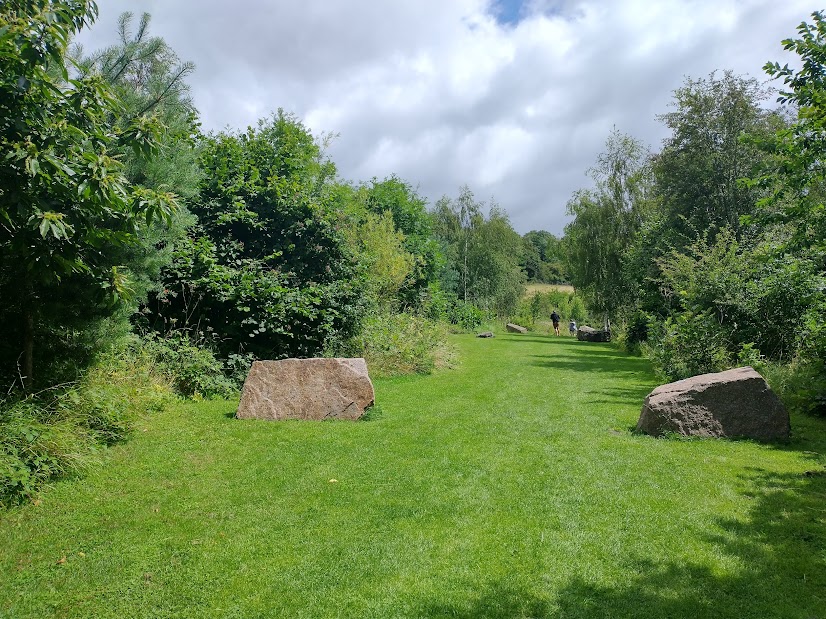
Then the next day, on our way to the airport, it was Meanwood Valley Urban Farm. It was somewhere we often went when we lived in Leeds, and the children were smaller. We loved it then. Now it’s re-invented itself. It’s larger. It has peaceful walks where you can lose yourself in dense copses and apparently distant views. It has all the farmyard animals you’d expect. Yet it’s within walking distance of Leeds City Centre. It has a vegi-box scheme. A bike workshop. It works with volunteers, those with learning disabilities, disengaged young people, and is a welcoming and environmentally focussed part of its local community. It also has a really great café. We spoke to staff and volunteers who talked with pride and enthusiasm about this special place. Almost worth moving back to Leeds for. It was a wonderful finish to Anaïs’ and Emily’s English break.
A request came into our photo club. Did anyone fancy coming along to a local farm open day to make a record of the day in pictures? Three of us did. And we had the best Sunday out.
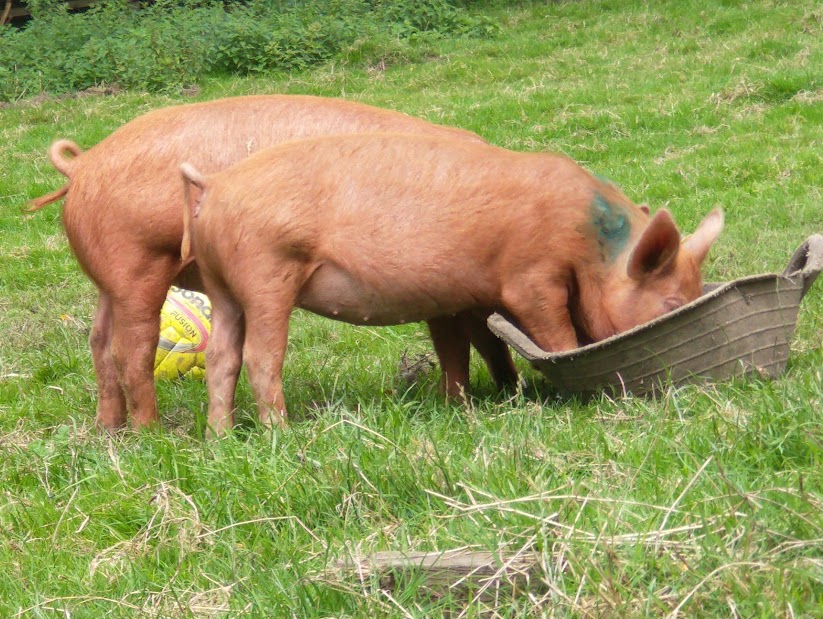
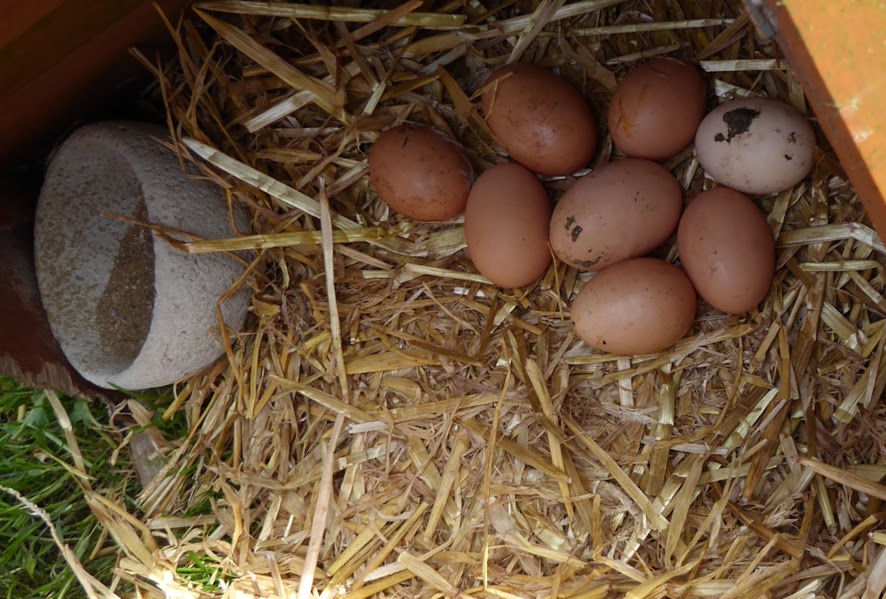
Rock House Farm is near Bedale: a member of LEAF, an organisation promoting sustainable farming. As modern farms go, it’s small. Just some cows, sheep and pigs, hens (for eggs) and turkeys (for Christmas). And an allotment, which supplies the family as well as providing fruit for the (fresh and delicious) jams and chutneys they sell.
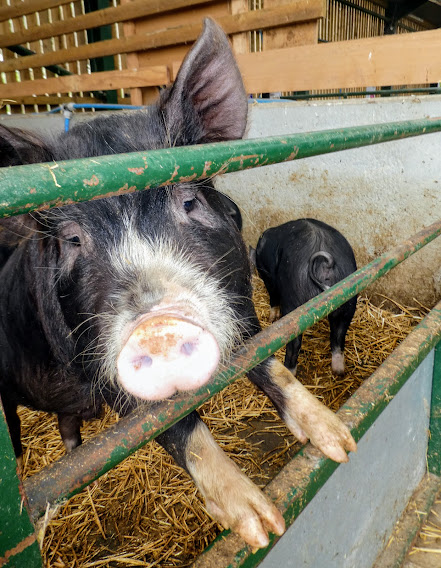
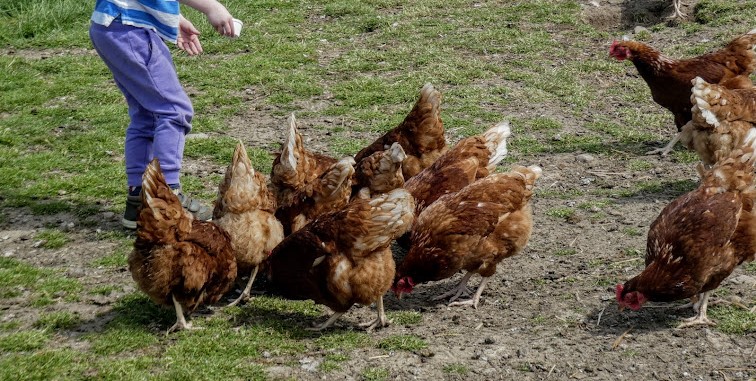
Our morning was spent with the animals – and visitors . We got photos of children’s delight at enjoying getting so close to them, at feeding the hens, and chatting to piglets . Although parents had given permission for them to be photographed, it doesn’t seem fair to display them on the internet, so I won’t show you this special part of the day.
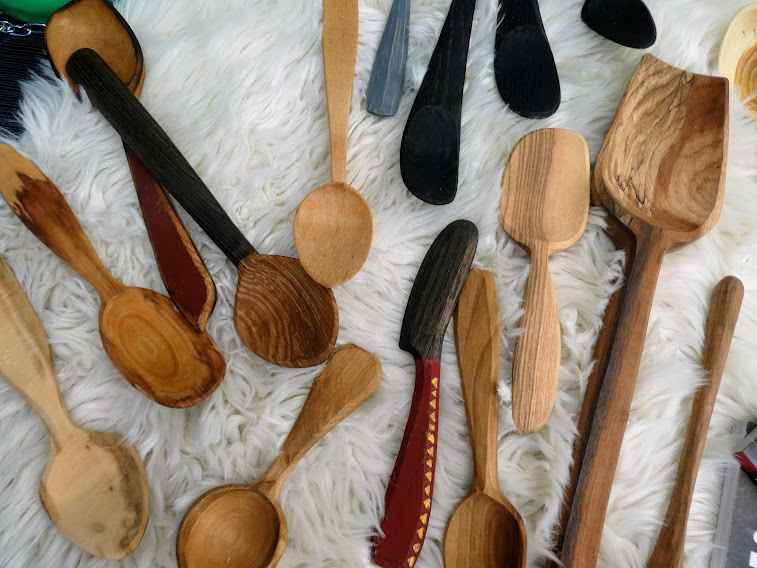
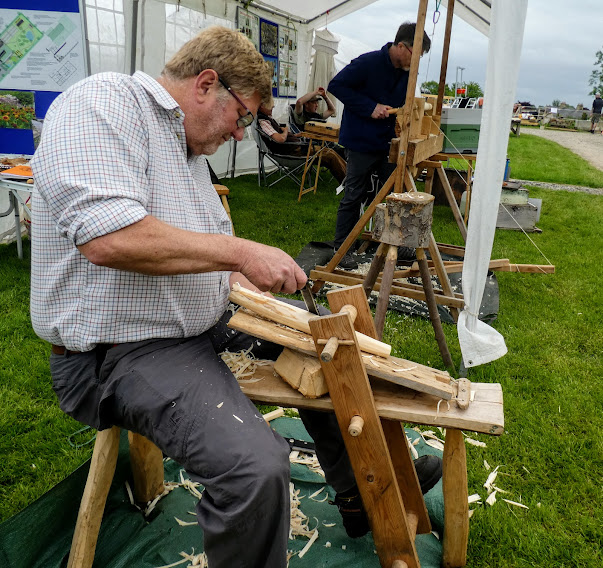
There was a woman fashioning wooden spoons, a wood turner, local heather honey on sale.
There was lunch, made using their own-produced meats and sausages, served with salads then home-made cakes, eaten with views of flower-meadows and long-ranging views of the Yorkshire countryside. I was too busy enjoying it all to remember about taking photos.
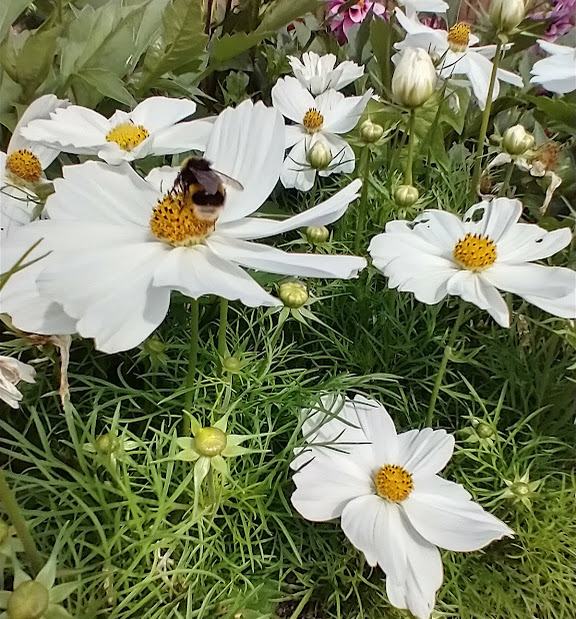
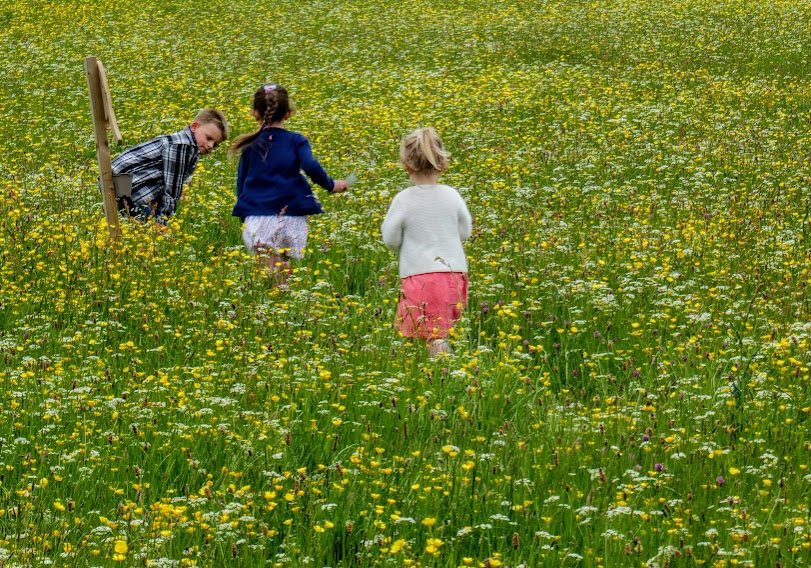
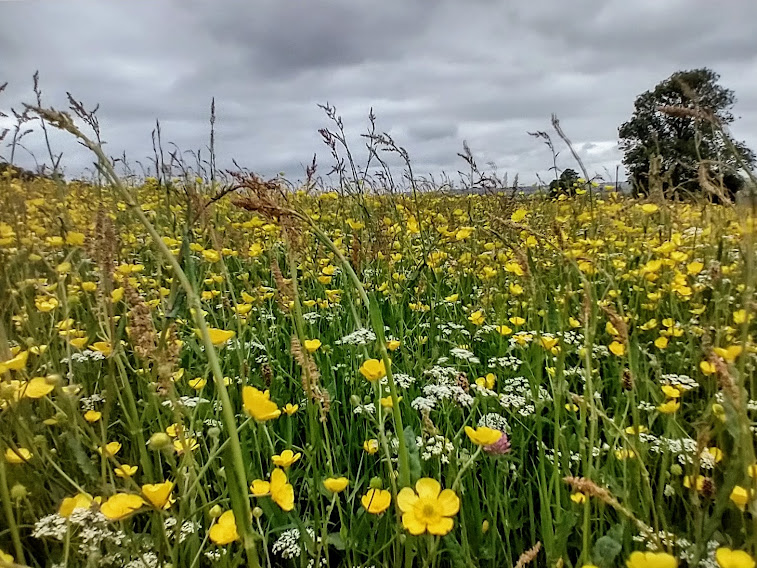
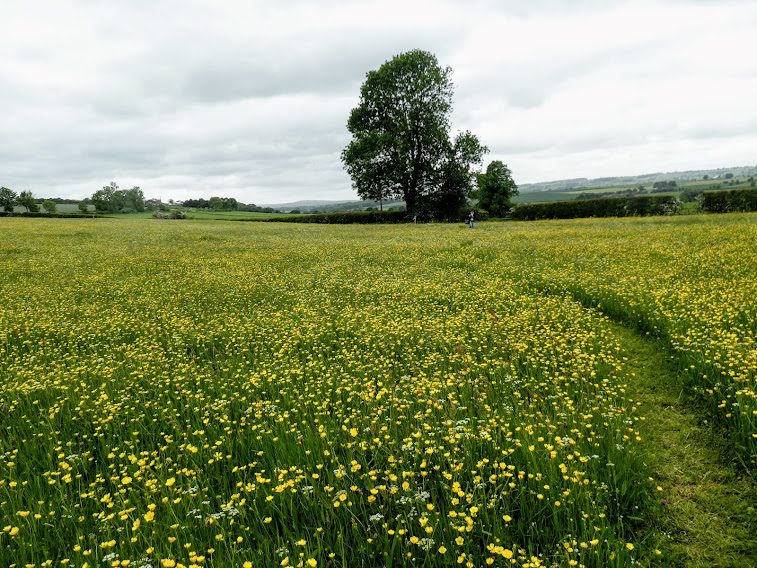
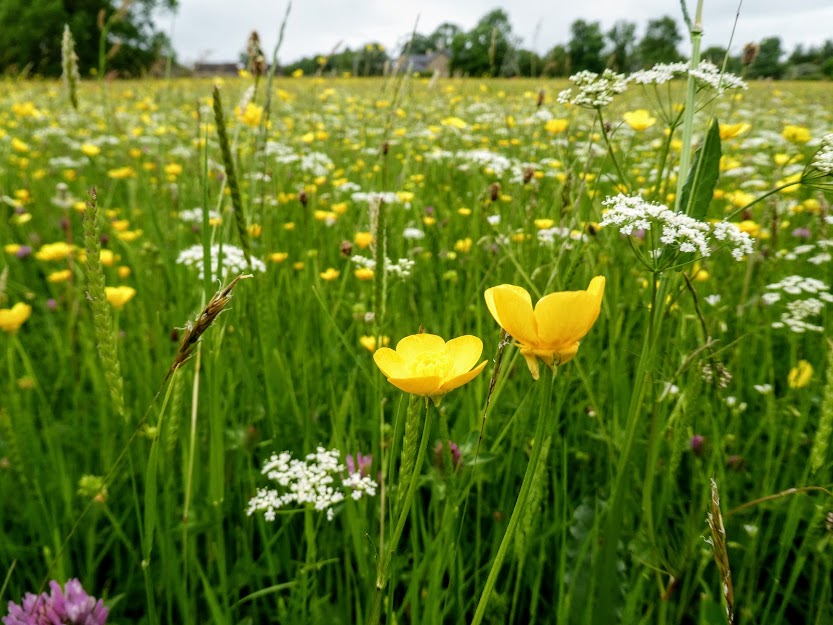
What I can share with you is what for us was the highlight of the day. We’re old enough to remember when meadows full of wild flowers were quite normal in the countryside. Now the ones on this farm are sufficiently unusual that they’re Sites of Special Scientific Interest, rich in colour and buzzing with insect life. We spend a happy hour following the meandering mown path which wandered through these riches.
We’ll be back for sure. We eat little meat, but the animals raised here have good lives, mainly in the open, and we’d have confidence in buying here. As well as their fresh eggs, and tasty produce.
This farm had been obliged to hold their open day on the Wrong Day for family reasons. The real LEAF Open Farm Day event this year is this Sunday, 11th June, so if you live in the UK, you can find out if there’s a farm open near you, here. Highly recommended.
I have just finished reading Eating to Extinction, by Dan Saladino. It’s an ambitious, immersive and important book. Saladino has made a tour of the world’s vanishing foods – its animals, vegetables, crops, and shown us why retaining diversity in the food chain matters so much.
This engaging and readable book takes us with Dan Saladino as he visits Hadza hunter-gatherers in Tanzania in quest of wild honeys – they’re the very last people to be constantly on the move, with no settled place to call home – they have lived successfully with no possessions, no money and no leaders. In Australia, he’s shown murnong, a radish like root once prized by the aboriginal people, and all but obliterated by introduced over-grazing sheep. Bere is an ancient barley adapted to the harsh conditions in Orkneyn Orkney. There are Swabian lentil growers; apple growers in Kazakhstan; Skerpikjøt, the wind-dried mutton of the Faroes …. and so many more. Each adventure, to areas where local custom and traditional ways of life remain strong is full of interest, and leaves me with a desire to try the foods and drink he sampled. It also leaves me with a determination to do what I can to support the remaining foods being saved by passionate and committed producers.
Disease can rampage through a single variety at horrifying speed, and if that variety is all we have, the consequences are obvious. Too many of our foodstuffs are in too few hands. The cultures that are injected into our cheeses worldwide to make them what they are are in the hands of some 5 suppliers. The cattle we breed are – worldwide – largely a single breed. Seeds in every continent are in the hands of just four corporations,. Thousands upon thousands of local varieties, bred over the centuries to suit local conditions have been lost forever. So many of the foods we rely on – animal and vegetable – once developed to suit particular soils and climate have been wiped out or, if lucky, painstakingly recovered from a vanishingly small stock pile by some single-minded enthusiast. Now, most foods are grown as a one-size-fits-all.
Whereas foodstuffs used to be so different and varied from one country and region to the next, now the entire world derives 50 % of its calorie-intake from just three foods: wheat, corn and rice. The fast-food burger is becoming a world-wide phenomenon. Saladino shows us that besides this being so dangerous – an epidemic could wipe away a foodstuff completely – it’s also impoverishing our diets, and the rich variety of local foods. He discusses globalisation, the crippling effects of war and climate change. The good news is: with a lot of hard work and good will, it’s not quite too late to stop the rot.
The most important book I’ll read this year. And one of the most interesting.
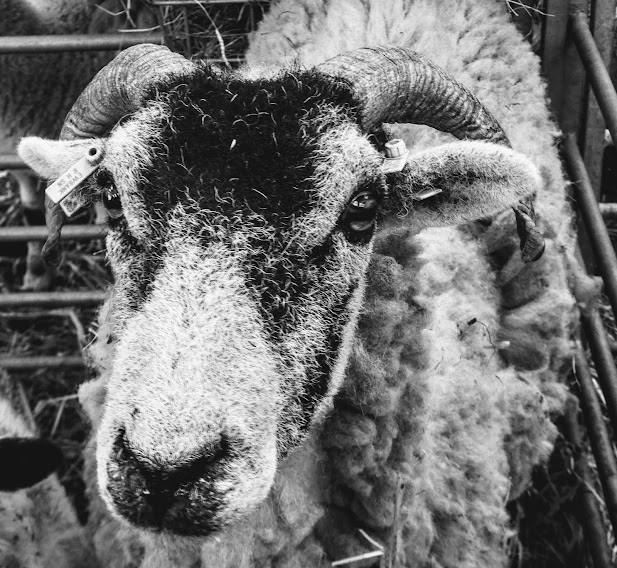
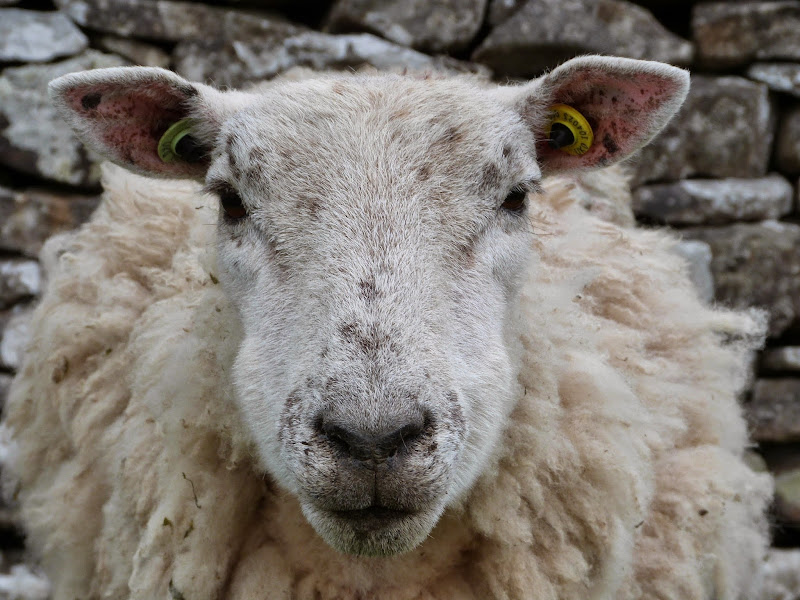
We’ve had a lot of misty-moisty mornings lately, and I turned this photo up when looking for soft-focus shots for this week’s Lens-Artists Photo Challenge. This isn’t for that challenge: I just thought this hardy creature deserved her five minutes of fame as a Monday Portrait.
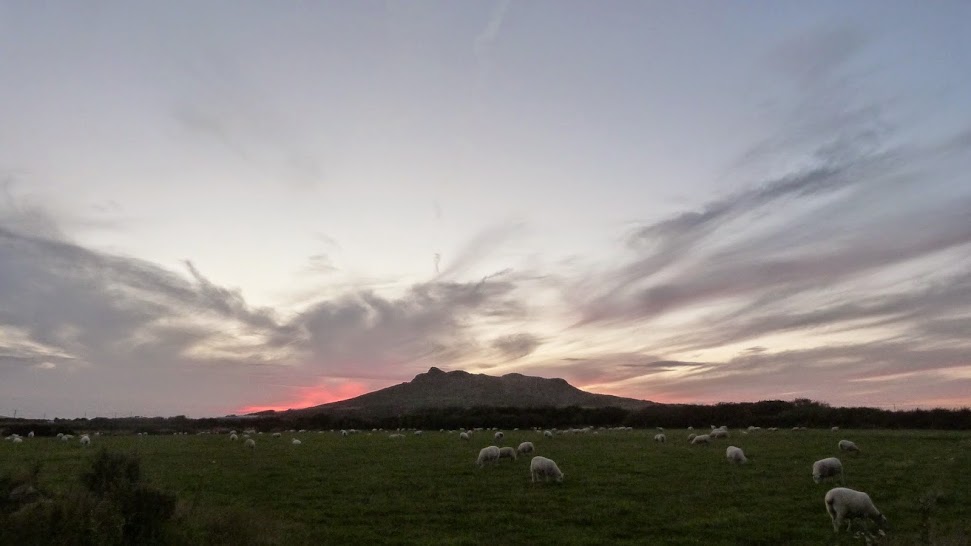
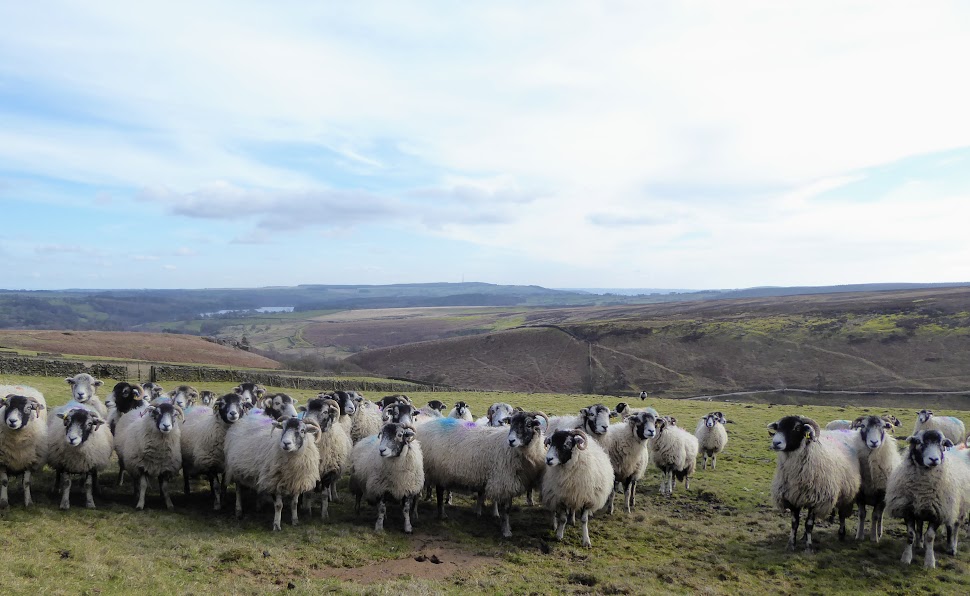
It’s Sheep Central round here. More than can ever – surely – enter the food chain. Far more than the wool trade requires. At shearing time, you’ll pass barns full of discarded fleeces, not worth the effort of gathering up and attempting to sell them. The sheep are well-fenced here – usually – so they don’t get out and browse the grass to the very ground, or maraud in any woodland they find. All the same, I do rather wonder – why so very, very many?
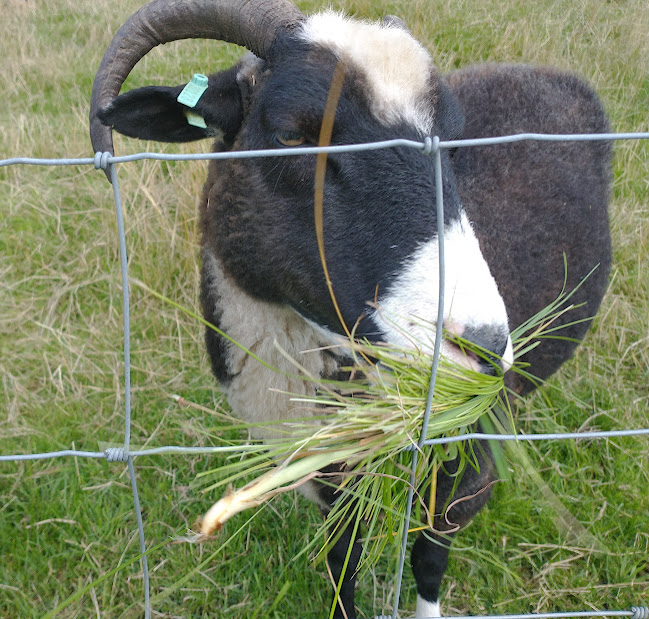
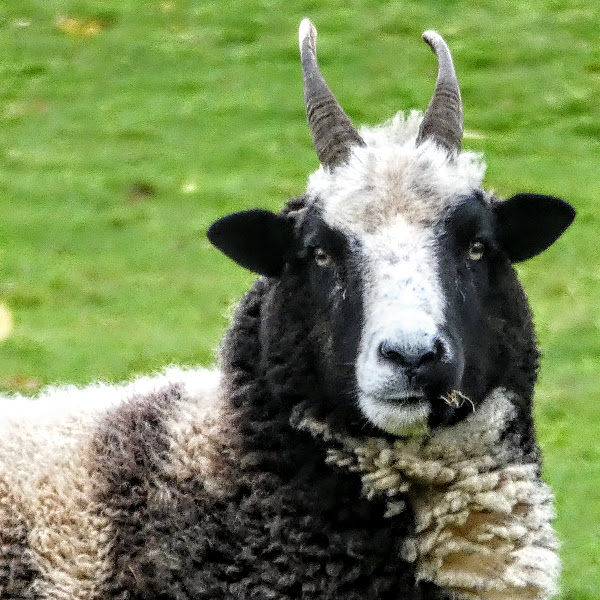
But here are two handsome enough specimens –
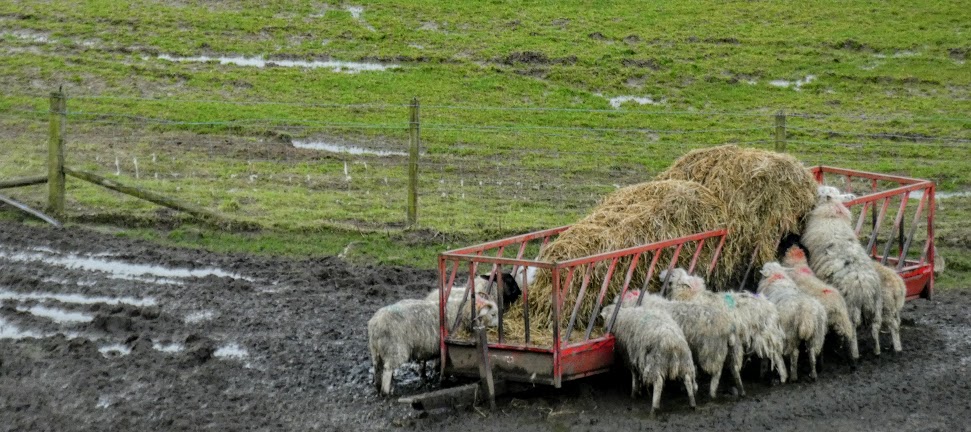
And here are some hungry sheep, requiring a top-up of food.
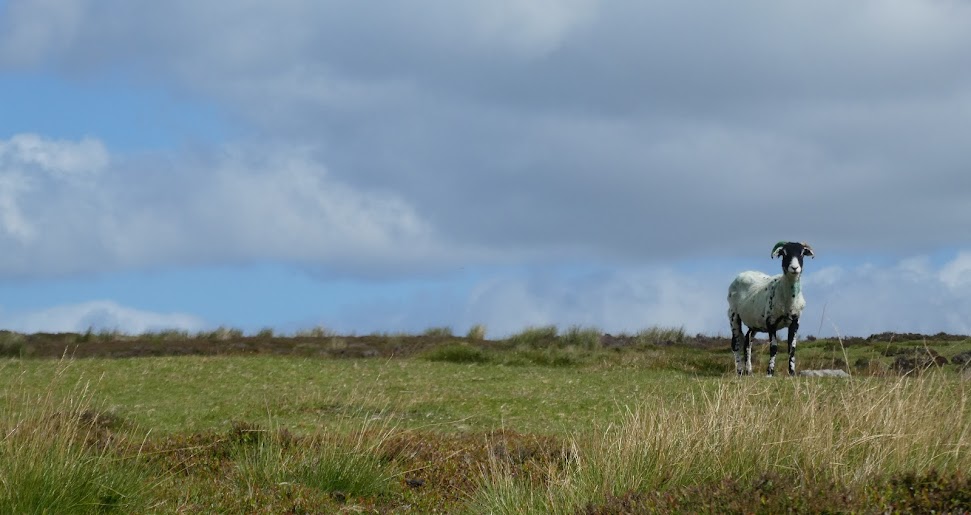
And here’s one on the moor above Dallowgill. Monarch of all she surveys.
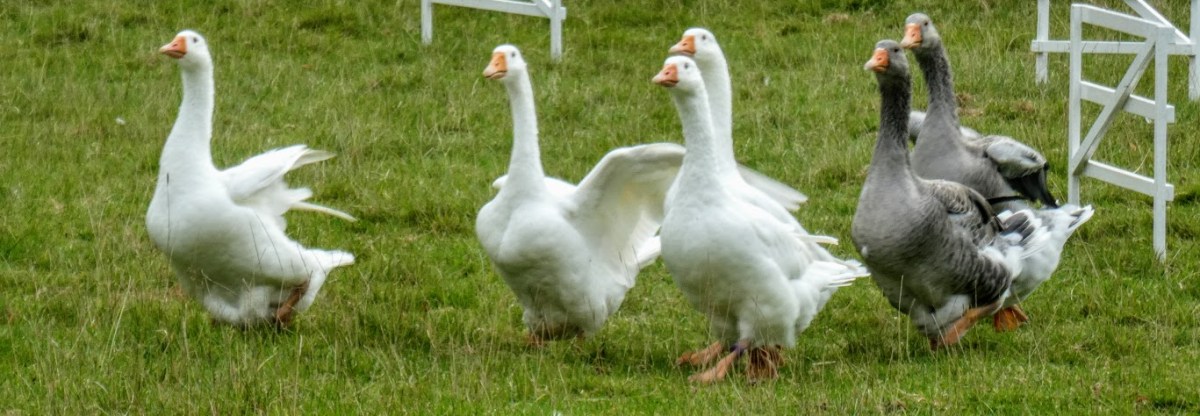
On the eighth day of Christmas my true love sent to me –
Eight maids a-milking …
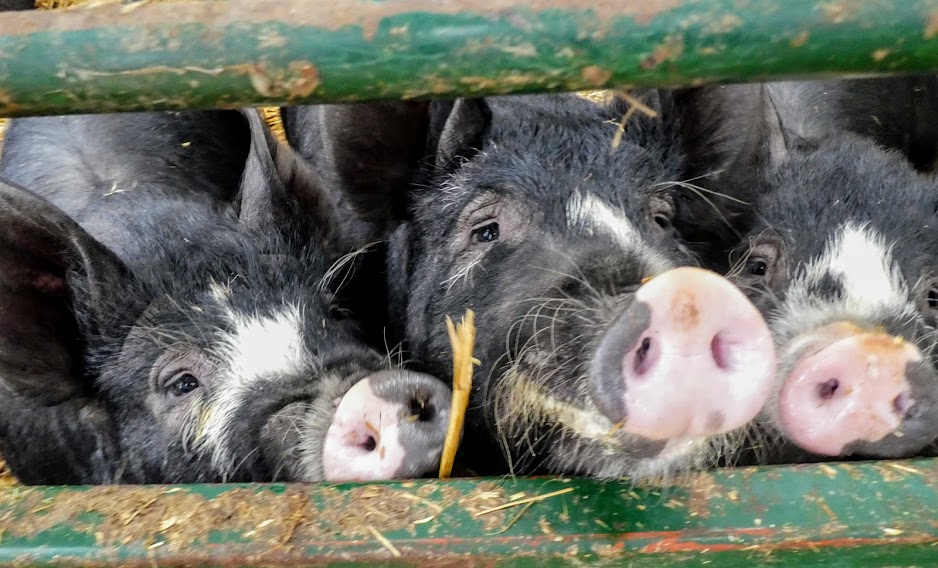
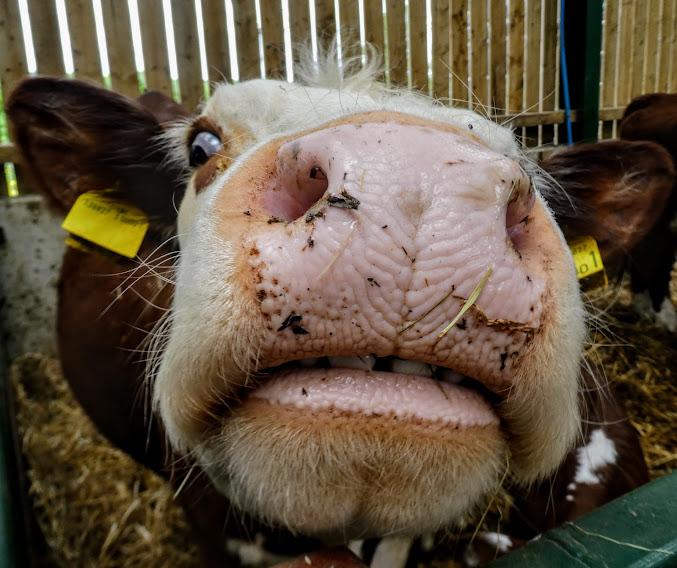
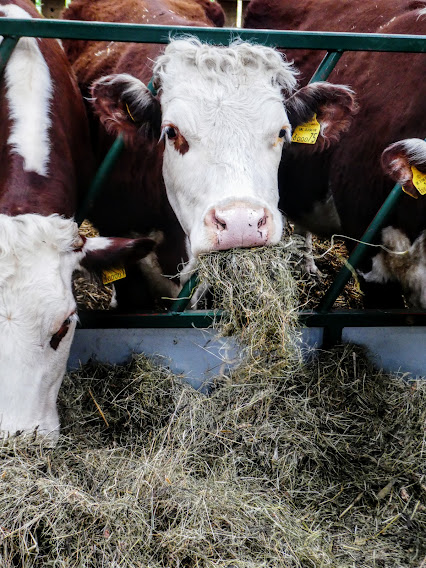
I’m so sorry. Those milkmaids must have stayed up to see the New Year in. I’m sure they’ll be along in a minute The cows are here, and I’ll make sure those young women get a-milking the second they appear. Meanwhile … Happy New Year!









 From Pyrenees to Pennines
You must be logged in to post a comment.