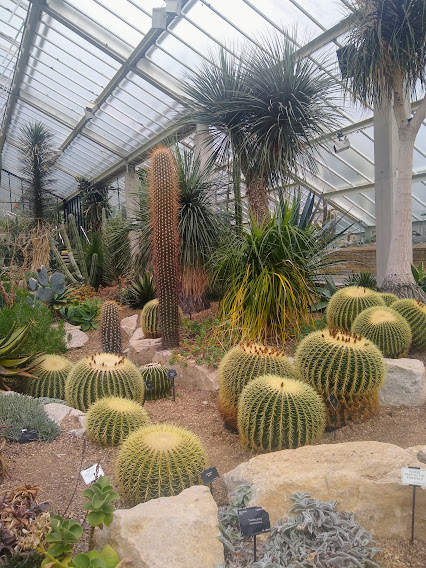
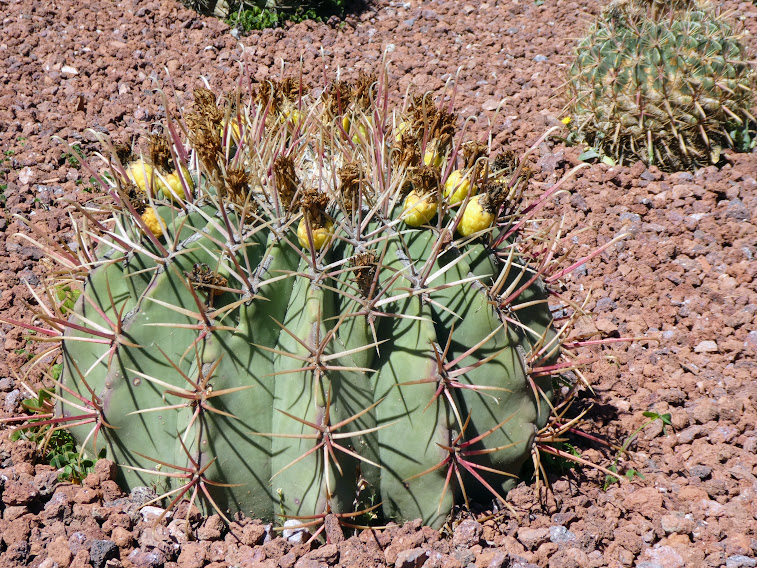
This week, Denzil’s Nature Photo Challenge #18 invites us to look at cacti. Well, apart from this one, taken in Kew Gardens, London, I have nothing to offer from England.
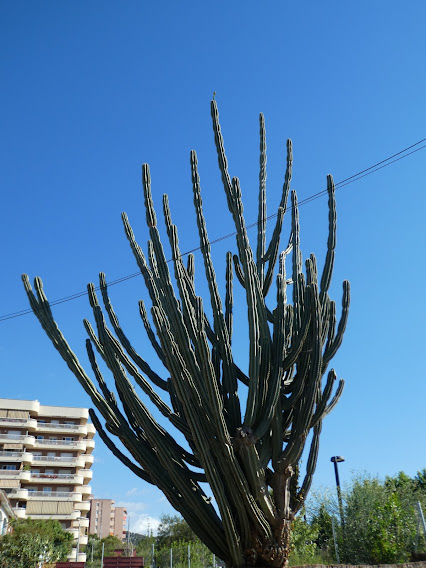
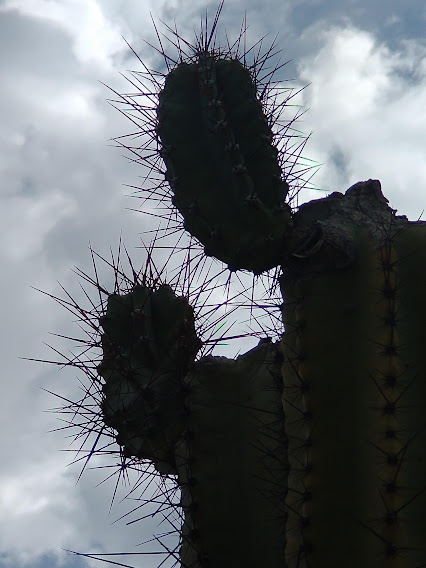
In Spain however, they are two a penny. Here are two from ordinary back gardens in daughter Emily’s home town near Barcelona.
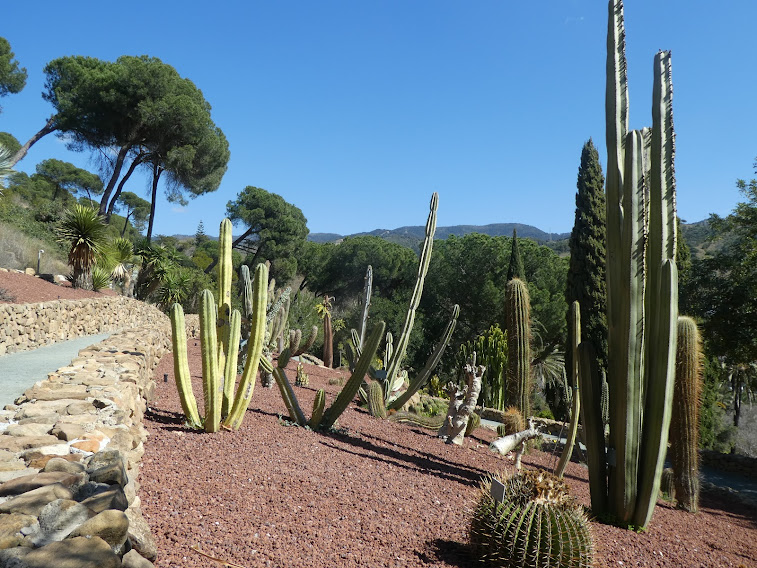
And here, more spectacularly, are a few taken in Jardín Botánico Histórico – La Concepción, Málaga. That’s where the header photo comes from too.
They’re striking things of course, cacti. But I tend to keep a very respectful distance from them. I’m quite relieved to have as the backdrop to my walks cowparsley, daisies and dandelions.
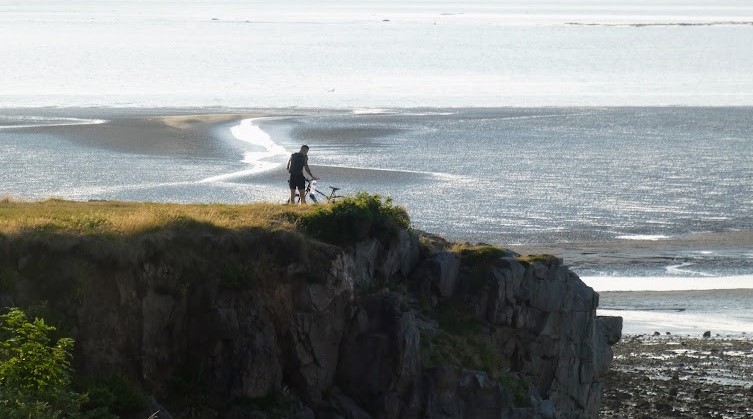
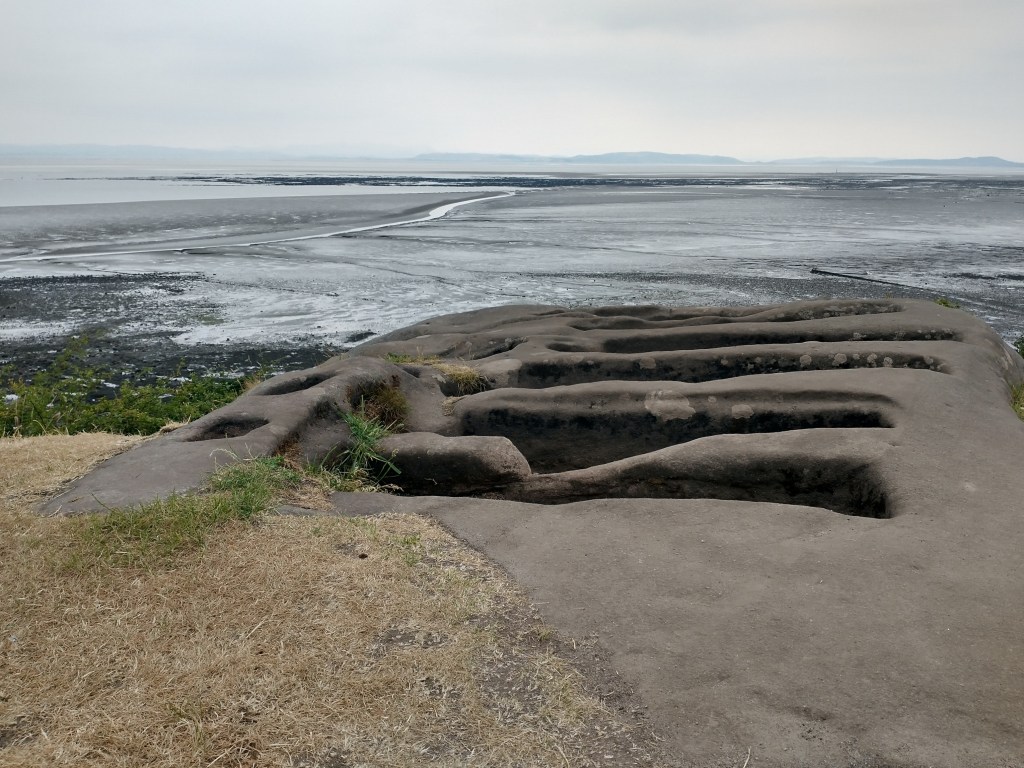
I can’t leave the sea-and-skyscapes of Heysham alone. This is about the sea as much as the sky, and a photo zoomed to within an inch of its life, but I like it. There IS sky above that moody sea – honestly. Look carefully.
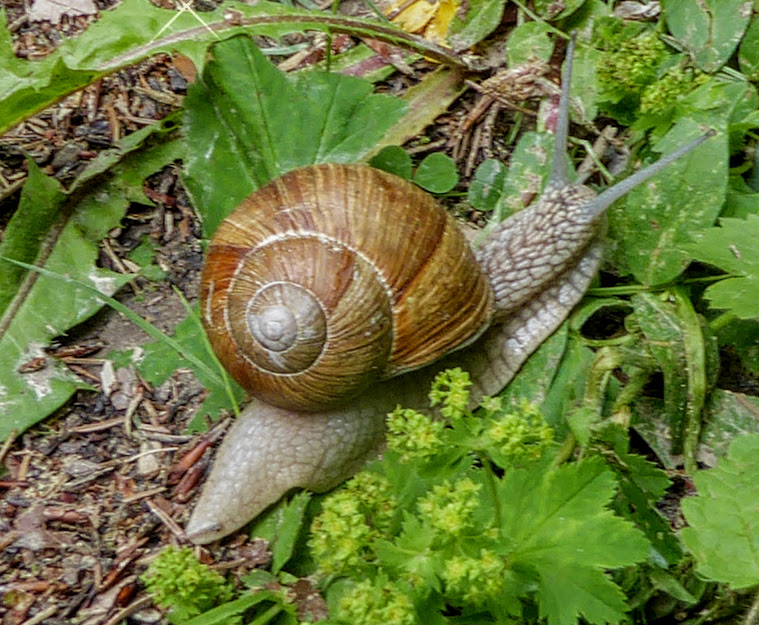
It turns out that snails are not my specialist subject. Denzil’s Nature Photo Challenge #16 this week is all about these gastropod molluscs. And I have precisely two in my archive. The first one is my header photo. Here below is the second.
I’ve been walkabout with my camera, looking for more. But in these dry conditions – not a hope. Even the slugs have given up chewing every plant in sight.
And I can’t even name the snails I am showing you. Can anybody help?
I tend to wake up early in the morning. At this time of year, it’s no hardship at all, because I can lie in bed, listening to a concert like this …
These are moments of uncomplicated happiness. However, by now, almost mid-June, it’s tinged with sadness too, because I know that we’ve less than a month to go before this morning serenade quite simply … stops.
So when Rebecca gave us our monthly marching orders of a poem, one about about a bird in our part of the world, I knew I didn’t want to fall in line. I didn’t want to single out the blackbird, robin, thrush, chiff-chaff, wren … whatever. I wanted to celebrate them all – all those songbirds who contribute to this morning symphony of joy.
Dawn.
The sun creeps above the horizon …
Birds awaken.
Carolling, calling, crooning, chirping, chanting -
a clamorous cacophony welcomes the day.
Cacophony is often seen as negative, as being a word for racket, dissonance, din. But for me there is no other word to describe the medley of sounds as dozens of local birds have their morning vocal work-out, defending their territory whilst raising a brood of chicks.
On of these mornings soon, before the chorus this year stops, I’ll get up, get organised and walk towards the sunrise, maybe one just like the one in my header photo, listening to those birds saluting the light.
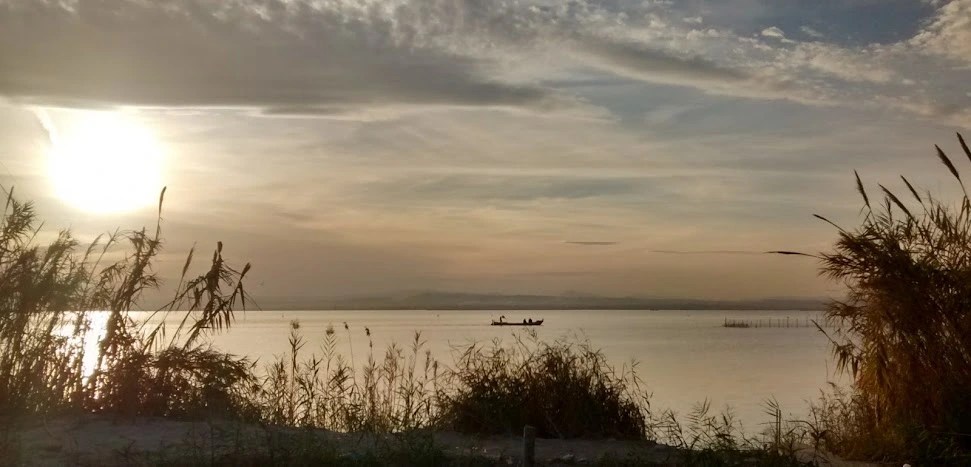
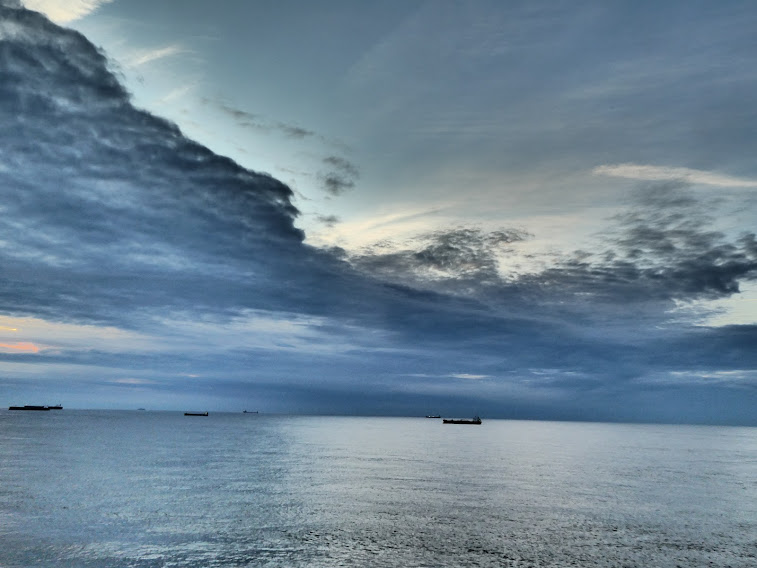
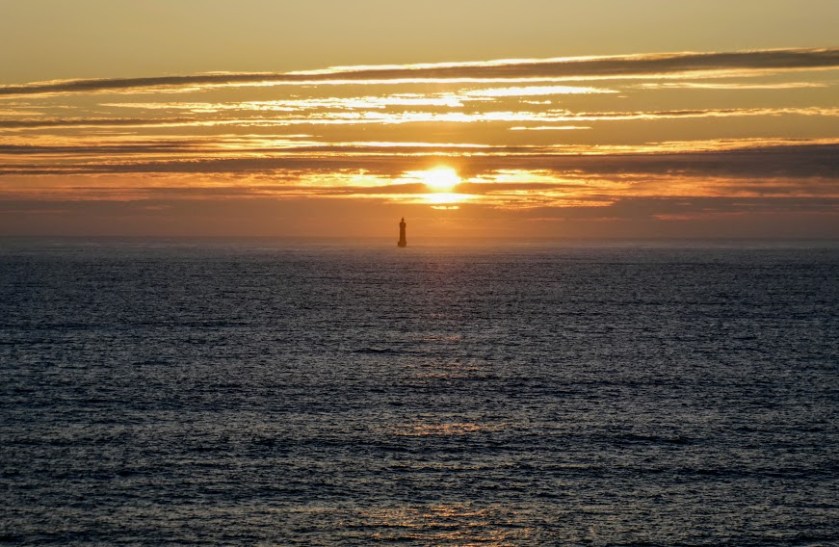
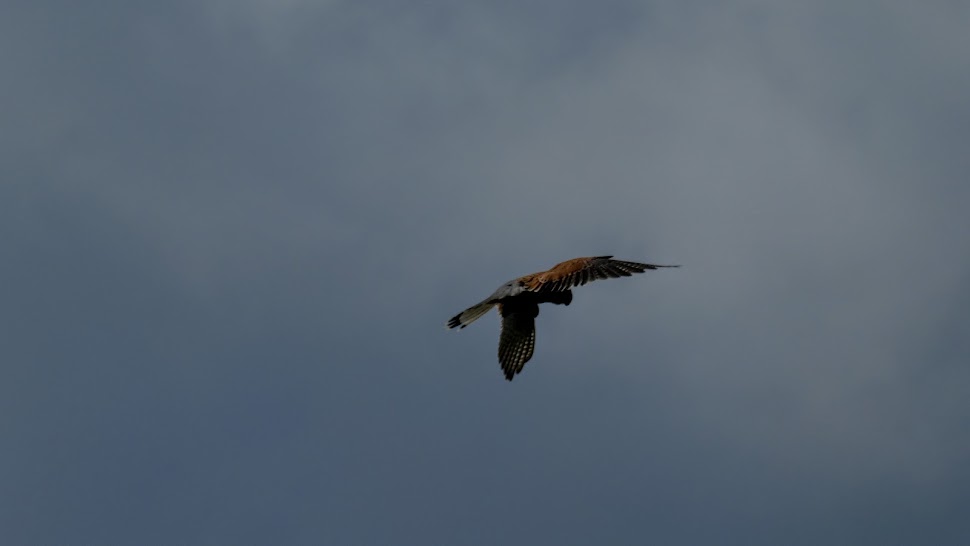
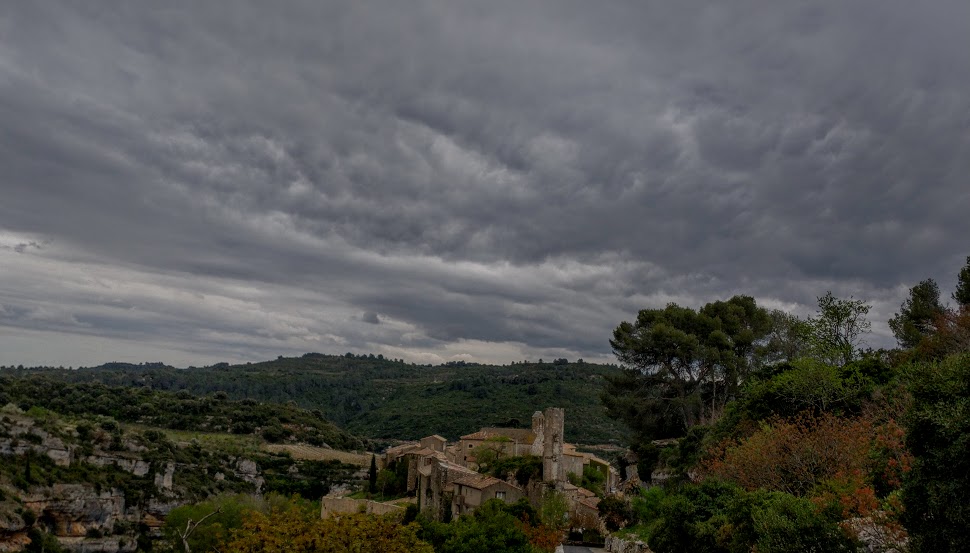
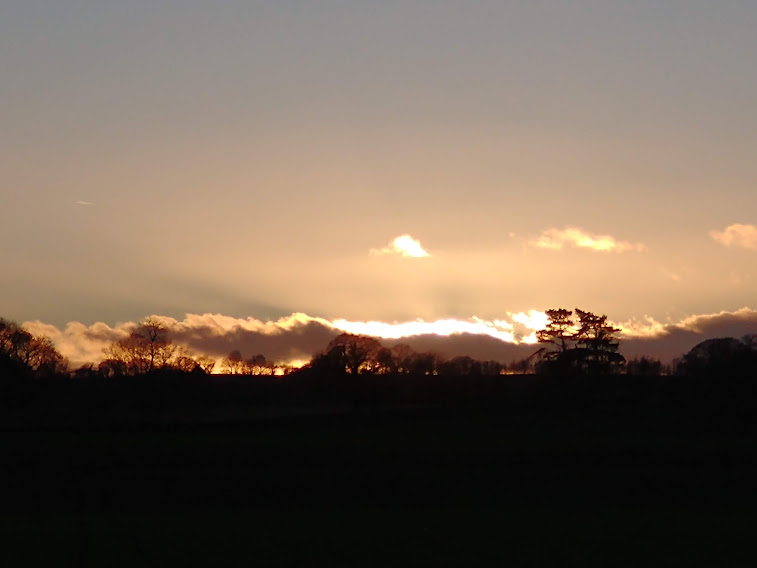
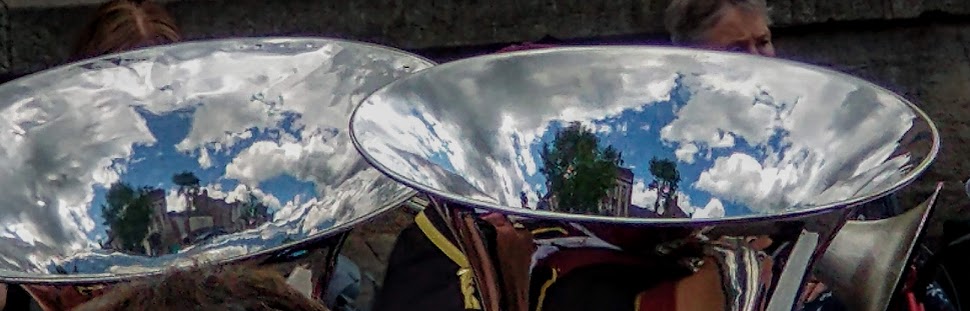
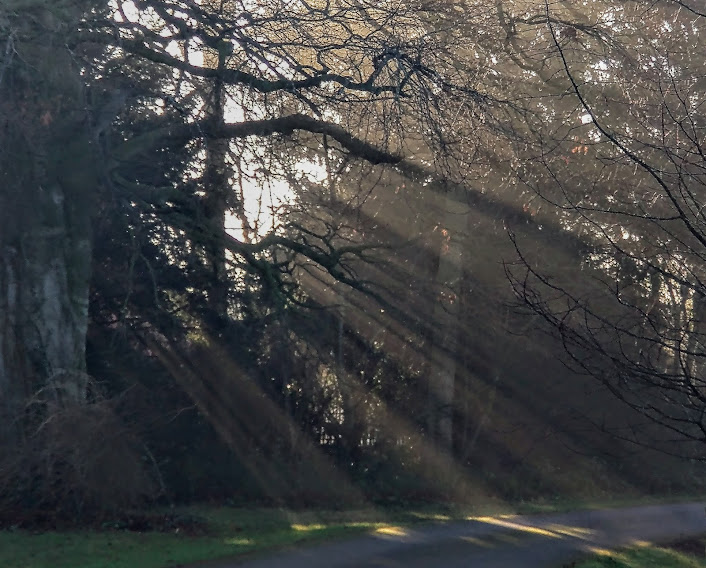
Amy has invited us to thumb through our archives for this week’s Lens-Artists Challenge #250 and choose skyscapes and clouds. I’ve found it impossible to be dispassionate about this. There’s something about these images that’s so bound up with memories that I can’t distinguish good photos from the merely ordinary. I’m transported to that place, that time, that set of souvenirs.
Take my header photo, for instance, which I’ve posted before, more than once. It takes me immediately to that special day when I was part of an evening boat trip quietly floating through the lagoons of l’Albufera near Valencia, while birds made their final flights as the sun settled below the horizon. It’s a memory which will never leave me, whether the photo is a winner or not.
Longish sea trips to the continent bring memories of languidly looking at cloudscapes from early morning till nightfall as our ship smoothly purrs towards its destination. Here’s one …
… or this…
Or there are those memories of January days in Cádiz. An unmissable part of our routine was to head to the beach at dusk to watch the sun slowly disappear into the sea.
This shot, from our time in the Balkans shows that a slightly neutral skyscape can be a perfect backdrop for a questing bird of prey. And this was a holiday of birdsong, wild flowers – and memories of a still wild landscape.
A quick visit to France, to the Minervois for a moody sky. This was a trip just a few weeks ago, when on the same day as this shot was taken, we saw tiny daffodils sheltering from the brisk wind.
I can’t leave this post without a local shot, taken as we walked a habitual path alongside our River Ure.
The Lens-Artists Challenge, this week offered by Sofia, invites us to looks at mood. It’s been a very busy week for me, with time in short supply, so perhaps I need a spot of local walking to induce a mood of peace and calm.
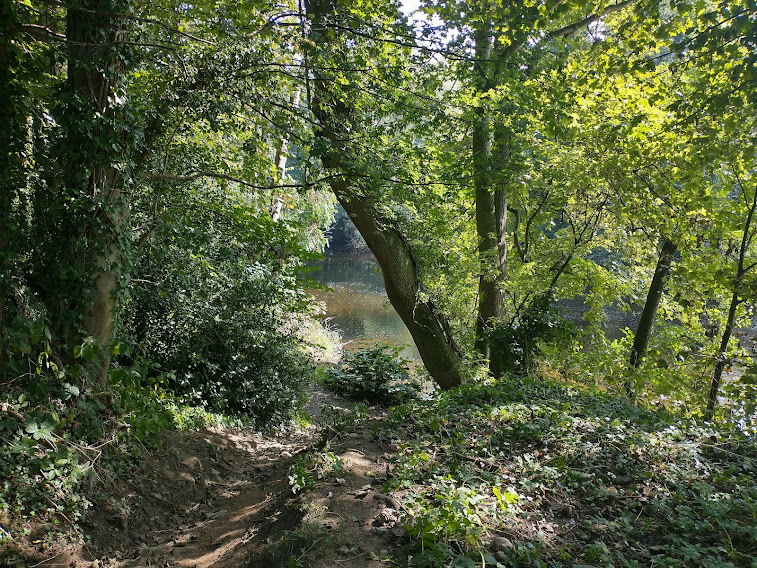
… and just take a stroll down a woodland path …
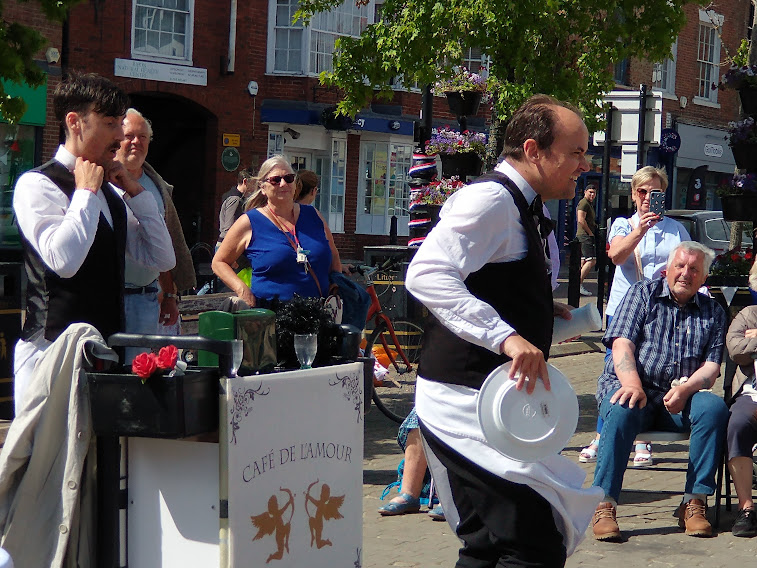
Or perhaps a spot of merriment and street theatre is what’s required …
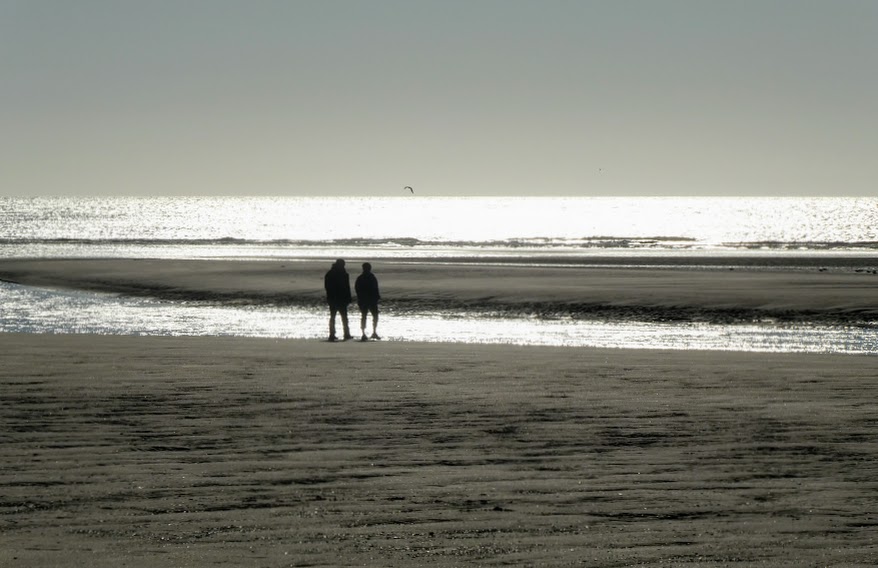
Or a seaside sunrise: even on a grey day.
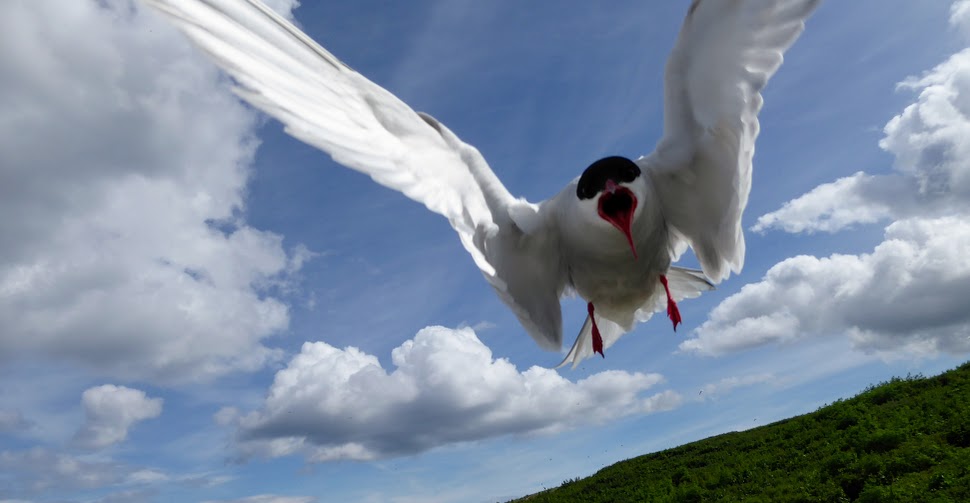
Mind you, it’s as well to avoid nesting birds. They can get in a very bad mood, as this arctic tern can confirm …
He’s dive-bombing me. He thinks I’m possibly egg-collecting.
Best burn off a bit of energy and settle my mood …
… before returning home to be simultaneously awed and calmed by a local sunset …
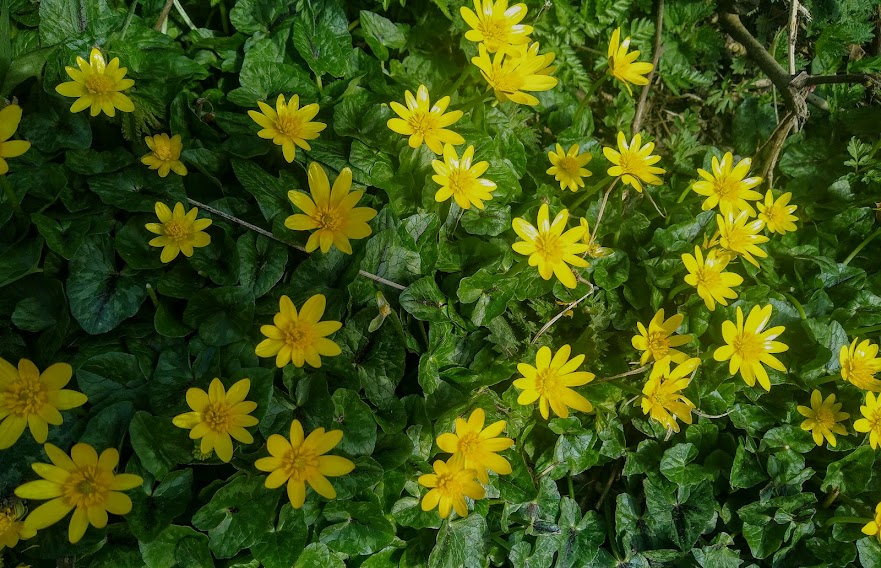
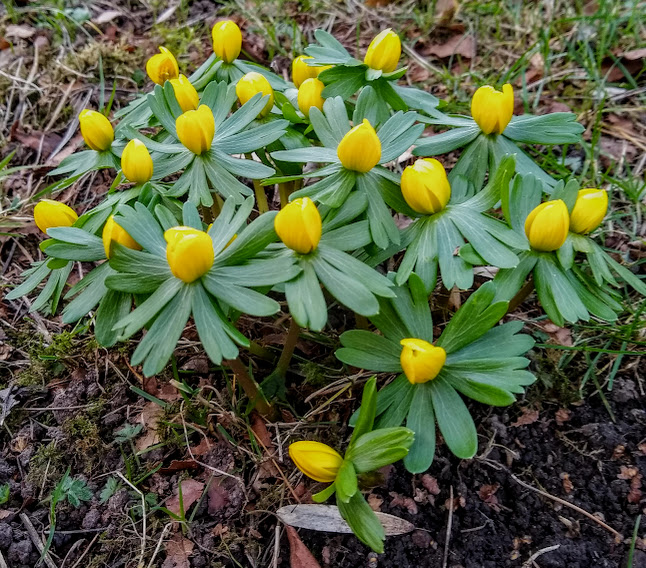
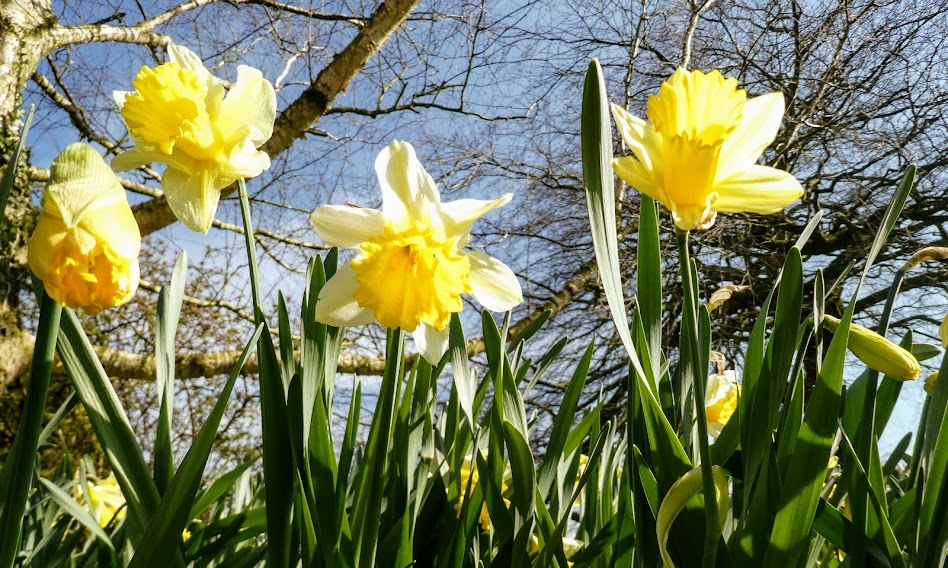
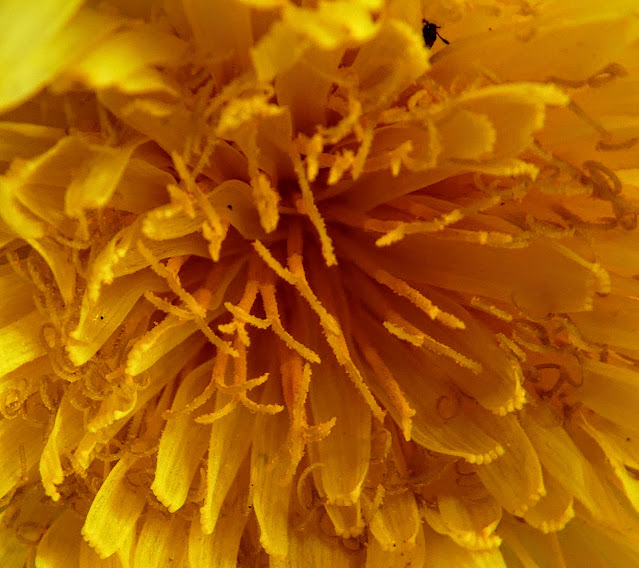
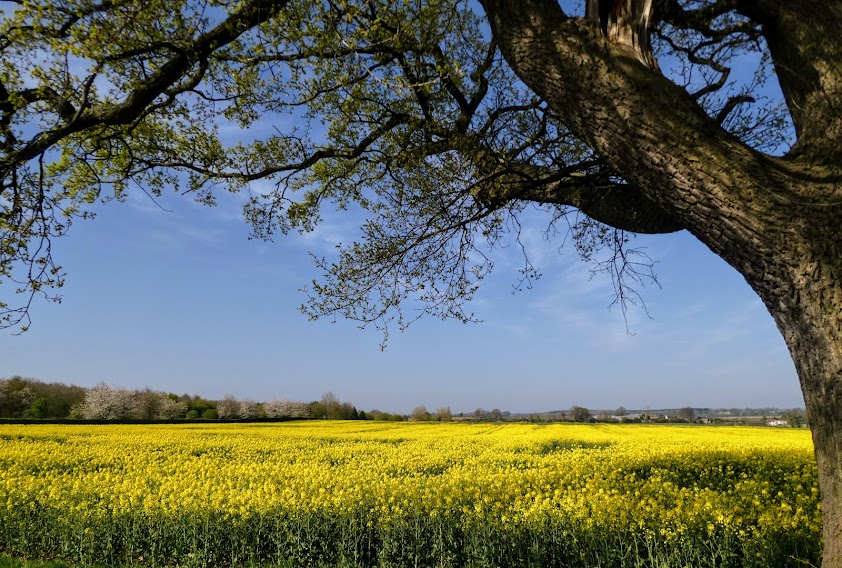
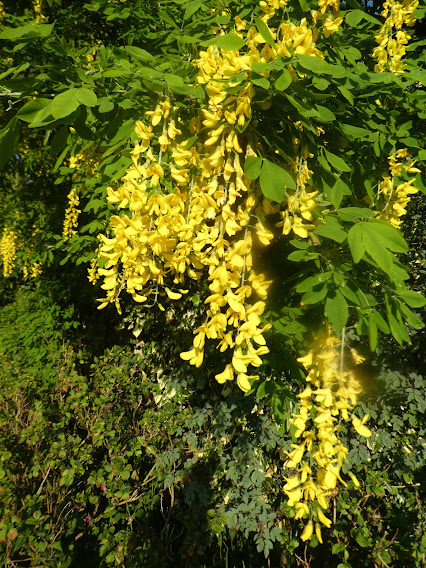
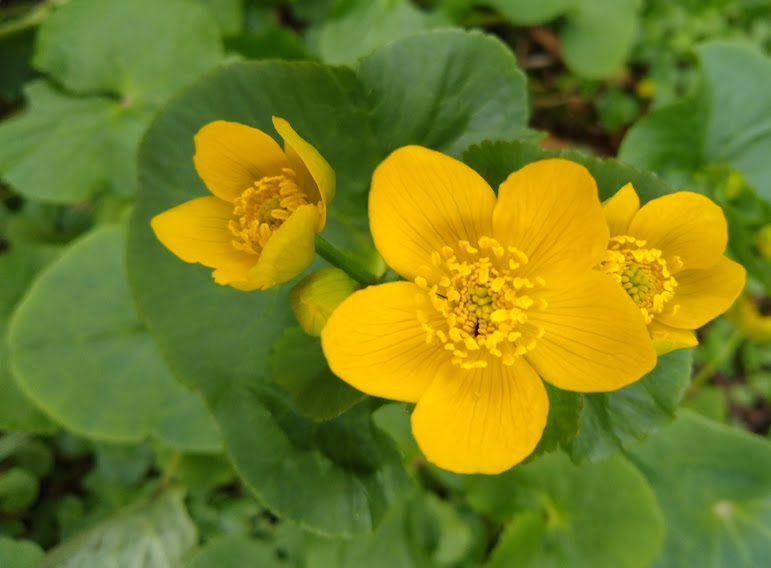
Let’s extend the definition of Spring to include a bright day in January, encouraging aconites to show their faces, right through to asphodels in May. Let’s showcase the yellow flowers of spring, brightening our days with a feeling of optimism.
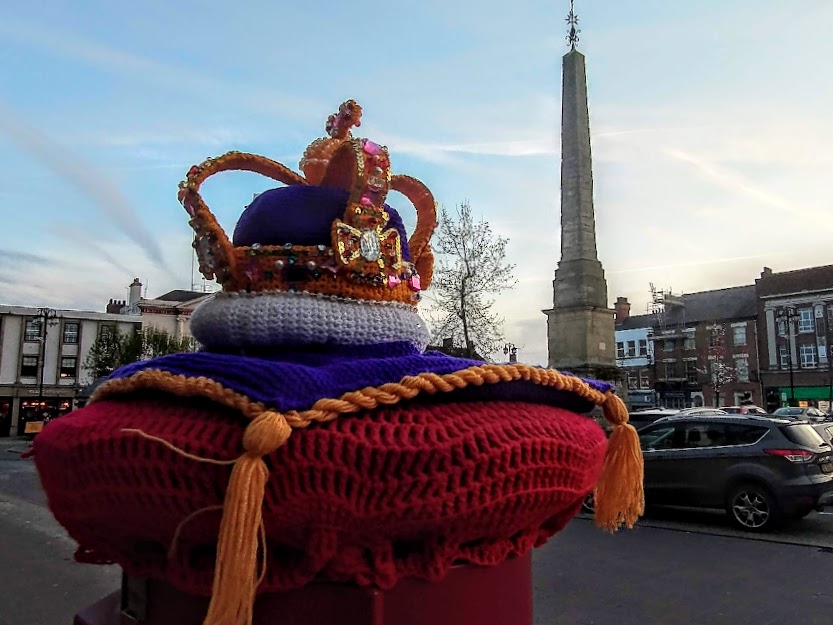
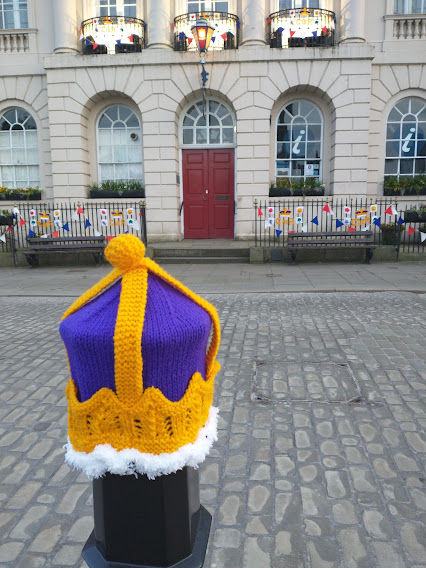
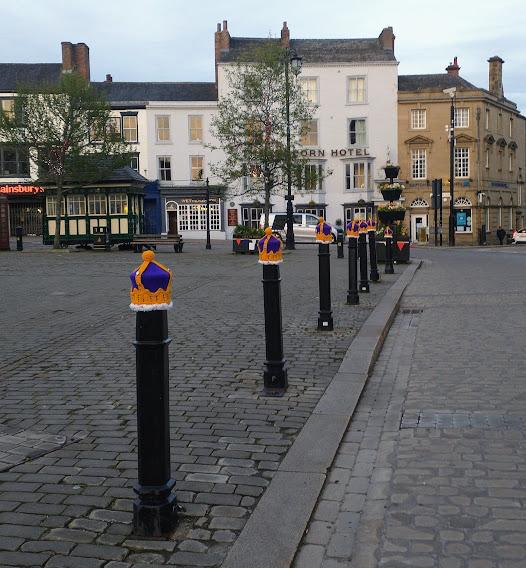
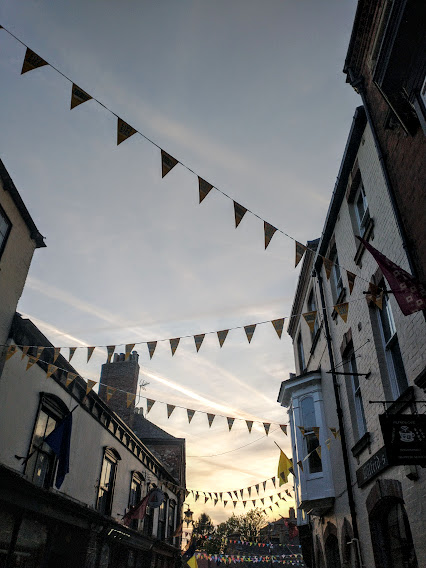
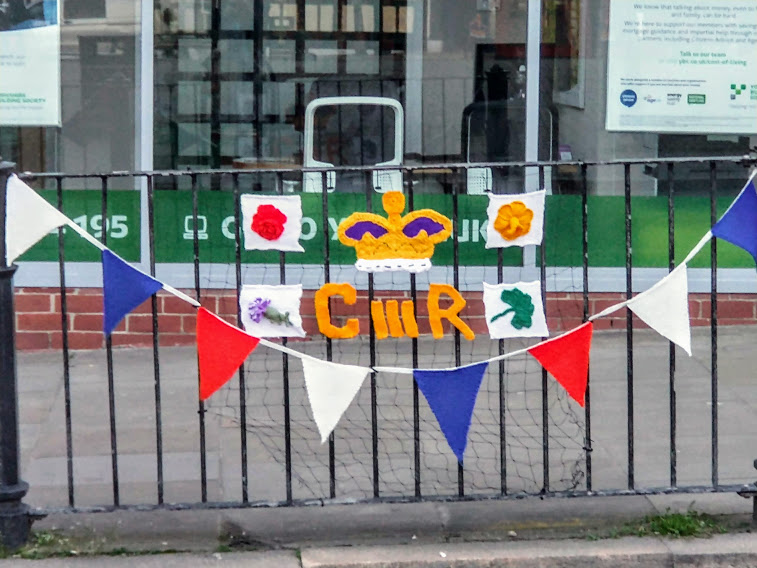
It’s only 8.05 a.m., and even on a music station like Radio 3 there’s no escape from unremitting Coronation fever. Before I go and hide, I’ll share images I took the other evening in Ripon, which has chosen to celebrate by yarn bombing the city centre.
While I was in town, the cathedral bell-ringers were practising for today. Can’t beat English bell-ringing.
Ripon Cathedral bell-ringers
Ripon’s not alone. Nearby Thirsk seems to have gone whimsical, rather than respectful. I think we’ll have to pop along and see for ourselves.
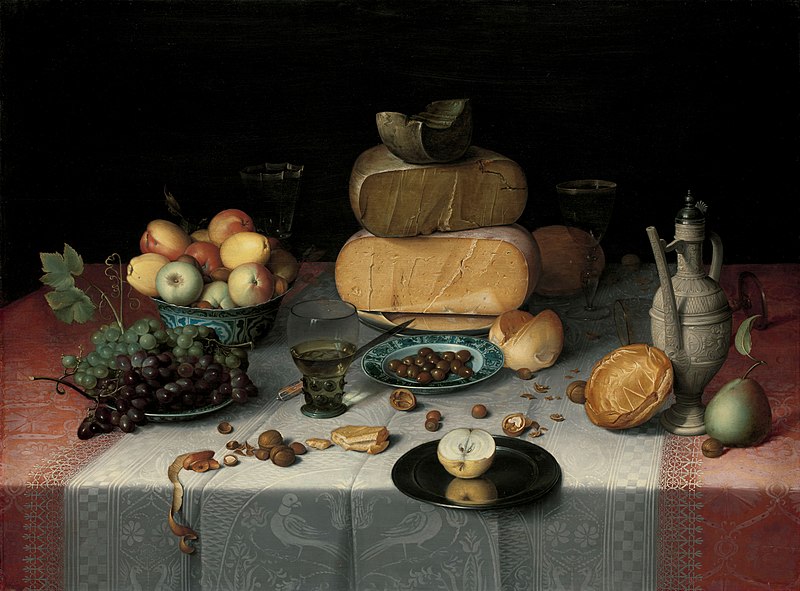
If I said ‘Still life‘ to you, I’d bet you’d immediately think of those ultra-realistic studies of fruits, cheeses and other good things cascading artfully from a shelf or plate in a painting by one of those 17th and 18th century Dutch painters who specialised in painting them. Like this, for instance, by Floris van Dijk in the Rijksmuseum:
Patti, who’s challenged us to produce still life images for this week’s Lens-Artists Challenge #246 isn’t going to be a bit impressed by anyone who blogs only about images of Old Masters whose work happens to be in the public domain. She wants our own efforts. We can compose them; or we can find them, the unselfconscious efforts of others which we’ve spotted, and seized, and made our own.
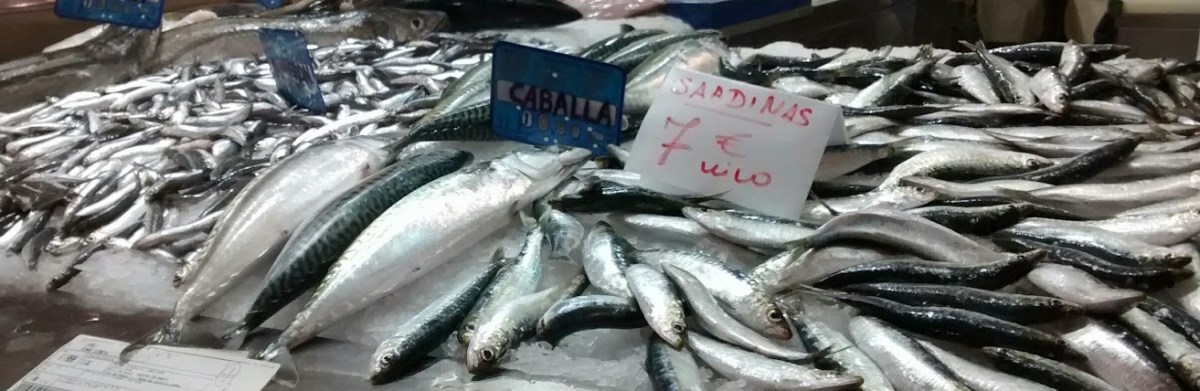
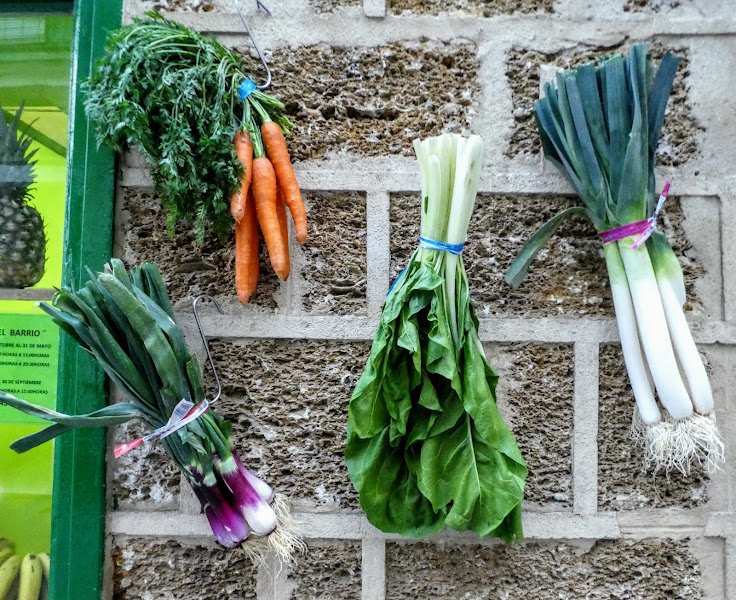
I’ve got a rag-bag of images for her. The fish stall in Valencia which is my feature photo. The marvellous greengrocer in Cádiz, who daily displayed on the wall outside his tiny shop a tableau of some of the goods he had to offer:
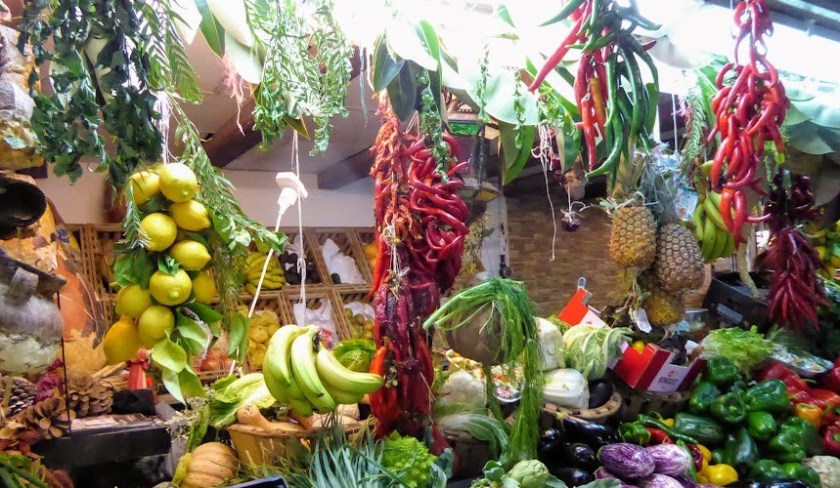
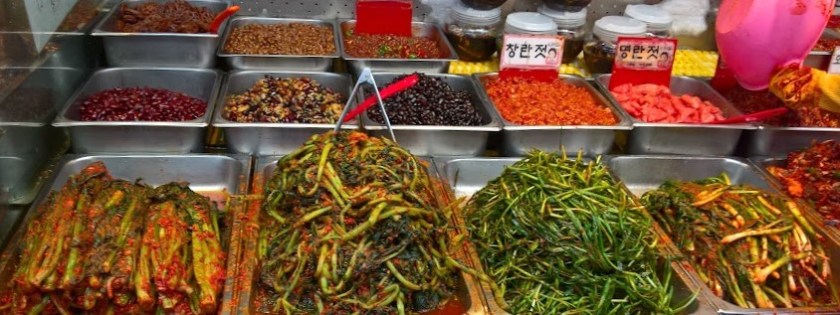
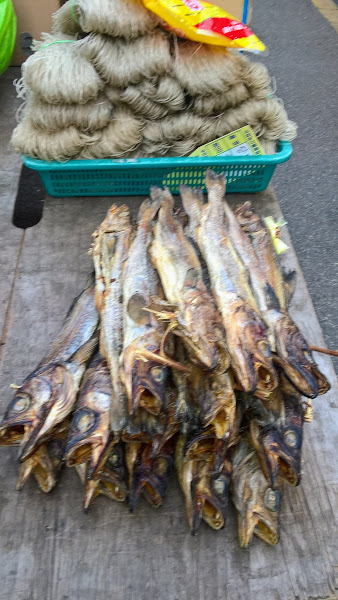
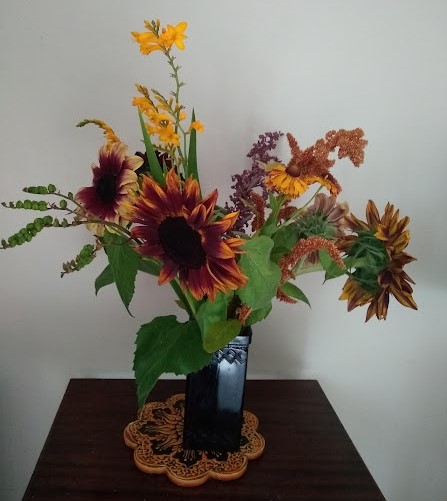
Fruit and veg. from Spain; fermented and pickled vegetables from South Korea; and dried fish from there too. As well as a vase of flowers from home. All these in homage to Dutch Old Masters.
Market in Alicante
Market in Busan
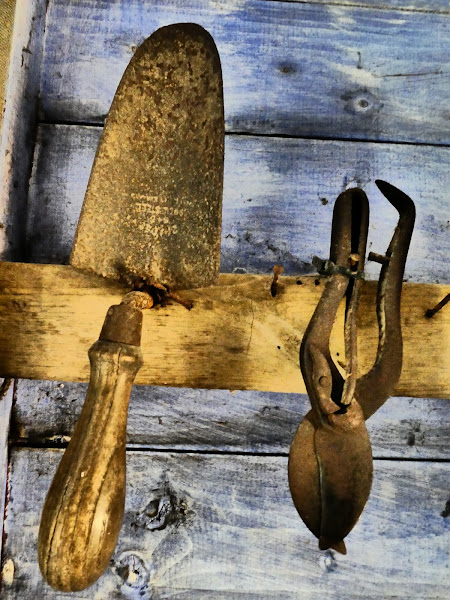
Harlow Carr Gardens in Harrogate, England has a display in an Edwardian gardener’s shed. I was rather taken by these rusted tools.
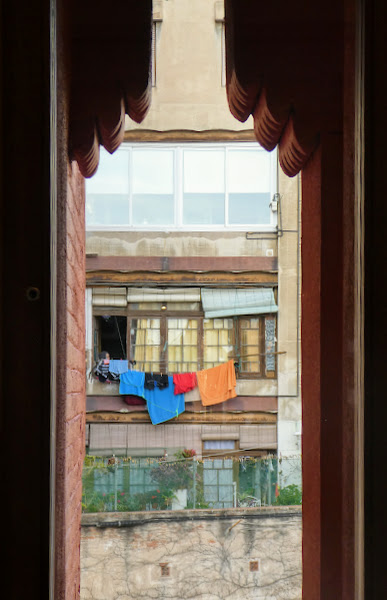
In Barcelona, temporarily totally ignoring all the wonders on display in Gaudi’s Casa Vicens, I glanced out of the window to see a washing line still life:
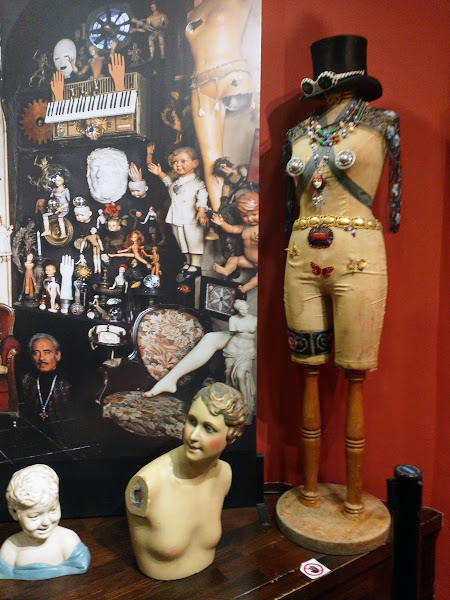
And only the other week, in Canet de Mar, Catalonia, in the museum dedicated to Lluis Domenech i Montaner (Note to self: get that post about him written), I found an extraordinary still life with which to finish this post: the ephemera gathered into the studio of early 20th century photographer Eugenie Forcano.
Well, Patti, I can’t speak for anyone else, but I’ve had a lot of fun. Thanks.










You must be logged in to post a comment.