When I was a child, I’m sure you couldn’t have a library ticket until you were five. There would have been no point anyway. The great age of the pre-school picture book illustrated by the likes of Quentin Blake, Chris Riddell and Emily Gravett hadn’t yet arrived. Until we were old enough to enjoy hearing about Winnie the Poo and Milly Molly Mandy there was nothing for very small children on the shelves.
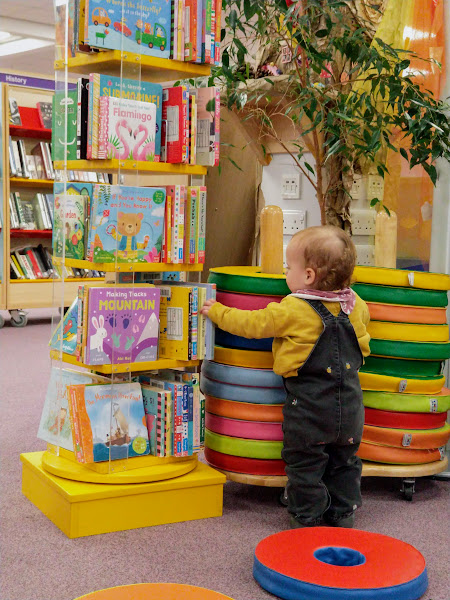
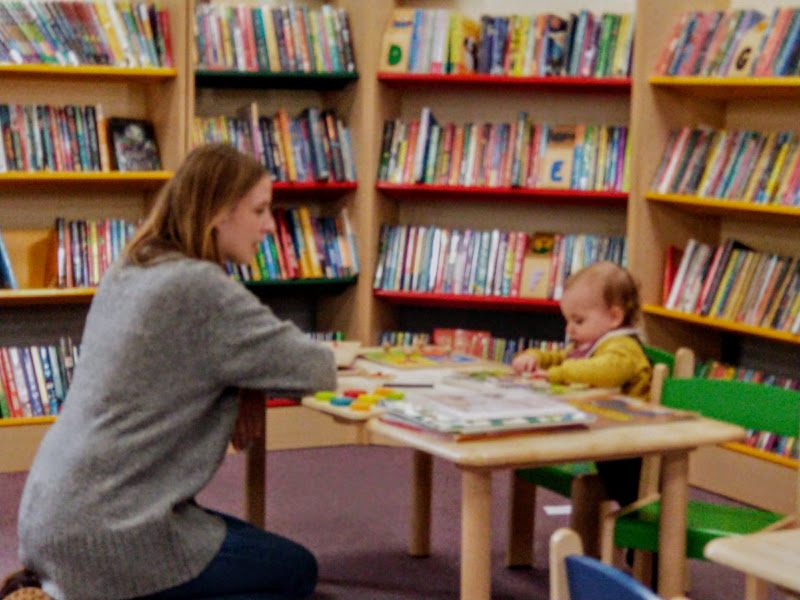
These days, pre-schoolers are welcome. Parents are urged to enroll their babies. There are story times and sing-along sessions, jigsaws, bright paper, coloured pencils – and cheerful rugs to sit on. So one very rainy day while fourteen month old Anaïs was staying, off to the library we went.
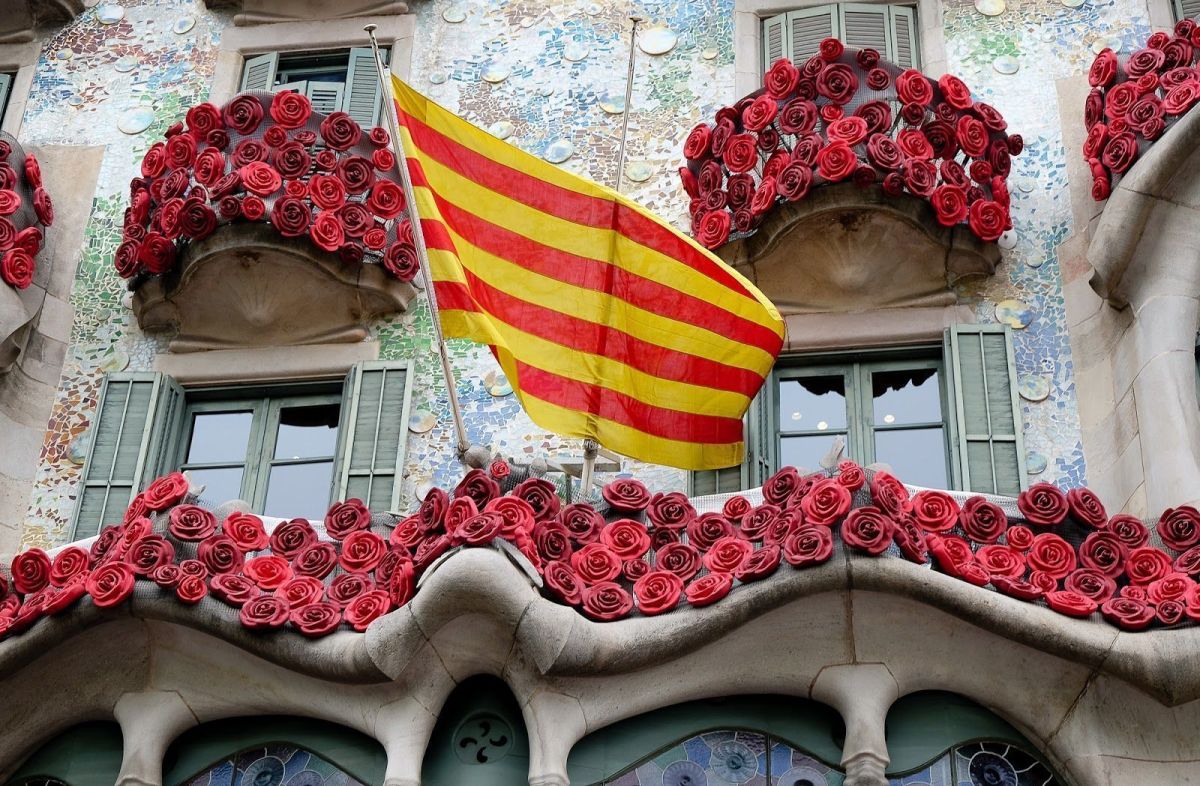
Saint George is patron saint of England, Catalonia, Portugal, Ethiopia, and probably a few others besides. And today is Saint George’s Day. We tend not to celebrate him much here in England, perhaps partly because the flag of Saint George has largely been appropriated by the EDL and similar extremist political groups, and drunken football fans.
That’s not the case in Catalonia though. No! It’s a national holiday (Catalonia clings fiercely to its independence). Men will give a single red rose to the women they love – not just sweethearts and wives, but their sister, their aunt or their friend and colleague at work. Women will respond by offering a book. That’s because in 1995, UNESCO declared 23rd April as a world-wide day to celebrate books and reading, choosing this day because it’s the one on which both William Shakespeare and Miguel de Cervantes died in 1616. England has to be different, and celebrate the day in March.
Here’s a short video catching something of the party atmosphere in Barcelona, in happier times before That Pandemic. I’ll bet it’s a bit quieter this year.
And why offer a red rose? Well, that’s all down to the legend of Saint George and the Dragon. Here’s an explanation in Spanish. You don’t speak Spanish? Don’t worry. I think you’ll understand almost every word.
Featured image courtesy of BCN Apartment Rentals. No copyright infringement is intended.
‘On the first Saturday of every month, a book is chosen as a starting point and linked to six other books to form a chain. Readers and bloggers are invited to join in by creating their own ‘chain’ leading from the selected book.
I have only just succeeded in borrowing Julia Armfield’s Our Wives under the Seafrom the library, so I’ve barely started reading it. But this seems to be a summary to work with: It’s a story of falling in love, loss, grief, and what life there is in the deep deep sea.
Where to start then?
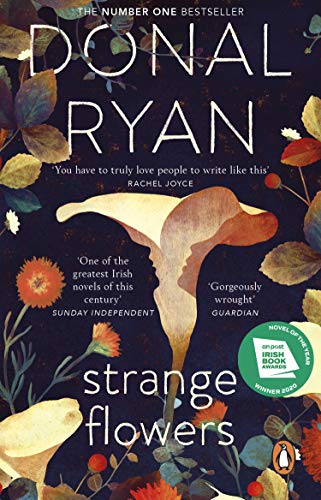
Perhaps with Donal Ryan’s Strange Flowers. This is a tender, lyrical novel, largely based in a rural Ireland, whose modest, gentle landscape encompasses the entire book. At the heart of the novel is Paddy, postman and herdsman, his wife Kit, and their daughter Molly who as the book begins, has disappeared – just gone off early one morning, suitcase in hand. I can mention nothing more of the plot without giving too much away. Yet this is a novel full of secrets, many of which reveal themselves as the novel draws to a close. We meet the characters in this book at a distance, and they retain their privacy, may not always be rounded out. But it scarcely matters. This is an intriguing, poetic book which fully absorbed me.
Rock of Cashel, County Tipperary (K Mitch Hodge, Unsplash)
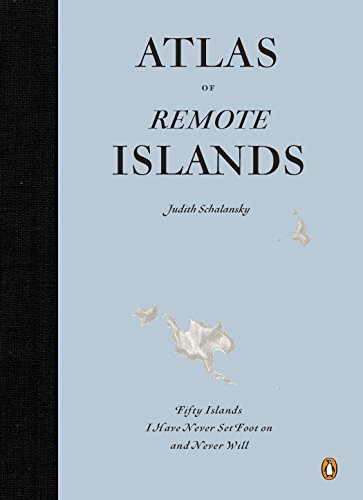
Thinking of how rural Ireland is almost a character in the book put me in mind of Judith Schalansky’s Atlas of Remote Islands. This is a marvellous moment of armchair travelling. Schalansky was brought up in East Berlin, at the time of The Wall, where poring over the atlas provided her only means of distant travel. Beautifully mapped, her book takes us to fifty of the smallest and most remote islands in the world. Some are inhabited, some are the domain of academics visiting for months ar a time, some are uninhabited. All have a story to tell. It might be their geology, or a tale of how they were discovered. Or folklore, or a moment or two of history. This book will transport you into regions you never knew about, and like Schalansky, will never visit … except in your mind.
Moai Rano Raraku, Easter Island (Aurbana, Wikimedia Commons)
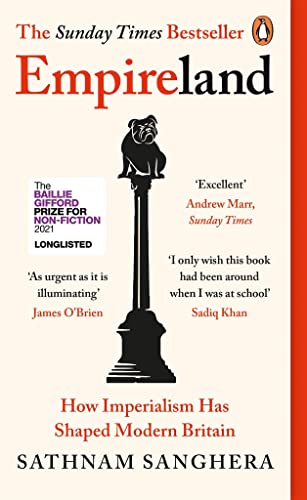
Some of these islands feature in Sathnam Sanghera’s Empireland: How Imperialism has shaped Modern Britain.This book is essential reading – for Brits at least. Sanghera presents a wealth of material, examining the history of the British Empire and how it was acquired. Many of us were brought up to regard the Empire and what Britain brought to the countries it had dominion over as something of a triumph, something which all subjects should be grateful for. We were brought up glossing over what slavery means to all involved, whether as slave-owner or slave. The Windrush generation, racism, the continuing legacy of our attitudes to Empire all form part of Sanghera’s narrative. This book is carefully researched, and attempts to be fair. It gives much to think about, and much material to form the basis for thoughtful on-going discussion. Tough stuff, but also highly readable.
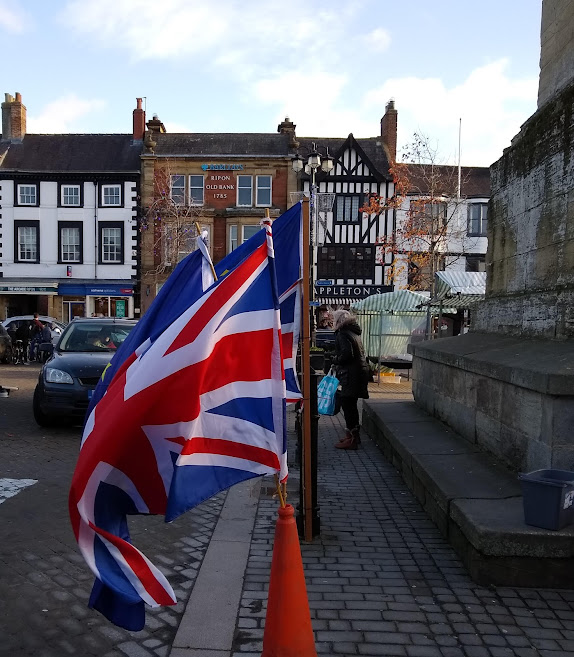
A Union Flag flies in Ripon.
Let’s find a book set – at least partly – in one of those Commonwealth – formerly Empire – countries. The Last Hunt, by Deon Meyer. This is the first book I’ve read by Meyer, and I suspect it won’t be the last. Two parallel stories – the first involving South African cops Benny Griessel and Vaughn Cupido, given the thankless task of solving a cold case: the second introducing Daniel Darret, an African who after a chequered life has settled in Bordeaux. It’s only at the end these apparently unrelated threads come together. The characters, and the areas and worlds they frequent are well-painted and vivid, and the story, involving corruption in high places seems unsettlingly topical. Only the last chapter of all failed to convince me: and while this was disappointing, it didn’t stop me from feeling I’d had an involving and exciting journey along with the protagonists.
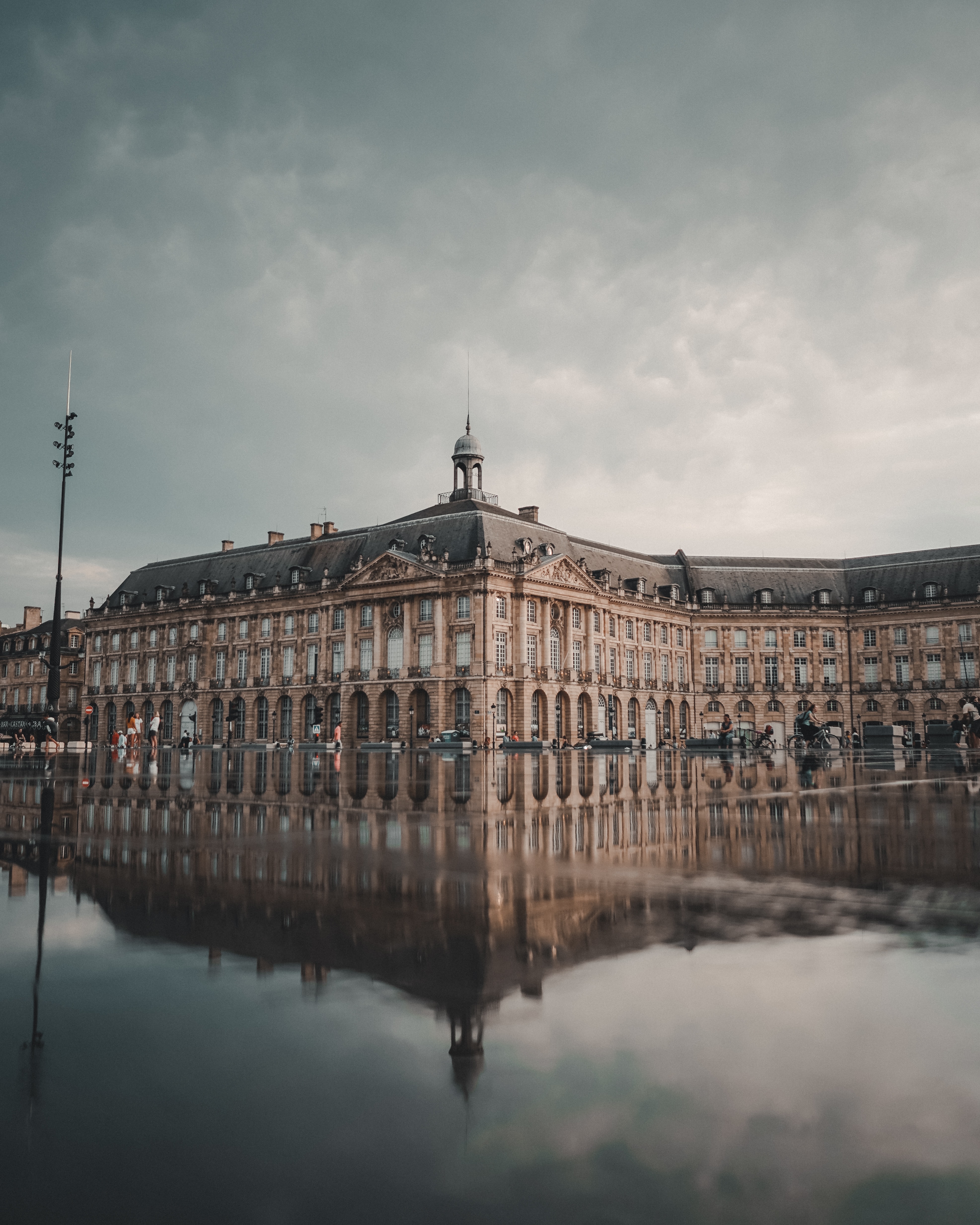
Place de la Bourse, Bordeaux (Cab, Unsplash)
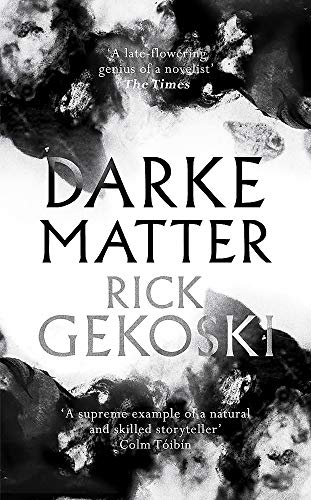
My next book isn’t really a crime story. Or is it? You’ll have to read Darke Matter: A Novel, by Rick Gekoski for yourself to find out. James Darke, retired schoolmaster and professional curmudgeon, narrates his story. His much-loved wife Suzy has recently died, wracked by pain in her last months. He lives alone, disapproving of everybody and everything, even his daughter and her husband – though he makes an exception for his grandson Rudy. His distress at watching his wife die encourages him to help her on her way to death through overdosing her, as he admits to his horrified daughter, though she comes to understand and agree. No spoilers alert here, though you might well wish to refresh your knowledge of Gulliver’s Travels, a book Darke re-fashions for his grandson’s entertainment. A perceptive, witty and moving evocation of love, grief, loss, and the fall-out from assisted dying.
Classic Comics no. 16 1943. Linda Chesney cover and art.
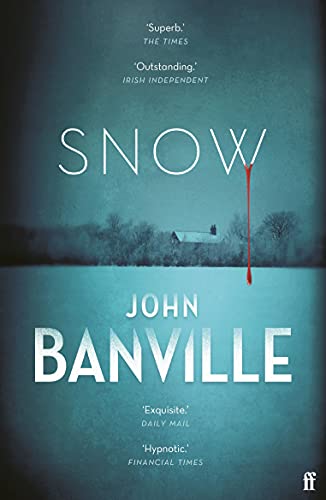
Another whodunnit, which, being set in Ireland, links back to the first book in my chain, though not to this month’s starter. Snow by John Banville. This paints a richly evocative picture of 1950s Co. Wexford in Ireland. A miserably cold snowy winter; a country house peopled with a decaying family of Protestant gentry; a pub-come-shop; a cast of splendidly eccentric characters. This is Cluedo brought to life. Though so much richer. Here is a picture of a narrow and barren society, subservient to the authority of the Catholic church, and with strong memories of their not-so-distant battle for independence. The motives for the murder we learn about on the first page are more important than finding out who committed it. A rewarding read, being a whydunnit rather than a whodunnit.
Next month, the chain will begin with Peter Carey‘s True History of the Kelly Gang, a book which has unaccountably sat unread on my shelves for ages. Its moment has come!
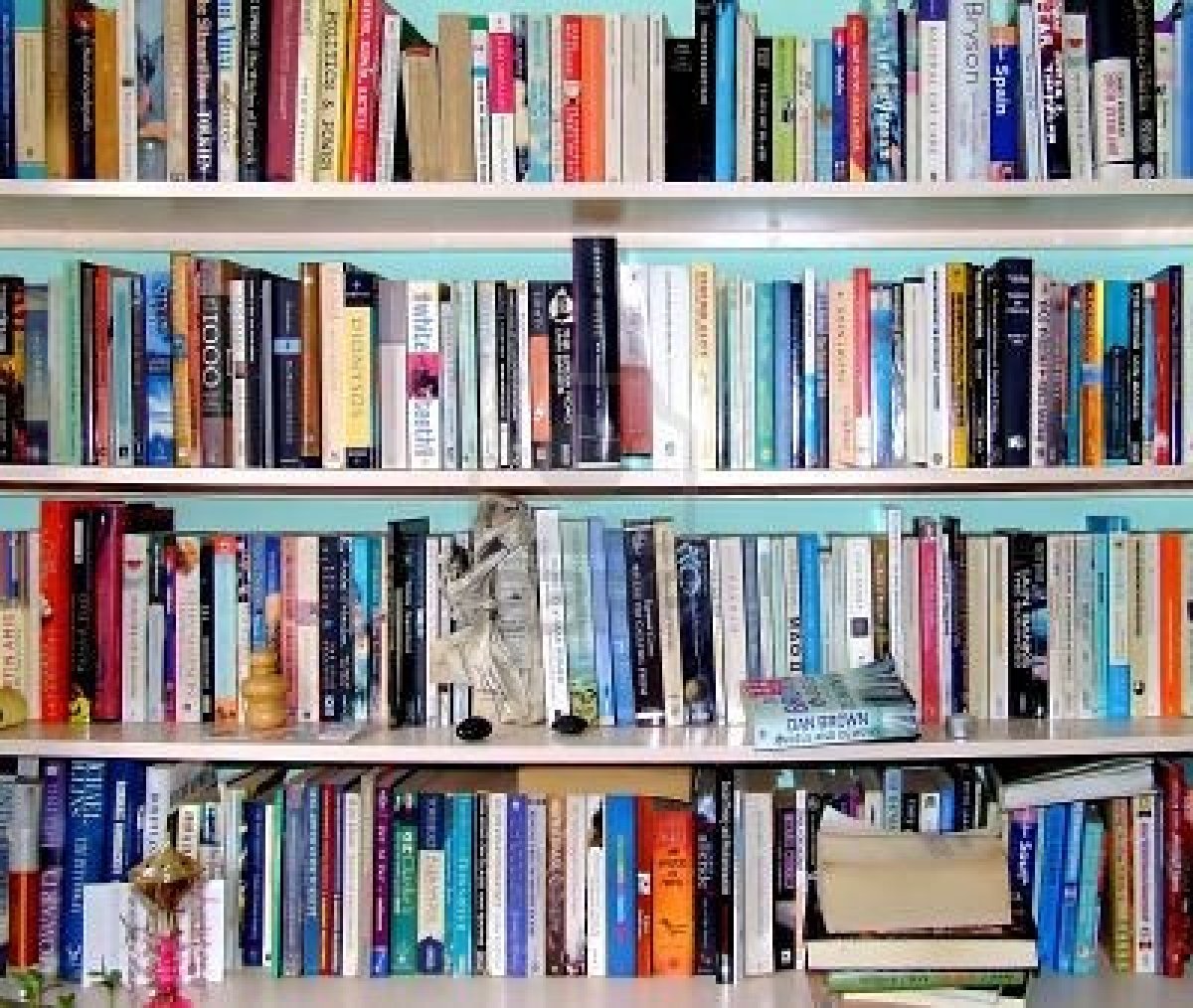
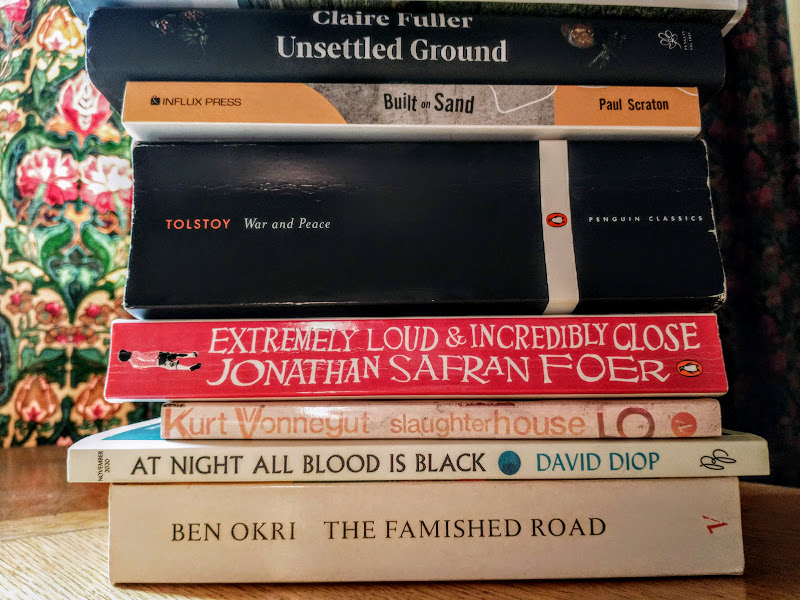
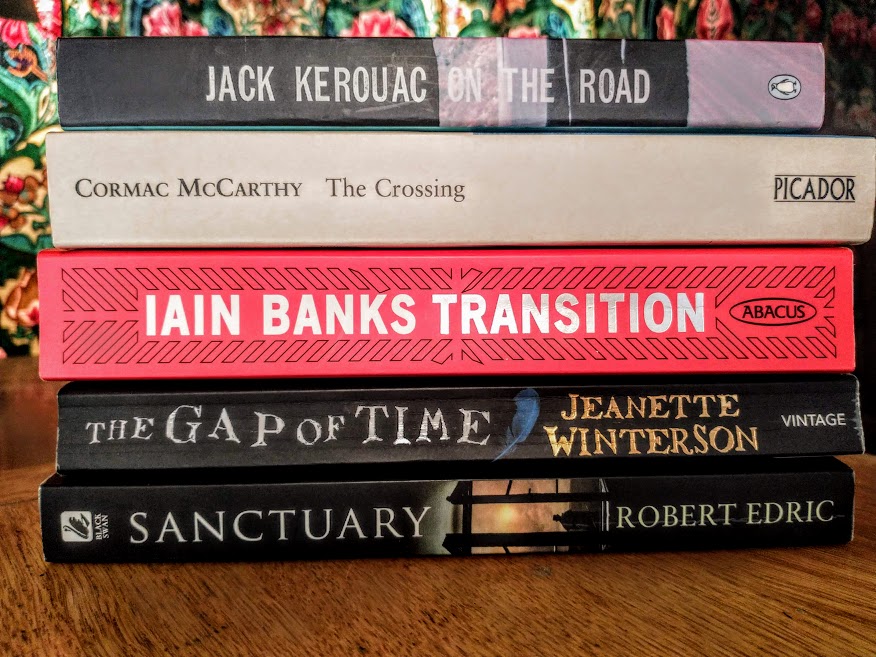
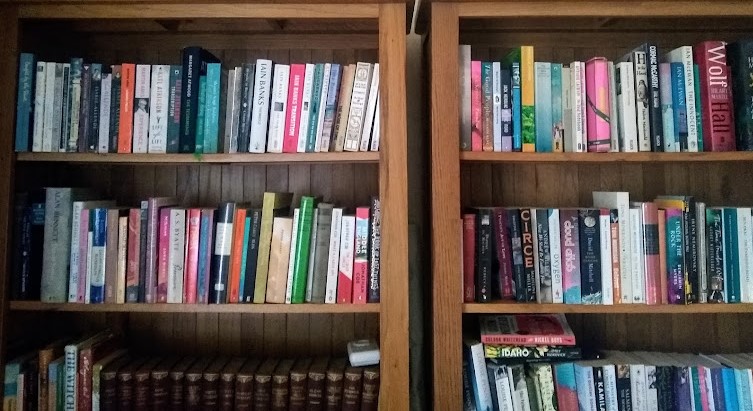
This is an idea from Rebecca, of BookishBeck fame, who’s built a #Solidarity Stack of books, which you can read about here. Like her, I’ve used books from my shelves to tell something of the story of the disaster unfolding in Ukraine through their titles: in this case, the contents are irrelevant.
We can do so little. Many of us have already donated to Aid Agencies. But another Rebecca, blogging as Fake Flamenco drew another charity to my attention: World Central Kitchen: Chefs for Ukraine are providing hot nourishing meals to those in flight: and other chefs, in other places torn apart by war or natural disaster, undertake similar work. Sadly, Ukraine is not alone in continuing to face catastrophe. For every ‘like’ this post receives I’ll donate 0.50 to this charity. I’m hoping for lots and lots of ‘likes’!
It’s beyond imagining. But in the short term, every refugee is taking the journey shown in my next pile, and hoping to find safety and a place of Sanctuary: the bottom book in my pile.
Maybe you could join in this challenge with your own book stack, and attract ‘likes’ in your turn? Let’s do it!
‘On the first Saturday of every month, a book is chosen as a starting point and linked to six other books to form a chain. Readers and bloggers are invited to join in by creating their own ‘chain’ leading from the selected book.
I struggled to construct my chain this month, but … here goes.
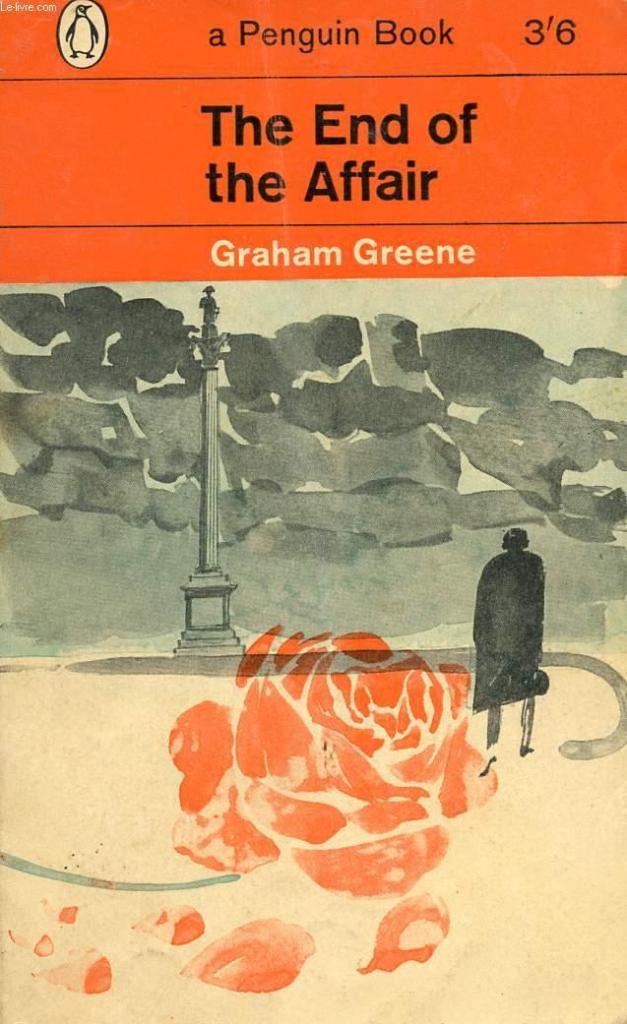
We start with The End of the Affair, by Graham Greene, A book about a man, a woman, God, and several other secondary characters. Our hero, Bendrix finds it easy to get in touch with hatred and bitterness, and it’s quite hard to reconcile this with the love he feels for Sarah, the woman he had an intense affair with over several years, while maintaining friendly relationship with her civil servant husband. Apart from Sarah’s relationship with God, much of the reason for the End of this Affair comes down to poor communication.
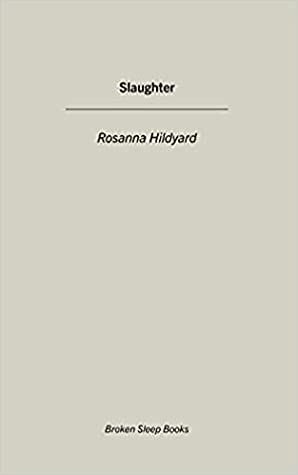
Which leads to my first link: Slaughter, by Rosanna Hildyard. The three stories which make up this slim volume are set in the northern Yorkshire Pennines. Here, life is bleak, tough. Characters who inhabit such a landscape are tough too, and get through life by doing, by surviving. Communication, one with another, is not their strong suit. In the first, set at the time of Foot and Mouth Disease, a young townie tries to get to grips with her dyed-in-the-wool country farmer partner, wondering the while if the epidemic is a punishment for farming in the first place. Outside are the dogs features another mismatched couple. If only they could communicate! But they can’t. Not even the dog can help. The final story, Cull yaw is shocking, involving a would-be-ethical farmer and his vegetarian partner. This couple too communicate in silences, and attack their difficulties with desperation. This is not a comfortable read – especially in this time of Covid. It illustrates well the possible consequences of failing to talk meaningfully. It paints a powerfully bleak picture of the landscape and surroundings in this part of England, whilst pointing up its raw beauty too. This is, I think, a book which will stay with me.
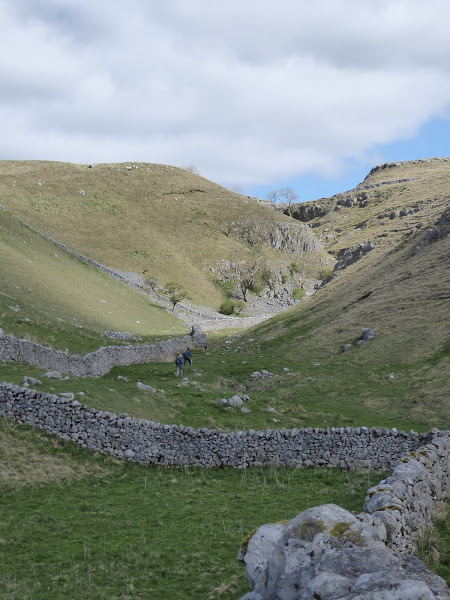
Near Grassington: these stories are set in even bleaker landscapes
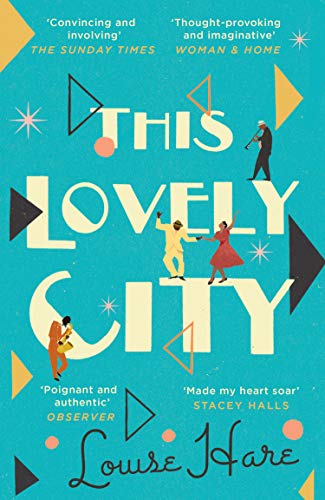
A different kind of mis-communication comes next, where the expectations of the young people who journeyed from the Caribbean on the Windrush in 1948 to begin a new life in the Promised Land come up against the blank uncomprehending prejudices of the existing population. This Lovely City, by Louise Hare is above all the story of 19 year old Lawrie, and Evie, his young mixed race neighbour. It’s a story of racism, both casual and unthinking, and hate-fuelled. It’s a crime mystery too. It refers to many issues connected with the attitudes of the time towards ‘coloureds’ and women, but despite this it’s in many ways an easy, engaging read. I found the ending just a little too neat and this was disappointing, but Hare has written an involving book and I’ll be glad to read anything she writes in future.
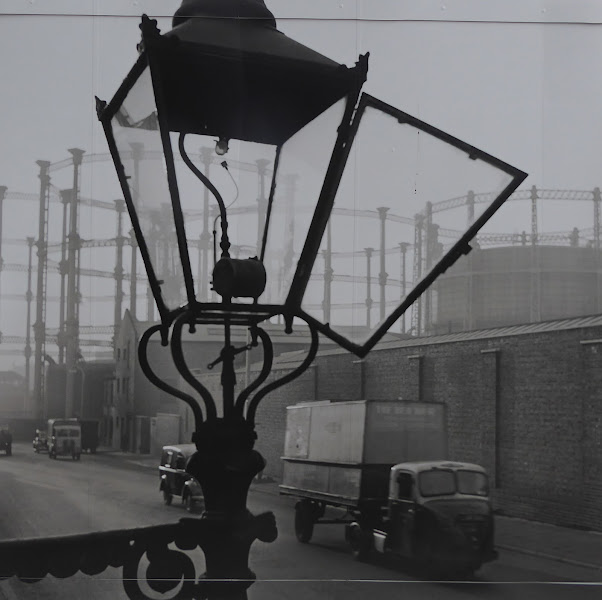
Grey, workaday 1950s London
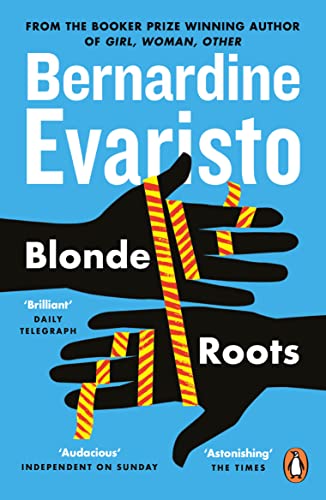
Blonde Roots, by Bernadine Evaristo turns this world upside down. Black people are in charge, whites are their slaves. Feudal Britain, eighteenth and nineteenth century worlds, the modern age and a dystopian future all combine in this world of toil and truble (sic) in which Doris, kidnapped from her home into slavery, finds herself. There’s much to enjoy and admire in this early novel from Evaristo: the playful place names such as Londolo: details such as the efforts of whyte (sic) women to achieve the curly Aphro (sic) looks of their former masters. The speech patterns of the slaves, rooted in those of their black masters didn’t work for me, and overall, this was an only partially successful attempt to demonstrate that tyranny rules when we begin to regard others as inferior to ourselves.
Black and in charge? Jairo David Arbole, Pexels
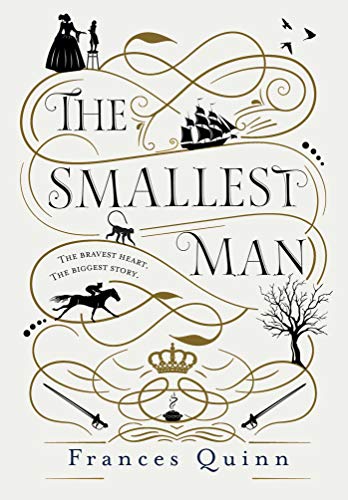
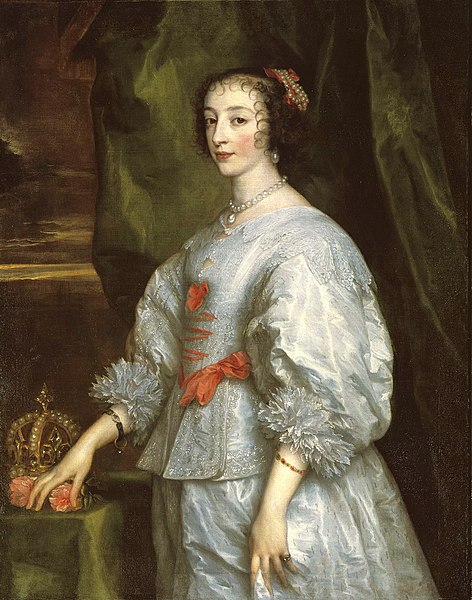
A different kind of underdog – a man with dwarfism – features in The Smallest Man, by Francis Quinn. This story is based on – though is in no sense a biography of – Jeffrey Hudson, dwarf in the court of Charles 1. This is a charming tale, telling the rags-to-riches story of Nat Davy, who avoids being sold as a fairground attraction when his father, who wants rid of him, gets a better offer. Intelligent, witty and a quick thinker, Nat becomes the unhappy queen’s confidante. But Stuart England is a hotbed of political and religious discontent, and Nat is soon at the heart of the action, and doesn’t always make the best choices. An enjoyable, immersive and-despite the weighty matters of the period – ultimately quite a light and easy to read book. An impressive debut from Frances Quinn.
Queen Henrietta Maria, Anthony van Dyck, courtesy of Wikimedia Commons
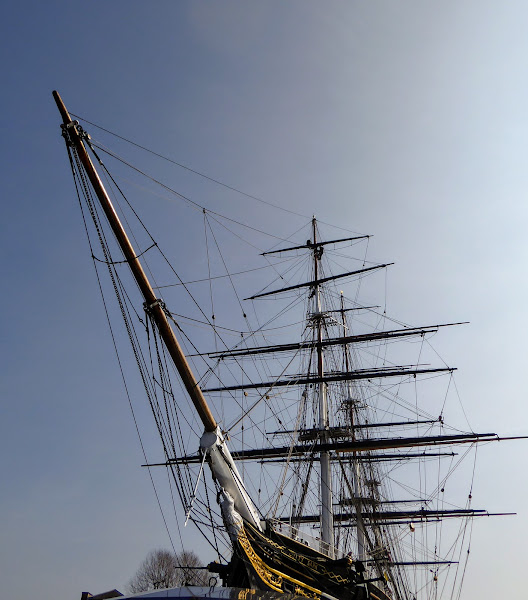
From one curiosity – a dwarf- to another – a monkey. The Hartlepool Monkey, by Sean Longley. I’m a bit in two minds about this book. Largely, I enjoyed this retelling of the true story of the monkey who was hanged as a spy in Hartlepool during the Napoleonic Wars. The book had three narrators: the doctor who ‘adopted’ the monkey; the courtesan whom the doctor loved; and Warren, the one guinea brief who defended Jacques the monkey in court. It was full of charming and idiosyncratic detail. But this led to the book being longer than perhaps was justified. The monkey also learnt to talk, and this improbable detail let the story down for me, quite considerably. Nevertheless, this was an enjoyable and readable book.
A tall ship for a tall tale
My next and last link is a bit of a stretch. It includes not one, but two animals in its title, but no further connection exists. The Trouble with Goats and Sheep, by Joanna Cannon has been widely feted, but not by me. It took me at least 250 pages to begin to become remotely interested in the lives of the characters who inhabited The Avenue in that sweltering summer of 1976: one I remember well, as I was pregnant with my first child, and for once in my life didn’t relish the heat. I had difficulty remembering which character was which and I didn’t believe in the young heroines, Grace and Tilly, who seemed remarkably unworldly. I was an extremely unworldly 10 year old once, but even I wasn’t as credulous as them . Most of all, I resented Cannon’s polished little metaphors and similes. They were clever, but Cannon all but put them in italics to make sure we noticed them. The plot seemed pointless. Some parts stretched credulity. For example, virtually the entire neighbourhood turns out to look at some rust-stained drainpipe that apparently looks like Jesus. Really?
Village life?
And how that links back to Graham Greene’s book is anybody’s guess.
Next month’s starter is Julia Armfield’s Our Wives Under the Sea, which is jostling for a place on the 2022 Women’s Prize for Fiction longlist.
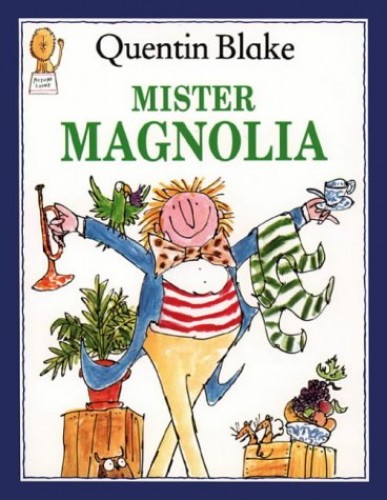
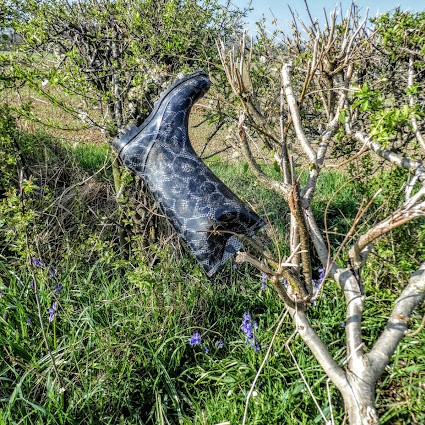
Surely you’ve met Mr. Magnolia, as brought to life by the incomparable Quentin Blake? He’s been loved by our entire family for the last 40 years, and if you haven’t met him yet, you may not know that the poor man has only one boot. Not to worry. I found him another one the other day.
‘On the first Saturday of every month, a book is chosen as a starting point and linked to six other books to form a chain. Readers and bloggers are invited to join in by creating their own ‘chain’ leading from the selected book.‘
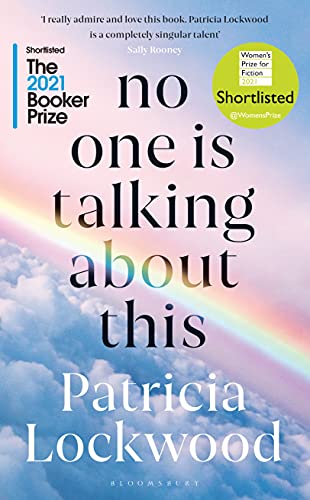
I didn’t get on with this month’s starting book for the chain: No One is Talking About This, by Patricia Lockwood. In fact I got nowhere near finishing it, so my chain will go off immediately at a wrong tangent, as I understand the second half is very different from the first. I thought one reason I failed to engage with this book is that its protagonist is an extreme consumer of social media. And I don’t ‘do’ social media.
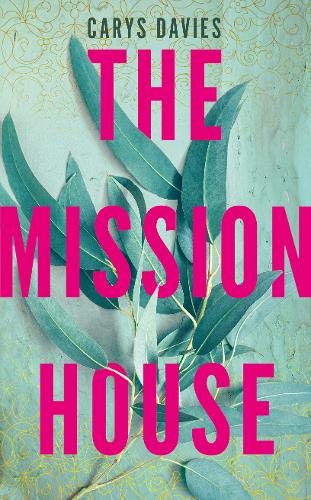
I decided, therefore that I would choose a hero who hasn’t even heard of social media, Hilary Byrd, of Carys Davies’ Mission House. Byrd, a slightly washed out, failed Englishman of middle years, is in India trying to escape from his pale and disappointing life. He finds himself in a town which is clearly Ooty, that haven for the English in Time of Empire. And it’s here that he meets The Padre, who offers him accommodation: and Jamshed, who becomes his driver. And Priscilla, the Padre’s adopted daughter. And Ravi, would be Country and Western singer, Jamshed’s nephew. This is the story of how their lives – all disappointing lives in many ways – come to intertwine. Beautifully written in short, sometimes apparently unrelated chapters, this is a book which had me immersed in the life and times of every character.
Whole tree being carried on a cart in Pondicherry
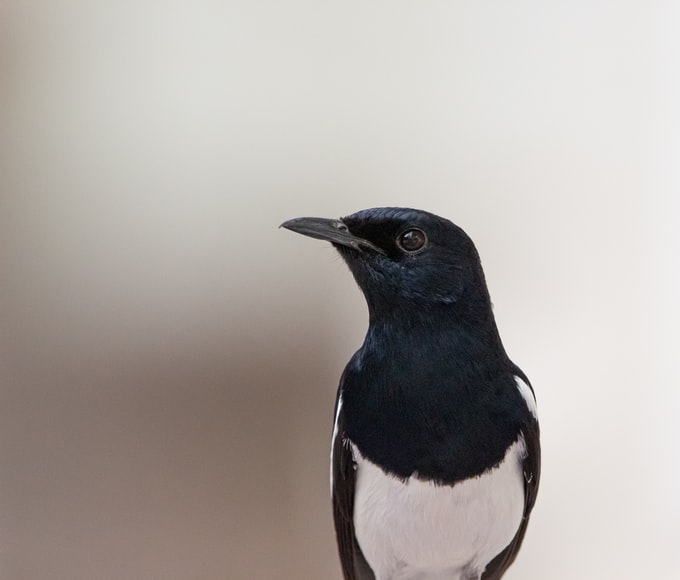
Byrd is not exactly a mainstream character. Neither is Charlie Gilmour, who tells his own story in Featherhood. This is an astonishingly readable book, which combines a tale of caring and raising a magpie fallen from its nest with a parallel account of Gilmour’s absent father. He too once raised a corvid, a jackdaw, but he was a far less reliable and responsible carer for his son – and several other children whom he fathered, while taking on few of the responsibilities of fatherhood. Charlie’s father, Heathcote suffered debilitating mental breakdowns and it becomes apparent to Charlie himself that he risks following the same trajectory: his late adolescence and early adulthood is peppered with difficulties which involve a spell in prison. This potentially weighty tale is leavened by accounts of the joy and mayhem which Benzene the magpie introduces to the lives of his whole family. As Charlie himself points out, Do Not Try This at Home. But his having done so has produced a delight of a book with a serious undertone.
Magpie: Lenstravelier, Unsplash
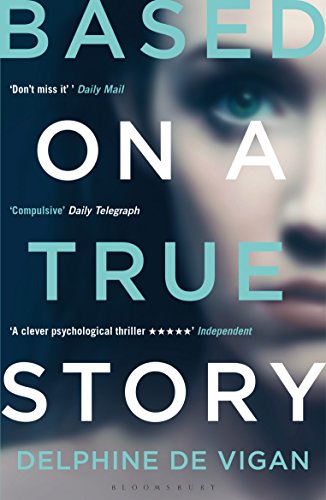
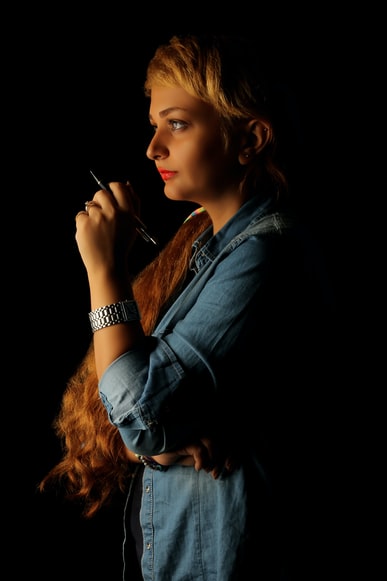
The next book is fiction, told as autobiography, and it’s another chronicle of a life in crisis. Delphine de Vigan’s Based on a True Story. This is not a bed time story. Instead, it is a slow burn, of the kind the French seem so good at. Written in the first person, the narrator is a successful and respected author. She’s suffering from burnout, and this is the moment in which she makes a new friend – a friend who makes herself indispensable: a friend who begins to make her doubt herself: a friend who takes away any kind of belief in herself, slowly, skilfully and insidiously. It’s a deliberately uncomfortable read, and maybe perhaps just a little too long. On balance though, it was tautly constructed and I’ll read more from Delphine de Vigan.
Nazanin Mousavi, Unsplash
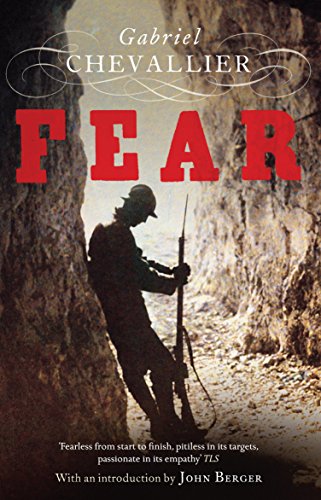
We’ll stay in France, and meet a character who has difficulties of a completely different kind. It feels like an autobiography, and I sense that in large part, it may be. Fear, by Gabriel Chevallier. Over the years, I’ve read a lot of accounts of the common soldiers’ lot in WWI, and been both horrified and angry at the suffering and the waste endured. But this novel of French poilu Jean Dartemond is perhaps the most shocking I have read, and would have seemed especially so when it was published in 1930, when memories of those surviving, and their relatives, were still relatively fresh. No wonder publication was suspended during WWII. The day to day suffering, boredom and indignities, the all-too frequent horrors of witnessing disembowelled bodies, skin, bloated cadavers are described with a freshness that makes the horror very present. Towards the end, he describes how, when officers weren’t around, some German and French troops made tentative sallies of friendship across the divide, as they recognised how much more they had in common with each other than with their commanding officers, often remote and somewhat protected. This book, as so many others of its kind, is a true indictment of the horror and futility of war.
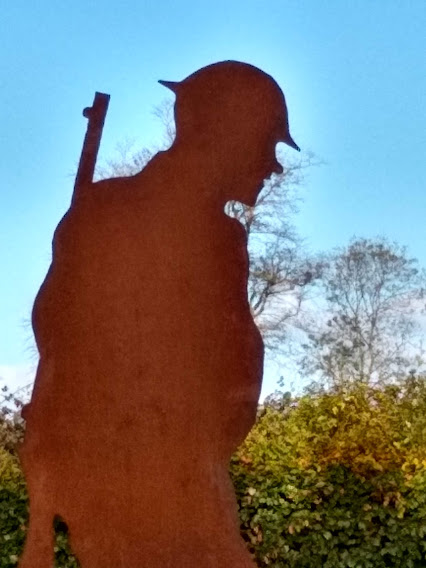
British Tommy: part of Ripon’s WWI commemorations in 2018
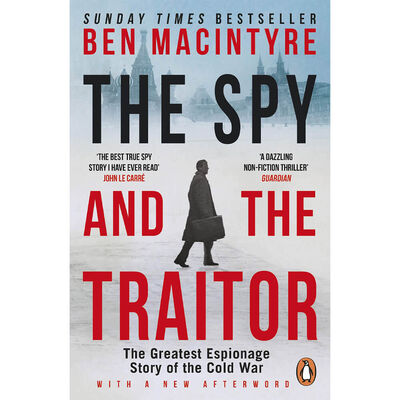
From WWII to the Cold War and its aftermath. The Spy and the Traitor by Ben MacIntyre. This is a thoroughly gripping and shocking book: the story of Oleg Gordievsky, KGB agent turned British spy. The picture painted of Russian society in pre-Gorbachev days, and of the day to day life of a spy, whose life must necessarily be cloaked in such secrecy that not even those you love the most – your wife, your parents – can in any way be privy to your true beliefs and loyalties is a deeply unsettling one. This is a fine and edge-of-seat story. Only it’s not a story. The life of a spy, the machinations of MI6 and the KGB among others, the story of the Cold War and the period after are all true, all recent history, and Ben MacIntyre explains it all well, and places it all in context. I was exhausted after finishing this book. But greatly illuminated by what I’d learnt too.
The part of London Gordievsky came to know well.
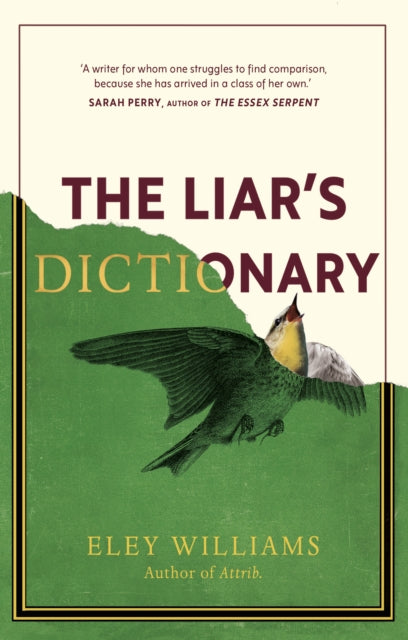
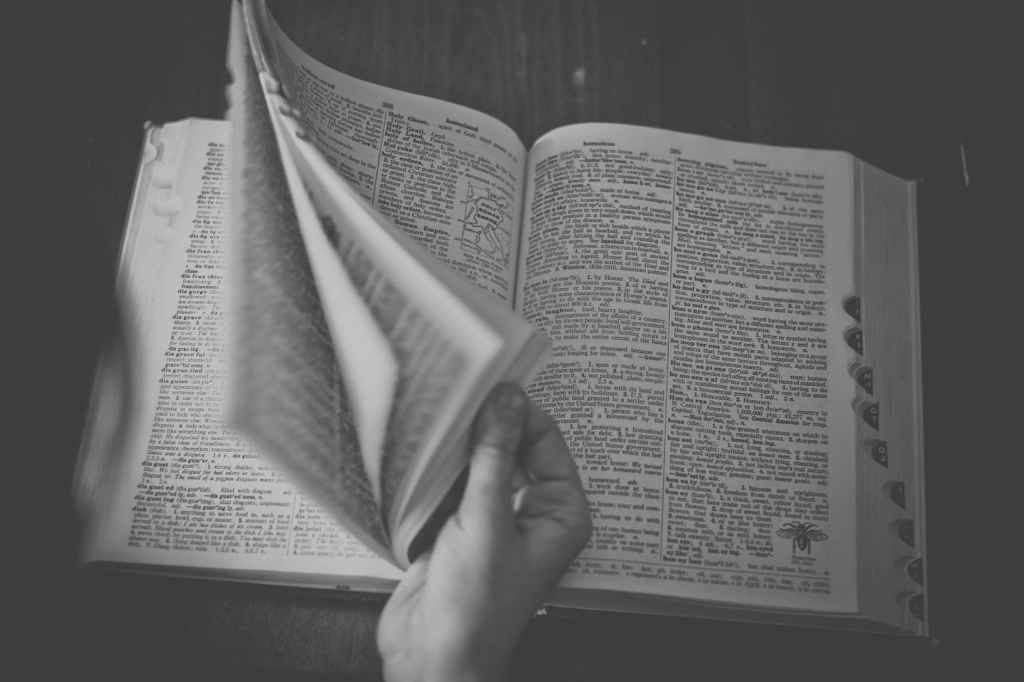
The life of a spy is, of necessity, the life of a liar. So let’s come full circle, and mention the Liar’s Dictionary by Eley Williams. Dictionaries are scarcely social media, but even now, they enjoy a long reach. I thought this book would be a sure-fire hit with me, as I’m an inveterate dictionary bowser. I tried this book once, and abandoned it after twenty pages. I tried it again, and grudgingly admired Williams’ pure enjoyment of, and fun with words, but on the whole it left me cold. This is the story of a dictionary, long in the making: and, in alternating chapters, the personal struggles of 19th century Winceworth, and 20th century Mallorie’s and their tussles with mountweazels – fake entries planted in works of reference to identify plagiarists. For a fuller account and more positive review, read here.
Snapwire: Pexels
The book to start next month’s chain will be Graham Greene’s The End of the Affair. I haven’t read that in years. I’d better find a copy.
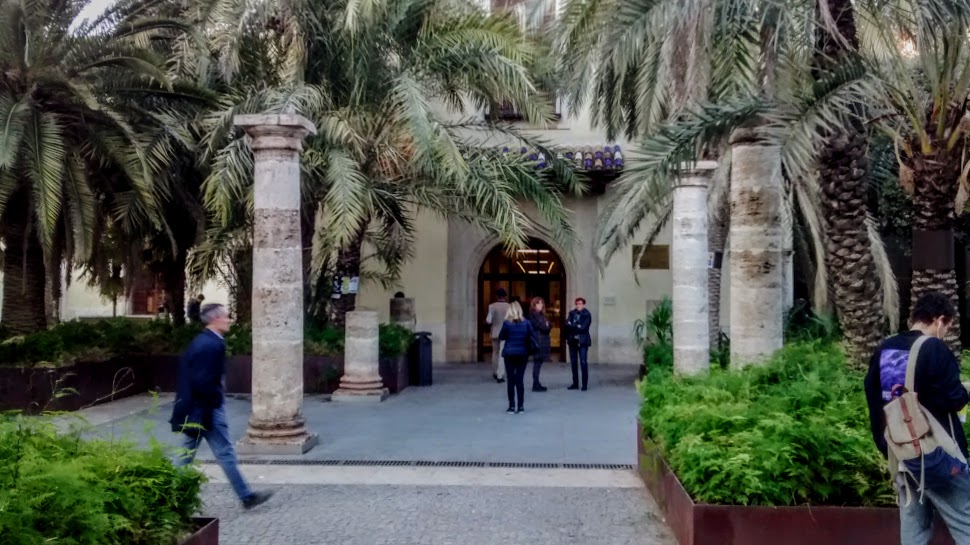
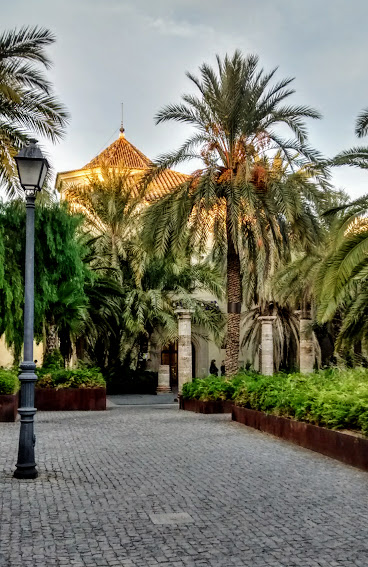
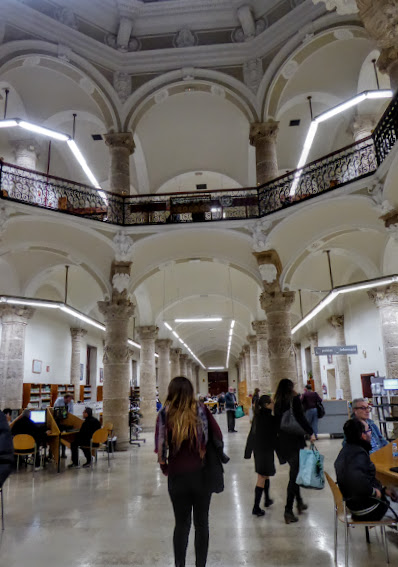
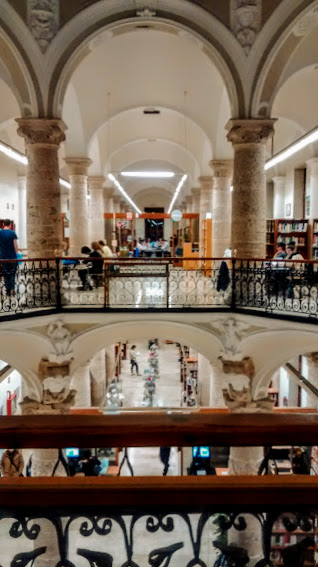
Walking down a busy main street in Valencia a few years ago, my eye was caught by a welcoming shady square. Through the palm trees I could glimpse a few columns – maybe Roman remains? and a steady stream of people drifting in and out of a handsome building.
Curious, I investigated. It was a library. The Central Public Library of Valencia. I went in.
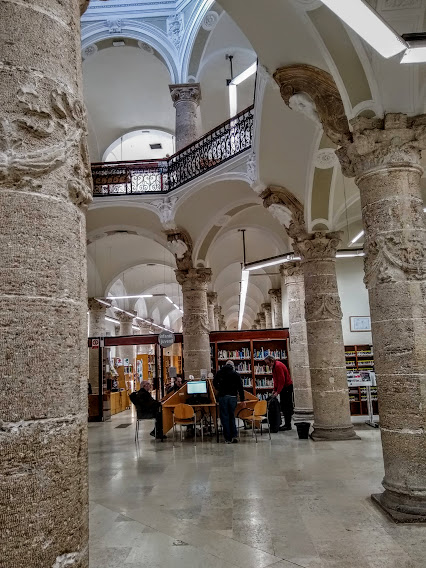
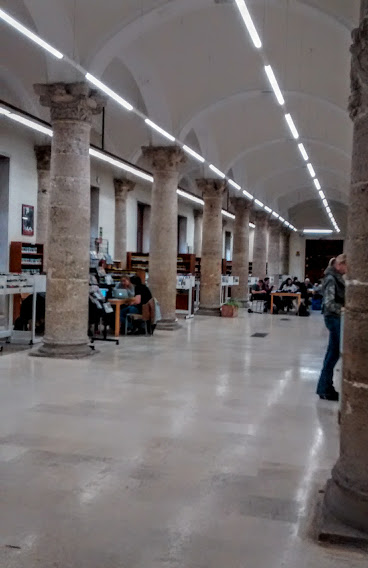
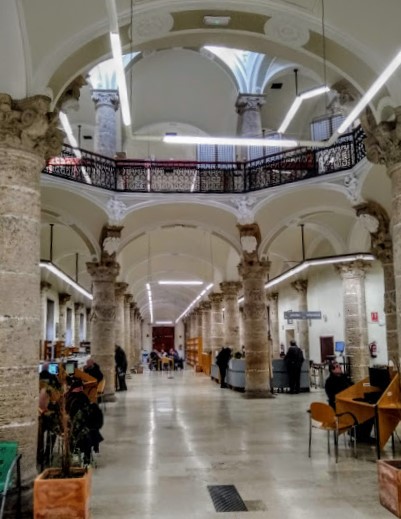
How spacious, airy, beautiful and welcoming it was! Later, I discovered that this building had once been the first psychiatric hospital in Europe, founded in 1409 as the initiative of one Friar Juan Gilabert Jofre, to care for the mentally ill. It was called Hospital de Folls de Santa María dels Pobres Innocents – the Hospital of the Poor Innocents. This actual building was begun in 1493, and was and is in the form of a Greek cross, which housed the different wings of the hospital. It added general hospital facilities in the 16th century and also suffered a destructive fire.
During the 1960s, hospital facilities were moved elsewhere in the city, and the authorities began the site’s demolition: the church, the pharmacy and old medical school are gone. There was an immense public outcry. What was left was saved, and the building retained and developed as a library and archive service. Those columns I saw outside are not Roman, but surplus to requirements when the building was redeveloped.
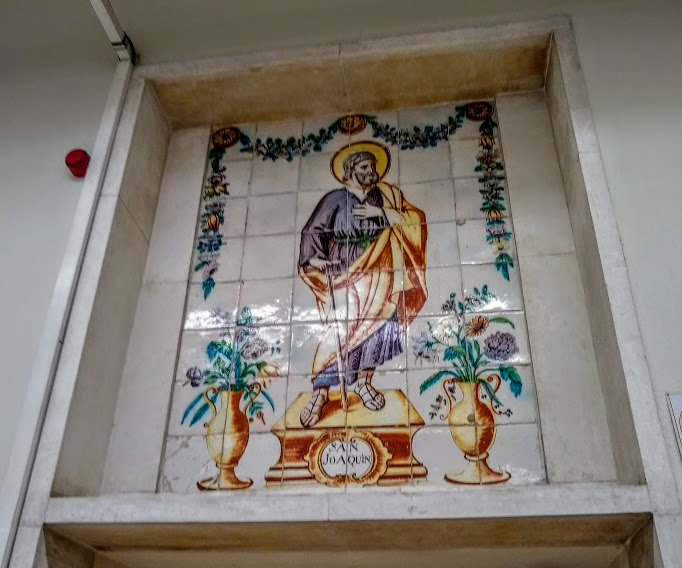
It’s a fabulous place. Not only is it a welcoming, light-filled and serene space, it’s a busy one. It’s right by two of the city’s universities, so study areas are busy with students as well as the general public. The collections seem vast: the English section, for both adults and children was well-stocked, At one point I sat down in the section devoted to newspapers and periodicals and browsed through recent copies of the Times and Sunday Times and some more academic publications in English. Of course other European nations were represented too. There were book groups advertised, including a monthly one for children in English (obviously aimed at Spanish children, rather than any resident English ones); an ‘introduction to philosophy’ group for children; reading groups for dissidents; for theatre-goers; for students of Valencia’s social history, as well as the usual more general ones; photography and cookery workshops; lectures (‘Football now and as it used to be’). I was beyond impressed. Here’s a gallery of this library community at work on one ordinary weekday afternoon – before the pandemic – I don’t know how it will have changed.
Meanwhile, what have I been reading this last month? Reviews for most of them will appear over the next few Six Degrees of Separation posts.
Fiction:
Gabriel Chevallier: Fear.⭐⭐⭐⭐⭐
Delphine de Vigan: Based on a True Story.⭐⭐⭐
Donna Leon: Beastly Things.⭐⭐⭐⭐⭐
Patricia Lockwood: No One is Talking About This.⭐⭐(abandoned)
Sakaya Murata: Convenience Store Woman.⭐⭐⭐⭐
Jane Smiley: The Strays of Paris.⭐⭐ (skim-read)
Sarah Winman: Still Life.⭐⭐⭐⭐⭐
Non Fiction
Allan Ahlberg: The Bucket⭐⭐⭐
Charlie Gilmour: Featherhood.⭐⭐⭐⭐
Ann Patty: Living with a Dead Language: My Romance with Latin.⭐⭐⭐
‘On the first Saturday of every month, a book is chosen as a starting point and linked to six other books to form a chain. Readers and bloggers are invited to join in by creating their own ‘chain’ leading from the selected book.‘
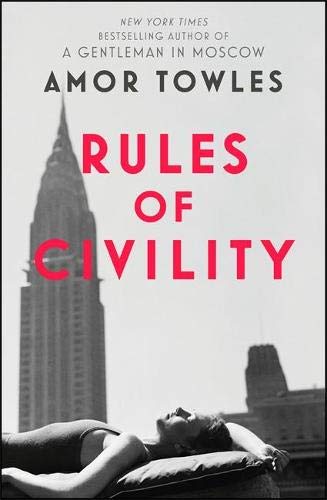
Rules of Civility by Amor Towles begins this month’s chain. I plunged into this novel full of hope for a delicious escapist read in the F. Scott Fitzgerald mode: and at first I wasn’t disappointed. Our narrator is Katy Kontent, and she’s full of witty and clever descriptions of the New York world she inhabits and its cast-list. I was happy to involve myself in her life, and that of her friend Eve, as they negotiated their working lives as secretaries, and their social lives, mainly spent in up-and-coming jazz clubs. Where, one evening, they meet rich, winsome Tinker Grey. And it’s at this point I began to lose a little interest. The characters didn’t develop, least of all that of Katy herself, who alludes to her humble origins but never explores them. The plot itself introduced a range of characters who didn’t move the story along, and generally conspired to lose me, though I read to the end willingly enough, hoping that the warm feelings with which I’d begun this novel would return. They didn’t. This was an amiable read with the makings of a great one, and I’m not against giving Amor Towles another go.
Where next? I struggled a bit, then came up with not so much a chain as the spokes of a wheel radiating from Towles’ book.
All my books this month have a female protagonist, and my first link features a woman, Rósa, who might have had things in common with Katy if their circumstances hadn’t been so very different. In The Glass Woman, by Caroline Lea, we’re in 17th century Iceland, and can feel its chill, its landscape, its folk and religious history in the pages of the story. Young Rósa rather precipitately marries Jón, the leader in a distant village, to ensure her ailing widowed mother some security. Here she is deliberately isolated by her controlling husband, who is a widower. No spoiler alerts here, but tensions rise as her isolation increases, and as her childhood sweetheart appears on the scene. A cleverly written novel, in which Rósa’s unease, and her increasing inability to keep a grasp on what is real, and what the product of a fevered and frightened imagination keeps the reader guessing.
Possibly a view Rósa might have known. Matt Hardy, Pexels.
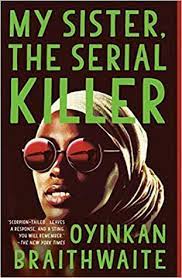
My next heroine also labours under a – in her case misplaced – sense of duty. Oyinkan Braithwaite‘s My Sister, the Serial Killer was a quick read, an easy read, and at no point did I think of not finishing reading this story. But – and perhaps I’m not entering into the spirit of things here – a story in which the writer’s sister gets into a routine of killing her boyfriends, while the writer colludes with her deception just left me cold. The short sharp chapters, and the action which jumped hither and thither kept my interest, as did the back story of a controlling, brutal father. But in the end, it was a slightly distasteful read as far as I was concerned. I don’t think I get dark humour …
Joshua Oluwagbemiga, Unsplash.
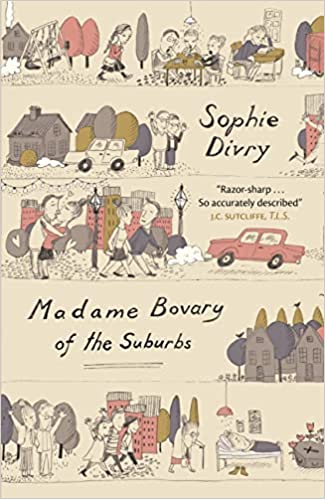
And so to Madame Bovary of the Suburbs, by Sophie Divry. Definitely no high drama in this one – not even an unexplained death or two. Born to loving parents in the French provinces, our heroine does well at school, university, marries a kind man, has an affair which comes to an end, and she gets through the rest of her working and retired life looking for something to engage her. In many ways a wry portrait of twentieth century middle class life, it’s also somewhat depressing. Which seems to be the point. Life is absurd, why bother? seems to be the message. Not for nothing was this Madame Bovary descended from Flaubert’s original.
I don’t think Laroque, where we used to live, would have suited Emma.
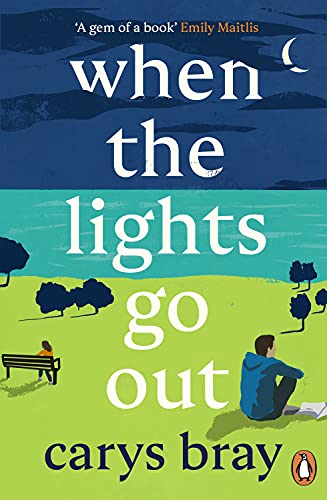
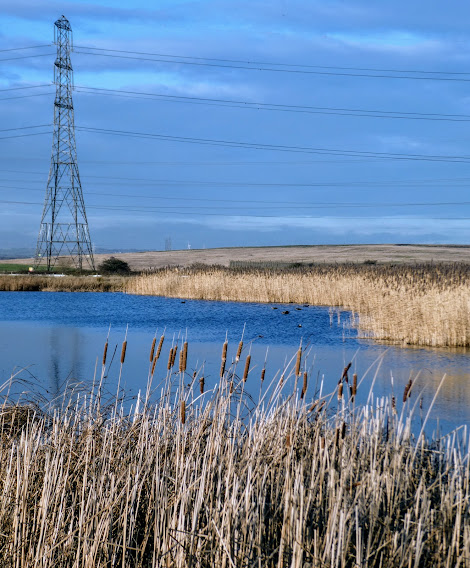
From provincial France in the decades preceding this one to present day provincial England, and Carys Bray‘s When the Lights Go Out. Though very readable, this didn’t equal Bray’s The Museum of You for me. The subjects: eco-aware Emma versus eco-warrior husband Chris feel rather overdone now. Chris learnt to be a warrior during his now-rejected fundamentalist Christian childhood, and his warriorship consists in being a prophet of doom, rather than in action. We’re meant to find him tedious, and we do. We’re meant to like busy, community-minded Emma, and we do. We’re meant to feel wry sympathy with the Emma and Chris as they parent their teenage children, and deal with Chris’s interfering-in-a-humble-way mother. So it’s an engaging enough read, but one in which I didn’t fully involve myself.
This isn’t Emma’s home. It’s Middlesbrough. I think it may be a suitable stand-in.
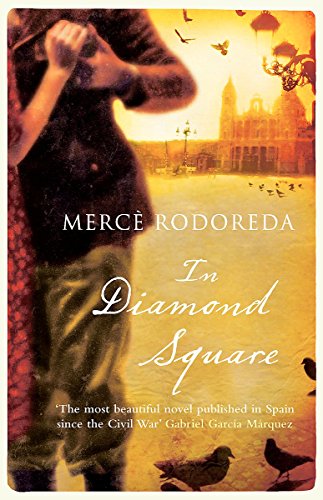
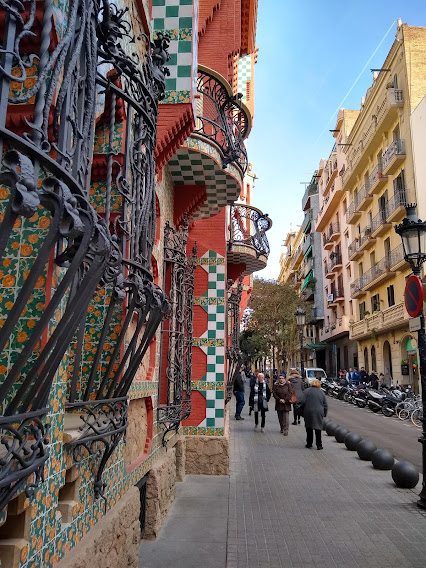
Now we’re off to Spain, and Mercè Rodoreda‘s In Diamond Square. It must be me. This book regularly appears in lists of ‘must read’ Spanish books, and it failed to engage me. I nearly gave up at the half way point, but persisted. This is the story of a young woman living in Barcelona who marries her husband after a short courtship. It’s the story of his domination of her, of the birth of their two children, of his going off to fight in the Civil War, and of the years after the conflict is over. Although Natalia, the heroine, writes little about her feelings, these are at the core of this story. What she experiences about the pigeons that her husband introduces into their attic. What she notices about the employers for whom she cleans. What she notices in the grocer’s shop. The smells – of the streets, of the pigeons, of death. I’ve a feeling that my experience of reading this book may change over time and that this is a book I may consider re-reading. Just now, I rather wanted to get it over with.
Casa Vicens, Gaudí’s first major project , built just a few streets away from Natalia’s house in Gràcia, Barcelona.
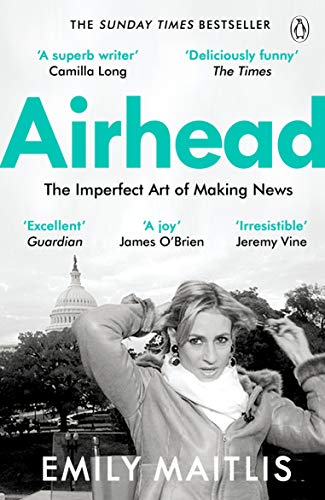
I’ll end with a book I read over a year ago, and one that’s not a novel – Emily Maitlis‘ Airhead. Not a memoir, not a biography, but a series of bite-sized vignettes about the life of this successful newscaster and interviewer. One who prepares carefully, but flies by the seat of her pants. One who researches, but seizes the moment. One who knows what she wants from an interview, but who will allow happenstance to take control. This is a real insight, wittily written, into the high-octane life of a political journalist. It’s fairly exhausting reading, so what it’s like to be part of her family, I can’t imagine – we learn only a certain amount from reading between the lines of this book. An interesting, well and amusingly written book. Recommended to those of us who keep up with current affairs.
Emily Maitlis, courtesy of The Guardian
So there we have it. A series of women whose abilities to make life choices are constrained in most cases by those closest to them. We’ll make an exception for both Katy Kontent and Emily Maitlis, both of whom play by different rules. And did you notice? Emily Maitlis likes the Carys Bray more than I did 😉
Next month? One of last year’s must-read books, which I haven’t yet read: No One is Talking About This by Patricia Lockwood.
We’re almost at the end of 2021. Christmas has come, but not yet gone (the Twelve Days of Christmas), though Team Spain departed yesterday, leaving a big hole in the lives of two very debilitated grandparents who had long forgotten how exhausting a delightfully energetic eleven month old could be.
It’s time to review the year- two bits of it anyway.
I kept my resolution to walk every single day, whatever the weather – a promise that will not impress the dog owners among you, who have no choice in the matter. I reached one target, then another, and have finished the year with more than 1536 miles (2473 km) under my belt and still one walking day to go. I’m quite pleased.
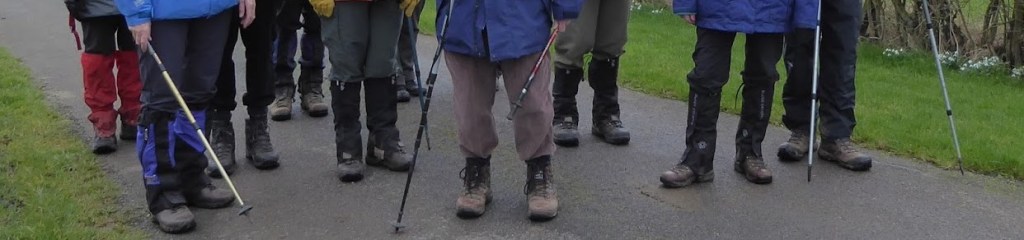
I walked, sometimes in company…
… or alone …
This isn’t me. I don’t do selfies.
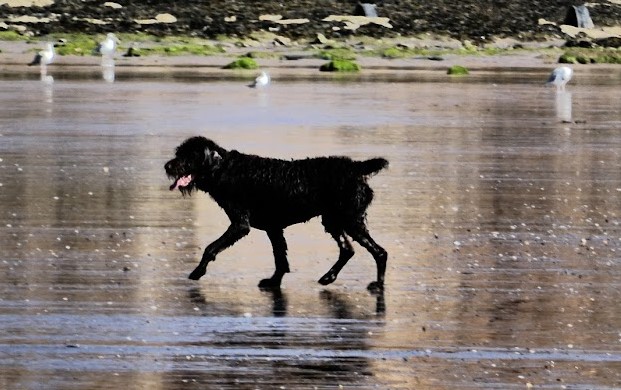
… at times accompanied by a Virtual Dog ..
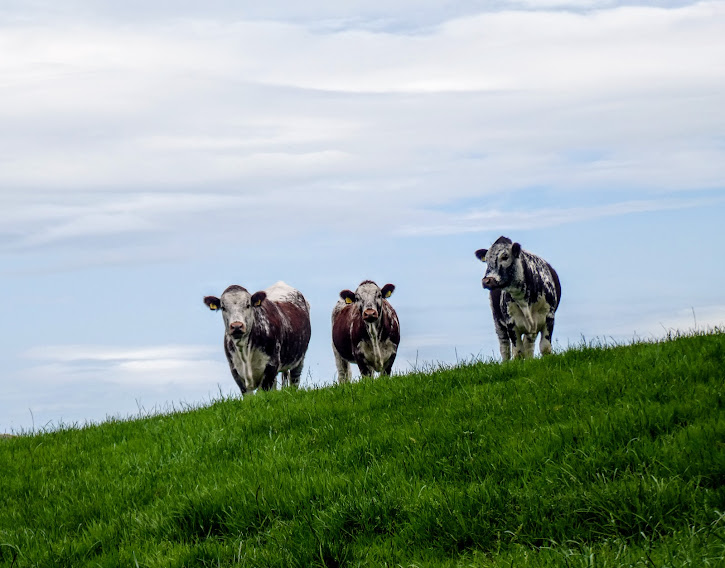
… or other curious onlookers …
Back at home, I kept my promise to myself not to let Lockdown Lassitude interfere with my reading, as it had in 2020. I didn’t precisely set goals, but I aimed to read far more literature in translation, and more non-fiction that wasn’t Nature related. I managed that too. Here are the 101 books I read, as recorded in Goodreads
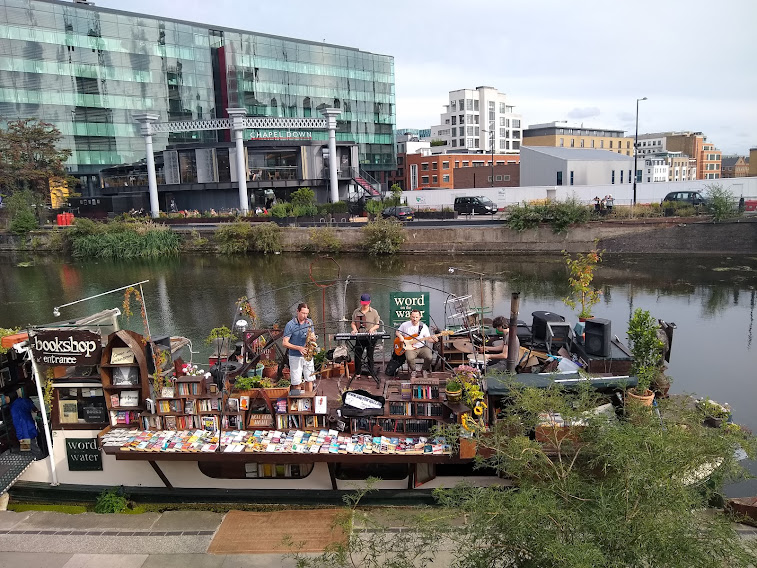
My header photo illustrates walking and reading combined: a stroll along the Regents Canal, where you’ll find a floating bookstore with, if you’re very lucky, a musical interlude as well.This isn’t a photo from 2021. Perhaps such treats with be part of my life again in 2022.























You must be logged in to post a comment.