All these tourists in Barcelona are so boring …
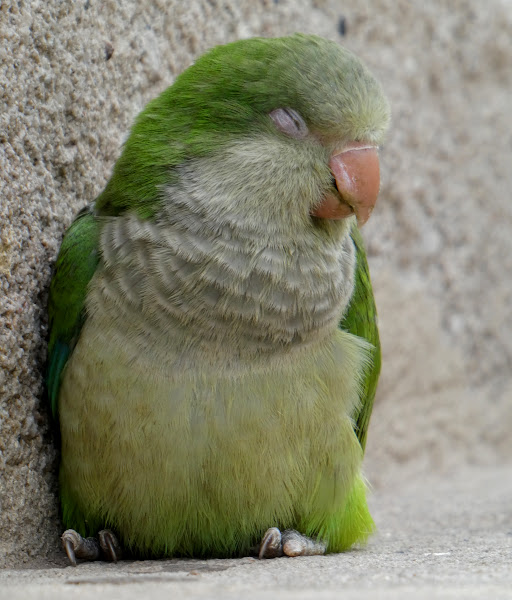
For Monday Portrait
All these tourists in Barcelona are so boring …
For Monday Portrait
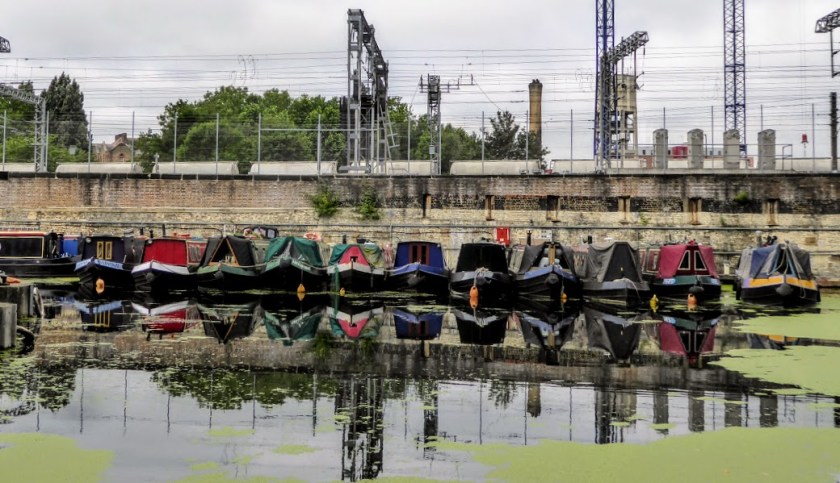
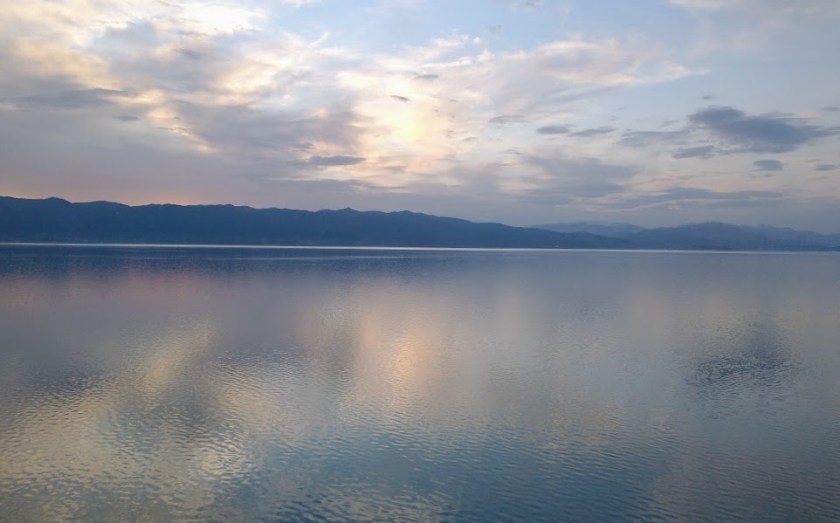
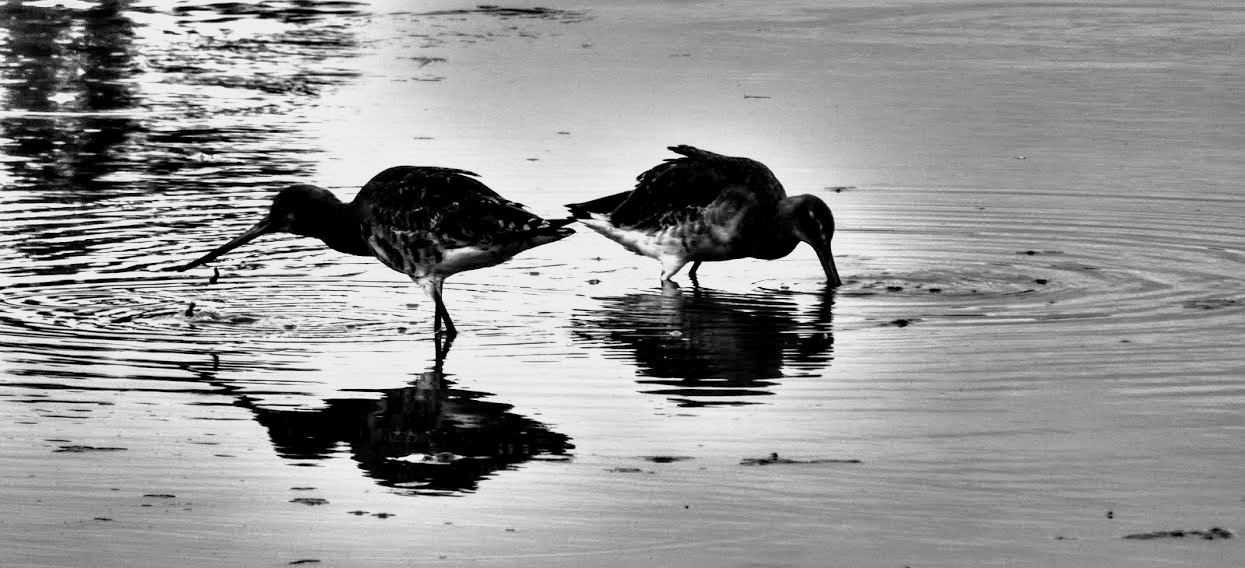
Getting two images for the price of one. That’s this week’s Lens-Artist Challenge, hosted this week by Jez. I’m keen on seeing double like this.
Do I prefer a simple canalscape?
Or a cloudscape?
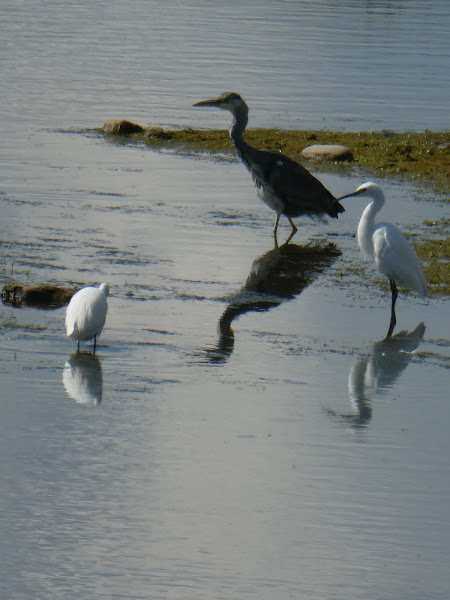
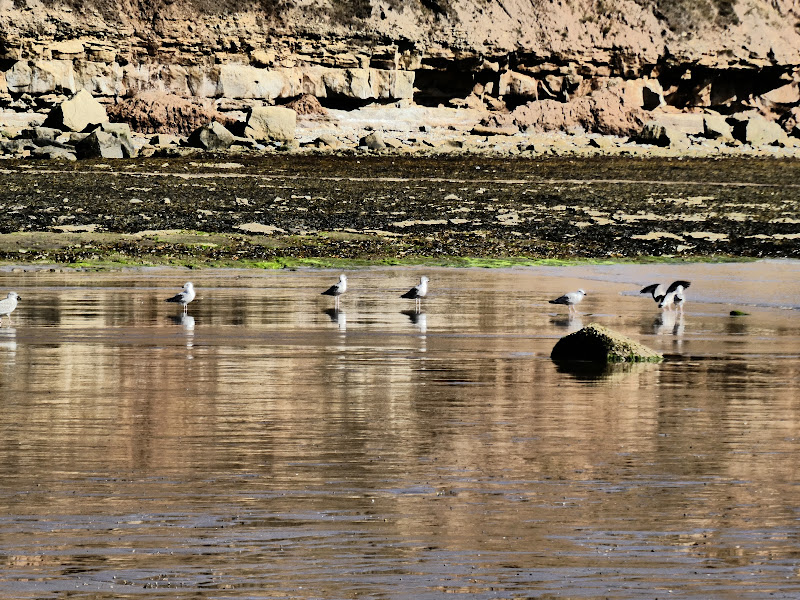
A few birds could add some interest …
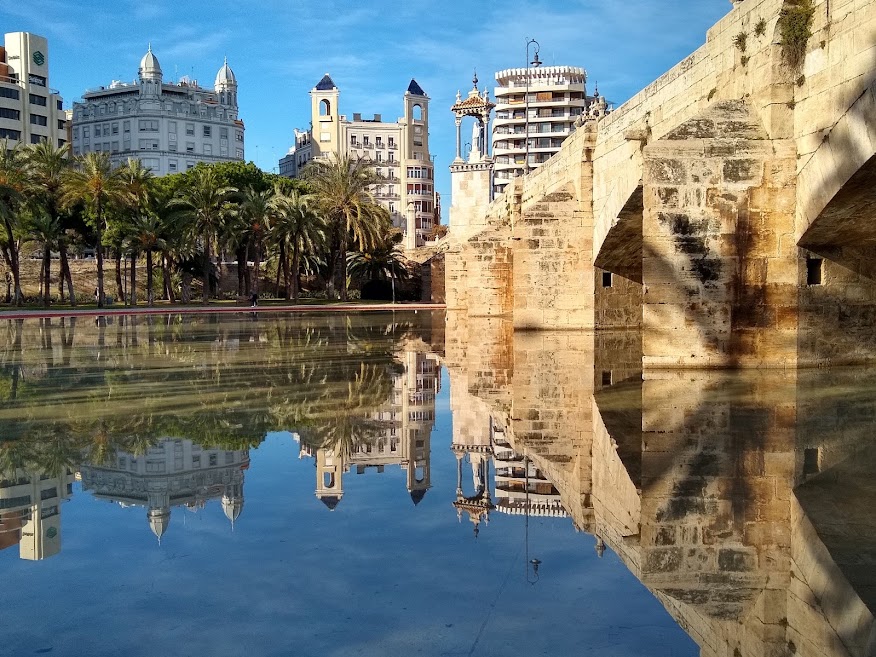
I often like urban reflections …
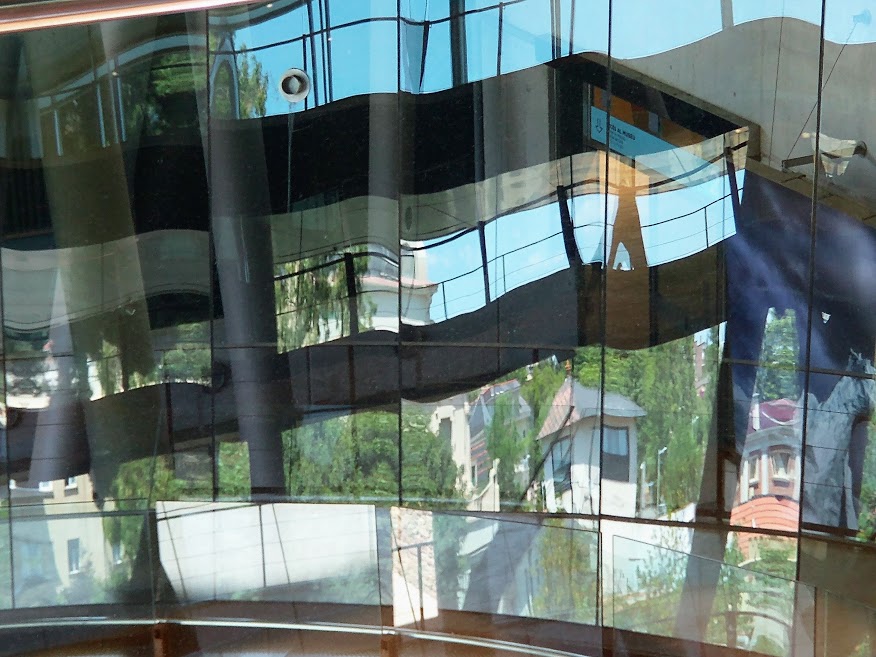


… or surprising reflections …
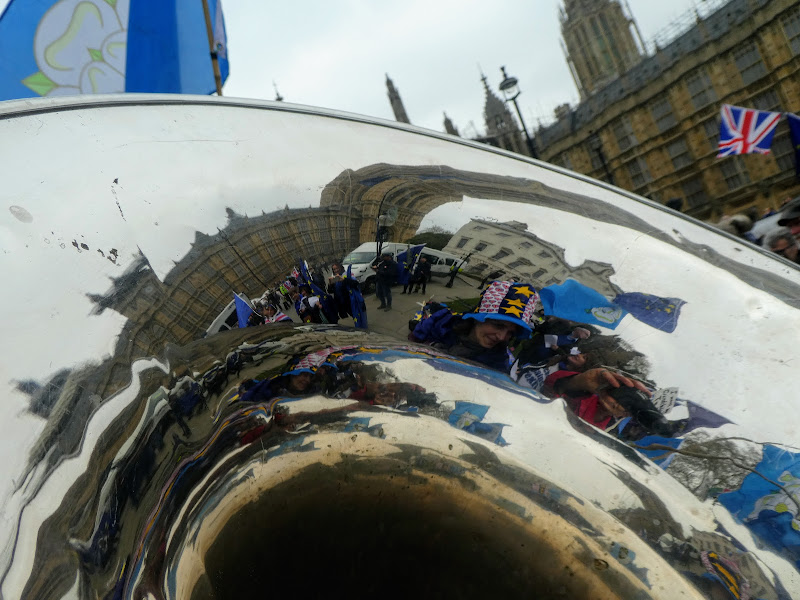
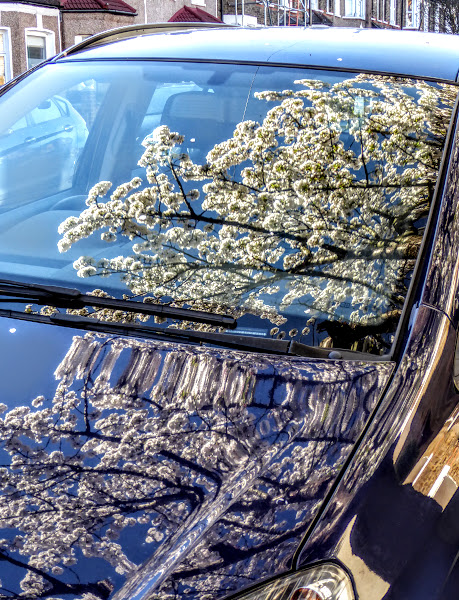
… or just a peaceful scene by a river …
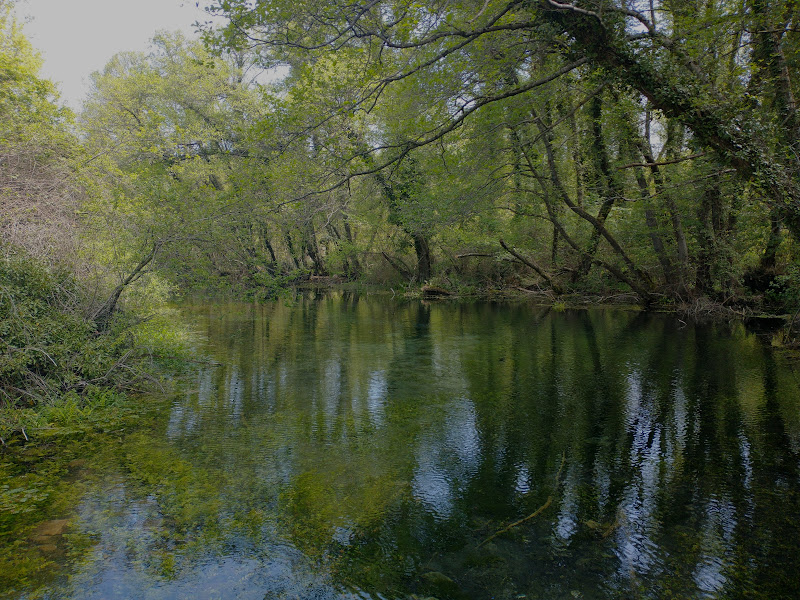
… which is where we started. The featured photo is from a boat on the River Guadalquivir in Seville.
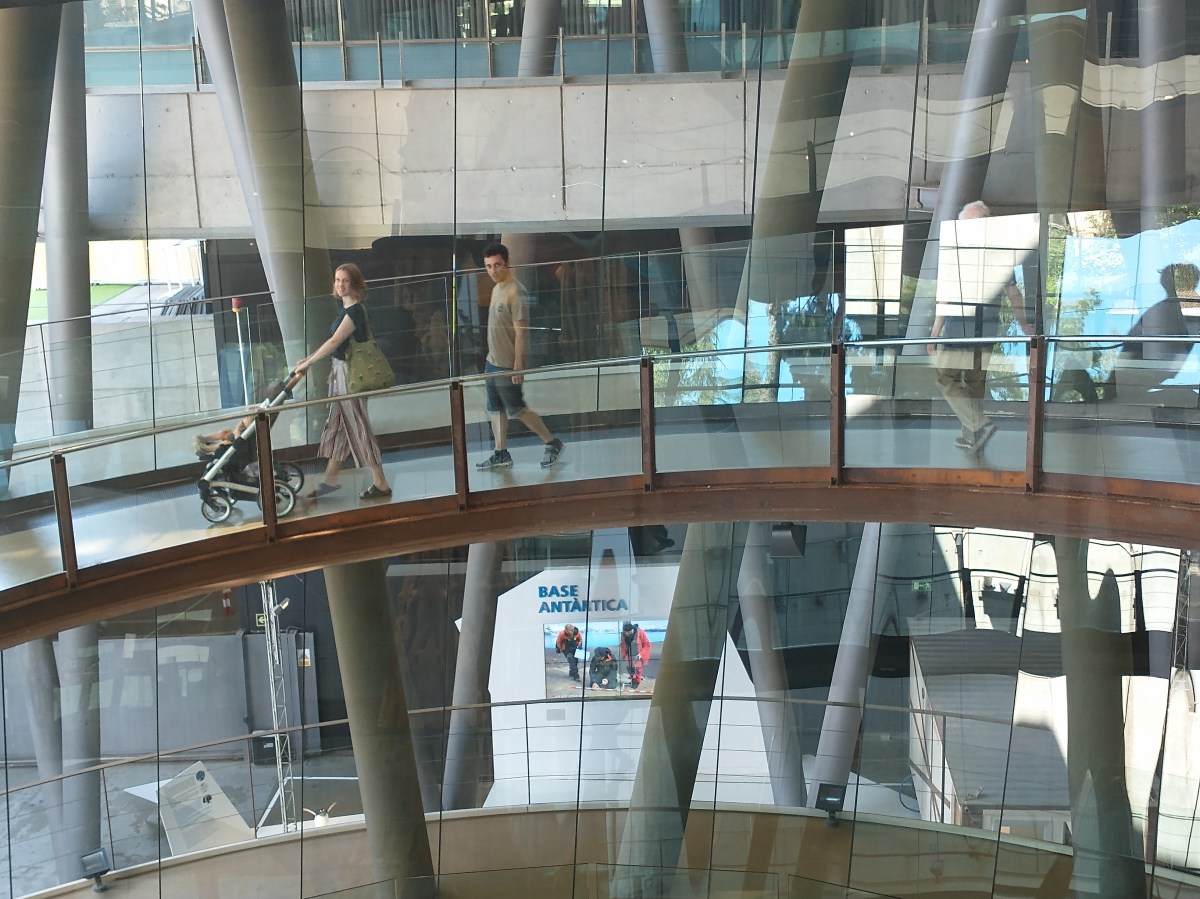
Today we went to Cosmo Caixa. It is, quite simply the best science museum we have ever been to. Interactive, engaging, visually stimulating, informative. Even Anaïs, at 16 months old was kept interested.
I’m sending you some postcards with no attempt to explain anything,but in hopes that one day, you to will have the chance to visit.
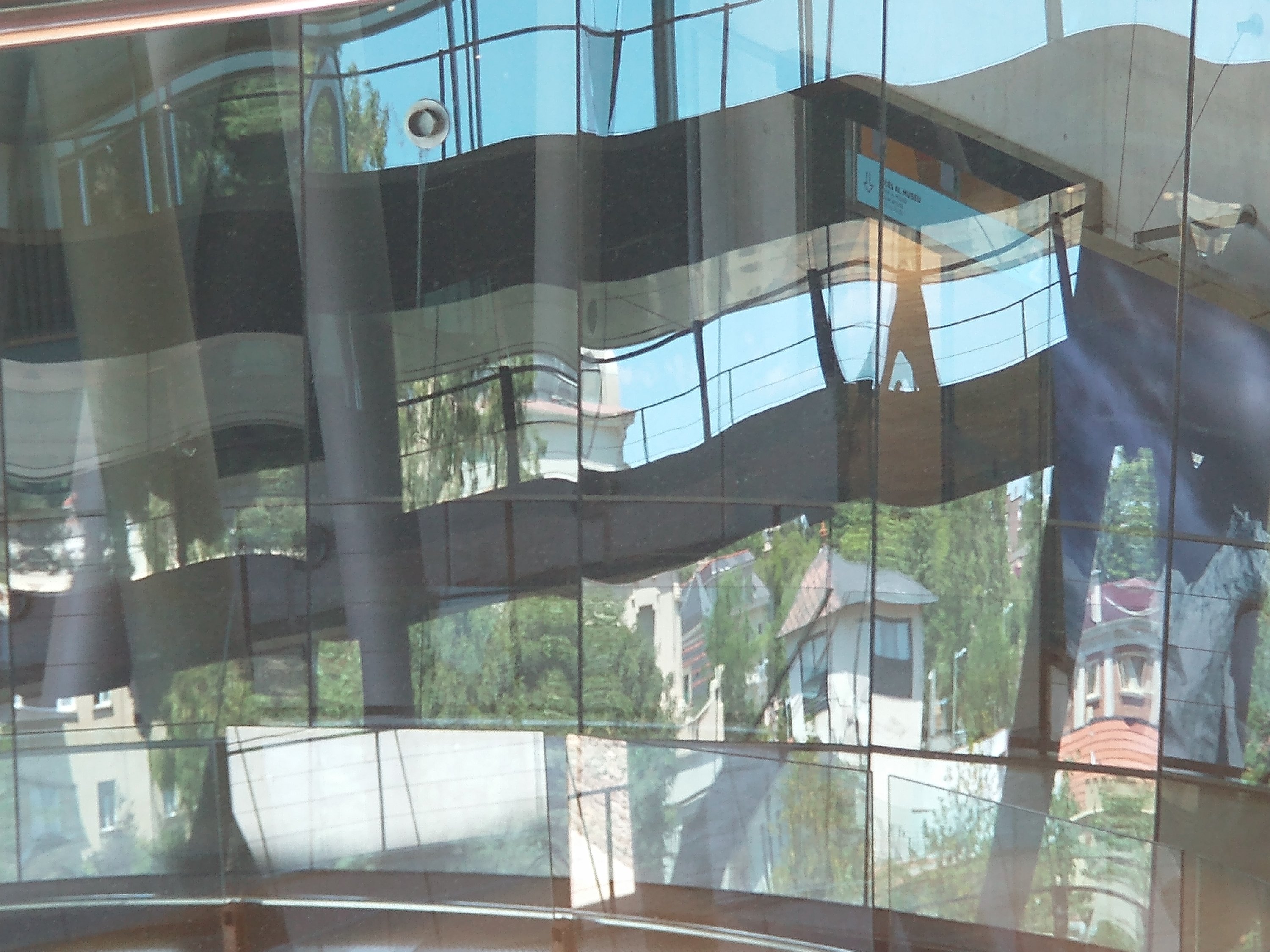
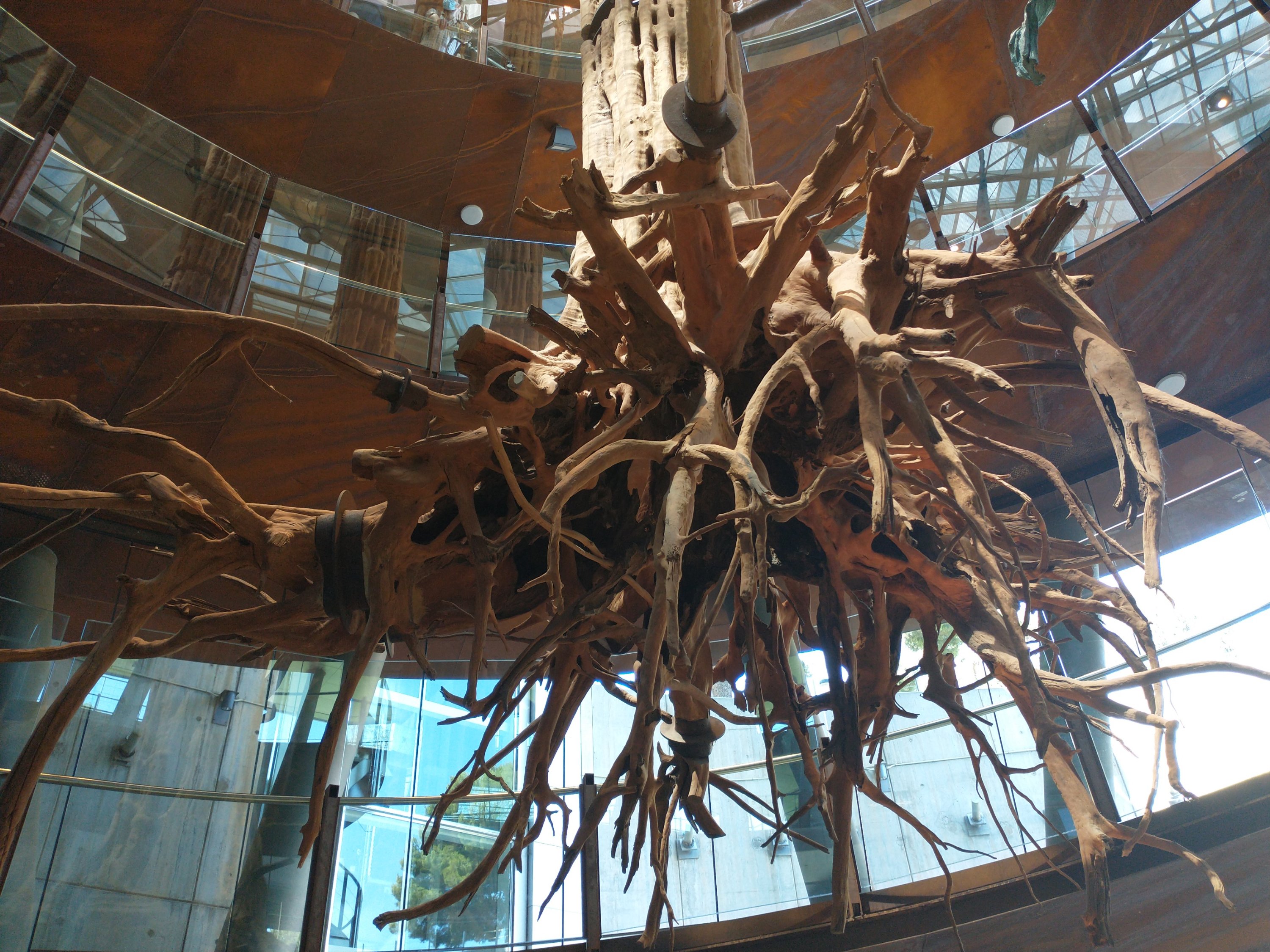
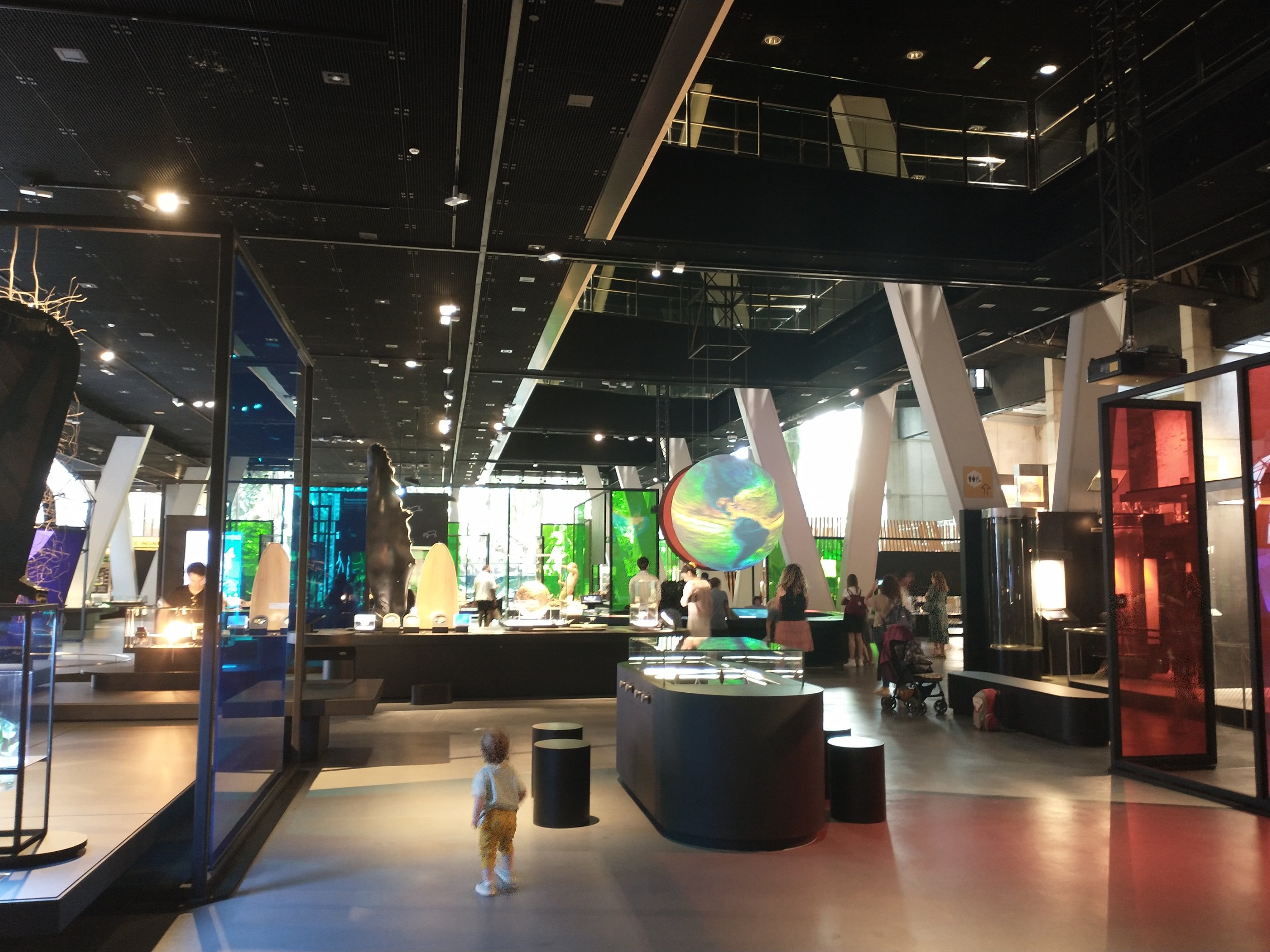
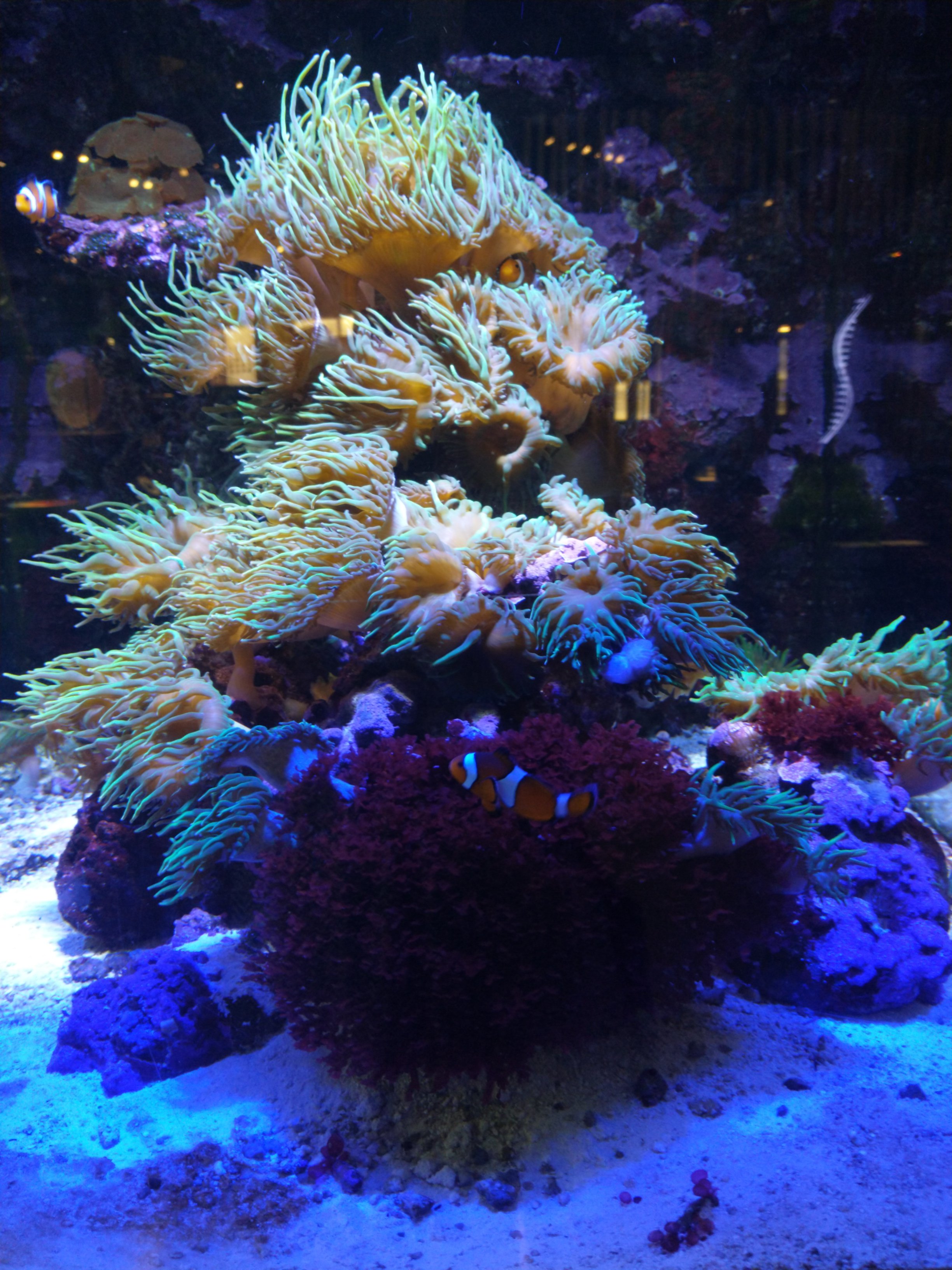
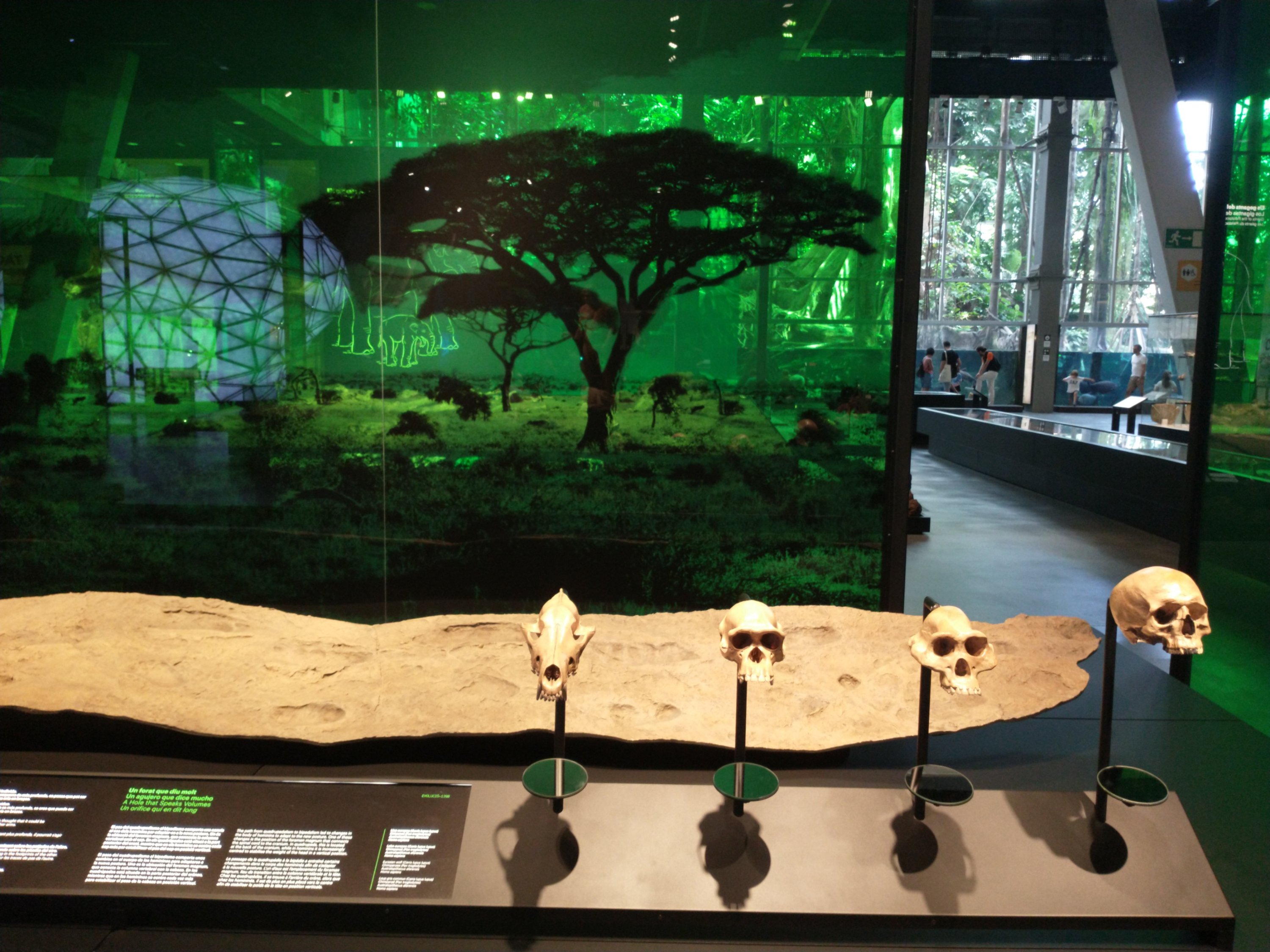

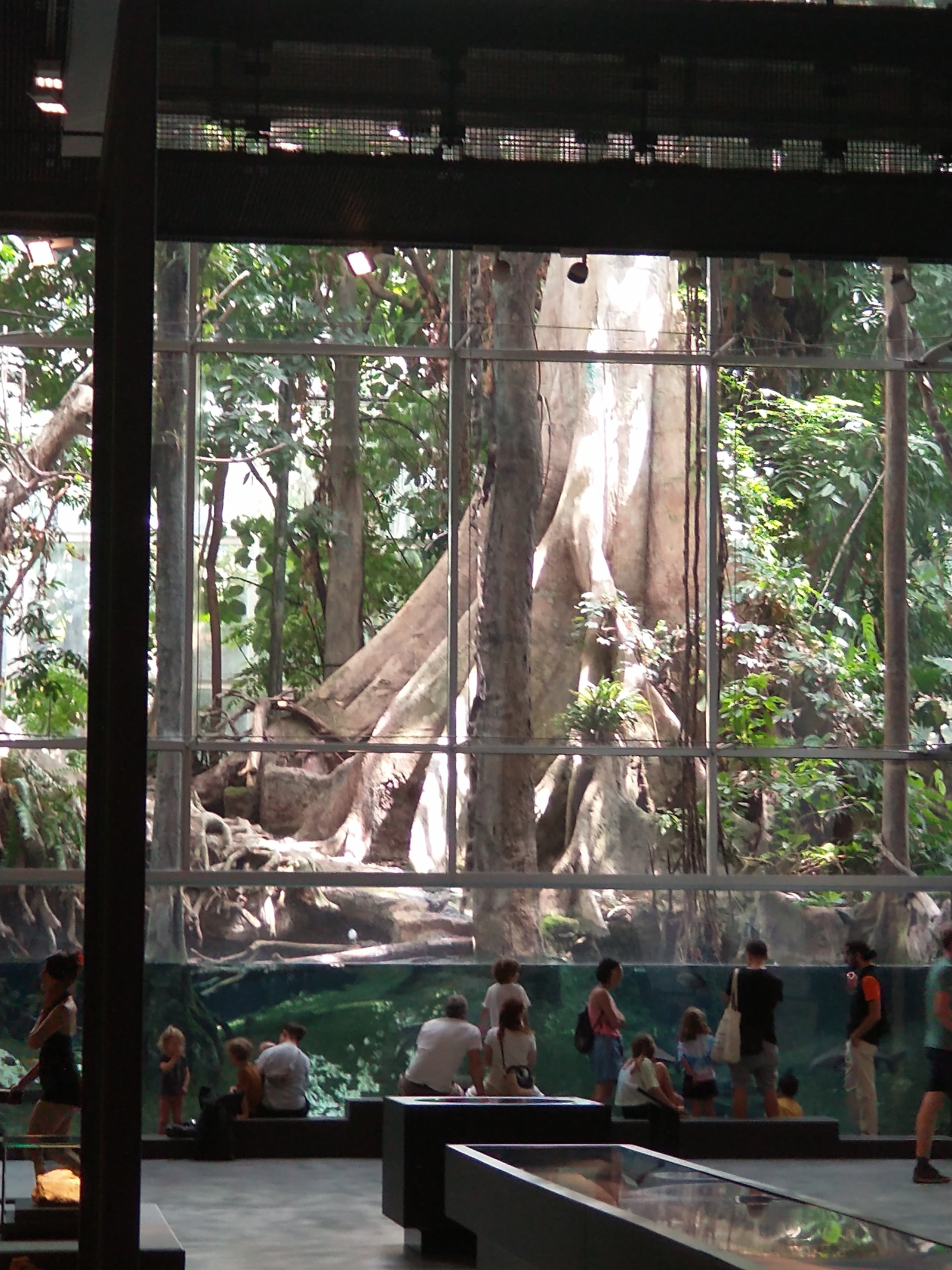
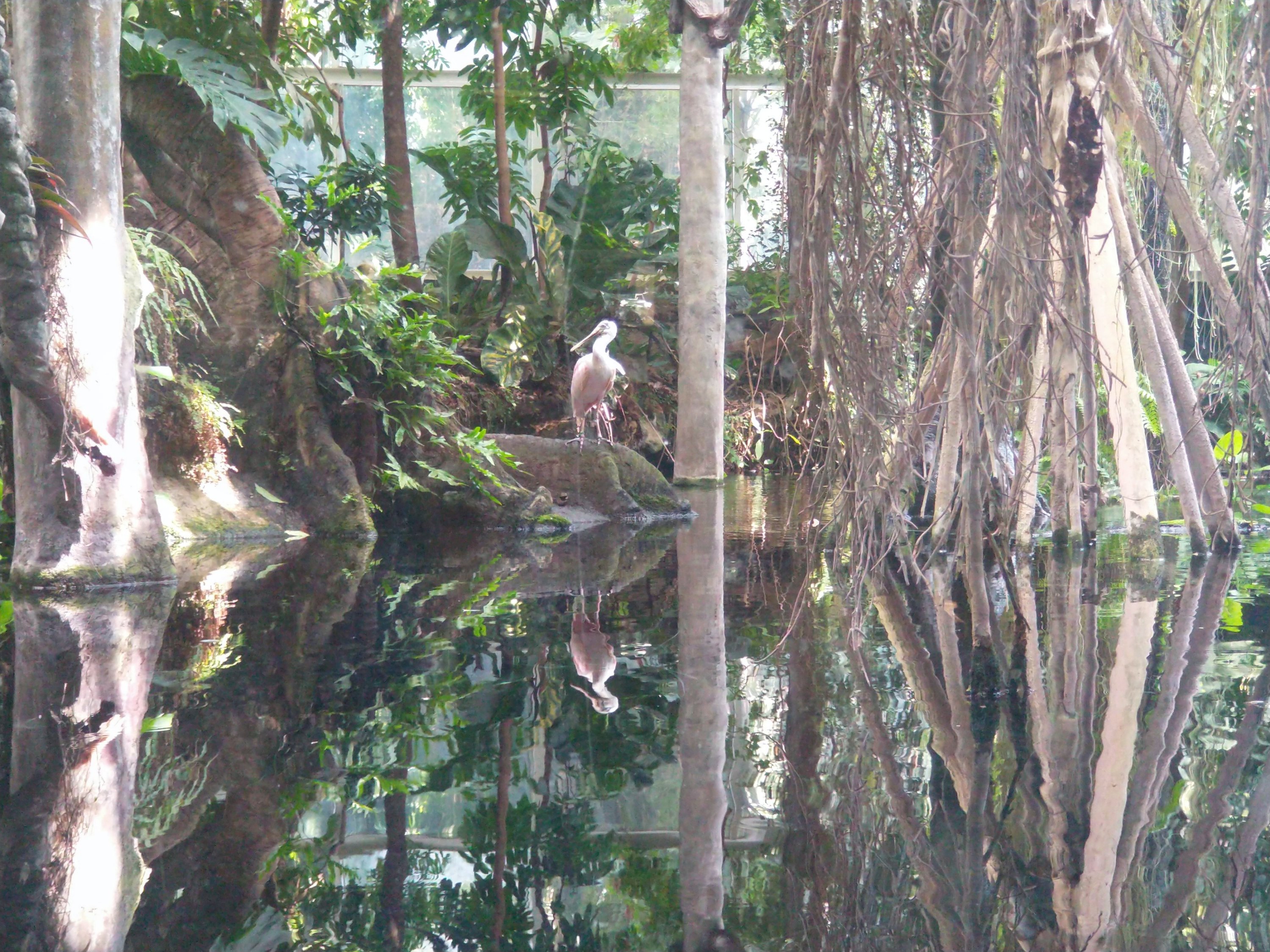
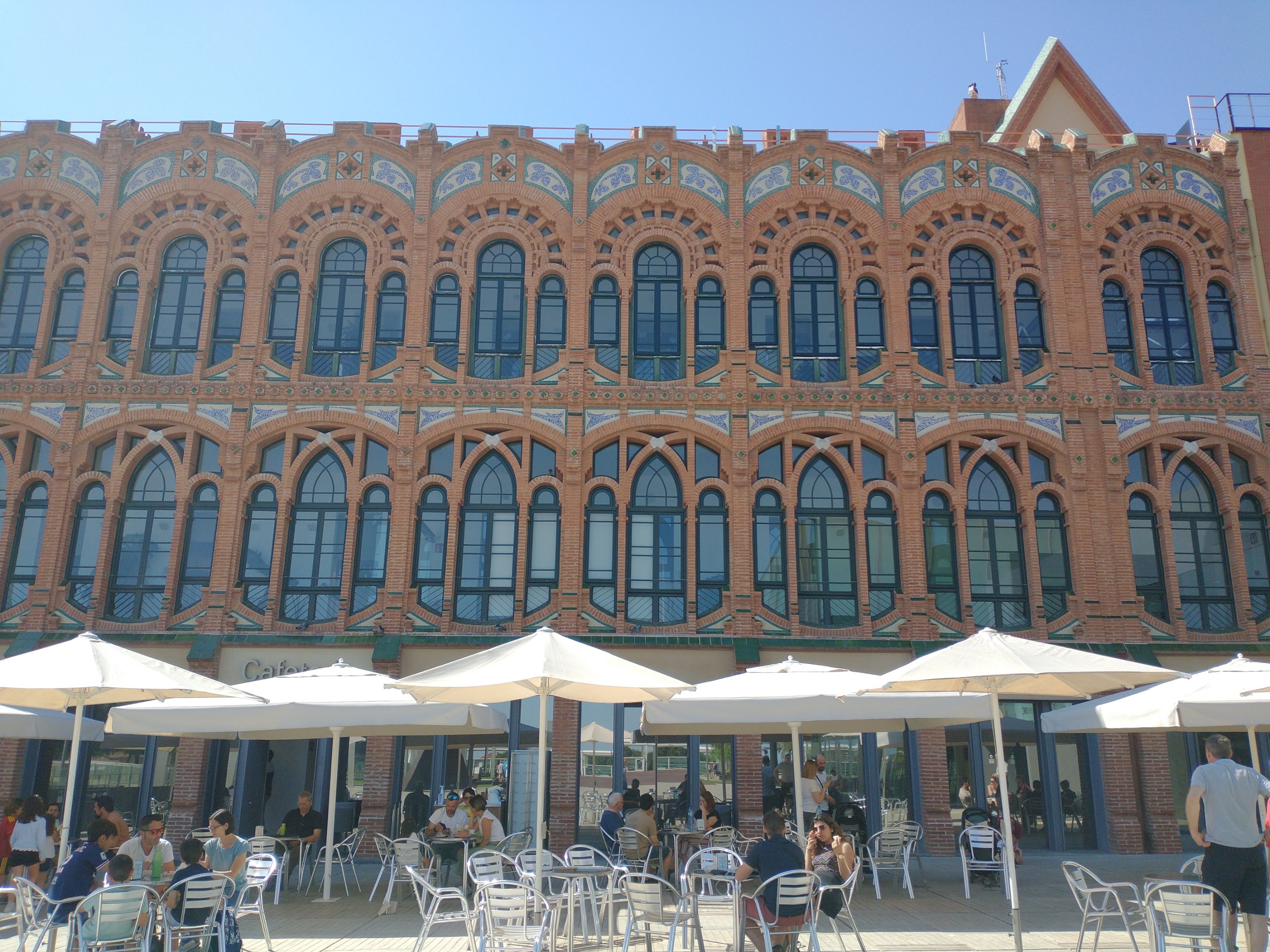
And that’s it… tomorrow night we’ll be in England, and on Tuesday, home. It’s been quite an adventure. We’re not really ready for it to end …
We’re having a quiet day. We’re exploring Premià’s change from fishing village to dormitory town via its skirmish with industrialisation in the 19th century. Few signs are left of its days as a textile town, like many in Catalonia.
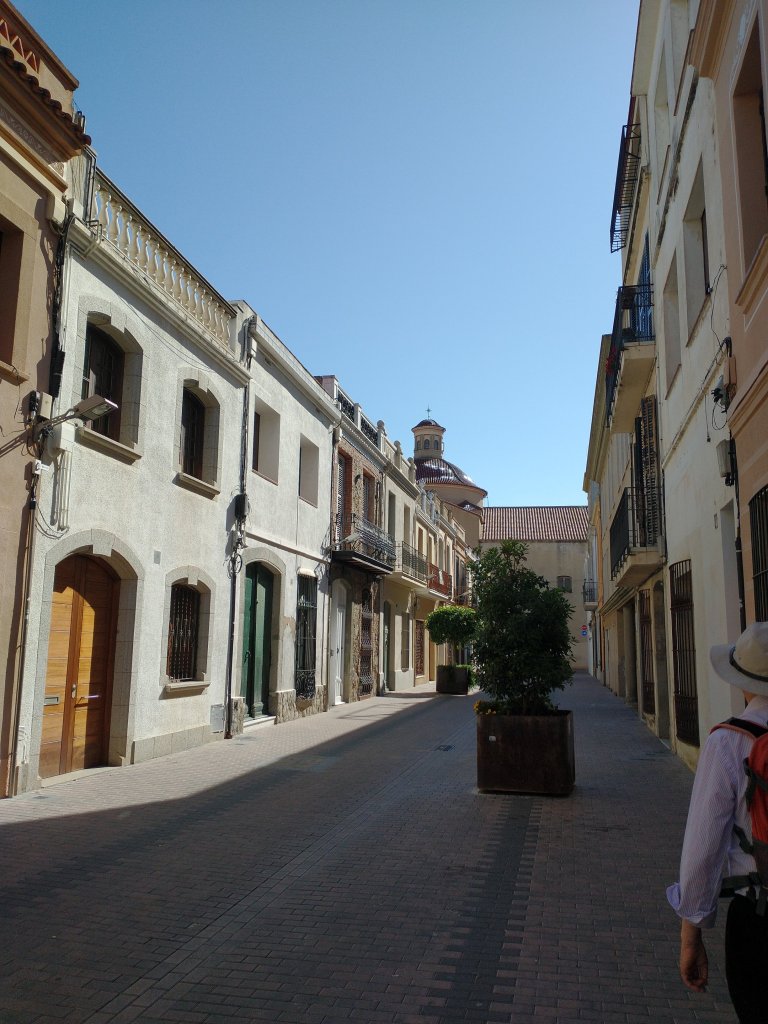
But here’s something we can’t get our heads round. The textile and gas industries depended on coal. And the coal was transported from Barcelona by rail, on the very first trainline in Spain, opened in 1848.
But where did the coal come from? Asturias, some of it. But most of it came by sea from England. Just think: England, all the way down the coast of France to the Iberian peninsula which had to be skirted virtually in its entirety. It seems economic madness, but it can’t have been.
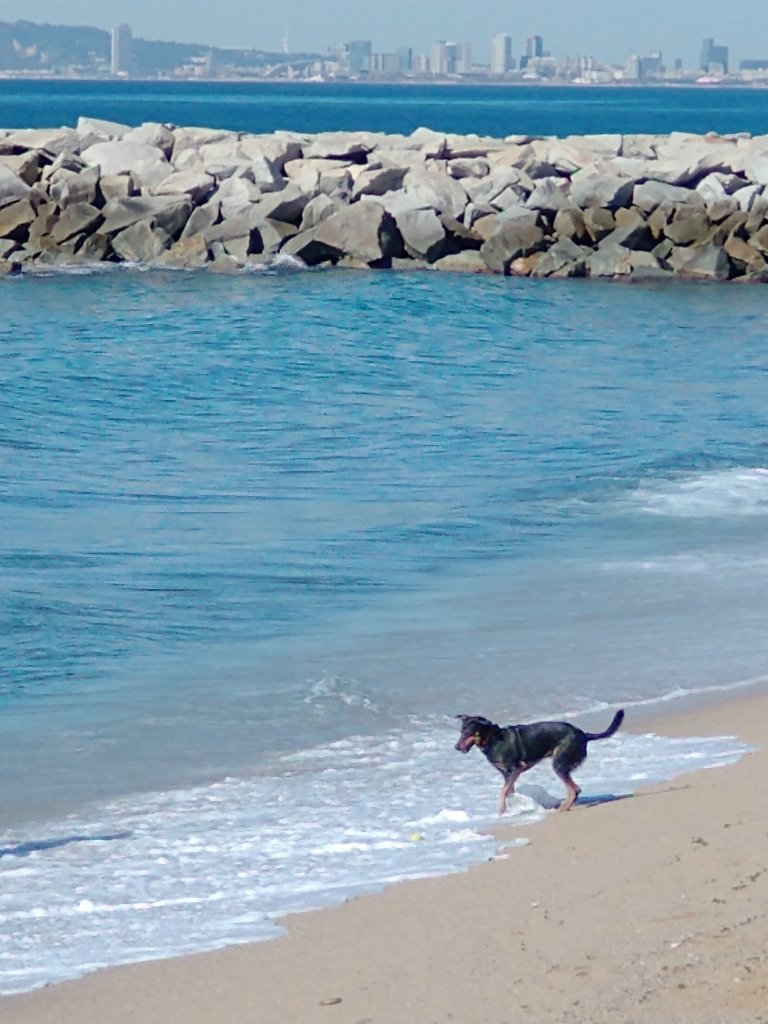
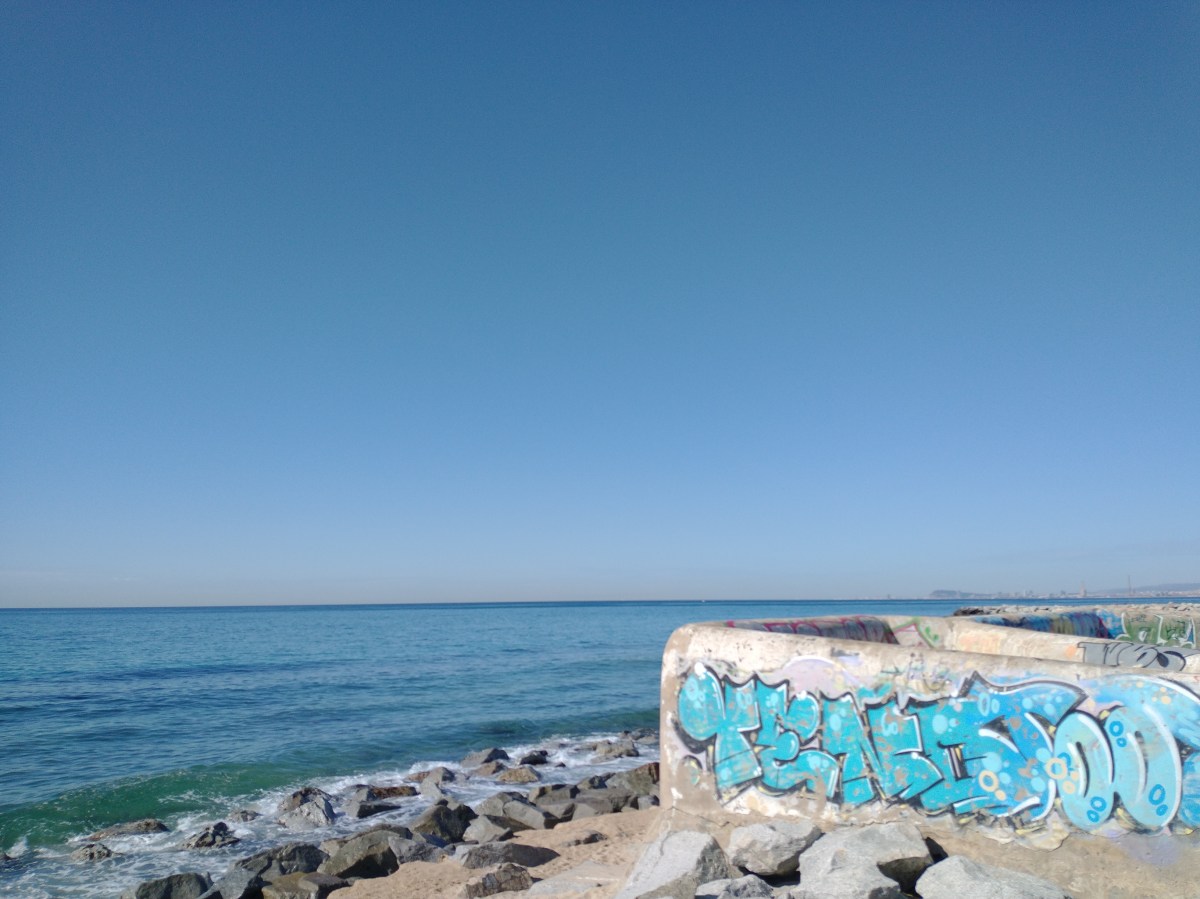
The station still exists. The nearby docks hardly at all. One man and his dog play in the shallows of la Descàrrega. I’m sure they don’t give a thought either of this area’s industrial past, nor of its more recent role in the Spanish Civil War. Bunkers were erected here to protect the railway signals from attack by Francoist troops, and you can see their remains in the featured photo..
Daughter Emily has lived in and around Barcelona for ten years now, so we feel well-versed in its tourist destinations. It’s fun for a change to get to know different neighbourhoods.
Today, we explored Sant Andreu, which was until the later 19th century an entirely separate town, a textile town, the home of Fabra i Coats (surely you or your mum had a sewing box full of brightly coloured Coats threads, though they won’t have come via Spain?). This factory complex is now an arts centre, not very busy this rainy day. And at Christmas time, it’s transformed into a toy factory for the Three Kings to collect the gifts they’ll deliver to the children of Barcelona at Epiphanytide. It’s a popular family destination at that time of year.
Our explorations began and ended with churches. First the church of Saint Andreu de Palomar of course, which gives the area its name …
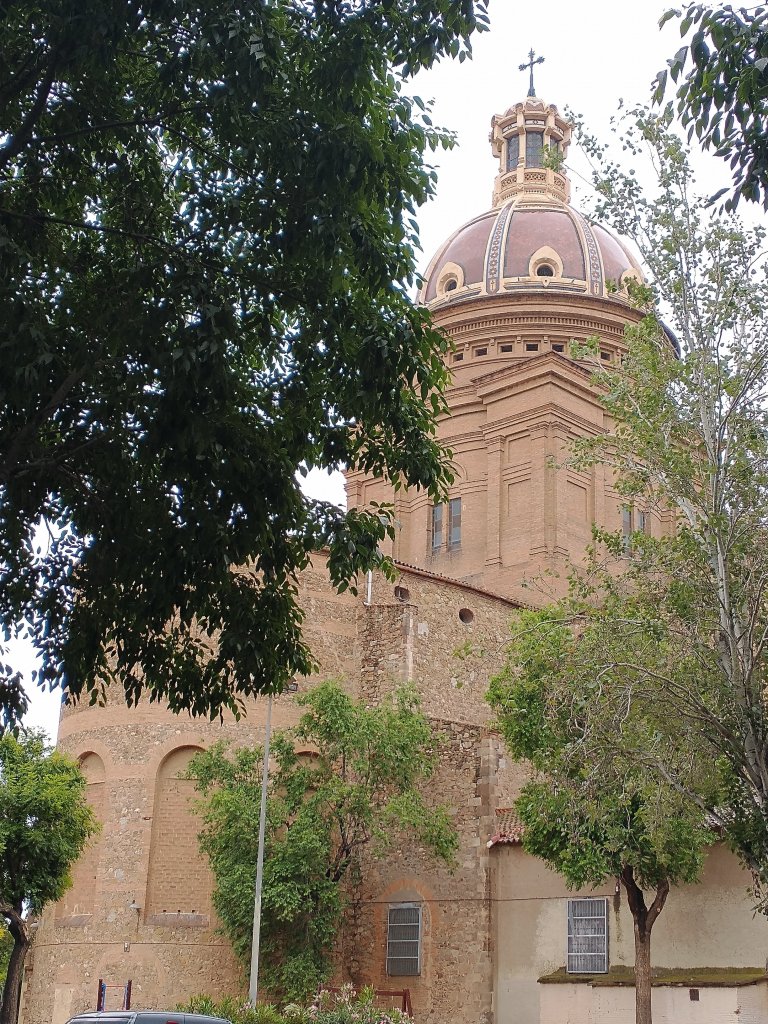
… and then Sant Pacià, which we were keen to see, as its mosaic floor was created by Gaudí in his early days. Irritatingly, both buildings were shut.

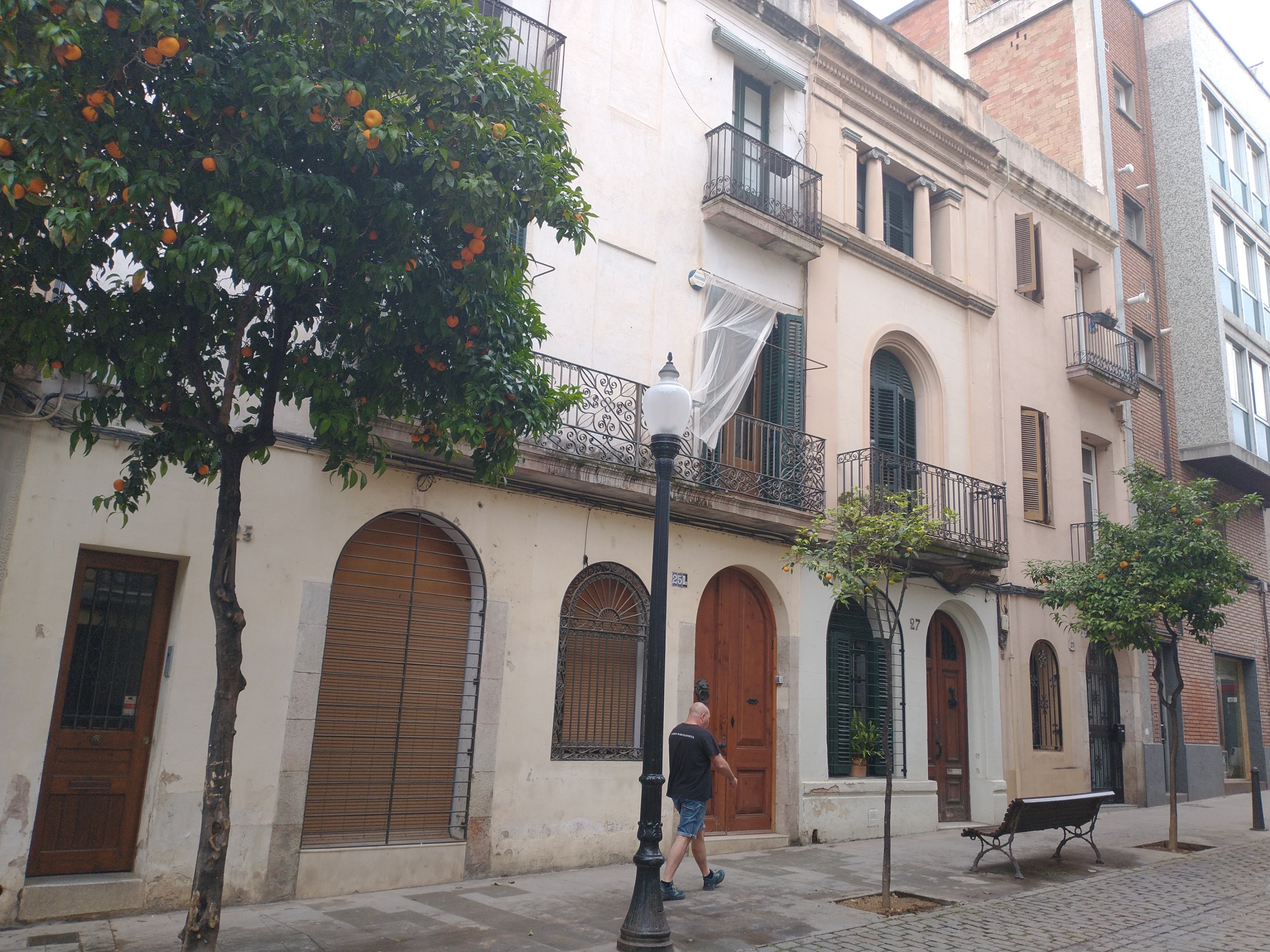
Never mind. Mooch about with us and enjoy the cobbled streets of the old town, its Modernista buildings and independent shops: orange tree lined and bougainvillea bedecked. The area has a great feeling of community. We’d cheerfully live here.



Saint George is patron saint of England, Catalonia, Portugal, Ethiopia, and probably a few others besides. And today is Saint George’s Day. We tend not to celebrate him much here in England, perhaps partly because the flag of Saint George has largely been appropriated by the EDL and similar extremist political groups, and drunken football fans.
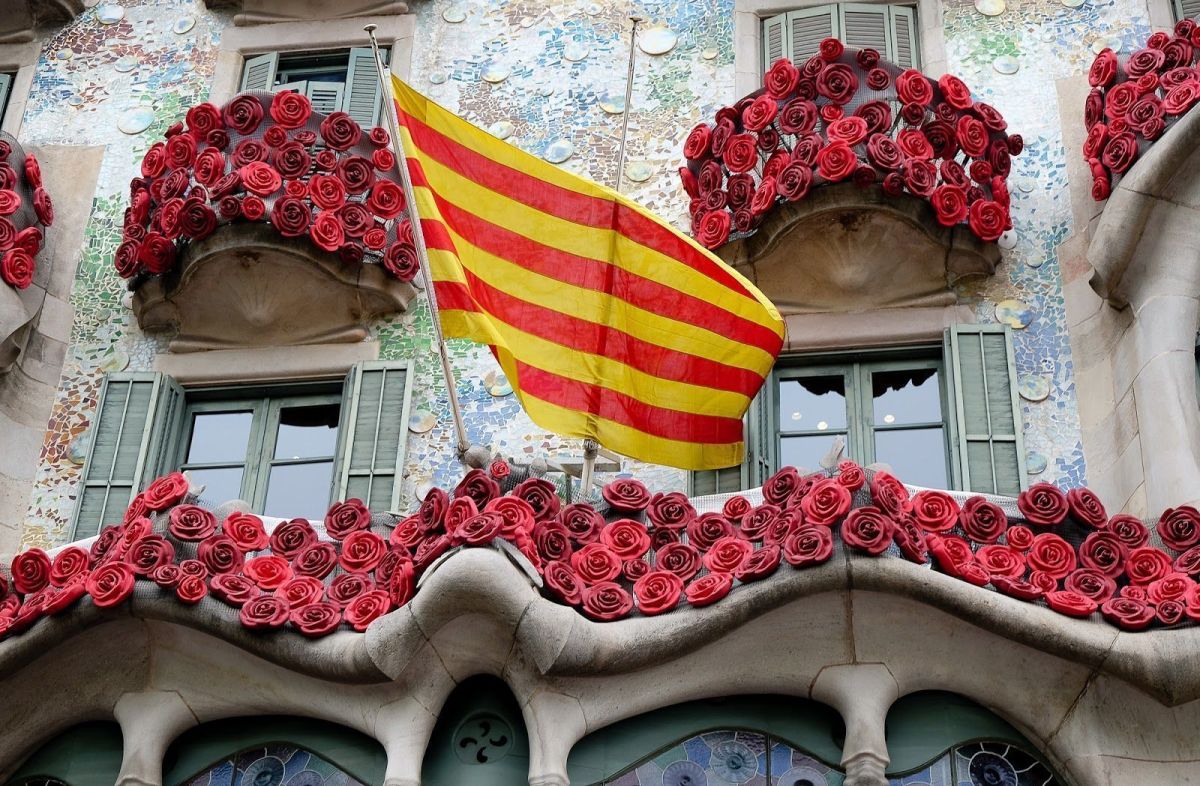
That’s not the case in Catalonia though. No! It’s a national holiday (Catalonia clings fiercely to its independence). Men will give a single red rose to the women they love – not just sweethearts and wives, but their sister, their aunt or their friend and colleague at work. Women will respond by offering a book. That’s because in 1995, UNESCO declared 23rd April as a world-wide day to celebrate books and reading, choosing this day because it’s the one on which both William Shakespeare and Miguel de Cervantes died in 1616. England has to be different, and celebrate the day in March.
Here’s a short video catching something of the party atmosphere in Barcelona, in happier times before That Pandemic. I’ll bet it’s a bit quieter this year.
And why offer a red rose? Well, that’s all down to the legend of Saint George and the Dragon. Here’s an explanation in Spanish. You don’t speak Spanish? Don’t worry. I think you’ll understand almost every word.
For this week’s Lens-Artists Challenge, Ann-Christine asks us to think about curves. What a big subject! Flicking through my photos, almost every one has a curve in it somewhere or another. How to limit it? In the end, I decided to go with curves-as-frames.
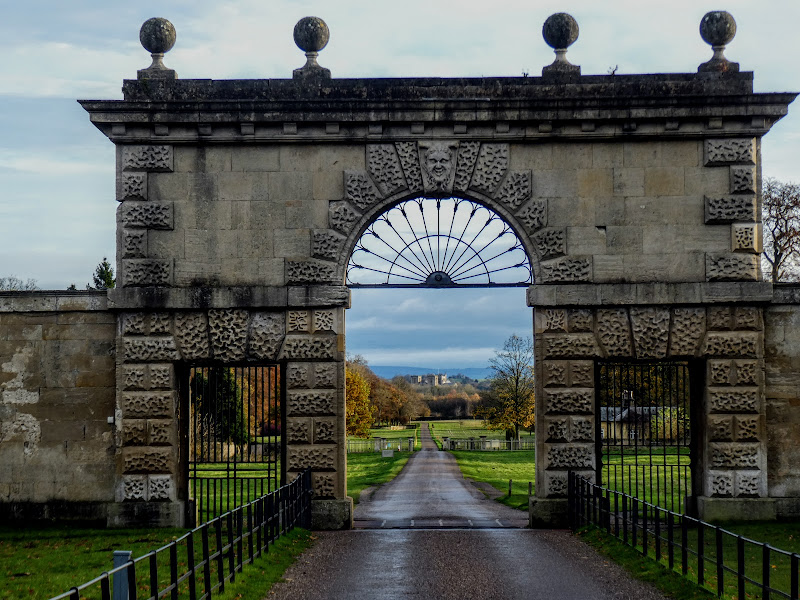
There are deliberate curves as framing devices, as here in Studley Royal, where the estate gates are placed to emphasise the view straight down towards Ripon Cathedral.
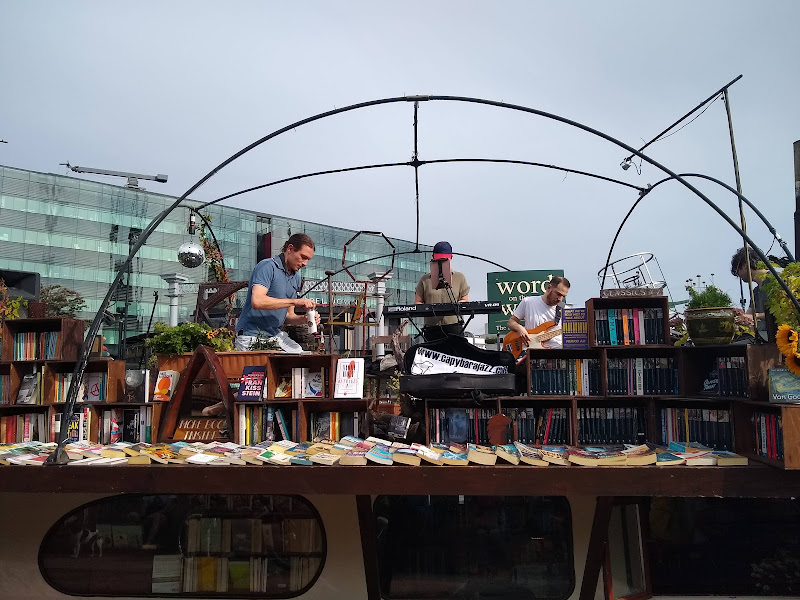
Or here where the band on a bookshop barge on the Regent’s Canal in London has organised an arch above the musicians.
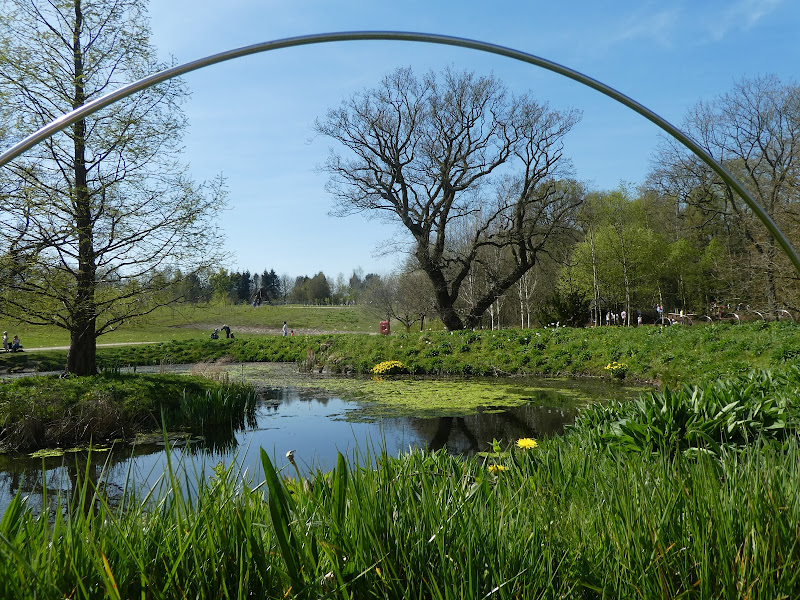
Or here, where a metal arch has provided an impromptu frame, so long as you choose your point-of-view. This is Harlow Carr Gardens, Harrogate ….
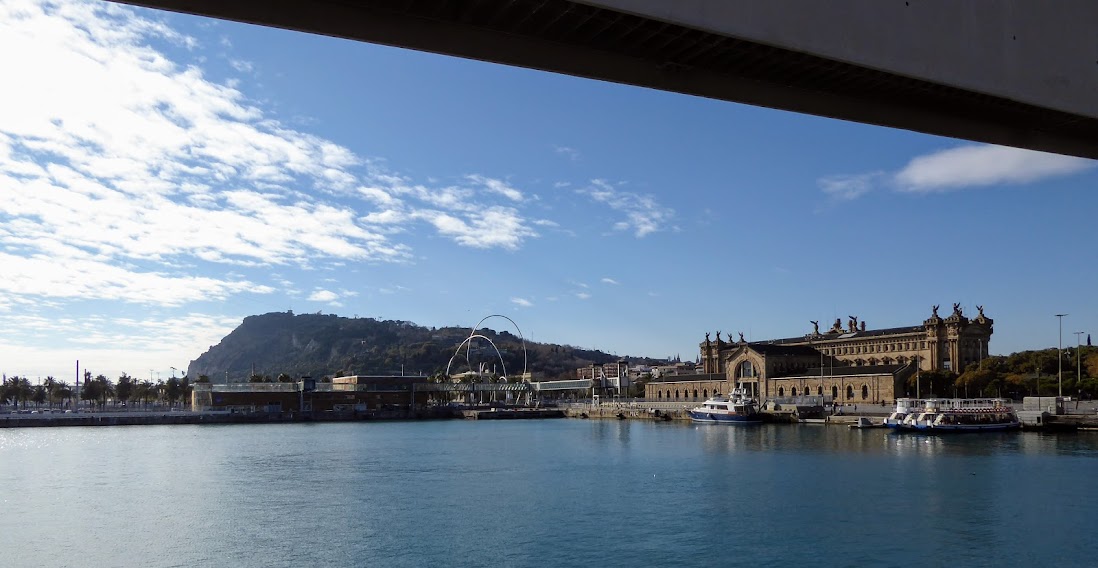
… or here, where a handy metal arch can be encouraged to frame the Maritime Museum in Barcelona.

Bridges may be arched, and garden entrances, even if not curved themselves, are often softened by climbing plants.
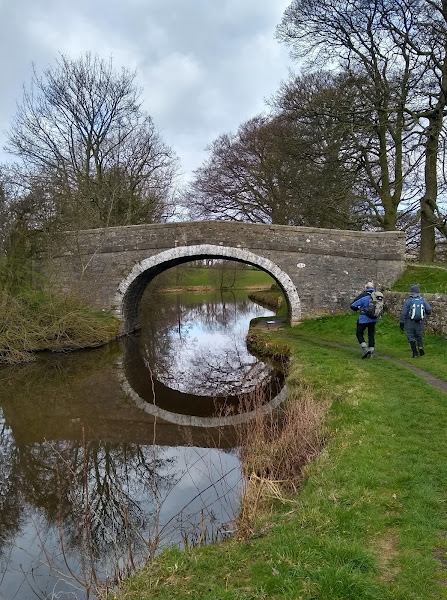
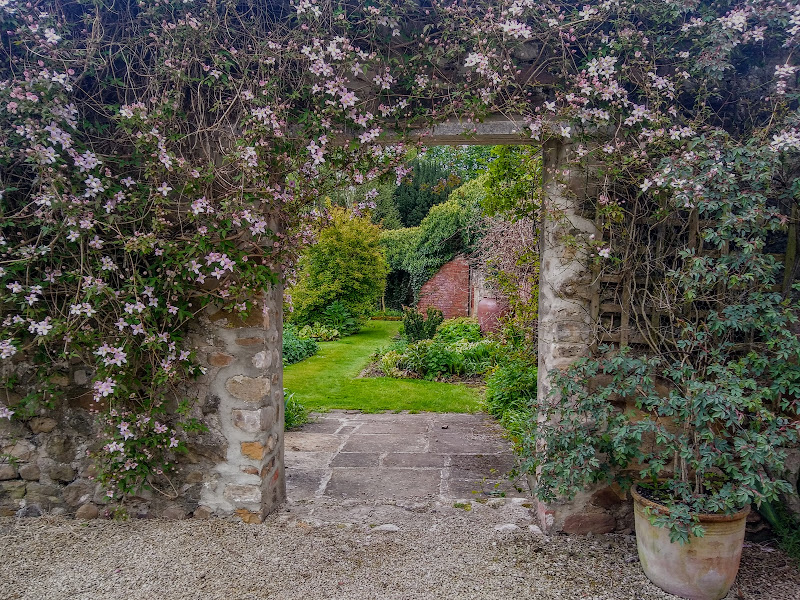
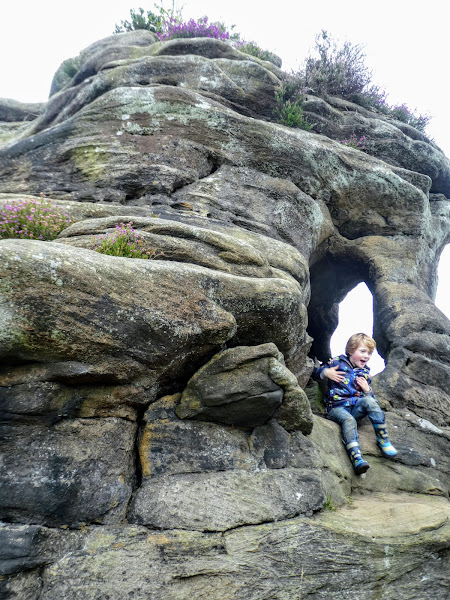
Let’s go to more serendipitous framing in the natural world. Here’s my grandson at Brimham Rocks.
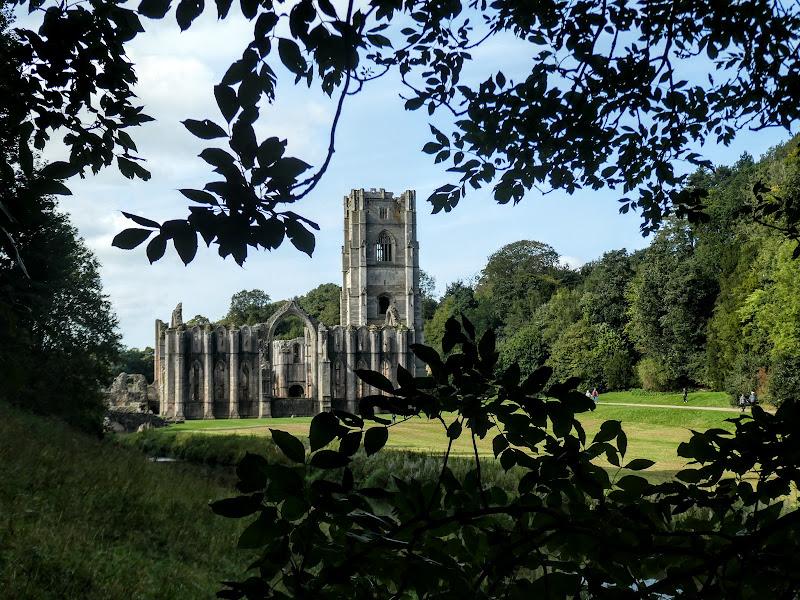
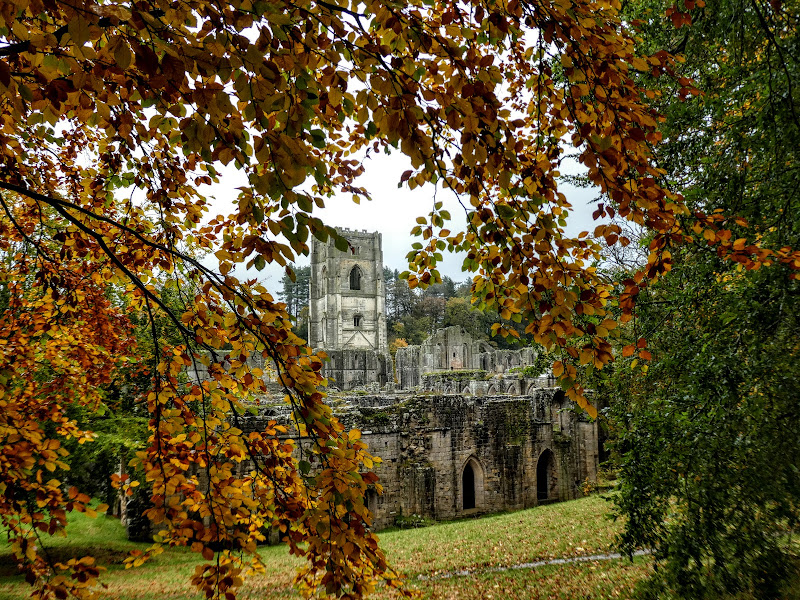
And finally, we’ll go to Fountains Abbey, where I spend so much time. I’ve chosen two different views of the Abbey, one taken in high summer, then the other, shown as the featured image, in autumn. In each case, Huby Tower has been framed by leaves cascading in gentle curves.
As well as the Lens-Artists Challenge, this post fits the bill for Sarah’s Friendly Friday Challenge: Framing your subject.
Civic statues. The great. The good. The bad. The politicians, the soldiers, the rulers and poets. Women? Not so many. But the overwhelming number of civic statues are of people.
Oddly, in Barcelona there’s a lobster, a ten metre long fibreglass lobster by Spanish artist Javier Mariscal. Originally, it fronted a seafood restaurant, but when the place closed down, the city council in Barcelona bought and restored it, and installed it on Passeig Colom in Port Vell.
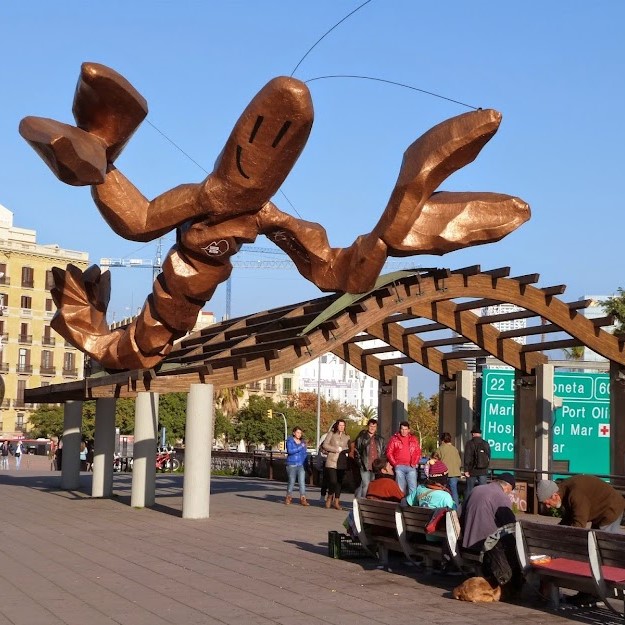
For Becky’s Square Odds …

… and Marsha’s Photographing Public Art Challenge.
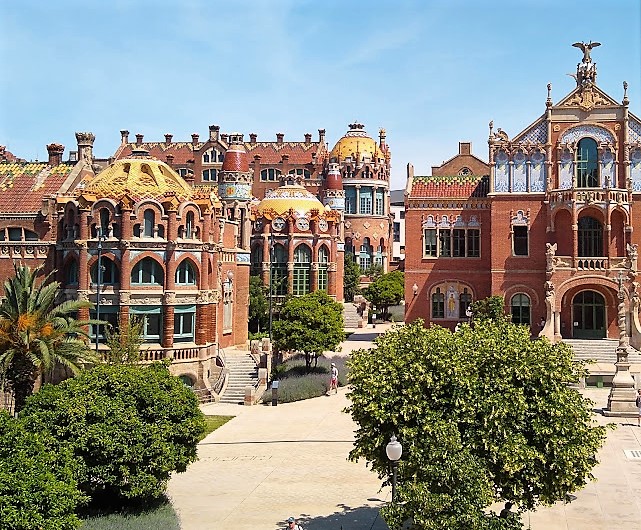
One of my favourite places in Barcelona is the Hospital de la Santa Creu i Sant Pau, which I’ve written about, here and here. It’s a hospital ahead of its time, begun in the late 19th century, set in gardens for the patients to enjoy. Gardens containing odd little delights to spot such as this frog, crouched above a window.
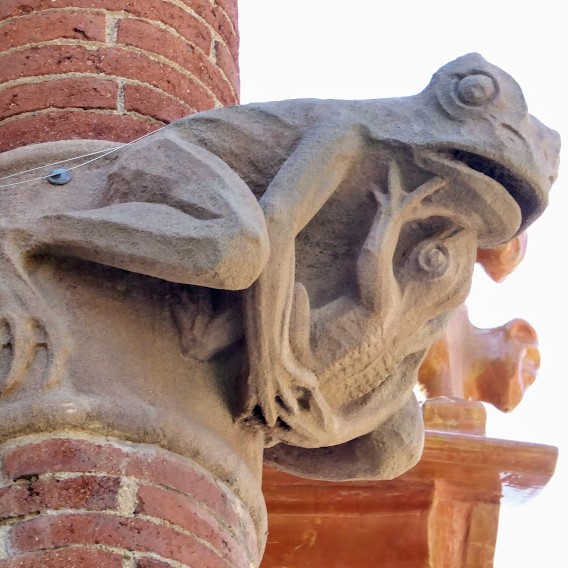
For Becky’s Square Odds,
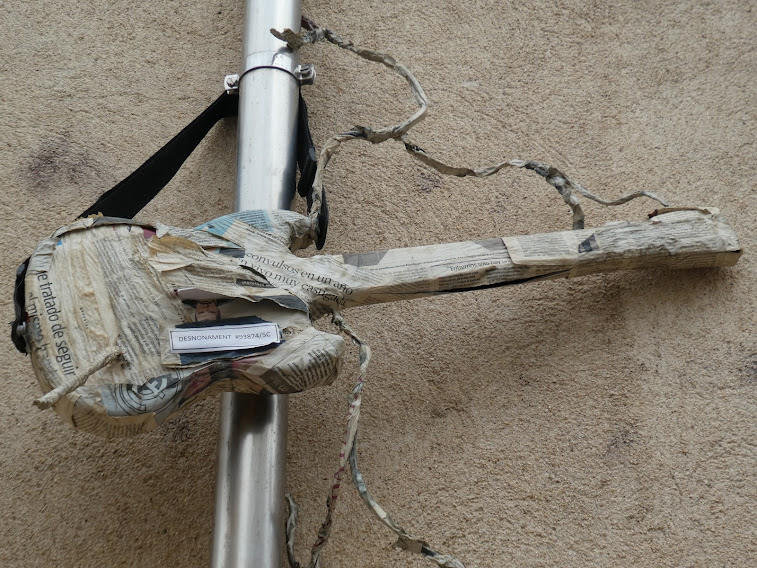
Walking down a street in Barcelona, we spotted this papier-mâché guitar suspended from a drainpipe.

Clever stuff. You take your time to go and look. And there, can you see? There’s the name of a guitar teacher and his phone number. Just get in touch, and you’ll have taken your first steps towards mastering playing the guitar.
For Becky’s Square Odds


 From Pyrenees to Pennines
You must be logged in to post a comment.