We’re asked to celebrate celebrating this week, in the Lens-Artists Challenge. I’ve decided not to focus on Christmas, but instead take us to a small town in France, in the Pyrenees – to Seix – in June, where every year, like so many other mountain settlements, they celebrate Transhumance. Here’s what I wrote in June 2011:
CELEBRATING TRANSHUMANCE IN THE HAUT-SALAT
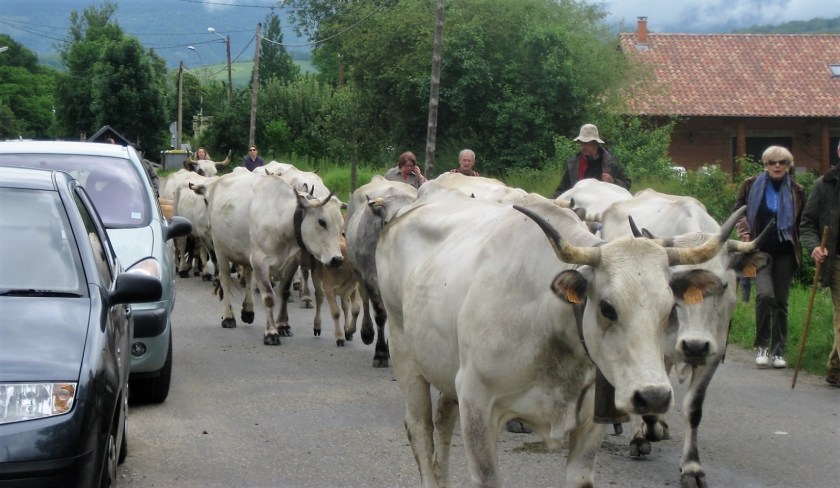
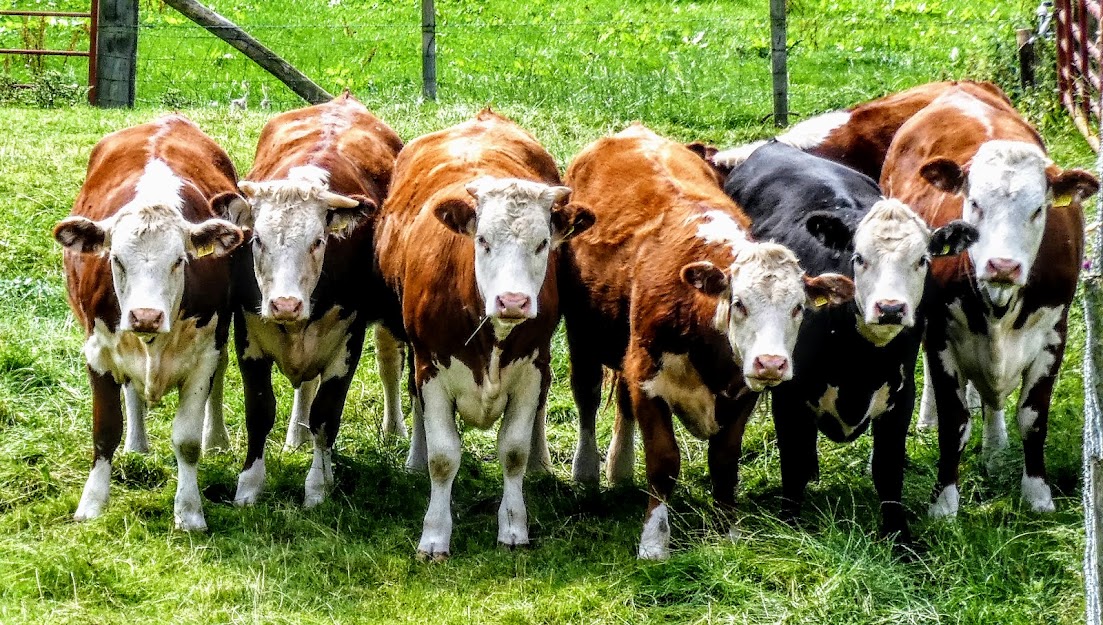
Transhumance. It’s that time of year where here in the Pyrénées, the cattle and sheep are moved from their winter quarters down on their lowland(ish) farms up to the lush summer pastures in the mountains. They’ll stay there till Autumn, and then be brought down again. And each time, it’s the excuse for a party.
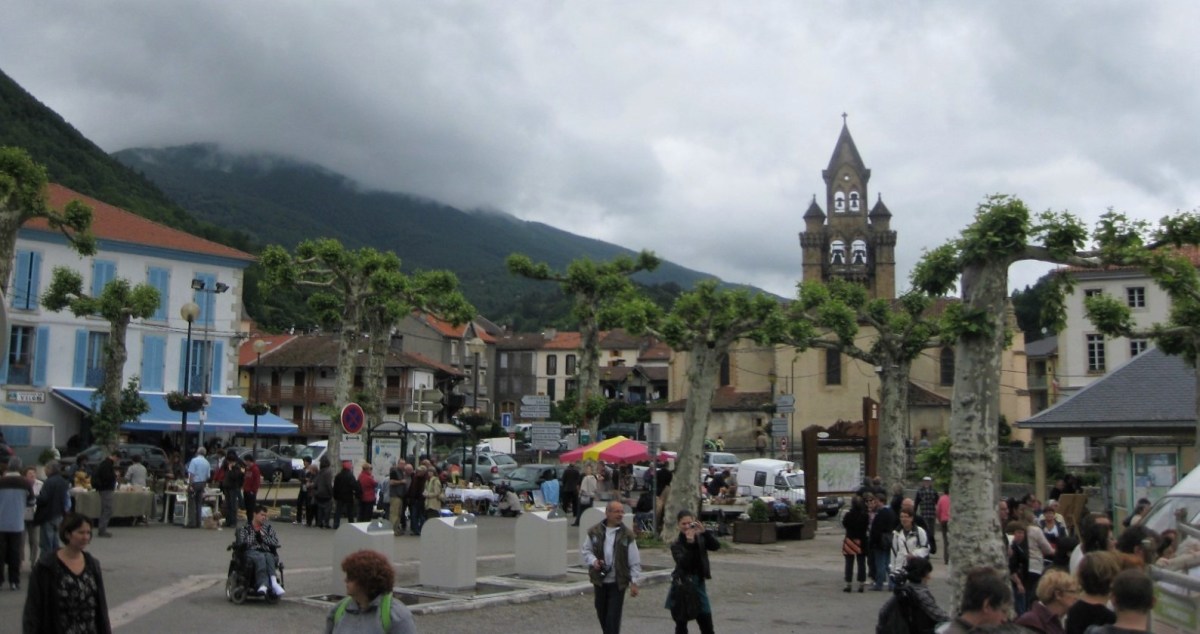
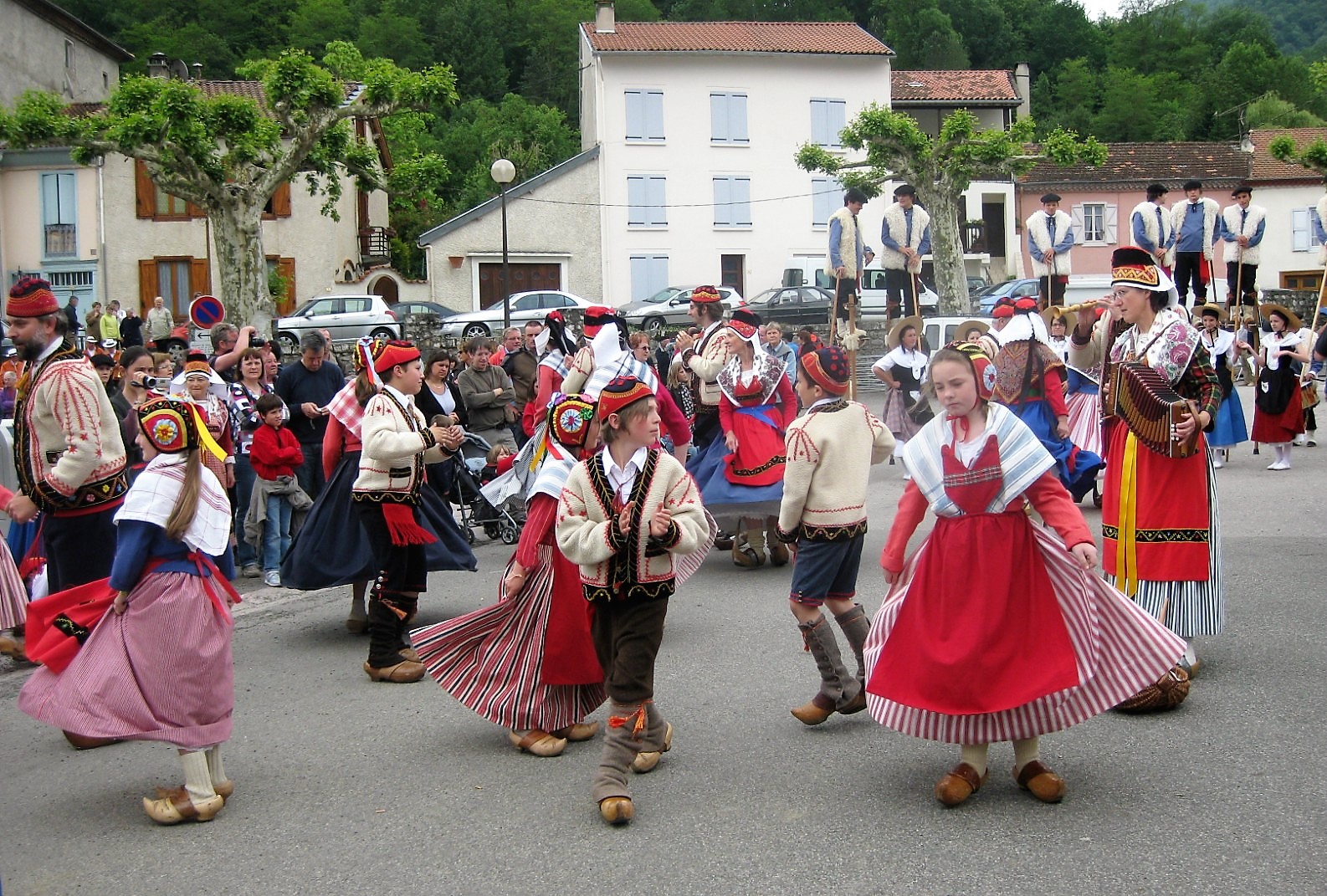
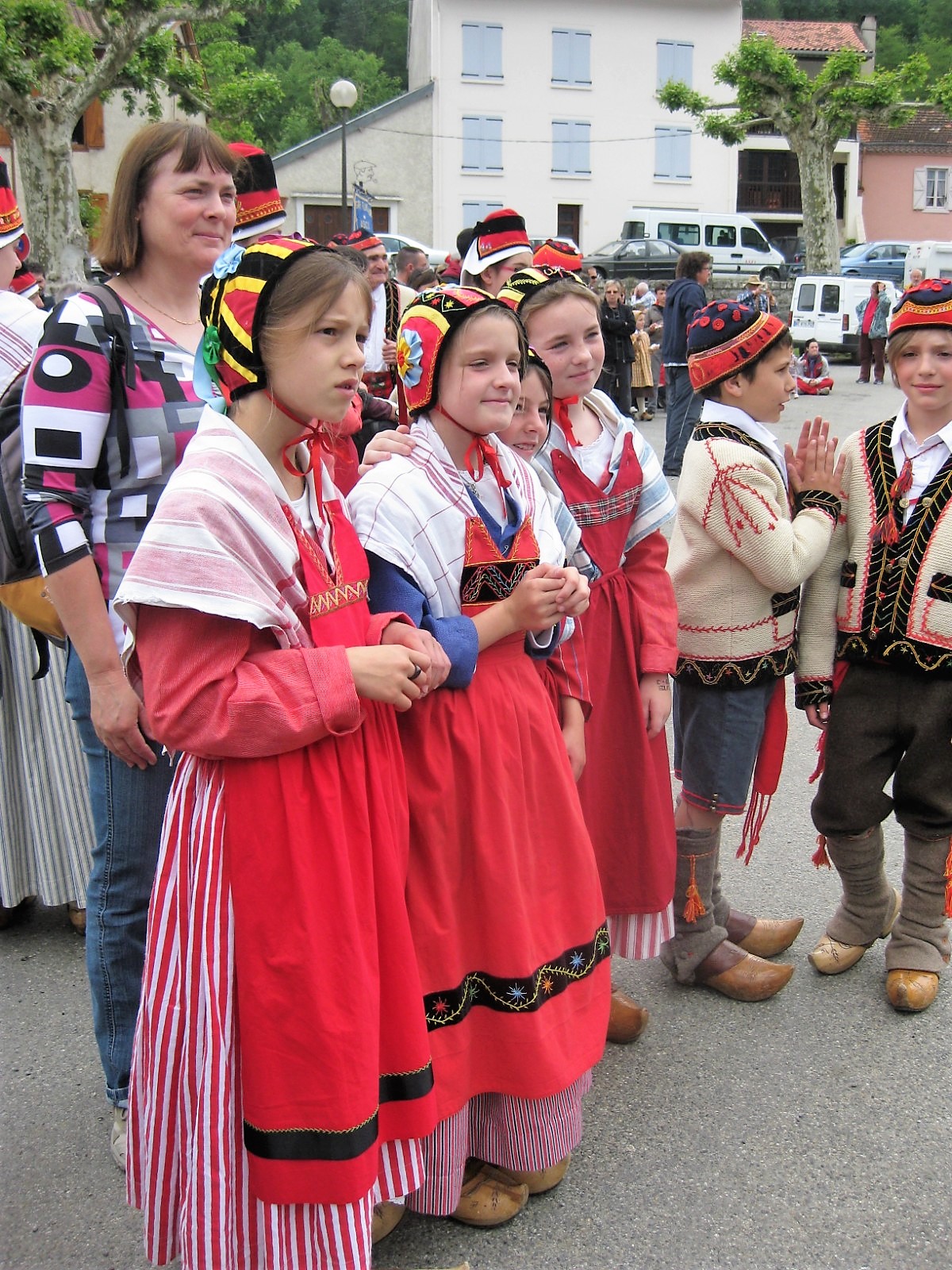
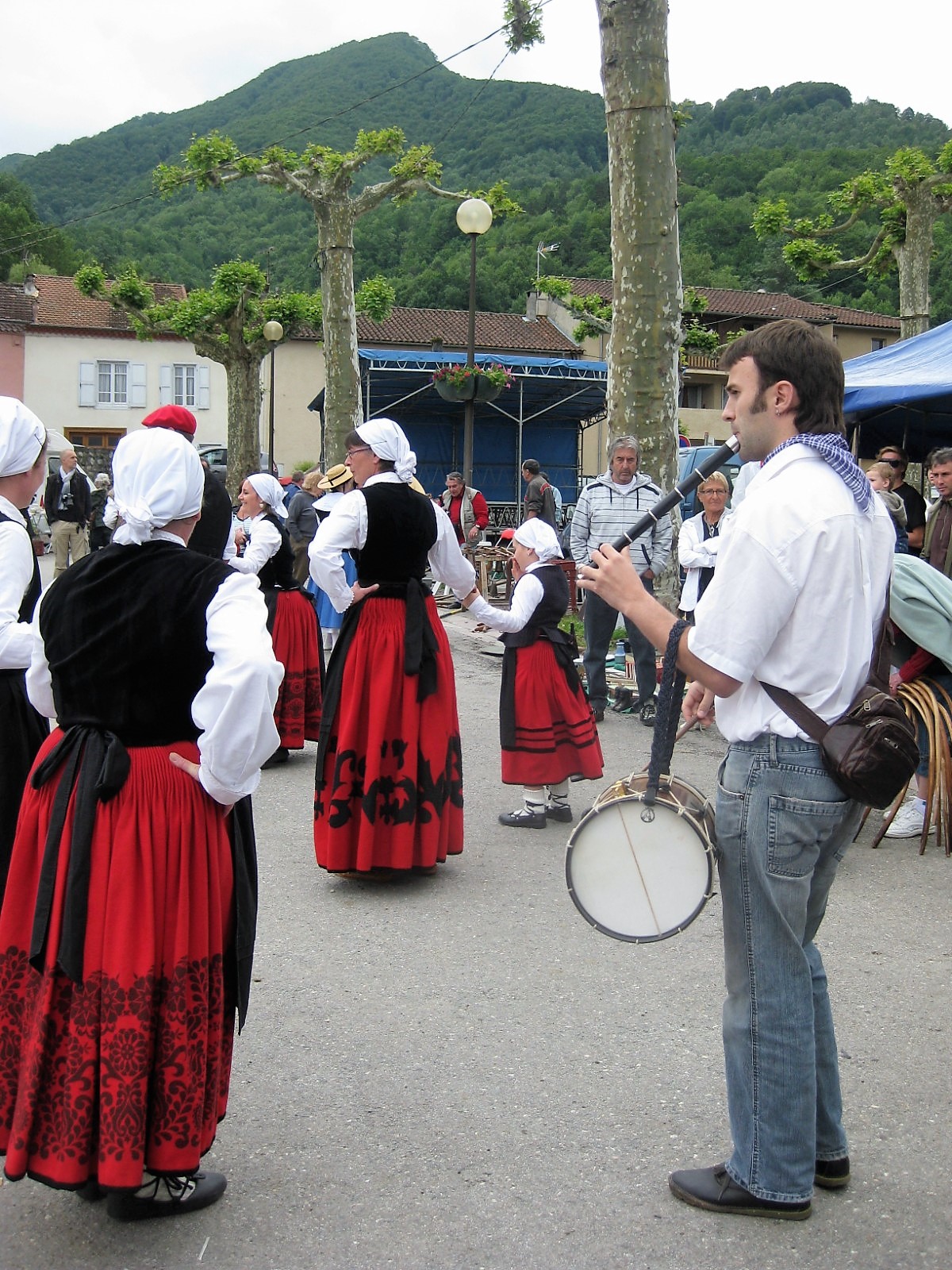
On Saturday, we joined in, and went over to Seix to meet friends who live there. The Transhumance celebrations in Haut Salat last three days, but we made do with Saturday morning. We nearly arrived late – very late – because we found ourselves behind a herd of cattle making their steady way along the road. Overtaking’s not an option: the cows commandeered this route hundreds of years ago. But we managed to zip down a side road and make a detour. A whole hour later, after coffee with our friends, the herd reached the edge of Seix and passed their door….
…and finished their long walk into town. We went too, and arrived just as the last flocks of sheep were arriving, to be corralled like the cattle, at the edge of the town square. For a while, and probably much to their relief, they were no longer centre stage.
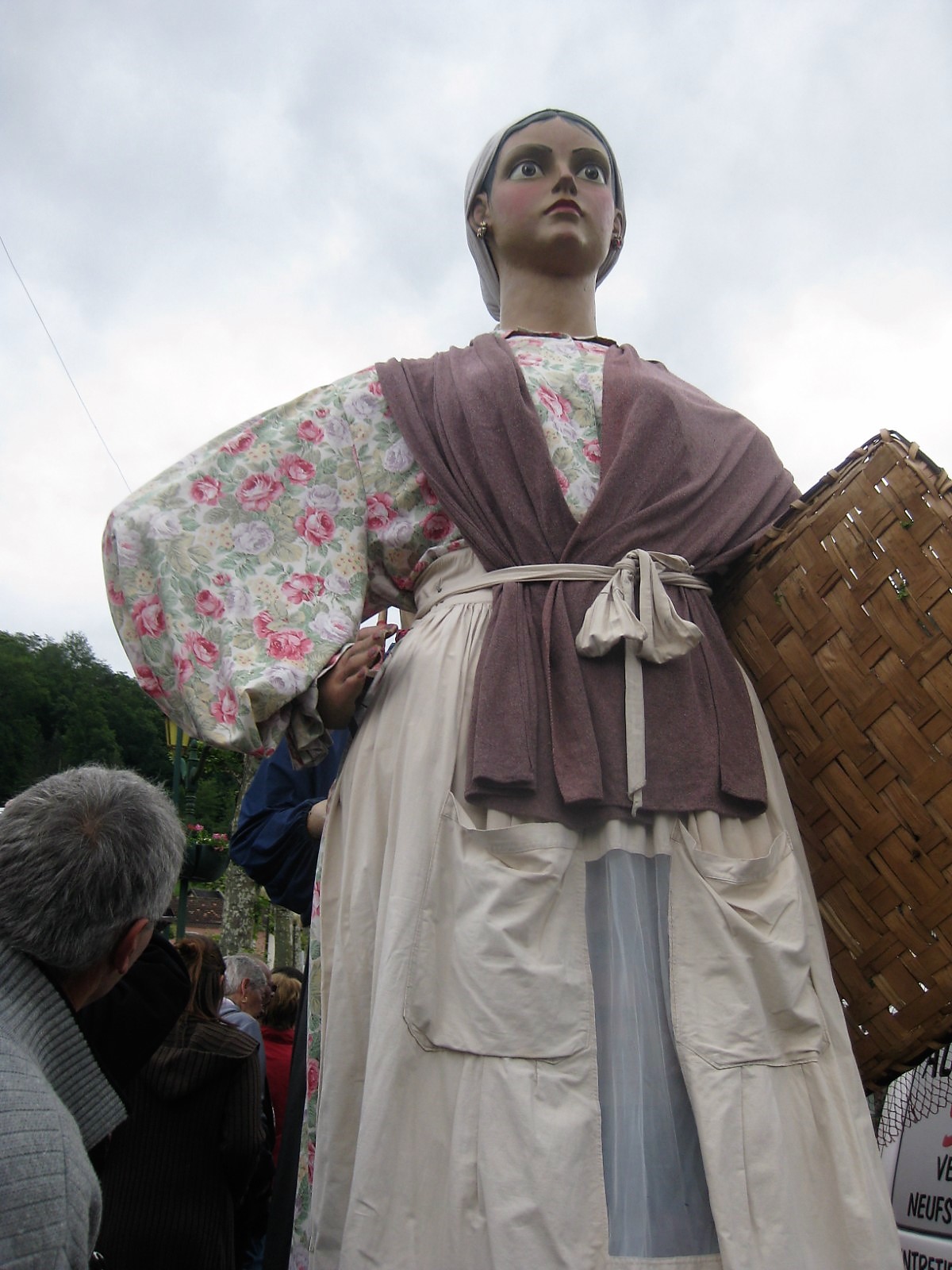
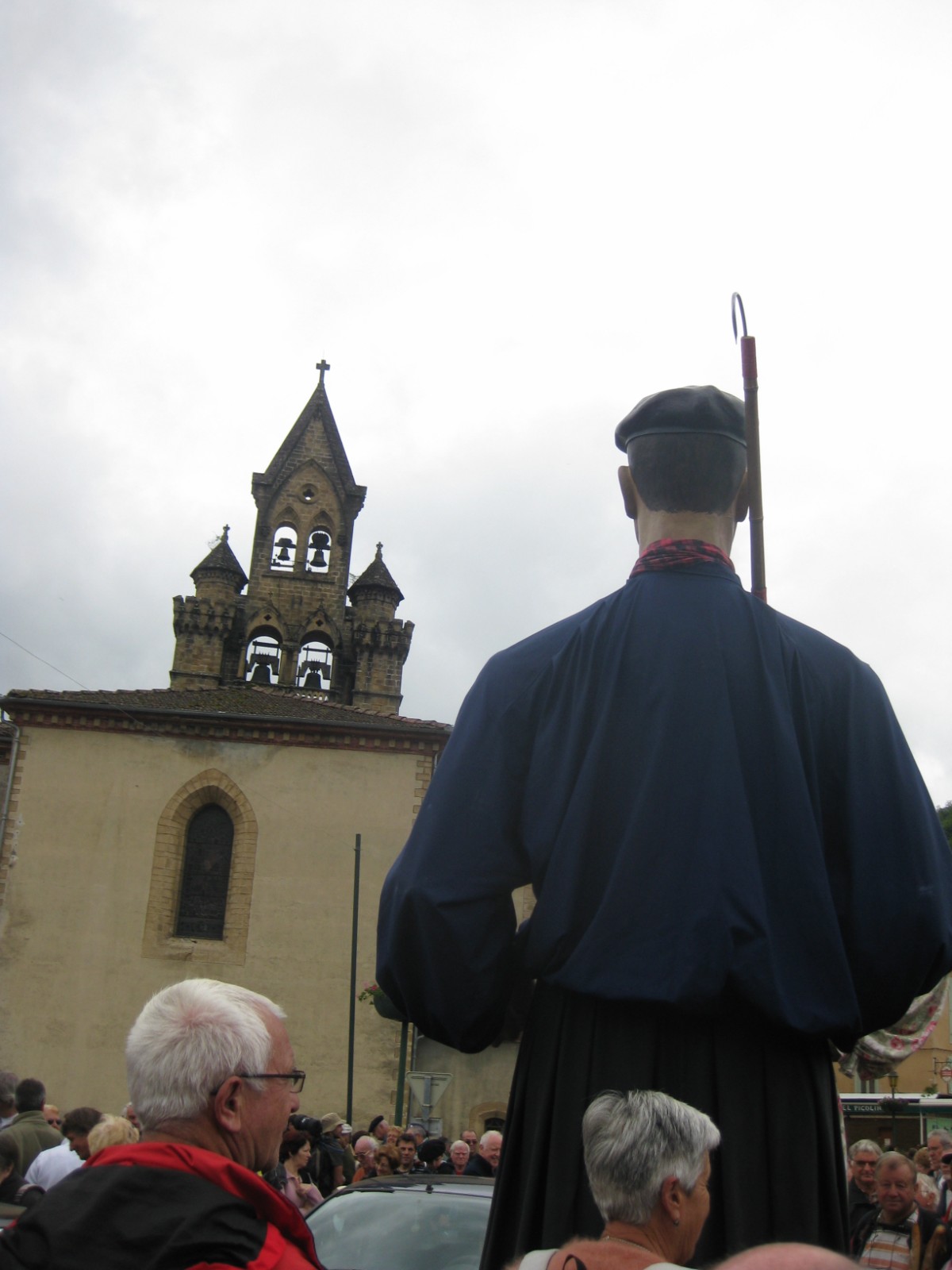
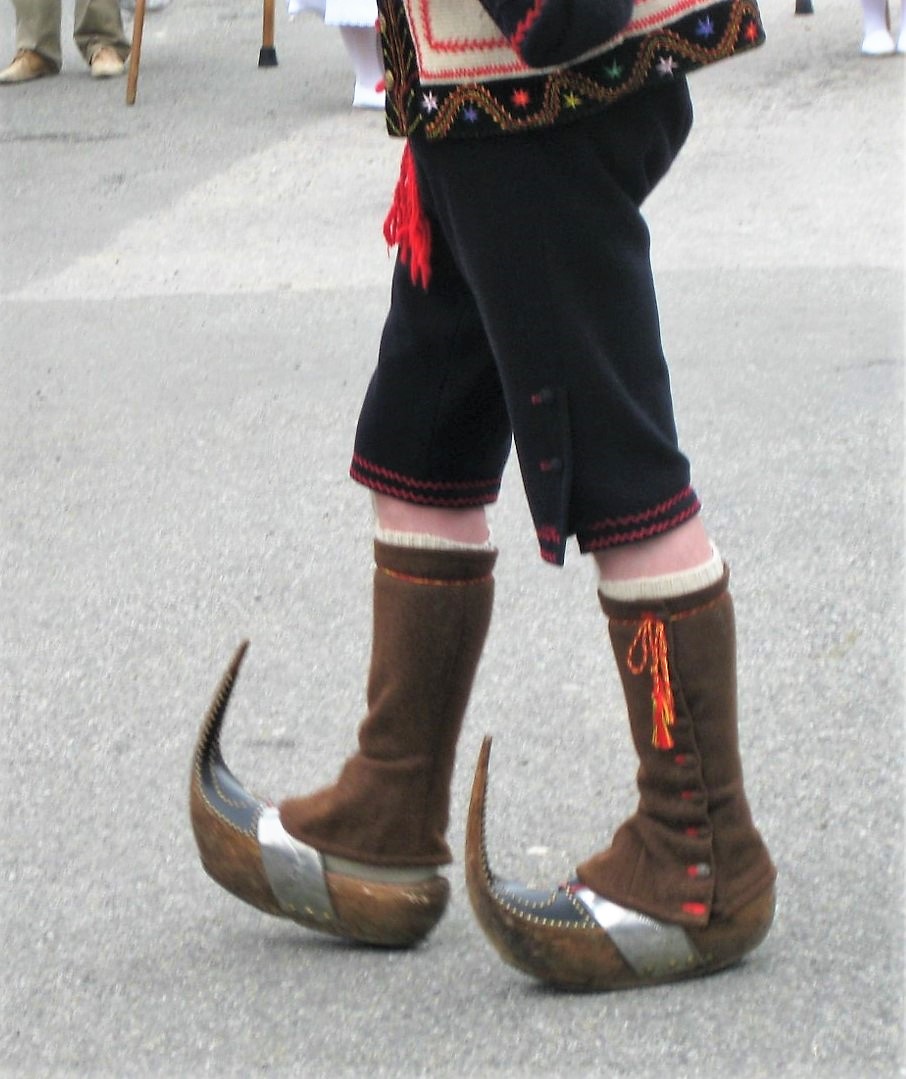
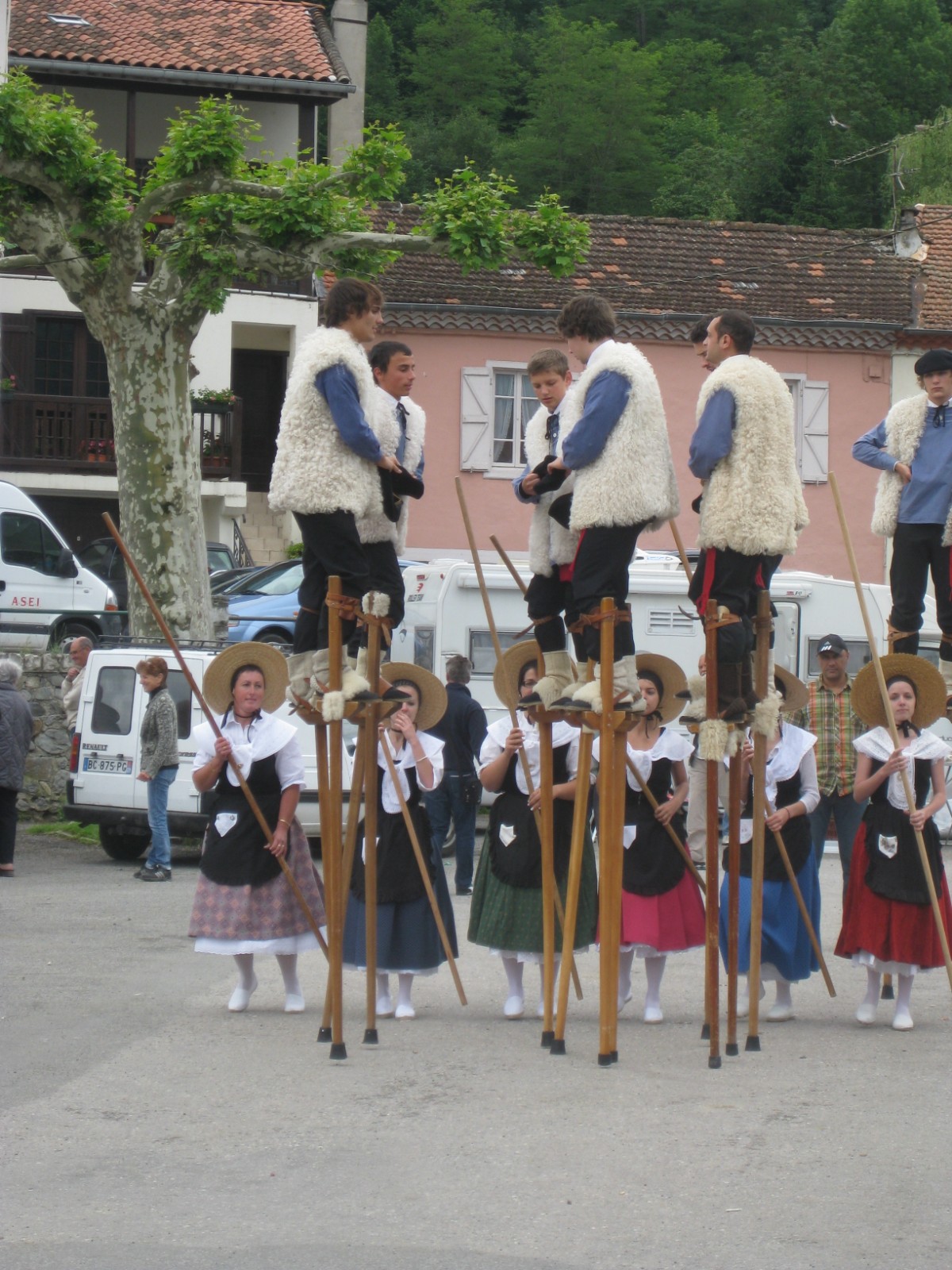
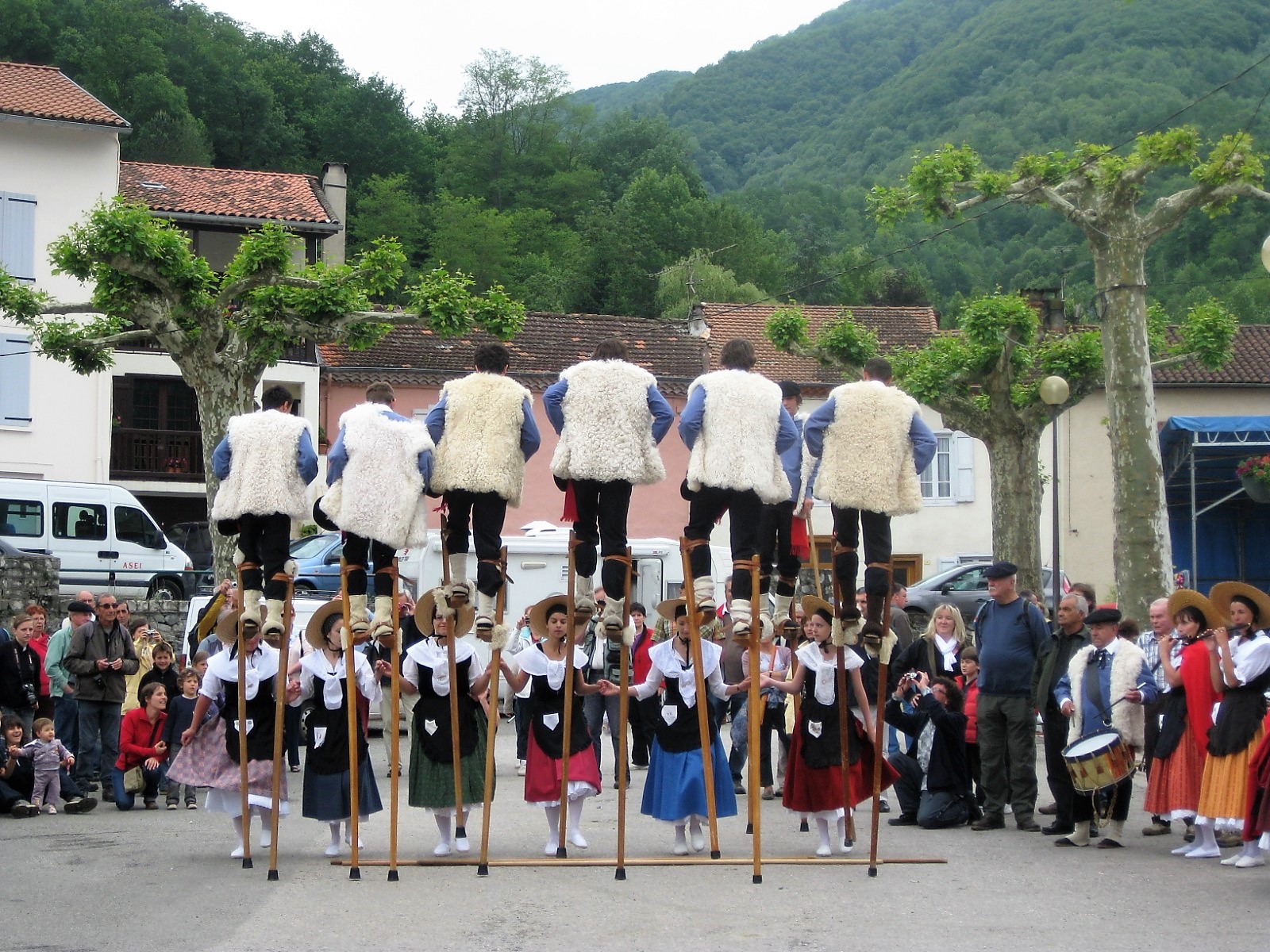
Instead it was jollity of the traditional kind. There were processions of large solemn plaster effigies, local bands. Dancers from Gascony, the Basque country, the Landes made sure we all had fun, and Malcolm and I even joined in some Basque dancing. Stars of the show for us were the shepherds from the Landes. Theirs is flat, marshy country, and they used to keep their eyes on their roving flocks by ranging round on stilts. But this was a day for dancing, and that’s just what they did, up high on those stilts. Have a look at the photos.
We went off for lunch at the end of the morning. But there was more celebrating, more meals to be shared, particularly by those farmers and country people who over the centuries have welcomed the fellowship of Transhumance as a break from the routines of an often lonely life.
‘On the first Saturday of every month, a book is chosen as a starting point and linked to six other books to form a chain. Readers and bloggers are invited to join in by creating their own ‘chain’ leading from the selected book.‘
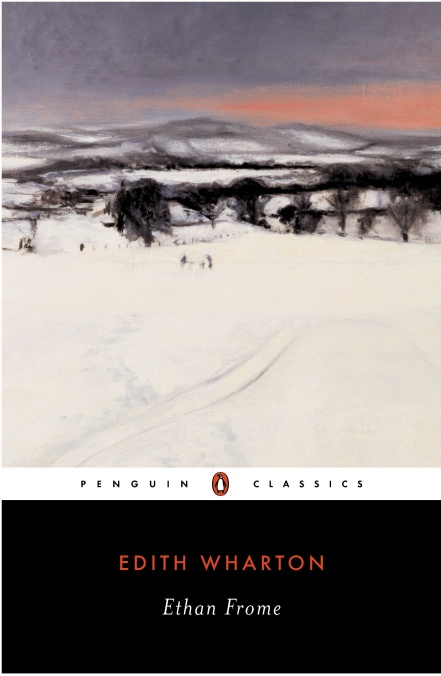
This month’s chain began with Edith Wharton’s Ethan Frome, which I’m so glad to have read. Bookish Beck has written a wonderful review of it, which I can’t improve on. Read it here.
Here is a man, Ethan Frome, whose life has not gone according to plan. Javier Cercas, in Lord of All the Dead tells us about another such life, that of Manuel Mena. If you’re a left-leaning writer it’s a bit of an embarrassment to discover, as Javier Cercas did, that your ancestor died fighting for Franco in the Spanish Civil War. And yet, unless he follows the story through soon, he realises that the few remaining people who knew Manuel Mena would be dead. And he uncovers a history in which a boy from a backward and poor village in Extremadura, through hard work and determination seems ready to reinvent himself and prosper because of his brains and his schooling. Then he decides to fight for Franco. Cercas discovers, in this account of a brutal civil war that all is not as black and white as it at first appeared, that Mena isn’t necessarily someone for whom he can continue to feel moral superiority. An uncomfortable and thought-provoking read.
Spanish Republican POW’s interned in Le Vernet, France. You can read about our visit here
From one war to another. Not combat this time, but life as a POW in WWII. Midge Gillies‘s Barbed Wire University: the Real Lives of Prisoners of War in the Second World War. This was a fascinating read, and Gillies’ own father was a POW, so she’s able to describe his own experiences too. This is an account of the lives of the prisoners, mainly from Germany, Italy and the Far East, and from the officer classes. These men had more leisure time (aka stretches of boredom, without the resources in some cases to do much to relieve it) and therefore left more in the ways of letters and diaries than those working POWs in the ranks. The horrifying differences between the experiences of those incarcerated in Europe, compared with their fellow combatants in the Far East is fully explored. This is a lively account, relying on the diaries, reminiscences and letters of those who spent their war years largely locked up. The skills the men developed which informed their – often highly successful – later careers are quite astonishing in their breadth and depth. The book rightly concentrates on the humdrum daily life of the majority. This is not the book in which to find accounts of daring escapes or would-be escapes. I was left impressed by the resilience, ingenuity and dogged persistence of the POWs whose war time years must have been in different ways as difficult as that of many combatants.
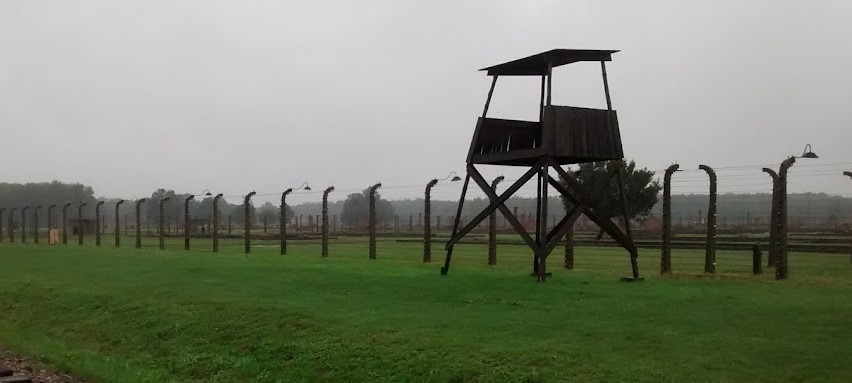
The POWs ‘experiences were not those of the inmates of Auschwitz, where this image comes from. but the watch towers, the fencing would be familiar.
From one type of prison to another: a fictional women’s prison, allegedly situated some miles from my home in Ripon. A Murder Inside, by Frances Brody. We meet a committed new governor, a body in the grounds, a missing prisoner, and a cast obviously destined to appear again in subsequent books in the series.. An enjoyable enough read, but this doesn’t come high on my list of must-reads.
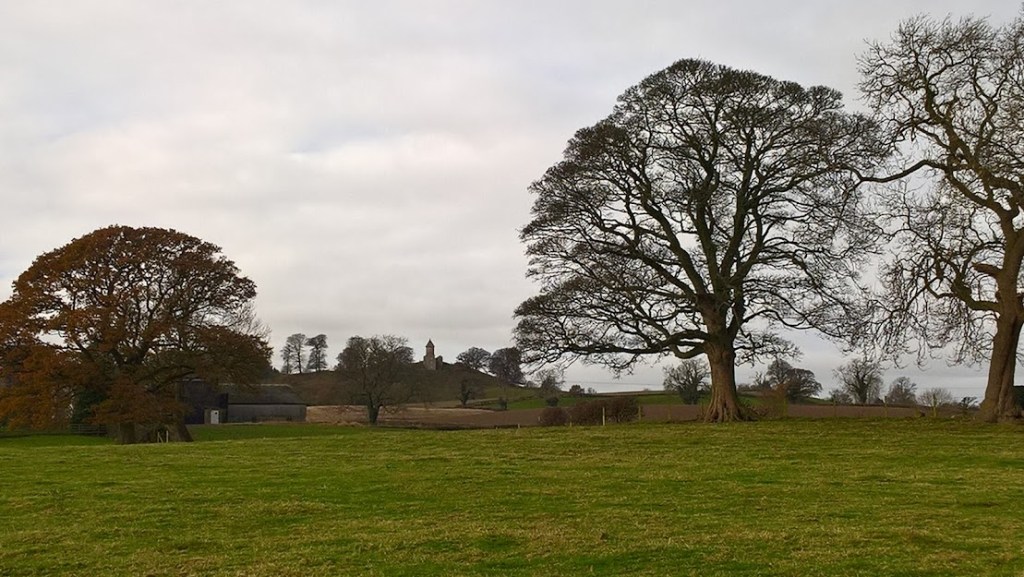
The countryside between Harrogate and Ripon, where this story is located.
A virtual prison this time: that of loneliness. Gail Honneyman‘s Eleanor Oliphant is Completely Fine. I’m always wary of much-hyped books, and in this case, my wariness wasn’t misplaced. Socially awkward Eleanor is bright, in a job that demands too little of her, and she is totally without friends. Her story, and her back-story slowly come to light. And things start to get better for her, thanks to an unlikely friendship which precipitates a chain of events, such that she is in danger of living happily ever after by the end of the book. I didn’t believe in her, not really. I don’t believe she could have grown up in the circumstances life threw at her quite so unaware of the 21st century. Still, I read it easily enough, and it wasn’t a bad story. Read it on a train journey, maybe.
Office life for Eleanor? (Bernard Hermant, Unsplash)
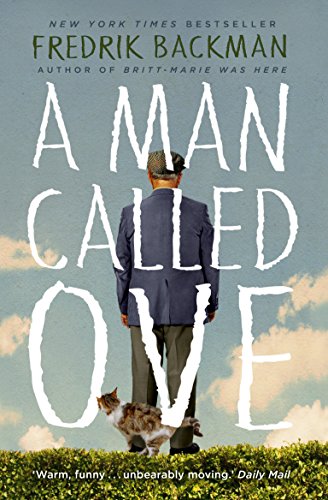
And here’s another book in a similar vein. A Man called Oveby Frederik Backman. I took against this book in the first few pages. It was obvious that the story line was going to be ‘curmudgeonly old man, widely disliked, is revealed to have a heart of gold, and after about 250 pages, everyone lives happily ever after’. This is exactly what happened. I turned the pages readily enough, but was unconvinced by almost everyone but the cat. I didn’t believe in his friendly new neighbour, or his wife, or another neighbour, Rune. But most of all, I didn’t believe that Ove would turn from irritable and irritating to everyone’s favourite grandfather in the space of about three weeks. Read this one on the train too.
Ove? (GLady, Pixabay)
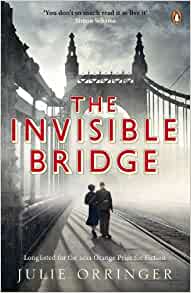
My last book links not so much to Ove, as to Ethan: but all three books have male heroes. The Invisible Bridge by Julie Orringer. Simon Scharma observes, on the cover of the edition I read ‘You don’t so much read it as live it’. It’s true. This is an immersive story, mainly set between about 1937 and 1945, about a Hungarian Jew, Andras, who spends time in Paris as a young architecture student, and meets the slightly older Hungarian widow who will become the love of his life. The story follows him as he returns home, and as Hungary becomes ever more implicated in the war. The story of the Jewish population in Hungary isn’t well known in the UK. It’s clear that while they were not on the whole sent to concentration camps, their conditions in the Labour Corps of the army – all that was open to Jewish men – were no better. I couldn’t leave this book till I had finished it. It’s well written, and beautifully researched, though Orringer wears her learning lightly. I’ll read more of her work.
Parliament building in Budapest (Charlemagne, Pixabay)
Next month, our chain-beginner is another American writer, Amor Towles: Rules of Civility. I know neither the book, nor the author. Another discovery, courtesy of Six Degrees.
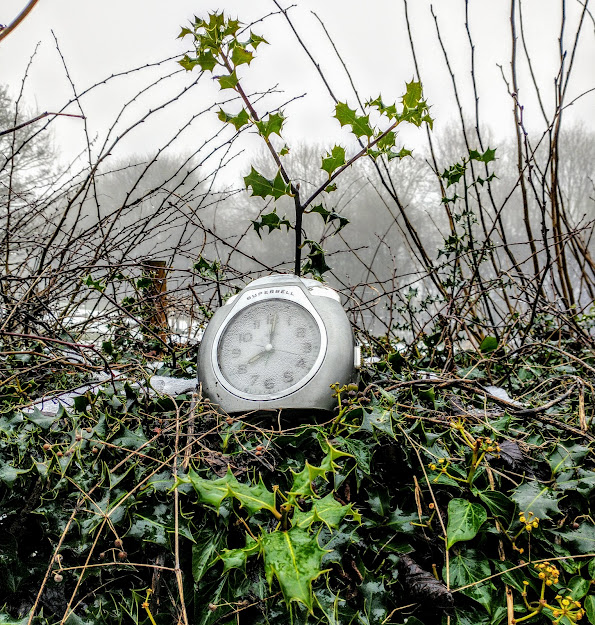
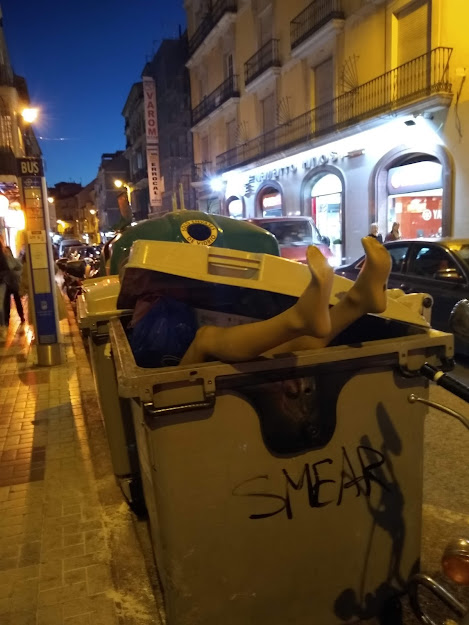
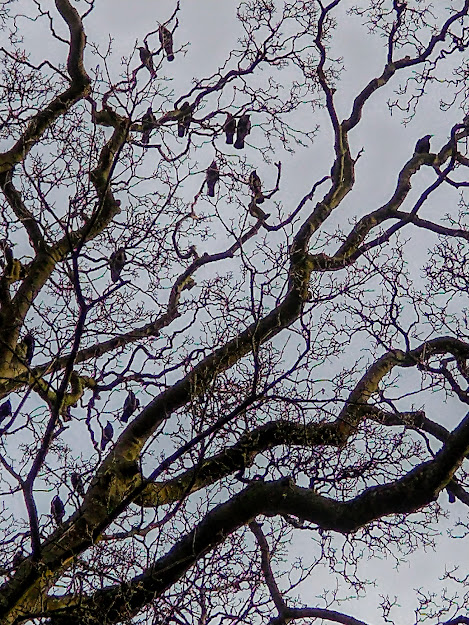
A single image to tell a whole story. That’s what Ann Christine, in her Lens-Artists Challenge asks us to post this week. Many bloggers have already played along, and many have also told the story that goes with the picture. I’m made of meaner stuff. I’ll give you four photos. You provide four stories. Is that a deal? Your tales may not get much further than your head, but if you want to share them, I’d love to read them.
The featured image seems to be the aftermath of – well – perhaps you know?
And why is there a clock on a hedge in a country lane? Perhaps Alice in Wonderland’s White Rabbit knows?
We saw this scene in Málaga, but never found out more about this apparently appalling crime.
My last photo was also my last of the month, so qualifies for Brian aka Bushboy’s Last on the Card challenge. I don’t know whether there’s a story here, but judging by the racket coming down from the tree, there were plenty of stories being told.
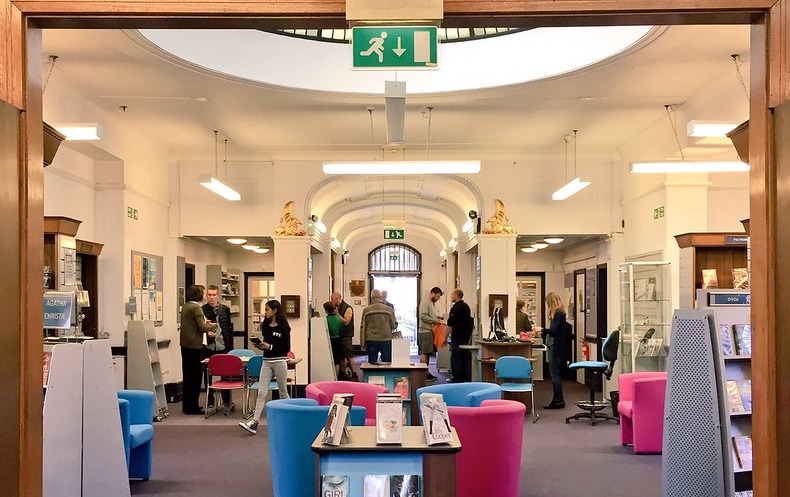
How times have changed. Back in 1966, I’d just left school, and was planning to work as an au pair in Italy before going off to university. For a bookish teenager, becoming a library assistant at Surbiton Library seemed just the job to allow me to save up for my trip. And it was – £10 a week was a fortune, allowing me to give my mother board money, save, and still have enough left over to have fun. It was of course a very different experience from the just-a-few-hours-a-week job I have now, as a volunteer assistant at Ripon Library.
Surbiton Library now. Then, the counters were left and right beyond the pillars, and there was not a pink or blue seat in sight. Image courtesy of the Surrey Comet.
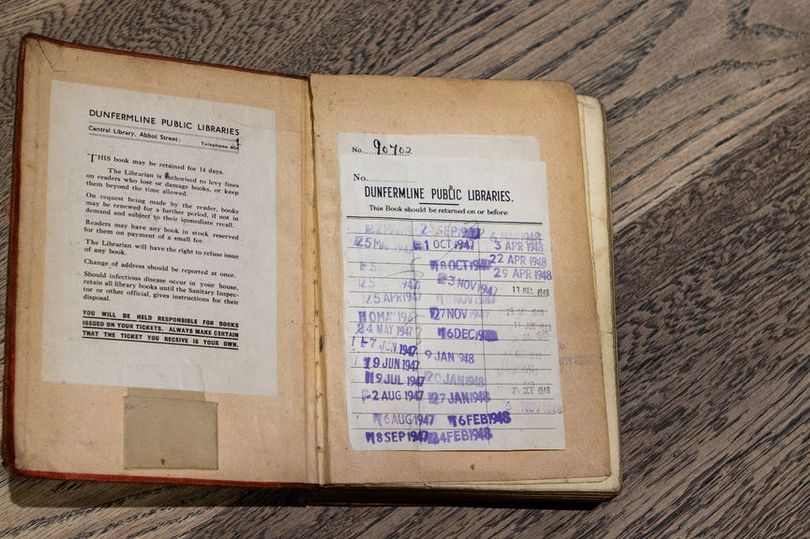
Then, we stood behind a somewhat forbidding counter, rifling through neatly organised columns of book identity cards to release the library ticket(s) to the reader so they could go off and choose more books. When they’d made their choices, we’d open their books and date-stamp, with a satisfying ‘thunk‘, the page pasted in the flyleaf.
Image courtesy of Wales Online
Now, readers (Oops, sorry, ‘customers’) have it all to do, checking books in and out themselves courtesy of a space age bar-code reader, which accepts fines and reservation payments too.
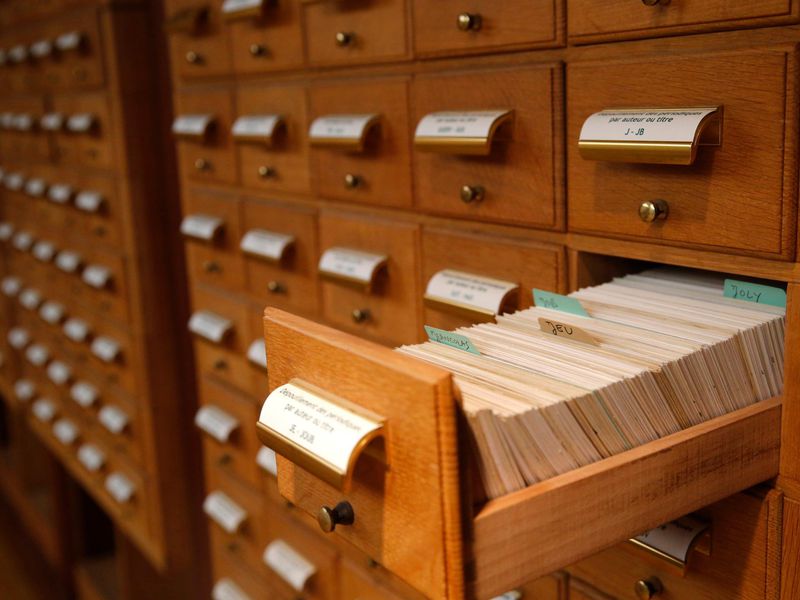
Still, then as now, we build relationships with regular readers, like the ones who lean over confidentially and ask you if there are any new nice romances in, by which they mean Mills & Boon. Or the ones who need their personal details changing because they’ve moved. Then? Write out new cardboard tickets. Now? Change their details on the database. Or the ones who need help using the catalogue. Then? A large chest filled with drawers and drawers of card-indexes. Now? Yes, the computer database. Then? Books. Now – books of course, but also DVDs, audio books, large-print editions, jigsaws and a range of services on line such as e-books and magazines.
Card-index courtesy of University of Toronto Library.
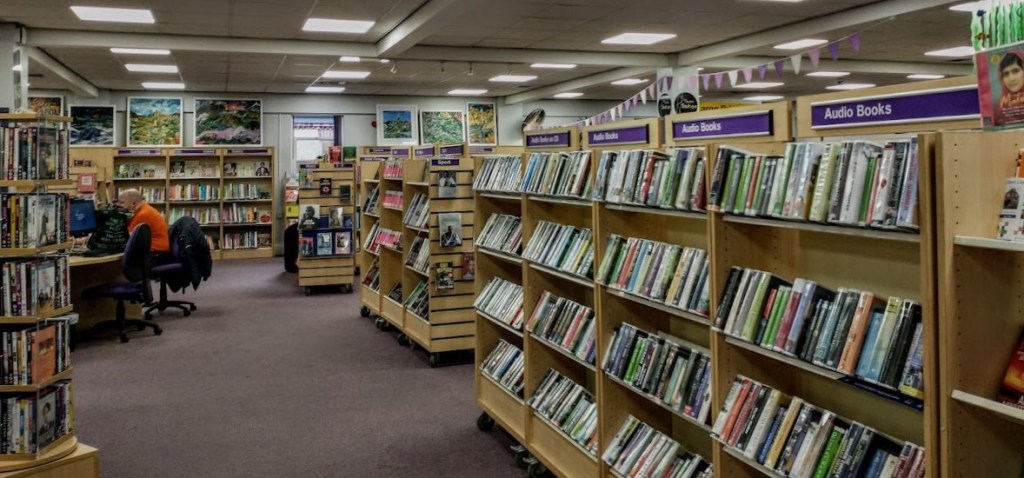
Then, the library was largely a silent place, with necessary conversations carried out in a low murmur. A couple of hard chairs I seem to think, maybe a table or so, but otherwise, little furniture apart from the bookcases. Now, when you come into the library, there may be a children’s story time in progress, with a circle of children sitting on the carpet at the feet of a cheerful soul leading a spirited rendition of ‘Old MacDonald’. Or adults and teenagers occupying one of the many computers as they do their admin. or homework. Or a coding club. Or a book group. Lots of squashy chairs. A coffee machine.
Ripon Library
Some things never change. All those returned books need to be replaced in the right place on the shelves. Then, we prided ourselves on ranging a neat line of 12 or more books along the length of our left arm, and plucking the one on top to shelve as we reached the right spot. Now (Health and Safety) we have trolleys to trundle the books round on.
One thing we never have to do in Ripon is prepare new books for issue. In Surbiton in 1966, the library closed every Thursday afternoon. Not so we could have time off, but so that we could all go to the work room, and encase the covers of new books in those paper-and plastic sleeves, enter their reference numbers, and paste date-stamp sheets and identity pockets on. Tatty books would be mended with the right kind of sticky tape, and any stains removed. We loved it. It was a chance to sit down and talk as we worked.
I don’t remember ever looking for books for inter-library loans, or returning books to other branches, but surely we must have done. I don’t remember ever being entrusted to do a display: marketing our stock to the reading public didn’t seem necessary. I don’t remember a book-delivery service for the housebound, or handing out community information such as a bus timetable or the phone number for Citizens’ Advice, all of which come as standard now.
And of course – staff. Then there was a qualified librarian, and a team of paid library assistants like me. Now the paid qualified staff have been most severely pruned, and the assistants are all volunteers prepared to offer a few hours a week. It’s a congenial voluntary occupation, and we’re well trained and supported. But how has local government come to this, that core services cannot continue without bands of volunteers? That other services, such as Home Care, have been squeezed and squeezed … I shan’t go on. This is neither the time nor the place.
What have I been reading this month?
Lana del Rey: Violet Bent Backwards over the Grass.⭐⭐
Lucy Newlyn:The Craft of Poetry.⭐⭐⭐⭐
Janice Hallett: The Appeal⭐⭐⭐
Frances Brody: A Murder Inside⭐⭐
Edith Wharton: Ethan Frome⭐⭐⭐⭐⭐
Mercè Rodoreda: In Diamond Square⭐⭐⭐
Javier Cercas: Lord of all the Dead⭐⭐⭐⭐
Ralf Rothman: To Die in Spring⭐⭐⭐⭐
Gail Honeyman: Eleanor Oliphant is Completely Fine⭐⭐
Currently Reading
Robin Ince: The Importance of Being Interested
Sophie Divry: Madam Bovary of the Suburbs
Mini-review service will be resumed next month, but at least four of these books will find themselves in my Six Degrees of Separation this month.
Here’s ablast from the past: from November 2012 in fact, when we were hunkering down for winter in France. It was round about now that The Orange Man arrived …
THE ORANGE MAN
Winter has arrived. How do I know? Although the nights are cold, the afternoons are still for going walking or tidying up the garden wearing a tee-shirt, beneath a duck-egg blue sky. So until the other day, I thought we were clinging on to autumn.
But on Thursday, the Orange Man arrived. This is exciting enough news for it to be worth phoning a friend. Every year, once winter kicks in and the orange harvest is well under way in southern Spain, a huge container lorry arrives in Lavelanet. It parks up at a disused petrol station on the main road into town and becomes an impromptu shop.
The man with the lorry, the Orange Man, speaks only Spanish, and sells only oranges. Not singly or by the half-dozen, but in large 10 kilo boxes. 10 kilos, 10 euros. What a bargain. These oranges, though sometimes a little knobbly and in irregular sizes, are the juiciest and tastiest you’ll ever eat, and it’s no wonder that whenever you pass, you’ll see someone pulling up their car and opening the boot for a case or two. Our Spanish friend won’t have to stay long. In a few days the entire container-load will be sold, he’ll return to Spain …. only to return when he’s loaded up again.
When he departs for the last time at the end of the season, we’ll know for sure that spring has arrived.
It’s 7.45. Here’s the sunrise on our way to Studley Royal.
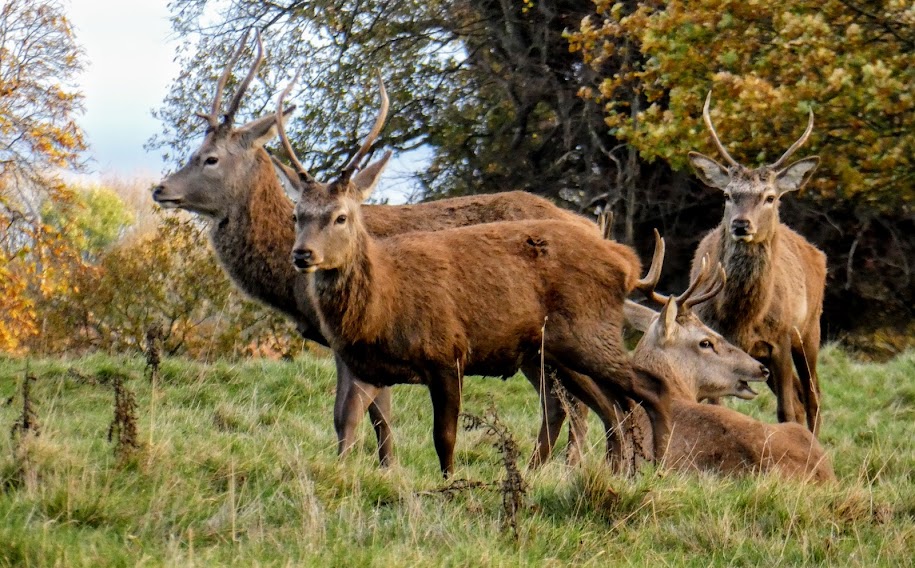
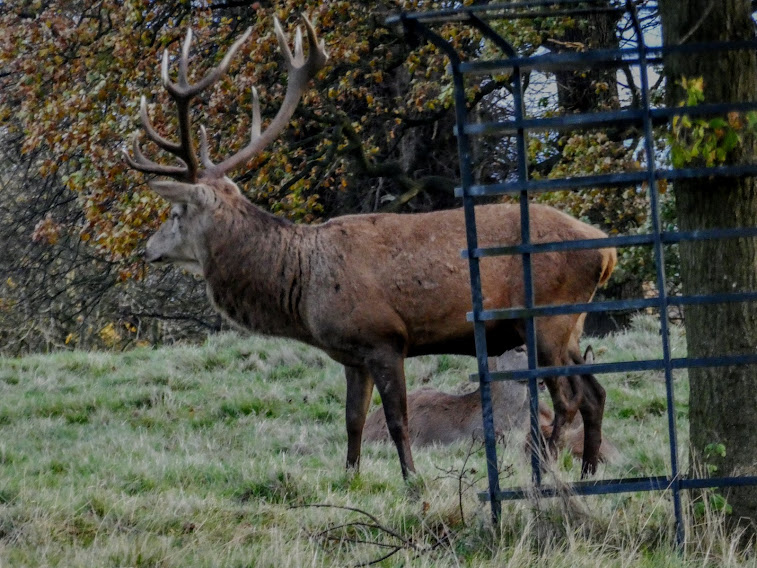
And having met the rangers and our fellow walkers – volunteers on the site, here’s who we’d come to see.
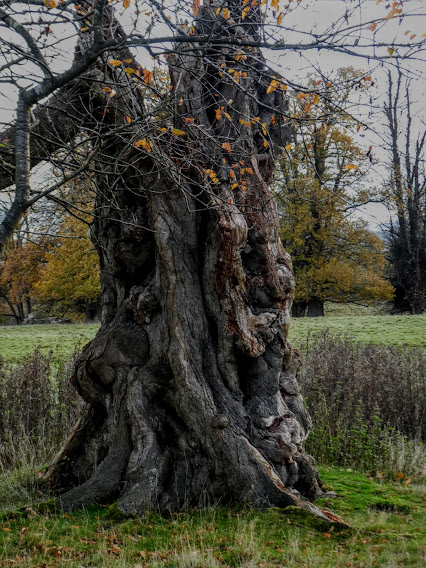
Red deer, but ancient trees too. Cherry trees aren’t meant to last 400 years, but somehow this one is clinging on. Whereas the oak nearby is thought to be more than 800 years old, and dating from the days when the monastic community was at its height in nearby Fountains Abbey.
The ancient cherry …… and its trunk.An oak dating from the time when nearby Fountains Abbey was a busy monastic community.
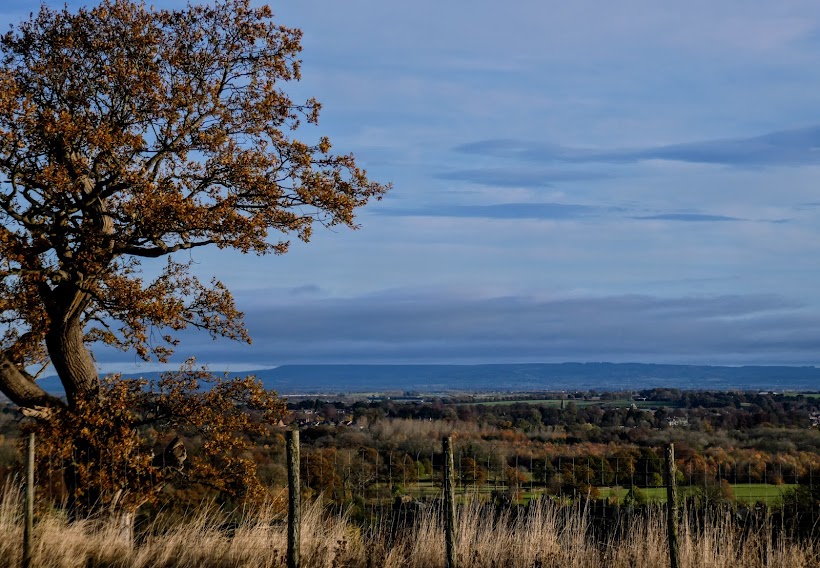
Come with us as we walk past the entrance to the park, framing the view down towards Ripon Cathedral, before we climb uphill to less frequented parts of the parkland, where deer usually roam free and we could enjoy open views across to Ripon and the North York Moors beyond.
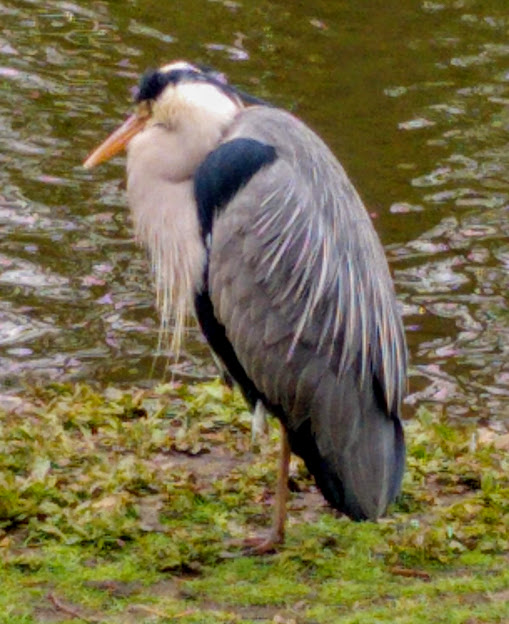
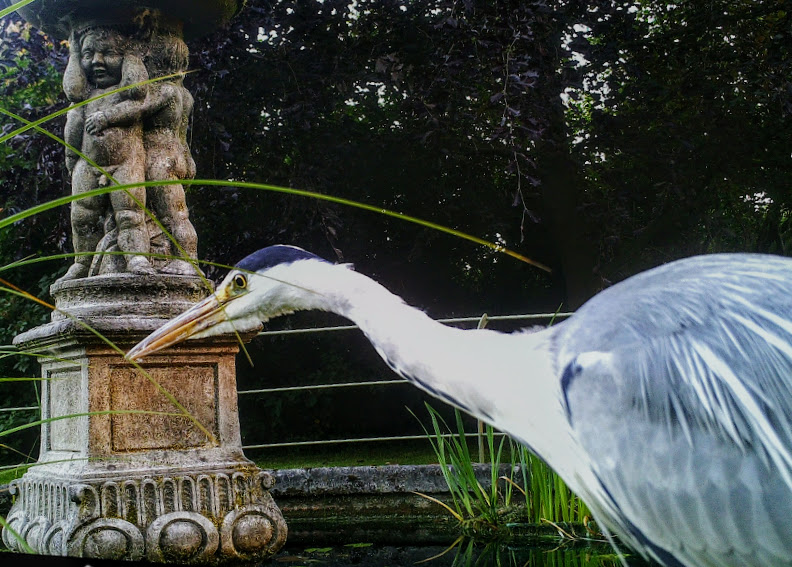
The river down the track from us is a favourite fishing ground for herons. I love to watch them as they patiently watch too, for fish. And I love it too that wherever we travel, we’re likely to see local herons about their business. The one in the featured photo lives on the Guadalquivir in Córdoba, but his routines seem just the same as those of our Yorkshire birds.
This one lives in Kew Gardens, and the heavy rain makes him look a little out of focus:
Here are a few more:
Elke of Pictures Imperfect demonstrates that the black-and-greyness of these birds makes them ideal for Jude’s Life in Colour challenge, as she’s seeking shots that are black and grey this month.

























You must be logged in to post a comment.