On the first Saturday of every month, a book is chosen as a starting point and linked to six other books to form a chain. Readers and bloggers are invited to join in by creating their own ‘chain’ leading from the selected book.
Kate: Books are my Favourite and Best
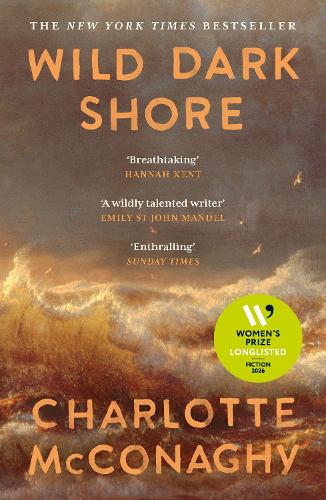
This month’s chain starts with Wild Dark Shore by Charlotte McConaghy. I’m fourth in a queue of readers at the library waiting to borrow this book. Here’s the first sentence of the book’s resume. ‘Dominic Salt and his three children are caretakers of Shearwater, a tiny weather-lashed island that is home to the world’s largest seed bank.’
So I’m going with the sea for all the books in my chain this month. I’m going to try to dodge books I’ve showcased before, and that I know many of you have also recommended. So no Clear by Carys Davies, no Seascraper by Benjamin Wood. Or James Rebanks’ The Place of Tides, which Kate has just reviewed.
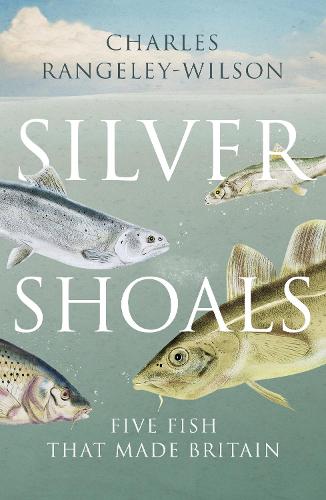
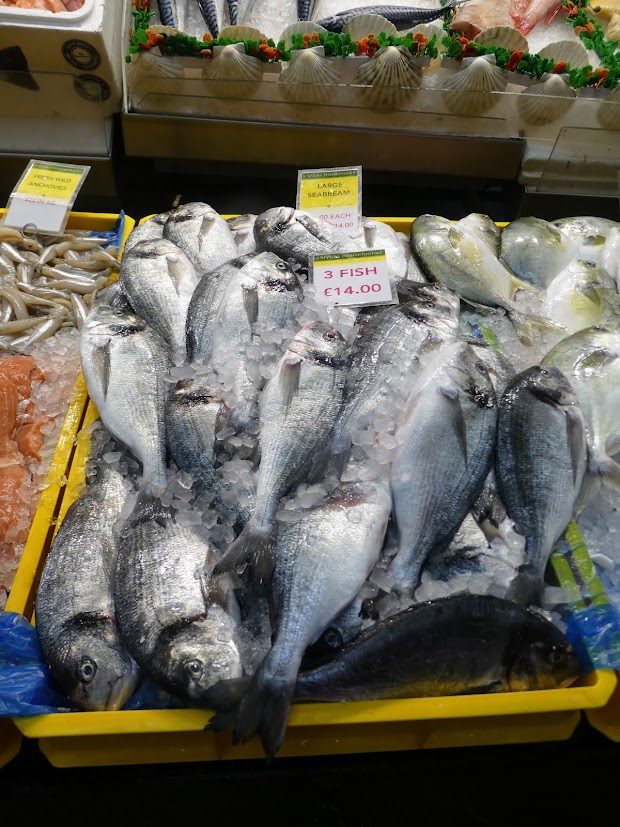
In fact, let’s not start with a novel at all. Let’s celebrate the fish that so often feed us – specifically here, the fish round the British coast, in Silver Shoals by Charles Rangeley- Wilson. I was entirely and unexpectedly engaged by this book, an exploration of our nation’s iconic fish: cod, carp, eels, salmon and herring. This is a story of the fish themselves; of fishermen; of the consequences of greed and the way back from it; of geology; meteorology; our nation’s social history as it relates to food and farming; of corruption and political will. It combines serious discussion of issues with good yarns about the fishermen who took Rangeley -Wilson fishing with them, whether on week-long voyages on trawlers, or half day sorties to the local river bank. He travelled north south east and west in quest of fish and their stories, and produced an absorbing account which I read in record time because I was so enthralled by all the threads of the story Charles Rangeley-Wilson told.
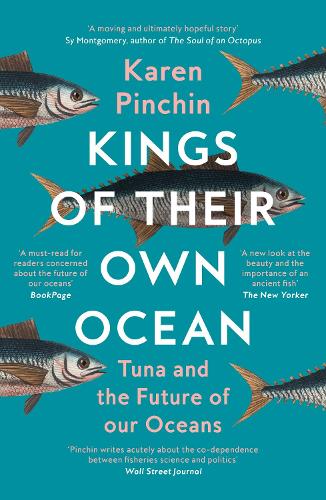
Those Silver Shoals don’t include tuna. Kings of Their Own Ocean: Tuna, Obsession, and the Future of Our Seas by Karen Pinchin talks of little else. This is quite a story. It details the history of man’s love of eating tuna, from way before Roman times, to the present day, when the Japanese have cornered much of the market, while teaching the world to enjoy their own particular obsession with the freshest, choicest tuna flesh. The book details a history of overfishing, of trying to understand the tuna’s migration patterns, of political interests and manoeuvres and focusses on particular individuals who have been prominent in the story, such as tuna-tagging supremo Al Anderson. An engaging book, reeling in this non-scientist who has no prior knowledge of the industry: and who doesn’t even eat tuna (even less likely to now).
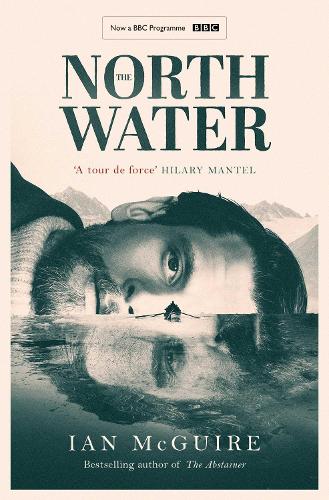
So now to a novel about fishing. About whaling to be exact. The North Water by Ian McGuire. This is a gritty story set largely in a 19th century whaling ship. There’s violence, brutality, bad language, bowel movements a-plenty, but it doesn’t feel gratuitous. Patrick Sumner has – we eventually discover – left the British Army in disgrace and his options are few. He becomes a ship’s surgeon on the whaling ship, and finds that a hard and desperate life becomes even worse as the ship and its crew battle against an arctic winter and a particularly brutal and amoral member of the crew. An involving and gripping story that recreates a world I can only be grateful not to be a part of. I saw a good and faithful TV adaptation of this book some years ago. Recommended.
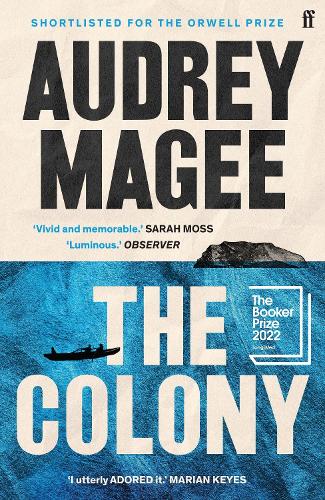
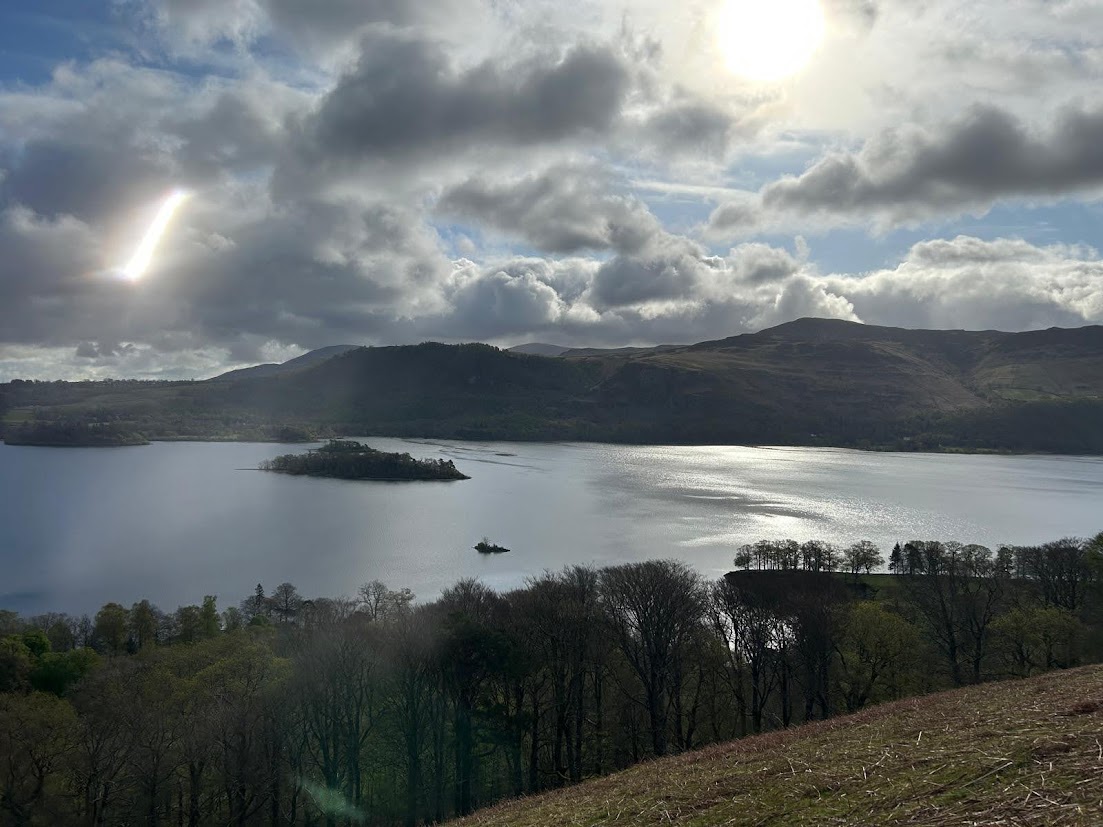
Audrey Magee’s The Colony might have been a good choice to begin my chain. We’re in Ireland in 1979, on a small, sparsely populated and isolated island, whose inhabitants have only recently started to learn and use English. Two visitors come to spend their summers there. Mr. Lloyd is a painter who wants to explore the landscape. He’s rude and entitled, but interesting to young islander James who has ambitions to go to art school. Masson, known as JP, is a French academic, keen to preserve and promote the Irish language, whether the inhabitants want it or not. Each chapter is interspersed with a terse newspaper-like account of a sectarian murder on the mainland, whether of a Catholic or a Protestant. At first these almost seem an irrelevance. Gradually, the penny drops that these incidents are deeply rooted in the history of the English towards their Irish ‘colony’, and do much to explain the largely hostile feelings both of the islanders and its two visitors. The book paints a picture of an island in many ways left behind, whose characters still struggle to find their place in the world, as indeed do the two visitors. A book to provoke thought long after the last page has been turned.
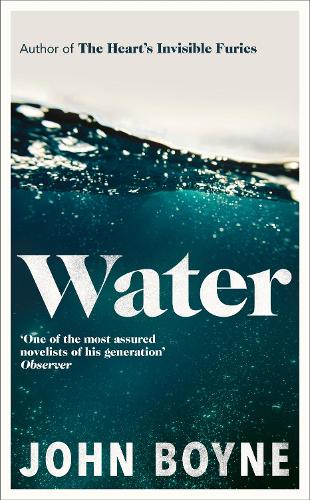
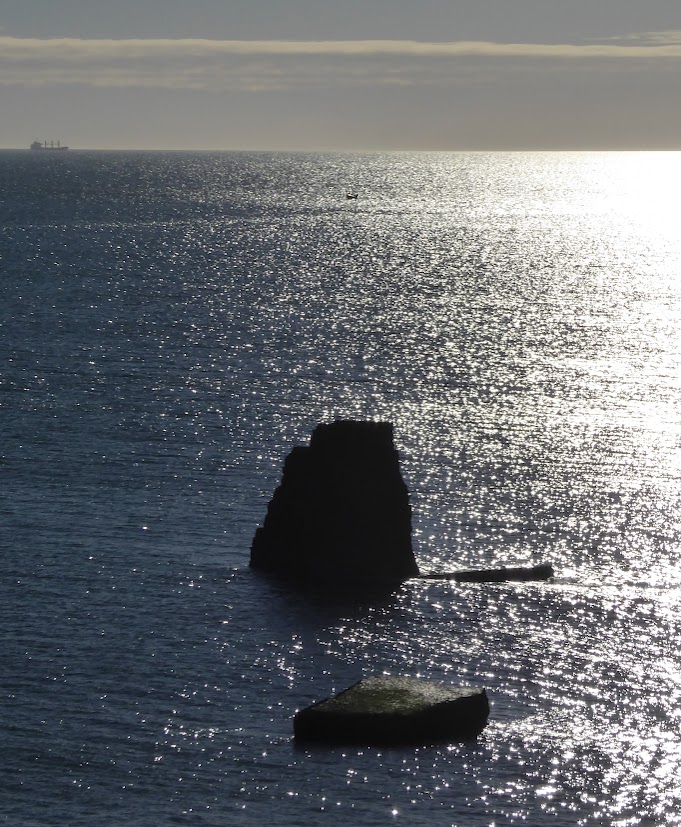
Let’s turn to another Irish island in John Boyne’s Water, part of his Elements quartet. We meet a woman in middle years who has just fled to live on a fairly remote Irish island, changed her name and as far as possible her appearance. Why? Only slowly do we find out. Her husband’s crimes reflect on her: the world assumed she had enabled them – and, she believes, one even greater tragedy. She has done her best to vanish. She meets a few characters who are also uncomfortable with their lives, making relationships with some. Slowly she regains the strength of character necessary to reject her husband and to renew her relationship with her daughter. This book deftly charts her slow, but steady steps to recovery.
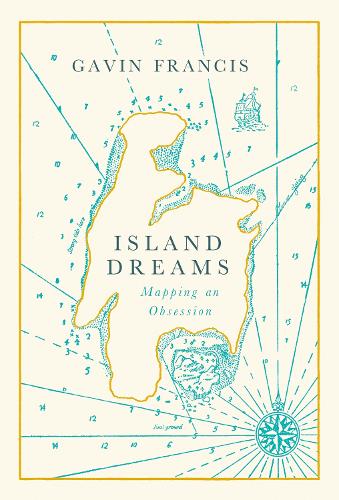
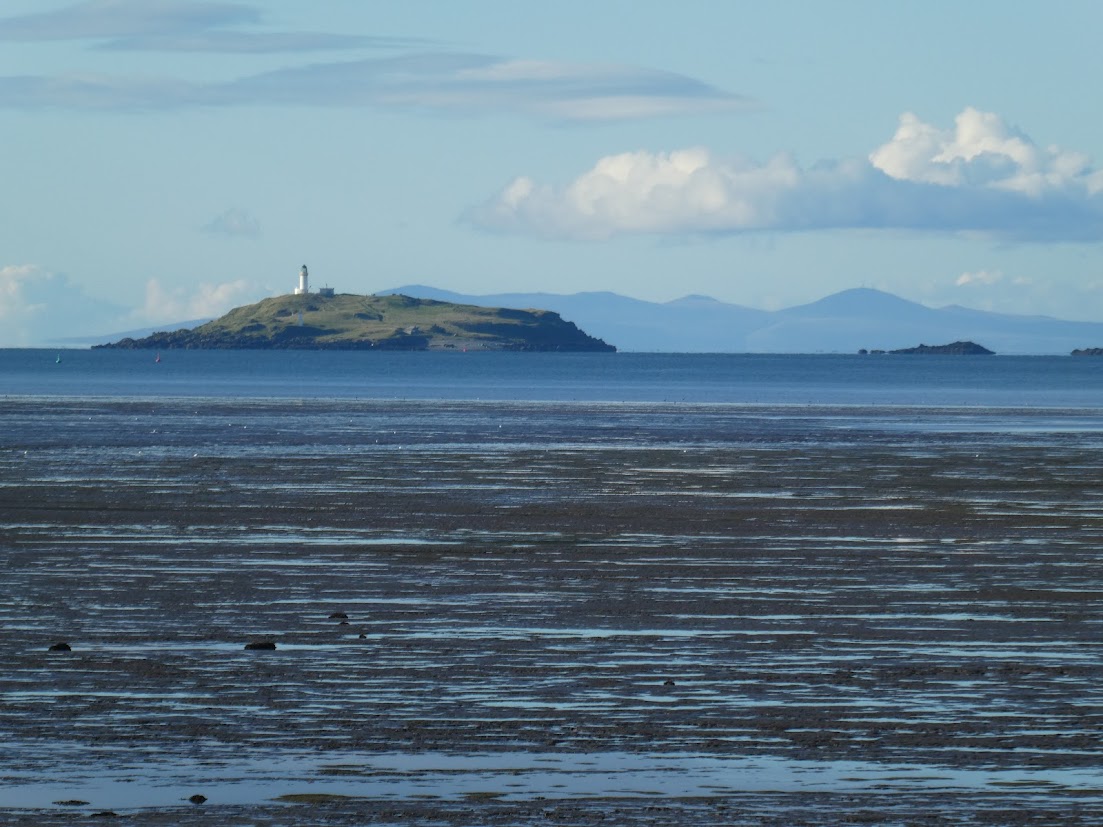
I’ll finish where I began, with non-fiction. And with the subject of the starter book and two of my other choices: islands, in Island Dreams, by Gavin Francis.This is a beautifully produced book. On heavy paper, with blue and black ink, the text is allowed generous space to breathe. As well, the text is interspersed – also generously – with maps old and new illustrating the outlines of islands he visits and discusses. These are the only illustrations. Often the subject of the map will be – for instance – the usual trade routes using the islands illustrated. So this is a book to savour and linger over, returning several times to the maps on display. Gavin Francis has often been able to combine his passion for island-hopping with his career, working in those places he has most wanted to visit. He appreciates the way that islands can offer both isolation, and yet a sense of community with those who call it home. This is a book that’s both very personal, yet also universal. It encompasses myth, psychology, philosophy, literature and straightforward travel writing. Quickly read, it demands to be looked at again and again. It will stay in my mind for a long time.
So there we have it. My sea-related chain. Our next book is Stefan Zweig‘s The Post-Office Girl. Will my next chain be post office related? Now that would be a challenge.

 From Pyrenees to Pennines
I like your sea/island theme this month! I love John Boyne and enjoyed all of the Elements books, although they do cover very disturbing subjects. Island Dreams sounds wonderful – maybe not the sort of book I usually choose to read, but I’m definitely tempted.
LikeLiked by 1 person
I’ve yet to read the last Elements book, but yes, they’ve been cleverly linked. Island Dreams won’t take much of your time, but is actually worth lingering over. Thank Helen.
LikeLiked by 1 person
The Boyne, Island Dreams and the first two fishy sagas all appeal. I don’t understand much about the industry either and, unlike my husband who eats copious amounts, don’t eat tuna. Happy weekend, Margaret xx
LikeLiked by 1 person
My husband also eat lots of tuna. I like it, but worry about how sustainable it is. In fact I feel that aboout most fish. But yes, all my books this month are Good Reads. In my opinion, anyway. Happy weekend! xx
LikeLiked by 1 person
Nice. I did a water/sea chain a while back. But none of my books are in your chain!
LikeLiked by 1 person
So many books out there …. 😉
LikeLiked by 1 person
Love this too and making me think. I am trying a new fishy nature piece, perhaps I need to focus on a young adult audience. Think the 5 fish one is similar to my ‘Why Fish?’ Idea. Must read it!
LikeLiked by 1 person
👍Sounds like a plan!
LikeLike
Nicely done! The one that most appeals is The North Water, much to my surprise.
LikeLiked by 1 person
I read this ages ago, but it’s really stayed with me. Whilst reading, I was there. Unfortunately!
LikeLiked by 1 person
I liked The Colony very much!
I don’t need to add my chain because you’ve already visited, thank you.
Sometimes my Saturday inbox is just overflowing with good things to read:)
LikeLiked by 1 person
I know. Exhausting, isn’t it? In a good way …
LikeLiked by 1 person
I love the sound of the first book very much. I don’t read much nonfiction, but this is the sort that interests me, besides the literary biographies. I have read The colony, and loved it, and would like to read some Boyne.
LikeLiked by 1 person
I feel much the same. This particular NF was written with such a light touch, though clearly very well researched, that it swept me along very easily.
LikeLiked by 1 person
Your summary of Silver Shoals made me think of the barramundi farm that opened a few years ago near where I used to live in Melbourne – now they are on the menu all over Victoria. The book sounds very interesting, but I doubt I’ll ever get to read it. Loved this chain!
LikeLiked by 1 person
Thank you Rose, I love this sentence: ‘The book sounds very interesting, but I doubt I’ll ever get to read it’. The story of my life!
LikeLiked by 1 person
Sad, isn’t it!
LikeLiked by 1 person
😕
LikeLiked by 1 person
As a map lover I’m rather drawn to Island Dreams and Water sounds like my cup of tea too. Btw I’m currently reading and very much enjoying another of your recommendations (I think) – The Arsonist.
LikeLike
Hooray! Yes, I think Island Dreams in particular might have your name on it. I thought of you whilst reading it! But I really don’t think it’ an e-reader book.
LikeLiked by 1 person
No, that definitely sounds like I’d need a hard copy 🙂
LikeLike
Now that is interesting – I had never heard of Gavin Francis’s books until recently when I had lunch with a friend (another Margaret!) who liked them and had then got diverted onto his wife’s books, Esa Aldegheri. There is one about a time pre-children when they travelled from Orkney to New Zealand by motorbike (Free to Go) and another of travel stories (not the conventional type necessarily) by women (There She Goes). I read and enjoyed them both, though didn’t rave about them the way my friend did. Needless to say, your fishy books don’t attract me!
LikeLiked by 1 person
Well, that IS interesting about Gavin Francis and his wife. I shall investigate further. I hardly eat fish – in my case for sustainability reasons – but I still found both books interesting, especially the first, as it looks into the past and what fishing meant to individuals and communities often centuries ago.
LikeLike
Your nonfiction titles sound fascinating, thanks for your great chain!
LikeLiked by 2 people
Thnk you! I had fun as usual.
LikeLike
I had wondered if Silver Shoals would mention how the cod obsession brought fishermen to Canada’s east coast, but it sounds like it is a more recent account of fishing. Sounds interesting. Maggie
LikeLiked by 1 person
No, it delves into quite way-back history (lampreys!), and though it’s a while since I read it, I do seem to remember it mentioned this, though the main focus is the UK.
LikeLike
The Gavin Francis book looks interesting. I guess it’s hardback though. I’ll take a look for it
LikeLiked by 2 people
I can’t see its working well as a paperback. Part of its charm is the heavy paper and rather old fashioned printing values. Borrow it from the library rather than try to source it as a pb.
LikeLiked by 2 people
Ah good to know, thanks. Hardbacks are so expensive!
LikeLiked by 1 person
Absorbing choices as always, Margaret.
LikeLiked by 1 person
Thanks Sandra!
LikeLiked by 1 person
I’ve only read The Colony from your set of links, but it really stayed with me. But all of the books you mention seem to be interesting anthropological studies.
LikeLiked by 1 person
That’s a good way to describe them. And yes, The Colony was a keeper, wasn’t it?
LikeLiked by 1 person
What a great idea for a chain. I loved it.Here is mine, a little more boring.
LikeLiked by 1 person
Not bat all boring! Starting with Where the Wild Things Are is inspired. And any cghain containing books by Geraldine Brooks is fine by me, though I haven’t read this one. As ever, Blogger is only letting me comment via my now defunct Blogger blog, hence my commenting here. On other Blogger blogs, it allows me to sign out and then sign in again on my WP account.
LikeLike
I have no idea what the problem is. For other bloggers, it worked to switch to Google Chrome (as it did for me with all the WP accounts), something doesn’t want to bring us together. LOL
Thanks for your lovely comment about my chain. Since you don’t seem to have read “Year of Wonders“, I can definitely recommend it.
LikeLiked by 1 person
I think Blogger is disgusted I didn’t stick with Blogger and is quite simply Out To Get Me.
LikeLike
Ooooh, I see. Retaliation!
LikeLiked by 1 person
🤣
LikeLike