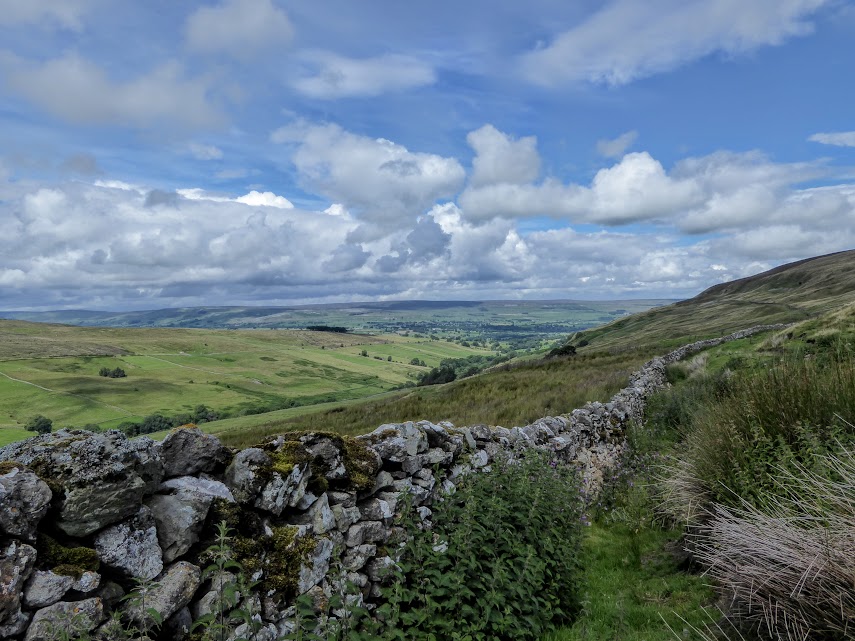
Today sees the last Square of the month, in which Becky has challenged us to find images celebrating Seven. I’ve chosen something quintessentially English. Yes, other drystone walls are available, but the sight of them marching across the landscape, identifying ancient field and pasture patterns is something I’ll always associate with a northern English landcape.
Thank you, Becky, for a month of fun and fellowship. And Squares.
Any UK readers will have had plenty of occasions to recite a favourite childhood ditty this week.
Rain, rain, Go to Spain, Never show your face again.
James Howell, an Anglo-Welsh historian added this verse to the traditional English rhyme ‘Rain, rain go away/Come again another day’, as a reminder of the failed invasion of the powerful Spanish Armada in 1588. They had intended to overthrow Queen Elizabeth I and restore Catholic rule over England.
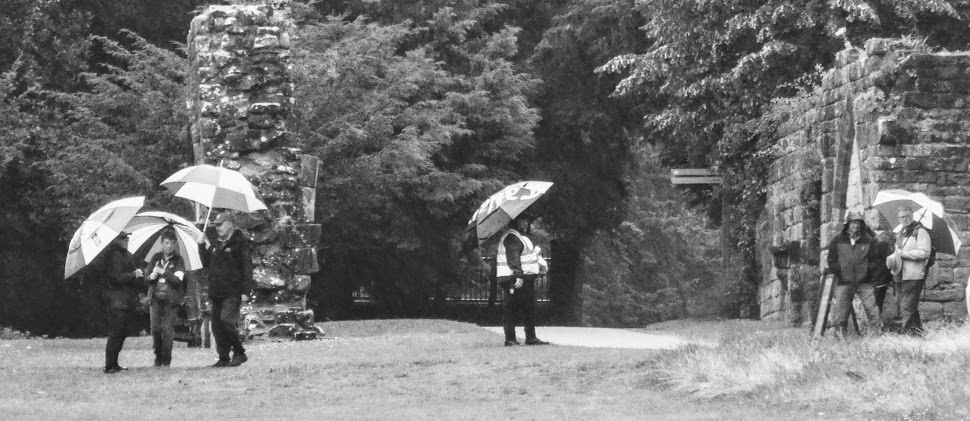
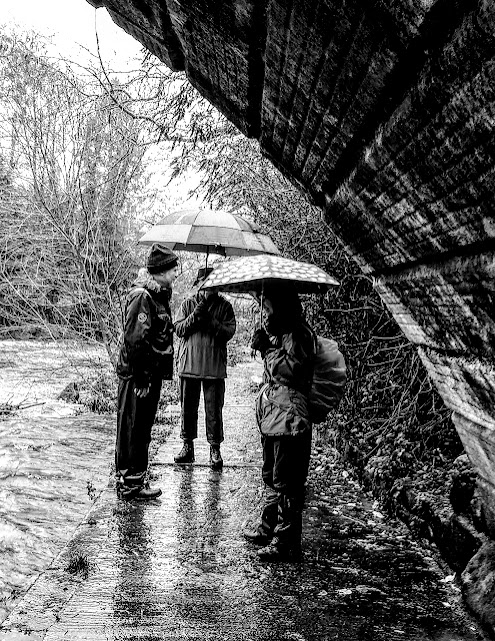
Like now, for instance. But we’re all safely indoors, so let’s peer out at a few rainy shots. I hope you have an umbrella.
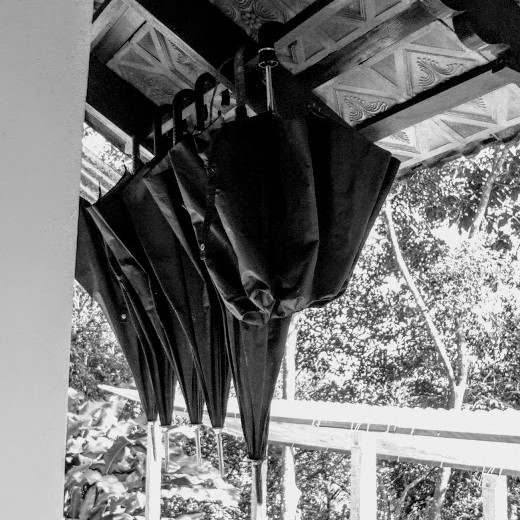
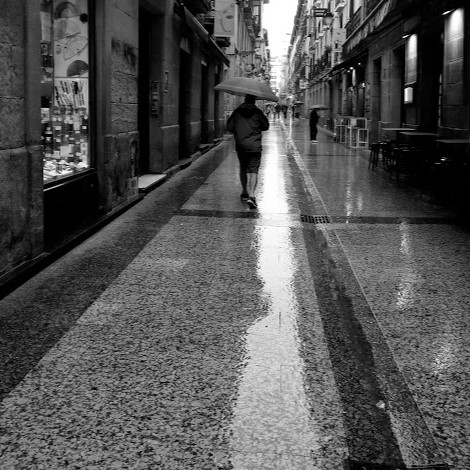
Count the brollies in these two shots, and they’ll add up to seven.
Umbrellas waiting for the monsoon in IndiaNot England. San Sebastian. In Spain. The ditty worked …
I volunteer at our local library most Monday mornings. First job of the day is the Pick List. A list of books reserved by readers in other parts of the county and held in our branch is circulated for types like me to find, then despatch in the next delivery van to the branches where they’re wanted.
And look what the first book on the list was yesterday. The Square of Sevens. Really? I knew nothing about it, but courtesy of Google, I can tell you that it’s a crowd-pleaser for lovers of historical novels, of crime novels and of thrillers. You can read all about it here.
Will Becky, Queen of Squares,put it on her reading list?
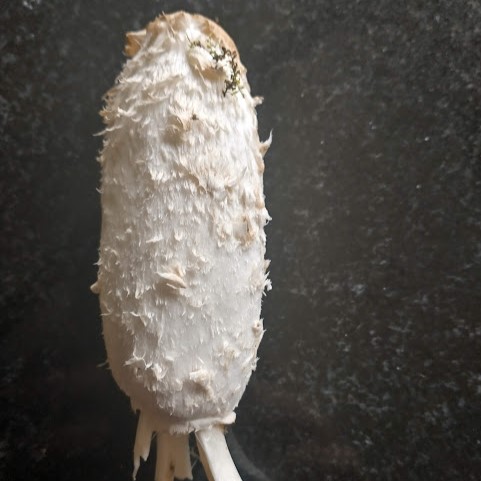
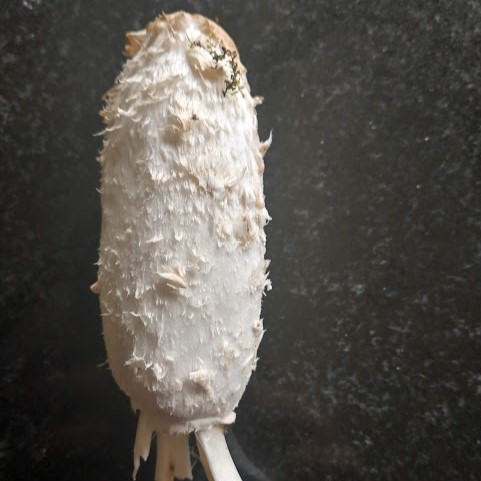
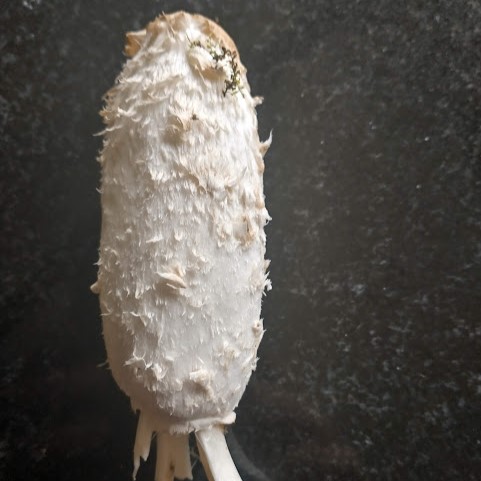
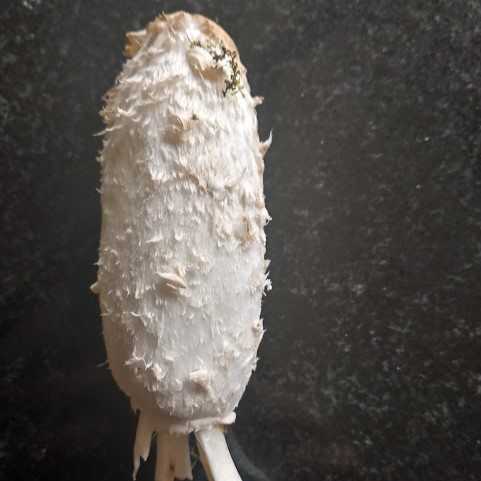
Out for a walk the other day without my camera, or even my phone, there, at the edge of the woods I spotted – a ring of shaggy inkcaps*. Some had ‘gone over’, but about seven were still young and begging to be picked for lunch. I hurried home with my bounty: inkcaps famously dequilesce into a horrid black inky mess if not cooked immediately.
I sauted a small onion in butter with garlic, added the chopped inkcaps, and – voilà – mushrooms on toast for our lunch. An unexpected treat.
* Coprinus Comatus: also known as Shaggy Mane or Lawyer’s Wig Mushroom.
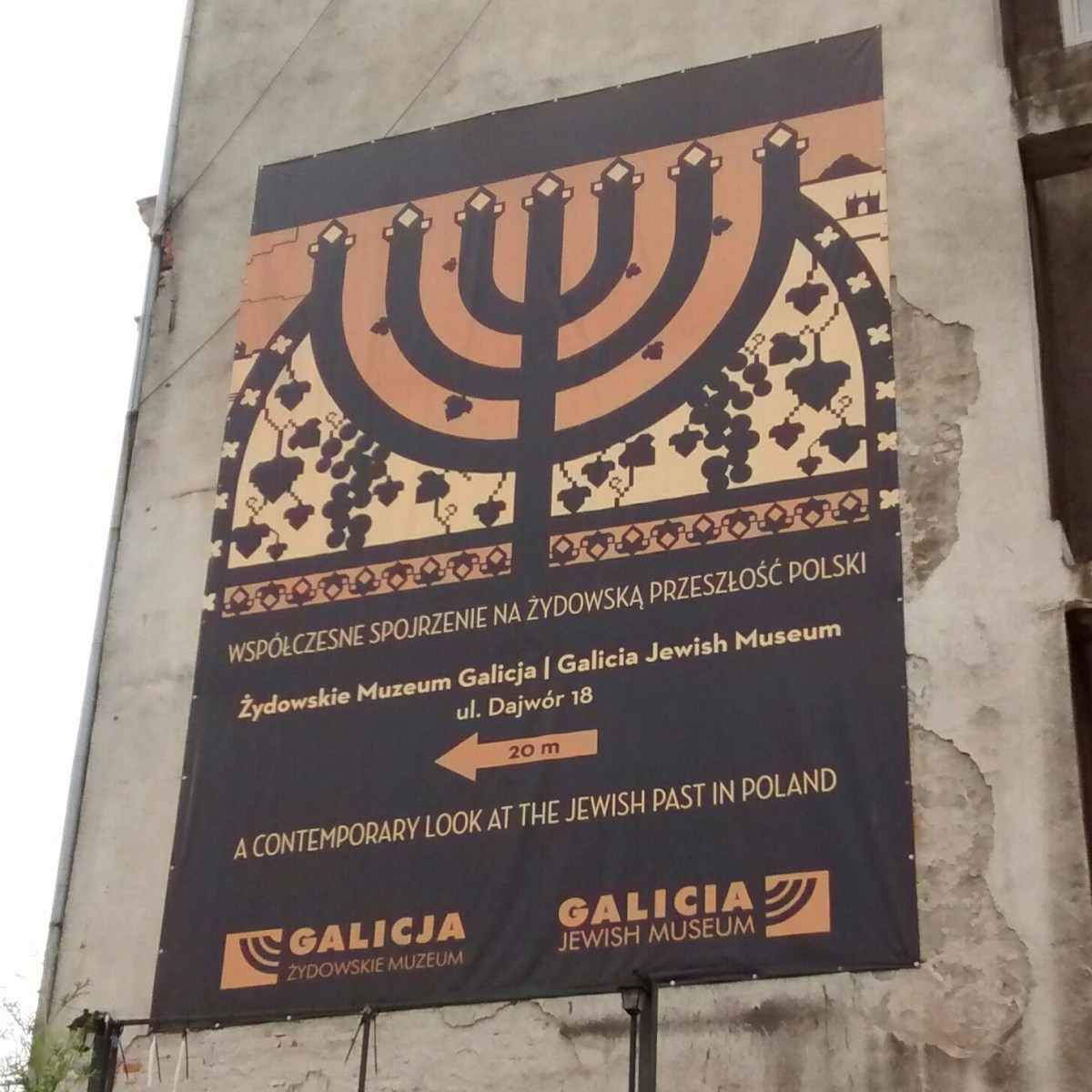
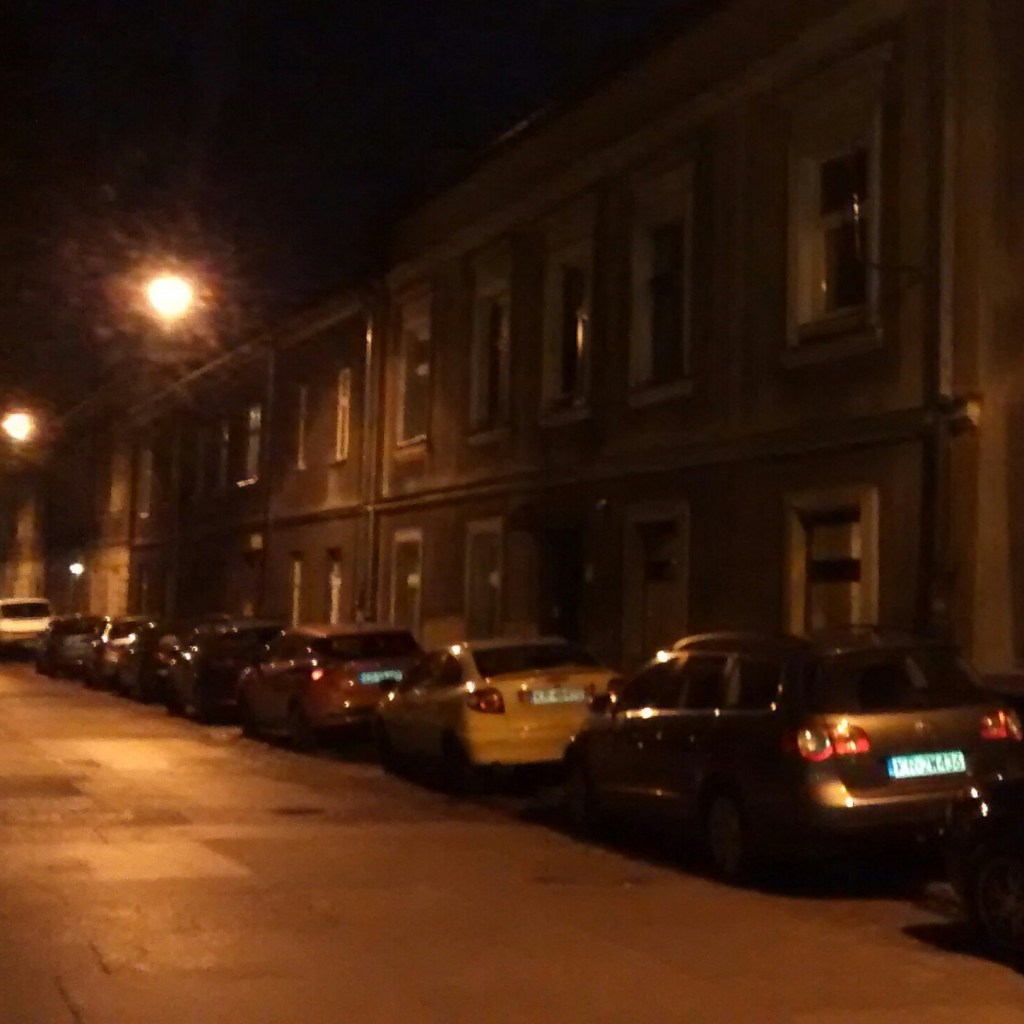
Exactly seven years ago today we were in Poland, the country of my father’s birth. And we’d fetched up in Krakow, where were were staying in the former Jewish quarter. The feature photo shows the view from our window. Yes, advertising the Jewish Museum was an image of the menorah, the seven headed candelabrum which has become the symbol of Judaism. Here’s the post I wrote on 16th September, 2017.
Jewish Krakow
Here we are in Krakow. And here we are, staying in the former Jewish quarter, Kazimierz, once a completely separate town.
How come there were so many Jews in Poland by the early 20th century? They formed, for instance, 20% of the population of Krakow by the beginning of WWII.
Blame the crusades. The Polish kings at the time declined to get involved. Jerusalem was so far away after all. So there were no crusaders from Poland in the routine persecution of Jews that took place in those so-called Holy Wars. And Poland became a place of sanctuary.
Along came the Black Death. Citizens from all over Europe looked for someone to blame. Jews, obviously. Jews needed somewhere to flee. Poland, obviously. Poland somehow escaped the Black Death, so didn’t need to persecute Jews at that time.
Over the centuries, Jews did well in Poland. Well educated by their rabbis at a time when education was far from universal, they prospered. They tended to live together, in harmony with their Christian neighbours.
Then Hitler came to power. As he occupied Poland, he began his all-too familiar persecution, then extermination of the Jews. But in Krakow, the factories were short-handed. and Jews were required as slave labour. 3000 Poles were forced to leave their homes in the Podgorze area, and 16,000 Jews moved in to the ghetto it became.
This street forms one of the boundaries of the ghetto.
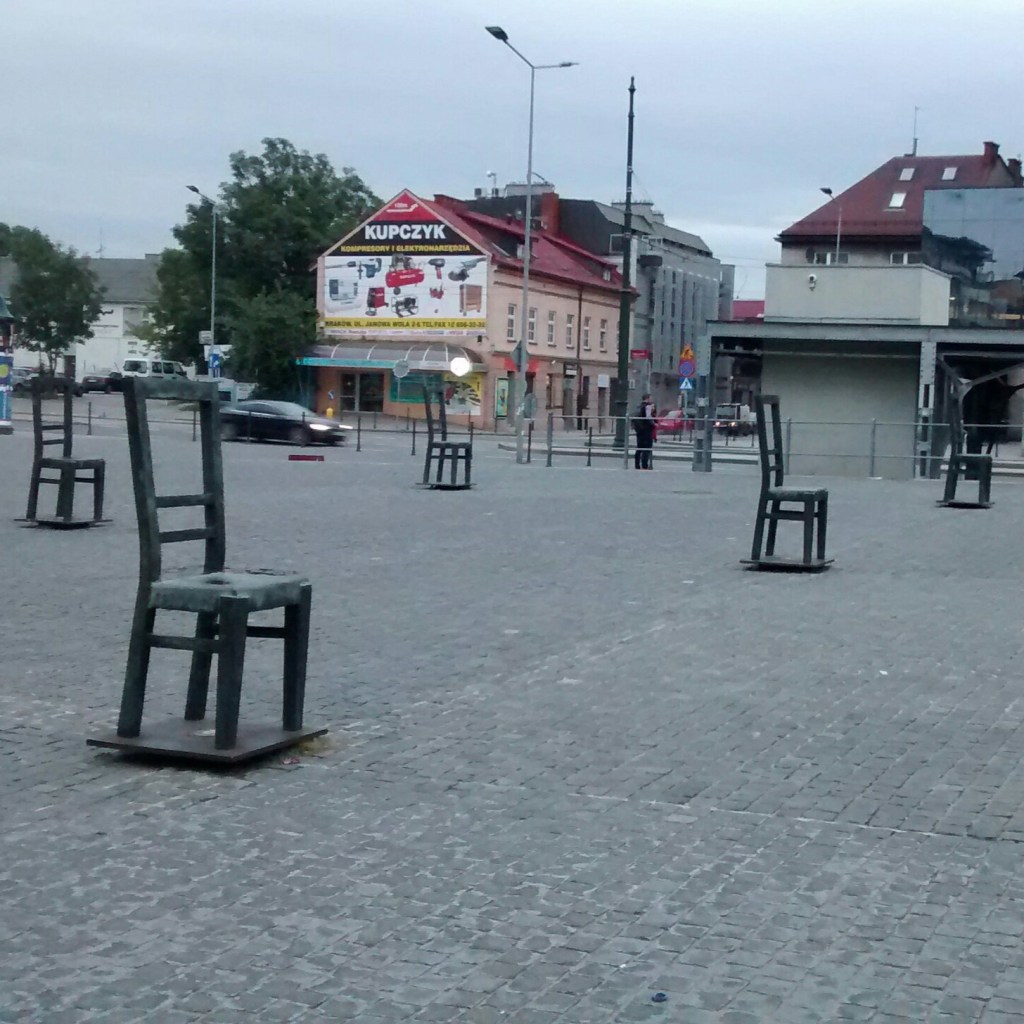
One of those factories was Otto Schindler’s. 1000 Jews who might otherwise have died lived because of his protection – he could have managed with 100 workers. This dark period is remembered in Plac Bohaterow Getta – Ghetto Heroes Square, where 70 chairs symbolise absence, departure. This Square was the place where Jews were executed, or sent to almost certain death in the local Concentration Camps. Another sobering day.
Plac Bohaterow Getta – Ghetto Heroes Square
Other posts I wrote during our holiday mentioning the Jews in Poland include:
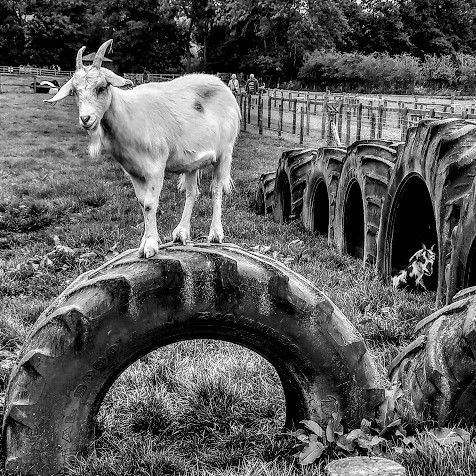
Today’s so chilly: it feels like the first day of winter. Let’s have a goat cheer us up. She can also serve to introduce next week’s Monochrome Madness, whose theme will be Bridges. And of course to feature in Seven for September. How many tyres can you see?
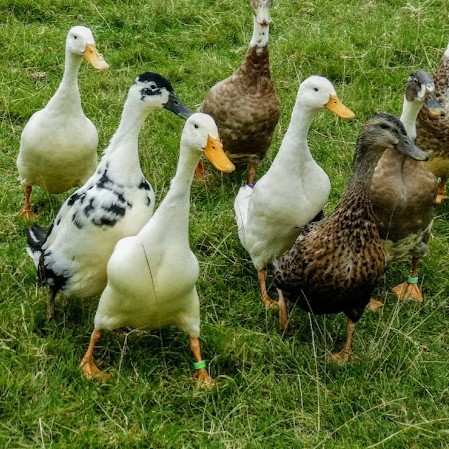
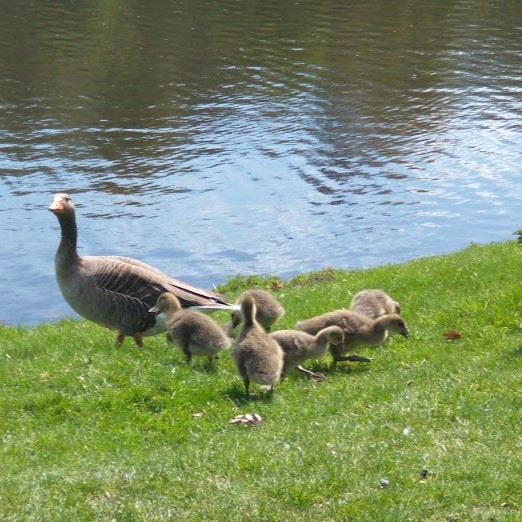
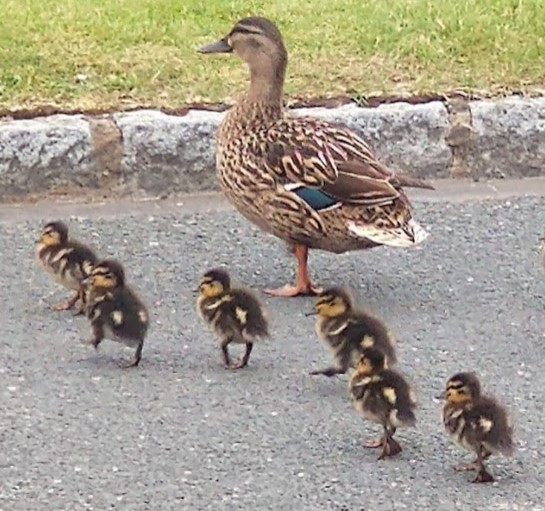
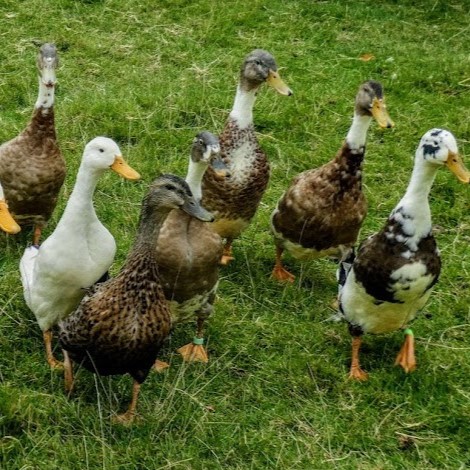
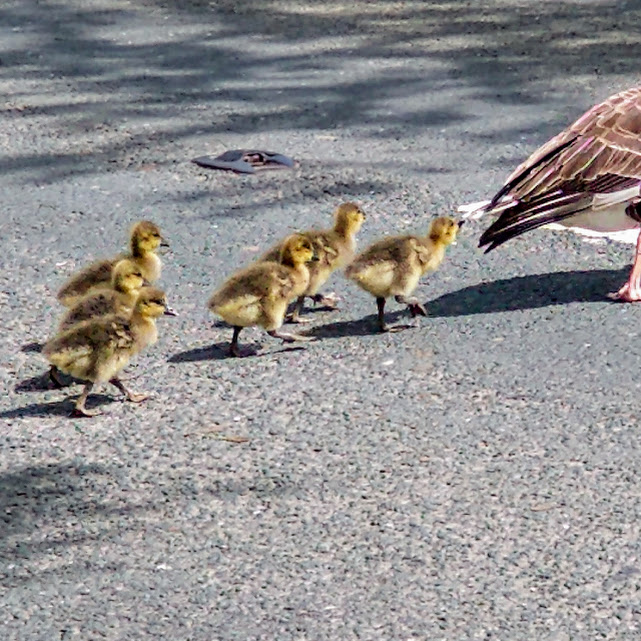
For Becky’s Seven for September, and because I often post for Monday Portrait, I’m down at the local duckponds. Dedicated duck-and-geese-counters may notice the odd beak or rear-end tail feathers that don’t quite belong. Please ignore them. Unless they need after all to be included. Then please do not ignore.




 From Pyrenees to Pennines
You must be logged in to post a comment.