My Favourite Non-Fiction Reads of the Year

It’s that time of year, The endless lists. I’m joining in too. Next week, I’ll write about my favourite fiction. But this week, I’ll instead focus on my 10 favourite non-fiction reads of 2025. I’m not ranking them. I’ll start with my most recent read, and reach back towards January. ‘Are you sitting comfortably? Then I’ll begin’. (who’s old enough and British enough to remember this welcoming formula introducing Listen with Mother on the Home Service at 1.45 every weekday in the early 1950s?)

A Short History of America: from Tea Party to Trump: Simon Jenkins. Jenkins puts right my formerly really rather sketchy grap of American history in a highly readable account of its early days as a barely inhabited continent, through its early discovery by Asiatic peoples on the one coast, and Vikings and similar on the other. Native American; intellectual and economic development; the long history of slavery; the Civil War; and right up to more recent history and the emergence of Trump. It’s lucid, informative and useful.
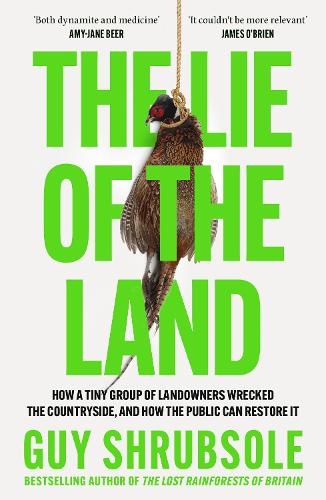
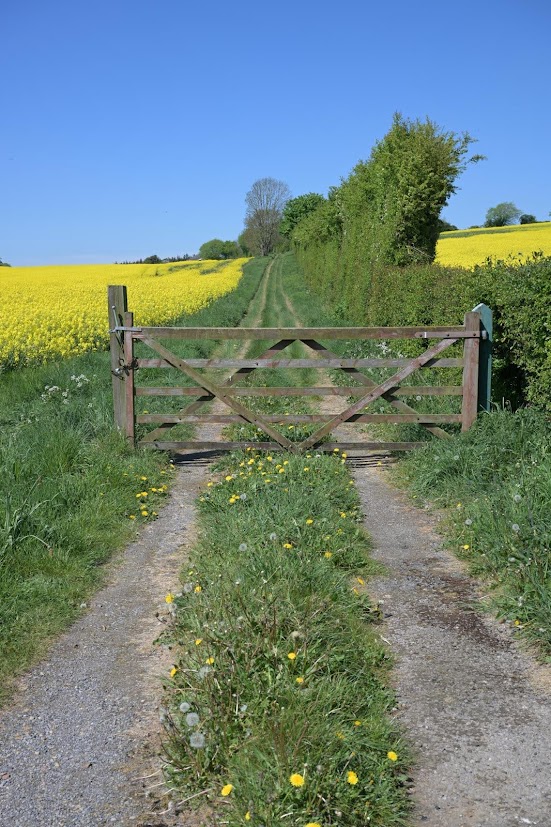
The Lie of the Land: Guy Shrubsole. This is a book that should be read by every sitting MP, particularly those Tory MPs anxious to preserve the status quo as far as our countryside is concerned. It is about our countryside and who gets to decide how it’s used: about the way the countryside has been treated has made the UK so nature-impoverished. It’s about how our history has give much of our countryside over to the landowner. It’s about the shooting industry; the draining of the fens; the Enclosure Acts. And it’s a Call to Action.
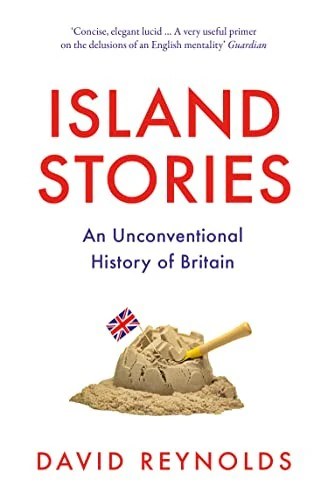
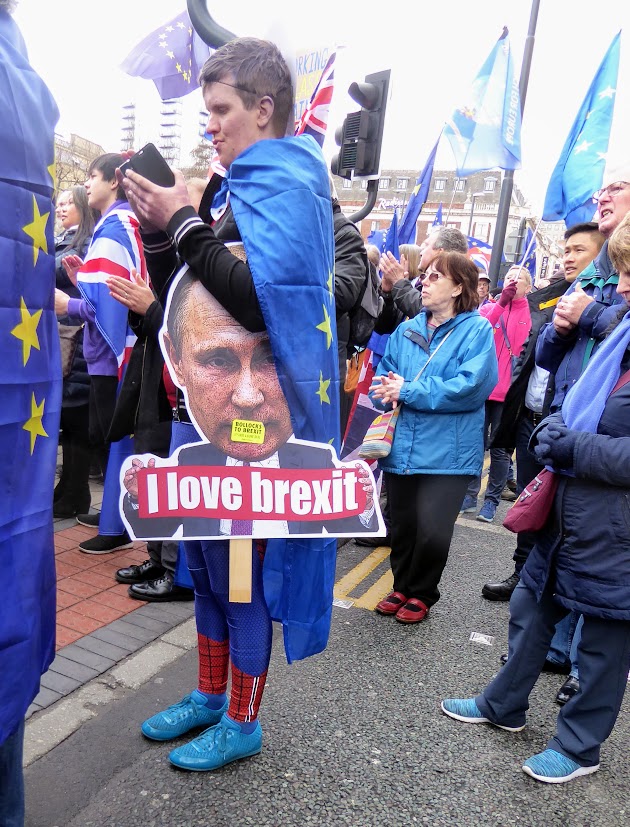
Island Stories – An Unconventional History of Britain: David Reynolds. In this book, Reynolds demonstrates how England (not to be confused with Britain) has, from the earliest years, even before the Roman Empire took this island under its wing, been inextricably bound to mainland Europe and beyond in dozens of ways, both political and social. He shows how our Glorious Past, our days of Empire grew up in conditions that can never be repeated, and how in any case had many aspects – slavery, subjugation of indigenous peoples – of which we cannot be proud. He looks at the Brexit delusion of making a ‘clean break’ from Europe and demonstates its impossibility, especially in the context of the four nations that currently constitute the British Isles. A thought-provoking read.
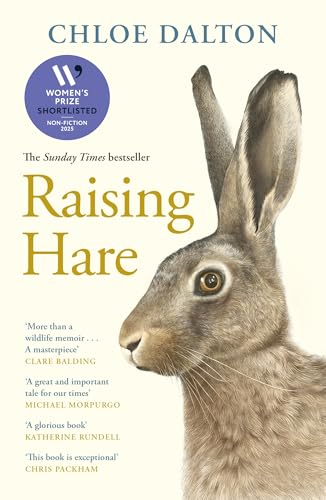
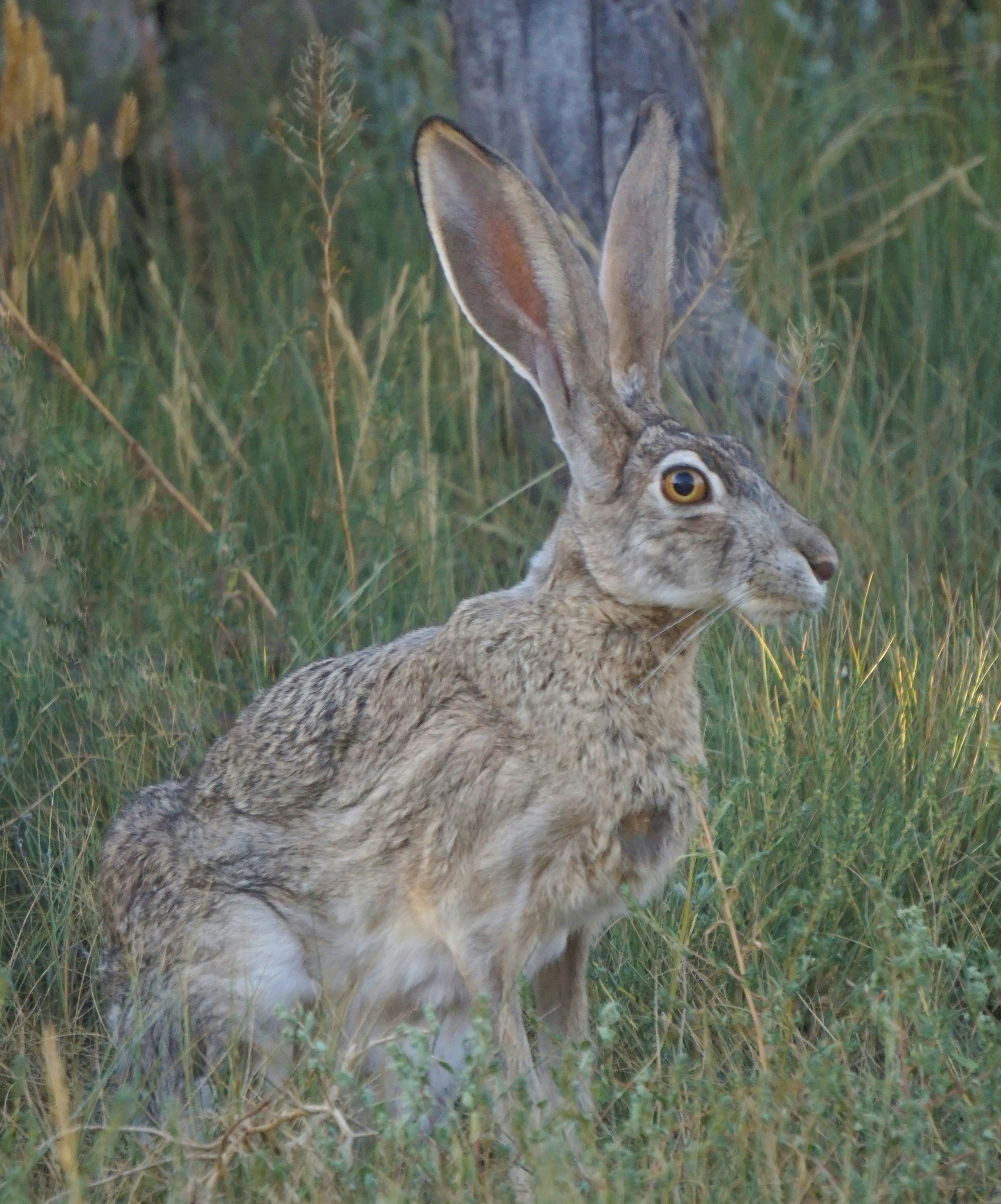
And now for something completely different. Raising Hare: Chloe Dalton. Dalton finds a small, apparently abandoned leveret. This is her story. Of how she treads a difficult path of wishing to help it survive to adulthood, while respecting its wildness. But the creature has a profound effect on Dalton. She strives, as she describes in this book to restore a sense of the sacred and to meet an animal on its own terms. Its part in her life changes her forever.
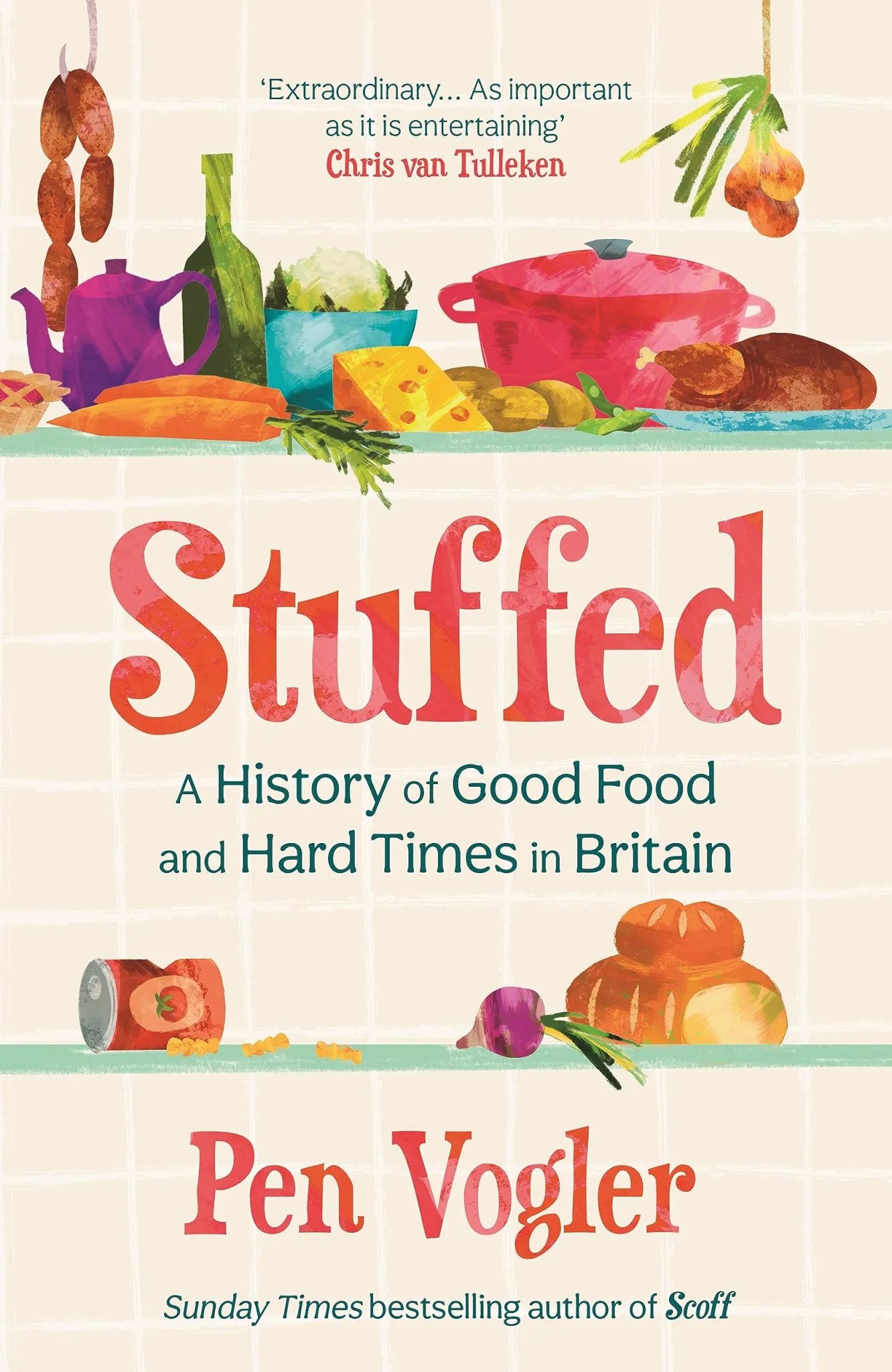
Stuffed: Pen Vogler. This is a book to relish, as it journeys through the history of eating, in good times and in bad, in the British Isles. It doesn’t begin at the beginning, then go on until it comes to the end, and then stop. Instead it works thematically, focussing in turn on some of the foodstuffs that perhaps define us:for instance, bread & ale; turnips (yes, really!); herring; Yorkshire pudding; gruel … and several more. She tells a good story, bringing it right up to date by mentioning the campaigns by Marcus Rashford and Jamie Oliver, and comparing child poverty and malnutrition as it presents now, with Victorian and even earlier times. A well-researched and highly readable book.
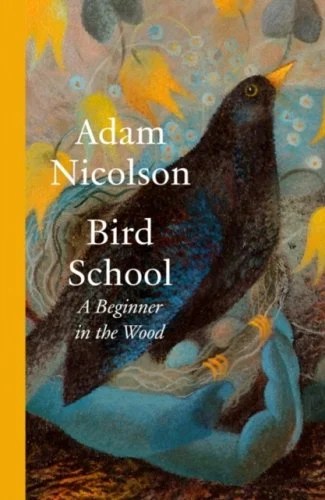
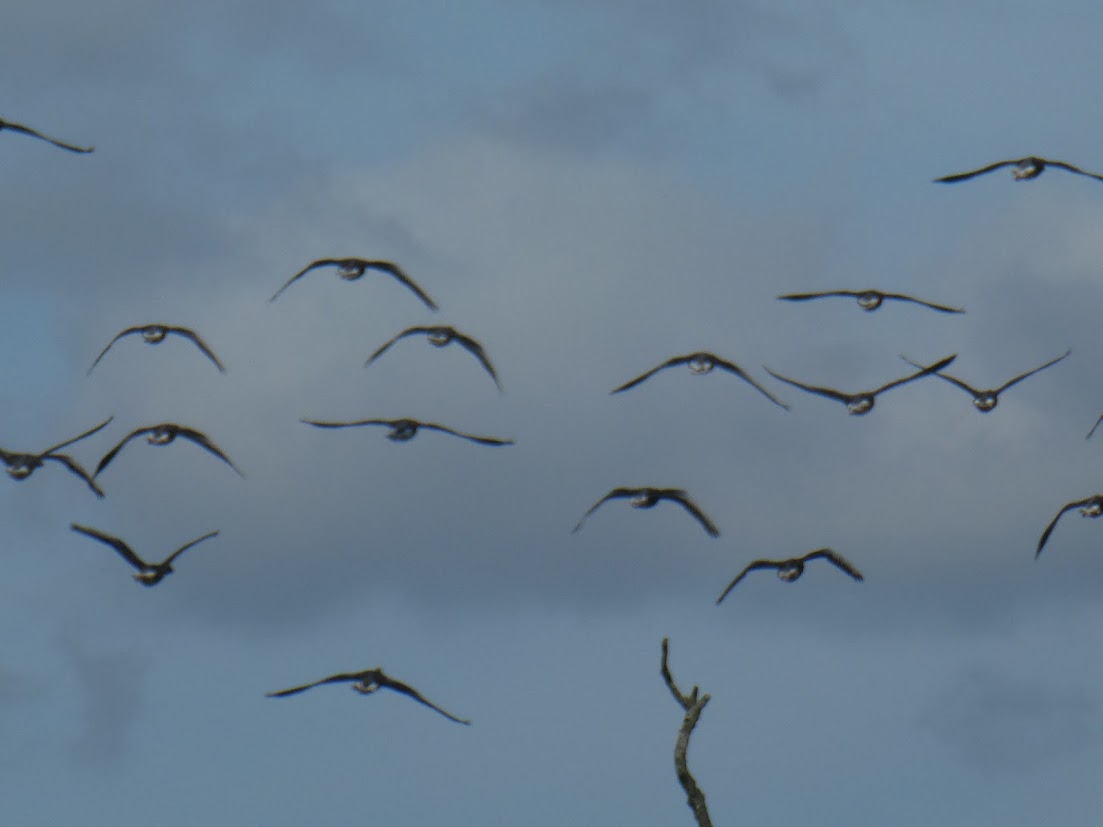
Bird School: Adam Nicolson. Nicolson was not a birder. But he decided to change that, and had a rather superior bird hide built in a wild corner of his Sussex farm. And there, all manner of birds come, and he learns. And teaches us: about surviving; singing;breeding; flying; migrating – every aspect of bird life. The story however, turns somewhat depressing. Birds here are in decline, because the natural world is generally in decline. Nicholson tells us why, so we can join the fight for the natural world in our turn.
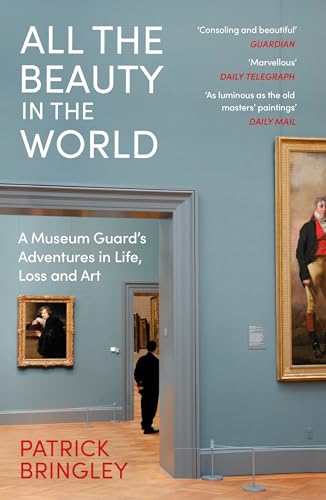
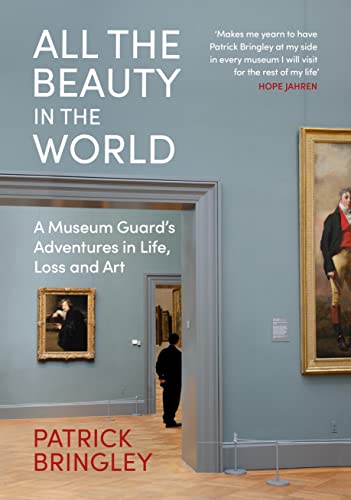
Let’s go indoors now, and off to America: All the Beauty in the World: Patrick Bringley. I loved this book. Here is a highly educated man who left his start-of-a-glittering-career in a period of grief following the death of his 27 year old brother, to become a museum attendant at New York’s Metropolitan Museum of Art. He spent ten fulfilled years there. In his book he talks about the works of art he spent his day with; the collections themselves; his colleagues; the visitors; his personal life. He’s perceptive, likeable and tells a good story. The accompanying illustrations by Maya McMahon tantalisingly suggest the works we can see when we get there.
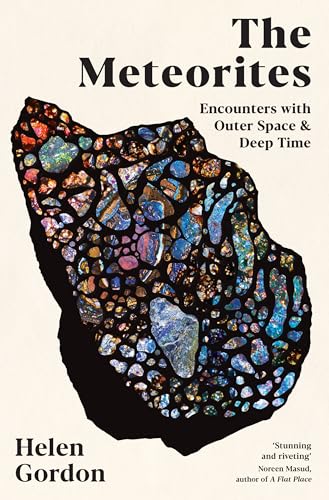
The Meteorites: Helen Gordon. I picked this up in the library on a whim. I knew little about Deep Space, and next to nothing about meteorites. Not only do I now know more about the rich variety of forms they take, how they are formed and where they might come from, but I’ve met the dealers, hunters academics and geologists involved in the meteorite community across the world. I now have a whole new perspective on our planet and outer space,and a hunger to know more, by reading this engaging and enjoyable book.
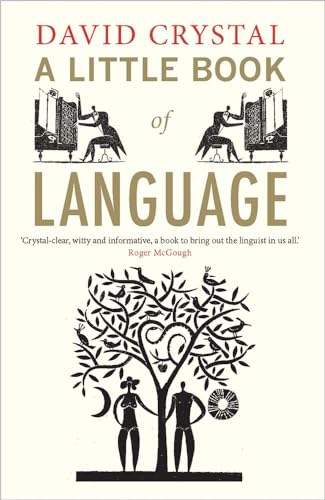
A little Book of Language: David Crystal. Here’s a book which with a broad brush, discusses all kinds of aspects of language: How a baby learns to communicate; how sounds are made; languages and dialects; writing; changing and evolving and disappearing languages; slang and style … and so much more. Not all of this was new to me – this is not the first Crystal book I’ve read – but all of it is told in a lively and engaging way, encouraging thought and discussion. 
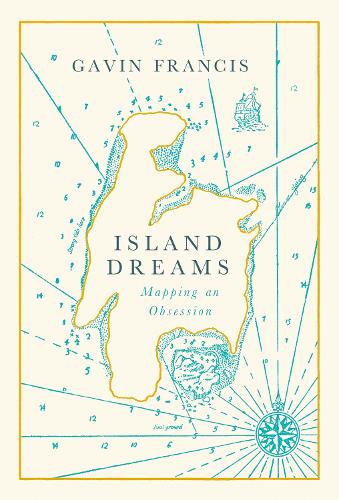
And finally … Island Dreams: Gavin Francis. This is a beautifully produced book. On heavy paper, with blue and black ink, the text is allowed generous space to breathe. As well, the text is interspersed – also generously – with maps old and new illustrating the outlines of islands he visits and discusses. These are the only illustrations. It encompasses myth, psychology, philosophy, literature and straightforward travel writing. So this is a book to savour and linger over, returning several times to the maps on display.

And if you’re going to push me into naming a favourite? Raising Hare, no question. Heartwarming, thoughtful, highlighting the tension between the natural world and our own, beautifully written.

I’m not going to be able to respond to any comments this weekend. Family Official Christmas, ahead of the usual date. But replies will happen.
Six Degrees of Separation: From All Fours to Grow Where They Fall

On the first Saturday of every month, a book is chosen as a starting point and linked to six other books to form a chain. Readers and bloggers are invited to join in by creating their own ‘chain’ leading from the selected book.

Kate: : Books are my Favourite and Best

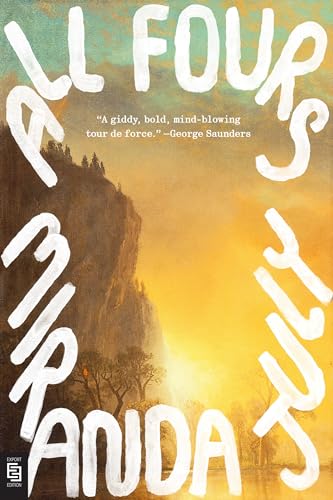
All Fours,by Miranda July and this month’s starter book, is narrated by a 46 year old woman, a wife, a mother, a bisexual, a mixed media artist. I haven’t read it yet, but I think it’s on my TBR list.

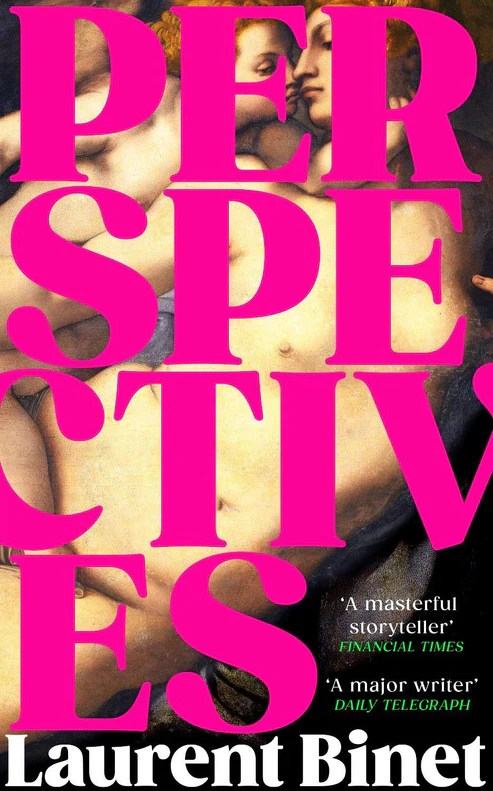
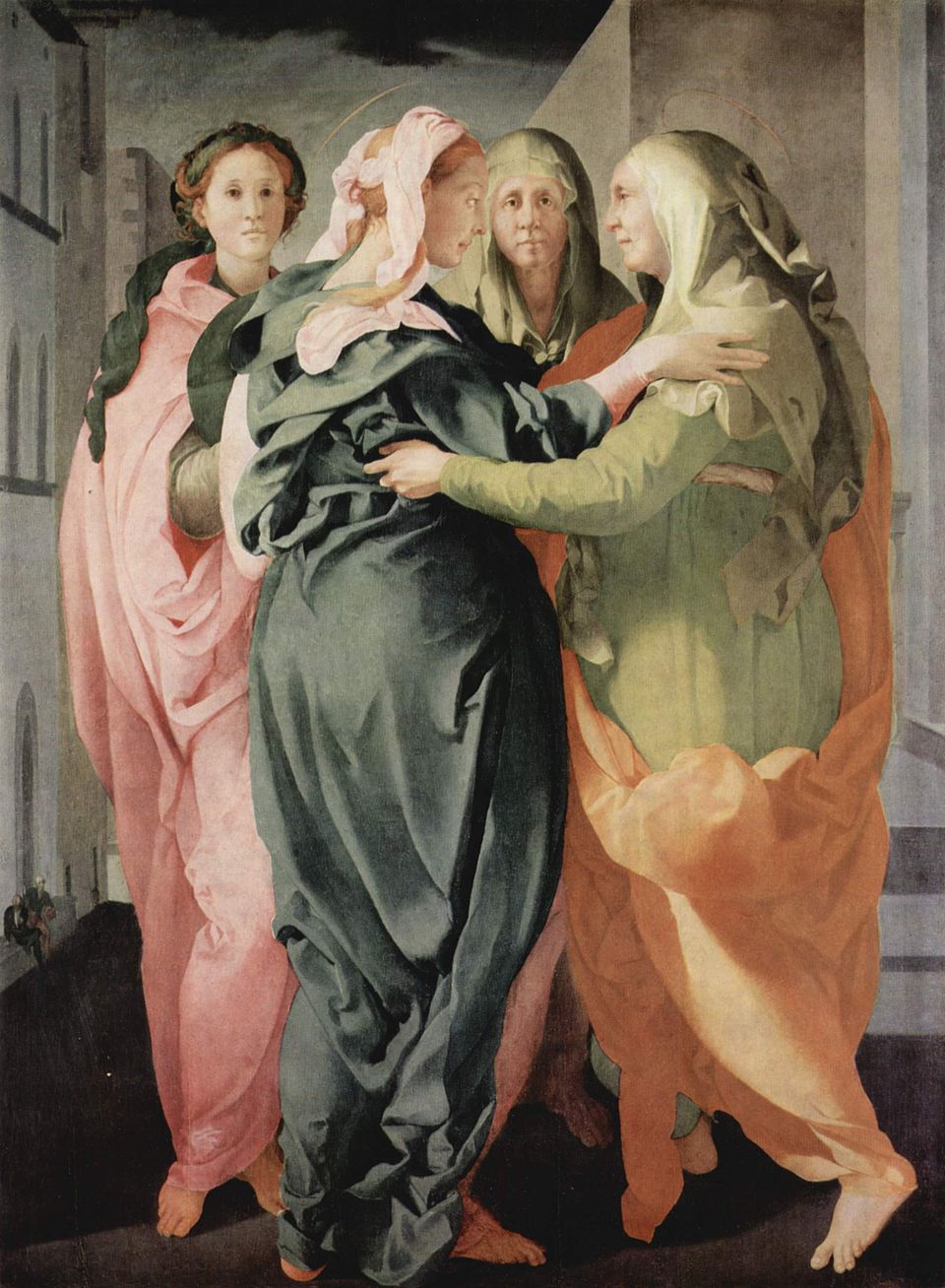
Well, I picked up on the word ‘artist’.  Not a woman, not a family man, but a 16th century Florentine painter, probably homosexual: Jacopo Pontormo.  He’s the sort-of-star of Laurent Binet’s Perspectives. This story relies on a clever conceit: that the author (who unlike the very much alive actual author) finds, towards the end of the 19th century an interesting packet of letters in a curio shop. His interest piqued, he buys, then translates them. And presents them to us here, in this book. We’re in 16th century Florence. The cast list can be found in any history book dealing with that period of political and art history. Cosimo de’ Medici; Catherine de’ Medici; Giorgio Vasari; Michelangelo; Bronzino; Cellini; Pontormo: the list goes on, but this story is entirely untrue. It revolves around the fact that Pontormo, painting a now-lost group of frescoes, is discovered dead at his work. Suicide? Or murder? And if the latter, who’s the murderer? A series of letters between groups of the characters involved, not all of whom know or have dealings with one another, picks over the evidence, relying on actual investigation – sometimes – but more often hunches, gossip and personal ‘intuition’. There are subplots: There’s for instance, Maria de’ Medici, Cosimo’s 17 year old daughter, who’s to be married against her will for reasons of political alliance. When guards search Pontormo’s quarters, they find an obscene painting of Venus and Cupid—with the face of Venus replaced by that of Maria. What a scandal!  This is a cleverly accomplished story, and wonderfully translated. It’s a tight, fast paced whodunnit brimming with subplots, from an author who clearly knows his stuff about the history of the period.

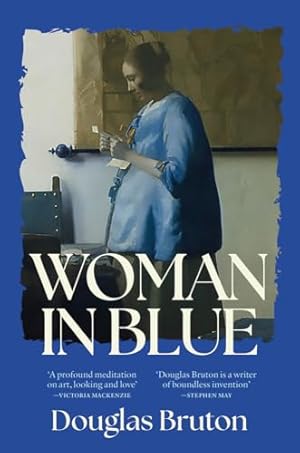
Let’s pass to another artist, Vermeer, in Douglas Bruton’s Woman in Blue. Douglas Bruton must have been fascinated by Vermeer’s Woman in Blue Reading a Letter, in the Rijksmuseum: he knows it so well. He gives this interest – or in this case near-obsession – to one of the two narrators of this book who take alternate chapters throughout. An unnamed man visits this picture every day, for several hours, knows it intimately, interrogates it for meaning. This does not go unnoticed by gallery staff, or by his wife, who does not know where it is her husband disappears to. The other narrator is the young woman in the picture, who describes how it is she comes to sit for this particular portrait, and her own feelings. She is sensitive to the thoughts and feelings of the man who is transfixed by her portrait, amused that he is as in thrall to her as Vermeer himself, though she’s unaware of this man’s musings on previous romantic entanglements and indeed his feelings about his wife.This book explores the boundaries between reality and illusion in art, inspecting the portrait and the two protagonists intimately. It’s a captivating novella, with a surprise ending, and beautifully expressed throughout.

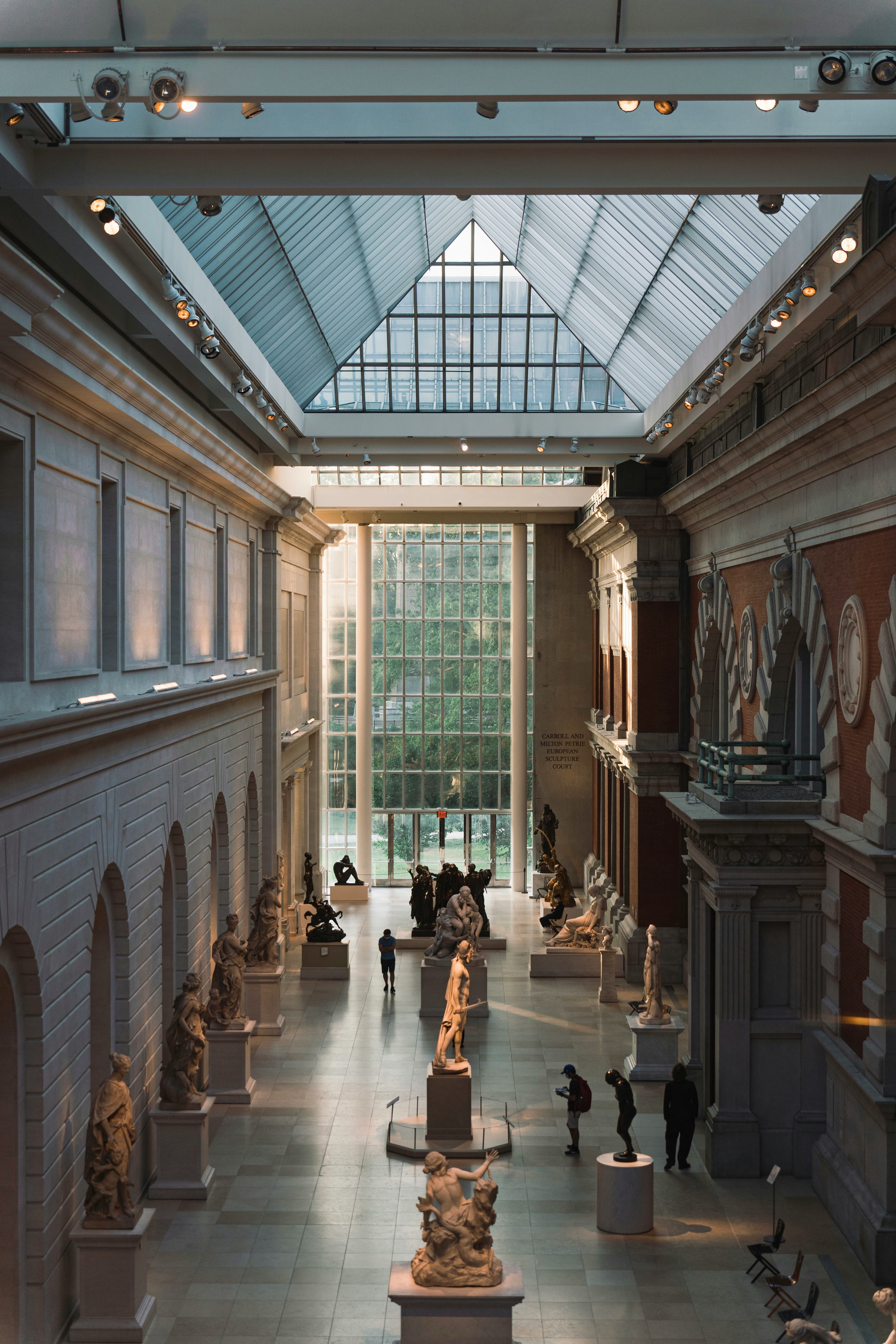
All the Beauty in the World by Patrick Bringley is a book I have only just started.  Bringley was for a period of his life a museum attendant  Here’s what Google Books has to say about his work: ‘A moving, revelatory portrait of one of the world’s great museums and its treasures by a writer who spent a decade as a museum guard. Millions of people climb the grand marble staircase to visit the Metropolitan Museum of Art every year. But only a select few have unrestricted access to every nook and cranny….’

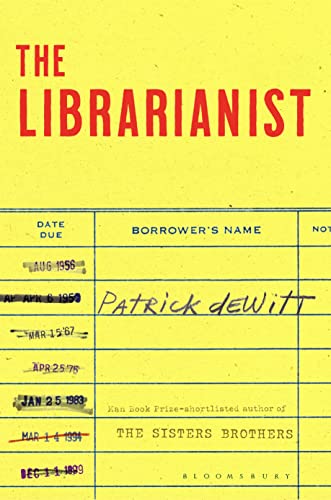
Museum Attendant?  It’s not such a big leap from there to librarian perhaps. The Librarianist by Patrick de Witt.  At first I was prepared to be charmed by this whimsical account of the life and times of Bob Comet. A misfit at school, he became a librarian – of course he did. Then he continued – quite contentedly – his largely friendless existence, living in the house where he’d been born, now his alone since his mother’s death. He meets a young woman – also a social misfit, completely under her father’s thumb – at the library. Reader, he marries her. At about this time, he also comes across the man who becomes his only male friend, and – no, spoiler alert. We are introduced to Bob at the point when he’s long been separated from his wife. And, so far so good. But we plunge back into his younger life and the book loses its way, especially when we spend far too long in the time when he ran away from home as an eleven year old. It’s not hugely relevant to the story or to the man he became. A bit of a curate’s egg of a book then. Good in parts. But I’m not encouraged to read more work by de Witt. 

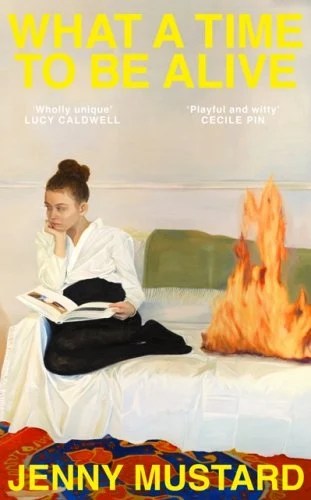
Another book about a misfit.  Jenny Mustard’s What a Time to be Alive. Perhaps I’m too old. This book comes with glowing endorsements on the cover from a number of well-regarded authors. But I just can’t share their enthusiasm. Sickan, a 21 year old student at Stockholm University, comes from a small town where she was often lonely, and seemed a bit odd. She’s determined to reinvent herself but is socially awkward. She seems to make progress: finding a flatmate, beginning to join in normal student life, albeit always feeling something of an imposter. She even finds a boyfriend, who’s charming. It’s a story about loneliness, and the well-remembered awkwardness of becoming an adult and wondering which bits of your true self you wish to hang on to. But although it’s well written, I never really engaged with it. My loss, probably.

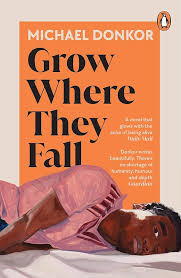
My last book is about a man who isn’t a misfit, because he tries so very hard not to be, in Michael Donkor’s Grow Where They Fall. Here is the story of Kwarme, son of Ghanaian immigrants and living in London. The book is told in alternating chapters: his 10 year old self who attends a multicultural primary school, and his 30 year old self, who teaches in a multicultural high school. Black and queer, Kwame is also a Durham graduate. His flat mate, an upper class white man writing about wine, is very different from his traditionally-minded working class Ghanaian family. Kwame fits in, though never without a conscious struggle. It’s what he always has to do. Conforming is something he’s used to, though his homosexuality is a real challenge to someone of his cultural background. He’s a popular teacher, well liked, but his uncertainties and feelings of being unmoored and a little out of his depth persist. Towards the end of the book, one event, small in itself, assumes huge proportions in his mind and forces him to finally make some big decisions. This is a novel about Kwame finding his place. Finding himself, in fact, and having the courage to live his life. It’s told in the context – often amusingly recounted – of a small boy’s day-to-day struggle to please, and an adult’s wish also to be liked and respected.

I seem to have done quite a bit of travelling this month’s choices (and in real life, as it happens). Next month, Kate starts with the 2025 Stella Prize winner, Michelle de Kretser’s work of autofiction, Theory & Practice. Where will that lead us all, I wonder?

Image Credits

Jacopo Pontormo:  Visitation of Carmagnano, Church of San Francesco e Michele (Wikimedia Commons)

Delft: Who's Denilo? (Unsplash)

Metropolitan Museum of Art: Yilei (Jerry) Bao (Unsplash)

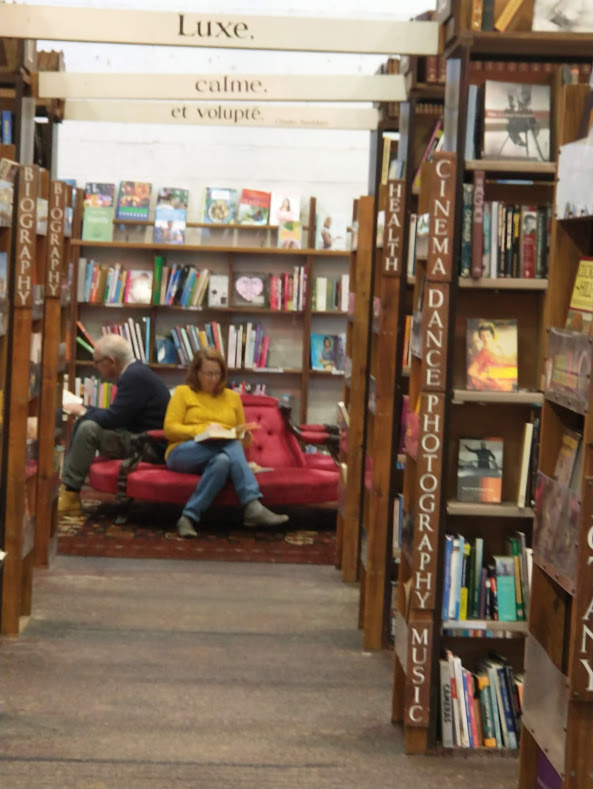
Library image (Actually Barter Books in Alnwick): my own image.

Snow scene: my own image.

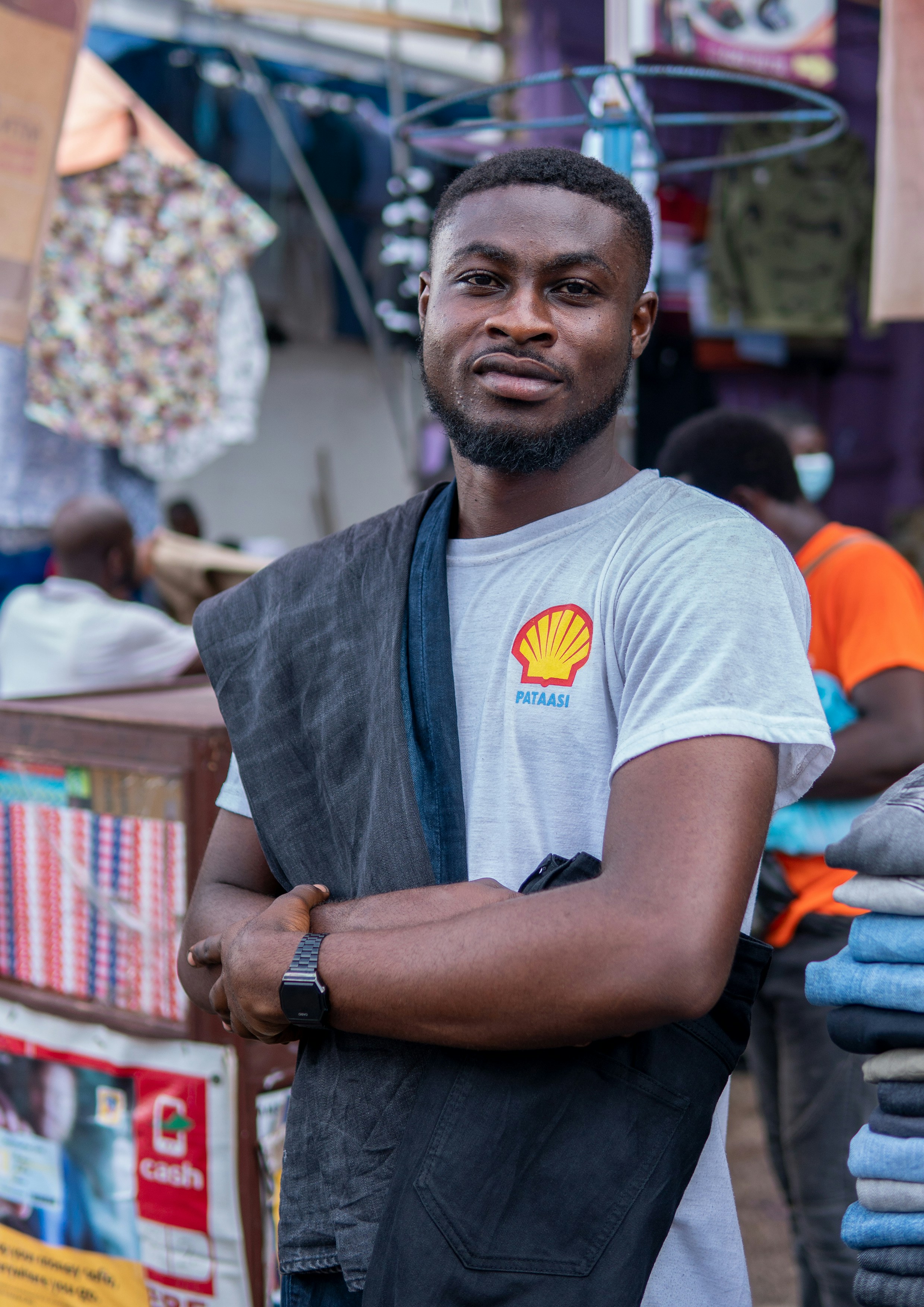
Ghanaian man: Kojo Kwarteng (Unsplash)