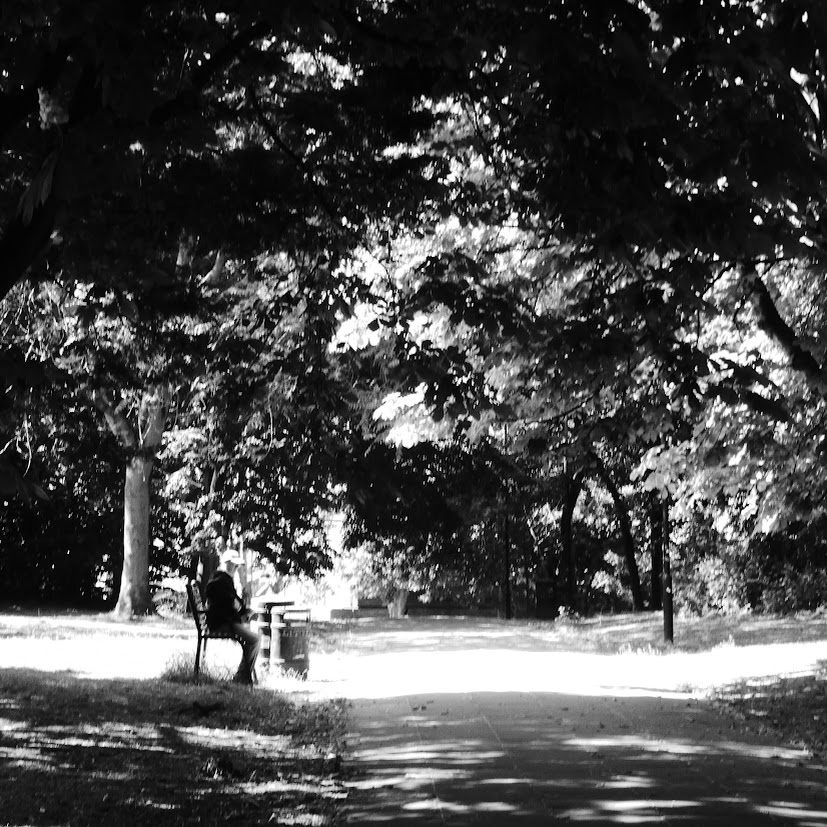
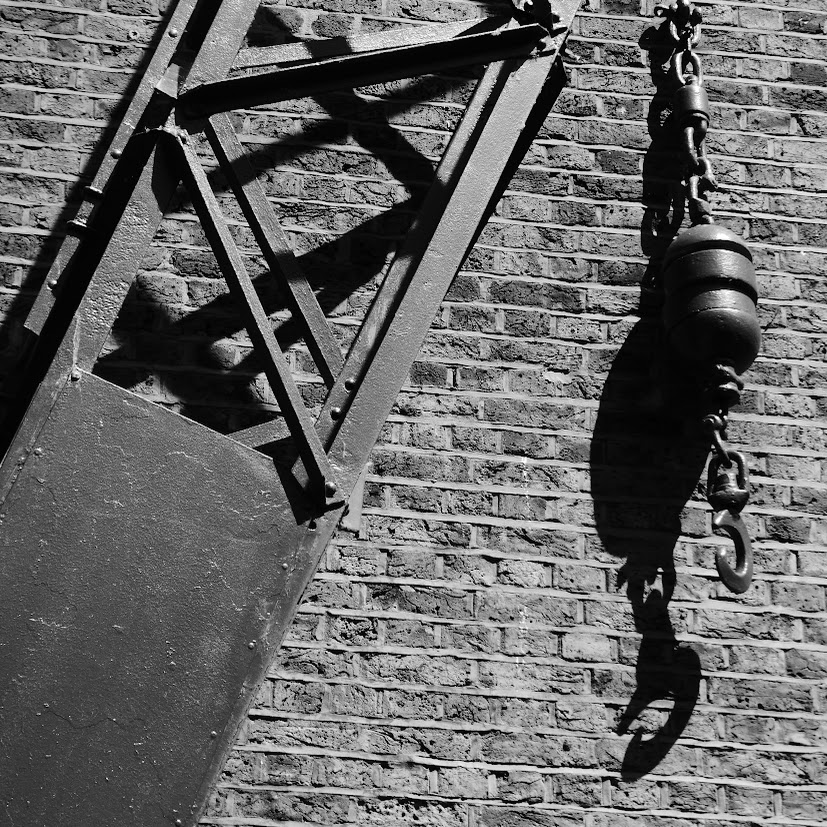
We’re off to London today, to catch some shadows in its grittier streets, to satisfy both Becky’s NovemberShadows, and Leanne’s Monochrome Madness. But first, we could relax for a few moments in a park near Canary Wharf, as shown in the header photograph.
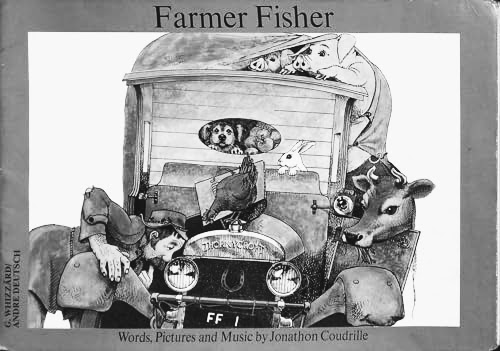
One of the first picture books to come into the house – oh gosh – more than 45 years ago, delighted all three of my children, and the adults who read it with them. It’s still sought after, this early edition, but you’ll have to shell out about £25 to get a copy. The book was Farmer Fisher.
Farmer Fisher had a fine fat truck.
You couldn't see the colour for the farmyard muck.
In the front was a rabbit and a chicken and a duck -
On the way to market.
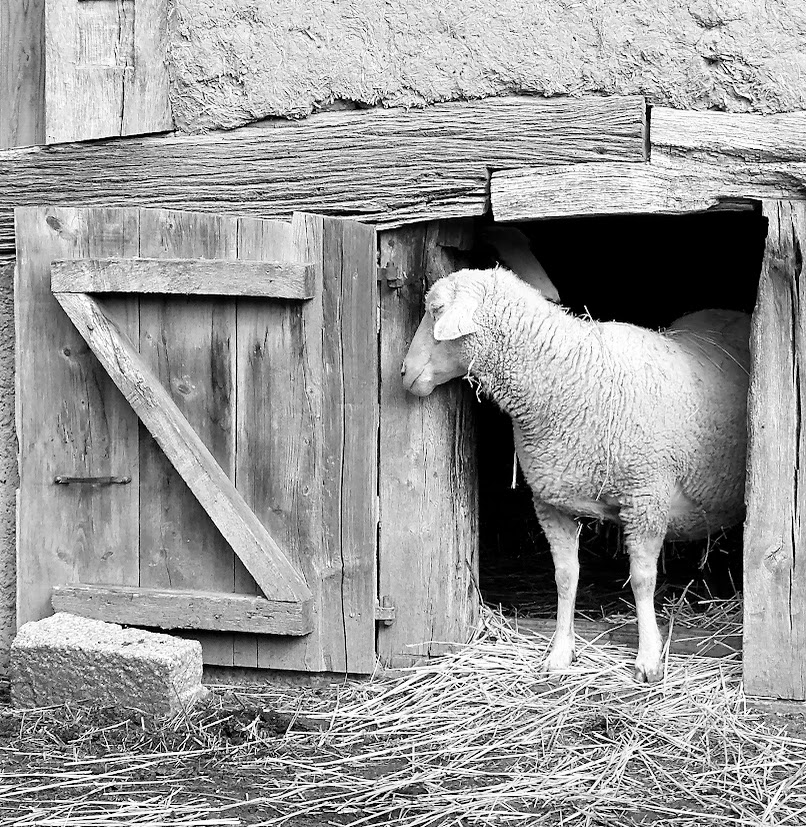
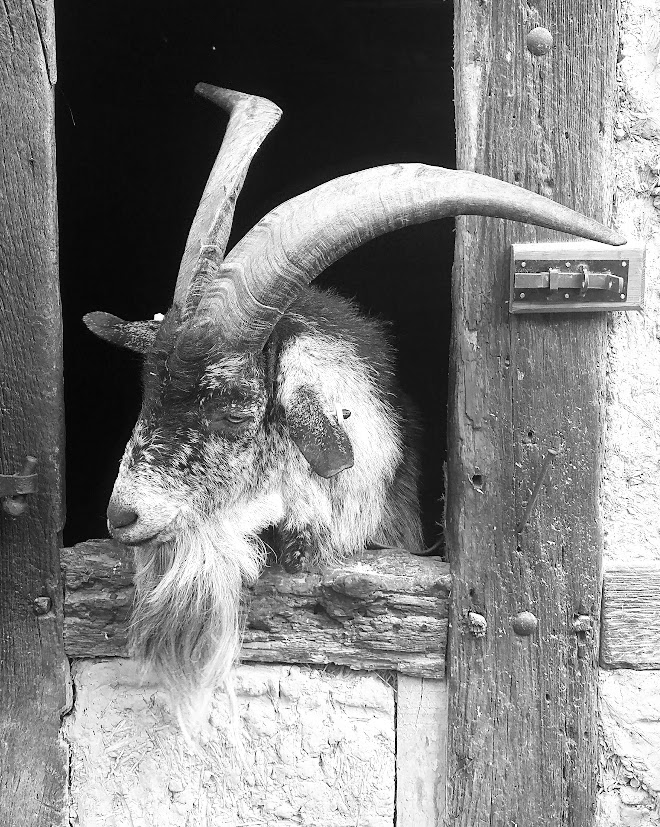
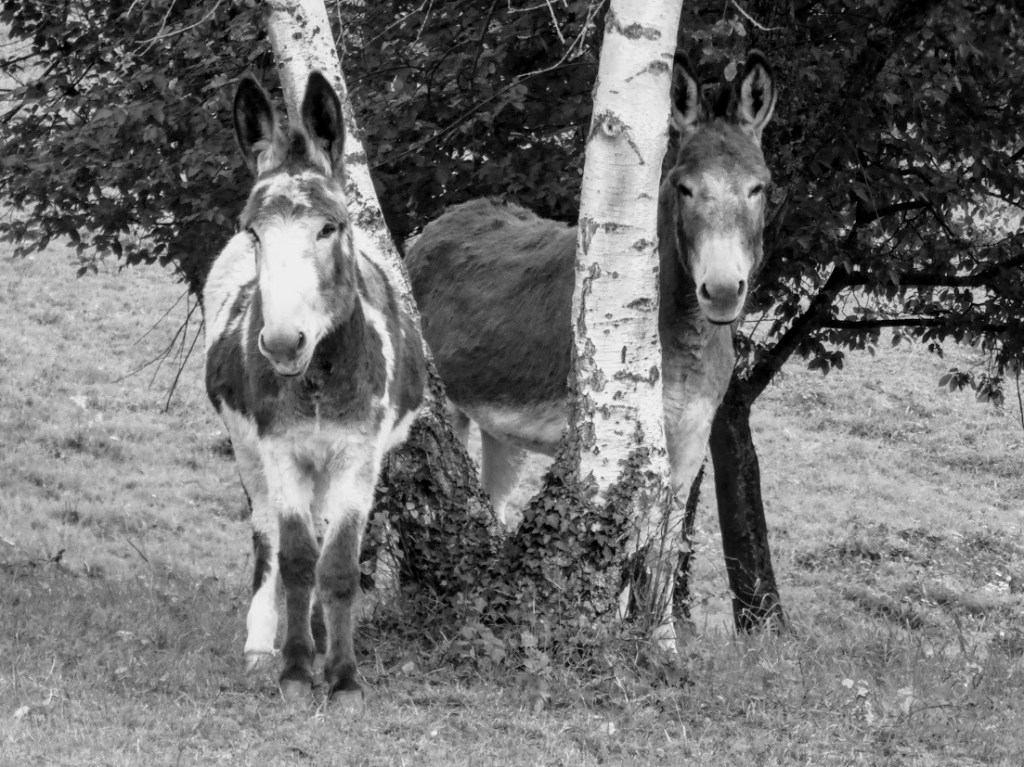
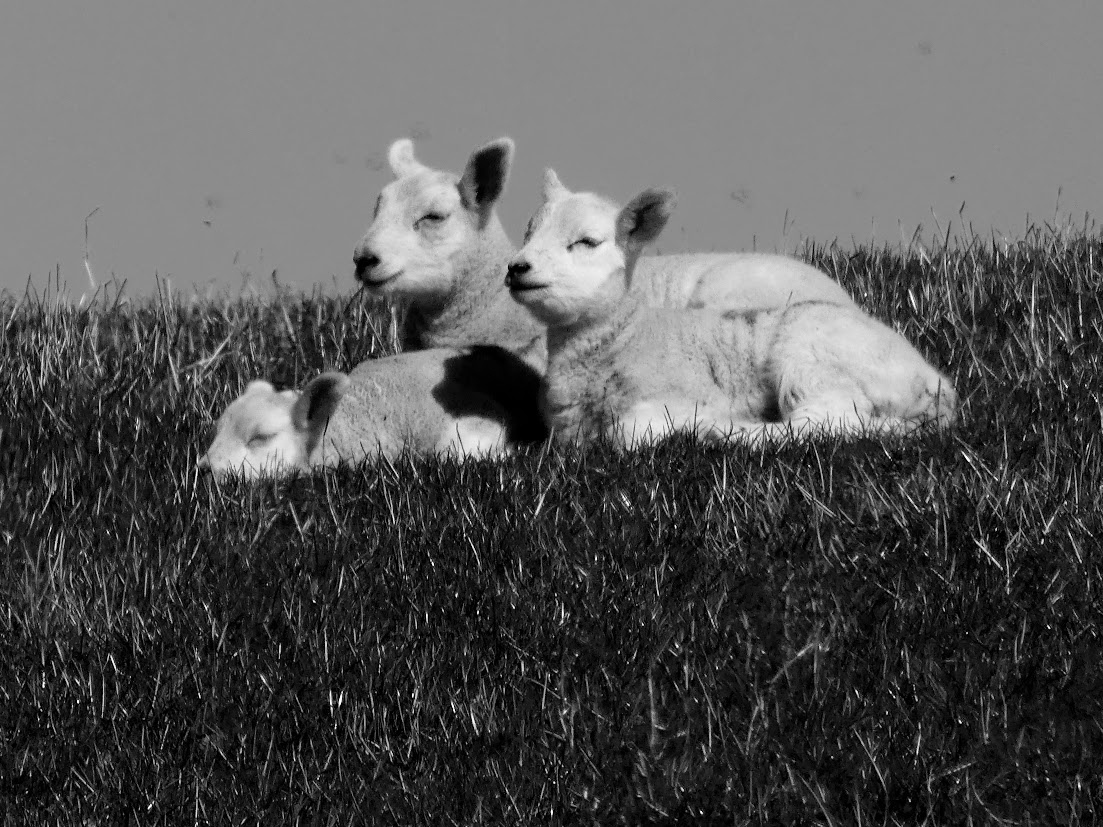
Well. I won’t be showing you a rabbit. I haven’t got a shot of one. Or a chicken. Or a duck. Elke, for this week’s Monochrome Madness would like us to show farmyard animals, so I’m sticking to four legged examples.
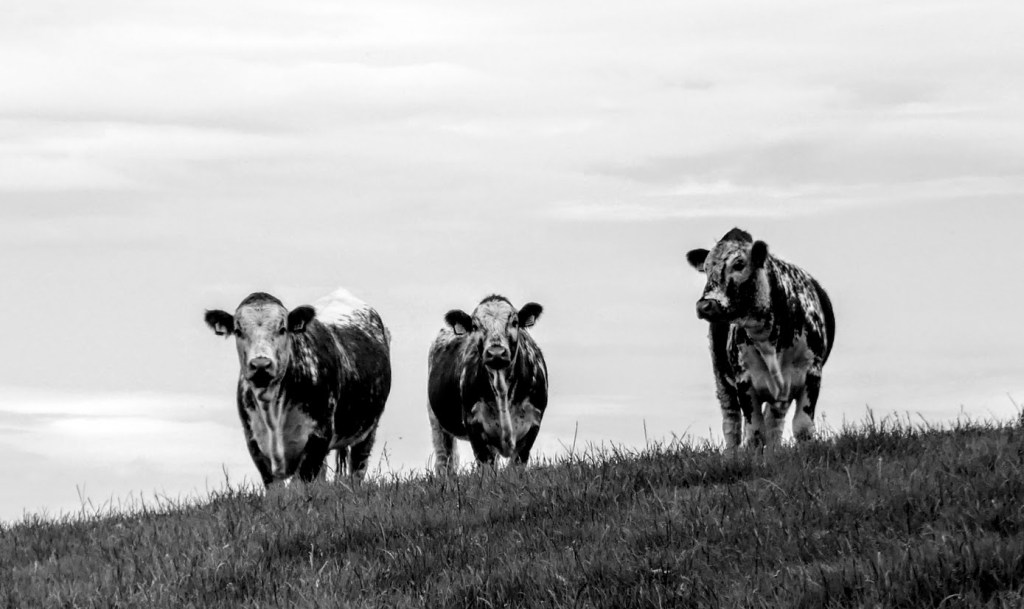
Like cows …
… and sheep …
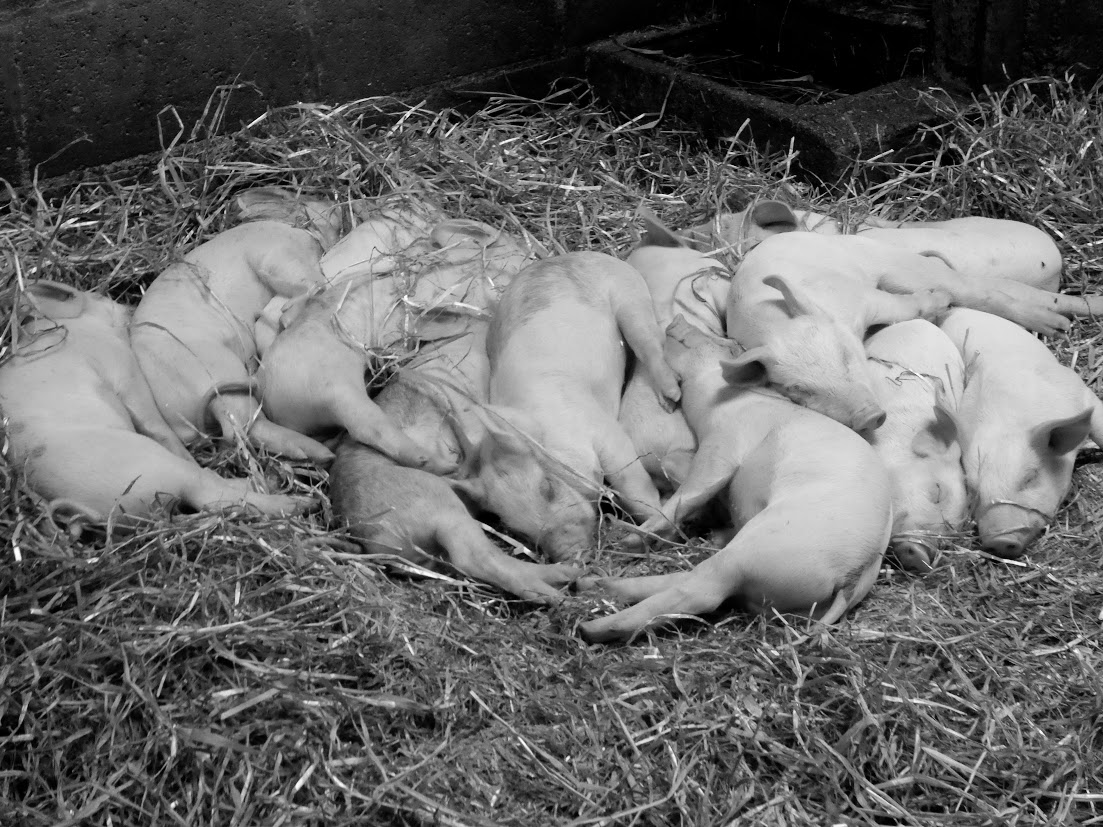
… and pigs …
… and a goat …
… and not forgetting donkeys. Not useful, but easy to love.
And here’s a little library of livestock to finish with.
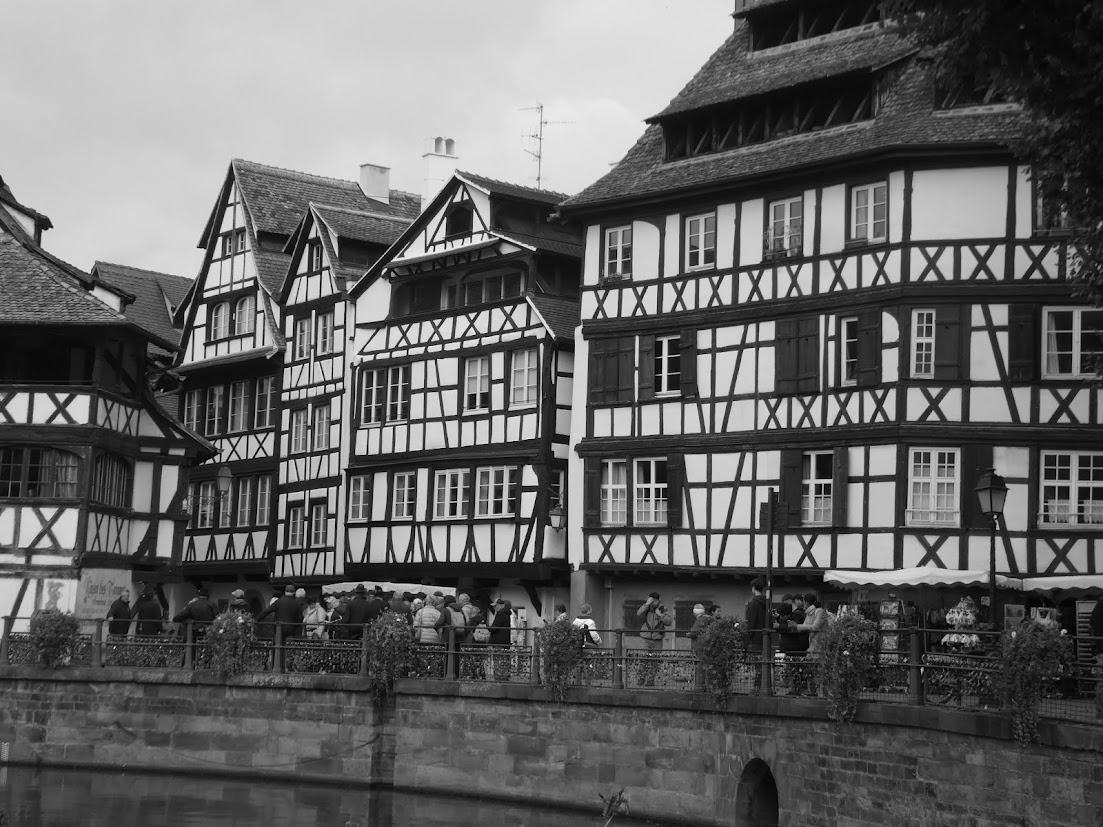
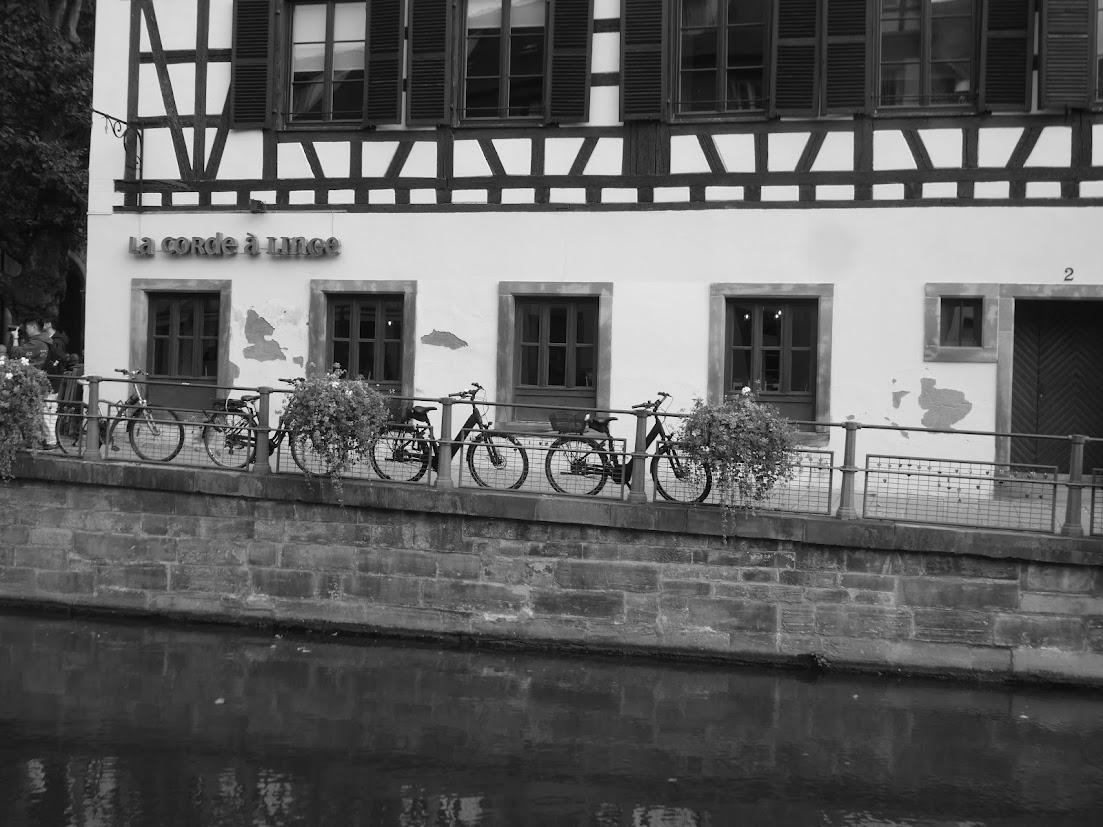
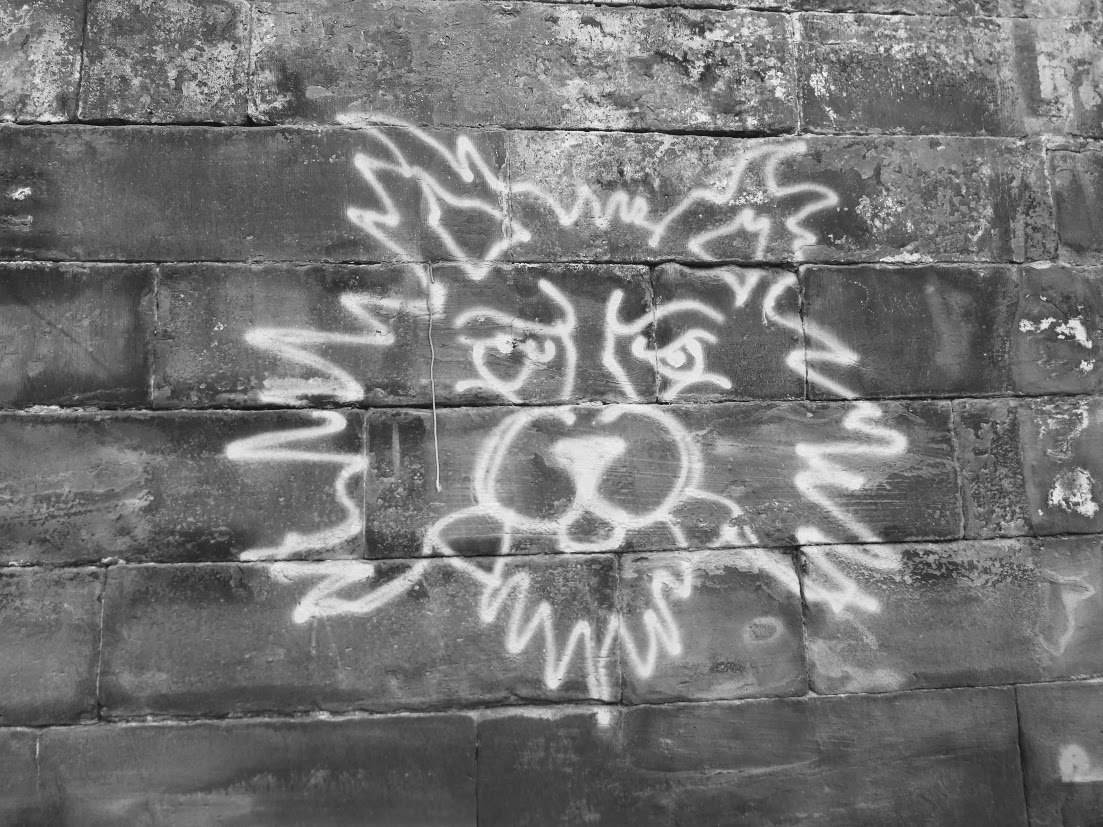
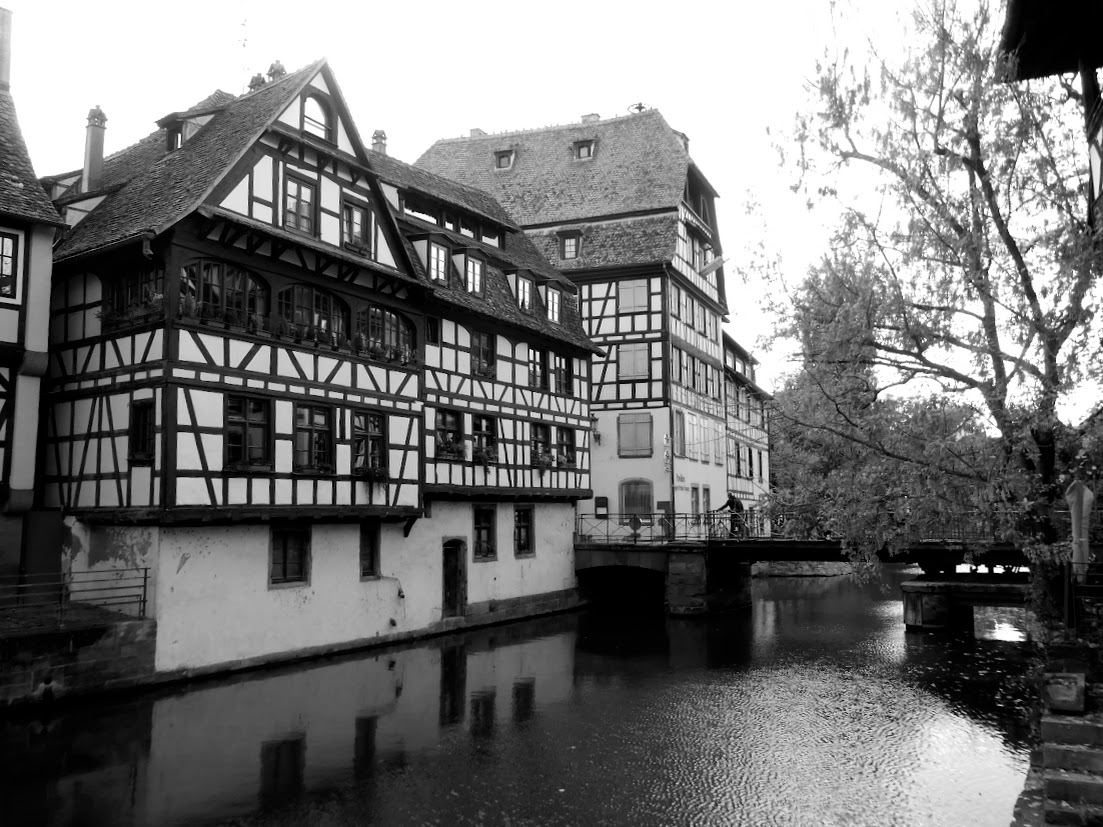
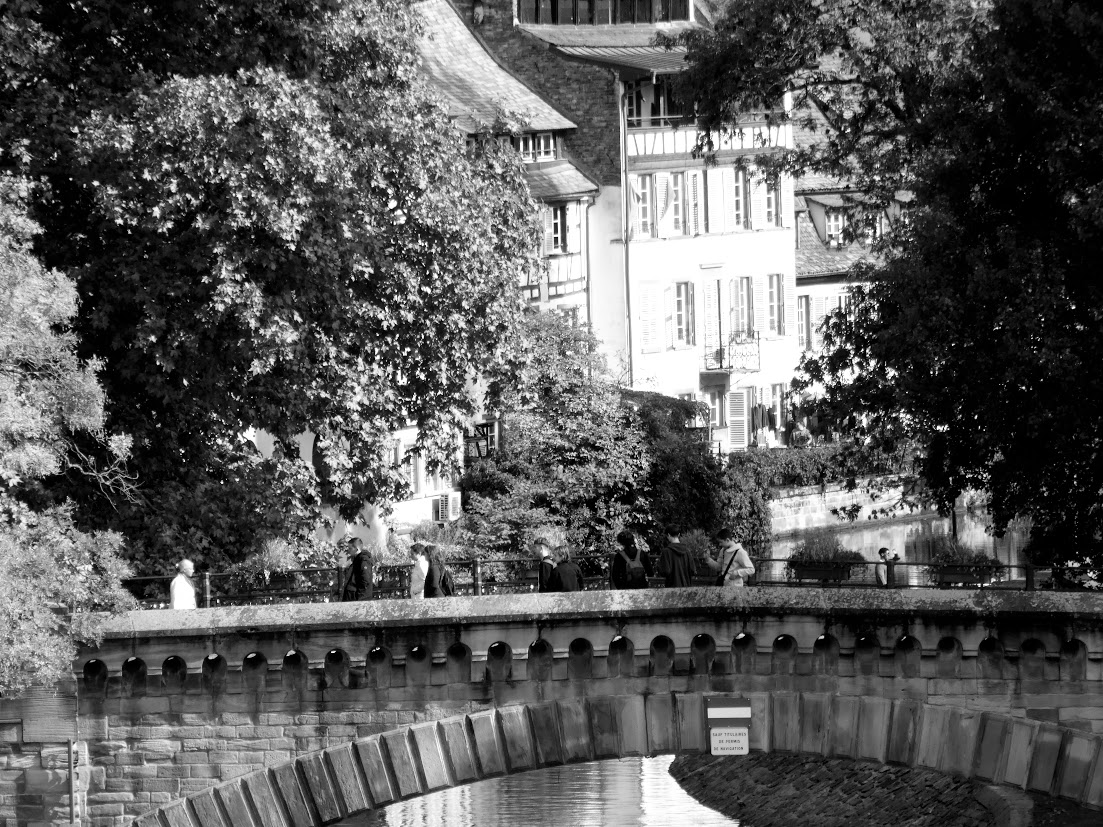
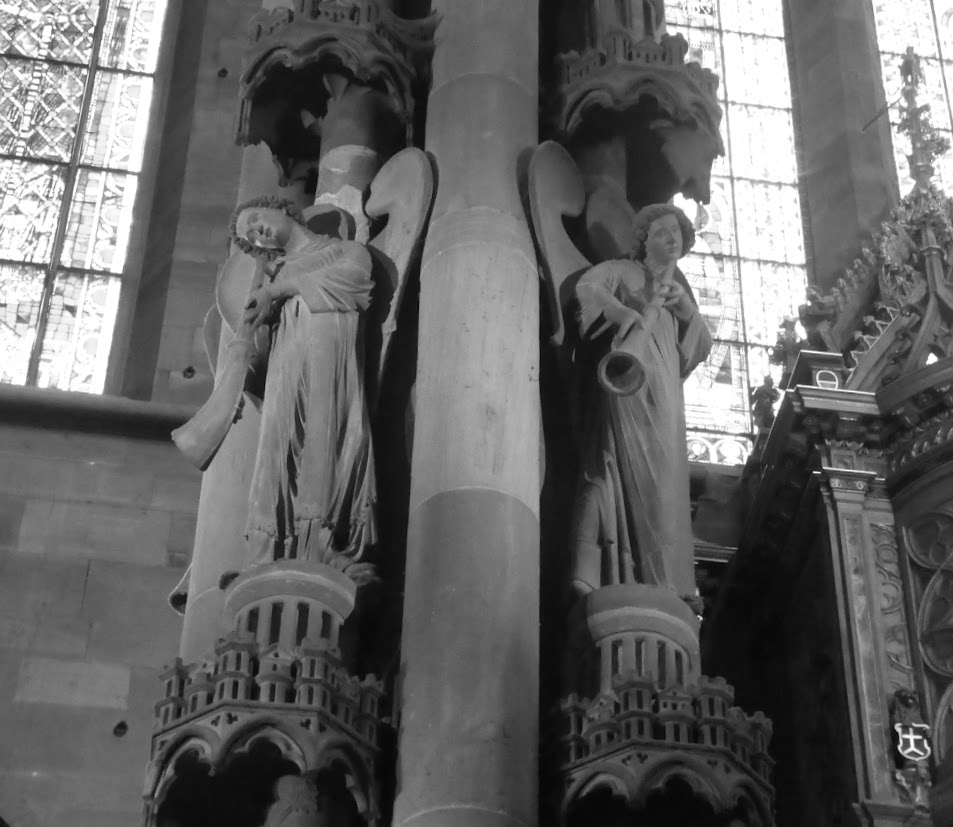
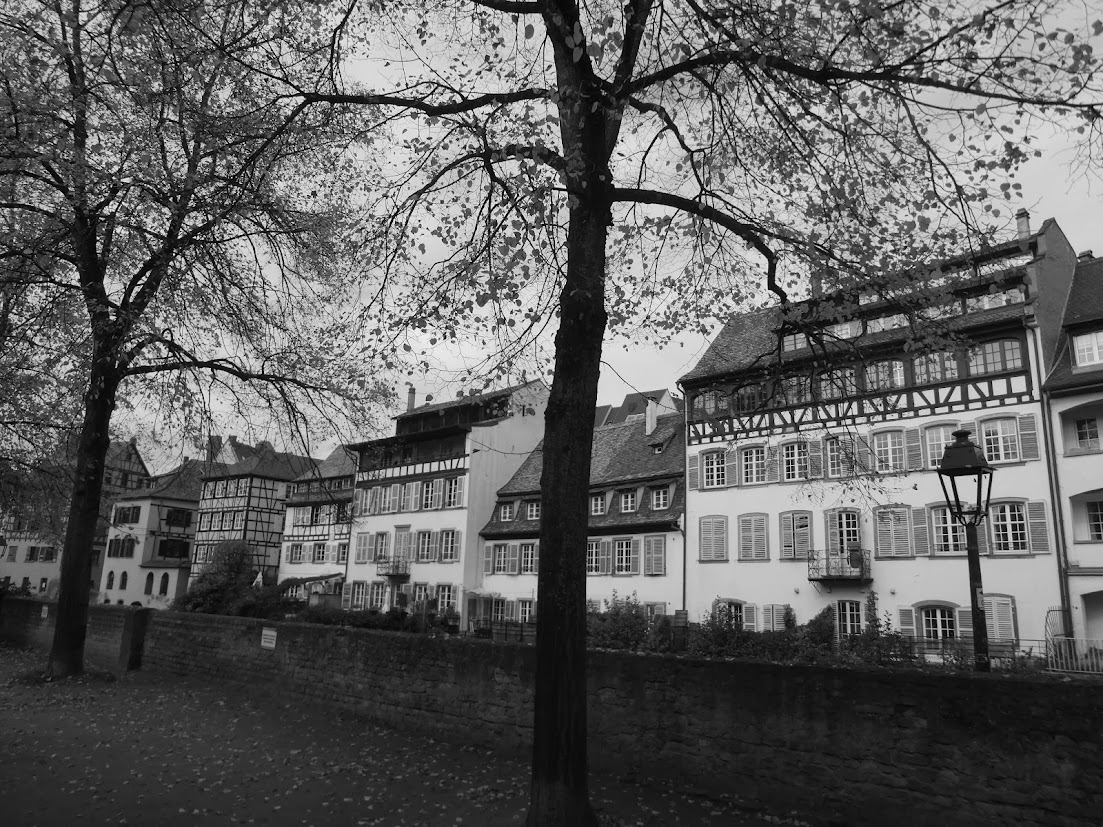
For this week’s Monochrome Madness, I’m showing a few images from Strasbourg: its historic city centre, including the area near and in the Cathedral, and a few odds and ends such as a weather vane, a single lonely wolf (?) on a riverside brick wall, and a few of the many bikes there.
I mentioned the other day our habit of having with us at all times an au cas où bag, foraging for the use of. At this time of year, this bag is a completely necessary accessory. Here’s my haul from last Thursday.
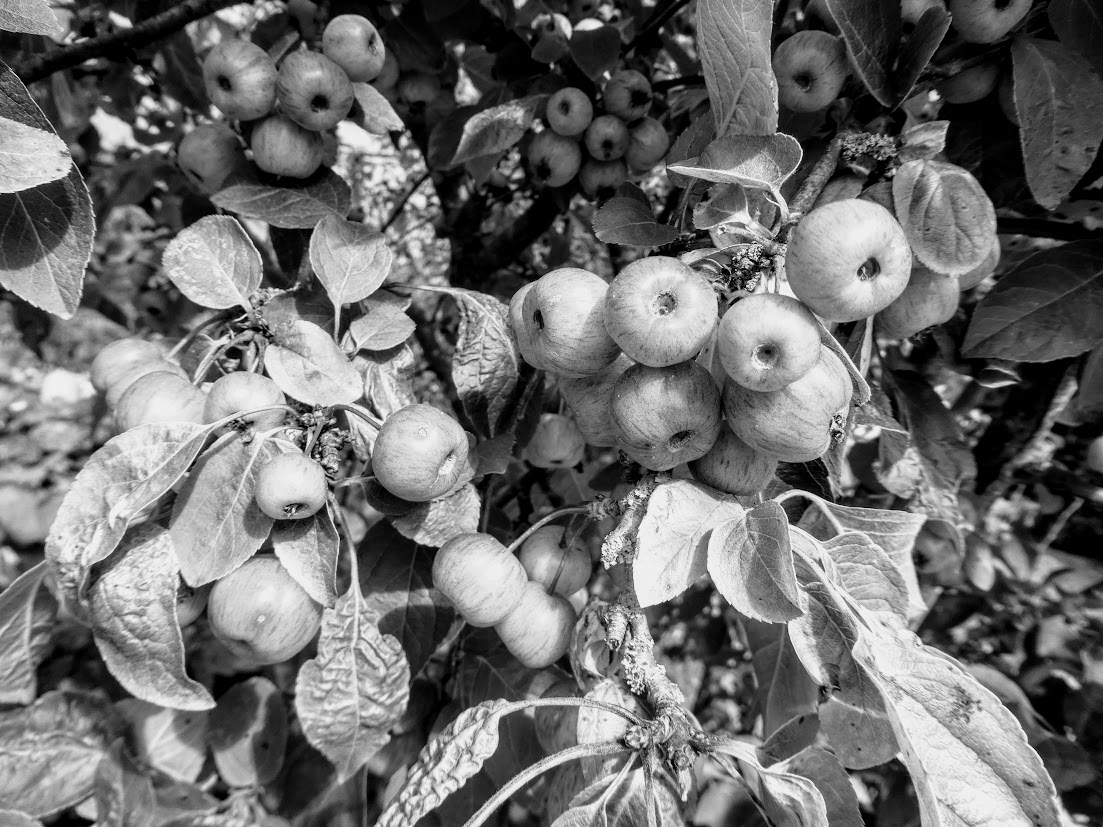
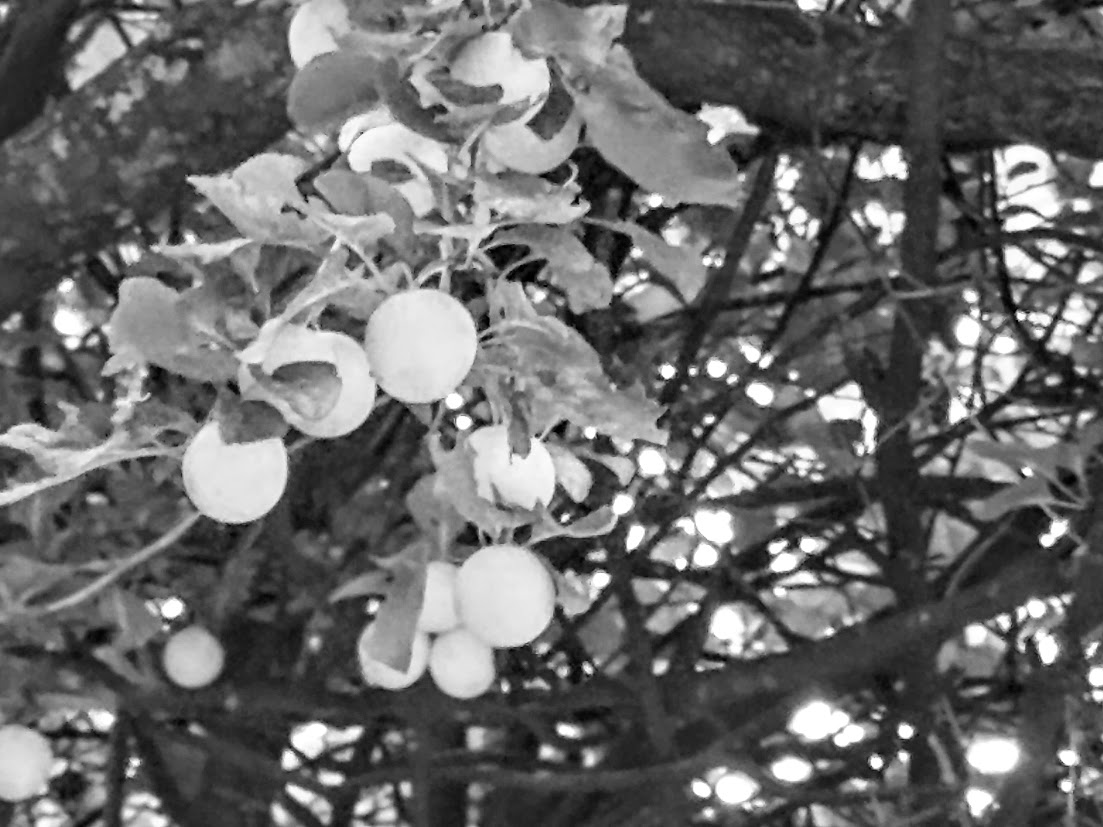
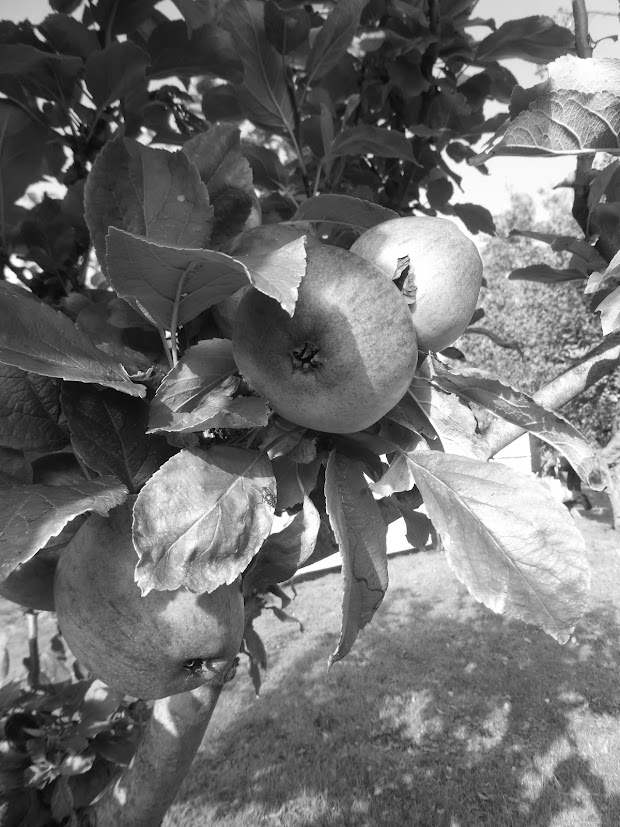
Here we are. Crab apples; cooking apples; windfall pears; red mirabelles. These have become crab apple and chilli jelly; cooked down with previously foraged then frozen blackberries; scrumped; mirabelle frangipane with a good number of them, then … not sure yet. We’ve made quite enough mirabelle jam, thank you.
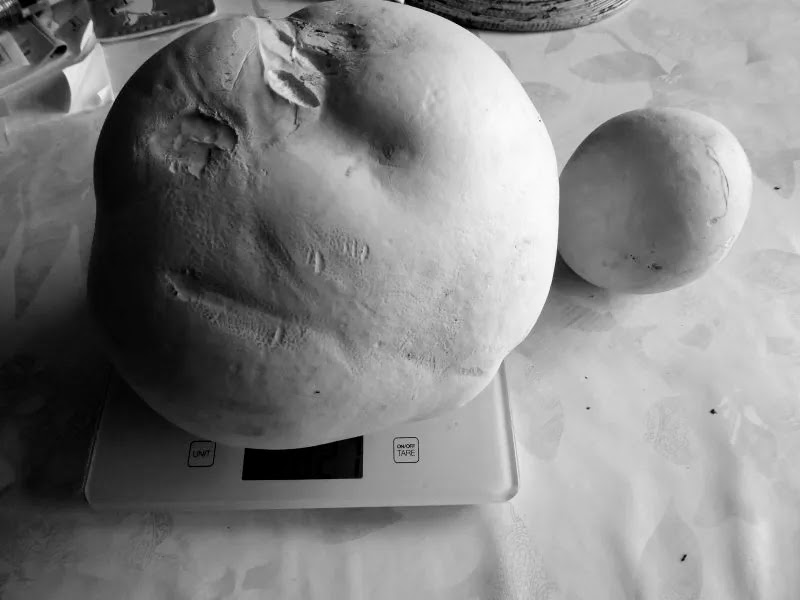
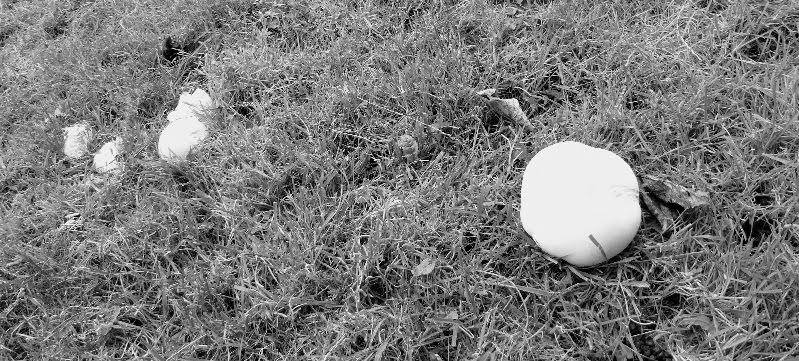
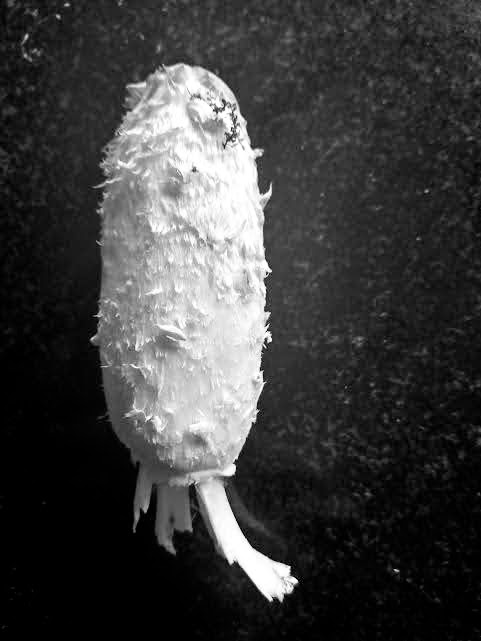
This is the time of year for mushrooming, but we haven’t been lucky yet. Apart from the obvious field mushrooms (no pictures!) I’m only confident to look for football sized puffballs (which make, apart from other dishes, excellent steak substitutes) …
… and shaggy inkcaps, which need to come home quickly before they deliquesce into inky pools.
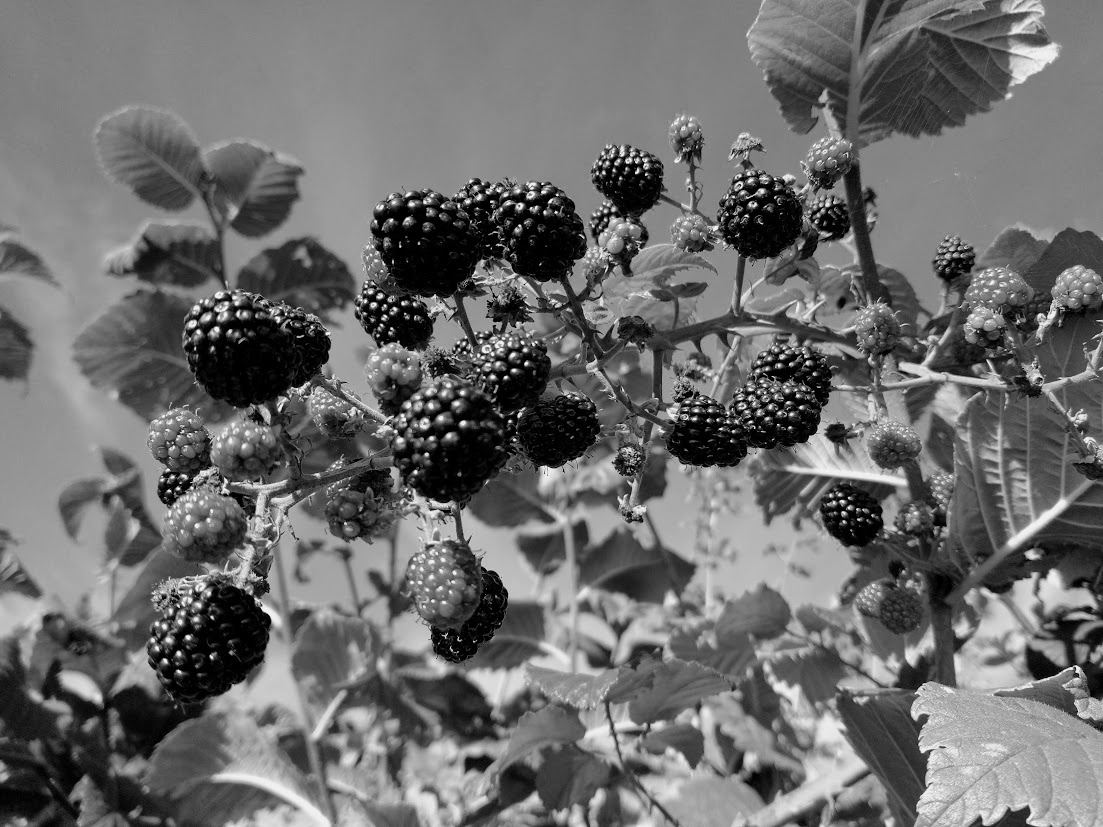
Here are some of the other regular finds: crab apples in the feature photo; mirabelles both yellow and red; blackberries; apples of all kinds.
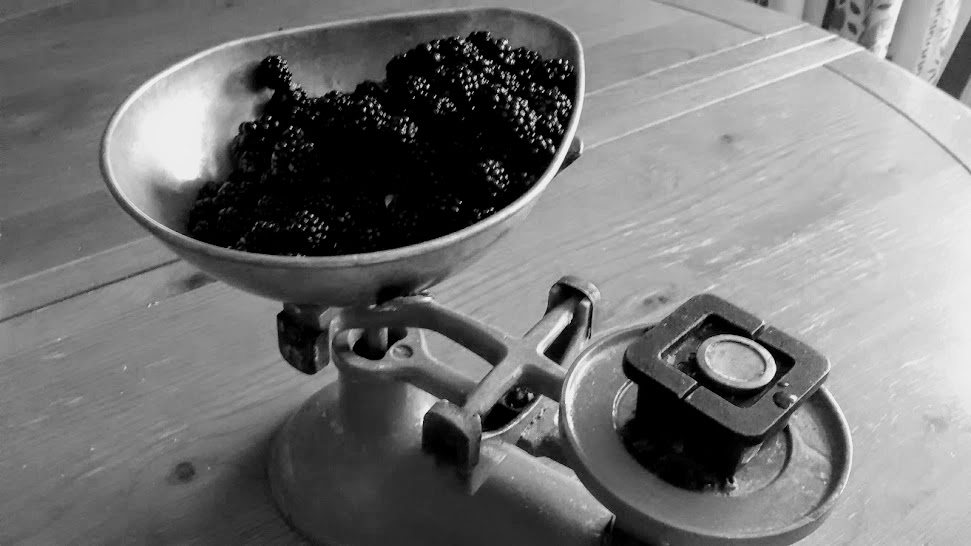
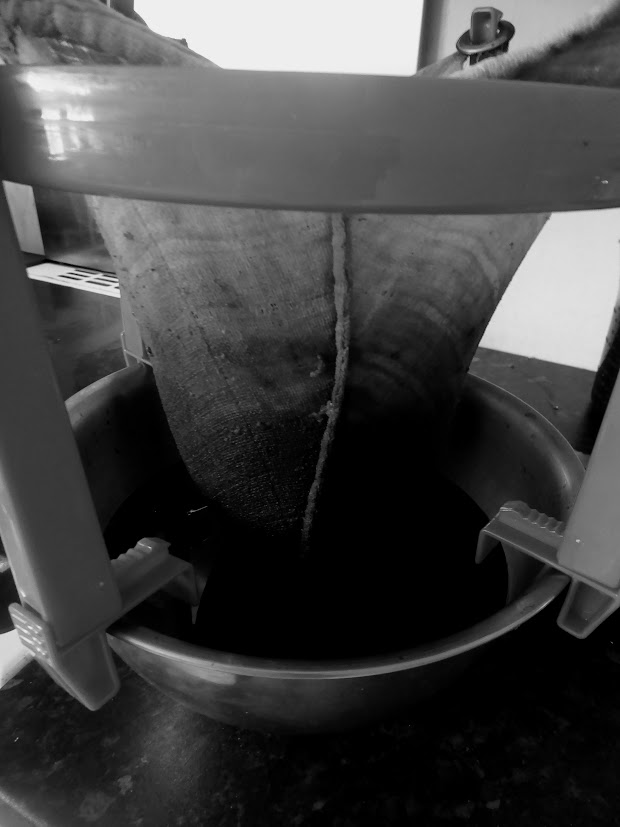
Here’s some of the kitchen activity: Weighing, then straining the juices from simmered-down fruits.
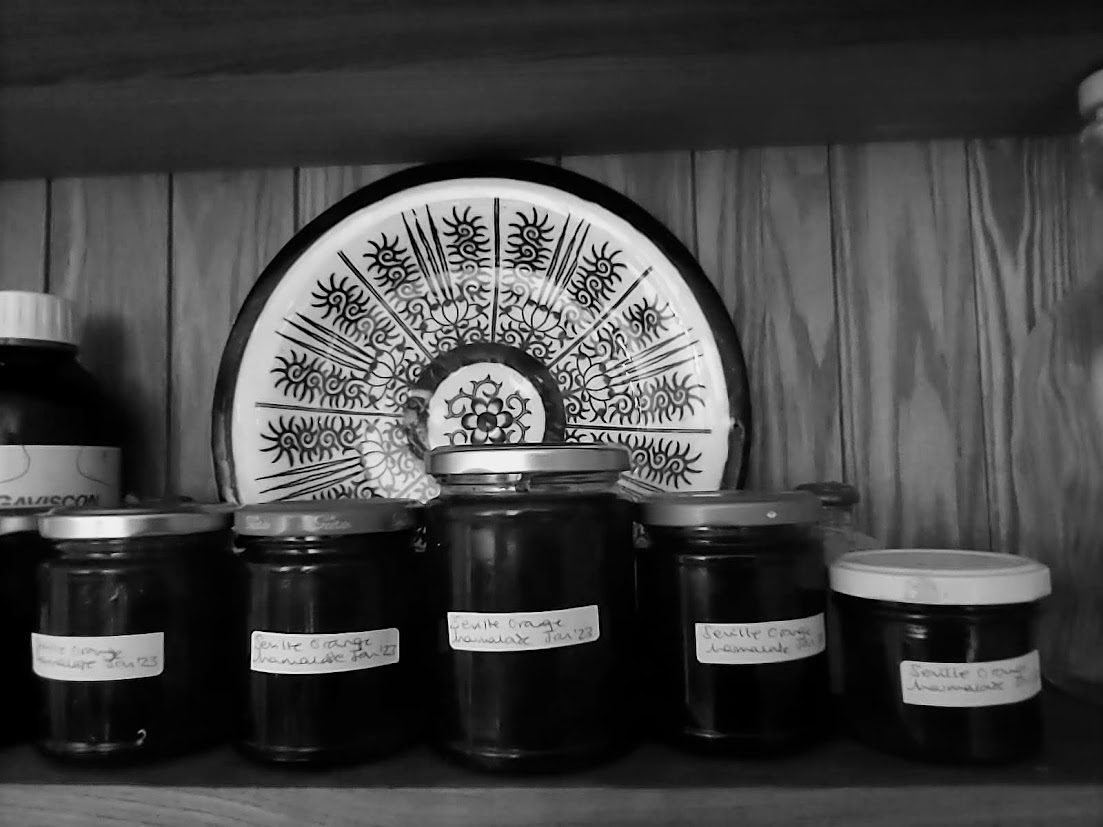
… and some of the results:
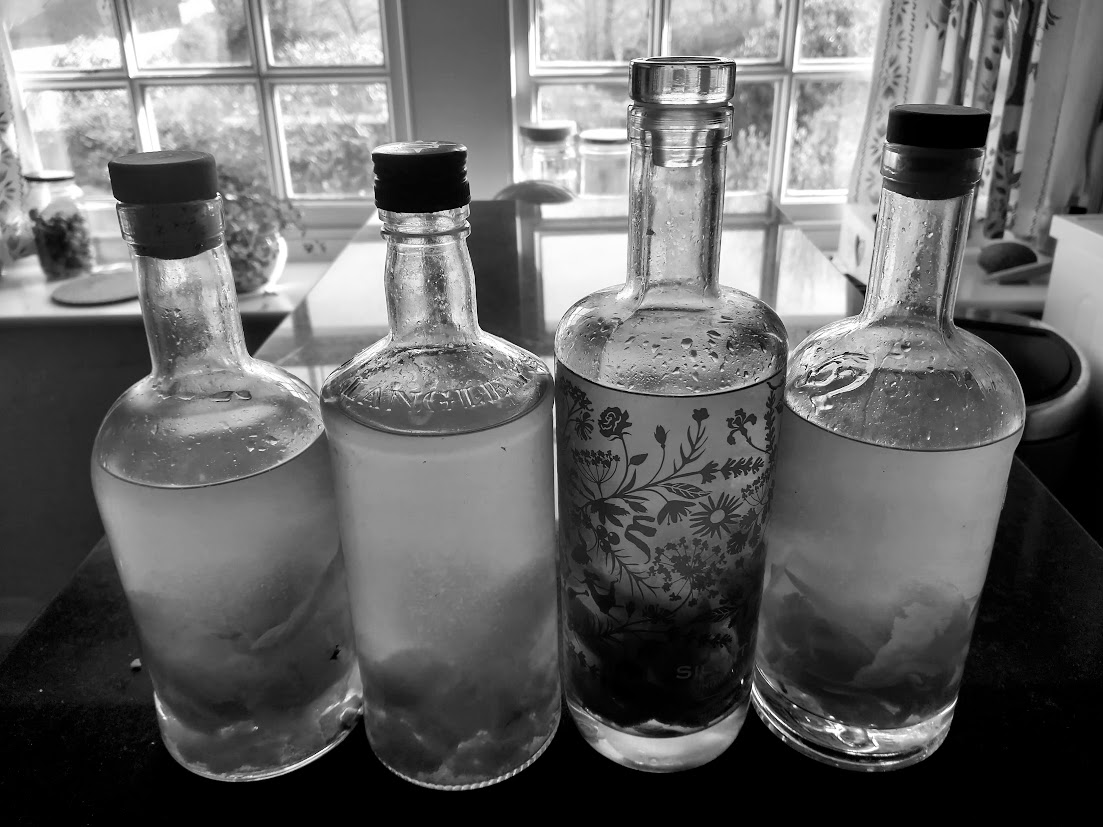
In this case, the only photo I had to hand was of jars of marmalade (I even forage Seville oranges when we’re in Spain in winter), and gin which I have made in Seville orange, mulberry, sloe, and mirabelle varieties at different times.
Foraging is some of the best fun to be had in autumn. Just don’t forget your au cas où bag.
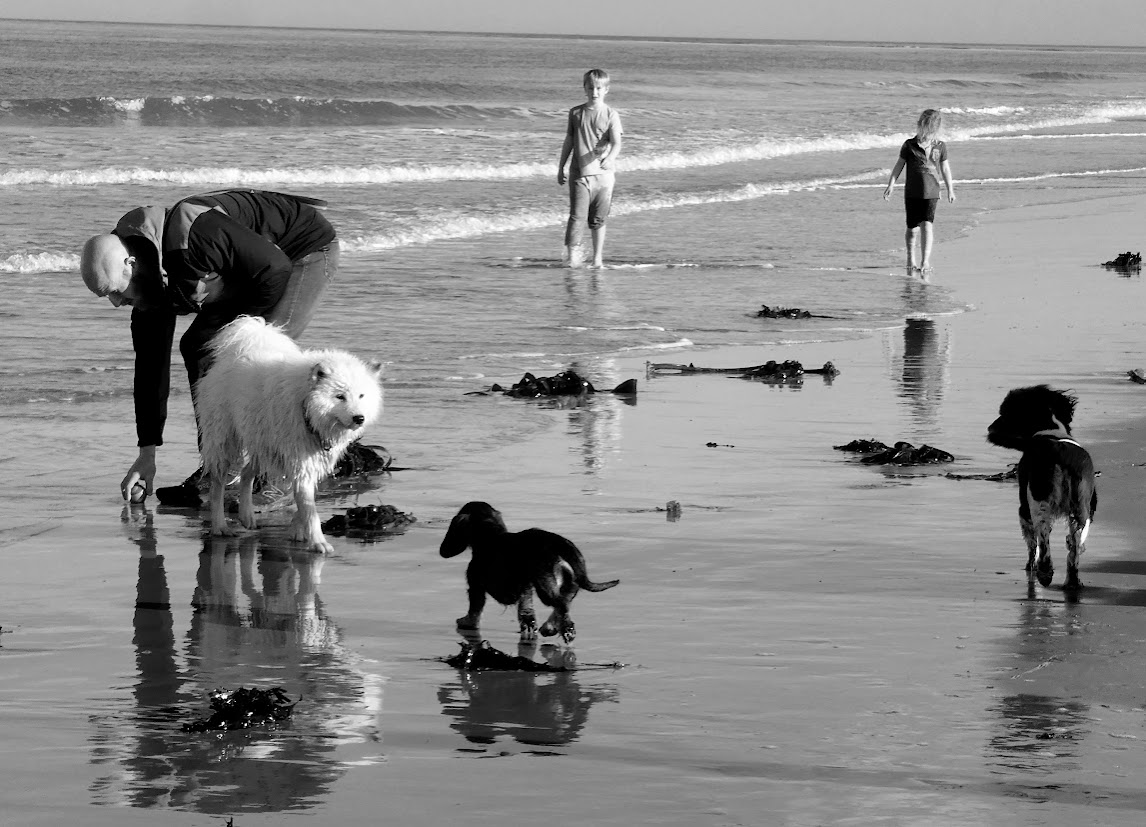
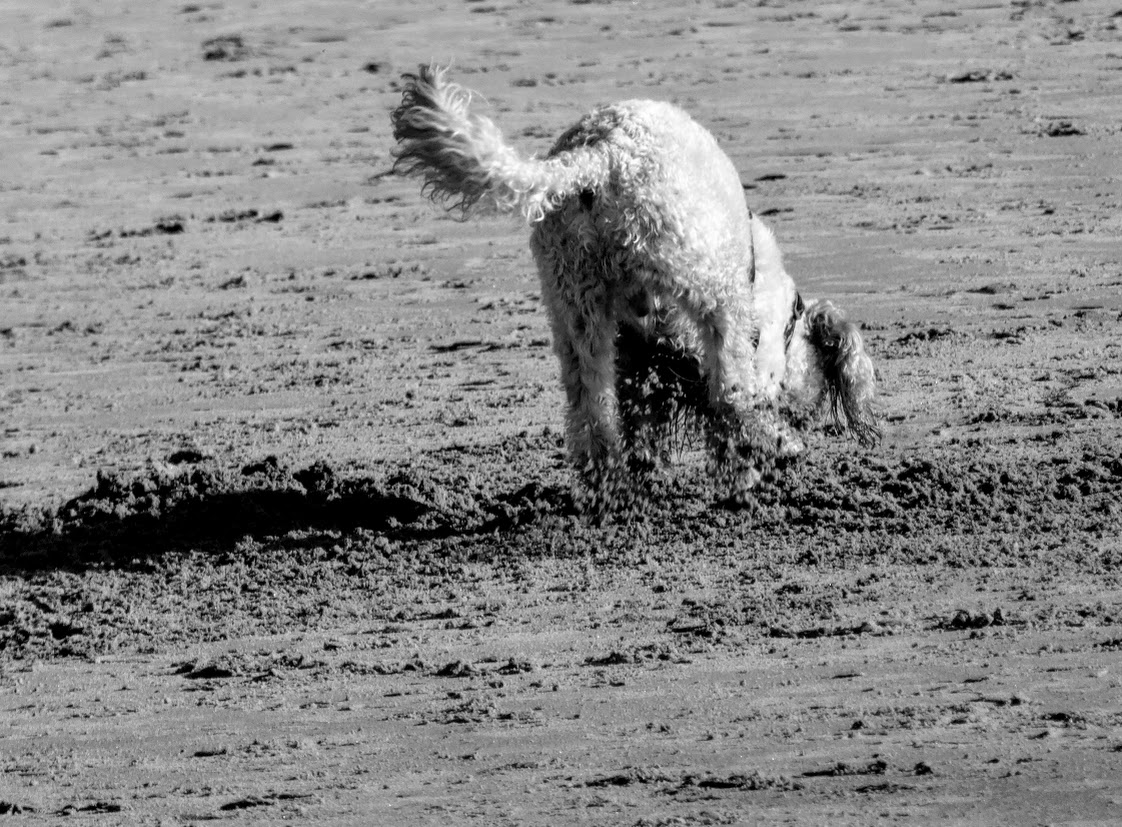
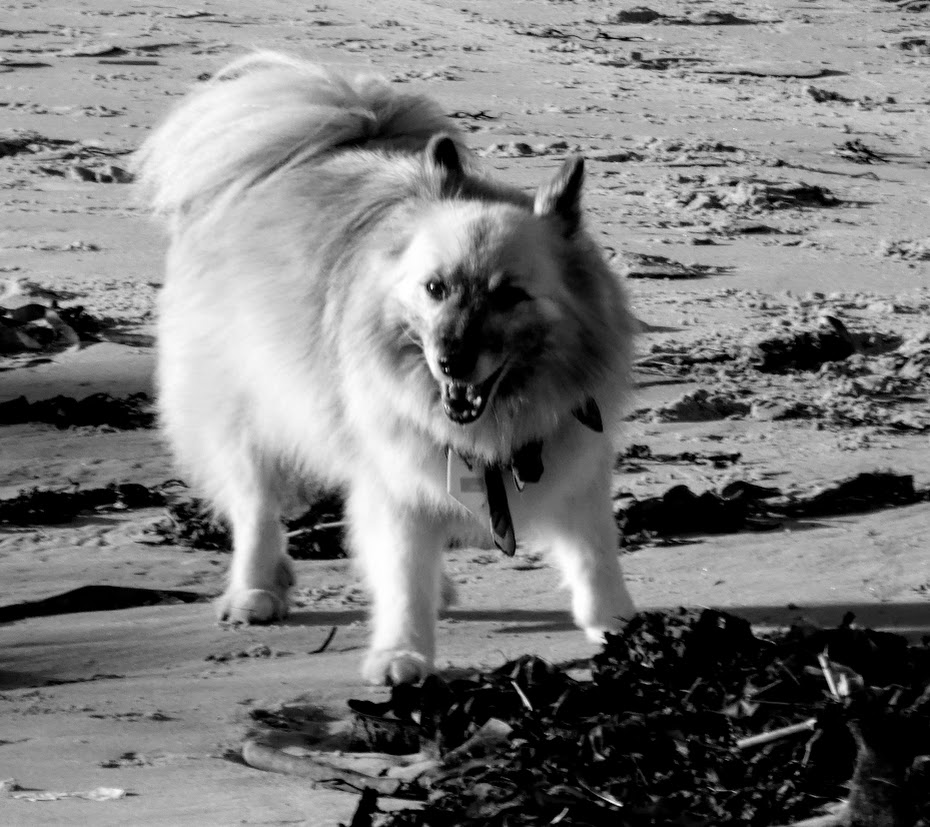
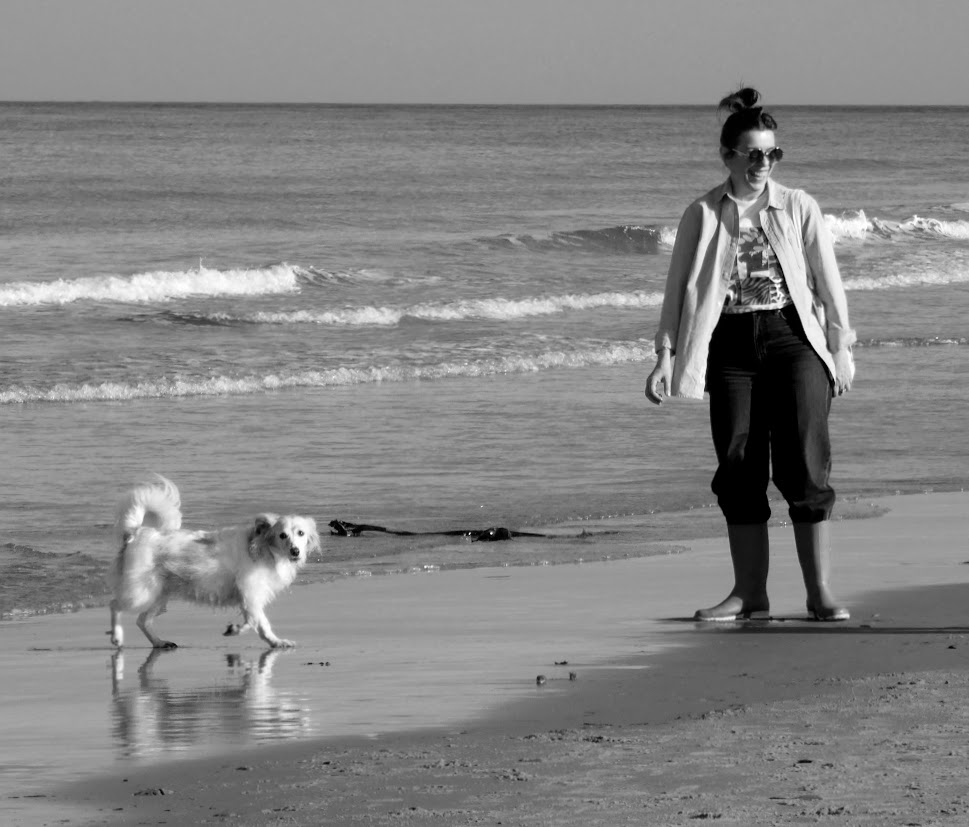
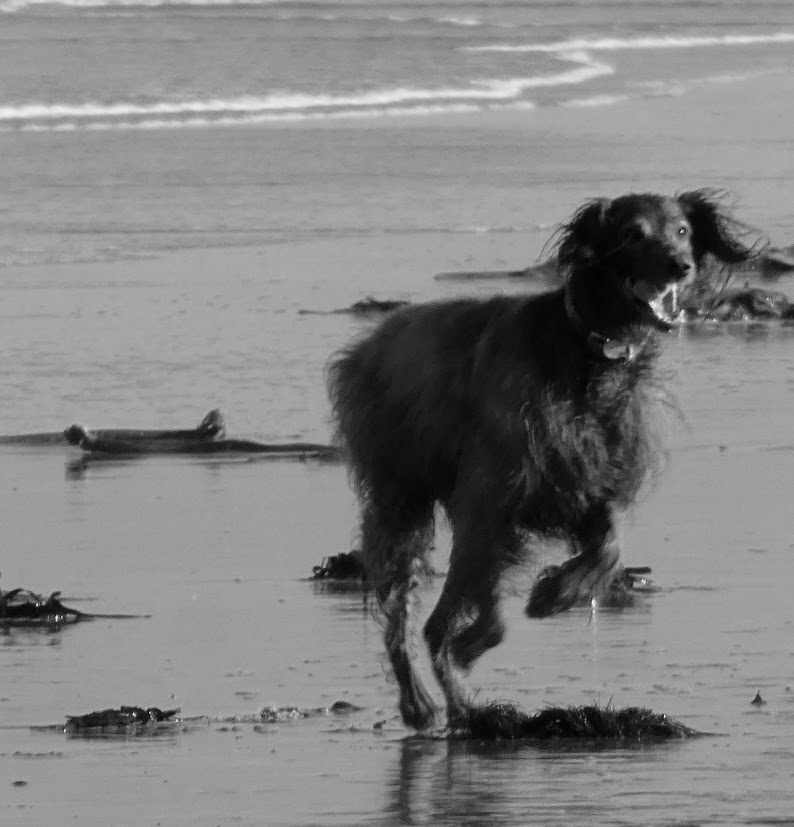
This week’s Monochrome Madness, hosted by Elke of Pictures Imperfect, takes pets as its subject. We don’t have one of those, though we are required to provide daily chats and cuddles to Newt, the dog next door on one side, and catering services when her owner is away to MiMi, the cat next door on the other side.
So I’m taking you to Bamburgh in Northumbria, where we were walking recently on the best sort of afternoon at an English seaside, with bright sun, breeze and gentle warmth. It was an afternoon for beach strolls and games … and for taking the dog out to play.
Now I’ve always hated funfairs, even as a child. Too noisy! Too crowded! Too scary! But I’ve always loved markets – local markets I mean, full (ideally)of stalls selling freshly picked lettuce and spinach, earth-covered newly-pulled potatoes or carrots. Local cheeses. Local fish. Local anything really.
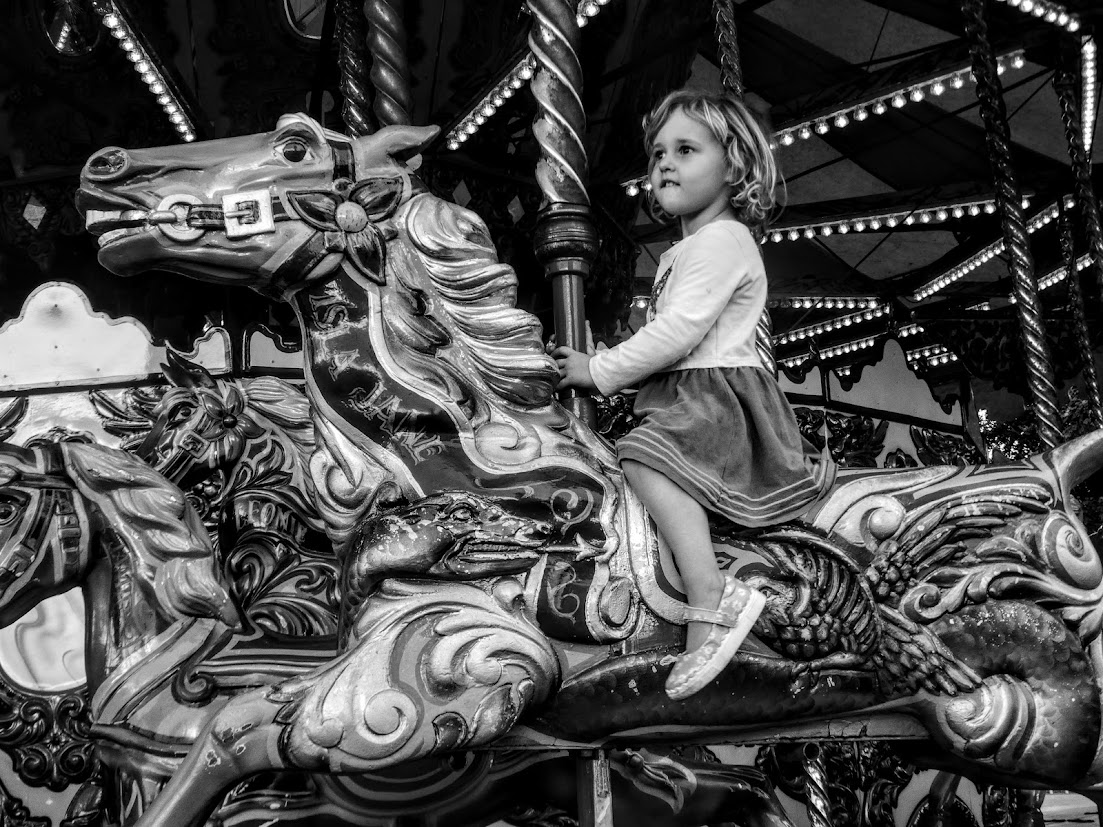
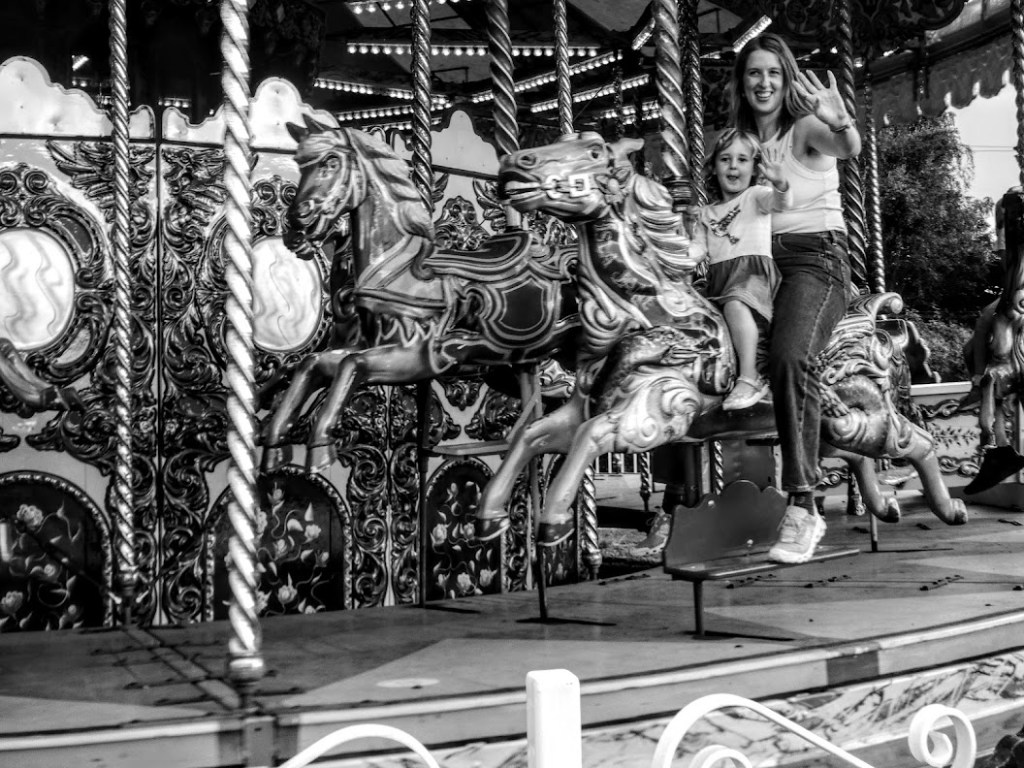
But … I haven’t got time this week to curate photos from dozens of irresistible markets in France, in Spain, in Germany for this week’s Lens-Artists Challenge, Found at the Fair or Market, hosted by Anne-Christine. Most of my Spanish family is coming over for a fortnight. Hooray! So I’ll use this opportunity to present just one photo, taken when they were with us last year, and we visited Beamish and its properly old fashioned fairground. It can serve for Leanne’s Monochrome Madness too.
I’m off duty now. No posts (apart from Indian Friday, which I’ve scheduled). No comments. No visits to all the blogs I enjoy reading. My daughter will usually be working remotely: so we’ll be i/c the children, now 4 years old and 20 months. So … a different kind of duty, even more pleasurable than the world of blogging.
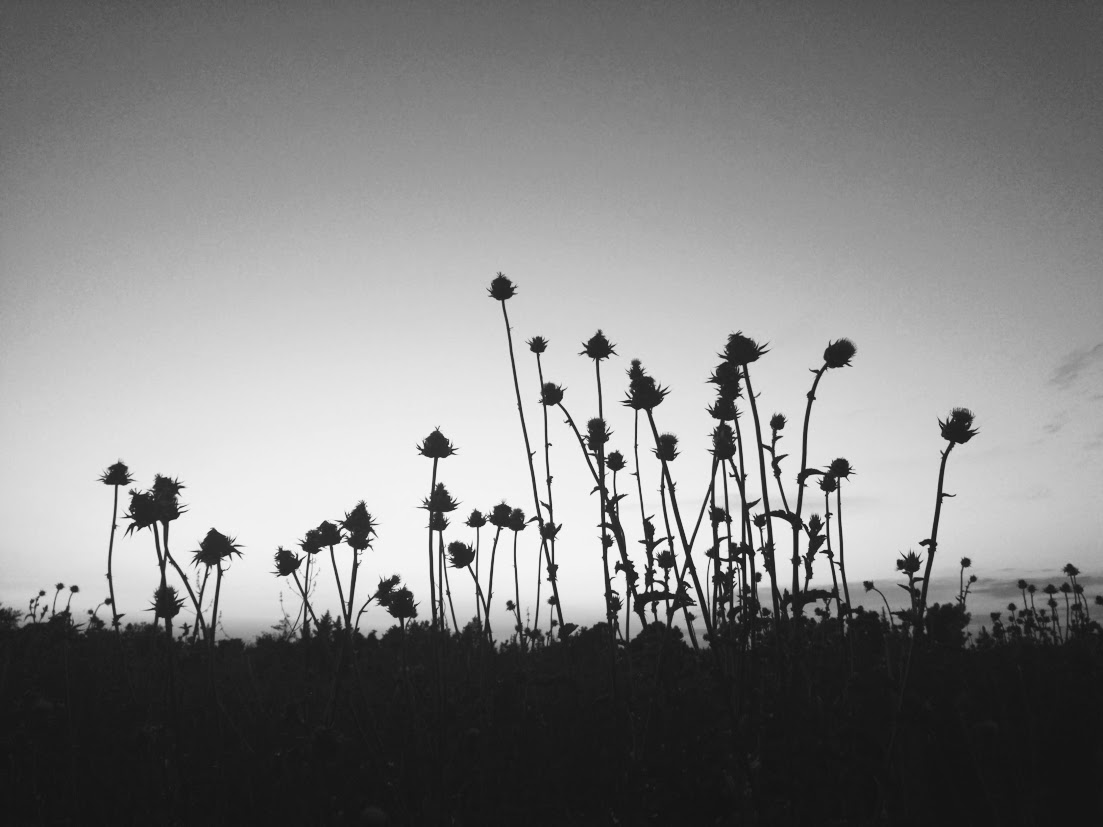
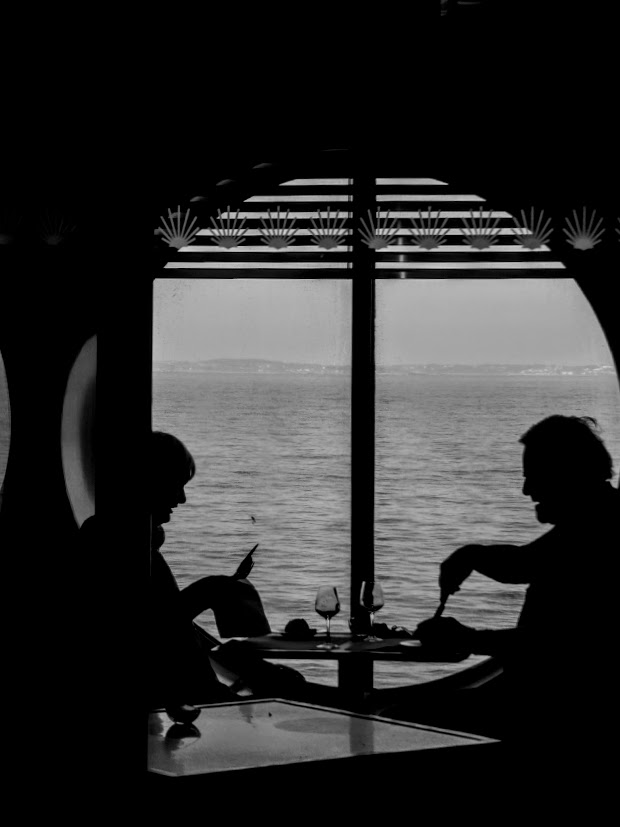
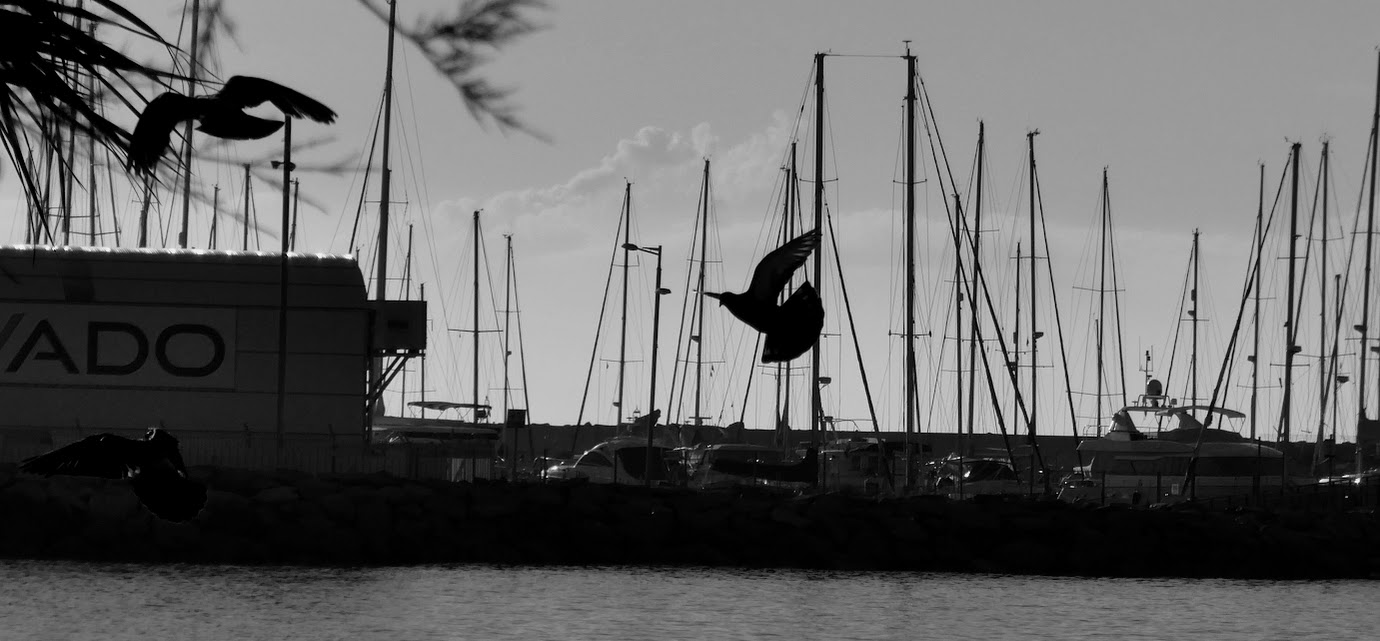
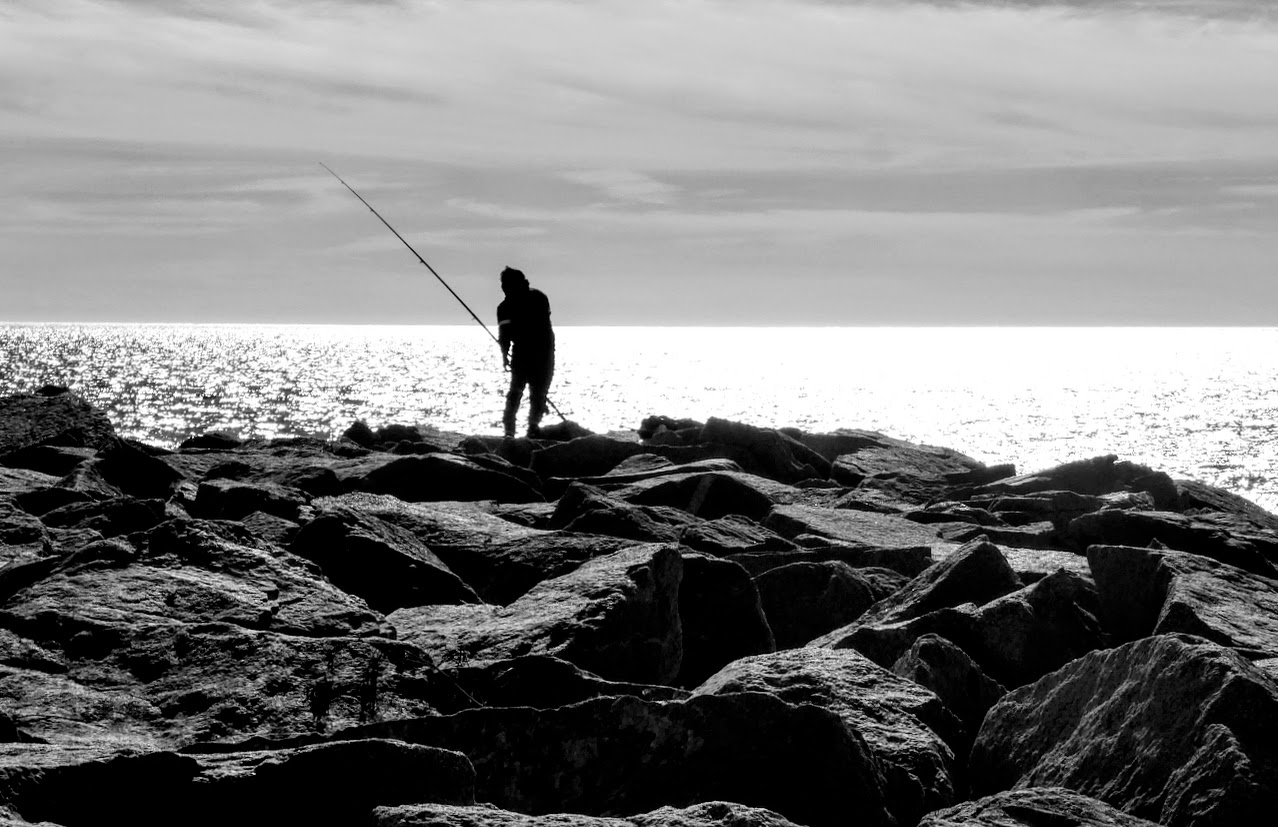
Oooh. For Monochrome Madness this week, Brian Bushboy has set a challenge and a half. Backlighting. What? I hear non-photographers ask. Here’s what Brian says: ‘Backlighting in photography is a way for photographers to create dramatic lighting. This involves positioning the main light source for a photograph behind the primary subject’. In other words, do what you spend your photographic life trying NOT to do. Take shots direct into the sun, or the light source, anyway. It’s easier in a sunny country, so let’s take the ferry to Spain.
I have no idea who this couple are. But they were enjoying a meal, a glass of wine, with the sun shining over the coast we were heading for.
And here we are in Premià, staying with daughter and family.
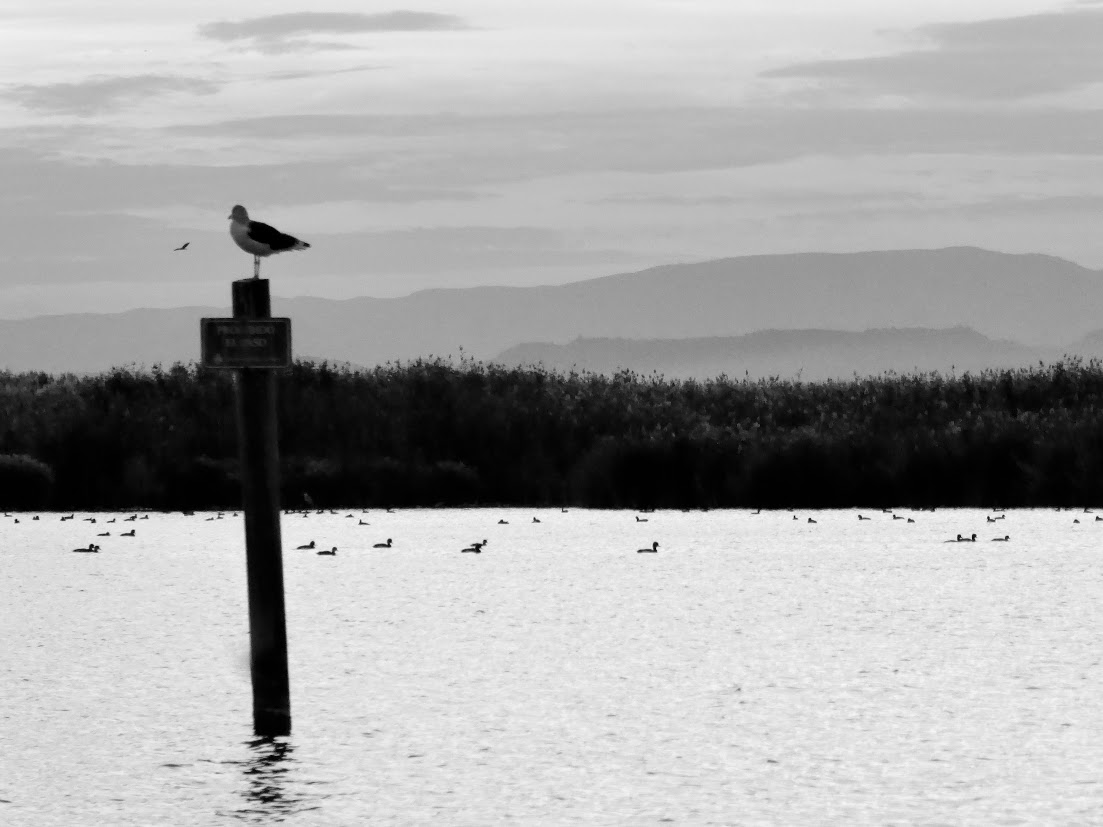
We won’t outstay our welcome, but nip down to Valencia. To l’Albufera.
After, we’ll come back to the UK. To Pembrokeshire:
The featured photo is from the UK too. No idea where.
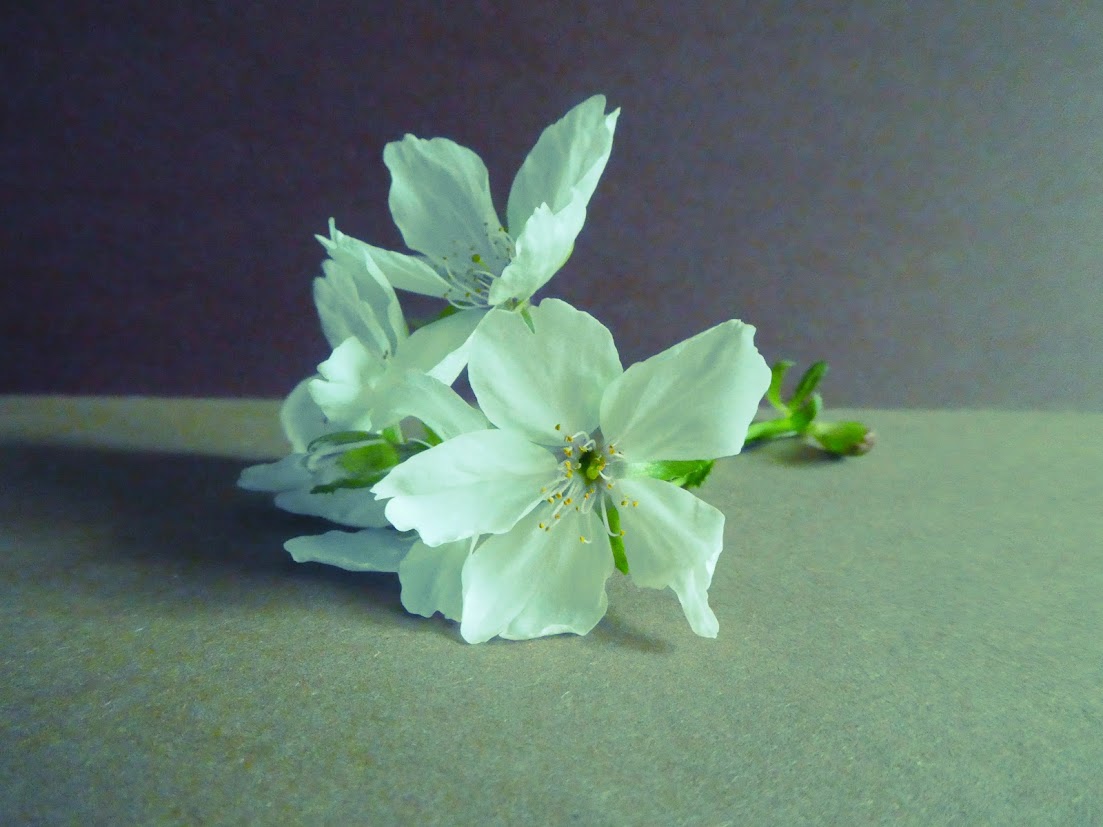
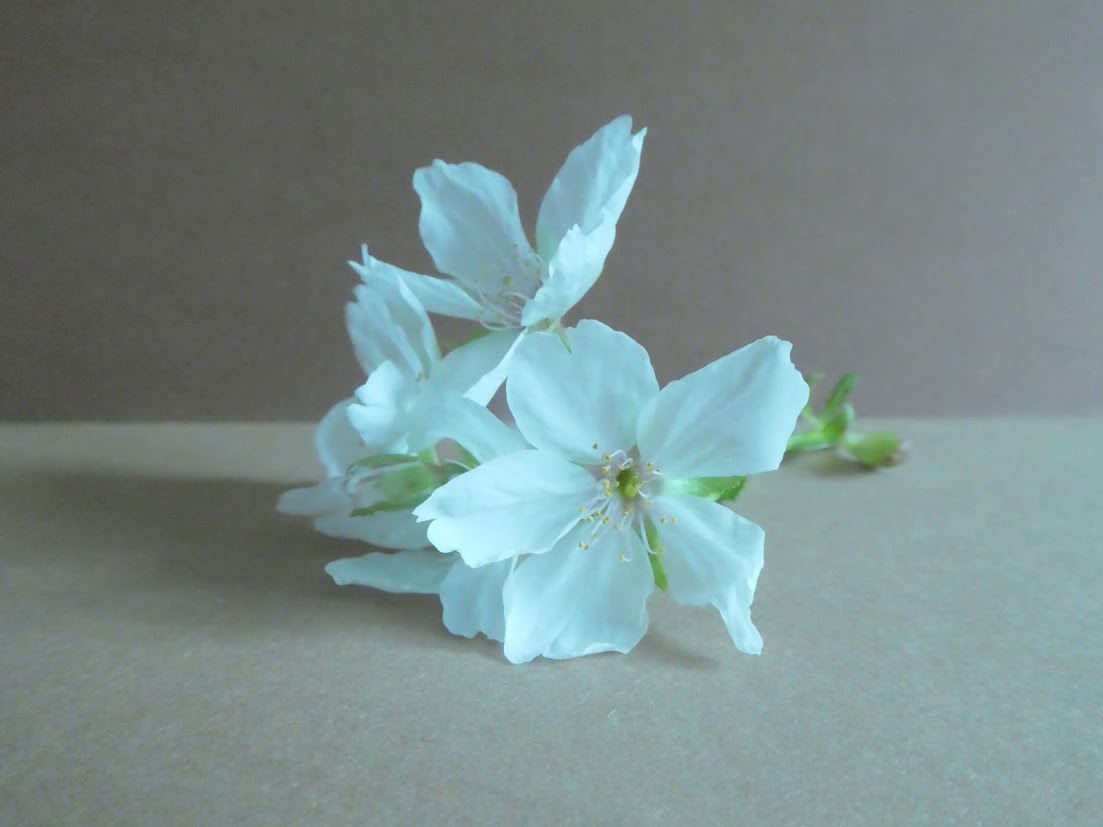
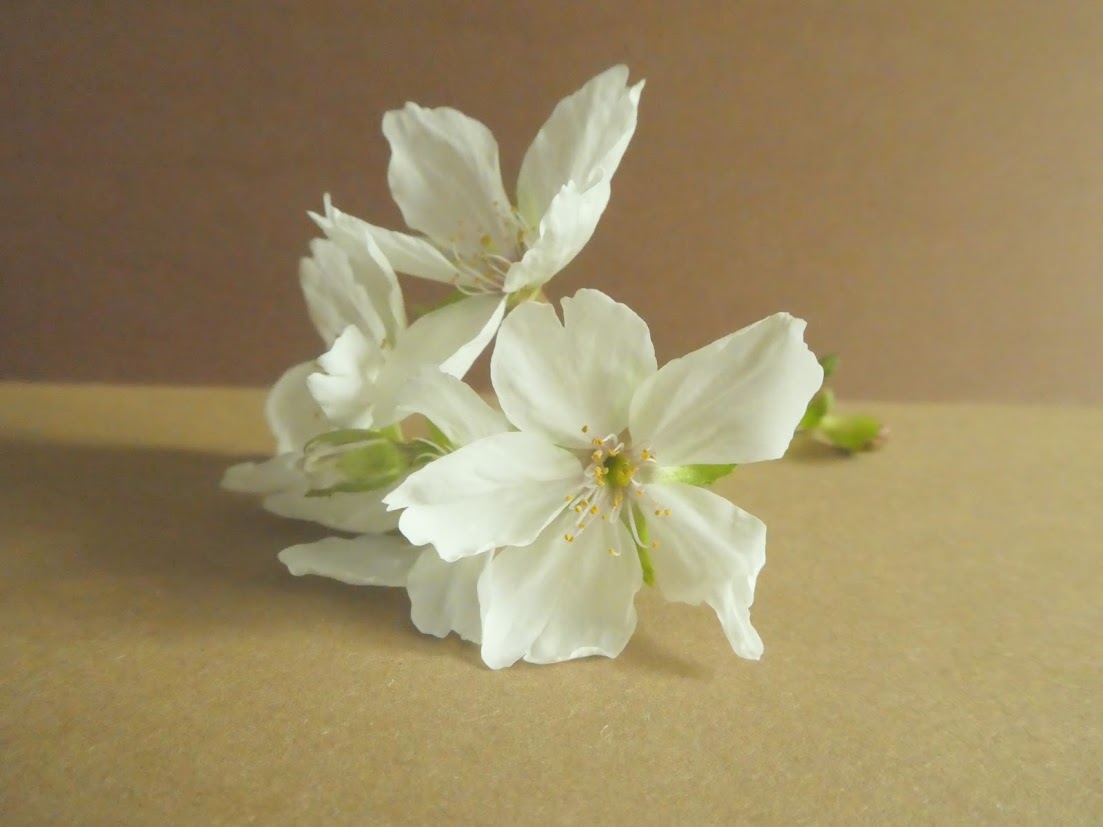
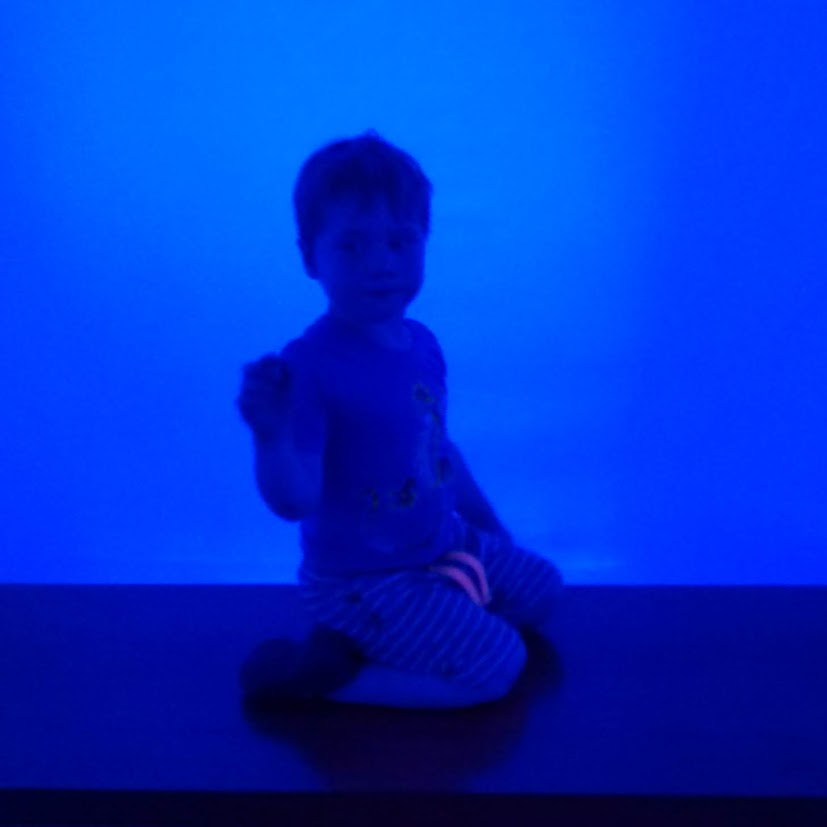
My turn to host Leanne’s Monochrome Madness this week. I thought it would be fun to explore those shots which, by accident, design, or clever editing, are monochrome in any colour but black and white. Let’s go…
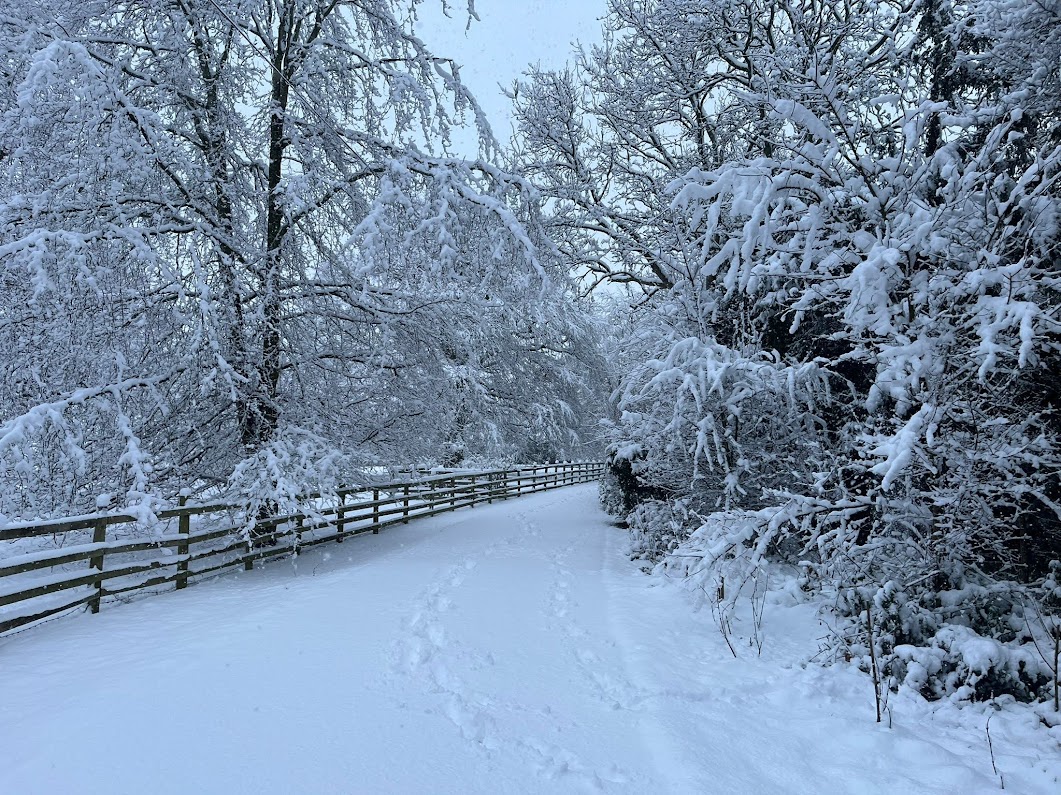
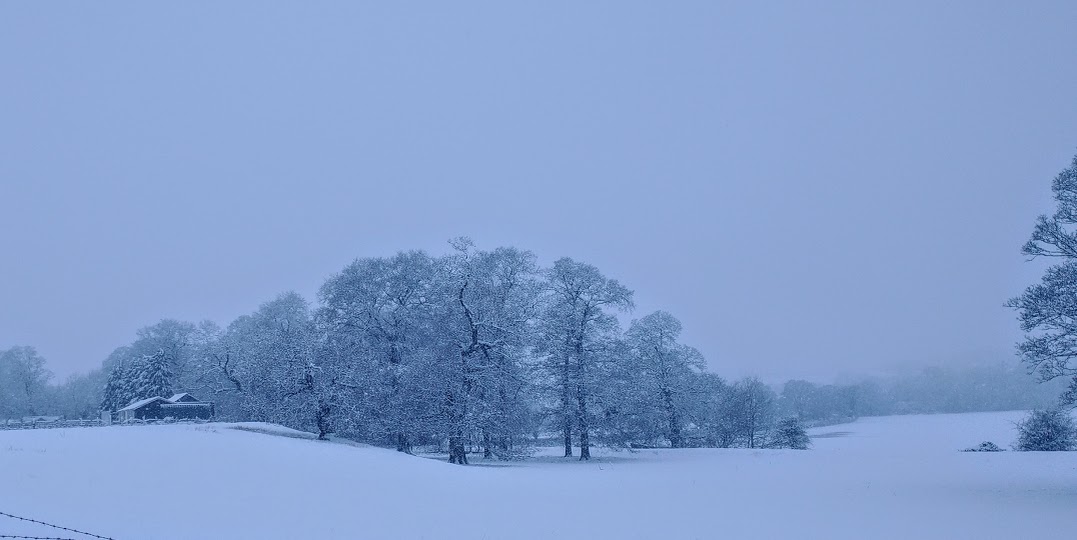
Winter scenes can often offer opportunities. The camera often seems to re-register those – to our eyes -crisp white snowy scenes to muted greens and blues.
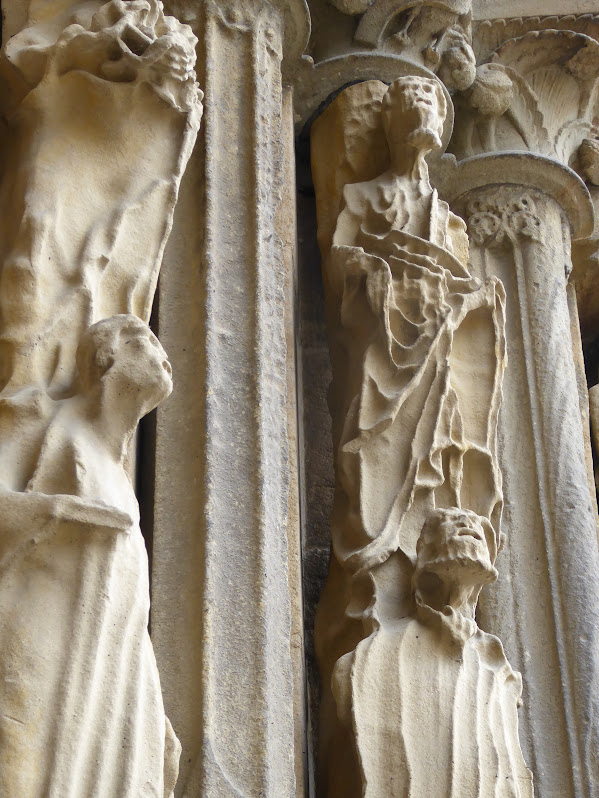
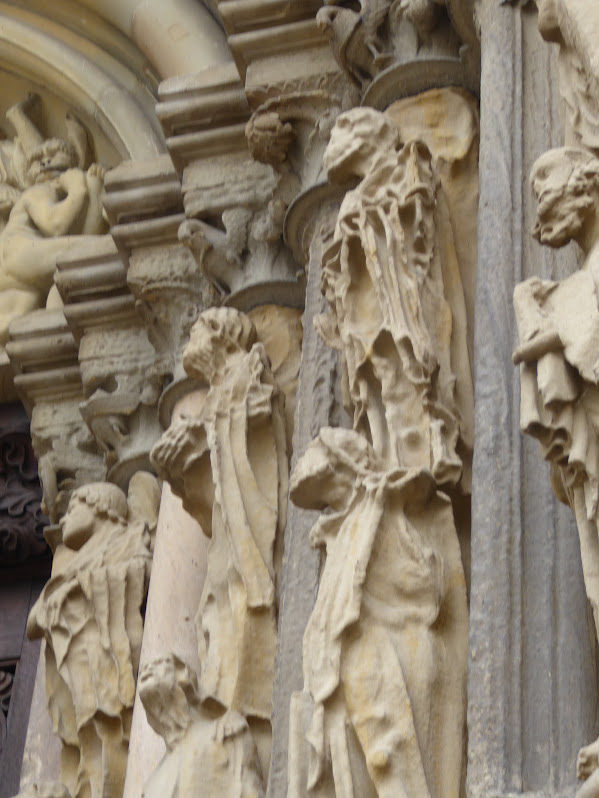
Some years ago, this church in Bamberg took my eye, its doorway saints ravaged by the weather, and presenting to the world as olde-worlde sepia.
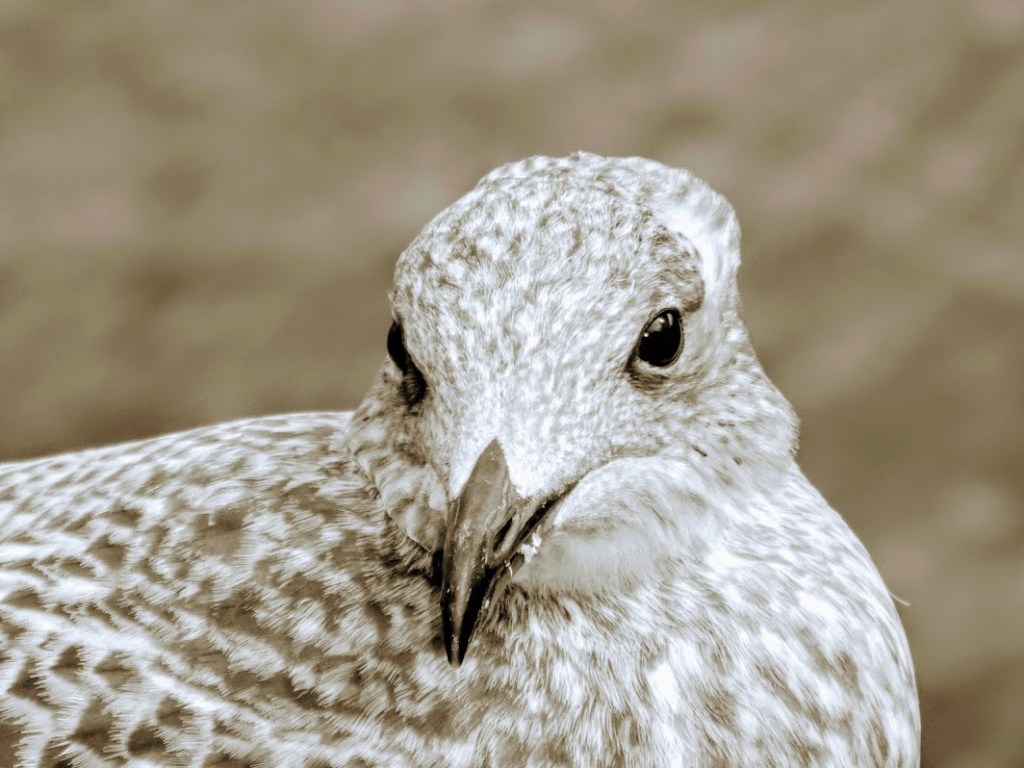
Sepia again. It was a sepia-ish sort of day when I spotted this young herring gull in Newcastle.
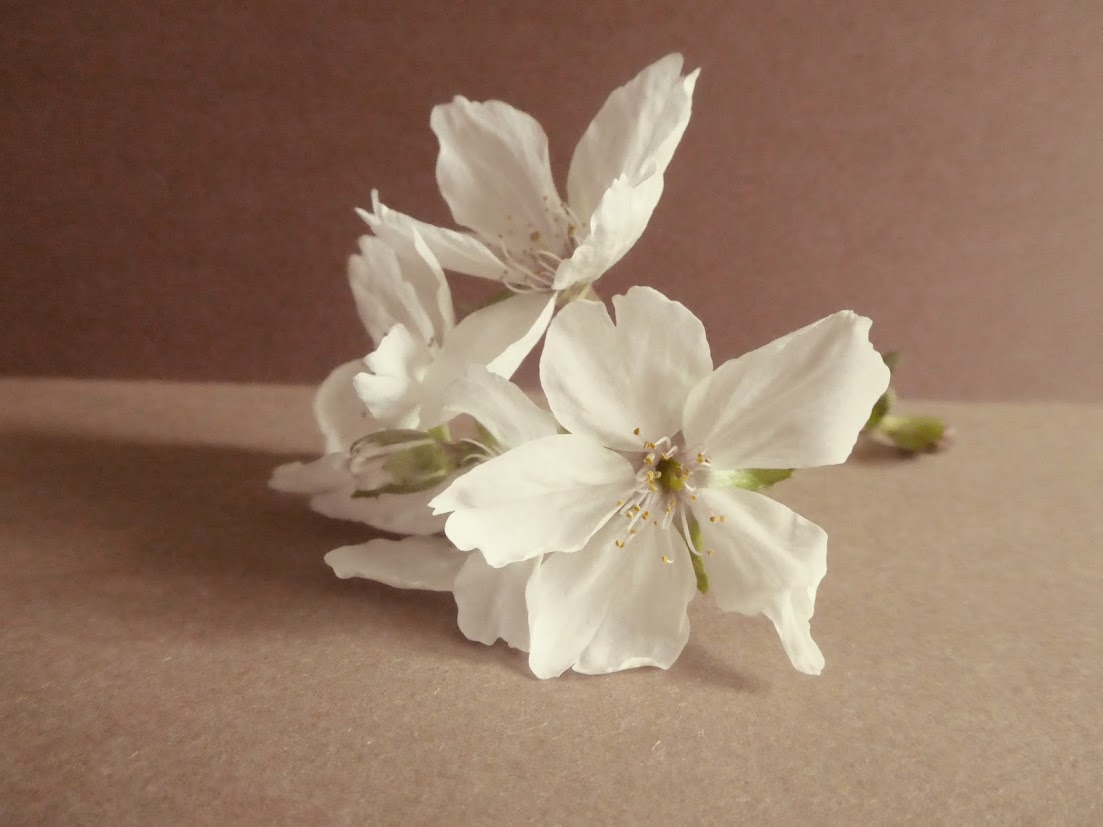
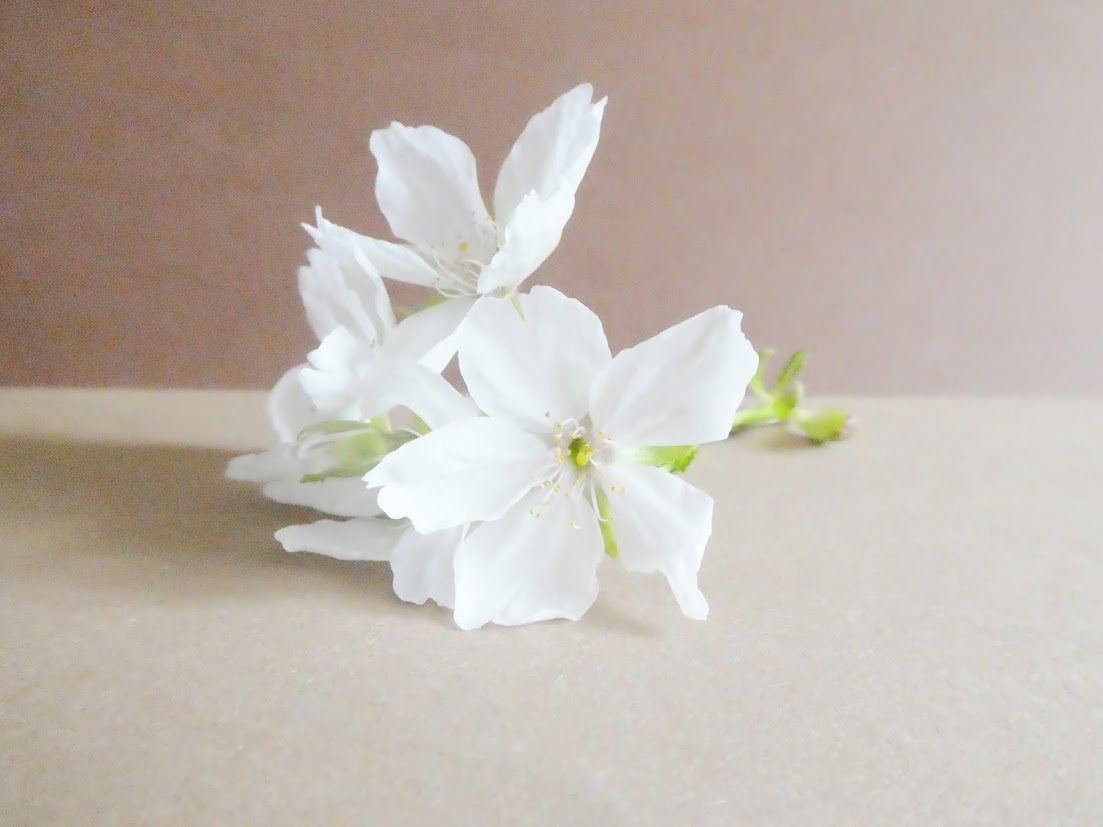
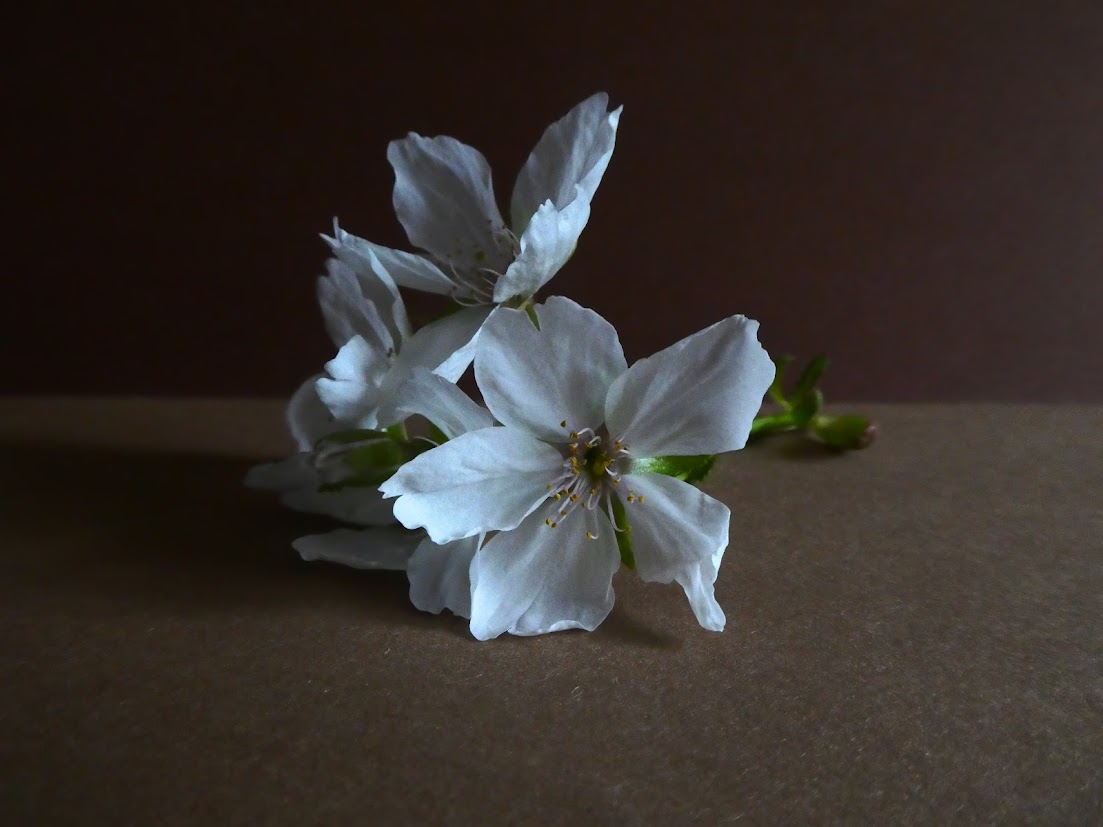
And this cherry blossom? I had an afternoon of blameless fun playing with the special effects on my camera.
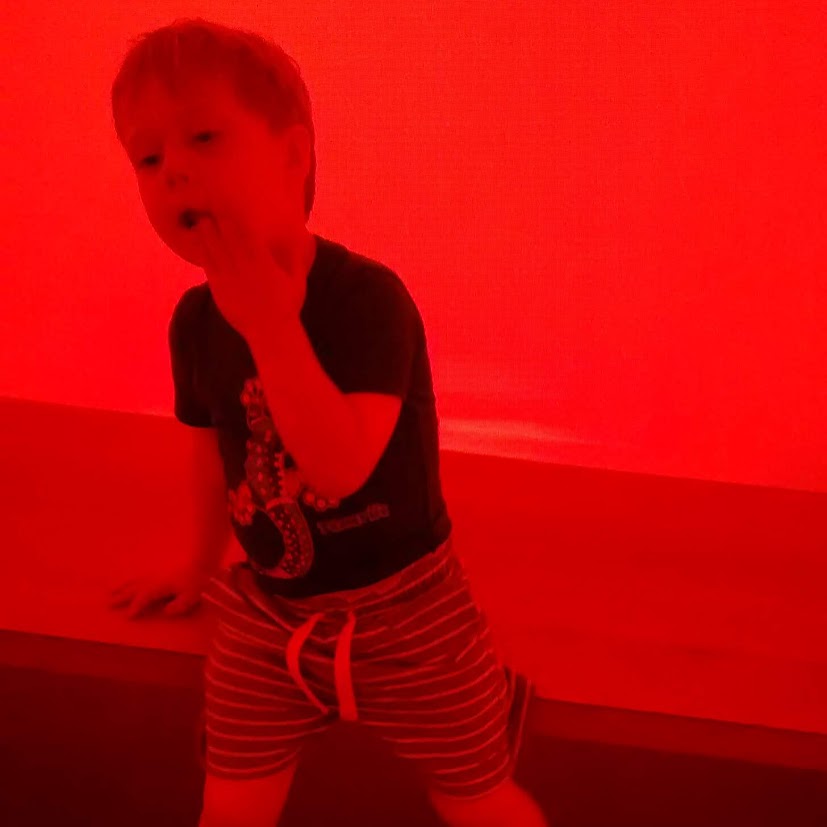
One day – quite a few years ago now – my grandson and I enjoyed ourselves at the Horniman Museum, where a tent was in place bathing us in a range of different colours. Here William is in blue – and inevitably- red, because who knew that eventually, the shot would find its way into Becky’s Squares challenge #SimplyRed?
We’ll finish off in the natural world again.
I think this final shot just about squeezes under the wire as monochrome. What can you show us?
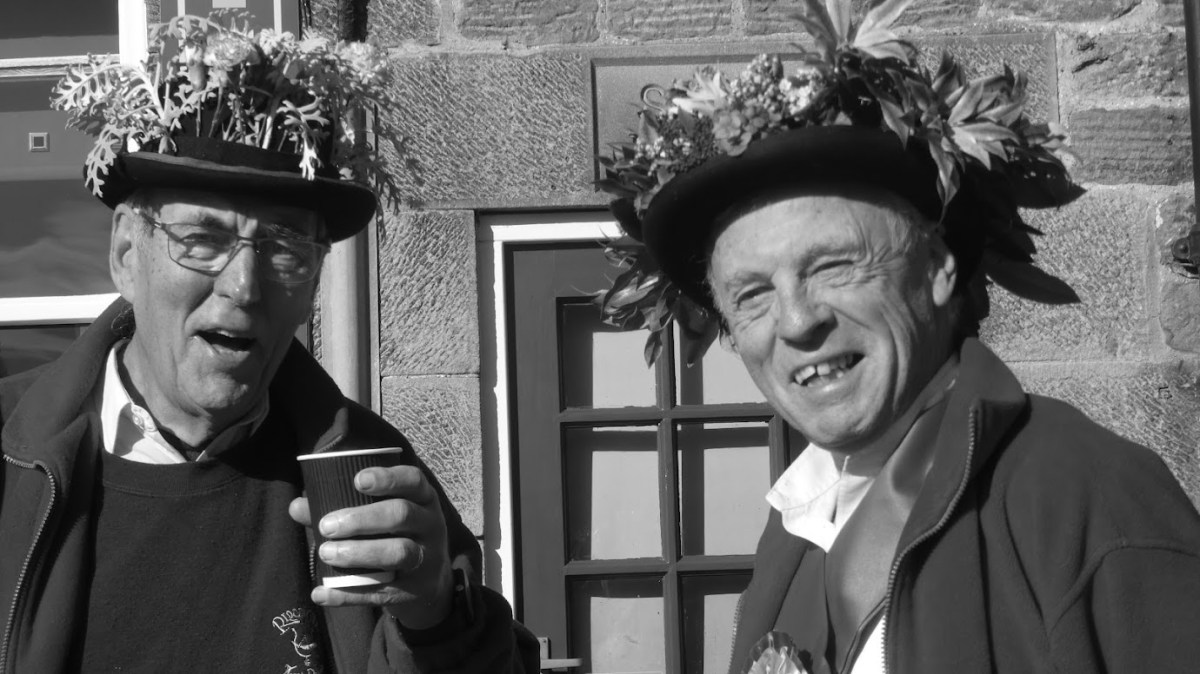
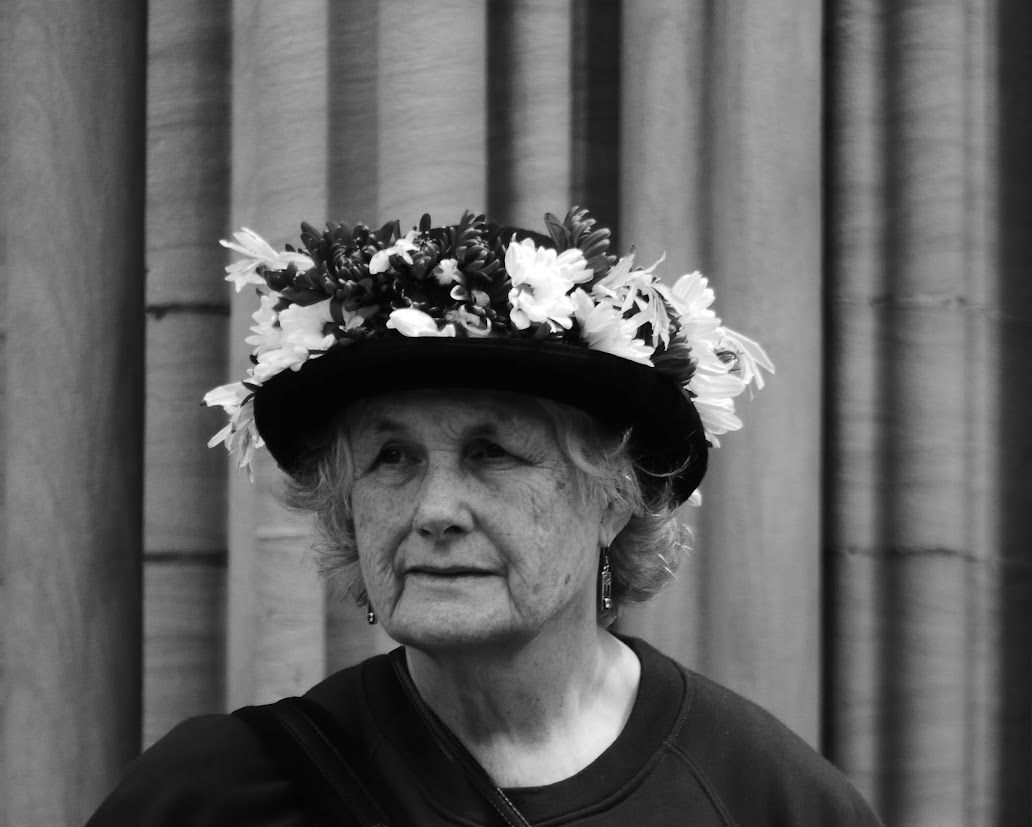
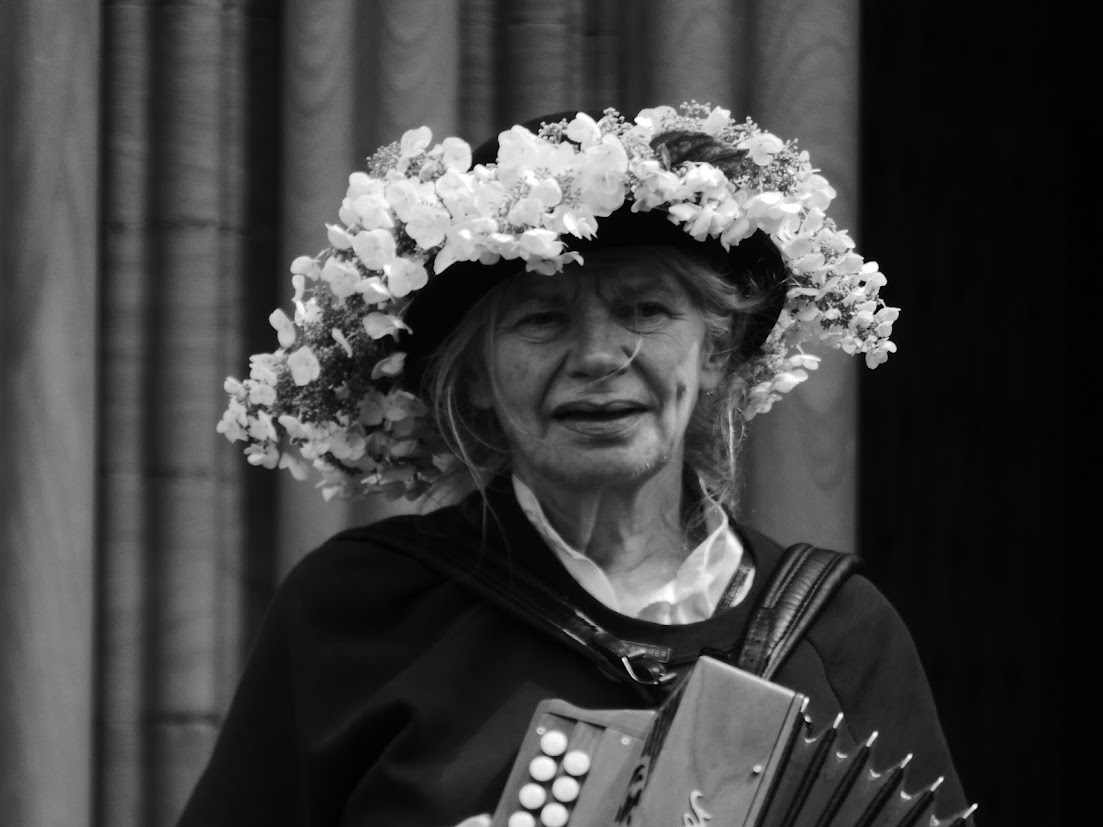
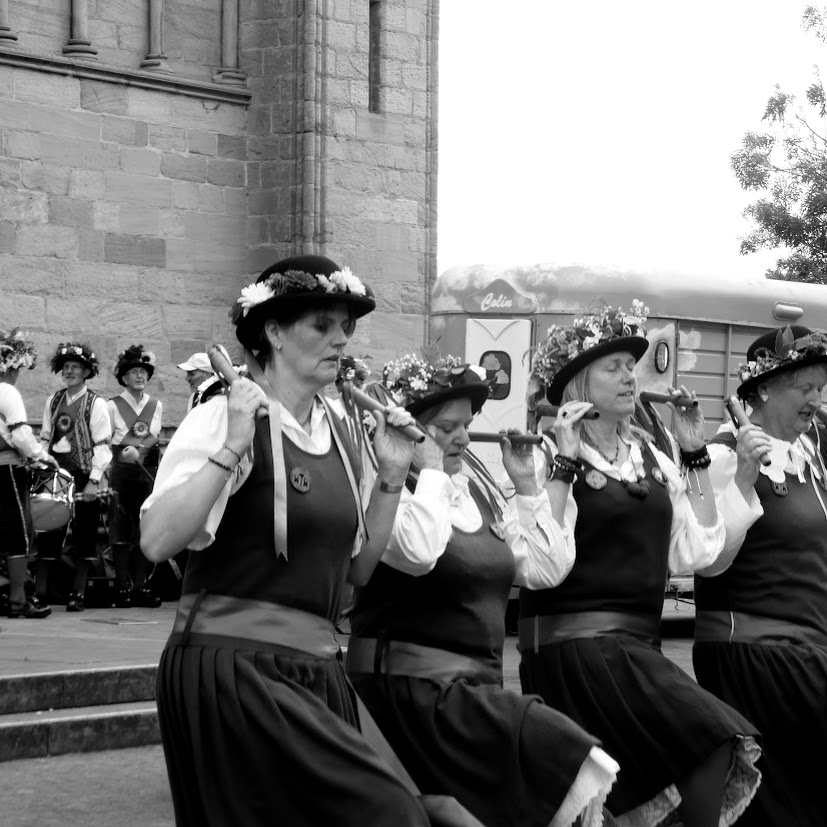
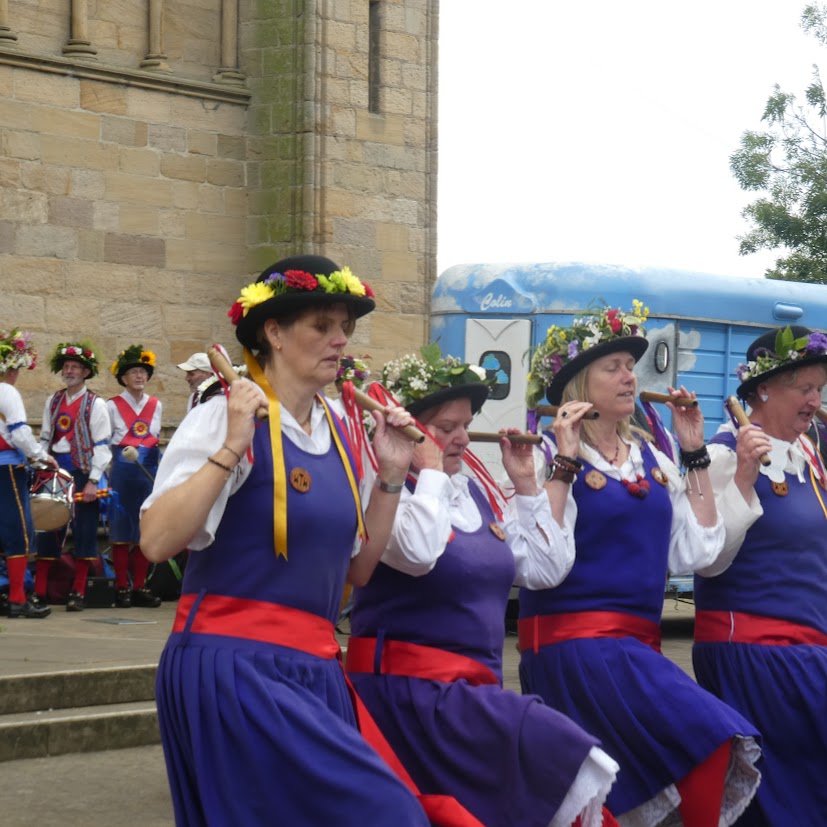
Well, in among all the other acts, Ripon’s Theatre Festival included a few sets of Morris dancers – just as likely to be women as men these days. And they all flaunt terrific Headgear on their Heads. I mean… Hats. Here are a couple: and including two more in the featured photo.
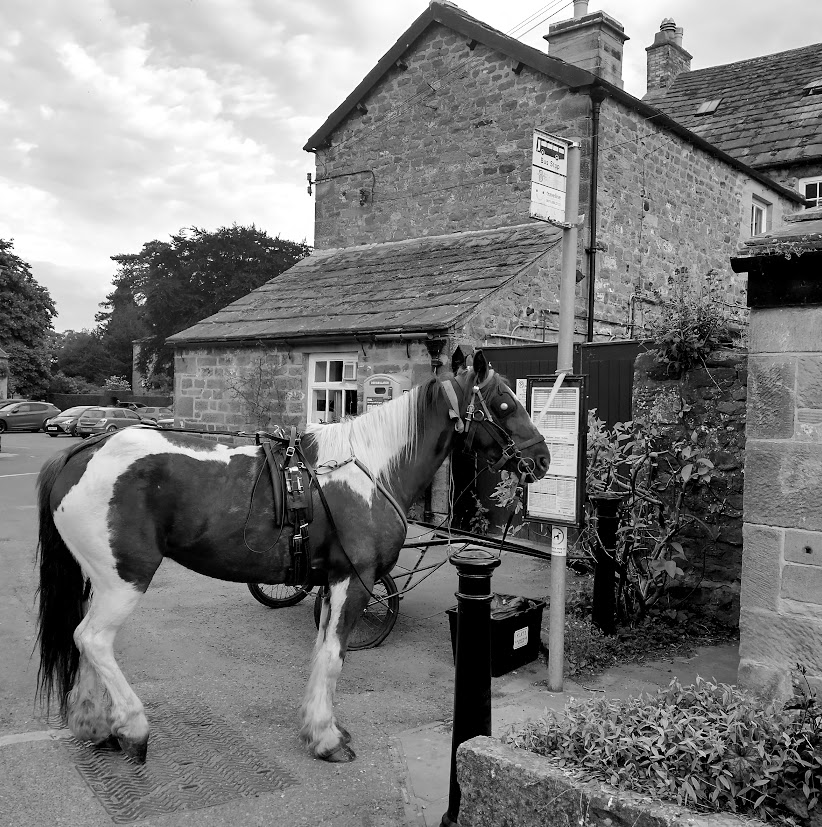
Horses. I won’t show you show-jumpers, or mares with their foals in bucolic meadows. Here’s one waiting patiently for the 159 in Masham one evening as we were on our way to Photo Club. The last bus had left an hour and a half before. In truth, she was on the way to Appleby Horse Fair, an event that. although centuries old, isn’t as long-established as Morris dancing. This horse was one of dozens of horses and vardoes we see making their slow way there in the weeks before.
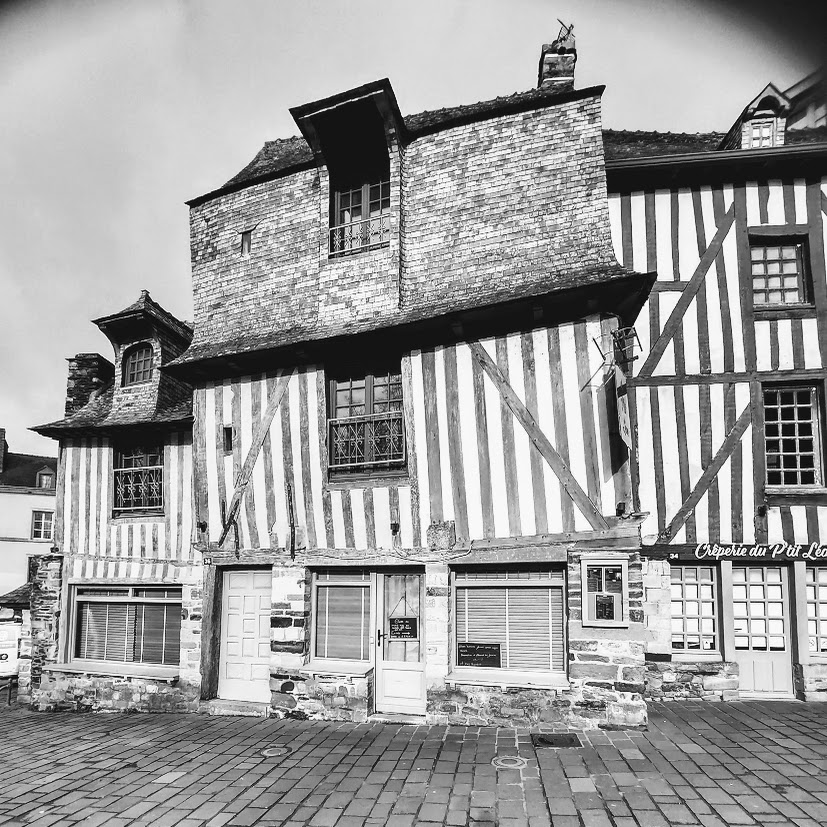
Let’s continue to be a little Olde Worlde. Here’s a House spotted last year in Vitré in Brittany, a town which boasts almost no other housing style.
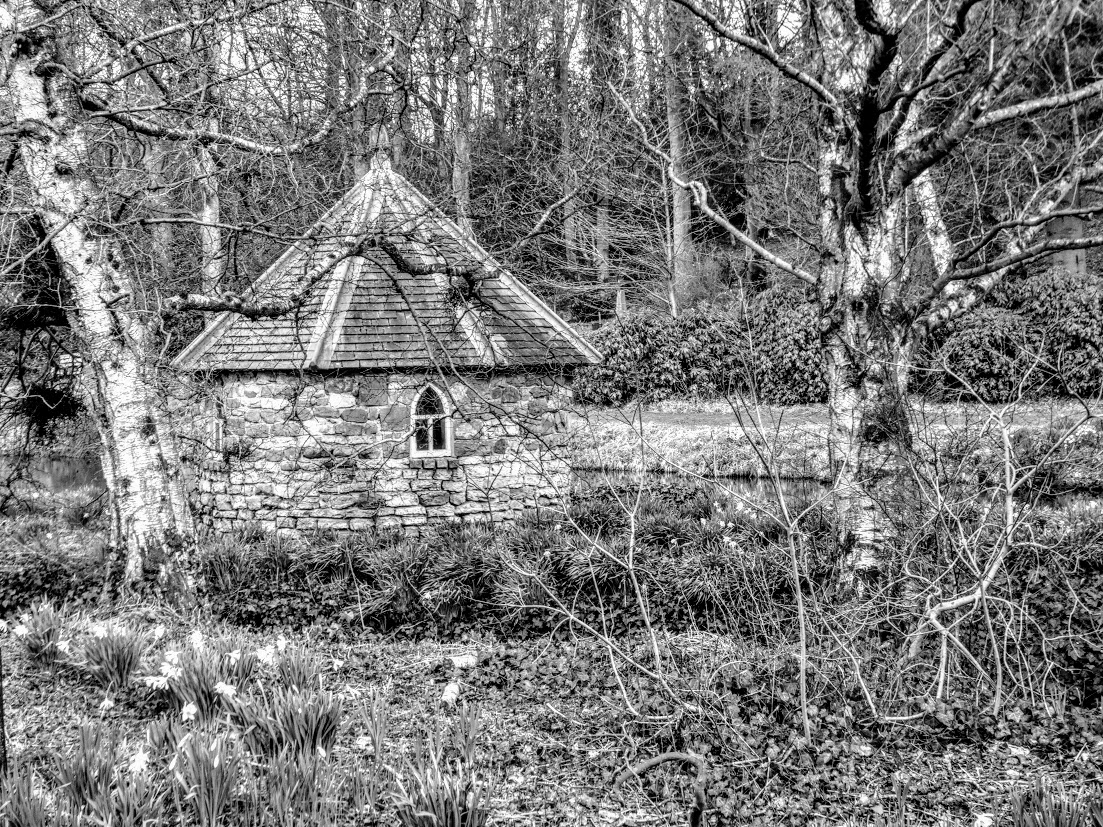
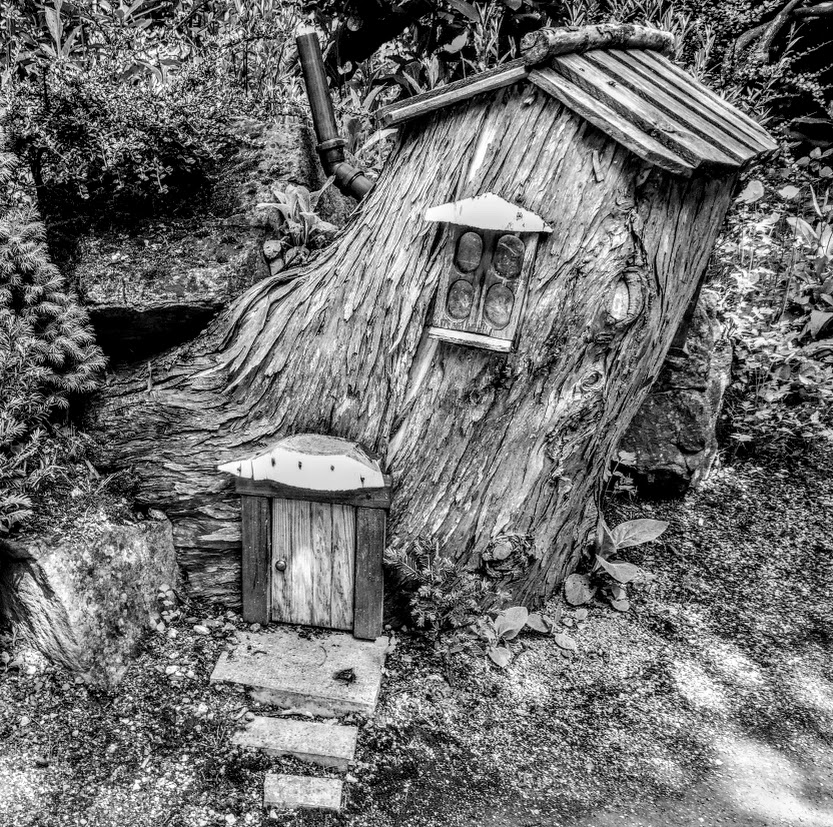
Or shall we go for a little Hut in the grounds of Sleningford Old Hall, or a tiny House, fairies-for-the-use-of, in Nidd Hall?
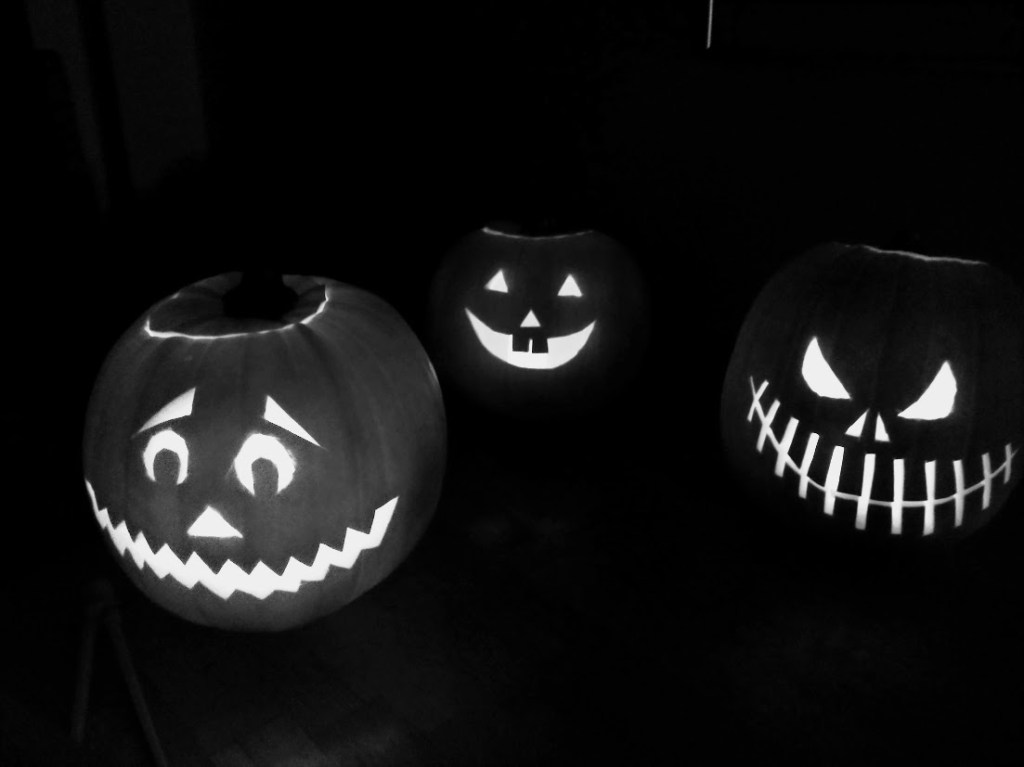
Fairies make me think of other out-of this world creatures, as seen at Hallowe’en.
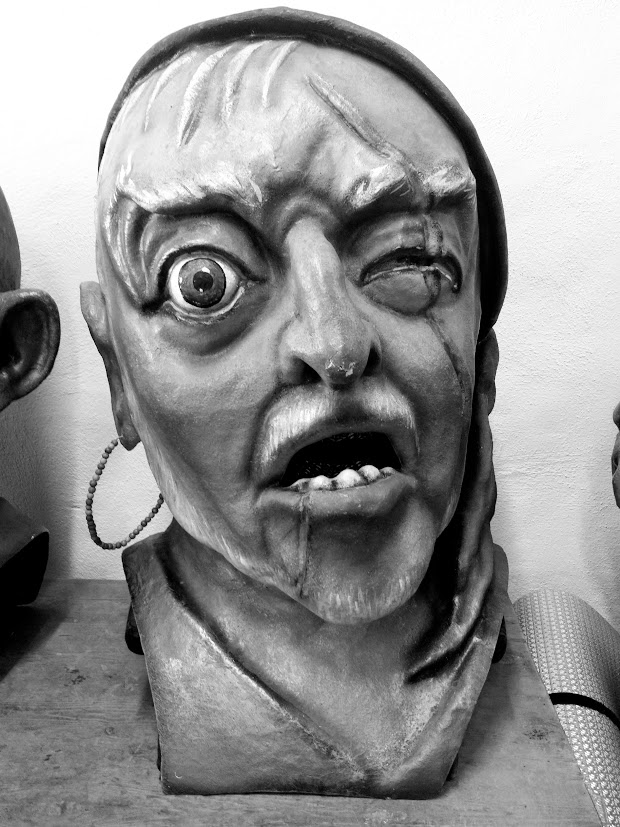
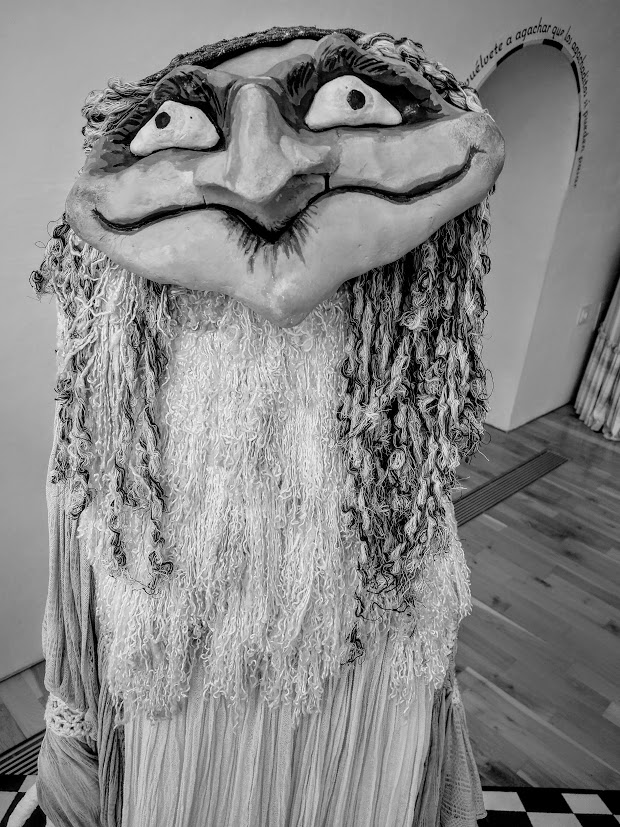
Not frightened yet? I can sort that out. Here’s the Hideous Head of a Gegant in Premià de Mar , and a Haunting Harridan from the Puppet Museum in Cádiz.
I don’t want to leave you quivering though. Let’s go back to Morris Dancing and Hats of course, and let the Slubbing Billys cheer you up. In black and white, and in Glorious Technicolor With Red Highlights for Becky’s #SimplyRed Squares.
The theme Dawn has chosen for this week’s Monochrome Madness is Transport. That’s a bit of a facer. I’m not the sort of person who ever thinks to take a shot of a car, or be part of a cluster round someone’s state-of-the-art motor bike. I only notice trains or buses if they’re late, and you’ll never catch me on a bicycle.
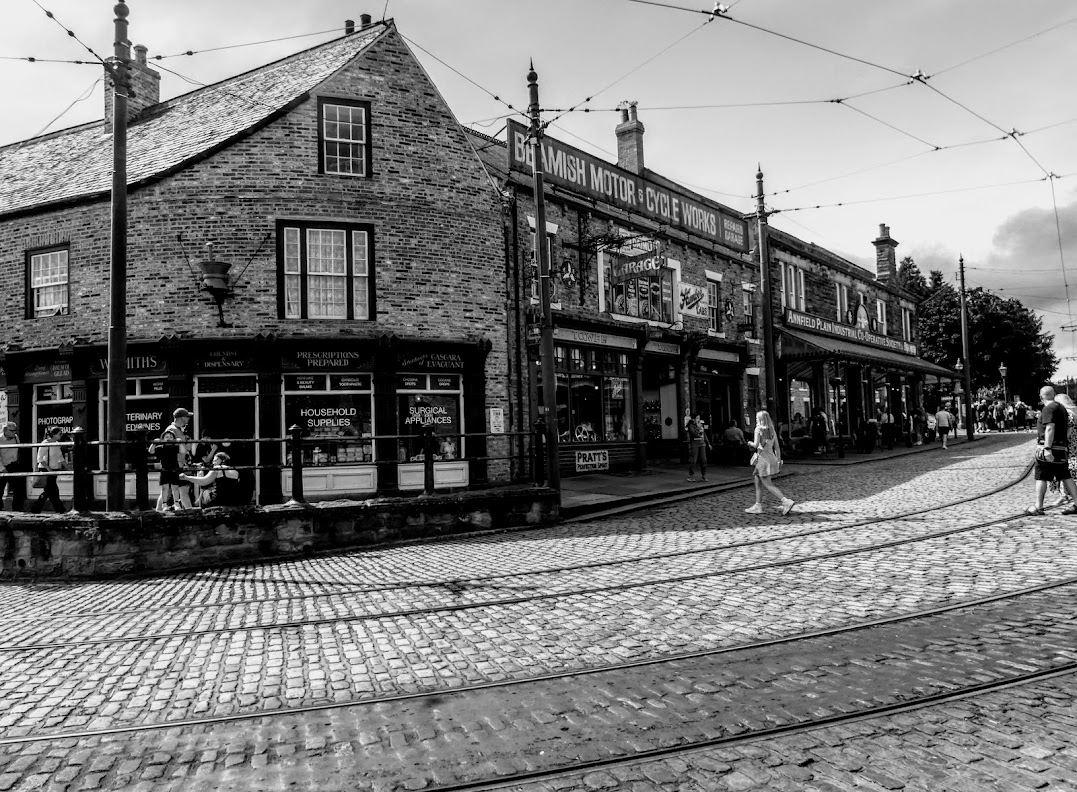
So my best bet seems to be a visit to the past, and a trip we took last year to Beamish, a wonderful open air museum, telling the story of life in North East England during the 1820s, 1900s, 1940s and 1950s.
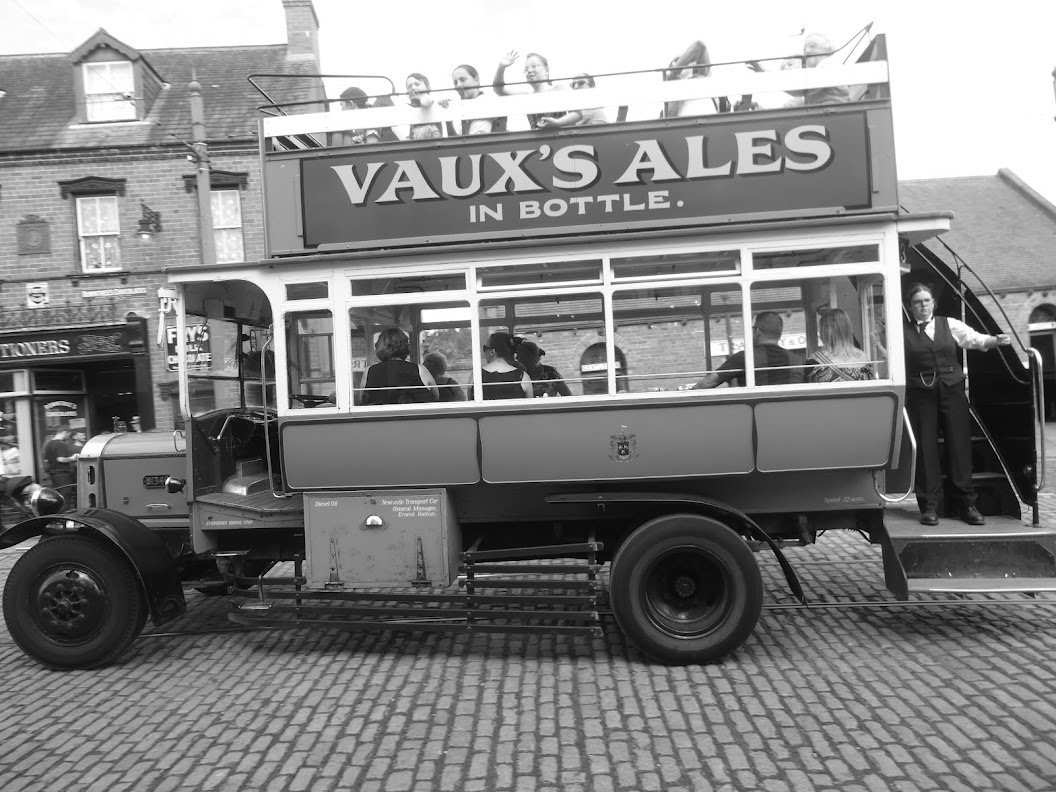
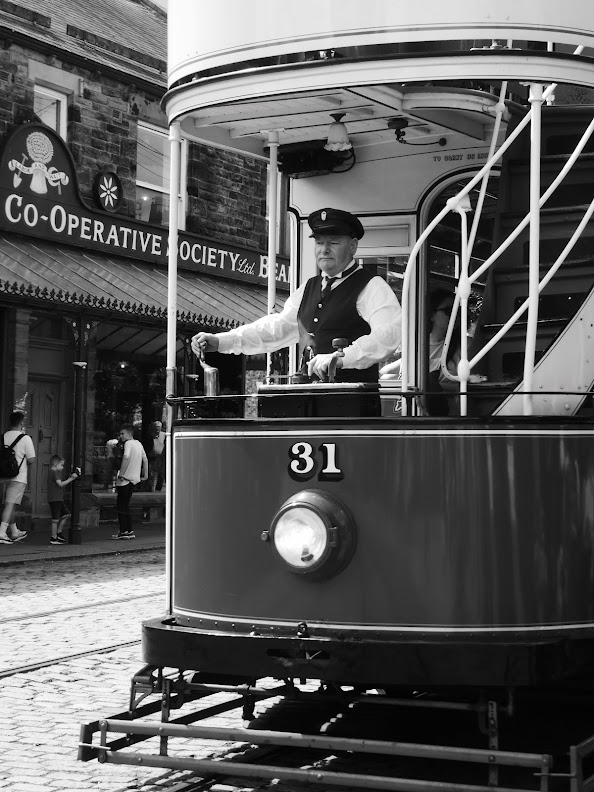
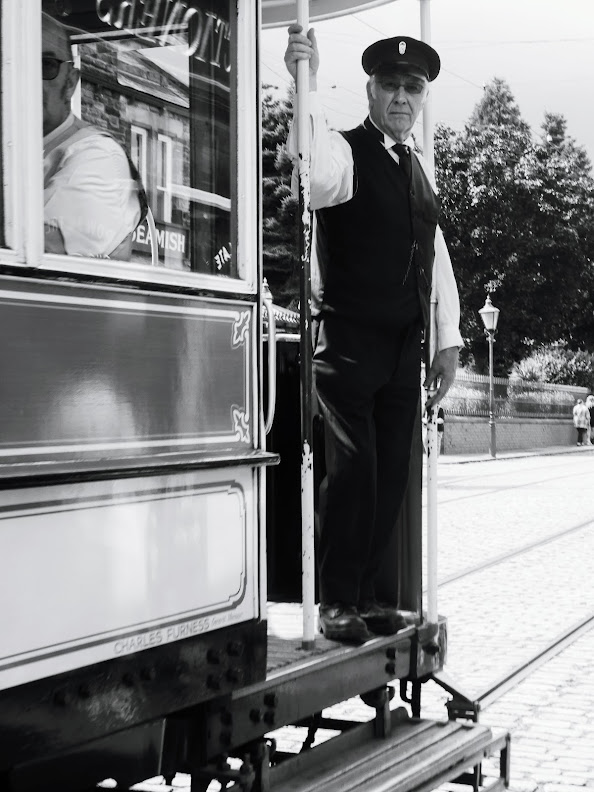
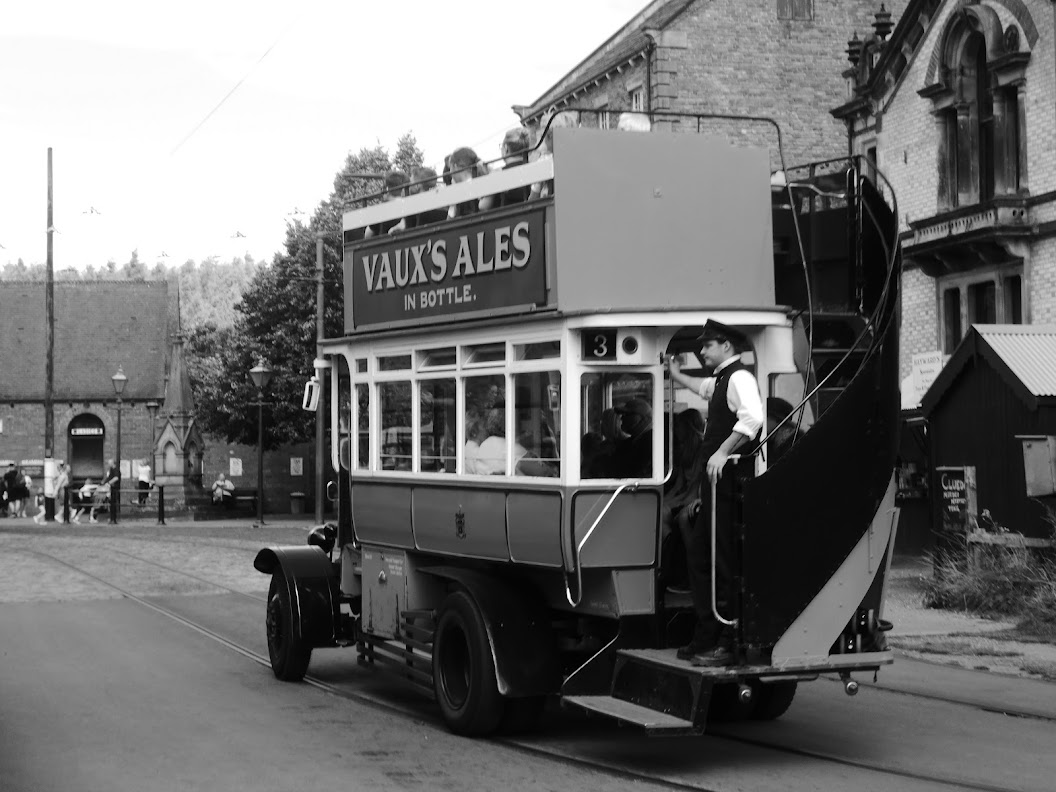
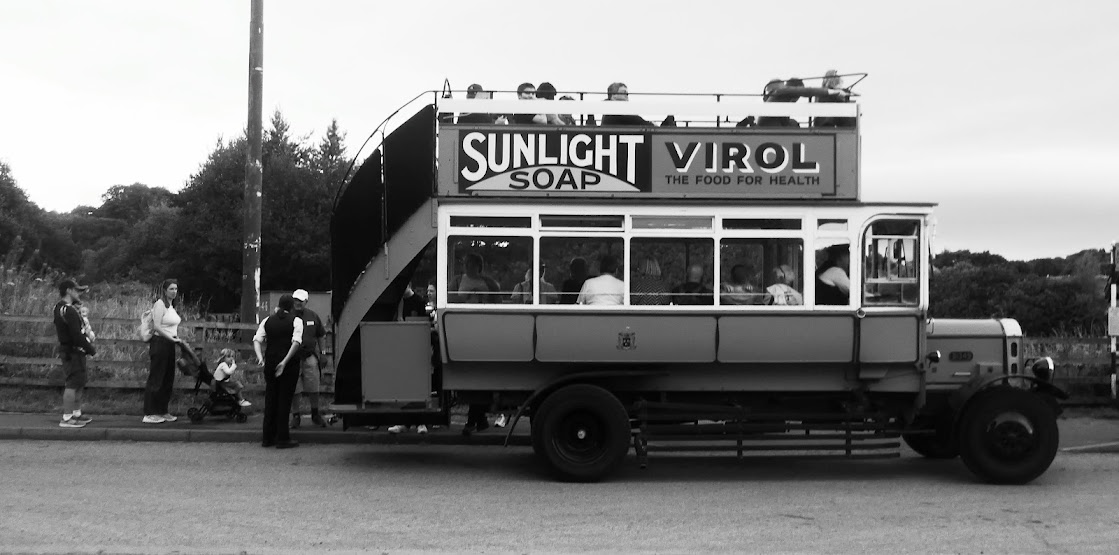
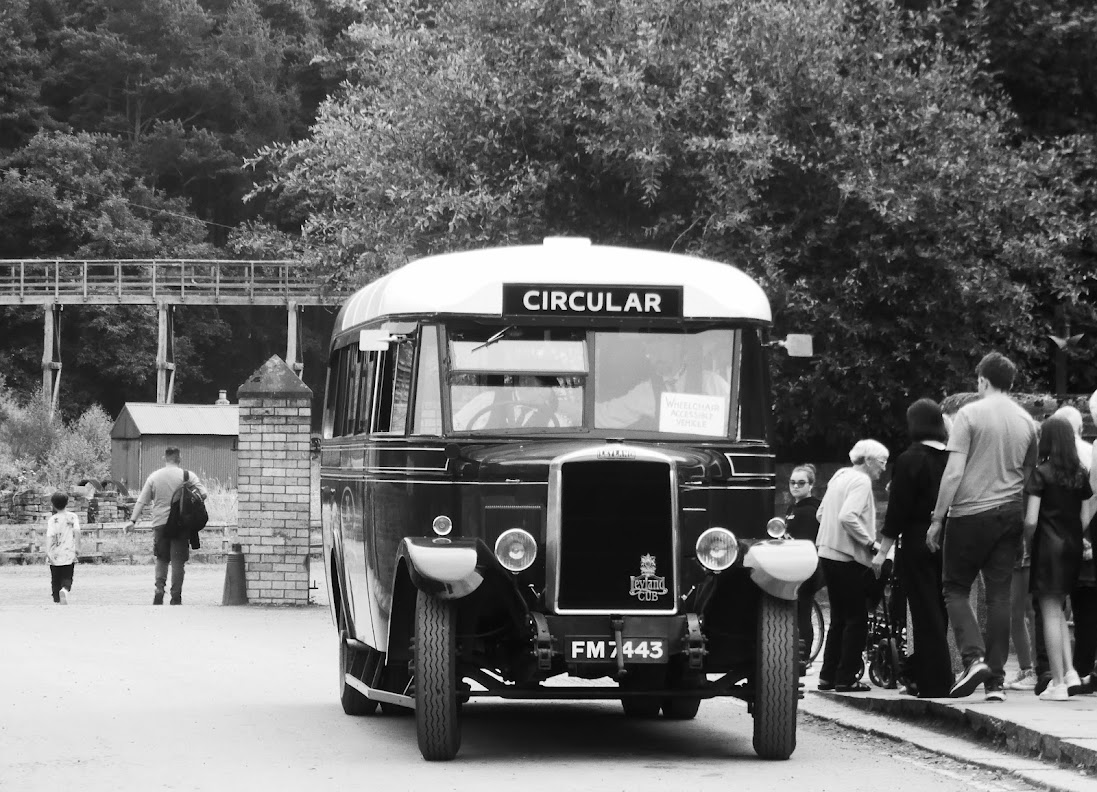
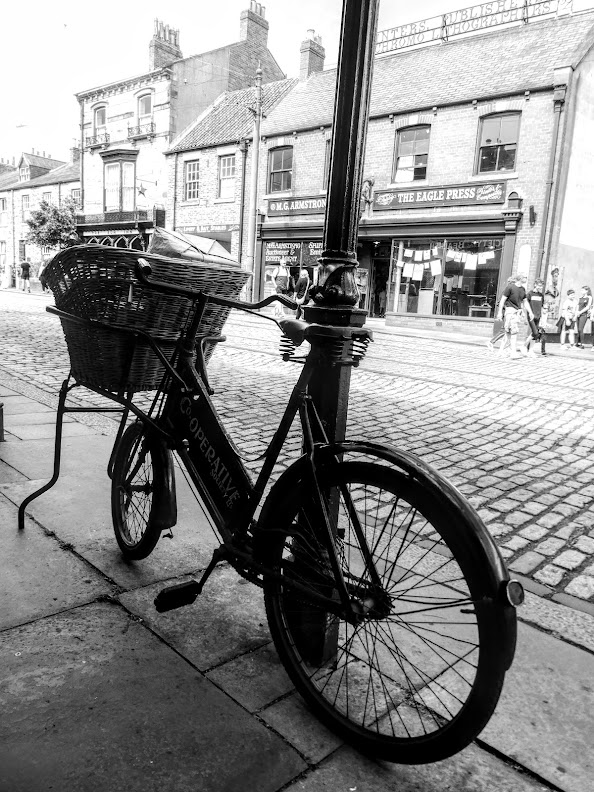
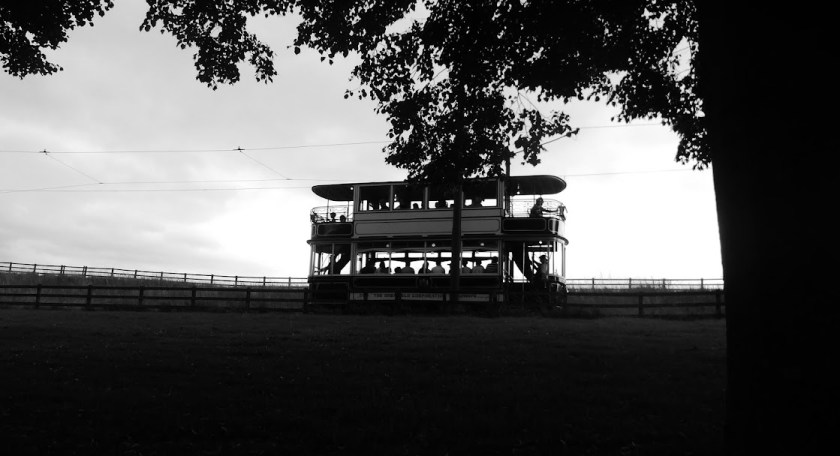
The site is huge, and public (well, public to those who’d paid to get in) transport a necessity. We had fun popping on and off trams, trolleybuses, and single decker buses, and inspecting the bicycles of delivery boys.
My feature photo shows no trams and bikes. There are tramlines, but what it illustrates is the most common form of transport there is, world-wide. Shanks’s pony. I’m not sure if this phrase has spread as a description of walking beyond the UK, nor am I sure of its origins. There ARE various theories on the internet: but I believe none of them.
Here’s a gallery of all the transport we used as we explored this site.
Trams …
… and buses …
… and bikes.
And does a merry-go-round horse count as transport? My granddaughter thought so.
And here’s a final photo, as evening drew in, and people hurried onto whatever form of transport they could find to take them towards the car park, and their journey home.











 From Pyrenees to Pennines
You must be logged in to post a comment.