Indian Friday: The Wildlife Day

I rather enjoyed re-visiting India via my blog the other week. So I went and dug out the diary I faithfully kept. The events it describes have never yet seen the light of day. For the first ten days I was with the group of people my ex-brother-in-law had put together, to explore aspects of rural Indian life, focussing on small producers working in traditional and organic ways. We had no internet access during that period.

I’ve decided to share my diary with you. This will take several Fridays. I’m pleased that I kept such a detailed record of a piece of personal history, and of a country I’d never visited. I wonder how dated this account would seem to the current traveller?

The Wildlife Day

Friday 16th November

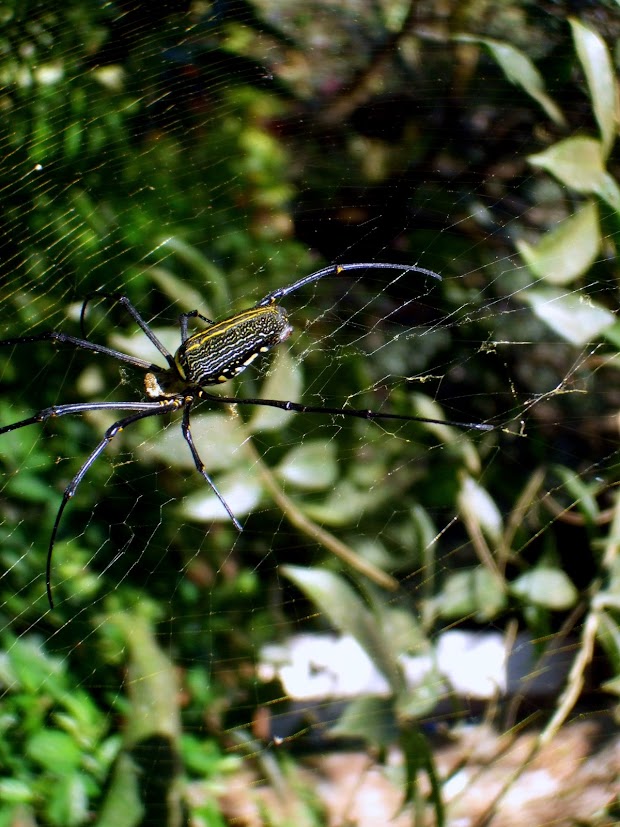
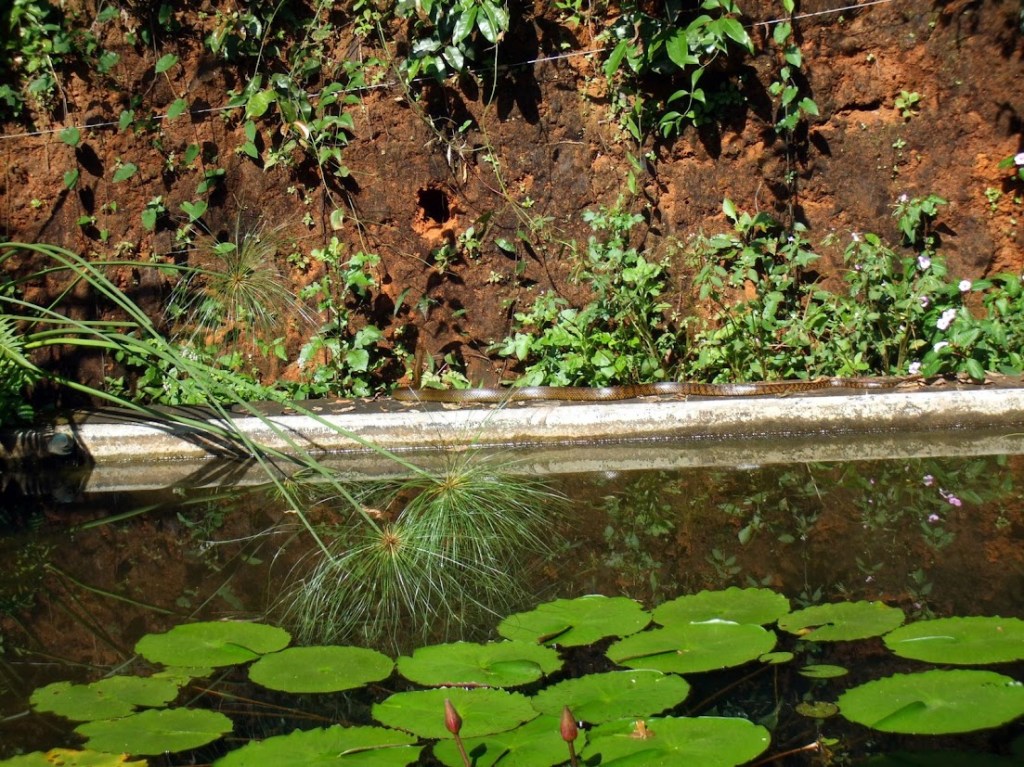
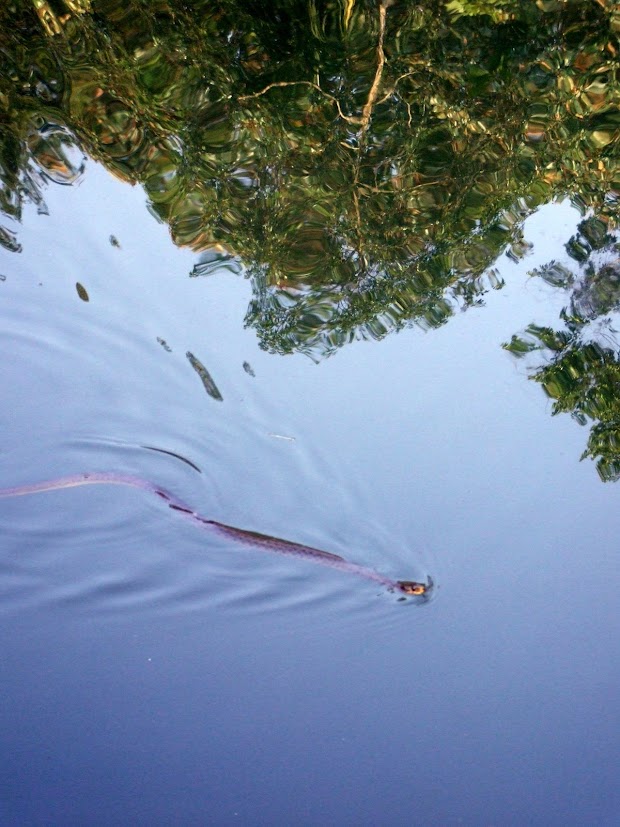
What a wildlife day so far! Rat snake at breakfast, pond heron in the trees in the rainforest, and a rufous-bellied eagle (rare).  Lots and lots of different frogs – not bright coloured but fun to see anyway.  L  and I had had fun shining our torches to see those on lily pads very late yesterday.  Immense spiders safely attached to their webs.
Sandy took us on a rainforest walk this morning.  He began by the river, virtually a guided meditation, to help us tune in with the natural sounds, particularly by the water. It was wonderful throughout to hear the forest sounds – the water, the trees, the monkeys (macaques and …..) whom we couldn’t see. 

Crossing the river

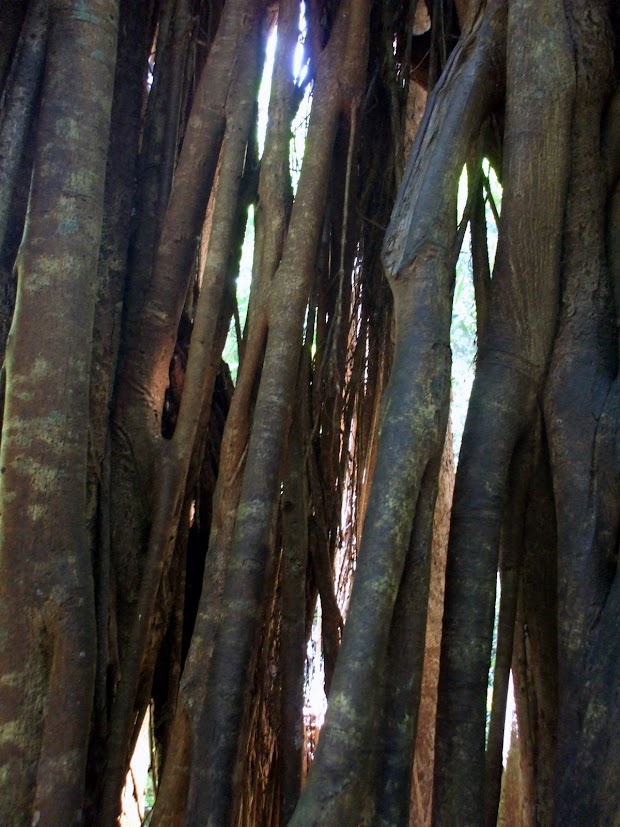
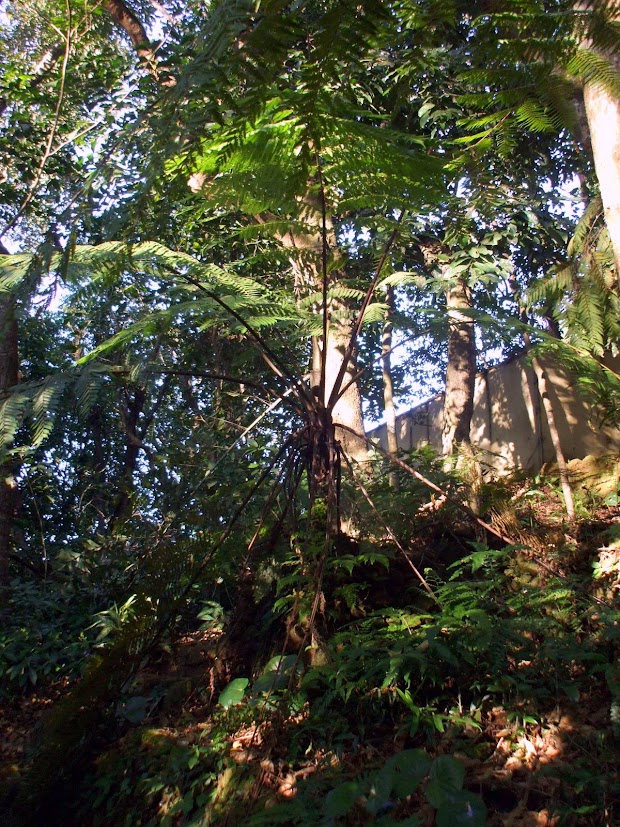
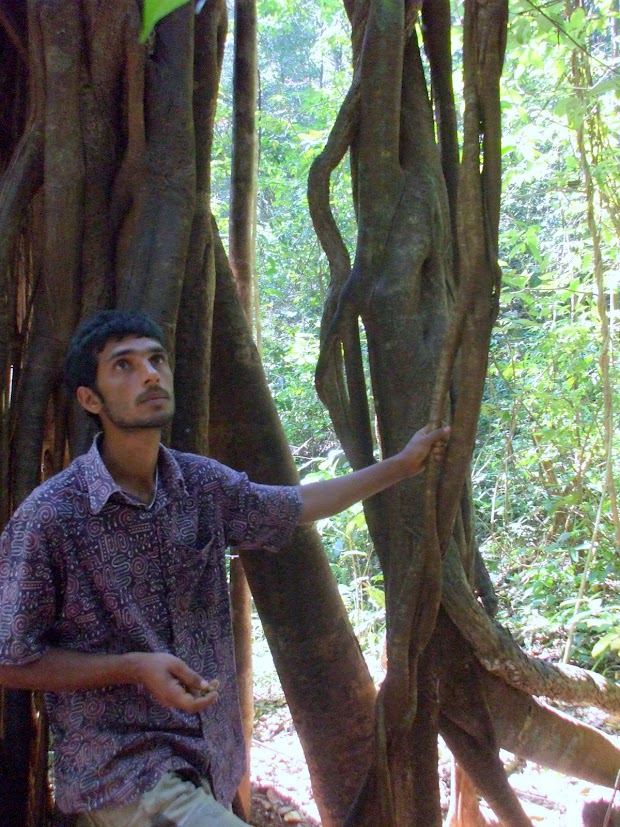
Some strange plants – the strangler fig lands half-way up its host as a seed, and grows down and up, enveloping and feeding from the host trunk. Eventually the host dies, leaving a tracery of woven branches – which is the fig.  Several of us tried to climb up with Sandy’s help: I was one who failed.
Leeches hugely enjoyed our being there.  They seemed to feast on those who hated them most, while pretty much ignoring those like me, who didn’t care.  The poor bitten victims were pretty bloodied by the end.  Still, I copped for the biting ants instead.

I’m currently on the water tower  enjoying the hordes of dragonfly overhead.

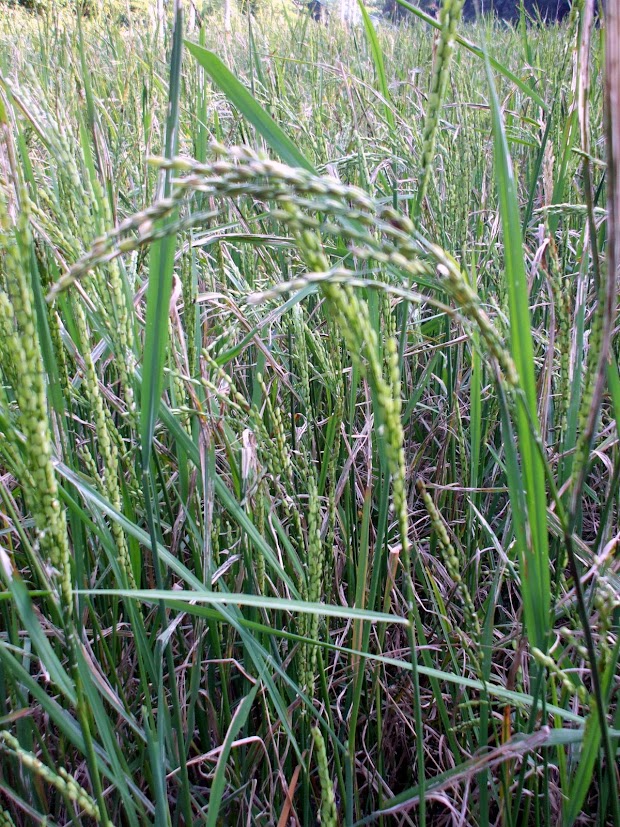
Later.  But then I came down.  Supi had organised another walk.  Down to the water tanks (where we saw two water snakes) and the red rice fields.  They grow old varieties which are slow growing but more nutritious.
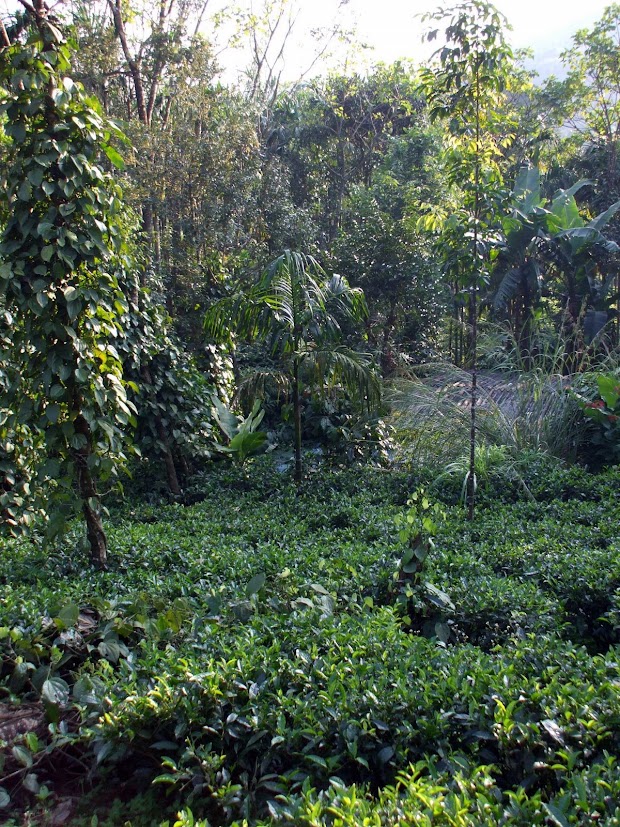
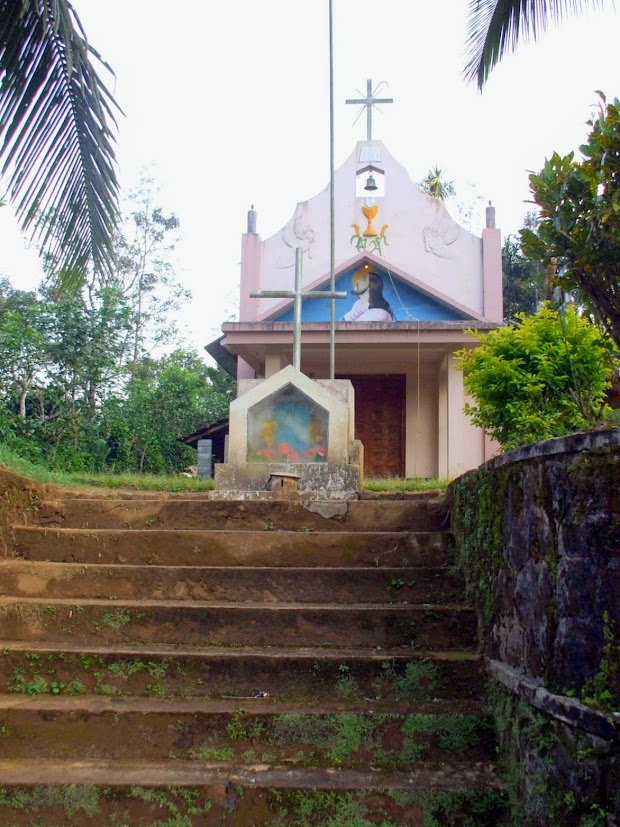
Then it was on to the village: no village green around a church (though there was a church) but houses, on the whole well strung out from each other, with crops and land between. During the late 1940s(?) the Keralan Government freed all landowners to sell their land cheaply and all citizens were entitled to 7.5 acres per person (or 15 acres per family).  At first everyone worked the land in a diverse way, growing varied crops for their own use, then selling the surplus.  Now there is more of a monoculture, with families taking whatever subsidy is on offer to plant the latest crop – till it all goes pear-shaped.  A few years back, tea was getting Rs 20+ on the open market: now it’s only Rs 3. And so on.  So we saw tea, coffee, rubber, bitter gourd, banana – various things – all grown as monocultures, and the consequence is that families, without the rich variety of crops, are less well-nourished. 90% literacy means people are fleeing the land too. Young people choose to work in, for example, call centres rather than continue in the family farm. 
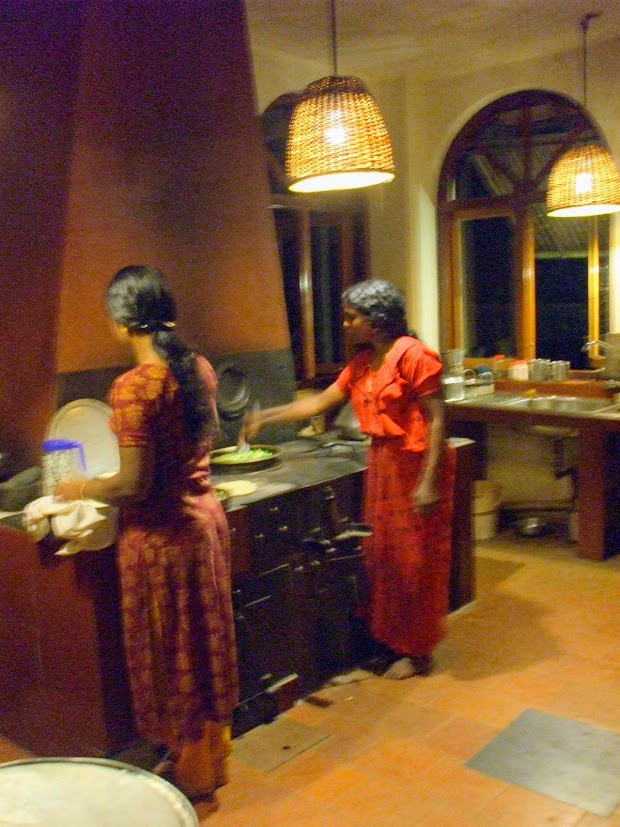
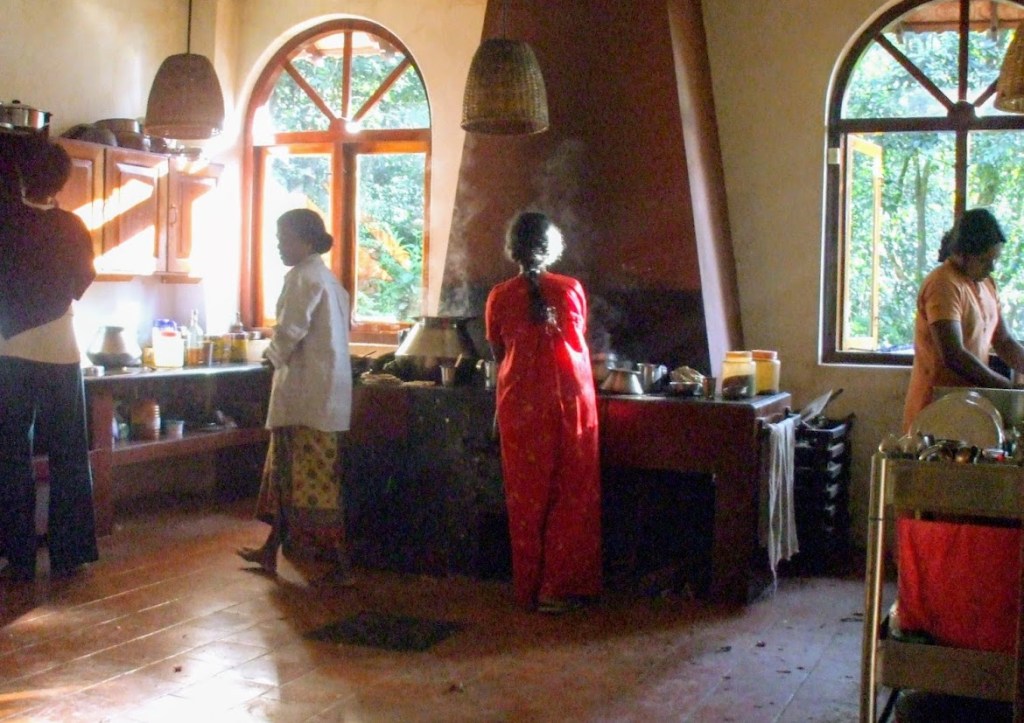
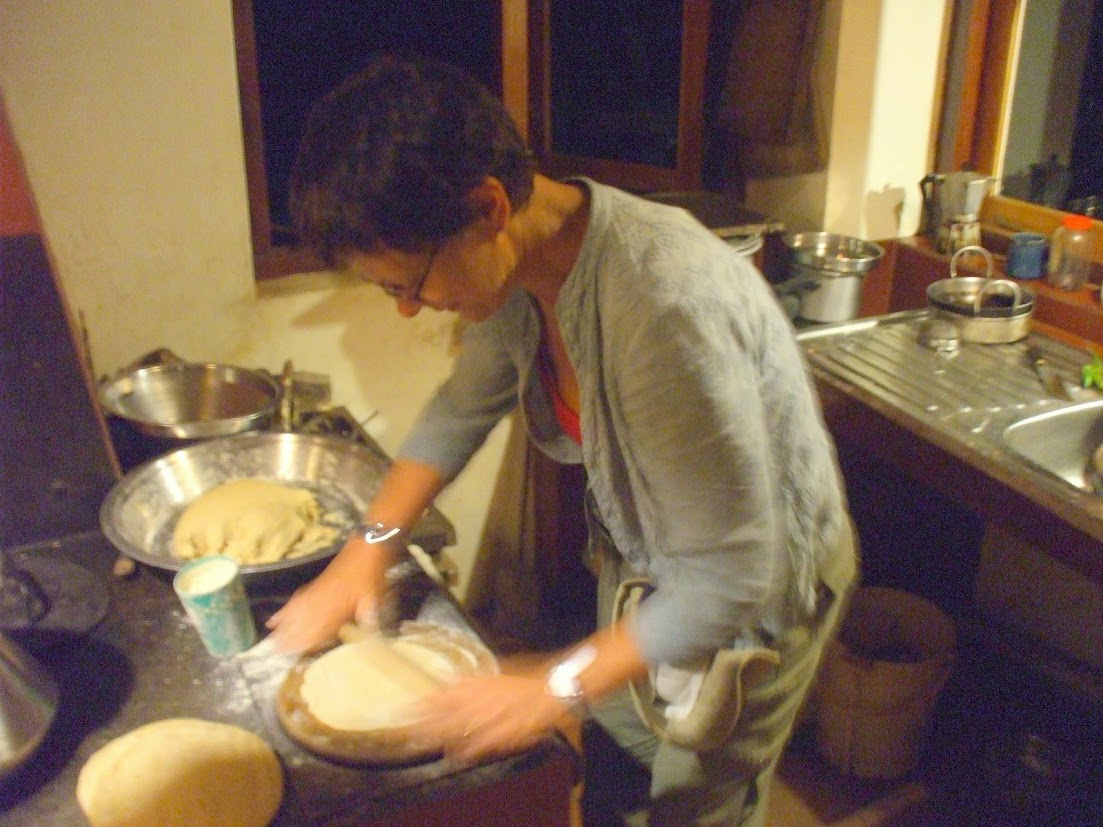
Later, M and I offered to help cook.  We chopped onions, tomatoes, okra, and rolled out chapattis, but other than that didn’t feel too useful or learn massive amounts.  But it was fun. 
Later still, M, C and I were taken for a moonlight walk by Lorenzo: rather fast for C’s and my taste, but listening to all our frogs, and stargazing was fun.  Late bed and …. (to be continued in my next….)
Indian Friday: Off to Gurukula

I rather enjoyed re-visiting India via my blog the other week. So I went and dug out the diary I faithfully kept. The events it describes have never yet seen the light of day. For the first ten days I was with the group of people my ex-brother-in-law had put together, to explore aspects of rural Indian life, focussing on small producers working in traditional and organic ways. We had no internet access during that period.

I’ve decided to share my diary with you. This will take several Fridays. I’m pleased that I kept such a detailed record of a piece of personal history, and of a country I’d never visited. I wonder how dated this account would seem to the current traveller?

Off to Gurukula

Thursday 15th November

Well, it’s only 6.20, and as usual I haven’t slept much.  But the compensation is to hear for the last time the dawn song of the Whistling Thrush.  Just the one bird, who at early dawn sounds just like some very contented man, hands in pockets, ambling down the street, whistling carelessly and happily without bothering to keep to any particular kind of tune.  We sometimes hear it briefly in the evening too.

The thrush doesn’t start singing at the very beginning of this recording, so just hang on a few seconds!

8.05.  We’ve had much of a day already – setting off in the minibus (late as usual) after affectionate goodbyes to Sujata and Ann and the staff such as Harish.  Check the bald tyre on the spare!   Stop off at Madekeri to photocopy our documents for the Kerala police, comfort break and so on, then … ever onwards.  The roads were terrible and the scenery and towns were what we had come to expect and enjoy though we did seem to be descending.  Finally, the Kerala border and frontier posts and all that goes with that, and a flurry of communist flags.  Not too long before we stopped again for petrol, comfort breaks and chai.  By the way, the scenery changed immediately we got through the border to forests of bamboo.  We were straight into a National Park, briefly better roads and apparently a slightly better standard of living. 

The road up to Gurukula was … worrying.  Finding it was one thing.  Ascending the single-track with sharp descent one side (my side …) another.  The forest however was so lush.  Once we arrived in this place – a Botanical Sanctuary – undeveloped for tourism in the way that, say Kew, has been, we were immediately welcomed to lunch (by now 2.30 ish) – 2 veg. curries, homemade yoghourt and poppadoms, twice cooked rice in the Keralan style, followed by yoghourt with wild honey.  All v. democratic, so do your own washing up,  and then down to inspect the simple accommodation.

A tour of part of the sanctuary in the afternoon (‘Please pee in the garden to nourish the plants’), then tea at 5.30: hunks of watermelon, local oranges, homemade savouries and sweetmeats, and meet everyone. 

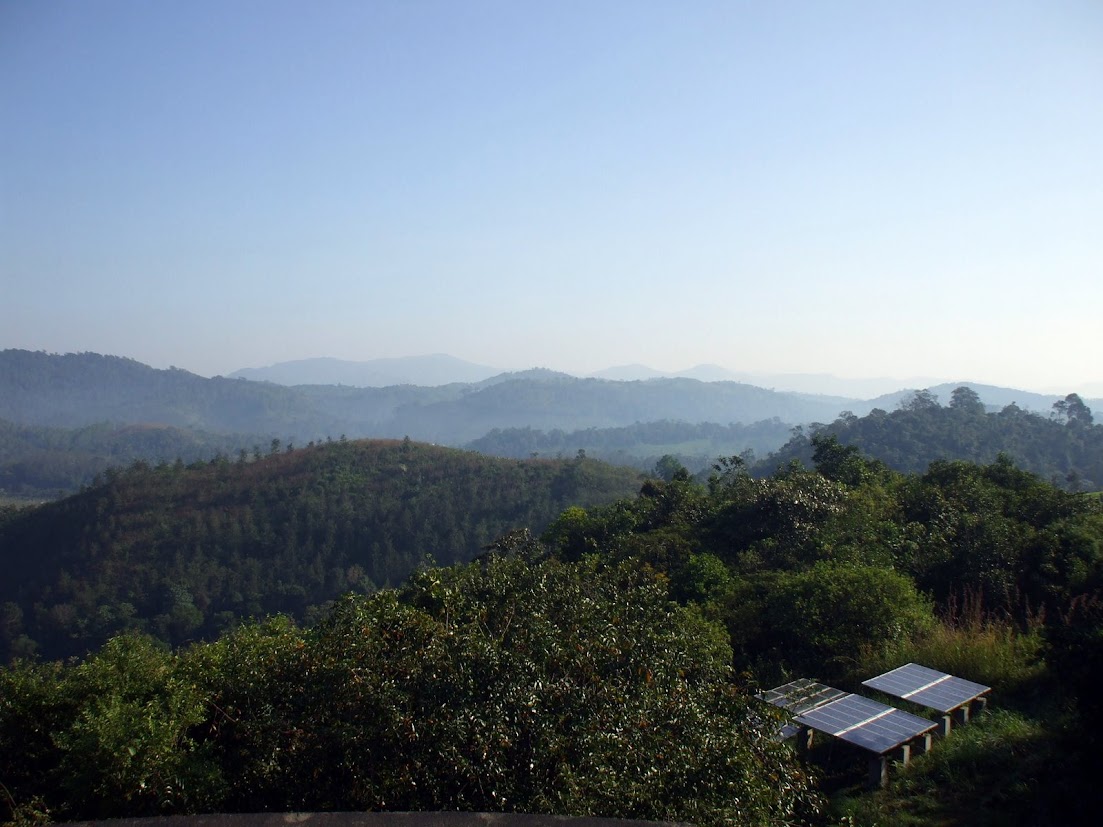
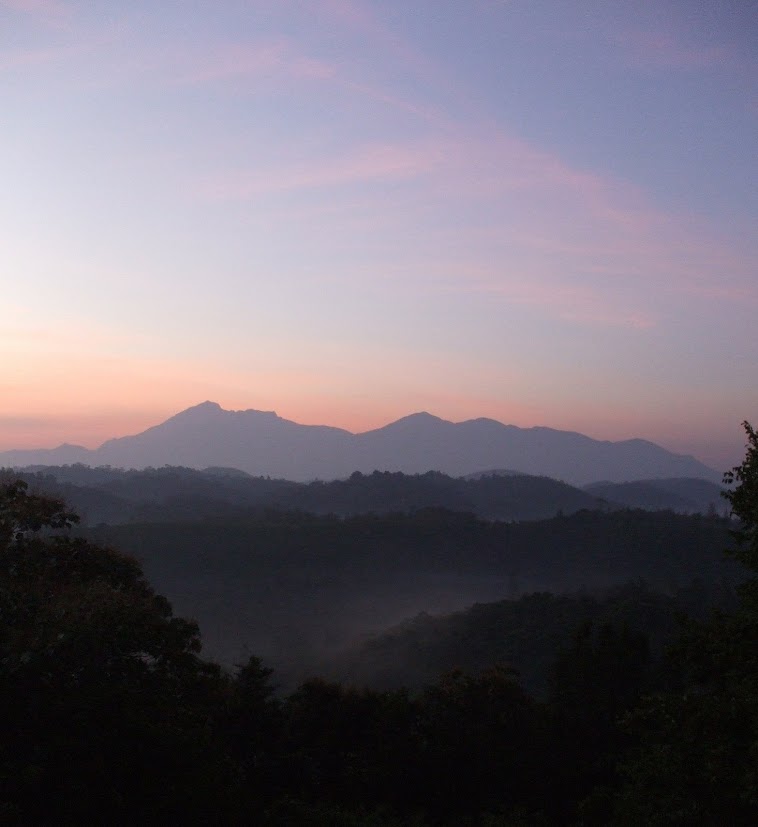
Then Supi took us up the water tower … one of the most magical experiences of my life.  We watched the sun set over the Western Ghats, and the moon rise as the sky darkened and the stars emerged.  Silence fell as the night sky intensified.  It was wonderful simply to be there. Mullahs from two distant mosques did their Call to Prayer, admittedly using a microphone, but it still provided atmosphere.  Others saw shooting stars, though I didn’t … it didn’t matter: I was still enveloped in enchantment.

Meal, as always, was wonderful- mountains of fluffy paneer curry, sourdough chapattis, red rice, dhal, veg. curries (two sorts).  Then fill in forms for the Keralan police, and so to bed, if not to sleep …

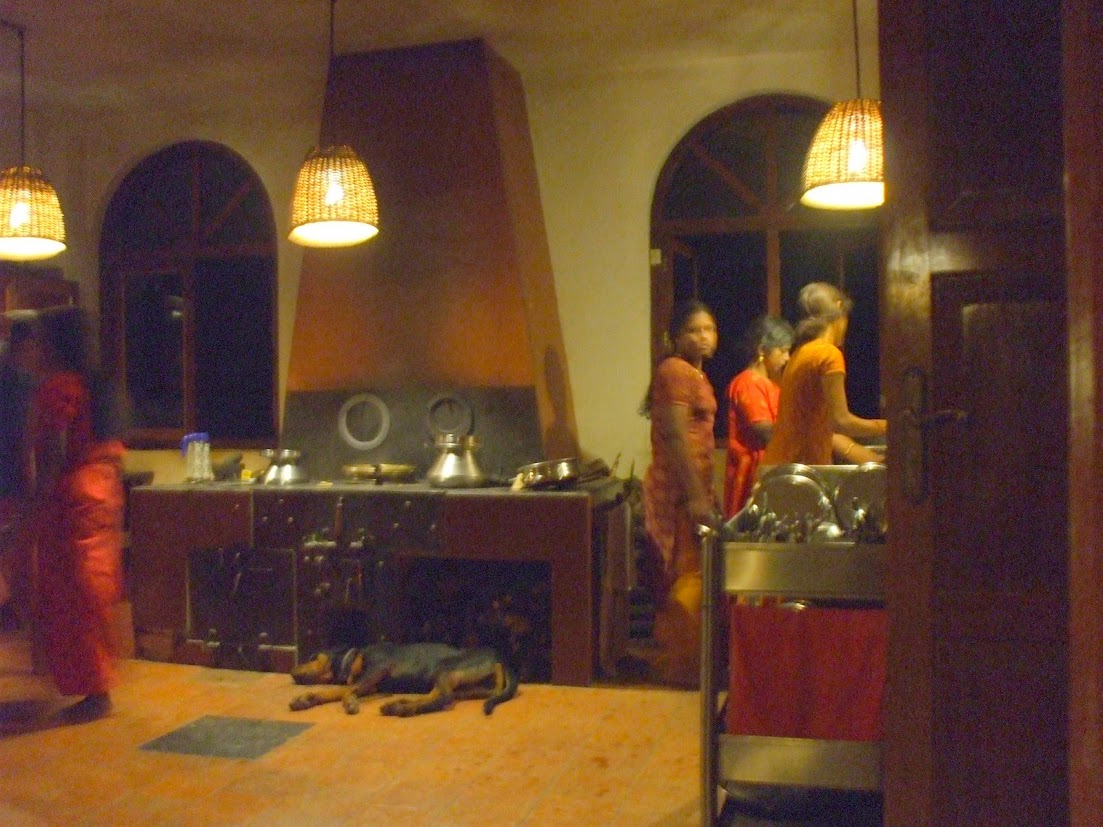
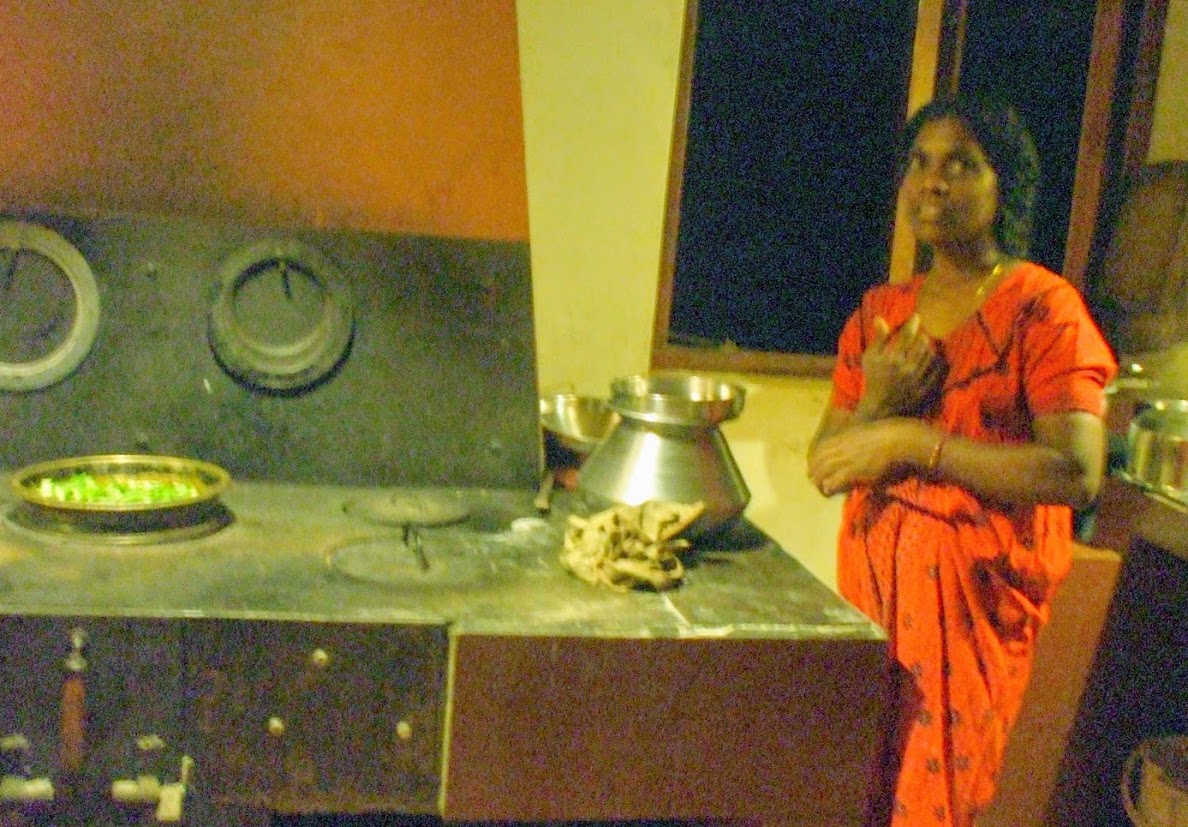
Kitchen at Gurukula

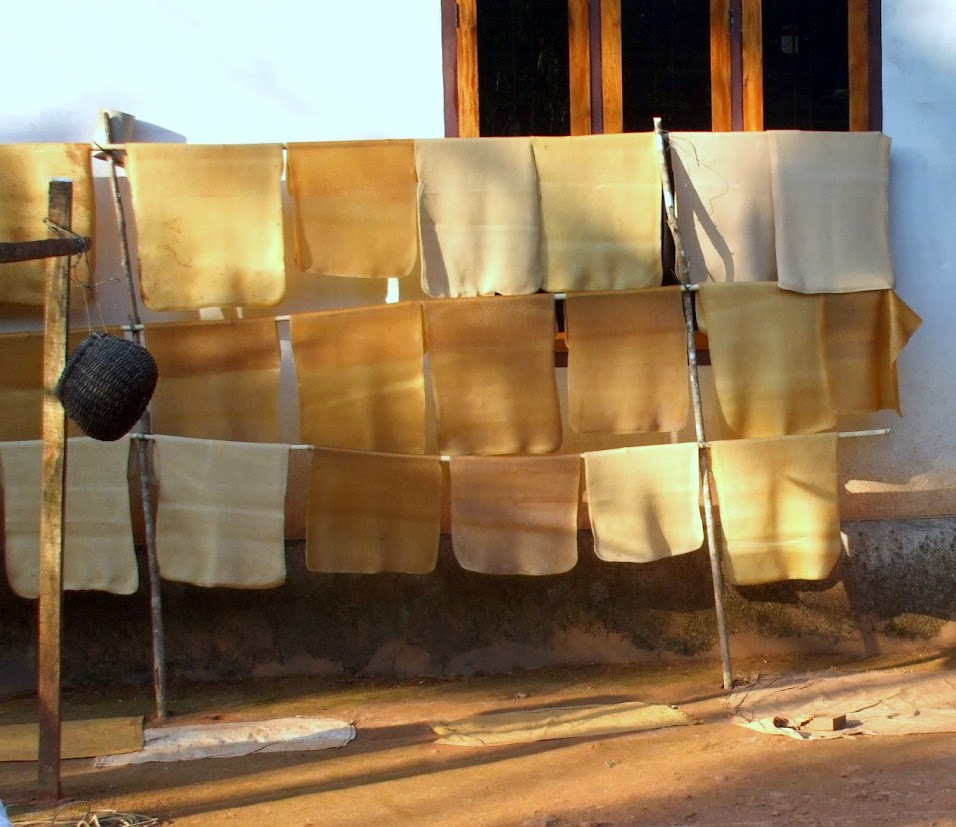
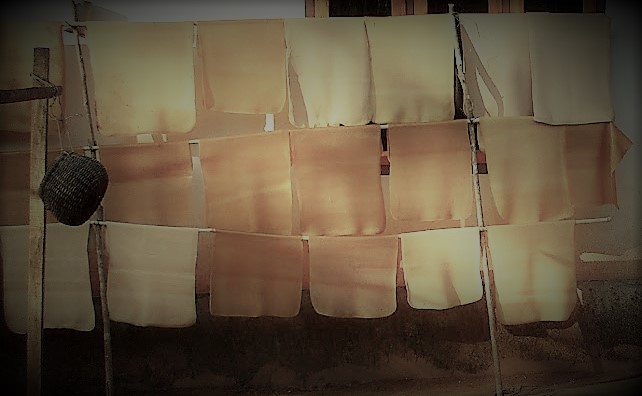
Latex on a line: and brollies beyond the window

What’s this? Some dirty dusters? Or some rather dingy dishcloths? No. Despite appearances to the contrary, this isn’t washing hanging out to dry. It’s sheets of latex, recently tapped from nearby rubber trees and poured into moulds and yes, now hanging out to dry.

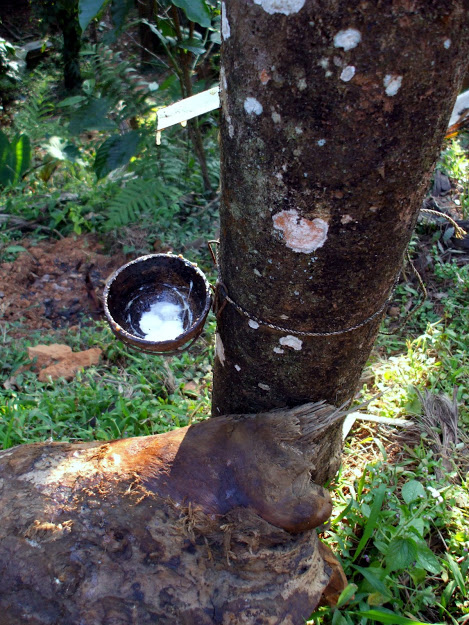
I was in in India, in Kerala, at Gurukula Botanical Sanctuary. Nearby was a village, where every household was growing some kind of cash crop: tea, coffee, bitter gourds, bananas … and maybe rubber trees. One household certainly was. They’d harvested the latex as shown in the second photos. They’d have collected about a cupful from each tree, every few days, before pouring it into trays in a thin layer to set, And now it was hanging out to dry properly before being sent away for further processing

In Kerala, while I as there, the monsoon had not long finished, and I rather like the evidence spotted through an open window back in Gurukula itself that had we been there then, it might have been just a little – wet.

Spotted through the window: umbrellas resting after the monsoon

Monday Washing Line

Monday Window

Gurukula: a Small Corner of Paradise

After Karnataka, Kerala.  Rain forest Kerala.

Gurukula: a sanctuary returned to Nature.

Simple food cooked and shared together.

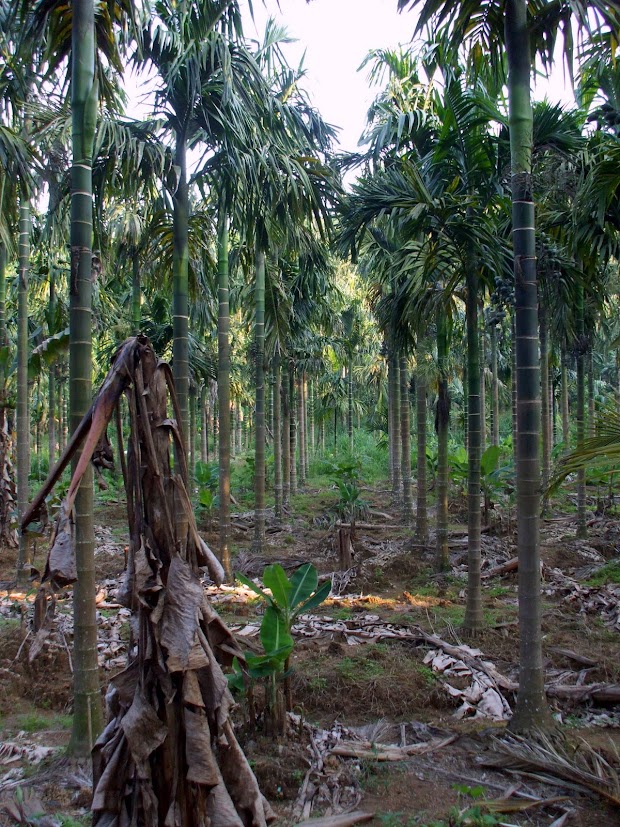
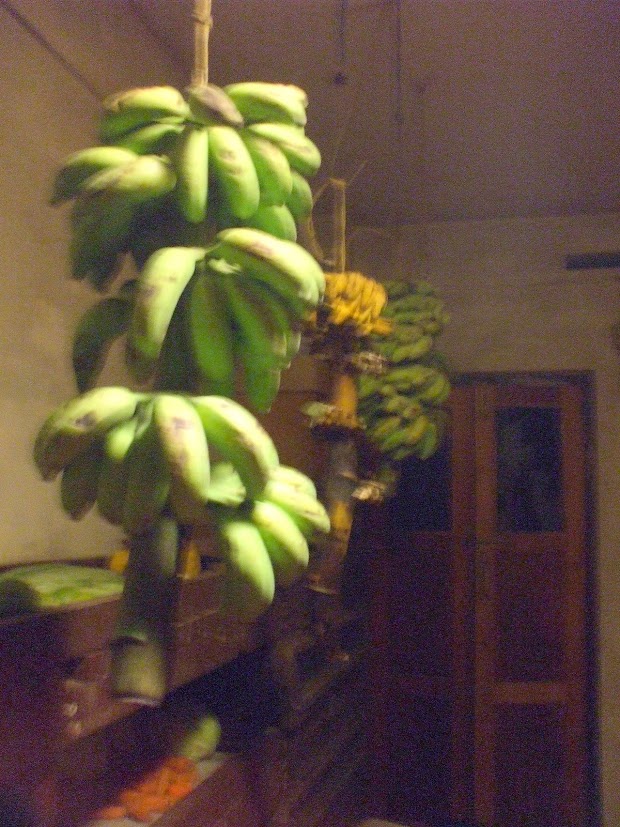
Indigenous crops: bananas, rubber, coffee, tea.

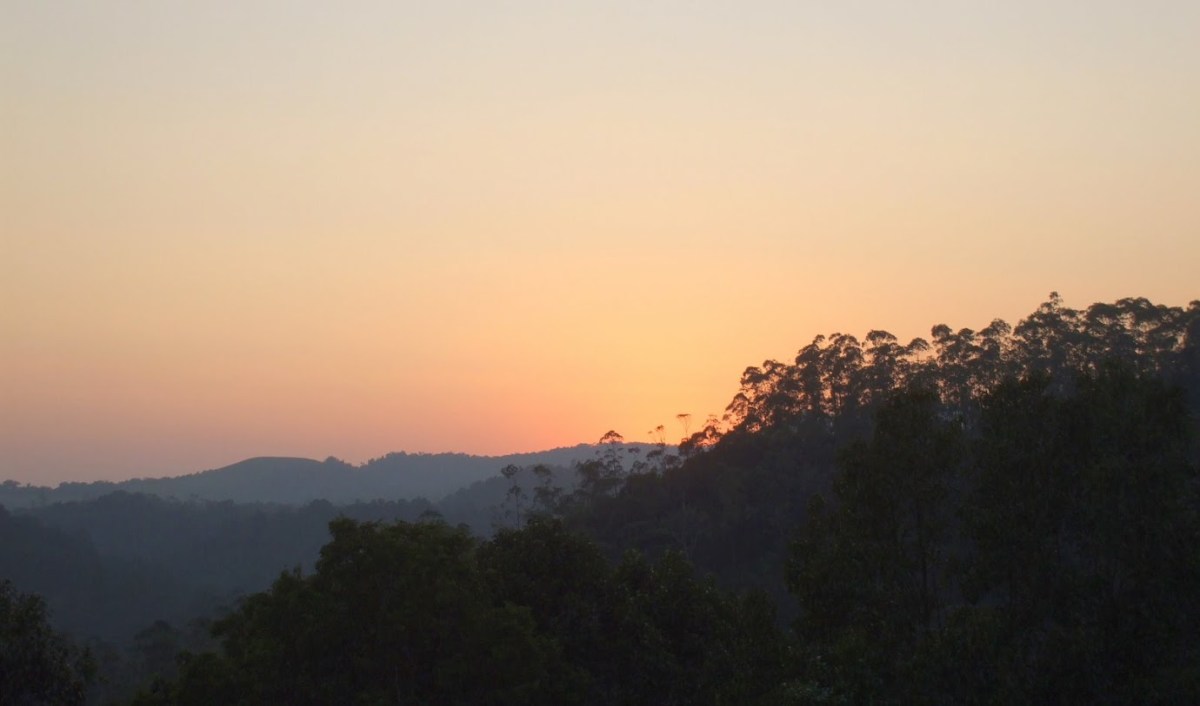
Sunset, sunrise over the Western Ghats.

Gurukula is a special place.  For the last forty years it’s been a sanctuary for the rain forest which has suffered massive deforestation in the Western Ghats, causing almost irreparable damage to the habitat of thousand of plants and animals, and to our own ecosystem.  I urge you to follow this link to read all about it.

Our few days in Gurukula were special too.  We wandered freely in the lush grounds, and when nature called, we found a quiet corner- toilets were deliberately under-provided so we all took a part in fertilising the soil.  Meals were taken communally: we all shared the cooking, the washing up, the tidying.

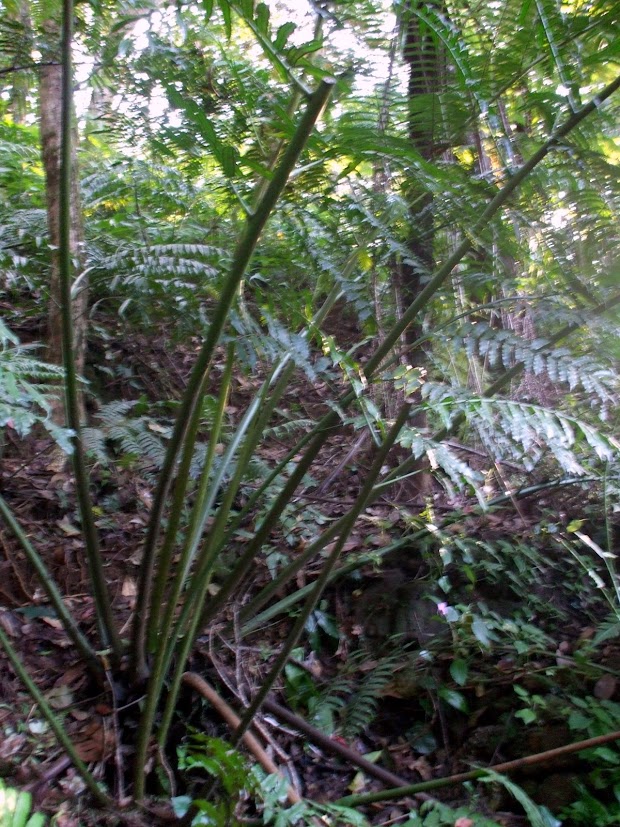
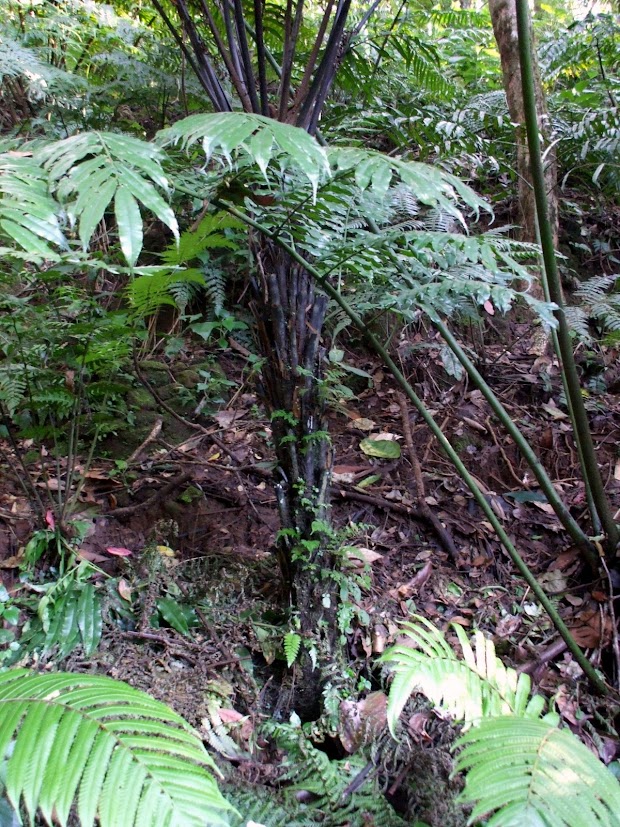
We explored the rain forest, an almost meditative experience with the sounds of water, forest creatures – macaques in the trees, rufous eagles above the canopy.  What wasn’t meditative was the strangler fig. It grows up its host tree, those climbing tendrils thickening into sturdy sinuous branches, which strangle and kills the tree beneath which gave it life, becoming an extraordinary hollow tracery.

We explored the surrounding communities.  During the 1940s, communist Kerala obliged landowners to sell their land cheaply, so all citizens were entitled to buy at a price they could afford.  At first this worked well.  Families worked the land in a diverse way, growing a variety of crops for their own use and selling the rest.  These days – or when we were there anyway – there is a monoculture, with families taking whatever subsidy is on offer to grow the latest crop – till the price plummets.  Tea, coffee, rubber, bitter gourds, bananas have all had their moments of glory before a crash.  Families no longer grow the rich variety that kept them so well-nourished.  90% literacy means people are leaving the land to get work in the cities – call centres and so on.  It doesn’t sound a success story.

The highlight of every day was sunset.  We climbed a vertical and rather scary ladder on the water tower near the house, and then…. simply sat.  We watched enchanted as the sun set over the Western Ghats. As the moon rose, the sky darkened and the stars emerged.  Silence fell.  And then, distantly, we heard two mullahs from two different distant mosques chanting their call to prayer – admittedly amplified by megaphones.  This, together with a cascade of shooting stars, provided one of the most magical experiences of my life.

Six Word Saturday: a series of six words before I gave in and wrote …. rather more.

Click on any image to view full size.


My Indian Wildlife Adventure

You’ve had a taste of my long-gone-month-long stay in India. From here to here. But I’ve not been entirely honest with you. I told you it was a holiday I took alone. That’s largely true. But for just over a week, right at the beginning, I was part of a small experimental tour put together by my ex-brother-in-law Simon.  An Organic Adventure. About eight of us travelled through rural Karnataka and Kerala, looking at local ventures into organic and sustainable agriculture. If that sounds dull … well, you can’t have been there.

I have stories to tell. But it was the wildlife that always remains in my mind … even urban wildlife is so very different from good old English pigeons and magpies. In Bangalore it was wheeling and circling eagles. In Mysore it was enormous fruit bats coming out at nightfall, to find food; and by day there were the gossiping bovva- boy hornbills.

And in rural Karnataka it was frogs. We could see them constantly in the ponds near our lodgings, burping away by day and by night . The only thing that shifted them one morning was a rat snake, slithering around and looking for breakfast .

I used to go outside as darkness fell at 6 o’clock and listen. A complex symphony played out. First, a group of frogs would start their chorus, the noise intensifying until gradually becoming quieter again: then others would take over with their own ever-swelling sound.  Crescendo … diminuendo.  All through the night. Quite wonderful.

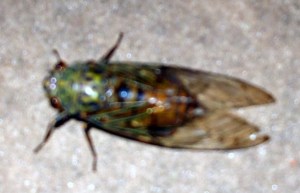
One day at a tea plantation at the edge of the woods (another story for another day) we suddenly – and I do mean quite suddenly – heard cicadas in the trees. From low beginnings the sound grew and grew, peaking at a crescendo so loud we had to raise our voices to make ourselves heard.. Then, just as suddenly , it died smoothly away to nothing. 

My favourite sound?  This. Every morning.  Just as dawn broke, a whistling thrush – just the one – broke into song.  It sounded just like some contented man, hands in pockets, ambling slowly down the street, whistling happily and aimlessly.  And it made me happy too,  every time.

And on our very first night in the rainforest, as I was unpacking, a whirring, clattering clockwork toy appeared from behind my rucksack.  Only it wasn’t a clockwork toy. It was a very cross hawkmoth, complaining vociferously about being disturbed.

The cross and out-of-focus hawkmoth who chattered and clattered round our room.

Then there was our stop off in Nagarhole National Park with its snowy-headed Brahminy kites, its kingfishers and eagles: its bison, its warthogs, its spotted deer, its mongooses and – of course – its elephants.

But more than these I remember the simpler pleasures: watching cattle egrets on the backs of cattle, benefitting from the insect life that definitely did not benefit the cattle.  Glimpsing a water snake surging across a placid pond. Going on a trek across the empty paths of the Western Ghats, spotting vine snakes, parakeets, macaques, rufous-bellied eagles…. and for some of our unfortunate team – not me for some reason – leeches, which left angry red welts behind when they’d loosened their grip.

No hornbill was going to wait around for me to take a snapshot.  I saw no cicadas. I wasn’t clever enough to snap a Brahminy kite or an eagle.  So my pictures don’t match the text. It’s just too bad. I can enjoy both and I hope you can too: souvenirs of memorable rural India.  Tales of what we actually did there are for another day.