On the first Saturday of every month, a book is chosen as a starting point and linked to six other books to form a chain. Readers and bloggers are invited to join in by creating their own ‘chain’ leading from the selected book.
Kate: Books are my Favourite and Best
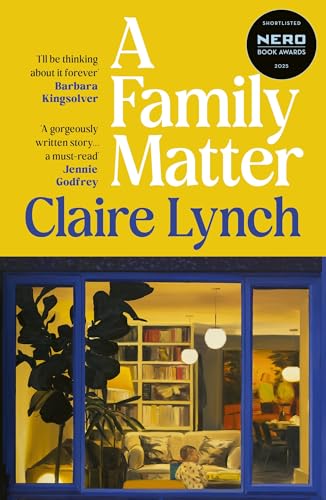
This month, Kate invites us to start our chain with our latest book group choice. As our group has just read (and highly rated) Virginia Evans‘ The Correspondent, which began our chain in April, I looked a little further back, and am beginning instead with A Family Matter, by Clare Lynch. A short novel, which packs a lot in, and powerfully. There’s a dual timeline: which invoves a 1980s lesbian affair, and a present day timeline which reveals the story of Maggie, whom the ‘outed’ lesbian mother Dawn is forced to abandon, and Dawn herself. An engagingly written and well-developed story throwing a spotlight on those many people who were victims of the prejudice of ‘different times’, and about whose injustices I knew little at the time.
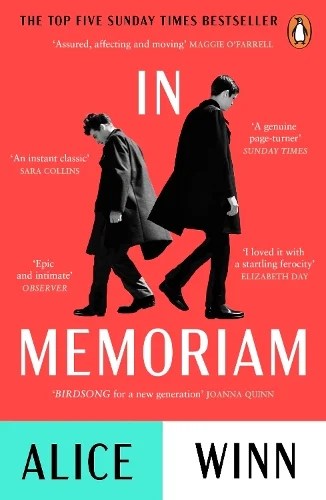
More ‘different times’ in Alice Winn‘s In Memoriam. Here is a book with a varied cast of characters, chief among whom are Stanley Ellwood and Henry Gaunt, both of whom have been exploring their homosexuality whilst still at school. They exchange their privileged lives for the grim reality of battle, and Winn uses telling detail to underpin how truly frightening and beastly in every sense this is, both for the men themselves, and in different ways, for the wider community. A moving and deeply affecting book. I’m quite well-versed in WWI literature, but this has perhaps brought the full horror of that war, and its long-reaching effects before me in a way that few other books have done.
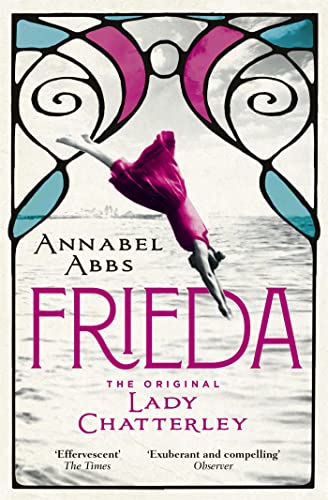
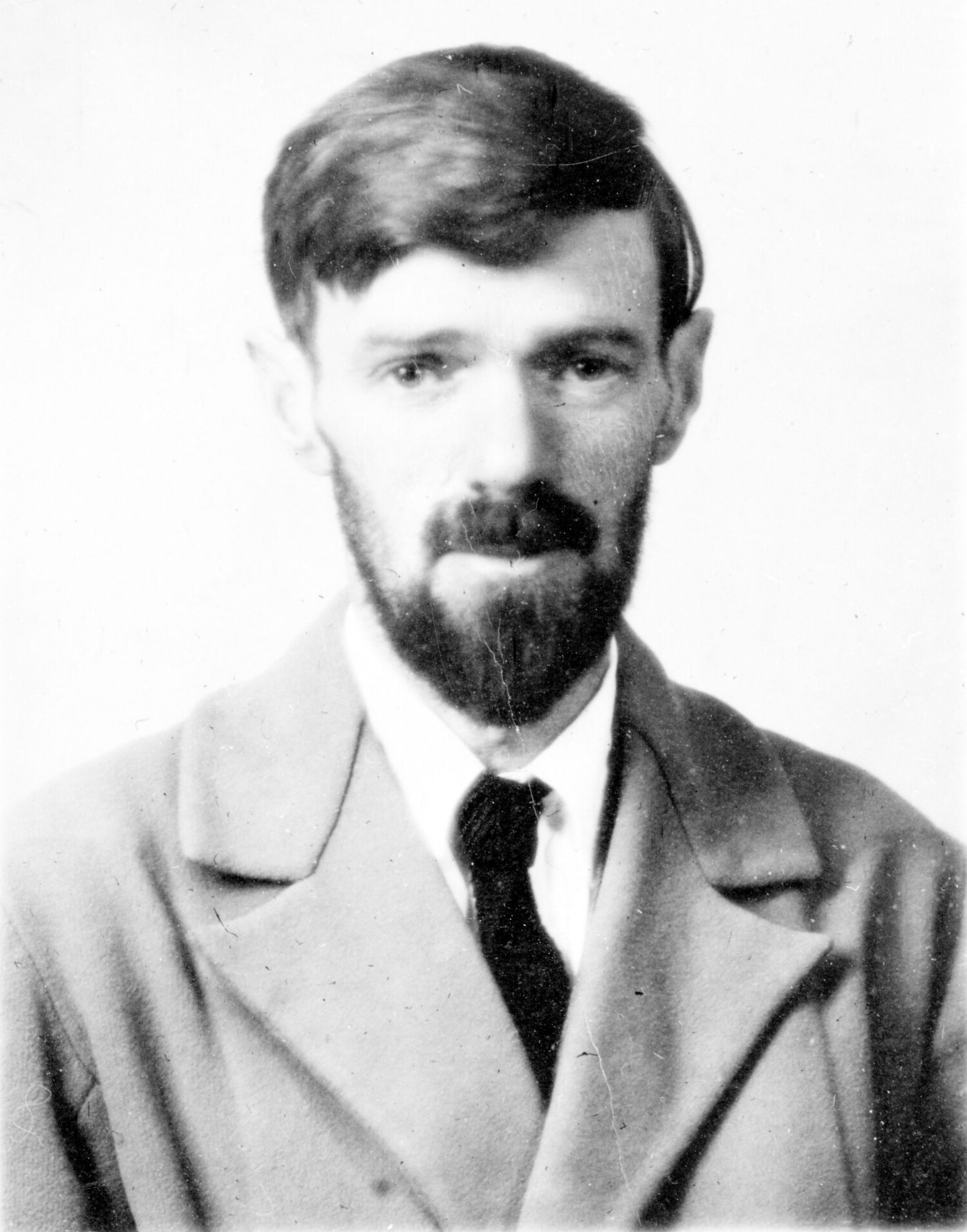
Next? Frieda: The Original Lady Chatterley by Annabel Abbs. This is an engaging – and fictionalised – account of the marriages of Frieda von Richthofen, a German aristrocrat by birth who first married an English academic, Ernest Weekley, with whom she had three children, before unleashing her sexual potential during a visit to Germany. Frieda was encouraged by her sister to have an affair with the radical Austrian psychoanalyst Otto Gross, who deeply influenced her views on sexual freedom. Ernest’s sexual repression then became increasingly unsatisfactory to her. When she met Ernest’s pupil, DH Lawrence, she embarked on a torrid affair in which he increasily came to control her the more she mourned the loss of her children, whom the terms of her divorce from Ernest prevented her from seeing (she was an adulteress after all…). All this is recounted in Abb’s sympathetic portrait of a lonely woman who discovers her joy in abandoned sexual experimentation, as much as in her profound love of her children. A highly readable account.
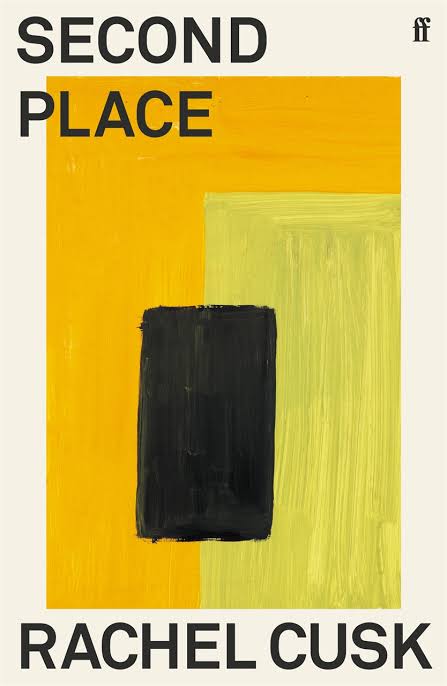
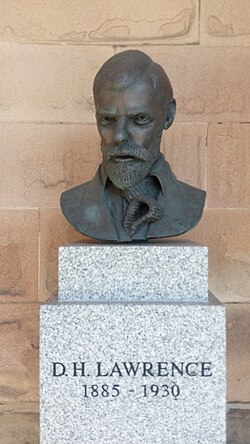
Now to another book in which DH Lawrence plays a secondary but crucial role: Rachel Cusk‘s Second Place. M, living out in a remote country landscape with her second husband Tony, invites celebrated painter L to stay in the second cottage they own: she is powerfully attracted to his work. Daughter and daughter’s boyfriend are already staying for a while. L arrives with his not-girlfriend Brett, and M’s inner monologue continues, as she worries about her relationship with her daughter, her husband, L’s antipathy towards her in a way, manifesting itself in calculated rudeness. M could be thought obsessive, over-analytical, though much of what she thinks is beautifully expressed, But I found it hard to distinguish between insightful and pretentious. Cusk acknowledges the book as a re-write of Mieko Kawakami‘s memoir of DH Lawrence, Lorenzo in Taos, but I haven’t read this. Perhaps I should, and return to the Cusk again, as I’m clearly not appreciating what so many other readers have found in this book.
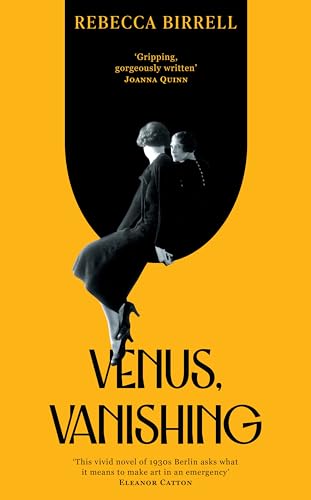
Another book about a practising painter. Venus, Vanishing by Rebecca Birrell. Hannah, our narrator, and a seamstress like her mother, is a young Jew raised in Berlin during the days of the Weimar Republic. She runs away to escape an arranged marriage, and slowly but surely develops her talents as an artist, alongside her seamstress-ing. She also takes two lovers: Saul, a museum curator, and Charlotte, a dancer at a lesbian bar where Hannah likes to sketch. As the Great Depression starts to bite, Hannah comes to the attention of a wealthy older woman, Elke Grese, who sees Hannah’s art and makes an offer of patronage. But it turns out that Elke wants Hannah to use her skills in ways that are increasingly distasteful. How can Hannah refuse? Birrell, an art historian, brings Hannah vividly to life as an artist by weaving allusions to the work of other painters alive and dead vividly into the narrative. We don’t get to know the other main characters anything like so well. It doesn’t matter all that much, but it would have enriched the story even further had we come to know them better. The final section of the book ups the action considerably … let’s stop there. An involving and immersive story, bringing to life an important yet distasteful period of Germany’s recent history.
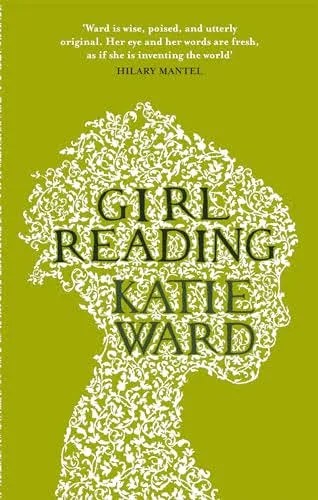
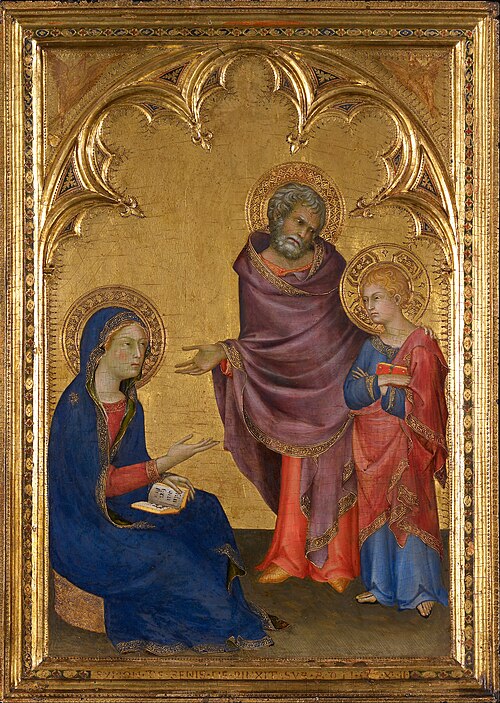
And so to more painters, more sitters in Katie Ward‘s Girl Reading. This book self-describes as ‘a novel’. It isn’t. It’s seven chapters, each focussed on a different period of history and telling the story of a real or imagined woman who is part of the story of someone who has made the pages of history. The first scene for instance tells about orphan Laura Agnelli, being instructed to pose for the artist Simone Martini for his altarpiece panel commissioned for Siena Cathedral. 14th century ecclesiastical and temporal intrigue are deftly explored, and the tale ends enigmatically when we learn that Martini and his wife are unable to conceive, whereas the fifteen year old Laura is hiding an unwanted pregnancy…. Each fresh chapter brings a new painter, new sitters. An interesting look at the precarious position of women throughout European history, in which the voice of each period is brought convincingly to life. Yet for all that, this is a book of largely unrelated episodes – well researched, well told, but with no thread that brings them all together. In the end, despite its strengths, it didn’t satisfy me and I struggled to finish it.
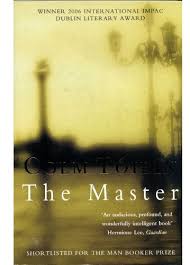
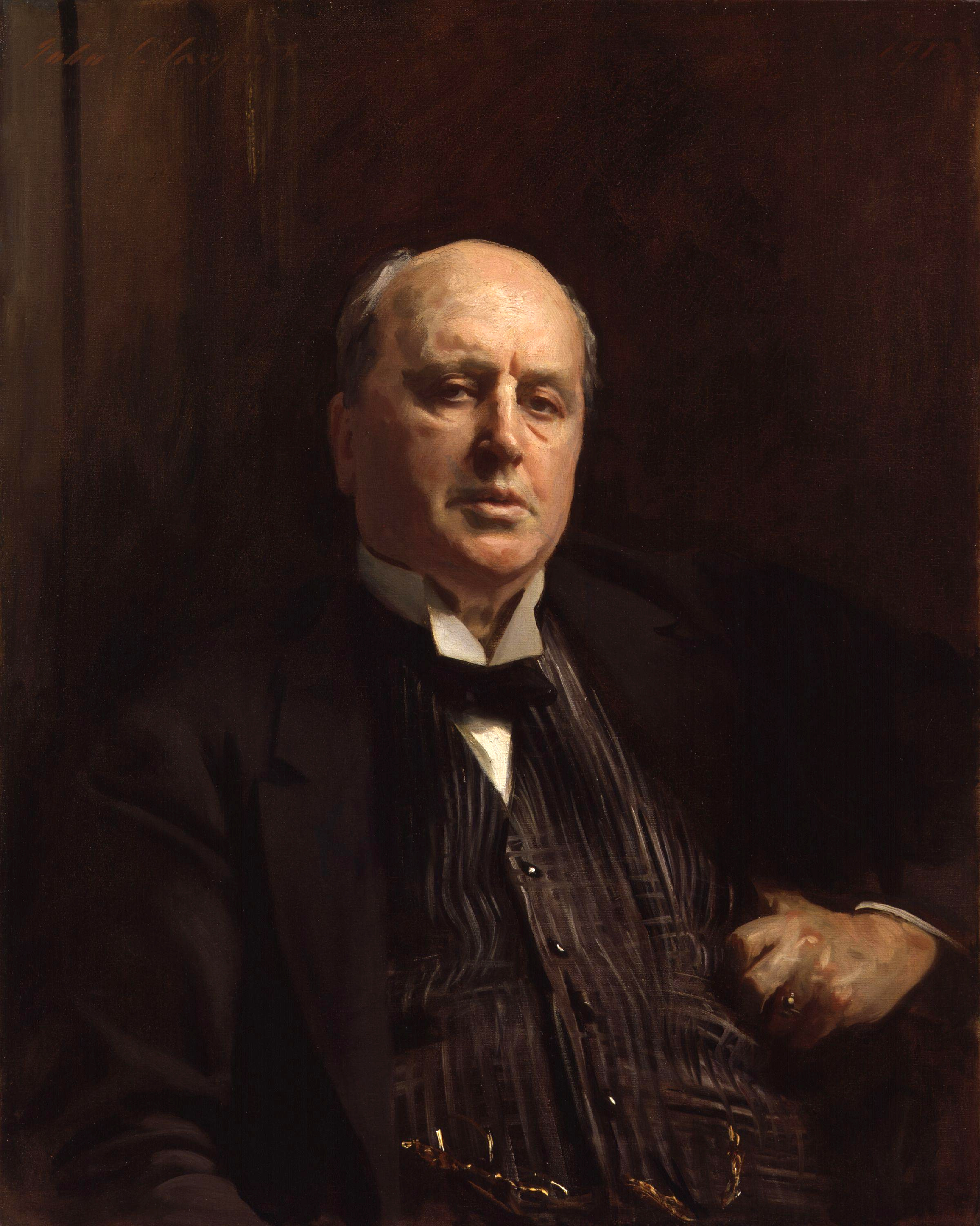
I’ll stay with fictionalised accounts of creative types: a writer again this time. My last is a book that’s on my TBR, but so far unread: The Master by Colm Tóibín. I have a copy on my bookshelves. Here’s what the Guardian says ‘Tóibín’s novel covers just five years of Henry James’s expatriate life – from the disastrous debut of his play Guy Domville in London in January 1895 to January 1900, when his brother William leaves Henry’s home in Rye. Henry writes, he travels, he recalls various losses. Asked on the cusp of the new century what he intends to write next, Henry says, ‘I am a poor storyteller … a romancer, interested in dramatic niceties … Once I wrote about youth and America and now I am left with exile and middle age and stories of disappointment …’
Well, this chain took on a life of its own. Starting with sexuality in some of its many guises, we move on to creative people, both writers and artists, real and fictional. Can I link back to the starter book? Almost certainly not. And next month? The chain will start with Rachel Cusk‘s latest novel, Life of M. Why not join in?






You must be logged in to post a comment.