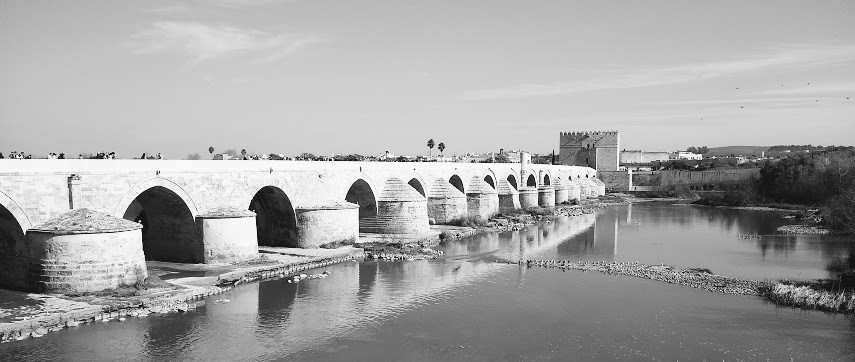
Let’s start with a Roman Bridge, in Córdoba. It’s called the Roman bridge, because it was first built during the Roman colonisation of southern Spain. But it was overhauled in the 10th century. Then in the Middle Ages. Then in the 16th and the 17th centuries, when a statue of St Raphael was added. Lights were added in the 19th century, and it was pedestrianised in 2006. It’s a wonder it can still be called the Roman Bridge. But it can. The 14th and 15 arches are still the original ones.
We’ll leap forward to the Renaissance, but stay in Spain, in Valencia, and visit the Puente del Mar. Flooding in the River Túria swept away an old wooden bridge, so in 1591, it was replaced with this:

Stone, brick, wood: all these were the traditional bridge -building materials of choice down the centuries. Until the Industrial Revolution here in England, whose original epicentre was in Coalbrookdale, thanks to its wealth of natural resources all conveniently in the same area. The world’s first iron bridge was built here in 1779.
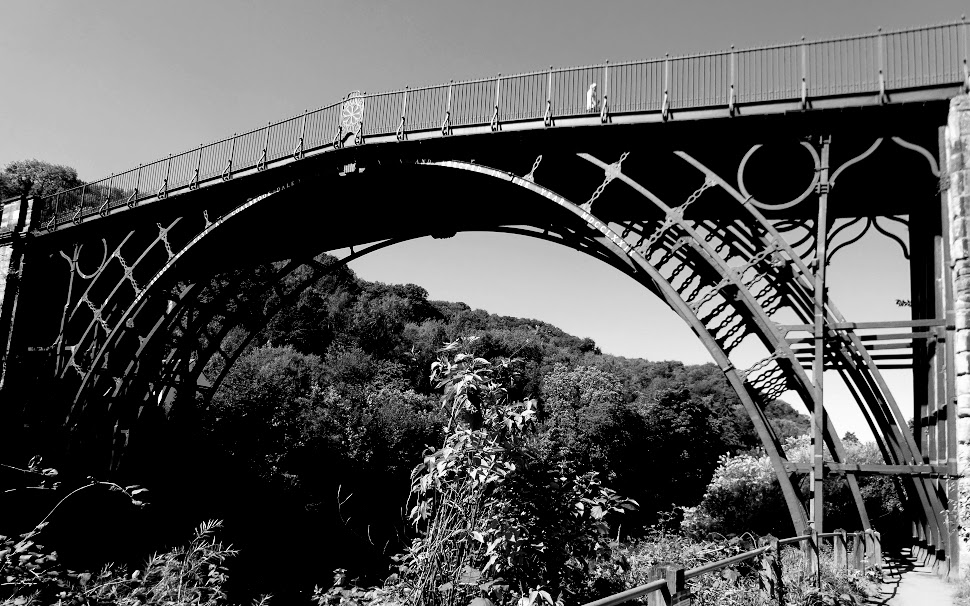
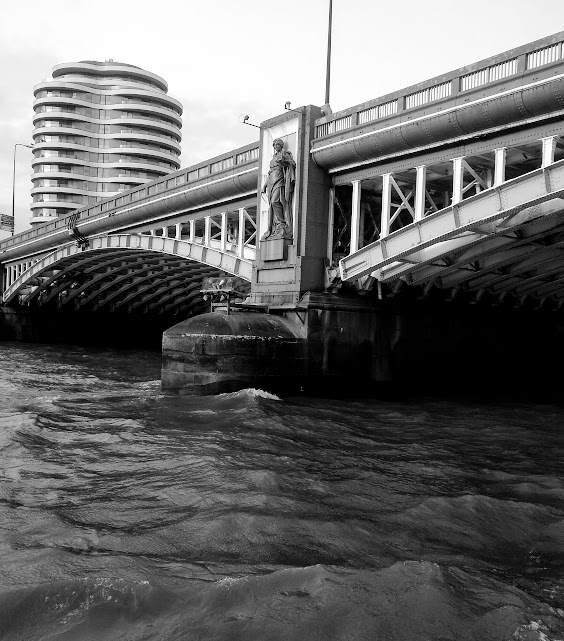
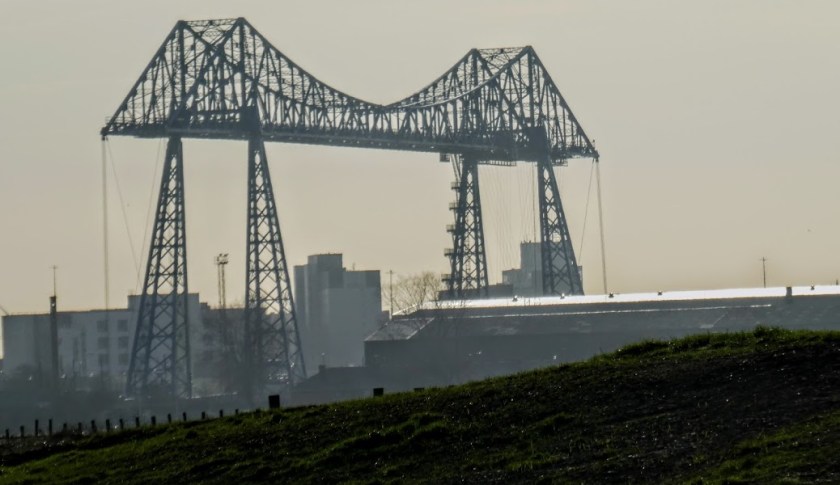
This bridge is the grandparent of almost all bridges built – in the UK at least – since then and into the 20th century. Here are three: Vauxhall Bridge, completed in 1906; the Tees Transporter Bridge, completed in 1911, and the Tyne Bridge, completed in 1928.


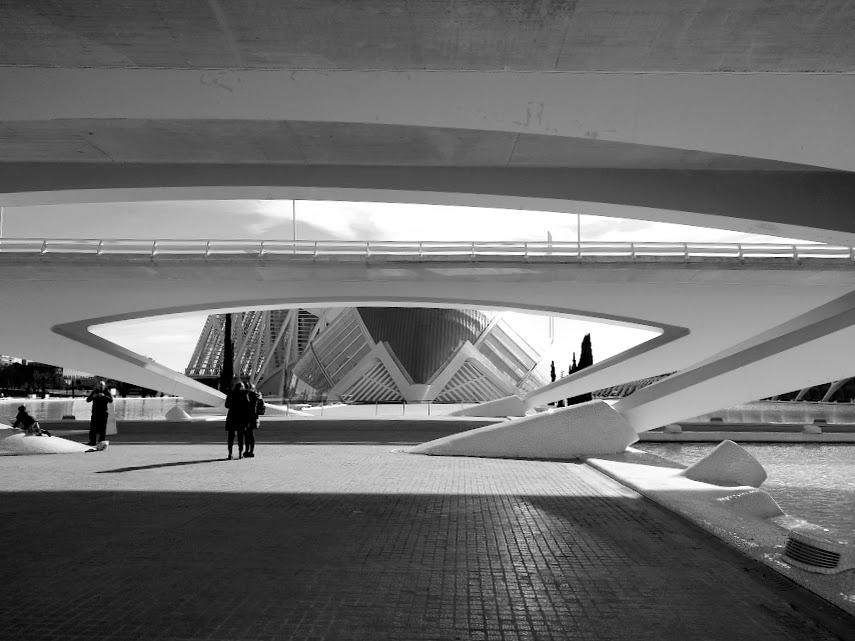
Let’s leap briefly into the 21st century, and look at one of the bridges in Valencia’s assertively future-facing Ciudad de las Artes y las Ciencias, created between 1998 and 2009.
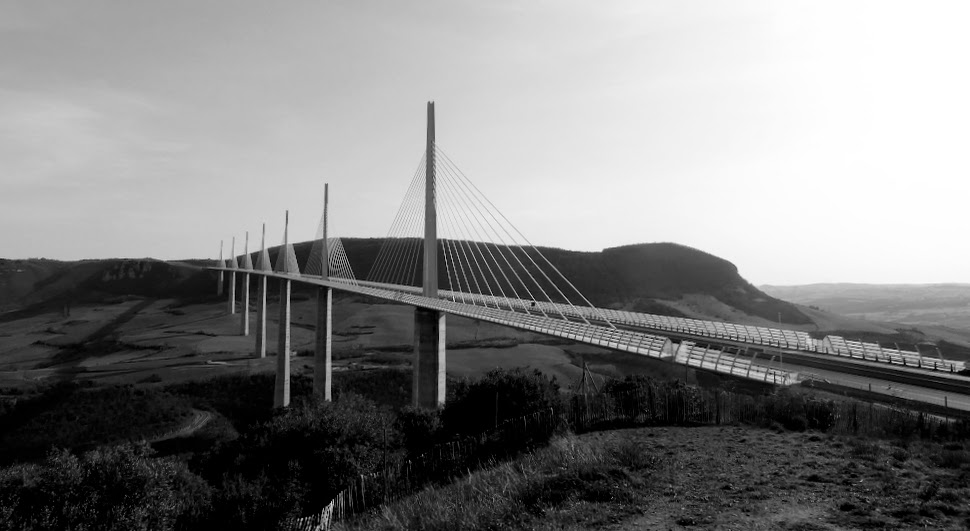
And finally, the Millau Viaduct, sweeping more than 300 metres above the Tarn in southern France, designed by Norman Foster and completed in 2004. Like Valencia’s Science Park, it’s a destination in its own right.
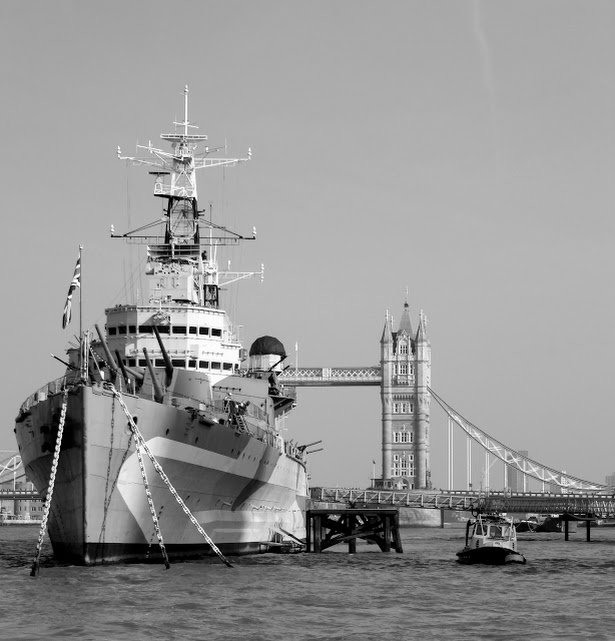
But we can’t leave without mentioning the featured photo: London’s iconic Tower Bridge, open to traffic since 1894: both road traffic, and when regularly lifted, to river traffic beneath. The photo demonstrates why the extra height is necessary: that’s HMS Belfast in the foreground.
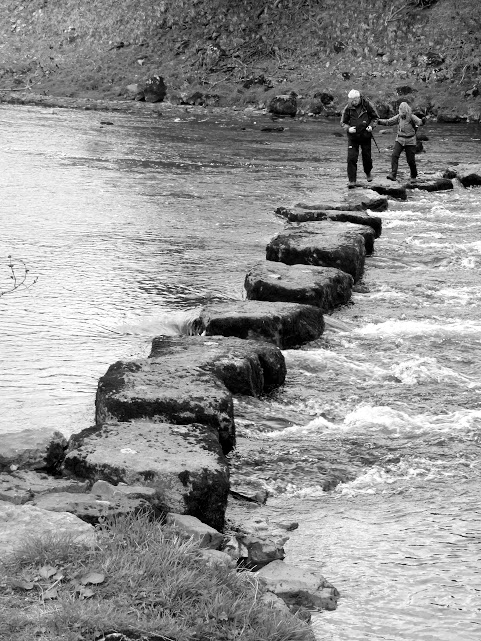
And to finish off, let’s stop at something that’s even older than bridges as a way of allowing travellers to cross water. Stepping stones. These are at Redmire Force, and are still a popular way of crossing the River Ure.
For Leannne’s Monochrome Madness#17: Bridges



 From Pyrenees to Pennines
You must be logged in to post a comment.