On the first Saturday of every month, a book is chosen as a starting point and linked to six other books to form a chain. Readers and bloggers are invited to join in by creating their own ‘chain’ leading from the selected book.
Kate: Books are my Favourite and Best
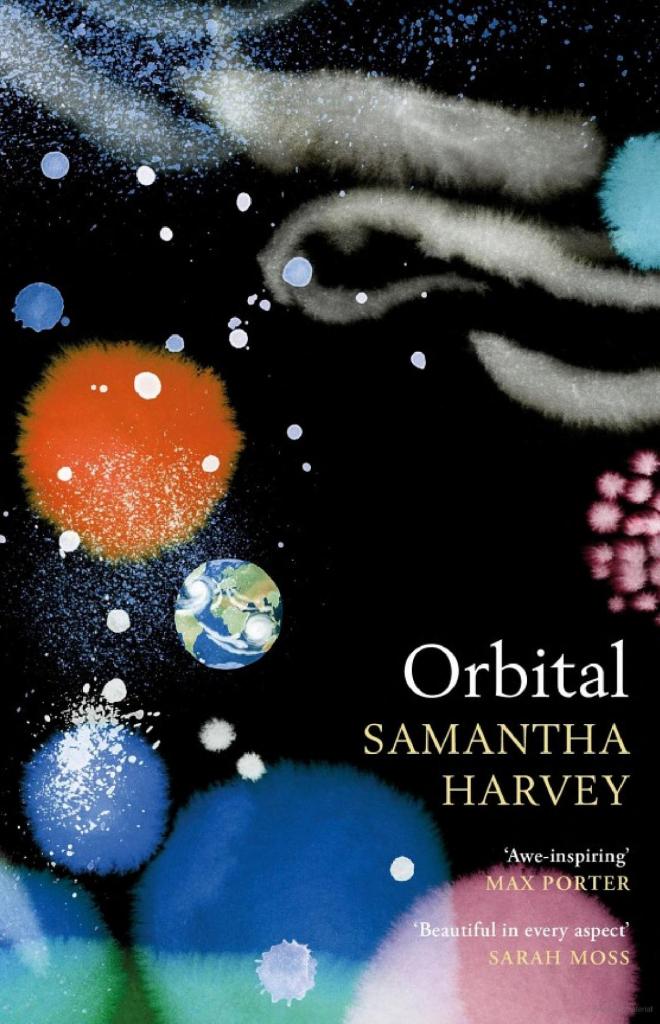
This month’s starter book is the 2024 Booker Prize winner: Samantha Harvey‘s Orbital. I loved it. This book moves through space with six astronauts, viewing the spectacular and the ordinary, distance and intimacy and invites us, the readers, to wonder too.
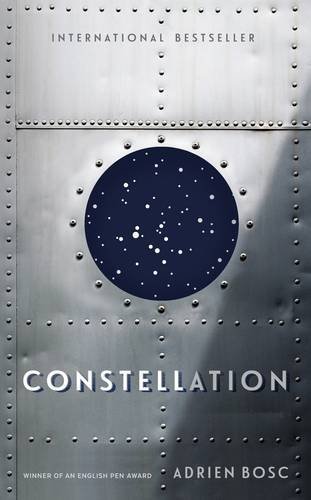
My first link is by book title as much as subject matter. Constellation by Adrien Bosc has pilots rather than astronauts at the heart of his story. Based on an actual plane crash that took place in 1947 in the Azores, on a flight from Paris to New York. Bosc was fascinated by the mysterious history of this tragedy, for which there was little explanation. The flight was carrying a number of well-known people, as well as a group of Basque shepherds. The book tells the story of many of these people, and gives them a voice, as well as piecing together what he can about the story of the crash itself. An interesting blend of actual facts and a degree of surmise. Here’s a story about the inter-connectedness of collective tragedy, engagingly told.
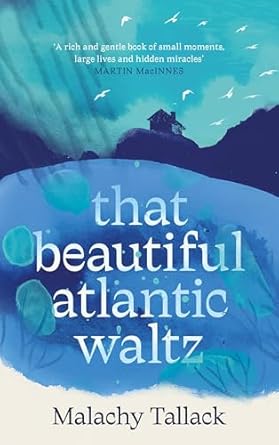
My next book begins with dealing with the elemental natural world in a different way: the sea this time. Mallachy Tallack‘s That Beautiful Atlantic Waltz is a quiet book, telling a story with its roots in the 1950s, when the main protagonists’s father Sonny was working in brutal conditions on a whaling ship before returning to the Shetlands to ask Kathleen to marry him. Jack is their son, and grows up unable to find his place in life, except through the medium of the country and western music he loves. The story of Sonny, Kathleen and especially Jack interweave to tell a story with no great dramas, but which lyrically evoke their simple Shetland lives.
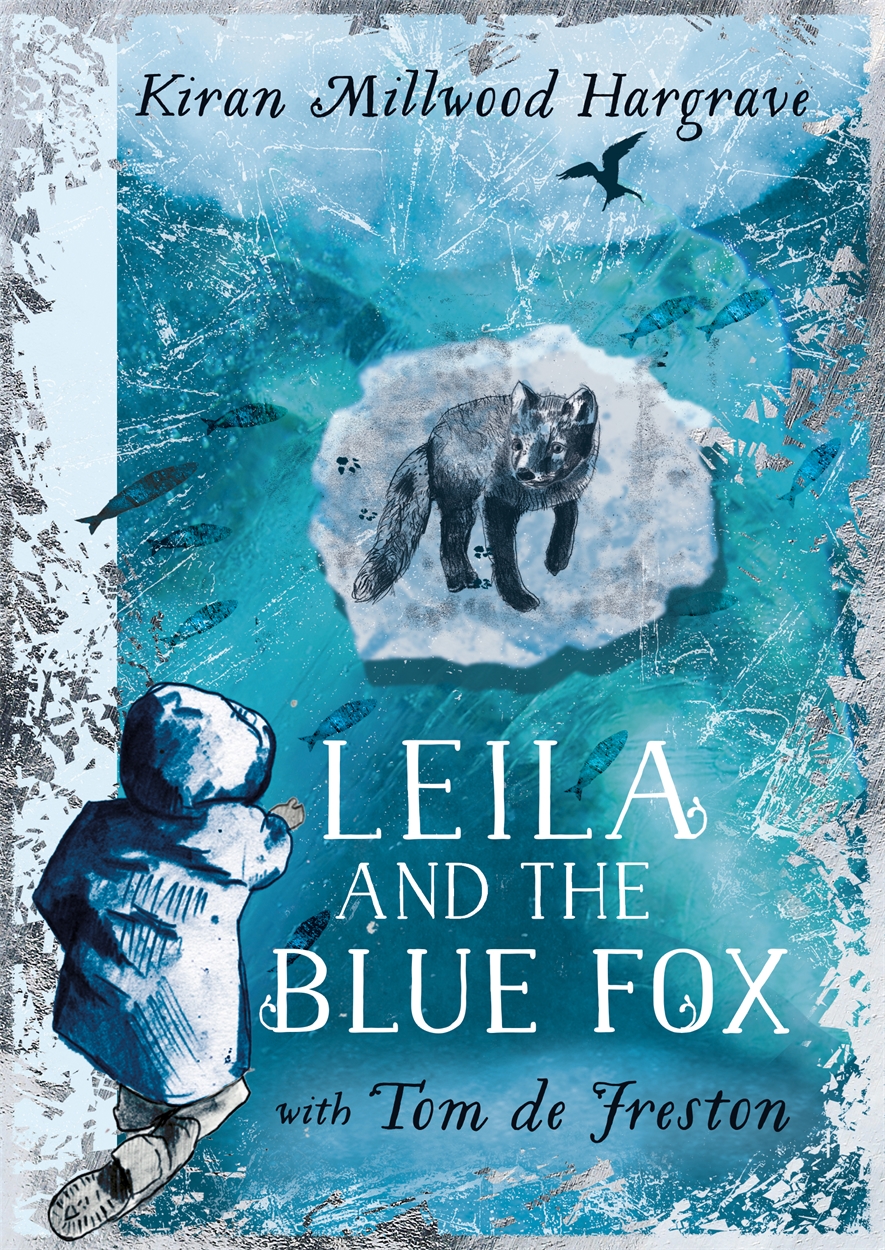
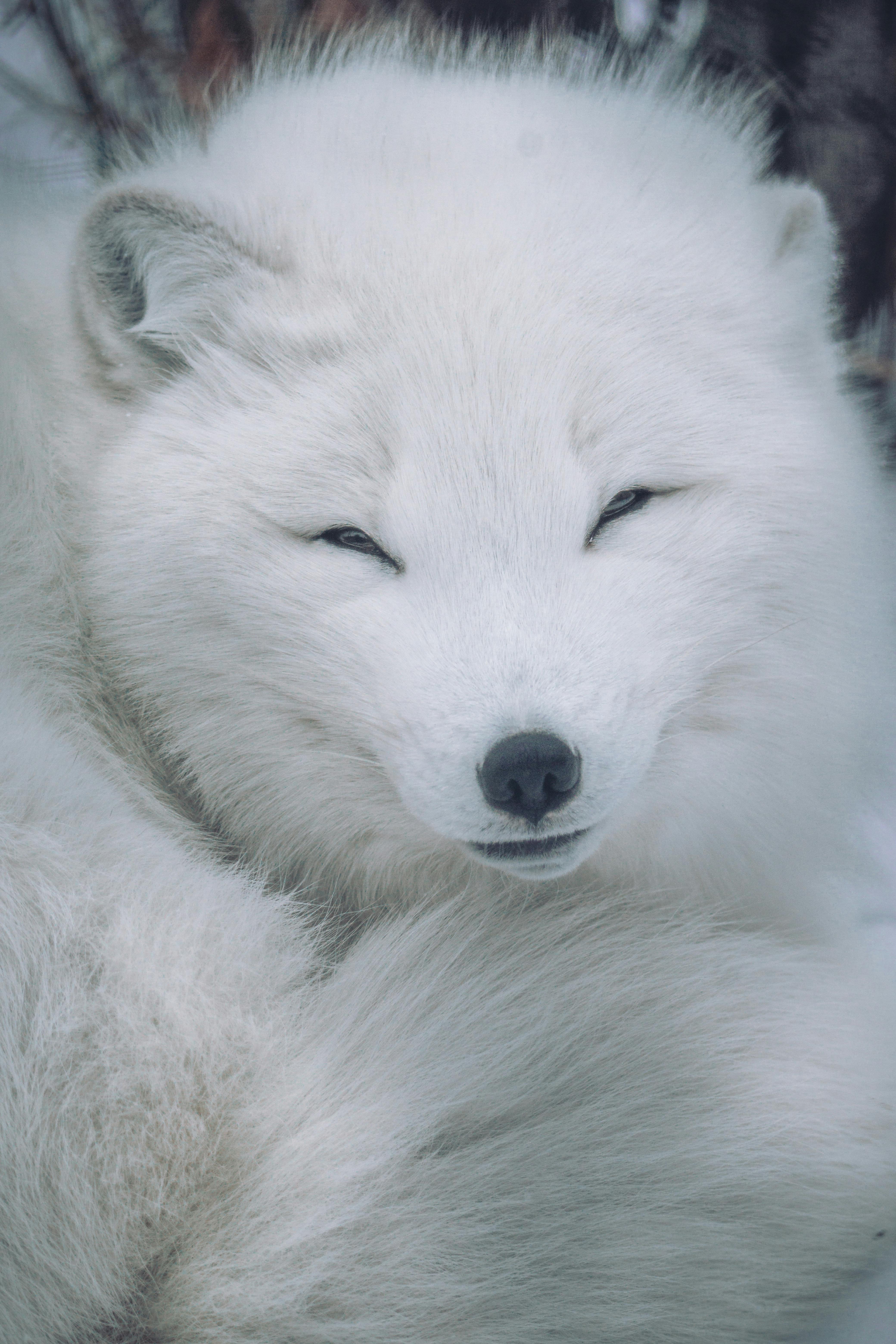
The elements and the natural world come to the fore in my next book, written for children: Leila and the Blue Fox by Kiran Millwood Hargrave. A lovely book for older children, this story is told as much by the glorious blue and black illustrations that illuminate the action described. This is a story of migration. Of Leila, a Syrian asylum seeker who lives in London with her aunt and cousin. Of her mother, who is now an academic in northern Norway, studying climate change as it affects the animal population of the Arctic. And of Miso, the Arctic fox whom she and her fellow research scientists are tracking as she completes her 2000 mile migration from the eastern Arctic to Canada. Leila comes to spend her summer with her mother as the research project evolves by going to follow the little fox ‘in person’. It’s an opportunity to discover the raw beauty of the Arctic, the courage and steadfastness of one little fox, and most importantly, a chance or Leila and her mother to discover and rediscover their bond. A story that invites thought and reflection on the whole issue of migration, and the issues which face those obliged to migrate, whether human or animal.
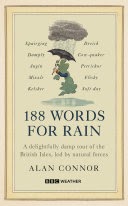
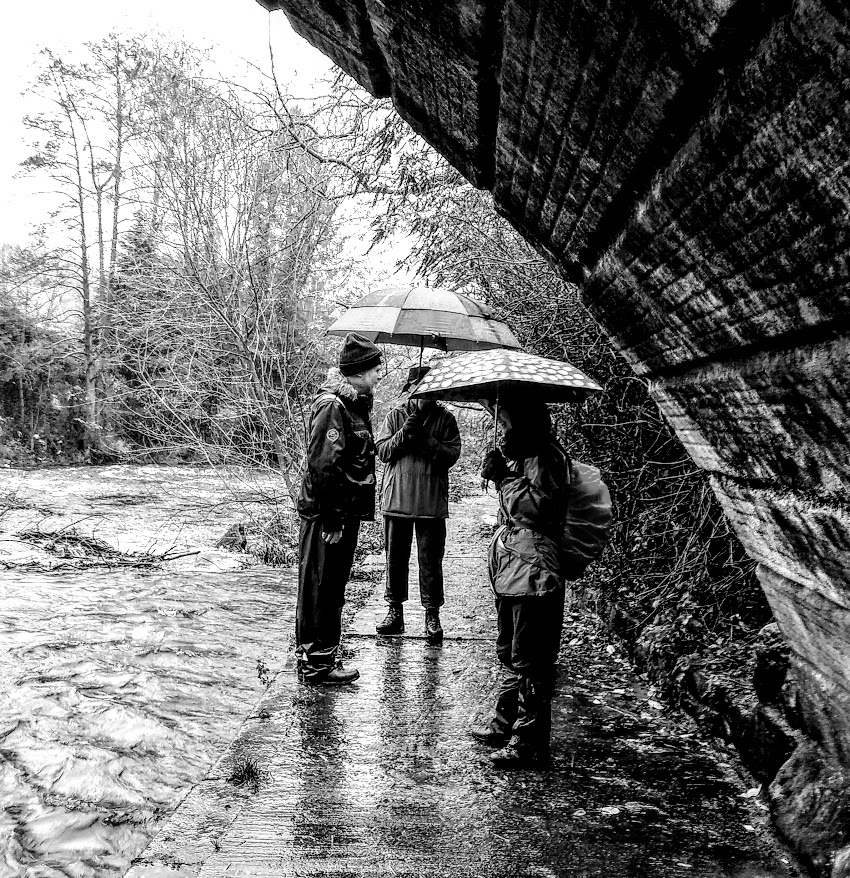
From Elements to Weather, British style. 188 Words for Rain, by Alan Connor. When I noticed this title at the library, I knew immediately I wanted to read it. A tour of the British Isles looking at all the different words that have evolved over the years to describe this most British of weather phenomena in all its manifestations? I was in! And it WAS interesting, reminding me of many terms I know, and many more that I don’t. Together with engaging weather-related factoids. But it was held together by pointess little anecdotes of imaginary people and their experience of these phenomena, intended to drive the narrative along, but which only succeeded in irritating me. A good idea spoilt.
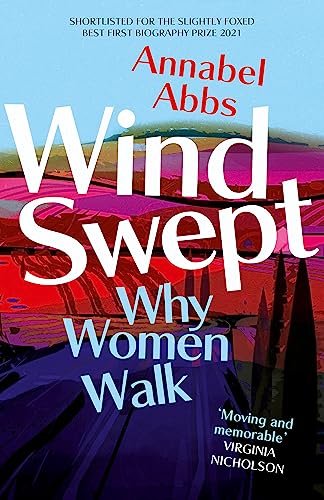
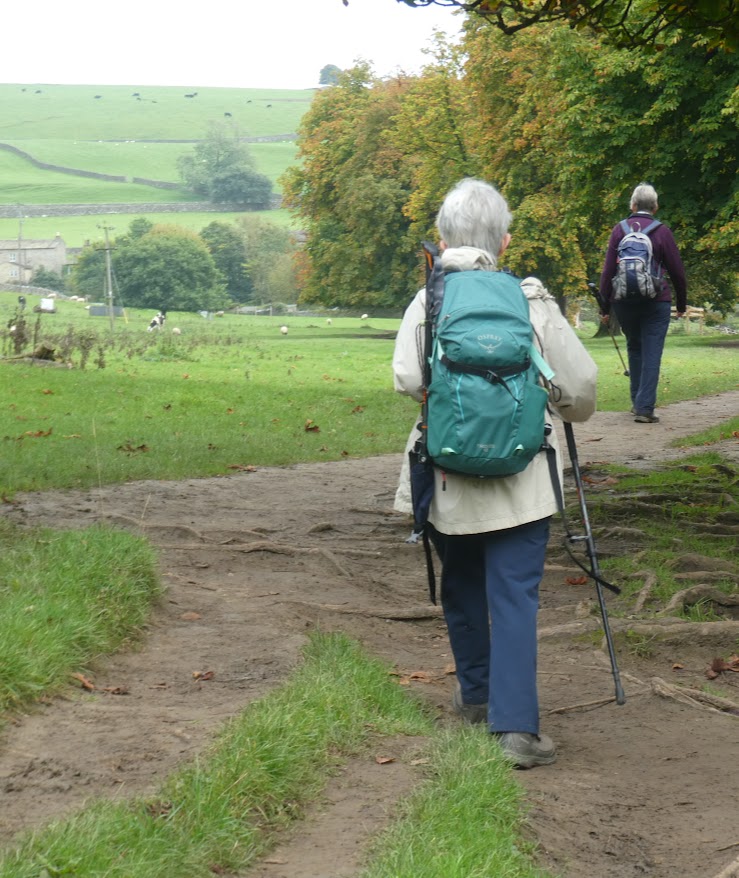
Now why should a book about rain lead me to a book about walking, eh? Must be because I’m English, and a woman who walks. Annabel Abbs‘ Windswept: Why Women Walk is, according to the publisher ‘The story of extraordinary women who lost their way – their sense of self, their identity, their freedom – and found it again through walking in the wild.‘ And this applies to Abbs herself, who interweaves episodes from her own walking life with the stories of famous women, not noted as walkers, such as Simone de Beauvoir and Gwen John, to whom walking was a fundamental need and source of renewal and refreshment.
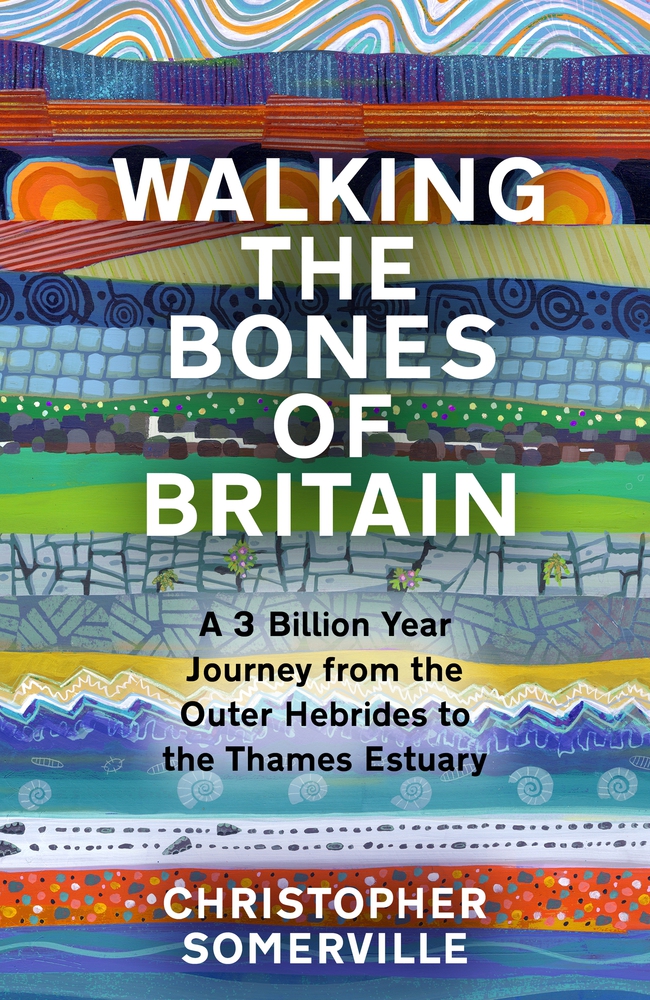
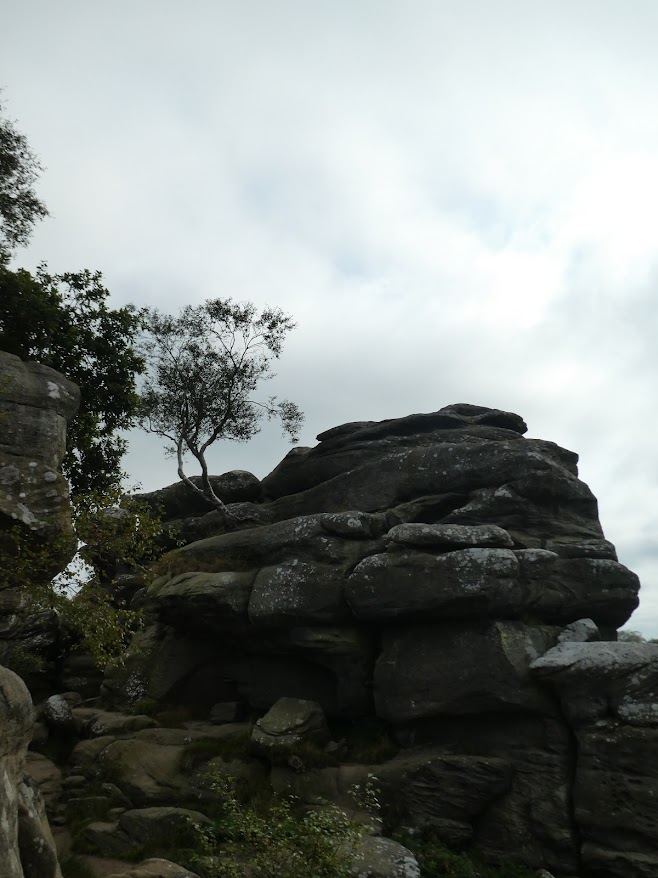
Which brings me to my last book: Walking the Bones of Britain by Christopher Somerville. What a rich and immersive book this is. For a small island, our geological story is particularly rich. Somerville undertakes to walk it, from the north of Scotland down as far, slightly oddly I thought, only to the River Thames. And this is what he does. He’s curious to examine the geology of every path he takes, and to understand what effect the geological story has had on the development of the landscape and how it has been exploited by the people who live in it. He’s investigative, humorous, personable in his enquiries, which makes what could be a difficult book approachable. This book has opened my eyes to the landscape, both locally and more widely throughout Britain.Which brings us full circle. In Orbital, our astronauts see the whole earth spread beneath them as they orbit the planet, whereas Somerville examines just a small portion of the planet in forensic detail.
Next month’s starter book is one I don’t know, by an author I don’t know either. Dangerous Liaisons by Pierre Choderlos de Laclos.
 From Pyrenees to Pennines
You must be logged in to post a comment.