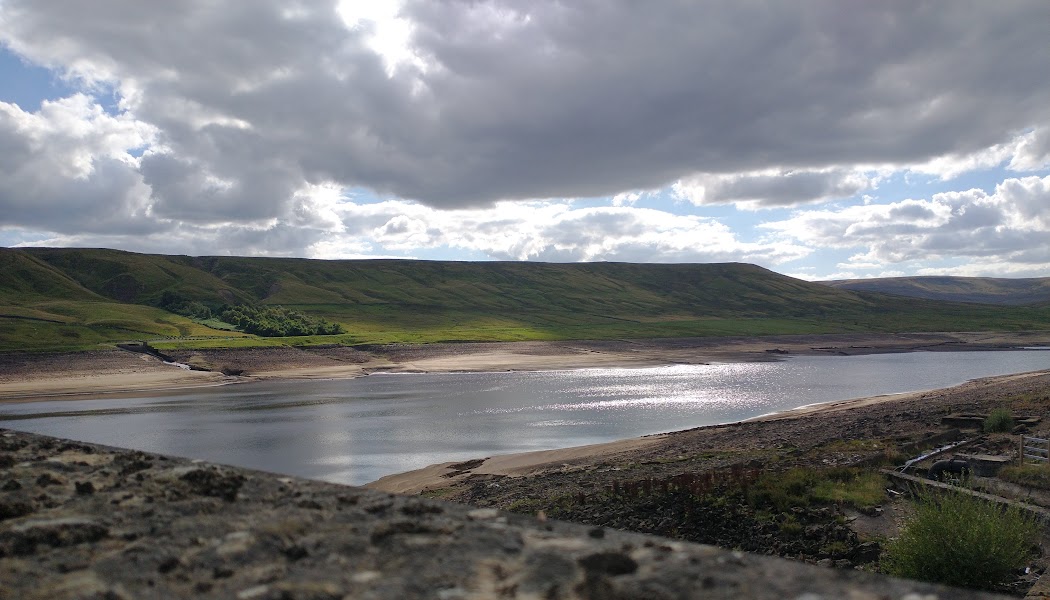
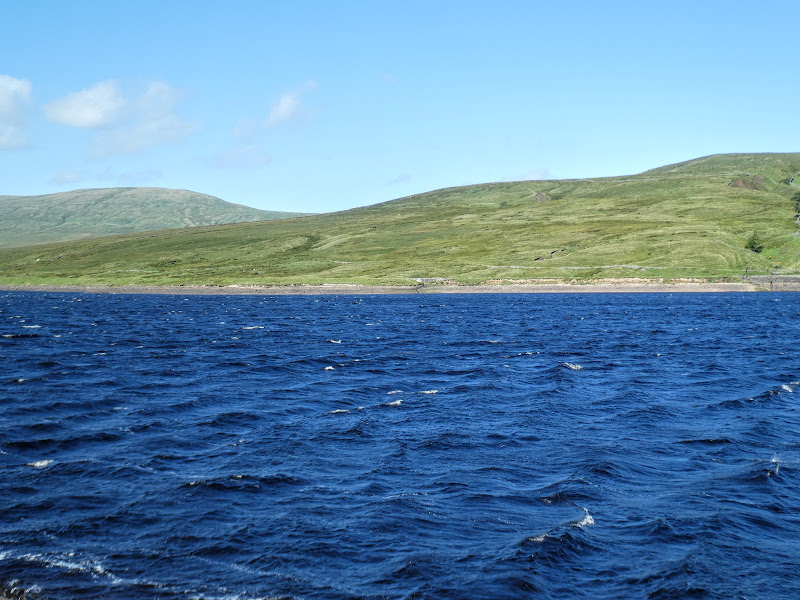
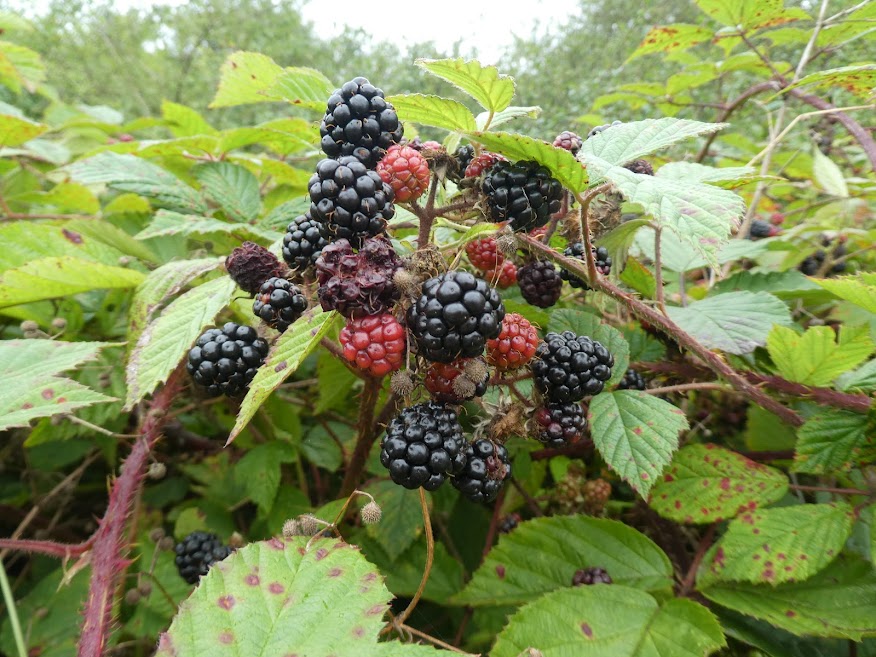
This year has offered proof after proof that the times they are a changin’. Here, harvesting was started in mid-July, and was all done and dusted for early August. Yet schools and churches will probably continue to hold their traditional Harvest Festivals in late September, early October. Blackberries have withered a whole month early, so the Devil must have been along and spat on them. Autumn-ripening apples are already at their best. And, most worryingly of all, the reservoirs are drying up. Here are some shots of Scar House Reservoir in North Yorkshire. The header photo, and the last one of all were taken two years ago. The rest, only last week.
On the first Saturday of every month, a book is chosen as a starting point and linked to six other books to form a chain. Readers and bloggers are invited to join in by creating their own ‘chain’ leading from the selected book.
My last book from last month becomes my first this month. It’s Judith Kerr’s When Hitler Stole Pink Rabbit, and it was a story everyone in the family at some point read as it could appeal to anyone over the age of nine. It is a largely autobiographical account of the author’s journey during the Second World War, as a nine year old child, from Germany via Switzerland and Paris to London, where the family finally settles in pursuit of safety.
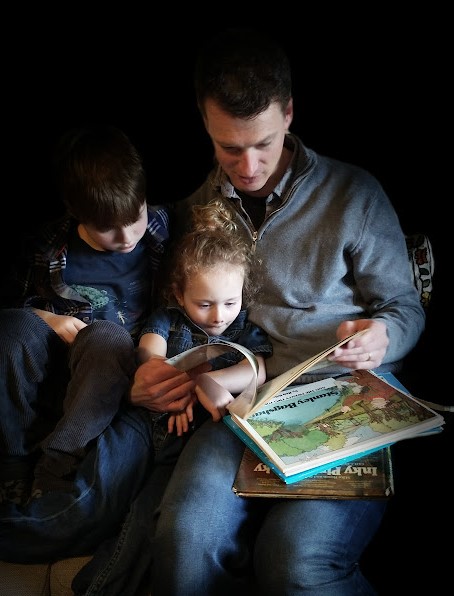
All my books this month link together. They are books which my children, now in their 40s and 30s enjoyed, which have been saved through the years and been passed down.to be read to their own children. Some books have reached their 8th custodian. They’ve done so well because back in the day, I strengthened the covers of those Puffin Paperbacks – the only publisher then dipping its toe into this particular market – with cardboard from cereal packets, and covered them with tacky back. Despite this care, a few books have disintegrated, and it’s a special pleasure when my now-adult-children scour the shops to come up with a new copy of their childhood favourite.
We’ll have to continue with Judith Kerr. Is there a child in England who hasn’t enjoyed The Tiger who came to Tea? A passing tiger drops in on a mother and daughter, cheerfully eats them out of house and home before thanking them politely and wandering off. And they all – probably – live pretty much happily ever after. The family’s on Copy Number Three of this book.
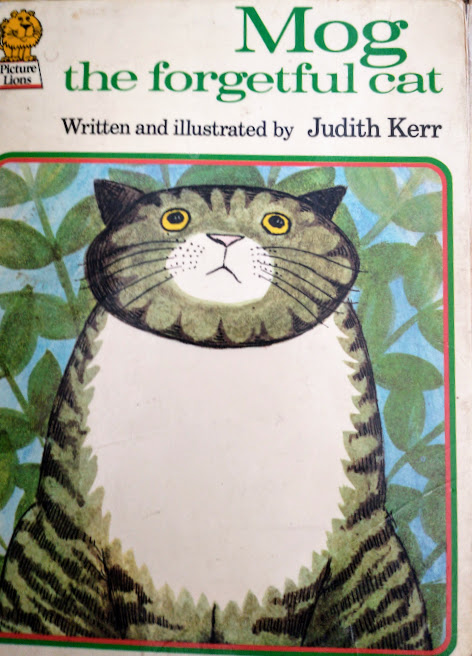
My children also enjoyed reading about Kerr’s Mog the Forgetful Cat series. This daffy but much loved cat gets herself into all kinds of domestic scrapes, but of course it always turns out comfortingly well in the end.
Another animal adventure came with The Elephant and the Bad Baby, by Elfrida Vipont – and wittily illustrated by the just-deceased Raymond Briggs. An elephant meets a bad baby and offers him a ride. They go ‘rumpeta, rumpeta, rumpeta down the road’ meeting one helpful person after another. But do you know what? The baby ‘never once said please.’ And that has consequences. Lesson eventually learned, everyone in the story has tea together on the very last page.
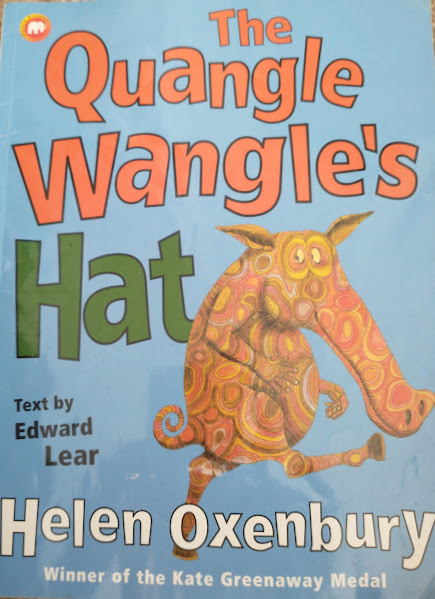
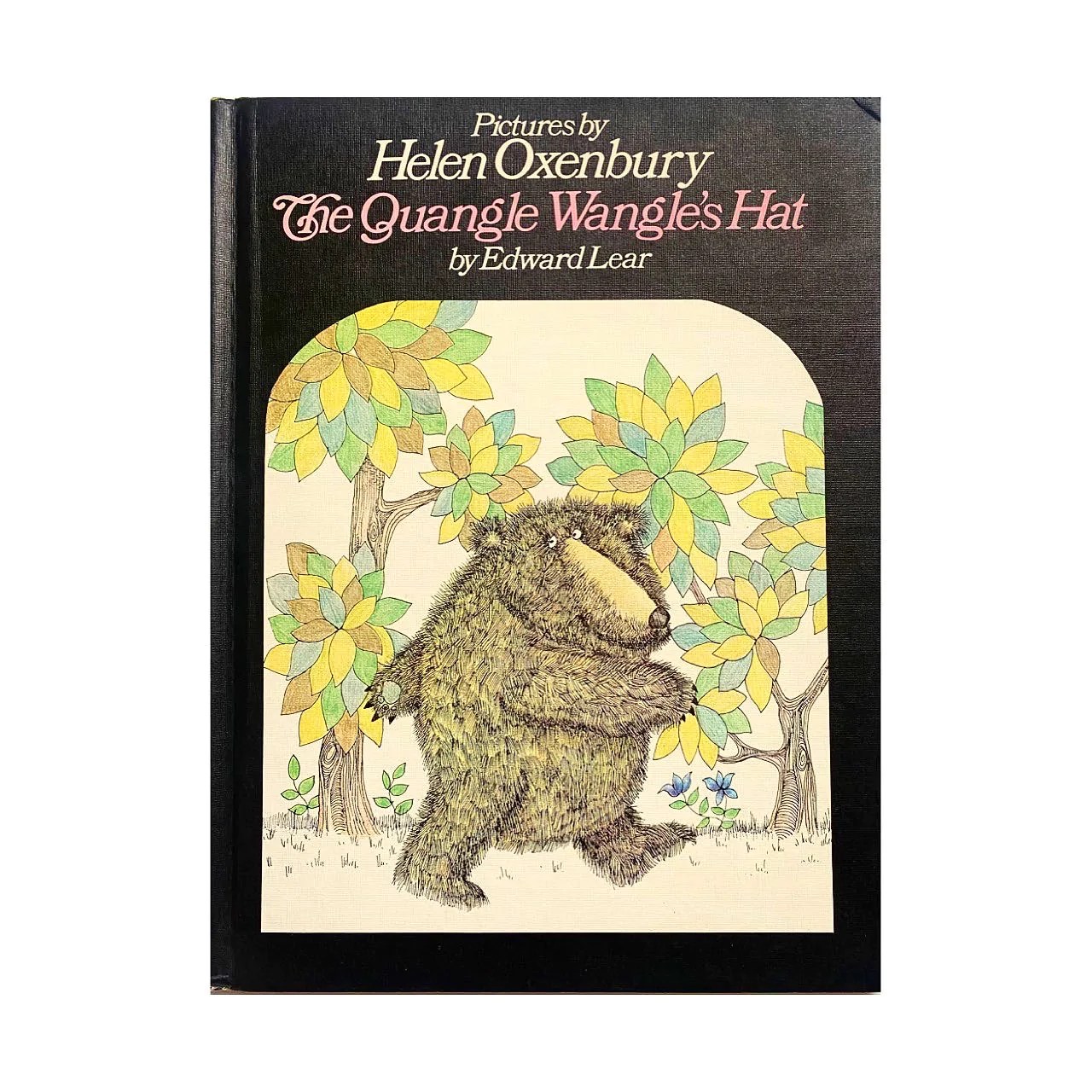
My children of course joined in the chorus of the previous book. And they joined in reciting The Quangle Wangle’s Hat, by Edward Lear, and illustrated by Helen Oxenbury, even before they could talk fluently. This book has been loved to death, and has eventually been replaced.
On the top of the Crumpetty Tree

The Quangle Wangle sat,

But his face you could not see,

On account of his Beaver Hat.

For his Hat was a hundred and two feet wide,

With ribbons and bibbons on every side

And bells, and buttons, and loops, and lace,

So that nobody ever could see the face

Of the Quangle Wangle Quee.
Who couldn’t love nonsense such as this?
Everyone in the family knows every word of Quentin Blake’s Mr. Magnolia, and will recite it still, at the least provocation.
Mr. Magnolia has only one boot

He has an old trumpet that goes rooty toot

And two lovely sisters who play on the flute.

But ..

Mr. Magnolia has only one boot…
It’s not the same though if we can’t at the same time enjoy the joyous abandon of the illustrations.
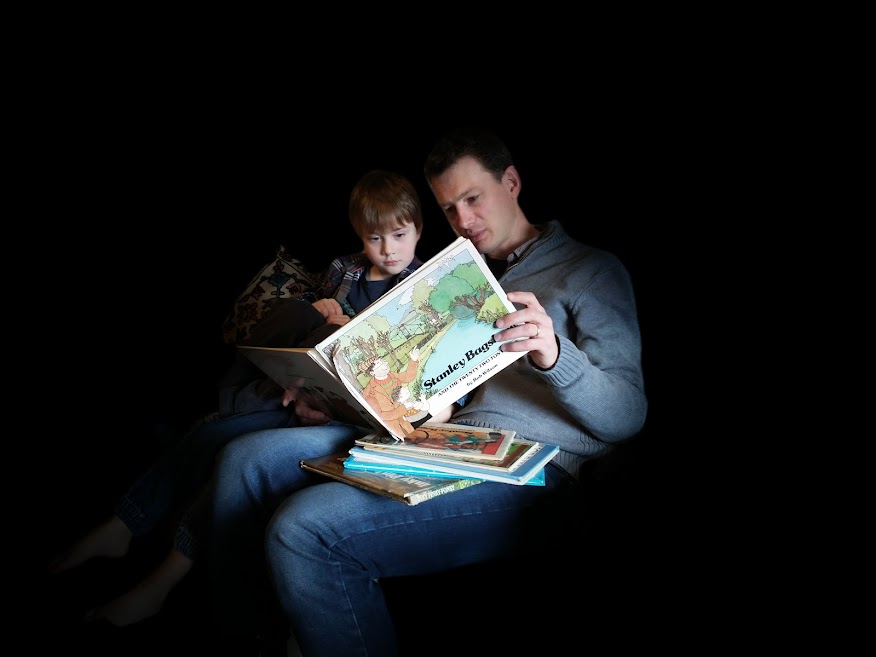
And as a right proper northern family, we all enjoy reading about Stanley Bagshaw, by Bob Wilson.
In Huddersgate, famed for its tramlines,

Up north, where it’s boring and slow,

Stanley Bagshaw resides with his Grandma,

At Number Four, Prince Albert Row.
Lovable-but-dim Stanley’s adventures are recorded in rhyme in strip cartoon fashion. Any title tells you how improbable his adventures are: Stanley and the Twenty Two Ton Whale, anybody?
Two generations enjoy Stanley Bagshaw’s adventures
Most of these titles are still in print, a tribute to their long-standing charm and ability to engage small children – and indeed their parents.
Next month’s starting book is Zoë Heller‘s Notes on a Scandal.
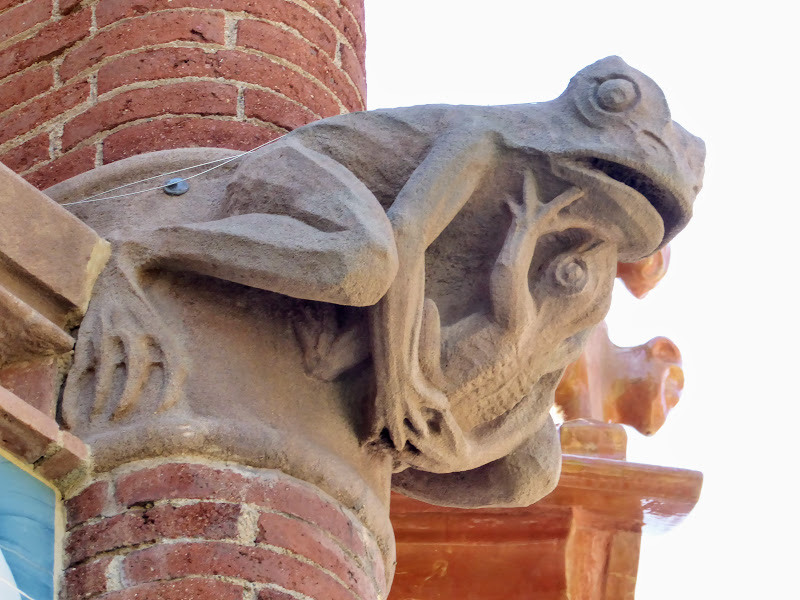
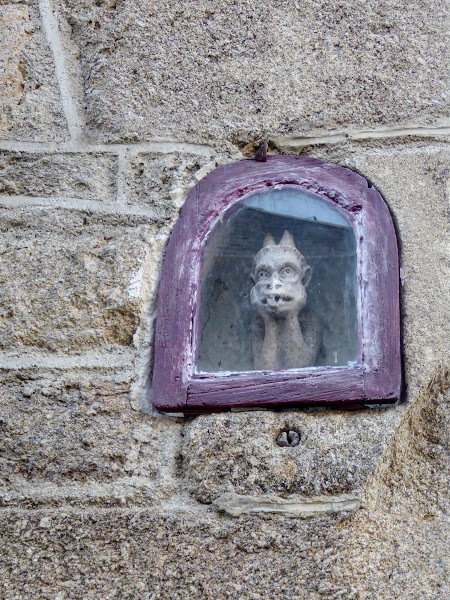
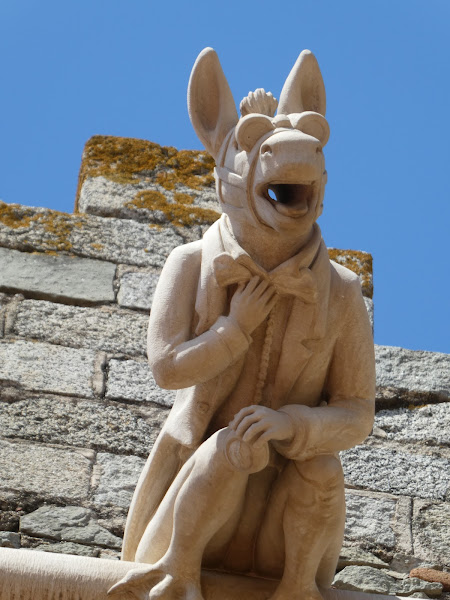
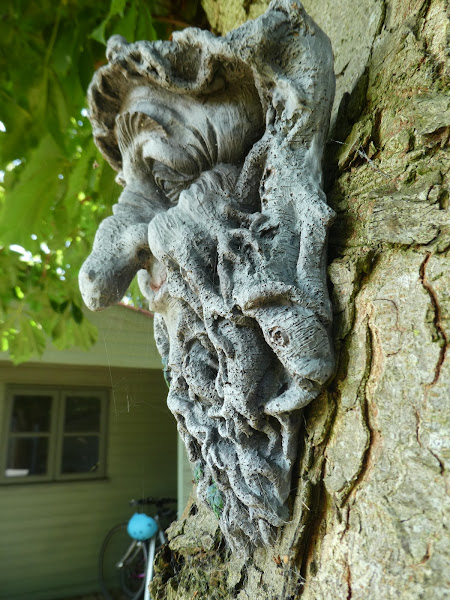
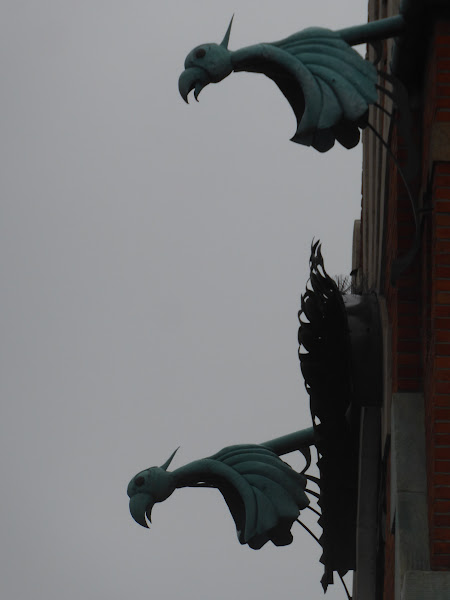
This week, Ann-Christine is urging us, in Lens-Artists Challenge #214 to indulge ourselves and our readers with Favourite Finds in our collections of photos. Well. Where to start? What to choose? I’ve settled on those things that we sometimes notice as we glance up above, or find ourselves gazing at, such as drainpipes or old walls in city streets: we’ll see everything from … well, let’s have a look …
Click on the image to discover where to find it.
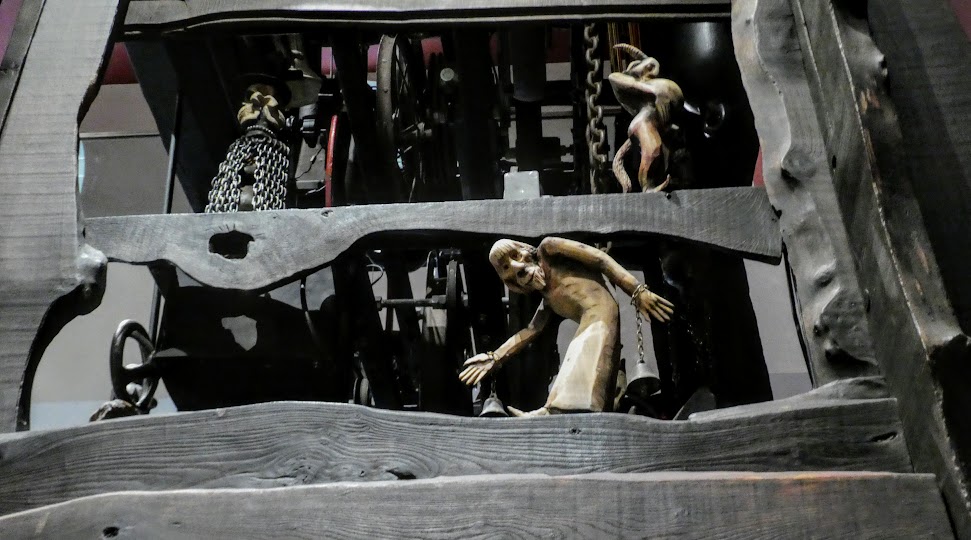
The featured image is from the Millennium Clock in the National Museum of Scotland, Edinburgh
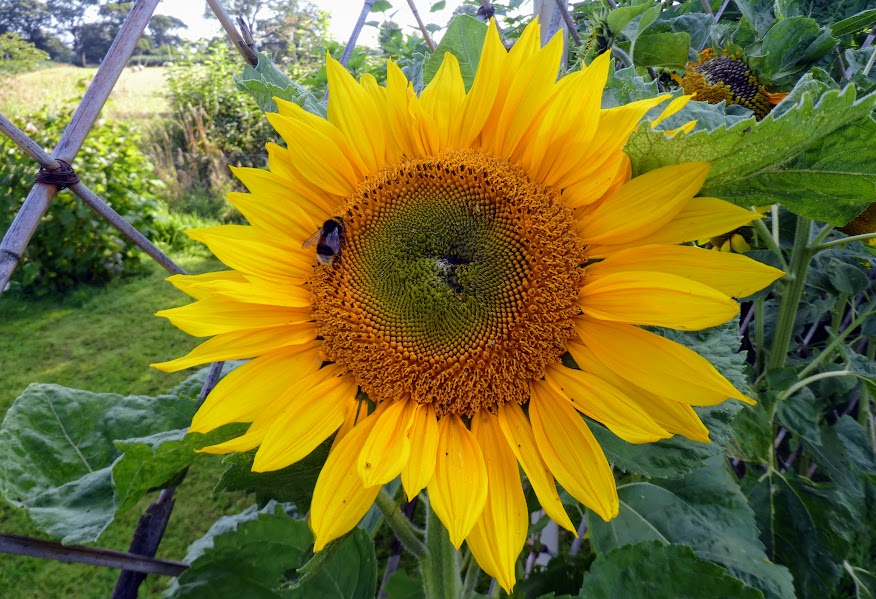
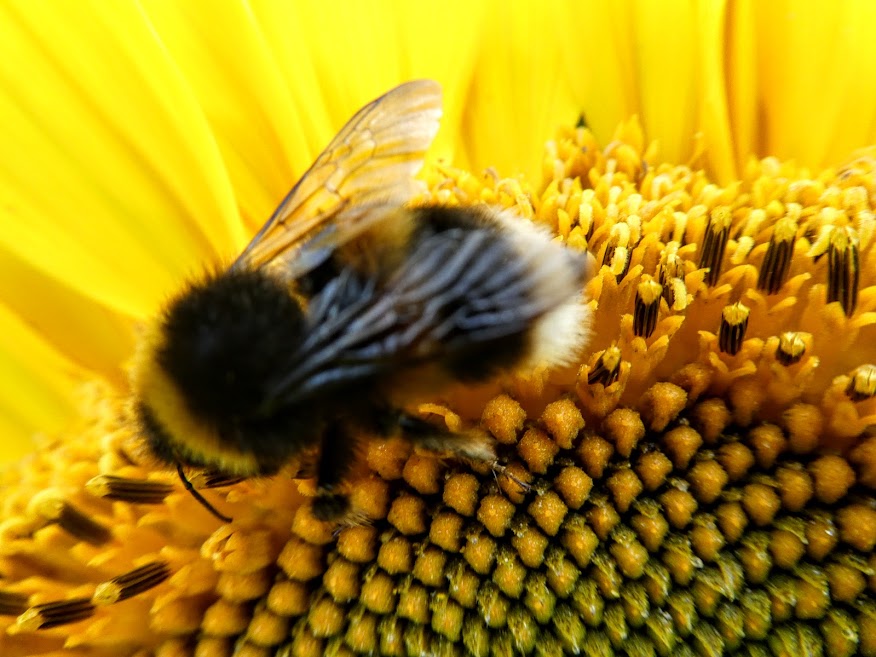
Admiring my friend’s sunflowers, I found my attention drawn to this industrious bee, minutely inspecting this specimen for nectar and pollen. Can any apiarist out there tell me exactly what sort of bee this is?
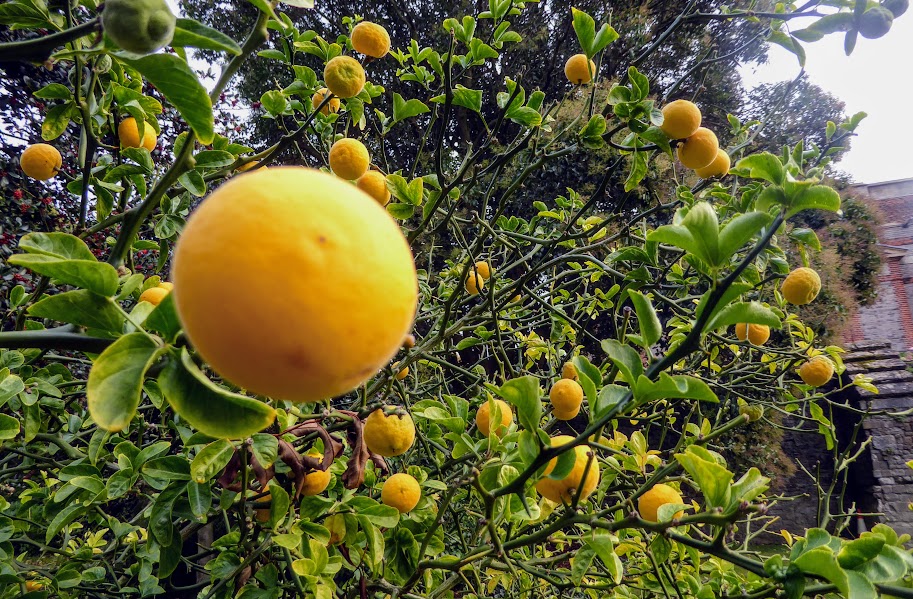
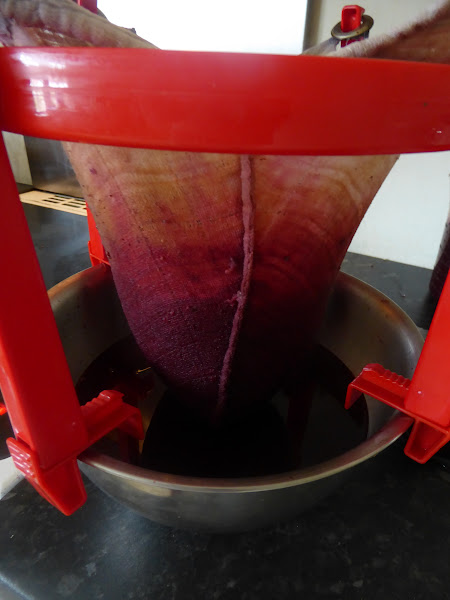
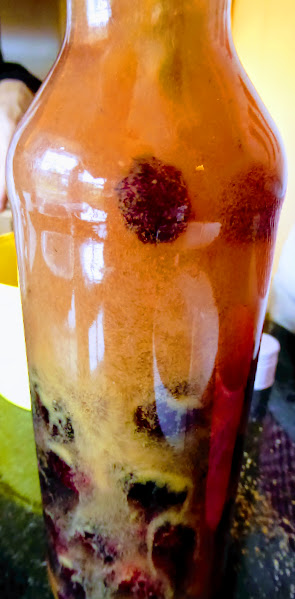
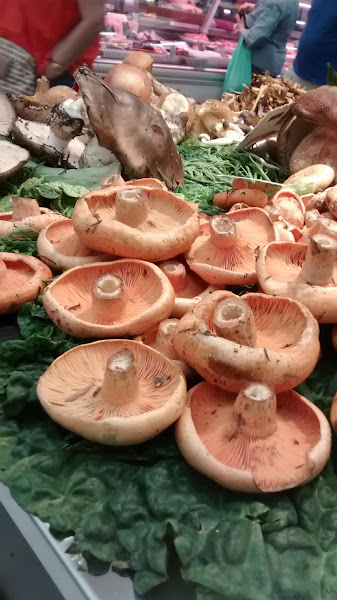
As a young child, I was sometimes woken up when it was barely light, to go off with my mother mushrooming on the decommissioned RAF airfield near our house. Blackberrying was for late summer, always, and rosehips for autumn, when the entire village school would spend afternoons gathering rosehips for Delrosa to turn into rosehip syrup (‘Whaddya mean, slave labour? The best pickers got a tin badge to keep!’). Later, in France, we added wild asparagus, wild cherries, mushrooms, walnuts, chestnuts and sloes to our Free Food bonanza. It’s made me a seasonal eater. I love it when the seasons announce that we have a different food to add to our diet, for a few weeks only. Fresh peas straight from the pod! The newest and smallest potatoes! Discovery apples in August! And in winter, these same foods, bottled and preserved give us a different pleasure – a memory of summer, but presented in a comforting, warming way: plum jam to spread on toast after a brisk winter walk; walnuts stirred into the soon-to-be steamed Christmas pudding; a nip of sloe gin on the coldest of days.
Nature’s had a habit of giving us the right foods for the right season. It’s a modern idea to expect strawberries in November. asparagus in September. All that anticipation, all that enjoyment of a food made special, distinctive by its very limited season has gone. If we listen, we can hear Nature telling us to get back in touch with the way things always used to be. Then we can get rid of all those unnecessary Air Miles too.
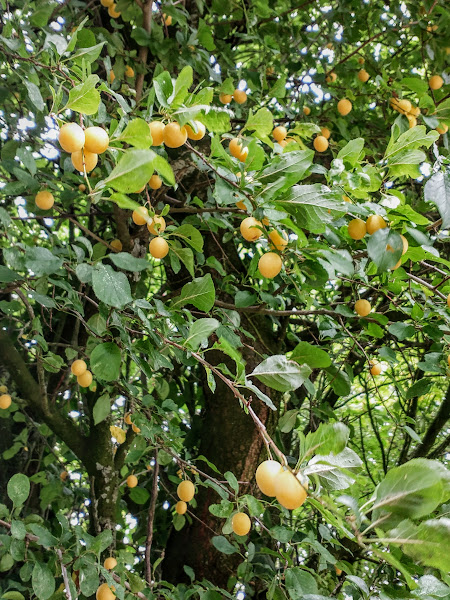
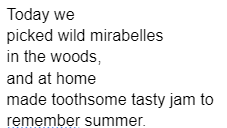
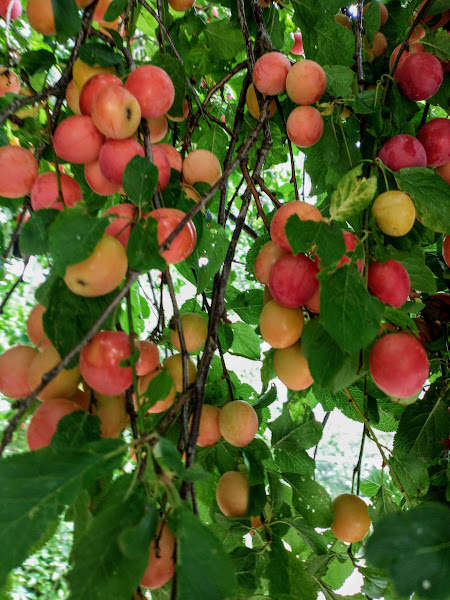
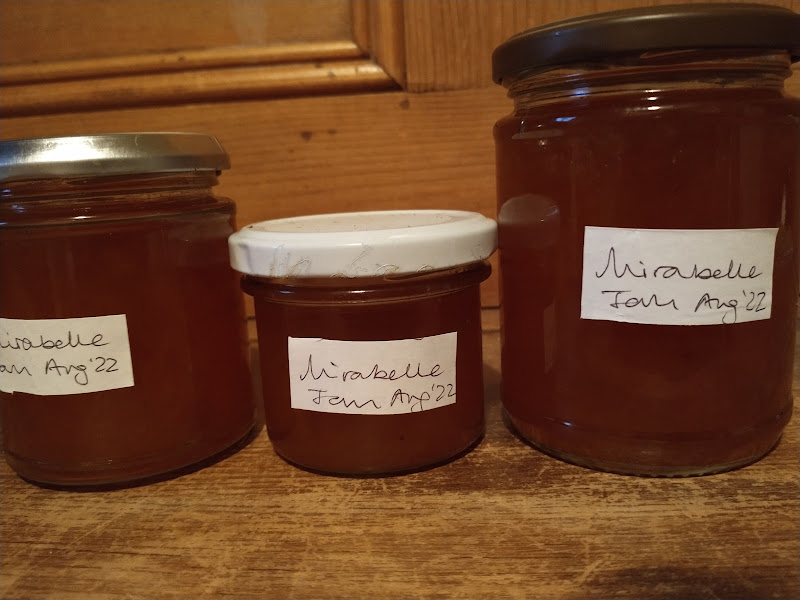
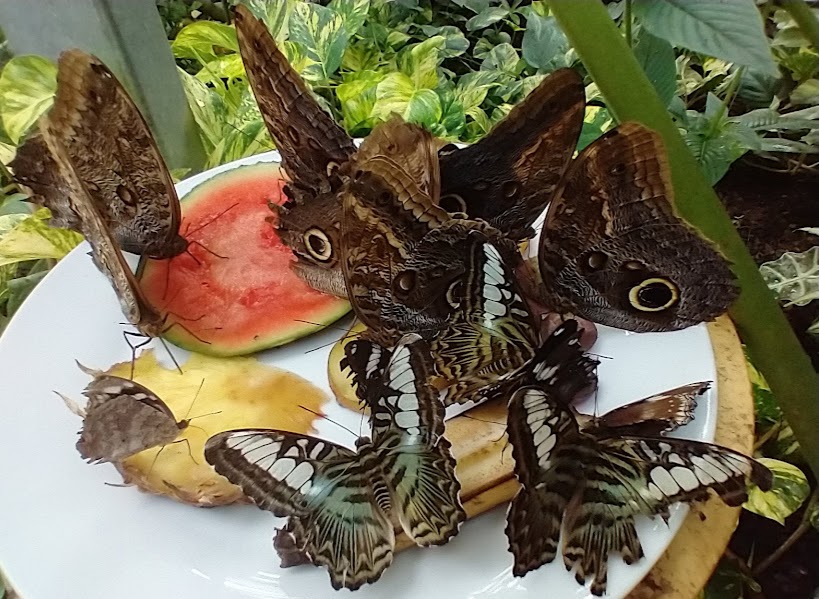
This week’s Tanka Tuesday asks us to write on the theme of Lessons from Nature. I’ve chosen the Shadorma form to illustrate what I’ve just been talking about. Mirabelles by the way are rarely seen in the shops. They’re small plums, yellow or rosy pink.
Over the last few days, the number of WordPress blogs I follow on which I have been unable to comment has grown. I gather that some of you can’t comment on mine. Here is a very useful post by Karen of Booker Talk which sums up and deals with some of the issues. If you’re a WordPress blogger or follower, I urge you to read it and if you’re affected, to contact WordPress.
Here comes the sun. That’s the theme for the Lens-Artists Challenge, hosted this week by Amy. As I browsed through my collection of sunrises and sunsets, I decided to focus on the rich variety of colours and mood displayed at either end of the day. It’s not always easy to tell which are morning, and which evening. It’s not always easy to decide which images to choose. I’ve gone for a bargain basement pick-and-mix selection, from England, Europe and beyond. Because we all share the same sun, the same sky.
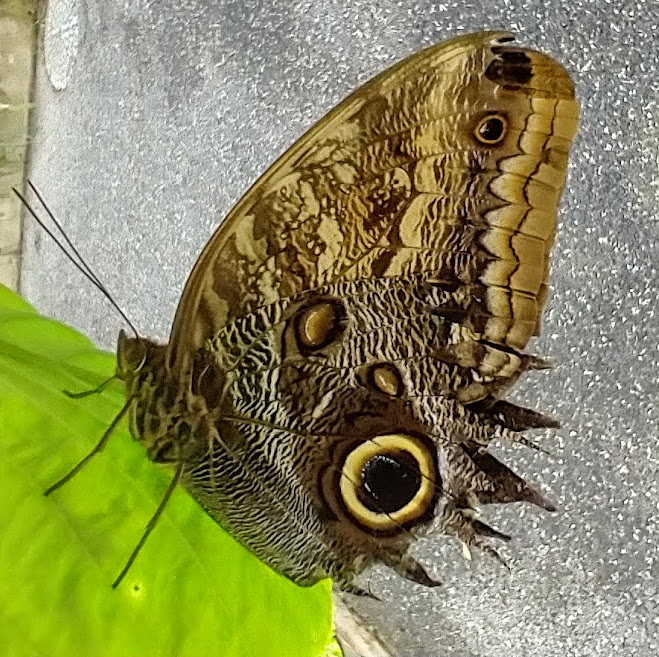
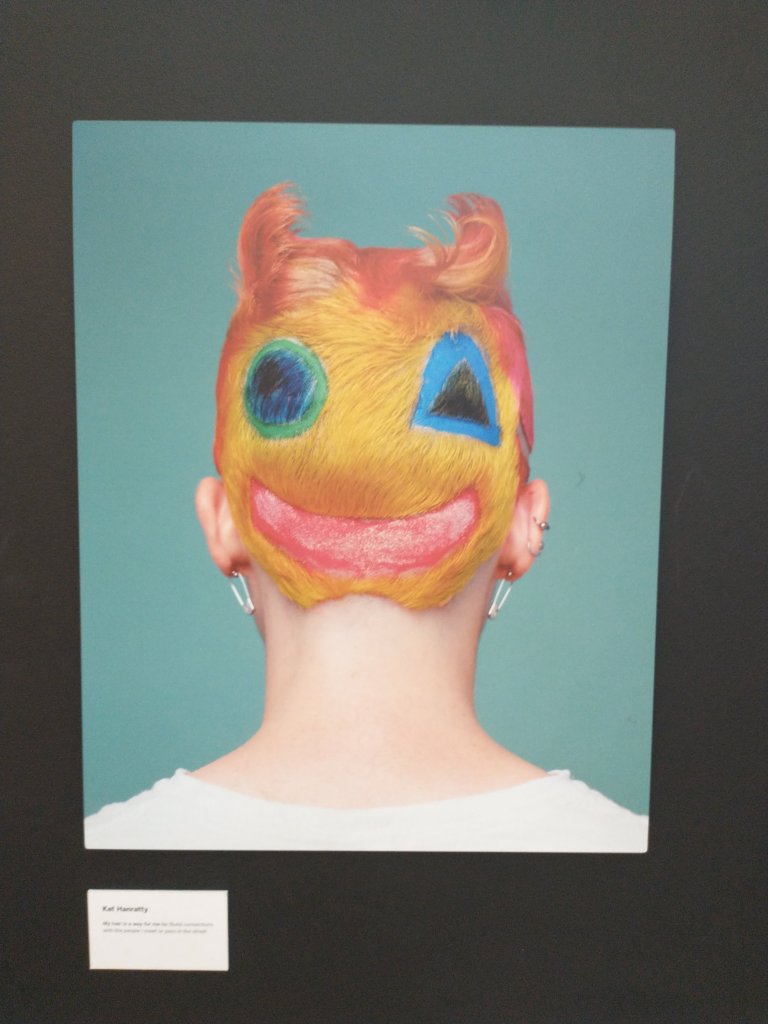
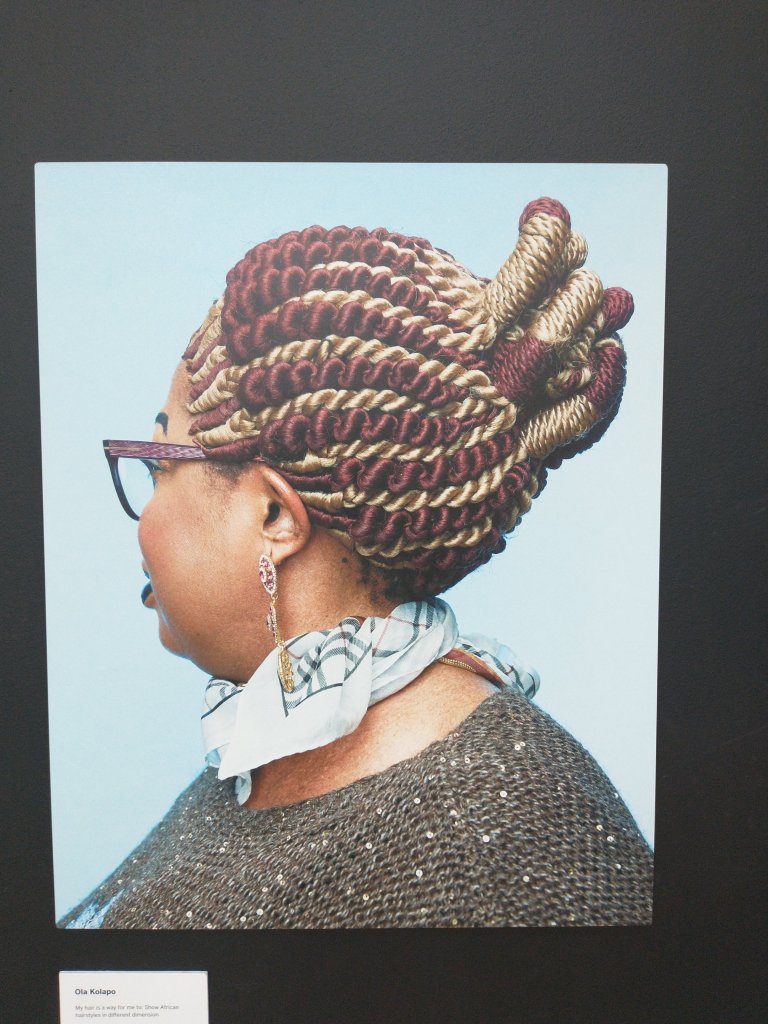
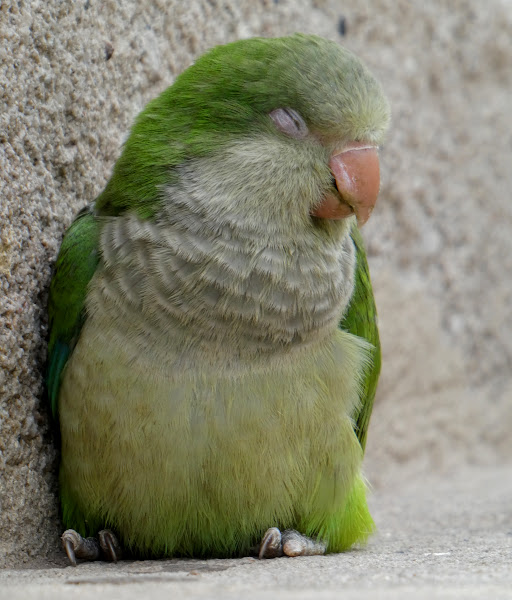
Staying with the London Branch of the family – in this case in the role of Childminder Extraordinaire – has inevitably meant a visit to the Horniman Museum. And here we came across a small, but quirky exhibition: Cult Hair, which ‘celebrates hair unrestrained by modern beauty standards’. William, 7; Zoë, 4 and I each chose our favourite. Who chose which, do you think?
I’m posting from my phone, and it seems to be taking charge of my photos in a way I wouldn’t choose. This may not end well …

































 From Pyrenees to Pennines
You must be logged in to post a comment.