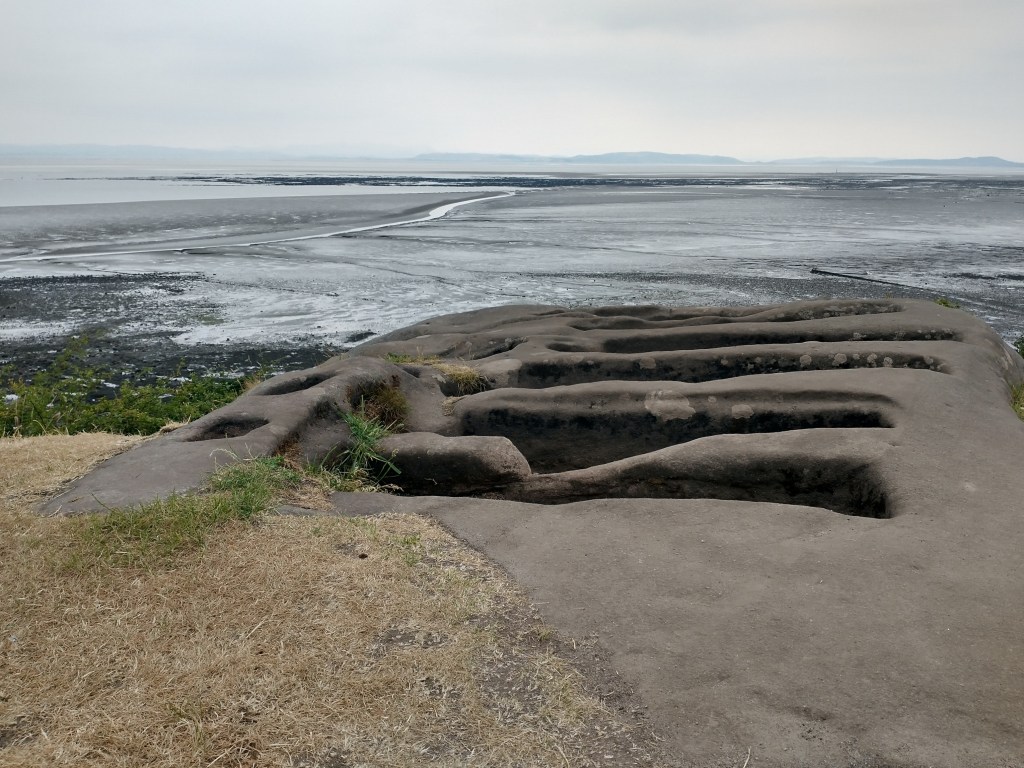
A postcard from the Vikings of Heysham
Blogging is a funny old thing. Those of us who post regularly discover a world of Virtual Friends: bloggers who share our interests, who care about the same kinds of thing, or who inspire and teach us. Sometimes, when we’re lucky, we manage to meet in real life. These people are our blogging friends.
I only discovered Bren about a year ago, at Brashley Photography. I relished her commitment to photography and to her love of sharing her skills and knowledge. She loved flowers, and visiting historic places. We had made tentative plans to meet one day, probably at Fountains Abbey, a place which inspires us both.
Then she was diagnosed with cancer. Instead of having years ahead of her, suddenly she had few. She began to tell her story in Bacardi Girl: My Cancer Journey. And then swiftly, things got even worse than that, and this week, she died.
Leanne Cole has suggested those of us who ‘knew’ Bren should post images of flowers in her memory. I’m posting white ones – apart from my header photo, showing Fountains Abbey at very yellow daffodil time. This is the place where I’d once had high hopes of meeting Bren and her camera.


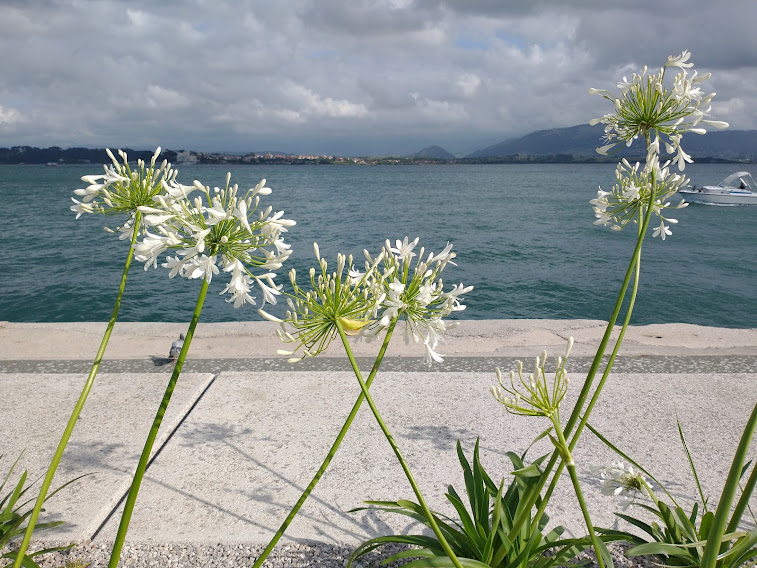
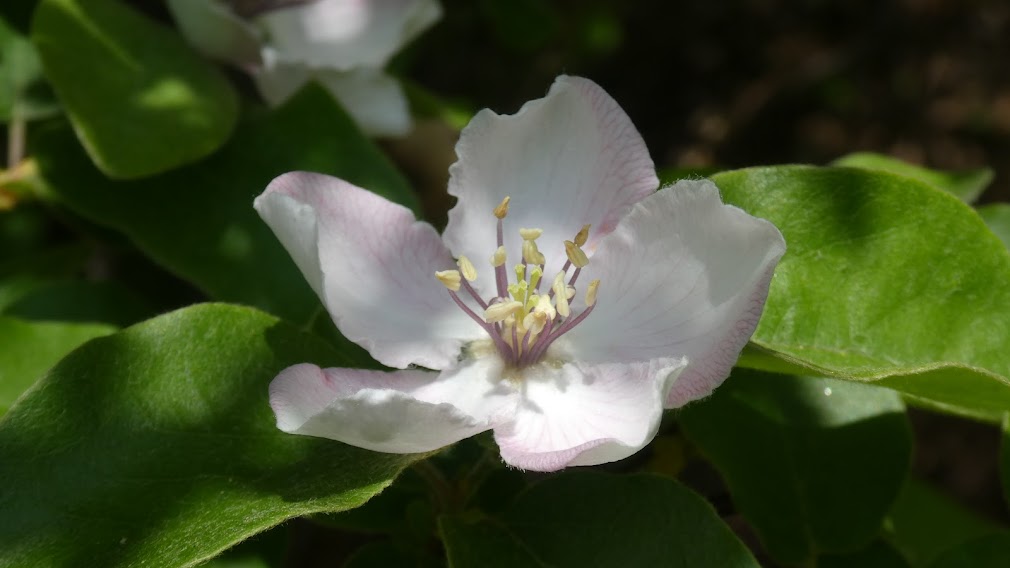
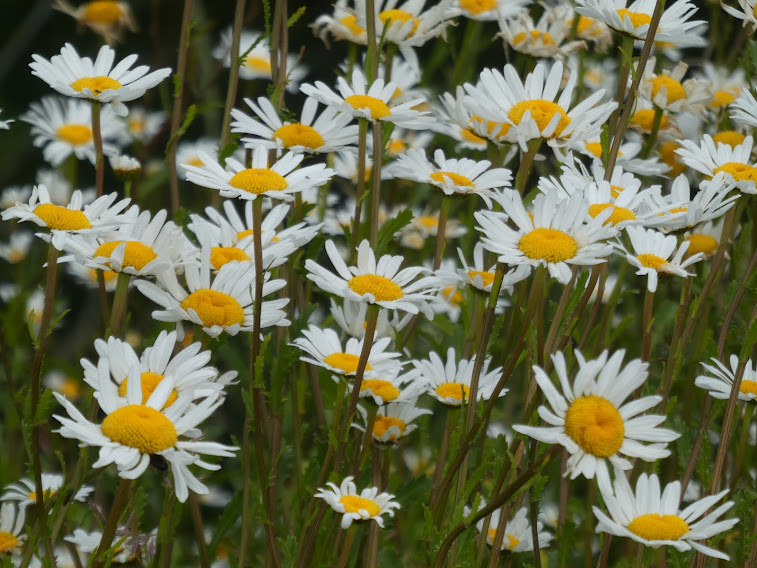
I hope her family will see these floral tributes: there are many of them. I hope too it helps them realise how much Bren and her work was appreciated in so many countries round the world.
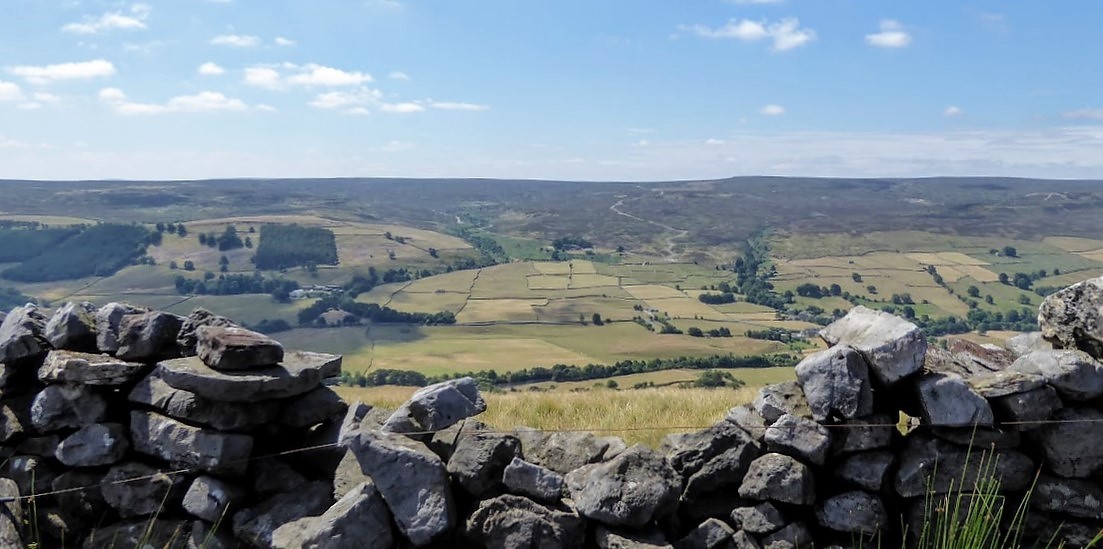
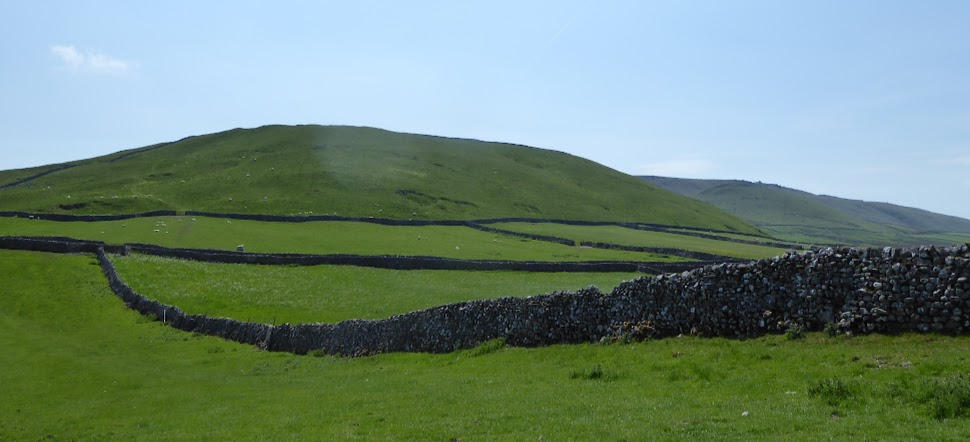
I have chosen dry stone walls in response to Brian Bushboy’s Lens-Artists Challenge #253: Fragments. Which is rather odd of me.
Dry stone walls are far from fragmentary. These walls march across the moorland and pasture landscapes of much of northern- and parts of the rest of – England, dividing farm from farm, and fields from their neighbours. Labour-intensive to construct, they can last for centuries: carefully assembled courses of locally-found stone with not a splash of mortar to be seen. The ancient craft is still alive and well, and the modern apprentice can hone his or her skills through Levels 1, 2 & 3.
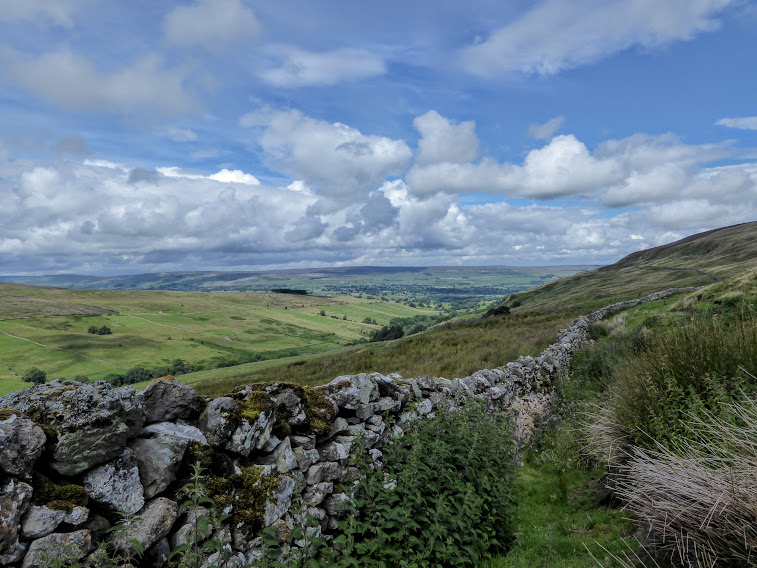
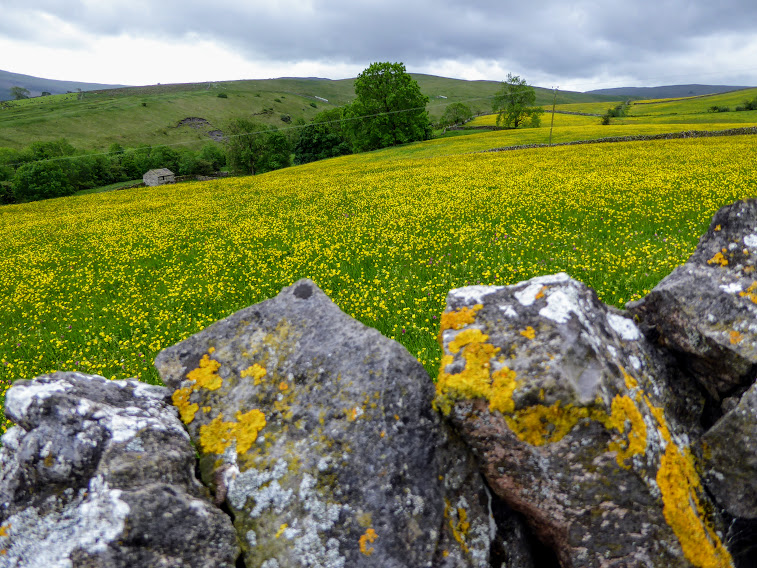
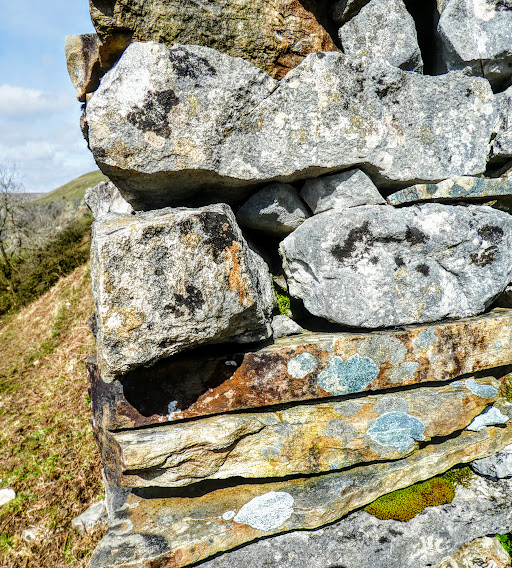
Still, the stones used in their construction are fragments of an ancient landscape of local rock: of millstone grit, of limestone, flint, granite: whatever is locally available. Some elderly walls are fragments of older, longer ones, and some are indeed somewhat broken.
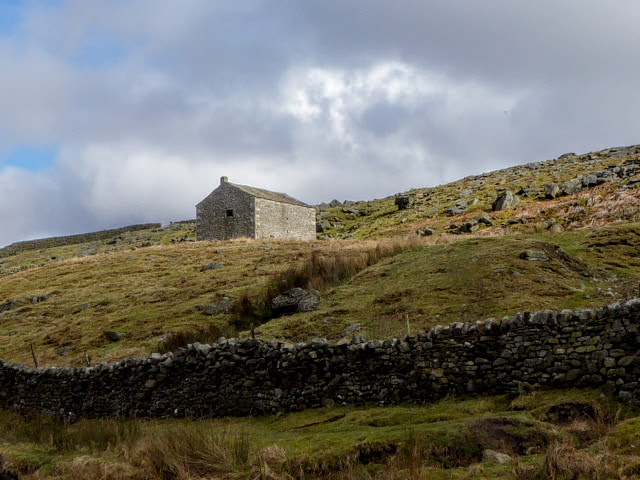
Really, I just wanted an excuse to celebrate this much loved feature of our landscape, telling a story of centuries of farming in harsh conditions where man has worked tirelessly to make a living.



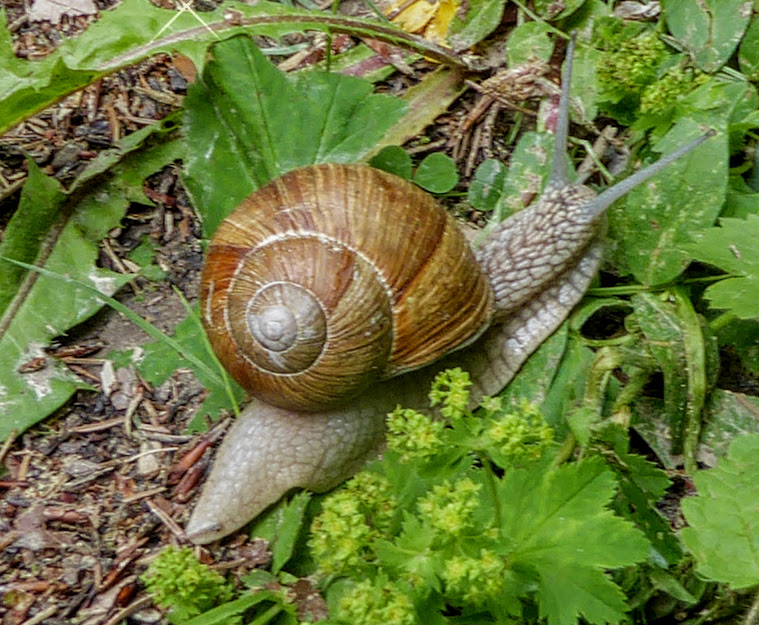
It turns out that snails are not my specialist subject. Denzil’s Nature Photo Challenge #16 this week is all about these gastropod molluscs. And I have precisely two in my archive. The first one is my header photo. Here below is the second.

I’ve been walkabout with my camera, looking for more. But in these dry conditions – not a hope. Even the slugs have given up chewing every plant in sight.
And I can’t even name the snails I am showing you. Can anybody help?
I tend to wake up early in the morning. At this time of year, it’s no hardship at all, because I can lie in bed, listening to a concert like this …
These are moments of uncomplicated happiness. However, by now, almost mid-June, it’s tinged with sadness too, because I know that we’ve less than a month to go before this morning serenade quite simply … stops.
So when Rebecca gave us our monthly marching orders of a poem, one about about a bird in our part of the world, I knew I didn’t want to fall in line. I didn’t want to single out the blackbird, robin, thrush, chiff-chaff, wren … whatever. I wanted to celebrate them all – all those songbirds who contribute to this morning symphony of joy.
Dawn.
The sun creeps above the horizon …
Birds awaken.
Carolling, calling, crooning, chirping, chanting -
a clamorous cacophony welcomes the day.
Cacophony is often seen as negative, as being a word for racket, dissonance, din. But for me there is no other word to describe the medley of sounds as dozens of local birds have their morning vocal work-out, defending their territory whilst raising a brood of chicks.
On of these mornings soon, before the chorus this year stops, I’ll get up, get organised and walk towards the sunrise, maybe one just like the one in my header photo, listening to those birds saluting the light.
Fake Flamenco: June 2023 Poetry Challenge
Hammad Rais’ Weekend Sky #104
A request came into our photo club. Did anyone fancy coming along to a local farm open day to make a record of the day in pictures? Three of us did. And we had the best Sunday out.
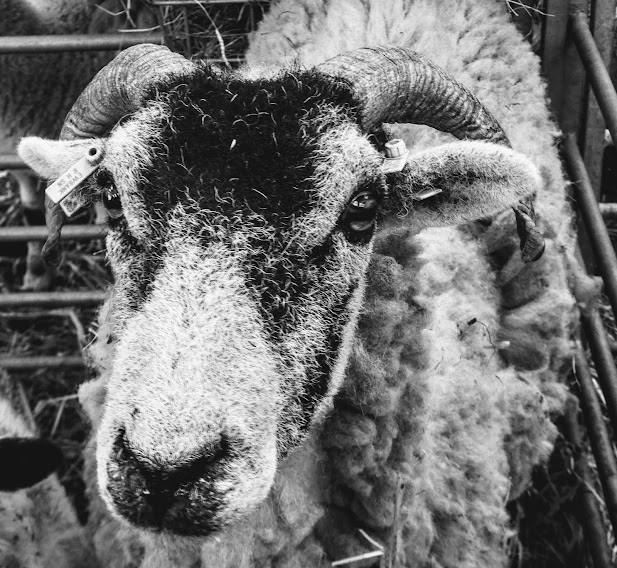
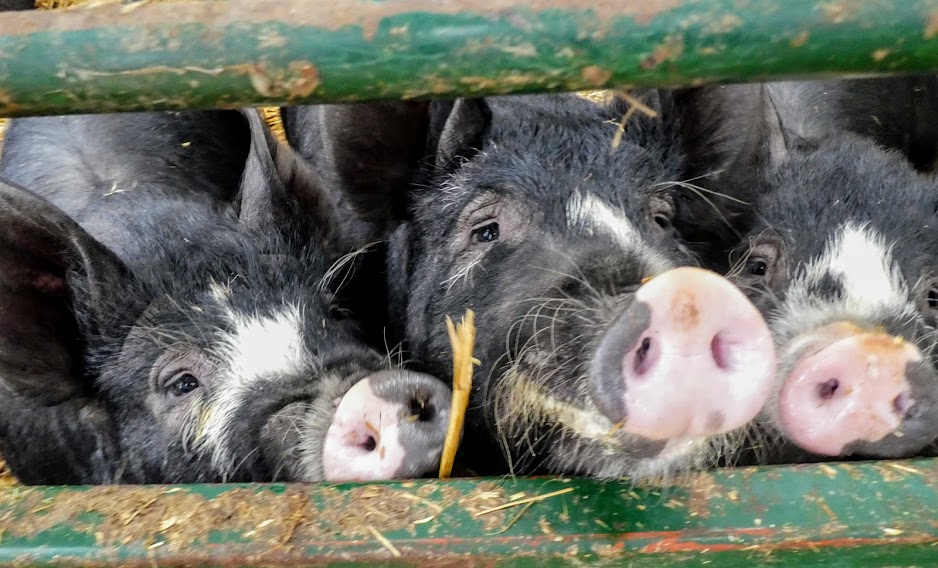
Rock House Farm is near Bedale: a member of LEAF, an organisation promoting sustainable farming. As modern farms go, it’s small. Just some cows, sheep and pigs, hens (for eggs) and turkeys (for Christmas). And an allotment, which supplies the family as well as providing fruit for the (fresh and delicious) jams and chutneys they sell.
Our morning was spent with the animals – and visitors . We got photos of children’s delight at enjoying getting so close to them, at feeding the hens, and chatting to piglets . Although parents had given permission for them to be photographed, it doesn’t seem fair to display them on the internet, so I won’t show you this special part of the day.
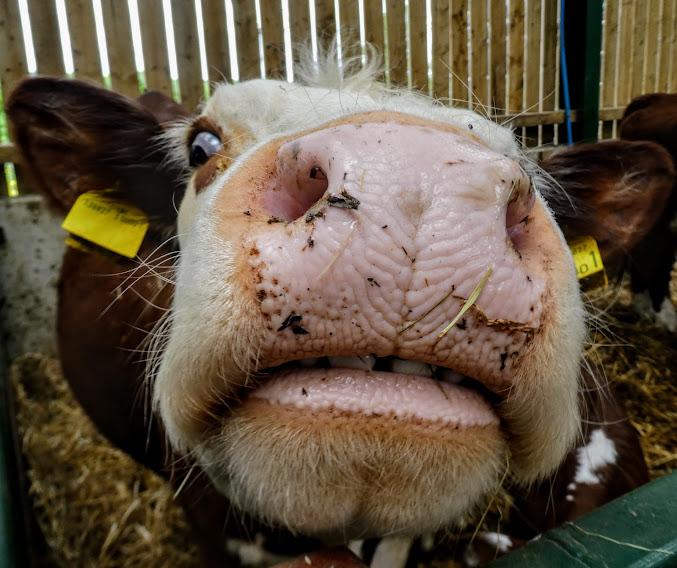
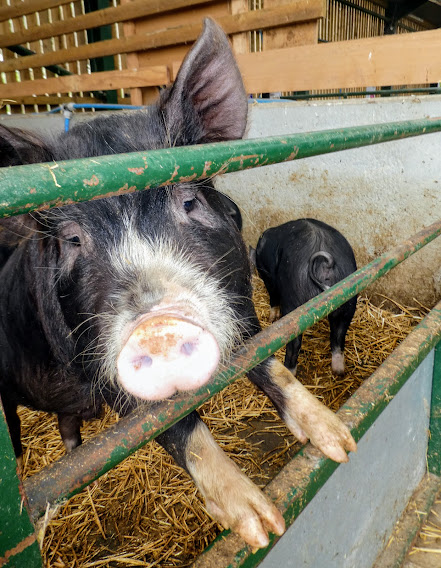
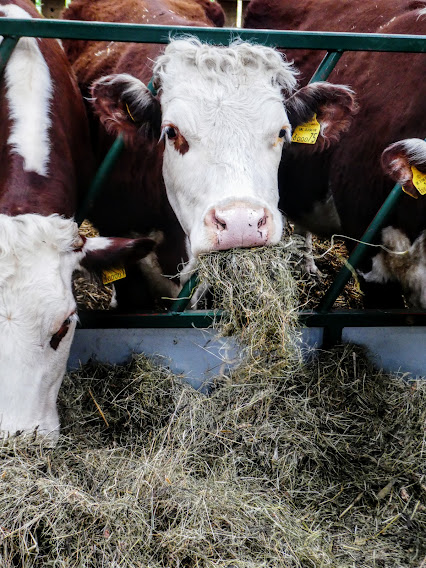
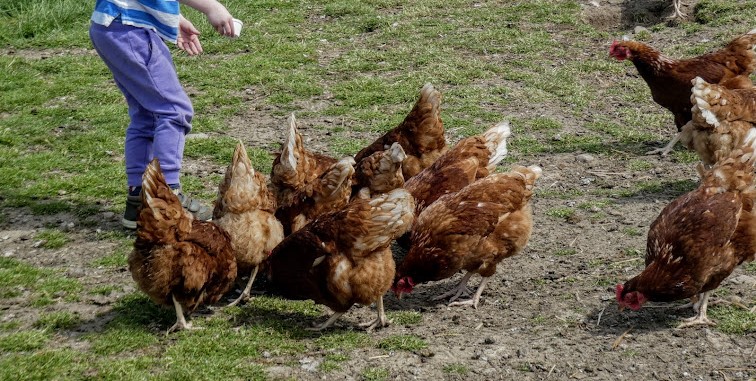
There was a woman fashioning wooden spoons, a wood turner, local heather honey on sale.


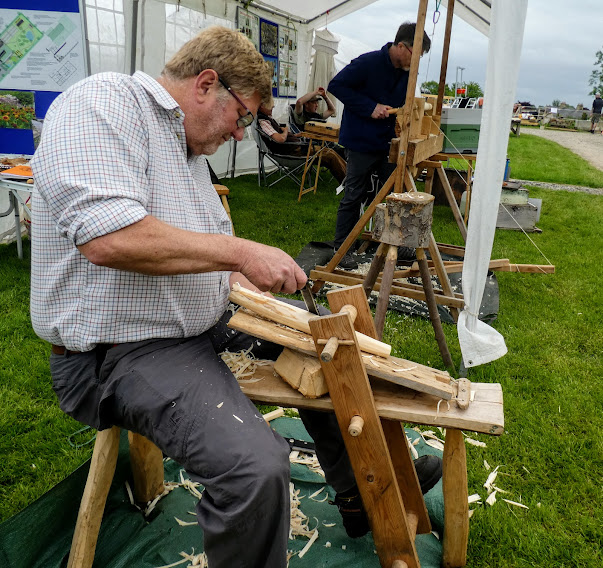
There was lunch, made using their own-produced meats and sausages, served with salads then home-made cakes, eaten with views of flower-meadows and long-ranging views of the Yorkshire countryside. I was too busy enjoying it all to remember about taking photos.
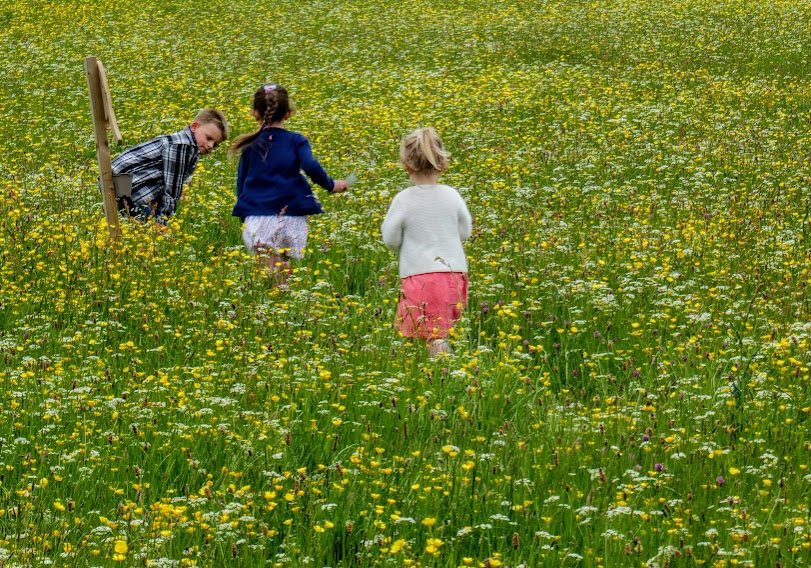
What I can share with you is what for us was the highlight of the day. We’re old enough to remember when meadows full of wild flowers were quite normal in the countryside. Now the ones on this farm are sufficiently unusual that they’re Sites of Special Scientific Interest, rich in colour and buzzing with insect life. We spend a happy hour following the meandering mown path which wandered through these riches.
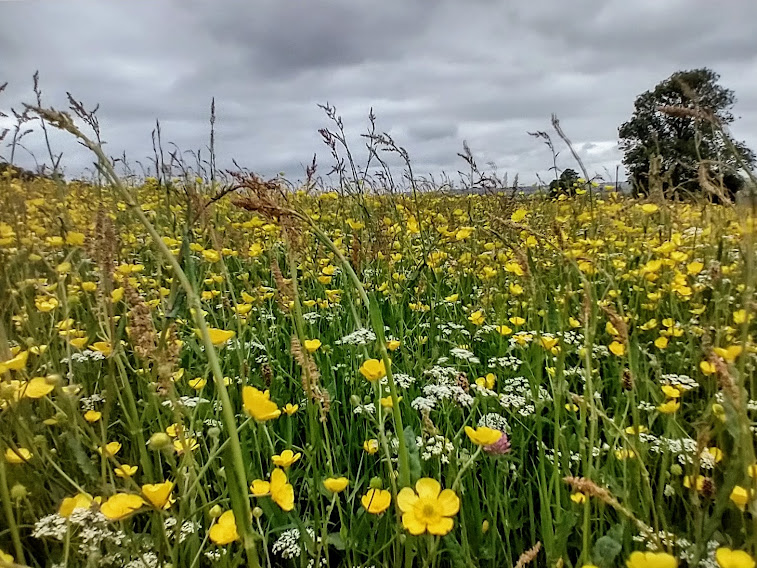
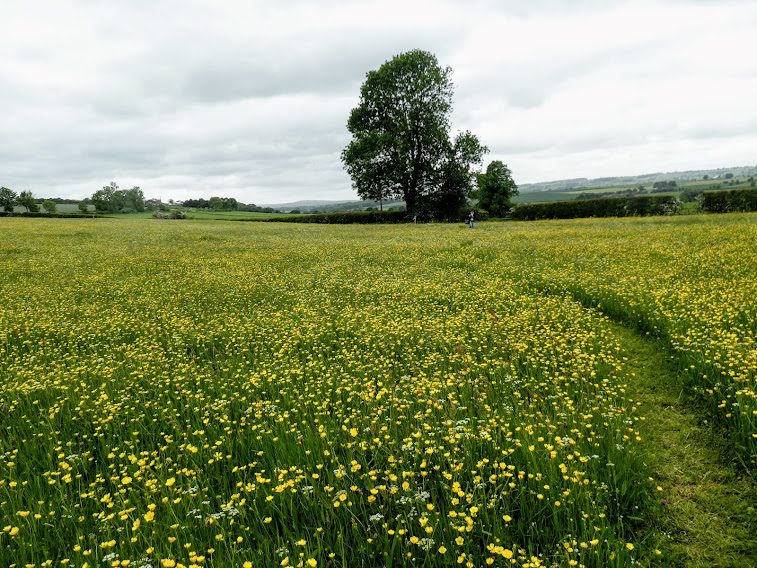
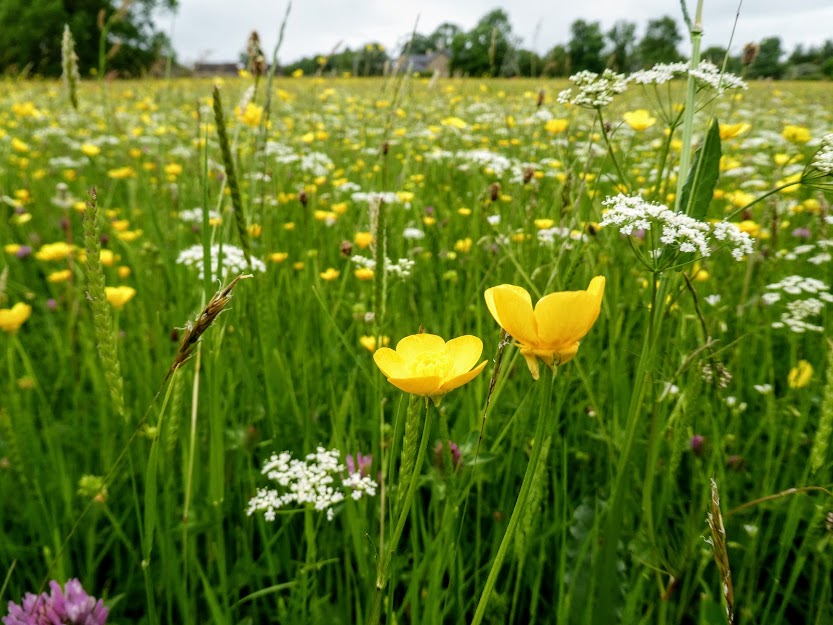
We’ll be back for sure. We eat little meat, but the animals raised here have good lives, mainly in the open, and we’d have confidence in buying here. As well as their fresh eggs, and tasty produce.
This farm had been obliged to hold their open day on the Wrong Day for family reasons. The real LEAF Open Farm Day event this year is this Sunday, 11th June, so if you live in the UK, you can find out if there’s a farm open near you, here. Highly recommended.
For Jo’s Monday Walk

I think the heron in the header photo has pretty much got breakfast sorted, don’t you? Some of our landlord’s goldfish are living their last moments.
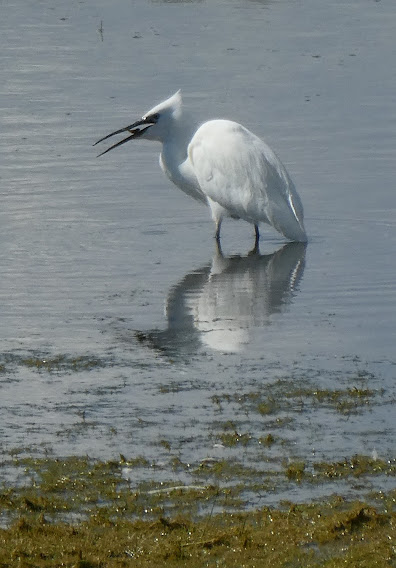
Meanwhile, over at our local nature reserve, this egret’s just found something.
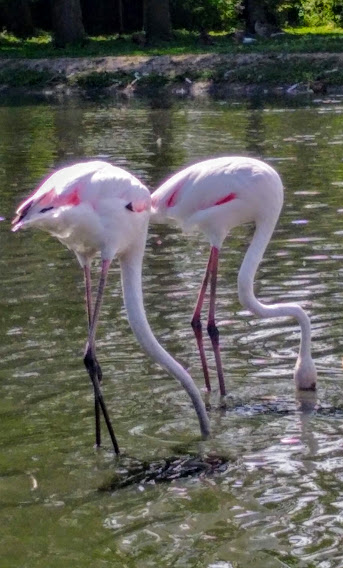
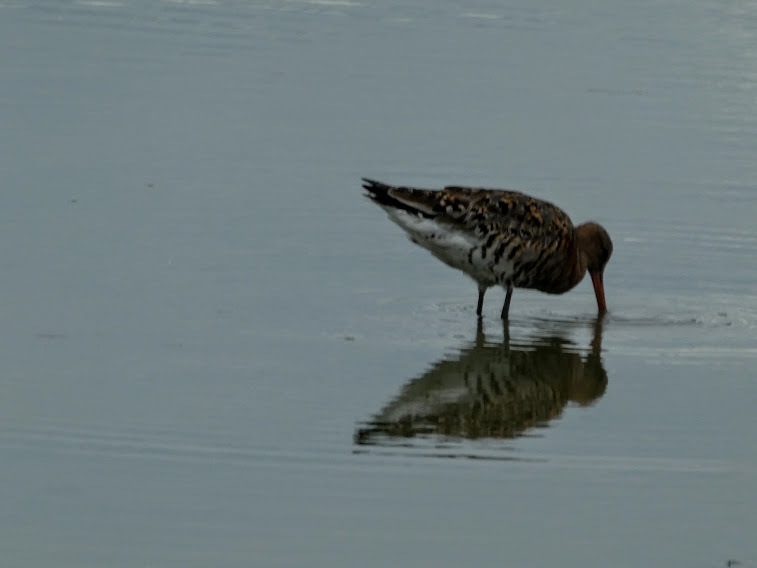
Another nature reserve: Slimbridge. Flamingos and a godwit look for their next snack.
And even if this sparrow hasn’t found any crumbs yet, she knows that a café is quite the place to look.

For Denzil’s Nature Photo Challenge #15: Birds feeding and drinking
And I’ll pop the hungry heron into IJ Khanewala’s Bird of the Week Challenge XIV too.
On the first Saturday of every month, a book is chosen as a starting point and linked to six other books to form a chain. Readers and bloggers are invited to join in by creating their own ‘chain’ leading from the selected book.
Kate W: Books are my Favourite and Best
This month’s starter book is Elizabeth Day‘s Friendaholic. I haven’t read it, but apparently the clue is in the title: it’s an exploration of friendship.

I’ll start then with a book I’m just reading now. It’s Small Worlds, by Caleb Azumah Nelson. At its foundation are two things: the narrator’s strong friendships, deeply rooted in his wider family, and his love – their love- of music, which underpins all their moments of togetherness and happiness.


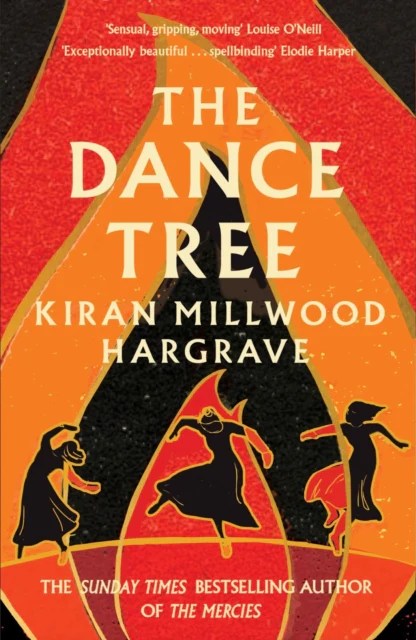
There’s a lot of dancing in Nelson’s book. So let’s go to Strasbourg in 1518, to a story based on a historically documented ‘plague’ of hysterical dancing: The Dance Tree, by Kiran Millwood Hargrave, set in a time of famine, superstition, religious and moral outrage. This is largely the story of Lisbet, pregnant again having already lost nine babies in very early infancy, and beekeeper extraordinaire. Why has her sister-in-law Nethe been required to do penance in a religious community for seven years? Why have hundreds of women been dancing in a frenzy, for hour after hour, day after day? Why do yet more and more people join them? Here are family secrets, forbidden love, frightened and powerless women examined in a story rich in feeling and entirely readable.

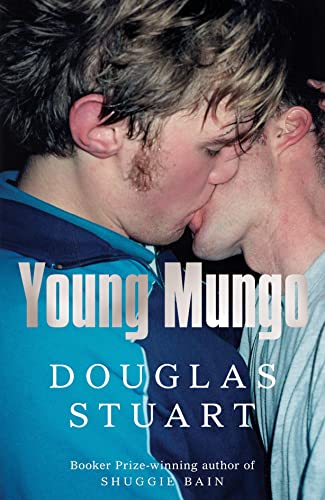
I’ll take you to Glasgow now, to the recent past, to a city which seems to have had parallels with the Strasbourg depicted in the last book. Young Mungo, by Douglas Stuart. Mungo grows up on a down-trodden Glasgow housing estate, immediately post-Thatcher: fatherless, with an increasingly absent and alcoholic mother whom he adores, a clever older sister who looks out for him, and a violent, lawless older brother. Why, at the beginning of the story, does his mother send him away on a fishing weekend with two fellow alcoholics whom she hardly knows? We return throughout the narrative to find out more. Mainly, we are in the poverty-stricken community Mungo calls home. And it’s here he meets James, and discovers his sexuality. That’s bad enough, but in sectarian Glasgow, Mungo is Protestant, James Catholic … This is a story with a deeply rooted sense of place, illuminating and pacy dialogue, with sectarianism, violence, fear and deprivation at its heart, examining what it means to be male in such a society, and the risks attendant on being gay.

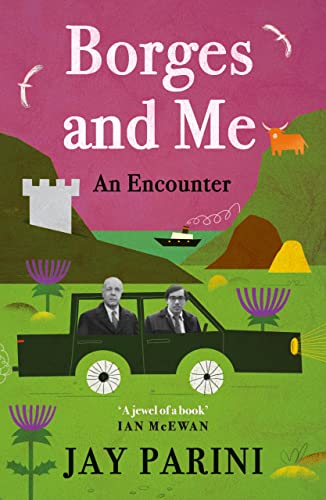
We’ll stay in Scotland, but lighten the mood, by picking up a copy of Borges and me: an encounter by Jay Parini. A romp of a read – a lightly fictionalised account of Parini’s encounter with Borges: a writer whose work I, like Parini, have never (so far) read. Jay Parini, an American, was a post-graduate student at St. Andrew’s University, dodging the draft to the Vietnam War. He’s going through young-man-angst about the subject for his thesis (his supervisor doesn’t seem keen on Parini’s choice of poet Mackay Brown), his draft-dodging and his (lack of) love life. When a friend of his, Alistair, is called out of town on a family emergency, Parini is called in to house-sit Alistair’s guest, the blind and elderly post-modernist writer Borges. Almost immediately, at Borges’ request, they embark on a road trip round Scotland for which Parini is expected to be Borges’ ‘eyes’. Shambolic and unpredictable, Borges is also a fount of dizzying literary talk. This is a trip to savour. A book which is a funny and wry account of an unlikely and thoroughly Quixotic journey: indeed Borges names Parini’s ancient Morris Minor after Quixote’s horse Rocinante. And it’s persuaded me too, that it’s about time I read some of Borges’ writing.

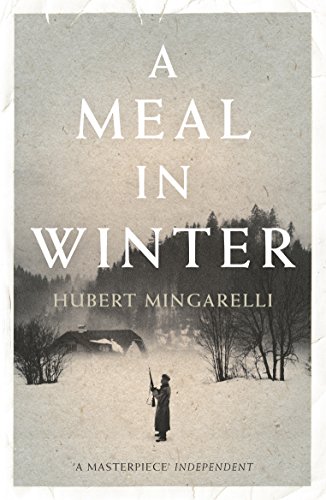
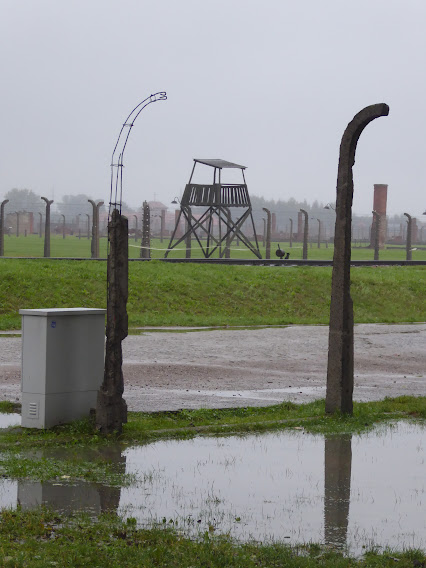
More men thrown together almost by happenstance: this is very much not a romp of a read. A Meal in Winter by Hubert Mingarelli. An account of three German soldiers whose task on a bitterly cold winter day during WWII is to hunt down Jews in hiding and bring them back to the Polish concentration camp where they are based, for an inevitable end. This unenviable task is better than the alternative: staying in camp to shoot those who were found the previous day. They’re friends simply through circumstance, so they talk about family – about the teenage son of one of them – and they find just one Jew. Is he their enemy, deserving his fate, or is he just like them, a young man doing his best to survive? What if they return to camp with nobody to show for their day’s hunting? As the men retreat to an abandoned cottage to prepare a meagre meal, their hatred and fear jostle with their well-submerged more humane feelings to provide the rest of the drama for this short, thought provoking book.
Let’s complete the circle by turning to another book whose protagonists’ family history lies elsewhere, as was the case with Small Worlds (Ghana) but whose home is now London. Kamila Shamsie‘s Best of Friends. This is a book of two halves. The first takes us to 1980s Karachi, and to the lives of two 14 year old schoolgirls. Zahra’s exceptionally bright and will do well. She’s less privileged than Maryam, who expects to inherit her grandfather’s successful leather business. An event takes place which comes in many ways to define their futures. Fast forward 40 years. The girls, now women are living in London, are successful and content. In many ways they are ciphers representing on the one hand liberal and inclusive politics, on the other successful entrepreneurship. Their strong friendship endures. Until the event from their teenage years comes back to haunt them. I didn’t quite believe in this and though the ending is intriguing, I was a little disappointed in this latest book from Shamsie.


So there we have it: a chain that explores friendship in its many guises. Next month? The chain-starter is the winner of the International Booker Prize: Time Shelter by Georgi Gospodinov and translated by Angela Rodel.
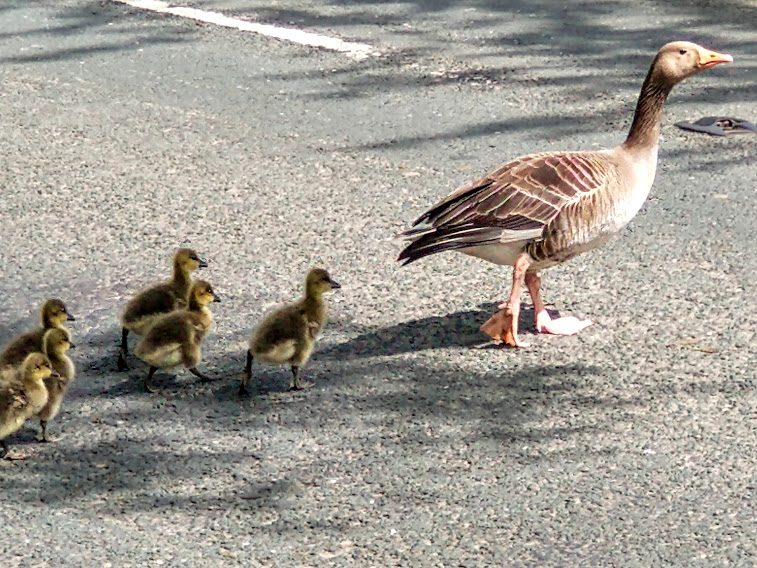
We don’t know. In the village, we have ponds on either side of the road, so why bother? I suspect they enjoy having every car, motorbike and lorry grind to a halt, allowing a small and patient queue of traffic to form in both directions. Sadly, I’ve always been just a little too far away to get a photo that properly represents the tailback.

Our geese are less than popular here. Because of them, our mallard population’s efforts to breed come to nothing. So far this year, no duckling has survived longer than two days. I’m more hopeful for the moorhens.
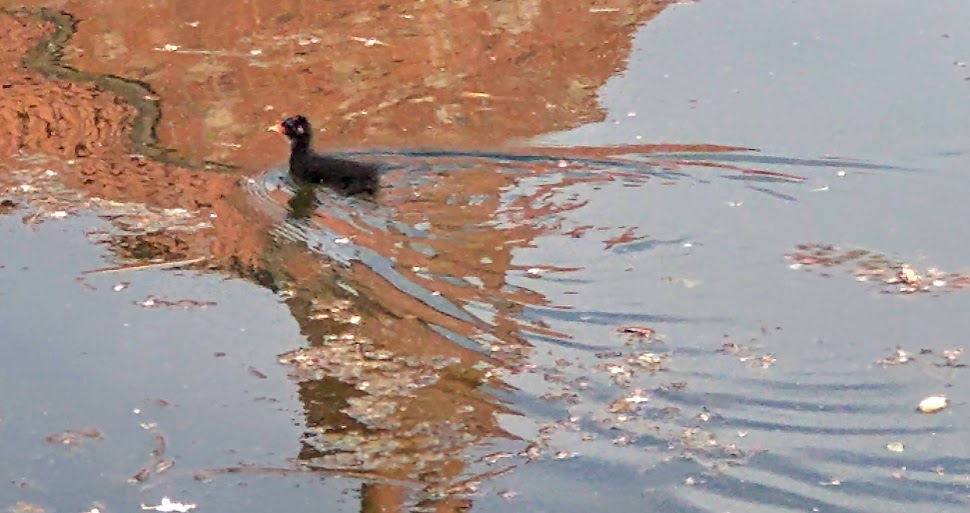
The pavements are thick with goose droppings and hard to dodge, especially if you’re a toddler. The geese have spread from their traditional home down the road at Lightwater Valley, where there’s still room for them. On our smaller village ponds, they’ve chased away any of the quite large variety of ducks who used at least to call in for a while.
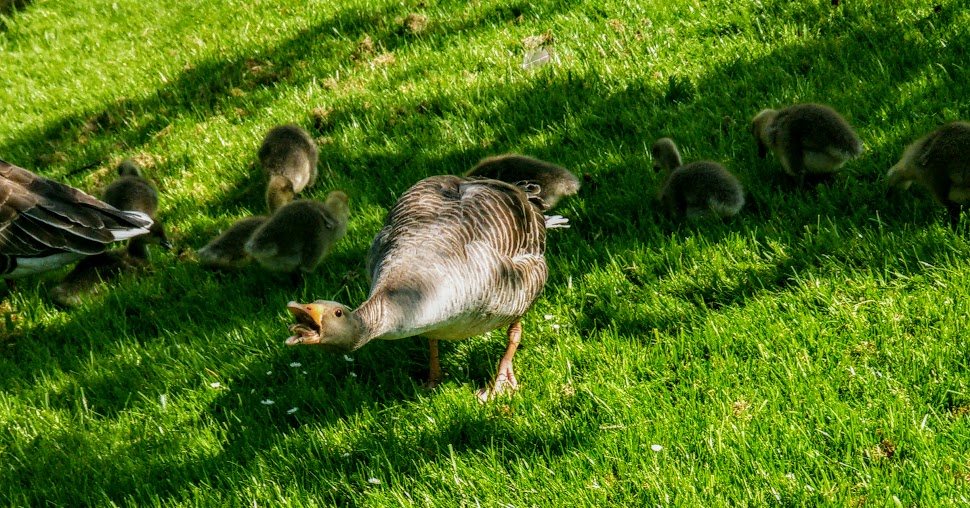
Looking around the area – generally, it seems that geese – generally – are out for World Domination. They’re tough enough not to be predated, and are fierce unfriendly neighbours. Does it look that way where you are ?


And also I J Khanewala’s Bird of the Week. This is a relatively new challenge- quite a few of you have great shots of birds – why not join in?
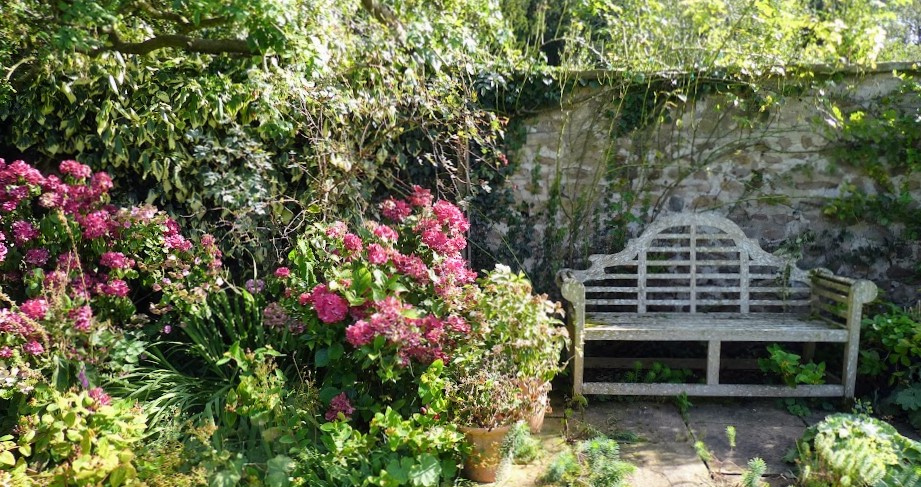
What’s your haven of peace? … asks Denzil, for this week’s Nature Photo Challenge. I don’t have to stop and think. I look out of the kitchen window, and there it is. The walled garden. It’s not ours – it belongs to our landlords. But they are eager to share it, and as they have more garden here, this space is often ours, and ours alone.
It’s a quiet place. Unless you count the birds: trilling, warbling, cooing, admonishing, singing. From our point of view, they’re often at their most tunefully loquacious in the early evening, when we’ll just go out there with a glass of something and enjoy their concert ahead of an evening meal.
That garden seat in the header photo is the place where I’ll go for a while in the afternoon, perhaps with a good book. It’s an ideal vantage point for butterfly-watching too.
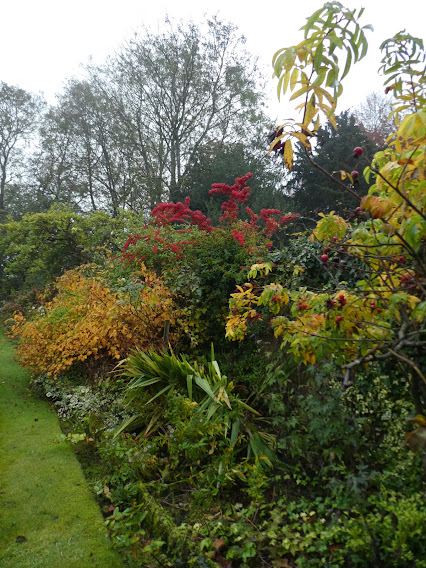
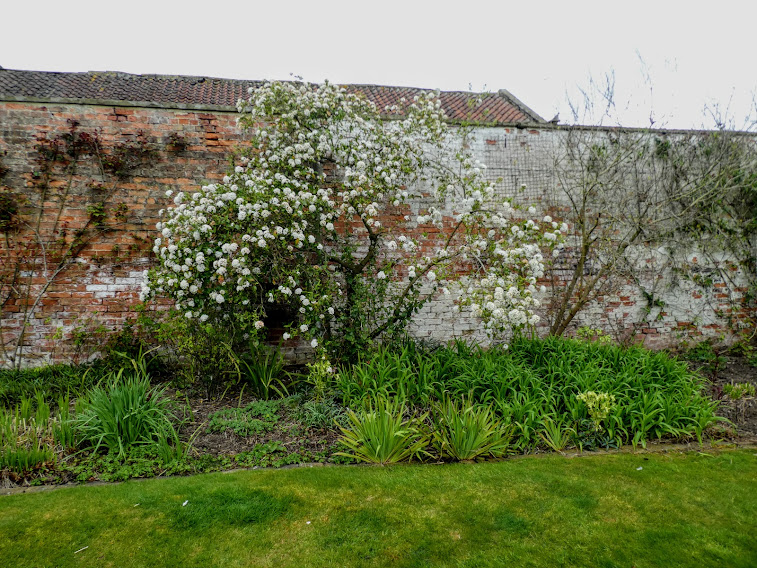
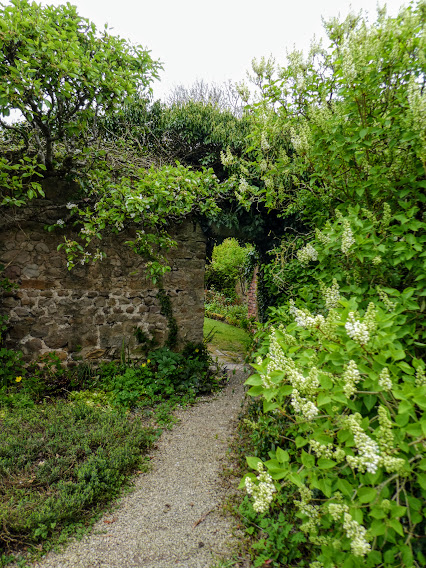
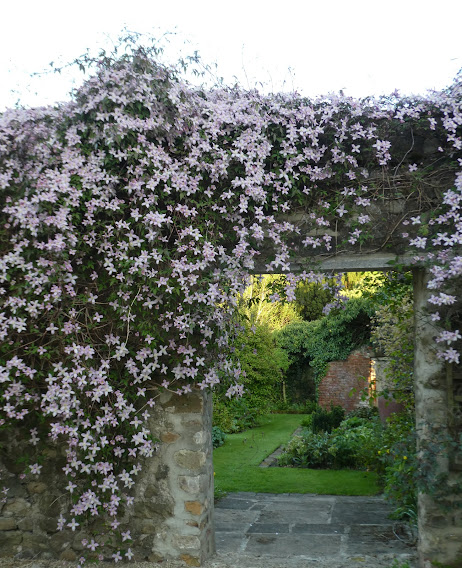
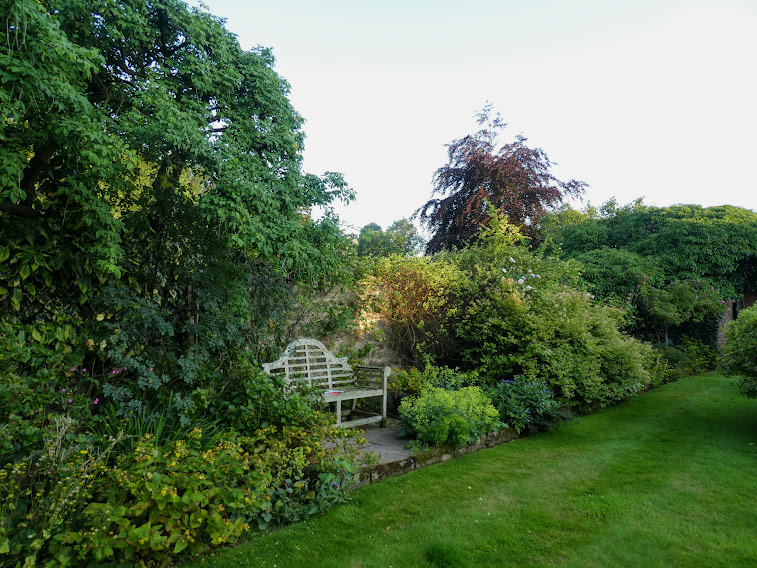
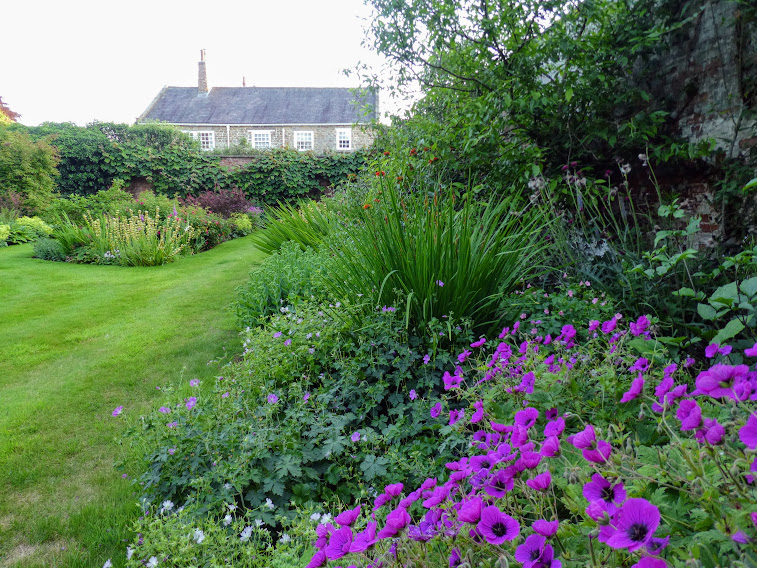
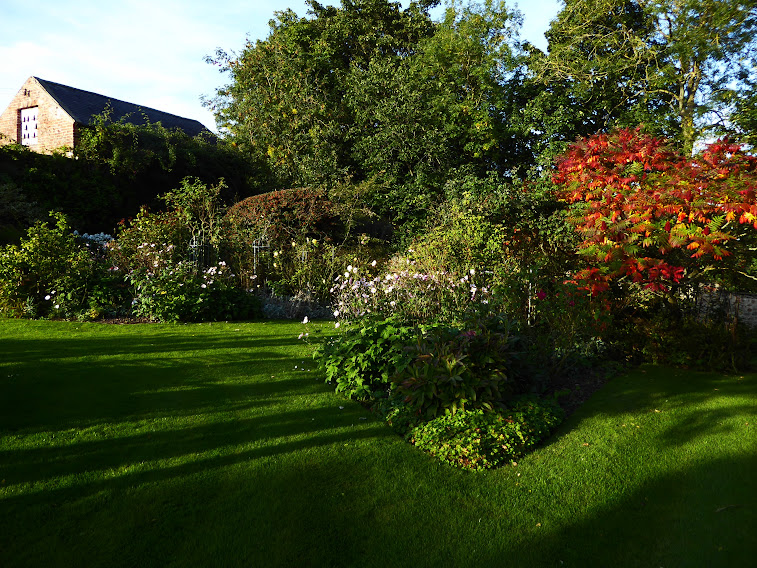
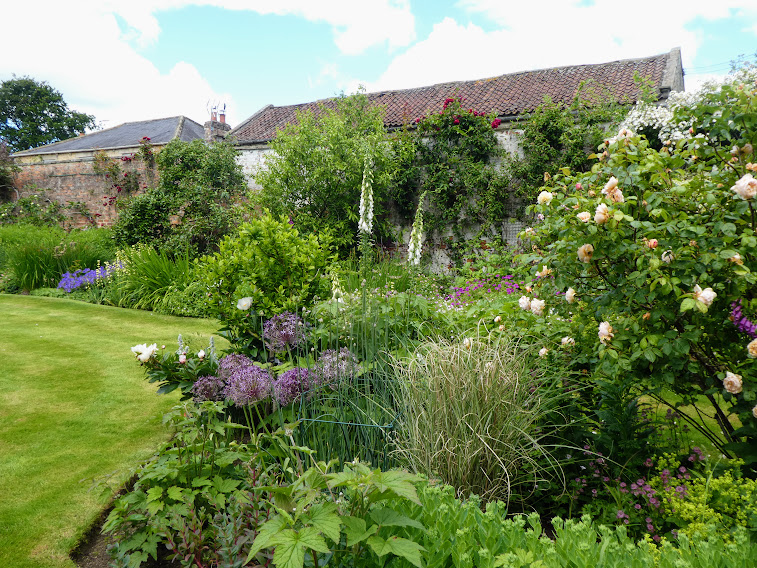
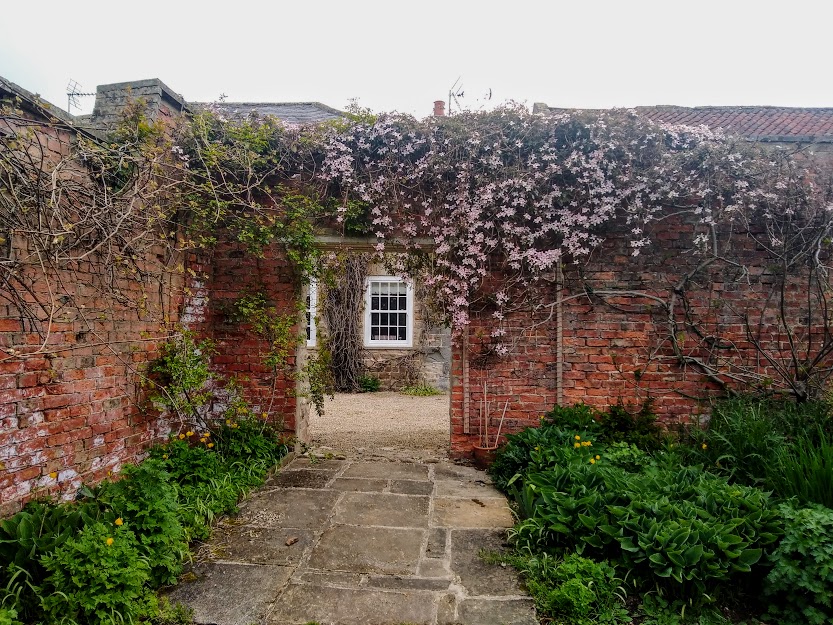
Sometimes we feel it’s only right that we should do our bit towards maintaining this special space, so we wander about doing some weeding (leaving the nettles well alone for those butterflies).
We enjoy watching the seasons pass here too: from the first snowdrops and hellebores of winter, to the springtime tulips and daffodils, through to the abundance of summer and the rich russet and burnished tones of autumn.
Our special place: our haven of peace.

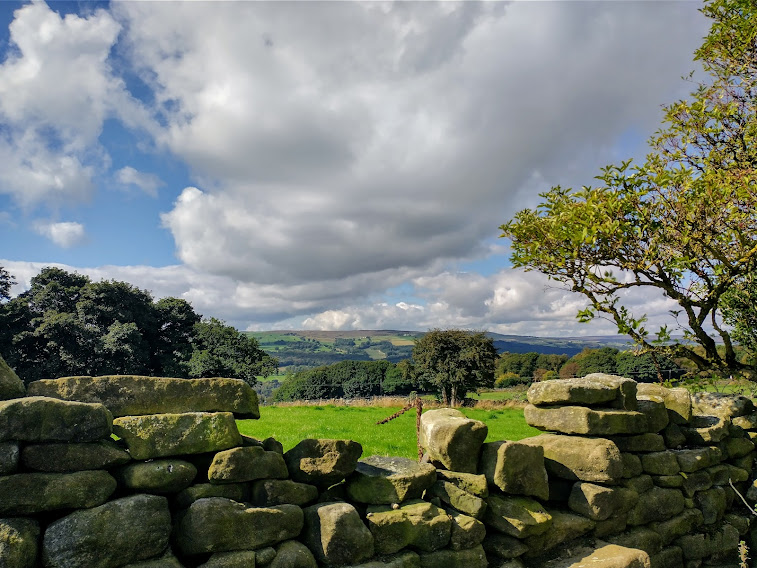



 From Pyrenees to Pennines
You must be logged in to post a comment.