A Window on a Vet’s World

This is a window designed in honour of a vet – James Herriott. He (under his real name of James Alfred Wight) made his name by writing a whole series of books about being a young vet in Darrowby (actually Thirsk) visiting farms and their animals hither and yon in the Yorkshire Dales from the 1930s onwards. If you don’t know his books, you may know one of the TV series going out under the name of All Creatures Great and Small: 1978 & 2020, as apparently they’re doing the rounds the world over.

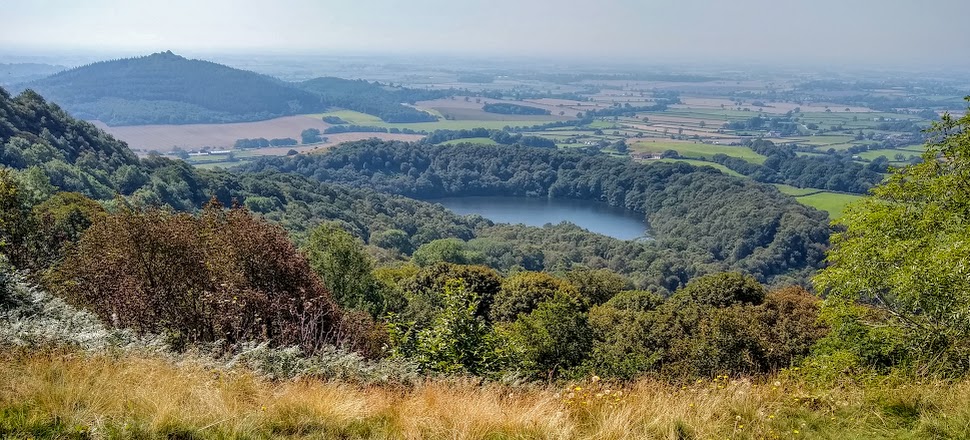
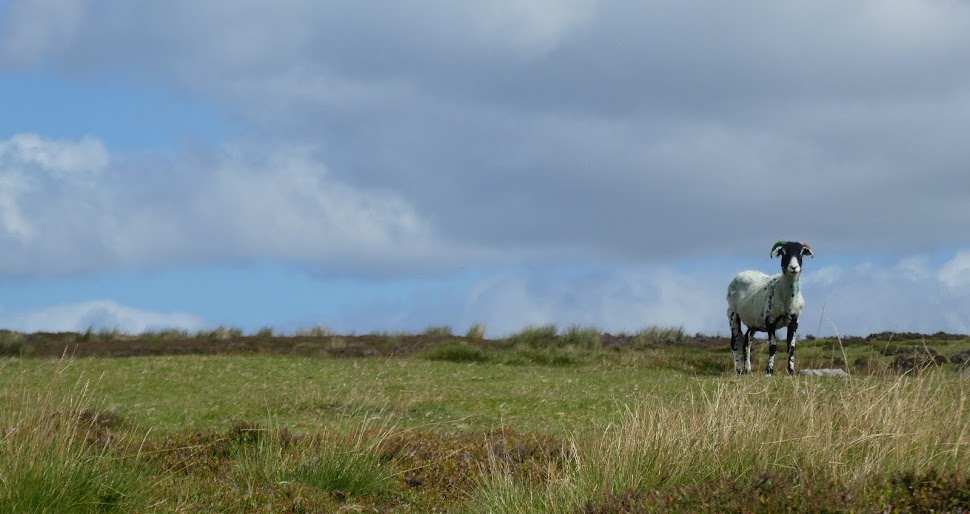
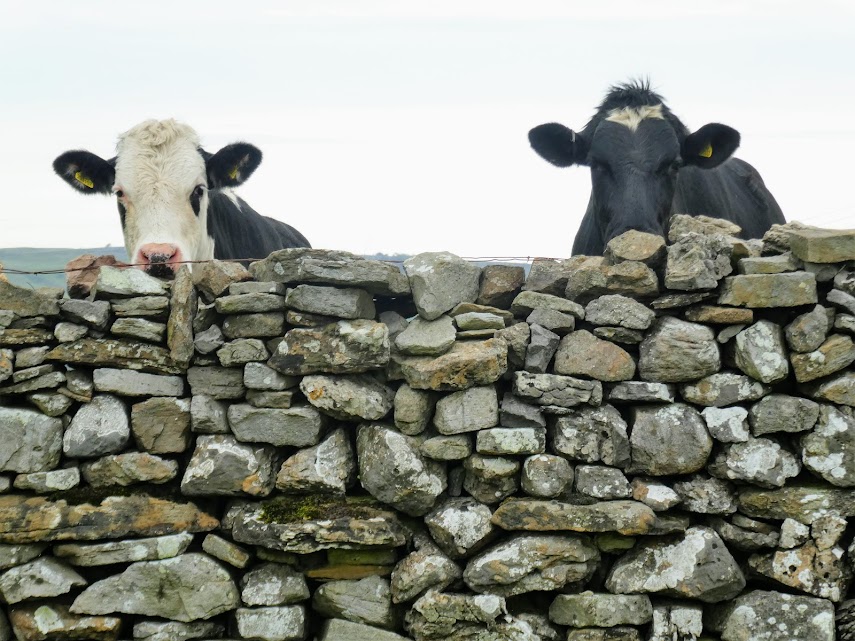
Well, there’s a museum in Thirsk as well – World of James Herriott – occupying the house he and his family lived and worked in all those years ago. And it has a window celebrating the landscape that formed the backdrop to his work. Here it is as the featured photo. And here is a bit of a collage of the backdrop to the working week of any Yorkshire vet, then and now. Except I haven’t got a picture of the White Horse at Kilburn featured in the window. About 170 years ago, it was cut into the landscape to emulate the chalk hill figures of southern England, and Herriott, like all the rest of us, would see it often as he drove round and about the area.

If you’re in the area and want a good family-friendly destination, the museum is highly recommended. You’ll come away with all the older family members saying ‘I remember those’, as they peer at tea-cosies, mangles and a thoroughly ancient car (Gumdrop, anyone?), bemused by the vetinary equipment, and entertained by the quizzes and activities in the children’s gallery. You too can insert your arm into a cow’s rear end to deliver a reluctant calf.

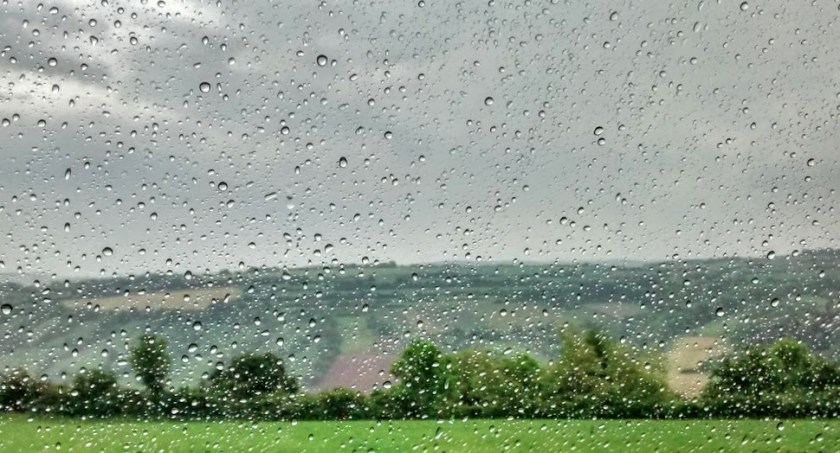
And for a bit of context, here’s a view from a window in the museum.

Monday Window

Whatever the Weather

Whether the weather be cold,
Or whether the weather be hot,
We'll weather the weather
Whatever the weather,
Whether we like it or not!

Traditional

I thought I’d put together Anne’s Lens-Artist Challenge #286 – Weather – with the aid of children’s rhymes.

Rain, rain, go away,
Come again another day.
Rain, rain, go to Spain,
Never show your face again!
Traditional
A shot taken not in England, but in Bavaria, Germany

It’s not just children who’d willingly sing this these days. In the UK it’s rained pretty much constantly all this year. But in Spain, they’d cheerfully take some of our surplus. In Catalonia, in mid-winter, the reservoirs are a mere 16% full, and water-use restrictions are in place.

When the wind is in the east
'tis neither good for man nor beast.
When the wind is in the north,
the skilful fisher goes not forth.
When the wind is in the south,
it blows the bait in the fishes' mouth.
When the wind is in the west,
then 'tis at the very best.
Traditional
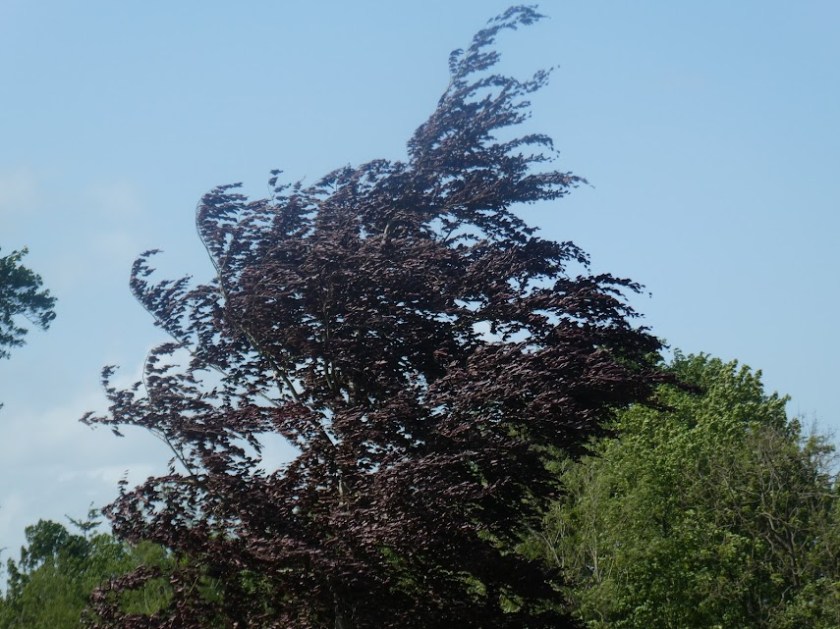
A particularly windy May morning near home.
The fog comes
on little cat feet.

It sits looking
over harbour and city
on silent haunches
and then moves on.
Carl Sandburg

I can’t claim that Carl Sandburg’s is a children’s rhyme. I couldn’t think of one. Can you?

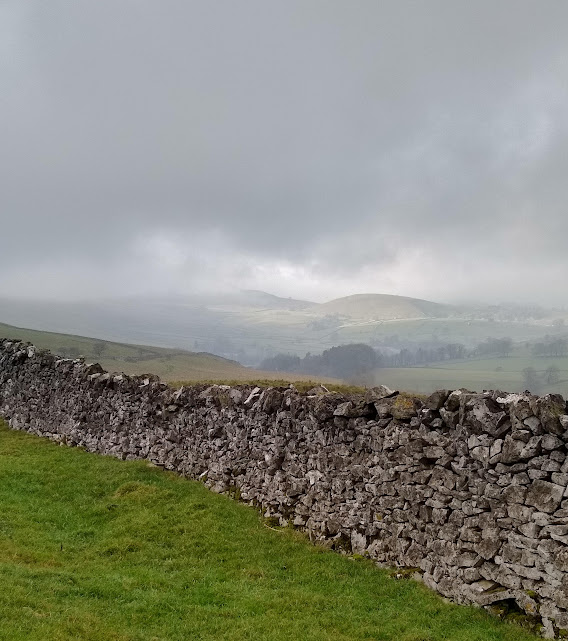
Fog slowly lifting near Burnsall, Wharfedale
The north wind doth blow,
and we shall have snow,
and what will the robin do then, poor thing?
He'll sit in a barn,
and keep himself warm,
and hide his head under his wing, poor thing!
Traditional.
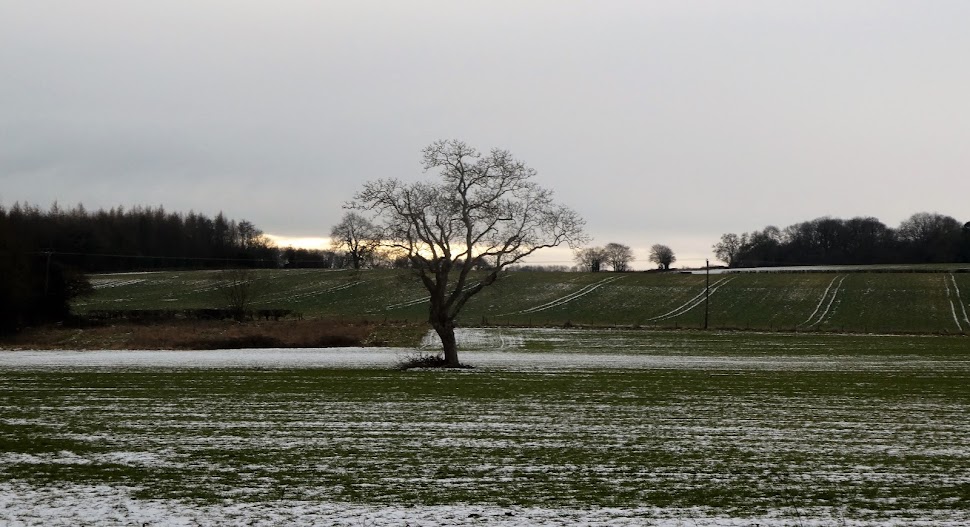
The field-just-down-the-road one January.

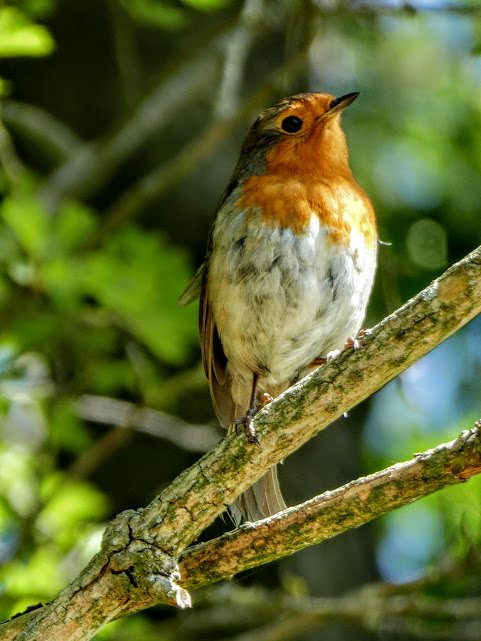
This hardly-there snow is pretty typical of wintry conditions in England. And I know that a robin lives pretty close by: this field almost qualifies as my back yard.

The robin -just-down-the-road, not in January
Red and yellow and pink and green,
purple and orange and blue:
I can sing a rainbow,
sing a rainbow,
sing a rainbow too.
Arthur Hamilton

All three of my children used to sing this one – often – at assembly in primary school. I wonder if it’s still going strong?

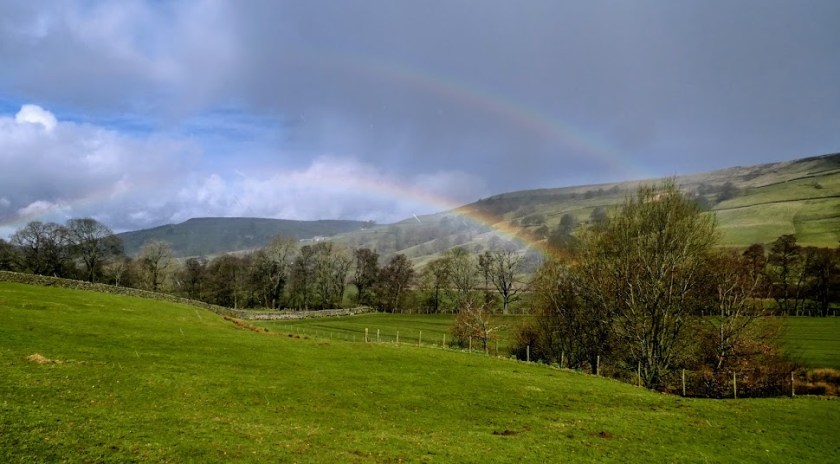
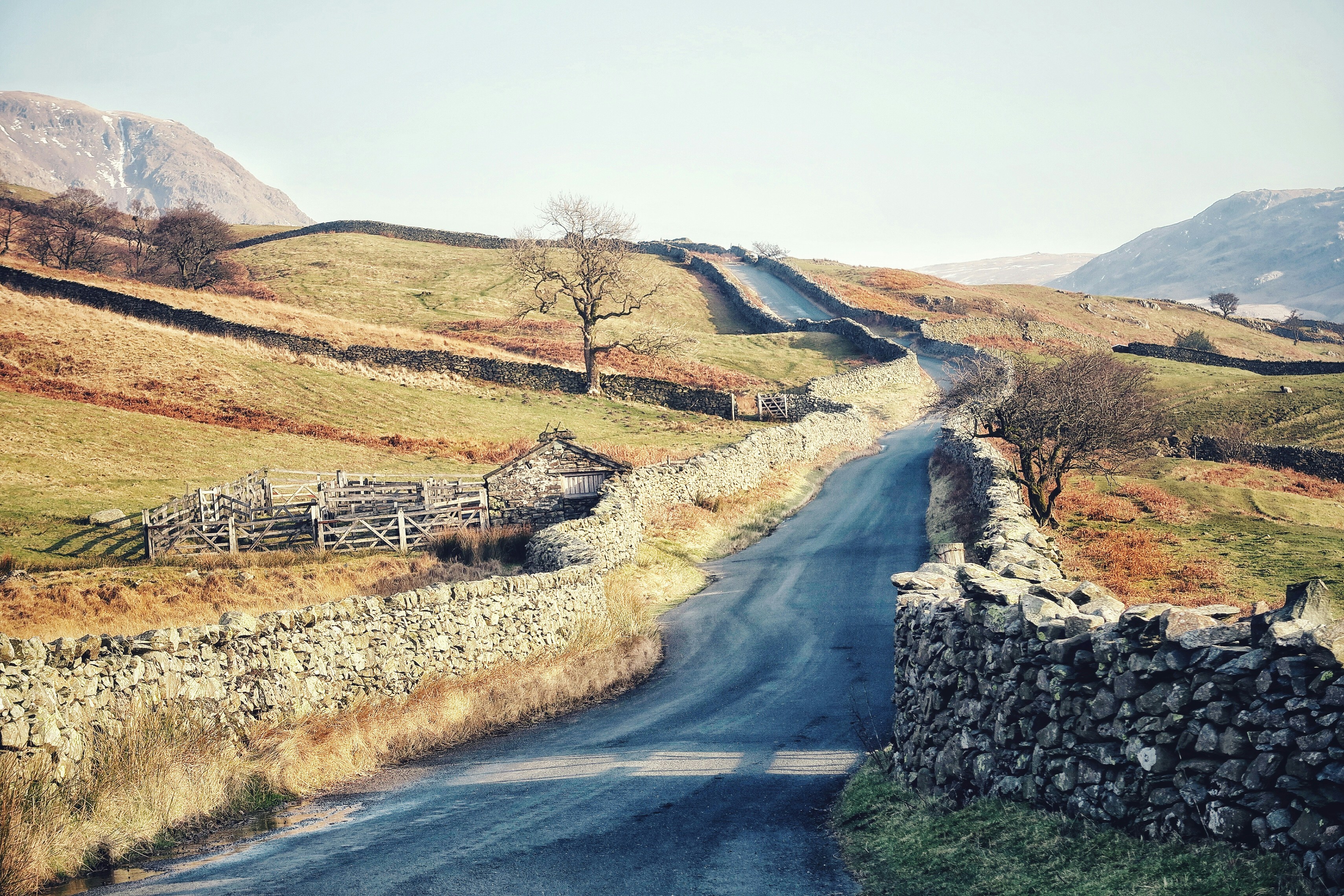
Lofthouse in Nidderdale, North Yorkshire.

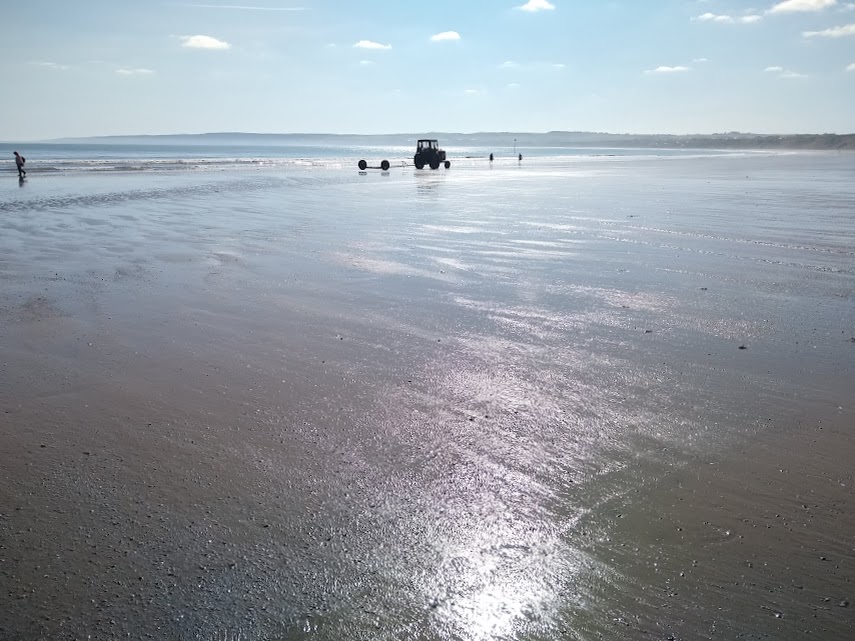
So that’s it. Oh, hang on, I’ve forgotten something. Sunshine. Well, I would, wouldn’t I? It’s February in England, and famously sunless. Let’s show British sunlight, rather than the full-on sun of the holiday of our dreams.

It’s September. The schools have gone back, so here is a sunny beach, gloriously (almost) empty in Filey, North Yorkshire

And most children can sing the less-than-traditional The Sun Has Got His Hat On by Noel Gay. So let’s leave you with this cheery version.

You’ve ‘Done’ Barcelona. Now What? Part 4: Colonia Güell 

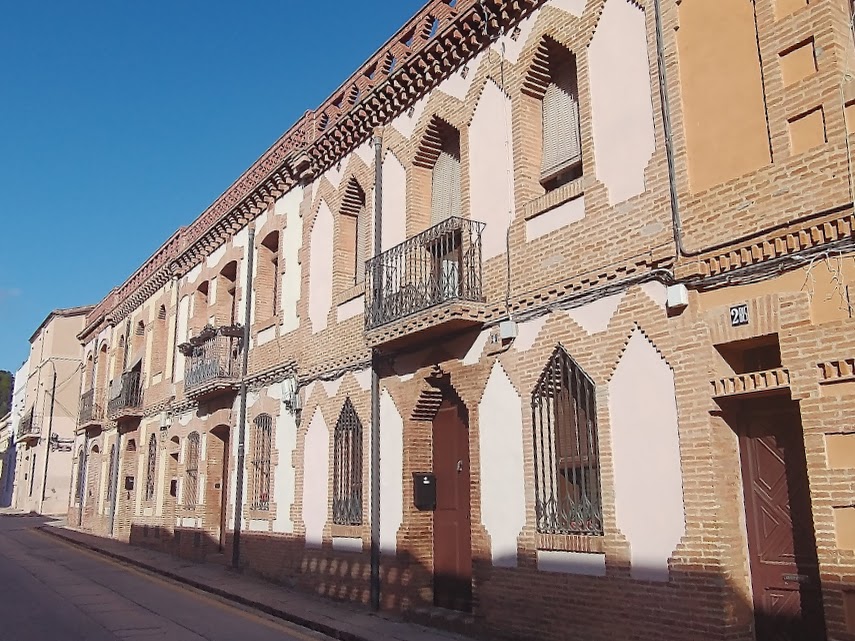
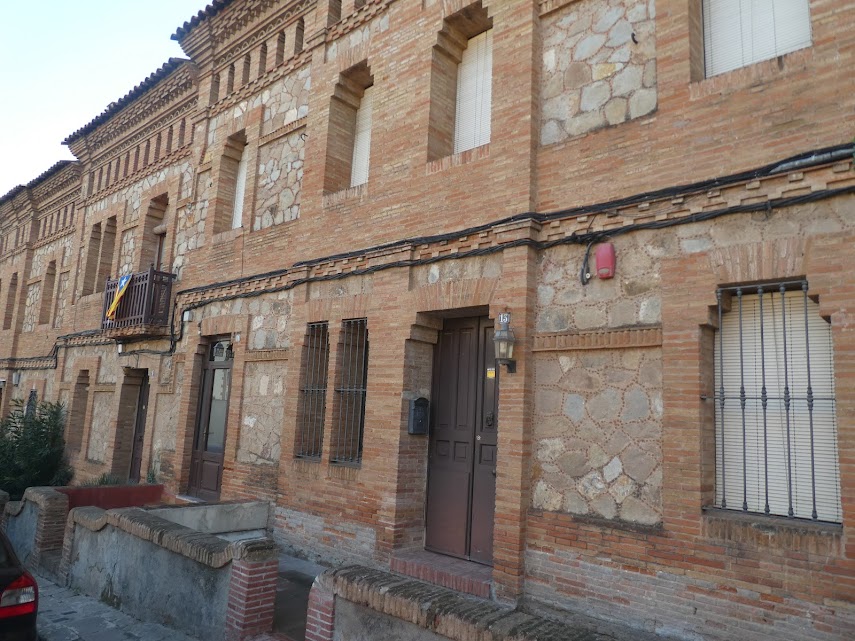
Most of us living in Britain know something about the model villages built by philanthropic industrialists in the 19th century. With the advent of the Industrial Revolution, workers poured in from the countryside to a filthy urban environment. They found, alongside work for long hours in the newly-established factories, hastily built, crowded, poor quality housing with no facilities.

Some philanthropic factory owners decided to do things differently. Robert Owen built New Lanark for his miners. Titus Salt built Saltaire near Bradford for his textile workers. William Lever, 1st Viscount Leverhulme built Port Sunlight for his soap workers. And so on. All these communities offered decent, usually terraced housing with a small amount of outside space. There was a shop, a school, an institute for adult learners, a health-care facility of some kind, certainly a church. There was not however, a pub, or anywhere where alcohol was sold. Workers at the time often drowned out the reality of their miserable lives by drinking, and those philanthropists wanted a different life for their workers, whether they liked it or not.

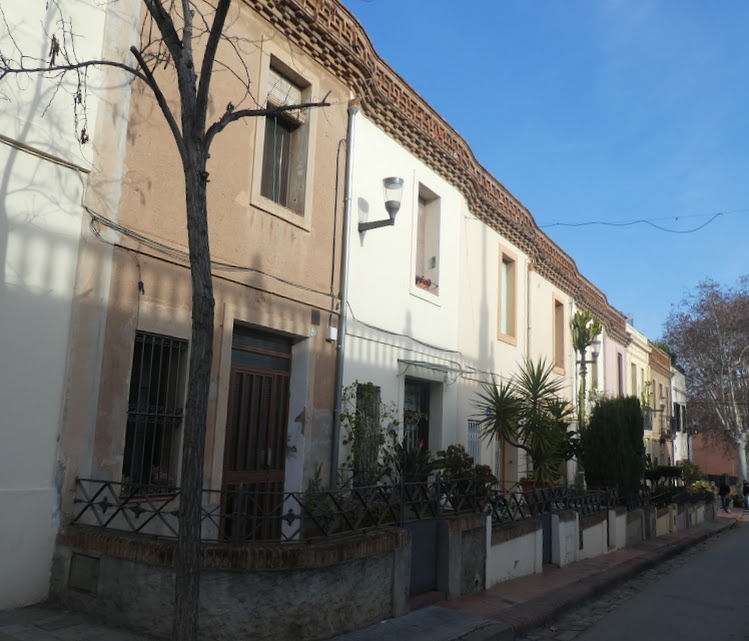
So we were interested to visit Colonia Güell when we found out about it. It’s a similar set up in a manufacturing area, Santa Coloma de Cervelló, just outside Barcelona. Spain’s industrial revolution came later than ours: but in 1890, industrialist Eusebio Güell realised that if he wanted to attract workers from Barcelona to the factory he was building on his country estate – an essentially rural area – he would have to provide housing. And like his British counterparts, he wanted to do The Right Thing. 

Eusebio Güell didn’t just want to have any old housing. He sought out the best architects of the day, disciples of the Modernista movement: the ideas behind Art Nouveau found particularly vibrant expression in Catalonia. More details here.

He provided decent housing for both workers and professionals in spacious streets, the factory itself of course, a theatre, a doctor’s surgery, a school. The school however was for boys only. In many ways it was progressive, teaching foreign languages as well as the three Rs. But girls had to make do with being taught embroidery and other manual skills that would make them dextrous with machinery when they went to work later on. Nuns at the convent taught them, and also provided a nursery so that mothers could return to work soon after they had given birth. 

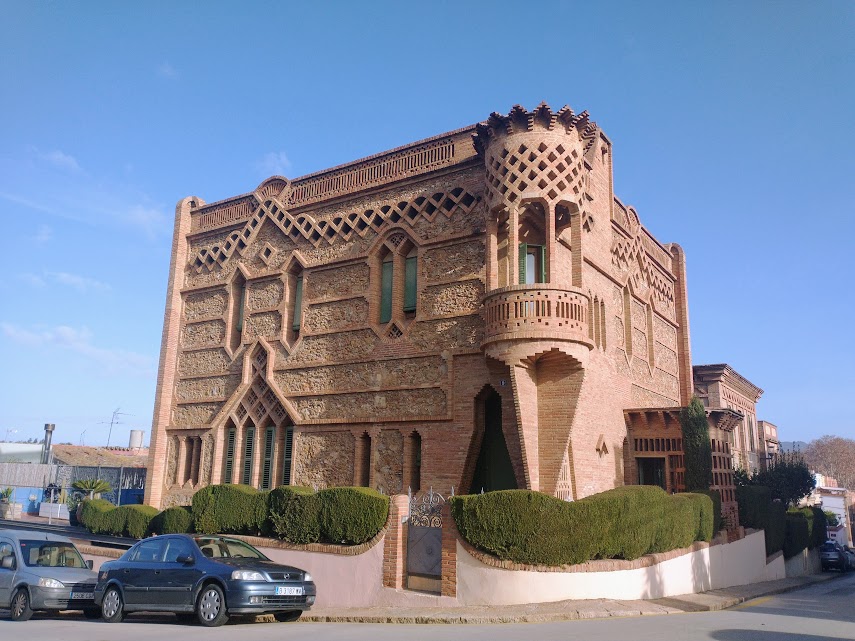
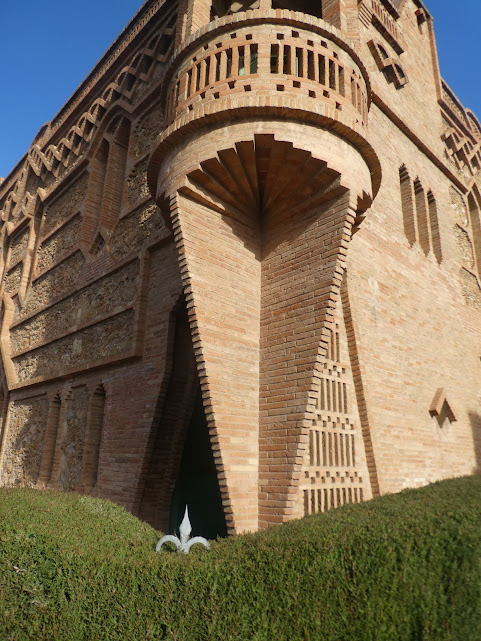
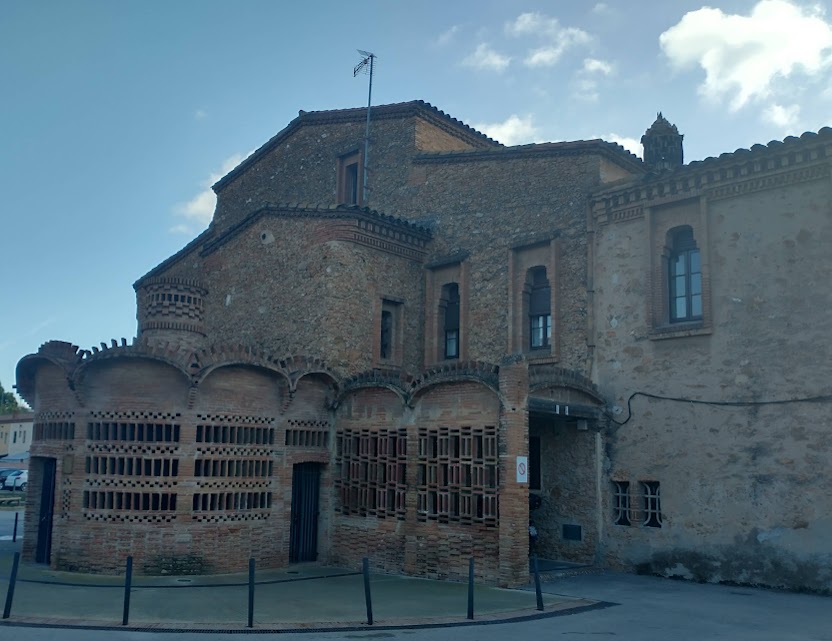
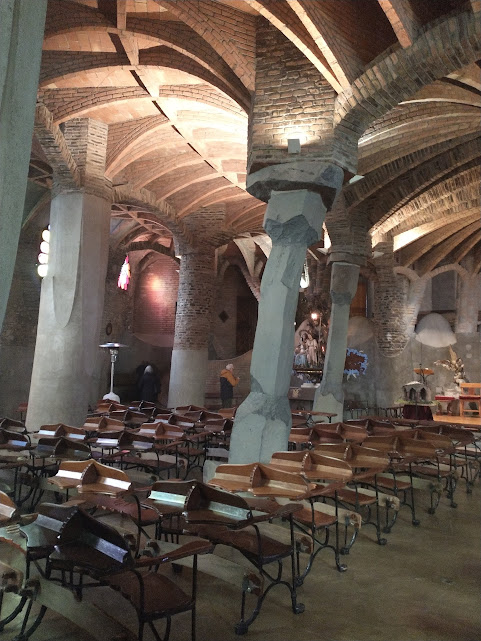
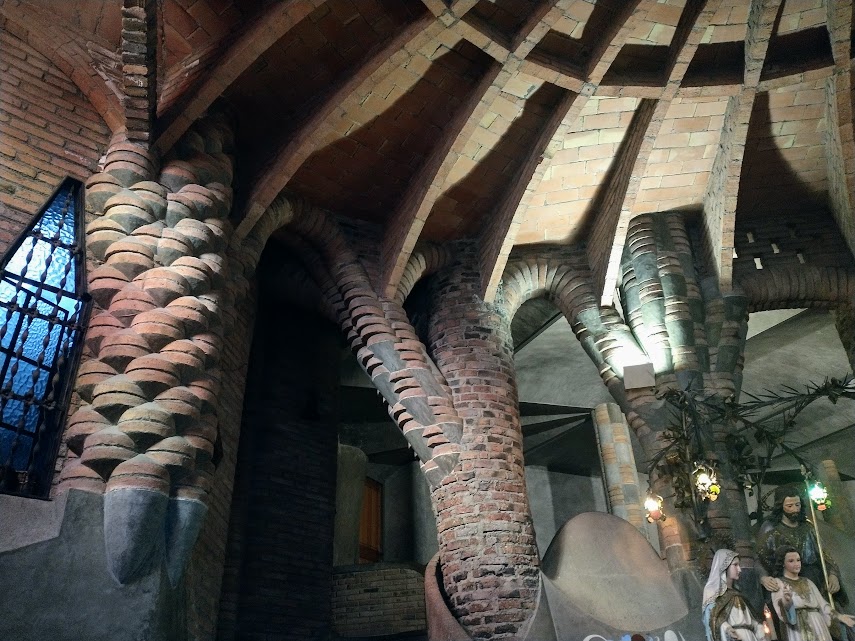
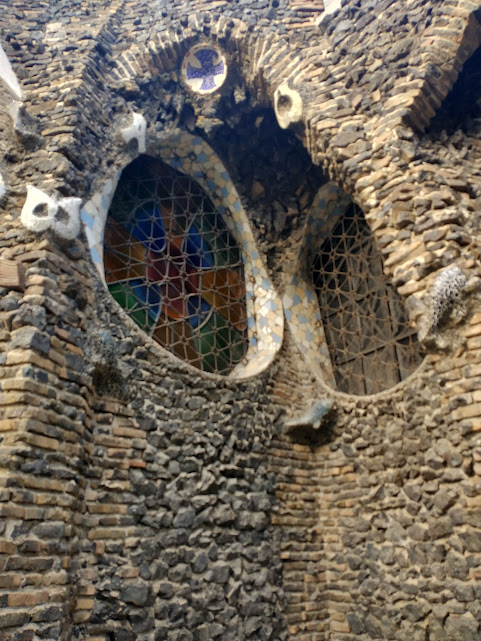
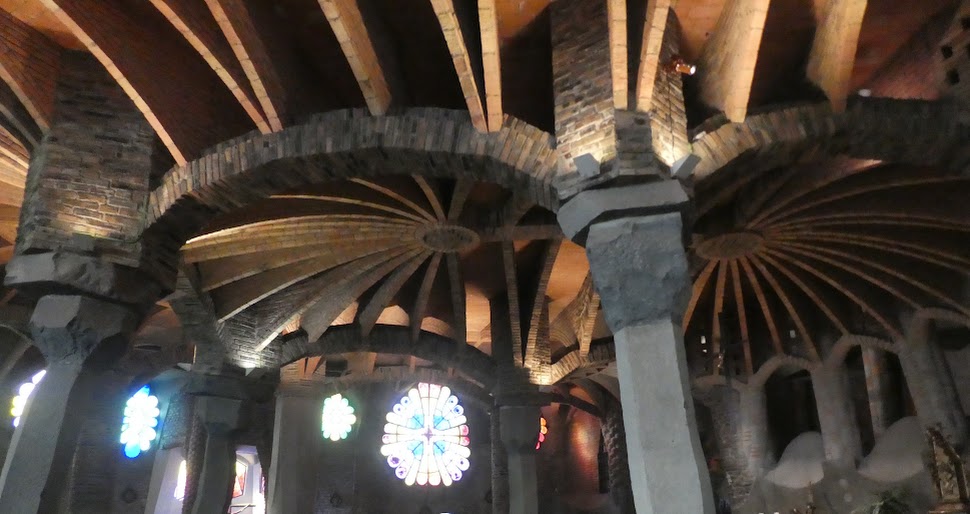
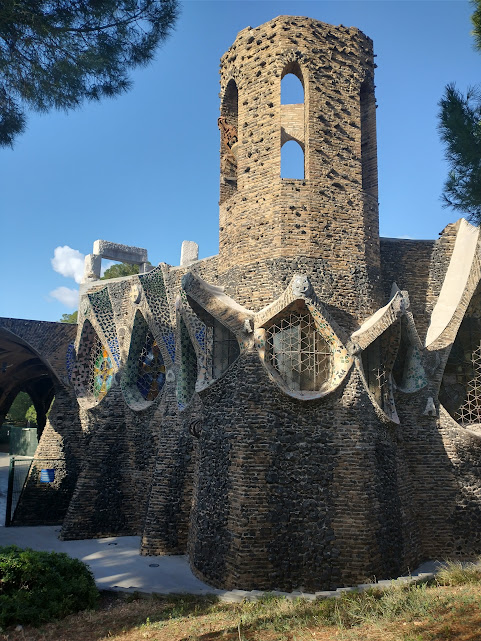
Of course there was a church. And in 1898 Eusebio Güell commissioned the young Antonio Gaudí  to design and build it.  Had it been finished, this church would have been as ambitious a project as Gaudí ‘s still not quite finished Sagrada Familia. Two naves, lower and upper! Towers! A central 40 foot dome!

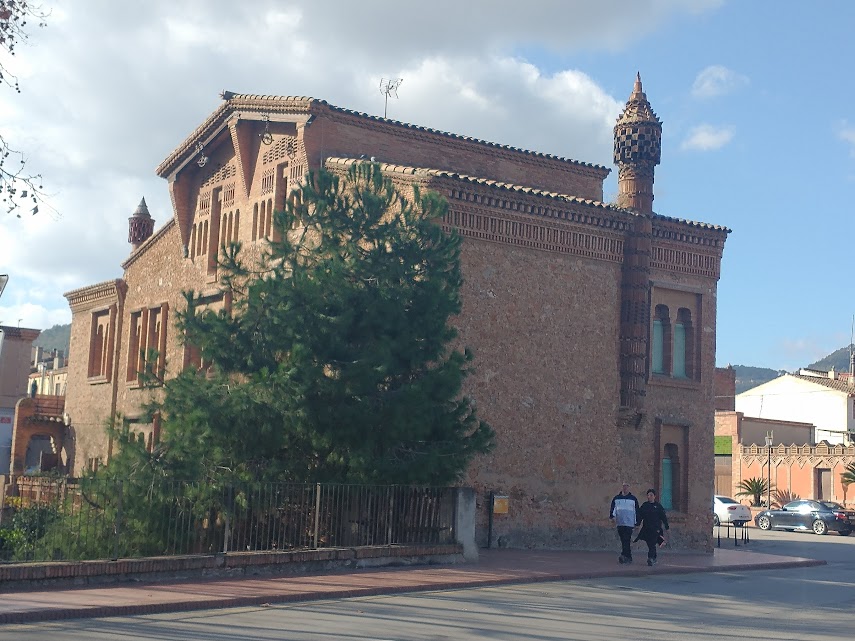
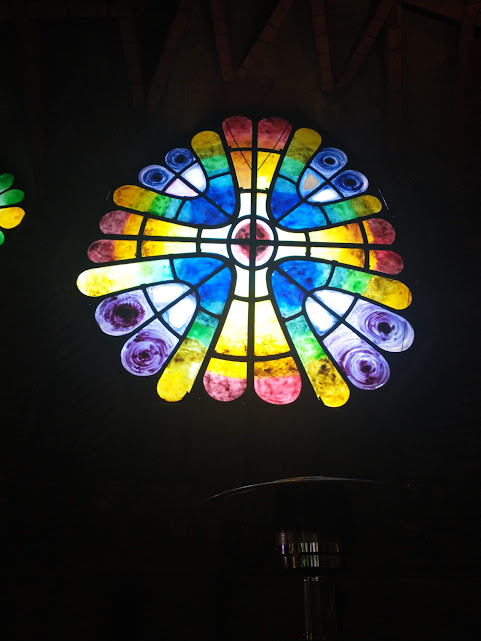
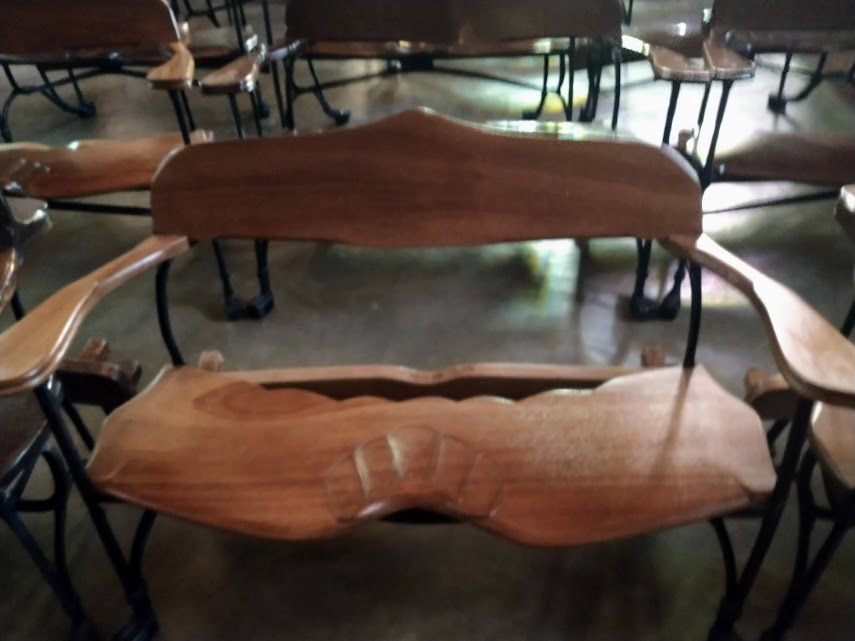
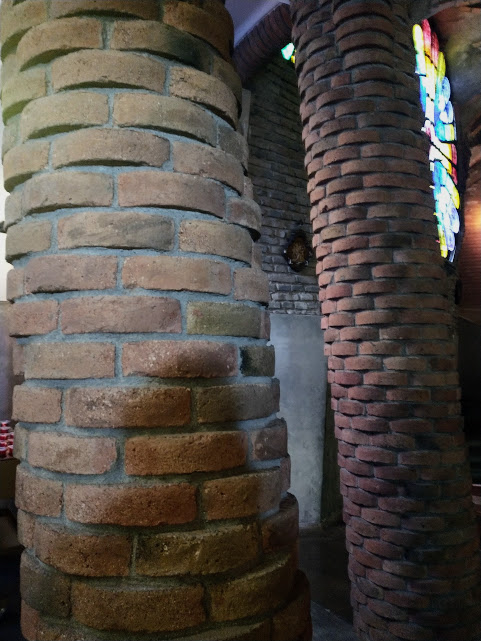
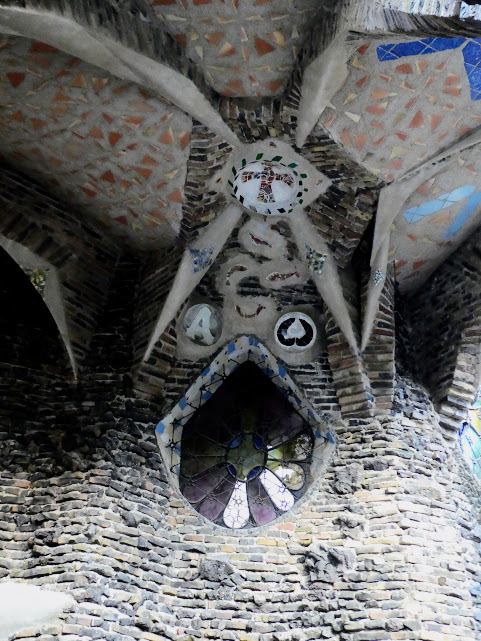
The building was begun, but in 1914 the Güell family decided to stop funding the project and Gaudí  turned his back on it with only the lower nave completed, now known as the crypt. It was consecrated in 1915. I found it difficult to photograph, but here is a miscellany of shots from the inside and outside of an astonishing building.

During the Spanish Civil War, the mill was collectivised and run by its workers. After the war it was sold back to the Güell family, who sold it on again. Its days were numbered. The textile industry in Europe was collapsing and the factory ceased production in 1973. The factory itself was sold off piecemeal, and the houses to their residents. The settlement was in danger of losing its identity. But in 1990 the Colonia Güell was declared a ‘Heritage of Cultural Interest’ by the Spanish government and the protection of some of its most relevant buildings was established. Nowadays it’s an ordinary working community with an extraordinary history.

We enjoyed walking round and exploring. Sadly, we couldn’t see the factory. On Sunday its current many and various component businesses are shut, the gate to the site barred.

It’s not the easiest place to reach from Barcelona without a car, and as these things are apt to change, I won’t include public transport options. But we’re so glad to have visited, and will go again.

Warm Barcelona

I haven’t done the Lens Artist Challenge for weeks, what with the busyness of being a granny to the latest granddaughter near Barcelona. But this week, Egidio proposes Warm Colours.

Well, Barcelona is warm at the moment. Here is a photo I snatched on 26th January – January! – of a young girl perfectly adequately dressed for the season.

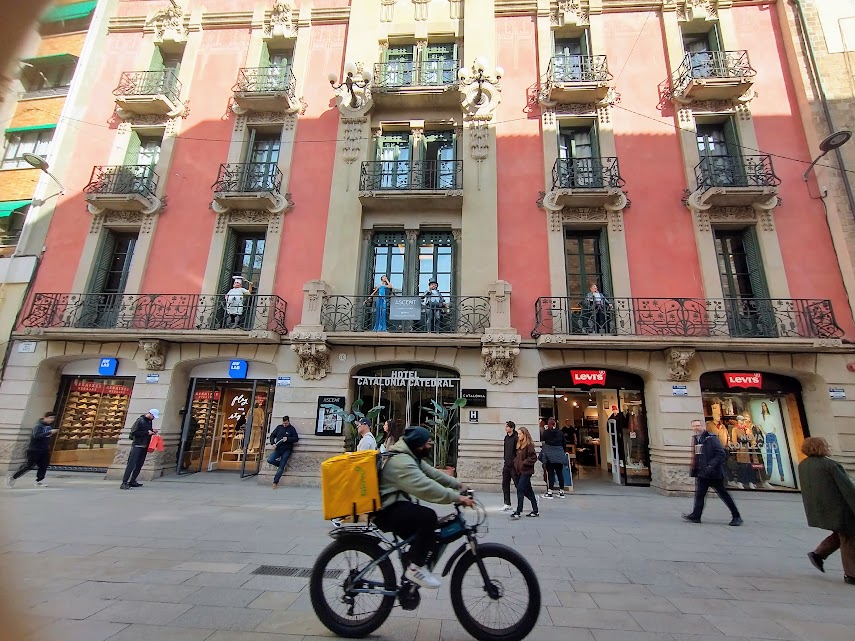
And of course the weather is not what this challenge is necessarily about. But maybe a bit of fun played out against a hotel wall painted a vibrant shade of coral, on a balmy winter’s day, will not be too much of a cop-out.

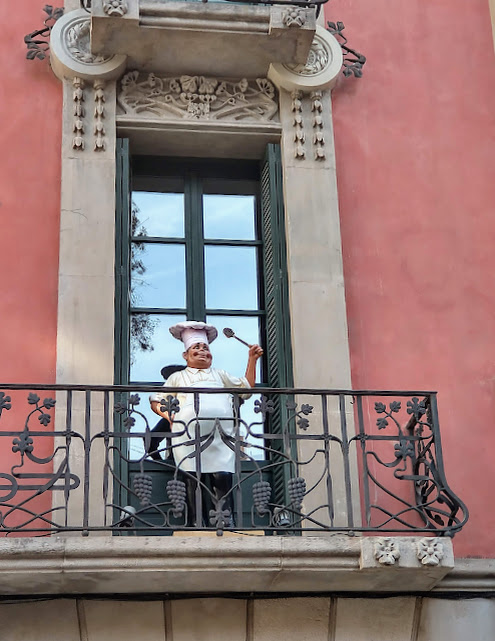
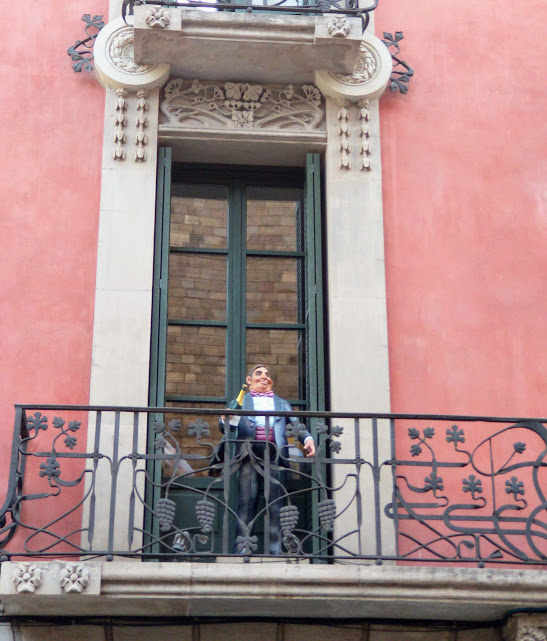
Here are vignettes of three snippets of lives lived on the balcony of Hotel Catalonia Catedral, near – of course – the cathedral in Barcelona.

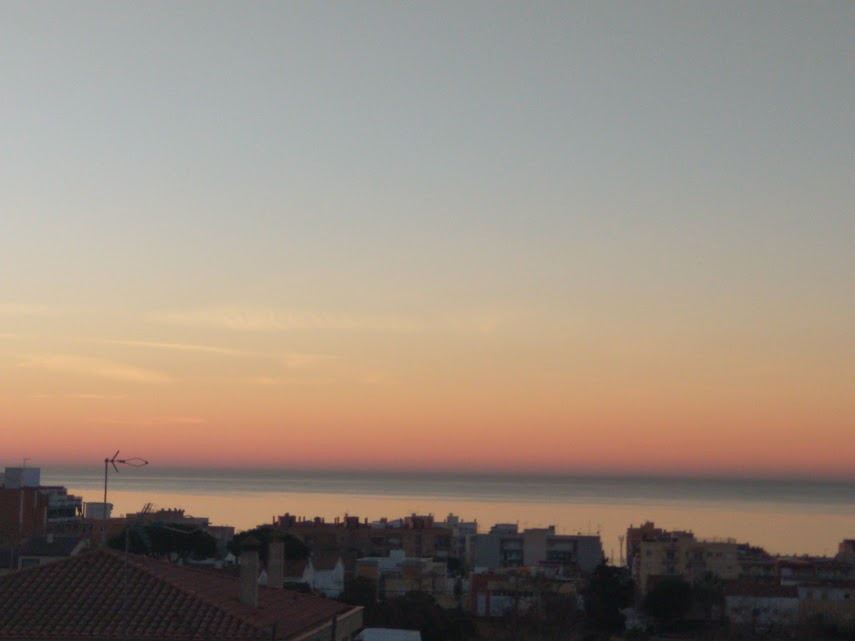
And here is a scene from our bedroom, taken at the beginning – or the end – of the day. Which? Only you can decide.

Lens Artist Challenge #285: Warm Colours

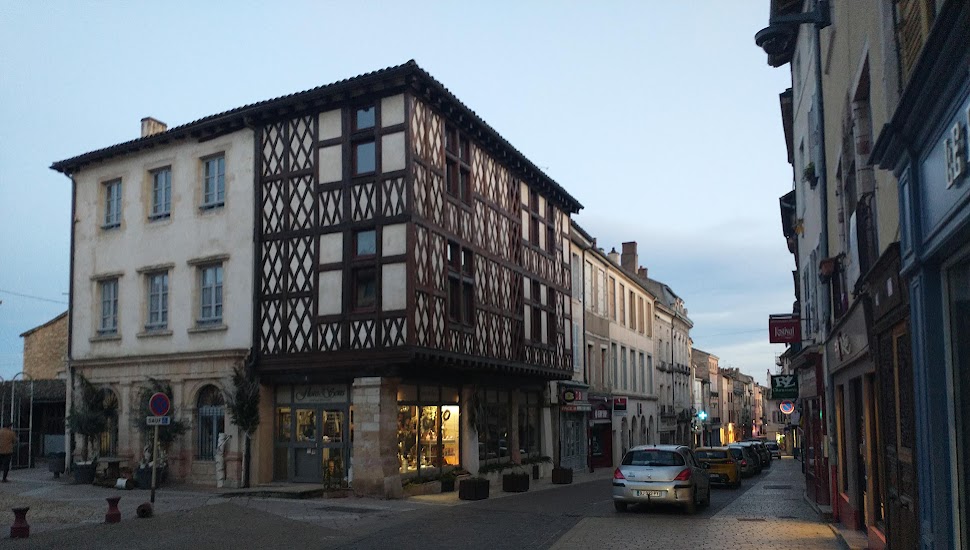
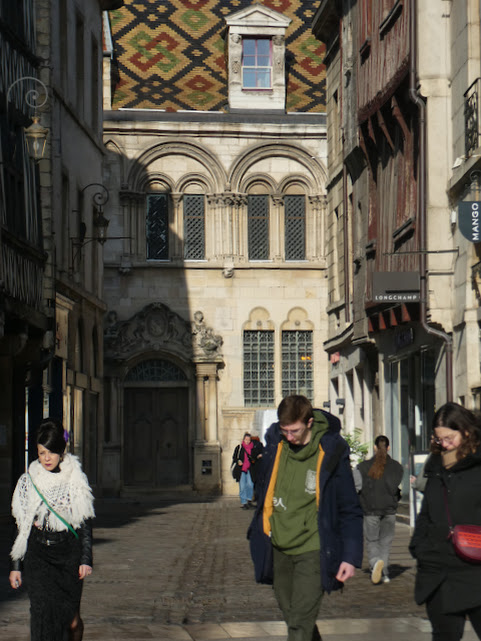
The Back Streets of Tournus

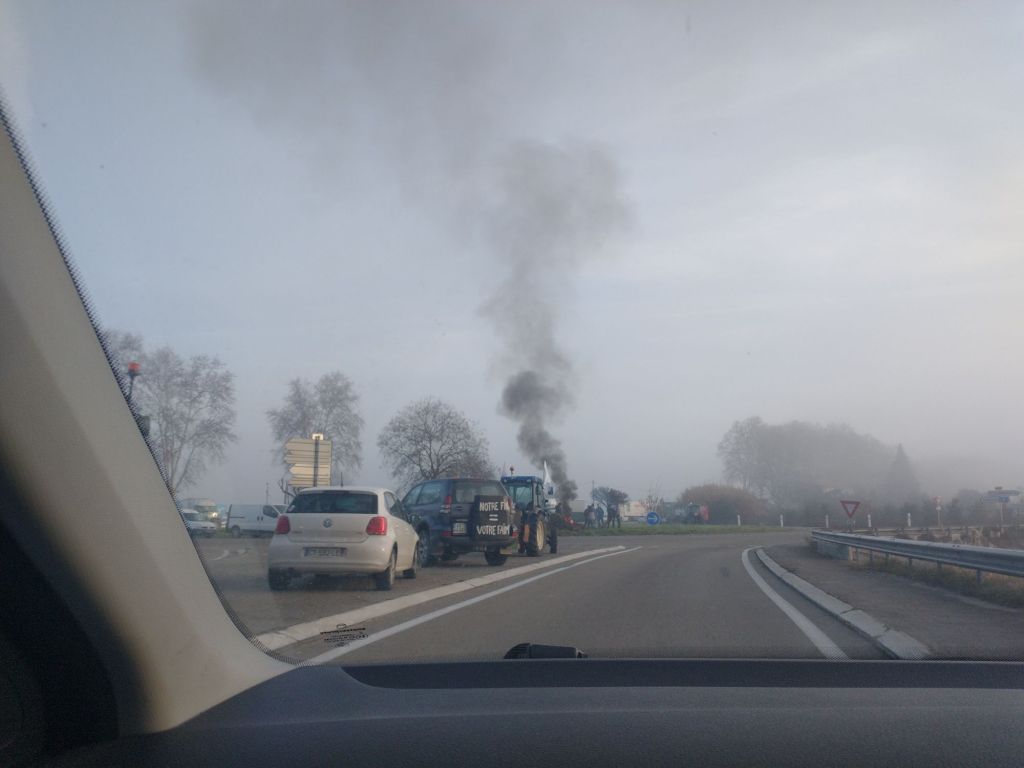
Tournus is a lovely little mediaeval town in Burgundy that we happened upon after a difficult day dodging the farmers’ blockades across the roads of France. Sitting in queues was the order of the day.

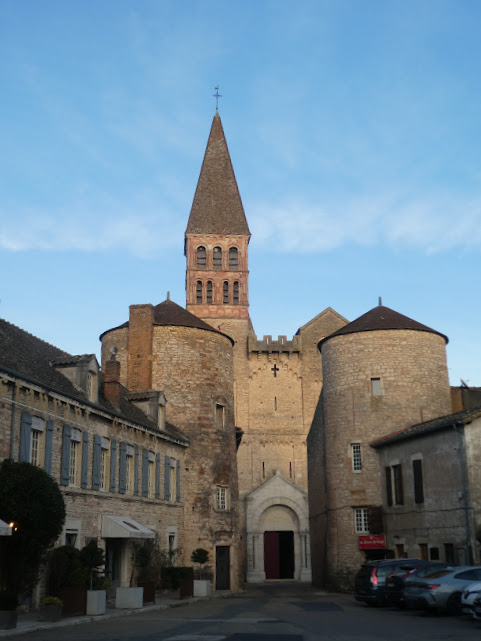
I could show you the fabulous abbey dedicated to Saint Philibert. But that’s for another day, maybe. 

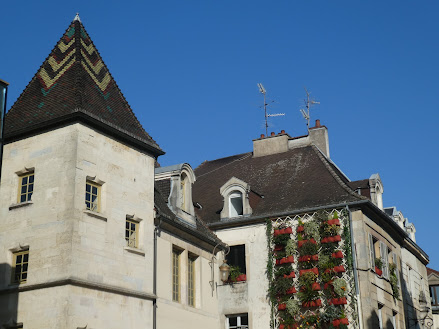
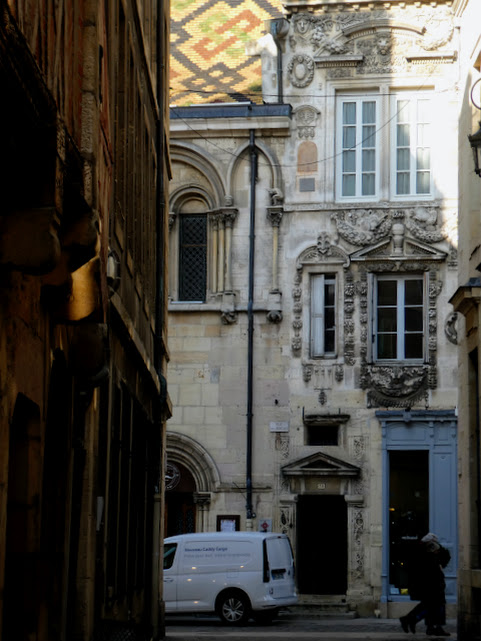
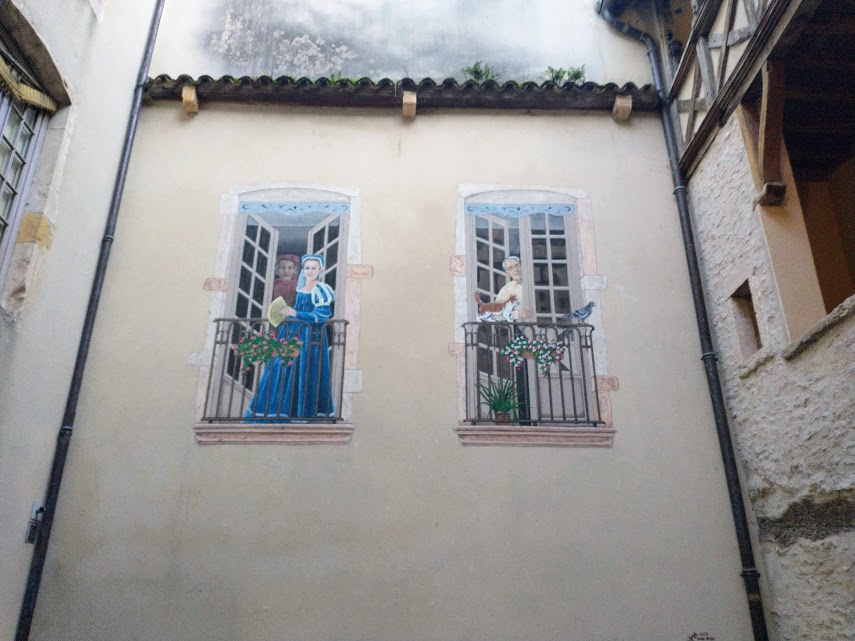
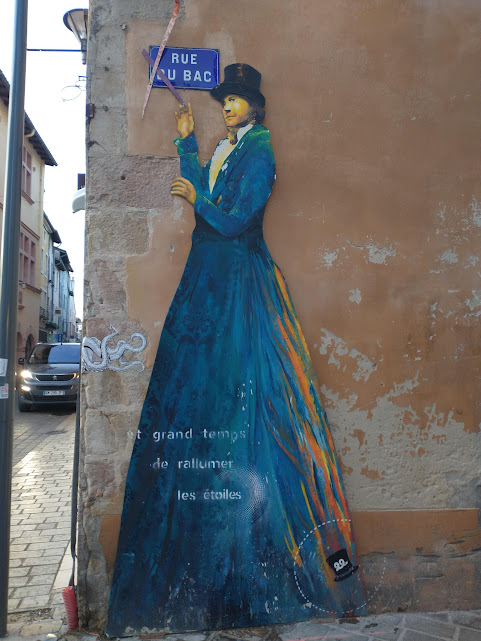
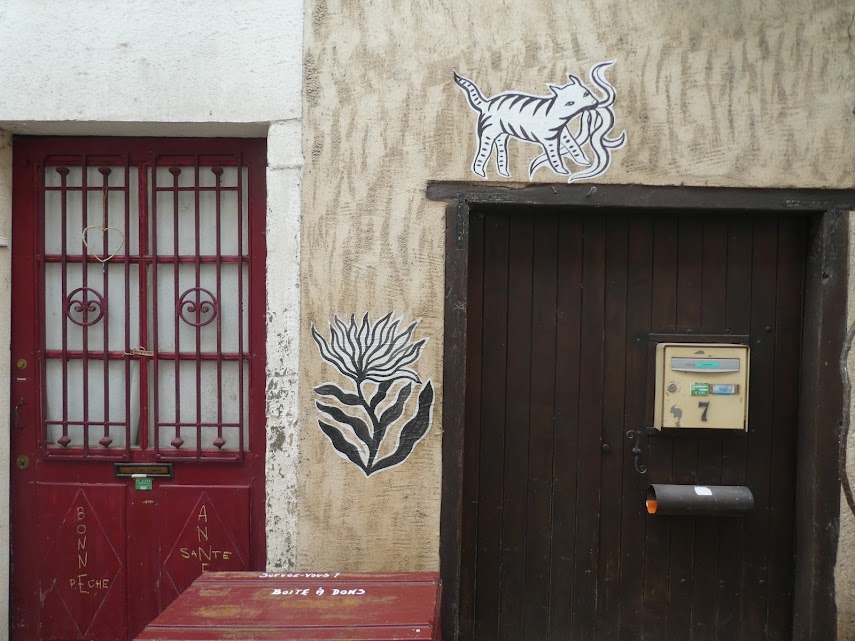
Instead, I’m choosing to go low-brow. I’m just offering a miscellany of street art and of enjoyable examples of whimsy that we discovered as we loitered along its ancient streets.

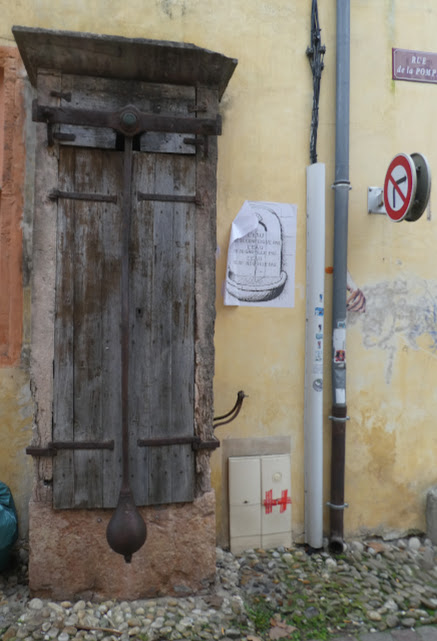
And finally, one curiosity. These doors used to open to reveal the parish pump. You can spot the water pipe on the right, with its handle at the bottom. You’ll find it in Rue de la Pompe. Obviously.

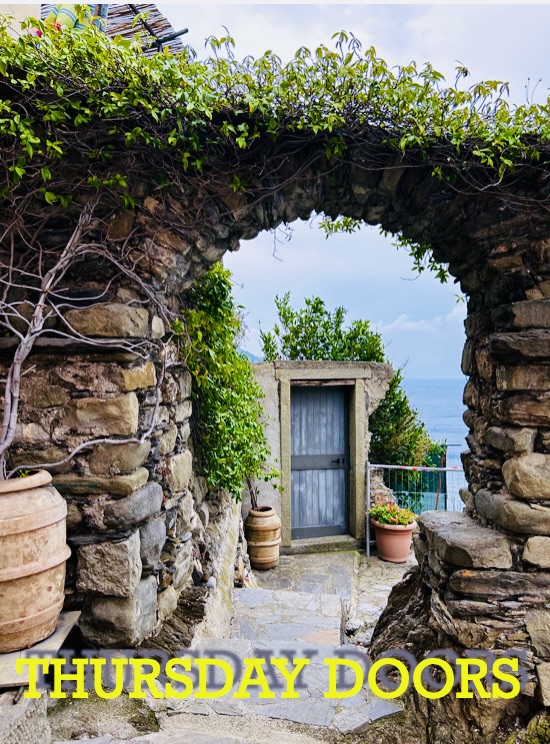
For Dan’s Thursday Doors,

and Natalie the Explorer‘s Public Art. Though whether domestic post boxes count as public art is certainly debatable

and not forgetting Jo’s Monday Walk.

Monday Portraits: Sundry Gulls

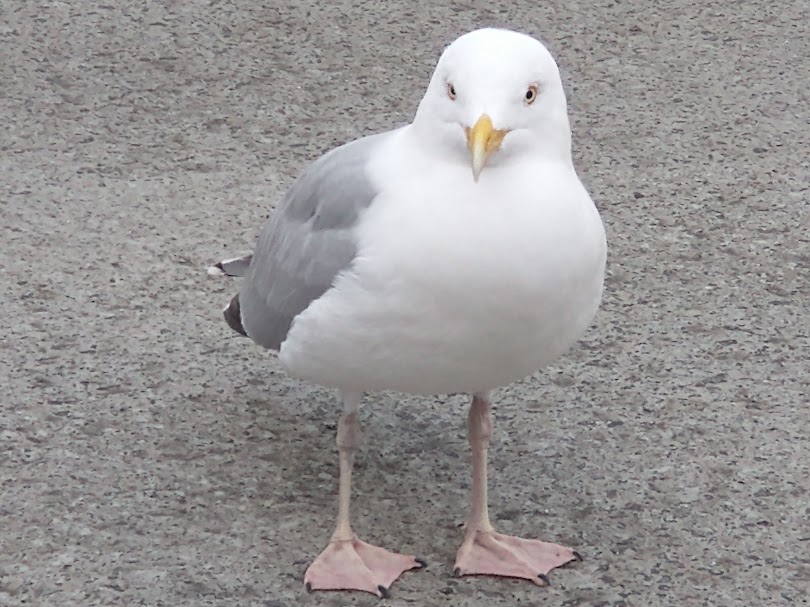
The featured image is of a herring gull who paraded obstreperously outside our car – only our car – as we waited to board the ferry at Dover. It was elevenses time-ish, but we displayed no evidence of snacking, so I don’t know what it was all about.

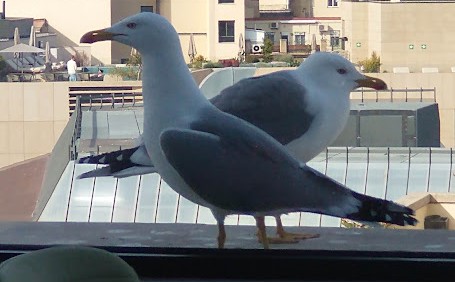
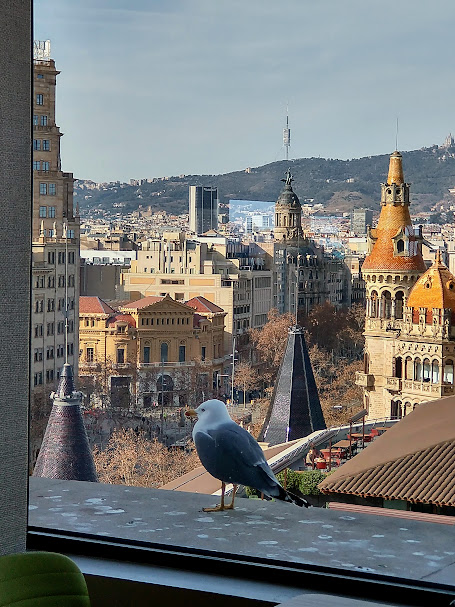
These other gulls are, according to Google Lens, yellow-legged gulls, and closely related to the herring gull. These specimens were loitering on the window ledge of the roof top café from which we were enjoying the view in the centre of Barcelona.

Thank you, everybody who identified last week’s creature as an Egyptian Grasshopper. It is good to know what this impressive creature is.

… And for Bird of the Week L

Six Degrees of Separation: Nine Lessons to The Farmer’s Wife

On the first Saturday of every month, a book is chosen as a starting point and linked to six other books to form a chain. Readers and bloggers are invited to join in by creating their own ‘chain’ leading from the selected book.

Kate: Books are my Favourite and Best

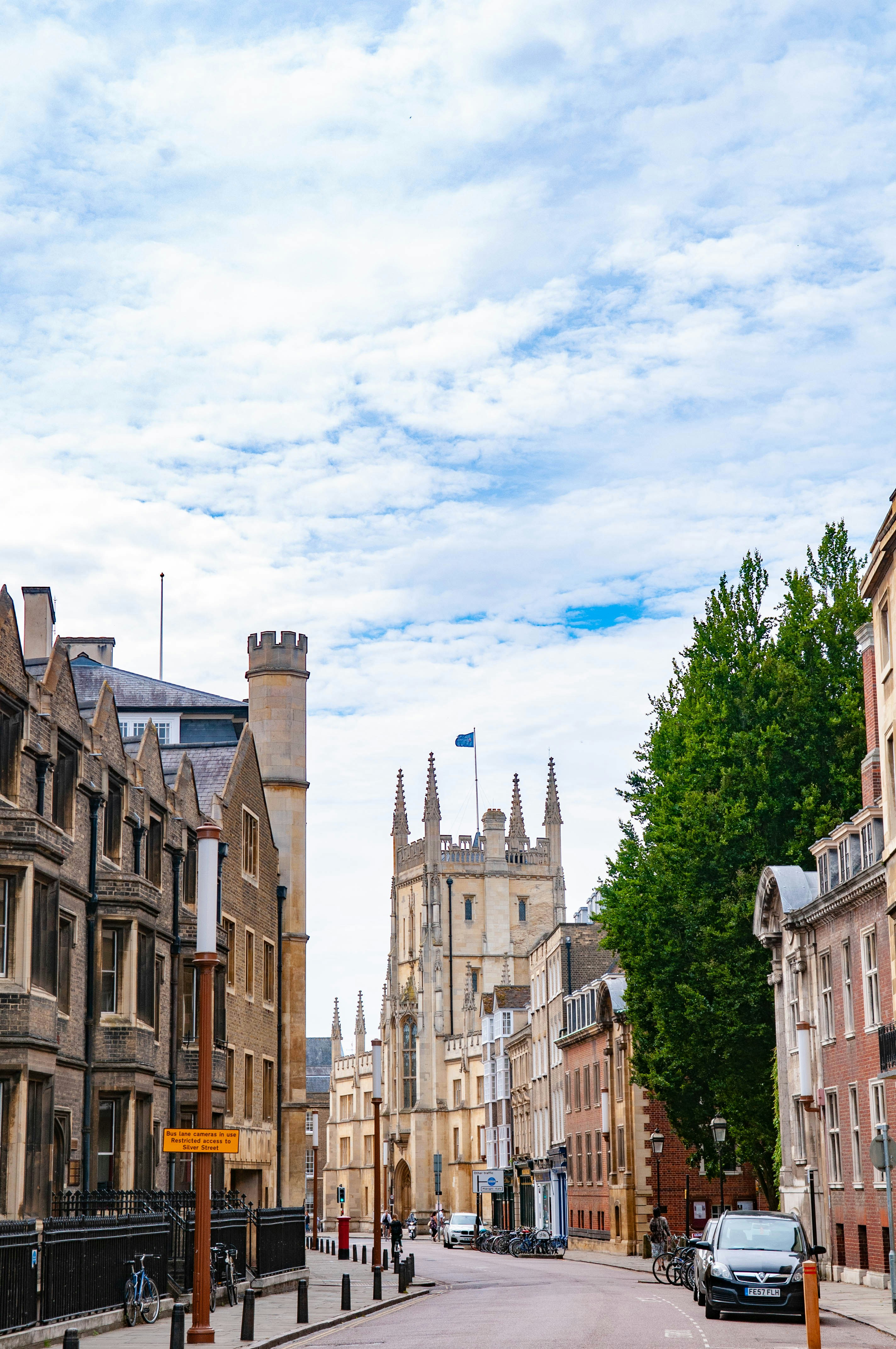
This month, I have to begin where I left off last time, with Nicola Upton‘s Nine Lessons. I described it here, so now I’ll confine myself to saying it’s a detective story set in Cambridge.

So. To another detective story set in Cambridge, and one I read a long time ago. I’m always up for reading Kate Atkinson, but it took me a while to try the Jackson Brodie series. Then I read Case Histories. In many ways I enjoyed this unusual approach, in which several different lives and families from Cambridge are introduced, long before a crime becomes apparent. Yet inexorably and inevitably they come to the attention of private detective Jackson Brodie. I found some of the characters stereotypical: mad-as-a-hatter cat-lady; eccentric middle aged sisters and so on – there are more. Jackson solves everything, inevitably, but more by luck than judgment. There were so many characters I got somewhat muddled. I seem to be damning this book, yet at the time I turned the pages easily.

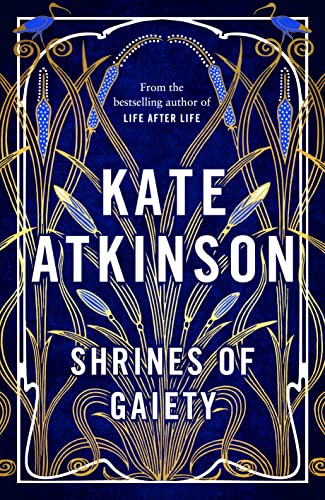
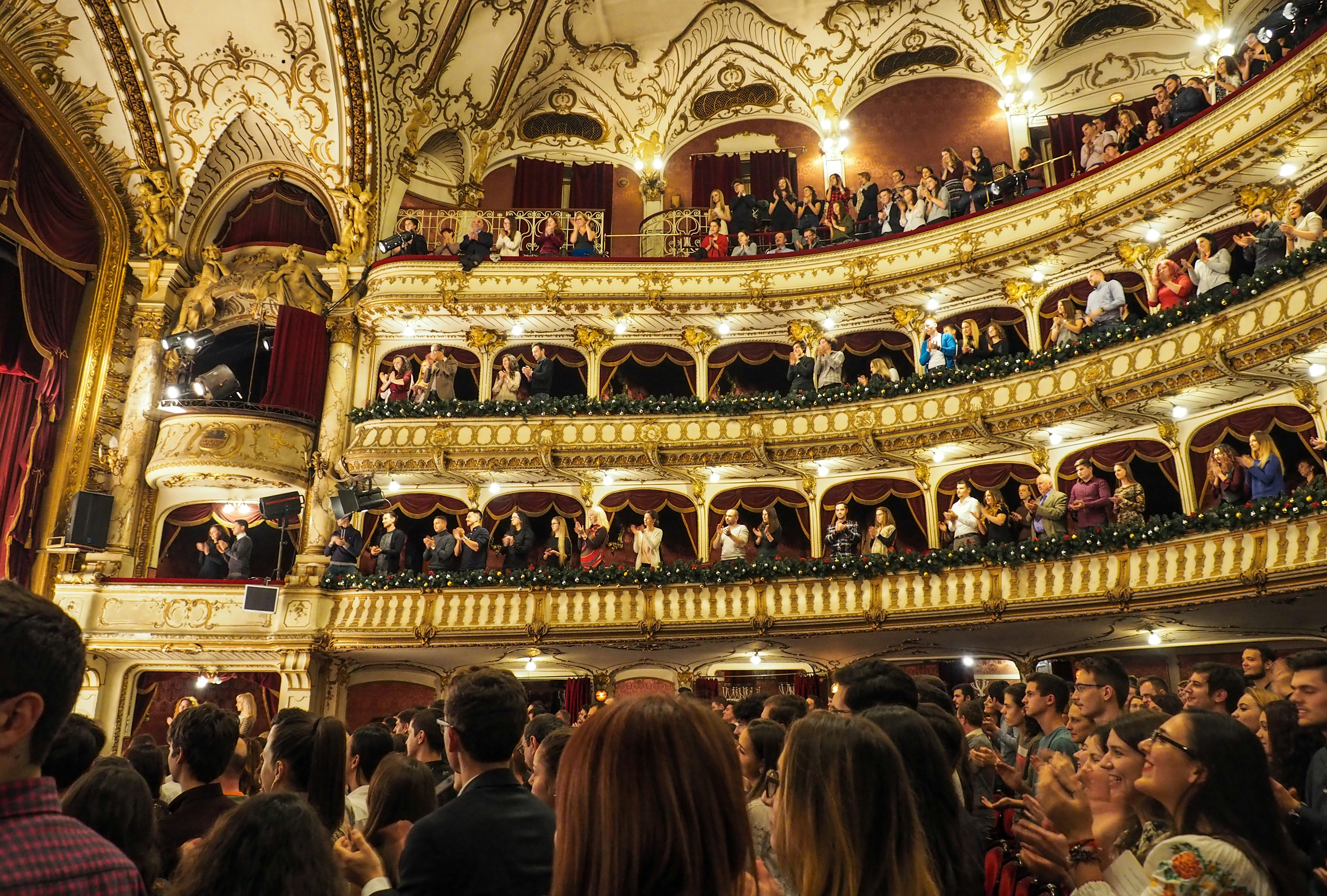
Let’s try Kate Atkinson in different form in Shrines Of Gaiety. She takes us to 1920s London, to a place of hedonistic gaiety where Nellie Coker is queen of a whole series of nightclubs, each appealing to a different kind of pleasure-seeker. Her family is essential to her enterprise and the story, with two Cambridge educated daughters (a Cambridge link again!) and a twit of a son in the mix of six. Add in a Yorkshire librarian on furlough, two young Yorkshire runaways, police officers who are variously dutiful and bent and you have a complicated and atmospheric Dickensian yarn. I enjoyed it: This is Kate Atkinson after all, but I also found it a little wearisome and forced, with not all the characters well-developed. I read through it quickly and with some enjoyment, but also feeling somewhat cheated of Kate Atkinson at her best.

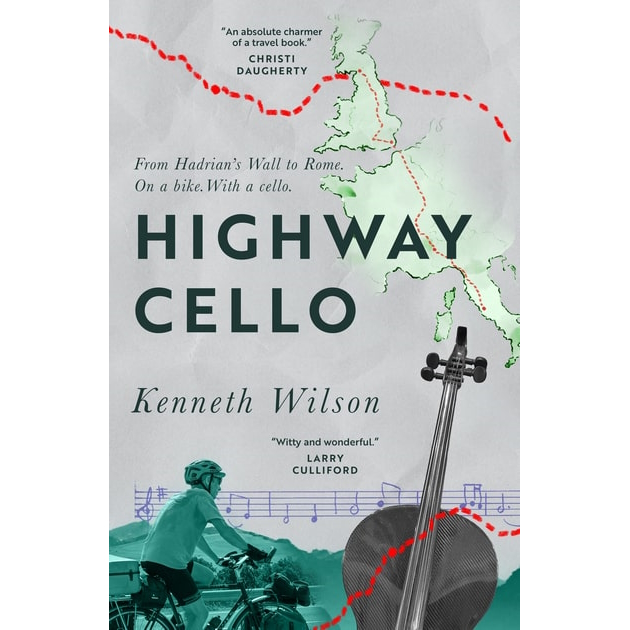
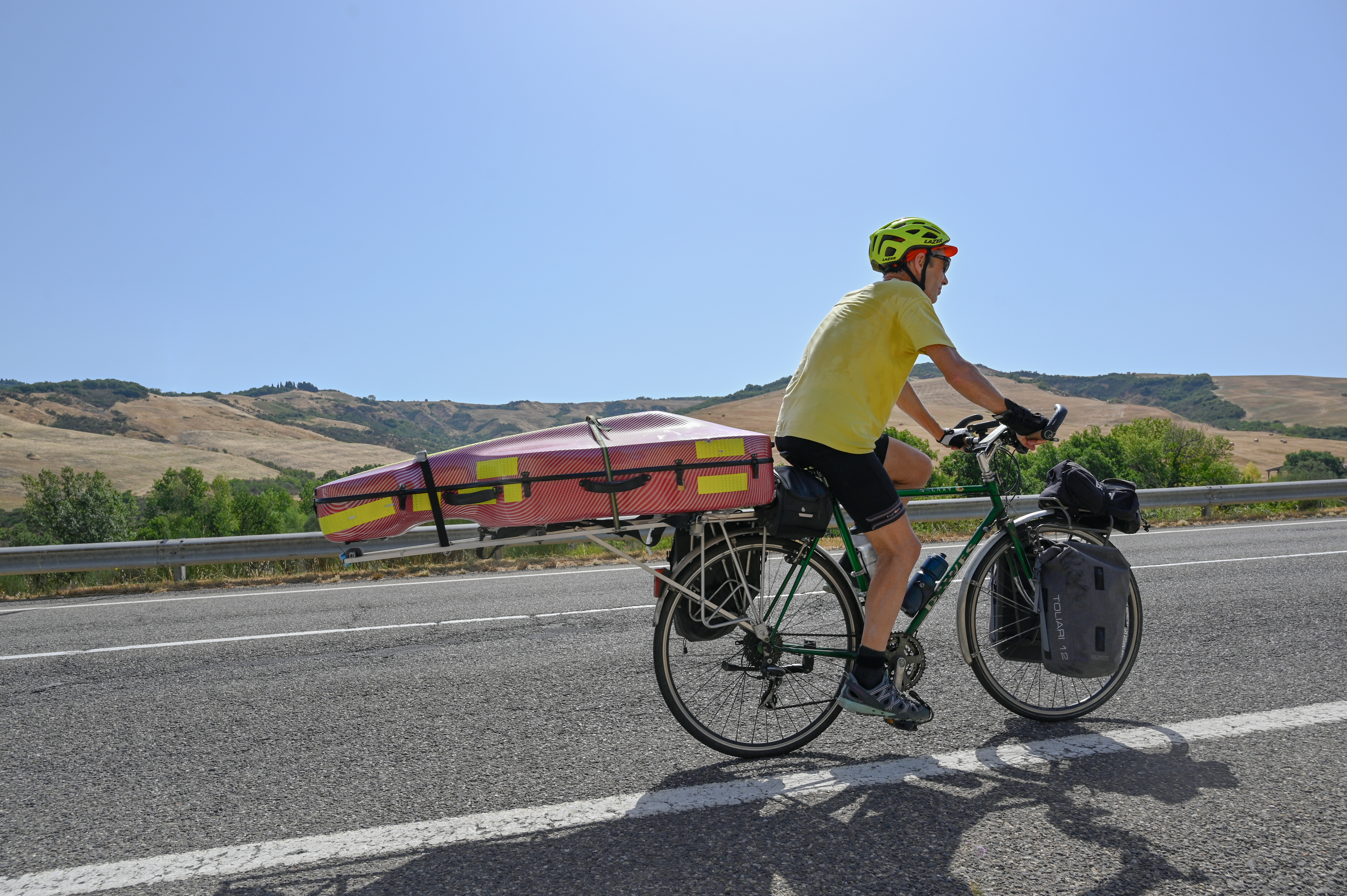
From one form of public entertainment to another. Kenneth Wilson’s Highway Cello.  It’s an account of Kenneth Wilson’s decision to load a cello onto the back of a trusty old bike and cycle from his home in Cumbria, via England, France and Italy to Rome, playing to impromptu audiences in town squares, and lightly-planned concerts in homes, halls and cafes. In among this part of the tale, he discusses the whys and wherefores of his trip, and always with a light touch. It’s an uplifting, amusing and undemanding book, the perfect accompaniment to a holiday: that’s why I’ve only just read it. Though it’s a couple of months since he came to our local Little Ripon Bookshop, played his cello and read from his book with verve and good humour.

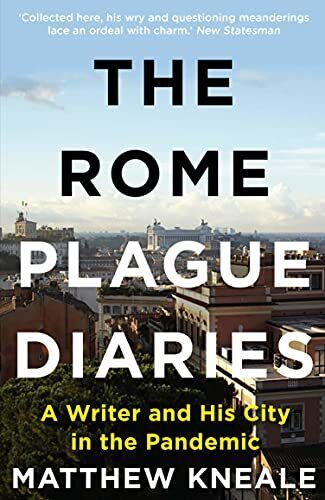
Wilson ends up in Rome.  Another British writer, Matthew Kneale lives in Rome.  And he wrote a pandemic diary, The Rome Plague Diaries.  I loved it. Having many years ago lived in Italy, though not in Rome, this put me back in touch with many aspects of Italian daily life and culture. It also revived memories of Lockdown – not unwelcome ones: I was one of those who actually relished many aspects of it, because of where and how I’m able to live. If you’ve enjoyed Kneale’s writing; if you love Italy, I recommend your reading this vivid account of a resilient city going through yet another test of its mettle.

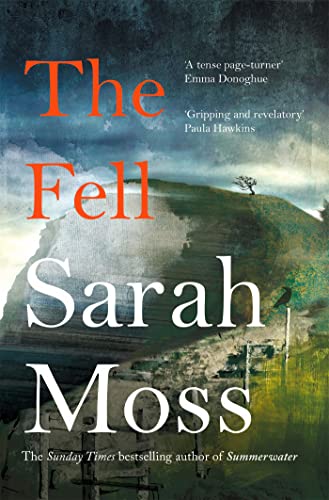
The only other story I’ve read set during the pandemic is  Sarah Moss’ The Fell.  I read it when I was self-isolating with Covid, probably in early 2021. Kate and her teenage son, living in Cumbrian fell country were quarantined at home. Kate, frustrated, eventually goes out, to get up there on the moors, at a moment when there won’t be a soul about, and be back in time for tea. Except she isn’t. She gets disorientated, and falls … This story is told in stream of consciousness through the voices of Kate herself, her son Matt, her neighbour Alice, and mountain rescuer Rob. And frankly it got as tedious as Lockdown itself. The ending was suitably shocking, inconclusive and cliff-hanging, which redeemed it somewhat, but I doubt if this book will wear well. 

So I’ll finish with another book set in the Cumbrian countryside: Helen Rebanks’ The Farmer’s Wife: My Life in Days.  I met Helen Rebanks (wife of the more famous James, of The Shepherd’s Life fame) at another author-event at the Little Ripon Bookshop and found her sparky and interesting. I didn’t feel the same about her book. She details the hard slog of being a farmer’s wife and a mother in an unforgiving, if beautiful part of England. The book is interspersed with recipes, all of which can easily be found anywhere, and at the end are store cupboard hints which I doubt are of much help to her probable readership. An interesting enough but slightly disappointing read.

I’ve just read through this post, and see it has a slightly grumpy tone. It was slightly hastily thrown together today after our long journey back from Spain and dicing with farmers’ blockades in France, so I can’t claim to have given it too much thought. Next month, when the starter book is Ann Patchett‘s Tom Lake, Must Try Harder.

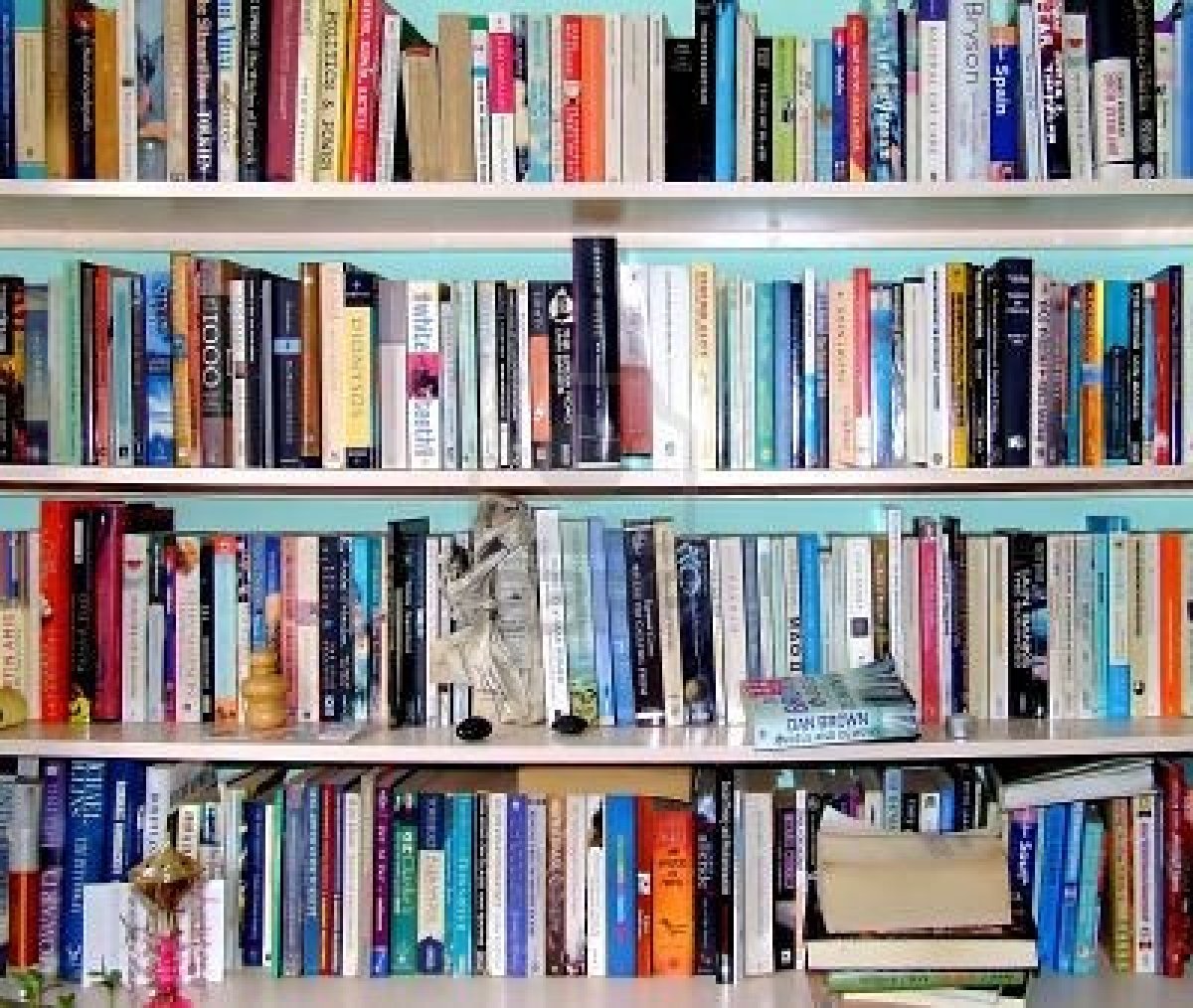
All images except the one of Kenneth Wilson cycling off with his cello in tow, which comes from the press pack on his own website, are from Unsplash, and are, in order, by Vlah Dumitru; Cajeo Zhang; Spencer Davis; Jonny Gios and George Hiles.

A Very Old Door Indeed

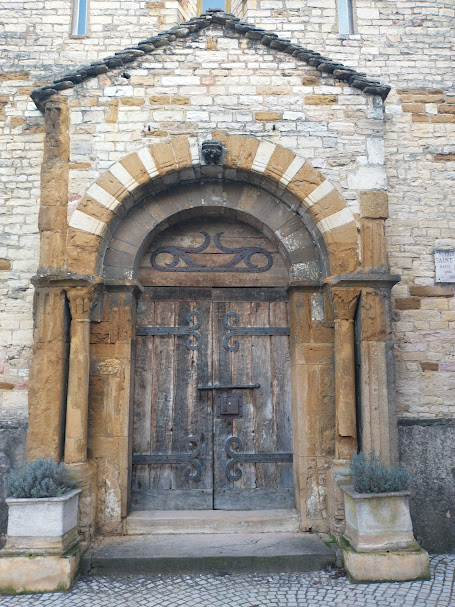
This is a church dedicated to Saint Valerien and built under the auspices of the Abbot of Tournus between 1008 and 1028. It’s still standing, but unused as it waits for a bit of TLC.

Tournus is a charming old town in Southern Burgundy, which we wouldn’t have discovered if not for the farmers’ blockades of roads and motorways throughout France, which it’s fair to say have made travelling here … interesting and boring in equal measure.

For Dan’s Thursday Doors.
Monday Portrait of a … Well, You Tell Me…

The other day, while still with my daughter and family, I went to hang the washing out. And returned with Wildlife attached to my person. Its body, not counting legs, was some 7 centimetres long. I took him/ her outside. Was it a giant grasshopper? Should it have been about in January? Answers gratefully received.
Incidentally, our route home is proving unexpectedly challenging. French farmers are blockading much of our proposed route, as they have been for some days…. It’s just taken us two hours to drive 16 km. ducking and diving. And it’s now 7.40 a m. …

‘Notre fin, votre faim’

I then pressed ‘publish’, and have just discovered nothing happened. Typical for a very difficult day, though it did eventually get somewhat better