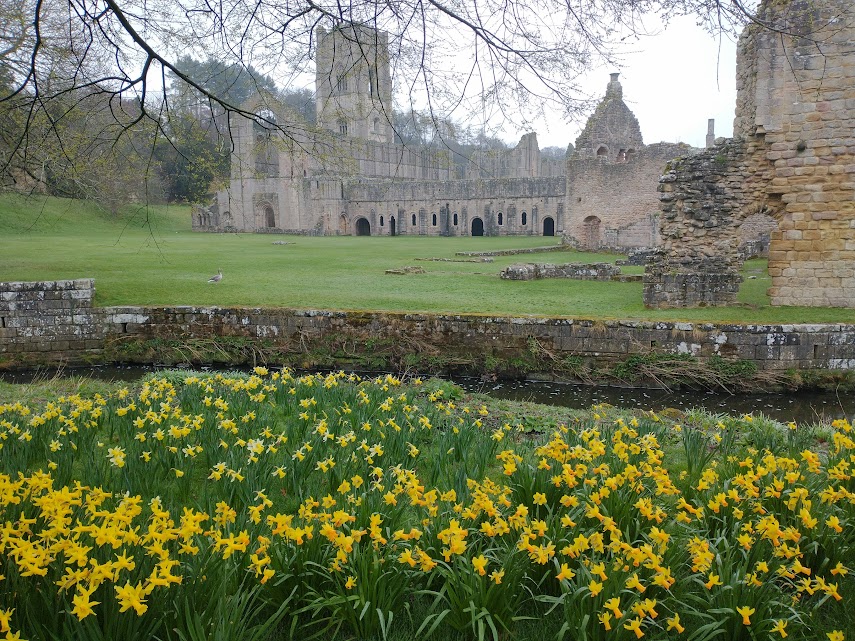

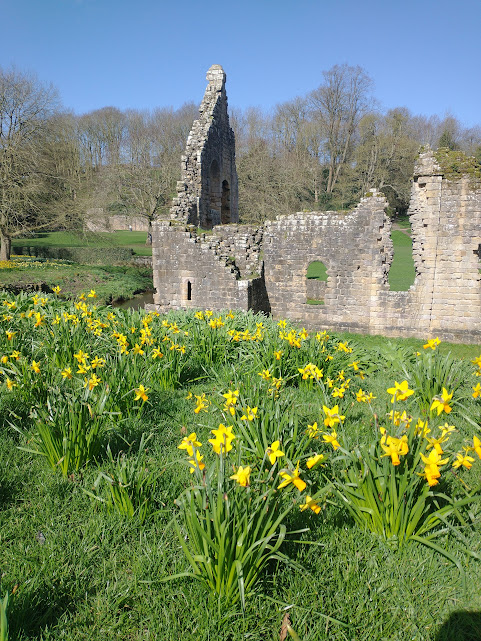
For Debbie’s Six Word Saturday.
For Debbie’s Six Word Saturday.
When Patti proposed, for this week’s Lens-Artist Challenge, that we focus on cities, I wondered where to start. Busan? Barcelona? Bamberg? Instead, I’ve decided to return to the city where I lived between the ages of five and sixteen, and to which I often return because my son and family live there: London.
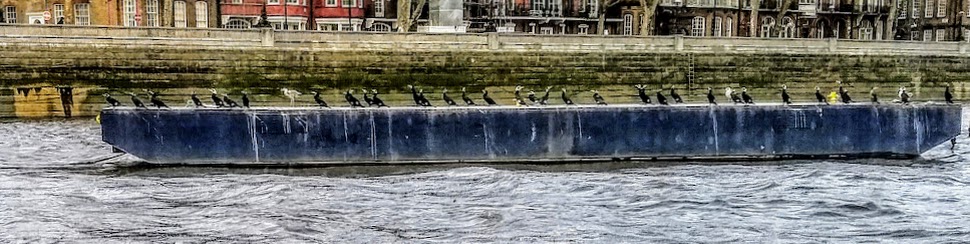
We’re going to journey up the Thames, from Woolwich where the imposing flood defences of the Thames Barrier are sited through the city as far as Tower Bridge and Saint Paul’s Cathedral. We’ll travel, as so many tourists and even daily commuters do by Thames Clipper, the city’s very own London bus of the waterways.
Here’s the Thames Barrier, its metal hoods stretched assertively across the river, protecting it from the ravages of high tides and storm. You can read all about it in another post of mine, here.

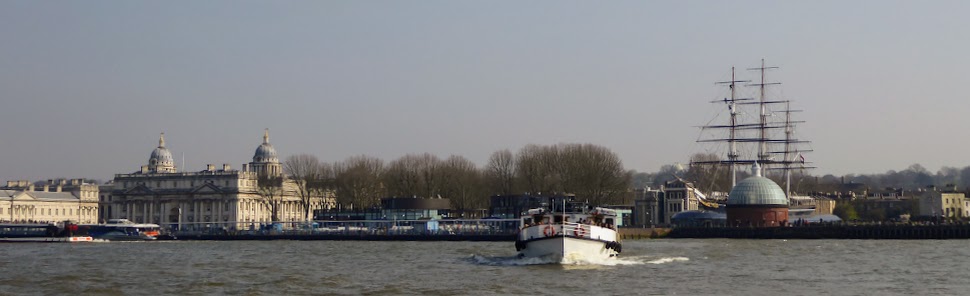
As our Thames Clipper passes through Greenwich, there’s the Old Royal Naval College, and the famous 19th century tea clipper, the Cutty Sark.
Passing through the Docklands, we’re reminded of the city’s industrial past, when this was the area for receiving and despatching goods from all over the world.
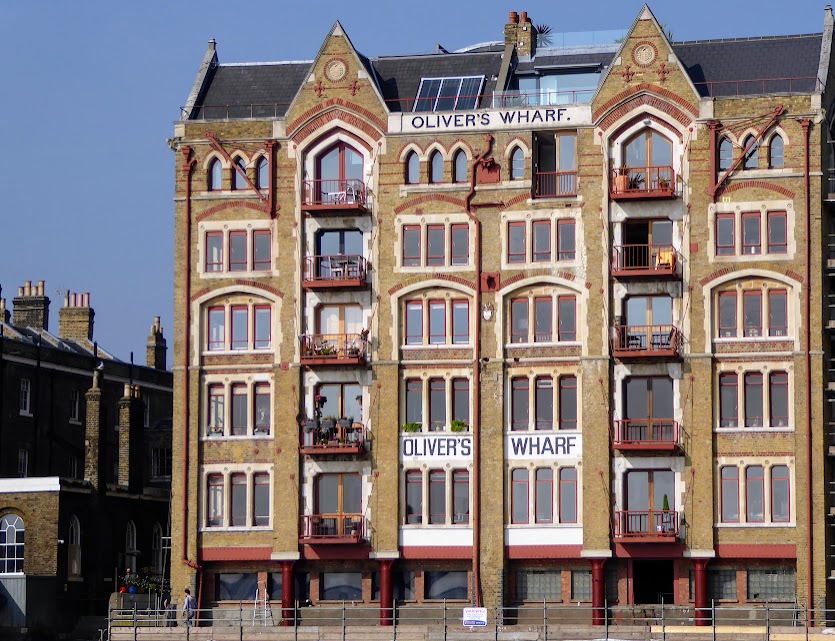
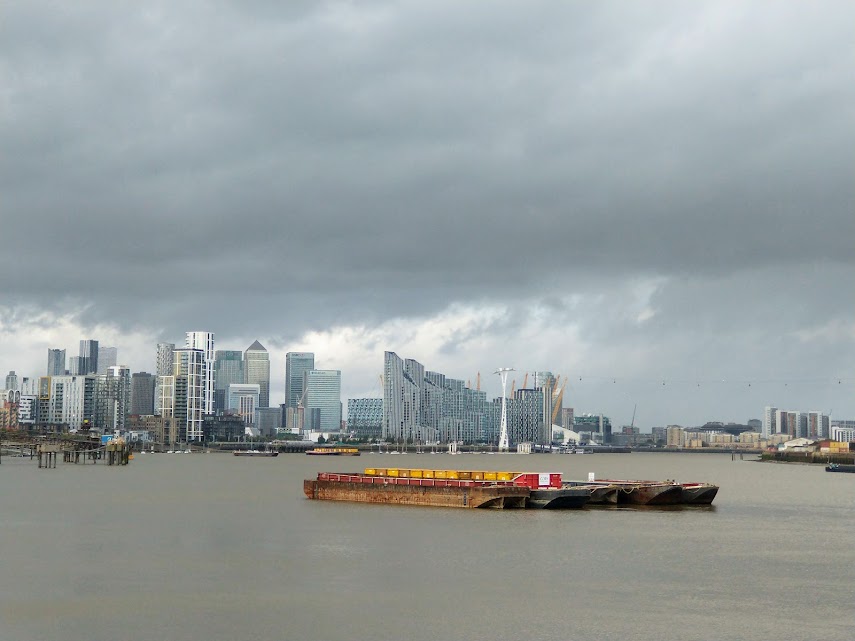
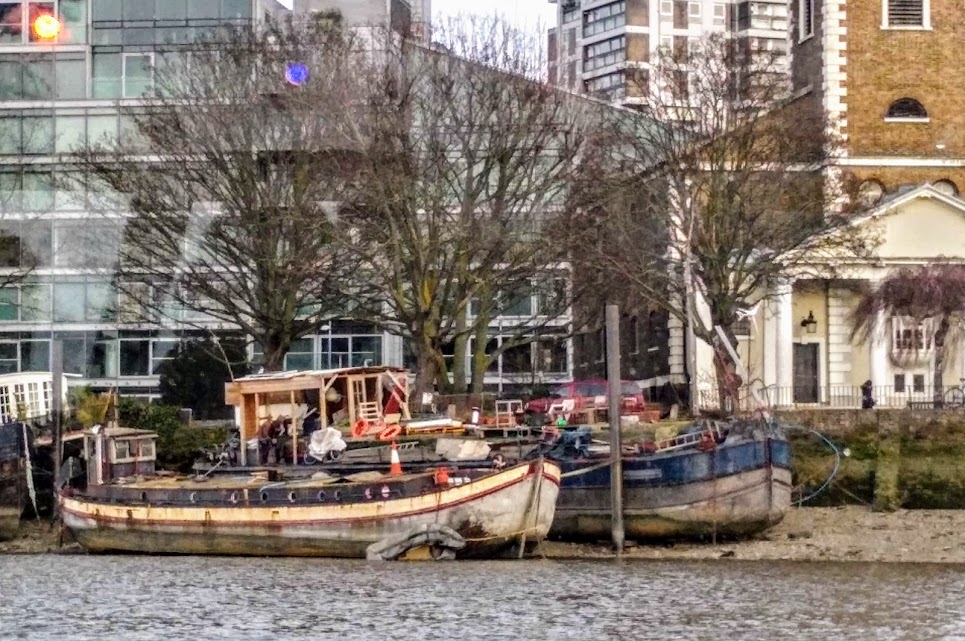
These wharves are now repurposed as sought after apartments. But even with the modern Canary Wharf behind, we shouldn’t forget the Dirty British Barges (sorry, John Masefield) that continue their work of haulage up and down this busy river.
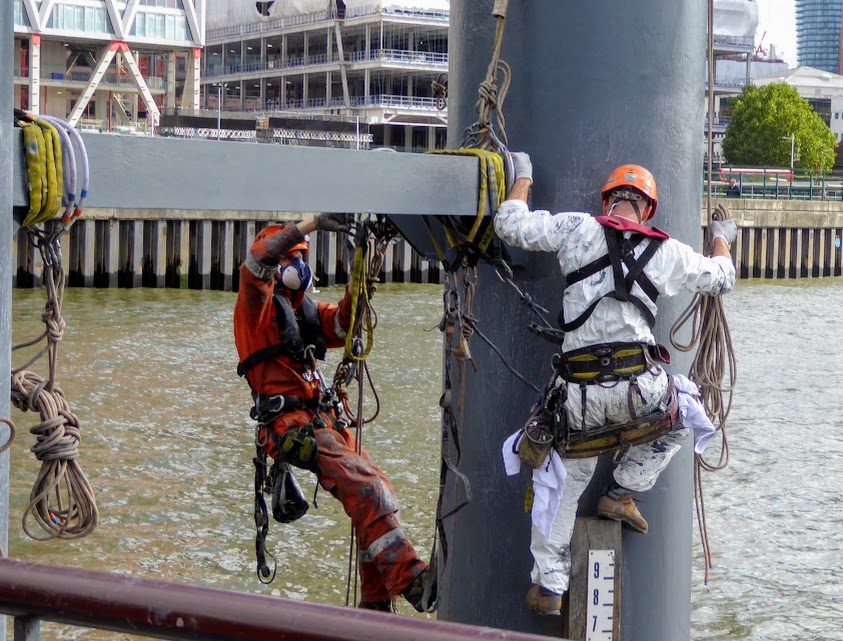
And maintenance works goes on …
Then it’s Westminster. Here’s Westminster Abbey and The Houses of Parliament, but what a shame that my most recent photo has Big Ben bundled up in tarpaulin.

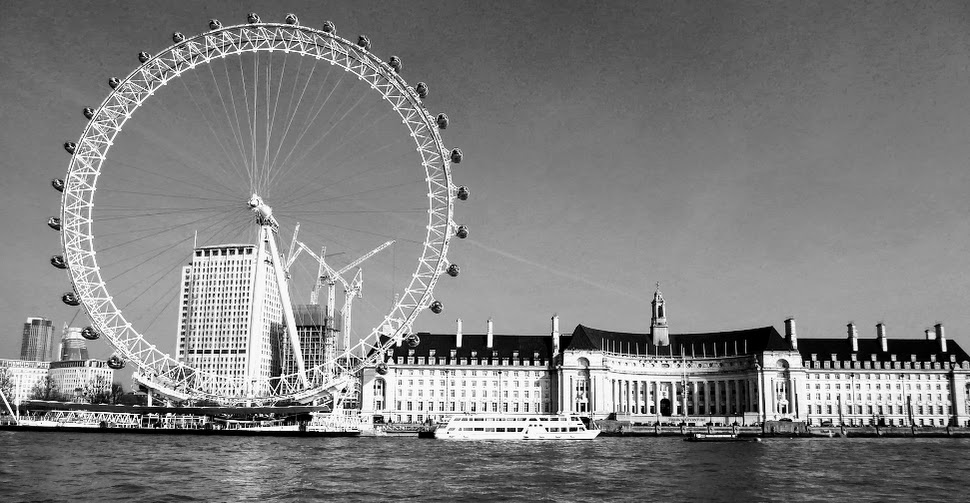
Then it’s the former County Hall, with the London Eye in front.
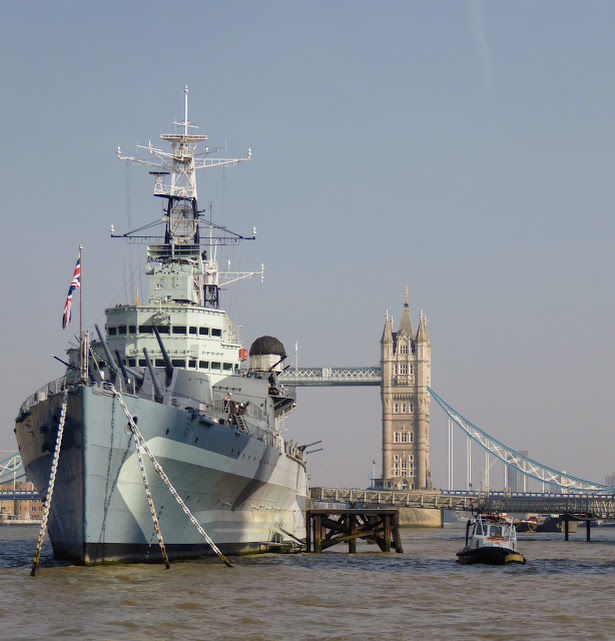
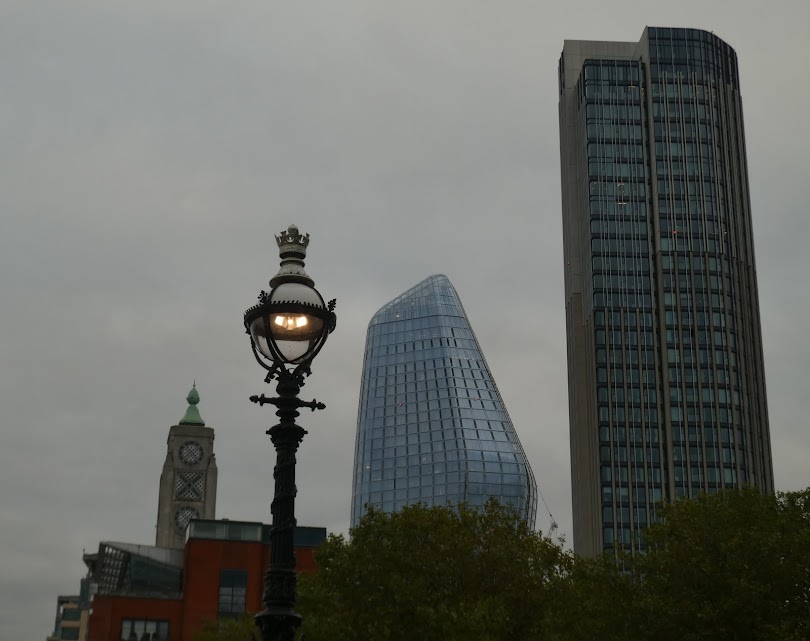
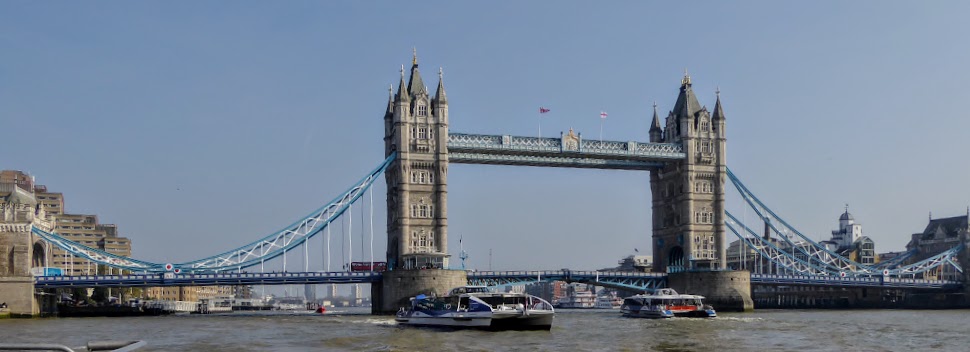
And on to the beating heart of the city: Tower Bridge, which I have never seen raised, though it still happens often enough. And here too is HMS Belfast, which saw 25 years of service during and after WWII. This most ancient part of London, site of Roman walls, and the Tower of London, is also where London’s most modern high-rises are found.

Are you getting a bit windswept and weather beaten here at Blackfriars Bridge?

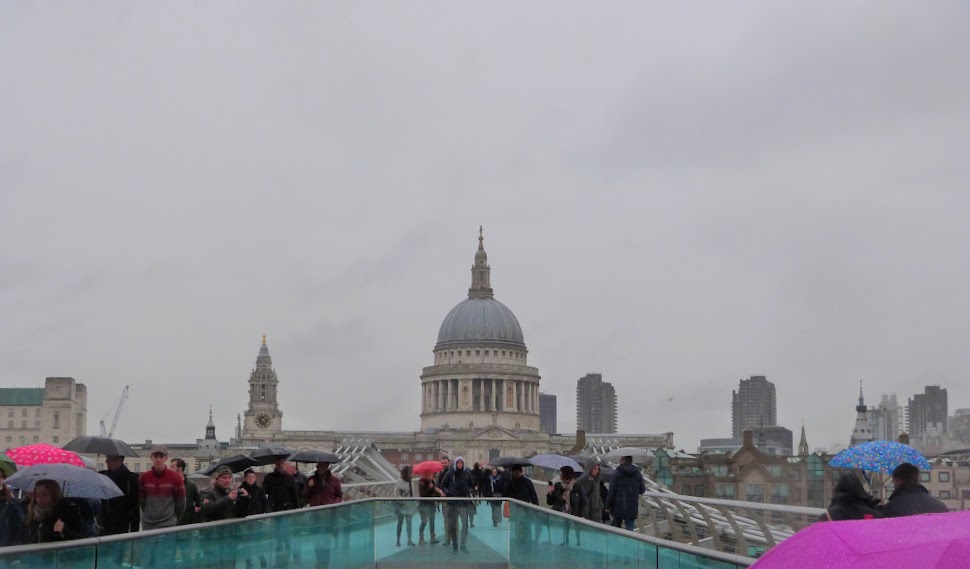
You are? Well, we’ll finish with a miscellany of photos. Enjoy the rest of your day – but just enjoy the view from the Millennium Bridge across to Saint Paul’s Cathedral first.

If London -and the quirkier aspects of its history – interests you, I recommend hopping over to Steve’s blog: A London Miscellany. He’s a mine of useful, and useless-but-fascinating information.
Honestly, we do try. Our weekly vegetable shop is a seasonal organic veg. box from Riverford, which arrives in a re-useable cardboard box and nowt else. We supplement this with a trip to the market, taking our own packaging. Household and bathroom products such as washing up liquid and shampoo come from the refill station at our local GreenHouse. But still plastic packaging enters the house – every time we visit the supermarket actually. The cheese that’s packed in plastic: the odd box of blueberries: the package of pitta bread … and so on and so on.
This week The Big Plastic Count invited us to join in and count all our plastic waste for one week only. So we did. It was tricky, because the family from Spain was here, and spending our time with our three year old granddaughter and her two month old baby sister was the priority. But we bunged everything in a sack, and with the family now gone, made our inventory this morning.
And it was shocking. The smoked mackerel we can’t buy loose; the toothbrush pack (I haven’t embraced the bamboo toothbrush); the pizza bases bought for an easy supper that three year old Anaïs could help create … and so on. Here’s what we learnt.
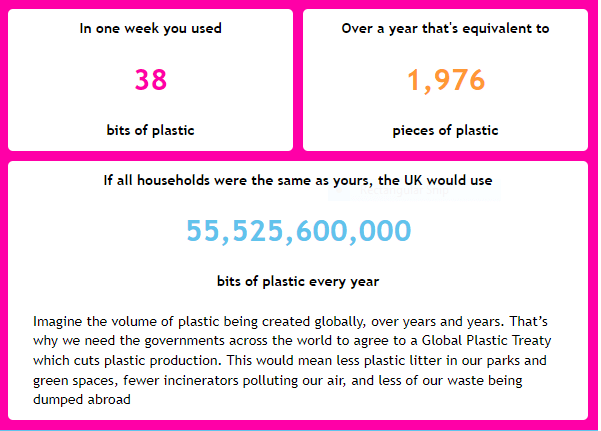
Like almost everyone who took part, I imagine, we do try to think about what we buy, and avoid packaging where we can. Yet our plastic footprint is huge – larger this week no doubt because of our visitors. What about those who because too busy or lacking motivation have an even larger footprint? Shops – especially supermarkets – and manufacturers don’t make it easy for us. Who, for instance, needs to have their bananas packaged in plastic? Why can’t supermarkets sell us the number of apples we actually want, rather than supplying them packaged in units of six or so?
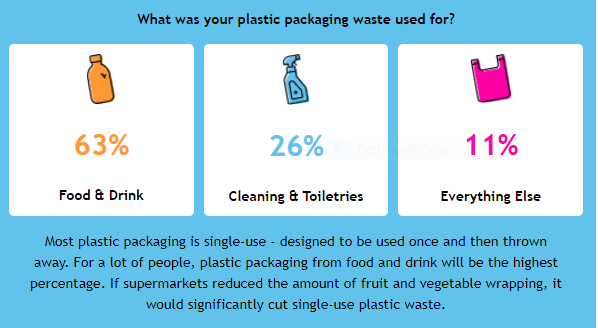
We take any plastic bags we do acquire to a supermarket recycling point, but that’s a faff too. It’s usually full to bursting point.
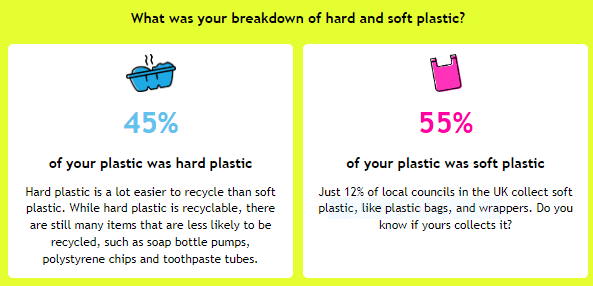
And here’s what happens to it.


But even that’s better than this horribly common sight, a tiny proportion of the result of an urban litter pick. …

The Big Plastic Count is being conducted among individuals like us, and in some schools as a project, as a means of raising awareness among children. And the results are being fed to the Government. Individuals and groups, however well meaning. really can’t effect much-needed change alone. And we have an election in the offing. I can’t imagine lobbying by The Big Plastic Count will make an impact on a dying-throes government chaotically falling apart. Another year of inaction. Another year wasted.
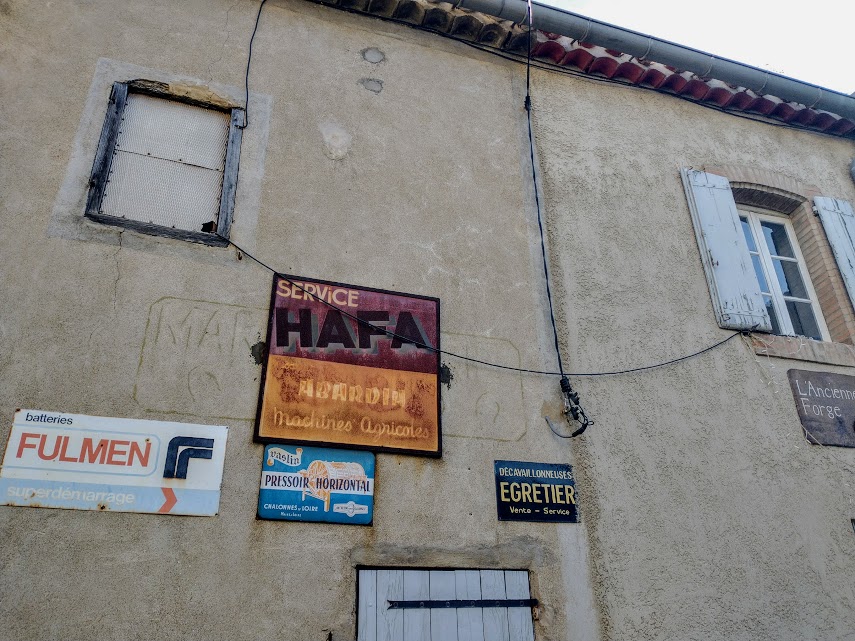
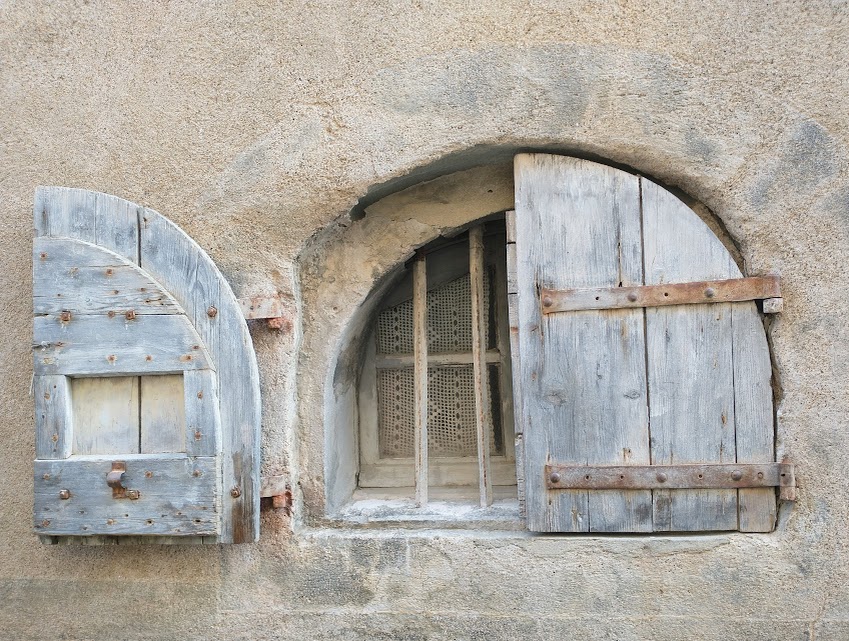
Last week, I showed you a rather characterful shuttered window I’d spotted in a French village. Many of you really liked it, so I’m showing it again in my featured photo, but in colour this time, Which version do you prefer?
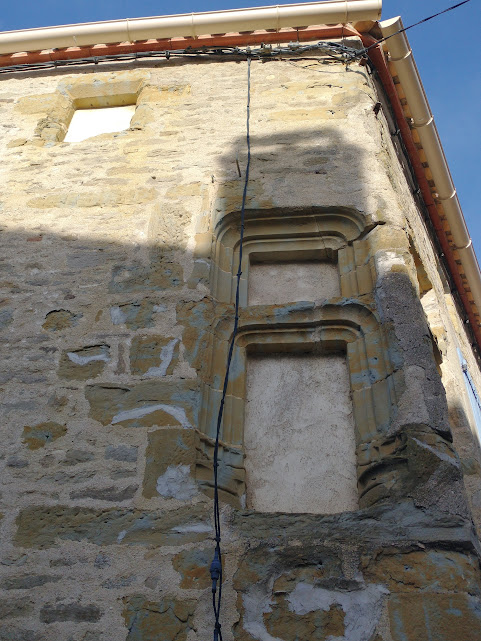
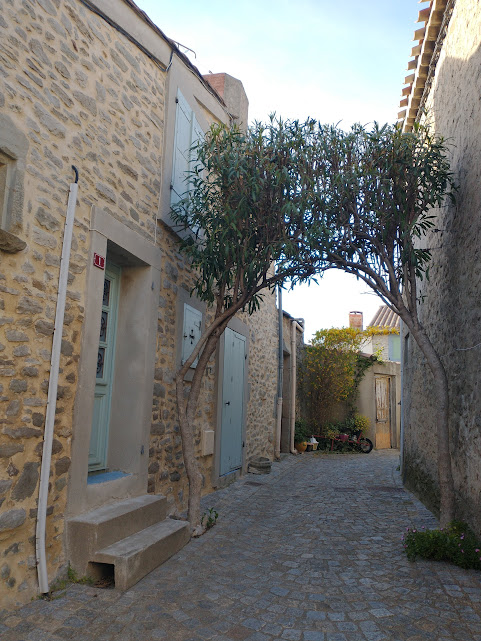
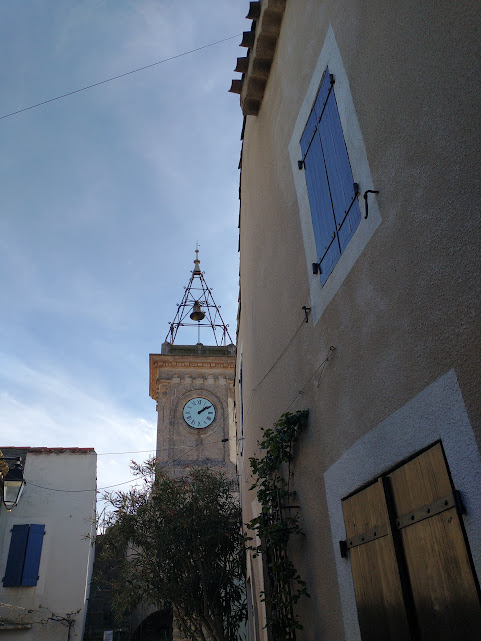
While we’re about it, here are a few more shots from Siran, most of which include the odd window, or has-been window.

Here’s a post I wrote at the very end of February 2014, shortly before we moved from France back to England….
Facing the task of packing and moving our library, I was reminded of that wonderful book I used to read with my children, Wanda Gag’s ‘Millions of cats’.

‘Hundreds of cats books, thousands of cats books and millions and billions and trillions of cats books’.
Oddly, I no longer have the book, though I hope one of the offspring has. ‘Oddly’, because I seem to have most of the others that have accompanied me through life. Both of us is incapable of downsizing when it comes to books. Till now.

We realised that much of what we own has remained unopened since the day it arrived in France and probably for some years before that: our days of writing essays about mediaeval history are long gone. We realised something had to change. Jettisoning them was unthinkable. And where in France could we re-home so many books in English?
By chance, I was browsing on the web one day, and realised that many of these old faithfuls have a value. They could be sold. So that’s what we’ve decided to do. But it’s really not about the money. It’s about knowing that these books will end up with someone who has chosen them and wants them, rather than in some charity shop where, as we know from experience, some would simply moulder or even be thrown before reaching the shelves, even though many would be snapped up.
So…… we now have three kinds of book. The central core: books we can’t think of doing without – mainly reference books and other much-used non-fiction, with some of our best-loved fiction. The second kind, the saleable ones, are now boxed up to send to England. And the last, and smallest group: the ones we’ve decided to do without, and which have little apparent value. We’ve opened doors to all-comers who want to browse, and we’ve probably re-homed about half. There are still some 450 still remaining. They’re heading to Amnesty International in nearby Castelnaudary, who raise funds by selling to both English and French customers. We know how excited we get when we get the chance to browse a new collection of English books, so we hope they’ll be a good money-raiser for them. (Addendum, 2024. When they were collected, by a woman with her two teenagers, she filled her boot, the empty seats, and even slotted books in and about her passengers’ bodies. They finally drove off, the back axle nearly grinding the road beneath)
Come and look at some of our books – rejected and selected.
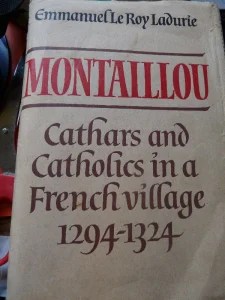
You can tell how long I’ve had this one: it was priced in pre-decimal days, before 1972, so even many British readers may have difficulty in deducing that this scholarly work of non-fiction cost me….. 57 ½ p.
This book was given to me as a leaving present from work back in the mid ’70s. It was a good read then, but even more so now as a history of the area we now live in.
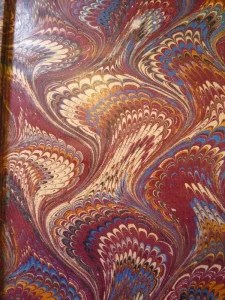
This book belonged to my grandfather, a man who died long before I was born. Beautiful marbled end papers such as this often came as standard in the 19th century.
And finally, a book which though incomplete, is a real piece of history. It includes handwritten recipes for making ink, polish, peppermint cordial, stove-blacking. Here’s how to keep your brass and copperware in tip-top condition.

It includes just one newspaper cutting. By snooping around on the net and looking for this particular (and unsuccessful) cure for cholera, I surmise it comes from the 1820s.

Surely even the most die-hard minimalist will forgive me for keeping this book firmly among the family treasures?
And now the books are packed. Every single one – apart from a few bedtime stories for the next three weeks. One room done, seven to go.

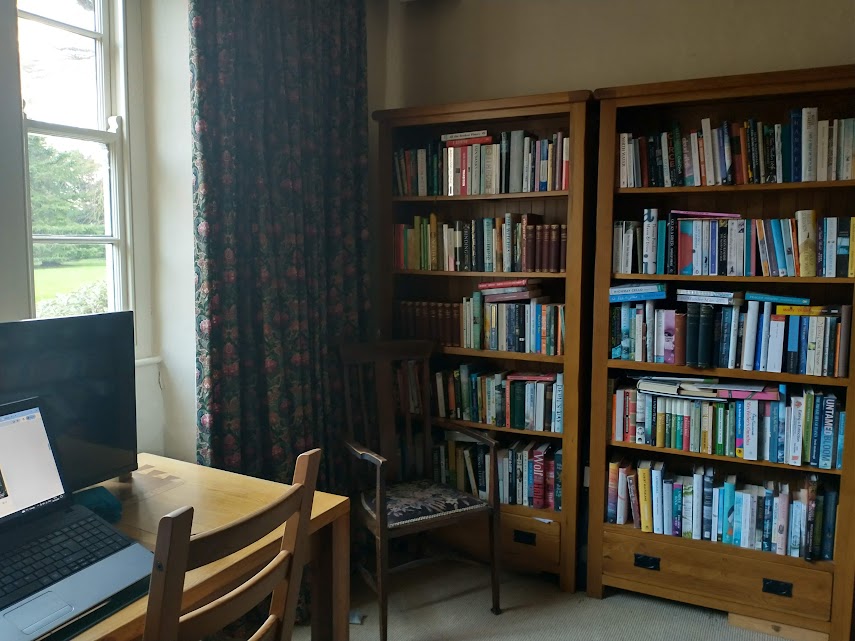
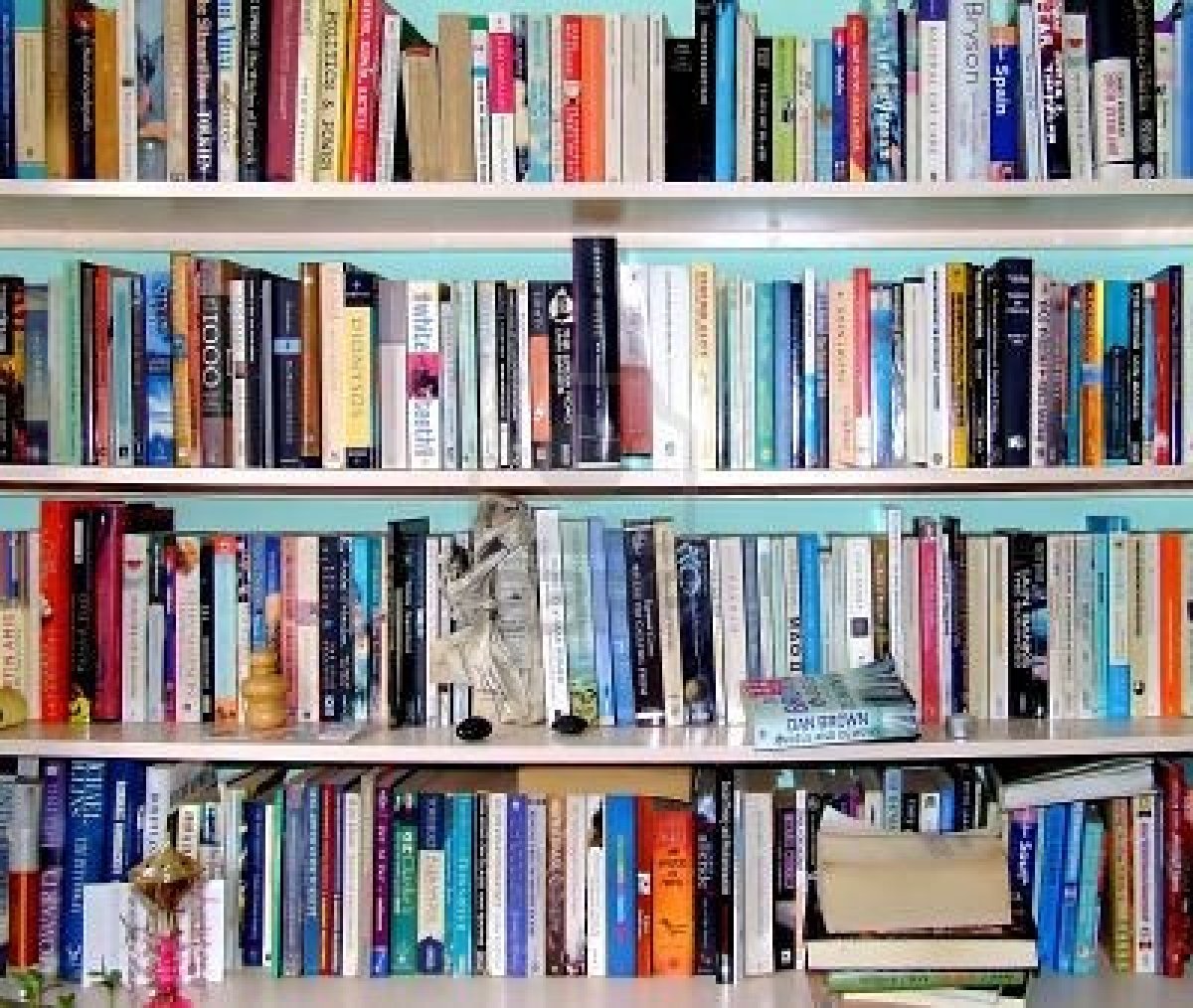
And back in England, we realised we really did have to continue the downsizing. It took weeks and weeks. Some we sold, but most went to Oxfam books, and we still regularly get updates telling us how many have been sold and how much they’ve raised. The featured photo shows that we are running out of space again …
This week for the Lens-Artist Challenge, John invites us to focus on the tools we consider when taking photographs: Shape, Form, Texture, and Light.
Sarah of Travel with Me fame (You don’t follow her? Why not?) decided to focus on texture alone in her role as Guest Presenter for Leanne’s Monochrome Madness . I’ve decided to follow her excellent example.
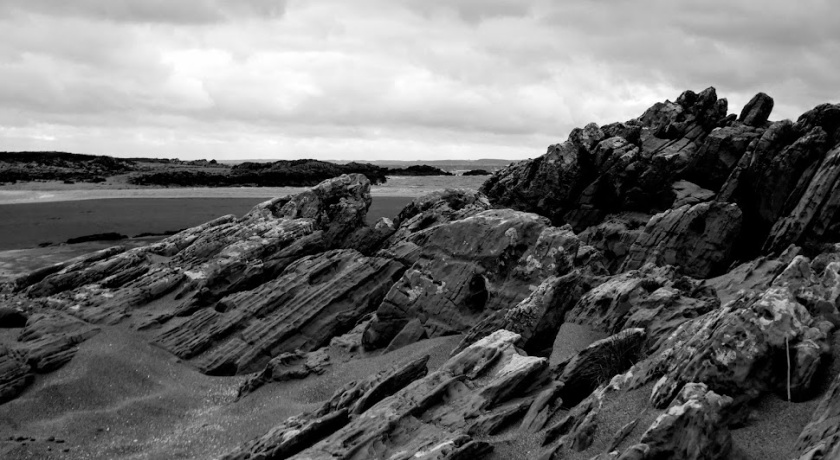
I often like to use monochrome to ‘describe’ texture. It seems to highlight shape, form and – er- yes, texture to advantage, with no colour to distract the eye.
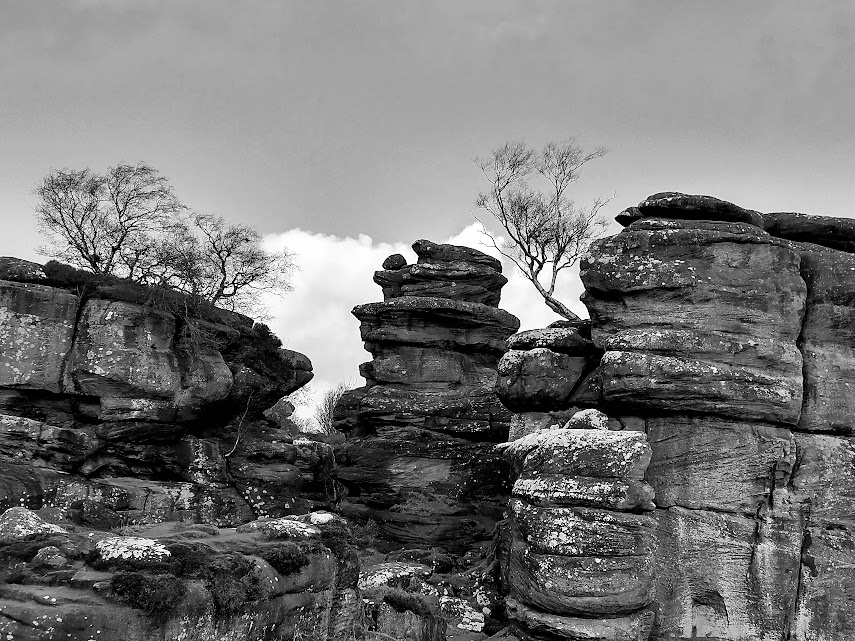
In fact my featured photo of nearby Brimham Rocks is changed very little by the use of monochrome. The sky was a bright azure blue that day, with whiteish clouds. Realistically, grey is so much more authentic this year.
Let’s stay with the natural world, and go to Mossyard Bay in Dumfries and Galloway, to inspect the rocks there, and a sheltered pool as the tide goes out.

We’ll stay by the sea, but in Arenys de Mar in Spain this time. A rusting chain, a decaying lump of concrete in the fishing port.

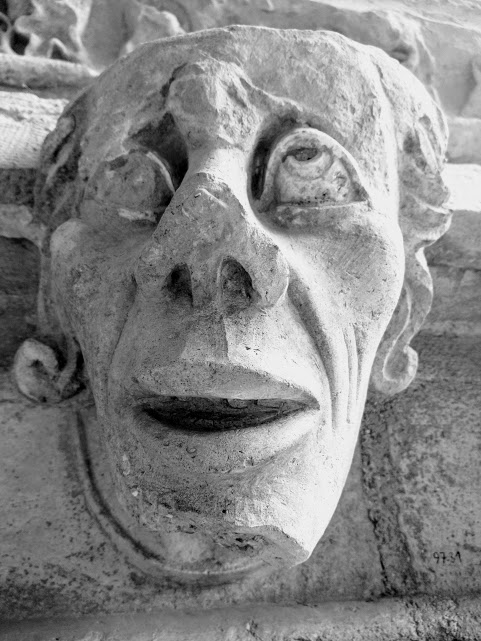
More man-made creations, battered by wind and weather. A has-been saint awaits repair in the stone mason’s yard at Rheims Cathedral.
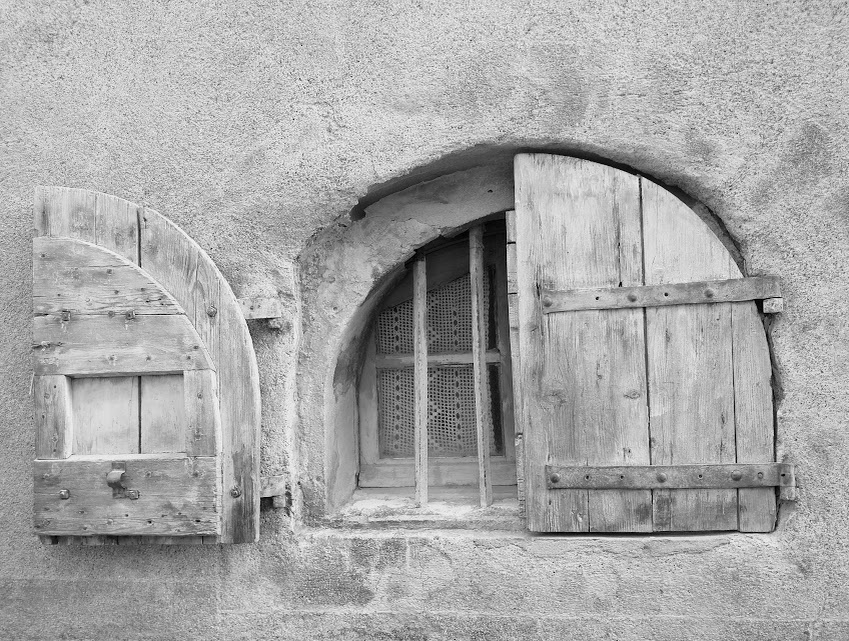
And here’s a characterful shuttered window that’s lived a long life in a village in the Hérault, France.
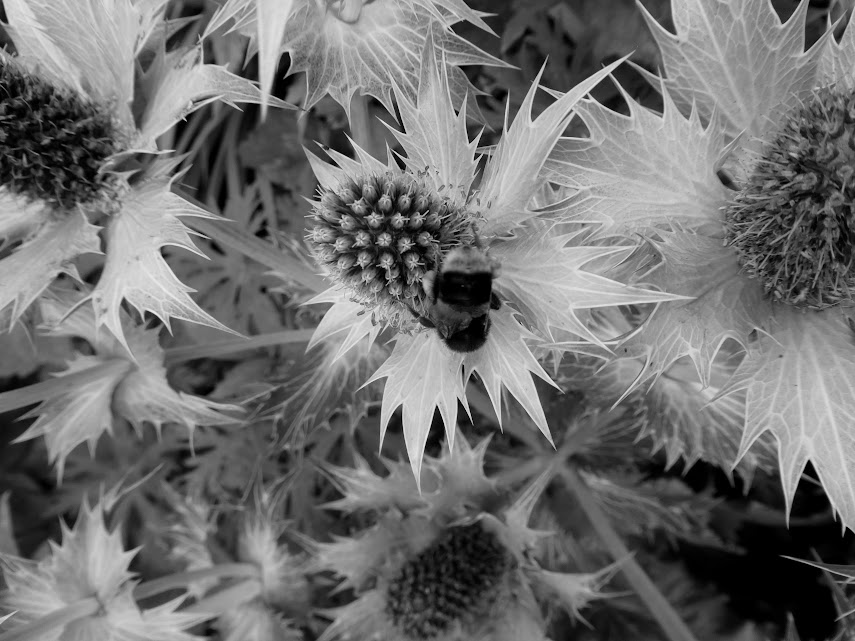
An English country garden, complete with bee.
… an icy puddle …

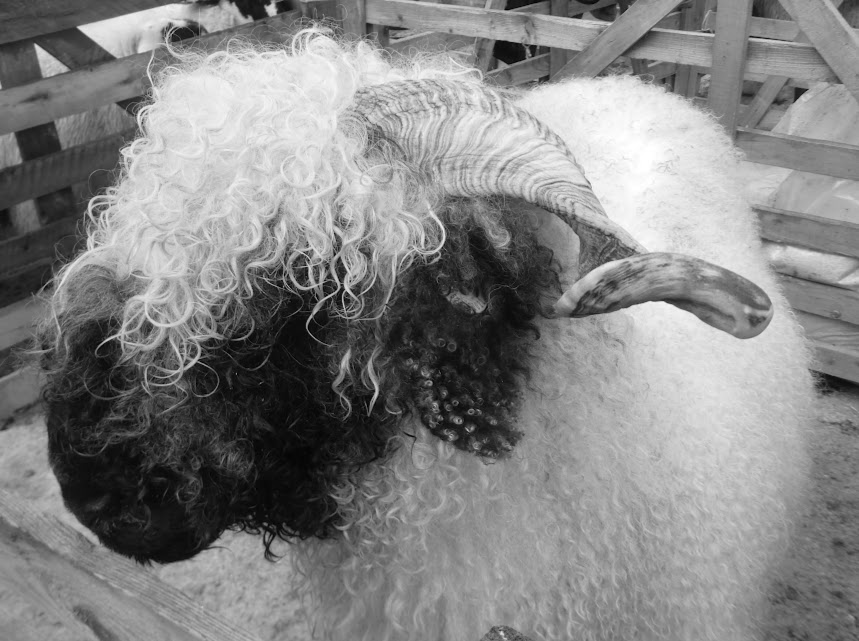
And let’s leave you with that most Yorkshire of animals, a sheep: happy to show off a magnificent fleece, magnificent horns.
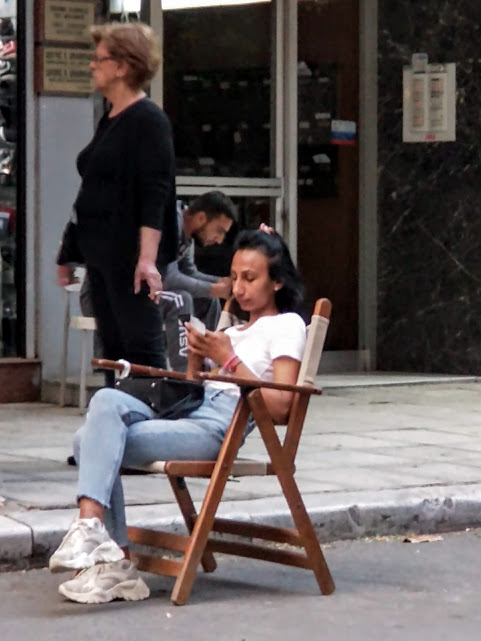
It’s not the best photo ever, but I love it. Evening. A busy street in Thessaloniki. A woman enjoys some time out by dragging a chair out – not onto the pavement, but into the road itself. Well, why not? Streets were for people long before they were used by cars.
For Debbie’s One Word Sunday: Seating (well, 44 words in my case)
On the first Saturday of every month, a book is chosen as a starting point and linked to six other books to form a chain. Readers and bloggers are invited to join in by creating their own ‘chain’ leading from the selected book.
Kate’s: Books are my Favourite and Best
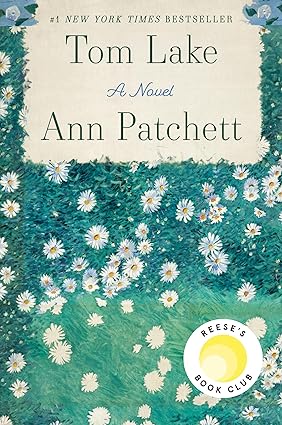
I haven’t read the starter book, Tom Lake by Ann Patchett, which is set in small-town Michigan. Here’s how Book Browse summarises it: ‘Tom Lake is a meditation on youthful love, married love, and the lives parents have led before their children were born. Both hopeful and elegiac, it explores what it means to be happy even when the world is falling apart’. It sounds to me as though it also reflects upon how in the end we are alone, even if living in an established family or community.

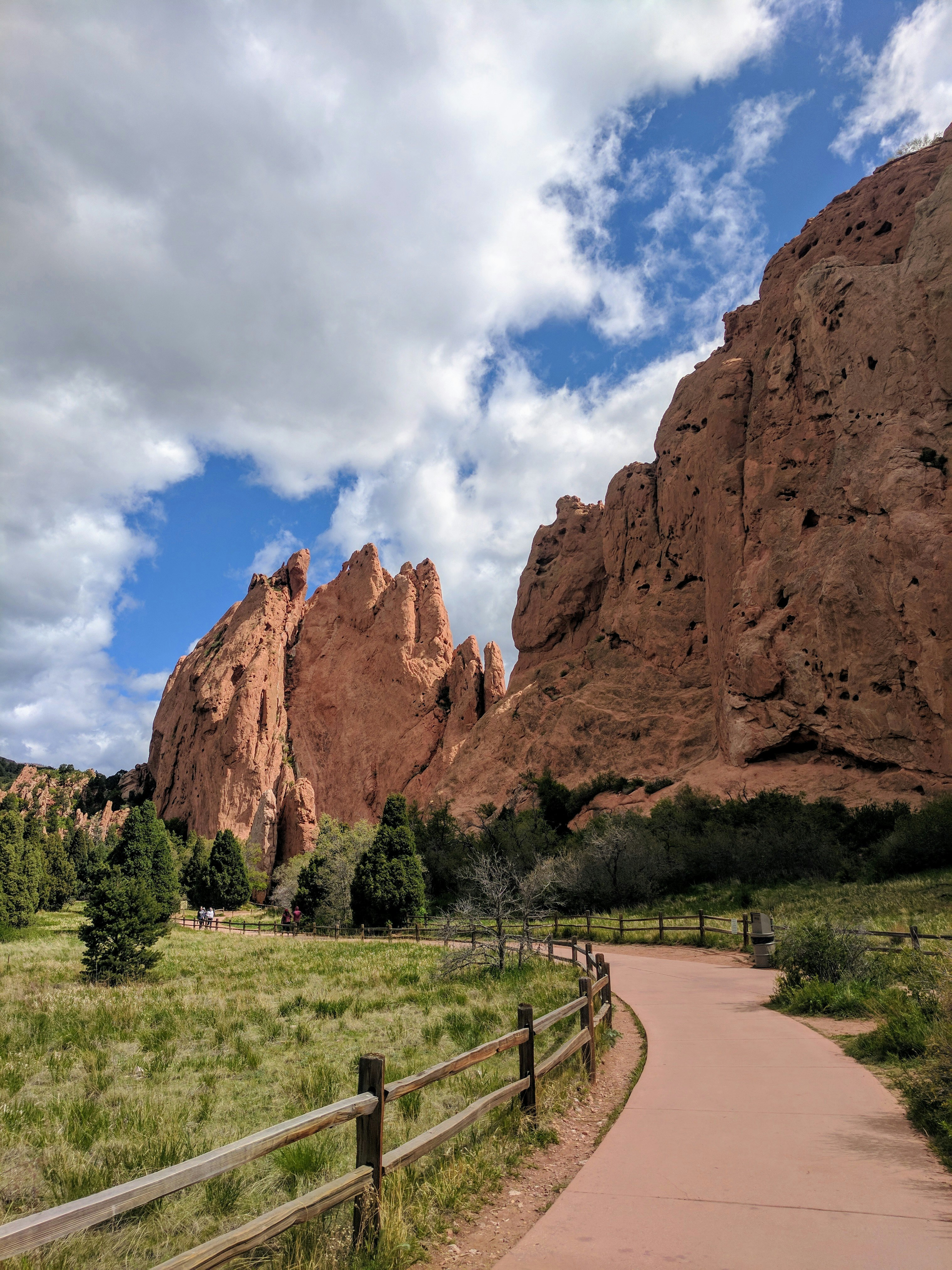
Kent Haruf’s Plainsong is set in small town Colorado. This beautifully written, spare, stark book takes as its theme the loosely intermingled lives of various abandoned souls who live in the imagined town of Holt, Colorado. There’s teenage Victoria, pregnant and abandoned by her boyfriend; Tom Guthrie, whose wife has retreated into deep depression, leaving him with the care of his young boys, Ike and Bobby; the elderly McPheron brothers; infirm Iva Stearn. These isolated people display dignity and stoicism in their difficulties, and struggle towards some sense of connection and community. Holt seems a pretty bleak town, and the landscape that surrounds it too. Haruf’s descriptions are always understated, always telling. His characters maintain their privacy, whilst allowing us to care about the ultimately optimistic conclusion of the book.
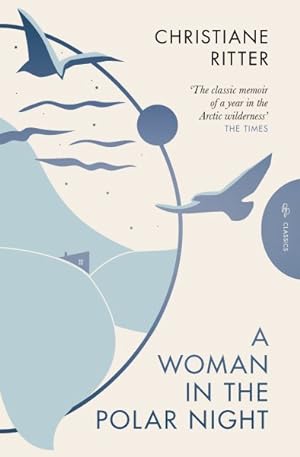
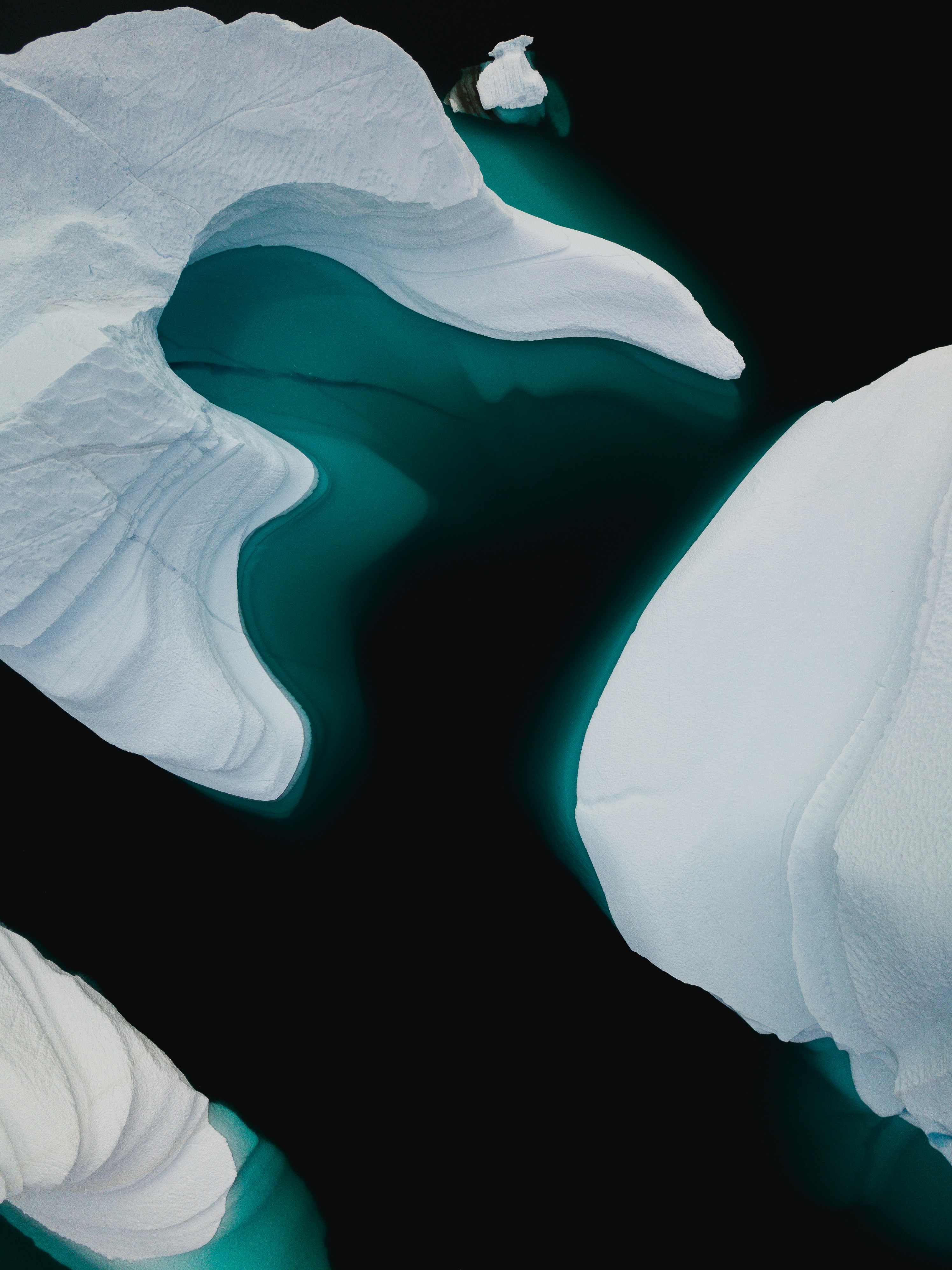
From a bleak town to a bleak continent: let’s go to the Arctic with Christiane Ritter: A Woman in the Polar Night. In 1934, Ritter, a painter, left her ordinary life with a teenage daughter to join her husband in his life as trapper in Arctic Spitsbergen. It turns out to be as cold and inhospitable as we all imagine, and twice as primitive. Home is little better than a shack, the stove is primitive and unreliable, and all fuel needs to be found and collected by them, The same applies on the whole to food. They have only a few basic supplies. Animals and birds have to be caught and processed, and these fatty unfamiliar meats form much of their diet. Husband and Norwegian friend and housemate are often out trapping, looking for animals whose fur they will sell. That’s enough to tell you what much of this book is about. It’s twice as tough as it sounds in this unforgiving climate. But it’s beautiful too, and Ritter dwells on this. Straightforwardly yet engagingly written, this book offers an insight into the strange world which she chooses for a year to inhabit, and leaves reluctantly.
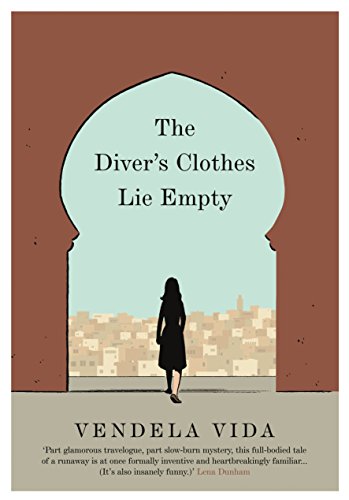
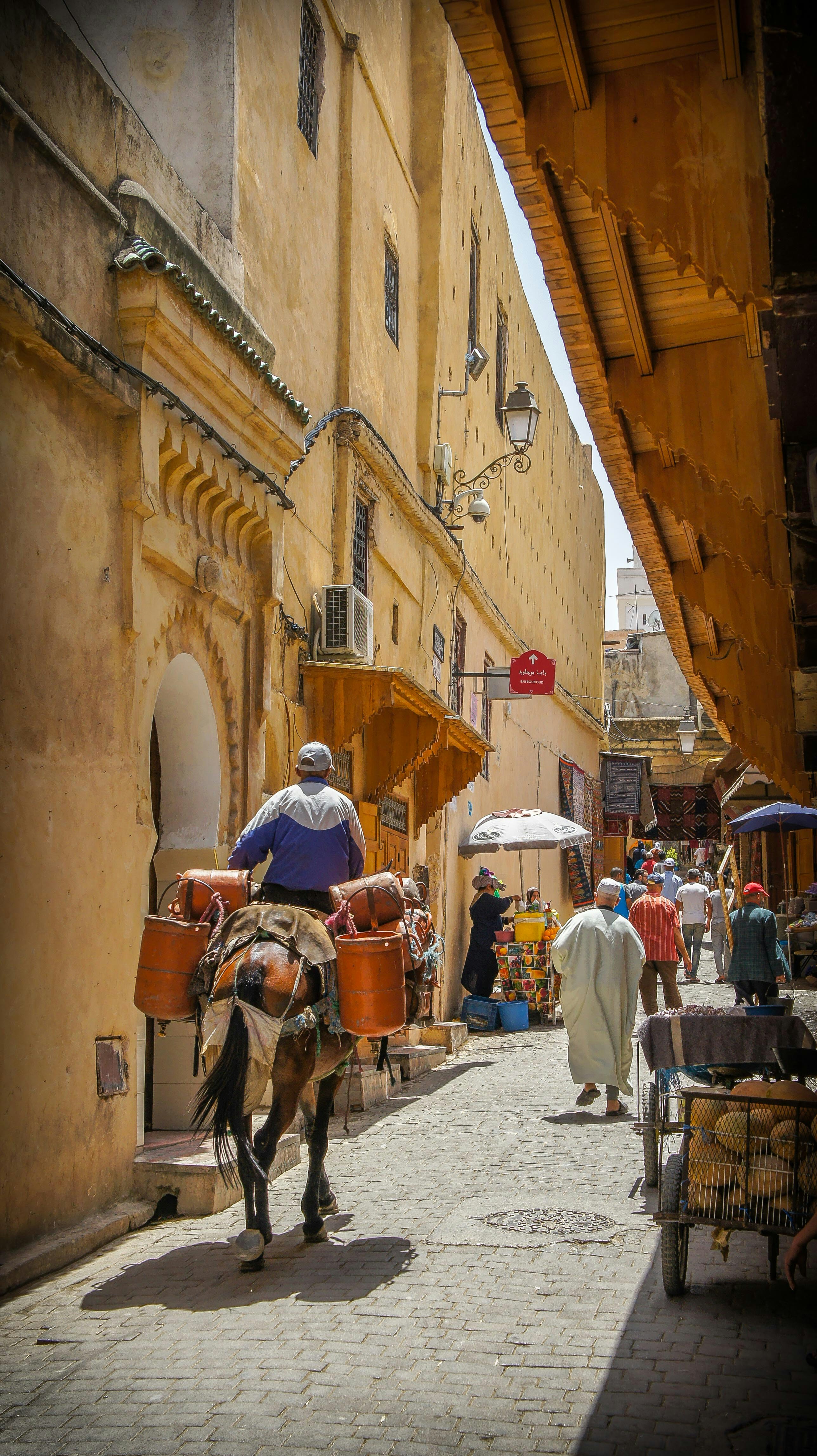
Here’s another book about a woman alone: The Diver’s Clothes Lie Empty, by Vendela Vida. This book is written in the second person, and it distances us from a protagonist who wants to stay distant. She’s a young unnamed woman who’s come – fled perhaps – from Florida to Casablanca. Checking into her hotel, her backpack with all her important documents is stolen. The police ‘find’ it, but it’s not hers, the woman whose documents it contains is not her. But she accepts it. In many ways, losing her given identity suits her. She soon changes her identity again… and again. Her need for anonymity runs deep, perhaps partly from her wish to escape her own face, disfigured by teenage acne. Perhaps because of what we come to know of her story – no spoiler alerts here though. Through what little agency she has, she time and again shifts the ground beneath her feet. This is a novel of profound unease and bewilderment, and distancing our heroine from us by simply calling her ‘you’ is a part of that bewilderment. An unsettling reading experience – recommended.
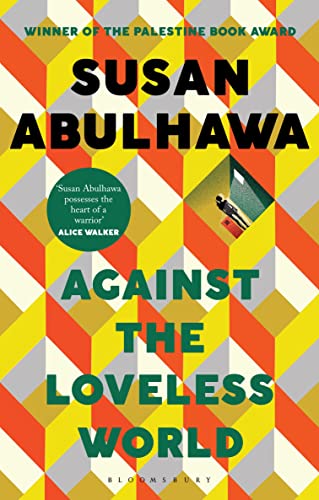
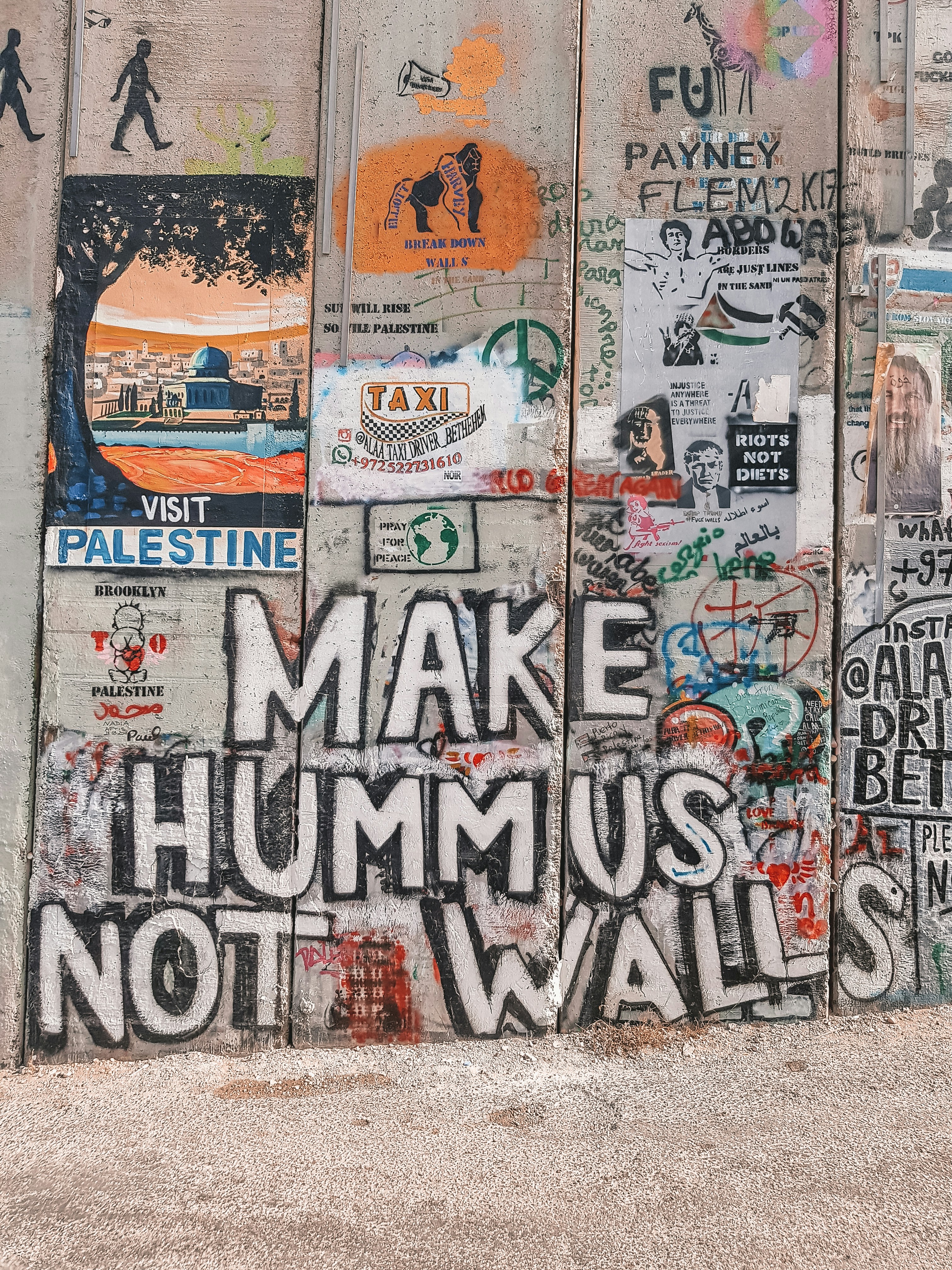
Nahr is another isolated woman, who tells her (fictional) story in Susan Abulhawa’s Against the Loveless World. A powerful story, told by Nahr, a Palestinian woman in solitary confinement for an unnamed act of terrorism. Her time in the Cube, as she calls her cell is recounted in short chapters interleaved with longer accounts of her life thus far. Much of her early life was spent in a Kuwait ghetto where many Palestinian refugees, dispossessed by the Gulf War fetched up. After an unsuccessful school career, Nahr works hard at menial jobs to save up so that her brother can avoid her fate by going to medical school. She meets an older Kuwaiti woman who blackmails, prostitutes but also loves her, propels her into high-end prostitution. Marriage to a freedom fighter saves her reputation – and his – but he’s a closet homosexual who soon deserts her for his lover. I don’t want to reveal more of the story, but eventually she returns to Palestine and finds close relationships and a political awakening that changes her life forever. This timely read, detailing the brutal legacy of Israel’s ongoing occupation of Palestine is both powerful and thought-provoking. Though it is of necessity one-sided, it should be required reading for anyone wishing to understand recent Palestinian history. The shock waves of recent events continue and escalate.
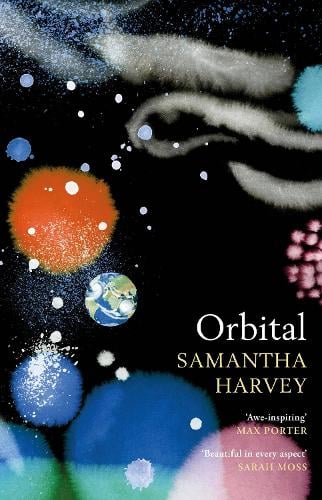
Isolation seems to be developing as a bit of a theme here. Here’s isolation of a completely different kind. Orbital, by Samantha Harvey. Six astronauts (two of them are cosmonauts), all from different countries, some male, some female, orbit the earth in their International Space Station. We visit them for one day only, as they travel 16 times round the globe. We experience with them the wonder of this journey: the brush-stroke beauty of the landscapes they view from afar, as well as tiny detail – headlights, fishing boats. We accompany them as they go about their often mundane daily experimental tasks. Or using the treadmills that are part of their daily routine. Or we see their sleeping bags, billowing in weightlessness: the spoons they eat with, attached by velcro to the cabin wall. We perceive aspects of their life back on earth – children, a loveless marriage, a trusting partnership. The book moves through the spectacular and the ordinary, distance and intimacy and invites us, the readers, to wonder too.
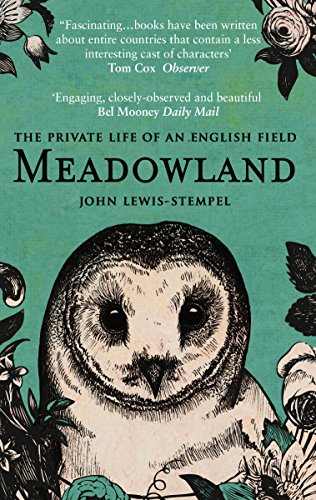
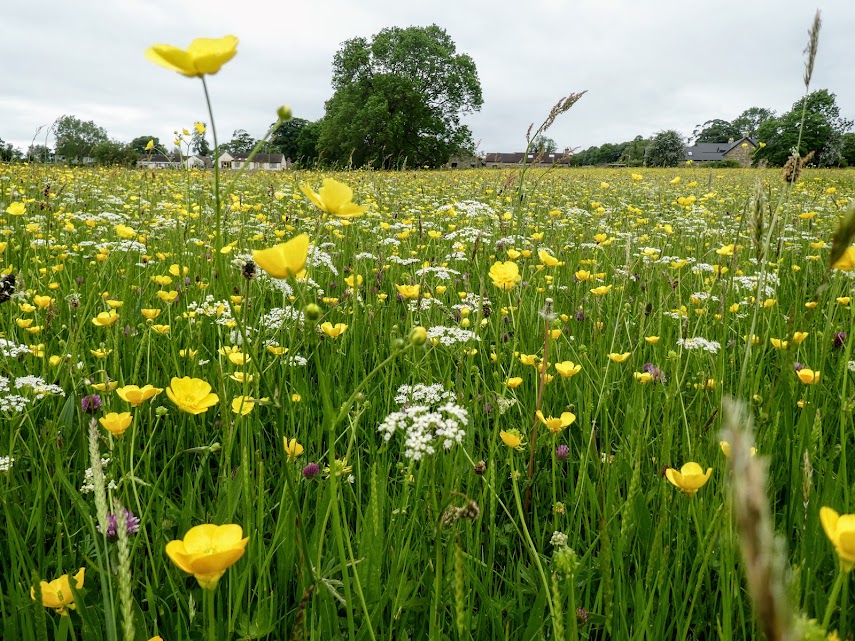
Wonder at the earth? Let’s look at Meadowland: The Private Life of an English Field, by John Lewis-Stempel. An utterly absorbing account of a year in the life of an English meadow. From harsh January, through the months in which warmth and life returns, to busy summer and autumn and back to chilly dormancy again, John Lewis-Stempel notices and absorbs everything. He sees birds, insects, animals and plants in microscopic detail. He relishes smells, tastes and sights. He enters fully into the life of his traditional meadow, one that may have existed for many hundred years. A celebration of traditional country scenes, leaving the reader with a campaigning zeal to preserve the rich variety of life it contains if sympathetically managed and left to itself. As he himself says: ‘To stand alone in a field in England and listen to the morning chorus of the birds is to remember why life is precious.’
Isolation seems to be a theme here. Will that continue next month, when we’re invited to start our chain with a favourite travel guide?
My first five photos come courtesy of Unsplash: Alexander Andrews; Levartravel; Vince gx; Annie Spratt; Gallindo Bailey. The final shot is my own.
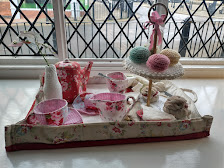
Leaving a coffee shop in town the other day, I spotted this tea set in the window, confected entirely from remnants of cotton, and oddments of wool.
Cheery, isn’t it?
For Bushboy Brian’s Last on the Card.

There are dozens of quotations about shopping, and most of them don’t fit me. I can’t agree with Marilyn Monroe – ‘Happiness is not in money, but in shopping.’ nor with the words from a film I haven’t seen, Confessions of a Shopaholic: ‘When I shop, the world gets better.’ I’m more with Franklin Jones: ‘A bargain is something you can’t use at a price you can’t resist.’ My title quotation is by AJ Lee.
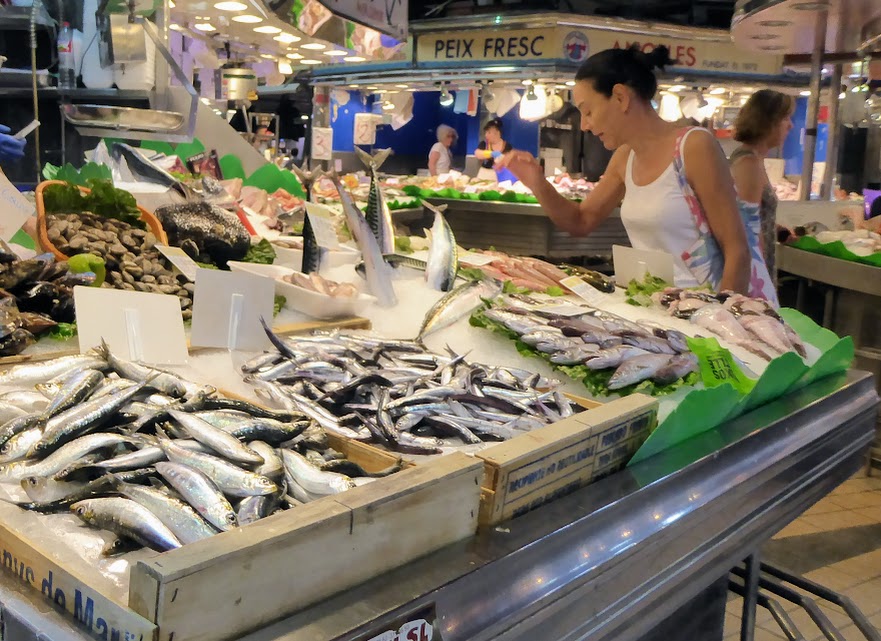
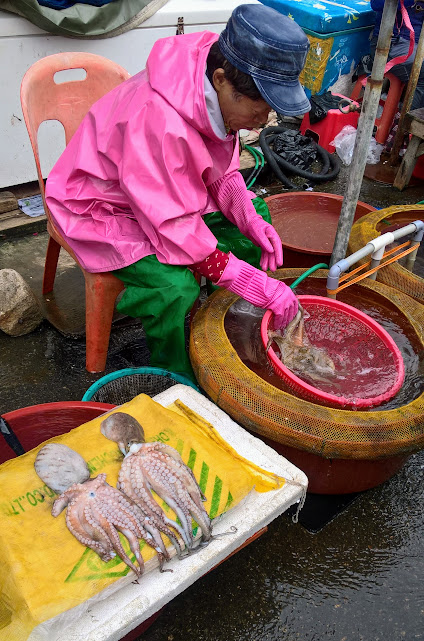
I make an exception though with food shopping- especially abroad, and especially in markets. And even more especially in fish markets. In this country, we seem hardly to extend our reach beyond cod, plaice and haddock, with tuna and salmon as well these days – and even those may be tinned . So a visit to a fish market in Europe or Asia is a revelation. Here are some shots taken in Spain and South Korea, where they seem to catch enough daily to empty the oceans.
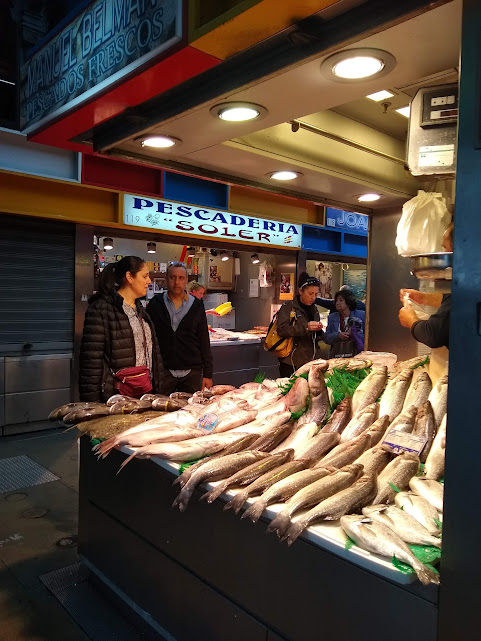
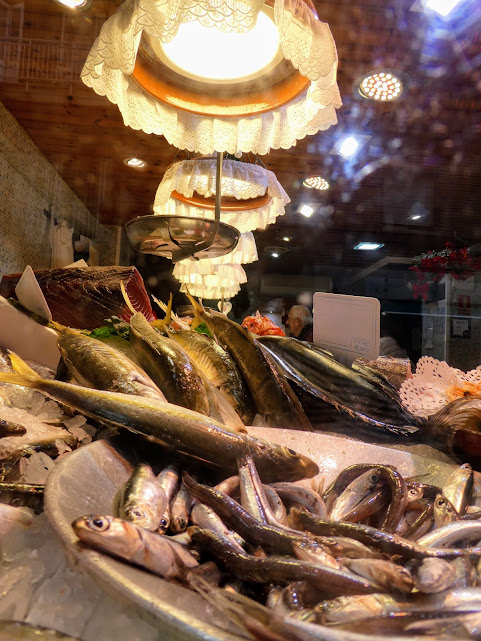
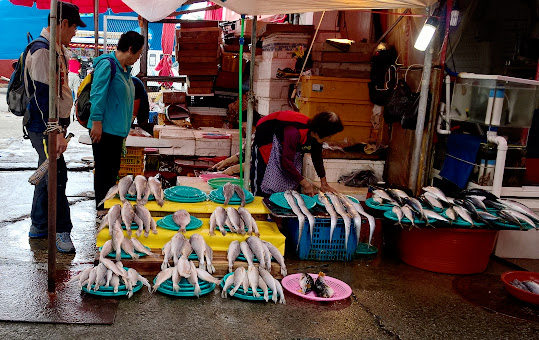
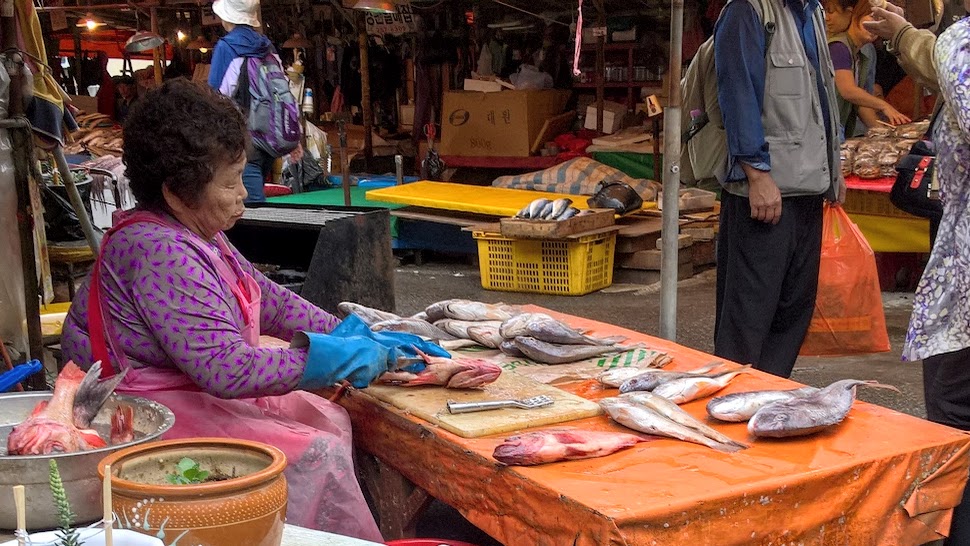
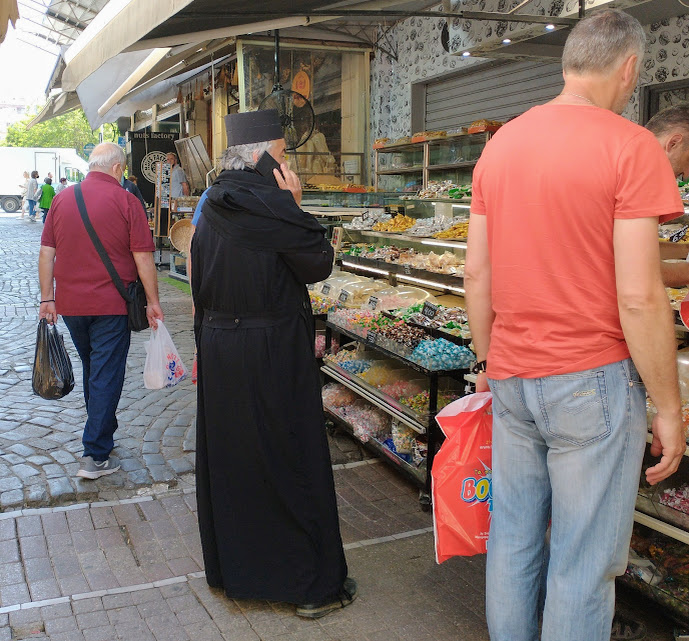
Fruit and veg and groceries seem more interesting in a sunny spot: especially if a fellow customer in Thessaloniki is a Greek Orthodox priest busy on his mobile phone.
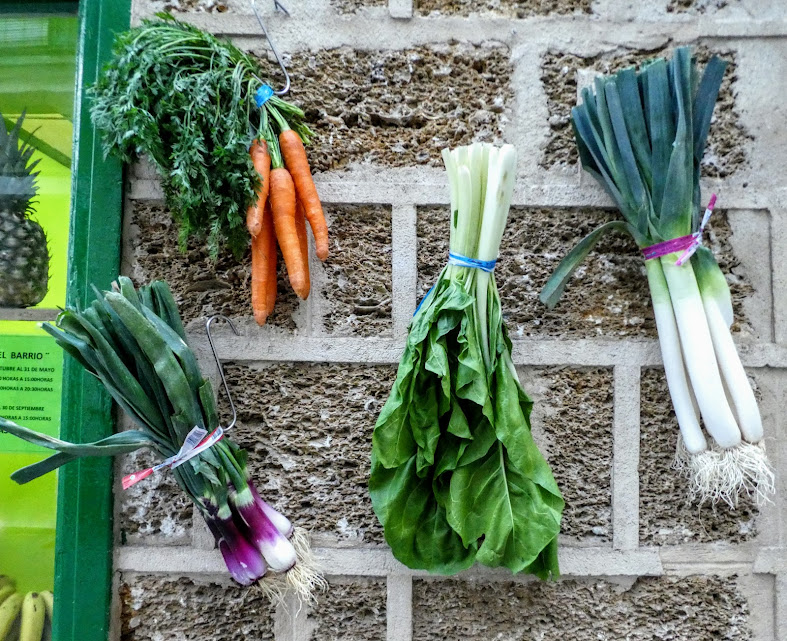
Or if the shopkeeper has made a point of announcing his wares in a very original way, as here in Cádiz.
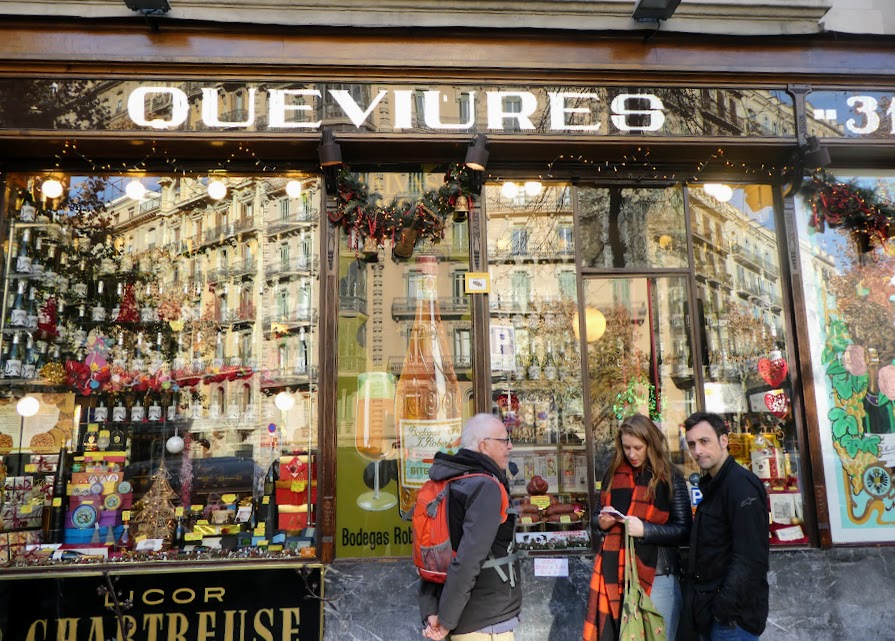
Some shops are so handsome they simply invite browsing. This shop in Barcelona, Queviures, is thinking of charging an entrance fee to those who mumble ‘just looking‘. And look – you get a view of the street behind in the window reflections – for free.
Here’s another – in Newcastle this time – also providing a view of the street it was in.
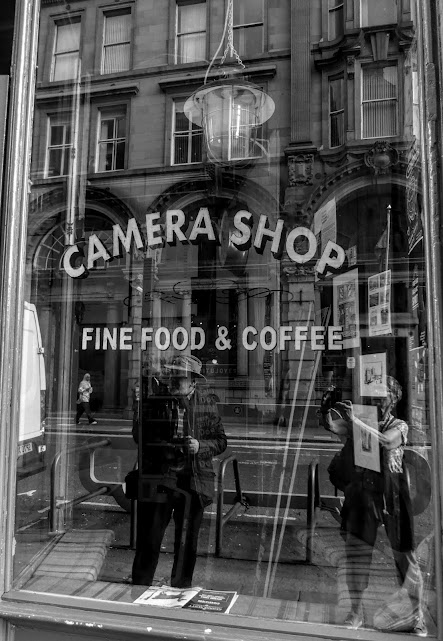
It’s no longer a camera shop. But that day, it wasn’t selling fine food and coffee either. But we had fun photographing it for free.
No clothes shops here. I’ve shopped for clothing exclusively in charity shops for five or six years now – yes, even for my outfit as mother-of-the-bride. And I didn’t look like a bag lady. So I’ve been told. I therefore have no shots of elegant and fashionable clothes emporia. Just this. Once upon a time, this mannequin was the clothes horse for many a stylish window display in Málaga. Her glory days are over.
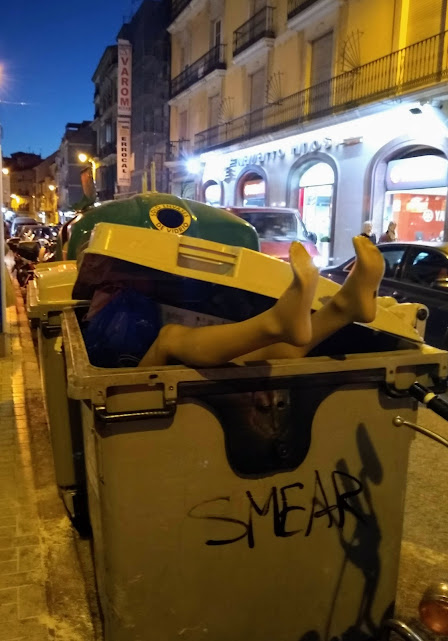
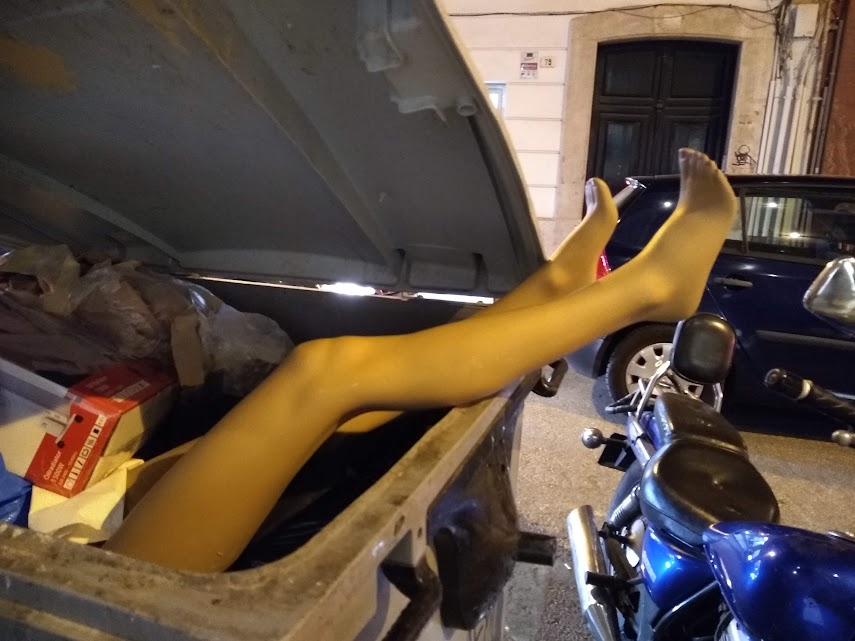
Despite my lack of enthusiasm for retail therapy, I’ve thoroughly enjoyed strolling round markets and shops at home and abroad for Ritva’s Lens-Artist Challenge #288. I’ll never be keen to shop-till-I-drop, but ‘you can always find something you want‘ (Sophie Amurosa). Especially if it’s edible.
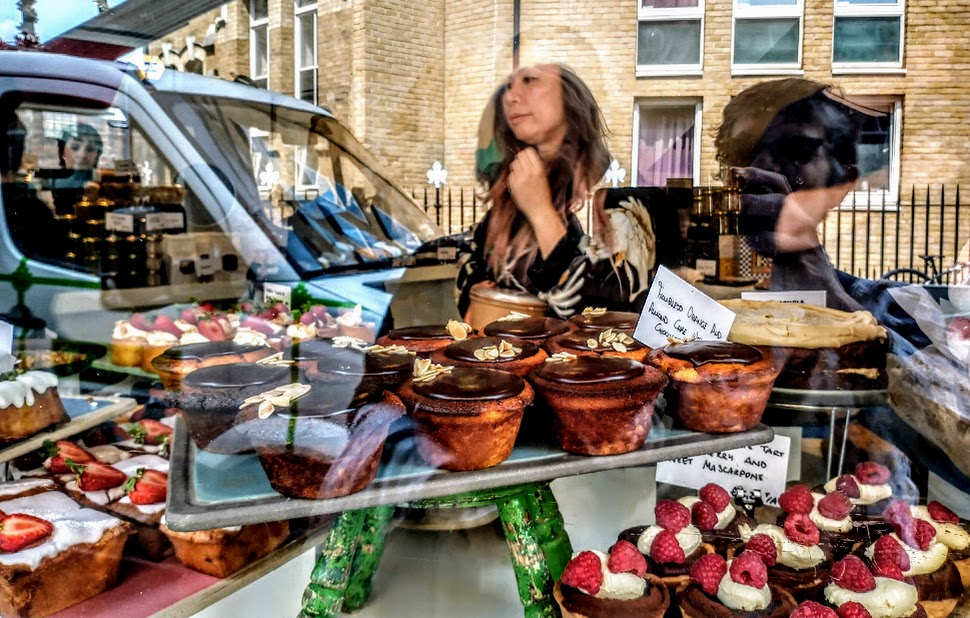
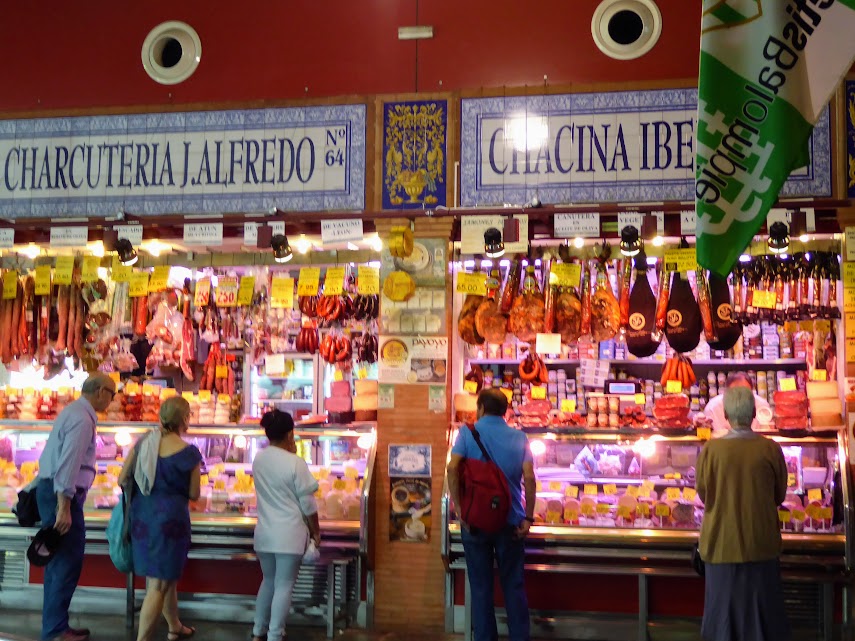
My featured photo is from the indoor market in Seville.

 From Pyrenees to Pennines
You must be logged in to post a comment.