On the first Saturday of every month, a book is chosen as a starting point and linked to six other books to form a chain. Readers and bloggers are invited to join in by creating their own ‘chain’ leading from the selected book.
Kate: Books are my Favourite and Best
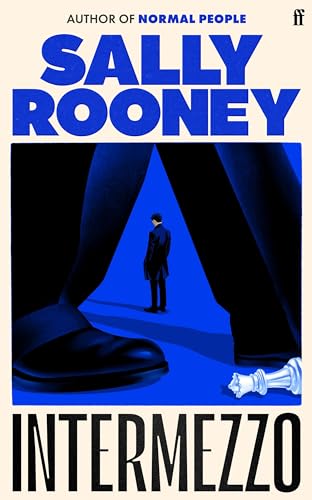
This month’s starter book, Intermezzo, is by Sally Rooney and I have no immediate plans to read it. It’s -apparently – a moving story about grief, love and family. Which seems to leave the field wide open.
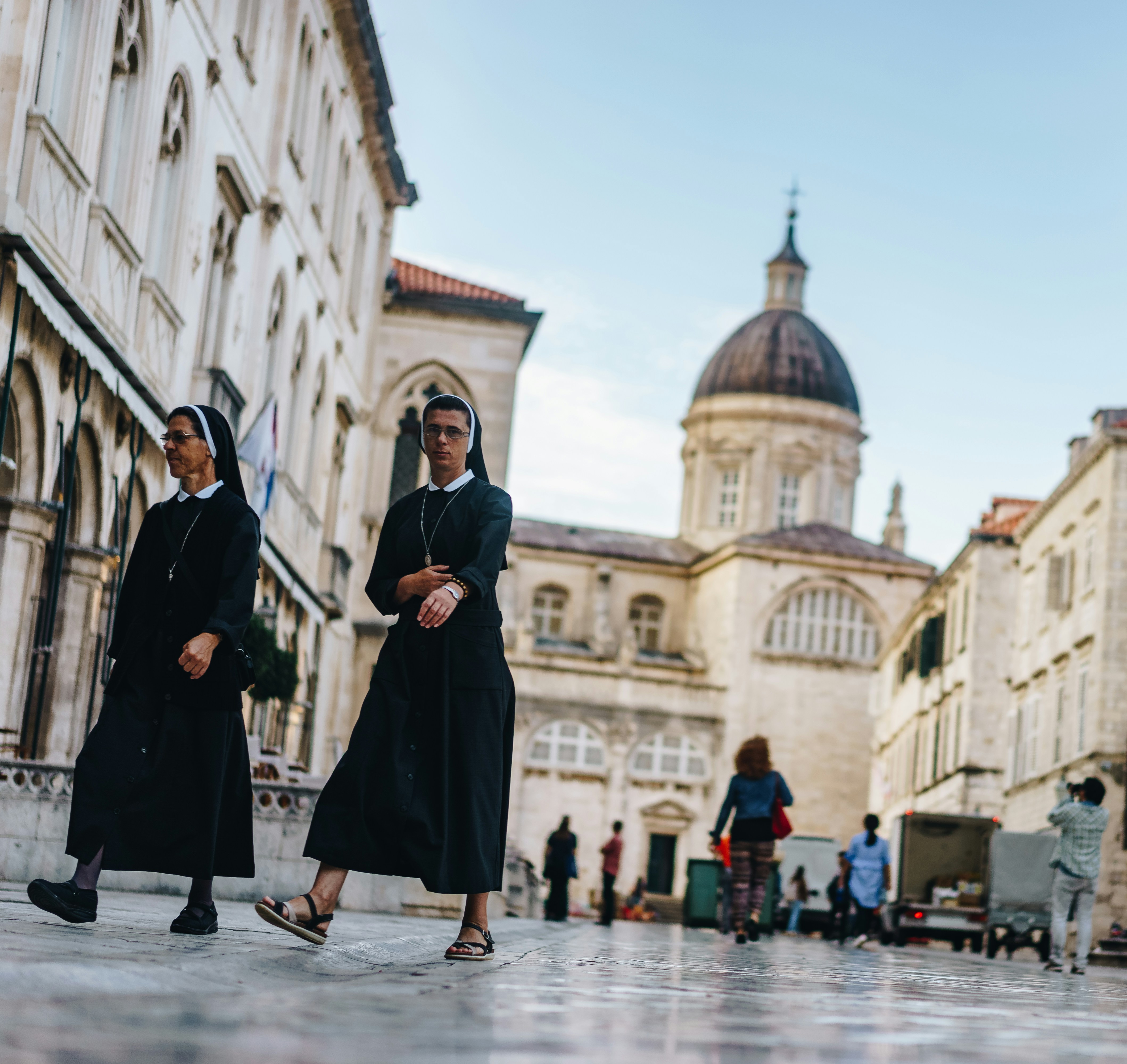
Maybe Stone Yard Devotional by Charlotte Wood hovers round the edges of all these themes. I was somewhat unsettled by this book, which reads somewhat as auto-fiction. It presents as a sort of diary of a woman who has abandoned both her marriage and her job, and thrown her lot with a community of nuns, despite having no religious belief. She takes comfort in the daily rhythms of the convent, and its hard physical work. Events arrive, in the form of the bones of a former member of the convent, murdered in Thailand and transported there by Helen Parry, assured climate activist whom the writer had, with others, bullied dreadfully at school. Even worse is the cataclysmic arrival in the convent of an infestation in their thousands of mice, of over a long period. The writer muses on her past, on her relationships, paying great attention to detail. I’ve a feeling this book may stay with me, though I can’t say I enjoyed the experience of reading it.
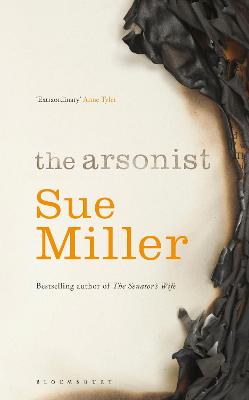
Here’s another woman who’s just made big changes in her life, in The Arsonist, by Sue Miller. It’s an engaging book, whose central character is Frankie, home on extended leave – or is it forever? – from her post as an Aid Worker in Africa. She goes to her parents’ summer house, which on retirement is where they plan to live permanently. And then her father shows increasing signs of Alzheimer’s disease … Frankie’s adjusting to life back in America when a series of arson attacks sweeps the town – just the homes of those who come here only for the summer months. This book is a slow burn in a thoroughly satisfactory way as Frankie starts to find her feet in the community and falls in love. I particularly liked the ending as it (sort of) slowly resolved the mystery surrounding the arson attacks, the changed situation of her parents, her own career plans – and the love affair.
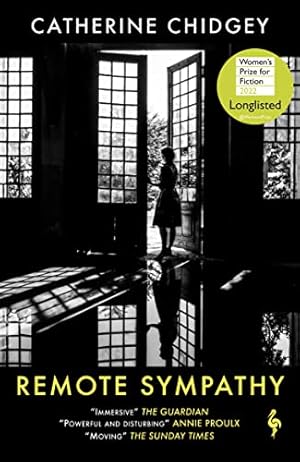
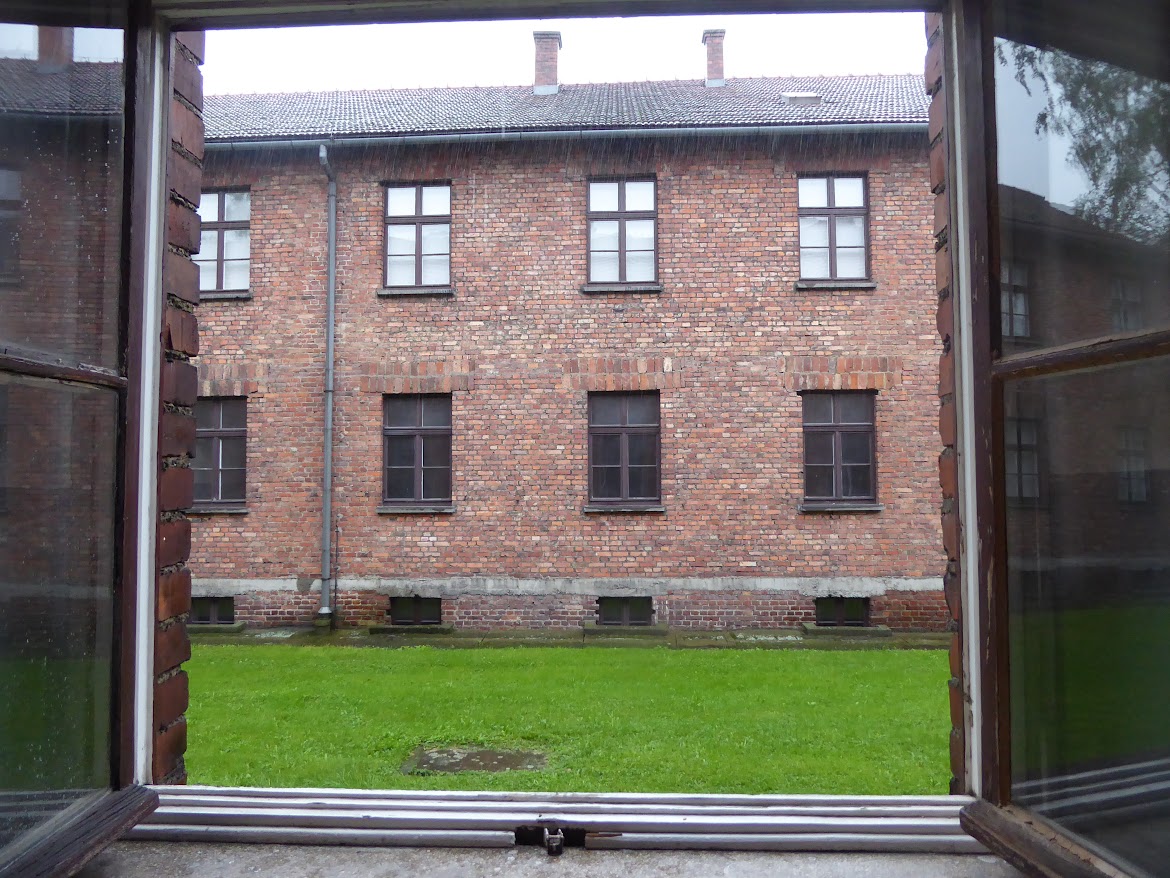
It’s every character who undergoes change in my third book, Catherine Chidgey‘s Remote Sympathy. This is a cleverly constructed narrative, set mainly in and around Buchenwald Concentration Camp, and the nearest town, Weimar. The voices are those of Dr. Weber, a doctor with Jewish ancestors, who is a camp inmate. He has previously invented a cancer-curing machine, only recently found to be ineffective: Frau Hahn, who has reluctantly move to the area with her son, following her husband’s appointment as camp administrator: SS Sturmbannfuhrer Dietrich Hann himself: and a 1000 voces from Weimar – the collective voice of the town’s citizens. The narrative cleverly contrasts the opulence and ease of the Hahn’s lifestyle with that of the camp inmates’. The terrible lies believed by the town’s citizens, and by everyone outside the camp itself are exposed as the plot develops to allow Frau Hahn and Dr. Weber to meet in uncomfortable and deeply painful circumstances. This exhaustively researched novel depicts the holocaust anew. It’s sensitive yet powerful in its exploration of human feelings and emotions, and is both moving and involving.
Family relationships as seen through the prism of politics and power is the theme of Annie Garthwaite‘s The King’s Mother. A fine sequel to Garthwaite’s first book, Cecily. This narrative about the troubled reigns of her sons Edward (IV) and Richard (III) is brought to life in the story told from the perspective of their redoubtable mother. It offers a rounded perspective of life as it must have been at that time. Being rich, powerful and influential was no passport to an easy life, with allies becoming sworn enemies , and enemies friends, for a whole variety of reasons both good and bad. Richard in particular is sensitively portrayed, and is a different one from his image in popular mythology. I paid attention to the genealogical tables and the notes, because the strong list of characters is not always easy to get a handle on. Not Garthwaite’s fault. That’s the way it was. An involving and powerful story from a troubled period of history.
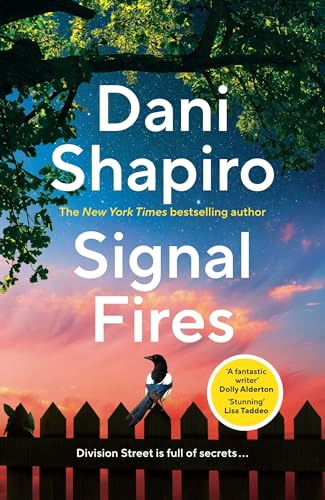
Dani Shapiro‘s Signal Fires also explores relationships. Here is a book about two families living in the same comfortable urban neighbourhood. Their situation – well off, cultured families, one with 2 almost-adult children, the other with one – can’t take away the fact that all is not well. In the doctor’s family, one child was driving the car when an accident they caused resulted in the death of a passenger. The other family’s highly intelligent son disappoints the father, because he’s not following the track his father had mapped for him. The narrative slips back and forth between various decades, allowing each of the principal characters a voice each time. This tender and moving novel with several sub-plots looks at different family dynamics, exploring guilt, penitence and loneliness.
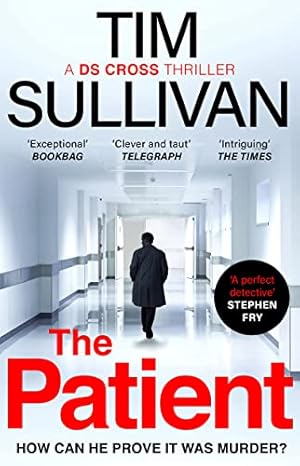
Just to add something completely different to the mix, let’s go off piste and meet someone who’s rubbish at relationships, in Tim Sullivan‘s The Patient. George Cross is an unusual detective, in that he is neuro-diverse. His autism however, is what gives him focus, and an unusually fine attention to detail that others miss. His logical brain stands him in good stead. But he’s often awkward, rude and therefore misunderstood. His single-mindedness means that he determines to follow a case involving a woman who’s died, even though it’s already been decided by the Crime Unit that it’s a suicide. His obstinacy pays dividends, and what had appeared a fairly simply if tragic circumstance is revealed to be something much more complex and wide-ranging. My first George Cross read, but definitely not my last. An absorbing read.
One way or another, this month’s books have all been about relationships. As is next month’s starter book, Catherine Newman‘s Sandwich, which I’ve already read – and enjoyed: perhaps best described as a beach read with a difference.
Photo no. 1 is by Vladimir Šoić on Unsplash. Photo no. 3 is my own, but is an accommodation block from Auschwitz, not Buchenwald. Photo no 4 is also my own, of Alnwick Castle: the next nearest castle to Raby where Cecily Neville was born. Photo no 6 is by Gerda on Unsplash. Photos 2 & 5 are also my own.


































 From Pyrenees to Pennines
You must be logged in to post a comment.