Night photography isn’t really my thing, so Elke, this week’s host for Monochrome Madness, provided me with a real challenge when she proposed Night time as her theme.
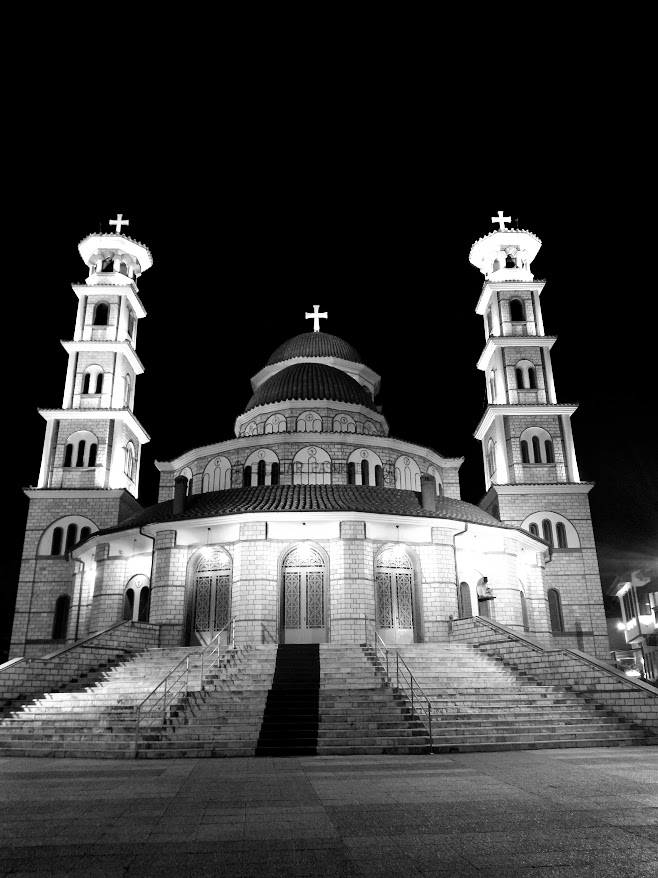
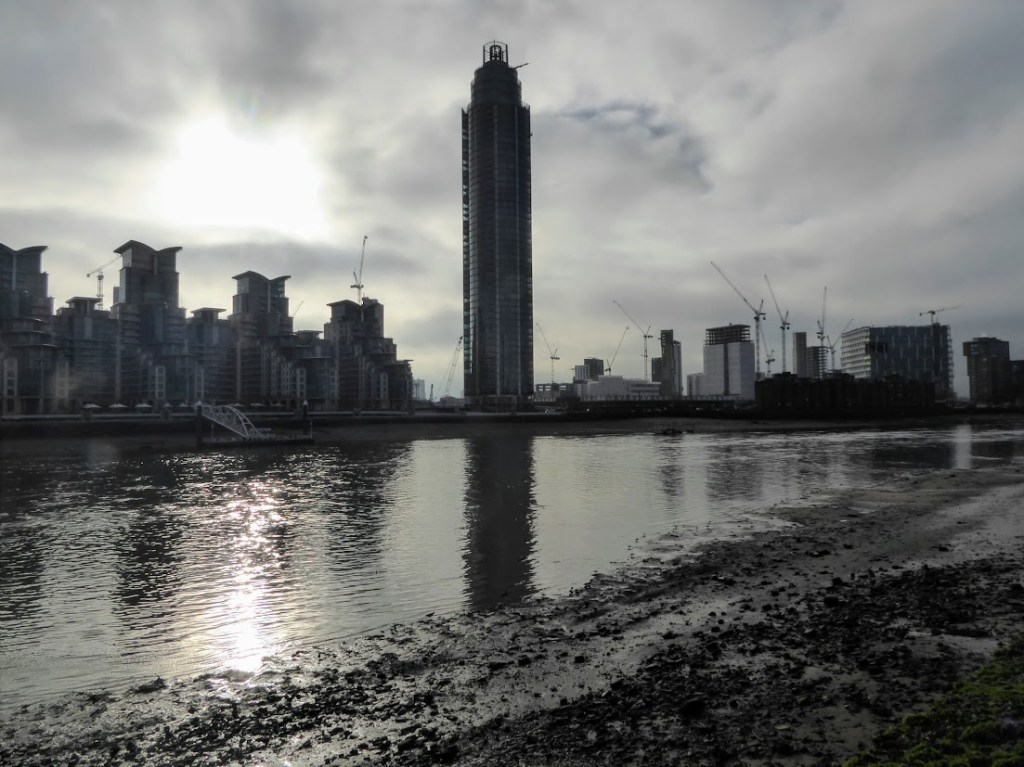
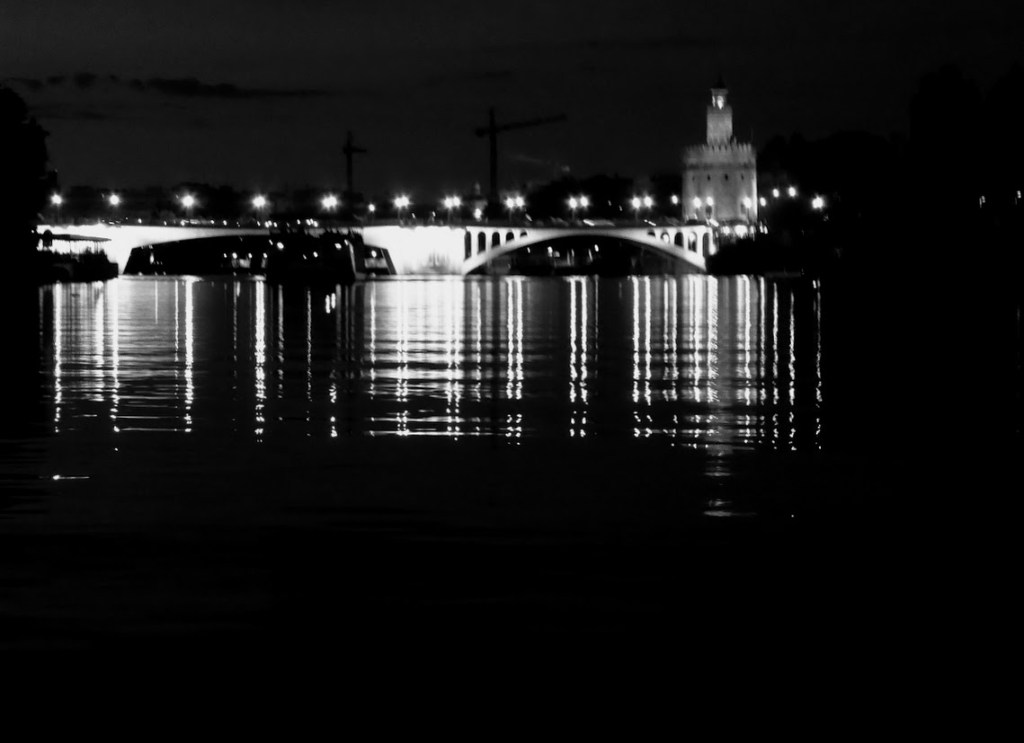
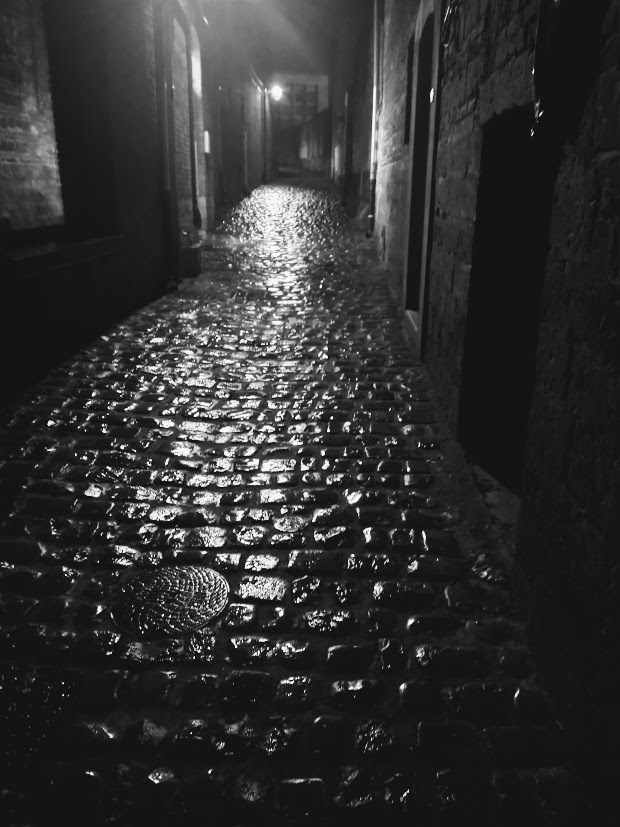
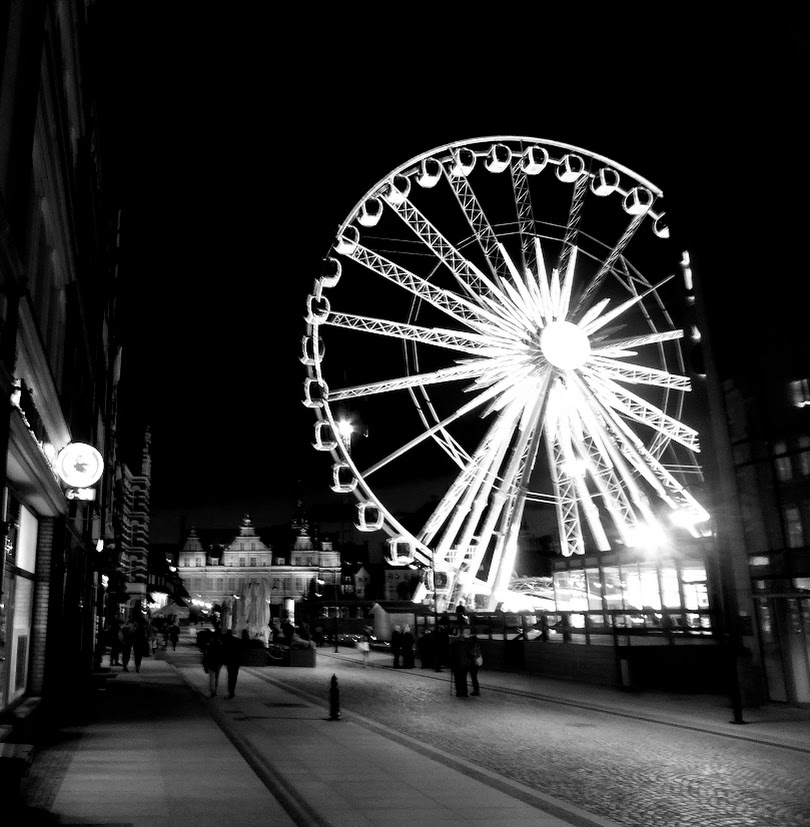
Unsurprisingly, towns and cities provided me with a few ideas. Let’s go on a quick tour. Let’s visit Albania, England, Spain, France, South Korea and Poland…
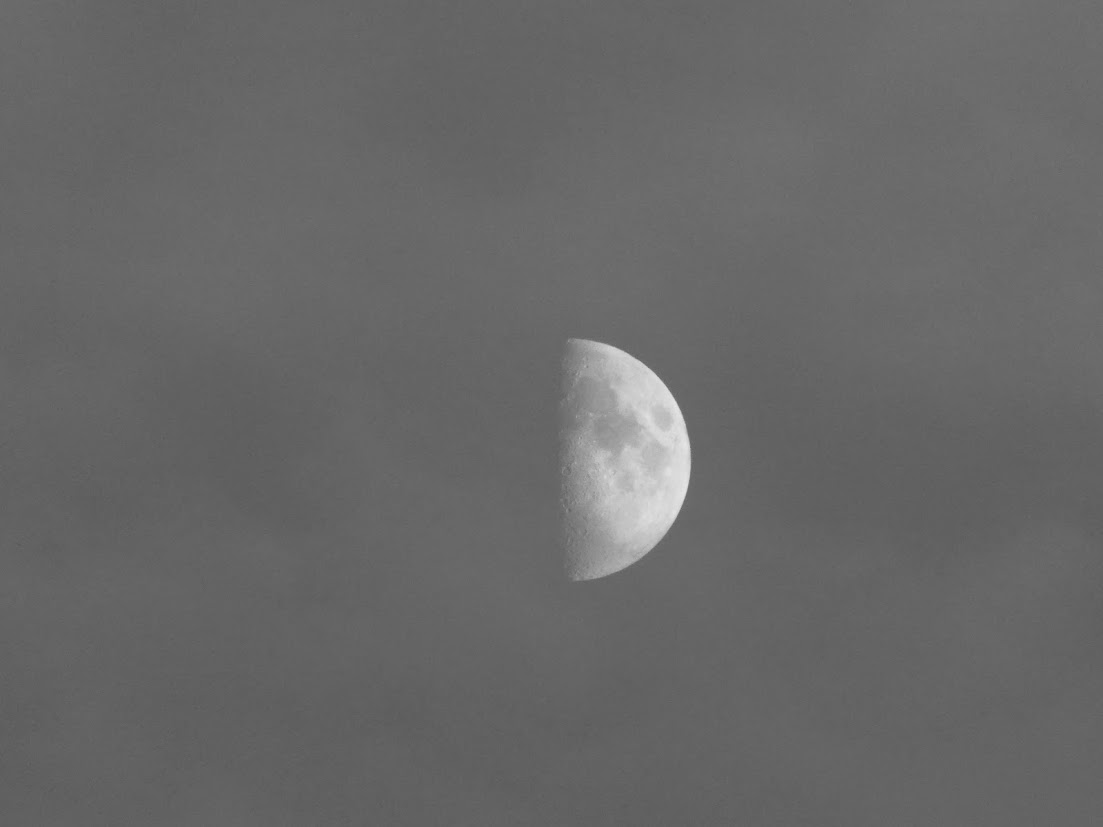
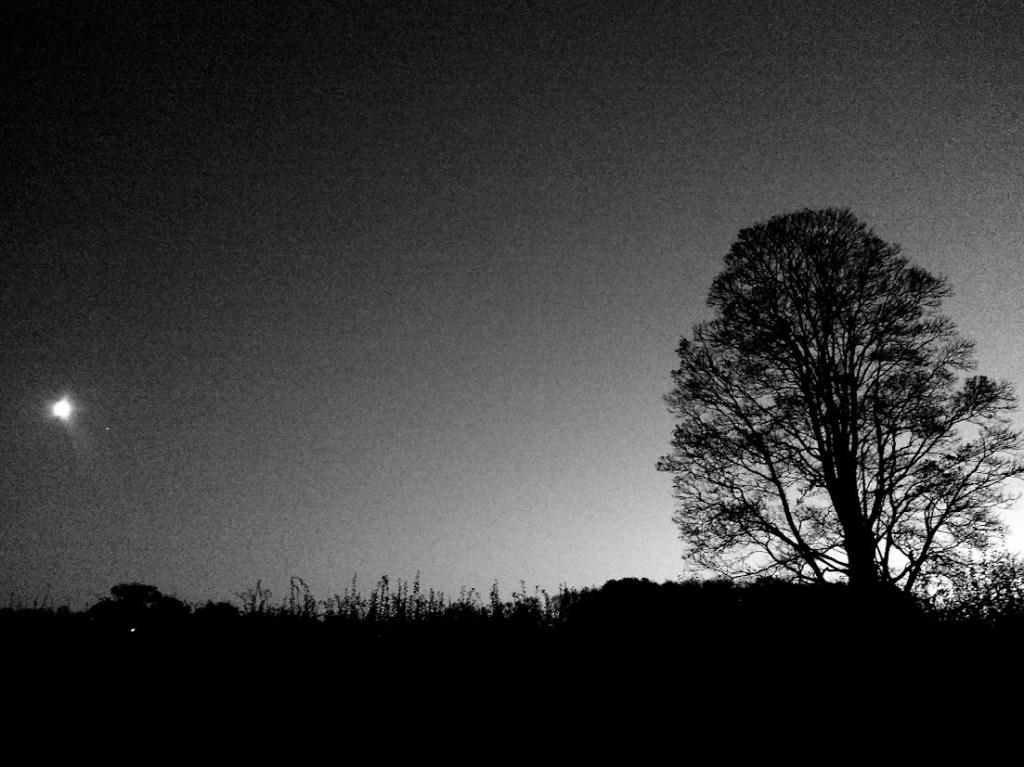
Really though, Country Mouse prefers to dodge big cities. My featured photo is of the moon as darkness fell recently, while the photo below was taken just at the end of the road.
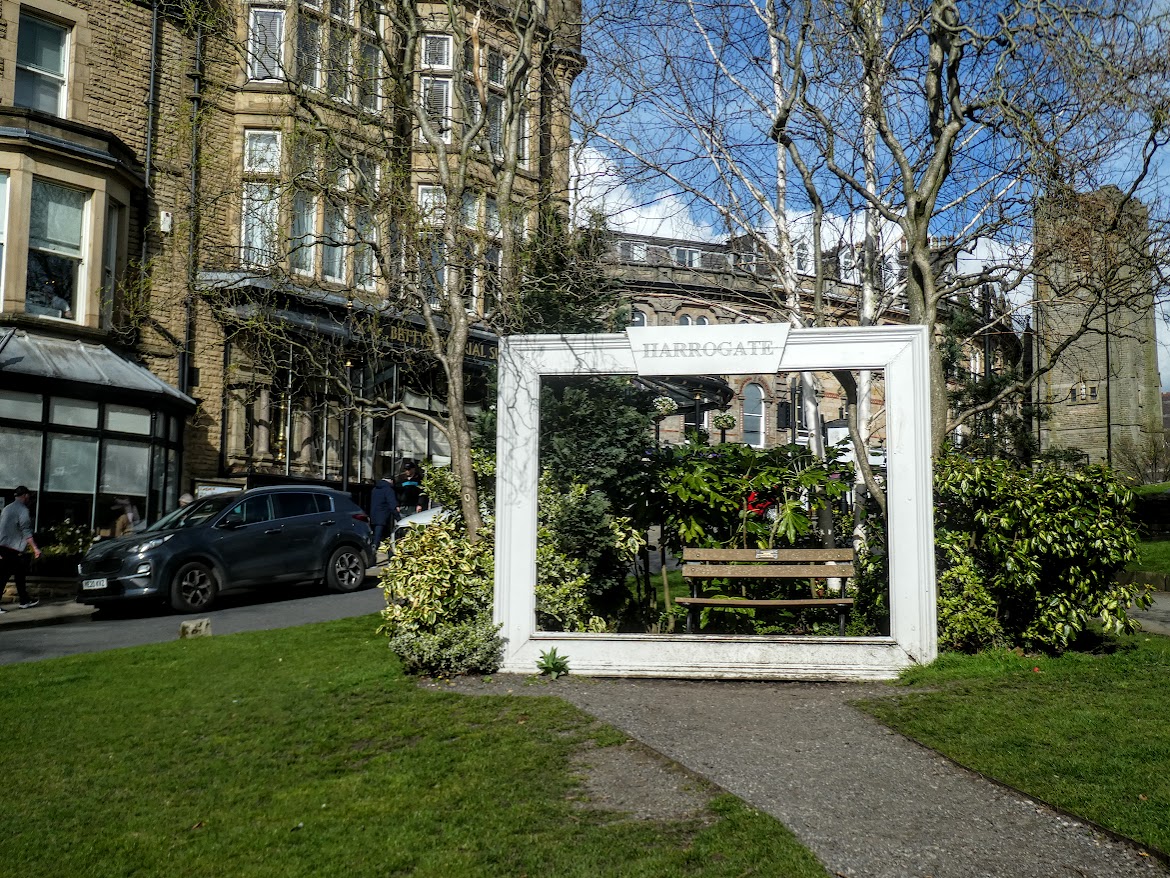
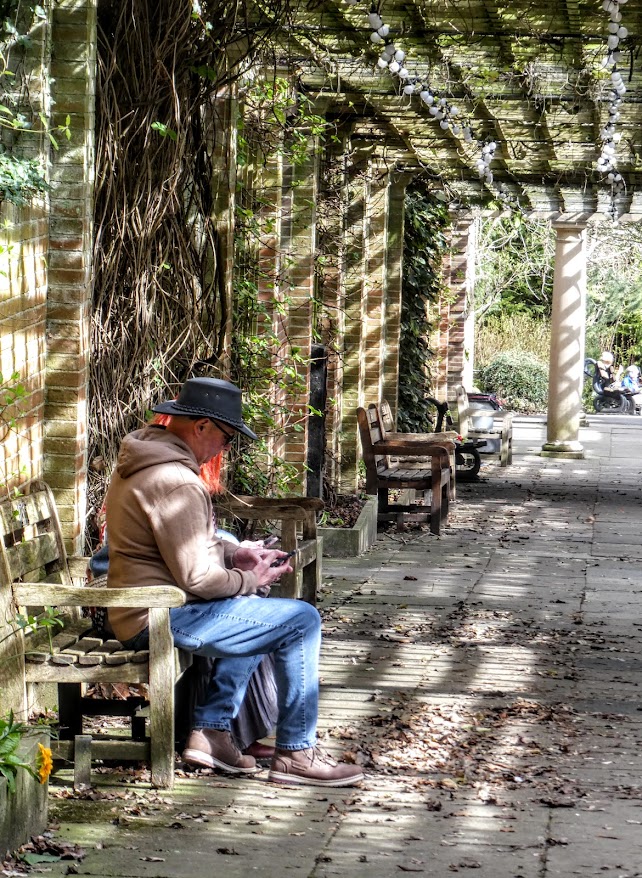
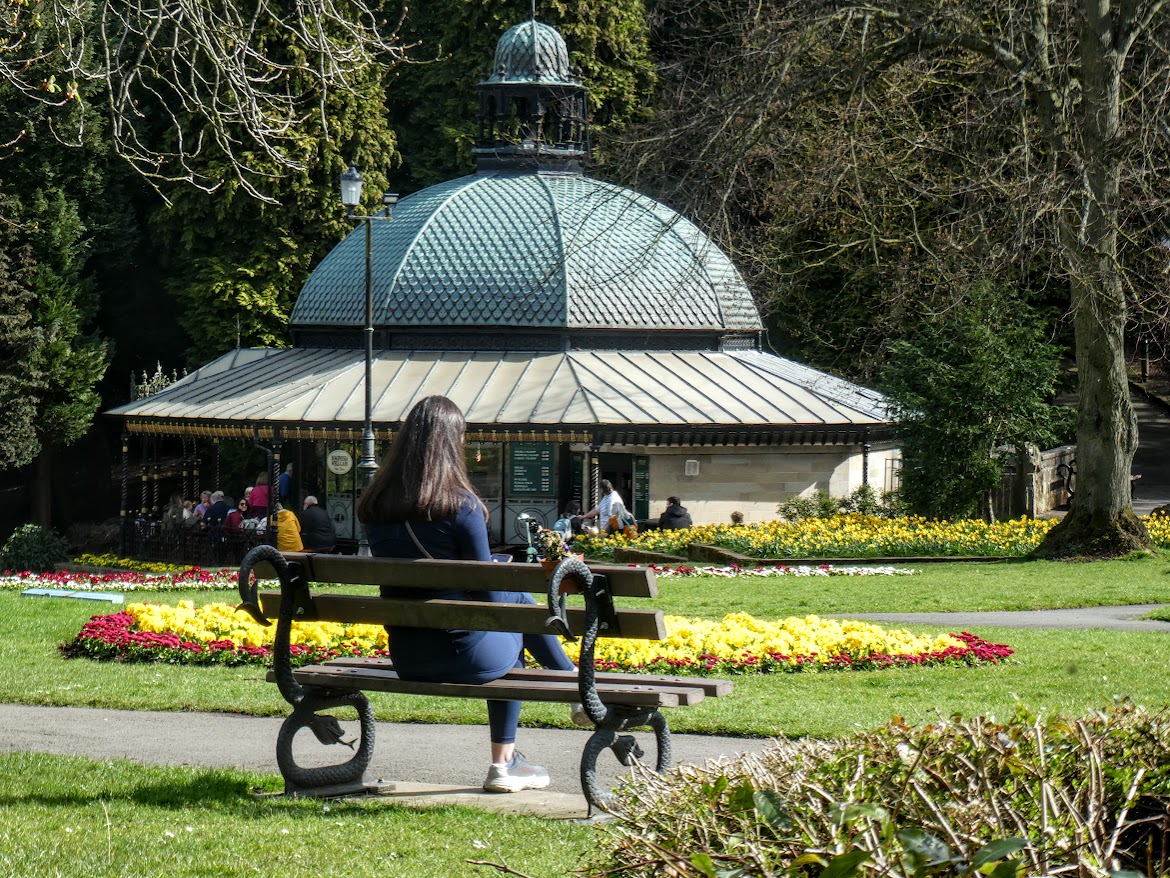
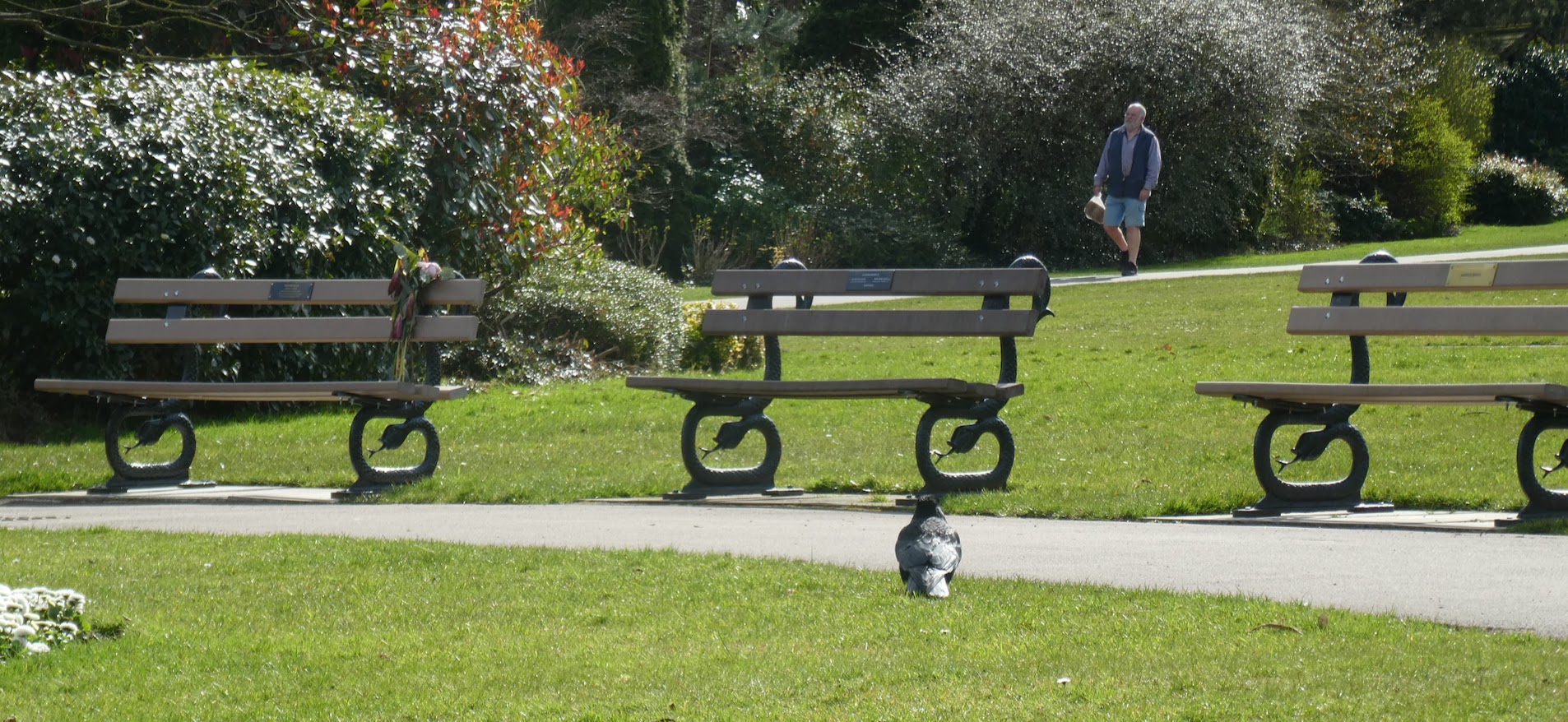
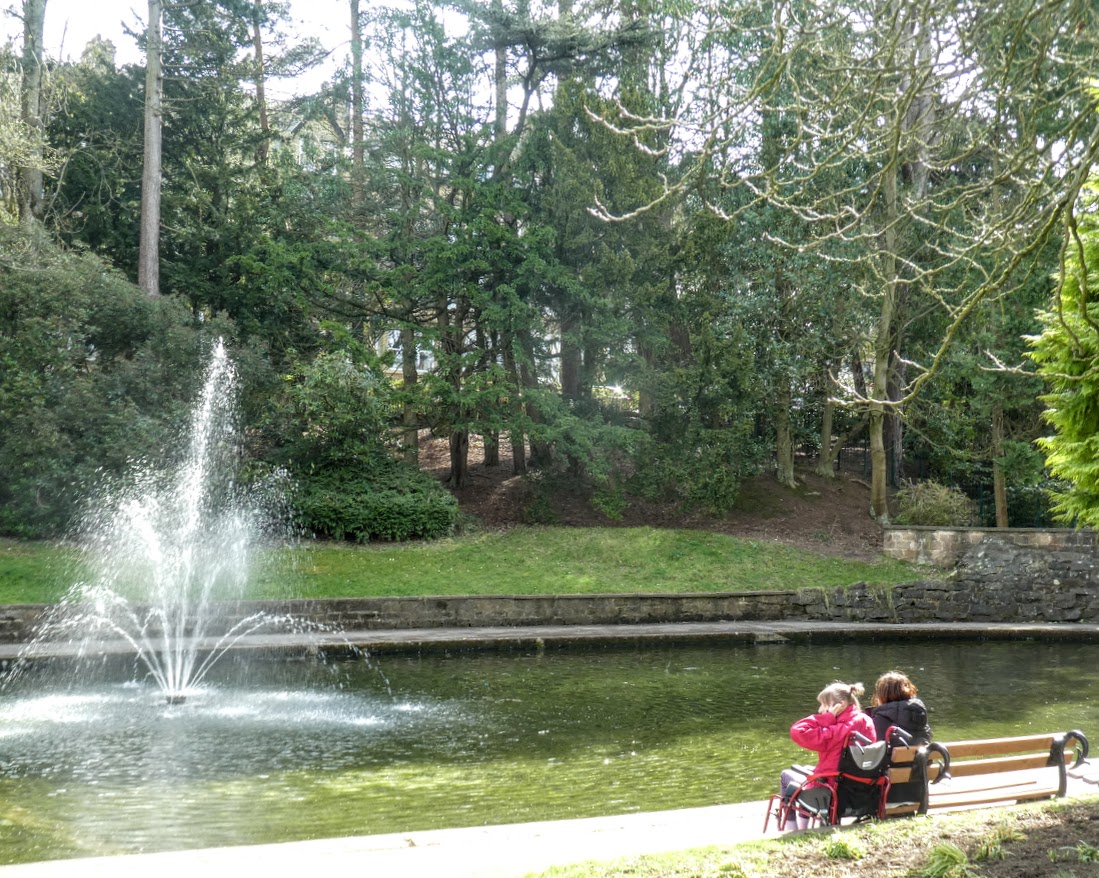
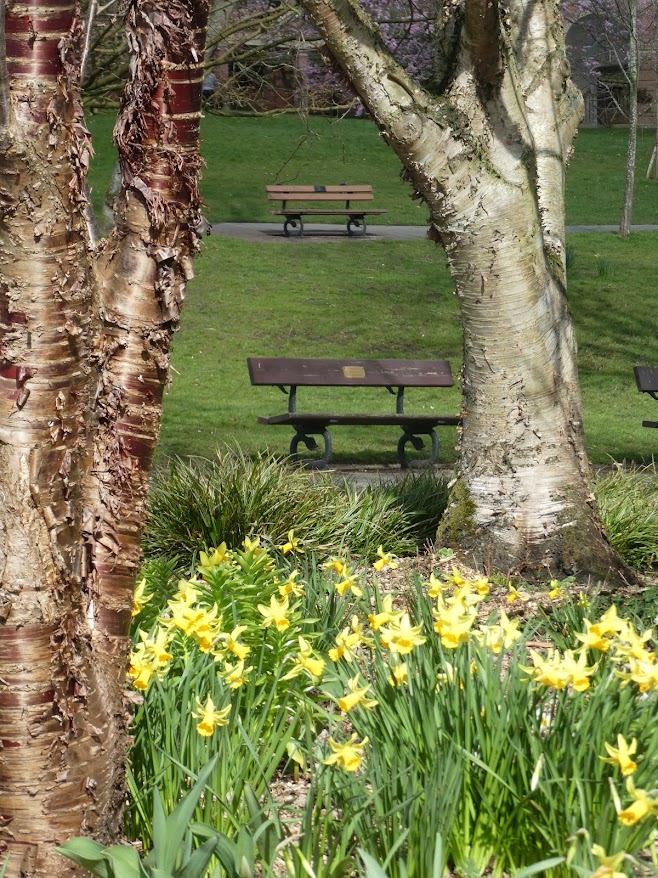
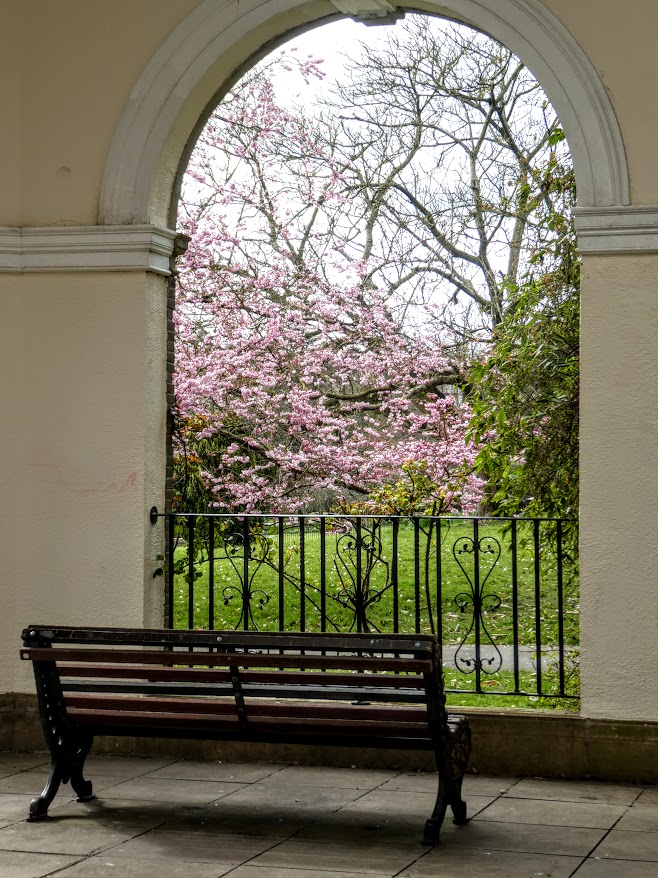
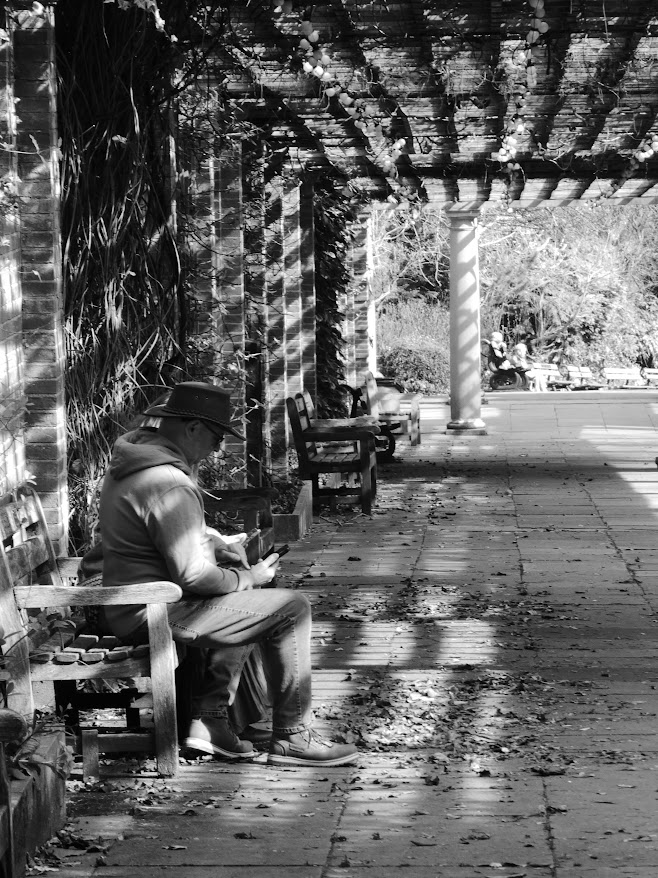
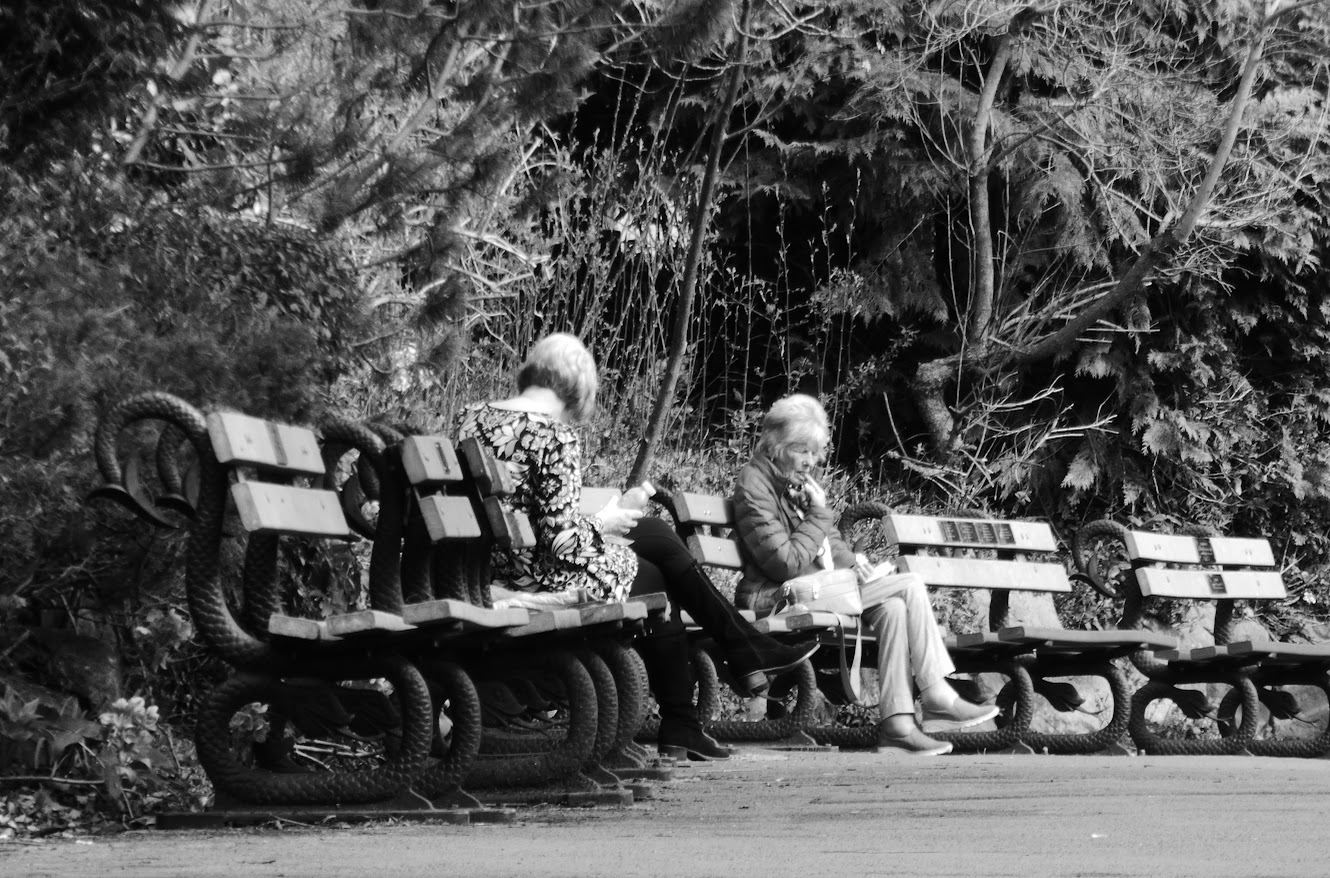
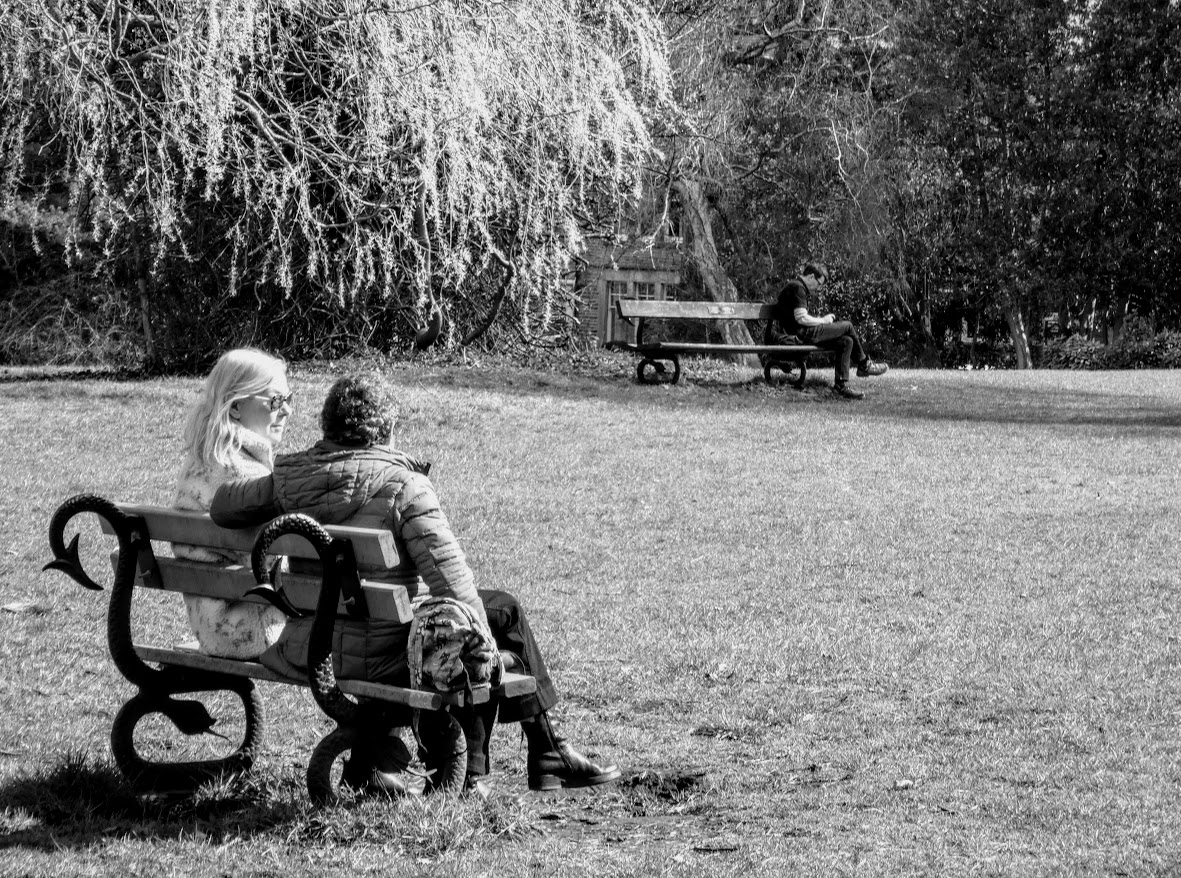
I spent much of Thursday in this lovely park with some members of my photo club on Thursday. I thought I ought to take a few shots of benches, in among, especially for Jude’s Bench Challenge. Here they are: though the header photo was taken in the town centre, and shows a bench as possible Photo Opportunity. As you see, we declined to take advantage.
I rather enjoyed re-visiting India via my blog the other week. So I went and dug out the diary I faithfully kept. The events it describes have never yet seen the light of day. For the first ten days I was with the group of people my ex-brother-in-law had put together, to explore aspects of rural Indian life, focussing on small producers working in traditional and organic ways. We had no internet access during that period.
I’ve decided to share my diary with you. This will take several Fridays. I’m pleased that I kept such a detailed record of a piece of personal history, and of a country I’d never visited. I wonder how dated this account would seem to the current traveller?
From an Elephant Camp to Madekeri
Monday 10th November 2007
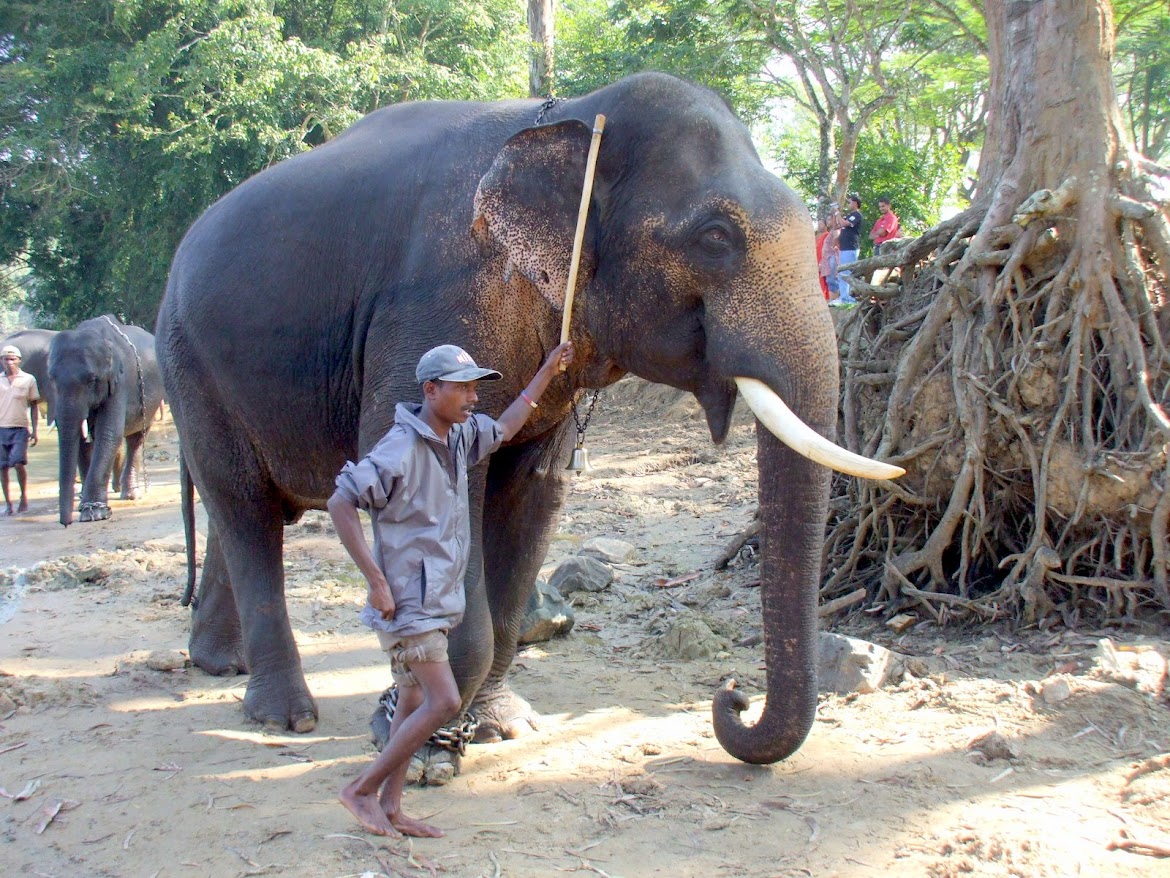
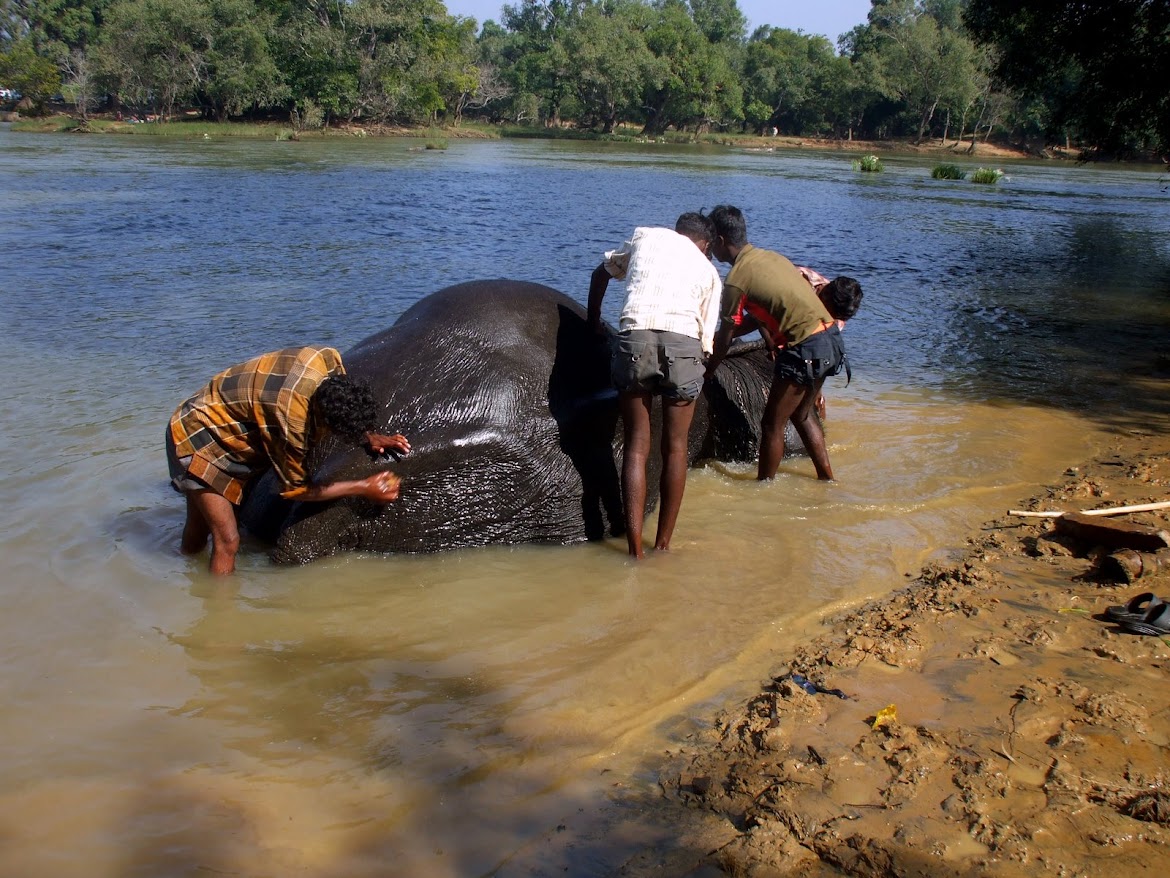
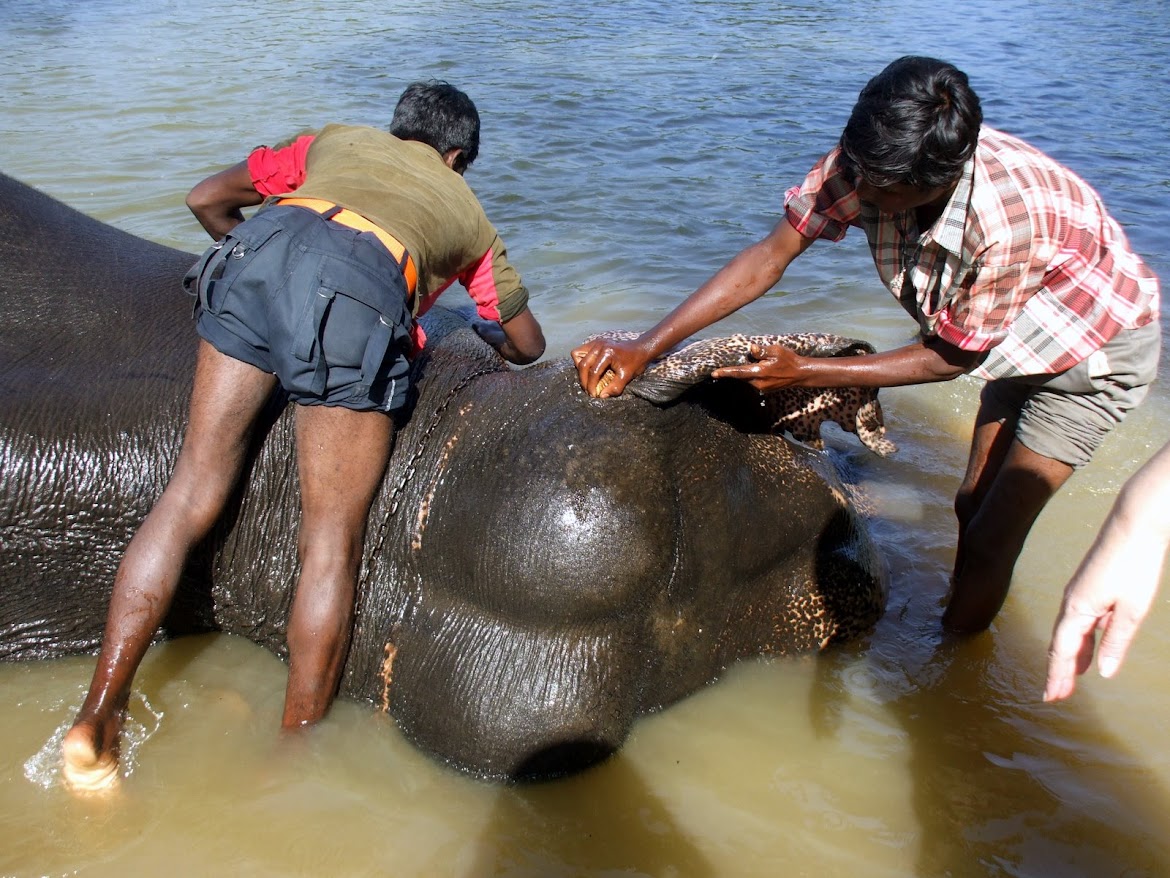
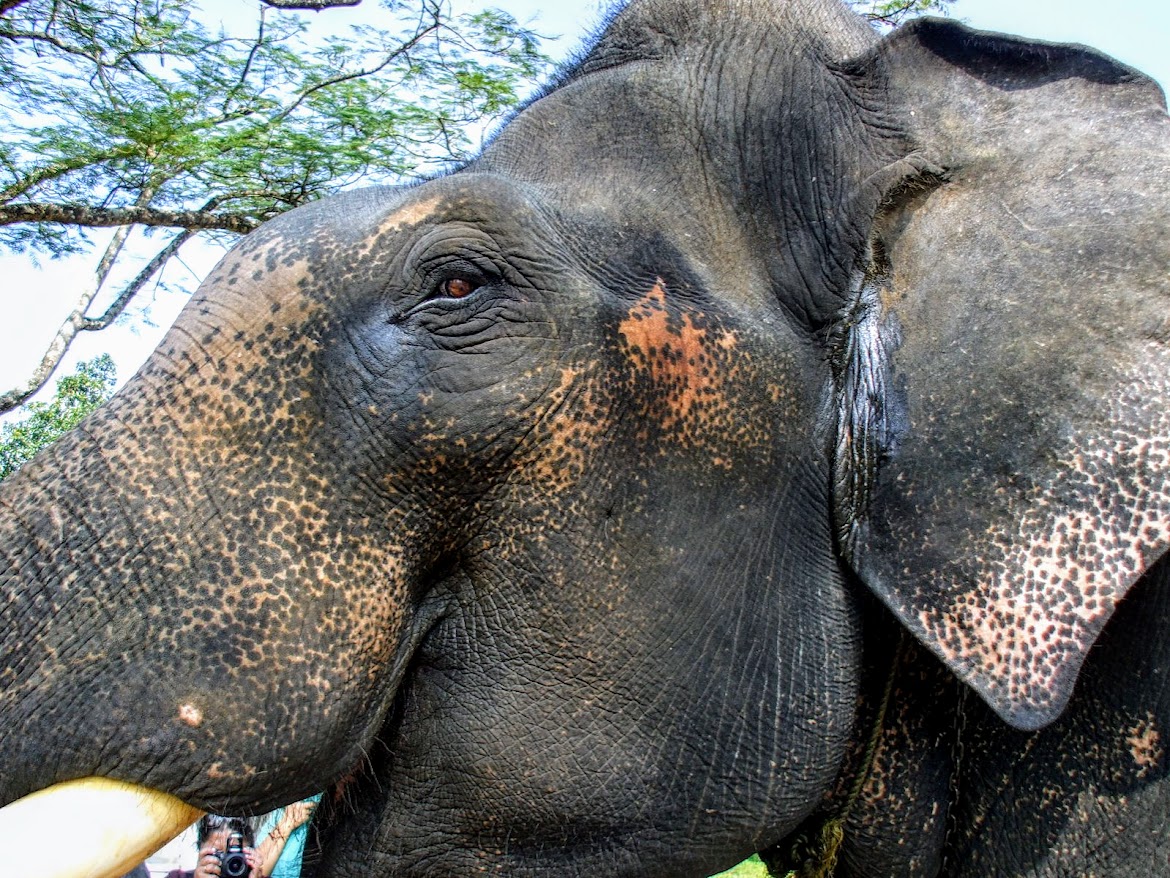
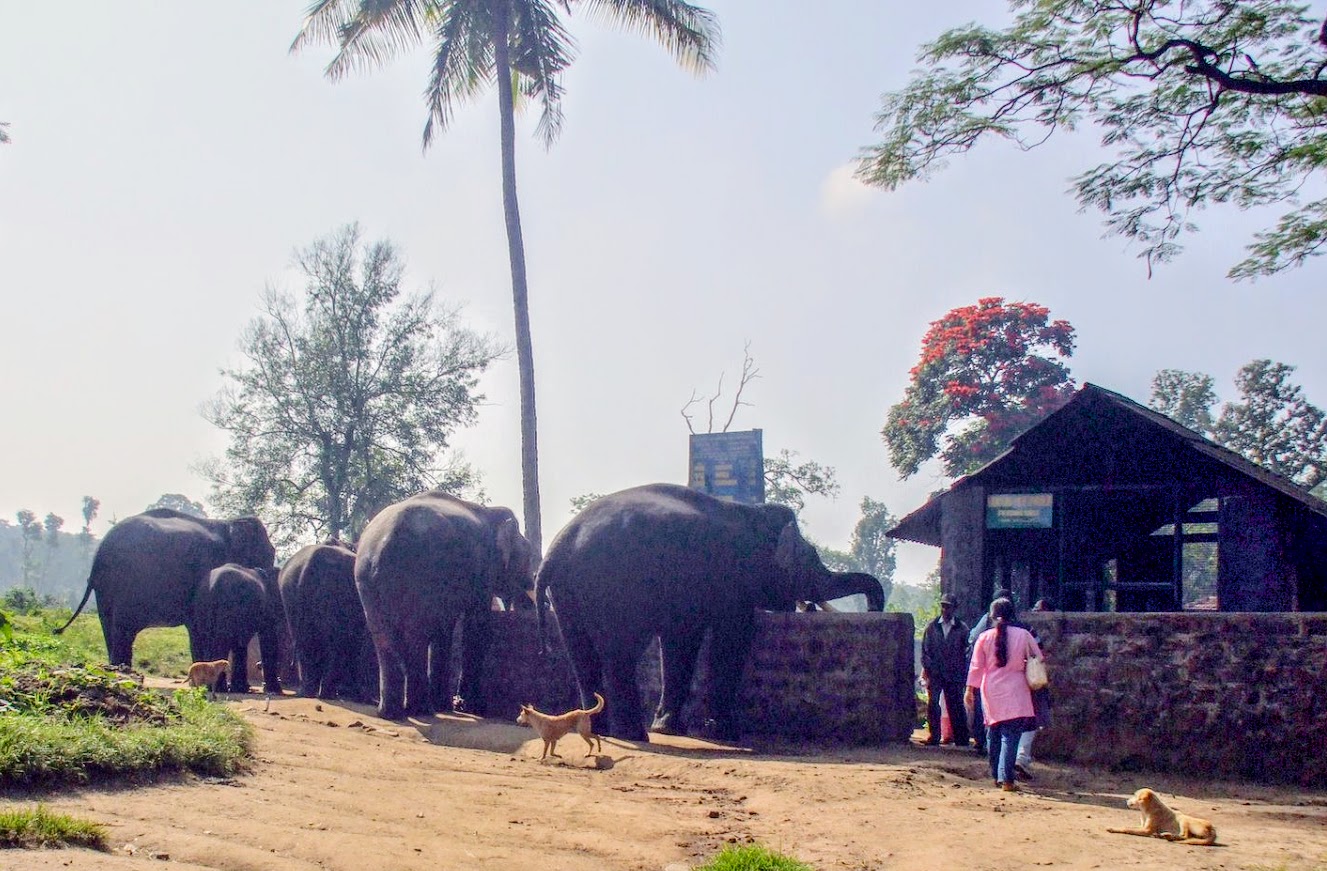
Elephant day. So we were up good and early and set off in two taxis. On the way, we enjoyed seeing school children going to all their various seats of learning – they all looked so smart in their English style uniforms c. 1958 (that was the year I started grammar school, and I looked smart at first too). Dubare Elephant Camp however, was a disappointment. We arrived at about 9.30 to find the washing of the elephants nearly over. Nevertheless it was good to give that hard leathery hide with hard bristly hair a good scratch.
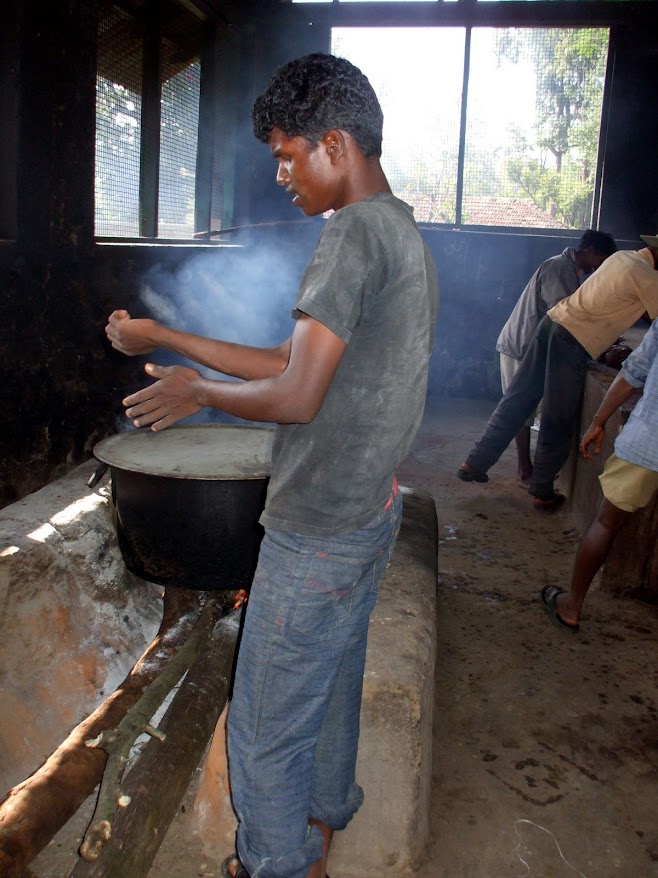
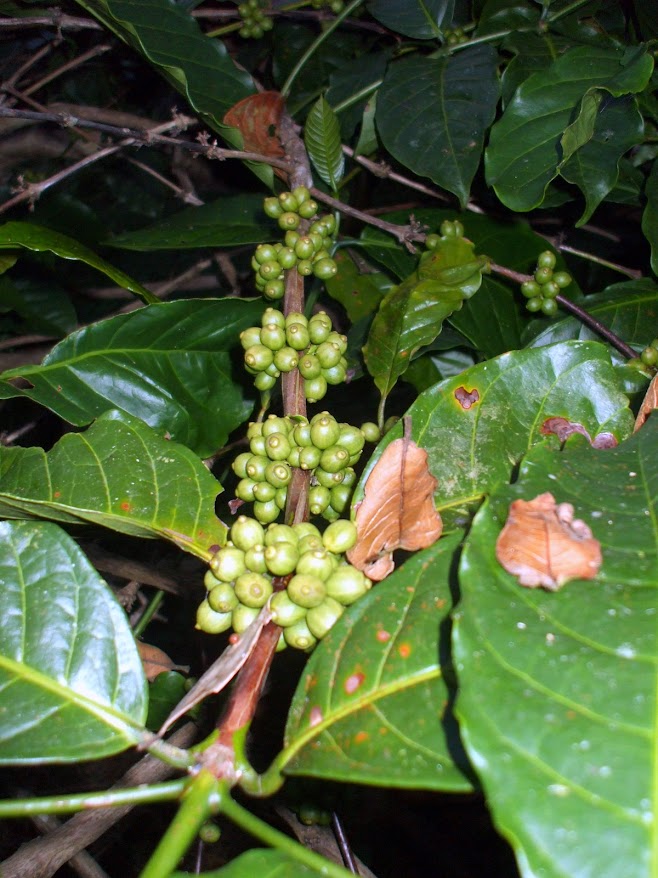
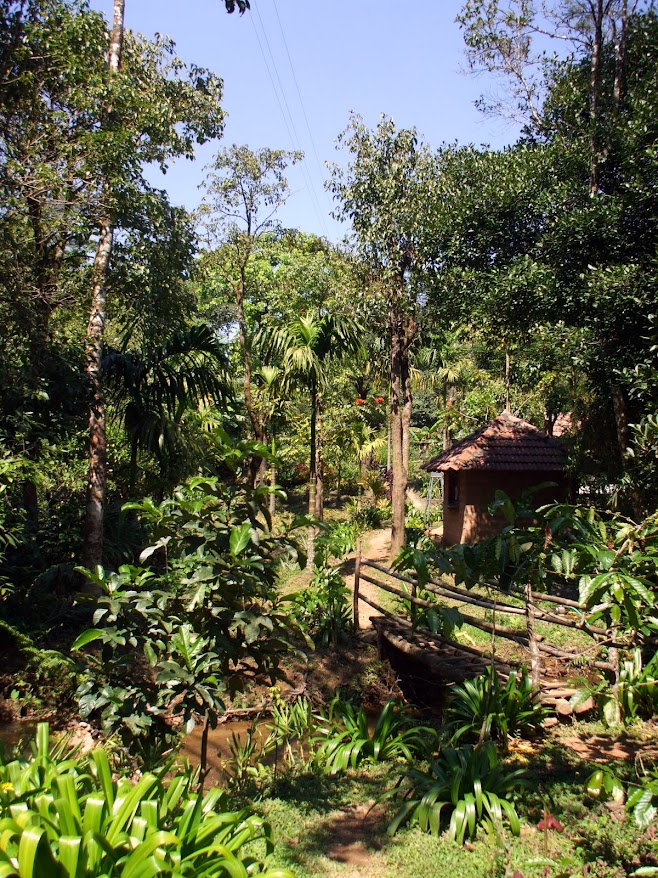
We went to watch them have their breakfast. There’s a sort of cookhouse where they boil up an appetising concoction of jaggery (a traditional caramel coloured unrefined sugar), millet and vegetation, and roll it into gigantic balls which the men feed to them. And sadly, that was it really. They went off into the forest to work, and we went off in our taxis, and fetched up at Sujata’s summer house (she owned Rainforest Retreat). Rest, tea, relaxing in the garden full of pepper plants, hibiscus, coffee, poinsettia.
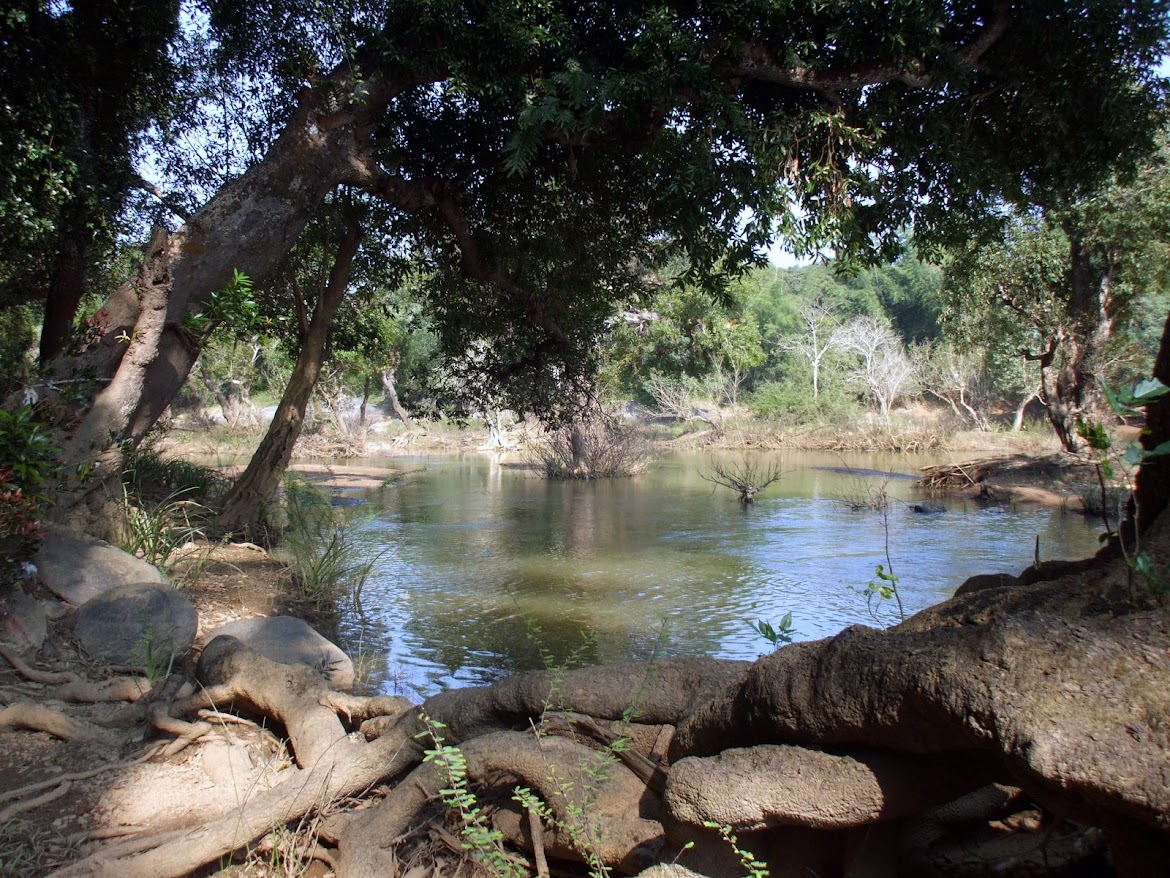
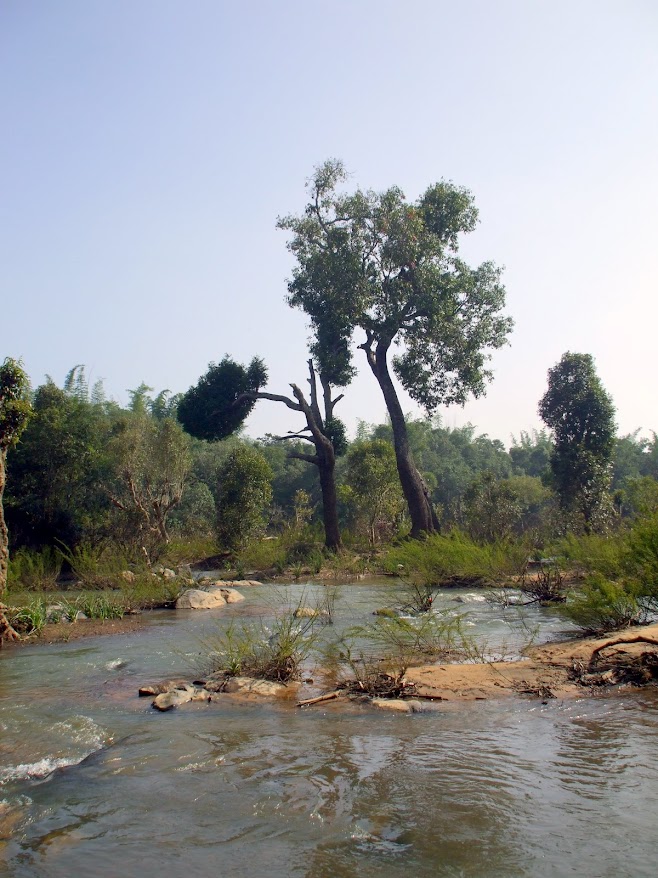
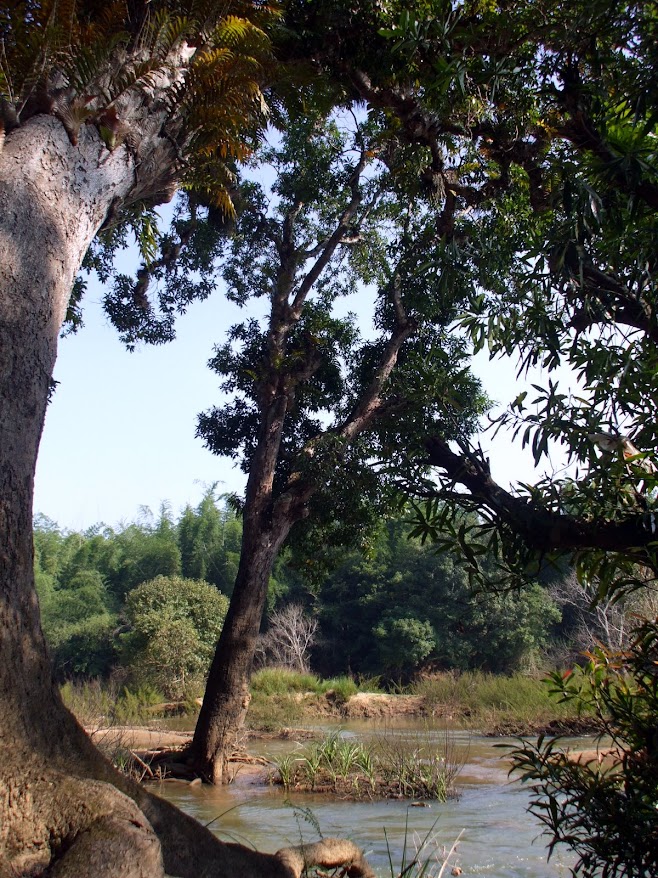
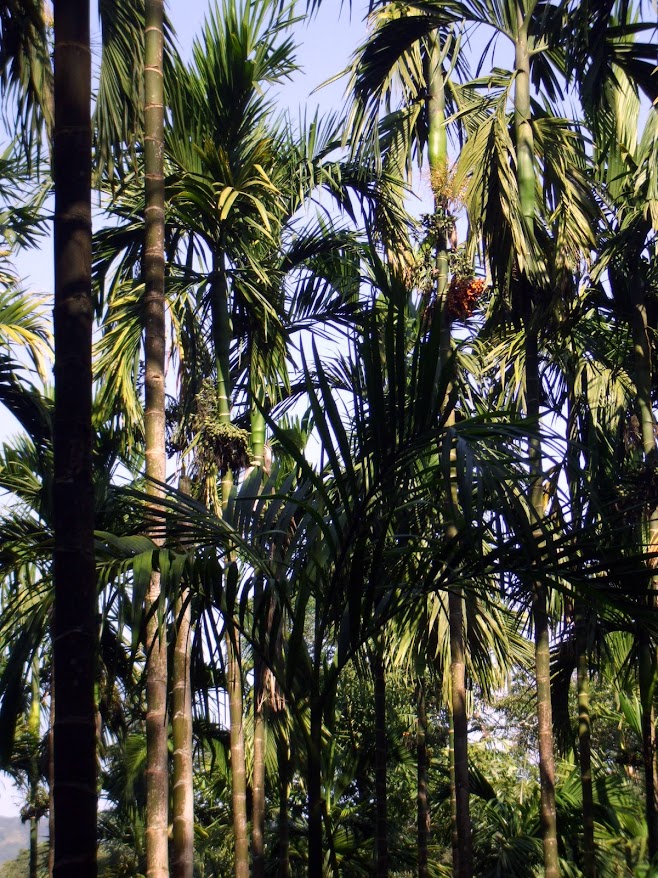
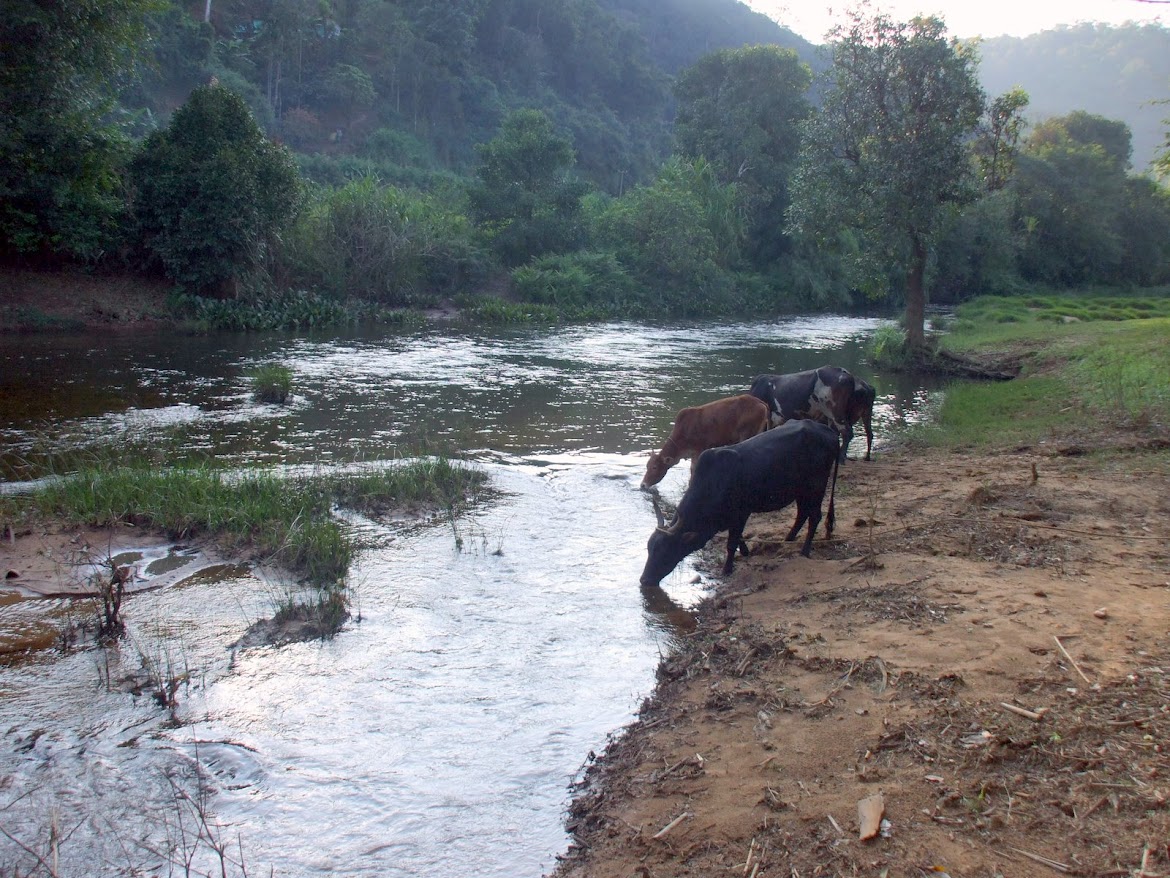
Then a country walk down to the River Cauvery. It’s just what you see in all the travel documentaries. Tall palm trees, intricate knotted tree roots, and little islands set among the fast-flowing currents of the Cauvery.
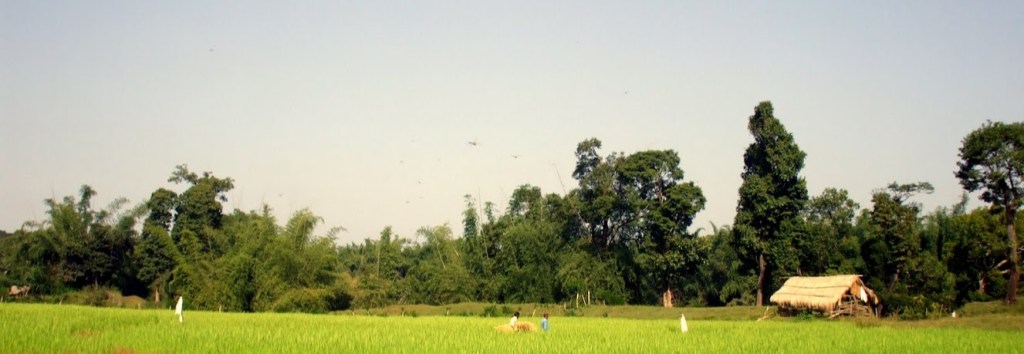
We walked through the paddy fields – the green of the young plants is so green, vivid and vibrant: and then with some difficulty, we waded through the waters. We were glad to get down to our cozzies and plunge into the river – muddy, but otherwise clean. There was quite a current, but staying close to the edges was ok. The stronger swimmers swam across to the other bank, but I had a go and wasn’t up to it.
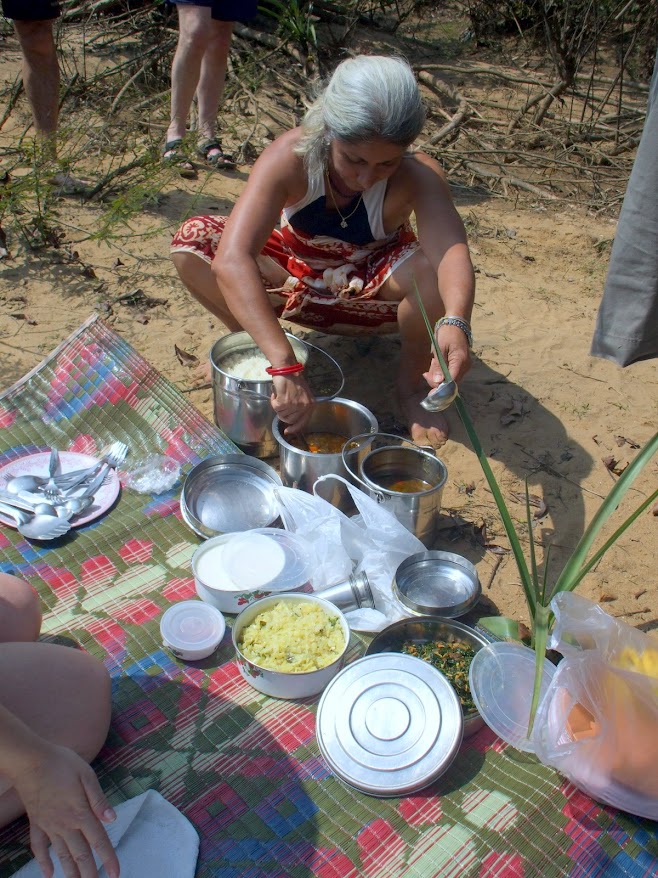
The picnic was something special. Great metal pails were clanked down the hillside by the ‘staff’ at Sujita’s residence. Rice, sambal; a wonderful bitter curry made out of some dark green tree leaf also used to dose children who have worms; chicken curry; a sour and bitter dark red chutney; curds and a gorgeous buttered cabbage curry. Further swimming after, further baking in the sun, then back across the fields, and taxis home.
The walk back home
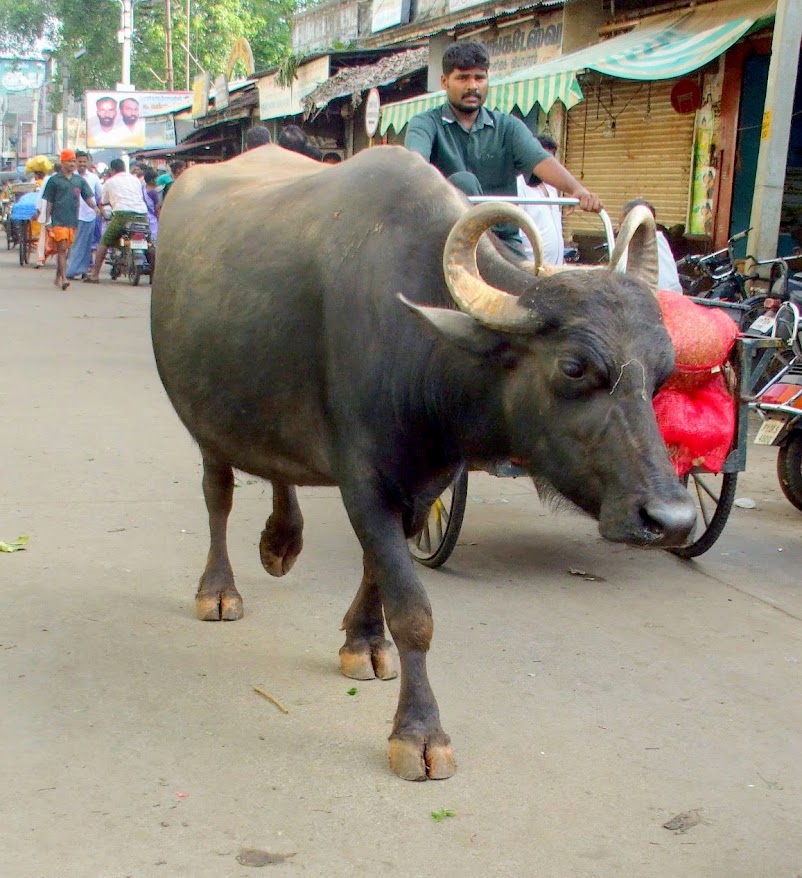
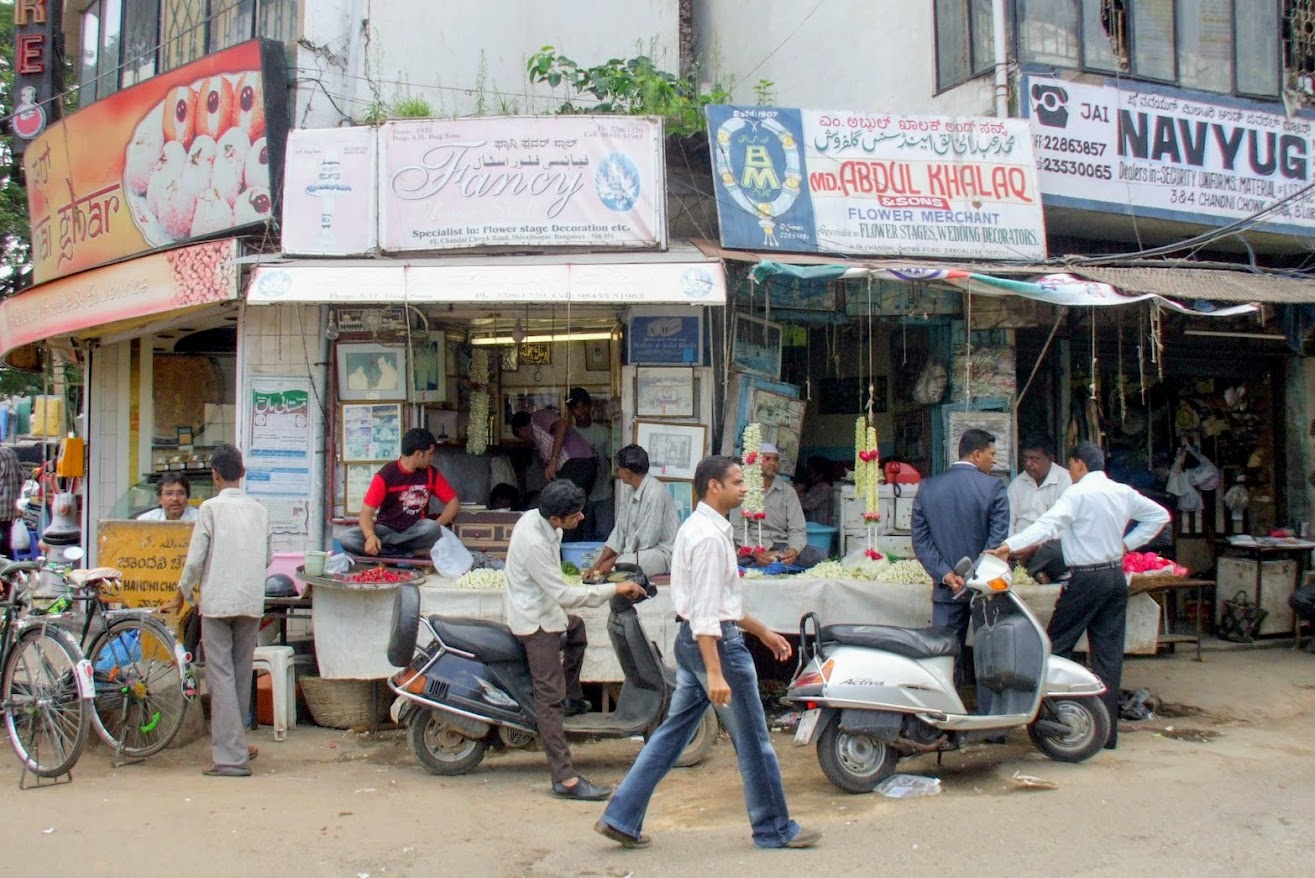
A stop-off at Madekeri. It’s a largish town, with rows and rows of tiny shops – the usual mixture. Indian shopping streets are standard in their own way: no MS, Boots and Costa Coffee certainly, but still a uniformity in the small shop fronts with goods stacked and hanging outside, and with pedestrians, bullocks and auto-rickshaws and cars all jockeying for position in the crowded streets. I got all my photos onto a CD so was well pleased even though I had to buy a CD holder separately( Rs 17! About 15p) and had 10 minutes at an internet centre.
Got home to find them building a BBQ outside – BBQ chicken, and for us two veggies, potatoes in the embers. Two new guests appeared – a Swiss monk and his mum.
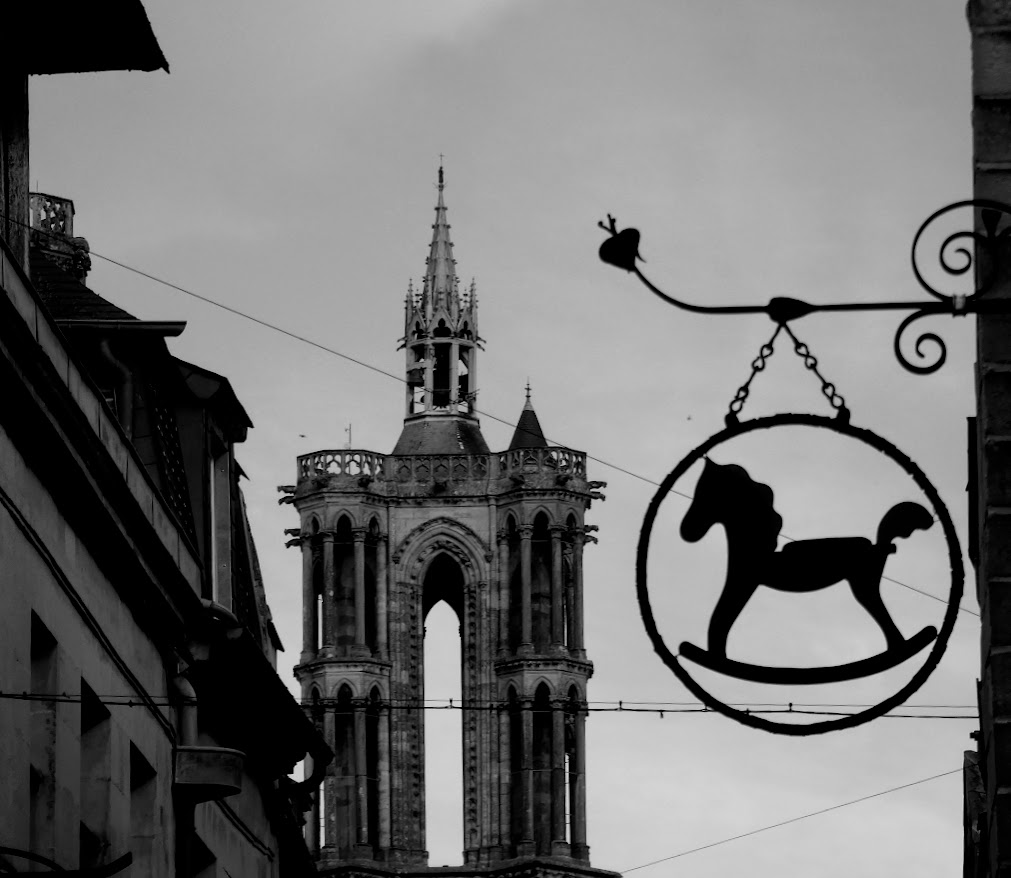
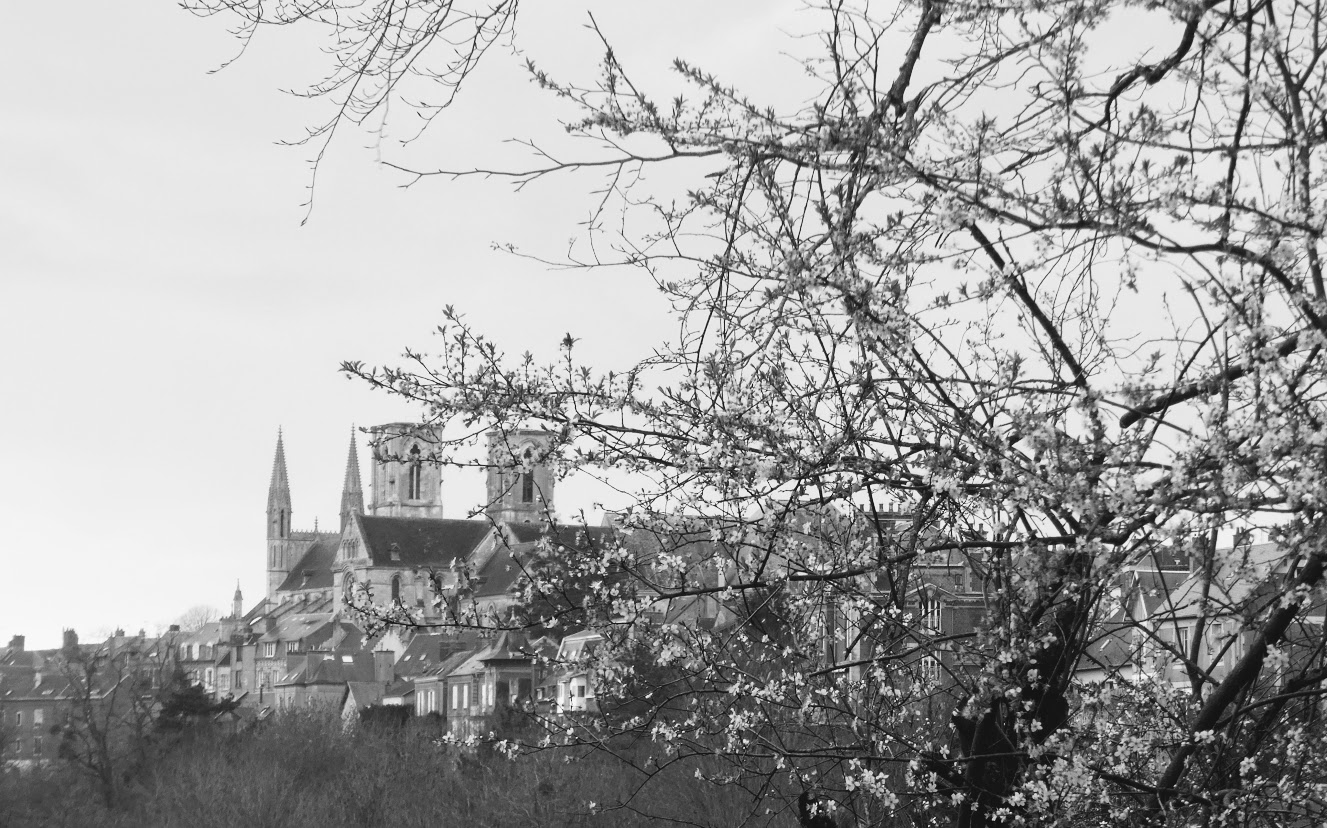
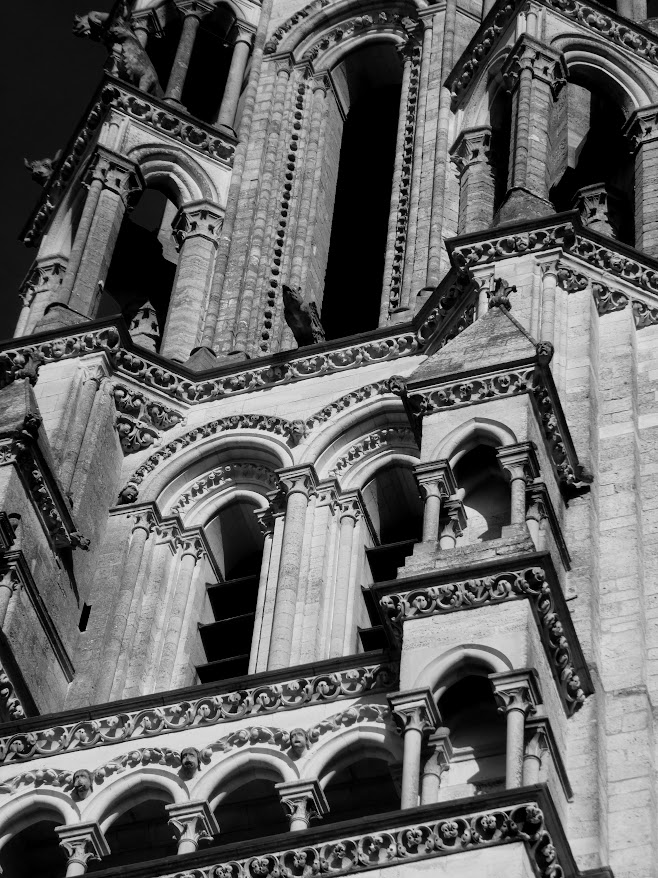
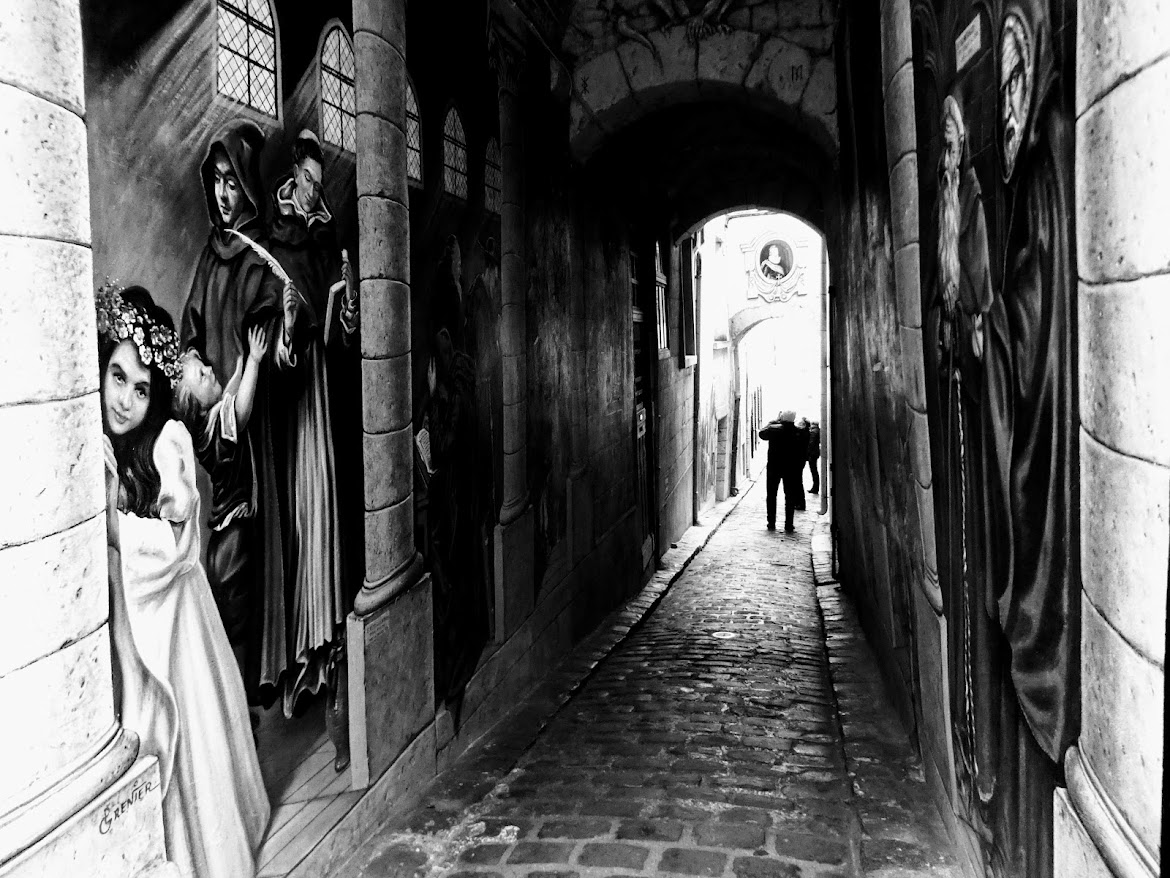
Laon, as we made our way down eastern France towards our daughter’s family in Spain. This is a lovely place. We zig-zagged our way up the steep slopes of a hill straight out of a children’s picture book and found ourselves in a perfect mediaeval town. It used to be quite a place. Important in Roman times; a hub of the Carolingian Empire, it was capital city of this part of France – until 987 CE, when the baton passed to Paris. The 12th century cathedral testifies to the fact that the city remained a religious hub for long after that. These days it’s an administrative centre and modestly-sized industrial hub, and well worth a day of your time as a tourist.
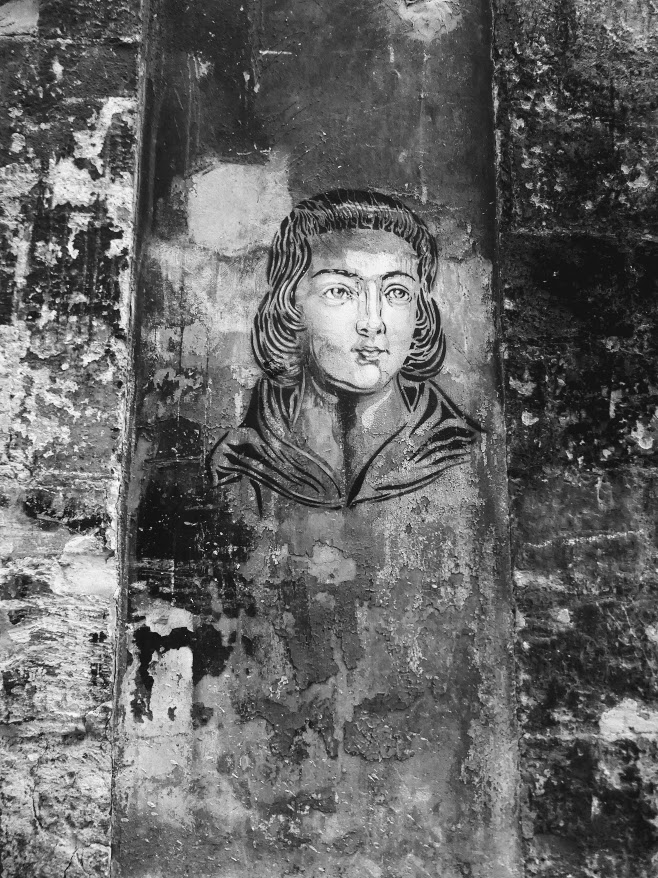
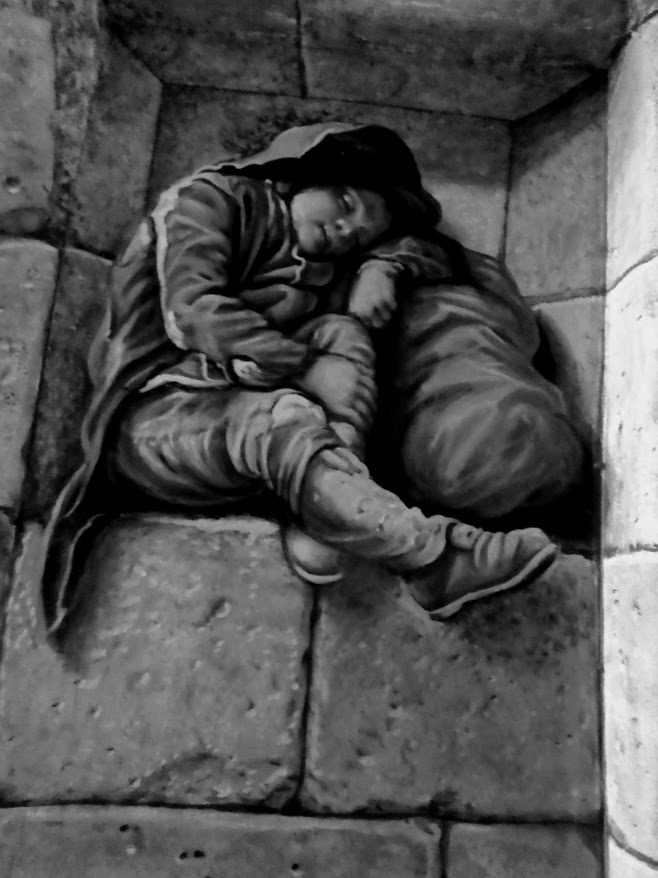
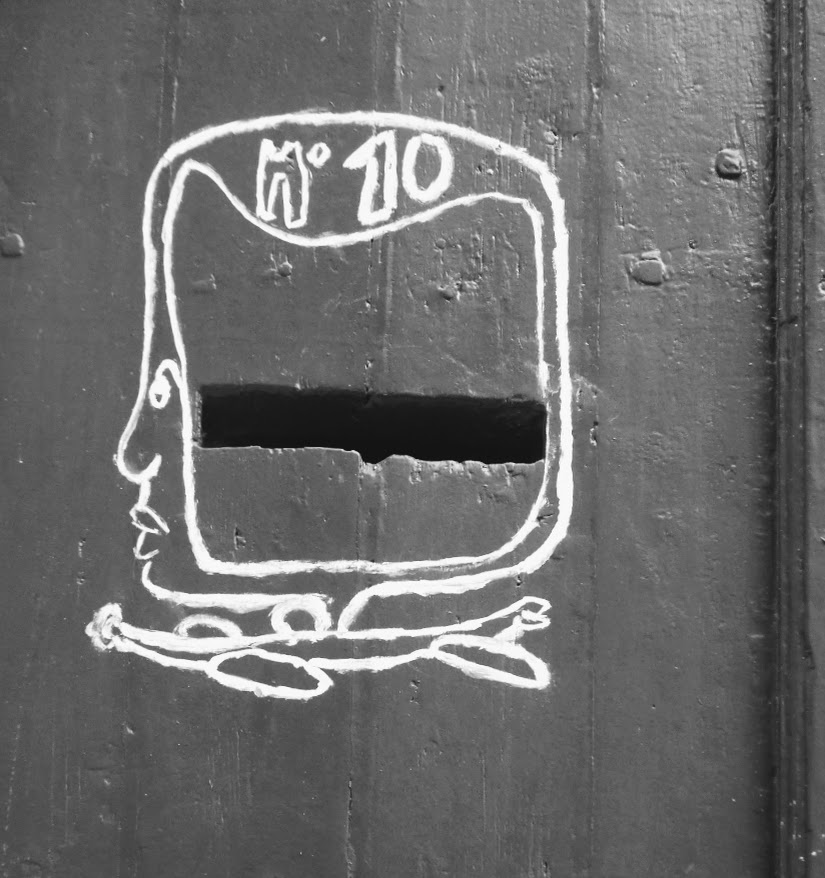
I’m focussing, for today’s Monochrome Madness on some of the more quirky recent features of the town – the mediaeval-style signs above the shops announcing their trade, some street art – some formal, and other more idiosyncratic items. The cathedral barely gets a look in – we weren’t allowed to visit much of it it inside, and it was raining outside. But I’ve given you a glance at it.
A final image from an unloved corner, where ancient buildings had been deserted before they tumbled down an eroding cliff-face.
I rather enjoyed re-visiting India via my blog last week. So I went and dug out the diary I faithfully kept. The events it describes have never yet seen the light of day. For the first ten days I was with the group of people my ex-brother-in-law had put together, to explore aspects of rural Indian life, focussing on small producers working in traditional and organic ways. We had no internet access during that period.
I’ve decided to share my diary with you. This may take a few Fridays. Bear with me. I suppose I’m pleased that I kept such a detailed record of a piece of personal history, and of a country I’d never visited. I wonder how dated this account would seem to the current traveller?
Bangalore to The Rainforest Retreat
Saturday 10th November 2007
Here I am, sitting outside our bungalow at The Rainforest Retreat. It’s 6.40 p.m., pitch dark: and about half an hour ago, the chorus began. I just lay down outside and listened. All those forest sounds – I don’t know what they are, but it’s like some complex symphony. Suddenly, one group of creatures will become silent, and others will chip in with their own song. Many multiple groups of course, who suddenly go diminuendo, only to be succeeded by a group of quite different creatures, or an individual bird, or whatever …
It’s been quite a day. For my part, I hiked all the way to Simon’s hotel, and it WAS a hike, where we shared breakfast. His hotel was so not-me. Lots of flamboyantly dressed flunkeys and a big help-yourself buffet, but no nice people making piles of idli, just for me.
Then into the mini-bus. Bangalore seemed to go on for ages, and even when I had definitively stopped, roadside settlements and shops went on and on. Village shops are a mystery to me. Even very small settlements have coffee shops, ‘bakery’ shops and a whole raft of others too. The landscape became more rural though. Palms; sugar cane; more and more working bullocks, yoked often; goats; sheep; cows …
Lunch outside Mysore, rather early – a large vegetable thali and a glorious salt lassi.
After lunch, the climb began and the roads deteriorated, and Indian driving came into its own – overtake on a bend? Why not? Honk and honk till the car in front gives way? Certainly. It won’t give way actually, so you will pass it on the other side instead. Oddly, we came to think of this as fairly safe. For all their bluster, the drivers are careful.
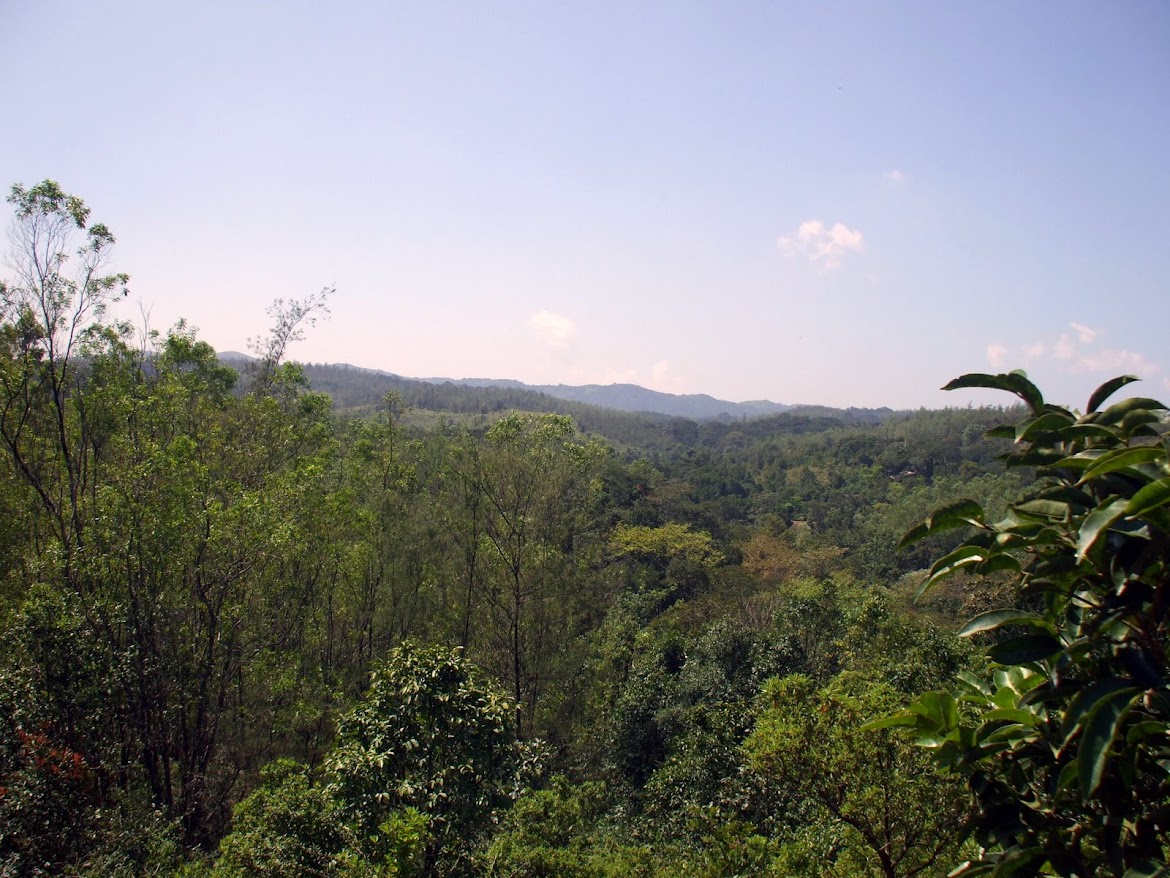
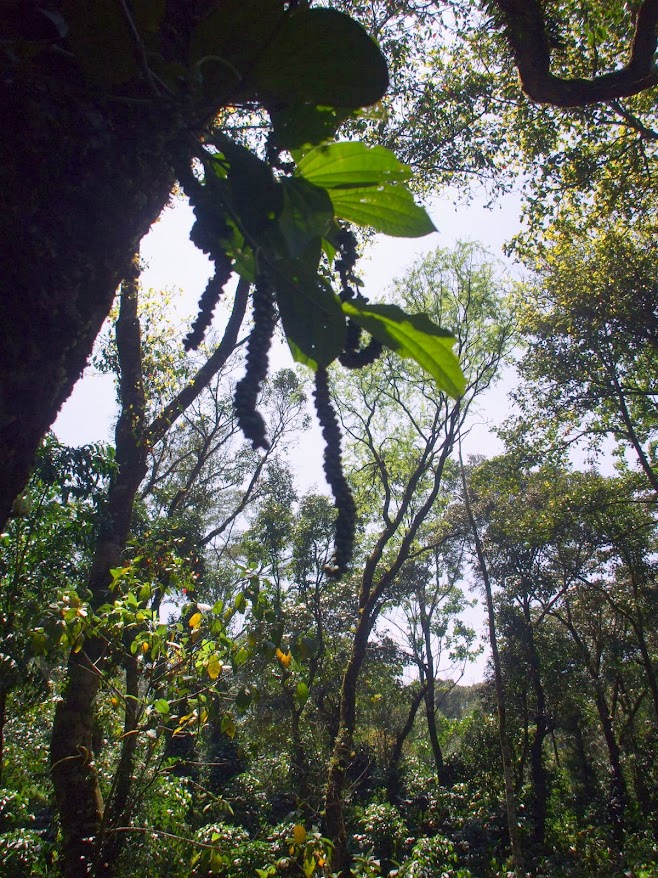
Pepper plantations, coffee plantations, rice in the early stages of growth. And still the villages came, some with very large markets which only prolonged hiking got us through. Tropical rainforest scenery … and finally we arrived.
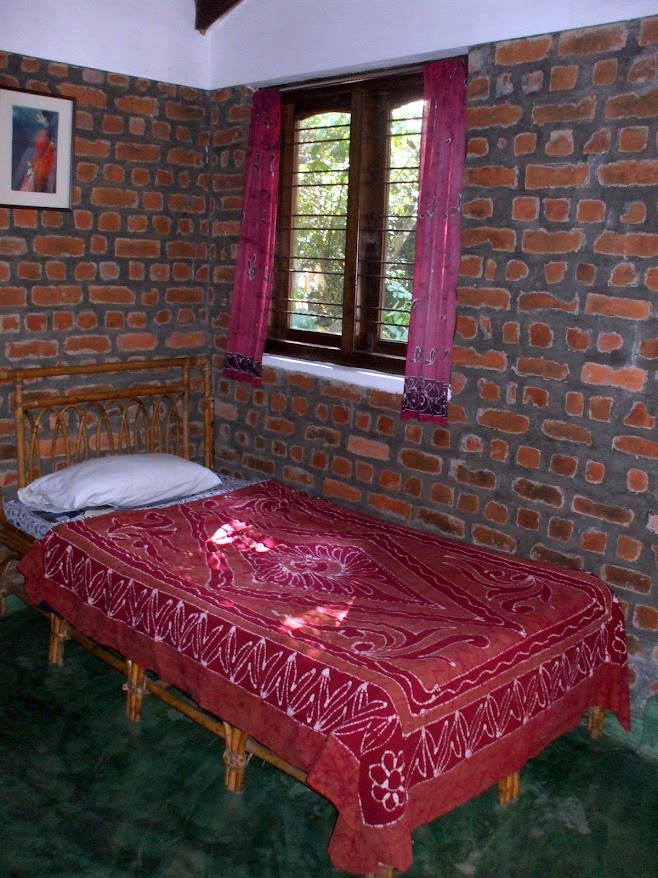
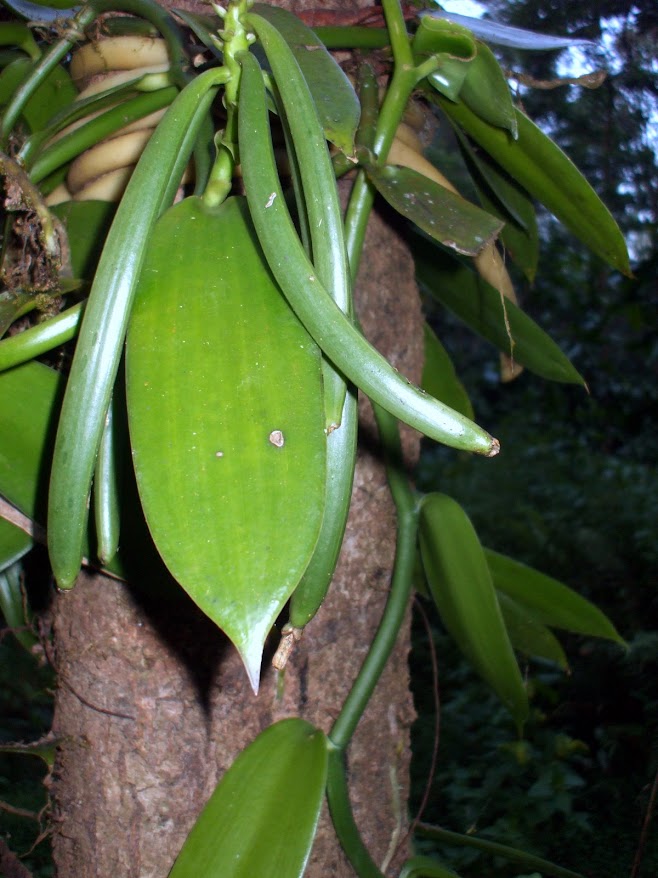
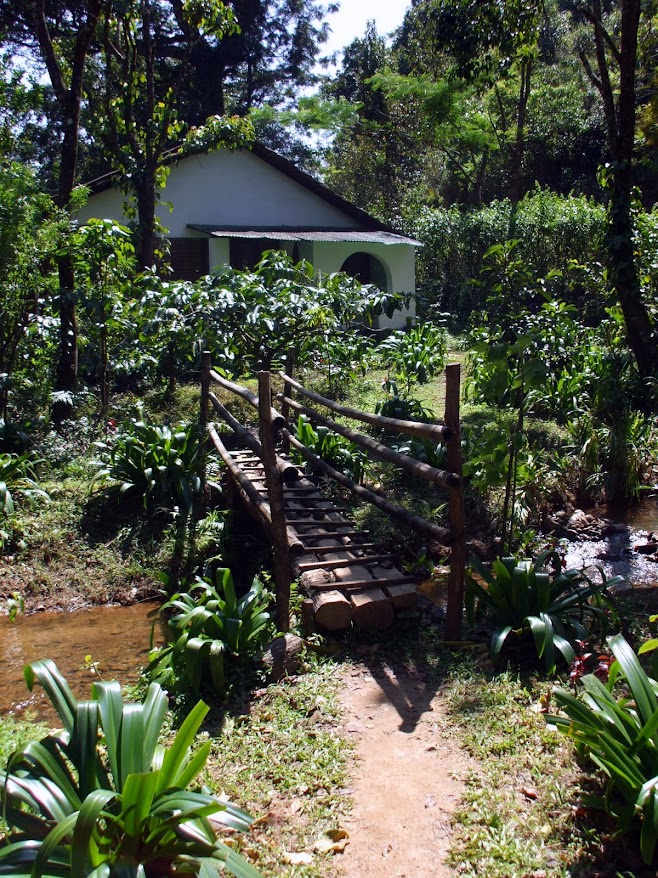
Here we are in the middle of the forest. Our bungalows – I have one with C and M – are set amongst it all, as are their crops: small crops of beans etc. and others such as vanilla set among the forest trees. I went for a wander by myself, listening to the exotic forest sounds. Communal supper outside – all meals are taken in a shelter outside our bungalow. And so to bed. By the way, I forgot, Unpacking, I moved my rucksack, and a noisy clockwork toy sprang out. Only it wasn’t. It was an angry and upset hawkmoth, and it chattered angrily all the time we were evicting it.
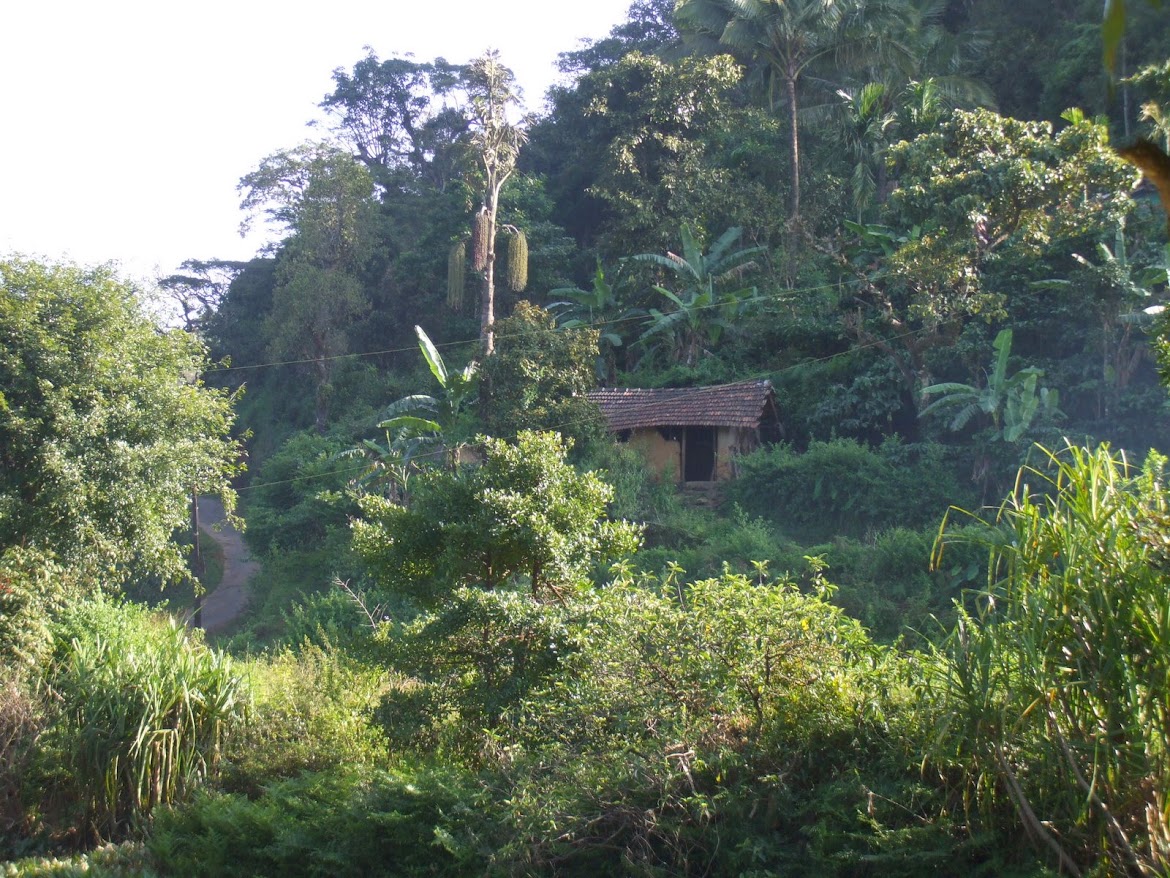
My next days’s account is of exploring the estate and surrounding neighbourhood, so I’ll let my photos do the talking.
Just two extractsfrom my diary for that day …
We enjoyed munching fresh cardamoms, the ‘cherry’ round the coffee beans (sweet and refreshing – civet cats like them too), clove leaves, as well as looking at pepper(spice kind) plants, vanilla, pineapple plants, and all the organic produce they’re responsible for.
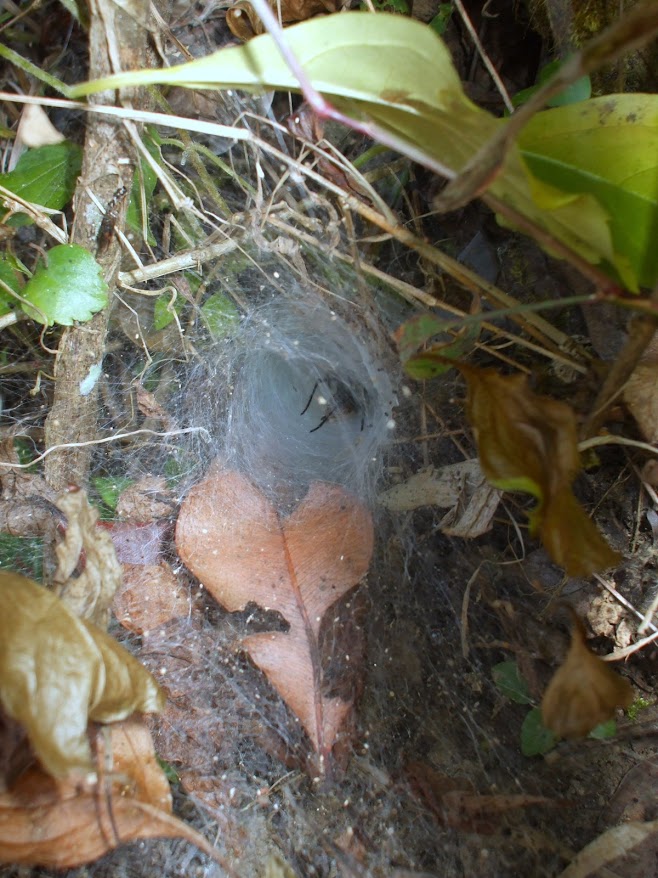
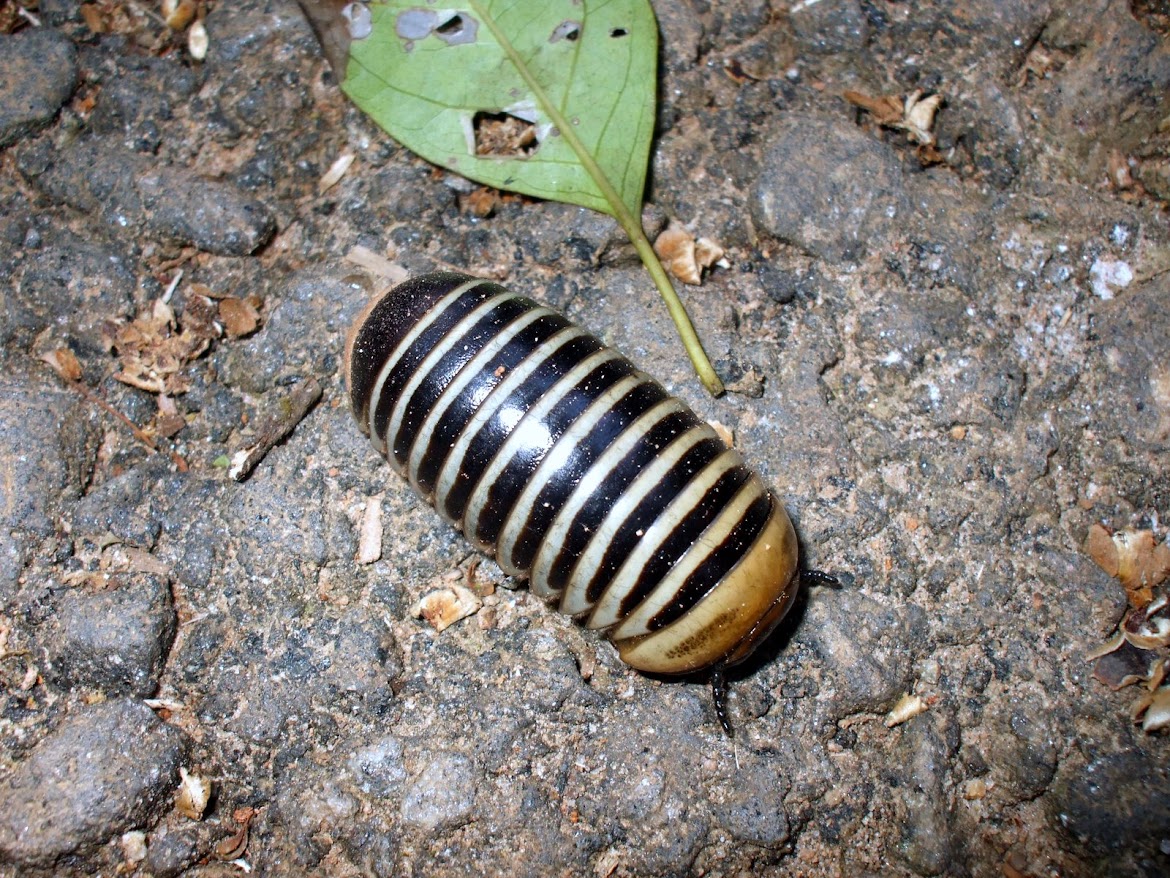
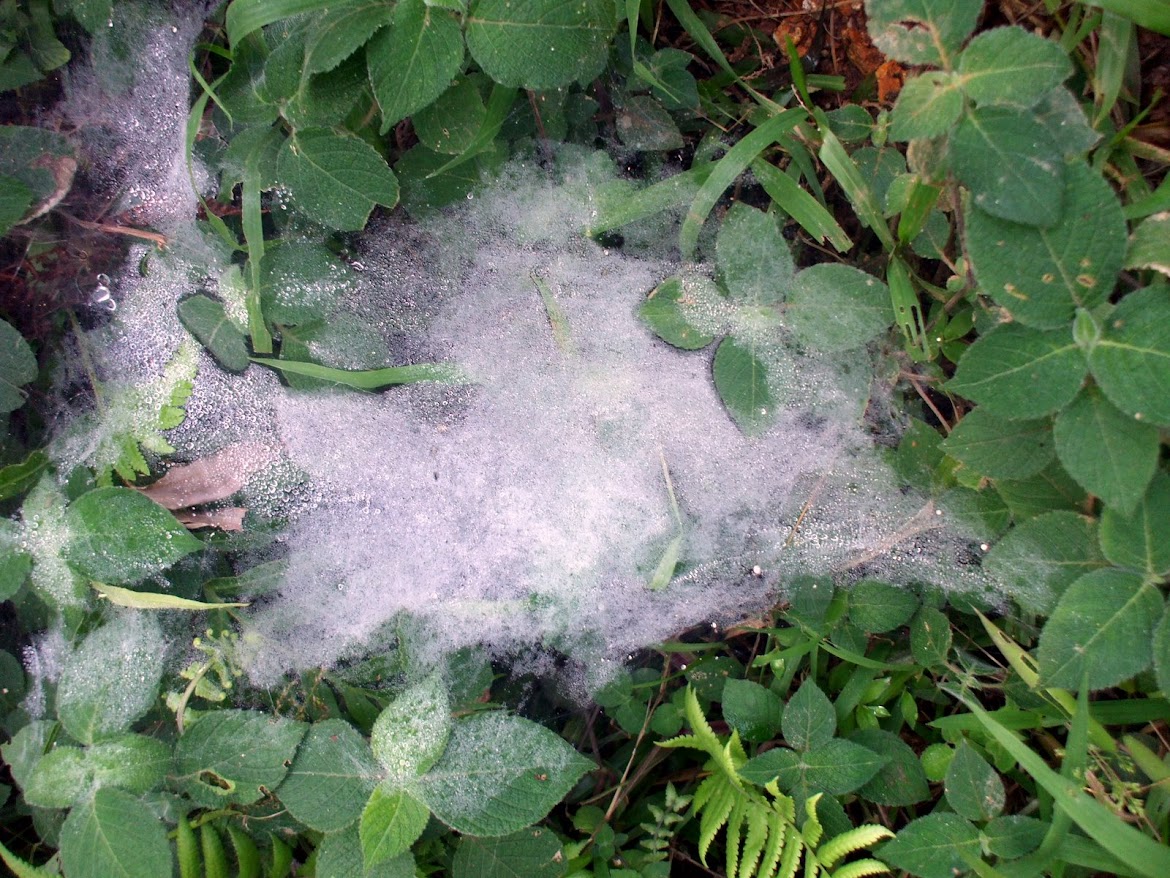
Sights on our afternoon walk: a massive millipede; a land crab; an aeriel ant’s nest; a palm whose juice in the morning is given to young children. By noon it’s like beer, and by evening it’ll do your head in it’s so potent.
Here is a link to the Rainforest Retreat. It’s clearly under different ownership now, and much more developed than in the early days when we visited. Though from this year they no longer cater for short term visitors. But it retains its interest in sustainability, biodiversity and organic practices.
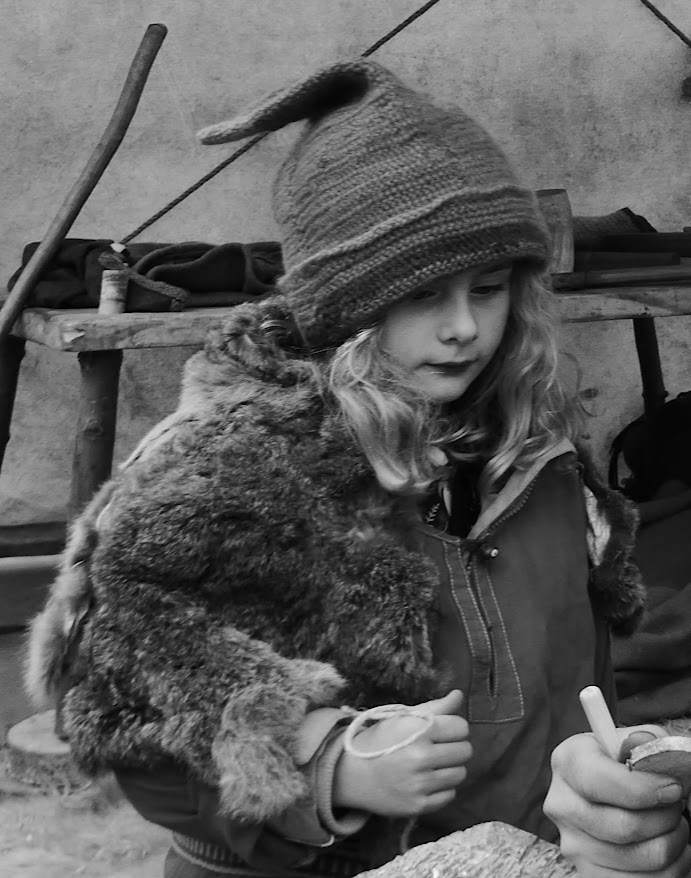
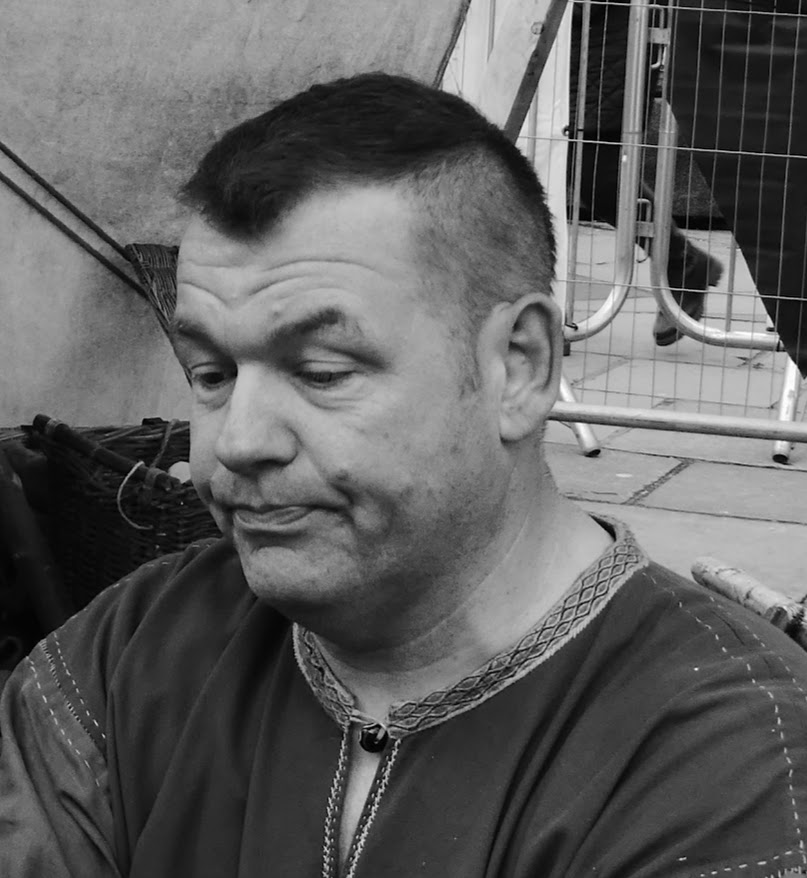
For this week’s Lens-Artists Challenge, Ritva has chosen to focus on portraits. Difficult. Because it IS difficult, and many of the few I do take are of family, whom I don’t usually feature on my blog. There are the images I secretly take whilst out and about, but few of those quite measure up as portraits so much as someone-doing-something-or-just-walking.
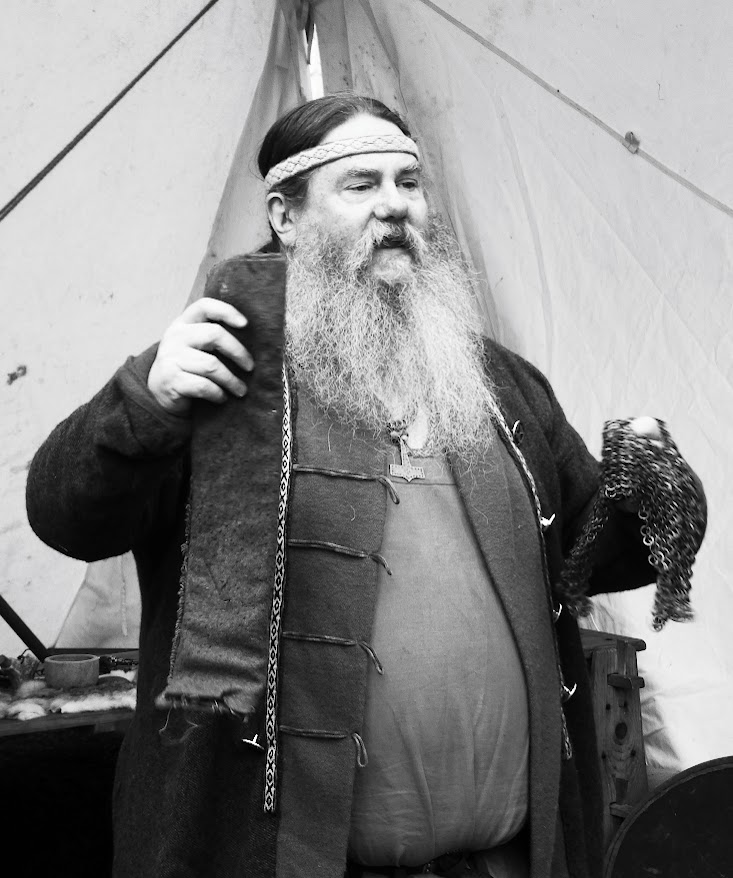
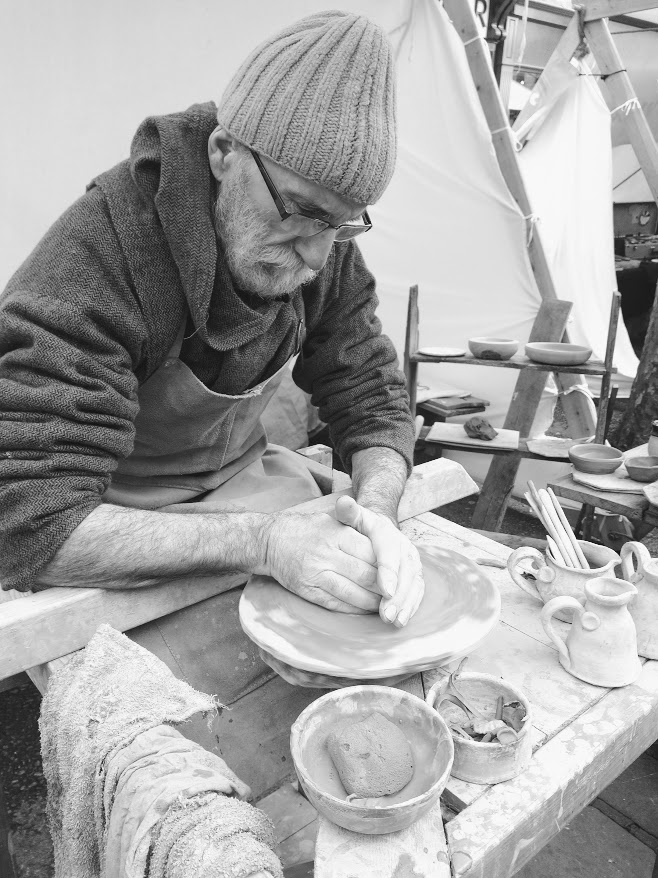
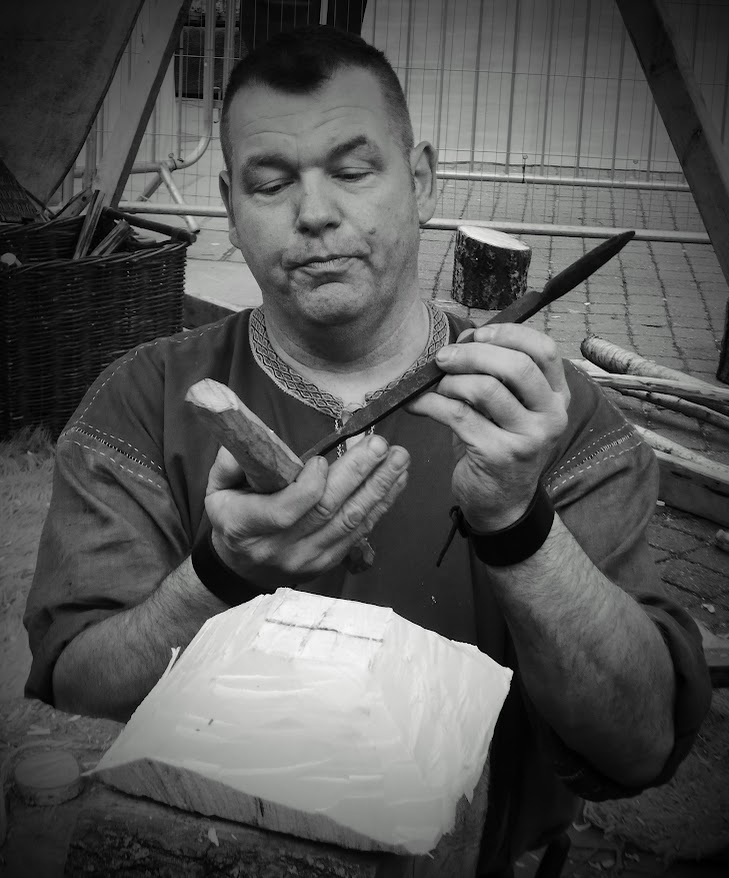
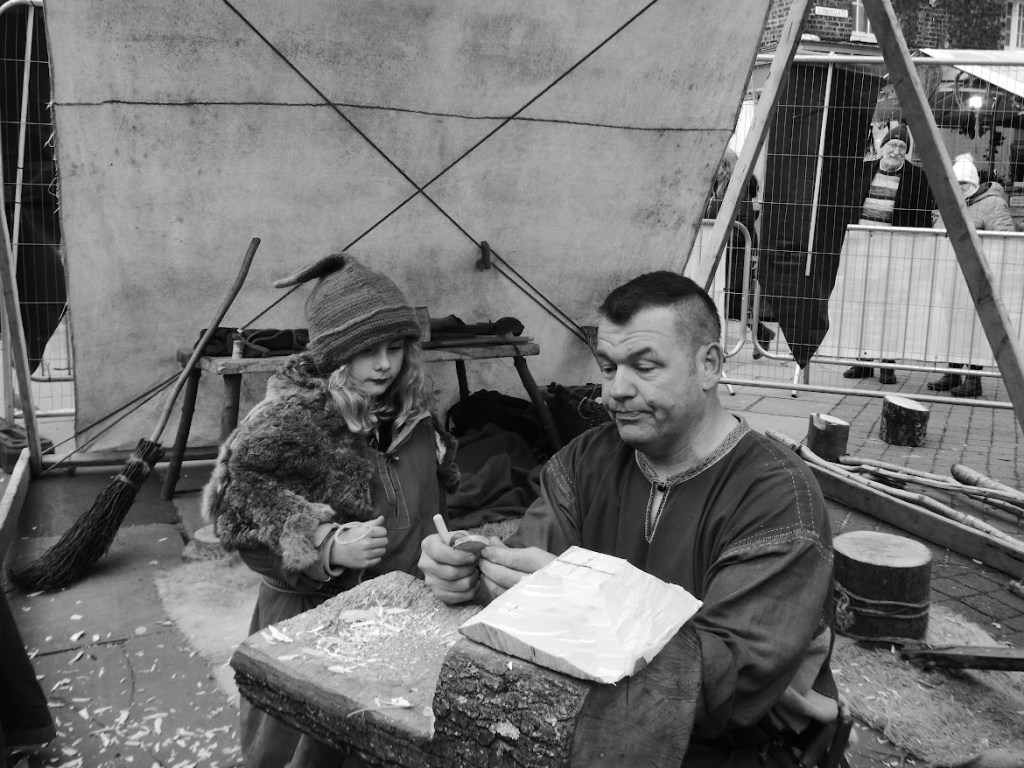
Then I remembered York Viking Festival, which I recently featured on one of my posts. So back we go, to a day when photography was not only permitted, but encouraged.
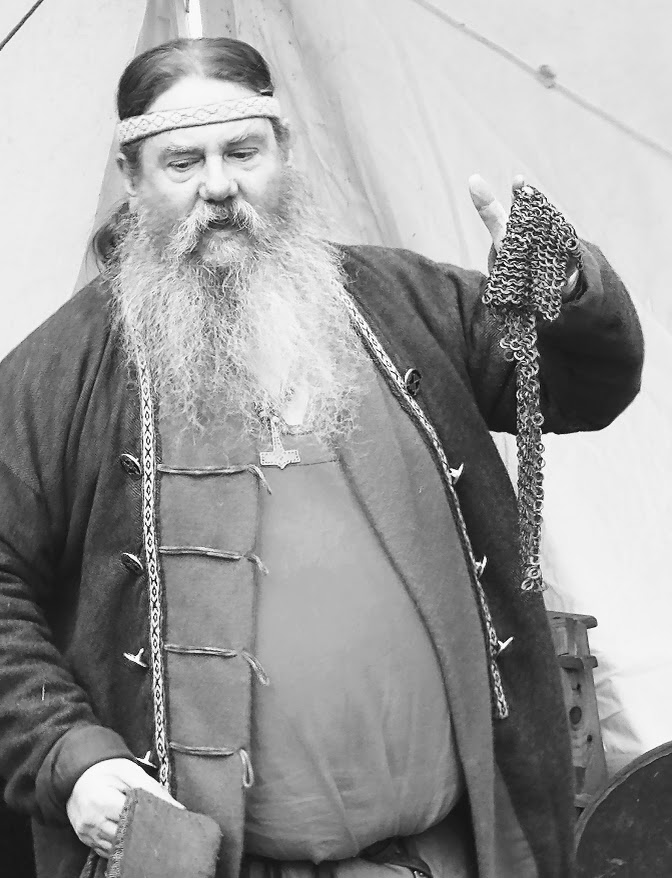
Tips on how to bump off your enemy, Viking style.
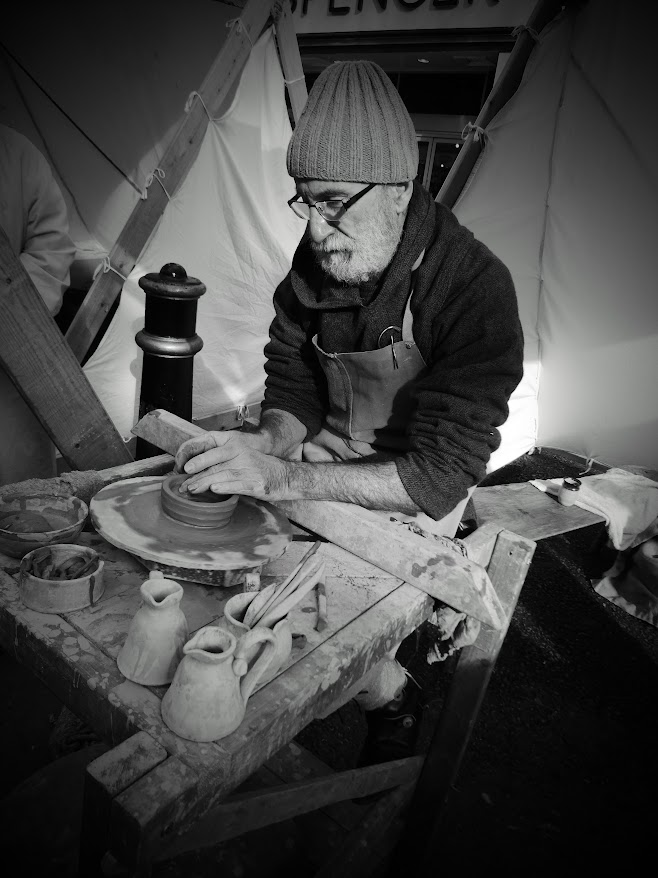
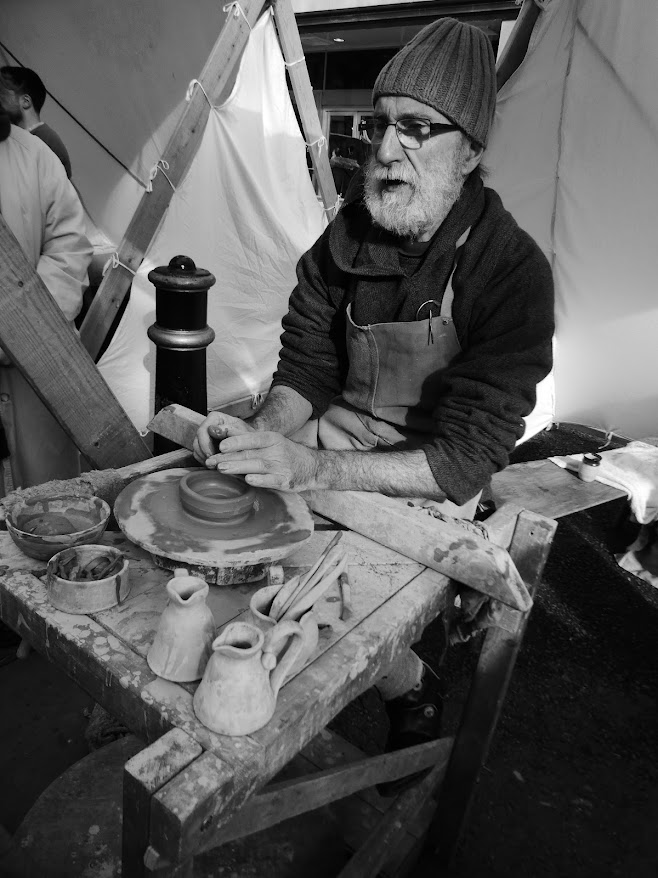
Tips on throwing a clay pot, Viking style.
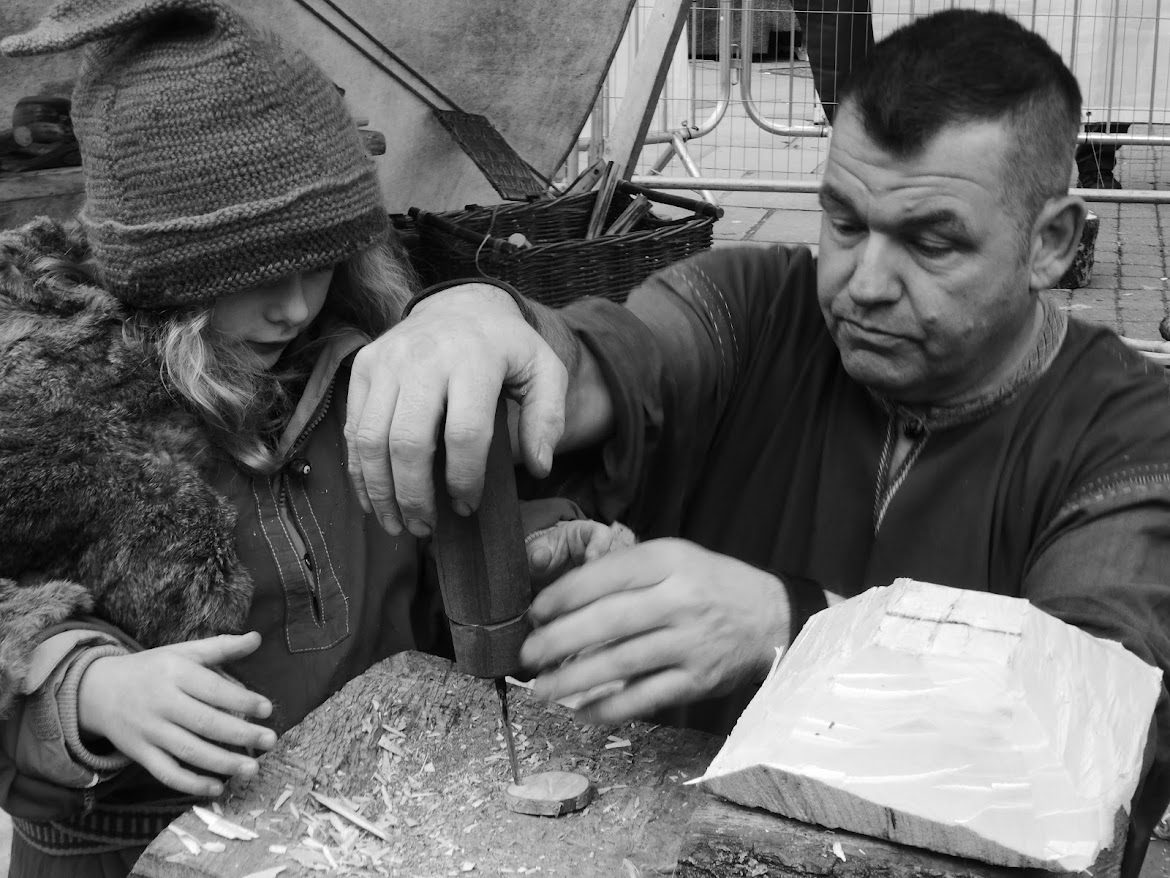
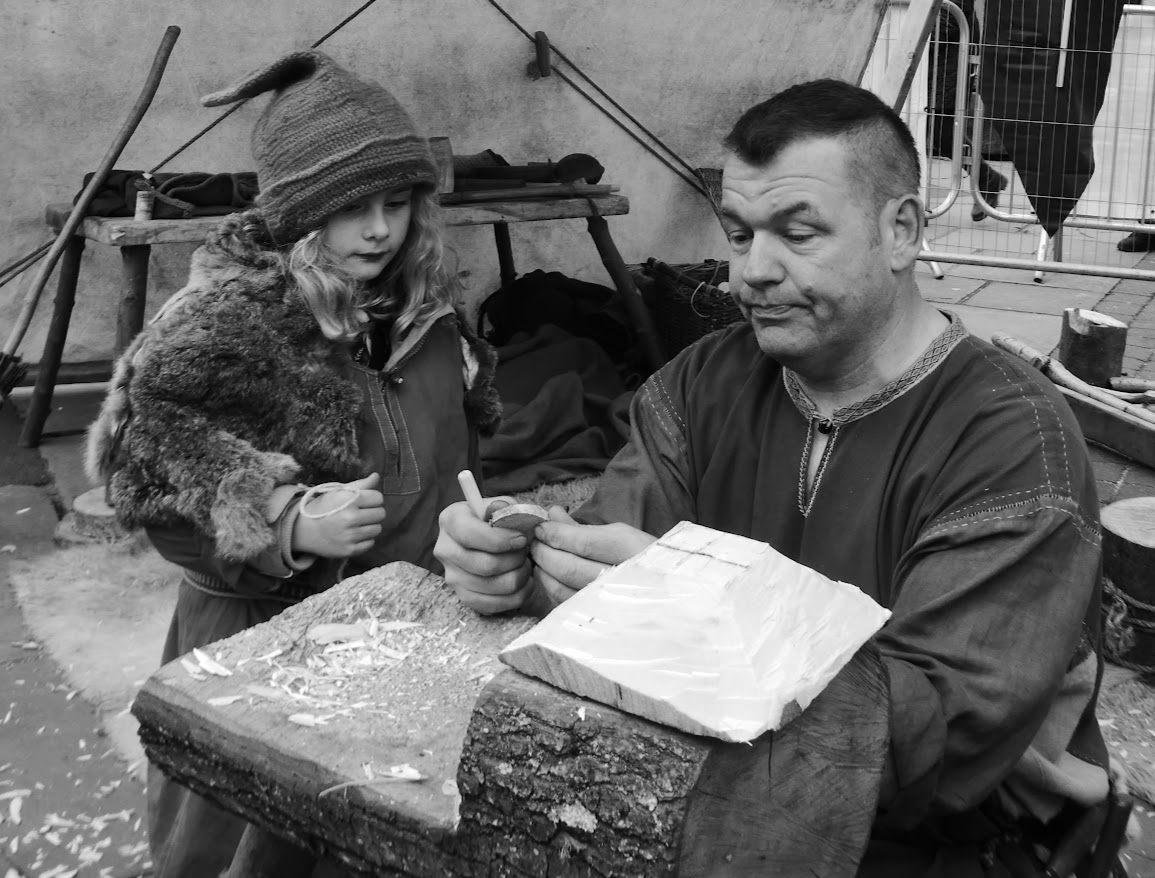
Tips on working in wood, Viking style.
This last set is for Leanne’s Monochrome Madness, because she invites us to take one photo, and crop it three different ways. So – two solo portraits, one two-handed portrait, all for the price of one shot of a Viking and his slave industriously working together.
I retired in 2007. Almost immediately, two life-changing events took place. First we moved lock, stock and barrel to southern France, and then only a couple of months after that, I went to India – by myself- apart from just over a week at the beginning when I was eased in by travelling in a small group tour of the more rural parts of Karnataka and Kerala. I even bought my first decent-ish camera for the trip.
Both those events meant I wanted to keep in touch with family and friends back in England, and frequent letters or emails to each one of them wasn’t feasible. The answer? A blog. I barely knew what a blog was, and was fairly technically inept. So I chose a platform that looked as if it might meet my needs: Travel Blog. And that’s where I stayed for our early days in France and my Great Indian Adventure. I’ve just looked at it now, for perhaps the first time in ten years, and discovered French posts I’d quite forgotten about. Eventually I moved, first to Blogger, which I didn’t like, and then to WordPress. For all I moan about its technical glitches, it’s here I’ve formed real bonds with bloggers all over the world (you know who you are!), and made more casual links with dozens more. Blogging has proved to be the positive face of screen-time for me, and the only bit of Social Media I engage with.
But hey! This is supposed to be a Lens-Artists Challenge post, delivered this week by Anne – photos obligatory. So here is part of my first blog post from India, typed on an ancient computer with not-always-effective keys in an internet cafe (remember those?) on 9th November 2007. I didn’t manage to post photos that day. So now I’ll include within my post the ones that should have formed part of it. I was even more of a newbie with a camera in those days.
The 36 Hour Day: 9th November 2007 …
…with no photos attached. Bangalore may be IT Central if you’re in the know, and I’m not. These are not good Internet centres I’m finding!
Still, life is very good. I arrived at 4.30 yesterday morning, just as you lot in the UK were tucking yourselves up. And that’s how I lost a night’s sleep. Way too excited to sleep all day. Bangalore for me vacillates between being stimulating beyond belief, and, er, overstimulating.
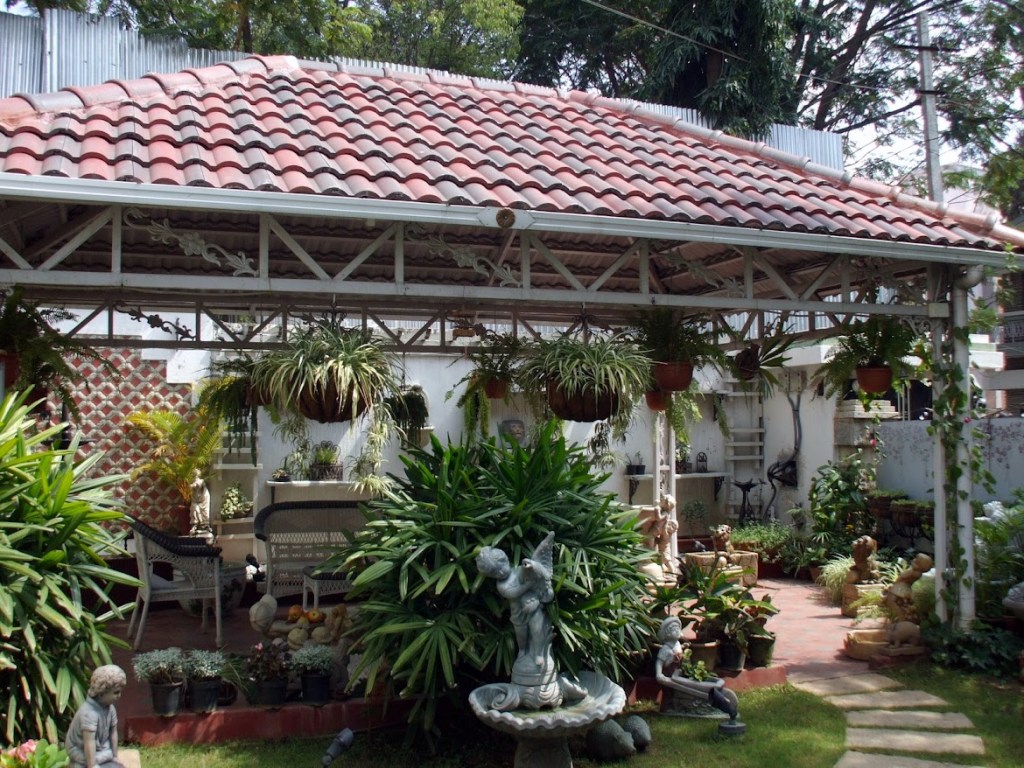
The garden area of my hotelAnother cool part of its terrace
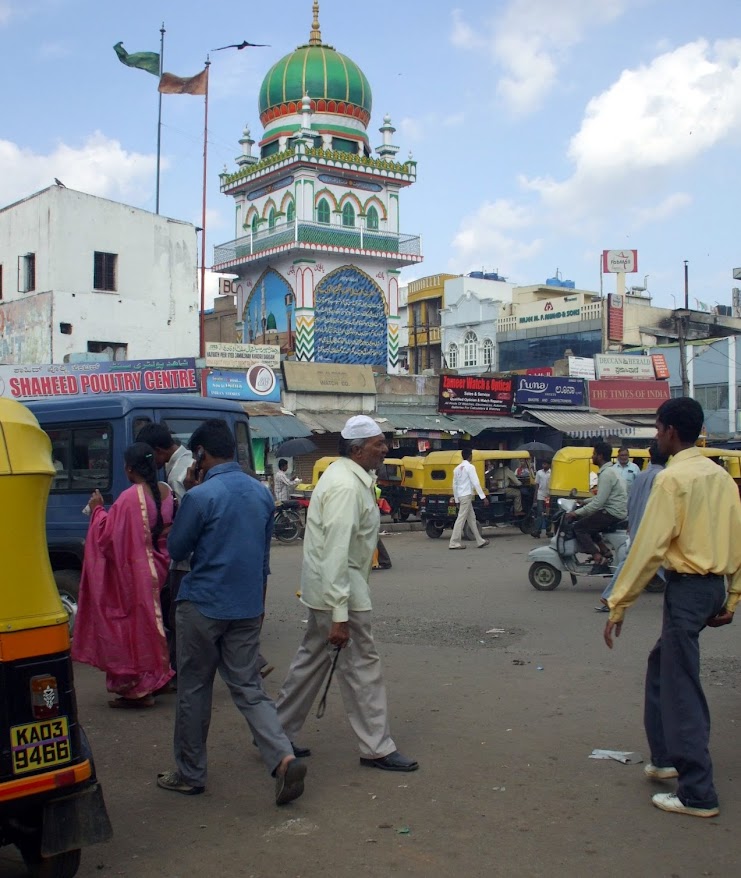
I loved arriving early. The dawn was breaking, and dawn chorus Bangalore style was a series of exultant yelps and squawks from various unidentified birds of the large variety. My hotel, luckily, is in a quiet corner, and I can tell you there aren’t many of those here. From early till late, all you can hear is the irritated honking of horns as auto-rickshaws, motorbikes, laden bicycles, flash cars, very unflash buses, occasional random cows, all jostle for the same space (today, in an auto rickshaw, I counted 6 vehicles, ours was one of them, lined up across the lanes designed for 2. I’ve learned to jay walk with the best of them. There is no alternative. Really, there isn’t. Despite the warning posters saying how many people have died in the last year on the roads, and the slightly lower number of fatalities. Eh?
I’m converted to Indian breakfasts. Up on the roof terrace of my hotel, I enjoyed their crispy rice pancakes which, because they’re cooked in a curved pan, puddle into a soft light sponge in the centre. 2 spicy dipping sauces, one based on coconut, the other lentils, and the undivided attention of 3 members of staff…this by the way is only a mid-range hotel, nothing fancy at all.
Eagles fly above Bangalore as I enjoy my breakfast.
Other early impressions: dozens of women beautifully dressed in saris, in the early morning, crouching in the already busy roads, sweeping and sweeping with handle-less brooms.
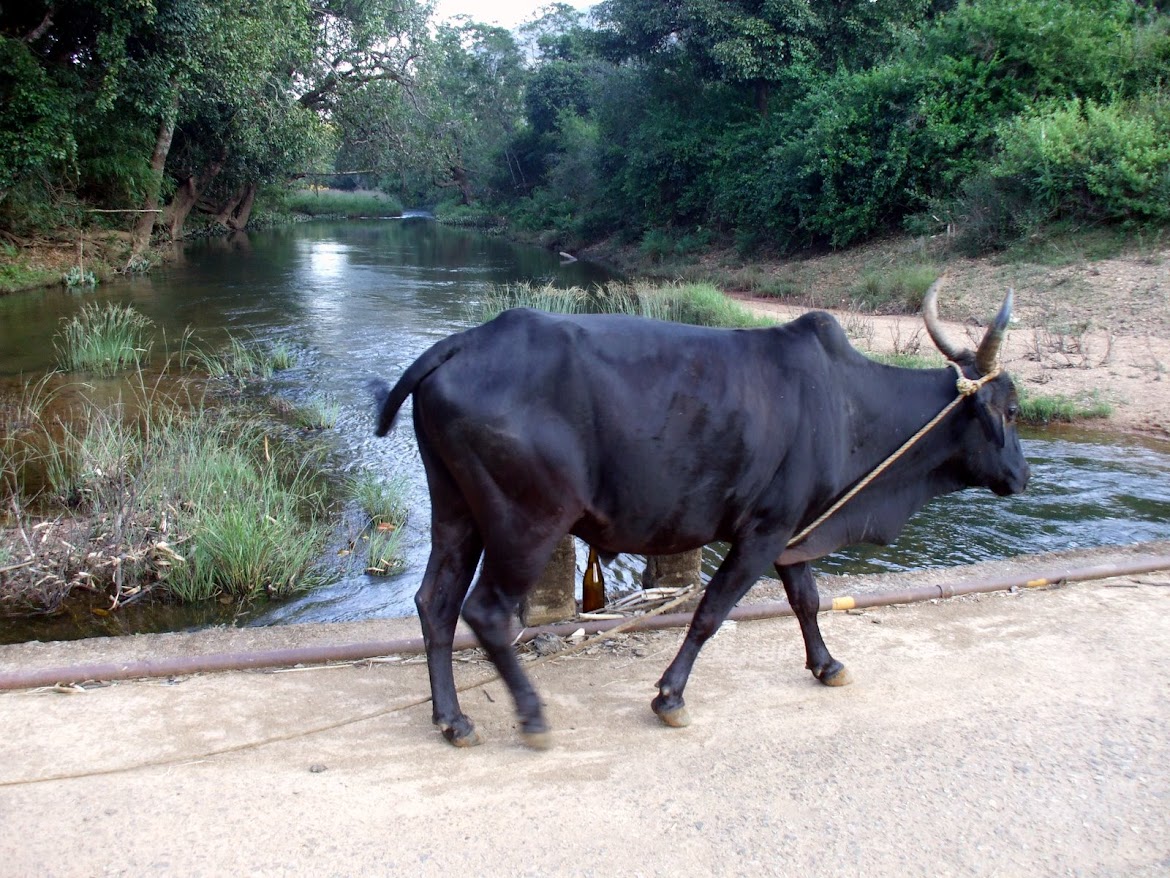
Cows tethered to lamp posts on busy junctions, eating the weeds round the lamp posts.
Security guards at virtually every building. Not I’m sure because of a crime wave, but because labour is cheap.
Only time to tell you about part of yesterday. When I finally set off with the intention of exploring for the morning, I hadn’t gone too far when I was picked up by an auto rickshaw driver. Well, he could see ‘Arrived from England this morning’ tattooed across my forehead, I’m sure. He offered to show me round for Rs. 10. I didn’t believe it then, and nor did it happen, but I WAS exhausted and it wasn’t an unattractive proposition. It was such fun! He proved an amiable guide, whose English, while obviously hugely better than my Kannada, often led to mutual incomprehension.
My first friend in Bangalore: the rickshaw driver who took me on a tour of the city
Still, he hared round a variety of sites (‘This is my Parliament building. This is my national bird. This is my Rajah’s Palace’, which I found quite endearing). He waited while I ‘did’ Bengalaru Palace, one of the homes of the Rajah Wodeyar. As the Lonely Planet says, you are personally shown round by an aged retainer who is rather keener to show you fly-blown pictures of the royal family than the quirky furniture and fittings. Seedy but fun. And it’s not often you see cows grazing in royal gardens. My new friend gave me his number and urged me to ring him whenever I wanted a rickshaw. I greatly enjoyed this ramshackle mode of transport. He’s had his rick 15 years, and I see no reason why he won’t have it 15 more.
Let’s see if I can include a photo or two next time. You may have to wait for ‘My Holiday Snaps’ when I come back.
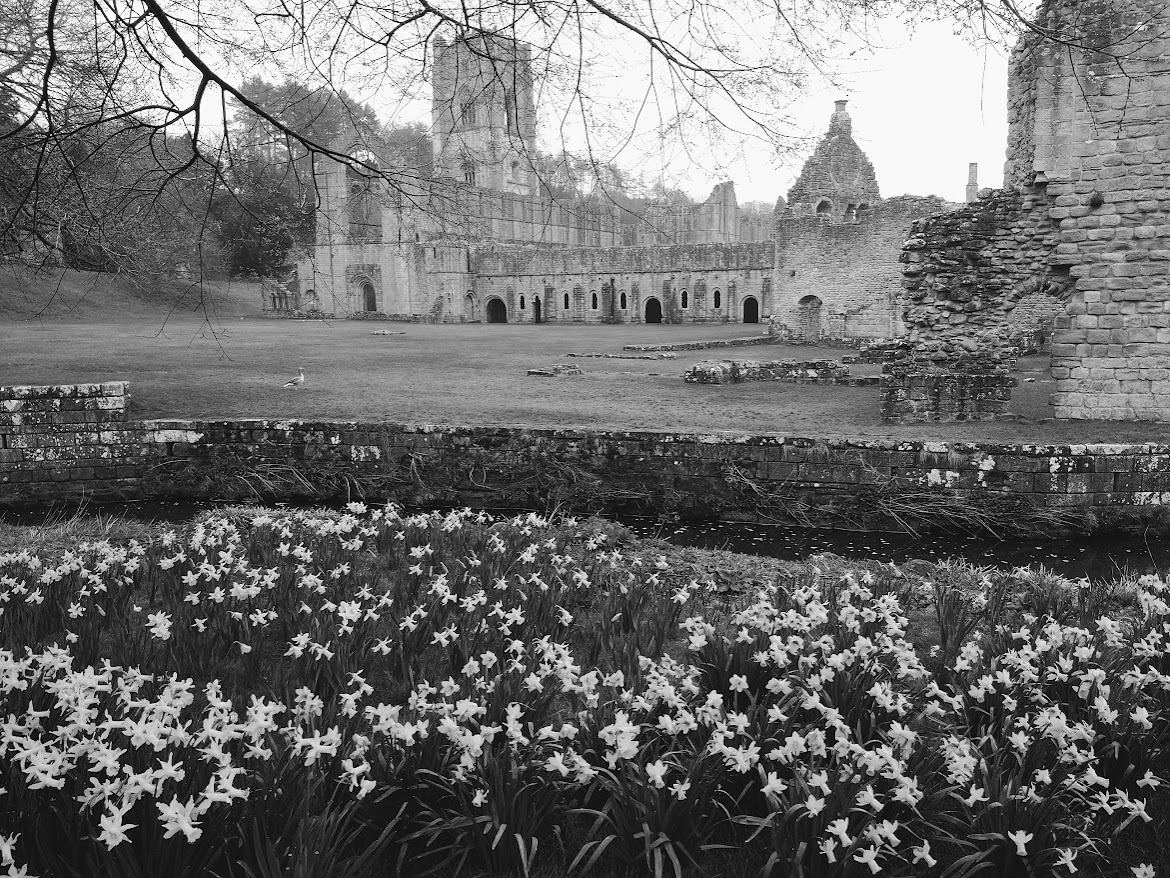
Even though over the last few days the weather has reverted to winter chill with a vengeance, I think it’s definitely the week that Spring has Sprung. The daffodils have suddenly burst forth into golden glory. The grass is lusher. Dandelion and daisies crowd the verges. Spring announces itself in an explosion of colour, in contast to the muted browns and greys of winter with its dull skies and overabundance of mud.
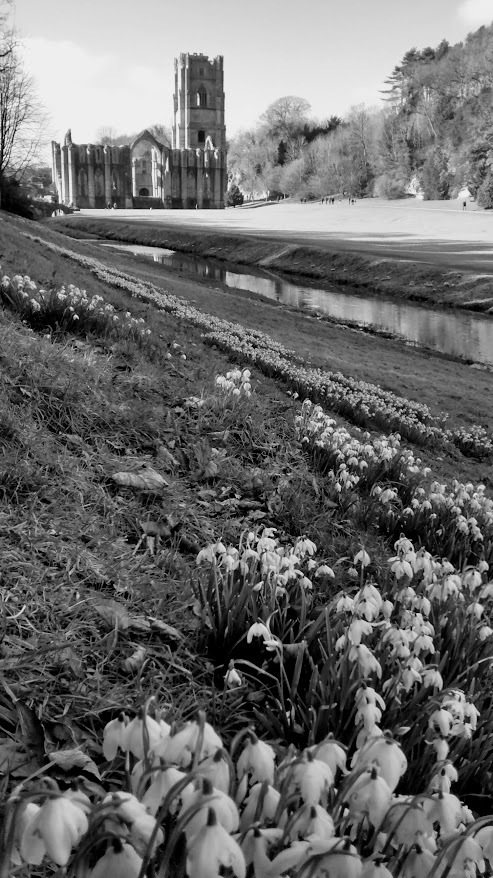
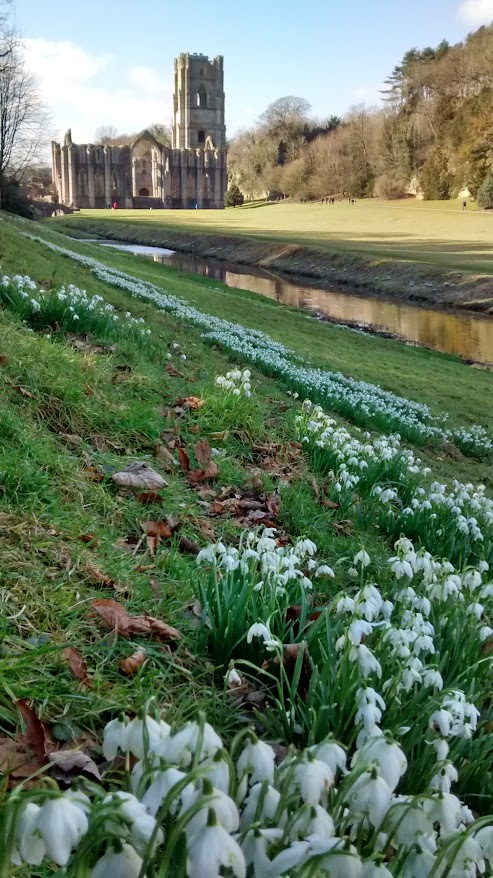
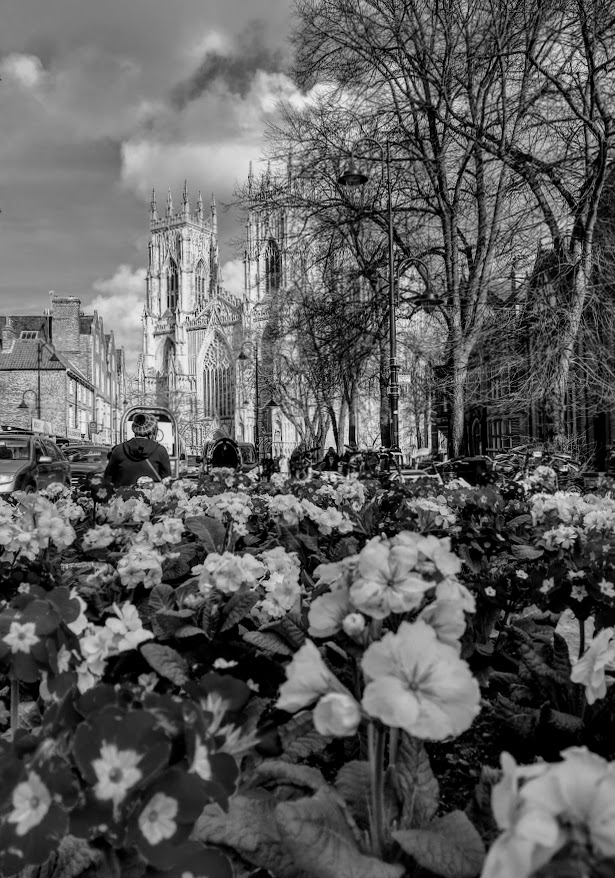
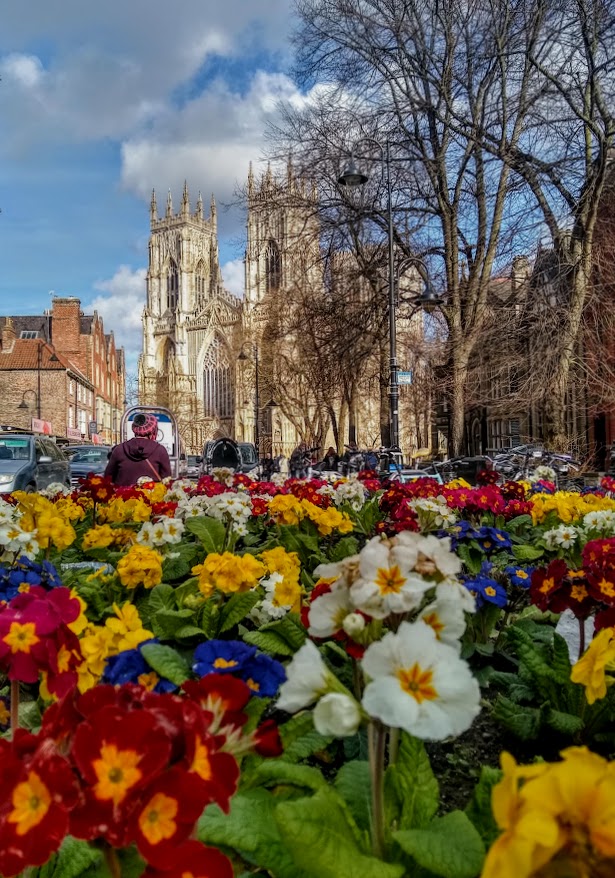
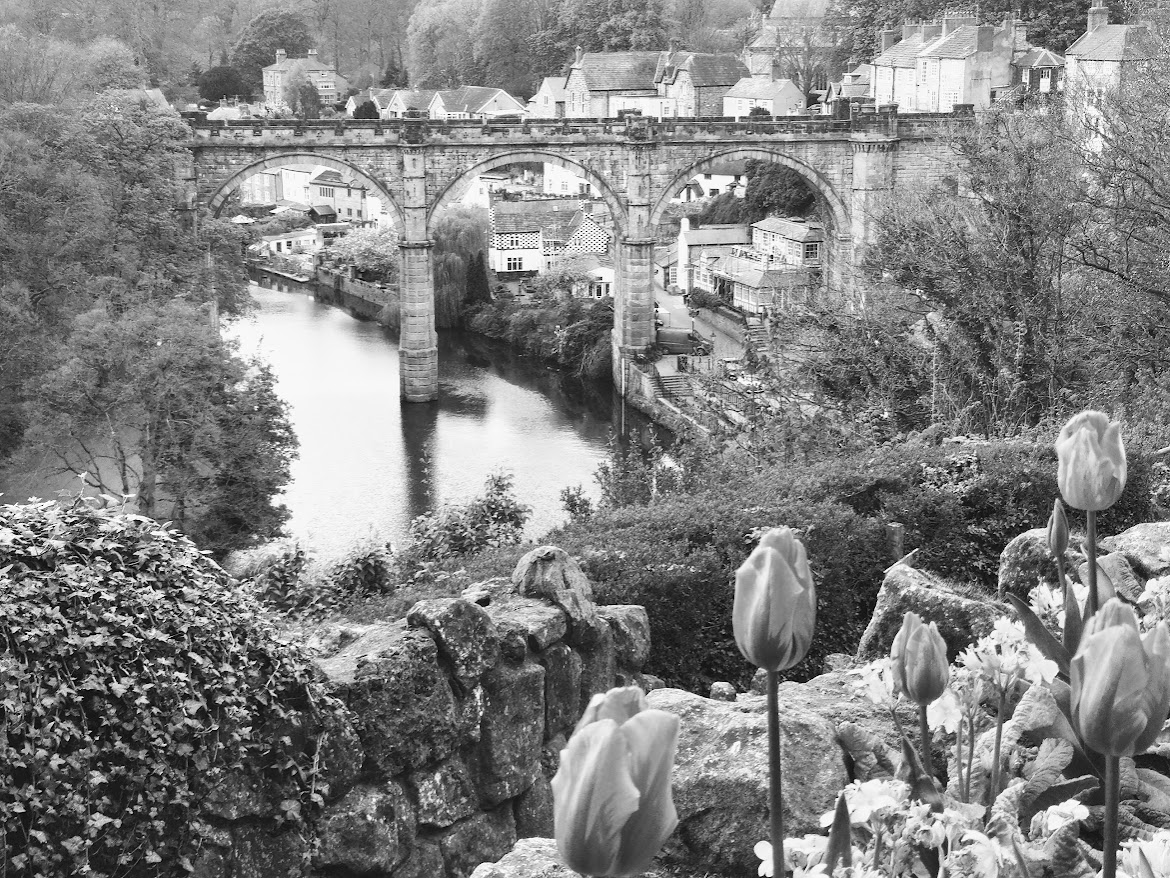
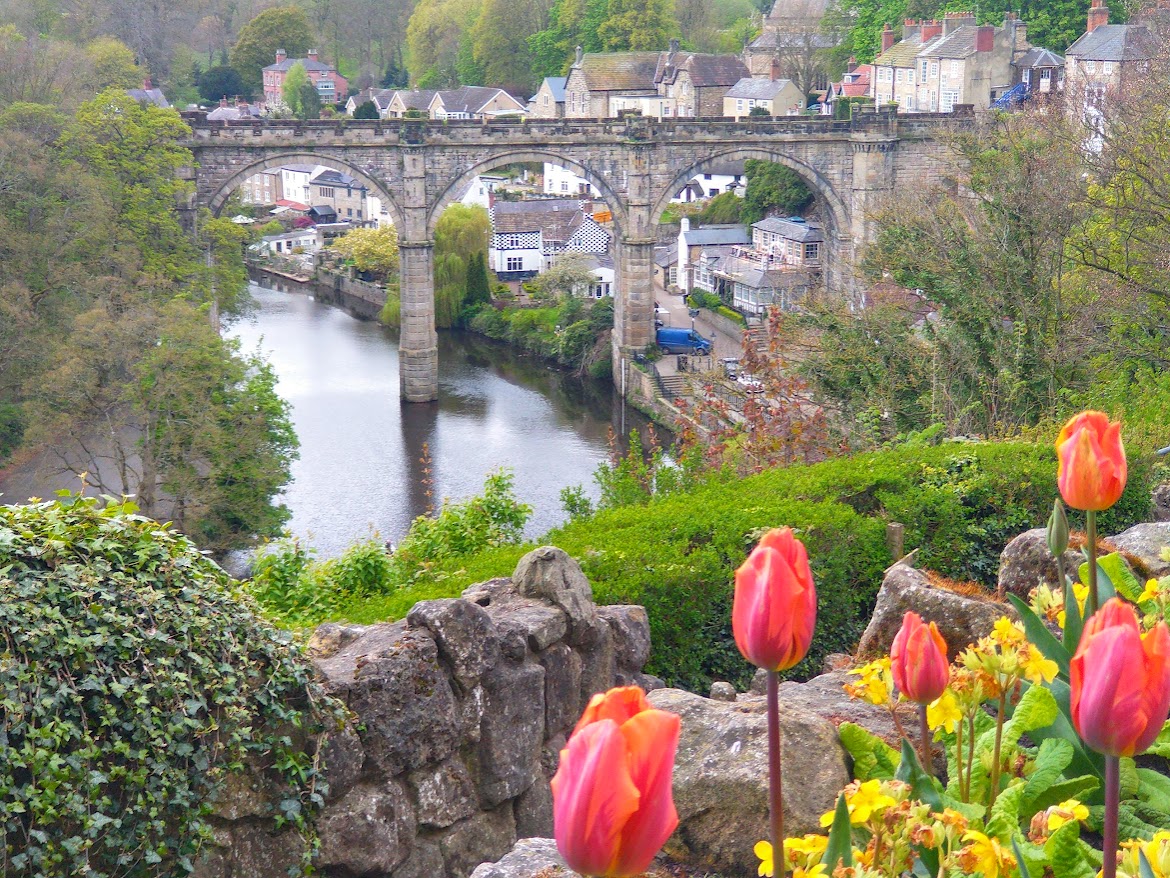
So is there even any point in ‘doing’ spring in monochrome? I thought I’d find out, and chose four images where it’s not just spring flowers telling the story, because they’re complementing the buildings they grow near.
Perhaps these aren’t part of the story, because snowdrops show their faces from early January. But they’re white, so may not suffer so much in monochrome.
Primulas on a traffic island near York Minster.
Tulips overlooking Knaresborough Viaduct.
Part of my own difficulty is that I don’t enjoy tinkering with photos. What comes out of the camera either works, or it doesn’t, and then I’ll junk it. At most I’ll level the picture up, maybe lightly crop it, even – slightly – fiddle with brightness. So my translations into monochrome are crude at best. If I want monochrome – and I’m increasingly choosing it over colour – I’ll shoot in black and white. And perhaps follow up with a further version in colour. I admire those photographers who use editing tools with discretion, so what we see is the original shot – just enhanced in subtle ways. I’m less keen on dramatic editing. But in a diary that is already over-full, I guess I don’t feel like giving this particular skill the time it needs to learn to do it well.
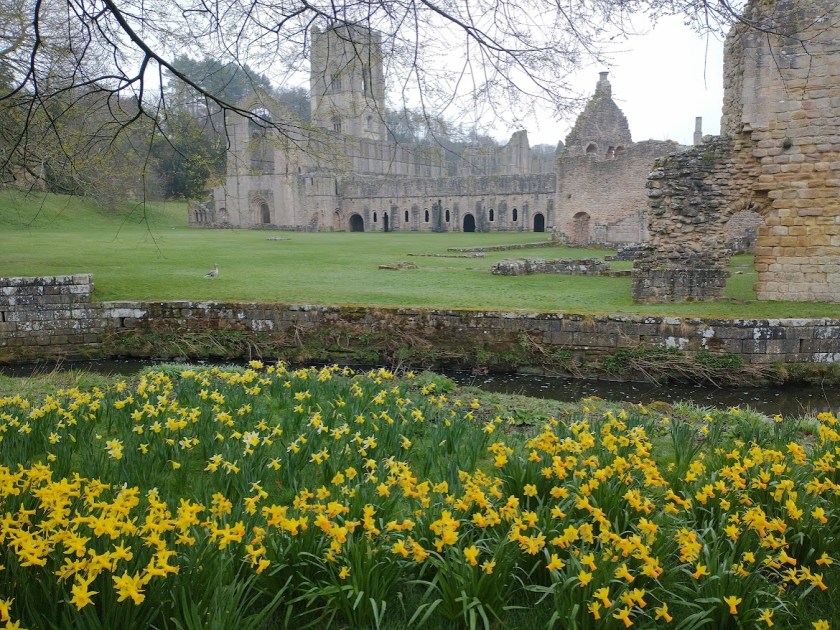
I’ll finish with Fountains Abbey as it is now, its grounds carpeted in daffodils. Black and white as my featured photo, and – my much preferred version here – in the above-mentioned Glorious Technicolor.




















 From Pyrenees to Pennines
You must be logged in to post a comment.