The bots are out to get me! For the last few days, I have been the World’s Most Popular Blogger, with stratospherically high viewing figures. This has happened in the past, and changing my password has instantly solved the problem. This time it’s had no effect. Any suggestions?
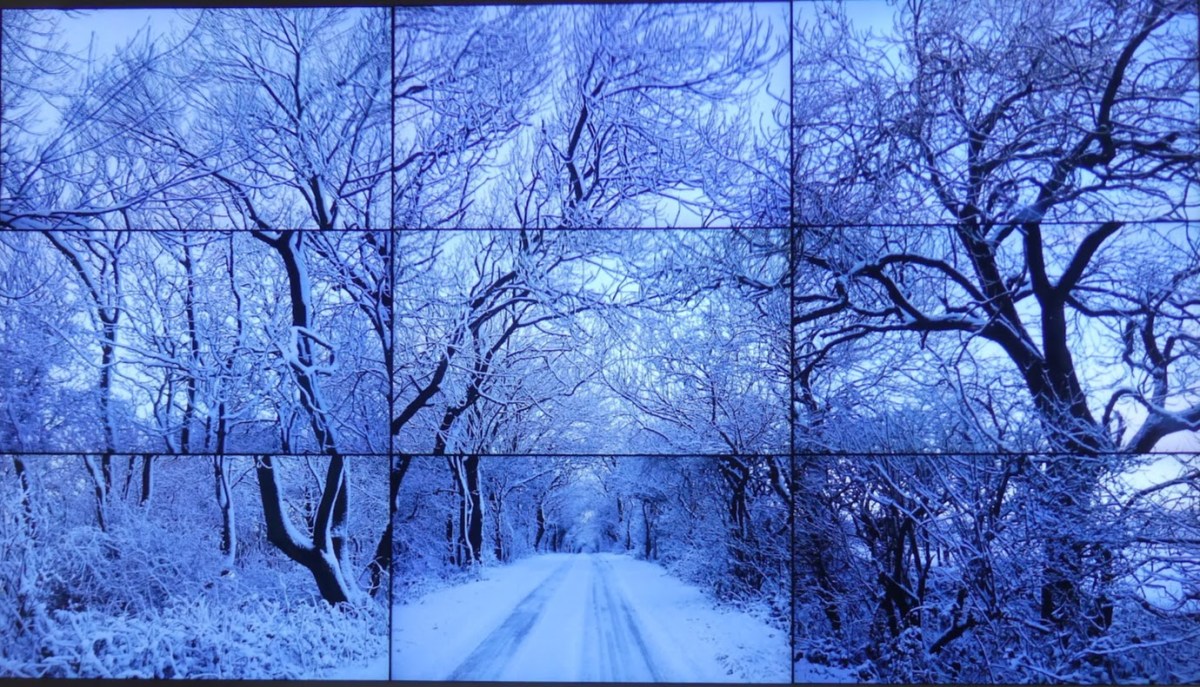
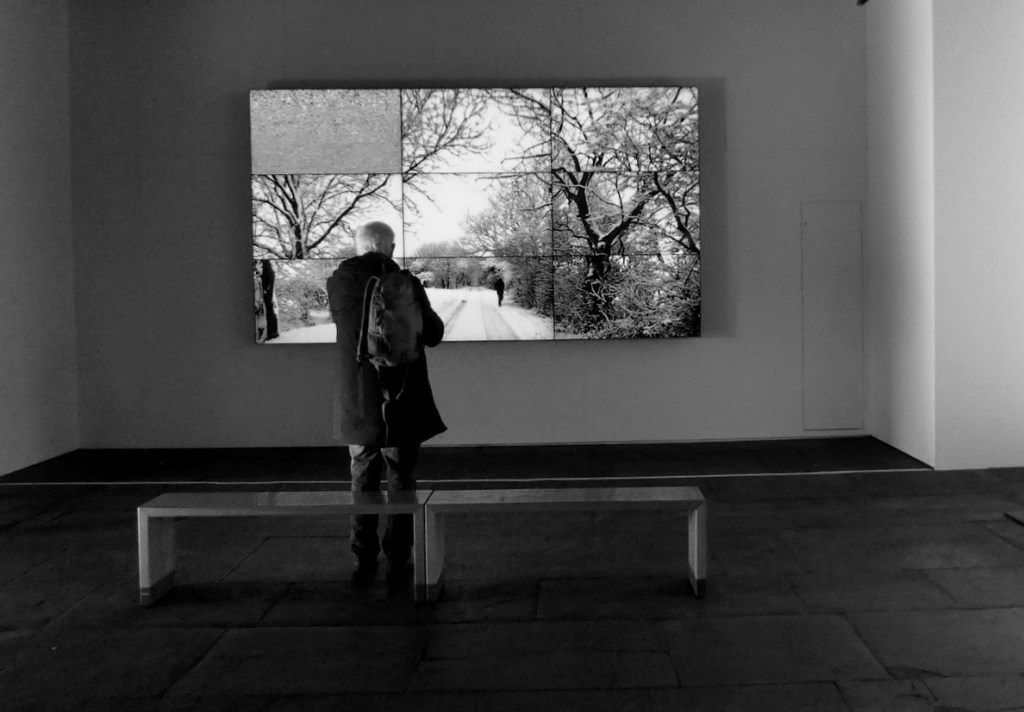
Here we are. A large installation – a collage – one of David Hockney’s iPad works. Each of these nine ’tiles’ shows a constantly changing set of views of the same scene at different times, independently of all the others. The full image is in a case of constant flux, always showing a slightly different aspect of the snow scene Hockney was viewing. It’s a bit like those plastic puzzles that I had as a child with 15 tiles and one blank space, so you could move the tiles around till you made a picture. Or not, in my case, usually.
In the absence of actual snow this year, I offer you this snow scene for the week before Christmas, and for Leanne’s Monochrome Madness.
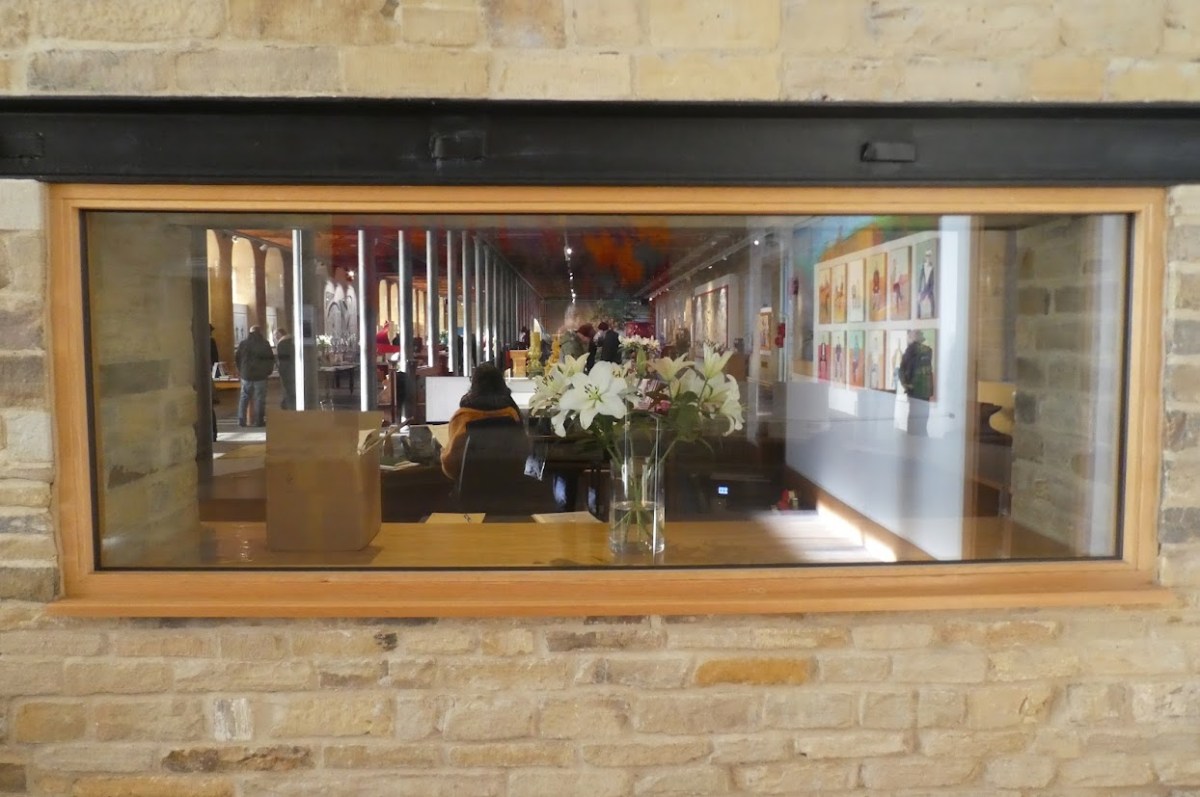
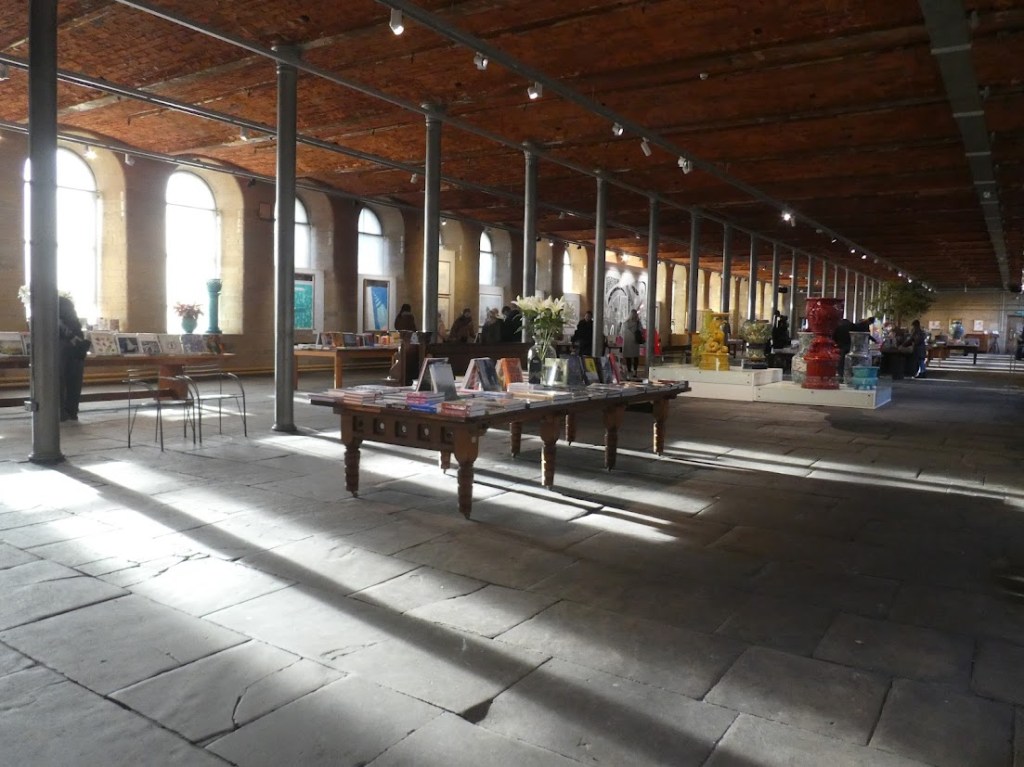
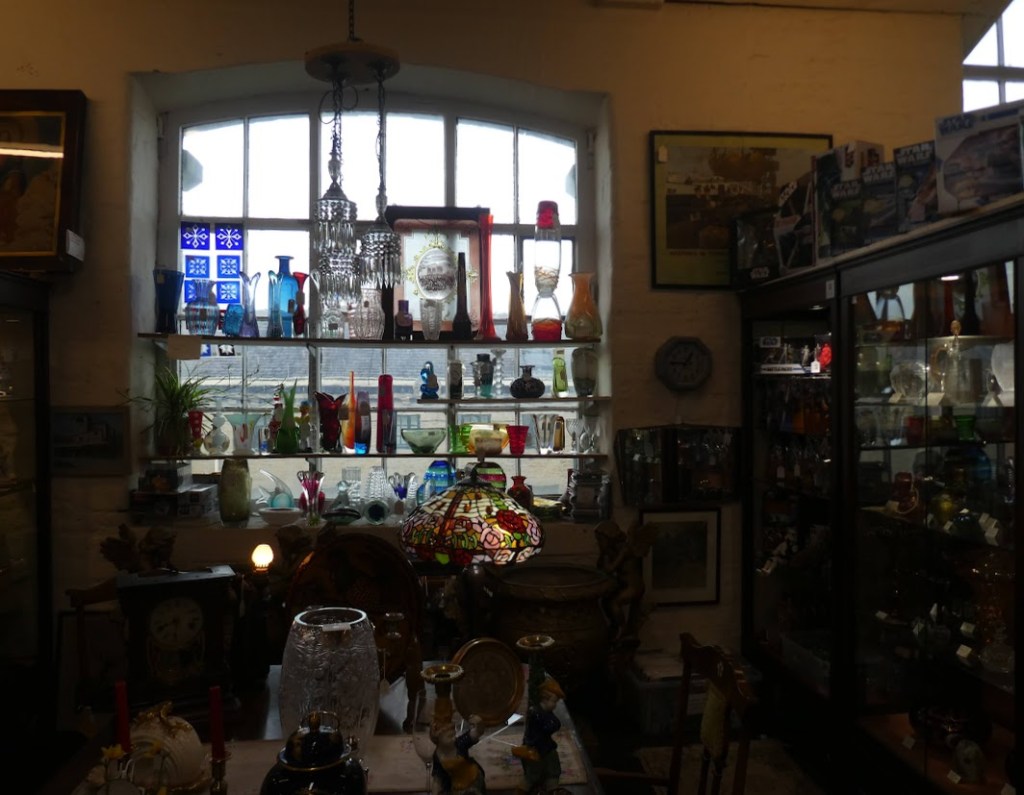
Today I bring you not just one, but twenty or more windows from the shop on the ground floor of Salts Mill in Saltaire. Its magnificent bookshop is upstairs, but here, as you come in, you can buy posters and cards, stationery and supplies, art materials – all temptingly laid out for browsers who wander around this space, decorated with vast ceramic pieces from Leeds-based Burmantofts pottery, elegant vases of fresh lilies. The window in the featured photo is in the entrance hall to the Mill, and hints at the treasures to be found within.
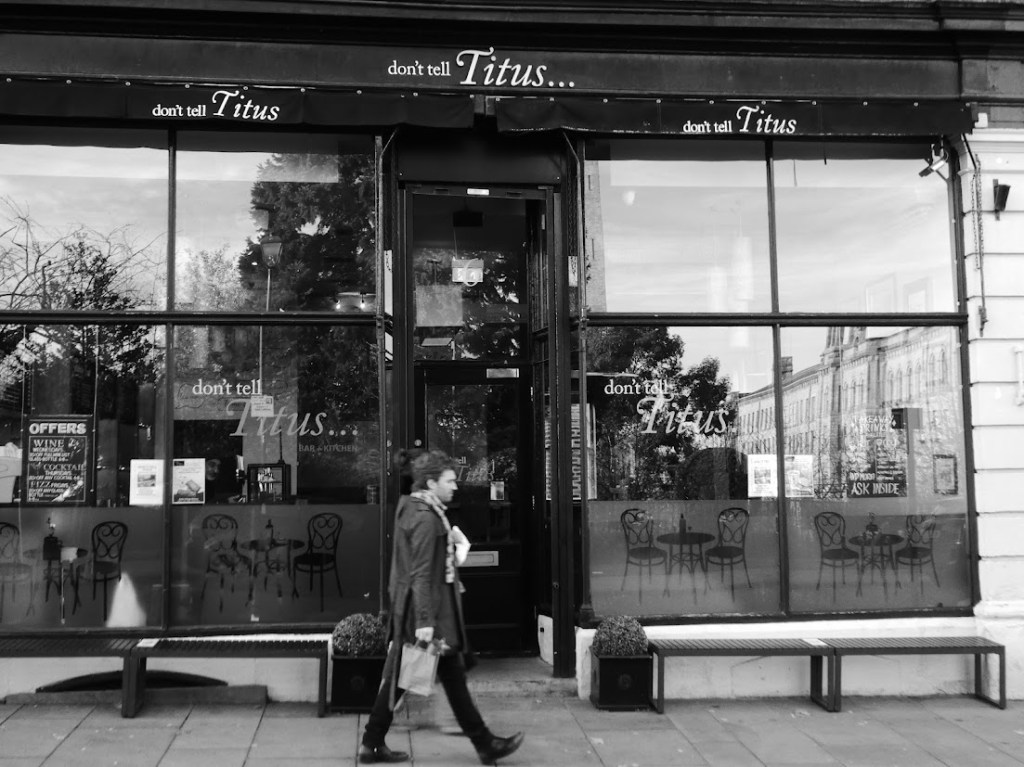
The other week, we visited Saltaire. It’s a Victorian Model Village built near Bradford by mill owner Titus Salt. Built between 1851 and 1871, it was a philanthropic project to provide better living conditions for the workers of his Salts Mill than were available in the crowded city slums. The village was designed with well-constructed houses, a church, a school, a library, and a park. But no pub. Salt had seen the dire consequences over-consumption of cheap liquor could have on workers and their families, so emphatically – no pub. Hence the name of this modern bar, which reflects Titus’ mill in its windows. The village and mill deserve a post to themselves. That’ll be for another day.
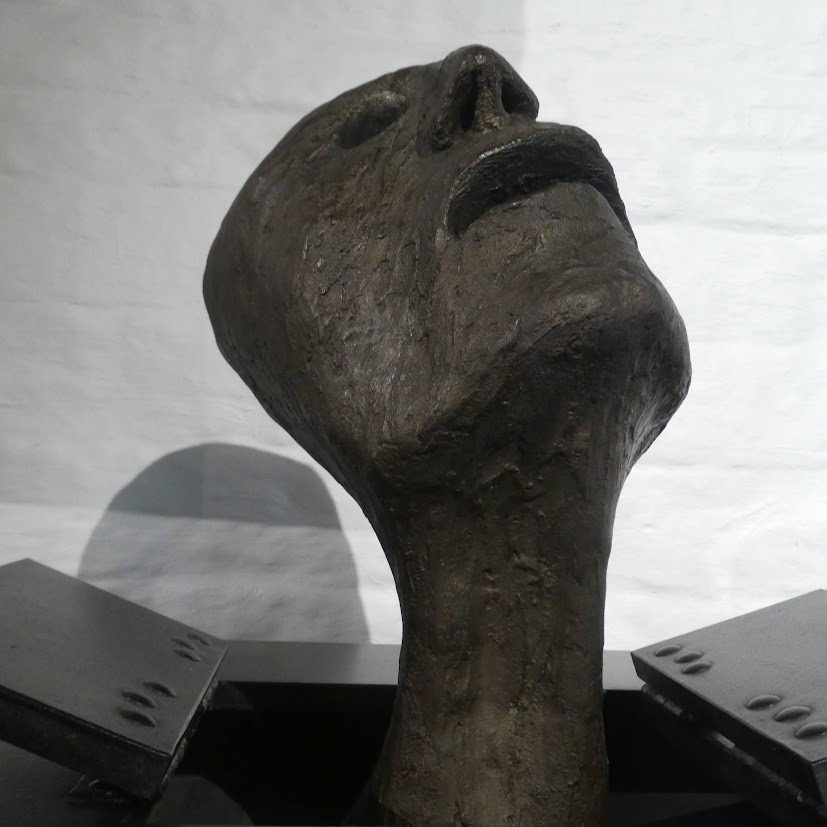
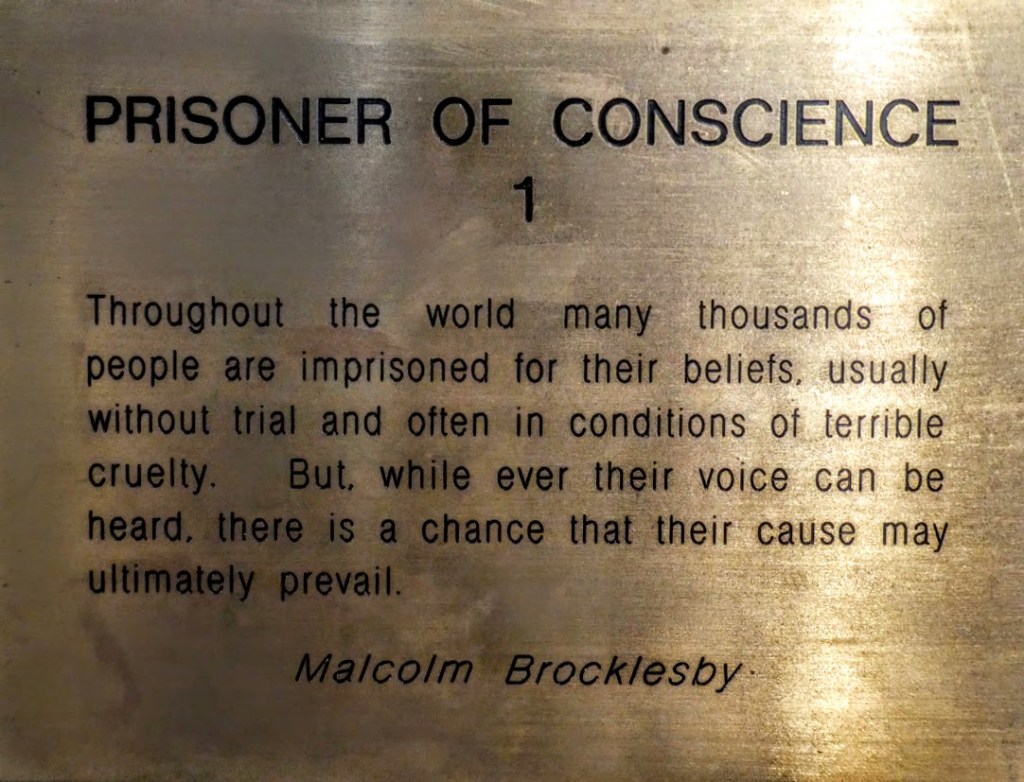
These powerful pieces come from The Peace Museum in Salts Mill, Saltaire. Prisoner of Conscience is a three part work by Malcolm Brocklesby. This is what he says about the image above:
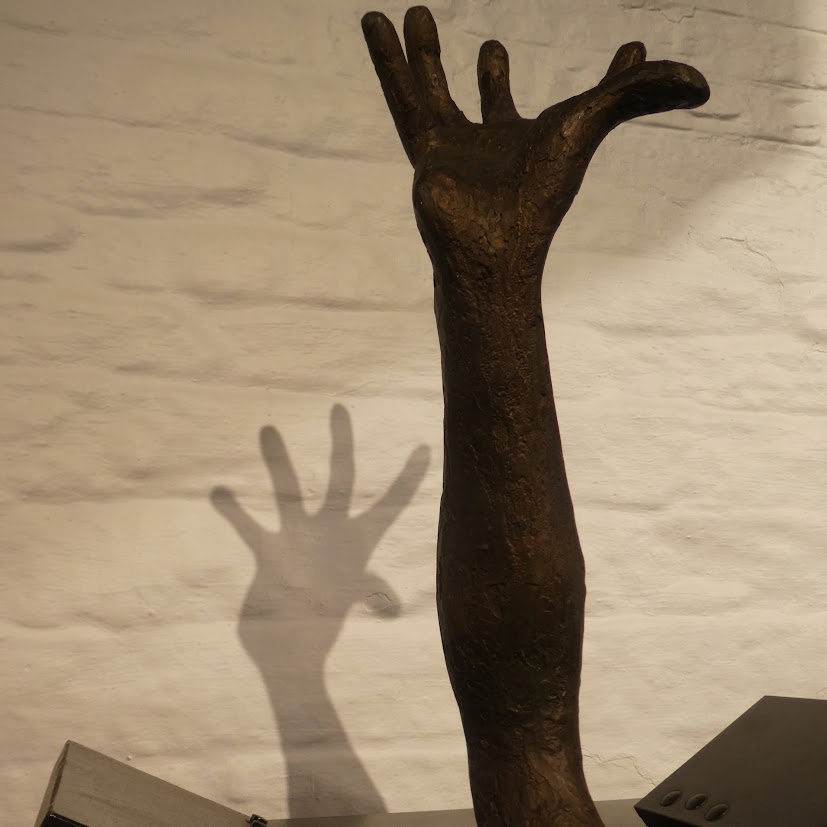
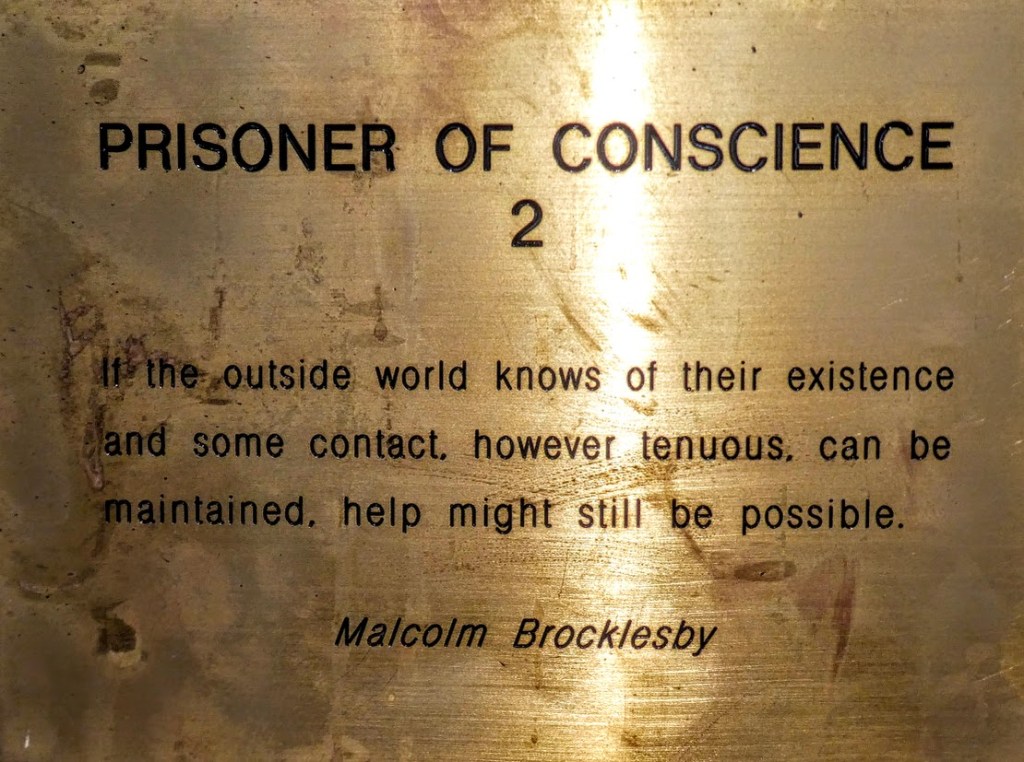
Then there is a second piece:
This illustrates …
The third image is simply a locked padlock, keeping a small heavy door irrevocably shut. We imagine, behind it, a prisoner the world has forgotten.
This year Bradford is the UK’s City of Culture. This might seem unlikely. Once a town prosperous thanks to the textile industry which thrived there in the 19th and early 20th century, its vitality decreased thanks to the collapse of this industry during the mid 20th century, not long after the time that thousands of Pakistanis and Indians came to work in those textile mills. Now it’s once again finding its feet, and is a lively multi-cultural city. We don’t visit as often as we should.
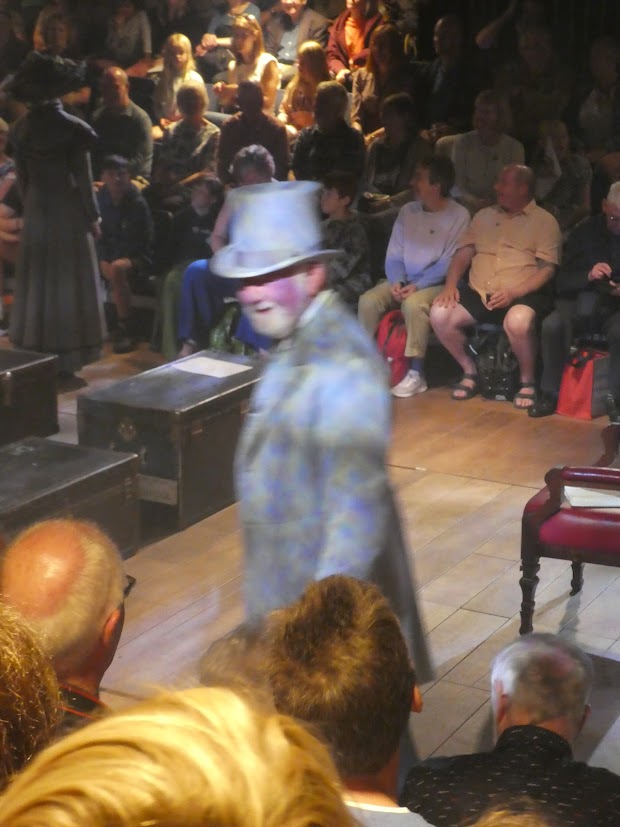
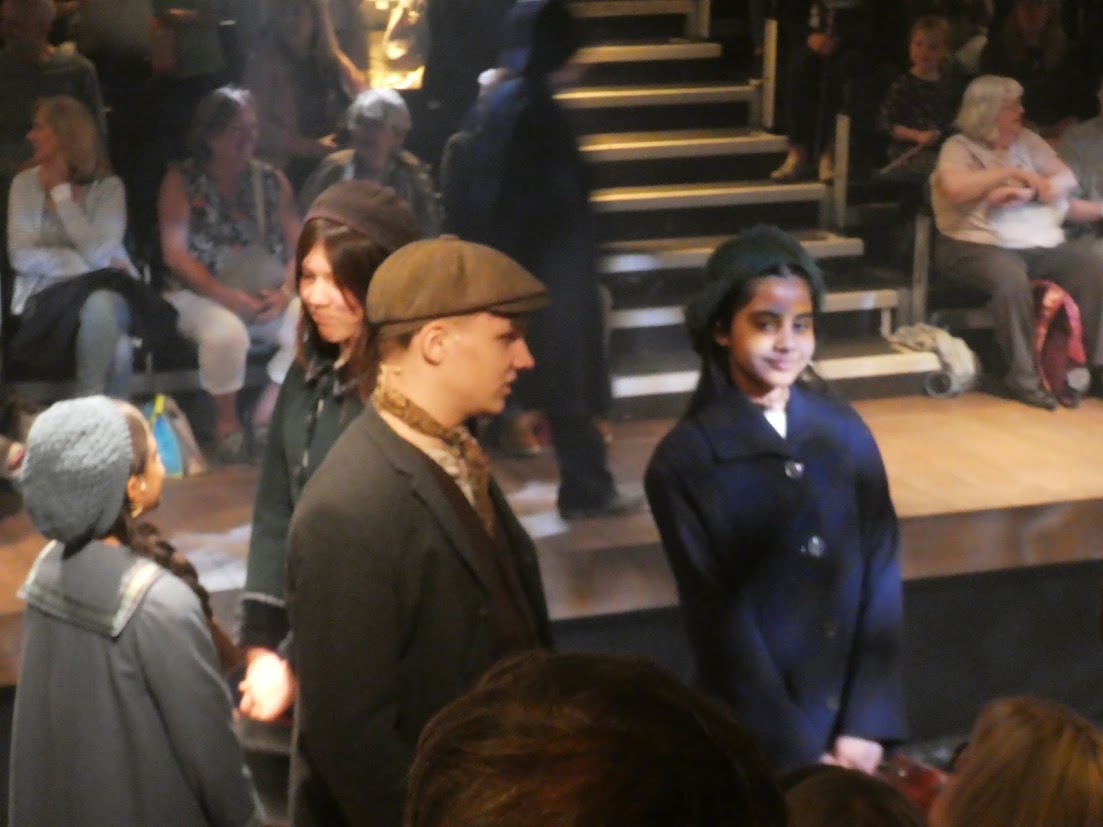
But in late August, we did. We had to see the show that everyone was talking about. In Edith Nesbit’s 1905 book The Railway Children, often since adapted for stage and screen, siblings Roberta, Peter and Phyllis are forced to move with their mother to a country cottage after their father is unjustly imprisoned for espionage. Living by a railway, they become fascinated with the trains, stop a runaway train to save lives by waving flags, and befriend their mother’s wealthy, kind neighbour, an ‘Old Gentleman’, who helps their family and ultimately finds their father. Conveniently, in this Bradford production, the mother is an Indian woman whom the children’s father met whilst working there. This allowed the children to be played by British Indian actors, to celebrate the Indian aspect of Bradford’s heritage.
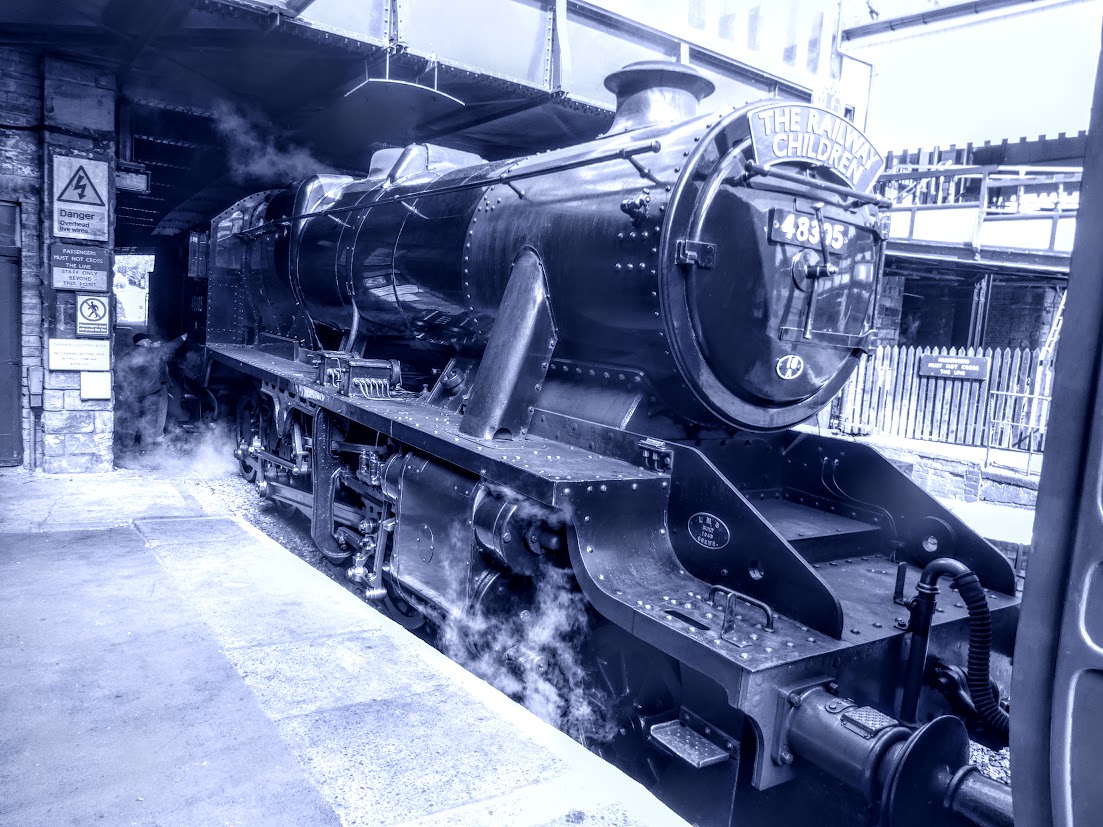
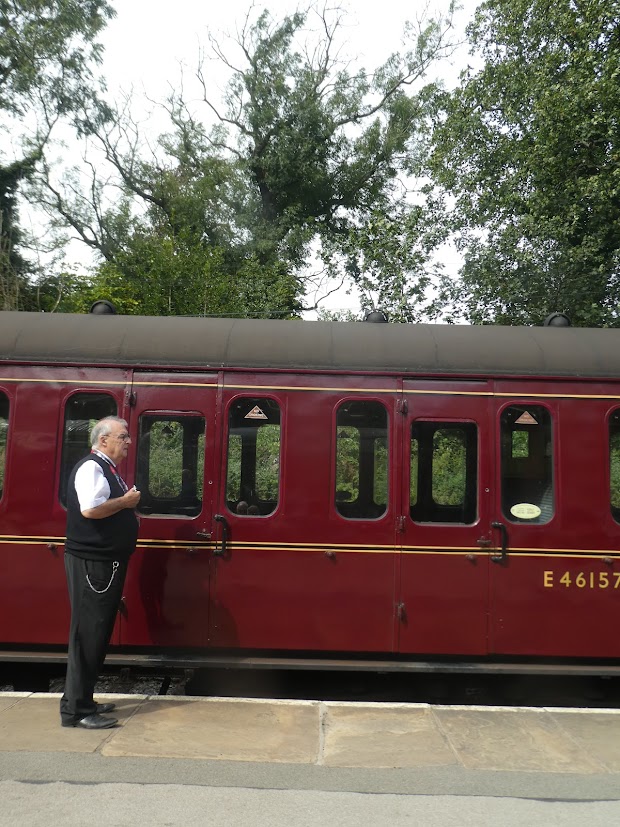
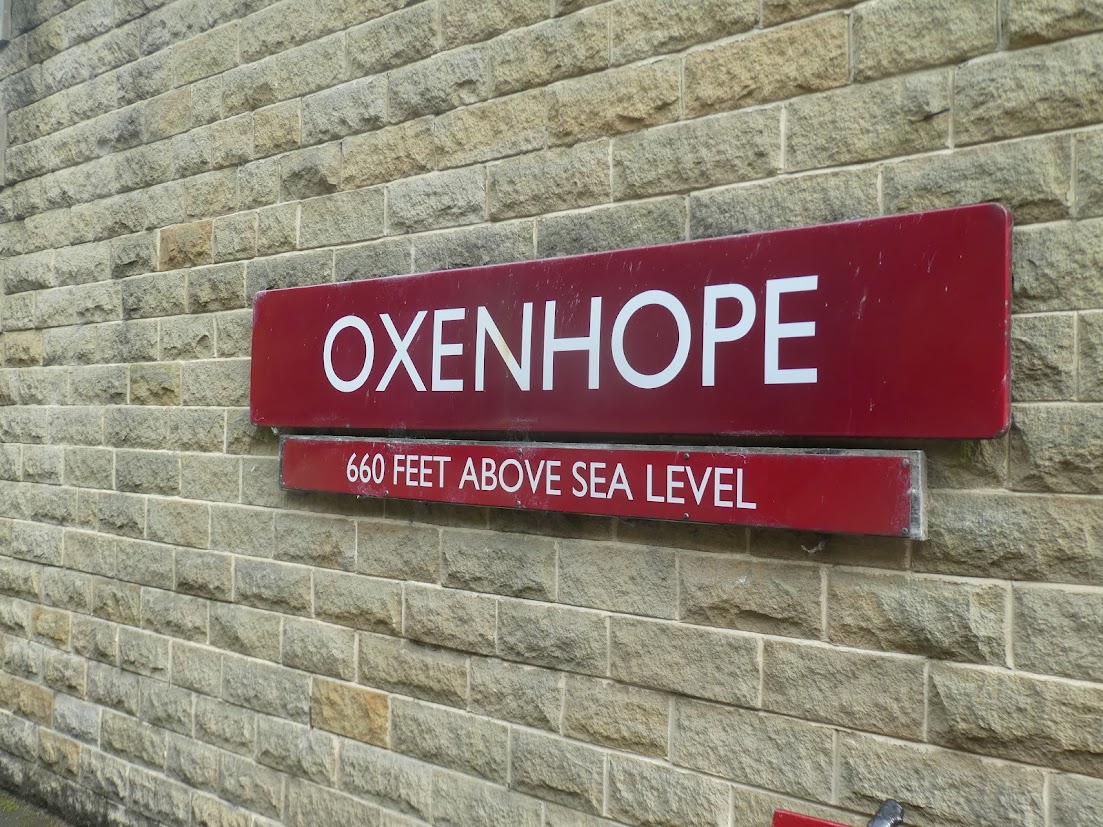
Well. Anyway. This wasn’t any old play. We had to report, several hours before the production began, to Keighley Station. Which is part of Bradford Borough. Why? Because we were to be transported by steam train to Oxenhope where the play would take place in a re-purposed engine shed.
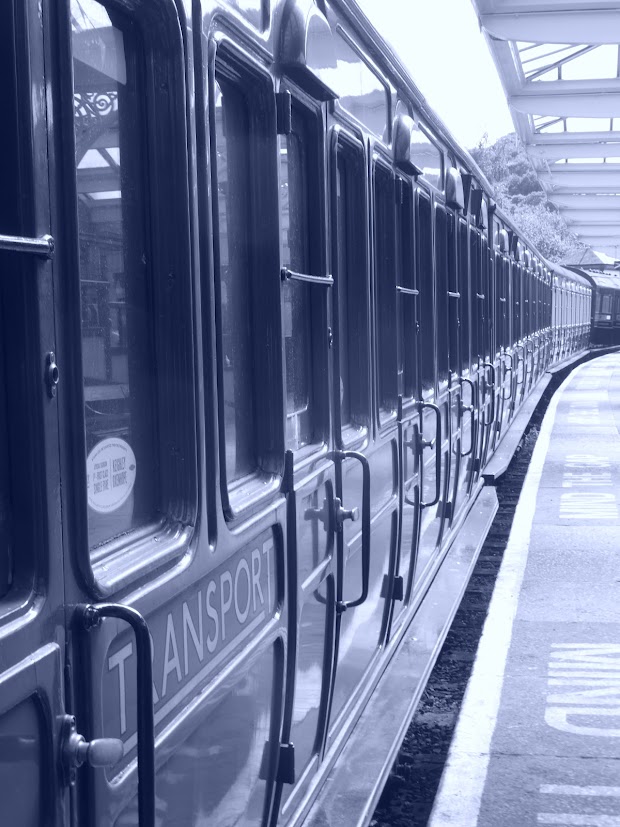
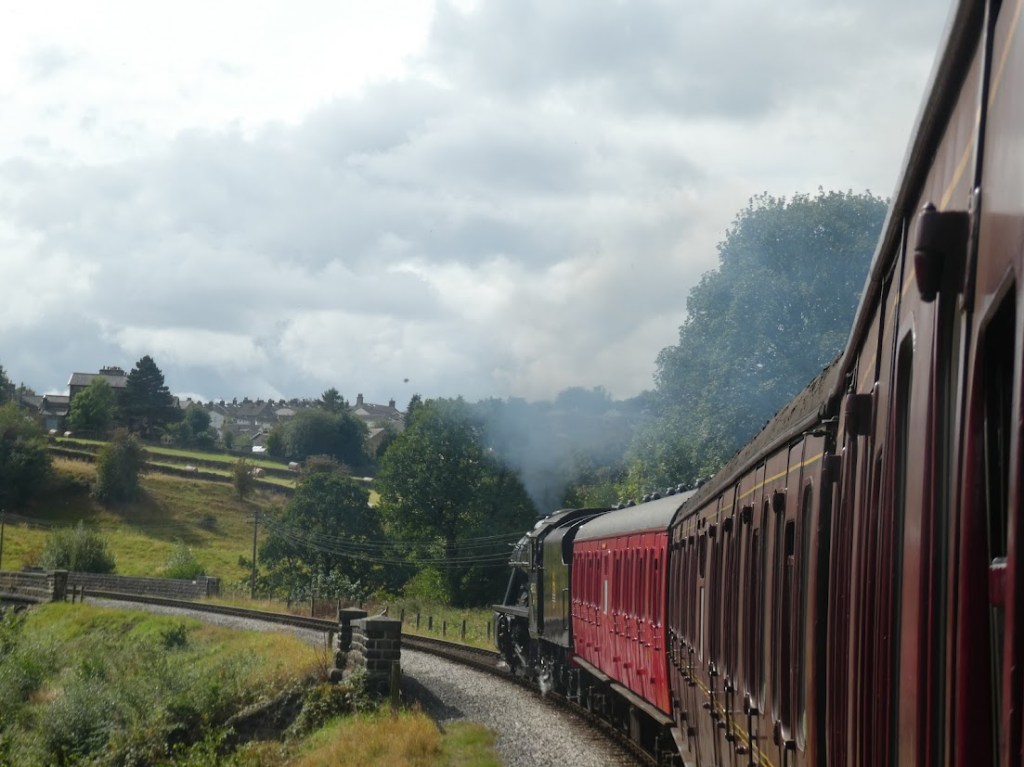
A long queue formed there and at the advertised time, we all filed forward to be packed into elderly – but spick and span – carriages and transported several miles to Oxenhope Station. We all relished the background chuffing sound, the loud, echoing sound of the steam whistle, the rhythmic clanking of the running gear and of course the distinctive mildly sooty smell, and enjoyed the instant camaraderie struck up amongst fellow passengers.
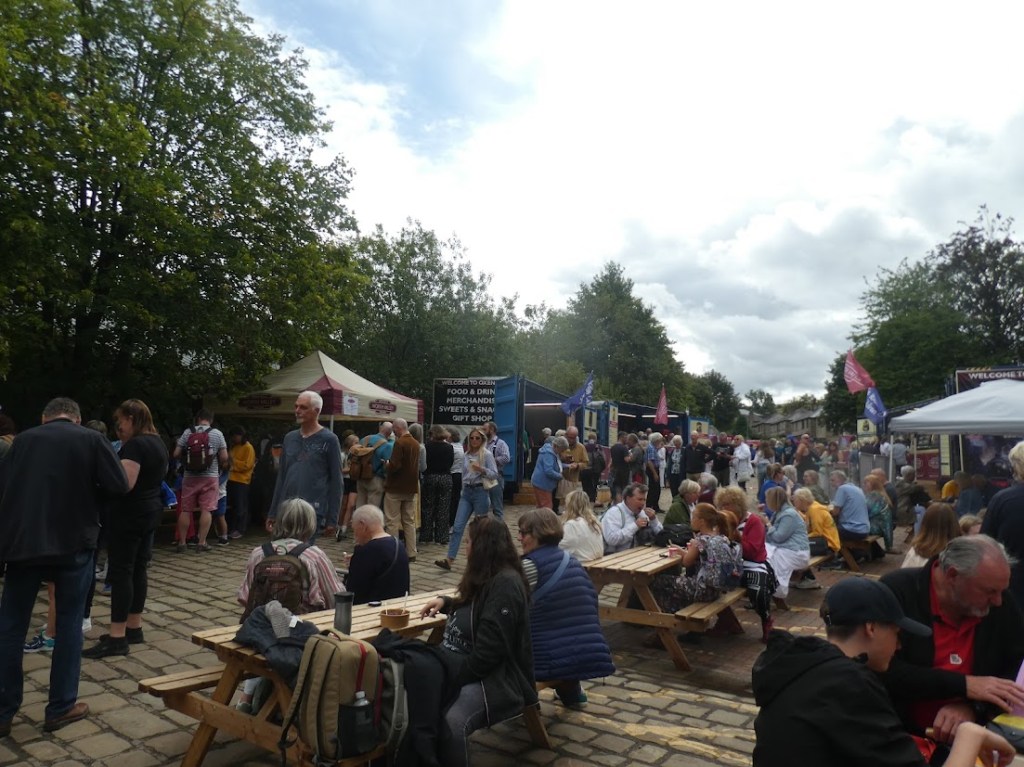
Then we arrived. Long before the play started. That was OK. We had a picnic. There was a cheery market full of food stalls and relevant souvenirs. It was sunny. Everyone was in holiday mood.
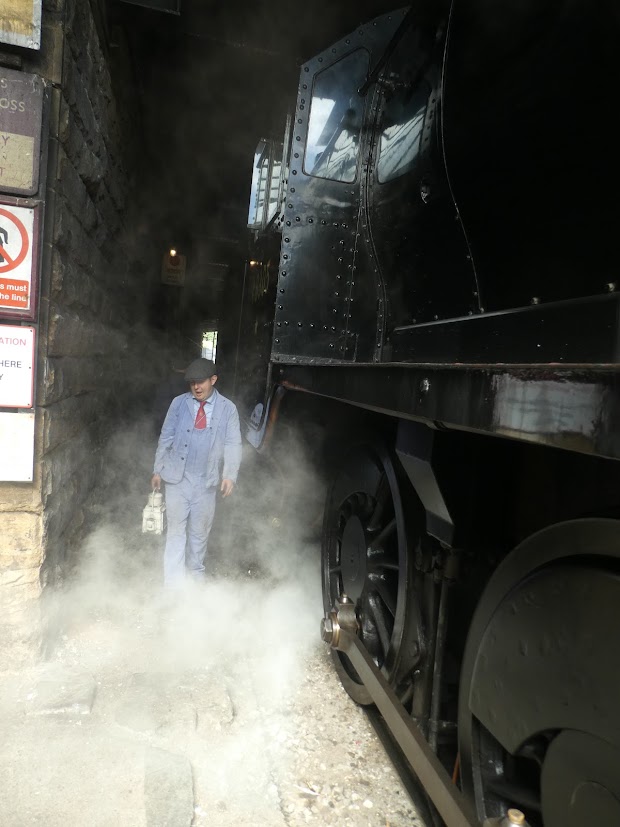
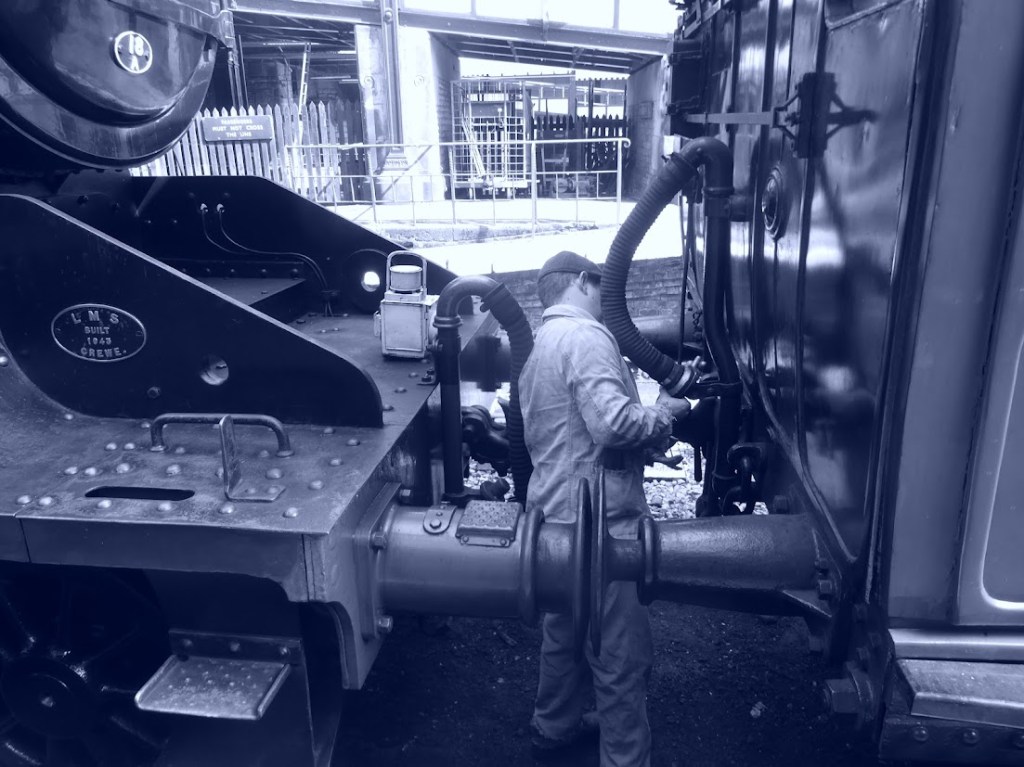
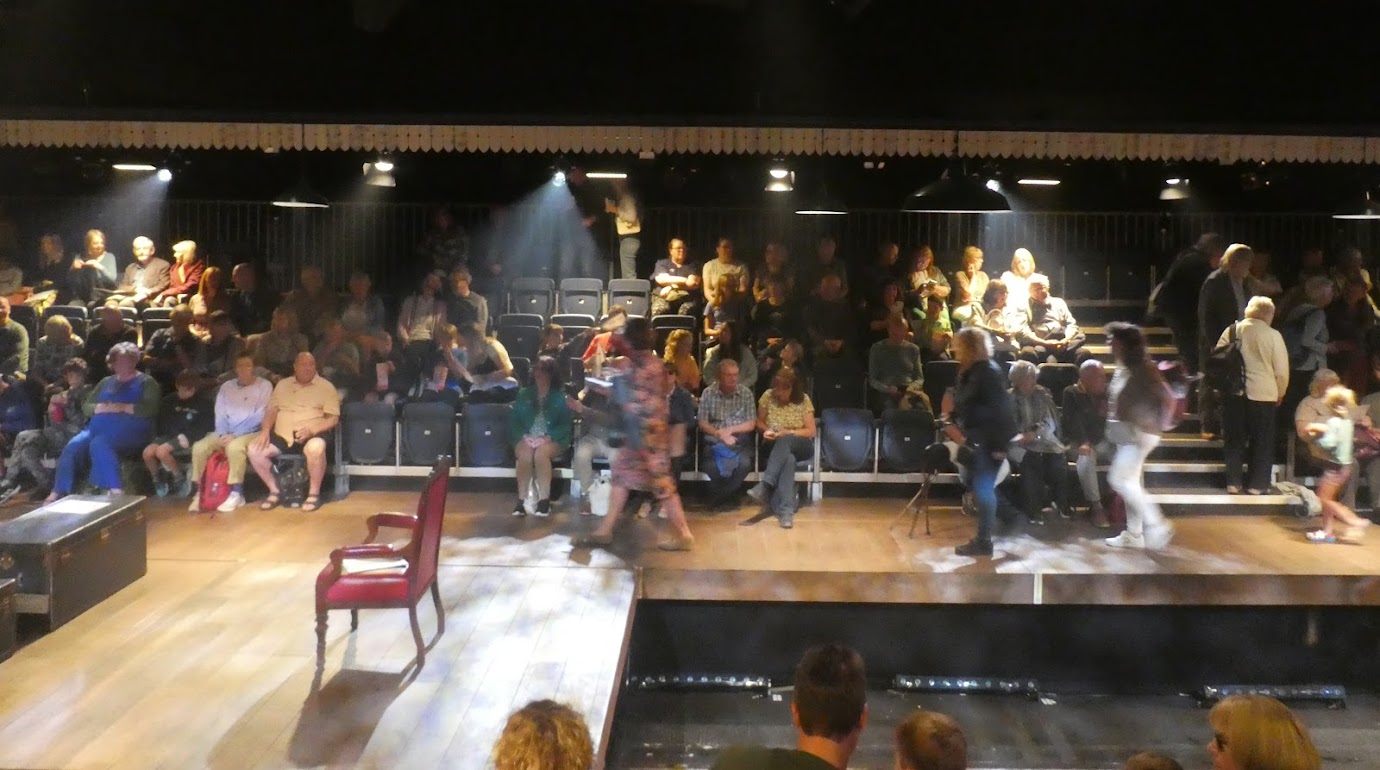
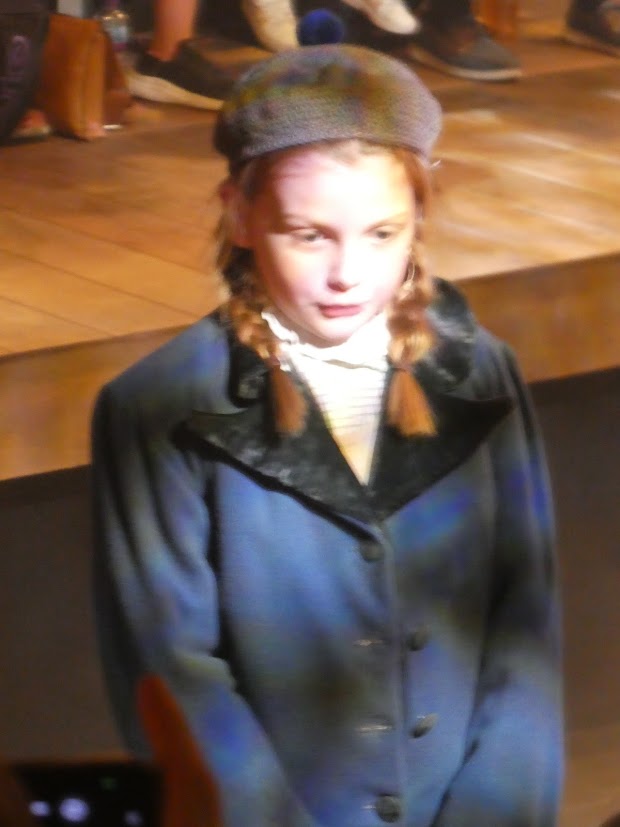
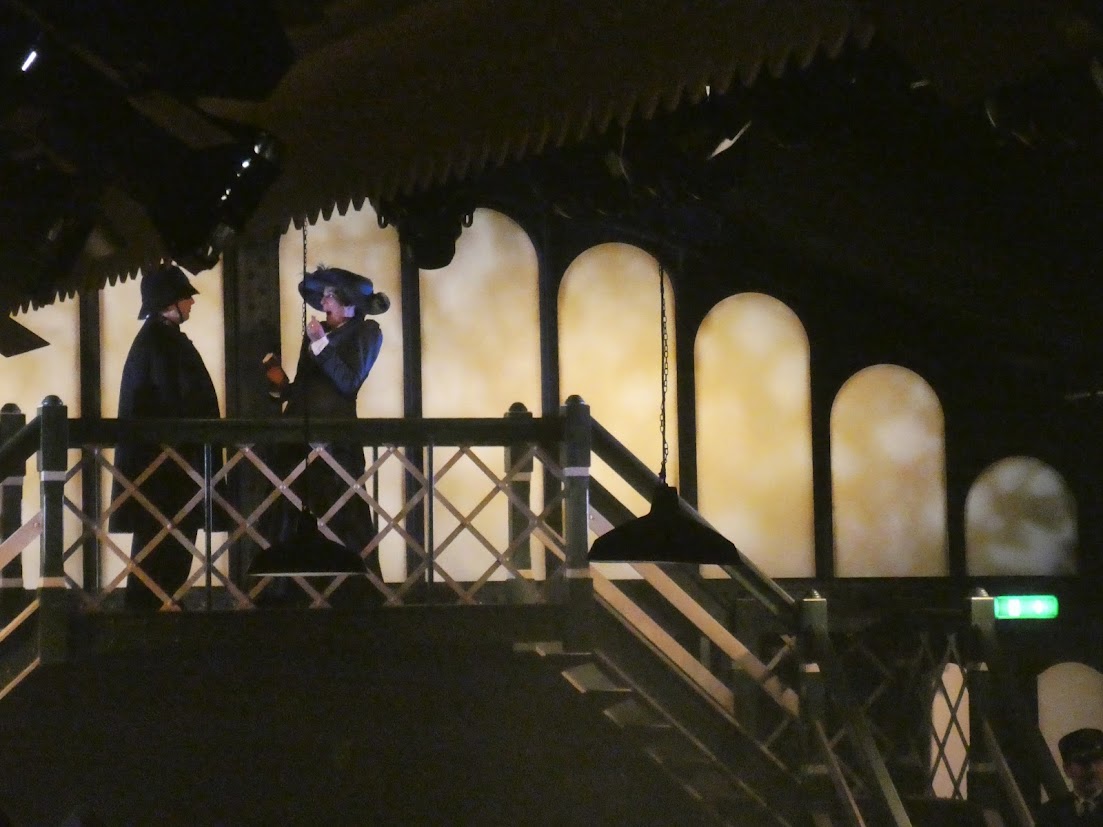
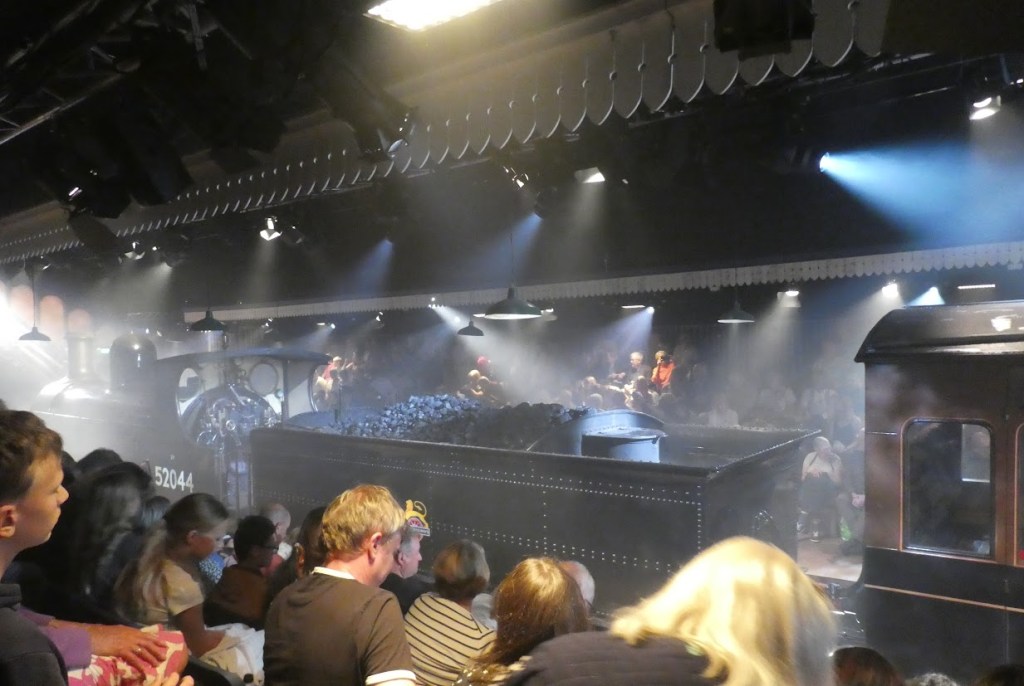
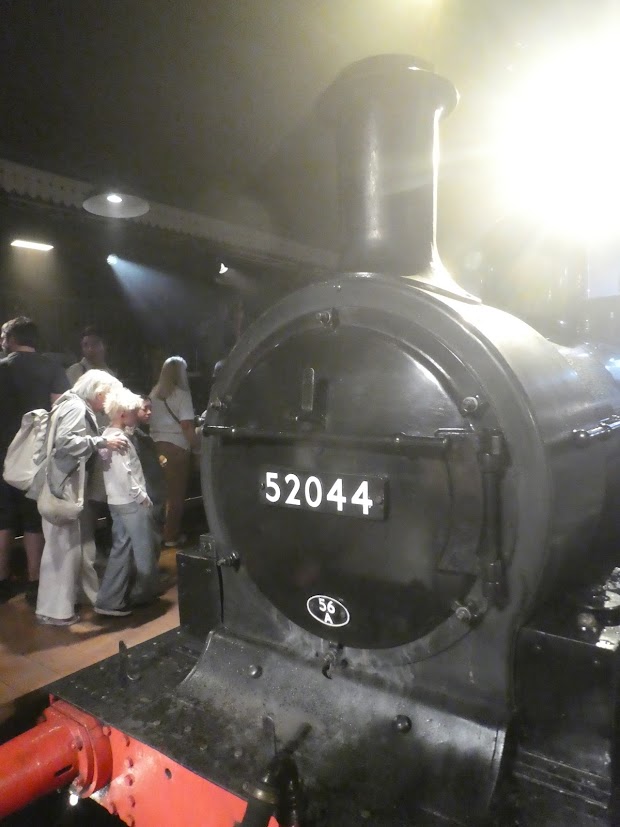
Finally though, it was time to file into the theatre. Or engine shed. Two large banks of seats rose up on either side of a railway track, above part of which was a stage: a moveable stage, as we would eventually find out. Once we were seated, the cast, all costumed up for the afternoon drifted in and mooched round among the audience, chatting and laughing . My images come from those moments, as photography was forbidden during the performance.
Which, when it came, entranced us. We entered into a world of family disappointment, moving downmarket, and adaptation to a new way of life. How those children grew to love the railway line that was their nearest neighbour! And how thrilled we were when the children noticed a runaway train advancing unexpectedly along the track – an actual train, surging into the auditorium before our very eyes. Waving flags and the girls’ red underskirts as a warning, the children brought the train to a halt. Just in time for the interval.
A sneaky shot of the train departing.
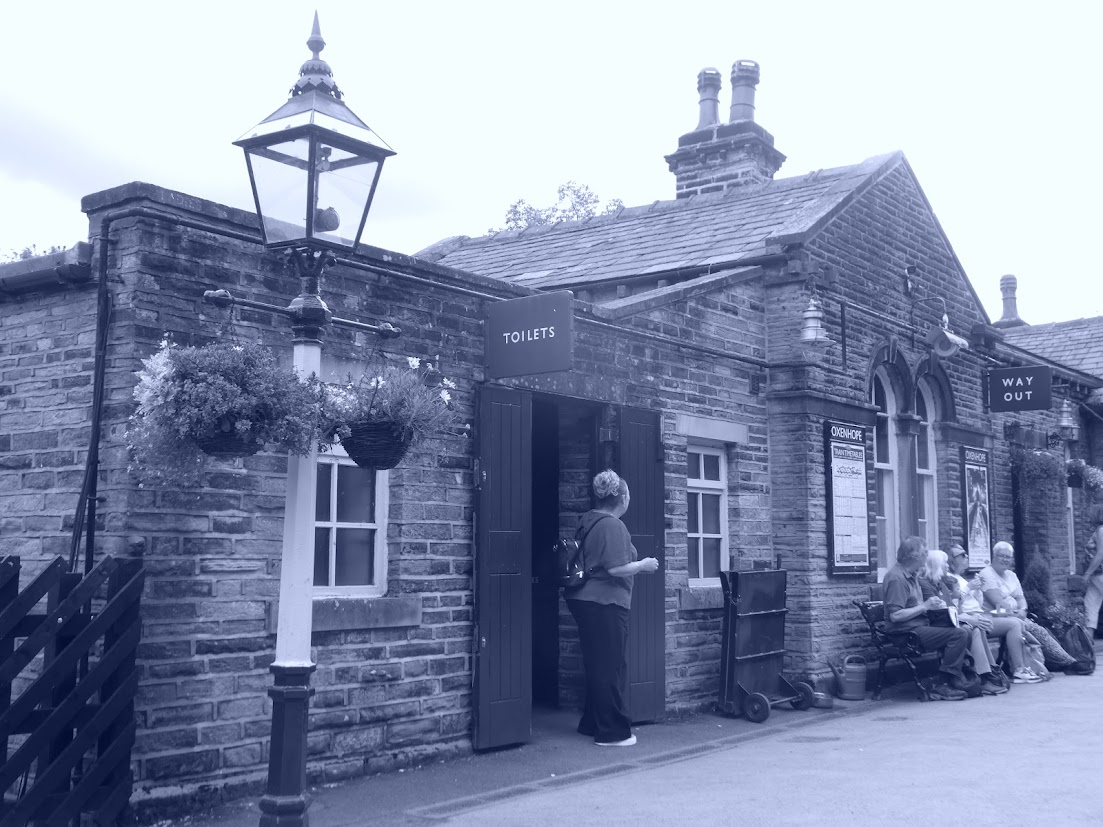
More happily mooching around in the market and on Oxenhope station before returning for the second half, which brought the story to its happy conclusion.
Leaving the auditorium, we got a final glimpse of the Star of the Show
Then it was back onto the platform at Oxenhope where our train soon appeared to take us on board and return us to the station at Keighley. A very special afternoon.
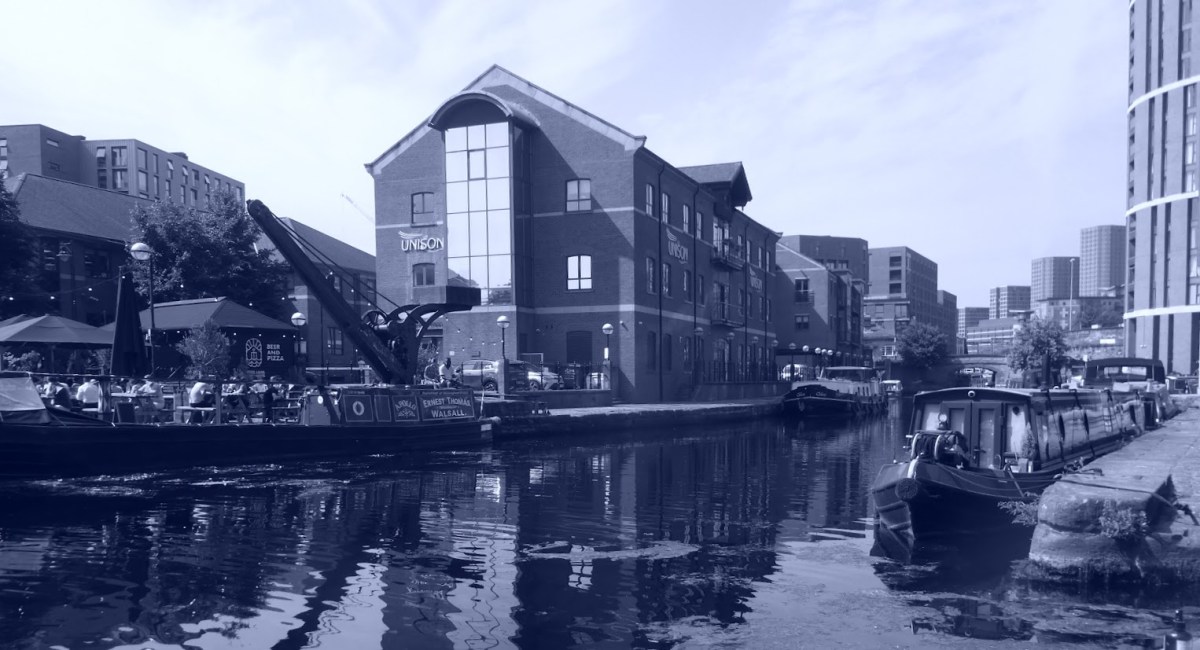
Back when I lived in Leeds, its waterfront was emphatically not A Thing. It was certainly not called The Waterfront, being a disregarded area of town rotting behind the station, with long-closed mills and factories collapsing into weed-smothered decay. These dessicated buildings stood alongside ill-repaired streets, deserted except by cars whose owners parked here for free before scurrying off to work or shop in a more salubrious part of town. The River Aire, the Leeds-Liverpool Canal were uninviting, rubbish-clogged. The area wasn’t anybody’s idea of a good day out.
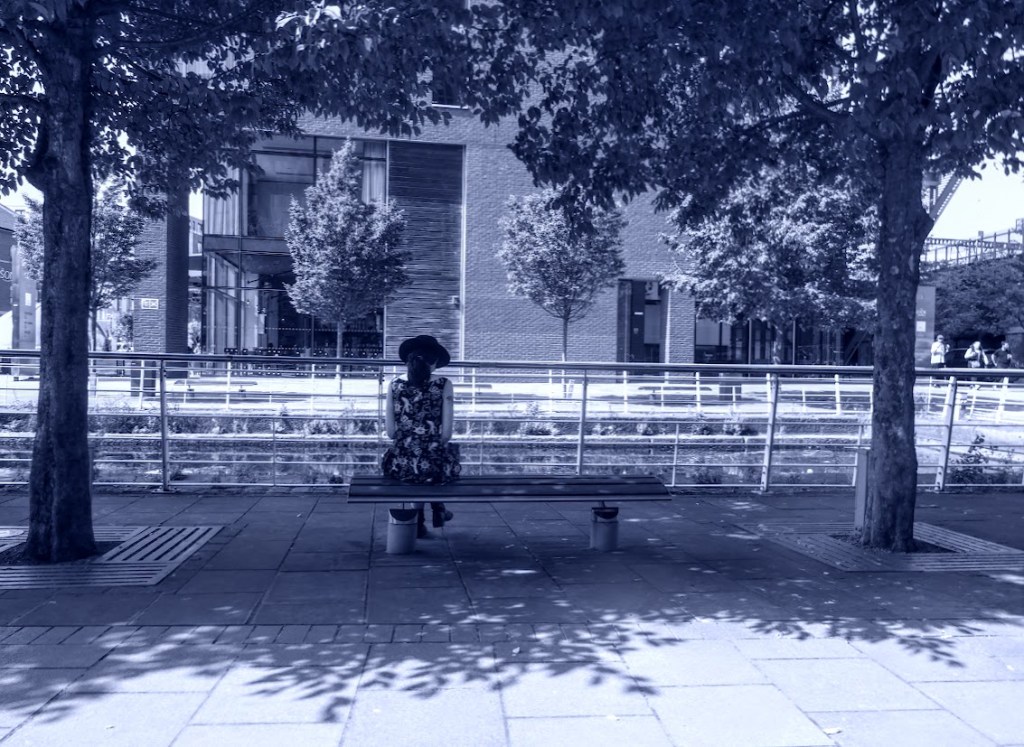
Nowadays, what a surprise! Mills and factories have been restored: repurposed as offices, shops, bars and restaurants. It’s busy day and night with local workers, tourists and pleasure-seekers. Canal boats saunter in and out. Here’s a woman enjoying a quiet moment, probably in her lunch break, on a bench overlooking the canal.
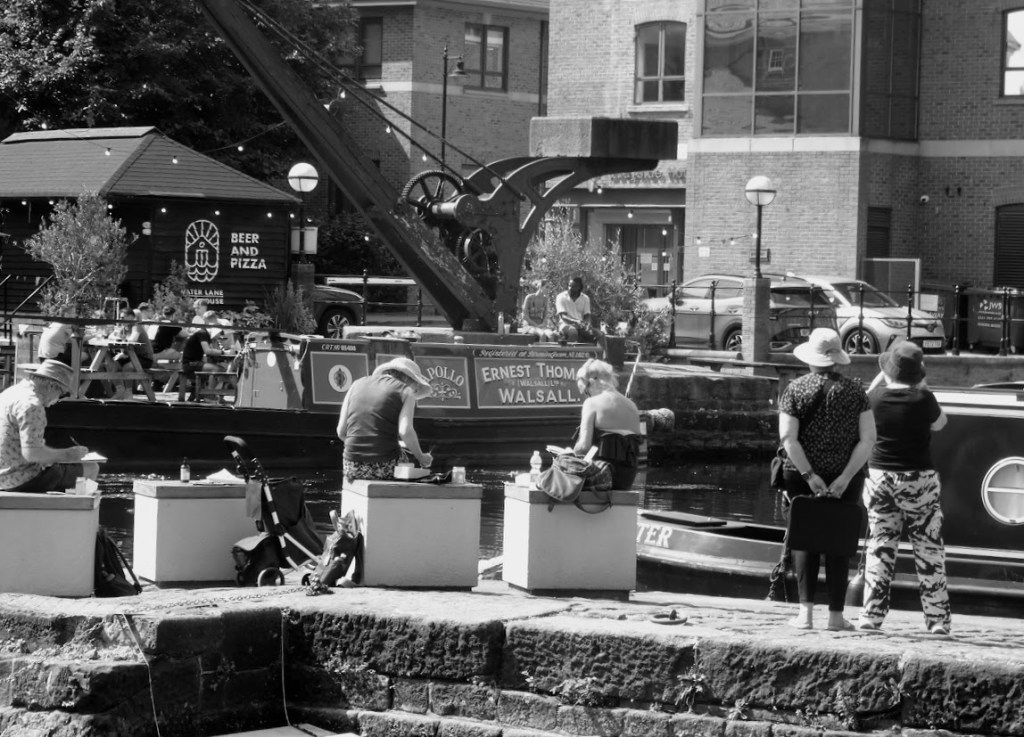
And here are members of a local art group, sketching the area in all its vibrancy one sunny August day. They seem to have commandeered all the benches-for-one.
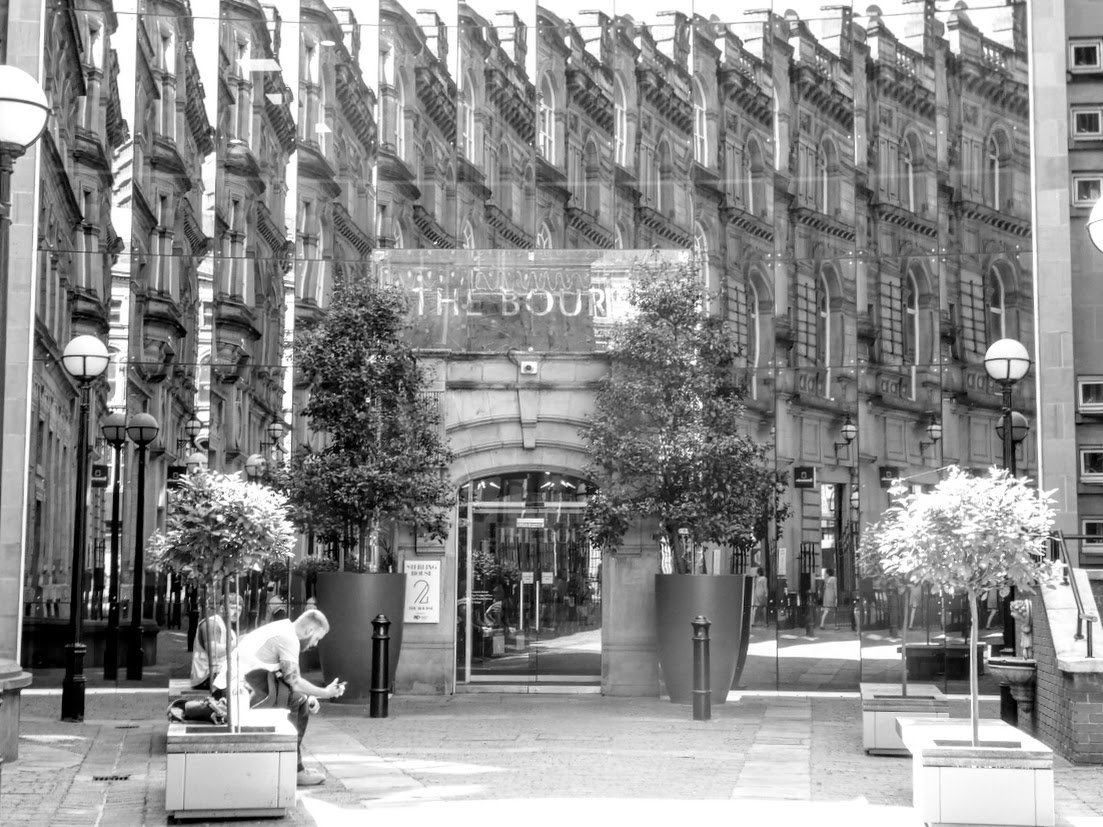
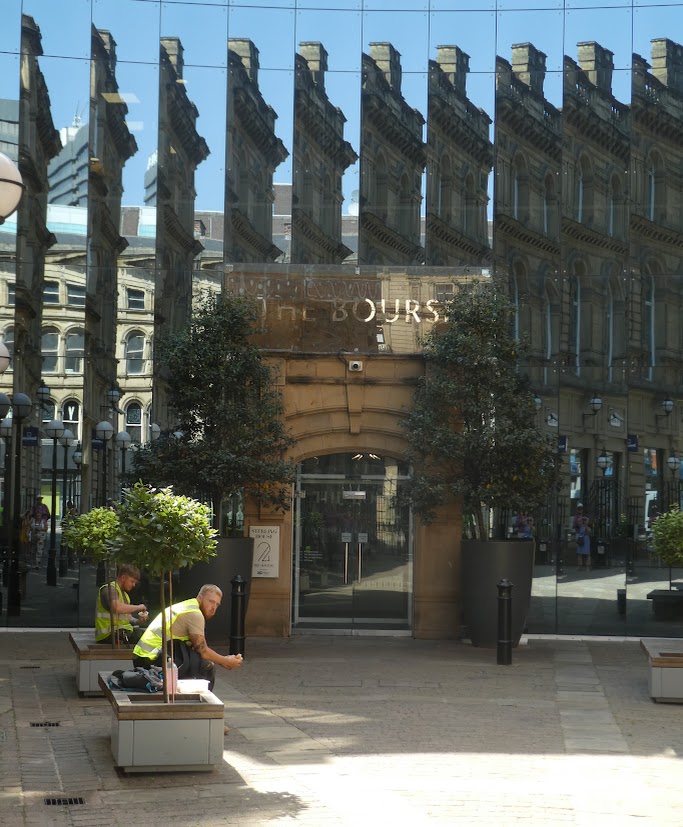
Spotted on a recent trip to Leeds. The Bourse is a refurbished courtyard business area, its windows cleverly designed to slice up the reflections of the buildings opposite. Sit awhile on one of its benches in this oasis of peace in a busy quarter of the city.
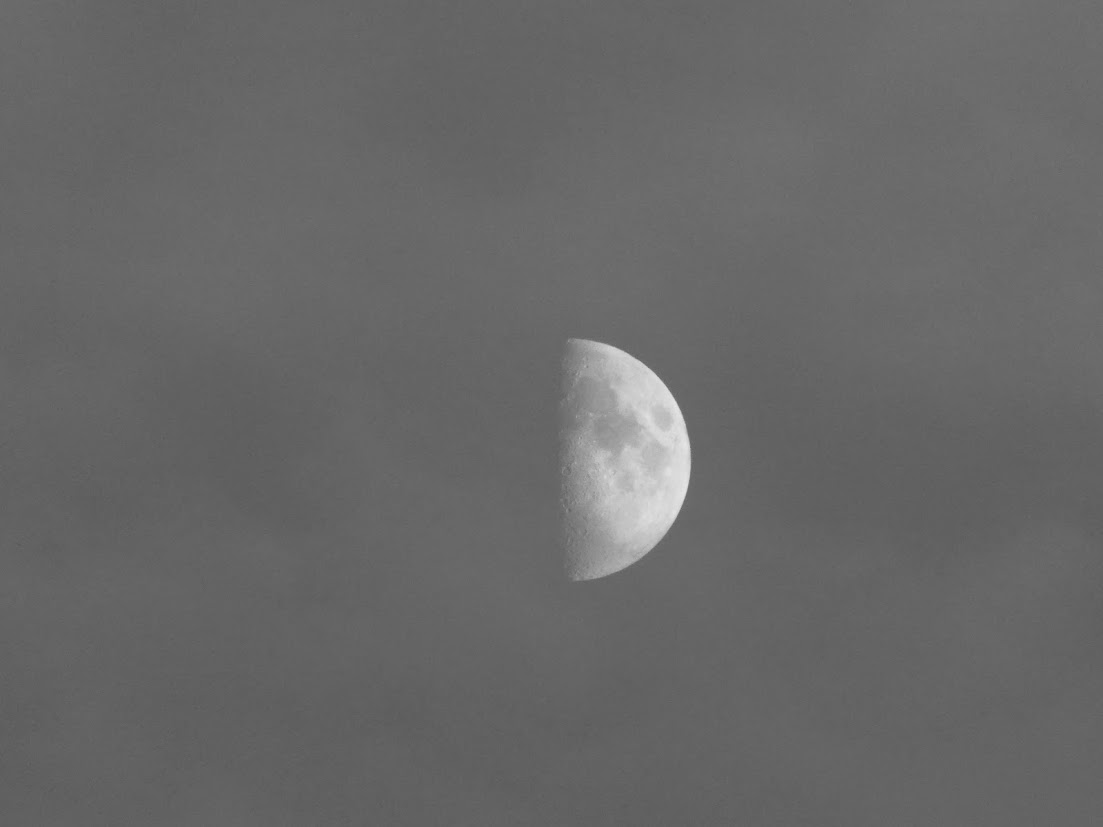
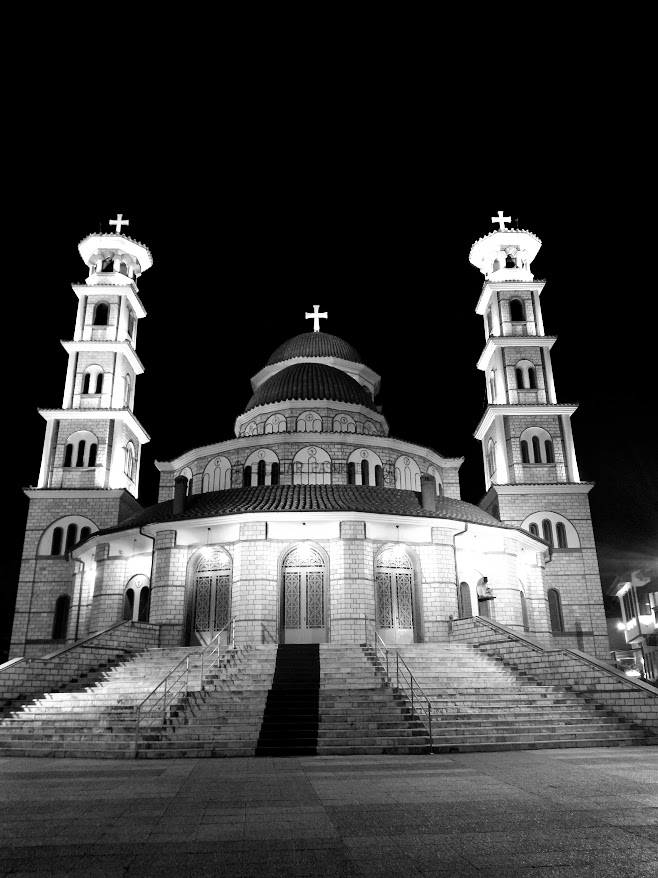
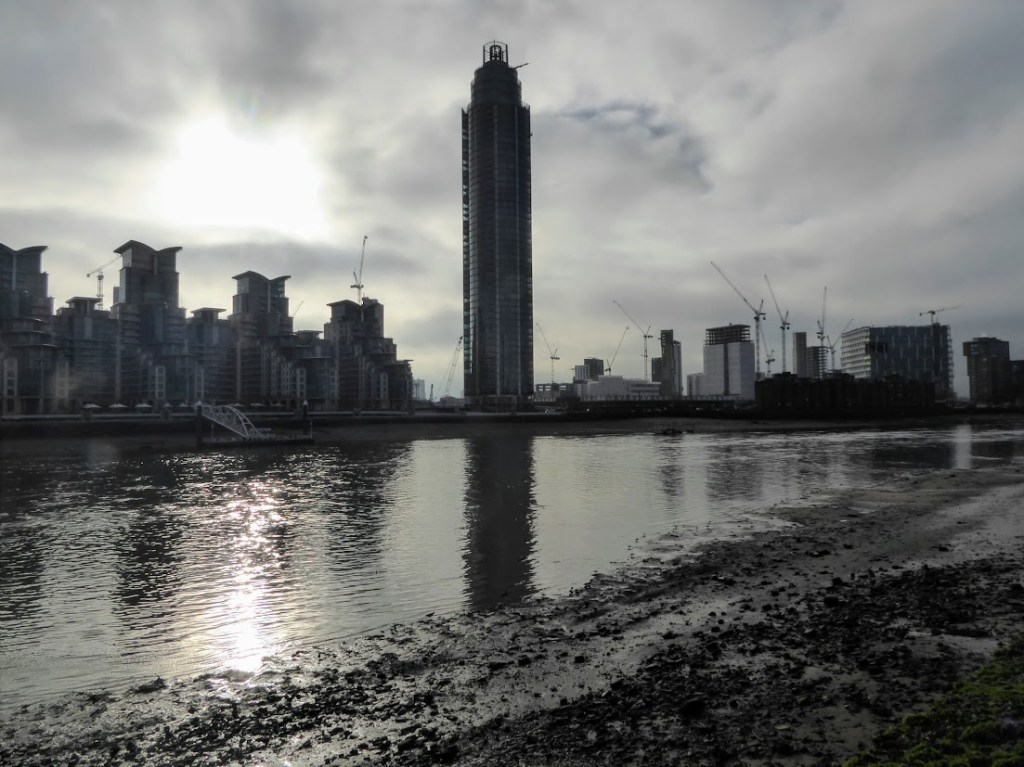
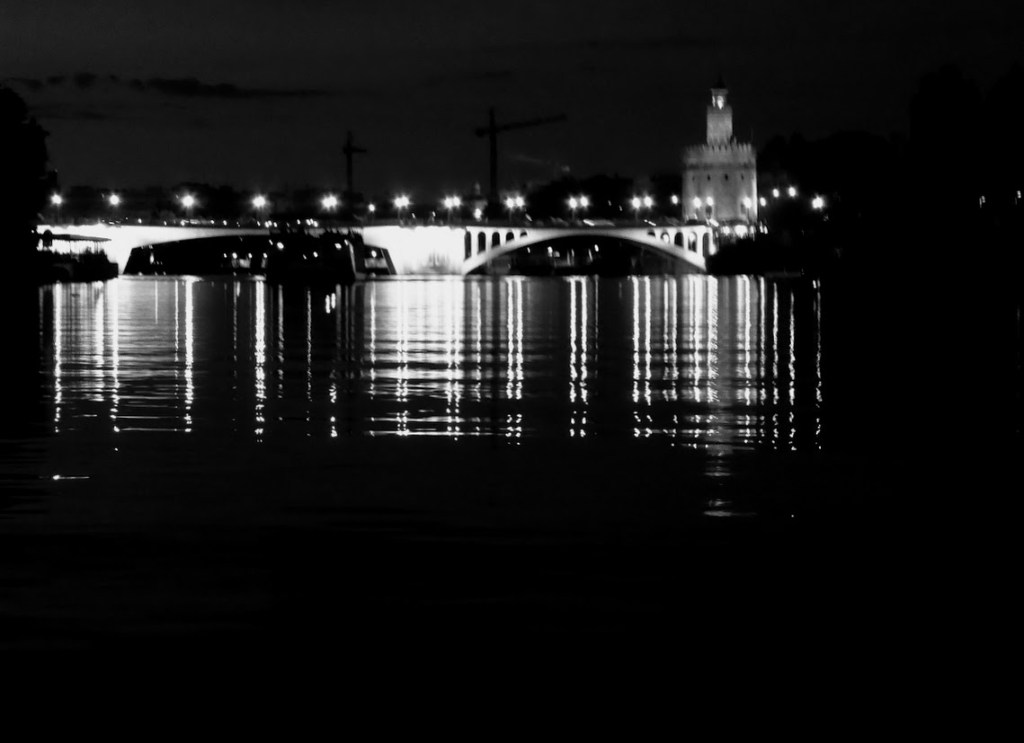
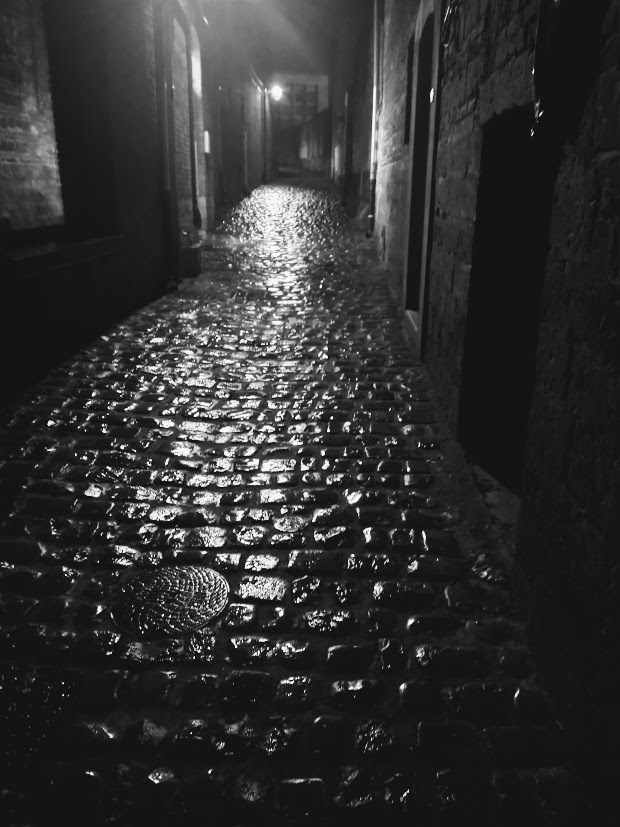
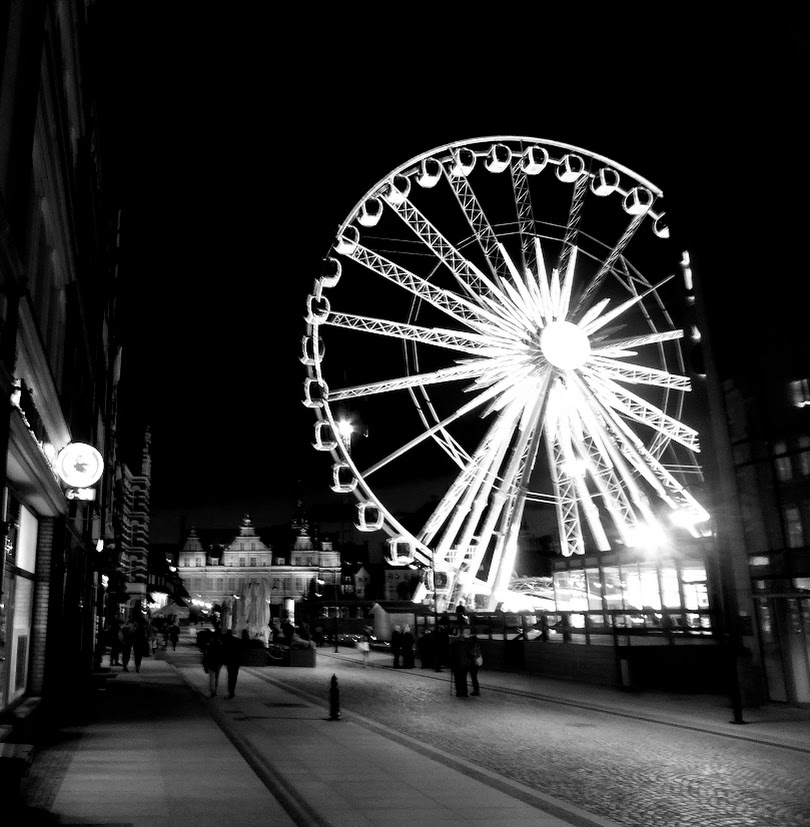
Night photography isn’t really my thing, so Elke, this week’s host for Monochrome Madness, provided me with a real challenge when she proposed Night time as her theme.
Unsurprisingly, towns and cities provided me with a few ideas. Let’s go on a quick tour. Let’s visit Albania, England, Spain, France, South Korea and Poland…
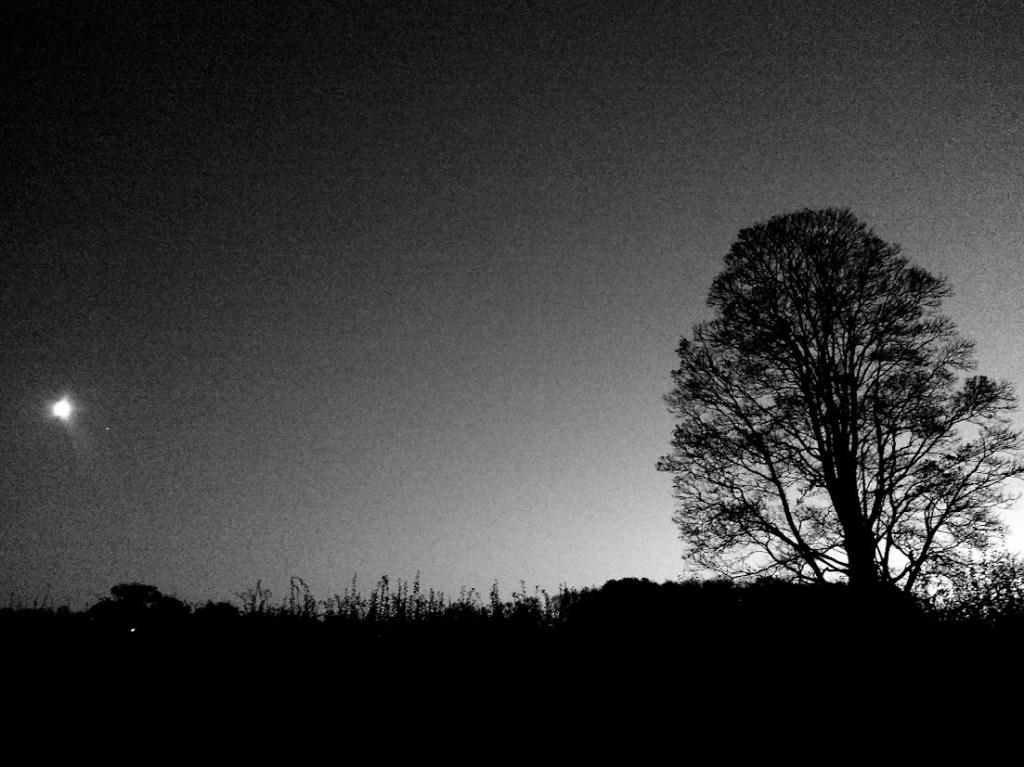
Really though, Country Mouse prefers to dodge big cities. My featured photo is of the moon as darkness fell recently, while the photo below was taken just at the end of the road.


 From Pyrenees to Pennines
You must be logged in to post a comment.