A Welsh Postcard – Sent from Shropshire

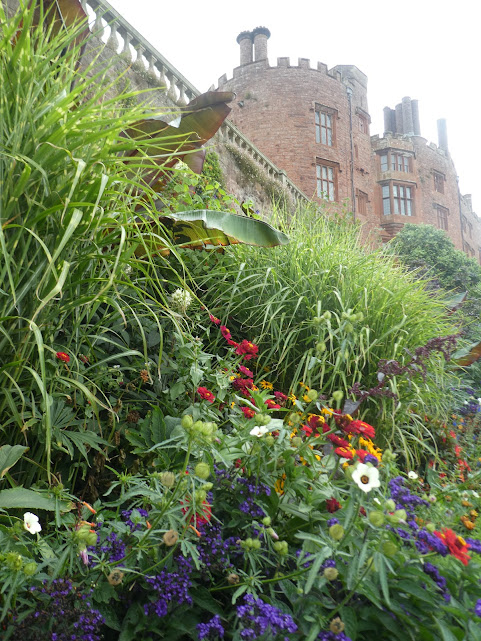
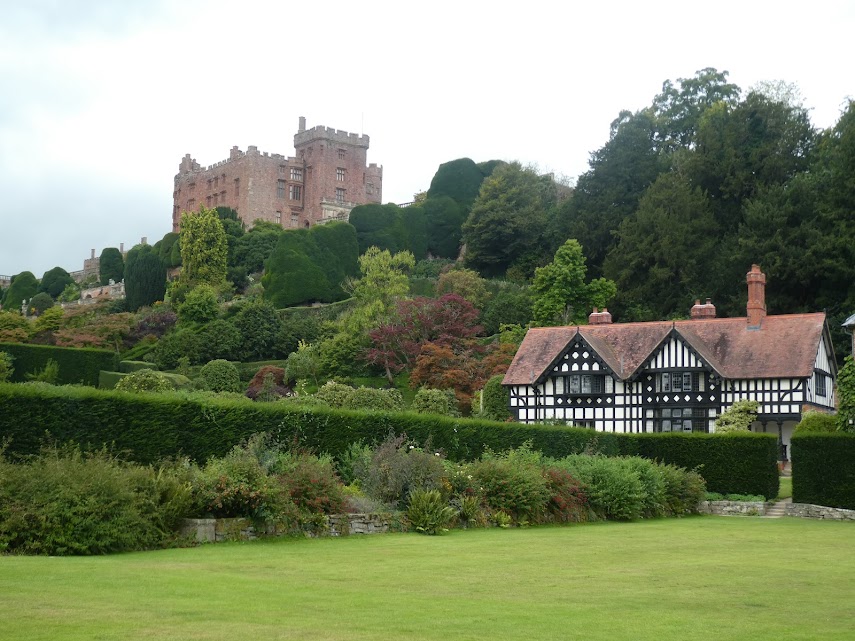
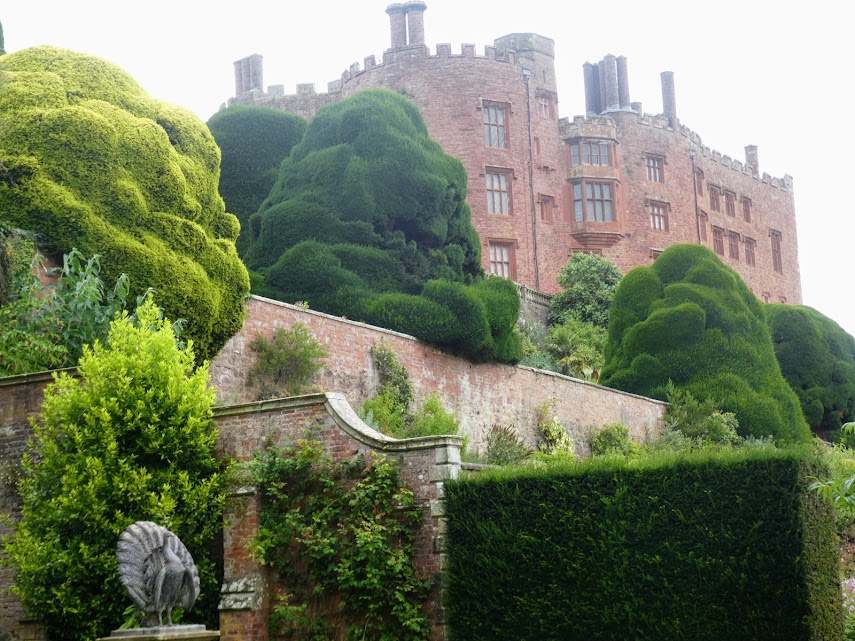
One of our last days in Shropshire saw us pop into Wales, to Powis Castle and its gardens. The castle itself was built largely in the mid thirteenth century, and modified, restyled and redecorated many times since until as recently as the 1950s. Photography was not allowed, but as we found it a somewhat gloomy place, we were happy to focus on the gardens.

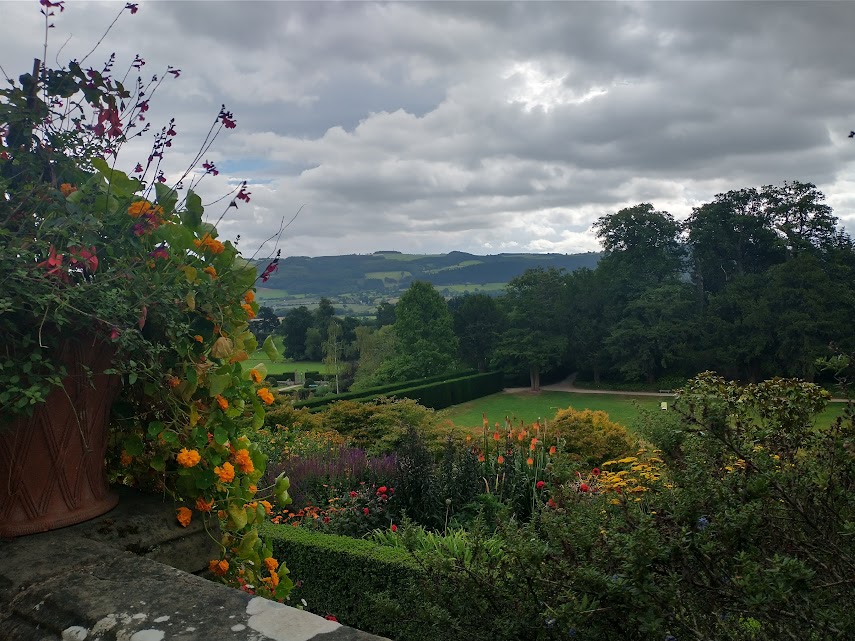
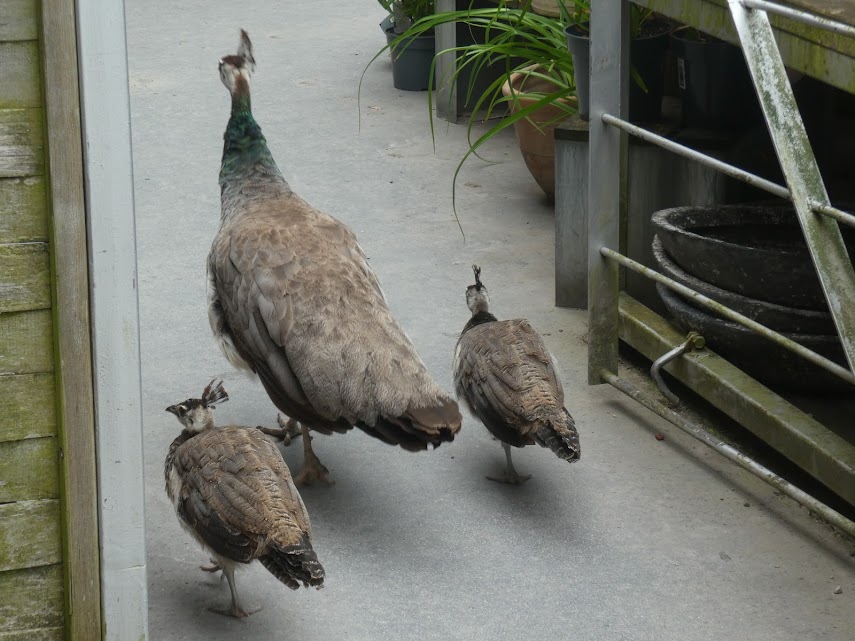
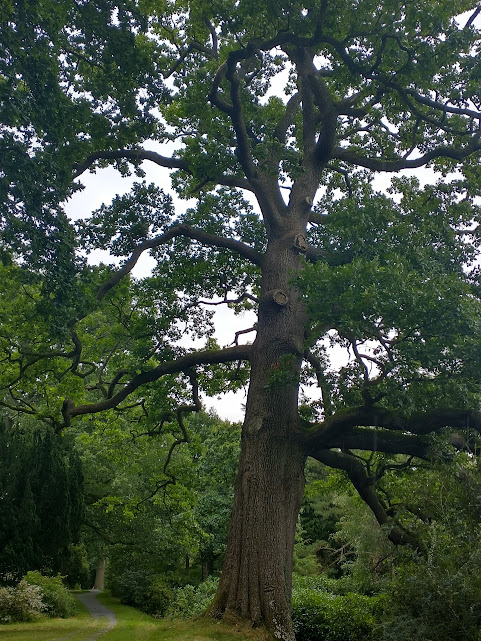
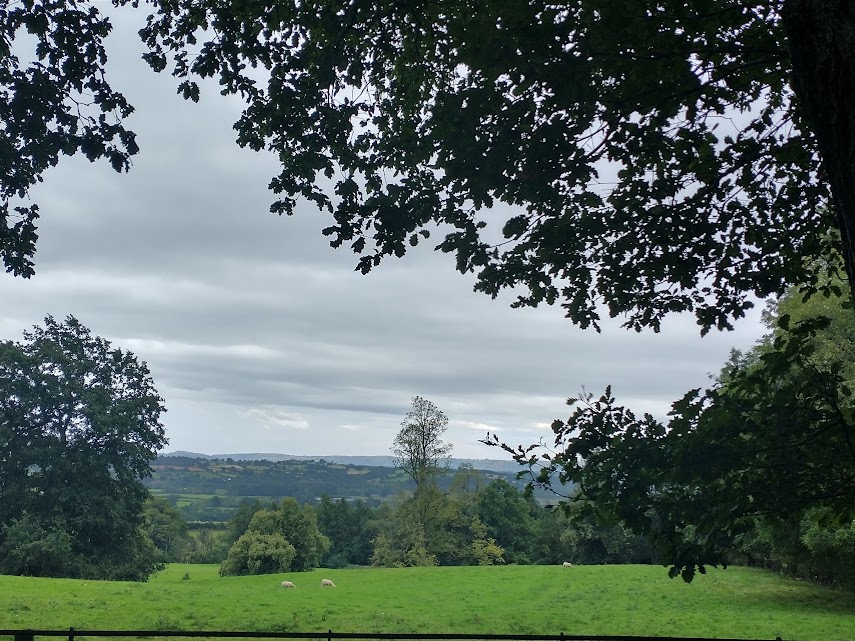
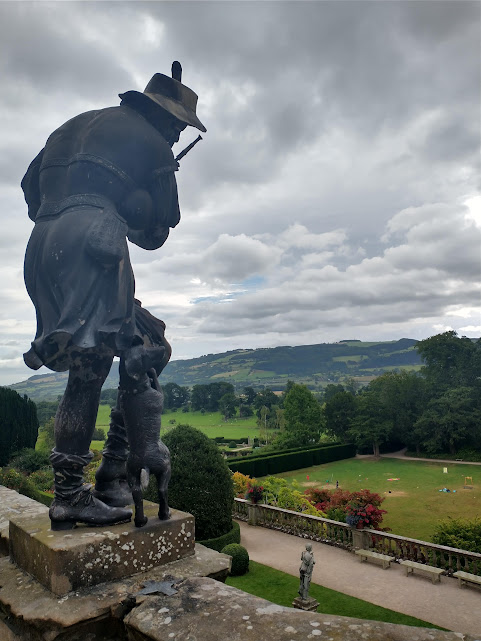
These are magnificently planted steep terraces, largely in the 17th century Italian style. There are large, rather formidable yew hedges. There is statuary. You’ll find a formal Edwardian garden with century-old apple trees, a walled garden, and beyond, carefully managed woodland inviting visitors to enjoy a gentle stroll while peeping through the trees at the landscape in one direction, the castle and gardens in the other. And peacocks and peahens, with their youngsters in tow. Here’s a small collection of postcards.
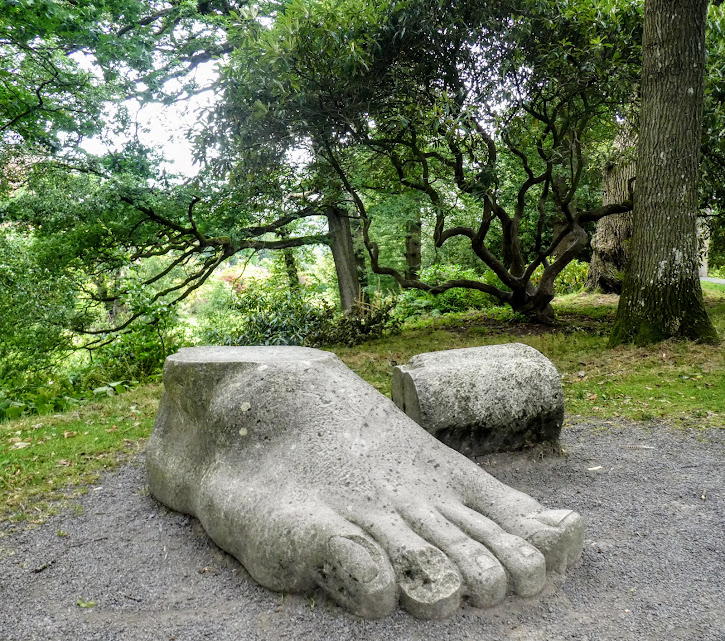
Don’t ask me about that giant foot, found in the woods. Haven’t a clue, and nobody would help me out.

My last few Shropshire Postcards: for Six Word Saturday.
Postcards from Wales – and Shropshire – Combined

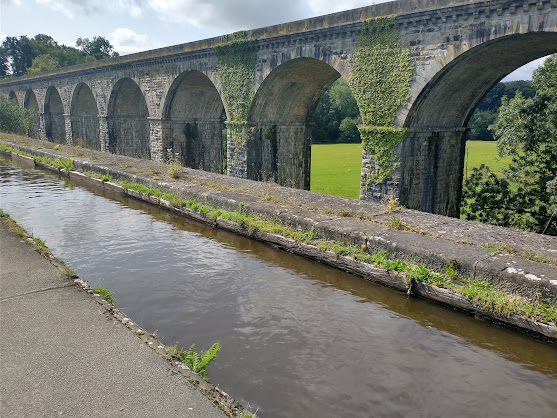
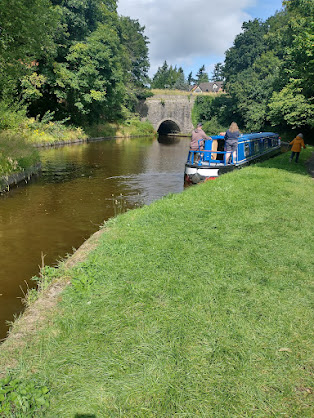
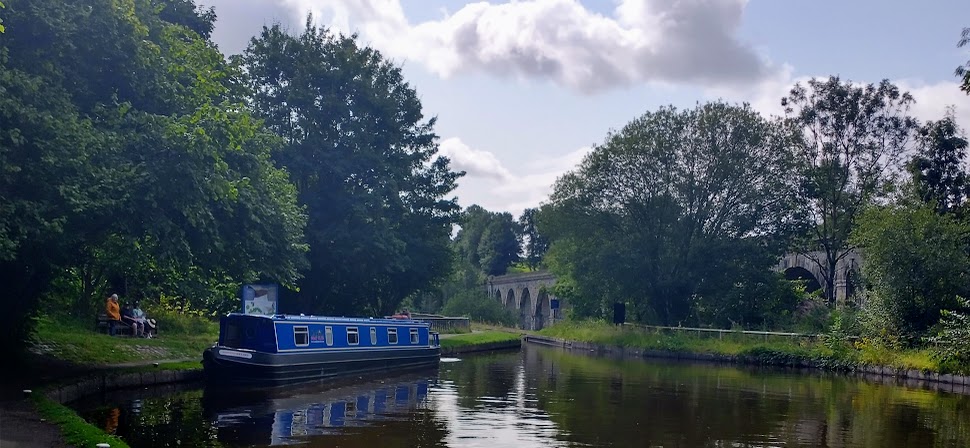
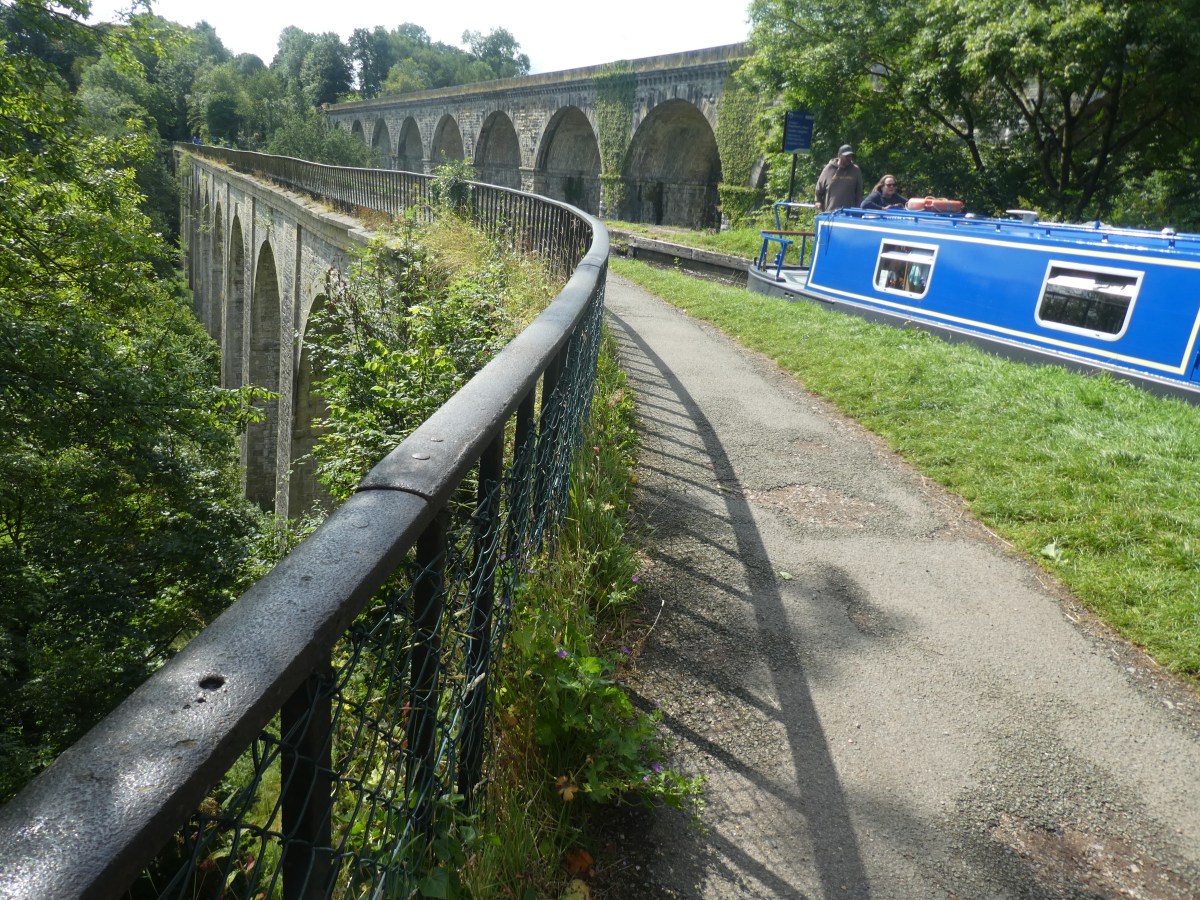
An unexpected treat yesterday. We went to Wales, to Chirk Castle, and on the way, we saw two feats of engineering in one: Chirk Aqueduct and Viaduct. Each of them has one end in England, the other in Wales. And what a sight! Completed in 1801 by William Jessop and Thomas Telford, the aqueduct is 710 foot (220 m) long and carries the canal 70 feet above the beautiful River Ceiriog across 10 circular masonry arches.

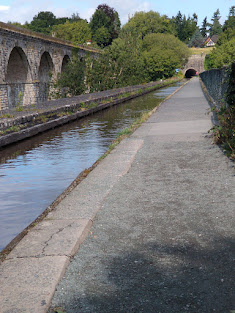
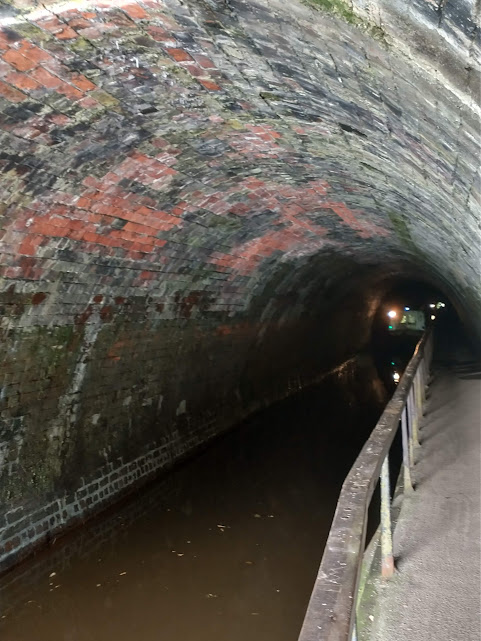
Walking along the towpath, as I did, high above the bucolic valley beneath, you can see next to it the railway viaduct opened in 1848 and designed by Scottish engineer Henry Robertson. It quite made our morning. I ventured too into the aqueduct’s tunnel – one of the first designed to have a towpath. Barges used to be manned by several men, with a horse walking up ahead on the side of the canal, attached to the barge by a rope. When the boat came to a tunnel, the horse would climb the hill and the men would lie on their backs and ‘walk’ their feet along the roof and walls of the tunnel (‘Legging it’). How grateful those men must have been to find a towpath at the disposal of their horse!

Whether you get a postcard from Chirk Castle remains to be seen. So much to do, so little time …

British Summer Time: the Final Days Revisited

This post from August 2016 reflects the melancholy I always feel at this time of year: that summer is departing, and with it the long days and short nights whose absence so depresses me each winter. So I’m choosing it for this week’s Fandango’s Flashback Friday, particularly because it brings with it memories too, of the beauty of Anglesey in Wales.

BRITISH SUMMER TIME: THE FINAL DAYS

August 2016

We’re more than half way through August.  It ought to be high summer, but autumn’s on its way.  As we walked down the road yesterday, a few crisp brown leaves blew across our path.  Mornings start later, night comes sooner.  The combine harvesters trundling round the fields seem almost to have completed their work.  The shops are full of neat school uniforms and bright pencil cases ready for the new academic year.

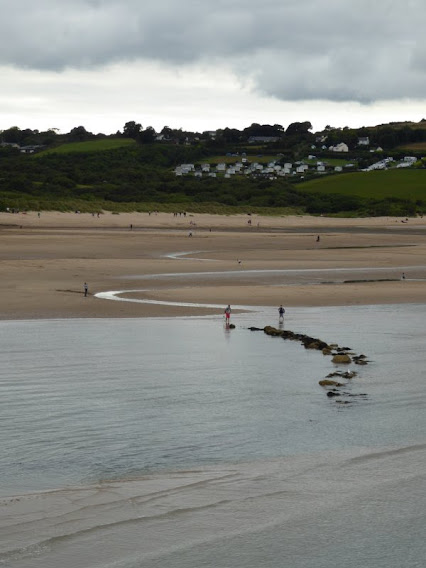
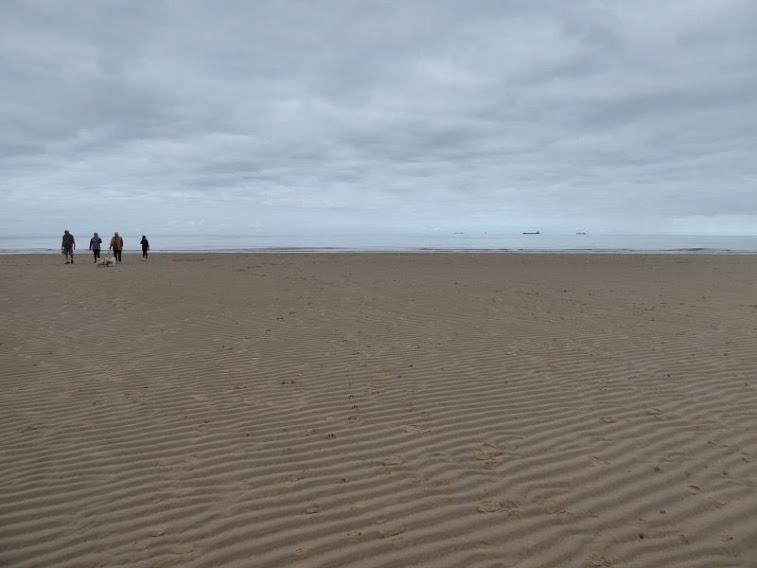
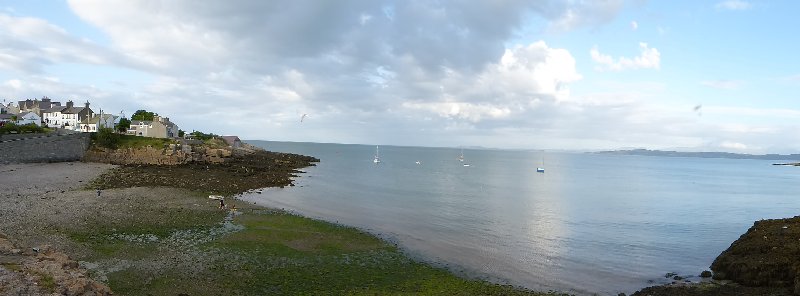
Before it’s too late, here are some summer time views, from Moelfre in Anglesey.  And because it’s British Summer time, the sea isn’t always blue and nor is the sky. But that’s fine: we expect that here in the UK.

Let’s Get Wild on Parys Mountain

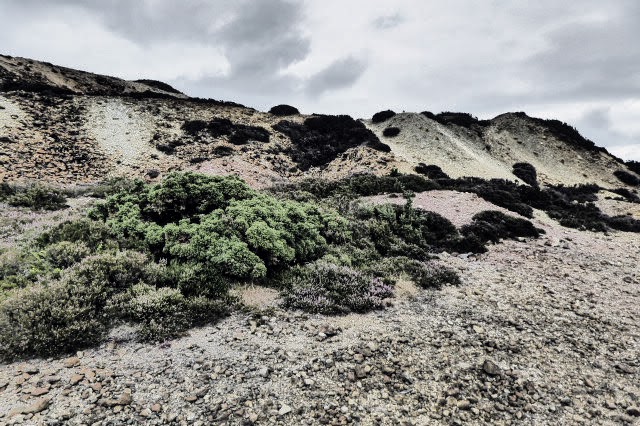
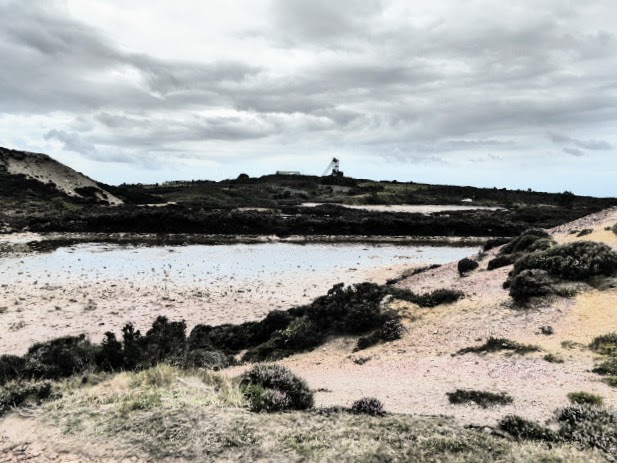
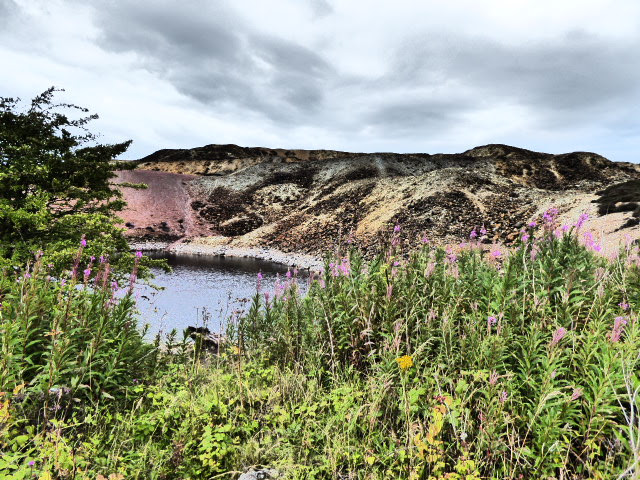
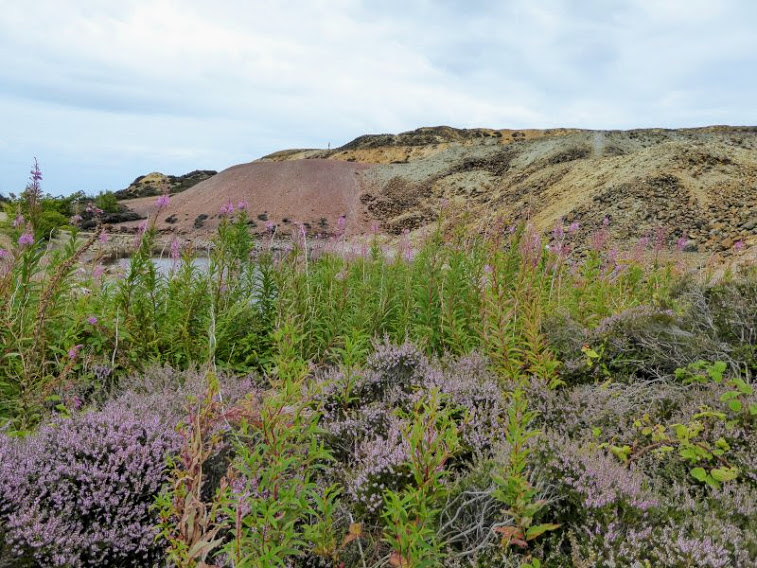
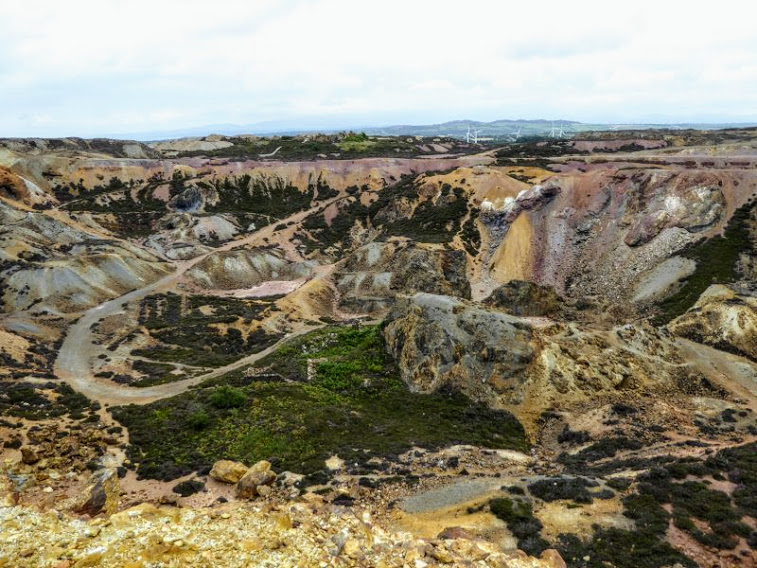
The Lens-Artists Photo Challenge this week invites us to consider wild landscapes, untouched and unspoilt by the hand of man. I’m going to break the rules (no change there then). I thought a lot about what to showcase, but suddenly had a Eureka moment, and remembered a holiday in Anglesey, off the coast of Wales, some years ago. Anglesey is bucolic, pretty, with mighty seascapes as well. But in the far north of the island is something else, Parys Mountain.

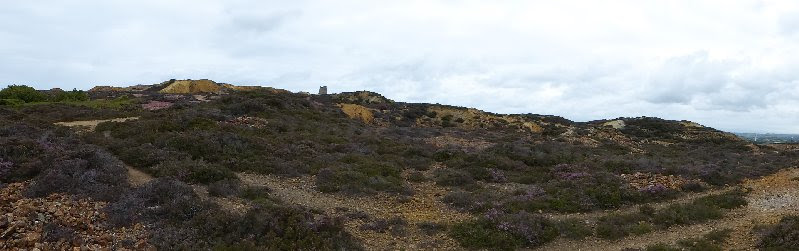
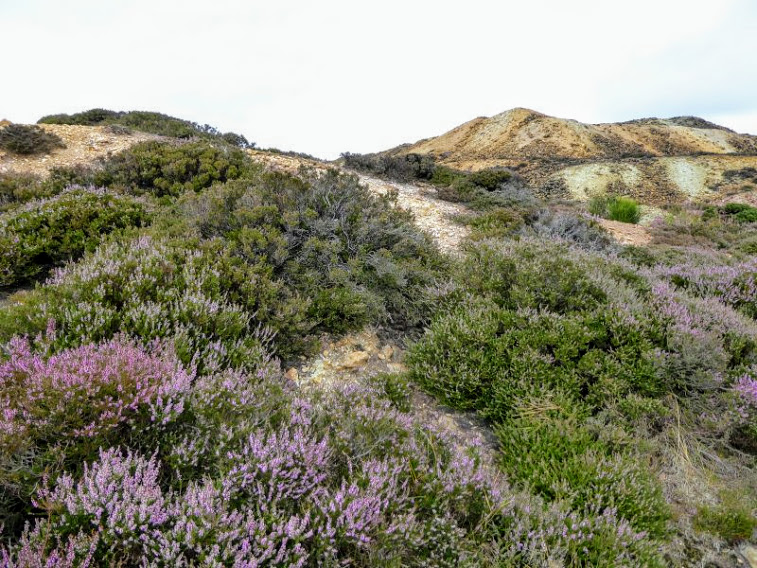
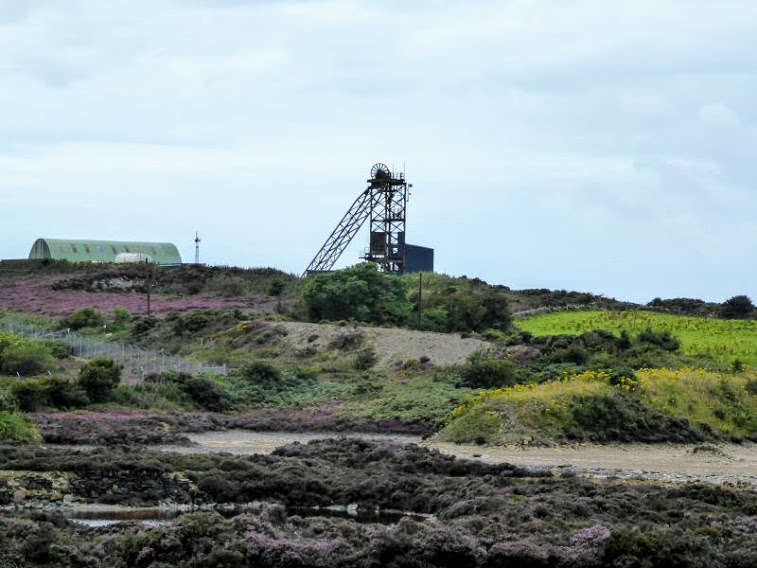
Once, a century ago, Parys Mountain was alive with people: men, women and children hacking deep clefts and canyons into the earth, in search of copper-bearing rock.  Now the area is bleak, desolate, abandoned.  The poisoned sulphurous soil supports little but odd clumps of hardy heather.  Yet this large site, with just a single set of abandoned winding gear, a single ruined mill is strangely beautiful, elemental, and we fell under its atmospheric spell.

Snapshot Sunday: Relaxing on the Pembrokeshire Coastal Path

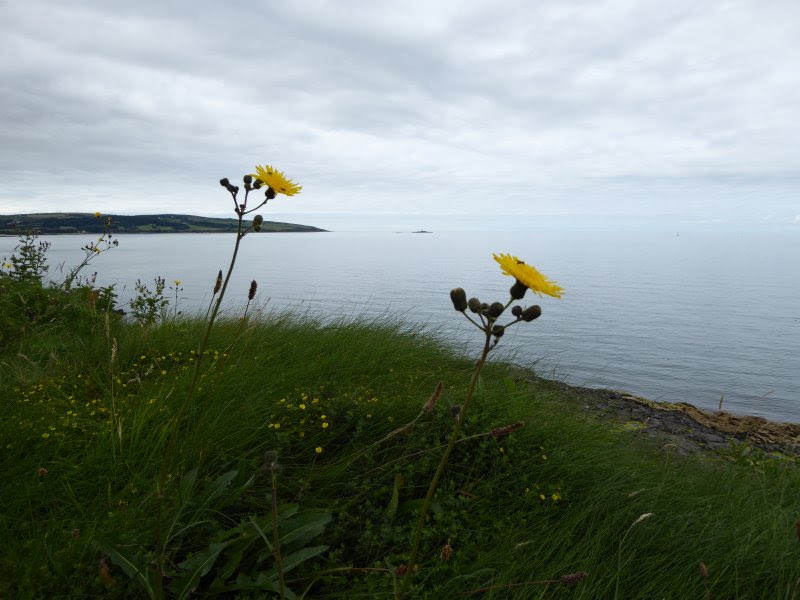
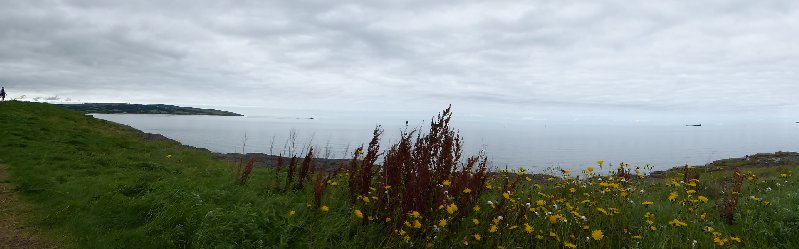
A moment of relaxation on the Pembrokeshire Coastal Path.

It’s said that if you walk every inch of the Pembrokeshire Coastal Path, all 186 miles of it, you’ll have climbed the equivalent of Mount Everest.  I can believe it.  No sooner have you climbed one limestone cliff than you’re plunging down towards a bay; up again to a volcanic headland; down again to an estuary, or to a beach frequented only by seals and seabirds.

We didn’t do all 186 miles when we were there two summers ago.  But we did enough to know that after a hard climb in bright sunshine with the wind behind us, we’d truly relax when we threw ourselves onto the springy turf to catch our breath and enjoy the seascape spread before us.

This week’s challenge is to respond to the word ‘relax’.  Look here to see more posts.

British summer time: the final days

Anglesey&ShropshireAugust2016 046

We’re more than half way through August.  It ought to be high summer, but autumn’s on its way.  As we walked down the road yesterday, a few crisp brown leaves blew across our path.  Mornings start later, night comes sooner.  The combine harvesters trundling round the fields seem almost to have completed their work.  The shops are full of neat school uniforms and bright pencil cases ready for the new academic year.

Before it’s too late, here are some summer time views, from Moelfre in Anglesey.  And because it’s British Summer time, the sea isn’t always blue and nor is the sky. But that’s fine: we expect that here in the UK.

Anglesey&ShropshireAugust2016 141

Welsh as she is spoke

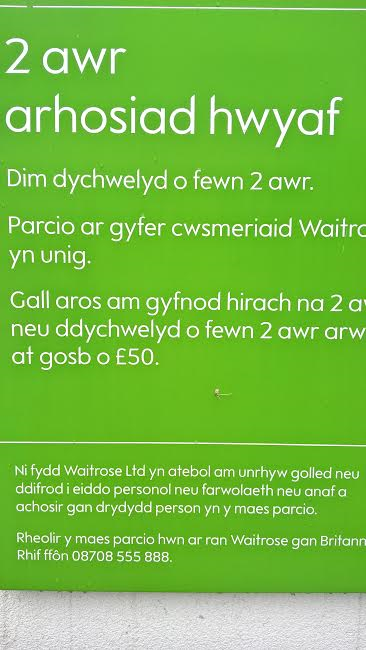
Wales is only along just to the left of England.  We don’t need a passport to get here.  And I’ve visited quite often.  But until this time, never been so aware of the Welsh language.  It’s not just that all signage comes first in Welsh, then English.  But people – ordinary, everyday sort of people speak it – all the time.  I hadn’t really realised that this is a living language, a day-to-day reality for many many people, and not one simply preserved by well-meaning traditionalists and academics, in the way that Occitan seems to be encouraged in parts of France and elsewhere. I wish I could understand more than ‘dim parcio’ (‘no parking’).

Hir fyw y gwahaniaeth. (‘Vive la difference!’ to you.  And you can’t say that in English, either)


Even Waitrose supermarket says it in Welsh before English.


Of course this isn’t written on my smartphone.  I tried.  I’m allowed to comment on other WP bloggers’ posts by being logged into my account, but if I try to post myself, it continues to say I can’t be verified.  Oh grrr.

Parys Mountain

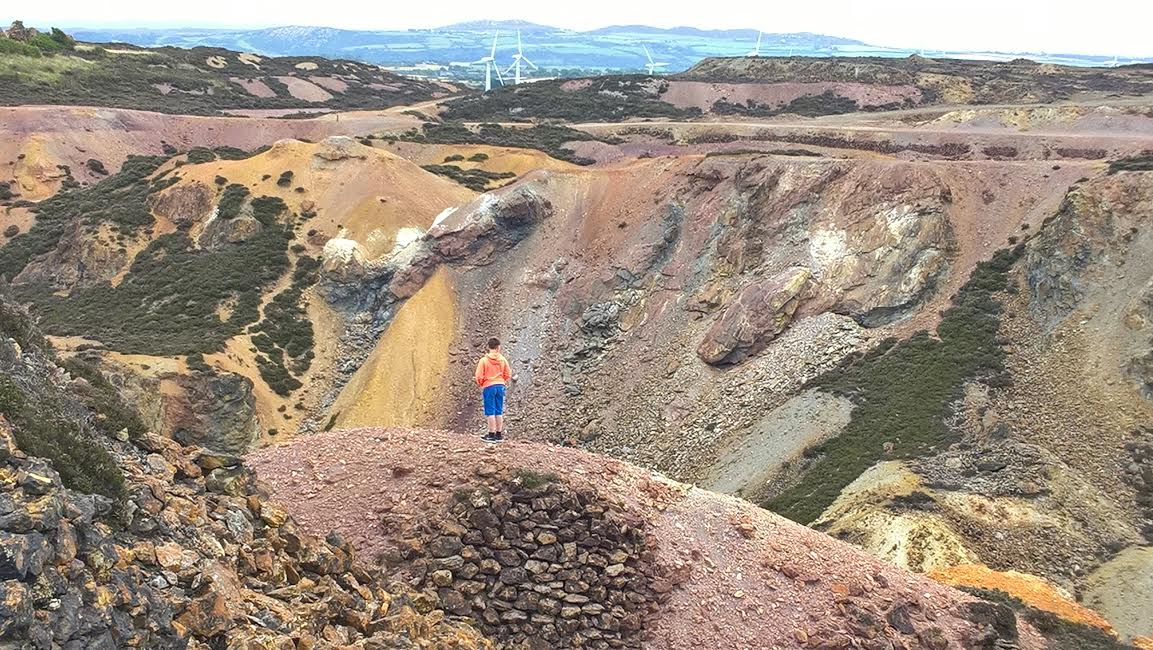
Once, a century ago, Parys Mountain was alive with people: men, women and children hacking deep clefts and canyons into the earth, in search of copper-bearing rock.  Now the area is bleak, desolate, abandoned.  The poisoned sulphurous soil supports little but odd clumps of hardy heather.  Yet this large site, with just a single set of abandoned winding gear, a single ruined mill is strangely beautiful, and we fell under its atmospheric spell.

ParysMountain
Alex inspects a man-made crater at Parys Mountain


PS.  This post was written on a borrowed laptop.  As far as my phone goes, I can access my WordPress site, write and illustrate a post, then it tells me I can’t publish, as  I don’t exist.

PPS.  To add insult to injury, the borrowed laptop automatically spellchecked ‘Parys’ to ‘Paris’.  Grrr