Dragons in odd places

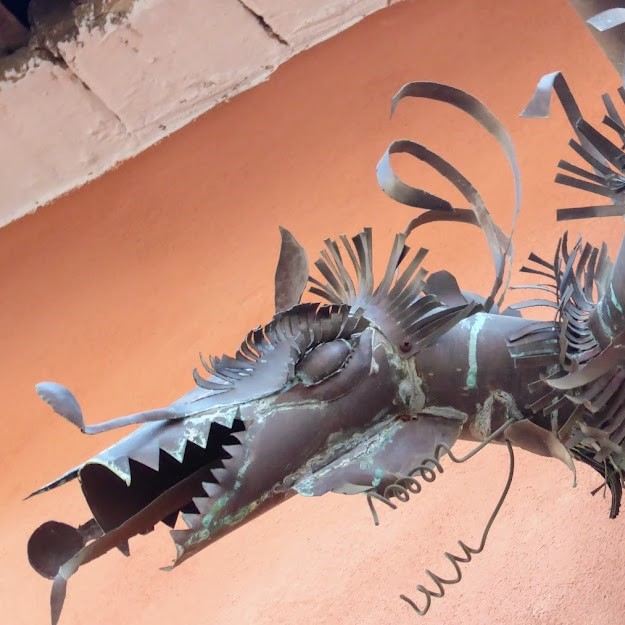
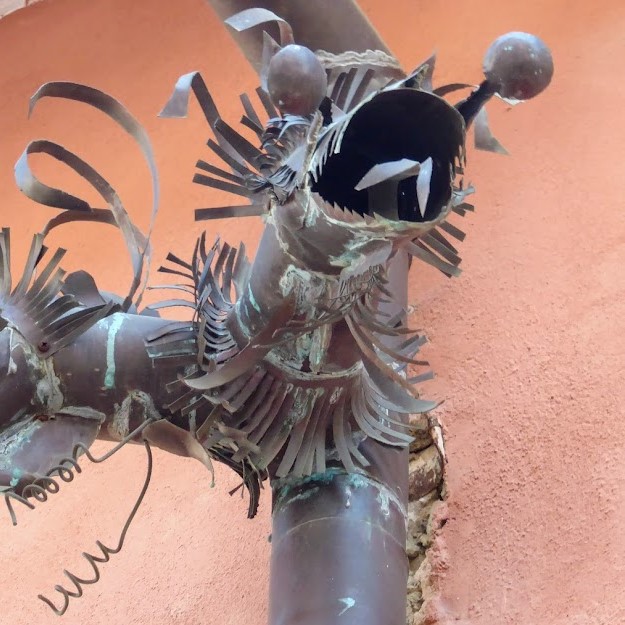
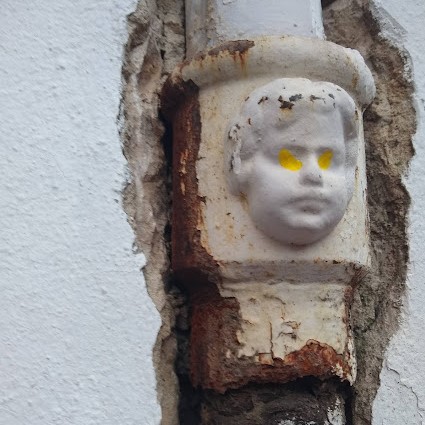
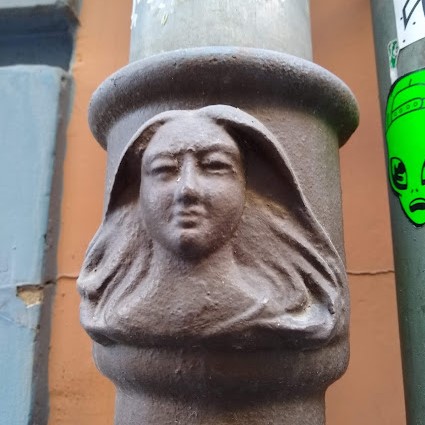
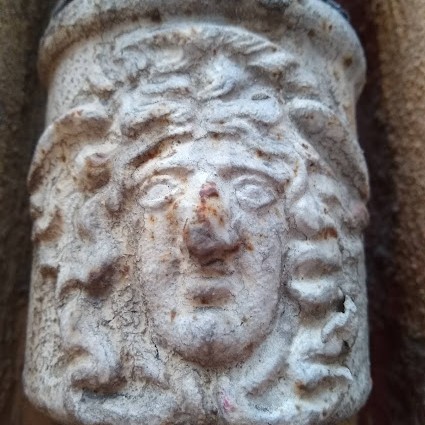
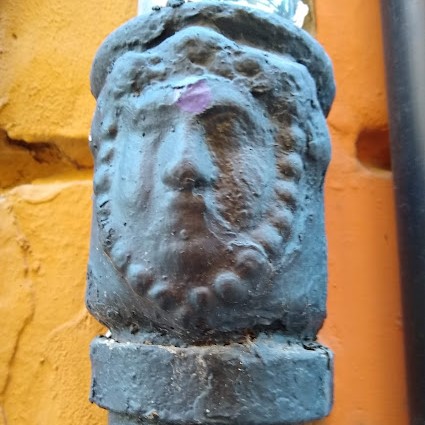
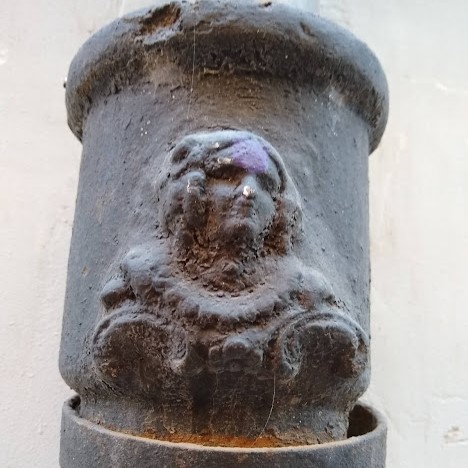
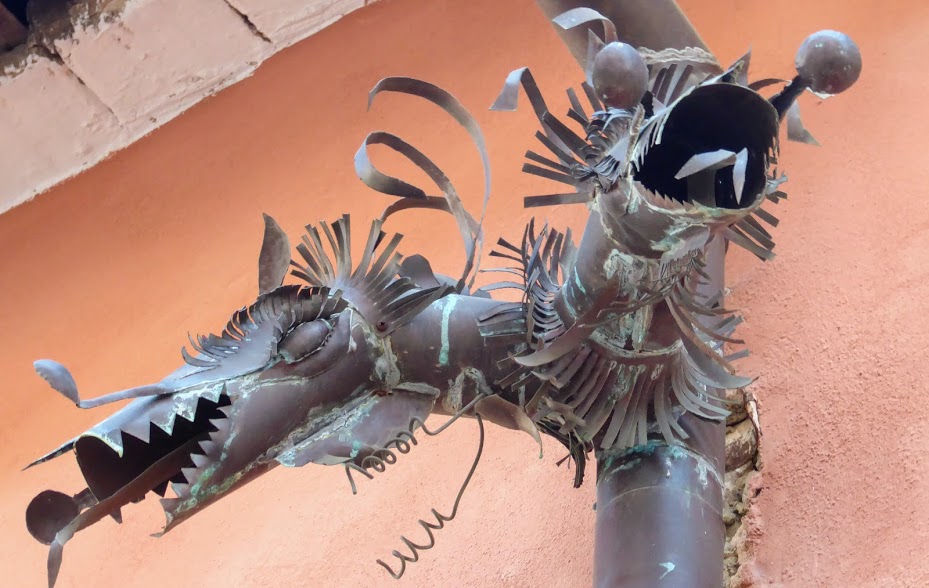
The header shows a splendid pair of dragons topping off a perfectly ordinary drainpipe on a perfectly ordinary house in Sagunt in the Province of Valencia. How perfectly odd. Here they both are, shown singly, to keep to the Rule of Squares.

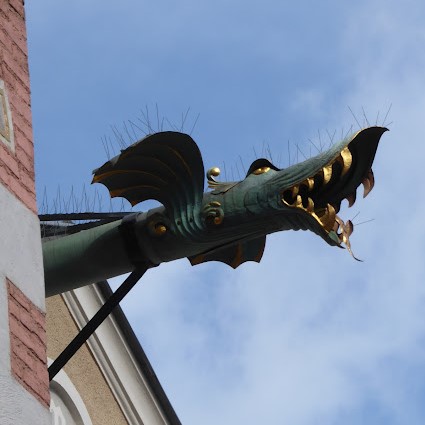
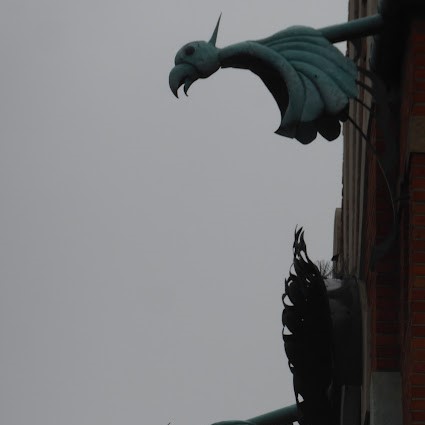
And just to keep them company, let’s show two more dragons, gargoyles this time, one from Gdansk, and one from Krakow.

For Becky’s Square Odds.

The oddly charming drainpipes of Valencia

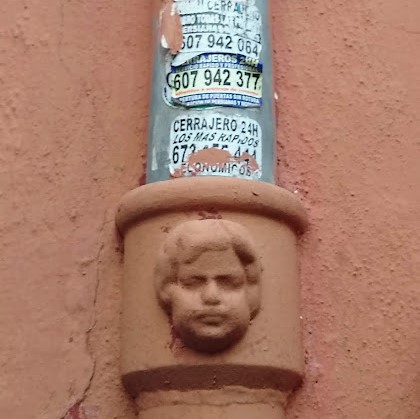
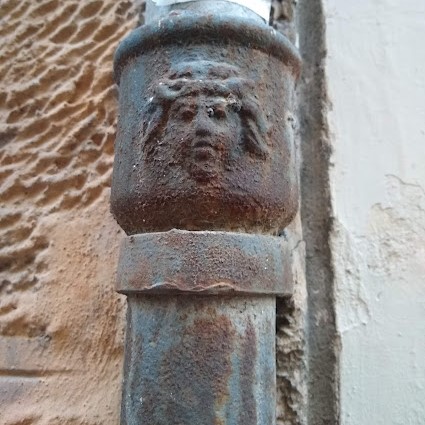
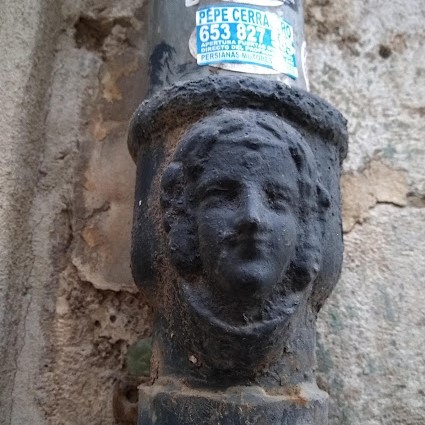
Mooching round Valencia old town, you may notice at roughly eye-height, little faces adorning the drainpipes. Quite what they’re for is in dispute: they may be the logos of local metalworks from the late nineteenth to early twentieth centuries, or they may be some kind of local tradition connected with warding off evil spirits. A few are fairly new, but mostly, they’re beginning to vanish as old and rusting fixtures and fittings disappear. It’s a shame, because these are charming: if a little odd.

For Becky’s Square Odds.

And Marsha’s Photographing Public Art Challenge #36

All Publicity is Good Publicity, However Odd …

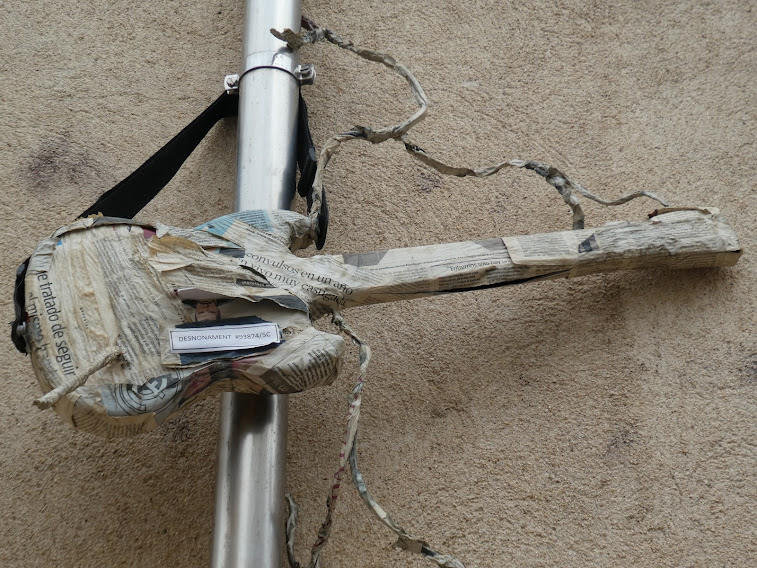
Walking down a street in Barcelona, we spotted this papier-mâché guitar suspended from a drainpipe.

Clever stuff. You take your time to go and look. And there, can you see? There’s the name of a guitar teacher and his phone number. Just get in touch, and you’ll have taken your first steps towards mastering playing the guitar.

For Becky’s Square Odds

A Pair of Oddballs

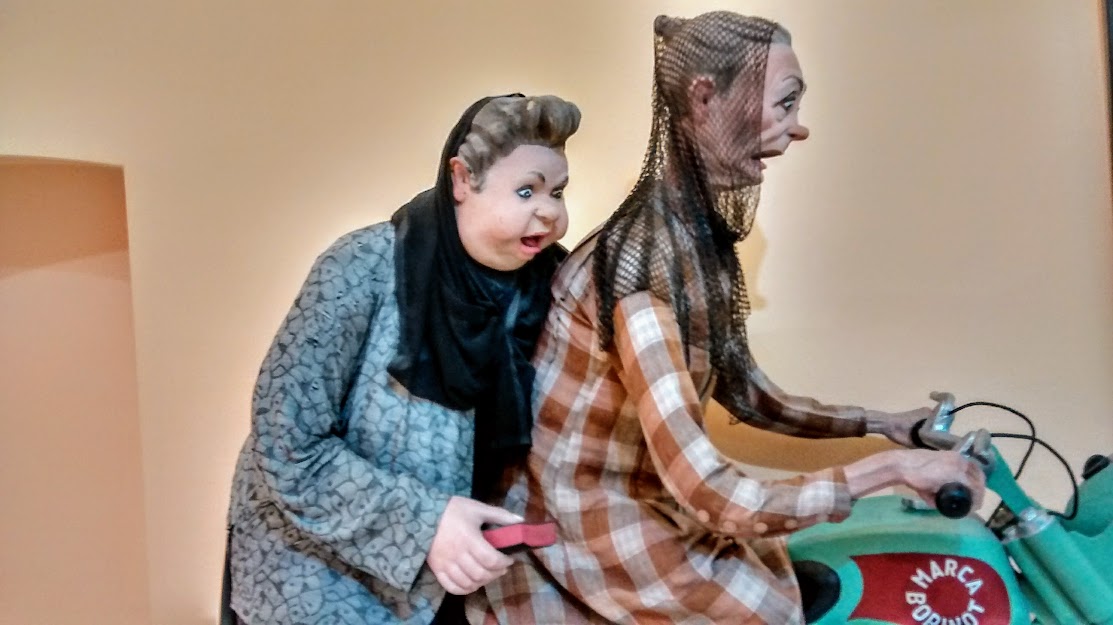
This year, it’s not too early to go to the fantastic street carnival, Las Fallas, which takes place in Valencia in February and March every year. You’ll find fanciful figures, fireworks and fun. But if travelling’s still tricky, we can join this pair of oddballs on their motorbike, whom I found a few years ago in the museum devoted to this special festival.

For Becky’s Square Odds

With thanks to Sue of Words Visual, for reminding me about this doughty pair of old crones,

An Odd Compendium of Beasts

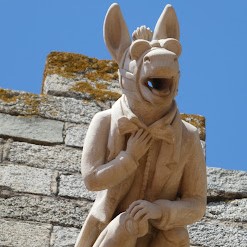
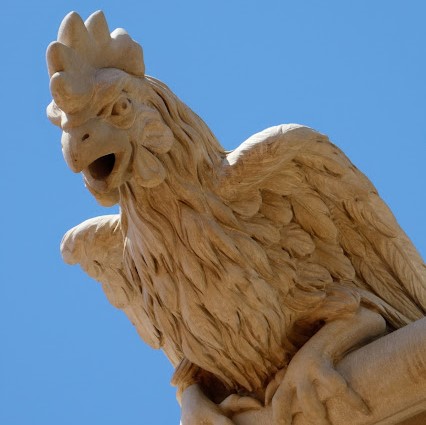
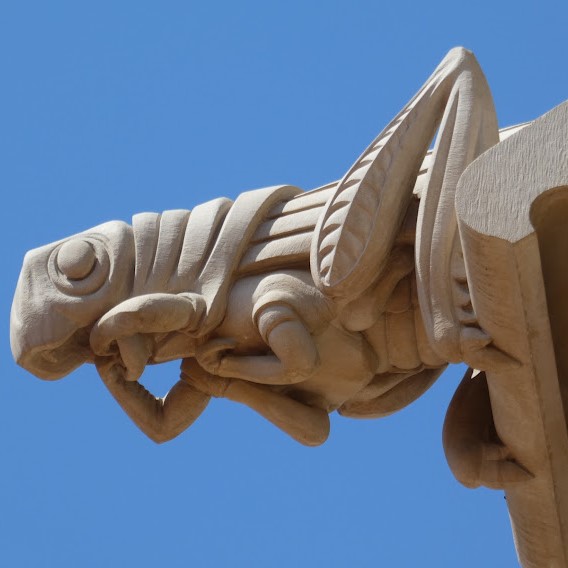
Argentona’s parish church of Sant Julià dates from the 16th century. But every one of its ancient gargoyles has been recently replaced. Here’s an off-beat little bestiary:

I’d like to have offered part of an animal alphabet, but as you see, we’ve moved straight from Ass to Cockerel and Cricket without passing B. Far too odd.

For Becky’s Square Odds

Love your Library visits Valencia

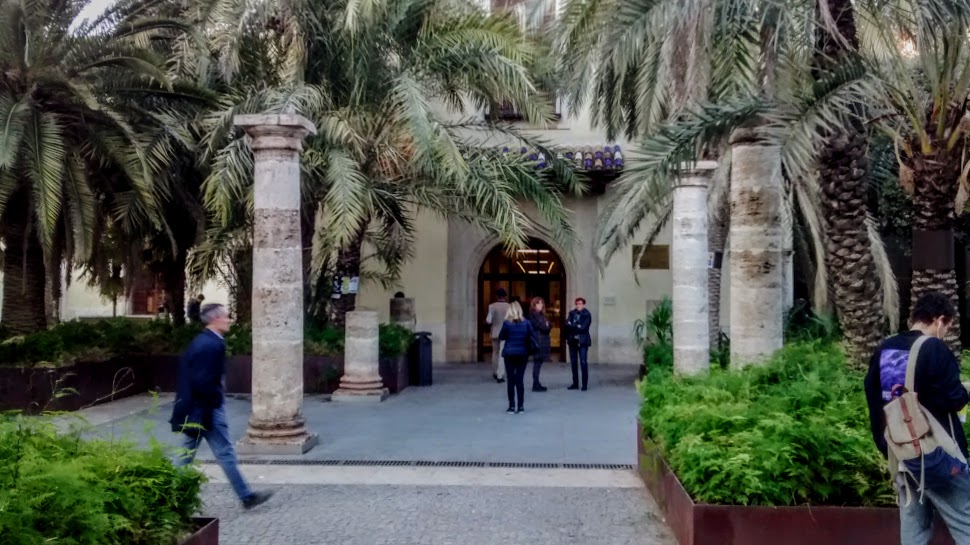
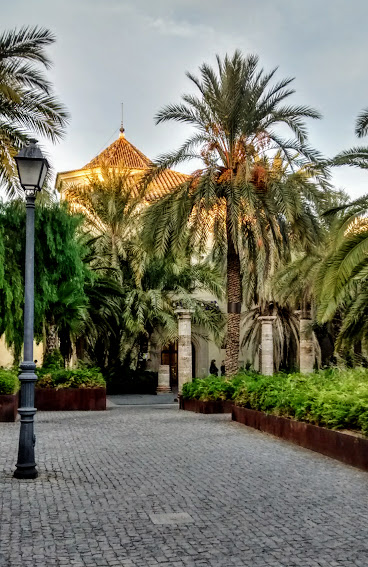
Walking down a busy main street in Valencia a few years ago, my eye was caught by a welcoming shady square. Through the palm trees I could glimpse a few columns – maybe Roman remains? and a steady stream of people drifting in and out of a handsome building.

Curious, I investigated. It was a library. The Central Public Library of Valencia. I went in.

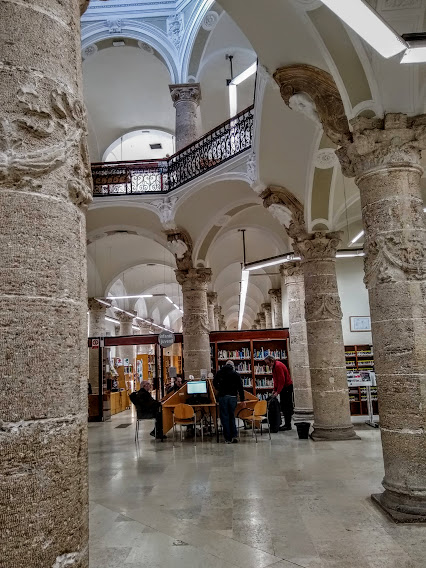
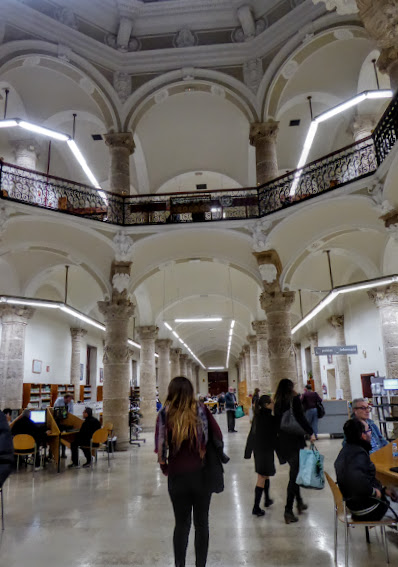
How spacious, airy, beautiful and welcoming it was! Later, I discovered that this building had once been the first psychiatric hospital in Europe, founded in 1409 as the initiative of one Friar Juan Gilabert Jofre, to care for the mentally ill. It was called Hospital de Folls de Santa María dels Pobres Innocents – the Hospital of the Poor Innocents. This actual building was begun in 1493, and was and is in the form of a Greek cross, which housed the different wings of the hospital. It added general hospital facilities in the 16th century and also suffered a destructive fire.

During the 1960s, hospital facilities were moved elsewhere in the city, and the authorities began the site’s demolition: the church, the pharmacy and old medical school are gone. There was an immense public outcry. What was left was saved, and the building retained and developed as a library and archive service. Those columns I saw outside are not Roman, but surplus to requirements when the building was redeveloped.

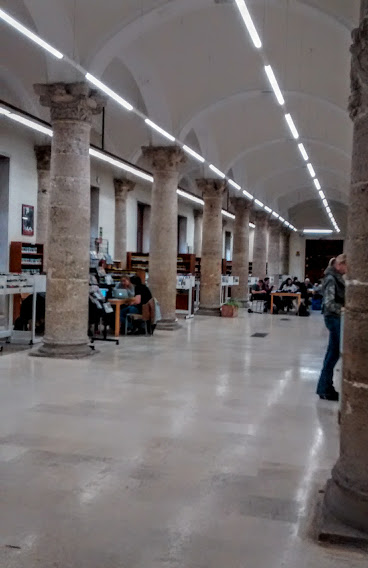
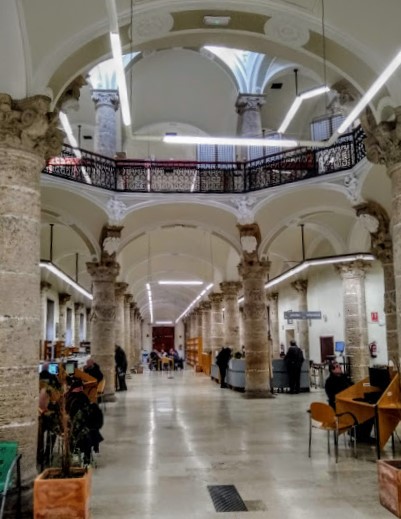
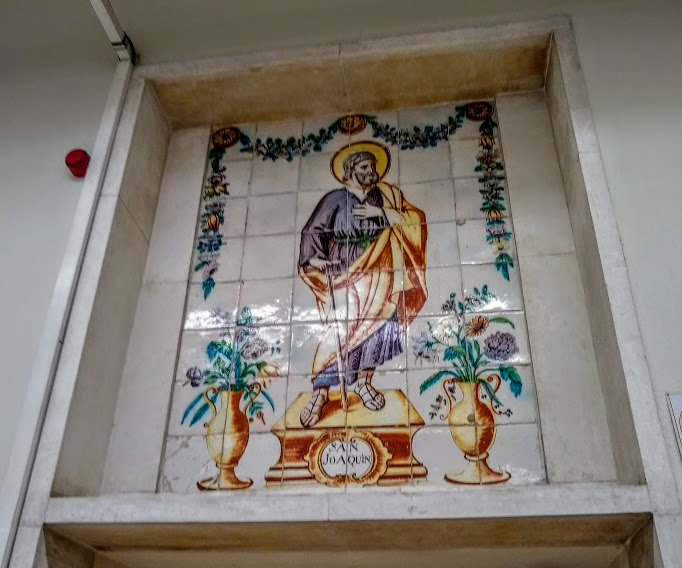
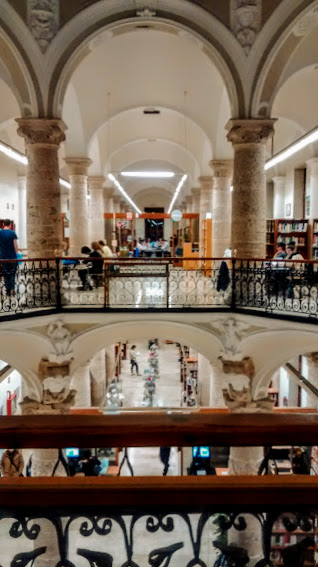
It’s a fabulous place. Not only is it a welcoming, light-filled and serene space, it’s a busy one. It’s right by two of the city’s universities, so study areas are busy with students as well as the general public. The collections seem vast: the English section, for both adults and children was well-stocked, At one point I sat down in the section devoted to newspapers and periodicals and browsed through recent copies of the Times and Sunday Times and some more academic publications in English. Of course other European nations were represented too. There were book groups advertised, including a monthly one for children in English (obviously aimed at Spanish children, rather than any resident English ones); an ‘introduction to philosophy’ group for children; reading groups for dissidents; for theatre-goers; for students of Valencia’s social history, as well as the usual more general ones; photography and cookery workshops; lectures (‘Football now and as it used to be’). I was beyond impressed. Here’s a gallery of this library community at work on one ordinary weekday afternoon – before the pandemic – I don’t know how it will have changed.

Meanwhile, what have I been reading this last month? Reviews for most of them will appear over the next few Six Degrees of Separation posts.

Fiction:

Gabriel Chevallier: Fear.⭐⭐⭐⭐⭐

Delphine de Vigan: Based on a True Story.⭐⭐⭐

Donna Leon: Beastly Things.⭐⭐⭐⭐⭐

Patricia Lockwood: No One is Talking About This.⭐⭐(abandoned)

Sakaya Murata: Convenience Store Woman.⭐⭐⭐⭐

Jane Smiley: The Strays of Paris.⭐⭐ (skim-read)

Sarah Winman: Still Life.⭐⭐⭐⭐⭐

Non Fiction

Allan Ahlberg: The Bucket⭐⭐⭐

Charlie Gilmour: Featherhood.⭐⭐⭐⭐

Ann Patty: Living with a Dead Language: My Romance with Latin.⭐⭐⭐

For Bookish Beck’s Love your Library.
A Flashback to the Orange Man

Here’s a blast from the past: from November 2012 in fact, when we were hunkering down for winter in France. It was round about now that The Orange Man arrived …

THE ORANGE MAN

Winter has arrived.  How do I know?  Although the nights are cold, the afternoons are still for going walking or tidying up the garden wearing a tee-shirt, beneath a duck-egg blue sky. So until the other day, I thought we were clinging on to autumn.

But on Thursday, the Orange Man arrived.  This is exciting enough news for it to be worth phoning a friend.  Every year, once winter kicks in and the orange harvest is well under way in southern Spain, a huge container lorry arrives in Lavelanet. It parks up at a disused petrol station on the main road into town and becomes an impromptu shop.

The man with the lorry, the Orange Man,  speaks only Spanish, and sells only oranges.  Not singly or by the half-dozen, but in large 10 kilo boxes.  10 kilos, 10 euros.  What a bargain.  These oranges, though sometimes a little knobbly and in irregular sizes, are the juiciest and tastiest you’ll ever eat, and it’s no wonder that whenever you pass, you’ll see someone pulling up their car and opening the boot for a case or two.  Our Spanish friend won’t have to stay long.  In a few days the entire container-load will be sold, he’ll return to Spain …. only to return when he’s loaded up again.

When he departs for the last time at the end of the season, we’ll know for sure that spring has arrived.

For Fandango’s Flashback Friday: a chance to go down Memory Lane and give an older post an airing.