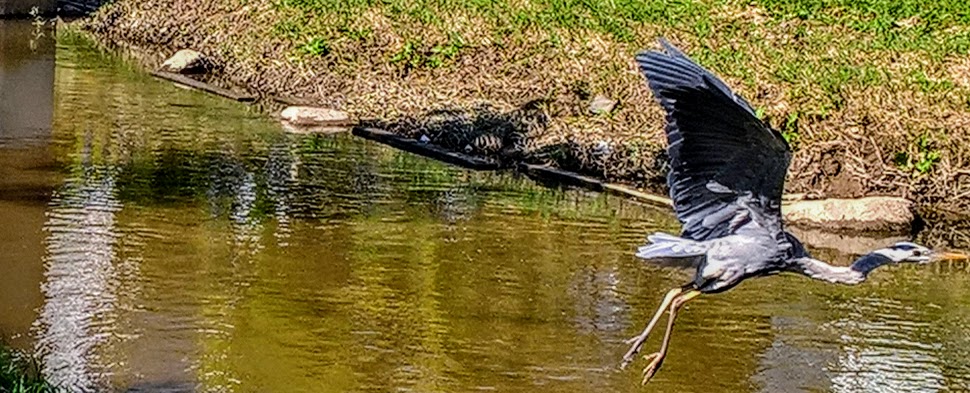
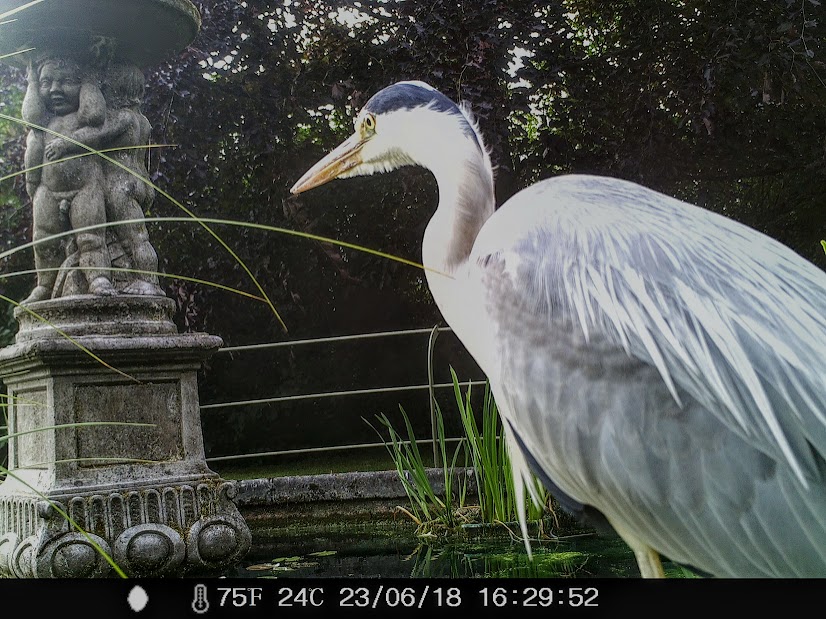
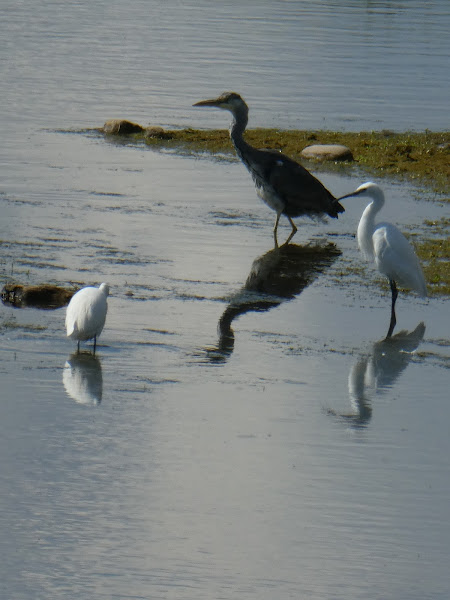
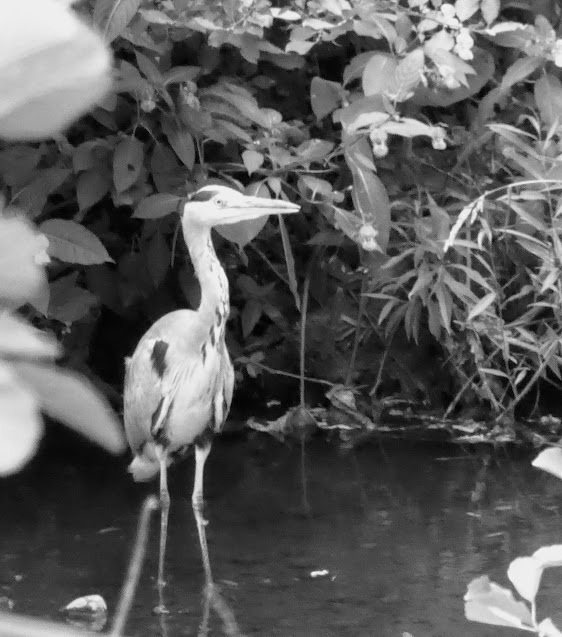
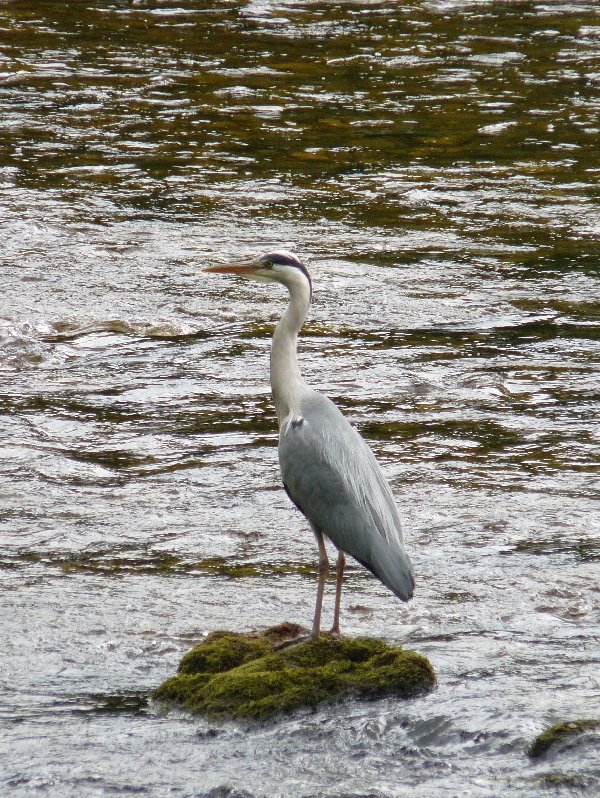
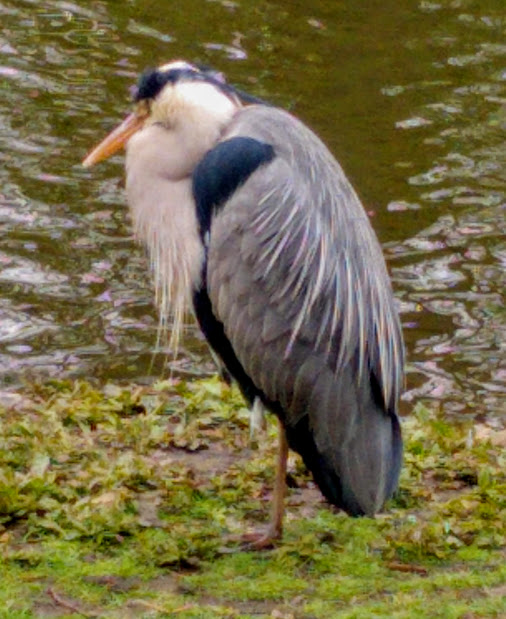
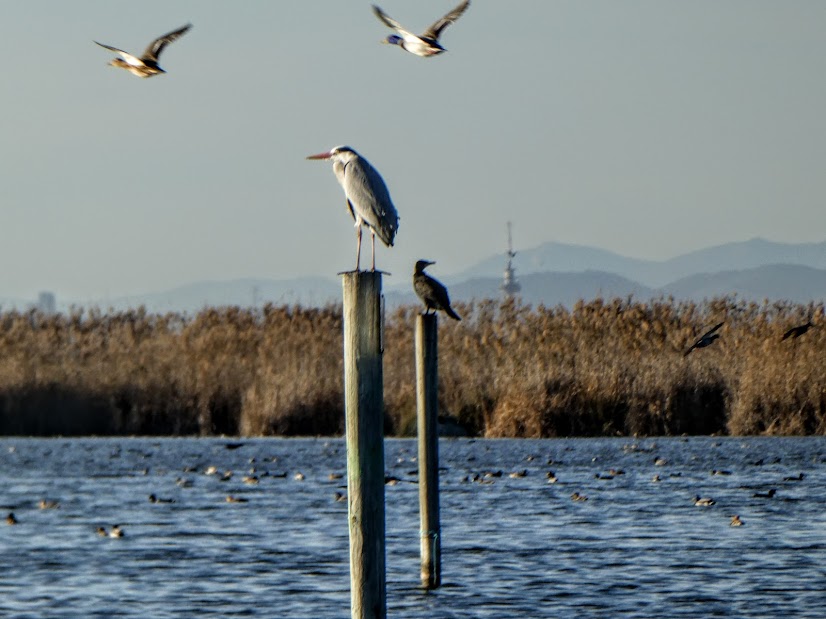
Over at Don’t hold your Breath, IJ Khanewala features an Indian Pond Heron as his Bird of the Week. I remarked to him that herons get everywhere. And here’s the proof. I can’t claim to show examples from anything like every continent, much less every country where you’ll find herons, but here are just a few.
This one was after an easy catch in our landlord’s garden and noticed by our trail camera.
These are all from England: click on an image to find out where.
These two come from Spain, from l’Albufera near Valencia, and from Córdoba.
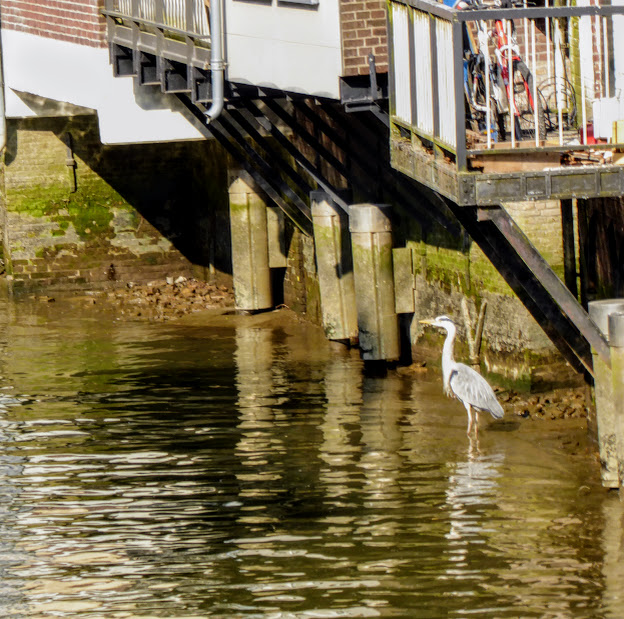
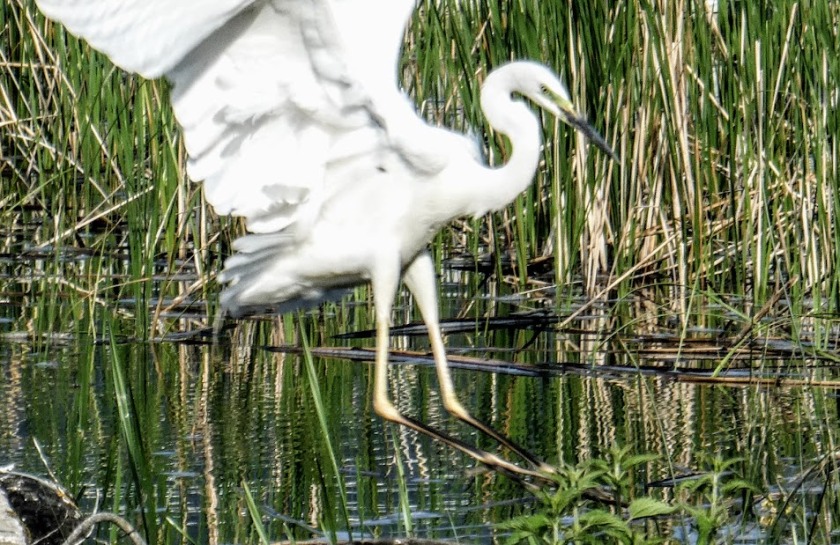
Dordrecht in the NetherlandsLake Prespa in Greece (but it’s an egret?)
And the featured image comes from Busan in South Korea.
Not exactly a world-wide survey. But I go a small way towards proving my point.
This week’s Lens-Artists Challenge, set by Donna, asks us to look at Time. So … I’ve decided to focus on traditions: traditions about celebration – long enjoyed, long maintained, and still meaningful in the communities where they take place.
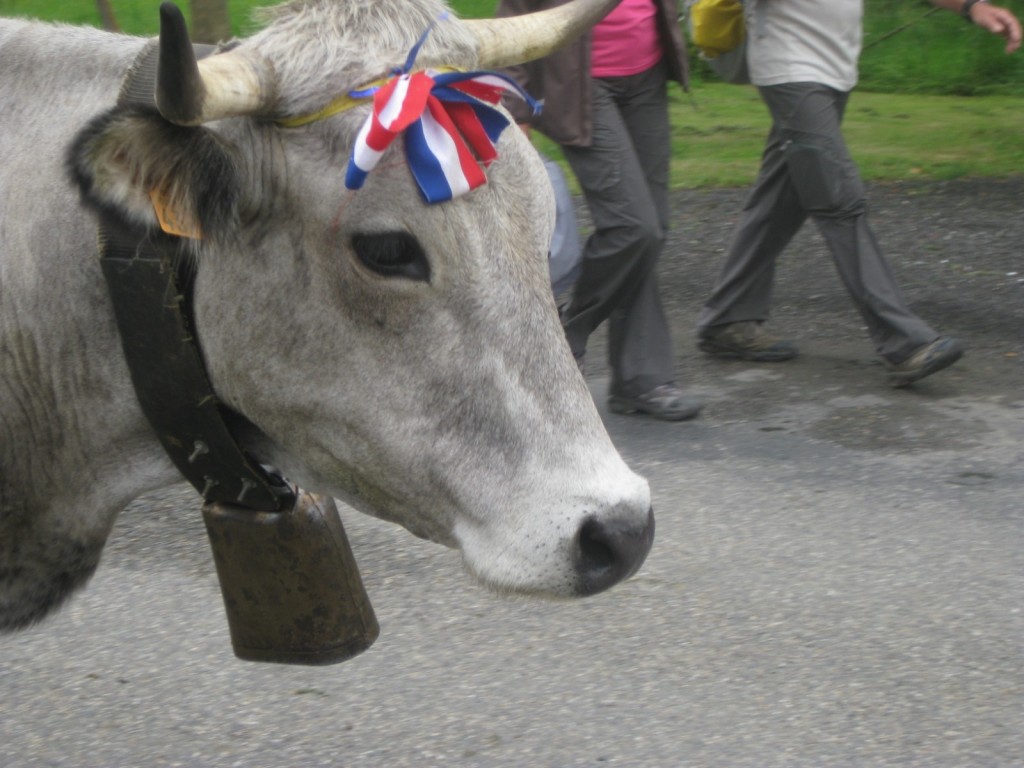
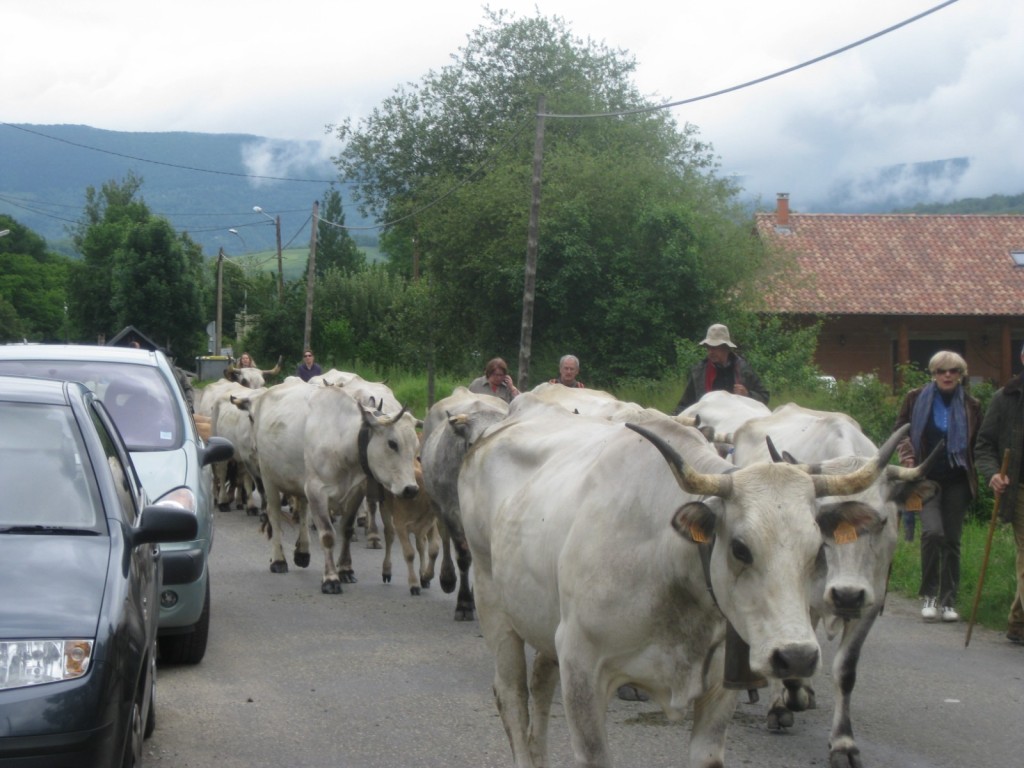
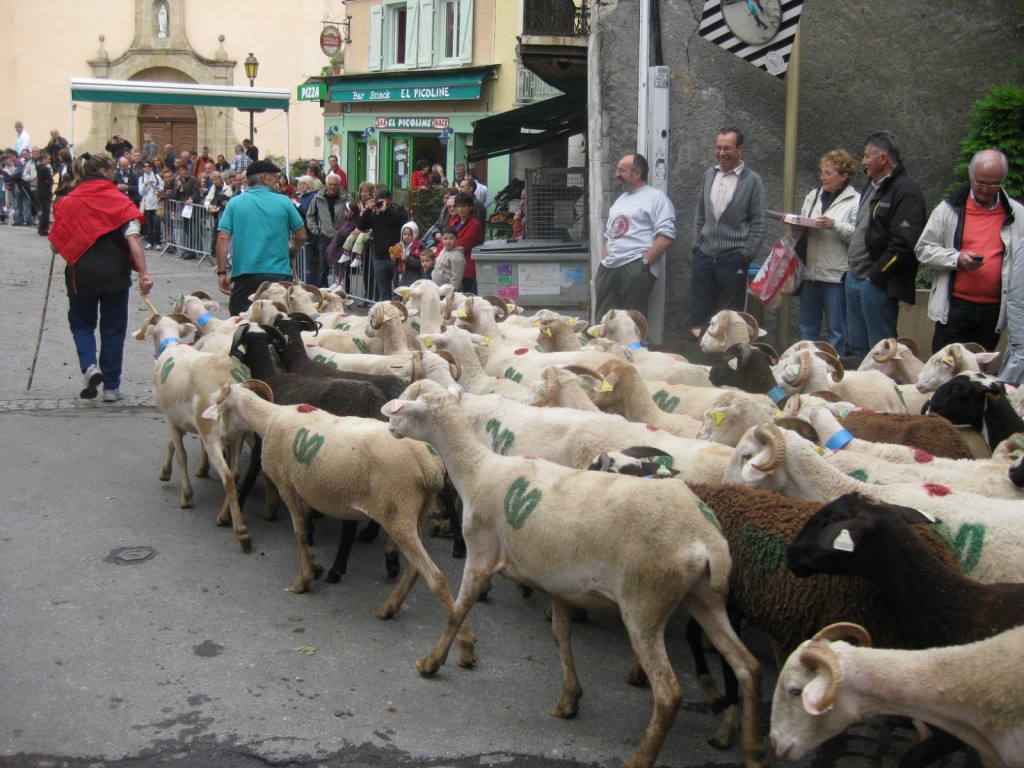
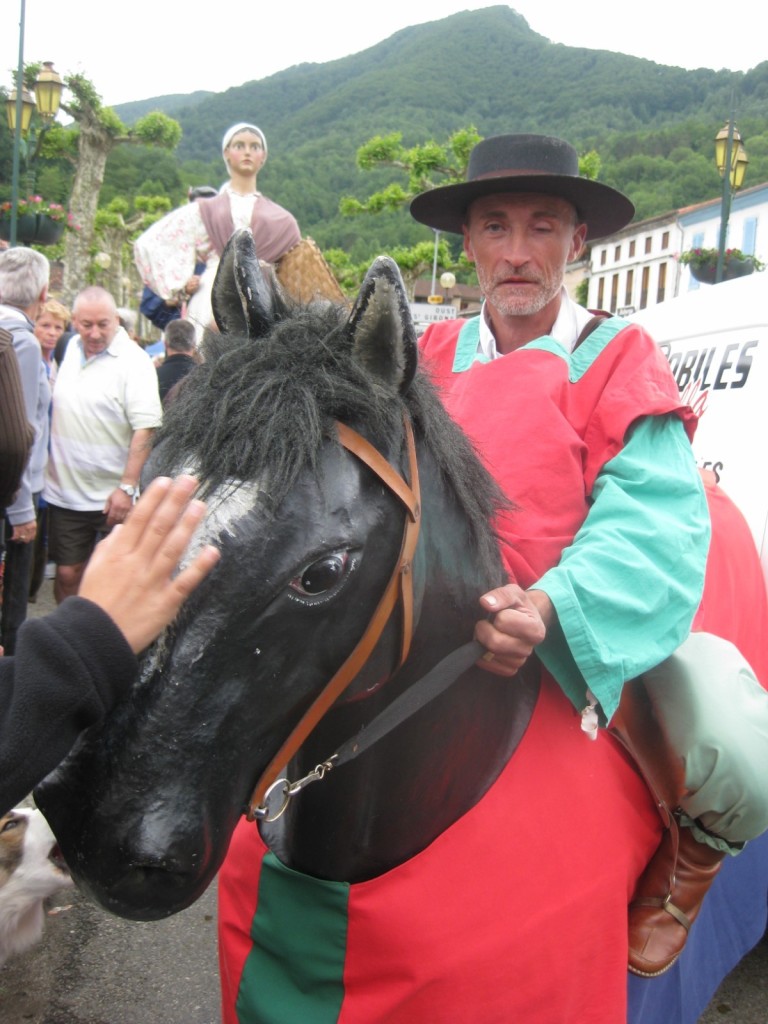
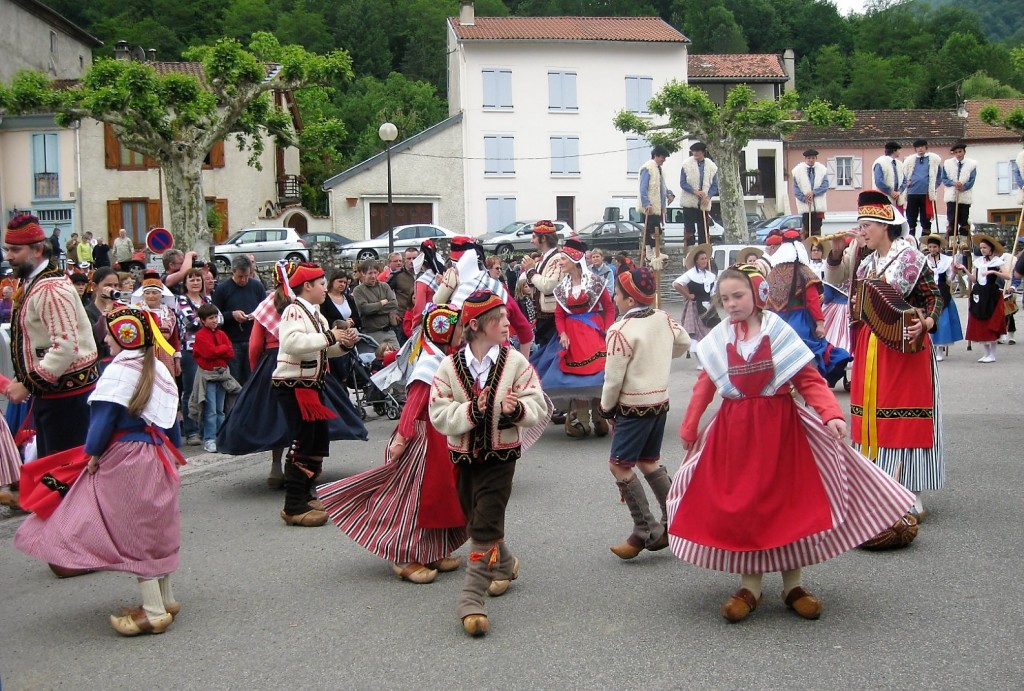
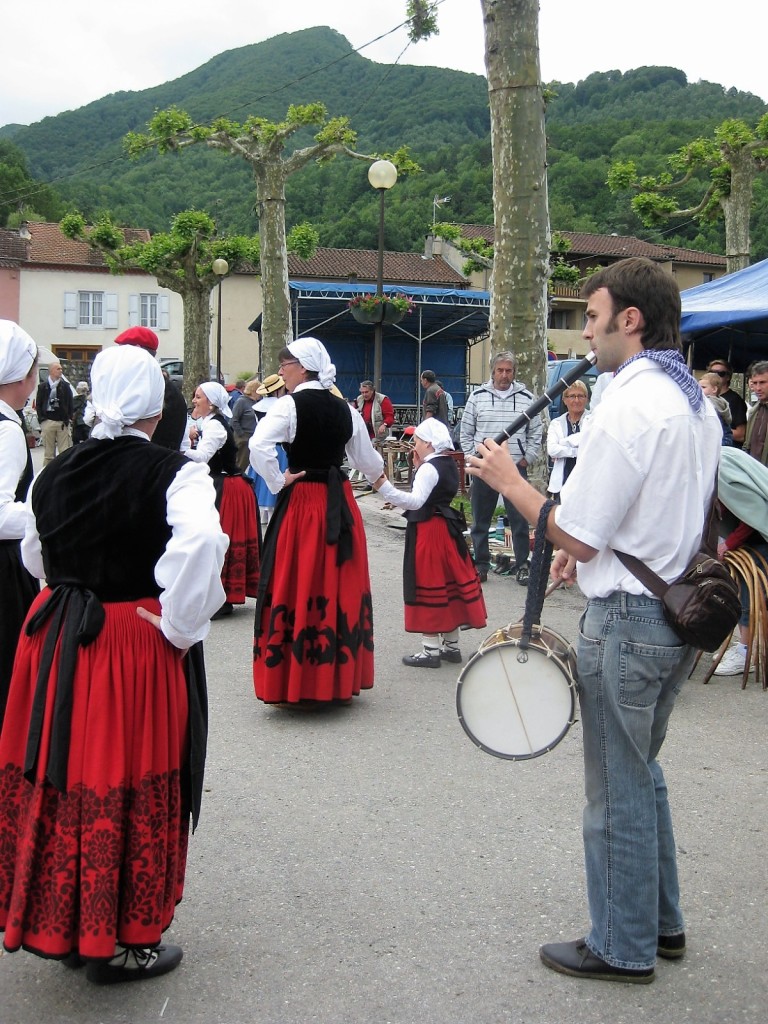
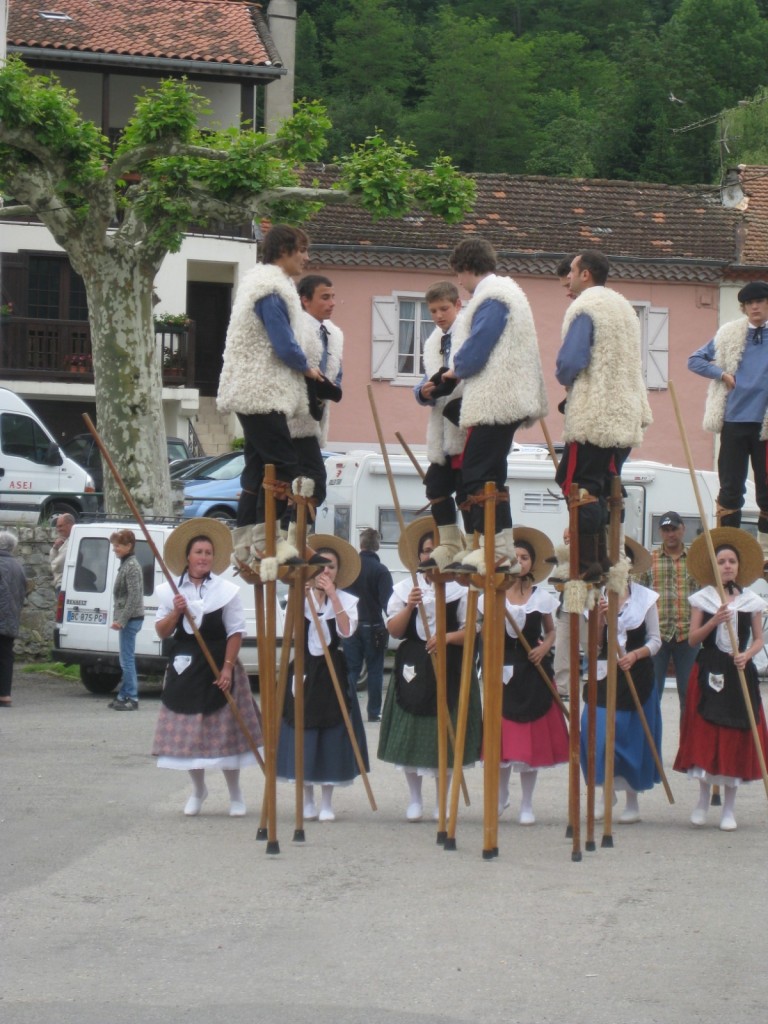
Transhumance for instance. It’s that time of year when in the Pyrénées (and in other mountain regions too), near where we lived in France, the cattle and sheep are moved from the lush summer pastures in the mountains down to their winter quarters down on their lowland(ish) farms . They stay there till spring, and then they’re taken up again. And each time, it’s the excuse for a party. Here are some scenes from Seix a few years ago, of the upward part of the year.
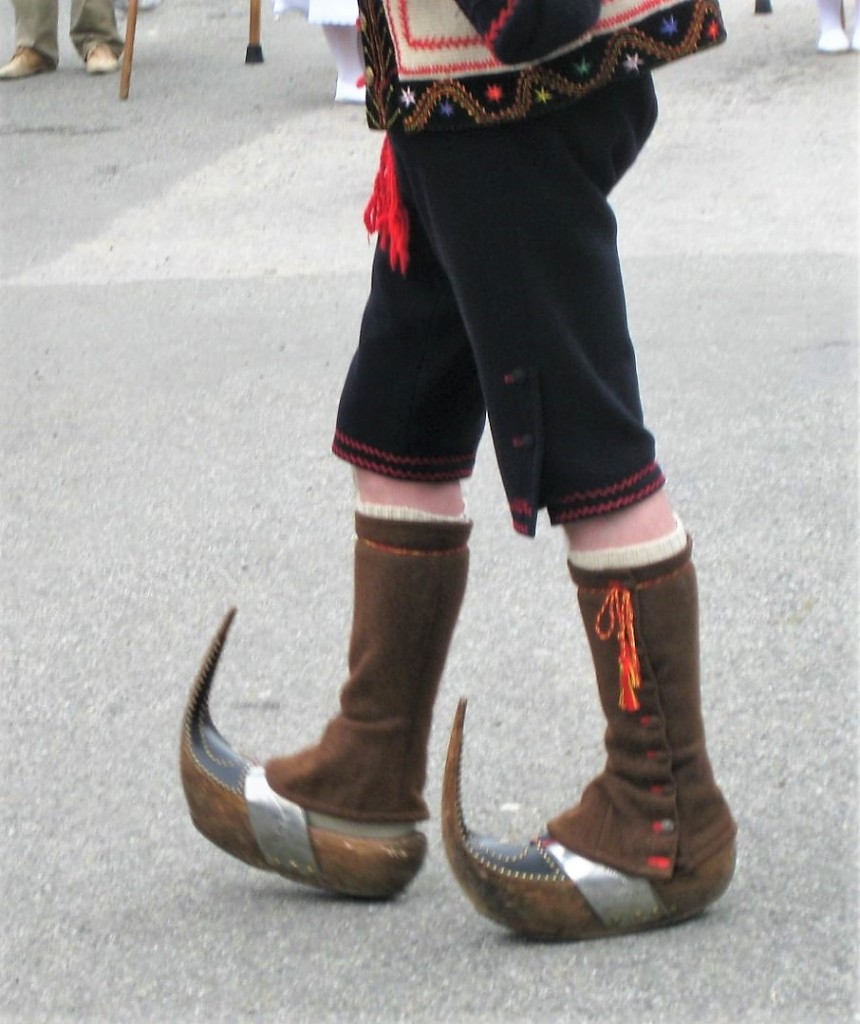
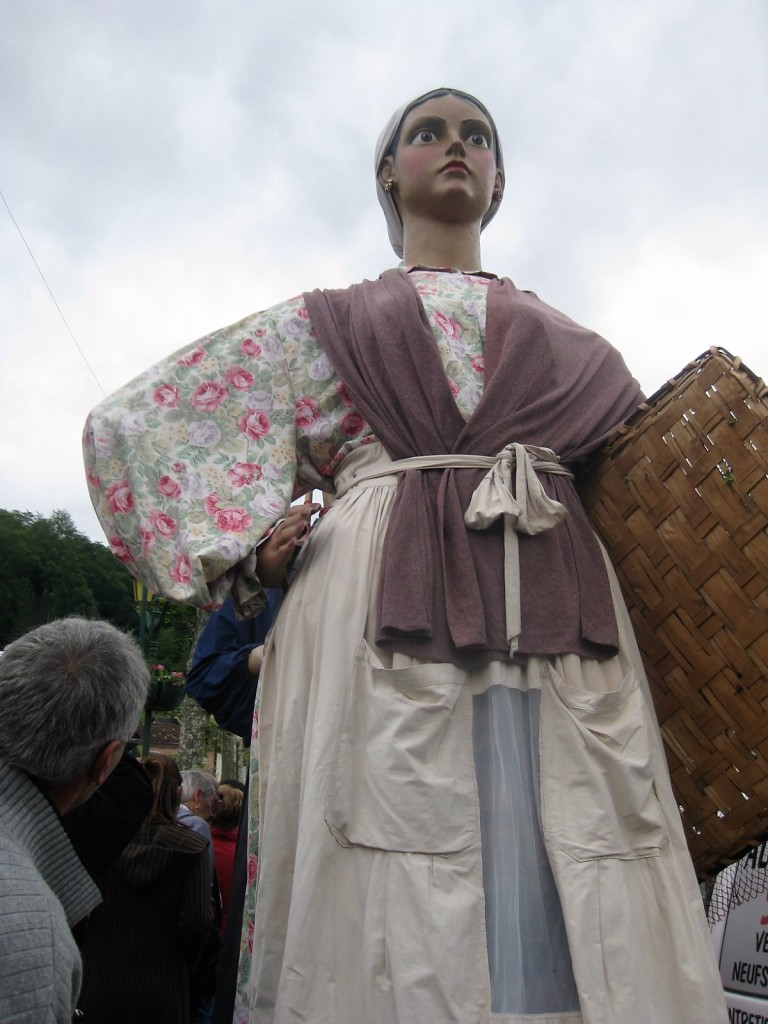
Patriotic cows are led to townCattle trudge patiently down the road …Sheep come tooIt seems strange to ride a plaster pony when there are so many real ones aroundDancing – always dancingMore dancersTraditional clogsShepherds from the Landes on their traditional look-outs – their stilts.Traditional géants
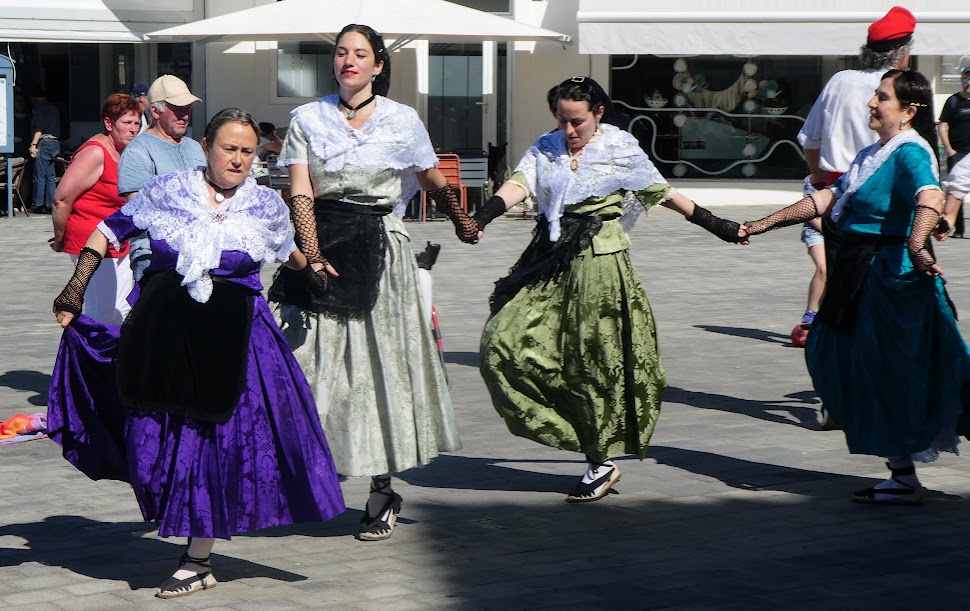
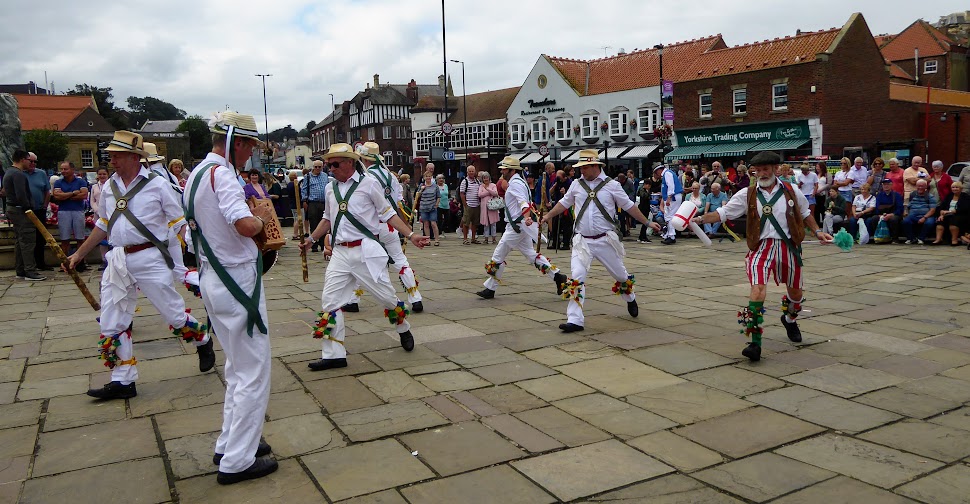
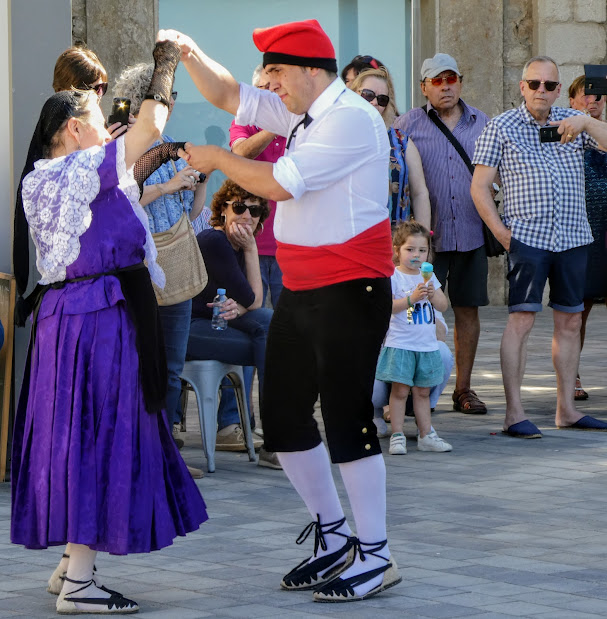
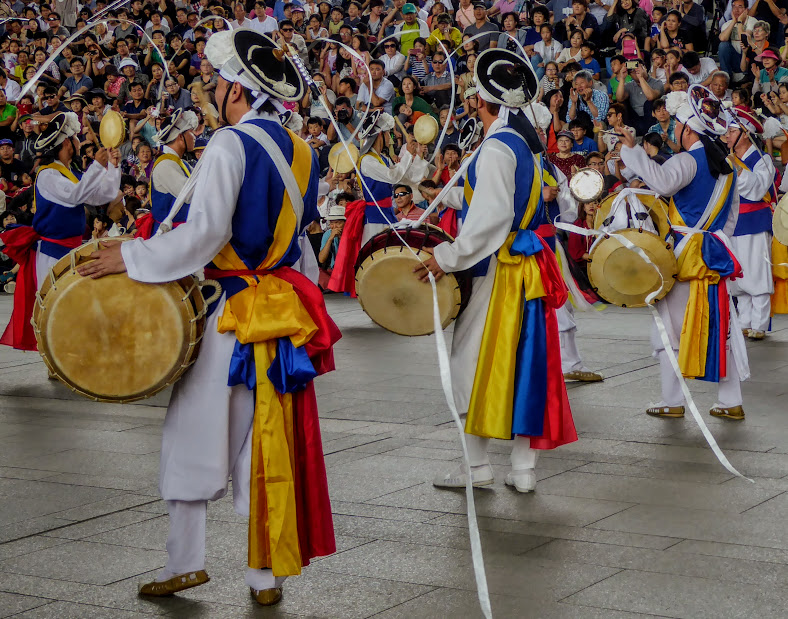
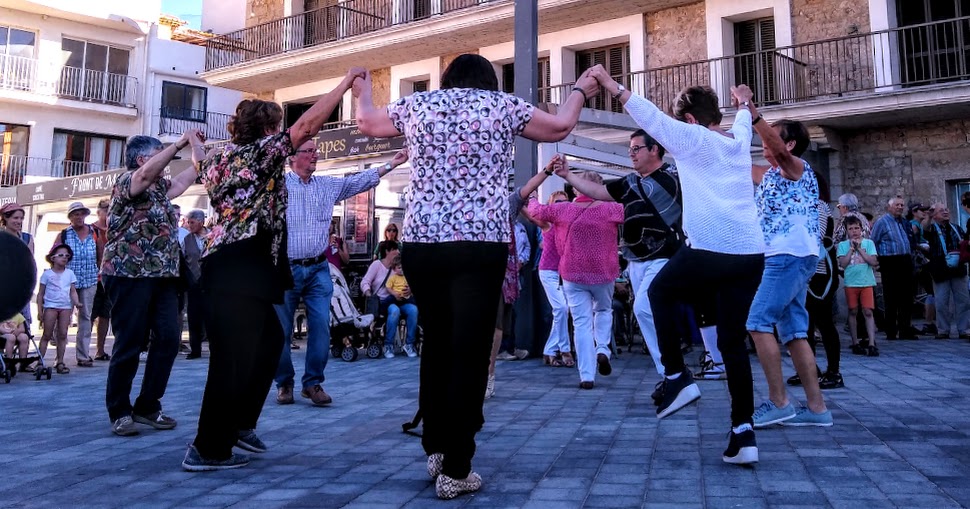
They were dancing in Seix. We dance to celebrate wherever we live – always have. Here are Morris Dancers in England, traditional dancers in Catalonia (and more of them in the featured photo) and dancing for the big Harvest celebration of Chuseok in South Korea.
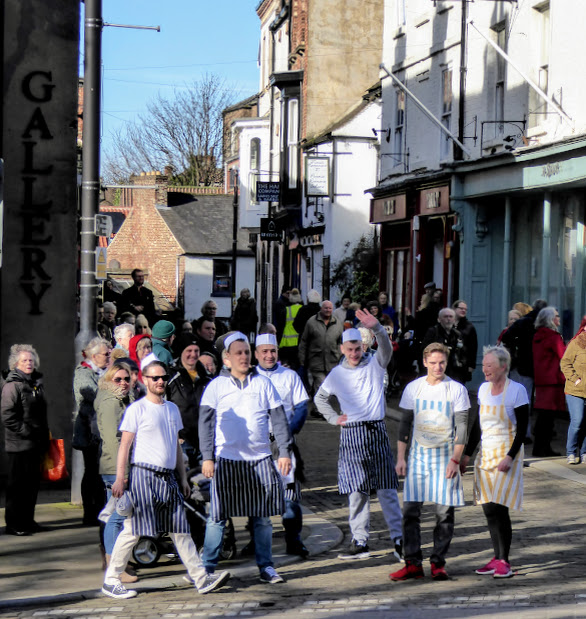
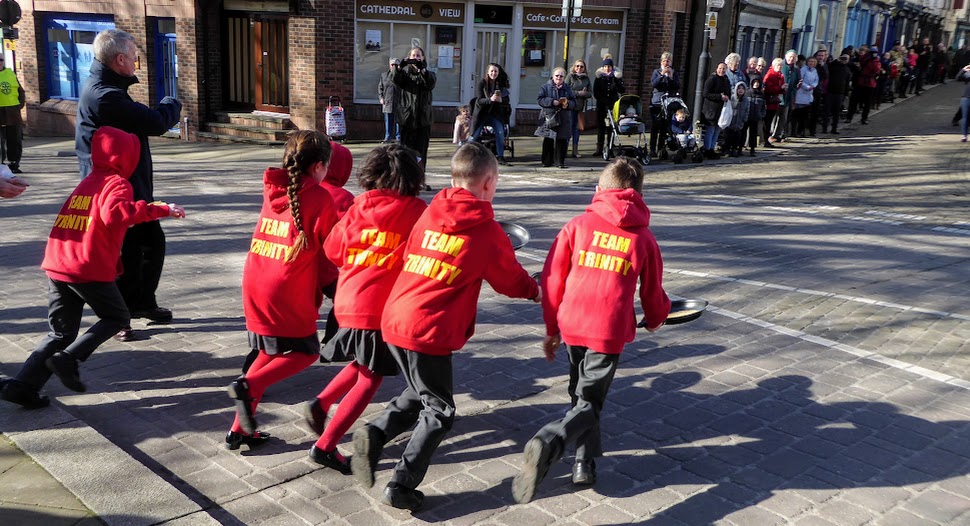
What next? How about Shrove Tuesday, the day when it’s the last excuse to have a bit of fun before the privations of Lent? The day when eggs and butter and other indulgences get used up in the making of pancakes, some of which end up in a race. Participants run the course, pan in hand, tossing their pancakes as they run towards the finishing line. It’s part of every Shrove Tuesday, as it has been for hundreds of years here in Ripon, and in towns and villages throughout the land.
Restaurant and café cooks take time out and celebrate a race well-won. Schools vie with each other for the prize.
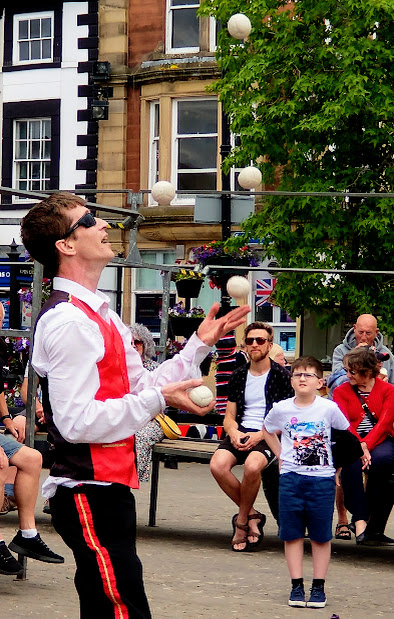
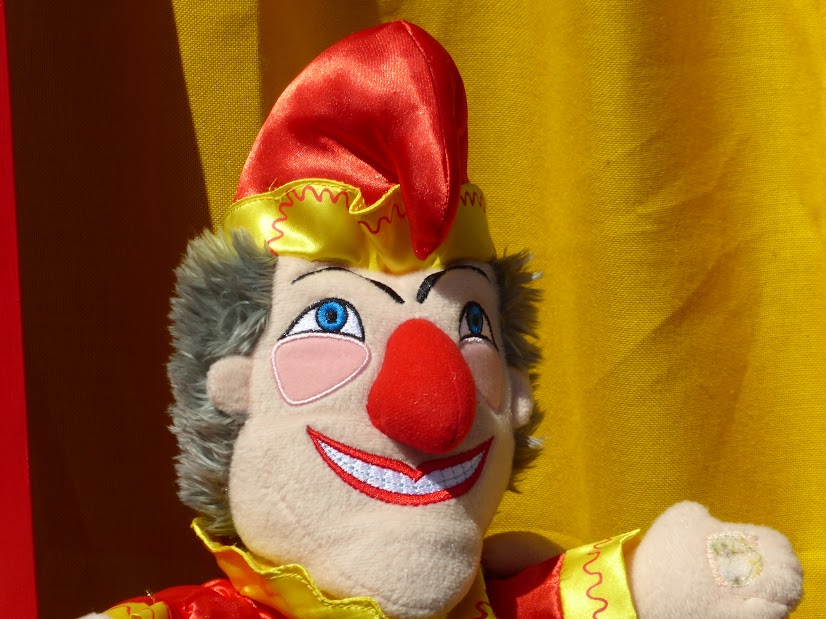
Street entertainers have engaged out attention as long as there have been streets. Jugglers, Punch and Judy shows … anything goes.
Juggler in RiponPunch … but no Judy.
Anyway, let’s finish off with a dance, the Sardana, dear to Catalonians for … well, centuries. It’s easy enough – join in the circle and just copy the person opposite you. Come on – you don’t even need a partner!
Friends and strangers enjoy the Sardana in a Catalan square.
This week’s Nature Photo Challenge from Denzil is about water plants. My archive has not been especially revealing, and if you think I’m going out on this day of torrential rain to find more, you’ve got another think coming. Perhaps this is a chance to join in to with Jez’s Water Water Everywhere challenge too?
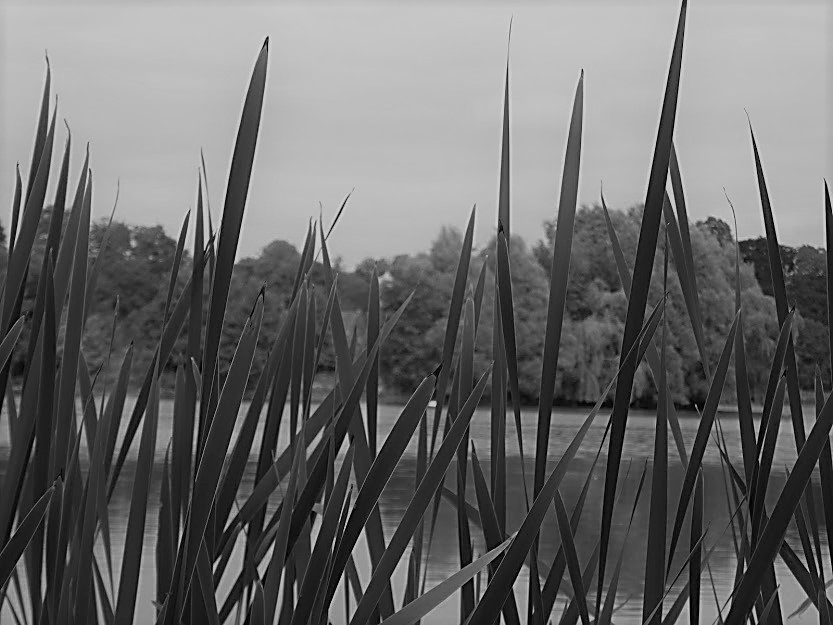
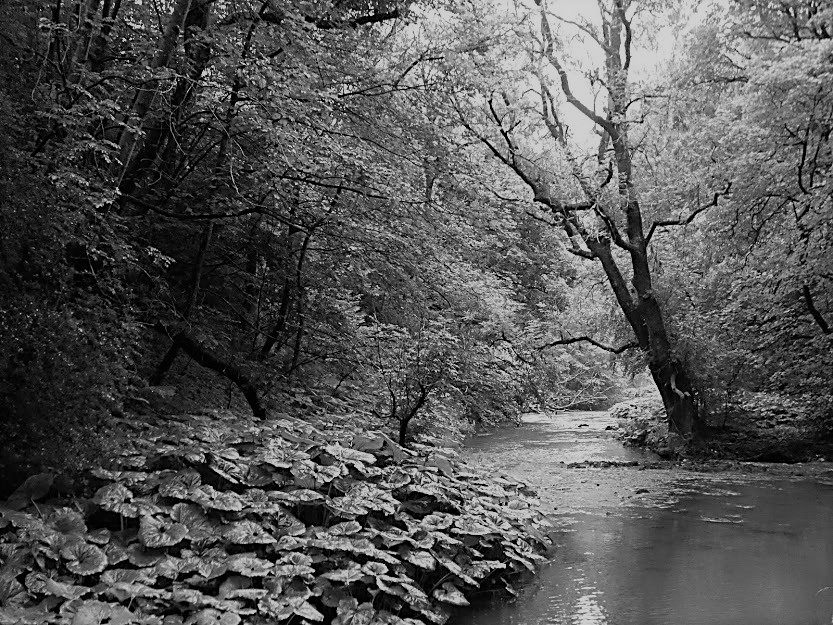
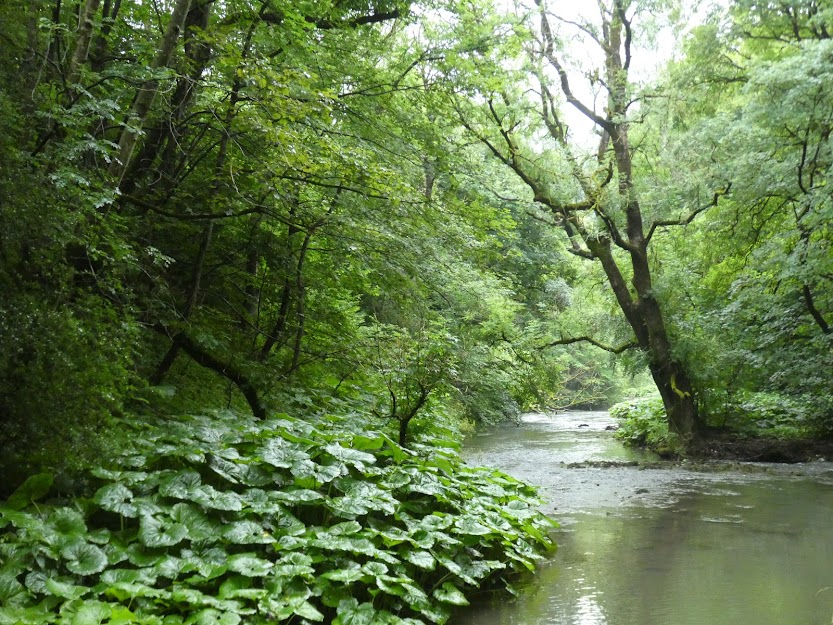
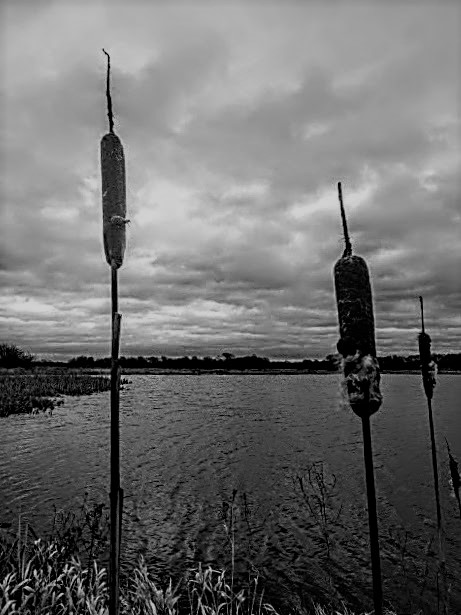
I’ll issue a challenge of my own too. I rather like the images below of spiky, statuesque reeds and grasses in black and white. But perhaps you prefer the original colour?
My first one is from the lake at Kiplin Hall, North Yorkshire
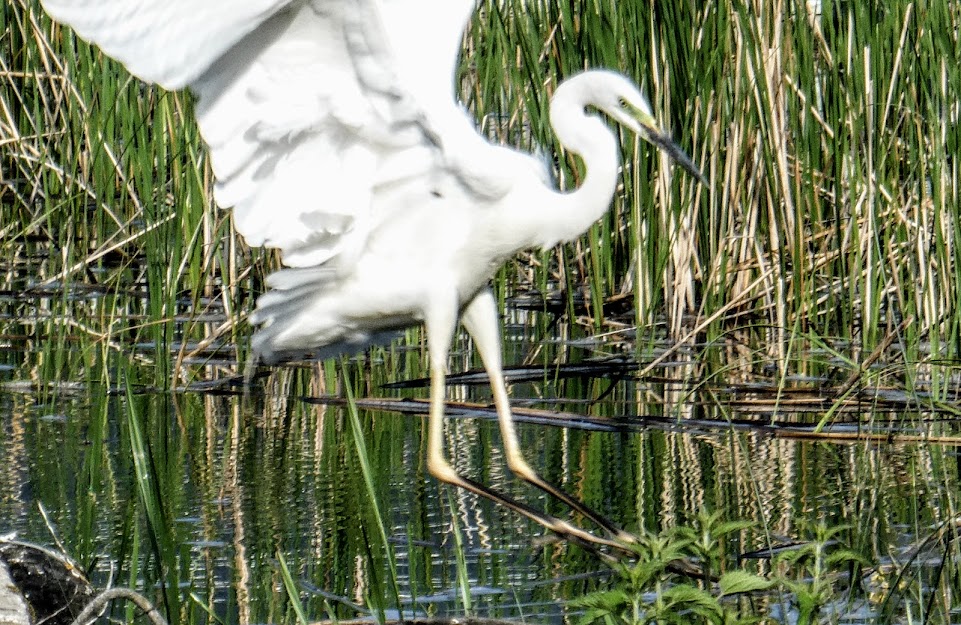
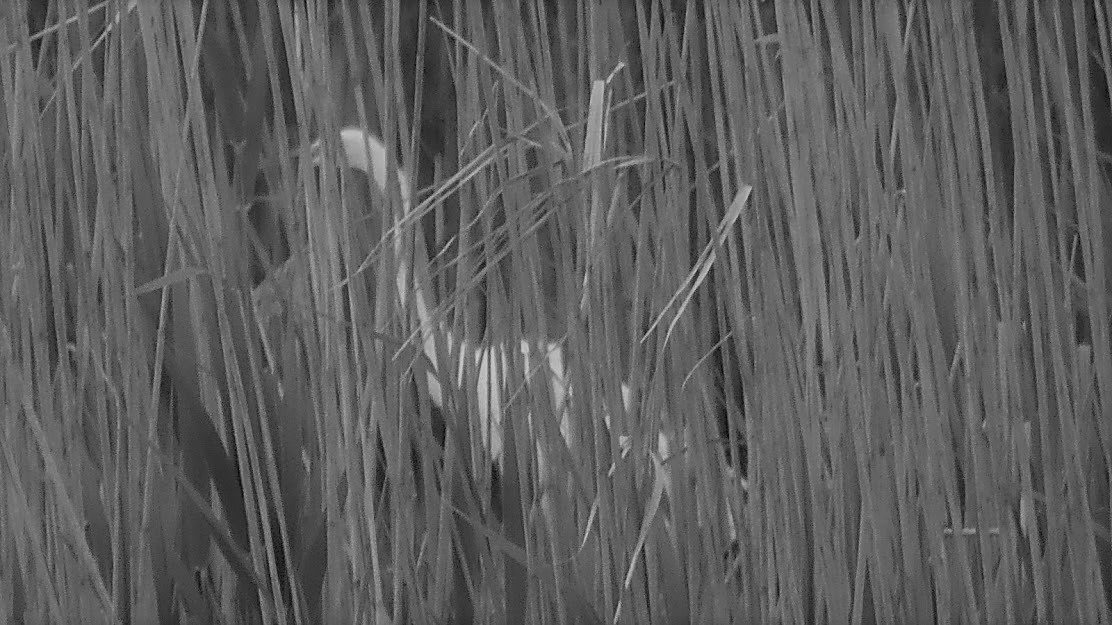
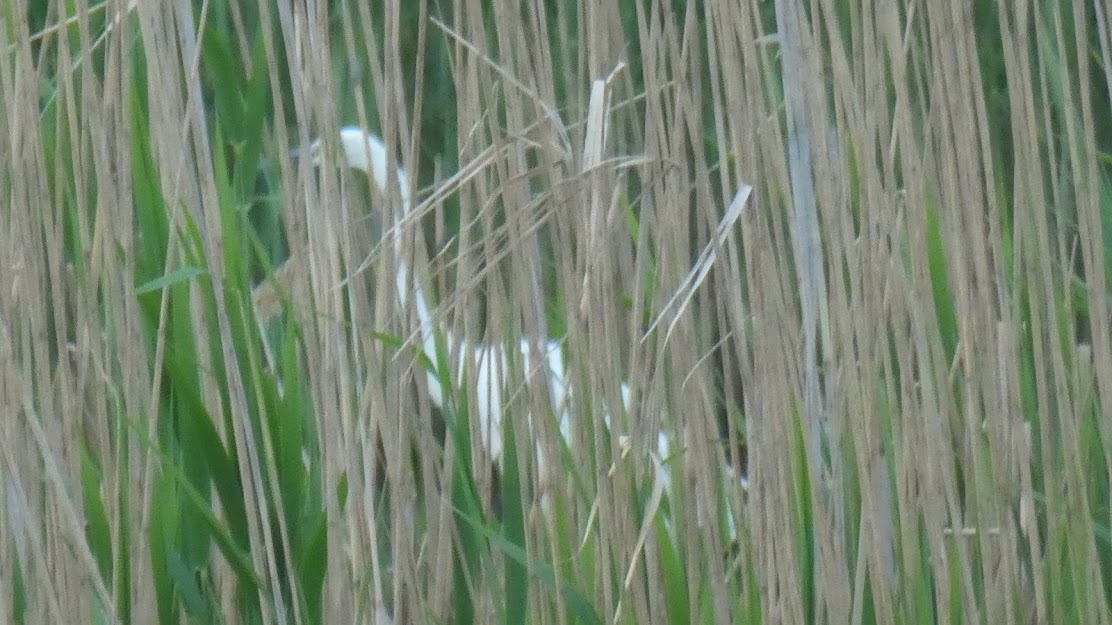
Then we’ll move to Lake Prespa in Greece, where the reeds obscure a handsome egret.
Then back to England, to the River Wye in Derbyshire.
This is a local Nature Reserve at Staveley, North Yorkshire on a bitingly cold day which at least the bulrushes could endure.
My header photo is also from Lake Prespa. I thought the egret and his reedy background demanded colour. Just as my final shot, taken in the gardens of the National Museum, Seoul. South Korea rather requires that splash of orange.
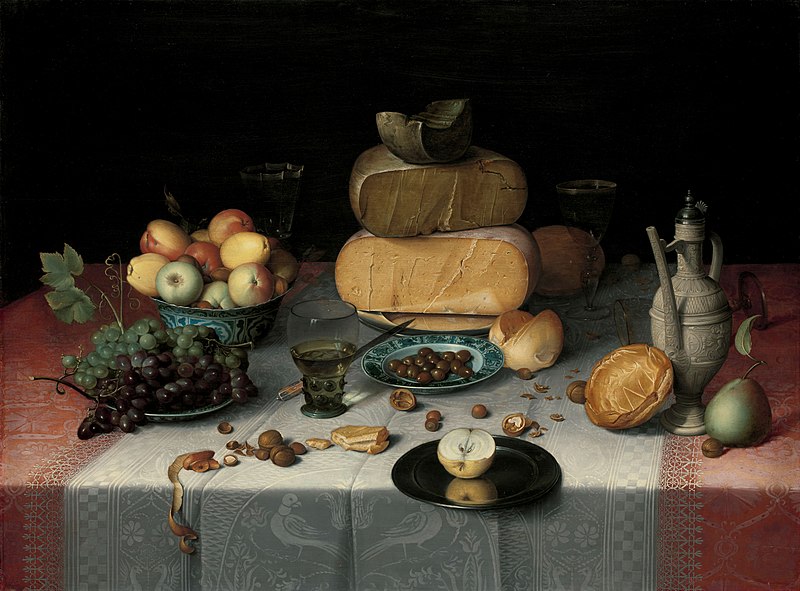
If I said ‘Still life‘ to you, I’d bet you’d immediately think of those ultra-realistic studies of fruits, cheeses and other good things cascading artfully from a shelf or plate in a painting by one of those 17th and 18th century Dutch painters who specialised in painting them. Like this, for instance, by Floris van Dijk in the Rijksmuseum:
Patti, who’s challenged us to produce still life images for this week’s Lens-Artists Challenge #246 isn’t going to be a bit impressed by anyone who blogs only about images of Old Masters whose work happens to be in the public domain. She wants our own efforts. We can compose them; or we can find them, the unselfconscious efforts of others which we’ve spotted, and seized, and made our own.
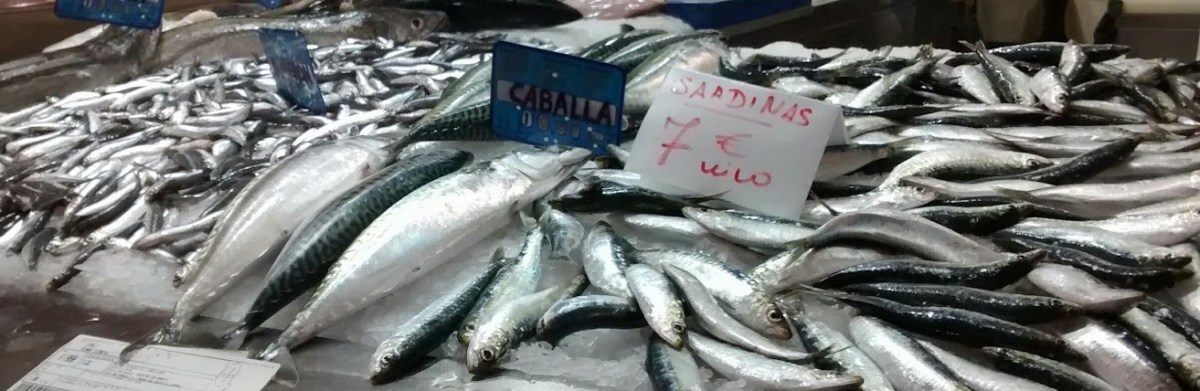
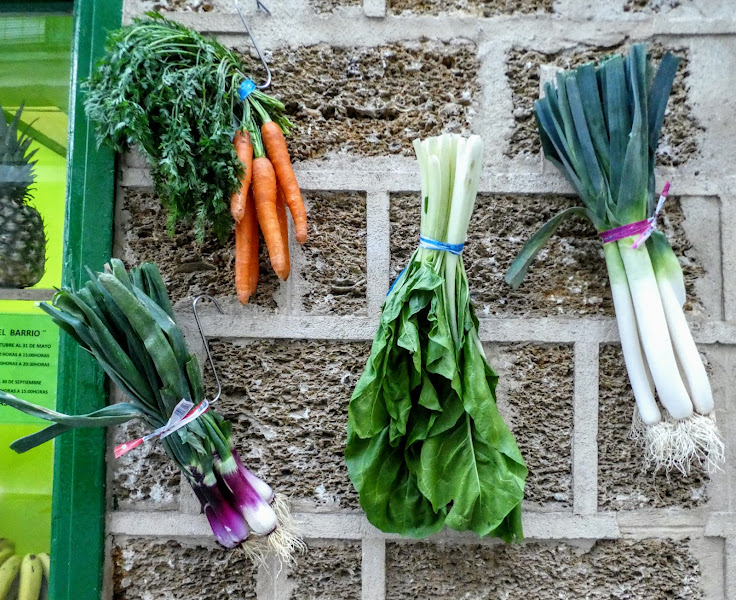
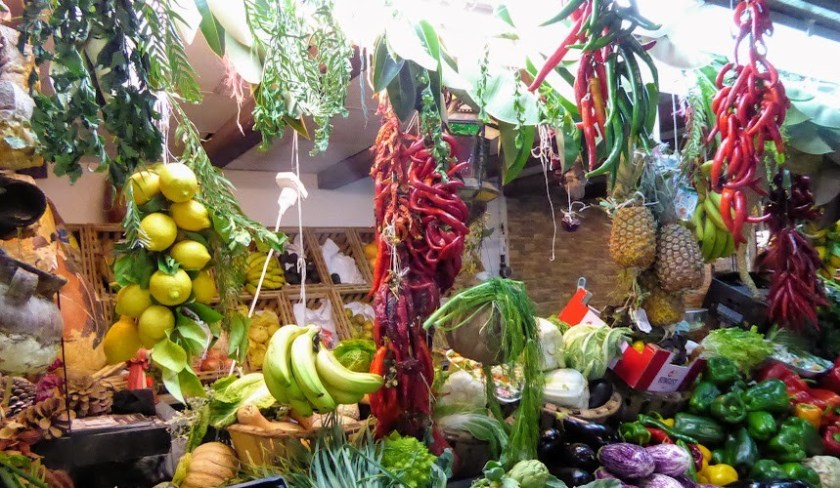
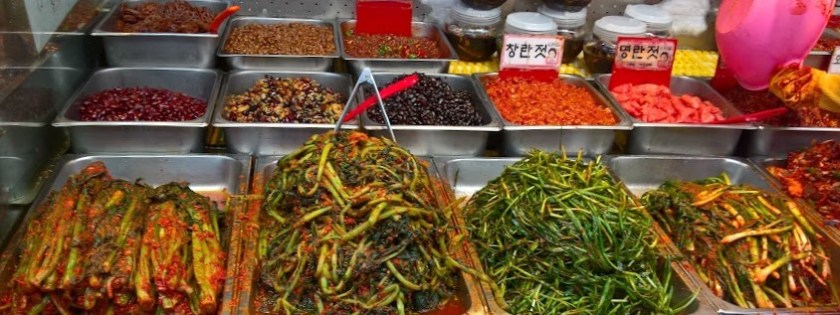
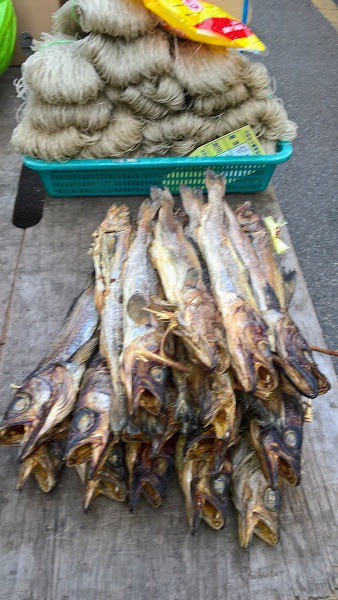
I’ve got a rag-bag of images for her. The fish stall in Valencia which is my feature photo. The marvellous greengrocer in Cádiz, who daily displayed on the wall outside his tiny shop a tableau of some of the goods he had to offer:
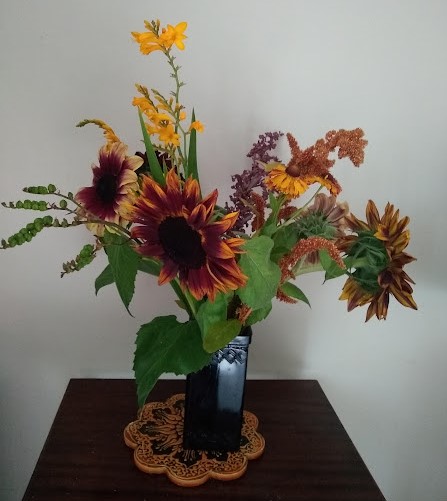
Fruit and veg. from Spain; fermented and pickled vegetables from South Korea; and dried fish from there too. As well as a vase of flowers from home. All these in homage to Dutch Old Masters.
Market in Alicante
Market in Busan
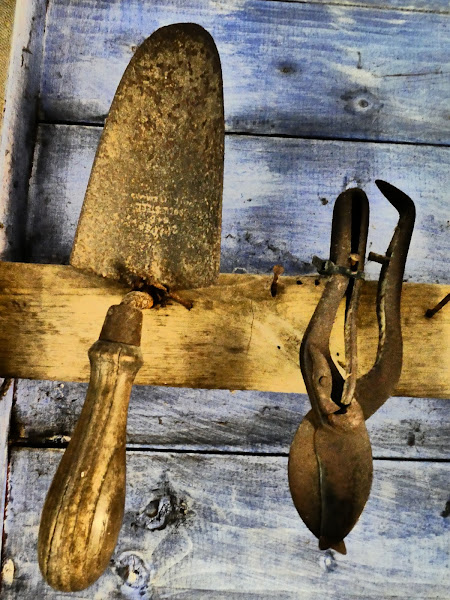
Harlow Carr Gardens in Harrogate, England has a display in an Edwardian gardener’s shed. I was rather taken by these rusted tools.
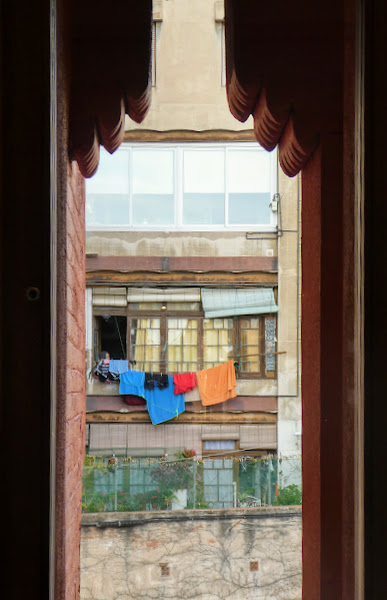
In Barcelona, temporarily totally ignoring all the wonders on display in Gaudi’s Casa Vicens, I glanced out of the window to see a washing line still life:
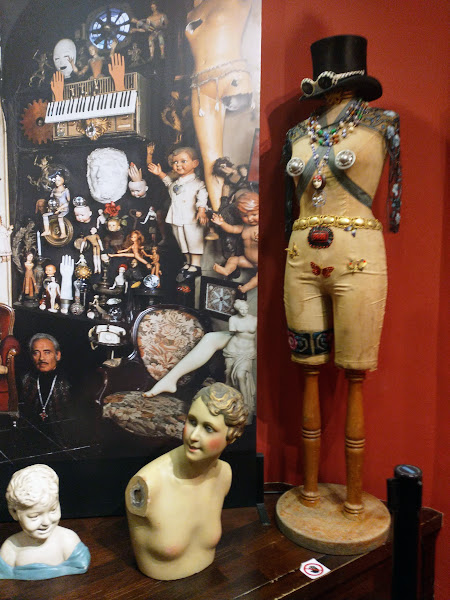
And only the other week, in Canet de Mar, Catalonia, in the museum dedicated to Lluis Domenech i Montaner (Note to self: get that post about him written), I found an extraordinary still life with which to finish this post: the ephemera gathered into the studio of early 20th century photographer Eugenie Forcano.
Well, Patti, I can’t speak for anyone else, but I’ve had a lot of fun. Thanks.
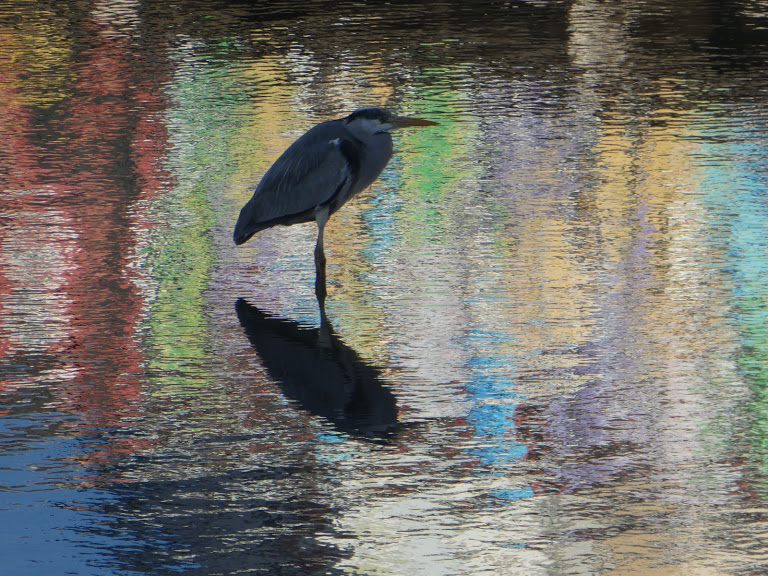
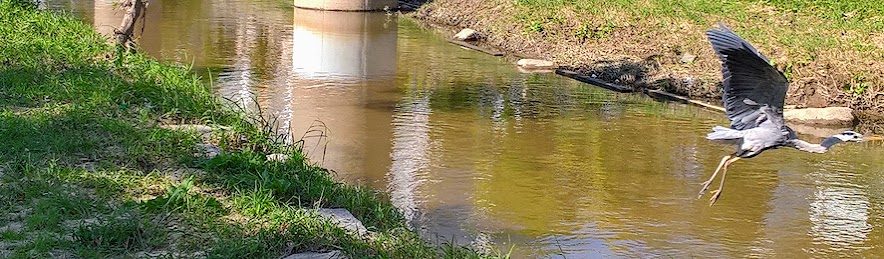
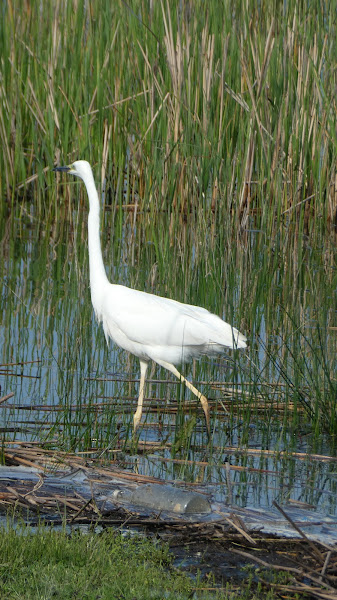
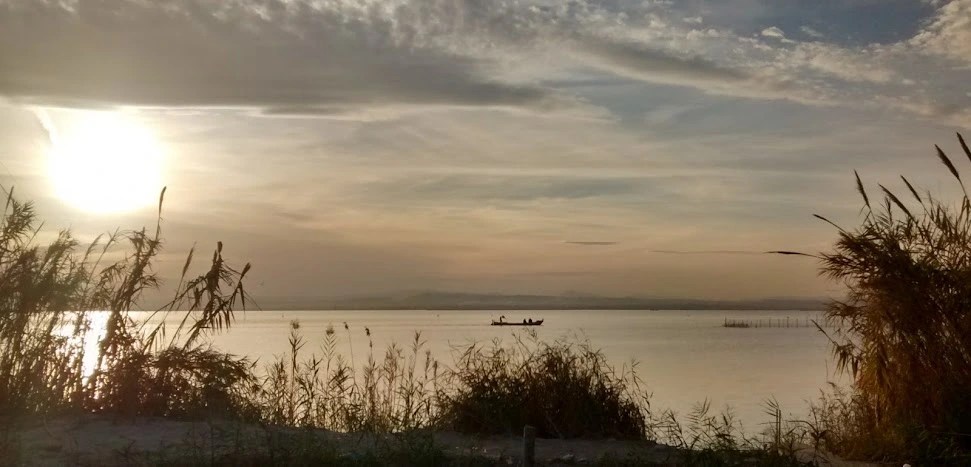
So I’m going to book-end my post with herons, omnipresent herons, seen in every continent but Antarctica, almost anywhere where there is fresh water. I could have shown you one of our local birds, patiently fishing in the River Ure. Instead, I feature one seen in urban Busan, South Korea, and finish with one surveying the evening scene from his look-out post in l’Albufera, Valencia, Spain.
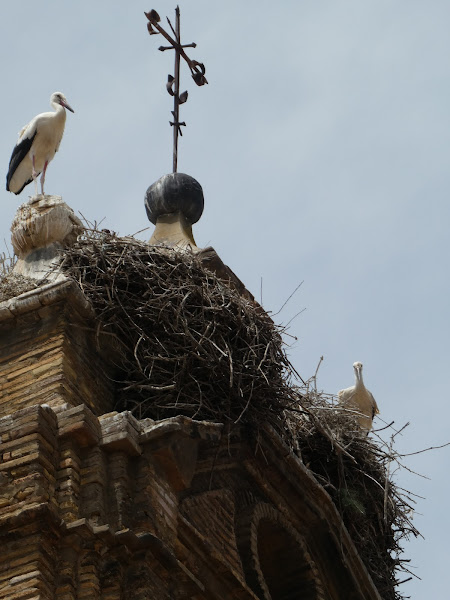
Let’s stay in Spain, and showcase a stork supervising the nest a-top a church in Tudela, Navarre.
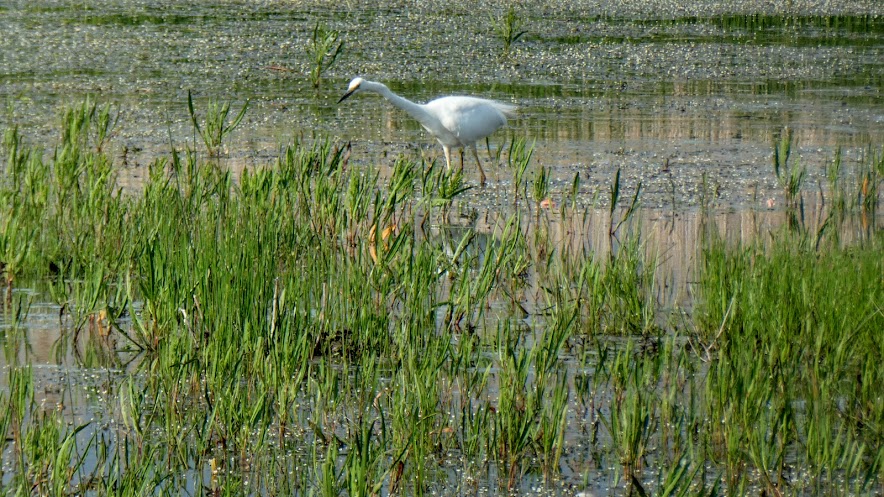
Now Greece, and another member of the heron family, the egret, hunting for breakfast.
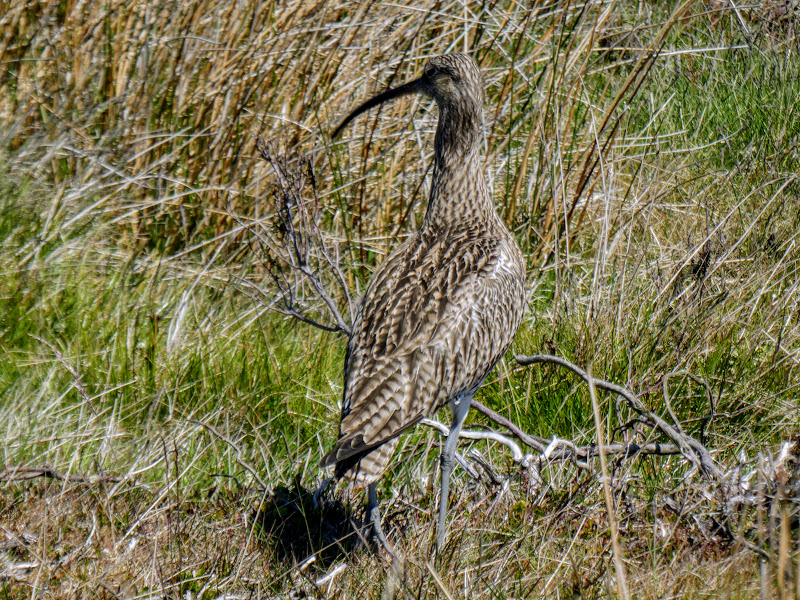
Just as Lockdown came to an end, we ventured once more into the Yorkshire Dales, and found curlews, so newly unaccustomed to traffic that as we parked ready to go on our walk, they stayed nearby, unconcerned.
The patterned curlew blends in so well with the less-than patterned grasses. Especially the legs. Keep looking – you’ll find them.
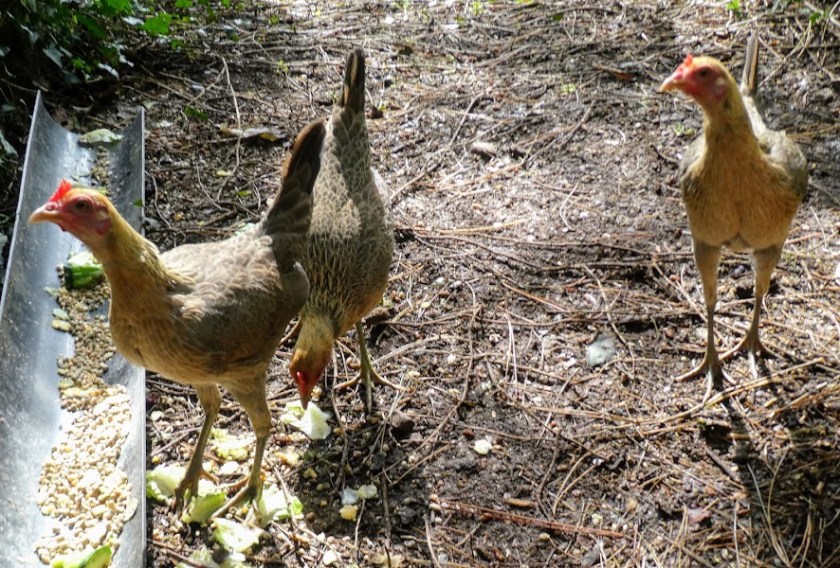
I bet you wouldn’t expect to find a hen in this post. But our neighbour’s chickens have long legs. And they lay the smallest hens’ eggs ever.
And finally, as promised, here’s our Spanish heron.
On the twelfth day of Christmas my true love sent to me –
Twelve drummers drumming.
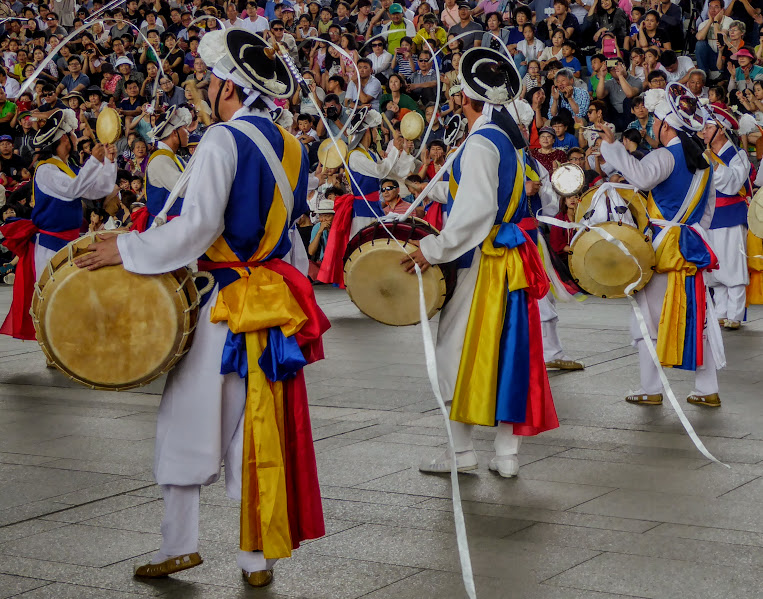
I bring you drummers from South Korea, which is appropriate. It’s September, and they’re celebrating Chuseok, which is a sort of secular Harvest Festival. But it fills the place in the calendar that Christmas does here. It’s a time to spend with family and friends, to exchange gifts, and generally to have a good time. Bring on the drummers and dancers!
Chuseok at the National Museum of Korea, Seoul, September 2016
There are moments when you have no fewer, and no more than twelve drummers before you. But you’ll have to keep your wits about you.
And that’s it. The end of the Twelve Days of Christmas. Tonight’s the time to take down the tree, tidy away cards and decorations … till next year. It’s all over unless you’re Spanish, or from a range of Latin American countries, in which case you’ll be celebrating El Dia de los Reyes, or Los Reyes Magos, when the Three Kings visited the infant Jesus. A great excuse for a party!
This is turning into a Sunday Thing. Experimenting with different types of poetry. But with added photos. Always with added photos. This week, as my contribution to Tanka Tuesday‘s task – to write a 4-11 (the clue is in the name: 11 lines of 4 syllables each – last line repeats the first) I thought I’d focus on summer travel.
Summer travel
was always fun.
But now passport
control (Brexit!);
Covid control;
train strikes and queues;
airport queuing –
make journeys long
and so irksome.
Worth it though – for
summer travel
And to prove that travel’s always worth it, here’s my photo gallery. There’s just one problem. Most of these photos were taken in January, in February, in March … you get the idea – any month but August …
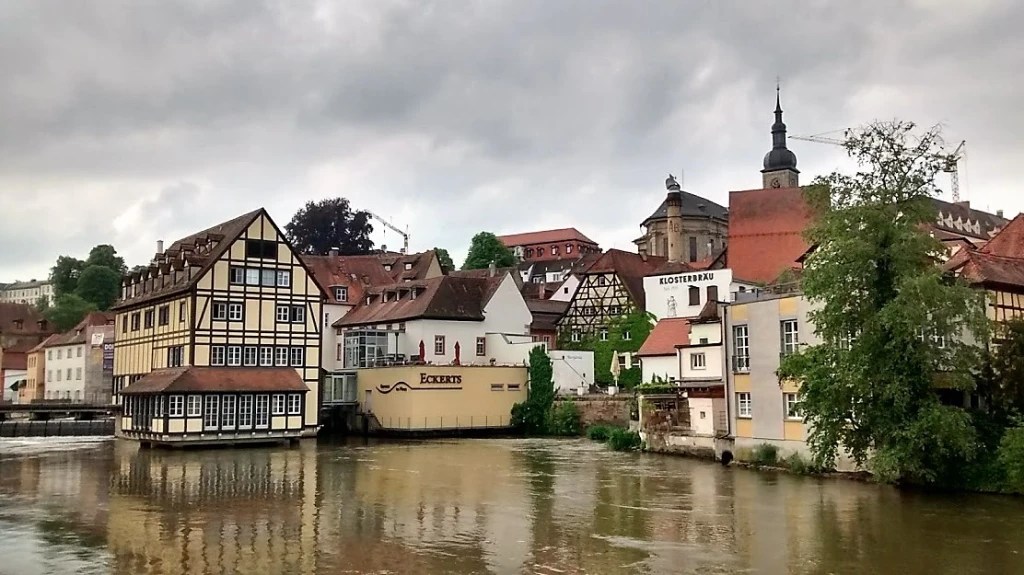
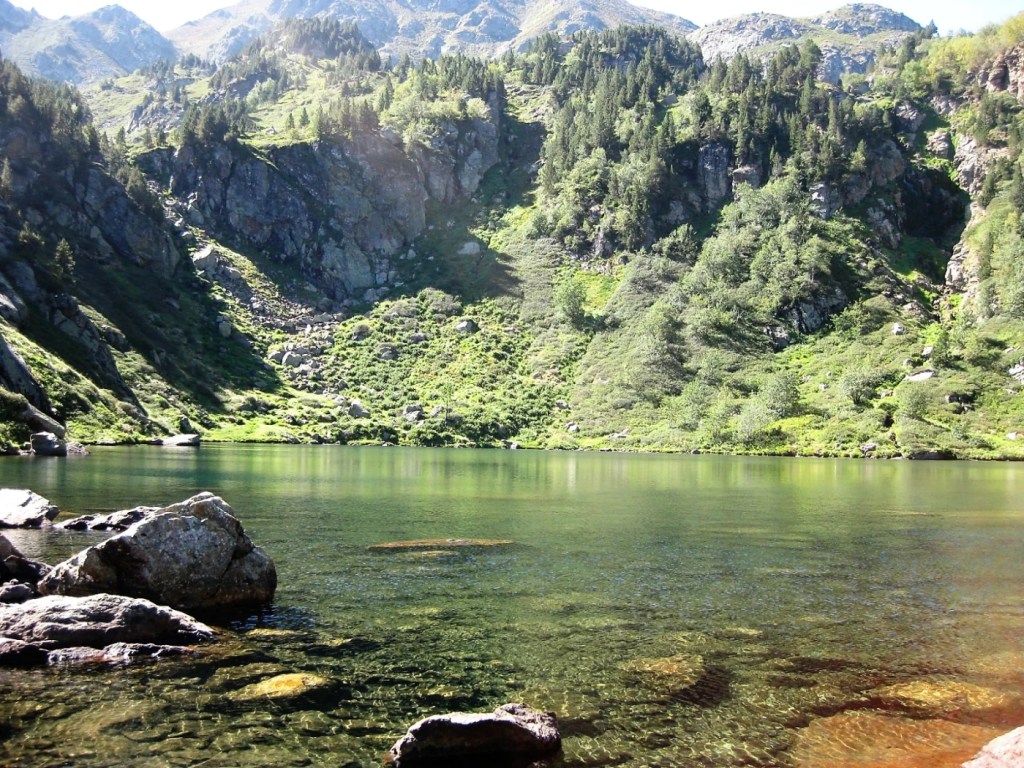
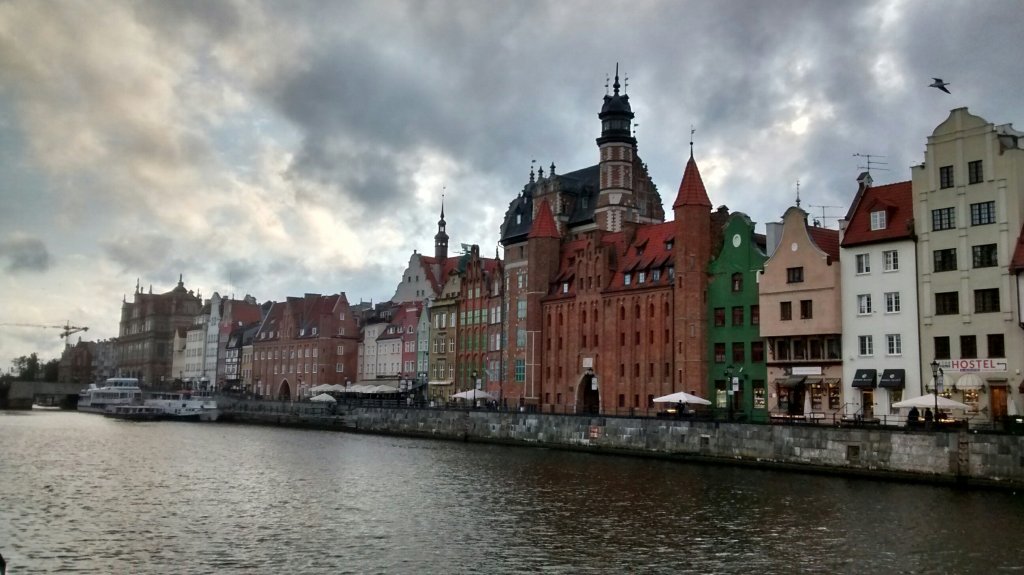
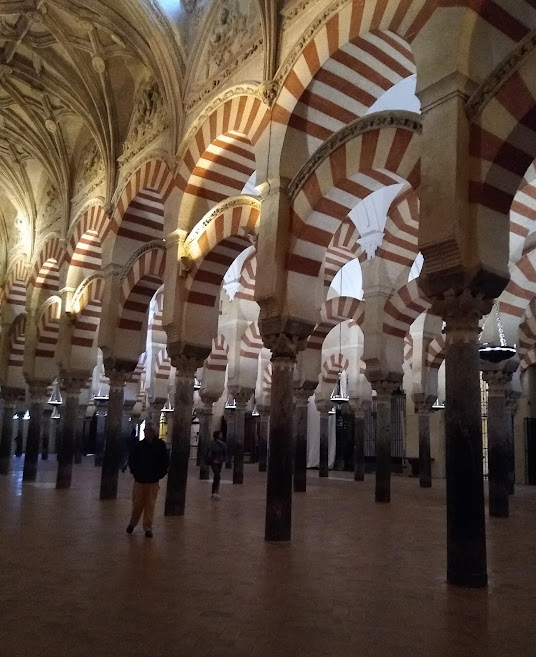
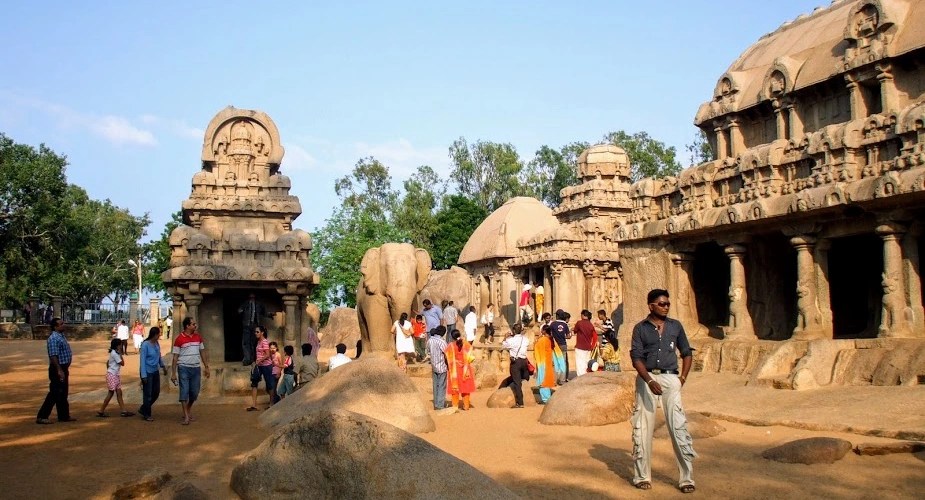
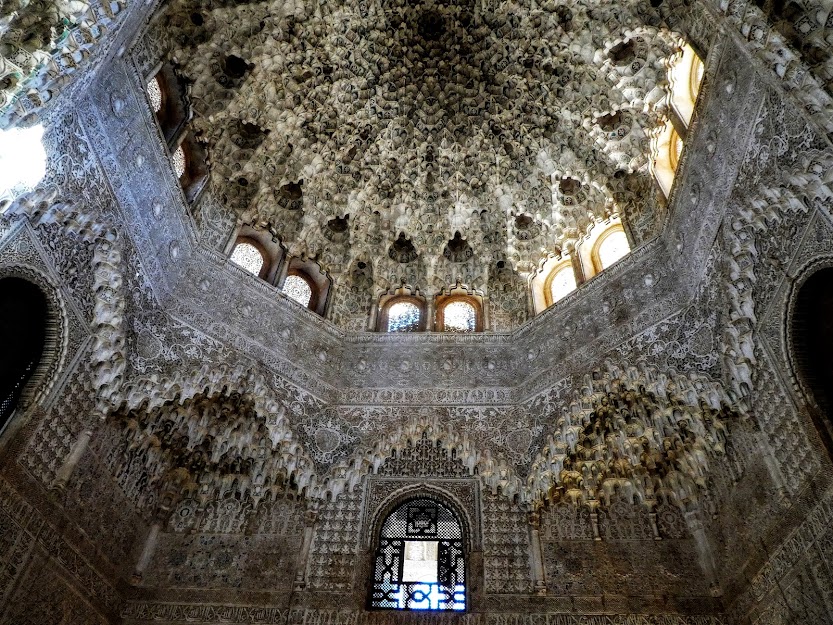
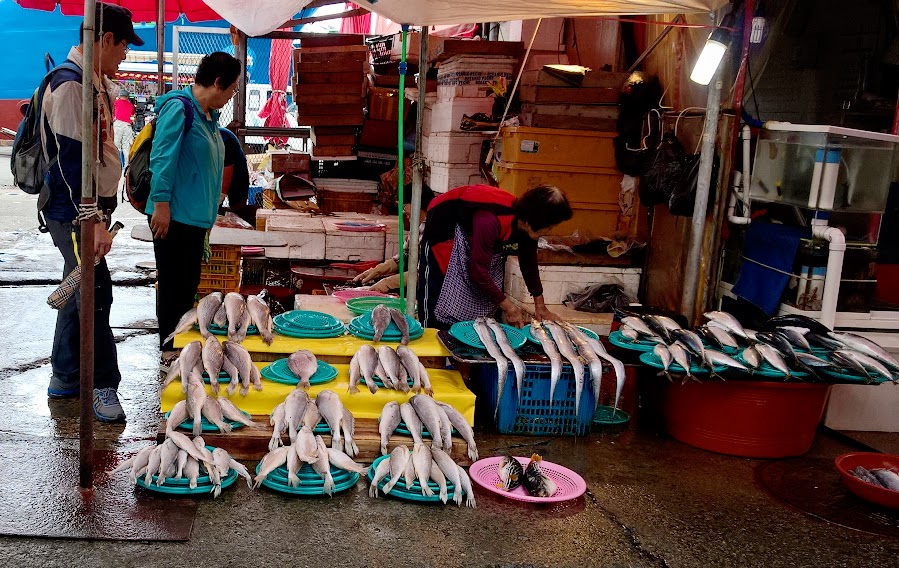
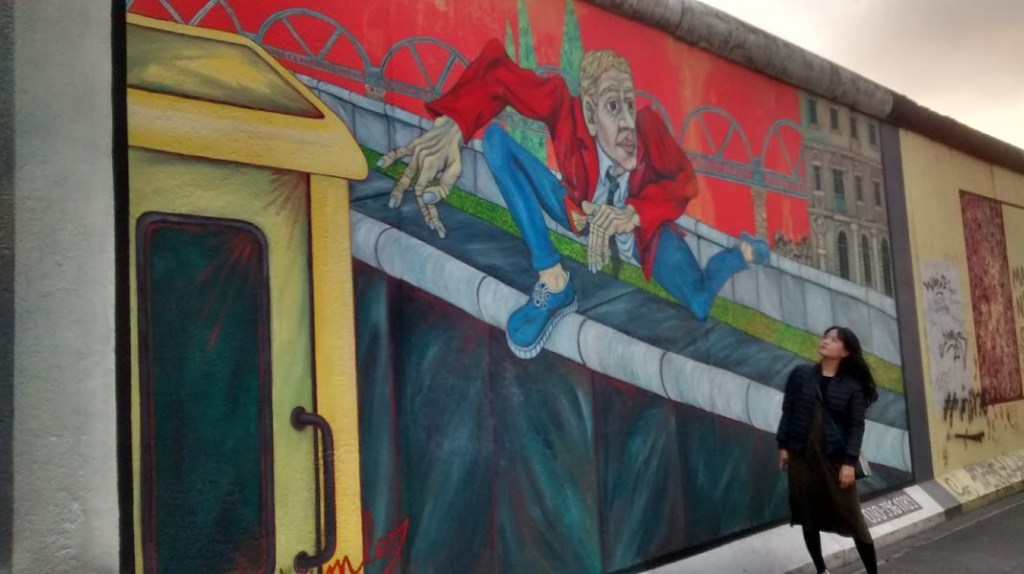
Bamberg, GermanyDeoksugung: the Palace of Vituous Longevity, Seoul, South KoreaL’Etang des Druides, Ariège , FranceGdansk, PolandLa Mezquita , Córdoba , SpainMamallapuram, IndiaNear Montségur, Ariège , FranceThe Alhambra, Granada, SpainSt. Naum Monastery, North MacedoniaStorks in Tudela, SpainFish market in Busan, South KoreaThe East Wall Gallery, Berlin.
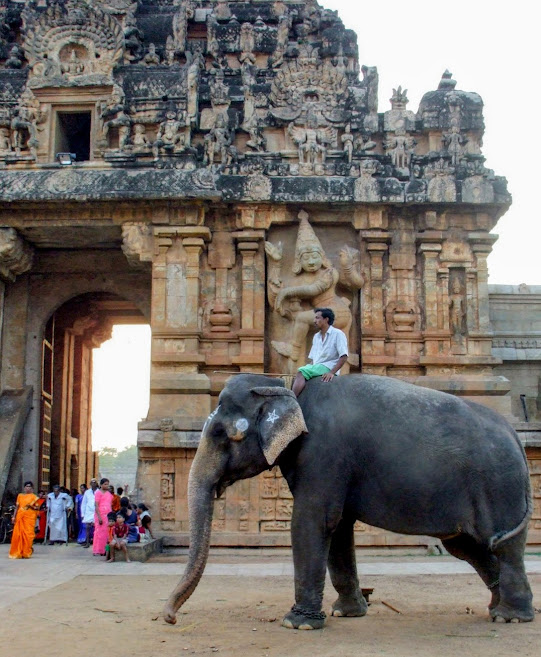
… Should have travelled by elephant …?
Temple elephant, Thanjavur
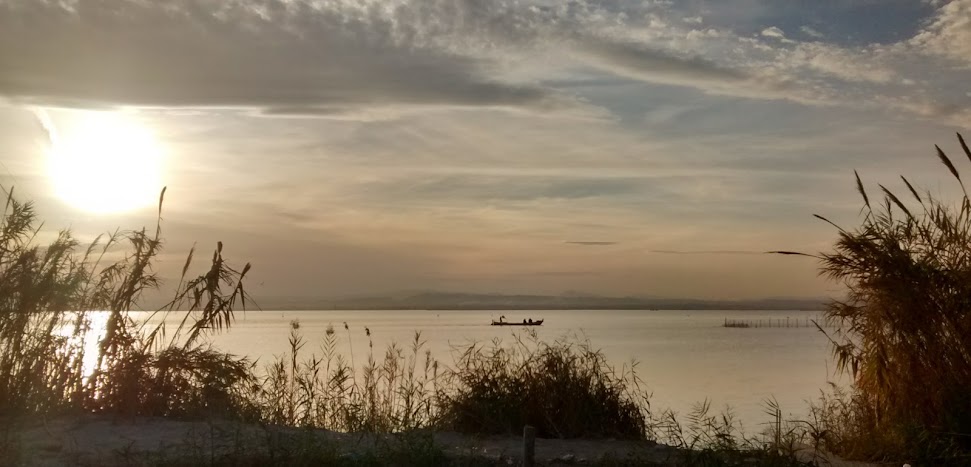
PS – the header photo was taken at l’Albufera, near Valencia, Spain.
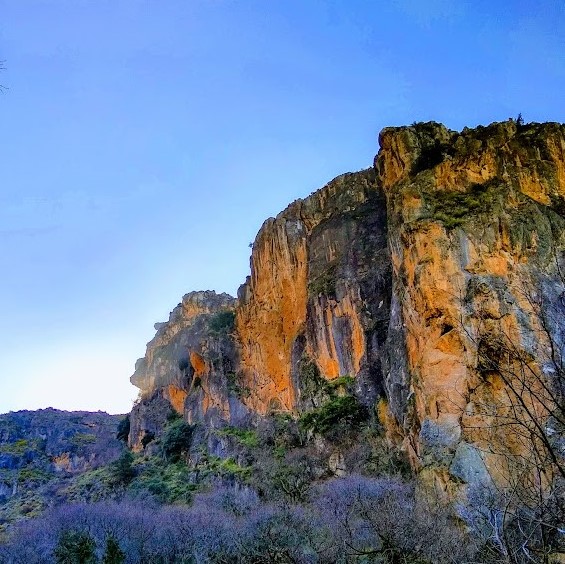
Every culture throughout the world has its myths about how the earth, and everything that inhabits the earth, came into being. Here in the UK, historically part of the Judeo-Christian tradition, we’re most familiar with the creation story told in The Book of Genesis.
Day 1 – God created light and separated the light from the darkness, calling light ‘day’ and darkness ‘night’. And God said, Let there be light: and there was light.
Day 2 – God created an expanse of sky to separate the waters. Let there be a firmament in the midst of the waters.
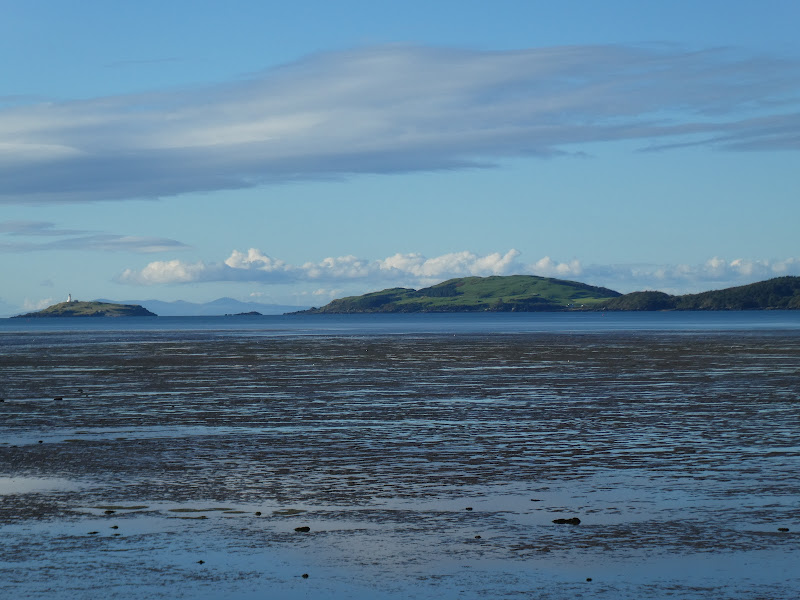
Kirkudbrightshire
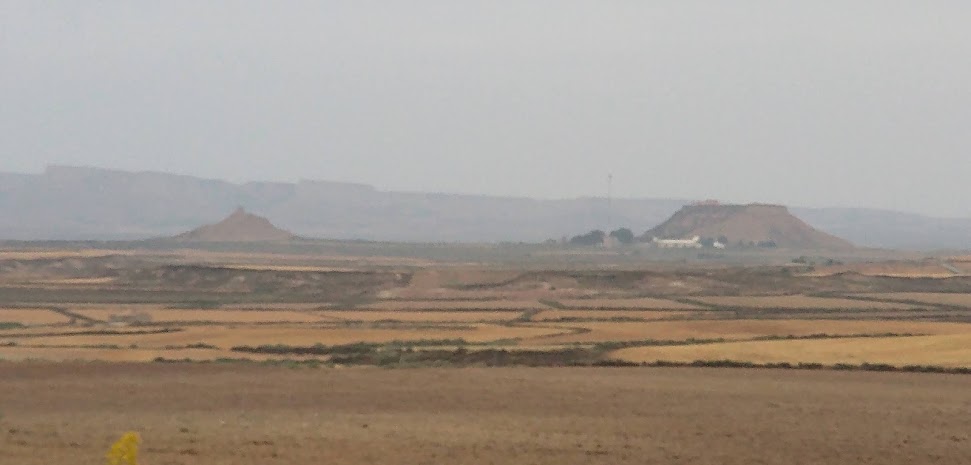
Day 3 – God created the dry ground and gathered the waters, calling the dry ground ‘land’, and the gathered waters ‘seas’. Let the waters under the heaven be gathered together unto one place, and let the dry land appear: and it was so.
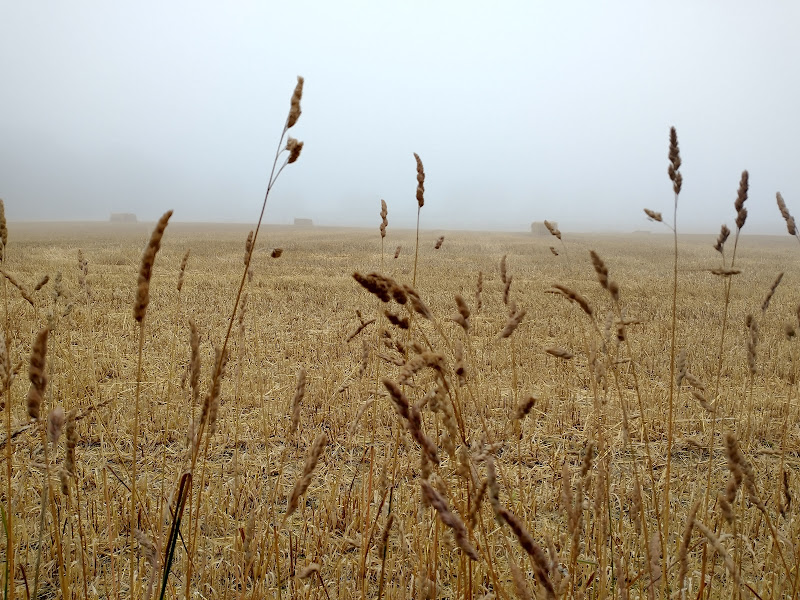
Near Monachil, GranadaBardenas Reales, NavarraAngram, near Pateley BridgeL’Albufera, near Valencia
On day three, God also created plant life. Let the earth bring forth grass, the herb yielding seed, and the fruit tree yielding fruit after his kind, whose seed is in itself, upon the earth: and it was so.
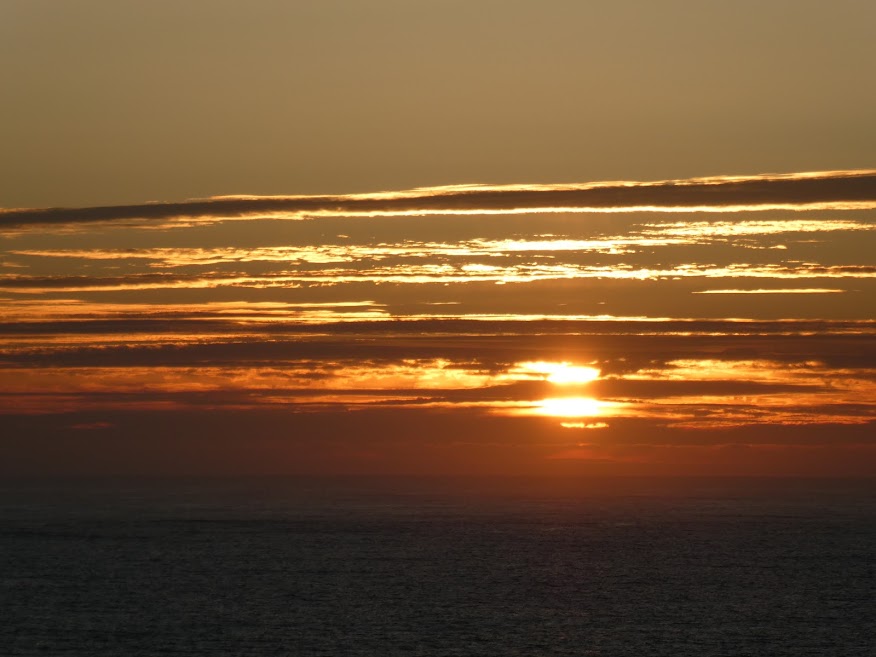
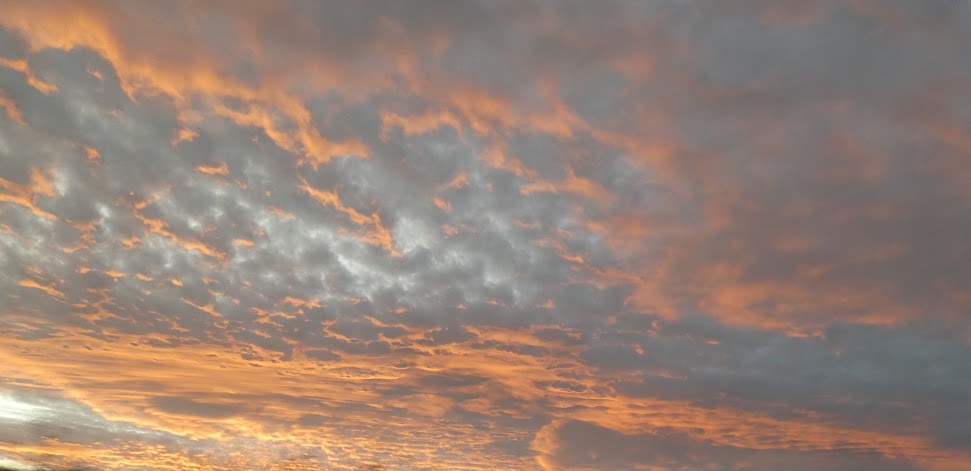
Day 4 – God created the sun, moon, and the stars to give light to the earth and to govern and separate the day and the night. These would also serve as signs to mark seasons, days, and years. Let there be lights in the firmament of the heaven to divide the day from the night; and let them be for signs, and for seasons, and for days, and years.
Near Grinton, North Yorkshire
Sleningford, North Yorkshire
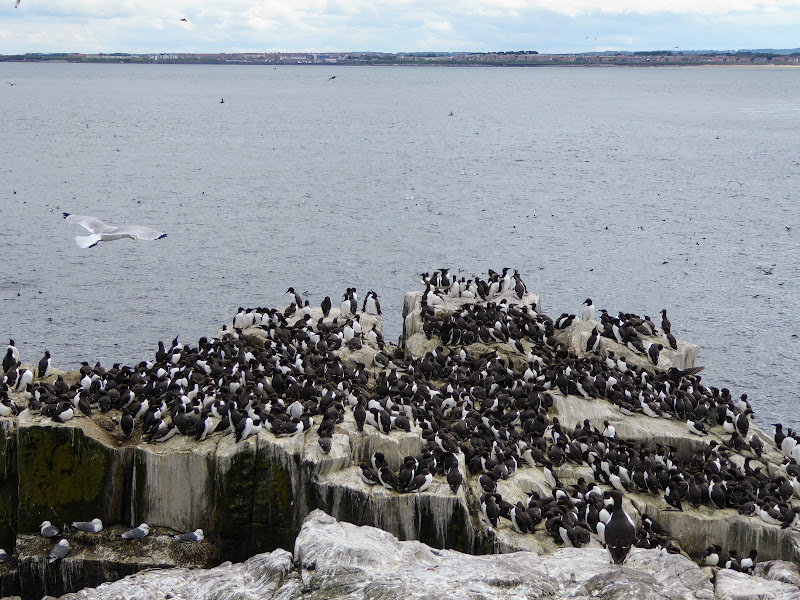
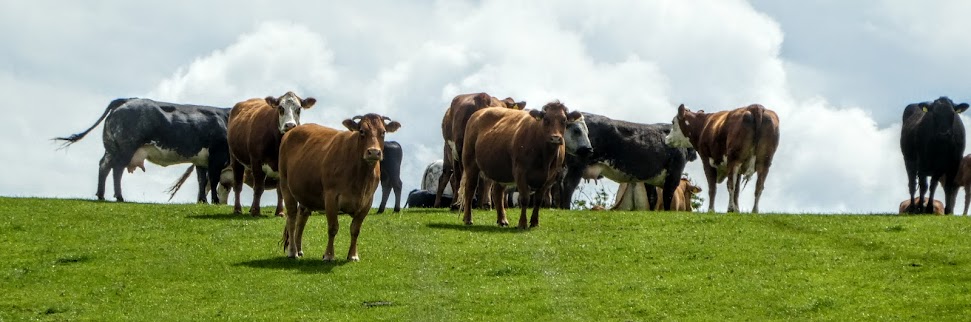
Day 5 – God created every living creature of the seas and every winged bird, blessing them to multiply and fill the waters and the sky with life. Let the waters bring forth abundantly the moving creature that hath life, and fowl that may fly above the earth in the open firmament of heaven… Let the earth bring forth the living creature after his kind, cattle, and creeping thing, and beast of the earth after his kind: and it was so.
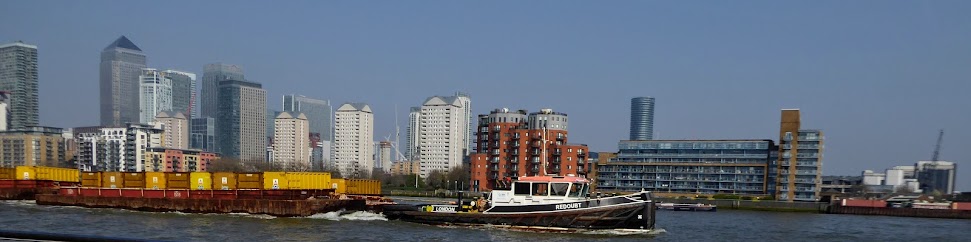
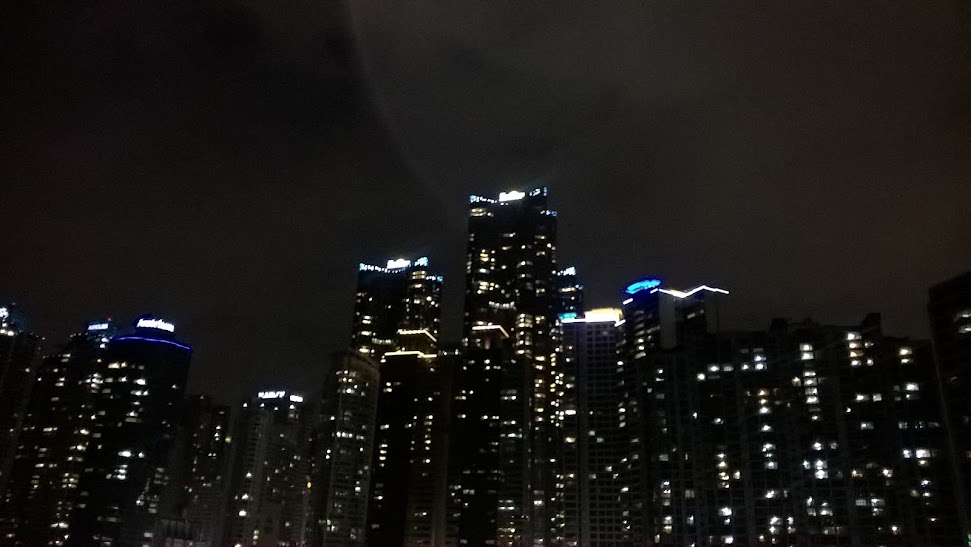
Day 6 – God created man and woman in his own image. He gave them every creature and the whole earth to rule over, care for, and cultivate. Let us make man in our image, after our likeness: and let them have dominion over the fish of the sea, and over the fowl of the air, and over the cattle, and over all the earth, and over every creeping thing that creepeth upon the earth. Which is perhaps where it all started to go wrong …
Along the River Thames in London
Haeundae, Busan, South Korea.
This week, for Lens-Artist Challenge #192, Amy invites us to tell Earth’s Story. So I have, with the help of the Old Testament.
PS. Thanks to your ‘likes’ on this recent post, I’ve been able to donate £28.00 on your behalf to World Central Kitchens, as they feed the dispossessed fleeing from war in Ukraine and other humanitarian catastrophes.
Hands up if you recognise those first seven words. No? Then you’re not as old as me. You didn’t settle down to hear ‘Listen with Mother’ on the radio – sorry – wireless, after lunch every day when you were too young for school.
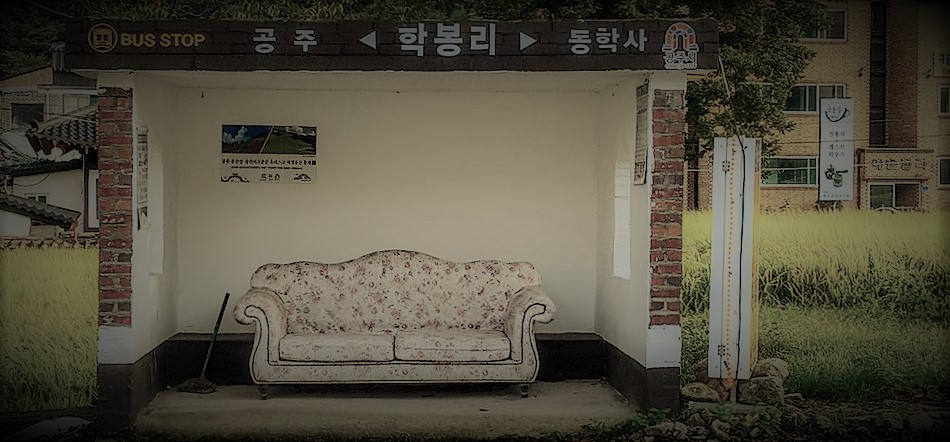
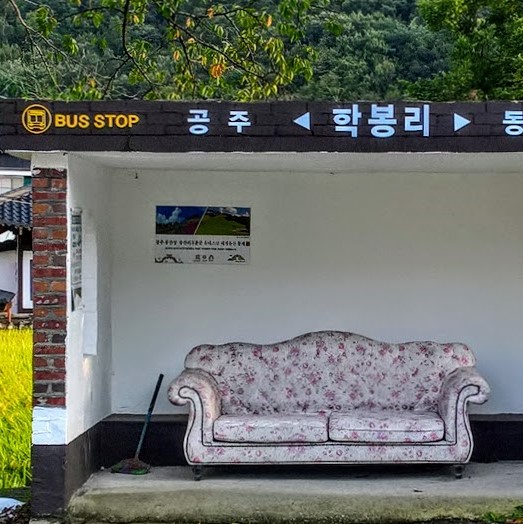
I’ve chosen this picture to be my first response to Becky’s ‘Squares’ challenge, which this month is Odd. It shows a sofa at a bus stop in Gyeryongsang, South Korea. Koreans don’t do fly-tipping, or litter. They didn’t, until recently, do sofas either. We needed to get used to restaurant meals taken seated cross legged on the floor, though thankfully, many places provided western-friendly chairs and tables too. So this thoughtful addition to the bus stop’s furnishings seemed rather odd, and worthy of a photo.
You’ve got a month of odd photos ahead. So are you sitting comfortably?
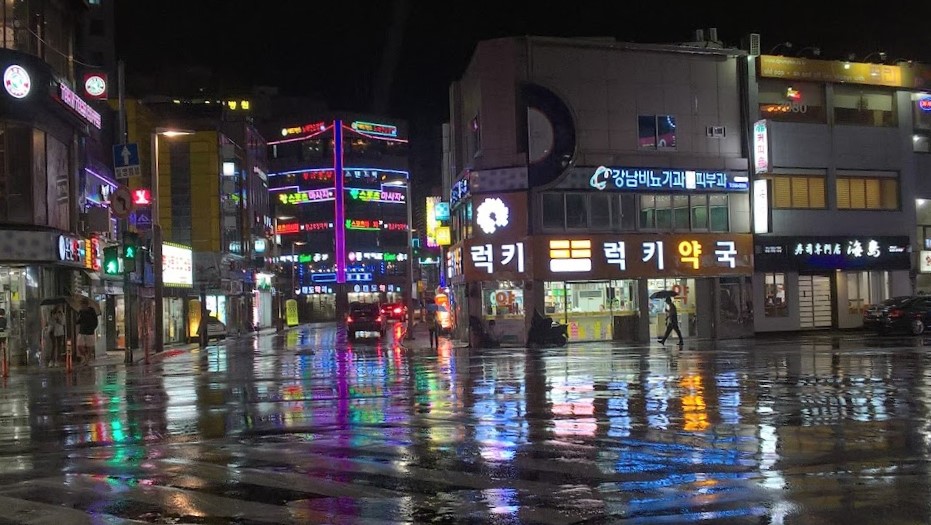
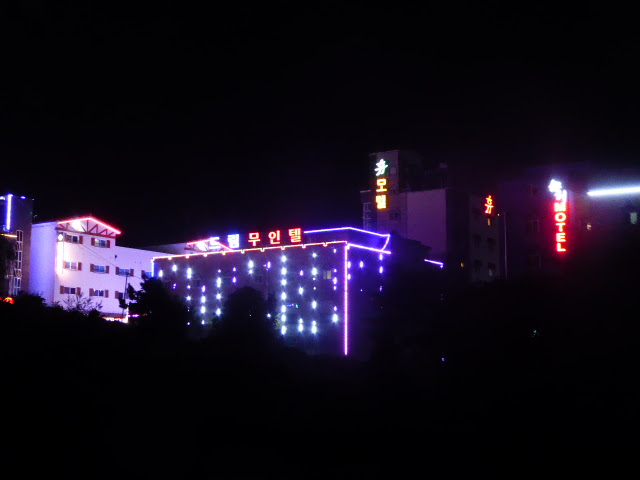
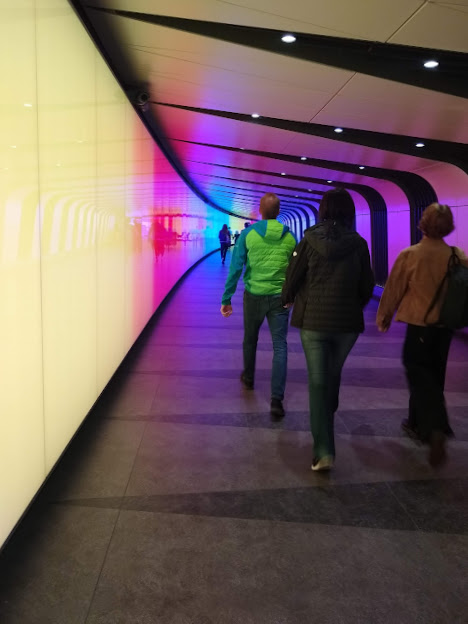
Electric light outside – as streetlights, spotlights, making our streets and subways safer: an undeniable blessing. But spotlights, bright and colourful advertising? The featured photo is of a rainy night in Busan South Korea. Cheery colours certainly, but far more than we needed to find out way round. And look at this. These hotels are out in the country, in a small mountain resort, surrounded by forest. The lights went on as dusk fell, and remained on till morning …
The JaJa, Gyeryongsang
All the same, it’s hard not to enjoy streetlights reflected in the water while mooching round a city. Here are a couple of shots near the river Guadalquivir in Seville.
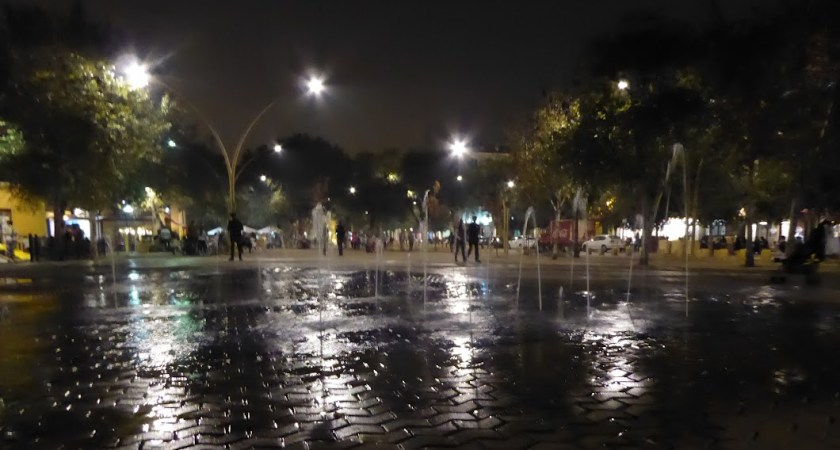
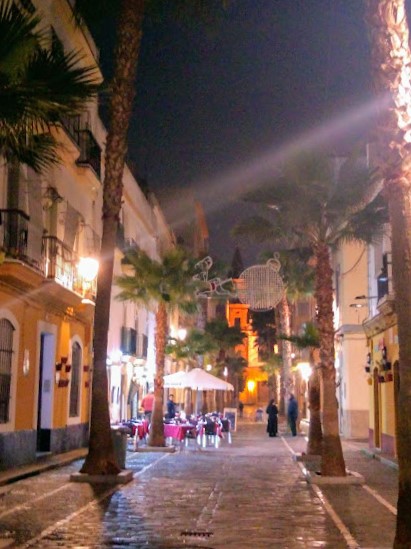
It’s mood-enhancing to see the city become a playground at night. Here are the fountains of La Alameda, also in Seville. And the neighbourhood of la Viña in Cádiz, where post-Christmas groups relax over a meal or a few drinks in the still-decorated street.
La Alameda, Seville
la Viña in Cádiz
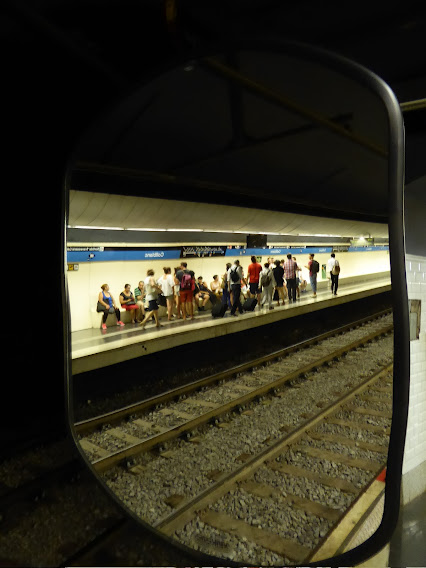
But metro stations and subways need lighting too. Here’s Barcelona, and London.
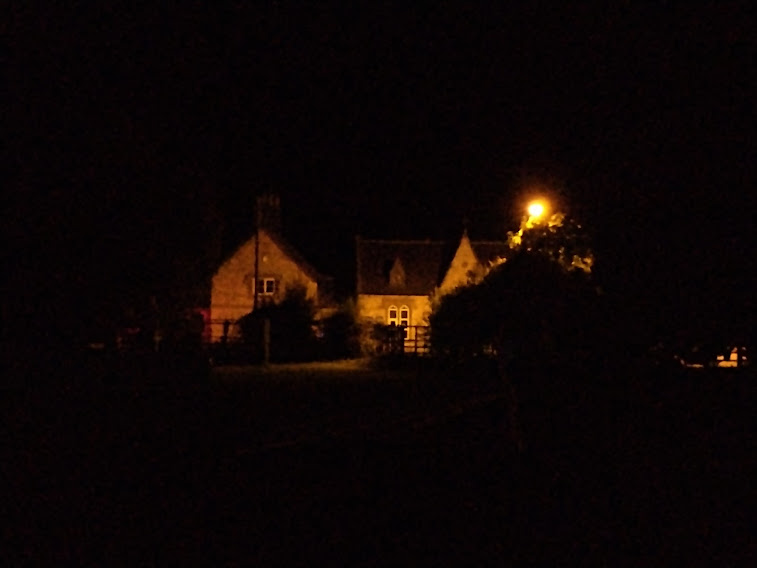
But the other evening, taking a late walk round the village, best of all was the glow surrounding the houses as families wound down for the day. A cosy, comforting and gentle radiance.















You must be logged in to post a comment.