For this week’s Lens Artist Challenge, Beth asks us to show shots of what has astonished us, and takes her inspiration from this short poem by Mary Oliver.
For some reason, my mind was drawn back to Lockdown. For us, Daily Exercise was one of the pleasures of that peculiar time. Country dwellers, we could range freely over our home patch without meeting a soul. And here, it happened to be a wonderful spring, where plants, birds and all life could flourish in balmy temperatures and just the right amount of rain.
Walking by myself down deserted paths – M was exploring on his bike – I discovered Wonder and Astonishment anew. Day by day, I could watch leaves unfurl from tightly-bound buds; flowers appear; lambs totter their first hesitant steps.
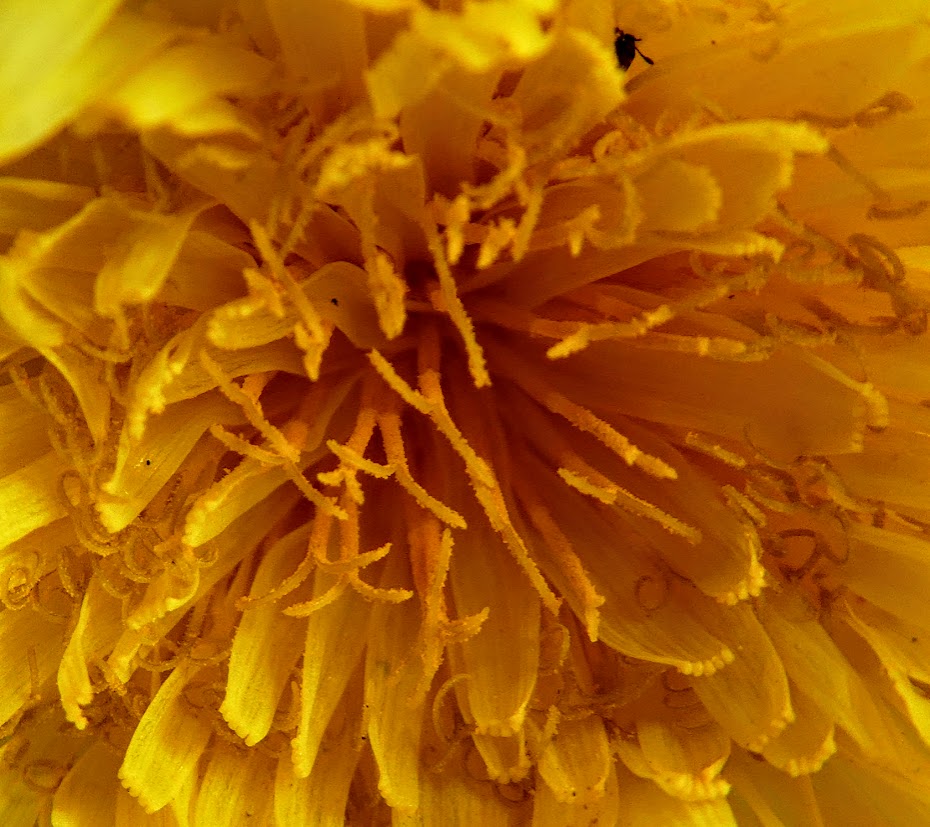
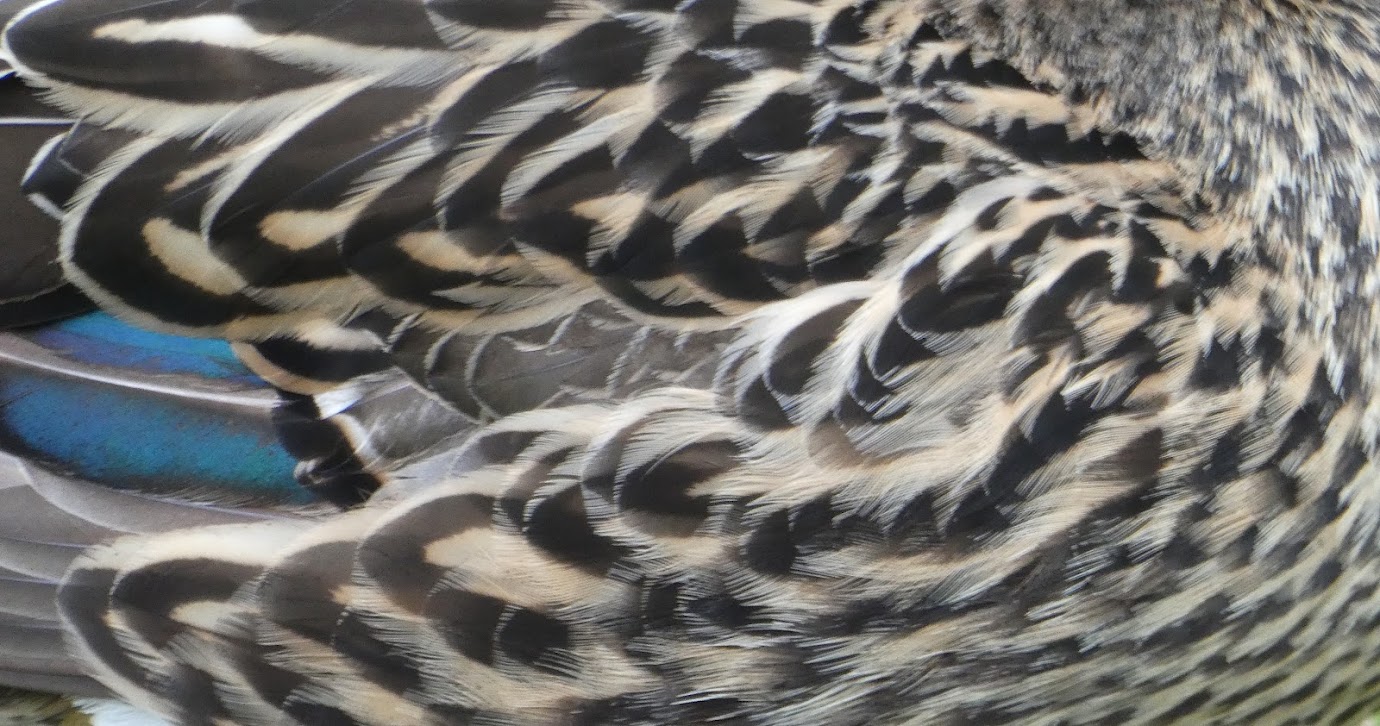
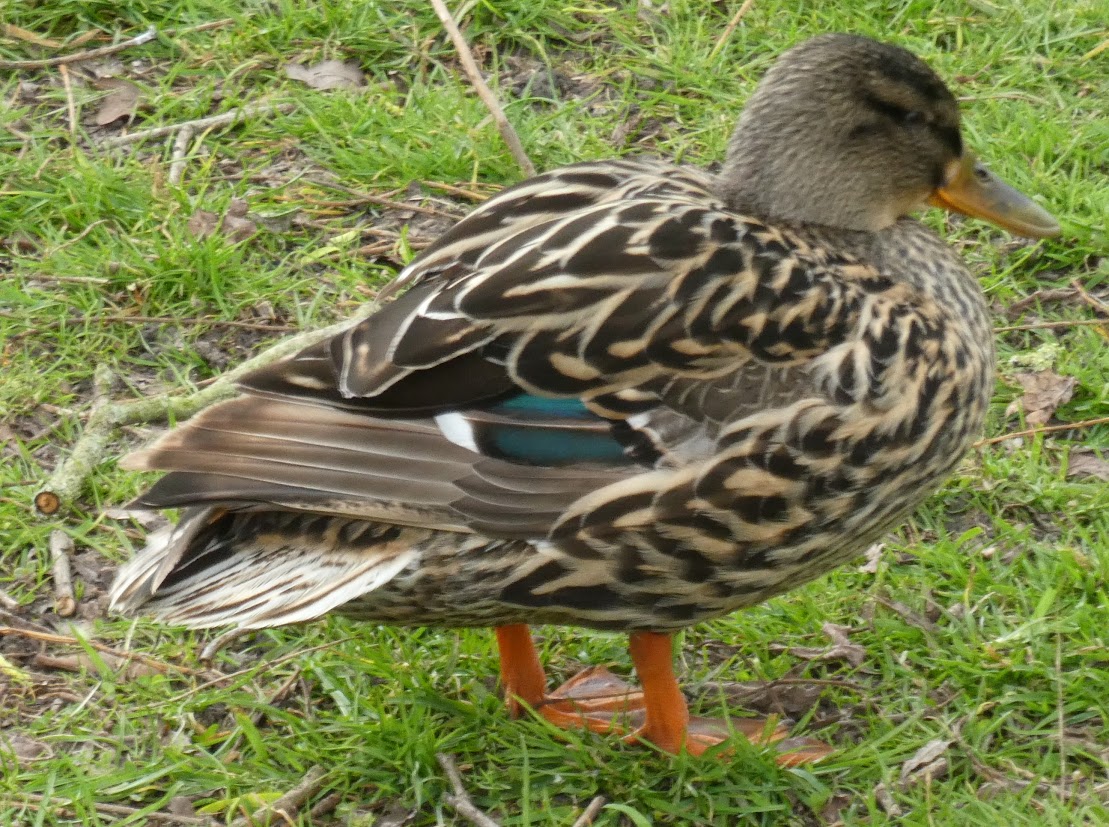
I had the leisure to enjoy the intricately-designed feathers of a common-or-garden mallard, or the complexity of dandelion petals.
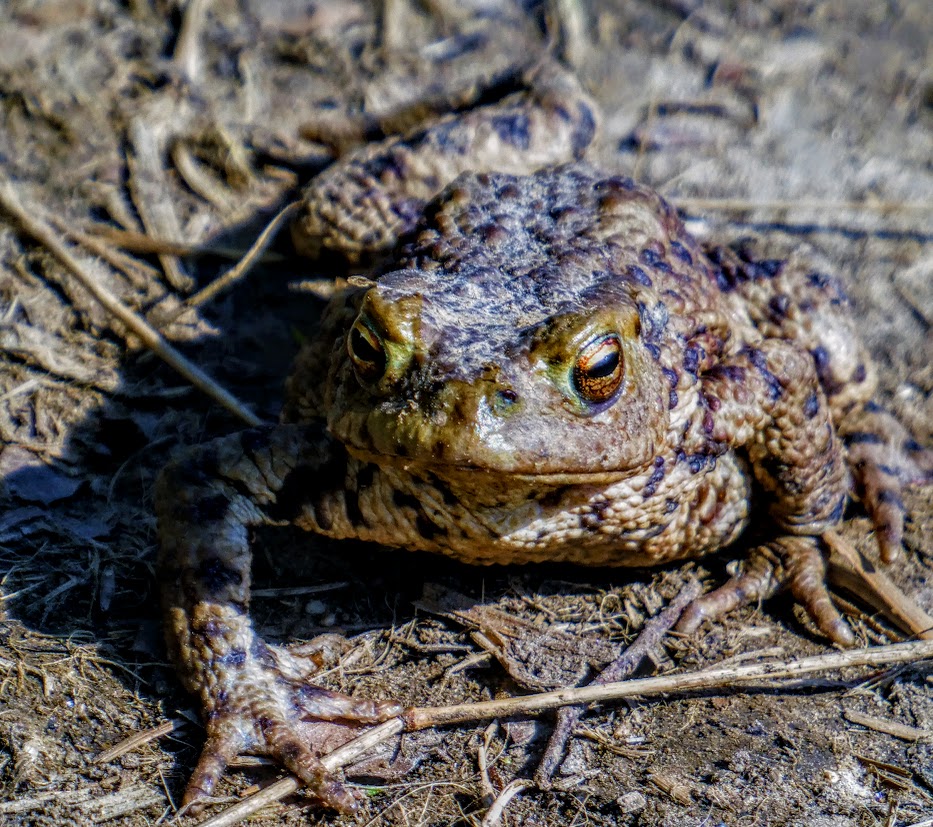
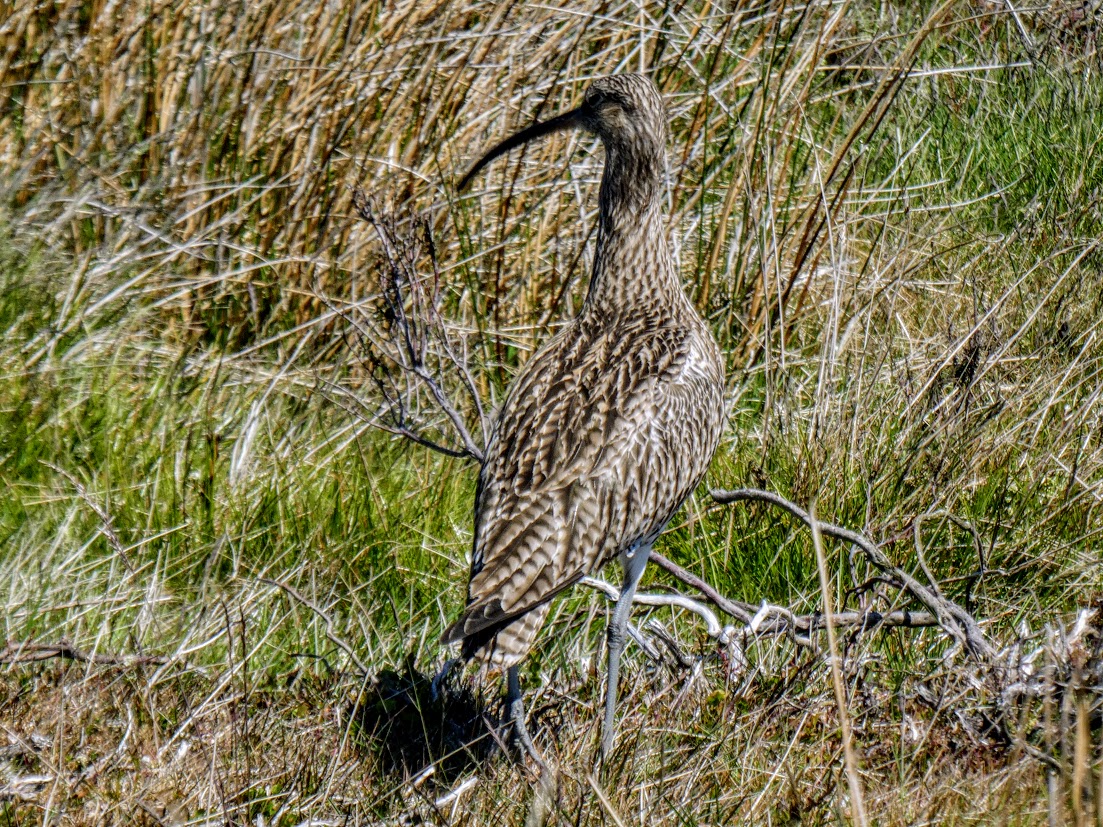
Best of all, creatures we rarely saw close up crossed my path. Who expects to stumble by a toad on a riverside stroll? Or, best of all, come across shy curlews nesting within a foot of a normally well-used road across the moors.
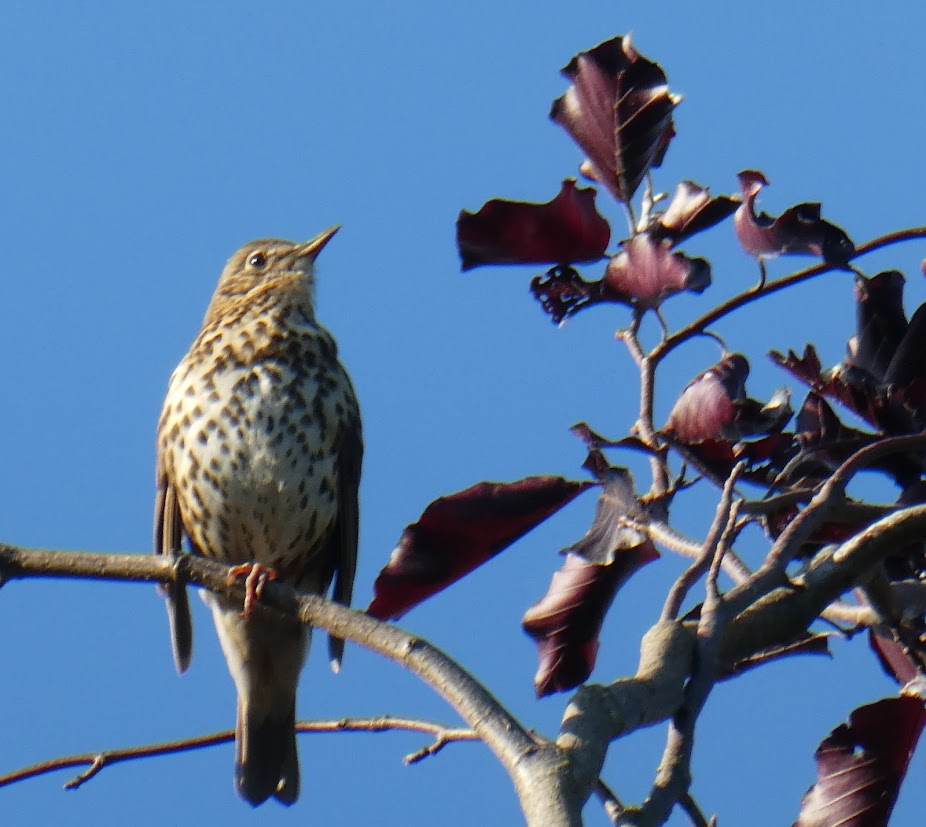
Skies, undefaced by plane trails seemed more multi-faceted and interesting. And back home, day after day, hour after hour, from dawn until darkness, this thrush gave an apparently unending performance with almost no breaks.
Such a time of loneliness, grief and isolation for many remains in my memory a period of joy in the rediscovery of the astonishment offered by the countryside just outside our front door.
Saudade is a Portuguese word, introduced to us by Egidio, who proposes it for this week’s Lens-Artists Challenge. Here’s what it means:
... an emotional state of melancholic or profoundly nostalgic longing for a beloved yet absent someone or something. It is a recollection of feelings, experiences, places, or events, often elusive, that cause a sense of separation from the exciting, pleasant, or joyous sensations they once caused.
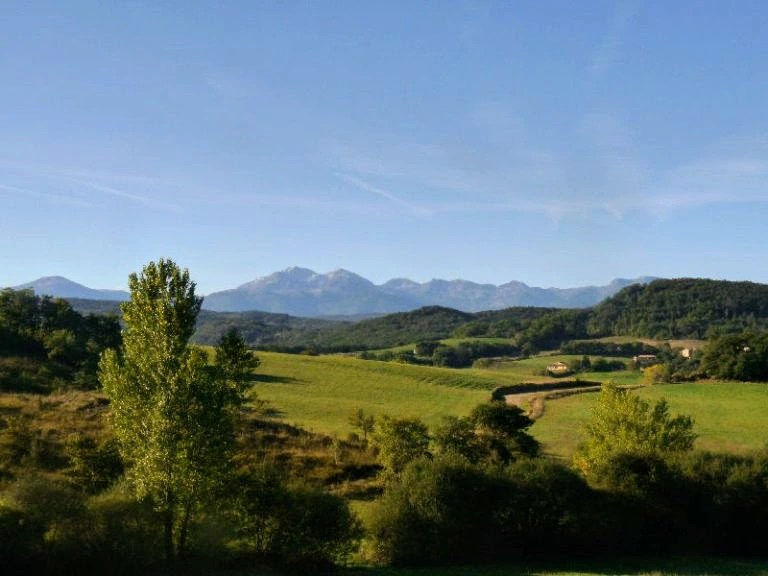
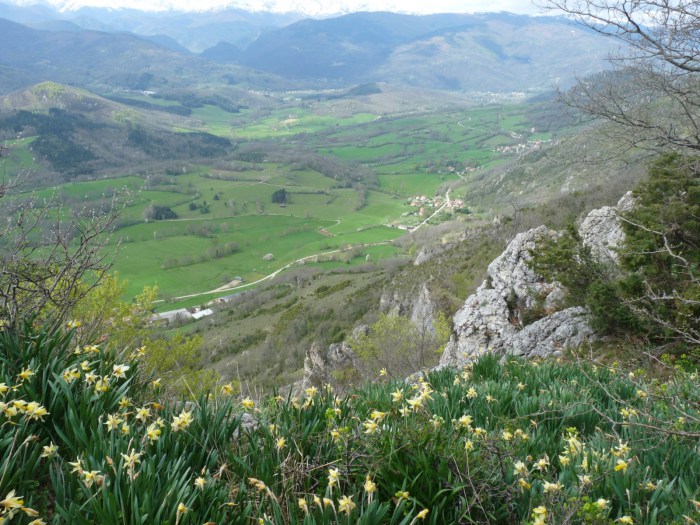
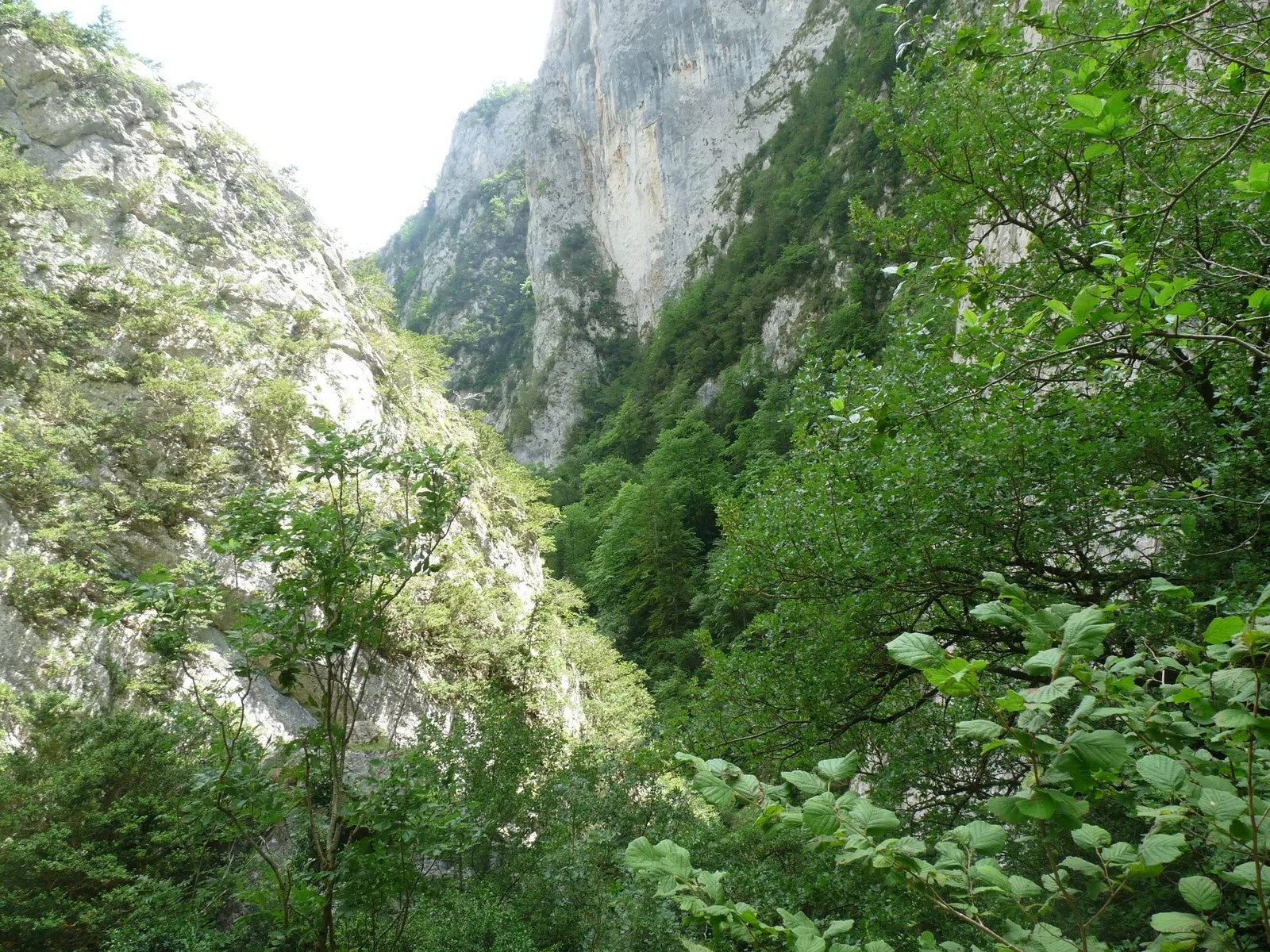
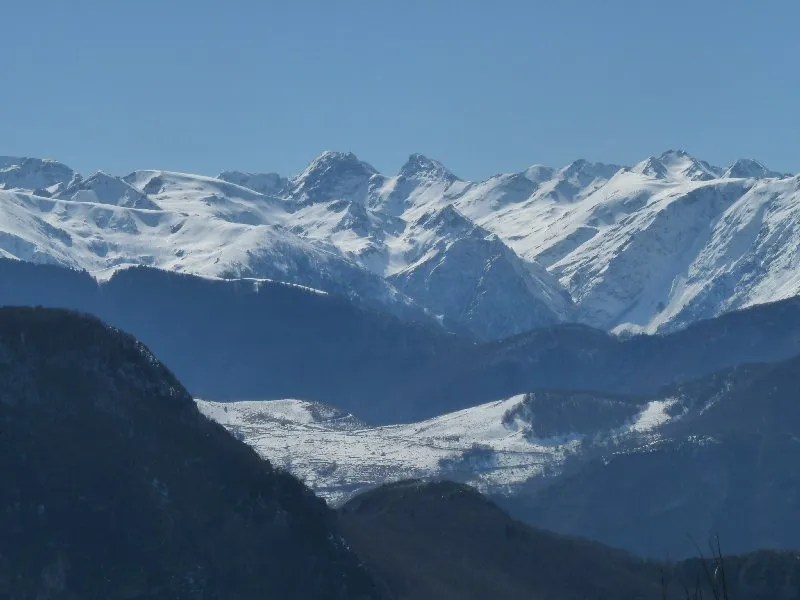
It’s what we both feel so very often about our years in southern France, now some ten years gone. Of course we remember the landscape – the foothills, the Pyrenees themselves, the seasons, the climate , the slower pace of life …
Of course we do. But we remember even more the happy Sundays and Thursdays we had discovering these landscapes with our two local walking groups. We were the only British members, and how different these expeditions were from their English equivalents. After a morning slogging up a mountain, we were rewarded with views, perhaps a stream, a wild-flower strewn meadow. Then Marcel the butcher would produce his own home-cured sausage; Sylvie offered her daughter’s sheep’s milk cheese; someone would bring bread; Yvette and I brought cake; wine was on offer, and an apéro, and after that someone or other would hand out sugar lumps, on which to drip just a little of their grandfather’s special home-confected digestif. After a nice long rest, we’d pack up and find a different path downwards.
Eating was at the heart of so many activities. Here’s another community meal, tables ranged over the town square so everyone could get together and enjoy each other’s company while celebrating some local highlight..
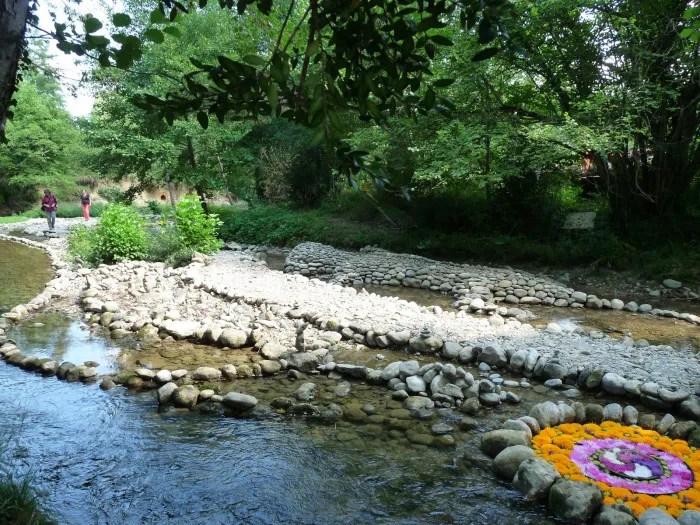
In fact enjoyment came high on everyone’s agenda. Every July, for instance, in a small village a few miles from ours, a group of volunteers spend months devising Le Jardin Extraordinaire. People come from miles around to enjoy strolling through bowers confected from still-growing gourds, and climbing upwards through woodlands with surprises: beautiful, silly, witty – every year was different.
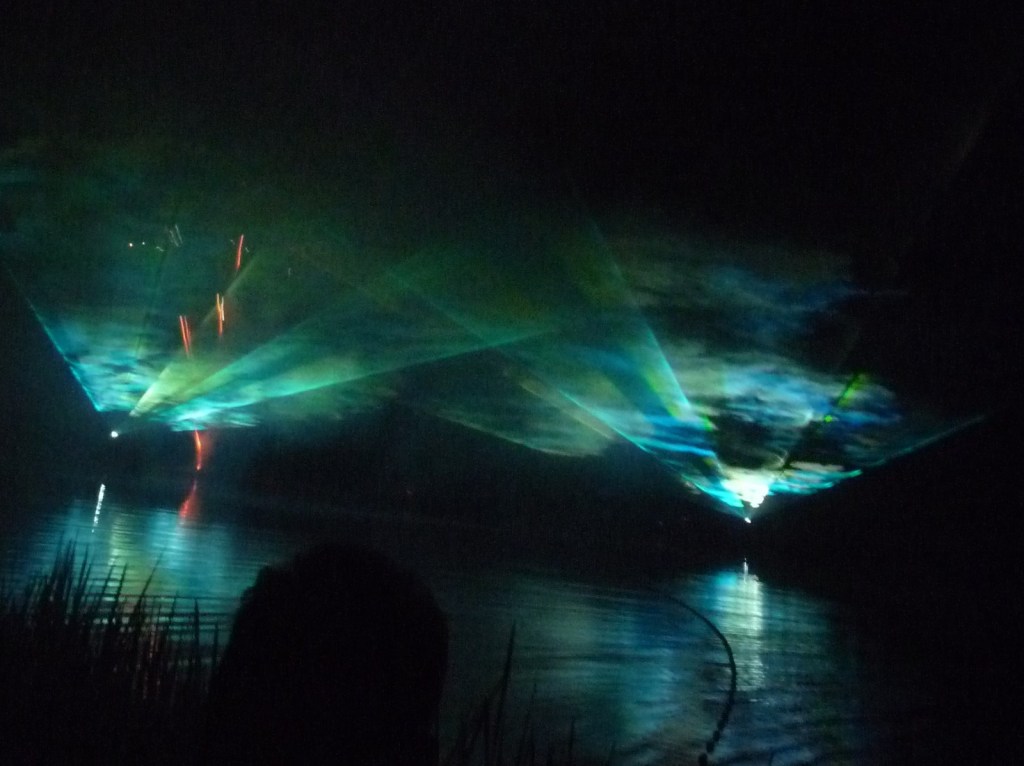
Then there was the annual firework display on the lake at Puivert, which took the concept of fireworks to a whole new level. It reduced the audience of 1000 or more, who’d all come with families, friends and the makings of a fine picnic to astonished silence as the spectacle ended, before simultaneously roaring their tumultuous appeciation of the astonishing creations set before our eyes.
Our French friends taught us about ‘au cas où‘: the need to have with you at all times a bag or similar ‘just in case‘ you found walnuts, wild cherries, sweet chestnuts, mushrooms – all sorts of food-for-free for the thrify householder. I was au cas où–ing only yesterday, finding crab apples, pears, apples, mirabelles all there for the taking, just as our French friends recommended.
I’ll stop there. The feelings of longing, of saudade are strong …
My turn to host Leanne’s Monochrome Madness this week. I thought it would be fun to explore those shots which, by accident, design, or clever editing, are monochrome in any colour but black and white. Let’s go…
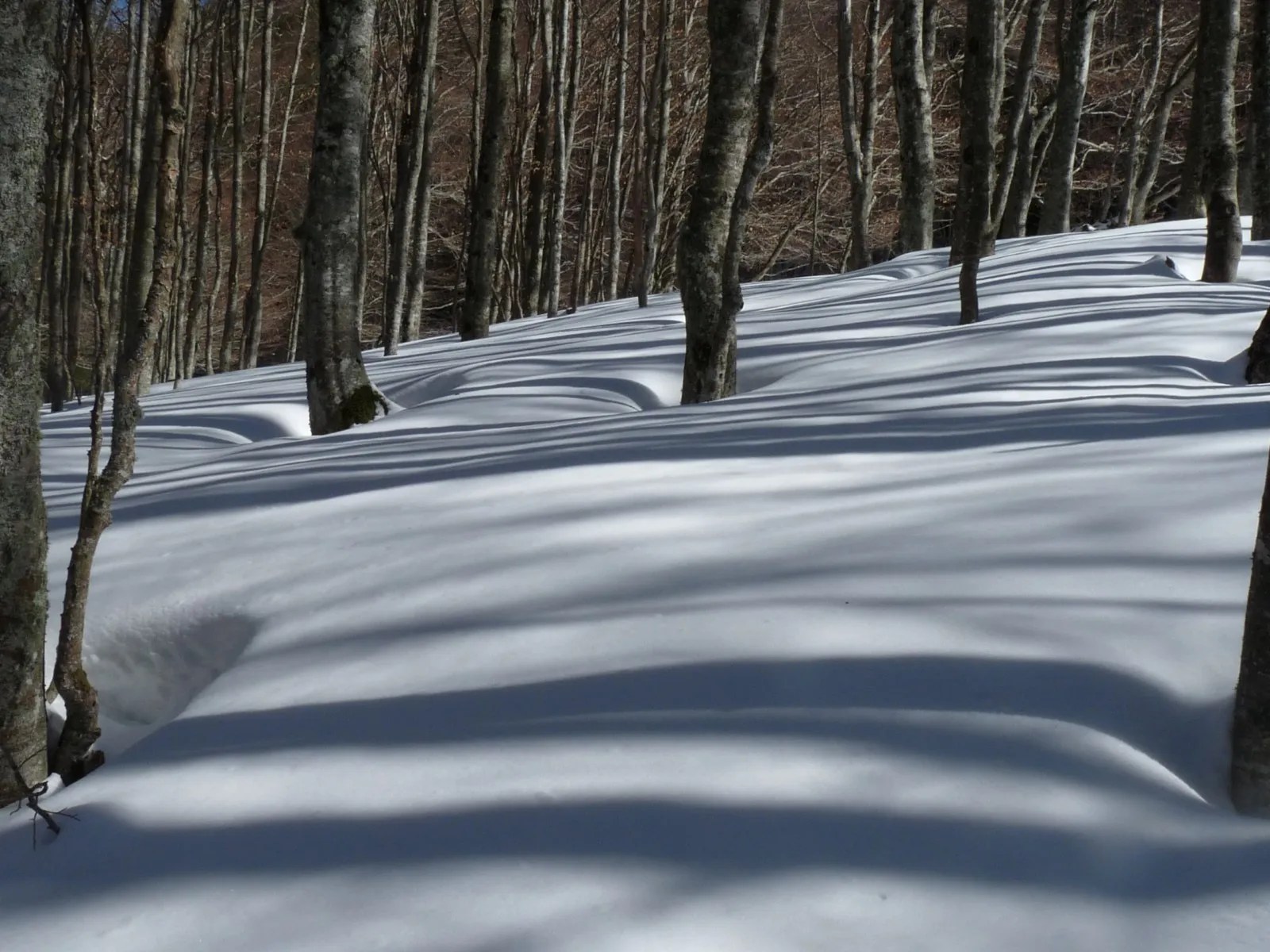
Winter scenes can often offer opportunities. The camera often seems to re-register those – to our eyes -crisp white snowy scenes to muted greens and blues.
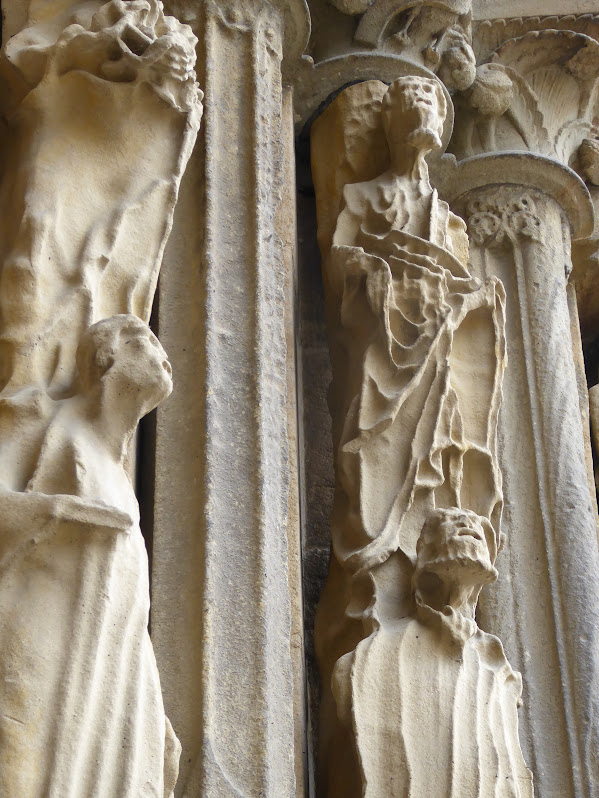
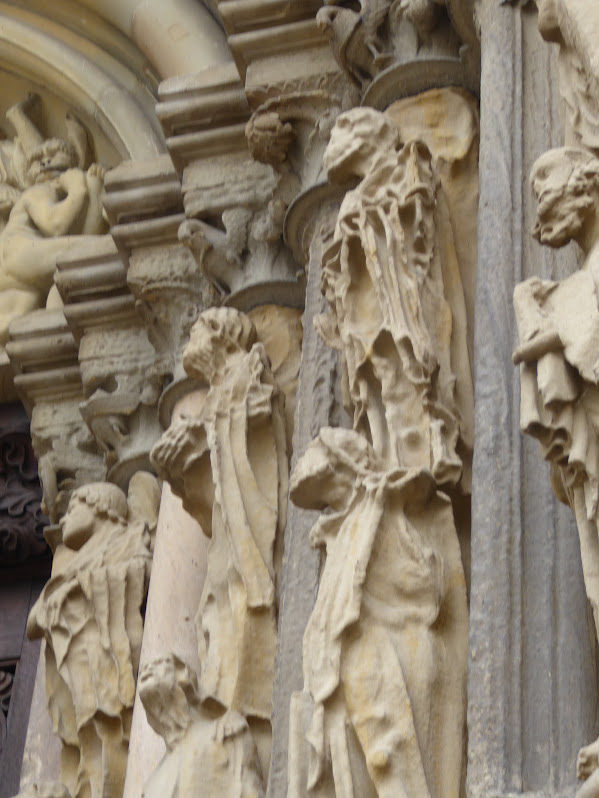
Some years ago, this church in Bamberg took my eye, its doorway saints ravaged by the weather, and presenting to the world as olde-worlde sepia.
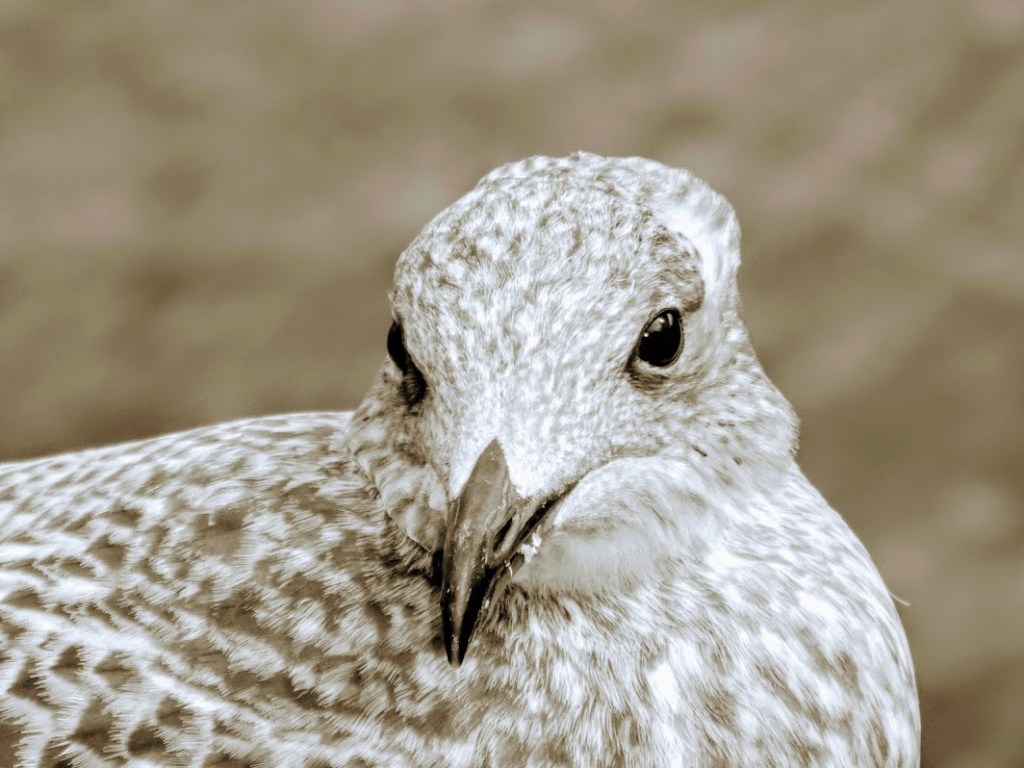
Sepia again. It was a sepia-ish sort of day when I spotted this young herring gull in Newcastle.
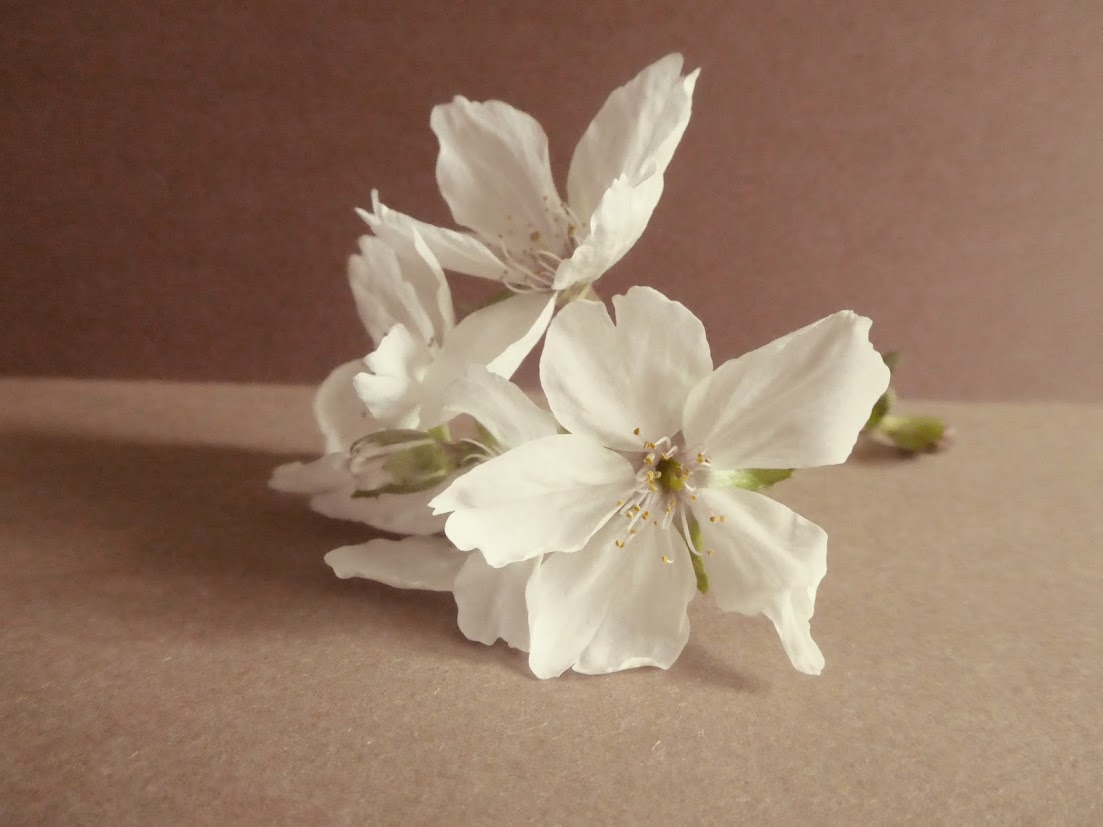
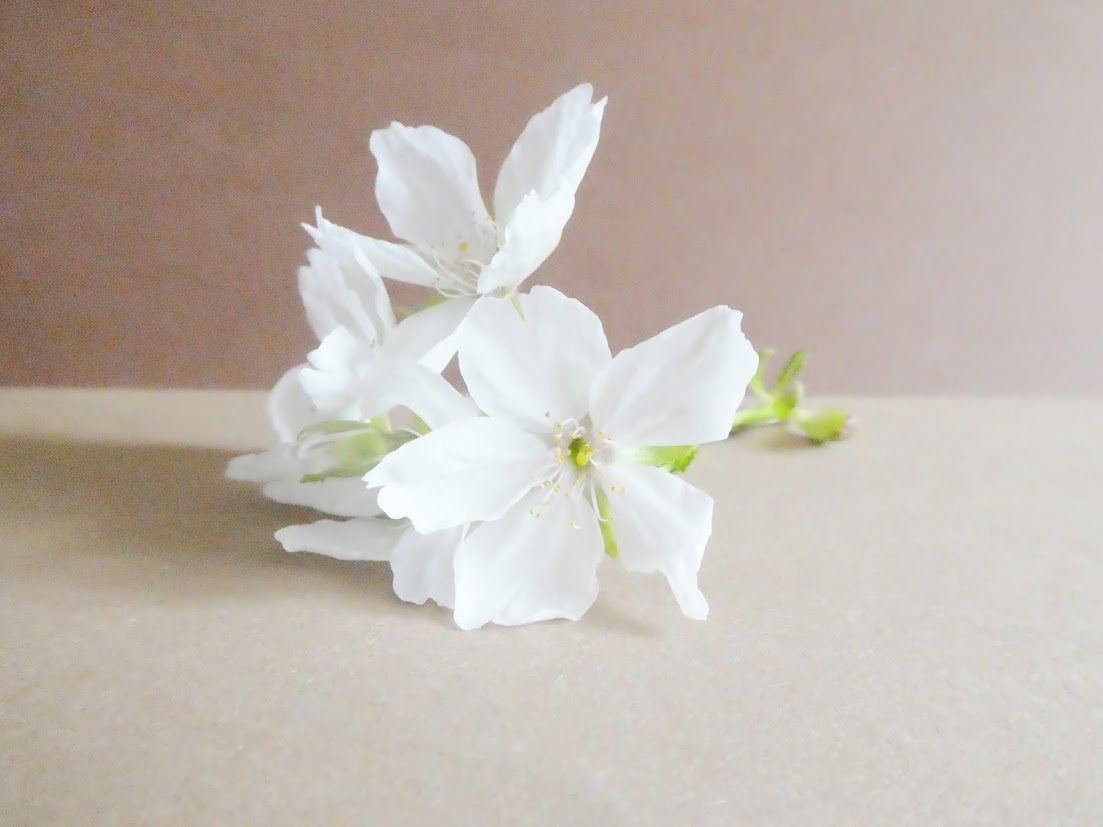
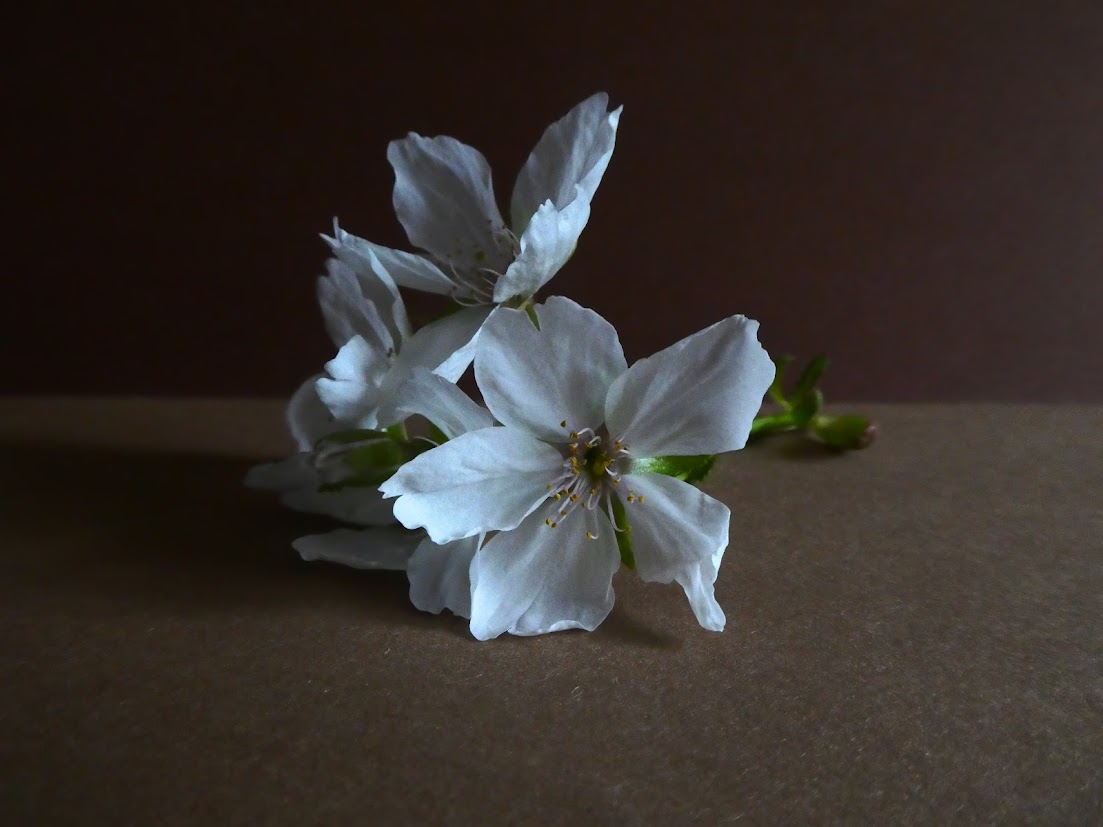
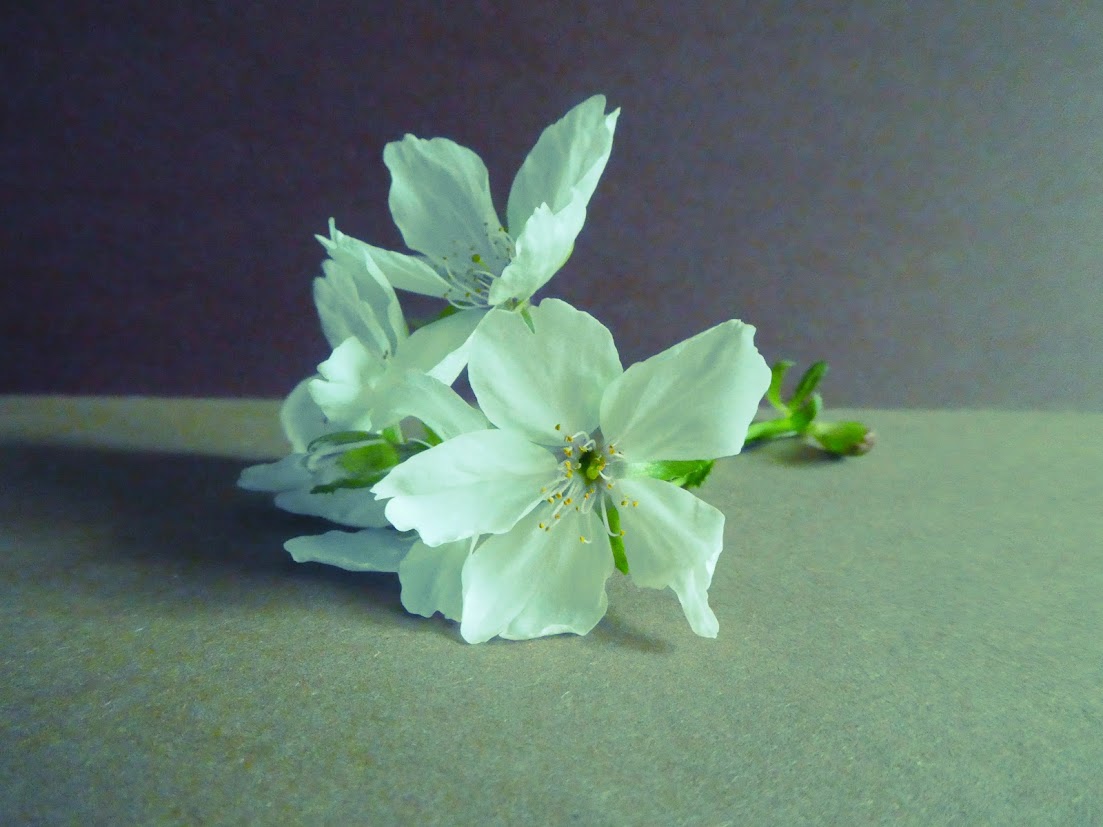
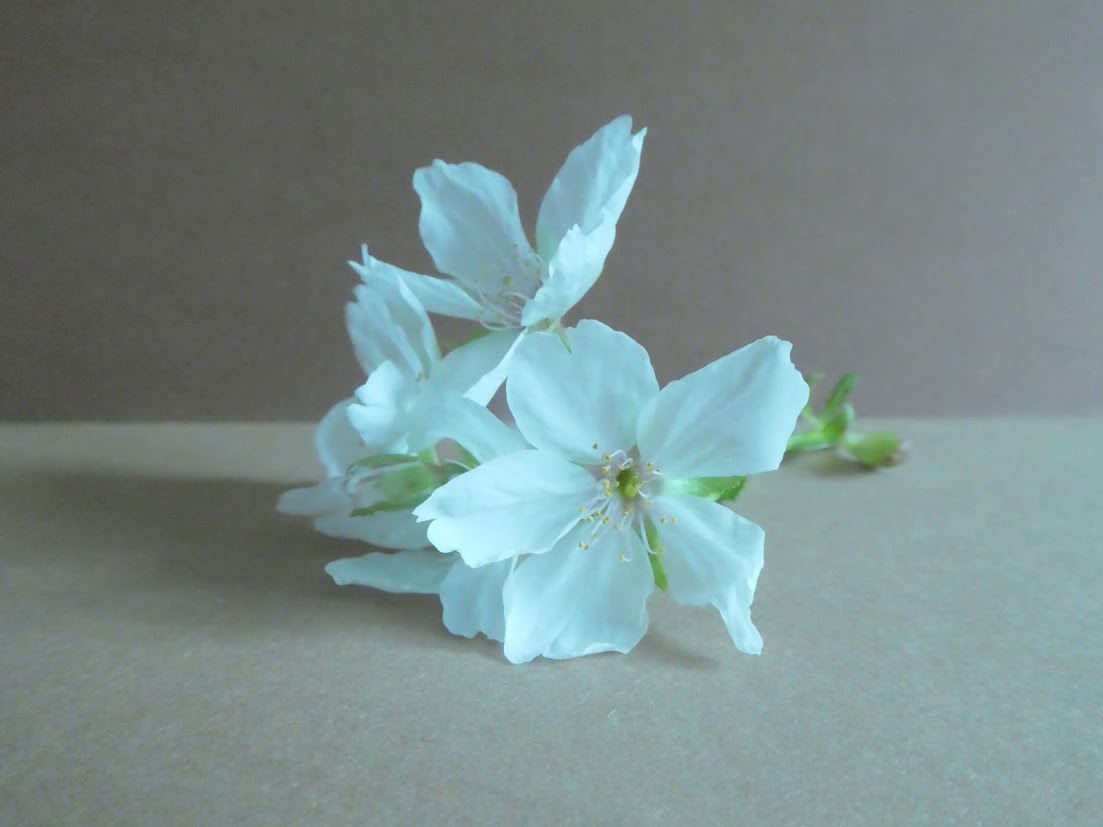
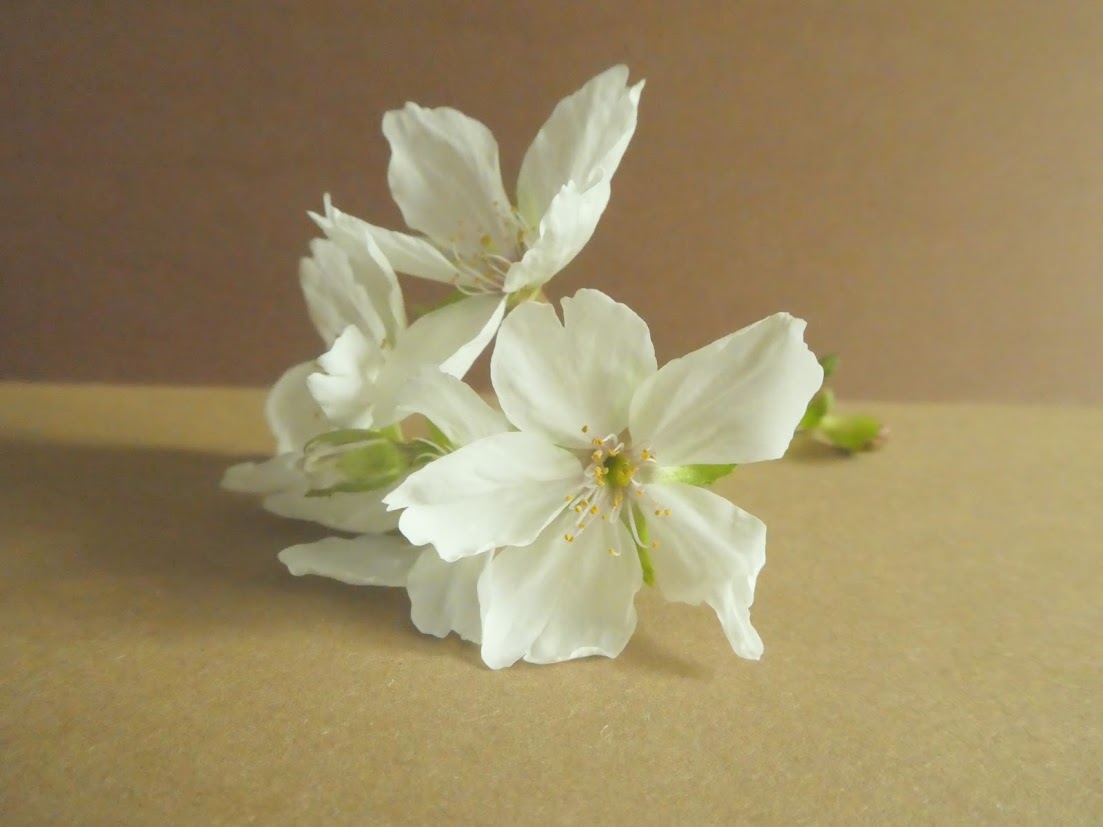
And this cherry blossom? I had an afternoon of blameless fun playing with the special effects on my camera.
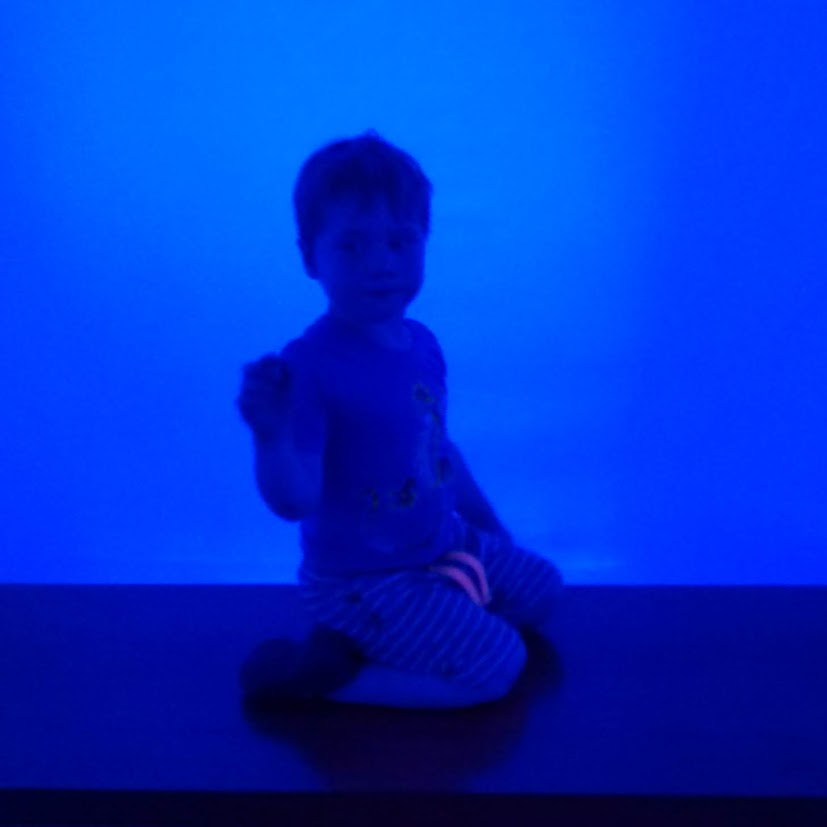
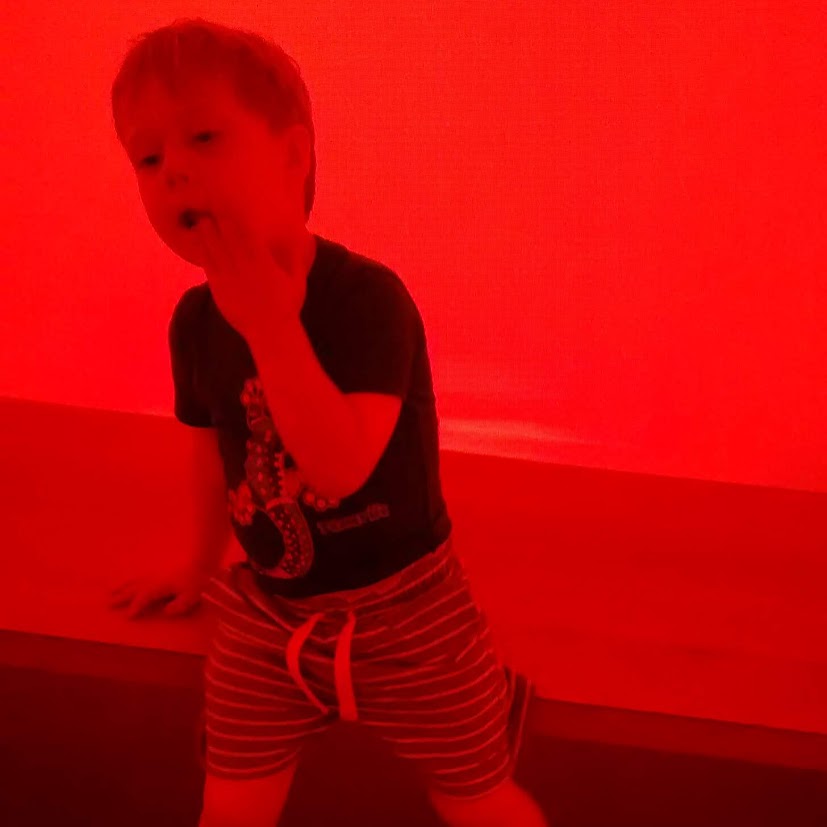
One day – quite a few years ago now – my grandson and I enjoyed ourselves at the Horniman Museum, where a tent was in place bathing us in a range of different colours. Here William is in blue – and inevitably- red, because who knew that eventually, the shot would find its way into Becky’s Squares challenge #SimplyRed?
We’ll finish off in the natural world again.
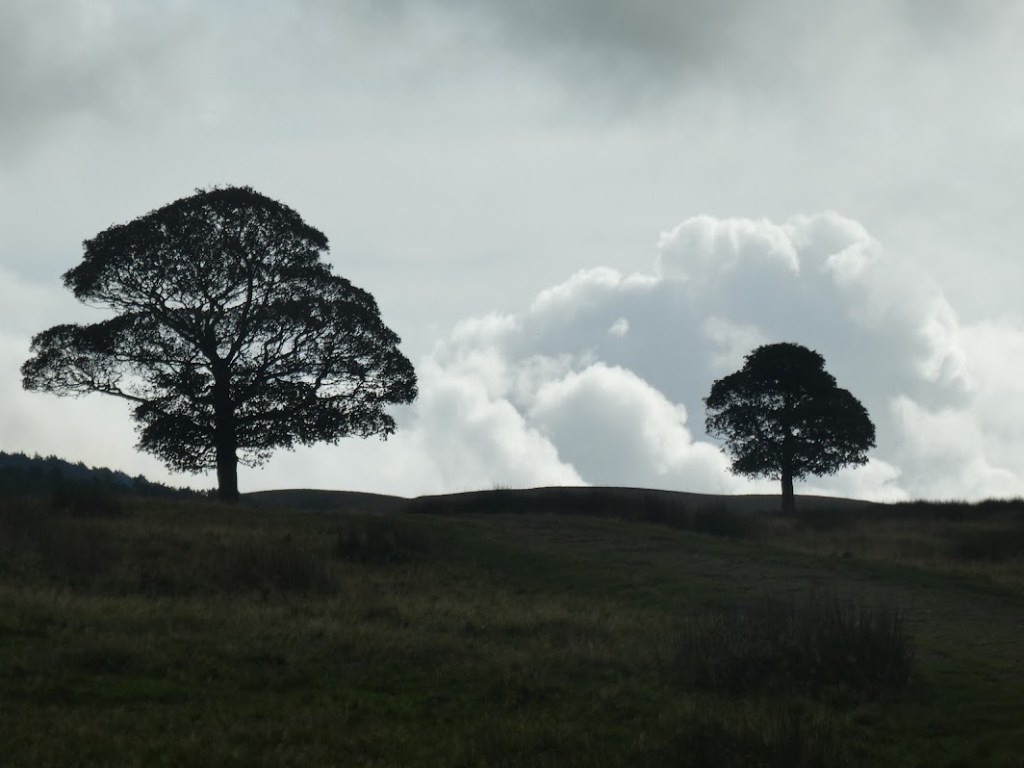
I think this final shot just about squeezes under the wire as monochrome. What can you show us?
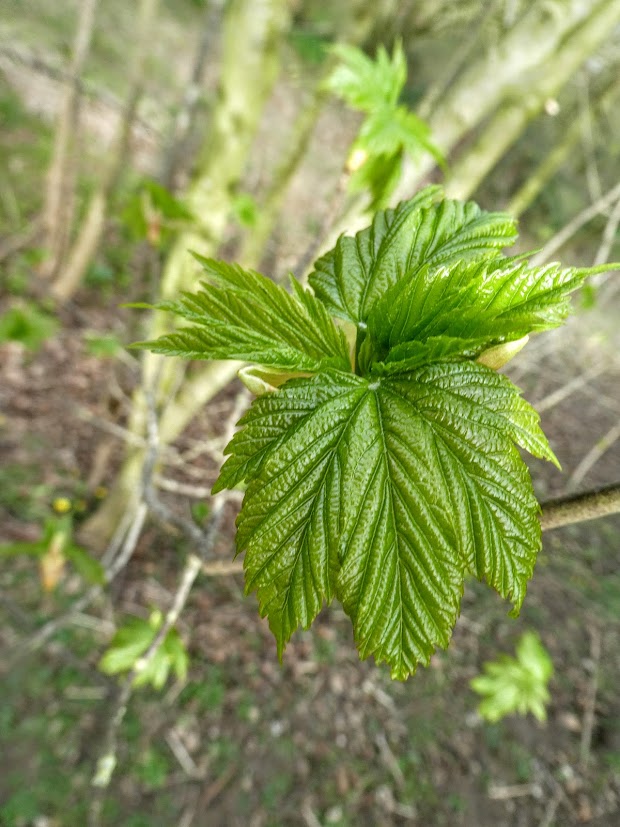
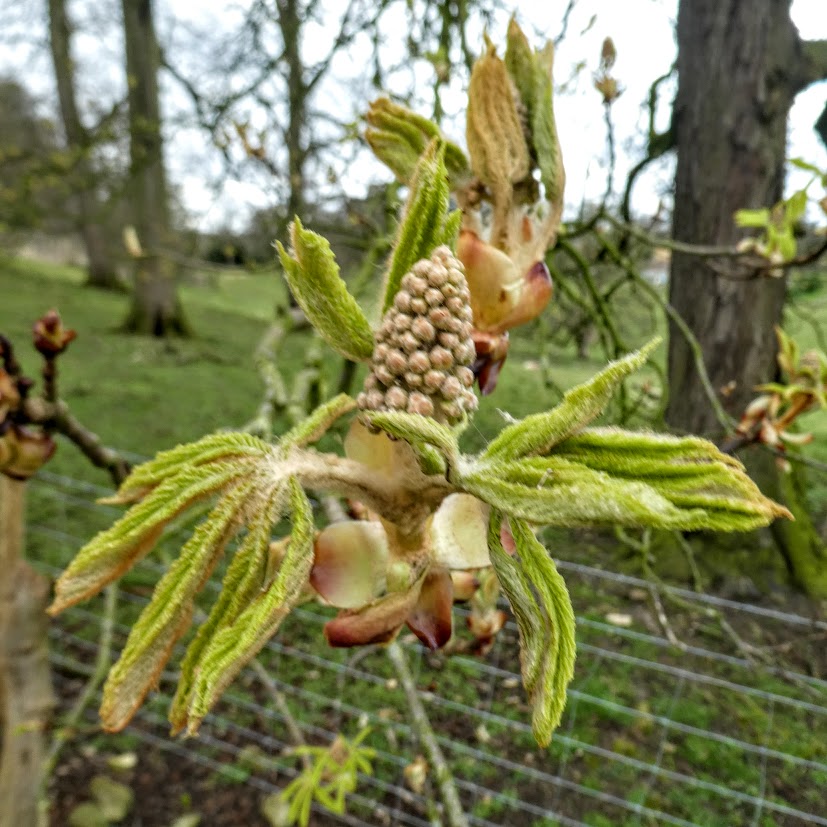
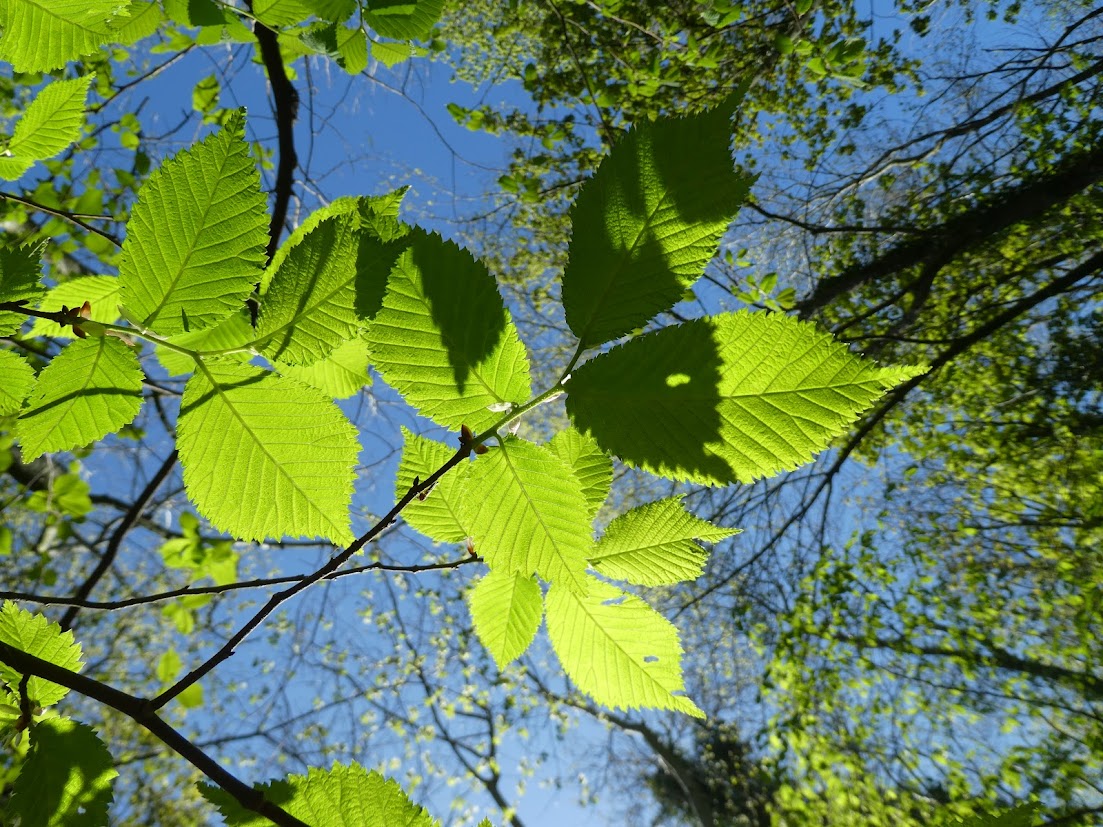
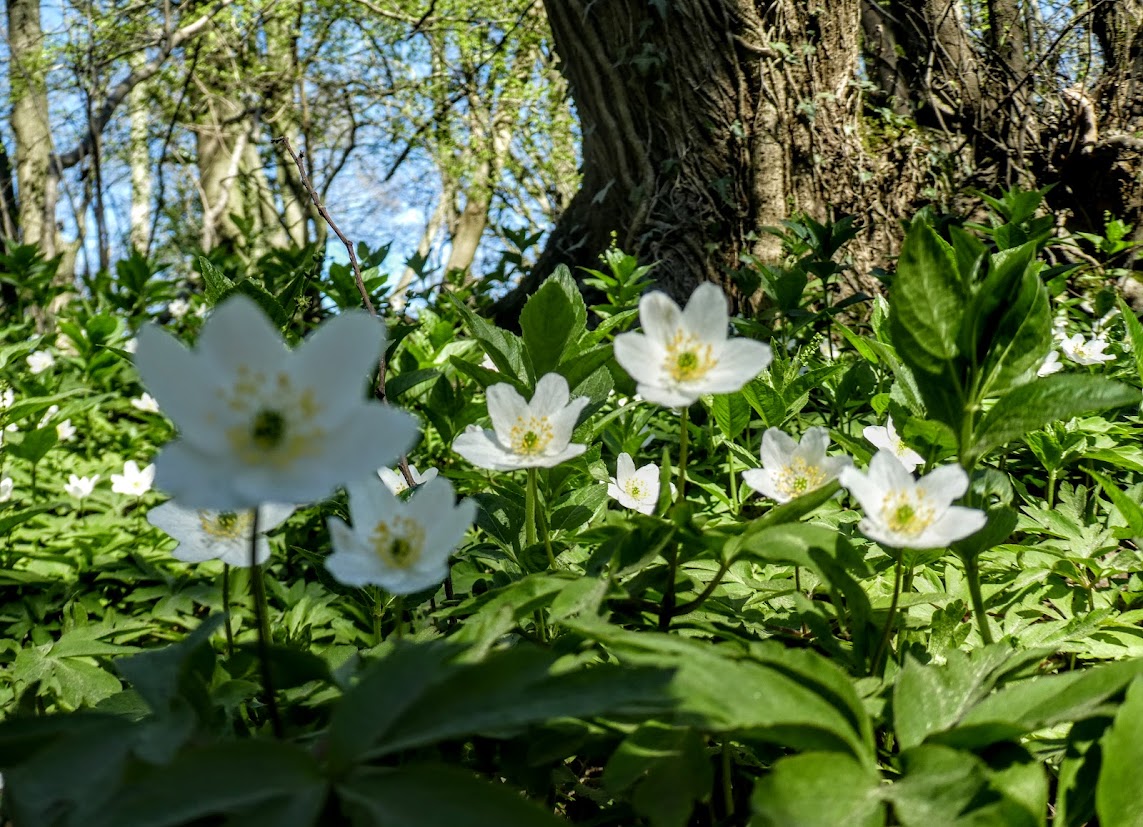
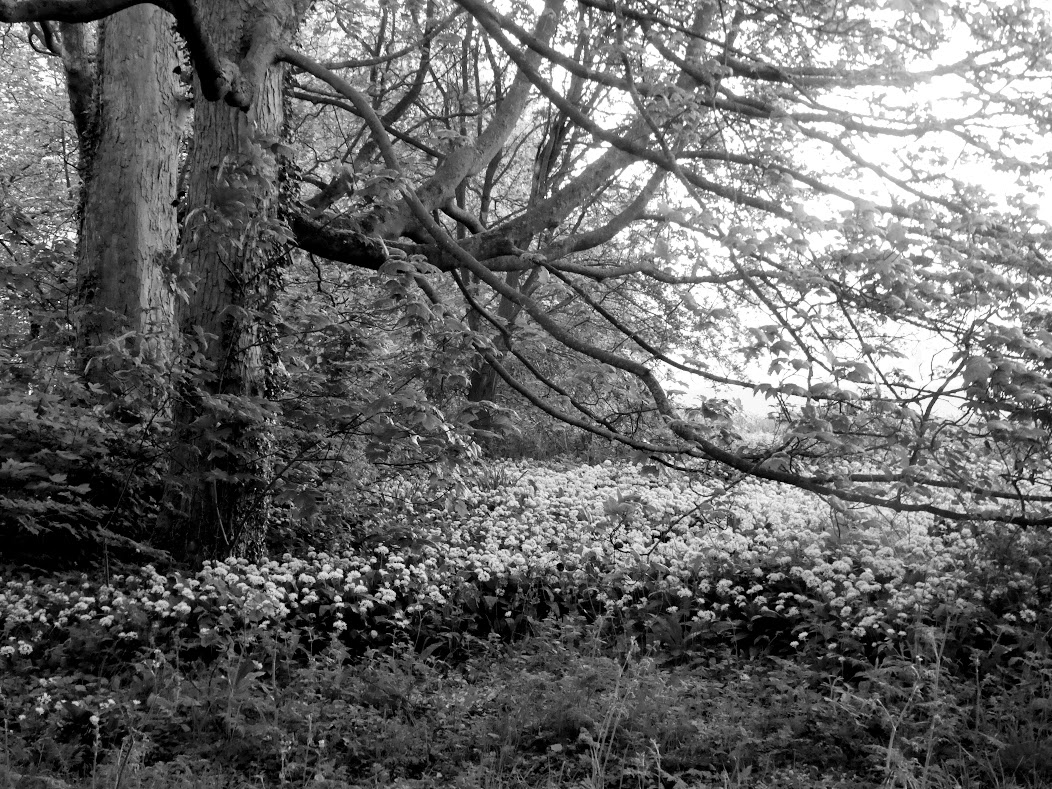
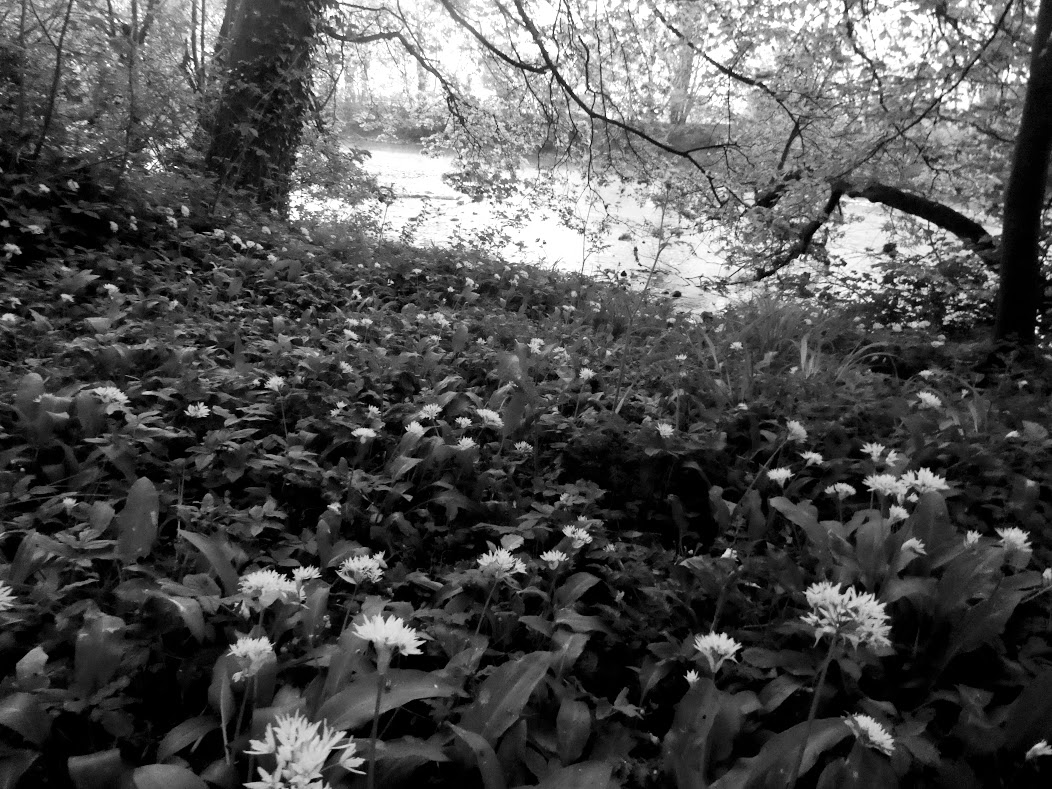
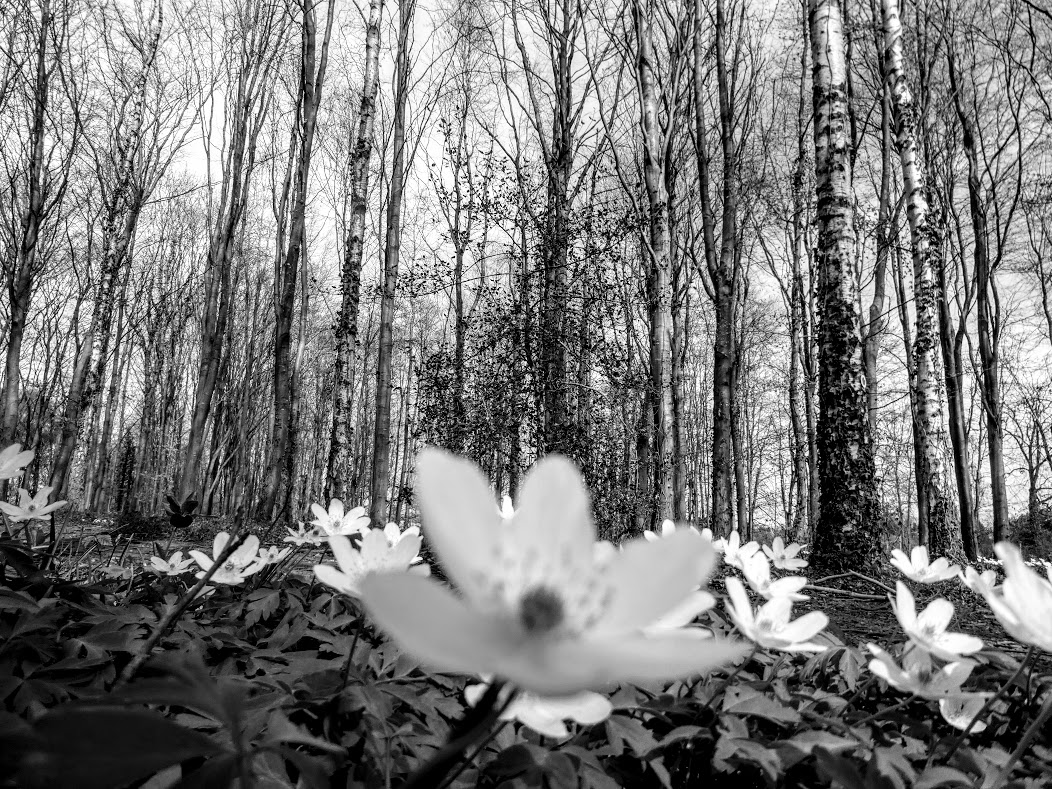
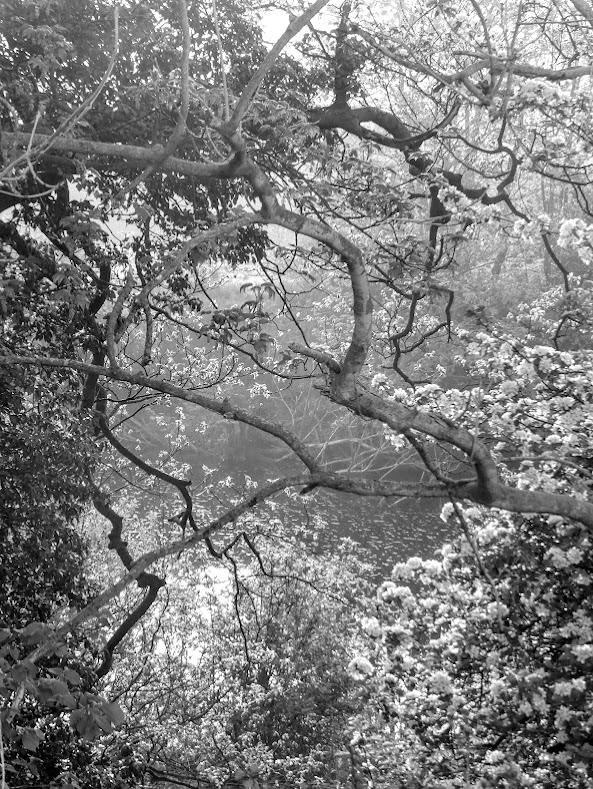
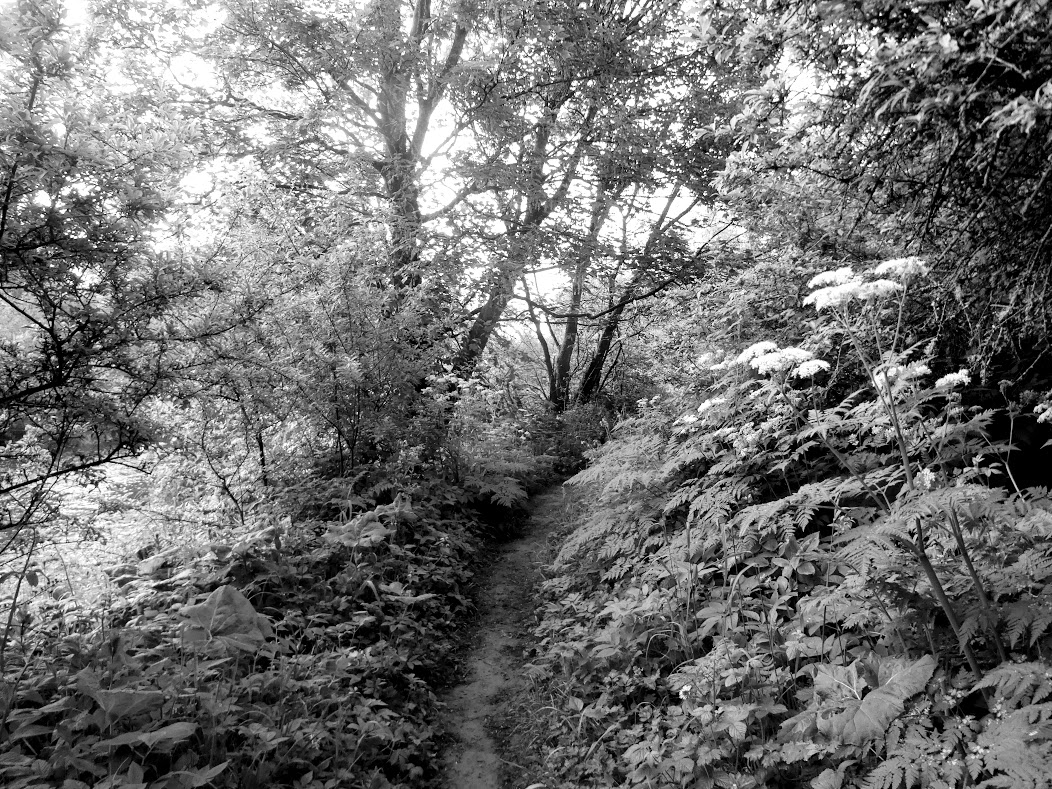
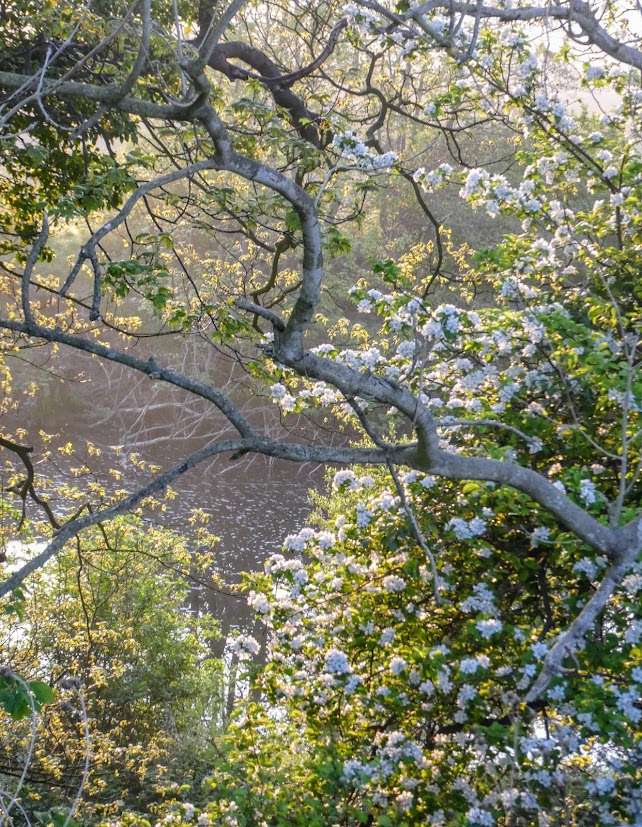
We’re lucky to have so much woodland here where I live. In recent weeks I’ve taken my camera round and about to capture fresh new growth emerging – pungent wild garlic, delicate wood anemones .. and last of all, the trees’ fresh new growth, optimistically unfurling from their tights buds of winter.
Over and out. Nothing now (maybe a Virtual Postcard?) until the back end of next week. Even commenting and reading your posts may be a bridge too far with my phone as my only tool.
I have thought hard about how to respond to Egidio’s Lens-Artists Challenge: Serenity. This word always calls to mind an early evening I spent, content and alone, in l’Albufera lagoon, near Valencia. The utter peace and serenity it delivered has provided me with material for several posts, including this one.
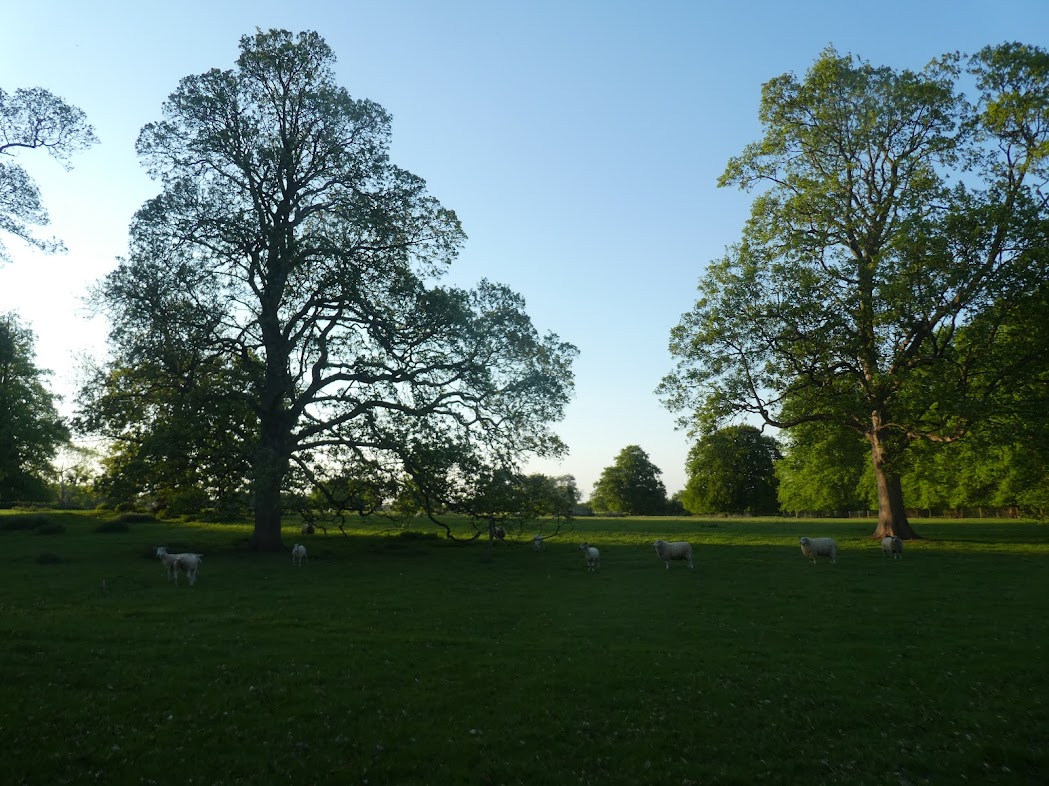
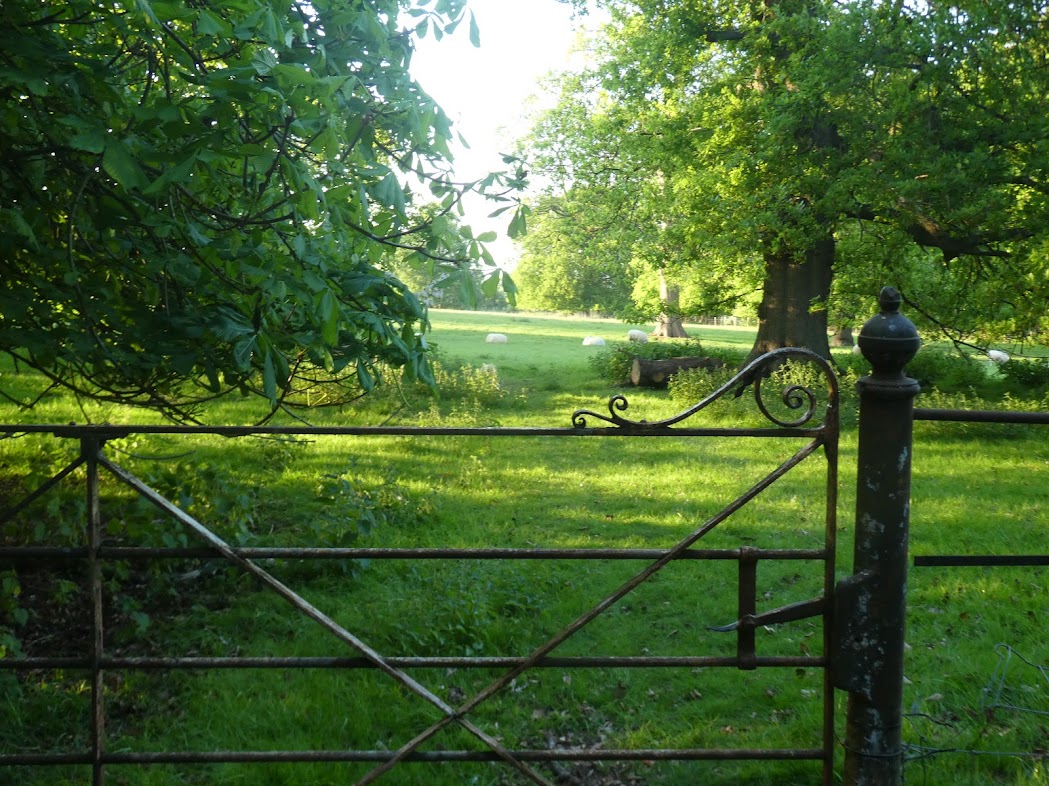
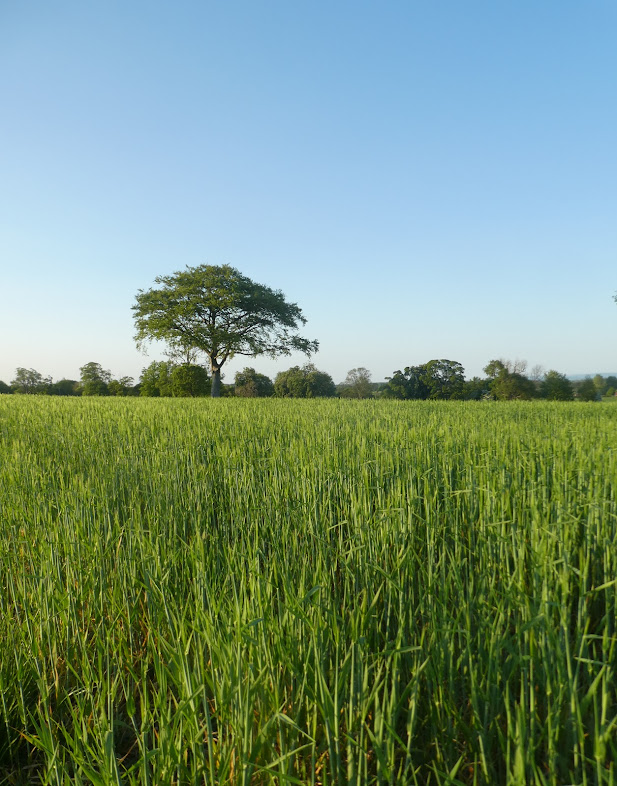
So my serenity this time will be more humdrum, more local, but restorative too. It’s a local walk I take at any time of day. The other day it was an evening walk, not long before sunset. I had only sheep for company.
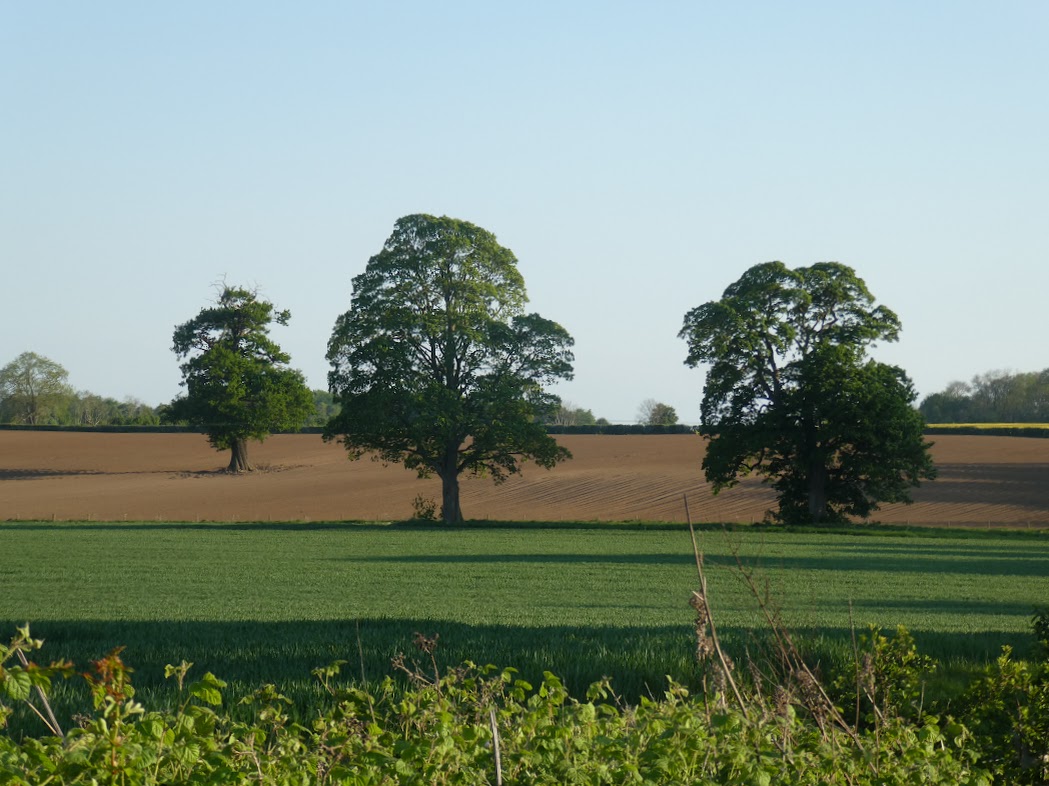
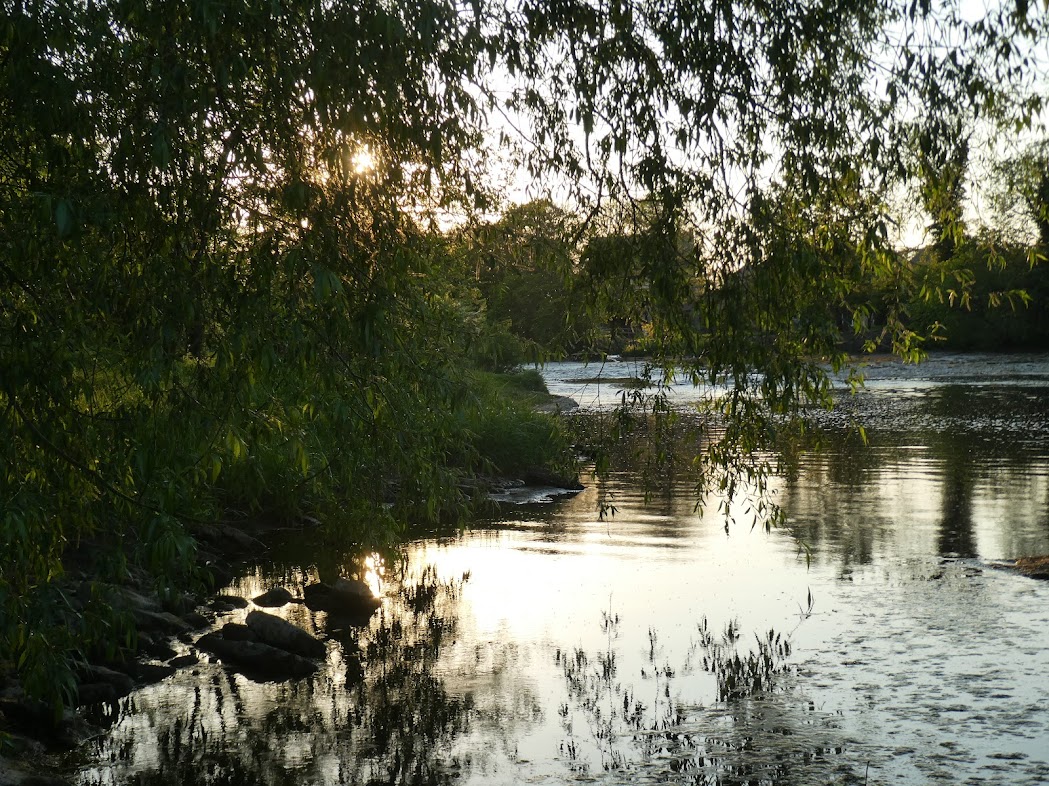
It’s a very domestic sort of walk, and under three miles long. Along a quiet lane; across sheep pasture; the grounds of a spacious country estate; fields of crops; and then, turning homewards along a different path, the River Ure; and finally a stretch of woodland .. and home. Varied enough to be quietly interesting as I enjoy the changing seasons, but with positively no drama.
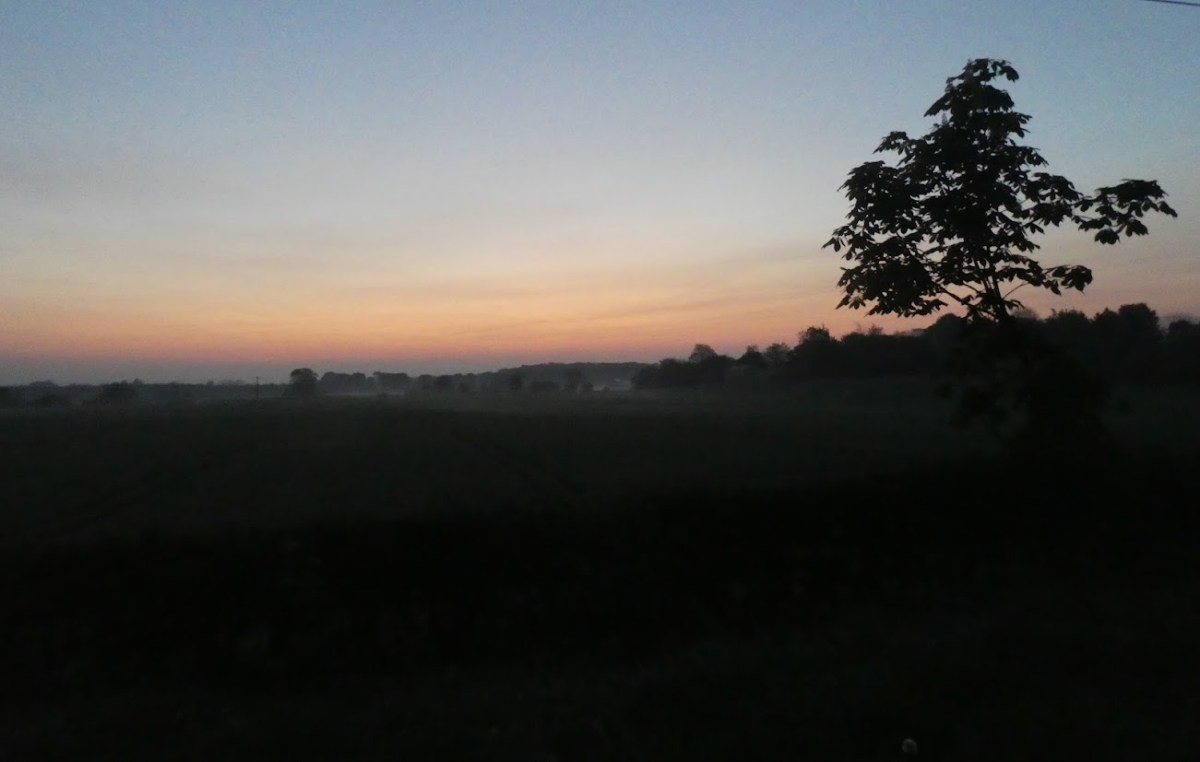
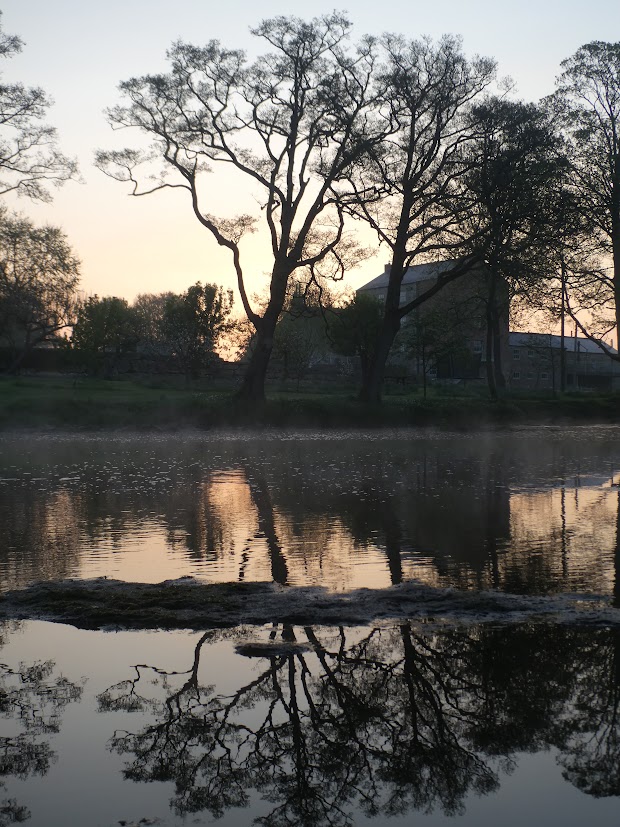
On May morning, I got up at 4.30, to celebrate daybreak, sunrise and the dawn chorus. Here is the bench I found almost at the end of my walk.
And here is the story of my walk, from my home in North Stainley to the next village along, West Tanfield: then back along the River Ure – in pictures.
I rather enjoyed re-visiting India via my blog the other week. So I went and dug out the diary I faithfully kept. The events it describes have never yet seen the light of day. For the first ten days I was with the group of people my ex-brother-in-law had put together, to explore aspects of rural Indian life, focussing on small producers working in traditional and organic ways. We had no internet access during that period.
I’ve decided to share my diary with you. This will take several Fridays. I’m pleased that I kept such a detailed record of a piece of personal history, and of a country I’d never visited. I wonder how dated this account would seem to the current traveller?
Moving on to Cicada Kabini
Saturday 17 th November.
Early to rise. I’m on the water tower, where I’ve been watching the sun rise from 5.45 a.m. I even heard the whistling thrush.
By the way, they eat so well here, and nobody is overweight.
From 6.30 a.m.: coffee and tea, and bananas and fruit to ‘put you on’ if you need it.
10.00 a.m.: cooked breakfast.
1.00 p.m.: ‘light lunch’ (cooked)
5.30 p.m.: tea – masses of fruit and a few snacks – biscuits and savouries like Bombay mix.
9.00 p.m.: dinner: big cooked meal.
Breakfast and lunch is served to 40 – 50 people, dinner to the core ‘family’ and whoever is staying. Unsurprisingly, there is a team of women cooking all day.
And then – what a morning! We left before breakfast of course, so we had that en route. Parathas, roti, all kinds of puffed breads served with various dishes of vegetables. Great stuff!
Then Prince, under instructions from Supi took us to a textile shop so I could choose several plain lunghis to be made up by a tailor in Mysore into salwar kameez. Ch and C joined in the fun.
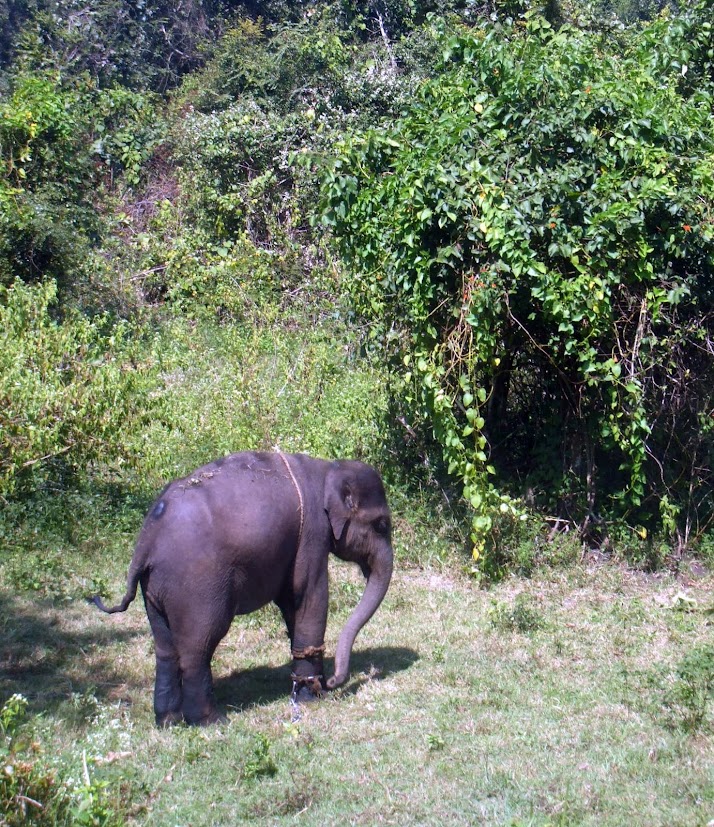
Then the journey! Wow! Even 4 x 4s might find it a challenge in what passes for roads in the National Park. We could perhaps have walked more smoothly. But it was fun, even though we didn’t see all the wildlife we hoped for, Two wild peacocks, spotted deer, two elephants – not wild.
Elephant spotted on the way to Kabini
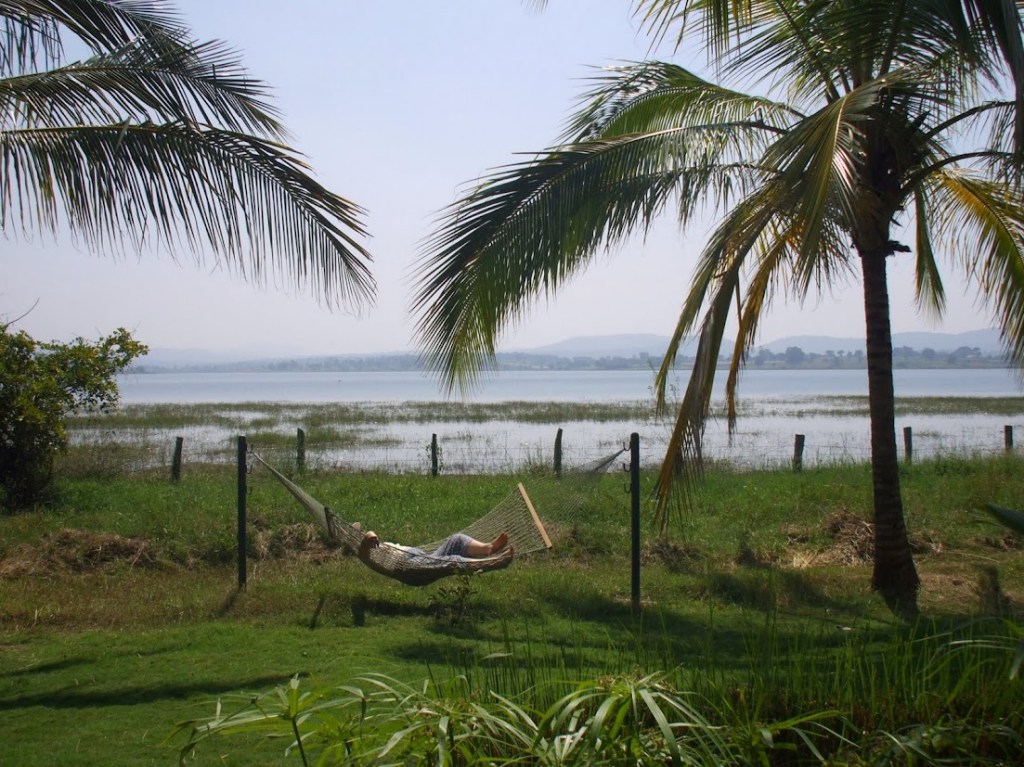
Checking into Cicada Kabini was a rude culture shock: a sort of Centre Parcs for the Indian middle classes. Staff all in Securicor type uniform, & individual chalets all around the stunningly beautiful River Kabini, which looks like a lake at this point, it is so wide. But eco it isn’t. Nescafe in all the rooms, jacuzzis and all the trimmings we had become unused to.
Outside our bungalow
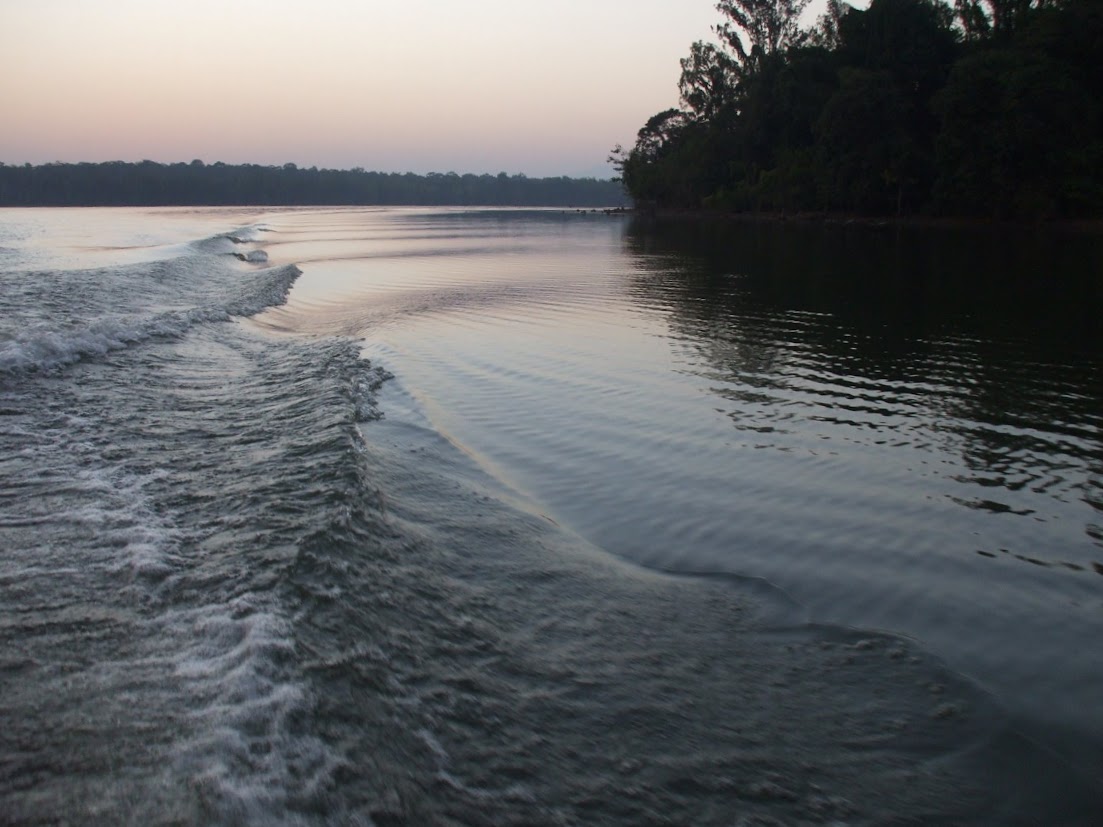
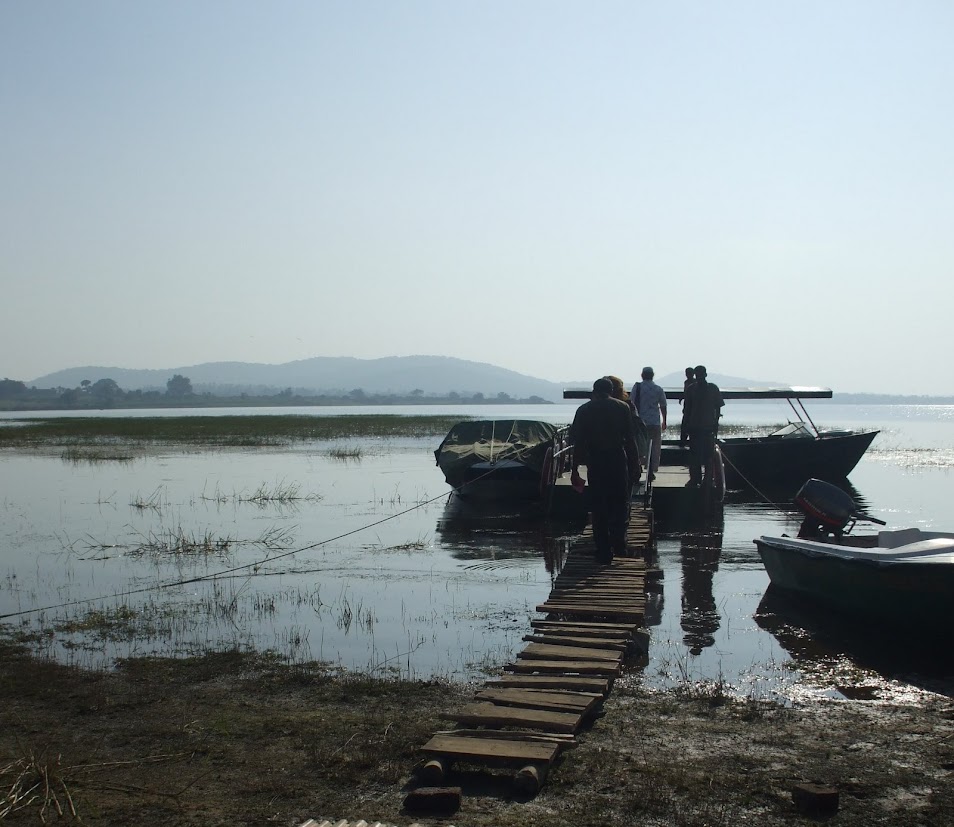
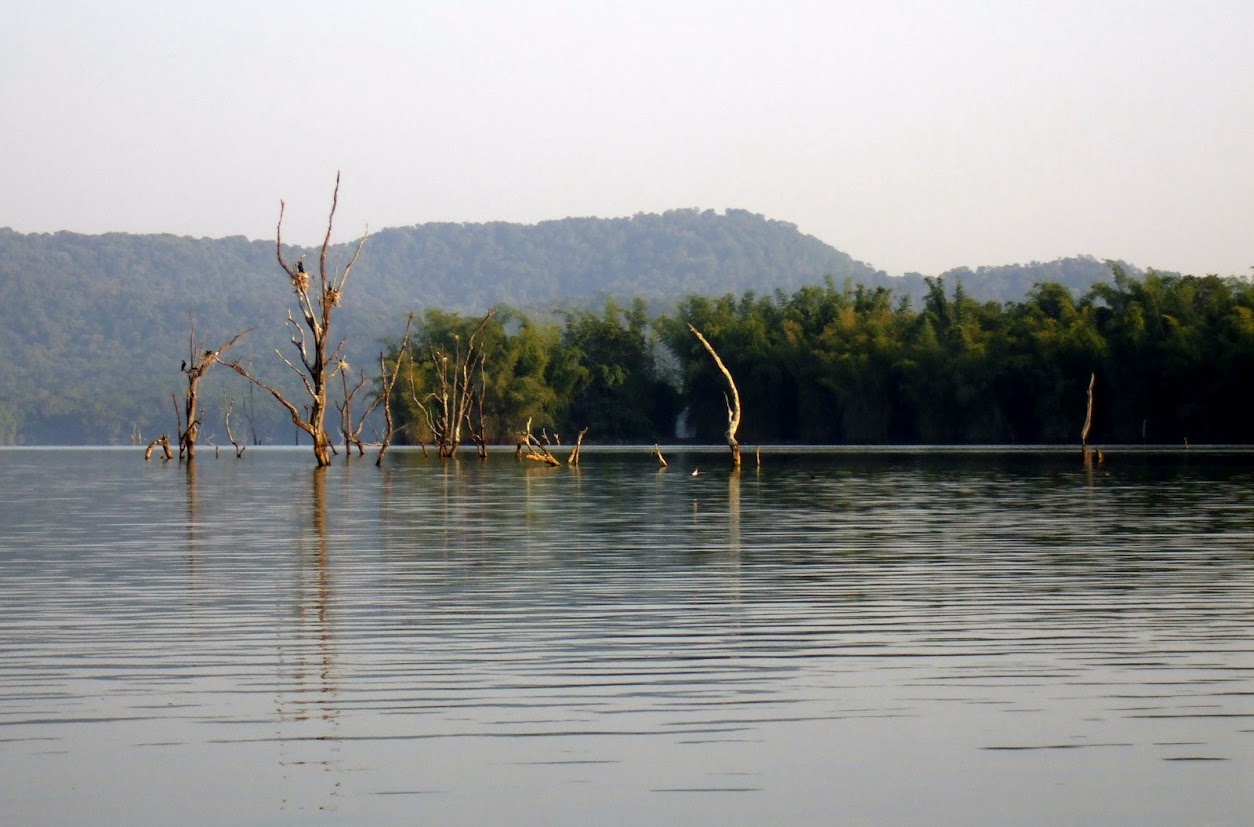
The afternoon though brought with it a boat safari. We nearly all went, with a few other guests, and we set off in the noisiest motor boat ever, frightening off any wildlife for miles. But the bird life was stunning! From things we all knew about already, such as cormorants, to the gorgeous Brahminy kite (brilliant glossy chestnut apart from a pure white head, and five – FIVE – kingfishers, some of them Indian varieties.
Many of the birds roosted, hunted or nested in the skeletal dead trees in the water: lots of ‘Kodak moments’, as M would put it (on the whole, my camera wasn’t up to the job).
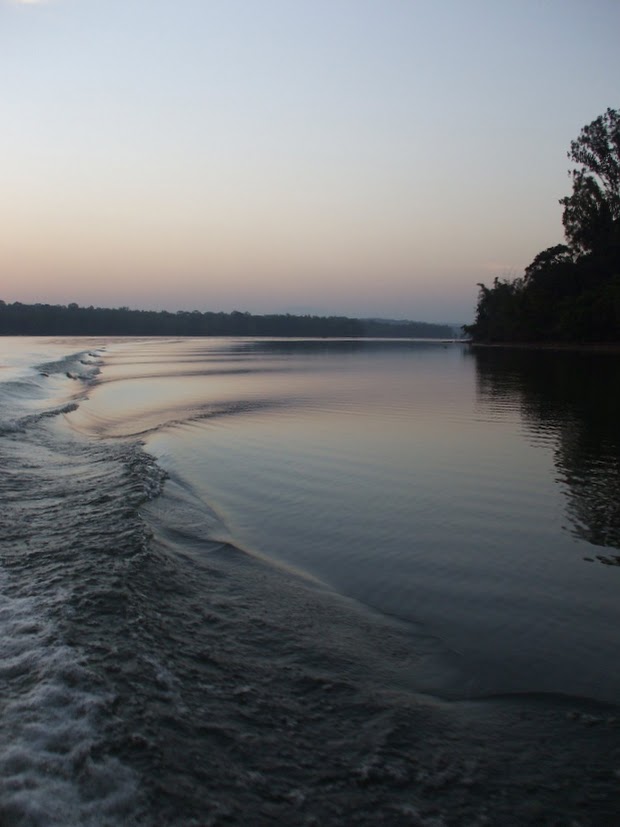
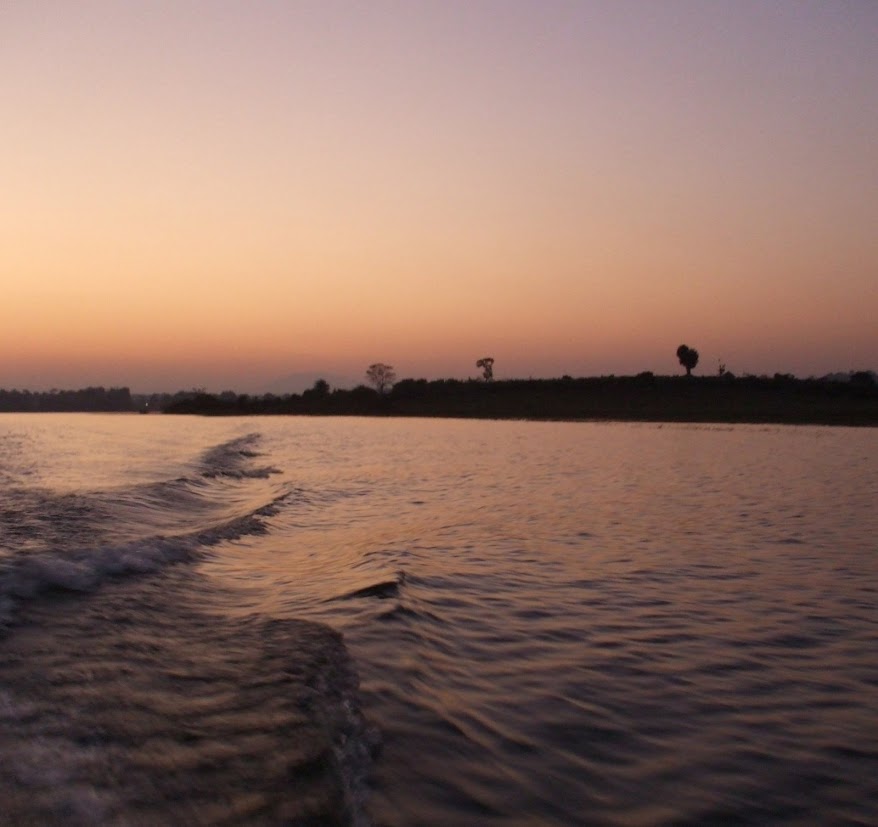
Not so many animals though. An elephant silhouette distantly glimpsed drinking on the shore, some wild boar, spotted deer, and positively no crocodiles, as virtually promised. Coming home, a truly wonderful sunset.
Then dinner (the food is very good here) and an early night all round. I decided, as did most of the others, not to do the Jeep safari early next morning, with a wake up call at 5.45….
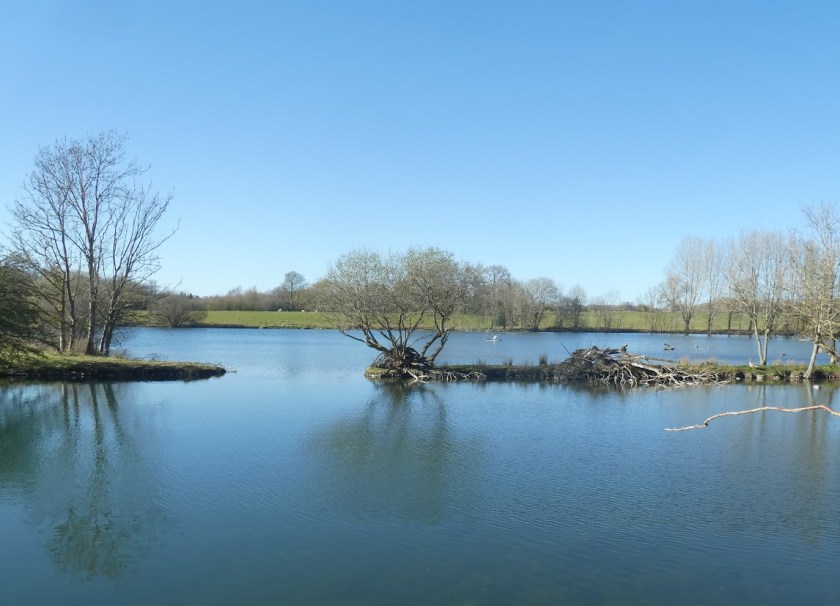
Sunday afternoon. Sunny, warm, breezy. Just the time for a bike ride (‘im Indoors) or a solo walk (me). Marfield Wetlands suited us both as a starting point, though we went our separate ways after that. These reclaimed gravel pits, scattered with ponds, just by the River Ure are at their busiest in the autumn and winter months as a stopping off point for migrating water birds. Less variety here just now. But blue skies, blue waters greeted me: plenty of geese – Greylag, Canada and Barnacle, the odd cormorant and swan, and beyond, oystercatchers hectoring me from above, and more tuneful skylarks.
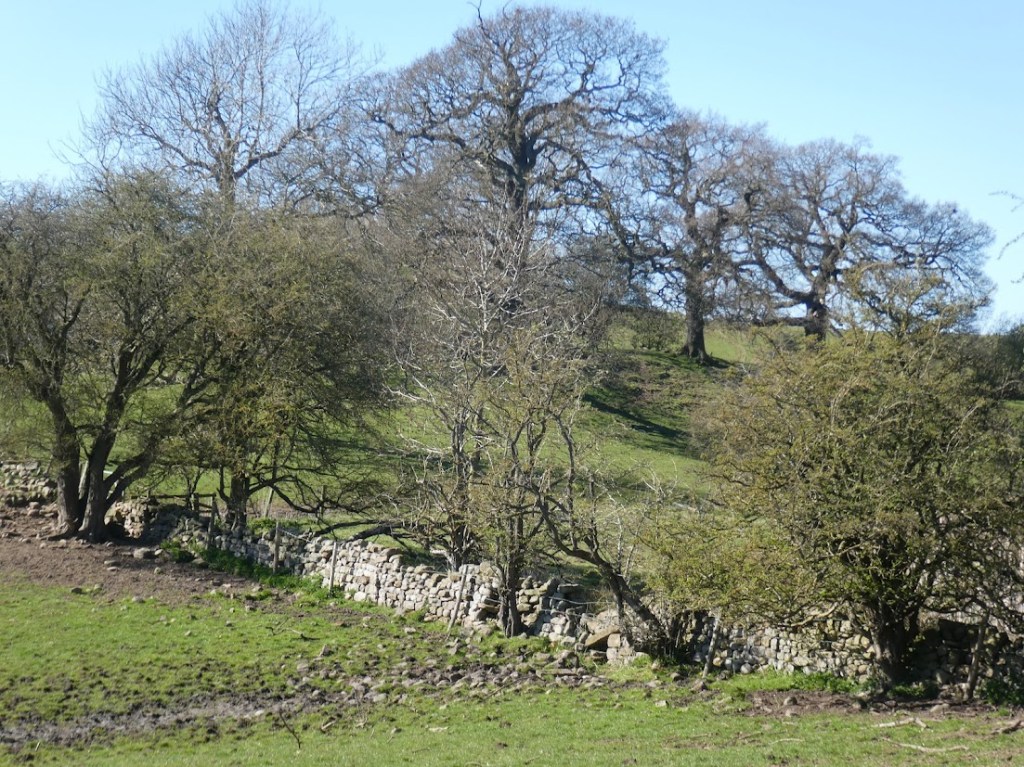
A walk along a brookside, then farmland with drystone walls.
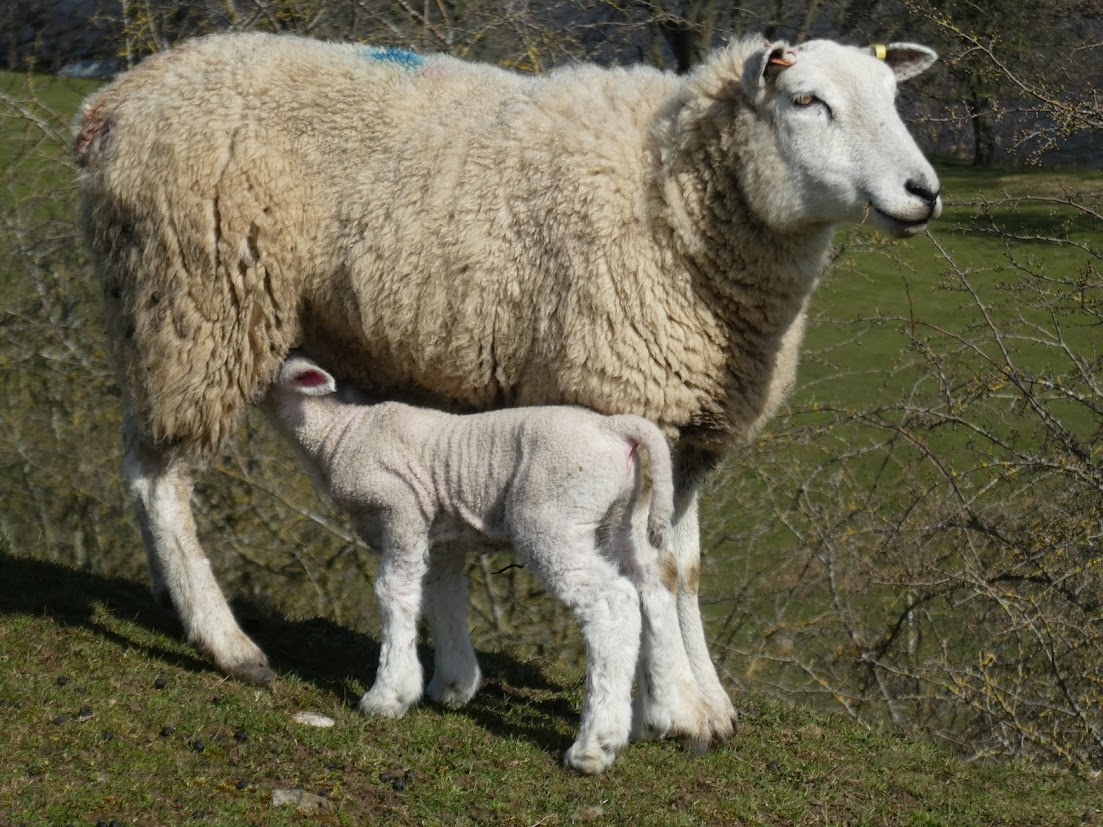
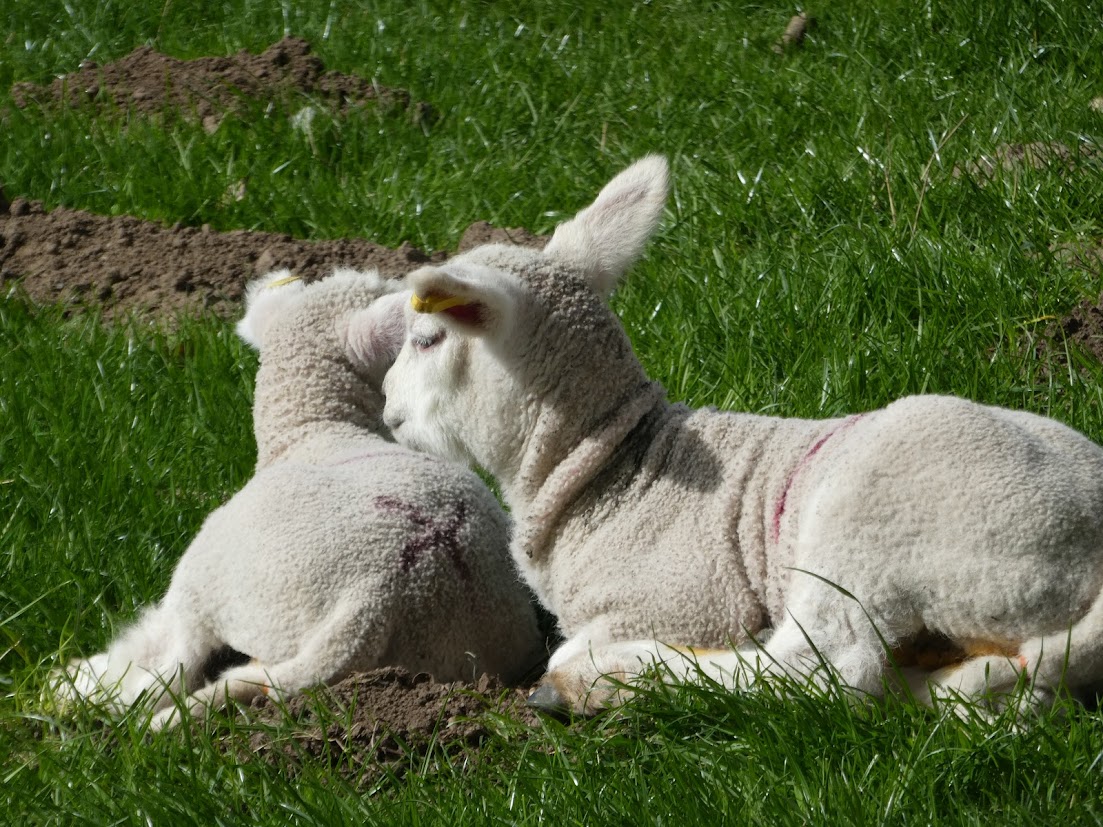
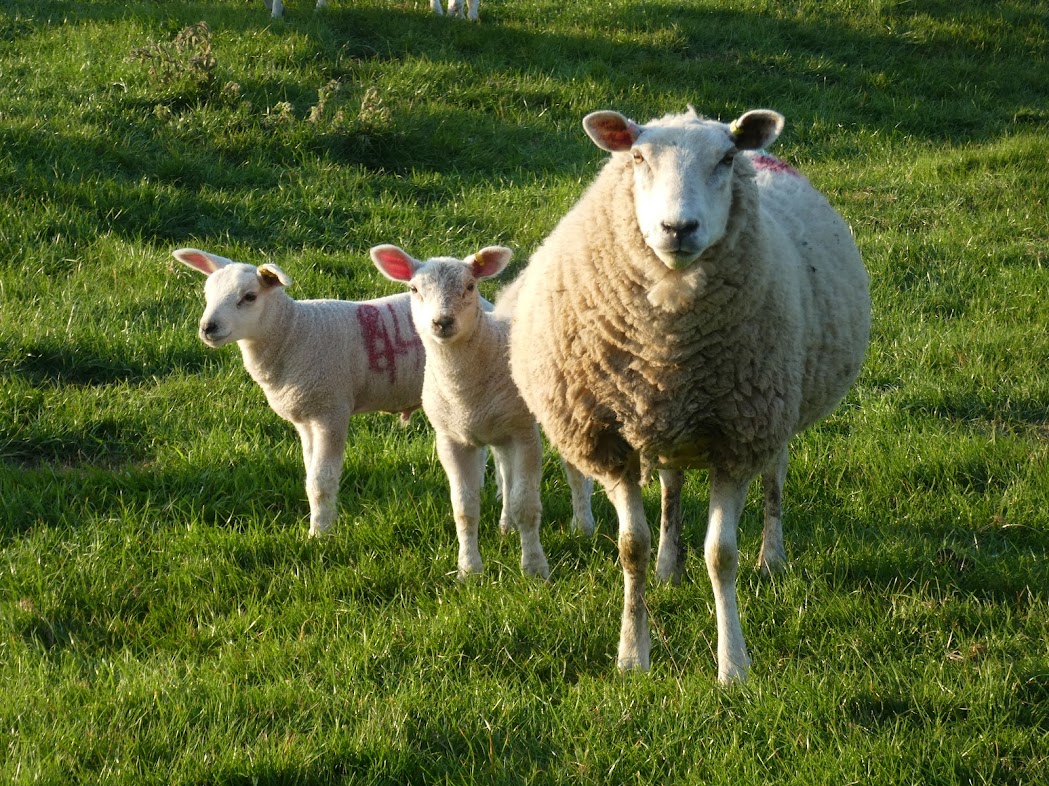
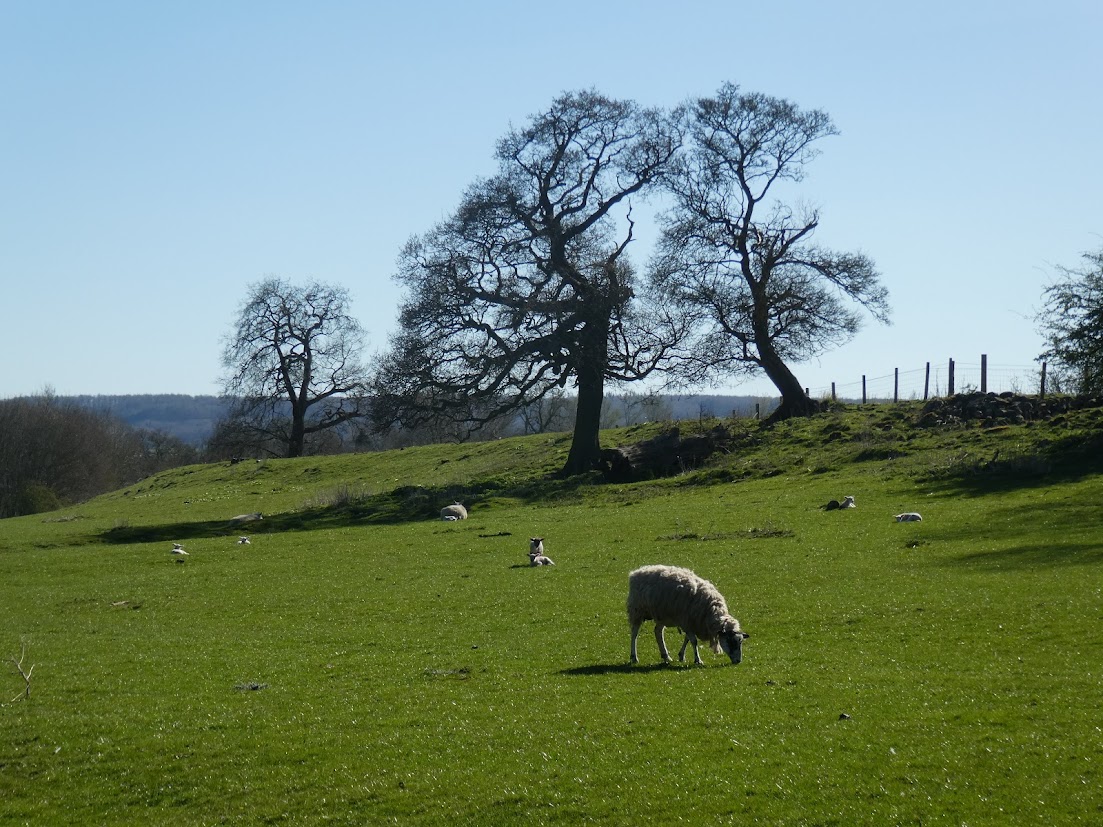
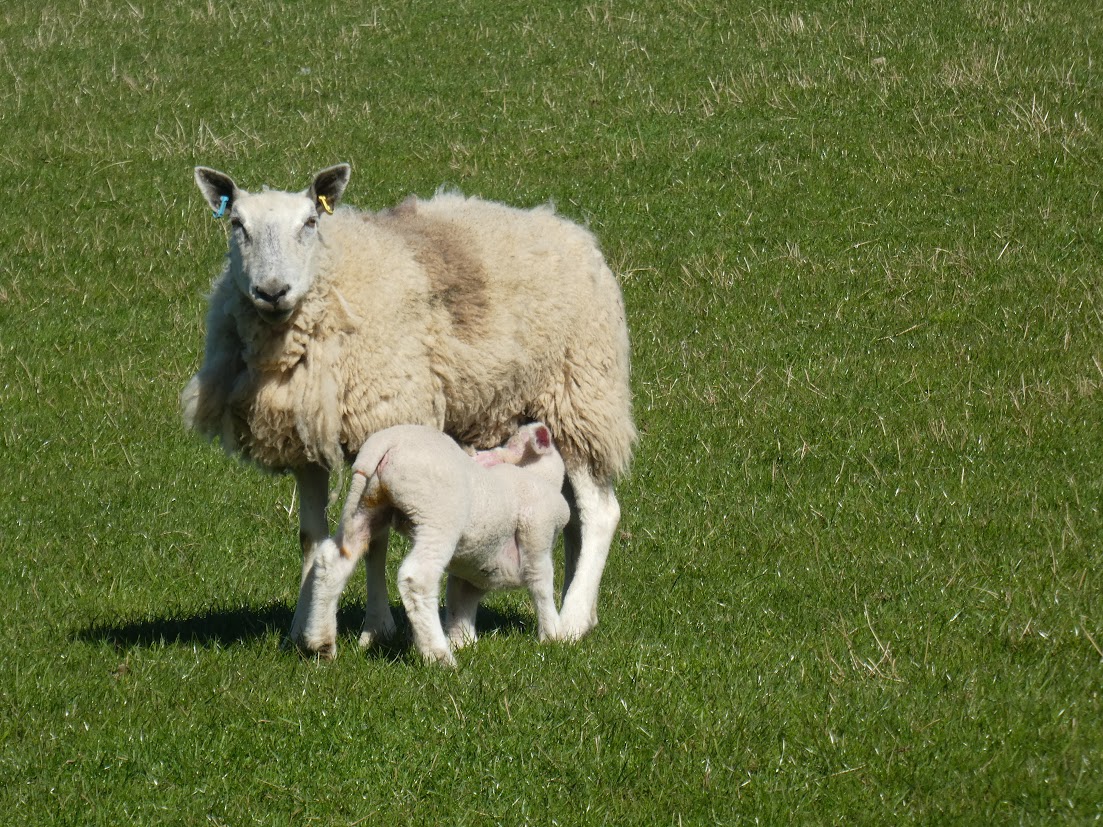
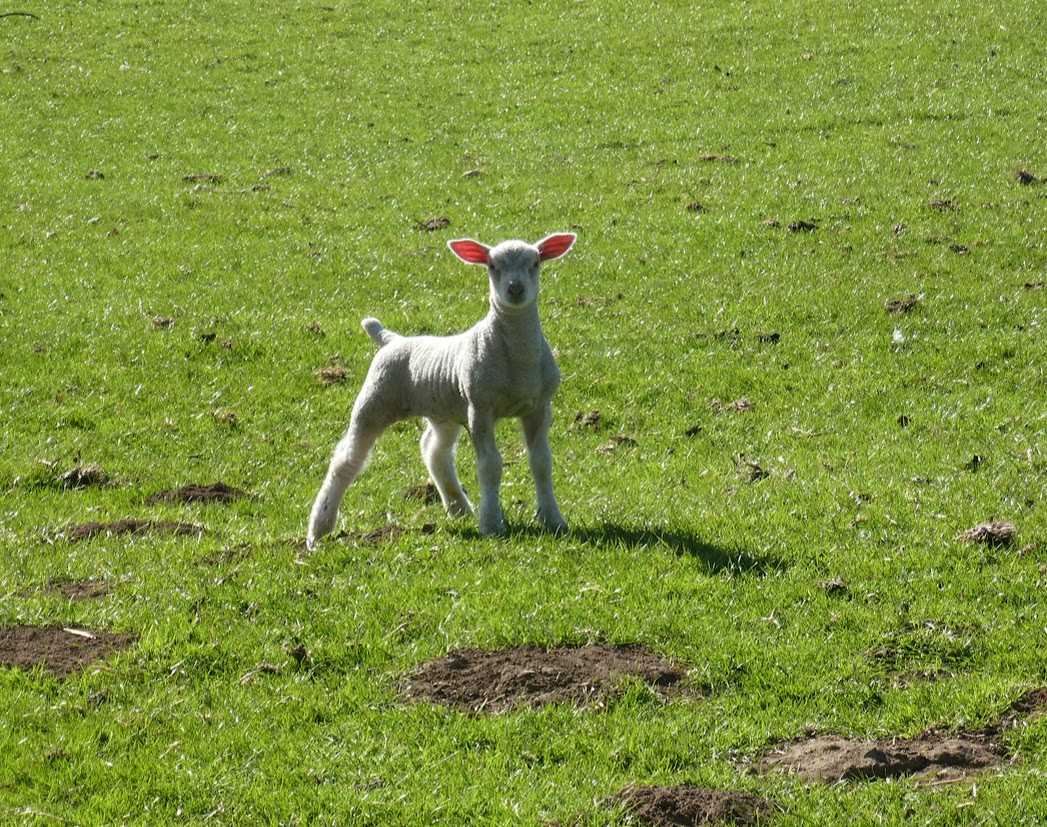
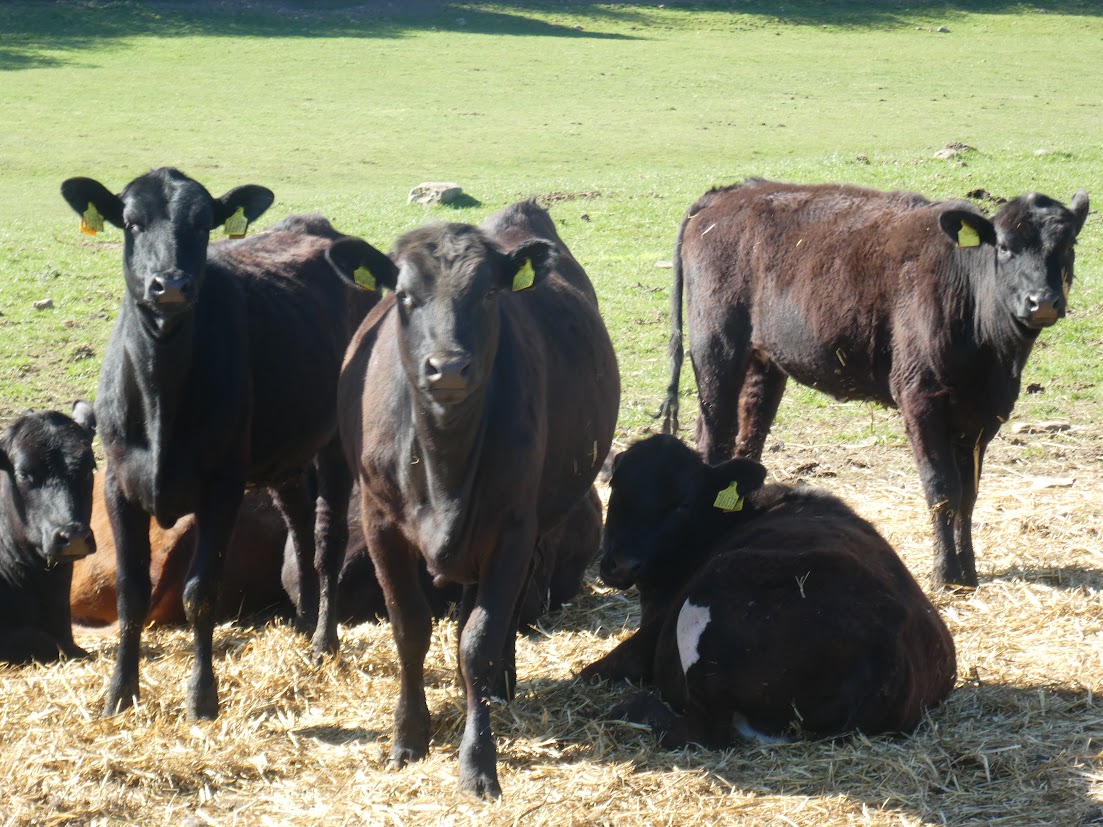
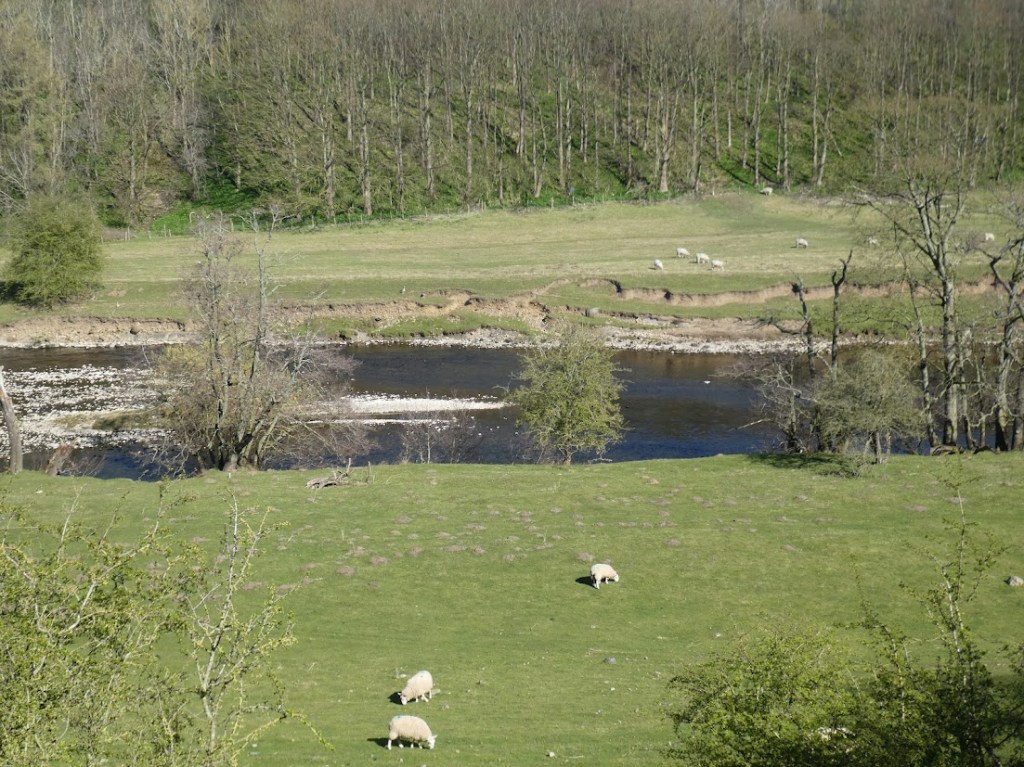
Here are young cattle; sheep with their now-skittish lambs.
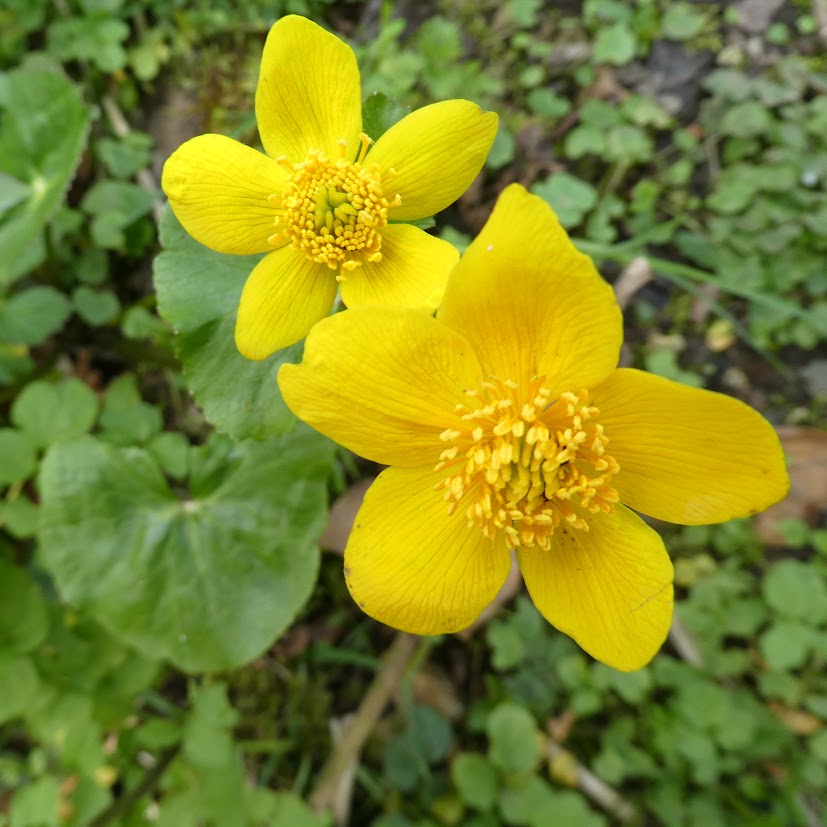
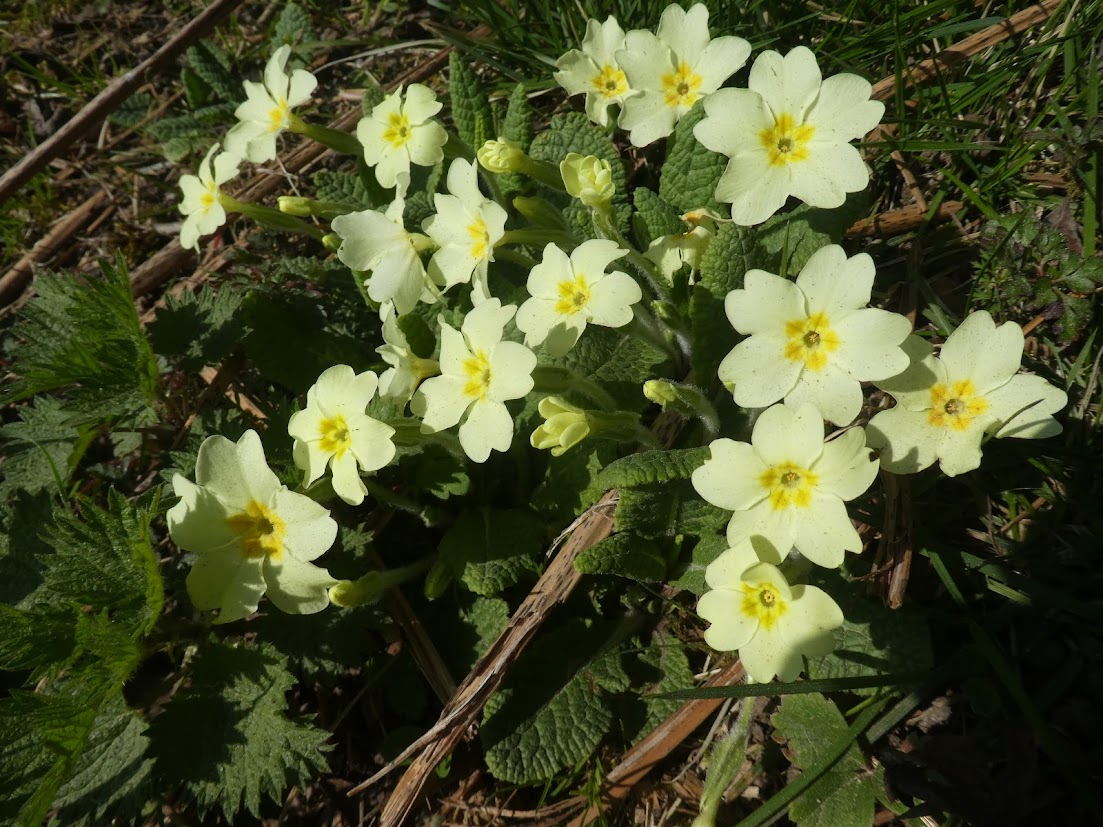
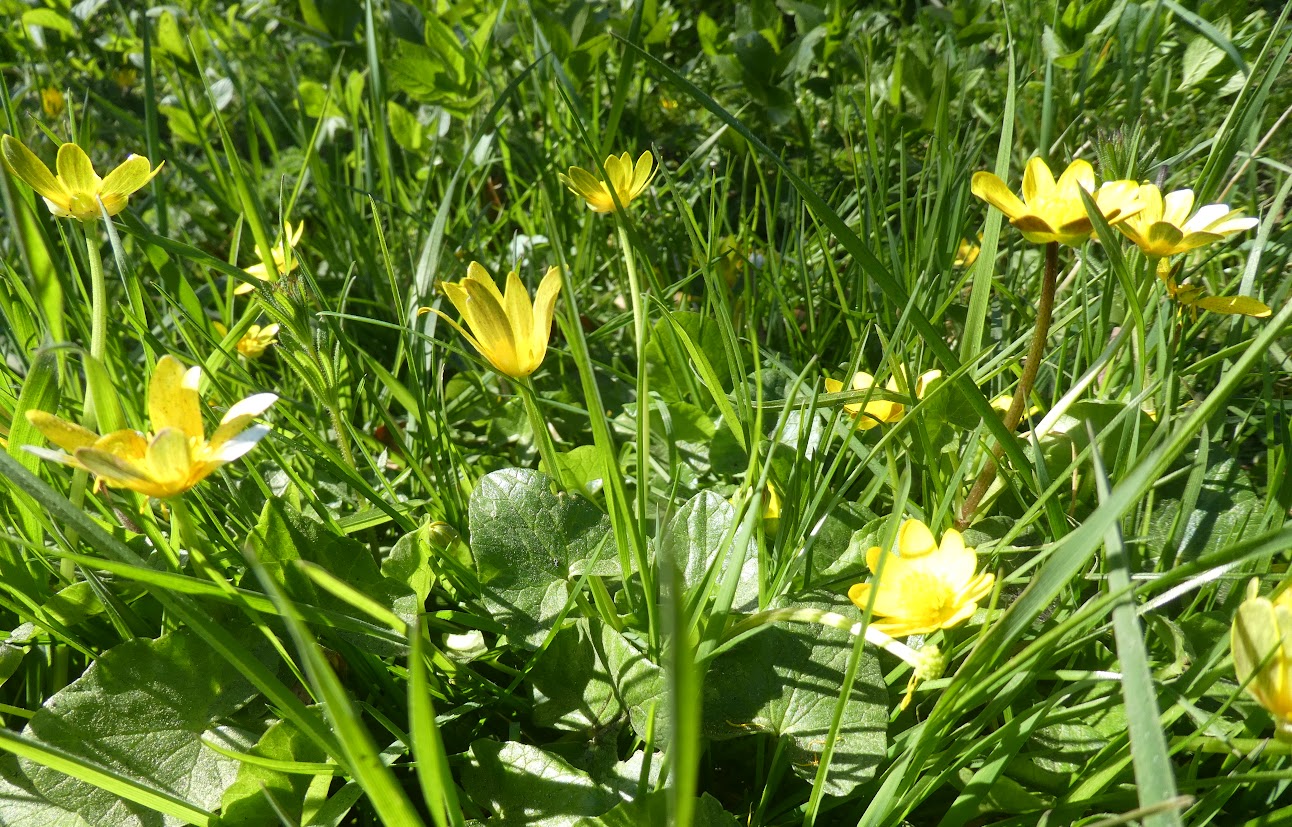
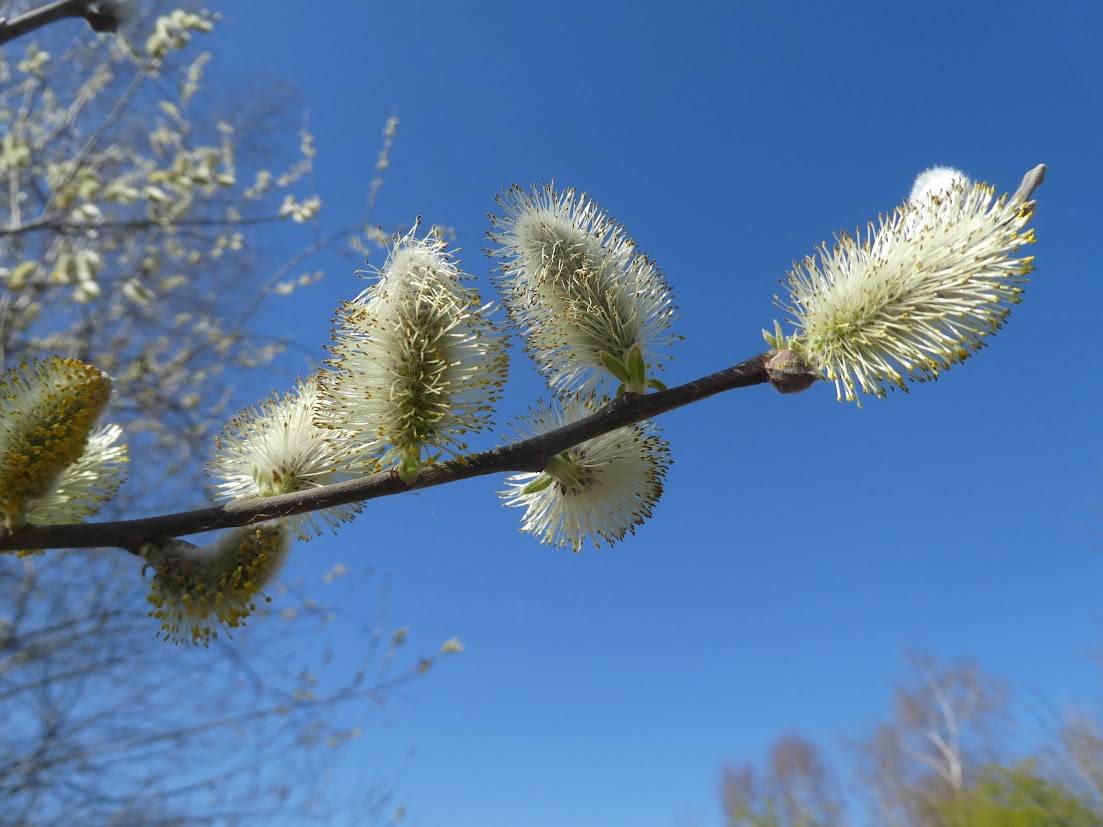
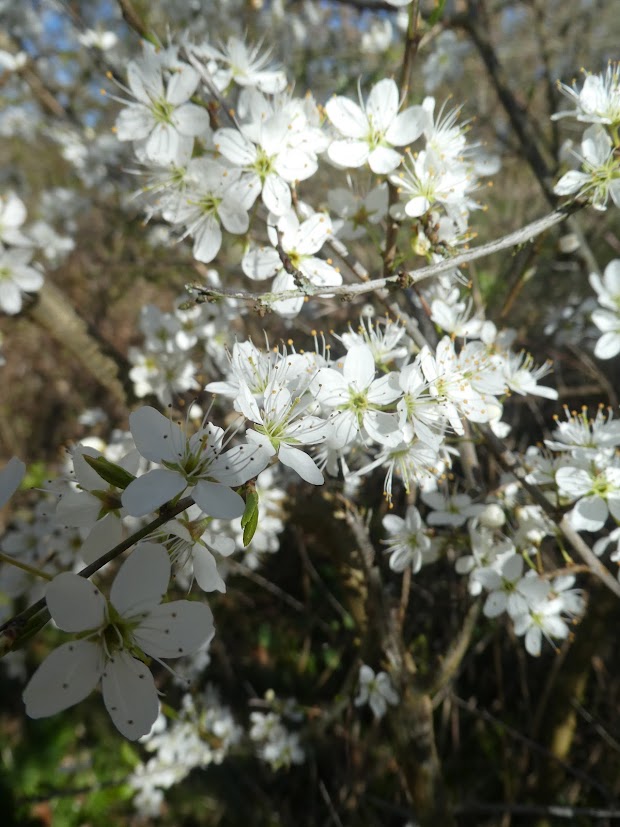
Primroses, celandines, willow catkins dusted with yellow pollen, blackthorn blossom.
Turn right through a field of cows, and reach the river banks, high above the river itself at first.
Right again, through pastureland with characterful trees, woodland, always with the river, sometimes still, sometimes chattering and clattering its way over its stony pathway.
Touch into the edge of Masham, then more fields with open views and here I am. back at Marland Wetlands again. Only four miles, but enough to send me home refreshed and content.
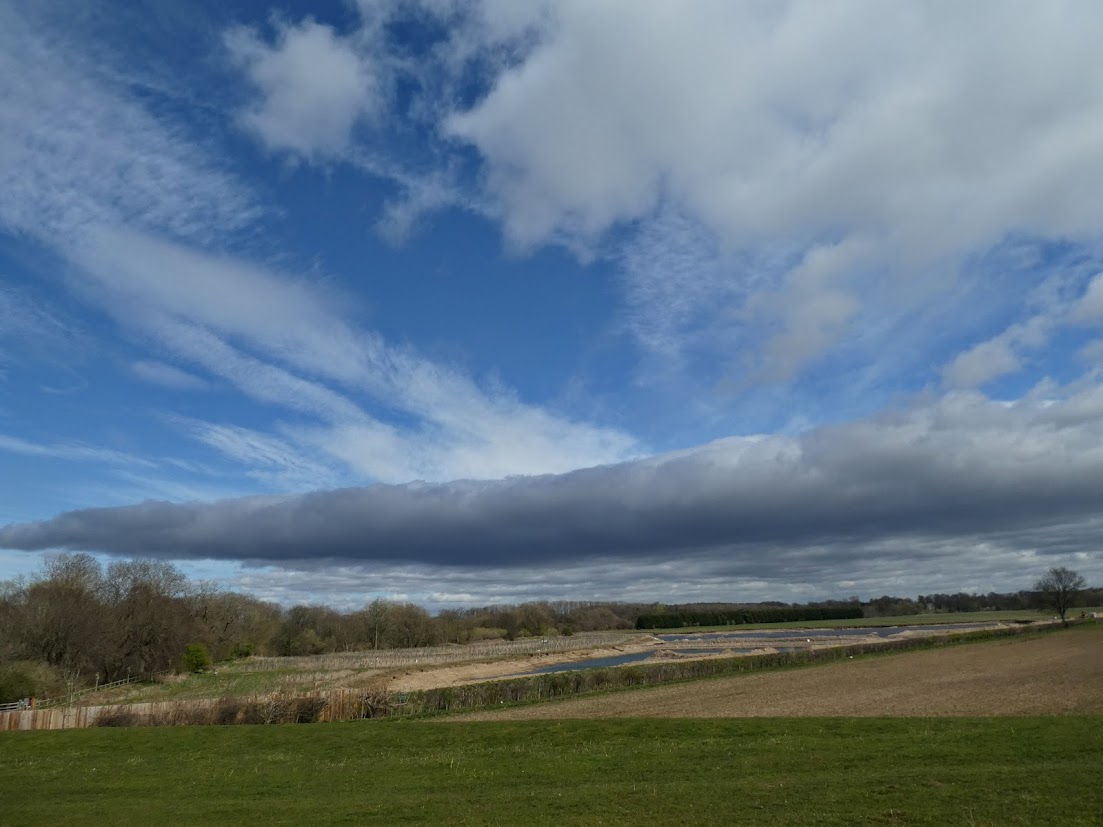
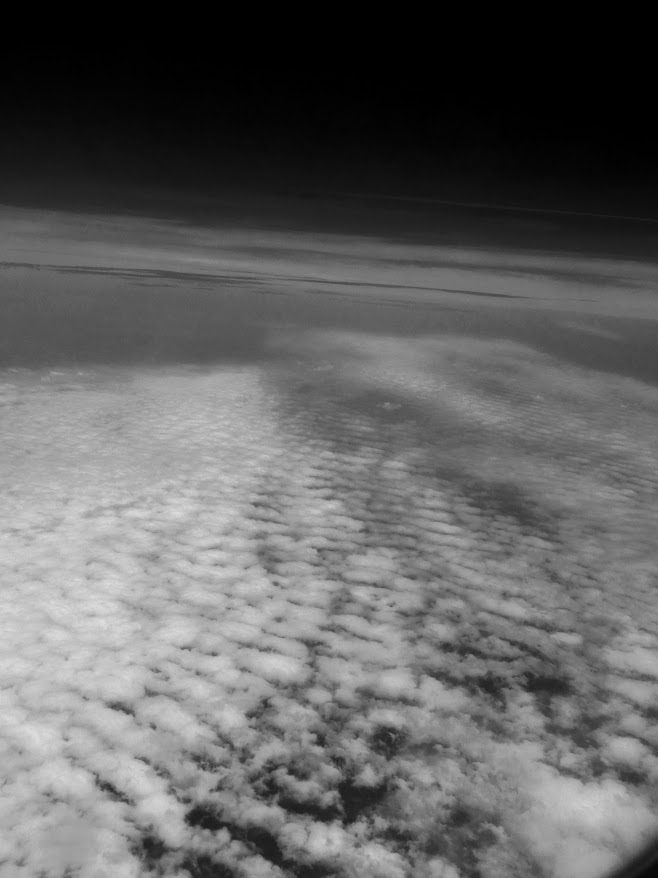
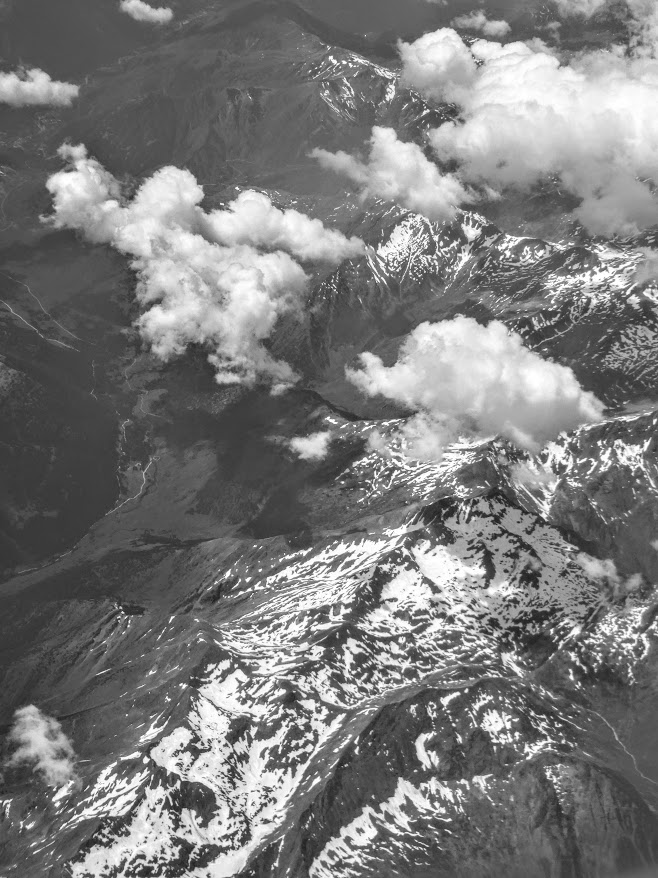
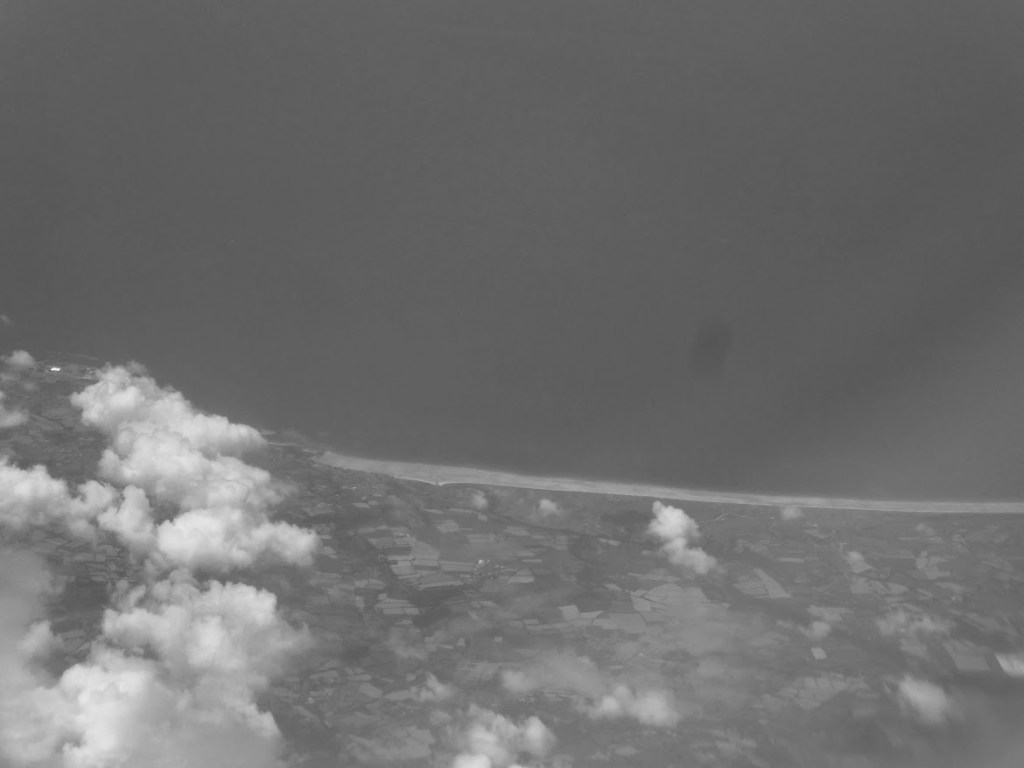
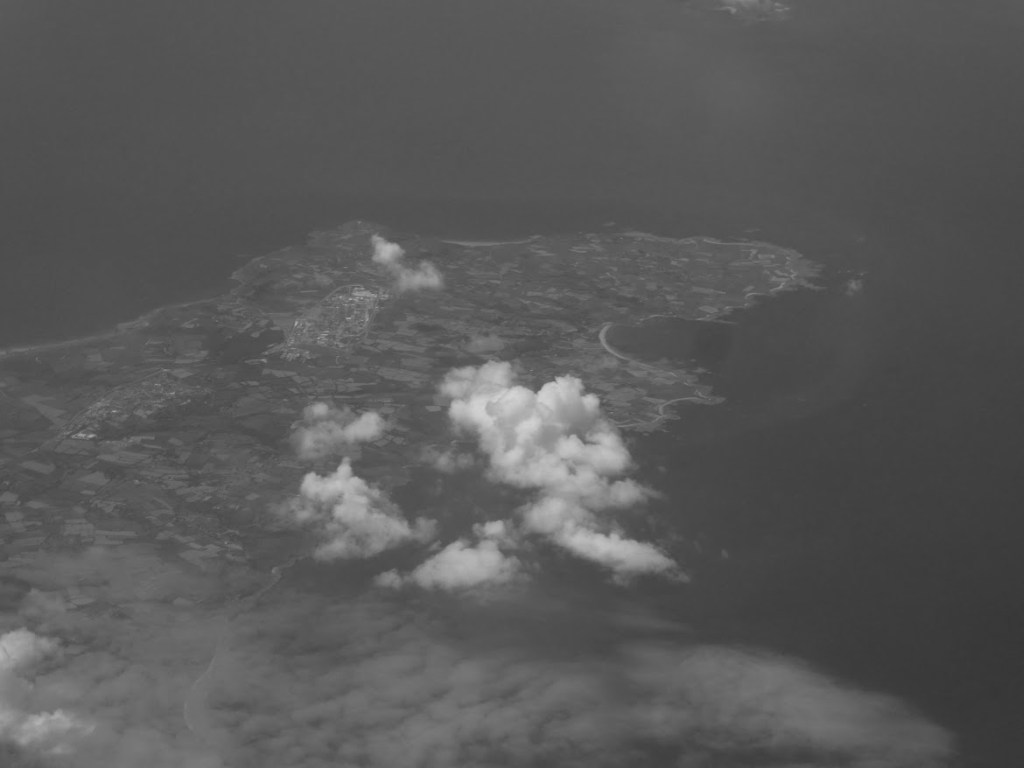
Here in the UK, we know a lot about clouds. And at this time of year, we know a lot about grey clouds. Looking out of the window just now yields an unending vista of smoky grey, darkening over Mickley way to gunmetal and slate. No cotton-wool puffs of cumulus for us.
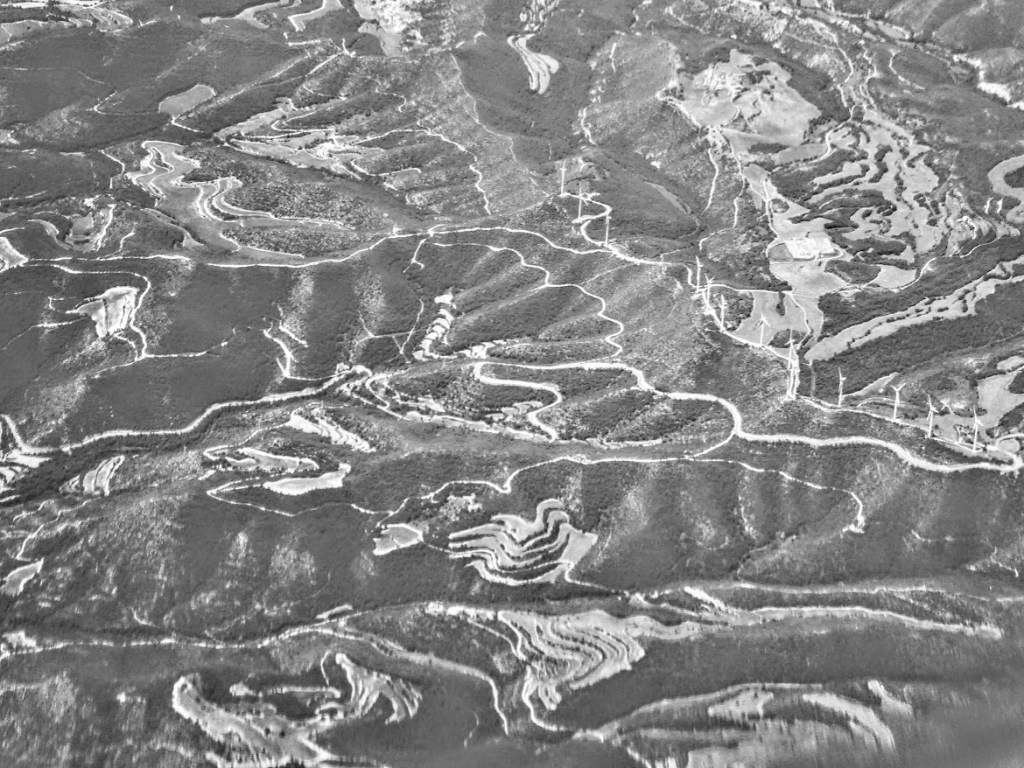
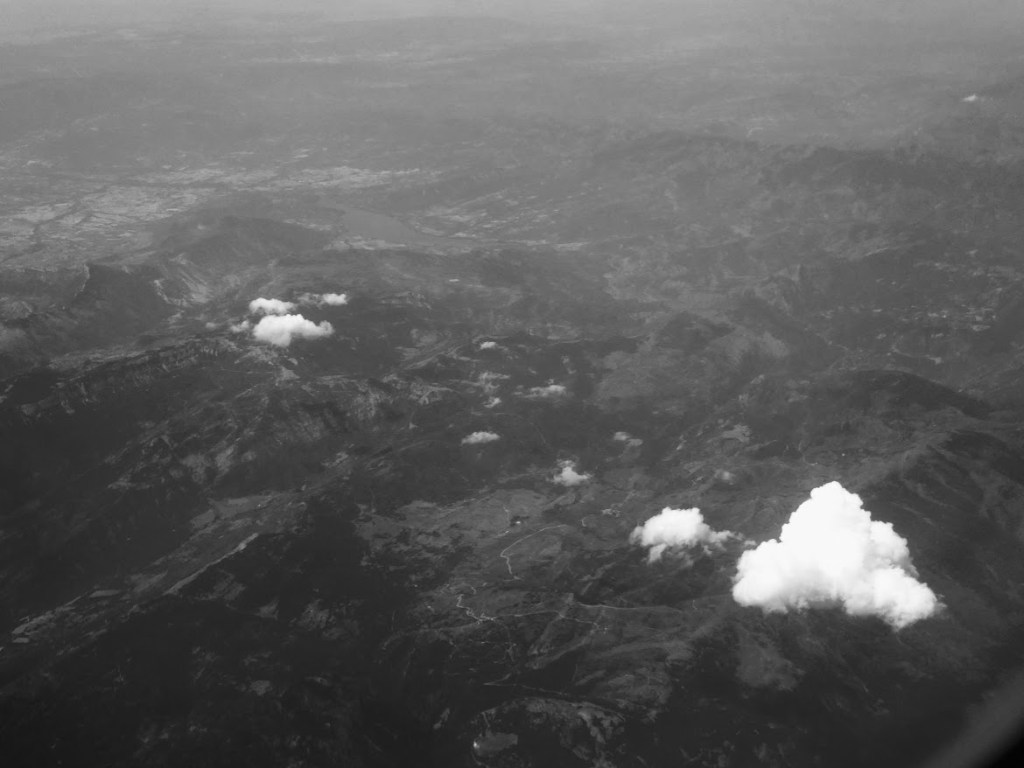
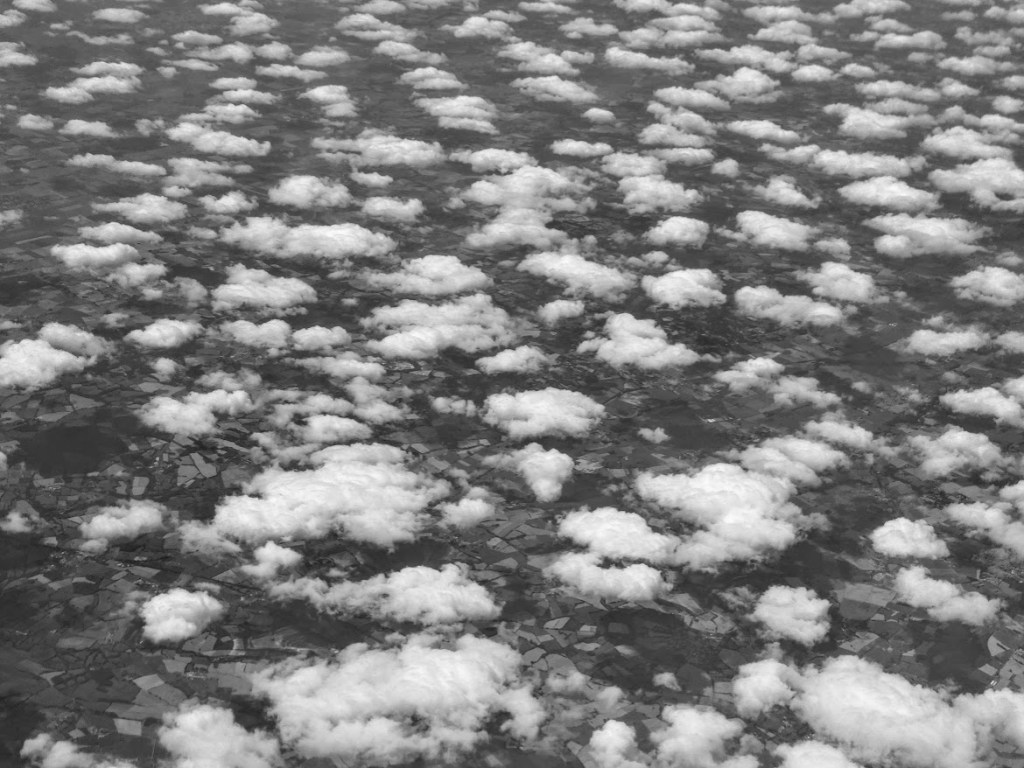
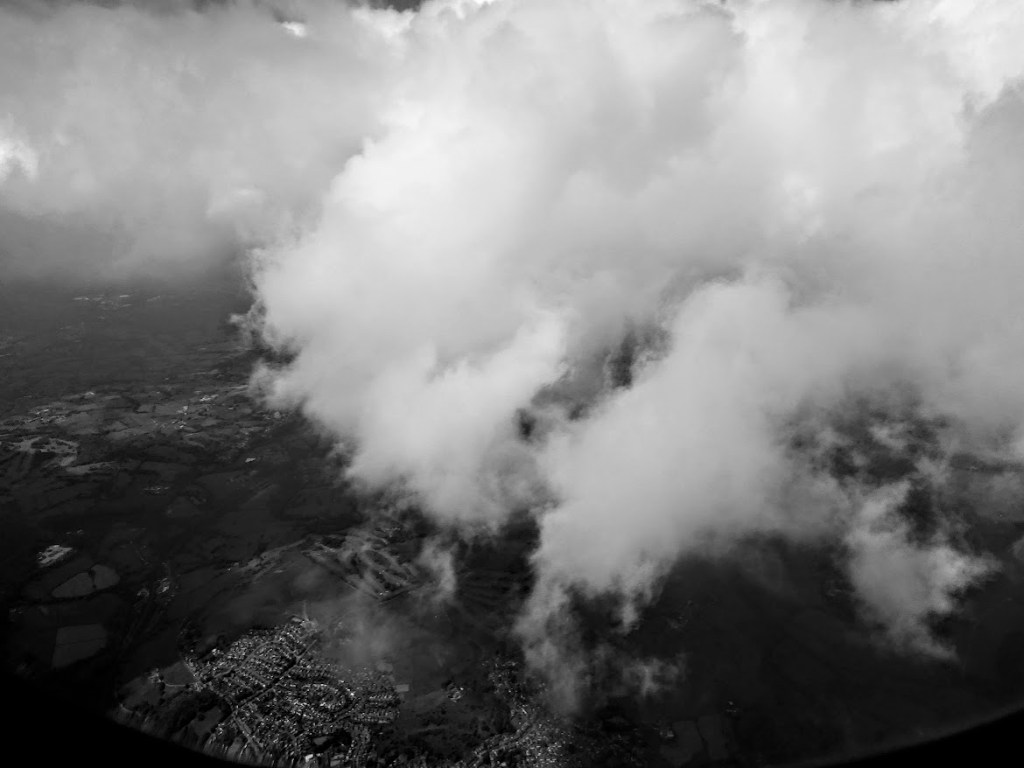
So let me whisk you to a day in June, when the plane transporting me from Barcelona to Leeds offered me a constantly changing cloudscape below me, with tantalising glimpses of beaches, landscapes and the Pyrenees, the Atlantic coast, and then crowded old England. The featured photo shows us just leaving Barcelona – hardly a cloud in the sky. And then …
Mist rather than cloud, to start with.The foothills of the PyreneesWell, who can tell?Cresting the Pyrennean peaksOver the French coast now…Here too.Still FranceNearly homeEven more nearly home.
Although generally a big fan of monochrome, on a grey day like this, I’m not sure I like these clouds and vistas in black and white. My memory of that summer day was of clear bright and optimistic colours. But needs must. This is for Monochrome Madness, and hosted this week by Brian, of Bushboy’s World.
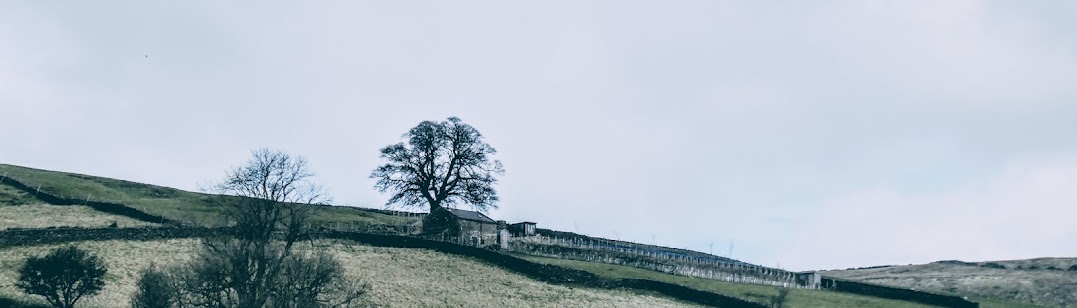
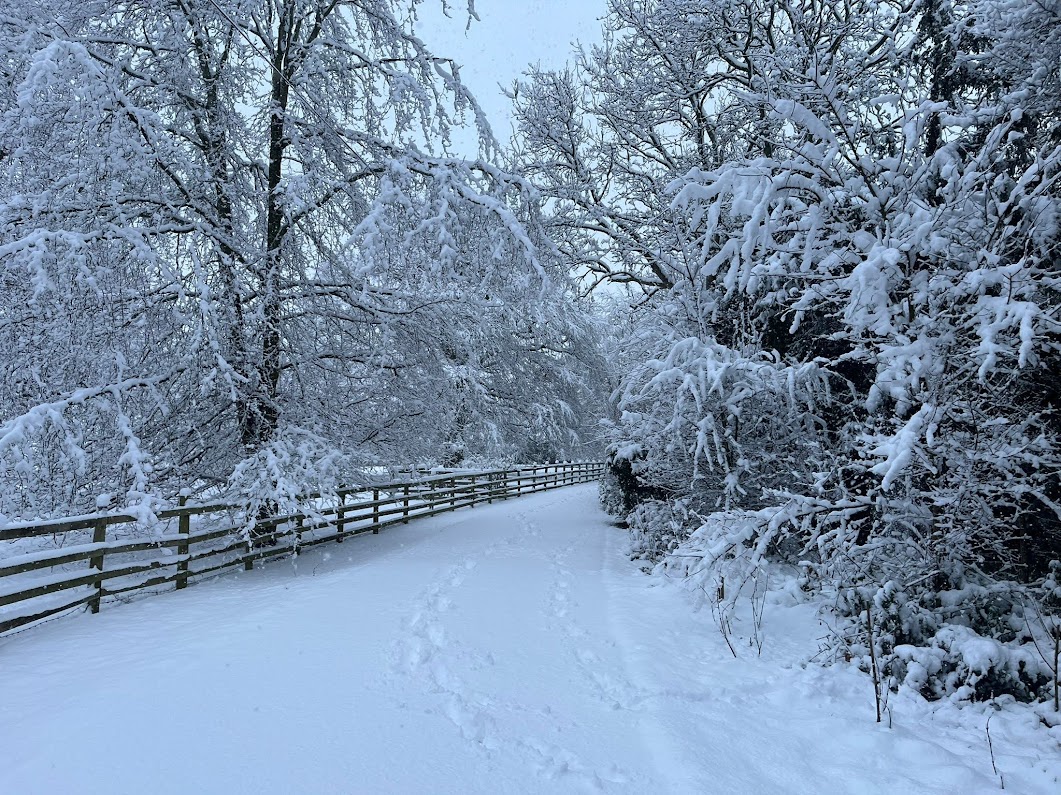
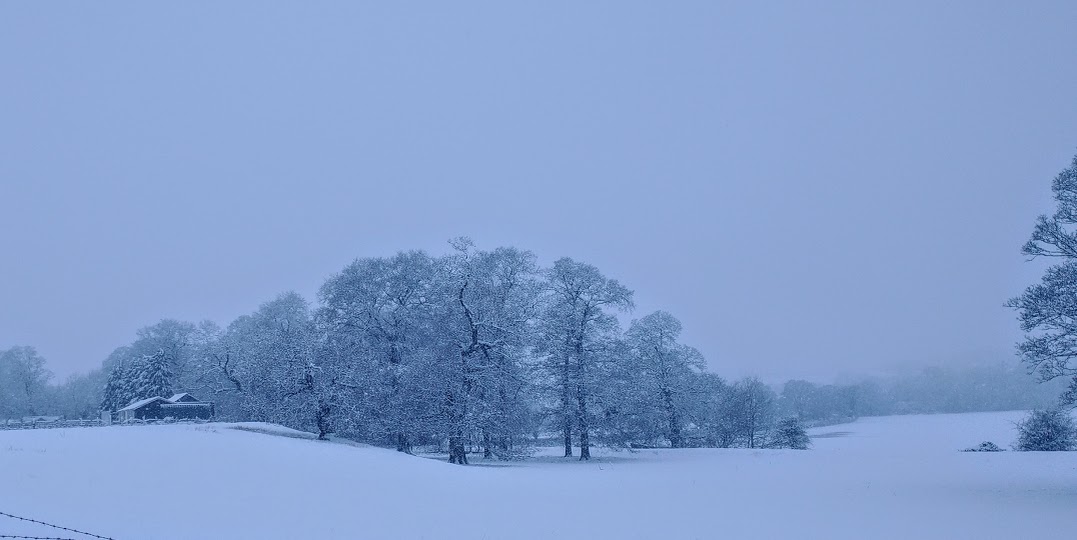
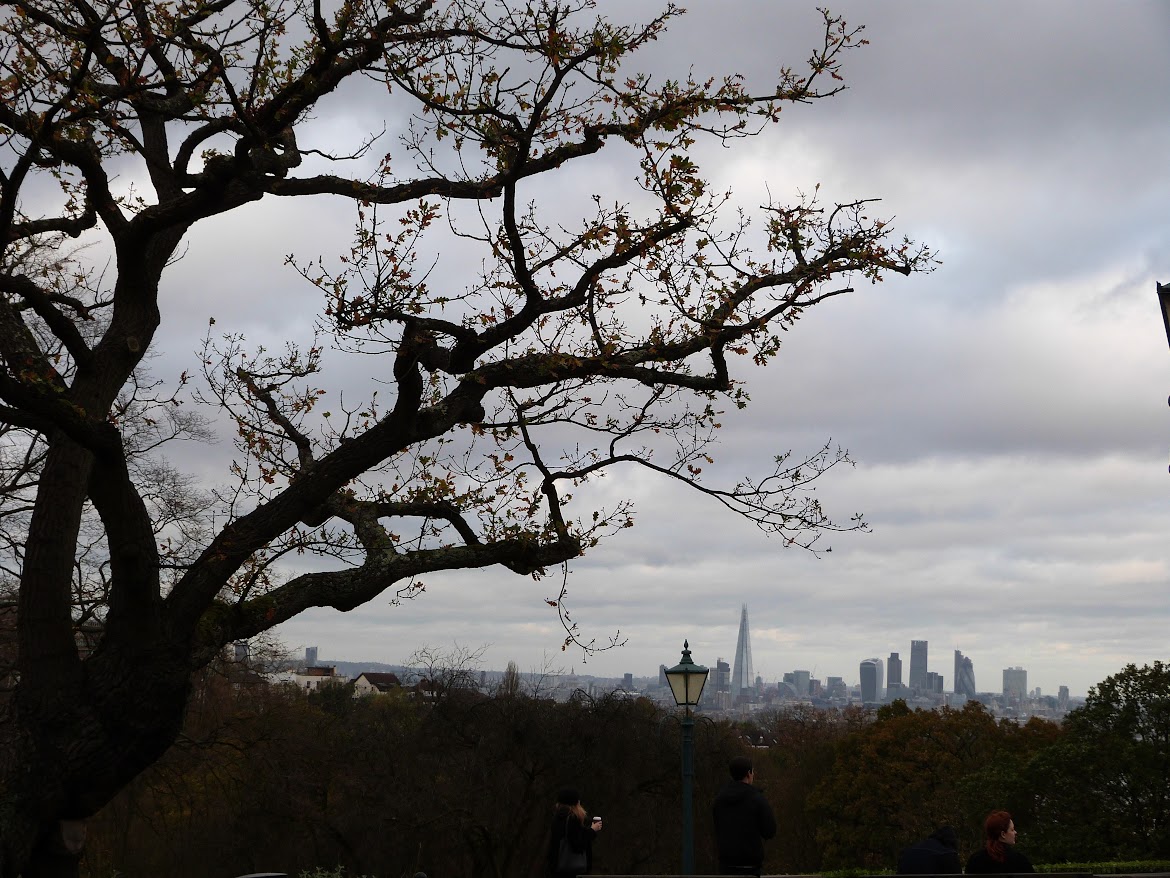
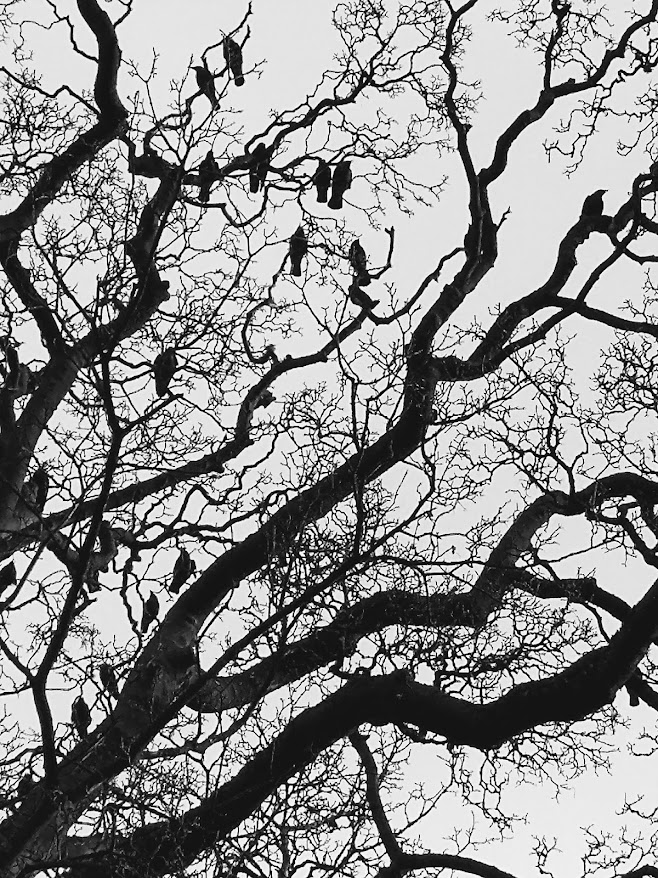
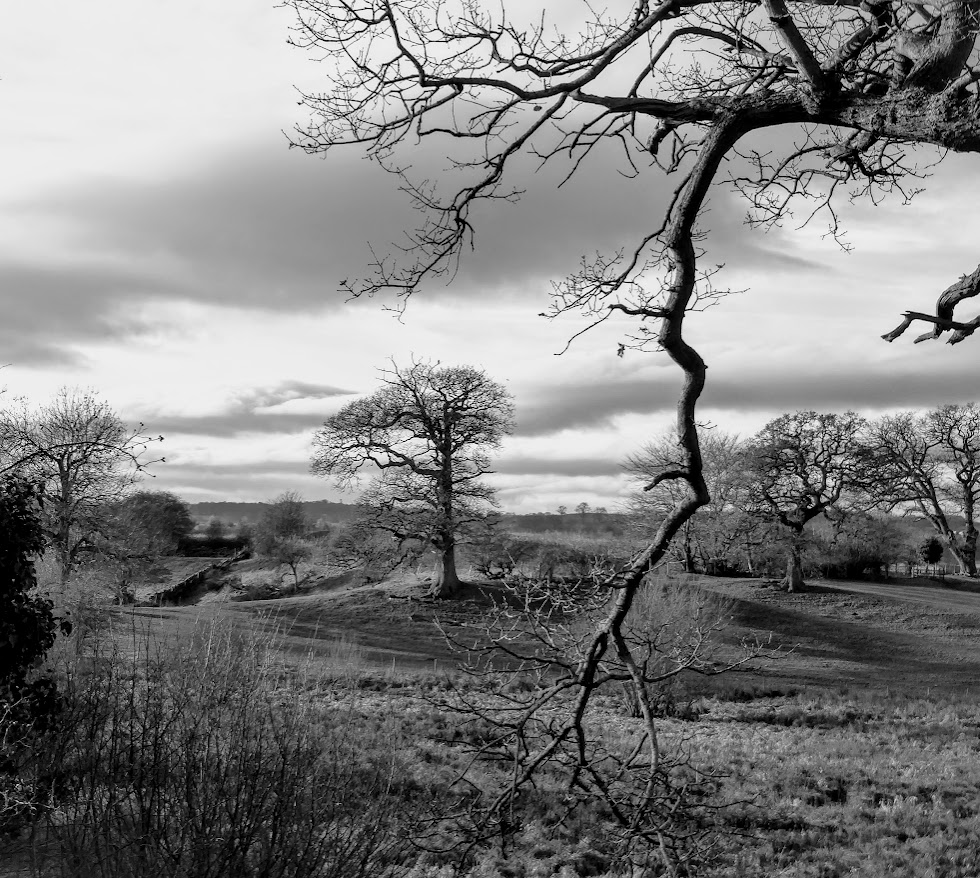
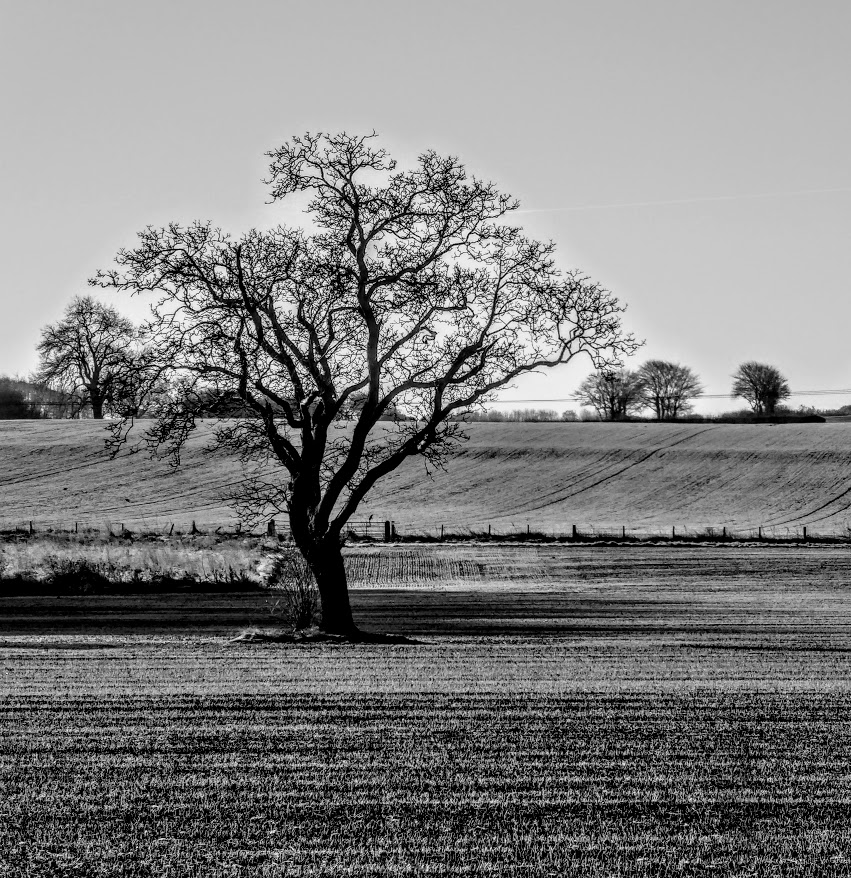
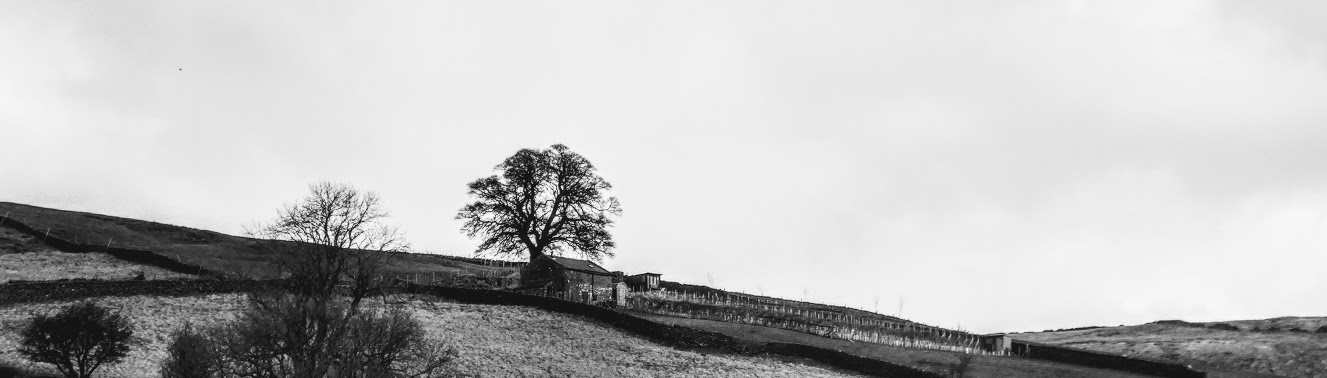
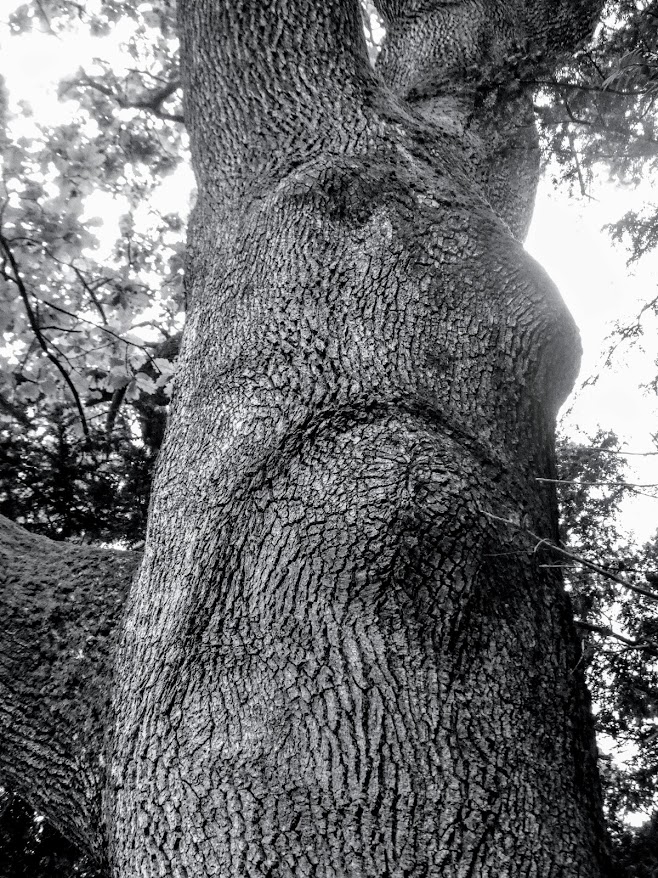
This week is perhaps the first one in which winter trees came into their own here in North Yorkshire. Recent high winds have snatched the very last scraggy leaves from their boughs, and now their austere skeletons are revealed in all their – often handsome – characterfulness. Here’s a small selection for Leanne’s Monochrome Madness. The header image, taken in Horniman Gardens, Forest Hill is not a true monochrome, but I’ve left it just as it is, to remind us that winter days – in London especially – can be black and white indeed. It’s the only image here not from North Yorkshire, or as we might call it today, The Frozen North.

















 From Pyrenees to Pennines
You must be logged in to post a comment.