I have thought hard about how to respond to Egidio’s Lens-Artists Challenge: Serenity. This word always calls to mind an early evening I spent, content and alone, in l’Albufera lagoon, near Valencia. The utter peace and serenity it delivered has provided me with material for several posts, including this one.
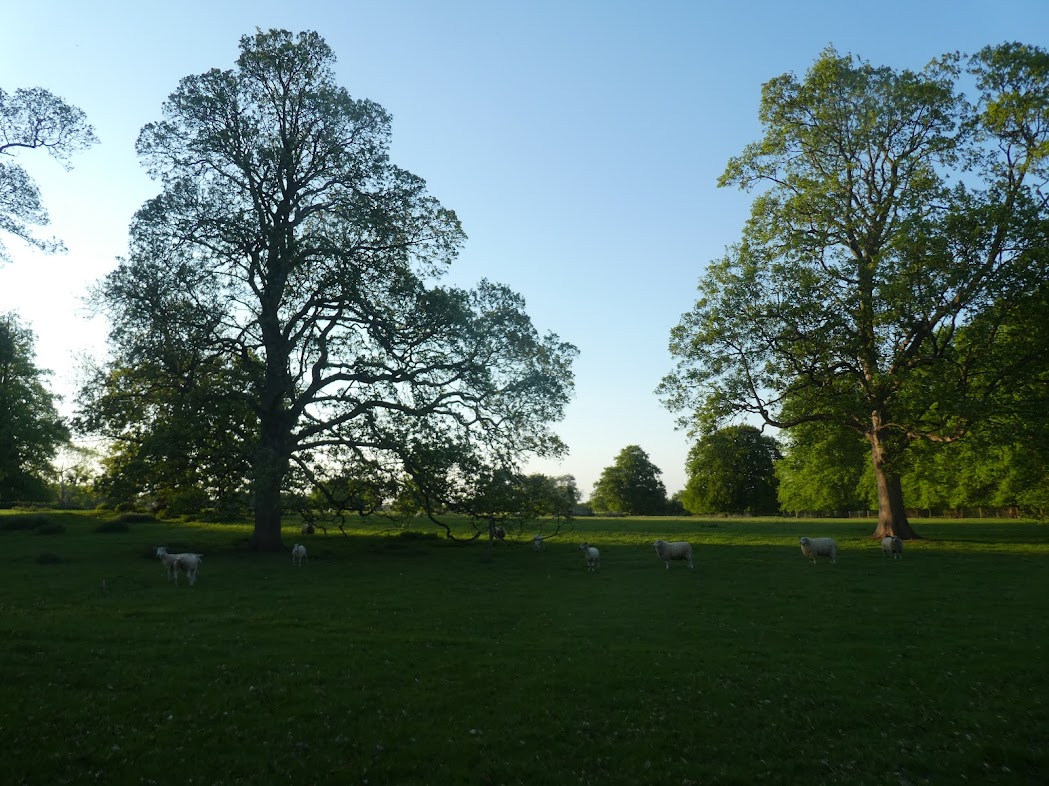
So my serenity this time will be more humdrum, more local, but restorative too. It’s a local walk I take at any time of day. The other day it was an evening walk, not long before sunset. I had only sheep for company.
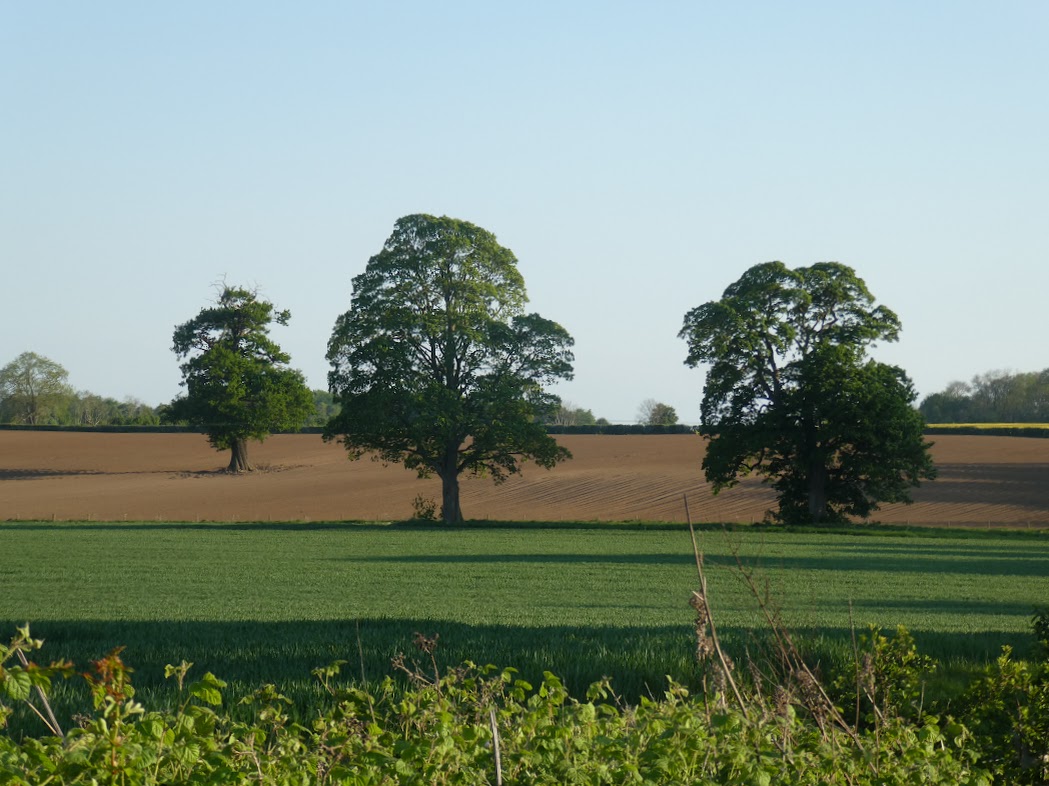
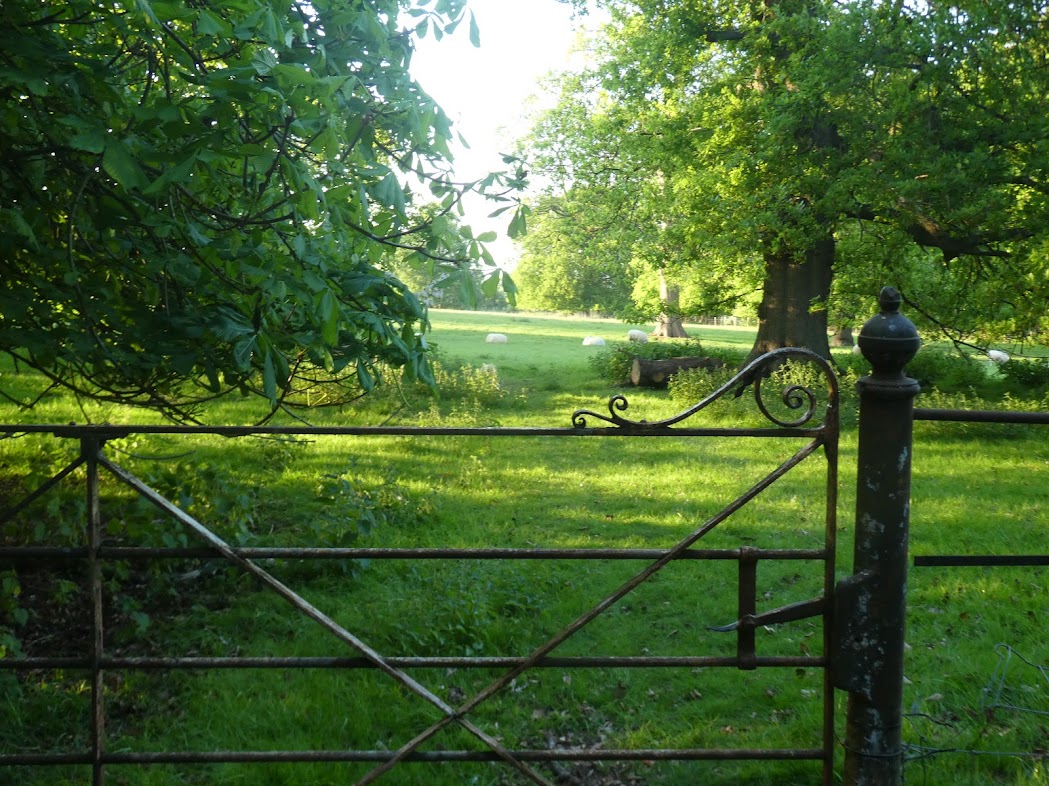
It’s a very domestic sort of walk, and under three miles long. Along a quiet lane; across sheep pasture; the grounds of a spacious country estate; fields of crops; and then, turning homewards along a different path, the River Ure; and finally a stretch of woodland .. and home. Varied enough to be quietly interesting as I enjoy the changing seasons, but with positively no drama.
On May morning, I got up at 4.30, to celebrate daybreak, sunrise and the dawn chorus. Here is the bench I found almost at the end of my walk.
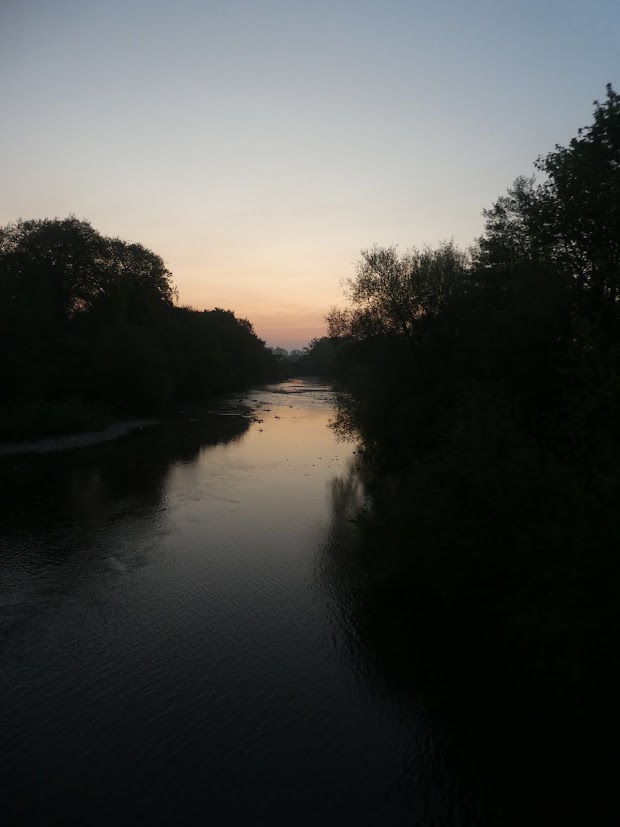
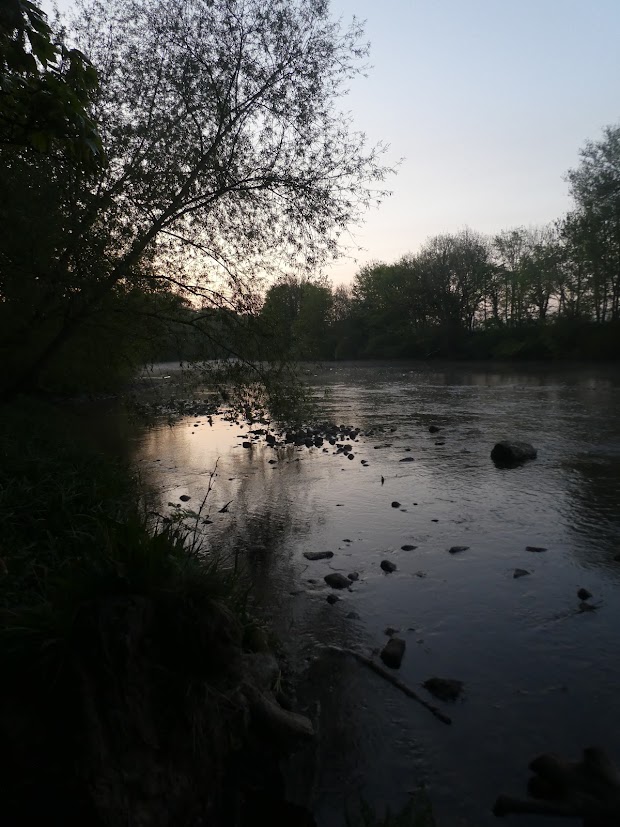
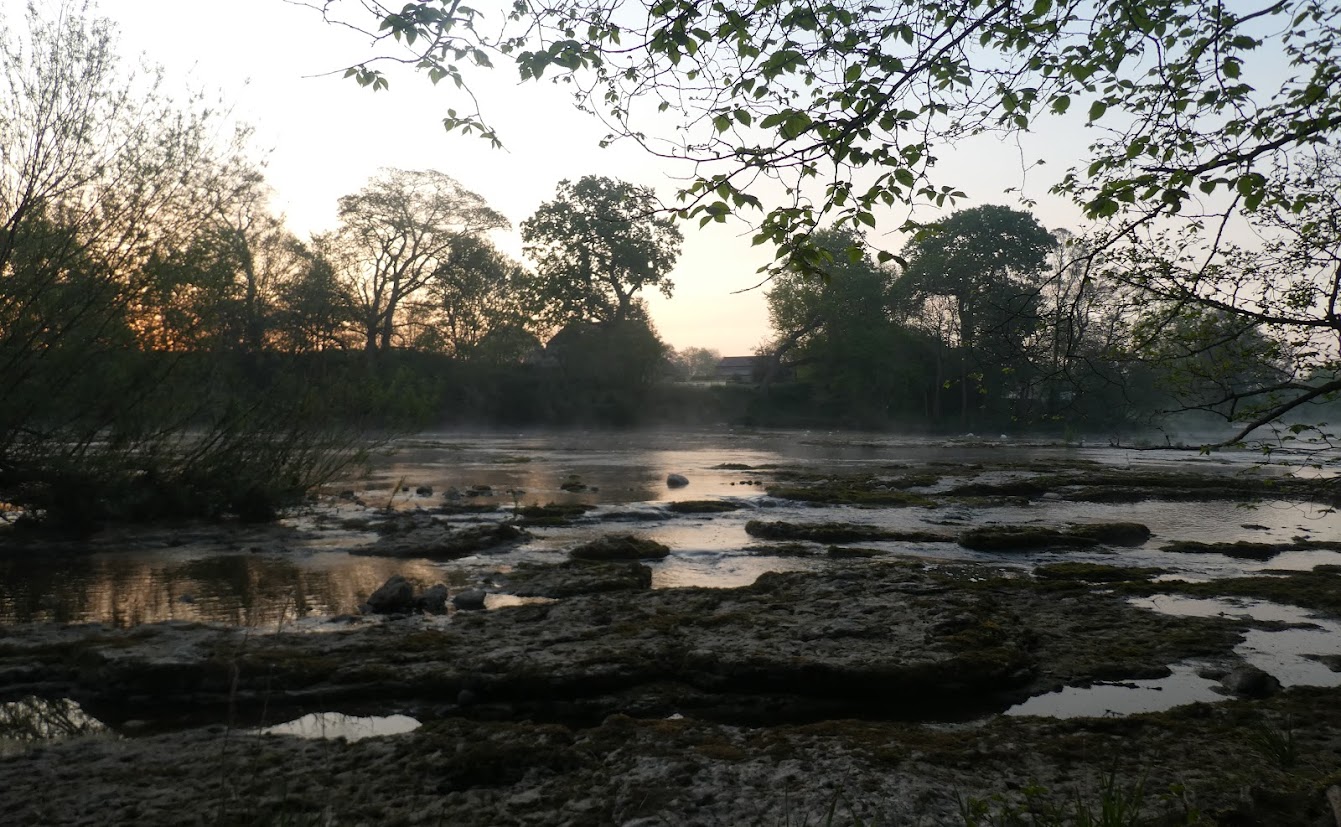
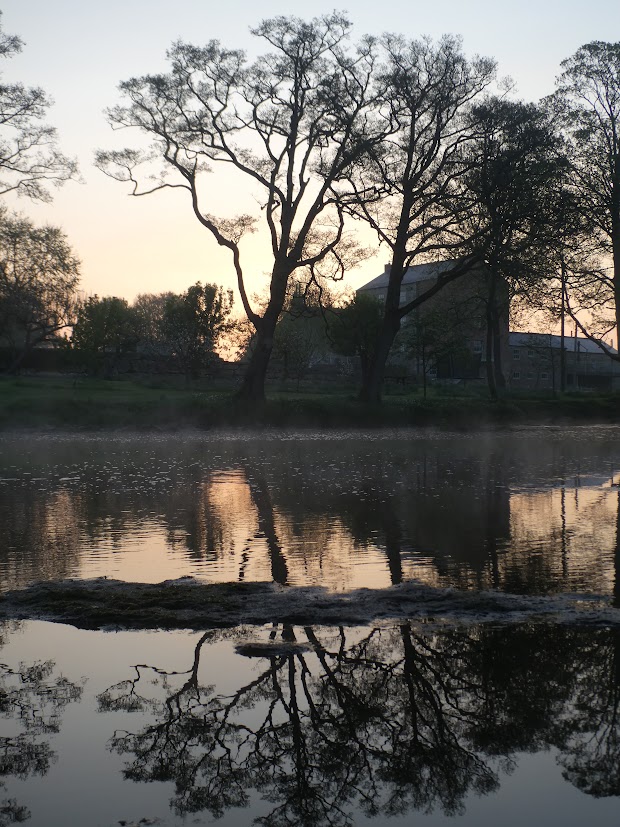
And here is the story of my walk, from my home in North Stainley to the next village along, West Tanfield: then back along the River Ure – in pictures.
I rather enjoyed re-visiting India via my blog the other week. So I went and dug out the diary I faithfully kept. The events it describes have never yet seen the light of day. For the first ten days I was with the group of people my ex-brother-in-law had put together, to explore aspects of rural Indian life, focussing on small producers working in traditional and organic ways. We had no internet access during that period.
I’ve decided to share my diary with you. This will take several Fridays. I’m pleased that I kept such a detailed record of a piece of personal history, and of a country I’d never visited. I wonder how dated this account would seem to the current traveller?
Moving on to Cicada Kabini
Saturday 17 th November.
Early to rise. I’m on the water tower, where I’ve been watching the sun rise from 5.45 a.m. I even heard the whistling thrush.
By the way, they eat so well here, and nobody is overweight.
From 6.30 a.m.: coffee and tea, and bananas and fruit to ‘put you on’ if you need it.
10.00 a.m.: cooked breakfast.
1.00 p.m.: ‘light lunch’ (cooked)
5.30 p.m.: tea – masses of fruit and a few snacks – biscuits and savouries like Bombay mix.
9.00 p.m.: dinner: big cooked meal.
Breakfast and lunch is served to 40 – 50 people, dinner to the core ‘family’ and whoever is staying. Unsurprisingly, there is a team of women cooking all day.
And then – what a morning! We left before breakfast of course, so we had that en route. Parathas, roti, all kinds of puffed breads served with various dishes of vegetables. Great stuff!
Then Prince, under instructions from Supi took us to a textile shop so I could choose several plain lunghis to be made up by a tailor in Mysore into salwar kameez. Ch and C joined in the fun.
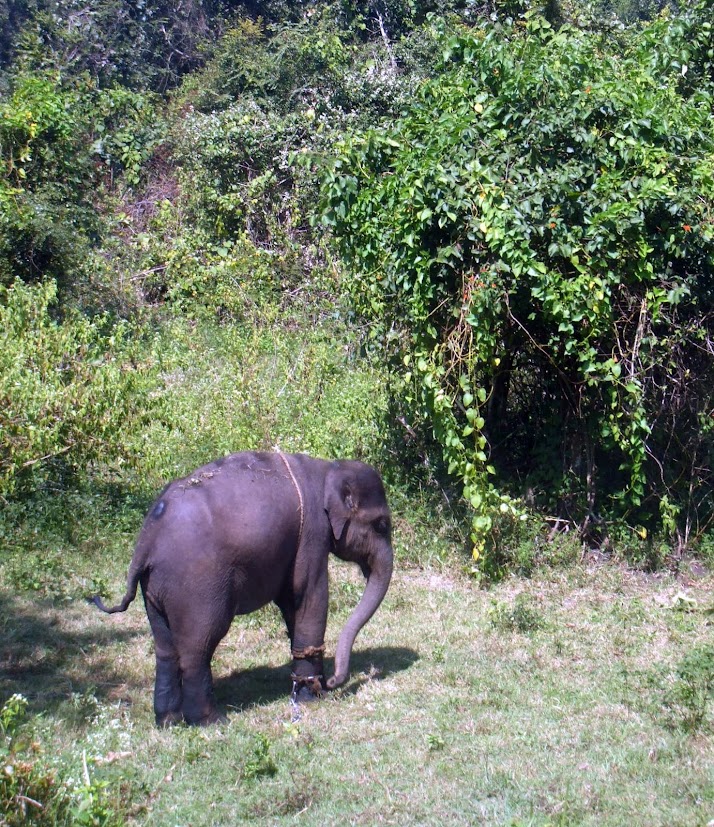
Then the journey! Wow! Even 4 x 4s might find it a challenge in what passes for roads in the National Park. We could perhaps have walked more smoothly. But it was fun, even though we didn’t see all the wildlife we hoped for, Two wild peacocks, spotted deer, two elephants – not wild.
Elephant spotted on the way to Kabini
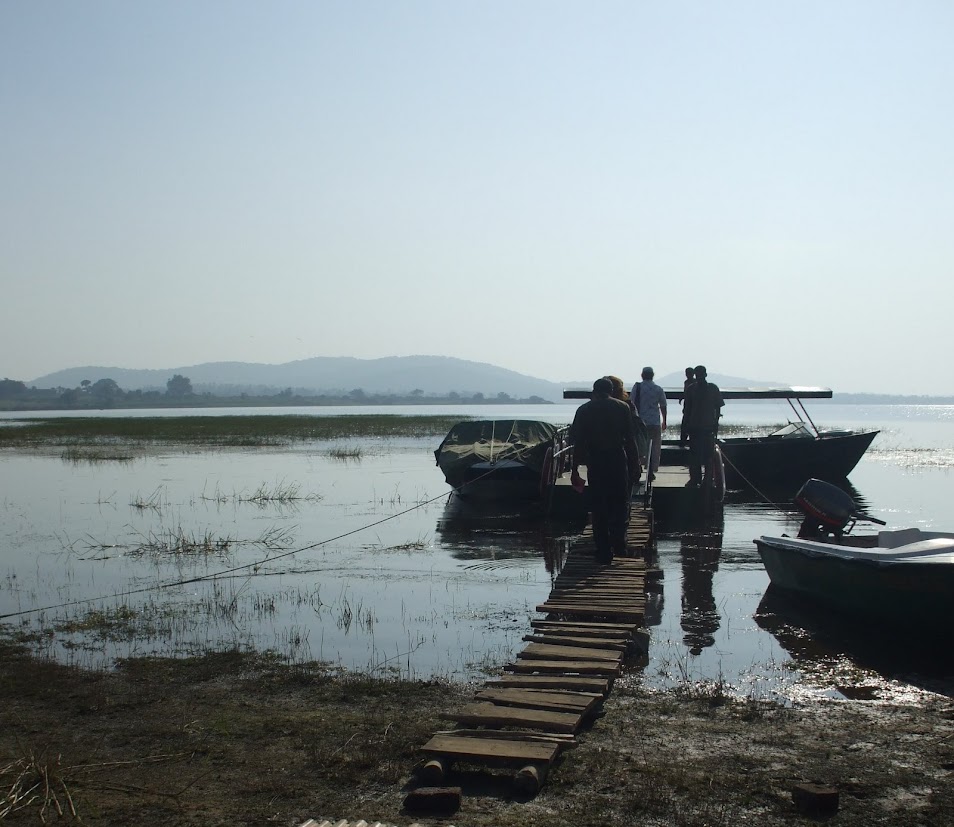
Checking into Cicada Kabini was a rude culture shock: a sort of Centre Parcs for the Indian middle classes. Staff all in Securicor type uniform, & individual chalets all around the stunningly beautiful River Kabini, which looks like a lake at this point, it is so wide. But eco it isn’t. Nescafe in all the rooms, jacuzzis and all the trimmings we had become unused to.
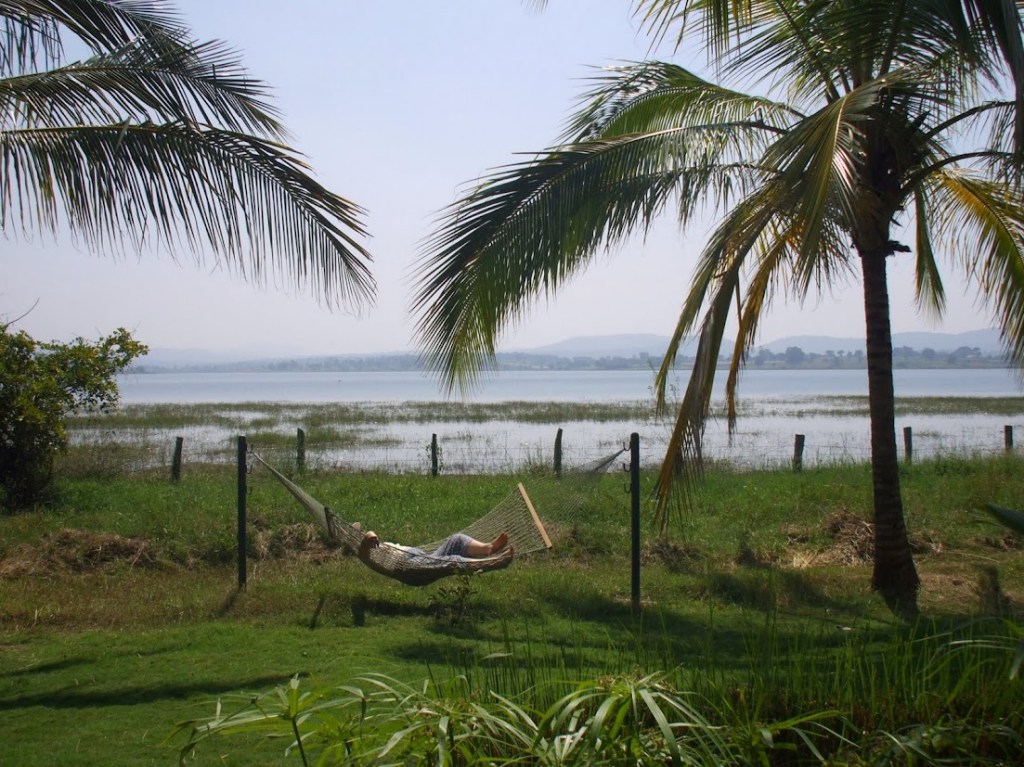
Outside our bungalow
The afternoon though brought with it a boat safari. We nearly all went, with a few other guests, and we set off in the noisiest motor boat ever, frightening off any wildlife for miles. But the bird life was stunning! From things we all knew about already, such as cormorants, to the gorgeous Brahminy kite (brilliant glossy chestnut apart from a pure white head, and five – FIVE – kingfishers, some of them Indian varieties.
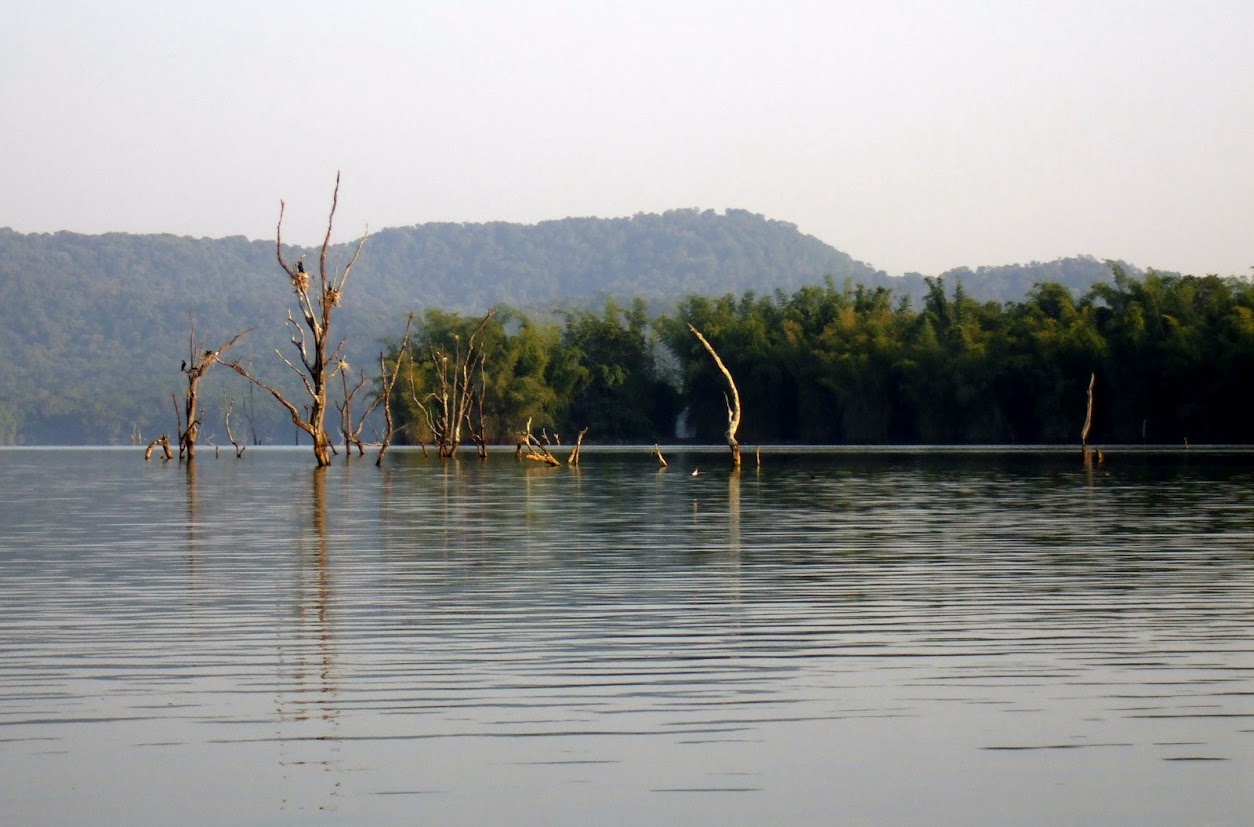
Many of the birds roosted, hunted or nested in the skeletal dead trees in the water: lots of ‘Kodak moments’, as M would put it (on the whole, my camera wasn’t up to the job).
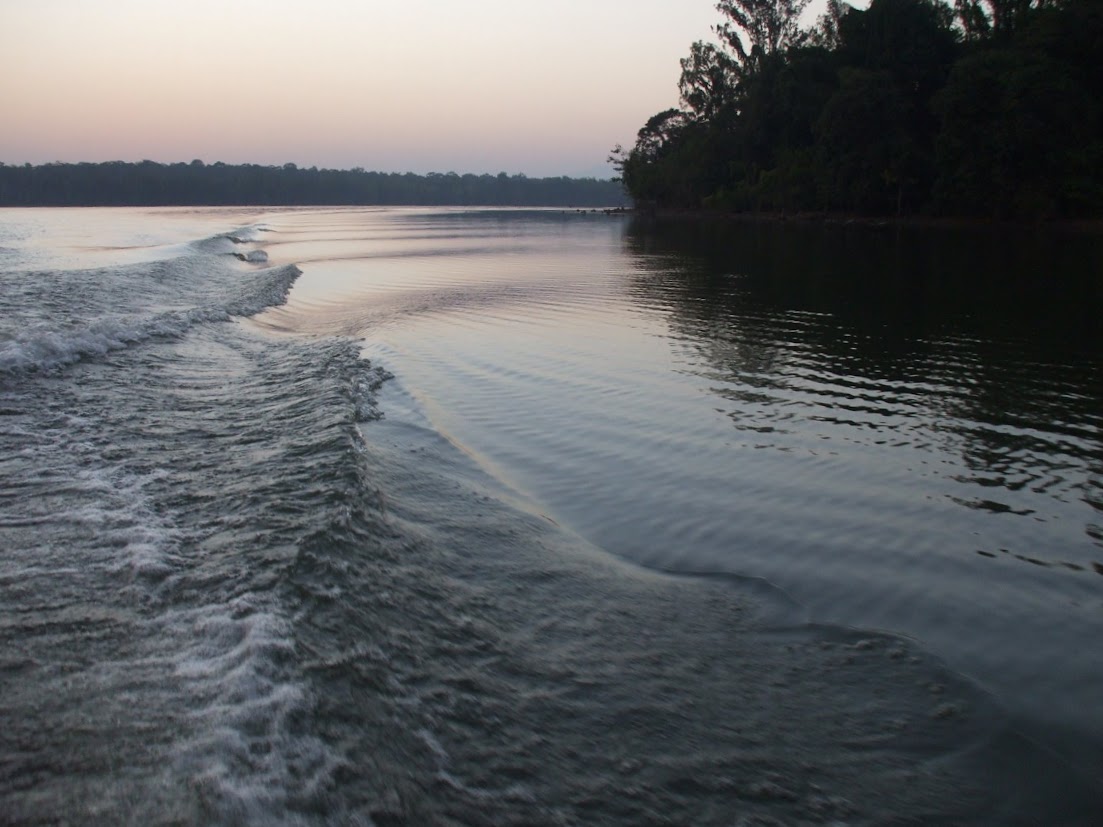
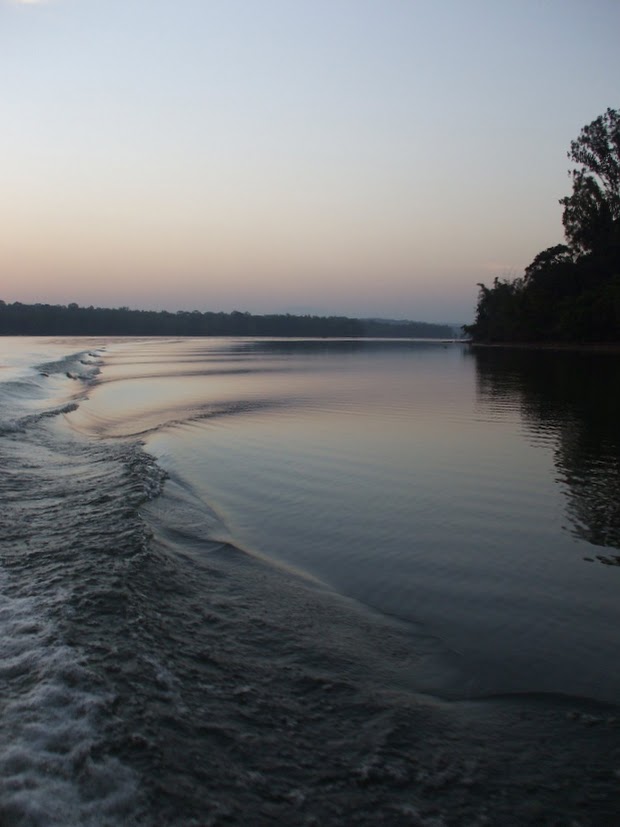
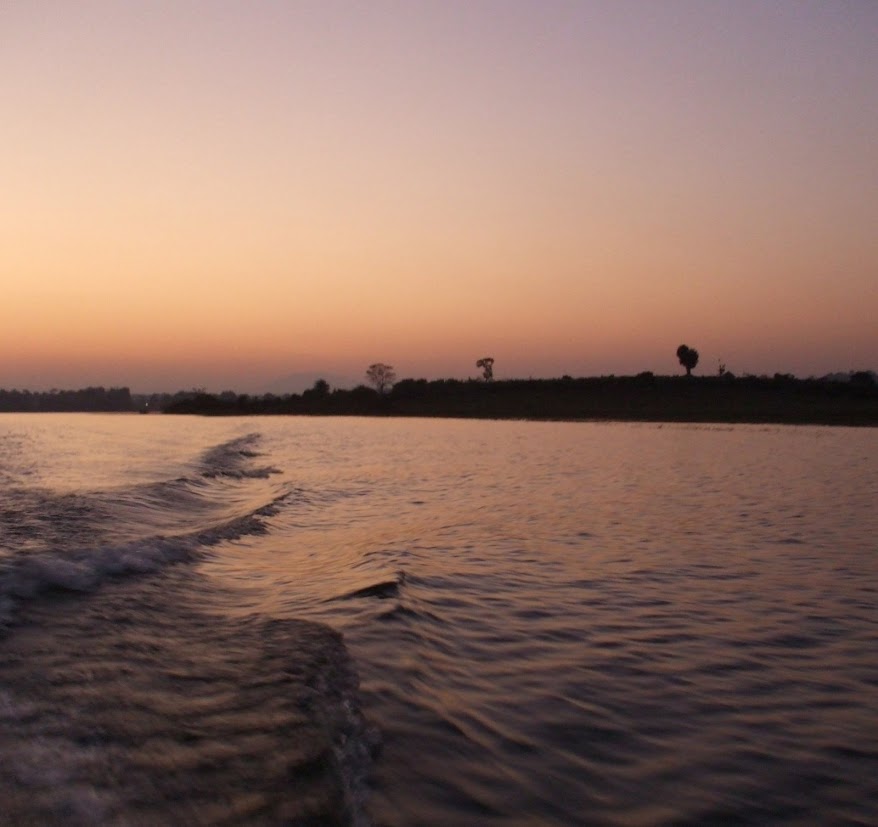
Not so many animals though. An elephant silhouette distantly glimpsed drinking on the shore, some wild boar, spotted deer, and positively no crocodiles, as virtually promised. Coming home, a truly wonderful sunset.
Then dinner (the food is very good here) and an early night all round. I decided, as did most of the others, not to do the Jeep safari early next morning, with a wake up call at 5.45….
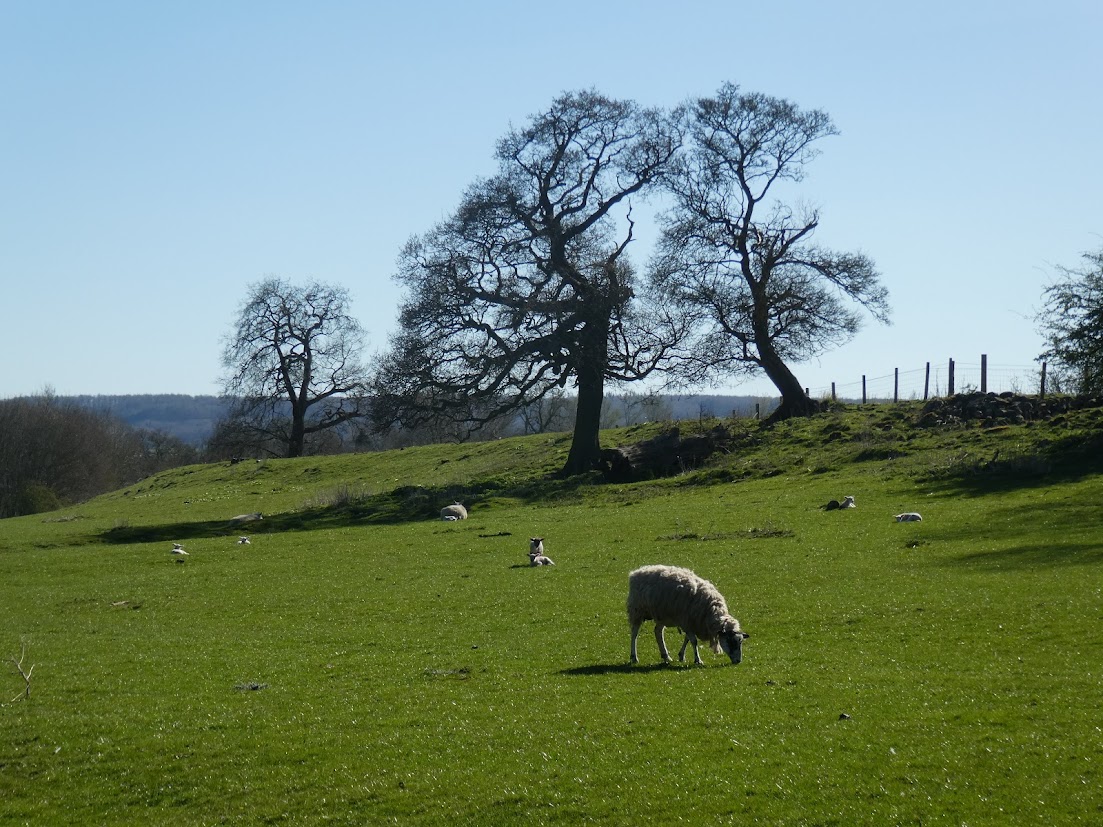
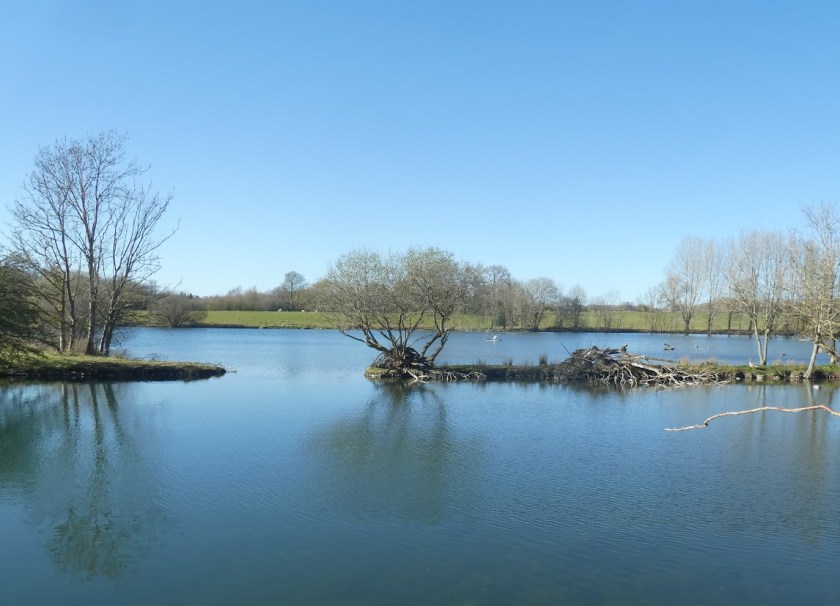
Sunday afternoon. Sunny, warm, breezy. Just the time for a bike ride (‘im Indoors) or a solo walk (me). Marfield Wetlands suited us both as a starting point, though we went our separate ways after that. These reclaimed gravel pits, scattered with ponds, just by the River Ure are at their busiest in the autumn and winter months as a stopping off point for migrating water birds. Less variety here just now. But blue skies, blue waters greeted me: plenty of geese – Greylag, Canada and Barnacle, the odd cormorant and swan, and beyond, oystercatchers hectoring me from above, and more tuneful skylarks.
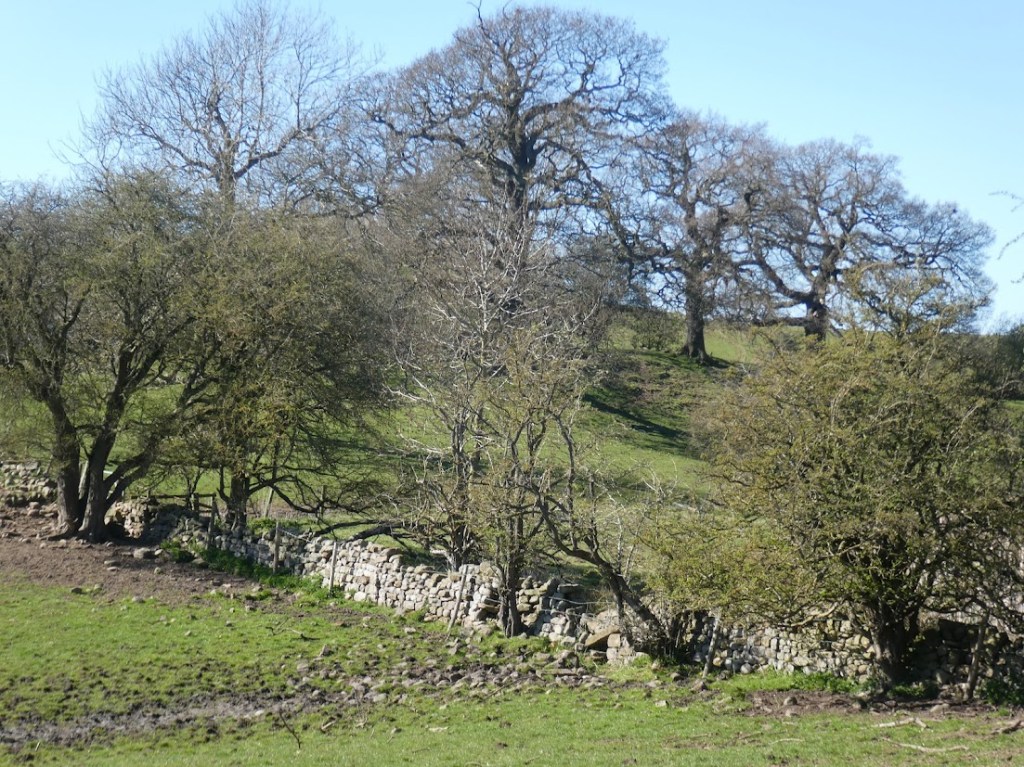
A walk along a brookside, then farmland with drystone walls.
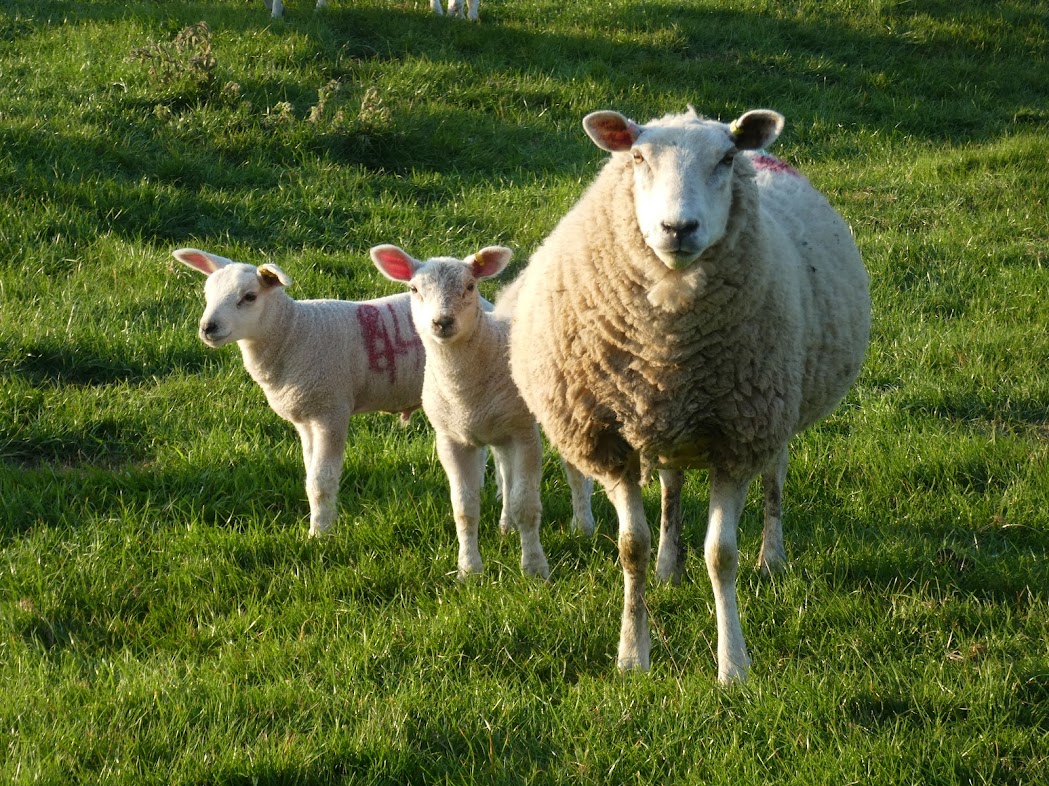
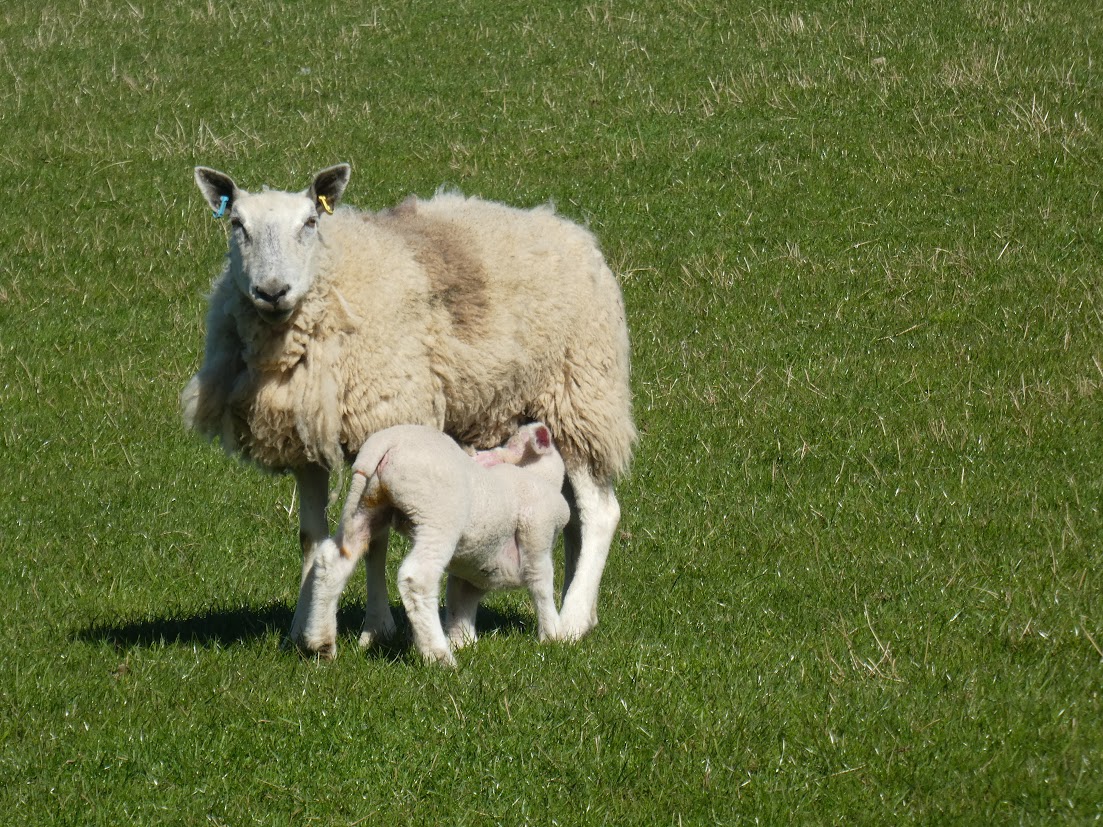
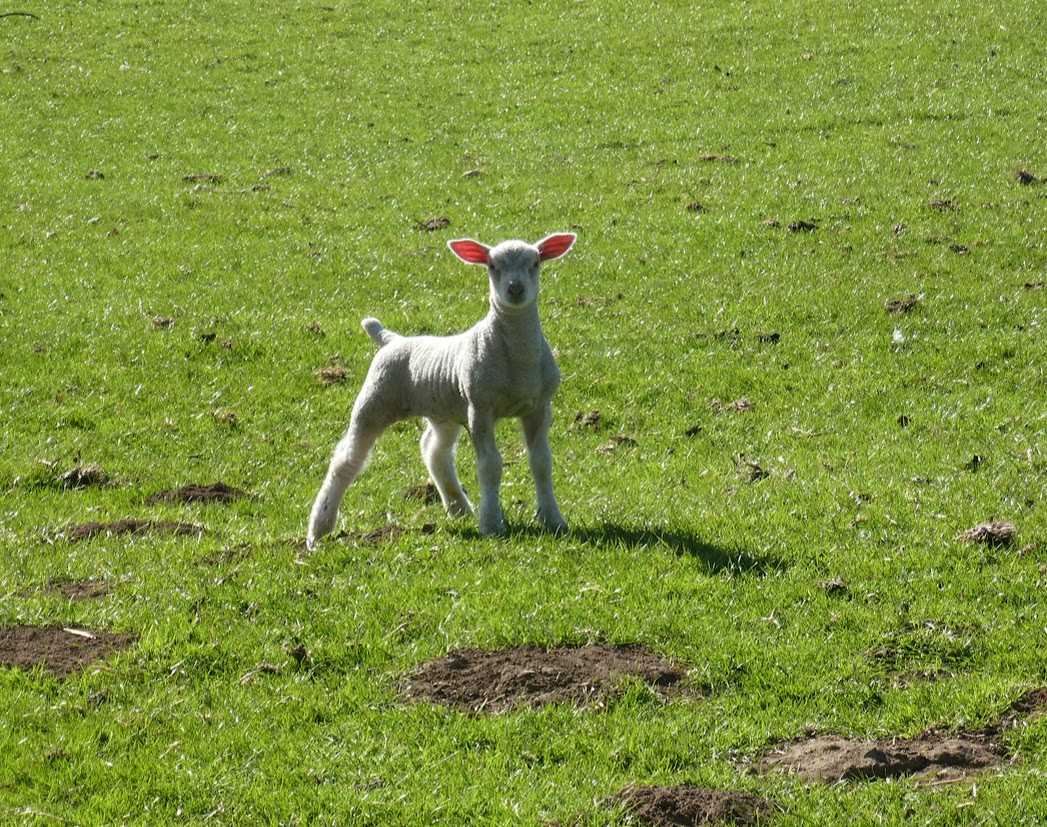
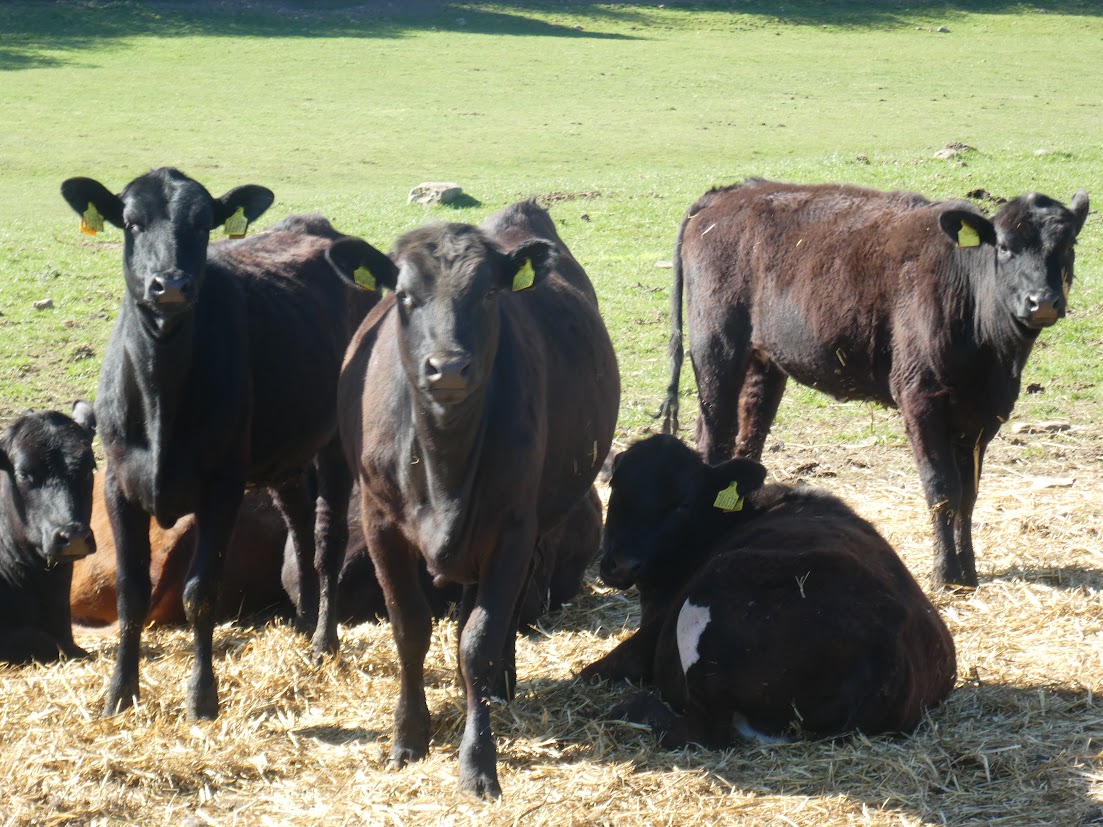
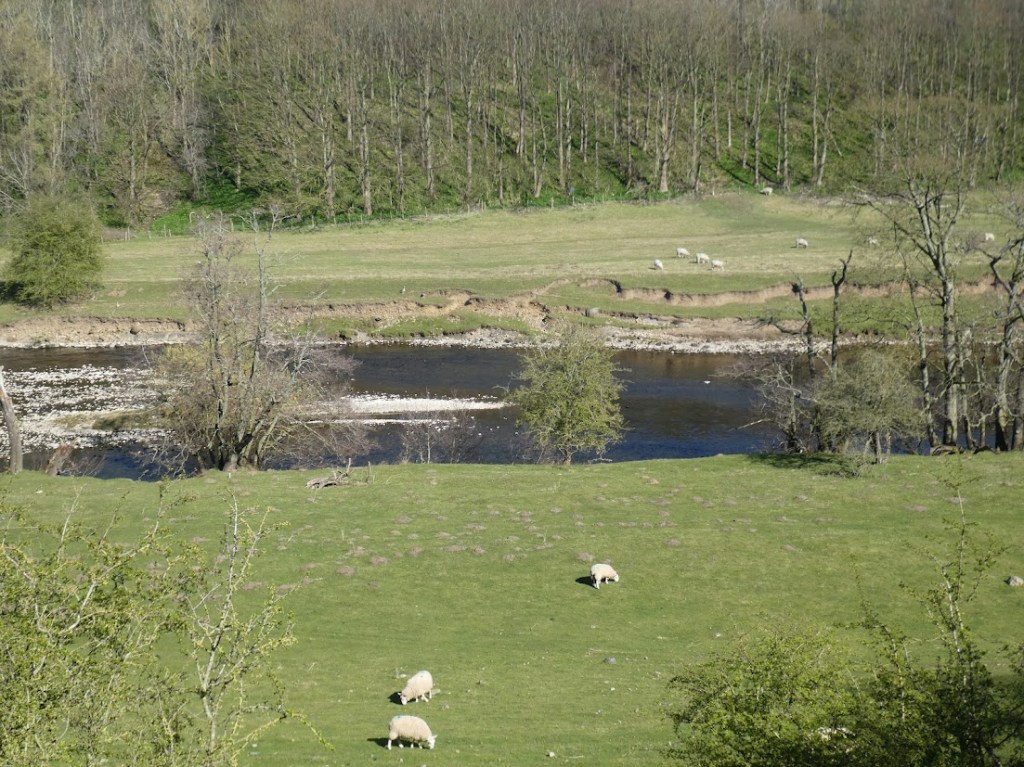
Here are young cattle; sheep with their now-skittish lambs.
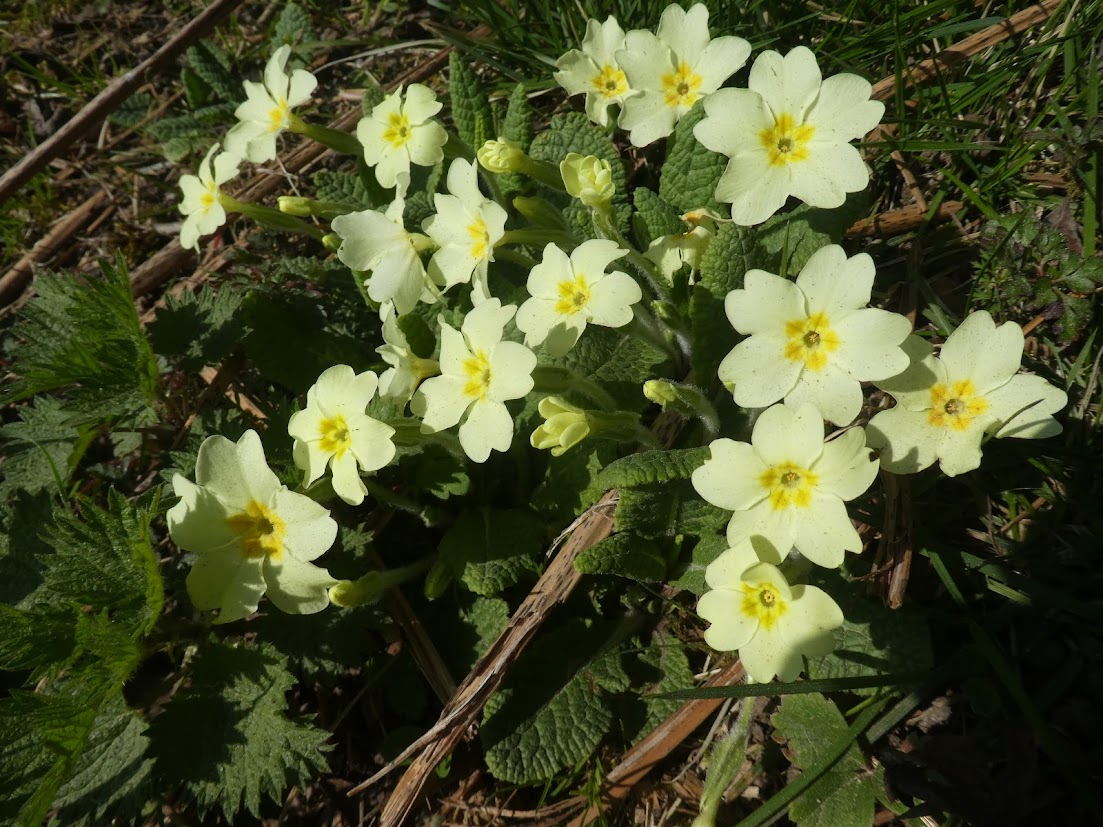
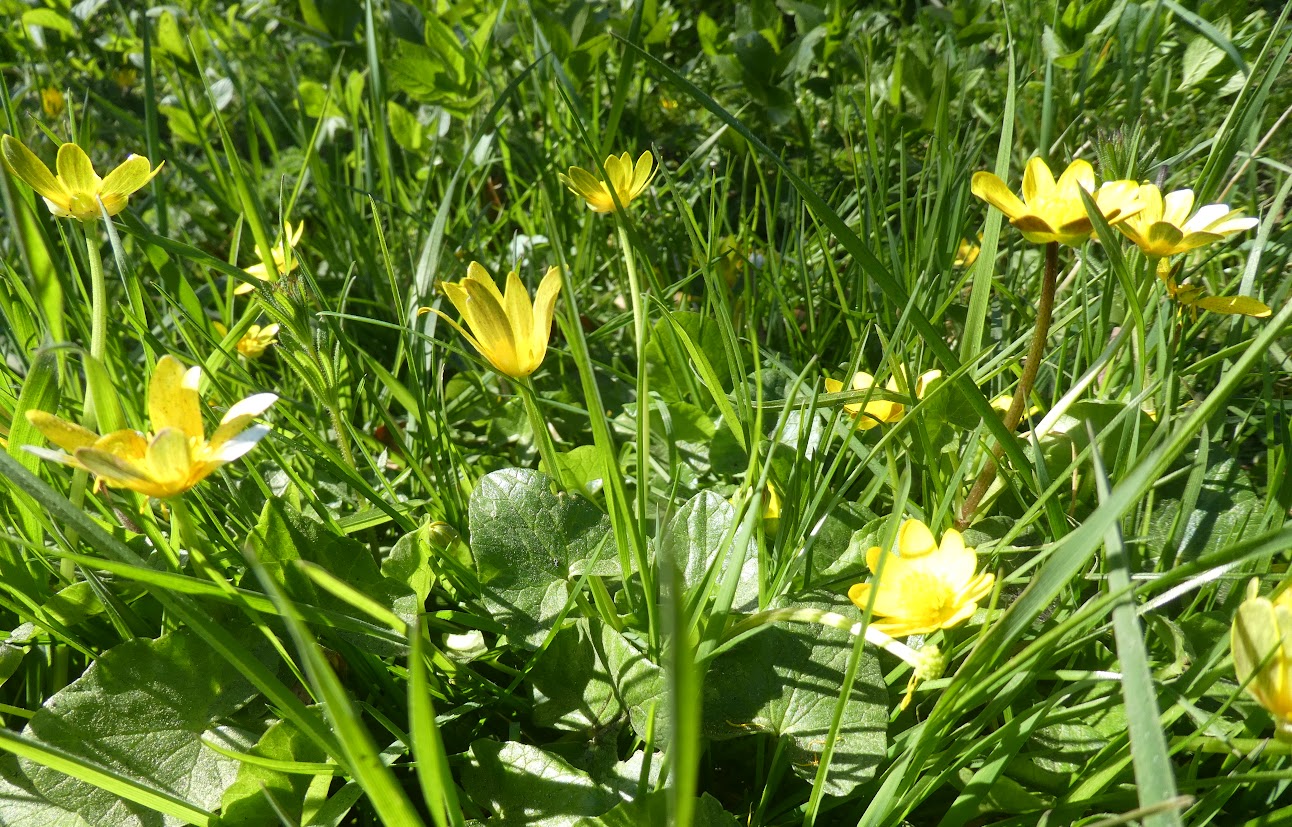
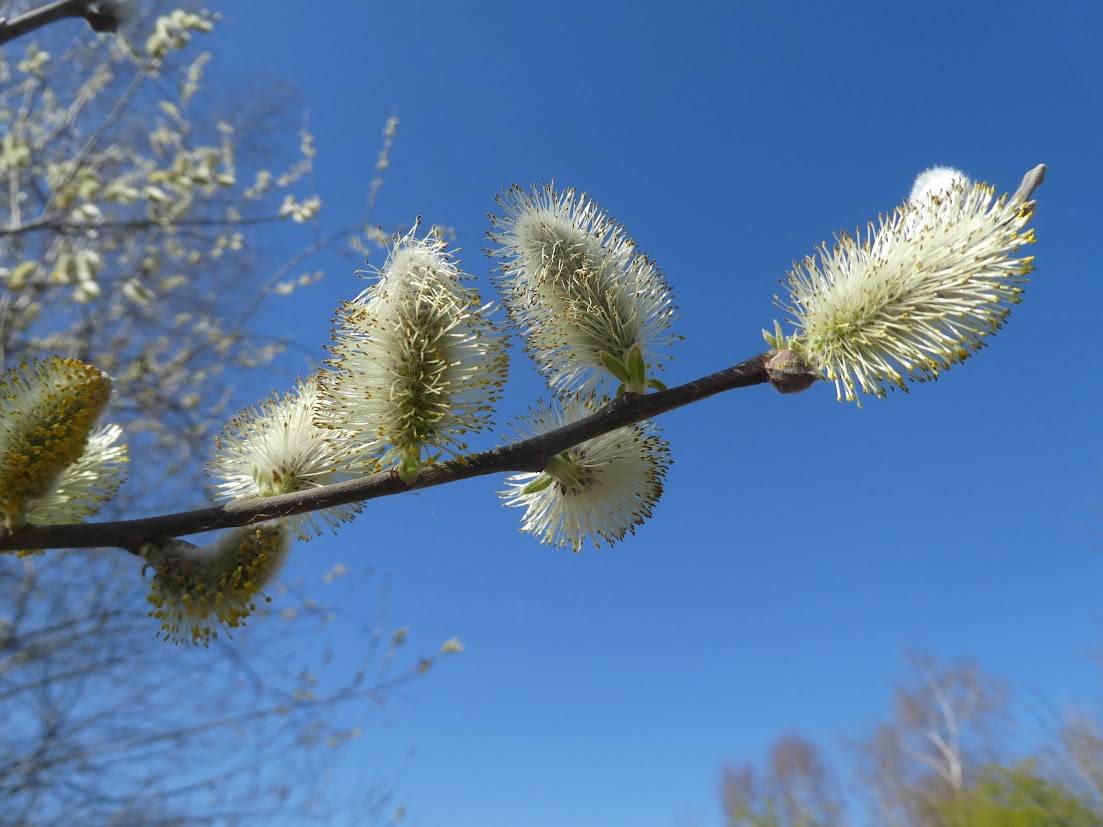
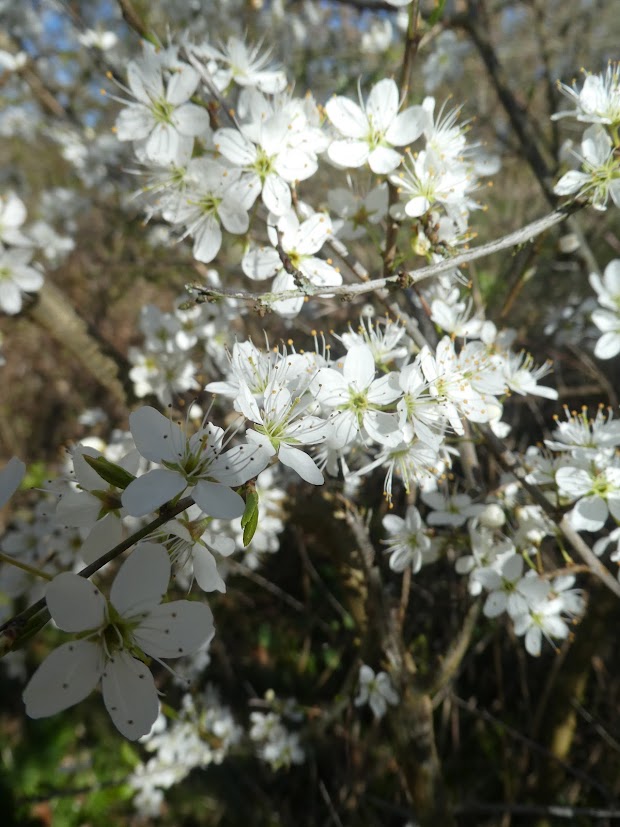
Primroses, celandines, willow catkins dusted with yellow pollen, blackthorn blossom.
Turn right through a field of cows, and reach the river banks, high above the river itself at first.
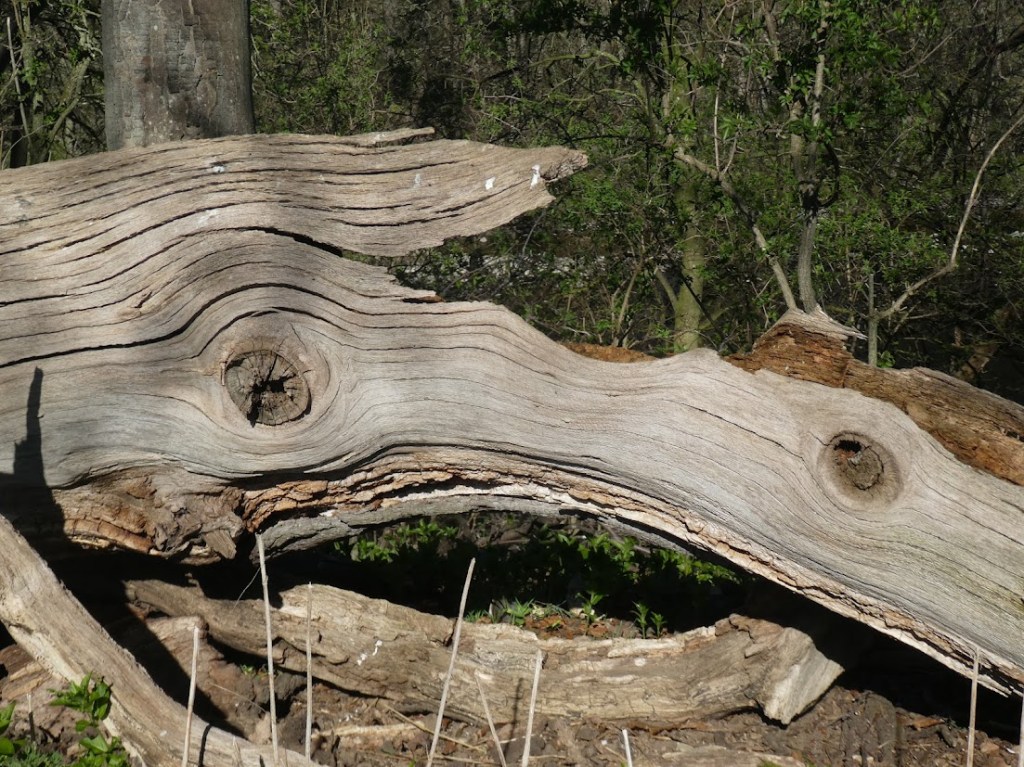
Right again, through pastureland with characterful trees, woodland, always with the river, sometimes still, sometimes chattering and clattering its way over its stony pathway.
Touch into the edge of Masham, then more fields with open views and here I am. back at Marland Wetlands again. Only four miles, but enough to send me home refreshed and content.
Here in the UK, we know a lot about clouds. And at this time of year, we know a lot about grey clouds. Looking out of the window just now yields an unending vista of smoky grey, darkening over Mickley way to gunmetal and slate. No cotton-wool puffs of cumulus for us.
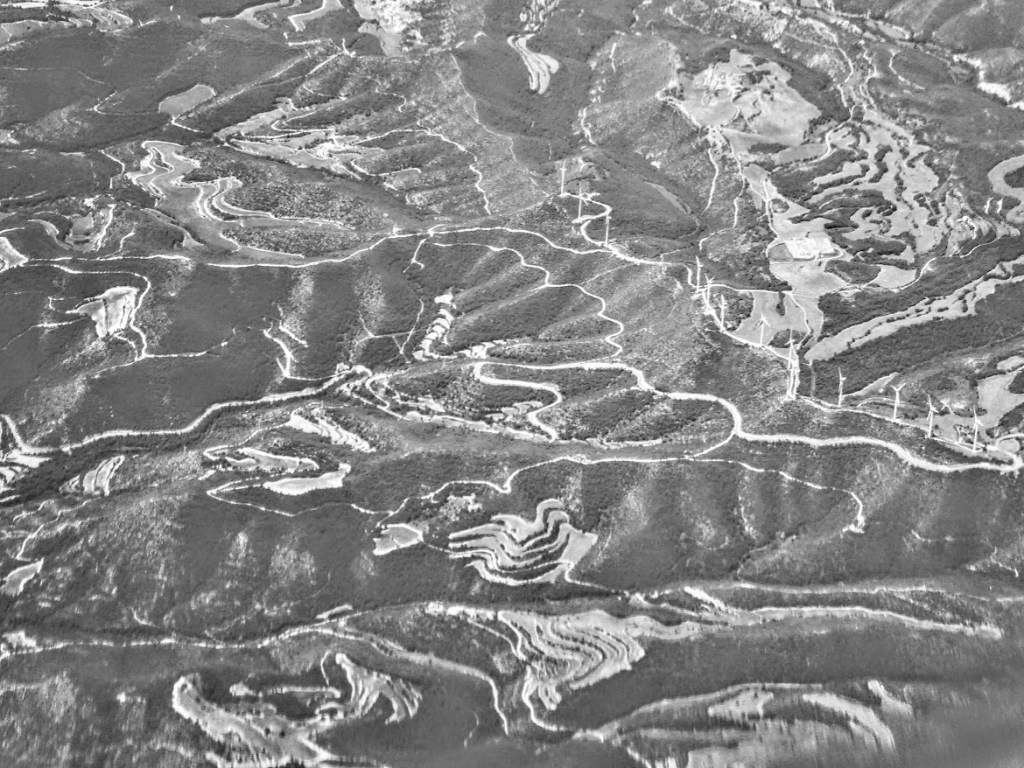
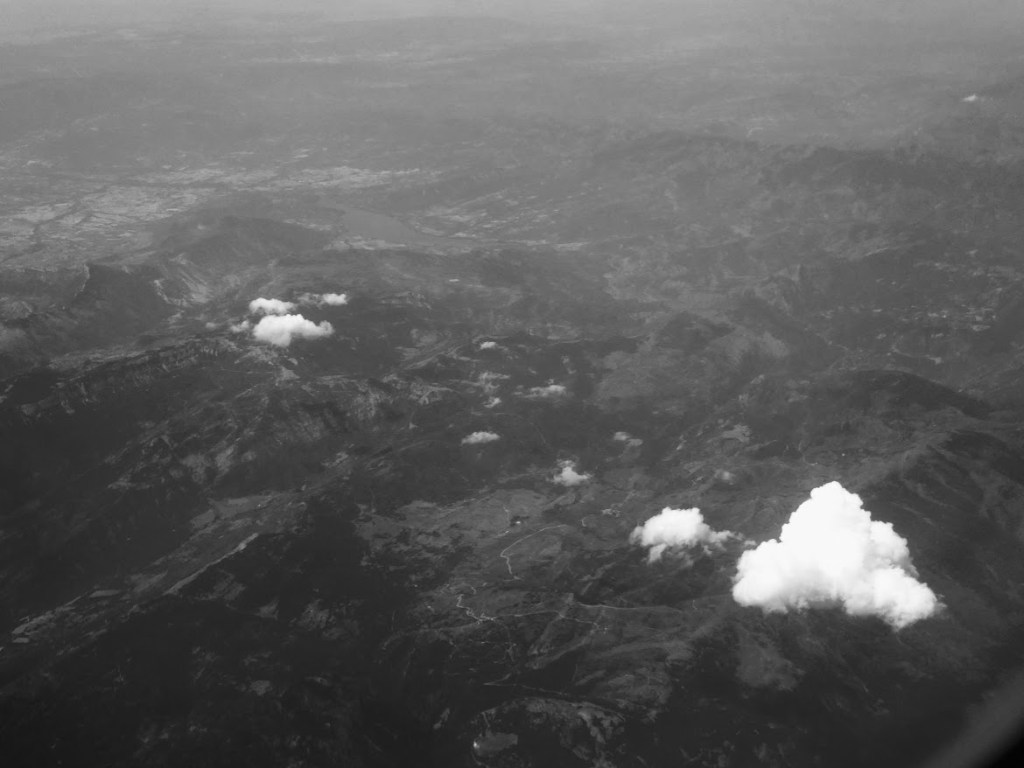
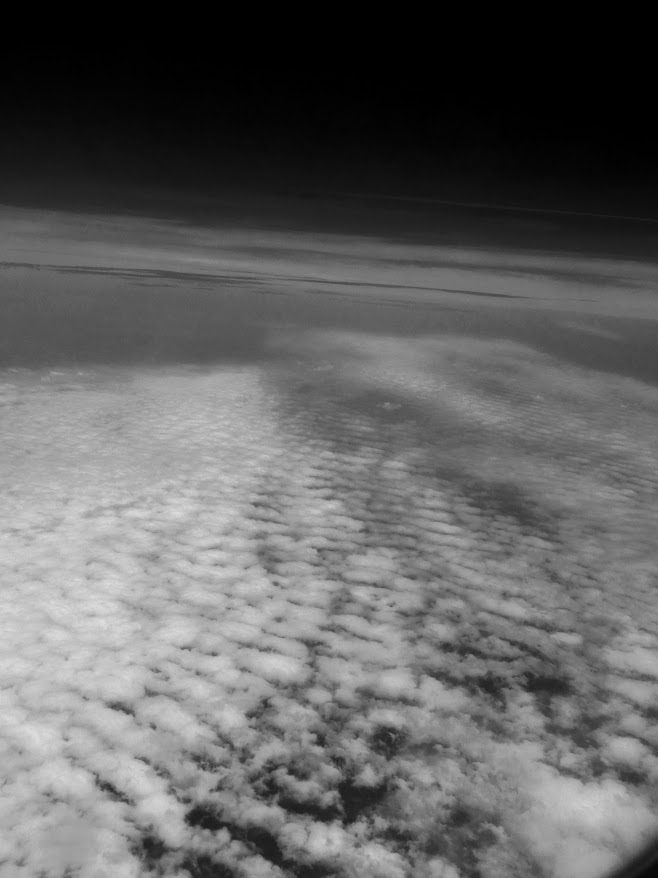
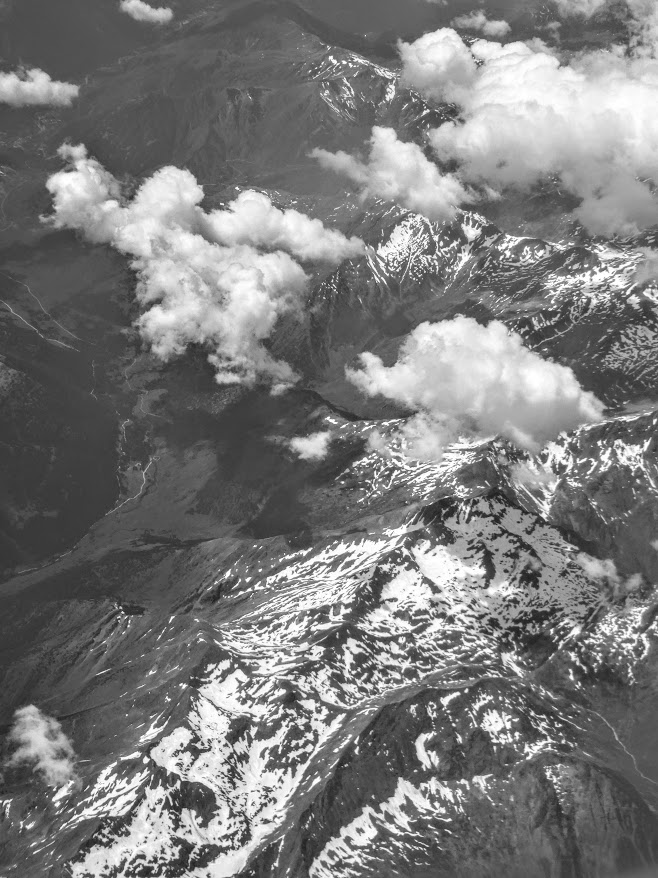
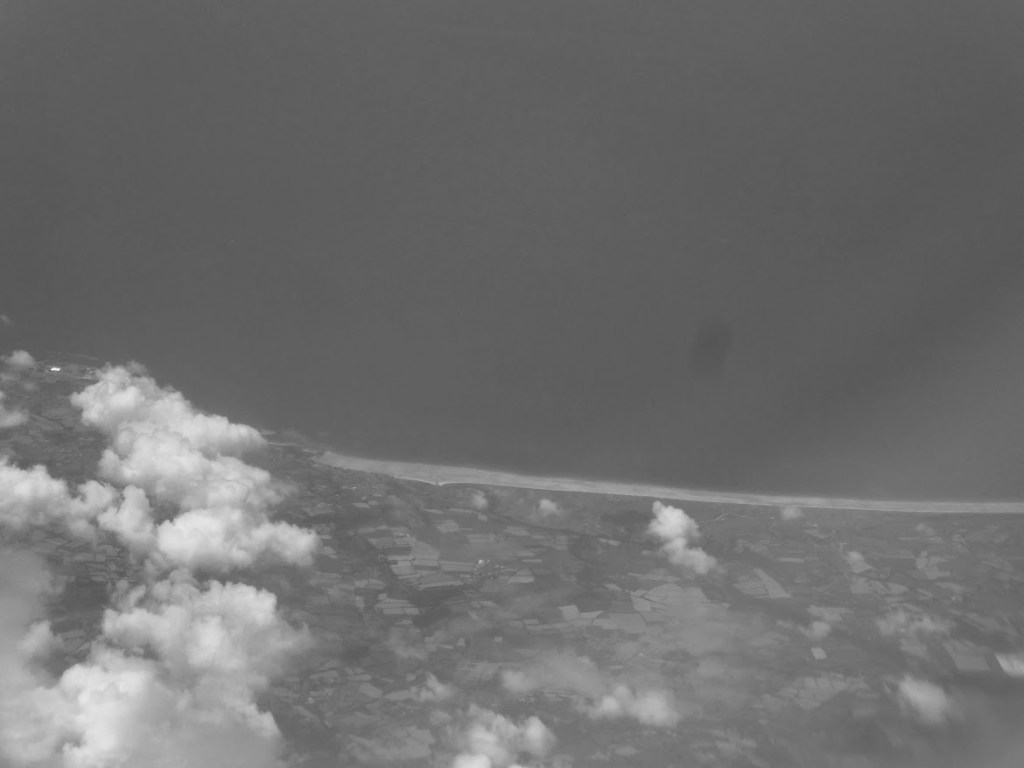
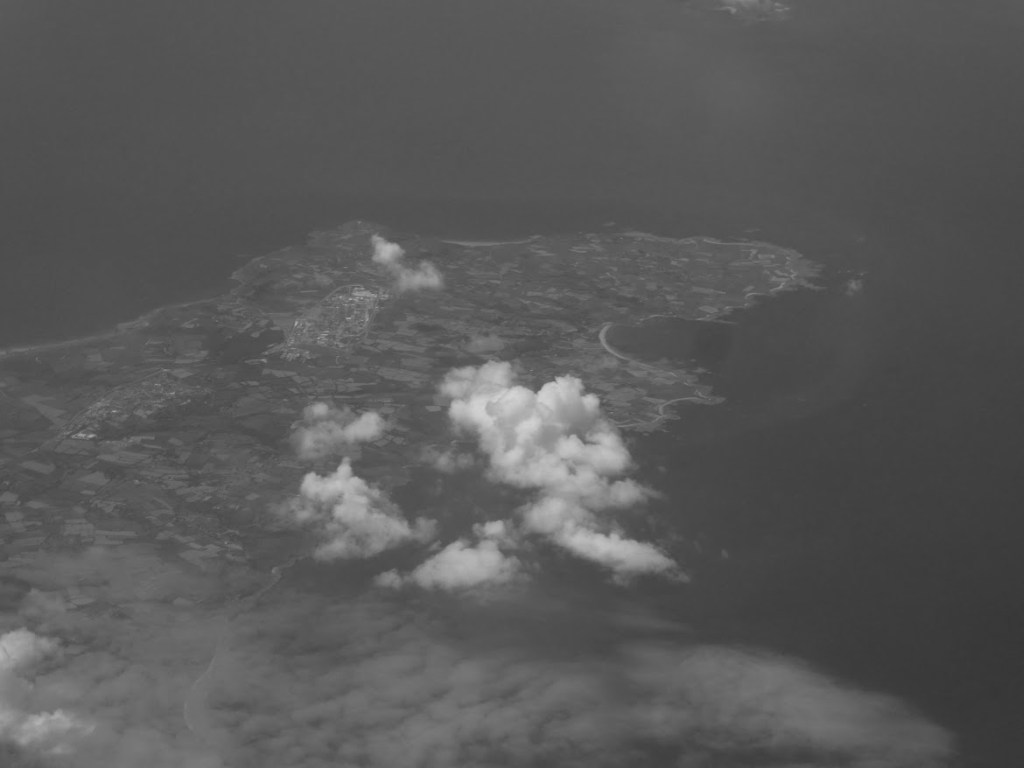
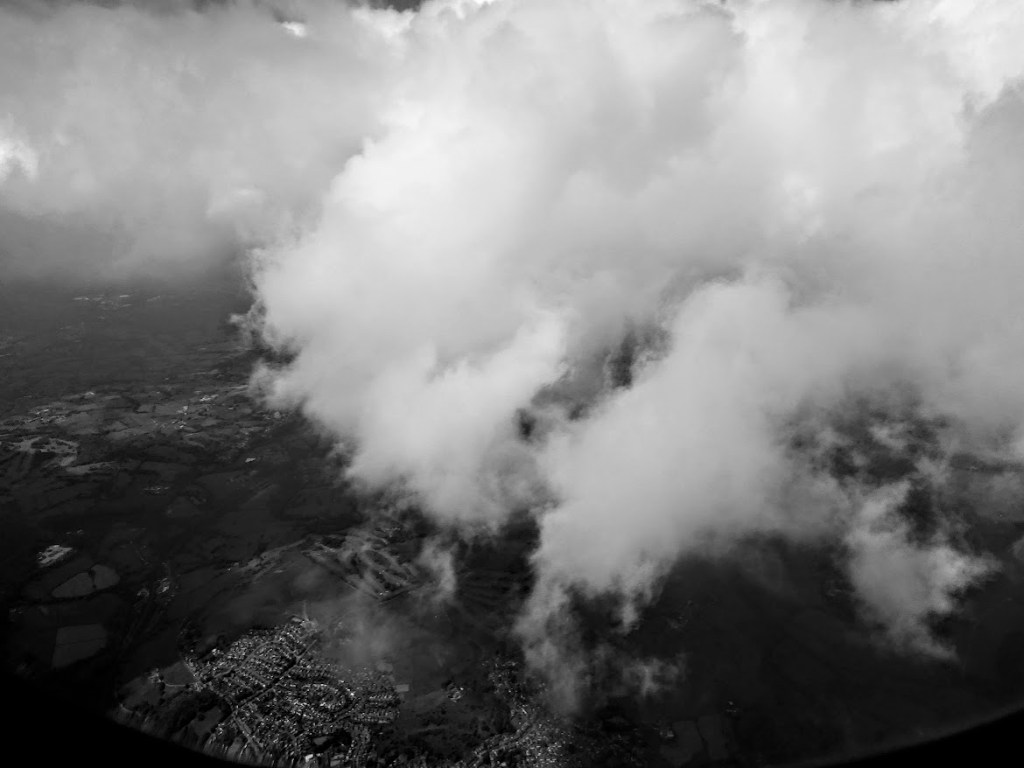
So let me whisk you to a day in June, when the plane transporting me from Barcelona to Leeds offered me a constantly changing cloudscape below me, with tantalising glimpses of beaches, landscapes and the Pyrenees, the Atlantic coast, and then crowded old England. The featured photo shows us just leaving Barcelona – hardly a cloud in the sky. And then …
Mist rather than cloud, to start with.The foothills of the PyreneesWell, who can tell?Cresting the Pyrennean peaksOver the French coast now…Here too.Still FranceNearly homeEven more nearly home.
Although generally a big fan of monochrome, on a grey day like this, I’m not sure I like these clouds and vistas in black and white. My memory of that summer day was of clear bright and optimistic colours. But needs must. This is for Monochrome Madness, and hosted this week by Brian, of Bushboy’s World.
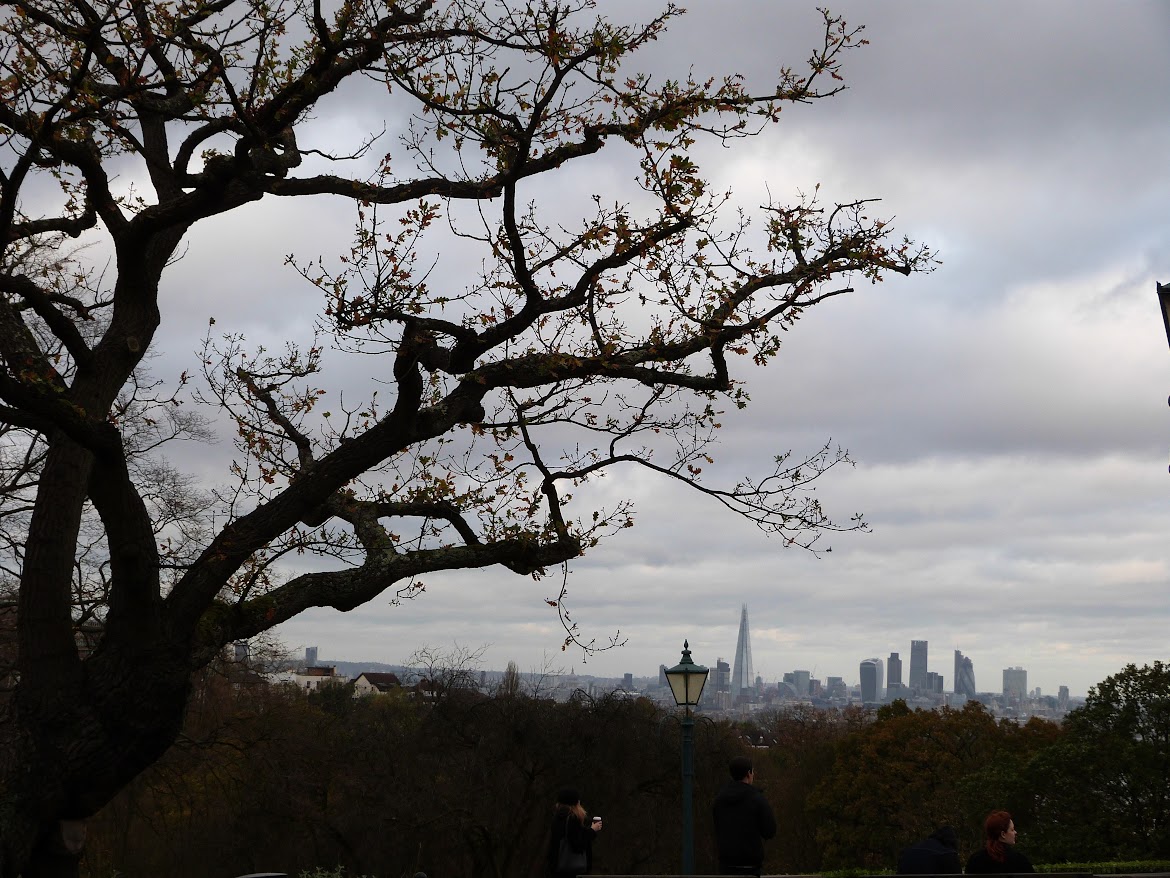
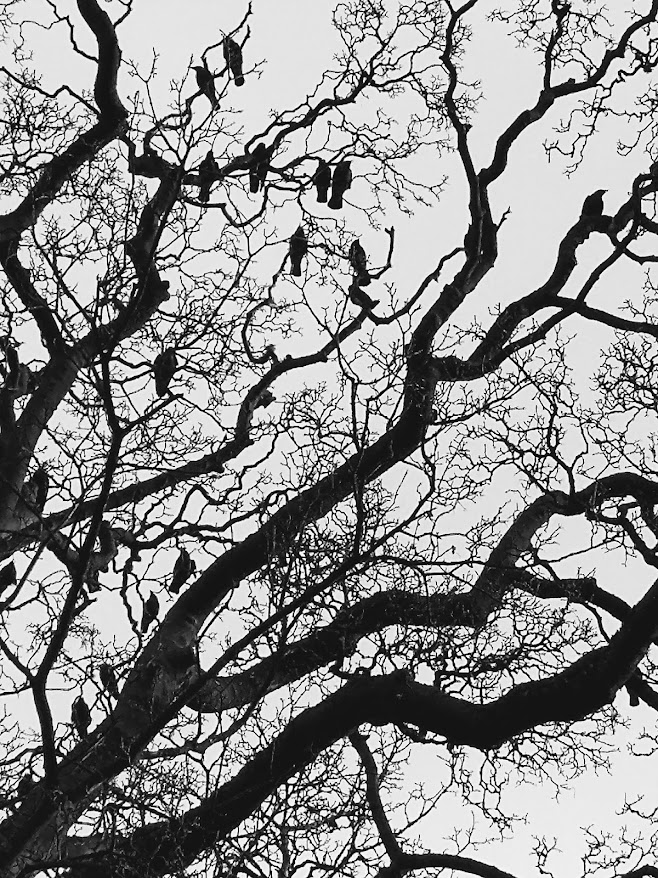
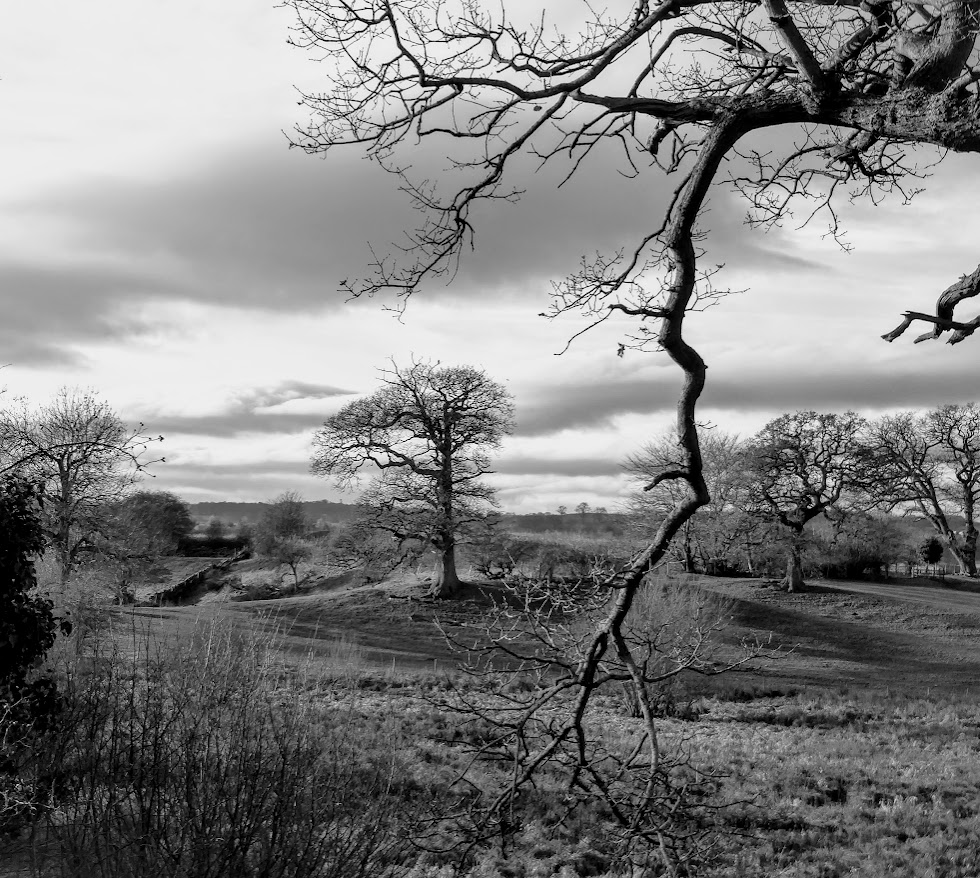
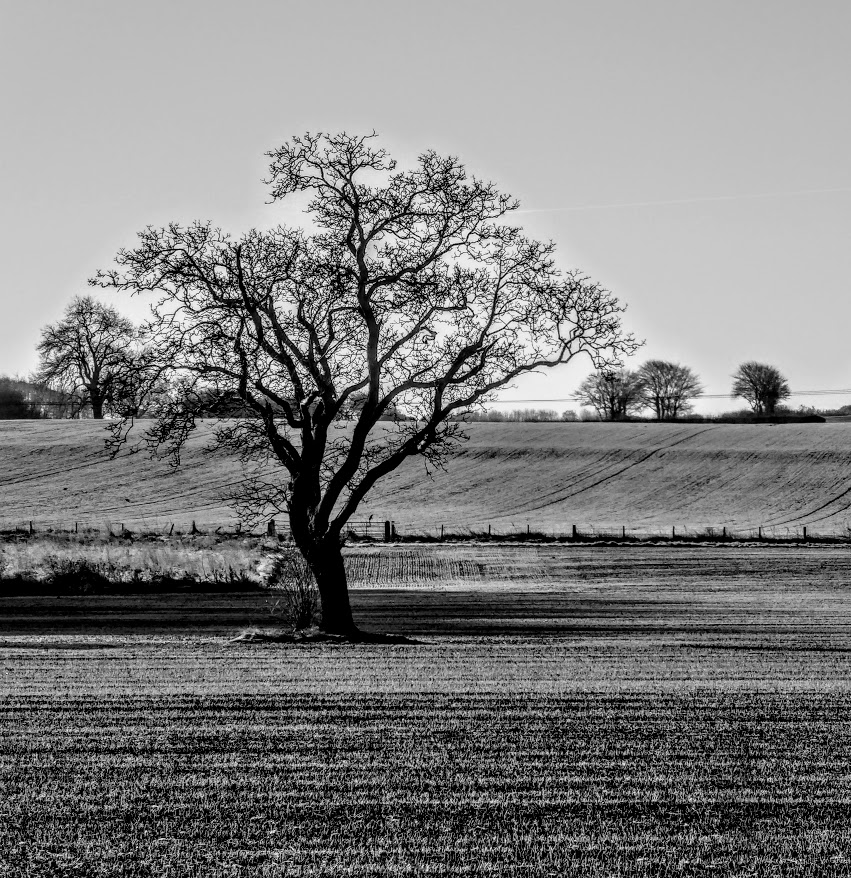
This week is perhaps the first one in which winter trees came into their own here in North Yorkshire. Recent high winds have snatched the very last scraggy leaves from their boughs, and now their austere skeletons are revealed in all their – often handsome – characterfulness. Here’s a small selection for Leanne’s Monochrome Madness. The header image, taken in Horniman Gardens, Forest Hill is not a true monochrome, but I’ve left it just as it is, to remind us that winter days – in London especially – can be black and white indeed. It’s the only image here not from North Yorkshire, or as we might call it today, The Frozen North.
Egidio, of Through Brazilian Eyes fame, has presented us with a thoughtful task this week, for the Lens-Artists Challenge . He asks us to portray Silence. He frames his post by discussing the work of photographer Robert Adams, who identifies five core principles* when thinking about the photography of silence. I have borne these in mind, while not illustrating each one, as I had originally intended.
Here are some I came up with.
The silence of the beach on a calm day, in the early morning, or the early evening, when visitors have gone and the beach is yours alone.
Mossyard, Dumfries and Galloway
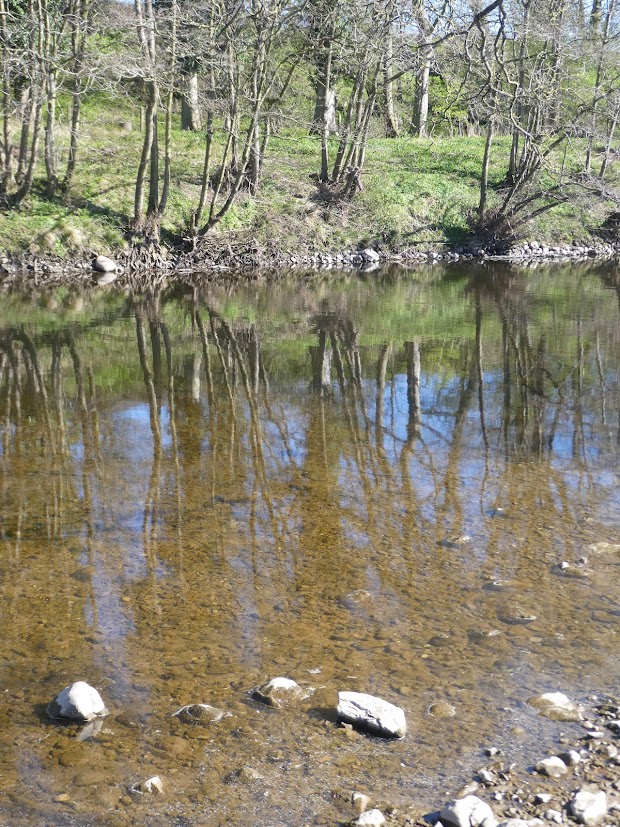
The aftermath of flooding in the countryside. The tractors, farmers and customary wildlife is silent, and the fields instead reflect the trees at the margins.
Winter fields near North Stainley.
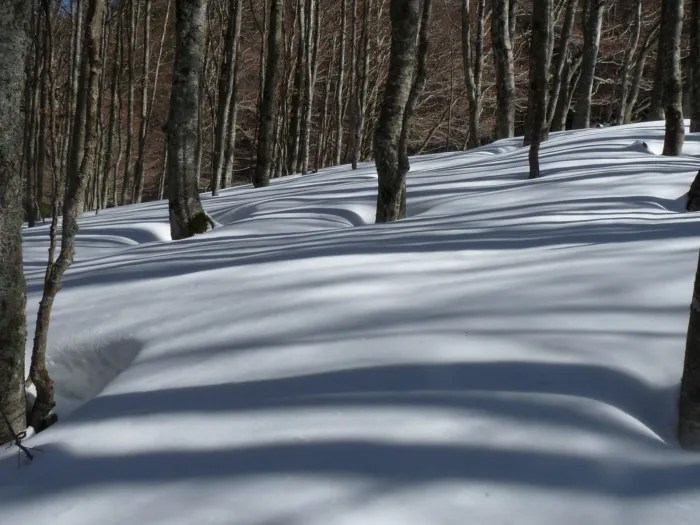
The silence of the snow. No wind, no chatter of birds, no soft animal calls. We passers through are reduced to low murmuring, if we speak at all.
Near Montferrier, Ariège
The silence of the garden. Not a true absence of noise. Birds trill. Insects hum. A light breeze rustles the leaves. But there’s a silence here that stills the busy mind.
Our landlord’s walled garden that we’re privileged to use.
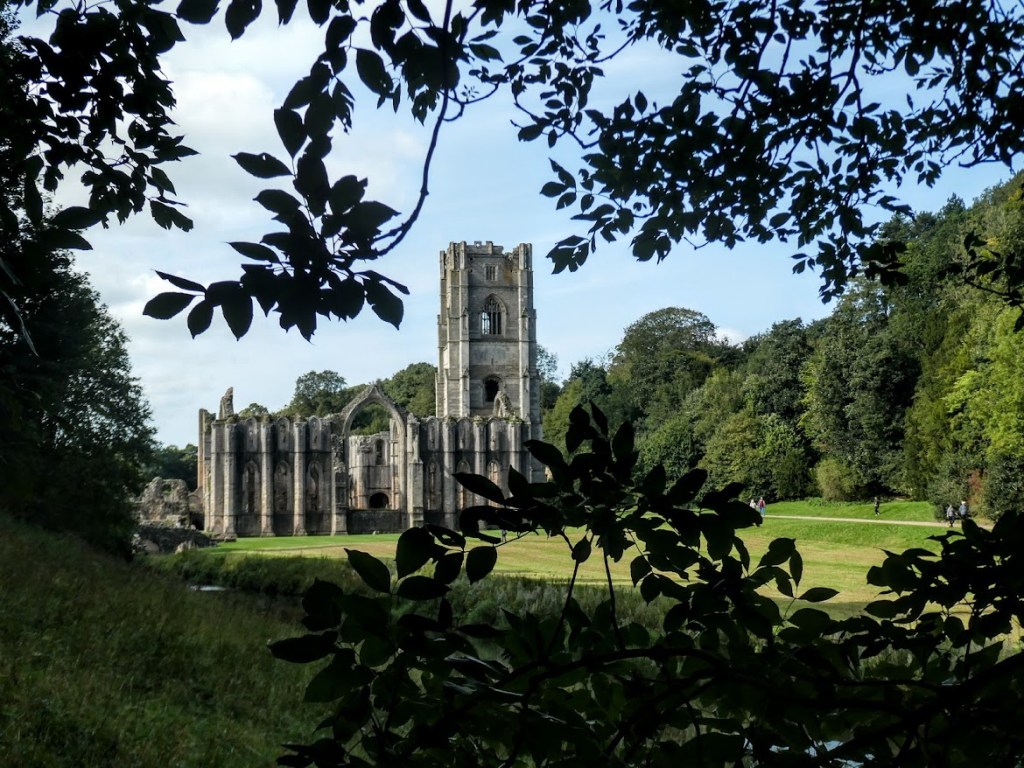
The silence of a deserted place. Early morning at Fountains Abbey. The place is empty of visitors. But the whole history of the place crowds into the mind: the tanners and builders and labourers and chanting monks. They’re silent now. And so are we.
Fountains Abbey.
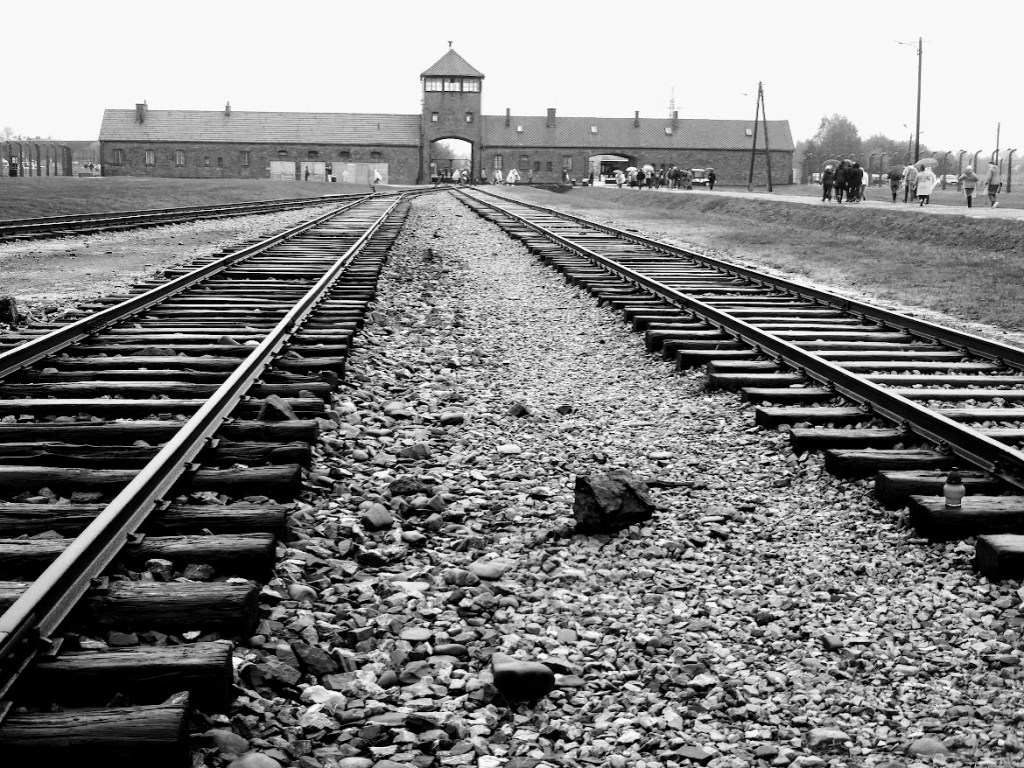
Lastly, a terrible silence. A few years ago, I visited Auschwitz-Birkenau. During the morning, we were taken round the site by guides who had been trained by former prisoners. They knew their subject well, and brought it vividly to life. In the afternoon,we were confronted by those tracks that brought the trains conveying hordes and hordes of men, women and children to slave here, to die of sickness or starvation, or to be killed in the gas chambers. There was nothing whatever to say. We were utterly silent.
Auschwitz-Birkenau
*Silence of light.
*Silent witness to environmental change.
*The silence of the subject.
*Silence as a form of protest.
*The silence of the viewer
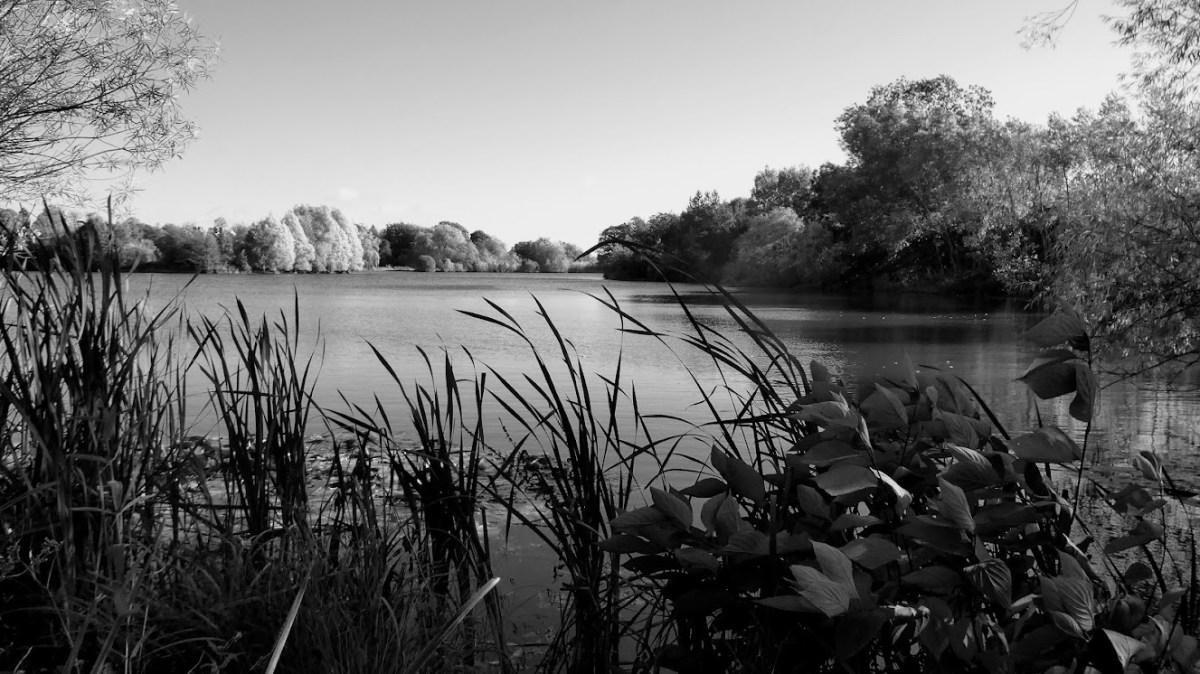
My featured photo shows the lakeside at Kiplin Hall, North Yorkshire.
On Tuesday morning, I was quietly dreading my shift as volunteer Roaming Ranger in Studley Royal Deer Park. ‘Raining’ was an understatement. As I was driving over, the wipers sliced savagely across the windscreen, ineffectually sweeping away the rivers of rainwater cascading over the car. Signing in, we volunteers on various parts of the estate commiserated wanly with each other, and went our separate ways.
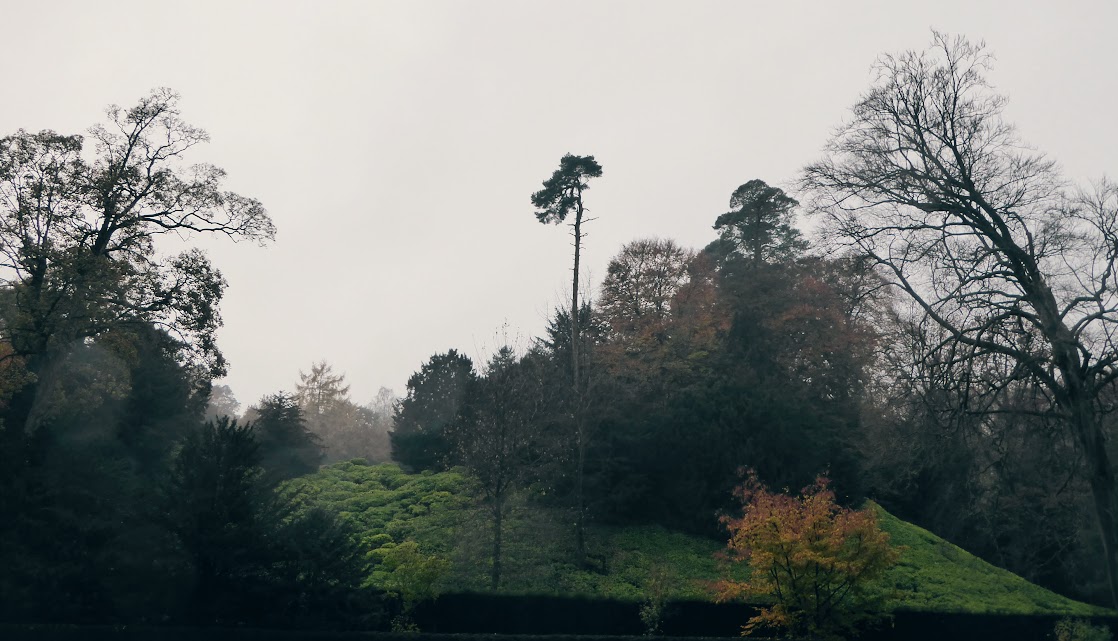
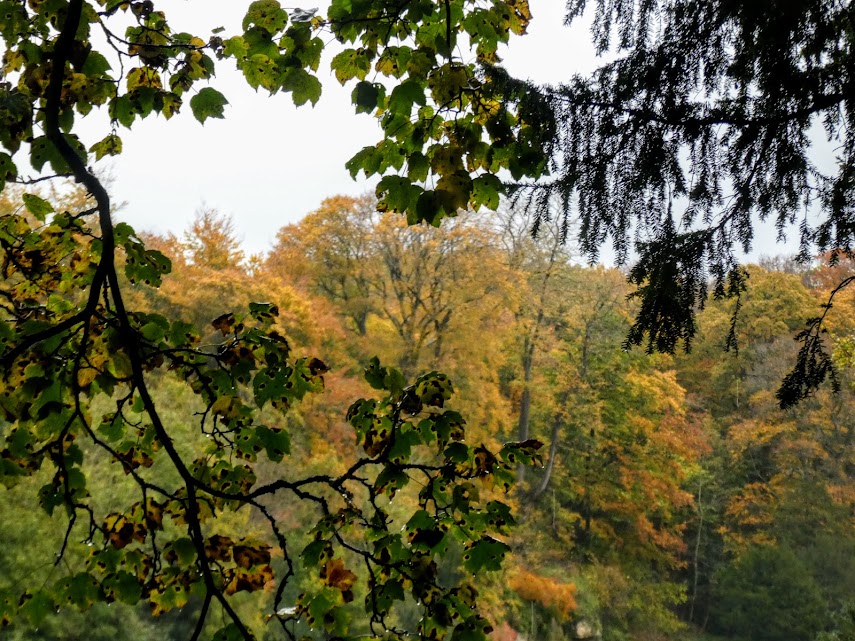
But outside, the rain had suddenly and unexpectedly decided to stop. Instead, familiar trees, now turning autumn gold and russset could just be perceived through the mist. A familiar autumn scene, especially here where we have three rivers in town to add to the general miasma of an October or November day.
Much later in the morning, as I was completing my shift in a much cheerier frame of mind, autumn’s third and best mood showed itself. Omnipresent autumn colour in the form of leaves cascaded to my feet to be eagerly shuffled and crunched through as I willingly connected with my inner child.
I offer a selection of photos to illustrate these different moods. I didn’t take my camera with me on Tuesday. The weather and the forecast were so very poor I just didn’t dare expose the poor thing to the elements. More fool me, to believe the weather forecast.
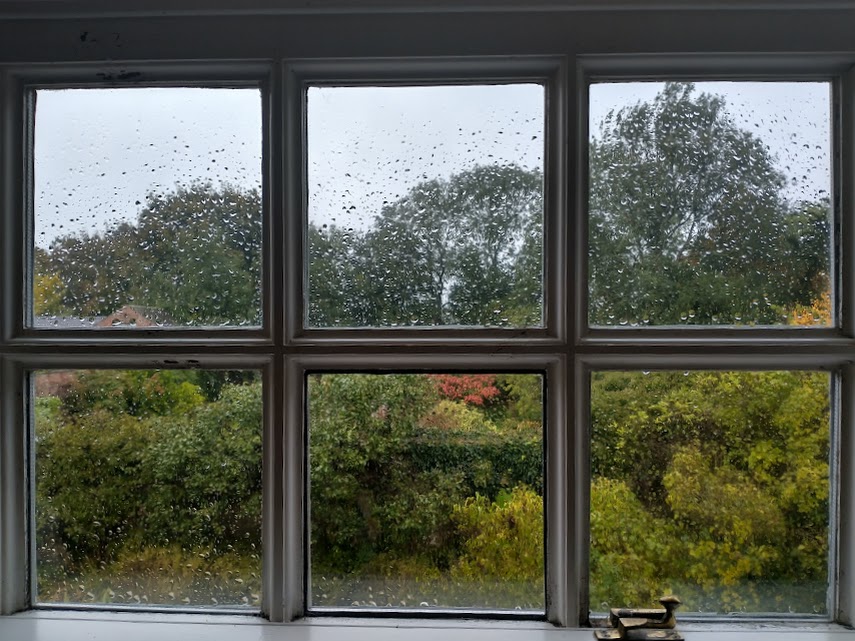
My featured photo is looking through our kitchen window on Tuesday morning. There’s more of the same on the way …
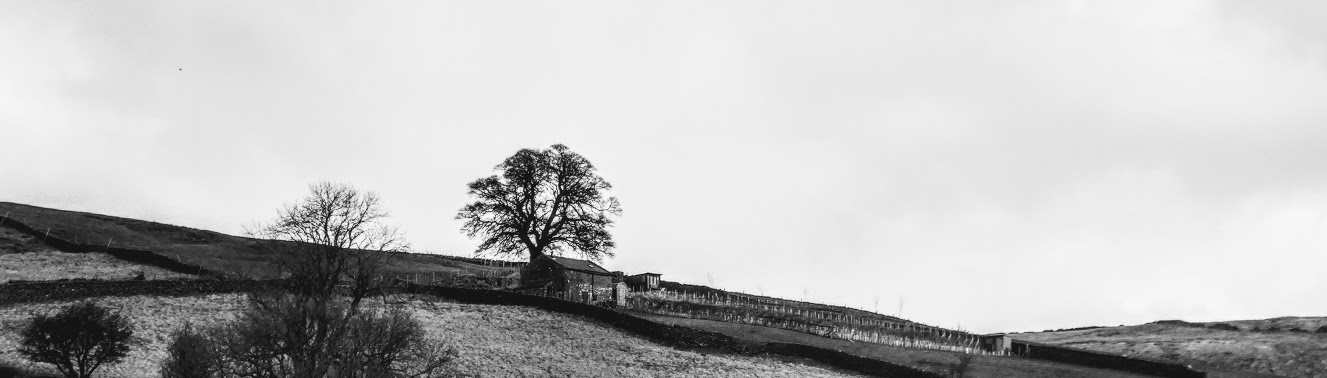
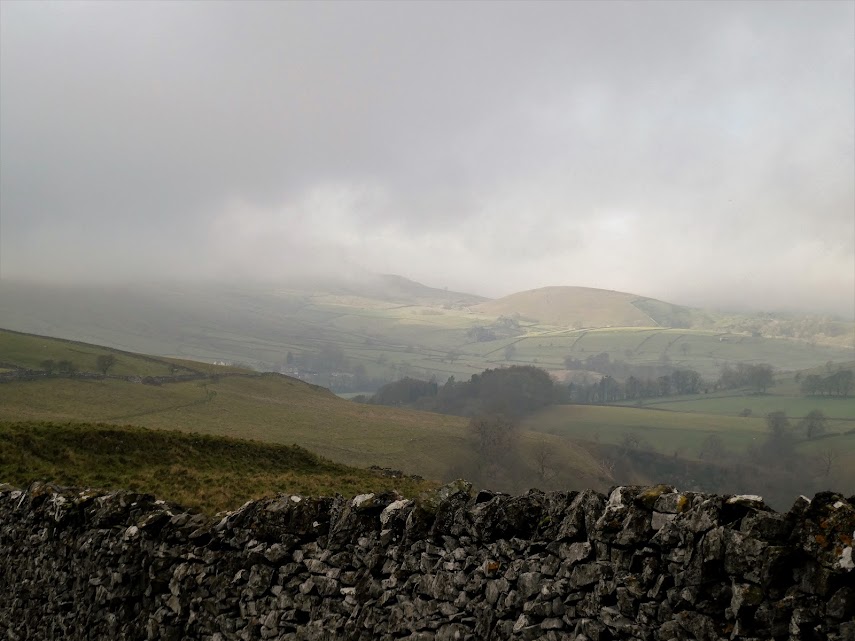
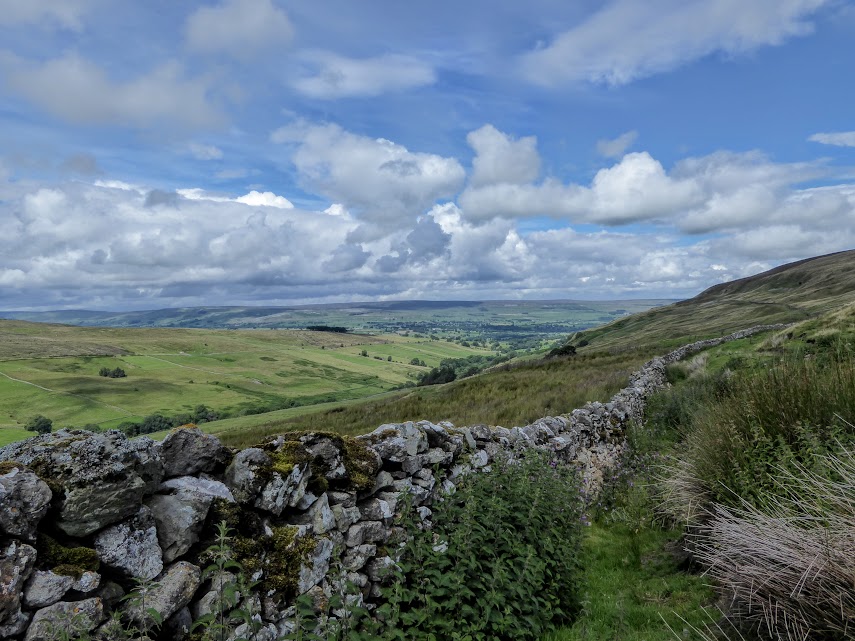
Today sees the last Square of the month, in which Becky has challenged us to find images celebrating Seven. I’ve chosen something quintessentially English. Yes, other drystone walls are available, but the sight of them marching across the landscape, identifying ancient field and pasture patterns is something I’ll always associate with a northern English landcape.
Thank you, Becky, for a month of fun and fellowship. And Squares.
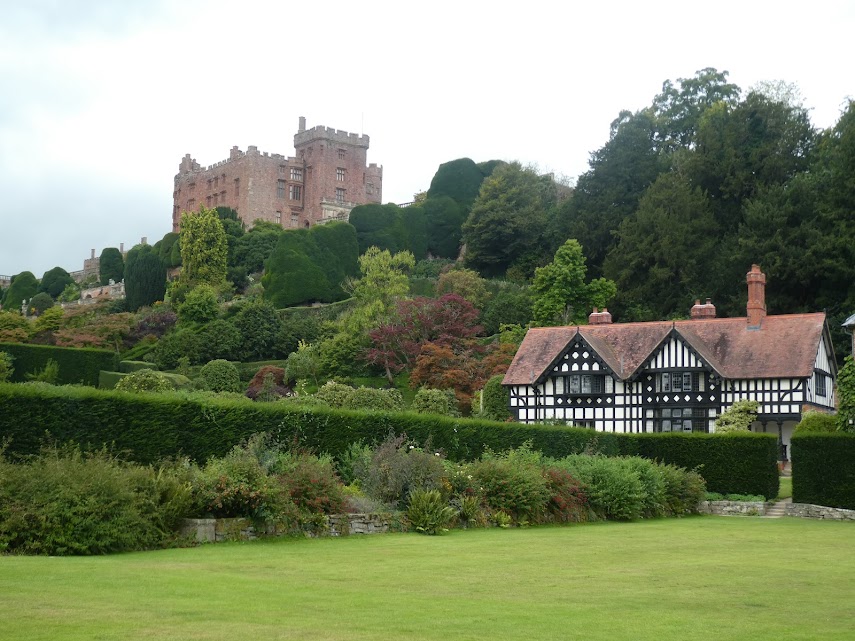
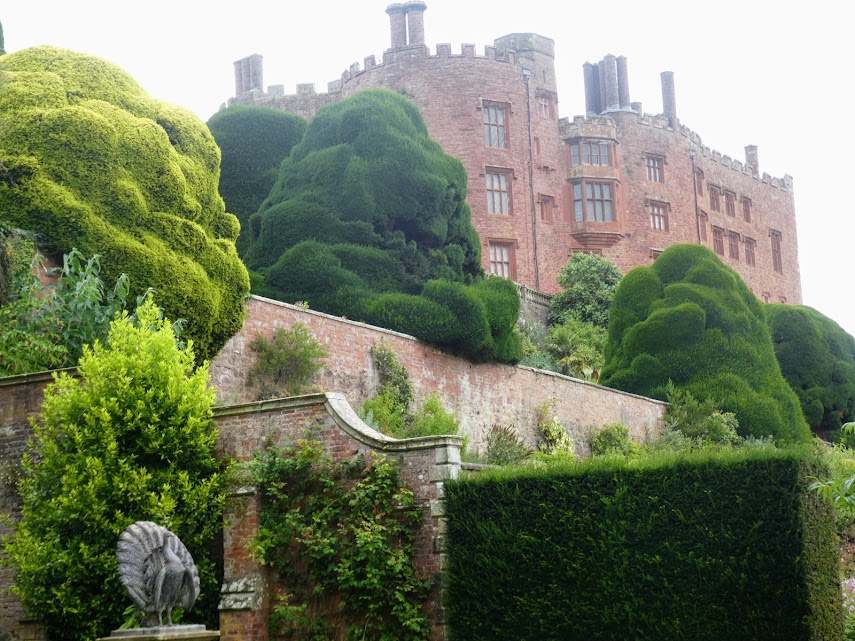
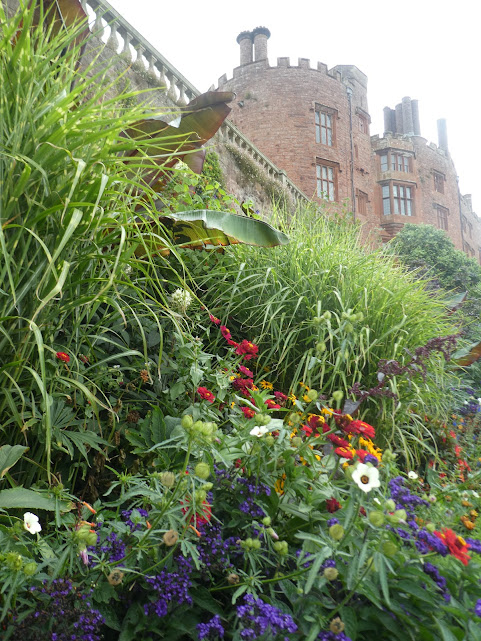
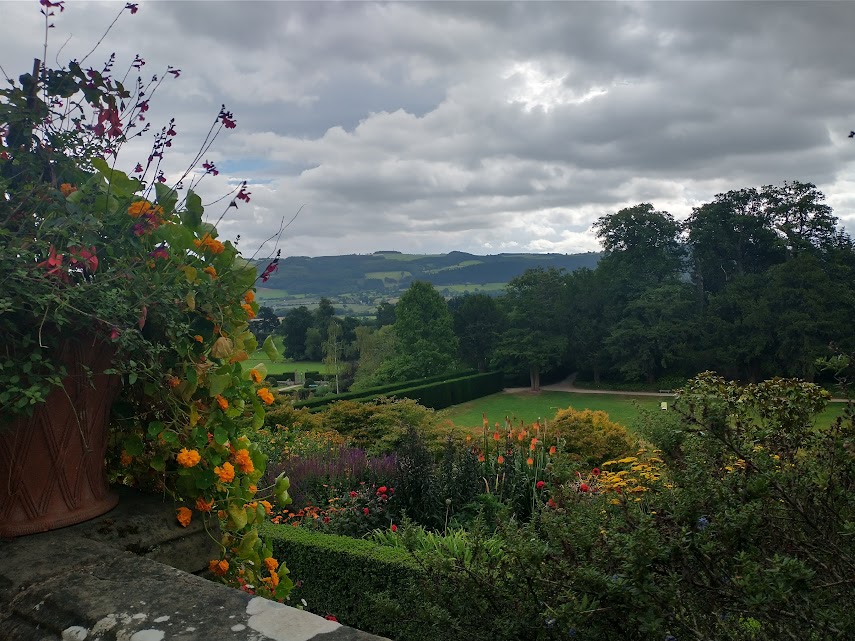
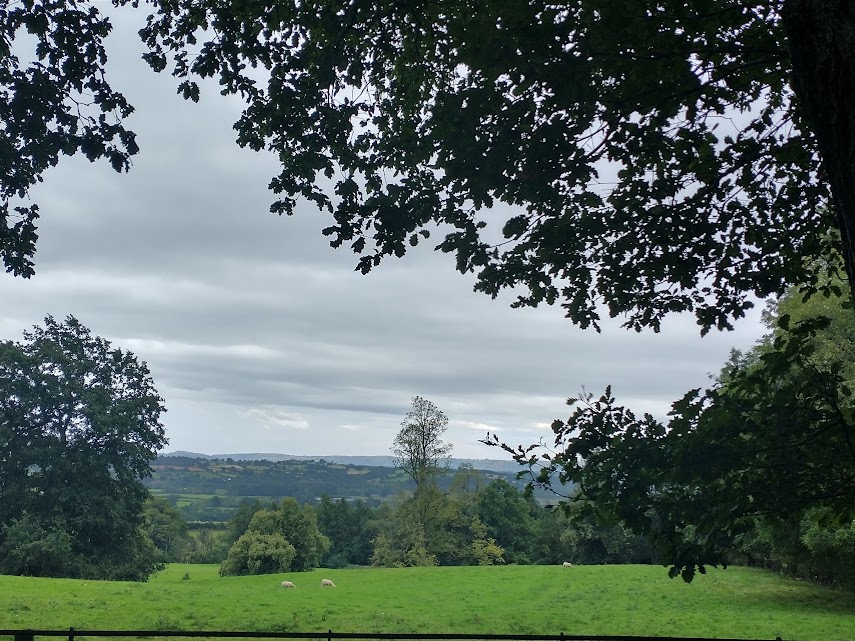
One of our last days in Shropshire saw us pop into Wales, to Powis Castle and its gardens. The castle itself was built largely in the mid thirteenth century, and modified, restyled and redecorated many times since until as recently as the 1950s. Photography was not allowed, but as we found it a somewhat gloomy place, we were happy to focus on the gardens.
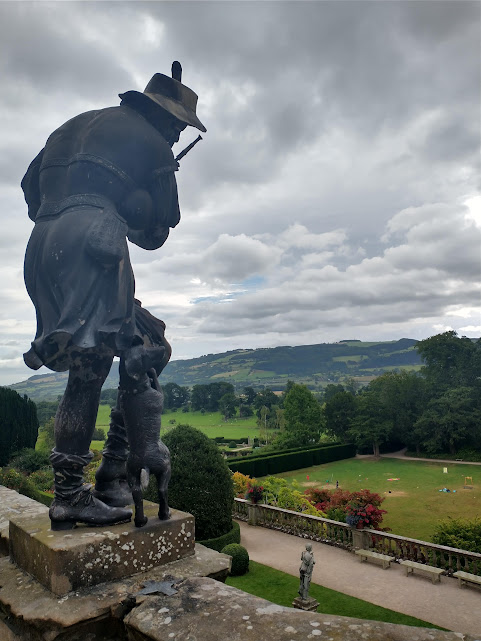
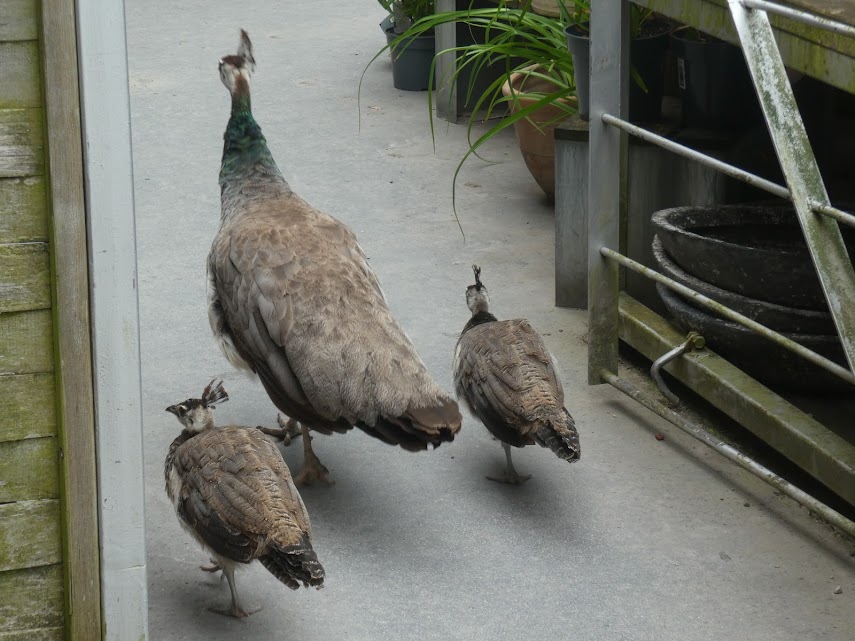
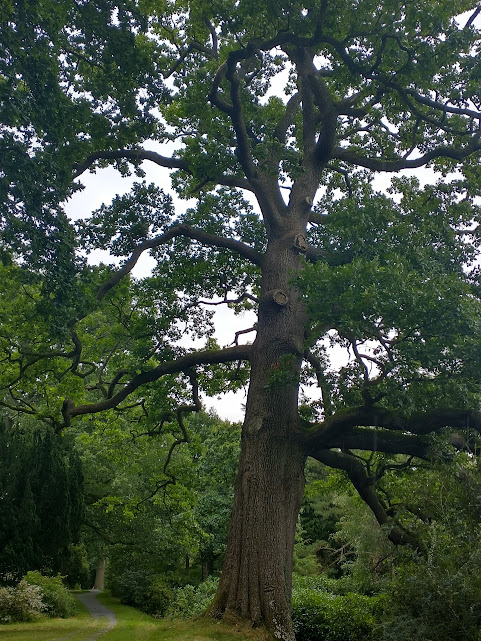
These are magnificently planted steep terraces, largely in the 17th century Italian style. There are large, rather formidable yew hedges. There is statuary. You’ll find a formal Edwardian garden with century-old apple trees, a walled garden, and beyond, carefully managed woodland inviting visitors to enjoy a gentle stroll while peeping through the trees at the landscape in one direction, the castle and gardens in the other. And peacocks and peahens, with their youngsters in tow. Here’s a small collection of postcards.
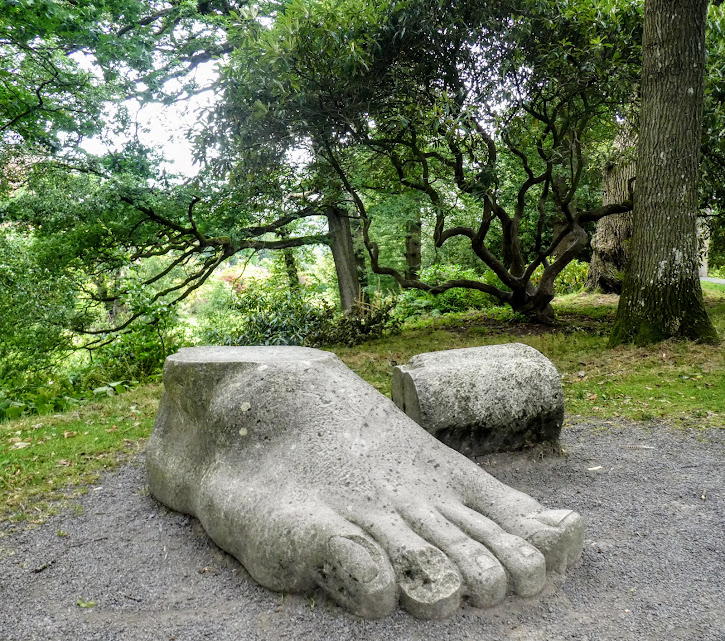
Don’t ask me about that giant foot, found in the woods. Haven’t a clue, and nobody would help me out.

















 From Pyrenees to Pennines
You must be logged in to post a comment.