Here in the UK, we know a lot about clouds. And at this time of year, we know a lot about grey clouds. Looking out of the window just now yields an unending vista of smoky grey, darkening over Mickley way to gunmetal and slate. No cotton-wool puffs of cumulus for us.
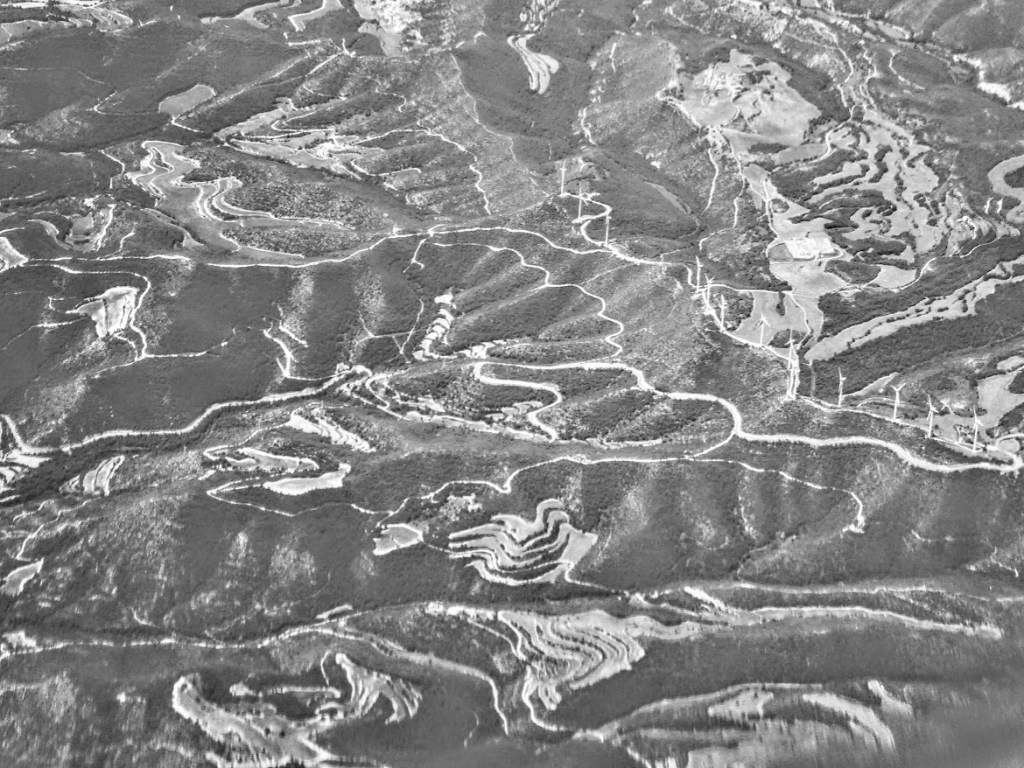
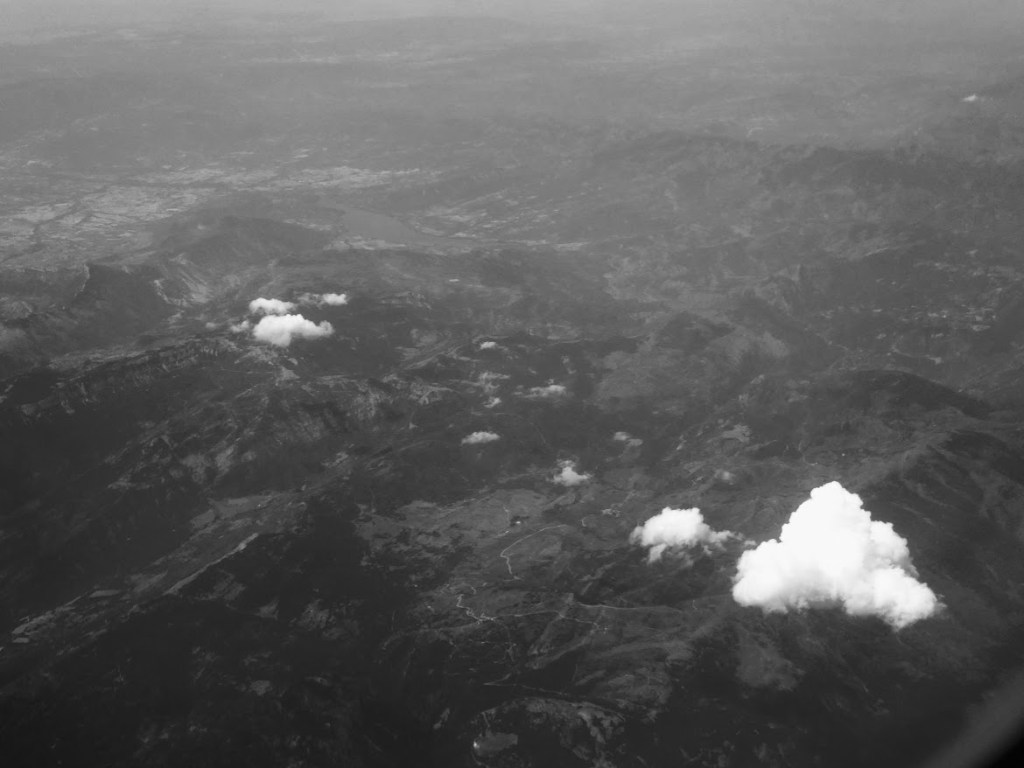
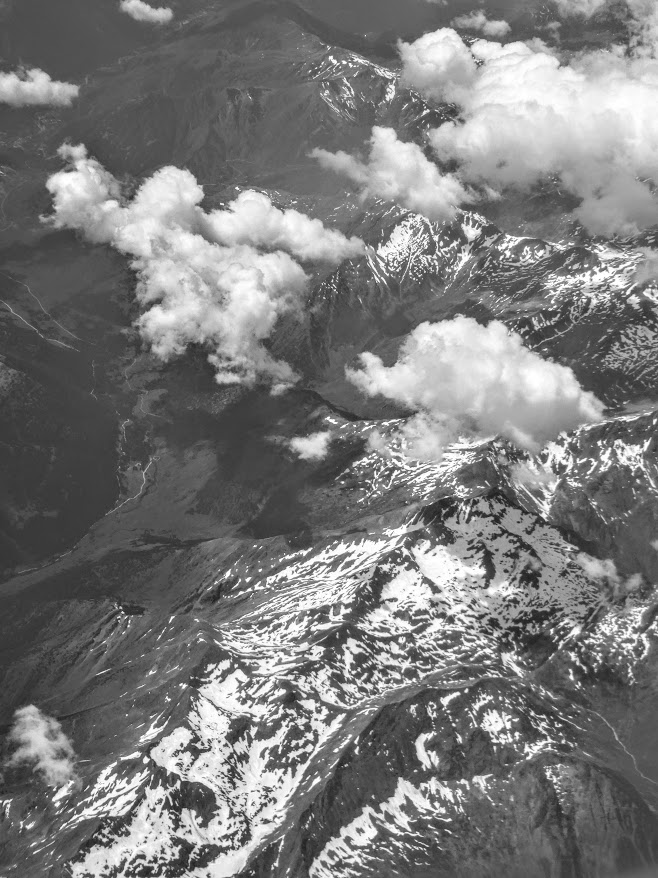
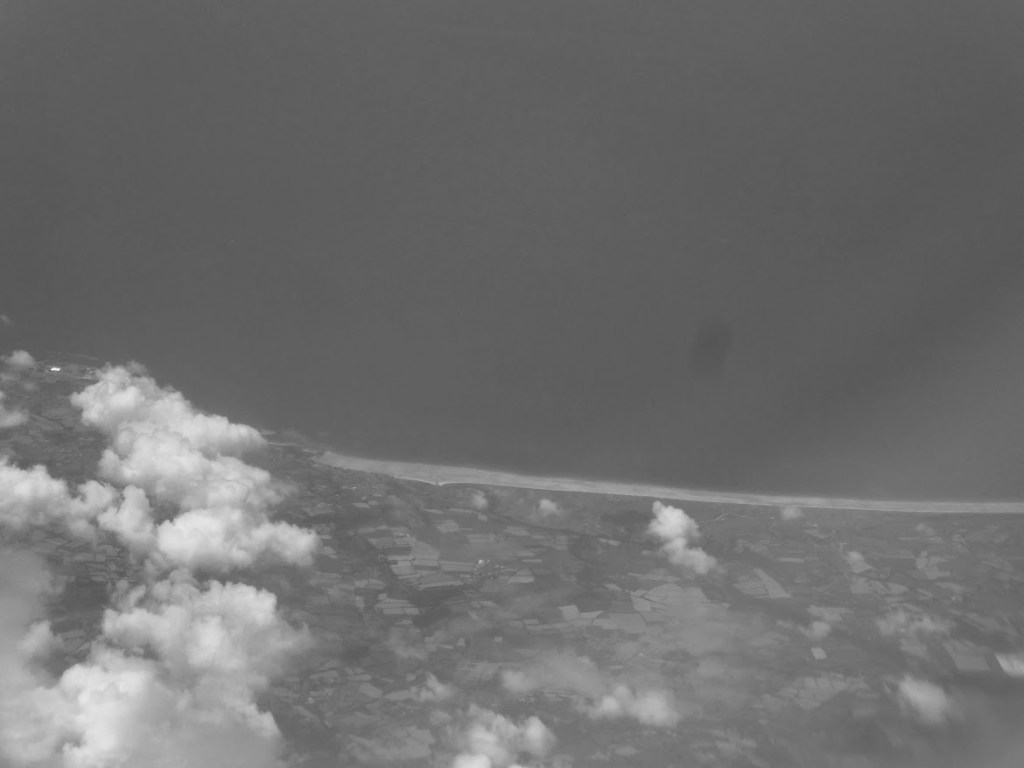
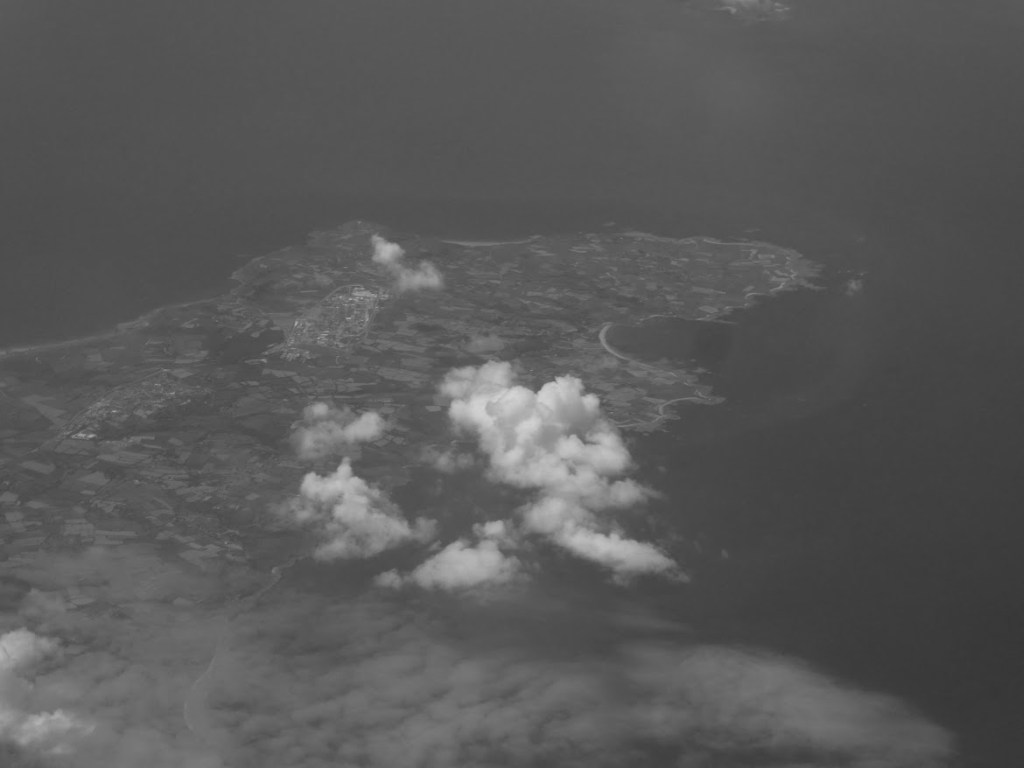
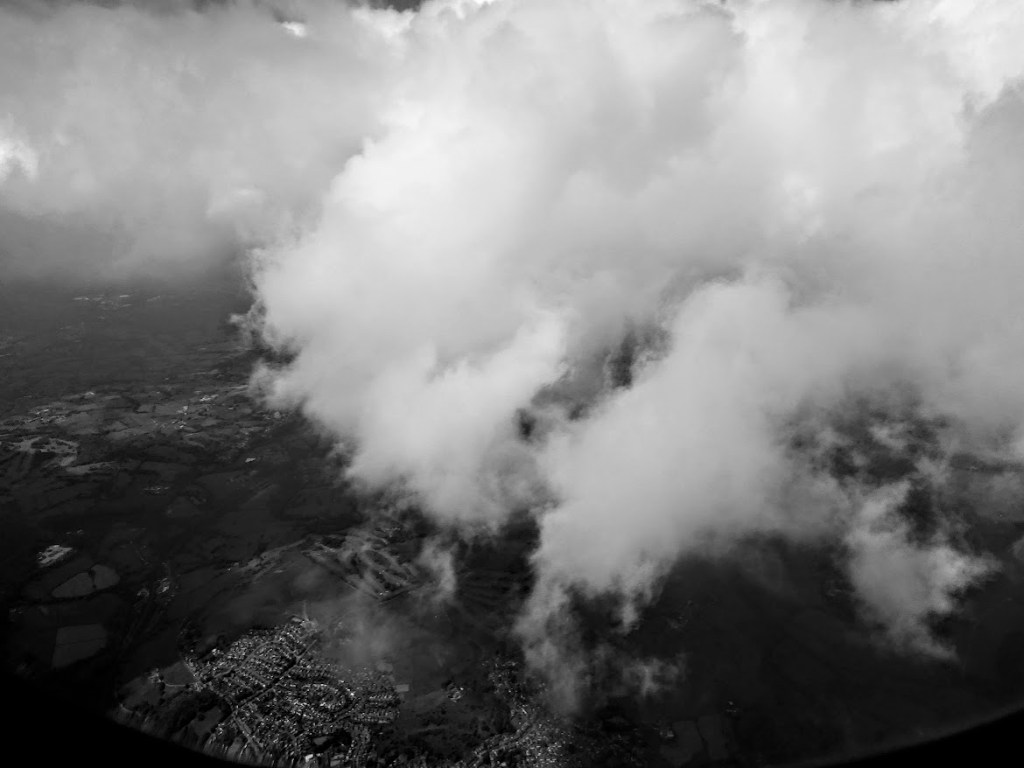
So let me whisk you to a day in June, when the plane transporting me from Barcelona to Leeds offered me a constantly changing cloudscape below me, with tantalising glimpses of beaches, landscapes and the Pyrenees, the Atlantic coast, and then crowded old England. The featured photo shows us just leaving Barcelona – hardly a cloud in the sky. And then …
Mist rather than cloud, to start with.The foothills of the PyreneesWell, who can tell?Cresting the Pyrennean peaksOver the French coast now…Here too.Still FranceNearly homeEven more nearly home.
Although generally a big fan of monochrome, on a grey day like this, I’m not sure I like these clouds and vistas in black and white. My memory of that summer day was of clear bright and optimistic colours. But needs must. This is for Monochrome Madness, and hosted this week by Brian, of Bushboy’s World.
Ann-Christine of Leya fame has offered us a challenge. She wants us to forget, if only for a moment, that we’re in difficult times: politically, economically, weather and climate-wise. What a good idea. Let’s smile.
We’ll start out with the intentionally humorous.
Here’s a battered house in down-town Seville. I hope the owners don’t hurry to slap on fresh plaster and paint, and cover up this jovial crocodile.
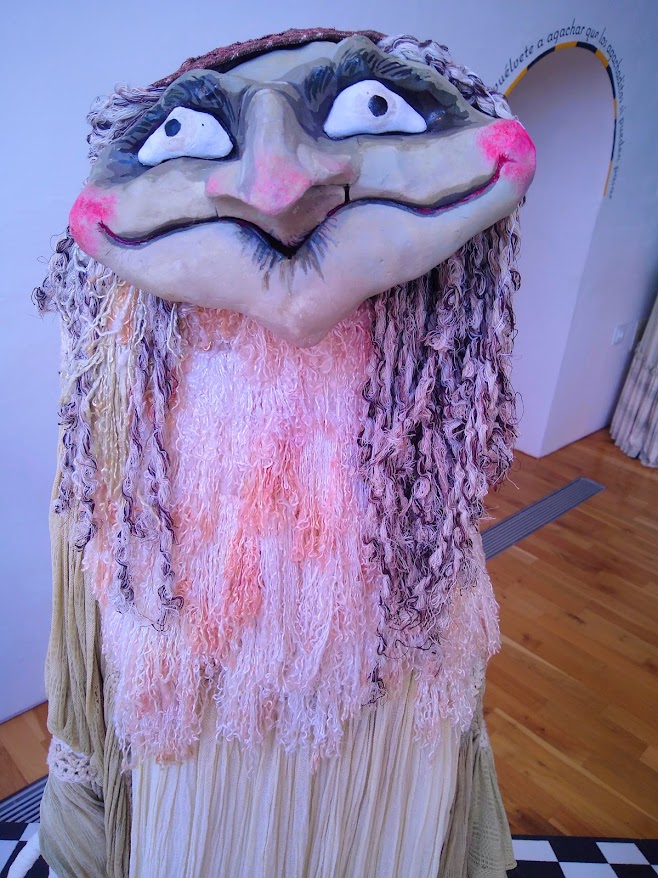
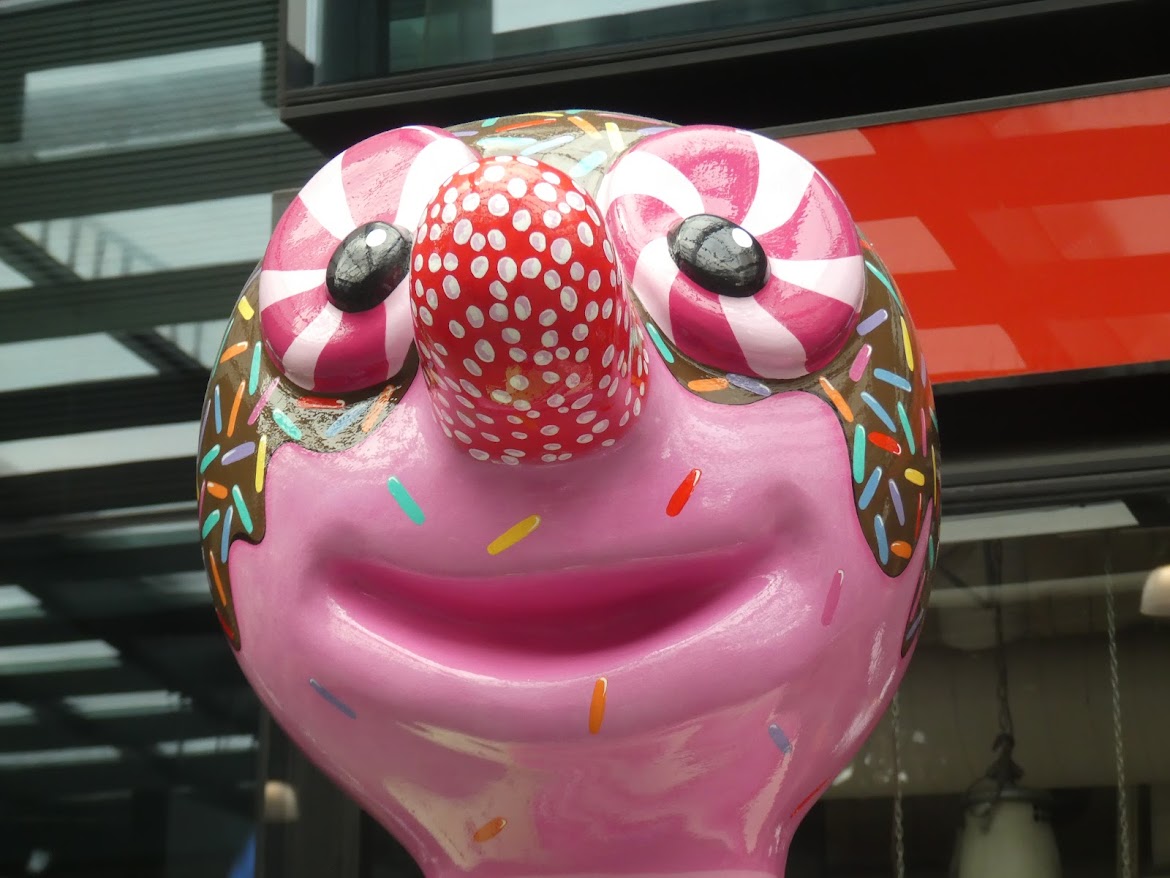
And here’s a puppet from the Puppet Museum in Cádiz, together with a jolly fellow who was part of a scupture trail in east London supporting chidren’s wheelchair charity Whizz-Kidz
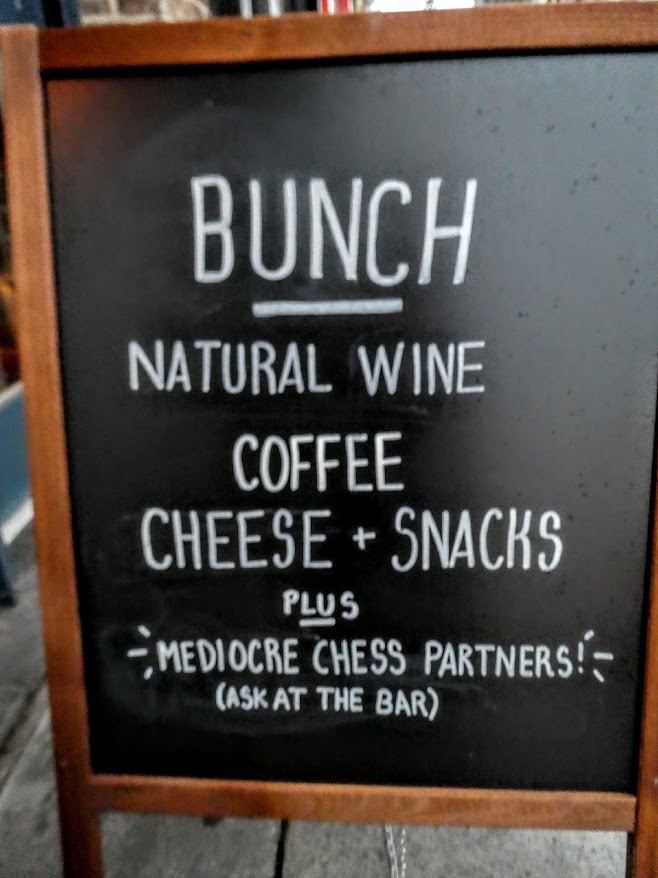
Here’s a sign outside a bar in Liverpool:
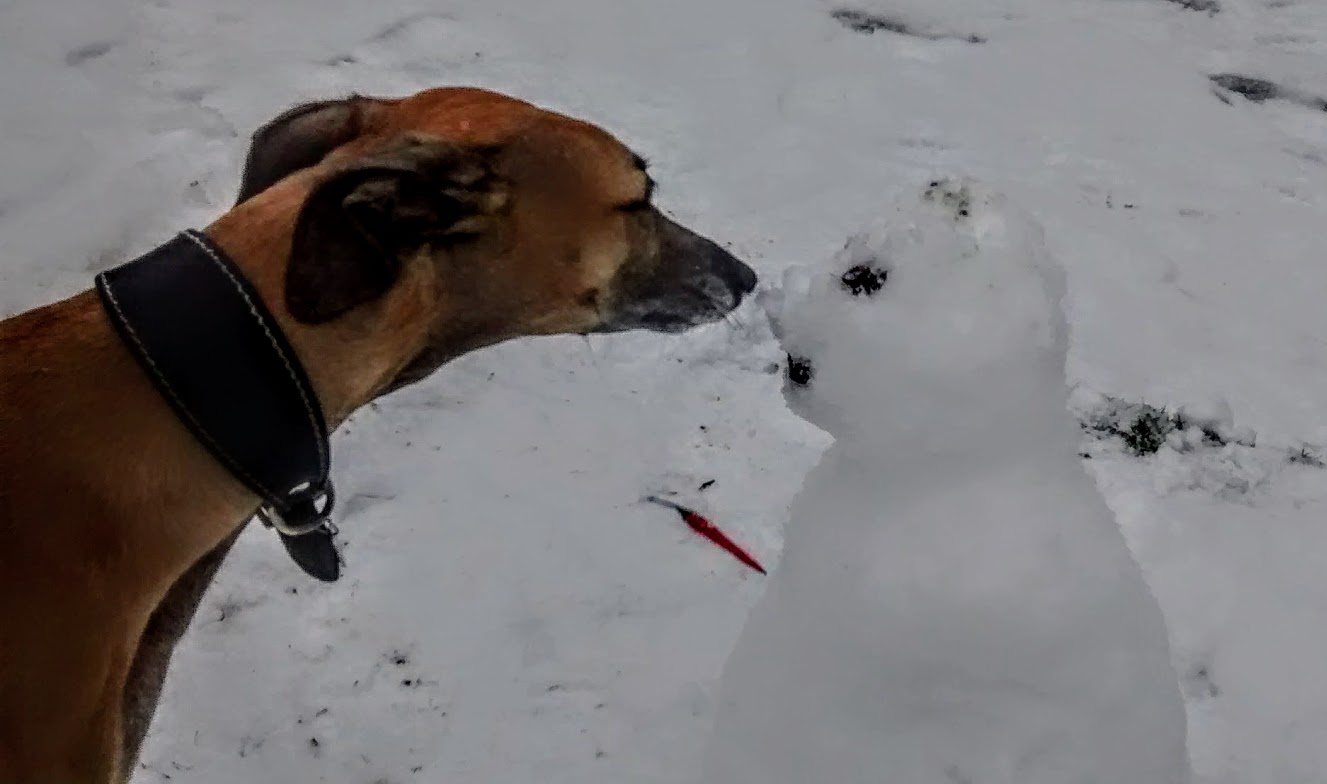
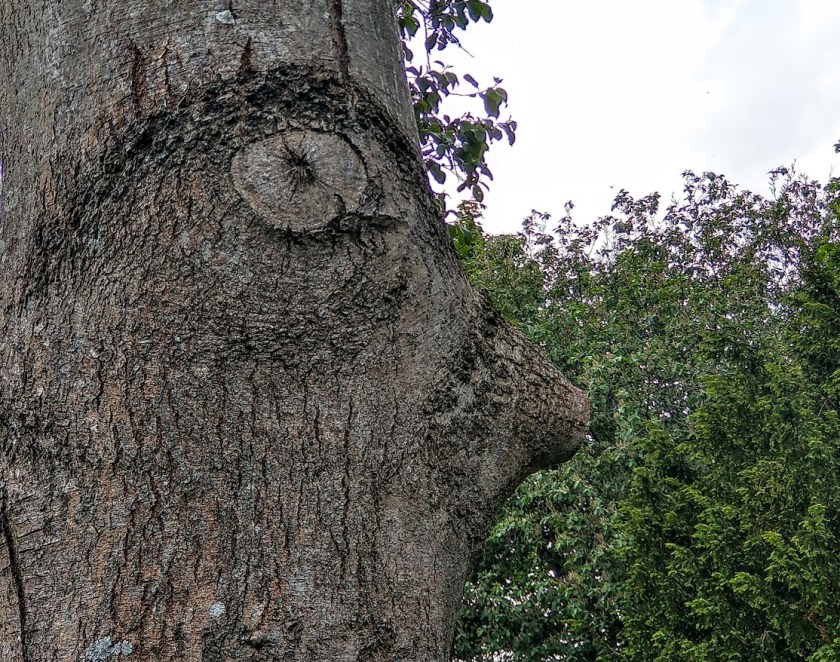
All those intended to make you smile. These didn’t. I hope you’ll smile anyway, when you see our neighbour’s dog Poppy meeting her first snowman, and then spot this tree at Jervaulx Abbey.
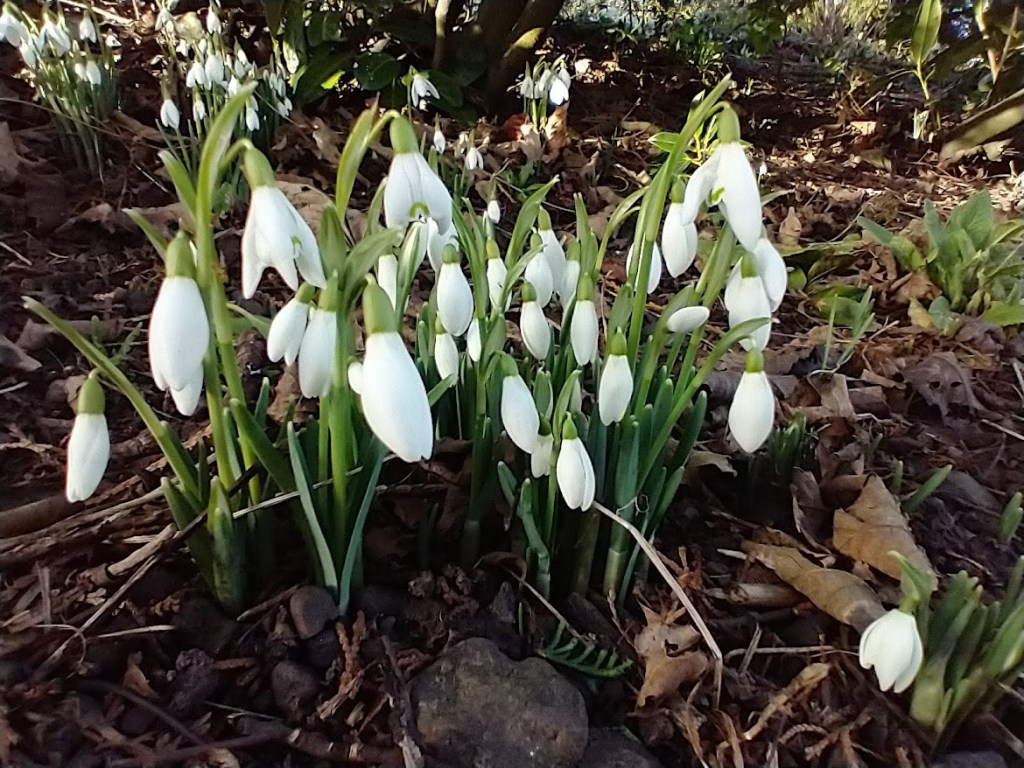
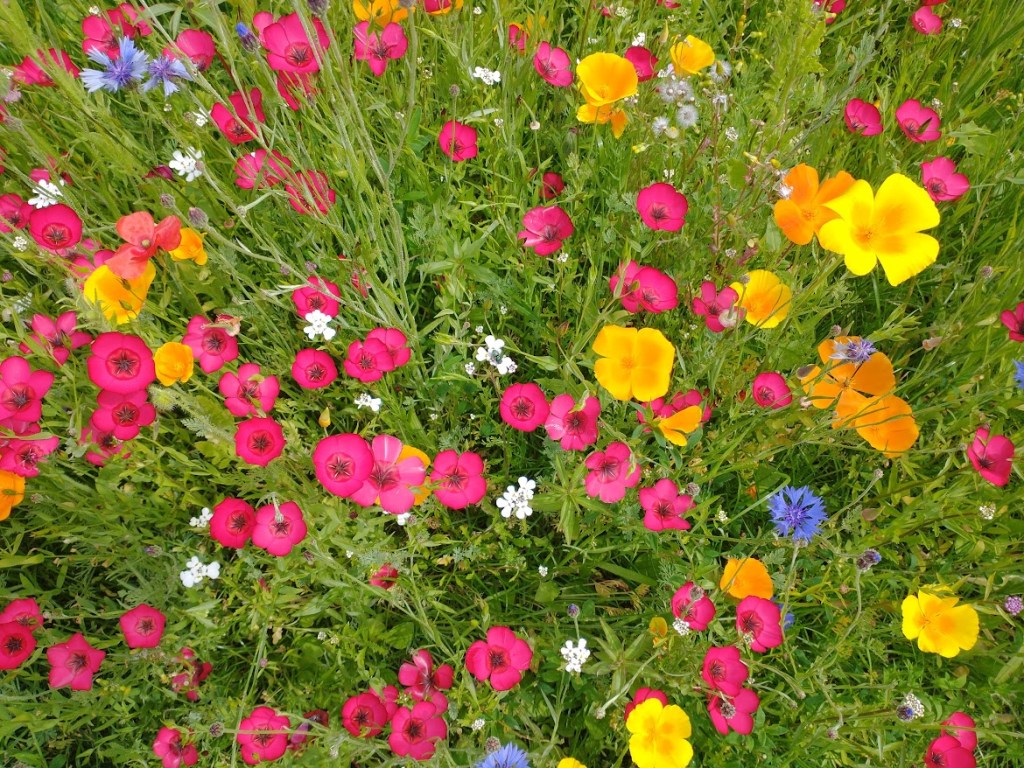
We’ll finish with two different kinds of smile. The very first snowdrops of the year, I hope round about two months from now, always bring me joy. As did these wild flowers in the car park at Harrogate Hospital last summer.
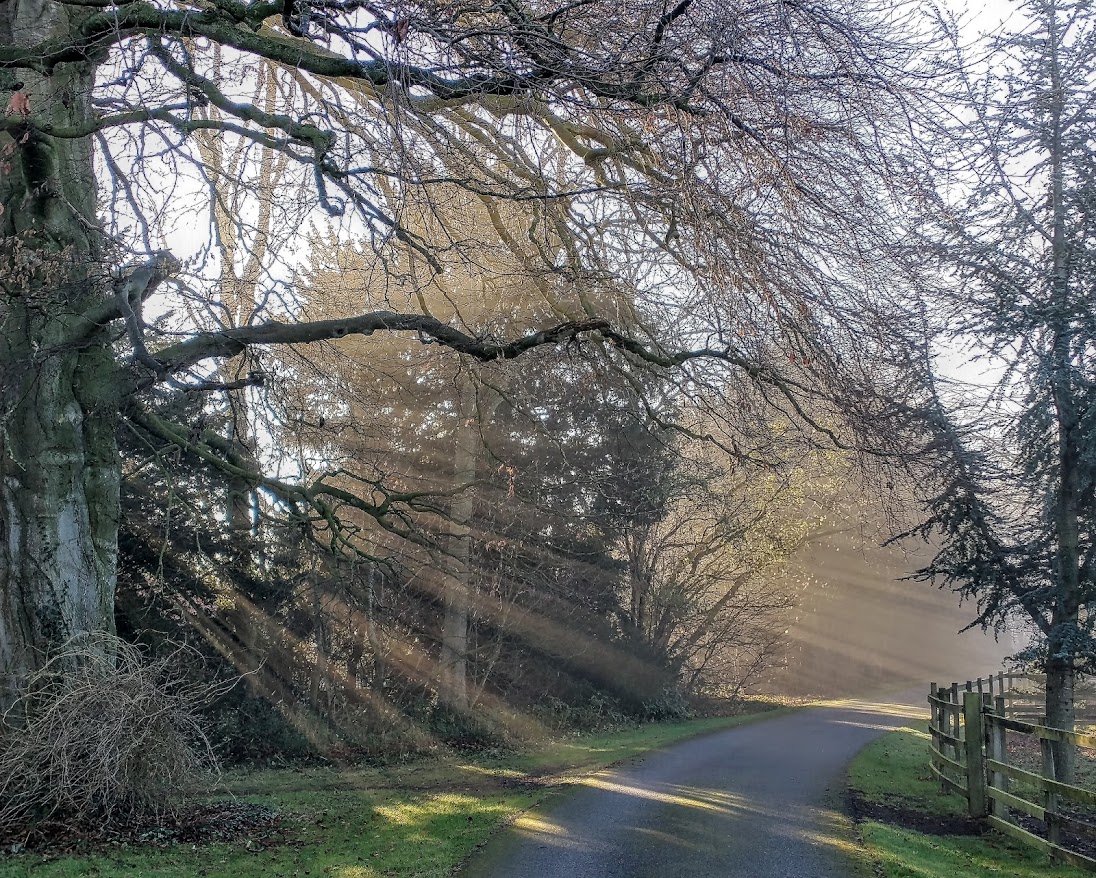
My header photo is a shot that always delights me. Going down the drive early one winter morning, I just happened to have my phone on me. I recorded this scene for posterity: that serendipitous moment always brings a smile to my face.
Where words fail, music speaks: so said Hans Christian Anderson. And when Leanne invited me to host Monochrome Madness for One Week Only, I thought Music might be a good theme. We bloggers come from all over the world. Though many of us, in many nations, have English as our first language, there are dozens of different ones in the WordPress melting pot. But we can all enjoy music together, whether singing, playing instruments, or dancing, Or all of the above at once. Let’s do it.
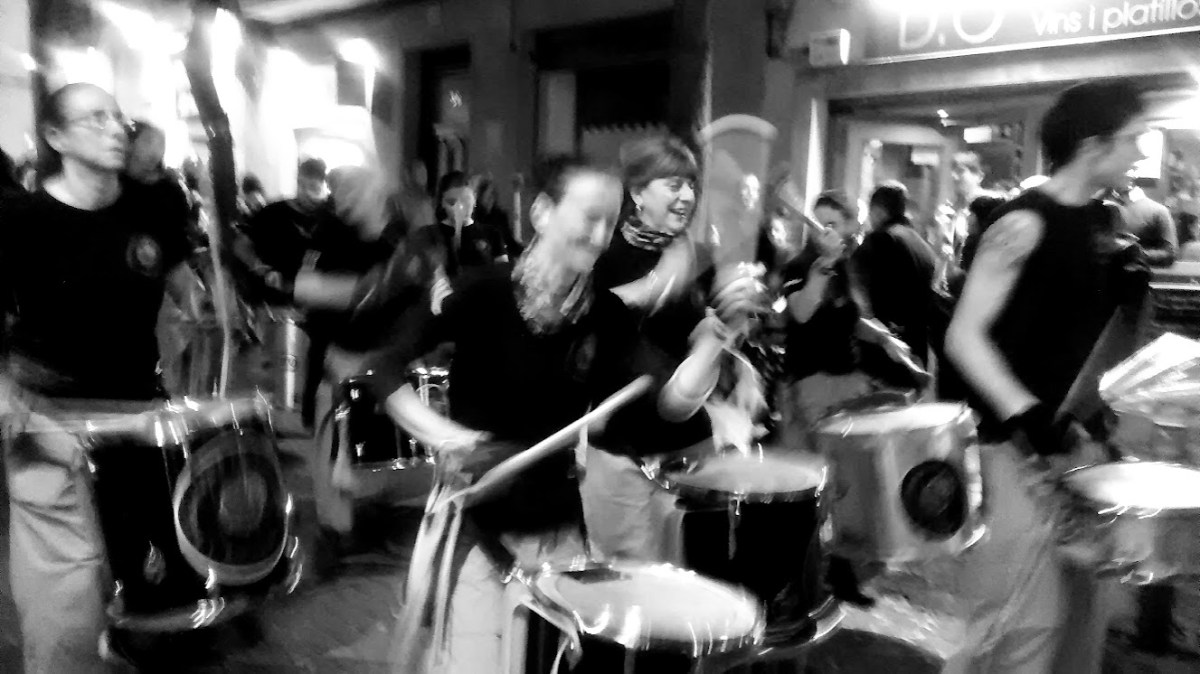
My header image was taken at the neighbourhood Festa Major in Gràcia, Barcelona. It’s out of focus, and I don’t care. It captures I think the verve and enjoyment of those performing drummers.
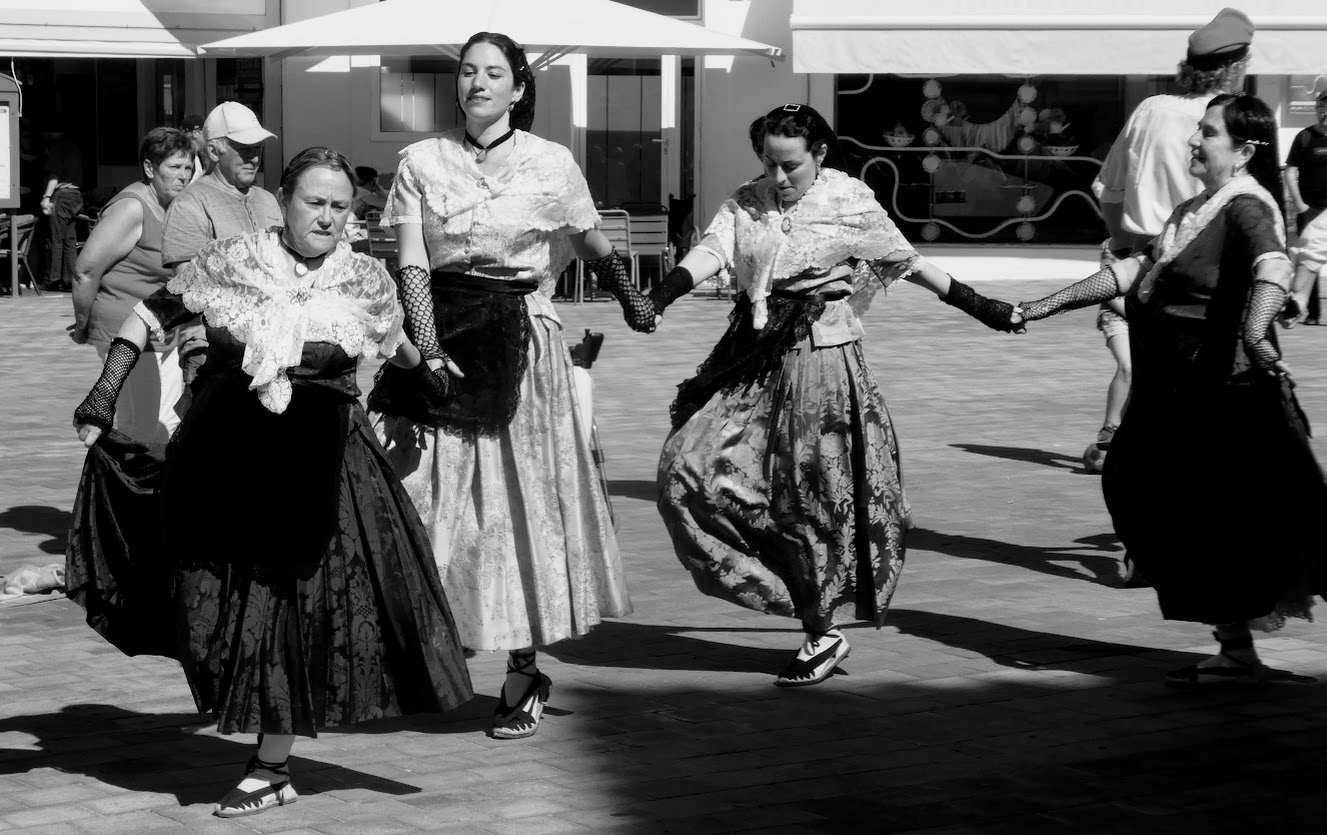
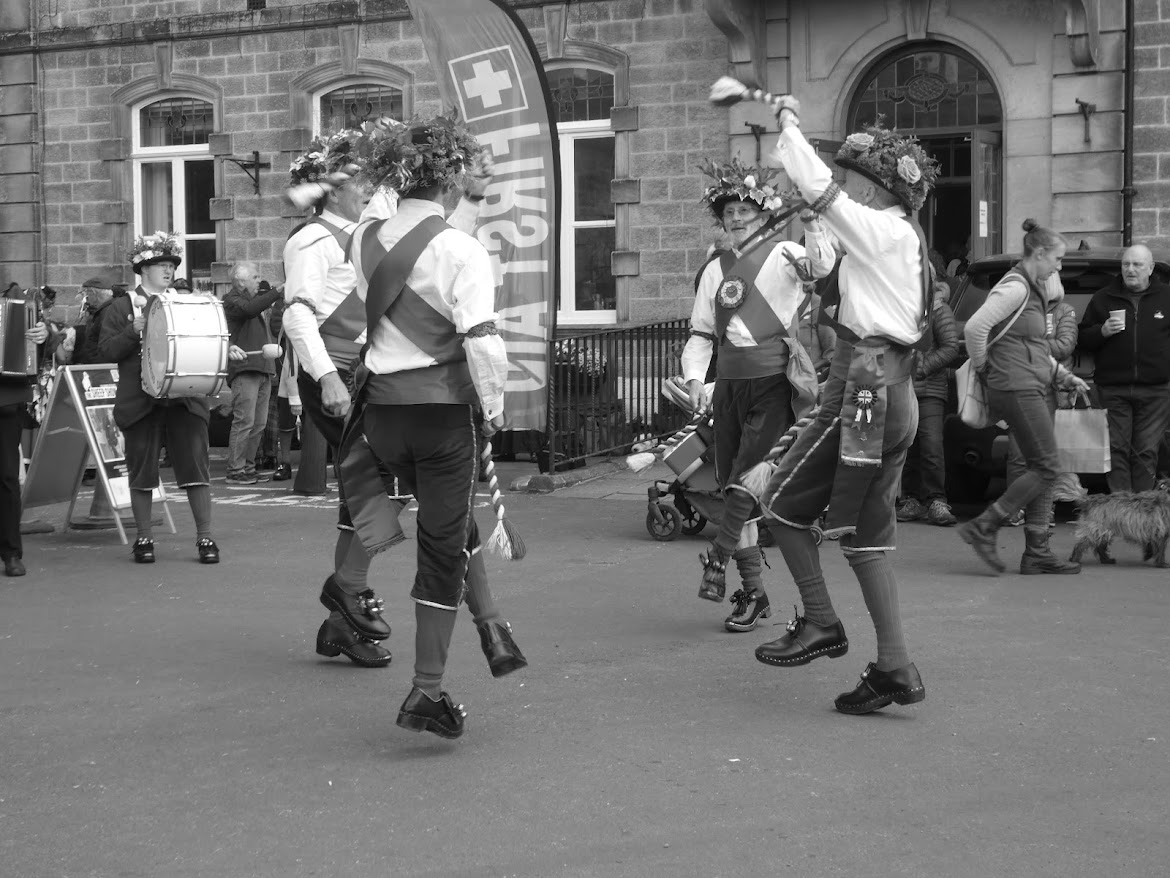
Here are some dancers in neighbourhood festivals: in Catalonia; and in England – Morris Men.
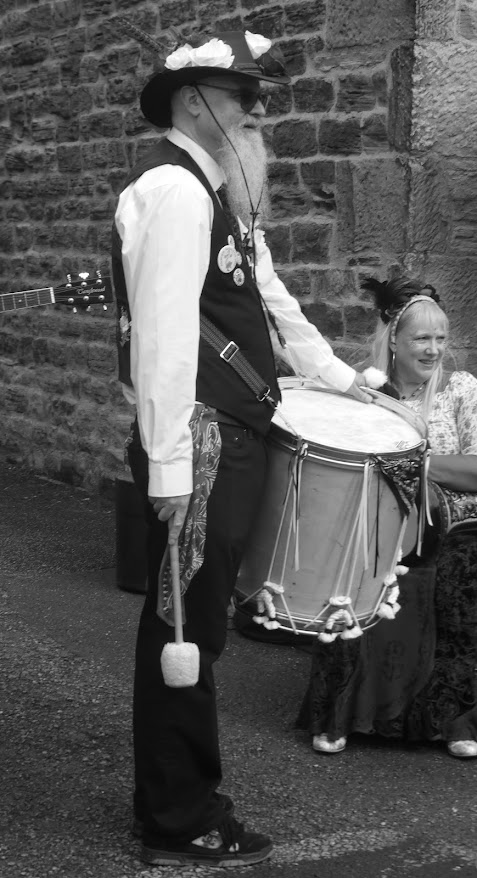
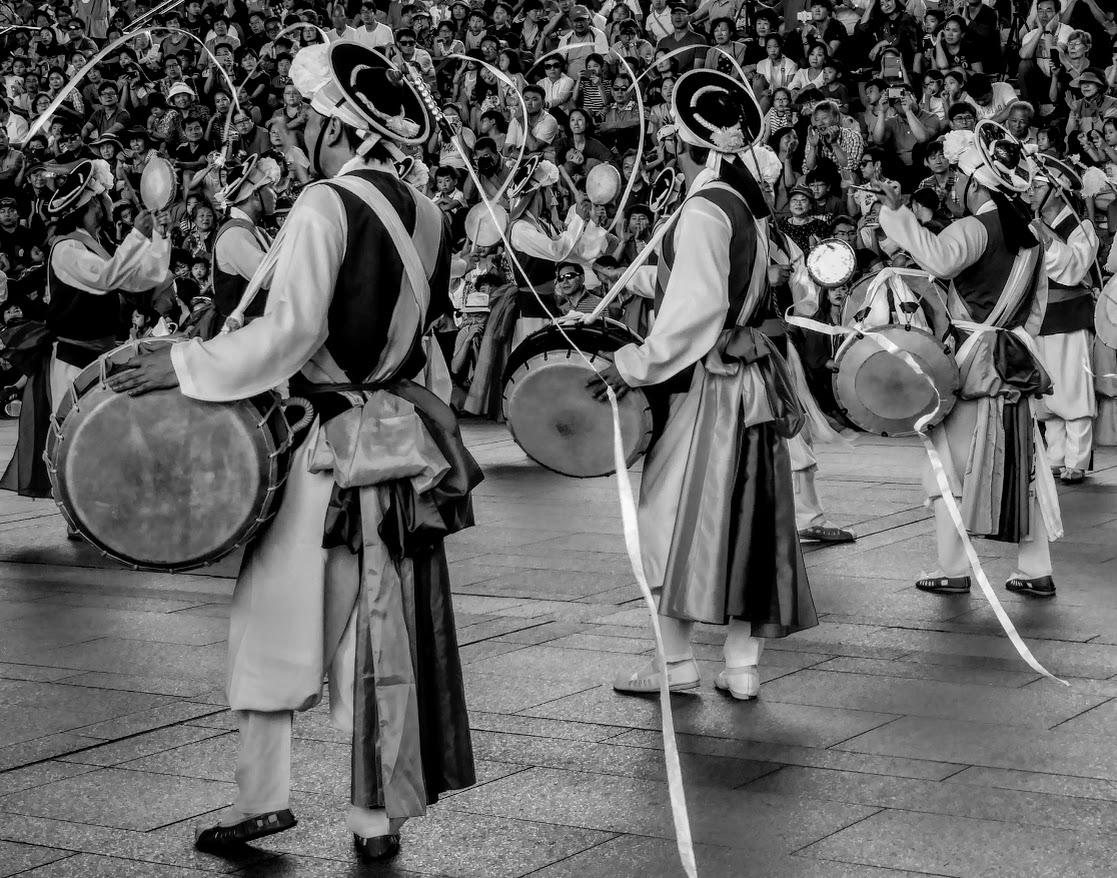
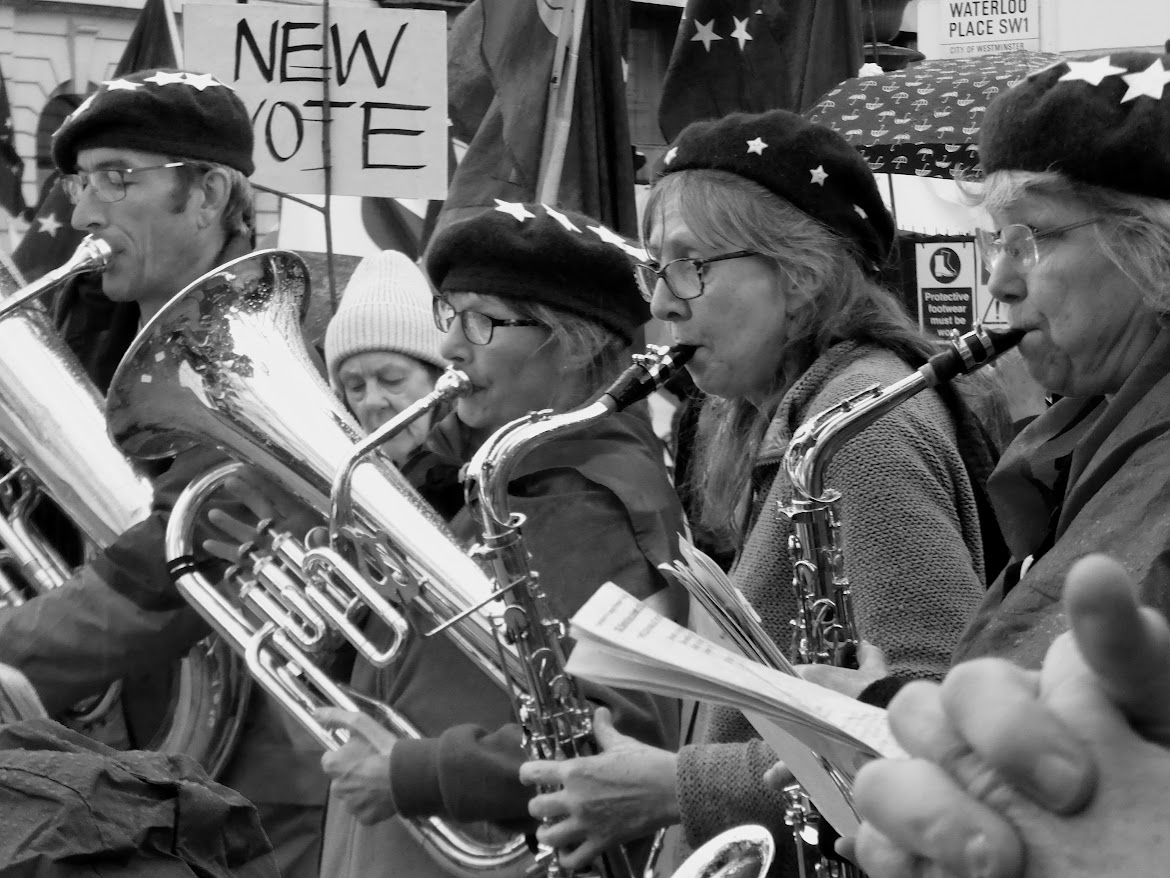
Instrument players now. The drummer accompanying the Morris dancers; drummers celebrating Chusak in South Korea, and brass players marching in London in those heady optimistic days when some of us still thought Brexit might not happen.
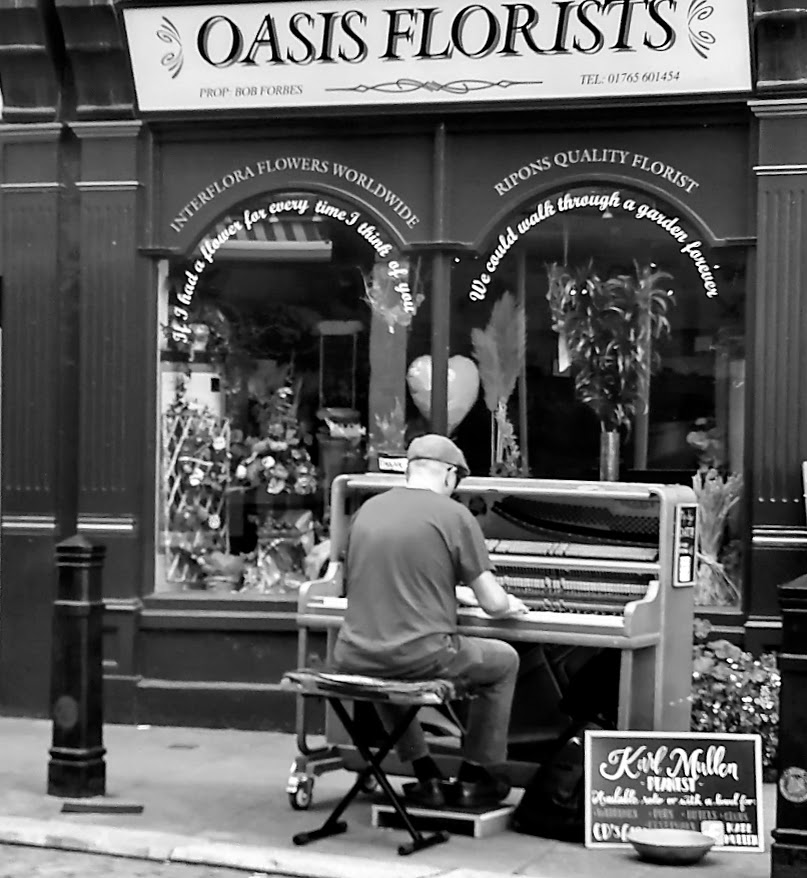
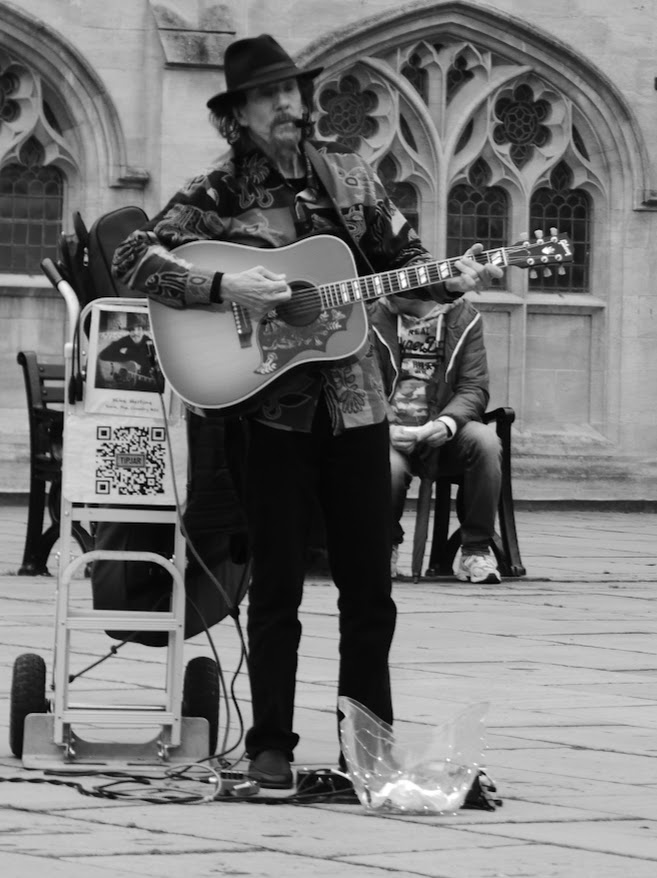
Of course some instrumentalists out in the street are trying to earn a living. Here are buskers in Ripon and Bath.
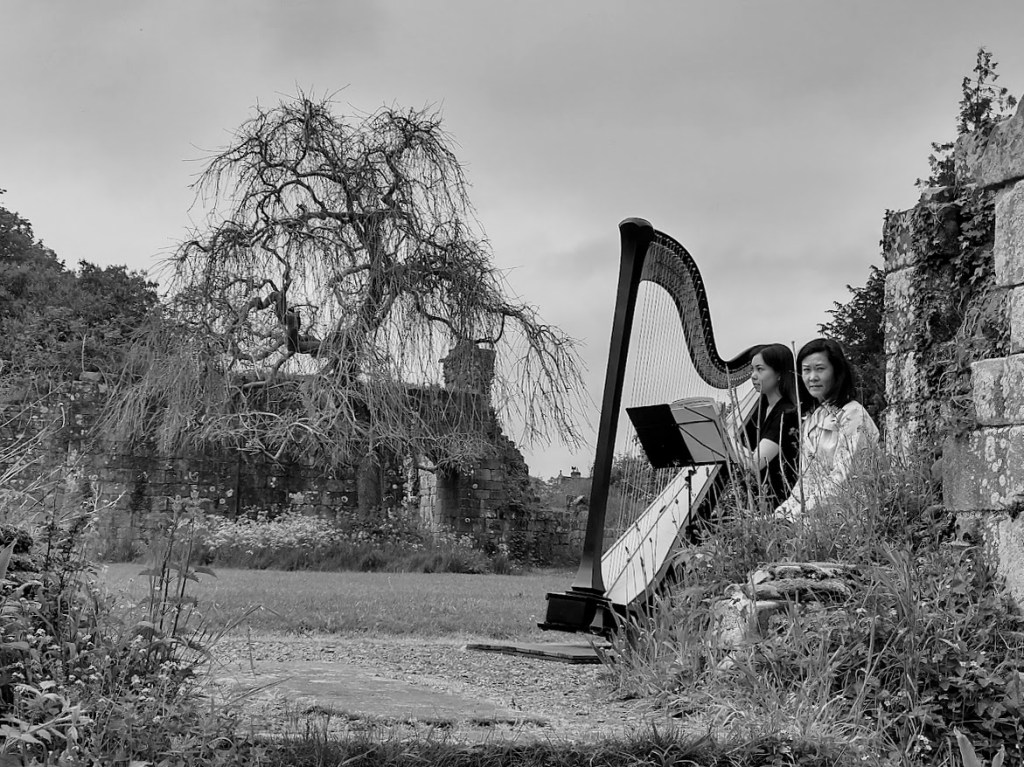
And a harpist playing at a friend’s wedding in the grounds of the ruined Abbey at Jervaulx ….
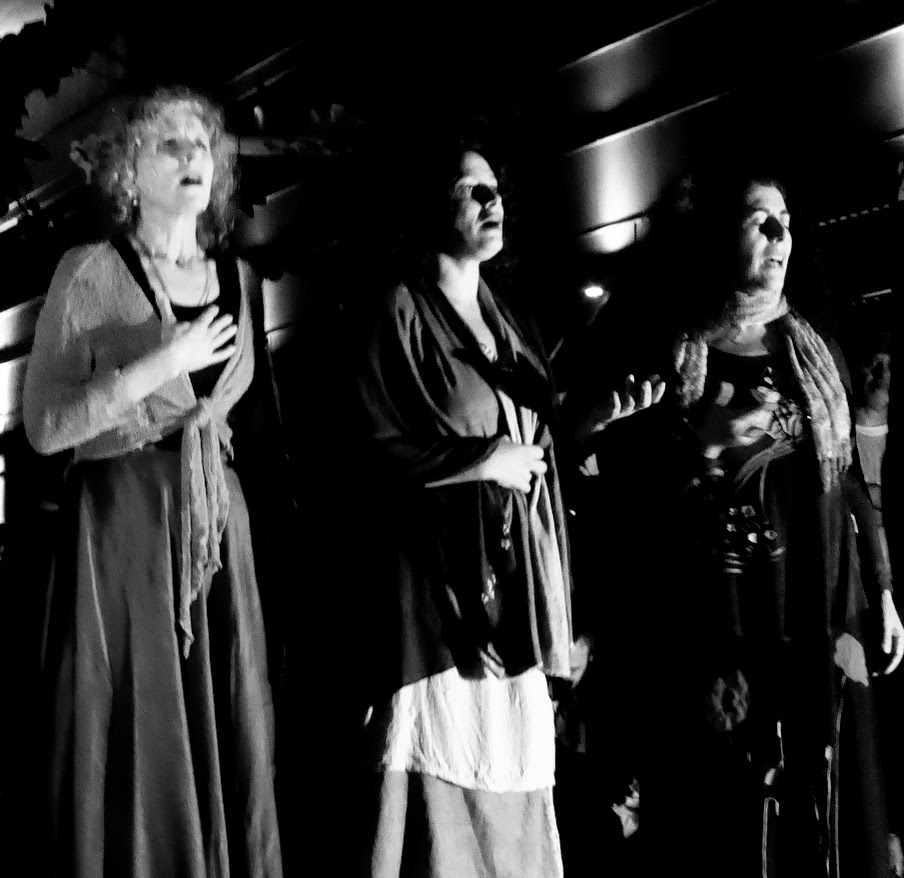
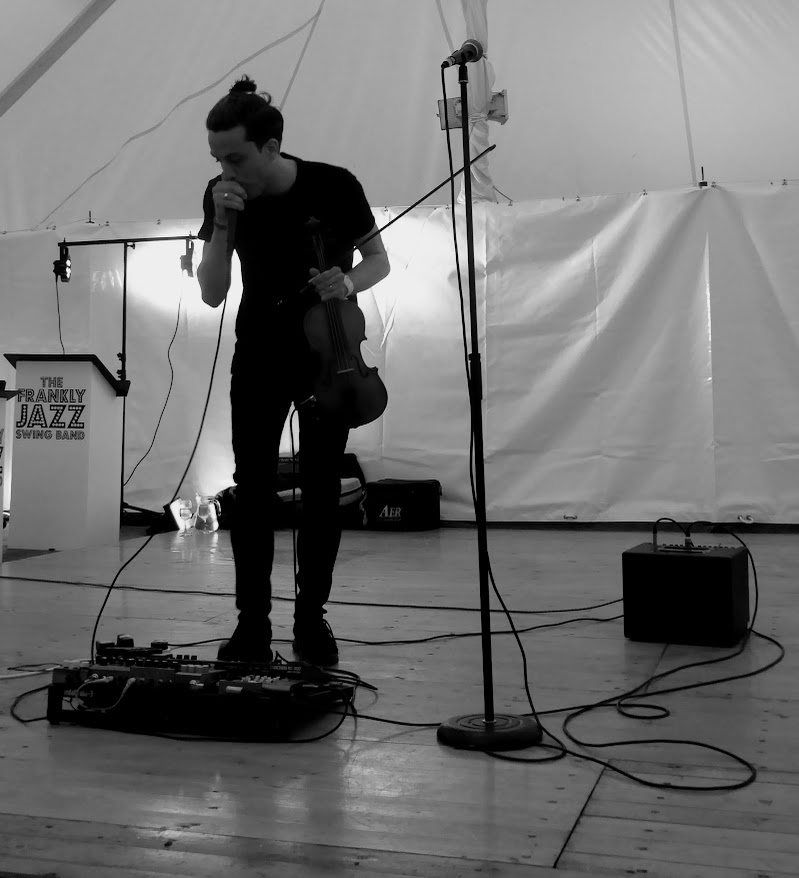
Here are singers in Seville, relying simply on the beauty of their voices; and a singer-instrumentalist, heavily dependent on a supply of electricity to produce a sound.
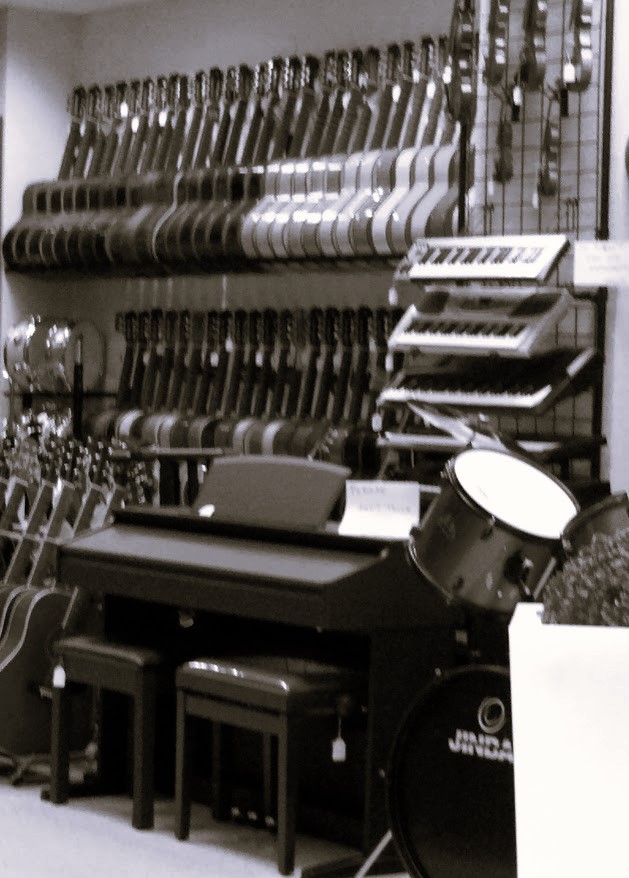
Of course, first you have to have your instrument. Here’s a music shop in Málaga.
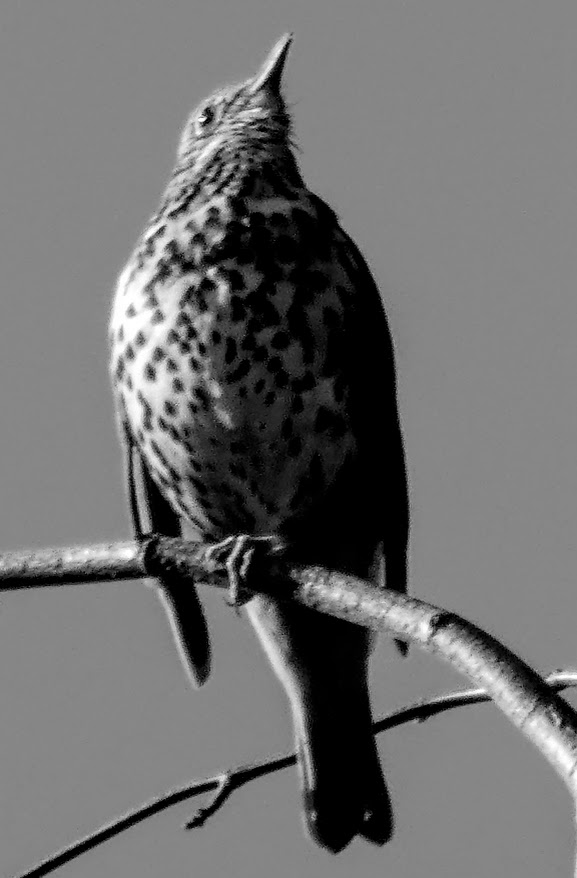
This thrush is a musician from the natural world. He commandeers a high branch here, spring after spring, and simply sings his heart out from early morning to early evening, almost without stopping. I wish you could hear him.
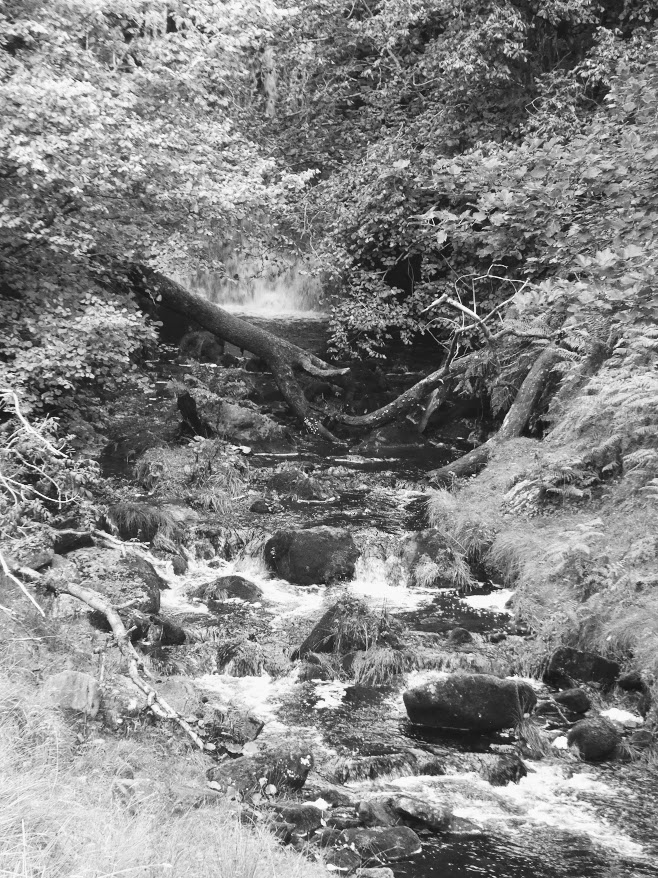
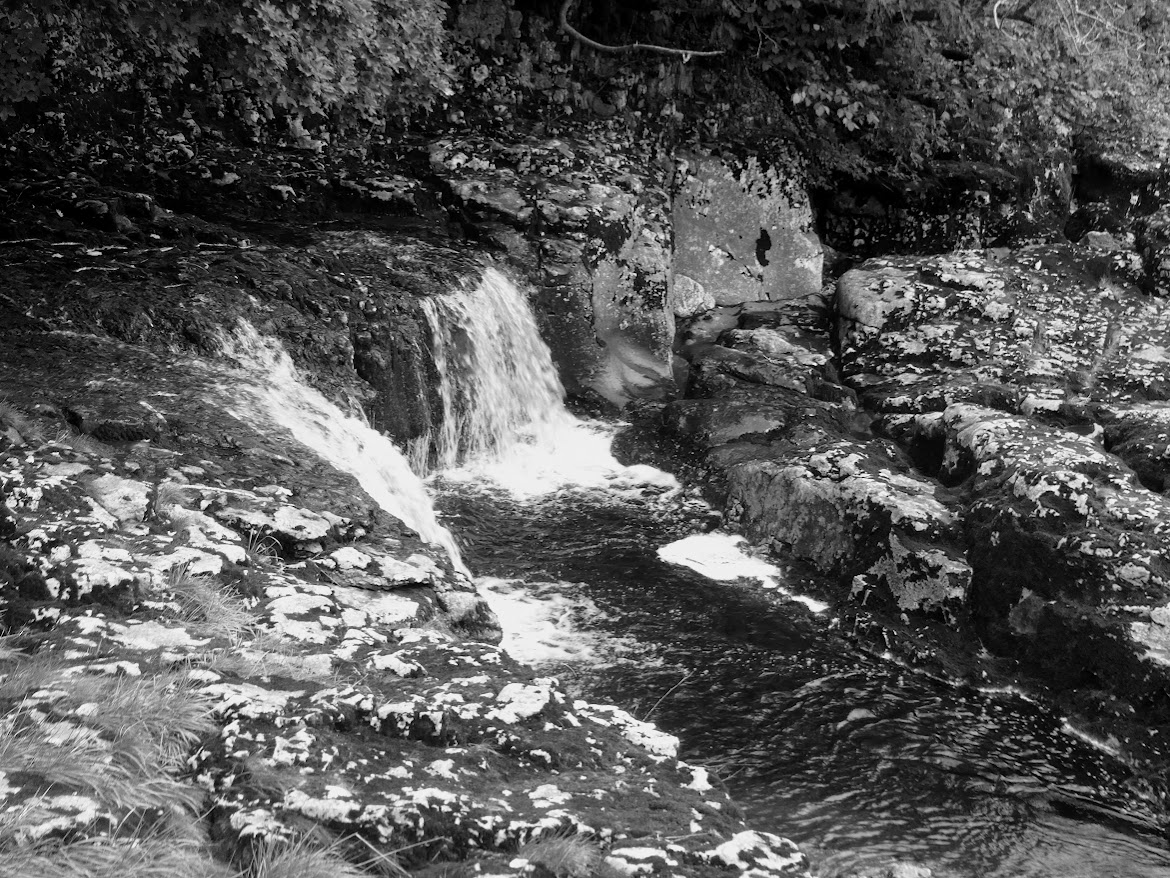
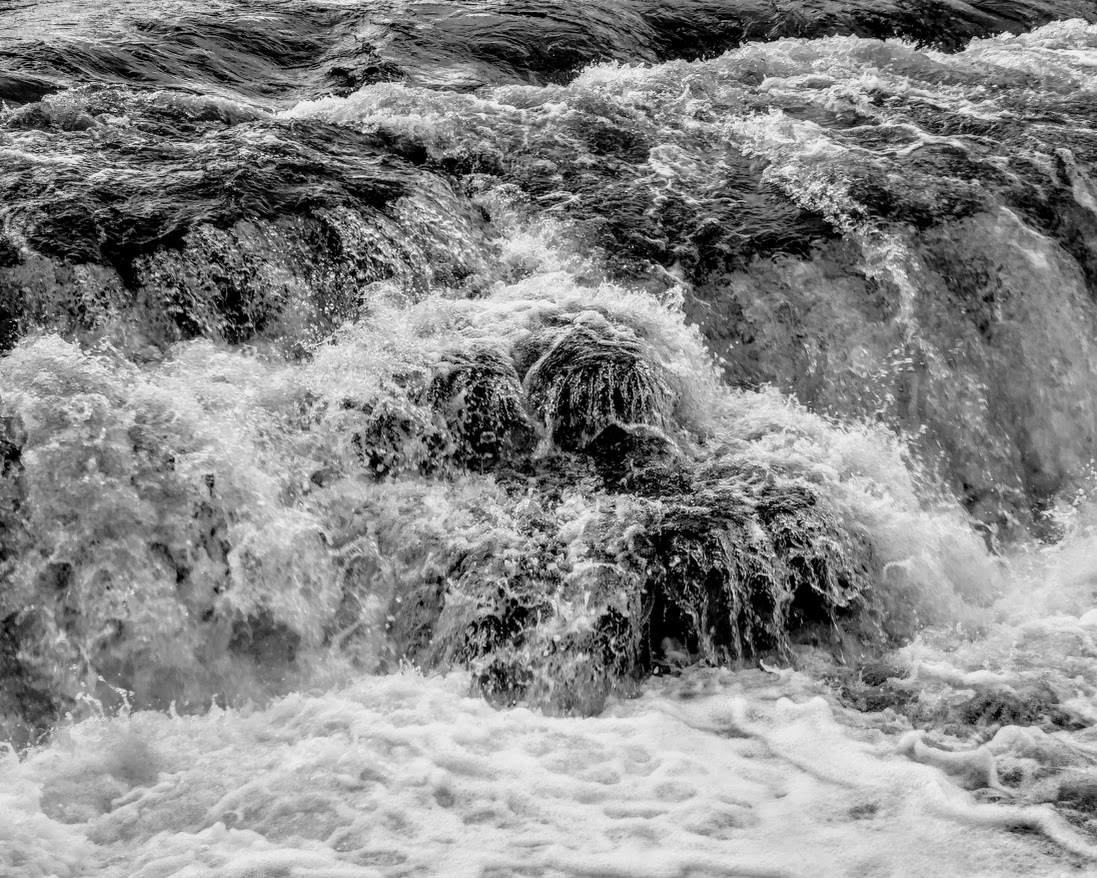
And while we’re in the Great Outdoors, is there anything more musical than a tinkling and plashing stream, tumbling tunefully over rocks?
Please do join in with your own musical offerings. And link back both to this post, and to Leanne’s site too, here.
So said Mick Maslen, Yorkshire artist and teacher. And perhaps none is more energetic than the Leading Line: the one that draws you insistently into an image to discover what lies at the other end. And which may leave you wondering, because you often never reach it.
My header image is from Cádiz, and is a bit of a text book classic. Pavement, road, seawall, cars, kerb-side buildings – even to a lesser extent the wispy clouds- all lead you on and drop you outside the city’s cathedral.
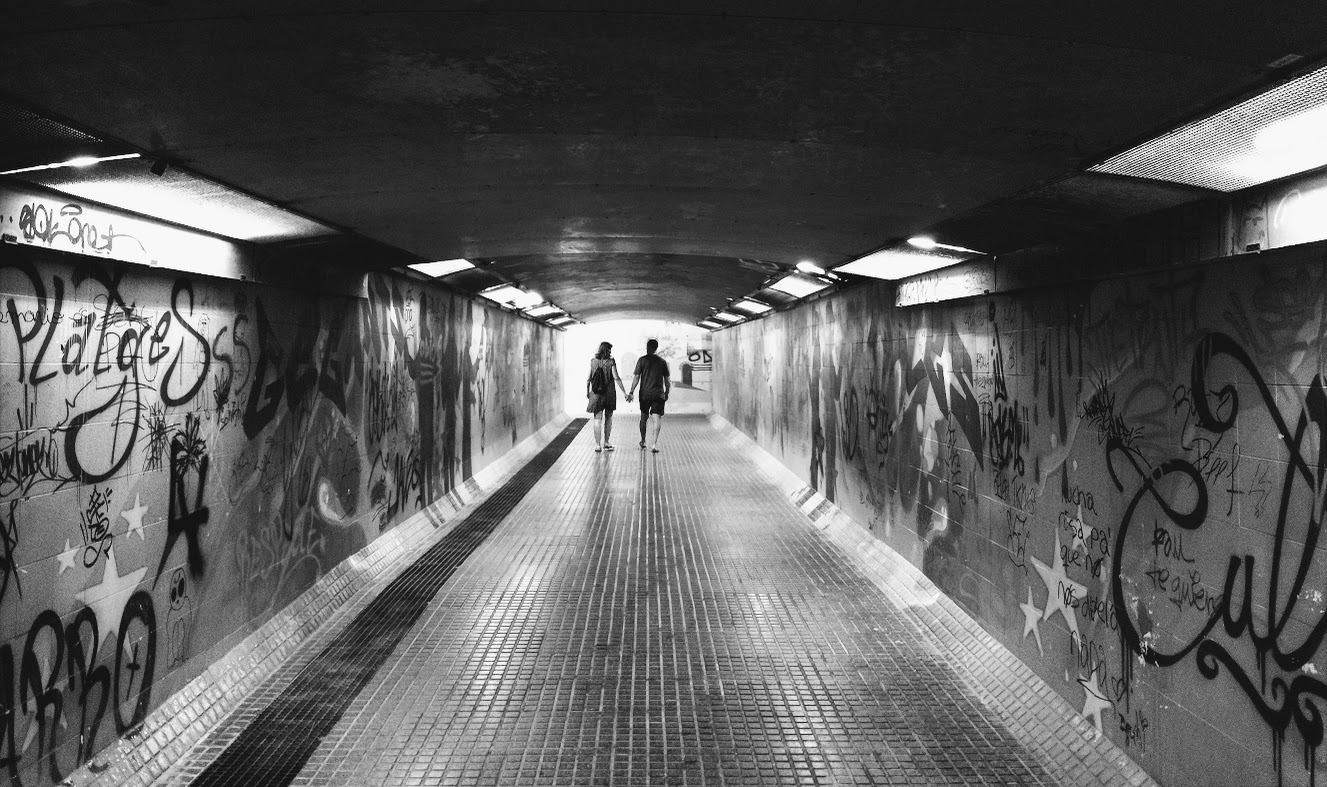
In other examples, it’s the journey along the lines, rather than the destination that commands our notice. Here’s one from Chalons-en-Champagne: the wall paintings rather than the chap at the end, are the story. Just as the couple in the underpass in Premià de Mar attract less attention than the graffiti they’ve just walked past.
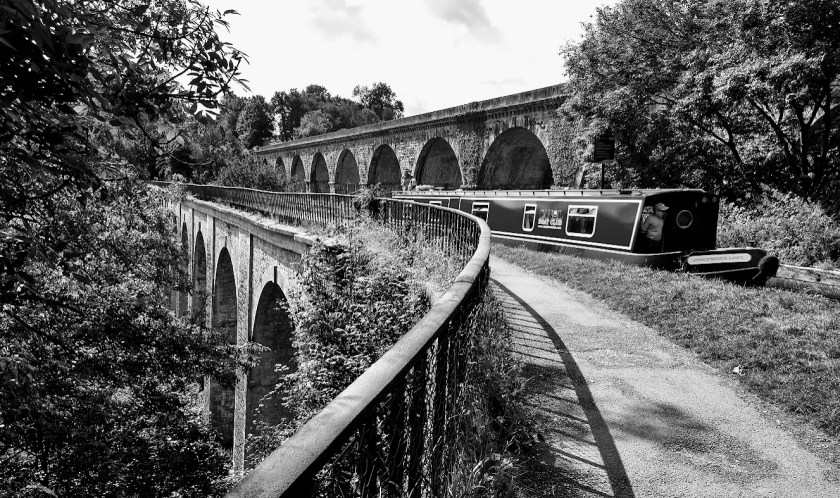
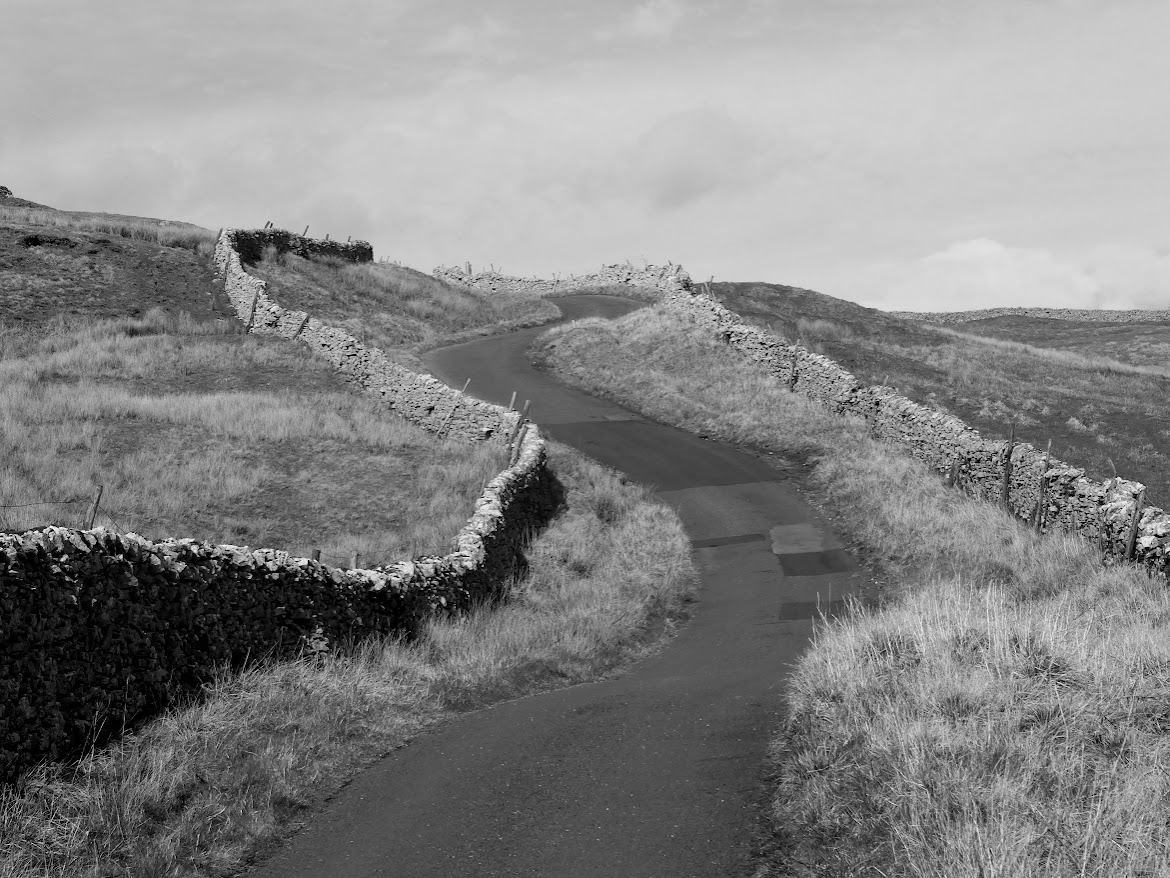
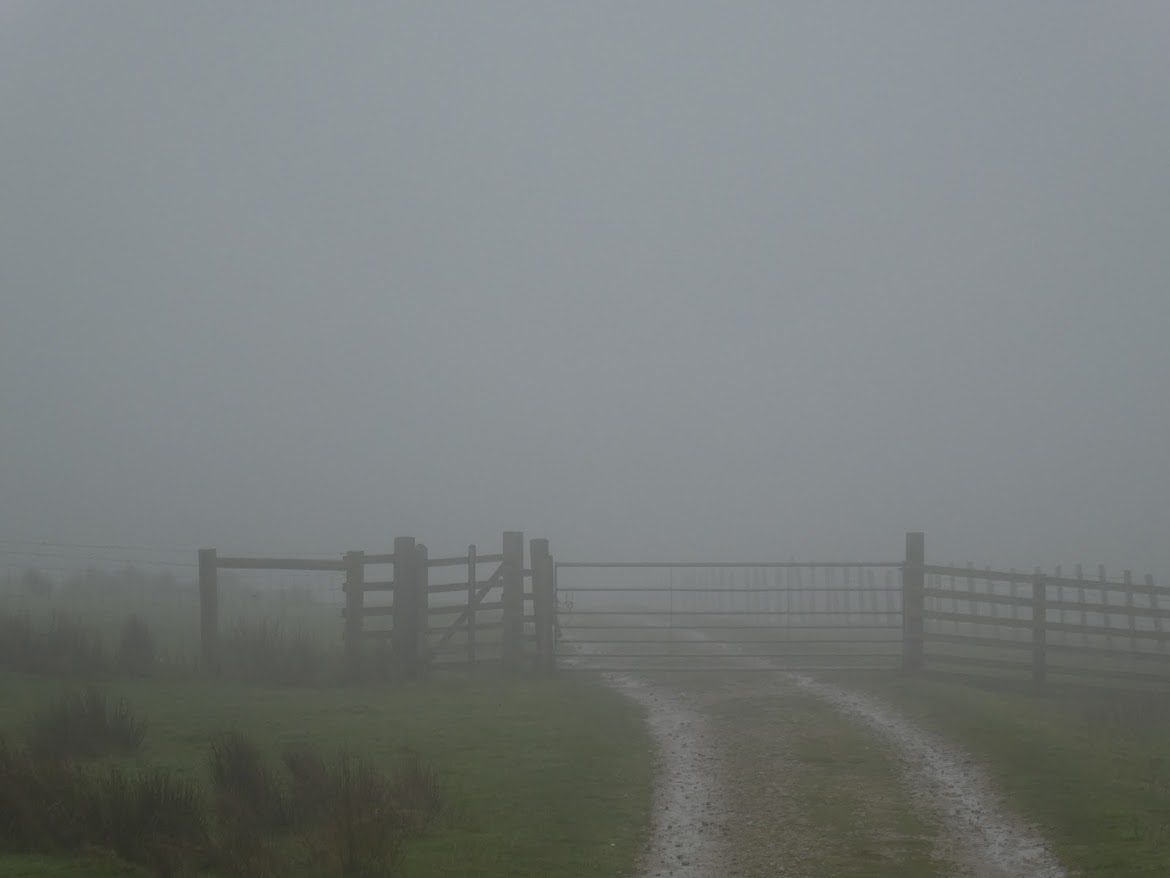
Other leading lines have no destination that we can see. The Chirk Aqueduct, with viaduct behind is going somewhere. We just don’t know where. The same with the Rolling English Road in the Yorkshire Dales, and the track in another part of the Dales whose path has been enveloped by fog.
Chirk Aqueduct: from Shropshire to Wales.
Just one more image today. The astonishing Millau Viaduct in France, some two and a half km. long, sweeps majestically about 35 metres above the River Tarn and the landscape and communities beneath- sometimes (and oh how I’d love to see it then!) even above the clouds.
Rebecca, of Fake Flamenco fame has suggested with typical generosity of spirit that we send virtual flowers or autumn colour to Becky, Queen of Squares and to Cee, Queen of Challenges. Becky, in England, has kept us up to date with the health difficulties currently being experienced by Cee, in America.
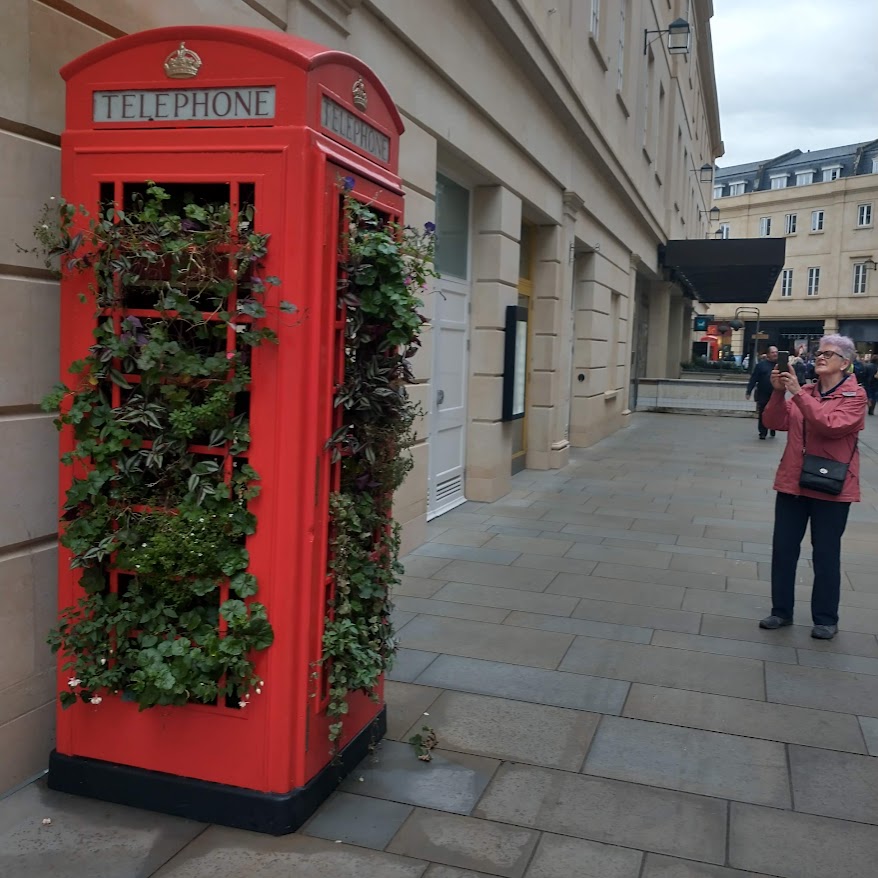
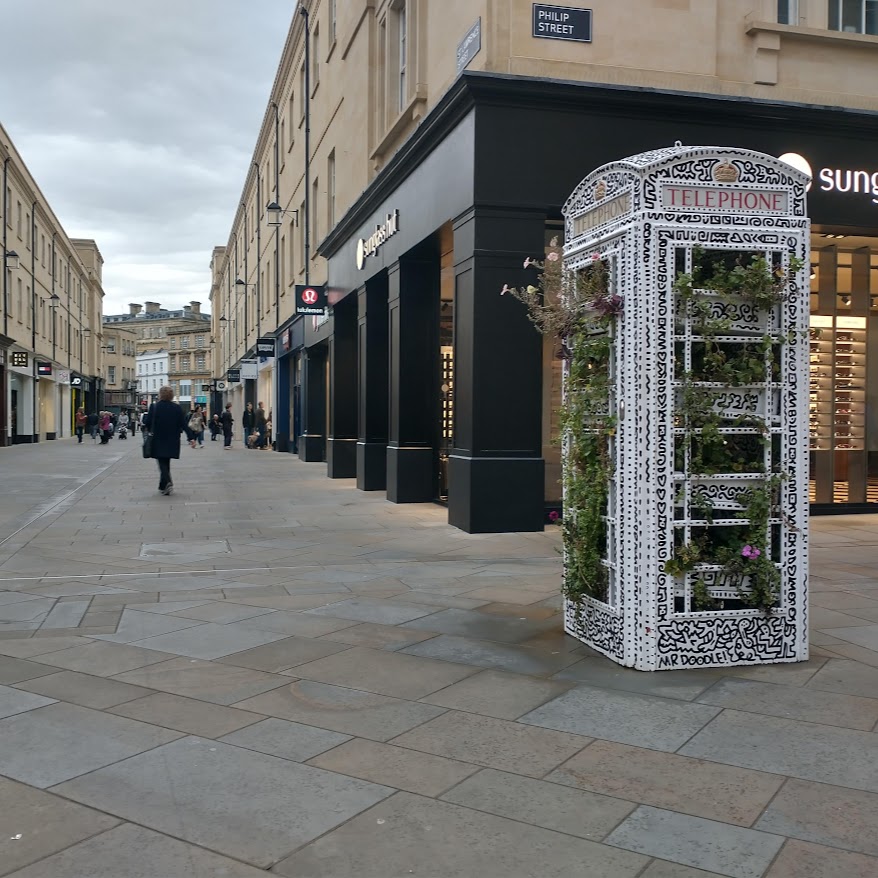
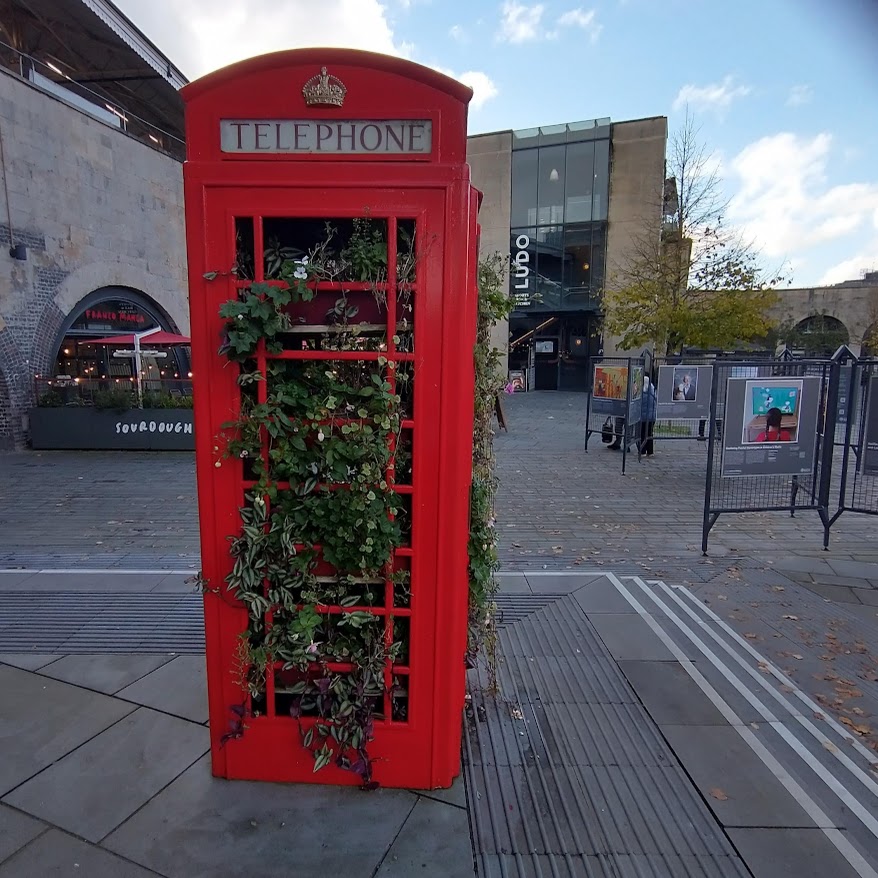
I’m sending flowers from a phone box to each of them. These cheery additions to the urban scene can be found in Bath, where I spent yesterday with both Becky and Anabel, The Glasgow Gallivanter. Lucky me! Spending time with fellow bloggers is quite the best fun.
The header photo features the central box, which is the work of Mr. Doodle.
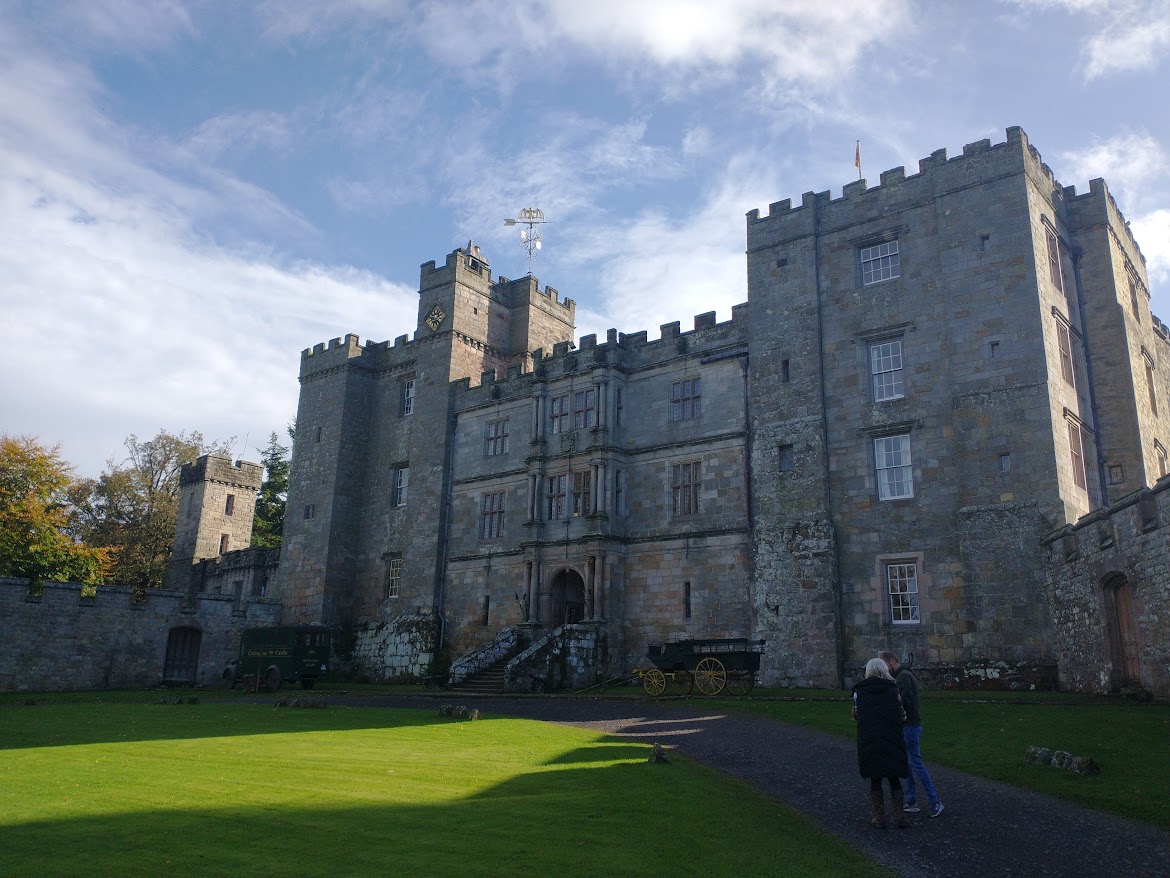
Well, we ‘did’ the Chillingham Cattle. So now, maybe some culture, some history at the nearby Chillingham Castle, parts of which date from the 12th century?
Perhaps we should have guessed. We drove through the gates, then bumped along the drive, deeply pitted with pot holes. The parking area was filled with random notices relating to a golf course that was nowhere in evidence. We found the entrance, where a slightly surly individual examined our pre-booked tickets and gestured us through a door. ‘Ramshackle’, rather than ‘weathered’ was the term that occurred to us as we passed through the courtyard. Still the cafe offered home made soup and cakes, so that was alright.
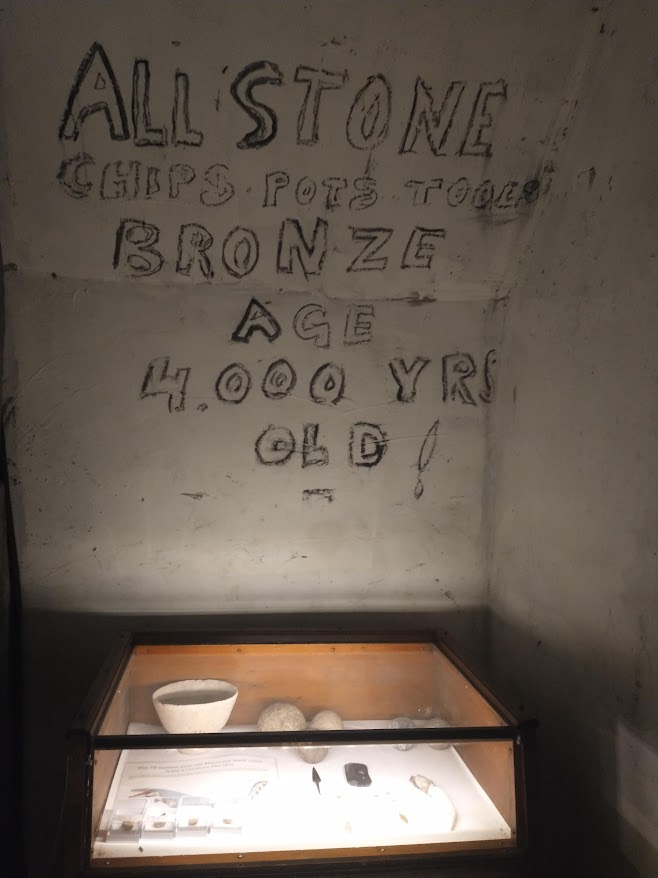
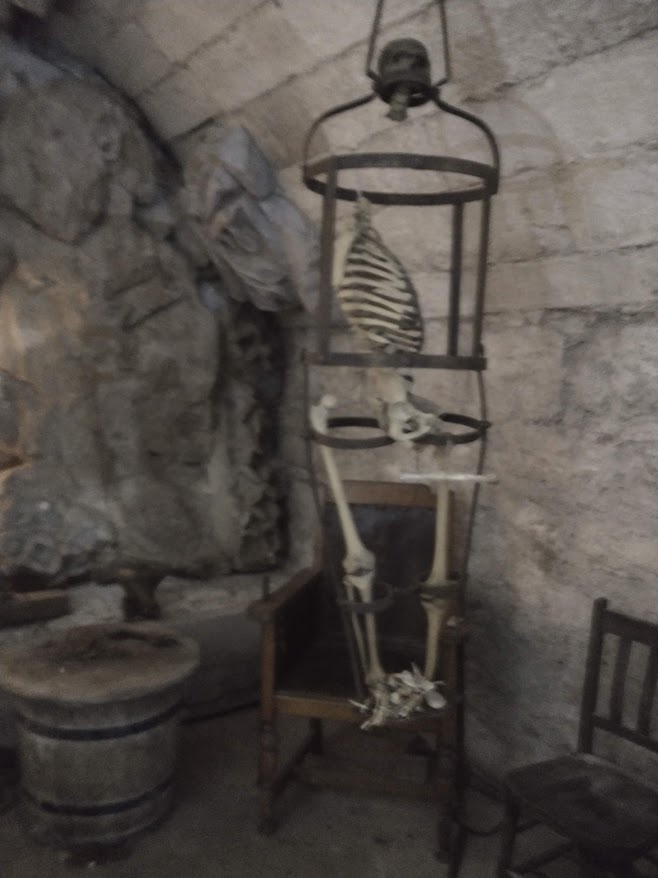
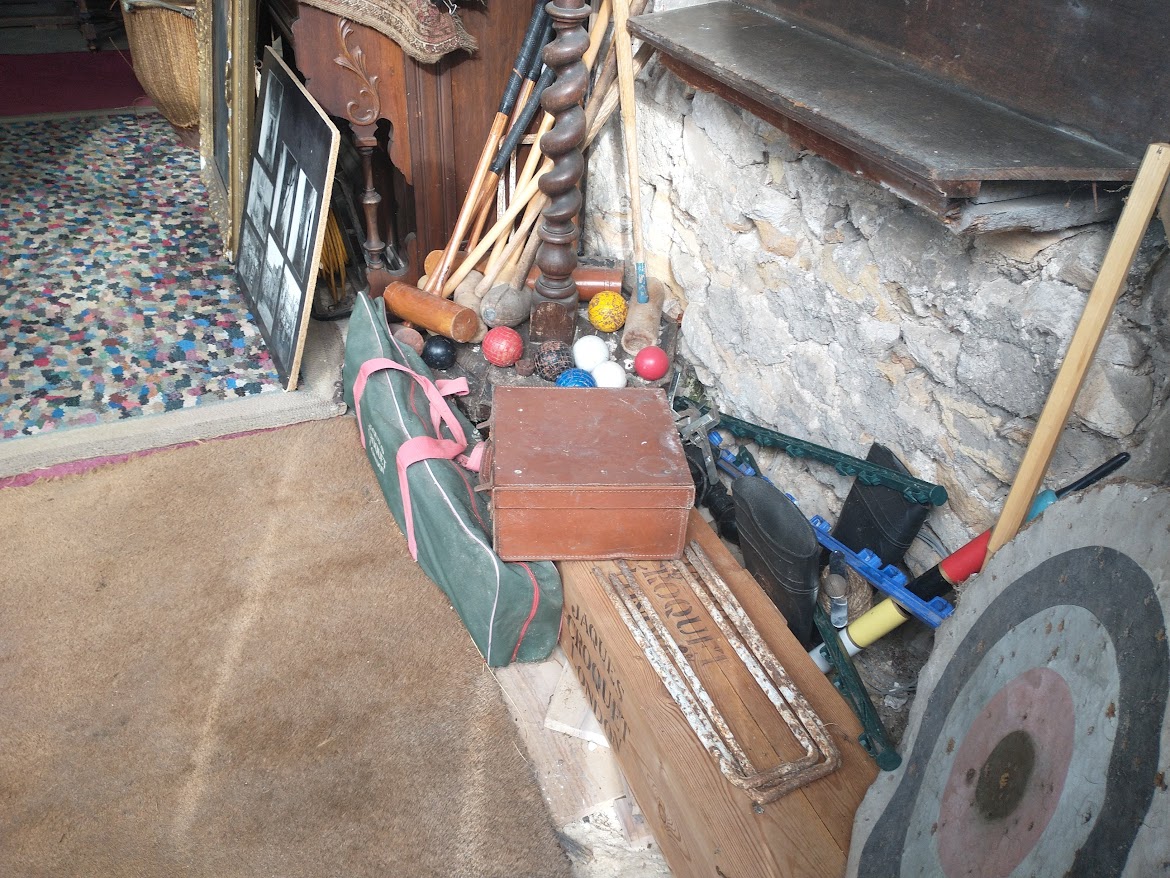
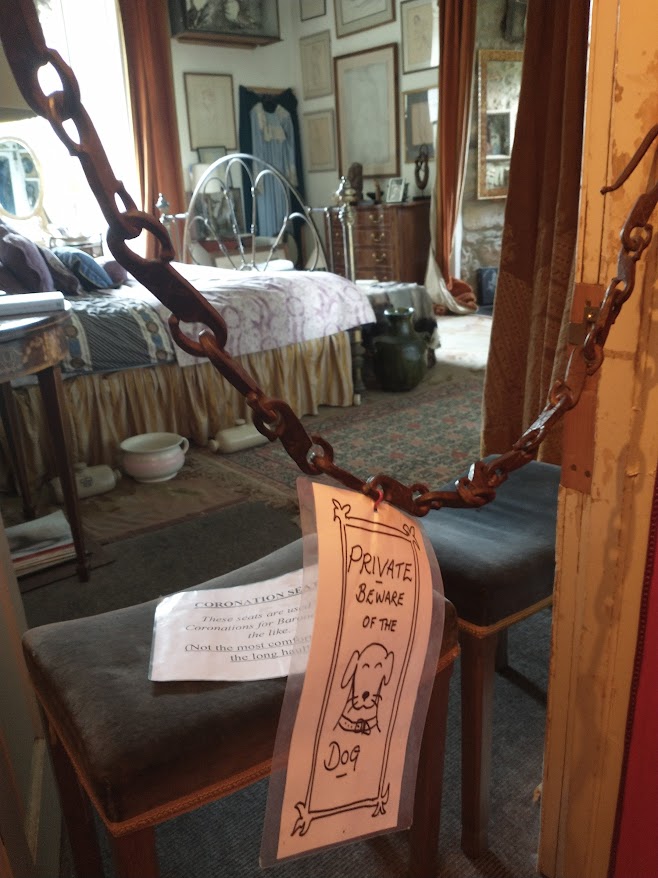
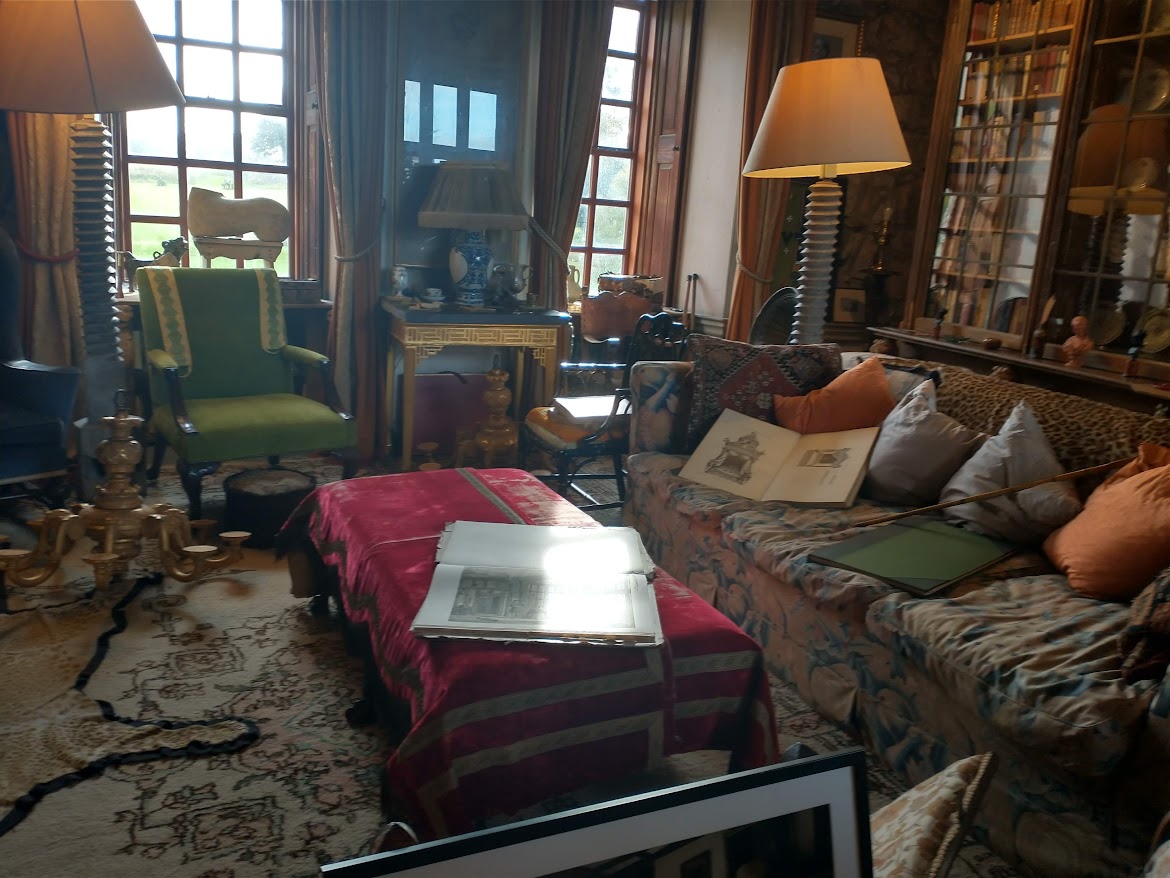
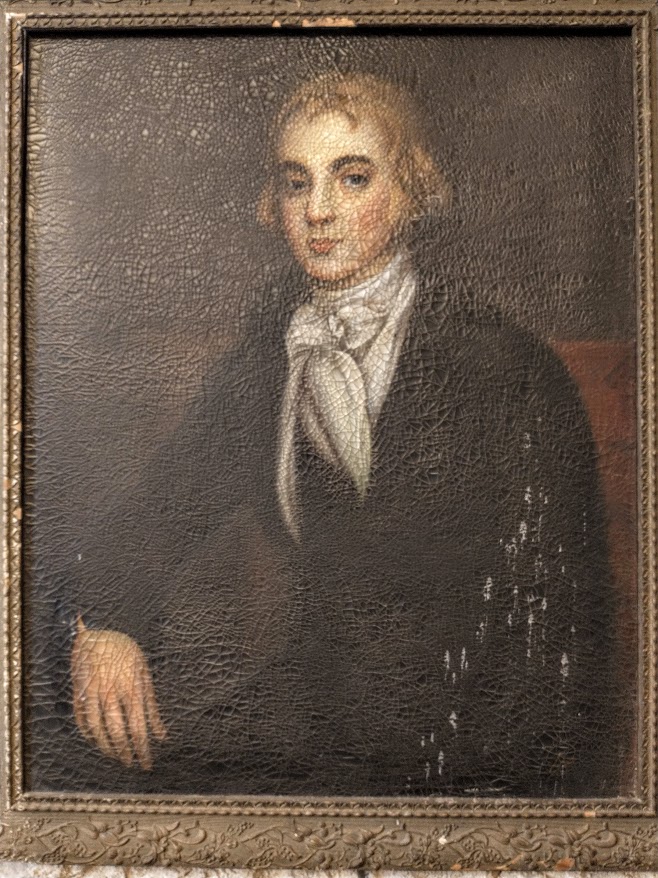
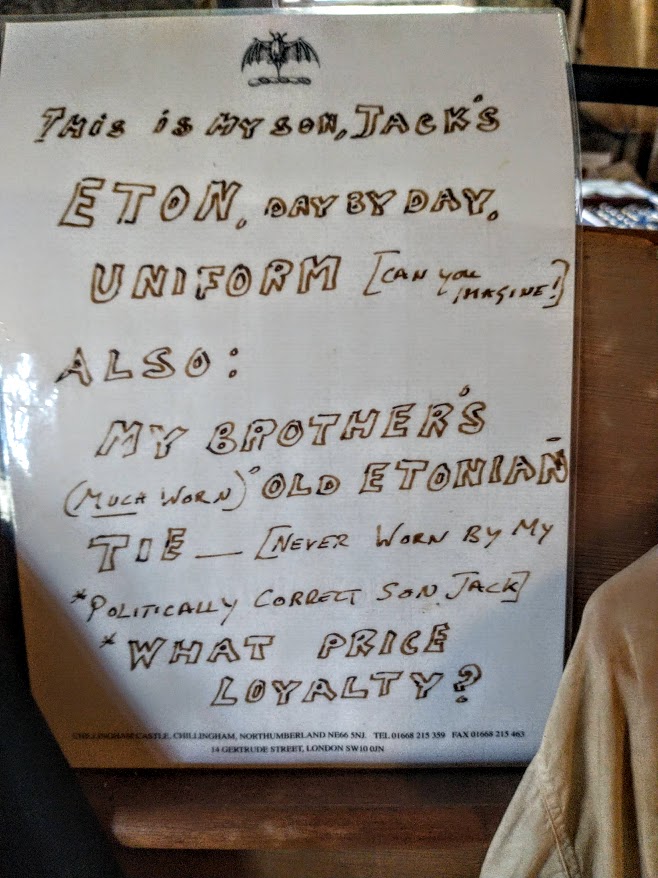
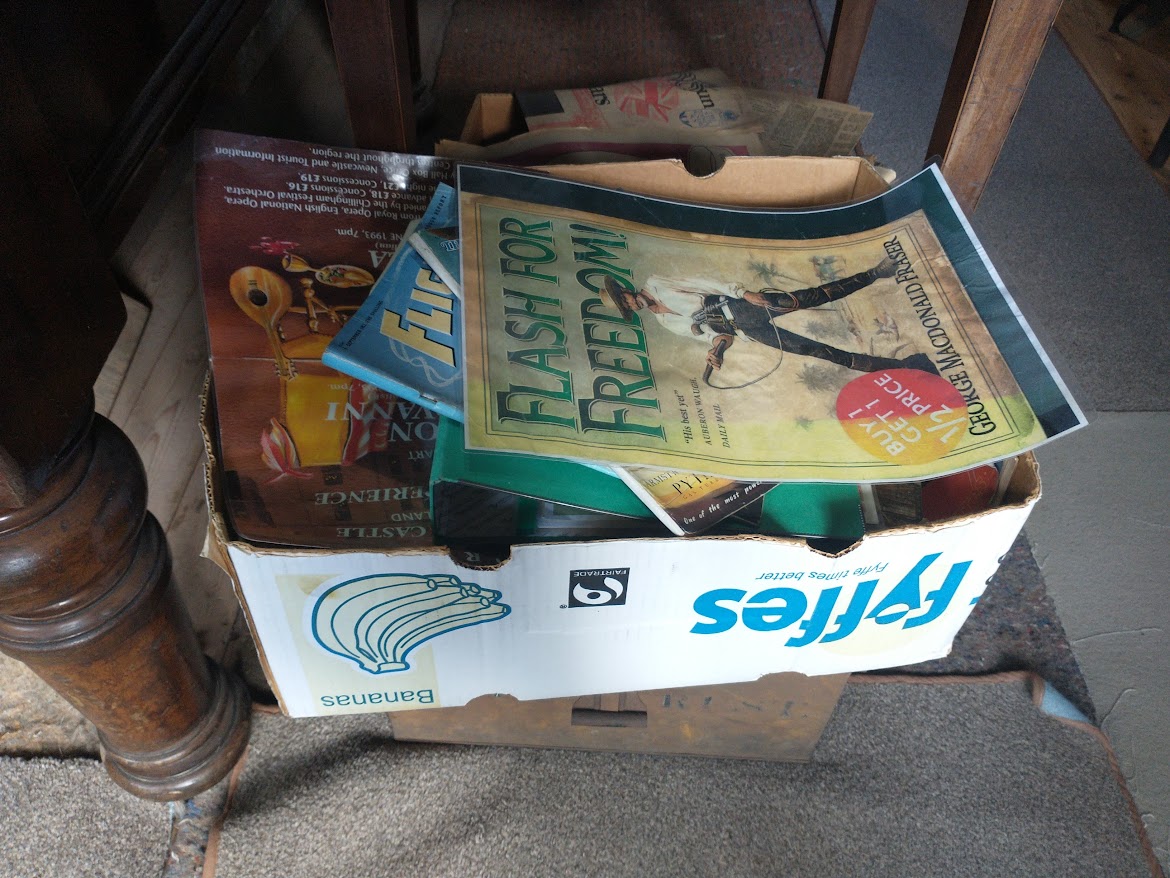
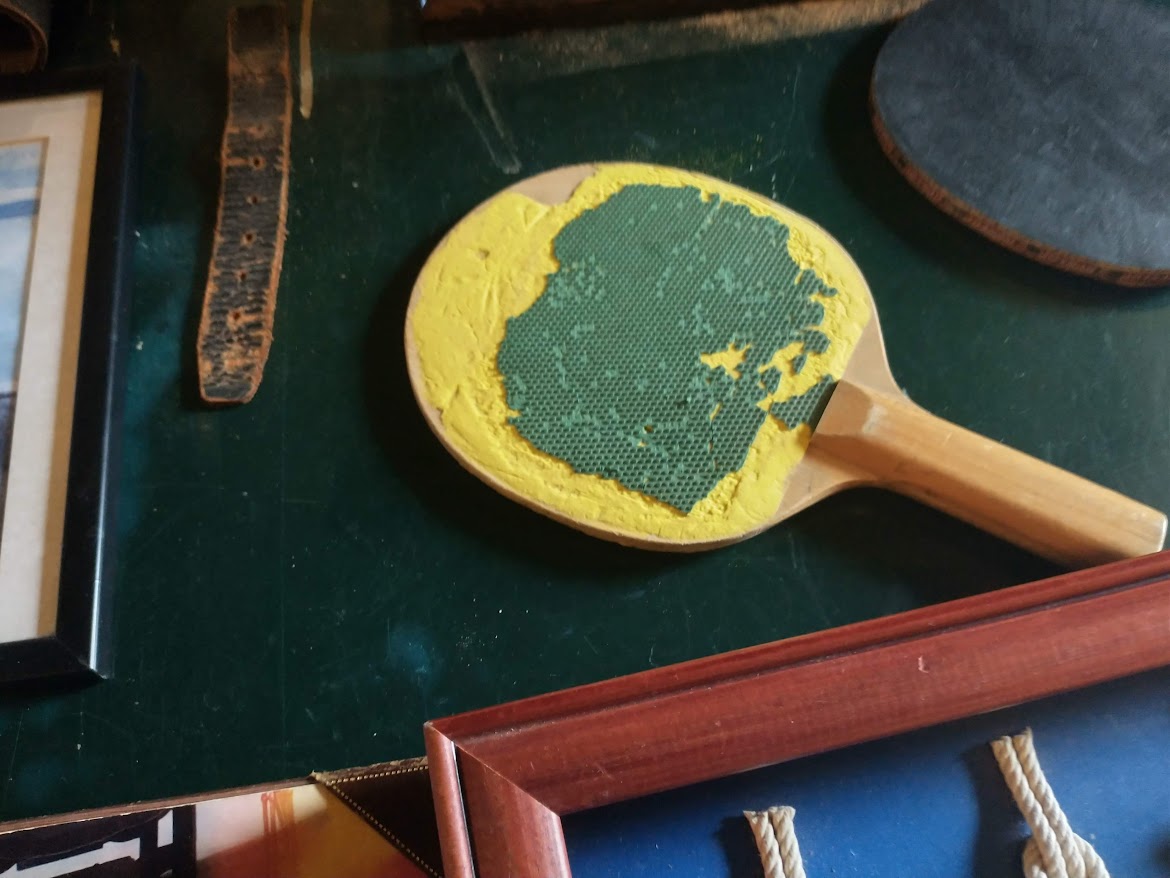
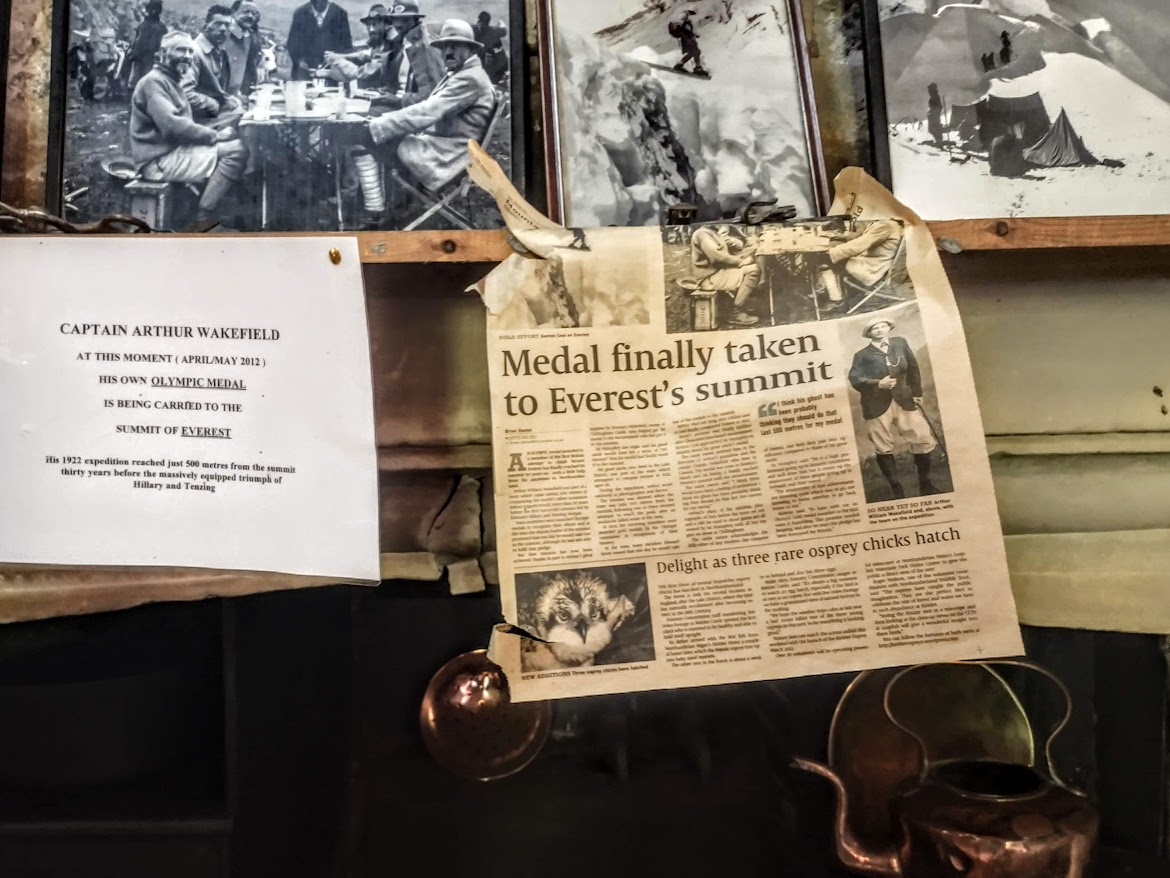
But our visit! An ill-lit room offered instruments of torture, in no way explained or contextualised, but which included a broken down skeleton in a broken down wheelchair. Progressing further, we found halls scattered with elderly croquet mallets, rooms featuring peeling table tennis bats, torn and yellowed newspaper cuttings roughly pinned to a mantelpiece – one drawing pin having fallen out. A box of magazines from a bygone age tossed into a Fyffes banana box. Windows dressed with rotting and ripped curtains. Somewhere in among all this, it was just about possible to pick out a family story, and witness at first hand a high-born family descending into genteel poverty.
Actually, the formal gardens weren’t too bad. Here’s a view from the roof.
But perhaps we’re miserable old curmudgeons, unable to recognise a National Treasure when we see one. Here are some reviews from Trip Advisor. There are those who loved their visit. Is it now on your ‘must visit’ list?
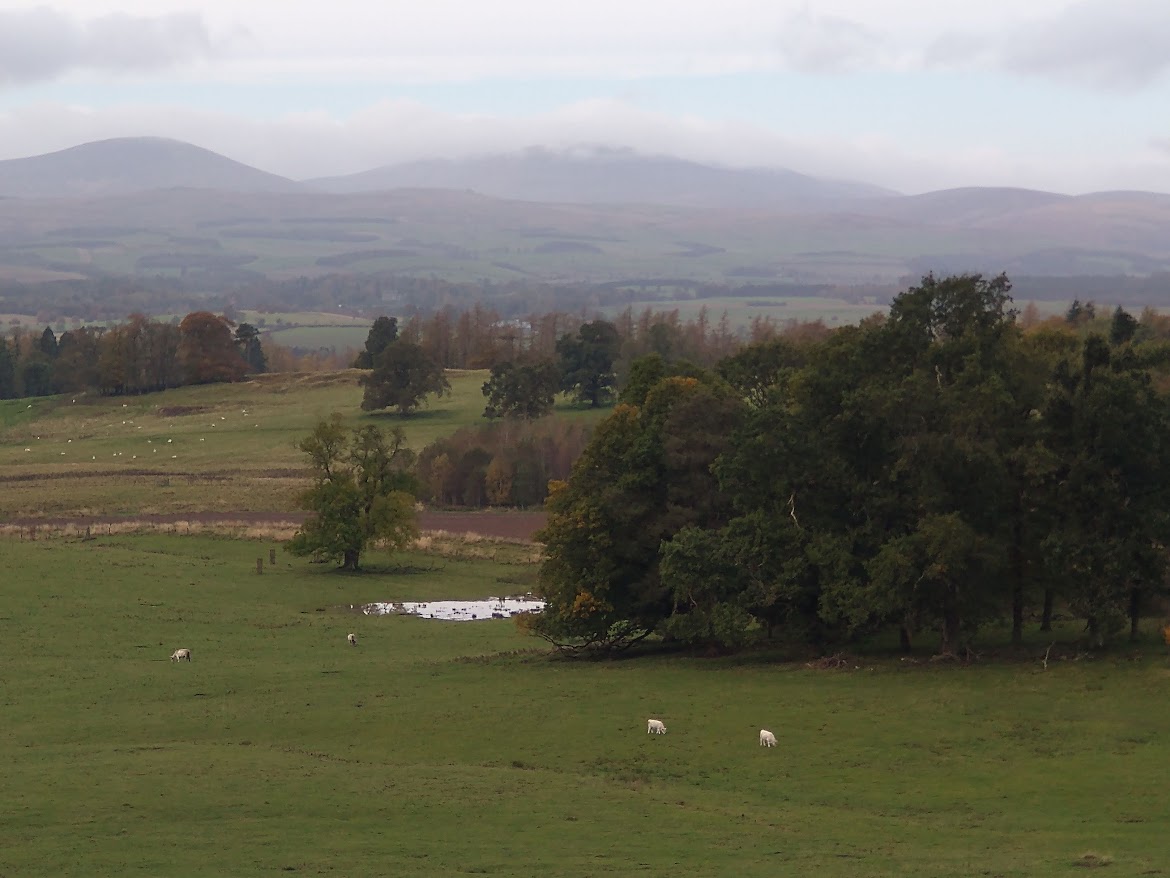
Venture to north Northumberland near the Cheviot Hills and the Scottish border, and you may find yourself near Chillingham. If you do, be sure to visit its wild cattle. Yes, for maybe 700 years, a herd of cattle has lived and prospered here, always untouched by man – no farmers, no vets, no medical treatment, no cowsheds, no milking.
Though their territory is large, there is inevitably a fence round their domain. But there are no other cattle like them anywhere (except cousins in Scotland who are kept there just in case anything happens to this lot). so genetically, they are in-bred. Normally, this leads to all kinds of problems. Remarkably, not with these creatures.
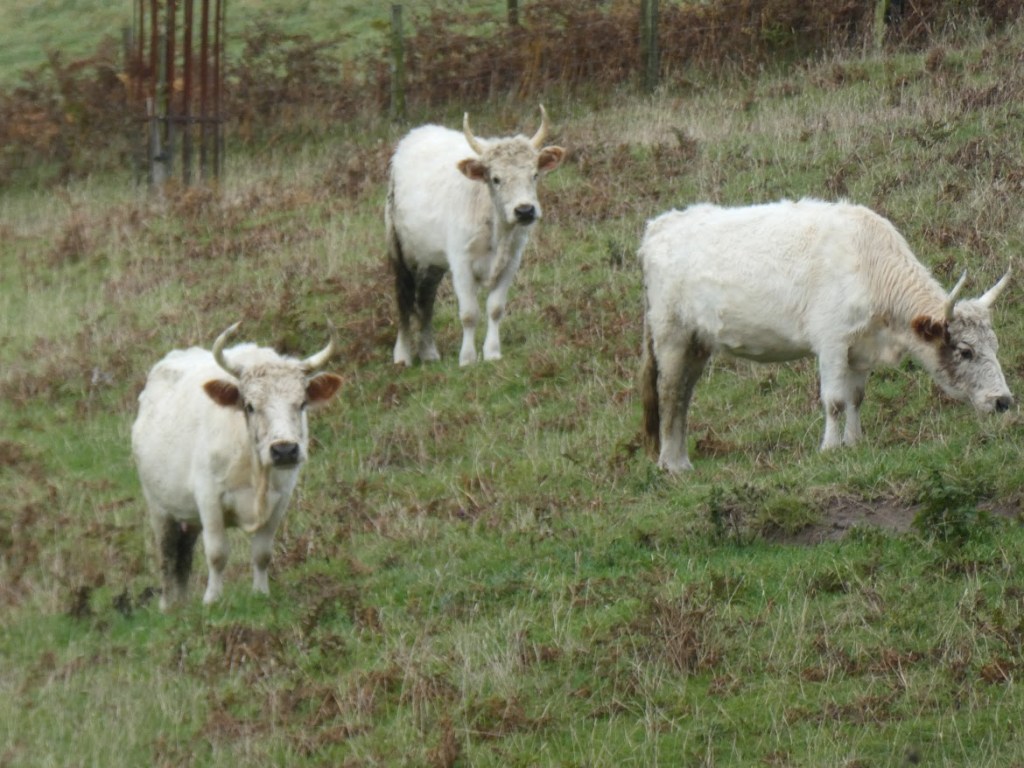
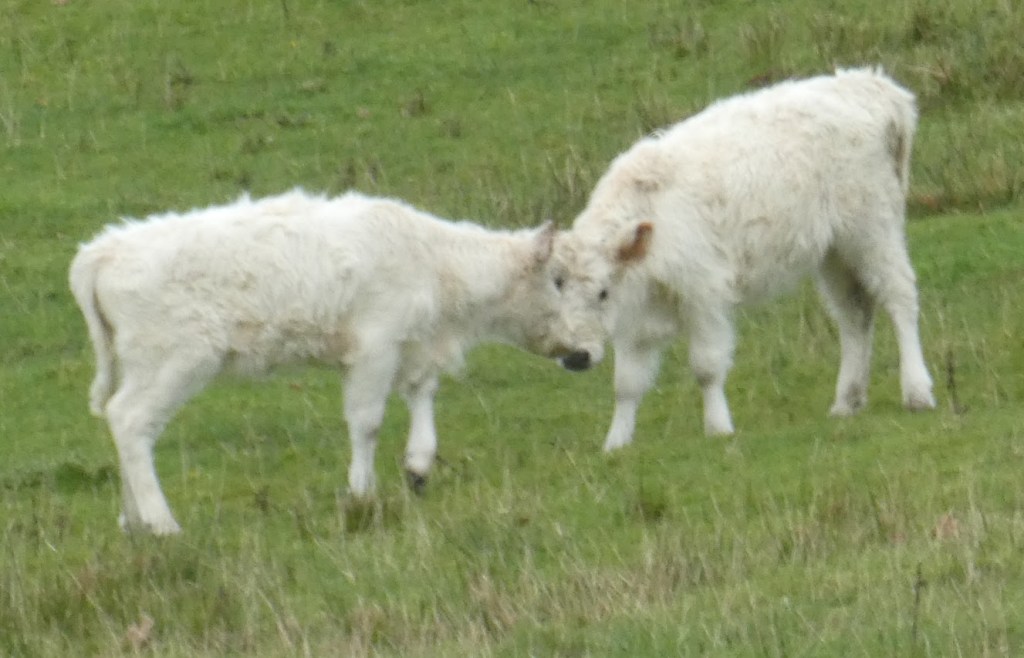
I seem to have snapped females and youngsters – play fighting as young animals do. The males have bigger thicker horns and have greyer hind quarters.
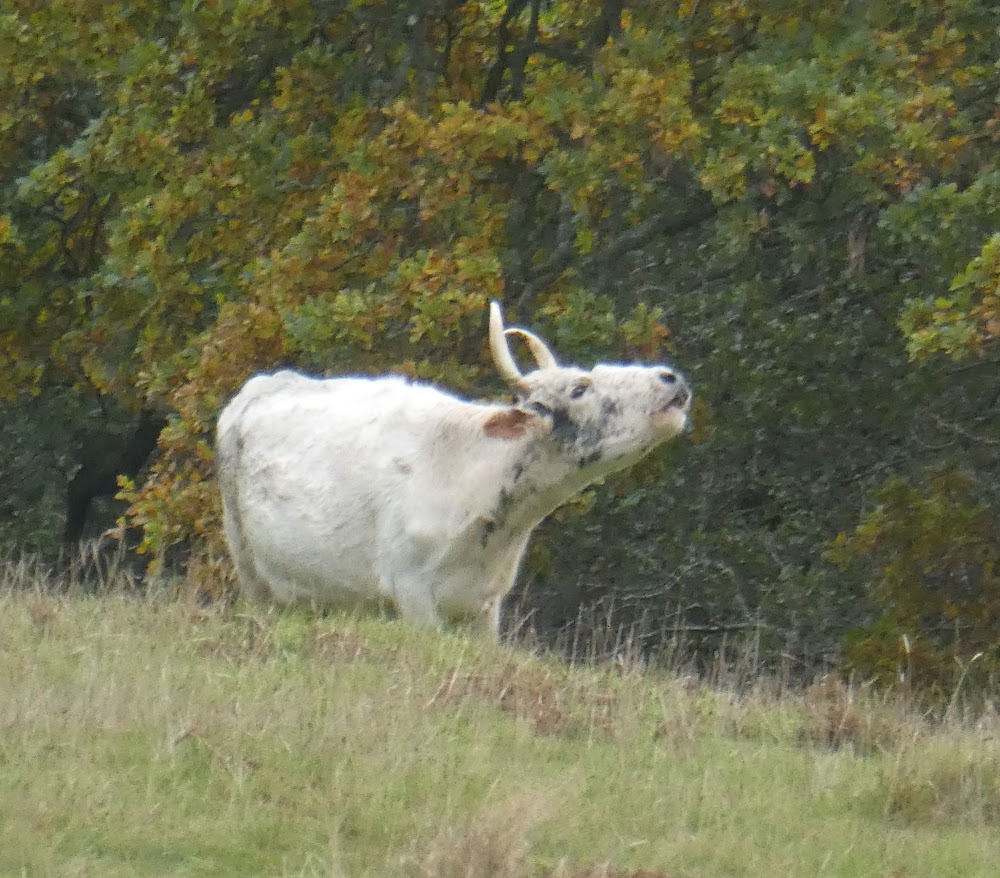
These feisty cattle – the females anyway -can bear a single calf at absolutely any time of year: snow, hot summer – they don’t care. Males will fight – sometimes bitterly – for the privilege of breeding with females. They’re herd animals, and their society is matriarchal, so an older female will call the shots in deciding where they’ll move off to next for safe and worthwhile grazing. Here’s a matriarch summoning her companions with her slightly underwhelming ‘moo’.
It was Charles Darwin who encouraged records to be kept on the breeding behaviour and numbers of the Chillingham cattle. They’re still being studied today. And visited too, by interested onlookers like us, who definitely keep a very respectful distance.
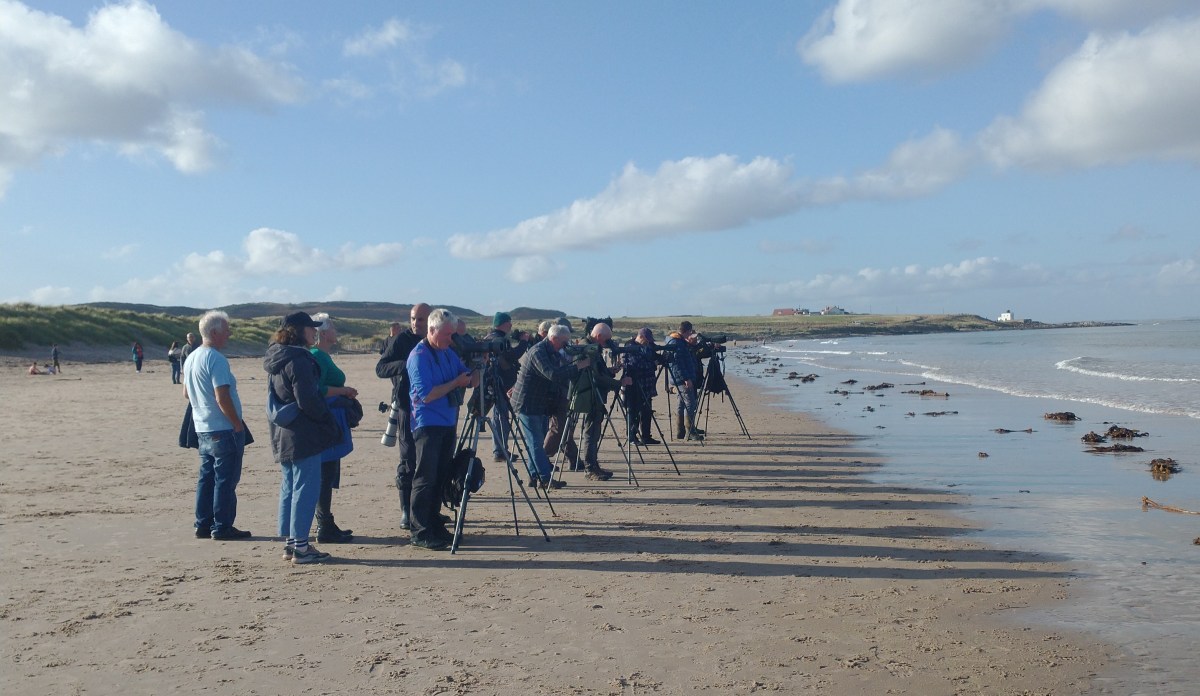
We popped to Bamburgh yesterday afternoon to enjoy views of the castle and a healthy stride along the beach. What greeted us was the group of photographers in the featured photo, all pointing their lenses out to sea. It turns out they were all twitchers, alerted by some bird-enthusiast-bush-telegraph to the presence of a bird whose home is normally North America and Canada: the White Winged Scoter. We couldn’t see it. It was too far out to sea.
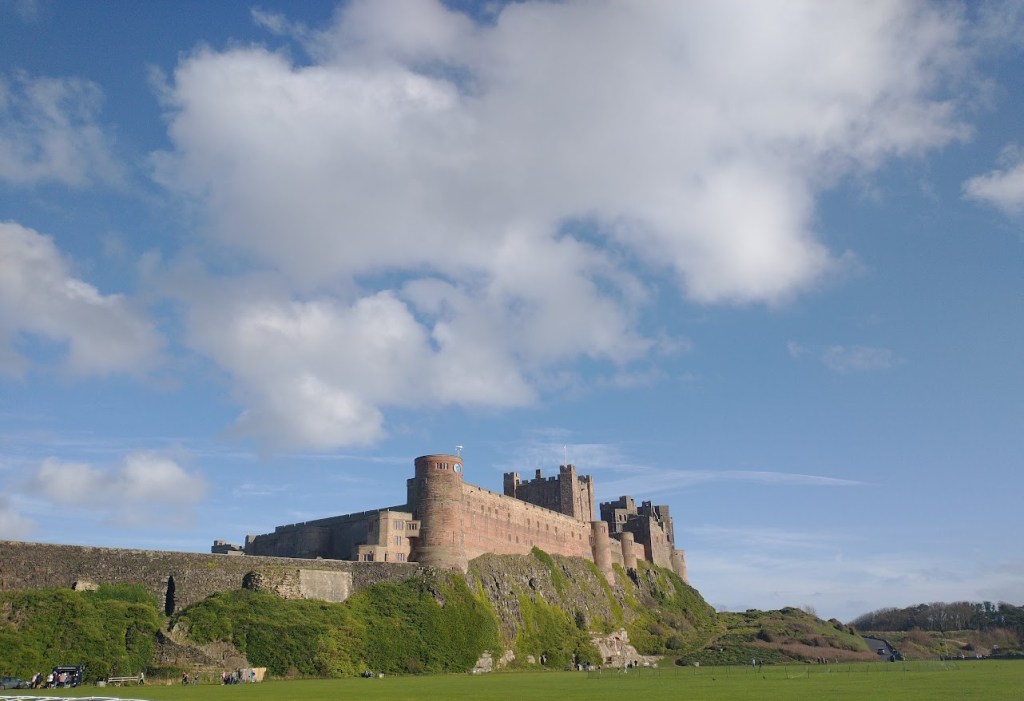
Here’s a view of the Castle. Other castles are available in Northumberland. I’ll be reporting back later.
Bamburgh Castle
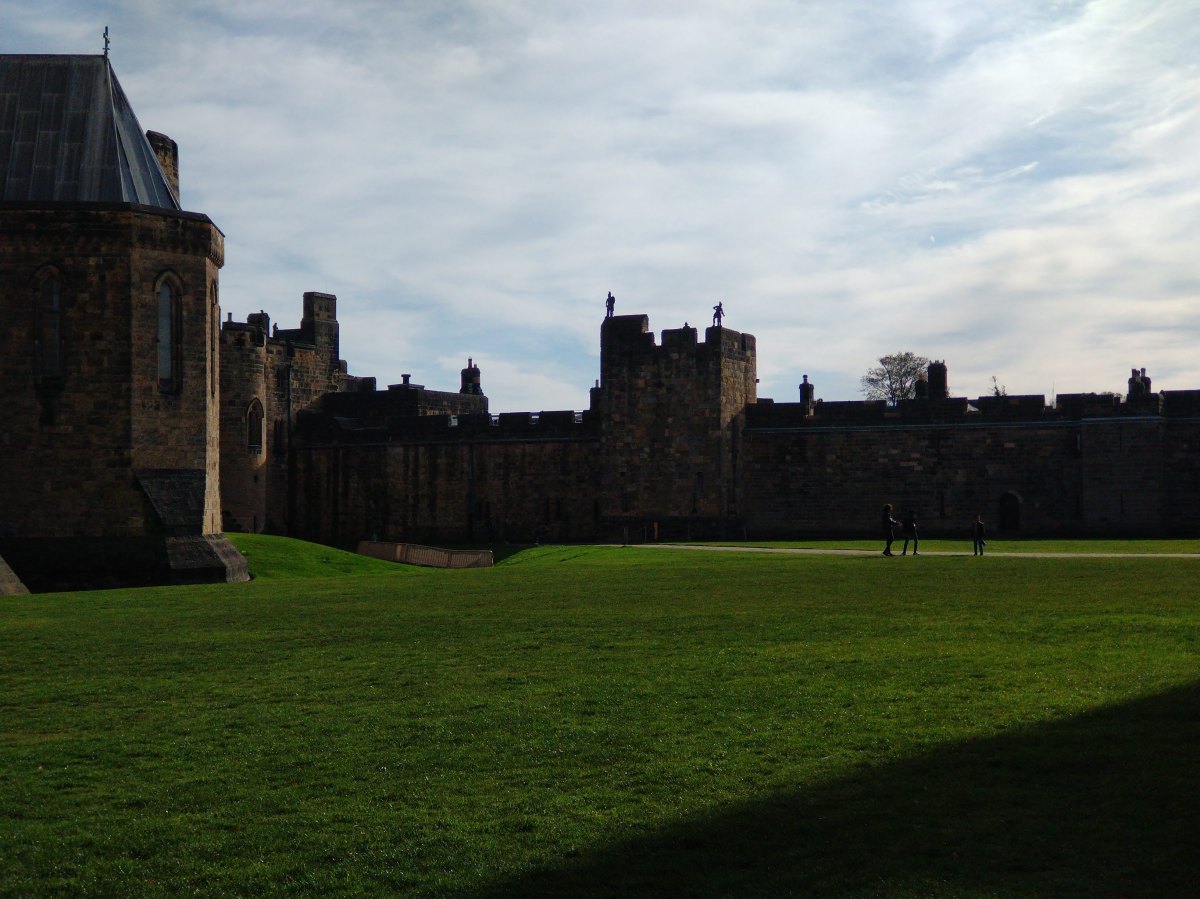
I thik I’ll be cheeky and make this a late entry to Debbie’s One Word Sunday challenge: Shadows.
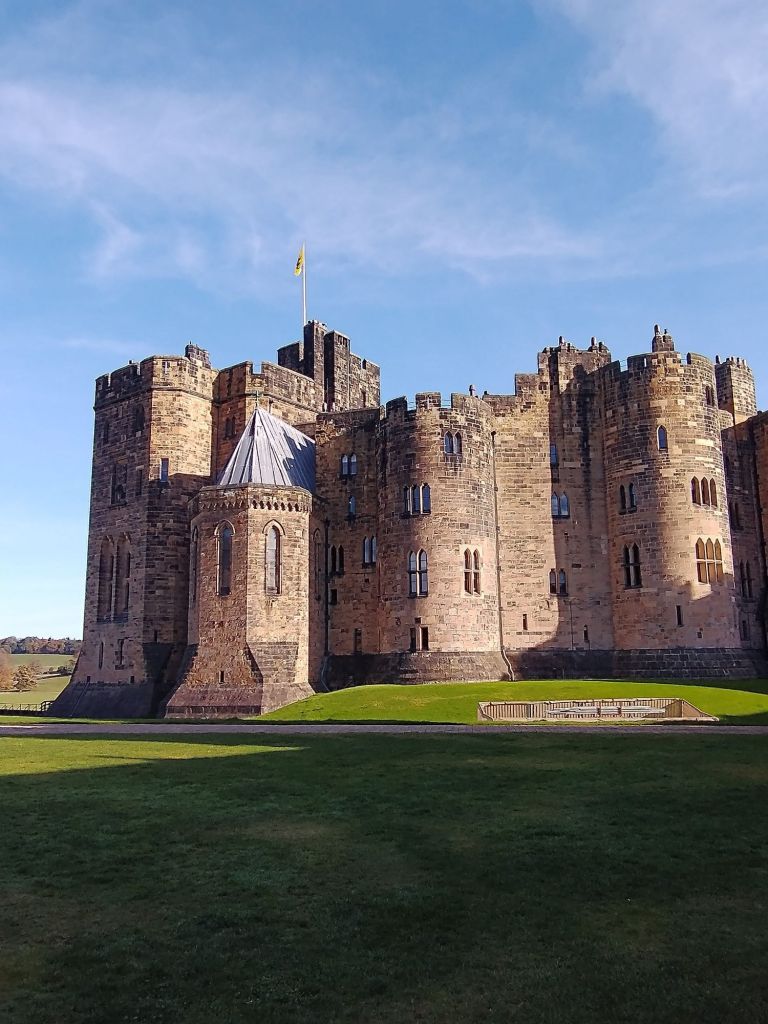
Why does anyone visit Alnwick, Northumberland? The castle, with its long history going back to the 1300s is one. Though if you’re a child, you may be more interested in the fact that scenes from Harry Potter films were shot there. In fact there was a Quidditch lesson taking place when we got there. We found the real history, and the political intrigues and bloody battles of the Wars of the Roses and after more interesting.
Alnwick Castle
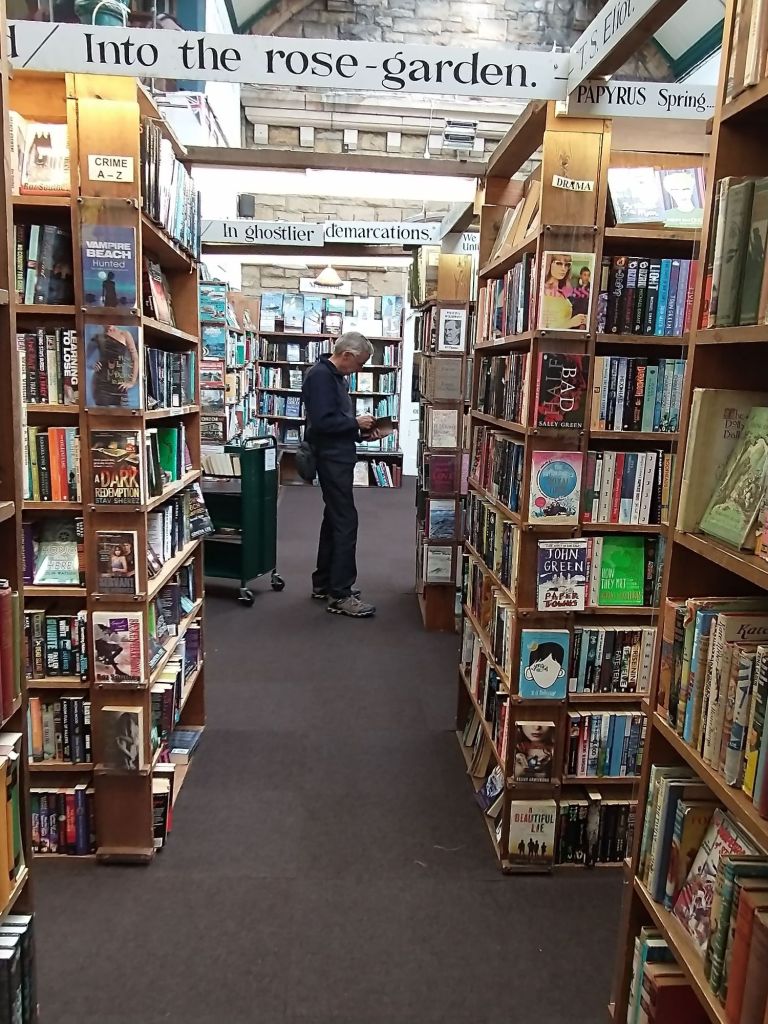
And another reason is to visit Barter Books. This emporium of second hand volumes is housed in a whole railway station. You’ll need to make use the refreshments in the waiting rooms.
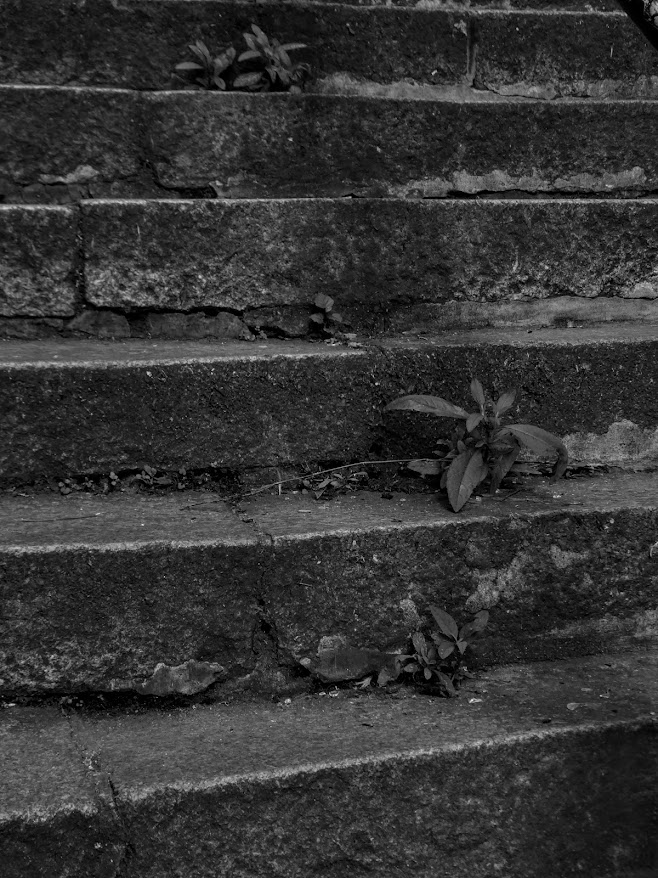
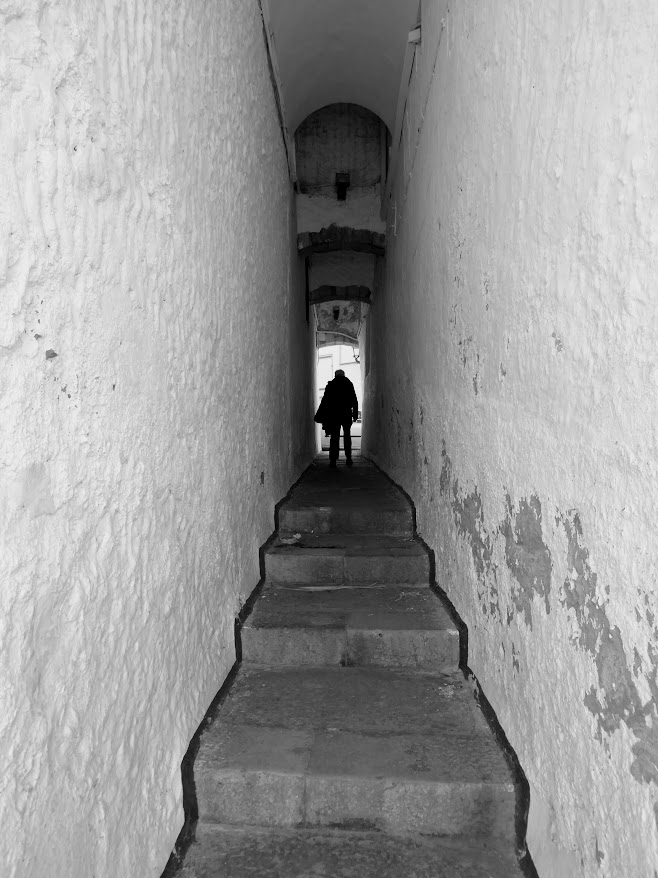
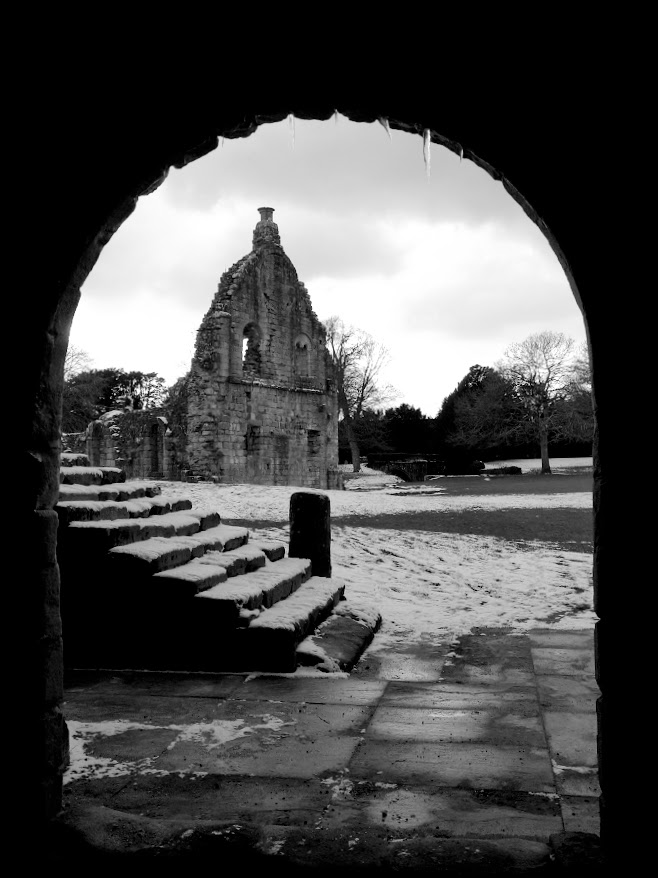
This week’s Monochrome Madness theme is proposed by Aletta of nowathome: and she’s chosen Steps or Stairs. It’s an interesting idea, and one where I could have chosen the grand and elegant staircases gracing the finest palaces and country houses of the rich, titled or famous.
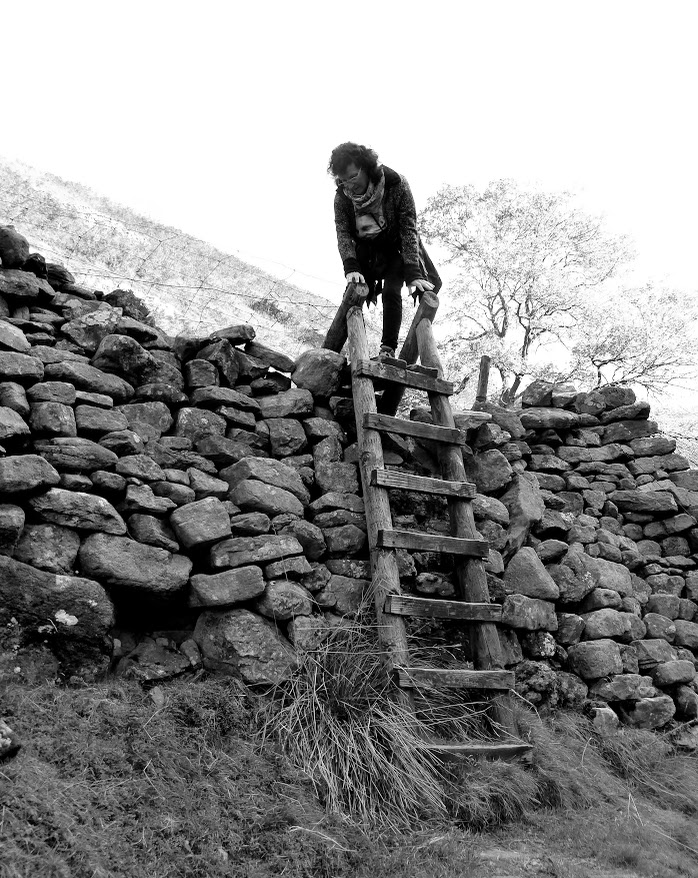
Instead I’ve chosen the steps trodden by ordinary folk on their daily round in Barcelona (featured photo), Newcastle and Sitges; or by monks engaged in their spiritual duties at Fountains Abbey; or by a hiker, needing to nip over a few drystone walls on her several mile journey from A to B.
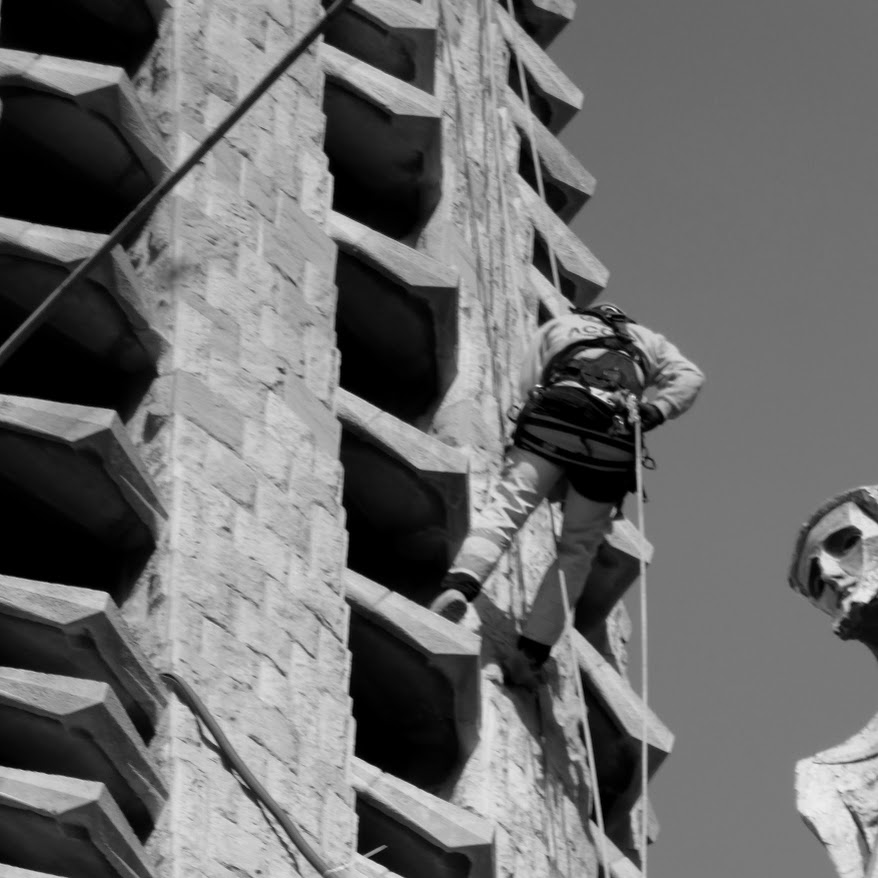
Or there’s the worker helping construct la Sagrada Familia in Barcelona. It might be one of the most famous buildings in Europe, but shinning about its heights looking for footholds is just part of his 9 – 5, every working day.
Works conttinues at La Sagrada Familia, Barcelona
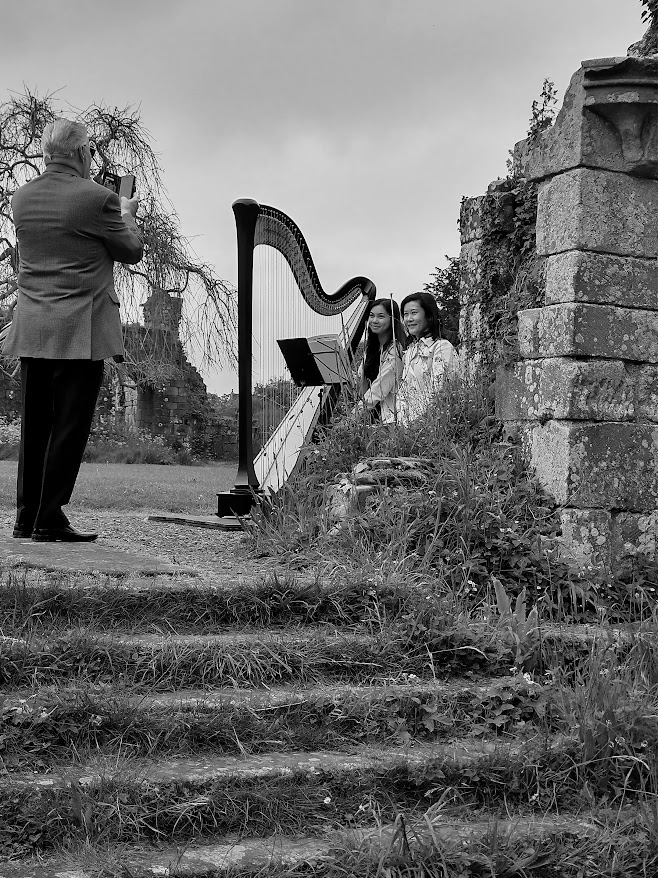
And I’ll leave you with one little treat. A harpist at Jervaulx Abbey this summer, playing at the wedding of some good friends of ours. She was working, even if the rest of us weren’t.














You must be logged in to post a comment.