A History of Bridge Building in Ten Bridges

Let’s start with a Roman Bridge, in Córdoba. It’s called the Roman bridge, because it was first built during the Roman colonisation of southern Spain. But it was overhauled in the 10th century. Then in the Middle Ages. Then in the 16th and the 17th centuries, when a statue of St Raphael was added. Lights were added in the 19th century, and it was pedestrianised in 2006. It’s a wonder it can still be called the Roman Bridge. But it can. The 14th and 15 arches are still the original ones.
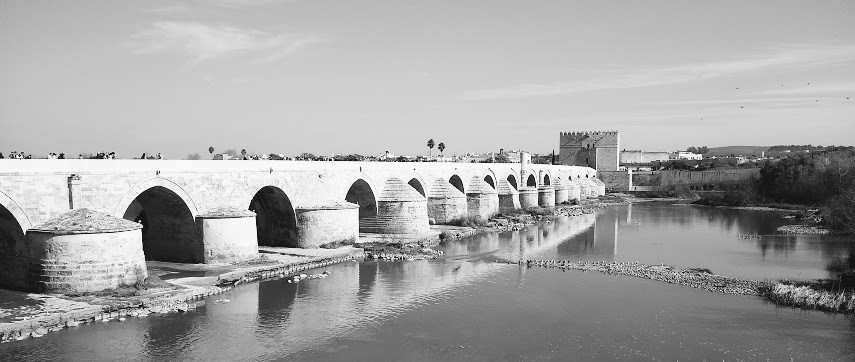
El Puente Romano de Córdoba.

We’ll leap forward to the Renaissance, but stay in Spain, in Valencia, and visit the Puente del Mar. Flooding in the River Túria swept away an old wooden bridge, so in 1591, it was replaced with this:

Puente del Mar, Valencia.

Stone, brick, wood: all these were the traditional bridge -building materials of choice down the centuries. Until the Industrial Revolution here in England, whose original epicentre was in Coalbrookdale, thanks to its wealth of natural resources all conveniently in the same area. The world’s first iron bridge was built here in 1779.
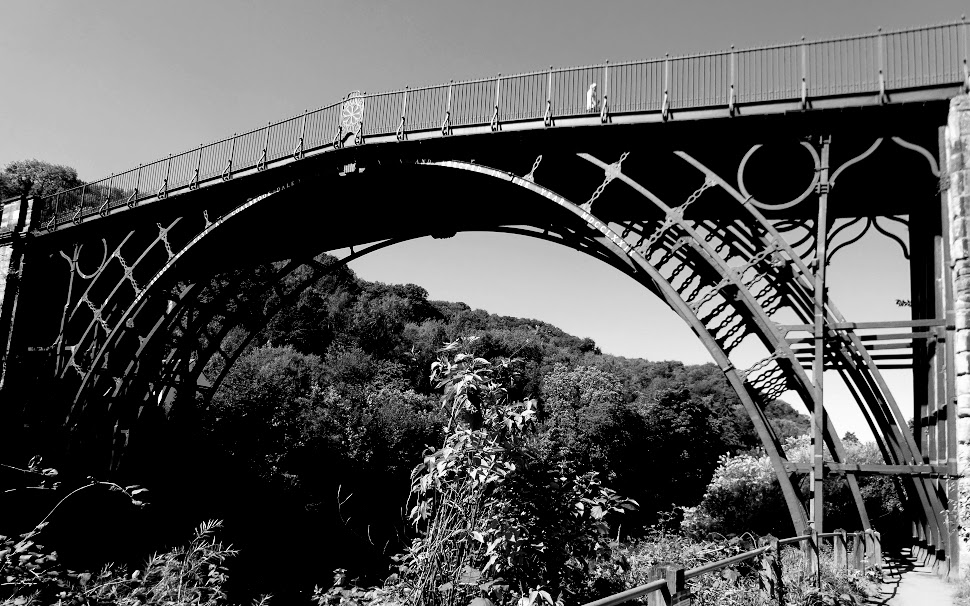
The Iron Bridge, Coalbrookdale, Shropshire.

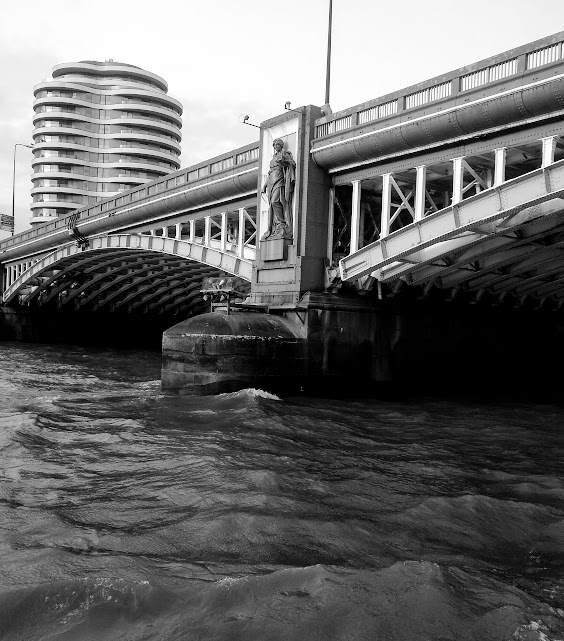
This bridge is the grandparent of almost all bridges built – in the UK at least – since then and into the 20th century. Here are three: Vauxhall Bridge, completed in 1906; the Tees Transporter Bridge, completed in 1911, and the Tyne Bridge, completed in 1928.
Let’s leap briefly into the 21st century, and look at one of the bridges in Valencia’s assertively future-facing Ciudad de las Artes y las Ciencias, created between 1998 and 2009.
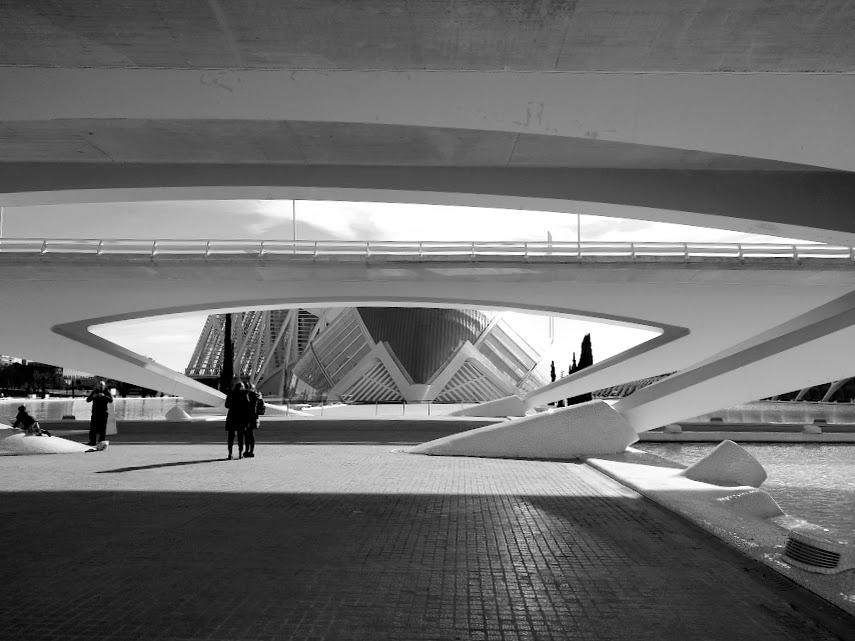
Ciudad de las Artes y las Ciencias, Valencia.

And finally, the Millau Viaduct, sweeping more than 300 metres above the Tarn in southern France, designed by Norman Foster and completed in 2004. Like Valencia’s Science Park, it’s a destination in its own right.
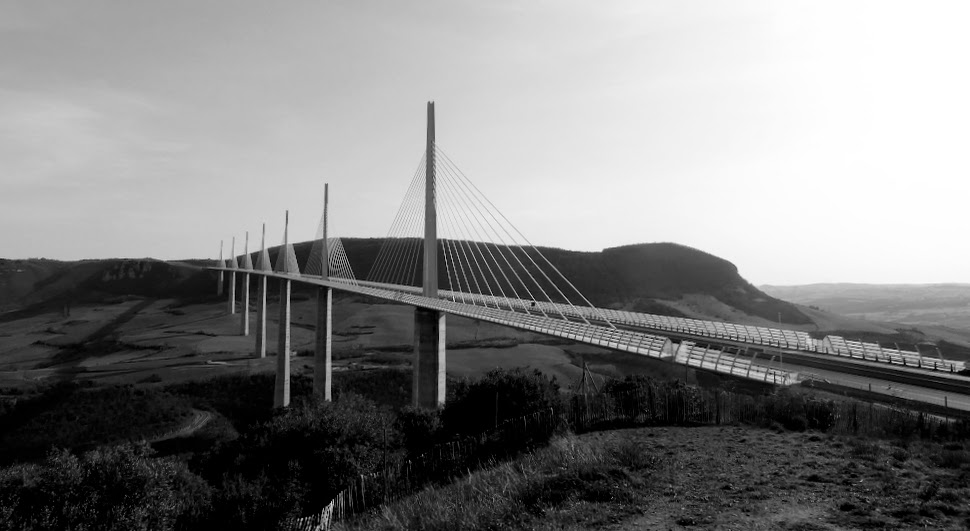
Millau Viaduct, Occitanie, France.

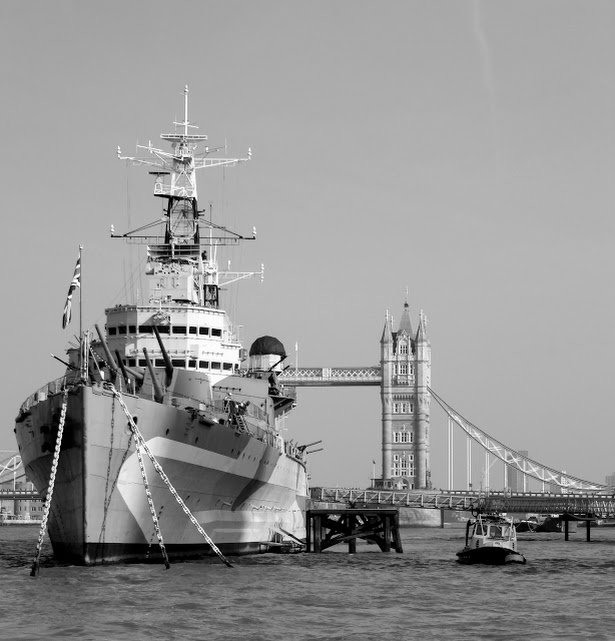
But we can’t leave without mentioning the featured photo: London’s iconic Tower Bridge, open to traffic since 1894: both road traffic, and when regularly lifted, to river traffic beneath. The photo demonstrates why the extra height is necessary: that’s HMS Belfast in the foreground.

And to finish off, let’s stop at something that’s even older than bridges as a way of allowing travellers to cross water. Stepping stones. These are at Redmire Force, and are still a popular way of crossing the River Ure.
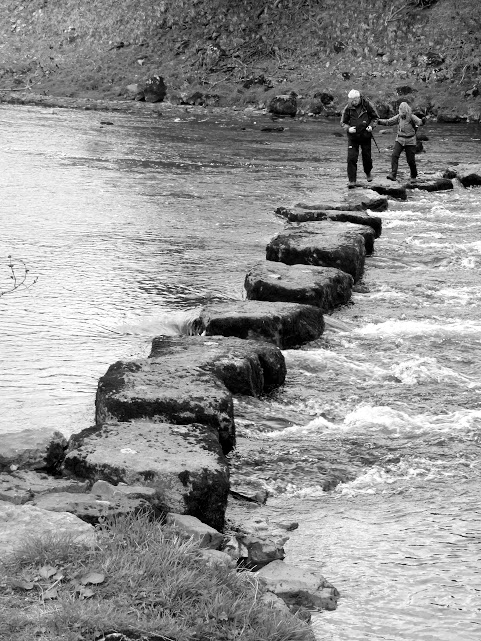
For Leannne’s Monochrome Madness#17: Bridges
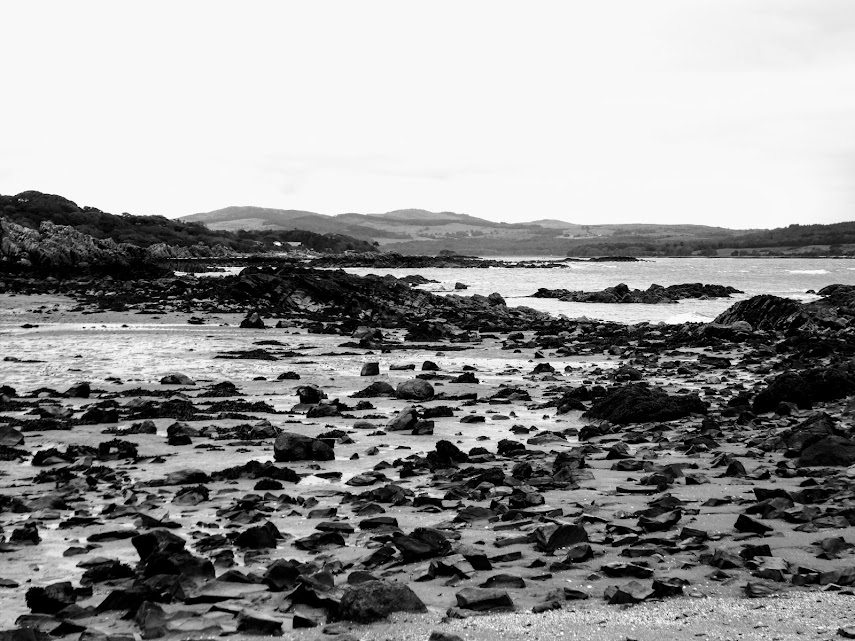
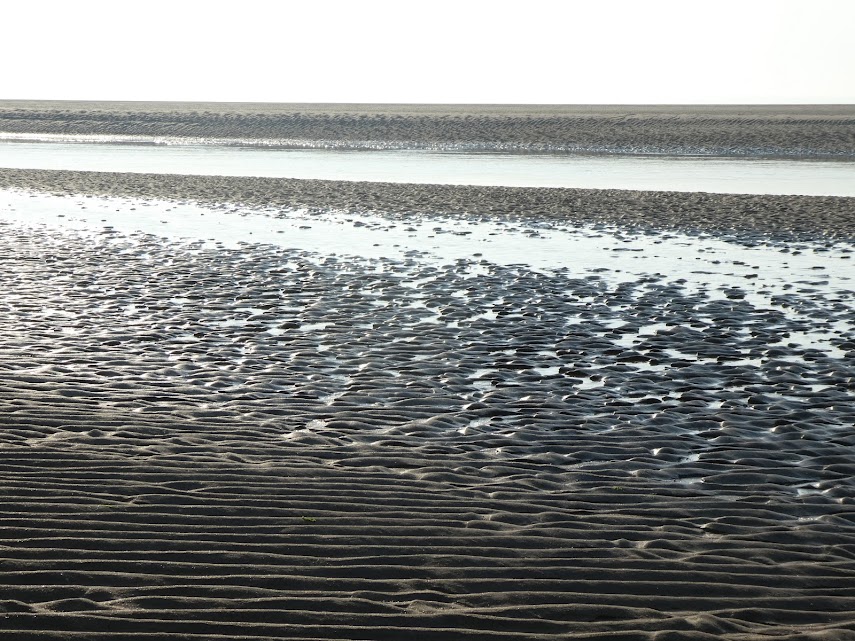
Shorelines

This week, Anne of Slow Shutter Speed is encouraging us to look at shorelines for Lens-Artists Challenge #314. And so many of you have. You’ve shown us glorious holiday-brochure sandy shores with perfect blue skies; dramatic rocks and craggy cliffs; urban shores with a dizzying backdrop of skyscrapers; lakesides in gloriously wild surroundings .

I’ve decided to lower expectations, and go for mudflats; rippled sand; eroded rock and stone. And we’ll stay here in the UK.

Alnmouth
Mossyard, Dumfries and Galloway
Heysham, Lancashire.
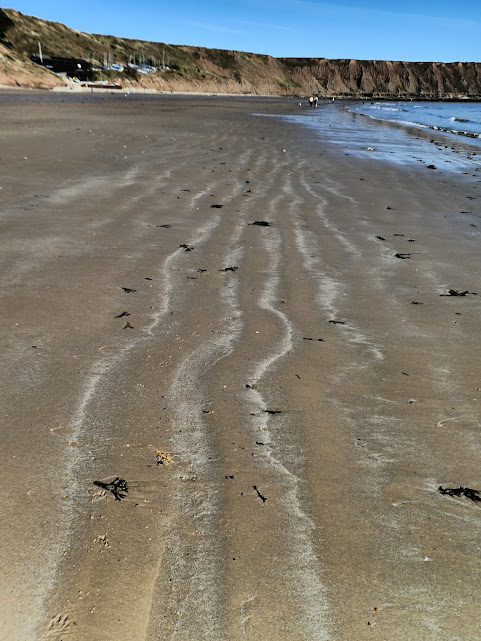
Filey, North Yorkshire.

There’s no chance you’ll do any sunbathing on any of these beaches. Best go beachcombing. See what you can find.

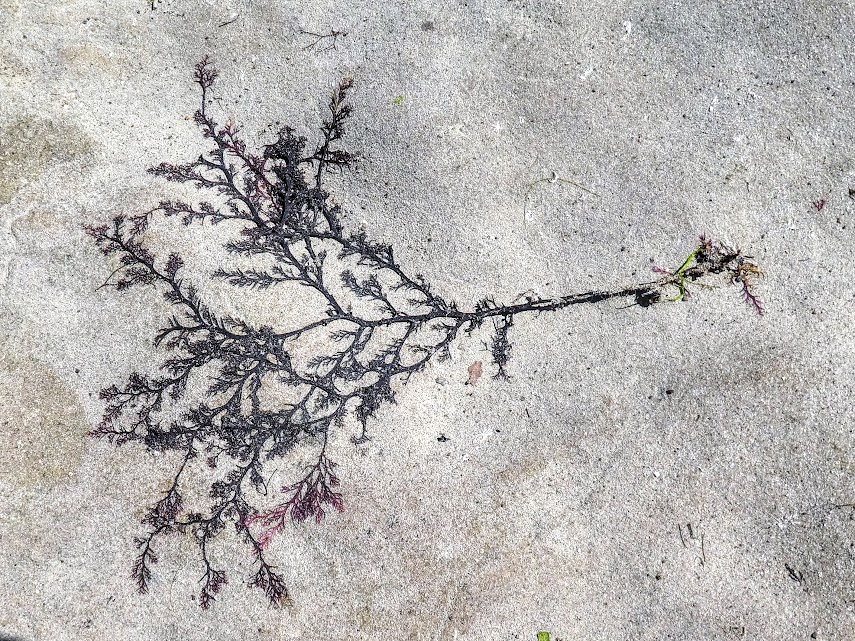
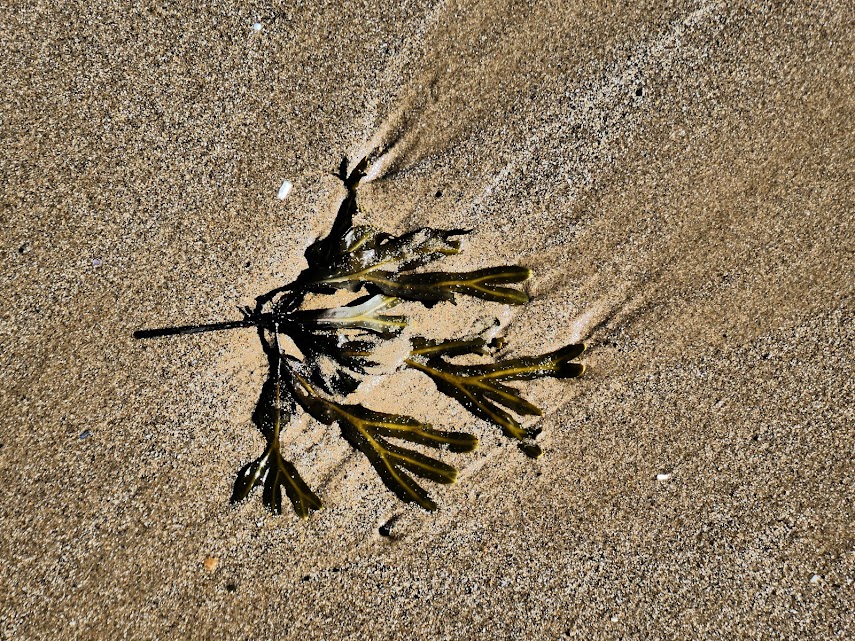
All found at Mossyard, Dumfries and Galloway.

Birds of Britain x 7

Bird photography isn’t something I excel at. No long lenses, no patience. But today, just so I can join in three whole challenges listed below, I offer you seven images. Not seven birds, please note. Just seven images.
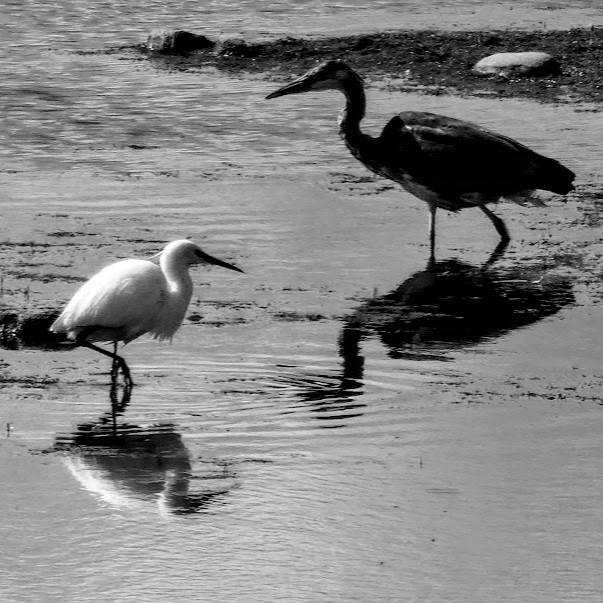
My feature photo is of an egret and a heron studiously ignoring one another at our local nature reserve.

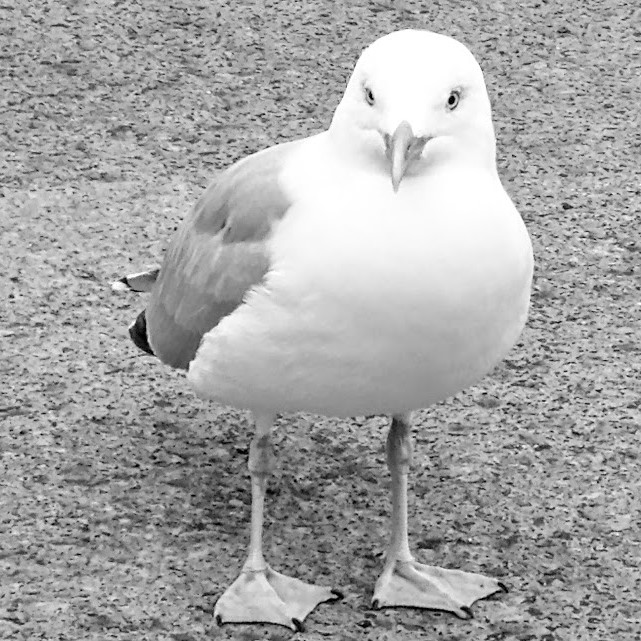
And my next is of a herring gull. Doubtless it’s a mug shot of him taken at the police station, as he helps police with their enquiries over the matter of the fish and chips snatched from a blameless pensioner eating his take-away fish dinner on the seafront.
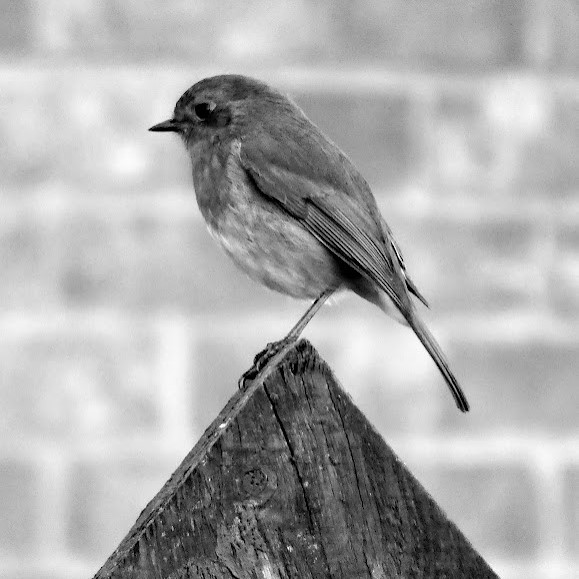
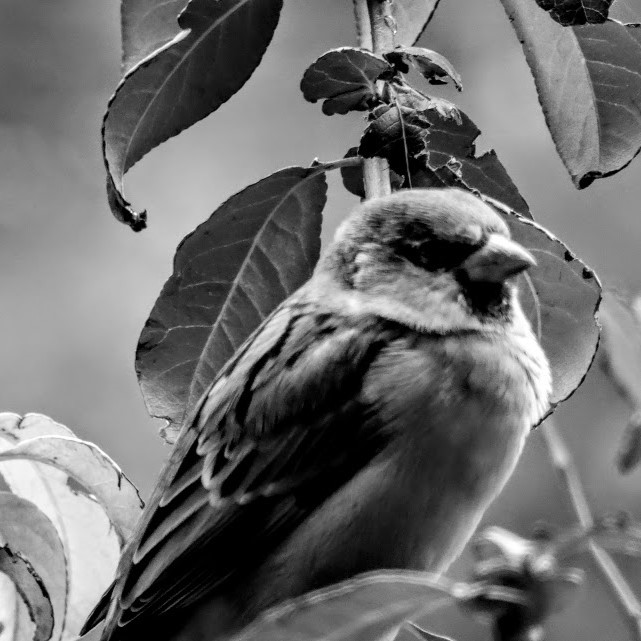
The next two are familiar local residents: a robin posing for a Christmas card: and a house sparrow in reflective mood.

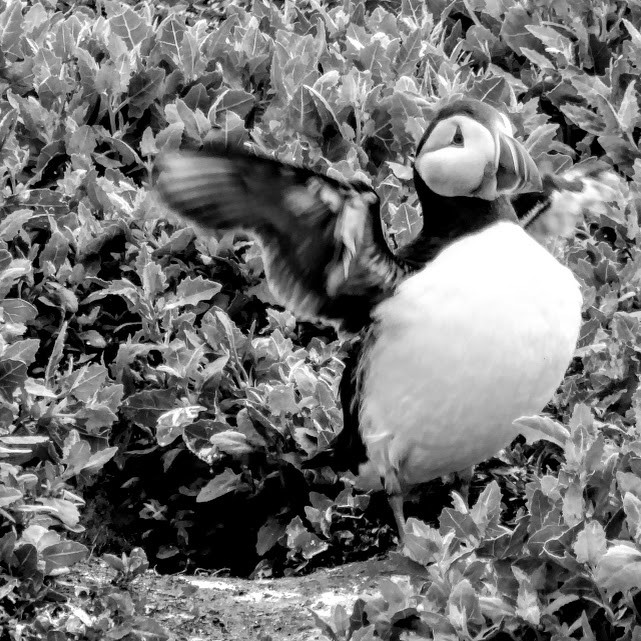
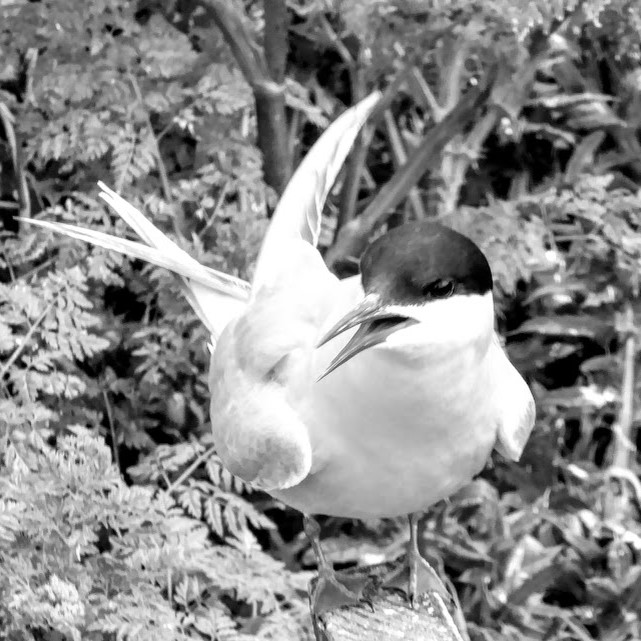
Back to the seaside. To the Farne Islands. Here is a puffin stretching his wings: and an irritated Arctic tern objecting to my possibly disturbing his young.

We’ll end where we (nearly) began: with two birds – cormorants in this case, ignoring one another at another local nature reserve.

For Becky’s Seven for September.

And Leanne and Elke‘s Monochrome Madness #16.

And IJ Khanewala’s Bird of the Week.

Seven Oddments from Shropshire

Our time in Shropshire resulted in a few finds that didn’t make it onto the postcards I sent. Now – thanks to Becky’s Seven in September – I have my chance.

Now you can sort out t’other from which.

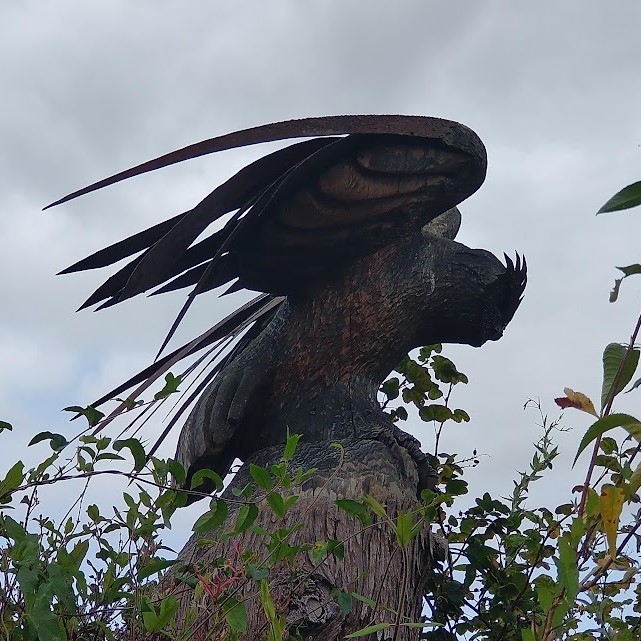
  • An owl in a Church Stretton garden.
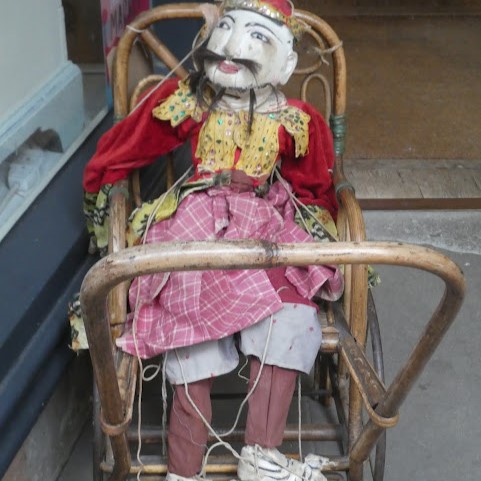
  • An elderly marionette in an elderly pushchair spotted in an antique shop in Ludlow.
  • A pugilistic fairy figure in Bishp’s Castle.
  • More owls – little ones spotted in Shrewsbury.
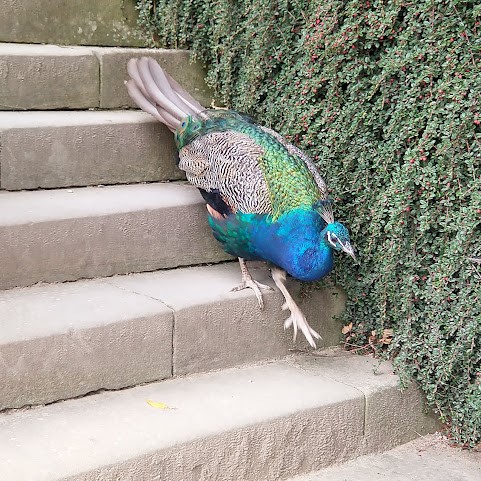
  • A peacock mincing – very carefully – down steps at Powis Castle.
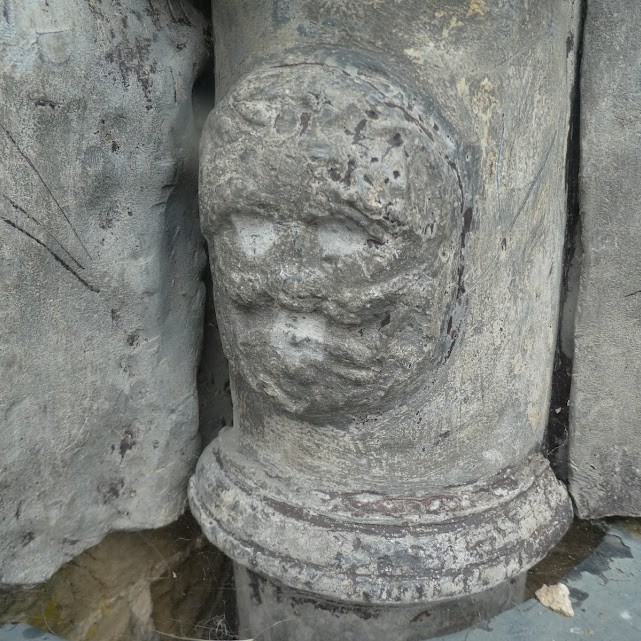
  • A decorated drainpipe reminiscent of those in Valencia – in Ludlow.
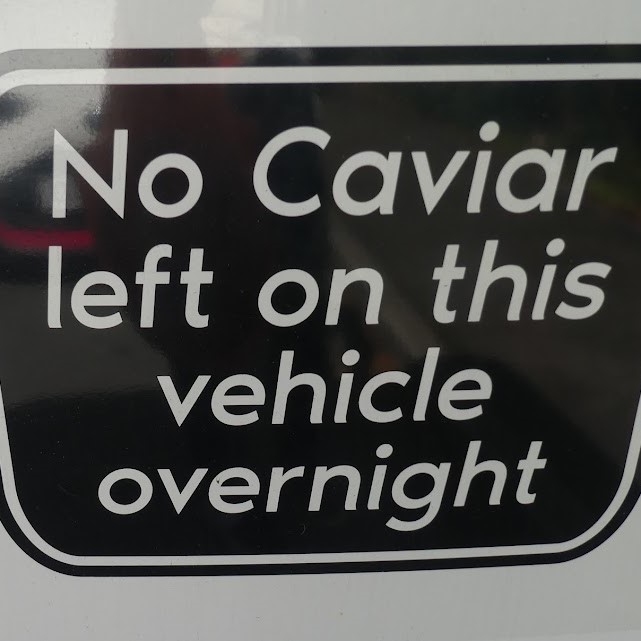
  • A fish van in Shrewsbury.

Black & White Postcards of Black & White Buildings

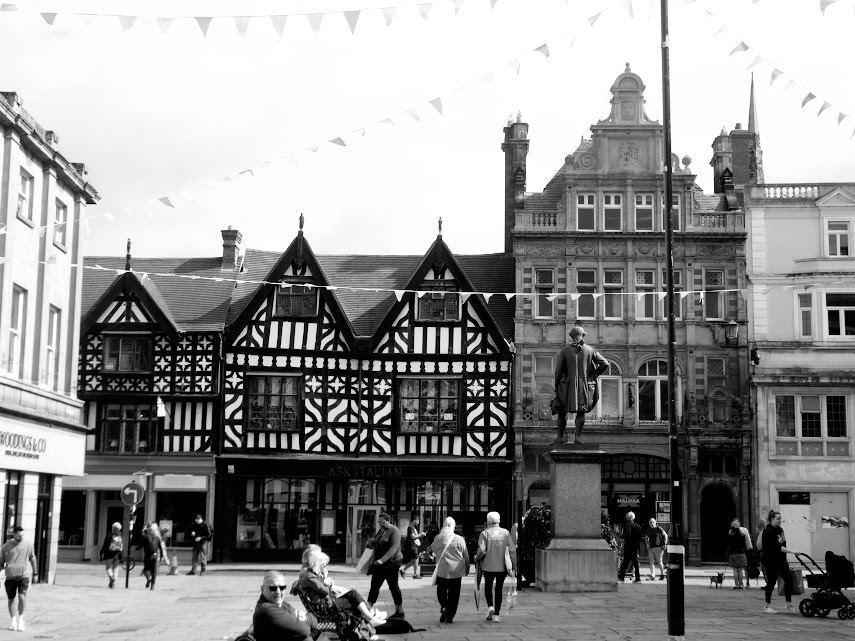
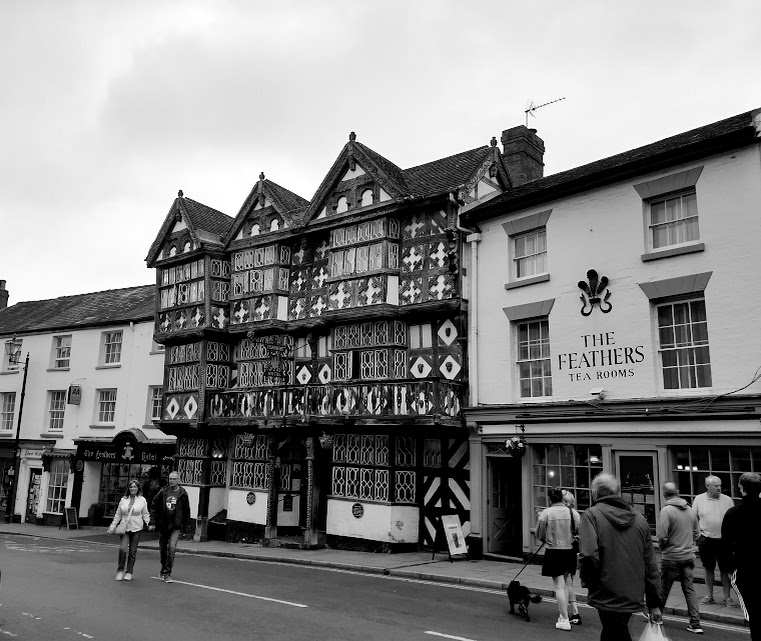
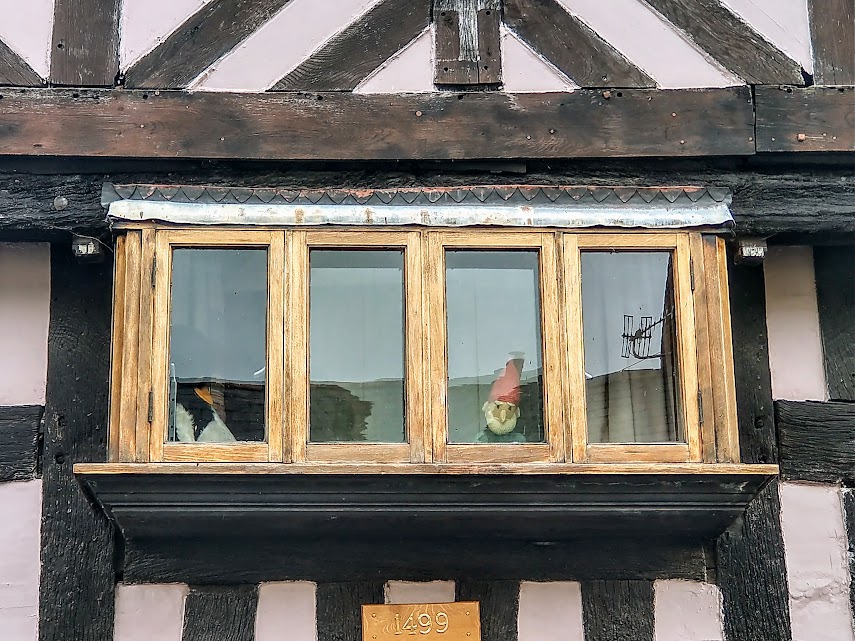
Shropshire has well more than its share of half-timbered buildings still in daily use from the Tudor period, as well as more modern Tudorbethan stock. Here are just two examples from our local travels. The feature photo is from The Square in central Shrewsbury, and the image below is from Ludlow.

Two Shropshire Postcards for Leanne’s Monochrome Madness.

Lots of Postcards from Bishop’s Castle

Not on the main road to anywhere much, Bishop’s Castle (nowadays it no longer has a castle) may be somewhere to settle if you’re something of a creative type: an artist, a musician, a writer or a craftsperson. It’s an interesting town for a day trip – in our case because we were going to meet fellow blogger Tish Farrell, whose blog Writer on the Edge is one I know many of you read (And if not, why not?). We both enjoyed a morning with Tish and her husband before they waved us off to discover the town under our own steam.

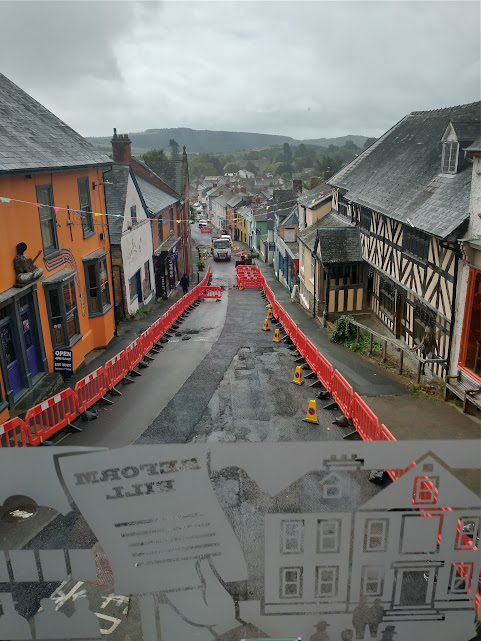
I’m settling for a few postcards. Here’s the view from the Town Hall down the main street. If only they hadn’t been digging the entire length of the High Street up! No fun at all.

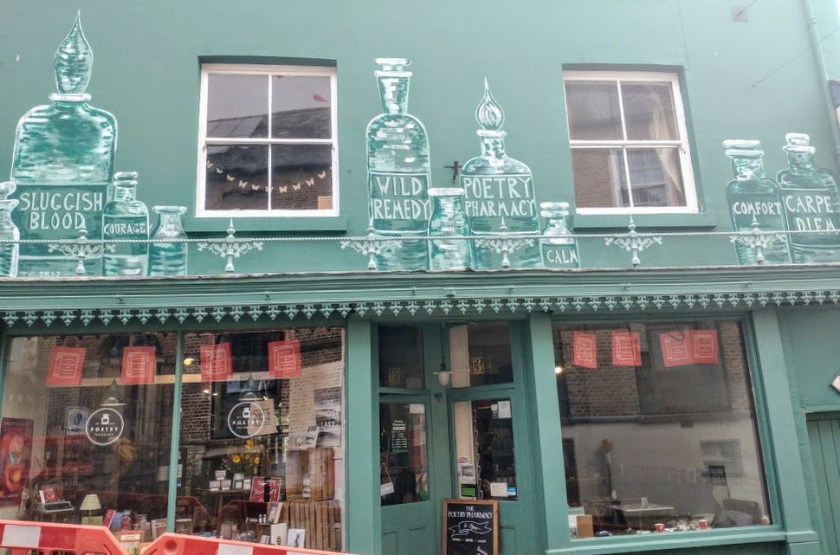
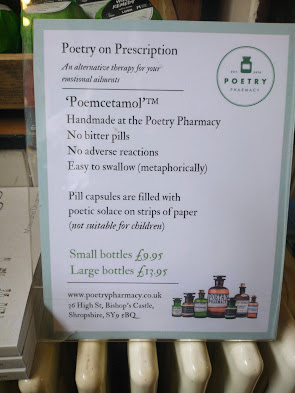
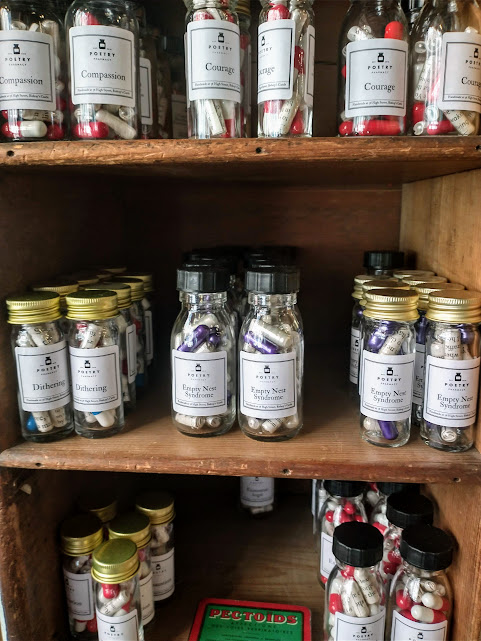
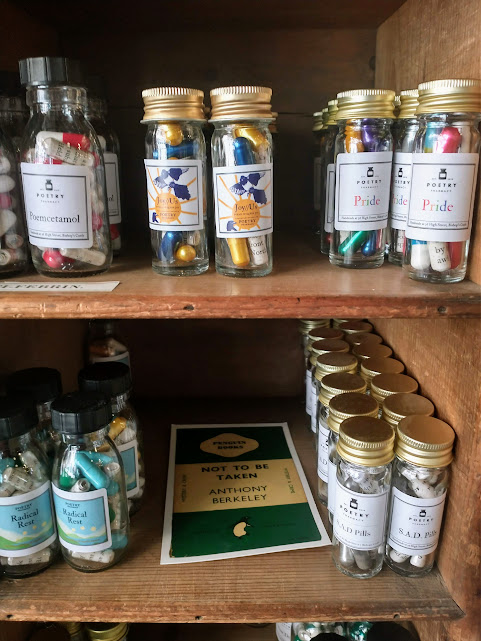
We pottered around quirky independent shops. Here’s our favourite – The Poetry Pharmacy.

The world’s first ever Poetry Pharmacy offering walk-in prescriptions, literary gifts, and books to address your every emotional ailment.  Visit our beautiful Victorian shop in the small town of Bishop’s Castle, Shropshire, to browse the bookshop or pause in the Dispensary Café to be prescribed coffees, tisanes, sodas & sherbets to lift the spirits.

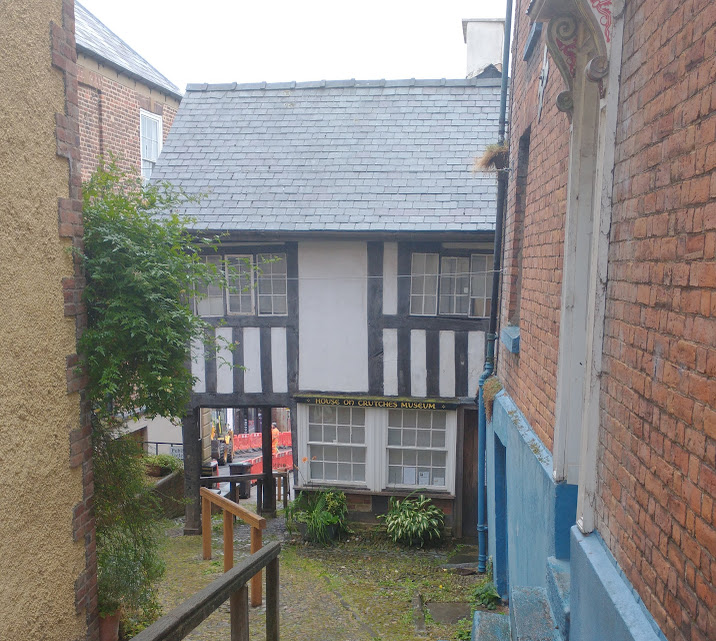
There was the House on Crutches Museum – sadly, closed that day: and so many charming buildings worth a second glance.

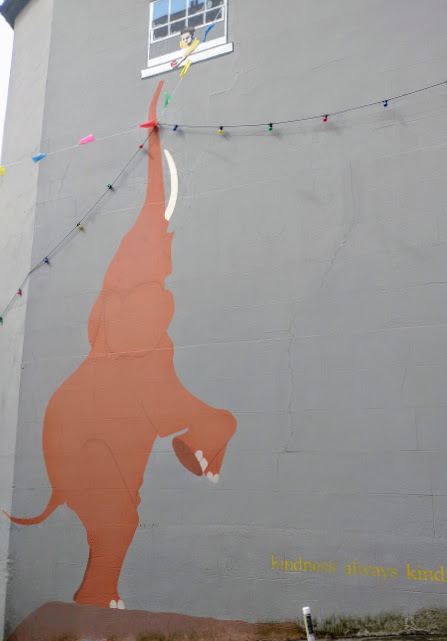
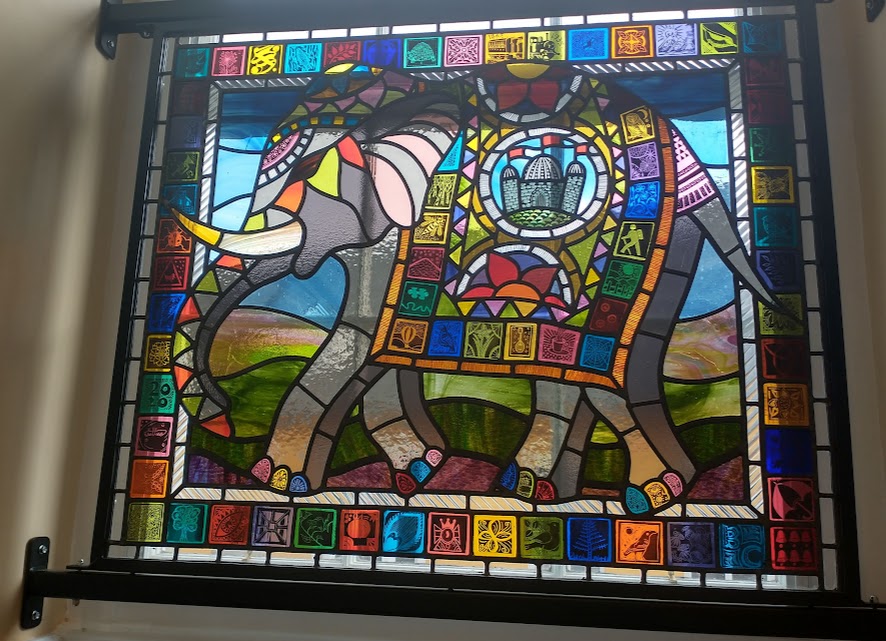
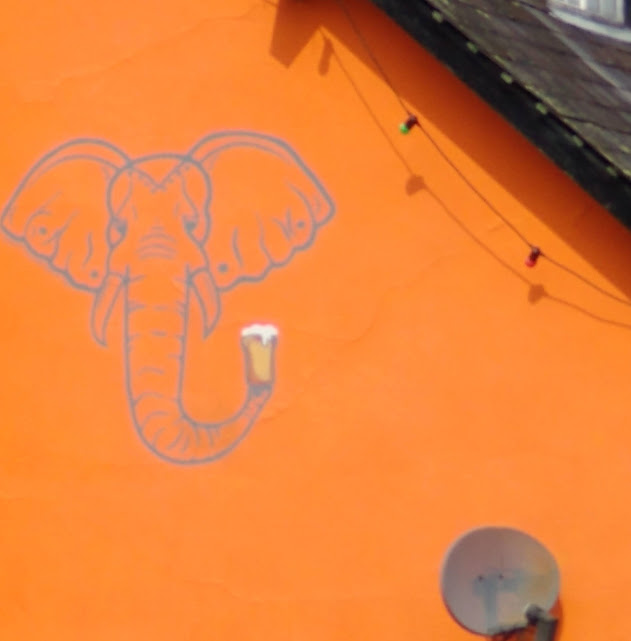
Or you could go looking for images of elephants, a reminder of two things. First, that Clive of India, whose family Coat of Arms included an elephant, once lived here. More memorably, during WWII, several circuses moved their animals out of the cities to Bishop’s Castle to avoid the air raids. A good few elephants were housed in local stables …

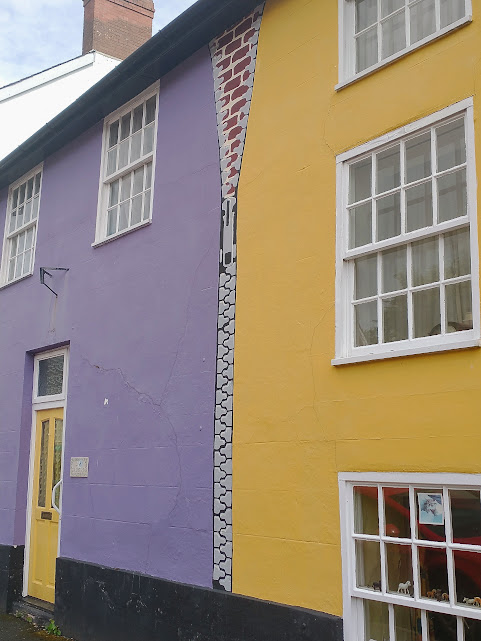
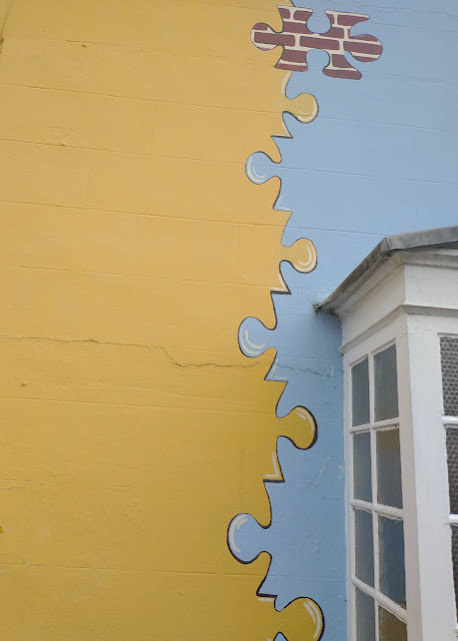
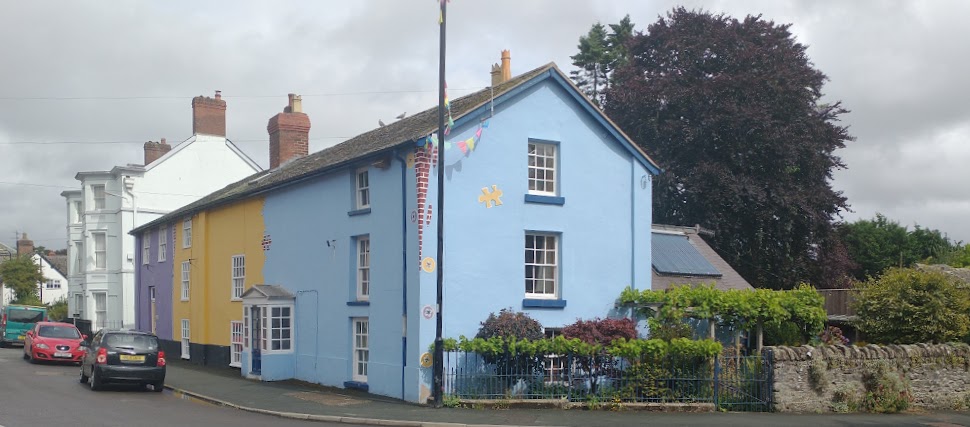
Perhaps my favourites were three houses at the bottom of the street. Terraced, and each painted a vibrant, different colour, the first was ‘zipped’ to the second, which was the ‘jigsawed’ to the third.

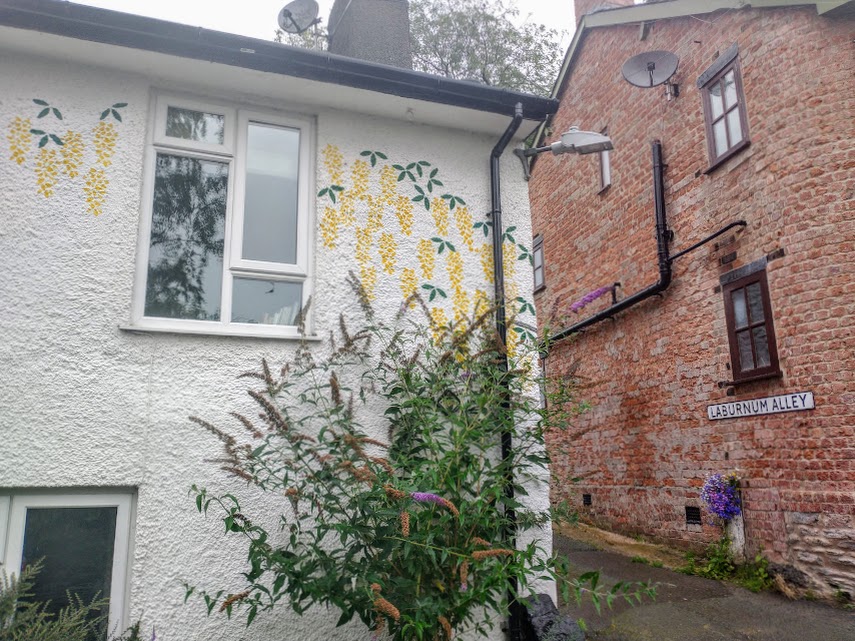
And that was pretty much it. A rewarding day that lived up to its promise. The featured photo shows almost the very first house we spotted on our way to find Tish. The first of many cheering sights.

A multi-tasking post.

For Natalie’s Photographing Public Art Challenge

and Jo’s Monday Walk

and Debbie’s Six Word Saturday.

Postcards from the Vegetable Patch

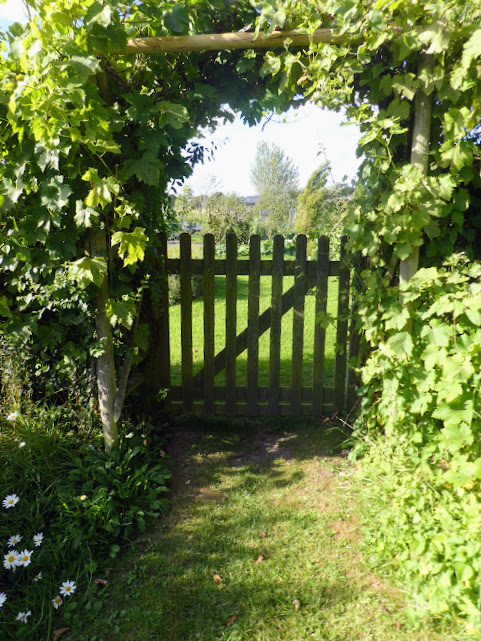
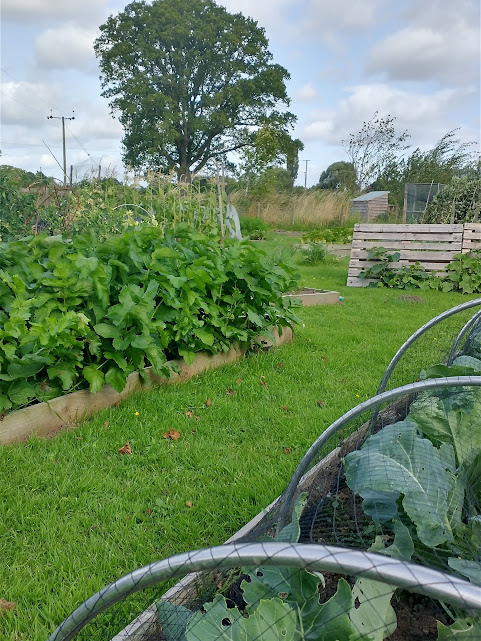
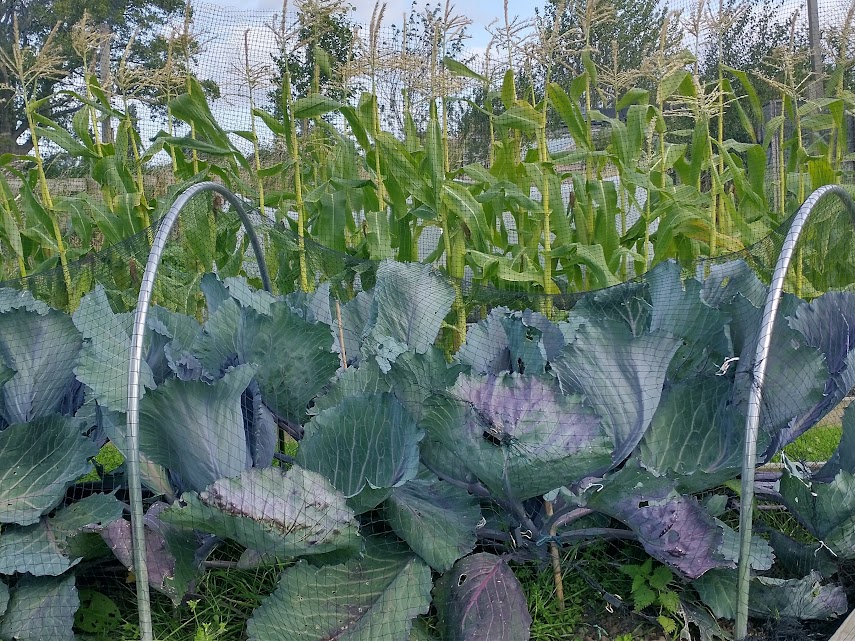
I thought it only right to send a postcard or two from the vegetable garden we’re tending in its owners’ absence, though very brisk winds make any photography difficult. Anyway, you’ve popped through the gate in the featured photo. Let the gathering, watering and weeding begin!

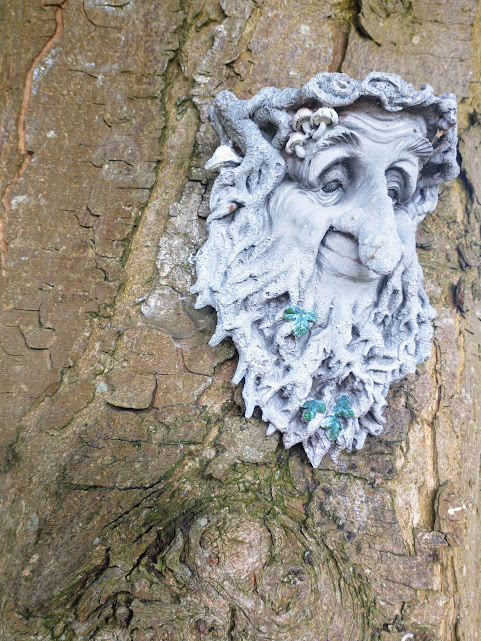
As you leave, this cheery chappie on a tree will thank you for your efforts.

Another Shropshire postcard.

Postcards from Wales – and Shropshire – Combined

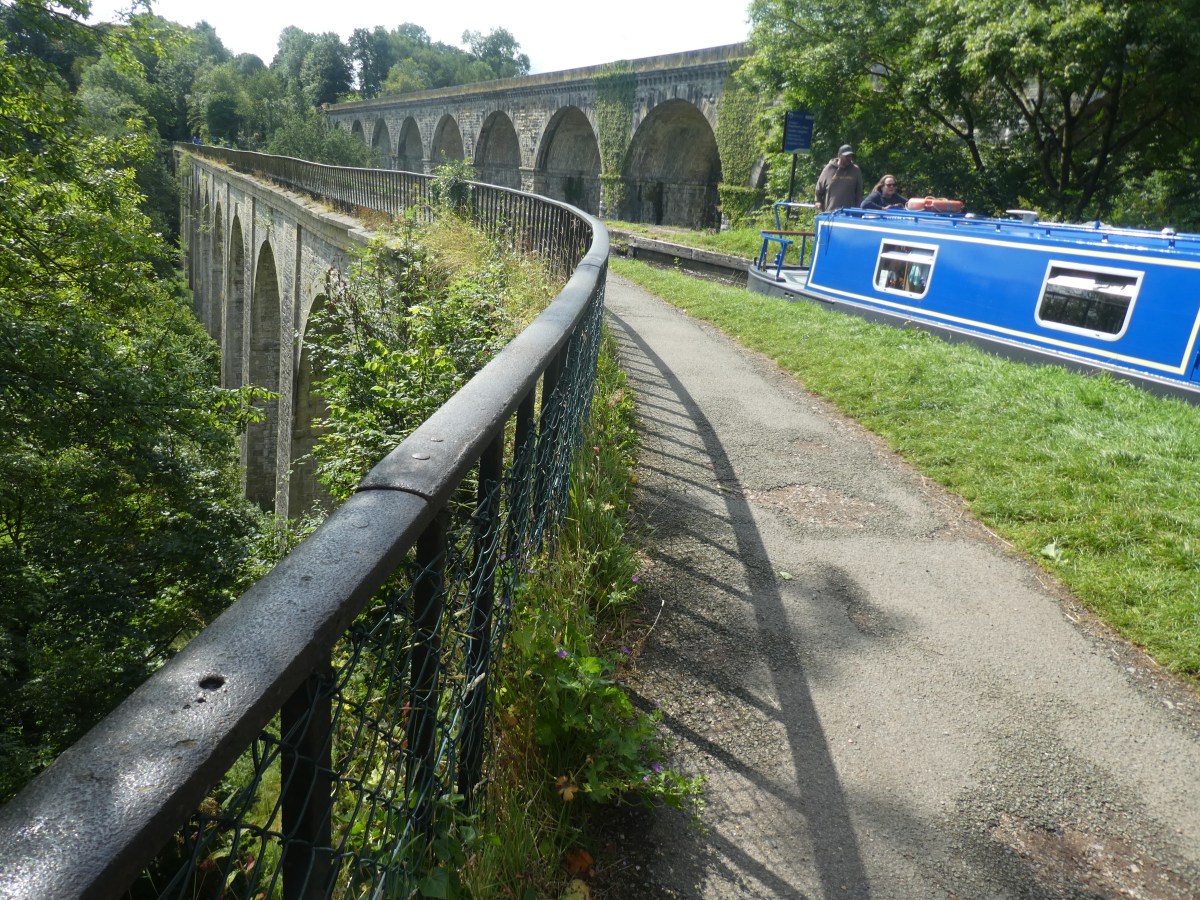
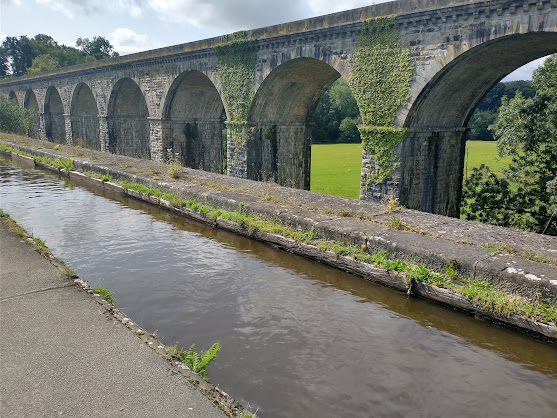
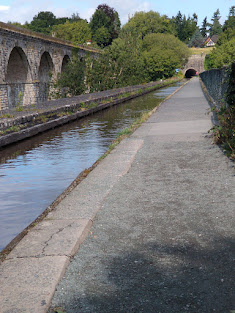
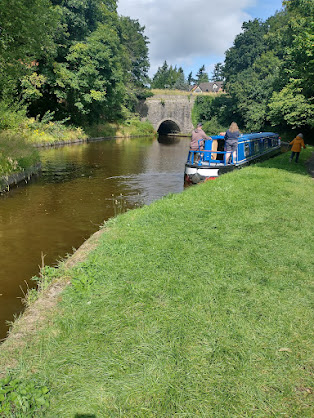
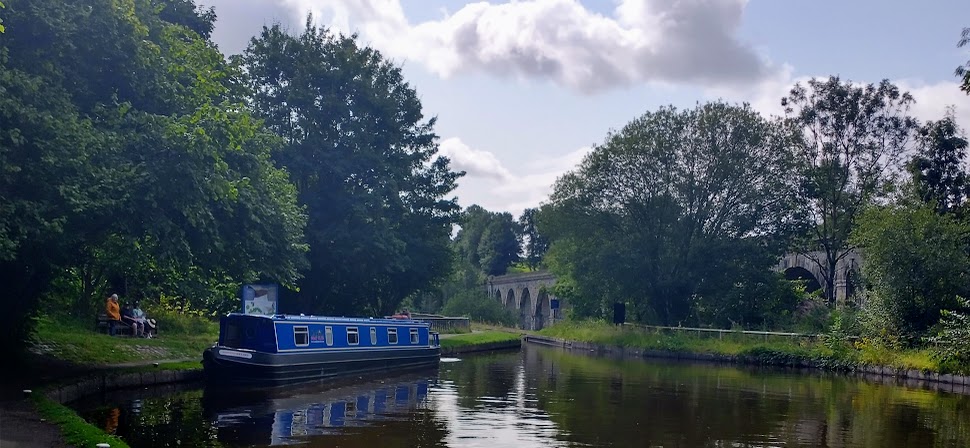
An unexpected treat yesterday. We went to Wales, to Chirk Castle, and on the way, we saw two feats of engineering in one: Chirk Aqueduct and Viaduct. Each of them has one end in England, the other in Wales. And what a sight! Completed in 1801 by William Jessop and Thomas Telford, the aqueduct is 710 foot (220 m) long and carries the canal 70 feet above the beautiful River Ceiriog across 10 circular masonry arches.

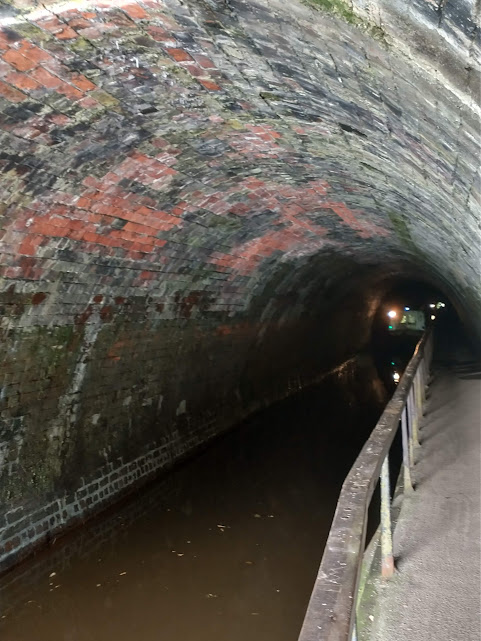
Walking along the towpath, as I did, high above the bucolic valley beneath, you can see next to it the railway viaduct opened in 1848 and designed by Scottish engineer Henry Robertson. It quite made our morning. I ventured too into the aqueduct’s tunnel – one of the first designed to have a towpath. Barges used to be manned by several men, with a horse walking up ahead on the side of the canal, attached to the barge by a rope. When the boat came to a tunnel, the horse would climb the hill and the men would lie on their backs and ‘walk’ their feet along the roof and walls of the tunnel (‘Legging it’). How grateful those men must have been to find a towpath at the disposal of their horse!

Whether you get a postcard from Chirk Castle remains to be seen. So much to do, so little time …

Here’s the Grandfather of the Skyscraper

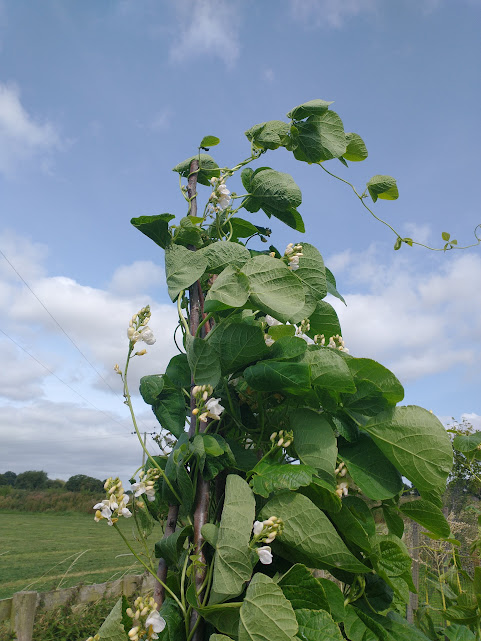
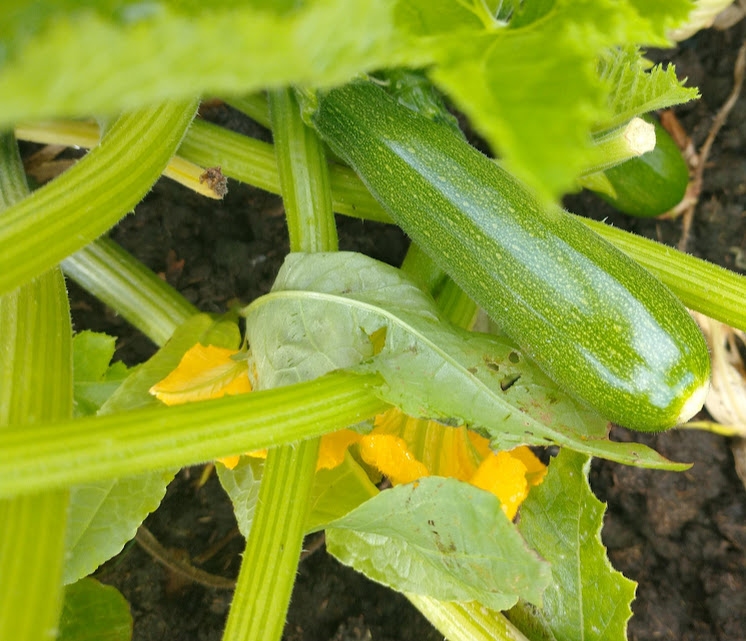
We’re staying near Shrewsbury just now, vegetable-garden-minding for friends. This mainly involves eating quantities of just-picked produce, to prevent the courgettes becoming marrows, the lettuces bolting, and the beans giving up bothering.

This is not however a full-time job, so I’ll be sending you postcards from time to time. The first is from Shrewsbury Flaxmill Maltings. This was built in 1797, the very first building in the world to use an entirely iron frame. And that made it fireproof. Mill buildings – full of dust, fluff, combustible fibres and fabrics – largely built round a wooden carcass, had a nasty habit of burning down. BUT an iron frame was fireproof. And then it offered another advantage. Buildings made this way turned out to be strong enough to support mulltiple storeys. The way was paved for the skyscaper to be developed.

And the long and varied story of this mill deserves to be told – another day.

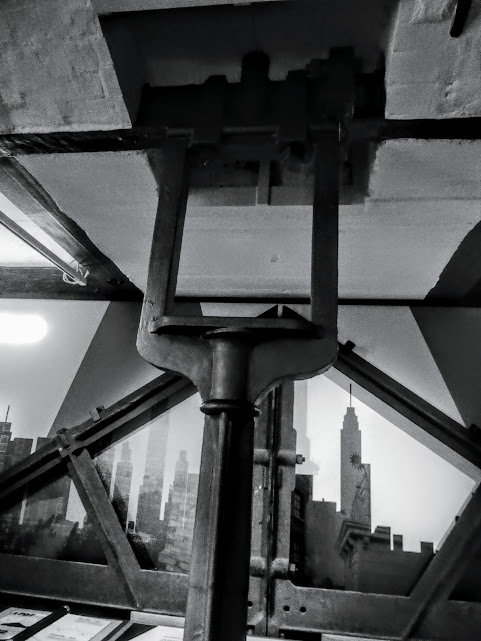
Here’s one of those cast iron pillars holding the building up, with photos of more modern steel-framed buildings in the background.

Postcards from Shropshire (1)

Six Word Saturday.