A History of a Holiday in Fifteen Trees – Eight

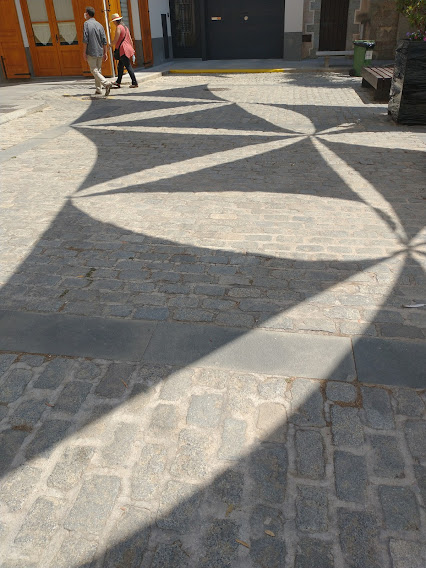
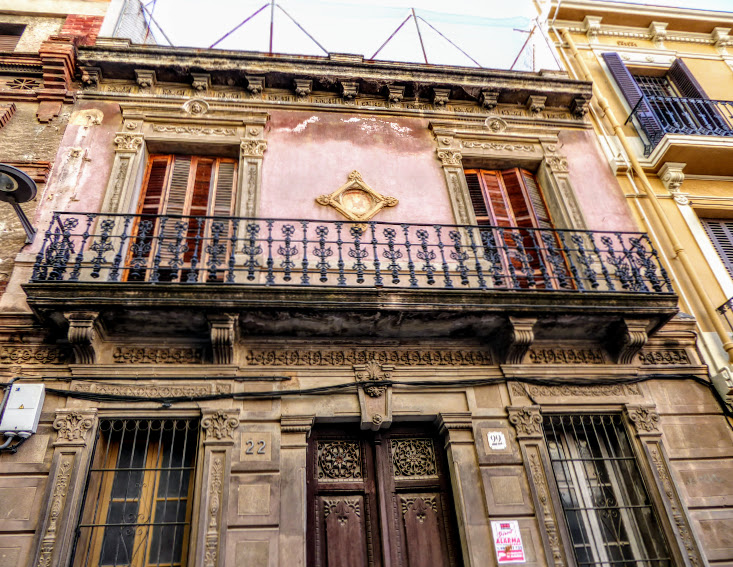
Our first foray from Premià  was to Argentona. Nope, we’d never heard of it either. But we found out that Gaudi’s contemporary Josep Puig i Cadafalch had built a house here, and that seemed reason enough to visit. Reader, it was closed for renovations, and this is about all we could see:

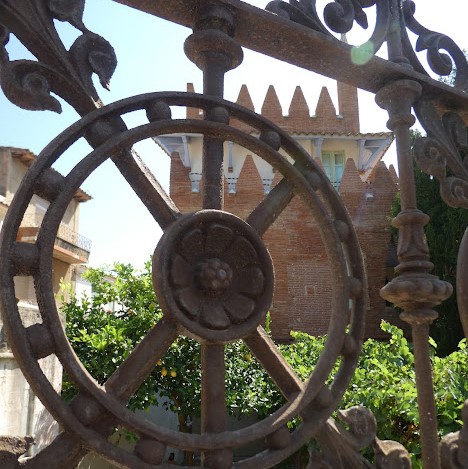
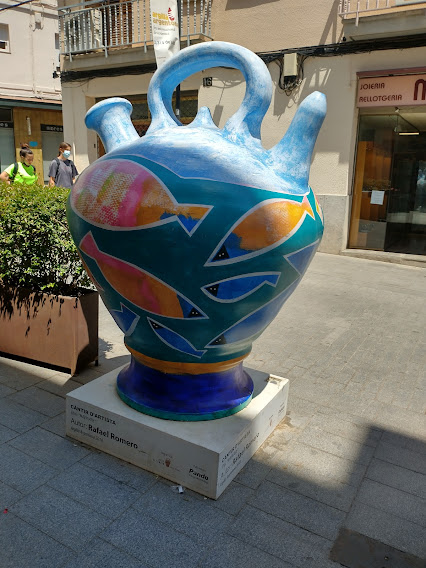
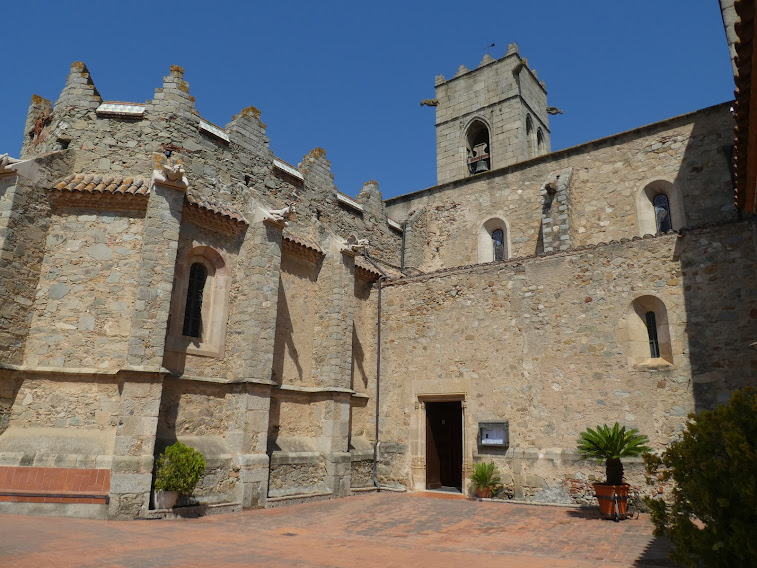
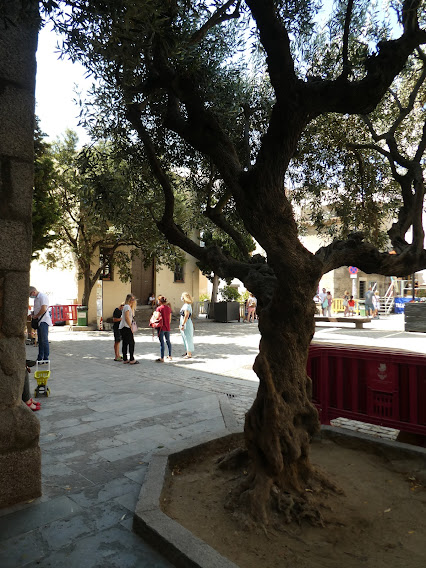
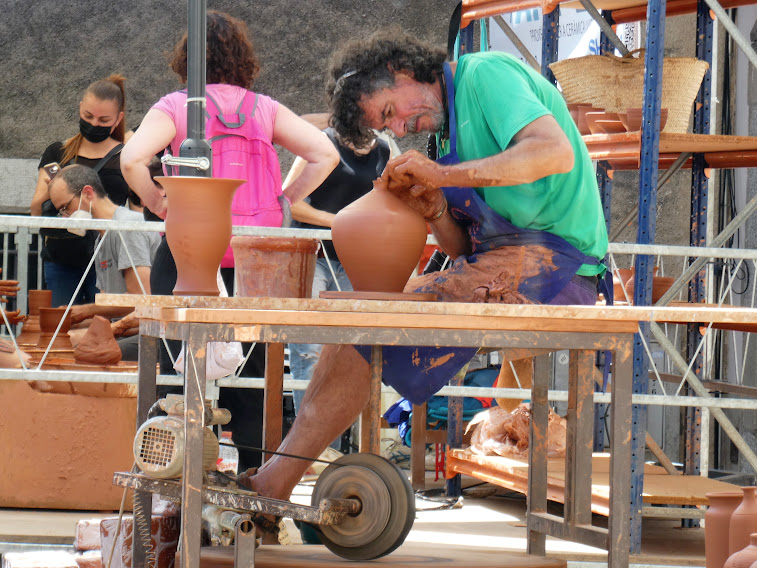
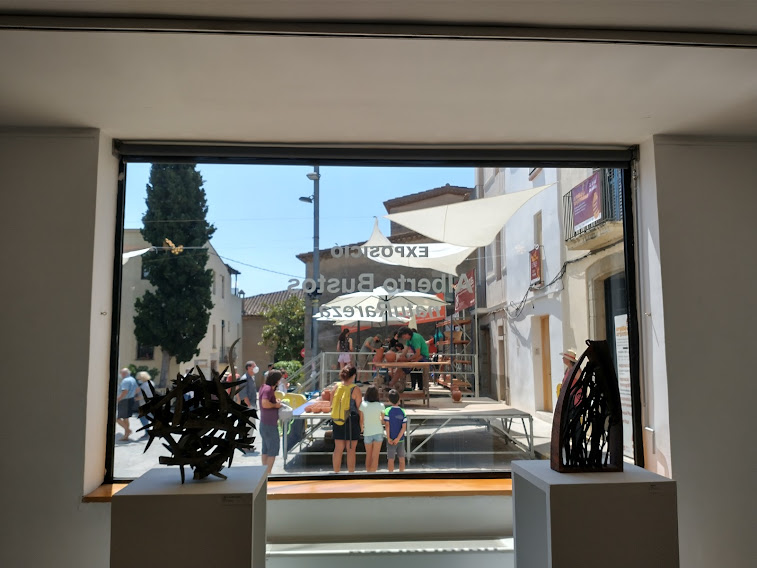
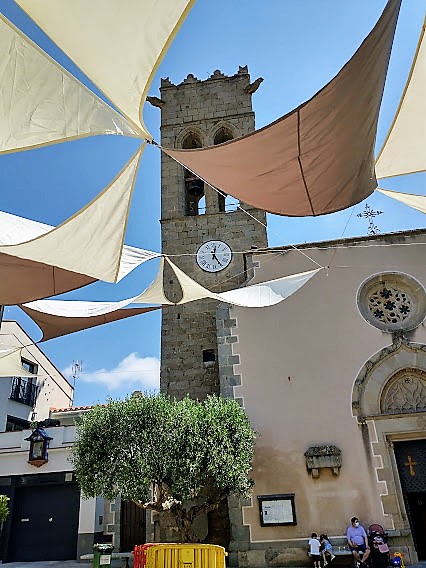
Were we dismayed? only a bit. An International Ceramics Fair was in town, and we had fun tagging along, watching the potter in the featured photo, visiting the museum, taking in the sights in this ancient town, and finally, having lunch at an Uruguayan restaurant. Here’s a small gallery, which even features an ancient gnarled tree that really didn’t appreciate attempts to square it off.
TreeSquare

A History of a Holiday in Fifteen Trees – Seven

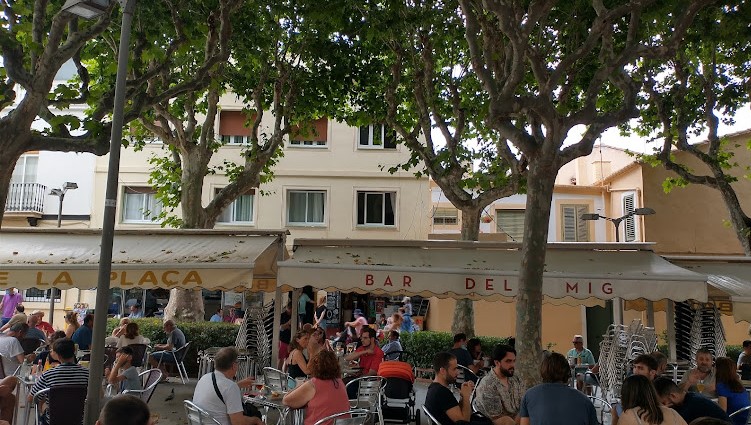
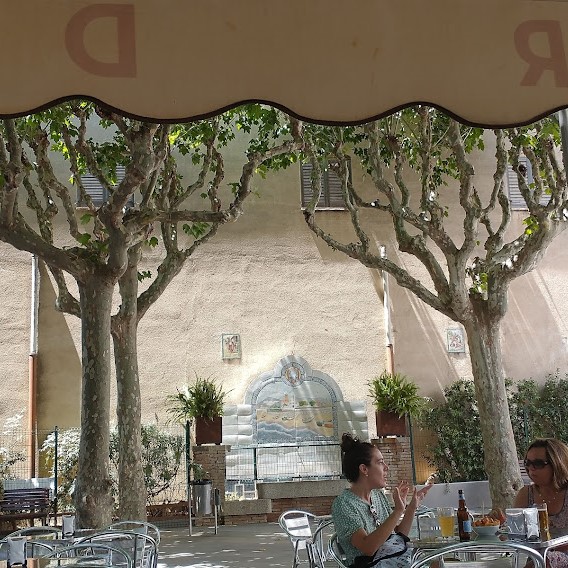
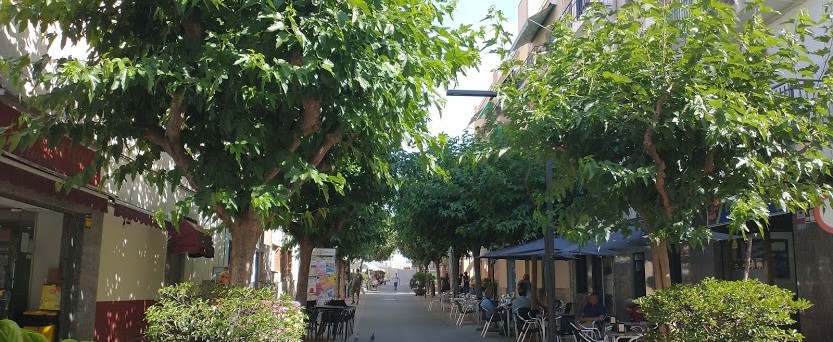
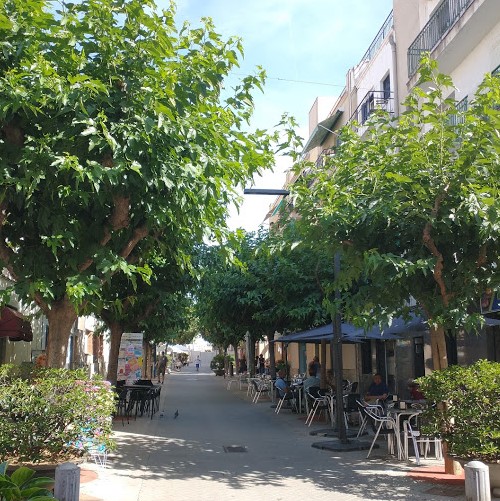
We’re going to end our trip to Premià de Mar where we began, in a bar. But this isn’t just any bar. This is Bar del Mig, in the main town square, and the venue of choice for many in the town for a morning coffee, a lunchtime meal or a convivial evening of tapas and a drink.

Bar del Mig? That’s a funny name isn’t it? Well, it refers to the fact that the Cami del Mig runs through all the coastal towns hereabouts, as it has since Roman times, south of the Via Augusta, as a -er- miggle way between that and the sea.

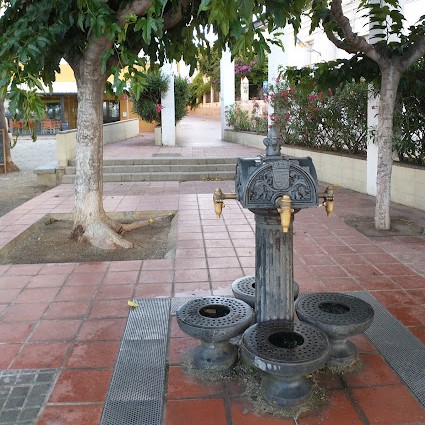
We might be leaving Premià , but there are lots of places, lots of trees to visit yet. We’ll call in at other local towns in the area before heading off back to the ferry from Santander via Aragon, the Basque country, and Cantabria. Gosh, if the thought’s making you thirsty, and we haven’t time to go back to the bar, best have a quick swig from a tree-shaded water fountain before we set off.
TreeSquare

A History of a Holiday in Fifteen Trees – Six

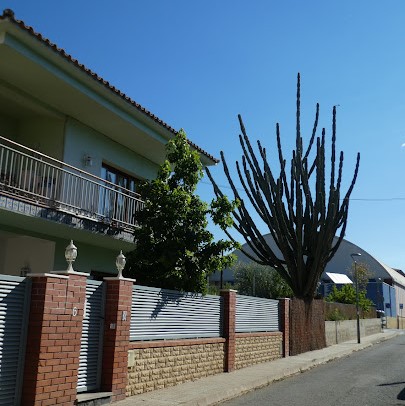
Today we have two trees that are pushing the boundaries. The first isn’t a tree at all: but this huge cactus near Emily and Miquel’s house clearly thinks it’s a tree.

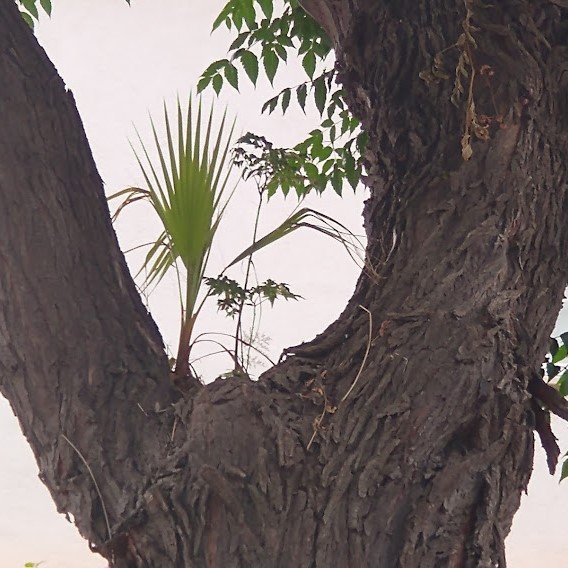
And this little palm tree sapling, down near the beach at Premià de Mar surely won’t make it though to maturity, as it’s relying on the goodwill of a host tree that’s unlikely to want to have it around for long.

TreeSquare

A History of a Holiday in Fifteen Trees – Five

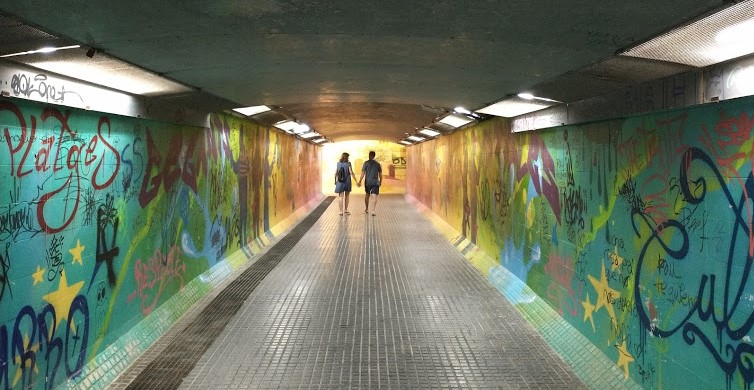
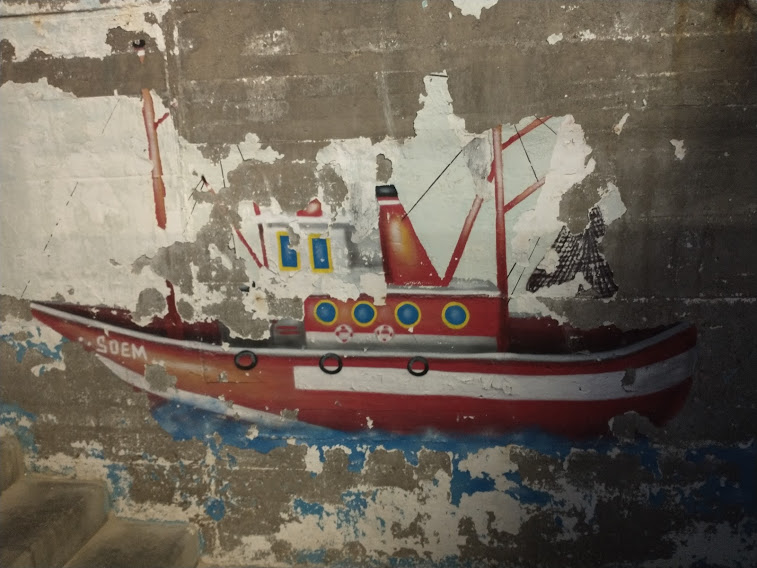
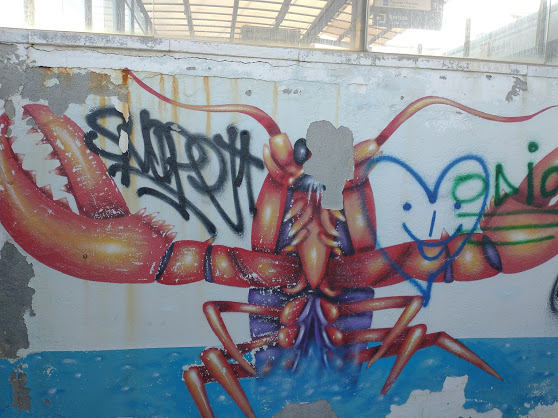
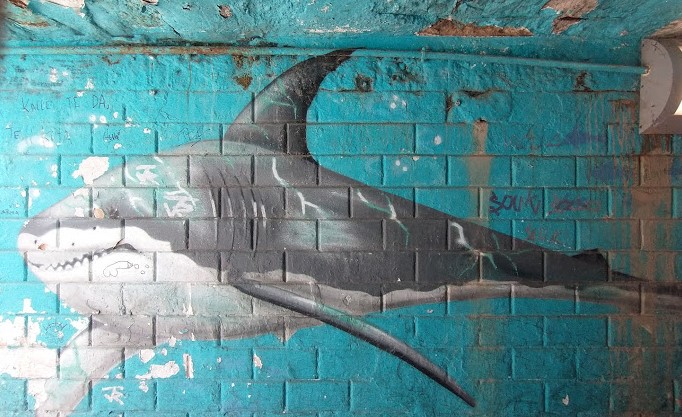
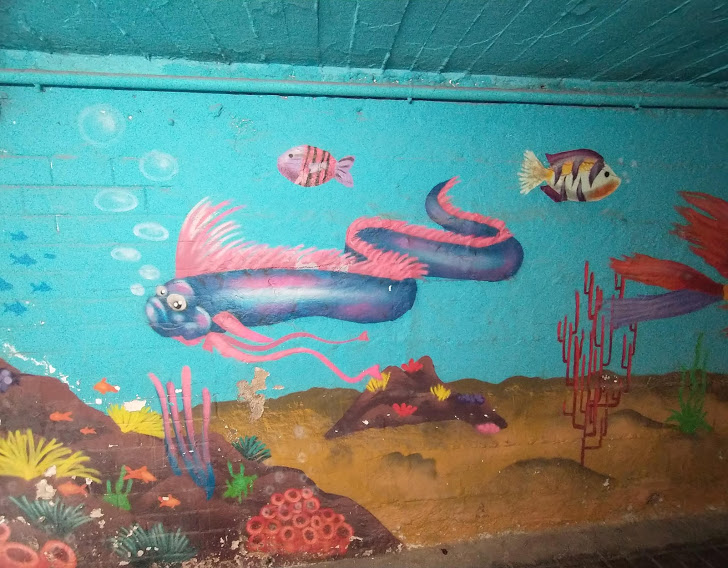
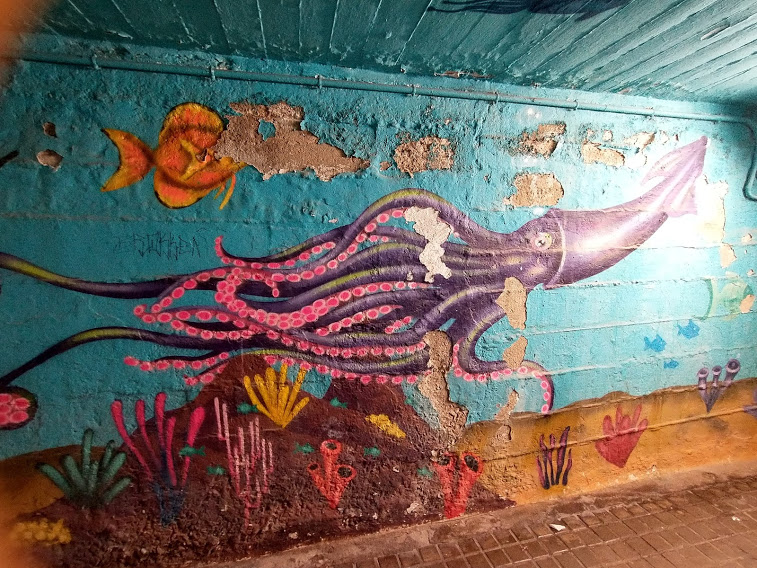
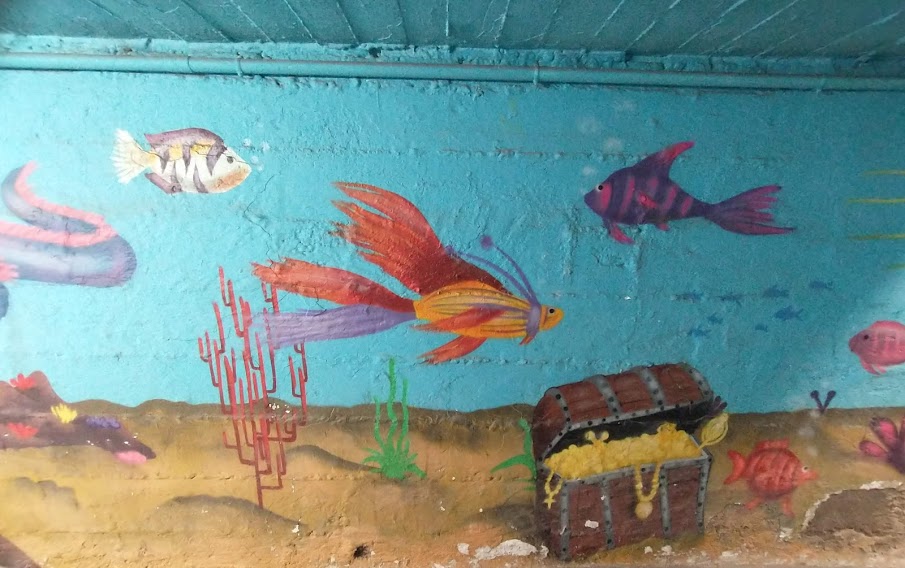
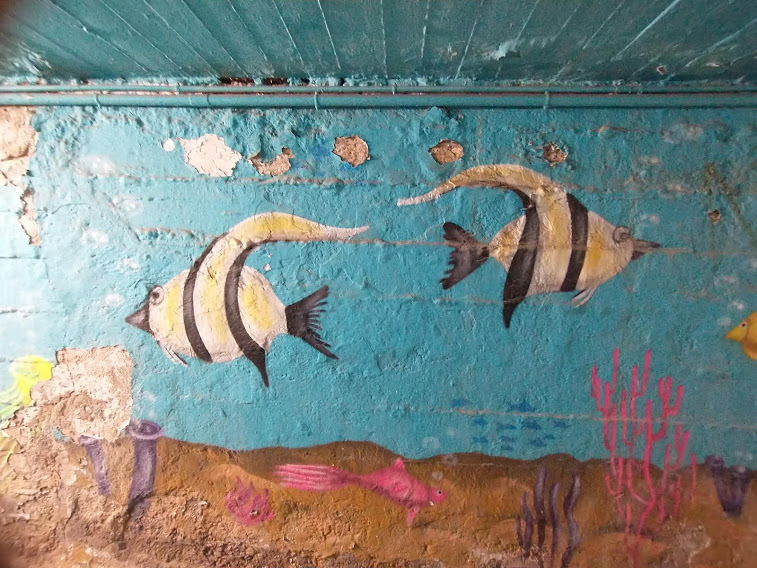
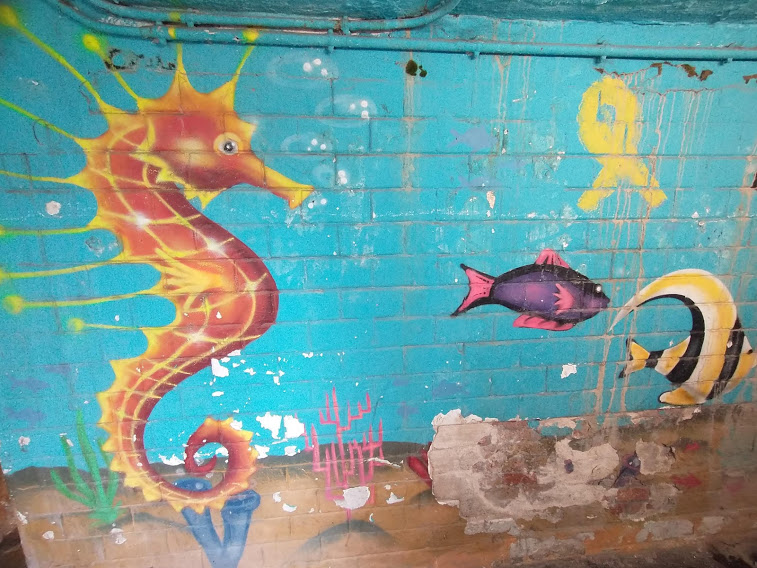
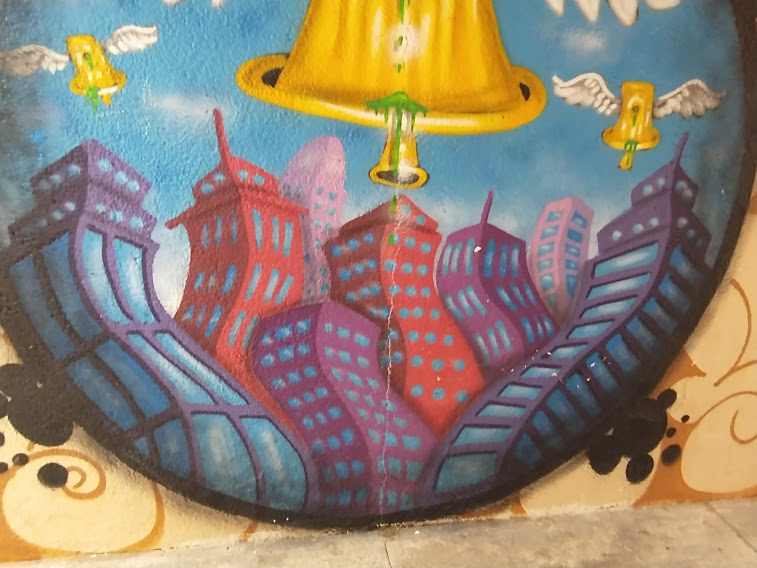
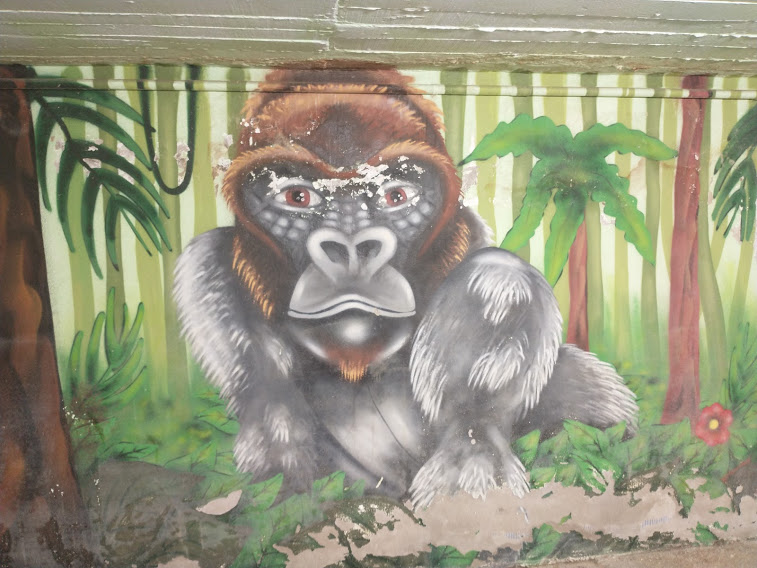
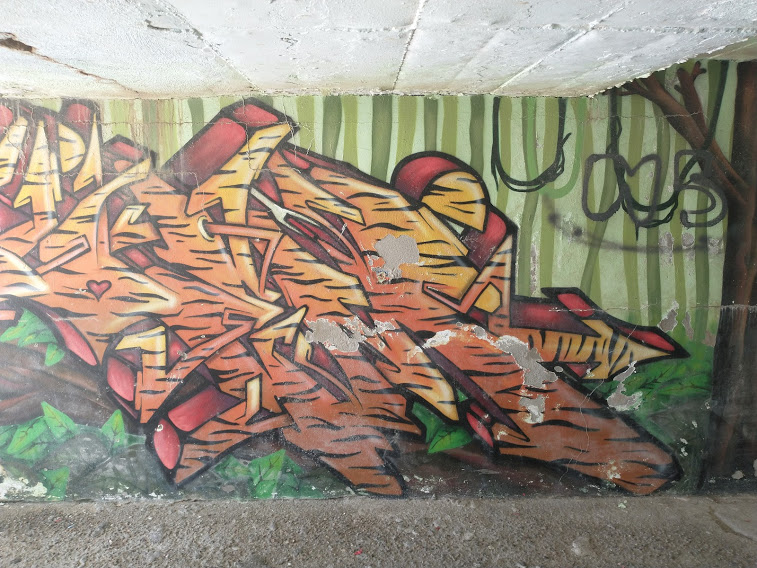
I told you about the railway line in Premià de Mar the other day. Nowadays, a number of underpasses beneath the road and railway link the town to its beaches. And quite a few of them are painted with scenes of the town, and with life above and below the surface of the ocean.

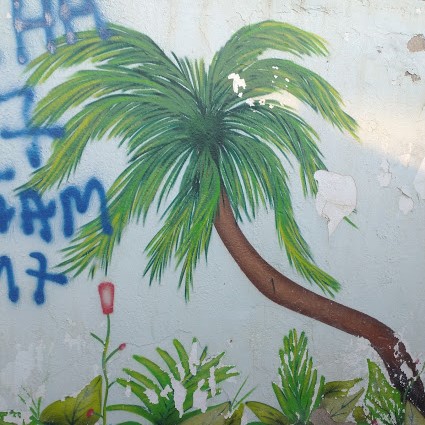
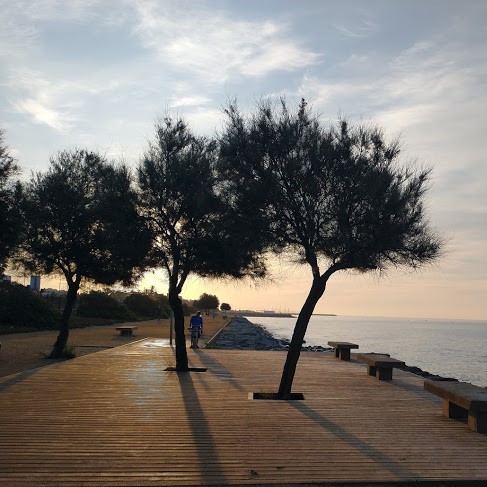
Palm trees march along portions of the shoreline, so let’s begin with an image of one from an underpass:

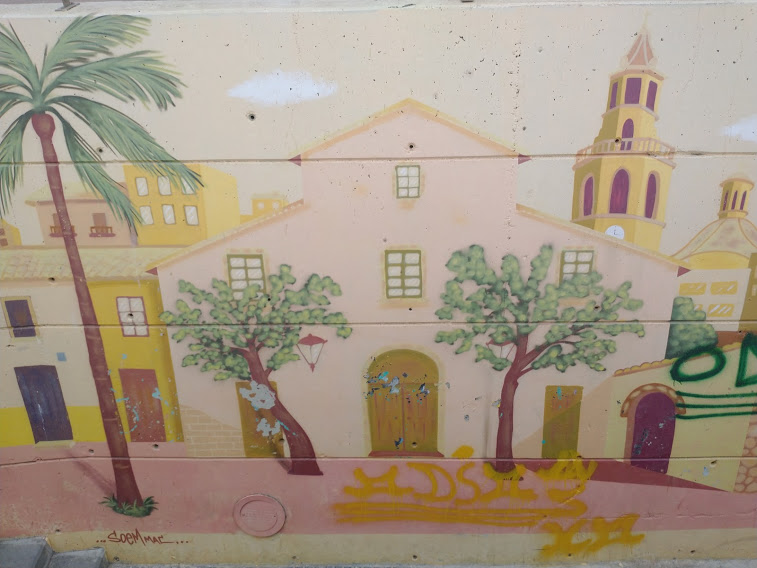
And here’s the main square, with the parish church of Sant Cristofol.

There’s more street art, some of it more interesting, in the streets above. I’ll save those for later.

TreeSquare

A History of a Holiday in Fifteen Trees – Four

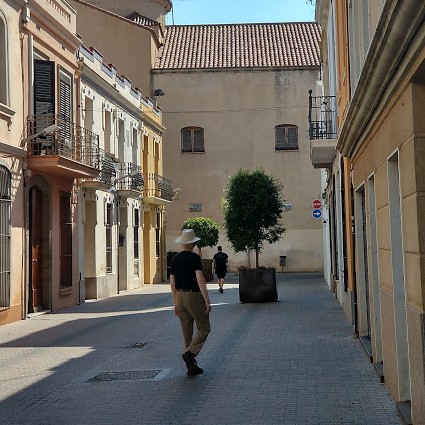
The barri antic – old town centre – of Premià de Mar is terraced by rows of what were once fishermen’s cottages, mainly dating from the 18th century, and known as les cases de cós. Their inhabitants divided their time between two occupations – fishing – and market gardening in their long narrow back gardens. The featured image shows a typical street, with awnings stretched across to shelter passers-by from the summer heat.

There aren’t many trees, so these days the town council has placed some in tubs along the pedestrianised streets.

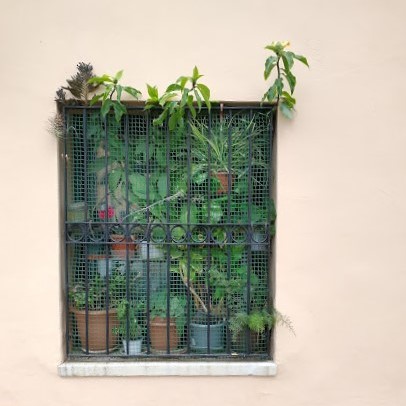
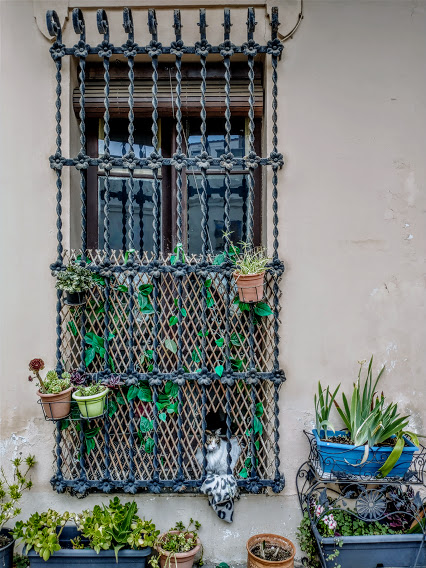
With not many trees about, some residents cram their windows with cooling plants:

Although one careful resident has thoughtfully left a cat-sized gap at the bottom of his plant-friendly window.

Tree Square

Monday Window

A History of a Holiday in Fifteen Trees – Three

The railway line linking Barcelona to Mataró, 34 miles up the coast, was opened in 1847. The line divorced every town on its route, including Premià de Mar, from the seashore by hugging the coast. Nowadays a busy main road also runs alongside.

But the railway brought advantages too, by bringing raw materials (coal from England for the gasworks!) to agricultural and manufacturing industries, and by taking produce (fruit and vegetables, textiles) to their markets further afield.

Still, those early trains were regarded with deep suspicion, as evil and malevolent. Early travellers took no chances. They would make their wills before embarking on their journey. Market gardeners were convinced the smoke from the engines would harm the crops and they would become bankrupt. And steam engines require axle grease. Where could that fat come from? Weren’t there reports of babies and children going missing in Barcelona? Hmm?

Nowadays, this is the scene from the goods yard, now known as Descarroga beach – ‘decarrogar‘ is ‘to unload‘ in Catalan. The train line still exists, but silent electric rolling stock dependably transports commuters, but no freight, to and from Barcelona.

#TreeSquare

A History of a Holiday in Fifteen Trees – Two

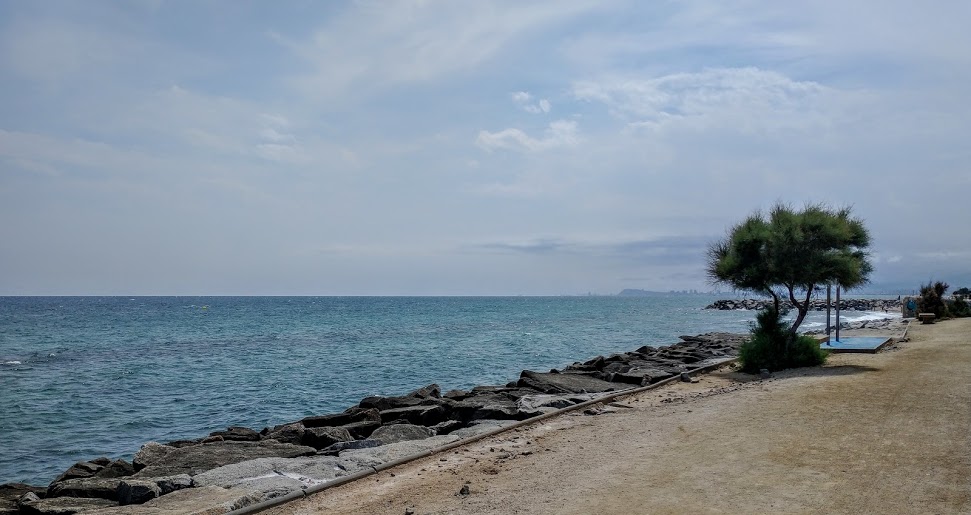
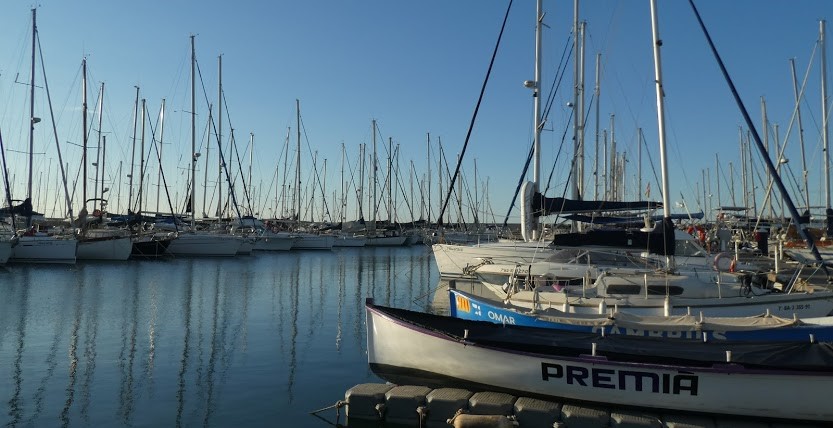
El Llano de Los – or the Plain of the Bone. That’s today’s photo. It’s hard to believe, but back in 1900, here was Premiá de Mar’s newly-built shipyard, with carpenters busily engaged in crafting boats and ships, mainly for the fishing industry. Onlookers jeered. ‘Lazy lot, those boatmen. They’ve got a bone in their back that doesn’t let them work.’ With a great deal more justification, the carpenters hurled the insult back at the idlers watching them. So there we have it: the Plain of the Bone. Now all of us who enjoy a quiet moment here are idling away a few minutes during a pleasant stroll along the seashore, towards the port that these days is full of pleasure-craft – not a fishing boat in sight.

#TreeSquare

A History of a Holiday in Fifteen Trees – 1

And … we’re back from a more-or-less internet-free month in Spain. We’ve been with my daughter and partner, who five months ago became parents. This had been the first window of opportunity to get there, what with Covid travel restrictions.

We got to know and love Anaïs, as she mastered rolling over, sitting up, and enjoying English nursery rhymes to complement the Catalan ones her other yaya (granny) sings with her.

And we got to know and feel quite at home in the seaside town that Emily and Miquel moved to just before Anaïs was born. Only 12 miles from Barcelona, it’s assertively un-touristy – no hotels, AirB&B, catch-penny souvenir shops or menus in several languages.

So let’s start off with what the Spanish do best, and enjoy a drink in a bar shaded by the trees that line the streets.

#TreeSquare

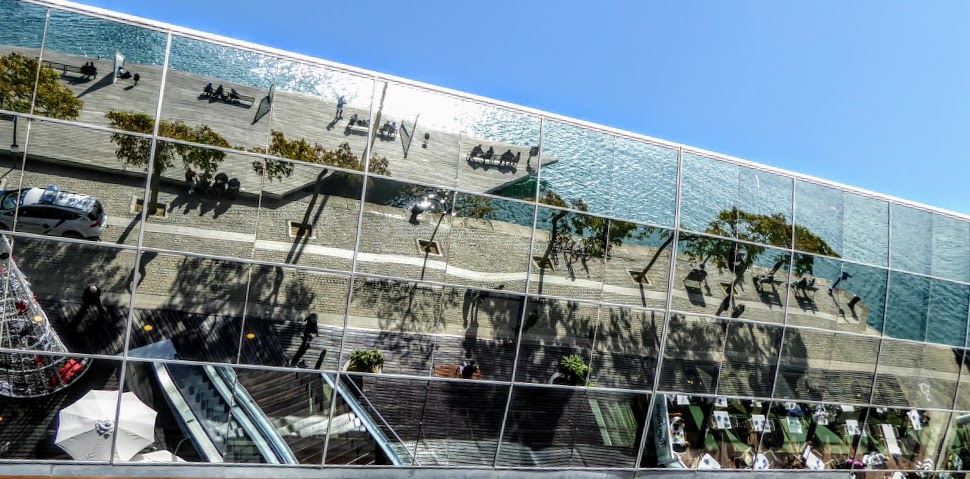
Geometric Barcelona

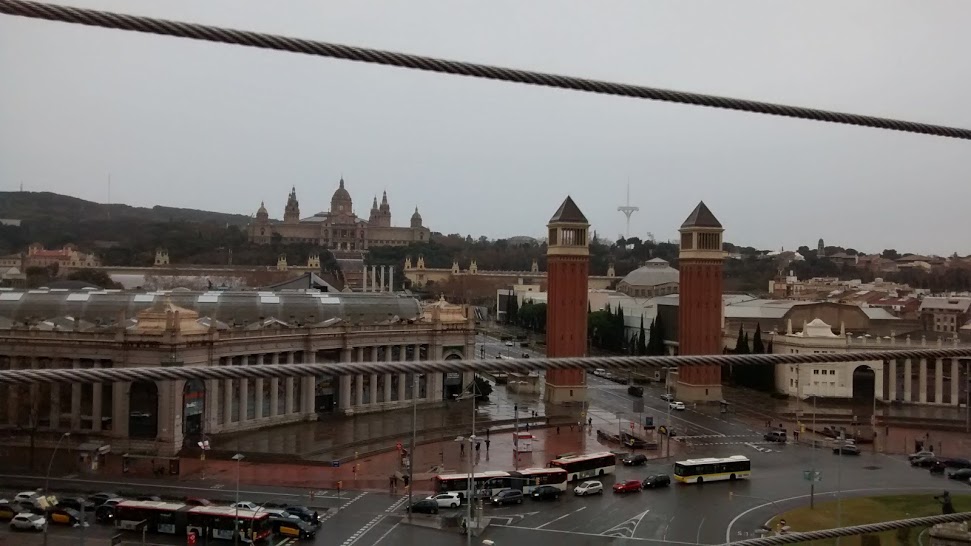
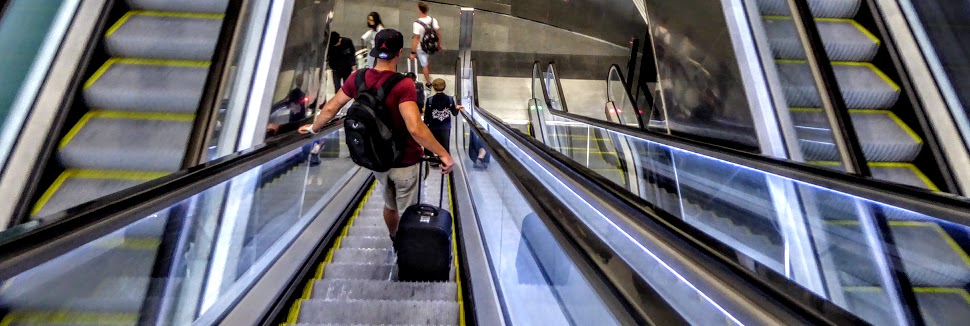
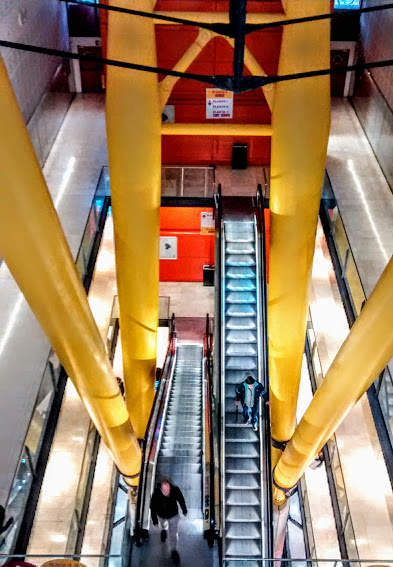
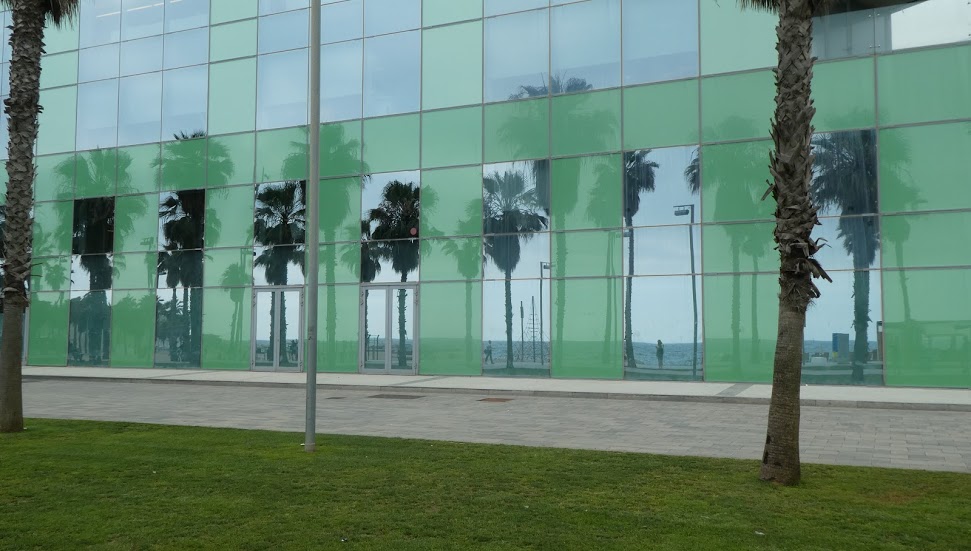
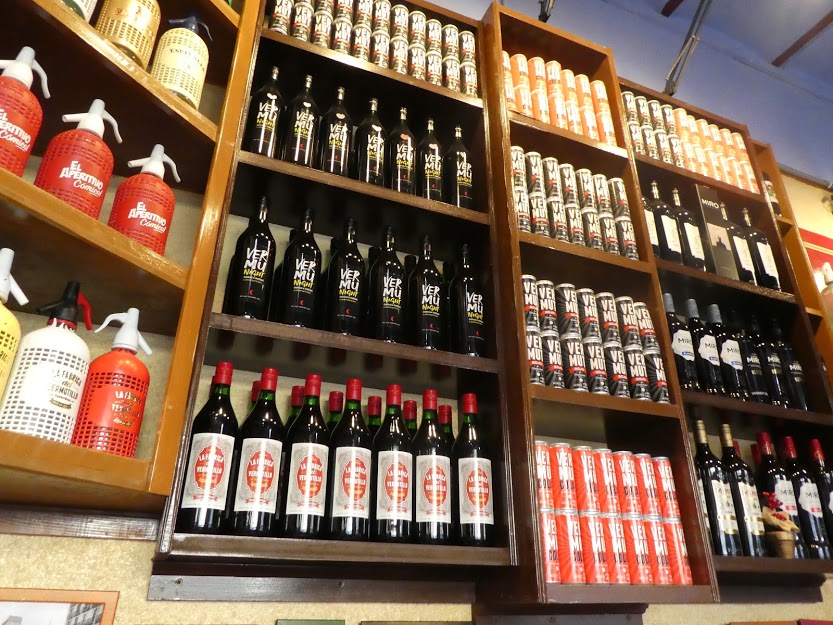
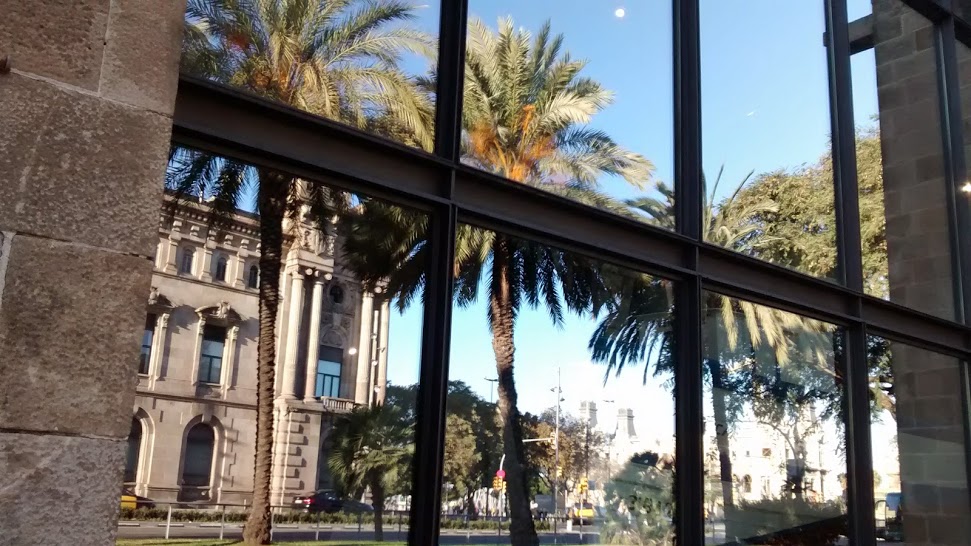
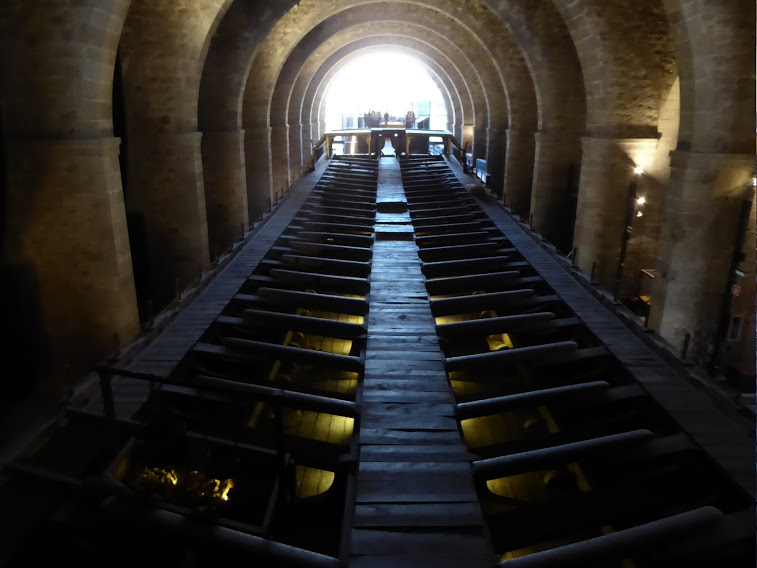
I haven’t joined in the Lens-Artists Photo Challenge in a while: I wouldn’t like to fall out of the habit completely. What to offer? A miscellany? Maybe. Focus on one country – maybe Spain with its wonderful Moorish past? Maybe, but others have already offered wonderful images on this theme. Barcelona then, my daughter’s home? OK, why not? But this time, maybe not its must-see architecture, from Gothic to Gaudí. Let’s just walk the streets, travel the metro, visit maritime Barcelona, and see what we can see.

Click on any image to see full-size

Lens-Artists Photo Challenge #141

A Window on Sants

About three years ago, we were in Sants, Barcelona. The flat where Emily and Miquel then lived was too small to accommodate us for too prolonged a stay, so an apartment in Sants it was – a part of the city we didn’t knw at all, but came to like a lot.

Once a village, by the nineteenth century it was industrialised – the textile industry – and home to Barcelona’s biggest textile factory. Now it’s home to Barcelona’s biggest station and travel interchange.

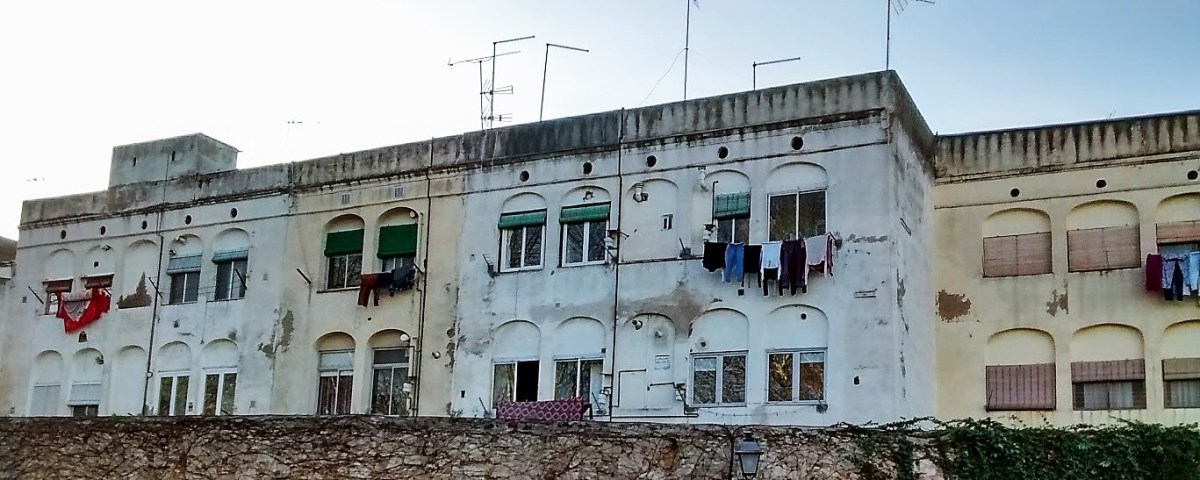
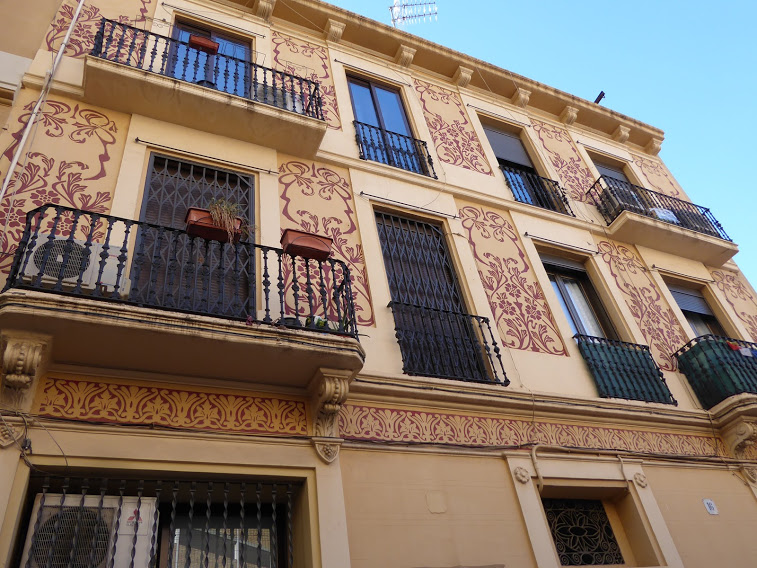
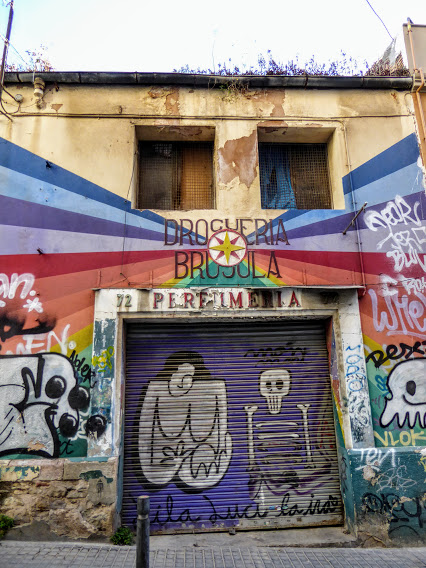
For us though, it was simply a busy working community, full of independent shops, a market, housing old and new. Let’s go and walk the streets for a while, and admire the often elegant windows. And as the feature photo shows, there’s washing. There’s always washing to hang out.

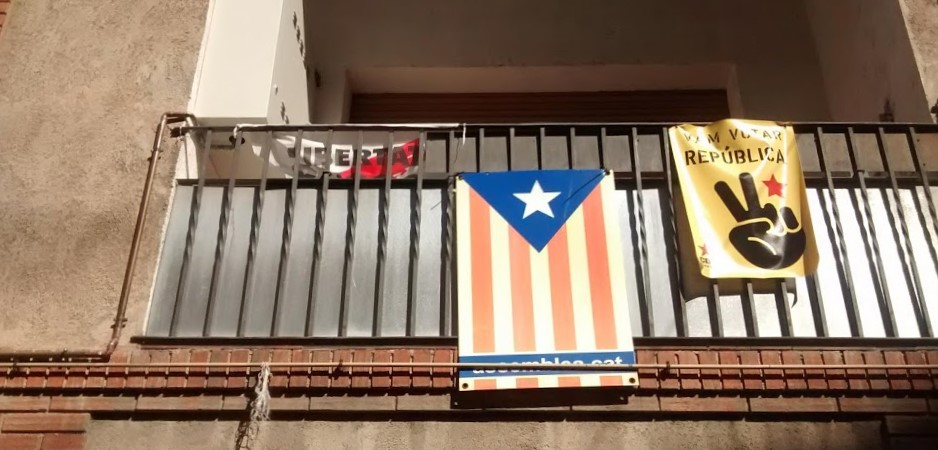
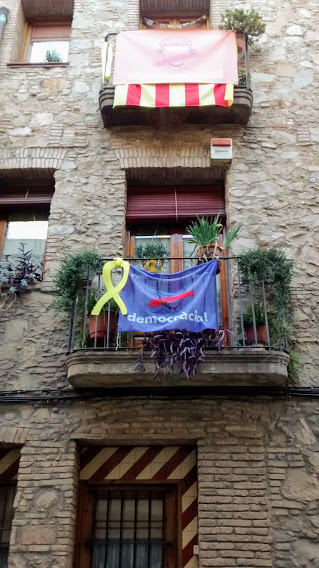
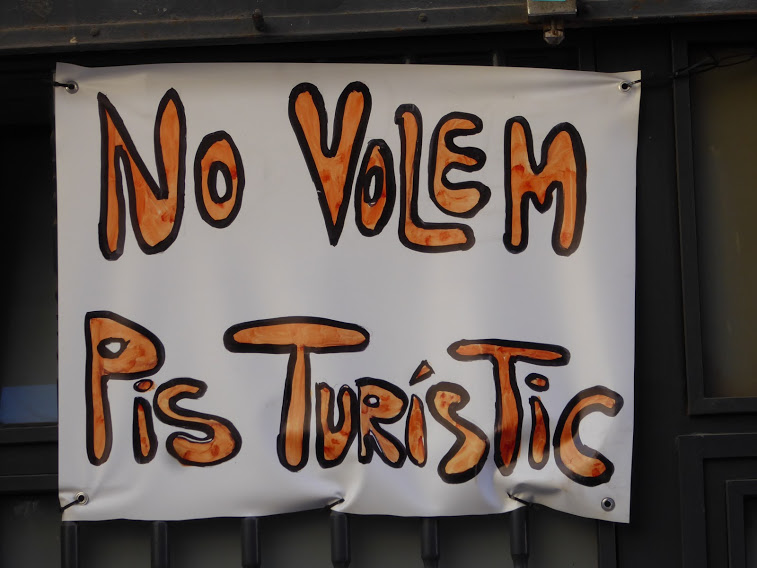
It’s an assertively independista part of the city: hence the Catalan flags and yellow ribbons. And they don’t welcome the destruction of their community by tourists that come and go. So we did our best to spend in neighbourhood shops bars and restaurants, and also hoped that, since we’re all-but Catalan in-laws now (and now, even Spanish grandparents), we might pass muster.

‘No tourist apartments’.

Monday Window – mañana

Monday Washing Line – mañana