There are some fun memes popping up among book bloggers as 2022 ends, All you have to do is answer (almost certainly untruthfully) a questionnaire, using only the titles of books you have read this last year. I’ve chosen two.
2022 was the year of: The sweet indifference of the world (Peter Stamm)⭐⭐⭐⭐
In 2022 I wanted to be: That bonesetter’s woman (Frances Quinn) ⭐⭐⭐⭐
In 2022 I was: Taking stock (Roger Morgan-Grenville) ⭐⭐⭐⭐⭐
In 2022 I gained: Small things like these (Claire Keegan) ⭐⭐⭐⭐⭐
In 2022 I lost: Miss Benson’s Beetle (Rachel Joyce)⭐⭐⭐
In 2022 I loved: My phantoms (Gwendoline Riley) ⭐⭐⭐⭐
In 2022 I hated: Red milk (Sjón) ⭐⭐⭐⭐
In 2022 I learned: To cook a bear (Mikael Niemi) ⭐⭐⭐⭐
In 2022 I was surprised by: Things that fall from the sky (Selja Ahava)⭐⭐
In 2022 I went to: The Underground Railroad (Colson Whitehead) ⭐⭐⭐⭐
In 2022 I missed out on: Midnight at Malabar House (Vaseem Khan)⭐⭐⭐⭐
In 2022 my family were: Between the assassinations (Aravind Adiga) ⭐⭐
In 2023 I hope (for): The romantic .. (William Boyd) … Silver shoals (Charles Rangeley-Wilson). Both ⭐⭐⭐⭐⭐
Because all but four of these books were borrowed from North Yorkshire Libraries, which continues, even now, to buy a wide range of appetising new books, I dedicate this post to Bookish Beck’s Love your Library
On the first Saturday of every month, a book is chosen as a starting point and linked to six other books to form a chain. Readers and bloggers are invited to join in by creating their own ‘chain’ leading from the selected book.
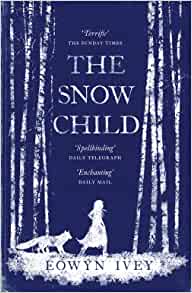
This month’s reading began with Eowyn Ivey‘s The Snow Child. I suspected magical realism and expected to cast the whole thing aside. But this reworking of the traditional Russian fable utterly disarmed me. Set in barely-settled 1920s Alaska, the frozen landscape and the fresh and flower-strewn spring, the tough-because-they-have-to-be characters, the hardships and friendships make this a believable, yet lyrical story which transported me willingly to a different world.
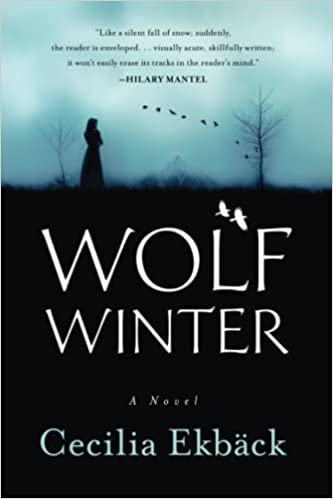
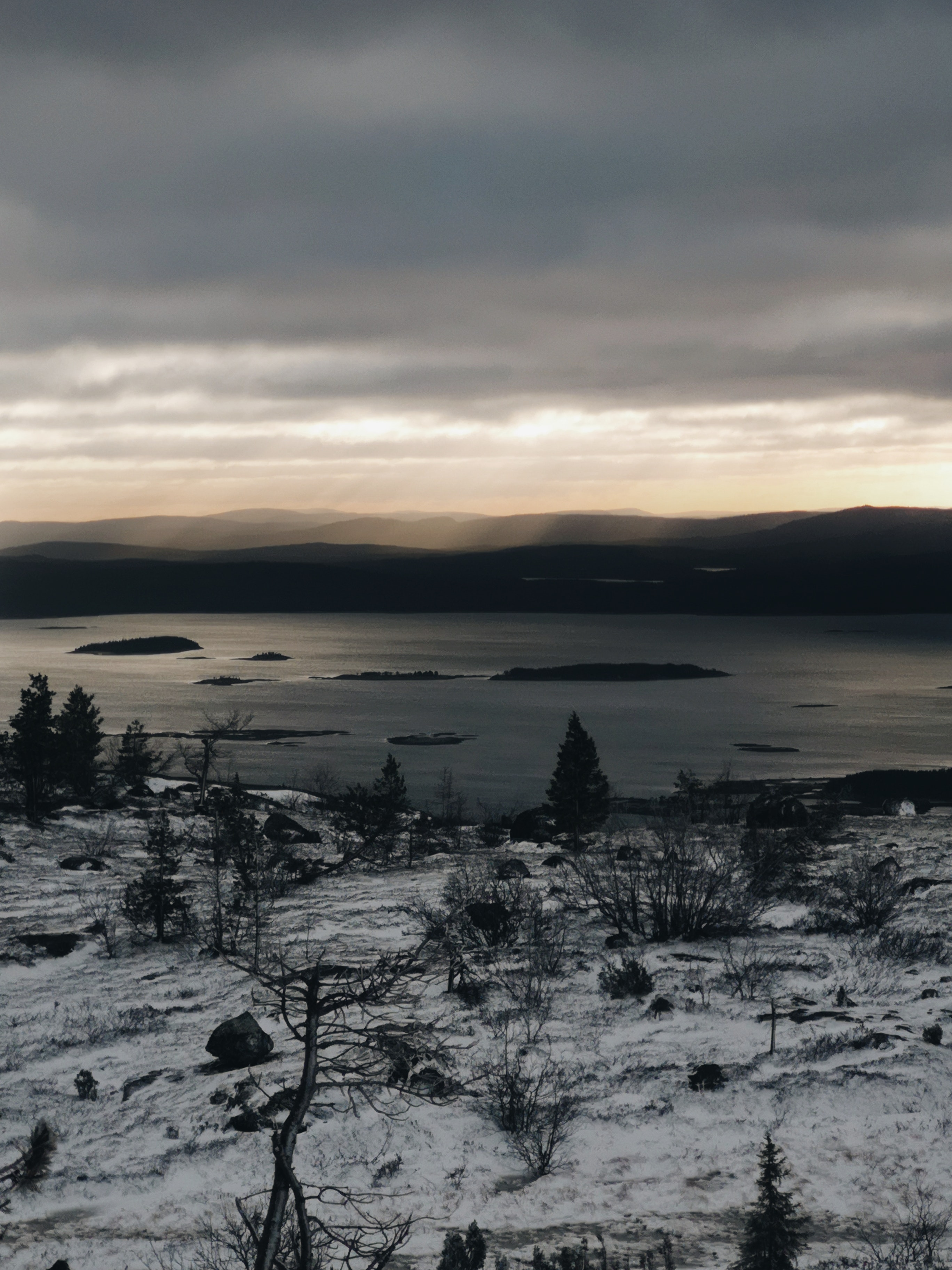
I remembered a book which gave me a similar reaction: Cecilia Ekbäck‘s Wolf Winter. As an evocation of life in an isolated 18th century community of far-flung homesteads in northern Sweden it’s quite wonderful. The sheer drudgery of keeping alive in the long dark days of winter; the isolation; the fear of beasts and evil spirits: in fact the pervasiveness and absolute acceptance of a spirit world was involvingly brought to life. But it’s also a murder mystery, and this pulled me in far less. Nevertheless.five years on, those evocative descriptions of tough lives in a tough place stay in my mind.
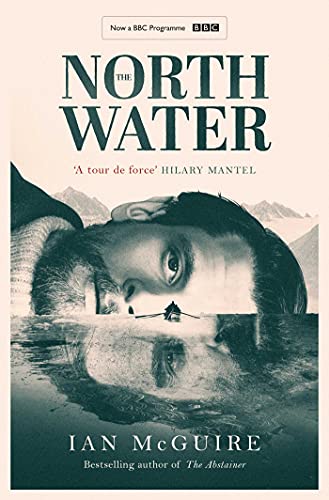
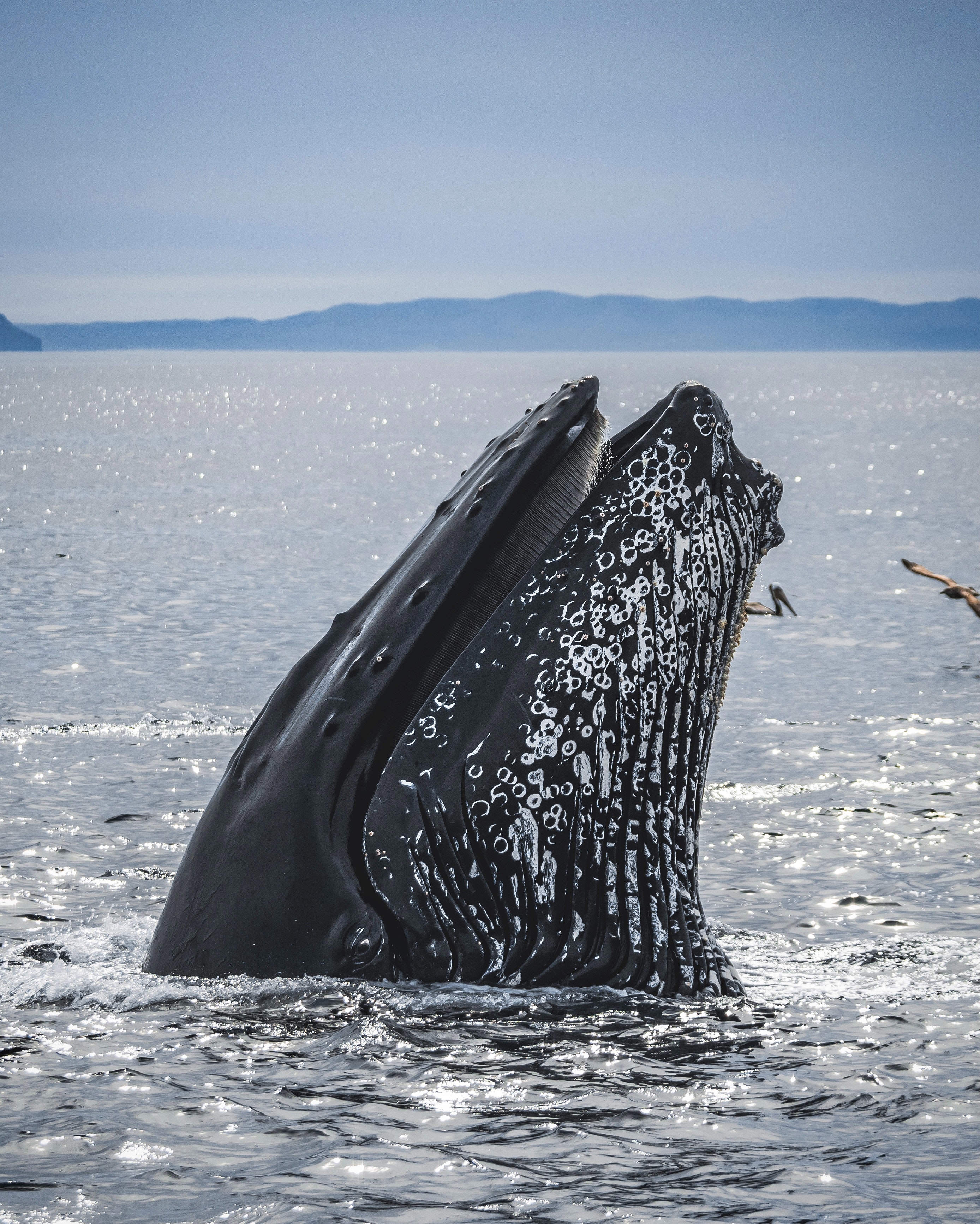
Yet more tough lives in unforgiving conditions. The North Water, by Ian McGuire. This is a gritty story set largely in a 19th century whaling ship. There’s violence, brutality, bad language, bowel movements a-plenty, but it doesn’t feel gratuitous. Patrick Sumner has – we eventually discover – left the British Army in disgrace and his options are few. He becomes a ship’s surgeon on the whaling ship, and finds that a hard and desperate life becomes even worse as the ship and its crew battle against an arctic winter and a particularly brutal and amoral member of the crew. An involving and gripping story that recreates a world I can only be grateful not to be a part of. And – British readers – I’ve just discovered that the book has been made into a five part series available on BBC i-player.
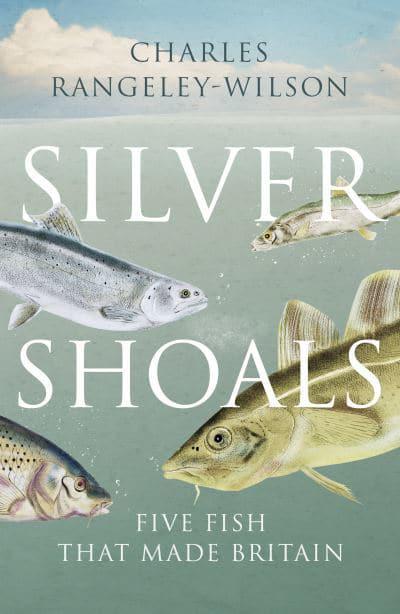
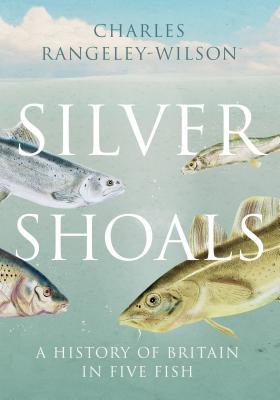
Let’s stay at sea, and with fishing, but let’s lighten the mood – please – by turning to Silver Shoals, by Charles Rangeley-Wilson. I was entirely and unexpectedly engaged by this book, an exploration of our nation’s iconic fish: cod, carp, eels, salmon and herring. This is a story of the fish themselves; of fishermen; of the consequences of greed and the way back from it; of geology; meteorology; our nation’s social history as it relates to food and farming; of corruption and political will. It combines serious discussion of issues with good yarns about the fishermen who took Rangeley -Wilson fishing with them, whether on week-long voyages on trawlers, or half day sorties to the local river bank. He travelled north, south, east and west in quest of fish and their stories, and produced and absorbing account which I read in record time because I was so enthralled by all the threads of the story Charles Rangeley-Wilson told.
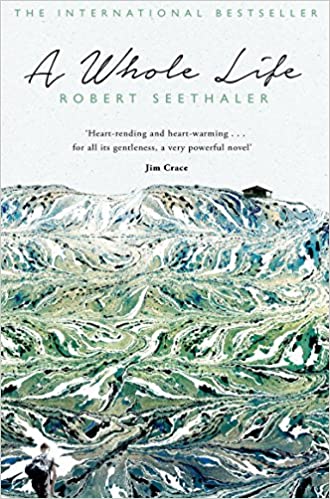
My next book is set not at sea, but in the mountains. However, there is the same attachment to place here that fisherman seem to have to their chosen piece of water.. A Whole Life, by Robert Seethaler. This is a spare and restrained telling of the story of a life. The life of a lonely, but not discontented man living in a small community in a mountain valley, after a chequered and varied early life. This is a man who values solitude, and the landscape in which he lives. His needs are simple, but even these are not always easy to meet. A poetic, satisfying book. It’s a work in translation, but this is an accomplished piece of work which reads beautifully, and deserves re-reading.
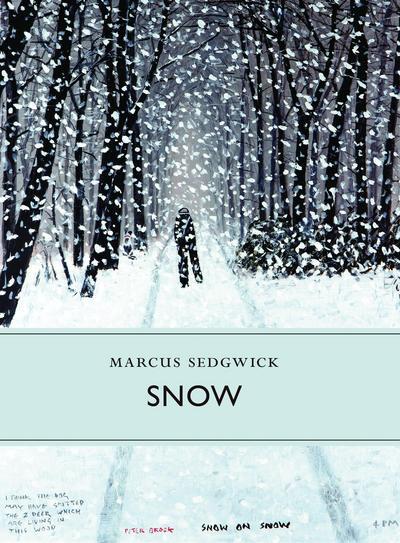
Marcus Sedgwick lives in the Haute-Savoie, not really so very far from Seethaller’s hero. One of his books is Snow. This is a beautifully presented and thoughtful little monograph. Always fascinated by snow, Marcus Sedgwick’s chosen home is one where snow in winter is a daily reality. He’s come to appreciate that there is far more than one kind of the stuff, and that some of it is ‘the wrong kind’, getting in the way of the everyday lives of those who are very accustomed to snow of all kinds. He wanders discursively through science, literature, art, and personal anecdote to build up a vivid picture of this fascinating substance which exercises such a grip on our imaginations and our daily lives when we encounter it. A book to read, to savour, and to continue to dip into from time to time.
Now, let’s lighten the mood. It’s nearly Christmas shopping time. Let’s choose another short book, with winter at its heart. The Mistletoe Murder and other Stories, by PD James. The Guardian describes this book as ‘a box of crackers’, and so it is. These are four short stories of murder most foul that were all originally published elsewhere, all set round about Christmas time. They’re clever, and not at all likely to be mistaken for Scandi-noir. These quickly read little gems, nicely presented by Faber and Faber, would make an ideal stocking filler.
So there we have it. From one murder mystery to four murder mysteries, with four stops in between.
It seems to me that next month’s starting book could hardly be more different. It’s Beach Read, by Emily Henry.
On the first Saturday of every month, a book is chosen as a starting point and linked to six other books to form a chain. Readers and bloggers are invited to join in by creating their own ‘chain’ leading from the selected book.
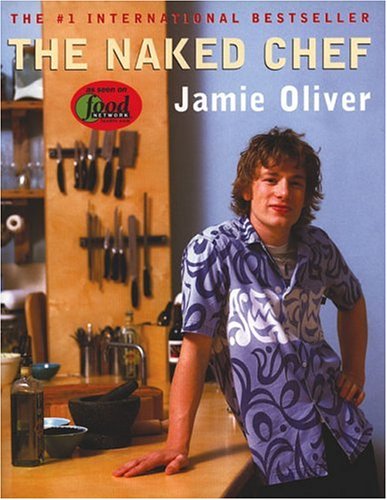
This month, our chain starts off with a recipe book: Jamie Oliver‘s The Naked Chef. I’ve used this and other books by Jamie Oliver as jumping-off points when thinking what to cook. But what I really like is a recipe book that’s a good enough read to enjoy even when not planning meals.
So that’s why I’m starting my chain with Rachel Roddy. I used to follow her when she was a food blogger, a young Englishwoman living in Rome. Then she wrote a book. Then the Guardian newspaper took her up. These days she blogs no longer. But I still use and enjoy that first book, My Kitchen in Rome, in which she talks about Testaccio, the working area of Rome where she lives, far from the tourist hot-spots. She writes about the daily market, her discovery of Roman foods and recipes, and getting to know those who help her on her culinary journey. It’s a right good read. With added recipes.
Nigel Slater is another food writer featured in the Guardian and Observer. I own just about every book he’s written: but today, even if it’s definitely not OK to start doing the Christmas shopping and enter shops where Christmas musak is already being belted out, it is OK already to have baked the family Christmas cake, I’m featuring his The Christmas Chronicles. It intersperses vignettes from his life with observations from his garden, his travels, his kitchen, his Christmas preparations with recipes for Christmas and the winter season generally. Like Rachel’s book, it’s a jolly good read.
The book which probably started many of us out on our cooking explorations is Elizabeth David‘s A Book of Mediterranean Food, first published in 1959. It doesn’t have the same story book quality of Roddy and Slater’s books, but it’s more than a list of ingredients followed by the instructions. She sets the scene, either with her own words or those of other writers, to explain the joy of say a family lunch, a Greek feast, the snail. She explains which ingredients are best, how you might make do, and when you must not make do. I no longer use David’s books as much as I did, but she’s the foundation on which so many later cooks and their books were built.
We’ll stay in the Mediterranean. I’ve written before about my entirely unrequited love affair with Commissario Guido Brunetti in Donna Leon‘s books set in Venice. In any one of them you’ll find evocatively described meals, family meals prepared by his talented wife Paola, or those taken in one of the neighbourhood restaurants he’s come to know and be known at over the years. Let’s pick on Trace Elements. A dying woman has an important message to relay to Commissario Brunetti about her recently deceased husband. Inevitably, she dies before she’s able to convey clearly what she needed to say. Can Brunetti and his friend and colleague Claudia Griffoni pick the bones out of all this? Inevitably, they can. Inevitably too, there are twists and turns on the way, and an intriguing ending. A classically satisfying tale, with meal time interludes.
Still in Italy – Sicily this time. Andrea Camilleri‘s Inspector Montalbano is reliably greedy. His housekeeper leaves him tempting suppers to enjoy when he returns from labouring over yet another murder. Local restaurateurs know him well, and keep their choicest dishes for him. All Camilleri’s books about him celebrate his love of food. It’s a long time since I’ve read one, so no review for this one: The Terracotta Dog.
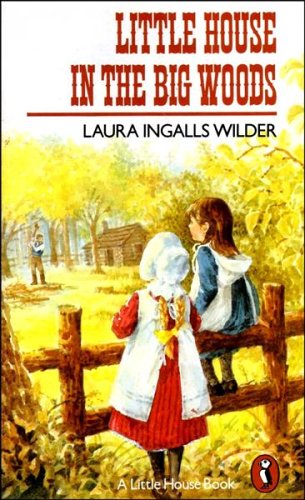
We’ll finish with the Laura Ingalls WilderLittle House on the Prairie books, which my younger daughter read incessantly for a period when she was about 10. It describes the life and adventures of a pioneer family in 19th century America, and the simple business of living occupied much of their days. In Little House in the Big Woods, for example, we’ll be with mother and daughters as they bake bread, churn butter, grow vegetables, dry fruits, make pickles. Father may turn up with a fowl for the pot. It was a simple, tough and hardworking life lived by an energetic and loving family with a deep uncomplicated faith. As my daughter prepared for her teenage years in a rather different society, these books were her frequent companions.
I don’t think I’ve ever written a book post about food before, and I doubt if I shall again. But it’s been fun. Back to the world of fiction next month, for Eowyn Ivey‘s The Snow Child. Join in on the first Saturday in December with a chain of your own?
On the first Saturday of every month, a book is chosen as a starting point and linked to six other books to form a chain. Readers and bloggers are invited to join in by creating their own ‘chain’ leading from the selected book.
The starter book for this month’s chain is Zoë Heller’s Notes on a Scandal. Despite its being in many ways the shocking story of an affair between a teacher and her pupil, the book is in many ways memorable for having been narrated by a fellow teacher, who proves to be an unreliable narrator.
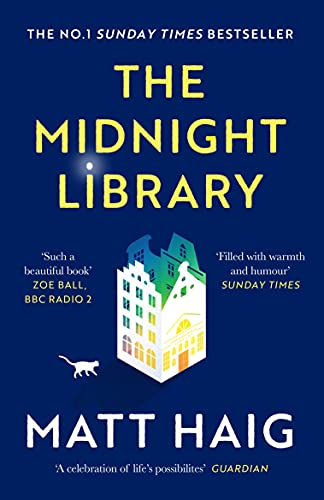
So I looked for another unreliable narrator, and found one in Matt Haig’s The Midnight Library. So much hype surrounded this book. And it is immensely readable. But this story of a young woman who gets the opportunity, through being transported to a magical library in the moments before she commits suicide morphs into an entertaining and – yes- thought-provoking manual to help her re-evaluate her life and its disappointments, and to explore some of the paths that might-have-been, in some ways disappoints. Of course her alternative lives, lasting only a few days each, aren’t going to work out since she isn’t given a back-story and knowledge of the participants. In the end I felt I was being given a parable of how to improve on living the life I have been given. And it didn’t quite live up to what I’ve come to expect of Matt Haigh.
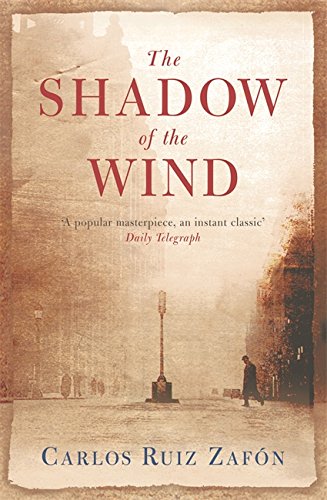
Libraries for the next link then: let’s go to Barcelona in 1945. Carlos Ruiz Zafón’s The Shadow of the Wind revolves around the mysteries of a little known author, Julian Carax. The main protagonist, Daniel, stumbles across him in a secret library of literature called the Cemetery of Forgotten books. From there it develops into a story of good versus evil; driven by jealousy and shrouded in the unknown.
I’m all in favour of staying in Barcelona, armed with a copy of Robert Hughes’ Barcelona. This is a wonderful book, which tells Barcelona’s story through the last two thousand years – though its main focus is the last thousand. Hughes’ area of expertise is art and architecture, but in order to tell the story of Barcelona’s cultural past and present, he has painted a vivid picture of the city’s political and social past. Highly readable, this is a book so densely packed with information that it definitely merits a second, perhaps a third reading as an introduction to the history of this fascinating city.
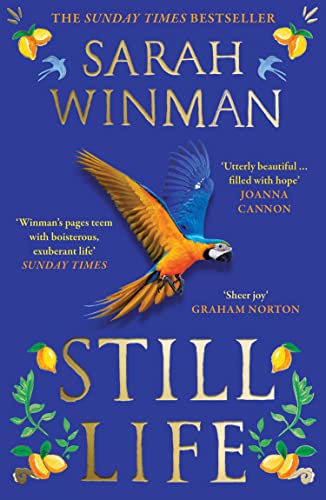
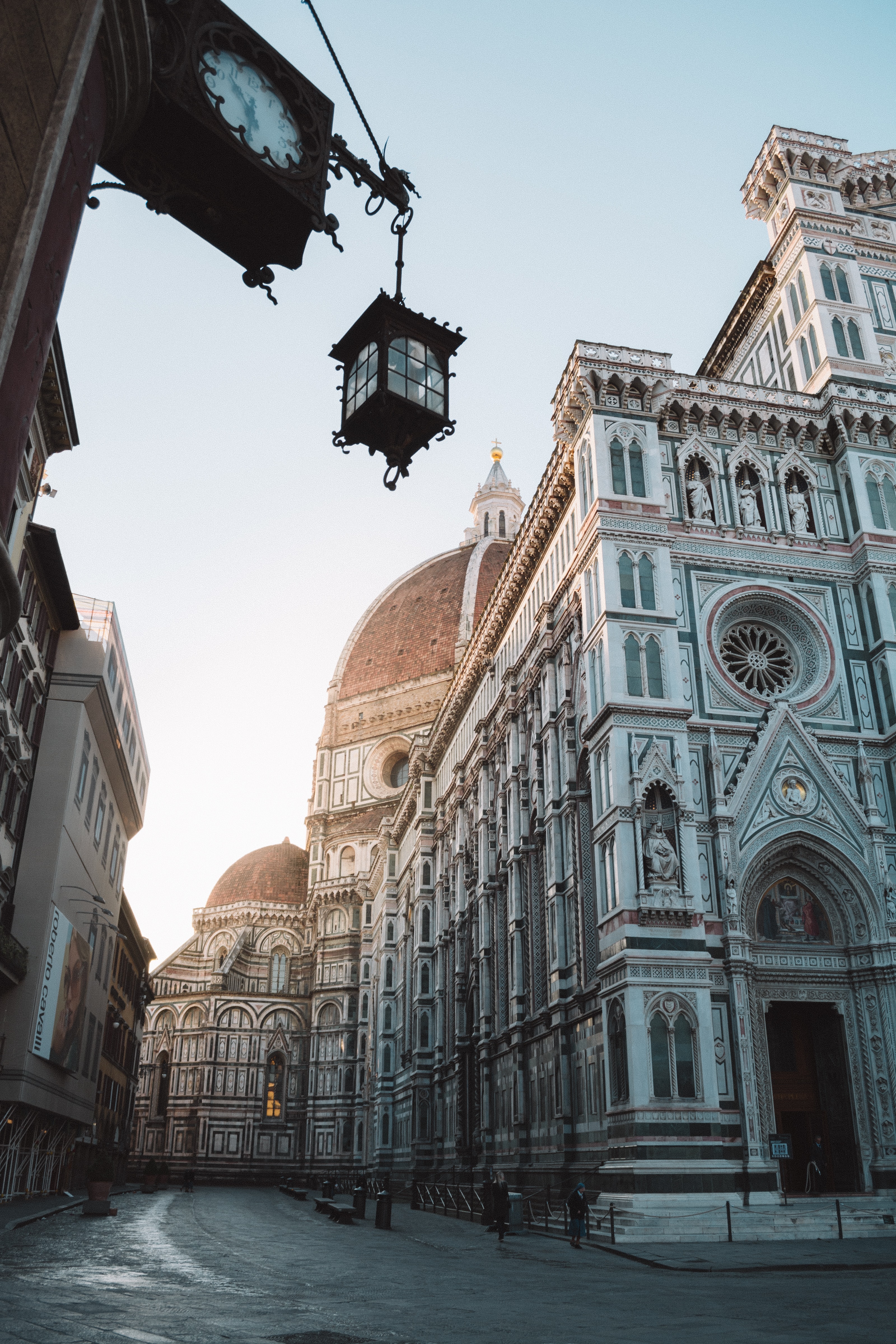
From Barcelona to Florence, another city I know well. Still Life by Sarah Winman is largely set there. A charming, uplifting book, about the power of loving friendships and community. It begins in Tuscany in WWII with a British soldier, Ulysses, and continues to London’s East End where Ulysses was brought up. An unexpected legacy takes Ulysses back to Tuscany, to live in Florence, where, little by little, his London friends and relations fetch up too. Over the three decades in which this novel takes place, these individuals and his new friends in Florence all live and work together as some large extended family. Florence – not tourist Florence – but a living, working, vibrant community – is star of the show, and since I lived there too for a year, not long after the 1966 floods which feature in the book, I took this story to my heart.
Another book where a city is centre stage, albeit an 18th century version of the city, is Andrew Miller’s Pure, set in Paris. Jean-Baptiste Baratte, a well qualified yet naïve young engineer, is sent to oversee the removal of the many thousands of bodies from the cemetery of Les Innocents in Paris, some 4 years before the French Revolution. Miller conjures a vivid picture of the daily round in this little part of eighteenth century Paris: the smells, whether of sour breath or rotting vegetables or a dusty church; and of a world about to change, in the destruction of the cemetery and church which has for so long been at the heart of the community Baratte finds himself in. Violence and death are ever present. Unsettled by the narrative, the reader is left with an impression of a world about to change, a world which is already changing in ways its citizens cannot comprehend. Uncertainty is what draws the reader in.
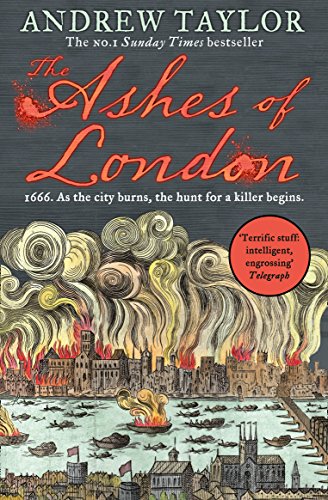
A capital city in time of trouble is portrayed in The Ashes of London, by Andrew Taylor. What did I enjoy about this book? The picture it evoked of London life in the immediate aftermath of the Great Fire of London. What didn’t I enjoy? The over complex plot, and the flimsy characterisation. The book is peopled by ‘goodies’ and ‘baddies’, and we know for sure which are which. I’m not minded to read the follow-up book, but I found the description of London at this difficult moment evocative and convincing.
How did we get from a modern comprehensive school to seventeenth century London? As chains go, it’s a bit unlikely. Let’s see if next month, when we start with a cookery book, Jamie Oliver’s The Naked Chef, is a little more convincing.
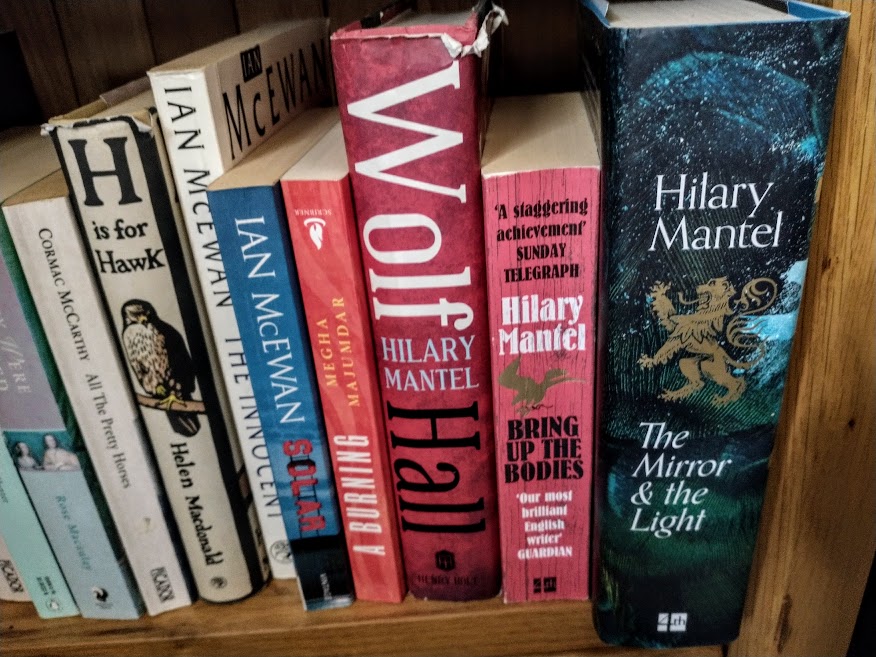
In 2020, my lockdown treat to myself was Hilary Mantel’s The Mirror and the Light, the final instalment in her trilogy charting the rise and fall of Thomas Cromwell. Yesterday, Mantel’s death was announced. This post by Brian D Butler of Travel Between the Pages seems to me a fine tribute to her writing, and an introduction to it for anyone who hasn’t yet read any of her work.
I was sad to read of the passing of the great English author Hilary Mantel. Here in the colonies we became acquainted with her powerful prose through the Wolf Hall trilogy. I thought that I would share this piece from Hilary Mantel’s essay “Blot, Erase, Delete,” published in Index on Censorship, Vol. 45, Issue 3, 2016.
It has always been axiomatic that when the dying speak, they cannot lie. I knew a man whose mother told him, as she lay dying, who his real father was: like a woman in a Victorian melodrama. She might as well have climbed out of bed and kicked his feet from under him. The truth was far too late to do him any good, and just in time to plunge him into misery and confusion and the complex grief of a double loss. Some truths have a sell-by date. Some should not be uttered…
On the first Saturday of every month, a book is chosen as a starting point and linked to six other books to form a chain. Readers and bloggers are invited to join in by creating their own ‘chain’ leading from the selected book.
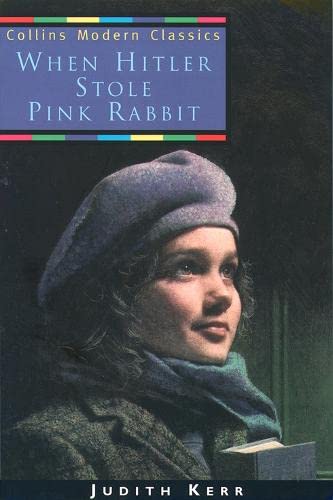
My last book from last month becomes my first this month. It’s Judith Kerr’s When Hitler Stole Pink Rabbit, and it was a story everyone in the family at some point read as it could appeal to anyone over the age of nine. It is a largely autobiographical account of the author’s journey during the Second World War, as a nine year old child, from Germany via Switzerland and Paris to London, where the family finally settles in pursuit of safety.
All my books this month link together. They are books which my children, now in their 40s and 30s enjoyed, which have been saved through the years and been passed down.to be read to their own children. Some books have reached their 8th custodian. They’ve done so well because back in the day, I strengthened the covers of those Puffin Paperbacks – the only publisher then dipping its toe into this particular market – with cardboard from cereal packets, and covered them with tacky back. Despite this care, a few books have disintegrated, and it’s a special pleasure when my now-adult-children scour the shops to come up with a new copy of their childhood favourite.
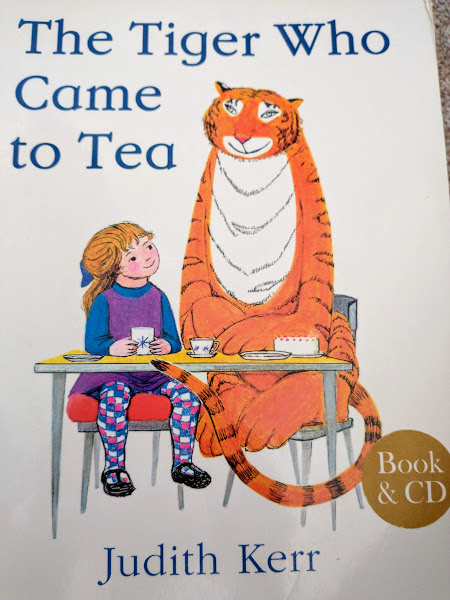
We’ll have to continue with Judith Kerr. Is there a child in England who hasn’t enjoyed The Tiger who came to Tea? A passing tiger drops in on a mother and daughter, cheerfully eats them out of house and home before thanking them politely and wandering off. And they all – probably – live pretty much happily ever after. The family’s on Copy Number Three of this book.
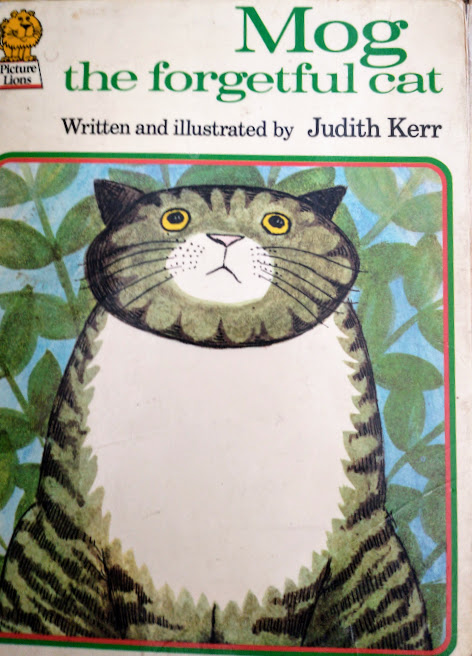
My children also enjoyed reading about Kerr’s Mog the Forgetful Cat series. This daffy but much loved cat gets herself into all kinds of domestic scrapes, but of course it always turns out comfortingly well in the end.
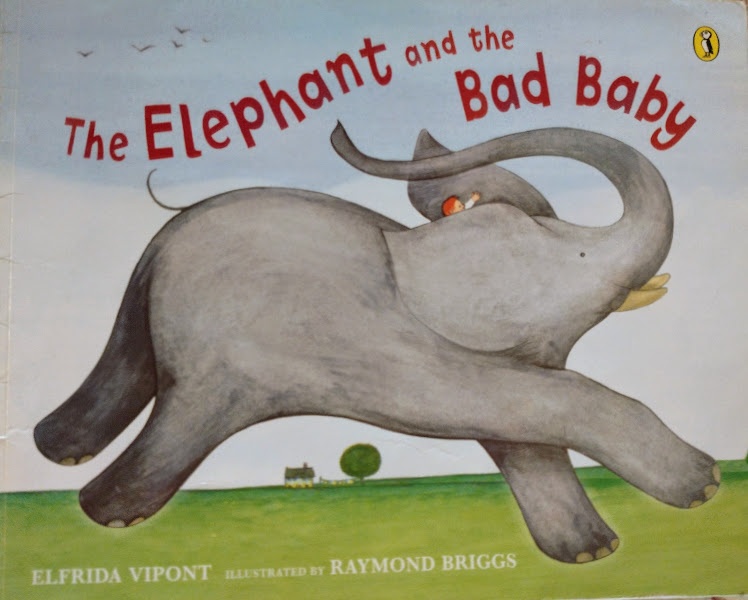
Another animal adventure came with The Elephant and the Bad Baby, by Elfrida Vipont – and wittily illustrated by the just-deceased Raymond Briggs. An elephant meets a bad baby and offers him a ride. They go ‘rumpeta, rumpeta, rumpeta down the road’ meeting one helpful person after another. But do you know what? The baby ‘never once said please.’ And that has consequences. Lesson eventually learned, everyone in the story has tea together on the very last page.
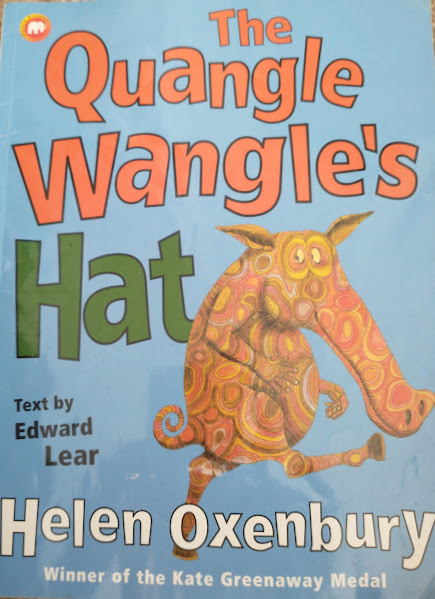
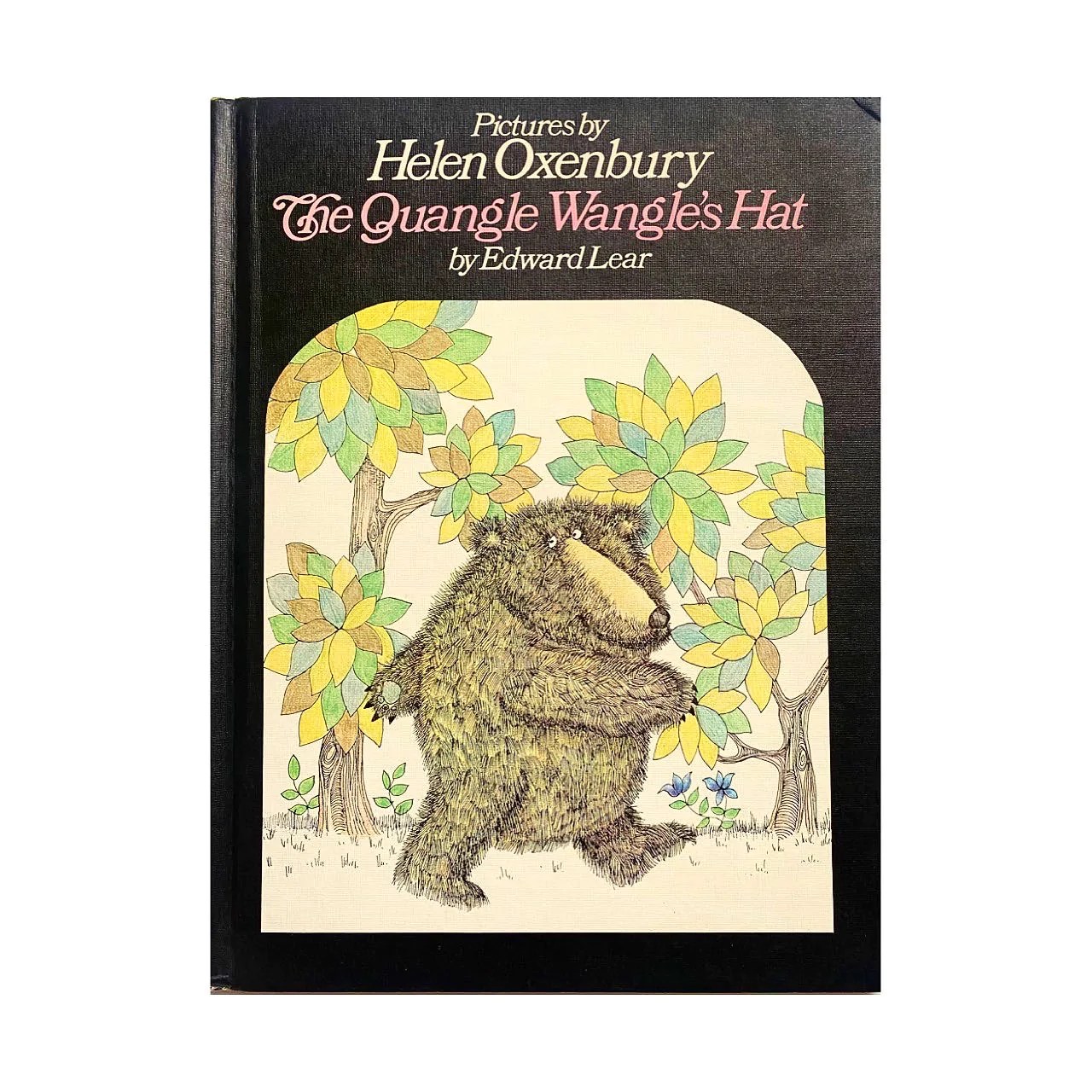
My children of course joined in the chorus of the previous book. And they joined in reciting The Quangle Wangle’s Hat, by Edward Lear, and illustrated by Helen Oxenbury, even before they could talk fluently. This book has been loved to death, and has eventually been replaced.
On the top of the Crumpetty Tree

The Quangle Wangle sat,

But his face you could not see,

On account of his Beaver Hat.

For his Hat was a hundred and two feet wide,

With ribbons and bibbons on every side

And bells, and buttons, and loops, and lace,

So that nobody ever could see the face

Of the Quangle Wangle Quee.
Who couldn’t love nonsense such as this?
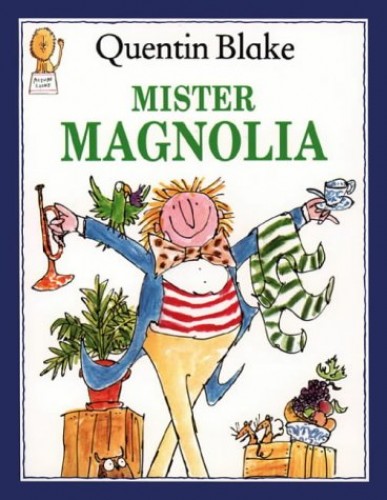
Everyone in the family knows every word of Quentin Blake’s Mr. Magnolia, and will recite it still, at the least provocation.
Mr. Magnolia has only one boot

He has an old trumpet that goes rooty toot

And two lovely sisters who play on the flute.

But ..

Mr. Magnolia has only one boot…
It’s not the same though if we can’t at the same time enjoy the joyous abandon of the illustrations.
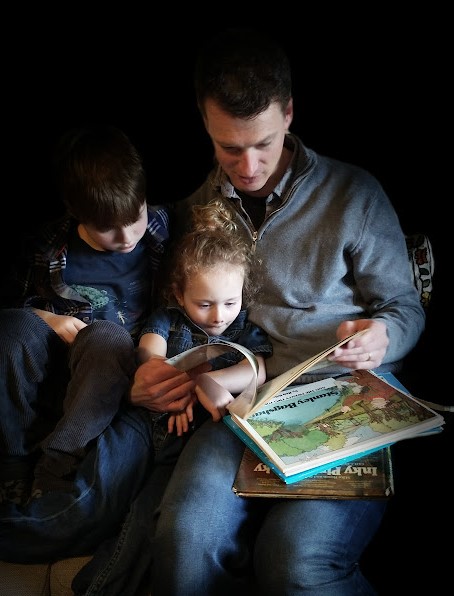
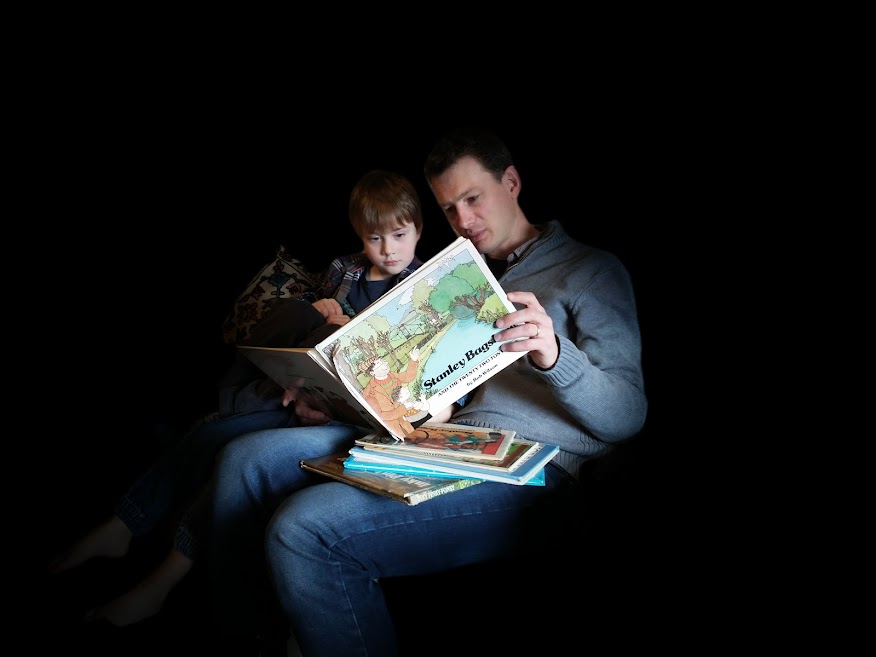
And as a right proper northern family, we all enjoy reading about Stanley Bagshaw, by Bob Wilson.
In Huddersgate, famed for its tramlines,

Up north, where it’s boring and slow,

Stanley Bagshaw resides with his Grandma,

At Number Four, Prince Albert Row.
Lovable-but-dim Stanley’s adventures are recorded in rhyme in strip cartoon fashion. Any title tells you how improbable his adventures are: Stanley and the Twenty Two Ton Whale, anybody?
Two generations enjoy Stanley Bagshaw’s adventures
Most of these titles are still in print, a tribute to their long-standing charm and ability to engage small children – and indeed their parents.
Next month’s starting book is Zoë Heller‘s Notes on a Scandal.
On the first Saturday of every month, a book is chosen as a starting point and linked to six other books to form a chain. Readers and bloggers are invited to join in by creating their own ‘chain’ leading from the selected book.
The starting point this month is Ruth Ozeki‘s The Book of Form and Emptiness. I’ve reserved it in the library, but unsurprisingly, my turn hasn’t come yet. I understand that it’s a tale of a boy coming to terms with loss.
My first link then in Carys Bray‘s The Museum of You. I don’t know why I didn’t connect more with this book. It’s a cleverly written account of twelve year old Clover Quinn and her dad Darren, and their attempts, their very different attempts, to come to terms with the death of Clover’s mother Becky when Clover was only about six weeks old. Clover is a sweet child, but a bit isolated from her peers. She likes her dad’s allotment, and museums. In fact she decides to make a museum to her mum, in secret. Gradually her story unfolds. Darren’s story unfolds. Becky’s story unfolds. This book is very skilfully done. It’s well written. Why didn’t I engage with it more? I don’t have an answer. I’d recommend anyone to read it. Just …. not me.
From the allotment display at Harlow Carr Gardens
To make my next link, let’s stay with Carys Bray. When the lights go out. Though very readable, for me it suffered the same problem as her previous book. The subjects: eco-aware Emma versus eco-warrior husband Chris feel rather overdone now. Chris learnt to be a warrior during his now-rejected fundamentalist Christian childhood, and his warriorship consists in being a prophet of doom, rather than in action. We’re meant to find him tedious, and we do. We’re meant to like busy, community-minded Emma, and we do. We’re meant to feel wry sympathy with the Emma and Chris as they parent their teenage children, and deal with Chris’s interfering-in-a-humble-way mother. So it’s an engaging enough read, but one in which I didn’t fully involve myself.
Francesca de Pasqua, Unsplash
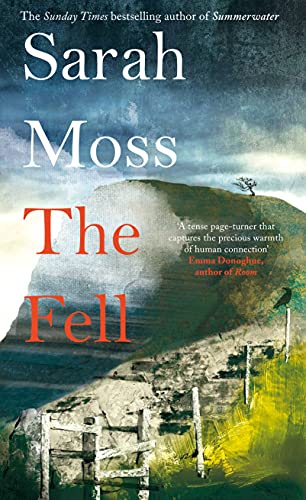
Ecological matters are a bit of a theme these days, and so is The Pandemic, which is what allows me to make the link to the next book, The Fell, by Sarah Moss. A reminder of a time – a recent time – when our home was our universe. A time when Kate and her teenage son were confined to their house on a two week quarantine because a contact has Covid. I was isolating with Covid when I read this, so I could identify well with Kate’s frustration and longing to be out – to get up there on the moors, at a moment when there won’t be a soul about, and be back in time for tea. Except she isn’t. She gets disorientated, and falls … This story is told in stream of consciousness through the voices of Kate herself, her son Matt, her neighbour Alice, and mountain rescuer Rob. And frankly it got as tedious as Lockdown itself. The ending was suitably shocking, inconclusive and cliff-hanging, which redeemed it somewhat, but I was glad to finish this story. The wrong book at the wrong time for me probably, but I doubt if this book will wear well.
Dovedale, Peak District.
And so to another lockdown book, The Rome Plague Diaries by Matthew Kneale. I loved this. Having many years ago lived in Italy, though not in Rome, this put me back in touch with many aspects of Italian daily life and culture. It also revived memories of Lockdown. Kneale, who with his family has lived in Rome for 20 years, puts us back to that odd period of genuine fear, when cities were empty of life, shops were closed, as was everything else that makes a city a city. But he dwells on so much more as he looks at Rome’s history and culture. If you’ve enjoyed Kneale’s other writing; if you love Italy, I recommend your reading this vivid account of a resilient city going through yet another test of its mettle.
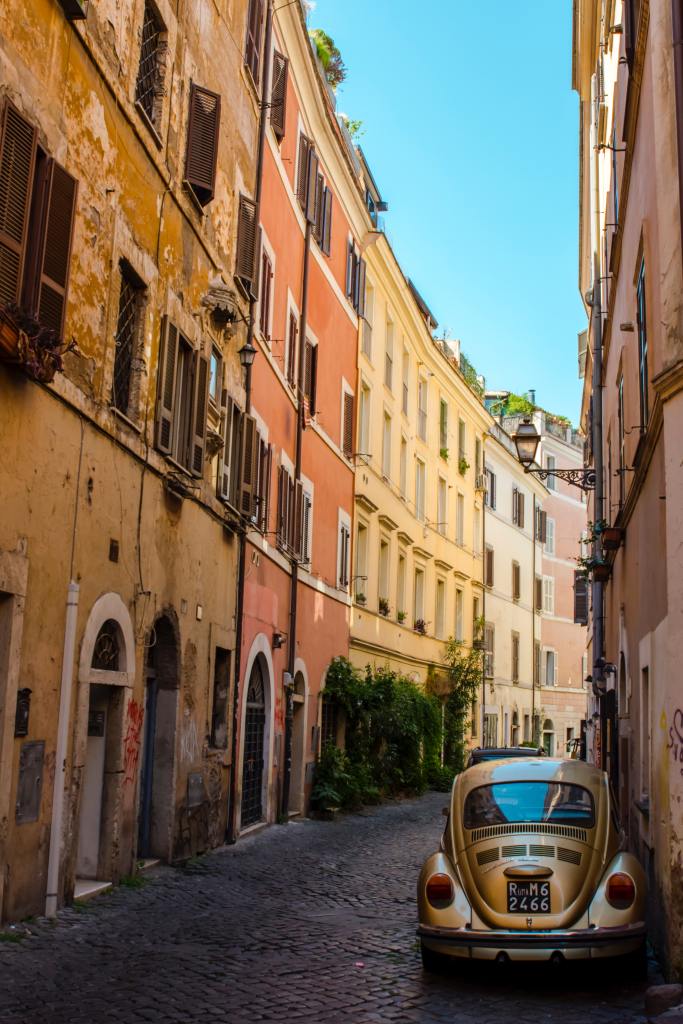
A back street in Rome: Faruk Kaymak, Unsplash
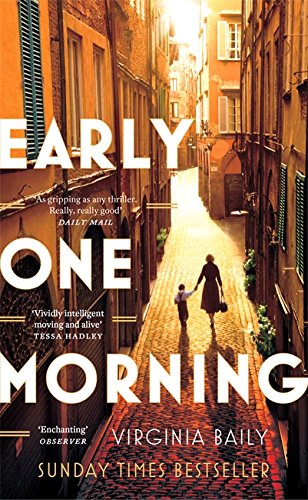
Let’s stay in Rome. Early One Morning by Virginia Baily. An involving story initially set in Rome in WWII, of a woman, Carla, who finds herself, in one life-changing moment, with not one word spoken, taking charge of a Jewish boy whose family has realised how bad things have become for the Roman Jewish population. The narrative goes back and forth from war time Rome to the same city in the 1970s. It shows us that boy Daniele growing up sullen and resentful of his step-mother, an eventual addict. It introduces a Welsh teenager, Maria, who discovers in an unfortunate way that the man she thought to be her father isn’t. Instead it’s Daniele. She comes to Rome, to Carla, to recover her equilibrium and find out more. An absorbing well-told story, painting a picture of Rome, its sights and foods and characters in a way to relish. A good read indeed.
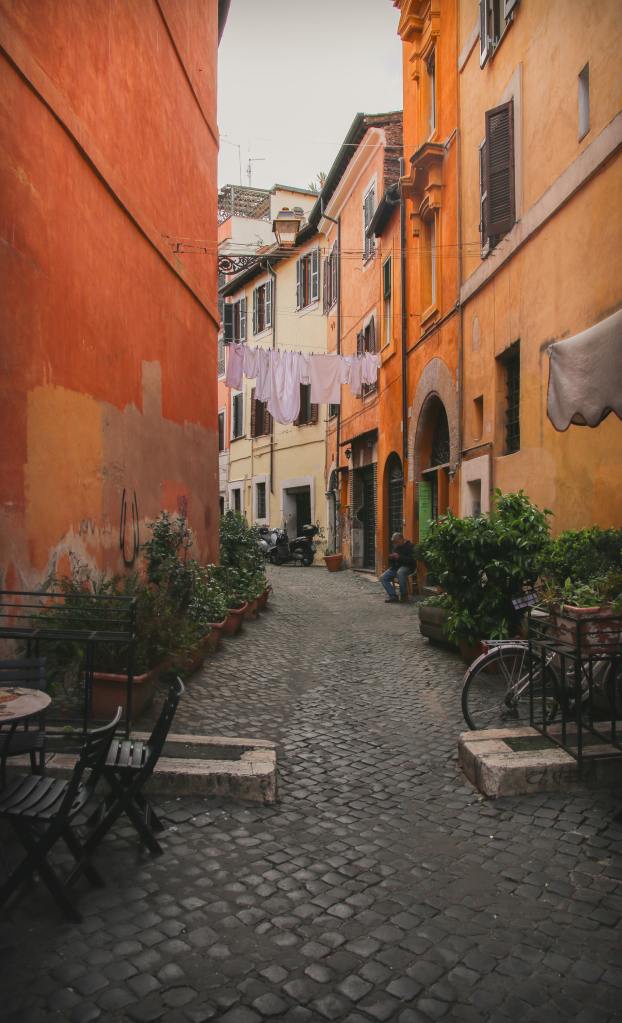
Trastevere, Rome: Quaritsch Photography, Unsplash
My last book of all focuses on the dislocation caused, particularly to Jews, by the Second World War. When Hitler Stole Pink Rabbit is a largely autobiographical account of the author’s journey as a nine year old child from Germany via Switzerland and Paris to London, where the family finally settles in pursuit of safety. And it’s written by Judith Kerr of The tiger who came to tea fame, and who is also the mother of Matthew Kneale. I read this book many years ago, so greater detail not forthcoming!
It appears that this last book will appear at the head of my chain next month, as we’re invited to use our last book this time as our starting point in September. I wonder if I can make a sturdier, more consistent chain from that?
One of the things I most enjoy about being a volunteer at my local library is the chance it gives to poke about on shelves I’d never normally look at. Without having had to shelve books after someone else had read and returned them, I’d never have found this:
I was entirely and unexpectedly engaged by this book, an exploration of our nation’s iconic fish: cod, carp, eels, salmon and herring. This is a story of the fish themselves; of fishermen; of the consequences of greed and the way back from it; of geology; meteorology; our nation’s social history as it relates to food and farming; of corruption and political will. Combining research and personal experiences, this book both absorbed and enthralled me. And I’d never have found it, because 799.1094 is not one of my Dewey numbers of choice. And it was the cover that did it for me.
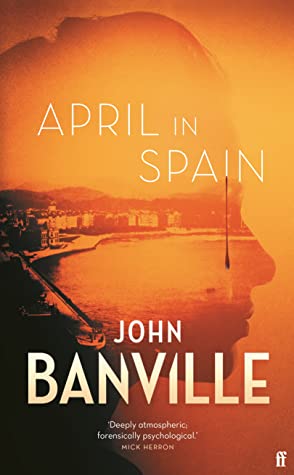
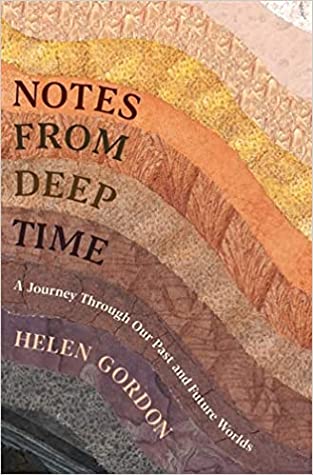
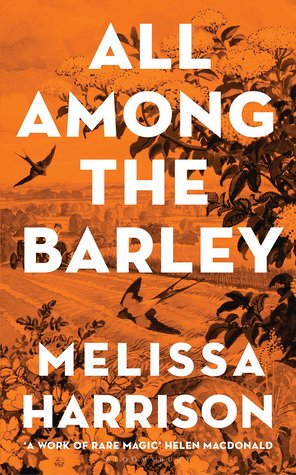
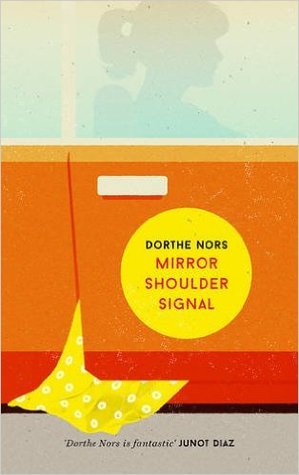
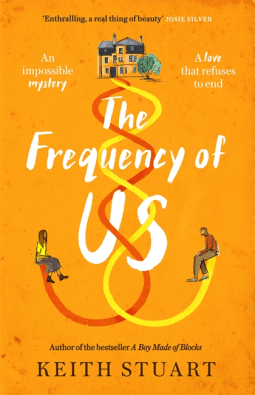
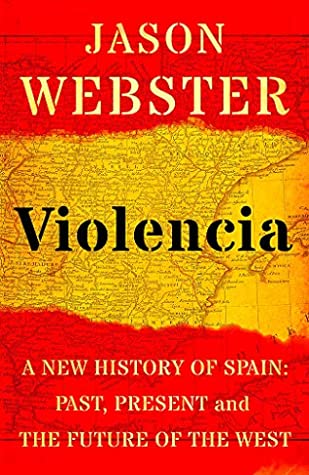
And it’s the cover that often makes me pause and look. Just to show how random- yet satisfying – these choices can be, I’m picking some of the orange-covered books I’ve found – and read – from the library in response to the challenge ‘Hazy and Hot’ Friday Face Off, brought to my attention by Words and Peace. Yes, I know it’s no longer Friday. But I’m fewer than 9 hours late.
All reasons to Love your Library, a monthly celebration hosted by Bookish Beck.
On the first Saturday of every month, a book is chosen as a starting point and linked to six other books to form a chain. Readers and bloggers are invited to join in by creating their own ‘chain’ leading from the selected book.
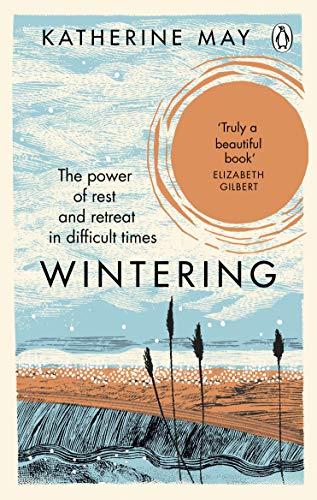
Wintering by Katherine May is this month’s Starter-for-Six book. It also happens to be a book which I included in my first ever contribution to Six Degrees of Separation, back in August 2020. Here’s what I said then: ‘This book, part memoir, part researched observation shows how winter can bring strength, and inspiration as we bring different ways of coping to this most demanding of seasons. May looks at the animal world (bees for instance), at different cultures who know a lot about winter (the Finns for example), and at her own experiences to show that winter can be far from negative. Instead, it can be one of healing, renewal, acceptance and a source of strength.’
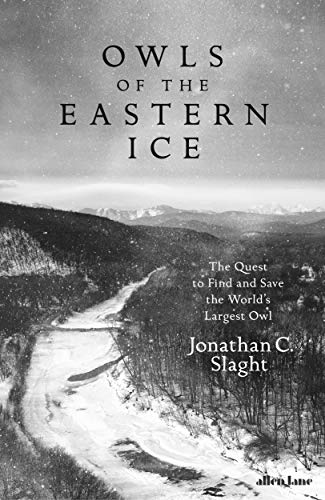
Let’s find another book where winter is star of the show: Owls of the Eastern Ice by Jonathan Slaght. This is an extraordinary book, detailing an extraordinary piece of research. Fish owls are the largest owls on the planet, and they’re endangered, as much as anything by loss of habitat. One of the areas they frequent is the extreme eastern edge of Russia, and it’s here that PhD student from Minnesota, Jonathan Slaght conducts his research, winter after frozen winter, with a changing team of Russian characters with whom he shares cramped cars, freezing tents and the hospitality of forest-dwelling loners. They battle the dangers and difficulties of non-existent roads, early spring melts, and the necessity of spending evenings drinking 95% ethanol – refusing to join in is not an option. So this is a good yarn. But underneath is serious, difficult research, pinning down sites where this elusive owl lives, and eventually trapping specimens to place recorders on them: all of that can and does go wrong. He’s done a good job of detailing the conditions these elusive birds require in order to survive, and now the next stage of encouraging a conservation strategy goes on. This non-scientist was entirely fascinated.
Fish Owl: Wikipedia Tokumi – オリジナル Tokumiが撮影
We’ll stay in Russia now. Russia and Ukraine – I readKate Quinn‘s The Diamond Eye before the current war. It’s a book which begins when Hitler was invading Russia and Ukraine. Mila Pavlichenko, bookish student, and a young mother already estranged from her husband volunteers for the Army, and becomes a deadly sniper: though because she’s a woman, it takes a while for her special skills to be recognised. Quinn paints a graphic picture of the battlefields that are Pavichenko’s new home: the blood and wounds, danger and downright exhaustion are unremitting, day after day. It’s here that profound relationships are forged with colleagues. At a time when she’s exhausted and devastated by loss she’s sent as a delegate on a goodwill mission appealing for support, to America. She makes an unlikely but real friendship with Eleanor Roosevelt. And finds that in the war-free land of plenty that is America, there’s even more danger from foes old and new than there was on the battlefield. A thrilling tale, based on the real life that was Mila Pavlichenko’s: mother, student and soldier who played her part in changing the face of modern history.
I learnt a lot about WWI I as it affected Eastern Europe and Russia from the Museum of the Second World War in Gdansk
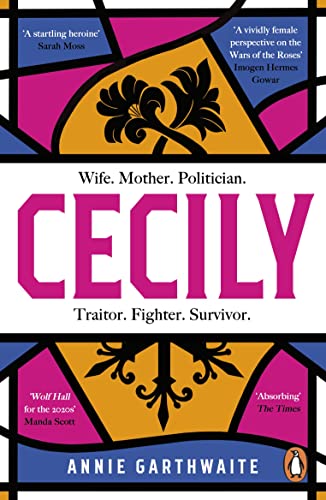
A strong woman in time of conflict. That’s Annie Garthwaite‘s Cecily. Read this book, and you will enter into a different world. A fifteenth century world. One in which bloodline counts. One in which it matters what alliances you make, which families you choose to link with yours as you marry off your sons and daughters. You will enter the world inhabited by Cecily, wife of Richard Duke of York. Garthwaite’s book will dispel any notion you might have had that high-born women’s lot was to spend the day at their needlework. On the contrary, women like Cecily were politically engaged, working with their husbands to secure status and power, both for themselves and their children. Women like Cecily inevitably bore many children: twelve in her case, of whom five died in infancy, while husbands inevitably went off in battle, changing alliances and allegiances as the political wind changed. This absorbing book, given immediacy by its use of the present tense shows us Cecily fiercely promoting her family’s interests, while she brings child after child into the world. We are present in 15th Century England.
Rouen: a city where Cecily spent some of her early married life. Pexels, Daniel Vorndran
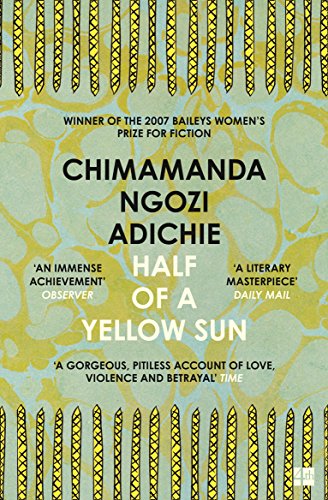
More conflict in Half of a Yellow Sun, by Chimamanda Ngozi Adichie. This is a richly evocative book telling the story of the creation, rise and fall of Biafra, through the eyes of three separate yet connected groups of people. There’s Ugwu, from a traditional village, houseboy to Odenigbo, an Igbo academic. There are Olanna, Odenigbo’s partner and her twin sister Kainene, and her English partner Richard. Their structured lives fall apart as Nigeria itself does, as Biafra emerges as a nation and civil war threatens to destroy them. I’m ashamed at how little I knew of this conflict, remembering it only because of the famine caused by war. Now, an interplay of characters dealing with loyalties, often conflicting, moral responsibility, colonialism and its aftermath brings this piece of history vividly to life, the more so because the author’s family lived through this devastating time. A marvellous and involving read.
Back to conflict in Ancient Greece in Madeline Miller‘s Achilles. I’ve loved the Greek myths since my childhood, so this take on the Iliad was for me a fresh and vibrant re-imagining of the story. I was slightly disbelieving of the strength of the bond between Patroclus and Achilles portrayed by Miller – they were such very different characters – but on the other hand, appreciated the rounding out of these two individuals into fallible human beings. The legendary Achilles is something of a rock star, and he knows it, in the tale as told by Homer. Here, he’s simply a flawed human being who happens to be an excellent warrior. The book brought the ancient conflict to life, and will send me back to the Iliad to read it again.
Greek funerary statue from the Archaeological Museum, Thessaloniki
My last book deals not with war, but with its aftermath: Harvest by Georgina Harding. This is a carefully painted picture of a family, a family accommodating to a tragedy which occurred some twenty years before – the brutal death of the father, a man who had clearly been deeply affected by WWII, though he never speaks of it. It’s set during the 1970s on the family farm in Norfolk, and its landscape and mores are built up, layering scenes from the present with scenes from the past. Younger son Jonathan, who’s been living for a couple of years in Japan invites his Japanese girlfriend Kumiko for an extended stay. She gets on well with his mother Claire, and is a bright and colourful presence. But somehow, her being there opens cracks. Untold secrets are slowly exposed, and are as out of the family’s control as is the harvest, dependent as it is entirely on the vagaries of the weather. This is a compassionate and sympathetic book, and examines the human heart and its dark and unwilling-to-be-exposed corners. It’s also the last in a trilogy. I was unaware of this as I started to read. And I don’t believe it mattered for my understanding of the story. But I’m now keen to read the two preceding volumes: The Gun Room & The Land of the Living.
I got from winter to Russia to war and more war. It’s all a bit of a stretch. But this time I can wholeheartedly recommend every book I mention, so I make no apologies.
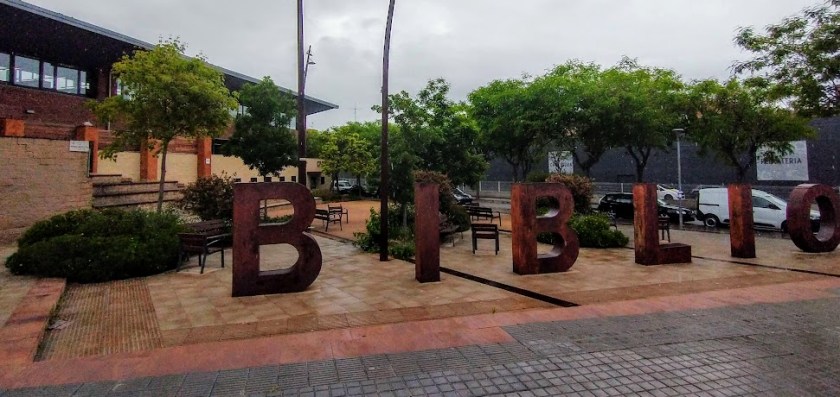
Last time I took you to a library, it was a rainy day. During our month away, we had just one day of rain – more like a couple of hours – when we were staying with Emily and family in Premià de Mar. She was at work. Miquel was at work. Anaïs was at nursery. Reader, we went to the library.
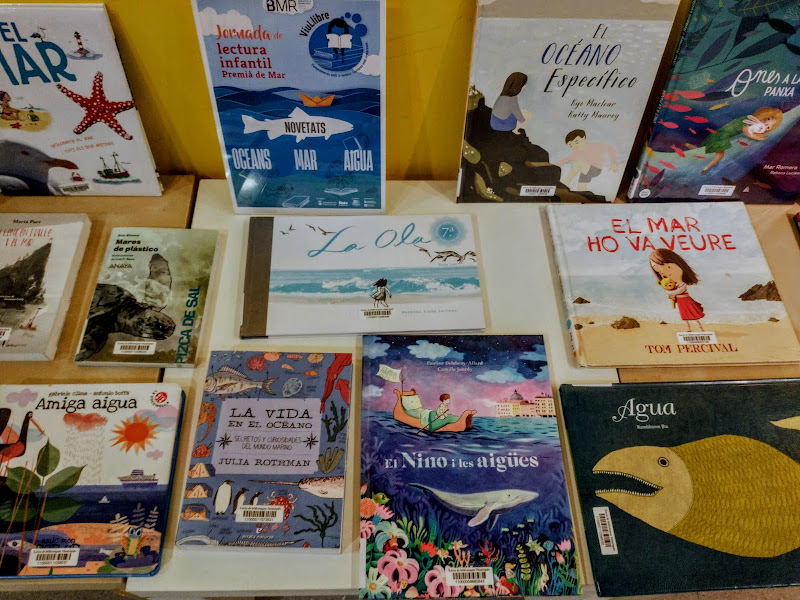
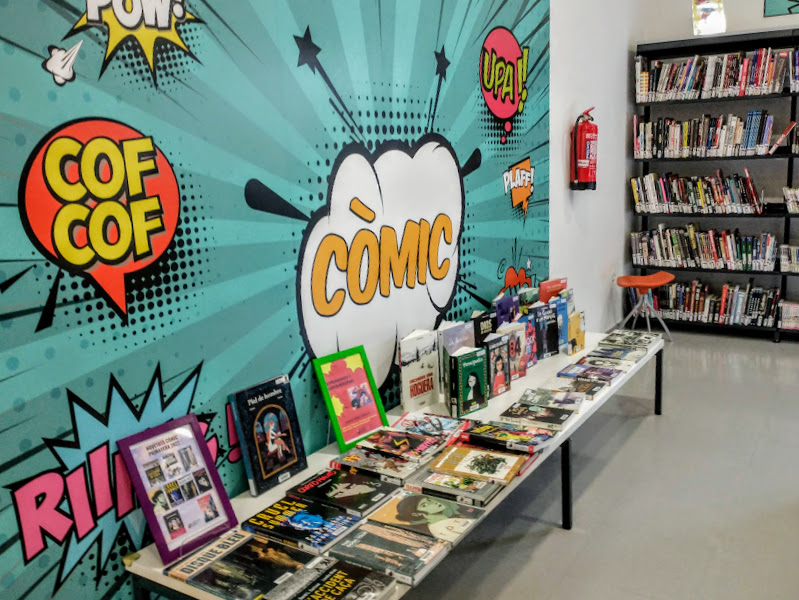
We found plenty to do. There was the display of children’s books about the sea. And another one of graphic fiction.
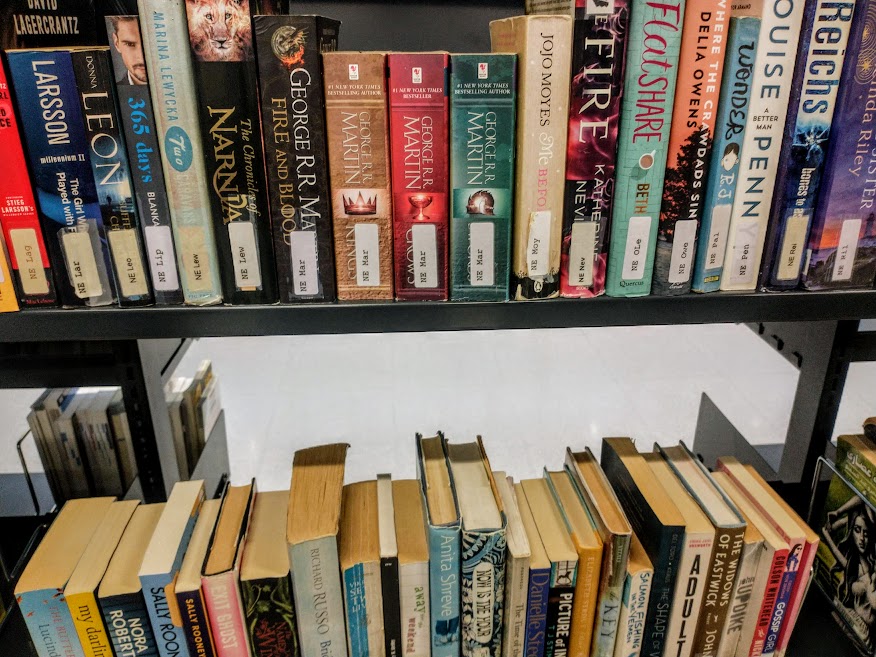
There was the stock of English books. Lots for learners – quite impressive. The English language fiction was less so, though it was better than our library’s collection of Spanish books (and we have none in Catalan, unsurprisingly).
With everyone at school, the children’s library was empty. But there was a dedicated room for the youngest borrowers, so they could make all the noise they wanted during story-time sessions. There was a lecture hall, a roof-top performance space. In fact we were impressed.
And as we left, we spotted this poster in Catalan. Go on. Have a go. If you’ve ever learnt any French, or Italian or Spanish for that matter, I think this piece will be accessible to you. And you won’t have trouble agreeing with its sentiments.
For Rebecca’s Love your Library, a monthly challenge for … of course, library-lovers.


































 From Pyrenees to Pennines

You must be logged in to post a comment.