I haven’t done the Lens Artist Challenge for weeks, what with the busyness of being a granny to the latest granddaughter near Barcelona. But this week, Egidio proposes Warm Colours.
Well, Barcelona is warm at the moment. Here is a photo I snatched on 26th January – January! – of a young girl perfectly adequately dressed for the season.
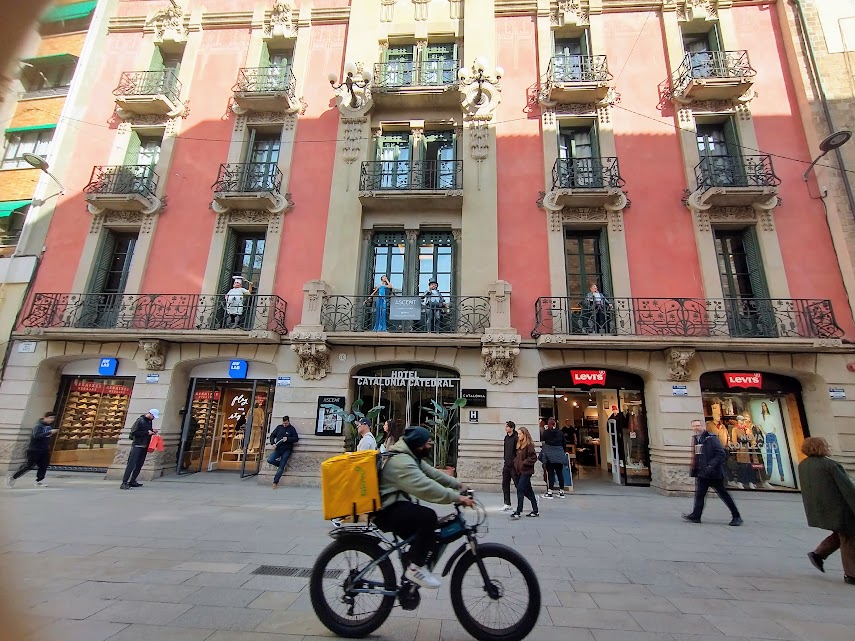
And of course the weather is not what this challenge is necessarily about. But maybe a bit of fun played out against a hotel wall painted a vibrant shade of coral, on a balmy winter’s day, will not be too much of a cop-out.
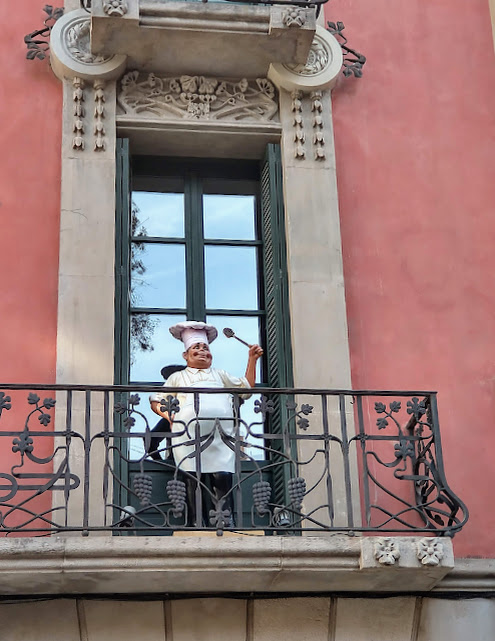
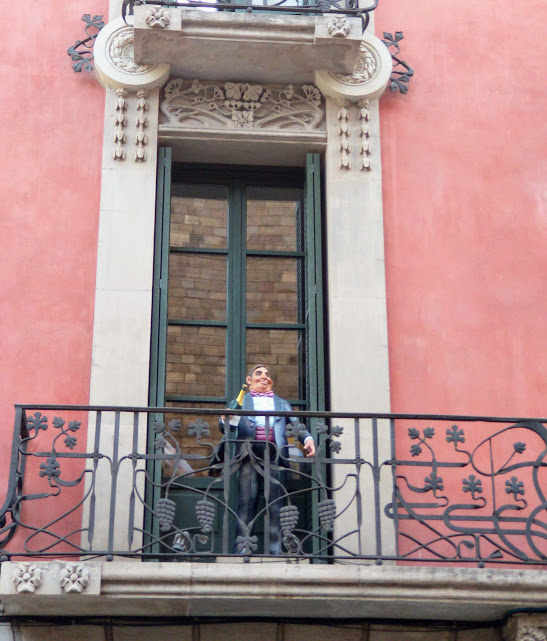
Here are vignettes of three snippets of lives lived on the balcony of Hotel Catalonia Catedral, near – of course – the cathedral in Barcelona.
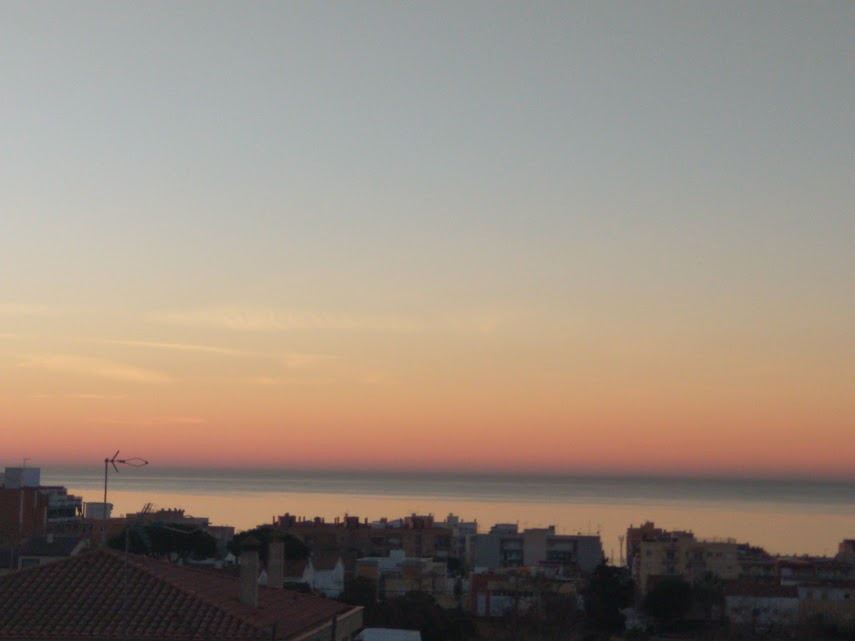
And here is a scene from our bedroom, taken at the beginning – or the end – of the day. Which? Only you can decide.
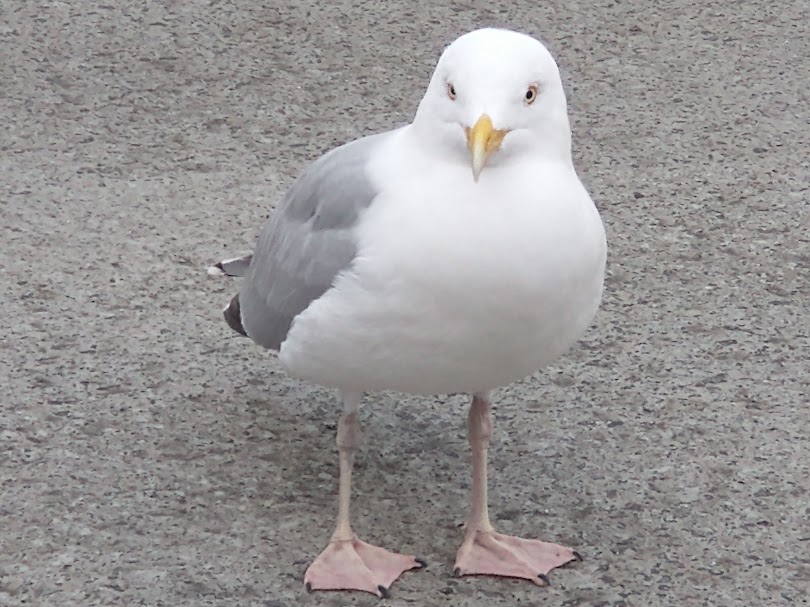
The featured image is of a herring gull who paraded obstreperously outside our car – only our car – as we waited to board the ferry at Dover. It was elevenses time-ish, but we displayed no evidence of snacking, so I don’t know what it was all about.
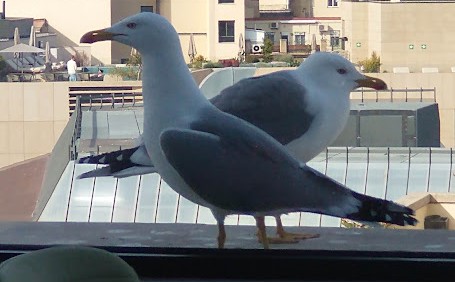
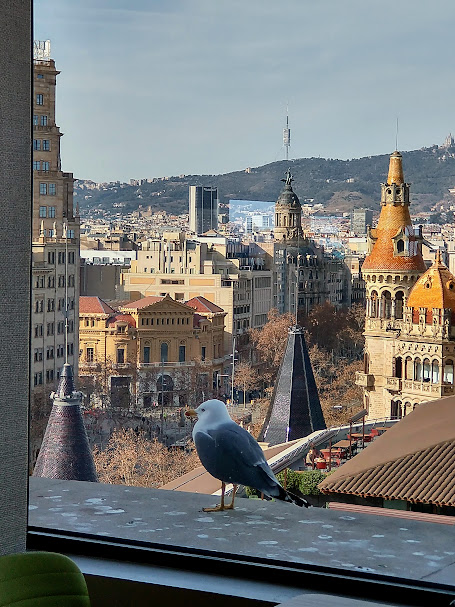
These other gulls are, according to Google Lens, yellow-legged gulls, and closely related to the herring gull. These specimens were loitering on the window ledge of the roof top café from which we were enjoying the view in the centre of Barcelona.
Thank you, everybody who identified last week’s creature as an Egyptian Grasshopper. It is good to know what this impressive creature is.
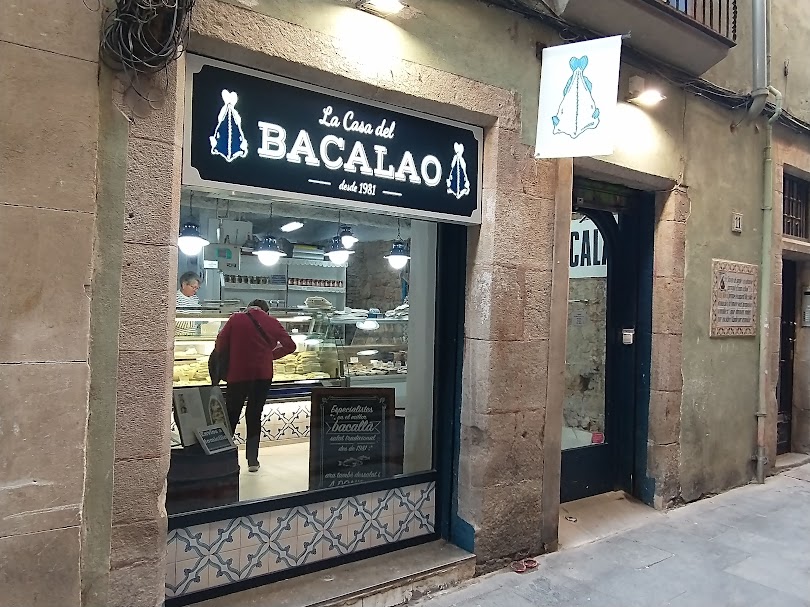
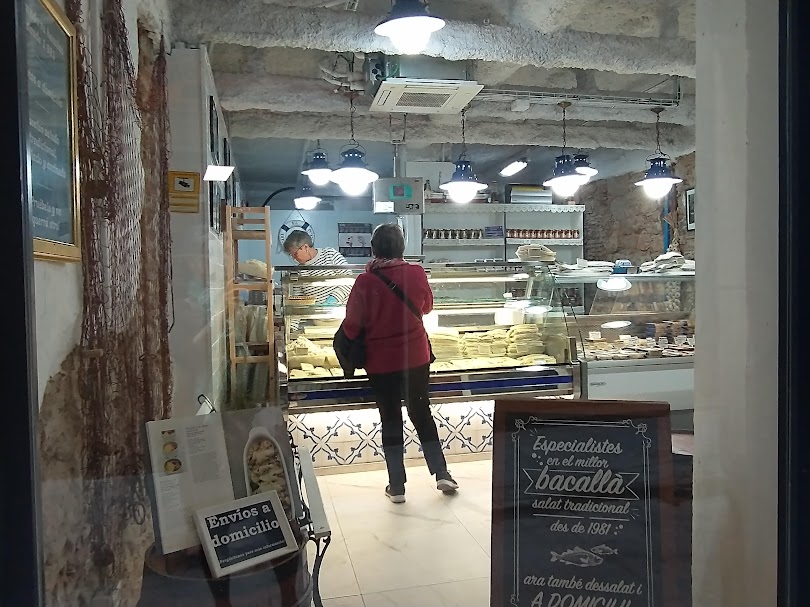
In a city centre back street in Barcelona, somewhere near Las Ramblas, we found this shop. It sells one thing only: blocks of dried salt cod: bacallà (Catalan) bacalau (Spanish). Salting and drying cod changes and deepens the flavour, and means it will keep for a very long time if necessary. Soak it to remove much of the salt and to soften it, and use in your favourite recipe!
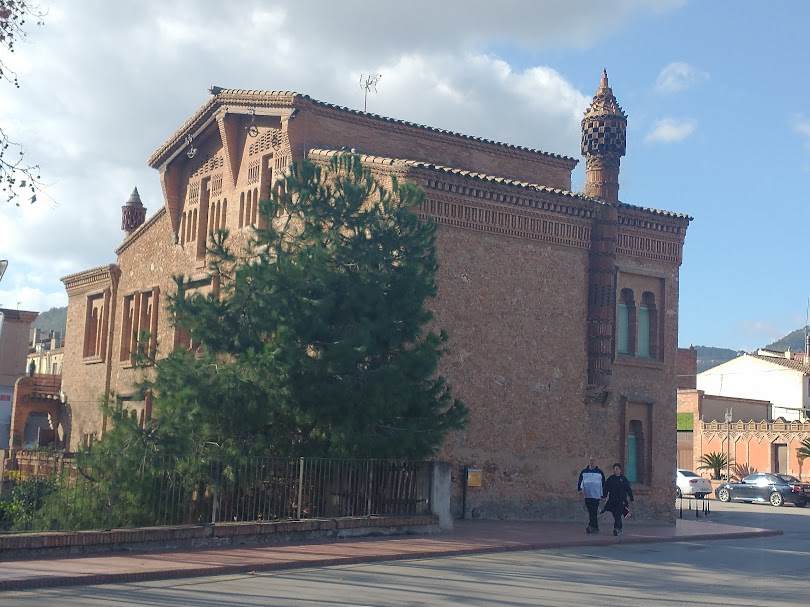
- Yes, they're of a church.
- You should have stuck to your guns: they're the work of Antoni Gaudí.
- It's an early work of his, and unfinished.
- And it was built as the place of worship for the textile manufacturing area, just outside Barcelona, of  Santa Coloma de Cervelló .
- This community is now known as Colònia Güell. It's a worker's colony that was commissioned as a model town by Count Eusebi de Güell in 1898.
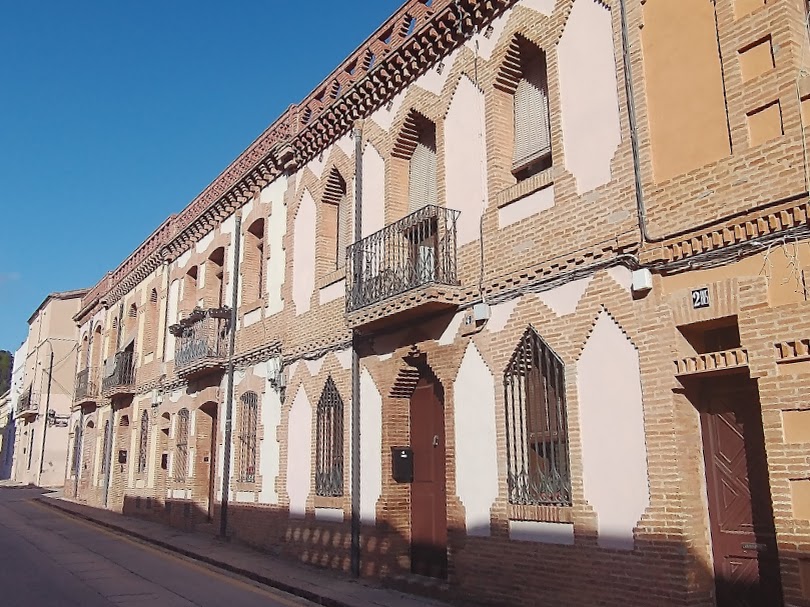
It’s a fascinating story and an interesting place. But telling it to you will have to wait till I’m back in England and have the time to do it justice. I’ll try to whet your appetite with just a few random images from the town.
Nobody could accuse Barcelona of being a spot of ‘rus in urbe‘. Oh, it’s tremendously good at public open space to relax in and at tree lined streets. But shady expanses of groves and avenues of trees, of busy little streams and placid ponds? Not so much.
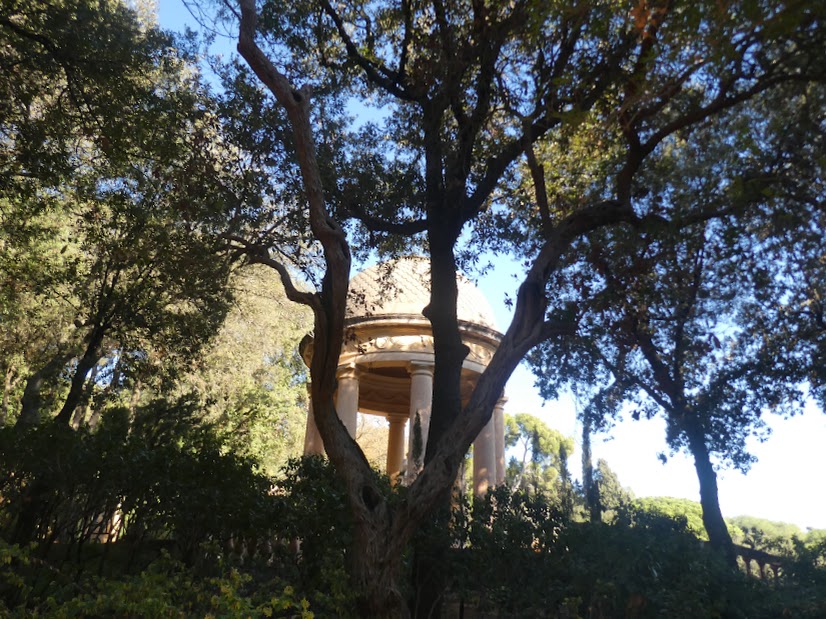
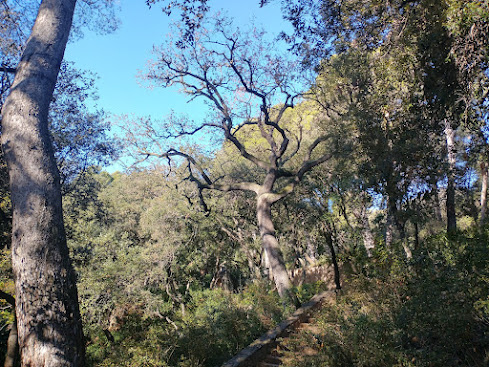
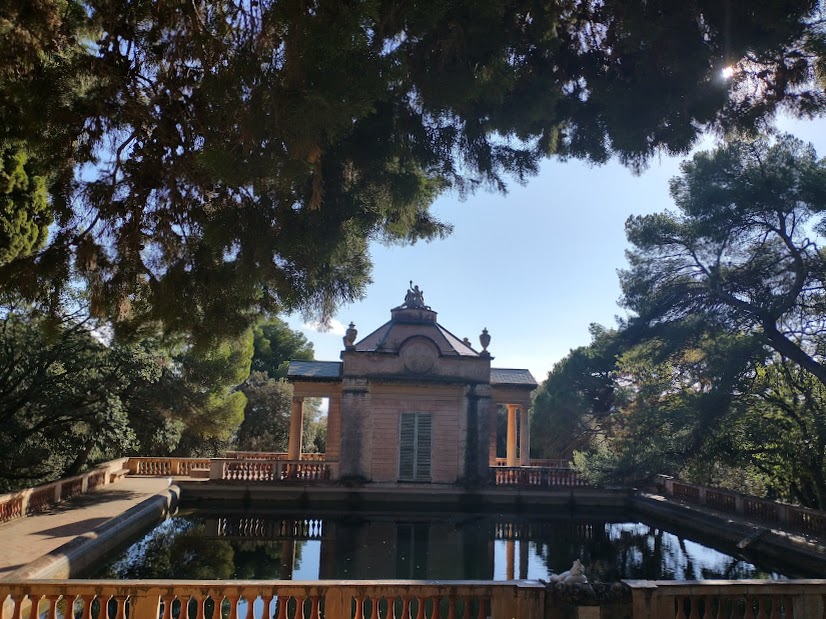
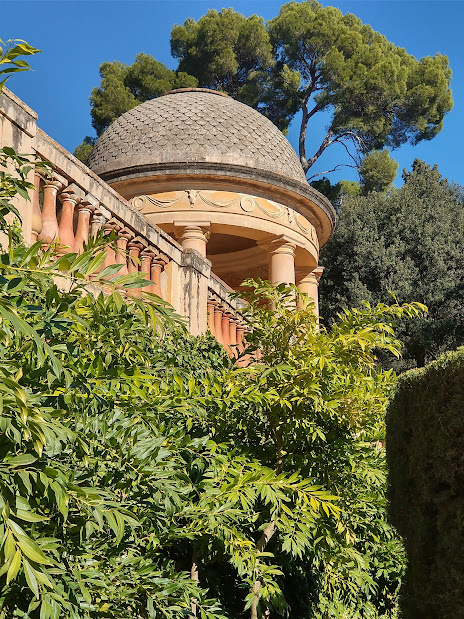
Except for one place, quite unique in the city. The Parc del Laberint d’Horta (Labyrinth Park of Horta) has been here since 1791, when the Desvalls family had it built as a Neoclassical park, and one featuring a maze – hence the park’s name – and any number of classical statues of Greek deities. In the mid 19th century a more free-flowing Romantic woodland park was added. And in the 1960s it became a public park, hidden from the view of many of the city’s inhabitants, let alone tourists. It costs the very odd sum of 2.23 Euros to get in, except on Wednesdays and Sundays when it’s free: or if your an old fogey like me, it’s always free.
Come with me for a stroll. When we feel up to it, we’ll attempt the maze. They say it’s harder than it looks.
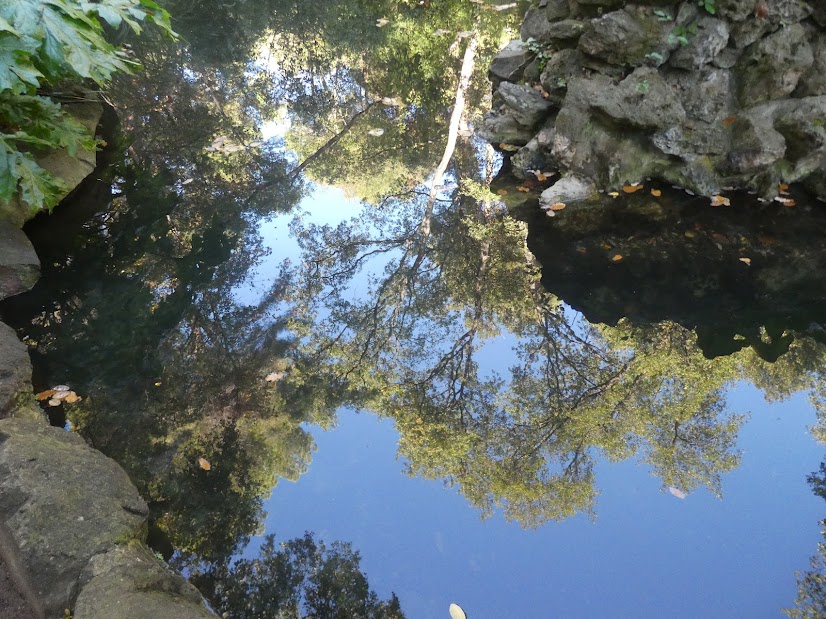
We’ll begin with a rather hearty climb among woodland glades interspersed with pretty reflective pools.
Soon, we realise we must have skirted the very heart of the garden, now lying below us.
Oh look. There are balustrades, and statuary, and pavilions and … that must be the maze in the centre? Let’s go along and look.
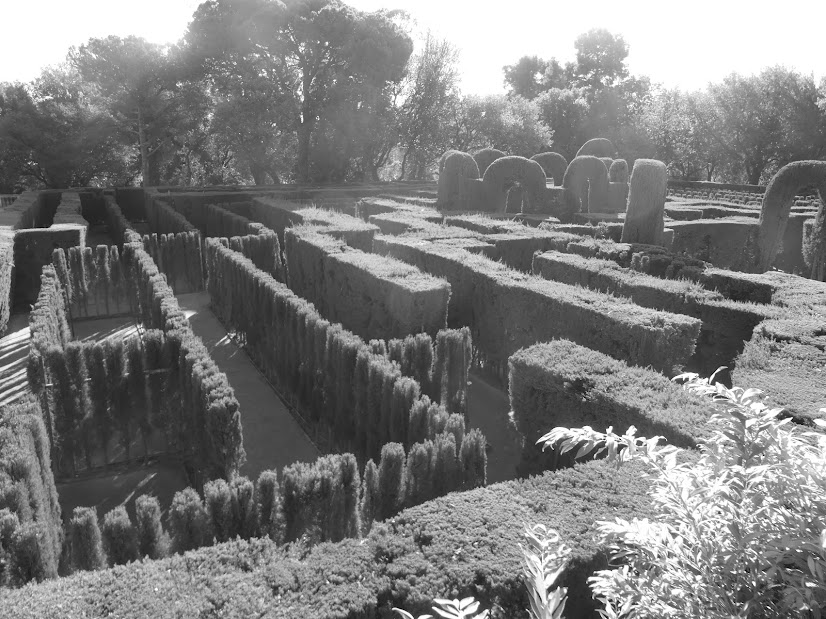
A final look at the maze from above, before we plunge in. Black and white white might make it easier to sort out. You’d sooner not try it? Your choice.
Oh, this won’t take long. Look, I can see through the branches easily. In fact I can see the centre from here …
Oh hang on. I want to go left, and I can’t. OK, right, left and left again. Hmm. I seem to be near the beginning again. Right, let’s take this slowly …
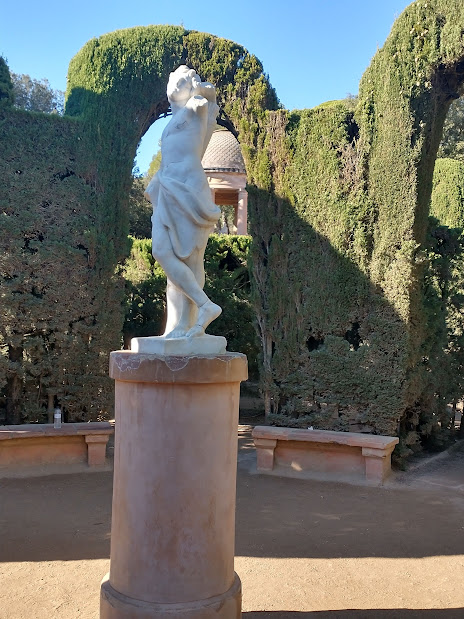
And I did. Eventually, I met Eros in the centre and sat with him for a while.
Getting out was worse than getting in. I kept on fetching up with Eros again, or finding myself up yet another blind alley. But I made it out eventually, and decided that I really would have liked your company as I thrashed helplessly around.
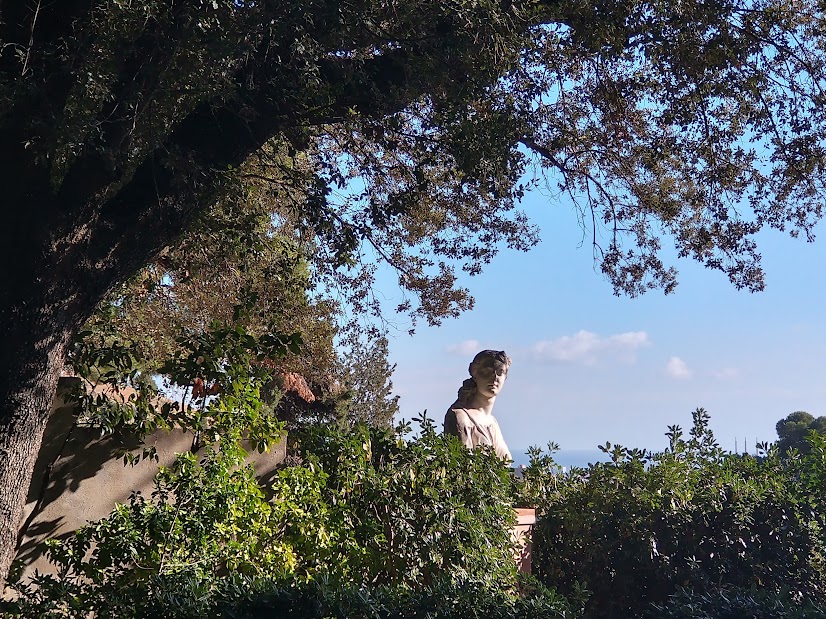
I’d nearly explored the whole site, but went for a final stroll, encountering various characters, identity unsolved, on the way.
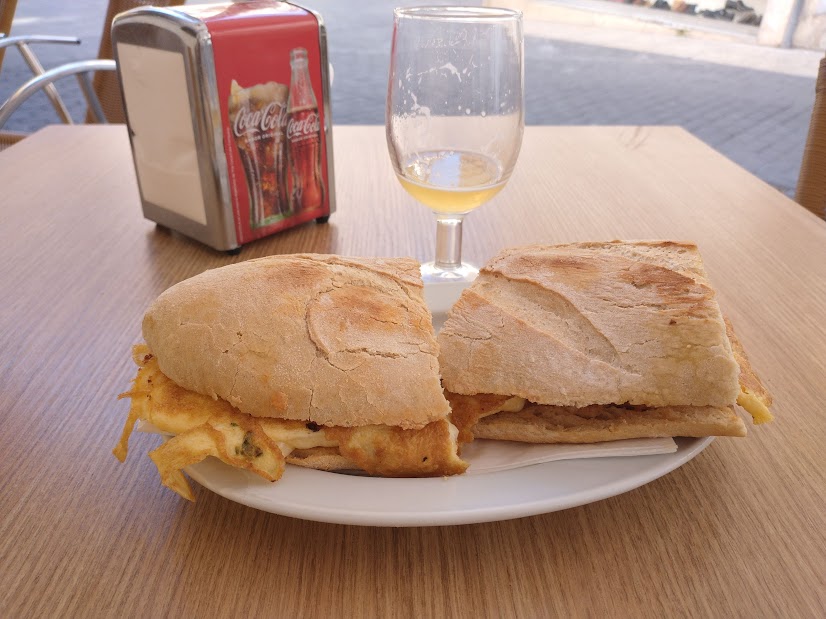
At this point, I could have gone home. Instead, I walked into the Horta district, roughly a kilometre away: a well-established community where ordinary citizens live and work, and where there is no possible reason for a tourist to venture. Except I’d had a tip-off. I should have my lunch at Quimet d’Horta. This unique bar has been serving the locals its signature dish for almost 100 years. An omelette sandwich. A bit weird? I thought so. But I was wrong. A cheesy, herby omelette enveloped into half a crisp-crusted baguette, and helped down by a clara turned out to be just the thing I needed. And as I was eating at the ridiculously early hour of 1 o’clock, I had the place almost to myself.
This is a multi-tasking post. First of all, it’s part of my Barcelona series. Then it’s for Amy’s Lens-Artist Challenge #288: Unique. And then, despite the fact that no cake was consumed in the expedition, it’s for Jo’s Monday Walk.
Here you are in Barcelona. You’ve strolled down Las Ramblas, and fought your way through the scrum in La Boqueria market. You’ve queued to get round La Sagrada Familia: and in fact visited every other creation you can think of by Antoni Gaudí . At my insistence, you’ve visited the Hospital de Sant Pau (here and here). You’ve got a bad case of Museum Foot, and you’re fed up with the crowds.
Perhaps I could make a few suggestions? One’s yet another museum, but it’s only been opened a for a short while and you may have the place almost to yourself. It’s the Museu de l’Art Prohibit. Here’s the story:
During the ARCO 2018 edition, collector Tatxo Benet acquired an artwork by artist Santiago Sierra, titled Presos Políticos en la España Contemporánea (Political Prisoners in Contemporary Spain). Shortly thereafter … the gallery that sold the piece removed it from its stand. The mere labelling of ‘political prisoners’ triggered its CENSORSHIP…
This incident laid the groundwork for conceiving a distinctive collection. Five years later, the accumulation of works subjected to CENSORSHIP, CANCELLATION or DIVERSE FORMS OF ATTACK has given rise to the Museu de l’Art Prohibit.
The Manifesto: Museu de l’Art Prohibit
Here, you’ll find work by the likes of Goya , Picasso, Banksy, as well as names less familiar to me like Amina Benbouchta and Charro Corrales. The works shown here have fallen foul of political, religious or sexual censors. It’s powerful stuff and I urge you to go and make your own mind up.
It’s not just repressive or totalitarian regimes that practice censorship. It’s not just the Catholic church or hardline Muslims who do so either. I was quite surprised to find that I too was practising self-censorship when deciding which images to share on a public platform. In the end, I went with these.
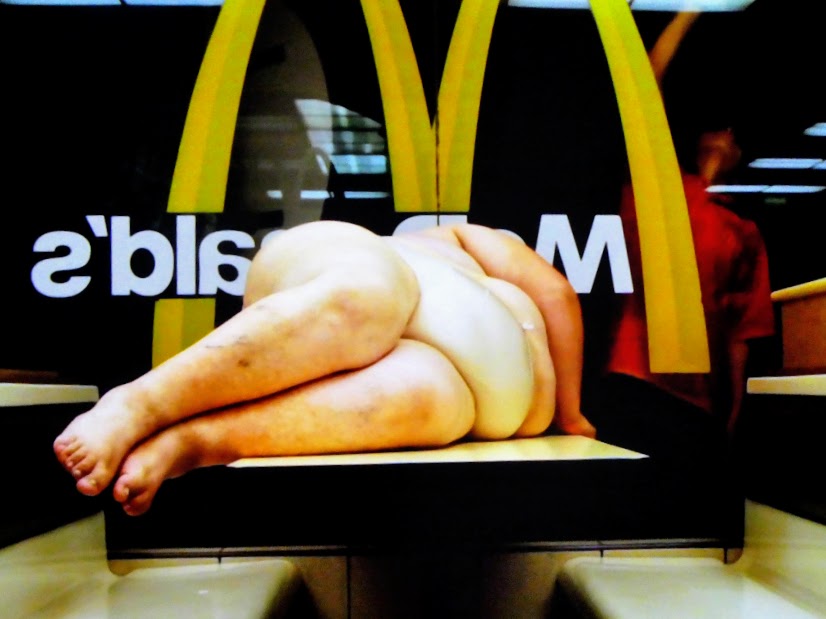
This MacDonald’s refuser really liked this one:
Yoshua Okon, 2014: Freedom Fries, Naturaleza Morta. A London gallery refused to accept this work in an exhibition of Mexican art, because of its ‘political nature’.
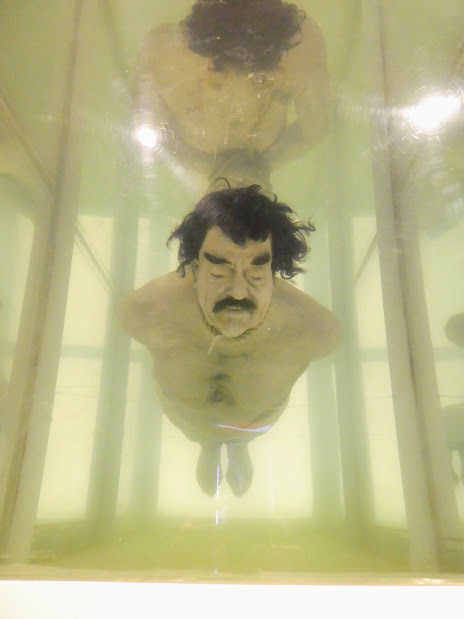
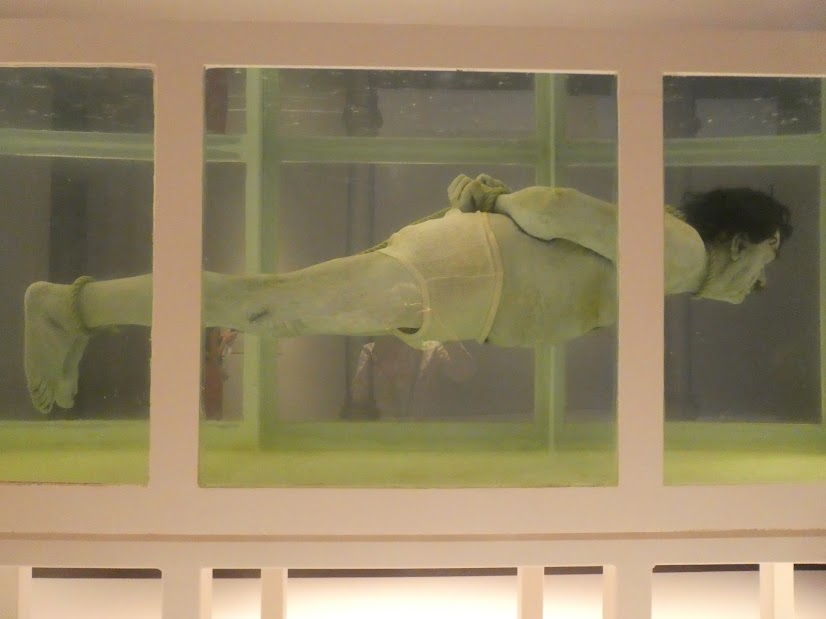
There was this:
David Cerny 2006: Shark. Saddam Hussein in a shark tank 2005. A Belgian town demanded its removal as being offensive to Muslims and off-putting to tourists.
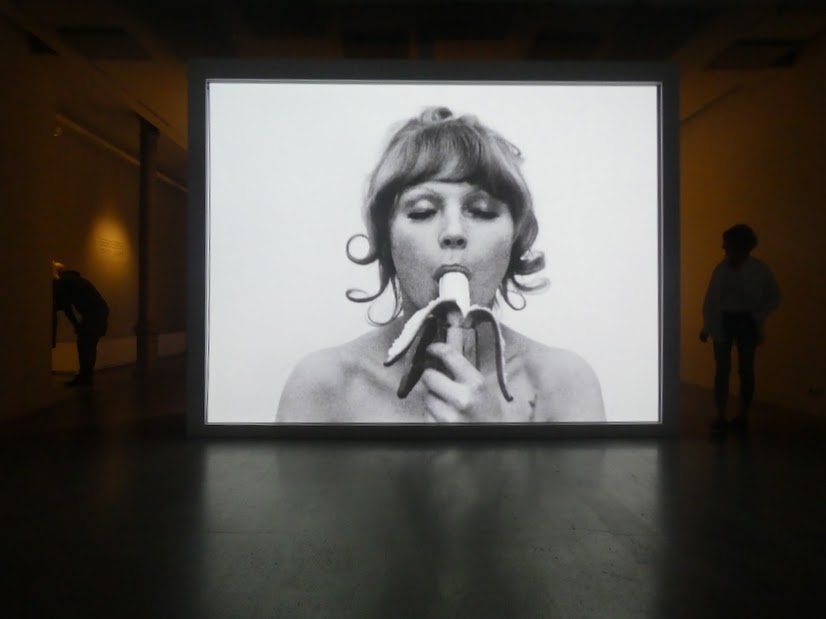
Natalia LL: Consumer Art 1972-75. Following Natalia’s first works in this series, Poles posted posters of themselves eating bananas as a protest against government censorship. One of a large series .
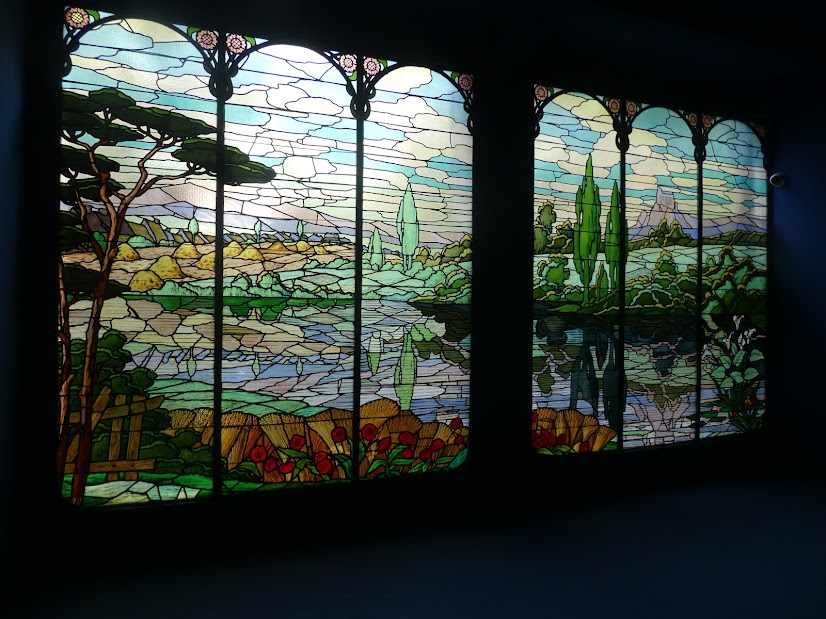
It’s housed in an elegant Modernist building, the Casa Garriga Nogués. These windows give you a taste of it.
These windows are the work of Antoni Rigalt, who was also the creator of the windows at the Palacio de la Música Catalana.
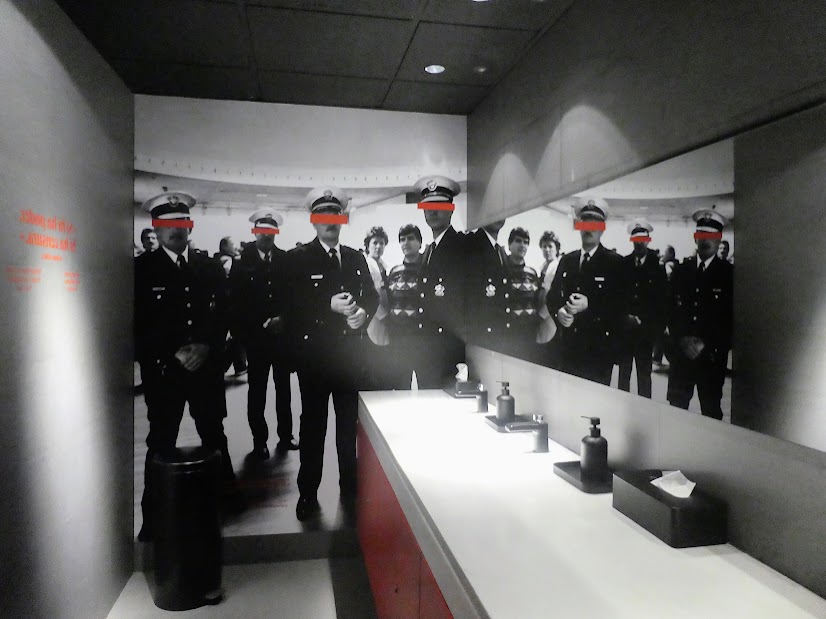
I found the whole thing thought-provoking and was glad to have spent a couple of hours there. I wondered whether I’d been wise to go to the women’s toilets though. The featured photo shows what confronted me as I walked in.
Next week we’ll stay in Barcelona, but I’ll take you somewhere restful and restorative: that’s so long as you don’t get lost. And you will…
This week, for the Lens Artists Challenge, Amy asks us to consider ways of framing our shots. So my featured photo doesn’t do that. The frame shown here, at Brimham Rocks IS the subject of the shot.
Sometimes, the photographer finds a frame has been fortuitously laid on. Here we are on the Regents Canal in London, in maritime Barcelona and at Harlow Carr Gardens in Harrogate.
A band plays on the floating bookshop, Word on the Water, on the Regent’s Canal, London
Sometimes a window – an actual window, or a suitably-shaped hole-in-the-wall provides that frame. Here’s the South Bank in London, a shot taken while sailing to Bilbao, another view at Harlow Carr, and a convenient window overlooking the River Thames near Blackfriar’s Bridge.
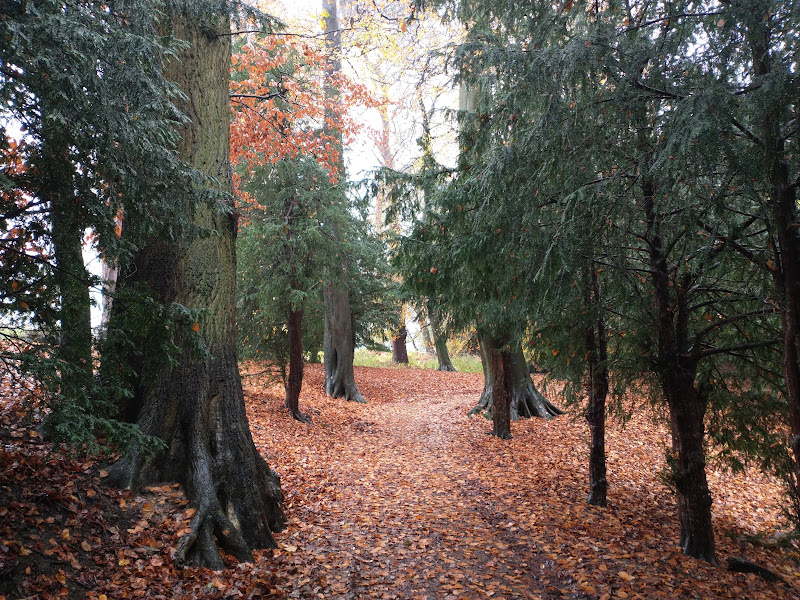
In her post about framing, Sarah of Travel with Me fame took us to Fountains Abbey and Studley Royal. We’ll go there too, but wander through the wooded area of the High Ride, and into the parkland of Studley Royal, allowing the trees themselves to frame the picture.
Fountains Abbey in autumn.
And lastly, another view which didn’t work as well as I hoped, through a chink in a drystone wall in the Yorkshire Dales.
How to summarise 2022 in just a few photos? That’s what the Lens-Artist Challenge demands of us this week. What makes it so hard is that a memory is invested in every photo. My own favourite photos may demonstrate no particular skill, but can transport me – and not you – straight back to a treasured moment. Ah well, let’s give it a go, and see what I can find that we can all enjoy.
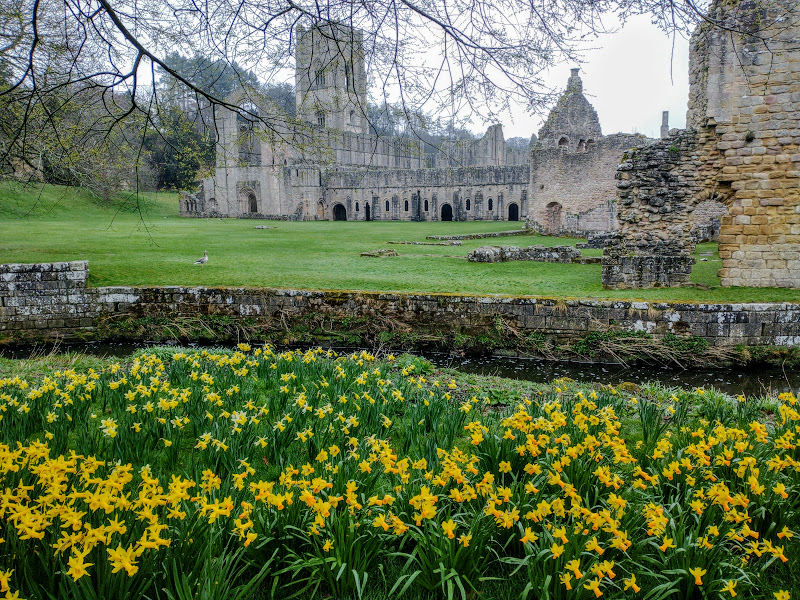
Let’s book-end the year with ordinary pleasures: Fountains Abbey in springtime, and in late autumn…
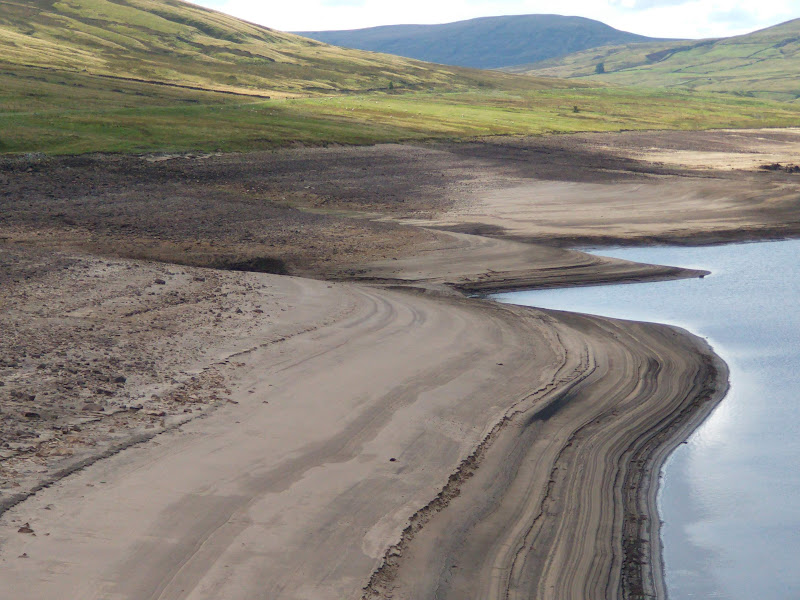
Let’s remember summer with – here – an extraordinary sight: Scar House Reservoir, almost unable to do its job of providing water.
Scar House Reservoir in August 2022.
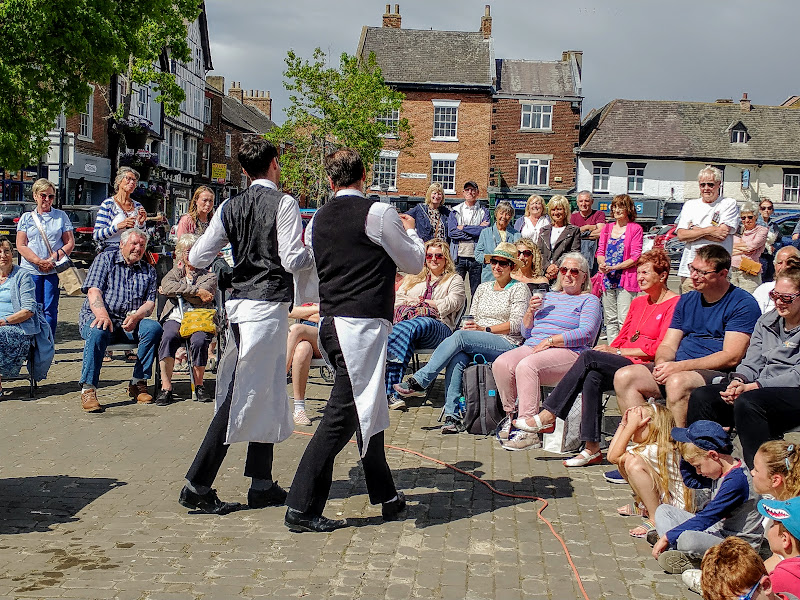
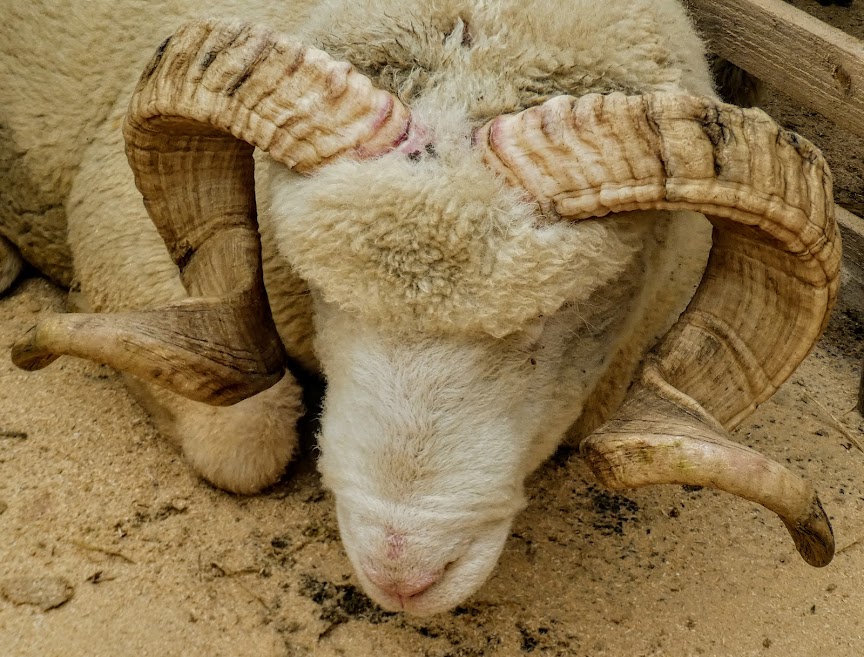
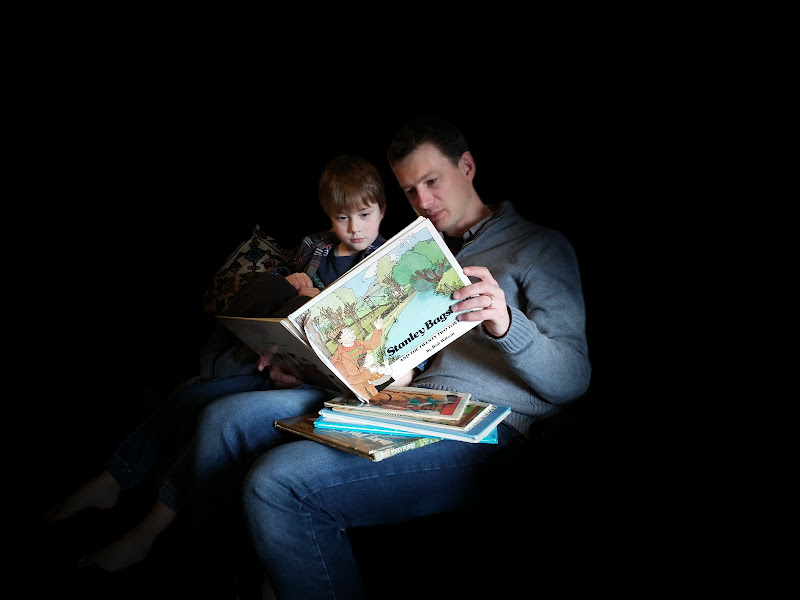
Let’s have a look at happy moments: Ripon’s first Theatre Festival took to the streets, Masham’s annual Sheep Fair returned after a couple of years’ Covid-hiatus. And my family enjoys one of life’s simpler pleasures: curling up with a good book.
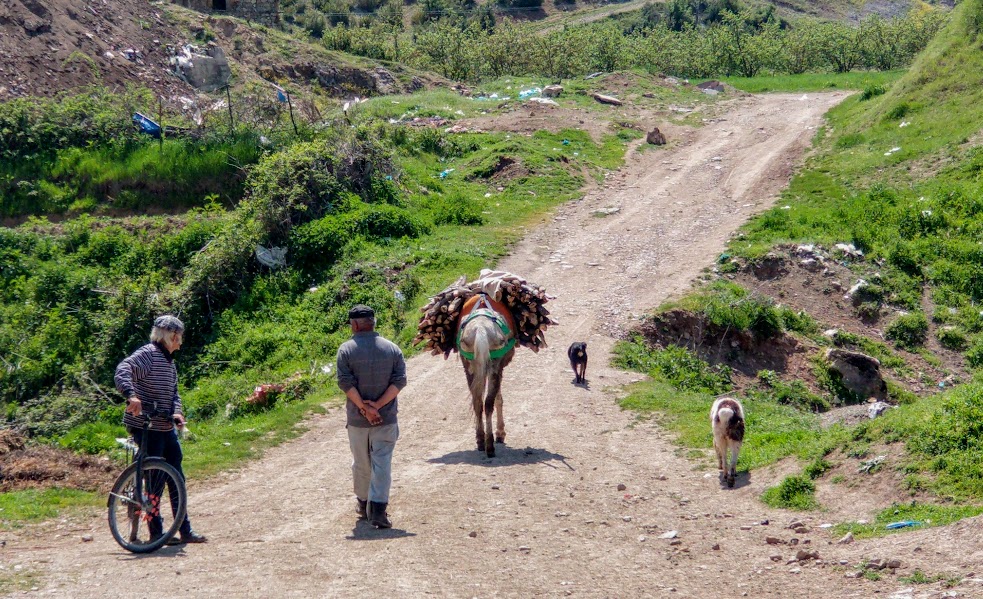
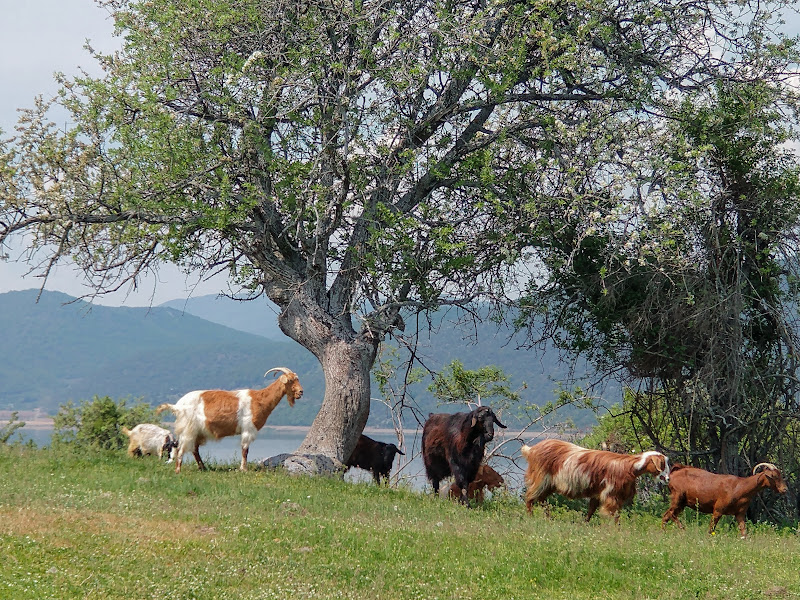
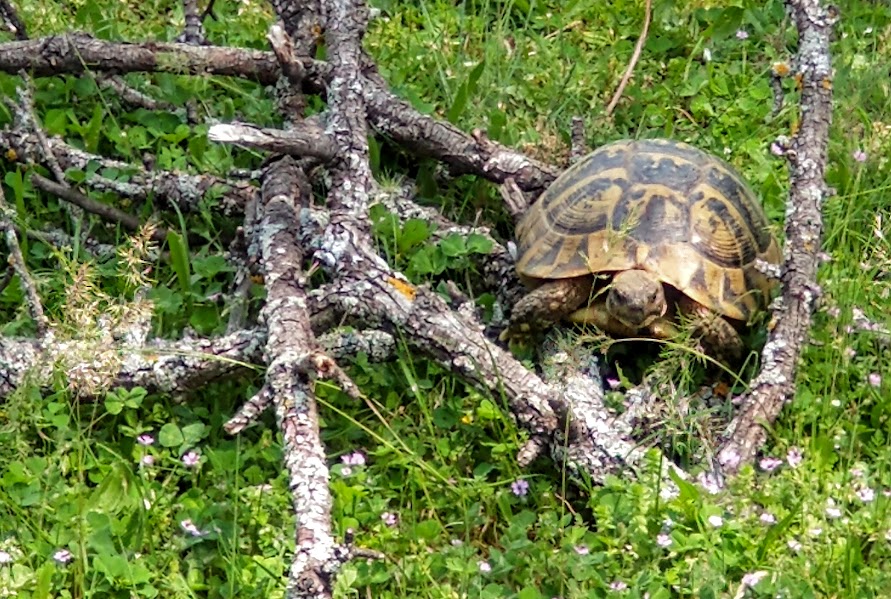
Memorable May: a fantastic few days in the Balkans: North Macedonia, Albania and Greece, to enjoy its wildlife. A very few photos stand in for the whole experience of this area, still in many ways rooted in its traditional past.
Shepherds on the move all day and every day. leading their sheep and goats in quest of pasturage.
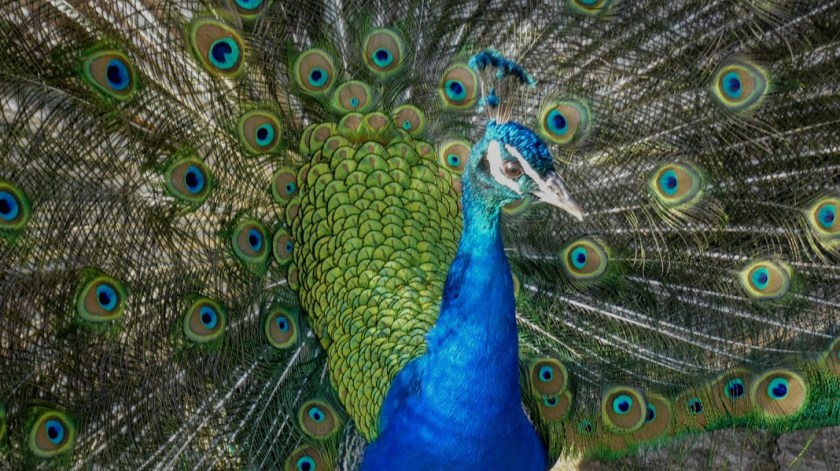
… and not forgetting the stars of the show: peacocks at Lake Ohrid.
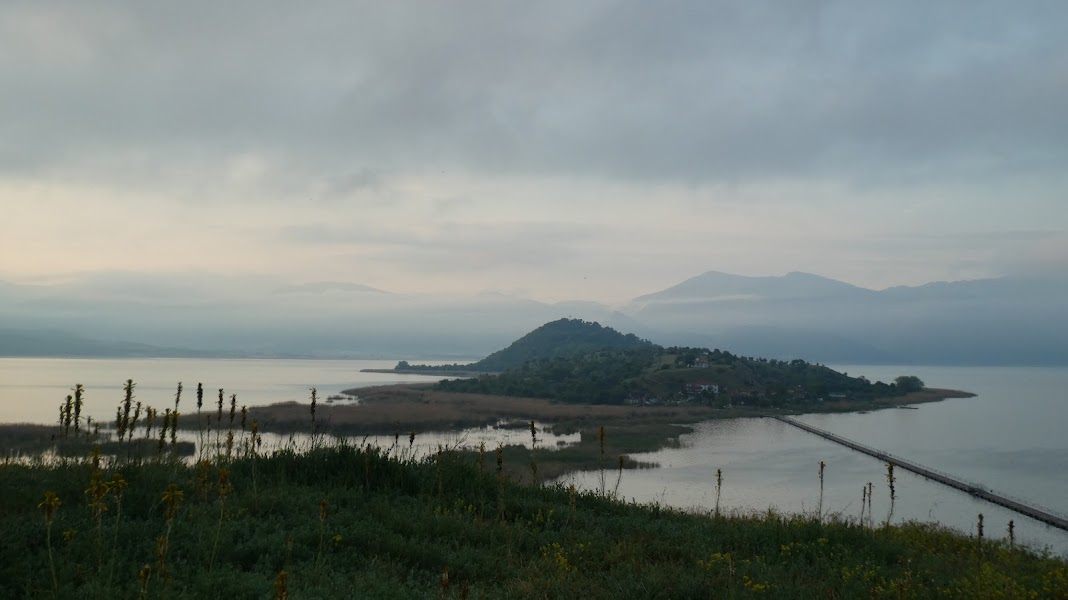
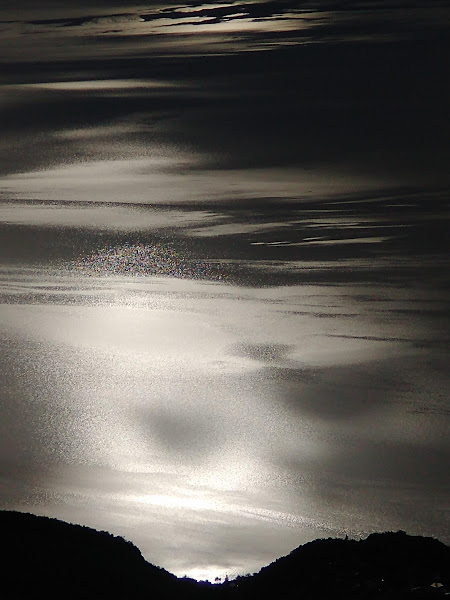
The header image shows Lake Prespa, and the island of Agios Achillios, where we spent a few days.
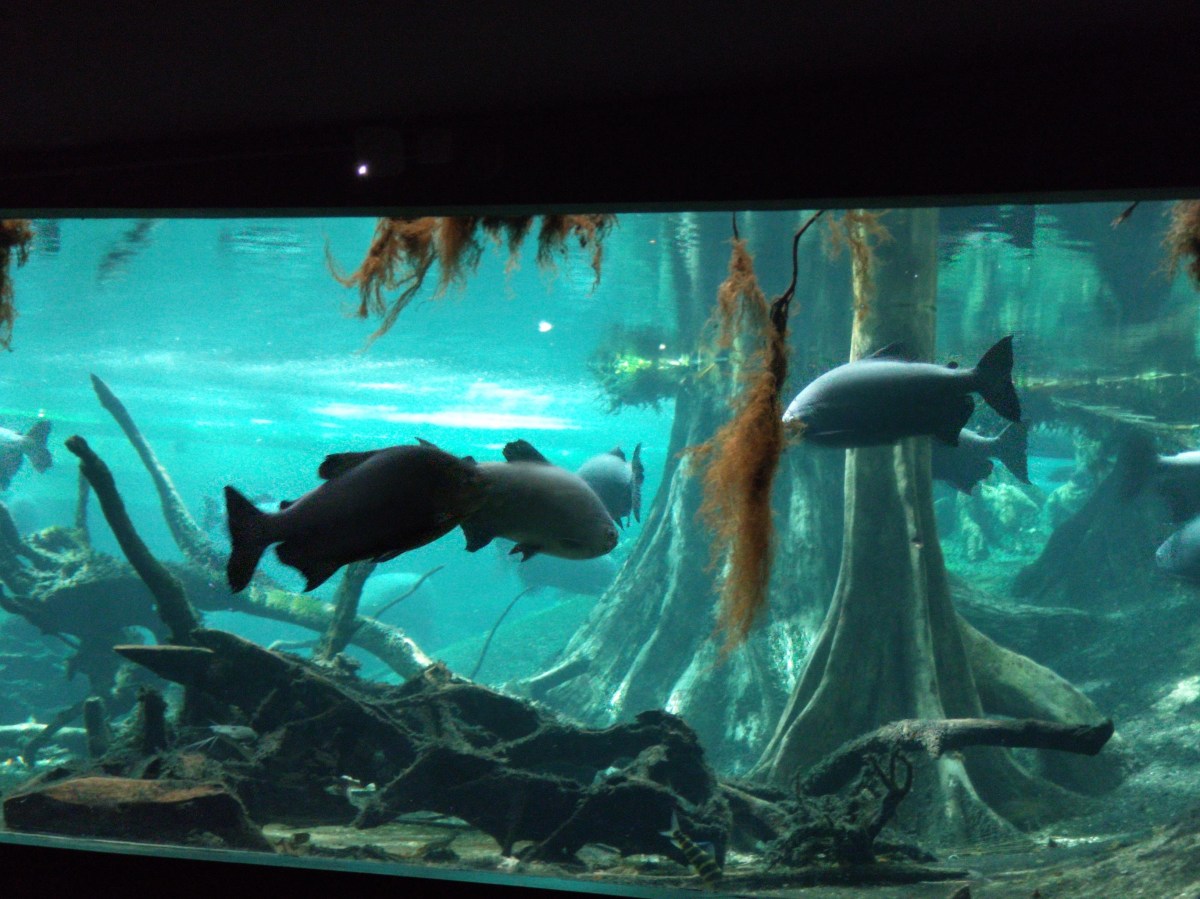
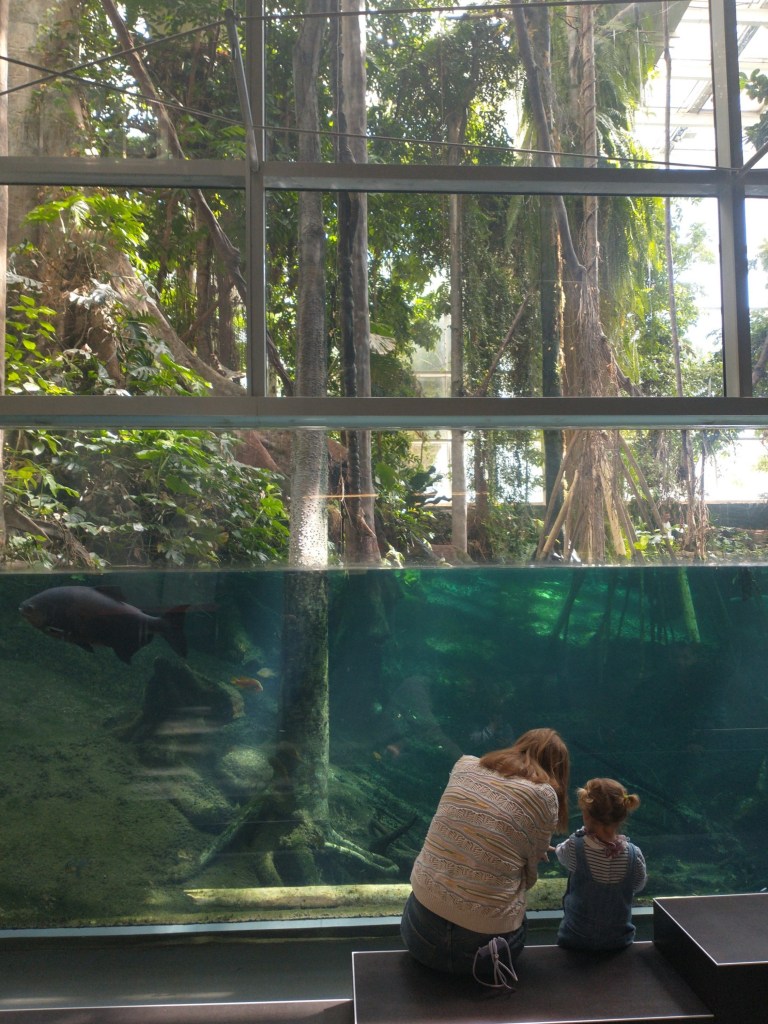
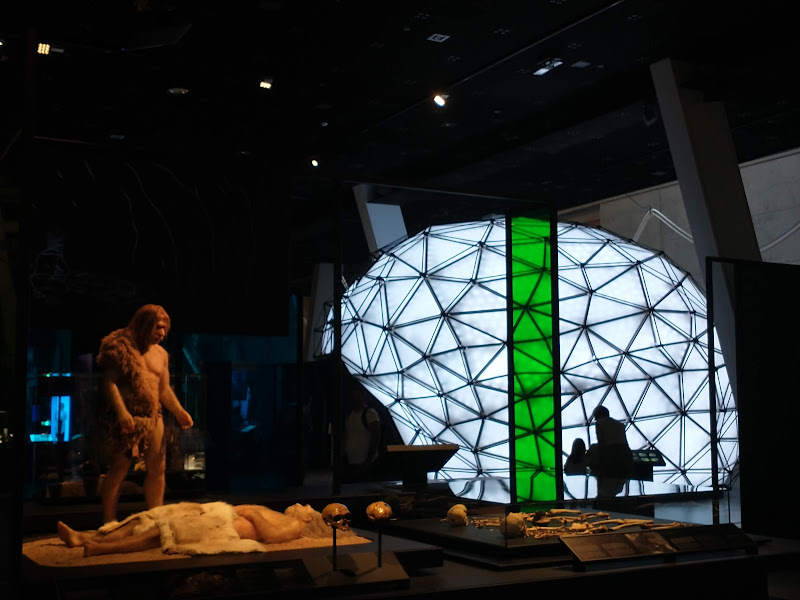
In Catalonia with The Barcelona Branch of the family, we had an unforgettable trip to what may be The World’s Best Museum, CosmoCaixa, Barcelona.
We’ll finish off with Christmas lights at Eltham Palace. It was so cold, no wonder my fingers slipped!
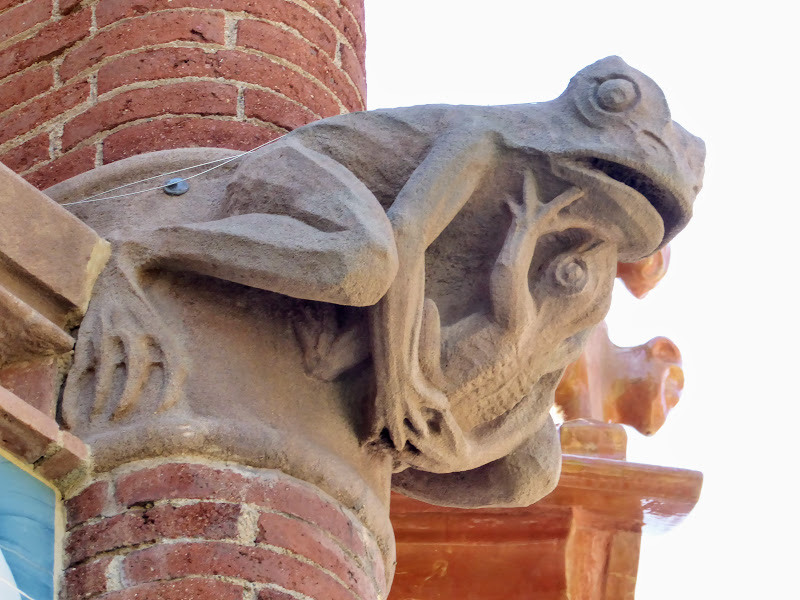
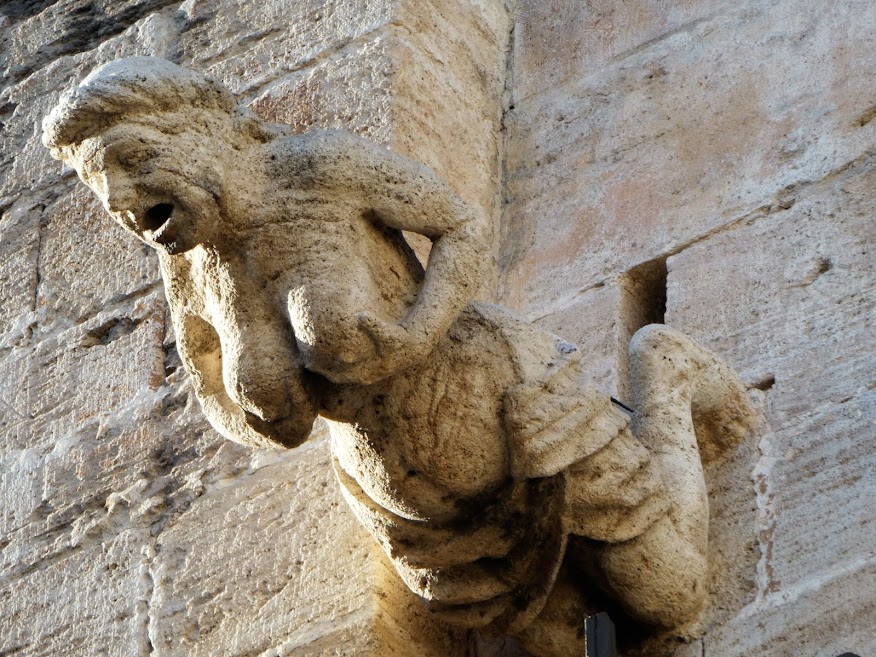
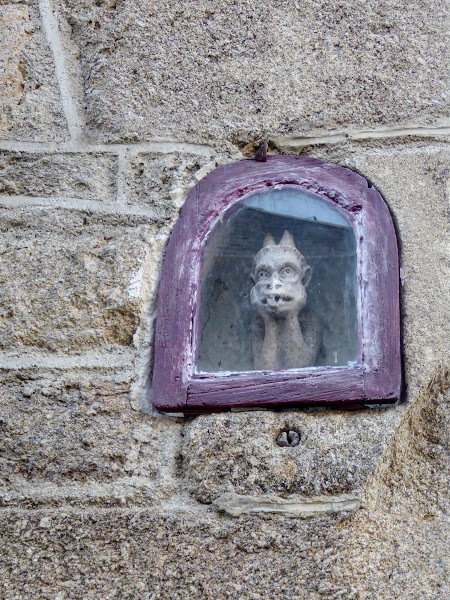
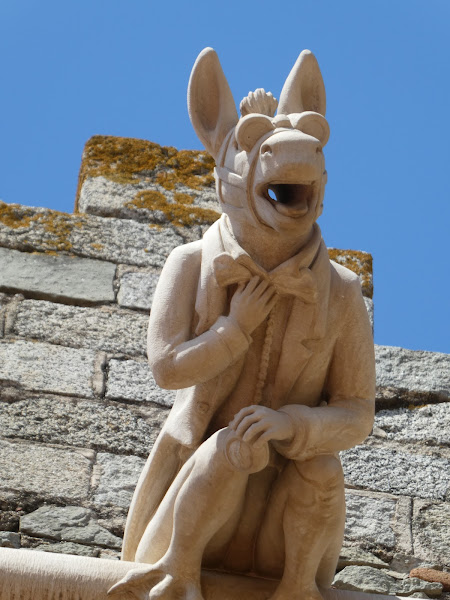
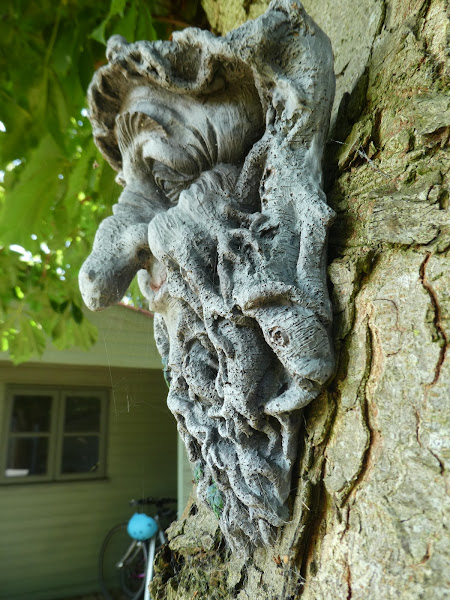
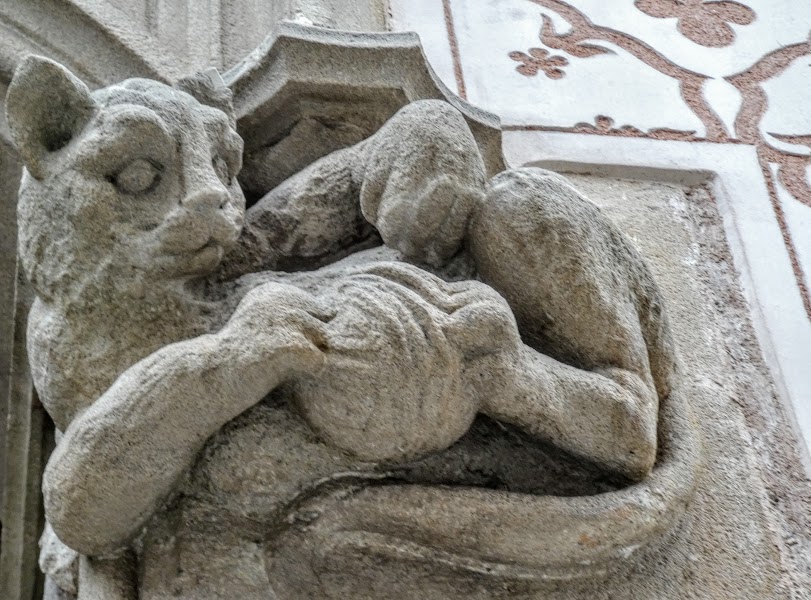
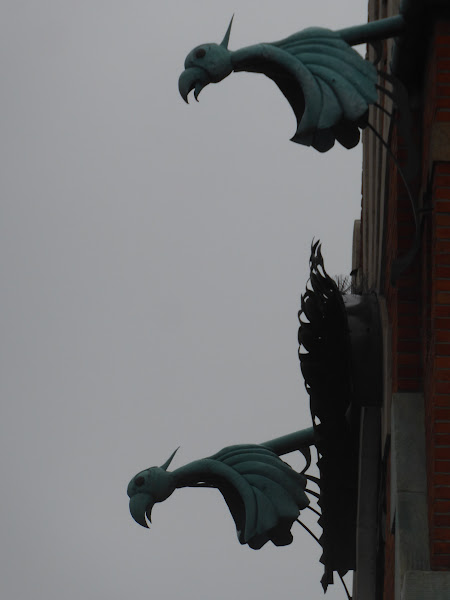
This week, Ann-Christine is urging us, in Lens-Artists Challenge #214 to indulge ourselves and our readers with Favourite Finds in our collections of photos. Well. Where to start? What to choose? I’ve settled on those things that we sometimes notice as we glance up above, or find ourselves gazing at, such as drainpipes or old walls in city streets: we’ll see everything from … well, let’s have a look …
Click on the image to discover where to find it.
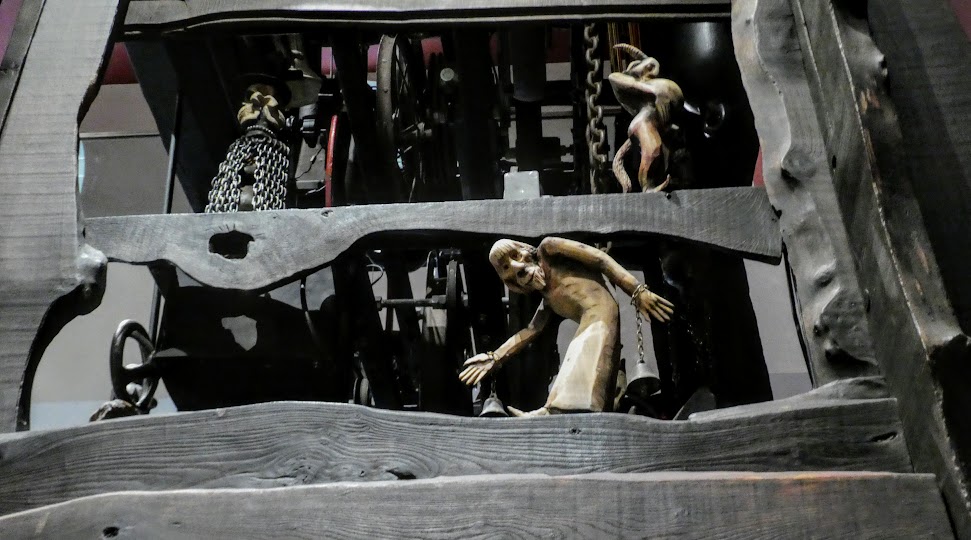
The featured image is from the Millennium Clock in the National Museum of Scotland, Edinburgh

















 From Pyrenees to Pennines
You must be logged in to post a comment.